User login
Clinical Endocrinology News is an independent news source that provides endocrinologists with timely and relevant news and commentary about clinical developments and the impact of health care policy on the endocrinologist's practice. Specialty topics include Diabetes, Lipid & Metabolic Disorders Menopause, Obesity, Osteoporosis, Pediatric Endocrinology, Pituitary, Thyroid & Adrenal Disorders, and Reproductive Endocrinology. Featured content includes Commentaries, Implementin Health Reform, Law & Medicine, and In the Loop, the blog of Clinical Endocrinology News. Clinical Endocrinology News is owned by Frontline Medical Communications.
addict
addicted
addicting
addiction
adult sites
alcohol
antibody
ass
attorney
audit
auditor
babies
babpa
baby
ban
banned
banning
best
bisexual
bitch
bleach
blog
blow job
bondage
boobs
booty
buy
cannabis
certificate
certification
certified
cheap
cheapest
class action
cocaine
cock
counterfeit drug
crack
crap
crime
criminal
cunt
curable
cure
dangerous
dangers
dead
deadly
death
defend
defended
depedent
dependence
dependent
detergent
dick
die
dildo
drug abuse
drug recall
dying
fag
fake
fatal
fatalities
fatality
free
fuck
gangs
gingivitis
guns
hardcore
herbal
herbs
heroin
herpes
home remedies
homo
horny
hypersensitivity
hypoglycemia treatment
illegal drug use
illegal use of prescription
incest
infant
infants
job
ketoacidosis
kill
killer
killing
kinky
law suit
lawsuit
lawyer
lesbian
marijuana
medicine for hypoglycemia
murder
naked
natural
newborn
nigger
noise
nude
nudity
orgy
over the counter
overdosage
overdose
overdosed
overdosing
penis
pimp
pistol
porn
porno
pornographic
pornography
prison
profanity
purchase
purchasing
pussy
queer
rape
rapist
recall
recreational drug
rob
robberies
sale
sales
sex
sexual
shit
shoot
slut
slutty
stole
stolen
store
sue
suicidal
suicide
supplements
supply company
theft
thief
thieves
tit
toddler
toddlers
toxic
toxin
tragedy
treating dka
treating hypoglycemia
treatment for hypoglycemia
vagina
violence
whore
withdrawal
without prescription
section[contains(@class, 'nav-hidden')]
footer[@id='footer']
div[contains(@class, 'pane-pub-article-imn')]
div[contains(@class, 'pane-pub-home-imn')]
div[contains(@class, 'pane-pub-topic-imn')]
div[contains(@class, 'panel-panel-inner')]
div[contains(@class, 'pane-node-field-article-topics')]
section[contains(@class, 'footer-nav-section-wrapper')]
Metformin use linked to birth defects in boys
researchers have found.
The association appears to involve the effects of metformin on the development of sperm during a critical window prior to conception. Female offspring were not affected. Although previous studies have linked diabetes with fertility problems in men, the latest study is the first to show that these problems can result from treatment rather than the disease itself, according to the researchers, whose findings appear in Annals of Internal Medicine.
“This is the first data to suggest that paternal metformin [use] may be associated with birth defects in children. As such, it would be early to begin to alter clinical practice,” Michael Eisenberg, MD, director of male reproductive medicine and surgery, department of urology, Stanford (Calif.) University, who is a coauthor of the study, said in an interview. “However, if it is confirmed in other populations, then it may begin to enter counseling discussions.”
Dr. Eisenberg added that eating a nutritious diet, exercising, and maintaining a healthy body weight “can improve a man’s health and likely his fertility as well.”
For the new study, Dr. Eisenberg and colleagues analyzed records in a registry of all 1.25 million births that occurred in Denmark between 1997 and 2016. The registry included information on birth defects and parental drug prescriptions.
Offspring were considered exposed to a diabetes drug if a father had filled one or more prescriptions for the medications during the 3 months prior to conception, when the fertilizing sperm would have been produced.
The final analysis included 1,116,779 offspring – all singleton births to women without a history of diabetes or essential hypertension – of whom 7,029 were exposed to diabetes drugs via the father, and 3.3% (n = 36,585) had one or more major birth defects.
Among male offspring whose fathers had taken metformin (n = 1,451), there was a 3.4-fold greater incidence of major genitourinary birth defects, according to the researchers. The study failed to find associations between birth defects and the use of insulin. Although a signal did emerge for sulfonylurea-based drugs, it did not reach statistical significance.
The risk associated with metformin did not appear for men who were prescribed the drug in the year before or after sperm development. Nor was it evident in siblings of the boys with birth defects who were not considered to have been exposed to the medication, the researchers reported.
In an editorial accompanying the journal article, Germaine Buck Louis, PhD, a reproductive and perinatal epidemiologist, wrote: “Given the prevalence of metformin use as first-line therapy for type 2 diabetes, corroboration of these findings is urgently needed.”
Dr. Louis, dean of the College of Health and Human Services at George Mason University, Washington, said a key limitation of the research is the lack of data on how well men in the study adhered to their diabetes treatment. Nevertheless, “clinical guidance is needed to help couples planning pregnancy weigh the risks and benefits of paternal metformin use relative to other medications.”
The researchers received funding from the National Institutes of Health and the Centers for Disease Control and Prevention.
A version of this article first appeared on Medscape.com.
researchers have found.
The association appears to involve the effects of metformin on the development of sperm during a critical window prior to conception. Female offspring were not affected. Although previous studies have linked diabetes with fertility problems in men, the latest study is the first to show that these problems can result from treatment rather than the disease itself, according to the researchers, whose findings appear in Annals of Internal Medicine.
“This is the first data to suggest that paternal metformin [use] may be associated with birth defects in children. As such, it would be early to begin to alter clinical practice,” Michael Eisenberg, MD, director of male reproductive medicine and surgery, department of urology, Stanford (Calif.) University, who is a coauthor of the study, said in an interview. “However, if it is confirmed in other populations, then it may begin to enter counseling discussions.”
Dr. Eisenberg added that eating a nutritious diet, exercising, and maintaining a healthy body weight “can improve a man’s health and likely his fertility as well.”
For the new study, Dr. Eisenberg and colleagues analyzed records in a registry of all 1.25 million births that occurred in Denmark between 1997 and 2016. The registry included information on birth defects and parental drug prescriptions.
Offspring were considered exposed to a diabetes drug if a father had filled one or more prescriptions for the medications during the 3 months prior to conception, when the fertilizing sperm would have been produced.
The final analysis included 1,116,779 offspring – all singleton births to women without a history of diabetes or essential hypertension – of whom 7,029 were exposed to diabetes drugs via the father, and 3.3% (n = 36,585) had one or more major birth defects.
Among male offspring whose fathers had taken metformin (n = 1,451), there was a 3.4-fold greater incidence of major genitourinary birth defects, according to the researchers. The study failed to find associations between birth defects and the use of insulin. Although a signal did emerge for sulfonylurea-based drugs, it did not reach statistical significance.
The risk associated with metformin did not appear for men who were prescribed the drug in the year before or after sperm development. Nor was it evident in siblings of the boys with birth defects who were not considered to have been exposed to the medication, the researchers reported.
In an editorial accompanying the journal article, Germaine Buck Louis, PhD, a reproductive and perinatal epidemiologist, wrote: “Given the prevalence of metformin use as first-line therapy for type 2 diabetes, corroboration of these findings is urgently needed.”
Dr. Louis, dean of the College of Health and Human Services at George Mason University, Washington, said a key limitation of the research is the lack of data on how well men in the study adhered to their diabetes treatment. Nevertheless, “clinical guidance is needed to help couples planning pregnancy weigh the risks and benefits of paternal metformin use relative to other medications.”
The researchers received funding from the National Institutes of Health and the Centers for Disease Control and Prevention.
A version of this article first appeared on Medscape.com.
researchers have found.
The association appears to involve the effects of metformin on the development of sperm during a critical window prior to conception. Female offspring were not affected. Although previous studies have linked diabetes with fertility problems in men, the latest study is the first to show that these problems can result from treatment rather than the disease itself, according to the researchers, whose findings appear in Annals of Internal Medicine.
“This is the first data to suggest that paternal metformin [use] may be associated with birth defects in children. As such, it would be early to begin to alter clinical practice,” Michael Eisenberg, MD, director of male reproductive medicine and surgery, department of urology, Stanford (Calif.) University, who is a coauthor of the study, said in an interview. “However, if it is confirmed in other populations, then it may begin to enter counseling discussions.”
Dr. Eisenberg added that eating a nutritious diet, exercising, and maintaining a healthy body weight “can improve a man’s health and likely his fertility as well.”
For the new study, Dr. Eisenberg and colleagues analyzed records in a registry of all 1.25 million births that occurred in Denmark between 1997 and 2016. The registry included information on birth defects and parental drug prescriptions.
Offspring were considered exposed to a diabetes drug if a father had filled one or more prescriptions for the medications during the 3 months prior to conception, when the fertilizing sperm would have been produced.
The final analysis included 1,116,779 offspring – all singleton births to women without a history of diabetes or essential hypertension – of whom 7,029 were exposed to diabetes drugs via the father, and 3.3% (n = 36,585) had one or more major birth defects.
Among male offspring whose fathers had taken metformin (n = 1,451), there was a 3.4-fold greater incidence of major genitourinary birth defects, according to the researchers. The study failed to find associations between birth defects and the use of insulin. Although a signal did emerge for sulfonylurea-based drugs, it did not reach statistical significance.
The risk associated with metformin did not appear for men who were prescribed the drug in the year before or after sperm development. Nor was it evident in siblings of the boys with birth defects who were not considered to have been exposed to the medication, the researchers reported.
In an editorial accompanying the journal article, Germaine Buck Louis, PhD, a reproductive and perinatal epidemiologist, wrote: “Given the prevalence of metformin use as first-line therapy for type 2 diabetes, corroboration of these findings is urgently needed.”
Dr. Louis, dean of the College of Health and Human Services at George Mason University, Washington, said a key limitation of the research is the lack of data on how well men in the study adhered to their diabetes treatment. Nevertheless, “clinical guidance is needed to help couples planning pregnancy weigh the risks and benefits of paternal metformin use relative to other medications.”
The researchers received funding from the National Institutes of Health and the Centers for Disease Control and Prevention.
A version of this article first appeared on Medscape.com.
FROM ANNALS OF INTERNAL MEDICINE
Going digital won’t fully fix prior authorizations, say medical groups
That was the message from groups representing physicians, medical practices, and hospitals in response to a request for input from the Office of the National Coordinator for Health Information Technology (ONC). In January, ONC requested public feedback on how making the process for insurer approvals digital can “ease the burden of prior authorization tasks on patients, providers, and payers.”
According to a study conducted by America’s Health Insurance Plans, 71% of providers who implemented electronic prior authorization experienced “faster time to patient care.” The organization, which represents many of the nation’s health insurers, also reported that electronic prior authorization reduced the time it took to receive a decision by a health plan by 69%.
In its response to ONC, the American Association of Family Physicians (AAFP) called out prior authorization as a “leading cause of physician burden” and wrote that the organization is “strongly supportive of efforts to reform and streamline the prior authorization process.”
AAFP, which represents 127,600 family physicians, residents, and students, cited in its comments an AMA survey in which 88% of physicians said that prior authorization “generates high or extremely high administrative burden” for their practices. Practices are responsible for an average of 41 prior authorizations per physician each week, which can take almost 2 days of a physician’s time each week, according to the AAFP.
Delayed care, increased confusion, reduced treatment adherence, and even discontinuation of treatment are some of the harms prior authorization causes patients, wrote AAFP board chair Ada D. Stewart, MD.
Electronic prior authorization is “just one step in addressing the flaws of utilization management practices, and comprehensive reform is needed to reduce the volume of prior authorizations and ensure patients’ timely access to care,” wrote Dr. Stewart.
AHA: Most common prior auth means are phones, fax
The American Hospital Association (AHA) highlighted the variety of prior authorization requests from different payers, writing, “While some plans accept electronic means, the most common method remains using fax machines and contacting call centers, with regular hold times of 20 to 30 minutes.”
The AHA’s Senior Vice President Ashley Thompson wrote that the various prior authorization processes required by payers take up staff time and increase the chance of data entry errors.
To fix this, the AHA calls for an “end-to-end automated prior authorization process that integrates with clinicians’ EHR workflow.” According to the AHA, this approach can help physicians have access to the required prior authorization information during treatment planning.
In response to the federal agency’s question about the functional capabilities for certified health IT modules to facilitate electronic prior authorization, the AAFP wrote that the standards should include communicating to providers the expected timeline from a payer on a response, the ability to access payers’ reasoning for denials, and the creation of a process for appealing decisions.
The ONC also asked for input on the use of three fast health care interoperability resources (FHIR)–based Da Vinci implementation guides in electronic prior authorization.
Developed by the Da Vinci Project in coordination with the HL7 Clinical Decision Support Workgroup, the FHIR-based implementation guides create a mechanism for reducing the burden on provider organizations and simplifying processes by establishing electronic versions of administrative and clinical requirements that are a part of providers’ workflow.
In its response, the AHA requested that prior authorization solutions “be fully developed and tested prior to wide scale industry rollout.”
The AAFP largely agreed with the AHA in its response, writing, “Only standards and [implementation guides] that have been proven effective and adoptable in real world testing should be candidates for mandatory certification and utilization, including the Da Vinci standards.”
The Medical Group Management Association (MGMA), which represents more than 60,000 medical practice administrators, executives, and leaders, supports the idea that electronic prior authorization “has the potential to decrease administrative burden through automation but only if implemented properly.”
In its comments, the MGMA called for broader reform of prior authorization. One way to accomplish that goal is by aligning electronic prior authorization standards “with payment and quality reporting programs, as well as care delivery models, to minimize burden and overhead costs.”
A version of this article first appeared on Medscape.com.
That was the message from groups representing physicians, medical practices, and hospitals in response to a request for input from the Office of the National Coordinator for Health Information Technology (ONC). In January, ONC requested public feedback on how making the process for insurer approvals digital can “ease the burden of prior authorization tasks on patients, providers, and payers.”
According to a study conducted by America’s Health Insurance Plans, 71% of providers who implemented electronic prior authorization experienced “faster time to patient care.” The organization, which represents many of the nation’s health insurers, also reported that electronic prior authorization reduced the time it took to receive a decision by a health plan by 69%.
In its response to ONC, the American Association of Family Physicians (AAFP) called out prior authorization as a “leading cause of physician burden” and wrote that the organization is “strongly supportive of efforts to reform and streamline the prior authorization process.”
AAFP, which represents 127,600 family physicians, residents, and students, cited in its comments an AMA survey in which 88% of physicians said that prior authorization “generates high or extremely high administrative burden” for their practices. Practices are responsible for an average of 41 prior authorizations per physician each week, which can take almost 2 days of a physician’s time each week, according to the AAFP.
Delayed care, increased confusion, reduced treatment adherence, and even discontinuation of treatment are some of the harms prior authorization causes patients, wrote AAFP board chair Ada D. Stewart, MD.
Electronic prior authorization is “just one step in addressing the flaws of utilization management practices, and comprehensive reform is needed to reduce the volume of prior authorizations and ensure patients’ timely access to care,” wrote Dr. Stewart.
AHA: Most common prior auth means are phones, fax
The American Hospital Association (AHA) highlighted the variety of prior authorization requests from different payers, writing, “While some plans accept electronic means, the most common method remains using fax machines and contacting call centers, with regular hold times of 20 to 30 minutes.”
The AHA’s Senior Vice President Ashley Thompson wrote that the various prior authorization processes required by payers take up staff time and increase the chance of data entry errors.
To fix this, the AHA calls for an “end-to-end automated prior authorization process that integrates with clinicians’ EHR workflow.” According to the AHA, this approach can help physicians have access to the required prior authorization information during treatment planning.
In response to the federal agency’s question about the functional capabilities for certified health IT modules to facilitate electronic prior authorization, the AAFP wrote that the standards should include communicating to providers the expected timeline from a payer on a response, the ability to access payers’ reasoning for denials, and the creation of a process for appealing decisions.
The ONC also asked for input on the use of three fast health care interoperability resources (FHIR)–based Da Vinci implementation guides in electronic prior authorization.
Developed by the Da Vinci Project in coordination with the HL7 Clinical Decision Support Workgroup, the FHIR-based implementation guides create a mechanism for reducing the burden on provider organizations and simplifying processes by establishing electronic versions of administrative and clinical requirements that are a part of providers’ workflow.
In its response, the AHA requested that prior authorization solutions “be fully developed and tested prior to wide scale industry rollout.”
The AAFP largely agreed with the AHA in its response, writing, “Only standards and [implementation guides] that have been proven effective and adoptable in real world testing should be candidates for mandatory certification and utilization, including the Da Vinci standards.”
The Medical Group Management Association (MGMA), which represents more than 60,000 medical practice administrators, executives, and leaders, supports the idea that electronic prior authorization “has the potential to decrease administrative burden through automation but only if implemented properly.”
In its comments, the MGMA called for broader reform of prior authorization. One way to accomplish that goal is by aligning electronic prior authorization standards “with payment and quality reporting programs, as well as care delivery models, to minimize burden and overhead costs.”
A version of this article first appeared on Medscape.com.
That was the message from groups representing physicians, medical practices, and hospitals in response to a request for input from the Office of the National Coordinator for Health Information Technology (ONC). In January, ONC requested public feedback on how making the process for insurer approvals digital can “ease the burden of prior authorization tasks on patients, providers, and payers.”
According to a study conducted by America’s Health Insurance Plans, 71% of providers who implemented electronic prior authorization experienced “faster time to patient care.” The organization, which represents many of the nation’s health insurers, also reported that electronic prior authorization reduced the time it took to receive a decision by a health plan by 69%.
In its response to ONC, the American Association of Family Physicians (AAFP) called out prior authorization as a “leading cause of physician burden” and wrote that the organization is “strongly supportive of efforts to reform and streamline the prior authorization process.”
AAFP, which represents 127,600 family physicians, residents, and students, cited in its comments an AMA survey in which 88% of physicians said that prior authorization “generates high or extremely high administrative burden” for their practices. Practices are responsible for an average of 41 prior authorizations per physician each week, which can take almost 2 days of a physician’s time each week, according to the AAFP.
Delayed care, increased confusion, reduced treatment adherence, and even discontinuation of treatment are some of the harms prior authorization causes patients, wrote AAFP board chair Ada D. Stewart, MD.
Electronic prior authorization is “just one step in addressing the flaws of utilization management practices, and comprehensive reform is needed to reduce the volume of prior authorizations and ensure patients’ timely access to care,” wrote Dr. Stewart.
AHA: Most common prior auth means are phones, fax
The American Hospital Association (AHA) highlighted the variety of prior authorization requests from different payers, writing, “While some plans accept electronic means, the most common method remains using fax machines and contacting call centers, with regular hold times of 20 to 30 minutes.”
The AHA’s Senior Vice President Ashley Thompson wrote that the various prior authorization processes required by payers take up staff time and increase the chance of data entry errors.
To fix this, the AHA calls for an “end-to-end automated prior authorization process that integrates with clinicians’ EHR workflow.” According to the AHA, this approach can help physicians have access to the required prior authorization information during treatment planning.
In response to the federal agency’s question about the functional capabilities for certified health IT modules to facilitate electronic prior authorization, the AAFP wrote that the standards should include communicating to providers the expected timeline from a payer on a response, the ability to access payers’ reasoning for denials, and the creation of a process for appealing decisions.
The ONC also asked for input on the use of three fast health care interoperability resources (FHIR)–based Da Vinci implementation guides in electronic prior authorization.
Developed by the Da Vinci Project in coordination with the HL7 Clinical Decision Support Workgroup, the FHIR-based implementation guides create a mechanism for reducing the burden on provider organizations and simplifying processes by establishing electronic versions of administrative and clinical requirements that are a part of providers’ workflow.
In its response, the AHA requested that prior authorization solutions “be fully developed and tested prior to wide scale industry rollout.”
The AAFP largely agreed with the AHA in its response, writing, “Only standards and [implementation guides] that have been proven effective and adoptable in real world testing should be candidates for mandatory certification and utilization, including the Da Vinci standards.”
The Medical Group Management Association (MGMA), which represents more than 60,000 medical practice administrators, executives, and leaders, supports the idea that electronic prior authorization “has the potential to decrease administrative burden through automation but only if implemented properly.”
In its comments, the MGMA called for broader reform of prior authorization. One way to accomplish that goal is by aligning electronic prior authorization standards “with payment and quality reporting programs, as well as care delivery models, to minimize burden and overhead costs.”
A version of this article first appeared on Medscape.com.
Sleep deprivation sends fat to the belly
A controlled study of sleep-deprived young adults has provided the first causal evidence linking the lack of sleep to abdominal obesity and harmful visceral, or “belly” fat. In what the researchers claim is the first-ever study evaluating the relationship between sleep restriction and body fat distribution, they’ve reported the novel finding that the expansion of abdominal adipose tissue, and especially visceral fat, occurred as a function of shortened sleep.
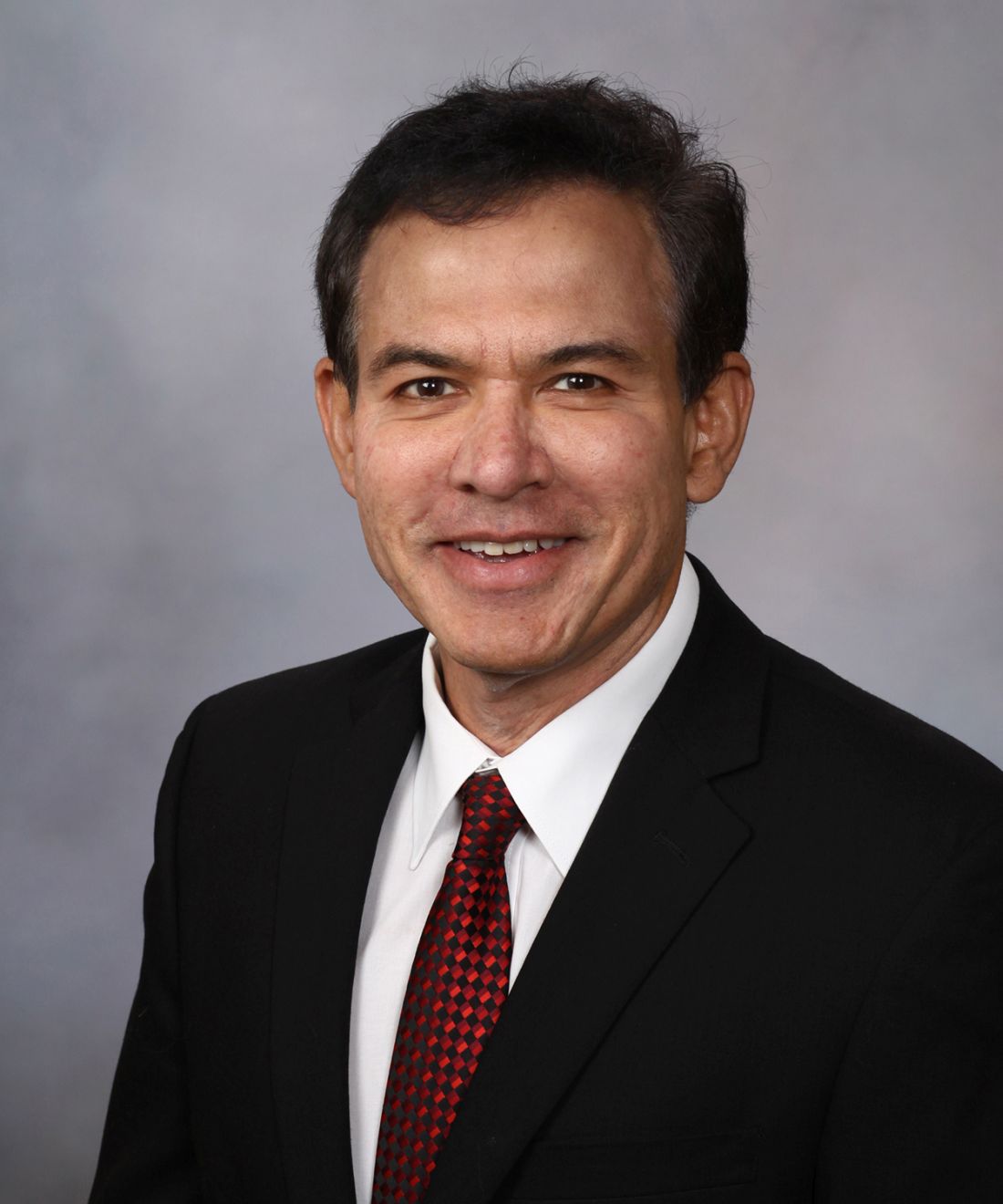
Naima Covassin, PhD, a researcher in cardiovascular medicine at Mayo Clinic in Rochester, Minn., led the randomized, controlled study of 12 healthy, nonobese people randomized to controlled sleep restriction – 2 weeks of 4 hours of sleep a night – or controlled sleep of 9 hours a night, followed by a 3-day recovery period. The study was conducted in the hospital, monitored participants’ caloric intake, and used accelerometry to monitor energy expense. Participants ranged in age from 19 to 39 years.
“What we found was that at the end of 2 weeks these people put on just about a pound, 0.5 kg, of extra weight, which was significant but still very modest,” senior author Virend K. Somers, MD, PhD, said in an interview. “The average person who sleeps 4 hours a night thinks they’re doing OK if they only put on a pound.” Dr. Somers is the Alice Sheets Marriott Professor in Cardiovascular Medicine at Mayo Clinic.
“The problem is,” he said, “that when you do a more specific analysis you find that actually with the 1 pound the significant increase of the fat is in the belly area, particularly inside the belly.”
The study found that the patients on curtailed sleep ate on average an additional 308 calories a day more than their controlled sleep counterparts (95% confidence interval, 59.2-556.8 kcal/day; P = .015), and while that translated into a 0.5-kg weight gain (95% CI, 0.1-0.8 kg; P = .008), it also led to a 7.8-cm2 increase visceral adipose tissue (VAT) (95% CI, 0.3-15.3 cm2; P = .042), representing an increase of around 11%. The study used CT on day 1 and day 18 (1 day after the 3-day recovery period) to evaluate the distribution of abdominal fat.
VAT findings post recovery
After the recovery period, however, the study found that VAT in the sleep-curtailed patients kept rising, yet body weight and subcutaneous fat dropped, and the increase in total abdominal fat flattened. “They slept a lot, they ate fewer calories and their weight came down, but, very importantly, their belly fat went up even further,” Dr. Somers said. On average, it increased another 3.125 cm2 by day 21.
The findings raised a number of questions that need further exploration, Dr. Somers said. “There’s some biochemical message in the body that’s continuing to send fat to the visceral compartment,” he said. “What we don’t know is whether repetitive episodes of inadequate sleep actually accumulate over the years to give people a preponderance of belly fat.”
The study also showed that the traditional parameters used for evaluating cardiovascular risk are not enough, Dr. Somers said. “If we just did body weight, body mass index, and overall body fat percentage, we’d completely miss this,” he said.
Future investigations should focus on two points, he said: identifying the mechanisms that cause VAT accumulation with less sleep, and whether extending sleep can reverse the process.
“The big worry is obviously the heart,” Dr. Somers said. “Remember, these are not sick people. These are young healthy people who are doing the wrong thing with their body fat; they’re sending the fat to the completely wrong place.”
In an invited editorial, endocrinologist Harold Bays, MD, wrote that the study confirmed the need for evaluating sleep disorders as a potential cause of accumulated VAT. Dr. Bays of the University of Louisville (Ky.) is medical director and president of the Louisville Metabolic and Atherosclerosis Research Center.
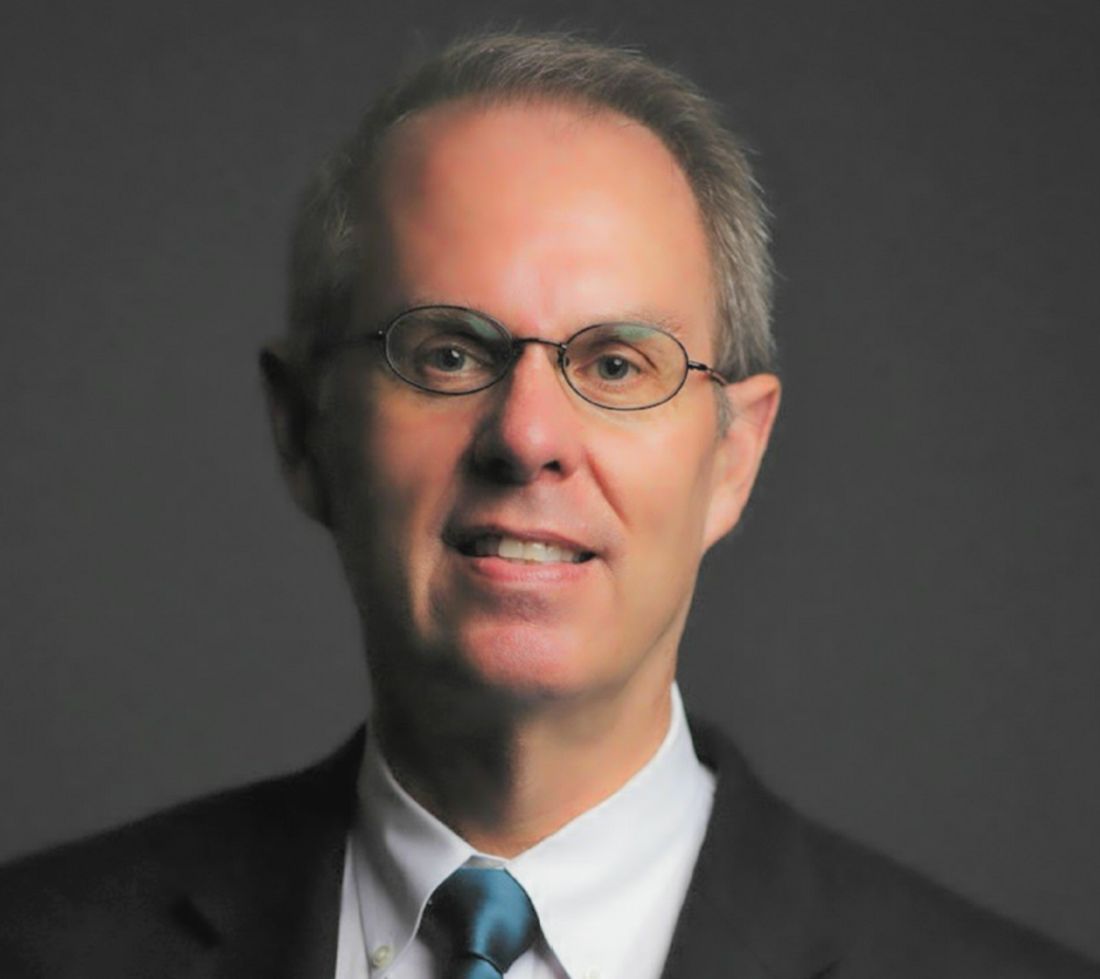
“The biggest misconception of many clinicians, and some cardiologists, is that obesity is not a disease,” Dr. Bays said in an interview. “Even when some clinicians believe obesity is a disease, they believe its pathogenic potential is limited to visceral fat.” He noted that subcutaneous fat can lead to accumulation of VAT and epicardial fat, as well as fatty infiltration of the liver and other vital organs, resulting in increased epicardial adipose tissue and indirect adverse effects on the heart.
“Thus, even if disruption of sleep does not increase body weight, if disruption of sleep results in fat dysfunction – “sick fat” or adiposopathy – then this may result in increased CVD risk factors and unhealthy body composition, including an increase in visceral fat,” Dr. Bays said.
The study received funding from the National Institutes of Health. Dr. Somers disclosed relationships with Baker Tilly, Jazz Pharmaceuticals, Bayer, Sleep Number and Respicardia. Coauthors had no disclosures. Dr. Bays is medical director of Your Body Goal and chief science officer of the Obesity Medical Association.
A controlled study of sleep-deprived young adults has provided the first causal evidence linking the lack of sleep to abdominal obesity and harmful visceral, or “belly” fat. In what the researchers claim is the first-ever study evaluating the relationship between sleep restriction and body fat distribution, they’ve reported the novel finding that the expansion of abdominal adipose tissue, and especially visceral fat, occurred as a function of shortened sleep.
Naima Covassin, PhD, a researcher in cardiovascular medicine at Mayo Clinic in Rochester, Minn., led the randomized, controlled study of 12 healthy, nonobese people randomized to controlled sleep restriction – 2 weeks of 4 hours of sleep a night – or controlled sleep of 9 hours a night, followed by a 3-day recovery period. The study was conducted in the hospital, monitored participants’ caloric intake, and used accelerometry to monitor energy expense. Participants ranged in age from 19 to 39 years.
“What we found was that at the end of 2 weeks these people put on just about a pound, 0.5 kg, of extra weight, which was significant but still very modest,” senior author Virend K. Somers, MD, PhD, said in an interview. “The average person who sleeps 4 hours a night thinks they’re doing OK if they only put on a pound.” Dr. Somers is the Alice Sheets Marriott Professor in Cardiovascular Medicine at Mayo Clinic.
“The problem is,” he said, “that when you do a more specific analysis you find that actually with the 1 pound the significant increase of the fat is in the belly area, particularly inside the belly.”
The study found that the patients on curtailed sleep ate on average an additional 308 calories a day more than their controlled sleep counterparts (95% confidence interval, 59.2-556.8 kcal/day; P = .015), and while that translated into a 0.5-kg weight gain (95% CI, 0.1-0.8 kg; P = .008), it also led to a 7.8-cm2 increase visceral adipose tissue (VAT) (95% CI, 0.3-15.3 cm2; P = .042), representing an increase of around 11%. The study used CT on day 1 and day 18 (1 day after the 3-day recovery period) to evaluate the distribution of abdominal fat.
VAT findings post recovery
After the recovery period, however, the study found that VAT in the sleep-curtailed patients kept rising, yet body weight and subcutaneous fat dropped, and the increase in total abdominal fat flattened. “They slept a lot, they ate fewer calories and their weight came down, but, very importantly, their belly fat went up even further,” Dr. Somers said. On average, it increased another 3.125 cm2 by day 21.
The findings raised a number of questions that need further exploration, Dr. Somers said. “There’s some biochemical message in the body that’s continuing to send fat to the visceral compartment,” he said. “What we don’t know is whether repetitive episodes of inadequate sleep actually accumulate over the years to give people a preponderance of belly fat.”
The study also showed that the traditional parameters used for evaluating cardiovascular risk are not enough, Dr. Somers said. “If we just did body weight, body mass index, and overall body fat percentage, we’d completely miss this,” he said.
Future investigations should focus on two points, he said: identifying the mechanisms that cause VAT accumulation with less sleep, and whether extending sleep can reverse the process.
“The big worry is obviously the heart,” Dr. Somers said. “Remember, these are not sick people. These are young healthy people who are doing the wrong thing with their body fat; they’re sending the fat to the completely wrong place.”
In an invited editorial, endocrinologist Harold Bays, MD, wrote that the study confirmed the need for evaluating sleep disorders as a potential cause of accumulated VAT. Dr. Bays of the University of Louisville (Ky.) is medical director and president of the Louisville Metabolic and Atherosclerosis Research Center.
“The biggest misconception of many clinicians, and some cardiologists, is that obesity is not a disease,” Dr. Bays said in an interview. “Even when some clinicians believe obesity is a disease, they believe its pathogenic potential is limited to visceral fat.” He noted that subcutaneous fat can lead to accumulation of VAT and epicardial fat, as well as fatty infiltration of the liver and other vital organs, resulting in increased epicardial adipose tissue and indirect adverse effects on the heart.
“Thus, even if disruption of sleep does not increase body weight, if disruption of sleep results in fat dysfunction – “sick fat” or adiposopathy – then this may result in increased CVD risk factors and unhealthy body composition, including an increase in visceral fat,” Dr. Bays said.
The study received funding from the National Institutes of Health. Dr. Somers disclosed relationships with Baker Tilly, Jazz Pharmaceuticals, Bayer, Sleep Number and Respicardia. Coauthors had no disclosures. Dr. Bays is medical director of Your Body Goal and chief science officer of the Obesity Medical Association.
A controlled study of sleep-deprived young adults has provided the first causal evidence linking the lack of sleep to abdominal obesity and harmful visceral, or “belly” fat. In what the researchers claim is the first-ever study evaluating the relationship between sleep restriction and body fat distribution, they’ve reported the novel finding that the expansion of abdominal adipose tissue, and especially visceral fat, occurred as a function of shortened sleep.
Naima Covassin, PhD, a researcher in cardiovascular medicine at Mayo Clinic in Rochester, Minn., led the randomized, controlled study of 12 healthy, nonobese people randomized to controlled sleep restriction – 2 weeks of 4 hours of sleep a night – or controlled sleep of 9 hours a night, followed by a 3-day recovery period. The study was conducted in the hospital, monitored participants’ caloric intake, and used accelerometry to monitor energy expense. Participants ranged in age from 19 to 39 years.
“What we found was that at the end of 2 weeks these people put on just about a pound, 0.5 kg, of extra weight, which was significant but still very modest,” senior author Virend K. Somers, MD, PhD, said in an interview. “The average person who sleeps 4 hours a night thinks they’re doing OK if they only put on a pound.” Dr. Somers is the Alice Sheets Marriott Professor in Cardiovascular Medicine at Mayo Clinic.
“The problem is,” he said, “that when you do a more specific analysis you find that actually with the 1 pound the significant increase of the fat is in the belly area, particularly inside the belly.”
The study found that the patients on curtailed sleep ate on average an additional 308 calories a day more than their controlled sleep counterparts (95% confidence interval, 59.2-556.8 kcal/day; P = .015), and while that translated into a 0.5-kg weight gain (95% CI, 0.1-0.8 kg; P = .008), it also led to a 7.8-cm2 increase visceral adipose tissue (VAT) (95% CI, 0.3-15.3 cm2; P = .042), representing an increase of around 11%. The study used CT on day 1 and day 18 (1 day after the 3-day recovery period) to evaluate the distribution of abdominal fat.
VAT findings post recovery
After the recovery period, however, the study found that VAT in the sleep-curtailed patients kept rising, yet body weight and subcutaneous fat dropped, and the increase in total abdominal fat flattened. “They slept a lot, they ate fewer calories and their weight came down, but, very importantly, their belly fat went up even further,” Dr. Somers said. On average, it increased another 3.125 cm2 by day 21.
The findings raised a number of questions that need further exploration, Dr. Somers said. “There’s some biochemical message in the body that’s continuing to send fat to the visceral compartment,” he said. “What we don’t know is whether repetitive episodes of inadequate sleep actually accumulate over the years to give people a preponderance of belly fat.”
The study also showed that the traditional parameters used for evaluating cardiovascular risk are not enough, Dr. Somers said. “If we just did body weight, body mass index, and overall body fat percentage, we’d completely miss this,” he said.
Future investigations should focus on two points, he said: identifying the mechanisms that cause VAT accumulation with less sleep, and whether extending sleep can reverse the process.
“The big worry is obviously the heart,” Dr. Somers said. “Remember, these are not sick people. These are young healthy people who are doing the wrong thing with their body fat; they’re sending the fat to the completely wrong place.”
In an invited editorial, endocrinologist Harold Bays, MD, wrote that the study confirmed the need for evaluating sleep disorders as a potential cause of accumulated VAT. Dr. Bays of the University of Louisville (Ky.) is medical director and president of the Louisville Metabolic and Atherosclerosis Research Center.
“The biggest misconception of many clinicians, and some cardiologists, is that obesity is not a disease,” Dr. Bays said in an interview. “Even when some clinicians believe obesity is a disease, they believe its pathogenic potential is limited to visceral fat.” He noted that subcutaneous fat can lead to accumulation of VAT and epicardial fat, as well as fatty infiltration of the liver and other vital organs, resulting in increased epicardial adipose tissue and indirect adverse effects on the heart.
“Thus, even if disruption of sleep does not increase body weight, if disruption of sleep results in fat dysfunction – “sick fat” or adiposopathy – then this may result in increased CVD risk factors and unhealthy body composition, including an increase in visceral fat,” Dr. Bays said.
The study received funding from the National Institutes of Health. Dr. Somers disclosed relationships with Baker Tilly, Jazz Pharmaceuticals, Bayer, Sleep Number and Respicardia. Coauthors had no disclosures. Dr. Bays is medical director of Your Body Goal and chief science officer of the Obesity Medical Association.
FROM JOURNAL OF THE AMERICAN COLLEGE OF CARDIOLOGY
Does hustling equate to success?
Thank Goodness it’s Monday? Sincerely yours, #hustle.
The COVID-19 pandemic has given us the opportunity to reevaluate what we believe is important and valuable in our life. For some, it’s the opportunity to perform meaningful work; for others, it’s increased financial compensation; and, for the remaining, it may be autonomy (e.g., control over their time). One example of where this mindset has manifested has been in the Great Resignation.
The Great Resignation refers to the significant increase in resignations that was recorded in April 2021. Resignation rates tend to be higher in fields with high turnover rates (e.g., health care, tech) as a result of increased demand and burnout. Although hustle culture has been an ongoing trend for the last few years, the pandemic has given somewhat of a reality check of the future.
Hustle culture refers to the embracing of work as a lifestyle such that it takes over other important aspects of your life – in other words, when work-life balance becomes work-work (im)balance. It has also been aptly referred to as burnout culture or grind culture. It’s a bit ironic or counterintuitive to think that stopping work means increased productivity – but it’s true.
During my undergraduate years, I was always hustling – there wasn’t a moment where I wasn’t studying, doing research, training for my sport, or thinking about how I could do better and be better. It was all about working 24/7 – an illusion to think I was being productive. Now don’t get me wrong, I think the time and effort I invested during those years paid off. However, it also resulted in a sense of dissatisfaction; that is, dissatisfaction that I didn’t explore other potential paths, that I didn’t have the courage to try new things and to be okay with making mistakes. I had extremely narrow tunnel vision because my one and only goal was to go to medical school.
However, after entering graduate school and actually taking the time to explore other options and career pathways in health, as well as realize that nontraditional pathways are becoming more and more conventional, there is a sense of relief that “failure” is not about changing paths or making mistakes.
The part of hustle culture that has me hung up is being able to take the time to reflect whether this is what you truly want.
The pandemic has shaped a lot of the way we think, what we value, and how we proceed forward. Who we are and what we value is a continuing and ever-growing process, and how we choose to live our lives will play a part.
I’m curious to hear from you, do you believe in #hustle? Are you part of the #grind culture? Or do you believe we can achieve success, greatness, and satisfaction without the hustle culture?
Ms. Lui is an MSc candidate at the University of Toronto, and is with the Mood Disorders Psychopharmacology Unit, Toronto Western Hospital. She has received income from Braxia Scientific. A version of this article first appeared on Medscape.com.
Thank Goodness it’s Monday? Sincerely yours, #hustle.
The COVID-19 pandemic has given us the opportunity to reevaluate what we believe is important and valuable in our life. For some, it’s the opportunity to perform meaningful work; for others, it’s increased financial compensation; and, for the remaining, it may be autonomy (e.g., control over their time). One example of where this mindset has manifested has been in the Great Resignation.
The Great Resignation refers to the significant increase in resignations that was recorded in April 2021. Resignation rates tend to be higher in fields with high turnover rates (e.g., health care, tech) as a result of increased demand and burnout. Although hustle culture has been an ongoing trend for the last few years, the pandemic has given somewhat of a reality check of the future.
Hustle culture refers to the embracing of work as a lifestyle such that it takes over other important aspects of your life – in other words, when work-life balance becomes work-work (im)balance. It has also been aptly referred to as burnout culture or grind culture. It’s a bit ironic or counterintuitive to think that stopping work means increased productivity – but it’s true.
During my undergraduate years, I was always hustling – there wasn’t a moment where I wasn’t studying, doing research, training for my sport, or thinking about how I could do better and be better. It was all about working 24/7 – an illusion to think I was being productive. Now don’t get me wrong, I think the time and effort I invested during those years paid off. However, it also resulted in a sense of dissatisfaction; that is, dissatisfaction that I didn’t explore other potential paths, that I didn’t have the courage to try new things and to be okay with making mistakes. I had extremely narrow tunnel vision because my one and only goal was to go to medical school.
However, after entering graduate school and actually taking the time to explore other options and career pathways in health, as well as realize that nontraditional pathways are becoming more and more conventional, there is a sense of relief that “failure” is not about changing paths or making mistakes.
The part of hustle culture that has me hung up is being able to take the time to reflect whether this is what you truly want.
The pandemic has shaped a lot of the way we think, what we value, and how we proceed forward. Who we are and what we value is a continuing and ever-growing process, and how we choose to live our lives will play a part.
I’m curious to hear from you, do you believe in #hustle? Are you part of the #grind culture? Or do you believe we can achieve success, greatness, and satisfaction without the hustle culture?
Ms. Lui is an MSc candidate at the University of Toronto, and is with the Mood Disorders Psychopharmacology Unit, Toronto Western Hospital. She has received income from Braxia Scientific. A version of this article first appeared on Medscape.com.
Thank Goodness it’s Monday? Sincerely yours, #hustle.
The COVID-19 pandemic has given us the opportunity to reevaluate what we believe is important and valuable in our life. For some, it’s the opportunity to perform meaningful work; for others, it’s increased financial compensation; and, for the remaining, it may be autonomy (e.g., control over their time). One example of where this mindset has manifested has been in the Great Resignation.
The Great Resignation refers to the significant increase in resignations that was recorded in April 2021. Resignation rates tend to be higher in fields with high turnover rates (e.g., health care, tech) as a result of increased demand and burnout. Although hustle culture has been an ongoing trend for the last few years, the pandemic has given somewhat of a reality check of the future.
Hustle culture refers to the embracing of work as a lifestyle such that it takes over other important aspects of your life – in other words, when work-life balance becomes work-work (im)balance. It has also been aptly referred to as burnout culture or grind culture. It’s a bit ironic or counterintuitive to think that stopping work means increased productivity – but it’s true.
During my undergraduate years, I was always hustling – there wasn’t a moment where I wasn’t studying, doing research, training for my sport, or thinking about how I could do better and be better. It was all about working 24/7 – an illusion to think I was being productive. Now don’t get me wrong, I think the time and effort I invested during those years paid off. However, it also resulted in a sense of dissatisfaction; that is, dissatisfaction that I didn’t explore other potential paths, that I didn’t have the courage to try new things and to be okay with making mistakes. I had extremely narrow tunnel vision because my one and only goal was to go to medical school.
However, after entering graduate school and actually taking the time to explore other options and career pathways in health, as well as realize that nontraditional pathways are becoming more and more conventional, there is a sense of relief that “failure” is not about changing paths or making mistakes.
The part of hustle culture that has me hung up is being able to take the time to reflect whether this is what you truly want.
The pandemic has shaped a lot of the way we think, what we value, and how we proceed forward. Who we are and what we value is a continuing and ever-growing process, and how we choose to live our lives will play a part.
I’m curious to hear from you, do you believe in #hustle? Are you part of the #grind culture? Or do you believe we can achieve success, greatness, and satisfaction without the hustle culture?
Ms. Lui is an MSc candidate at the University of Toronto, and is with the Mood Disorders Psychopharmacology Unit, Toronto Western Hospital. She has received income from Braxia Scientific. A version of this article first appeared on Medscape.com.
Drunk, sleeping jurors during virtual malpractice trials
During a recent virtual medical malpractice trial, the judge called a break, and the participants left their screens. When the trial resumed a short time later, one juror was missing. The court called his phone, but there was no answer.
“Everyone had to keep waiting and waiting while the bailiff kept trying to call,” recalled Elizabeth Leedom, a medical malpractice defense attorney based in Seattle. “The juror fell asleep.”
The sleeping juror caused a significant delay in the trial, Ms. Leedom said. Finally, he woke up, and the trial was able to continue.
In another instance, a potential juror showed up drunk to a virtual jury selection. The man was slurring his words as he answered questions, Ms. Leedom said, and when asked if he was okay, he admitted that he had a drinking problem. The judge asked whether he had consumed alcohol, and the man admitted that he’d been drinking that day. He was excused from jury selection.
These alarming incidents are among the mishaps that happen during virtual medical malpractice trials. Since the pandemic started, many courts have moved to virtual settings to slow the spread of COVID-19. Although some courts have now shifted back to in-person trials, some areas continue to mandate virtual malpractice trials, hearings, and depositions.
Some jurors are not taking virtual cases seriously or do not stay focused on the subject matter, according to attorneys.
“Virtual trials are not as fair to physicians as in-person trials,” said Andrew DeSimone, a medical malpractice defense attorney based in Lexington, Ky. “It’s too easy not to pay attention in a virtual setting. And when you are dealing with complex medical topics, juror attention is a paramount issue.”
Casual settings, constant interruptions during jury selections
Understanding and reaching the jury have been the greatest challenges with virtual and hybrid trials, said Laura Eschleman, a medical liability defense attorney based in Atlanta. Hybrid trials are part virtual and part in person.
Ms. Eschleman has participated in jury selections via Zoom in which jurors lounge in bed during the process and spouses and children waltz into the room as they please, she said.
“With over 36 Zoom boxes of potential jurors, assessing each potential juror was difficult to say the least,” she said. “[Jury selection] has always been an opportunity to introduce the defendant physicians to the jurors as humans; doing it virtually took that away. It is difficult to humanize a box on a screen.”
Regarding one virtual jury selection, Ms. Eschleman said the court had narrowed the pool to a final 12 jurors when one juror’s wife burst into his room and started yelling in front of his computer.
The judge allowed her to speak, and the crying woman begged the judge not to select her husband for the trial because it would disrupt the couple’s child care. After a lengthy exchange, they learned that the child was 16 years old and had his own car. The husband disagreed with his wife and wanted to remain a juror.
“This would have never happened had the twelfth juror been called to an in-person jury selection,” Ms. Eschleman said.
Keeping juries focused while the trial is underway can also be a problem, DeSimone said. He describes the courtroom during malpractice trials as a theater of sorts. Jurors watch intently as witnesses testify, evidence is presented, and the judge gives instructions. During virtual trials, however, watching through a screen doesn’t always yield the same captive audiences, he said.
“During Zoom, it’s much harder to connect with the jury because they won’t be as tuned into it,” he said. “If the jury believes the physician is empathetic, conscientious, caring, and compassionate, they will give the physician the benefit of the doubt, even if something went wrong or a bad outcome occurred. Developing that connection through good eye contact, being a teacher, and showing compassion is the most important thing a physician can do when testifying.”
A related challenge is that medical experts can’t connect as well with jurors, and some may have trouble conveying their message from a screen, said Evan Lyman, a medical malpractice defense attorney based in White Plains, N.Y.
“Some experts like to get out of the witness box and kind of take over the courtroom with a laser pointer or a white board,” he said. “For some, that’s what makes them effective experts. Some experts lose their touch when they can’t do that.”
Technical difficulties during virtual trials can cause further woes, said Kari Adams, vice president of claims for Physicians Insurance – A Mutual Company. She recalled a recent case in which technical problems arose during the defense attorney’s closing arguments.
“It’s hard to see our defense attorneys who are used to using all of their advocacy skills, all of their charisma trying to convey it in a virtual format,” she said. “When it’s disrupted, it can really throw things. A lot of their advocacy and personality can play through, but it’s just a little less in that forum.”
Doc fights against virtual trial
When Texas cardiologist Amin Al-Ahmad’s malpractice trial was changed to a virtual format because of COVID-19 concerns, Dr. Al-Ahmad and his attorneys fought the move.
They argued that the malpractice case was too complex for a virtual format and that a video trial would deprive Dr. Al-Ahmad of his rights to due process, including the right to trial by jury.
Dr. Al-Ahmad’s case involved allegations that he had failed to promptly diagnose and treat an atrial esophageal fistula, resulting in a patient’s stroke and ongoing neurologic problems. The trial was expected to last up to 10 days. Nine witnesses were expected to testify, and $1 million in damages were at stake, according to court documents.
“The length of trial anticipated, complexity of the medical issues, the confidential medical information at issue, and the number of anticipated medical records exhibits lead to a real risk of juror ‘Zoom fatigue,’ even if the trial is not interrupted with technology glitches, such as jurors dropping off the link or sound loss,” Dr. Al-Ahmad’s attorneys wrote in a petition to the Texas Supreme Court. “The risks of forcing [the defendants] to trial through the procedure of a remote or virtual jury trial are numerous. Not least of these is the risk that [defendants’] relators will be prevented from presenting an adequate defense or being able to fully preserve error during a virtual trial.”
Another concern regards the lack of uniformity from county to county in conducting a virtual trial, said David A. Wright, an attorney for Dr. Al-Ahmad. Some counties don’t permit them, while others permit parties to opt out of virtual trials, he noted.
“Even those that hold virtual trials seem to have different procedures and rules,” he said. “Travis County, where I have tried my virtual cases, has iPads that they provide to each juror so that they are limited to using just the county iPad for the trial. Others, I have heard, permit jurors to use their own devices. There are simply no uniform rules.”
Despite requests to the trial court and petitions to the appellate and Texas Supreme Court, Dr. Al-Ahmad lost his bid to have his trial delayed until in-person trials resumed. The Texas Supreme Court in late 2021 refused to halt the virtual trial.
Dr. Al-Ahmad, based in Austin, declined to comment through his attorney. Mr. Wright said the court’s denial “was not unexpected.”
Dr. Al-Ahmad’s virtual trial went forward in October 2021, and the jury ruled in his favor.
“We were very pleased with the jury’s verdict,” Mr. Wright said.
Are virtual trials ending in higher awards?
In addition to jurors’ not taking their roles as seriously, the casual vibe of virtual trials may also be diminishing how jurors view the verdict’s magnitude.
“Virtual trials don’t have the gravity or the seriousness of a real trial,” Ms. Leedom said. “I don’t think the importance of the jury’s decision weighs on them as much during a Zoom trial as it does an in-person trial.”
Alarmingly, Ms. Leedom said that, in her experience, damages in virtual trials have been higher in comparison with damages awarded during in-person trials.
Ms. Adams agreed with this observation.
“We’ll still win cases, but we’re concerned that, in the cases we lose, the damages can be slightly higher because there hasn’t been that interpersonal connection with the defendant,” she said. “It almost becomes like monopoly money to jurors.”
Remember these tips during virtual trials
Physicians undergoing virtual trials may have better experiences if they keep a few tips in mind.
Mr. DeSimone emphasized the importance of eye contact with jurors, which can be tricky during virtual settings. It helps if physicians look at the camera, rather than the screen, while talking.
Physicians should be cognizant of their facial expressions as they watch others speak.
“Don’t roll your eyes like: ‘Oh my gosh, he’s an idiot,’ ” Mr. DeSimone said. “Keep a poker face. Be respectful of what’s going on. Don’t be lulled into letting your guard down.”
Before the virtual trial, practice the cross examination and direct examination with your attorney and record it, Ms. Leedom said. That way, doctors can watch how they present on video and make necessary changes before the real trial. Lighting is also important, she noted. Her firm provides special lamps to clients and witnesses for virtual trials and proceedings.
“The lighting makes a huge difference,” she said.
Its also a good idea for physicians to have a paper copy of the records or exhibits that are going to be used so it’s easy for them to flip through them while on the screen. Physicians should also be mindful of how they come across during video depositions, which are sometimes played during virtual trials, Ms. Adams said.
“If you’re not looking professional during the video deposition – you’re eating, you’re not dressed well – the plaintiff’s attorney will take the most inopportune segment of the deposition and portray the physician as: ‘Look, here’s someone who was careless in the medical care, and look, they don’t even look professional when they’re testifying about this horrifying experience,’ ” she said. “They’ll use the clips to make a very careful provider appear distracted.”
Are virtual trials and hearings here to stay?
Whether virtual malpractice trials continue will largely depend on the location in which physicians practice. Some insurance carriers are opting to continue virtual trials, but in some areas, trials are being delayed until in-person proceedings can resume, Ms. Adams said. Some areas never adopted video trials and never ceased in-person trials.
“I think it’s going to be very regionally based,” she said. “Some of the smaller, rural counties just don’t have the capacity or the resources to continue, so they’ll probably just go back to in person.”
Not all virtual proceedings are problematic for physicians, say legal experts. Virtual depositions can be beneficial for doctors because they are less intimidating and confrontational than in-person depositions, Mr. Lyman said.
Additionally, virtual mediations can take much less time than in-person mediations, Ms. Adams said. Video depositions and mediations also save travel costs and reduce time missed from work for physicians.
“But I hope we all go back to in-person trials,” Ms. Leedom said. “Even here in King County, [Washington,] where we’ve done federal and state court trials by Zoom, I’m hopeful that it will go back to in-person trials.”
A version of this article first appeared on Medscape.com.
During a recent virtual medical malpractice trial, the judge called a break, and the participants left their screens. When the trial resumed a short time later, one juror was missing. The court called his phone, but there was no answer.
“Everyone had to keep waiting and waiting while the bailiff kept trying to call,” recalled Elizabeth Leedom, a medical malpractice defense attorney based in Seattle. “The juror fell asleep.”
The sleeping juror caused a significant delay in the trial, Ms. Leedom said. Finally, he woke up, and the trial was able to continue.
In another instance, a potential juror showed up drunk to a virtual jury selection. The man was slurring his words as he answered questions, Ms. Leedom said, and when asked if he was okay, he admitted that he had a drinking problem. The judge asked whether he had consumed alcohol, and the man admitted that he’d been drinking that day. He was excused from jury selection.
These alarming incidents are among the mishaps that happen during virtual medical malpractice trials. Since the pandemic started, many courts have moved to virtual settings to slow the spread of COVID-19. Although some courts have now shifted back to in-person trials, some areas continue to mandate virtual malpractice trials, hearings, and depositions.
Some jurors are not taking virtual cases seriously or do not stay focused on the subject matter, according to attorneys.
“Virtual trials are not as fair to physicians as in-person trials,” said Andrew DeSimone, a medical malpractice defense attorney based in Lexington, Ky. “It’s too easy not to pay attention in a virtual setting. And when you are dealing with complex medical topics, juror attention is a paramount issue.”
Casual settings, constant interruptions during jury selections
Understanding and reaching the jury have been the greatest challenges with virtual and hybrid trials, said Laura Eschleman, a medical liability defense attorney based in Atlanta. Hybrid trials are part virtual and part in person.
Ms. Eschleman has participated in jury selections via Zoom in which jurors lounge in bed during the process and spouses and children waltz into the room as they please, she said.
“With over 36 Zoom boxes of potential jurors, assessing each potential juror was difficult to say the least,” she said. “[Jury selection] has always been an opportunity to introduce the defendant physicians to the jurors as humans; doing it virtually took that away. It is difficult to humanize a box on a screen.”
Regarding one virtual jury selection, Ms. Eschleman said the court had narrowed the pool to a final 12 jurors when one juror’s wife burst into his room and started yelling in front of his computer.
The judge allowed her to speak, and the crying woman begged the judge not to select her husband for the trial because it would disrupt the couple’s child care. After a lengthy exchange, they learned that the child was 16 years old and had his own car. The husband disagreed with his wife and wanted to remain a juror.
“This would have never happened had the twelfth juror been called to an in-person jury selection,” Ms. Eschleman said.
Keeping juries focused while the trial is underway can also be a problem, DeSimone said. He describes the courtroom during malpractice trials as a theater of sorts. Jurors watch intently as witnesses testify, evidence is presented, and the judge gives instructions. During virtual trials, however, watching through a screen doesn’t always yield the same captive audiences, he said.
“During Zoom, it’s much harder to connect with the jury because they won’t be as tuned into it,” he said. “If the jury believes the physician is empathetic, conscientious, caring, and compassionate, they will give the physician the benefit of the doubt, even if something went wrong or a bad outcome occurred. Developing that connection through good eye contact, being a teacher, and showing compassion is the most important thing a physician can do when testifying.”
A related challenge is that medical experts can’t connect as well with jurors, and some may have trouble conveying their message from a screen, said Evan Lyman, a medical malpractice defense attorney based in White Plains, N.Y.
“Some experts like to get out of the witness box and kind of take over the courtroom with a laser pointer or a white board,” he said. “For some, that’s what makes them effective experts. Some experts lose their touch when they can’t do that.”
Technical difficulties during virtual trials can cause further woes, said Kari Adams, vice president of claims for Physicians Insurance – A Mutual Company. She recalled a recent case in which technical problems arose during the defense attorney’s closing arguments.
“It’s hard to see our defense attorneys who are used to using all of their advocacy skills, all of their charisma trying to convey it in a virtual format,” she said. “When it’s disrupted, it can really throw things. A lot of their advocacy and personality can play through, but it’s just a little less in that forum.”
Doc fights against virtual trial
When Texas cardiologist Amin Al-Ahmad’s malpractice trial was changed to a virtual format because of COVID-19 concerns, Dr. Al-Ahmad and his attorneys fought the move.
They argued that the malpractice case was too complex for a virtual format and that a video trial would deprive Dr. Al-Ahmad of his rights to due process, including the right to trial by jury.
Dr. Al-Ahmad’s case involved allegations that he had failed to promptly diagnose and treat an atrial esophageal fistula, resulting in a patient’s stroke and ongoing neurologic problems. The trial was expected to last up to 10 days. Nine witnesses were expected to testify, and $1 million in damages were at stake, according to court documents.
“The length of trial anticipated, complexity of the medical issues, the confidential medical information at issue, and the number of anticipated medical records exhibits lead to a real risk of juror ‘Zoom fatigue,’ even if the trial is not interrupted with technology glitches, such as jurors dropping off the link or sound loss,” Dr. Al-Ahmad’s attorneys wrote in a petition to the Texas Supreme Court. “The risks of forcing [the defendants] to trial through the procedure of a remote or virtual jury trial are numerous. Not least of these is the risk that [defendants’] relators will be prevented from presenting an adequate defense or being able to fully preserve error during a virtual trial.”
Another concern regards the lack of uniformity from county to county in conducting a virtual trial, said David A. Wright, an attorney for Dr. Al-Ahmad. Some counties don’t permit them, while others permit parties to opt out of virtual trials, he noted.
“Even those that hold virtual trials seem to have different procedures and rules,” he said. “Travis County, where I have tried my virtual cases, has iPads that they provide to each juror so that they are limited to using just the county iPad for the trial. Others, I have heard, permit jurors to use their own devices. There are simply no uniform rules.”
Despite requests to the trial court and petitions to the appellate and Texas Supreme Court, Dr. Al-Ahmad lost his bid to have his trial delayed until in-person trials resumed. The Texas Supreme Court in late 2021 refused to halt the virtual trial.
Dr. Al-Ahmad, based in Austin, declined to comment through his attorney. Mr. Wright said the court’s denial “was not unexpected.”
Dr. Al-Ahmad’s virtual trial went forward in October 2021, and the jury ruled in his favor.
“We were very pleased with the jury’s verdict,” Mr. Wright said.
Are virtual trials ending in higher awards?
In addition to jurors’ not taking their roles as seriously, the casual vibe of virtual trials may also be diminishing how jurors view the verdict’s magnitude.
“Virtual trials don’t have the gravity or the seriousness of a real trial,” Ms. Leedom said. “I don’t think the importance of the jury’s decision weighs on them as much during a Zoom trial as it does an in-person trial.”
Alarmingly, Ms. Leedom said that, in her experience, damages in virtual trials have been higher in comparison with damages awarded during in-person trials.
Ms. Adams agreed with this observation.
“We’ll still win cases, but we’re concerned that, in the cases we lose, the damages can be slightly higher because there hasn’t been that interpersonal connection with the defendant,” she said. “It almost becomes like monopoly money to jurors.”
Remember these tips during virtual trials
Physicians undergoing virtual trials may have better experiences if they keep a few tips in mind.
Mr. DeSimone emphasized the importance of eye contact with jurors, which can be tricky during virtual settings. It helps if physicians look at the camera, rather than the screen, while talking.
Physicians should be cognizant of their facial expressions as they watch others speak.
“Don’t roll your eyes like: ‘Oh my gosh, he’s an idiot,’ ” Mr. DeSimone said. “Keep a poker face. Be respectful of what’s going on. Don’t be lulled into letting your guard down.”
Before the virtual trial, practice the cross examination and direct examination with your attorney and record it, Ms. Leedom said. That way, doctors can watch how they present on video and make necessary changes before the real trial. Lighting is also important, she noted. Her firm provides special lamps to clients and witnesses for virtual trials and proceedings.
“The lighting makes a huge difference,” she said.
Its also a good idea for physicians to have a paper copy of the records or exhibits that are going to be used so it’s easy for them to flip through them while on the screen. Physicians should also be mindful of how they come across during video depositions, which are sometimes played during virtual trials, Ms. Adams said.
“If you’re not looking professional during the video deposition – you’re eating, you’re not dressed well – the plaintiff’s attorney will take the most inopportune segment of the deposition and portray the physician as: ‘Look, here’s someone who was careless in the medical care, and look, they don’t even look professional when they’re testifying about this horrifying experience,’ ” she said. “They’ll use the clips to make a very careful provider appear distracted.”
Are virtual trials and hearings here to stay?
Whether virtual malpractice trials continue will largely depend on the location in which physicians practice. Some insurance carriers are opting to continue virtual trials, but in some areas, trials are being delayed until in-person proceedings can resume, Ms. Adams said. Some areas never adopted video trials and never ceased in-person trials.
“I think it’s going to be very regionally based,” she said. “Some of the smaller, rural counties just don’t have the capacity or the resources to continue, so they’ll probably just go back to in person.”
Not all virtual proceedings are problematic for physicians, say legal experts. Virtual depositions can be beneficial for doctors because they are less intimidating and confrontational than in-person depositions, Mr. Lyman said.
Additionally, virtual mediations can take much less time than in-person mediations, Ms. Adams said. Video depositions and mediations also save travel costs and reduce time missed from work for physicians.
“But I hope we all go back to in-person trials,” Ms. Leedom said. “Even here in King County, [Washington,] where we’ve done federal and state court trials by Zoom, I’m hopeful that it will go back to in-person trials.”
A version of this article first appeared on Medscape.com.
During a recent virtual medical malpractice trial, the judge called a break, and the participants left their screens. When the trial resumed a short time later, one juror was missing. The court called his phone, but there was no answer.
“Everyone had to keep waiting and waiting while the bailiff kept trying to call,” recalled Elizabeth Leedom, a medical malpractice defense attorney based in Seattle. “The juror fell asleep.”
The sleeping juror caused a significant delay in the trial, Ms. Leedom said. Finally, he woke up, and the trial was able to continue.
In another instance, a potential juror showed up drunk to a virtual jury selection. The man was slurring his words as he answered questions, Ms. Leedom said, and when asked if he was okay, he admitted that he had a drinking problem. The judge asked whether he had consumed alcohol, and the man admitted that he’d been drinking that day. He was excused from jury selection.
These alarming incidents are among the mishaps that happen during virtual medical malpractice trials. Since the pandemic started, many courts have moved to virtual settings to slow the spread of COVID-19. Although some courts have now shifted back to in-person trials, some areas continue to mandate virtual malpractice trials, hearings, and depositions.
Some jurors are not taking virtual cases seriously or do not stay focused on the subject matter, according to attorneys.
“Virtual trials are not as fair to physicians as in-person trials,” said Andrew DeSimone, a medical malpractice defense attorney based in Lexington, Ky. “It’s too easy not to pay attention in a virtual setting. And when you are dealing with complex medical topics, juror attention is a paramount issue.”
Casual settings, constant interruptions during jury selections
Understanding and reaching the jury have been the greatest challenges with virtual and hybrid trials, said Laura Eschleman, a medical liability defense attorney based in Atlanta. Hybrid trials are part virtual and part in person.
Ms. Eschleman has participated in jury selections via Zoom in which jurors lounge in bed during the process and spouses and children waltz into the room as they please, she said.
“With over 36 Zoom boxes of potential jurors, assessing each potential juror was difficult to say the least,” she said. “[Jury selection] has always been an opportunity to introduce the defendant physicians to the jurors as humans; doing it virtually took that away. It is difficult to humanize a box on a screen.”
Regarding one virtual jury selection, Ms. Eschleman said the court had narrowed the pool to a final 12 jurors when one juror’s wife burst into his room and started yelling in front of his computer.
The judge allowed her to speak, and the crying woman begged the judge not to select her husband for the trial because it would disrupt the couple’s child care. After a lengthy exchange, they learned that the child was 16 years old and had his own car. The husband disagreed with his wife and wanted to remain a juror.
“This would have never happened had the twelfth juror been called to an in-person jury selection,” Ms. Eschleman said.
Keeping juries focused while the trial is underway can also be a problem, DeSimone said. He describes the courtroom during malpractice trials as a theater of sorts. Jurors watch intently as witnesses testify, evidence is presented, and the judge gives instructions. During virtual trials, however, watching through a screen doesn’t always yield the same captive audiences, he said.
“During Zoom, it’s much harder to connect with the jury because they won’t be as tuned into it,” he said. “If the jury believes the physician is empathetic, conscientious, caring, and compassionate, they will give the physician the benefit of the doubt, even if something went wrong or a bad outcome occurred. Developing that connection through good eye contact, being a teacher, and showing compassion is the most important thing a physician can do when testifying.”
A related challenge is that medical experts can’t connect as well with jurors, and some may have trouble conveying their message from a screen, said Evan Lyman, a medical malpractice defense attorney based in White Plains, N.Y.
“Some experts like to get out of the witness box and kind of take over the courtroom with a laser pointer or a white board,” he said. “For some, that’s what makes them effective experts. Some experts lose their touch when they can’t do that.”
Technical difficulties during virtual trials can cause further woes, said Kari Adams, vice president of claims for Physicians Insurance – A Mutual Company. She recalled a recent case in which technical problems arose during the defense attorney’s closing arguments.
“It’s hard to see our defense attorneys who are used to using all of their advocacy skills, all of their charisma trying to convey it in a virtual format,” she said. “When it’s disrupted, it can really throw things. A lot of their advocacy and personality can play through, but it’s just a little less in that forum.”
Doc fights against virtual trial
When Texas cardiologist Amin Al-Ahmad’s malpractice trial was changed to a virtual format because of COVID-19 concerns, Dr. Al-Ahmad and his attorneys fought the move.
They argued that the malpractice case was too complex for a virtual format and that a video trial would deprive Dr. Al-Ahmad of his rights to due process, including the right to trial by jury.
Dr. Al-Ahmad’s case involved allegations that he had failed to promptly diagnose and treat an atrial esophageal fistula, resulting in a patient’s stroke and ongoing neurologic problems. The trial was expected to last up to 10 days. Nine witnesses were expected to testify, and $1 million in damages were at stake, according to court documents.
“The length of trial anticipated, complexity of the medical issues, the confidential medical information at issue, and the number of anticipated medical records exhibits lead to a real risk of juror ‘Zoom fatigue,’ even if the trial is not interrupted with technology glitches, such as jurors dropping off the link or sound loss,” Dr. Al-Ahmad’s attorneys wrote in a petition to the Texas Supreme Court. “The risks of forcing [the defendants] to trial through the procedure of a remote or virtual jury trial are numerous. Not least of these is the risk that [defendants’] relators will be prevented from presenting an adequate defense or being able to fully preserve error during a virtual trial.”
Another concern regards the lack of uniformity from county to county in conducting a virtual trial, said David A. Wright, an attorney for Dr. Al-Ahmad. Some counties don’t permit them, while others permit parties to opt out of virtual trials, he noted.
“Even those that hold virtual trials seem to have different procedures and rules,” he said. “Travis County, where I have tried my virtual cases, has iPads that they provide to each juror so that they are limited to using just the county iPad for the trial. Others, I have heard, permit jurors to use their own devices. There are simply no uniform rules.”
Despite requests to the trial court and petitions to the appellate and Texas Supreme Court, Dr. Al-Ahmad lost his bid to have his trial delayed until in-person trials resumed. The Texas Supreme Court in late 2021 refused to halt the virtual trial.
Dr. Al-Ahmad, based in Austin, declined to comment through his attorney. Mr. Wright said the court’s denial “was not unexpected.”
Dr. Al-Ahmad’s virtual trial went forward in October 2021, and the jury ruled in his favor.
“We were very pleased with the jury’s verdict,” Mr. Wright said.
Are virtual trials ending in higher awards?
In addition to jurors’ not taking their roles as seriously, the casual vibe of virtual trials may also be diminishing how jurors view the verdict’s magnitude.
“Virtual trials don’t have the gravity or the seriousness of a real trial,” Ms. Leedom said. “I don’t think the importance of the jury’s decision weighs on them as much during a Zoom trial as it does an in-person trial.”
Alarmingly, Ms. Leedom said that, in her experience, damages in virtual trials have been higher in comparison with damages awarded during in-person trials.
Ms. Adams agreed with this observation.
“We’ll still win cases, but we’re concerned that, in the cases we lose, the damages can be slightly higher because there hasn’t been that interpersonal connection with the defendant,” she said. “It almost becomes like monopoly money to jurors.”
Remember these tips during virtual trials
Physicians undergoing virtual trials may have better experiences if they keep a few tips in mind.
Mr. DeSimone emphasized the importance of eye contact with jurors, which can be tricky during virtual settings. It helps if physicians look at the camera, rather than the screen, while talking.
Physicians should be cognizant of their facial expressions as they watch others speak.
“Don’t roll your eyes like: ‘Oh my gosh, he’s an idiot,’ ” Mr. DeSimone said. “Keep a poker face. Be respectful of what’s going on. Don’t be lulled into letting your guard down.”
Before the virtual trial, practice the cross examination and direct examination with your attorney and record it, Ms. Leedom said. That way, doctors can watch how they present on video and make necessary changes before the real trial. Lighting is also important, she noted. Her firm provides special lamps to clients and witnesses for virtual trials and proceedings.
“The lighting makes a huge difference,” she said.
Its also a good idea for physicians to have a paper copy of the records or exhibits that are going to be used so it’s easy for them to flip through them while on the screen. Physicians should also be mindful of how they come across during video depositions, which are sometimes played during virtual trials, Ms. Adams said.
“If you’re not looking professional during the video deposition – you’re eating, you’re not dressed well – the plaintiff’s attorney will take the most inopportune segment of the deposition and portray the physician as: ‘Look, here’s someone who was careless in the medical care, and look, they don’t even look professional when they’re testifying about this horrifying experience,’ ” she said. “They’ll use the clips to make a very careful provider appear distracted.”
Are virtual trials and hearings here to stay?
Whether virtual malpractice trials continue will largely depend on the location in which physicians practice. Some insurance carriers are opting to continue virtual trials, but in some areas, trials are being delayed until in-person proceedings can resume, Ms. Adams said. Some areas never adopted video trials and never ceased in-person trials.
“I think it’s going to be very regionally based,” she said. “Some of the smaller, rural counties just don’t have the capacity or the resources to continue, so they’ll probably just go back to in person.”
Not all virtual proceedings are problematic for physicians, say legal experts. Virtual depositions can be beneficial for doctors because they are less intimidating and confrontational than in-person depositions, Mr. Lyman said.
Additionally, virtual mediations can take much less time than in-person mediations, Ms. Adams said. Video depositions and mediations also save travel costs and reduce time missed from work for physicians.
“But I hope we all go back to in-person trials,” Ms. Leedom said. “Even here in King County, [Washington,] where we’ve done federal and state court trials by Zoom, I’m hopeful that it will go back to in-person trials.”
A version of this article first appeared on Medscape.com.
Coffee drinking may cut heart disease risk, prolong survival
A trio of analyses based on the prospective UK Biobank cohort suggest that regular coffee drinking, especially a daily intake of two to three cups, is not only safe for the heart but may be cardioprotective.
People without cardiovascular disease with that level of coffee intake, compared with those who weren’t coffee drinkers, showed significantly reduced risks of death and a range of CVD endpoints, the reductions ranging from 8% to 15% over about 10 years.
In a separate analysis, participants with CVD at baseline also showed significantly improved survival with coffee intake of two to three cups daily, and no increased risk of arrhythmias.
In a third cut of the UK Biobank data, the clinical benefits of the same level of coffee drinking were observed whether the coffee consumed was the “instant” kind for reconstitution with water or brewed from ground whole beans.
Some clinicians advise their patients that coffee drinking may trigger or worsen some types of heart disease, observed Peter M. Kistler, MD, the Alfred Hospital and Baker Heart and Diabetes Institute, Melbourne. But the current analyses suggest that “daily coffee intake should not be discouraged, but rather considered part of a healthy diet.”
Dr. Kistler and colleagues are slated to present the three UK Biobank cohort analyses separately at the annual scientific sessions of the American College of Cardiology. He presented some of the data and commented on them at a press conference held in advance of the meeting.
UK Biobank study participants, who were on average in their late 50s, reported their level of daily coffee intake and preferred type of coffee on questionnaires. The researchers observed generally U-shaped relationships between daily number of cups of coffee and incident CVD, heart failure, coronary heart disease (CHD), stroke, atrial fibrillation, any arrhythmia, and death over 10 years.
“This is music to I think many of our patients’ ears, as well as many in the field of cardiology, as those of us that wake up early and stay up late in the hospital consume a fair amount of coffee,” observed Katie Berlacher, MD, associate chief of cardiology education at the University of Pittsburgh Medical Center.
The analyses were based on a large cohort and saw a consistent pattern for several cardiovascular outcomes, observed Dr. Berlacher, incoming ACC scientific session vice chair.
The findings could have a “profound impact in daily clinical care, as many of us caution patients who have or are at risk for having CV[D] against coffee consumption,” she told this news organization by email.
“These studies suggest that we do not have objective evidence to caution nor ask patients to stop drinking coffee, including patients who have arrhythmias.”
But importantly, “these studies are not causal,” she added. “So we cannot go so far as to recommend coffee consumption, though one could posit that randomized prospective studies should be done to elucidate causation.”
Coffee, Dr. Kistler observed, “is the most common cognitive enhancer. It wakes you up, makes you mentally sharper, and it’s a very important component of many people’s daily lives. The take-home message is that clinicians should NOT advise patients to stop drinking coffee up to three cups per day.”
Also, “in non–coffee drinkers, we do not have the data to suggest they should start drinking coffee,” he said. Moreover, people shouldn’t necessarily increase their coffee intake, particularly if it makes them feel anxious or uncomfortable.
Benefits with or without known heart disease
The researchers identified 382,535 participants in the UK Biobank cohort who were free of CVD at baseline. Their median age was 57, and 52% were women.
Those who reported regular daily intake of two to three cups of coffee, compared with those who were not coffee drinkers, showed significantly reduced risks of CVD (hazard ratio, 0.91; 95% confidence interval, 0.88-0.94), CHD (HR, 0.90; 95% CI, 0.87-0.93), heart failure (HR, 0.85; 95% CI, 0.81-0.90), arrhythmias (HR, 0.92; 95% CI, 0.88-0.95), and death from any cause over 10 years (HR, 0.86; 95% CI, 0.83-0.90) (P < .01 for all endpoints).
The risk of CVD death hit its lowest point at an intake of one cup per day (HR, 0.83; 95% CI, 0.75-0.93). The risk of stroke was lowest at less than one cup per day (HR, 0.85; 95% CI, 0.75-0.96).
A separate analysis found similar outcomes among a different subset of UK Biobank participants with recognized CVD at baseline. Among 34,279 such persons, those who drank two to three cups of coffee per day, compared with non–coffee drinkers, showed a reduced risk of death over 10 years (HR, 0.92; 95% CI, 0.86-0.99; P = .03).
Among the 24,111 persons diagnosed with arrhythmias at baseline, the lowest mortality risk was observed at one cup per day (HR, 0.85; 95% CI, 0.78-0.94; P < .01). Among those with atrial fibrillation or atrial flutter, one cup per day was associated with a mortality HR of 0.82 (95% CI, 0.73-0.93; P < .01).
In still another analysis of UK Biobank cohort, incident CVD and mortality during the 10-year follow-up was similarly reduced among participants who reported consumption of brewed ground coffee and, separately, instant coffee, compared with non–coffee drinkers. Decaffeinated coffee showed a mostly neutral or inconsistent effect on the clinical endpoints.
The lowest CVD risk was observed at two to three cups per day among those regularly drinking ground coffee (HR, 0.83; 95% CI, 0.79-0.87) and those predominantly taking instant coffee (HR, 0.91; 95% CI, 0.88-0.95).
Potential mechanisms, study limitations
“Caffeine blocks adenosine receptors, which may explain its potential mild antiarrhythmic properties,” Dr. Kistler said. “Regular coffee drinkers with supraventricular tachycardia coming to the emergency department often need higher adenosine doses to revert.”
Caffeine has a role in weight loss through inhibition of gut fatty acid absorption and increase in basal metabolic rate, Dr. Kistler added, and coffee has been associated with a significantly reduced risk of new-onset type 2 diabetes.
However, coffee beans contain more than 100 biologically active compounds, he noted. They include antioxidant polyphenols that reduce oxidative stress and modulate metabolism. Better survival with habitual coffee consumption may be related to improved endothelial function, circulating antioxidants, improved insulin sensitivity, or reduced inflammation, the researchers noted.
They acknowledged some limitations to the analyses. Cause and effect can’t be determined from the observational data. Also, a cup of coffee in the United Kingdom means about 200-250 mL of brew, but its actual caffeine content can vary from 90 mg to 250 mg. Also, data regarding added sugar or milk was lacking. And UK Biobank participants are predominantly White, so the findings may not be generalizable to other populations.
A version of this article first appeared on Medscape.com.
A trio of analyses based on the prospective UK Biobank cohort suggest that regular coffee drinking, especially a daily intake of two to three cups, is not only safe for the heart but may be cardioprotective.
People without cardiovascular disease with that level of coffee intake, compared with those who weren’t coffee drinkers, showed significantly reduced risks of death and a range of CVD endpoints, the reductions ranging from 8% to 15% over about 10 years.
In a separate analysis, participants with CVD at baseline also showed significantly improved survival with coffee intake of two to three cups daily, and no increased risk of arrhythmias.
In a third cut of the UK Biobank data, the clinical benefits of the same level of coffee drinking were observed whether the coffee consumed was the “instant” kind for reconstitution with water or brewed from ground whole beans.
Some clinicians advise their patients that coffee drinking may trigger or worsen some types of heart disease, observed Peter M. Kistler, MD, the Alfred Hospital and Baker Heart and Diabetes Institute, Melbourne. But the current analyses suggest that “daily coffee intake should not be discouraged, but rather considered part of a healthy diet.”
Dr. Kistler and colleagues are slated to present the three UK Biobank cohort analyses separately at the annual scientific sessions of the American College of Cardiology. He presented some of the data and commented on them at a press conference held in advance of the meeting.
UK Biobank study participants, who were on average in their late 50s, reported their level of daily coffee intake and preferred type of coffee on questionnaires. The researchers observed generally U-shaped relationships between daily number of cups of coffee and incident CVD, heart failure, coronary heart disease (CHD), stroke, atrial fibrillation, any arrhythmia, and death over 10 years.
“This is music to I think many of our patients’ ears, as well as many in the field of cardiology, as those of us that wake up early and stay up late in the hospital consume a fair amount of coffee,” observed Katie Berlacher, MD, associate chief of cardiology education at the University of Pittsburgh Medical Center.
The analyses were based on a large cohort and saw a consistent pattern for several cardiovascular outcomes, observed Dr. Berlacher, incoming ACC scientific session vice chair.
The findings could have a “profound impact in daily clinical care, as many of us caution patients who have or are at risk for having CV[D] against coffee consumption,” she told this news organization by email.
“These studies suggest that we do not have objective evidence to caution nor ask patients to stop drinking coffee, including patients who have arrhythmias.”
But importantly, “these studies are not causal,” she added. “So we cannot go so far as to recommend coffee consumption, though one could posit that randomized prospective studies should be done to elucidate causation.”
Coffee, Dr. Kistler observed, “is the most common cognitive enhancer. It wakes you up, makes you mentally sharper, and it’s a very important component of many people’s daily lives. The take-home message is that clinicians should NOT advise patients to stop drinking coffee up to three cups per day.”
Also, “in non–coffee drinkers, we do not have the data to suggest they should start drinking coffee,” he said. Moreover, people shouldn’t necessarily increase their coffee intake, particularly if it makes them feel anxious or uncomfortable.
Benefits with or without known heart disease
The researchers identified 382,535 participants in the UK Biobank cohort who were free of CVD at baseline. Their median age was 57, and 52% were women.
Those who reported regular daily intake of two to three cups of coffee, compared with those who were not coffee drinkers, showed significantly reduced risks of CVD (hazard ratio, 0.91; 95% confidence interval, 0.88-0.94), CHD (HR, 0.90; 95% CI, 0.87-0.93), heart failure (HR, 0.85; 95% CI, 0.81-0.90), arrhythmias (HR, 0.92; 95% CI, 0.88-0.95), and death from any cause over 10 years (HR, 0.86; 95% CI, 0.83-0.90) (P < .01 for all endpoints).
The risk of CVD death hit its lowest point at an intake of one cup per day (HR, 0.83; 95% CI, 0.75-0.93). The risk of stroke was lowest at less than one cup per day (HR, 0.85; 95% CI, 0.75-0.96).
A separate analysis found similar outcomes among a different subset of UK Biobank participants with recognized CVD at baseline. Among 34,279 such persons, those who drank two to three cups of coffee per day, compared with non–coffee drinkers, showed a reduced risk of death over 10 years (HR, 0.92; 95% CI, 0.86-0.99; P = .03).
Among the 24,111 persons diagnosed with arrhythmias at baseline, the lowest mortality risk was observed at one cup per day (HR, 0.85; 95% CI, 0.78-0.94; P < .01). Among those with atrial fibrillation or atrial flutter, one cup per day was associated with a mortality HR of 0.82 (95% CI, 0.73-0.93; P < .01).
In still another analysis of UK Biobank cohort, incident CVD and mortality during the 10-year follow-up was similarly reduced among participants who reported consumption of brewed ground coffee and, separately, instant coffee, compared with non–coffee drinkers. Decaffeinated coffee showed a mostly neutral or inconsistent effect on the clinical endpoints.
The lowest CVD risk was observed at two to three cups per day among those regularly drinking ground coffee (HR, 0.83; 95% CI, 0.79-0.87) and those predominantly taking instant coffee (HR, 0.91; 95% CI, 0.88-0.95).
Potential mechanisms, study limitations
“Caffeine blocks adenosine receptors, which may explain its potential mild antiarrhythmic properties,” Dr. Kistler said. “Regular coffee drinkers with supraventricular tachycardia coming to the emergency department often need higher adenosine doses to revert.”
Caffeine has a role in weight loss through inhibition of gut fatty acid absorption and increase in basal metabolic rate, Dr. Kistler added, and coffee has been associated with a significantly reduced risk of new-onset type 2 diabetes.
However, coffee beans contain more than 100 biologically active compounds, he noted. They include antioxidant polyphenols that reduce oxidative stress and modulate metabolism. Better survival with habitual coffee consumption may be related to improved endothelial function, circulating antioxidants, improved insulin sensitivity, or reduced inflammation, the researchers noted.
They acknowledged some limitations to the analyses. Cause and effect can’t be determined from the observational data. Also, a cup of coffee in the United Kingdom means about 200-250 mL of brew, but its actual caffeine content can vary from 90 mg to 250 mg. Also, data regarding added sugar or milk was lacking. And UK Biobank participants are predominantly White, so the findings may not be generalizable to other populations.
A version of this article first appeared on Medscape.com.
A trio of analyses based on the prospective UK Biobank cohort suggest that regular coffee drinking, especially a daily intake of two to three cups, is not only safe for the heart but may be cardioprotective.
People without cardiovascular disease with that level of coffee intake, compared with those who weren’t coffee drinkers, showed significantly reduced risks of death and a range of CVD endpoints, the reductions ranging from 8% to 15% over about 10 years.
In a separate analysis, participants with CVD at baseline also showed significantly improved survival with coffee intake of two to three cups daily, and no increased risk of arrhythmias.
In a third cut of the UK Biobank data, the clinical benefits of the same level of coffee drinking were observed whether the coffee consumed was the “instant” kind for reconstitution with water or brewed from ground whole beans.
Some clinicians advise their patients that coffee drinking may trigger or worsen some types of heart disease, observed Peter M. Kistler, MD, the Alfred Hospital and Baker Heart and Diabetes Institute, Melbourne. But the current analyses suggest that “daily coffee intake should not be discouraged, but rather considered part of a healthy diet.”
Dr. Kistler and colleagues are slated to present the three UK Biobank cohort analyses separately at the annual scientific sessions of the American College of Cardiology. He presented some of the data and commented on them at a press conference held in advance of the meeting.
UK Biobank study participants, who were on average in their late 50s, reported their level of daily coffee intake and preferred type of coffee on questionnaires. The researchers observed generally U-shaped relationships between daily number of cups of coffee and incident CVD, heart failure, coronary heart disease (CHD), stroke, atrial fibrillation, any arrhythmia, and death over 10 years.
“This is music to I think many of our patients’ ears, as well as many in the field of cardiology, as those of us that wake up early and stay up late in the hospital consume a fair amount of coffee,” observed Katie Berlacher, MD, associate chief of cardiology education at the University of Pittsburgh Medical Center.
The analyses were based on a large cohort and saw a consistent pattern for several cardiovascular outcomes, observed Dr. Berlacher, incoming ACC scientific session vice chair.
The findings could have a “profound impact in daily clinical care, as many of us caution patients who have or are at risk for having CV[D] against coffee consumption,” she told this news organization by email.
“These studies suggest that we do not have objective evidence to caution nor ask patients to stop drinking coffee, including patients who have arrhythmias.”
But importantly, “these studies are not causal,” she added. “So we cannot go so far as to recommend coffee consumption, though one could posit that randomized prospective studies should be done to elucidate causation.”
Coffee, Dr. Kistler observed, “is the most common cognitive enhancer. It wakes you up, makes you mentally sharper, and it’s a very important component of many people’s daily lives. The take-home message is that clinicians should NOT advise patients to stop drinking coffee up to three cups per day.”
Also, “in non–coffee drinkers, we do not have the data to suggest they should start drinking coffee,” he said. Moreover, people shouldn’t necessarily increase their coffee intake, particularly if it makes them feel anxious or uncomfortable.
Benefits with or without known heart disease
The researchers identified 382,535 participants in the UK Biobank cohort who were free of CVD at baseline. Their median age was 57, and 52% were women.
Those who reported regular daily intake of two to three cups of coffee, compared with those who were not coffee drinkers, showed significantly reduced risks of CVD (hazard ratio, 0.91; 95% confidence interval, 0.88-0.94), CHD (HR, 0.90; 95% CI, 0.87-0.93), heart failure (HR, 0.85; 95% CI, 0.81-0.90), arrhythmias (HR, 0.92; 95% CI, 0.88-0.95), and death from any cause over 10 years (HR, 0.86; 95% CI, 0.83-0.90) (P < .01 for all endpoints).
The risk of CVD death hit its lowest point at an intake of one cup per day (HR, 0.83; 95% CI, 0.75-0.93). The risk of stroke was lowest at less than one cup per day (HR, 0.85; 95% CI, 0.75-0.96).
A separate analysis found similar outcomes among a different subset of UK Biobank participants with recognized CVD at baseline. Among 34,279 such persons, those who drank two to three cups of coffee per day, compared with non–coffee drinkers, showed a reduced risk of death over 10 years (HR, 0.92; 95% CI, 0.86-0.99; P = .03).
Among the 24,111 persons diagnosed with arrhythmias at baseline, the lowest mortality risk was observed at one cup per day (HR, 0.85; 95% CI, 0.78-0.94; P < .01). Among those with atrial fibrillation or atrial flutter, one cup per day was associated with a mortality HR of 0.82 (95% CI, 0.73-0.93; P < .01).
In still another analysis of UK Biobank cohort, incident CVD and mortality during the 10-year follow-up was similarly reduced among participants who reported consumption of brewed ground coffee and, separately, instant coffee, compared with non–coffee drinkers. Decaffeinated coffee showed a mostly neutral or inconsistent effect on the clinical endpoints.
The lowest CVD risk was observed at two to three cups per day among those regularly drinking ground coffee (HR, 0.83; 95% CI, 0.79-0.87) and those predominantly taking instant coffee (HR, 0.91; 95% CI, 0.88-0.95).
Potential mechanisms, study limitations
“Caffeine blocks adenosine receptors, which may explain its potential mild antiarrhythmic properties,” Dr. Kistler said. “Regular coffee drinkers with supraventricular tachycardia coming to the emergency department often need higher adenosine doses to revert.”
Caffeine has a role in weight loss through inhibition of gut fatty acid absorption and increase in basal metabolic rate, Dr. Kistler added, and coffee has been associated with a significantly reduced risk of new-onset type 2 diabetes.
However, coffee beans contain more than 100 biologically active compounds, he noted. They include antioxidant polyphenols that reduce oxidative stress and modulate metabolism. Better survival with habitual coffee consumption may be related to improved endothelial function, circulating antioxidants, improved insulin sensitivity, or reduced inflammation, the researchers noted.
They acknowledged some limitations to the analyses. Cause and effect can’t be determined from the observational data. Also, a cup of coffee in the United Kingdom means about 200-250 mL of brew, but its actual caffeine content can vary from 90 mg to 250 mg. Also, data regarding added sugar or milk was lacking. And UK Biobank participants are predominantly White, so the findings may not be generalizable to other populations.
A version of this article first appeared on Medscape.com.
FROM ACC 2022
Artificial sweeteners: A modifiable cancer risk?
People with higher (above the median) consumption of artificial sweeteners – especially aspartame and acesulfame-potassium (acesulfame-K) – had a 13% higher risk of overall cancer over 8 years than those who did not consume these sweeteners.
Higher consumption of aspartame was associated with a 22% increased risk of breast cancer and a 15% increased risk of obesity-related cancer, compared with not consuming any of these sweeteners.*
These findings from the Nutri-Santé population-based observational study in France were published online March 24, 2022, in PLoS Medicine.
“Our findings do not support the use of artificial sweeteners as safe alternatives for sugar in foods or beverages and provide important and novel information to address the controversies about their potential adverse health effect,” Charlotte Debras, of the French National Institute for Health and Medical Research (Inserm) and Sorbonne Paris Nord University, and colleagues wrote.
“Results from the NutriNet-Santé cohort (n = 102,865) suggest that artificial sweeteners found in many food and beverage brands worldwide may be associated with increased cancer risk, in line with several experimental in vivo/in vitro studies. These findings provide novel information for the re-evaluation of these food additives by health agencies,” they wrote.
Commenting to the U.K. Science Media Center, Duane Mellor, PhD, registered dietitian and senior teaching fellow, Aston (England) University, said: “This study does not prove or even suggest that we should go back to sugar and turn our backs on artificial sweeteners or diet drinks.
“It does, however, suggest that artificial sweeteners are not a perfect replacement for sugar, they come with their own potential risks, as does sugar. The ideal answer is probably to move away from both, however, that may be unappealing to many who like a little sweetness in their life, so ditching the regular or diet soft drink (soda) for water may not be a well-received health message.”
Important analysis, interpret with caution
“I think that this is an important analysis, but the results need to be interpreted with caution,” another expert, John L. Sievenpiper, MD, PhD, associate professor, departments of nutritional sciences and medicine, University of Toronto, said in an interview.
“Large observational studies like this one that assess the exposure to low and no calorie sweeteners with obesity-related chronic diseases are at risk of reverse causality,” he explained. This is “a caveat that is well recognized by investigators in this field ... and guideline and policy makers.”
Reverse causality is a possibility because “it is likely that many high consumers of low- and no-calorie sweeteners (of which aspartame and acesulfame-K are the most common) will be consuming these sweeteners as a weight-loss strategy,” he added, “as opposed to these sweeteners causing obesity and its complications (including cancers).”
His team recently published a Diabetes and Nutrition Study Group–commissioned systematic review and meta-analysis of 17 randomized controlled trials (JAMA Netw Open. 2022;5[3]:e222092). Their findings “suggest that over the moderate term [low- and no-calorie sweetened beverages] are a viable alternative to water as a replacement strategy in adults with overweight or obesity who are at risk for or have diabetes,” states one of two syntheses (the other is in press in Diabetes Care) for the update of the European Association for the Study of Diabetes guidelines coming in the fall of 2022.
“The bottom line” for the current study, according to Dr. Sievenpiper, “is that it is difficult to disentangle the signals for low- and no-calorie sweeteners from obesity itself and the signals for the sugars and calories that they are replacing/displacing in this analysis. Substitution analyses would be useful to address some of these concerns.”
Conflicting results
Recent epidemiologic and animal studies about a possible link between artificial sweeteners and risk of cancer have had conflicting results, and information about specific types of sweeteners and consumption of artificially sweetened foods as well as beverages is lacking, Ms. Debras and colleagues wrote.
They aimed to investigate the associations between intakes of artificial sweeteners (total and the most common ones – aspartame, acesulfame-K, and sucralose) and cancer risk (overall risk and most frequent types – breast, prostate, and obesity-related cancers) in the ongoing NutriNet-Santé study.
“Obesity-related cancers are cancers for which obesity is involved in their etiology as one of the risk (or protective) factors, as recognized by the World Cancer Research Fund (independently of participant BMI [body mass index] status): colorectal, stomach, liver, mouth, pharynx, larynx, esophageal, breast (with opposite associations pre- and post menopause), ovarian, endometrial, and prostate cancers,” the researchers explained.
According to a recent study , “obesity increases the risk of breast cancer in postmenopausal women but, conversely, it appears to be protective in premenopausal women,” Dr. Sievenpiper noted.
The ongoing NutriNet-Santé study was initiated in 2009 to investigate associations between nutrition and health in the French population. Participants aged 18 and older with Internet access enroll voluntarily and self-report medical history and sociodemographic, diet, lifestyle, and health data.
The current cohort included 102,865 adults who enrolled in 2009-2021.
Consumption of artificial sweeteners was determined from repeated 24-hour dietary records that included brand names of processed foods.
At enrollment, participants were an average age of 42 years and 79% were women. They had a mean BMI of 24 kg/m2. On average, they had 5.6 dietary records.
Most participants did not consume artificial sweeteners (63%); those who did were classified as lower consumers (18.5%) or higher consumers (18.5%).
Aspartame was the most common artificial sweetener (58% of intake), followed by acesulfame-K (29%) and sucralose (10%), and these were mostly in soft drinks (53%), table-top sweeteners (29%), and yogurt/cottage cheese (8%).
During a median 7.7-year follow-up, 3,358 incident cancers – 982 breast, 403 prostate, and 2023 obesity-related cancers – were diagnosed in participants who were a mean age of 60.
Compared with nonconsumers, higher consumers of artificial sweeteners had a higher risk of overall cancer (hazard ratio, 1.13; 95% confidence interval, 1.03-1.25; P-trend = .002), after adjusting for age, sex, education, physical activity, smoking, BMI, height, weight gain during follow-up, diabetes, family history of cancer, number of 24-hour dietary records, baseline caloric intake, and consumption of alcohol, sodium, saturated fatty acids, fiber, sugar, fruit and vegetables, whole-grain foods, and dairy products.
Participants who were higher consumers of aspartame had an increased risk of overall cancer (HR, 1.15; 95% CI, 1.03-1.28; P = .002), as did higher consumers of acesulfame-K (HR, 1.13; 95% CI, 1.01-1.26; P = .007), compared with nonconsumers, after adjusting for the multiple variables.
Higher consumers of aspartame had a higher risk of breast cancer (HR, 1.22; 95% CI, 1.01-1.48; P = .036) and obesity-related cancers (HR, 1.15; 95% CI, 1.01-1.32; P = .026) than nonconsumers.
Higher consumers of total artificial sweeteners had a higher risk of obesity-related cancers than nonconsumers (HR, 1.13; 95% CI, 1.00-1.28; P = .036).
The researchers acknowledged that study limitations include potential selection bias, residual confounding, and reverse causality, though sensitivity analyses were performed to address these concerns.
The NutriNet-Santé study was supported by several French public institutions. Ms. Debras was supported by a grant from the French National Cancer Institute. This project has received funding from the European Research Council, the French National Cancer Institute, the French Ministry of Health, and the IdEx Université de Paris. Dr. Sievenpiper has reported receiving funding from the Tate and Lyle Nutritional Research Fund at the University of Toronto, the Nutrition Trialists Fund at the University of Toronto, and the International Sweeteners Association.
Correction, 3/31: An earlier version of this article erroneously stated that there was a 22% increased risk of overall cancer, rather than breast cancer.
A version of this article first appeared on Medscape.com.
People with higher (above the median) consumption of artificial sweeteners – especially aspartame and acesulfame-potassium (acesulfame-K) – had a 13% higher risk of overall cancer over 8 years than those who did not consume these sweeteners.
Higher consumption of aspartame was associated with a 22% increased risk of breast cancer and a 15% increased risk of obesity-related cancer, compared with not consuming any of these sweeteners.*
These findings from the Nutri-Santé population-based observational study in France were published online March 24, 2022, in PLoS Medicine.
“Our findings do not support the use of artificial sweeteners as safe alternatives for sugar in foods or beverages and provide important and novel information to address the controversies about their potential adverse health effect,” Charlotte Debras, of the French National Institute for Health and Medical Research (Inserm) and Sorbonne Paris Nord University, and colleagues wrote.
“Results from the NutriNet-Santé cohort (n = 102,865) suggest that artificial sweeteners found in many food and beverage brands worldwide may be associated with increased cancer risk, in line with several experimental in vivo/in vitro studies. These findings provide novel information for the re-evaluation of these food additives by health agencies,” they wrote.
Commenting to the U.K. Science Media Center, Duane Mellor, PhD, registered dietitian and senior teaching fellow, Aston (England) University, said: “This study does not prove or even suggest that we should go back to sugar and turn our backs on artificial sweeteners or diet drinks.
“It does, however, suggest that artificial sweeteners are not a perfect replacement for sugar, they come with their own potential risks, as does sugar. The ideal answer is probably to move away from both, however, that may be unappealing to many who like a little sweetness in their life, so ditching the regular or diet soft drink (soda) for water may not be a well-received health message.”
Important analysis, interpret with caution
“I think that this is an important analysis, but the results need to be interpreted with caution,” another expert, John L. Sievenpiper, MD, PhD, associate professor, departments of nutritional sciences and medicine, University of Toronto, said in an interview.
“Large observational studies like this one that assess the exposure to low and no calorie sweeteners with obesity-related chronic diseases are at risk of reverse causality,” he explained. This is “a caveat that is well recognized by investigators in this field ... and guideline and policy makers.”
Reverse causality is a possibility because “it is likely that many high consumers of low- and no-calorie sweeteners (of which aspartame and acesulfame-K are the most common) will be consuming these sweeteners as a weight-loss strategy,” he added, “as opposed to these sweeteners causing obesity and its complications (including cancers).”
His team recently published a Diabetes and Nutrition Study Group–commissioned systematic review and meta-analysis of 17 randomized controlled trials (JAMA Netw Open. 2022;5[3]:e222092). Their findings “suggest that over the moderate term [low- and no-calorie sweetened beverages] are a viable alternative to water as a replacement strategy in adults with overweight or obesity who are at risk for or have diabetes,” states one of two syntheses (the other is in press in Diabetes Care) for the update of the European Association for the Study of Diabetes guidelines coming in the fall of 2022.
“The bottom line” for the current study, according to Dr. Sievenpiper, “is that it is difficult to disentangle the signals for low- and no-calorie sweeteners from obesity itself and the signals for the sugars and calories that they are replacing/displacing in this analysis. Substitution analyses would be useful to address some of these concerns.”
Conflicting results
Recent epidemiologic and animal studies about a possible link between artificial sweeteners and risk of cancer have had conflicting results, and information about specific types of sweeteners and consumption of artificially sweetened foods as well as beverages is lacking, Ms. Debras and colleagues wrote.
They aimed to investigate the associations between intakes of artificial sweeteners (total and the most common ones – aspartame, acesulfame-K, and sucralose) and cancer risk (overall risk and most frequent types – breast, prostate, and obesity-related cancers) in the ongoing NutriNet-Santé study.
“Obesity-related cancers are cancers for which obesity is involved in their etiology as one of the risk (or protective) factors, as recognized by the World Cancer Research Fund (independently of participant BMI [body mass index] status): colorectal, stomach, liver, mouth, pharynx, larynx, esophageal, breast (with opposite associations pre- and post menopause), ovarian, endometrial, and prostate cancers,” the researchers explained.
According to a recent study , “obesity increases the risk of breast cancer in postmenopausal women but, conversely, it appears to be protective in premenopausal women,” Dr. Sievenpiper noted.
The ongoing NutriNet-Santé study was initiated in 2009 to investigate associations between nutrition and health in the French population. Participants aged 18 and older with Internet access enroll voluntarily and self-report medical history and sociodemographic, diet, lifestyle, and health data.
The current cohort included 102,865 adults who enrolled in 2009-2021.
Consumption of artificial sweeteners was determined from repeated 24-hour dietary records that included brand names of processed foods.
At enrollment, participants were an average age of 42 years and 79% were women. They had a mean BMI of 24 kg/m2. On average, they had 5.6 dietary records.
Most participants did not consume artificial sweeteners (63%); those who did were classified as lower consumers (18.5%) or higher consumers (18.5%).
Aspartame was the most common artificial sweetener (58% of intake), followed by acesulfame-K (29%) and sucralose (10%), and these were mostly in soft drinks (53%), table-top sweeteners (29%), and yogurt/cottage cheese (8%).
During a median 7.7-year follow-up, 3,358 incident cancers – 982 breast, 403 prostate, and 2023 obesity-related cancers – were diagnosed in participants who were a mean age of 60.
Compared with nonconsumers, higher consumers of artificial sweeteners had a higher risk of overall cancer (hazard ratio, 1.13; 95% confidence interval, 1.03-1.25; P-trend = .002), after adjusting for age, sex, education, physical activity, smoking, BMI, height, weight gain during follow-up, diabetes, family history of cancer, number of 24-hour dietary records, baseline caloric intake, and consumption of alcohol, sodium, saturated fatty acids, fiber, sugar, fruit and vegetables, whole-grain foods, and dairy products.
Participants who were higher consumers of aspartame had an increased risk of overall cancer (HR, 1.15; 95% CI, 1.03-1.28; P = .002), as did higher consumers of acesulfame-K (HR, 1.13; 95% CI, 1.01-1.26; P = .007), compared with nonconsumers, after adjusting for the multiple variables.
Higher consumers of aspartame had a higher risk of breast cancer (HR, 1.22; 95% CI, 1.01-1.48; P = .036) and obesity-related cancers (HR, 1.15; 95% CI, 1.01-1.32; P = .026) than nonconsumers.
Higher consumers of total artificial sweeteners had a higher risk of obesity-related cancers than nonconsumers (HR, 1.13; 95% CI, 1.00-1.28; P = .036).
The researchers acknowledged that study limitations include potential selection bias, residual confounding, and reverse causality, though sensitivity analyses were performed to address these concerns.
The NutriNet-Santé study was supported by several French public institutions. Ms. Debras was supported by a grant from the French National Cancer Institute. This project has received funding from the European Research Council, the French National Cancer Institute, the French Ministry of Health, and the IdEx Université de Paris. Dr. Sievenpiper has reported receiving funding from the Tate and Lyle Nutritional Research Fund at the University of Toronto, the Nutrition Trialists Fund at the University of Toronto, and the International Sweeteners Association.
Correction, 3/31: An earlier version of this article erroneously stated that there was a 22% increased risk of overall cancer, rather than breast cancer.
A version of this article first appeared on Medscape.com.
People with higher (above the median) consumption of artificial sweeteners – especially aspartame and acesulfame-potassium (acesulfame-K) – had a 13% higher risk of overall cancer over 8 years than those who did not consume these sweeteners.
Higher consumption of aspartame was associated with a 22% increased risk of breast cancer and a 15% increased risk of obesity-related cancer, compared with not consuming any of these sweeteners.*
These findings from the Nutri-Santé population-based observational study in France were published online March 24, 2022, in PLoS Medicine.
“Our findings do not support the use of artificial sweeteners as safe alternatives for sugar in foods or beverages and provide important and novel information to address the controversies about their potential adverse health effect,” Charlotte Debras, of the French National Institute for Health and Medical Research (Inserm) and Sorbonne Paris Nord University, and colleagues wrote.
“Results from the NutriNet-Santé cohort (n = 102,865) suggest that artificial sweeteners found in many food and beverage brands worldwide may be associated with increased cancer risk, in line with several experimental in vivo/in vitro studies. These findings provide novel information for the re-evaluation of these food additives by health agencies,” they wrote.
Commenting to the U.K. Science Media Center, Duane Mellor, PhD, registered dietitian and senior teaching fellow, Aston (England) University, said: “This study does not prove or even suggest that we should go back to sugar and turn our backs on artificial sweeteners or diet drinks.
“It does, however, suggest that artificial sweeteners are not a perfect replacement for sugar, they come with their own potential risks, as does sugar. The ideal answer is probably to move away from both, however, that may be unappealing to many who like a little sweetness in their life, so ditching the regular or diet soft drink (soda) for water may not be a well-received health message.”
Important analysis, interpret with caution
“I think that this is an important analysis, but the results need to be interpreted with caution,” another expert, John L. Sievenpiper, MD, PhD, associate professor, departments of nutritional sciences and medicine, University of Toronto, said in an interview.
“Large observational studies like this one that assess the exposure to low and no calorie sweeteners with obesity-related chronic diseases are at risk of reverse causality,” he explained. This is “a caveat that is well recognized by investigators in this field ... and guideline and policy makers.”
Reverse causality is a possibility because “it is likely that many high consumers of low- and no-calorie sweeteners (of which aspartame and acesulfame-K are the most common) will be consuming these sweeteners as a weight-loss strategy,” he added, “as opposed to these sweeteners causing obesity and its complications (including cancers).”
His team recently published a Diabetes and Nutrition Study Group–commissioned systematic review and meta-analysis of 17 randomized controlled trials (JAMA Netw Open. 2022;5[3]:e222092). Their findings “suggest that over the moderate term [low- and no-calorie sweetened beverages] are a viable alternative to water as a replacement strategy in adults with overweight or obesity who are at risk for or have diabetes,” states one of two syntheses (the other is in press in Diabetes Care) for the update of the European Association for the Study of Diabetes guidelines coming in the fall of 2022.
“The bottom line” for the current study, according to Dr. Sievenpiper, “is that it is difficult to disentangle the signals for low- and no-calorie sweeteners from obesity itself and the signals for the sugars and calories that they are replacing/displacing in this analysis. Substitution analyses would be useful to address some of these concerns.”
Conflicting results
Recent epidemiologic and animal studies about a possible link between artificial sweeteners and risk of cancer have had conflicting results, and information about specific types of sweeteners and consumption of artificially sweetened foods as well as beverages is lacking, Ms. Debras and colleagues wrote.
They aimed to investigate the associations between intakes of artificial sweeteners (total and the most common ones – aspartame, acesulfame-K, and sucralose) and cancer risk (overall risk and most frequent types – breast, prostate, and obesity-related cancers) in the ongoing NutriNet-Santé study.
“Obesity-related cancers are cancers for which obesity is involved in their etiology as one of the risk (or protective) factors, as recognized by the World Cancer Research Fund (independently of participant BMI [body mass index] status): colorectal, stomach, liver, mouth, pharynx, larynx, esophageal, breast (with opposite associations pre- and post menopause), ovarian, endometrial, and prostate cancers,” the researchers explained.
According to a recent study , “obesity increases the risk of breast cancer in postmenopausal women but, conversely, it appears to be protective in premenopausal women,” Dr. Sievenpiper noted.
The ongoing NutriNet-Santé study was initiated in 2009 to investigate associations between nutrition and health in the French population. Participants aged 18 and older with Internet access enroll voluntarily and self-report medical history and sociodemographic, diet, lifestyle, and health data.
The current cohort included 102,865 adults who enrolled in 2009-2021.
Consumption of artificial sweeteners was determined from repeated 24-hour dietary records that included brand names of processed foods.
At enrollment, participants were an average age of 42 years and 79% were women. They had a mean BMI of 24 kg/m2. On average, they had 5.6 dietary records.
Most participants did not consume artificial sweeteners (63%); those who did were classified as lower consumers (18.5%) or higher consumers (18.5%).
Aspartame was the most common artificial sweetener (58% of intake), followed by acesulfame-K (29%) and sucralose (10%), and these were mostly in soft drinks (53%), table-top sweeteners (29%), and yogurt/cottage cheese (8%).
During a median 7.7-year follow-up, 3,358 incident cancers – 982 breast, 403 prostate, and 2023 obesity-related cancers – were diagnosed in participants who were a mean age of 60.
Compared with nonconsumers, higher consumers of artificial sweeteners had a higher risk of overall cancer (hazard ratio, 1.13; 95% confidence interval, 1.03-1.25; P-trend = .002), after adjusting for age, sex, education, physical activity, smoking, BMI, height, weight gain during follow-up, diabetes, family history of cancer, number of 24-hour dietary records, baseline caloric intake, and consumption of alcohol, sodium, saturated fatty acids, fiber, sugar, fruit and vegetables, whole-grain foods, and dairy products.
Participants who were higher consumers of aspartame had an increased risk of overall cancer (HR, 1.15; 95% CI, 1.03-1.28; P = .002), as did higher consumers of acesulfame-K (HR, 1.13; 95% CI, 1.01-1.26; P = .007), compared with nonconsumers, after adjusting for the multiple variables.
Higher consumers of aspartame had a higher risk of breast cancer (HR, 1.22; 95% CI, 1.01-1.48; P = .036) and obesity-related cancers (HR, 1.15; 95% CI, 1.01-1.32; P = .026) than nonconsumers.
Higher consumers of total artificial sweeteners had a higher risk of obesity-related cancers than nonconsumers (HR, 1.13; 95% CI, 1.00-1.28; P = .036).
The researchers acknowledged that study limitations include potential selection bias, residual confounding, and reverse causality, though sensitivity analyses were performed to address these concerns.
The NutriNet-Santé study was supported by several French public institutions. Ms. Debras was supported by a grant from the French National Cancer Institute. This project has received funding from the European Research Council, the French National Cancer Institute, the French Ministry of Health, and the IdEx Université de Paris. Dr. Sievenpiper has reported receiving funding from the Tate and Lyle Nutritional Research Fund at the University of Toronto, the Nutrition Trialists Fund at the University of Toronto, and the International Sweeteners Association.
Correction, 3/31: An earlier version of this article erroneously stated that there was a 22% increased risk of overall cancer, rather than breast cancer.
A version of this article first appeared on Medscape.com.
FROM PLOS MEDICINE
How social drivers of health lead to physician burnout
The vast majority of U.S. physicians regularly treat patients with socioeconomic challenges – from financial instability and a lack of transportation to eviction threats and domestic problems – but are deeply frustrated by their inability to adequately address these issues, a new survey has found.
The survey, conducted in February by The Physicians Foundation, queried 1,502 doctors (500 primary care physicians and 1,002 specialists) about their experience with social drivers – also known as determinants – of health (SDOH). Among the key findings: More than 60% of respondents said they had little or no time to effectively address the SDOH needs of their patients, yet nearly 9 in 10 (87%) said they would like to be able to do so in the future.
Most (63%) said they feel burned out when they try to help patients with their SDOH needs; and nearly 7 in 10 (68%) said managing SDOH for their patients has a “major impact” on their mental health and well-being.
This news organization spoke with Gary Price, MD, president of The Physicians Foundation, about the findings.
Q: These issues aren’t new. Why did you undertake this survey now?
The Physicians Foundation has surveyed America’s physicians for a decade on their practice and the broader health care environment, which included questions on SDOH. However, this is the first one we’ve done that concentrated entirely on SDOH. We think it’s particularly timely now.
The COVID-19 pandemic focused a very harsh spotlight on the tremendous impact SDOH can have on patient health, care outcomes, costs, physician burden, and the physician-patient relationship. It’s become increasingly apparent that for our country to achieve health equity and improve our health care system, including physician satisfaction, we must address the impact of SDOH on patients and physicians.
Even before the pandemic, we had an epidemic of physician burnout. That was driven in large part by the huge amount of time being wasted on administrative tasks such as pre-approvals, insurance forms, and working with electronic medical records. Now we’re recognizing that the causes of physician burnout are much larger than that.
Q: The results of the survey show that physicians are seeing the effects of SDOH no matter where they practice – rural (81%), urban (81%), suburban (73%) – how old they are, or their own racial or ethnic heritage. Is that surprising?
I was, in fact, surprised by the pervasiveness. Every physician is seeing the impact of social drivers on their patients every day. For a long time, physicians tried to ignore these problems because they couldn’t deal with them at the practice level; it was too big a task. But if we’re going to decrease the cost of health care and increase the quality of outcomes and decrease the enormous disparities we see, we’re going to have to deal with these SDOH.
I think the problem is grim, but physicians recognize this issue. It’s not one that they traditionally are trained to deal with – and, more importantly, they are not reimbursed on these issues. But despite that, they all want to help.
Q: The survey found that 83% of physicians believed their inability to adequately deal with SDOH moderately (60%) or significantly (23%) contributed to their feelings of burnout. Why do you think physicians find these problems so frustrating and stressful?
The definition of burnout is feeling that you’re being held responsible for things you no longer have any control or authority over. A patient’s inability to find transportation to get to an appointment, or who has financial instability that can lead them to have to make a choice between buying medicine or buying food for their family, isn’t something a physician can change. The overwhelming majority of physicians in our survey not only recognize that their patients have needs in these areas, but they don’t have time to be able to deal with them the way that they’d like to – either the resources aren’t there, or they aren’t effective, or they simply don’t know where to turn.
This phenomenon has been quantified by research. A 2020 study in JAMA, by the Physicians Foundation Center for the Study of Physician Practice and Leadership at Weill Cornell Medicine, found that physicians who had a larger burden of patients with more social needs received lower quality scores from Medicare and were less likely to receive bonuses for the care they provided. But the lower scores were related to the patients’ socioeconomic environment and had nothing do with the quality of the care they received.
Q: Researchers have looked at the relationship between SDOH and burnout, and what happens when physicians incorporate resources to address social issues into their practice. And it seems that doing so can help ease burnout at least a little.
That makes perfect sense. You’re now giving them the ability to intervene and do something about a health-related issue that’s going to help their patients get better quicker. At the same time, addressing these social issues can reduce health care costs to the system while improving outcomes. For example, when a patient with diabetes who needs insulin has their electricity cut off, they can no longer refrigerate the insulin. So simply having their electricity restored could keep them from being hospitalized for a diabetic coma because they weren’t able to follow their treatment.
The Health Leads Grow and Catalyze project, which we helped fund in 2014-2018, trained college students to make lists of key resources patients might require – like food, electricity, or heat – and work with physicians in the emergency room to get a prescription for that need. We’ve seen a very excellent return on investment and it’s now in health systems all over the country.
Q: The survey does a good job of highlighting the nature and scope of the problem, but what about solutions? What, if anything, can physicians be doing now to reduce the burden of SDOH for their patients?
The most important thing we’re doing now is drawing attention to the problem, not only to the impact it’s having on patients’ health but the health and well-being of our physicians.
The greatest challenge physicians said they faced was not having enough time to address these issues in their practice, and that stems directly from a lot of time that gets wasted on other things – preapprovals, inefficient EHRs, checkboxes. Our doctors reported that even when they know where the resources exist, they are hard to access or unavailable when they want them.
Almost all these things are going to require innovative solutions, and in some cases might vary by the individual. With transportation, for example, maybe we need a system like Meals on Wheels, where part of the solution could be a system of volunteer drivers to take patients to appointments. Or we might need more funding for transportation directly aimed at people who don’t have access to a bus line. But when you think about how much a ride in an ambulance costs versus how much it would cost to get someone to the doctor before they got sick enough to require that ambulance, that kind of expenditure makes a lot of sense for driving down individual and system costs.
Q: The problem of unconscious bias in medicine has been receiving increasing attention. Do you think this bias is related to the issues of SDOH the new survey reveals?
Discrimination and racism are examples of SDOH. Implicit bias can happen in any aspect of our lives and interactions with others – so for physicians this can happen with our patients. Our survey didn’t specifically dive into how bias plays a role in addressing the impact of SDOH, but as a society we can no longer ignore any factor that hinders a person from accessing high-quality, cost-effective health care, including our own unconscious bias.
A version of this article first appeared on Medscape.com.
The vast majority of U.S. physicians regularly treat patients with socioeconomic challenges – from financial instability and a lack of transportation to eviction threats and domestic problems – but are deeply frustrated by their inability to adequately address these issues, a new survey has found.
The survey, conducted in February by The Physicians Foundation, queried 1,502 doctors (500 primary care physicians and 1,002 specialists) about their experience with social drivers – also known as determinants – of health (SDOH). Among the key findings: More than 60% of respondents said they had little or no time to effectively address the SDOH needs of their patients, yet nearly 9 in 10 (87%) said they would like to be able to do so in the future.
Most (63%) said they feel burned out when they try to help patients with their SDOH needs; and nearly 7 in 10 (68%) said managing SDOH for their patients has a “major impact” on their mental health and well-being.
This news organization spoke with Gary Price, MD, president of The Physicians Foundation, about the findings.
Q: These issues aren’t new. Why did you undertake this survey now?
The Physicians Foundation has surveyed America’s physicians for a decade on their practice and the broader health care environment, which included questions on SDOH. However, this is the first one we’ve done that concentrated entirely on SDOH. We think it’s particularly timely now.
The COVID-19 pandemic focused a very harsh spotlight on the tremendous impact SDOH can have on patient health, care outcomes, costs, physician burden, and the physician-patient relationship. It’s become increasingly apparent that for our country to achieve health equity and improve our health care system, including physician satisfaction, we must address the impact of SDOH on patients and physicians.
Even before the pandemic, we had an epidemic of physician burnout. That was driven in large part by the huge amount of time being wasted on administrative tasks such as pre-approvals, insurance forms, and working with electronic medical records. Now we’re recognizing that the causes of physician burnout are much larger than that.
Q: The results of the survey show that physicians are seeing the effects of SDOH no matter where they practice – rural (81%), urban (81%), suburban (73%) – how old they are, or their own racial or ethnic heritage. Is that surprising?
I was, in fact, surprised by the pervasiveness. Every physician is seeing the impact of social drivers on their patients every day. For a long time, physicians tried to ignore these problems because they couldn’t deal with them at the practice level; it was too big a task. But if we’re going to decrease the cost of health care and increase the quality of outcomes and decrease the enormous disparities we see, we’re going to have to deal with these SDOH.
I think the problem is grim, but physicians recognize this issue. It’s not one that they traditionally are trained to deal with – and, more importantly, they are not reimbursed on these issues. But despite that, they all want to help.
Q: The survey found that 83% of physicians believed their inability to adequately deal with SDOH moderately (60%) or significantly (23%) contributed to their feelings of burnout. Why do you think physicians find these problems so frustrating and stressful?
The definition of burnout is feeling that you’re being held responsible for things you no longer have any control or authority over. A patient’s inability to find transportation to get to an appointment, or who has financial instability that can lead them to have to make a choice between buying medicine or buying food for their family, isn’t something a physician can change. The overwhelming majority of physicians in our survey not only recognize that their patients have needs in these areas, but they don’t have time to be able to deal with them the way that they’d like to – either the resources aren’t there, or they aren’t effective, or they simply don’t know where to turn.
This phenomenon has been quantified by research. A 2020 study in JAMA, by the Physicians Foundation Center for the Study of Physician Practice and Leadership at Weill Cornell Medicine, found that physicians who had a larger burden of patients with more social needs received lower quality scores from Medicare and were less likely to receive bonuses for the care they provided. But the lower scores were related to the patients’ socioeconomic environment and had nothing do with the quality of the care they received.
Q: Researchers have looked at the relationship between SDOH and burnout, and what happens when physicians incorporate resources to address social issues into their practice. And it seems that doing so can help ease burnout at least a little.
That makes perfect sense. You’re now giving them the ability to intervene and do something about a health-related issue that’s going to help their patients get better quicker. At the same time, addressing these social issues can reduce health care costs to the system while improving outcomes. For example, when a patient with diabetes who needs insulin has their electricity cut off, they can no longer refrigerate the insulin. So simply having their electricity restored could keep them from being hospitalized for a diabetic coma because they weren’t able to follow their treatment.
The Health Leads Grow and Catalyze project, which we helped fund in 2014-2018, trained college students to make lists of key resources patients might require – like food, electricity, or heat – and work with physicians in the emergency room to get a prescription for that need. We’ve seen a very excellent return on investment and it’s now in health systems all over the country.
Q: The survey does a good job of highlighting the nature and scope of the problem, but what about solutions? What, if anything, can physicians be doing now to reduce the burden of SDOH for their patients?
The most important thing we’re doing now is drawing attention to the problem, not only to the impact it’s having on patients’ health but the health and well-being of our physicians.
The greatest challenge physicians said they faced was not having enough time to address these issues in their practice, and that stems directly from a lot of time that gets wasted on other things – preapprovals, inefficient EHRs, checkboxes. Our doctors reported that even when they know where the resources exist, they are hard to access or unavailable when they want them.
Almost all these things are going to require innovative solutions, and in some cases might vary by the individual. With transportation, for example, maybe we need a system like Meals on Wheels, where part of the solution could be a system of volunteer drivers to take patients to appointments. Or we might need more funding for transportation directly aimed at people who don’t have access to a bus line. But when you think about how much a ride in an ambulance costs versus how much it would cost to get someone to the doctor before they got sick enough to require that ambulance, that kind of expenditure makes a lot of sense for driving down individual and system costs.
Q: The problem of unconscious bias in medicine has been receiving increasing attention. Do you think this bias is related to the issues of SDOH the new survey reveals?
Discrimination and racism are examples of SDOH. Implicit bias can happen in any aspect of our lives and interactions with others – so for physicians this can happen with our patients. Our survey didn’t specifically dive into how bias plays a role in addressing the impact of SDOH, but as a society we can no longer ignore any factor that hinders a person from accessing high-quality, cost-effective health care, including our own unconscious bias.
A version of this article first appeared on Medscape.com.
The vast majority of U.S. physicians regularly treat patients with socioeconomic challenges – from financial instability and a lack of transportation to eviction threats and domestic problems – but are deeply frustrated by their inability to adequately address these issues, a new survey has found.
The survey, conducted in February by The Physicians Foundation, queried 1,502 doctors (500 primary care physicians and 1,002 specialists) about their experience with social drivers – also known as determinants – of health (SDOH). Among the key findings: More than 60% of respondents said they had little or no time to effectively address the SDOH needs of their patients, yet nearly 9 in 10 (87%) said they would like to be able to do so in the future.
Most (63%) said they feel burned out when they try to help patients with their SDOH needs; and nearly 7 in 10 (68%) said managing SDOH for their patients has a “major impact” on their mental health and well-being.
This news organization spoke with Gary Price, MD, president of The Physicians Foundation, about the findings.
Q: These issues aren’t new. Why did you undertake this survey now?
The Physicians Foundation has surveyed America’s physicians for a decade on their practice and the broader health care environment, which included questions on SDOH. However, this is the first one we’ve done that concentrated entirely on SDOH. We think it’s particularly timely now.
The COVID-19 pandemic focused a very harsh spotlight on the tremendous impact SDOH can have on patient health, care outcomes, costs, physician burden, and the physician-patient relationship. It’s become increasingly apparent that for our country to achieve health equity and improve our health care system, including physician satisfaction, we must address the impact of SDOH on patients and physicians.
Even before the pandemic, we had an epidemic of physician burnout. That was driven in large part by the huge amount of time being wasted on administrative tasks such as pre-approvals, insurance forms, and working with electronic medical records. Now we’re recognizing that the causes of physician burnout are much larger than that.
Q: The results of the survey show that physicians are seeing the effects of SDOH no matter where they practice – rural (81%), urban (81%), suburban (73%) – how old they are, or their own racial or ethnic heritage. Is that surprising?
I was, in fact, surprised by the pervasiveness. Every physician is seeing the impact of social drivers on their patients every day. For a long time, physicians tried to ignore these problems because they couldn’t deal with them at the practice level; it was too big a task. But if we’re going to decrease the cost of health care and increase the quality of outcomes and decrease the enormous disparities we see, we’re going to have to deal with these SDOH.
I think the problem is grim, but physicians recognize this issue. It’s not one that they traditionally are trained to deal with – and, more importantly, they are not reimbursed on these issues. But despite that, they all want to help.
Q: The survey found that 83% of physicians believed their inability to adequately deal with SDOH moderately (60%) or significantly (23%) contributed to their feelings of burnout. Why do you think physicians find these problems so frustrating and stressful?
The definition of burnout is feeling that you’re being held responsible for things you no longer have any control or authority over. A patient’s inability to find transportation to get to an appointment, or who has financial instability that can lead them to have to make a choice between buying medicine or buying food for their family, isn’t something a physician can change. The overwhelming majority of physicians in our survey not only recognize that their patients have needs in these areas, but they don’t have time to be able to deal with them the way that they’d like to – either the resources aren’t there, or they aren’t effective, or they simply don’t know where to turn.
This phenomenon has been quantified by research. A 2020 study in JAMA, by the Physicians Foundation Center for the Study of Physician Practice and Leadership at Weill Cornell Medicine, found that physicians who had a larger burden of patients with more social needs received lower quality scores from Medicare and were less likely to receive bonuses for the care they provided. But the lower scores were related to the patients’ socioeconomic environment and had nothing do with the quality of the care they received.
Q: Researchers have looked at the relationship between SDOH and burnout, and what happens when physicians incorporate resources to address social issues into their practice. And it seems that doing so can help ease burnout at least a little.
That makes perfect sense. You’re now giving them the ability to intervene and do something about a health-related issue that’s going to help their patients get better quicker. At the same time, addressing these social issues can reduce health care costs to the system while improving outcomes. For example, when a patient with diabetes who needs insulin has their electricity cut off, they can no longer refrigerate the insulin. So simply having their electricity restored could keep them from being hospitalized for a diabetic coma because they weren’t able to follow their treatment.
The Health Leads Grow and Catalyze project, which we helped fund in 2014-2018, trained college students to make lists of key resources patients might require – like food, electricity, or heat – and work with physicians in the emergency room to get a prescription for that need. We’ve seen a very excellent return on investment and it’s now in health systems all over the country.
Q: The survey does a good job of highlighting the nature and scope of the problem, but what about solutions? What, if anything, can physicians be doing now to reduce the burden of SDOH for their patients?
The most important thing we’re doing now is drawing attention to the problem, not only to the impact it’s having on patients’ health but the health and well-being of our physicians.
The greatest challenge physicians said they faced was not having enough time to address these issues in their practice, and that stems directly from a lot of time that gets wasted on other things – preapprovals, inefficient EHRs, checkboxes. Our doctors reported that even when they know where the resources exist, they are hard to access or unavailable when they want them.
Almost all these things are going to require innovative solutions, and in some cases might vary by the individual. With transportation, for example, maybe we need a system like Meals on Wheels, where part of the solution could be a system of volunteer drivers to take patients to appointments. Or we might need more funding for transportation directly aimed at people who don’t have access to a bus line. But when you think about how much a ride in an ambulance costs versus how much it would cost to get someone to the doctor before they got sick enough to require that ambulance, that kind of expenditure makes a lot of sense for driving down individual and system costs.
Q: The problem of unconscious bias in medicine has been receiving increasing attention. Do you think this bias is related to the issues of SDOH the new survey reveals?
Discrimination and racism are examples of SDOH. Implicit bias can happen in any aspect of our lives and interactions with others – so for physicians this can happen with our patients. Our survey didn’t specifically dive into how bias plays a role in addressing the impact of SDOH, but as a society we can no longer ignore any factor that hinders a person from accessing high-quality, cost-effective health care, including our own unconscious bias.
A version of this article first appeared on Medscape.com.
‘My boss is my son’s age’: Age differences in medical practices
Morton J, MD, a 68-year-old cardiologist based in the Midwest, saw things become dramatically worse when his nine-physician practice was taken over by a large health system.
“Everything changed. My partners and I lost a lot of autonomy. We had a say – but not the final say-so in who we hired as medical assistants or receptionists. We had to change how long we spent with patients and justify procedures or tests – not just to the insurance companies, which is an old story, but to our new employer,” said Dr. J, who asked to remain anonymous.
Worst of all, “I had to report to a kid – a doctor in his 30s, someone young enough to be my son, someone with a fraction of the clinical training and experience I had but who now got to tell me what to do and how to run my practice.”
The “final straw” for Dr. J came when the practice had to change to a new electronic health record (EHR) system. “Learning this new system was like pulling teeth,” he said. His youthful supervisor was “obviously impatient and irritated – his whole attitude and demeanor reflected a sense that he was saddled with a dinosaur.”
After much anguishing and soul-searching, Dr. J decided to retire. “I was already close to retirement age, and I thought it would be nice to spend more time with my grandchildren. Feeling so disrespected was simply the catalyst that brought the decision to a head a couple of years sooner than I had planned.”
Getting through a delicate discussion
This unfortunate situation could have been avoided had the younger supervisor shown more sensitivity, says otolaryngologist Mark Wallace, DO.
Dr. Wallace is speaking from personal experience. Early in his career, he was a younger physician who was forced to discuss a practice management issue with an older physician.
Dr. Wallace was a member of a committee that was responsible for “maximizing the efficiency of good care, while still being aware of cost issues.” When the committee “wanted one of the physicians in the group to change their behavior to improve cost savings, it was my job to discuss that with them.”
Dr. Wallace, who today is a locum tenens physician and a medical practice consultant to Physicians Thrive – an advisory group that helps physicians with financial and practice management problems – recalls feeling uncomfortable about broaching the subject to his supervisee. In this case, the older physician was prescribing name brand medications, and the committee that appointed Dr. Wallace wanted him to encourage the physician to prescribe a generic medication first and reserve brand prescriptions only for cases in which the generic was ineffective.
He acknowledges that he thought the generic was equivalent to the branded product in safety and efficacy.
“I always felt this to be a delicate discussion, whatever the age of the physician, because I didn’t like the idea of telling a doctor that they have to change how they practice so as to save money. I would never want anyone to feel they’re providing a lower level of care.”
The fact that this was an older physician – in his 60s – compounded his hesitancy. “Older physicians have a lot more experience than what I had in my 30s,” Dr. Wallace said. “I could talk to them about studies and outcomes and things like that, but a large part of medicine is the experience you gain over time.
“I presented it simply as a cost issue raised by the committee and asked him to consider experimenting with changing his prescribing behavior, while emphasizing that ultimately, it was his decision,” says Dr. Wallace.
The supervisee understood the concern and agreed to the experiment. He ended up prescribing the generic more frequently, although perhaps not as frequently as the committee would have liked.
, says Ted Epperly, MD, a family physician in Boise, Idaho, and president and CEO of Family Medicine Residency of Idaho.
Dr. Wallace said that older physicians, on coming out of training, felt more respected, were better paid, and didn’t have to continually adjust to new regulations and new complicated insurance requirements. Today’s young physicians coming out of training may not find the practice of medicine as enjoyable as their older counterparts did, but they are accustomed to increasingly complex rules and regulations, so it’s less of an adjustment. But many may not feel they want to work 80 hours per week, as their older counterparts did.
Challenges of technology
Technology is one of the most central areas where intergenerational differences play out, says Tracy Clarke, chief human resources officer at Kitsap Mental Health Services, a large nonprofit organization in Bremerton, Wash., that employs roughly 500 individuals. “The younger physicians in our practice are really prepared, already engaged in technology, and used to using technology for documentation, and it is already integrated into the way they do business in general and practice,” she said.
Dr. Epperly noted that Gen X-ers are typically comfortable with digital technology, although not quite as much as the following generation, the millennials, who have grown up with smartphones and computers quite literally at their fingertips from earliest childhood.
Dr. Epperly, now 67, described the experience of having his organization convert to a new EHR system. “Although the younger physicians were not my supervisors, the dynamic that occurred when we were switching to the new system is typical of what might happen in a more formal reporting structure of older ‘supervisee’ and younger supervisor,” he said. In fact, his experience was similar to that of Dr. J.
“Some of the millennials were so quick to learn the new system that they forgot to check in with the older ones about how they were doing, or they were frustrated with our slow pace of learning the new technology,” said Dr. Epperly. “In fact, I was struggling to master it, and so were many others of my generation, and I felt very dumb, slow, and vulnerable, even though I usually regard myself as a pretty bright guy.”
Dr. Epperly encourages younger physicians not to think, “He’s asked me five times how to do this – what’s his problem?” This impatience can be intuited by the older physician, who may take it personally and feel devalued and disrespected.
Joy Engblade, an internal medicine physician and CMO of Northern Inyo Hospital, Bishop, Calif., said that when her institution was transitioning to a new EHR system this past May, she was worried that the older physicians would have the most difficulty.
Ironically, that turned out not to be the case. In fact, the younger physicians struggled more because the older physicians recognized their limitations and “were willing to do whatever we asked them to do. They watched the tutorials about how to use the new EHR. They went to every class that was offered and did all the practice sessions.” By contrast, many of the younger ones thought, “I know how to work an EHR, I’ve been doing it for years, so how hard could it be?” By the time they needed to actually use it, the instructional resources and tutorials were no longer available.
Dr. Epperly’s experience is different. He noted that some older physicians may be embarrassed to acknowledge that they are technologically challenged and may say, “I got it, I understand,” when they are still struggling to master the new technology.
Ms. Clarke notes that the leadership in her organization is younger than many of the physicians who report to them. “For the leadership, the biggest challenge is that many older physicians are set in their ways, and they haven’t really seen a reason to change their practice or ways of doing things.” For example, some still prefer paper charting or making voice recordings of patient visits for other people to transcribe.
Ms. Clarke has some advice for younger leaders: “Really explore what the pain points are of these older physicians. Beyond their saying, ‘because I’ve always done it this way,’ what really is the advantage of, for example, paper charting when using the EHR is more efficient?”
Daniel DeBehnke, MD, is an emergency medicine physician and vice president and chief physician executive for Premier Inc., where he helps hospitals improve quality, safety, and financial performance. Before joining Premier, he was both a practicing physician and CEO of a health system consisting of more than 1,500 physicians.
“Having been on both sides of the spectrum as manager/leader within a physician group, some of whom are senior to me and some of whom are junior, I can tell you that I have never had any issues related to the age gap.” In fact, it is less about age per se and more about “the expertise that you, as a manager, bring to the table in understanding the nuances of the medical practice and for the individual being ‘managed.’ It is about trusting the expertise of the manager.”
Before and after hourly caps
Dr. Engblade regards “generational” issues to be less about age and birth year and more about the cap on hours worked during residency.
Dr. Engblade, who is 45 years old, said she did her internship year with no hourly restrictions. Such restrictions only went into effect during her second year of residency. “This created a paradigm shift in how much people wanted to work and created a consciousness of work-life balance that hadn’t been part of the conversation before,” she said.
When she interviews an older physician, a typical response is, “Of course I’ll be available any time,” whereas younger physicians, who went through residency after hourly restrictions had been established, are more likely to ask how many hours they will be on and how many they’ll be off.
Matt Lambert, MD, an independent emergency medicine physician and CMO of Curation Health, Washington, agreed, noting that differences in the cap on hours during training “can create a bit of an undertow, a tension between younger managers who are better adjusted in terms of work-life balance and older physicians being managed, who have a different work ethic and also might regard their managers as being less trained because they put in fewer hours during training.”
It is also important to be cognizant of differences in style and priorities that each generation brings to the table. Jaciel Keltgen, PhD, assistant professor of business administration, Augustana University, Sioux Falls, S.D., has heard older physicians say, “We did this the hard way, we sacrificed for our organization, and we expect the same values of younger physicians.” The younger ones tend to say, “We need to use all the tools at our disposal, and medicine doesn’t have to be practiced the way it’s always been.”
Dr. Keltgen, whose PhD is in political science and who has studied public administration, said that younger physicians may also question the mores and protocols that older physicians take for granted. For example, when her physician son was beginning his career, he was told by his senior supervisors that although he was “performing beautifully as a physician, he needed to shave more frequently, wear his white coat more often, and introduce himself as ‘Doctor’ rather than by his first name. Although he did wear his white coat more often, he didn’t change how he introduced himself to patients.”
Flexibility and mutual understanding of each generation’s needs, the type, structure, and amount of training they underwent, and the prevailing values will smooth supervisory interactions and optimize outcomes, experts agree.
Every generation’s No. 1 concern
For her dissertation, Dr. Keltgen used a large dataset of physicians and sought to draw a predictive model by generation and gender as to what physicians were seeking in order to be satisfied in their careers. One “overwhelming finding” of her research into generational differences in physicians is that “every single generation and gender is there to promote the health of their patients, and providing excellent care is their No. 1 concern. That is the common focus and the foundation that everyone can build on.”
Dr. J agreed. “Had I felt like a valued collaborator, I might have made a different decision.” He has begun to consider reentering clinical practice, perhaps as locum tenens or on a part-time basis. “I don’t want to feel that I’ve been driven out of a field that I love. I will see if I can find some type of context where my experience will be valued and learn to bring myself up to speed with technology if necessary. I believe I still have much to offer patients, and I would like to find a context to do so.”
A version of this article first appeared on Medscape.com.
Morton J, MD, a 68-year-old cardiologist based in the Midwest, saw things become dramatically worse when his nine-physician practice was taken over by a large health system.
“Everything changed. My partners and I lost a lot of autonomy. We had a say – but not the final say-so in who we hired as medical assistants or receptionists. We had to change how long we spent with patients and justify procedures or tests – not just to the insurance companies, which is an old story, but to our new employer,” said Dr. J, who asked to remain anonymous.
Worst of all, “I had to report to a kid – a doctor in his 30s, someone young enough to be my son, someone with a fraction of the clinical training and experience I had but who now got to tell me what to do and how to run my practice.”
The “final straw” for Dr. J came when the practice had to change to a new electronic health record (EHR) system. “Learning this new system was like pulling teeth,” he said. His youthful supervisor was “obviously impatient and irritated – his whole attitude and demeanor reflected a sense that he was saddled with a dinosaur.”
After much anguishing and soul-searching, Dr. J decided to retire. “I was already close to retirement age, and I thought it would be nice to spend more time with my grandchildren. Feeling so disrespected was simply the catalyst that brought the decision to a head a couple of years sooner than I had planned.”
Getting through a delicate discussion
This unfortunate situation could have been avoided had the younger supervisor shown more sensitivity, says otolaryngologist Mark Wallace, DO.
Dr. Wallace is speaking from personal experience. Early in his career, he was a younger physician who was forced to discuss a practice management issue with an older physician.
Dr. Wallace was a member of a committee that was responsible for “maximizing the efficiency of good care, while still being aware of cost issues.” When the committee “wanted one of the physicians in the group to change their behavior to improve cost savings, it was my job to discuss that with them.”
Dr. Wallace, who today is a locum tenens physician and a medical practice consultant to Physicians Thrive – an advisory group that helps physicians with financial and practice management problems – recalls feeling uncomfortable about broaching the subject to his supervisee. In this case, the older physician was prescribing name brand medications, and the committee that appointed Dr. Wallace wanted him to encourage the physician to prescribe a generic medication first and reserve brand prescriptions only for cases in which the generic was ineffective.
He acknowledges that he thought the generic was equivalent to the branded product in safety and efficacy.
“I always felt this to be a delicate discussion, whatever the age of the physician, because I didn’t like the idea of telling a doctor that they have to change how they practice so as to save money. I would never want anyone to feel they’re providing a lower level of care.”
The fact that this was an older physician – in his 60s – compounded his hesitancy. “Older physicians have a lot more experience than what I had in my 30s,” Dr. Wallace said. “I could talk to them about studies and outcomes and things like that, but a large part of medicine is the experience you gain over time.
“I presented it simply as a cost issue raised by the committee and asked him to consider experimenting with changing his prescribing behavior, while emphasizing that ultimately, it was his decision,” says Dr. Wallace.
The supervisee understood the concern and agreed to the experiment. He ended up prescribing the generic more frequently, although perhaps not as frequently as the committee would have liked.
, says Ted Epperly, MD, a family physician in Boise, Idaho, and president and CEO of Family Medicine Residency of Idaho.
Dr. Wallace said that older physicians, on coming out of training, felt more respected, were better paid, and didn’t have to continually adjust to new regulations and new complicated insurance requirements. Today’s young physicians coming out of training may not find the practice of medicine as enjoyable as their older counterparts did, but they are accustomed to increasingly complex rules and regulations, so it’s less of an adjustment. But many may not feel they want to work 80 hours per week, as their older counterparts did.
Challenges of technology
Technology is one of the most central areas where intergenerational differences play out, says Tracy Clarke, chief human resources officer at Kitsap Mental Health Services, a large nonprofit organization in Bremerton, Wash., that employs roughly 500 individuals. “The younger physicians in our practice are really prepared, already engaged in technology, and used to using technology for documentation, and it is already integrated into the way they do business in general and practice,” she said.
Dr. Epperly noted that Gen X-ers are typically comfortable with digital technology, although not quite as much as the following generation, the millennials, who have grown up with smartphones and computers quite literally at their fingertips from earliest childhood.
Dr. Epperly, now 67, described the experience of having his organization convert to a new EHR system. “Although the younger physicians were not my supervisors, the dynamic that occurred when we were switching to the new system is typical of what might happen in a more formal reporting structure of older ‘supervisee’ and younger supervisor,” he said. In fact, his experience was similar to that of Dr. J.
“Some of the millennials were so quick to learn the new system that they forgot to check in with the older ones about how they were doing, or they were frustrated with our slow pace of learning the new technology,” said Dr. Epperly. “In fact, I was struggling to master it, and so were many others of my generation, and I felt very dumb, slow, and vulnerable, even though I usually regard myself as a pretty bright guy.”
Dr. Epperly encourages younger physicians not to think, “He’s asked me five times how to do this – what’s his problem?” This impatience can be intuited by the older physician, who may take it personally and feel devalued and disrespected.
Joy Engblade, an internal medicine physician and CMO of Northern Inyo Hospital, Bishop, Calif., said that when her institution was transitioning to a new EHR system this past May, she was worried that the older physicians would have the most difficulty.
Ironically, that turned out not to be the case. In fact, the younger physicians struggled more because the older physicians recognized their limitations and “were willing to do whatever we asked them to do. They watched the tutorials about how to use the new EHR. They went to every class that was offered and did all the practice sessions.” By contrast, many of the younger ones thought, “I know how to work an EHR, I’ve been doing it for years, so how hard could it be?” By the time they needed to actually use it, the instructional resources and tutorials were no longer available.
Dr. Epperly’s experience is different. He noted that some older physicians may be embarrassed to acknowledge that they are technologically challenged and may say, “I got it, I understand,” when they are still struggling to master the new technology.
Ms. Clarke notes that the leadership in her organization is younger than many of the physicians who report to them. “For the leadership, the biggest challenge is that many older physicians are set in their ways, and they haven’t really seen a reason to change their practice or ways of doing things.” For example, some still prefer paper charting or making voice recordings of patient visits for other people to transcribe.
Ms. Clarke has some advice for younger leaders: “Really explore what the pain points are of these older physicians. Beyond their saying, ‘because I’ve always done it this way,’ what really is the advantage of, for example, paper charting when using the EHR is more efficient?”
Daniel DeBehnke, MD, is an emergency medicine physician and vice president and chief physician executive for Premier Inc., where he helps hospitals improve quality, safety, and financial performance. Before joining Premier, he was both a practicing physician and CEO of a health system consisting of more than 1,500 physicians.
“Having been on both sides of the spectrum as manager/leader within a physician group, some of whom are senior to me and some of whom are junior, I can tell you that I have never had any issues related to the age gap.” In fact, it is less about age per se and more about “the expertise that you, as a manager, bring to the table in understanding the nuances of the medical practice and for the individual being ‘managed.’ It is about trusting the expertise of the manager.”
Before and after hourly caps
Dr. Engblade regards “generational” issues to be less about age and birth year and more about the cap on hours worked during residency.
Dr. Engblade, who is 45 years old, said she did her internship year with no hourly restrictions. Such restrictions only went into effect during her second year of residency. “This created a paradigm shift in how much people wanted to work and created a consciousness of work-life balance that hadn’t been part of the conversation before,” she said.
When she interviews an older physician, a typical response is, “Of course I’ll be available any time,” whereas younger physicians, who went through residency after hourly restrictions had been established, are more likely to ask how many hours they will be on and how many they’ll be off.
Matt Lambert, MD, an independent emergency medicine physician and CMO of Curation Health, Washington, agreed, noting that differences in the cap on hours during training “can create a bit of an undertow, a tension between younger managers who are better adjusted in terms of work-life balance and older physicians being managed, who have a different work ethic and also might regard their managers as being less trained because they put in fewer hours during training.”
It is also important to be cognizant of differences in style and priorities that each generation brings to the table. Jaciel Keltgen, PhD, assistant professor of business administration, Augustana University, Sioux Falls, S.D., has heard older physicians say, “We did this the hard way, we sacrificed for our organization, and we expect the same values of younger physicians.” The younger ones tend to say, “We need to use all the tools at our disposal, and medicine doesn’t have to be practiced the way it’s always been.”
Dr. Keltgen, whose PhD is in political science and who has studied public administration, said that younger physicians may also question the mores and protocols that older physicians take for granted. For example, when her physician son was beginning his career, he was told by his senior supervisors that although he was “performing beautifully as a physician, he needed to shave more frequently, wear his white coat more often, and introduce himself as ‘Doctor’ rather than by his first name. Although he did wear his white coat more often, he didn’t change how he introduced himself to patients.”
Flexibility and mutual understanding of each generation’s needs, the type, structure, and amount of training they underwent, and the prevailing values will smooth supervisory interactions and optimize outcomes, experts agree.
Every generation’s No. 1 concern
For her dissertation, Dr. Keltgen used a large dataset of physicians and sought to draw a predictive model by generation and gender as to what physicians were seeking in order to be satisfied in their careers. One “overwhelming finding” of her research into generational differences in physicians is that “every single generation and gender is there to promote the health of their patients, and providing excellent care is their No. 1 concern. That is the common focus and the foundation that everyone can build on.”
Dr. J agreed. “Had I felt like a valued collaborator, I might have made a different decision.” He has begun to consider reentering clinical practice, perhaps as locum tenens or on a part-time basis. “I don’t want to feel that I’ve been driven out of a field that I love. I will see if I can find some type of context where my experience will be valued and learn to bring myself up to speed with technology if necessary. I believe I still have much to offer patients, and I would like to find a context to do so.”
A version of this article first appeared on Medscape.com.
Morton J, MD, a 68-year-old cardiologist based in the Midwest, saw things become dramatically worse when his nine-physician practice was taken over by a large health system.
“Everything changed. My partners and I lost a lot of autonomy. We had a say – but not the final say-so in who we hired as medical assistants or receptionists. We had to change how long we spent with patients and justify procedures or tests – not just to the insurance companies, which is an old story, but to our new employer,” said Dr. J, who asked to remain anonymous.
Worst of all, “I had to report to a kid – a doctor in his 30s, someone young enough to be my son, someone with a fraction of the clinical training and experience I had but who now got to tell me what to do and how to run my practice.”
The “final straw” for Dr. J came when the practice had to change to a new electronic health record (EHR) system. “Learning this new system was like pulling teeth,” he said. His youthful supervisor was “obviously impatient and irritated – his whole attitude and demeanor reflected a sense that he was saddled with a dinosaur.”
After much anguishing and soul-searching, Dr. J decided to retire. “I was already close to retirement age, and I thought it would be nice to spend more time with my grandchildren. Feeling so disrespected was simply the catalyst that brought the decision to a head a couple of years sooner than I had planned.”
Getting through a delicate discussion
This unfortunate situation could have been avoided had the younger supervisor shown more sensitivity, says otolaryngologist Mark Wallace, DO.
Dr. Wallace is speaking from personal experience. Early in his career, he was a younger physician who was forced to discuss a practice management issue with an older physician.
Dr. Wallace was a member of a committee that was responsible for “maximizing the efficiency of good care, while still being aware of cost issues.” When the committee “wanted one of the physicians in the group to change their behavior to improve cost savings, it was my job to discuss that with them.”
Dr. Wallace, who today is a locum tenens physician and a medical practice consultant to Physicians Thrive – an advisory group that helps physicians with financial and practice management problems – recalls feeling uncomfortable about broaching the subject to his supervisee. In this case, the older physician was prescribing name brand medications, and the committee that appointed Dr. Wallace wanted him to encourage the physician to prescribe a generic medication first and reserve brand prescriptions only for cases in which the generic was ineffective.
He acknowledges that he thought the generic was equivalent to the branded product in safety and efficacy.
“I always felt this to be a delicate discussion, whatever the age of the physician, because I didn’t like the idea of telling a doctor that they have to change how they practice so as to save money. I would never want anyone to feel they’re providing a lower level of care.”
The fact that this was an older physician – in his 60s – compounded his hesitancy. “Older physicians have a lot more experience than what I had in my 30s,” Dr. Wallace said. “I could talk to them about studies and outcomes and things like that, but a large part of medicine is the experience you gain over time.
“I presented it simply as a cost issue raised by the committee and asked him to consider experimenting with changing his prescribing behavior, while emphasizing that ultimately, it was his decision,” says Dr. Wallace.
The supervisee understood the concern and agreed to the experiment. He ended up prescribing the generic more frequently, although perhaps not as frequently as the committee would have liked.
, says Ted Epperly, MD, a family physician in Boise, Idaho, and president and CEO of Family Medicine Residency of Idaho.
Dr. Wallace said that older physicians, on coming out of training, felt more respected, were better paid, and didn’t have to continually adjust to new regulations and new complicated insurance requirements. Today’s young physicians coming out of training may not find the practice of medicine as enjoyable as their older counterparts did, but they are accustomed to increasingly complex rules and regulations, so it’s less of an adjustment. But many may not feel they want to work 80 hours per week, as their older counterparts did.
Challenges of technology
Technology is one of the most central areas where intergenerational differences play out, says Tracy Clarke, chief human resources officer at Kitsap Mental Health Services, a large nonprofit organization in Bremerton, Wash., that employs roughly 500 individuals. “The younger physicians in our practice are really prepared, already engaged in technology, and used to using technology for documentation, and it is already integrated into the way they do business in general and practice,” she said.
Dr. Epperly noted that Gen X-ers are typically comfortable with digital technology, although not quite as much as the following generation, the millennials, who have grown up with smartphones and computers quite literally at their fingertips from earliest childhood.
Dr. Epperly, now 67, described the experience of having his organization convert to a new EHR system. “Although the younger physicians were not my supervisors, the dynamic that occurred when we were switching to the new system is typical of what might happen in a more formal reporting structure of older ‘supervisee’ and younger supervisor,” he said. In fact, his experience was similar to that of Dr. J.
“Some of the millennials were so quick to learn the new system that they forgot to check in with the older ones about how they were doing, or they were frustrated with our slow pace of learning the new technology,” said Dr. Epperly. “In fact, I was struggling to master it, and so were many others of my generation, and I felt very dumb, slow, and vulnerable, even though I usually regard myself as a pretty bright guy.”
Dr. Epperly encourages younger physicians not to think, “He’s asked me five times how to do this – what’s his problem?” This impatience can be intuited by the older physician, who may take it personally and feel devalued and disrespected.
Joy Engblade, an internal medicine physician and CMO of Northern Inyo Hospital, Bishop, Calif., said that when her institution was transitioning to a new EHR system this past May, she was worried that the older physicians would have the most difficulty.
Ironically, that turned out not to be the case. In fact, the younger physicians struggled more because the older physicians recognized their limitations and “were willing to do whatever we asked them to do. They watched the tutorials about how to use the new EHR. They went to every class that was offered and did all the practice sessions.” By contrast, many of the younger ones thought, “I know how to work an EHR, I’ve been doing it for years, so how hard could it be?” By the time they needed to actually use it, the instructional resources and tutorials were no longer available.
Dr. Epperly’s experience is different. He noted that some older physicians may be embarrassed to acknowledge that they are technologically challenged and may say, “I got it, I understand,” when they are still struggling to master the new technology.
Ms. Clarke notes that the leadership in her organization is younger than many of the physicians who report to them. “For the leadership, the biggest challenge is that many older physicians are set in their ways, and they haven’t really seen a reason to change their practice or ways of doing things.” For example, some still prefer paper charting or making voice recordings of patient visits for other people to transcribe.
Ms. Clarke has some advice for younger leaders: “Really explore what the pain points are of these older physicians. Beyond their saying, ‘because I’ve always done it this way,’ what really is the advantage of, for example, paper charting when using the EHR is more efficient?”
Daniel DeBehnke, MD, is an emergency medicine physician and vice president and chief physician executive for Premier Inc., where he helps hospitals improve quality, safety, and financial performance. Before joining Premier, he was both a practicing physician and CEO of a health system consisting of more than 1,500 physicians.
“Having been on both sides of the spectrum as manager/leader within a physician group, some of whom are senior to me and some of whom are junior, I can tell you that I have never had any issues related to the age gap.” In fact, it is less about age per se and more about “the expertise that you, as a manager, bring to the table in understanding the nuances of the medical practice and for the individual being ‘managed.’ It is about trusting the expertise of the manager.”
Before and after hourly caps
Dr. Engblade regards “generational” issues to be less about age and birth year and more about the cap on hours worked during residency.
Dr. Engblade, who is 45 years old, said she did her internship year with no hourly restrictions. Such restrictions only went into effect during her second year of residency. “This created a paradigm shift in how much people wanted to work and created a consciousness of work-life balance that hadn’t been part of the conversation before,” she said.
When she interviews an older physician, a typical response is, “Of course I’ll be available any time,” whereas younger physicians, who went through residency after hourly restrictions had been established, are more likely to ask how many hours they will be on and how many they’ll be off.
Matt Lambert, MD, an independent emergency medicine physician and CMO of Curation Health, Washington, agreed, noting that differences in the cap on hours during training “can create a bit of an undertow, a tension between younger managers who are better adjusted in terms of work-life balance and older physicians being managed, who have a different work ethic and also might regard their managers as being less trained because they put in fewer hours during training.”
It is also important to be cognizant of differences in style and priorities that each generation brings to the table. Jaciel Keltgen, PhD, assistant professor of business administration, Augustana University, Sioux Falls, S.D., has heard older physicians say, “We did this the hard way, we sacrificed for our organization, and we expect the same values of younger physicians.” The younger ones tend to say, “We need to use all the tools at our disposal, and medicine doesn’t have to be practiced the way it’s always been.”
Dr. Keltgen, whose PhD is in political science and who has studied public administration, said that younger physicians may also question the mores and protocols that older physicians take for granted. For example, when her physician son was beginning his career, he was told by his senior supervisors that although he was “performing beautifully as a physician, he needed to shave more frequently, wear his white coat more often, and introduce himself as ‘Doctor’ rather than by his first name. Although he did wear his white coat more often, he didn’t change how he introduced himself to patients.”
Flexibility and mutual understanding of each generation’s needs, the type, structure, and amount of training they underwent, and the prevailing values will smooth supervisory interactions and optimize outcomes, experts agree.
Every generation’s No. 1 concern
For her dissertation, Dr. Keltgen used a large dataset of physicians and sought to draw a predictive model by generation and gender as to what physicians were seeking in order to be satisfied in their careers. One “overwhelming finding” of her research into generational differences in physicians is that “every single generation and gender is there to promote the health of their patients, and providing excellent care is their No. 1 concern. That is the common focus and the foundation that everyone can build on.”
Dr. J agreed. “Had I felt like a valued collaborator, I might have made a different decision.” He has begun to consider reentering clinical practice, perhaps as locum tenens or on a part-time basis. “I don’t want to feel that I’ve been driven out of a field that I love. I will see if I can find some type of context where my experience will be valued and learn to bring myself up to speed with technology if necessary. I believe I still have much to offer patients, and I would like to find a context to do so.”
A version of this article first appeared on Medscape.com.
Boring is good. Boring is right. Boring is … interesting
Can you keep it down? I’m trying to be boring
He chides his friends for not looking both ways before crossing the road. He is never questioned by the police because they fall asleep listening to him talk. He has won the office’s coveted perfect attendance award 10 years running. Look out, Dos Equis guy, you’ve got some new competition. That’s right, it’s the most boring man in the world.
For this boring study (sorry, study on boredom) conducted by English researchers and published in Personality and Social Psychology Bulletin, people were surveyed on various jobs and hobbies, ranking them by how exciting or boring they are, as well as how competent someone with those jobs/hobbies would be, their willingness to avoid someone with those jobs/hobbies, and how much they’d need to be paid to spend time with someone who had an undesirable job/hobby.
According to the British public, the most boring person in the world is a religious data analyst who likes to sleep and lives in a small town. In fact, spending time with this person is almost a full-time job on its own: To make it worth their while, survey subjects wanted 35 pounds a day. The boring person also was viewed as less competent, as is anyone with a boring job.
Now, there probably aren’t a lot of religious data analysts out there, but don’t worry, there are plenty of other boring jobs – accounting, tax/insurance, cleaning, and banking rounded out the top five (apparently people don’t like finances) – and hobbies – watching TV, observing animals, and mathematics filled out the top five. In case you’re curious, performing artists, scientists, journalists, health professionals, and teachers were viewed as having exciting jobs; exciting hobbies included gaming, reading, domestic tasks (really?), gardening, and writing.
Lead researcher Wijnand Van Tilburg, PhD, made an excellent point about people with boring jobs: They “have power in society – perhaps we should try not to upset them and stereotype them as boring!”
We think they should lean into it and make The Most Boring Man in the World ads: “When I drive a car off the lot, its value increases because I used the correct lending association. Batman trusts me with his Batmobile insurance. I can make those Cuban cigars tax exempt. Stay financially solvent, my friends.”
Fungi, but make it fashion
Fashion is an expensive and costly industry to sustain. Cotton production takes a toll on the environment, leather production comes with environmental and ethical/moral conundrums, and thanks to fast fashion, about 85% of textiles are being thrown away in the United States.
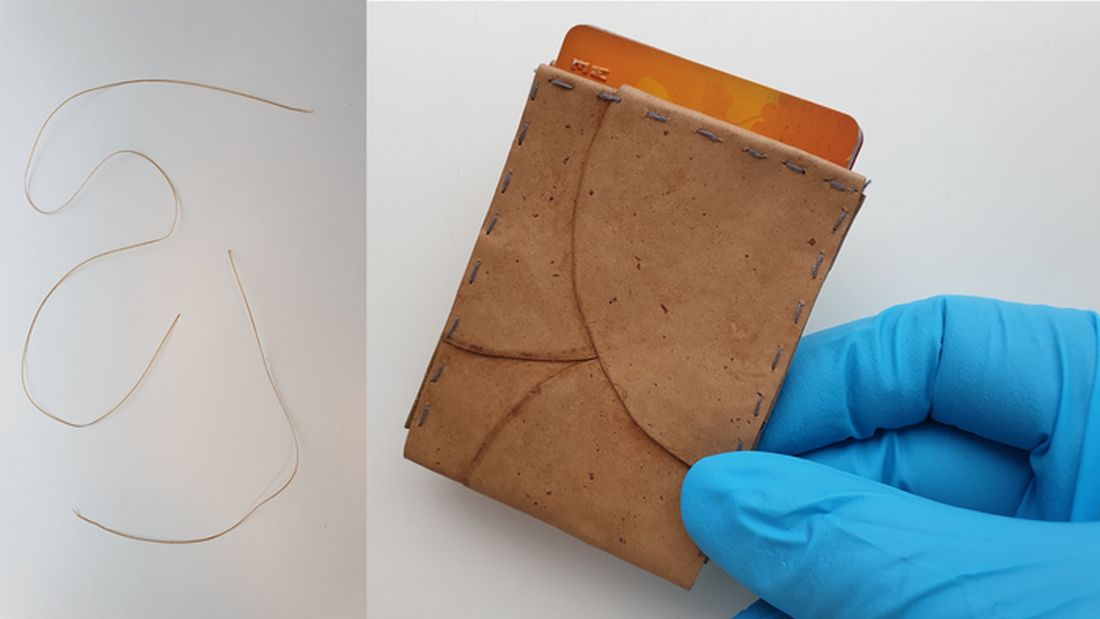
Researchers at the University of Borås in Sweden, however, have found a newish solution to create leather, cotton, and other textiles. And as with so many of the finer things, it starts with unsold bread from the grocery store.
Akram Zamani, PhD, and her team take that bread and turn it into breadcrumbs, then combine it with water and Rhizopus delemar, a fungus typically found in decaying food. After a couple of days of feasting on the bread, the fungus produces natural fibers made of chitin and chitosan that accumulate in the cell walls. After proteins, lipids, and other byproducts are removed, the team is left with a jelly-like substance made of those fibrous cell walls that can be spun into a fabric.
The researchers started small with very thin nonpliable sheets, but with a little layering by using tree tannins for softness and alkali for strength, their fungal leather is more like real leather than competing fungal leathers. Not to mention its being able to be produced in a fraction of the time.
This new fungal leather is fast to produce, it’s biodegradable, and it uses only natural ingredients to treat the materials. It’s the ultimate environmental fashion statement.
Who’s afraid of cancer? Not C. elegans
And now, we bring you part 2 of our ongoing series: Creatures that can diagnose cancer. Last week, we discovered that ants are well on their way to replacing dogs in our medical labs and in our hearts. This week, we present the even-more-lovable nematode.
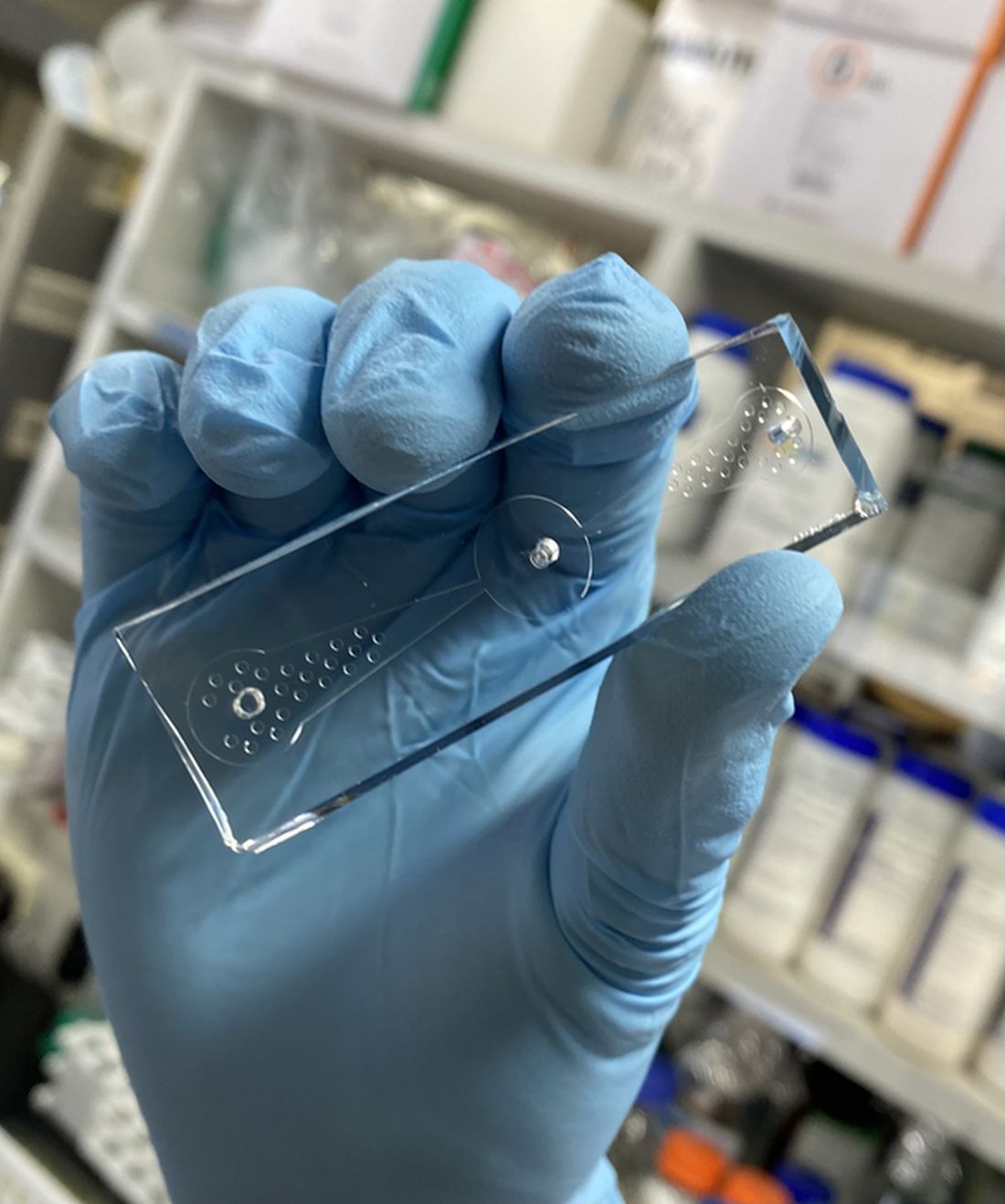
The soil-dwelling nematode Caenorhabditis elegans, which is less than 1 mm long, is known to be “attracted or repelled by certain odors, so we came up with an idea that the roundworm could be used to detect lung cancer,” Shin Sik Choi, PhD, of Myongji University in South Korea, who is the project’s principal investigator, said in a statement on Eurekalert.
Dr. Choi’s team created a “worm-on-a-chip” that allowed the nematodes to choose between a drop of culture media from lung cancer cells and media from normal lung fibroblasts. An hour after being placed in the chip’s central chamber, more nematodes had crawled toward the lung cancer media than the normal-cell sample.
The investigators estimate that the device is about 70% effective at detecting cancer cells, but “they hope to increase both the accuracy and sensitivity of the method by using worms that were previously exposed to cancer cell media and therefore have a ‘memory’ of cancer-specific odor molecules,” according to the statement from the American Chemical Society.
Since C. elegans is easy to grow in a lab and, apparently, easy to train, the researchers hope that the worm-on-a-chip can become a quick, easy, economical, and noninvasive cancer screen.
So watch out cancer, because we never bet against the creepy crawlies.
Mosquitoes have us figured out
We are nearing mosquito season; quite possibly the most annoying and itchy time of the year. We stock up on bottles of bug spray, but somehow we still get bite after bite. It appears that mosquitoes are basically able to ignore our bug sprays, which explains why we’re still covered in bites after the Fourth of July fireworks. It turns out mosquitoes are more complex than we thought for such tiny creatures.
There’s plenty of research on the best ways to keep mosquitoes away, because not only are they incredibly annoying, but they also carry potentially harmful diseases. In a recent experiment, researchers used mosquitoes that were genetically modified to have an excessive amount of an odor receptor called AgOR2, which responds to the smell of humans.
“AgOR2 overexpression threw a wrench in the whole system by inactivating olfactory receptors in these mosquitoes,” Christopher Potter, PhD, associate professor of neuroscience at Johns Hopkins University, said in a written statement.
After testing how these genetically modified mosquitoes reacted to some of the common smells of bug spray such as lemongrass, they discovered that it’s easy for the mosquitoes to ignore the smell. We wish it were that easy for us to ignore that chemically fruity smell.
Researchers continue to work hard to figure out how to repel mosquitoes and we’re rooting for them as summer approaches, despite the mosquito’s status as a creepy crawly.
Can you keep it down? I’m trying to be boring
He chides his friends for not looking both ways before crossing the road. He is never questioned by the police because they fall asleep listening to him talk. He has won the office’s coveted perfect attendance award 10 years running. Look out, Dos Equis guy, you’ve got some new competition. That’s right, it’s the most boring man in the world.
For this boring study (sorry, study on boredom) conducted by English researchers and published in Personality and Social Psychology Bulletin, people were surveyed on various jobs and hobbies, ranking them by how exciting or boring they are, as well as how competent someone with those jobs/hobbies would be, their willingness to avoid someone with those jobs/hobbies, and how much they’d need to be paid to spend time with someone who had an undesirable job/hobby.
According to the British public, the most boring person in the world is a religious data analyst who likes to sleep and lives in a small town. In fact, spending time with this person is almost a full-time job on its own: To make it worth their while, survey subjects wanted 35 pounds a day. The boring person also was viewed as less competent, as is anyone with a boring job.
Now, there probably aren’t a lot of religious data analysts out there, but don’t worry, there are plenty of other boring jobs – accounting, tax/insurance, cleaning, and banking rounded out the top five (apparently people don’t like finances) – and hobbies – watching TV, observing animals, and mathematics filled out the top five. In case you’re curious, performing artists, scientists, journalists, health professionals, and teachers were viewed as having exciting jobs; exciting hobbies included gaming, reading, domestic tasks (really?), gardening, and writing.
Lead researcher Wijnand Van Tilburg, PhD, made an excellent point about people with boring jobs: They “have power in society – perhaps we should try not to upset them and stereotype them as boring!”
We think they should lean into it and make The Most Boring Man in the World ads: “When I drive a car off the lot, its value increases because I used the correct lending association. Batman trusts me with his Batmobile insurance. I can make those Cuban cigars tax exempt. Stay financially solvent, my friends.”
Fungi, but make it fashion
Fashion is an expensive and costly industry to sustain. Cotton production takes a toll on the environment, leather production comes with environmental and ethical/moral conundrums, and thanks to fast fashion, about 85% of textiles are being thrown away in the United States.
Researchers at the University of Borås in Sweden, however, have found a newish solution to create leather, cotton, and other textiles. And as with so many of the finer things, it starts with unsold bread from the grocery store.
Akram Zamani, PhD, and her team take that bread and turn it into breadcrumbs, then combine it with water and Rhizopus delemar, a fungus typically found in decaying food. After a couple of days of feasting on the bread, the fungus produces natural fibers made of chitin and chitosan that accumulate in the cell walls. After proteins, lipids, and other byproducts are removed, the team is left with a jelly-like substance made of those fibrous cell walls that can be spun into a fabric.
The researchers started small with very thin nonpliable sheets, but with a little layering by using tree tannins for softness and alkali for strength, their fungal leather is more like real leather than competing fungal leathers. Not to mention its being able to be produced in a fraction of the time.
This new fungal leather is fast to produce, it’s biodegradable, and it uses only natural ingredients to treat the materials. It’s the ultimate environmental fashion statement.
Who’s afraid of cancer? Not C. elegans
And now, we bring you part 2 of our ongoing series: Creatures that can diagnose cancer. Last week, we discovered that ants are well on their way to replacing dogs in our medical labs and in our hearts. This week, we present the even-more-lovable nematode.
The soil-dwelling nematode Caenorhabditis elegans, which is less than 1 mm long, is known to be “attracted or repelled by certain odors, so we came up with an idea that the roundworm could be used to detect lung cancer,” Shin Sik Choi, PhD, of Myongji University in South Korea, who is the project’s principal investigator, said in a statement on Eurekalert.
Dr. Choi’s team created a “worm-on-a-chip” that allowed the nematodes to choose between a drop of culture media from lung cancer cells and media from normal lung fibroblasts. An hour after being placed in the chip’s central chamber, more nematodes had crawled toward the lung cancer media than the normal-cell sample.
The investigators estimate that the device is about 70% effective at detecting cancer cells, but “they hope to increase both the accuracy and sensitivity of the method by using worms that were previously exposed to cancer cell media and therefore have a ‘memory’ of cancer-specific odor molecules,” according to the statement from the American Chemical Society.
Since C. elegans is easy to grow in a lab and, apparently, easy to train, the researchers hope that the worm-on-a-chip can become a quick, easy, economical, and noninvasive cancer screen.
So watch out cancer, because we never bet against the creepy crawlies.
Mosquitoes have us figured out
We are nearing mosquito season; quite possibly the most annoying and itchy time of the year. We stock up on bottles of bug spray, but somehow we still get bite after bite. It appears that mosquitoes are basically able to ignore our bug sprays, which explains why we’re still covered in bites after the Fourth of July fireworks. It turns out mosquitoes are more complex than we thought for such tiny creatures.
There’s plenty of research on the best ways to keep mosquitoes away, because not only are they incredibly annoying, but they also carry potentially harmful diseases. In a recent experiment, researchers used mosquitoes that were genetically modified to have an excessive amount of an odor receptor called AgOR2, which responds to the smell of humans.
“AgOR2 overexpression threw a wrench in the whole system by inactivating olfactory receptors in these mosquitoes,” Christopher Potter, PhD, associate professor of neuroscience at Johns Hopkins University, said in a written statement.
After testing how these genetically modified mosquitoes reacted to some of the common smells of bug spray such as lemongrass, they discovered that it’s easy for the mosquitoes to ignore the smell. We wish it were that easy for us to ignore that chemically fruity smell.
Researchers continue to work hard to figure out how to repel mosquitoes and we’re rooting for them as summer approaches, despite the mosquito’s status as a creepy crawly.
Can you keep it down? I’m trying to be boring
He chides his friends for not looking both ways before crossing the road. He is never questioned by the police because they fall asleep listening to him talk. He has won the office’s coveted perfect attendance award 10 years running. Look out, Dos Equis guy, you’ve got some new competition. That’s right, it’s the most boring man in the world.
For this boring study (sorry, study on boredom) conducted by English researchers and published in Personality and Social Psychology Bulletin, people were surveyed on various jobs and hobbies, ranking them by how exciting or boring they are, as well as how competent someone with those jobs/hobbies would be, their willingness to avoid someone with those jobs/hobbies, and how much they’d need to be paid to spend time with someone who had an undesirable job/hobby.
According to the British public, the most boring person in the world is a religious data analyst who likes to sleep and lives in a small town. In fact, spending time with this person is almost a full-time job on its own: To make it worth their while, survey subjects wanted 35 pounds a day. The boring person also was viewed as less competent, as is anyone with a boring job.
Now, there probably aren’t a lot of religious data analysts out there, but don’t worry, there are plenty of other boring jobs – accounting, tax/insurance, cleaning, and banking rounded out the top five (apparently people don’t like finances) – and hobbies – watching TV, observing animals, and mathematics filled out the top five. In case you’re curious, performing artists, scientists, journalists, health professionals, and teachers were viewed as having exciting jobs; exciting hobbies included gaming, reading, domestic tasks (really?), gardening, and writing.
Lead researcher Wijnand Van Tilburg, PhD, made an excellent point about people with boring jobs: They “have power in society – perhaps we should try not to upset them and stereotype them as boring!”
We think they should lean into it and make The Most Boring Man in the World ads: “When I drive a car off the lot, its value increases because I used the correct lending association. Batman trusts me with his Batmobile insurance. I can make those Cuban cigars tax exempt. Stay financially solvent, my friends.”
Fungi, but make it fashion
Fashion is an expensive and costly industry to sustain. Cotton production takes a toll on the environment, leather production comes with environmental and ethical/moral conundrums, and thanks to fast fashion, about 85% of textiles are being thrown away in the United States.
Researchers at the University of Borås in Sweden, however, have found a newish solution to create leather, cotton, and other textiles. And as with so many of the finer things, it starts with unsold bread from the grocery store.
Akram Zamani, PhD, and her team take that bread and turn it into breadcrumbs, then combine it with water and Rhizopus delemar, a fungus typically found in decaying food. After a couple of days of feasting on the bread, the fungus produces natural fibers made of chitin and chitosan that accumulate in the cell walls. After proteins, lipids, and other byproducts are removed, the team is left with a jelly-like substance made of those fibrous cell walls that can be spun into a fabric.
The researchers started small with very thin nonpliable sheets, but with a little layering by using tree tannins for softness and alkali for strength, their fungal leather is more like real leather than competing fungal leathers. Not to mention its being able to be produced in a fraction of the time.
This new fungal leather is fast to produce, it’s biodegradable, and it uses only natural ingredients to treat the materials. It’s the ultimate environmental fashion statement.
Who’s afraid of cancer? Not C. elegans
And now, we bring you part 2 of our ongoing series: Creatures that can diagnose cancer. Last week, we discovered that ants are well on their way to replacing dogs in our medical labs and in our hearts. This week, we present the even-more-lovable nematode.
The soil-dwelling nematode Caenorhabditis elegans, which is less than 1 mm long, is known to be “attracted or repelled by certain odors, so we came up with an idea that the roundworm could be used to detect lung cancer,” Shin Sik Choi, PhD, of Myongji University in South Korea, who is the project’s principal investigator, said in a statement on Eurekalert.
Dr. Choi’s team created a “worm-on-a-chip” that allowed the nematodes to choose between a drop of culture media from lung cancer cells and media from normal lung fibroblasts. An hour after being placed in the chip’s central chamber, more nematodes had crawled toward the lung cancer media than the normal-cell sample.
The investigators estimate that the device is about 70% effective at detecting cancer cells, but “they hope to increase both the accuracy and sensitivity of the method by using worms that were previously exposed to cancer cell media and therefore have a ‘memory’ of cancer-specific odor molecules,” according to the statement from the American Chemical Society.
Since C. elegans is easy to grow in a lab and, apparently, easy to train, the researchers hope that the worm-on-a-chip can become a quick, easy, economical, and noninvasive cancer screen.
So watch out cancer, because we never bet against the creepy crawlies.
Mosquitoes have us figured out
We are nearing mosquito season; quite possibly the most annoying and itchy time of the year. We stock up on bottles of bug spray, but somehow we still get bite after bite. It appears that mosquitoes are basically able to ignore our bug sprays, which explains why we’re still covered in bites after the Fourth of July fireworks. It turns out mosquitoes are more complex than we thought for such tiny creatures.
There’s plenty of research on the best ways to keep mosquitoes away, because not only are they incredibly annoying, but they also carry potentially harmful diseases. In a recent experiment, researchers used mosquitoes that were genetically modified to have an excessive amount of an odor receptor called AgOR2, which responds to the smell of humans.
“AgOR2 overexpression threw a wrench in the whole system by inactivating olfactory receptors in these mosquitoes,” Christopher Potter, PhD, associate professor of neuroscience at Johns Hopkins University, said in a written statement.
After testing how these genetically modified mosquitoes reacted to some of the common smells of bug spray such as lemongrass, they discovered that it’s easy for the mosquitoes to ignore the smell. We wish it were that easy for us to ignore that chemically fruity smell.
Researchers continue to work hard to figure out how to repel mosquitoes and we’re rooting for them as summer approaches, despite the mosquito’s status as a creepy crawly.