User login
Geriatric Patients Fare Worse After Trauma
LAS VEGAS – Geriatric patients – with their age-related changes, frequent comorbidities, and some unique patterns of injury – "are clearly at risk for poor outcomes with trauma," Dr. Phillip D. Levy said.
Injury severity scores among trauma patients are generally similar across age ranges (J. Trauma 2010;69:88-92). "However, at every injury severity score, the percent mortality for geriatric patients ... is much worse," he said.
Aging leads to a host of anatomical and physiological changes – including reduced cardiac and pulmonary function, altered brain anatomy, and decreased musculoskeletal mass – that play a role in the setting of serious injury, said Dr. Levy, associate director of clinical research in the department of emergency medicine at Wayne State University in Detroit.
"The net effect is that there is a diminished physiological response, and some of these things may also lead to a delayed onset of overt consequences," he said, which may initially mask the extent of injury.
The EAST (Eastern Association for the Surgery of Trauma) guidelines for trauma care in older adults highlight several key concepts, he noted, such as the risk of undertriage and the adverse impact of pre-existing conditions and postinjury complications on outcomes (J. Trauma 2003;54:391-416).
Pre-existing conditions are present in 40% of patients aged 65-74 years, 65% of those aged 75-84 years, and 90% of patients aged 85 years and older, and these patients are often taking medications. For example, trauma patients with heart failure have more than double the risk of death, compared with those without heart failure, and the elevation of risk is even greater for those who are also taking beta-blockers or warfarin (J. Trauma 2010;69:645-52).
Because of these factors, the initial evaluation, secondary survey, and management of geriatric trauma patients have some unique aspects, according to Dr. Levy.
Initial Evaluation
Although the standard ATLS (Advanced Trauma Life Support) protocols still apply in older adults with trauma, "there are some caveats with it," Dr. Levy said.
One caveat is that this population is highly vulnerable to respiratory compromise with chest trauma. "Even one or two rib fractures in an elderly patient has dramatic impact," he noted.
Age-related issues such as nasopharyngeal fragility, the presence of arthritis in the temporomandibular joint, and dentures affect airway management in geriatric patients.
"Probably the most important thing when considering the airway, though, is recognizing that there are pharmacokinetic responses that are different," Dr. Levy said. Because older adults have increased responsiveness to sedatives, the dose should be reduced by 20%-40% to avoid complications.
Hypoperfusion is often occult in the elderly. "You facilitate the search by looking at serum markers of [tissue] oxygen deficit: base deficit and lactic acid," he said. These measures predict mortality in older normotensive adults who have sustained blunt trauma (J. Trauma 2009;66:1040-4). In particular, a base deficit of –6 or less or a venous lactic acid level greater than 4.0 mmol/L is associated with a mortality rate of nearly 40%, independent of injury severity.
He cautioned that specificity is much greater than sensitivity with these markers; hence, "if it’s positive, it’s positive. If it’s negative, well, it may not really be negative; you may be just early in the phase."
Use of pulmonary artery catheters (PACs) may seem an extreme approach for hemodynamic monitoring in geriatric trauma patients, Dr. Levy acknowledged. But "it enables direct measurement of cardiac function and it does improve outcomes if you use a targeted therapeutic approach, either targeting improving cardiac index or improving oxygen consumption."
For instance, therapy using PACs has been associated with a nearly 70% reduction in the risk of death for patients aged 61-90 years with severe injuries (Crit. Care Med. 2006;34:1597-601). "You optimize the patient’s hemodynamic status and their perfusion status, and you may not have even known that it was not optimized before," he said.
Secondary Survey
In blunt head trauma, patients older than 65 years are more likely to sustain traumatic brain injury than are their younger peers, according to one study (Acad. Emerg. Med. 2006;13:302-7).
"What was really interesting was that they found that 26%, about a quarter, of all elderly patients who had an injury had an occult presentation, no symptoms," he noted.
Outward clues, such as decreased alertness, prolonged loss of consciousness, and an abnormal Glasgow Coma Scale score were all less common in the older group, meaning that physical exam findings can’t be relied on to predict whether an older patient has a head injury, he said.
On CT imaging, likely because of different mechanisms of injury, geriatric patients are less likely to have linear skull fractures and epidural hemorrhages, but more likely to have subdural hematomas and subarachnoid hemorrhages.
Cervical spine injuries are also more common in older vs. younger trauma patients, and patterns of injury differ (Ann. Emerg. Med. 2002;40:287-93), again likely reflecting differences in the mechanism, according to Dr. Levy.
"The geriatric patients were at much greater risk for C1 fractures and any fracture at C2 – most specifically, an odontoid fracture," he noted.
And importantly, "you always have to consider central cord syndrome in your elderly patients due to that [hyperextension] type of mechanism. You might have osteophytes that squeeze off the cord."
CT is indicated as the primary imaging modality in cervical spine injuries among adults older than 65 years (J. Emerg. Med. 2009;36:64-71).
"The most likely [cervical spine] area for an elderly individual to have an injury is at C2 and, coincidentally, the most likely area to be missed on plain films is C2," Dr. Levy explained. "Additionally, the elderly are at a tremendous risk of false-positive findings [on plain films]. They have a lot of arthritis."
As for chest injuries, half of all older adults who sustain rib fractures do so during simple falls from a standing position (J. Trauma 2003;54:478-85), likely from hitting something on the way down. Hence, the index of suspicion should be high even after seemingly minor spills.
"As the number of rib fractures increases, mortality increases in both elderly and nonelderly, but it increases disproportionately in the elderly," he observed.
The take-home message is early airway management: "When you see a patient with three or four rib fractures, they are not taking good deep breaths in, their saturations are hovering around 90% or 92% – that’s a patient you are probably going to want to consider intubating very early on."
Geriatric patients can get an injury unique to this age group: the sacral insufficiency fracture. "Suspect it if somebody has persistent hip pain, persistent back pain, [and] they can’t get up and walk," he advised. "The elderly person who fell, there is nothing on x-ray, you don’t see much on the CT scan, you may need to go ahead if the index of suspicion is high and make this diagnosis." In addition, relative to their younger counterparts, older adults are less likely to get open-book pelvic fractures and more likely to get acetabular and pubic rami fractures, according to Dr. Levy.
Management
Fluid resuscitation is often challenging in geriatric trauma patients because of underlying cardiac dysfunction and concerns about precipitating heart failure, Dr. Levy observed.
"You can facilitate this by using central venous pressure [CVP] guidance," he said. "If you can see what their CVP is, you can titrate their fluids to their CVP, recognizing that that might not be the best marker of preload in an elderly individual and it might not be the best marker of fluid response, but it may help."
Early consideration of blood products is important in geriatric trauma patients with hemodynamic instability, and their use has the advantages of administration of a smaller fluid volume (compared with saline) and a colloid effect.
"Rapid reversal of anticoagulation is not something a lot of us do routinely, but you should consider it in every elderly patient who comes in, especially those with traumatic head injuries. [Use] vitamin K and fresh frozen plasma," he recommended.
In a study of geriatric patients with head trauma taking warfarin, mortality was 48% in historical controls who developed intracranial hemorrhage but just 10% with use of a rapid imaging and, when indicated, reversal protocol including vitamin K and fresh frozen plasma (J. Trauma 2005;59:1131-7).
Proactive management for patients with chest trauma should include both pain control and early ventilatory support, Dr. Levy said.
"Pain control is huge," he commented. "If they are more comfortable, they are more apt to take big deep breaths in and less likely to suffer from the adverse consequences of their chest trauma."
Although strategies for ventilatory support may include intubation, "in some of these older folks with COPD [or] heart failure, when you intubate them, you may never extubate them. That’s always a concern," so a trial of bilevel pulmonary airway pressure is probably warranted if started early, he said.
Additional Considerations
Dr. Levy cautioned physicians not to forget to remove cervical collars once geriatric trauma patients have been medically cleared. "The longer they stay in that collar, the longer they stay on their back, the greater the risk they have of decubiti," he explained.
Prompt orthopedic consultation for patients with hip fracture is also key, as the time to intervention influences outcomes after this injury.
Be alert for rhabdomyolysis, especially in patients who have been immobile for a prolonged period, he said. In this setting, creatine kinase is more sensitive than urine myoglobin.
If "somebody comes in and they have multiple long bone fractures, multiple upper extremity fractures, a lot of bruising," consider the possibility of elder abuse or neglect, Dr. Levy further advised.
"And always, always, always look for medical causes in trauma," he stressed, as a patient’s accident may have been precipitated by a stroke or myocardial infarction that can be overlooked in the rush to treat their injuries.
Geriatric trauma patients are potential candidates for being discharged home if they had minor closed head trauma and are not on anticoagulation, they had a simple fall and do not have ambulatory difficulties, or they have isolated extremity fractures, provided they have adequate mobility and home support. "I would say pretty much consider admissions for most if not all others," he said.
A final consideration to be aware of is end-of-life issues in patients with little potential for recovery, Dr. Levy noted. Risk stratification tools can help physicians and families make treatment decisions in this context, he said. For example, the combination of age, base deficit, and head injury severity assessed on arrival in the emergency department can help predict if care is likely to ultimately be futile in geriatric trauma patients (J. Trauma 2004;57:37-41).
"We can consider that within the context of everything else: Are they demented, living in a nursing home, on a feeding tube? Or are they a fully functional individual in the community?" Dr. Levy said. "Certainly, these are all factors in the equation to consider when you are making that decision."
LAS VEGAS – Geriatric patients – with their age-related changes, frequent comorbidities, and some unique patterns of injury – "are clearly at risk for poor outcomes with trauma," Dr. Phillip D. Levy said.
Injury severity scores among trauma patients are generally similar across age ranges (J. Trauma 2010;69:88-92). "However, at every injury severity score, the percent mortality for geriatric patients ... is much worse," he said.
Aging leads to a host of anatomical and physiological changes – including reduced cardiac and pulmonary function, altered brain anatomy, and decreased musculoskeletal mass – that play a role in the setting of serious injury, said Dr. Levy, associate director of clinical research in the department of emergency medicine at Wayne State University in Detroit.
"The net effect is that there is a diminished physiological response, and some of these things may also lead to a delayed onset of overt consequences," he said, which may initially mask the extent of injury.
The EAST (Eastern Association for the Surgery of Trauma) guidelines for trauma care in older adults highlight several key concepts, he noted, such as the risk of undertriage and the adverse impact of pre-existing conditions and postinjury complications on outcomes (J. Trauma 2003;54:391-416).
Pre-existing conditions are present in 40% of patients aged 65-74 years, 65% of those aged 75-84 years, and 90% of patients aged 85 years and older, and these patients are often taking medications. For example, trauma patients with heart failure have more than double the risk of death, compared with those without heart failure, and the elevation of risk is even greater for those who are also taking beta-blockers or warfarin (J. Trauma 2010;69:645-52).
Because of these factors, the initial evaluation, secondary survey, and management of geriatric trauma patients have some unique aspects, according to Dr. Levy.
Initial Evaluation
Although the standard ATLS (Advanced Trauma Life Support) protocols still apply in older adults with trauma, "there are some caveats with it," Dr. Levy said.
One caveat is that this population is highly vulnerable to respiratory compromise with chest trauma. "Even one or two rib fractures in an elderly patient has dramatic impact," he noted.
Age-related issues such as nasopharyngeal fragility, the presence of arthritis in the temporomandibular joint, and dentures affect airway management in geriatric patients.
"Probably the most important thing when considering the airway, though, is recognizing that there are pharmacokinetic responses that are different," Dr. Levy said. Because older adults have increased responsiveness to sedatives, the dose should be reduced by 20%-40% to avoid complications.
Hypoperfusion is often occult in the elderly. "You facilitate the search by looking at serum markers of [tissue] oxygen deficit: base deficit and lactic acid," he said. These measures predict mortality in older normotensive adults who have sustained blunt trauma (J. Trauma 2009;66:1040-4). In particular, a base deficit of –6 or less or a venous lactic acid level greater than 4.0 mmol/L is associated with a mortality rate of nearly 40%, independent of injury severity.
He cautioned that specificity is much greater than sensitivity with these markers; hence, "if it’s positive, it’s positive. If it’s negative, well, it may not really be negative; you may be just early in the phase."
Use of pulmonary artery catheters (PACs) may seem an extreme approach for hemodynamic monitoring in geriatric trauma patients, Dr. Levy acknowledged. But "it enables direct measurement of cardiac function and it does improve outcomes if you use a targeted therapeutic approach, either targeting improving cardiac index or improving oxygen consumption."
For instance, therapy using PACs has been associated with a nearly 70% reduction in the risk of death for patients aged 61-90 years with severe injuries (Crit. Care Med. 2006;34:1597-601). "You optimize the patient’s hemodynamic status and their perfusion status, and you may not have even known that it was not optimized before," he said.
Secondary Survey
In blunt head trauma, patients older than 65 years are more likely to sustain traumatic brain injury than are their younger peers, according to one study (Acad. Emerg. Med. 2006;13:302-7).
"What was really interesting was that they found that 26%, about a quarter, of all elderly patients who had an injury had an occult presentation, no symptoms," he noted.
Outward clues, such as decreased alertness, prolonged loss of consciousness, and an abnormal Glasgow Coma Scale score were all less common in the older group, meaning that physical exam findings can’t be relied on to predict whether an older patient has a head injury, he said.
On CT imaging, likely because of different mechanisms of injury, geriatric patients are less likely to have linear skull fractures and epidural hemorrhages, but more likely to have subdural hematomas and subarachnoid hemorrhages.
Cervical spine injuries are also more common in older vs. younger trauma patients, and patterns of injury differ (Ann. Emerg. Med. 2002;40:287-93), again likely reflecting differences in the mechanism, according to Dr. Levy.
"The geriatric patients were at much greater risk for C1 fractures and any fracture at C2 – most specifically, an odontoid fracture," he noted.
And importantly, "you always have to consider central cord syndrome in your elderly patients due to that [hyperextension] type of mechanism. You might have osteophytes that squeeze off the cord."
CT is indicated as the primary imaging modality in cervical spine injuries among adults older than 65 years (J. Emerg. Med. 2009;36:64-71).
"The most likely [cervical spine] area for an elderly individual to have an injury is at C2 and, coincidentally, the most likely area to be missed on plain films is C2," Dr. Levy explained. "Additionally, the elderly are at a tremendous risk of false-positive findings [on plain films]. They have a lot of arthritis."
As for chest injuries, half of all older adults who sustain rib fractures do so during simple falls from a standing position (J. Trauma 2003;54:478-85), likely from hitting something on the way down. Hence, the index of suspicion should be high even after seemingly minor spills.
"As the number of rib fractures increases, mortality increases in both elderly and nonelderly, but it increases disproportionately in the elderly," he observed.
The take-home message is early airway management: "When you see a patient with three or four rib fractures, they are not taking good deep breaths in, their saturations are hovering around 90% or 92% – that’s a patient you are probably going to want to consider intubating very early on."
Geriatric patients can get an injury unique to this age group: the sacral insufficiency fracture. "Suspect it if somebody has persistent hip pain, persistent back pain, [and] they can’t get up and walk," he advised. "The elderly person who fell, there is nothing on x-ray, you don’t see much on the CT scan, you may need to go ahead if the index of suspicion is high and make this diagnosis." In addition, relative to their younger counterparts, older adults are less likely to get open-book pelvic fractures and more likely to get acetabular and pubic rami fractures, according to Dr. Levy.
Management
Fluid resuscitation is often challenging in geriatric trauma patients because of underlying cardiac dysfunction and concerns about precipitating heart failure, Dr. Levy observed.
"You can facilitate this by using central venous pressure [CVP] guidance," he said. "If you can see what their CVP is, you can titrate their fluids to their CVP, recognizing that that might not be the best marker of preload in an elderly individual and it might not be the best marker of fluid response, but it may help."
Early consideration of blood products is important in geriatric trauma patients with hemodynamic instability, and their use has the advantages of administration of a smaller fluid volume (compared with saline) and a colloid effect.
"Rapid reversal of anticoagulation is not something a lot of us do routinely, but you should consider it in every elderly patient who comes in, especially those with traumatic head injuries. [Use] vitamin K and fresh frozen plasma," he recommended.
In a study of geriatric patients with head trauma taking warfarin, mortality was 48% in historical controls who developed intracranial hemorrhage but just 10% with use of a rapid imaging and, when indicated, reversal protocol including vitamin K and fresh frozen plasma (J. Trauma 2005;59:1131-7).
Proactive management for patients with chest trauma should include both pain control and early ventilatory support, Dr. Levy said.
"Pain control is huge," he commented. "If they are more comfortable, they are more apt to take big deep breaths in and less likely to suffer from the adverse consequences of their chest trauma."
Although strategies for ventilatory support may include intubation, "in some of these older folks with COPD [or] heart failure, when you intubate them, you may never extubate them. That’s always a concern," so a trial of bilevel pulmonary airway pressure is probably warranted if started early, he said.
Additional Considerations
Dr. Levy cautioned physicians not to forget to remove cervical collars once geriatric trauma patients have been medically cleared. "The longer they stay in that collar, the longer they stay on their back, the greater the risk they have of decubiti," he explained.
Prompt orthopedic consultation for patients with hip fracture is also key, as the time to intervention influences outcomes after this injury.
Be alert for rhabdomyolysis, especially in patients who have been immobile for a prolonged period, he said. In this setting, creatine kinase is more sensitive than urine myoglobin.
If "somebody comes in and they have multiple long bone fractures, multiple upper extremity fractures, a lot of bruising," consider the possibility of elder abuse or neglect, Dr. Levy further advised.
"And always, always, always look for medical causes in trauma," he stressed, as a patient’s accident may have been precipitated by a stroke or myocardial infarction that can be overlooked in the rush to treat their injuries.
Geriatric trauma patients are potential candidates for being discharged home if they had minor closed head trauma and are not on anticoagulation, they had a simple fall and do not have ambulatory difficulties, or they have isolated extremity fractures, provided they have adequate mobility and home support. "I would say pretty much consider admissions for most if not all others," he said.
A final consideration to be aware of is end-of-life issues in patients with little potential for recovery, Dr. Levy noted. Risk stratification tools can help physicians and families make treatment decisions in this context, he said. For example, the combination of age, base deficit, and head injury severity assessed on arrival in the emergency department can help predict if care is likely to ultimately be futile in geriatric trauma patients (J. Trauma 2004;57:37-41).
"We can consider that within the context of everything else: Are they demented, living in a nursing home, on a feeding tube? Or are they a fully functional individual in the community?" Dr. Levy said. "Certainly, these are all factors in the equation to consider when you are making that decision."
LAS VEGAS – Geriatric patients – with their age-related changes, frequent comorbidities, and some unique patterns of injury – "are clearly at risk for poor outcomes with trauma," Dr. Phillip D. Levy said.
Injury severity scores among trauma patients are generally similar across age ranges (J. Trauma 2010;69:88-92). "However, at every injury severity score, the percent mortality for geriatric patients ... is much worse," he said.
Aging leads to a host of anatomical and physiological changes – including reduced cardiac and pulmonary function, altered brain anatomy, and decreased musculoskeletal mass – that play a role in the setting of serious injury, said Dr. Levy, associate director of clinical research in the department of emergency medicine at Wayne State University in Detroit.
"The net effect is that there is a diminished physiological response, and some of these things may also lead to a delayed onset of overt consequences," he said, which may initially mask the extent of injury.
The EAST (Eastern Association for the Surgery of Trauma) guidelines for trauma care in older adults highlight several key concepts, he noted, such as the risk of undertriage and the adverse impact of pre-existing conditions and postinjury complications on outcomes (J. Trauma 2003;54:391-416).
Pre-existing conditions are present in 40% of patients aged 65-74 years, 65% of those aged 75-84 years, and 90% of patients aged 85 years and older, and these patients are often taking medications. For example, trauma patients with heart failure have more than double the risk of death, compared with those without heart failure, and the elevation of risk is even greater for those who are also taking beta-blockers or warfarin (J. Trauma 2010;69:645-52).
Because of these factors, the initial evaluation, secondary survey, and management of geriatric trauma patients have some unique aspects, according to Dr. Levy.
Initial Evaluation
Although the standard ATLS (Advanced Trauma Life Support) protocols still apply in older adults with trauma, "there are some caveats with it," Dr. Levy said.
One caveat is that this population is highly vulnerable to respiratory compromise with chest trauma. "Even one or two rib fractures in an elderly patient has dramatic impact," he noted.
Age-related issues such as nasopharyngeal fragility, the presence of arthritis in the temporomandibular joint, and dentures affect airway management in geriatric patients.
"Probably the most important thing when considering the airway, though, is recognizing that there are pharmacokinetic responses that are different," Dr. Levy said. Because older adults have increased responsiveness to sedatives, the dose should be reduced by 20%-40% to avoid complications.
Hypoperfusion is often occult in the elderly. "You facilitate the search by looking at serum markers of [tissue] oxygen deficit: base deficit and lactic acid," he said. These measures predict mortality in older normotensive adults who have sustained blunt trauma (J. Trauma 2009;66:1040-4). In particular, a base deficit of –6 or less or a venous lactic acid level greater than 4.0 mmol/L is associated with a mortality rate of nearly 40%, independent of injury severity.
He cautioned that specificity is much greater than sensitivity with these markers; hence, "if it’s positive, it’s positive. If it’s negative, well, it may not really be negative; you may be just early in the phase."
Use of pulmonary artery catheters (PACs) may seem an extreme approach for hemodynamic monitoring in geriatric trauma patients, Dr. Levy acknowledged. But "it enables direct measurement of cardiac function and it does improve outcomes if you use a targeted therapeutic approach, either targeting improving cardiac index or improving oxygen consumption."
For instance, therapy using PACs has been associated with a nearly 70% reduction in the risk of death for patients aged 61-90 years with severe injuries (Crit. Care Med. 2006;34:1597-601). "You optimize the patient’s hemodynamic status and their perfusion status, and you may not have even known that it was not optimized before," he said.
Secondary Survey
In blunt head trauma, patients older than 65 years are more likely to sustain traumatic brain injury than are their younger peers, according to one study (Acad. Emerg. Med. 2006;13:302-7).
"What was really interesting was that they found that 26%, about a quarter, of all elderly patients who had an injury had an occult presentation, no symptoms," he noted.
Outward clues, such as decreased alertness, prolonged loss of consciousness, and an abnormal Glasgow Coma Scale score were all less common in the older group, meaning that physical exam findings can’t be relied on to predict whether an older patient has a head injury, he said.
On CT imaging, likely because of different mechanisms of injury, geriatric patients are less likely to have linear skull fractures and epidural hemorrhages, but more likely to have subdural hematomas and subarachnoid hemorrhages.
Cervical spine injuries are also more common in older vs. younger trauma patients, and patterns of injury differ (Ann. Emerg. Med. 2002;40:287-93), again likely reflecting differences in the mechanism, according to Dr. Levy.
"The geriatric patients were at much greater risk for C1 fractures and any fracture at C2 – most specifically, an odontoid fracture," he noted.
And importantly, "you always have to consider central cord syndrome in your elderly patients due to that [hyperextension] type of mechanism. You might have osteophytes that squeeze off the cord."
CT is indicated as the primary imaging modality in cervical spine injuries among adults older than 65 years (J. Emerg. Med. 2009;36:64-71).
"The most likely [cervical spine] area for an elderly individual to have an injury is at C2 and, coincidentally, the most likely area to be missed on plain films is C2," Dr. Levy explained. "Additionally, the elderly are at a tremendous risk of false-positive findings [on plain films]. They have a lot of arthritis."
As for chest injuries, half of all older adults who sustain rib fractures do so during simple falls from a standing position (J. Trauma 2003;54:478-85), likely from hitting something on the way down. Hence, the index of suspicion should be high even after seemingly minor spills.
"As the number of rib fractures increases, mortality increases in both elderly and nonelderly, but it increases disproportionately in the elderly," he observed.
The take-home message is early airway management: "When you see a patient with three or four rib fractures, they are not taking good deep breaths in, their saturations are hovering around 90% or 92% – that’s a patient you are probably going to want to consider intubating very early on."
Geriatric patients can get an injury unique to this age group: the sacral insufficiency fracture. "Suspect it if somebody has persistent hip pain, persistent back pain, [and] they can’t get up and walk," he advised. "The elderly person who fell, there is nothing on x-ray, you don’t see much on the CT scan, you may need to go ahead if the index of suspicion is high and make this diagnosis." In addition, relative to their younger counterparts, older adults are less likely to get open-book pelvic fractures and more likely to get acetabular and pubic rami fractures, according to Dr. Levy.
Management
Fluid resuscitation is often challenging in geriatric trauma patients because of underlying cardiac dysfunction and concerns about precipitating heart failure, Dr. Levy observed.
"You can facilitate this by using central venous pressure [CVP] guidance," he said. "If you can see what their CVP is, you can titrate their fluids to their CVP, recognizing that that might not be the best marker of preload in an elderly individual and it might not be the best marker of fluid response, but it may help."
Early consideration of blood products is important in geriatric trauma patients with hemodynamic instability, and their use has the advantages of administration of a smaller fluid volume (compared with saline) and a colloid effect.
"Rapid reversal of anticoagulation is not something a lot of us do routinely, but you should consider it in every elderly patient who comes in, especially those with traumatic head injuries. [Use] vitamin K and fresh frozen plasma," he recommended.
In a study of geriatric patients with head trauma taking warfarin, mortality was 48% in historical controls who developed intracranial hemorrhage but just 10% with use of a rapid imaging and, when indicated, reversal protocol including vitamin K and fresh frozen plasma (J. Trauma 2005;59:1131-7).
Proactive management for patients with chest trauma should include both pain control and early ventilatory support, Dr. Levy said.
"Pain control is huge," he commented. "If they are more comfortable, they are more apt to take big deep breaths in and less likely to suffer from the adverse consequences of their chest trauma."
Although strategies for ventilatory support may include intubation, "in some of these older folks with COPD [or] heart failure, when you intubate them, you may never extubate them. That’s always a concern," so a trial of bilevel pulmonary airway pressure is probably warranted if started early, he said.
Additional Considerations
Dr. Levy cautioned physicians not to forget to remove cervical collars once geriatric trauma patients have been medically cleared. "The longer they stay in that collar, the longer they stay on their back, the greater the risk they have of decubiti," he explained.
Prompt orthopedic consultation for patients with hip fracture is also key, as the time to intervention influences outcomes after this injury.
Be alert for rhabdomyolysis, especially in patients who have been immobile for a prolonged period, he said. In this setting, creatine kinase is more sensitive than urine myoglobin.
If "somebody comes in and they have multiple long bone fractures, multiple upper extremity fractures, a lot of bruising," consider the possibility of elder abuse or neglect, Dr. Levy further advised.
"And always, always, always look for medical causes in trauma," he stressed, as a patient’s accident may have been precipitated by a stroke or myocardial infarction that can be overlooked in the rush to treat their injuries.
Geriatric trauma patients are potential candidates for being discharged home if they had minor closed head trauma and are not on anticoagulation, they had a simple fall and do not have ambulatory difficulties, or they have isolated extremity fractures, provided they have adequate mobility and home support. "I would say pretty much consider admissions for most if not all others," he said.
A final consideration to be aware of is end-of-life issues in patients with little potential for recovery, Dr. Levy noted. Risk stratification tools can help physicians and families make treatment decisions in this context, he said. For example, the combination of age, base deficit, and head injury severity assessed on arrival in the emergency department can help predict if care is likely to ultimately be futile in geriatric trauma patients (J. Trauma 2004;57:37-41).
"We can consider that within the context of everything else: Are they demented, living in a nursing home, on a feeding tube? Or are they a fully functional individual in the community?" Dr. Levy said. "Certainly, these are all factors in the equation to consider when you are making that decision."
Postoperative Outcomes Worse in COPD Patients
VANCOUVER, B.C. – Patients with chronic obstructive pulmonary disease are more likely to die after surgery than are those without COPD, even after controlling for comorbidities and type of surgery, according to a cross-sectional study of nearly half a million patients undergoing surgery in the United States.
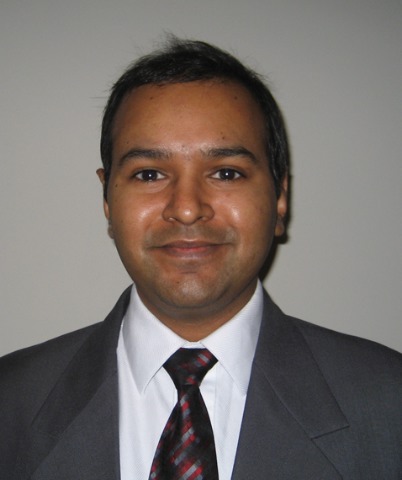
The researchers found that patients with COPD were 29% more likely to die and 35% were more likely to experience complications, compared with similar patients without the disease, said presenting investigator Dr. Prateek K. Gupta, a surgeon at Creighton University in Omaha, Neb.
In addition, hospital length of stay was four times longer for the COPD group.
"Knowledge of the increased risk associated with COPD may improve patient selection and the informed consent process," Dr. Gupta said at the annual meeting of the American College of Chest Physicians.
"Perioperative optimization of these patients may help in improving outcomes and health care costs, and there is a need to study such strategies in multicenter, randomized, prospective trials," he added. These strategies might include, for example, giving patients respiratory exercises and encouraging them to quit smoking, he said.
Dr. Gupta and his colleagues used the NSQIP (National Surgical Quality Improvement Program) database, which collects data from more than 250 hospitals nationwide, to identify patients who underwent surgery in 2007 and 2008.
They then compared 30-day postoperative outcomes between patients who did and did not have COPD, defined in the database as GOLD (Global Initiative for Chronic Obstructive Lung Disease) stage II, III, or IV or a prior hospitalization for COPD.
Analyses included 468,795 patients who underwent surgery. The types of surgery were typical of those seen in the general population, according to Dr. Gupta, with a predominance of cholecystectomy, appendectomy, hernia repair, and vascular and breast surgeries.
A total of 5% of the patients had COPD. Relative to their unaffected peers, patients with COPD had a higher mean body mass index (29 vs. 28 kg/m2) and an older median age (69 vs. 55 years); were more likely to be male (52% vs. 42%), white (82% vs. 72%), smokers (41% vs. 20%), and alcoholics (5% vs. 2%); and were more likely to be taking corticosteroids (10% vs. 3%).
The group with COPD also had higher prevalences of more than a dozen comorbidities, especially hypertension (74% vs. 44%), dependent functional status (20% vs. 6%), diabetes (25% vs. 14%), and an American Society of Anesthesiologists score of 3 or 4 (55% vs. 22%).
The median length of hospital stay was much longer for the patients with COPD than for their unaffected peers, at 4 days vs. 1 day (P less than .0001), Dr. Gupta reported. And the 30-day rate of postoperative mortality was higher, at 6.7% vs. 1.4% (P less than .0001).
After the investigators took into account more than 50 comorbidities and the type of surgery (including whether it was laparoscopic or open), patients with COPD still had higher risks of postoperative morbidity (odds ratio, 1.35; P less than .0001) and mortality (OR, 1.29; P less than .0001).
The odds of nine postoperative complications individually were also elevated for the COPD group, with the greatest increases seen for pneumonia (OR, 1.71), reintubation (OR, 1.54), and failure to wean from the ventilator within 48 hours (OR, 1.45) (all P less than .0001).
The study was limited by a lack of detailed information on therapies that patients were receiving, Dr. Gupta acknowledged. "We just know that they had this surgery [and] that they had COPD prior. We don’t know what medication or what preoperative optimization they underwent," he said.
In addition, the study did not specifically assess any influence of the urgency of the surgery (emergency vs. elective) and did not assess the potential impact of mild COPD.
GOLD stage II-IV COPD is "common among patients undergoing surgery and is associated with increased morbidity, mortality, and length of stay," Dr. Gupta concluded. Physicians may be able to use this information to help guide selection of appropriate surgical candidates, counsel patients about risks, and target interventions to improve outcomes, he said.
Dr. Gupta reported having no conflicts of interest related to the research.
VANCOUVER, B.C. – Patients with chronic obstructive pulmonary disease are more likely to die after surgery than are those without COPD, even after controlling for comorbidities and type of surgery, according to a cross-sectional study of nearly half a million patients undergoing surgery in the United States.
The researchers found that patients with COPD were 29% more likely to die and 35% were more likely to experience complications, compared with similar patients without the disease, said presenting investigator Dr. Prateek K. Gupta, a surgeon at Creighton University in Omaha, Neb.
In addition, hospital length of stay was four times longer for the COPD group.
"Knowledge of the increased risk associated with COPD may improve patient selection and the informed consent process," Dr. Gupta said at the annual meeting of the American College of Chest Physicians.
"Perioperative optimization of these patients may help in improving outcomes and health care costs, and there is a need to study such strategies in multicenter, randomized, prospective trials," he added. These strategies might include, for example, giving patients respiratory exercises and encouraging them to quit smoking, he said.
Dr. Gupta and his colleagues used the NSQIP (National Surgical Quality Improvement Program) database, which collects data from more than 250 hospitals nationwide, to identify patients who underwent surgery in 2007 and 2008.
They then compared 30-day postoperative outcomes between patients who did and did not have COPD, defined in the database as GOLD (Global Initiative for Chronic Obstructive Lung Disease) stage II, III, or IV or a prior hospitalization for COPD.
Analyses included 468,795 patients who underwent surgery. The types of surgery were typical of those seen in the general population, according to Dr. Gupta, with a predominance of cholecystectomy, appendectomy, hernia repair, and vascular and breast surgeries.
A total of 5% of the patients had COPD. Relative to their unaffected peers, patients with COPD had a higher mean body mass index (29 vs. 28 kg/m2) and an older median age (69 vs. 55 years); were more likely to be male (52% vs. 42%), white (82% vs. 72%), smokers (41% vs. 20%), and alcoholics (5% vs. 2%); and were more likely to be taking corticosteroids (10% vs. 3%).
The group with COPD also had higher prevalences of more than a dozen comorbidities, especially hypertension (74% vs. 44%), dependent functional status (20% vs. 6%), diabetes (25% vs. 14%), and an American Society of Anesthesiologists score of 3 or 4 (55% vs. 22%).
The median length of hospital stay was much longer for the patients with COPD than for their unaffected peers, at 4 days vs. 1 day (P less than .0001), Dr. Gupta reported. And the 30-day rate of postoperative mortality was higher, at 6.7% vs. 1.4% (P less than .0001).
After the investigators took into account more than 50 comorbidities and the type of surgery (including whether it was laparoscopic or open), patients with COPD still had higher risks of postoperative morbidity (odds ratio, 1.35; P less than .0001) and mortality (OR, 1.29; P less than .0001).
The odds of nine postoperative complications individually were also elevated for the COPD group, with the greatest increases seen for pneumonia (OR, 1.71), reintubation (OR, 1.54), and failure to wean from the ventilator within 48 hours (OR, 1.45) (all P less than .0001).
The study was limited by a lack of detailed information on therapies that patients were receiving, Dr. Gupta acknowledged. "We just know that they had this surgery [and] that they had COPD prior. We don’t know what medication or what preoperative optimization they underwent," he said.
In addition, the study did not specifically assess any influence of the urgency of the surgery (emergency vs. elective) and did not assess the potential impact of mild COPD.
GOLD stage II-IV COPD is "common among patients undergoing surgery and is associated with increased morbidity, mortality, and length of stay," Dr. Gupta concluded. Physicians may be able to use this information to help guide selection of appropriate surgical candidates, counsel patients about risks, and target interventions to improve outcomes, he said.
Dr. Gupta reported having no conflicts of interest related to the research.
VANCOUVER, B.C. – Patients with chronic obstructive pulmonary disease are more likely to die after surgery than are those without COPD, even after controlling for comorbidities and type of surgery, according to a cross-sectional study of nearly half a million patients undergoing surgery in the United States.
The researchers found that patients with COPD were 29% more likely to die and 35% were more likely to experience complications, compared with similar patients without the disease, said presenting investigator Dr. Prateek K. Gupta, a surgeon at Creighton University in Omaha, Neb.
In addition, hospital length of stay was four times longer for the COPD group.
"Knowledge of the increased risk associated with COPD may improve patient selection and the informed consent process," Dr. Gupta said at the annual meeting of the American College of Chest Physicians.
"Perioperative optimization of these patients may help in improving outcomes and health care costs, and there is a need to study such strategies in multicenter, randomized, prospective trials," he added. These strategies might include, for example, giving patients respiratory exercises and encouraging them to quit smoking, he said.
Dr. Gupta and his colleagues used the NSQIP (National Surgical Quality Improvement Program) database, which collects data from more than 250 hospitals nationwide, to identify patients who underwent surgery in 2007 and 2008.
They then compared 30-day postoperative outcomes between patients who did and did not have COPD, defined in the database as GOLD (Global Initiative for Chronic Obstructive Lung Disease) stage II, III, or IV or a prior hospitalization for COPD.
Analyses included 468,795 patients who underwent surgery. The types of surgery were typical of those seen in the general population, according to Dr. Gupta, with a predominance of cholecystectomy, appendectomy, hernia repair, and vascular and breast surgeries.
A total of 5% of the patients had COPD. Relative to their unaffected peers, patients with COPD had a higher mean body mass index (29 vs. 28 kg/m2) and an older median age (69 vs. 55 years); were more likely to be male (52% vs. 42%), white (82% vs. 72%), smokers (41% vs. 20%), and alcoholics (5% vs. 2%); and were more likely to be taking corticosteroids (10% vs. 3%).
The group with COPD also had higher prevalences of more than a dozen comorbidities, especially hypertension (74% vs. 44%), dependent functional status (20% vs. 6%), diabetes (25% vs. 14%), and an American Society of Anesthesiologists score of 3 or 4 (55% vs. 22%).
The median length of hospital stay was much longer for the patients with COPD than for their unaffected peers, at 4 days vs. 1 day (P less than .0001), Dr. Gupta reported. And the 30-day rate of postoperative mortality was higher, at 6.7% vs. 1.4% (P less than .0001).
After the investigators took into account more than 50 comorbidities and the type of surgery (including whether it was laparoscopic or open), patients with COPD still had higher risks of postoperative morbidity (odds ratio, 1.35; P less than .0001) and mortality (OR, 1.29; P less than .0001).
The odds of nine postoperative complications individually were also elevated for the COPD group, with the greatest increases seen for pneumonia (OR, 1.71), reintubation (OR, 1.54), and failure to wean from the ventilator within 48 hours (OR, 1.45) (all P less than .0001).
The study was limited by a lack of detailed information on therapies that patients were receiving, Dr. Gupta acknowledged. "We just know that they had this surgery [and] that they had COPD prior. We don’t know what medication or what preoperative optimization they underwent," he said.
In addition, the study did not specifically assess any influence of the urgency of the surgery (emergency vs. elective) and did not assess the potential impact of mild COPD.
GOLD stage II-IV COPD is "common among patients undergoing surgery and is associated with increased morbidity, mortality, and length of stay," Dr. Gupta concluded. Physicians may be able to use this information to help guide selection of appropriate surgical candidates, counsel patients about risks, and target interventions to improve outcomes, he said.
Dr. Gupta reported having no conflicts of interest related to the research.
Postoperative Outcomes Worse in COPD Patients
VANCOUVER, B.C. – Patients with chronic obstructive pulmonary disease are more likely to die after surgery than are those without COPD, even after controlling for comorbidities and type of surgery, according to a cross-sectional study of nearly half a million patients undergoing surgery in the United States.
The researchers found that patients with COPD were 29% more likely to die and 35% were more likely to experience complications, compared with similar patients without the disease, said presenting investigator Dr. Prateek K. Gupta, a surgeon at Creighton University in Omaha, Neb.
In addition, hospital length of stay was four times longer for the COPD group.
"Knowledge of the increased risk associated with COPD may improve patient selection and the informed consent process," Dr. Gupta said at the annual meeting of the American College of Chest Physicians.
"Perioperative optimization of these patients may help in improving outcomes and health care costs, and there is a need to study such strategies in multicenter, randomized, prospective trials," he added. These strategies might include, for example, giving patients respiratory exercises and encouraging them to quit smoking, he said.
Dr. Gupta and his colleagues used the NSQIP (National Surgical Quality Improvement Program) database, which collects data from more than 250 hospitals nationwide, to identify patients who underwent surgery in 2007 and 2008.
They then compared 30-day postoperative outcomes between patients who did and did not have COPD, defined in the database as GOLD (Global Initiative for Chronic Obstructive Lung Disease) stage II, III, or IV or a prior hospitalization for COPD.
Analyses included 468,795 patients who underwent surgery. The types of surgery were typical of those seen in the general population, according to Dr. Gupta, with a predominance of cholecystectomy, appendectomy, hernia repair, and vascular and breast surgeries.
A total of 5% of the patients had COPD. Relative to their unaffected peers, patients with COPD had a higher mean body mass index (29 vs. 28 kg/m2) and an older median age (69 vs. 55 years); were more likely to be male (52% vs. 42%), white (82% vs. 72%), smokers (41% vs. 20%), and alcoholics (5% vs. 2%); and were more likely to be taking corticosteroids (10% vs. 3%).
The group with COPD also had higher prevalences of more than a dozen comorbidities, especially hypertension (74% vs. 44%), dependent functional status (20% vs. 6%), diabetes (25% vs. 14%), and an American Society of Anesthesiologists score of 3 or 4 (55% vs. 22%).
The median length of hospital stay was much longer for the patients with COPD than for their unaffected peers, at 4 days vs. 1 day (P less than .0001), Dr. Gupta reported. And the 30-day rate of postoperative mortality was higher, at 6.7% vs. 1.4% (P less than .0001).
After the investigators took into account more than 50 comorbidities and the type of surgery (including whether it was laparoscopic or open), patients with COPD still had higher risks of postoperative morbidity (odds ratio, 1.35; P less than .0001) and mortality (OR, 1.29; P less than .0001).
The odds of nine postoperative complications individually were also elevated for the COPD group, with the greatest increases seen for pneumonia (OR, 1.71), reintubation (OR, 1.54), and failure to wean from the ventilator within 48 hours (OR, 1.45) (all P less than .0001).
The study was limited by a lack of detailed information on therapies that patients were receiving, Dr. Gupta acknowledged. "We just know that they had this surgery [and] that they had COPD prior. We don’t know what medication or what preoperative optimization they underwent," he said.
In addition, the study did not specifically assess any influence of the urgency of the surgery (emergency vs. elective) and did not assess the potential impact of mild COPD.
GOLD stage II-IV COPD is "common among patients undergoing surgery and is associated with increased morbidity, mortality, and length of stay," Dr. Gupta concluded. Physicians may be able to use this information to help guide selection of appropriate surgical candidates, counsel patients about risks, and target interventions to improve outcomes, he said.
Dr. Gupta reported having no conflicts of interest related to the research.
VANCOUVER, B.C. – Patients with chronic obstructive pulmonary disease are more likely to die after surgery than are those without COPD, even after controlling for comorbidities and type of surgery, according to a cross-sectional study of nearly half a million patients undergoing surgery in the United States.
The researchers found that patients with COPD were 29% more likely to die and 35% were more likely to experience complications, compared with similar patients without the disease, said presenting investigator Dr. Prateek K. Gupta, a surgeon at Creighton University in Omaha, Neb.
In addition, hospital length of stay was four times longer for the COPD group.
"Knowledge of the increased risk associated with COPD may improve patient selection and the informed consent process," Dr. Gupta said at the annual meeting of the American College of Chest Physicians.
"Perioperative optimization of these patients may help in improving outcomes and health care costs, and there is a need to study such strategies in multicenter, randomized, prospective trials," he added. These strategies might include, for example, giving patients respiratory exercises and encouraging them to quit smoking, he said.
Dr. Gupta and his colleagues used the NSQIP (National Surgical Quality Improvement Program) database, which collects data from more than 250 hospitals nationwide, to identify patients who underwent surgery in 2007 and 2008.
They then compared 30-day postoperative outcomes between patients who did and did not have COPD, defined in the database as GOLD (Global Initiative for Chronic Obstructive Lung Disease) stage II, III, or IV or a prior hospitalization for COPD.
Analyses included 468,795 patients who underwent surgery. The types of surgery were typical of those seen in the general population, according to Dr. Gupta, with a predominance of cholecystectomy, appendectomy, hernia repair, and vascular and breast surgeries.
A total of 5% of the patients had COPD. Relative to their unaffected peers, patients with COPD had a higher mean body mass index (29 vs. 28 kg/m2) and an older median age (69 vs. 55 years); were more likely to be male (52% vs. 42%), white (82% vs. 72%), smokers (41% vs. 20%), and alcoholics (5% vs. 2%); and were more likely to be taking corticosteroids (10% vs. 3%).
The group with COPD also had higher prevalences of more than a dozen comorbidities, especially hypertension (74% vs. 44%), dependent functional status (20% vs. 6%), diabetes (25% vs. 14%), and an American Society of Anesthesiologists score of 3 or 4 (55% vs. 22%).
The median length of hospital stay was much longer for the patients with COPD than for their unaffected peers, at 4 days vs. 1 day (P less than .0001), Dr. Gupta reported. And the 30-day rate of postoperative mortality was higher, at 6.7% vs. 1.4% (P less than .0001).
After the investigators took into account more than 50 comorbidities and the type of surgery (including whether it was laparoscopic or open), patients with COPD still had higher risks of postoperative morbidity (odds ratio, 1.35; P less than .0001) and mortality (OR, 1.29; P less than .0001).
The odds of nine postoperative complications individually were also elevated for the COPD group, with the greatest increases seen for pneumonia (OR, 1.71), reintubation (OR, 1.54), and failure to wean from the ventilator within 48 hours (OR, 1.45) (all P less than .0001).
The study was limited by a lack of detailed information on therapies that patients were receiving, Dr. Gupta acknowledged. "We just know that they had this surgery [and] that they had COPD prior. We don’t know what medication or what preoperative optimization they underwent," he said.
In addition, the study did not specifically assess any influence of the urgency of the surgery (emergency vs. elective) and did not assess the potential impact of mild COPD.
GOLD stage II-IV COPD is "common among patients undergoing surgery and is associated with increased morbidity, mortality, and length of stay," Dr. Gupta concluded. Physicians may be able to use this information to help guide selection of appropriate surgical candidates, counsel patients about risks, and target interventions to improve outcomes, he said.
Dr. Gupta reported having no conflicts of interest related to the research.
VANCOUVER, B.C. – Patients with chronic obstructive pulmonary disease are more likely to die after surgery than are those without COPD, even after controlling for comorbidities and type of surgery, according to a cross-sectional study of nearly half a million patients undergoing surgery in the United States.
The researchers found that patients with COPD were 29% more likely to die and 35% were more likely to experience complications, compared with similar patients without the disease, said presenting investigator Dr. Prateek K. Gupta, a surgeon at Creighton University in Omaha, Neb.
In addition, hospital length of stay was four times longer for the COPD group.
"Knowledge of the increased risk associated with COPD may improve patient selection and the informed consent process," Dr. Gupta said at the annual meeting of the American College of Chest Physicians.
"Perioperative optimization of these patients may help in improving outcomes and health care costs, and there is a need to study such strategies in multicenter, randomized, prospective trials," he added. These strategies might include, for example, giving patients respiratory exercises and encouraging them to quit smoking, he said.
Dr. Gupta and his colleagues used the NSQIP (National Surgical Quality Improvement Program) database, which collects data from more than 250 hospitals nationwide, to identify patients who underwent surgery in 2007 and 2008.
They then compared 30-day postoperative outcomes between patients who did and did not have COPD, defined in the database as GOLD (Global Initiative for Chronic Obstructive Lung Disease) stage II, III, or IV or a prior hospitalization for COPD.
Analyses included 468,795 patients who underwent surgery. The types of surgery were typical of those seen in the general population, according to Dr. Gupta, with a predominance of cholecystectomy, appendectomy, hernia repair, and vascular and breast surgeries.
A total of 5% of the patients had COPD. Relative to their unaffected peers, patients with COPD had a higher mean body mass index (29 vs. 28 kg/m2) and an older median age (69 vs. 55 years); were more likely to be male (52% vs. 42%), white (82% vs. 72%), smokers (41% vs. 20%), and alcoholics (5% vs. 2%); and were more likely to be taking corticosteroids (10% vs. 3%).
The group with COPD also had higher prevalences of more than a dozen comorbidities, especially hypertension (74% vs. 44%), dependent functional status (20% vs. 6%), diabetes (25% vs. 14%), and an American Society of Anesthesiologists score of 3 or 4 (55% vs. 22%).
The median length of hospital stay was much longer for the patients with COPD than for their unaffected peers, at 4 days vs. 1 day (P less than .0001), Dr. Gupta reported. And the 30-day rate of postoperative mortality was higher, at 6.7% vs. 1.4% (P less than .0001).
After the investigators took into account more than 50 comorbidities and the type of surgery (including whether it was laparoscopic or open), patients with COPD still had higher risks of postoperative morbidity (odds ratio, 1.35; P less than .0001) and mortality (OR, 1.29; P less than .0001).
The odds of nine postoperative complications individually were also elevated for the COPD group, with the greatest increases seen for pneumonia (OR, 1.71), reintubation (OR, 1.54), and failure to wean from the ventilator within 48 hours (OR, 1.45) (all P less than .0001).
The study was limited by a lack of detailed information on therapies that patients were receiving, Dr. Gupta acknowledged. "We just know that they had this surgery [and] that they had COPD prior. We don’t know what medication or what preoperative optimization they underwent," he said.
In addition, the study did not specifically assess any influence of the urgency of the surgery (emergency vs. elective) and did not assess the potential impact of mild COPD.
GOLD stage II-IV COPD is "common among patients undergoing surgery and is associated with increased morbidity, mortality, and length of stay," Dr. Gupta concluded. Physicians may be able to use this information to help guide selection of appropriate surgical candidates, counsel patients about risks, and target interventions to improve outcomes, he said.
Dr. Gupta reported having no conflicts of interest related to the research.
Major Finding: Patients with COPD were 29% more likely to die and 35% more likely to experience complications after surgery.
Data Source: Cross-sectional NSQIP database study of 468,795 patients.
Disclosures: Dr. Gupta reported having no relevant conflicts of interest.
Vigilance Is Needed for More Serious Causes of Syncope
LAS VEGAS – Emergency physicians might see many patients with run-of-the-mill vasovagal syncope but doctors must remain vigilant for those occasional patients whose syncope has a more ominous etiology, recommends Dr. Trevor Lewis.
Syncope – the transient loss of consciousness with an inability to maintain postural tone, followed by spontaneous recovery – accounts for 1%-3% of all emergency department visits, he said at the annual meeting of the American College of Emergency Physicians.
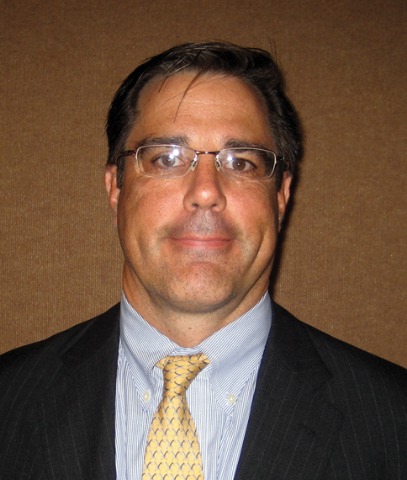
“History is probably the most important thing you can do on anybody who has syncope,” he said. The combination of history and physical examination identifies the etiology in about 40% of cases (Arch. Intern. Med. 1999;159:375-80). Physicians should be especially alert for factors suggesting a more serious cause of the syncopal episode, such as preceding chest pain or headache, lack of prodrome, or occurrence during exertion.
An echocardiogram (ECG) identifies the etiology in less than 5% of cases of syncope. “Some people have said, it’s such a low yield, is it even worth doing? Absolutely,” Dr. Lewis said. “It’s a noninvasive test, takes 2 seconds to do, and you could potentially pick up some life-changing or [life-threatening] arrhythmias. It doesn’t matter if they are 20 or 120, you need to get an ECG on these patients.”
Laboratory work-up is of minimal value, according to Dr. Lewis, medical director of the emergency department at Cook County Hospital in Chicago. “No one has a syncope panel that they draw on patients. It’s pretty much driven by … what’s going on with the patient,” he said. Serial cardiac enzyme monitoring is likewise of little benefit, except when factors point to a cardiac etiology.
“Routine computed tomography (CT) scans are not indicated in cases of syncope to elucidate the cause unless it’s driven by a primary neurologic cause,” as suggested by history and physical examination, he said (Ann. Emerg. Med. 2007;49:431-44).
Dr. Lewis shared with attendees a few pointers for identifying and managing some potentially life-threatening conditions that can cause syncope.
Brugada Syndrome
Patients with Brugada syndrome, an inherited condition, have structurally normal hearts but electrophysiologic abnormalities causing episodes of ventricular tachycardia that can lead to syncope and sudden death.
This syndrome produces distinct ECG findings, according to Dr. Lewis, such as a right bundle branch block appearance and coved or saddle-shaped ST segment elevations.
“If you want to burn [a pattern] into your memory, this is one. … It’s the Brugada ECG,” he said. “If you have a syncopal event and you have a Brugada ECG or Brugada criteria, you have a lifetime mortality of about 27%.”
Once patients with Brugada syndrome become symptomatic, they are usually offered implantable cardioverter defibrillator therapy.
Subarachnoid Hemorrhage
Syncope, possibly preceded by headache, can be the presenting sign of subarachnoid hemorrhage, according to Dr. Lewis.
Of note, 27%-100% of all patients with subarachnoid hemorrhage, depending on the series, have ECG abnormalities such as prolonged QT intervals, large T waves, and ST-segment abnormalities.
“[It is] not going to look like an acute ST-segment MI, but it’s going to look like myocardial ischemia. So sometimes you can be a little confused or thrown off by that,” he said. “Obviously, it’s something where you don’t want to step up and start by giving aspirin or Lovenox until you see the CT scan.”
Hypertrophic Cardiomyopathy
Syncope caused by hypertrophic cardiomyopathy results from arrhythmias, outflow obstruction, and a drop in blood pressure in response to exercise.
“A lot of athletes have this and really don’t find out until they exert themselves,” Dr. Lewis observed. “It is the most common cause of sudden death in athletes.”
About 70%-90% of patients with hypertrophic cardiomyopathy have abnormal ECG findings, showing changes consistent with left ventricular hypertrophy.
Of note, the inverted T waves “are asymmetric, as opposed to ischemic inverted T waves, which are symmetric on both sides,” he said. “So that’s a little bit of a tip-off for these patients.”
Additionally, Q waves might be present in leads II, III, AVF, V5, and V6. “These are sometimes early signs or early indicators of hypertrophic cardiomyopathy that will precede echo findings [in teenagers],” he said.
On echocardiogram, required for definitive diagnosis, a ventricular wall thickness exceeding 15 mm is considered abnormal but may also be a result of physical training, which can complicate diagnosis.
“The one thing you want to remember is to avoid these medications in anybody who has hypertrophic cardiomyopathy: nifedipine, nitroglycerin, and ACE inhibitors,” he said. “These can all worsen the outflow obstruction.”
Long QT Syndrome
Patients with long QT syndrome have a genetic defect causing lengthening of ventricular repolarization, according to Dr. Lewis. Syncope occurs during episodes of polymorphic ventricular tachycardia that appear to be precipitated by stress and usually resolve spontaneously.
The ECG shows a prolonged rate-corrected QT interval (QTc). Patients’ lifetime risk of syncope and sudden death rises with this interval, from 5% at an interval of less than 440 milliseconds to 50% at an interval of greater than 500 milliseconds.
“First of all, when somebody comes in with a prolonged QTc, you want to rule out treatable causes,” he said. These include myocardial ischemia; electrolyte perturbations; certain psychiatric, cardiovascular, and antiemetic medications; and methadone.
Arrhythmogenic Right Ventricular Dysplasia
Another inherited condition, arrhythmogenic right ventricular dysplasia (ARVD) is the second most common cause of structural heart disease–related sudden cardiac death in adolescents.
The findings on an ECG can be subtle, according to Dr. Lewis. Patients have inverted T waves in the precordium, a QRS width greater than 110 milliseconds, and if ventricular tachycardia is captured, a left bundle branch block morphology. “But the tip-off is these little waves called epsilon waves,” which occur at the end of QRS complexes and look much like P waves.
ARVD is “very tough to diagnose [from the ECG]. I am sure people miss this stuff all the time,” he commented.
“From your standpoint, if a kid comes in and had a sudden syncopal event, there was no prodrome, this kid at least needs an echo,” he said. “So you might not pick it up on ECG, but you probably will pick it up on echo and see that there is something obviously wrong with his right ventricle.”
Pulmonary Embolism
Syncope in patients with pulmonary embolism occurs when right heart failure begins to cause left heart failure. They develop systemic hypotension and hypoperfusion, and lose consciousness, Dr. Lewis said.
“If someone comes in in the setting of a syncopal event and they have a pulmonary embolism, you should be concerned about it,” he noted. “There is very high association between syncope and having proximal pulmonary embolisms.”
Hence, such patients should be especially closely monitored because their condition can deteriorate rapidly, he cautioned.
Aortic Dissection
Approximately 13% of patients with aortic dissection experience syncope (Am. J. Med. 2002;113:468-71).
“It can indicate dangerous complications,” Dr. Lewis said. “If a patient ‘syncopizes’ from a dissection, you have to be concerned about two things: One, you want to make sure that they don’t have tamponade and two, that they don’t have a stroke.”
The former occurs if the dissection extends proximally and reaches the pericardium, decreasing stroke volume; the latter occurs when the dissection causes cerebral hypoperfusion.
“Syncope is also a frequent presenting sign in patients who have painless aortic dissections,” he said (Mayo Clin. Proc. 2004;79:1252-7). “Probably the scariest thing you could ever think of is having a patient with a painless aortic dissection. … It is going to be kind of tough to pick up on these patients, but always keep that in your differential when someone comes in with a syncopal event.”
Dr. Lewis had no significant financial relationships to disclose.
LAS VEGAS – Emergency physicians might see many patients with run-of-the-mill vasovagal syncope but doctors must remain vigilant for those occasional patients whose syncope has a more ominous etiology, recommends Dr. Trevor Lewis.
Syncope – the transient loss of consciousness with an inability to maintain postural tone, followed by spontaneous recovery – accounts for 1%-3% of all emergency department visits, he said at the annual meeting of the American College of Emergency Physicians.
“History is probably the most important thing you can do on anybody who has syncope,” he said. The combination of history and physical examination identifies the etiology in about 40% of cases (Arch. Intern. Med. 1999;159:375-80). Physicians should be especially alert for factors suggesting a more serious cause of the syncopal episode, such as preceding chest pain or headache, lack of prodrome, or occurrence during exertion.
An echocardiogram (ECG) identifies the etiology in less than 5% of cases of syncope. “Some people have said, it’s such a low yield, is it even worth doing? Absolutely,” Dr. Lewis said. “It’s a noninvasive test, takes 2 seconds to do, and you could potentially pick up some life-changing or [life-threatening] arrhythmias. It doesn’t matter if they are 20 or 120, you need to get an ECG on these patients.”
Laboratory work-up is of minimal value, according to Dr. Lewis, medical director of the emergency department at Cook County Hospital in Chicago. “No one has a syncope panel that they draw on patients. It’s pretty much driven by … what’s going on with the patient,” he said. Serial cardiac enzyme monitoring is likewise of little benefit, except when factors point to a cardiac etiology.
“Routine computed tomography (CT) scans are not indicated in cases of syncope to elucidate the cause unless it’s driven by a primary neurologic cause,” as suggested by history and physical examination, he said (Ann. Emerg. Med. 2007;49:431-44).
Dr. Lewis shared with attendees a few pointers for identifying and managing some potentially life-threatening conditions that can cause syncope.
Brugada Syndrome
Patients with Brugada syndrome, an inherited condition, have structurally normal hearts but electrophysiologic abnormalities causing episodes of ventricular tachycardia that can lead to syncope and sudden death.
This syndrome produces distinct ECG findings, according to Dr. Lewis, such as a right bundle branch block appearance and coved or saddle-shaped ST segment elevations.
“If you want to burn [a pattern] into your memory, this is one. … It’s the Brugada ECG,” he said. “If you have a syncopal event and you have a Brugada ECG or Brugada criteria, you have a lifetime mortality of about 27%.”
Once patients with Brugada syndrome become symptomatic, they are usually offered implantable cardioverter defibrillator therapy.
Subarachnoid Hemorrhage
Syncope, possibly preceded by headache, can be the presenting sign of subarachnoid hemorrhage, according to Dr. Lewis.
Of note, 27%-100% of all patients with subarachnoid hemorrhage, depending on the series, have ECG abnormalities such as prolonged QT intervals, large T waves, and ST-segment abnormalities.
“[It is] not going to look like an acute ST-segment MI, but it’s going to look like myocardial ischemia. So sometimes you can be a little confused or thrown off by that,” he said. “Obviously, it’s something where you don’t want to step up and start by giving aspirin or Lovenox until you see the CT scan.”
Hypertrophic Cardiomyopathy
Syncope caused by hypertrophic cardiomyopathy results from arrhythmias, outflow obstruction, and a drop in blood pressure in response to exercise.
“A lot of athletes have this and really don’t find out until they exert themselves,” Dr. Lewis observed. “It is the most common cause of sudden death in athletes.”
About 70%-90% of patients with hypertrophic cardiomyopathy have abnormal ECG findings, showing changes consistent with left ventricular hypertrophy.
Of note, the inverted T waves “are asymmetric, as opposed to ischemic inverted T waves, which are symmetric on both sides,” he said. “So that’s a little bit of a tip-off for these patients.”
Additionally, Q waves might be present in leads II, III, AVF, V5, and V6. “These are sometimes early signs or early indicators of hypertrophic cardiomyopathy that will precede echo findings [in teenagers],” he said.
On echocardiogram, required for definitive diagnosis, a ventricular wall thickness exceeding 15 mm is considered abnormal but may also be a result of physical training, which can complicate diagnosis.
“The one thing you want to remember is to avoid these medications in anybody who has hypertrophic cardiomyopathy: nifedipine, nitroglycerin, and ACE inhibitors,” he said. “These can all worsen the outflow obstruction.”
Long QT Syndrome
Patients with long QT syndrome have a genetic defect causing lengthening of ventricular repolarization, according to Dr. Lewis. Syncope occurs during episodes of polymorphic ventricular tachycardia that appear to be precipitated by stress and usually resolve spontaneously.
The ECG shows a prolonged rate-corrected QT interval (QTc). Patients’ lifetime risk of syncope and sudden death rises with this interval, from 5% at an interval of less than 440 milliseconds to 50% at an interval of greater than 500 milliseconds.
“First of all, when somebody comes in with a prolonged QTc, you want to rule out treatable causes,” he said. These include myocardial ischemia; electrolyte perturbations; certain psychiatric, cardiovascular, and antiemetic medications; and methadone.
Arrhythmogenic Right Ventricular Dysplasia
Another inherited condition, arrhythmogenic right ventricular dysplasia (ARVD) is the second most common cause of structural heart disease–related sudden cardiac death in adolescents.
The findings on an ECG can be subtle, according to Dr. Lewis. Patients have inverted T waves in the precordium, a QRS width greater than 110 milliseconds, and if ventricular tachycardia is captured, a left bundle branch block morphology. “But the tip-off is these little waves called epsilon waves,” which occur at the end of QRS complexes and look much like P waves.
ARVD is “very tough to diagnose [from the ECG]. I am sure people miss this stuff all the time,” he commented.
“From your standpoint, if a kid comes in and had a sudden syncopal event, there was no prodrome, this kid at least needs an echo,” he said. “So you might not pick it up on ECG, but you probably will pick it up on echo and see that there is something obviously wrong with his right ventricle.”
Pulmonary Embolism
Syncope in patients with pulmonary embolism occurs when right heart failure begins to cause left heart failure. They develop systemic hypotension and hypoperfusion, and lose consciousness, Dr. Lewis said.
“If someone comes in in the setting of a syncopal event and they have a pulmonary embolism, you should be concerned about it,” he noted. “There is very high association between syncope and having proximal pulmonary embolisms.”
Hence, such patients should be especially closely monitored because their condition can deteriorate rapidly, he cautioned.
Aortic Dissection
Approximately 13% of patients with aortic dissection experience syncope (Am. J. Med. 2002;113:468-71).
“It can indicate dangerous complications,” Dr. Lewis said. “If a patient ‘syncopizes’ from a dissection, you have to be concerned about two things: One, you want to make sure that they don’t have tamponade and two, that they don’t have a stroke.”
The former occurs if the dissection extends proximally and reaches the pericardium, decreasing stroke volume; the latter occurs when the dissection causes cerebral hypoperfusion.
“Syncope is also a frequent presenting sign in patients who have painless aortic dissections,” he said (Mayo Clin. Proc. 2004;79:1252-7). “Probably the scariest thing you could ever think of is having a patient with a painless aortic dissection. … It is going to be kind of tough to pick up on these patients, but always keep that in your differential when someone comes in with a syncopal event.”
Dr. Lewis had no significant financial relationships to disclose.
LAS VEGAS – Emergency physicians might see many patients with run-of-the-mill vasovagal syncope but doctors must remain vigilant for those occasional patients whose syncope has a more ominous etiology, recommends Dr. Trevor Lewis.
Syncope – the transient loss of consciousness with an inability to maintain postural tone, followed by spontaneous recovery – accounts for 1%-3% of all emergency department visits, he said at the annual meeting of the American College of Emergency Physicians.
“History is probably the most important thing you can do on anybody who has syncope,” he said. The combination of history and physical examination identifies the etiology in about 40% of cases (Arch. Intern. Med. 1999;159:375-80). Physicians should be especially alert for factors suggesting a more serious cause of the syncopal episode, such as preceding chest pain or headache, lack of prodrome, or occurrence during exertion.
An echocardiogram (ECG) identifies the etiology in less than 5% of cases of syncope. “Some people have said, it’s such a low yield, is it even worth doing? Absolutely,” Dr. Lewis said. “It’s a noninvasive test, takes 2 seconds to do, and you could potentially pick up some life-changing or [life-threatening] arrhythmias. It doesn’t matter if they are 20 or 120, you need to get an ECG on these patients.”
Laboratory work-up is of minimal value, according to Dr. Lewis, medical director of the emergency department at Cook County Hospital in Chicago. “No one has a syncope panel that they draw on patients. It’s pretty much driven by … what’s going on with the patient,” he said. Serial cardiac enzyme monitoring is likewise of little benefit, except when factors point to a cardiac etiology.
“Routine computed tomography (CT) scans are not indicated in cases of syncope to elucidate the cause unless it’s driven by a primary neurologic cause,” as suggested by history and physical examination, he said (Ann. Emerg. Med. 2007;49:431-44).
Dr. Lewis shared with attendees a few pointers for identifying and managing some potentially life-threatening conditions that can cause syncope.
Brugada Syndrome
Patients with Brugada syndrome, an inherited condition, have structurally normal hearts but electrophysiologic abnormalities causing episodes of ventricular tachycardia that can lead to syncope and sudden death.
This syndrome produces distinct ECG findings, according to Dr. Lewis, such as a right bundle branch block appearance and coved or saddle-shaped ST segment elevations.
“If you want to burn [a pattern] into your memory, this is one. … It’s the Brugada ECG,” he said. “If you have a syncopal event and you have a Brugada ECG or Brugada criteria, you have a lifetime mortality of about 27%.”
Once patients with Brugada syndrome become symptomatic, they are usually offered implantable cardioverter defibrillator therapy.
Subarachnoid Hemorrhage
Syncope, possibly preceded by headache, can be the presenting sign of subarachnoid hemorrhage, according to Dr. Lewis.
Of note, 27%-100% of all patients with subarachnoid hemorrhage, depending on the series, have ECG abnormalities such as prolonged QT intervals, large T waves, and ST-segment abnormalities.
“[It is] not going to look like an acute ST-segment MI, but it’s going to look like myocardial ischemia. So sometimes you can be a little confused or thrown off by that,” he said. “Obviously, it’s something where you don’t want to step up and start by giving aspirin or Lovenox until you see the CT scan.”
Hypertrophic Cardiomyopathy
Syncope caused by hypertrophic cardiomyopathy results from arrhythmias, outflow obstruction, and a drop in blood pressure in response to exercise.
“A lot of athletes have this and really don’t find out until they exert themselves,” Dr. Lewis observed. “It is the most common cause of sudden death in athletes.”
About 70%-90% of patients with hypertrophic cardiomyopathy have abnormal ECG findings, showing changes consistent with left ventricular hypertrophy.
Of note, the inverted T waves “are asymmetric, as opposed to ischemic inverted T waves, which are symmetric on both sides,” he said. “So that’s a little bit of a tip-off for these patients.”
Additionally, Q waves might be present in leads II, III, AVF, V5, and V6. “These are sometimes early signs or early indicators of hypertrophic cardiomyopathy that will precede echo findings [in teenagers],” he said.
On echocardiogram, required for definitive diagnosis, a ventricular wall thickness exceeding 15 mm is considered abnormal but may also be a result of physical training, which can complicate diagnosis.
“The one thing you want to remember is to avoid these medications in anybody who has hypertrophic cardiomyopathy: nifedipine, nitroglycerin, and ACE inhibitors,” he said. “These can all worsen the outflow obstruction.”
Long QT Syndrome
Patients with long QT syndrome have a genetic defect causing lengthening of ventricular repolarization, according to Dr. Lewis. Syncope occurs during episodes of polymorphic ventricular tachycardia that appear to be precipitated by stress and usually resolve spontaneously.
The ECG shows a prolonged rate-corrected QT interval (QTc). Patients’ lifetime risk of syncope and sudden death rises with this interval, from 5% at an interval of less than 440 milliseconds to 50% at an interval of greater than 500 milliseconds.
“First of all, when somebody comes in with a prolonged QTc, you want to rule out treatable causes,” he said. These include myocardial ischemia; electrolyte perturbations; certain psychiatric, cardiovascular, and antiemetic medications; and methadone.
Arrhythmogenic Right Ventricular Dysplasia
Another inherited condition, arrhythmogenic right ventricular dysplasia (ARVD) is the second most common cause of structural heart disease–related sudden cardiac death in adolescents.
The findings on an ECG can be subtle, according to Dr. Lewis. Patients have inverted T waves in the precordium, a QRS width greater than 110 milliseconds, and if ventricular tachycardia is captured, a left bundle branch block morphology. “But the tip-off is these little waves called epsilon waves,” which occur at the end of QRS complexes and look much like P waves.
ARVD is “very tough to diagnose [from the ECG]. I am sure people miss this stuff all the time,” he commented.
“From your standpoint, if a kid comes in and had a sudden syncopal event, there was no prodrome, this kid at least needs an echo,” he said. “So you might not pick it up on ECG, but you probably will pick it up on echo and see that there is something obviously wrong with his right ventricle.”
Pulmonary Embolism
Syncope in patients with pulmonary embolism occurs when right heart failure begins to cause left heart failure. They develop systemic hypotension and hypoperfusion, and lose consciousness, Dr. Lewis said.
“If someone comes in in the setting of a syncopal event and they have a pulmonary embolism, you should be concerned about it,” he noted. “There is very high association between syncope and having proximal pulmonary embolisms.”
Hence, such patients should be especially closely monitored because their condition can deteriorate rapidly, he cautioned.
Aortic Dissection
Approximately 13% of patients with aortic dissection experience syncope (Am. J. Med. 2002;113:468-71).
“It can indicate dangerous complications,” Dr. Lewis said. “If a patient ‘syncopizes’ from a dissection, you have to be concerned about two things: One, you want to make sure that they don’t have tamponade and two, that they don’t have a stroke.”
The former occurs if the dissection extends proximally and reaches the pericardium, decreasing stroke volume; the latter occurs when the dissection causes cerebral hypoperfusion.
“Syncope is also a frequent presenting sign in patients who have painless aortic dissections,” he said (Mayo Clin. Proc. 2004;79:1252-7). “Probably the scariest thing you could ever think of is having a patient with a painless aortic dissection. … It is going to be kind of tough to pick up on these patients, but always keep that in your differential when someone comes in with a syncopal event.”
Dr. Lewis had no significant financial relationships to disclose.
FROM THE ANNUAL MEETING OF THE AMERICAN COLLEGE OF EMERGENCY PHYSICIANS
Vigilance Is Needed for More Serious Causes of Syncope
LAS VEGAS – Emergency physicians might see many patients with run-of-the-mill vasovagal syncope but doctors must remain vigilant for those occasional patients whose syncope has a more ominous etiology, recommends Dr. Trevor Lewis.
Syncope – the transient loss of consciousness with an inability to maintain postural tone, followed by spontaneous recovery – accounts for 1%-3% of all emergency department visits, he said at the annual meeting of the American College of Emergency Physicians.
“History is probably the most important thing you can do on anybody who has syncope,” he said. The combination of history and physical examination identifies the etiology in about 40% of cases (Arch. Intern. Med. 1999;159:375-80). Physicians should be especially alert for factors suggesting a more serious cause of the syncopal episode, such as preceding chest pain or headache, lack of prodrome, or occurrence during exertion.
An echocardiogram (ECG) identifies the etiology in less than 5% of cases of syncope. “Some people have said, it’s such a low yield, is it even worth doing? Absolutely,” Dr. Lewis said. “It’s a noninvasive test, takes 2 seconds to do, and you could potentially pick up some life-changing or [life-threatening] arrhythmias. It doesn’t matter if they are 20 or 120, you need to get an ECG on these patients.”
Laboratory work-up is of minimal value, according to Dr. Lewis, medical director of the emergency department at Cook County Hospital in Chicago. “No one has a syncope panel that they draw on patients. It’s pretty much driven by … what’s going on with the patient,” he said. Serial cardiac enzyme monitoring is likewise of little benefit, except when factors point to a cardiac etiology.
“Routine computed tomography (CT) scans are not indicated in cases of syncope to elucidate the cause unless it’s driven by a primary neurologic cause,” as suggested by history and physical examination, he said (Ann. Emerg. Med. 2007;49:431-44).
Dr. Lewis shared with attendees a few pointers for identifying and managing some potentially life-threatening conditions that can cause syncope.
Brugada Syndrome
Patients with Brugada syndrome, an inherited condition, have structurally normal hearts but electrophysiologic abnormalities causing episodes of ventricular tachycardia that can lead to syncope and sudden death.
This syndrome produces distinct ECG findings, according to Dr. Lewis, such as a right bundle branch block appearance and coved or saddle-shaped ST segment elevations.
“If you want to burn [a pattern] into your memory, this is one. … It’s the Brugada ECG,” he said. “If you have a syncopal event and you have a Brugada ECG or Brugada criteria, you have a lifetime mortality of about 27%.”
Once patients with Brugada syndrome become symptomatic, they are usually offered implantable cardioverter defibrillator therapy.
Subarachnoid Hemorrhage
Syncope, possibly preceded by headache, can be the presenting sign of subarachnoid hemorrhage, according to Dr. Lewis.
Of note, 27%-100% of all patients with subarachnoid hemorrhage, depending on the series, have ECG abnormalities such as prolonged QT intervals, large T waves, and ST-segment abnormalities.
“[It is] not going to look like an acute ST-segment MI, but it’s going to look like myocardial ischemia. So sometimes you can be a little confused or thrown off by that,” he said. “Obviously, it’s something where you don’t want to step up and start by giving aspirin or Lovenox until you see the CT scan.”
Hypertrophic Cardiomyopathy
Syncope caused by hypertrophic cardiomyopathy results from arrhythmias, outflow obstruction, and a drop in blood pressure in response to exercise.
“A lot of athletes have this and really don’t find out until they exert themselves,” Dr. Lewis observed. “It is the most common cause of sudden death in athletes.”
About 70%-90% of patients with hypertrophic cardiomyopathy have abnormal ECG findings, showing changes consistent with left ventricular hypertrophy.
Of note, the inverted T waves “are asymmetric, as opposed to ischemic inverted T waves, which are symmetric on both sides,” he said. “So that’s a little bit of a tip-off for these patients.”
Additionally, Q waves might be present in leads II, III, AVF, V5, and V6. “These are sometimes early signs or early indicators of hypertrophic cardiomyopathy that will precede echo findings [in teenagers],” he said.
On echocardiogram, required for definitive diagnosis, a ventricular wall thickness exceeding 15 mm is considered abnormal but may also be a result of physical training, which can complicate diagnosis.
“The one thing you want to remember is to avoid these medications in anybody who has hypertrophic cardiomyopathy: nifedipine, nitroglycerin, and ACE inhibitors,” he said. “These can all worsen the outflow obstruction.”
Long QT Syndrome
Patients with long QT syndrome have a genetic defect causing lengthening of ventricular repolarization, according to Dr. Lewis. Syncope occurs during episodes of polymorphic ventricular tachycardia that appear to be precipitated by stress and usually resolve spontaneously.
The ECG shows a prolonged rate-corrected QT interval (QTc). Patients’ lifetime risk of syncope and sudden death rises with this interval, from 5% at an interval of less than 440 milliseconds to 50% at an interval of greater than 500 milliseconds.
“First of all, when somebody comes in with a prolonged QTc, you want to rule out treatable causes,” he said. These include myocardial ischemia; electrolyte perturbations; certain psychiatric, cardiovascular, and antiemetic medications; and methadone.
Arrhythmogenic Right Ventricular Dysplasia
Another inherited condition, arrhythmogenic right ventricular dysplasia (ARVD) is the second most common cause of structural heart disease–related sudden cardiac death in adolescents.
The findings on an ECG can be subtle, according to Dr. Lewis. Patients have inverted T waves in the precordium, a QRS width greater than 110 milliseconds, and if ventricular tachycardia is captured, a left bundle branch block morphology. “But the tip-off is these little waves called epsilon waves,” which occur at the end of QRS complexes and look much like P waves.
ARVD is “very tough to diagnose [from the ECG]. I am sure people miss this stuff all the time,” he commented.
“From your standpoint, if a kid comes in and had a sudden syncopal event, there was no prodrome, this kid at least needs an echo,” he said. “So you might not pick it up on ECG, but you probably will pick it up on echo and see that there is something obviously wrong with his right ventricle.”
Pulmonary Embolism
Syncope in patients with pulmonary embolism occurs when right heart failure begins to cause left heart failure. They develop systemic hypotension and hypoperfusion, and lose consciousness, Dr. Lewis said.
“If someone comes in in the setting of a syncopal event and they have a pulmonary embolism, you should be concerned about it,” he noted. “There is very high association between syncope and having proximal pulmonary embolisms.”
Hence, such patients should be especially closely monitored because their condition can deteriorate rapidly, he cautioned.
Aortic Dissection
Approximately 13% of patients with aortic dissection experience syncope (Am. J. Med. 2002;113:468-71).
“It can indicate dangerous complications,” Dr. Lewis said. “If a patient ‘syncopizes’ from a dissection, you have to be concerned about two things: One, you want to make sure that they don’t have tamponade and two, that they don’t have a stroke.”
The former occurs if the dissection extends proximally and reaches the pericardium, decreasing stroke volume; the latter occurs when the dissection causes cerebral hypoperfusion.
“Syncope is also a frequent presenting sign in patients who have painless aortic dissections,” he said (Mayo Clin. Proc. 2004;79:1252-7). “Probably the scariest thing you could ever think of is having a patient with a painless aortic dissection. … It is going to be kind of tough to pick up on these patients, but always keep that in your differential when someone comes in with a syncopal event.”
Dr. Lewis had no significant financial relationships to disclose.
LAS VEGAS – Emergency physicians might see many patients with run-of-the-mill vasovagal syncope but doctors must remain vigilant for those occasional patients whose syncope has a more ominous etiology, recommends Dr. Trevor Lewis.
Syncope – the transient loss of consciousness with an inability to maintain postural tone, followed by spontaneous recovery – accounts for 1%-3% of all emergency department visits, he said at the annual meeting of the American College of Emergency Physicians.
“History is probably the most important thing you can do on anybody who has syncope,” he said. The combination of history and physical examination identifies the etiology in about 40% of cases (Arch. Intern. Med. 1999;159:375-80). Physicians should be especially alert for factors suggesting a more serious cause of the syncopal episode, such as preceding chest pain or headache, lack of prodrome, or occurrence during exertion.
An echocardiogram (ECG) identifies the etiology in less than 5% of cases of syncope. “Some people have said, it’s such a low yield, is it even worth doing? Absolutely,” Dr. Lewis said. “It’s a noninvasive test, takes 2 seconds to do, and you could potentially pick up some life-changing or [life-threatening] arrhythmias. It doesn’t matter if they are 20 or 120, you need to get an ECG on these patients.”
Laboratory work-up is of minimal value, according to Dr. Lewis, medical director of the emergency department at Cook County Hospital in Chicago. “No one has a syncope panel that they draw on patients. It’s pretty much driven by … what’s going on with the patient,” he said. Serial cardiac enzyme monitoring is likewise of little benefit, except when factors point to a cardiac etiology.
“Routine computed tomography (CT) scans are not indicated in cases of syncope to elucidate the cause unless it’s driven by a primary neurologic cause,” as suggested by history and physical examination, he said (Ann. Emerg. Med. 2007;49:431-44).
Dr. Lewis shared with attendees a few pointers for identifying and managing some potentially life-threatening conditions that can cause syncope.
Brugada Syndrome
Patients with Brugada syndrome, an inherited condition, have structurally normal hearts but electrophysiologic abnormalities causing episodes of ventricular tachycardia that can lead to syncope and sudden death.
This syndrome produces distinct ECG findings, according to Dr. Lewis, such as a right bundle branch block appearance and coved or saddle-shaped ST segment elevations.
“If you want to burn [a pattern] into your memory, this is one. … It’s the Brugada ECG,” he said. “If you have a syncopal event and you have a Brugada ECG or Brugada criteria, you have a lifetime mortality of about 27%.”
Once patients with Brugada syndrome become symptomatic, they are usually offered implantable cardioverter defibrillator therapy.
Subarachnoid Hemorrhage
Syncope, possibly preceded by headache, can be the presenting sign of subarachnoid hemorrhage, according to Dr. Lewis.
Of note, 27%-100% of all patients with subarachnoid hemorrhage, depending on the series, have ECG abnormalities such as prolonged QT intervals, large T waves, and ST-segment abnormalities.
“[It is] not going to look like an acute ST-segment MI, but it’s going to look like myocardial ischemia. So sometimes you can be a little confused or thrown off by that,” he said. “Obviously, it’s something where you don’t want to step up and start by giving aspirin or Lovenox until you see the CT scan.”
Hypertrophic Cardiomyopathy
Syncope caused by hypertrophic cardiomyopathy results from arrhythmias, outflow obstruction, and a drop in blood pressure in response to exercise.
“A lot of athletes have this and really don’t find out until they exert themselves,” Dr. Lewis observed. “It is the most common cause of sudden death in athletes.”
About 70%-90% of patients with hypertrophic cardiomyopathy have abnormal ECG findings, showing changes consistent with left ventricular hypertrophy.
Of note, the inverted T waves “are asymmetric, as opposed to ischemic inverted T waves, which are symmetric on both sides,” he said. “So that’s a little bit of a tip-off for these patients.”
Additionally, Q waves might be present in leads II, III, AVF, V5, and V6. “These are sometimes early signs or early indicators of hypertrophic cardiomyopathy that will precede echo findings [in teenagers],” he said.
On echocardiogram, required for definitive diagnosis, a ventricular wall thickness exceeding 15 mm is considered abnormal but may also be a result of physical training, which can complicate diagnosis.
“The one thing you want to remember is to avoid these medications in anybody who has hypertrophic cardiomyopathy: nifedipine, nitroglycerin, and ACE inhibitors,” he said. “These can all worsen the outflow obstruction.”
Long QT Syndrome
Patients with long QT syndrome have a genetic defect causing lengthening of ventricular repolarization, according to Dr. Lewis. Syncope occurs during episodes of polymorphic ventricular tachycardia that appear to be precipitated by stress and usually resolve spontaneously.
The ECG shows a prolonged rate-corrected QT interval (QTc). Patients’ lifetime risk of syncope and sudden death rises with this interval, from 5% at an interval of less than 440 milliseconds to 50% at an interval of greater than 500 milliseconds.
“First of all, when somebody comes in with a prolonged QTc, you want to rule out treatable causes,” he said. These include myocardial ischemia; electrolyte perturbations; certain psychiatric, cardiovascular, and antiemetic medications; and methadone.
Arrhythmogenic Right Ventricular Dysplasia
Another inherited condition, arrhythmogenic right ventricular dysplasia (ARVD) is the second most common cause of structural heart disease–related sudden cardiac death in adolescents.
The findings on an ECG can be subtle, according to Dr. Lewis. Patients have inverted T waves in the precordium, a QRS width greater than 110 milliseconds, and if ventricular tachycardia is captured, a left bundle branch block morphology. “But the tip-off is these little waves called epsilon waves,” which occur at the end of QRS complexes and look much like P waves.
ARVD is “very tough to diagnose [from the ECG]. I am sure people miss this stuff all the time,” he commented.
“From your standpoint, if a kid comes in and had a sudden syncopal event, there was no prodrome, this kid at least needs an echo,” he said. “So you might not pick it up on ECG, but you probably will pick it up on echo and see that there is something obviously wrong with his right ventricle.”
Pulmonary Embolism
Syncope in patients with pulmonary embolism occurs when right heart failure begins to cause left heart failure. They develop systemic hypotension and hypoperfusion, and lose consciousness, Dr. Lewis said.
“If someone comes in in the setting of a syncopal event and they have a pulmonary embolism, you should be concerned about it,” he noted. “There is very high association between syncope and having proximal pulmonary embolisms.”
Hence, such patients should be especially closely monitored because their condition can deteriorate rapidly, he cautioned.
Aortic Dissection
Approximately 13% of patients with aortic dissection experience syncope (Am. J. Med. 2002;113:468-71).
“It can indicate dangerous complications,” Dr. Lewis said. “If a patient ‘syncopizes’ from a dissection, you have to be concerned about two things: One, you want to make sure that they don’t have tamponade and two, that they don’t have a stroke.”
The former occurs if the dissection extends proximally and reaches the pericardium, decreasing stroke volume; the latter occurs when the dissection causes cerebral hypoperfusion.
“Syncope is also a frequent presenting sign in patients who have painless aortic dissections,” he said (Mayo Clin. Proc. 2004;79:1252-7). “Probably the scariest thing you could ever think of is having a patient with a painless aortic dissection. … It is going to be kind of tough to pick up on these patients, but always keep that in your differential when someone comes in with a syncopal event.”
Dr. Lewis had no significant financial relationships to disclose.
LAS VEGAS – Emergency physicians might see many patients with run-of-the-mill vasovagal syncope but doctors must remain vigilant for those occasional patients whose syncope has a more ominous etiology, recommends Dr. Trevor Lewis.
Syncope – the transient loss of consciousness with an inability to maintain postural tone, followed by spontaneous recovery – accounts for 1%-3% of all emergency department visits, he said at the annual meeting of the American College of Emergency Physicians.
“History is probably the most important thing you can do on anybody who has syncope,” he said. The combination of history and physical examination identifies the etiology in about 40% of cases (Arch. Intern. Med. 1999;159:375-80). Physicians should be especially alert for factors suggesting a more serious cause of the syncopal episode, such as preceding chest pain or headache, lack of prodrome, or occurrence during exertion.
An echocardiogram (ECG) identifies the etiology in less than 5% of cases of syncope. “Some people have said, it’s such a low yield, is it even worth doing? Absolutely,” Dr. Lewis said. “It’s a noninvasive test, takes 2 seconds to do, and you could potentially pick up some life-changing or [life-threatening] arrhythmias. It doesn’t matter if they are 20 or 120, you need to get an ECG on these patients.”
Laboratory work-up is of minimal value, according to Dr. Lewis, medical director of the emergency department at Cook County Hospital in Chicago. “No one has a syncope panel that they draw on patients. It’s pretty much driven by … what’s going on with the patient,” he said. Serial cardiac enzyme monitoring is likewise of little benefit, except when factors point to a cardiac etiology.
“Routine computed tomography (CT) scans are not indicated in cases of syncope to elucidate the cause unless it’s driven by a primary neurologic cause,” as suggested by history and physical examination, he said (Ann. Emerg. Med. 2007;49:431-44).
Dr. Lewis shared with attendees a few pointers for identifying and managing some potentially life-threatening conditions that can cause syncope.
Brugada Syndrome
Patients with Brugada syndrome, an inherited condition, have structurally normal hearts but electrophysiologic abnormalities causing episodes of ventricular tachycardia that can lead to syncope and sudden death.
This syndrome produces distinct ECG findings, according to Dr. Lewis, such as a right bundle branch block appearance and coved or saddle-shaped ST segment elevations.
“If you want to burn [a pattern] into your memory, this is one. … It’s the Brugada ECG,” he said. “If you have a syncopal event and you have a Brugada ECG or Brugada criteria, you have a lifetime mortality of about 27%.”
Once patients with Brugada syndrome become symptomatic, they are usually offered implantable cardioverter defibrillator therapy.
Subarachnoid Hemorrhage
Syncope, possibly preceded by headache, can be the presenting sign of subarachnoid hemorrhage, according to Dr. Lewis.
Of note, 27%-100% of all patients with subarachnoid hemorrhage, depending on the series, have ECG abnormalities such as prolonged QT intervals, large T waves, and ST-segment abnormalities.
“[It is] not going to look like an acute ST-segment MI, but it’s going to look like myocardial ischemia. So sometimes you can be a little confused or thrown off by that,” he said. “Obviously, it’s something where you don’t want to step up and start by giving aspirin or Lovenox until you see the CT scan.”
Hypertrophic Cardiomyopathy
Syncope caused by hypertrophic cardiomyopathy results from arrhythmias, outflow obstruction, and a drop in blood pressure in response to exercise.
“A lot of athletes have this and really don’t find out until they exert themselves,” Dr. Lewis observed. “It is the most common cause of sudden death in athletes.”
About 70%-90% of patients with hypertrophic cardiomyopathy have abnormal ECG findings, showing changes consistent with left ventricular hypertrophy.
Of note, the inverted T waves “are asymmetric, as opposed to ischemic inverted T waves, which are symmetric on both sides,” he said. “So that’s a little bit of a tip-off for these patients.”
Additionally, Q waves might be present in leads II, III, AVF, V5, and V6. “These are sometimes early signs or early indicators of hypertrophic cardiomyopathy that will precede echo findings [in teenagers],” he said.
On echocardiogram, required for definitive diagnosis, a ventricular wall thickness exceeding 15 mm is considered abnormal but may also be a result of physical training, which can complicate diagnosis.
“The one thing you want to remember is to avoid these medications in anybody who has hypertrophic cardiomyopathy: nifedipine, nitroglycerin, and ACE inhibitors,” he said. “These can all worsen the outflow obstruction.”
Long QT Syndrome
Patients with long QT syndrome have a genetic defect causing lengthening of ventricular repolarization, according to Dr. Lewis. Syncope occurs during episodes of polymorphic ventricular tachycardia that appear to be precipitated by stress and usually resolve spontaneously.
The ECG shows a prolonged rate-corrected QT interval (QTc). Patients’ lifetime risk of syncope and sudden death rises with this interval, from 5% at an interval of less than 440 milliseconds to 50% at an interval of greater than 500 milliseconds.
“First of all, when somebody comes in with a prolonged QTc, you want to rule out treatable causes,” he said. These include myocardial ischemia; electrolyte perturbations; certain psychiatric, cardiovascular, and antiemetic medications; and methadone.
Arrhythmogenic Right Ventricular Dysplasia
Another inherited condition, arrhythmogenic right ventricular dysplasia (ARVD) is the second most common cause of structural heart disease–related sudden cardiac death in adolescents.
The findings on an ECG can be subtle, according to Dr. Lewis. Patients have inverted T waves in the precordium, a QRS width greater than 110 milliseconds, and if ventricular tachycardia is captured, a left bundle branch block morphology. “But the tip-off is these little waves called epsilon waves,” which occur at the end of QRS complexes and look much like P waves.
ARVD is “very tough to diagnose [from the ECG]. I am sure people miss this stuff all the time,” he commented.
“From your standpoint, if a kid comes in and had a sudden syncopal event, there was no prodrome, this kid at least needs an echo,” he said. “So you might not pick it up on ECG, but you probably will pick it up on echo and see that there is something obviously wrong with his right ventricle.”
Pulmonary Embolism
Syncope in patients with pulmonary embolism occurs when right heart failure begins to cause left heart failure. They develop systemic hypotension and hypoperfusion, and lose consciousness, Dr. Lewis said.
“If someone comes in in the setting of a syncopal event and they have a pulmonary embolism, you should be concerned about it,” he noted. “There is very high association between syncope and having proximal pulmonary embolisms.”
Hence, such patients should be especially closely monitored because their condition can deteriorate rapidly, he cautioned.
Aortic Dissection
Approximately 13% of patients with aortic dissection experience syncope (Am. J. Med. 2002;113:468-71).
“It can indicate dangerous complications,” Dr. Lewis said. “If a patient ‘syncopizes’ from a dissection, you have to be concerned about two things: One, you want to make sure that they don’t have tamponade and two, that they don’t have a stroke.”
The former occurs if the dissection extends proximally and reaches the pericardium, decreasing stroke volume; the latter occurs when the dissection causes cerebral hypoperfusion.
“Syncope is also a frequent presenting sign in patients who have painless aortic dissections,” he said (Mayo Clin. Proc. 2004;79:1252-7). “Probably the scariest thing you could ever think of is having a patient with a painless aortic dissection. … It is going to be kind of tough to pick up on these patients, but always keep that in your differential when someone comes in with a syncopal event.”
Dr. Lewis had no significant financial relationships to disclose.
FROM THE ANNUAL MEETING OF THE AMERICAN COLLEGE OF EMERGENCY PHYSICIANS
Web Tool Helps New Moms Shed Pounds
SEATTLE — A Web-based intervention that promotes physical activity and a better diet helps new mothers lose excess weight in the postpartum period, according to a randomized controlled trial.
In the trial, new mothers assigned to the intervention had about a 1.25-kg/m
“We saw a small differential effect on body mass index, not a dramatic effect, but in a fairly low-intensity intervention, we might not expect that,” lead investigator Karen J. Calfas, Ph.D., said at the meeting.
Weight gain over a person's lifespan is accelerated during certain periods, including pregnancy and the postpartum period for women, noted Dr. Calfas, who is an assistant clinical professor of family and preventive medicine at the University of California, San Diego.
“Women often don't return to their prepregnancy weight, and then maybe a second pregnancy comes and there is kind of a compounding effect of pregnancy weight over time for some women,” she said. Added to that, some women gain weight during the postpartum period because they are more sedentary and have readier access to food.
“Postpartum care is often focused really on the medical issues,” she further noted, “and the weight issues for the moms don't always get addressed.”
The investigators recruited women for the trial mainly by posting notices in community newspapers and obstetrician gynecologists' offices. To be eligible, women had to be 8 weeks to 12 months post partum and have a BMI placing them in the overweight to moderately obese category (25–35 kg/m
They were randomly assigned in nearly equal numbers to the 16-week Web-based intervention, called iMom, which encouraged increased physical activity and improved dietary intake with the goal of weight loss, or to a wait list control group.
The intervention entailed weekly Web-based educational content and behavior strategies, and monthly support phone calls. The mothers were encouraged to set goals, and they reported on their progress and received feedback online regarding weight, physical activity, and intakes of fat, fiber, and fruit and vegetables. The Web site also had a message board for connecting to other mothers.
“It's somewhat controversial to be recommending weight loss for women who might be breastfeeding,” Dr. Calfas acknowledged. However, the energy deficit recommended in the intervention was carefully tailored according to whether women were breastfeeding and how much. “The research shows that if calories are reduced slightly and weight is lost slowly over time, that it does not affect either the quantity or the quality of breast milk that is produced,” she noted.
Study results showed that mothers assigned to the intervention lost about 1.5 kg (3.3 lb) on average, whereas those assigned to the wait list lost about 0.5 kg (1.1 lb). The difference corresponded to a 1.21-kg (2.67-lb) greater loss for the former group. Similarly, BMI fell by about 1.25 kg/m
“The women, anecdotally, reported high satisfaction with [the intervention], and they especially appreciated the fact that they could do it whenever it was convenient for them,” commented Dr. Calfas.
Ongoing analyses will be looking for any dose-response relationship, evaluating how much the new mothers actually used the Web site, she said, noting that overall use was not as high as hoped.
Dr. Calfas is cofounder of and stockholder in Santech Inc., a company that uses mobile and Web technologies to promote behavior change.
SEATTLE — A Web-based intervention that promotes physical activity and a better diet helps new mothers lose excess weight in the postpartum period, according to a randomized controlled trial.
In the trial, new mothers assigned to the intervention had about a 1.25-kg/m
“We saw a small differential effect on body mass index, not a dramatic effect, but in a fairly low-intensity intervention, we might not expect that,” lead investigator Karen J. Calfas, Ph.D., said at the meeting.
Weight gain over a person's lifespan is accelerated during certain periods, including pregnancy and the postpartum period for women, noted Dr. Calfas, who is an assistant clinical professor of family and preventive medicine at the University of California, San Diego.
“Women often don't return to their prepregnancy weight, and then maybe a second pregnancy comes and there is kind of a compounding effect of pregnancy weight over time for some women,” she said. Added to that, some women gain weight during the postpartum period because they are more sedentary and have readier access to food.
“Postpartum care is often focused really on the medical issues,” she further noted, “and the weight issues for the moms don't always get addressed.”
The investigators recruited women for the trial mainly by posting notices in community newspapers and obstetrician gynecologists' offices. To be eligible, women had to be 8 weeks to 12 months post partum and have a BMI placing them in the overweight to moderately obese category (25–35 kg/m
They were randomly assigned in nearly equal numbers to the 16-week Web-based intervention, called iMom, which encouraged increased physical activity and improved dietary intake with the goal of weight loss, or to a wait list control group.
The intervention entailed weekly Web-based educational content and behavior strategies, and monthly support phone calls. The mothers were encouraged to set goals, and they reported on their progress and received feedback online regarding weight, physical activity, and intakes of fat, fiber, and fruit and vegetables. The Web site also had a message board for connecting to other mothers.
“It's somewhat controversial to be recommending weight loss for women who might be breastfeeding,” Dr. Calfas acknowledged. However, the energy deficit recommended in the intervention was carefully tailored according to whether women were breastfeeding and how much. “The research shows that if calories are reduced slightly and weight is lost slowly over time, that it does not affect either the quantity or the quality of breast milk that is produced,” she noted.
Study results showed that mothers assigned to the intervention lost about 1.5 kg (3.3 lb) on average, whereas those assigned to the wait list lost about 0.5 kg (1.1 lb). The difference corresponded to a 1.21-kg (2.67-lb) greater loss for the former group. Similarly, BMI fell by about 1.25 kg/m
“The women, anecdotally, reported high satisfaction with [the intervention], and they especially appreciated the fact that they could do it whenever it was convenient for them,” commented Dr. Calfas.
Ongoing analyses will be looking for any dose-response relationship, evaluating how much the new mothers actually used the Web site, she said, noting that overall use was not as high as hoped.
Dr. Calfas is cofounder of and stockholder in Santech Inc., a company that uses mobile and Web technologies to promote behavior change.
SEATTLE — A Web-based intervention that promotes physical activity and a better diet helps new mothers lose excess weight in the postpartum period, according to a randomized controlled trial.
In the trial, new mothers assigned to the intervention had about a 1.25-kg/m
“We saw a small differential effect on body mass index, not a dramatic effect, but in a fairly low-intensity intervention, we might not expect that,” lead investigator Karen J. Calfas, Ph.D., said at the meeting.
Weight gain over a person's lifespan is accelerated during certain periods, including pregnancy and the postpartum period for women, noted Dr. Calfas, who is an assistant clinical professor of family and preventive medicine at the University of California, San Diego.
“Women often don't return to their prepregnancy weight, and then maybe a second pregnancy comes and there is kind of a compounding effect of pregnancy weight over time for some women,” she said. Added to that, some women gain weight during the postpartum period because they are more sedentary and have readier access to food.
“Postpartum care is often focused really on the medical issues,” she further noted, “and the weight issues for the moms don't always get addressed.”
The investigators recruited women for the trial mainly by posting notices in community newspapers and obstetrician gynecologists' offices. To be eligible, women had to be 8 weeks to 12 months post partum and have a BMI placing them in the overweight to moderately obese category (25–35 kg/m
They were randomly assigned in nearly equal numbers to the 16-week Web-based intervention, called iMom, which encouraged increased physical activity and improved dietary intake with the goal of weight loss, or to a wait list control group.
The intervention entailed weekly Web-based educational content and behavior strategies, and monthly support phone calls. The mothers were encouraged to set goals, and they reported on their progress and received feedback online regarding weight, physical activity, and intakes of fat, fiber, and fruit and vegetables. The Web site also had a message board for connecting to other mothers.
“It's somewhat controversial to be recommending weight loss for women who might be breastfeeding,” Dr. Calfas acknowledged. However, the energy deficit recommended in the intervention was carefully tailored according to whether women were breastfeeding and how much. “The research shows that if calories are reduced slightly and weight is lost slowly over time, that it does not affect either the quantity or the quality of breast milk that is produced,” she noted.
Study results showed that mothers assigned to the intervention lost about 1.5 kg (3.3 lb) on average, whereas those assigned to the wait list lost about 0.5 kg (1.1 lb). The difference corresponded to a 1.21-kg (2.67-lb) greater loss for the former group. Similarly, BMI fell by about 1.25 kg/m
“The women, anecdotally, reported high satisfaction with [the intervention], and they especially appreciated the fact that they could do it whenever it was convenient for them,” commented Dr. Calfas.
Ongoing analyses will be looking for any dose-response relationship, evaluating how much the new mothers actually used the Web site, she said, noting that overall use was not as high as hoped.
Dr. Calfas is cofounder of and stockholder in Santech Inc., a company that uses mobile and Web technologies to promote behavior change.
The Annual Meeting of the Society of Behavioral Medicine
Ultrafiltration Adds to Options for Hard-to-Treat Heart Failure
VANCOUVER, B.C. – Ultrafiltration is expanding treatment options for selected patients with heart failure, such as those with refractory congestion or renal dysfunction, according to experts in the field.
"The current therapy of heart failure is still the same as we have had for many, many, many years," Dr. Amir Kazory told attendees at the congress sponsored by the International Academy of Cardiology. This therapy relies heavily on intravenous diuretics.
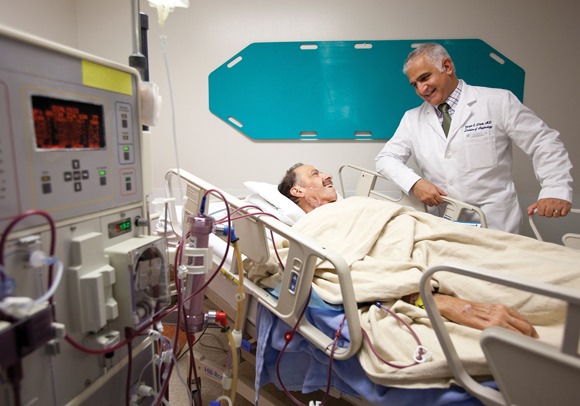
But 49% of patients hospitalized for heart failure and treated with such standard care lose little or no weight (an indicator of fluid retention) or actually gain some by the time they are discharged.
Added to that, many patients who enter the hospital without renal problems and receive standard therapy develop acute kidney injury during their stay, with an accompanying increased risk of death (Eur. J. Heart Fail. 2010;12:32-37).
"These two things together [limited efficacy and renal complications] have been the basis for trying to find ways other than our standard therapy," noted Dr. Kazory, who is a nephrologist at the University of Florida, Gainesville. "One of them would be ultrafiltration therapy."
Use of ultrafiltration in patients with heart failure is hardly new, dating back as far as the 1940s, he said. But interest in this therapy has increased with the Food and Drug Administration’s approval of a portable device for isolated ultrafiltration that has a simple design (Aquadex FlexFlow System). It is marketed for use by non-nephrologists, and can be used in settings other than intensive care units and dialysis centers.
Dr. Kazory noted that most studies of ultrafiltration in patients with congestive heart failure have found that it improves clinical outcomes (Cardiology 2001;96:144-54). Moreover, it has a number of advantages when compared with diuretics (Circulation 2008;117:975-83).
One advantage is that ultrafiltration allows more rapid removal of fluid and improvement of symptoms in volume-overloaded patients. For example, in the UNLOAD trial – the largest trial of ultrafiltration therapy to date, involving 200 patients – those treated with ultrafiltration lost about 5 kg of weight in 48 hours, whereas their counterparts treated with intravenous diuretics lost 3 kg (J. Am. Coll. Cardiol. 2007;49:675-83.
Ultrafiltration also allows comparatively higher mass clearance of sodium. And the fluid and sodium removal is achieved with a lower risk of electrolyte perturbations such as hypokalemia.
"We probably remove a lot of proinflammatory cytokines with ultrafiltration, something that does not happen with diuretics," Dr. Kazory continued. "This is probably why patients come back to the hospital less frequently when they are ultrafiltrated." And removal of these cytokines also has the potential to restore responsiveness to diuretics.
The clinical benefits of ultrafiltration appear to be sustained over time, too. For example, in the UNLOAD trial, just a single session of ultrafiltration reduced the rehospitalization rate for heart failure over the next 90 days relative to intravenous diuretics.
Tempering all of these merits of ultrafiltration, there are still a number of unanswered questions and concerns, acknowledged Dr. Kazory.
For example, it is unclear if ultrafiltration has any renoprotective effect. Indeed, studies to date suggest that creatinine levels improve minimally if at all with this therapy (Heart 2009;95:1047-51). "At least we can say it didn’t get worse," he commented. "With diuretics, we expect it to be a little worse, especially with high-dose diuretics."
The impact of ultrafiltration on long-term morbidity and mortality is a key uncertainty, especially given that this therapy activates certain cytokines.
"There is no mortality data on ultrafiltration so far," Dr. Kazory noted. But levels of markers of mortality, such as blood urea nitrogen and serum sodium, suggest that there is no major change in these markers with ultrafiltration (Int. J. Cardiol. 2010;143:1-3).
The cost-effectiveness of ultrafiltration therapy is also unknown at present. Although it is clearly more expensive than diuretics up front, it may be less expensive in the long term as a result of improved clinical outcomes that reduce health care use.
For example, in the UNLOAD trial, the percentage of patients rehospitalized for heart failure after ultrafiltration therapy was about half as high as that with standard care (18% vs. 32%).
But unexpectedly, ultrafiltration is still associated with higher patient costs at 90 days: roughly $13,500 versus $11,600 with standard care (Circ. Cardiovasc. Qual. Outcomes 2009;2:566-73).
Dr. Kazory noted that the filter alone for the newly approved isolated ultrafiltration device costs about $900. This compares with merely $10 to $15 for the filter used in conventional dialysis machines.
Indeed, if it is assumed that conventional supplies are used for ultrafiltration instead, this therapy becomes less expensive than standard care at 90 days, at about $11,300 versus $11,600 (Am. J. Cardiol. 2010;105:1504-5). In other words, he said, "if you use the nephrologists’ devices ... it seems to be cost effective."
A final question is whether non-nephrologists should be trained in the use of ultrafiltration. At present, most of the major cardiovascular professional societies recommend consultation with a nephrologist when undertaking this therapy.
"Ultrafiltration has the potential for greatly impacting our therapeutic approach to patients in heart failure," Dr. Kazory concluded. "A number of questions still exist."
"For now, ultrafiltration should be used with the strict [eligibility] criteria that have been used in the trials so far," he added. "You can use the UNLOAD trial or EUPHORIA trial or others to see what the criteria are; they are fairly narrow."
A related study, reported at the congress by Dr. John N. Nanas of the University of Athens, found ultrafiltration to be superior to inotropes for reducing the risk of hospitalization in patients with decompensated heart failure.
"In advanced heart failure patients with diuretic resistance who are not responding to standard measures and are not candidates for cardiac transplantation or long-term mechanical assistance, fluid removal by ultrafiltration seems a reasonable solution," he commented.
Dr. Nanas and colleagues studied 40 consecutive patients with heart failure and severe decompensation. Half were treated with intermittent inotrope infusion and half were treated with intermittent ultrafiltration.
"All patients in both groups were very symptomatic" at baseline, he noted, with similarly low mean systolic blood pressure (95-98 mm Hg), left ventricular ejection fraction (22%-25%), and cardiac index (1.7-1.8 L/min/m2), and similarly high mean pulmonary capillary wedge pressure (26-29 mm Hg) and levels of B-type natriuretic peptide (1,639-2,237 pg/mL).
But those in the ultrafiltration group had significantly higher mean right atrial pressure (19 vs. 14 mm Hg) and serum creatinine levels (3.1 vs. 1.6 mg/dL), suggesting that they were somewhat sicker.
Study results showed that the two groups did not differ with respect to mortality rates during follow-up, according to Dr. Nanas.
However, the risk of hospitalization was more than tripled in the inotrope group compared with the ultrafiltration group, a highly significant difference (hazard ratio 3.5). Patients treated with inotropes were also three times as likely to make scheduled visits.
"Ultrafiltration might be an important therapeutic option for treating congestion in heart failure patients," Dr. Nanas concluded. "Further evaluation in prospective, randomized clinical studies is mandatory for acute decompensated heart failure, but especially for advanced heart failure."
Dr. Kazory reported having no conflicts of interest related to his presentation. Dr. Nanas reported having no conflicts of interest related to the study.
VANCOUVER, B.C. – Ultrafiltration is expanding treatment options for selected patients with heart failure, such as those with refractory congestion or renal dysfunction, according to experts in the field.
"The current therapy of heart failure is still the same as we have had for many, many, many years," Dr. Amir Kazory told attendees at the congress sponsored by the International Academy of Cardiology. This therapy relies heavily on intravenous diuretics.
But 49% of patients hospitalized for heart failure and treated with such standard care lose little or no weight (an indicator of fluid retention) or actually gain some by the time they are discharged.
Added to that, many patients who enter the hospital without renal problems and receive standard therapy develop acute kidney injury during their stay, with an accompanying increased risk of death (Eur. J. Heart Fail. 2010;12:32-37).
"These two things together [limited efficacy and renal complications] have been the basis for trying to find ways other than our standard therapy," noted Dr. Kazory, who is a nephrologist at the University of Florida, Gainesville. "One of them would be ultrafiltration therapy."
Use of ultrafiltration in patients with heart failure is hardly new, dating back as far as the 1940s, he said. But interest in this therapy has increased with the Food and Drug Administration’s approval of a portable device for isolated ultrafiltration that has a simple design (Aquadex FlexFlow System). It is marketed for use by non-nephrologists, and can be used in settings other than intensive care units and dialysis centers.
Dr. Kazory noted that most studies of ultrafiltration in patients with congestive heart failure have found that it improves clinical outcomes (Cardiology 2001;96:144-54). Moreover, it has a number of advantages when compared with diuretics (Circulation 2008;117:975-83).
One advantage is that ultrafiltration allows more rapid removal of fluid and improvement of symptoms in volume-overloaded patients. For example, in the UNLOAD trial – the largest trial of ultrafiltration therapy to date, involving 200 patients – those treated with ultrafiltration lost about 5 kg of weight in 48 hours, whereas their counterparts treated with intravenous diuretics lost 3 kg (J. Am. Coll. Cardiol. 2007;49:675-83.
Ultrafiltration also allows comparatively higher mass clearance of sodium. And the fluid and sodium removal is achieved with a lower risk of electrolyte perturbations such as hypokalemia.
"We probably remove a lot of proinflammatory cytokines with ultrafiltration, something that does not happen with diuretics," Dr. Kazory continued. "This is probably why patients come back to the hospital less frequently when they are ultrafiltrated." And removal of these cytokines also has the potential to restore responsiveness to diuretics.
The clinical benefits of ultrafiltration appear to be sustained over time, too. For example, in the UNLOAD trial, just a single session of ultrafiltration reduced the rehospitalization rate for heart failure over the next 90 days relative to intravenous diuretics.
Tempering all of these merits of ultrafiltration, there are still a number of unanswered questions and concerns, acknowledged Dr. Kazory.
For example, it is unclear if ultrafiltration has any renoprotective effect. Indeed, studies to date suggest that creatinine levels improve minimally if at all with this therapy (Heart 2009;95:1047-51). "At least we can say it didn’t get worse," he commented. "With diuretics, we expect it to be a little worse, especially with high-dose diuretics."
The impact of ultrafiltration on long-term morbidity and mortality is a key uncertainty, especially given that this therapy activates certain cytokines.
"There is no mortality data on ultrafiltration so far," Dr. Kazory noted. But levels of markers of mortality, such as blood urea nitrogen and serum sodium, suggest that there is no major change in these markers with ultrafiltration (Int. J. Cardiol. 2010;143:1-3).
The cost-effectiveness of ultrafiltration therapy is also unknown at present. Although it is clearly more expensive than diuretics up front, it may be less expensive in the long term as a result of improved clinical outcomes that reduce health care use.
For example, in the UNLOAD trial, the percentage of patients rehospitalized for heart failure after ultrafiltration therapy was about half as high as that with standard care (18% vs. 32%).
But unexpectedly, ultrafiltration is still associated with higher patient costs at 90 days: roughly $13,500 versus $11,600 with standard care (Circ. Cardiovasc. Qual. Outcomes 2009;2:566-73).
Dr. Kazory noted that the filter alone for the newly approved isolated ultrafiltration device costs about $900. This compares with merely $10 to $15 for the filter used in conventional dialysis machines.
Indeed, if it is assumed that conventional supplies are used for ultrafiltration instead, this therapy becomes less expensive than standard care at 90 days, at about $11,300 versus $11,600 (Am. J. Cardiol. 2010;105:1504-5). In other words, he said, "if you use the nephrologists’ devices ... it seems to be cost effective."
A final question is whether non-nephrologists should be trained in the use of ultrafiltration. At present, most of the major cardiovascular professional societies recommend consultation with a nephrologist when undertaking this therapy.
"Ultrafiltration has the potential for greatly impacting our therapeutic approach to patients in heart failure," Dr. Kazory concluded. "A number of questions still exist."
"For now, ultrafiltration should be used with the strict [eligibility] criteria that have been used in the trials so far," he added. "You can use the UNLOAD trial or EUPHORIA trial or others to see what the criteria are; they are fairly narrow."
A related study, reported at the congress by Dr. John N. Nanas of the University of Athens, found ultrafiltration to be superior to inotropes for reducing the risk of hospitalization in patients with decompensated heart failure.
"In advanced heart failure patients with diuretic resistance who are not responding to standard measures and are not candidates for cardiac transplantation or long-term mechanical assistance, fluid removal by ultrafiltration seems a reasonable solution," he commented.
Dr. Nanas and colleagues studied 40 consecutive patients with heart failure and severe decompensation. Half were treated with intermittent inotrope infusion and half were treated with intermittent ultrafiltration.
"All patients in both groups were very symptomatic" at baseline, he noted, with similarly low mean systolic blood pressure (95-98 mm Hg), left ventricular ejection fraction (22%-25%), and cardiac index (1.7-1.8 L/min/m2), and similarly high mean pulmonary capillary wedge pressure (26-29 mm Hg) and levels of B-type natriuretic peptide (1,639-2,237 pg/mL).
But those in the ultrafiltration group had significantly higher mean right atrial pressure (19 vs. 14 mm Hg) and serum creatinine levels (3.1 vs. 1.6 mg/dL), suggesting that they were somewhat sicker.
Study results showed that the two groups did not differ with respect to mortality rates during follow-up, according to Dr. Nanas.
However, the risk of hospitalization was more than tripled in the inotrope group compared with the ultrafiltration group, a highly significant difference (hazard ratio 3.5). Patients treated with inotropes were also three times as likely to make scheduled visits.
"Ultrafiltration might be an important therapeutic option for treating congestion in heart failure patients," Dr. Nanas concluded. "Further evaluation in prospective, randomized clinical studies is mandatory for acute decompensated heart failure, but especially for advanced heart failure."
Dr. Kazory reported having no conflicts of interest related to his presentation. Dr. Nanas reported having no conflicts of interest related to the study.
VANCOUVER, B.C. – Ultrafiltration is expanding treatment options for selected patients with heart failure, such as those with refractory congestion or renal dysfunction, according to experts in the field.
"The current therapy of heart failure is still the same as we have had for many, many, many years," Dr. Amir Kazory told attendees at the congress sponsored by the International Academy of Cardiology. This therapy relies heavily on intravenous diuretics.
But 49% of patients hospitalized for heart failure and treated with such standard care lose little or no weight (an indicator of fluid retention) or actually gain some by the time they are discharged.
Added to that, many patients who enter the hospital without renal problems and receive standard therapy develop acute kidney injury during their stay, with an accompanying increased risk of death (Eur. J. Heart Fail. 2010;12:32-37).
"These two things together [limited efficacy and renal complications] have been the basis for trying to find ways other than our standard therapy," noted Dr. Kazory, who is a nephrologist at the University of Florida, Gainesville. "One of them would be ultrafiltration therapy."
Use of ultrafiltration in patients with heart failure is hardly new, dating back as far as the 1940s, he said. But interest in this therapy has increased with the Food and Drug Administration’s approval of a portable device for isolated ultrafiltration that has a simple design (Aquadex FlexFlow System). It is marketed for use by non-nephrologists, and can be used in settings other than intensive care units and dialysis centers.
Dr. Kazory noted that most studies of ultrafiltration in patients with congestive heart failure have found that it improves clinical outcomes (Cardiology 2001;96:144-54). Moreover, it has a number of advantages when compared with diuretics (Circulation 2008;117:975-83).
One advantage is that ultrafiltration allows more rapid removal of fluid and improvement of symptoms in volume-overloaded patients. For example, in the UNLOAD trial – the largest trial of ultrafiltration therapy to date, involving 200 patients – those treated with ultrafiltration lost about 5 kg of weight in 48 hours, whereas their counterparts treated with intravenous diuretics lost 3 kg (J. Am. Coll. Cardiol. 2007;49:675-83.
Ultrafiltration also allows comparatively higher mass clearance of sodium. And the fluid and sodium removal is achieved with a lower risk of electrolyte perturbations such as hypokalemia.
"We probably remove a lot of proinflammatory cytokines with ultrafiltration, something that does not happen with diuretics," Dr. Kazory continued. "This is probably why patients come back to the hospital less frequently when they are ultrafiltrated." And removal of these cytokines also has the potential to restore responsiveness to diuretics.
The clinical benefits of ultrafiltration appear to be sustained over time, too. For example, in the UNLOAD trial, just a single session of ultrafiltration reduced the rehospitalization rate for heart failure over the next 90 days relative to intravenous diuretics.
Tempering all of these merits of ultrafiltration, there are still a number of unanswered questions and concerns, acknowledged Dr. Kazory.
For example, it is unclear if ultrafiltration has any renoprotective effect. Indeed, studies to date suggest that creatinine levels improve minimally if at all with this therapy (Heart 2009;95:1047-51). "At least we can say it didn’t get worse," he commented. "With diuretics, we expect it to be a little worse, especially with high-dose diuretics."
The impact of ultrafiltration on long-term morbidity and mortality is a key uncertainty, especially given that this therapy activates certain cytokines.
"There is no mortality data on ultrafiltration so far," Dr. Kazory noted. But levels of markers of mortality, such as blood urea nitrogen and serum sodium, suggest that there is no major change in these markers with ultrafiltration (Int. J. Cardiol. 2010;143:1-3).
The cost-effectiveness of ultrafiltration therapy is also unknown at present. Although it is clearly more expensive than diuretics up front, it may be less expensive in the long term as a result of improved clinical outcomes that reduce health care use.
For example, in the UNLOAD trial, the percentage of patients rehospitalized for heart failure after ultrafiltration therapy was about half as high as that with standard care (18% vs. 32%).
But unexpectedly, ultrafiltration is still associated with higher patient costs at 90 days: roughly $13,500 versus $11,600 with standard care (Circ. Cardiovasc. Qual. Outcomes 2009;2:566-73).
Dr. Kazory noted that the filter alone for the newly approved isolated ultrafiltration device costs about $900. This compares with merely $10 to $15 for the filter used in conventional dialysis machines.
Indeed, if it is assumed that conventional supplies are used for ultrafiltration instead, this therapy becomes less expensive than standard care at 90 days, at about $11,300 versus $11,600 (Am. J. Cardiol. 2010;105:1504-5). In other words, he said, "if you use the nephrologists’ devices ... it seems to be cost effective."
A final question is whether non-nephrologists should be trained in the use of ultrafiltration. At present, most of the major cardiovascular professional societies recommend consultation with a nephrologist when undertaking this therapy.
"Ultrafiltration has the potential for greatly impacting our therapeutic approach to patients in heart failure," Dr. Kazory concluded. "A number of questions still exist."
"For now, ultrafiltration should be used with the strict [eligibility] criteria that have been used in the trials so far," he added. "You can use the UNLOAD trial or EUPHORIA trial or others to see what the criteria are; they are fairly narrow."
A related study, reported at the congress by Dr. John N. Nanas of the University of Athens, found ultrafiltration to be superior to inotropes for reducing the risk of hospitalization in patients with decompensated heart failure.
"In advanced heart failure patients with diuretic resistance who are not responding to standard measures and are not candidates for cardiac transplantation or long-term mechanical assistance, fluid removal by ultrafiltration seems a reasonable solution," he commented.
Dr. Nanas and colleagues studied 40 consecutive patients with heart failure and severe decompensation. Half were treated with intermittent inotrope infusion and half were treated with intermittent ultrafiltration.
"All patients in both groups were very symptomatic" at baseline, he noted, with similarly low mean systolic blood pressure (95-98 mm Hg), left ventricular ejection fraction (22%-25%), and cardiac index (1.7-1.8 L/min/m2), and similarly high mean pulmonary capillary wedge pressure (26-29 mm Hg) and levels of B-type natriuretic peptide (1,639-2,237 pg/mL).
But those in the ultrafiltration group had significantly higher mean right atrial pressure (19 vs. 14 mm Hg) and serum creatinine levels (3.1 vs. 1.6 mg/dL), suggesting that they were somewhat sicker.
Study results showed that the two groups did not differ with respect to mortality rates during follow-up, according to Dr. Nanas.
However, the risk of hospitalization was more than tripled in the inotrope group compared with the ultrafiltration group, a highly significant difference (hazard ratio 3.5). Patients treated with inotropes were also three times as likely to make scheduled visits.
"Ultrafiltration might be an important therapeutic option for treating congestion in heart failure patients," Dr. Nanas concluded. "Further evaluation in prospective, randomized clinical studies is mandatory for acute decompensated heart failure, but especially for advanced heart failure."
Dr. Kazory reported having no conflicts of interest related to his presentation. Dr. Nanas reported having no conflicts of interest related to the study.
Palliative Care Is No Longer a Stranger to Emergency Medicine
LAS VEGAS – Palliative care is increasingly recognized as having an important role to play in emergency medicine, according to Dr. Knox H. Todd.
Palliative care is growing exponentially overall, and the American Board of Emergency Medicine has joined nine other specialty boards in supporting its approval as an official subspecialty, meaning that emergency physicians can now pursue certification, he said at the annual meeting of the American College of Emergency Physicians.
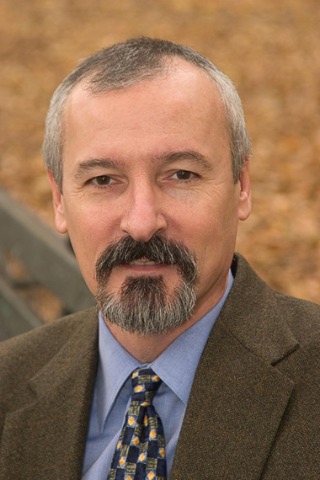
“We can’t give clear numbers on [how many] emergency physicians are now board certified in palliative care, but I think it’s probably around 30 or 40,” said Dr. Todd, who is director of the Pain and Emergency Medicine Institute at Beth Israel Medical Center and a professor of emergency medicine at Albert Einstein College of Medicine, both in New York.
Integrating palliative care with emergency medicine makes sense for a lot of reasons, he said. “One of the most obvious is that a lot of people die in the emergency department,” with some 379,000 deaths occurring nationally in EDs in 2000 alone.
Furthermore, emergency medical services often are activated for patients with terminal illnesses. And not only is the ED the entry point for most adult patients who die in the hospital, but it also often functions as a “revolving door” for patients whose health is in a downward spiral (N. Engl. J. Med. 2009;360:1418-28).
Dr. Todd noted that a set of core palliative care skills recently proposed for emergency physicians range from the fairly routine, such as estimating prognosis, to the much more difficult, such as withdrawing or withholding nonbeneficial treatment (Ann. Emerg. Med. 2009;54:94-102).
Research on palliative care specifically in the emergency medicine setting is still scant, he said. But “many emergency physicians who practice palliative care now and are pursuing palliative care fellowships are becoming very active in this field and will lead this field from here on.”
Dr. Todd described a program undertaken in his ED in 2007 to better identify patients with unmet palliative care needs, noting that previously, there had been very little interaction between emergency medicine and palliative care and hospice services.
The goals were to screen incoming patients for unmet palliative care needs; to provide appropriate care, reducing symptom burden and decreasing caregiver distress; to refer patients to palliative care and hospice; and to assess financial sustainability of the program using a social worker.
The screening protocol aimed to identify mainly adults aged 65 years or older who had chronic life-limiting illnesses with at least moderate functional limitations plus any of several factors signaling severe disease impact (increasing loss of activities of daily living, high symptom distress, poor functional status, or high caregiver burden).
During a 3-month screening-only period, 864 patients were screened, of whom 5% had unmet palliative care needs and an additional 2% had both unmet palliative care and hospice needs, Dr. Todd reported. After 7 months, half of these 62 patients had died.
“These were patients who had been in our emergency department three or four times in the last 6 months but never even had the talk about the possibility of involving palliative care,” he commented. “They rotated through our internal medicine service generally or perhaps the oncology service.”
During its 8-month implementation phase, the program ran into some barriers. For example, in 49% of cases in which eligible patients did not get a palliative care consultation, the patient’s primary care physician had objected to the consultation. But objections also came from the emergency physicians (25% of cases), the patient or family (15%), social workers (8%), and house staff (3%).
“Part of our primary care issue was, are we going to offend the primary caregiver by introducing a palliative care intervention in a patient with whom he or she has had a longstanding connection,” he acknowledged.
The team revised the program and conducted outreach, implementing measures to address the concerns of other providers and to promote and simplify the referral for palliative care consultations.
“Our story does have, I think, limited success,” Dr. Todd said. At the end of the year, the hospital’s total number of palliative care consultations per quarter had increased by 33%. Moreover, half were now initiated from the ED, compared with none at the start of the program.
However, the average length of hospital stay for screened patients before and after intervention was largely unaffected, and results suggested that the program would not be financially sustainable using a social worker.
Also, about 70% of emergency physicians surveyed at the end of the program identified the social worker as the best professional to implement palliative care interventions in the ED. “So we provided a service, yet we freed our emergency physicians and emergency nurses from thinking about this, which is an unintended negative consequence of this study,” Dr. Todd commented.
A second project, undertaken in 2009-2010 and called the Emergency Department Palliative Care Champions (EDPCC) Pilot Project, involved outreach from his center to three New York City–area hospitals.
The center served as an external resource that fostered ED palliative care initiatives by supporting ED palliative care champions who disseminated education and conducted rapid quality-improvement projects in their departments.
Across the three hospitals – St. Vincent’s Medical Center, Mount Sinai Medical Center, and Kings Highway Division – the project ultimately involved 20 ED champions and 236 ED staff members, at a total program cost of about $125,500.
St. Vincent’s undertook nurse-initiated screening for unmet palliative care needs, training more than 40 nurse screeners and screening 22 patients in a 6-month period, according to Dr. Todd.
Mount Sinai conducted a quality audit of care for imminently dying patients, interviewing staff after patients died to determine what could have been done differently. This led to procedural changes in the ED, such as designating a space for grieving families.
Finally, Kings Highway Division undertook an initiative to improve implementation of advance directives. As a result, the proportion of patients for whom advance directive status was obtained increased from essentially zero to nearly 100%.
Overall, the EDPCC project has proven feasible and acceptable, and has potential for replication and dissemination, Dr. Todd contended. If funding is obtained, it will be expanded to the entire city.
He noted that emergency physicians are likely to have increasing access to palliative care specialists, as the percentage of larger hospitals having palliative care programs has increased to roughly 40%.
“This whole area of working hand in hand with our palliative care colleagues is one that I would like to encourage,” he concluded.
LAS VEGAS – Palliative care is increasingly recognized as having an important role to play in emergency medicine, according to Dr. Knox H. Todd.
Palliative care is growing exponentially overall, and the American Board of Emergency Medicine has joined nine other specialty boards in supporting its approval as an official subspecialty, meaning that emergency physicians can now pursue certification, he said at the annual meeting of the American College of Emergency Physicians.
“We can’t give clear numbers on [how many] emergency physicians are now board certified in palliative care, but I think it’s probably around 30 or 40,” said Dr. Todd, who is director of the Pain and Emergency Medicine Institute at Beth Israel Medical Center and a professor of emergency medicine at Albert Einstein College of Medicine, both in New York.
Integrating palliative care with emergency medicine makes sense for a lot of reasons, he said. “One of the most obvious is that a lot of people die in the emergency department,” with some 379,000 deaths occurring nationally in EDs in 2000 alone.
Furthermore, emergency medical services often are activated for patients with terminal illnesses. And not only is the ED the entry point for most adult patients who die in the hospital, but it also often functions as a “revolving door” for patients whose health is in a downward spiral (N. Engl. J. Med. 2009;360:1418-28).
Dr. Todd noted that a set of core palliative care skills recently proposed for emergency physicians range from the fairly routine, such as estimating prognosis, to the much more difficult, such as withdrawing or withholding nonbeneficial treatment (Ann. Emerg. Med. 2009;54:94-102).
Research on palliative care specifically in the emergency medicine setting is still scant, he said. But “many emergency physicians who practice palliative care now and are pursuing palliative care fellowships are becoming very active in this field and will lead this field from here on.”
Dr. Todd described a program undertaken in his ED in 2007 to better identify patients with unmet palliative care needs, noting that previously, there had been very little interaction between emergency medicine and palliative care and hospice services.
The goals were to screen incoming patients for unmet palliative care needs; to provide appropriate care, reducing symptom burden and decreasing caregiver distress; to refer patients to palliative care and hospice; and to assess financial sustainability of the program using a social worker.
The screening protocol aimed to identify mainly adults aged 65 years or older who had chronic life-limiting illnesses with at least moderate functional limitations plus any of several factors signaling severe disease impact (increasing loss of activities of daily living, high symptom distress, poor functional status, or high caregiver burden).
During a 3-month screening-only period, 864 patients were screened, of whom 5% had unmet palliative care needs and an additional 2% had both unmet palliative care and hospice needs, Dr. Todd reported. After 7 months, half of these 62 patients had died.
“These were patients who had been in our emergency department three or four times in the last 6 months but never even had the talk about the possibility of involving palliative care,” he commented. “They rotated through our internal medicine service generally or perhaps the oncology service.”
During its 8-month implementation phase, the program ran into some barriers. For example, in 49% of cases in which eligible patients did not get a palliative care consultation, the patient’s primary care physician had objected to the consultation. But objections also came from the emergency physicians (25% of cases), the patient or family (15%), social workers (8%), and house staff (3%).
“Part of our primary care issue was, are we going to offend the primary caregiver by introducing a palliative care intervention in a patient with whom he or she has had a longstanding connection,” he acknowledged.
The team revised the program and conducted outreach, implementing measures to address the concerns of other providers and to promote and simplify the referral for palliative care consultations.
“Our story does have, I think, limited success,” Dr. Todd said. At the end of the year, the hospital’s total number of palliative care consultations per quarter had increased by 33%. Moreover, half were now initiated from the ED, compared with none at the start of the program.
However, the average length of hospital stay for screened patients before and after intervention was largely unaffected, and results suggested that the program would not be financially sustainable using a social worker.
Also, about 70% of emergency physicians surveyed at the end of the program identified the social worker as the best professional to implement palliative care interventions in the ED. “So we provided a service, yet we freed our emergency physicians and emergency nurses from thinking about this, which is an unintended negative consequence of this study,” Dr. Todd commented.
A second project, undertaken in 2009-2010 and called the Emergency Department Palliative Care Champions (EDPCC) Pilot Project, involved outreach from his center to three New York City–area hospitals.
The center served as an external resource that fostered ED palliative care initiatives by supporting ED palliative care champions who disseminated education and conducted rapid quality-improvement projects in their departments.
Across the three hospitals – St. Vincent’s Medical Center, Mount Sinai Medical Center, and Kings Highway Division – the project ultimately involved 20 ED champions and 236 ED staff members, at a total program cost of about $125,500.
St. Vincent’s undertook nurse-initiated screening for unmet palliative care needs, training more than 40 nurse screeners and screening 22 patients in a 6-month period, according to Dr. Todd.
Mount Sinai conducted a quality audit of care for imminently dying patients, interviewing staff after patients died to determine what could have been done differently. This led to procedural changes in the ED, such as designating a space for grieving families.
Finally, Kings Highway Division undertook an initiative to improve implementation of advance directives. As a result, the proportion of patients for whom advance directive status was obtained increased from essentially zero to nearly 100%.
Overall, the EDPCC project has proven feasible and acceptable, and has potential for replication and dissemination, Dr. Todd contended. If funding is obtained, it will be expanded to the entire city.
He noted that emergency physicians are likely to have increasing access to palliative care specialists, as the percentage of larger hospitals having palliative care programs has increased to roughly 40%.
“This whole area of working hand in hand with our palliative care colleagues is one that I would like to encourage,” he concluded.
LAS VEGAS – Palliative care is increasingly recognized as having an important role to play in emergency medicine, according to Dr. Knox H. Todd.
Palliative care is growing exponentially overall, and the American Board of Emergency Medicine has joined nine other specialty boards in supporting its approval as an official subspecialty, meaning that emergency physicians can now pursue certification, he said at the annual meeting of the American College of Emergency Physicians.
“We can’t give clear numbers on [how many] emergency physicians are now board certified in palliative care, but I think it’s probably around 30 or 40,” said Dr. Todd, who is director of the Pain and Emergency Medicine Institute at Beth Israel Medical Center and a professor of emergency medicine at Albert Einstein College of Medicine, both in New York.
Integrating palliative care with emergency medicine makes sense for a lot of reasons, he said. “One of the most obvious is that a lot of people die in the emergency department,” with some 379,000 deaths occurring nationally in EDs in 2000 alone.
Furthermore, emergency medical services often are activated for patients with terminal illnesses. And not only is the ED the entry point for most adult patients who die in the hospital, but it also often functions as a “revolving door” for patients whose health is in a downward spiral (N. Engl. J. Med. 2009;360:1418-28).
Dr. Todd noted that a set of core palliative care skills recently proposed for emergency physicians range from the fairly routine, such as estimating prognosis, to the much more difficult, such as withdrawing or withholding nonbeneficial treatment (Ann. Emerg. Med. 2009;54:94-102).
Research on palliative care specifically in the emergency medicine setting is still scant, he said. But “many emergency physicians who practice palliative care now and are pursuing palliative care fellowships are becoming very active in this field and will lead this field from here on.”
Dr. Todd described a program undertaken in his ED in 2007 to better identify patients with unmet palliative care needs, noting that previously, there had been very little interaction between emergency medicine and palliative care and hospice services.
The goals were to screen incoming patients for unmet palliative care needs; to provide appropriate care, reducing symptom burden and decreasing caregiver distress; to refer patients to palliative care and hospice; and to assess financial sustainability of the program using a social worker.
The screening protocol aimed to identify mainly adults aged 65 years or older who had chronic life-limiting illnesses with at least moderate functional limitations plus any of several factors signaling severe disease impact (increasing loss of activities of daily living, high symptom distress, poor functional status, or high caregiver burden).
During a 3-month screening-only period, 864 patients were screened, of whom 5% had unmet palliative care needs and an additional 2% had both unmet palliative care and hospice needs, Dr. Todd reported. After 7 months, half of these 62 patients had died.
“These were patients who had been in our emergency department three or four times in the last 6 months but never even had the talk about the possibility of involving palliative care,” he commented. “They rotated through our internal medicine service generally or perhaps the oncology service.”
During its 8-month implementation phase, the program ran into some barriers. For example, in 49% of cases in which eligible patients did not get a palliative care consultation, the patient’s primary care physician had objected to the consultation. But objections also came from the emergency physicians (25% of cases), the patient or family (15%), social workers (8%), and house staff (3%).
“Part of our primary care issue was, are we going to offend the primary caregiver by introducing a palliative care intervention in a patient with whom he or she has had a longstanding connection,” he acknowledged.
The team revised the program and conducted outreach, implementing measures to address the concerns of other providers and to promote and simplify the referral for palliative care consultations.
“Our story does have, I think, limited success,” Dr. Todd said. At the end of the year, the hospital’s total number of palliative care consultations per quarter had increased by 33%. Moreover, half were now initiated from the ED, compared with none at the start of the program.
However, the average length of hospital stay for screened patients before and after intervention was largely unaffected, and results suggested that the program would not be financially sustainable using a social worker.
Also, about 70% of emergency physicians surveyed at the end of the program identified the social worker as the best professional to implement palliative care interventions in the ED. “So we provided a service, yet we freed our emergency physicians and emergency nurses from thinking about this, which is an unintended negative consequence of this study,” Dr. Todd commented.
A second project, undertaken in 2009-2010 and called the Emergency Department Palliative Care Champions (EDPCC) Pilot Project, involved outreach from his center to three New York City–area hospitals.
The center served as an external resource that fostered ED palliative care initiatives by supporting ED palliative care champions who disseminated education and conducted rapid quality-improvement projects in their departments.
Across the three hospitals – St. Vincent’s Medical Center, Mount Sinai Medical Center, and Kings Highway Division – the project ultimately involved 20 ED champions and 236 ED staff members, at a total program cost of about $125,500.
St. Vincent’s undertook nurse-initiated screening for unmet palliative care needs, training more than 40 nurse screeners and screening 22 patients in a 6-month period, according to Dr. Todd.
Mount Sinai conducted a quality audit of care for imminently dying patients, interviewing staff after patients died to determine what could have been done differently. This led to procedural changes in the ED, such as designating a space for grieving families.
Finally, Kings Highway Division undertook an initiative to improve implementation of advance directives. As a result, the proportion of patients for whom advance directive status was obtained increased from essentially zero to nearly 100%.
Overall, the EDPCC project has proven feasible and acceptable, and has potential for replication and dissemination, Dr. Todd contended. If funding is obtained, it will be expanded to the entire city.
He noted that emergency physicians are likely to have increasing access to palliative care specialists, as the percentage of larger hospitals having palliative care programs has increased to roughly 40%.
“This whole area of working hand in hand with our palliative care colleagues is one that I would like to encourage,” he concluded.
FROM THE ANNUAL MEETING OF THE AMERICAN COLLEGE OF EMERGENCY PHYSICIANS
A Simple Risk Prediction Tool Remains Elusive
Major Finding: Coronary artery calcium, carotid IMT, flow-mediated dilation, and ABI are improving the ability to predict the risk of CVD events in apparently healthy adults, but research has yet to identify a simple risk-estimation tool that uses just a few key factors.
Data Source: The 10-year, prospective MESA study was among a multiethnic sample of 6,814 U.S. adults, aged 45-84 years, who were clinically free of CVD at baseline.
Disclosures: The National Heart, Lung, and Blood Institute is sponsoring the study. Dr. Criqui reported that he had no relevant conflicts of interest.
VANCOUVER, B.C. – Subclinical markers of cardiovascular disease are helping to better predict the risk of clinical events in asymptomatic adults, according to Dr. Michael H. Criqui. But the search continues for a simple risk-estimation tool that relies on just a few powerful factors.
Standard CVD risk factors, based on the Framingham score, are often the starting point for comparisons, he told attendees at the congress, which was sponsored by the International Academy of Cardiology.
“The question is whether additional information gathered either from biomarkers or from subclinical markers of [CVD] can significantly add to the prediction based on these … standard risk factors,” said Dr. Criqui, chief of the division of preventive medicine at the University of California, San Diego.
Improvement of CVD risk prediction is complicated by the many different statistical metrics used to assess the added value of these factors and variation in how demanding these measures are for demonstrating a gain in predictive value, he observed.
Dr. Criqui gave an update of results from the 10-year prospective Multi-Ethnic Study of Atherosclerosis (MESA), exploring CVD risk prediction. The study enrolled 6,814 men and women aged 45-84 years from six U.S. communities who had no clinical evidence of CVD at baseline. Slightly more than half were female. Thirty-nine percent were white, 28% black, 22% Hispanic, and 12% Asian, mainly Chinese. (Percentages are rounded.)
In addition to measuring standard risk factors, the researchers assessed novel biomarkers and subclinical markers of CVD: coronary artery calcium on CT, carotid artery intima-media thickness (IMT) on ultrasound, flow-mediated dilation in the brachial artery, and ankle-brachial index (ABI).
Dr. Criqui, who was on the MESA planning committee 15 years ago, recalled that “the idea was that we should be able to get a parsimonious estimation of risk” without having to “measure everything.” Two or three key factors might provide the necessary information, he said.
Coronary Artery Calcium
Studies have shown that of the four subclinical markers, coronary artery calcium is the strongest predictor of CVD outcomes overall and of coronary outcomes in the MESA population, according to Dr. Criqui.
For example, participants with a coronary artery calcium score that exceeded 300 (0 = no evidence of disease; 400 = extensive evidence) had an adjusted 9.7-fold increased risk of coronary events and a 6.8-fold increased risk of major coronary events, relative to their counterparts with a score of 0 (N. Engl. J. Med. 2008;358:1336-45). Moreover, it was a consistent predictor in all four racial/ethnic groups.
Coronary artery calcium also improved risk prediction when added to standard risk factors, as assessed from receiver-operating characteristic (ROC) curves, with the area under the curve increasing for prediction of both coronary events (from 0.77 to 0.82; P less than .001) and major coronary events (from 0.79 to 0.83; P = .006).
“In the world of ROC curves, that's a huge improvement,” Dr. Criqui commented. “So that's probably the most powerful sort of new risk factor or measure that we found in this study.”
Carotid IMT
The picture is less clear-cut for carotid IMT, with analyses that use different statistical measures arriving at different conclusions, according to Dr. Criqui.
Within given ranges of coronary artery calcium scores, carotid IMT stratified MESA participants according to their rate of CVD events, suggesting that it indeed improves risk prediction (Arch. Intern. Med. 2008;168:1333-9).
But when the measure was added to other standard risk factors, carotid IMT only slightly increased the area under the ROC curve for both coronary events (from 0.77 to 0.78) and CVD events (also from 0.77 to 0.78).
“And if you have coronary calcium in the model, clearly adding IMT gives you almost nothing,” Dr. Criqui added. “So this is a little bit paradoxical.”
At the same time, analyses showed that among the various subclinical markers, carotid IMT was the strongest predictor specifically of the risk for stroke.
Flow-Mediated Dilation
The findings for flow-mediated dilation in the MESA population have similarly been mixed, Dr. Criqui said.
When this factor was added to standard risk factors, the area under the ROC curve for predicting CVD events was unchanged, at 0.74 (Circulation 2009;120:502-9).
But flow-mediated dilation independently predicted CVD events. Also, it yielded a net 29% improvement in the correct classification of participants according to whether they experienced an event (P less than .001), mainly because of a 52% improvement in correctly classifying which participants would not experience events.
“Here is a marker with no improvement at all in the ROC curve, and yet you are substantially able to better predict who will get an event,” Dr. Criqui observed.
However, this substudy did not adjust for the other subclinical CVD markers. “If it had adjusted for those, I think it would have been less impressive,” he commented.
Ankle-Brachial Index
A recent analysis, to be published in full later this year, has shown ABI to be an independent predictor of CVD events in MESA participants, according to Dr. Criqui.
“We sort of gave the ankle-brachial index the third degree, if you will,” he elaborated. The investigators adjusted the analyses for standard risk factors, novel risk factors, coronary artery calcium, carotid IMT, and major electrocardiographic abnormalities at baseline.
After these adjustments, participants with a low ABI (lower than 1.0) and those with a high ABI (1.4 or greater) both had a roughly doubled risk of CVD events relative to their counterparts with a normal index.
In addition, after the exclusion of participants with a high ABI, each 0.1-unit increase in this index was associated with a reduced risk of CVD events across the four racial/ethnic groups studied (hazard ratios, 0.74–0.87). This index also increased the area under the ROC curve for predicting such events (P = .02).
“Better classification of cardiovascular disease risk is indeed an important goal clinically,” concluded Dr. Criqui. And to that end, MESA has helped by identifying a set of subclinical markers that improve risk prediction.
However, “I think the parsimonious assessment of CVD risk is still elusive, since – much like the cardiovascular disease risk factors themselves – different subclinical cardiovascular measures appear to contribute independently to risk,” he commented. “Everything we try seems to add a little bit, to a greater or lesser degree, to risk prediction.”
Major Finding: Coronary artery calcium, carotid IMT, flow-mediated dilation, and ABI are improving the ability to predict the risk of CVD events in apparently healthy adults, but research has yet to identify a simple risk-estimation tool that uses just a few key factors.
Data Source: The 10-year, prospective MESA study was among a multiethnic sample of 6,814 U.S. adults, aged 45-84 years, who were clinically free of CVD at baseline.
Disclosures: The National Heart, Lung, and Blood Institute is sponsoring the study. Dr. Criqui reported that he had no relevant conflicts of interest.
VANCOUVER, B.C. – Subclinical markers of cardiovascular disease are helping to better predict the risk of clinical events in asymptomatic adults, according to Dr. Michael H. Criqui. But the search continues for a simple risk-estimation tool that relies on just a few powerful factors.
Standard CVD risk factors, based on the Framingham score, are often the starting point for comparisons, he told attendees at the congress, which was sponsored by the International Academy of Cardiology.
“The question is whether additional information gathered either from biomarkers or from subclinical markers of [CVD] can significantly add to the prediction based on these … standard risk factors,” said Dr. Criqui, chief of the division of preventive medicine at the University of California, San Diego.
Improvement of CVD risk prediction is complicated by the many different statistical metrics used to assess the added value of these factors and variation in how demanding these measures are for demonstrating a gain in predictive value, he observed.
Dr. Criqui gave an update of results from the 10-year prospective Multi-Ethnic Study of Atherosclerosis (MESA), exploring CVD risk prediction. The study enrolled 6,814 men and women aged 45-84 years from six U.S. communities who had no clinical evidence of CVD at baseline. Slightly more than half were female. Thirty-nine percent were white, 28% black, 22% Hispanic, and 12% Asian, mainly Chinese. (Percentages are rounded.)
In addition to measuring standard risk factors, the researchers assessed novel biomarkers and subclinical markers of CVD: coronary artery calcium on CT, carotid artery intima-media thickness (IMT) on ultrasound, flow-mediated dilation in the brachial artery, and ankle-brachial index (ABI).
Dr. Criqui, who was on the MESA planning committee 15 years ago, recalled that “the idea was that we should be able to get a parsimonious estimation of risk” without having to “measure everything.” Two or three key factors might provide the necessary information, he said.
Coronary Artery Calcium
Studies have shown that of the four subclinical markers, coronary artery calcium is the strongest predictor of CVD outcomes overall and of coronary outcomes in the MESA population, according to Dr. Criqui.
For example, participants with a coronary artery calcium score that exceeded 300 (0 = no evidence of disease; 400 = extensive evidence) had an adjusted 9.7-fold increased risk of coronary events and a 6.8-fold increased risk of major coronary events, relative to their counterparts with a score of 0 (N. Engl. J. Med. 2008;358:1336-45). Moreover, it was a consistent predictor in all four racial/ethnic groups.
Coronary artery calcium also improved risk prediction when added to standard risk factors, as assessed from receiver-operating characteristic (ROC) curves, with the area under the curve increasing for prediction of both coronary events (from 0.77 to 0.82; P less than .001) and major coronary events (from 0.79 to 0.83; P = .006).
“In the world of ROC curves, that's a huge improvement,” Dr. Criqui commented. “So that's probably the most powerful sort of new risk factor or measure that we found in this study.”
Carotid IMT
The picture is less clear-cut for carotid IMT, with analyses that use different statistical measures arriving at different conclusions, according to Dr. Criqui.
Within given ranges of coronary artery calcium scores, carotid IMT stratified MESA participants according to their rate of CVD events, suggesting that it indeed improves risk prediction (Arch. Intern. Med. 2008;168:1333-9).
But when the measure was added to other standard risk factors, carotid IMT only slightly increased the area under the ROC curve for both coronary events (from 0.77 to 0.78) and CVD events (also from 0.77 to 0.78).
“And if you have coronary calcium in the model, clearly adding IMT gives you almost nothing,” Dr. Criqui added. “So this is a little bit paradoxical.”
At the same time, analyses showed that among the various subclinical markers, carotid IMT was the strongest predictor specifically of the risk for stroke.
Flow-Mediated Dilation
The findings for flow-mediated dilation in the MESA population have similarly been mixed, Dr. Criqui said.
When this factor was added to standard risk factors, the area under the ROC curve for predicting CVD events was unchanged, at 0.74 (Circulation 2009;120:502-9).
But flow-mediated dilation independently predicted CVD events. Also, it yielded a net 29% improvement in the correct classification of participants according to whether they experienced an event (P less than .001), mainly because of a 52% improvement in correctly classifying which participants would not experience events.
“Here is a marker with no improvement at all in the ROC curve, and yet you are substantially able to better predict who will get an event,” Dr. Criqui observed.
However, this substudy did not adjust for the other subclinical CVD markers. “If it had adjusted for those, I think it would have been less impressive,” he commented.
Ankle-Brachial Index
A recent analysis, to be published in full later this year, has shown ABI to be an independent predictor of CVD events in MESA participants, according to Dr. Criqui.
“We sort of gave the ankle-brachial index the third degree, if you will,” he elaborated. The investigators adjusted the analyses for standard risk factors, novel risk factors, coronary artery calcium, carotid IMT, and major electrocardiographic abnormalities at baseline.
After these adjustments, participants with a low ABI (lower than 1.0) and those with a high ABI (1.4 or greater) both had a roughly doubled risk of CVD events relative to their counterparts with a normal index.
In addition, after the exclusion of participants with a high ABI, each 0.1-unit increase in this index was associated with a reduced risk of CVD events across the four racial/ethnic groups studied (hazard ratios, 0.74–0.87). This index also increased the area under the ROC curve for predicting such events (P = .02).
“Better classification of cardiovascular disease risk is indeed an important goal clinically,” concluded Dr. Criqui. And to that end, MESA has helped by identifying a set of subclinical markers that improve risk prediction.
However, “I think the parsimonious assessment of CVD risk is still elusive, since – much like the cardiovascular disease risk factors themselves – different subclinical cardiovascular measures appear to contribute independently to risk,” he commented. “Everything we try seems to add a little bit, to a greater or lesser degree, to risk prediction.”
Major Finding: Coronary artery calcium, carotid IMT, flow-mediated dilation, and ABI are improving the ability to predict the risk of CVD events in apparently healthy adults, but research has yet to identify a simple risk-estimation tool that uses just a few key factors.
Data Source: The 10-year, prospective MESA study was among a multiethnic sample of 6,814 U.S. adults, aged 45-84 years, who were clinically free of CVD at baseline.
Disclosures: The National Heart, Lung, and Blood Institute is sponsoring the study. Dr. Criqui reported that he had no relevant conflicts of interest.
VANCOUVER, B.C. – Subclinical markers of cardiovascular disease are helping to better predict the risk of clinical events in asymptomatic adults, according to Dr. Michael H. Criqui. But the search continues for a simple risk-estimation tool that relies on just a few powerful factors.
Standard CVD risk factors, based on the Framingham score, are often the starting point for comparisons, he told attendees at the congress, which was sponsored by the International Academy of Cardiology.
“The question is whether additional information gathered either from biomarkers or from subclinical markers of [CVD] can significantly add to the prediction based on these … standard risk factors,” said Dr. Criqui, chief of the division of preventive medicine at the University of California, San Diego.
Improvement of CVD risk prediction is complicated by the many different statistical metrics used to assess the added value of these factors and variation in how demanding these measures are for demonstrating a gain in predictive value, he observed.
Dr. Criqui gave an update of results from the 10-year prospective Multi-Ethnic Study of Atherosclerosis (MESA), exploring CVD risk prediction. The study enrolled 6,814 men and women aged 45-84 years from six U.S. communities who had no clinical evidence of CVD at baseline. Slightly more than half were female. Thirty-nine percent were white, 28% black, 22% Hispanic, and 12% Asian, mainly Chinese. (Percentages are rounded.)
In addition to measuring standard risk factors, the researchers assessed novel biomarkers and subclinical markers of CVD: coronary artery calcium on CT, carotid artery intima-media thickness (IMT) on ultrasound, flow-mediated dilation in the brachial artery, and ankle-brachial index (ABI).
Dr. Criqui, who was on the MESA planning committee 15 years ago, recalled that “the idea was that we should be able to get a parsimonious estimation of risk” without having to “measure everything.” Two or three key factors might provide the necessary information, he said.
Coronary Artery Calcium
Studies have shown that of the four subclinical markers, coronary artery calcium is the strongest predictor of CVD outcomes overall and of coronary outcomes in the MESA population, according to Dr. Criqui.
For example, participants with a coronary artery calcium score that exceeded 300 (0 = no evidence of disease; 400 = extensive evidence) had an adjusted 9.7-fold increased risk of coronary events and a 6.8-fold increased risk of major coronary events, relative to their counterparts with a score of 0 (N. Engl. J. Med. 2008;358:1336-45). Moreover, it was a consistent predictor in all four racial/ethnic groups.
Coronary artery calcium also improved risk prediction when added to standard risk factors, as assessed from receiver-operating characteristic (ROC) curves, with the area under the curve increasing for prediction of both coronary events (from 0.77 to 0.82; P less than .001) and major coronary events (from 0.79 to 0.83; P = .006).
“In the world of ROC curves, that's a huge improvement,” Dr. Criqui commented. “So that's probably the most powerful sort of new risk factor or measure that we found in this study.”
Carotid IMT
The picture is less clear-cut for carotid IMT, with analyses that use different statistical measures arriving at different conclusions, according to Dr. Criqui.
Within given ranges of coronary artery calcium scores, carotid IMT stratified MESA participants according to their rate of CVD events, suggesting that it indeed improves risk prediction (Arch. Intern. Med. 2008;168:1333-9).
But when the measure was added to other standard risk factors, carotid IMT only slightly increased the area under the ROC curve for both coronary events (from 0.77 to 0.78) and CVD events (also from 0.77 to 0.78).
“And if you have coronary calcium in the model, clearly adding IMT gives you almost nothing,” Dr. Criqui added. “So this is a little bit paradoxical.”
At the same time, analyses showed that among the various subclinical markers, carotid IMT was the strongest predictor specifically of the risk for stroke.
Flow-Mediated Dilation
The findings for flow-mediated dilation in the MESA population have similarly been mixed, Dr. Criqui said.
When this factor was added to standard risk factors, the area under the ROC curve for predicting CVD events was unchanged, at 0.74 (Circulation 2009;120:502-9).
But flow-mediated dilation independently predicted CVD events. Also, it yielded a net 29% improvement in the correct classification of participants according to whether they experienced an event (P less than .001), mainly because of a 52% improvement in correctly classifying which participants would not experience events.
“Here is a marker with no improvement at all in the ROC curve, and yet you are substantially able to better predict who will get an event,” Dr. Criqui observed.
However, this substudy did not adjust for the other subclinical CVD markers. “If it had adjusted for those, I think it would have been less impressive,” he commented.
Ankle-Brachial Index
A recent analysis, to be published in full later this year, has shown ABI to be an independent predictor of CVD events in MESA participants, according to Dr. Criqui.
“We sort of gave the ankle-brachial index the third degree, if you will,” he elaborated. The investigators adjusted the analyses for standard risk factors, novel risk factors, coronary artery calcium, carotid IMT, and major electrocardiographic abnormalities at baseline.
After these adjustments, participants with a low ABI (lower than 1.0) and those with a high ABI (1.4 or greater) both had a roughly doubled risk of CVD events relative to their counterparts with a normal index.
In addition, after the exclusion of participants with a high ABI, each 0.1-unit increase in this index was associated with a reduced risk of CVD events across the four racial/ethnic groups studied (hazard ratios, 0.74–0.87). This index also increased the area under the ROC curve for predicting such events (P = .02).
“Better classification of cardiovascular disease risk is indeed an important goal clinically,” concluded Dr. Criqui. And to that end, MESA has helped by identifying a set of subclinical markers that improve risk prediction.
However, “I think the parsimonious assessment of CVD risk is still elusive, since – much like the cardiovascular disease risk factors themselves – different subclinical cardiovascular measures appear to contribute independently to risk,” he commented. “Everything we try seems to add a little bit, to a greater or lesser degree, to risk prediction.”
Weighing Appropriate End-of-Life Care in the ED
LAS VEGAS – Emergency physicians should weigh the benefits and harms of life-sustaining medical treatments that are likely to be ineffective or simply prolong the dying process, especially when patients have comorbidities such as dementia, according to an expert panel.
The panel took up the divisive issue of providing “medically futile” care to patients in emergency departments at the annual meeting of the American College of Emergency Physicians.
Panel moderator Dr. Gregory L. Henry, a past president of ACEP and adjunct clinical professor of emergency medicine at the University of Michigan, Ann Arbor, offered an economic perspective, pointing to the escalating cost of health care against the backdrop of staggering national debt.
He noted that patients have a steadfast belief in autonomy and self-determination when seeking care, but the matter of how to pay for this care is unresolved.
“Spending other people’s money is always easy, but spending the money that indentures the yet-unborn is cowardly and immoral, and that’s exactly what we are doing,” Dr. Henry commented.
The default in emergency departments is often to stabilize patients with poor prognoses and let their fate play out in the intensive care unit, he said. But emergency physicians should reflect on their role in starting this “cascade of expensive care rolling down the hill,” he said.
“Everybody in this room who is practicing must decide: Are you just following orders, or are you an independently thinking individual?” he challenged those in attendance. Furthermore, emergency physicians must ask themselves whether they serve only individual patients or larger society.
“It takes no intelligence or courage to stick in a tube, intubate, start IVs, give pressors, raise blood pressure on a 90-year-old who is demented,” Dr. Henry commented. “It takes some courage to take one step back and say, ‘What’s the point?’?”
Although discussion of medical futility by emergency physicians is imperative, he advocated taking up the issue with other specialties, and contended that resolution will require input of society as a whole. Finally, “as this discussion goes forward, I want to see the politician brave enough to lead it.”
Panelist Dr. Daniel J. Sullivan, president of Sullivan Group Risk Management Consulting and assistant professor in the emergency medicine department at Cook County–Rush Medical College in Chicago, noted that courts have established a personal negative right to care, whereby patients can refuse life-sustaining treatment, but they have declined to rule on a potential positive right to care, whereby patients can demand care even when their physicians believe it is futile. In the latter case, the courts have deferred to patient autonomy and self-determination, and cited preemption by federal laws such as EMTALA (Emergency Medical Treatment and Active Labor Act) and the Americans with Disabilities Act.
All 50 states have passed futility statutes that provide immunity to physicians in such situations. But “most of them don’t work,” Dr. Sullivan observed, because they refer to care in terms such as “medically ineffective” and “medically inappropriate,” which themselves are debatable.
“Consider going toe to toe in the emergency department, where somebody says, ‘Do everything,’ and you know with every fiber of your being [that] it’s the wrong thing to do,” he said. “You are at risk. The courts haven’t gotten behind you; the legislature hasn’t gotten behind you.”
Before physicians will be able to withhold or withdraw care with confidence in such situations, certain events must occur, according to Dr. Sullivan. “We need a social mandate; we need society to move on this issue. We need clear-cut legislation, and that legislation probably has to be federal,” he said. Finally, “we need immunity – civil, criminal, disciplinary.”
For now, “you’ve got to back your patient off the conflict,” he recommended. “There are systems in place to bring people away from conflict and into agreement, and there we can all do the right thing.”
Panelist Dr. Jerome R. Hoffman, a professor of emergency medicine at the University of California, Los Angeles, contended that medically futile care is a societal issue and noted that it begs a larger question: “Do we as individuals have the right to demand unlimited resources from our society?”
He pointed to starkly different societal attitudes on and approaches to allocating shared health care resources between Europe and the United States.
“In Europe, they call this having choices – we are going to choose among different therapies; we are going to choose the one that makes sense because it’s rational, it gives us a bang for our buck, and we can afford it,” he commented. “In America, we don’t call it choices; we call it rationing.”
Drawing on his own life experiences, Dr. Hoffman offered his opinion that in the United States, “we sort of believe that we can control everything and that – why not – we should be immortal. ... We can fix everything,” he said. “Part of what goes along with that is the notion that if we didn’t fix it [and] the outcome was bad, the process must have been bad, and somebody’s got to be to blame.”
Dr. Hoffman agreed that resolving the controversy around medical futility will require discussion as a society.
“I honestly believe that law doesn’t drive society; society drives law,” he concluded. “If we want to fix this ... we have to get the society thinking about this; we have to get the society to decide that there’s a better way. And when we do, the laws will follow.”
Panelist Dr. Arthur R. Derse, director of the center for bioethics and medical humanities and a professor of bioethics and medical humanities and emergency medicine at the Medical College of Wisconsin, Milwaukee, advised emergency physicians to follow their professional judgment in cases of medical futility.
“Whether or not to offer or perform an emergency medical treatment or procedure in a given situation is actually a professional medical determination,” he asserted. “So even if the family says, ‘Do everything,’ it’s your implementation of medical judgment as to whether or not it is going to be done.”
Most litigated futility cases have pertained to persistent vegetative state, according to Dr. Derse. “The number of emergency physicians who have been found to be in violation of EMTALA by not providing medical treatment that they considered would not work is – well, we don’t have a number,” he said. “It’s certainly not a lot, because we don’t know about any,” although the risk cannot be entirely ruled out, he acknowledged.
Dr. Derse offered a set of recommendations for emergency physicians when it comes to approaching these difficult cases, which he abbreviated as the “5 C’s.”
Namely, he recommended carefully defining futility; being cognizant of codes, policies, and laws supporting futility determinations; exercising well-grounded clinical judgment; communicating with patients, families, and caregivers; and continuing to care for the patient.
“Even when withdrawing or withholding treatment that you think is ineffective, you still need to attend to the care of the patient,” he commented on the last point. “Obviously, we know that ‘do not resuscitate’ does not mean ‘do not care.’?”
Panelist Dr. Gregory L. Larkin, professor of emergency medicine and section chief for international emergency medicine and global health at Yale University in New Haven, Conn., noted that survey data show emergency physicians are conflicted when it comes to providing futile care. “The bottom line is that we docs provide this kind of care all the time, even though we don’t believe in it,” he said.
Aggressive end-of-life treatment may be not only ineffective, but also harmful to patients and families alike, Dr. Larkin reminded attendees. “We are called on to be a profession the public can trust to protect them from harms, and there are harms worse than death,” he commented, noting, for example, that some family members are traumatized by witnessing such treatment.
When it comes to resource use, “I think we have an affirmative duty to be stewards of the resources, even though it is a societal issue,” he commented. “We are often the best judge of what should be used and not used in the ED setting. Rationing is part of our job; we do it at the bedside. A lot of ethicists don’t like that; they think it’s wrong. But they have never worked in an ED.”
Stewardship is especially important for emergency physicians, as they are often the front door to the health care system, according to Dr. Larkin. Moreover, he cautioned, new legislative mandates are coming that could have dire consequences for the specialty.
“We will be, as emergency physicians, part of these shared accountability schemes, where repeat visits will not be paid for and the use of resources will be restricted,” he noted. “I guess if we don’t continue to try to steward resources, we are going to be closing more and more emergency departments.”
Dr. Larkin recommended a judicious approach to communication in cases of medical futility. “When you talk to patients and families, try to be more affirmative about what you will do, not what you will withhold,” he advised. “And don’t put [an intervention] on the menu if you don’t think it’s appropriate. ... Don’t even bring it up, is my humble but strong opinion.”
For example, physicians can focus on how aggressively they will manage the patient’s pain, anxiety, and other symptoms. “When you have a positive and affirmative, goal-oriented discussion with families, you give them back a sense of control,” he commented.
“We need to lead by example,” Dr. Larkin concluded, encouraging emergency physicians to have an advance directive in place for themselves. “I think for us to be credible leaders in this issue, we need to embrace that as well.”
LAS VEGAS – Emergency physicians should weigh the benefits and harms of life-sustaining medical treatments that are likely to be ineffective or simply prolong the dying process, especially when patients have comorbidities such as dementia, according to an expert panel.
The panel took up the divisive issue of providing “medically futile” care to patients in emergency departments at the annual meeting of the American College of Emergency Physicians.
Panel moderator Dr. Gregory L. Henry, a past president of ACEP and adjunct clinical professor of emergency medicine at the University of Michigan, Ann Arbor, offered an economic perspective, pointing to the escalating cost of health care against the backdrop of staggering national debt.
He noted that patients have a steadfast belief in autonomy and self-determination when seeking care, but the matter of how to pay for this care is unresolved.
“Spending other people’s money is always easy, but spending the money that indentures the yet-unborn is cowardly and immoral, and that’s exactly what we are doing,” Dr. Henry commented.
The default in emergency departments is often to stabilize patients with poor prognoses and let their fate play out in the intensive care unit, he said. But emergency physicians should reflect on their role in starting this “cascade of expensive care rolling down the hill,” he said.
“Everybody in this room who is practicing must decide: Are you just following orders, or are you an independently thinking individual?” he challenged those in attendance. Furthermore, emergency physicians must ask themselves whether they serve only individual patients or larger society.
“It takes no intelligence or courage to stick in a tube, intubate, start IVs, give pressors, raise blood pressure on a 90-year-old who is demented,” Dr. Henry commented. “It takes some courage to take one step back and say, ‘What’s the point?’?”
Although discussion of medical futility by emergency physicians is imperative, he advocated taking up the issue with other specialties, and contended that resolution will require input of society as a whole. Finally, “as this discussion goes forward, I want to see the politician brave enough to lead it.”
Panelist Dr. Daniel J. Sullivan, president of Sullivan Group Risk Management Consulting and assistant professor in the emergency medicine department at Cook County–Rush Medical College in Chicago, noted that courts have established a personal negative right to care, whereby patients can refuse life-sustaining treatment, but they have declined to rule on a potential positive right to care, whereby patients can demand care even when their physicians believe it is futile. In the latter case, the courts have deferred to patient autonomy and self-determination, and cited preemption by federal laws such as EMTALA (Emergency Medical Treatment and Active Labor Act) and the Americans with Disabilities Act.
All 50 states have passed futility statutes that provide immunity to physicians in such situations. But “most of them don’t work,” Dr. Sullivan observed, because they refer to care in terms such as “medically ineffective” and “medically inappropriate,” which themselves are debatable.
“Consider going toe to toe in the emergency department, where somebody says, ‘Do everything,’ and you know with every fiber of your being [that] it’s the wrong thing to do,” he said. “You are at risk. The courts haven’t gotten behind you; the legislature hasn’t gotten behind you.”
Before physicians will be able to withhold or withdraw care with confidence in such situations, certain events must occur, according to Dr. Sullivan. “We need a social mandate; we need society to move on this issue. We need clear-cut legislation, and that legislation probably has to be federal,” he said. Finally, “we need immunity – civil, criminal, disciplinary.”
For now, “you’ve got to back your patient off the conflict,” he recommended. “There are systems in place to bring people away from conflict and into agreement, and there we can all do the right thing.”
Panelist Dr. Jerome R. Hoffman, a professor of emergency medicine at the University of California, Los Angeles, contended that medically futile care is a societal issue and noted that it begs a larger question: “Do we as individuals have the right to demand unlimited resources from our society?”
He pointed to starkly different societal attitudes on and approaches to allocating shared health care resources between Europe and the United States.
“In Europe, they call this having choices – we are going to choose among different therapies; we are going to choose the one that makes sense because it’s rational, it gives us a bang for our buck, and we can afford it,” he commented. “In America, we don’t call it choices; we call it rationing.”
Drawing on his own life experiences, Dr. Hoffman offered his opinion that in the United States, “we sort of believe that we can control everything and that – why not – we should be immortal. ... We can fix everything,” he said. “Part of what goes along with that is the notion that if we didn’t fix it [and] the outcome was bad, the process must have been bad, and somebody’s got to be to blame.”
Dr. Hoffman agreed that resolving the controversy around medical futility will require discussion as a society.
“I honestly believe that law doesn’t drive society; society drives law,” he concluded. “If we want to fix this ... we have to get the society thinking about this; we have to get the society to decide that there’s a better way. And when we do, the laws will follow.”
Panelist Dr. Arthur R. Derse, director of the center for bioethics and medical humanities and a professor of bioethics and medical humanities and emergency medicine at the Medical College of Wisconsin, Milwaukee, advised emergency physicians to follow their professional judgment in cases of medical futility.
“Whether or not to offer or perform an emergency medical treatment or procedure in a given situation is actually a professional medical determination,” he asserted. “So even if the family says, ‘Do everything,’ it’s your implementation of medical judgment as to whether or not it is going to be done.”
Most litigated futility cases have pertained to persistent vegetative state, according to Dr. Derse. “The number of emergency physicians who have been found to be in violation of EMTALA by not providing medical treatment that they considered would not work is – well, we don’t have a number,” he said. “It’s certainly not a lot, because we don’t know about any,” although the risk cannot be entirely ruled out, he acknowledged.
Dr. Derse offered a set of recommendations for emergency physicians when it comes to approaching these difficult cases, which he abbreviated as the “5 C’s.”
Namely, he recommended carefully defining futility; being cognizant of codes, policies, and laws supporting futility determinations; exercising well-grounded clinical judgment; communicating with patients, families, and caregivers; and continuing to care for the patient.
“Even when withdrawing or withholding treatment that you think is ineffective, you still need to attend to the care of the patient,” he commented on the last point. “Obviously, we know that ‘do not resuscitate’ does not mean ‘do not care.’?”
Panelist Dr. Gregory L. Larkin, professor of emergency medicine and section chief for international emergency medicine and global health at Yale University in New Haven, Conn., noted that survey data show emergency physicians are conflicted when it comes to providing futile care. “The bottom line is that we docs provide this kind of care all the time, even though we don’t believe in it,” he said.
Aggressive end-of-life treatment may be not only ineffective, but also harmful to patients and families alike, Dr. Larkin reminded attendees. “We are called on to be a profession the public can trust to protect them from harms, and there are harms worse than death,” he commented, noting, for example, that some family members are traumatized by witnessing such treatment.
When it comes to resource use, “I think we have an affirmative duty to be stewards of the resources, even though it is a societal issue,” he commented. “We are often the best judge of what should be used and not used in the ED setting. Rationing is part of our job; we do it at the bedside. A lot of ethicists don’t like that; they think it’s wrong. But they have never worked in an ED.”
Stewardship is especially important for emergency physicians, as they are often the front door to the health care system, according to Dr. Larkin. Moreover, he cautioned, new legislative mandates are coming that could have dire consequences for the specialty.
“We will be, as emergency physicians, part of these shared accountability schemes, where repeat visits will not be paid for and the use of resources will be restricted,” he noted. “I guess if we don’t continue to try to steward resources, we are going to be closing more and more emergency departments.”
Dr. Larkin recommended a judicious approach to communication in cases of medical futility. “When you talk to patients and families, try to be more affirmative about what you will do, not what you will withhold,” he advised. “And don’t put [an intervention] on the menu if you don’t think it’s appropriate. ... Don’t even bring it up, is my humble but strong opinion.”
For example, physicians can focus on how aggressively they will manage the patient’s pain, anxiety, and other symptoms. “When you have a positive and affirmative, goal-oriented discussion with families, you give them back a sense of control,” he commented.
“We need to lead by example,” Dr. Larkin concluded, encouraging emergency physicians to have an advance directive in place for themselves. “I think for us to be credible leaders in this issue, we need to embrace that as well.”
LAS VEGAS – Emergency physicians should weigh the benefits and harms of life-sustaining medical treatments that are likely to be ineffective or simply prolong the dying process, especially when patients have comorbidities such as dementia, according to an expert panel.
The panel took up the divisive issue of providing “medically futile” care to patients in emergency departments at the annual meeting of the American College of Emergency Physicians.
Panel moderator Dr. Gregory L. Henry, a past president of ACEP and adjunct clinical professor of emergency medicine at the University of Michigan, Ann Arbor, offered an economic perspective, pointing to the escalating cost of health care against the backdrop of staggering national debt.
He noted that patients have a steadfast belief in autonomy and self-determination when seeking care, but the matter of how to pay for this care is unresolved.
“Spending other people’s money is always easy, but spending the money that indentures the yet-unborn is cowardly and immoral, and that’s exactly what we are doing,” Dr. Henry commented.
The default in emergency departments is often to stabilize patients with poor prognoses and let their fate play out in the intensive care unit, he said. But emergency physicians should reflect on their role in starting this “cascade of expensive care rolling down the hill,” he said.
“Everybody in this room who is practicing must decide: Are you just following orders, or are you an independently thinking individual?” he challenged those in attendance. Furthermore, emergency physicians must ask themselves whether they serve only individual patients or larger society.
“It takes no intelligence or courage to stick in a tube, intubate, start IVs, give pressors, raise blood pressure on a 90-year-old who is demented,” Dr. Henry commented. “It takes some courage to take one step back and say, ‘What’s the point?’?”
Although discussion of medical futility by emergency physicians is imperative, he advocated taking up the issue with other specialties, and contended that resolution will require input of society as a whole. Finally, “as this discussion goes forward, I want to see the politician brave enough to lead it.”
Panelist Dr. Daniel J. Sullivan, president of Sullivan Group Risk Management Consulting and assistant professor in the emergency medicine department at Cook County–Rush Medical College in Chicago, noted that courts have established a personal negative right to care, whereby patients can refuse life-sustaining treatment, but they have declined to rule on a potential positive right to care, whereby patients can demand care even when their physicians believe it is futile. In the latter case, the courts have deferred to patient autonomy and self-determination, and cited preemption by federal laws such as EMTALA (Emergency Medical Treatment and Active Labor Act) and the Americans with Disabilities Act.
All 50 states have passed futility statutes that provide immunity to physicians in such situations. But “most of them don’t work,” Dr. Sullivan observed, because they refer to care in terms such as “medically ineffective” and “medically inappropriate,” which themselves are debatable.
“Consider going toe to toe in the emergency department, where somebody says, ‘Do everything,’ and you know with every fiber of your being [that] it’s the wrong thing to do,” he said. “You are at risk. The courts haven’t gotten behind you; the legislature hasn’t gotten behind you.”
Before physicians will be able to withhold or withdraw care with confidence in such situations, certain events must occur, according to Dr. Sullivan. “We need a social mandate; we need society to move on this issue. We need clear-cut legislation, and that legislation probably has to be federal,” he said. Finally, “we need immunity – civil, criminal, disciplinary.”
For now, “you’ve got to back your patient off the conflict,” he recommended. “There are systems in place to bring people away from conflict and into agreement, and there we can all do the right thing.”
Panelist Dr. Jerome R. Hoffman, a professor of emergency medicine at the University of California, Los Angeles, contended that medically futile care is a societal issue and noted that it begs a larger question: “Do we as individuals have the right to demand unlimited resources from our society?”
He pointed to starkly different societal attitudes on and approaches to allocating shared health care resources between Europe and the United States.
“In Europe, they call this having choices – we are going to choose among different therapies; we are going to choose the one that makes sense because it’s rational, it gives us a bang for our buck, and we can afford it,” he commented. “In America, we don’t call it choices; we call it rationing.”
Drawing on his own life experiences, Dr. Hoffman offered his opinion that in the United States, “we sort of believe that we can control everything and that – why not – we should be immortal. ... We can fix everything,” he said. “Part of what goes along with that is the notion that if we didn’t fix it [and] the outcome was bad, the process must have been bad, and somebody’s got to be to blame.”
Dr. Hoffman agreed that resolving the controversy around medical futility will require discussion as a society.
“I honestly believe that law doesn’t drive society; society drives law,” he concluded. “If we want to fix this ... we have to get the society thinking about this; we have to get the society to decide that there’s a better way. And when we do, the laws will follow.”
Panelist Dr. Arthur R. Derse, director of the center for bioethics and medical humanities and a professor of bioethics and medical humanities and emergency medicine at the Medical College of Wisconsin, Milwaukee, advised emergency physicians to follow their professional judgment in cases of medical futility.
“Whether or not to offer or perform an emergency medical treatment or procedure in a given situation is actually a professional medical determination,” he asserted. “So even if the family says, ‘Do everything,’ it’s your implementation of medical judgment as to whether or not it is going to be done.”
Most litigated futility cases have pertained to persistent vegetative state, according to Dr. Derse. “The number of emergency physicians who have been found to be in violation of EMTALA by not providing medical treatment that they considered would not work is – well, we don’t have a number,” he said. “It’s certainly not a lot, because we don’t know about any,” although the risk cannot be entirely ruled out, he acknowledged.
Dr. Derse offered a set of recommendations for emergency physicians when it comes to approaching these difficult cases, which he abbreviated as the “5 C’s.”
Namely, he recommended carefully defining futility; being cognizant of codes, policies, and laws supporting futility determinations; exercising well-grounded clinical judgment; communicating with patients, families, and caregivers; and continuing to care for the patient.
“Even when withdrawing or withholding treatment that you think is ineffective, you still need to attend to the care of the patient,” he commented on the last point. “Obviously, we know that ‘do not resuscitate’ does not mean ‘do not care.’?”
Panelist Dr. Gregory L. Larkin, professor of emergency medicine and section chief for international emergency medicine and global health at Yale University in New Haven, Conn., noted that survey data show emergency physicians are conflicted when it comes to providing futile care. “The bottom line is that we docs provide this kind of care all the time, even though we don’t believe in it,” he said.
Aggressive end-of-life treatment may be not only ineffective, but also harmful to patients and families alike, Dr. Larkin reminded attendees. “We are called on to be a profession the public can trust to protect them from harms, and there are harms worse than death,” he commented, noting, for example, that some family members are traumatized by witnessing such treatment.
When it comes to resource use, “I think we have an affirmative duty to be stewards of the resources, even though it is a societal issue,” he commented. “We are often the best judge of what should be used and not used in the ED setting. Rationing is part of our job; we do it at the bedside. A lot of ethicists don’t like that; they think it’s wrong. But they have never worked in an ED.”
Stewardship is especially important for emergency physicians, as they are often the front door to the health care system, according to Dr. Larkin. Moreover, he cautioned, new legislative mandates are coming that could have dire consequences for the specialty.
“We will be, as emergency physicians, part of these shared accountability schemes, where repeat visits will not be paid for and the use of resources will be restricted,” he noted. “I guess if we don’t continue to try to steward resources, we are going to be closing more and more emergency departments.”
Dr. Larkin recommended a judicious approach to communication in cases of medical futility. “When you talk to patients and families, try to be more affirmative about what you will do, not what you will withhold,” he advised. “And don’t put [an intervention] on the menu if you don’t think it’s appropriate. ... Don’t even bring it up, is my humble but strong opinion.”
For example, physicians can focus on how aggressively they will manage the patient’s pain, anxiety, and other symptoms. “When you have a positive and affirmative, goal-oriented discussion with families, you give them back a sense of control,” he commented.
“We need to lead by example,” Dr. Larkin concluded, encouraging emergency physicians to have an advance directive in place for themselves. “I think for us to be credible leaders in this issue, we need to embrace that as well.”
From the Annual Meeting of the American College of Emergency Physicians