User login
Air Pollutants Tied to Headache Severity
Major Finding: Increases in the outdoor environmental pollutants carbon monoxide, nitrogen dioxide, particulate matter, and sulfur dioxide each were associated with increases in the frequency, severity, or medical consultation rates for headache or migraine.
Data Source: Review of 11 studies of air pollution and headache conducted in North and South America and Europe between 1988 and 2009.
Disclosures: Dr. Cardona said that he and his coauthors have no relevant conflicts of interest.
LOS ANGELES – Increases in five air pollutants each were linked with increased frequency, severity, or medical consultation rates for headache or migraine in a review of 11 studies from three continents.
The increased risk for headaches is not sufficient to recommend lifestyle changes for individuals on days of high air pollution solely because of the headache risk, but the impact on public health could be large because headache and migraine are prevalent and air pollution is common, Dr. Luzma Cardona said at the meeting.
The U.S. Environmental Protection Agency sets air quality standards for six “criteria” pollutants – carbon monoxide, nitrogen dioxide, particulate matter less than 10 microns in size (PM10), particulate matter less than 2.5 microns in size (PM2.5), sulfur dioxide, and lead. High-quality monitoring data on these pollutants are available in many developed countries.
Dr. Cardona and her associates analyzed all studies between 1988 and 2009 in North and South America and Europe that looked at links between these pollutants and headache or migraine. Five of the six pollutants were significantly associated with headache or migraine in more than one study; none of the studies compared outdoor levels of lead and headache. The strongest, most consistent pairing was between nitrogen dioxide and migraine, which were significantly associated in 7 of 11 studies. Sulfur dioxide was significantly associated with “headache not otherwise specified” in 4 of 11 studies, reported Dr. Cardona of the department of neurology at Brigham and Women's/Faulkner Hospital, Boston.
The researchers could not summarize the data quantitatively because of differences between the studies in methods, end points, and outcomes. Of the 11 studies, 2 used symptom diaries to track headache incidence, duration, or severity; 2 looked at medical house calls because of headache; 6 studied emergency department visits; and 1 assessed hospital admissions for headache.
For example, one study in Chile found that the risk of hospitalization for migraine increased 10%–11% for every 1-ppm increase in carbon monoxide, every 29-mcg/m
In several studies, temperature, humidity, and barometric pressure affected the relationship between pollutants and headache.
Air pollutants might serve as low-level irritants of structures innervated by the trigeminal nerve or trigger headache through other mechanisms, Dr. Cardona noted.
Major Finding: Increases in the outdoor environmental pollutants carbon monoxide, nitrogen dioxide, particulate matter, and sulfur dioxide each were associated with increases in the frequency, severity, or medical consultation rates for headache or migraine.
Data Source: Review of 11 studies of air pollution and headache conducted in North and South America and Europe between 1988 and 2009.
Disclosures: Dr. Cardona said that he and his coauthors have no relevant conflicts of interest.
LOS ANGELES – Increases in five air pollutants each were linked with increased frequency, severity, or medical consultation rates for headache or migraine in a review of 11 studies from three continents.
The increased risk for headaches is not sufficient to recommend lifestyle changes for individuals on days of high air pollution solely because of the headache risk, but the impact on public health could be large because headache and migraine are prevalent and air pollution is common, Dr. Luzma Cardona said at the meeting.
The U.S. Environmental Protection Agency sets air quality standards for six “criteria” pollutants – carbon monoxide, nitrogen dioxide, particulate matter less than 10 microns in size (PM10), particulate matter less than 2.5 microns in size (PM2.5), sulfur dioxide, and lead. High-quality monitoring data on these pollutants are available in many developed countries.
Dr. Cardona and her associates analyzed all studies between 1988 and 2009 in North and South America and Europe that looked at links between these pollutants and headache or migraine. Five of the six pollutants were significantly associated with headache or migraine in more than one study; none of the studies compared outdoor levels of lead and headache. The strongest, most consistent pairing was between nitrogen dioxide and migraine, which were significantly associated in 7 of 11 studies. Sulfur dioxide was significantly associated with “headache not otherwise specified” in 4 of 11 studies, reported Dr. Cardona of the department of neurology at Brigham and Women's/Faulkner Hospital, Boston.
The researchers could not summarize the data quantitatively because of differences between the studies in methods, end points, and outcomes. Of the 11 studies, 2 used symptom diaries to track headache incidence, duration, or severity; 2 looked at medical house calls because of headache; 6 studied emergency department visits; and 1 assessed hospital admissions for headache.
For example, one study in Chile found that the risk of hospitalization for migraine increased 10%–11% for every 1-ppm increase in carbon monoxide, every 29-mcg/m
In several studies, temperature, humidity, and barometric pressure affected the relationship between pollutants and headache.
Air pollutants might serve as low-level irritants of structures innervated by the trigeminal nerve or trigger headache through other mechanisms, Dr. Cardona noted.
Major Finding: Increases in the outdoor environmental pollutants carbon monoxide, nitrogen dioxide, particulate matter, and sulfur dioxide each were associated with increases in the frequency, severity, or medical consultation rates for headache or migraine.
Data Source: Review of 11 studies of air pollution and headache conducted in North and South America and Europe between 1988 and 2009.
Disclosures: Dr. Cardona said that he and his coauthors have no relevant conflicts of interest.
LOS ANGELES – Increases in five air pollutants each were linked with increased frequency, severity, or medical consultation rates for headache or migraine in a review of 11 studies from three continents.
The increased risk for headaches is not sufficient to recommend lifestyle changes for individuals on days of high air pollution solely because of the headache risk, but the impact on public health could be large because headache and migraine are prevalent and air pollution is common, Dr. Luzma Cardona said at the meeting.
The U.S. Environmental Protection Agency sets air quality standards for six “criteria” pollutants – carbon monoxide, nitrogen dioxide, particulate matter less than 10 microns in size (PM10), particulate matter less than 2.5 microns in size (PM2.5), sulfur dioxide, and lead. High-quality monitoring data on these pollutants are available in many developed countries.
Dr. Cardona and her associates analyzed all studies between 1988 and 2009 in North and South America and Europe that looked at links between these pollutants and headache or migraine. Five of the six pollutants were significantly associated with headache or migraine in more than one study; none of the studies compared outdoor levels of lead and headache. The strongest, most consistent pairing was between nitrogen dioxide and migraine, which were significantly associated in 7 of 11 studies. Sulfur dioxide was significantly associated with “headache not otherwise specified” in 4 of 11 studies, reported Dr. Cardona of the department of neurology at Brigham and Women's/Faulkner Hospital, Boston.
The researchers could not summarize the data quantitatively because of differences between the studies in methods, end points, and outcomes. Of the 11 studies, 2 used symptom diaries to track headache incidence, duration, or severity; 2 looked at medical house calls because of headache; 6 studied emergency department visits; and 1 assessed hospital admissions for headache.
For example, one study in Chile found that the risk of hospitalization for migraine increased 10%–11% for every 1-ppm increase in carbon monoxide, every 29-mcg/m
In several studies, temperature, humidity, and barometric pressure affected the relationship between pollutants and headache.
Air pollutants might serve as low-level irritants of structures innervated by the trigeminal nerve or trigger headache through other mechanisms, Dr. Cardona noted.
Studies Identify Risks After Subarachnoid Hemorrhage
SAN FRANCISCO – The outcomes of patients following a subarachnoid hemorrhage may derive in part from whether they received transfusions of red blood cells, had anemia, or were taking beta blockers beforehand, the findings from three new studies suggest.
Anemia is common after subarachnoid hemorrhage and has been associated with increased morbidity and mortality, worse functional outcomes, increased risk of delayed ischemic complications, and brain tissue hypoxia. Although red blood cell transfusion raises hemoglobin levels, it has been associated with a pro-inflammatory state, immunosuppression, transfusion-related acute lung injury, and increased risks of infection, vasospasm, or thromboembolism, said Dr. Valerie Dechant, who gave one of three oral presentations on risk factors for poor outcomes after subarachnoid hemorrhage at the annual meeting of the Neurocritical Care Society.
Dr. Dechant, a neurocritical care fellow at Thomas Jefferson University, Philadelphia, reported that after nontraumatic subarachnoid hemorrhage, thromboses occurred in 53 of 89 patients (60%) following red blood cell transfusions and in 48 (32%) of 151 patients who were not transfused. The patients’ data had been prospectively collected before the analysis.
In a univariate analysis, Dr. Dechant and her associates reported that significantly more patients who received RBC transfusion developed venous thromboembolism (24% vs. 9%) or hypodensity on CT imaging (42% vs. 21%) than did patients who did not get transfusion. A significantly greater percentage of transfused patients also had a poor outcome (80% vs. 42%) or died in the hospital (16% vs. 5%) than did nontransfused patients.
In multivariate analyses, transfusion was associated with a significant 2.5-fold increased risk for thrombosis, and a significant 5.3-fold increased risk for poor outcome.
“These data corroborate evidence suggesting that red blood cell transfusion is deleterious and may be associated with increased morbidity” in these patients, she said.
A separate retrospective study of 86 patients with aneurysmal subarachnoid hemorrhage suggested that anemia is a major risk factor for delayed cerebral ischemia. In previous studies, vasospasm has been the presumed cause of cerebral infarction after aneurysmal subarachnoid hemorrhage, but the evidence for this is weak, said Dr. Muhammad Taqi of the Medical College of Wisconsin, Milwaukee.
Dr. Taqi and his associates analyzed data on 60 patients without vasospasm or delayed cerebral ischemia, 10 with delayed cerebral ischemia but without vasospasm, and 16 patients with vasospasm, 9 of whom developed delayed cerebral ischemia.
Only 6 (32%) of the 19 patients who developed delayed cerebral ischemia had ischemia in the territory of vasospasm.
“This suggests that other mechanisms for cerebral infarct exist in this population,” he said.
Both vasospasm and anemia independently were associated with a fourfold increased relative risk for delayed cerebral ischemia after adjusting for the effects of age, gender, and the Fisher grade of the hemorrhage. The presence of both anemia and vasospasm was associated with an 11-fold increased relative risk for delayed cerebral ischemia.
“Anemia can be a significant contributing factor for development of delayed cerebral ischemia,” Dr. Taqi said.
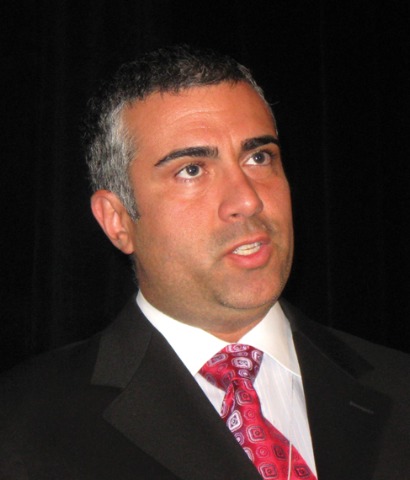
In a third retrospective study presented at the meeting, Dr. Richard E. Temes and his associates reported that 163 patients who were not taking beta blockers before aneurysmal subarachnoid hemorrhage were 13 times more likely to develop neurogenic stunned myocardium than were 50 patients who were on beta blockers.
The findings were adjusted for the effects of age, Hunt-Hess grade, troponin, and the presence of pulmonary edema, said Dr. Temes, a neurocritical care specialist at Rush University, Chicago.
Neurogenic stunned myocardium occurred in only 1 (5%) of 20 patients on premorbid beta blockers, compared with 49 (27%) of 193 patients who were taking beta blockers before hemorrhaging.
The study excluded patients with a history of coronary artery disease or congestive heart failure.
The presence of beta-adrenoreceptor gene polymorphisms may provide a target for acute intervention. Future studies could try acute beta-blocker therapy for patients at higher risk for neurogenic stunned myocardium after aneurysmal subarachnoid hemorrhage, such as women or patients with a poor clinical grade, he added.
Each of the speakers said that neither they nor their coauthors have pertinent conflicts of interest.
SAN FRANCISCO – The outcomes of patients following a subarachnoid hemorrhage may derive in part from whether they received transfusions of red blood cells, had anemia, or were taking beta blockers beforehand, the findings from three new studies suggest.
Anemia is common after subarachnoid hemorrhage and has been associated with increased morbidity and mortality, worse functional outcomes, increased risk of delayed ischemic complications, and brain tissue hypoxia. Although red blood cell transfusion raises hemoglobin levels, it has been associated with a pro-inflammatory state, immunosuppression, transfusion-related acute lung injury, and increased risks of infection, vasospasm, or thromboembolism, said Dr. Valerie Dechant, who gave one of three oral presentations on risk factors for poor outcomes after subarachnoid hemorrhage at the annual meeting of the Neurocritical Care Society.
Dr. Dechant, a neurocritical care fellow at Thomas Jefferson University, Philadelphia, reported that after nontraumatic subarachnoid hemorrhage, thromboses occurred in 53 of 89 patients (60%) following red blood cell transfusions and in 48 (32%) of 151 patients who were not transfused. The patients’ data had been prospectively collected before the analysis.
In a univariate analysis, Dr. Dechant and her associates reported that significantly more patients who received RBC transfusion developed venous thromboembolism (24% vs. 9%) or hypodensity on CT imaging (42% vs. 21%) than did patients who did not get transfusion. A significantly greater percentage of transfused patients also had a poor outcome (80% vs. 42%) or died in the hospital (16% vs. 5%) than did nontransfused patients.
In multivariate analyses, transfusion was associated with a significant 2.5-fold increased risk for thrombosis, and a significant 5.3-fold increased risk for poor outcome.
“These data corroborate evidence suggesting that red blood cell transfusion is deleterious and may be associated with increased morbidity” in these patients, she said.
A separate retrospective study of 86 patients with aneurysmal subarachnoid hemorrhage suggested that anemia is a major risk factor for delayed cerebral ischemia. In previous studies, vasospasm has been the presumed cause of cerebral infarction after aneurysmal subarachnoid hemorrhage, but the evidence for this is weak, said Dr. Muhammad Taqi of the Medical College of Wisconsin, Milwaukee.
Dr. Taqi and his associates analyzed data on 60 patients without vasospasm or delayed cerebral ischemia, 10 with delayed cerebral ischemia but without vasospasm, and 16 patients with vasospasm, 9 of whom developed delayed cerebral ischemia.
Only 6 (32%) of the 19 patients who developed delayed cerebral ischemia had ischemia in the territory of vasospasm.
“This suggests that other mechanisms for cerebral infarct exist in this population,” he said.
Both vasospasm and anemia independently were associated with a fourfold increased relative risk for delayed cerebral ischemia after adjusting for the effects of age, gender, and the Fisher grade of the hemorrhage. The presence of both anemia and vasospasm was associated with an 11-fold increased relative risk for delayed cerebral ischemia.
“Anemia can be a significant contributing factor for development of delayed cerebral ischemia,” Dr. Taqi said.
In a third retrospective study presented at the meeting, Dr. Richard E. Temes and his associates reported that 163 patients who were not taking beta blockers before aneurysmal subarachnoid hemorrhage were 13 times more likely to develop neurogenic stunned myocardium than were 50 patients who were on beta blockers.
The findings were adjusted for the effects of age, Hunt-Hess grade, troponin, and the presence of pulmonary edema, said Dr. Temes, a neurocritical care specialist at Rush University, Chicago.
Neurogenic stunned myocardium occurred in only 1 (5%) of 20 patients on premorbid beta blockers, compared with 49 (27%) of 193 patients who were taking beta blockers before hemorrhaging.
The study excluded patients with a history of coronary artery disease or congestive heart failure.
The presence of beta-adrenoreceptor gene polymorphisms may provide a target for acute intervention. Future studies could try acute beta-blocker therapy for patients at higher risk for neurogenic stunned myocardium after aneurysmal subarachnoid hemorrhage, such as women or patients with a poor clinical grade, he added.
Each of the speakers said that neither they nor their coauthors have pertinent conflicts of interest.
SAN FRANCISCO – The outcomes of patients following a subarachnoid hemorrhage may derive in part from whether they received transfusions of red blood cells, had anemia, or were taking beta blockers beforehand, the findings from three new studies suggest.
Anemia is common after subarachnoid hemorrhage and has been associated with increased morbidity and mortality, worse functional outcomes, increased risk of delayed ischemic complications, and brain tissue hypoxia. Although red blood cell transfusion raises hemoglobin levels, it has been associated with a pro-inflammatory state, immunosuppression, transfusion-related acute lung injury, and increased risks of infection, vasospasm, or thromboembolism, said Dr. Valerie Dechant, who gave one of three oral presentations on risk factors for poor outcomes after subarachnoid hemorrhage at the annual meeting of the Neurocritical Care Society.
Dr. Dechant, a neurocritical care fellow at Thomas Jefferson University, Philadelphia, reported that after nontraumatic subarachnoid hemorrhage, thromboses occurred in 53 of 89 patients (60%) following red blood cell transfusions and in 48 (32%) of 151 patients who were not transfused. The patients’ data had been prospectively collected before the analysis.
In a univariate analysis, Dr. Dechant and her associates reported that significantly more patients who received RBC transfusion developed venous thromboembolism (24% vs. 9%) or hypodensity on CT imaging (42% vs. 21%) than did patients who did not get transfusion. A significantly greater percentage of transfused patients also had a poor outcome (80% vs. 42%) or died in the hospital (16% vs. 5%) than did nontransfused patients.
In multivariate analyses, transfusion was associated with a significant 2.5-fold increased risk for thrombosis, and a significant 5.3-fold increased risk for poor outcome.
“These data corroborate evidence suggesting that red blood cell transfusion is deleterious and may be associated with increased morbidity” in these patients, she said.
A separate retrospective study of 86 patients with aneurysmal subarachnoid hemorrhage suggested that anemia is a major risk factor for delayed cerebral ischemia. In previous studies, vasospasm has been the presumed cause of cerebral infarction after aneurysmal subarachnoid hemorrhage, but the evidence for this is weak, said Dr. Muhammad Taqi of the Medical College of Wisconsin, Milwaukee.
Dr. Taqi and his associates analyzed data on 60 patients without vasospasm or delayed cerebral ischemia, 10 with delayed cerebral ischemia but without vasospasm, and 16 patients with vasospasm, 9 of whom developed delayed cerebral ischemia.
Only 6 (32%) of the 19 patients who developed delayed cerebral ischemia had ischemia in the territory of vasospasm.
“This suggests that other mechanisms for cerebral infarct exist in this population,” he said.
Both vasospasm and anemia independently were associated with a fourfold increased relative risk for delayed cerebral ischemia after adjusting for the effects of age, gender, and the Fisher grade of the hemorrhage. The presence of both anemia and vasospasm was associated with an 11-fold increased relative risk for delayed cerebral ischemia.
“Anemia can be a significant contributing factor for development of delayed cerebral ischemia,” Dr. Taqi said.
In a third retrospective study presented at the meeting, Dr. Richard E. Temes and his associates reported that 163 patients who were not taking beta blockers before aneurysmal subarachnoid hemorrhage were 13 times more likely to develop neurogenic stunned myocardium than were 50 patients who were on beta blockers.
The findings were adjusted for the effects of age, Hunt-Hess grade, troponin, and the presence of pulmonary edema, said Dr. Temes, a neurocritical care specialist at Rush University, Chicago.
Neurogenic stunned myocardium occurred in only 1 (5%) of 20 patients on premorbid beta blockers, compared with 49 (27%) of 193 patients who were taking beta blockers before hemorrhaging.
The study excluded patients with a history of coronary artery disease or congestive heart failure.
The presence of beta-adrenoreceptor gene polymorphisms may provide a target for acute intervention. Future studies could try acute beta-blocker therapy for patients at higher risk for neurogenic stunned myocardium after aneurysmal subarachnoid hemorrhage, such as women or patients with a poor clinical grade, he added.
Each of the speakers said that neither they nor their coauthors have pertinent conflicts of interest.
Studies Identify Risks After Subarachnoid Hemorrhage
SAN FRANCISCO – The outcomes of patients following a subarachnoid hemorrhage may derive in part from whether they received transfusions of red blood cells, had anemia, or were taking beta blockers beforehand, the findings from three new studies suggest.
Anemia is common after subarachnoid hemorrhage and has been associated with increased morbidity and mortality, worse functional outcomes, increased risk of delayed ischemic complications, and brain tissue hypoxia. Although red blood cell transfusion raises hemoglobin levels, it has been associated with a pro-inflammatory state, immunosuppression, transfusion-related acute lung injury, and increased risks of infection, vasospasm, or thromboembolism, said Dr. Valerie Dechant, who gave one of three oral presentations on risk factors for poor outcomes after subarachnoid hemorrhage at the annual meeting of the Neurocritical Care Society.
Dr. Dechant, a neurocritical care fellow at Thomas Jefferson University, Philadelphia, reported that after nontraumatic subarachnoid hemorrhage, thromboses occurred in 53 of 89 patients (60%) following red blood cell transfusions and in 48 (32%) of 151 patients who were not transfused. The patients’ data had been prospectively collected before the analysis.
In a univariate analysis, Dr. Dechant and her associates reported that significantly more patients who received RBC transfusion developed venous thromboembolism (24% vs. 9%) or hypodensity on CT imaging (42% vs. 21%) than did patients who did not get transfusion. A significantly greater percentage of transfused patients also had a poor outcome (80% vs. 42%) or died in the hospital (16% vs. 5%) than did nontransfused patients.
In multivariate analyses, transfusion was associated with a significant 2.5-fold increased risk for thrombosis, and a significant 5.3-fold increased risk for poor outcome.
“These data corroborate evidence suggesting that red blood cell transfusion is deleterious and may be associated with increased morbidity” in these patients, she said.
A separate retrospective study of 86 patients with aneurysmal subarachnoid hemorrhage suggested that anemia is a major risk factor for delayed cerebral ischemia. In previous studies, vasospasm has been the presumed cause of cerebral infarction after aneurysmal subarachnoid hemorrhage, but the evidence for this is weak, said Dr. Muhammad Taqi of the Medical College of Wisconsin, Milwaukee.
Dr. Taqi and his associates analyzed data on 60 patients without vasospasm or delayed cerebral ischemia, 10 with delayed cerebral ischemia but without vasospasm, and 16 patients with vasospasm, 9 of whom developed delayed cerebral ischemia.
Only 6 (32%) of the 19 patients who developed delayed cerebral ischemia had ischemia in the territory of vasospasm.
“This suggests that other mechanisms for cerebral infarct exist in this population,” he said.
Both vasospasm and anemia independently were associated with a fourfold increased relative risk for delayed cerebral ischemia after adjusting for the effects of age, gender, and the Fisher grade of the hemorrhage. The presence of both anemia and vasospasm was associated with an 11-fold increased relative risk for delayed cerebral ischemia.
“Anemia can be a significant contributing factor for development of delayed cerebral ischemia,” Dr. Taqi said.
In a third retrospective study presented at the meeting, Dr. Richard E. Temes and his associates reported that 163 patients who were not taking beta blockers before aneurysmal subarachnoid hemorrhage were 13 times more likely to develop neurogenic stunned myocardium than were 50 patients who were on beta blockers.
The findings were adjusted for the effects of age, Hunt-Hess grade, troponin, and the presence of pulmonary edema, said Dr. Temes, a neurocritical care specialist at Rush University, Chicago.
Neurogenic stunned myocardium occurred in only 1 (5%) of 20 patients on premorbid beta blockers, compared with 49 (27%) of 193 patients who were taking beta blockers before hemorrhaging.
The study excluded patients with a history of coronary artery disease or congestive heart failure.
The presence of beta-adrenoreceptor gene polymorphisms may provide a target for acute intervention. Future studies could try acute beta-blocker therapy for patients at higher risk for neurogenic stunned myocardium after aneurysmal subarachnoid hemorrhage, such as women or patients with a poor clinical grade, he added.
Each of the speakers said that neither they nor their coauthors have pertinent conflicts of interest.
SAN FRANCISCO – The outcomes of patients following a subarachnoid hemorrhage may derive in part from whether they received transfusions of red blood cells, had anemia, or were taking beta blockers beforehand, the findings from three new studies suggest.
Anemia is common after subarachnoid hemorrhage and has been associated with increased morbidity and mortality, worse functional outcomes, increased risk of delayed ischemic complications, and brain tissue hypoxia. Although red blood cell transfusion raises hemoglobin levels, it has been associated with a pro-inflammatory state, immunosuppression, transfusion-related acute lung injury, and increased risks of infection, vasospasm, or thromboembolism, said Dr. Valerie Dechant, who gave one of three oral presentations on risk factors for poor outcomes after subarachnoid hemorrhage at the annual meeting of the Neurocritical Care Society.
Dr. Dechant, a neurocritical care fellow at Thomas Jefferson University, Philadelphia, reported that after nontraumatic subarachnoid hemorrhage, thromboses occurred in 53 of 89 patients (60%) following red blood cell transfusions and in 48 (32%) of 151 patients who were not transfused. The patients’ data had been prospectively collected before the analysis.
In a univariate analysis, Dr. Dechant and her associates reported that significantly more patients who received RBC transfusion developed venous thromboembolism (24% vs. 9%) or hypodensity on CT imaging (42% vs. 21%) than did patients who did not get transfusion. A significantly greater percentage of transfused patients also had a poor outcome (80% vs. 42%) or died in the hospital (16% vs. 5%) than did nontransfused patients.
In multivariate analyses, transfusion was associated with a significant 2.5-fold increased risk for thrombosis, and a significant 5.3-fold increased risk for poor outcome.
“These data corroborate evidence suggesting that red blood cell transfusion is deleterious and may be associated with increased morbidity” in these patients, she said.
A separate retrospective study of 86 patients with aneurysmal subarachnoid hemorrhage suggested that anemia is a major risk factor for delayed cerebral ischemia. In previous studies, vasospasm has been the presumed cause of cerebral infarction after aneurysmal subarachnoid hemorrhage, but the evidence for this is weak, said Dr. Muhammad Taqi of the Medical College of Wisconsin, Milwaukee.
Dr. Taqi and his associates analyzed data on 60 patients without vasospasm or delayed cerebral ischemia, 10 with delayed cerebral ischemia but without vasospasm, and 16 patients with vasospasm, 9 of whom developed delayed cerebral ischemia.
Only 6 (32%) of the 19 patients who developed delayed cerebral ischemia had ischemia in the territory of vasospasm.
“This suggests that other mechanisms for cerebral infarct exist in this population,” he said.
Both vasospasm and anemia independently were associated with a fourfold increased relative risk for delayed cerebral ischemia after adjusting for the effects of age, gender, and the Fisher grade of the hemorrhage. The presence of both anemia and vasospasm was associated with an 11-fold increased relative risk for delayed cerebral ischemia.
“Anemia can be a significant contributing factor for development of delayed cerebral ischemia,” Dr. Taqi said.
In a third retrospective study presented at the meeting, Dr. Richard E. Temes and his associates reported that 163 patients who were not taking beta blockers before aneurysmal subarachnoid hemorrhage were 13 times more likely to develop neurogenic stunned myocardium than were 50 patients who were on beta blockers.
The findings were adjusted for the effects of age, Hunt-Hess grade, troponin, and the presence of pulmonary edema, said Dr. Temes, a neurocritical care specialist at Rush University, Chicago.
Neurogenic stunned myocardium occurred in only 1 (5%) of 20 patients on premorbid beta blockers, compared with 49 (27%) of 193 patients who were taking beta blockers before hemorrhaging.
The study excluded patients with a history of coronary artery disease or congestive heart failure.
The presence of beta-adrenoreceptor gene polymorphisms may provide a target for acute intervention. Future studies could try acute beta-blocker therapy for patients at higher risk for neurogenic stunned myocardium after aneurysmal subarachnoid hemorrhage, such as women or patients with a poor clinical grade, he added.
Each of the speakers said that neither they nor their coauthors have pertinent conflicts of interest.
SAN FRANCISCO – The outcomes of patients following a subarachnoid hemorrhage may derive in part from whether they received transfusions of red blood cells, had anemia, or were taking beta blockers beforehand, the findings from three new studies suggest.
Anemia is common after subarachnoid hemorrhage and has been associated with increased morbidity and mortality, worse functional outcomes, increased risk of delayed ischemic complications, and brain tissue hypoxia. Although red blood cell transfusion raises hemoglobin levels, it has been associated with a pro-inflammatory state, immunosuppression, transfusion-related acute lung injury, and increased risks of infection, vasospasm, or thromboembolism, said Dr. Valerie Dechant, who gave one of three oral presentations on risk factors for poor outcomes after subarachnoid hemorrhage at the annual meeting of the Neurocritical Care Society.
Dr. Dechant, a neurocritical care fellow at Thomas Jefferson University, Philadelphia, reported that after nontraumatic subarachnoid hemorrhage, thromboses occurred in 53 of 89 patients (60%) following red blood cell transfusions and in 48 (32%) of 151 patients who were not transfused. The patients’ data had been prospectively collected before the analysis.
In a univariate analysis, Dr. Dechant and her associates reported that significantly more patients who received RBC transfusion developed venous thromboembolism (24% vs. 9%) or hypodensity on CT imaging (42% vs. 21%) than did patients who did not get transfusion. A significantly greater percentage of transfused patients also had a poor outcome (80% vs. 42%) or died in the hospital (16% vs. 5%) than did nontransfused patients.
In multivariate analyses, transfusion was associated with a significant 2.5-fold increased risk for thrombosis, and a significant 5.3-fold increased risk for poor outcome.
“These data corroborate evidence suggesting that red blood cell transfusion is deleterious and may be associated with increased morbidity” in these patients, she said.
A separate retrospective study of 86 patients with aneurysmal subarachnoid hemorrhage suggested that anemia is a major risk factor for delayed cerebral ischemia. In previous studies, vasospasm has been the presumed cause of cerebral infarction after aneurysmal subarachnoid hemorrhage, but the evidence for this is weak, said Dr. Muhammad Taqi of the Medical College of Wisconsin, Milwaukee.
Dr. Taqi and his associates analyzed data on 60 patients without vasospasm or delayed cerebral ischemia, 10 with delayed cerebral ischemia but without vasospasm, and 16 patients with vasospasm, 9 of whom developed delayed cerebral ischemia.
Only 6 (32%) of the 19 patients who developed delayed cerebral ischemia had ischemia in the territory of vasospasm.
“This suggests that other mechanisms for cerebral infarct exist in this population,” he said.
Both vasospasm and anemia independently were associated with a fourfold increased relative risk for delayed cerebral ischemia after adjusting for the effects of age, gender, and the Fisher grade of the hemorrhage. The presence of both anemia and vasospasm was associated with an 11-fold increased relative risk for delayed cerebral ischemia.
“Anemia can be a significant contributing factor for development of delayed cerebral ischemia,” Dr. Taqi said.
In a third retrospective study presented at the meeting, Dr. Richard E. Temes and his associates reported that 163 patients who were not taking beta blockers before aneurysmal subarachnoid hemorrhage were 13 times more likely to develop neurogenic stunned myocardium than were 50 patients who were on beta blockers.
The findings were adjusted for the effects of age, Hunt-Hess grade, troponin, and the presence of pulmonary edema, said Dr. Temes, a neurocritical care specialist at Rush University, Chicago.
Neurogenic stunned myocardium occurred in only 1 (5%) of 20 patients on premorbid beta blockers, compared with 49 (27%) of 193 patients who were taking beta blockers before hemorrhaging.
The study excluded patients with a history of coronary artery disease or congestive heart failure.
The presence of beta-adrenoreceptor gene polymorphisms may provide a target for acute intervention. Future studies could try acute beta-blocker therapy for patients at higher risk for neurogenic stunned myocardium after aneurysmal subarachnoid hemorrhage, such as women or patients with a poor clinical grade, he added.
Each of the speakers said that neither they nor their coauthors have pertinent conflicts of interest.
Stroke Imaging Protocol May Not Increase Radiation Dose
SAN FRANCISCO – Comprehensive stroke imaging with whole-brain or nearly whole-brain CT perfusion exposes the patient to total radiation doses that are similar to or lower than those from standard comprehensive stroke CT imaging with partial brain perfusion coverage, according to a review of 200 consecutive patients.
State-of-the-art stroke CT imaging often includes head CT, brain CT perfusion, and CT angiography of the head and neck, which may be vital for accurate diagnosis and treatment but has raised concerns about radiation exposure, Dr. Jack C. Rose explained in a poster presentation at the annual meeting of the American Neurological Association.
Dr. Rose and his colleagues at the California Pacific Medical Center, San Francisco, compared the radiation doses that patients received at their institution before and after the center switched from using the volume shuttle (nearly whole-brain) CT perfusion technique to an optimized volume helical shuttle technique. They also compared the doses with historical data from other investigators using more conventional techniques.
In 57 patients who were imaged with the volume shuttle technique, the mean total dose-length product was 7,048 mGy-cm and the mean effective dose was 16 mSv. These levels are within U.S. Food and Drug Administration safety guidelines (CT dose index volume, 0.5 Gy or less) and comparable to 6,790 mGy-cm and 16 mSv means reported from similar comprehensive stroke CT imaging with more limited CT perfusion coverage in a separate cohort of 95 patients (Neuroradiology 2009;51:635-40).
In 143 patients who were imaged with a volume helical shuttle (whole-brain) CT perfusion technique, the mean total dose-length product (6,721 mGy-cm) and effective dose (15 mSv) were 5%-6% lower than levels in the patients who underwent volume shuttle CT perfusion.
A conventional 64-slice CT scanner was used for imaging. The volume shuttle provided 8 cm of CT perfusion coverage, and the volume helical shuttle provided 14 cm of perfusion coverage. The radiation dose with the volume helical shuttle technique was minimized by limiting the maximum tube current to 350 mA.
Dr. Rose reported that the investigators have no potential conflicts of interest, except that one of his associates is a speaker for Genentech Inc.
SAN FRANCISCO – Comprehensive stroke imaging with whole-brain or nearly whole-brain CT perfusion exposes the patient to total radiation doses that are similar to or lower than those from standard comprehensive stroke CT imaging with partial brain perfusion coverage, according to a review of 200 consecutive patients.
State-of-the-art stroke CT imaging often includes head CT, brain CT perfusion, and CT angiography of the head and neck, which may be vital for accurate diagnosis and treatment but has raised concerns about radiation exposure, Dr. Jack C. Rose explained in a poster presentation at the annual meeting of the American Neurological Association.
Dr. Rose and his colleagues at the California Pacific Medical Center, San Francisco, compared the radiation doses that patients received at their institution before and after the center switched from using the volume shuttle (nearly whole-brain) CT perfusion technique to an optimized volume helical shuttle technique. They also compared the doses with historical data from other investigators using more conventional techniques.
In 57 patients who were imaged with the volume shuttle technique, the mean total dose-length product was 7,048 mGy-cm and the mean effective dose was 16 mSv. These levels are within U.S. Food and Drug Administration safety guidelines (CT dose index volume, 0.5 Gy or less) and comparable to 6,790 mGy-cm and 16 mSv means reported from similar comprehensive stroke CT imaging with more limited CT perfusion coverage in a separate cohort of 95 patients (Neuroradiology 2009;51:635-40).
In 143 patients who were imaged with a volume helical shuttle (whole-brain) CT perfusion technique, the mean total dose-length product (6,721 mGy-cm) and effective dose (15 mSv) were 5%-6% lower than levels in the patients who underwent volume shuttle CT perfusion.
A conventional 64-slice CT scanner was used for imaging. The volume shuttle provided 8 cm of CT perfusion coverage, and the volume helical shuttle provided 14 cm of perfusion coverage. The radiation dose with the volume helical shuttle technique was minimized by limiting the maximum tube current to 350 mA.
Dr. Rose reported that the investigators have no potential conflicts of interest, except that one of his associates is a speaker for Genentech Inc.
SAN FRANCISCO – Comprehensive stroke imaging with whole-brain or nearly whole-brain CT perfusion exposes the patient to total radiation doses that are similar to or lower than those from standard comprehensive stroke CT imaging with partial brain perfusion coverage, according to a review of 200 consecutive patients.
State-of-the-art stroke CT imaging often includes head CT, brain CT perfusion, and CT angiography of the head and neck, which may be vital for accurate diagnosis and treatment but has raised concerns about radiation exposure, Dr. Jack C. Rose explained in a poster presentation at the annual meeting of the American Neurological Association.
Dr. Rose and his colleagues at the California Pacific Medical Center, San Francisco, compared the radiation doses that patients received at their institution before and after the center switched from using the volume shuttle (nearly whole-brain) CT perfusion technique to an optimized volume helical shuttle technique. They also compared the doses with historical data from other investigators using more conventional techniques.
In 57 patients who were imaged with the volume shuttle technique, the mean total dose-length product was 7,048 mGy-cm and the mean effective dose was 16 mSv. These levels are within U.S. Food and Drug Administration safety guidelines (CT dose index volume, 0.5 Gy or less) and comparable to 6,790 mGy-cm and 16 mSv means reported from similar comprehensive stroke CT imaging with more limited CT perfusion coverage in a separate cohort of 95 patients (Neuroradiology 2009;51:635-40).
In 143 patients who were imaged with a volume helical shuttle (whole-brain) CT perfusion technique, the mean total dose-length product (6,721 mGy-cm) and effective dose (15 mSv) were 5%-6% lower than levels in the patients who underwent volume shuttle CT perfusion.
A conventional 64-slice CT scanner was used for imaging. The volume shuttle provided 8 cm of CT perfusion coverage, and the volume helical shuttle provided 14 cm of perfusion coverage. The radiation dose with the volume helical shuttle technique was minimized by limiting the maximum tube current to 350 mA.
Dr. Rose reported that the investigators have no potential conflicts of interest, except that one of his associates is a speaker for Genentech Inc.
Program Reduced Neuroscience ICU Drug Costs
SAN FRANCISCO – Careful monitoring of medication usage by a protocol-driven multidisciplinary team reduced costs in a neuroscience ICU by 30% per patient over a 2-year period while keeping mortality lower than national averages.
“Reviewing and limiting the most expensive drugs in the neuroscience ICU can be done while still achieving quality outcomes,” Dr. Joshua E. Medow said at the annual meeting of the Neurocritical Care Society.
The investigators created a list of the top 15 most-expensive drugs based on per-dose and total-year costs, and made a list of the 15 physicians who used the expensive drugs the most.
Dr. Medow, director of neurocritical care at the University of Wisconsin, Madison, found himself on the list. He made changes in his practice and assessed the results before asking others on the list to use less-expensive alternatives to the costly medications when appropriate.
When possible, they replaced nicardipine at a cost of $1,500/patient per day with nitroprusside and thiosulfate at $50/patient per day, saving $250,000 in a year’s time. They replaced esmolol at $1,200/patient per day with labetalol at $3/patient per day and saved $47,000 in a year. In place of the intravenous formulation of Keppra (levetiracetam), they substituted it with crushed Keppra tablets dissolved in solution and given enterically, which is 200 times cheaper. This shaved $15,000 in costs.
“We also found that patients were receiving albumin at an alarming rate despite little or no evidence of its efficacy in that patient population. Decreasing its use not only decreased cost [by $25,000 yearly] but also reduced patient exposure to processed blood products,” Dr. Medow said.
Cisatracurium at $21 per 10-mg dose wasn’t among the top 15 most expensive drugs, but it gave way to vecuronium at $3.50 per 10-mg dose, for a yearly cost savings of $22,000.
Cumulatively, these and other changes reduced neuroscience ICU drug costs by 30% per patient from 2008 to 2010. Mortality among 1,157 consecutive patients admitted to the neuroscience ICU during that time was below national averages – 44% lower among patients who were ventilated longer than 96 hours, 12% lower among patients ventilated less than 96 hours, and 27% lower among nonintubated patients, Dr. Medow said.
Cost-control efforts may have only just begun, he added. During the time period of the study, antibiotic choices increased costs. Vancomycin use increased expenses by $3,500 and Zosyn (piperacillin and tazobactam combination) use increased costs by $6,500.
“We should be using more Unasyn [ampicillin and sulbactam combination]” and other alternatives for community-acquired infections, he suggested.
Disclosures: Dr. Medow said that he and his coauthors have no pertinent conflicts of interest.
SAN FRANCISCO – Careful monitoring of medication usage by a protocol-driven multidisciplinary team reduced costs in a neuroscience ICU by 30% per patient over a 2-year period while keeping mortality lower than national averages.
“Reviewing and limiting the most expensive drugs in the neuroscience ICU can be done while still achieving quality outcomes,” Dr. Joshua E. Medow said at the annual meeting of the Neurocritical Care Society.
The investigators created a list of the top 15 most-expensive drugs based on per-dose and total-year costs, and made a list of the 15 physicians who used the expensive drugs the most.
Dr. Medow, director of neurocritical care at the University of Wisconsin, Madison, found himself on the list. He made changes in his practice and assessed the results before asking others on the list to use less-expensive alternatives to the costly medications when appropriate.
When possible, they replaced nicardipine at a cost of $1,500/patient per day with nitroprusside and thiosulfate at $50/patient per day, saving $250,000 in a year’s time. They replaced esmolol at $1,200/patient per day with labetalol at $3/patient per day and saved $47,000 in a year. In place of the intravenous formulation of Keppra (levetiracetam), they substituted it with crushed Keppra tablets dissolved in solution and given enterically, which is 200 times cheaper. This shaved $15,000 in costs.
“We also found that patients were receiving albumin at an alarming rate despite little or no evidence of its efficacy in that patient population. Decreasing its use not only decreased cost [by $25,000 yearly] but also reduced patient exposure to processed blood products,” Dr. Medow said.
Cisatracurium at $21 per 10-mg dose wasn’t among the top 15 most expensive drugs, but it gave way to vecuronium at $3.50 per 10-mg dose, for a yearly cost savings of $22,000.
Cumulatively, these and other changes reduced neuroscience ICU drug costs by 30% per patient from 2008 to 2010. Mortality among 1,157 consecutive patients admitted to the neuroscience ICU during that time was below national averages – 44% lower among patients who were ventilated longer than 96 hours, 12% lower among patients ventilated less than 96 hours, and 27% lower among nonintubated patients, Dr. Medow said.
Cost-control efforts may have only just begun, he added. During the time period of the study, antibiotic choices increased costs. Vancomycin use increased expenses by $3,500 and Zosyn (piperacillin and tazobactam combination) use increased costs by $6,500.
“We should be using more Unasyn [ampicillin and sulbactam combination]” and other alternatives for community-acquired infections, he suggested.
Disclosures: Dr. Medow said that he and his coauthors have no pertinent conflicts of interest.
SAN FRANCISCO – Careful monitoring of medication usage by a protocol-driven multidisciplinary team reduced costs in a neuroscience ICU by 30% per patient over a 2-year period while keeping mortality lower than national averages.
“Reviewing and limiting the most expensive drugs in the neuroscience ICU can be done while still achieving quality outcomes,” Dr. Joshua E. Medow said at the annual meeting of the Neurocritical Care Society.
The investigators created a list of the top 15 most-expensive drugs based on per-dose and total-year costs, and made a list of the 15 physicians who used the expensive drugs the most.
Dr. Medow, director of neurocritical care at the University of Wisconsin, Madison, found himself on the list. He made changes in his practice and assessed the results before asking others on the list to use less-expensive alternatives to the costly medications when appropriate.
When possible, they replaced nicardipine at a cost of $1,500/patient per day with nitroprusside and thiosulfate at $50/patient per day, saving $250,000 in a year’s time. They replaced esmolol at $1,200/patient per day with labetalol at $3/patient per day and saved $47,000 in a year. In place of the intravenous formulation of Keppra (levetiracetam), they substituted it with crushed Keppra tablets dissolved in solution and given enterically, which is 200 times cheaper. This shaved $15,000 in costs.
“We also found that patients were receiving albumin at an alarming rate despite little or no evidence of its efficacy in that patient population. Decreasing its use not only decreased cost [by $25,000 yearly] but also reduced patient exposure to processed blood products,” Dr. Medow said.
Cisatracurium at $21 per 10-mg dose wasn’t among the top 15 most expensive drugs, but it gave way to vecuronium at $3.50 per 10-mg dose, for a yearly cost savings of $22,000.
Cumulatively, these and other changes reduced neuroscience ICU drug costs by 30% per patient from 2008 to 2010. Mortality among 1,157 consecutive patients admitted to the neuroscience ICU during that time was below national averages – 44% lower among patients who were ventilated longer than 96 hours, 12% lower among patients ventilated less than 96 hours, and 27% lower among nonintubated patients, Dr. Medow said.
Cost-control efforts may have only just begun, he added. During the time period of the study, antibiotic choices increased costs. Vancomycin use increased expenses by $3,500 and Zosyn (piperacillin and tazobactam combination) use increased costs by $6,500.
“We should be using more Unasyn [ampicillin and sulbactam combination]” and other alternatives for community-acquired infections, he suggested.
Disclosures: Dr. Medow said that he and his coauthors have no pertinent conflicts of interest.
FROM THE ANNUAL MEETING OF THE NEUROCRITICAL CARE SOCIETY
Therapeutic Hypothermia Underutilized After Cardiac Arrest
SAN FRANCISCO – Therapeutic hypothermia is the only therapy proven to decrease mortality and improve neurologic outcomes in comatose patients after cardiac arrest, but an analysis of data on 26,519 U.S. patients suggests that it is used in only 0.35% of cases.
This rate represents a “gross underutilization” of this therapy, said Dr. Pratik Patel, who reported the findings at the annual meeting of the Neurocritical Care Society.
Therapeutic hypothermia has been recommended for comatose patients after cardiac arrest with return of spontaneous circulation since 2003 by the International Liaison Committee on Resuscitation and since 2005 by the American Heart Association.
Other new studies reported at the meeting indicated that despite the benefits of therapeutic hypothermia for comatose patients, about half of patients who undergo it have a poor outcome that may be predicted by several factors, and nearly a quarter of patients experience seizure activity during the postresuscitation period. A separate small study suggested that intracranial multimodal monitoring may be a means to detect secondary injuries, such as seizures, that appear to contribute to poor outcomes.
Dr. Patel and his associates at Rush University, Chicago, analyzed a representative sampling of data from U.S. hospitals (the 2007 Nationwide Inpatient Sample) to identify 26,519 adults who were admitted with a diagnosis of cardiac arrest. Only 92 cases (0.35%) included the ICD-9 code for therapeutic hypothermia.
In general, it’s unclear how many patients with cardiac arrest are comatose immediately following the return of spontaneous circulation. Up to 85% show some signs of cerebral dysfunction. Using the strict criteria of the Hypothermia After Cardiac Arrest study, an estimated 8.6% of patients may be eligible for therapeutic hypothermia, said Dr. Patel, a neurointensivist at Rush.
The use of therapeutic hypothermia was independently associated with younger patient age, admission through an emergency department, centers in western U.S. states, and large hospitals or teaching hospitals.
In contrast, most hospitals in the Netherlands consider therapeutic hypothermia (32?-34? C) to be standard care for comatose patients after cardiac arrest, noted Dr. Janneke Horn of the Academic Medical Center in Amsterdam. Guidelines for determining prognosis in patients with postanoxic coma after cardiac arrest all come from eras before the widespread of use of therapeutic hypothermia, she added.
In a prospective study of 391 patients who were admitted to 10 Dutch centers after CPR, Dr. Horn and her associates found that 51% died within 6 months, most of them within a week. Among the 149 patients (38% of the total) who died in the first week, treatment was withdrawn in 62%.
The study’s definition of poor outcome included severe disability (nine patients, or 2%) or a vegetative state (no patients in this study). Moderate disability remained in 12% of patients, and 32% made a good recovery. Outcomes data were missing in 3% of cases.
Factors that predicted a poor outcome were absent brain stem reflexes, a neuron-specific enolase level higher than 33 mcg/L, and absent somatosensory evoked potentials (SSEP) after restoration of normothermia. These tests can be used shortly after the patient has been rewarmed and the effects of sedative drugs have worn off, she said.
“Absent pupillary reaction 72 hours after CPR and absent cortical responses in SSEP after rewarming reliably predict poor outcome at 6 months in patients who remain comatose after CPR and treatment with hypothermia,” Dr. Horn said.
In a separate study, Dr. Jon Rittenberger of the University of Pittsburgh and his associates added continuous EEG (cEEG) recordings to the postcardiac arrest care of 76 comatose patients who were treated with therapeutic hypothermia, and they found evidence of seizures in 22%. All but one patient died.
Most seizures were evident within 30 minutes of starting cEEG. It took an average of 8 hours after the time of arrest to place the cEEG, suggesting that “many patients may be seizing before cEEG placement,” he noted.
Seizure activity tended to increase with higher categories of cardiac arrest. Seizures were detected in 3 (10%) of 31 patients with category II cardiac arrest, in 4 (40%) of 10 patients in category III, and in 10 (29%) of 35 patients with category IV cardiac arrest.
The study suggests that cEEG monitoring is warranted in these patients, although it’s unclear if early prophylaxis might decrease the incidence of electrographic seizures, or if treating seizures would improve outcomes, Dr. Rittenberger said.
Dr. Stephan A. Mayer, head of the division of critical care neurology at Columbia University, New York, and his associates focused on another unknown: whether the poor outcomes in comatose patients after cardiac arrest who get therapeutic hypothermia result from the original injury, or are affected by secondary injuries in the first few hours after cardiac arrest. Transient global hypoxic-ischemic injury after cardiac arrest may leave the brain vulnerable to delayed, secondary injuries.
The investigators placed two multimodal, intracranial monitoring probes in the right frontal lobe of eight patients, and found that they could detect delayed, secondary brain injuries in six patients resulting from seizures, hypoglycemia, hypotension, hypoxia, or hyperventilation as late as 96 hours after cardiac arrest.
Only one patient survived to discharge and could follow commands. Three were discharged alive in coma, and four patients died.
Further research is needed to determine whether prevention or detection of these secondary insults might improve clinical outcomes, Dr. Mayer said.
Disclosures: Dr. Patel and Dr. Horn said they have no pertinent conflicts of interest. Dr. Rittenberger has received research funds from and spoken at conferences sponsored by Zoll Medical Corp. (which makes cardiac resuscitation devices and automated external defibrillators) and was an unpaid member of the steering committee for one of the company’s trials. Dr. Mayer has received honoraria for lectures from Medivance, which makes therapeutic hypothermia devices, and Zoll Circulation, a subsidiary of Zoll Medical.
SAN FRANCISCO – Therapeutic hypothermia is the only therapy proven to decrease mortality and improve neurologic outcomes in comatose patients after cardiac arrest, but an analysis of data on 26,519 U.S. patients suggests that it is used in only 0.35% of cases.
This rate represents a “gross underutilization” of this therapy, said Dr. Pratik Patel, who reported the findings at the annual meeting of the Neurocritical Care Society.
Therapeutic hypothermia has been recommended for comatose patients after cardiac arrest with return of spontaneous circulation since 2003 by the International Liaison Committee on Resuscitation and since 2005 by the American Heart Association.
Other new studies reported at the meeting indicated that despite the benefits of therapeutic hypothermia for comatose patients, about half of patients who undergo it have a poor outcome that may be predicted by several factors, and nearly a quarter of patients experience seizure activity during the postresuscitation period. A separate small study suggested that intracranial multimodal monitoring may be a means to detect secondary injuries, such as seizures, that appear to contribute to poor outcomes.
Dr. Patel and his associates at Rush University, Chicago, analyzed a representative sampling of data from U.S. hospitals (the 2007 Nationwide Inpatient Sample) to identify 26,519 adults who were admitted with a diagnosis of cardiac arrest. Only 92 cases (0.35%) included the ICD-9 code for therapeutic hypothermia.
In general, it’s unclear how many patients with cardiac arrest are comatose immediately following the return of spontaneous circulation. Up to 85% show some signs of cerebral dysfunction. Using the strict criteria of the Hypothermia After Cardiac Arrest study, an estimated 8.6% of patients may be eligible for therapeutic hypothermia, said Dr. Patel, a neurointensivist at Rush.
The use of therapeutic hypothermia was independently associated with younger patient age, admission through an emergency department, centers in western U.S. states, and large hospitals or teaching hospitals.
In contrast, most hospitals in the Netherlands consider therapeutic hypothermia (32?-34? C) to be standard care for comatose patients after cardiac arrest, noted Dr. Janneke Horn of the Academic Medical Center in Amsterdam. Guidelines for determining prognosis in patients with postanoxic coma after cardiac arrest all come from eras before the widespread of use of therapeutic hypothermia, she added.
In a prospective study of 391 patients who were admitted to 10 Dutch centers after CPR, Dr. Horn and her associates found that 51% died within 6 months, most of them within a week. Among the 149 patients (38% of the total) who died in the first week, treatment was withdrawn in 62%.
The study’s definition of poor outcome included severe disability (nine patients, or 2%) or a vegetative state (no patients in this study). Moderate disability remained in 12% of patients, and 32% made a good recovery. Outcomes data were missing in 3% of cases.
Factors that predicted a poor outcome were absent brain stem reflexes, a neuron-specific enolase level higher than 33 mcg/L, and absent somatosensory evoked potentials (SSEP) after restoration of normothermia. These tests can be used shortly after the patient has been rewarmed and the effects of sedative drugs have worn off, she said.
“Absent pupillary reaction 72 hours after CPR and absent cortical responses in SSEP after rewarming reliably predict poor outcome at 6 months in patients who remain comatose after CPR and treatment with hypothermia,” Dr. Horn said.
In a separate study, Dr. Jon Rittenberger of the University of Pittsburgh and his associates added continuous EEG (cEEG) recordings to the postcardiac arrest care of 76 comatose patients who were treated with therapeutic hypothermia, and they found evidence of seizures in 22%. All but one patient died.
Most seizures were evident within 30 minutes of starting cEEG. It took an average of 8 hours after the time of arrest to place the cEEG, suggesting that “many patients may be seizing before cEEG placement,” he noted.
Seizure activity tended to increase with higher categories of cardiac arrest. Seizures were detected in 3 (10%) of 31 patients with category II cardiac arrest, in 4 (40%) of 10 patients in category III, and in 10 (29%) of 35 patients with category IV cardiac arrest.
The study suggests that cEEG monitoring is warranted in these patients, although it’s unclear if early prophylaxis might decrease the incidence of electrographic seizures, or if treating seizures would improve outcomes, Dr. Rittenberger said.
Dr. Stephan A. Mayer, head of the division of critical care neurology at Columbia University, New York, and his associates focused on another unknown: whether the poor outcomes in comatose patients after cardiac arrest who get therapeutic hypothermia result from the original injury, or are affected by secondary injuries in the first few hours after cardiac arrest. Transient global hypoxic-ischemic injury after cardiac arrest may leave the brain vulnerable to delayed, secondary injuries.
The investigators placed two multimodal, intracranial monitoring probes in the right frontal lobe of eight patients, and found that they could detect delayed, secondary brain injuries in six patients resulting from seizures, hypoglycemia, hypotension, hypoxia, or hyperventilation as late as 96 hours after cardiac arrest.
Only one patient survived to discharge and could follow commands. Three were discharged alive in coma, and four patients died.
Further research is needed to determine whether prevention or detection of these secondary insults might improve clinical outcomes, Dr. Mayer said.
Disclosures: Dr. Patel and Dr. Horn said they have no pertinent conflicts of interest. Dr. Rittenberger has received research funds from and spoken at conferences sponsored by Zoll Medical Corp. (which makes cardiac resuscitation devices and automated external defibrillators) and was an unpaid member of the steering committee for one of the company’s trials. Dr. Mayer has received honoraria for lectures from Medivance, which makes therapeutic hypothermia devices, and Zoll Circulation, a subsidiary of Zoll Medical.
SAN FRANCISCO – Therapeutic hypothermia is the only therapy proven to decrease mortality and improve neurologic outcomes in comatose patients after cardiac arrest, but an analysis of data on 26,519 U.S. patients suggests that it is used in only 0.35% of cases.
This rate represents a “gross underutilization” of this therapy, said Dr. Pratik Patel, who reported the findings at the annual meeting of the Neurocritical Care Society.
Therapeutic hypothermia has been recommended for comatose patients after cardiac arrest with return of spontaneous circulation since 2003 by the International Liaison Committee on Resuscitation and since 2005 by the American Heart Association.
Other new studies reported at the meeting indicated that despite the benefits of therapeutic hypothermia for comatose patients, about half of patients who undergo it have a poor outcome that may be predicted by several factors, and nearly a quarter of patients experience seizure activity during the postresuscitation period. A separate small study suggested that intracranial multimodal monitoring may be a means to detect secondary injuries, such as seizures, that appear to contribute to poor outcomes.
Dr. Patel and his associates at Rush University, Chicago, analyzed a representative sampling of data from U.S. hospitals (the 2007 Nationwide Inpatient Sample) to identify 26,519 adults who were admitted with a diagnosis of cardiac arrest. Only 92 cases (0.35%) included the ICD-9 code for therapeutic hypothermia.
In general, it’s unclear how many patients with cardiac arrest are comatose immediately following the return of spontaneous circulation. Up to 85% show some signs of cerebral dysfunction. Using the strict criteria of the Hypothermia After Cardiac Arrest study, an estimated 8.6% of patients may be eligible for therapeutic hypothermia, said Dr. Patel, a neurointensivist at Rush.
The use of therapeutic hypothermia was independently associated with younger patient age, admission through an emergency department, centers in western U.S. states, and large hospitals or teaching hospitals.
In contrast, most hospitals in the Netherlands consider therapeutic hypothermia (32?-34? C) to be standard care for comatose patients after cardiac arrest, noted Dr. Janneke Horn of the Academic Medical Center in Amsterdam. Guidelines for determining prognosis in patients with postanoxic coma after cardiac arrest all come from eras before the widespread of use of therapeutic hypothermia, she added.
In a prospective study of 391 patients who were admitted to 10 Dutch centers after CPR, Dr. Horn and her associates found that 51% died within 6 months, most of them within a week. Among the 149 patients (38% of the total) who died in the first week, treatment was withdrawn in 62%.
The study’s definition of poor outcome included severe disability (nine patients, or 2%) or a vegetative state (no patients in this study). Moderate disability remained in 12% of patients, and 32% made a good recovery. Outcomes data were missing in 3% of cases.
Factors that predicted a poor outcome were absent brain stem reflexes, a neuron-specific enolase level higher than 33 mcg/L, and absent somatosensory evoked potentials (SSEP) after restoration of normothermia. These tests can be used shortly after the patient has been rewarmed and the effects of sedative drugs have worn off, she said.
“Absent pupillary reaction 72 hours after CPR and absent cortical responses in SSEP after rewarming reliably predict poor outcome at 6 months in patients who remain comatose after CPR and treatment with hypothermia,” Dr. Horn said.
In a separate study, Dr. Jon Rittenberger of the University of Pittsburgh and his associates added continuous EEG (cEEG) recordings to the postcardiac arrest care of 76 comatose patients who were treated with therapeutic hypothermia, and they found evidence of seizures in 22%. All but one patient died.
Most seizures were evident within 30 minutes of starting cEEG. It took an average of 8 hours after the time of arrest to place the cEEG, suggesting that “many patients may be seizing before cEEG placement,” he noted.
Seizure activity tended to increase with higher categories of cardiac arrest. Seizures were detected in 3 (10%) of 31 patients with category II cardiac arrest, in 4 (40%) of 10 patients in category III, and in 10 (29%) of 35 patients with category IV cardiac arrest.
The study suggests that cEEG monitoring is warranted in these patients, although it’s unclear if early prophylaxis might decrease the incidence of electrographic seizures, or if treating seizures would improve outcomes, Dr. Rittenberger said.
Dr. Stephan A. Mayer, head of the division of critical care neurology at Columbia University, New York, and his associates focused on another unknown: whether the poor outcomes in comatose patients after cardiac arrest who get therapeutic hypothermia result from the original injury, or are affected by secondary injuries in the first few hours after cardiac arrest. Transient global hypoxic-ischemic injury after cardiac arrest may leave the brain vulnerable to delayed, secondary injuries.
The investigators placed two multimodal, intracranial monitoring probes in the right frontal lobe of eight patients, and found that they could detect delayed, secondary brain injuries in six patients resulting from seizures, hypoglycemia, hypotension, hypoxia, or hyperventilation as late as 96 hours after cardiac arrest.
Only one patient survived to discharge and could follow commands. Three were discharged alive in coma, and four patients died.
Further research is needed to determine whether prevention or detection of these secondary insults might improve clinical outcomes, Dr. Mayer said.
Disclosures: Dr. Patel and Dr. Horn said they have no pertinent conflicts of interest. Dr. Rittenberger has received research funds from and spoken at conferences sponsored by Zoll Medical Corp. (which makes cardiac resuscitation devices and automated external defibrillators) and was an unpaid member of the steering committee for one of the company’s trials. Dr. Mayer has received honoraria for lectures from Medivance, which makes therapeutic hypothermia devices, and Zoll Circulation, a subsidiary of Zoll Medical.
FROM THE ANNUAL MEETING OF THE NEUROCRITICAL CARE SOCIETY
Gene Therapy Reaches Human Trials in Peripheral Nerve, Muscle
SAN FRANCISCO, CALIF. – Preliminary human trials of gene therapy are showing hints of benefit for disorders of the peripheral nerves and muscles but also are uncovering some unexpected barriers.
Investigators are testing a variety of ways to deliver potentially therapeutic genes through direct injection of vascular endothelial growth factor (VEGF) DNA into muscles or via vectors created from adeno-associated virus (AAV) or herpes simplex virus (HSV).
Although these small phase I or II trials are focused on safety outcomes, they have produced tantalizing suggestions of improvements in painful diabetic neuropathy and increased muscle size in some patients with muscular dystrophy. The muscular dystrophy studies also have identified surprising immune barriers to gene transfer in humans that have not been seen in animal studies.
The investigators described preliminary results and new insights from these early and ongoing trials in a series of talks at the annual meeting of the American Neurological Association.
Dr. Allan H. Ropper, professor of neurology at Harvard Medical School, Boston, led a randomized, blinded trial of gene therapy in 50 patients with diabetic neuropathy who received intramuscular injections of a plasmid containing VEGF or injections of saline serving as placebo. Three sets of injections were given at eight sites next to the sciatic, peroneal, and tibial nerves of one leg.
In the group of 39 patients who received the VEGF plasmid, Dr. Ropper and his associates detected modest improvement in the trial’s primary outcomes – changes in symptom scores at 6 months and a prespecified overall clinical and electrophysiological improvement score – when compared with 11 patients who received placebo. These comparisons were adjusted for any changes in the untreated leg. Overall improvement was seen in 12 of the 39 patients who got plasmid VEGF and 2 of 11 who got placebo. Improvements were seen in only two of five secondary outcomes (Ann. Neurol. 2009;65:386-93).
“Our interpretation was that this approach was promising but not definitive,” Dr. Ropper said. He called the improvements “small but genuine.”
The treatment was associated with a higher rate of serious adverse events, which did not reach statistical significance. Overall, the therapy warrants further investigation, he said.
Other promising data have come from animal studies of VEGF gene transfer before chemotherapy with thalidomide and cisplatin to prevent neuropathies associated with those drugs, Dr. Ropper noted. Human trials to prevent neuropathy of chemotherapy are being considered.
Dr. David J. Fink, who chaired the session at the meeting, described non-replicating HSV vectors for gene therapy that he and his colleagues are developing. Cutaneous injection of the vectors may deliver genes to specific targets in order to interrupt nociceptive neurotransmission selectively and better control chronic pain.
In an ongoing phase I clinical trial of patients with intractable pain from end-stage cancer, Dr. Fink and his colleagues are testing a replication defective HSV vector that carries the gene for preproenkephalin. In animal studies, the HSV vector containing the preproenkephalin gene produced enkephalin, which provided a continuous analgesic effect that was additive with morphine and persisted despite tolerance to morphine.
In the human trial, patients receive 10 injections of the vector in 100-mcL doses in the dermatome that corresponds to the radicular distribution of the pain. No serious adverse events have occurred so far, said Dr. Fink, professor and chair of neurology at the University of Michigan, Ann Arbor.
“We have only one more patient to enroll. We’ve seen no serious adverse events so far,” he added.
Diamyd Medical, which makes the vector, has agreed to start a randomized phase II trial in the fall of 2010.
A separate randomized, placebo-controlled, phase I/II study also should start in late 2010 to treat 60 patients with painful diabetic neuropathy using a different HSV vector that Dr. Fink and his associates have developed. The HSV vector expresses glutamic acid decarboxylase, the enzyme that catalyzes synthesis of the neurotransmitter gamma-aminobutyric acid (GABA). Other HSV vectors also are being explored.
For patients with Duchenne muscular dystrophy, Dr. Jerry R. Mendell reported that the concept of using a virus as a vehicle to replace a defective gene might run into unanticipated barriers presented by the human immune system. He and his associates have focused on the relatively nonpathogenic AAV, which regularly produces “therapeutic triumphs” as a gene vector in rodent studies, he said.
In humans, however, size is a problem. Duchenne muscular dystrophy is caused by mutations in the very large dystrophin gene, which is too large to transfer when incorporated into the tiny AAV. To get around this problem, the researchers deleted portions of the gene to create a “mini-dystrophin” that could be transferred using the AAV.
When investigators transferred AAV with mini-dystrophin to the biceps of six patients with Duchenne muscular dystrophy, it provoked a new and unexpected immune response when it incorporated itself into the domain of the deleted endogenous gene and was expressed. Muscle fibers that expressed the mini-dystrophin gene also developed new epitopes that were immunogenic, making it difficult for the transferred gene to escape T-cell immunity, said Dr. Mendell, director of the Center for Gene Therapy at Nationwide Children’s Hospital and professor of pediatrics and neurology at Ohio State University, both in Columbus.
In future trials, “patients should be checked for preexisting immunity to dystrophin prior to gene transfer” and the transgene should not be expressed in an area of gene deletion, he suggested.
In a separate randomized, double-blind study, Dr. Mendell and his associates successfully transferred the large limb-girdle muscular dystrophy type 2D gene via the AAV by using a muscle-specific promoter to avoid off-target gene expression (Ann. Neurol. 2009;66:290-7).
New data on 6-month follow-up in six patients who received the gene therapy injections in the extensor digitorum brevis muscle showed persistent gene expression and muscle effects in five patients, but one patient showed no increased gene expression and developed a significant immune response, he reported.
“Preexisting immunity to AAV is a potential barrier to success,” Dr. Mendell said.
Disclosures: Diamyd Medical funded Dr. Fink’s trial and provided the human-grade vectors for it. Dr. Fink has no financial relationship with Diamyd, but he is the inventor on patents that have been licensed by Diamyd from Dr. Fink’s institution and two others. Dr. Ropper and Dr. Mendell said they have no pertinent conflicts of interest.
SAN FRANCISCO, CALIF. – Preliminary human trials of gene therapy are showing hints of benefit for disorders of the peripheral nerves and muscles but also are uncovering some unexpected barriers.
Investigators are testing a variety of ways to deliver potentially therapeutic genes through direct injection of vascular endothelial growth factor (VEGF) DNA into muscles or via vectors created from adeno-associated virus (AAV) or herpes simplex virus (HSV).
Although these small phase I or II trials are focused on safety outcomes, they have produced tantalizing suggestions of improvements in painful diabetic neuropathy and increased muscle size in some patients with muscular dystrophy. The muscular dystrophy studies also have identified surprising immune barriers to gene transfer in humans that have not been seen in animal studies.
The investigators described preliminary results and new insights from these early and ongoing trials in a series of talks at the annual meeting of the American Neurological Association.
Dr. Allan H. Ropper, professor of neurology at Harvard Medical School, Boston, led a randomized, blinded trial of gene therapy in 50 patients with diabetic neuropathy who received intramuscular injections of a plasmid containing VEGF or injections of saline serving as placebo. Three sets of injections were given at eight sites next to the sciatic, peroneal, and tibial nerves of one leg.
In the group of 39 patients who received the VEGF plasmid, Dr. Ropper and his associates detected modest improvement in the trial’s primary outcomes – changes in symptom scores at 6 months and a prespecified overall clinical and electrophysiological improvement score – when compared with 11 patients who received placebo. These comparisons were adjusted for any changes in the untreated leg. Overall improvement was seen in 12 of the 39 patients who got plasmid VEGF and 2 of 11 who got placebo. Improvements were seen in only two of five secondary outcomes (Ann. Neurol. 2009;65:386-93).
“Our interpretation was that this approach was promising but not definitive,” Dr. Ropper said. He called the improvements “small but genuine.”
The treatment was associated with a higher rate of serious adverse events, which did not reach statistical significance. Overall, the therapy warrants further investigation, he said.
Other promising data have come from animal studies of VEGF gene transfer before chemotherapy with thalidomide and cisplatin to prevent neuropathies associated with those drugs, Dr. Ropper noted. Human trials to prevent neuropathy of chemotherapy are being considered.
Dr. David J. Fink, who chaired the session at the meeting, described non-replicating HSV vectors for gene therapy that he and his colleagues are developing. Cutaneous injection of the vectors may deliver genes to specific targets in order to interrupt nociceptive neurotransmission selectively and better control chronic pain.
In an ongoing phase I clinical trial of patients with intractable pain from end-stage cancer, Dr. Fink and his colleagues are testing a replication defective HSV vector that carries the gene for preproenkephalin. In animal studies, the HSV vector containing the preproenkephalin gene produced enkephalin, which provided a continuous analgesic effect that was additive with morphine and persisted despite tolerance to morphine.
In the human trial, patients receive 10 injections of the vector in 100-mcL doses in the dermatome that corresponds to the radicular distribution of the pain. No serious adverse events have occurred so far, said Dr. Fink, professor and chair of neurology at the University of Michigan, Ann Arbor.
“We have only one more patient to enroll. We’ve seen no serious adverse events so far,” he added.
Diamyd Medical, which makes the vector, has agreed to start a randomized phase II trial in the fall of 2010.
A separate randomized, placebo-controlled, phase I/II study also should start in late 2010 to treat 60 patients with painful diabetic neuropathy using a different HSV vector that Dr. Fink and his associates have developed. The HSV vector expresses glutamic acid decarboxylase, the enzyme that catalyzes synthesis of the neurotransmitter gamma-aminobutyric acid (GABA). Other HSV vectors also are being explored.
For patients with Duchenne muscular dystrophy, Dr. Jerry R. Mendell reported that the concept of using a virus as a vehicle to replace a defective gene might run into unanticipated barriers presented by the human immune system. He and his associates have focused on the relatively nonpathogenic AAV, which regularly produces “therapeutic triumphs” as a gene vector in rodent studies, he said.
In humans, however, size is a problem. Duchenne muscular dystrophy is caused by mutations in the very large dystrophin gene, which is too large to transfer when incorporated into the tiny AAV. To get around this problem, the researchers deleted portions of the gene to create a “mini-dystrophin” that could be transferred using the AAV.
When investigators transferred AAV with mini-dystrophin to the biceps of six patients with Duchenne muscular dystrophy, it provoked a new and unexpected immune response when it incorporated itself into the domain of the deleted endogenous gene and was expressed. Muscle fibers that expressed the mini-dystrophin gene also developed new epitopes that were immunogenic, making it difficult for the transferred gene to escape T-cell immunity, said Dr. Mendell, director of the Center for Gene Therapy at Nationwide Children’s Hospital and professor of pediatrics and neurology at Ohio State University, both in Columbus.
In future trials, “patients should be checked for preexisting immunity to dystrophin prior to gene transfer” and the transgene should not be expressed in an area of gene deletion, he suggested.
In a separate randomized, double-blind study, Dr. Mendell and his associates successfully transferred the large limb-girdle muscular dystrophy type 2D gene via the AAV by using a muscle-specific promoter to avoid off-target gene expression (Ann. Neurol. 2009;66:290-7).
New data on 6-month follow-up in six patients who received the gene therapy injections in the extensor digitorum brevis muscle showed persistent gene expression and muscle effects in five patients, but one patient showed no increased gene expression and developed a significant immune response, he reported.
“Preexisting immunity to AAV is a potential barrier to success,” Dr. Mendell said.
Disclosures: Diamyd Medical funded Dr. Fink’s trial and provided the human-grade vectors for it. Dr. Fink has no financial relationship with Diamyd, but he is the inventor on patents that have been licensed by Diamyd from Dr. Fink’s institution and two others. Dr. Ropper and Dr. Mendell said they have no pertinent conflicts of interest.
SAN FRANCISCO, CALIF. – Preliminary human trials of gene therapy are showing hints of benefit for disorders of the peripheral nerves and muscles but also are uncovering some unexpected barriers.
Investigators are testing a variety of ways to deliver potentially therapeutic genes through direct injection of vascular endothelial growth factor (VEGF) DNA into muscles or via vectors created from adeno-associated virus (AAV) or herpes simplex virus (HSV).
Although these small phase I or II trials are focused on safety outcomes, they have produced tantalizing suggestions of improvements in painful diabetic neuropathy and increased muscle size in some patients with muscular dystrophy. The muscular dystrophy studies also have identified surprising immune barriers to gene transfer in humans that have not been seen in animal studies.
The investigators described preliminary results and new insights from these early and ongoing trials in a series of talks at the annual meeting of the American Neurological Association.
Dr. Allan H. Ropper, professor of neurology at Harvard Medical School, Boston, led a randomized, blinded trial of gene therapy in 50 patients with diabetic neuropathy who received intramuscular injections of a plasmid containing VEGF or injections of saline serving as placebo. Three sets of injections were given at eight sites next to the sciatic, peroneal, and tibial nerves of one leg.
In the group of 39 patients who received the VEGF plasmid, Dr. Ropper and his associates detected modest improvement in the trial’s primary outcomes – changes in symptom scores at 6 months and a prespecified overall clinical and electrophysiological improvement score – when compared with 11 patients who received placebo. These comparisons were adjusted for any changes in the untreated leg. Overall improvement was seen in 12 of the 39 patients who got plasmid VEGF and 2 of 11 who got placebo. Improvements were seen in only two of five secondary outcomes (Ann. Neurol. 2009;65:386-93).
“Our interpretation was that this approach was promising but not definitive,” Dr. Ropper said. He called the improvements “small but genuine.”
The treatment was associated with a higher rate of serious adverse events, which did not reach statistical significance. Overall, the therapy warrants further investigation, he said.
Other promising data have come from animal studies of VEGF gene transfer before chemotherapy with thalidomide and cisplatin to prevent neuropathies associated with those drugs, Dr. Ropper noted. Human trials to prevent neuropathy of chemotherapy are being considered.
Dr. David J. Fink, who chaired the session at the meeting, described non-replicating HSV vectors for gene therapy that he and his colleagues are developing. Cutaneous injection of the vectors may deliver genes to specific targets in order to interrupt nociceptive neurotransmission selectively and better control chronic pain.
In an ongoing phase I clinical trial of patients with intractable pain from end-stage cancer, Dr. Fink and his colleagues are testing a replication defective HSV vector that carries the gene for preproenkephalin. In animal studies, the HSV vector containing the preproenkephalin gene produced enkephalin, which provided a continuous analgesic effect that was additive with morphine and persisted despite tolerance to morphine.
In the human trial, patients receive 10 injections of the vector in 100-mcL doses in the dermatome that corresponds to the radicular distribution of the pain. No serious adverse events have occurred so far, said Dr. Fink, professor and chair of neurology at the University of Michigan, Ann Arbor.
“We have only one more patient to enroll. We’ve seen no serious adverse events so far,” he added.
Diamyd Medical, which makes the vector, has agreed to start a randomized phase II trial in the fall of 2010.
A separate randomized, placebo-controlled, phase I/II study also should start in late 2010 to treat 60 patients with painful diabetic neuropathy using a different HSV vector that Dr. Fink and his associates have developed. The HSV vector expresses glutamic acid decarboxylase, the enzyme that catalyzes synthesis of the neurotransmitter gamma-aminobutyric acid (GABA). Other HSV vectors also are being explored.
For patients with Duchenne muscular dystrophy, Dr. Jerry R. Mendell reported that the concept of using a virus as a vehicle to replace a defective gene might run into unanticipated barriers presented by the human immune system. He and his associates have focused on the relatively nonpathogenic AAV, which regularly produces “therapeutic triumphs” as a gene vector in rodent studies, he said.
In humans, however, size is a problem. Duchenne muscular dystrophy is caused by mutations in the very large dystrophin gene, which is too large to transfer when incorporated into the tiny AAV. To get around this problem, the researchers deleted portions of the gene to create a “mini-dystrophin” that could be transferred using the AAV.
When investigators transferred AAV with mini-dystrophin to the biceps of six patients with Duchenne muscular dystrophy, it provoked a new and unexpected immune response when it incorporated itself into the domain of the deleted endogenous gene and was expressed. Muscle fibers that expressed the mini-dystrophin gene also developed new epitopes that were immunogenic, making it difficult for the transferred gene to escape T-cell immunity, said Dr. Mendell, director of the Center for Gene Therapy at Nationwide Children’s Hospital and professor of pediatrics and neurology at Ohio State University, both in Columbus.
In future trials, “patients should be checked for preexisting immunity to dystrophin prior to gene transfer” and the transgene should not be expressed in an area of gene deletion, he suggested.
In a separate randomized, double-blind study, Dr. Mendell and his associates successfully transferred the large limb-girdle muscular dystrophy type 2D gene via the AAV by using a muscle-specific promoter to avoid off-target gene expression (Ann. Neurol. 2009;66:290-7).
New data on 6-month follow-up in six patients who received the gene therapy injections in the extensor digitorum brevis muscle showed persistent gene expression and muscle effects in five patients, but one patient showed no increased gene expression and developed a significant immune response, he reported.
“Preexisting immunity to AAV is a potential barrier to success,” Dr. Mendell said.
Disclosures: Diamyd Medical funded Dr. Fink’s trial and provided the human-grade vectors for it. Dr. Fink has no financial relationship with Diamyd, but he is the inventor on patents that have been licensed by Diamyd from Dr. Fink’s institution and two others. Dr. Ropper and Dr. Mendell said they have no pertinent conflicts of interest.
FROM THE ANNUAL MEETING OF THE AMERICAN NEUROLOGICAL ASSOCIATION
Repeat Weak Positive Patch Tests for Allergy
PASADENA, CALIF. – Patch tests for allergy are biologic tests that don’t necessarily give clear positive or negative results.
When in doubt, retest, Dr. Patricia Engasser said at the annual meeting of the Pacific Dermatologic Association.
Or, if a patch test result is a weak positive – a 1+ with some induration or a palpable component – it’s important to repeat the test to see if the result is reproducible, emphasized Dr. Engasser, an allergy specialist in Menlo Park, Calif. Don’t dismiss a weak positive result, and don’t overplay it, she advised.
Patients have a range of allergies, she explained. Some are very allergic, and the slightest elicitation dose on patch testing will trigger a reaction. Others can tolerate an allergen under certain conditions. “When faced with a questionable reaction, we need to tell patients it’s not straightforward” and we need to investigate further, she said.
Dr. Engasser recommended that, under ideal conditions, dermatologists should wait a month after the first test to repeat patch testing and start counseling. But, for some patients with time constraints, there might only be time to repeat a patch on the arm and let the patient read it later on.
Be aware, too, of possible delayed reactions, especially to corticosteroids, formaldehyde, metals, and antibiotics, Dr. Engasser added. A recent international survey of patch test methodology used by expert groups of allergy specialists found that almost all place the patch test under occlusion for 2 days and do the first reading at 72 or 92 hours (Dermatitis 2009;20:257-60).
“Especially if you read at 72 hours, be prepared to [also] do a delayed reading” and ask the patient to come in again, “or at least tell them we would like to see them back if the site becomes positive,” she said.
Positive reactions to bacitracin, for example, often take 96 hours or longer to develop. The prevalence of bacitracin allergy among U.S. patch-tested patients is on the rise, she said. The allergy panel used in the thin-layer rapid use epicutaneous (TRUE) test does not include bacitracin.
Bacitracin also is the most common topical antibiotic to cause anaphylaxis. “There is no evidence it is indicated for clean surgical wounds, so why are we still using it so much?” Dr. Engasser asked.
Approximately 3% of patients patch tested to corticosteroids will have allergy, and 2.7% of these will have delayed-type allergy, recent studies suggest. “This is probably the most important allergen that we’re semi-aware of. We need to be aware of it, because we miss it” when looking for allergy, she said.
Screening with tixocortol pivalate, budesonide, and hydrocortisone butyrate will detect about 93% of patients allergic to corticosteroids. It’s also important to consider that patients might be allergic to other ingredients in topical corticosteroids such as sorbitan sesquioleate, an emulsifier in high-potency corticosteroids.
She often is asked whether patch testing for other allergies can be performed reliably in someone who has been treated with topical corticosteroids or other immunosuppressants. Older data suggested that 20 mg/day of oral prednisone wouldn’t interfere too much with patch testing, but a recent randomized, double-blind, multicenter cross-over study “really makes us doubt this,” Dr. Engasser said.
Patients who were allergic to nickel were patch tested while on 20 mg/day of oral prednisone or placebo. The prednisone decreased the number of positive reactions and increased the patch test dose needed to elicit a positive reaction (Cont. Derm. 2004;50:298-303).
“So 20 mg seems to indeed interfere with patch testing,” she said.
The data on patch testing patients who are on other biologic immunosuppressant agents are less clear. Use of biologics shouldn’t be considered an absolute contraindication to patch testing, Dr. Engasser suggested, “but it certainly is going to cause some difficulty” in interpreting results. ☐
Disclosures: Dr. Engasser said she had no relevant disclosures.
PASADENA, CALIF. – Patch tests for allergy are biologic tests that don’t necessarily give clear positive or negative results.
When in doubt, retest, Dr. Patricia Engasser said at the annual meeting of the Pacific Dermatologic Association.
Or, if a patch test result is a weak positive – a 1+ with some induration or a palpable component – it’s important to repeat the test to see if the result is reproducible, emphasized Dr. Engasser, an allergy specialist in Menlo Park, Calif. Don’t dismiss a weak positive result, and don’t overplay it, she advised.
Patients have a range of allergies, she explained. Some are very allergic, and the slightest elicitation dose on patch testing will trigger a reaction. Others can tolerate an allergen under certain conditions. “When faced with a questionable reaction, we need to tell patients it’s not straightforward” and we need to investigate further, she said.
Dr. Engasser recommended that, under ideal conditions, dermatologists should wait a month after the first test to repeat patch testing and start counseling. But, for some patients with time constraints, there might only be time to repeat a patch on the arm and let the patient read it later on.
Be aware, too, of possible delayed reactions, especially to corticosteroids, formaldehyde, metals, and antibiotics, Dr. Engasser added. A recent international survey of patch test methodology used by expert groups of allergy specialists found that almost all place the patch test under occlusion for 2 days and do the first reading at 72 or 92 hours (Dermatitis 2009;20:257-60).
“Especially if you read at 72 hours, be prepared to [also] do a delayed reading” and ask the patient to come in again, “or at least tell them we would like to see them back if the site becomes positive,” she said.
Positive reactions to bacitracin, for example, often take 96 hours or longer to develop. The prevalence of bacitracin allergy among U.S. patch-tested patients is on the rise, she said. The allergy panel used in the thin-layer rapid use epicutaneous (TRUE) test does not include bacitracin.
Bacitracin also is the most common topical antibiotic to cause anaphylaxis. “There is no evidence it is indicated for clean surgical wounds, so why are we still using it so much?” Dr. Engasser asked.
Approximately 3% of patients patch tested to corticosteroids will have allergy, and 2.7% of these will have delayed-type allergy, recent studies suggest. “This is probably the most important allergen that we’re semi-aware of. We need to be aware of it, because we miss it” when looking for allergy, she said.
Screening with tixocortol pivalate, budesonide, and hydrocortisone butyrate will detect about 93% of patients allergic to corticosteroids. It’s also important to consider that patients might be allergic to other ingredients in topical corticosteroids such as sorbitan sesquioleate, an emulsifier in high-potency corticosteroids.
She often is asked whether patch testing for other allergies can be performed reliably in someone who has been treated with topical corticosteroids or other immunosuppressants. Older data suggested that 20 mg/day of oral prednisone wouldn’t interfere too much with patch testing, but a recent randomized, double-blind, multicenter cross-over study “really makes us doubt this,” Dr. Engasser said.
Patients who were allergic to nickel were patch tested while on 20 mg/day of oral prednisone or placebo. The prednisone decreased the number of positive reactions and increased the patch test dose needed to elicit a positive reaction (Cont. Derm. 2004;50:298-303).
“So 20 mg seems to indeed interfere with patch testing,” she said.
The data on patch testing patients who are on other biologic immunosuppressant agents are less clear. Use of biologics shouldn’t be considered an absolute contraindication to patch testing, Dr. Engasser suggested, “but it certainly is going to cause some difficulty” in interpreting results. ☐
Disclosures: Dr. Engasser said she had no relevant disclosures.
PASADENA, CALIF. – Patch tests for allergy are biologic tests that don’t necessarily give clear positive or negative results.
When in doubt, retest, Dr. Patricia Engasser said at the annual meeting of the Pacific Dermatologic Association.
Or, if a patch test result is a weak positive – a 1+ with some induration or a palpable component – it’s important to repeat the test to see if the result is reproducible, emphasized Dr. Engasser, an allergy specialist in Menlo Park, Calif. Don’t dismiss a weak positive result, and don’t overplay it, she advised.
Patients have a range of allergies, she explained. Some are very allergic, and the slightest elicitation dose on patch testing will trigger a reaction. Others can tolerate an allergen under certain conditions. “When faced with a questionable reaction, we need to tell patients it’s not straightforward” and we need to investigate further, she said.
Dr. Engasser recommended that, under ideal conditions, dermatologists should wait a month after the first test to repeat patch testing and start counseling. But, for some patients with time constraints, there might only be time to repeat a patch on the arm and let the patient read it later on.
Be aware, too, of possible delayed reactions, especially to corticosteroids, formaldehyde, metals, and antibiotics, Dr. Engasser added. A recent international survey of patch test methodology used by expert groups of allergy specialists found that almost all place the patch test under occlusion for 2 days and do the first reading at 72 or 92 hours (Dermatitis 2009;20:257-60).
“Especially if you read at 72 hours, be prepared to [also] do a delayed reading” and ask the patient to come in again, “or at least tell them we would like to see them back if the site becomes positive,” she said.
Positive reactions to bacitracin, for example, often take 96 hours or longer to develop. The prevalence of bacitracin allergy among U.S. patch-tested patients is on the rise, she said. The allergy panel used in the thin-layer rapid use epicutaneous (TRUE) test does not include bacitracin.
Bacitracin also is the most common topical antibiotic to cause anaphylaxis. “There is no evidence it is indicated for clean surgical wounds, so why are we still using it so much?” Dr. Engasser asked.
Approximately 3% of patients patch tested to corticosteroids will have allergy, and 2.7% of these will have delayed-type allergy, recent studies suggest. “This is probably the most important allergen that we’re semi-aware of. We need to be aware of it, because we miss it” when looking for allergy, she said.
Screening with tixocortol pivalate, budesonide, and hydrocortisone butyrate will detect about 93% of patients allergic to corticosteroids. It’s also important to consider that patients might be allergic to other ingredients in topical corticosteroids such as sorbitan sesquioleate, an emulsifier in high-potency corticosteroids.
She often is asked whether patch testing for other allergies can be performed reliably in someone who has been treated with topical corticosteroids or other immunosuppressants. Older data suggested that 20 mg/day of oral prednisone wouldn’t interfere too much with patch testing, but a recent randomized, double-blind, multicenter cross-over study “really makes us doubt this,” Dr. Engasser said.
Patients who were allergic to nickel were patch tested while on 20 mg/day of oral prednisone or placebo. The prednisone decreased the number of positive reactions and increased the patch test dose needed to elicit a positive reaction (Cont. Derm. 2004;50:298-303).
“So 20 mg seems to indeed interfere with patch testing,” she said.
The data on patch testing patients who are on other biologic immunosuppressant agents are less clear. Use of biologics shouldn’t be considered an absolute contraindication to patch testing, Dr. Engasser suggested, “but it certainly is going to cause some difficulty” in interpreting results. ☐
Disclosures: Dr. Engasser said she had no relevant disclosures.
Monitor Newer Antiepileptics Closely
SAN FRANCISCO — Third-generation antiepileptic drugs such as lamotrigine and oxcarbazepine are less likely than earlier treatments to cause congenital malformations, but serum levels of the newer drugs must be monitored more closely during pregnancy to avoid other problems.
“The good news is that the third-generation drugs seem to have a spectrum of safety that we did not see with earlier generations,” said Dr. Yasser Y. El-Sayed. “It took awhile for this to be evaluated, as many of these third-generation drugs were part of polytherapy. They were add-on treatments. It seems that with these newer drugs, the incidence of congenital malformation is within the expected range for the general population.”
The risk of birth defects with older antiepileptics has been reported to be 4%-9%, double to triple the 2%-3% rate of birth defects in the general population. Therapy with four or more antiepileptic drugs boosts the risk for malformations to as high as 25%, said Dr. El-Sayed, professor of maternal-fetal medicine and obstetrics at Stanford (Calif.) University. High peak serum levels of the drugs also increase risk, he said.
Valproic acid, in particular, stands out among older antiepileptics for elevating risk of congenital malformations. A 2009 report by the quality standards subcommittee of the American Academy of Neurology and the American Epilepsy Society recommended that physicians avoid valproic acid and polytherapy for women in their first trimesters of pregnancy, if possible, to reduce overall risk of congenital malformations.
The report also said to avoid phenytoin, carbamazepine, and phenobarbital during the first trimester to reduce risks of specific anomalies, Dr. El-Sayed said at the meeting, which was sponsored by the University of California, San Francisco.”
“Having said that, the majority of women on these drugs will not have malformations, so if that's the drug you need to use to control the seizure, then so be it,” he added. Many women hear about the teratogenic potential of antiepileptics and decide to stop epilepsy treatment entirely. “The problem is that seizure activity is hugely problematic” in pregnancy, with potentially grave consequences for both mother and baby.
The most practical approach to treating pregnant women with epilepsy is to pick the single most effective drug and use it at the lowest possible dose, Dr. El-Sayed suggested.
Unlike the older drugs, third-generation antiepileptics have not shown their risks for anomalies to be dose dependent, he added. It's important with the older antiepileptics to keep the whole clinical picture in mind and not respond only to changes in serum levels.
The story is very different with the newer agents. “Their management in pregnancy is much more problematic. The drop in serum levels can be dramatic, and unlike with the older drugs, we tend to see an increase in seizures,” he said. “They require much more stringent monitoring in pregnancy and a much more reactionary approach to lower serum levels.”
Assessing a patient's therapeutic serum level for a drug before conception helps guide treatment during pregnancy. At a minimum, check serum levels at the beginning of each trimester, or monthly for lamotrigine or oxcarbazepine, Dr. El-Sayed advised. Check levels again in the last month of pregnancy and through postpartum week 8, with close attention to third-generation agents because “there tends to be a reactive toxicity post partum. If you've increased the dose during pregnancy, post partum you may run into some toxicity.” Get free fraction levels, if available, and not just total fraction measurements, he said.
Besides sticking to monotherapy and more closely monitoring newer antiepileptic drug levels, good management involves partnering between obstetricians and neurologists in the care of these patients, Dr. El-Sayed added.
Most women with epilepsy give birth safely and successfully, but 1%-2% will develop tonic-clonic seizure during labor, and another 1%-2% will do so during the 24 hours after delivery.
“This can be from stress or lack of sleep, but also from failure to continue adequate administration of antiepileptic drugs during labor,” Dr. El-Sayed said.
Don't forget to give medicine in labor, and consider intravenous or intramuscular administration if needed, he noted.
Disclosures: Dr. El-Sayed said he has no relevant conflicts of interest.
SAN FRANCISCO — Third-generation antiepileptic drugs such as lamotrigine and oxcarbazepine are less likely than earlier treatments to cause congenital malformations, but serum levels of the newer drugs must be monitored more closely during pregnancy to avoid other problems.
“The good news is that the third-generation drugs seem to have a spectrum of safety that we did not see with earlier generations,” said Dr. Yasser Y. El-Sayed. “It took awhile for this to be evaluated, as many of these third-generation drugs were part of polytherapy. They were add-on treatments. It seems that with these newer drugs, the incidence of congenital malformation is within the expected range for the general population.”
The risk of birth defects with older antiepileptics has been reported to be 4%-9%, double to triple the 2%-3% rate of birth defects in the general population. Therapy with four or more antiepileptic drugs boosts the risk for malformations to as high as 25%, said Dr. El-Sayed, professor of maternal-fetal medicine and obstetrics at Stanford (Calif.) University. High peak serum levels of the drugs also increase risk, he said.
Valproic acid, in particular, stands out among older antiepileptics for elevating risk of congenital malformations. A 2009 report by the quality standards subcommittee of the American Academy of Neurology and the American Epilepsy Society recommended that physicians avoid valproic acid and polytherapy for women in their first trimesters of pregnancy, if possible, to reduce overall risk of congenital malformations.
The report also said to avoid phenytoin, carbamazepine, and phenobarbital during the first trimester to reduce risks of specific anomalies, Dr. El-Sayed said at the meeting, which was sponsored by the University of California, San Francisco.”
“Having said that, the majority of women on these drugs will not have malformations, so if that's the drug you need to use to control the seizure, then so be it,” he added. Many women hear about the teratogenic potential of antiepileptics and decide to stop epilepsy treatment entirely. “The problem is that seizure activity is hugely problematic” in pregnancy, with potentially grave consequences for both mother and baby.
The most practical approach to treating pregnant women with epilepsy is to pick the single most effective drug and use it at the lowest possible dose, Dr. El-Sayed suggested.
Unlike the older drugs, third-generation antiepileptics have not shown their risks for anomalies to be dose dependent, he added. It's important with the older antiepileptics to keep the whole clinical picture in mind and not respond only to changes in serum levels.
The story is very different with the newer agents. “Their management in pregnancy is much more problematic. The drop in serum levels can be dramatic, and unlike with the older drugs, we tend to see an increase in seizures,” he said. “They require much more stringent monitoring in pregnancy and a much more reactionary approach to lower serum levels.”
Assessing a patient's therapeutic serum level for a drug before conception helps guide treatment during pregnancy. At a minimum, check serum levels at the beginning of each trimester, or monthly for lamotrigine or oxcarbazepine, Dr. El-Sayed advised. Check levels again in the last month of pregnancy and through postpartum week 8, with close attention to third-generation agents because “there tends to be a reactive toxicity post partum. If you've increased the dose during pregnancy, post partum you may run into some toxicity.” Get free fraction levels, if available, and not just total fraction measurements, he said.
Besides sticking to monotherapy and more closely monitoring newer antiepileptic drug levels, good management involves partnering between obstetricians and neurologists in the care of these patients, Dr. El-Sayed added.
Most women with epilepsy give birth safely and successfully, but 1%-2% will develop tonic-clonic seizure during labor, and another 1%-2% will do so during the 24 hours after delivery.
“This can be from stress or lack of sleep, but also from failure to continue adequate administration of antiepileptic drugs during labor,” Dr. El-Sayed said.
Don't forget to give medicine in labor, and consider intravenous or intramuscular administration if needed, he noted.
Disclosures: Dr. El-Sayed said he has no relevant conflicts of interest.
SAN FRANCISCO — Third-generation antiepileptic drugs such as lamotrigine and oxcarbazepine are less likely than earlier treatments to cause congenital malformations, but serum levels of the newer drugs must be monitored more closely during pregnancy to avoid other problems.
“The good news is that the third-generation drugs seem to have a spectrum of safety that we did not see with earlier generations,” said Dr. Yasser Y. El-Sayed. “It took awhile for this to be evaluated, as many of these third-generation drugs were part of polytherapy. They were add-on treatments. It seems that with these newer drugs, the incidence of congenital malformation is within the expected range for the general population.”
The risk of birth defects with older antiepileptics has been reported to be 4%-9%, double to triple the 2%-3% rate of birth defects in the general population. Therapy with four or more antiepileptic drugs boosts the risk for malformations to as high as 25%, said Dr. El-Sayed, professor of maternal-fetal medicine and obstetrics at Stanford (Calif.) University. High peak serum levels of the drugs also increase risk, he said.
Valproic acid, in particular, stands out among older antiepileptics for elevating risk of congenital malformations. A 2009 report by the quality standards subcommittee of the American Academy of Neurology and the American Epilepsy Society recommended that physicians avoid valproic acid and polytherapy for women in their first trimesters of pregnancy, if possible, to reduce overall risk of congenital malformations.
The report also said to avoid phenytoin, carbamazepine, and phenobarbital during the first trimester to reduce risks of specific anomalies, Dr. El-Sayed said at the meeting, which was sponsored by the University of California, San Francisco.”
“Having said that, the majority of women on these drugs will not have malformations, so if that's the drug you need to use to control the seizure, then so be it,” he added. Many women hear about the teratogenic potential of antiepileptics and decide to stop epilepsy treatment entirely. “The problem is that seizure activity is hugely problematic” in pregnancy, with potentially grave consequences for both mother and baby.
The most practical approach to treating pregnant women with epilepsy is to pick the single most effective drug and use it at the lowest possible dose, Dr. El-Sayed suggested.
Unlike the older drugs, third-generation antiepileptics have not shown their risks for anomalies to be dose dependent, he added. It's important with the older antiepileptics to keep the whole clinical picture in mind and not respond only to changes in serum levels.
The story is very different with the newer agents. “Their management in pregnancy is much more problematic. The drop in serum levels can be dramatic, and unlike with the older drugs, we tend to see an increase in seizures,” he said. “They require much more stringent monitoring in pregnancy and a much more reactionary approach to lower serum levels.”
Assessing a patient's therapeutic serum level for a drug before conception helps guide treatment during pregnancy. At a minimum, check serum levels at the beginning of each trimester, or monthly for lamotrigine or oxcarbazepine, Dr. El-Sayed advised. Check levels again in the last month of pregnancy and through postpartum week 8, with close attention to third-generation agents because “there tends to be a reactive toxicity post partum. If you've increased the dose during pregnancy, post partum you may run into some toxicity.” Get free fraction levels, if available, and not just total fraction measurements, he said.
Besides sticking to monotherapy and more closely monitoring newer antiepileptic drug levels, good management involves partnering between obstetricians and neurologists in the care of these patients, Dr. El-Sayed added.
Most women with epilepsy give birth safely and successfully, but 1%-2% will develop tonic-clonic seizure during labor, and another 1%-2% will do so during the 24 hours after delivery.
“This can be from stress or lack of sleep, but also from failure to continue adequate administration of antiepileptic drugs during labor,” Dr. El-Sayed said.
Don't forget to give medicine in labor, and consider intravenous or intramuscular administration if needed, he noted.
Disclosures: Dr. El-Sayed said he has no relevant conflicts of interest.
From a Meeting on Antepartum and Intrapartum Management
Take Steps to Protect Your Online Reputation
MONTEREY, CALIF. — Have you searched for your name on the Internet? Your patients have.
“Your patients are Googling you,” and some of them probably are rating your performance as a doctor on one of the many physician-rating sites or generic rating sites, Dr. Clifford Warren Lober said.
Here's the problem: The patients most likely to rate you are those who are livid at you, or those who think you walk on water. And it's not just patients who are posting comments about you, but previous patients, ex-employees, former spouses, or anyone else who knows you, said Dr. Lober, a dermatologist and attorney in Kissimmee, Fla.
Online comments may be made anonymously, persist for years on the Internet, be accessed by anyone with a computer, and be replicated on other Web sites beyond the original. If you discover comments about you that you think are harmful to your reputation, your attempts to remedy the situation may backfire and instead “optimize” the content by bringing more attention to the posted statement, amplifying its negativity, he said.
Legal remedies are few and complicated. “There is a morass of legal defenses and privileges that protect the offending person,” Dr. Lober said.
So how best to manage your online reputation? One strategy is to minimize the impact of negative online information through search-engine optimization, he suggested.
In practice, this means blitzing the Web with your own content to crowd out comments by others. “You want to occupy the first three pages of the rating sites” and the search-engine results pages if possible, Dr. Lober said, adding that most people don't look beyond the first three pages of results.
This can be done by establishing multiple Web sites, each with numerous internal page links, external high-traffic links, significant content on each of your home pages, and other features that make these the sites that show up when someone searches your name.
Establishing a deep social network presence helps, too. Create accounts on Facebook, Twitter, LinkedIn, ZoomInfo, Connectbeam, Yahoo Profile, Google Profile, MSN Profile, Wetpaint, Naymz, Jigsaw, Ning, and others, he suggested. Ideally, get on sites that feature RSS (Really Simple Syndication) feeds so that information posted on one site transfers to others.
Other prongs in this strategy include issuing press releases by using Internet publication sites, establishing one or more blogs in your name, and using pay-per-click advertising.
Sound overwhelming? Innovative entrepreneurs thought that it might, so a number of Internet reputation-management companies have formed to do some of this work for you — for a fee, of course. These include companies like Reputation Repair & Management, Internet Reputation Management, and ReputationDefender, Dr. Lober said.
If, instead, you want to try to get a specific offensive statement removed from the Web, seek legal counsel to guide you, he advised.
First, the statement must be determined to meet the legal definition of defamation. If it does, the next step is to determine if the person who wrote it is covered by any one of several standard legal defenses. If that's not an issue, check the terms and conditions listed by the Internet service provider (ISP) of the site where the comment appeared, to see if the ISP made any promises or assurances about the content on the site. If you contact the ISP, it may take the comment down.
Normally, ISPs are immune from lawsuits over statements made by others on its service; they resemble telephone companies more than newspapers in that respect, he said.
You or your lawyer can request that the courts issue a subpoena to try to compel the person who made the statement (even for an anonymous poster) to remedy the situation, but this process is time consuming and expensive, and the person who posted the comment may be difficult to locate, Dr. Lober cautioned.
And if you sue, then the defendant may try to frame your action as a SLAPP (strategic litigation against public participation) suit intended to muzzle critics and restrict freedom of speech.
Some states have anti-SLAPP laws that could leave you paying the defendant's attorney fees and costs, and make you vulnerable to a countersuit by the defendant.
Better to try to “manage” your online reputation than to try to legally defend it, he suggested.
Dr. Lober reported having no pertinent conflicts of interest.
MONTEREY, CALIF. — Have you searched for your name on the Internet? Your patients have.
“Your patients are Googling you,” and some of them probably are rating your performance as a doctor on one of the many physician-rating sites or generic rating sites, Dr. Clifford Warren Lober said.
Here's the problem: The patients most likely to rate you are those who are livid at you, or those who think you walk on water. And it's not just patients who are posting comments about you, but previous patients, ex-employees, former spouses, or anyone else who knows you, said Dr. Lober, a dermatologist and attorney in Kissimmee, Fla.
Online comments may be made anonymously, persist for years on the Internet, be accessed by anyone with a computer, and be replicated on other Web sites beyond the original. If you discover comments about you that you think are harmful to your reputation, your attempts to remedy the situation may backfire and instead “optimize” the content by bringing more attention to the posted statement, amplifying its negativity, he said.
Legal remedies are few and complicated. “There is a morass of legal defenses and privileges that protect the offending person,” Dr. Lober said.
So how best to manage your online reputation? One strategy is to minimize the impact of negative online information through search-engine optimization, he suggested.
In practice, this means blitzing the Web with your own content to crowd out comments by others. “You want to occupy the first three pages of the rating sites” and the search-engine results pages if possible, Dr. Lober said, adding that most people don't look beyond the first three pages of results.
This can be done by establishing multiple Web sites, each with numerous internal page links, external high-traffic links, significant content on each of your home pages, and other features that make these the sites that show up when someone searches your name.
Establishing a deep social network presence helps, too. Create accounts on Facebook, Twitter, LinkedIn, ZoomInfo, Connectbeam, Yahoo Profile, Google Profile, MSN Profile, Wetpaint, Naymz, Jigsaw, Ning, and others, he suggested. Ideally, get on sites that feature RSS (Really Simple Syndication) feeds so that information posted on one site transfers to others.
Other prongs in this strategy include issuing press releases by using Internet publication sites, establishing one or more blogs in your name, and using pay-per-click advertising.
Sound overwhelming? Innovative entrepreneurs thought that it might, so a number of Internet reputation-management companies have formed to do some of this work for you — for a fee, of course. These include companies like Reputation Repair & Management, Internet Reputation Management, and ReputationDefender, Dr. Lober said.
If, instead, you want to try to get a specific offensive statement removed from the Web, seek legal counsel to guide you, he advised.
First, the statement must be determined to meet the legal definition of defamation. If it does, the next step is to determine if the person who wrote it is covered by any one of several standard legal defenses. If that's not an issue, check the terms and conditions listed by the Internet service provider (ISP) of the site where the comment appeared, to see if the ISP made any promises or assurances about the content on the site. If you contact the ISP, it may take the comment down.
Normally, ISPs are immune from lawsuits over statements made by others on its service; they resemble telephone companies more than newspapers in that respect, he said.
You or your lawyer can request that the courts issue a subpoena to try to compel the person who made the statement (even for an anonymous poster) to remedy the situation, but this process is time consuming and expensive, and the person who posted the comment may be difficult to locate, Dr. Lober cautioned.
And if you sue, then the defendant may try to frame your action as a SLAPP (strategic litigation against public participation) suit intended to muzzle critics and restrict freedom of speech.
Some states have anti-SLAPP laws that could leave you paying the defendant's attorney fees and costs, and make you vulnerable to a countersuit by the defendant.
Better to try to “manage” your online reputation than to try to legally defend it, he suggested.
Dr. Lober reported having no pertinent conflicts of interest.
MONTEREY, CALIF. — Have you searched for your name on the Internet? Your patients have.
“Your patients are Googling you,” and some of them probably are rating your performance as a doctor on one of the many physician-rating sites or generic rating sites, Dr. Clifford Warren Lober said.
Here's the problem: The patients most likely to rate you are those who are livid at you, or those who think you walk on water. And it's not just patients who are posting comments about you, but previous patients, ex-employees, former spouses, or anyone else who knows you, said Dr. Lober, a dermatologist and attorney in Kissimmee, Fla.
Online comments may be made anonymously, persist for years on the Internet, be accessed by anyone with a computer, and be replicated on other Web sites beyond the original. If you discover comments about you that you think are harmful to your reputation, your attempts to remedy the situation may backfire and instead “optimize” the content by bringing more attention to the posted statement, amplifying its negativity, he said.
Legal remedies are few and complicated. “There is a morass of legal defenses and privileges that protect the offending person,” Dr. Lober said.
So how best to manage your online reputation? One strategy is to minimize the impact of negative online information through search-engine optimization, he suggested.
In practice, this means blitzing the Web with your own content to crowd out comments by others. “You want to occupy the first three pages of the rating sites” and the search-engine results pages if possible, Dr. Lober said, adding that most people don't look beyond the first three pages of results.
This can be done by establishing multiple Web sites, each with numerous internal page links, external high-traffic links, significant content on each of your home pages, and other features that make these the sites that show up when someone searches your name.
Establishing a deep social network presence helps, too. Create accounts on Facebook, Twitter, LinkedIn, ZoomInfo, Connectbeam, Yahoo Profile, Google Profile, MSN Profile, Wetpaint, Naymz, Jigsaw, Ning, and others, he suggested. Ideally, get on sites that feature RSS (Really Simple Syndication) feeds so that information posted on one site transfers to others.
Other prongs in this strategy include issuing press releases by using Internet publication sites, establishing one or more blogs in your name, and using pay-per-click advertising.
Sound overwhelming? Innovative entrepreneurs thought that it might, so a number of Internet reputation-management companies have formed to do some of this work for you — for a fee, of course. These include companies like Reputation Repair & Management, Internet Reputation Management, and ReputationDefender, Dr. Lober said.
If, instead, you want to try to get a specific offensive statement removed from the Web, seek legal counsel to guide you, he advised.
First, the statement must be determined to meet the legal definition of defamation. If it does, the next step is to determine if the person who wrote it is covered by any one of several standard legal defenses. If that's not an issue, check the terms and conditions listed by the Internet service provider (ISP) of the site where the comment appeared, to see if the ISP made any promises or assurances about the content on the site. If you contact the ISP, it may take the comment down.
Normally, ISPs are immune from lawsuits over statements made by others on its service; they resemble telephone companies more than newspapers in that respect, he said.
You or your lawyer can request that the courts issue a subpoena to try to compel the person who made the statement (even for an anonymous poster) to remedy the situation, but this process is time consuming and expensive, and the person who posted the comment may be difficult to locate, Dr. Lober cautioned.
And if you sue, then the defendant may try to frame your action as a SLAPP (strategic litigation against public participation) suit intended to muzzle critics and restrict freedom of speech.
Some states have anti-SLAPP laws that could leave you paying the defendant's attorney fees and costs, and make you vulnerable to a countersuit by the defendant.
Better to try to “manage” your online reputation than to try to legally defend it, he suggested.
Dr. Lober reported having no pertinent conflicts of interest.