User login
Colchicine Nearly Halves Post-Op Atrial Fib Risk
ORLANDO – The gout medication colchicine nearly halved the incidence of postoperative atrial fibrillation after cardiac surgery in a substudy of the Colchicine for the Prevention of the Postpericardiotomy Syndrome trial.
The incidence of atrial fibrillation (AF) between postoperative days 3 and 30 was 12% with colchicine (Colcrys) vs. 22% with placebo (P value = .021), or a relative risk reduction of 46%.
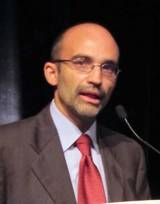
"Though I don’t recommend the routine use of colchicine for the prevention of postoperative atrial fibrillation on the basis of a single trial, ... colchicine as [empirical] anti-inflammatory therapy appears to be an inexpensive and safe means to reduce the incidence of postoperative atrial fibrillation, hospitalization length of stay, and the incidence of postpericardiotomy syndrome and postoperative effusions," principal investigator Dr. Massimo Imazio said at the annual scientific sessions of the American Heart Association.
Colchicine was approved in the United States in 2007 for gout, but is not registered for the prevention of pericarditis in North America or Europe. The study was simultaneously published online (Circulation 2011 Nov. 16 [doi:10.1161/CIRCULATIONAHA.111.026153]).
Invited discussant Dr. Nancy Nussmeier, director of anesthesia at the State University of New York, Syracuse, said that the substudy has practical and useful implications. She pointed out, however, that COPPS was conducted in a relatively healthy, adult, white population, and that colchicine was started on postoperative day 3, thereby missing early postoperative atrial fibrillation (POAF) cases on postoperative days 1 and 2. Notably, 43% of the 97 POAF episodes occurred on postoperative days 1 and 2 before colchicine was started. Gastrointestinal intolerance, largely diarrhea, may also limit widespread use of the drug, she said.
Dr. Nussmeier called for larger multicenter trials to confirm the efficacy of colchicine and said that future research should address earlier administration, the possibility of preoperative administration, or administration as an adjunct for the treatment and prevention of recurrent POAF after it develops.
Dr. Imazio observed that the ability of colchicine to halve the mean duration of POAF may also be particularly important for reducing the subsequent rate of late AF more than 30 days after surgery, because a longer duration of POAF is a strong and independent predictor of late AF.
COPPS randomized 360 patients undergoing cardiac surgery at six hospitals in northern Italy to placebo or colchicine 1.0 mg twice-daily for 1 month in those weighing 70 kg or more and 0.5 mg in those less than 70 kg or intolerant to the higher dose.
Data previously reported from COPPS at the European Society of Cardiology meeting showed that colchicine significantly reduced the relative risk of postpericardiotomy syndrome (PPS) by 57.9%, with a number-needed-to treat of eight (Eur. Heart J. 2010;31:2749-54).
Among the 250 patients included in the substudy, the number needed to treat to prevent one case of POAF was 11, said Dr. Imazio of the Maria Vittoria Hospital in Turin, Italy.
Patients who were given colchicine, compared with those given placebo, had shorter cardiac surgery hospital stays (9.3 days vs. 10.3 days), rehabilitation stays (12.1 days vs. 13.9 days), and overall hospital stays (defined as both cardiac plus rehabilitation stays; 21.4 days vs. 24.2 days). The rate of death or stroke was identical in both groups at 1.2%.
Side effects were reported in 16 patients in the colchicine group and in 8 in the placebo group, and were driven entirely by gastrointestinal events in the colchicine group, he said. Side effects contributed to drug withdrawal in 16 of 20 patients in the colchicine group and in 8 of 11 withdrawals in the placebo group.
In multivariate analysis, patients with POAF were significantly more likely to have a left atrial anteroposterior diameter of more than 45 mm, to have undergone surgery other than cardiac bypass surgery, and to have pericardial effusion. Those without POAF were more likely to have had perioperative beta-blockade and to have been treated with colchicine, Dr. Imazio said.
In multivariate adjusted analyses, only left atrial anteroposterior diameter remained significant for POAF development (hazard ratio, 2.31), whereas the use of colchicine (HR, 0.52) and perioperative beta blockade (HR, 0.47) remained significantly protective.
Acarpia Lda supplied the drug for the trial. Dr. Imazio reported no conflicts. Dr. Nussmeier reported serving as a consultant/advisor to Merck.
ORLANDO – The gout medication colchicine nearly halved the incidence of postoperative atrial fibrillation after cardiac surgery in a substudy of the Colchicine for the Prevention of the Postpericardiotomy Syndrome trial.
The incidence of atrial fibrillation (AF) between postoperative days 3 and 30 was 12% with colchicine (Colcrys) vs. 22% with placebo (P value = .021), or a relative risk reduction of 46%.
"Though I don’t recommend the routine use of colchicine for the prevention of postoperative atrial fibrillation on the basis of a single trial, ... colchicine as [empirical] anti-inflammatory therapy appears to be an inexpensive and safe means to reduce the incidence of postoperative atrial fibrillation, hospitalization length of stay, and the incidence of postpericardiotomy syndrome and postoperative effusions," principal investigator Dr. Massimo Imazio said at the annual scientific sessions of the American Heart Association.
Colchicine was approved in the United States in 2007 for gout, but is not registered for the prevention of pericarditis in North America or Europe. The study was simultaneously published online (Circulation 2011 Nov. 16 [doi:10.1161/CIRCULATIONAHA.111.026153]).
Invited discussant Dr. Nancy Nussmeier, director of anesthesia at the State University of New York, Syracuse, said that the substudy has practical and useful implications. She pointed out, however, that COPPS was conducted in a relatively healthy, adult, white population, and that colchicine was started on postoperative day 3, thereby missing early postoperative atrial fibrillation (POAF) cases on postoperative days 1 and 2. Notably, 43% of the 97 POAF episodes occurred on postoperative days 1 and 2 before colchicine was started. Gastrointestinal intolerance, largely diarrhea, may also limit widespread use of the drug, she said.
Dr. Nussmeier called for larger multicenter trials to confirm the efficacy of colchicine and said that future research should address earlier administration, the possibility of preoperative administration, or administration as an adjunct for the treatment and prevention of recurrent POAF after it develops.
Dr. Imazio observed that the ability of colchicine to halve the mean duration of POAF may also be particularly important for reducing the subsequent rate of late AF more than 30 days after surgery, because a longer duration of POAF is a strong and independent predictor of late AF.
COPPS randomized 360 patients undergoing cardiac surgery at six hospitals in northern Italy to placebo or colchicine 1.0 mg twice-daily for 1 month in those weighing 70 kg or more and 0.5 mg in those less than 70 kg or intolerant to the higher dose.
Data previously reported from COPPS at the European Society of Cardiology meeting showed that colchicine significantly reduced the relative risk of postpericardiotomy syndrome (PPS) by 57.9%, with a number-needed-to treat of eight (Eur. Heart J. 2010;31:2749-54).
Among the 250 patients included in the substudy, the number needed to treat to prevent one case of POAF was 11, said Dr. Imazio of the Maria Vittoria Hospital in Turin, Italy.
Patients who were given colchicine, compared with those given placebo, had shorter cardiac surgery hospital stays (9.3 days vs. 10.3 days), rehabilitation stays (12.1 days vs. 13.9 days), and overall hospital stays (defined as both cardiac plus rehabilitation stays; 21.4 days vs. 24.2 days). The rate of death or stroke was identical in both groups at 1.2%.
Side effects were reported in 16 patients in the colchicine group and in 8 in the placebo group, and were driven entirely by gastrointestinal events in the colchicine group, he said. Side effects contributed to drug withdrawal in 16 of 20 patients in the colchicine group and in 8 of 11 withdrawals in the placebo group.
In multivariate analysis, patients with POAF were significantly more likely to have a left atrial anteroposterior diameter of more than 45 mm, to have undergone surgery other than cardiac bypass surgery, and to have pericardial effusion. Those without POAF were more likely to have had perioperative beta-blockade and to have been treated with colchicine, Dr. Imazio said.
In multivariate adjusted analyses, only left atrial anteroposterior diameter remained significant for POAF development (hazard ratio, 2.31), whereas the use of colchicine (HR, 0.52) and perioperative beta blockade (HR, 0.47) remained significantly protective.
Acarpia Lda supplied the drug for the trial. Dr. Imazio reported no conflicts. Dr. Nussmeier reported serving as a consultant/advisor to Merck.
ORLANDO – The gout medication colchicine nearly halved the incidence of postoperative atrial fibrillation after cardiac surgery in a substudy of the Colchicine for the Prevention of the Postpericardiotomy Syndrome trial.
The incidence of atrial fibrillation (AF) between postoperative days 3 and 30 was 12% with colchicine (Colcrys) vs. 22% with placebo (P value = .021), or a relative risk reduction of 46%.
"Though I don’t recommend the routine use of colchicine for the prevention of postoperative atrial fibrillation on the basis of a single trial, ... colchicine as [empirical] anti-inflammatory therapy appears to be an inexpensive and safe means to reduce the incidence of postoperative atrial fibrillation, hospitalization length of stay, and the incidence of postpericardiotomy syndrome and postoperative effusions," principal investigator Dr. Massimo Imazio said at the annual scientific sessions of the American Heart Association.
Colchicine was approved in the United States in 2007 for gout, but is not registered for the prevention of pericarditis in North America or Europe. The study was simultaneously published online (Circulation 2011 Nov. 16 [doi:10.1161/CIRCULATIONAHA.111.026153]).
Invited discussant Dr. Nancy Nussmeier, director of anesthesia at the State University of New York, Syracuse, said that the substudy has practical and useful implications. She pointed out, however, that COPPS was conducted in a relatively healthy, adult, white population, and that colchicine was started on postoperative day 3, thereby missing early postoperative atrial fibrillation (POAF) cases on postoperative days 1 and 2. Notably, 43% of the 97 POAF episodes occurred on postoperative days 1 and 2 before colchicine was started. Gastrointestinal intolerance, largely diarrhea, may also limit widespread use of the drug, she said.
Dr. Nussmeier called for larger multicenter trials to confirm the efficacy of colchicine and said that future research should address earlier administration, the possibility of preoperative administration, or administration as an adjunct for the treatment and prevention of recurrent POAF after it develops.
Dr. Imazio observed that the ability of colchicine to halve the mean duration of POAF may also be particularly important for reducing the subsequent rate of late AF more than 30 days after surgery, because a longer duration of POAF is a strong and independent predictor of late AF.
COPPS randomized 360 patients undergoing cardiac surgery at six hospitals in northern Italy to placebo or colchicine 1.0 mg twice-daily for 1 month in those weighing 70 kg or more and 0.5 mg in those less than 70 kg or intolerant to the higher dose.
Data previously reported from COPPS at the European Society of Cardiology meeting showed that colchicine significantly reduced the relative risk of postpericardiotomy syndrome (PPS) by 57.9%, with a number-needed-to treat of eight (Eur. Heart J. 2010;31:2749-54).
Among the 250 patients included in the substudy, the number needed to treat to prevent one case of POAF was 11, said Dr. Imazio of the Maria Vittoria Hospital in Turin, Italy.
Patients who were given colchicine, compared with those given placebo, had shorter cardiac surgery hospital stays (9.3 days vs. 10.3 days), rehabilitation stays (12.1 days vs. 13.9 days), and overall hospital stays (defined as both cardiac plus rehabilitation stays; 21.4 days vs. 24.2 days). The rate of death or stroke was identical in both groups at 1.2%.
Side effects were reported in 16 patients in the colchicine group and in 8 in the placebo group, and were driven entirely by gastrointestinal events in the colchicine group, he said. Side effects contributed to drug withdrawal in 16 of 20 patients in the colchicine group and in 8 of 11 withdrawals in the placebo group.
In multivariate analysis, patients with POAF were significantly more likely to have a left atrial anteroposterior diameter of more than 45 mm, to have undergone surgery other than cardiac bypass surgery, and to have pericardial effusion. Those without POAF were more likely to have had perioperative beta-blockade and to have been treated with colchicine, Dr. Imazio said.
In multivariate adjusted analyses, only left atrial anteroposterior diameter remained significant for POAF development (hazard ratio, 2.31), whereas the use of colchicine (HR, 0.52) and perioperative beta blockade (HR, 0.47) remained significantly protective.
Acarpia Lda supplied the drug for the trial. Dr. Imazio reported no conflicts. Dr. Nussmeier reported serving as a consultant/advisor to Merck.
FROM THE ANNUAL SCIENTIFIC SESSIONS OF THE AMERICAN HEART ASSOCIATION
Major Finding: The incidence of AF between postoperative days 3 and 30 was 12% with colchicine vs. 22% with placebo, for a statistically significant relative risk reduction of 46%.
Data Source: A substudy of the COPPS trial in 250 adults undergoing cardiac surgery.
Disclosures: Acarpia Lda supplied the drug for the trial. Dr. Imazio reported no conflicts. Dr. Nussmeier reported serving as a consultant/advisor to Merck.
CETP Inhibitor Evacetrapib Scores Big in Cholesterol Battle
ORLANDO – The investigational drug evacetrapib produced dramatic lipid effects with no major safety signals when used as monotherapy or in combination with statin therapy in a phase II randomized trial.
Monotherapy with the cholesteryl ester transfer protein (CETP) inhibitor produced a dose-dependent increase in HDL cholesterol that ranged from 53.6% to 128.8%.

LDL cholesterol levels decreased in a similar fashion from 13.6% to 35.9%, Dr. Stephen J. Nicholls reported at the annual scientific sessions of the American Heart Association.
When evacetrapib, at a dosage of 100 mg, was combined with commonly prescribed statins, LDL cholesterol levels fell significantly, by 46% with simvastatin (Zocor) 40 mg, 48% with atorvastatin (Lipitor), and 52% with rosuvastatin (Crestor) 10 mg. At the same doses, HDL cholesterol levels were increased by 87%, 80%, and 94%, respectively, all highly significant differences.
"This translated to an additional lowering of LDL cholesterol by 32% to 42% in addition to statin therapy," he said.
The data are comparable with those recently achieved by two other CETP inhibitors under investigation, anacetrapib and dalcetrapib. Interestingly, evacetrapib at 500 mg had a similar effect as anacetrapib 100 mg on HDL-C (129% vs. 138%) and LDL-C (136% vs. –40%), but appeared to have a greater impact on triglycerides (–17% vs. –7%), observed Dr. Daniel Rader, who was invited to discuss the paper.
The lack of any major safety signal is encouraging for CETP inhibitors as a class given the early problems surrounding torcetrapib, but that data are still needed from clinical outcome trials to determine whether CETP inhibition can reduce cardiovascular risk, said Dr. Rader, chief of translational medicine and human genetics and director of the preventive cardiovascular program at the University of Pennsylvania, Philadelphia.
"This is one of the great experiments currently being carried out in medicine," he said.
Dr. Rader observed that CETP is a complex entity, and that a critical question for the field is whether the relationship between CETP inhibition and cardiovascular risk reduction is linear, although hypothetically it is more likely to be curved. Notably, CETP inhibition reached 50%, 70%, and 90% with evacetrapib at daily doses of 30 mg, 100 mg, and 500 mg, respectively.
In addition to determining the optimal degree of CETP inhibition, researchers will also have to identify which patients are most likely to benefit from therapy. The ongoing REVEAL and dal-OUTCOMES trials will provide some insights, but both trials exclude patients with LDL levels greater than 100 mg/dL and "yet it could be argued that subjects with elevated LDL on high-dose statins are the ones most likely to benefit," Dr. Rader said.
Subgroup analyses revealed greater increases in HDL-C with evacetrapib monotherapy among patients who were younger, had lower levels of HDL at baseline and higher triglycerides at baseline, said Dr. Nicholls, clinical director of the Cleveland Clinic Center for Cardiovascular Diagnostics and Prevention.
Greater reductions in LDL cholesterol were observed in those who were younger and had lower levels of HDL cholesterol at baseline.
"This is one of the great experiments currently being carried out in medicine."
The study randomly assigned 398 with elevated LDL or low HDL to receive placebo, evacetrapib monotherapy at daily doses of 30 mg, 100 mg, or 500 mg or statin therapy as described above with or without evacetrapib 100 mg/day for 12 weeks. The mean baseline HDL level was 55 mg/dL and the mean LDL level 144 mg/dL.
No significant increase in adverse events or serious adverse events were observed with evacetrapib monotherapy or in combination with statin therapy on either systolic or diastolic blood pressure, biochemical parameters related to renal, muscle, or liver toxicity. Furthermore, there were no adverse effects on aldosterone or cortisol levels, which have been previously observed with torcetrapib, Dr. Nicholls said.
The study was simultaneously published in the Nov. 16 issue of the Journal of the American Medical Association (JAMA. 2011;306:2099-2109).
The study was sponsored by Eli Lilly. Dr. Nicholls reported consulting for and receiving research support and honoraria from several pharmaceutical companies including Eli Lilly.
ORLANDO – The investigational drug evacetrapib produced dramatic lipid effects with no major safety signals when used as monotherapy or in combination with statin therapy in a phase II randomized trial.
Monotherapy with the cholesteryl ester transfer protein (CETP) inhibitor produced a dose-dependent increase in HDL cholesterol that ranged from 53.6% to 128.8%.
LDL cholesterol levels decreased in a similar fashion from 13.6% to 35.9%, Dr. Stephen J. Nicholls reported at the annual scientific sessions of the American Heart Association.
When evacetrapib, at a dosage of 100 mg, was combined with commonly prescribed statins, LDL cholesterol levels fell significantly, by 46% with simvastatin (Zocor) 40 mg, 48% with atorvastatin (Lipitor), and 52% with rosuvastatin (Crestor) 10 mg. At the same doses, HDL cholesterol levels were increased by 87%, 80%, and 94%, respectively, all highly significant differences.
"This translated to an additional lowering of LDL cholesterol by 32% to 42% in addition to statin therapy," he said.
The data are comparable with those recently achieved by two other CETP inhibitors under investigation, anacetrapib and dalcetrapib. Interestingly, evacetrapib at 500 mg had a similar effect as anacetrapib 100 mg on HDL-C (129% vs. 138%) and LDL-C (136% vs. –40%), but appeared to have a greater impact on triglycerides (–17% vs. –7%), observed Dr. Daniel Rader, who was invited to discuss the paper.
The lack of any major safety signal is encouraging for CETP inhibitors as a class given the early problems surrounding torcetrapib, but that data are still needed from clinical outcome trials to determine whether CETP inhibition can reduce cardiovascular risk, said Dr. Rader, chief of translational medicine and human genetics and director of the preventive cardiovascular program at the University of Pennsylvania, Philadelphia.
"This is one of the great experiments currently being carried out in medicine," he said.
Dr. Rader observed that CETP is a complex entity, and that a critical question for the field is whether the relationship between CETP inhibition and cardiovascular risk reduction is linear, although hypothetically it is more likely to be curved. Notably, CETP inhibition reached 50%, 70%, and 90% with evacetrapib at daily doses of 30 mg, 100 mg, and 500 mg, respectively.
In addition to determining the optimal degree of CETP inhibition, researchers will also have to identify which patients are most likely to benefit from therapy. The ongoing REVEAL and dal-OUTCOMES trials will provide some insights, but both trials exclude patients with LDL levels greater than 100 mg/dL and "yet it could be argued that subjects with elevated LDL on high-dose statins are the ones most likely to benefit," Dr. Rader said.
Subgroup analyses revealed greater increases in HDL-C with evacetrapib monotherapy among patients who were younger, had lower levels of HDL at baseline and higher triglycerides at baseline, said Dr. Nicholls, clinical director of the Cleveland Clinic Center for Cardiovascular Diagnostics and Prevention.
Greater reductions in LDL cholesterol were observed in those who were younger and had lower levels of HDL cholesterol at baseline.
"This is one of the great experiments currently being carried out in medicine."
The study randomly assigned 398 with elevated LDL or low HDL to receive placebo, evacetrapib monotherapy at daily doses of 30 mg, 100 mg, or 500 mg or statin therapy as described above with or without evacetrapib 100 mg/day for 12 weeks. The mean baseline HDL level was 55 mg/dL and the mean LDL level 144 mg/dL.
No significant increase in adverse events or serious adverse events were observed with evacetrapib monotherapy or in combination with statin therapy on either systolic or diastolic blood pressure, biochemical parameters related to renal, muscle, or liver toxicity. Furthermore, there were no adverse effects on aldosterone or cortisol levels, which have been previously observed with torcetrapib, Dr. Nicholls said.
The study was simultaneously published in the Nov. 16 issue of the Journal of the American Medical Association (JAMA. 2011;306:2099-2109).
The study was sponsored by Eli Lilly. Dr. Nicholls reported consulting for and receiving research support and honoraria from several pharmaceutical companies including Eli Lilly.
ORLANDO – The investigational drug evacetrapib produced dramatic lipid effects with no major safety signals when used as monotherapy or in combination with statin therapy in a phase II randomized trial.
Monotherapy with the cholesteryl ester transfer protein (CETP) inhibitor produced a dose-dependent increase in HDL cholesterol that ranged from 53.6% to 128.8%.
LDL cholesterol levels decreased in a similar fashion from 13.6% to 35.9%, Dr. Stephen J. Nicholls reported at the annual scientific sessions of the American Heart Association.
When evacetrapib, at a dosage of 100 mg, was combined with commonly prescribed statins, LDL cholesterol levels fell significantly, by 46% with simvastatin (Zocor) 40 mg, 48% with atorvastatin (Lipitor), and 52% with rosuvastatin (Crestor) 10 mg. At the same doses, HDL cholesterol levels were increased by 87%, 80%, and 94%, respectively, all highly significant differences.
"This translated to an additional lowering of LDL cholesterol by 32% to 42% in addition to statin therapy," he said.
The data are comparable with those recently achieved by two other CETP inhibitors under investigation, anacetrapib and dalcetrapib. Interestingly, evacetrapib at 500 mg had a similar effect as anacetrapib 100 mg on HDL-C (129% vs. 138%) and LDL-C (136% vs. –40%), but appeared to have a greater impact on triglycerides (–17% vs. –7%), observed Dr. Daniel Rader, who was invited to discuss the paper.
The lack of any major safety signal is encouraging for CETP inhibitors as a class given the early problems surrounding torcetrapib, but that data are still needed from clinical outcome trials to determine whether CETP inhibition can reduce cardiovascular risk, said Dr. Rader, chief of translational medicine and human genetics and director of the preventive cardiovascular program at the University of Pennsylvania, Philadelphia.
"This is one of the great experiments currently being carried out in medicine," he said.
Dr. Rader observed that CETP is a complex entity, and that a critical question for the field is whether the relationship between CETP inhibition and cardiovascular risk reduction is linear, although hypothetically it is more likely to be curved. Notably, CETP inhibition reached 50%, 70%, and 90% with evacetrapib at daily doses of 30 mg, 100 mg, and 500 mg, respectively.
In addition to determining the optimal degree of CETP inhibition, researchers will also have to identify which patients are most likely to benefit from therapy. The ongoing REVEAL and dal-OUTCOMES trials will provide some insights, but both trials exclude patients with LDL levels greater than 100 mg/dL and "yet it could be argued that subjects with elevated LDL on high-dose statins are the ones most likely to benefit," Dr. Rader said.
Subgroup analyses revealed greater increases in HDL-C with evacetrapib monotherapy among patients who were younger, had lower levels of HDL at baseline and higher triglycerides at baseline, said Dr. Nicholls, clinical director of the Cleveland Clinic Center for Cardiovascular Diagnostics and Prevention.
Greater reductions in LDL cholesterol were observed in those who were younger and had lower levels of HDL cholesterol at baseline.
"This is one of the great experiments currently being carried out in medicine."
The study randomly assigned 398 with elevated LDL or low HDL to receive placebo, evacetrapib monotherapy at daily doses of 30 mg, 100 mg, or 500 mg or statin therapy as described above with or without evacetrapib 100 mg/day for 12 weeks. The mean baseline HDL level was 55 mg/dL and the mean LDL level 144 mg/dL.
No significant increase in adverse events or serious adverse events were observed with evacetrapib monotherapy or in combination with statin therapy on either systolic or diastolic blood pressure, biochemical parameters related to renal, muscle, or liver toxicity. Furthermore, there were no adverse effects on aldosterone or cortisol levels, which have been previously observed with torcetrapib, Dr. Nicholls said.
The study was simultaneously published in the Nov. 16 issue of the Journal of the American Medical Association (JAMA. 2011;306:2099-2109).
The study was sponsored by Eli Lilly. Dr. Nicholls reported consulting for and receiving research support and honoraria from several pharmaceutical companies including Eli Lilly.
FROM THE ANNUAL SCIENTIFIC SESSIONS OF THE AMERICAN HEART ASSOCIATION
Major Finding: Evacetrapib produced decreases in LDL cholesterol up to 36% and increases in HDL cholesterol up to 129%.
Data Source: Prospective, randomized phase II trial in 398 patients with elevated LDL cholesterol or low HDL cholesterol levels.
Disclosures: The study was sponsored by Eli Lilly. Dr. Nicholls reported consulting for and receiving research support and honoraria from several pharmaceutical companies including Eli Lilly.
Remote Weight-Loss Program Effective Long-Term
ORLANDO – Obese patients coached solely over the phone and Internet lost as much weight as did those counseled in person, according to the findings of a prospective, randomized controlled trial.
Moreover, both groups maintained their weight loss during the 2-year follow-up period of the POWER (Practice-Based Opportunities for Weight Reduction) trial.

At 24 months, 38% of patients in the remote group had lost at least 5% of their initial body weight vs. 41% of the in-person group and just 19% in a control group whose weight-loss was self-directed, Dr. Lawrence J. Appel said at the annual scientific sessions of the American Heart Association.
At 24 months, the mean weight loss was –4.6 kg or 10.1 pounds in the remote group vs. –5.1 kg or 11.2 pounds in the in-person group (P = .63), and –0.8 kg or 1.7 pounds in the control group.
At no point in the study did the weight loss in the two active treatment arms differ, said Dr. Appel, professor of medicine and director of the Welch Center for Prevention, Epidemiology and Clinical Research at Johns Hopkins University in Baltimore.
The sustained weight loss observed in POWER is unprecedented. "It could be considered something of a breakthrough in weight loss," Dr. Frank Sacks, professor of cardiovascular disease prevention at Harvard School of Public Health in Boston, observed at a press briefing. Dr. Sacks was an invited discussant for the paper.
Session moderator Dr. Donald Lloyd-Jones, chair of preventive medicine at Northwestern University, Chicago, called POWER an incredibly important trial given that obesity is by far the No. 1 public health problem in the United States and will drive cardiovascular disease in the coming decades.
"This is absolutely a game changer," he said in an interview. "To see a scalable, very inexpensive therapy, that can be done at arm’s length without too much [intensity] from the provider side, and yet fully engage patients in the process of their weight loss is a very exciting development."
The trial enrolled 415 obese patients with at least one cardiovascular risk factor and a mean weight of 103 kg and mean body mass index of 37 kg/m2.
Patients assigned to the remote group had to enter their weight on the study website before being guided to other educational modules on physical exercise and calorie counting. They could also view their weight-loss goal and progress, Dr. Appel explained.
Physicians reviewed the weight progress reports and played a supportive role through tailored e-mails. Counseling was provided by telephone by employees of Healthways, a disease management promotion company, with no face-to-face contact.
The website and physician’s roles were similar in the in-person group, but these patients received counseling in group meetings, individual meetings, and via telephone from employees of Johns Hopkins.
All patients were encouraged to reduce caloric intake, follow the DASH diet, exercise at least 180 min/week and to log in to the study website at least weekly.
During the first 6 months, the remote group took part in a median of 14 of the 15 recommended phone contacts with their coach and a median of 16 of 18 recommended phone calls over the next 18 months.
The experience in the in-person group was remarkably different, Dr. Appel said. Patients took part in just 6.5 of the 12 recommended group sessions in the first 6 months and only 1 of 18 sessions over the next 18 months, with attendance at individual sessions following a similar pattern. Ultimately, the program "morphed" into a phone intervention, likely because of the convenience and flexibility the format offers, he said. The in-person group maintained 3 of 4 recommended phone contacts with their coaches in the first 6 months and 11 of 12 contacts over the next 18 months.
The study website engaged the patients, with the remote group making 23 of the 26 recommended log ins during the first six months and the in-person group making 20.5 of the 26 log-ins, Dr. Appel said. Over the next 18 months both groups logged in to the website 35 of the 72 recommended times, and visited their primary care provider just once.
During a panel discussion, Dr. Darwin Labarthe, a professor of preventive medicine at Northwestern, said the results are probably the strongest evidence to date on the ability of adults to reduce weight on a sustained basis, but suggested that further follow-up is needed postintervention. He also asked whether the degree of weight loss observed in POWER had an impact on cardiovascular risk factors.
Dr. Appel said the trial was not set up to look at these outcomes, however evidence from other studies suggests that in a prediabetic population, a 5% loss in body weight will reduce the incidence of diabetes by 40%-50%. A reduction in systolic blood pressure also can be expected. Although patients were on medications for this, there was a relationship between systolic blood pressure reduction and weight loss across the entire study population, he said.
At baseline, 76% of patients had hypertension, 68% hypercholesterolemia, 23% diabetes, and 33% metabolic syndrome. Their mean age was 54 years, 64% were women, 56% were white and 41% were black.
The cost of such a remote program depends on how it is rolled out, but that the coaching staff was the biggest driver of expenses at about $600-$800 for the 2 years, Dr. Appel noted. Johns Hopkins is working on implementing the remote intervention and Healthways is expected to make the program commercially available, he said in an interview.
The remote intervention, consisting of phone counseling, an interactive website, and physician support, "has the potential for widespread implementation and should be applicable to the management of other chronic conditions," he told the attendees.
The trial was funded by the National Heart, Lung, and Blood Institute, with data analytic support provided by the National Institute of Diabetes and Digestive and Kidney Disease. Dr. Appel reported no conflicts of interest.
ORLANDO – Obese patients coached solely over the phone and Internet lost as much weight as did those counseled in person, according to the findings of a prospective, randomized controlled trial.
Moreover, both groups maintained their weight loss during the 2-year follow-up period of the POWER (Practice-Based Opportunities for Weight Reduction) trial.
At 24 months, 38% of patients in the remote group had lost at least 5% of their initial body weight vs. 41% of the in-person group and just 19% in a control group whose weight-loss was self-directed, Dr. Lawrence J. Appel said at the annual scientific sessions of the American Heart Association.
At 24 months, the mean weight loss was –4.6 kg or 10.1 pounds in the remote group vs. –5.1 kg or 11.2 pounds in the in-person group (P = .63), and –0.8 kg or 1.7 pounds in the control group.
At no point in the study did the weight loss in the two active treatment arms differ, said Dr. Appel, professor of medicine and director of the Welch Center for Prevention, Epidemiology and Clinical Research at Johns Hopkins University in Baltimore.
The sustained weight loss observed in POWER is unprecedented. "It could be considered something of a breakthrough in weight loss," Dr. Frank Sacks, professor of cardiovascular disease prevention at Harvard School of Public Health in Boston, observed at a press briefing. Dr. Sacks was an invited discussant for the paper.
Session moderator Dr. Donald Lloyd-Jones, chair of preventive medicine at Northwestern University, Chicago, called POWER an incredibly important trial given that obesity is by far the No. 1 public health problem in the United States and will drive cardiovascular disease in the coming decades.
"This is absolutely a game changer," he said in an interview. "To see a scalable, very inexpensive therapy, that can be done at arm’s length without too much [intensity] from the provider side, and yet fully engage patients in the process of their weight loss is a very exciting development."
The trial enrolled 415 obese patients with at least one cardiovascular risk factor and a mean weight of 103 kg and mean body mass index of 37 kg/m2.
Patients assigned to the remote group had to enter their weight on the study website before being guided to other educational modules on physical exercise and calorie counting. They could also view their weight-loss goal and progress, Dr. Appel explained.
Physicians reviewed the weight progress reports and played a supportive role through tailored e-mails. Counseling was provided by telephone by employees of Healthways, a disease management promotion company, with no face-to-face contact.
The website and physician’s roles were similar in the in-person group, but these patients received counseling in group meetings, individual meetings, and via telephone from employees of Johns Hopkins.
All patients were encouraged to reduce caloric intake, follow the DASH diet, exercise at least 180 min/week and to log in to the study website at least weekly.
During the first 6 months, the remote group took part in a median of 14 of the 15 recommended phone contacts with their coach and a median of 16 of 18 recommended phone calls over the next 18 months.
The experience in the in-person group was remarkably different, Dr. Appel said. Patients took part in just 6.5 of the 12 recommended group sessions in the first 6 months and only 1 of 18 sessions over the next 18 months, with attendance at individual sessions following a similar pattern. Ultimately, the program "morphed" into a phone intervention, likely because of the convenience and flexibility the format offers, he said. The in-person group maintained 3 of 4 recommended phone contacts with their coaches in the first 6 months and 11 of 12 contacts over the next 18 months.
The study website engaged the patients, with the remote group making 23 of the 26 recommended log ins during the first six months and the in-person group making 20.5 of the 26 log-ins, Dr. Appel said. Over the next 18 months both groups logged in to the website 35 of the 72 recommended times, and visited their primary care provider just once.
During a panel discussion, Dr. Darwin Labarthe, a professor of preventive medicine at Northwestern, said the results are probably the strongest evidence to date on the ability of adults to reduce weight on a sustained basis, but suggested that further follow-up is needed postintervention. He also asked whether the degree of weight loss observed in POWER had an impact on cardiovascular risk factors.
Dr. Appel said the trial was not set up to look at these outcomes, however evidence from other studies suggests that in a prediabetic population, a 5% loss in body weight will reduce the incidence of diabetes by 40%-50%. A reduction in systolic blood pressure also can be expected. Although patients were on medications for this, there was a relationship between systolic blood pressure reduction and weight loss across the entire study population, he said.
At baseline, 76% of patients had hypertension, 68% hypercholesterolemia, 23% diabetes, and 33% metabolic syndrome. Their mean age was 54 years, 64% were women, 56% were white and 41% were black.
The cost of such a remote program depends on how it is rolled out, but that the coaching staff was the biggest driver of expenses at about $600-$800 for the 2 years, Dr. Appel noted. Johns Hopkins is working on implementing the remote intervention and Healthways is expected to make the program commercially available, he said in an interview.
The remote intervention, consisting of phone counseling, an interactive website, and physician support, "has the potential for widespread implementation and should be applicable to the management of other chronic conditions," he told the attendees.
The trial was funded by the National Heart, Lung, and Blood Institute, with data analytic support provided by the National Institute of Diabetes and Digestive and Kidney Disease. Dr. Appel reported no conflicts of interest.
ORLANDO – Obese patients coached solely over the phone and Internet lost as much weight as did those counseled in person, according to the findings of a prospective, randomized controlled trial.
Moreover, both groups maintained their weight loss during the 2-year follow-up period of the POWER (Practice-Based Opportunities for Weight Reduction) trial.
At 24 months, 38% of patients in the remote group had lost at least 5% of their initial body weight vs. 41% of the in-person group and just 19% in a control group whose weight-loss was self-directed, Dr. Lawrence J. Appel said at the annual scientific sessions of the American Heart Association.
At 24 months, the mean weight loss was –4.6 kg or 10.1 pounds in the remote group vs. –5.1 kg or 11.2 pounds in the in-person group (P = .63), and –0.8 kg or 1.7 pounds in the control group.
At no point in the study did the weight loss in the two active treatment arms differ, said Dr. Appel, professor of medicine and director of the Welch Center for Prevention, Epidemiology and Clinical Research at Johns Hopkins University in Baltimore.
The sustained weight loss observed in POWER is unprecedented. "It could be considered something of a breakthrough in weight loss," Dr. Frank Sacks, professor of cardiovascular disease prevention at Harvard School of Public Health in Boston, observed at a press briefing. Dr. Sacks was an invited discussant for the paper.
Session moderator Dr. Donald Lloyd-Jones, chair of preventive medicine at Northwestern University, Chicago, called POWER an incredibly important trial given that obesity is by far the No. 1 public health problem in the United States and will drive cardiovascular disease in the coming decades.
"This is absolutely a game changer," he said in an interview. "To see a scalable, very inexpensive therapy, that can be done at arm’s length without too much [intensity] from the provider side, and yet fully engage patients in the process of their weight loss is a very exciting development."
The trial enrolled 415 obese patients with at least one cardiovascular risk factor and a mean weight of 103 kg and mean body mass index of 37 kg/m2.
Patients assigned to the remote group had to enter their weight on the study website before being guided to other educational modules on physical exercise and calorie counting. They could also view their weight-loss goal and progress, Dr. Appel explained.
Physicians reviewed the weight progress reports and played a supportive role through tailored e-mails. Counseling was provided by telephone by employees of Healthways, a disease management promotion company, with no face-to-face contact.
The website and physician’s roles were similar in the in-person group, but these patients received counseling in group meetings, individual meetings, and via telephone from employees of Johns Hopkins.
All patients were encouraged to reduce caloric intake, follow the DASH diet, exercise at least 180 min/week and to log in to the study website at least weekly.
During the first 6 months, the remote group took part in a median of 14 of the 15 recommended phone contacts with their coach and a median of 16 of 18 recommended phone calls over the next 18 months.
The experience in the in-person group was remarkably different, Dr. Appel said. Patients took part in just 6.5 of the 12 recommended group sessions in the first 6 months and only 1 of 18 sessions over the next 18 months, with attendance at individual sessions following a similar pattern. Ultimately, the program "morphed" into a phone intervention, likely because of the convenience and flexibility the format offers, he said. The in-person group maintained 3 of 4 recommended phone contacts with their coaches in the first 6 months and 11 of 12 contacts over the next 18 months.
The study website engaged the patients, with the remote group making 23 of the 26 recommended log ins during the first six months and the in-person group making 20.5 of the 26 log-ins, Dr. Appel said. Over the next 18 months both groups logged in to the website 35 of the 72 recommended times, and visited their primary care provider just once.
During a panel discussion, Dr. Darwin Labarthe, a professor of preventive medicine at Northwestern, said the results are probably the strongest evidence to date on the ability of adults to reduce weight on a sustained basis, but suggested that further follow-up is needed postintervention. He also asked whether the degree of weight loss observed in POWER had an impact on cardiovascular risk factors.
Dr. Appel said the trial was not set up to look at these outcomes, however evidence from other studies suggests that in a prediabetic population, a 5% loss in body weight will reduce the incidence of diabetes by 40%-50%. A reduction in systolic blood pressure also can be expected. Although patients were on medications for this, there was a relationship between systolic blood pressure reduction and weight loss across the entire study population, he said.
At baseline, 76% of patients had hypertension, 68% hypercholesterolemia, 23% diabetes, and 33% metabolic syndrome. Their mean age was 54 years, 64% were women, 56% were white and 41% were black.
The cost of such a remote program depends on how it is rolled out, but that the coaching staff was the biggest driver of expenses at about $600-$800 for the 2 years, Dr. Appel noted. Johns Hopkins is working on implementing the remote intervention and Healthways is expected to make the program commercially available, he said in an interview.
The remote intervention, consisting of phone counseling, an interactive website, and physician support, "has the potential for widespread implementation and should be applicable to the management of other chronic conditions," he told the attendees.
The trial was funded by the National Heart, Lung, and Blood Institute, with data analytic support provided by the National Institute of Diabetes and Digestive and Kidney Disease. Dr. Appel reported no conflicts of interest.
FROM THE ANNUAL SCIENTIFIC SESSIONS OF THE AMERICAN HEART ASSOCIATION
Major Finding: At 24 months, the mean weight loss was –4.6 kg or 10.1 pounds in the remote group vs. –5.1 kg or 11.2 pounds in the in-person group (P = .63), and –0.8 kg or 1.7 pounds in the control group.
Data Source: A 2-year prospective, randomized controlled trial.
Disclosures: The trial was funded by the National Heart, Lung, and Blood Institute, with data analytic support also provided by the National Institute of Diabetes and Digestive and Kidney Disease. Dr. Appel reported no conflicts of interest.
Bone Marrow Cell Therapy Failed to Change Post-MI Outcomes
ORLANDO – Intracoronary delivery of bone marrow cell therapy 2 to 3 weeks after a first myocardial infarction is safe, but does not improve global or regional function at 6 months follow-up, results from a prospective, randomized controlled trial suggest.
Early trials dating back to 2006 suggested that the delivery of autologous bone marrow mononuclear cells (BMC) was feasible in clinical practice, safe, and potentially effective in increasing cardiac function. Predictors of efficacy appeared to be low ejection fraction and relatively late timing of BMC infusion at about 5 to 7 days post-myocardial infarction (MI), explained Dr. Thomas Eschenhagen, of the Hamburg (Germany) Institute of Experimental Pharmacology and Toxicology, who discussed the findings presented at the annual scientific sessions of the American Heart Association.
He suggested that possible reasons for the lack efficacy of BMC therapy in this latest trial, known as Late TIME (Use of Adult Autologous Stem Cells in Treating People 2 to 3 Weeks After Having a Heart Attack), may be the timing of the infusion more than 2 weeks after percutaneous intervention. In addition, the trial was small (87 patients), and the cells were not tested for efficiency in an animal model, although the in vitro data were convincing. But, he added, "It could as well mean that bone marrow cell therapy is inefficient."
Dr. Eschenhagen made a back-of-the-envelope calculation based on 11 BMC studies including Late TIME conducted from 2004 to 2011 that showed a mean weighted gain in left ventricle function of just 0.43%. The best results were reported early on in BOOST (BNP Therapy Observation Unit Outcomes Study), finding a 6% improvement in left ventricle ejection fraction (LVEF) between BMC and controls, while the 2011 BONAMI (BOne Marrow in Acute Myocardial Infarction) trial came in at the bottom of the list with an LVEF loss of 0.3%.
"Late TIME adds to a number of recent BMC trials with neutral outcome, arguing against the therapeutic efficacy of BMC therapy in acute or subacute MI," he concluded.
Among the 87 patients randomized in Late TIME, bone marrow aspiration and intracoronary infusion of 150 x 106 total nucleated cells was performed at a median of 17.4 days in the BMC group and 16.8 days in the placebo group following primary percutaneous intervention. It was thought that later delivery may be particularly important for patients initially too sick or who present to hospitals without the capacity to perform cell therapy, said study author, Dr. Jay Traverse, with the Minneapolis Heart Institute at Abbott Northwestern Hospital.
The high-risk cohort had predominantly large, anterior MIs and a mean LVEF of 36.4% in the 58 BMC patients and 35% in the 29 placebo patients. Their mean peak creatine kinase MB fraction was 234 and 318, respectively, two-third received a drug-eluting stent, and more than half were smokers or had hyperlipidemia.
At 6 months, there was a gain in LVEF of just 0.5% (48.7% to 49.2%) in the BMC group, compared with 3.5% (45.3% to 48.8%) in the placebo group, which was not significantly different (P value = .14), Dr. Traverse said.
The coprimary end point of change in wall motion also was similar at 6 months among the 81 evaluable patients. Wall motion in the infarct zone changed from a mean of 6.2 mm to 6.5 mm in the BMC group and from 4.9 mm to 5.9 mm in the placebo group. Wall motion in the border zone changed from a mean of 16 mm to 16.6 mm in the BMC group and from 16.1 mm to 19.3 mm in the placebo group.
Both groups experienced a similar change in infarct size and left ventricular volumes at 6 months, he said.
Only one death occurred in the placebo group and one repeat MI in the BMC group. Repeat revascularization was required in three placebo-treated patients and one patient receiving BMC therapy. Two patients in the placebo group required placement of an implantable cardioverter defibrillator and one BMC patient was hospitalized for heart failure. Total events significantly favored the BMC group at 5% vs. 17%, Dr. Traverse said.
The study was simultaneously published online (JAMA 2011 Nov. 14 [doi: doi:10.1001/jama.2011.1670]).
Late TIME was sponsored by the National Heart, Lung, and Blood Institute. Dr. Traverse reported no conflicts, and a coauthor reported serving as a consultant for Juventas Therapeutics and Aastrom Biosciences and grant funding from Athersys.
ORLANDO – Intracoronary delivery of bone marrow cell therapy 2 to 3 weeks after a first myocardial infarction is safe, but does not improve global or regional function at 6 months follow-up, results from a prospective, randomized controlled trial suggest.
Early trials dating back to 2006 suggested that the delivery of autologous bone marrow mononuclear cells (BMC) was feasible in clinical practice, safe, and potentially effective in increasing cardiac function. Predictors of efficacy appeared to be low ejection fraction and relatively late timing of BMC infusion at about 5 to 7 days post-myocardial infarction (MI), explained Dr. Thomas Eschenhagen, of the Hamburg (Germany) Institute of Experimental Pharmacology and Toxicology, who discussed the findings presented at the annual scientific sessions of the American Heart Association.
He suggested that possible reasons for the lack efficacy of BMC therapy in this latest trial, known as Late TIME (Use of Adult Autologous Stem Cells in Treating People 2 to 3 Weeks After Having a Heart Attack), may be the timing of the infusion more than 2 weeks after percutaneous intervention. In addition, the trial was small (87 patients), and the cells were not tested for efficiency in an animal model, although the in vitro data were convincing. But, he added, "It could as well mean that bone marrow cell therapy is inefficient."
Dr. Eschenhagen made a back-of-the-envelope calculation based on 11 BMC studies including Late TIME conducted from 2004 to 2011 that showed a mean weighted gain in left ventricle function of just 0.43%. The best results were reported early on in BOOST (BNP Therapy Observation Unit Outcomes Study), finding a 6% improvement in left ventricle ejection fraction (LVEF) between BMC and controls, while the 2011 BONAMI (BOne Marrow in Acute Myocardial Infarction) trial came in at the bottom of the list with an LVEF loss of 0.3%.
"Late TIME adds to a number of recent BMC trials with neutral outcome, arguing against the therapeutic efficacy of BMC therapy in acute or subacute MI," he concluded.
Among the 87 patients randomized in Late TIME, bone marrow aspiration and intracoronary infusion of 150 x 106 total nucleated cells was performed at a median of 17.4 days in the BMC group and 16.8 days in the placebo group following primary percutaneous intervention. It was thought that later delivery may be particularly important for patients initially too sick or who present to hospitals without the capacity to perform cell therapy, said study author, Dr. Jay Traverse, with the Minneapolis Heart Institute at Abbott Northwestern Hospital.
The high-risk cohort had predominantly large, anterior MIs and a mean LVEF of 36.4% in the 58 BMC patients and 35% in the 29 placebo patients. Their mean peak creatine kinase MB fraction was 234 and 318, respectively, two-third received a drug-eluting stent, and more than half were smokers or had hyperlipidemia.
At 6 months, there was a gain in LVEF of just 0.5% (48.7% to 49.2%) in the BMC group, compared with 3.5% (45.3% to 48.8%) in the placebo group, which was not significantly different (P value = .14), Dr. Traverse said.
The coprimary end point of change in wall motion also was similar at 6 months among the 81 evaluable patients. Wall motion in the infarct zone changed from a mean of 6.2 mm to 6.5 mm in the BMC group and from 4.9 mm to 5.9 mm in the placebo group. Wall motion in the border zone changed from a mean of 16 mm to 16.6 mm in the BMC group and from 16.1 mm to 19.3 mm in the placebo group.
Both groups experienced a similar change in infarct size and left ventricular volumes at 6 months, he said.
Only one death occurred in the placebo group and one repeat MI in the BMC group. Repeat revascularization was required in three placebo-treated patients and one patient receiving BMC therapy. Two patients in the placebo group required placement of an implantable cardioverter defibrillator and one BMC patient was hospitalized for heart failure. Total events significantly favored the BMC group at 5% vs. 17%, Dr. Traverse said.
The study was simultaneously published online (JAMA 2011 Nov. 14 [doi: doi:10.1001/jama.2011.1670]).
Late TIME was sponsored by the National Heart, Lung, and Blood Institute. Dr. Traverse reported no conflicts, and a coauthor reported serving as a consultant for Juventas Therapeutics and Aastrom Biosciences and grant funding from Athersys.
ORLANDO – Intracoronary delivery of bone marrow cell therapy 2 to 3 weeks after a first myocardial infarction is safe, but does not improve global or regional function at 6 months follow-up, results from a prospective, randomized controlled trial suggest.
Early trials dating back to 2006 suggested that the delivery of autologous bone marrow mononuclear cells (BMC) was feasible in clinical practice, safe, and potentially effective in increasing cardiac function. Predictors of efficacy appeared to be low ejection fraction and relatively late timing of BMC infusion at about 5 to 7 days post-myocardial infarction (MI), explained Dr. Thomas Eschenhagen, of the Hamburg (Germany) Institute of Experimental Pharmacology and Toxicology, who discussed the findings presented at the annual scientific sessions of the American Heart Association.
He suggested that possible reasons for the lack efficacy of BMC therapy in this latest trial, known as Late TIME (Use of Adult Autologous Stem Cells in Treating People 2 to 3 Weeks After Having a Heart Attack), may be the timing of the infusion more than 2 weeks after percutaneous intervention. In addition, the trial was small (87 patients), and the cells were not tested for efficiency in an animal model, although the in vitro data were convincing. But, he added, "It could as well mean that bone marrow cell therapy is inefficient."
Dr. Eschenhagen made a back-of-the-envelope calculation based on 11 BMC studies including Late TIME conducted from 2004 to 2011 that showed a mean weighted gain in left ventricle function of just 0.43%. The best results were reported early on in BOOST (BNP Therapy Observation Unit Outcomes Study), finding a 6% improvement in left ventricle ejection fraction (LVEF) between BMC and controls, while the 2011 BONAMI (BOne Marrow in Acute Myocardial Infarction) trial came in at the bottom of the list with an LVEF loss of 0.3%.
"Late TIME adds to a number of recent BMC trials with neutral outcome, arguing against the therapeutic efficacy of BMC therapy in acute or subacute MI," he concluded.
Among the 87 patients randomized in Late TIME, bone marrow aspiration and intracoronary infusion of 150 x 106 total nucleated cells was performed at a median of 17.4 days in the BMC group and 16.8 days in the placebo group following primary percutaneous intervention. It was thought that later delivery may be particularly important for patients initially too sick or who present to hospitals without the capacity to perform cell therapy, said study author, Dr. Jay Traverse, with the Minneapolis Heart Institute at Abbott Northwestern Hospital.
The high-risk cohort had predominantly large, anterior MIs and a mean LVEF of 36.4% in the 58 BMC patients and 35% in the 29 placebo patients. Their mean peak creatine kinase MB fraction was 234 and 318, respectively, two-third received a drug-eluting stent, and more than half were smokers or had hyperlipidemia.
At 6 months, there was a gain in LVEF of just 0.5% (48.7% to 49.2%) in the BMC group, compared with 3.5% (45.3% to 48.8%) in the placebo group, which was not significantly different (P value = .14), Dr. Traverse said.
The coprimary end point of change in wall motion also was similar at 6 months among the 81 evaluable patients. Wall motion in the infarct zone changed from a mean of 6.2 mm to 6.5 mm in the BMC group and from 4.9 mm to 5.9 mm in the placebo group. Wall motion in the border zone changed from a mean of 16 mm to 16.6 mm in the BMC group and from 16.1 mm to 19.3 mm in the placebo group.
Both groups experienced a similar change in infarct size and left ventricular volumes at 6 months, he said.
Only one death occurred in the placebo group and one repeat MI in the BMC group. Repeat revascularization was required in three placebo-treated patients and one patient receiving BMC therapy. Two patients in the placebo group required placement of an implantable cardioverter defibrillator and one BMC patient was hospitalized for heart failure. Total events significantly favored the BMC group at 5% vs. 17%, Dr. Traverse said.
The study was simultaneously published online (JAMA 2011 Nov. 14 [doi: doi:10.1001/jama.2011.1670]).
Late TIME was sponsored by the National Heart, Lung, and Blood Institute. Dr. Traverse reported no conflicts, and a coauthor reported serving as a consultant for Juventas Therapeutics and Aastrom Biosciences and grant funding from Athersys.
FROM THE ANNUAL SCIENTIFIC SESSIONS OF THE AMERICAN HEART ASSOCIATION
Major Finding: At 6 months, there was a gain in LVEF of just 0.5% (48.7% to 49.2%) in the BMC group, compared with 3.5% (45.3% to 48.8%) in the placebo group, which was not significantly different.
Data Source: A randomized, placebo-controlled trial involving 87 patients.
Disclosures: Late TIME was sponsored by the National Heart, Lung, and Blood Institute. Dr. Traverse reported no conflicts, and a coauthor reported serving as a consultant for Juventas Therapeutics and Aastrom Biosciences and grant funding from Athersys.
Free Meds Boost Post-MI Outcomes, Rx Adherence
ORLANDO – Eliminating drug copayments for patients following a myocardial infarction reduced vascular events without increasing overall costs for insurers in the prospective randomized MI FREEE trial.
Although the Post-Myocardial Infarction Free Rx Event and Economic Evaluation trial had only a "modest" impact on medication adherence and missed its primary end point, the findings were dramatic enough that study sponsor Aetna has announced it will waive copayments for its post-MI patients beginning January 2013, lead author Dr. Niteesh Choudhry said at the annual scientific sessions of the American Heart Association.

"As the very first step in the idea of translation into practice, it’s not a flippant comment to say this could be translated tomorrow," he said. "The mechanisms we used are widely generalizable."
The trial randomly assigned 5,855 post-MI patients covered by Aetna to usual prescription coverage or full coverage so patients faced no copays for all brand and generic statins, beta-blockers, ACE inhibitors, or angiotensin-receptor blockers. Randomization occurred at about 49 days post discharge.
The trial’s primary composite end point of rate of major vascular event or revascularization was similar at 17.6 per 100 person-years for patients in the full coverage group vs. 18.8 per 100 person-years in the usual care group.
When evaluated separately, however, patients given free drugs had a statistically significant 14% decrease in major vascular events, defined as fatal or nonfatal MI, unstable angina, congestive heart failure or stroke, said Dr. Choudhry, an internist and researcher at Harvard Medical School in Boston.
The rate of stroke was also significantly reduced (HR 0.69).
In the full-coverage group, rates of medication adherence, defined as the number of days covered, increased 4.4% for beta-blockers, 6.2% for statins, 5.6% for ACE/ARBs, and by 5.4% to 43.9% for all three classes. Rates for full adherence, defined as the number of patients taking 80% of their medications, increased significantly, by 32%, 37%, 31% and 41%, respectively.
The low baseline adherence and small improvement in adherence in what should have been a highly motivated group of patients after MI was described as perhaps "the most sobering findings" of the trial in an editorial (N. Engl. J. Med. 2011 [doi:10.1056/NEJMe1111558]) that accompanied the simultaneous publication of the study (N. Engl. J. Med. 2011 [doi:10.1056/NEJMsa1107913]).
Invited discussant Dr. Eric Peterson, professor of medicine in cardiology and associate director of the Duke Clinical Research Institute in Durham, N.C., said MI FREEE highlights the huge challenge for post-MI secondary prevention, even when medications are given gratis.
"Adherence rates for any one of these medicines that can alter the course of disease with myocardial infarction was under 50%, and [when] combined, only one in 10 patients consistently took all three of these medicines," he said. "Thus, as Dr. Chaudhry noted, we need to get much better and have novel interventions to improve adherence long term."
Dr. Choudhry said the next step in their research is to provide financial incentives to patients to remain medication adherent.
"There are some concerns about paying patients, but providing positive financial incentives is the next step in the game," he said. "If you call this value-based insurance, we call that VBI 2.0. It’s the next innovation.
"From an economic perspective, you could come up with the amount of money that you’ve saved in copays and instead give that as a positive incentive."
Dr. Mariell Jessup, medical director of the Penn Heart and Vascular Center in Philadelphia, suggested that the trial may have had a better outcome if patients were notified the day they left the hospital that they were getting free drugs.
"I think that resets something," she said in an interview. "People are overwhelmed if they have a whole lot of pills to take and then they go to the drug store for the first time and get the bill, and we lose them."
One of the gaps in the study, however, is the failure to include clopidogrel (Plavix) and atorvastatin (Lipitor) in the equation, Dr. Jessup noted.
During a panel discussion of the study, AHA immediate past president Dr. Clyde Yancy, chief of cardiology at Northwestern University in Chicago, said clinicians and patients don’t always value the same clinical trial end points and that patients would likely view an intervention that is safe, effective, and saves them money as more than just a "modest" improvement.
"There are some concerns about paying patients, but providing positive financial incentives is the next step in the game."
As expected, rates of patient out-of-pocket spending in the full-coverage group dropped by 30% for drugs, but were also significantly cut for medical services by 18% and for total overall spending by 26%. This translated into a savings of $526 per patient over the trial, Dr. Chaudhry said.
Not surprisingly, pharmacy costs went up significantly for insurers in the full-coverage group by 8%, but there was also a nonsignificant decrease of 14% in spending for medical services and an 11% decrease in total spending. This translated into a savings of $18,254 for insurers.
While Aetna may have been impressed by MI FREEE, Dr. Yancy asked whether the researchers have taken the value-based insurance strategy to the Centers for Medicaid and Medicare Services.
Dr. Chaudhry responded that the CMS is the "big bear in the room," but suggested they see this as a "winning strategy" because they are on the hook for the same drugs, despite spending slightly less than private insurers on medical services.
Aetna and the Commonwealth Fund to Brigham and Women’s Hospital funded the trial. Dr. Choudhry reported receiving consulting fees from Mercer Health and Benefits and grants from CVS Caremark. Some of his coauthors are employees of, and have an equity interest in, Aetna.
ORLANDO – Eliminating drug copayments for patients following a myocardial infarction reduced vascular events without increasing overall costs for insurers in the prospective randomized MI FREEE trial.
Although the Post-Myocardial Infarction Free Rx Event and Economic Evaluation trial had only a "modest" impact on medication adherence and missed its primary end point, the findings were dramatic enough that study sponsor Aetna has announced it will waive copayments for its post-MI patients beginning January 2013, lead author Dr. Niteesh Choudhry said at the annual scientific sessions of the American Heart Association.
"As the very first step in the idea of translation into practice, it’s not a flippant comment to say this could be translated tomorrow," he said. "The mechanisms we used are widely generalizable."
The trial randomly assigned 5,855 post-MI patients covered by Aetna to usual prescription coverage or full coverage so patients faced no copays for all brand and generic statins, beta-blockers, ACE inhibitors, or angiotensin-receptor blockers. Randomization occurred at about 49 days post discharge.
The trial’s primary composite end point of rate of major vascular event or revascularization was similar at 17.6 per 100 person-years for patients in the full coverage group vs. 18.8 per 100 person-years in the usual care group.
When evaluated separately, however, patients given free drugs had a statistically significant 14% decrease in major vascular events, defined as fatal or nonfatal MI, unstable angina, congestive heart failure or stroke, said Dr. Choudhry, an internist and researcher at Harvard Medical School in Boston.
The rate of stroke was also significantly reduced (HR 0.69).
In the full-coverage group, rates of medication adherence, defined as the number of days covered, increased 4.4% for beta-blockers, 6.2% for statins, 5.6% for ACE/ARBs, and by 5.4% to 43.9% for all three classes. Rates for full adherence, defined as the number of patients taking 80% of their medications, increased significantly, by 32%, 37%, 31% and 41%, respectively.
The low baseline adherence and small improvement in adherence in what should have been a highly motivated group of patients after MI was described as perhaps "the most sobering findings" of the trial in an editorial (N. Engl. J. Med. 2011 [doi:10.1056/NEJMe1111558]) that accompanied the simultaneous publication of the study (N. Engl. J. Med. 2011 [doi:10.1056/NEJMsa1107913]).
Invited discussant Dr. Eric Peterson, professor of medicine in cardiology and associate director of the Duke Clinical Research Institute in Durham, N.C., said MI FREEE highlights the huge challenge for post-MI secondary prevention, even when medications are given gratis.
"Adherence rates for any one of these medicines that can alter the course of disease with myocardial infarction was under 50%, and [when] combined, only one in 10 patients consistently took all three of these medicines," he said. "Thus, as Dr. Chaudhry noted, we need to get much better and have novel interventions to improve adherence long term."
Dr. Choudhry said the next step in their research is to provide financial incentives to patients to remain medication adherent.
"There are some concerns about paying patients, but providing positive financial incentives is the next step in the game," he said. "If you call this value-based insurance, we call that VBI 2.0. It’s the next innovation.
"From an economic perspective, you could come up with the amount of money that you’ve saved in copays and instead give that as a positive incentive."
Dr. Mariell Jessup, medical director of the Penn Heart and Vascular Center in Philadelphia, suggested that the trial may have had a better outcome if patients were notified the day they left the hospital that they were getting free drugs.
"I think that resets something," she said in an interview. "People are overwhelmed if they have a whole lot of pills to take and then they go to the drug store for the first time and get the bill, and we lose them."
One of the gaps in the study, however, is the failure to include clopidogrel (Plavix) and atorvastatin (Lipitor) in the equation, Dr. Jessup noted.
During a panel discussion of the study, AHA immediate past president Dr. Clyde Yancy, chief of cardiology at Northwestern University in Chicago, said clinicians and patients don’t always value the same clinical trial end points and that patients would likely view an intervention that is safe, effective, and saves them money as more than just a "modest" improvement.
"There are some concerns about paying patients, but providing positive financial incentives is the next step in the game."
As expected, rates of patient out-of-pocket spending in the full-coverage group dropped by 30% for drugs, but were also significantly cut for medical services by 18% and for total overall spending by 26%. This translated into a savings of $526 per patient over the trial, Dr. Chaudhry said.
Not surprisingly, pharmacy costs went up significantly for insurers in the full-coverage group by 8%, but there was also a nonsignificant decrease of 14% in spending for medical services and an 11% decrease in total spending. This translated into a savings of $18,254 for insurers.
While Aetna may have been impressed by MI FREEE, Dr. Yancy asked whether the researchers have taken the value-based insurance strategy to the Centers for Medicaid and Medicare Services.
Dr. Chaudhry responded that the CMS is the "big bear in the room," but suggested they see this as a "winning strategy" because they are on the hook for the same drugs, despite spending slightly less than private insurers on medical services.
Aetna and the Commonwealth Fund to Brigham and Women’s Hospital funded the trial. Dr. Choudhry reported receiving consulting fees from Mercer Health and Benefits and grants from CVS Caremark. Some of his coauthors are employees of, and have an equity interest in, Aetna.
ORLANDO – Eliminating drug copayments for patients following a myocardial infarction reduced vascular events without increasing overall costs for insurers in the prospective randomized MI FREEE trial.
Although the Post-Myocardial Infarction Free Rx Event and Economic Evaluation trial had only a "modest" impact on medication adherence and missed its primary end point, the findings were dramatic enough that study sponsor Aetna has announced it will waive copayments for its post-MI patients beginning January 2013, lead author Dr. Niteesh Choudhry said at the annual scientific sessions of the American Heart Association.
"As the very first step in the idea of translation into practice, it’s not a flippant comment to say this could be translated tomorrow," he said. "The mechanisms we used are widely generalizable."
The trial randomly assigned 5,855 post-MI patients covered by Aetna to usual prescription coverage or full coverage so patients faced no copays for all brand and generic statins, beta-blockers, ACE inhibitors, or angiotensin-receptor blockers. Randomization occurred at about 49 days post discharge.
The trial’s primary composite end point of rate of major vascular event or revascularization was similar at 17.6 per 100 person-years for patients in the full coverage group vs. 18.8 per 100 person-years in the usual care group.
When evaluated separately, however, patients given free drugs had a statistically significant 14% decrease in major vascular events, defined as fatal or nonfatal MI, unstable angina, congestive heart failure or stroke, said Dr. Choudhry, an internist and researcher at Harvard Medical School in Boston.
The rate of stroke was also significantly reduced (HR 0.69).
In the full-coverage group, rates of medication adherence, defined as the number of days covered, increased 4.4% for beta-blockers, 6.2% for statins, 5.6% for ACE/ARBs, and by 5.4% to 43.9% for all three classes. Rates for full adherence, defined as the number of patients taking 80% of their medications, increased significantly, by 32%, 37%, 31% and 41%, respectively.
The low baseline adherence and small improvement in adherence in what should have been a highly motivated group of patients after MI was described as perhaps "the most sobering findings" of the trial in an editorial (N. Engl. J. Med. 2011 [doi:10.1056/NEJMe1111558]) that accompanied the simultaneous publication of the study (N. Engl. J. Med. 2011 [doi:10.1056/NEJMsa1107913]).
Invited discussant Dr. Eric Peterson, professor of medicine in cardiology and associate director of the Duke Clinical Research Institute in Durham, N.C., said MI FREEE highlights the huge challenge for post-MI secondary prevention, even when medications are given gratis.
"Adherence rates for any one of these medicines that can alter the course of disease with myocardial infarction was under 50%, and [when] combined, only one in 10 patients consistently took all three of these medicines," he said. "Thus, as Dr. Chaudhry noted, we need to get much better and have novel interventions to improve adherence long term."
Dr. Choudhry said the next step in their research is to provide financial incentives to patients to remain medication adherent.
"There are some concerns about paying patients, but providing positive financial incentives is the next step in the game," he said. "If you call this value-based insurance, we call that VBI 2.0. It’s the next innovation.
"From an economic perspective, you could come up with the amount of money that you’ve saved in copays and instead give that as a positive incentive."
Dr. Mariell Jessup, medical director of the Penn Heart and Vascular Center in Philadelphia, suggested that the trial may have had a better outcome if patients were notified the day they left the hospital that they were getting free drugs.
"I think that resets something," she said in an interview. "People are overwhelmed if they have a whole lot of pills to take and then they go to the drug store for the first time and get the bill, and we lose them."
One of the gaps in the study, however, is the failure to include clopidogrel (Plavix) and atorvastatin (Lipitor) in the equation, Dr. Jessup noted.
During a panel discussion of the study, AHA immediate past president Dr. Clyde Yancy, chief of cardiology at Northwestern University in Chicago, said clinicians and patients don’t always value the same clinical trial end points and that patients would likely view an intervention that is safe, effective, and saves them money as more than just a "modest" improvement.
"There are some concerns about paying patients, but providing positive financial incentives is the next step in the game."
As expected, rates of patient out-of-pocket spending in the full-coverage group dropped by 30% for drugs, but were also significantly cut for medical services by 18% and for total overall spending by 26%. This translated into a savings of $526 per patient over the trial, Dr. Chaudhry said.
Not surprisingly, pharmacy costs went up significantly for insurers in the full-coverage group by 8%, but there was also a nonsignificant decrease of 14% in spending for medical services and an 11% decrease in total spending. This translated into a savings of $18,254 for insurers.
While Aetna may have been impressed by MI FREEE, Dr. Yancy asked whether the researchers have taken the value-based insurance strategy to the Centers for Medicaid and Medicare Services.
Dr. Chaudhry responded that the CMS is the "big bear in the room," but suggested they see this as a "winning strategy" because they are on the hook for the same drugs, despite spending slightly less than private insurers on medical services.
Aetna and the Commonwealth Fund to Brigham and Women’s Hospital funded the trial. Dr. Choudhry reported receiving consulting fees from Mercer Health and Benefits and grants from CVS Caremark. Some of his coauthors are employees of, and have an equity interest in, Aetna.
FROM THE ANNUAL SCIENTIFIC SESSIONS OF THE AMERICAN HEART ASSOCIATION
Major Finding: Post-MI patients given free drugs had a statistically significant 14% decrease in major vascular events, defined as fatal or nonfatal MI, unstable angina, congestive heart failure, or stroke.
Data Source: Randomized trial involving 5,855 patients covered by Aetna recently hospitalized with a myocardial infarction.
Disclosures: Aetna and the Commonwealth Fund to Brigham and Women’s Hospital funded the trial. Dr. Choudhry reported receiving consulting fees from Mercer Health and Benefits and grants from CVS Caremark. Some of his coauthors are employees of, and have an equity interest in, Aetna.
Triple Therapy With Vorapaxar Fails in ACS
ORLANDO – Adding the investigational agent vorapaxar to dual-antiplatelet therapy did not impact the primary end point and significantly increased bleeding among high-risk patients with non–ST elevation acute coronary syndrome in the prospective phase III TRACER trial.
Use of the oral protease-activated receptor-1 (PAR-1) antagonist was associated with a significant, 35% increased risk of moderate to severe bleeding based on GUSTO (Global Use of Strategies to Open Occluded Coronary Arteries) criteria, compared with placebo (7.2% vs. 5.2%; hazard ratio, 1.35), as well as a 43% increase in the risk of clinically significant TIMI (Thrombolysis in Myocardial Infarction) bleeding (20.2% vs. 14.6%; HR, 1.43), also a significant difference.
Fatal bleeding was not significantly increased, but intracranial hemorrhage was 3.4-fold higher with vorapaxar, senior author Dr. Kenneth Mahaffey said at the annual scientific sessions of the American Heart Association.
Excess moderate and severe bleeding based on GUSTO criteria and intracranial hemorrhage with vorapaxar occurred early and continued to accrue over time in the phase III TRACER (Thrombin Receptor Antagonist for Clinical Event Reduction in Acute Coronary Syndrome) trial.
Notably, patients were on vorapaxar for much longer than in previous dual-antiplatelet trials, at a median of 379 days, he said.
Invited discussant Dr. Keith A. Fox, professor of cardiology at the University of Edinburgh, said there is an absolute excess at 2 years of about two moderate or severe bleeds, almost five clinically significant TIMI bleeds, and almost one additional intracranial hemorrhage per 100 patients treated, without an impact on the primary end point.
"The potential I think still remains to reduce thrombotic events after [acute coronary syndrome], but I would argue that TRACER has missed the ‘sweet spot’ between efficacy and safety," he said.
TRACER was halted early this year after meeting the prerequisite number of events. It enrolled 12,944 patients with non–ST elevation ACS within 24 hours of presentation who had elevated troponin levels, elevated creatine kinase MB levels, or new ST-segment changes, and at least one other high-risk feature such as diabetes, previous MI, or coronary artery bypass graft surgery.
Patients were randomized to placebo or vorapaxar at a loading dose of 40 mg and maintained at 2.5 mg daily.
Clopidogrel was given to 92% of patients during the index hospitalization; 88% of patients underwent cardiac stenting, and 10% underwent coronary artery bypass grafting. About 87% of patients in each arm were on a thienopyridine, and 40% were taking at least 100 mg/day of aspirin.
At 2 years, the composite primary end point of cardiovascular death, MI, stroke, hospitalization for recurrent ischemia, or urgent revascularization was reported in 18.5% of patients on vorapaxar and 19.9% on placebo, a nonsignificant difference (P = .072; hazard ratio, 0.92), said Dr. Mahaffey, codirector of cardiovascular research at Duke Clinical Research Institute in Durham, N.C.
There was a nominal yet significant relative risk reduction of 11% in the secondary end point of reduced cardiovascular death, MI, or stroke with vorapaxar at 14.7%, compared with 16.4% with placebo, that was primarily driven by a decrease in spontaneous MI.
Interestingly, the subgroup of patients not on a thienopyridine at baseline had a trend toward improved efficacy with vorapaxar and less risk of GUSTO moderate to severe bleeding than those receiving a thienopyridine, he noted.
Session comoderator Dr. Jeffrey Weitz, holder of the Canada Research Chair in Thrombosis and professor of medicine at McMaster University in Hamilton, Ont., said the subgroup analysis suggests that clinicians are "reaching a ceiling" in terms of what they can do with triple therapy and should instead be looking at this class of drugs to substitute one antiplatelet or anticoagulant therapy for another.
Dr. Mahaffey responded that "we are on the precipice of a paradigm shift in how we think about antiplatelets and antithrombins" and that the challenge is to find "what drug, what dosages, and now for how long."
Additional insights are expected to come from ongoing analyses and from the companion phase III TRA-2P TIMI-50 (Thrombin-Receptor Antagonist in Secondary Prevention of Atherothrombotic Ischemic Events) trial, Dr. Mahaffey said. TRA-2P TIMI-50 is evaluating vorapaxar in addition to standard of care as chronic therapy in patients with a history of coronary artery disease and peripheral artery disease, with results expected in 2012.
The full results of TRACER were simultaneously published in the New England Journal of Medicine (2011 Nov. 13 [doi:10.1056/NEJMoa1109719}).
Merck funded the trial. Dr. Mahaffey is a consultant to and has received grants from Merck and numerous other drug companies. At press time, disclosures were not available for Dr. Cox and Dr. Weitz.
ORLANDO – Adding the investigational agent vorapaxar to dual-antiplatelet therapy did not impact the primary end point and significantly increased bleeding among high-risk patients with non–ST elevation acute coronary syndrome in the prospective phase III TRACER trial.
Use of the oral protease-activated receptor-1 (PAR-1) antagonist was associated with a significant, 35% increased risk of moderate to severe bleeding based on GUSTO (Global Use of Strategies to Open Occluded Coronary Arteries) criteria, compared with placebo (7.2% vs. 5.2%; hazard ratio, 1.35), as well as a 43% increase in the risk of clinically significant TIMI (Thrombolysis in Myocardial Infarction) bleeding (20.2% vs. 14.6%; HR, 1.43), also a significant difference.
Fatal bleeding was not significantly increased, but intracranial hemorrhage was 3.4-fold higher with vorapaxar, senior author Dr. Kenneth Mahaffey said at the annual scientific sessions of the American Heart Association.
Excess moderate and severe bleeding based on GUSTO criteria and intracranial hemorrhage with vorapaxar occurred early and continued to accrue over time in the phase III TRACER (Thrombin Receptor Antagonist for Clinical Event Reduction in Acute Coronary Syndrome) trial.
Notably, patients were on vorapaxar for much longer than in previous dual-antiplatelet trials, at a median of 379 days, he said.
Invited discussant Dr. Keith A. Fox, professor of cardiology at the University of Edinburgh, said there is an absolute excess at 2 years of about two moderate or severe bleeds, almost five clinically significant TIMI bleeds, and almost one additional intracranial hemorrhage per 100 patients treated, without an impact on the primary end point.
"The potential I think still remains to reduce thrombotic events after [acute coronary syndrome], but I would argue that TRACER has missed the ‘sweet spot’ between efficacy and safety," he said.
TRACER was halted early this year after meeting the prerequisite number of events. It enrolled 12,944 patients with non–ST elevation ACS within 24 hours of presentation who had elevated troponin levels, elevated creatine kinase MB levels, or new ST-segment changes, and at least one other high-risk feature such as diabetes, previous MI, or coronary artery bypass graft surgery.
Patients were randomized to placebo or vorapaxar at a loading dose of 40 mg and maintained at 2.5 mg daily.
Clopidogrel was given to 92% of patients during the index hospitalization; 88% of patients underwent cardiac stenting, and 10% underwent coronary artery bypass grafting. About 87% of patients in each arm were on a thienopyridine, and 40% were taking at least 100 mg/day of aspirin.
At 2 years, the composite primary end point of cardiovascular death, MI, stroke, hospitalization for recurrent ischemia, or urgent revascularization was reported in 18.5% of patients on vorapaxar and 19.9% on placebo, a nonsignificant difference (P = .072; hazard ratio, 0.92), said Dr. Mahaffey, codirector of cardiovascular research at Duke Clinical Research Institute in Durham, N.C.
There was a nominal yet significant relative risk reduction of 11% in the secondary end point of reduced cardiovascular death, MI, or stroke with vorapaxar at 14.7%, compared with 16.4% with placebo, that was primarily driven by a decrease in spontaneous MI.
Interestingly, the subgroup of patients not on a thienopyridine at baseline had a trend toward improved efficacy with vorapaxar and less risk of GUSTO moderate to severe bleeding than those receiving a thienopyridine, he noted.
Session comoderator Dr. Jeffrey Weitz, holder of the Canada Research Chair in Thrombosis and professor of medicine at McMaster University in Hamilton, Ont., said the subgroup analysis suggests that clinicians are "reaching a ceiling" in terms of what they can do with triple therapy and should instead be looking at this class of drugs to substitute one antiplatelet or anticoagulant therapy for another.
Dr. Mahaffey responded that "we are on the precipice of a paradigm shift in how we think about antiplatelets and antithrombins" and that the challenge is to find "what drug, what dosages, and now for how long."
Additional insights are expected to come from ongoing analyses and from the companion phase III TRA-2P TIMI-50 (Thrombin-Receptor Antagonist in Secondary Prevention of Atherothrombotic Ischemic Events) trial, Dr. Mahaffey said. TRA-2P TIMI-50 is evaluating vorapaxar in addition to standard of care as chronic therapy in patients with a history of coronary artery disease and peripheral artery disease, with results expected in 2012.
The full results of TRACER were simultaneously published in the New England Journal of Medicine (2011 Nov. 13 [doi:10.1056/NEJMoa1109719}).
Merck funded the trial. Dr. Mahaffey is a consultant to and has received grants from Merck and numerous other drug companies. At press time, disclosures were not available for Dr. Cox and Dr. Weitz.
ORLANDO – Adding the investigational agent vorapaxar to dual-antiplatelet therapy did not impact the primary end point and significantly increased bleeding among high-risk patients with non–ST elevation acute coronary syndrome in the prospective phase III TRACER trial.
Use of the oral protease-activated receptor-1 (PAR-1) antagonist was associated with a significant, 35% increased risk of moderate to severe bleeding based on GUSTO (Global Use of Strategies to Open Occluded Coronary Arteries) criteria, compared with placebo (7.2% vs. 5.2%; hazard ratio, 1.35), as well as a 43% increase in the risk of clinically significant TIMI (Thrombolysis in Myocardial Infarction) bleeding (20.2% vs. 14.6%; HR, 1.43), also a significant difference.
Fatal bleeding was not significantly increased, but intracranial hemorrhage was 3.4-fold higher with vorapaxar, senior author Dr. Kenneth Mahaffey said at the annual scientific sessions of the American Heart Association.
Excess moderate and severe bleeding based on GUSTO criteria and intracranial hemorrhage with vorapaxar occurred early and continued to accrue over time in the phase III TRACER (Thrombin Receptor Antagonist for Clinical Event Reduction in Acute Coronary Syndrome) trial.
Notably, patients were on vorapaxar for much longer than in previous dual-antiplatelet trials, at a median of 379 days, he said.
Invited discussant Dr. Keith A. Fox, professor of cardiology at the University of Edinburgh, said there is an absolute excess at 2 years of about two moderate or severe bleeds, almost five clinically significant TIMI bleeds, and almost one additional intracranial hemorrhage per 100 patients treated, without an impact on the primary end point.
"The potential I think still remains to reduce thrombotic events after [acute coronary syndrome], but I would argue that TRACER has missed the ‘sweet spot’ between efficacy and safety," he said.
TRACER was halted early this year after meeting the prerequisite number of events. It enrolled 12,944 patients with non–ST elevation ACS within 24 hours of presentation who had elevated troponin levels, elevated creatine kinase MB levels, or new ST-segment changes, and at least one other high-risk feature such as diabetes, previous MI, or coronary artery bypass graft surgery.
Patients were randomized to placebo or vorapaxar at a loading dose of 40 mg and maintained at 2.5 mg daily.
Clopidogrel was given to 92% of patients during the index hospitalization; 88% of patients underwent cardiac stenting, and 10% underwent coronary artery bypass grafting. About 87% of patients in each arm were on a thienopyridine, and 40% were taking at least 100 mg/day of aspirin.
At 2 years, the composite primary end point of cardiovascular death, MI, stroke, hospitalization for recurrent ischemia, or urgent revascularization was reported in 18.5% of patients on vorapaxar and 19.9% on placebo, a nonsignificant difference (P = .072; hazard ratio, 0.92), said Dr. Mahaffey, codirector of cardiovascular research at Duke Clinical Research Institute in Durham, N.C.
There was a nominal yet significant relative risk reduction of 11% in the secondary end point of reduced cardiovascular death, MI, or stroke with vorapaxar at 14.7%, compared with 16.4% with placebo, that was primarily driven by a decrease in spontaneous MI.
Interestingly, the subgroup of patients not on a thienopyridine at baseline had a trend toward improved efficacy with vorapaxar and less risk of GUSTO moderate to severe bleeding than those receiving a thienopyridine, he noted.
Session comoderator Dr. Jeffrey Weitz, holder of the Canada Research Chair in Thrombosis and professor of medicine at McMaster University in Hamilton, Ont., said the subgroup analysis suggests that clinicians are "reaching a ceiling" in terms of what they can do with triple therapy and should instead be looking at this class of drugs to substitute one antiplatelet or anticoagulant therapy for another.
Dr. Mahaffey responded that "we are on the precipice of a paradigm shift in how we think about antiplatelets and antithrombins" and that the challenge is to find "what drug, what dosages, and now for how long."
Additional insights are expected to come from ongoing analyses and from the companion phase III TRA-2P TIMI-50 (Thrombin-Receptor Antagonist in Secondary Prevention of Atherothrombotic Ischemic Events) trial, Dr. Mahaffey said. TRA-2P TIMI-50 is evaluating vorapaxar in addition to standard of care as chronic therapy in patients with a history of coronary artery disease and peripheral artery disease, with results expected in 2012.
The full results of TRACER were simultaneously published in the New England Journal of Medicine (2011 Nov. 13 [doi:10.1056/NEJMoa1109719}).
Merck funded the trial. Dr. Mahaffey is a consultant to and has received grants from Merck and numerous other drug companies. At press time, disclosures were not available for Dr. Cox and Dr. Weitz.
FROM THE ANNUAL SCIENTIFIC SESSIONS OF THE AMERICAN HEART ASSOCIATION
Major Finding: The primary end point occurred in 18.5% of patients treated with vorapaxar and 19.9% with placebo (P = .072; hazard ratio, 0.92).
Data Source: TRACER, a prospective double-blind randomized trial in 6,473 patients with acute coronary syndromes.
Disclosures: Merck funded the trial. At press time, disclosures were not available for Dr. Cox and Dr. Weitz.
ISAR-REACT 4 Trial Backs Bivalirudin for NSTEMI
ORLANDO – Bivalirudin had similar efficacy, and resulted in less major bleeding than did unfractionated heparin plus abciximab in patients undergoing percutaneous intervention for non–ST-elevation myocardial infarction in the ISAR-REACT 4 trial.
The primary composite end point of death, large recurrent myocardial infarction, urgent target-vessel revascularization, or major bleeding within 30 days occurred in 10.9% of patients treated with abciximab (ReoPro) plus heparin and in 11.0% of those treated with bivalirudin (Angiomax) plus heparin (P = .94; relative risk, 0.99).
Major bleeding occurred in 4.6% of the abciximab group and 2.6% of the bivalirudin group, with abciximab increasing the risk of major bleeding by 84% (RR, 1.84; P = .02), Dr. Adnan Kastrati said at the scientific sessions of the American Heart Association. The study used a strict definition of major bleeding as the presence of intracranial, intraocular, or retroperitoneal hemorrhage, or a decrease in hemoglobin of more than 40 g/L plus either overt bleeding or the need for transfusion of at least 2 or more units.
Bivalirudin also resulted in a lower rate of severe thrombocytopenia and has the added advantages of a shorter-duration infusion and likely lower cost, said invited discussant Dr. Deepak Bhatt, chief of cardiology at the Veterans Administration Boston Health Care System.
"Coupled with data from the HORIZONS-AMI trial, which showed a significantly lower mortality with bivalirudin than with heparin plus glycoprotein IIb/IIIa inhibitors, these data from ISAR-REACT 4 support the use of bivalirudin across the full spectrum of ACS [acute coronary syndromes], and at least in my opinion, will probably serve as the final chapter in what is the preferred anticoagulant during percutaneous coronary intervention," he said.
Dr. Robert Harrington, director of the Duke Clinical Research Institute in Durham, N.C., said the new data don’t close the chapter, but rather strengthen the recommendation to use bivalirudin in the broader spectrum of patients.
"Acute myocardial infarction remains an area where people might choose to use abciximab," he said in an interview. "Also, very complex angioplasty or thrombotic disease at the site of the angioplasty might cause you to want to have more potent platelet inhibitors on board, but in the broad spectrum of doing typical coronary intervention I think bivalirudin is a superb choice."
Bivalirudin is widely used during coronary interventions in the United States, particularly among stable elective patients, but its cost and lack of reimbursement have been obstacles in Europe, said Dr. Kastrati of the Deutsches Herzzentrum in Munich.
"More data like ISAR-REACT 4 will convince people to use bivalirudin," he said in an interview. "Insurance companies will have to look at this because on the one side you have costs that are higher with bivalirudin, but you also have to think about increased bleeding rates and rehospitalizations, and that financial burden has to be accounted for."
Bivalirudin was shown to be superior to heparin plus a glycoprotein IIb/IIIa inhibitor in acute ST-elevation myocardial infarction in the ACUITY (Acute Catheterization and Urgent Intervention Triage Strategy) trial (N. Engl. J. Med. 2006;355:2203-16), but that trial was open label and used a liberal definition of bleeding, and PCI was performed in less than 60%, Dr. Kastrati noted.
ISAR-REACT (Intracoronary Stenting and Anti-Thrombosis Research: Rapid Early Action for Coronary Treatment)-4 enrolled 1,721 patients with unstable angina, elevated levels of troponin or creatinine kinase MB isoenzyme, and coronary stenoses requiring PCI. All but two patients in each group underwent PCI.
All patients received clopidogrel 600 mg and 325-500 mg of aspirin before randomization.
A total of 861 patients were assigned to receive a bolus of abciximab 0.25 mg per kilogram body weight, followed by an infusion of 0.125 mcg/kg/min for 12 hours plus unfractionated heparin 70 units/kg bolus. Another 861 patients received bivalirudin 0.75 mg/kg bolus followed by an infusion of 1.75 mg/kg/hr for the duration of the procedure.
The secondary composite efficacy end point of death, any recurrent myocardial infarction, or urgent target-vessel revascularization occurred in 12.8% of the abciximab group and in 13.4% of the bivalirudin group (RR, 0.96; P = .76), Dr. Kastrati said.
"More data like ISAR-REACT 4 will convince people to use bivalirudin."
Bivalirudin also reduced the risk of minor bleeding based on TIMI (Thrombolysis in Myocardial Infarction) criteria (4.3% vs. 7.7%).
The bleeding advantage with bivalirudin would have been attenuated if more radial-access cases were done, but nevertheless bivalirudin still resulted in numerically lower pericardial, gastrointestinal, and genitourinary bleeds, with no apparent loss of efficacy, Dr. Bhatt said.
He noted that the newer antiplatelet agents prasugrel (Effient) and ticagrelor (Brilinta) were also not used, but added that it is difficult to see how this would change the results. Finally, he cautioned that the results of ISAR-REACT 4 may not be applicable to patients not treated with aspirin and clopidogrel.
The full results of the trial were simultaneously published online in the New England Journal of Medicine (2011 Nov. 13 [doi:10.1056/NEJMoa1109596]).
Nycomed Pharma sponsored the trial. Dr. Kastrati reported speaker fees or honoraria from Abbott, AstraZeneca, Bristol-Myers Squibb, Cordis, Daichii Sankyo/Lilly, and Medtronic. Dr. Bhatt reported research grants from Amarin, AstraZeneca, Bristol-Myers Squibb, Eisai, Ethicon, Medtronic, Sanofi-Aventis, and The Medicines Company. Dr. Harrington is an adviser and/or consultant to AstraZeneca, Johnson & Johnson, Merck, Novartis, Pfizer, Portola, Regado, and Sanofi-Aventis.
ORLANDO – Bivalirudin had similar efficacy, and resulted in less major bleeding than did unfractionated heparin plus abciximab in patients undergoing percutaneous intervention for non–ST-elevation myocardial infarction in the ISAR-REACT 4 trial.
The primary composite end point of death, large recurrent myocardial infarction, urgent target-vessel revascularization, or major bleeding within 30 days occurred in 10.9% of patients treated with abciximab (ReoPro) plus heparin and in 11.0% of those treated with bivalirudin (Angiomax) plus heparin (P = .94; relative risk, 0.99).
Major bleeding occurred in 4.6% of the abciximab group and 2.6% of the bivalirudin group, with abciximab increasing the risk of major bleeding by 84% (RR, 1.84; P = .02), Dr. Adnan Kastrati said at the scientific sessions of the American Heart Association. The study used a strict definition of major bleeding as the presence of intracranial, intraocular, or retroperitoneal hemorrhage, or a decrease in hemoglobin of more than 40 g/L plus either overt bleeding or the need for transfusion of at least 2 or more units.
Bivalirudin also resulted in a lower rate of severe thrombocytopenia and has the added advantages of a shorter-duration infusion and likely lower cost, said invited discussant Dr. Deepak Bhatt, chief of cardiology at the Veterans Administration Boston Health Care System.
"Coupled with data from the HORIZONS-AMI trial, which showed a significantly lower mortality with bivalirudin than with heparin plus glycoprotein IIb/IIIa inhibitors, these data from ISAR-REACT 4 support the use of bivalirudin across the full spectrum of ACS [acute coronary syndromes], and at least in my opinion, will probably serve as the final chapter in what is the preferred anticoagulant during percutaneous coronary intervention," he said.
Dr. Robert Harrington, director of the Duke Clinical Research Institute in Durham, N.C., said the new data don’t close the chapter, but rather strengthen the recommendation to use bivalirudin in the broader spectrum of patients.
"Acute myocardial infarction remains an area where people might choose to use abciximab," he said in an interview. "Also, very complex angioplasty or thrombotic disease at the site of the angioplasty might cause you to want to have more potent platelet inhibitors on board, but in the broad spectrum of doing typical coronary intervention I think bivalirudin is a superb choice."
Bivalirudin is widely used during coronary interventions in the United States, particularly among stable elective patients, but its cost and lack of reimbursement have been obstacles in Europe, said Dr. Kastrati of the Deutsches Herzzentrum in Munich.
"More data like ISAR-REACT 4 will convince people to use bivalirudin," he said in an interview. "Insurance companies will have to look at this because on the one side you have costs that are higher with bivalirudin, but you also have to think about increased bleeding rates and rehospitalizations, and that financial burden has to be accounted for."
Bivalirudin was shown to be superior to heparin plus a glycoprotein IIb/IIIa inhibitor in acute ST-elevation myocardial infarction in the ACUITY (Acute Catheterization and Urgent Intervention Triage Strategy) trial (N. Engl. J. Med. 2006;355:2203-16), but that trial was open label and used a liberal definition of bleeding, and PCI was performed in less than 60%, Dr. Kastrati noted.
ISAR-REACT (Intracoronary Stenting and Anti-Thrombosis Research: Rapid Early Action for Coronary Treatment)-4 enrolled 1,721 patients with unstable angina, elevated levels of troponin or creatinine kinase MB isoenzyme, and coronary stenoses requiring PCI. All but two patients in each group underwent PCI.
All patients received clopidogrel 600 mg and 325-500 mg of aspirin before randomization.
A total of 861 patients were assigned to receive a bolus of abciximab 0.25 mg per kilogram body weight, followed by an infusion of 0.125 mcg/kg/min for 12 hours plus unfractionated heparin 70 units/kg bolus. Another 861 patients received bivalirudin 0.75 mg/kg bolus followed by an infusion of 1.75 mg/kg/hr for the duration of the procedure.
The secondary composite efficacy end point of death, any recurrent myocardial infarction, or urgent target-vessel revascularization occurred in 12.8% of the abciximab group and in 13.4% of the bivalirudin group (RR, 0.96; P = .76), Dr. Kastrati said.
"More data like ISAR-REACT 4 will convince people to use bivalirudin."
Bivalirudin also reduced the risk of minor bleeding based on TIMI (Thrombolysis in Myocardial Infarction) criteria (4.3% vs. 7.7%).
The bleeding advantage with bivalirudin would have been attenuated if more radial-access cases were done, but nevertheless bivalirudin still resulted in numerically lower pericardial, gastrointestinal, and genitourinary bleeds, with no apparent loss of efficacy, Dr. Bhatt said.
He noted that the newer antiplatelet agents prasugrel (Effient) and ticagrelor (Brilinta) were also not used, but added that it is difficult to see how this would change the results. Finally, he cautioned that the results of ISAR-REACT 4 may not be applicable to patients not treated with aspirin and clopidogrel.
The full results of the trial were simultaneously published online in the New England Journal of Medicine (2011 Nov. 13 [doi:10.1056/NEJMoa1109596]).
Nycomed Pharma sponsored the trial. Dr. Kastrati reported speaker fees or honoraria from Abbott, AstraZeneca, Bristol-Myers Squibb, Cordis, Daichii Sankyo/Lilly, and Medtronic. Dr. Bhatt reported research grants from Amarin, AstraZeneca, Bristol-Myers Squibb, Eisai, Ethicon, Medtronic, Sanofi-Aventis, and The Medicines Company. Dr. Harrington is an adviser and/or consultant to AstraZeneca, Johnson & Johnson, Merck, Novartis, Pfizer, Portola, Regado, and Sanofi-Aventis.
ORLANDO – Bivalirudin had similar efficacy, and resulted in less major bleeding than did unfractionated heparin plus abciximab in patients undergoing percutaneous intervention for non–ST-elevation myocardial infarction in the ISAR-REACT 4 trial.
The primary composite end point of death, large recurrent myocardial infarction, urgent target-vessel revascularization, or major bleeding within 30 days occurred in 10.9% of patients treated with abciximab (ReoPro) plus heparin and in 11.0% of those treated with bivalirudin (Angiomax) plus heparin (P = .94; relative risk, 0.99).
Major bleeding occurred in 4.6% of the abciximab group and 2.6% of the bivalirudin group, with abciximab increasing the risk of major bleeding by 84% (RR, 1.84; P = .02), Dr. Adnan Kastrati said at the scientific sessions of the American Heart Association. The study used a strict definition of major bleeding as the presence of intracranial, intraocular, or retroperitoneal hemorrhage, or a decrease in hemoglobin of more than 40 g/L plus either overt bleeding or the need for transfusion of at least 2 or more units.
Bivalirudin also resulted in a lower rate of severe thrombocytopenia and has the added advantages of a shorter-duration infusion and likely lower cost, said invited discussant Dr. Deepak Bhatt, chief of cardiology at the Veterans Administration Boston Health Care System.
"Coupled with data from the HORIZONS-AMI trial, which showed a significantly lower mortality with bivalirudin than with heparin plus glycoprotein IIb/IIIa inhibitors, these data from ISAR-REACT 4 support the use of bivalirudin across the full spectrum of ACS [acute coronary syndromes], and at least in my opinion, will probably serve as the final chapter in what is the preferred anticoagulant during percutaneous coronary intervention," he said.
Dr. Robert Harrington, director of the Duke Clinical Research Institute in Durham, N.C., said the new data don’t close the chapter, but rather strengthen the recommendation to use bivalirudin in the broader spectrum of patients.
"Acute myocardial infarction remains an area where people might choose to use abciximab," he said in an interview. "Also, very complex angioplasty or thrombotic disease at the site of the angioplasty might cause you to want to have more potent platelet inhibitors on board, but in the broad spectrum of doing typical coronary intervention I think bivalirudin is a superb choice."
Bivalirudin is widely used during coronary interventions in the United States, particularly among stable elective patients, but its cost and lack of reimbursement have been obstacles in Europe, said Dr. Kastrati of the Deutsches Herzzentrum in Munich.
"More data like ISAR-REACT 4 will convince people to use bivalirudin," he said in an interview. "Insurance companies will have to look at this because on the one side you have costs that are higher with bivalirudin, but you also have to think about increased bleeding rates and rehospitalizations, and that financial burden has to be accounted for."
Bivalirudin was shown to be superior to heparin plus a glycoprotein IIb/IIIa inhibitor in acute ST-elevation myocardial infarction in the ACUITY (Acute Catheterization and Urgent Intervention Triage Strategy) trial (N. Engl. J. Med. 2006;355:2203-16), but that trial was open label and used a liberal definition of bleeding, and PCI was performed in less than 60%, Dr. Kastrati noted.
ISAR-REACT (Intracoronary Stenting and Anti-Thrombosis Research: Rapid Early Action for Coronary Treatment)-4 enrolled 1,721 patients with unstable angina, elevated levels of troponin or creatinine kinase MB isoenzyme, and coronary stenoses requiring PCI. All but two patients in each group underwent PCI.
All patients received clopidogrel 600 mg and 325-500 mg of aspirin before randomization.
A total of 861 patients were assigned to receive a bolus of abciximab 0.25 mg per kilogram body weight, followed by an infusion of 0.125 mcg/kg/min for 12 hours plus unfractionated heparin 70 units/kg bolus. Another 861 patients received bivalirudin 0.75 mg/kg bolus followed by an infusion of 1.75 mg/kg/hr for the duration of the procedure.
The secondary composite efficacy end point of death, any recurrent myocardial infarction, or urgent target-vessel revascularization occurred in 12.8% of the abciximab group and in 13.4% of the bivalirudin group (RR, 0.96; P = .76), Dr. Kastrati said.
"More data like ISAR-REACT 4 will convince people to use bivalirudin."
Bivalirudin also reduced the risk of minor bleeding based on TIMI (Thrombolysis in Myocardial Infarction) criteria (4.3% vs. 7.7%).
The bleeding advantage with bivalirudin would have been attenuated if more radial-access cases were done, but nevertheless bivalirudin still resulted in numerically lower pericardial, gastrointestinal, and genitourinary bleeds, with no apparent loss of efficacy, Dr. Bhatt said.
He noted that the newer antiplatelet agents prasugrel (Effient) and ticagrelor (Brilinta) were also not used, but added that it is difficult to see how this would change the results. Finally, he cautioned that the results of ISAR-REACT 4 may not be applicable to patients not treated with aspirin and clopidogrel.
The full results of the trial were simultaneously published online in the New England Journal of Medicine (2011 Nov. 13 [doi:10.1056/NEJMoa1109596]).
Nycomed Pharma sponsored the trial. Dr. Kastrati reported speaker fees or honoraria from Abbott, AstraZeneca, Bristol-Myers Squibb, Cordis, Daichii Sankyo/Lilly, and Medtronic. Dr. Bhatt reported research grants from Amarin, AstraZeneca, Bristol-Myers Squibb, Eisai, Ethicon, Medtronic, Sanofi-Aventis, and The Medicines Company. Dr. Harrington is an adviser and/or consultant to AstraZeneca, Johnson & Johnson, Merck, Novartis, Pfizer, Portola, Regado, and Sanofi-Aventis.
FROM THE ANNUAL SCIENTIFIC SESSIONS OF THE AMERICAN HEART ASSOCIATION
Major Finding: The primary composite end point occurred in 10.9% of patients treated with abciximab plus heparin and in 11% treated with bivalirudin (P = .94; relative risk, 0.99), while major bleeding occurred in 4.6% vs. 2.6%, respectively (P = .02, RR 1.84).
Data Source: ISAR-REACT 4, a prospective, double-blind trial involving 1,721 patients with acute non–ST-elevation MI.
Disclosures: Nycomed Pharma sponsored the trial. Dr. Kastrati reported speaker fees or honoraria from Abbott, AstraZeneca, Bristol-Myers Squibb, Cordis, Daichii Sankyo/Lilly, and Medtronic. Dr. Bhatt reported research grants from Amarin, AstraZeneca, Bristol-Myers Squibb, Eisai, Ethicon, Medtronic, Sanofi-Aventis, and The Medicines Company. Dr. Harrington is an adviser and/or consultant to AstraZeneca, Johnson & Johnson, Merck, Novartis, Pfizer, Portola, Regado, and Sanofi-Aventis.
Most Smokers Want to Quit; Few Get Help
Most smokers in the United States want to quit, but when they try, they do so without medications or formal counseling from health professionals, according to a new study by the Centers for Disease Control and Prevention.
In 2010, 69% of adult cigarette smokers said they wanted to quit, and 52.4% had recently tried to do so for more than 1 day.

Still, 68.3% of current smokers who tried to quit did so without using evidence-based cessation counseling or medications, and fewer than half (48.3%) of those who saw a health professional in the past year reported receiving advice to quit.
"What this means is that there’s significant room for improvement in this arena because use of these treatments can double or triple success rates," Dr. Tim McAfee, director of the Office of Smoking and Health, said during a press briefing on the report, which appears in the Nov. 11 Morbidity and Mortality Weekly Report (MMWR 2011 Nov. 11;60:1513-9).
Among those who visited a health care provider, women (51.7%) were more likely than were men (44.8%) to have received a health professional’s advice to quit. More than half of those aged 65 years and older (57%) received such advice.
Among the various racial groups, Hispanics were the least likely to have received advice, at 34.7%, compared with 50% of whites and 46% of blacks, according to the study, which was based on 2001-2010 National Health Interview Survey data.
When asked by reporters how the overall 48% counseling rate stacks up with previous years, Dr. McAfee said it’s lower than in their previous surveys, but added that the current survey had changed and that an earlier question on tobacco use had been removed.
"We’re not sure if this is a real trend or an artifact in the way the survey questions were administered," he said.
Ann Malarcher, Ph.D., lead author of the study, said other national data sets that examine whether smokers receive advice to quit are showing no change over time. Those data sets show counseling rates as high as 60%.
One of the more troubling findings in the report is that non-Hispanic blacks had the highest level of interest in quitting and the most quit attempts in the past year, but also the lowest rate of successfully quitting, at 3.3% vs. 6% for whites and 9.5% for Hispanics.
One possible explanation for the lower success rate is that blacks were less likely to use counseling and/or medication than were whites (21.6% vs. 36%). In addition, blacks are three times more likely than whites were to smoke menthol cigarettes (76.7% vs. 23.6%), which has been found to reduce the likelihood of quitting, Dr. McAfee said.
The report, which was released 1 week ahead of the Great American Smokeout set for Nov. 17, also found marked differences in successful smoking cessation by education level and insurance status. Just 3.2% of smokers with less than a high school education quit smoking, compared with 11.4% of those with a college degree. Notably, 7.8% of those with private insurance reported quitting, compared with 4.6% receiving Medicaid, 5.5% with Medicare, and 9.3% in the military.
One encouraging piece of news in the report is that there has been an annual increase in quit attempts over the last 10 years for smokers aged 25-64 years, Dr. McAfee said. During the same period, quit attempts remained stable among younger smokers, aged 18-24 years, and those aged 65 years and older.
Overall, 6.2% of smokers reported stopping smoking. It’s hard to say how this compares with previous years because other surveys didn’t typically ask this, although it is a new measure required for the Healthy People 2020 objective, Dr. Malarcher said.
"Why we added that measure for these objectives is that we really want to look at recent success," she said. "We hope to move the needle and get more people to quit each year over time."
When asked how those who quit smoking did so, Dr. McAfee responded, "We’re not sure, but of those who made a quit attempt, just under one-third received counseling and medication."
He acknowledged the controversy over the use of varenicline (Chantix) and advised smokers to ask their physician. He added that the smoking-cessation drug is effective and that data on the reported neuropsychiatric effects are mixed. Notably, a study reported last week that varenicline was eight times more likely to be linked with suicidal behavior or depression than were other nicotine replacement products (PLoS One 2011 Nov. 2; [doi:10.1371/journal.pone.0027016]), while two recent Food and Drug Administration–sponsored studies found no relationship between varenicline use and the risk of psychiatric hospitalization.
Finally, Dr. McAfee said the study is somewhat reassuring in that it shows that the 45.3 million Americans (19.3%) who still smoke are as interested in quitting as they were 10 years ago.
"What we’re concerned about, honestly, is that society has been losing its enthusiasm for supporting smokers" in their quit attempts, he said. "We’ve seen a degradation in funding by the states over the last 3 years that is deeply concerning, especially considering the increasing amount of money they are bringing in through taxes and the [Tobacco] Master Settlement."
Most smokers in the United States want to quit, but when they try, they do so without medications or formal counseling from health professionals, according to a new study by the Centers for Disease Control and Prevention.
In 2010, 69% of adult cigarette smokers said they wanted to quit, and 52.4% had recently tried to do so for more than 1 day.
Still, 68.3% of current smokers who tried to quit did so without using evidence-based cessation counseling or medications, and fewer than half (48.3%) of those who saw a health professional in the past year reported receiving advice to quit.
"What this means is that there’s significant room for improvement in this arena because use of these treatments can double or triple success rates," Dr. Tim McAfee, director of the Office of Smoking and Health, said during a press briefing on the report, which appears in the Nov. 11 Morbidity and Mortality Weekly Report (MMWR 2011 Nov. 11;60:1513-9).
Among those who visited a health care provider, women (51.7%) were more likely than were men (44.8%) to have received a health professional’s advice to quit. More than half of those aged 65 years and older (57%) received such advice.
Among the various racial groups, Hispanics were the least likely to have received advice, at 34.7%, compared with 50% of whites and 46% of blacks, according to the study, which was based on 2001-2010 National Health Interview Survey data.
When asked by reporters how the overall 48% counseling rate stacks up with previous years, Dr. McAfee said it’s lower than in their previous surveys, but added that the current survey had changed and that an earlier question on tobacco use had been removed.
"We’re not sure if this is a real trend or an artifact in the way the survey questions were administered," he said.
Ann Malarcher, Ph.D., lead author of the study, said other national data sets that examine whether smokers receive advice to quit are showing no change over time. Those data sets show counseling rates as high as 60%.
One of the more troubling findings in the report is that non-Hispanic blacks had the highest level of interest in quitting and the most quit attempts in the past year, but also the lowest rate of successfully quitting, at 3.3% vs. 6% for whites and 9.5% for Hispanics.
One possible explanation for the lower success rate is that blacks were less likely to use counseling and/or medication than were whites (21.6% vs. 36%). In addition, blacks are three times more likely than whites were to smoke menthol cigarettes (76.7% vs. 23.6%), which has been found to reduce the likelihood of quitting, Dr. McAfee said.
The report, which was released 1 week ahead of the Great American Smokeout set for Nov. 17, also found marked differences in successful smoking cessation by education level and insurance status. Just 3.2% of smokers with less than a high school education quit smoking, compared with 11.4% of those with a college degree. Notably, 7.8% of those with private insurance reported quitting, compared with 4.6% receiving Medicaid, 5.5% with Medicare, and 9.3% in the military.
One encouraging piece of news in the report is that there has been an annual increase in quit attempts over the last 10 years for smokers aged 25-64 years, Dr. McAfee said. During the same period, quit attempts remained stable among younger smokers, aged 18-24 years, and those aged 65 years and older.
Overall, 6.2% of smokers reported stopping smoking. It’s hard to say how this compares with previous years because other surveys didn’t typically ask this, although it is a new measure required for the Healthy People 2020 objective, Dr. Malarcher said.
"Why we added that measure for these objectives is that we really want to look at recent success," she said. "We hope to move the needle and get more people to quit each year over time."
When asked how those who quit smoking did so, Dr. McAfee responded, "We’re not sure, but of those who made a quit attempt, just under one-third received counseling and medication."
He acknowledged the controversy over the use of varenicline (Chantix) and advised smokers to ask their physician. He added that the smoking-cessation drug is effective and that data on the reported neuropsychiatric effects are mixed. Notably, a study reported last week that varenicline was eight times more likely to be linked with suicidal behavior or depression than were other nicotine replacement products (PLoS One 2011 Nov. 2; [doi:10.1371/journal.pone.0027016]), while two recent Food and Drug Administration–sponsored studies found no relationship between varenicline use and the risk of psychiatric hospitalization.
Finally, Dr. McAfee said the study is somewhat reassuring in that it shows that the 45.3 million Americans (19.3%) who still smoke are as interested in quitting as they were 10 years ago.
"What we’re concerned about, honestly, is that society has been losing its enthusiasm for supporting smokers" in their quit attempts, he said. "We’ve seen a degradation in funding by the states over the last 3 years that is deeply concerning, especially considering the increasing amount of money they are bringing in through taxes and the [Tobacco] Master Settlement."
Most smokers in the United States want to quit, but when they try, they do so without medications or formal counseling from health professionals, according to a new study by the Centers for Disease Control and Prevention.
In 2010, 69% of adult cigarette smokers said they wanted to quit, and 52.4% had recently tried to do so for more than 1 day.
Still, 68.3% of current smokers who tried to quit did so without using evidence-based cessation counseling or medications, and fewer than half (48.3%) of those who saw a health professional in the past year reported receiving advice to quit.
"What this means is that there’s significant room for improvement in this arena because use of these treatments can double or triple success rates," Dr. Tim McAfee, director of the Office of Smoking and Health, said during a press briefing on the report, which appears in the Nov. 11 Morbidity and Mortality Weekly Report (MMWR 2011 Nov. 11;60:1513-9).
Among those who visited a health care provider, women (51.7%) were more likely than were men (44.8%) to have received a health professional’s advice to quit. More than half of those aged 65 years and older (57%) received such advice.
Among the various racial groups, Hispanics were the least likely to have received advice, at 34.7%, compared with 50% of whites and 46% of blacks, according to the study, which was based on 2001-2010 National Health Interview Survey data.
When asked by reporters how the overall 48% counseling rate stacks up with previous years, Dr. McAfee said it’s lower than in their previous surveys, but added that the current survey had changed and that an earlier question on tobacco use had been removed.
"We’re not sure if this is a real trend or an artifact in the way the survey questions were administered," he said.
Ann Malarcher, Ph.D., lead author of the study, said other national data sets that examine whether smokers receive advice to quit are showing no change over time. Those data sets show counseling rates as high as 60%.
One of the more troubling findings in the report is that non-Hispanic blacks had the highest level of interest in quitting and the most quit attempts in the past year, but also the lowest rate of successfully quitting, at 3.3% vs. 6% for whites and 9.5% for Hispanics.
One possible explanation for the lower success rate is that blacks were less likely to use counseling and/or medication than were whites (21.6% vs. 36%). In addition, blacks are three times more likely than whites were to smoke menthol cigarettes (76.7% vs. 23.6%), which has been found to reduce the likelihood of quitting, Dr. McAfee said.
The report, which was released 1 week ahead of the Great American Smokeout set for Nov. 17, also found marked differences in successful smoking cessation by education level and insurance status. Just 3.2% of smokers with less than a high school education quit smoking, compared with 11.4% of those with a college degree. Notably, 7.8% of those with private insurance reported quitting, compared with 4.6% receiving Medicaid, 5.5% with Medicare, and 9.3% in the military.
One encouraging piece of news in the report is that there has been an annual increase in quit attempts over the last 10 years for smokers aged 25-64 years, Dr. McAfee said. During the same period, quit attempts remained stable among younger smokers, aged 18-24 years, and those aged 65 years and older.
Overall, 6.2% of smokers reported stopping smoking. It’s hard to say how this compares with previous years because other surveys didn’t typically ask this, although it is a new measure required for the Healthy People 2020 objective, Dr. Malarcher said.
"Why we added that measure for these objectives is that we really want to look at recent success," she said. "We hope to move the needle and get more people to quit each year over time."
When asked how those who quit smoking did so, Dr. McAfee responded, "We’re not sure, but of those who made a quit attempt, just under one-third received counseling and medication."
He acknowledged the controversy over the use of varenicline (Chantix) and advised smokers to ask their physician. He added that the smoking-cessation drug is effective and that data on the reported neuropsychiatric effects are mixed. Notably, a study reported last week that varenicline was eight times more likely to be linked with suicidal behavior or depression than were other nicotine replacement products (PLoS One 2011 Nov. 2; [doi:10.1371/journal.pone.0027016]), while two recent Food and Drug Administration–sponsored studies found no relationship between varenicline use and the risk of psychiatric hospitalization.
Finally, Dr. McAfee said the study is somewhat reassuring in that it shows that the 45.3 million Americans (19.3%) who still smoke are as interested in quitting as they were 10 years ago.
"What we’re concerned about, honestly, is that society has been losing its enthusiasm for supporting smokers" in their quit attempts, he said. "We’ve seen a degradation in funding by the states over the last 3 years that is deeply concerning, especially considering the increasing amount of money they are bringing in through taxes and the [Tobacco] Master Settlement."
FROM MORBIDITY AND MORTALITY WEEKLY REPORT
ASCO: Cancer Research Must Change Course in 'Molecular Era'
The American Society of Clinical Oncology has issued a report calling for changes to the nation’s cancer research system that could speed delivery of more effective and personalized cancer therapies.
The society’s "blueprint" for transforming clinical and translational research focuses on three priorities: changing the way new cancer therapies are developed to emphasize molecular approaches, designing smarter and faster clinical trials, and harnessing new health information technology tools.
"One of the dominant themes emerging is this notion that all cancers are becoming rare cancers," American Society of Clinical Oncology (ASCO) president Dr. Michael Link said at a press briefing 40 years after the nation initiated the War on Cancer.
"As we learn more and more about lung cancer, we realize that at a molecular level, lung cancers that look the same under the microscope might have a profile genetically that splits that group of lung cancers into 20 different diseases. And the same is true of colon and breast cancer."
Advances in the understanding of cancer biology have already transformed the treatment of some cancers by targeting specific molecular characteristics, Dr. Link said. This is particularly true for cancers such as chronic myeloid leukemia (CML) that are driven by a single, powerful mutation. For most cancers, however, effective treatment will require targeting a combination of different genes and proteins that cause the cancer to develop and spread.
"What this means for the conduct of clinical trials is that we have to be much smarter about enriching a particular clinical trial with patients that are most likely to benefit based on what we know about the subset of lung cancer they belong to or colon cancer they belong to," he said.
The current approach to developing cancer therapies is ill equipped to capitalize on this growing understanding of cancer’s biological underpinnings, according to Dr. Link, a professor of pediatric hematology and oncology at Stanford (Calif.) University.
Specifically, drug development is hampered by researchers’ limited understanding of which molecular pathways are most important to target, and lacks many of the diagnostic tools needed to identify patients with specific mutations. At the same time, clinical trials lack the flexibility to provide quick answers about the effectiveness of therapies targeted to molecular subgroups, and have been weakened by years of underfunding and a labyrinth of regulatory requirements, he said.

One of the first steps needed to revitalize drug development is to identify and prioritize the molecular targets that have the greatest promise for improving patient survival, said Dr. Neal Meropol, one of three oncologists who served as executive editors of the report "Accelerating Progress Against Cancer: ASCO’s Blueprint for Transforming Clinical and Translational Cancer Research."
Over the next decade, the report envisions that researchers and clinicians will have the tools to quickly conduct a panomic analysis for every cancer patient that will include an examination of their genomic makeup and a complete molecular characterization of their cancer cells. The report also calls for biomarkers and diagnostic assays to be developed and validated simultaneously with cancer treatments, not as separate steps as often occurs today. Also on the agenda is the development of industry standards for biospecimens.
Getting Pharma to Collaborate. Incentives will also need to be developed to encourage industry and the research community to work together in creating new targeted therapies, including combinations of treatments that might involve different sponsors and institutions, said Dr. Meropol, chief of medical oncology at Case Western Reserve University in Cleveland.
"It’s the combination treatments that are really going to be increasingly essential, as we seek to target the multiple defects that we identify within a single patient’s tumor," he said.
When asked by reporters what would motivate pharmaceutical companies to work together to test combination treatments rather than bring their own blockbuster to market, Dr. John Mendelsohn, chair of the Institute of Medicine’s National Cancer Policy Forum, said economics will entice them. Drug companies have learned that response rates with a single targeted agent are "ho-hum," at 5% or 10%, but may be boosted when combined with another agent that targets a different facet of the molecular pathway.
"It’s not happening as much as we’d like, but it’s happening more and more," he said.
ASCO promises to collaborate with partners at the National Cancer Institute and the Institute of Medicine to convene a working group with industry, academia, and other federal agencies to "explore ways to promote a more collaborative approach to developing new prevention and therapeutic strategies," according to the report.
"One of the dominant themes emerging is this notion that all cancers are becoming rare cancers."
Pharmaceutical companies also stand to profit from a strategy that targets increasingly small subsets of cancer patients. Although there are a little more than 4,000 new cases of Philadelphia chromosome–positive CML each year, the tyrosine kinase inhibitor imatinib (Gleevec) is making a fortune for the company that developed it, Dr. Mendelsohn said.
"It’s expensive, but on the other hand it works, and the five-year survival rate has just rocketed up as a result," he said. "If it’s a good drug and it really will change outcomes, our society is willing to pay for it and it can make a profit."
Dr. Link pointed out that the efficacy of some drugs crosses tumor types, with imatinib also approved for several malignancies including Kit-positive gastrointestinal stromal tumors.
The recently approved anaplastic lymphoma kinase (ALK) inhibitor crizotinib (Xalkori) was also cited as proof that smaller trials in very select patient populations can pay off. Crizotinib pushed response rates to 61% in patients with ALK-positive non–small cell lung cancer (NSCLC), a subset that represents just 1%-7% of NSCLC patients, and may bring Pfizer annual sales of $755 million by 2015, according to analysts surveyed by Bloomberg.
Making Medical Records Do More. Part of ASCO’s vision for the next decade is that advances in health information technology would deliver up-to-the-minute personalized information and save patients from repeating their medical history every time they see a new doctor, Dr. Link said. The data would be linked to national treatment guidelines that would prompt physicians on what national experts view as the appropriate course of treatment.
At the same time, linkage to clinical trial databases would trigger notification of suitable clinical trials based on available data about the patient’s clinical condition and course. On the back end, patient data would be fed into registries that could be analyzed by researchers for clues, not just for clinical trials but for routine care, he said.
The authors did not disclose any conflicts of interest.
The American Society of Clinical Oncology has issued a report calling for changes to the nation’s cancer research system that could speed delivery of more effective and personalized cancer therapies.
The society’s "blueprint" for transforming clinical and translational research focuses on three priorities: changing the way new cancer therapies are developed to emphasize molecular approaches, designing smarter and faster clinical trials, and harnessing new health information technology tools.
"One of the dominant themes emerging is this notion that all cancers are becoming rare cancers," American Society of Clinical Oncology (ASCO) president Dr. Michael Link said at a press briefing 40 years after the nation initiated the War on Cancer.
"As we learn more and more about lung cancer, we realize that at a molecular level, lung cancers that look the same under the microscope might have a profile genetically that splits that group of lung cancers into 20 different diseases. And the same is true of colon and breast cancer."
Advances in the understanding of cancer biology have already transformed the treatment of some cancers by targeting specific molecular characteristics, Dr. Link said. This is particularly true for cancers such as chronic myeloid leukemia (CML) that are driven by a single, powerful mutation. For most cancers, however, effective treatment will require targeting a combination of different genes and proteins that cause the cancer to develop and spread.
"What this means for the conduct of clinical trials is that we have to be much smarter about enriching a particular clinical trial with patients that are most likely to benefit based on what we know about the subset of lung cancer they belong to or colon cancer they belong to," he said.
The current approach to developing cancer therapies is ill equipped to capitalize on this growing understanding of cancer’s biological underpinnings, according to Dr. Link, a professor of pediatric hematology and oncology at Stanford (Calif.) University.
Specifically, drug development is hampered by researchers’ limited understanding of which molecular pathways are most important to target, and lacks many of the diagnostic tools needed to identify patients with specific mutations. At the same time, clinical trials lack the flexibility to provide quick answers about the effectiveness of therapies targeted to molecular subgroups, and have been weakened by years of underfunding and a labyrinth of regulatory requirements, he said.
One of the first steps needed to revitalize drug development is to identify and prioritize the molecular targets that have the greatest promise for improving patient survival, said Dr. Neal Meropol, one of three oncologists who served as executive editors of the report "Accelerating Progress Against Cancer: ASCO’s Blueprint for Transforming Clinical and Translational Cancer Research."
Over the next decade, the report envisions that researchers and clinicians will have the tools to quickly conduct a panomic analysis for every cancer patient that will include an examination of their genomic makeup and a complete molecular characterization of their cancer cells. The report also calls for biomarkers and diagnostic assays to be developed and validated simultaneously with cancer treatments, not as separate steps as often occurs today. Also on the agenda is the development of industry standards for biospecimens.
Getting Pharma to Collaborate. Incentives will also need to be developed to encourage industry and the research community to work together in creating new targeted therapies, including combinations of treatments that might involve different sponsors and institutions, said Dr. Meropol, chief of medical oncology at Case Western Reserve University in Cleveland.
"It’s the combination treatments that are really going to be increasingly essential, as we seek to target the multiple defects that we identify within a single patient’s tumor," he said.
When asked by reporters what would motivate pharmaceutical companies to work together to test combination treatments rather than bring their own blockbuster to market, Dr. John Mendelsohn, chair of the Institute of Medicine’s National Cancer Policy Forum, said economics will entice them. Drug companies have learned that response rates with a single targeted agent are "ho-hum," at 5% or 10%, but may be boosted when combined with another agent that targets a different facet of the molecular pathway.
"It’s not happening as much as we’d like, but it’s happening more and more," he said.
ASCO promises to collaborate with partners at the National Cancer Institute and the Institute of Medicine to convene a working group with industry, academia, and other federal agencies to "explore ways to promote a more collaborative approach to developing new prevention and therapeutic strategies," according to the report.
"One of the dominant themes emerging is this notion that all cancers are becoming rare cancers."
Pharmaceutical companies also stand to profit from a strategy that targets increasingly small subsets of cancer patients. Although there are a little more than 4,000 new cases of Philadelphia chromosome–positive CML each year, the tyrosine kinase inhibitor imatinib (Gleevec) is making a fortune for the company that developed it, Dr. Mendelsohn said.
"It’s expensive, but on the other hand it works, and the five-year survival rate has just rocketed up as a result," he said. "If it’s a good drug and it really will change outcomes, our society is willing to pay for it and it can make a profit."
Dr. Link pointed out that the efficacy of some drugs crosses tumor types, with imatinib also approved for several malignancies including Kit-positive gastrointestinal stromal tumors.
The recently approved anaplastic lymphoma kinase (ALK) inhibitor crizotinib (Xalkori) was also cited as proof that smaller trials in very select patient populations can pay off. Crizotinib pushed response rates to 61% in patients with ALK-positive non–small cell lung cancer (NSCLC), a subset that represents just 1%-7% of NSCLC patients, and may bring Pfizer annual sales of $755 million by 2015, according to analysts surveyed by Bloomberg.
Making Medical Records Do More. Part of ASCO’s vision for the next decade is that advances in health information technology would deliver up-to-the-minute personalized information and save patients from repeating their medical history every time they see a new doctor, Dr. Link said. The data would be linked to national treatment guidelines that would prompt physicians on what national experts view as the appropriate course of treatment.
At the same time, linkage to clinical trial databases would trigger notification of suitable clinical trials based on available data about the patient’s clinical condition and course. On the back end, patient data would be fed into registries that could be analyzed by researchers for clues, not just for clinical trials but for routine care, he said.
The authors did not disclose any conflicts of interest.
The American Society of Clinical Oncology has issued a report calling for changes to the nation’s cancer research system that could speed delivery of more effective and personalized cancer therapies.
The society’s "blueprint" for transforming clinical and translational research focuses on three priorities: changing the way new cancer therapies are developed to emphasize molecular approaches, designing smarter and faster clinical trials, and harnessing new health information technology tools.
"One of the dominant themes emerging is this notion that all cancers are becoming rare cancers," American Society of Clinical Oncology (ASCO) president Dr. Michael Link said at a press briefing 40 years after the nation initiated the War on Cancer.
"As we learn more and more about lung cancer, we realize that at a molecular level, lung cancers that look the same under the microscope might have a profile genetically that splits that group of lung cancers into 20 different diseases. And the same is true of colon and breast cancer."
Advances in the understanding of cancer biology have already transformed the treatment of some cancers by targeting specific molecular characteristics, Dr. Link said. This is particularly true for cancers such as chronic myeloid leukemia (CML) that are driven by a single, powerful mutation. For most cancers, however, effective treatment will require targeting a combination of different genes and proteins that cause the cancer to develop and spread.
"What this means for the conduct of clinical trials is that we have to be much smarter about enriching a particular clinical trial with patients that are most likely to benefit based on what we know about the subset of lung cancer they belong to or colon cancer they belong to," he said.
The current approach to developing cancer therapies is ill equipped to capitalize on this growing understanding of cancer’s biological underpinnings, according to Dr. Link, a professor of pediatric hematology and oncology at Stanford (Calif.) University.
Specifically, drug development is hampered by researchers’ limited understanding of which molecular pathways are most important to target, and lacks many of the diagnostic tools needed to identify patients with specific mutations. At the same time, clinical trials lack the flexibility to provide quick answers about the effectiveness of therapies targeted to molecular subgroups, and have been weakened by years of underfunding and a labyrinth of regulatory requirements, he said.
One of the first steps needed to revitalize drug development is to identify and prioritize the molecular targets that have the greatest promise for improving patient survival, said Dr. Neal Meropol, one of three oncologists who served as executive editors of the report "Accelerating Progress Against Cancer: ASCO’s Blueprint for Transforming Clinical and Translational Cancer Research."
Over the next decade, the report envisions that researchers and clinicians will have the tools to quickly conduct a panomic analysis for every cancer patient that will include an examination of their genomic makeup and a complete molecular characterization of their cancer cells. The report also calls for biomarkers and diagnostic assays to be developed and validated simultaneously with cancer treatments, not as separate steps as often occurs today. Also on the agenda is the development of industry standards for biospecimens.
Getting Pharma to Collaborate. Incentives will also need to be developed to encourage industry and the research community to work together in creating new targeted therapies, including combinations of treatments that might involve different sponsors and institutions, said Dr. Meropol, chief of medical oncology at Case Western Reserve University in Cleveland.
"It’s the combination treatments that are really going to be increasingly essential, as we seek to target the multiple defects that we identify within a single patient’s tumor," he said.
When asked by reporters what would motivate pharmaceutical companies to work together to test combination treatments rather than bring their own blockbuster to market, Dr. John Mendelsohn, chair of the Institute of Medicine’s National Cancer Policy Forum, said economics will entice them. Drug companies have learned that response rates with a single targeted agent are "ho-hum," at 5% or 10%, but may be boosted when combined with another agent that targets a different facet of the molecular pathway.
"It’s not happening as much as we’d like, but it’s happening more and more," he said.
ASCO promises to collaborate with partners at the National Cancer Institute and the Institute of Medicine to convene a working group with industry, academia, and other federal agencies to "explore ways to promote a more collaborative approach to developing new prevention and therapeutic strategies," according to the report.
"One of the dominant themes emerging is this notion that all cancers are becoming rare cancers."
Pharmaceutical companies also stand to profit from a strategy that targets increasingly small subsets of cancer patients. Although there are a little more than 4,000 new cases of Philadelphia chromosome–positive CML each year, the tyrosine kinase inhibitor imatinib (Gleevec) is making a fortune for the company that developed it, Dr. Mendelsohn said.
"It’s expensive, but on the other hand it works, and the five-year survival rate has just rocketed up as a result," he said. "If it’s a good drug and it really will change outcomes, our society is willing to pay for it and it can make a profit."
Dr. Link pointed out that the efficacy of some drugs crosses tumor types, with imatinib also approved for several malignancies including Kit-positive gastrointestinal stromal tumors.
The recently approved anaplastic lymphoma kinase (ALK) inhibitor crizotinib (Xalkori) was also cited as proof that smaller trials in very select patient populations can pay off. Crizotinib pushed response rates to 61% in patients with ALK-positive non–small cell lung cancer (NSCLC), a subset that represents just 1%-7% of NSCLC patients, and may bring Pfizer annual sales of $755 million by 2015, according to analysts surveyed by Bloomberg.
Making Medical Records Do More. Part of ASCO’s vision for the next decade is that advances in health information technology would deliver up-to-the-minute personalized information and save patients from repeating their medical history every time they see a new doctor, Dr. Link said. The data would be linked to national treatment guidelines that would prompt physicians on what national experts view as the appropriate course of treatment.
At the same time, linkage to clinical trial databases would trigger notification of suitable clinical trials based on available data about the patient’s clinical condition and course. On the back end, patient data would be fed into registries that could be analyzed by researchers for clues, not just for clinical trials but for routine care, he said.
The authors did not disclose any conflicts of interest.
BP Readings Add Nothing to Pulse Oximetry Screening
MADISON, WIS. – Adding blood pressure readings to pulse oximetry screening prompted additional testing and failed to identify any newborns with critical congenital heart disease in a retrospective analysis of 10,012 infants.
In all, 84% of infants who failed the initial heart disease screening, failed based on blood pressure (BP) measurements alone.
Twelve of the 13 infants with positive screens had positive BP measurements, which resulted in 6 echocardiograms being performed that likely would not otherwise have been done, Dr. Kristi Boelke reported at the annual meeting of the Midwest Society for Pediatric Research.
Pulse oximetry screening can identify infants with asymptomatic critical congenital heart disease (CCHD) before they are discharged home, but it is not currently included in most state newborn screening panels. Congenital heart defects account for 24% of birth defect–related infant deaths in the United States, according to the Department of Health and Human Services.
To date, no studies have evaluated BP measurements as a screening tool for CCHD, according to Dr. Boelke, a neonatology fellow at the University of Wisconsin, Madison.
Dr. Boelke and her colleagues reviewed the charts for pulse oximetry and BP screening results for all infants born at more than 34 6/7 weeks’ gestation at Meriter Hospital in Madison, Wis., between Feb. 12, 2008, and Dec. 31, 2010. Charts at three hospitals providing pediatric care in the area also were reviewed for infants seen in the emergency department or readmitted with a diagnosis of any congenital heart disease at less than 30 days of age, and compared with the newborn Meriter data.
Screening was completed at 24 hours of age or prior to discharge, if discharge occurred before 24 hours. Pulse oximetry was done on a lower extremity, with oxygen saturation of less than 95% considered positive. BP was measured on the right upper extremity and one of the lower extremities, and considered positive if the systolic pressure in the right arm was 15 mm Hg more than the systolic pressure in either lower extremity.
In all, 127 infants failed the BP screening, 23 failed the pulse oximetry screening, and 1 failed both screens, Dr. Boelke reported in a poster presentation.
After repeat screening within 2 hours, 12 infants failed the BP screening and 1 failed both screens. Seven of the 13 infants had an echocardiogram performed, and none of these infants had CCHD. This resulted in a false-positive rate for the BP screen of 0.13%, with almost all of the false positives due to the BP portion of the screening, she noted. Specificity of the screening was 99.9%, and negative predictive value was 100%.
The echocardiogram results were one small ventricular septal defect, one small patent ductus arteriosus (PDA), one small atrial septal defect and PDA, and four structurally normal hearts.
A chart review of the three local hospitals revealed no infants who had been discharged with unrecognized CCHD.
"Blood pressure measurements created more additional testing, including repeat blood pressure measurements, additional physician and nurse evaluation of the infant, and echocardiograms than pulse oximetry testing," the authors wrote. "This additional testing was of no clinical benefit to the infants as it did not identify any infants with unrecognized CCHD."
The authors noted that BP measurements were sometimes repeated several times on one infant because of the difficulty of obtaining accurate measurements in infants, and that the additional testing sparked by the BP screen also likely created unnecessary anxiety for families.
The Meriter Hospital health information department compiled the data for the analysis. The authors reported no relevant financial conflicts.
MADISON, WIS. – Adding blood pressure readings to pulse oximetry screening prompted additional testing and failed to identify any newborns with critical congenital heart disease in a retrospective analysis of 10,012 infants.
In all, 84% of infants who failed the initial heart disease screening, failed based on blood pressure (BP) measurements alone.
Twelve of the 13 infants with positive screens had positive BP measurements, which resulted in 6 echocardiograms being performed that likely would not otherwise have been done, Dr. Kristi Boelke reported at the annual meeting of the Midwest Society for Pediatric Research.
Pulse oximetry screening can identify infants with asymptomatic critical congenital heart disease (CCHD) before they are discharged home, but it is not currently included in most state newborn screening panels. Congenital heart defects account for 24% of birth defect–related infant deaths in the United States, according to the Department of Health and Human Services.
To date, no studies have evaluated BP measurements as a screening tool for CCHD, according to Dr. Boelke, a neonatology fellow at the University of Wisconsin, Madison.
Dr. Boelke and her colleagues reviewed the charts for pulse oximetry and BP screening results for all infants born at more than 34 6/7 weeks’ gestation at Meriter Hospital in Madison, Wis., between Feb. 12, 2008, and Dec. 31, 2010. Charts at three hospitals providing pediatric care in the area also were reviewed for infants seen in the emergency department or readmitted with a diagnosis of any congenital heart disease at less than 30 days of age, and compared with the newborn Meriter data.
Screening was completed at 24 hours of age or prior to discharge, if discharge occurred before 24 hours. Pulse oximetry was done on a lower extremity, with oxygen saturation of less than 95% considered positive. BP was measured on the right upper extremity and one of the lower extremities, and considered positive if the systolic pressure in the right arm was 15 mm Hg more than the systolic pressure in either lower extremity.
In all, 127 infants failed the BP screening, 23 failed the pulse oximetry screening, and 1 failed both screens, Dr. Boelke reported in a poster presentation.
After repeat screening within 2 hours, 12 infants failed the BP screening and 1 failed both screens. Seven of the 13 infants had an echocardiogram performed, and none of these infants had CCHD. This resulted in a false-positive rate for the BP screen of 0.13%, with almost all of the false positives due to the BP portion of the screening, she noted. Specificity of the screening was 99.9%, and negative predictive value was 100%.
The echocardiogram results were one small ventricular septal defect, one small patent ductus arteriosus (PDA), one small atrial septal defect and PDA, and four structurally normal hearts.
A chart review of the three local hospitals revealed no infants who had been discharged with unrecognized CCHD.
"Blood pressure measurements created more additional testing, including repeat blood pressure measurements, additional physician and nurse evaluation of the infant, and echocardiograms than pulse oximetry testing," the authors wrote. "This additional testing was of no clinical benefit to the infants as it did not identify any infants with unrecognized CCHD."
The authors noted that BP measurements were sometimes repeated several times on one infant because of the difficulty of obtaining accurate measurements in infants, and that the additional testing sparked by the BP screen also likely created unnecessary anxiety for families.
The Meriter Hospital health information department compiled the data for the analysis. The authors reported no relevant financial conflicts.
MADISON, WIS. – Adding blood pressure readings to pulse oximetry screening prompted additional testing and failed to identify any newborns with critical congenital heart disease in a retrospective analysis of 10,012 infants.
In all, 84% of infants who failed the initial heart disease screening, failed based on blood pressure (BP) measurements alone.
Twelve of the 13 infants with positive screens had positive BP measurements, which resulted in 6 echocardiograms being performed that likely would not otherwise have been done, Dr. Kristi Boelke reported at the annual meeting of the Midwest Society for Pediatric Research.
Pulse oximetry screening can identify infants with asymptomatic critical congenital heart disease (CCHD) before they are discharged home, but it is not currently included in most state newborn screening panels. Congenital heart defects account for 24% of birth defect–related infant deaths in the United States, according to the Department of Health and Human Services.
To date, no studies have evaluated BP measurements as a screening tool for CCHD, according to Dr. Boelke, a neonatology fellow at the University of Wisconsin, Madison.
Dr. Boelke and her colleagues reviewed the charts for pulse oximetry and BP screening results for all infants born at more than 34 6/7 weeks’ gestation at Meriter Hospital in Madison, Wis., between Feb. 12, 2008, and Dec. 31, 2010. Charts at three hospitals providing pediatric care in the area also were reviewed for infants seen in the emergency department or readmitted with a diagnosis of any congenital heart disease at less than 30 days of age, and compared with the newborn Meriter data.
Screening was completed at 24 hours of age or prior to discharge, if discharge occurred before 24 hours. Pulse oximetry was done on a lower extremity, with oxygen saturation of less than 95% considered positive. BP was measured on the right upper extremity and one of the lower extremities, and considered positive if the systolic pressure in the right arm was 15 mm Hg more than the systolic pressure in either lower extremity.
In all, 127 infants failed the BP screening, 23 failed the pulse oximetry screening, and 1 failed both screens, Dr. Boelke reported in a poster presentation.
After repeat screening within 2 hours, 12 infants failed the BP screening and 1 failed both screens. Seven of the 13 infants had an echocardiogram performed, and none of these infants had CCHD. This resulted in a false-positive rate for the BP screen of 0.13%, with almost all of the false positives due to the BP portion of the screening, she noted. Specificity of the screening was 99.9%, and negative predictive value was 100%.
The echocardiogram results were one small ventricular septal defect, one small patent ductus arteriosus (PDA), one small atrial septal defect and PDA, and four structurally normal hearts.
A chart review of the three local hospitals revealed no infants who had been discharged with unrecognized CCHD.
"Blood pressure measurements created more additional testing, including repeat blood pressure measurements, additional physician and nurse evaluation of the infant, and echocardiograms than pulse oximetry testing," the authors wrote. "This additional testing was of no clinical benefit to the infants as it did not identify any infants with unrecognized CCHD."
The authors noted that BP measurements were sometimes repeated several times on one infant because of the difficulty of obtaining accurate measurements in infants, and that the additional testing sparked by the BP screen also likely created unnecessary anxiety for families.
The Meriter Hospital health information department compiled the data for the analysis. The authors reported no relevant financial conflicts.
FROM THE ANNUAL MEETING OF THE MIDWEST SOCIETY FOR PEDIATRIC RESEARCH
Major Finding: In all, 84% of infants who failed the initial screening, failed based on blood pressure measurements alone.
Data Source: Retrospective study of 10,012 newborns screened for congenital heart disease.
Disclosures: The Meriter Hospital health information department compiled the data for the analysis. The authors reported no relevant financial conflicts.