User login
Menopause doesn’t drive severe asthma
MADRID – Menopause is blamed for many things, but it’s unlikely to be the reason for the increased risk of severe asthma or worse quality of life in elderly asthmatic women, a study suggests.
"The increased unadjusted asthma severity and need for health care utilization in postmenopausal women are more likely due to other factors like age and other comorbidities rather than menopause per se," Dr. Joe Zein said at the world congress of the American College of Chest Physicians.

The investigators used a propensity score matching method to analyze the effect of menopause on asthma severity, quality of life, and health care utilization in 166 menopausal and 538 premenopausal women enrolled in the Severe Asthma Research program from 2002 to 2011. Subsequent multivariate logistic regression analyses were used to adjust for the covariates of age at enrollment, hypertension, gastroesophageal reflux disease (GERD), and hormone therapy, which was used in only 35 menopausal women.
Compared with premenopausal women, menopausal women were older and reported less atopy and more comorbidities, such as higher body mass index, diabetes mellitus, hypertension, GERD, obstructive sleep apnea, sinusitis, and nasal polyps, said Dr. Zein, a pulmonologist at Cleveland Clinic.
Menopausal women also had lower lung function and higher neutrophil percentage in both induced sputum and bronchoalveolar lavage fluid.
Severe asthma was present in 31% (167/538) of premenopausal and 72% (119/166) of menopausal women.
In unadjusted analysis, the risk of severe asthma was almost sixfold higher in menopausal women (odds ratio, 5.62; 95% confidence interval 3.83-8.26), but dropped dramatically in the adjusted analysis (OR, 1.46), he said.
Menopausal women also had lower average scores than did premenopausal women (4.06 vs. 4.56) on the 7-point Asthma Quality of Life Questionnaire, with 7 being "not impaired at all" and 1 being "severely impaired." The mean difference between groups pointed to worse quality of life among menopausal women in unadjusted analysis (–0.5), but again this faded after multivariate adjustment (0.31; 95% C.I. –0.30 to 0.93).
Similar trends were observed for health care utilization including emergency department visits (unadjusted OR, 1.33; adjusted OR, 1.15) and hospitalization (unadjusted OR, 2.93; adjusted OR, 0.70), Dr. Zein said.
Finally, an analysis stratified by menopausal status that looked at the association between enrollment age and the probability of severe asthma, suggested a rise in severe asthma among premenopausal women and those in early menopause, followed by a steady decline around age 55 years. Two possible hypotheses are that insulin resistance is higher during the period around menopause and thus may worsen asthma and that estrogen levels initially rise during early menopause before declining and also may increase asthma severity, Dr. Zein said.
"We don’t know exactly, but I think we should not look at menopause as one entity."
Several studies have tried to tease out the effects of menopause and aging on asthma severity, with conflicting results.
A recent study reported that menopausal women in their fifties and sixties are more than twice as likely to be hospitalized for asthma as men the same age (Ann. Allergy Asthma Immunol. 2013;111:176-81).
The Harvard Nurses Health Study, however, found that postmenopausal women who never used hormone therapy had a significantly lower age-adjusted risk of asthma than premenopausal women (Am. J. Respir. Crit. Care Med. 1995;152:1183-8).
The role of estrogen in asthma remains controversial, Dr. Zein observed. The incidence of asthma is twice as high among boys during childhood, but this switches during puberty when girls have a higher incidence of asthma as well as asthma-related hospitalizations and health care utilization, he noted.
Dr. Zein reported no financial disclosures; a coauthor reported grant monies from the National Institutes of Health.
MADRID – Menopause is blamed for many things, but it’s unlikely to be the reason for the increased risk of severe asthma or worse quality of life in elderly asthmatic women, a study suggests.
"The increased unadjusted asthma severity and need for health care utilization in postmenopausal women are more likely due to other factors like age and other comorbidities rather than menopause per se," Dr. Joe Zein said at the world congress of the American College of Chest Physicians.
The investigators used a propensity score matching method to analyze the effect of menopause on asthma severity, quality of life, and health care utilization in 166 menopausal and 538 premenopausal women enrolled in the Severe Asthma Research program from 2002 to 2011. Subsequent multivariate logistic regression analyses were used to adjust for the covariates of age at enrollment, hypertension, gastroesophageal reflux disease (GERD), and hormone therapy, which was used in only 35 menopausal women.
Compared with premenopausal women, menopausal women were older and reported less atopy and more comorbidities, such as higher body mass index, diabetes mellitus, hypertension, GERD, obstructive sleep apnea, sinusitis, and nasal polyps, said Dr. Zein, a pulmonologist at Cleveland Clinic.
Menopausal women also had lower lung function and higher neutrophil percentage in both induced sputum and bronchoalveolar lavage fluid.
Severe asthma was present in 31% (167/538) of premenopausal and 72% (119/166) of menopausal women.
In unadjusted analysis, the risk of severe asthma was almost sixfold higher in menopausal women (odds ratio, 5.62; 95% confidence interval 3.83-8.26), but dropped dramatically in the adjusted analysis (OR, 1.46), he said.
Menopausal women also had lower average scores than did premenopausal women (4.06 vs. 4.56) on the 7-point Asthma Quality of Life Questionnaire, with 7 being "not impaired at all" and 1 being "severely impaired." The mean difference between groups pointed to worse quality of life among menopausal women in unadjusted analysis (–0.5), but again this faded after multivariate adjustment (0.31; 95% C.I. –0.30 to 0.93).
Similar trends were observed for health care utilization including emergency department visits (unadjusted OR, 1.33; adjusted OR, 1.15) and hospitalization (unadjusted OR, 2.93; adjusted OR, 0.70), Dr. Zein said.
Finally, an analysis stratified by menopausal status that looked at the association between enrollment age and the probability of severe asthma, suggested a rise in severe asthma among premenopausal women and those in early menopause, followed by a steady decline around age 55 years. Two possible hypotheses are that insulin resistance is higher during the period around menopause and thus may worsen asthma and that estrogen levels initially rise during early menopause before declining and also may increase asthma severity, Dr. Zein said.
"We don’t know exactly, but I think we should not look at menopause as one entity."
Several studies have tried to tease out the effects of menopause and aging on asthma severity, with conflicting results.
A recent study reported that menopausal women in their fifties and sixties are more than twice as likely to be hospitalized for asthma as men the same age (Ann. Allergy Asthma Immunol. 2013;111:176-81).
The Harvard Nurses Health Study, however, found that postmenopausal women who never used hormone therapy had a significantly lower age-adjusted risk of asthma than premenopausal women (Am. J. Respir. Crit. Care Med. 1995;152:1183-8).
The role of estrogen in asthma remains controversial, Dr. Zein observed. The incidence of asthma is twice as high among boys during childhood, but this switches during puberty when girls have a higher incidence of asthma as well as asthma-related hospitalizations and health care utilization, he noted.
Dr. Zein reported no financial disclosures; a coauthor reported grant monies from the National Institutes of Health.
MADRID – Menopause is blamed for many things, but it’s unlikely to be the reason for the increased risk of severe asthma or worse quality of life in elderly asthmatic women, a study suggests.
"The increased unadjusted asthma severity and need for health care utilization in postmenopausal women are more likely due to other factors like age and other comorbidities rather than menopause per se," Dr. Joe Zein said at the world congress of the American College of Chest Physicians.
The investigators used a propensity score matching method to analyze the effect of menopause on asthma severity, quality of life, and health care utilization in 166 menopausal and 538 premenopausal women enrolled in the Severe Asthma Research program from 2002 to 2011. Subsequent multivariate logistic regression analyses were used to adjust for the covariates of age at enrollment, hypertension, gastroesophageal reflux disease (GERD), and hormone therapy, which was used in only 35 menopausal women.
Compared with premenopausal women, menopausal women were older and reported less atopy and more comorbidities, such as higher body mass index, diabetes mellitus, hypertension, GERD, obstructive sleep apnea, sinusitis, and nasal polyps, said Dr. Zein, a pulmonologist at Cleveland Clinic.
Menopausal women also had lower lung function and higher neutrophil percentage in both induced sputum and bronchoalveolar lavage fluid.
Severe asthma was present in 31% (167/538) of premenopausal and 72% (119/166) of menopausal women.
In unadjusted analysis, the risk of severe asthma was almost sixfold higher in menopausal women (odds ratio, 5.62; 95% confidence interval 3.83-8.26), but dropped dramatically in the adjusted analysis (OR, 1.46), he said.
Menopausal women also had lower average scores than did premenopausal women (4.06 vs. 4.56) on the 7-point Asthma Quality of Life Questionnaire, with 7 being "not impaired at all" and 1 being "severely impaired." The mean difference between groups pointed to worse quality of life among menopausal women in unadjusted analysis (–0.5), but again this faded after multivariate adjustment (0.31; 95% C.I. –0.30 to 0.93).
Similar trends were observed for health care utilization including emergency department visits (unadjusted OR, 1.33; adjusted OR, 1.15) and hospitalization (unadjusted OR, 2.93; adjusted OR, 0.70), Dr. Zein said.
Finally, an analysis stratified by menopausal status that looked at the association between enrollment age and the probability of severe asthma, suggested a rise in severe asthma among premenopausal women and those in early menopause, followed by a steady decline around age 55 years. Two possible hypotheses are that insulin resistance is higher during the period around menopause and thus may worsen asthma and that estrogen levels initially rise during early menopause before declining and also may increase asthma severity, Dr. Zein said.
"We don’t know exactly, but I think we should not look at menopause as one entity."
Several studies have tried to tease out the effects of menopause and aging on asthma severity, with conflicting results.
A recent study reported that menopausal women in their fifties and sixties are more than twice as likely to be hospitalized for asthma as men the same age (Ann. Allergy Asthma Immunol. 2013;111:176-81).
The Harvard Nurses Health Study, however, found that postmenopausal women who never used hormone therapy had a significantly lower age-adjusted risk of asthma than premenopausal women (Am. J. Respir. Crit. Care Med. 1995;152:1183-8).
The role of estrogen in asthma remains controversial, Dr. Zein observed. The incidence of asthma is twice as high among boys during childhood, but this switches during puberty when girls have a higher incidence of asthma as well as asthma-related hospitalizations and health care utilization, he noted.
Dr. Zein reported no financial disclosures; a coauthor reported grant monies from the National Institutes of Health.
AT CHEST WORLD CONGRESS 2014
Major finding: The odds ratio for severe asthma was 5.62 for menopausal vs. premenopausal women in unadjusted analysis, but 1.46 after adjustment.
Data source: A retrospective analysis of 166 menopausal and 538 premenopausal asthmatic women.
Disclosures: Dr. Zein reported no financial disclosures; a coauthor reported grant monies from the National Institutes of Health.

Higher MAP target fails to improve sepsis survival
Use of a high mean arterial pressure during initial resuscitation in patients with septic shock did not improve mortality at 28 or 90 days in the multicenter, open-label SEPSISPAM trial.
The Surviving Sepsis Campaign guidelines recommend targeting a mean arterial pressure (MAP) of at least 65 mm Hg, but suggest a higher target may be better for patients with atherosclerosis or previous hypertension. Retrospective data also suggest a MAP of more than 75 mm Hg may be needed to maintain kidney function during early sepsis.
For the current trial, investigators at 29 centers in France evenly randomized 776 patients to vasopressor treatment adjusted to maintain a MAP of 80-85 mm Hg (high-target group) or 65-70 mm Hg (low-target group).
The study’s primary endpoint of all-cause mortality at 28 days was 36.5% in the high-target group and 34% in the low-target group (nonsignificant hazard ratio in the high-target group, 1.07), according to data presented at the International Symposium on Intensive Care and Emergency Medicine and simultaneously published online (N. Engl. J. Med. 2014 March 18 [doi:10.1056/NEJMoa1312173]).
In addition, there were no significant differences between the high- and low-target groups in the secondary outcomes of 90-day mortality (43.7% vs. 42.3%; HR, 1.04), need for mechanical ventilation, ICU length of stay, or Sequential Organ Failure Assessment score at day 7.
Atrial fibrillation, however, was significantly more common in the high-target group than in the low-target group, at 6.7%, compared with 2.8%. This could be related to the high-target group receiving significantly higher doses of vasopressor catecholamines over a significantly longer time period, although other confounding factors cannot be ruled out, lead author Dr. Pierre Asfar of University Hospital of Angers (France), reported on behalf of SEPSISPAM investigators.
Among patients with chronic arterial hypertension, who comprised more than 40% of the study population, use of the high MAP target significantly reduced both the incidence of doubling of plasma creatinine (39% vs. 52%) and the rate of renal-replacement therapy (31.7% vs. 42.2%).
The authors noted that, although investigators were asked to treat patients to a MAP of 65-70 mm Hg in the low-target group, the observed pressures were for the most part between 70 and 75 mm Hg. The high-target group was likewise off goal, at a mean of 70 mm Hg. They also acknowledged that the lower-than-expected death rate, albeit in line with more recent trials, led to an underpowered study.
The French Ministry of Health funded the trial. Dr. Asfar reported lecture fees from LFB Biomedicaments.
Dr. Steven Q. Simpson, FCCP, comments: Since organ dysfunction in severe sepsis and septic shock is believed to be caused by inadequate perfusion, it was tempting to hypothesize that a higher MAP target could result in reduced organ dysfunction and improved survival. Unfortunately, we still are not certain that the negative result of this trial is the final word, because the average achieved MAP in both patient groups was so similar. Nevertheless, there remains, for now, no compelling reason to shoot for a higher MAP than 65 mm Hg in clinical practice.
Use of a high mean arterial pressure during initial resuscitation in patients with septic shock did not improve mortality at 28 or 90 days in the multicenter, open-label SEPSISPAM trial.
The Surviving Sepsis Campaign guidelines recommend targeting a mean arterial pressure (MAP) of at least 65 mm Hg, but suggest a higher target may be better for patients with atherosclerosis or previous hypertension. Retrospective data also suggest a MAP of more than 75 mm Hg may be needed to maintain kidney function during early sepsis.
For the current trial, investigators at 29 centers in France evenly randomized 776 patients to vasopressor treatment adjusted to maintain a MAP of 80-85 mm Hg (high-target group) or 65-70 mm Hg (low-target group).
The study’s primary endpoint of all-cause mortality at 28 days was 36.5% in the high-target group and 34% in the low-target group (nonsignificant hazard ratio in the high-target group, 1.07), according to data presented at the International Symposium on Intensive Care and Emergency Medicine and simultaneously published online (N. Engl. J. Med. 2014 March 18 [doi:10.1056/NEJMoa1312173]).
In addition, there were no significant differences between the high- and low-target groups in the secondary outcomes of 90-day mortality (43.7% vs. 42.3%; HR, 1.04), need for mechanical ventilation, ICU length of stay, or Sequential Organ Failure Assessment score at day 7.
Atrial fibrillation, however, was significantly more common in the high-target group than in the low-target group, at 6.7%, compared with 2.8%. This could be related to the high-target group receiving significantly higher doses of vasopressor catecholamines over a significantly longer time period, although other confounding factors cannot be ruled out, lead author Dr. Pierre Asfar of University Hospital of Angers (France), reported on behalf of SEPSISPAM investigators.
Among patients with chronic arterial hypertension, who comprised more than 40% of the study population, use of the high MAP target significantly reduced both the incidence of doubling of plasma creatinine (39% vs. 52%) and the rate of renal-replacement therapy (31.7% vs. 42.2%).
The authors noted that, although investigators were asked to treat patients to a MAP of 65-70 mm Hg in the low-target group, the observed pressures were for the most part between 70 and 75 mm Hg. The high-target group was likewise off goal, at a mean of 70 mm Hg. They also acknowledged that the lower-than-expected death rate, albeit in line with more recent trials, led to an underpowered study.
The French Ministry of Health funded the trial. Dr. Asfar reported lecture fees from LFB Biomedicaments.
Dr. Steven Q. Simpson, FCCP, comments: Since organ dysfunction in severe sepsis and septic shock is believed to be caused by inadequate perfusion, it was tempting to hypothesize that a higher MAP target could result in reduced organ dysfunction and improved survival. Unfortunately, we still are not certain that the negative result of this trial is the final word, because the average achieved MAP in both patient groups was so similar. Nevertheless, there remains, for now, no compelling reason to shoot for a higher MAP than 65 mm Hg in clinical practice.
Use of a high mean arterial pressure during initial resuscitation in patients with septic shock did not improve mortality at 28 or 90 days in the multicenter, open-label SEPSISPAM trial.
The Surviving Sepsis Campaign guidelines recommend targeting a mean arterial pressure (MAP) of at least 65 mm Hg, but suggest a higher target may be better for patients with atherosclerosis or previous hypertension. Retrospective data also suggest a MAP of more than 75 mm Hg may be needed to maintain kidney function during early sepsis.
For the current trial, investigators at 29 centers in France evenly randomized 776 patients to vasopressor treatment adjusted to maintain a MAP of 80-85 mm Hg (high-target group) or 65-70 mm Hg (low-target group).
The study’s primary endpoint of all-cause mortality at 28 days was 36.5% in the high-target group and 34% in the low-target group (nonsignificant hazard ratio in the high-target group, 1.07), according to data presented at the International Symposium on Intensive Care and Emergency Medicine and simultaneously published online (N. Engl. J. Med. 2014 March 18 [doi:10.1056/NEJMoa1312173]).
In addition, there were no significant differences between the high- and low-target groups in the secondary outcomes of 90-day mortality (43.7% vs. 42.3%; HR, 1.04), need for mechanical ventilation, ICU length of stay, or Sequential Organ Failure Assessment score at day 7.
Atrial fibrillation, however, was significantly more common in the high-target group than in the low-target group, at 6.7%, compared with 2.8%. This could be related to the high-target group receiving significantly higher doses of vasopressor catecholamines over a significantly longer time period, although other confounding factors cannot be ruled out, lead author Dr. Pierre Asfar of University Hospital of Angers (France), reported on behalf of SEPSISPAM investigators.
Among patients with chronic arterial hypertension, who comprised more than 40% of the study population, use of the high MAP target significantly reduced both the incidence of doubling of plasma creatinine (39% vs. 52%) and the rate of renal-replacement therapy (31.7% vs. 42.2%).
The authors noted that, although investigators were asked to treat patients to a MAP of 65-70 mm Hg in the low-target group, the observed pressures were for the most part between 70 and 75 mm Hg. The high-target group was likewise off goal, at a mean of 70 mm Hg. They also acknowledged that the lower-than-expected death rate, albeit in line with more recent trials, led to an underpowered study.
The French Ministry of Health funded the trial. Dr. Asfar reported lecture fees from LFB Biomedicaments.
Dr. Steven Q. Simpson, FCCP, comments: Since organ dysfunction in severe sepsis and septic shock is believed to be caused by inadequate perfusion, it was tempting to hypothesize that a higher MAP target could result in reduced organ dysfunction and improved survival. Unfortunately, we still are not certain that the negative result of this trial is the final word, because the average achieved MAP in both patient groups was so similar. Nevertheless, there remains, for now, no compelling reason to shoot for a higher MAP than 65 mm Hg in clinical practice.
FROM ISICEM 2014
Major finding: The 28-day mortality was 36.5% in the high-target group and 34% in the low-target group (P = .57).
Data source: A multicenter, open-label trial of 776 patients with septic shock who were treated to a low (60-65 mm Hg) or high (80-85 mm Hg) target mean arterial pressure.
Disclosures: The French Ministry of Health funded the trial. Dr. Asfar reported lecture fees from LFB Biomedicaments.
A little PT goes a long way in hospitalized COPD patients
MADRID – Adding physical therapy to standard care improved self-reported quality of life in patients hospitalized with an acute exacerbation of chronic obstructive pulmonary disease in a randomized, controlled trial.
Significant gains in health-related quality of life were seen at discharge on all of the EUROQol-5D questionnaire subscales including mobility (mean 2.00 vs. 1.29; P less than .001), self-care (mean 1.76 vs. 1.19; P = .004), usual activities (mean 2.14 vs. 1.43; P = .004), pain/discomfort (mean 1.71 vs. 1.24; P = .014), and anxiety/depression (mean 2.00 vs. 1.38; P less than .001).
Overall health, measured with the EUROQol-5D visual analog scale, also improved significantly from an average score of 57.0 to 74.4 (P = .006), Irene Torres-Sánchez, PT, reported at the world congress of the American College of Chest Physicians.
What stands out is that the average hospital length of stay was just 8.8 days.
The physical therapy protocol included 45 minutes of daily, individualized resistance training targeting the lower limbs and controlled breathing exercises including relaxation exercises, pursed lips breathing, and active expiration, explained Ms. Torres-Sánchez of University of Granada, Spain.
No significant differences were found between the 30 intervention patients and 30 controls at baseline in Saint George's Respiratory Questionnaire values (63.95 vs. 63.00). Their average age was 71 years and body mass index was 27.6 kg/m2.
Improvements were seen in the control group, but they were statistically significant, using a P value of less than .05, only for anxiety/depression (mean 1.96 vs. 1.46; P less than .001). Overall health did not improve significantly from baseline (55.42 vs. 58.96; P = .396), according to the poster presentation (Chest 2014;145:372A [doi:10.1378/chest.1823625]).
In two other posters reported during the same session, the investigators showed that adults hospitalized with acute COPD exacerbation walked only 255 steps per day on average (Chest 2014;145:385A [doi:10.1378/chest.1822986]).
Those who took part in the PT program, however, had improved muscle strength and steadiness and muscle endurance, although it was not uniformly significant for both legs (Chest 2014;145:369A [doi:10.1378/chest.1823630]).
The investigators reported no financial disclosures.
MADRID – Adding physical therapy to standard care improved self-reported quality of life in patients hospitalized with an acute exacerbation of chronic obstructive pulmonary disease in a randomized, controlled trial.
Significant gains in health-related quality of life were seen at discharge on all of the EUROQol-5D questionnaire subscales including mobility (mean 2.00 vs. 1.29; P less than .001), self-care (mean 1.76 vs. 1.19; P = .004), usual activities (mean 2.14 vs. 1.43; P = .004), pain/discomfort (mean 1.71 vs. 1.24; P = .014), and anxiety/depression (mean 2.00 vs. 1.38; P less than .001).
Overall health, measured with the EUROQol-5D visual analog scale, also improved significantly from an average score of 57.0 to 74.4 (P = .006), Irene Torres-Sánchez, PT, reported at the world congress of the American College of Chest Physicians.
What stands out is that the average hospital length of stay was just 8.8 days.
The physical therapy protocol included 45 minutes of daily, individualized resistance training targeting the lower limbs and controlled breathing exercises including relaxation exercises, pursed lips breathing, and active expiration, explained Ms. Torres-Sánchez of University of Granada, Spain.
No significant differences were found between the 30 intervention patients and 30 controls at baseline in Saint George's Respiratory Questionnaire values (63.95 vs. 63.00). Their average age was 71 years and body mass index was 27.6 kg/m2.
Improvements were seen in the control group, but they were statistically significant, using a P value of less than .05, only for anxiety/depression (mean 1.96 vs. 1.46; P less than .001). Overall health did not improve significantly from baseline (55.42 vs. 58.96; P = .396), according to the poster presentation (Chest 2014;145:372A [doi:10.1378/chest.1823625]).
In two other posters reported during the same session, the investigators showed that adults hospitalized with acute COPD exacerbation walked only 255 steps per day on average (Chest 2014;145:385A [doi:10.1378/chest.1822986]).
Those who took part in the PT program, however, had improved muscle strength and steadiness and muscle endurance, although it was not uniformly significant for both legs (Chest 2014;145:369A [doi:10.1378/chest.1823630]).
The investigators reported no financial disclosures.
MADRID – Adding physical therapy to standard care improved self-reported quality of life in patients hospitalized with an acute exacerbation of chronic obstructive pulmonary disease in a randomized, controlled trial.
Significant gains in health-related quality of life were seen at discharge on all of the EUROQol-5D questionnaire subscales including mobility (mean 2.00 vs. 1.29; P less than .001), self-care (mean 1.76 vs. 1.19; P = .004), usual activities (mean 2.14 vs. 1.43; P = .004), pain/discomfort (mean 1.71 vs. 1.24; P = .014), and anxiety/depression (mean 2.00 vs. 1.38; P less than .001).
Overall health, measured with the EUROQol-5D visual analog scale, also improved significantly from an average score of 57.0 to 74.4 (P = .006), Irene Torres-Sánchez, PT, reported at the world congress of the American College of Chest Physicians.
What stands out is that the average hospital length of stay was just 8.8 days.
The physical therapy protocol included 45 minutes of daily, individualized resistance training targeting the lower limbs and controlled breathing exercises including relaxation exercises, pursed lips breathing, and active expiration, explained Ms. Torres-Sánchez of University of Granada, Spain.
No significant differences were found between the 30 intervention patients and 30 controls at baseline in Saint George's Respiratory Questionnaire values (63.95 vs. 63.00). Their average age was 71 years and body mass index was 27.6 kg/m2.
Improvements were seen in the control group, but they were statistically significant, using a P value of less than .05, only for anxiety/depression (mean 1.96 vs. 1.46; P less than .001). Overall health did not improve significantly from baseline (55.42 vs. 58.96; P = .396), according to the poster presentation (Chest 2014;145:372A [doi:10.1378/chest.1823625]).
In two other posters reported during the same session, the investigators showed that adults hospitalized with acute COPD exacerbation walked only 255 steps per day on average (Chest 2014;145:385A [doi:10.1378/chest.1822986]).
Those who took part in the PT program, however, had improved muscle strength and steadiness and muscle endurance, although it was not uniformly significant for both legs (Chest 2014;145:369A [doi:10.1378/chest.1823630]).
The investigators reported no financial disclosures.
AT CHEST WORLD CONGRESS 2014
Key clinical point: Prescribing PT may reduce anxiety and depression in hospitalized COPD patients as well as improve muscle strength and steadiness.
Major finding: Overall health on the EUROQol-5D visual analog scale improved from 57.0 to 74.4 at discharge (P = .006).
Data source: A randomized, single-blind trial in 60 patients hospitalized with COPD.
Disclosures: The investigators reported no financial disclosures.
Aspirin sensitivity signals asthma severity
MADRID – Aspirin sensitivity was strongly associated with asthma severity and the presence of chronic rhinosinusitis with nasal polyps in a prospective, multicenter study.
"Aspirin sensitivity may be considered a clinical marker for severe asthma and for the presence of chronic rhinosinusitis with nasal polyps, and a potential marker for united airway disease," Dr. José Antonio Castillo reported at the world congress of the American College of Chest Physicians.
Aspirin-exacerbated respiratory disease is commonly associated with chronic rhinosinusitis (CRS) with nasal polyps, but little information is available on the correlation between aspirin sensitivity and severe asthma.
To evaluate the presence of aspirin sensitivity and CRS with nasal polyps in a cohort of asthmatic patients, pulmonologists and ear, nose, and throat specialists at 23 hospitals in Spain and Latin America recruited 492 patients, aged 18-70 years, attending outpatient clinics with the diagnosis of asthma for at least 1 year. Aspirin sensitivity was assessed by clinical history and/or aspirin challenge, and CRS with nasal polyps was assessed by nasal symptoms, nasal endoscopy, and sinus computed tomography (CT) scan.
Among 473 evaluable patients, 72 (15%) were aspirin sensitive, 14.6% had no nasosinal disease, 12.6% nonallergic rhinitis, 36.8% allergic rhinitis, 16.6% CRS without nasal polyps, and 19.4% CRS with nasal polyps.
*Aspirin-intolerant asthma was strongly related to asthma severity. In all, 3 of the 72 (4.2%) aspirin-intolerant patients were classified as having intermittent asthma (odds ratio, 1); 17 (23.6%) as mild persistent (OR, 4.3); 21 (29.2%) as moderate persistent (OR, 4.3); and 31 (43%) as severe persistent asthma, which was statistically significant (OR, 7.8; P less than .05), reported Dr. Castillo, with the pneumology service at Chiron Dexeus University Hospital, Barcelona.
The presence of CRS with nasal polyps was also significantly associated (38.9%; 28/72 patients) with aspirin sensitivity (OR, 9.05; P less than .001).
Aspirin sensitivity was present in 4.5% of patients with no nasosinal disease, 18.6% of those with nonallergic rhinitis, 9.2% with allergic rhinitis, 17.5% with CRS with no nasal polyps, and 29.8% with CRS and nasal polyps.
Further, patients with aspirin-intolerant asthma showed significantly higher Lund & McKay CT scores than aspirin-tolerant asthmatic patients, according to the poster presentation.
The current results perhaps could be validated by matching aspirin sensitivity with a biomarker of severe asthma, that is, periostin, but are such that they already use aspirin sensitivity as a clinical marker of severe asthma, Dr. Castillo said in an interview.
Patients in the study had a mean age of 45 years and a mean body mass index of 26.9 kg/m2 (range, 16.8-49.8 kg/m2); 70.5% were female, and 9.6% were smokers.
Asthma was intermittent in 85 patients, mild persistent in 122, moderate persistent in 154, and severe persistent in 131, according to Global Initiative for Asthma (GINA) severity criteria.
Dr. Castillo and his coauthors reported no financial disclosures.
*This article was updated 4/7/14
MADRID – Aspirin sensitivity was strongly associated with asthma severity and the presence of chronic rhinosinusitis with nasal polyps in a prospective, multicenter study.
"Aspirin sensitivity may be considered a clinical marker for severe asthma and for the presence of chronic rhinosinusitis with nasal polyps, and a potential marker for united airway disease," Dr. José Antonio Castillo reported at the world congress of the American College of Chest Physicians.
Aspirin-exacerbated respiratory disease is commonly associated with chronic rhinosinusitis (CRS) with nasal polyps, but little information is available on the correlation between aspirin sensitivity and severe asthma.
To evaluate the presence of aspirin sensitivity and CRS with nasal polyps in a cohort of asthmatic patients, pulmonologists and ear, nose, and throat specialists at 23 hospitals in Spain and Latin America recruited 492 patients, aged 18-70 years, attending outpatient clinics with the diagnosis of asthma for at least 1 year. Aspirin sensitivity was assessed by clinical history and/or aspirin challenge, and CRS with nasal polyps was assessed by nasal symptoms, nasal endoscopy, and sinus computed tomography (CT) scan.
Among 473 evaluable patients, 72 (15%) were aspirin sensitive, 14.6% had no nasosinal disease, 12.6% nonallergic rhinitis, 36.8% allergic rhinitis, 16.6% CRS without nasal polyps, and 19.4% CRS with nasal polyps.
*Aspirin-intolerant asthma was strongly related to asthma severity. In all, 3 of the 72 (4.2%) aspirin-intolerant patients were classified as having intermittent asthma (odds ratio, 1); 17 (23.6%) as mild persistent (OR, 4.3); 21 (29.2%) as moderate persistent (OR, 4.3); and 31 (43%) as severe persistent asthma, which was statistically significant (OR, 7.8; P less than .05), reported Dr. Castillo, with the pneumology service at Chiron Dexeus University Hospital, Barcelona.
The presence of CRS with nasal polyps was also significantly associated (38.9%; 28/72 patients) with aspirin sensitivity (OR, 9.05; P less than .001).
Aspirin sensitivity was present in 4.5% of patients with no nasosinal disease, 18.6% of those with nonallergic rhinitis, 9.2% with allergic rhinitis, 17.5% with CRS with no nasal polyps, and 29.8% with CRS and nasal polyps.
Further, patients with aspirin-intolerant asthma showed significantly higher Lund & McKay CT scores than aspirin-tolerant asthmatic patients, according to the poster presentation.
The current results perhaps could be validated by matching aspirin sensitivity with a biomarker of severe asthma, that is, periostin, but are such that they already use aspirin sensitivity as a clinical marker of severe asthma, Dr. Castillo said in an interview.
Patients in the study had a mean age of 45 years and a mean body mass index of 26.9 kg/m2 (range, 16.8-49.8 kg/m2); 70.5% were female, and 9.6% were smokers.
Asthma was intermittent in 85 patients, mild persistent in 122, moderate persistent in 154, and severe persistent in 131, according to Global Initiative for Asthma (GINA) severity criteria.
Dr. Castillo and his coauthors reported no financial disclosures.
*This article was updated 4/7/14
MADRID – Aspirin sensitivity was strongly associated with asthma severity and the presence of chronic rhinosinusitis with nasal polyps in a prospective, multicenter study.
"Aspirin sensitivity may be considered a clinical marker for severe asthma and for the presence of chronic rhinosinusitis with nasal polyps, and a potential marker for united airway disease," Dr. José Antonio Castillo reported at the world congress of the American College of Chest Physicians.
Aspirin-exacerbated respiratory disease is commonly associated with chronic rhinosinusitis (CRS) with nasal polyps, but little information is available on the correlation between aspirin sensitivity and severe asthma.
To evaluate the presence of aspirin sensitivity and CRS with nasal polyps in a cohort of asthmatic patients, pulmonologists and ear, nose, and throat specialists at 23 hospitals in Spain and Latin America recruited 492 patients, aged 18-70 years, attending outpatient clinics with the diagnosis of asthma for at least 1 year. Aspirin sensitivity was assessed by clinical history and/or aspirin challenge, and CRS with nasal polyps was assessed by nasal symptoms, nasal endoscopy, and sinus computed tomography (CT) scan.
Among 473 evaluable patients, 72 (15%) were aspirin sensitive, 14.6% had no nasosinal disease, 12.6% nonallergic rhinitis, 36.8% allergic rhinitis, 16.6% CRS without nasal polyps, and 19.4% CRS with nasal polyps.
*Aspirin-intolerant asthma was strongly related to asthma severity. In all, 3 of the 72 (4.2%) aspirin-intolerant patients were classified as having intermittent asthma (odds ratio, 1); 17 (23.6%) as mild persistent (OR, 4.3); 21 (29.2%) as moderate persistent (OR, 4.3); and 31 (43%) as severe persistent asthma, which was statistically significant (OR, 7.8; P less than .05), reported Dr. Castillo, with the pneumology service at Chiron Dexeus University Hospital, Barcelona.
The presence of CRS with nasal polyps was also significantly associated (38.9%; 28/72 patients) with aspirin sensitivity (OR, 9.05; P less than .001).
Aspirin sensitivity was present in 4.5% of patients with no nasosinal disease, 18.6% of those with nonallergic rhinitis, 9.2% with allergic rhinitis, 17.5% with CRS with no nasal polyps, and 29.8% with CRS and nasal polyps.
Further, patients with aspirin-intolerant asthma showed significantly higher Lund & McKay CT scores than aspirin-tolerant asthmatic patients, according to the poster presentation.
The current results perhaps could be validated by matching aspirin sensitivity with a biomarker of severe asthma, that is, periostin, but are such that they already use aspirin sensitivity as a clinical marker of severe asthma, Dr. Castillo said in an interview.
Patients in the study had a mean age of 45 years and a mean body mass index of 26.9 kg/m2 (range, 16.8-49.8 kg/m2); 70.5% were female, and 9.6% were smokers.
Asthma was intermittent in 85 patients, mild persistent in 122, moderate persistent in 154, and severe persistent in 131, according to Global Initiative for Asthma (GINA) severity criteria.
Dr. Castillo and his coauthors reported no financial disclosures.
*This article was updated 4/7/14
AT CHEST WORLD CONGRESS 2014
Major finding: Aspirin intolerance was found in 4.2% of patients with intermittent asthma (OR, 1), 23.6% with mild persistent asthma (OR, 4.3), 29.2% with moderate persistent asthma (OR, 4.3), and 43.1% with severe persistent asthma (OR, 7.8).
Data source: A multicenter, prospective study in 492 asthmatic patients.
Disclosures: Dr. Castillo and his coauthors reported no financial disclosures.
Blacks balk at life-saving early lung cancer therapy
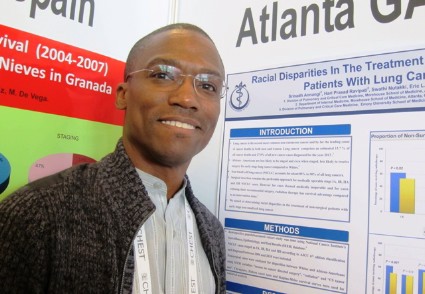
MADRID – Blacks may need additional guidance from clinicians to use radiotherapy for potentially curable lung cancer, a retrospective population-based study suggests.
Among 6,628 patients diagnosed with early-stage nonsquamous non–small cell lung cancer (NSCLC), primary radiation therapy doubled median survival from 11 months to 22.6 months for cases not receiving surgery (Log rank P value less than .0001).
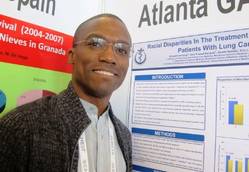
Despite the survival advantage, blacks were significantly more likely than whites were to skip radiotherapy for stage IA NSCLC (46% vs. 37.5%; P = .02), Dr. Eric Flenaugh, chief of pulmonary and critical care medicine and vice chair of the department of medicine at Morehouse School of Medicine, Atlanta, reported at the world congress of the American College of Chest Physicians.
A subgroup analysis of nonsurgical stage IA cases in which surgery was not recommended or was contraindicated showed that 61% of whites went on to radiotherapy, compared with 47% of blacks (P = .007). When surgical resection was recommended but not performed, radiotherapy use was similar between races.
"What this basically says is that if they [blacks] chose not to have surgery, then they weren’t going to have anything," Dr. Flenaugh said in an interview. "We have to look at our approach to discussing with African Americans who have curable-stage cancer, particularly the IAs, that if you’re not a surgical candidate or choose not to have surgery, there are other options like radiotherapy that can improve your survival."
The data did not allow the investigators to determine patients’ chemotherapy status or which factors drove the lower uptake of radiotherapy, but prior research has shown that blacks undergo surgery for lung cancer less often than whites, even after access to care has been demonstrated (J. Clin. Oncol. 2006;24:413-8).
The current analysis, led by internal medicine resident Srinadh Annangi, MBBS, used data from the National Cancer Institute’s SEER (Surveillance, Epidemiology, and End Results) database for 6,628 patients diagnosed with NSCLC between 2004 and 2010, of which 4,210 did not receive surgery. NSCLC was staged as IA, IB, IIA, and IIB according to AJCC (American Joint Committee on Cancer) 6th edition classifications.
A little more than half of the 5,915 whites and 713 African-Americans were male, with a median age of 78 years and 67.5 years, respectively.
The proportion of tumors less than 2 cm in size for stages IA and IIA and less than 5 cm for stages IB and IIB was not significantly different between races, according to the poster presentation.
No significant racial disparities were seen for nonsurgical stage IB, IIA, and IIB cancers.
Among operable NSCLC cases, whites were significantly more likely to have surgery than were blacks (37% vs. 32%; P = .0004), whereas blacks were significantly more likely to have surgery recommended but refused or not performed (9% vs. 6%; P = .012).
Importantly, the proportion of blacks undergoing their recommended surgery was lower for both stage IA (78.3% vs. 86%; P less than .05) and IB cancers (74.6% vs. 81.3%; P less than .05).
The authors note that surgical resection remains the preferred treatment approach for operable stage I and II NSCLC, but conclude that eliminating the racial disparities in radiotherapy for early-stage NSCLC deemed inoperable or where surgery is refused can improve survival in the African American population.
Dr. Flenaugh and his coauthors reported no financial disclosures.
MADRID – Blacks may need additional guidance from clinicians to use radiotherapy for potentially curable lung cancer, a retrospective population-based study suggests.
Among 6,628 patients diagnosed with early-stage nonsquamous non–small cell lung cancer (NSCLC), primary radiation therapy doubled median survival from 11 months to 22.6 months for cases not receiving surgery (Log rank P value less than .0001).
Despite the survival advantage, blacks were significantly more likely than whites were to skip radiotherapy for stage IA NSCLC (46% vs. 37.5%; P = .02), Dr. Eric Flenaugh, chief of pulmonary and critical care medicine and vice chair of the department of medicine at Morehouse School of Medicine, Atlanta, reported at the world congress of the American College of Chest Physicians.
A subgroup analysis of nonsurgical stage IA cases in which surgery was not recommended or was contraindicated showed that 61% of whites went on to radiotherapy, compared with 47% of blacks (P = .007). When surgical resection was recommended but not performed, radiotherapy use was similar between races.
"What this basically says is that if they [blacks] chose not to have surgery, then they weren’t going to have anything," Dr. Flenaugh said in an interview. "We have to look at our approach to discussing with African Americans who have curable-stage cancer, particularly the IAs, that if you’re not a surgical candidate or choose not to have surgery, there are other options like radiotherapy that can improve your survival."
The data did not allow the investigators to determine patients’ chemotherapy status or which factors drove the lower uptake of radiotherapy, but prior research has shown that blacks undergo surgery for lung cancer less often than whites, even after access to care has been demonstrated (J. Clin. Oncol. 2006;24:413-8).
The current analysis, led by internal medicine resident Srinadh Annangi, MBBS, used data from the National Cancer Institute’s SEER (Surveillance, Epidemiology, and End Results) database for 6,628 patients diagnosed with NSCLC between 2004 and 2010, of which 4,210 did not receive surgery. NSCLC was staged as IA, IB, IIA, and IIB according to AJCC (American Joint Committee on Cancer) 6th edition classifications.
A little more than half of the 5,915 whites and 713 African-Americans were male, with a median age of 78 years and 67.5 years, respectively.
The proportion of tumors less than 2 cm in size for stages IA and IIA and less than 5 cm for stages IB and IIB was not significantly different between races, according to the poster presentation.
No significant racial disparities were seen for nonsurgical stage IB, IIA, and IIB cancers.
Among operable NSCLC cases, whites were significantly more likely to have surgery than were blacks (37% vs. 32%; P = .0004), whereas blacks were significantly more likely to have surgery recommended but refused or not performed (9% vs. 6%; P = .012).
Importantly, the proportion of blacks undergoing their recommended surgery was lower for both stage IA (78.3% vs. 86%; P less than .05) and IB cancers (74.6% vs. 81.3%; P less than .05).
The authors note that surgical resection remains the preferred treatment approach for operable stage I and II NSCLC, but conclude that eliminating the racial disparities in radiotherapy for early-stage NSCLC deemed inoperable or where surgery is refused can improve survival in the African American population.
Dr. Flenaugh and his coauthors reported no financial disclosures.
MADRID – Blacks may need additional guidance from clinicians to use radiotherapy for potentially curable lung cancer, a retrospective population-based study suggests.
Among 6,628 patients diagnosed with early-stage nonsquamous non–small cell lung cancer (NSCLC), primary radiation therapy doubled median survival from 11 months to 22.6 months for cases not receiving surgery (Log rank P value less than .0001).
Despite the survival advantage, blacks were significantly more likely than whites were to skip radiotherapy for stage IA NSCLC (46% vs. 37.5%; P = .02), Dr. Eric Flenaugh, chief of pulmonary and critical care medicine and vice chair of the department of medicine at Morehouse School of Medicine, Atlanta, reported at the world congress of the American College of Chest Physicians.
A subgroup analysis of nonsurgical stage IA cases in which surgery was not recommended or was contraindicated showed that 61% of whites went on to radiotherapy, compared with 47% of blacks (P = .007). When surgical resection was recommended but not performed, radiotherapy use was similar between races.
"What this basically says is that if they [blacks] chose not to have surgery, then they weren’t going to have anything," Dr. Flenaugh said in an interview. "We have to look at our approach to discussing with African Americans who have curable-stage cancer, particularly the IAs, that if you’re not a surgical candidate or choose not to have surgery, there are other options like radiotherapy that can improve your survival."
The data did not allow the investigators to determine patients’ chemotherapy status or which factors drove the lower uptake of radiotherapy, but prior research has shown that blacks undergo surgery for lung cancer less often than whites, even after access to care has been demonstrated (J. Clin. Oncol. 2006;24:413-8).
The current analysis, led by internal medicine resident Srinadh Annangi, MBBS, used data from the National Cancer Institute’s SEER (Surveillance, Epidemiology, and End Results) database for 6,628 patients diagnosed with NSCLC between 2004 and 2010, of which 4,210 did not receive surgery. NSCLC was staged as IA, IB, IIA, and IIB according to AJCC (American Joint Committee on Cancer) 6th edition classifications.
A little more than half of the 5,915 whites and 713 African-Americans were male, with a median age of 78 years and 67.5 years, respectively.
The proportion of tumors less than 2 cm in size for stages IA and IIA and less than 5 cm for stages IB and IIB was not significantly different between races, according to the poster presentation.
No significant racial disparities were seen for nonsurgical stage IB, IIA, and IIB cancers.
Among operable NSCLC cases, whites were significantly more likely to have surgery than were blacks (37% vs. 32%; P = .0004), whereas blacks were significantly more likely to have surgery recommended but refused or not performed (9% vs. 6%; P = .012).
Importantly, the proportion of blacks undergoing their recommended surgery was lower for both stage IA (78.3% vs. 86%; P less than .05) and IB cancers (74.6% vs. 81.3%; P less than .05).
The authors note that surgical resection remains the preferred treatment approach for operable stage I and II NSCLC, but conclude that eliminating the racial disparities in radiotherapy for early-stage NSCLC deemed inoperable or where surgery is refused can improve survival in the African American population.
Dr. Flenaugh and his coauthors reported no financial disclosures.
AT CHEST WORLD CONGRESS 2014
Major finding: Blacks were significantly less likely than were whites to receive radiotherapy for stage IA NSCLC (P = .02).
Data source: A population-based cohort study in 6,628 patients with lung cancer.
Disclosures: Dr. Flenaugh and his coauthors reported no financial disclosures.
Cracking the gray ceiling with bevacizumab
MADRID – Results from a small study challenge the long-standing practice of shutting superannuated patients out of phase III trials.
Patients aged 75 years and older are common in everyday clinical practice and comprised almost 10% (8.6%) of 382 nonsquamous non–small cell lung cancer patients who were candidates for bevacizumab (Avastin) between 2001 and 2012, Dr. Andriani Charpidou said in a late-breaking session at the world congress of the American College of Chest Physicians.

Among these 33 patients, 19 had stable cardiovascular disease, 10 had other comorbidities, and 2 had hemoptysis. All patients were Eastern Cooperative Oncology Group (ECOG) performance status 0 or 1 and received a mean of 5.8 cycles (range, 1-21) of bevacizumab.
In all, 26 patients (78.8%) experienced an adverse event, but no AEs were fatal and only 5 patients (15%) discontinued therapy because of toxicities (3 hemoptysis, 1 hematoma, and 1 neutropenia), said Dr. Charpidou, a chest physician with the oncology unit, University of Athens.
Superannuated patients, however, had a higher probability for bleeding events (40%) than reported in the literature.
"There were no thromboembolic events and no worsening of preexisting stable CVD [cardiovascular disease]," she said.
When the investigators compared patients younger than 80 years with those 80 years and older, there were no significant differences in AEs (19 patients vs. 7 patients; P = .652), AEs greater than grade 3 (7 patients vs. 3 patients; P = .673), or discontinuation due to toxicities (5 patients vs. 3 patients; P = .366).
Partial response occurred in 19% and stable disease in 42%, according to the study (Chest 2014;145(3 Suppl):350B).
Once again, no significant differences were observed between the old and superold with regard to progression-free survival (6 months vs. 4 months; P = .660) or overall survival (6.8 months vs. 7.1 months; P = .557), Dr. Charpidou said.
"Taking in mind the limitation of a small sample size, we suggest that superannuated patients should not be excluded from the use of antiangiogenic factors based only on annual age," she said. "Nevertheless, larger cohort studies are needed."
During an interview, session moderator Dr. Mark J. Rosen, medical director with the American College of Chest Physicians, agreed that larger studies are needed, but added, "Every piece of evidence that says ‘Let’s not exclude people because they’re old,’ will push the ball a little further. I think it’s inevitable. Trials are getting more inclusive rather than less so."
During a discussion of the results, CHEST Congress cochair Dr. Joan Soriano of Hospital Universitari Son Espases, Palma de Mallorca, Spain, said that chronic obstructive pulmonary disease trials are being enriched with superannuated patients following the 2012 validation of the Global Lung Function Initiative spirometric prediction equations in patients aged up to 95 years (Eur. Respir. J. 2012;40:1324-43).
"This has reshuffled the clinical trial inclusion criteria, and now some companies already include patients up to 95," he said in an interview. "There aren’t many patients, but at least it’s not an exclusion criterion.
"The populations are aging, so in theory, all these new drugs for cancer, bronchodilators, or anti-inflammatories will be used in the very elderly. So, I’m sure we will see many more superannuated patients in phase III trials."
Dr. Charpidou reported no financial disclosures.
MADRID – Results from a small study challenge the long-standing practice of shutting superannuated patients out of phase III trials.
Patients aged 75 years and older are common in everyday clinical practice and comprised almost 10% (8.6%) of 382 nonsquamous non–small cell lung cancer patients who were candidates for bevacizumab (Avastin) between 2001 and 2012, Dr. Andriani Charpidou said in a late-breaking session at the world congress of the American College of Chest Physicians.
Among these 33 patients, 19 had stable cardiovascular disease, 10 had other comorbidities, and 2 had hemoptysis. All patients were Eastern Cooperative Oncology Group (ECOG) performance status 0 or 1 and received a mean of 5.8 cycles (range, 1-21) of bevacizumab.
In all, 26 patients (78.8%) experienced an adverse event, but no AEs were fatal and only 5 patients (15%) discontinued therapy because of toxicities (3 hemoptysis, 1 hematoma, and 1 neutropenia), said Dr. Charpidou, a chest physician with the oncology unit, University of Athens.
Superannuated patients, however, had a higher probability for bleeding events (40%) than reported in the literature.
"There were no thromboembolic events and no worsening of preexisting stable CVD [cardiovascular disease]," she said.
When the investigators compared patients younger than 80 years with those 80 years and older, there were no significant differences in AEs (19 patients vs. 7 patients; P = .652), AEs greater than grade 3 (7 patients vs. 3 patients; P = .673), or discontinuation due to toxicities (5 patients vs. 3 patients; P = .366).
Partial response occurred in 19% and stable disease in 42%, according to the study (Chest 2014;145(3 Suppl):350B).
Once again, no significant differences were observed between the old and superold with regard to progression-free survival (6 months vs. 4 months; P = .660) or overall survival (6.8 months vs. 7.1 months; P = .557), Dr. Charpidou said.
"Taking in mind the limitation of a small sample size, we suggest that superannuated patients should not be excluded from the use of antiangiogenic factors based only on annual age," she said. "Nevertheless, larger cohort studies are needed."
During an interview, session moderator Dr. Mark J. Rosen, medical director with the American College of Chest Physicians, agreed that larger studies are needed, but added, "Every piece of evidence that says ‘Let’s not exclude people because they’re old,’ will push the ball a little further. I think it’s inevitable. Trials are getting more inclusive rather than less so."
During a discussion of the results, CHEST Congress cochair Dr. Joan Soriano of Hospital Universitari Son Espases, Palma de Mallorca, Spain, said that chronic obstructive pulmonary disease trials are being enriched with superannuated patients following the 2012 validation of the Global Lung Function Initiative spirometric prediction equations in patients aged up to 95 years (Eur. Respir. J. 2012;40:1324-43).
"This has reshuffled the clinical trial inclusion criteria, and now some companies already include patients up to 95," he said in an interview. "There aren’t many patients, but at least it’s not an exclusion criterion.
"The populations are aging, so in theory, all these new drugs for cancer, bronchodilators, or anti-inflammatories will be used in the very elderly. So, I’m sure we will see many more superannuated patients in phase III trials."
Dr. Charpidou reported no financial disclosures.
MADRID – Results from a small study challenge the long-standing practice of shutting superannuated patients out of phase III trials.
Patients aged 75 years and older are common in everyday clinical practice and comprised almost 10% (8.6%) of 382 nonsquamous non–small cell lung cancer patients who were candidates for bevacizumab (Avastin) between 2001 and 2012, Dr. Andriani Charpidou said in a late-breaking session at the world congress of the American College of Chest Physicians.
Among these 33 patients, 19 had stable cardiovascular disease, 10 had other comorbidities, and 2 had hemoptysis. All patients were Eastern Cooperative Oncology Group (ECOG) performance status 0 or 1 and received a mean of 5.8 cycles (range, 1-21) of bevacizumab.
In all, 26 patients (78.8%) experienced an adverse event, but no AEs were fatal and only 5 patients (15%) discontinued therapy because of toxicities (3 hemoptysis, 1 hematoma, and 1 neutropenia), said Dr. Charpidou, a chest physician with the oncology unit, University of Athens.
Superannuated patients, however, had a higher probability for bleeding events (40%) than reported in the literature.
"There were no thromboembolic events and no worsening of preexisting stable CVD [cardiovascular disease]," she said.
When the investigators compared patients younger than 80 years with those 80 years and older, there were no significant differences in AEs (19 patients vs. 7 patients; P = .652), AEs greater than grade 3 (7 patients vs. 3 patients; P = .673), or discontinuation due to toxicities (5 patients vs. 3 patients; P = .366).
Partial response occurred in 19% and stable disease in 42%, according to the study (Chest 2014;145(3 Suppl):350B).
Once again, no significant differences were observed between the old and superold with regard to progression-free survival (6 months vs. 4 months; P = .660) or overall survival (6.8 months vs. 7.1 months; P = .557), Dr. Charpidou said.
"Taking in mind the limitation of a small sample size, we suggest that superannuated patients should not be excluded from the use of antiangiogenic factors based only on annual age," she said. "Nevertheless, larger cohort studies are needed."
During an interview, session moderator Dr. Mark J. Rosen, medical director with the American College of Chest Physicians, agreed that larger studies are needed, but added, "Every piece of evidence that says ‘Let’s not exclude people because they’re old,’ will push the ball a little further. I think it’s inevitable. Trials are getting more inclusive rather than less so."
During a discussion of the results, CHEST Congress cochair Dr. Joan Soriano of Hospital Universitari Son Espases, Palma de Mallorca, Spain, said that chronic obstructive pulmonary disease trials are being enriched with superannuated patients following the 2012 validation of the Global Lung Function Initiative spirometric prediction equations in patients aged up to 95 years (Eur. Respir. J. 2012;40:1324-43).
"This has reshuffled the clinical trial inclusion criteria, and now some companies already include patients up to 95," he said in an interview. "There aren’t many patients, but at least it’s not an exclusion criterion.
"The populations are aging, so in theory, all these new drugs for cancer, bronchodilators, or anti-inflammatories will be used in the very elderly. So, I’m sure we will see many more superannuated patients in phase III trials."
Dr. Charpidou reported no financial disclosures.
AT CHEST WORLD CONGRESS 2014
Major finding: No adverse events were fatal, and only five patients (15%) discontinued therapy because of toxicities.
Data source: A retrospective study of 33 NSCLC patients, aged 75 years and older.
Disclosures: Dr. Charpidou reported no financial disclosures.

Lung transplants in HIV-positive gaining momentum
MADRID – Evidence is mounting that lung transplantation is feasible in highly select patients positive for human immunodeficiency virus.
A retrospective analysis of three patients revealed no long-term resurgence of HIV viremia or profound complications of overt immune suppression. CD4 counts decreased initially in one patient, but recovered after about 1 year with antiretroviral therapy (ART). All patients were adequately controlled on combination ART, had no HIV viremia for 2 years prior to surgery, and had no resistance to standard antiretrovirals.

"Not all HIV-positive patients would be candidates," Dr. Harish Seethamraju said during a late-breaking abstract session at the world congress of the American College of Chest Physicians. "You want to ensure compliance; and an ability to manage complex medication regimens would be the challenge for any person. So, people who have an in-depth knowledge about their disease and are able to manage their HIV well for a prolonged period of time would be ideal candidates."
As with other solid-organ transplants, acute rejection remains a concern and was reported in patient 1, who underwent bilateral transplant for HIV-associated pulmonary arterial hypertension. The patient experienced three episodes of rejection, including bronchiolitis obliterans syndrome and rejection with respiratory syncytial virus pneumonia requiring admission at 15 months, which tipped her course dramatically and resulted in loss of most of her lung function by post-transplant 43 months, he said.
Mild acute rejection occurred in patients 2 and 3, who were transplanted for idiopathic pulmonary fibrosis, but they remain free of acute rejection and are actively employed 15 months and 41 months after transplant.
Surgeons at Houston Methodist Hospital and the University of California, San Francisco, where the transplants were performed, also learned that ART has to be initiated very early on post-transplant, said Dr. Seethamraju, now medical director of the lung transplant program, University of Kentucky, Lexington.
"In patient 2, we found a resurgence of HIV viremia within 10 days, but we just stopped the medication for the first 4 days and that’s all it took for the virus to come back," he said.
The study findings should provide guidance for clinicians considering transplantation in the wake of the recently approved HIV Organ Policy Equity (HOPE) Act, which made it legal in the United States now to transplant HIV-positive organs in HIV-positive patients. HIV patients are often referred for lung transplant because of an increased incidence of pulmonary hypertension and infections, but their HIV status has traditionally been taken as a contraindication due to the potential risks of added immunosuppression, said Dr. Seethamraju. Only one case report has been published of an HIV and hepatitis B virus coinfected patient with cystic fibrosis who underwent successful double lung transplant, he said.
During a discussion of the study, CHEST Congress cochair Dr. Joan Soriano, of Hospital Universitari Son Espases, Palma de Mallorca, Spain, asked whether any of the centers would consider lung transplantation in HIV-positive patients with chronic obstructive pulmonary disease (COPD).
Dr. Seethamraju replied that COPD is the second-most-common indication for transplant after idiopathic pulmonary fibrosis and interstitial lung disease, but that the United Network for Organ Sharing 2005 lung allocation scores are very low for COPD patients, and thus organs would be hard to obtain for this specific group of HIV patients. "But it would be a great candidate for us," he added. "We would definitely do a transplant in that group of patients, irrespective of their HIV status."
Dr. Seethamraju and his coauthors reported no relevant disclosures.
MADRID – Evidence is mounting that lung transplantation is feasible in highly select patients positive for human immunodeficiency virus.
A retrospective analysis of three patients revealed no long-term resurgence of HIV viremia or profound complications of overt immune suppression. CD4 counts decreased initially in one patient, but recovered after about 1 year with antiretroviral therapy (ART). All patients were adequately controlled on combination ART, had no HIV viremia for 2 years prior to surgery, and had no resistance to standard antiretrovirals.
"Not all HIV-positive patients would be candidates," Dr. Harish Seethamraju said during a late-breaking abstract session at the world congress of the American College of Chest Physicians. "You want to ensure compliance; and an ability to manage complex medication regimens would be the challenge for any person. So, people who have an in-depth knowledge about their disease and are able to manage their HIV well for a prolonged period of time would be ideal candidates."
As with other solid-organ transplants, acute rejection remains a concern and was reported in patient 1, who underwent bilateral transplant for HIV-associated pulmonary arterial hypertension. The patient experienced three episodes of rejection, including bronchiolitis obliterans syndrome and rejection with respiratory syncytial virus pneumonia requiring admission at 15 months, which tipped her course dramatically and resulted in loss of most of her lung function by post-transplant 43 months, he said.
Mild acute rejection occurred in patients 2 and 3, who were transplanted for idiopathic pulmonary fibrosis, but they remain free of acute rejection and are actively employed 15 months and 41 months after transplant.
Surgeons at Houston Methodist Hospital and the University of California, San Francisco, where the transplants were performed, also learned that ART has to be initiated very early on post-transplant, said Dr. Seethamraju, now medical director of the lung transplant program, University of Kentucky, Lexington.
"In patient 2, we found a resurgence of HIV viremia within 10 days, but we just stopped the medication for the first 4 days and that’s all it took for the virus to come back," he said.
The study findings should provide guidance for clinicians considering transplantation in the wake of the recently approved HIV Organ Policy Equity (HOPE) Act, which made it legal in the United States now to transplant HIV-positive organs in HIV-positive patients. HIV patients are often referred for lung transplant because of an increased incidence of pulmonary hypertension and infections, but their HIV status has traditionally been taken as a contraindication due to the potential risks of added immunosuppression, said Dr. Seethamraju. Only one case report has been published of an HIV and hepatitis B virus coinfected patient with cystic fibrosis who underwent successful double lung transplant, he said.
During a discussion of the study, CHEST Congress cochair Dr. Joan Soriano, of Hospital Universitari Son Espases, Palma de Mallorca, Spain, asked whether any of the centers would consider lung transplantation in HIV-positive patients with chronic obstructive pulmonary disease (COPD).
Dr. Seethamraju replied that COPD is the second-most-common indication for transplant after idiopathic pulmonary fibrosis and interstitial lung disease, but that the United Network for Organ Sharing 2005 lung allocation scores are very low for COPD patients, and thus organs would be hard to obtain for this specific group of HIV patients. "But it would be a great candidate for us," he added. "We would definitely do a transplant in that group of patients, irrespective of their HIV status."
Dr. Seethamraju and his coauthors reported no relevant disclosures.
MADRID – Evidence is mounting that lung transplantation is feasible in highly select patients positive for human immunodeficiency virus.
A retrospective analysis of three patients revealed no long-term resurgence of HIV viremia or profound complications of overt immune suppression. CD4 counts decreased initially in one patient, but recovered after about 1 year with antiretroviral therapy (ART). All patients were adequately controlled on combination ART, had no HIV viremia for 2 years prior to surgery, and had no resistance to standard antiretrovirals.
"Not all HIV-positive patients would be candidates," Dr. Harish Seethamraju said during a late-breaking abstract session at the world congress of the American College of Chest Physicians. "You want to ensure compliance; and an ability to manage complex medication regimens would be the challenge for any person. So, people who have an in-depth knowledge about their disease and are able to manage their HIV well for a prolonged period of time would be ideal candidates."
As with other solid-organ transplants, acute rejection remains a concern and was reported in patient 1, who underwent bilateral transplant for HIV-associated pulmonary arterial hypertension. The patient experienced three episodes of rejection, including bronchiolitis obliterans syndrome and rejection with respiratory syncytial virus pneumonia requiring admission at 15 months, which tipped her course dramatically and resulted in loss of most of her lung function by post-transplant 43 months, he said.
Mild acute rejection occurred in patients 2 and 3, who were transplanted for idiopathic pulmonary fibrosis, but they remain free of acute rejection and are actively employed 15 months and 41 months after transplant.
Surgeons at Houston Methodist Hospital and the University of California, San Francisco, where the transplants were performed, also learned that ART has to be initiated very early on post-transplant, said Dr. Seethamraju, now medical director of the lung transplant program, University of Kentucky, Lexington.
"In patient 2, we found a resurgence of HIV viremia within 10 days, but we just stopped the medication for the first 4 days and that’s all it took for the virus to come back," he said.
The study findings should provide guidance for clinicians considering transplantation in the wake of the recently approved HIV Organ Policy Equity (HOPE) Act, which made it legal in the United States now to transplant HIV-positive organs in HIV-positive patients. HIV patients are often referred for lung transplant because of an increased incidence of pulmonary hypertension and infections, but their HIV status has traditionally been taken as a contraindication due to the potential risks of added immunosuppression, said Dr. Seethamraju. Only one case report has been published of an HIV and hepatitis B virus coinfected patient with cystic fibrosis who underwent successful double lung transplant, he said.
During a discussion of the study, CHEST Congress cochair Dr. Joan Soriano, of Hospital Universitari Son Espases, Palma de Mallorca, Spain, asked whether any of the centers would consider lung transplantation in HIV-positive patients with chronic obstructive pulmonary disease (COPD).
Dr. Seethamraju replied that COPD is the second-most-common indication for transplant after idiopathic pulmonary fibrosis and interstitial lung disease, but that the United Network for Organ Sharing 2005 lung allocation scores are very low for COPD patients, and thus organs would be hard to obtain for this specific group of HIV patients. "But it would be a great candidate for us," he added. "We would definitely do a transplant in that group of patients, irrespective of their HIV status."
Dr. Seethamraju and his coauthors reported no relevant disclosures.
AT CHEST WORLD CONGRESS 2014
Major finding: Mild acute rejection occurred in two HIV-positive patients who were transplanted for idiopathic pulmonary fibrosis; they have remained free of acute rejection and are actively employed 15 months and 41 months after transplant.
Data source: A retrospective analysis of lung transplantation in three HIV-positive patients.
Disclosures: Dr. Seethamraju and his coauthors reported no relevant disclosures.

Post procedure clopidogrel cuts amputation rates
CHICAGO – Clopidogrel use after endovascular lower-extremity revascularization was significantly associated with 1-year freedom from amputation and survival, but only 38% of the Medicare population was on the drug post intervention in a large retrospective analysis.
Patients with the most severe peripheral vascular disease, ulceration, or gangrene benefited the most from post revascularization clopidogrel (Plavix), but were the least likely to be using the drug, Dr. Mark L. Janzen said at the annual meeting of the Midwestern Vascular Surgical Society.

The analysis involved 14,353 patients, 65 years and older, who underwent lower-extremity revascularization in 2007 and 2008 and were identified from the Medicare Provider Analysis and Review files using ICD-9 codes. Of these, 5,697 had claudication (50%), 1,467 rest pain (10%), and 7,189 ulceration or gangrene (50%).
Overall amputation rates for patients started on clopidogrel right after the procedure were significantly lower than for nonusers at 30 days (10.34% vs. 14.1%), 90 days (14.1% vs. 18.7%), and 1 year (19.7% vs. 24.1%; all P values less than .0001), said Dr. Janzen of the University of Missouri Hospitals and Clinics, Columbia.
Among patients with ulceration or gangrene, limb loss was 21.2% and 26.6% with and without clopidogrel at 30 days, 28.5% and 34.8% at 90 days (P less than .0001), and 38.2% and 43.5% at 1 year.
Only 35.7% of patients with ulceration or gangrene were on post-procedure clopidogrel, compared with 37.4% with rest pain and 40.4% with claudication, according to National Drug Code Directory and Medicare Part D files. Combination therapy with aspirin and clopidogrel or other antiplatelet therapies was not evaluated.
Interestingly, clopidogrel did not significantly affect amputation rates in patients with claudication or rest pain, Dr. Janzen said.
Multivariate logistic regression analyses adjusted for patient demographics, comorbidities, and disease severity, confirmed that clopidogrel nonusers were more likely than users to undergo amputation at 30 days (odds ratio, 1.28), 90 days (OR, 1.29), and 1 year (OR, 1.16).
In the ulceration/gangrene subgroup, failure to use clopidogrel increased the odds of amputation (OR, 1.2) "to levels approaching renal failure (OR, 1.24) and diabetes (OR, 1.6), two known risk factors for below-the-knee amputation," he observed.
Cox regression analyses revealed a 20% higher hazard of death at 1 year among all patients for nonusers than for clopidogrel users (hazard ratio 1.2; P less than .0001).
During a discussion of the study, Dr. Sean Patrick Lyden of the Cleveland Clinic, questioned the impact of end-stage renal disease (ESRD) on the results, remarking that ESRD is probably the strongest predictor of limb loss in patients with ulceration or gangrene and that clopidogrel is typically not given to ESRD patients because the pharmacodynamics are unknown.
Dr. Janzen said it was a valid point, but that the study did not look specifically at ESRD.
This line of questioning was picked up by another attendee, who asked whether amputation rates were calculated for patients with ESRD and diabetes. Although the analysis did not look at outcomes for this lethal combination of comorbidities, Dr. Janzen said a prior study reported a 5-year amputation rate of about 27% in patients with peripheral vascular disease and diabetes (Diabetes Care 2003;26:491-4).
Dr. Iraklis Pipinos, professor of surgery at the University of Nebraska Medical Center in Omaha, commented that "This is a fantastic study and a tremendously important question."
He went on to ask whether the patients with ulceration or gangrene underwent additional lower extremity revascularization procedures, observing that the 1-year amputation rates were quite high in this subgroup.
Dr. Janzen said the study was not designed to determine rates of procedure repetition, although it was noted that overall clopidogrel users were less likely to convert to open bypass early in their post-procedure course.
Finally, the audience asked about the optimal duration of post-procedure clopidogrel, with one attendee observing that it’s not unusual for patients to discontinue clopidogrel 6 weeks after an endovascular revascularization procedure. Dr. Janzen said new cardiology trends recommend that patients with both bare metal and drug-eluting stents remain on clopidogrel for a full year after stent placement and that the optimal duration for patients undergoing endovascular lower limb revascularization is unknown and hopefully will be answered in properly powered randomized trials.
Dr. Janzen and his coauthors reported having no financial disclosures.
CHICAGO – Clopidogrel use after endovascular lower-extremity revascularization was significantly associated with 1-year freedom from amputation and survival, but only 38% of the Medicare population was on the drug post intervention in a large retrospective analysis.
Patients with the most severe peripheral vascular disease, ulceration, or gangrene benefited the most from post revascularization clopidogrel (Plavix), but were the least likely to be using the drug, Dr. Mark L. Janzen said at the annual meeting of the Midwestern Vascular Surgical Society.
The analysis involved 14,353 patients, 65 years and older, who underwent lower-extremity revascularization in 2007 and 2008 and were identified from the Medicare Provider Analysis and Review files using ICD-9 codes. Of these, 5,697 had claudication (50%), 1,467 rest pain (10%), and 7,189 ulceration or gangrene (50%).
Overall amputation rates for patients started on clopidogrel right after the procedure were significantly lower than for nonusers at 30 days (10.34% vs. 14.1%), 90 days (14.1% vs. 18.7%), and 1 year (19.7% vs. 24.1%; all P values less than .0001), said Dr. Janzen of the University of Missouri Hospitals and Clinics, Columbia.
Among patients with ulceration or gangrene, limb loss was 21.2% and 26.6% with and without clopidogrel at 30 days, 28.5% and 34.8% at 90 days (P less than .0001), and 38.2% and 43.5% at 1 year.
Only 35.7% of patients with ulceration or gangrene were on post-procedure clopidogrel, compared with 37.4% with rest pain and 40.4% with claudication, according to National Drug Code Directory and Medicare Part D files. Combination therapy with aspirin and clopidogrel or other antiplatelet therapies was not evaluated.
Interestingly, clopidogrel did not significantly affect amputation rates in patients with claudication or rest pain, Dr. Janzen said.
Multivariate logistic regression analyses adjusted for patient demographics, comorbidities, and disease severity, confirmed that clopidogrel nonusers were more likely than users to undergo amputation at 30 days (odds ratio, 1.28), 90 days (OR, 1.29), and 1 year (OR, 1.16).
In the ulceration/gangrene subgroup, failure to use clopidogrel increased the odds of amputation (OR, 1.2) "to levels approaching renal failure (OR, 1.24) and diabetes (OR, 1.6), two known risk factors for below-the-knee amputation," he observed.
Cox regression analyses revealed a 20% higher hazard of death at 1 year among all patients for nonusers than for clopidogrel users (hazard ratio 1.2; P less than .0001).
During a discussion of the study, Dr. Sean Patrick Lyden of the Cleveland Clinic, questioned the impact of end-stage renal disease (ESRD) on the results, remarking that ESRD is probably the strongest predictor of limb loss in patients with ulceration or gangrene and that clopidogrel is typically not given to ESRD patients because the pharmacodynamics are unknown.
Dr. Janzen said it was a valid point, but that the study did not look specifically at ESRD.
This line of questioning was picked up by another attendee, who asked whether amputation rates were calculated for patients with ESRD and diabetes. Although the analysis did not look at outcomes for this lethal combination of comorbidities, Dr. Janzen said a prior study reported a 5-year amputation rate of about 27% in patients with peripheral vascular disease and diabetes (Diabetes Care 2003;26:491-4).
Dr. Iraklis Pipinos, professor of surgery at the University of Nebraska Medical Center in Omaha, commented that "This is a fantastic study and a tremendously important question."
He went on to ask whether the patients with ulceration or gangrene underwent additional lower extremity revascularization procedures, observing that the 1-year amputation rates were quite high in this subgroup.
Dr. Janzen said the study was not designed to determine rates of procedure repetition, although it was noted that overall clopidogrel users were less likely to convert to open bypass early in their post-procedure course.
Finally, the audience asked about the optimal duration of post-procedure clopidogrel, with one attendee observing that it’s not unusual for patients to discontinue clopidogrel 6 weeks after an endovascular revascularization procedure. Dr. Janzen said new cardiology trends recommend that patients with both bare metal and drug-eluting stents remain on clopidogrel for a full year after stent placement and that the optimal duration for patients undergoing endovascular lower limb revascularization is unknown and hopefully will be answered in properly powered randomized trials.
Dr. Janzen and his coauthors reported having no financial disclosures.
CHICAGO – Clopidogrel use after endovascular lower-extremity revascularization was significantly associated with 1-year freedom from amputation and survival, but only 38% of the Medicare population was on the drug post intervention in a large retrospective analysis.
Patients with the most severe peripheral vascular disease, ulceration, or gangrene benefited the most from post revascularization clopidogrel (Plavix), but were the least likely to be using the drug, Dr. Mark L. Janzen said at the annual meeting of the Midwestern Vascular Surgical Society.
The analysis involved 14,353 patients, 65 years and older, who underwent lower-extremity revascularization in 2007 and 2008 and were identified from the Medicare Provider Analysis and Review files using ICD-9 codes. Of these, 5,697 had claudication (50%), 1,467 rest pain (10%), and 7,189 ulceration or gangrene (50%).
Overall amputation rates for patients started on clopidogrel right after the procedure were significantly lower than for nonusers at 30 days (10.34% vs. 14.1%), 90 days (14.1% vs. 18.7%), and 1 year (19.7% vs. 24.1%; all P values less than .0001), said Dr. Janzen of the University of Missouri Hospitals and Clinics, Columbia.
Among patients with ulceration or gangrene, limb loss was 21.2% and 26.6% with and without clopidogrel at 30 days, 28.5% and 34.8% at 90 days (P less than .0001), and 38.2% and 43.5% at 1 year.
Only 35.7% of patients with ulceration or gangrene were on post-procedure clopidogrel, compared with 37.4% with rest pain and 40.4% with claudication, according to National Drug Code Directory and Medicare Part D files. Combination therapy with aspirin and clopidogrel or other antiplatelet therapies was not evaluated.
Interestingly, clopidogrel did not significantly affect amputation rates in patients with claudication or rest pain, Dr. Janzen said.
Multivariate logistic regression analyses adjusted for patient demographics, comorbidities, and disease severity, confirmed that clopidogrel nonusers were more likely than users to undergo amputation at 30 days (odds ratio, 1.28), 90 days (OR, 1.29), and 1 year (OR, 1.16).
In the ulceration/gangrene subgroup, failure to use clopidogrel increased the odds of amputation (OR, 1.2) "to levels approaching renal failure (OR, 1.24) and diabetes (OR, 1.6), two known risk factors for below-the-knee amputation," he observed.
Cox regression analyses revealed a 20% higher hazard of death at 1 year among all patients for nonusers than for clopidogrel users (hazard ratio 1.2; P less than .0001).
During a discussion of the study, Dr. Sean Patrick Lyden of the Cleveland Clinic, questioned the impact of end-stage renal disease (ESRD) on the results, remarking that ESRD is probably the strongest predictor of limb loss in patients with ulceration or gangrene and that clopidogrel is typically not given to ESRD patients because the pharmacodynamics are unknown.
Dr. Janzen said it was a valid point, but that the study did not look specifically at ESRD.
This line of questioning was picked up by another attendee, who asked whether amputation rates were calculated for patients with ESRD and diabetes. Although the analysis did not look at outcomes for this lethal combination of comorbidities, Dr. Janzen said a prior study reported a 5-year amputation rate of about 27% in patients with peripheral vascular disease and diabetes (Diabetes Care 2003;26:491-4).
Dr. Iraklis Pipinos, professor of surgery at the University of Nebraska Medical Center in Omaha, commented that "This is a fantastic study and a tremendously important question."
He went on to ask whether the patients with ulceration or gangrene underwent additional lower extremity revascularization procedures, observing that the 1-year amputation rates were quite high in this subgroup.
Dr. Janzen said the study was not designed to determine rates of procedure repetition, although it was noted that overall clopidogrel users were less likely to convert to open bypass early in their post-procedure course.
Finally, the audience asked about the optimal duration of post-procedure clopidogrel, with one attendee observing that it’s not unusual for patients to discontinue clopidogrel 6 weeks after an endovascular revascularization procedure. Dr. Janzen said new cardiology trends recommend that patients with both bare metal and drug-eluting stents remain on clopidogrel for a full year after stent placement and that the optimal duration for patients undergoing endovascular lower limb revascularization is unknown and hopefully will be answered in properly powered randomized trials.
Dr. Janzen and his coauthors reported having no financial disclosures.
AT MIDWESTERN VASCULAR 2013
Key clinical point: Post procedure clopidogrel use was associated with a lower risk of amputation at 1 year for all patients and for patients with ulceration or gangrene.
Major finding: Cox regression analyses revealed a 20% higher hazard of death at 1 year among all patients for nonusers than for clopidogrel users (hazard ratio 1.2; P less than .0001).
Data source: Retrospective analysis of 14,353 patients undergoing endovascular lower-extremity revascularization.
Disclosures: Dr. Janzen and his coauthors reported having no financial disclosures.

ACIP advisory panel mulls three-dose PCV13 schedule
A federal vaccine advisory panel is weighing options for a three-dose pneumococcal conjugate vaccination schedule for healthy infants and toddlers.
At least 34 developed countries, including most provinces in Canada, are already using a three-dose schedule for the 13-valent pneumococcal conjugate (PCV13) vaccine (Prevnar) as part of routine immunization programs. The three doses can be delivered either as a two-dose primary series followed by a booster (2+1) or a three-dose primary series without a booster (3+0).

Current Centers for Disease Control and Prevention (CDC) recommendations call for routine immunization of generally healthy infants, aged 2-59 months, using a four-dose schedule at 2, 4, 6, and 12-15 months (3+1).
An exhaustive GRADE (Grading of Recommendations Assessment, Development & Evaluation) review of the evidence strongly supports all of the schedules (3+1, 3+0, and 2+1) compared with no vaccination. There was high-quality evidence that shows each schedule is effective against invasive pneumococcal disease and pneumonia in children, in addition to demonstrating large indirect herd effects among adults.
In the absence of randomized trials with clinical outcomes directly comparing three- and four-dose schedules, evidence supporting three-dose schedules was limited to immunogenicity studies, Sara Tomczyk, R.N., of the CDC National Center for Immunization and Respiratory Diseases (NCIRD), said at a meeting of the CDC’s Advisory Committee on Immunization Practices (ACIP).
The pneumococcal working group concluded that the GRADE review suggests that "three-dose schedules are likely equivalent to a four-dose schedule," strong evidence from countries using three-dose schedules is reassuring, and a three-dose schedule for infants is "likely appropriate to maintain already observed benefits from 13 years of PCV use in the U.S."
Dr. Michael T. Brady, chair of the American Academy of Pediatrics infectious diseases committee and an ACIP liaison representative, pointed out that vaccine efficacy against invasive pneumococcal disease with the 3+0 schedule was only about 74%, while it was in the mid-90s with the 2+1 and 3+1 schedules.
"I don’t think you can say they’re equivalent," he said. "If you’re looking at whether 3+0 prevents pneumococcal disease, yes, but is it equivalent to the other ones, no."
Dr. Brady also expressed concerns about the generalizability of the results to the U.S. population, as most of the 3+0 studies were conducted in African countries, and that use of a three-dose schedule could reintroduce disparities in pneumococcal disease rates among African American children observed prior to PCV introduction.
"I would hate to find that we actually do need higher levels of antibody to protect African American children," said Dr Brady, who is professor and chair of pediatrics at Ohio State University, Columbus. "If we went to a schedule that was either 2+1 or 3+0, and we now returned to having a disparity, I would be very uncomfortable. I think that’s one of the issues that needs to be addressed."
The working group is not prepared to make a specific policy recommendation at this time, but it is considering the following policy options:
• Option 1. 2+1 for routine use, 3+1 for high-risk groups, to be defined.
• Option 2. 3+0 for routine use, 3+1 for high-risk groups, to be defined
• Option 3. Three-dose schedules (2+1 or 3+0) for routine use, 3+1 recommended at provider discretion for healthy infants, 3+1 for high-risk groups, to be defined.
• Option 4. 3+1 for routine use, three-dose schedules (2+1 or 3+0) optional for healthy infants, 3+1 for high-risk groups.
• Option 5. Status quo.
Unpublished 2012 National Immunization Survey data, also presented at the meeting, show that only a small proportion (10.4%) of U.S. children receive a total of three PCV doses and that coverage decreases with increasing poverty for all schedules. In all, 89.5% of children living in families with an annual income of more than $75,000 received at least three PCV doses before 12 months versus 80.3% of children living below poverty. Within each poverty level, coverage was lowest for the 3+1 schedule, said Dr. Tamara Pilishvili, CDC/NCIRD liaison to the ACIP pneumococcal working group.
Although most parents follow the recommended vaccine schedules, evidence suggests that a large proportion of parents may be "at risk" of switching to an alternative schedule, she said.
A recent cross-sectional survey of 748 parents found that more than 1 in 10 parents of young children, aged 6 months to 6 years, already follow an alternative vaccination schedule, with nonblack race and not having a regular provider increasing the odds of doing so. Further, 28% of parents surveyed thought delaying vaccine doses was safer than the schedule they used (Pediatrics 2011;128:848-56).
Data are unclear, however, whether removing a PCV dose at 6 months (2+1) or at 12-15 months (3+0) will help reduce refusals or delays of other recommended vaccines, Dr. Pilishvili said.
Several attendees who were ACIP liaison representatives expressed concern about the interval between PCV13 doses in the various schedules. Dr. Ruth Karron, director of the Center for Immunization Research and the Johns Hopkins Vaccine Initiative, Baltimore, was troubled by the 2+1 schedule, observing that if parents delay too long, there is invasive disease that occurs in the 12- to 18-month age range.
"I’m wondering if the data we already have are telling us something about a 2+1 versus a 3+0 schedule," she added.
Dr. Mark Netoskie of America’s Health Insurance Plans, reminded the committee about the "quagmire" that occurred with permissive recommendations for human papillomavirus vaccinations.
"I speak against options 3 and 4 [i.e., permissive recommendations], as it will open a quagmire, and I foresee a potential for scattered coverage across the country," he said. "The data’s either strong enough to recommend it or the data’s not strong enough to recommend it, or it’s strong enough to recommend it or recommend it for certain groups."
Dr. Pilishvili responded, "I appreciate your comment. There were several on the working group who shared your concerns."
Among its conclusions, the working group stated that a three-dose PCV13 schedule for routine use among infants requires careful consideration of implementation issues, and that further discussion is needed to define groups to be excluded from potential policy change and on the potential impact on nonadherence.
Dr. Pilishvili and Ms. Tomczyk reported having no financial disclosures.
A federal vaccine advisory panel is weighing options for a three-dose pneumococcal conjugate vaccination schedule for healthy infants and toddlers.
At least 34 developed countries, including most provinces in Canada, are already using a three-dose schedule for the 13-valent pneumococcal conjugate (PCV13) vaccine (Prevnar) as part of routine immunization programs. The three doses can be delivered either as a two-dose primary series followed by a booster (2+1) or a three-dose primary series without a booster (3+0).
Current Centers for Disease Control and Prevention (CDC) recommendations call for routine immunization of generally healthy infants, aged 2-59 months, using a four-dose schedule at 2, 4, 6, and 12-15 months (3+1).
An exhaustive GRADE (Grading of Recommendations Assessment, Development & Evaluation) review of the evidence strongly supports all of the schedules (3+1, 3+0, and 2+1) compared with no vaccination. There was high-quality evidence that shows each schedule is effective against invasive pneumococcal disease and pneumonia in children, in addition to demonstrating large indirect herd effects among adults.
In the absence of randomized trials with clinical outcomes directly comparing three- and four-dose schedules, evidence supporting three-dose schedules was limited to immunogenicity studies, Sara Tomczyk, R.N., of the CDC National Center for Immunization and Respiratory Diseases (NCIRD), said at a meeting of the CDC’s Advisory Committee on Immunization Practices (ACIP).
The pneumococcal working group concluded that the GRADE review suggests that "three-dose schedules are likely equivalent to a four-dose schedule," strong evidence from countries using three-dose schedules is reassuring, and a three-dose schedule for infants is "likely appropriate to maintain already observed benefits from 13 years of PCV use in the U.S."
Dr. Michael T. Brady, chair of the American Academy of Pediatrics infectious diseases committee and an ACIP liaison representative, pointed out that vaccine efficacy against invasive pneumococcal disease with the 3+0 schedule was only about 74%, while it was in the mid-90s with the 2+1 and 3+1 schedules.
"I don’t think you can say they’re equivalent," he said. "If you’re looking at whether 3+0 prevents pneumococcal disease, yes, but is it equivalent to the other ones, no."
Dr. Brady also expressed concerns about the generalizability of the results to the U.S. population, as most of the 3+0 studies were conducted in African countries, and that use of a three-dose schedule could reintroduce disparities in pneumococcal disease rates among African American children observed prior to PCV introduction.
"I would hate to find that we actually do need higher levels of antibody to protect African American children," said Dr Brady, who is professor and chair of pediatrics at Ohio State University, Columbus. "If we went to a schedule that was either 2+1 or 3+0, and we now returned to having a disparity, I would be very uncomfortable. I think that’s one of the issues that needs to be addressed."
The working group is not prepared to make a specific policy recommendation at this time, but it is considering the following policy options:
• Option 1. 2+1 for routine use, 3+1 for high-risk groups, to be defined.
• Option 2. 3+0 for routine use, 3+1 for high-risk groups, to be defined
• Option 3. Three-dose schedules (2+1 or 3+0) for routine use, 3+1 recommended at provider discretion for healthy infants, 3+1 for high-risk groups, to be defined.
• Option 4. 3+1 for routine use, three-dose schedules (2+1 or 3+0) optional for healthy infants, 3+1 for high-risk groups.
• Option 5. Status quo.
Unpublished 2012 National Immunization Survey data, also presented at the meeting, show that only a small proportion (10.4%) of U.S. children receive a total of three PCV doses and that coverage decreases with increasing poverty for all schedules. In all, 89.5% of children living in families with an annual income of more than $75,000 received at least three PCV doses before 12 months versus 80.3% of children living below poverty. Within each poverty level, coverage was lowest for the 3+1 schedule, said Dr. Tamara Pilishvili, CDC/NCIRD liaison to the ACIP pneumococcal working group.
Although most parents follow the recommended vaccine schedules, evidence suggests that a large proportion of parents may be "at risk" of switching to an alternative schedule, she said.
A recent cross-sectional survey of 748 parents found that more than 1 in 10 parents of young children, aged 6 months to 6 years, already follow an alternative vaccination schedule, with nonblack race and not having a regular provider increasing the odds of doing so. Further, 28% of parents surveyed thought delaying vaccine doses was safer than the schedule they used (Pediatrics 2011;128:848-56).
Data are unclear, however, whether removing a PCV dose at 6 months (2+1) or at 12-15 months (3+0) will help reduce refusals or delays of other recommended vaccines, Dr. Pilishvili said.
Several attendees who were ACIP liaison representatives expressed concern about the interval between PCV13 doses in the various schedules. Dr. Ruth Karron, director of the Center for Immunization Research and the Johns Hopkins Vaccine Initiative, Baltimore, was troubled by the 2+1 schedule, observing that if parents delay too long, there is invasive disease that occurs in the 12- to 18-month age range.
"I’m wondering if the data we already have are telling us something about a 2+1 versus a 3+0 schedule," she added.
Dr. Mark Netoskie of America’s Health Insurance Plans, reminded the committee about the "quagmire" that occurred with permissive recommendations for human papillomavirus vaccinations.
"I speak against options 3 and 4 [i.e., permissive recommendations], as it will open a quagmire, and I foresee a potential for scattered coverage across the country," he said. "The data’s either strong enough to recommend it or the data’s not strong enough to recommend it, or it’s strong enough to recommend it or recommend it for certain groups."
Dr. Pilishvili responded, "I appreciate your comment. There were several on the working group who shared your concerns."
Among its conclusions, the working group stated that a three-dose PCV13 schedule for routine use among infants requires careful consideration of implementation issues, and that further discussion is needed to define groups to be excluded from potential policy change and on the potential impact on nonadherence.
Dr. Pilishvili and Ms. Tomczyk reported having no financial disclosures.
A federal vaccine advisory panel is weighing options for a three-dose pneumococcal conjugate vaccination schedule for healthy infants and toddlers.
At least 34 developed countries, including most provinces in Canada, are already using a three-dose schedule for the 13-valent pneumococcal conjugate (PCV13) vaccine (Prevnar) as part of routine immunization programs. The three doses can be delivered either as a two-dose primary series followed by a booster (2+1) or a three-dose primary series without a booster (3+0).
Current Centers for Disease Control and Prevention (CDC) recommendations call for routine immunization of generally healthy infants, aged 2-59 months, using a four-dose schedule at 2, 4, 6, and 12-15 months (3+1).
An exhaustive GRADE (Grading of Recommendations Assessment, Development & Evaluation) review of the evidence strongly supports all of the schedules (3+1, 3+0, and 2+1) compared with no vaccination. There was high-quality evidence that shows each schedule is effective against invasive pneumococcal disease and pneumonia in children, in addition to demonstrating large indirect herd effects among adults.
In the absence of randomized trials with clinical outcomes directly comparing three- and four-dose schedules, evidence supporting three-dose schedules was limited to immunogenicity studies, Sara Tomczyk, R.N., of the CDC National Center for Immunization and Respiratory Diseases (NCIRD), said at a meeting of the CDC’s Advisory Committee on Immunization Practices (ACIP).
The pneumococcal working group concluded that the GRADE review suggests that "three-dose schedules are likely equivalent to a four-dose schedule," strong evidence from countries using three-dose schedules is reassuring, and a three-dose schedule for infants is "likely appropriate to maintain already observed benefits from 13 years of PCV use in the U.S."
Dr. Michael T. Brady, chair of the American Academy of Pediatrics infectious diseases committee and an ACIP liaison representative, pointed out that vaccine efficacy against invasive pneumococcal disease with the 3+0 schedule was only about 74%, while it was in the mid-90s with the 2+1 and 3+1 schedules.
"I don’t think you can say they’re equivalent," he said. "If you’re looking at whether 3+0 prevents pneumococcal disease, yes, but is it equivalent to the other ones, no."
Dr. Brady also expressed concerns about the generalizability of the results to the U.S. population, as most of the 3+0 studies were conducted in African countries, and that use of a three-dose schedule could reintroduce disparities in pneumococcal disease rates among African American children observed prior to PCV introduction.
"I would hate to find that we actually do need higher levels of antibody to protect African American children," said Dr Brady, who is professor and chair of pediatrics at Ohio State University, Columbus. "If we went to a schedule that was either 2+1 or 3+0, and we now returned to having a disparity, I would be very uncomfortable. I think that’s one of the issues that needs to be addressed."
The working group is not prepared to make a specific policy recommendation at this time, but it is considering the following policy options:
• Option 1. 2+1 for routine use, 3+1 for high-risk groups, to be defined.
• Option 2. 3+0 for routine use, 3+1 for high-risk groups, to be defined
• Option 3. Three-dose schedules (2+1 or 3+0) for routine use, 3+1 recommended at provider discretion for healthy infants, 3+1 for high-risk groups, to be defined.
• Option 4. 3+1 for routine use, three-dose schedules (2+1 or 3+0) optional for healthy infants, 3+1 for high-risk groups.
• Option 5. Status quo.
Unpublished 2012 National Immunization Survey data, also presented at the meeting, show that only a small proportion (10.4%) of U.S. children receive a total of three PCV doses and that coverage decreases with increasing poverty for all schedules. In all, 89.5% of children living in families with an annual income of more than $75,000 received at least three PCV doses before 12 months versus 80.3% of children living below poverty. Within each poverty level, coverage was lowest for the 3+1 schedule, said Dr. Tamara Pilishvili, CDC/NCIRD liaison to the ACIP pneumococcal working group.
Although most parents follow the recommended vaccine schedules, evidence suggests that a large proportion of parents may be "at risk" of switching to an alternative schedule, she said.
A recent cross-sectional survey of 748 parents found that more than 1 in 10 parents of young children, aged 6 months to 6 years, already follow an alternative vaccination schedule, with nonblack race and not having a regular provider increasing the odds of doing so. Further, 28% of parents surveyed thought delaying vaccine doses was safer than the schedule they used (Pediatrics 2011;128:848-56).
Data are unclear, however, whether removing a PCV dose at 6 months (2+1) or at 12-15 months (3+0) will help reduce refusals or delays of other recommended vaccines, Dr. Pilishvili said.
Several attendees who were ACIP liaison representatives expressed concern about the interval between PCV13 doses in the various schedules. Dr. Ruth Karron, director of the Center for Immunization Research and the Johns Hopkins Vaccine Initiative, Baltimore, was troubled by the 2+1 schedule, observing that if parents delay too long, there is invasive disease that occurs in the 12- to 18-month age range.
"I’m wondering if the data we already have are telling us something about a 2+1 versus a 3+0 schedule," she added.
Dr. Mark Netoskie of America’s Health Insurance Plans, reminded the committee about the "quagmire" that occurred with permissive recommendations for human papillomavirus vaccinations.
"I speak against options 3 and 4 [i.e., permissive recommendations], as it will open a quagmire, and I foresee a potential for scattered coverage across the country," he said. "The data’s either strong enough to recommend it or the data’s not strong enough to recommend it, or it’s strong enough to recommend it or recommend it for certain groups."
Dr. Pilishvili responded, "I appreciate your comment. There were several on the working group who shared your concerns."
Among its conclusions, the working group stated that a three-dose PCV13 schedule for routine use among infants requires careful consideration of implementation issues, and that further discussion is needed to define groups to be excluded from potential policy change and on the potential impact on nonadherence.
Dr. Pilishvili and Ms. Tomczyk reported having no financial disclosures.
FROM AN ACIP MEETING

Novel anticoagulants get nod in new AF guidelines
New guidelines for managing patients with nonvalvular atrial fibrillation recommend dabigatran, rivaroxaban, and apixaban, as well as warfarin, and call on physicians to use a more comprehensive stroke risk calculator.
"I think physicians are still learning how to use the newer anticoagulants, and this is something that will require time," said Dr. Craig T. January, chair of the AF guidelines committee, assembled by the American College of Cardiology, the American Heart Association, and the Heart Rhythm Society.
The guidelines, published in Circulation and in the Journal of the American College of Cardiology, focus on nonvalvular AF and feature a detailed dosing chart organized by anticoagulant type and renal function, which is impaired in up to 20% of those with AF.
"The goal was to create a straightforward chart on how to use these drugs," said Dr. January, a clinician/scientist with the University of Wisconsin School of Medicine and Public Health, Madison.

Dabigatran (Pradaxa) and rivaroxaban (Xarelto) are not recommended for AF patients with nonvalvular disease and end-stage kidney disease, either on or off dialysis, because of a lack of evidence from clinical trials regarding the balance of risks and benefits.
No recommendation was made for apixaban (Eliquis) in patients with severe or end-stage renal impairment, because of a lack of published data, although a recent secondary analysis of the ARISTOTLE (Apixaban for the Prevention of Stroke in Subjects With Atrial Fibrillation) trial suggests the direct factor Xa inhibitor provides the greatest reduction in major bleeding in patients with impaired renal function compared with warfarin (Eur. Heart J. 2012;33:2821-30).
The guidelines advise clinicians to evaluate renal function prior to initiating any of the direct thrombin or factor Xa inhibitors, and to reevaluate at least annually and when clinically indicated.
Previously, warfarin (Coumadin) was the only recommended anticoagulant in the 2006 guidelines. It’s admittedly cheaper, but the guidelines note that the novel anticoagulants eliminate dietary limitations and the need for repeated international normalized ratio (INR) monitoring, and have more predictable pharmacological profiles and fewer drug-drug interactions.
The oral agents have revolutionized the treatment of AF since entering the market in the past few years, but by no means replace warfarin.
For patients with nonvalvular AF who are well controlled and satisfied with warfarin therapy, the guidelines say, "It is not necessary to change to one of the newer agents," Dr. January observed.
Warfarin should also be used for valvular AF to manage patients with a mechanical heart valve or hemodynamically significant mitral stenosis because these populations were excluded from all three major trials – RE-LY (Randomized Evaluation of Long Term Anticoagulant Therapy With Dabigatran Etexilate), ROCKET-AF (An Efficacy and Safety Study of Rivaroxaban With Warfarin for the Prevention of Stroke and Non-Central Nervous System Systemic Embolism in Patients With Non-Valvular Atrial Fibrillation), and ARISTOTLE – that led to the approval of the newer anticoagulants.
Dabigatran is specifically not recommended for patients with a mechanical valve because of the potential for harm, which was recently recognized by the Food and Drug Administration.
The document includes a section on dose interruption and bridging therapy, which in part reflects the fact that the new oral agents carry a black box warning from the FDA because discontinuation can increase the risk of thromboembolism. In addition, reversal agents are in development, but they are not currently available should immediate reversal be needed.
The new recommendations will elicit discussion, but are not expected to be controversial like the updated cholesterol management guidelines recently released by the American College of Cardiology and the American Heart Association, Dr. January said.
Another noteworthy change is the diminished use of aspirin in preventing stroke. "Most of the published data have shown that aspirin is not as effective as full anticoagulation and that aspirin itself in many trials has little benefit. This was a point of a lot of discussion in the committee," he said.
To calculate stroke risk, the guidelines recommend that clinicians use the CHA2DS2-VASc (Congestive heart failure, Hypertension, Age 75 or older (doubled), Diabetes mellitus, Prior Stroke or TIA or thromboembolism (doubled), Vascular disease, Age 65 to 74 years, Sex category female) calculator because it has a broader score range (0 to 9) and includes a larger number of risk factors than the older CHADS2 score.
"What the CHA2DS2-VASc provides is better discrimination for patients at the lower end of risk," Dr. January said. "I think there was uniform agreement in the committee that the CHA2DS2-VASc was the preferred risk calculator and that we should move on from the CHADS2 score.
"The CHA2DS2-VASc score is an interesting score because, depending on how you implement it, women can never have a score of zero," he added. "In fact, there are data out of Europe in the last year that the risk of stroke in women [with AF] is really quite low for those under 65."
As with the 2006 guidelines, the new document emphasizes an increased role for using radiofrequency ablation in the treatment of AF. This reflects the continued evolution of the technology as an AF therapy, Dr. January said. As a result, RF ablation will be increasingly used for AF treatment, particularly in symptomatic patients.
The work of the writing committee was supported exclusively by the American College of Cardiology, the American Heart Association, and the Heart Rhythm Society without commercial support. Dr. January and his coauthors reported no relevant industry relationships.
New guidelines for managing patients with nonvalvular atrial fibrillation recommend dabigatran, rivaroxaban, and apixaban, as well as warfarin, and call on physicians to use a more comprehensive stroke risk calculator.
"I think physicians are still learning how to use the newer anticoagulants, and this is something that will require time," said Dr. Craig T. January, chair of the AF guidelines committee, assembled by the American College of Cardiology, the American Heart Association, and the Heart Rhythm Society.
The guidelines, published in Circulation and in the Journal of the American College of Cardiology, focus on nonvalvular AF and feature a detailed dosing chart organized by anticoagulant type and renal function, which is impaired in up to 20% of those with AF.
"The goal was to create a straightforward chart on how to use these drugs," said Dr. January, a clinician/scientist with the University of Wisconsin School of Medicine and Public Health, Madison.
Dabigatran (Pradaxa) and rivaroxaban (Xarelto) are not recommended for AF patients with nonvalvular disease and end-stage kidney disease, either on or off dialysis, because of a lack of evidence from clinical trials regarding the balance of risks and benefits.
No recommendation was made for apixaban (Eliquis) in patients with severe or end-stage renal impairment, because of a lack of published data, although a recent secondary analysis of the ARISTOTLE (Apixaban for the Prevention of Stroke in Subjects With Atrial Fibrillation) trial suggests the direct factor Xa inhibitor provides the greatest reduction in major bleeding in patients with impaired renal function compared with warfarin (Eur. Heart J. 2012;33:2821-30).
The guidelines advise clinicians to evaluate renal function prior to initiating any of the direct thrombin or factor Xa inhibitors, and to reevaluate at least annually and when clinically indicated.
Previously, warfarin (Coumadin) was the only recommended anticoagulant in the 2006 guidelines. It’s admittedly cheaper, but the guidelines note that the novel anticoagulants eliminate dietary limitations and the need for repeated international normalized ratio (INR) monitoring, and have more predictable pharmacological profiles and fewer drug-drug interactions.
The oral agents have revolutionized the treatment of AF since entering the market in the past few years, but by no means replace warfarin.
For patients with nonvalvular AF who are well controlled and satisfied with warfarin therapy, the guidelines say, "It is not necessary to change to one of the newer agents," Dr. January observed.
Warfarin should also be used for valvular AF to manage patients with a mechanical heart valve or hemodynamically significant mitral stenosis because these populations were excluded from all three major trials – RE-LY (Randomized Evaluation of Long Term Anticoagulant Therapy With Dabigatran Etexilate), ROCKET-AF (An Efficacy and Safety Study of Rivaroxaban With Warfarin for the Prevention of Stroke and Non-Central Nervous System Systemic Embolism in Patients With Non-Valvular Atrial Fibrillation), and ARISTOTLE – that led to the approval of the newer anticoagulants.
Dabigatran is specifically not recommended for patients with a mechanical valve because of the potential for harm, which was recently recognized by the Food and Drug Administration.
The document includes a section on dose interruption and bridging therapy, which in part reflects the fact that the new oral agents carry a black box warning from the FDA because discontinuation can increase the risk of thromboembolism. In addition, reversal agents are in development, but they are not currently available should immediate reversal be needed.
The new recommendations will elicit discussion, but are not expected to be controversial like the updated cholesterol management guidelines recently released by the American College of Cardiology and the American Heart Association, Dr. January said.
Another noteworthy change is the diminished use of aspirin in preventing stroke. "Most of the published data have shown that aspirin is not as effective as full anticoagulation and that aspirin itself in many trials has little benefit. This was a point of a lot of discussion in the committee," he said.
To calculate stroke risk, the guidelines recommend that clinicians use the CHA2DS2-VASc (Congestive heart failure, Hypertension, Age 75 or older (doubled), Diabetes mellitus, Prior Stroke or TIA or thromboembolism (doubled), Vascular disease, Age 65 to 74 years, Sex category female) calculator because it has a broader score range (0 to 9) and includes a larger number of risk factors than the older CHADS2 score.
"What the CHA2DS2-VASc provides is better discrimination for patients at the lower end of risk," Dr. January said. "I think there was uniform agreement in the committee that the CHA2DS2-VASc was the preferred risk calculator and that we should move on from the CHADS2 score.
"The CHA2DS2-VASc score is an interesting score because, depending on how you implement it, women can never have a score of zero," he added. "In fact, there are data out of Europe in the last year that the risk of stroke in women [with AF] is really quite low for those under 65."
As with the 2006 guidelines, the new document emphasizes an increased role for using radiofrequency ablation in the treatment of AF. This reflects the continued evolution of the technology as an AF therapy, Dr. January said. As a result, RF ablation will be increasingly used for AF treatment, particularly in symptomatic patients.
The work of the writing committee was supported exclusively by the American College of Cardiology, the American Heart Association, and the Heart Rhythm Society without commercial support. Dr. January and his coauthors reported no relevant industry relationships.
New guidelines for managing patients with nonvalvular atrial fibrillation recommend dabigatran, rivaroxaban, and apixaban, as well as warfarin, and call on physicians to use a more comprehensive stroke risk calculator.
"I think physicians are still learning how to use the newer anticoagulants, and this is something that will require time," said Dr. Craig T. January, chair of the AF guidelines committee, assembled by the American College of Cardiology, the American Heart Association, and the Heart Rhythm Society.
The guidelines, published in Circulation and in the Journal of the American College of Cardiology, focus on nonvalvular AF and feature a detailed dosing chart organized by anticoagulant type and renal function, which is impaired in up to 20% of those with AF.
"The goal was to create a straightforward chart on how to use these drugs," said Dr. January, a clinician/scientist with the University of Wisconsin School of Medicine and Public Health, Madison.
Dabigatran (Pradaxa) and rivaroxaban (Xarelto) are not recommended for AF patients with nonvalvular disease and end-stage kidney disease, either on or off dialysis, because of a lack of evidence from clinical trials regarding the balance of risks and benefits.
No recommendation was made for apixaban (Eliquis) in patients with severe or end-stage renal impairment, because of a lack of published data, although a recent secondary analysis of the ARISTOTLE (Apixaban for the Prevention of Stroke in Subjects With Atrial Fibrillation) trial suggests the direct factor Xa inhibitor provides the greatest reduction in major bleeding in patients with impaired renal function compared with warfarin (Eur. Heart J. 2012;33:2821-30).
The guidelines advise clinicians to evaluate renal function prior to initiating any of the direct thrombin or factor Xa inhibitors, and to reevaluate at least annually and when clinically indicated.
Previously, warfarin (Coumadin) was the only recommended anticoagulant in the 2006 guidelines. It’s admittedly cheaper, but the guidelines note that the novel anticoagulants eliminate dietary limitations and the need for repeated international normalized ratio (INR) monitoring, and have more predictable pharmacological profiles and fewer drug-drug interactions.
The oral agents have revolutionized the treatment of AF since entering the market in the past few years, but by no means replace warfarin.
For patients with nonvalvular AF who are well controlled and satisfied with warfarin therapy, the guidelines say, "It is not necessary to change to one of the newer agents," Dr. January observed.
Warfarin should also be used for valvular AF to manage patients with a mechanical heart valve or hemodynamically significant mitral stenosis because these populations were excluded from all three major trials – RE-LY (Randomized Evaluation of Long Term Anticoagulant Therapy With Dabigatran Etexilate), ROCKET-AF (An Efficacy and Safety Study of Rivaroxaban With Warfarin for the Prevention of Stroke and Non-Central Nervous System Systemic Embolism in Patients With Non-Valvular Atrial Fibrillation), and ARISTOTLE – that led to the approval of the newer anticoagulants.
Dabigatran is specifically not recommended for patients with a mechanical valve because of the potential for harm, which was recently recognized by the Food and Drug Administration.
The document includes a section on dose interruption and bridging therapy, which in part reflects the fact that the new oral agents carry a black box warning from the FDA because discontinuation can increase the risk of thromboembolism. In addition, reversal agents are in development, but they are not currently available should immediate reversal be needed.
The new recommendations will elicit discussion, but are not expected to be controversial like the updated cholesterol management guidelines recently released by the American College of Cardiology and the American Heart Association, Dr. January said.
Another noteworthy change is the diminished use of aspirin in preventing stroke. "Most of the published data have shown that aspirin is not as effective as full anticoagulation and that aspirin itself in many trials has little benefit. This was a point of a lot of discussion in the committee," he said.
To calculate stroke risk, the guidelines recommend that clinicians use the CHA2DS2-VASc (Congestive heart failure, Hypertension, Age 75 or older (doubled), Diabetes mellitus, Prior Stroke or TIA or thromboembolism (doubled), Vascular disease, Age 65 to 74 years, Sex category female) calculator because it has a broader score range (0 to 9) and includes a larger number of risk factors than the older CHADS2 score.
"What the CHA2DS2-VASc provides is better discrimination for patients at the lower end of risk," Dr. January said. "I think there was uniform agreement in the committee that the CHA2DS2-VASc was the preferred risk calculator and that we should move on from the CHADS2 score.
"The CHA2DS2-VASc score is an interesting score because, depending on how you implement it, women can never have a score of zero," he added. "In fact, there are data out of Europe in the last year that the risk of stroke in women [with AF] is really quite low for those under 65."
As with the 2006 guidelines, the new document emphasizes an increased role for using radiofrequency ablation in the treatment of AF. This reflects the continued evolution of the technology as an AF therapy, Dr. January said. As a result, RF ablation will be increasingly used for AF treatment, particularly in symptomatic patients.
The work of the writing committee was supported exclusively by the American College of Cardiology, the American Heart Association, and the Heart Rhythm Society without commercial support. Dr. January and his coauthors reported no relevant industry relationships.
FROM CIRCULATION
Data source: Expert opinion.
Disclosures: The work of the writing committee was supported exclusively by the ACC, AHA, and HRS without commercial support. Dr. January and his coauthors reported no relevant industry relationships.