User login
Risky Behavior Highlighted in Boys With Epilepsy
CHICAGO – Boys with epilepsy might be more susceptible to risk-taking behavior, according to a large cross-sectional population-based study.
Investigators in Norway distributed the Strengths and Difficulties Questionnaire (SDQ) during regular school hours to 19,995 youth aged 13–19 years. Of these, 247 (1.2%) self-reported having or having had epilepsy.
Youths with epilepsy were significantly more likely to report drinking alcohol on a daily basis (5.4% vs. 0.9%) to have tried illegal substances, excluding marijuana (10.4% vs. 5.2%) and to have been involved in criminal offenses such as fighting with a weapon, stealing property, or threatening someone to obtain money (16.6% vs. 8.1%). The differences were all significant at a P value of less than .001, Dr. Kristin Alfstad and her associates reported in a poster at the conference, which was jointly sponsored by the EDDC and the office of continuing education of Elsevier, publisher of this newspaper.
The increased prevalence of behavioral problems and psychiatric disorders in children and adolescents with epilepsy is well known and thought to originate in both biological and psychosocial factors. What is less frequently studied is whether youth with epilepsy also might be more susceptible to risk-taking behavior.
“Screening for these behavior problems should be considered, perhaps especially in boys with epilepsy,” she said.
The study was funded by the Norwegian Foundation for Health and Rehabilitation. The authors reported no conflicts of interest.
CHICAGO – Boys with epilepsy might be more susceptible to risk-taking behavior, according to a large cross-sectional population-based study.
Investigators in Norway distributed the Strengths and Difficulties Questionnaire (SDQ) during regular school hours to 19,995 youth aged 13–19 years. Of these, 247 (1.2%) self-reported having or having had epilepsy.
Youths with epilepsy were significantly more likely to report drinking alcohol on a daily basis (5.4% vs. 0.9%) to have tried illegal substances, excluding marijuana (10.4% vs. 5.2%) and to have been involved in criminal offenses such as fighting with a weapon, stealing property, or threatening someone to obtain money (16.6% vs. 8.1%). The differences were all significant at a P value of less than .001, Dr. Kristin Alfstad and her associates reported in a poster at the conference, which was jointly sponsored by the EDDC and the office of continuing education of Elsevier, publisher of this newspaper.
The increased prevalence of behavioral problems and psychiatric disorders in children and adolescents with epilepsy is well known and thought to originate in both biological and psychosocial factors. What is less frequently studied is whether youth with epilepsy also might be more susceptible to risk-taking behavior.
“Screening for these behavior problems should be considered, perhaps especially in boys with epilepsy,” she said.
The study was funded by the Norwegian Foundation for Health and Rehabilitation. The authors reported no conflicts of interest.
CHICAGO – Boys with epilepsy might be more susceptible to risk-taking behavior, according to a large cross-sectional population-based study.
Investigators in Norway distributed the Strengths and Difficulties Questionnaire (SDQ) during regular school hours to 19,995 youth aged 13–19 years. Of these, 247 (1.2%) self-reported having or having had epilepsy.
Youths with epilepsy were significantly more likely to report drinking alcohol on a daily basis (5.4% vs. 0.9%) to have tried illegal substances, excluding marijuana (10.4% vs. 5.2%) and to have been involved in criminal offenses such as fighting with a weapon, stealing property, or threatening someone to obtain money (16.6% vs. 8.1%). The differences were all significant at a P value of less than .001, Dr. Kristin Alfstad and her associates reported in a poster at the conference, which was jointly sponsored by the EDDC and the office of continuing education of Elsevier, publisher of this newspaper.
The increased prevalence of behavioral problems and psychiatric disorders in children and adolescents with epilepsy is well known and thought to originate in both biological and psychosocial factors. What is less frequently studied is whether youth with epilepsy also might be more susceptible to risk-taking behavior.
“Screening for these behavior problems should be considered, perhaps especially in boys with epilepsy,” she said.
The study was funded by the Norwegian Foundation for Health and Rehabilitation. The authors reported no conflicts of interest.
Chronic Pelvic Pain Equally Troublesome in Men
CHICAGO – Prostatitis is used to describe almost all pelvic complaints in men, making it the most common urologic diagnosis in men younger than age 50 and the third most common in those older than 50.
"Frankly, it’s a garbage term," said Dr. J. Quentin Clemens, one of the nation’s leading experts on the subject of male pelvic pain.
Although prostatitis can cover everything from an uncomplicated urinary tract infection and boggy prostate to urethral discharge and hematospermia, the National Institutes of Health identify just four types of prostatitis in their classification system.
The most troublesome to treat is type III or chronic prostatitis/chronic pelvic pain syndrome. CP/CPPS is characterized by dysuria, painful ejaculation, or pain in the perineum, testicles, tip of the penis, or suprapubic region without an identifiable etiology. Men with isolated scrotal pain are excluded.
Some men will have white blood cells in fluid taken from the tip of the penis, but no markers have been identified that can be used to direct therapy outside of the research setting, said Dr. Clemens, director of the division of neurourology and pelvic reconstructive surgery at the University of Michigan Medical Center in Ann Arbor. The duration of pain has traditionally been 6 months for a CP/CPPS diagnosis, but has more recently dropped to as brief as 6 weeks for trial entry.
About 5%-9% of men report CP/CPPS symptoms, and "this is probably just as common as female pelvic pain," said Dr. Clemens at the annual meeting of the International Pelvic Pain Society.
Although CP/CPPS has been the subject of intensive study by the NIH over the past 15 years, little is known about short-term fluctuations in symptoms. Pain can range from mild to debilitating. There are few studies on the natural history of the syndrome, and no clear predictive factors, although it is thought that symptoms are moderately or markedly improved in 30% of patients at 2 years. The mean age at onset is 43 years, but a study by Dr. Clemens and his colleagues suggested that the prevalence increases with age, peaking between at age 71-75 years (J. Urol. 2007;178:1333-37).
Health care costs related to CP/CPPS are similar to those for other chronic pain conditions such as rheumatoid arthritis (RA), fibromyalgia, and lower back pain, but the condition is often particularly costly for patients.
"The quality of life impact is severe, similar to RA," Dr. Clemens said.
Evaluation and Treatment
An initial evaluation should include a careful history to characterize the symptoms and to identify complicating factors. "Look for things that may be atypical, like voiding symptoms that are much more severe than pain symptoms," Dr. Clemens recommended. The physical exam should include a digital rectal exam to assess pelvic floor muscle tenderness. Urinalysis and urine cultures are typically obtained, but Dr. Clemens pointed out that a negative urinalysis does not rule out CP/CPPS.
Other possible diagnostic studies include a urethral swab, the NIH Chronic Prostatitis Symptom Index (NIH-CPSI), urine cytology in smokers or those with hematuria, and pelvic imaging, although this has a low yield. Urologic-specific tests include postvoid residual urine volume measurement, urine culture after prostate massage, urinary flow rate, urodynamic testing, and cystoscopy, but Dr. Clemens admits that he doesn’t perform these tests for most cases of suspected CP/CPPS.
Common treatments for CP/CPPS include antibiotics, NSAIDs, alpha blockers, antidepressants, pelvic floor physical therapy, neurologic agents like gabapentin (Neurontin) and pregabalin (Lyrica), and narcotics. When Dr. Clemens’ talk proceeded to "proven effective treatments," a blank slide appeared before the audience.
"The problem is, we’re lumping together a heterogeneous population and it’s hard to tease out who will respond," he said.
Dr. Clemens highlighted several recent negative NIH studies, including one reporting that 6 weeks of tamsulosin (Flomax) or ciprofloxacin (Cipro) did no better than placebo in men with CP/CPPS. He pointed out that the study has been criticized for the short length of treatment; in addition, the population was heavily pretreated (Ann. Intern. Med. 2004;141:581-9). A second "fantastically negative" trial produced results identical to placebo, this time using alfuzosin (Uroxatral) for 12 weeks in men with new-onset symptoms (N. Engl. J. Med. 2008;359:2663-73).
A recent randomized, double-blind trial was slightly more encouraging, with 47% of men reporting at least a 6-point decrease in their NIH-CPSI total score after 6 weeks of pregabalin, compared with 36% of those given placebo. Although this primary end point did not reach statistical significance, secondary outcomes including NIH-CPSI subscores, as well as response rates and pain scores, were significantly improved in the pregabalin arm (Arch. Intern. Med. 2010;170:1586-93).
Dr. Clemens said that his typical approach with CP/CPPS patients is to start with alpha blockers and physical therapy if pelvic floor muscle tenderness is present. "There is no good evidence to suggest that alpha blockers work better than placebo, but I still use them," he said. "There is some effect and they are relatively benign, especially compared with gabapentin and pregabalin."
Amitriptyline (Elavil) can be useful, as is pregabalin, if burning pain is present. For particularly difficult-to-treat cases, Dr. Clemens recommends referral to a pain specialist, but he said that narcotics should be used as a last resort because of long-term use issues.
Other Prostatitis Types
Other forms of prostatitis that should be distinguished from CP/CPPS include type I (acute bacterial prostatitis). Symptoms include fever, chills, irritation when voiding, a tender and warm prostate, and a positive urinalysis and culture. Hospital admission may be required, as a prostate abscess can form, but symptoms typically resolve with a 14- to 30-day course of antibiotics.
Type II (chronic bacterial prostatitis) is often discussed but is actually very rare, Dr. Clemens said. The hallmark of type II prostatitis is recurrent urinary tract infection spread out over time, often with the same organism. Patients are typically asymptomatic between episodes, although they may have smoldering chronic pain symptoms. Diagnosis is made by urine cultures taken before and after massaging the prostate, and treatment includes antibiotics.
Type IV (asymptomatic inflammatory prostatitis) is typically picked up as an incidental finding in semen or prostate cancer specimens or in prostate fluid. No treatment is needed unless white blood cells are present in the semen, in which case antibiotics can improve semen parameters, Dr. Clemens noted. If inflammation is suspected as a cause of an elevated prostate-specific antigen level, antibiotics may be of some use.
Dr. Clemens disclosed an investment interest in Merck & Co. and consulting for Pfizer Inc., Medtronic Inc., Eli Lilly & Co., and Afferent Pharmaceuticals Inc.
CHICAGO – Prostatitis is used to describe almost all pelvic complaints in men, making it the most common urologic diagnosis in men younger than age 50 and the third most common in those older than 50.
"Frankly, it’s a garbage term," said Dr. J. Quentin Clemens, one of the nation’s leading experts on the subject of male pelvic pain.
Although prostatitis can cover everything from an uncomplicated urinary tract infection and boggy prostate to urethral discharge and hematospermia, the National Institutes of Health identify just four types of prostatitis in their classification system.
The most troublesome to treat is type III or chronic prostatitis/chronic pelvic pain syndrome. CP/CPPS is characterized by dysuria, painful ejaculation, or pain in the perineum, testicles, tip of the penis, or suprapubic region without an identifiable etiology. Men with isolated scrotal pain are excluded.
Some men will have white blood cells in fluid taken from the tip of the penis, but no markers have been identified that can be used to direct therapy outside of the research setting, said Dr. Clemens, director of the division of neurourology and pelvic reconstructive surgery at the University of Michigan Medical Center in Ann Arbor. The duration of pain has traditionally been 6 months for a CP/CPPS diagnosis, but has more recently dropped to as brief as 6 weeks for trial entry.
About 5%-9% of men report CP/CPPS symptoms, and "this is probably just as common as female pelvic pain," said Dr. Clemens at the annual meeting of the International Pelvic Pain Society.
Although CP/CPPS has been the subject of intensive study by the NIH over the past 15 years, little is known about short-term fluctuations in symptoms. Pain can range from mild to debilitating. There are few studies on the natural history of the syndrome, and no clear predictive factors, although it is thought that symptoms are moderately or markedly improved in 30% of patients at 2 years. The mean age at onset is 43 years, but a study by Dr. Clemens and his colleagues suggested that the prevalence increases with age, peaking between at age 71-75 years (J. Urol. 2007;178:1333-37).
Health care costs related to CP/CPPS are similar to those for other chronic pain conditions such as rheumatoid arthritis (RA), fibromyalgia, and lower back pain, but the condition is often particularly costly for patients.
"The quality of life impact is severe, similar to RA," Dr. Clemens said.
Evaluation and Treatment
An initial evaluation should include a careful history to characterize the symptoms and to identify complicating factors. "Look for things that may be atypical, like voiding symptoms that are much more severe than pain symptoms," Dr. Clemens recommended. The physical exam should include a digital rectal exam to assess pelvic floor muscle tenderness. Urinalysis and urine cultures are typically obtained, but Dr. Clemens pointed out that a negative urinalysis does not rule out CP/CPPS.
Other possible diagnostic studies include a urethral swab, the NIH Chronic Prostatitis Symptom Index (NIH-CPSI), urine cytology in smokers or those with hematuria, and pelvic imaging, although this has a low yield. Urologic-specific tests include postvoid residual urine volume measurement, urine culture after prostate massage, urinary flow rate, urodynamic testing, and cystoscopy, but Dr. Clemens admits that he doesn’t perform these tests for most cases of suspected CP/CPPS.
Common treatments for CP/CPPS include antibiotics, NSAIDs, alpha blockers, antidepressants, pelvic floor physical therapy, neurologic agents like gabapentin (Neurontin) and pregabalin (Lyrica), and narcotics. When Dr. Clemens’ talk proceeded to "proven effective treatments," a blank slide appeared before the audience.
"The problem is, we’re lumping together a heterogeneous population and it’s hard to tease out who will respond," he said.
Dr. Clemens highlighted several recent negative NIH studies, including one reporting that 6 weeks of tamsulosin (Flomax) or ciprofloxacin (Cipro) did no better than placebo in men with CP/CPPS. He pointed out that the study has been criticized for the short length of treatment; in addition, the population was heavily pretreated (Ann. Intern. Med. 2004;141:581-9). A second "fantastically negative" trial produced results identical to placebo, this time using alfuzosin (Uroxatral) for 12 weeks in men with new-onset symptoms (N. Engl. J. Med. 2008;359:2663-73).
A recent randomized, double-blind trial was slightly more encouraging, with 47% of men reporting at least a 6-point decrease in their NIH-CPSI total score after 6 weeks of pregabalin, compared with 36% of those given placebo. Although this primary end point did not reach statistical significance, secondary outcomes including NIH-CPSI subscores, as well as response rates and pain scores, were significantly improved in the pregabalin arm (Arch. Intern. Med. 2010;170:1586-93).
Dr. Clemens said that his typical approach with CP/CPPS patients is to start with alpha blockers and physical therapy if pelvic floor muscle tenderness is present. "There is no good evidence to suggest that alpha blockers work better than placebo, but I still use them," he said. "There is some effect and they are relatively benign, especially compared with gabapentin and pregabalin."
Amitriptyline (Elavil) can be useful, as is pregabalin, if burning pain is present. For particularly difficult-to-treat cases, Dr. Clemens recommends referral to a pain specialist, but he said that narcotics should be used as a last resort because of long-term use issues.
Other Prostatitis Types
Other forms of prostatitis that should be distinguished from CP/CPPS include type I (acute bacterial prostatitis). Symptoms include fever, chills, irritation when voiding, a tender and warm prostate, and a positive urinalysis and culture. Hospital admission may be required, as a prostate abscess can form, but symptoms typically resolve with a 14- to 30-day course of antibiotics.
Type II (chronic bacterial prostatitis) is often discussed but is actually very rare, Dr. Clemens said. The hallmark of type II prostatitis is recurrent urinary tract infection spread out over time, often with the same organism. Patients are typically asymptomatic between episodes, although they may have smoldering chronic pain symptoms. Diagnosis is made by urine cultures taken before and after massaging the prostate, and treatment includes antibiotics.
Type IV (asymptomatic inflammatory prostatitis) is typically picked up as an incidental finding in semen or prostate cancer specimens or in prostate fluid. No treatment is needed unless white blood cells are present in the semen, in which case antibiotics can improve semen parameters, Dr. Clemens noted. If inflammation is suspected as a cause of an elevated prostate-specific antigen level, antibiotics may be of some use.
Dr. Clemens disclosed an investment interest in Merck & Co. and consulting for Pfizer Inc., Medtronic Inc., Eli Lilly & Co., and Afferent Pharmaceuticals Inc.
CHICAGO – Prostatitis is used to describe almost all pelvic complaints in men, making it the most common urologic diagnosis in men younger than age 50 and the third most common in those older than 50.
"Frankly, it’s a garbage term," said Dr. J. Quentin Clemens, one of the nation’s leading experts on the subject of male pelvic pain.
Although prostatitis can cover everything from an uncomplicated urinary tract infection and boggy prostate to urethral discharge and hematospermia, the National Institutes of Health identify just four types of prostatitis in their classification system.
The most troublesome to treat is type III or chronic prostatitis/chronic pelvic pain syndrome. CP/CPPS is characterized by dysuria, painful ejaculation, or pain in the perineum, testicles, tip of the penis, or suprapubic region without an identifiable etiology. Men with isolated scrotal pain are excluded.
Some men will have white blood cells in fluid taken from the tip of the penis, but no markers have been identified that can be used to direct therapy outside of the research setting, said Dr. Clemens, director of the division of neurourology and pelvic reconstructive surgery at the University of Michigan Medical Center in Ann Arbor. The duration of pain has traditionally been 6 months for a CP/CPPS diagnosis, but has more recently dropped to as brief as 6 weeks for trial entry.
About 5%-9% of men report CP/CPPS symptoms, and "this is probably just as common as female pelvic pain," said Dr. Clemens at the annual meeting of the International Pelvic Pain Society.
Although CP/CPPS has been the subject of intensive study by the NIH over the past 15 years, little is known about short-term fluctuations in symptoms. Pain can range from mild to debilitating. There are few studies on the natural history of the syndrome, and no clear predictive factors, although it is thought that symptoms are moderately or markedly improved in 30% of patients at 2 years. The mean age at onset is 43 years, but a study by Dr. Clemens and his colleagues suggested that the prevalence increases with age, peaking between at age 71-75 years (J. Urol. 2007;178:1333-37).
Health care costs related to CP/CPPS are similar to those for other chronic pain conditions such as rheumatoid arthritis (RA), fibromyalgia, and lower back pain, but the condition is often particularly costly for patients.
"The quality of life impact is severe, similar to RA," Dr. Clemens said.
Evaluation and Treatment
An initial evaluation should include a careful history to characterize the symptoms and to identify complicating factors. "Look for things that may be atypical, like voiding symptoms that are much more severe than pain symptoms," Dr. Clemens recommended. The physical exam should include a digital rectal exam to assess pelvic floor muscle tenderness. Urinalysis and urine cultures are typically obtained, but Dr. Clemens pointed out that a negative urinalysis does not rule out CP/CPPS.
Other possible diagnostic studies include a urethral swab, the NIH Chronic Prostatitis Symptom Index (NIH-CPSI), urine cytology in smokers or those with hematuria, and pelvic imaging, although this has a low yield. Urologic-specific tests include postvoid residual urine volume measurement, urine culture after prostate massage, urinary flow rate, urodynamic testing, and cystoscopy, but Dr. Clemens admits that he doesn’t perform these tests for most cases of suspected CP/CPPS.
Common treatments for CP/CPPS include antibiotics, NSAIDs, alpha blockers, antidepressants, pelvic floor physical therapy, neurologic agents like gabapentin (Neurontin) and pregabalin (Lyrica), and narcotics. When Dr. Clemens’ talk proceeded to "proven effective treatments," a blank slide appeared before the audience.
"The problem is, we’re lumping together a heterogeneous population and it’s hard to tease out who will respond," he said.
Dr. Clemens highlighted several recent negative NIH studies, including one reporting that 6 weeks of tamsulosin (Flomax) or ciprofloxacin (Cipro) did no better than placebo in men with CP/CPPS. He pointed out that the study has been criticized for the short length of treatment; in addition, the population was heavily pretreated (Ann. Intern. Med. 2004;141:581-9). A second "fantastically negative" trial produced results identical to placebo, this time using alfuzosin (Uroxatral) for 12 weeks in men with new-onset symptoms (N. Engl. J. Med. 2008;359:2663-73).
A recent randomized, double-blind trial was slightly more encouraging, with 47% of men reporting at least a 6-point decrease in their NIH-CPSI total score after 6 weeks of pregabalin, compared with 36% of those given placebo. Although this primary end point did not reach statistical significance, secondary outcomes including NIH-CPSI subscores, as well as response rates and pain scores, were significantly improved in the pregabalin arm (Arch. Intern. Med. 2010;170:1586-93).
Dr. Clemens said that his typical approach with CP/CPPS patients is to start with alpha blockers and physical therapy if pelvic floor muscle tenderness is present. "There is no good evidence to suggest that alpha blockers work better than placebo, but I still use them," he said. "There is some effect and they are relatively benign, especially compared with gabapentin and pregabalin."
Amitriptyline (Elavil) can be useful, as is pregabalin, if burning pain is present. For particularly difficult-to-treat cases, Dr. Clemens recommends referral to a pain specialist, but he said that narcotics should be used as a last resort because of long-term use issues.
Other Prostatitis Types
Other forms of prostatitis that should be distinguished from CP/CPPS include type I (acute bacterial prostatitis). Symptoms include fever, chills, irritation when voiding, a tender and warm prostate, and a positive urinalysis and culture. Hospital admission may be required, as a prostate abscess can form, but symptoms typically resolve with a 14- to 30-day course of antibiotics.
Type II (chronic bacterial prostatitis) is often discussed but is actually very rare, Dr. Clemens said. The hallmark of type II prostatitis is recurrent urinary tract infection spread out over time, often with the same organism. Patients are typically asymptomatic between episodes, although they may have smoldering chronic pain symptoms. Diagnosis is made by urine cultures taken before and after massaging the prostate, and treatment includes antibiotics.
Type IV (asymptomatic inflammatory prostatitis) is typically picked up as an incidental finding in semen or prostate cancer specimens or in prostate fluid. No treatment is needed unless white blood cells are present in the semen, in which case antibiotics can improve semen parameters, Dr. Clemens noted. If inflammation is suspected as a cause of an elevated prostate-specific antigen level, antibiotics may be of some use.
Dr. Clemens disclosed an investment interest in Merck & Co. and consulting for Pfizer Inc., Medtronic Inc., Eli Lilly & Co., and Afferent Pharmaceuticals Inc.
HDL Soars, LDL Drops With Novel CETP Inhibitor Anacetrapib
CHICAGO – The experimental oral agent anacetrapib increased HDL cholesterol levels by a staggering 138%, compared with placebo, in high-risk patients and did so without the negative side effects that plagued another drug in the same class.

When compared with placebo at 24 weeks, once-daily anacetrapib increased HDL levels from 40 mg/dL to 101 mg/dL and decreased LDL levels by 40% from 81 mg/dL to 45 mg/dL in the double-blind phase III Determining the Efficacy and Tolerability of CETP Inhibition With Anacetrapib (DEFINE) trial.
"This is a total change in what lipids can be," said senior investigator Dr. Christopher Cannon, who went one step further in a statement describing anacetrapib as having a "knock-your-socks-off effect on HDL and a jaw dropping effect on LDL" among 1,623 patients already taking a cholesterol-lower statin and had LDL levels consistent with recommended guidelines.
Anacetrapib is a cholesteryl ester transfer protein (CETP) inhibitor designed to fight hypercholesterolemia by raising levels of HDL. The strategy was called into question, however, after the experimental CETP inhibitor torcetrapib was found to have off-target effects in the adrenal glands, leading to increased blood pressure, mortality and cardiovascular events.
Anacetrapib had an acceptable side-effect profile, with no effects on blood pressure electrolytes or aldosterone through 76 weeks of follow-up, Dr. Cannon, with Brigham and Women’s Hospital, Boston, reported at a press briefing at the annual scientific sessions of the American Heart Association.
The prespecified, adjudicated composite end point of death from cardiovascular causes, MI, hospitalization for unstable angina or stroke occurred in 16 anacetrapib-treated patients and in 21 placebo-treated patients.
Although the trial was not designed as an outcome study, a Bayesian analysis indicated a 94% predictive probability that anacetrapib would not increase cardiovascular events by 25% as seen with torcetrapib.
In addition, anacetrapib reduced the need for revascularization by two-thirds, compared with placebo (8 patients vs. 28 patients), a finding that Dr. Cannon said convinced him that the strategy of CETP inhibition works.
Invited discussant Dr. Thomas Luscher, professor and chair of cardiology at University Hospital, Zurich, said anacetrapib results in impressive changes in lipid profiles beyond that achieved by statins and that these changes are likely to provide prognostic benefit. It remains to be shown whether the larger HDL particles generated with CETP inhibition by anacetrapib are biologically normal.
The REVEAL follow-up trial of anacetrapib vs. placebo is being launched in Europe, North America and Asia in 30,000 patients with occlusive arterial disease, with a primary end point of coronary death, MI or coronary revascularization, Dr. Cannon announced during the press conference.
Dr. Mariell Jessup, who moderated the conference, said, "With 30,000 [patients], we’ll learn a lot more, but it’s really exciting news for patients and the potential for lowering morbidity and mortality."
Reporters questioned whether increasing HDL really matters, to which Dr. Jessup remarked that HDL is a potent marker of risk and that older data showed that niacin, which also works by increasing HDL, decreased the need for revascularization. Two trials of niacin are also underway that may provide more contemporary data.
Although niacin, which can be hard for some patients to tolerate, had pronounced effects on LDL and HDL, they "paled in comparison to DEFINE," said Dr. Jessup of the University of Pennsylvania, Philadelphia.
There is some concern that the drug might be too powerful and potentially push levels too low, as 18% of patients had to discontinue treatment after their LDL cholesterol level fell below 25 mg/dL.
"It’s an ongoing question in every lipid trial we do whether it could get too low, and we’ve not seen it yet," Dr. Cannon said, adding that when managing patients on both drugs one could simply reduce the level of statin therapy. He does not foresee front-line monotherapy with anacetrapib, but rather using it as an add-on to statins or as an option in patients unable to tolerate statins.
But Dr. Suzanne Oparil said the question of whether anacetrapib could potentially replace statins as first-line treatment should be an open one. "Potentially, why not?" she remarked in an interview. "They’re being very cautious because statins are mandated for anyone with any hint of cardiovascular disease or risk. But working things out, and particularly if it’s shown that getting the LDL too low – as you can by combining this drug with a statin – is bad, then conceivably this could take over for a statin." Dr. Oparil is professor of medicine, physiology, and biophysics and director of the vascular biology and hypertension program at the University of Alabama, Birmingham
Follow-up from REVEAL is planned in 4 years, which means that barring any new safety signals, anacetrapib would be submitted for approval in about 2015, Dr. Cannon said in an interview.
Results of DEFINE were published online simultaneously with Dr. Cannon’s presentation (N. Engl. J. Med. 2010 [doi:10.1056/NEJMoa1009744]).
DEFINE was supported by Merck Research Laboratories. Dr. Cannon and his co-authors report financial relationships with several pharmaceutical firms including Merck. Dr. Cannon also serves as an advisor and holds equity in Automedics Medical Systems.
CHICAGO – The experimental oral agent anacetrapib increased HDL cholesterol levels by a staggering 138%, compared with placebo, in high-risk patients and did so without the negative side effects that plagued another drug in the same class.
When compared with placebo at 24 weeks, once-daily anacetrapib increased HDL levels from 40 mg/dL to 101 mg/dL and decreased LDL levels by 40% from 81 mg/dL to 45 mg/dL in the double-blind phase III Determining the Efficacy and Tolerability of CETP Inhibition With Anacetrapib (DEFINE) trial.
"This is a total change in what lipids can be," said senior investigator Dr. Christopher Cannon, who went one step further in a statement describing anacetrapib as having a "knock-your-socks-off effect on HDL and a jaw dropping effect on LDL" among 1,623 patients already taking a cholesterol-lower statin and had LDL levels consistent with recommended guidelines.
Anacetrapib is a cholesteryl ester transfer protein (CETP) inhibitor designed to fight hypercholesterolemia by raising levels of HDL. The strategy was called into question, however, after the experimental CETP inhibitor torcetrapib was found to have off-target effects in the adrenal glands, leading to increased blood pressure, mortality and cardiovascular events.
Anacetrapib had an acceptable side-effect profile, with no effects on blood pressure electrolytes or aldosterone through 76 weeks of follow-up, Dr. Cannon, with Brigham and Women’s Hospital, Boston, reported at a press briefing at the annual scientific sessions of the American Heart Association.
The prespecified, adjudicated composite end point of death from cardiovascular causes, MI, hospitalization for unstable angina or stroke occurred in 16 anacetrapib-treated patients and in 21 placebo-treated patients.
Although the trial was not designed as an outcome study, a Bayesian analysis indicated a 94% predictive probability that anacetrapib would not increase cardiovascular events by 25% as seen with torcetrapib.
In addition, anacetrapib reduced the need for revascularization by two-thirds, compared with placebo (8 patients vs. 28 patients), a finding that Dr. Cannon said convinced him that the strategy of CETP inhibition works.
Invited discussant Dr. Thomas Luscher, professor and chair of cardiology at University Hospital, Zurich, said anacetrapib results in impressive changes in lipid profiles beyond that achieved by statins and that these changes are likely to provide prognostic benefit. It remains to be shown whether the larger HDL particles generated with CETP inhibition by anacetrapib are biologically normal.
The REVEAL follow-up trial of anacetrapib vs. placebo is being launched in Europe, North America and Asia in 30,000 patients with occlusive arterial disease, with a primary end point of coronary death, MI or coronary revascularization, Dr. Cannon announced during the press conference.
Dr. Mariell Jessup, who moderated the conference, said, "With 30,000 [patients], we’ll learn a lot more, but it’s really exciting news for patients and the potential for lowering morbidity and mortality."
Reporters questioned whether increasing HDL really matters, to which Dr. Jessup remarked that HDL is a potent marker of risk and that older data showed that niacin, which also works by increasing HDL, decreased the need for revascularization. Two trials of niacin are also underway that may provide more contemporary data.
Although niacin, which can be hard for some patients to tolerate, had pronounced effects on LDL and HDL, they "paled in comparison to DEFINE," said Dr. Jessup of the University of Pennsylvania, Philadelphia.
There is some concern that the drug might be too powerful and potentially push levels too low, as 18% of patients had to discontinue treatment after their LDL cholesterol level fell below 25 mg/dL.
"It’s an ongoing question in every lipid trial we do whether it could get too low, and we’ve not seen it yet," Dr. Cannon said, adding that when managing patients on both drugs one could simply reduce the level of statin therapy. He does not foresee front-line monotherapy with anacetrapib, but rather using it as an add-on to statins or as an option in patients unable to tolerate statins.
But Dr. Suzanne Oparil said the question of whether anacetrapib could potentially replace statins as first-line treatment should be an open one. "Potentially, why not?" she remarked in an interview. "They’re being very cautious because statins are mandated for anyone with any hint of cardiovascular disease or risk. But working things out, and particularly if it’s shown that getting the LDL too low – as you can by combining this drug with a statin – is bad, then conceivably this could take over for a statin." Dr. Oparil is professor of medicine, physiology, and biophysics and director of the vascular biology and hypertension program at the University of Alabama, Birmingham
Follow-up from REVEAL is planned in 4 years, which means that barring any new safety signals, anacetrapib would be submitted for approval in about 2015, Dr. Cannon said in an interview.
Results of DEFINE were published online simultaneously with Dr. Cannon’s presentation (N. Engl. J. Med. 2010 [doi:10.1056/NEJMoa1009744]).
DEFINE was supported by Merck Research Laboratories. Dr. Cannon and his co-authors report financial relationships with several pharmaceutical firms including Merck. Dr. Cannon also serves as an advisor and holds equity in Automedics Medical Systems.
CHICAGO – The experimental oral agent anacetrapib increased HDL cholesterol levels by a staggering 138%, compared with placebo, in high-risk patients and did so without the negative side effects that plagued another drug in the same class.
When compared with placebo at 24 weeks, once-daily anacetrapib increased HDL levels from 40 mg/dL to 101 mg/dL and decreased LDL levels by 40% from 81 mg/dL to 45 mg/dL in the double-blind phase III Determining the Efficacy and Tolerability of CETP Inhibition With Anacetrapib (DEFINE) trial.
"This is a total change in what lipids can be," said senior investigator Dr. Christopher Cannon, who went one step further in a statement describing anacetrapib as having a "knock-your-socks-off effect on HDL and a jaw dropping effect on LDL" among 1,623 patients already taking a cholesterol-lower statin and had LDL levels consistent with recommended guidelines.
Anacetrapib is a cholesteryl ester transfer protein (CETP) inhibitor designed to fight hypercholesterolemia by raising levels of HDL. The strategy was called into question, however, after the experimental CETP inhibitor torcetrapib was found to have off-target effects in the adrenal glands, leading to increased blood pressure, mortality and cardiovascular events.
Anacetrapib had an acceptable side-effect profile, with no effects on blood pressure electrolytes or aldosterone through 76 weeks of follow-up, Dr. Cannon, with Brigham and Women’s Hospital, Boston, reported at a press briefing at the annual scientific sessions of the American Heart Association.
The prespecified, adjudicated composite end point of death from cardiovascular causes, MI, hospitalization for unstable angina or stroke occurred in 16 anacetrapib-treated patients and in 21 placebo-treated patients.
Although the trial was not designed as an outcome study, a Bayesian analysis indicated a 94% predictive probability that anacetrapib would not increase cardiovascular events by 25% as seen with torcetrapib.
In addition, anacetrapib reduced the need for revascularization by two-thirds, compared with placebo (8 patients vs. 28 patients), a finding that Dr. Cannon said convinced him that the strategy of CETP inhibition works.
Invited discussant Dr. Thomas Luscher, professor and chair of cardiology at University Hospital, Zurich, said anacetrapib results in impressive changes in lipid profiles beyond that achieved by statins and that these changes are likely to provide prognostic benefit. It remains to be shown whether the larger HDL particles generated with CETP inhibition by anacetrapib are biologically normal.
The REVEAL follow-up trial of anacetrapib vs. placebo is being launched in Europe, North America and Asia in 30,000 patients with occlusive arterial disease, with a primary end point of coronary death, MI or coronary revascularization, Dr. Cannon announced during the press conference.
Dr. Mariell Jessup, who moderated the conference, said, "With 30,000 [patients], we’ll learn a lot more, but it’s really exciting news for patients and the potential for lowering morbidity and mortality."
Reporters questioned whether increasing HDL really matters, to which Dr. Jessup remarked that HDL is a potent marker of risk and that older data showed that niacin, which also works by increasing HDL, decreased the need for revascularization. Two trials of niacin are also underway that may provide more contemporary data.
Although niacin, which can be hard for some patients to tolerate, had pronounced effects on LDL and HDL, they "paled in comparison to DEFINE," said Dr. Jessup of the University of Pennsylvania, Philadelphia.
There is some concern that the drug might be too powerful and potentially push levels too low, as 18% of patients had to discontinue treatment after their LDL cholesterol level fell below 25 mg/dL.
"It’s an ongoing question in every lipid trial we do whether it could get too low, and we’ve not seen it yet," Dr. Cannon said, adding that when managing patients on both drugs one could simply reduce the level of statin therapy. He does not foresee front-line monotherapy with anacetrapib, but rather using it as an add-on to statins or as an option in patients unable to tolerate statins.
But Dr. Suzanne Oparil said the question of whether anacetrapib could potentially replace statins as first-line treatment should be an open one. "Potentially, why not?" she remarked in an interview. "They’re being very cautious because statins are mandated for anyone with any hint of cardiovascular disease or risk. But working things out, and particularly if it’s shown that getting the LDL too low – as you can by combining this drug with a statin – is bad, then conceivably this could take over for a statin." Dr. Oparil is professor of medicine, physiology, and biophysics and director of the vascular biology and hypertension program at the University of Alabama, Birmingham
Follow-up from REVEAL is planned in 4 years, which means that barring any new safety signals, anacetrapib would be submitted for approval in about 2015, Dr. Cannon said in an interview.
Results of DEFINE were published online simultaneously with Dr. Cannon’s presentation (N. Engl. J. Med. 2010 [doi:10.1056/NEJMoa1009744]).
DEFINE was supported by Merck Research Laboratories. Dr. Cannon and his co-authors report financial relationships with several pharmaceutical firms including Merck. Dr. Cannon also serves as an advisor and holds equity in Automedics Medical Systems.
FROM THE ANNUAL SCIENTIFIC SESSIONS OF THE AMERICAN HEART ASSOCIATION
HDL Soars, LDL Drops With Novel CETP Inhibitor Anacetrapib
CHICAGO – The experimental oral agent anacetrapib increased HDL cholesterol levels by a staggering 138%, compared with placebo, in high-risk patients and did so without the negative side effects that plagued another drug in the same class.
When compared with placebo at 24 weeks, once-daily anacetrapib increased HDL levels from 40 mg/dL to 101 mg/dL and decreased LDL levels by 40% from 81 mg/dL to 45 mg/dL in the double-blind phase III Determining the Efficacy and Tolerability of CETP Inhibition With Anacetrapib (DEFINE) trial.
"This is a total change in what lipids can be," said senior investigator Dr. Christopher Cannon, who went one step further in a statement describing anacetrapib as having a "knock-your-socks-off effect on HDL and a jaw dropping effect on LDL" among 1,623 patients already taking a cholesterol-lower statin and had LDL levels consistent with recommended guidelines.
Anacetrapib is a cholesteryl ester transfer protein (CETP) inhibitor designed to fight hypercholesterolemia by raising levels of HDL. The strategy was called into question, however, after the experimental CETP inhibitor torcetrapib was found to have off-target effects in the adrenal glands, leading to increased blood pressure, mortality and cardiovascular events.
Anacetrapib had an acceptable side-effect profile, with no effects on blood pressure electrolytes or aldosterone through 76 weeks of follow-up, Dr. Cannon, with Brigham and Women’s Hospital, Boston, reported at a press briefing at the annual scientific sessions of the American Heart Association.
The prespecified, adjudicated composite end point of death from cardiovascular causes, MI, hospitalization for unstable angina or stroke occurred in 16 anacetrapib-treated patients and in 21 placebo-treated patients.
Although the trial was not designed as an outcome study, a Bayesian analysis indicated a 94% predictive probability that anacetrapib would not increase cardiovascular events by 25% as seen with torcetrapib.
In addition, anacetrapib reduced the need for revascularization by two-thirds, compared with placebo (8 patients vs. 28 patients), a finding that Dr. Cannon said convinced him that the strategy of CETP inhibition works.
Invited discussant Dr. Thomas Luscher, professor and chair of cardiology at University Hospital, Zurich, said anacetrapib results in impressive changes in lipid profiles beyond that achieved by statins and that these changes are likely to provide prognostic benefit. It remains to be shown whether the larger HDL particles generated with CETP inhibition by anacetrapib are biologically normal.
The REVEAL follow-up trial of anacetrapib vs. placebo is being launched in Europe, North America and Asia in 30,000 patients with occlusive arterial disease, with a primary end point of coronary death, MI or coronary revascularization, Dr. Cannon announced during the press conference.
Dr. Mariell Jessup, who moderated the conference, said, "With 30,000 [patients], we’ll learn a lot more, but it’s really exciting news for patients and the potential for lowering morbidity and mortality."
Reporters questioned whether increasing HDL really matters, to which Dr. Jessup remarked that HDL is a potent marker of risk and that older data showed that niacin, which also works by increasing HDL, decreased the need for revascularization. Two trials of niacin are also underway that may provide more contemporary data.
Although niacin, which can be hard for some patients to tolerate, had pronounced effects on LDL and HDL, they "paled in comparison to DEFINE," said Dr. Jessup of the University of Pennsylvania, Philadelphia.
There is some concern that the drug might be too powerful and potentially push levels too low, as 18% of patients had to discontinue treatment after their LDL cholesterol level fell below 25 mg/dL.
"It’s an ongoing question in every lipid trial we do whether it could get too low, and we’ve not seen it yet," Dr. Cannon said, adding that when managing patients on both drugs one could simply reduce the level of statin therapy. He does not foresee front-line monotherapy with anacetrapib, but rather using it as an add-on to statins or as an option in patients unable to tolerate statins.
But Dr. Suzanne Oparil said the question of whether anacetrapib could potentially replace statins as first-line treatment should be an open one. "Potentially, why not?" she remarked in an interview. "They’re being very cautious because statins are mandated for anyone with any hint of cardiovascular disease or risk. But working things out, and particularly if it’s shown that getting the LDL too low – as you can by combining this drug with a statin – is bad, then conceivably this could take over for a statin." Dr. Oparil is professor of medicine, physiology, and biophysics and director of the vascular biology and hypertension program at the University of Alabama, Birmingham
Follow-up from REVEAL is planned in 4 years, which means that barring any new safety signals, anacetrapib would be submitted for approval in about 2015, Dr. Cannon said in an interview.
Results of DEFINE were published online simultaneously with Dr. Cannon’s presentation (N. Engl. J. Med. 2010 [doi:10.1056/NEJMoa1009744]).
DEFINE was supported by Merck Research Laboratories. Dr. Cannon and his co-authors report financial relationships with several pharmaceutical firms including Merck. Dr. Cannon also serves as an advisor and holds equity in Automedics Medical Systems.
CHICAGO – The experimental oral agent anacetrapib increased HDL cholesterol levels by a staggering 138%, compared with placebo, in high-risk patients and did so without the negative side effects that plagued another drug in the same class.
When compared with placebo at 24 weeks, once-daily anacetrapib increased HDL levels from 40 mg/dL to 101 mg/dL and decreased LDL levels by 40% from 81 mg/dL to 45 mg/dL in the double-blind phase III Determining the Efficacy and Tolerability of CETP Inhibition With Anacetrapib (DEFINE) trial.
"This is a total change in what lipids can be," said senior investigator Dr. Christopher Cannon, who went one step further in a statement describing anacetrapib as having a "knock-your-socks-off effect on HDL and a jaw dropping effect on LDL" among 1,623 patients already taking a cholesterol-lower statin and had LDL levels consistent with recommended guidelines.
Anacetrapib is a cholesteryl ester transfer protein (CETP) inhibitor designed to fight hypercholesterolemia by raising levels of HDL. The strategy was called into question, however, after the experimental CETP inhibitor torcetrapib was found to have off-target effects in the adrenal glands, leading to increased blood pressure, mortality and cardiovascular events.
Anacetrapib had an acceptable side-effect profile, with no effects on blood pressure electrolytes or aldosterone through 76 weeks of follow-up, Dr. Cannon, with Brigham and Women’s Hospital, Boston, reported at a press briefing at the annual scientific sessions of the American Heart Association.
The prespecified, adjudicated composite end point of death from cardiovascular causes, MI, hospitalization for unstable angina or stroke occurred in 16 anacetrapib-treated patients and in 21 placebo-treated patients.
Although the trial was not designed as an outcome study, a Bayesian analysis indicated a 94% predictive probability that anacetrapib would not increase cardiovascular events by 25% as seen with torcetrapib.
In addition, anacetrapib reduced the need for revascularization by two-thirds, compared with placebo (8 patients vs. 28 patients), a finding that Dr. Cannon said convinced him that the strategy of CETP inhibition works.
Invited discussant Dr. Thomas Luscher, professor and chair of cardiology at University Hospital, Zurich, said anacetrapib results in impressive changes in lipid profiles beyond that achieved by statins and that these changes are likely to provide prognostic benefit. It remains to be shown whether the larger HDL particles generated with CETP inhibition by anacetrapib are biologically normal.
The REVEAL follow-up trial of anacetrapib vs. placebo is being launched in Europe, North America and Asia in 30,000 patients with occlusive arterial disease, with a primary end point of coronary death, MI or coronary revascularization, Dr. Cannon announced during the press conference.
Dr. Mariell Jessup, who moderated the conference, said, "With 30,000 [patients], we’ll learn a lot more, but it’s really exciting news for patients and the potential for lowering morbidity and mortality."
Reporters questioned whether increasing HDL really matters, to which Dr. Jessup remarked that HDL is a potent marker of risk and that older data showed that niacin, which also works by increasing HDL, decreased the need for revascularization. Two trials of niacin are also underway that may provide more contemporary data.
Although niacin, which can be hard for some patients to tolerate, had pronounced effects on LDL and HDL, they "paled in comparison to DEFINE," said Dr. Jessup of the University of Pennsylvania, Philadelphia.
There is some concern that the drug might be too powerful and potentially push levels too low, as 18% of patients had to discontinue treatment after their LDL cholesterol level fell below 25 mg/dL.
"It’s an ongoing question in every lipid trial we do whether it could get too low, and we’ve not seen it yet," Dr. Cannon said, adding that when managing patients on both drugs one could simply reduce the level of statin therapy. He does not foresee front-line monotherapy with anacetrapib, but rather using it as an add-on to statins or as an option in patients unable to tolerate statins.
But Dr. Suzanne Oparil said the question of whether anacetrapib could potentially replace statins as first-line treatment should be an open one. "Potentially, why not?" she remarked in an interview. "They’re being very cautious because statins are mandated for anyone with any hint of cardiovascular disease or risk. But working things out, and particularly if it’s shown that getting the LDL too low – as you can by combining this drug with a statin – is bad, then conceivably this could take over for a statin." Dr. Oparil is professor of medicine, physiology, and biophysics and director of the vascular biology and hypertension program at the University of Alabama, Birmingham
Follow-up from REVEAL is planned in 4 years, which means that barring any new safety signals, anacetrapib would be submitted for approval in about 2015, Dr. Cannon said in an interview.
Results of DEFINE were published online simultaneously with Dr. Cannon’s presentation (N. Engl. J. Med. 2010 [doi:10.1056/NEJMoa1009744]).
DEFINE was supported by Merck Research Laboratories. Dr. Cannon and his co-authors report financial relationships with several pharmaceutical firms including Merck. Dr. Cannon also serves as an advisor and holds equity in Automedics Medical Systems.
CHICAGO – The experimental oral agent anacetrapib increased HDL cholesterol levels by a staggering 138%, compared with placebo, in high-risk patients and did so without the negative side effects that plagued another drug in the same class.
When compared with placebo at 24 weeks, once-daily anacetrapib increased HDL levels from 40 mg/dL to 101 mg/dL and decreased LDL levels by 40% from 81 mg/dL to 45 mg/dL in the double-blind phase III Determining the Efficacy and Tolerability of CETP Inhibition With Anacetrapib (DEFINE) trial.
"This is a total change in what lipids can be," said senior investigator Dr. Christopher Cannon, who went one step further in a statement describing anacetrapib as having a "knock-your-socks-off effect on HDL and a jaw dropping effect on LDL" among 1,623 patients already taking a cholesterol-lower statin and had LDL levels consistent with recommended guidelines.
Anacetrapib is a cholesteryl ester transfer protein (CETP) inhibitor designed to fight hypercholesterolemia by raising levels of HDL. The strategy was called into question, however, after the experimental CETP inhibitor torcetrapib was found to have off-target effects in the adrenal glands, leading to increased blood pressure, mortality and cardiovascular events.
Anacetrapib had an acceptable side-effect profile, with no effects on blood pressure electrolytes or aldosterone through 76 weeks of follow-up, Dr. Cannon, with Brigham and Women’s Hospital, Boston, reported at a press briefing at the annual scientific sessions of the American Heart Association.
The prespecified, adjudicated composite end point of death from cardiovascular causes, MI, hospitalization for unstable angina or stroke occurred in 16 anacetrapib-treated patients and in 21 placebo-treated patients.
Although the trial was not designed as an outcome study, a Bayesian analysis indicated a 94% predictive probability that anacetrapib would not increase cardiovascular events by 25% as seen with torcetrapib.
In addition, anacetrapib reduced the need for revascularization by two-thirds, compared with placebo (8 patients vs. 28 patients), a finding that Dr. Cannon said convinced him that the strategy of CETP inhibition works.
Invited discussant Dr. Thomas Luscher, professor and chair of cardiology at University Hospital, Zurich, said anacetrapib results in impressive changes in lipid profiles beyond that achieved by statins and that these changes are likely to provide prognostic benefit. It remains to be shown whether the larger HDL particles generated with CETP inhibition by anacetrapib are biologically normal.
The REVEAL follow-up trial of anacetrapib vs. placebo is being launched in Europe, North America and Asia in 30,000 patients with occlusive arterial disease, with a primary end point of coronary death, MI or coronary revascularization, Dr. Cannon announced during the press conference.
Dr. Mariell Jessup, who moderated the conference, said, "With 30,000 [patients], we’ll learn a lot more, but it’s really exciting news for patients and the potential for lowering morbidity and mortality."
Reporters questioned whether increasing HDL really matters, to which Dr. Jessup remarked that HDL is a potent marker of risk and that older data showed that niacin, which also works by increasing HDL, decreased the need for revascularization. Two trials of niacin are also underway that may provide more contemporary data.
Although niacin, which can be hard for some patients to tolerate, had pronounced effects on LDL and HDL, they "paled in comparison to DEFINE," said Dr. Jessup of the University of Pennsylvania, Philadelphia.
There is some concern that the drug might be too powerful and potentially push levels too low, as 18% of patients had to discontinue treatment after their LDL cholesterol level fell below 25 mg/dL.
"It’s an ongoing question in every lipid trial we do whether it could get too low, and we’ve not seen it yet," Dr. Cannon said, adding that when managing patients on both drugs one could simply reduce the level of statin therapy. He does not foresee front-line monotherapy with anacetrapib, but rather using it as an add-on to statins or as an option in patients unable to tolerate statins.
But Dr. Suzanne Oparil said the question of whether anacetrapib could potentially replace statins as first-line treatment should be an open one. "Potentially, why not?" she remarked in an interview. "They’re being very cautious because statins are mandated for anyone with any hint of cardiovascular disease or risk. But working things out, and particularly if it’s shown that getting the LDL too low – as you can by combining this drug with a statin – is bad, then conceivably this could take over for a statin." Dr. Oparil is professor of medicine, physiology, and biophysics and director of the vascular biology and hypertension program at the University of Alabama, Birmingham
Follow-up from REVEAL is planned in 4 years, which means that barring any new safety signals, anacetrapib would be submitted for approval in about 2015, Dr. Cannon said in an interview.
Results of DEFINE were published online simultaneously with Dr. Cannon’s presentation (N. Engl. J. Med. 2010 [doi:10.1056/NEJMoa1009744]).
DEFINE was supported by Merck Research Laboratories. Dr. Cannon and his co-authors report financial relationships with several pharmaceutical firms including Merck. Dr. Cannon also serves as an advisor and holds equity in Automedics Medical Systems.
FROM THE ANNUAL SCIENTIFIC SESSIONS OF THE AMERICAN HEART ASSOCIATION
Major Finding: At 24 weeks, once-daily anacetrapib increased HDL cholesterol levels from 40 mg/dL to 101 mg/dL and decreased LDL levels from 81 mg/dL to 45 mg/dL, both highly significant differences from placebo.
Data Source: DEFINE, a phase III trial in 1,623 patients with or at high risk for coronary heart disease.
Disclosures: DEFINE was supported by Merck Research Laboratories. Dr. Cannon and his coauthors report financial relationships with several pharmaceutical firms including Merck. Dr. Cannon also serves as an advisor and holds equity in Automedics Medical Systems.
Drug-Eluting Stents Safe as Bare-Metal in Large-Vessel Coronary Disease
CHICAGO – Drug-eluting stents are as safe as bare-mental stents when implanted in patients with large-vessel coronary artery disease, according to results of the BASKET-PROVE trial.
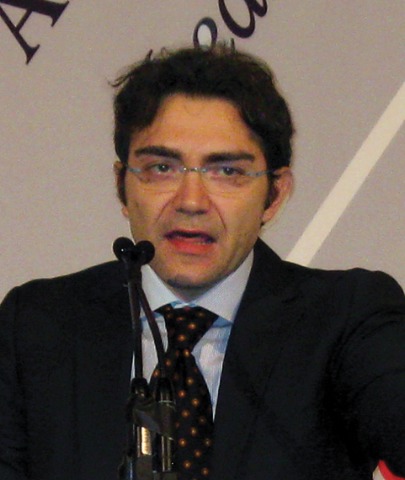
At 2 years of follow-up, the rates of death from cardiac causes or nonfatal myocardial infarction did not differ significantly, at 2.6% for patients implanted with sirolimus-eluting stents, 3.3% for those given everolimus-eluting stents, and 4.8% for those with bare-metal stents. Moreover, there were no significant differences between those groups in the rates of stent thrombosis.
However, the use of drug-eluting stents reduced the need for target vessel revascularization by more than 50%, Dr. Christoph Kaiser reported in a late-breaking clinical trial session at the annual scientific sessions of the American Heart Association.
The BASKET-PROVE data were simultaneously published online by the New England Journal of Medicine (N. Engl. J. Med. 2010 Nov. 16 [doi: 10.1056/NEJMoa1009406]).
Any target-vessel revascularization occurred in 4.3% of patients implanted with sirolimus releasing stents, in 3.7% of patients with everolimus-eluting stents, and in 10.3% of those with bare metal stents in the BASKET-PROVE (Basel Stent Kosten-Effektivit?ts Trial-Prospective Evaluation Examination) trial.
The European trial was launched after a retrospective analysis of data from the original BASKET trial suggested that patients who underwent large-vessel stenting with sirolimus-eluting or paclitaxel-eluting stents were at increased risk of cardiac death and myocardial infarction at 6 months and beyond.
The 2,314 patients in BASKET-PROVE were randomized to first-generation sirolimus-eluting stents (Cypher Select) or second-generation everolimus-eluting stents (Xience V) or bare-metal cobalt-chromium stents. All stents were at least 3.0 mm in diameter.
"In patients with large-vessel artery disease, the late safety problems of drug-eluting stents could no longer be confirmed and there was even a trend in the opposite direction," Dr. Kaiser, head of interventional cardiology at University Hospital Basel, Switzerland, said during a press briefing at the meeting.
Invited discussant Dr. Marco Valgmigli, chair of cardiology, Cardiovascular Institute, Azienda Opedaliero Universitaria di Ferrara, Italy, said the data are highly reassuring, but not conclusive, because "the trial is technically underpowered." He pointed out that the study was based on a cardiac death/MI event rate of 6% in the bare-metal group and 10.5% in the two drug-eluting arms, with a type II error of 20%. The observed event rate was indeed 20% lower in the bare-metal group and more than 70% lower in the drug-eluting stents.
Dr. Kaiser responded that the confidence intervals observed in the trial rule out the potential for any harm with drug-eluting stents in contemporary stenting.
The different findings from the BASKET and BASKET-PROVE trials could reflect longer clinical experience with drug-eluting stents, technical factors during surgery, and the use of dual antiplatelet therapy with aspirin and clopidogrel for 12 rather than 6 months, as in the original BASKET trial, Dr. Valgmigli suggested.
Press briefing moderator Dr. Elliott Antman, with Harvard Medical School in Boston, said he is less concerned now about placing drug-eluting stents in large vessels with respect to late risks, and that the major benefit for patients will be the reduction in target vessel revascularization.
"What they need to know is that the chance for having to come back to the hospital for target vessel revascularization is clearly higher, about twice as high, with bare-metal stents," he said in an interview. "What we’re getting from the drug-eluting stent in this situation is reducing target vessel revascularization, which may be very meaningful for patients because they want to travel and don’t want to worry about having to have another procedure in a year or two."
An unadjusted exploratory analysis revealed no significant differences in the primary end point of cardiac death and MI between patients receiving first- or second-generation drug-eluting stents, Dr. Kaiser reported.
In all, 28 (3.6%) patients with sirolimus-eluting stents died vs. 25 (3.2%) with everolimus-eluting stents and 34 (4.4%) with bare-metal stents. Death from cardiac causes was also similar at 1.7%, 1.7% and 2.9%, respectively.
A nonfatal MI occurred in seven patients with sirolimus-eluting stents, compared with 13 patients with everolimus-eluting stents and 20 with bare-metal stents.
"Since the performance of first- and second-generation drug-eluting stents was similar, both drug-eluting stents may be used in these patients," he said.
Dr. Valgmigli said that comparison between the first- and second-generation stents should be interpreted as purely exploratory since it was not adjusted for type I or type II errors.
The number of stents per patient was similar at 1.6 vs. 1.7 vs. 1.7, respectively, as was the number of treated segments per patient (1.4 vs. 1.4 vs. 1.5) and total stent length per patient (30 mm vs. 31.1 mm vs. 31.1 mm).
Off-label stent use was high at 78% for sirolimus-eluting stents, 76% for everolimus-eluting stents and 75% for bare-metal stents.
One-third of patients had unstable angina, and two-thirds presented with acute coronary syndromes, and half of these had MI with ST-segment elevation.
BASKET-PROVE was sponsored by the Basel Cardiovascular Research Foundation and the Swiss National Foundation for Research. Dr. Kaiser and his coauthors report serving on the speakers bureau or as a consultant/adviser for several companies, including Biotronik, Abbott Vascular, Eli Lilly, Daiichi-Sankyo, and Astra Zeneca.
CHICAGO – Drug-eluting stents are as safe as bare-mental stents when implanted in patients with large-vessel coronary artery disease, according to results of the BASKET-PROVE trial.
At 2 years of follow-up, the rates of death from cardiac causes or nonfatal myocardial infarction did not differ significantly, at 2.6% for patients implanted with sirolimus-eluting stents, 3.3% for those given everolimus-eluting stents, and 4.8% for those with bare-metal stents. Moreover, there were no significant differences between those groups in the rates of stent thrombosis.
However, the use of drug-eluting stents reduced the need for target vessel revascularization by more than 50%, Dr. Christoph Kaiser reported in a late-breaking clinical trial session at the annual scientific sessions of the American Heart Association.
The BASKET-PROVE data were simultaneously published online by the New England Journal of Medicine (N. Engl. J. Med. 2010 Nov. 16 [doi: 10.1056/NEJMoa1009406]).
Any target-vessel revascularization occurred in 4.3% of patients implanted with sirolimus releasing stents, in 3.7% of patients with everolimus-eluting stents, and in 10.3% of those with bare metal stents in the BASKET-PROVE (Basel Stent Kosten-Effektivit?ts Trial-Prospective Evaluation Examination) trial.
The European trial was launched after a retrospective analysis of data from the original BASKET trial suggested that patients who underwent large-vessel stenting with sirolimus-eluting or paclitaxel-eluting stents were at increased risk of cardiac death and myocardial infarction at 6 months and beyond.
The 2,314 patients in BASKET-PROVE were randomized to first-generation sirolimus-eluting stents (Cypher Select) or second-generation everolimus-eluting stents (Xience V) or bare-metal cobalt-chromium stents. All stents were at least 3.0 mm in diameter.
"In patients with large-vessel artery disease, the late safety problems of drug-eluting stents could no longer be confirmed and there was even a trend in the opposite direction," Dr. Kaiser, head of interventional cardiology at University Hospital Basel, Switzerland, said during a press briefing at the meeting.
Invited discussant Dr. Marco Valgmigli, chair of cardiology, Cardiovascular Institute, Azienda Opedaliero Universitaria di Ferrara, Italy, said the data are highly reassuring, but not conclusive, because "the trial is technically underpowered." He pointed out that the study was based on a cardiac death/MI event rate of 6% in the bare-metal group and 10.5% in the two drug-eluting arms, with a type II error of 20%. The observed event rate was indeed 20% lower in the bare-metal group and more than 70% lower in the drug-eluting stents.
Dr. Kaiser responded that the confidence intervals observed in the trial rule out the potential for any harm with drug-eluting stents in contemporary stenting.
The different findings from the BASKET and BASKET-PROVE trials could reflect longer clinical experience with drug-eluting stents, technical factors during surgery, and the use of dual antiplatelet therapy with aspirin and clopidogrel for 12 rather than 6 months, as in the original BASKET trial, Dr. Valgmigli suggested.
Press briefing moderator Dr. Elliott Antman, with Harvard Medical School in Boston, said he is less concerned now about placing drug-eluting stents in large vessels with respect to late risks, and that the major benefit for patients will be the reduction in target vessel revascularization.
"What they need to know is that the chance for having to come back to the hospital for target vessel revascularization is clearly higher, about twice as high, with bare-metal stents," he said in an interview. "What we’re getting from the drug-eluting stent in this situation is reducing target vessel revascularization, which may be very meaningful for patients because they want to travel and don’t want to worry about having to have another procedure in a year or two."
An unadjusted exploratory analysis revealed no significant differences in the primary end point of cardiac death and MI between patients receiving first- or second-generation drug-eluting stents, Dr. Kaiser reported.
In all, 28 (3.6%) patients with sirolimus-eluting stents died vs. 25 (3.2%) with everolimus-eluting stents and 34 (4.4%) with bare-metal stents. Death from cardiac causes was also similar at 1.7%, 1.7% and 2.9%, respectively.
A nonfatal MI occurred in seven patients with sirolimus-eluting stents, compared with 13 patients with everolimus-eluting stents and 20 with bare-metal stents.
"Since the performance of first- and second-generation drug-eluting stents was similar, both drug-eluting stents may be used in these patients," he said.
Dr. Valgmigli said that comparison between the first- and second-generation stents should be interpreted as purely exploratory since it was not adjusted for type I or type II errors.
The number of stents per patient was similar at 1.6 vs. 1.7 vs. 1.7, respectively, as was the number of treated segments per patient (1.4 vs. 1.4 vs. 1.5) and total stent length per patient (30 mm vs. 31.1 mm vs. 31.1 mm).
Off-label stent use was high at 78% for sirolimus-eluting stents, 76% for everolimus-eluting stents and 75% for bare-metal stents.
One-third of patients had unstable angina, and two-thirds presented with acute coronary syndromes, and half of these had MI with ST-segment elevation.
BASKET-PROVE was sponsored by the Basel Cardiovascular Research Foundation and the Swiss National Foundation for Research. Dr. Kaiser and his coauthors report serving on the speakers bureau or as a consultant/adviser for several companies, including Biotronik, Abbott Vascular, Eli Lilly, Daiichi-Sankyo, and Astra Zeneca.
CHICAGO – Drug-eluting stents are as safe as bare-mental stents when implanted in patients with large-vessel coronary artery disease, according to results of the BASKET-PROVE trial.
At 2 years of follow-up, the rates of death from cardiac causes or nonfatal myocardial infarction did not differ significantly, at 2.6% for patients implanted with sirolimus-eluting stents, 3.3% for those given everolimus-eluting stents, and 4.8% for those with bare-metal stents. Moreover, there were no significant differences between those groups in the rates of stent thrombosis.
However, the use of drug-eluting stents reduced the need for target vessel revascularization by more than 50%, Dr. Christoph Kaiser reported in a late-breaking clinical trial session at the annual scientific sessions of the American Heart Association.
The BASKET-PROVE data were simultaneously published online by the New England Journal of Medicine (N. Engl. J. Med. 2010 Nov. 16 [doi: 10.1056/NEJMoa1009406]).
Any target-vessel revascularization occurred in 4.3% of patients implanted with sirolimus releasing stents, in 3.7% of patients with everolimus-eluting stents, and in 10.3% of those with bare metal stents in the BASKET-PROVE (Basel Stent Kosten-Effektivit?ts Trial-Prospective Evaluation Examination) trial.
The European trial was launched after a retrospective analysis of data from the original BASKET trial suggested that patients who underwent large-vessel stenting with sirolimus-eluting or paclitaxel-eluting stents were at increased risk of cardiac death and myocardial infarction at 6 months and beyond.
The 2,314 patients in BASKET-PROVE were randomized to first-generation sirolimus-eluting stents (Cypher Select) or second-generation everolimus-eluting stents (Xience V) or bare-metal cobalt-chromium stents. All stents were at least 3.0 mm in diameter.
"In patients with large-vessel artery disease, the late safety problems of drug-eluting stents could no longer be confirmed and there was even a trend in the opposite direction," Dr. Kaiser, head of interventional cardiology at University Hospital Basel, Switzerland, said during a press briefing at the meeting.
Invited discussant Dr. Marco Valgmigli, chair of cardiology, Cardiovascular Institute, Azienda Opedaliero Universitaria di Ferrara, Italy, said the data are highly reassuring, but not conclusive, because "the trial is technically underpowered." He pointed out that the study was based on a cardiac death/MI event rate of 6% in the bare-metal group and 10.5% in the two drug-eluting arms, with a type II error of 20%. The observed event rate was indeed 20% lower in the bare-metal group and more than 70% lower in the drug-eluting stents.
Dr. Kaiser responded that the confidence intervals observed in the trial rule out the potential for any harm with drug-eluting stents in contemporary stenting.
The different findings from the BASKET and BASKET-PROVE trials could reflect longer clinical experience with drug-eluting stents, technical factors during surgery, and the use of dual antiplatelet therapy with aspirin and clopidogrel for 12 rather than 6 months, as in the original BASKET trial, Dr. Valgmigli suggested.
Press briefing moderator Dr. Elliott Antman, with Harvard Medical School in Boston, said he is less concerned now about placing drug-eluting stents in large vessels with respect to late risks, and that the major benefit for patients will be the reduction in target vessel revascularization.
"What they need to know is that the chance for having to come back to the hospital for target vessel revascularization is clearly higher, about twice as high, with bare-metal stents," he said in an interview. "What we’re getting from the drug-eluting stent in this situation is reducing target vessel revascularization, which may be very meaningful for patients because they want to travel and don’t want to worry about having to have another procedure in a year or two."
An unadjusted exploratory analysis revealed no significant differences in the primary end point of cardiac death and MI between patients receiving first- or second-generation drug-eluting stents, Dr. Kaiser reported.
In all, 28 (3.6%) patients with sirolimus-eluting stents died vs. 25 (3.2%) with everolimus-eluting stents and 34 (4.4%) with bare-metal stents. Death from cardiac causes was also similar at 1.7%, 1.7% and 2.9%, respectively.
A nonfatal MI occurred in seven patients with sirolimus-eluting stents, compared with 13 patients with everolimus-eluting stents and 20 with bare-metal stents.
"Since the performance of first- and second-generation drug-eluting stents was similar, both drug-eluting stents may be used in these patients," he said.
Dr. Valgmigli said that comparison between the first- and second-generation stents should be interpreted as purely exploratory since it was not adjusted for type I or type II errors.
The number of stents per patient was similar at 1.6 vs. 1.7 vs. 1.7, respectively, as was the number of treated segments per patient (1.4 vs. 1.4 vs. 1.5) and total stent length per patient (30 mm vs. 31.1 mm vs. 31.1 mm).
Off-label stent use was high at 78% for sirolimus-eluting stents, 76% for everolimus-eluting stents and 75% for bare-metal stents.
One-third of patients had unstable angina, and two-thirds presented with acute coronary syndromes, and half of these had MI with ST-segment elevation.
BASKET-PROVE was sponsored by the Basel Cardiovascular Research Foundation and the Swiss National Foundation for Research. Dr. Kaiser and his coauthors report serving on the speakers bureau or as a consultant/adviser for several companies, including Biotronik, Abbott Vascular, Eli Lilly, Daiichi-Sankyo, and Astra Zeneca.
FROM THE ANNUAL SCIENTIFIC SESSIONS OF THE AMERICAN HEART ASSOCIATION
Drug-Eluting Stents Safe as Bare-Metal in Large-Vessel Coronary Disease
CHICAGO – Drug-eluting stents are as safe as bare-mental stents when implanted in patients with large-vessel coronary artery disease, according to results of the BASKET-PROVE trial.
At 2 years of follow-up, the rates of death from cardiac causes or nonfatal myocardial infarction did not differ significantly, at 2.6% for patients implanted with sirolimus-eluting stents, 3.3% for those given everolimus-eluting stents, and 4.8% for those with bare-metal stents. Moreover, there were no significant differences between those groups in the rates of stent thrombosis.
However, the use of drug-eluting stents reduced the need for target vessel revascularization by more than 50%, Dr. Christoph Kaiser reported in a late-breaking clinical trial session at the annual scientific sessions of the American Heart Association.
The BASKET-PROVE data were simultaneously published online by the New England Journal of Medicine (N. Engl. J. Med. 2010 Nov. 16 [doi: 10.1056/NEJMoa1009406]).
Any target-vessel revascularization occurred in 4.3% of patients implanted with sirolimus releasing stents, in 3.7% of patients with everolimus-eluting stents, and in 10.3% of those with bare metal stents in the BASKET-PROVE (Basel Stent Kosten-Effektivit?ts Trial-Prospective Evaluation Examination) trial.
The European trial was launched after a retrospective analysis of data from the original BASKET trial suggested that patients who underwent large-vessel stenting with sirolimus-eluting or paclitaxel-eluting stents were at increased risk of cardiac death and myocardial infarction at 6 months and beyond.
The 2,314 patients in BASKET-PROVE were randomized to first-generation sirolimus-eluting stents (Cypher Select) or second-generation everolimus-eluting stents (Xience V) or bare-metal cobalt-chromium stents. All stents were at least 3.0 mm in diameter.
"In patients with large-vessel artery disease, the late safety problems of drug-eluting stents could no longer be confirmed and there was even a trend in the opposite direction," Dr. Kaiser, head of interventional cardiology at University Hospital Basel, Switzerland, said during a press briefing at the meeting.
Invited discussant Dr. Marco Valgmigli, chair of cardiology, Cardiovascular Institute, Azienda Opedaliero Universitaria di Ferrara, Italy, said the data are highly reassuring, but not conclusive, because "the trial is technically underpowered." He pointed out that the study was based on a cardiac death/MI event rate of 6% in the bare-metal group and 10.5% in the two drug-eluting arms, with a type II error of 20%. The observed event rate was indeed 20% lower in the bare-metal group and more than 70% lower in the drug-eluting stents.
Dr. Kaiser responded that the confidence intervals observed in the trial rule out the potential for any harm with drug-eluting stents in contemporary stenting.
The different findings from the BASKET and BASKET-PROVE trials could reflect longer clinical experience with drug-eluting stents, technical factors during surgery, and the use of dual antiplatelet therapy with aspirin and clopidogrel for 12 rather than 6 months, as in the original BASKET trial, Dr. Valgmigli suggested.
Press briefing moderator Dr. Elliott Antman, with Harvard Medical School in Boston, said he is less concerned now about placing drug-eluting stents in large vessels with respect to late risks, and that the major benefit for patients will be the reduction in target vessel revascularization.
"What they need to know is that the chance for having to come back to the hospital for target vessel revascularization is clearly higher, about twice as high, with bare-metal stents," he said in an interview. "What we’re getting from the drug-eluting stent in this situation is reducing target vessel revascularization, which may be very meaningful for patients because they want to travel and don’t want to worry about having to have another procedure in a year or two."
An unadjusted exploratory analysis revealed no significant differences in the primary end point of cardiac death and MI between patients receiving first- or second-generation drug-eluting stents, Dr. Kaiser reported.
In all, 28 (3.6%) patients with sirolimus-eluting stents died vs. 25 (3.2%) with everolimus-eluting stents and 34 (4.4%) with bare-metal stents. Death from cardiac causes was also similar at 1.7%, 1.7% and 2.9%, respectively.
A nonfatal MI occurred in seven patients with sirolimus-eluting stents, compared with 13 patients with everolimus-eluting stents and 20 with bare-metal stents.
"Since the performance of first- and second-generation drug-eluting stents was similar, both drug-eluting stents may be used in these patients," he said.
Dr. Valgmigli said that comparison between the first- and second-generation stents should be interpreted as purely exploratory since it was not adjusted for type I or type II errors.
The number of stents per patient was similar at 1.6 vs. 1.7 vs. 1.7, respectively, as was the number of treated segments per patient (1.4 vs. 1.4 vs. 1.5) and total stent length per patient (30 mm vs. 31.1 mm vs. 31.1 mm).
Off-label stent use was high at 78% for sirolimus-eluting stents, 76% for everolimus-eluting stents and 75% for bare-metal stents.
One-third of patients had unstable angina, and two-thirds presented with acute coronary syndromes, and half of these had MI with ST-segment elevation.
BASKET-PROVE was sponsored by the Basel Cardiovascular Research Foundation and the Swiss National Foundation for Research. Dr. Kaiser and his coauthors report serving on the speakers bureau or as a consultant/adviser for several companies, including Biotronik, Abbott Vascular, Eli Lilly, Daiichi-Sankyo, and Astra Zeneca.
CHICAGO – Drug-eluting stents are as safe as bare-mental stents when implanted in patients with large-vessel coronary artery disease, according to results of the BASKET-PROVE trial.
At 2 years of follow-up, the rates of death from cardiac causes or nonfatal myocardial infarction did not differ significantly, at 2.6% for patients implanted with sirolimus-eluting stents, 3.3% for those given everolimus-eluting stents, and 4.8% for those with bare-metal stents. Moreover, there were no significant differences between those groups in the rates of stent thrombosis.
However, the use of drug-eluting stents reduced the need for target vessel revascularization by more than 50%, Dr. Christoph Kaiser reported in a late-breaking clinical trial session at the annual scientific sessions of the American Heart Association.
The BASKET-PROVE data were simultaneously published online by the New England Journal of Medicine (N. Engl. J. Med. 2010 Nov. 16 [doi: 10.1056/NEJMoa1009406]).
Any target-vessel revascularization occurred in 4.3% of patients implanted with sirolimus releasing stents, in 3.7% of patients with everolimus-eluting stents, and in 10.3% of those with bare metal stents in the BASKET-PROVE (Basel Stent Kosten-Effektivit?ts Trial-Prospective Evaluation Examination) trial.
The European trial was launched after a retrospective analysis of data from the original BASKET trial suggested that patients who underwent large-vessel stenting with sirolimus-eluting or paclitaxel-eluting stents were at increased risk of cardiac death and myocardial infarction at 6 months and beyond.
The 2,314 patients in BASKET-PROVE were randomized to first-generation sirolimus-eluting stents (Cypher Select) or second-generation everolimus-eluting stents (Xience V) or bare-metal cobalt-chromium stents. All stents were at least 3.0 mm in diameter.
"In patients with large-vessel artery disease, the late safety problems of drug-eluting stents could no longer be confirmed and there was even a trend in the opposite direction," Dr. Kaiser, head of interventional cardiology at University Hospital Basel, Switzerland, said during a press briefing at the meeting.
Invited discussant Dr. Marco Valgmigli, chair of cardiology, Cardiovascular Institute, Azienda Opedaliero Universitaria di Ferrara, Italy, said the data are highly reassuring, but not conclusive, because "the trial is technically underpowered." He pointed out that the study was based on a cardiac death/MI event rate of 6% in the bare-metal group and 10.5% in the two drug-eluting arms, with a type II error of 20%. The observed event rate was indeed 20% lower in the bare-metal group and more than 70% lower in the drug-eluting stents.
Dr. Kaiser responded that the confidence intervals observed in the trial rule out the potential for any harm with drug-eluting stents in contemporary stenting.
The different findings from the BASKET and BASKET-PROVE trials could reflect longer clinical experience with drug-eluting stents, technical factors during surgery, and the use of dual antiplatelet therapy with aspirin and clopidogrel for 12 rather than 6 months, as in the original BASKET trial, Dr. Valgmigli suggested.
Press briefing moderator Dr. Elliott Antman, with Harvard Medical School in Boston, said he is less concerned now about placing drug-eluting stents in large vessels with respect to late risks, and that the major benefit for patients will be the reduction in target vessel revascularization.
"What they need to know is that the chance for having to come back to the hospital for target vessel revascularization is clearly higher, about twice as high, with bare-metal stents," he said in an interview. "What we’re getting from the drug-eluting stent in this situation is reducing target vessel revascularization, which may be very meaningful for patients because they want to travel and don’t want to worry about having to have another procedure in a year or two."
An unadjusted exploratory analysis revealed no significant differences in the primary end point of cardiac death and MI between patients receiving first- or second-generation drug-eluting stents, Dr. Kaiser reported.
In all, 28 (3.6%) patients with sirolimus-eluting stents died vs. 25 (3.2%) with everolimus-eluting stents and 34 (4.4%) with bare-metal stents. Death from cardiac causes was also similar at 1.7%, 1.7% and 2.9%, respectively.
A nonfatal MI occurred in seven patients with sirolimus-eluting stents, compared with 13 patients with everolimus-eluting stents and 20 with bare-metal stents.
"Since the performance of first- and second-generation drug-eluting stents was similar, both drug-eluting stents may be used in these patients," he said.
Dr. Valgmigli said that comparison between the first- and second-generation stents should be interpreted as purely exploratory since it was not adjusted for type I or type II errors.
The number of stents per patient was similar at 1.6 vs. 1.7 vs. 1.7, respectively, as was the number of treated segments per patient (1.4 vs. 1.4 vs. 1.5) and total stent length per patient (30 mm vs. 31.1 mm vs. 31.1 mm).
Off-label stent use was high at 78% for sirolimus-eluting stents, 76% for everolimus-eluting stents and 75% for bare-metal stents.
One-third of patients had unstable angina, and two-thirds presented with acute coronary syndromes, and half of these had MI with ST-segment elevation.
BASKET-PROVE was sponsored by the Basel Cardiovascular Research Foundation and the Swiss National Foundation for Research. Dr. Kaiser and his coauthors report serving on the speakers bureau or as a consultant/adviser for several companies, including Biotronik, Abbott Vascular, Eli Lilly, Daiichi-Sankyo, and Astra Zeneca.
CHICAGO – Drug-eluting stents are as safe as bare-mental stents when implanted in patients with large-vessel coronary artery disease, according to results of the BASKET-PROVE trial.
At 2 years of follow-up, the rates of death from cardiac causes or nonfatal myocardial infarction did not differ significantly, at 2.6% for patients implanted with sirolimus-eluting stents, 3.3% for those given everolimus-eluting stents, and 4.8% for those with bare-metal stents. Moreover, there were no significant differences between those groups in the rates of stent thrombosis.
However, the use of drug-eluting stents reduced the need for target vessel revascularization by more than 50%, Dr. Christoph Kaiser reported in a late-breaking clinical trial session at the annual scientific sessions of the American Heart Association.
The BASKET-PROVE data were simultaneously published online by the New England Journal of Medicine (N. Engl. J. Med. 2010 Nov. 16 [doi: 10.1056/NEJMoa1009406]).
Any target-vessel revascularization occurred in 4.3% of patients implanted with sirolimus releasing stents, in 3.7% of patients with everolimus-eluting stents, and in 10.3% of those with bare metal stents in the BASKET-PROVE (Basel Stent Kosten-Effektivit?ts Trial-Prospective Evaluation Examination) trial.
The European trial was launched after a retrospective analysis of data from the original BASKET trial suggested that patients who underwent large-vessel stenting with sirolimus-eluting or paclitaxel-eluting stents were at increased risk of cardiac death and myocardial infarction at 6 months and beyond.
The 2,314 patients in BASKET-PROVE were randomized to first-generation sirolimus-eluting stents (Cypher Select) or second-generation everolimus-eluting stents (Xience V) or bare-metal cobalt-chromium stents. All stents were at least 3.0 mm in diameter.
"In patients with large-vessel artery disease, the late safety problems of drug-eluting stents could no longer be confirmed and there was even a trend in the opposite direction," Dr. Kaiser, head of interventional cardiology at University Hospital Basel, Switzerland, said during a press briefing at the meeting.
Invited discussant Dr. Marco Valgmigli, chair of cardiology, Cardiovascular Institute, Azienda Opedaliero Universitaria di Ferrara, Italy, said the data are highly reassuring, but not conclusive, because "the trial is technically underpowered." He pointed out that the study was based on a cardiac death/MI event rate of 6% in the bare-metal group and 10.5% in the two drug-eluting arms, with a type II error of 20%. The observed event rate was indeed 20% lower in the bare-metal group and more than 70% lower in the drug-eluting stents.
Dr. Kaiser responded that the confidence intervals observed in the trial rule out the potential for any harm with drug-eluting stents in contemporary stenting.
The different findings from the BASKET and BASKET-PROVE trials could reflect longer clinical experience with drug-eluting stents, technical factors during surgery, and the use of dual antiplatelet therapy with aspirin and clopidogrel for 12 rather than 6 months, as in the original BASKET trial, Dr. Valgmigli suggested.
Press briefing moderator Dr. Elliott Antman, with Harvard Medical School in Boston, said he is less concerned now about placing drug-eluting stents in large vessels with respect to late risks, and that the major benefit for patients will be the reduction in target vessel revascularization.
"What they need to know is that the chance for having to come back to the hospital for target vessel revascularization is clearly higher, about twice as high, with bare-metal stents," he said in an interview. "What we’re getting from the drug-eluting stent in this situation is reducing target vessel revascularization, which may be very meaningful for patients because they want to travel and don’t want to worry about having to have another procedure in a year or two."
An unadjusted exploratory analysis revealed no significant differences in the primary end point of cardiac death and MI between patients receiving first- or second-generation drug-eluting stents, Dr. Kaiser reported.
In all, 28 (3.6%) patients with sirolimus-eluting stents died vs. 25 (3.2%) with everolimus-eluting stents and 34 (4.4%) with bare-metal stents. Death from cardiac causes was also similar at 1.7%, 1.7% and 2.9%, respectively.
A nonfatal MI occurred in seven patients with sirolimus-eluting stents, compared with 13 patients with everolimus-eluting stents and 20 with bare-metal stents.
"Since the performance of first- and second-generation drug-eluting stents was similar, both drug-eluting stents may be used in these patients," he said.
Dr. Valgmigli said that comparison between the first- and second-generation stents should be interpreted as purely exploratory since it was not adjusted for type I or type II errors.
The number of stents per patient was similar at 1.6 vs. 1.7 vs. 1.7, respectively, as was the number of treated segments per patient (1.4 vs. 1.4 vs. 1.5) and total stent length per patient (30 mm vs. 31.1 mm vs. 31.1 mm).
Off-label stent use was high at 78% for sirolimus-eluting stents, 76% for everolimus-eluting stents and 75% for bare-metal stents.
One-third of patients had unstable angina, and two-thirds presented with acute coronary syndromes, and half of these had MI with ST-segment elevation.
BASKET-PROVE was sponsored by the Basel Cardiovascular Research Foundation and the Swiss National Foundation for Research. Dr. Kaiser and his coauthors report serving on the speakers bureau or as a consultant/adviser for several companies, including Biotronik, Abbott Vascular, Eli Lilly, Daiichi-Sankyo, and Astra Zeneca.
FROM THE ANNUAL SCIENTIFIC SESSIONS OF THE AMERICAN HEART ASSOCIATION
Major Finding: Rates of cardiac death or nonfatal MI infarction did not differ significantly at 2 years between patients with sirolimus-eluting stents (2.6%) and everolimus-eluting stents (3.3%); and with bare-metal stents (4.8%) of at least 3 mm in diameter.
Data Source: Multicenter study in 2,314 consecutive patients with drug-eluting stents.
Disclosures: BASKET-PROVE was sponsored by the Basel Cardiovascular Research Foundation and the Swiss National Foundation for Research. Dr. Kaiser and his coauthors report serving on the speakers bureau or as a consult/adviser for several companies, including Biotronik, Abbott Vascular, Eli Lilly, Daiichi-Sankyo, and Astra Zeneca.
AHA: CRT Plus ICD Reduces Mortality in Mild Heart Failure
CHICAGO – For the first time, cardiac resynchronization therapy has been shown to offer a survival benefit beyond that provided by an implantable cardioverter defibrillator in patients with mild heart failure, a study has shown.
The addition of cardiac resynchronization therapy (CRT) to an implantable cardioverter defibrillator (ICD) and optimal medical therapy significantly reduced the rates of death and heart failure hospitalization from 40% with an ICD alone to 33% in the multicenter Resynchronization/Defibrillation for Ambulatory Heart Failure Trial (RAFT).

The relative risk of death was reduced by 25% among patients who received CRT plus ICD, resulting in an absolute mortality reduction of 6% at 5 years, Dr. Anthony Tang reported at the annual scientific sessions of the American Heart Association. Fourteen patients would need to be treated with CRT plus ICD for 5 years to prevent one death.
Significantly fewer CRT-ICD patients were hospitalized for heart failure (19.5%, or 174/894) than ICD-only patients (26%, or 236/904). This meant that 11 patients would need to be treated with CRT plus ICD for 5 years to prevent one heart failure hospitalization, said Dr. Tang, professor of medicine at the University of British Columbia, Vancouver.
RAFT enrolled 1,798 patients (mean age, 66 years), who had New York Heart Association class II or III heart failure, a left ventricular ejection fraction (LVEF) of 30% or less, and a wide QRS duration of at least 120 milliseconds or a paced QRS duration of at least 200 milliseconds. Of note, 80% of patients were NYHA class II because during the trial the protocol was changed to include only class II patients.
CRT with or without an ICD is currently indicated only for the treatment of patients with NYHA functional class III or ambulatory class IV heart failure.
The data are likely to change clinical practice, said invited discussant Dr. Clyde W. Yancy, medical director of Baylor Heart and Vascular Institute at Baylor University Medical Center in Dallas and immediate past president of the AHA.
He observed that a suite of randomized trials including COMPANION, CARE-HF, MADIT-CRT, REVERSE, and now RAFT demonstrate compellingly that CRT is effective in heart failure.

"The benefit can now be extended to patients that have mild heart failure," he said.
In the pivotal Multicenter Automatic Defibrillator Implantation Trial With Cardiac Resynchronization Therapy (MADIT-CRT), however, the use of CRT-ICD therapy decreased the risk of heart failure events, but not the risk of death among NYHA class I or II patients with an ejection fraction of 30% or less and a QRS duration of 130 milliseconds or more (N. Engl. J. Med. 2009; 361:1329-38).
Dr. Yancy observed that CRT plus ICD is used in only about one-third of heart failure patients and suggested that its limited uptake is due to persistent equipoise, postprocedural risks that are not insignificant, an early failure rate of about 5% and a late failure rate of up to 25%, imprecise markers of clinical response, and current guidelines.
"We should no longer let equipoise enter into our thought process about the benefits of ICD-CRT in heart failure," he said.
The improved outcomes, however, did come at the cost of increased adverse events. Within 30 days of device implantation, significantly more CRT-ICD patients than ICD-alone patients had lead dislodgement (61 vs. 20 patients) and coronary sinus dissection (11 vs. 0), Dr. Tang reported. The CRT-ICD and ICD-alone groups had similar rates of hemothorax or pneumothorax (11 vs. 8 patients), pocket hematoma (14 vs. 11), pocket infection (21 vs. 16), tamponade (1 vs. 2), and device pocket revision (4 vs. 1).
An analysis by NYHA class showed that the majority of positive results held true, Dr. Tang said. The primary composite end point was significantly improved in both NYHA class II and III patients, while death from any cause was significantly improved among class II, but not class III patients.
Also, a post-hoc subgroup analysis of the primary end point suggests that patients with an intrinsic QRS duration of more than 150 milliseconds derive more benefit from CRT-ICD therapy, as do those with left bundle branch block, although the latter finding was weaker, Dr. Tang said. There was a trend for women to fare better with CRT plus ICD, but it was not significant.
Dr. Yancy said the observations raise intriguing considerations, but are prone to the pitfalls of post-hoc analyses, and do not indicate how to refine the rate of success and minimize morbidity.
During a panel discussion of RAFT, session moderator Dr. Marc Alan Pfeffer, the Victor J. Dzau Professor of Medicine at Brigham and Women’s Hospital in Boston, said further trials in this population are unlikely and asked whether current data are enough to suggest the use of CRT plus ICD in patients with left bundle branch block.
Dr. Yancy, who took part in the Food and Drug Administration review of the MADIT-CRT trial, responded that there was a compelling signal in MADIT-CRT for the use of CRT plus ICD among patients with left bundle branch block.
"There was nearly an 85% greater efficacy when CRT was applied to that population, and now we see the signal again," he said. "If we are not to have further studies, I think we have to revisit both the prolongation of QRS and left block bundle pattern and understand that there may in fact be a greater likelihood of benefit with those two substrates."
The invited discussant, Dr. Eugene Braunwald, Distinguished Hersey Professor of Medicine at Harvard Medical School in Boston, observed that the use of CRT is moving further down in less sick patients as long as they have QRS prolongation. "Where do you think this is going? ... Are you thinking of patients with [NYHA] class I or II, with better ejection fractions?" he asked.
Dr. Tang responded that clinicians need to treat patients earlier in the disease process to prevent problems, but that it remains to be seen whether CRT-ICD therapy, like beta-blockade, can be used early on.
The RAFT data were simultaneously published online by the New England Journal of Medicine (2010;10.1056/NEJM0a1009540).
RAFT was funded by the Canadian Institutes of Health Research and Medtronic of Canada. Dr. Tang disclosed research support from Boston Scientific, Medtronic, and St. Jude Medical. Dr. Yancy reported having no financial conflicts of interest.
CHICAGO – For the first time, cardiac resynchronization therapy has been shown to offer a survival benefit beyond that provided by an implantable cardioverter defibrillator in patients with mild heart failure, a study has shown.
The addition of cardiac resynchronization therapy (CRT) to an implantable cardioverter defibrillator (ICD) and optimal medical therapy significantly reduced the rates of death and heart failure hospitalization from 40% with an ICD alone to 33% in the multicenter Resynchronization/Defibrillation for Ambulatory Heart Failure Trial (RAFT).
The relative risk of death was reduced by 25% among patients who received CRT plus ICD, resulting in an absolute mortality reduction of 6% at 5 years, Dr. Anthony Tang reported at the annual scientific sessions of the American Heart Association. Fourteen patients would need to be treated with CRT plus ICD for 5 years to prevent one death.
Significantly fewer CRT-ICD patients were hospitalized for heart failure (19.5%, or 174/894) than ICD-only patients (26%, or 236/904). This meant that 11 patients would need to be treated with CRT plus ICD for 5 years to prevent one heart failure hospitalization, said Dr. Tang, professor of medicine at the University of British Columbia, Vancouver.
RAFT enrolled 1,798 patients (mean age, 66 years), who had New York Heart Association class II or III heart failure, a left ventricular ejection fraction (LVEF) of 30% or less, and a wide QRS duration of at least 120 milliseconds or a paced QRS duration of at least 200 milliseconds. Of note, 80% of patients were NYHA class II because during the trial the protocol was changed to include only class II patients.
CRT with or without an ICD is currently indicated only for the treatment of patients with NYHA functional class III or ambulatory class IV heart failure.
The data are likely to change clinical practice, said invited discussant Dr. Clyde W. Yancy, medical director of Baylor Heart and Vascular Institute at Baylor University Medical Center in Dallas and immediate past president of the AHA.
He observed that a suite of randomized trials including COMPANION, CARE-HF, MADIT-CRT, REVERSE, and now RAFT demonstrate compellingly that CRT is effective in heart failure.
"The benefit can now be extended to patients that have mild heart failure," he said.
In the pivotal Multicenter Automatic Defibrillator Implantation Trial With Cardiac Resynchronization Therapy (MADIT-CRT), however, the use of CRT-ICD therapy decreased the risk of heart failure events, but not the risk of death among NYHA class I or II patients with an ejection fraction of 30% or less and a QRS duration of 130 milliseconds or more (N. Engl. J. Med. 2009; 361:1329-38).
Dr. Yancy observed that CRT plus ICD is used in only about one-third of heart failure patients and suggested that its limited uptake is due to persistent equipoise, postprocedural risks that are not insignificant, an early failure rate of about 5% and a late failure rate of up to 25%, imprecise markers of clinical response, and current guidelines.
"We should no longer let equipoise enter into our thought process about the benefits of ICD-CRT in heart failure," he said.
The improved outcomes, however, did come at the cost of increased adverse events. Within 30 days of device implantation, significantly more CRT-ICD patients than ICD-alone patients had lead dislodgement (61 vs. 20 patients) and coronary sinus dissection (11 vs. 0), Dr. Tang reported. The CRT-ICD and ICD-alone groups had similar rates of hemothorax or pneumothorax (11 vs. 8 patients), pocket hematoma (14 vs. 11), pocket infection (21 vs. 16), tamponade (1 vs. 2), and device pocket revision (4 vs. 1).
An analysis by NYHA class showed that the majority of positive results held true, Dr. Tang said. The primary composite end point was significantly improved in both NYHA class II and III patients, while death from any cause was significantly improved among class II, but not class III patients.
Also, a post-hoc subgroup analysis of the primary end point suggests that patients with an intrinsic QRS duration of more than 150 milliseconds derive more benefit from CRT-ICD therapy, as do those with left bundle branch block, although the latter finding was weaker, Dr. Tang said. There was a trend for women to fare better with CRT plus ICD, but it was not significant.
Dr. Yancy said the observations raise intriguing considerations, but are prone to the pitfalls of post-hoc analyses, and do not indicate how to refine the rate of success and minimize morbidity.
During a panel discussion of RAFT, session moderator Dr. Marc Alan Pfeffer, the Victor J. Dzau Professor of Medicine at Brigham and Women’s Hospital in Boston, said further trials in this population are unlikely and asked whether current data are enough to suggest the use of CRT plus ICD in patients with left bundle branch block.
Dr. Yancy, who took part in the Food and Drug Administration review of the MADIT-CRT trial, responded that there was a compelling signal in MADIT-CRT for the use of CRT plus ICD among patients with left bundle branch block.
"There was nearly an 85% greater efficacy when CRT was applied to that population, and now we see the signal again," he said. "If we are not to have further studies, I think we have to revisit both the prolongation of QRS and left block bundle pattern and understand that there may in fact be a greater likelihood of benefit with those two substrates."
The invited discussant, Dr. Eugene Braunwald, Distinguished Hersey Professor of Medicine at Harvard Medical School in Boston, observed that the use of CRT is moving further down in less sick patients as long as they have QRS prolongation. "Where do you think this is going? ... Are you thinking of patients with [NYHA] class I or II, with better ejection fractions?" he asked.
Dr. Tang responded that clinicians need to treat patients earlier in the disease process to prevent problems, but that it remains to be seen whether CRT-ICD therapy, like beta-blockade, can be used early on.
The RAFT data were simultaneously published online by the New England Journal of Medicine (2010;10.1056/NEJM0a1009540).
RAFT was funded by the Canadian Institutes of Health Research and Medtronic of Canada. Dr. Tang disclosed research support from Boston Scientific, Medtronic, and St. Jude Medical. Dr. Yancy reported having no financial conflicts of interest.
CHICAGO – For the first time, cardiac resynchronization therapy has been shown to offer a survival benefit beyond that provided by an implantable cardioverter defibrillator in patients with mild heart failure, a study has shown.
The addition of cardiac resynchronization therapy (CRT) to an implantable cardioverter defibrillator (ICD) and optimal medical therapy significantly reduced the rates of death and heart failure hospitalization from 40% with an ICD alone to 33% in the multicenter Resynchronization/Defibrillation for Ambulatory Heart Failure Trial (RAFT).
The relative risk of death was reduced by 25% among patients who received CRT plus ICD, resulting in an absolute mortality reduction of 6% at 5 years, Dr. Anthony Tang reported at the annual scientific sessions of the American Heart Association. Fourteen patients would need to be treated with CRT plus ICD for 5 years to prevent one death.
Significantly fewer CRT-ICD patients were hospitalized for heart failure (19.5%, or 174/894) than ICD-only patients (26%, or 236/904). This meant that 11 patients would need to be treated with CRT plus ICD for 5 years to prevent one heart failure hospitalization, said Dr. Tang, professor of medicine at the University of British Columbia, Vancouver.
RAFT enrolled 1,798 patients (mean age, 66 years), who had New York Heart Association class II or III heart failure, a left ventricular ejection fraction (LVEF) of 30% or less, and a wide QRS duration of at least 120 milliseconds or a paced QRS duration of at least 200 milliseconds. Of note, 80% of patients were NYHA class II because during the trial the protocol was changed to include only class II patients.
CRT with or without an ICD is currently indicated only for the treatment of patients with NYHA functional class III or ambulatory class IV heart failure.
The data are likely to change clinical practice, said invited discussant Dr. Clyde W. Yancy, medical director of Baylor Heart and Vascular Institute at Baylor University Medical Center in Dallas and immediate past president of the AHA.
He observed that a suite of randomized trials including COMPANION, CARE-HF, MADIT-CRT, REVERSE, and now RAFT demonstrate compellingly that CRT is effective in heart failure.
"The benefit can now be extended to patients that have mild heart failure," he said.
In the pivotal Multicenter Automatic Defibrillator Implantation Trial With Cardiac Resynchronization Therapy (MADIT-CRT), however, the use of CRT-ICD therapy decreased the risk of heart failure events, but not the risk of death among NYHA class I or II patients with an ejection fraction of 30% or less and a QRS duration of 130 milliseconds or more (N. Engl. J. Med. 2009; 361:1329-38).
Dr. Yancy observed that CRT plus ICD is used in only about one-third of heart failure patients and suggested that its limited uptake is due to persistent equipoise, postprocedural risks that are not insignificant, an early failure rate of about 5% and a late failure rate of up to 25%, imprecise markers of clinical response, and current guidelines.
"We should no longer let equipoise enter into our thought process about the benefits of ICD-CRT in heart failure," he said.
The improved outcomes, however, did come at the cost of increased adverse events. Within 30 days of device implantation, significantly more CRT-ICD patients than ICD-alone patients had lead dislodgement (61 vs. 20 patients) and coronary sinus dissection (11 vs. 0), Dr. Tang reported. The CRT-ICD and ICD-alone groups had similar rates of hemothorax or pneumothorax (11 vs. 8 patients), pocket hematoma (14 vs. 11), pocket infection (21 vs. 16), tamponade (1 vs. 2), and device pocket revision (4 vs. 1).
An analysis by NYHA class showed that the majority of positive results held true, Dr. Tang said. The primary composite end point was significantly improved in both NYHA class II and III patients, while death from any cause was significantly improved among class II, but not class III patients.
Also, a post-hoc subgroup analysis of the primary end point suggests that patients with an intrinsic QRS duration of more than 150 milliseconds derive more benefit from CRT-ICD therapy, as do those with left bundle branch block, although the latter finding was weaker, Dr. Tang said. There was a trend for women to fare better with CRT plus ICD, but it was not significant.
Dr. Yancy said the observations raise intriguing considerations, but are prone to the pitfalls of post-hoc analyses, and do not indicate how to refine the rate of success and minimize morbidity.
During a panel discussion of RAFT, session moderator Dr. Marc Alan Pfeffer, the Victor J. Dzau Professor of Medicine at Brigham and Women’s Hospital in Boston, said further trials in this population are unlikely and asked whether current data are enough to suggest the use of CRT plus ICD in patients with left bundle branch block.
Dr. Yancy, who took part in the Food and Drug Administration review of the MADIT-CRT trial, responded that there was a compelling signal in MADIT-CRT for the use of CRT plus ICD among patients with left bundle branch block.
"There was nearly an 85% greater efficacy when CRT was applied to that population, and now we see the signal again," he said. "If we are not to have further studies, I think we have to revisit both the prolongation of QRS and left block bundle pattern and understand that there may in fact be a greater likelihood of benefit with those two substrates."
The invited discussant, Dr. Eugene Braunwald, Distinguished Hersey Professor of Medicine at Harvard Medical School in Boston, observed that the use of CRT is moving further down in less sick patients as long as they have QRS prolongation. "Where do you think this is going? ... Are you thinking of patients with [NYHA] class I or II, with better ejection fractions?" he asked.
Dr. Tang responded that clinicians need to treat patients earlier in the disease process to prevent problems, but that it remains to be seen whether CRT-ICD therapy, like beta-blockade, can be used early on.
The RAFT data were simultaneously published online by the New England Journal of Medicine (2010;10.1056/NEJM0a1009540).
RAFT was funded by the Canadian Institutes of Health Research and Medtronic of Canada. Dr. Tang disclosed research support from Boston Scientific, Medtronic, and St. Jude Medical. Dr. Yancy reported having no financial conflicts of interest.
FROM THE ANNUAL SCIENTIFIC SESSIONS OF THE AMERICAN HEART ASSOCIATION
Major Finding: The addition of CRT to an ICD significantly reduced the rate of death and heart failure hospitalization by 25% in patients with NYHA class II or III heart failure.
Data Source: Randomized trial in 1,798 patients with mild to moderate heart failure.
Disclosures: RAFT was funded by the Canadian Institutes of Health Research and Medtronic of Canada. Dr. Tang disclosed research support from Medtronic, St. Jude Medical, and Boston Scientific. Dr. Yancy said he had no financial conflicts of interest.
Use of Lean Methodology Yields Cost, Time Savings
CHICAGO – Applying Lean methodology across the entire surgical process significantly improved OR performance measures such as on-time starts and turnover time, while increasing the operating margin in some ORs by more than $45,000 per day at the Mayo Clinic in Rochester, Minn.
"This was all during a period of increased growth and volume of cases," Dr. Robert Cima said at the annual meeting of the Western Surgical Association "What’s even more important was that during this time when we had increased volume of cases, we actually had a decreased need for personnel because we were reducing the need for overtime staffing as well as the just the plain need for extra bodies."
That translated into 37 fewer full-time surgical services employees, 50% fewer late shifts among certified registered nurse anesthetists, and an 18%-56% decrease in health care security services overtime.
The Lean and Six Sigma methodologies, popularized decades ago by companies like automobile maker Toyota as a way to eliminate wasteful steps and improve productivity, have typically been applied to a limited number of ORs or to specific operations. The Mayo Clinic credits its success to applying the methodology across the entire surgical process and in all 88 of its main ORs performing both in- and outpatient procedures.
"Multiple areas of redundant or non–value-added steps were identified across the entire process flow that would not have been identified with a focus on specific steps," said Dr. Cima, a colorectal surgeon at the Mayo Clinic.
First, a multidisciplinary leadership team developed a map of the surgical process from the decision for surgery to leaving the OR. The team analyzed each step for personnel required, information process, and time expended. In all, 28 systems and 14 points of delay were identified, he said.
Next, multidisciplinary teams were formed and given 6 months to redesign systems around five essential work streams: minimizing unplanned surgical volume variation, streamlining the preoperative process, reducing nonoperative time, reducing redundant information collection, and engaging employees.
"Specific goals were set for each specialty," he said. "It was not ‘one size fits all.’ "
Each work stream was tweaked to standardize procedure descriptions, implement dedicated staggered surgery start times, and develop a first-case scheduling checklist to eliminate barriers to on-time OR starts. When streamlining the preoperative process, Dr. Cima said, the most important thing is to start on time.
The hospital tried to get buy-in from employees by implementing OR briefings with the OR team, creating a communication council to effectively disseminate information through all levels of staff, and conducting a survey to identify major drivers of employee participation – many of which were not financial, Dr. Cima noted. Some of the drivers included promotion of shared goals, encouragement of continuous professional growth, frequent recognition of individual employee contributions, and executive demonstration of values and commitment to the project.
Data collected before the intervention and 18 months afterward from the first three specialties tested showed that on-time starts increased from 50% to 80% for thoracic surgery, from 64% to 92% for gynecologic surgery, and from 60% to 92% for general/colorectal surgery. The differences were all significant (P less than .05), he said.
The percentage of operations performed past 5 p.m. stayed relatively constant before and after intervention among thoracic surgeons at 34% vs. 36%, respectively. However, it decreased significantly for gynecologic surgeons (from 42% to 36%) and general/colorectal surgeons (from 37% to 31%) (P less than .05 for both).
The average nonoperative or turnover time was reduced by 10-15 minutes among the three specialties, or 25% for thoracic surgery, 43% for gynecologic surgery, and 32% for general/colorectal surgery, Dr. Cima said.
Staff overtime was reduced by an average of 17 minutes per month for thoracic surgery (16%), 19 minutes for gynecologic surgery (18%), and 46 minutes for general/colorectal surgery (53%).
The financial impact of these improvements was at times quite dramatic, he said. The financial margin increased 22% or $21,340 per OR/day for thoracic surgery, 16% or $24,570 per OR/day for gynecologic surgery, and 55% and $47,700 per OR/day for general/colorectal surgery.
"Some people say this is a Hawthorne effect ... but this is sustainable and in some cases actually increases as the teams become more efficient," he said, noting that positive improvements have now been reported in nine separate specialties.
Invited discussant Dr. R. Stephen Smith called the project a "monumental effort," but questioned whether the methodology is applicable to the average worker in the average hospital. "Surgeons and others who toil in the operating room are not analogous to Toyota assembly line workers in Japan," quipped Dr. Smith, interim chair, department of surgery, Virginia Tech Carilion School of Medicine in Roanoke.
He also questioned how less affluent institutions could marshal the hospitalwide resources necessary to institute Lean/Six Sigma projects.
Dr. Cima responded that the project required very few resources, and that smaller institutions actually may be in a better position to implement Lean/Six Sigma because they are less constrained by bureaucracy.
Dr. Cima acknowledged that the hospital population is unique in its commitment to the success of the institution, as opposed to individual productivity, but added that there are advantages for employees to come together in smaller settings like ambulatory, outpatient surgical practices. For example, surgeons may be able to return to the clinic earlier and see more cases if the surgical suite is more efficient.
"One of the efforts that has to be brought out to bring people together is to make sure everyone knows what they want out of it and what they are willing to give up," Dr. Cima said. "It is a collaborative effort."
During the discussion, Dr. Tyler Hughes of Memorial Hospital in McPherson, Kan., asked whether institutions can survive if they don’t push through these kinds of process improvements.
"I would submit that any institution that doesn’t look at their processes – and not just a step, but the whole process – will not be able to survive the next 10-15 years," Dr. Cima responded. "The government is clearly sending a signal that efficiency, value, and safety are the three main ways you’re going to survive."
The study was supported by the Mayo Clinic, department of surgery. Dr. Cima and Dr. Smith reported no conflicts of interest.
CHICAGO – Applying Lean methodology across the entire surgical process significantly improved OR performance measures such as on-time starts and turnover time, while increasing the operating margin in some ORs by more than $45,000 per day at the Mayo Clinic in Rochester, Minn.
"This was all during a period of increased growth and volume of cases," Dr. Robert Cima said at the annual meeting of the Western Surgical Association "What’s even more important was that during this time when we had increased volume of cases, we actually had a decreased need for personnel because we were reducing the need for overtime staffing as well as the just the plain need for extra bodies."
That translated into 37 fewer full-time surgical services employees, 50% fewer late shifts among certified registered nurse anesthetists, and an 18%-56% decrease in health care security services overtime.
The Lean and Six Sigma methodologies, popularized decades ago by companies like automobile maker Toyota as a way to eliminate wasteful steps and improve productivity, have typically been applied to a limited number of ORs or to specific operations. The Mayo Clinic credits its success to applying the methodology across the entire surgical process and in all 88 of its main ORs performing both in- and outpatient procedures.
"Multiple areas of redundant or non–value-added steps were identified across the entire process flow that would not have been identified with a focus on specific steps," said Dr. Cima, a colorectal surgeon at the Mayo Clinic.
First, a multidisciplinary leadership team developed a map of the surgical process from the decision for surgery to leaving the OR. The team analyzed each step for personnel required, information process, and time expended. In all, 28 systems and 14 points of delay were identified, he said.
Next, multidisciplinary teams were formed and given 6 months to redesign systems around five essential work streams: minimizing unplanned surgical volume variation, streamlining the preoperative process, reducing nonoperative time, reducing redundant information collection, and engaging employees.
"Specific goals were set for each specialty," he said. "It was not ‘one size fits all.’ "
Each work stream was tweaked to standardize procedure descriptions, implement dedicated staggered surgery start times, and develop a first-case scheduling checklist to eliminate barriers to on-time OR starts. When streamlining the preoperative process, Dr. Cima said, the most important thing is to start on time.
The hospital tried to get buy-in from employees by implementing OR briefings with the OR team, creating a communication council to effectively disseminate information through all levels of staff, and conducting a survey to identify major drivers of employee participation – many of which were not financial, Dr. Cima noted. Some of the drivers included promotion of shared goals, encouragement of continuous professional growth, frequent recognition of individual employee contributions, and executive demonstration of values and commitment to the project.
Data collected before the intervention and 18 months afterward from the first three specialties tested showed that on-time starts increased from 50% to 80% for thoracic surgery, from 64% to 92% for gynecologic surgery, and from 60% to 92% for general/colorectal surgery. The differences were all significant (P less than .05), he said.
The percentage of operations performed past 5 p.m. stayed relatively constant before and after intervention among thoracic surgeons at 34% vs. 36%, respectively. However, it decreased significantly for gynecologic surgeons (from 42% to 36%) and general/colorectal surgeons (from 37% to 31%) (P less than .05 for both).
The average nonoperative or turnover time was reduced by 10-15 minutes among the three specialties, or 25% for thoracic surgery, 43% for gynecologic surgery, and 32% for general/colorectal surgery, Dr. Cima said.
Staff overtime was reduced by an average of 17 minutes per month for thoracic surgery (16%), 19 minutes for gynecologic surgery (18%), and 46 minutes for general/colorectal surgery (53%).
The financial impact of these improvements was at times quite dramatic, he said. The financial margin increased 22% or $21,340 per OR/day for thoracic surgery, 16% or $24,570 per OR/day for gynecologic surgery, and 55% and $47,700 per OR/day for general/colorectal surgery.
"Some people say this is a Hawthorne effect ... but this is sustainable and in some cases actually increases as the teams become more efficient," he said, noting that positive improvements have now been reported in nine separate specialties.
Invited discussant Dr. R. Stephen Smith called the project a "monumental effort," but questioned whether the methodology is applicable to the average worker in the average hospital. "Surgeons and others who toil in the operating room are not analogous to Toyota assembly line workers in Japan," quipped Dr. Smith, interim chair, department of surgery, Virginia Tech Carilion School of Medicine in Roanoke.
He also questioned how less affluent institutions could marshal the hospitalwide resources necessary to institute Lean/Six Sigma projects.
Dr. Cima responded that the project required very few resources, and that smaller institutions actually may be in a better position to implement Lean/Six Sigma because they are less constrained by bureaucracy.
Dr. Cima acknowledged that the hospital population is unique in its commitment to the success of the institution, as opposed to individual productivity, but added that there are advantages for employees to come together in smaller settings like ambulatory, outpatient surgical practices. For example, surgeons may be able to return to the clinic earlier and see more cases if the surgical suite is more efficient.
"One of the efforts that has to be brought out to bring people together is to make sure everyone knows what they want out of it and what they are willing to give up," Dr. Cima said. "It is a collaborative effort."
During the discussion, Dr. Tyler Hughes of Memorial Hospital in McPherson, Kan., asked whether institutions can survive if they don’t push through these kinds of process improvements.
"I would submit that any institution that doesn’t look at their processes – and not just a step, but the whole process – will not be able to survive the next 10-15 years," Dr. Cima responded. "The government is clearly sending a signal that efficiency, value, and safety are the three main ways you’re going to survive."
The study was supported by the Mayo Clinic, department of surgery. Dr. Cima and Dr. Smith reported no conflicts of interest.
CHICAGO – Applying Lean methodology across the entire surgical process significantly improved OR performance measures such as on-time starts and turnover time, while increasing the operating margin in some ORs by more than $45,000 per day at the Mayo Clinic in Rochester, Minn.
"This was all during a period of increased growth and volume of cases," Dr. Robert Cima said at the annual meeting of the Western Surgical Association "What’s even more important was that during this time when we had increased volume of cases, we actually had a decreased need for personnel because we were reducing the need for overtime staffing as well as the just the plain need for extra bodies."
That translated into 37 fewer full-time surgical services employees, 50% fewer late shifts among certified registered nurse anesthetists, and an 18%-56% decrease in health care security services overtime.
The Lean and Six Sigma methodologies, popularized decades ago by companies like automobile maker Toyota as a way to eliminate wasteful steps and improve productivity, have typically been applied to a limited number of ORs or to specific operations. The Mayo Clinic credits its success to applying the methodology across the entire surgical process and in all 88 of its main ORs performing both in- and outpatient procedures.
"Multiple areas of redundant or non–value-added steps were identified across the entire process flow that would not have been identified with a focus on specific steps," said Dr. Cima, a colorectal surgeon at the Mayo Clinic.
First, a multidisciplinary leadership team developed a map of the surgical process from the decision for surgery to leaving the OR. The team analyzed each step for personnel required, information process, and time expended. In all, 28 systems and 14 points of delay were identified, he said.
Next, multidisciplinary teams were formed and given 6 months to redesign systems around five essential work streams: minimizing unplanned surgical volume variation, streamlining the preoperative process, reducing nonoperative time, reducing redundant information collection, and engaging employees.
"Specific goals were set for each specialty," he said. "It was not ‘one size fits all.’ "
Each work stream was tweaked to standardize procedure descriptions, implement dedicated staggered surgery start times, and develop a first-case scheduling checklist to eliminate barriers to on-time OR starts. When streamlining the preoperative process, Dr. Cima said, the most important thing is to start on time.
The hospital tried to get buy-in from employees by implementing OR briefings with the OR team, creating a communication council to effectively disseminate information through all levels of staff, and conducting a survey to identify major drivers of employee participation – many of which were not financial, Dr. Cima noted. Some of the drivers included promotion of shared goals, encouragement of continuous professional growth, frequent recognition of individual employee contributions, and executive demonstration of values and commitment to the project.
Data collected before the intervention and 18 months afterward from the first three specialties tested showed that on-time starts increased from 50% to 80% for thoracic surgery, from 64% to 92% for gynecologic surgery, and from 60% to 92% for general/colorectal surgery. The differences were all significant (P less than .05), he said.
The percentage of operations performed past 5 p.m. stayed relatively constant before and after intervention among thoracic surgeons at 34% vs. 36%, respectively. However, it decreased significantly for gynecologic surgeons (from 42% to 36%) and general/colorectal surgeons (from 37% to 31%) (P less than .05 for both).
The average nonoperative or turnover time was reduced by 10-15 minutes among the three specialties, or 25% for thoracic surgery, 43% for gynecologic surgery, and 32% for general/colorectal surgery, Dr. Cima said.
Staff overtime was reduced by an average of 17 minutes per month for thoracic surgery (16%), 19 minutes for gynecologic surgery (18%), and 46 minutes for general/colorectal surgery (53%).
The financial impact of these improvements was at times quite dramatic, he said. The financial margin increased 22% or $21,340 per OR/day for thoracic surgery, 16% or $24,570 per OR/day for gynecologic surgery, and 55% and $47,700 per OR/day for general/colorectal surgery.
"Some people say this is a Hawthorne effect ... but this is sustainable and in some cases actually increases as the teams become more efficient," he said, noting that positive improvements have now been reported in nine separate specialties.
Invited discussant Dr. R. Stephen Smith called the project a "monumental effort," but questioned whether the methodology is applicable to the average worker in the average hospital. "Surgeons and others who toil in the operating room are not analogous to Toyota assembly line workers in Japan," quipped Dr. Smith, interim chair, department of surgery, Virginia Tech Carilion School of Medicine in Roanoke.
He also questioned how less affluent institutions could marshal the hospitalwide resources necessary to institute Lean/Six Sigma projects.
Dr. Cima responded that the project required very few resources, and that smaller institutions actually may be in a better position to implement Lean/Six Sigma because they are less constrained by bureaucracy.
Dr. Cima acknowledged that the hospital population is unique in its commitment to the success of the institution, as opposed to individual productivity, but added that there are advantages for employees to come together in smaller settings like ambulatory, outpatient surgical practices. For example, surgeons may be able to return to the clinic earlier and see more cases if the surgical suite is more efficient.
"One of the efforts that has to be brought out to bring people together is to make sure everyone knows what they want out of it and what they are willing to give up," Dr. Cima said. "It is a collaborative effort."
During the discussion, Dr. Tyler Hughes of Memorial Hospital in McPherson, Kan., asked whether institutions can survive if they don’t push through these kinds of process improvements.
"I would submit that any institution that doesn’t look at their processes – and not just a step, but the whole process – will not be able to survive the next 10-15 years," Dr. Cima responded. "The government is clearly sending a signal that efficiency, value, and safety are the three main ways you’re going to survive."
The study was supported by the Mayo Clinic, department of surgery. Dr. Cima and Dr. Smith reported no conflicts of interest.
FROM THE ANNUAL MEETING OF THE WESTERN SURGICAL ASSOCIATION
Use of Lean Methodology Yields Cost, Time Savings
CHICAGO – Applying Lean methodology across the entire surgical process significantly improved OR performance measures such as on-time starts and turnover time, while increasing the operating margin in some ORs by more than $45,000 per day at the Mayo Clinic in Rochester, Minn.
"This was all during a period of increased growth and volume of cases," Dr. Robert Cima said at the annual meeting of the Western Surgical Association "What’s even more important was that during this time when we had increased volume of cases, we actually had a decreased need for personnel because we were reducing the need for overtime staffing as well as the just the plain need for extra bodies."
That translated into 37 fewer full-time surgical services employees, 50% fewer late shifts among certified registered nurse anesthetists, and an 18%-56% decrease in health care security services overtime.
The Lean and Six Sigma methodologies, popularized decades ago by companies like automobile maker Toyota as a way to eliminate wasteful steps and improve productivity, have typically been applied to a limited number of ORs or to specific operations. The Mayo Clinic credits its success to applying the methodology across the entire surgical process and in all 88 of its main ORs performing both in- and outpatient procedures.
"Multiple areas of redundant or non–value-added steps were identified across the entire process flow that would not have been identified with a focus on specific steps," said Dr. Cima, a colorectal surgeon at the Mayo Clinic.
First, a multidisciplinary leadership team developed a map of the surgical process from the decision for surgery to leaving the OR. The team analyzed each step for personnel required, information process, and time expended. In all, 28 systems and 14 points of delay were identified, he said.
Next, multidisciplinary teams were formed and given 6 months to redesign systems around five essential work streams: minimizing unplanned surgical volume variation, streamlining the preoperative process, reducing nonoperative time, reducing redundant information collection, and engaging employees.
"Specific goals were set for each specialty," he said. "It was not ‘one size fits all.’ "
Each work stream was tweaked to standardize procedure descriptions, implement dedicated staggered surgery start times, and develop a first-case scheduling checklist to eliminate barriers to on-time OR starts. When streamlining the preoperative process, Dr. Cima said, the most important thing is to start on time.
The hospital tried to get buy-in from employees by implementing OR briefings with the OR team, creating a communication council to effectively disseminate information through all levels of staff, and conducting a survey to identify major drivers of employee participation – many of which were not financial, Dr. Cima noted. Some of the drivers included promotion of shared goals, encouragement of continuous professional growth, frequent recognition of individual employee contributions, and executive demonstration of values and commitment to the project.
Data collected before the intervention and 18 months afterward from the first three specialties tested showed that on-time starts increased from 50% to 80% for thoracic surgery, from 64% to 92% for gynecologic surgery, and from 60% to 92% for general/colorectal surgery. The differences were all significant (P less than .05), he said.
The percentage of operations performed past 5 p.m. stayed relatively constant before and after intervention among thoracic surgeons at 34% vs. 36%, respectively. However, it decreased significantly for gynecologic surgeons (from 42% to 36%) and general/colorectal surgeons (from 37% to 31%) (P less than .05 for both).
The average nonoperative or turnover time was reduced by 10-15 minutes among the three specialties, or 25% for thoracic surgery, 43% for gynecologic surgery, and 32% for general/colorectal surgery, Dr. Cima said.
Staff overtime was reduced by an average of 17 minutes per month for thoracic surgery (16%), 19 minutes for gynecologic surgery (18%), and 46 minutes for general/colorectal surgery (53%).
The financial impact of these improvements was at times quite dramatic, he said. The financial margin increased 22% or $21,340 per OR/day for thoracic surgery, 16% or $24,570 per OR/day for gynecologic surgery, and 55% and $47,700 per OR/day for general/colorectal surgery.
"Some people say this is a Hawthorne effect ... but this is sustainable and in some cases actually increases as the teams become more efficient," he said, noting that positive improvements have now been reported in nine separate specialties.
Invited discussant Dr. R. Stephen Smith called the project a "monumental effort," but questioned whether the methodology is applicable to the average worker in the average hospital. "Surgeons and others who toil in the operating room are not analogous to Toyota assembly line workers in Japan," quipped Dr. Smith, interim chair, department of surgery, Virginia Tech Carilion School of Medicine in Roanoke.
He also questioned how less affluent institutions could marshal the hospitalwide resources necessary to institute Lean/Six Sigma projects.
Dr. Cima responded that the project required very few resources, and that smaller institutions actually may be in a better position to implement Lean/Six Sigma because they are less constrained by bureaucracy.
Dr. Cima acknowledged that the hospital population is unique in its commitment to the success of the institution, as opposed to individual productivity, but added that there are advantages for employees to come together in smaller settings like ambulatory, outpatient surgical practices. For example, surgeons may be able to return to the clinic earlier and see more cases if the surgical suite is more efficient.
"One of the efforts that has to be brought out to bring people together is to make sure everyone knows what they want out of it and what they are willing to give up," Dr. Cima said. "It is a collaborative effort."
During the discussion, Dr. Tyler Hughes of Memorial Hospital in McPherson, Kan., asked whether institutions can survive if they don’t push through these kinds of process improvements.
"I would submit that any institution that doesn’t look at their processes – and not just a step, but the whole process – will not be able to survive the next 10-15 years," Dr. Cima responded. "The government is clearly sending a signal that efficiency, value, and safety are the three main ways you’re going to survive."
The study was supported by the Mayo Clinic, department of surgery. Dr. Cima and Dr. Smith reported no conflicts of interest.
Dr. Robert Cima, Western Surgical Association
CHICAGO – Applying Lean methodology across the entire surgical process significantly improved OR performance measures such as on-time starts and turnover time, while increasing the operating margin in some ORs by more than $45,000 per day at the Mayo Clinic in Rochester, Minn.
"This was all during a period of increased growth and volume of cases," Dr. Robert Cima said at the annual meeting of the Western Surgical Association "What’s even more important was that during this time when we had increased volume of cases, we actually had a decreased need for personnel because we were reducing the need for overtime staffing as well as the just the plain need for extra bodies."
That translated into 37 fewer full-time surgical services employees, 50% fewer late shifts among certified registered nurse anesthetists, and an 18%-56% decrease in health care security services overtime.
The Lean and Six Sigma methodologies, popularized decades ago by companies like automobile maker Toyota as a way to eliminate wasteful steps and improve productivity, have typically been applied to a limited number of ORs or to specific operations. The Mayo Clinic credits its success to applying the methodology across the entire surgical process and in all 88 of its main ORs performing both in- and outpatient procedures.
"Multiple areas of redundant or non–value-added steps were identified across the entire process flow that would not have been identified with a focus on specific steps," said Dr. Cima, a colorectal surgeon at the Mayo Clinic.
First, a multidisciplinary leadership team developed a map of the surgical process from the decision for surgery to leaving the OR. The team analyzed each step for personnel required, information process, and time expended. In all, 28 systems and 14 points of delay were identified, he said.
Next, multidisciplinary teams were formed and given 6 months to redesign systems around five essential work streams: minimizing unplanned surgical volume variation, streamlining the preoperative process, reducing nonoperative time, reducing redundant information collection, and engaging employees.
"Specific goals were set for each specialty," he said. "It was not ‘one size fits all.’ "
Each work stream was tweaked to standardize procedure descriptions, implement dedicated staggered surgery start times, and develop a first-case scheduling checklist to eliminate barriers to on-time OR starts. When streamlining the preoperative process, Dr. Cima said, the most important thing is to start on time.
The hospital tried to get buy-in from employees by implementing OR briefings with the OR team, creating a communication council to effectively disseminate information through all levels of staff, and conducting a survey to identify major drivers of employee participation – many of which were not financial, Dr. Cima noted. Some of the drivers included promotion of shared goals, encouragement of continuous professional growth, frequent recognition of individual employee contributions, and executive demonstration of values and commitment to the project.
Data collected before the intervention and 18 months afterward from the first three specialties tested showed that on-time starts increased from 50% to 80% for thoracic surgery, from 64% to 92% for gynecologic surgery, and from 60% to 92% for general/colorectal surgery. The differences were all significant (P less than .05), he said.
The percentage of operations performed past 5 p.m. stayed relatively constant before and after intervention among thoracic surgeons at 34% vs. 36%, respectively. However, it decreased significantly for gynecologic surgeons (from 42% to 36%) and general/colorectal surgeons (from 37% to 31%) (P less than .05 for both).
The average nonoperative or turnover time was reduced by 10-15 minutes among the three specialties, or 25% for thoracic surgery, 43% for gynecologic surgery, and 32% for general/colorectal surgery, Dr. Cima said.
Staff overtime was reduced by an average of 17 minutes per month for thoracic surgery (16%), 19 minutes for gynecologic surgery (18%), and 46 minutes for general/colorectal surgery (53%).
The financial impact of these improvements was at times quite dramatic, he said. The financial margin increased 22% or $21,340 per OR/day for thoracic surgery, 16% or $24,570 per OR/day for gynecologic surgery, and 55% and $47,700 per OR/day for general/colorectal surgery.
"Some people say this is a Hawthorne effect ... but this is sustainable and in some cases actually increases as the teams become more efficient," he said, noting that positive improvements have now been reported in nine separate specialties.
Invited discussant Dr. R. Stephen Smith called the project a "monumental effort," but questioned whether the methodology is applicable to the average worker in the average hospital. "Surgeons and others who toil in the operating room are not analogous to Toyota assembly line workers in Japan," quipped Dr. Smith, interim chair, department of surgery, Virginia Tech Carilion School of Medicine in Roanoke.
He also questioned how less affluent institutions could marshal the hospitalwide resources necessary to institute Lean/Six Sigma projects.
Dr. Cima responded that the project required very few resources, and that smaller institutions actually may be in a better position to implement Lean/Six Sigma because they are less constrained by bureaucracy.
Dr. Cima acknowledged that the hospital population is unique in its commitment to the success of the institution, as opposed to individual productivity, but added that there are advantages for employees to come together in smaller settings like ambulatory, outpatient surgical practices. For example, surgeons may be able to return to the clinic earlier and see more cases if the surgical suite is more efficient.
"One of the efforts that has to be brought out to bring people together is to make sure everyone knows what they want out of it and what they are willing to give up," Dr. Cima said. "It is a collaborative effort."
During the discussion, Dr. Tyler Hughes of Memorial Hospital in McPherson, Kan., asked whether institutions can survive if they don’t push through these kinds of process improvements.
"I would submit that any institution that doesn’t look at their processes – and not just a step, but the whole process – will not be able to survive the next 10-15 years," Dr. Cima responded. "The government is clearly sending a signal that efficiency, value, and safety are the three main ways you’re going to survive."
The study was supported by the Mayo Clinic, department of surgery. Dr. Cima and Dr. Smith reported no conflicts of interest.
CHICAGO – Applying Lean methodology across the entire surgical process significantly improved OR performance measures such as on-time starts and turnover time, while increasing the operating margin in some ORs by more than $45,000 per day at the Mayo Clinic in Rochester, Minn.
"This was all during a period of increased growth and volume of cases," Dr. Robert Cima said at the annual meeting of the Western Surgical Association "What’s even more important was that during this time when we had increased volume of cases, we actually had a decreased need for personnel because we were reducing the need for overtime staffing as well as the just the plain need for extra bodies."
That translated into 37 fewer full-time surgical services employees, 50% fewer late shifts among certified registered nurse anesthetists, and an 18%-56% decrease in health care security services overtime.
The Lean and Six Sigma methodologies, popularized decades ago by companies like automobile maker Toyota as a way to eliminate wasteful steps and improve productivity, have typically been applied to a limited number of ORs or to specific operations. The Mayo Clinic credits its success to applying the methodology across the entire surgical process and in all 88 of its main ORs performing both in- and outpatient procedures.
"Multiple areas of redundant or non–value-added steps were identified across the entire process flow that would not have been identified with a focus on specific steps," said Dr. Cima, a colorectal surgeon at the Mayo Clinic.
First, a multidisciplinary leadership team developed a map of the surgical process from the decision for surgery to leaving the OR. The team analyzed each step for personnel required, information process, and time expended. In all, 28 systems and 14 points of delay were identified, he said.
Next, multidisciplinary teams were formed and given 6 months to redesign systems around five essential work streams: minimizing unplanned surgical volume variation, streamlining the preoperative process, reducing nonoperative time, reducing redundant information collection, and engaging employees.
"Specific goals were set for each specialty," he said. "It was not ‘one size fits all.’ "
Each work stream was tweaked to standardize procedure descriptions, implement dedicated staggered surgery start times, and develop a first-case scheduling checklist to eliminate barriers to on-time OR starts. When streamlining the preoperative process, Dr. Cima said, the most important thing is to start on time.
The hospital tried to get buy-in from employees by implementing OR briefings with the OR team, creating a communication council to effectively disseminate information through all levels of staff, and conducting a survey to identify major drivers of employee participation – many of which were not financial, Dr. Cima noted. Some of the drivers included promotion of shared goals, encouragement of continuous professional growth, frequent recognition of individual employee contributions, and executive demonstration of values and commitment to the project.
Data collected before the intervention and 18 months afterward from the first three specialties tested showed that on-time starts increased from 50% to 80% for thoracic surgery, from 64% to 92% for gynecologic surgery, and from 60% to 92% for general/colorectal surgery. The differences were all significant (P less than .05), he said.
The percentage of operations performed past 5 p.m. stayed relatively constant before and after intervention among thoracic surgeons at 34% vs. 36%, respectively. However, it decreased significantly for gynecologic surgeons (from 42% to 36%) and general/colorectal surgeons (from 37% to 31%) (P less than .05 for both).
The average nonoperative or turnover time was reduced by 10-15 minutes among the three specialties, or 25% for thoracic surgery, 43% for gynecologic surgery, and 32% for general/colorectal surgery, Dr. Cima said.
Staff overtime was reduced by an average of 17 minutes per month for thoracic surgery (16%), 19 minutes for gynecologic surgery (18%), and 46 minutes for general/colorectal surgery (53%).
The financial impact of these improvements was at times quite dramatic, he said. The financial margin increased 22% or $21,340 per OR/day for thoracic surgery, 16% or $24,570 per OR/day for gynecologic surgery, and 55% and $47,700 per OR/day for general/colorectal surgery.
"Some people say this is a Hawthorne effect ... but this is sustainable and in some cases actually increases as the teams become more efficient," he said, noting that positive improvements have now been reported in nine separate specialties.
Invited discussant Dr. R. Stephen Smith called the project a "monumental effort," but questioned whether the methodology is applicable to the average worker in the average hospital. "Surgeons and others who toil in the operating room are not analogous to Toyota assembly line workers in Japan," quipped Dr. Smith, interim chair, department of surgery, Virginia Tech Carilion School of Medicine in Roanoke.
He also questioned how less affluent institutions could marshal the hospitalwide resources necessary to institute Lean/Six Sigma projects.
Dr. Cima responded that the project required very few resources, and that smaller institutions actually may be in a better position to implement Lean/Six Sigma because they are less constrained by bureaucracy.
Dr. Cima acknowledged that the hospital population is unique in its commitment to the success of the institution, as opposed to individual productivity, but added that there are advantages for employees to come together in smaller settings like ambulatory, outpatient surgical practices. For example, surgeons may be able to return to the clinic earlier and see more cases if the surgical suite is more efficient.
"One of the efforts that has to be brought out to bring people together is to make sure everyone knows what they want out of it and what they are willing to give up," Dr. Cima said. "It is a collaborative effort."
During the discussion, Dr. Tyler Hughes of Memorial Hospital in McPherson, Kan., asked whether institutions can survive if they don’t push through these kinds of process improvements.
"I would submit that any institution that doesn’t look at their processes – and not just a step, but the whole process – will not be able to survive the next 10-15 years," Dr. Cima responded. "The government is clearly sending a signal that efficiency, value, and safety are the three main ways you’re going to survive."
The study was supported by the Mayo Clinic, department of surgery. Dr. Cima and Dr. Smith reported no conflicts of interest.
Dr. Robert Cima, Western Surgical Association
Dr. Robert Cima, Western Surgical Association
FROM THE ANNUAL MEETING OF THE WESTERN SURGICAL ASSOCIATION
AHA: Eplerenone Reduced Mortality 24% in Mild Heart Failure
CHICAGO – Adding eplerenone to standard therapy significantly cut the risk of cardiovascular death and heart failure hospitalization by more than one-third in patients with mild heart failure in the phase III EMPHASIS-HF trial.
The primary composite end point of death from cardiovascular causes or first hospitalization for heart failure occurred in 18% of patients receiving eplerenone (Inspira) and 26% of those given placebo.
This translates into a significant 37% reduction in the primary end point; furthermore, the number of patients needed to treat to prevent one such outcome per year of follow-up was 19, Dr. Faiez Zannad reported in a late-breaking clinical trial session at the annual scientific sessions of the American Heart Association. The trial was stopped early, at a median follow-up of 21 months of the planned 48 months, when an interim analysis showed an "overwhelming benefit" with eplerenone.
The use of eplerenone, an aldosterone antagonist, also significantly reduced all-cause mortality by 24%, hospitalization from any cause by 23%, and heart failure hospitalization by 42%.
The benefits were consistent across 20 prespecified subgroups analyzed in the New York Heart Association (NYHA) class II cohort of 2,737 patients.
"We believe that the robustness of these findings, in conjunction with the consistent results from the earlier RALES and EPHESUS trials, provides compelling evidence to change medical practice," said Dr. Zannad, a cardiologist and professor of therapeutics at Henri Poincar? University of Nancy (France).
Current guidelines recommend the use of aldosterone antagonists in moderate to severe heart failure (NYHA class III and IV) and in patients with acute myocardial infarction complicated by left ventricular dysfunction and heart failure. The Randomized Aldactone Evaluation Study (RALES) demonstrated a survival advantage with the aldosterone antagonist spironolactone (Aldactone) plus standard therapy in moderate to severe heart failure patients, while the Eplerenone Post-Acute Myocardial Infarction Heart Failure Efficacy and Survival Study (EPHESUS) did so in the post-MI/heart failure setting.
The current findings have the potential to greatly expand the use of aldosterone antagonists, which are now utilized by fewer than two-thirds of patients with heart failure in the United States with a current indication.
"We have three trials in three distinct groups of heart failure severity which essentially have shown the same results," Dr. Zannad said in an interview. "This puts this class of drugs on equal ground and if anything, the benefit comes on top of the benefit of angiotensin-converting enzyme inhibitors and beta-blockers."
The bottom line, he said, is that all patients with a low ejection fraction, provided they have a normal estimated glomerular filtration rate or an EGFR above 30, should be on the three drugs now.
At a press briefing on the study, Dr. Clyde Yancy, immediate past president of the AHA, said that he was enthusiastic about the potential for these drugs to include patients with mild heart failure but that his enthusiasm is tempered by the risk of hyperkalemia. Aldosterone antagonists are known to change the sodium/potassium balance in patients with heart failure by increasing potassium levels. Raising the potassium to within the normal level benefits patients by reducing heart arrhythmias, but once potassium levels exceed the normal threshold of 5.5 mmol/L, raising potassium levels can independently promote arrhythmias and death.
"You need to always watch for the presence of hyperkalemia with these drugs, but having said that, the benefit is not modest," Dr. Yancy said. "This is a very real benefit. And again, two-thirds of patients with an indication are not getting these drugs, and that is what I hope will change."
Hyperkalemia was reported in 8% of patients treated with eplerenone, compared with 3.7% given placebo, Dr. Zannad said. Treatment discontinuation due to hyperkalemia was reported in 1.1% of eplerenone patients and 0.9% of placebo patients, with hospitalization due to hyperkalemia occurring in 0.3% and 0.2% of patients.
In all, 171 of the 1,364 patients randomized to eplerenone and 213 of the 1,373 patients in the placebo group died. Of these, 147 deaths in the eplerenone group and 185 in the placebo group were due to cardiovascular causes.
Invited discussant Dr. Lynne Warner Stephenson, director of the heart failure program at Brigham and Women’s Hospital in Boston, said that EMPHASIS-HF bridges an "awkward gap in our evidence," but that clinicians need a better understanding of how best to prescribe eplerenone, how the drug works, and how to reduce the life-threatening hyperkalemia associated with these agents before widespread adoption.
She noted that hyperkalemia rates associated with spironolactone in general use have reached 12% in Texas and 10% in Denmark and Norway, and that in Canada the number needed to treat to get one case of hyperkalemia was 13. This led to the recent PEARL-HF trial (Evaluation of RLY5016 in Heart Failure Patients) in which the addition of a new potassium-binding resin (RLY5016) to spironolactone helped lower potassium levels and prevent hyperkalemia in patients with heart failure (J. Card. Fail. 2010; 16, 912).
"We have the opportunity and the responsibility to learn from these experiences about how to use aldosterone antagonists safely before we recommend expanding this to the population at risk," she said.
When asked by reporters whether the data support the use of spironolactone in mild heart failure, Dr. Zannad said that it’s possible to extrapolate the results to spironolactone, but that the findings are limited to eplerenone at a dose of 50 mg in patients with NYHA class II heart failure and an ejection fraction of no more than 35%.
One-half of patients in the trial had previously been hospitalized for heart failure and had a history of MI, two-thirds had hypertension, and one-third had diabetes and a QRS duration greater than 130 milliseconds. The mean ejection fraction was 26%, and one-quarter had left bundle branch block.
During a panel discussion of the study, Dr. Zannad said now that eplerenone has demonstrated efficacy in all symptomatic patients, the next step will be to evaluate the drug in asymptomatic patients and in those with preserved ejection fractions. He cited the ongoing TOPCAT (Treatment of Preserved Cardiac Function Heart Failure With an Aldosterone Antagonist) trial in 4,500 adults with heart failure and a left ventricular ejection fraction of at least 45%.
The EMPHASIS-HF results were simultaneously published in the New England Journal of Medicine (2010 Nov. 14; doi:10.1056/NEJMoa1009492).
EMPHASIS-HF was funded by Pfizer Inc. Dr. Zannad reported receiving grants from and consulting for Pfizer. Two coauthors are Pfizer employees, and several others reported Pfizer grants and consultancy.
CHICAGO – Adding eplerenone to standard therapy significantly cut the risk of cardiovascular death and heart failure hospitalization by more than one-third in patients with mild heart failure in the phase III EMPHASIS-HF trial.
The primary composite end point of death from cardiovascular causes or first hospitalization for heart failure occurred in 18% of patients receiving eplerenone (Inspira) and 26% of those given placebo.
This translates into a significant 37% reduction in the primary end point; furthermore, the number of patients needed to treat to prevent one such outcome per year of follow-up was 19, Dr. Faiez Zannad reported in a late-breaking clinical trial session at the annual scientific sessions of the American Heart Association. The trial was stopped early, at a median follow-up of 21 months of the planned 48 months, when an interim analysis showed an "overwhelming benefit" with eplerenone.
The use of eplerenone, an aldosterone antagonist, also significantly reduced all-cause mortality by 24%, hospitalization from any cause by 23%, and heart failure hospitalization by 42%.
The benefits were consistent across 20 prespecified subgroups analyzed in the New York Heart Association (NYHA) class II cohort of 2,737 patients.
"We believe that the robustness of these findings, in conjunction with the consistent results from the earlier RALES and EPHESUS trials, provides compelling evidence to change medical practice," said Dr. Zannad, a cardiologist and professor of therapeutics at Henri Poincar? University of Nancy (France).
Current guidelines recommend the use of aldosterone antagonists in moderate to severe heart failure (NYHA class III and IV) and in patients with acute myocardial infarction complicated by left ventricular dysfunction and heart failure. The Randomized Aldactone Evaluation Study (RALES) demonstrated a survival advantage with the aldosterone antagonist spironolactone (Aldactone) plus standard therapy in moderate to severe heart failure patients, while the Eplerenone Post-Acute Myocardial Infarction Heart Failure Efficacy and Survival Study (EPHESUS) did so in the post-MI/heart failure setting.
The current findings have the potential to greatly expand the use of aldosterone antagonists, which are now utilized by fewer than two-thirds of patients with heart failure in the United States with a current indication.
"We have three trials in three distinct groups of heart failure severity which essentially have shown the same results," Dr. Zannad said in an interview. "This puts this class of drugs on equal ground and if anything, the benefit comes on top of the benefit of angiotensin-converting enzyme inhibitors and beta-blockers."
The bottom line, he said, is that all patients with a low ejection fraction, provided they have a normal estimated glomerular filtration rate or an EGFR above 30, should be on the three drugs now.
At a press briefing on the study, Dr. Clyde Yancy, immediate past president of the AHA, said that he was enthusiastic about the potential for these drugs to include patients with mild heart failure but that his enthusiasm is tempered by the risk of hyperkalemia. Aldosterone antagonists are known to change the sodium/potassium balance in patients with heart failure by increasing potassium levels. Raising the potassium to within the normal level benefits patients by reducing heart arrhythmias, but once potassium levels exceed the normal threshold of 5.5 mmol/L, raising potassium levels can independently promote arrhythmias and death.
"You need to always watch for the presence of hyperkalemia with these drugs, but having said that, the benefit is not modest," Dr. Yancy said. "This is a very real benefit. And again, two-thirds of patients with an indication are not getting these drugs, and that is what I hope will change."
Hyperkalemia was reported in 8% of patients treated with eplerenone, compared with 3.7% given placebo, Dr. Zannad said. Treatment discontinuation due to hyperkalemia was reported in 1.1% of eplerenone patients and 0.9% of placebo patients, with hospitalization due to hyperkalemia occurring in 0.3% and 0.2% of patients.
In all, 171 of the 1,364 patients randomized to eplerenone and 213 of the 1,373 patients in the placebo group died. Of these, 147 deaths in the eplerenone group and 185 in the placebo group were due to cardiovascular causes.
Invited discussant Dr. Lynne Warner Stephenson, director of the heart failure program at Brigham and Women’s Hospital in Boston, said that EMPHASIS-HF bridges an "awkward gap in our evidence," but that clinicians need a better understanding of how best to prescribe eplerenone, how the drug works, and how to reduce the life-threatening hyperkalemia associated with these agents before widespread adoption.
She noted that hyperkalemia rates associated with spironolactone in general use have reached 12% in Texas and 10% in Denmark and Norway, and that in Canada the number needed to treat to get one case of hyperkalemia was 13. This led to the recent PEARL-HF trial (Evaluation of RLY5016 in Heart Failure Patients) in which the addition of a new potassium-binding resin (RLY5016) to spironolactone helped lower potassium levels and prevent hyperkalemia in patients with heart failure (J. Card. Fail. 2010; 16, 912).
"We have the opportunity and the responsibility to learn from these experiences about how to use aldosterone antagonists safely before we recommend expanding this to the population at risk," she said.
When asked by reporters whether the data support the use of spironolactone in mild heart failure, Dr. Zannad said that it’s possible to extrapolate the results to spironolactone, but that the findings are limited to eplerenone at a dose of 50 mg in patients with NYHA class II heart failure and an ejection fraction of no more than 35%.
One-half of patients in the trial had previously been hospitalized for heart failure and had a history of MI, two-thirds had hypertension, and one-third had diabetes and a QRS duration greater than 130 milliseconds. The mean ejection fraction was 26%, and one-quarter had left bundle branch block.
During a panel discussion of the study, Dr. Zannad said now that eplerenone has demonstrated efficacy in all symptomatic patients, the next step will be to evaluate the drug in asymptomatic patients and in those with preserved ejection fractions. He cited the ongoing TOPCAT (Treatment of Preserved Cardiac Function Heart Failure With an Aldosterone Antagonist) trial in 4,500 adults with heart failure and a left ventricular ejection fraction of at least 45%.
The EMPHASIS-HF results were simultaneously published in the New England Journal of Medicine (2010 Nov. 14; doi:10.1056/NEJMoa1009492).
EMPHASIS-HF was funded by Pfizer Inc. Dr. Zannad reported receiving grants from and consulting for Pfizer. Two coauthors are Pfizer employees, and several others reported Pfizer grants and consultancy.
CHICAGO – Adding eplerenone to standard therapy significantly cut the risk of cardiovascular death and heart failure hospitalization by more than one-third in patients with mild heart failure in the phase III EMPHASIS-HF trial.
The primary composite end point of death from cardiovascular causes or first hospitalization for heart failure occurred in 18% of patients receiving eplerenone (Inspira) and 26% of those given placebo.
This translates into a significant 37% reduction in the primary end point; furthermore, the number of patients needed to treat to prevent one such outcome per year of follow-up was 19, Dr. Faiez Zannad reported in a late-breaking clinical trial session at the annual scientific sessions of the American Heart Association. The trial was stopped early, at a median follow-up of 21 months of the planned 48 months, when an interim analysis showed an "overwhelming benefit" with eplerenone.
The use of eplerenone, an aldosterone antagonist, also significantly reduced all-cause mortality by 24%, hospitalization from any cause by 23%, and heart failure hospitalization by 42%.
The benefits were consistent across 20 prespecified subgroups analyzed in the New York Heart Association (NYHA) class II cohort of 2,737 patients.
"We believe that the robustness of these findings, in conjunction with the consistent results from the earlier RALES and EPHESUS trials, provides compelling evidence to change medical practice," said Dr. Zannad, a cardiologist and professor of therapeutics at Henri Poincar? University of Nancy (France).
Current guidelines recommend the use of aldosterone antagonists in moderate to severe heart failure (NYHA class III and IV) and in patients with acute myocardial infarction complicated by left ventricular dysfunction and heart failure. The Randomized Aldactone Evaluation Study (RALES) demonstrated a survival advantage with the aldosterone antagonist spironolactone (Aldactone) plus standard therapy in moderate to severe heart failure patients, while the Eplerenone Post-Acute Myocardial Infarction Heart Failure Efficacy and Survival Study (EPHESUS) did so in the post-MI/heart failure setting.
The current findings have the potential to greatly expand the use of aldosterone antagonists, which are now utilized by fewer than two-thirds of patients with heart failure in the United States with a current indication.
"We have three trials in three distinct groups of heart failure severity which essentially have shown the same results," Dr. Zannad said in an interview. "This puts this class of drugs on equal ground and if anything, the benefit comes on top of the benefit of angiotensin-converting enzyme inhibitors and beta-blockers."
The bottom line, he said, is that all patients with a low ejection fraction, provided they have a normal estimated glomerular filtration rate or an EGFR above 30, should be on the three drugs now.
At a press briefing on the study, Dr. Clyde Yancy, immediate past president of the AHA, said that he was enthusiastic about the potential for these drugs to include patients with mild heart failure but that his enthusiasm is tempered by the risk of hyperkalemia. Aldosterone antagonists are known to change the sodium/potassium balance in patients with heart failure by increasing potassium levels. Raising the potassium to within the normal level benefits patients by reducing heart arrhythmias, but once potassium levels exceed the normal threshold of 5.5 mmol/L, raising potassium levels can independently promote arrhythmias and death.
"You need to always watch for the presence of hyperkalemia with these drugs, but having said that, the benefit is not modest," Dr. Yancy said. "This is a very real benefit. And again, two-thirds of patients with an indication are not getting these drugs, and that is what I hope will change."
Hyperkalemia was reported in 8% of patients treated with eplerenone, compared with 3.7% given placebo, Dr. Zannad said. Treatment discontinuation due to hyperkalemia was reported in 1.1% of eplerenone patients and 0.9% of placebo patients, with hospitalization due to hyperkalemia occurring in 0.3% and 0.2% of patients.
In all, 171 of the 1,364 patients randomized to eplerenone and 213 of the 1,373 patients in the placebo group died. Of these, 147 deaths in the eplerenone group and 185 in the placebo group were due to cardiovascular causes.
Invited discussant Dr. Lynne Warner Stephenson, director of the heart failure program at Brigham and Women’s Hospital in Boston, said that EMPHASIS-HF bridges an "awkward gap in our evidence," but that clinicians need a better understanding of how best to prescribe eplerenone, how the drug works, and how to reduce the life-threatening hyperkalemia associated with these agents before widespread adoption.
She noted that hyperkalemia rates associated with spironolactone in general use have reached 12% in Texas and 10% in Denmark and Norway, and that in Canada the number needed to treat to get one case of hyperkalemia was 13. This led to the recent PEARL-HF trial (Evaluation of RLY5016 in Heart Failure Patients) in which the addition of a new potassium-binding resin (RLY5016) to spironolactone helped lower potassium levels and prevent hyperkalemia in patients with heart failure (J. Card. Fail. 2010; 16, 912).
"We have the opportunity and the responsibility to learn from these experiences about how to use aldosterone antagonists safely before we recommend expanding this to the population at risk," she said.
When asked by reporters whether the data support the use of spironolactone in mild heart failure, Dr. Zannad said that it’s possible to extrapolate the results to spironolactone, but that the findings are limited to eplerenone at a dose of 50 mg in patients with NYHA class II heart failure and an ejection fraction of no more than 35%.
One-half of patients in the trial had previously been hospitalized for heart failure and had a history of MI, two-thirds had hypertension, and one-third had diabetes and a QRS duration greater than 130 milliseconds. The mean ejection fraction was 26%, and one-quarter had left bundle branch block.
During a panel discussion of the study, Dr. Zannad said now that eplerenone has demonstrated efficacy in all symptomatic patients, the next step will be to evaluate the drug in asymptomatic patients and in those with preserved ejection fractions. He cited the ongoing TOPCAT (Treatment of Preserved Cardiac Function Heart Failure With an Aldosterone Antagonist) trial in 4,500 adults with heart failure and a left ventricular ejection fraction of at least 45%.
The EMPHASIS-HF results were simultaneously published in the New England Journal of Medicine (2010 Nov. 14; doi:10.1056/NEJMoa1009492).
EMPHASIS-HF was funded by Pfizer Inc. Dr. Zannad reported receiving grants from and consulting for Pfizer. Two coauthors are Pfizer employees, and several others reported Pfizer grants and consultancy.
FROM THE ANNUAL SCIENTIFIC SESSIONS OF THE AMERICAN HEART ASSOCIATION
Major Finding: Eplerenone reduced the risk of cardiovascular death or heart failure hospitalization by 37%, compared with placebo.
Data Source: Phase III randomized trial in 2,737 patients with NYHA class II heart failure.
Disclosures: EMPHASIS-HF was funded by Pfizer. Dr. Zannad reported receiving grants from and consulting for Pfizer. Two coauthors are Pfizer employees, and several others reported Pfizer grants and consultancy.