User login
Tivantinib Shows Modest Benefit in Relapsed Liver Cancer
BOSTON – The investigational drug tivantinib was associated with a modest but statistically significant slowing of time to progression as a second-line agent against hepatocellular carcinoma, investigators reported.
Tivantinib, a c-MET inhibitor, demonstrated no overall survival advantage over placebo, but improvement was seen in a subgroup of patients with high expression of MET, the receptor tyrosine kinase for hepatocyte growth factor (HGF).

Results of the randomized phase II trial were presented at the annual meeting of the American Association for the Study of Liver Diseases. The study enrolled patients whose hepatocellular carcinoma had advanced after first-line therapy with sorafenib (Nexavar).
Median time-to-progression, the primary end point, was 6.9 weeks for patients randomized to tivantinib, compared with 6.0 weeks for those on placebo (hazard ratio, 0.64; P = .04), reported Dr. Ivan Borbath from the Cliniques Universitaires Saint-Luc in Brussels.
Median overall survival was similar at 6.6 months for patients on tivantinib and. 6.2 months for controls. But in a subgroup of patients whose tumors had high levels of expression of MET, median overall survival was 7.2 months with tivantinib vs. 3.8 months with placebo (P = .01), Dr. Borbath said.
There were no significant differences in time-to-progression or overall survival among patients with low MET expression.
"We found that tivantinib can give a pronounced benefit to those poor-prognosis patients who show MET-high expression," Dr. Borbath said. "These are the first randomized data in HCC showing overall survival advantage with a MET inhibitor and identifying a biological subgroup responding to a targeted therapy."
High Cost for Modest Advantage?
A gastroenterologist who attended the session at which the data were presented questioned whether tivantinib was worth the anticipated expense.
"The increase in survival is modest, so the obvious question is, what is the additional cost going to be per additional month of survival? ... These targeted drugs for cancer treatment in general, and for hepatocellular carcinoma in particular, tend to be [priced] very high. One has to begin to ask that question because of the ever-escalating cost of health care in this and other countries," said Dr. Herbert Lloyd Bonkovsky, professor of medicine at Carolinas Medical Center and the University of North Carolina in Charlotte, in an interview.
Dr. Bonkovsky also pointed out that one of the coauthors of the study was Dr. Brian Schwartz, chief medical officer of ArQule, the maker of tivantinib, but the relationship was not disclosed during the presentation. Dr. Bonkovsky was not involved in the study. Dr. Schwartz was identified with ArQule clinical development in the abstract.
ArQule and its partner Daiichi Sankyo recently discontinued a phase III clinical trial of tivantinib, a select inhibitor of MET, for non–small cell lung cancer for lack of efficacy. ArQule is continuing to test the drug against HCC.
In the current study (ARQ 197-215), patients with advanced HCC that progressed after first therapy and who were in otherwise good clinical condition with preserved liver function were randomized 2:1 to receive either tivantinib orally twice daily (71 patients) or placebo (36).
Tivantinib was started at 360 mg twice daily, but after 57 patients were enrolled, the dose was reduced to 240 mg b.i.d. because of drug-related neutropenias of grade 3 or greater.
High MET Predicts Worse Survival
The study defined high MET expression as MET being present in 50% or more of tumor cells with moderate or strong staining intensity on immunohistochemistry assay.
The authors also found that higher MET expression was a significant predictor of poor survival. Among patients in the placebo group, those with low MET levels had a median overall survival of 9.0 months, compared with 3.8 months for those with high MET levels (HR, 2.94; P = .02).
The Food and Drug Administration has agreed to consider a phase III trial of the drug in patients with HCC and high MET expression.
ArQule sponsored the trial Dr. Borbath reported no conflict of interest. Coauthor Dr. Brian Schwartz is chief medical officer of ArQule, which makes tivantinib. Dr. Bonkovsky reported no conflict of interest.
BOSTON – The investigational drug tivantinib was associated with a modest but statistically significant slowing of time to progression as a second-line agent against hepatocellular carcinoma, investigators reported.
Tivantinib, a c-MET inhibitor, demonstrated no overall survival advantage over placebo, but improvement was seen in a subgroup of patients with high expression of MET, the receptor tyrosine kinase for hepatocyte growth factor (HGF).
Results of the randomized phase II trial were presented at the annual meeting of the American Association for the Study of Liver Diseases. The study enrolled patients whose hepatocellular carcinoma had advanced after first-line therapy with sorafenib (Nexavar).
Median time-to-progression, the primary end point, was 6.9 weeks for patients randomized to tivantinib, compared with 6.0 weeks for those on placebo (hazard ratio, 0.64; P = .04), reported Dr. Ivan Borbath from the Cliniques Universitaires Saint-Luc in Brussels.
Median overall survival was similar at 6.6 months for patients on tivantinib and. 6.2 months for controls. But in a subgroup of patients whose tumors had high levels of expression of MET, median overall survival was 7.2 months with tivantinib vs. 3.8 months with placebo (P = .01), Dr. Borbath said.
There were no significant differences in time-to-progression or overall survival among patients with low MET expression.
"We found that tivantinib can give a pronounced benefit to those poor-prognosis patients who show MET-high expression," Dr. Borbath said. "These are the first randomized data in HCC showing overall survival advantage with a MET inhibitor and identifying a biological subgroup responding to a targeted therapy."
High Cost for Modest Advantage?
A gastroenterologist who attended the session at which the data were presented questioned whether tivantinib was worth the anticipated expense.
"The increase in survival is modest, so the obvious question is, what is the additional cost going to be per additional month of survival? ... These targeted drugs for cancer treatment in general, and for hepatocellular carcinoma in particular, tend to be [priced] very high. One has to begin to ask that question because of the ever-escalating cost of health care in this and other countries," said Dr. Herbert Lloyd Bonkovsky, professor of medicine at Carolinas Medical Center and the University of North Carolina in Charlotte, in an interview.
Dr. Bonkovsky also pointed out that one of the coauthors of the study was Dr. Brian Schwartz, chief medical officer of ArQule, the maker of tivantinib, but the relationship was not disclosed during the presentation. Dr. Bonkovsky was not involved in the study. Dr. Schwartz was identified with ArQule clinical development in the abstract.
ArQule and its partner Daiichi Sankyo recently discontinued a phase III clinical trial of tivantinib, a select inhibitor of MET, for non–small cell lung cancer for lack of efficacy. ArQule is continuing to test the drug against HCC.
In the current study (ARQ 197-215), patients with advanced HCC that progressed after first therapy and who were in otherwise good clinical condition with preserved liver function were randomized 2:1 to receive either tivantinib orally twice daily (71 patients) or placebo (36).
Tivantinib was started at 360 mg twice daily, but after 57 patients were enrolled, the dose was reduced to 240 mg b.i.d. because of drug-related neutropenias of grade 3 or greater.
High MET Predicts Worse Survival
The study defined high MET expression as MET being present in 50% or more of tumor cells with moderate or strong staining intensity on immunohistochemistry assay.
The authors also found that higher MET expression was a significant predictor of poor survival. Among patients in the placebo group, those with low MET levels had a median overall survival of 9.0 months, compared with 3.8 months for those with high MET levels (HR, 2.94; P = .02).
The Food and Drug Administration has agreed to consider a phase III trial of the drug in patients with HCC and high MET expression.
ArQule sponsored the trial Dr. Borbath reported no conflict of interest. Coauthor Dr. Brian Schwartz is chief medical officer of ArQule, which makes tivantinib. Dr. Bonkovsky reported no conflict of interest.
BOSTON – The investigational drug tivantinib was associated with a modest but statistically significant slowing of time to progression as a second-line agent against hepatocellular carcinoma, investigators reported.
Tivantinib, a c-MET inhibitor, demonstrated no overall survival advantage over placebo, but improvement was seen in a subgroup of patients with high expression of MET, the receptor tyrosine kinase for hepatocyte growth factor (HGF).
Results of the randomized phase II trial were presented at the annual meeting of the American Association for the Study of Liver Diseases. The study enrolled patients whose hepatocellular carcinoma had advanced after first-line therapy with sorafenib (Nexavar).
Median time-to-progression, the primary end point, was 6.9 weeks for patients randomized to tivantinib, compared with 6.0 weeks for those on placebo (hazard ratio, 0.64; P = .04), reported Dr. Ivan Borbath from the Cliniques Universitaires Saint-Luc in Brussels.
Median overall survival was similar at 6.6 months for patients on tivantinib and. 6.2 months for controls. But in a subgroup of patients whose tumors had high levels of expression of MET, median overall survival was 7.2 months with tivantinib vs. 3.8 months with placebo (P = .01), Dr. Borbath said.
There were no significant differences in time-to-progression or overall survival among patients with low MET expression.
"We found that tivantinib can give a pronounced benefit to those poor-prognosis patients who show MET-high expression," Dr. Borbath said. "These are the first randomized data in HCC showing overall survival advantage with a MET inhibitor and identifying a biological subgroup responding to a targeted therapy."
High Cost for Modest Advantage?
A gastroenterologist who attended the session at which the data were presented questioned whether tivantinib was worth the anticipated expense.
"The increase in survival is modest, so the obvious question is, what is the additional cost going to be per additional month of survival? ... These targeted drugs for cancer treatment in general, and for hepatocellular carcinoma in particular, tend to be [priced] very high. One has to begin to ask that question because of the ever-escalating cost of health care in this and other countries," said Dr. Herbert Lloyd Bonkovsky, professor of medicine at Carolinas Medical Center and the University of North Carolina in Charlotte, in an interview.
Dr. Bonkovsky also pointed out that one of the coauthors of the study was Dr. Brian Schwartz, chief medical officer of ArQule, the maker of tivantinib, but the relationship was not disclosed during the presentation. Dr. Bonkovsky was not involved in the study. Dr. Schwartz was identified with ArQule clinical development in the abstract.
ArQule and its partner Daiichi Sankyo recently discontinued a phase III clinical trial of tivantinib, a select inhibitor of MET, for non–small cell lung cancer for lack of efficacy. ArQule is continuing to test the drug against HCC.
In the current study (ARQ 197-215), patients with advanced HCC that progressed after first therapy and who were in otherwise good clinical condition with preserved liver function were randomized 2:1 to receive either tivantinib orally twice daily (71 patients) or placebo (36).
Tivantinib was started at 360 mg twice daily, but after 57 patients were enrolled, the dose was reduced to 240 mg b.i.d. because of drug-related neutropenias of grade 3 or greater.
High MET Predicts Worse Survival
The study defined high MET expression as MET being present in 50% or more of tumor cells with moderate or strong staining intensity on immunohistochemistry assay.
The authors also found that higher MET expression was a significant predictor of poor survival. Among patients in the placebo group, those with low MET levels had a median overall survival of 9.0 months, compared with 3.8 months for those with high MET levels (HR, 2.94; P = .02).
The Food and Drug Administration has agreed to consider a phase III trial of the drug in patients with HCC and high MET expression.
ArQule sponsored the trial Dr. Borbath reported no conflict of interest. Coauthor Dr. Brian Schwartz is chief medical officer of ArQule, which makes tivantinib. Dr. Bonkovsky reported no conflict of interest.
AT THE ANNUAL MEETING OF THE AMERICAN ASSOCIATION FOR THE STUDY OF LIVER DISEASE
Major Finding: Median time to progression, the primary end point, was 6.9 weeks for patients randomized to tivantinib, compared with 6.0 weeks for those on placebo (hazard ratio, 0.64; P = .04).
Data Source: This was a randomized, placebo-controlled phase II clinical trial in patients whose hepatocellular carcinoma had advanced after first-line therapy with sorafenib.
Disclosures: ArQule sponsored the trial Dr. Borbath reported no conflict of interest. Coauthor Dr. Brian Schwartz is chief medical officer of ArQule, which makes tivantinib. Dr. Bonkovsky reported no conflict of interest.
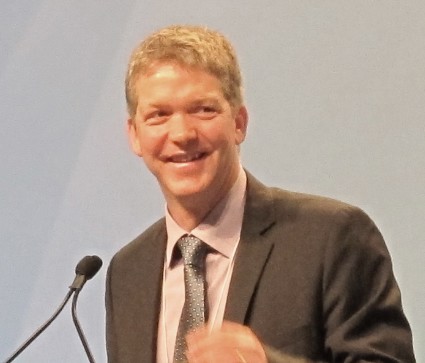
Worse Cosmesis, Toxicity with Partial- vs. Whole-Breast Irradiation
BOSTON – Cosmetic results were significantly worse after 3 years for women who had accelerated partial-breast irradiation than for women treated with whole-breast irradiation in a randomized clinical trial, investigators found.
Nearly a third (32%) of women who underwent accelerated partial breast irradiation (APBI) with a 3-D conformal technique had cosmetic results rated as fair or poor by a nurse, compared with 19% of women who had undergone whole-breast irradiation (WBI), Dr. Timothy J. Whelan reported at the annual meeting of the American Society for Radiation Oncology.
APBI was also associated with more grade 1 and 2 toxicities than WBI, but there were few grade 3 toxicities with either technique and no grade 4 toxicities, said Dr. Whelan, a radiation oncologist at the Juravinski Cancer Centre in Hamilton, Ont.
"This increase in toxicity may have resulted from limited conformality of the 3-D conformal approach, the short time between the fractions – radiation with APBI was given twice a day with 6 hours between the fractions, which may not have been adequate – and maybe due to the asymmetric nature of partial breast irradiation itself, given that it’s only given to part of the breast," he said at a press briefing.
Trading Convenience for Toxicity?
APBI – in which a large dose per fraction of external beam radiation is given only to the surgical cavity with an additional safety margin – allows radiation therapy to be delivered in 1 week or less, making it an attractive alternative to multifraction therapy that can stretch over many weeks.
But it is still not clear whether APBI trades poorer outcomes for convenience, Dr. Whelan said. He and colleagues in Canada, Australia, and New Zealand conducted the RAPID trial (Randomized Trial of Accelerated Partial-Breast Irradiation Using 3-D Conformal External Beam Radiation Therapy) to find out. The study compared the efficacy and safety of the two modalities in women over 40 years of age with invasive or noninvasive breast cancers smaller than 3 cm.
Investigators enrolled 2,135 patients and randomized them to receive either WBI (1,065 patients) at 50 Gy in 25 fractions or 42.5 Gy in 16 fractions given once daily with or without boost irradiation or 3-D conformal APBI at 38.5 Gy in 10 fractions twice daily (1,070 patients). Cosmetic results were rated by a trained nurse on a global assessment using the European Organisation for Research and Treatment of Cancer (EORTC) Cosmetic Rating System for Breast Cancer, and for toxicity using the National Cancer Institute Common Terminology Criteria for Adverse Events 3.0. Radiologists blinded to treatment type also rated results on digital photographs.
Immediately after radiation, cosmetic results were similar between the groups, with nurse-assessed appearance rated as fair or poor in 17% of women who had WBI, and 19% who had APBI (P = .35). However, an interim toxicity analysis among 850 evaluable patients, showed that at 3 years (2.3 years median follow-up) 13% more of the patients who had undergone APBI had fair or poor cosmesis.
The Jury Is Out
Dr. Whelan noted that the between-group differences were about the same at 5 years, but did not provide data.
"The evidence for partial-breast irradiation is still not very clear. We don’t have very robust evidence about its efficacy, and we just now have recent evidence about its potential toxicities, he said.
Dr. Bruce Haffty, chair of radiation oncology at the Cancer Institute of New Jersey in New Brunswick, commented that "the results from the RAPID trial shed further light on the use of accelerated partial-breast irradiation, and emphasize the need to further investigate these fractionation schemes and sort out whether in fact the toxicity from partial-breast irradiation may be slightly worse than with whole-breast irradiation."
Dr. Haffty moderated a briefing where the data were presented, but was not involved in the RAPID trial.
The RAPID trial is supported by the Canadian Institutes of Health Research and Canadian Breast Cancer Research Alliance. Dr. Whelan has received honoraria from AstraZeneca and Novartis. Dr. Haffty reported no relevant disclosures.
BOSTON – Cosmetic results were significantly worse after 3 years for women who had accelerated partial-breast irradiation than for women treated with whole-breast irradiation in a randomized clinical trial, investigators found.
Nearly a third (32%) of women who underwent accelerated partial breast irradiation (APBI) with a 3-D conformal technique had cosmetic results rated as fair or poor by a nurse, compared with 19% of women who had undergone whole-breast irradiation (WBI), Dr. Timothy J. Whelan reported at the annual meeting of the American Society for Radiation Oncology.
APBI was also associated with more grade 1 and 2 toxicities than WBI, but there were few grade 3 toxicities with either technique and no grade 4 toxicities, said Dr. Whelan, a radiation oncologist at the Juravinski Cancer Centre in Hamilton, Ont.
"This increase in toxicity may have resulted from limited conformality of the 3-D conformal approach, the short time between the fractions – radiation with APBI was given twice a day with 6 hours between the fractions, which may not have been adequate – and maybe due to the asymmetric nature of partial breast irradiation itself, given that it’s only given to part of the breast," he said at a press briefing.
Trading Convenience for Toxicity?
APBI – in which a large dose per fraction of external beam radiation is given only to the surgical cavity with an additional safety margin – allows radiation therapy to be delivered in 1 week or less, making it an attractive alternative to multifraction therapy that can stretch over many weeks.
But it is still not clear whether APBI trades poorer outcomes for convenience, Dr. Whelan said. He and colleagues in Canada, Australia, and New Zealand conducted the RAPID trial (Randomized Trial of Accelerated Partial-Breast Irradiation Using 3-D Conformal External Beam Radiation Therapy) to find out. The study compared the efficacy and safety of the two modalities in women over 40 years of age with invasive or noninvasive breast cancers smaller than 3 cm.
Investigators enrolled 2,135 patients and randomized them to receive either WBI (1,065 patients) at 50 Gy in 25 fractions or 42.5 Gy in 16 fractions given once daily with or without boost irradiation or 3-D conformal APBI at 38.5 Gy in 10 fractions twice daily (1,070 patients). Cosmetic results were rated by a trained nurse on a global assessment using the European Organisation for Research and Treatment of Cancer (EORTC) Cosmetic Rating System for Breast Cancer, and for toxicity using the National Cancer Institute Common Terminology Criteria for Adverse Events 3.0. Radiologists blinded to treatment type also rated results on digital photographs.
Immediately after radiation, cosmetic results were similar between the groups, with nurse-assessed appearance rated as fair or poor in 17% of women who had WBI, and 19% who had APBI (P = .35). However, an interim toxicity analysis among 850 evaluable patients, showed that at 3 years (2.3 years median follow-up) 13% more of the patients who had undergone APBI had fair or poor cosmesis.
The Jury Is Out
Dr. Whelan noted that the between-group differences were about the same at 5 years, but did not provide data.
"The evidence for partial-breast irradiation is still not very clear. We don’t have very robust evidence about its efficacy, and we just now have recent evidence about its potential toxicities, he said.
Dr. Bruce Haffty, chair of radiation oncology at the Cancer Institute of New Jersey in New Brunswick, commented that "the results from the RAPID trial shed further light on the use of accelerated partial-breast irradiation, and emphasize the need to further investigate these fractionation schemes and sort out whether in fact the toxicity from partial-breast irradiation may be slightly worse than with whole-breast irradiation."
Dr. Haffty moderated a briefing where the data were presented, but was not involved in the RAPID trial.
The RAPID trial is supported by the Canadian Institutes of Health Research and Canadian Breast Cancer Research Alliance. Dr. Whelan has received honoraria from AstraZeneca and Novartis. Dr. Haffty reported no relevant disclosures.
BOSTON – Cosmetic results were significantly worse after 3 years for women who had accelerated partial-breast irradiation than for women treated with whole-breast irradiation in a randomized clinical trial, investigators found.
Nearly a third (32%) of women who underwent accelerated partial breast irradiation (APBI) with a 3-D conformal technique had cosmetic results rated as fair or poor by a nurse, compared with 19% of women who had undergone whole-breast irradiation (WBI), Dr. Timothy J. Whelan reported at the annual meeting of the American Society for Radiation Oncology.
APBI was also associated with more grade 1 and 2 toxicities than WBI, but there were few grade 3 toxicities with either technique and no grade 4 toxicities, said Dr. Whelan, a radiation oncologist at the Juravinski Cancer Centre in Hamilton, Ont.
"This increase in toxicity may have resulted from limited conformality of the 3-D conformal approach, the short time between the fractions – radiation with APBI was given twice a day with 6 hours between the fractions, which may not have been adequate – and maybe due to the asymmetric nature of partial breast irradiation itself, given that it’s only given to part of the breast," he said at a press briefing.
Trading Convenience for Toxicity?
APBI – in which a large dose per fraction of external beam radiation is given only to the surgical cavity with an additional safety margin – allows radiation therapy to be delivered in 1 week or less, making it an attractive alternative to multifraction therapy that can stretch over many weeks.
But it is still not clear whether APBI trades poorer outcomes for convenience, Dr. Whelan said. He and colleagues in Canada, Australia, and New Zealand conducted the RAPID trial (Randomized Trial of Accelerated Partial-Breast Irradiation Using 3-D Conformal External Beam Radiation Therapy) to find out. The study compared the efficacy and safety of the two modalities in women over 40 years of age with invasive or noninvasive breast cancers smaller than 3 cm.
Investigators enrolled 2,135 patients and randomized them to receive either WBI (1,065 patients) at 50 Gy in 25 fractions or 42.5 Gy in 16 fractions given once daily with or without boost irradiation or 3-D conformal APBI at 38.5 Gy in 10 fractions twice daily (1,070 patients). Cosmetic results were rated by a trained nurse on a global assessment using the European Organisation for Research and Treatment of Cancer (EORTC) Cosmetic Rating System for Breast Cancer, and for toxicity using the National Cancer Institute Common Terminology Criteria for Adverse Events 3.0. Radiologists blinded to treatment type also rated results on digital photographs.
Immediately after radiation, cosmetic results were similar between the groups, with nurse-assessed appearance rated as fair or poor in 17% of women who had WBI, and 19% who had APBI (P = .35). However, an interim toxicity analysis among 850 evaluable patients, showed that at 3 years (2.3 years median follow-up) 13% more of the patients who had undergone APBI had fair or poor cosmesis.
The Jury Is Out
Dr. Whelan noted that the between-group differences were about the same at 5 years, but did not provide data.
"The evidence for partial-breast irradiation is still not very clear. We don’t have very robust evidence about its efficacy, and we just now have recent evidence about its potential toxicities, he said.
Dr. Bruce Haffty, chair of radiation oncology at the Cancer Institute of New Jersey in New Brunswick, commented that "the results from the RAPID trial shed further light on the use of accelerated partial-breast irradiation, and emphasize the need to further investigate these fractionation schemes and sort out whether in fact the toxicity from partial-breast irradiation may be slightly worse than with whole-breast irradiation."
Dr. Haffty moderated a briefing where the data were presented, but was not involved in the RAPID trial.
The RAPID trial is supported by the Canadian Institutes of Health Research and Canadian Breast Cancer Research Alliance. Dr. Whelan has received honoraria from AstraZeneca and Novartis. Dr. Haffty reported no relevant disclosures.
AT THE ANNUAL MEETING OF THE AMERICAN SOCIETY FOR RADIATION ONCOLOGY
Major Finding: Nearly a third (32%) of women who underwent accelerated partial-breast irradiation (APBI) with a 3-D conformal technique had cosmetic results rated as fair or poor by a nurse at 3 years, compared with 19% of women who had undergone whole-breast irradition.
Data Source: This was an interim analysis of toxicity data from a randomized clinical trial.
Disclosures: The RAPID trial is supported by the Canadian Institutes of Health Research and Canadian Breast Cancer Research Alliance. Dr. Whelan has received honoraria from AstraZeneca and Novartis. Dr. Haffty reported no relevant disclosures.
Investigational HCV Regimens Ditch the Interferon
BOSTON – Poor interferon: It was once the favored (and virtually only) effective therapy for hepatitis C viral infections, and now clinicians can’t wait to get rid of it.
Several investigational interferon-free oral regimens were the focus of studies presented at the annual meeting of the American Association for the Study of Liver Diseases.
The regimens combine various flavors of direct-acting antivirals (DAAs), with or without interferon’s faithful sidekick ribavirin, in dizzying combinations with varying degrees of efficacy.
Triple Therapy With Only New Agents
A triple DAA regimen that has been under study consists of daclatasvir, an investigational viral NS5Areplication complex inhibitor; asunaprevir, an investigational NS3 protease inhibitor; and BMS-791325, a nonnucleoside NS5B polymerase inhibitor (all three were from Bristol-Myers Squibb). This cocktail yielded high sustained virologic response (SVR) rates after both 12 and 24 weeks of treatment in previously untreated noncirrhotic patients with hepatitis C virus (HCV) genotype 1 chronic infections.
"SVR4 [SVR at 4 weeks post therapy] was achieved in all treatment-naïve genotype patients with post-treatment data available, including harder-to-treat patients with genotype 1a infection, high viral load, non-cirrhotic IL28b genotype," said Dr. Gregory T. Everson, professor of medicine and director of the section of hepatology at the University of Colorado in Denver.
In pilot studies, a dual regimen of daclatasvir and asunaprevir for 24 weeks was effective in prior null responders with genotype 1b but not 1a infections, prompting the investigators to see whether a triple whammy could improve efficacy in genotype 1a infections, remain tolerable, and ideally, be effective when given for only 12 weeks.
The ongoing open-label study compares daclatasvir 60 mg daily, asunaprevir 200 mg twice daily, and BMS-791325 75 mg twice daily for 12 or 24 weeks; a second part of the study looking at the combination with a 150-mg-higher dose of the latter agent does not have mature data as yet.
In a modified intention-to-treat analysis at 4 weeks of treatment, all 16 patients in a 24-week treatment cohort had HCV RNA levels below the lower limit of quantification (LLOQ). A the primary end point of 12 weeks, 15 (94%) had maintained viral suppression. At week 4 post treatment, 15 of the 16 patients still had viral RNA below the quantifiable level, for an SVR4 rate of 94%. One patient in this cohort withdrew from the trial at week 9 and is therefore considered a treatment failure.
In a second cohort of 16 patients treated for 12 weeks, rates of below-target or undetectable HCV RNA were 100% at treatment week 4, and 88% at week 12. Two patients who had withdrawn from the trial before the protocol-defined last treatment and therefore were not included in the 12-week analysis also had RNA levels below the LLOQ on subsequent visits, Dr. Everson said. The SVR4 and SVR12 rates were each 94% in this cohort.
The regimen was generally tolerated. No patients dropped out of the study due to adverse drug-related events, and no cases of viral breakthrough or post-treatment relapse have been reported to date, Dr. Everson said.
Ribavirin Optional
In another study, Dr. Mark S. Sulkowski, medical director of the viral hepatitis center at Johns Hopkins University, Baltimore, and his colleagues reported on a combination of daclatasvir and Gilead’s HCV polymerase inhibitor sofosbuvir with or without ribavirin, in patients with HCV genotypes 1, 2, and 3.
They looked at the combination of the two DAAs with or without ribavirin for 24 weeks of treatment in treatment-naïve patients with genotypes 1a or 1b, 2, and 3, and in two separate arms for 12 weeks in patients infected with genotypes 1a or 1b.
In the open-label trial, patients were randomly assigned to one of eight treatment groups. A total of 44 patients infected with genotypes 2 or 3 were assigned to receive daclatasvir 60 mg and sofosbuvir 400 mg daily, with one group also receiving ribavirin. In addition, 44 patients with genotypes 1a or 1b were assigned to daclatasvir and sofosbuvir at the same doses, with or without ribavirin, and in a separate randomization, 82 patients with genotype 1a or 1b were assigned to receive 12 weeks of the two DAAs with or without ribavirin.
The authors found that the combinations achieved SVRs in more than 93% of the entire patient sample. Among 44 patients with genotypes 2 or 3, 93% had an SVR24 rate of 93%, with 1 patient having a confirmed relapse.
Among 126 patients with genotype 1, 96% of those who had reached 12 weeks post treatment had an SVR12, including 3 who did not have an SVR4. The SVR24 rate in this group was 98%. One patient in this group was reinfected with a new HCV strain.
"Virologic response did not vary according to IL28B genotype, viral subtype, or the administration of ribavirin," Dr. Sulkowski said.
He noted that the combination was generally well tolerated, with low hemoglobin – often a concern with DAAs – occurring only among those patients who received ribavirin.
Sofosbuvir Stands Alone (Almost)
Another relatively simple regimen that was well tolerated and achieved sustained virologic response in some patients was a combination of sofosbuvir and weight-based or low-dose ribavirin. This combination was associated with a significant number of relapses, however.
Dr. Anu Osinusi, a clinical investigator at the National Institute of Allergy and Infectious Diseases, sought to determine whether a less complex and more tolerable regimen could be effective in an urban population with untreated HCV infection.
They enrolled 60 patients with HCV genotype 1. The majority of the patients were African Americans. In part 1 of the trial, the patients had stage 0 to 2 fibrosis. Part 2 of the trial included patients with all stages, including those with Child-Pugh Class A disease. Patients in part 1 received sofosbuvir 400 mg plus ribavirin 1,000-1,200 mg (10 patients). In part 2, 25 patients each were randomized either to the regimen above or to the same dose of sofosbuvir with low-dose ribavirin (600 mg).
In an interim intention-to-treat analysis, there was one dropout in part 1, and the remaining nine patients all had HCV RNA less than the LLOQ at weeks 4 and 12, at end of treatment, and maintained them out to SVR12.
In the second, randomized phase, 1 patient dropped out at week 3 of treatment in the full-dose ribavirin group; the remaining 24 patients all had RNA undetectable or below target at weeks 4, 12, and end of treatment, but by post-treatment week 4, 6 patients had relapse, yielding an SVR4 of 72%.
In the low-dose ribavirin arm, 3 patients dropped out by week 8. The remaining 22 patients, while on treatment, all had viral suppression at week 4, but 4 weeks after the end of therapy, 8 patients had relapsed, leaving an SVR4 of 56% (64% in a modified intention-to-treat analysis). "Ongoing analysis is currently focused on identifying the biologic correlates of HCV clearance, as well as identifying the mechanisms of relapse," Dr. Osinusi said.
The relapses were independent of baseline factors such as HCV RNA level, IL28B genotype, weight, race, degree of fibrosis, and ribavirin dose.
Both regimens were well tolerated, and both produced significant improvement of inflammation with treatment.
Dr. Everson’s study was supported by Bristol-Myers Squibb. He has received research support from the company. Dr. Sulkowski’s study was supported by Vertex Pharmaceuticals. He is a consultant to the company and has received grant and research support from it. Dr. Osinusi’s study was funded by the National Institutes of Health. She reported having no relevant financial disclosures.
BOSTON – Poor interferon: It was once the favored (and virtually only) effective therapy for hepatitis C viral infections, and now clinicians can’t wait to get rid of it.
Several investigational interferon-free oral regimens were the focus of studies presented at the annual meeting of the American Association for the Study of Liver Diseases.
The regimens combine various flavors of direct-acting antivirals (DAAs), with or without interferon’s faithful sidekick ribavirin, in dizzying combinations with varying degrees of efficacy.
Triple Therapy With Only New Agents
A triple DAA regimen that has been under study consists of daclatasvir, an investigational viral NS5Areplication complex inhibitor; asunaprevir, an investigational NS3 protease inhibitor; and BMS-791325, a nonnucleoside NS5B polymerase inhibitor (all three were from Bristol-Myers Squibb). This cocktail yielded high sustained virologic response (SVR) rates after both 12 and 24 weeks of treatment in previously untreated noncirrhotic patients with hepatitis C virus (HCV) genotype 1 chronic infections.
"SVR4 [SVR at 4 weeks post therapy] was achieved in all treatment-naïve genotype patients with post-treatment data available, including harder-to-treat patients with genotype 1a infection, high viral load, non-cirrhotic IL28b genotype," said Dr. Gregory T. Everson, professor of medicine and director of the section of hepatology at the University of Colorado in Denver.
In pilot studies, a dual regimen of daclatasvir and asunaprevir for 24 weeks was effective in prior null responders with genotype 1b but not 1a infections, prompting the investigators to see whether a triple whammy could improve efficacy in genotype 1a infections, remain tolerable, and ideally, be effective when given for only 12 weeks.
The ongoing open-label study compares daclatasvir 60 mg daily, asunaprevir 200 mg twice daily, and BMS-791325 75 mg twice daily for 12 or 24 weeks; a second part of the study looking at the combination with a 150-mg-higher dose of the latter agent does not have mature data as yet.
In a modified intention-to-treat analysis at 4 weeks of treatment, all 16 patients in a 24-week treatment cohort had HCV RNA levels below the lower limit of quantification (LLOQ). A the primary end point of 12 weeks, 15 (94%) had maintained viral suppression. At week 4 post treatment, 15 of the 16 patients still had viral RNA below the quantifiable level, for an SVR4 rate of 94%. One patient in this cohort withdrew from the trial at week 9 and is therefore considered a treatment failure.
In a second cohort of 16 patients treated for 12 weeks, rates of below-target or undetectable HCV RNA were 100% at treatment week 4, and 88% at week 12. Two patients who had withdrawn from the trial before the protocol-defined last treatment and therefore were not included in the 12-week analysis also had RNA levels below the LLOQ on subsequent visits, Dr. Everson said. The SVR4 and SVR12 rates were each 94% in this cohort.
The regimen was generally tolerated. No patients dropped out of the study due to adverse drug-related events, and no cases of viral breakthrough or post-treatment relapse have been reported to date, Dr. Everson said.
Ribavirin Optional
In another study, Dr. Mark S. Sulkowski, medical director of the viral hepatitis center at Johns Hopkins University, Baltimore, and his colleagues reported on a combination of daclatasvir and Gilead’s HCV polymerase inhibitor sofosbuvir with or without ribavirin, in patients with HCV genotypes 1, 2, and 3.
They looked at the combination of the two DAAs with or without ribavirin for 24 weeks of treatment in treatment-naïve patients with genotypes 1a or 1b, 2, and 3, and in two separate arms for 12 weeks in patients infected with genotypes 1a or 1b.
In the open-label trial, patients were randomly assigned to one of eight treatment groups. A total of 44 patients infected with genotypes 2 or 3 were assigned to receive daclatasvir 60 mg and sofosbuvir 400 mg daily, with one group also receiving ribavirin. In addition, 44 patients with genotypes 1a or 1b were assigned to daclatasvir and sofosbuvir at the same doses, with or without ribavirin, and in a separate randomization, 82 patients with genotype 1a or 1b were assigned to receive 12 weeks of the two DAAs with or without ribavirin.
The authors found that the combinations achieved SVRs in more than 93% of the entire patient sample. Among 44 patients with genotypes 2 or 3, 93% had an SVR24 rate of 93%, with 1 patient having a confirmed relapse.
Among 126 patients with genotype 1, 96% of those who had reached 12 weeks post treatment had an SVR12, including 3 who did not have an SVR4. The SVR24 rate in this group was 98%. One patient in this group was reinfected with a new HCV strain.
"Virologic response did not vary according to IL28B genotype, viral subtype, or the administration of ribavirin," Dr. Sulkowski said.
He noted that the combination was generally well tolerated, with low hemoglobin – often a concern with DAAs – occurring only among those patients who received ribavirin.
Sofosbuvir Stands Alone (Almost)
Another relatively simple regimen that was well tolerated and achieved sustained virologic response in some patients was a combination of sofosbuvir and weight-based or low-dose ribavirin. This combination was associated with a significant number of relapses, however.
Dr. Anu Osinusi, a clinical investigator at the National Institute of Allergy and Infectious Diseases, sought to determine whether a less complex and more tolerable regimen could be effective in an urban population with untreated HCV infection.
They enrolled 60 patients with HCV genotype 1. The majority of the patients were African Americans. In part 1 of the trial, the patients had stage 0 to 2 fibrosis. Part 2 of the trial included patients with all stages, including those with Child-Pugh Class A disease. Patients in part 1 received sofosbuvir 400 mg plus ribavirin 1,000-1,200 mg (10 patients). In part 2, 25 patients each were randomized either to the regimen above or to the same dose of sofosbuvir with low-dose ribavirin (600 mg).
In an interim intention-to-treat analysis, there was one dropout in part 1, and the remaining nine patients all had HCV RNA less than the LLOQ at weeks 4 and 12, at end of treatment, and maintained them out to SVR12.
In the second, randomized phase, 1 patient dropped out at week 3 of treatment in the full-dose ribavirin group; the remaining 24 patients all had RNA undetectable or below target at weeks 4, 12, and end of treatment, but by post-treatment week 4, 6 patients had relapse, yielding an SVR4 of 72%.
In the low-dose ribavirin arm, 3 patients dropped out by week 8. The remaining 22 patients, while on treatment, all had viral suppression at week 4, but 4 weeks after the end of therapy, 8 patients had relapsed, leaving an SVR4 of 56% (64% in a modified intention-to-treat analysis). "Ongoing analysis is currently focused on identifying the biologic correlates of HCV clearance, as well as identifying the mechanisms of relapse," Dr. Osinusi said.
The relapses were independent of baseline factors such as HCV RNA level, IL28B genotype, weight, race, degree of fibrosis, and ribavirin dose.
Both regimens were well tolerated, and both produced significant improvement of inflammation with treatment.
Dr. Everson’s study was supported by Bristol-Myers Squibb. He has received research support from the company. Dr. Sulkowski’s study was supported by Vertex Pharmaceuticals. He is a consultant to the company and has received grant and research support from it. Dr. Osinusi’s study was funded by the National Institutes of Health. She reported having no relevant financial disclosures.
BOSTON – Poor interferon: It was once the favored (and virtually only) effective therapy for hepatitis C viral infections, and now clinicians can’t wait to get rid of it.
Several investigational interferon-free oral regimens were the focus of studies presented at the annual meeting of the American Association for the Study of Liver Diseases.
The regimens combine various flavors of direct-acting antivirals (DAAs), with or without interferon’s faithful sidekick ribavirin, in dizzying combinations with varying degrees of efficacy.
Triple Therapy With Only New Agents
A triple DAA regimen that has been under study consists of daclatasvir, an investigational viral NS5Areplication complex inhibitor; asunaprevir, an investigational NS3 protease inhibitor; and BMS-791325, a nonnucleoside NS5B polymerase inhibitor (all three were from Bristol-Myers Squibb). This cocktail yielded high sustained virologic response (SVR) rates after both 12 and 24 weeks of treatment in previously untreated noncirrhotic patients with hepatitis C virus (HCV) genotype 1 chronic infections.
"SVR4 [SVR at 4 weeks post therapy] was achieved in all treatment-naïve genotype patients with post-treatment data available, including harder-to-treat patients with genotype 1a infection, high viral load, non-cirrhotic IL28b genotype," said Dr. Gregory T. Everson, professor of medicine and director of the section of hepatology at the University of Colorado in Denver.
In pilot studies, a dual regimen of daclatasvir and asunaprevir for 24 weeks was effective in prior null responders with genotype 1b but not 1a infections, prompting the investigators to see whether a triple whammy could improve efficacy in genotype 1a infections, remain tolerable, and ideally, be effective when given for only 12 weeks.
The ongoing open-label study compares daclatasvir 60 mg daily, asunaprevir 200 mg twice daily, and BMS-791325 75 mg twice daily for 12 or 24 weeks; a second part of the study looking at the combination with a 150-mg-higher dose of the latter agent does not have mature data as yet.
In a modified intention-to-treat analysis at 4 weeks of treatment, all 16 patients in a 24-week treatment cohort had HCV RNA levels below the lower limit of quantification (LLOQ). A the primary end point of 12 weeks, 15 (94%) had maintained viral suppression. At week 4 post treatment, 15 of the 16 patients still had viral RNA below the quantifiable level, for an SVR4 rate of 94%. One patient in this cohort withdrew from the trial at week 9 and is therefore considered a treatment failure.
In a second cohort of 16 patients treated for 12 weeks, rates of below-target or undetectable HCV RNA were 100% at treatment week 4, and 88% at week 12. Two patients who had withdrawn from the trial before the protocol-defined last treatment and therefore were not included in the 12-week analysis also had RNA levels below the LLOQ on subsequent visits, Dr. Everson said. The SVR4 and SVR12 rates were each 94% in this cohort.
The regimen was generally tolerated. No patients dropped out of the study due to adverse drug-related events, and no cases of viral breakthrough or post-treatment relapse have been reported to date, Dr. Everson said.
Ribavirin Optional
In another study, Dr. Mark S. Sulkowski, medical director of the viral hepatitis center at Johns Hopkins University, Baltimore, and his colleagues reported on a combination of daclatasvir and Gilead’s HCV polymerase inhibitor sofosbuvir with or without ribavirin, in patients with HCV genotypes 1, 2, and 3.
They looked at the combination of the two DAAs with or without ribavirin for 24 weeks of treatment in treatment-naïve patients with genotypes 1a or 1b, 2, and 3, and in two separate arms for 12 weeks in patients infected with genotypes 1a or 1b.
In the open-label trial, patients were randomly assigned to one of eight treatment groups. A total of 44 patients infected with genotypes 2 or 3 were assigned to receive daclatasvir 60 mg and sofosbuvir 400 mg daily, with one group also receiving ribavirin. In addition, 44 patients with genotypes 1a or 1b were assigned to daclatasvir and sofosbuvir at the same doses, with or without ribavirin, and in a separate randomization, 82 patients with genotype 1a or 1b were assigned to receive 12 weeks of the two DAAs with or without ribavirin.
The authors found that the combinations achieved SVRs in more than 93% of the entire patient sample. Among 44 patients with genotypes 2 or 3, 93% had an SVR24 rate of 93%, with 1 patient having a confirmed relapse.
Among 126 patients with genotype 1, 96% of those who had reached 12 weeks post treatment had an SVR12, including 3 who did not have an SVR4. The SVR24 rate in this group was 98%. One patient in this group was reinfected with a new HCV strain.
"Virologic response did not vary according to IL28B genotype, viral subtype, or the administration of ribavirin," Dr. Sulkowski said.
He noted that the combination was generally well tolerated, with low hemoglobin – often a concern with DAAs – occurring only among those patients who received ribavirin.
Sofosbuvir Stands Alone (Almost)
Another relatively simple regimen that was well tolerated and achieved sustained virologic response in some patients was a combination of sofosbuvir and weight-based or low-dose ribavirin. This combination was associated with a significant number of relapses, however.
Dr. Anu Osinusi, a clinical investigator at the National Institute of Allergy and Infectious Diseases, sought to determine whether a less complex and more tolerable regimen could be effective in an urban population with untreated HCV infection.
They enrolled 60 patients with HCV genotype 1. The majority of the patients were African Americans. In part 1 of the trial, the patients had stage 0 to 2 fibrosis. Part 2 of the trial included patients with all stages, including those with Child-Pugh Class A disease. Patients in part 1 received sofosbuvir 400 mg plus ribavirin 1,000-1,200 mg (10 patients). In part 2, 25 patients each were randomized either to the regimen above or to the same dose of sofosbuvir with low-dose ribavirin (600 mg).
In an interim intention-to-treat analysis, there was one dropout in part 1, and the remaining nine patients all had HCV RNA less than the LLOQ at weeks 4 and 12, at end of treatment, and maintained them out to SVR12.
In the second, randomized phase, 1 patient dropped out at week 3 of treatment in the full-dose ribavirin group; the remaining 24 patients all had RNA undetectable or below target at weeks 4, 12, and end of treatment, but by post-treatment week 4, 6 patients had relapse, yielding an SVR4 of 72%.
In the low-dose ribavirin arm, 3 patients dropped out by week 8. The remaining 22 patients, while on treatment, all had viral suppression at week 4, but 4 weeks after the end of therapy, 8 patients had relapsed, leaving an SVR4 of 56% (64% in a modified intention-to-treat analysis). "Ongoing analysis is currently focused on identifying the biologic correlates of HCV clearance, as well as identifying the mechanisms of relapse," Dr. Osinusi said.
The relapses were independent of baseline factors such as HCV RNA level, IL28B genotype, weight, race, degree of fibrosis, and ribavirin dose.
Both regimens were well tolerated, and both produced significant improvement of inflammation with treatment.
Dr. Everson’s study was supported by Bristol-Myers Squibb. He has received research support from the company. Dr. Sulkowski’s study was supported by Vertex Pharmaceuticals. He is a consultant to the company and has received grant and research support from it. Dr. Osinusi’s study was funded by the National Institutes of Health. She reported having no relevant financial disclosures.
AT THE ANNUAL MEETING OF THE AMERICAN ASSOCIATION FOR THE STUDY OF LIVER DISEASES
RAISE: Early Intervention in Schizophrenia Put to the Test
NEW YORK – The National Institute of Mental Health is putting its research and clinical muscle into determining whether early intervention in schizophrenia can improve outcomes later in life.
The Recovery After an Initial Schizophrenia Episode (RAISE) program, a research project of the NIMH, will test "whether early, aggressive, and preemptive intervention can slow or halt clinical and functional deterioration in schizophrenia," Amy Goldstein, Ph.D., said at the American Psychiatric Association’s Institute on Psychiatric Services.
Dr. Goldstein, who is associate director of the RAISE initiative, and her colleagues described the ambitious project, which includes a randomized clinical trial of community-based treatment, as well as a component for limiting disability from schizophrenia and promoting recovery through integrated care.
Instead of focusing on the management of established illness and entrenched disability in people with schizophrenia, RAISE is comparing the effectiveness of a phase-specific intervention for first-episode psychosis with usual community care. The RAISE investigators also are conducting an implementation study to determine which factors hinder and which facilitate quick adoption of early psychosis interventions.
With early treatment, patients tend to have better responses to antipsychotic medications and experience better outcomes with social and vocational rehabilitation programs. In addition, early intervention has "a greater impact for psychological therapies that target residual symptoms, behavioral adaptation, and quality of life," said Dr. Goldstein, who also is chief of the NIMH Preventive Intervention Program.
RAISE ETP
The RAISE ETP (Early Treatment Programs) trial pits the RAISE "Navigate" model for community-based treatment of patients with first-episode psychosis with standard care. Navigate uses a team-based approach to provide patients with individualized psychopharmacology, individual resiliency training, family psychoeducation, and supported employment and/or education, said coinvestigator Dr. Delbert G. Robinson of Hofstra North Shore-Long Island Jewish School of Medicine in Hempstead, N.Y.

The medication component is supported by an online tool that can be used on desktop, laptop, and tablet computers. The tool combines clinician ratings, clinical findings, and patient self-reports to help identify the optimum medication for each patient.
In the ongoing RAISE ETP clinical trial, patients are randomized for a minimum of 2 years to the Navigate program or to a currently available treatment program at a community center. The programs are judged by clinical raters masked to randomization who conduct live, two-way video interviews to assess diagnosis and outcomes.
Although it is still too early to analyze the data, it is encouraging that the community centers participating in the trial were able to recruit 404 patients, and the study thus far has demonstrated that community centers with no previous experience in treating first-episode psychosis can provide integrated treatment, Dr. Robinson said.
"This is an RCT [randomized controlled trial] where the primary outcome measure is not symptoms, it’s quality of life," he said.
RAISE Connection
The RAISE Connection Program is a two-site demonstration study of an intervention designed to limit the disability of patients with early-stage psychotic disorders by helping with recovery, empowerment, skills training, and personalized support, said Dr. Lisa B. Dixon, of the University of Maryland, Baltimore.
"With first-episode [psychosis], you don’t have people who think they have an illness; in fact, in most cases, they’re quite certain they don’t. So part of what we’re doing is to try to help them set the stage and develop a set of attitudes and relationships to their illness that will be durable lifelong," she said.
The Connection team includes a full-time master’s-level clinician as team leader; a 0.20-0.25 full-time equivalent psychiatrist; a full-time supportive employment and education specialist; and a half-time recovery coach who deals with issues of self-management, substance abuse, and family.
For the first 1-3 months, the team strives to develop trusting relationships with the patient and his family and to identify community support, minimize stigma, and maintain continuity of care. The care includes home visits, meetings with caregivers, escorting patients to treatment, if needed, and ensuring that they have adequate housing and financial resources.
Over months 4-21, the staff help patients with social skills, wellness, and communications by mediating conflicts and helping the patient and his family and friends with coping and relapse-prevention strategies.
In the final phase, usually months 22-24, patients are helped with the transition to long-term care and community support.
Dr. Dixon described the Connection program as a cross between Critical Time Intervention programs, Assertive Community Treatment interventions, employment agencies, and drop-in centers.
"This model best fits a region with sufficient population density to support a fully dedicated team. A very big challenge for the field is how to position this kind of a model within an overall treatment continuum," she concluded.
Dr. Goldstein and Dr. Dixon reported that they had no relevant disclosures. Dr. Robinson has received grant support from the NIMH. Bristol-Myers Squibb and Janssen have supplied medication for the research.
Further information about the RAISE initiative is available here.
NEW YORK – The National Institute of Mental Health is putting its research and clinical muscle into determining whether early intervention in schizophrenia can improve outcomes later in life.
The Recovery After an Initial Schizophrenia Episode (RAISE) program, a research project of the NIMH, will test "whether early, aggressive, and preemptive intervention can slow or halt clinical and functional deterioration in schizophrenia," Amy Goldstein, Ph.D., said at the American Psychiatric Association’s Institute on Psychiatric Services.
Dr. Goldstein, who is associate director of the RAISE initiative, and her colleagues described the ambitious project, which includes a randomized clinical trial of community-based treatment, as well as a component for limiting disability from schizophrenia and promoting recovery through integrated care.
Instead of focusing on the management of established illness and entrenched disability in people with schizophrenia, RAISE is comparing the effectiveness of a phase-specific intervention for first-episode psychosis with usual community care. The RAISE investigators also are conducting an implementation study to determine which factors hinder and which facilitate quick adoption of early psychosis interventions.
With early treatment, patients tend to have better responses to antipsychotic medications and experience better outcomes with social and vocational rehabilitation programs. In addition, early intervention has "a greater impact for psychological therapies that target residual symptoms, behavioral adaptation, and quality of life," said Dr. Goldstein, who also is chief of the NIMH Preventive Intervention Program.
RAISE ETP
The RAISE ETP (Early Treatment Programs) trial pits the RAISE "Navigate" model for community-based treatment of patients with first-episode psychosis with standard care. Navigate uses a team-based approach to provide patients with individualized psychopharmacology, individual resiliency training, family psychoeducation, and supported employment and/or education, said coinvestigator Dr. Delbert G. Robinson of Hofstra North Shore-Long Island Jewish School of Medicine in Hempstead, N.Y.
The medication component is supported by an online tool that can be used on desktop, laptop, and tablet computers. The tool combines clinician ratings, clinical findings, and patient self-reports to help identify the optimum medication for each patient.
In the ongoing RAISE ETP clinical trial, patients are randomized for a minimum of 2 years to the Navigate program or to a currently available treatment program at a community center. The programs are judged by clinical raters masked to randomization who conduct live, two-way video interviews to assess diagnosis and outcomes.
Although it is still too early to analyze the data, it is encouraging that the community centers participating in the trial were able to recruit 404 patients, and the study thus far has demonstrated that community centers with no previous experience in treating first-episode psychosis can provide integrated treatment, Dr. Robinson said.
"This is an RCT [randomized controlled trial] where the primary outcome measure is not symptoms, it’s quality of life," he said.
RAISE Connection
The RAISE Connection Program is a two-site demonstration study of an intervention designed to limit the disability of patients with early-stage psychotic disorders by helping with recovery, empowerment, skills training, and personalized support, said Dr. Lisa B. Dixon, of the University of Maryland, Baltimore.
"With first-episode [psychosis], you don’t have people who think they have an illness; in fact, in most cases, they’re quite certain they don’t. So part of what we’re doing is to try to help them set the stage and develop a set of attitudes and relationships to their illness that will be durable lifelong," she said.
The Connection team includes a full-time master’s-level clinician as team leader; a 0.20-0.25 full-time equivalent psychiatrist; a full-time supportive employment and education specialist; and a half-time recovery coach who deals with issues of self-management, substance abuse, and family.
For the first 1-3 months, the team strives to develop trusting relationships with the patient and his family and to identify community support, minimize stigma, and maintain continuity of care. The care includes home visits, meetings with caregivers, escorting patients to treatment, if needed, and ensuring that they have adequate housing and financial resources.
Over months 4-21, the staff help patients with social skills, wellness, and communications by mediating conflicts and helping the patient and his family and friends with coping and relapse-prevention strategies.
In the final phase, usually months 22-24, patients are helped with the transition to long-term care and community support.
Dr. Dixon described the Connection program as a cross between Critical Time Intervention programs, Assertive Community Treatment interventions, employment agencies, and drop-in centers.
"This model best fits a region with sufficient population density to support a fully dedicated team. A very big challenge for the field is how to position this kind of a model within an overall treatment continuum," she concluded.
Dr. Goldstein and Dr. Dixon reported that they had no relevant disclosures. Dr. Robinson has received grant support from the NIMH. Bristol-Myers Squibb and Janssen have supplied medication for the research.
Further information about the RAISE initiative is available here.
NEW YORK – The National Institute of Mental Health is putting its research and clinical muscle into determining whether early intervention in schizophrenia can improve outcomes later in life.
The Recovery After an Initial Schizophrenia Episode (RAISE) program, a research project of the NIMH, will test "whether early, aggressive, and preemptive intervention can slow or halt clinical and functional deterioration in schizophrenia," Amy Goldstein, Ph.D., said at the American Psychiatric Association’s Institute on Psychiatric Services.
Dr. Goldstein, who is associate director of the RAISE initiative, and her colleagues described the ambitious project, which includes a randomized clinical trial of community-based treatment, as well as a component for limiting disability from schizophrenia and promoting recovery through integrated care.
Instead of focusing on the management of established illness and entrenched disability in people with schizophrenia, RAISE is comparing the effectiveness of a phase-specific intervention for first-episode psychosis with usual community care. The RAISE investigators also are conducting an implementation study to determine which factors hinder and which facilitate quick adoption of early psychosis interventions.
With early treatment, patients tend to have better responses to antipsychotic medications and experience better outcomes with social and vocational rehabilitation programs. In addition, early intervention has "a greater impact for psychological therapies that target residual symptoms, behavioral adaptation, and quality of life," said Dr. Goldstein, who also is chief of the NIMH Preventive Intervention Program.
RAISE ETP
The RAISE ETP (Early Treatment Programs) trial pits the RAISE "Navigate" model for community-based treatment of patients with first-episode psychosis with standard care. Navigate uses a team-based approach to provide patients with individualized psychopharmacology, individual resiliency training, family psychoeducation, and supported employment and/or education, said coinvestigator Dr. Delbert G. Robinson of Hofstra North Shore-Long Island Jewish School of Medicine in Hempstead, N.Y.
The medication component is supported by an online tool that can be used on desktop, laptop, and tablet computers. The tool combines clinician ratings, clinical findings, and patient self-reports to help identify the optimum medication for each patient.
In the ongoing RAISE ETP clinical trial, patients are randomized for a minimum of 2 years to the Navigate program or to a currently available treatment program at a community center. The programs are judged by clinical raters masked to randomization who conduct live, two-way video interviews to assess diagnosis and outcomes.
Although it is still too early to analyze the data, it is encouraging that the community centers participating in the trial were able to recruit 404 patients, and the study thus far has demonstrated that community centers with no previous experience in treating first-episode psychosis can provide integrated treatment, Dr. Robinson said.
"This is an RCT [randomized controlled trial] where the primary outcome measure is not symptoms, it’s quality of life," he said.
RAISE Connection
The RAISE Connection Program is a two-site demonstration study of an intervention designed to limit the disability of patients with early-stage psychotic disorders by helping with recovery, empowerment, skills training, and personalized support, said Dr. Lisa B. Dixon, of the University of Maryland, Baltimore.
"With first-episode [psychosis], you don’t have people who think they have an illness; in fact, in most cases, they’re quite certain they don’t. So part of what we’re doing is to try to help them set the stage and develop a set of attitudes and relationships to their illness that will be durable lifelong," she said.
The Connection team includes a full-time master’s-level clinician as team leader; a 0.20-0.25 full-time equivalent psychiatrist; a full-time supportive employment and education specialist; and a half-time recovery coach who deals with issues of self-management, substance abuse, and family.
For the first 1-3 months, the team strives to develop trusting relationships with the patient and his family and to identify community support, minimize stigma, and maintain continuity of care. The care includes home visits, meetings with caregivers, escorting patients to treatment, if needed, and ensuring that they have adequate housing and financial resources.
Over months 4-21, the staff help patients with social skills, wellness, and communications by mediating conflicts and helping the patient and his family and friends with coping and relapse-prevention strategies.
In the final phase, usually months 22-24, patients are helped with the transition to long-term care and community support.
Dr. Dixon described the Connection program as a cross between Critical Time Intervention programs, Assertive Community Treatment interventions, employment agencies, and drop-in centers.
"This model best fits a region with sufficient population density to support a fully dedicated team. A very big challenge for the field is how to position this kind of a model within an overall treatment continuum," she concluded.
Dr. Goldstein and Dr. Dixon reported that they had no relevant disclosures. Dr. Robinson has received grant support from the NIMH. Bristol-Myers Squibb and Janssen have supplied medication for the research.
Further information about the RAISE initiative is available here.
EXPERT ANALYSIS FROM THE AMERICAN PSYCHIATRIC ASSOCIATION'S INSTITUTE ON PSYCHIATRIC SERVICES

Acetaminophen-Linked Liver Failure Risk Heightened in Bariatric Surgery Patients
BOSTON – Prior bariatric surgery appears to be an independent risk factor for acetaminophen-related acute liver failure or injury, investigators reported at the annual meeting of the American Association for the Study of Liver Diseases.
A retrospective study of patients with acute liver failure (ALF) showed that 9 of 54 (17%) patients with ALF attributed to acetaminophen (APAP-ALF) had previously had bariatric surgery, compared with none of 47 patients with ALF from other causes, said Dr. Edward W. Holt, a researcher at the California Pacific Medical Center in San Francisco.

Although previous studies have shown associations between bariatric surgery and between alcohol abuse and APAP-ALF, they found that there were no significant differences in rates of suicidal ideation, depression, or alcohol abuse between patients who underwent bariatric surgery and those who had not, suggesting that bariatric surgery itself was a risk factor, Dr. Holt said.
"We feel that the implications of these findings are important," he said. "If validated in a larger cohort, our novel finding may identify a new group of patients at higher risk for APAP-ALF. If validated, additional warnings for patients with prior bariatric surgery may be warranted, similar to those currently in place for patients who consume three or more alcoholic drinks daily."
Possible explanations for the association include higher peak serum concentrations of ethanol after a challenge in patients who have undergone bariatric surgery, as well as higher rates of suicidal behaviors among these patients, compared with controls.
The investigators retrospectively reviewed data from their center on a prospectively identified cohort of 101 patients with acute liver failure from acetaminophen and other causes, including drug-induced, infections, lymphoma, ischemia, and heatstroke. Of the 54 patients with APAP-ALF, 8 had undergone roux-en-Y gastric bypass, and one had a duodenal switch procedure, at a mean of nearly 6 years before diagnosis of ALF.
Among the patients in the APAP-ALF group, the prevalence of bariatric surgery was 25.3-fold higher than the estimated prevalence in the general population (16.7% vs. 0.5%; estimate based on published literature and national hospital discharge data).
The patients with APAP-ALF and ALF from other causes were similar in age, but there were more women (P = .02) and whites (P less than .0001) in the APAP-ALF group, and patients in this group had significantly fewer deaths (P less than .0006) and transplants (P less than .0001).
When the researchers looked at possible risk factors for ALF, they found that patients in the ALF/other group had significantly lower frequencies of depression (P less than .001), alcohol abuse (P = .01), and acetaminophen-containing combination analgesics (P less than .0001). But when they compared patients with or without bariatric surgery, there were no significant differences in any of the variables mentioned above.
Dr. Holt noted that the study was limited by its single-center design, inability to test proposed mechanisms for the increased risk seen in patients who had undergone bariatric surgery (such as changes in glutathione levels), and the inability to perform a logistic regression analysis, as none of the patients with non-APAP ALF had undergone surgery.
In the question-and-response portion following his presentation, Dr. Holt was asked whether liver biopsies had been performed to see if patients had background steatohepatitis or fibrosis that might account for the results, and whether body mass index data were available.
He noted that the patients came primarily from his institution’s wide referral base, and they therefore did not have all the demographic or clinical information about each patient that they would have liked.
The study was internally funded. Dr. Holt reported no relevant financial disclosures.
BOSTON – Prior bariatric surgery appears to be an independent risk factor for acetaminophen-related acute liver failure or injury, investigators reported at the annual meeting of the American Association for the Study of Liver Diseases.
A retrospective study of patients with acute liver failure (ALF) showed that 9 of 54 (17%) patients with ALF attributed to acetaminophen (APAP-ALF) had previously had bariatric surgery, compared with none of 47 patients with ALF from other causes, said Dr. Edward W. Holt, a researcher at the California Pacific Medical Center in San Francisco.
Although previous studies have shown associations between bariatric surgery and between alcohol abuse and APAP-ALF, they found that there were no significant differences in rates of suicidal ideation, depression, or alcohol abuse between patients who underwent bariatric surgery and those who had not, suggesting that bariatric surgery itself was a risk factor, Dr. Holt said.
"We feel that the implications of these findings are important," he said. "If validated in a larger cohort, our novel finding may identify a new group of patients at higher risk for APAP-ALF. If validated, additional warnings for patients with prior bariatric surgery may be warranted, similar to those currently in place for patients who consume three or more alcoholic drinks daily."
Possible explanations for the association include higher peak serum concentrations of ethanol after a challenge in patients who have undergone bariatric surgery, as well as higher rates of suicidal behaviors among these patients, compared with controls.
The investigators retrospectively reviewed data from their center on a prospectively identified cohort of 101 patients with acute liver failure from acetaminophen and other causes, including drug-induced, infections, lymphoma, ischemia, and heatstroke. Of the 54 patients with APAP-ALF, 8 had undergone roux-en-Y gastric bypass, and one had a duodenal switch procedure, at a mean of nearly 6 years before diagnosis of ALF.
Among the patients in the APAP-ALF group, the prevalence of bariatric surgery was 25.3-fold higher than the estimated prevalence in the general population (16.7% vs. 0.5%; estimate based on published literature and national hospital discharge data).
The patients with APAP-ALF and ALF from other causes were similar in age, but there were more women (P = .02) and whites (P less than .0001) in the APAP-ALF group, and patients in this group had significantly fewer deaths (P less than .0006) and transplants (P less than .0001).
When the researchers looked at possible risk factors for ALF, they found that patients in the ALF/other group had significantly lower frequencies of depression (P less than .001), alcohol abuse (P = .01), and acetaminophen-containing combination analgesics (P less than .0001). But when they compared patients with or without bariatric surgery, there were no significant differences in any of the variables mentioned above.
Dr. Holt noted that the study was limited by its single-center design, inability to test proposed mechanisms for the increased risk seen in patients who had undergone bariatric surgery (such as changes in glutathione levels), and the inability to perform a logistic regression analysis, as none of the patients with non-APAP ALF had undergone surgery.
In the question-and-response portion following his presentation, Dr. Holt was asked whether liver biopsies had been performed to see if patients had background steatohepatitis or fibrosis that might account for the results, and whether body mass index data were available.
He noted that the patients came primarily from his institution’s wide referral base, and they therefore did not have all the demographic or clinical information about each patient that they would have liked.
The study was internally funded. Dr. Holt reported no relevant financial disclosures.
BOSTON – Prior bariatric surgery appears to be an independent risk factor for acetaminophen-related acute liver failure or injury, investigators reported at the annual meeting of the American Association for the Study of Liver Diseases.
A retrospective study of patients with acute liver failure (ALF) showed that 9 of 54 (17%) patients with ALF attributed to acetaminophen (APAP-ALF) had previously had bariatric surgery, compared with none of 47 patients with ALF from other causes, said Dr. Edward W. Holt, a researcher at the California Pacific Medical Center in San Francisco.
Although previous studies have shown associations between bariatric surgery and between alcohol abuse and APAP-ALF, they found that there were no significant differences in rates of suicidal ideation, depression, or alcohol abuse between patients who underwent bariatric surgery and those who had not, suggesting that bariatric surgery itself was a risk factor, Dr. Holt said.
"We feel that the implications of these findings are important," he said. "If validated in a larger cohort, our novel finding may identify a new group of patients at higher risk for APAP-ALF. If validated, additional warnings for patients with prior bariatric surgery may be warranted, similar to those currently in place for patients who consume three or more alcoholic drinks daily."
Possible explanations for the association include higher peak serum concentrations of ethanol after a challenge in patients who have undergone bariatric surgery, as well as higher rates of suicidal behaviors among these patients, compared with controls.
The investigators retrospectively reviewed data from their center on a prospectively identified cohort of 101 patients with acute liver failure from acetaminophen and other causes, including drug-induced, infections, lymphoma, ischemia, and heatstroke. Of the 54 patients with APAP-ALF, 8 had undergone roux-en-Y gastric bypass, and one had a duodenal switch procedure, at a mean of nearly 6 years before diagnosis of ALF.
Among the patients in the APAP-ALF group, the prevalence of bariatric surgery was 25.3-fold higher than the estimated prevalence in the general population (16.7% vs. 0.5%; estimate based on published literature and national hospital discharge data).
The patients with APAP-ALF and ALF from other causes were similar in age, but there were more women (P = .02) and whites (P less than .0001) in the APAP-ALF group, and patients in this group had significantly fewer deaths (P less than .0006) and transplants (P less than .0001).
When the researchers looked at possible risk factors for ALF, they found that patients in the ALF/other group had significantly lower frequencies of depression (P less than .001), alcohol abuse (P = .01), and acetaminophen-containing combination analgesics (P less than .0001). But when they compared patients with or without bariatric surgery, there were no significant differences in any of the variables mentioned above.
Dr. Holt noted that the study was limited by its single-center design, inability to test proposed mechanisms for the increased risk seen in patients who had undergone bariatric surgery (such as changes in glutathione levels), and the inability to perform a logistic regression analysis, as none of the patients with non-APAP ALF had undergone surgery.
In the question-and-response portion following his presentation, Dr. Holt was asked whether liver biopsies had been performed to see if patients had background steatohepatitis or fibrosis that might account for the results, and whether body mass index data were available.
He noted that the patients came primarily from his institution’s wide referral base, and they therefore did not have all the demographic or clinical information about each patient that they would have liked.
The study was internally funded. Dr. Holt reported no relevant financial disclosures.
AT THE ANNUAL MEETING OF THE AMERICAN ASSOCIATION FOR THE STUDY OF LIVER DISEASES
Major Finding: Among patients with acute liver failure from acetaminophen, the prevalence of prior bariatric surgery was 25-fold higher than in the general population, suggesting bariatric surgery may be a risk factor for liver failure.
Data Source: This was a retrospective cohort study of 101 patients with liver failure from various causes.
Disclosures: The study was internally funded. Dr. Holt reported no relevant financial disclosures.

Older Adults With Schizophrenia Can Achieve Remission
NEW YORK – Many older adults with a history of chronic schizophrenia can have a sustained remission if they receive appropriate psychosocial stimulation and support, according to Dr. Dilip V. Jeste.
Schizophrenia is a less important barrier to successful aging than are societal attitudes, health care disparity, and scientific or clinical biases, said Dr. Jeste, president of the American Psychiatric Association and chief of geriatric psychiatry at the University of California, San Diego (UCSD).
Optimizing pharmacotherapy, psychosocial interventions, diet, and exercise; curbing substance abuse; and adopting a positive approach on the part of clinicians, patients, and their families can help people with schizophrenia move gently into old age, Dr. Jeste said.
He and his UCSD colleague, Barton W. Palmer, Ph.D., proposed "a new positive psychiatry of aging," a model "that would focus on recovery, promotion of successful aging, neuroplasticity, prevention, and interventions to enhance positive psychological traits such as resilience, optimism, social engagement, and wisdom."
Currently, people with chronic schizophrenia face many obstacles to successful aging, including stigma, poverty, and lack of insurance. But they also face long-held biases of some scientists and clinicians who regard schizophrenia as intractable, as well as facing physical comorbidities such as metabolic syndrome, seen in one study in 60% of middle-aged and older individuals with schizophrenia (J. Clin. Psychopharmacol. 2009;29:210-5). In another study, investigators found that the Framingham 10-year risk of coronary heart disease rose by nearly 80% in middle-aged and older patients with schizophrenia (Schizophr. Res. 2001;125:295-9), Dr. Jeste noted.
People with schizophrenia characteristically have higher levels of stress, tobacco use, and alcohol and substance use, and are more likely to have a sedentary lifestyle. These factors often are exacerbated by poor health care, in addition to the biology of schizophrenia itself. Also, schizophrenia patients are affected by the adverse effects associated with medications such as atypical antipsychotics, which often are associated with weight gain and increased risk for type 2 diabetes, hyperlipidemia, and other cardio- and cerebrovascular disorders.
For these reasons, mortality in schizophrenia is higher than in the general population. For example, in a Finnish study, investigators found a 23-year gap in life expectancy between people with schizophrenia at age 20 and their age-matched peers in the general population. At age 40, the investigators found a 17-year discrepancy (Lancet 2009 July 13 [doi:10.1016/S0140-6736(09)60742-X]).
UCSD investigators have looked at more than 1,400 middle-aged and older people with schizophrenia, nearly 80% of whom had prodromal symptoms of the disorder before the age of 40. In longitudinal follow-up with clinical, neuropsychological, and functional evaluations, the investigators found that people with schizophrenia who were adequately treated had a relatively stable course, improvement over time in psychotic symptoms, and a rate of age-related cognitive change similar to that of people without schizophrenia (Acta Psychiatrica Scandinavica 2003;107:336-43).
As would be expected, people with schizophrenia experienced age-related declines in physical health, but they also reported improvements in mental health, as measured by self-rated quality of life, the authors found (Schizophr. Res. 2009;108:207-13).
Predictors of sustained remission include social support, being or having been married, having comparatively greater cognitive and personality reserve, and getting early treatment. However, neither age nor duration of schizophrenia are accurate predictors of successful, sustained remission, Dr. Jeste emphasized.
He cited two of the best-known examples of successful recovery/remission of people who had lived for decades with schizophrenia: John F. Nash, Ph.D., a 1994 winner of the Nobel Prize in Economic Sciences and the subject of the book (and later the film) "A Beautiful Mind" (New York: Simon & Schuster, 1998) and Elyn R. Saks, Ph.D., professor of law, psychology, and psychiatry and the behavioral sciences at the University of Southern California in Los Angeles. Dr. Saks chronicled her lifelong struggle with psychosis in the memoir "The Center Cannot Hold: My Journey Through Madness" (New York: Hyperion, 2007).
Although they are neither curative nor specific, antipsychotics might help control acute psychotic symptoms and prevent relapse in older patients. However, these drugs do not do much to help with day-to-day function, and carry increased risks of the adverse effects noted earlier. It is important to remember that the Food and Drug Administration issued a public health advisory in 2005 on the treatment of elderly patients with dementia with antipsychotics.
Psychosocial interventions such as cognitive-behavioral therapy and social skills training, functional adaptation training, diabetes awareness, vocational rehabilitation, and other programs also can have significant positive effects on older people with schizophrenia, Dr. Jeste said. The evidence stands in direct contradiction to Freud’s 1924 dictum that "old people are no longer educable," Dr. Jeste noted.
A relatively new treatment approach is mobile intervention, in which smart phones or other communication devices are used to coach patients, promote self-management, and improve their coping skills.
In addition, Dr. Jeste suggested, more studies are needed to see whether the protective benefits of resilience, optimism, and social engagement seen in healthy older adults hold true for people with chronic severe mental illness.
Dr. Jeste reported that he has no financial relationships with the pharmaceutical industry.
NEW YORK – Many older adults with a history of chronic schizophrenia can have a sustained remission if they receive appropriate psychosocial stimulation and support, according to Dr. Dilip V. Jeste.
Schizophrenia is a less important barrier to successful aging than are societal attitudes, health care disparity, and scientific or clinical biases, said Dr. Jeste, president of the American Psychiatric Association and chief of geriatric psychiatry at the University of California, San Diego (UCSD).
Optimizing pharmacotherapy, psychosocial interventions, diet, and exercise; curbing substance abuse; and adopting a positive approach on the part of clinicians, patients, and their families can help people with schizophrenia move gently into old age, Dr. Jeste said.
He and his UCSD colleague, Barton W. Palmer, Ph.D., proposed "a new positive psychiatry of aging," a model "that would focus on recovery, promotion of successful aging, neuroplasticity, prevention, and interventions to enhance positive psychological traits such as resilience, optimism, social engagement, and wisdom."
Currently, people with chronic schizophrenia face many obstacles to successful aging, including stigma, poverty, and lack of insurance. But they also face long-held biases of some scientists and clinicians who regard schizophrenia as intractable, as well as facing physical comorbidities such as metabolic syndrome, seen in one study in 60% of middle-aged and older individuals with schizophrenia (J. Clin. Psychopharmacol. 2009;29:210-5). In another study, investigators found that the Framingham 10-year risk of coronary heart disease rose by nearly 80% in middle-aged and older patients with schizophrenia (Schizophr. Res. 2001;125:295-9), Dr. Jeste noted.
People with schizophrenia characteristically have higher levels of stress, tobacco use, and alcohol and substance use, and are more likely to have a sedentary lifestyle. These factors often are exacerbated by poor health care, in addition to the biology of schizophrenia itself. Also, schizophrenia patients are affected by the adverse effects associated with medications such as atypical antipsychotics, which often are associated with weight gain and increased risk for type 2 diabetes, hyperlipidemia, and other cardio- and cerebrovascular disorders.
For these reasons, mortality in schizophrenia is higher than in the general population. For example, in a Finnish study, investigators found a 23-year gap in life expectancy between people with schizophrenia at age 20 and their age-matched peers in the general population. At age 40, the investigators found a 17-year discrepancy (Lancet 2009 July 13 [doi:10.1016/S0140-6736(09)60742-X]).
UCSD investigators have looked at more than 1,400 middle-aged and older people with schizophrenia, nearly 80% of whom had prodromal symptoms of the disorder before the age of 40. In longitudinal follow-up with clinical, neuropsychological, and functional evaluations, the investigators found that people with schizophrenia who were adequately treated had a relatively stable course, improvement over time in psychotic symptoms, and a rate of age-related cognitive change similar to that of people without schizophrenia (Acta Psychiatrica Scandinavica 2003;107:336-43).
As would be expected, people with schizophrenia experienced age-related declines in physical health, but they also reported improvements in mental health, as measured by self-rated quality of life, the authors found (Schizophr. Res. 2009;108:207-13).
Predictors of sustained remission include social support, being or having been married, having comparatively greater cognitive and personality reserve, and getting early treatment. However, neither age nor duration of schizophrenia are accurate predictors of successful, sustained remission, Dr. Jeste emphasized.
He cited two of the best-known examples of successful recovery/remission of people who had lived for decades with schizophrenia: John F. Nash, Ph.D., a 1994 winner of the Nobel Prize in Economic Sciences and the subject of the book (and later the film) "A Beautiful Mind" (New York: Simon & Schuster, 1998) and Elyn R. Saks, Ph.D., professor of law, psychology, and psychiatry and the behavioral sciences at the University of Southern California in Los Angeles. Dr. Saks chronicled her lifelong struggle with psychosis in the memoir "The Center Cannot Hold: My Journey Through Madness" (New York: Hyperion, 2007).
Although they are neither curative nor specific, antipsychotics might help control acute psychotic symptoms and prevent relapse in older patients. However, these drugs do not do much to help with day-to-day function, and carry increased risks of the adverse effects noted earlier. It is important to remember that the Food and Drug Administration issued a public health advisory in 2005 on the treatment of elderly patients with dementia with antipsychotics.
Psychosocial interventions such as cognitive-behavioral therapy and social skills training, functional adaptation training, diabetes awareness, vocational rehabilitation, and other programs also can have significant positive effects on older people with schizophrenia, Dr. Jeste said. The evidence stands in direct contradiction to Freud’s 1924 dictum that "old people are no longer educable," Dr. Jeste noted.
A relatively new treatment approach is mobile intervention, in which smart phones or other communication devices are used to coach patients, promote self-management, and improve their coping skills.
In addition, Dr. Jeste suggested, more studies are needed to see whether the protective benefits of resilience, optimism, and social engagement seen in healthy older adults hold true for people with chronic severe mental illness.
Dr. Jeste reported that he has no financial relationships with the pharmaceutical industry.
NEW YORK – Many older adults with a history of chronic schizophrenia can have a sustained remission if they receive appropriate psychosocial stimulation and support, according to Dr. Dilip V. Jeste.
Schizophrenia is a less important barrier to successful aging than are societal attitudes, health care disparity, and scientific or clinical biases, said Dr. Jeste, president of the American Psychiatric Association and chief of geriatric psychiatry at the University of California, San Diego (UCSD).
Optimizing pharmacotherapy, psychosocial interventions, diet, and exercise; curbing substance abuse; and adopting a positive approach on the part of clinicians, patients, and their families can help people with schizophrenia move gently into old age, Dr. Jeste said.
He and his UCSD colleague, Barton W. Palmer, Ph.D., proposed "a new positive psychiatry of aging," a model "that would focus on recovery, promotion of successful aging, neuroplasticity, prevention, and interventions to enhance positive psychological traits such as resilience, optimism, social engagement, and wisdom."
Currently, people with chronic schizophrenia face many obstacles to successful aging, including stigma, poverty, and lack of insurance. But they also face long-held biases of some scientists and clinicians who regard schizophrenia as intractable, as well as facing physical comorbidities such as metabolic syndrome, seen in one study in 60% of middle-aged and older individuals with schizophrenia (J. Clin. Psychopharmacol. 2009;29:210-5). In another study, investigators found that the Framingham 10-year risk of coronary heart disease rose by nearly 80% in middle-aged and older patients with schizophrenia (Schizophr. Res. 2001;125:295-9), Dr. Jeste noted.
People with schizophrenia characteristically have higher levels of stress, tobacco use, and alcohol and substance use, and are more likely to have a sedentary lifestyle. These factors often are exacerbated by poor health care, in addition to the biology of schizophrenia itself. Also, schizophrenia patients are affected by the adverse effects associated with medications such as atypical antipsychotics, which often are associated with weight gain and increased risk for type 2 diabetes, hyperlipidemia, and other cardio- and cerebrovascular disorders.
For these reasons, mortality in schizophrenia is higher than in the general population. For example, in a Finnish study, investigators found a 23-year gap in life expectancy between people with schizophrenia at age 20 and their age-matched peers in the general population. At age 40, the investigators found a 17-year discrepancy (Lancet 2009 July 13 [doi:10.1016/S0140-6736(09)60742-X]).
UCSD investigators have looked at more than 1,400 middle-aged and older people with schizophrenia, nearly 80% of whom had prodromal symptoms of the disorder before the age of 40. In longitudinal follow-up with clinical, neuropsychological, and functional evaluations, the investigators found that people with schizophrenia who were adequately treated had a relatively stable course, improvement over time in psychotic symptoms, and a rate of age-related cognitive change similar to that of people without schizophrenia (Acta Psychiatrica Scandinavica 2003;107:336-43).
As would be expected, people with schizophrenia experienced age-related declines in physical health, but they also reported improvements in mental health, as measured by self-rated quality of life, the authors found (Schizophr. Res. 2009;108:207-13).
Predictors of sustained remission include social support, being or having been married, having comparatively greater cognitive and personality reserve, and getting early treatment. However, neither age nor duration of schizophrenia are accurate predictors of successful, sustained remission, Dr. Jeste emphasized.
He cited two of the best-known examples of successful recovery/remission of people who had lived for decades with schizophrenia: John F. Nash, Ph.D., a 1994 winner of the Nobel Prize in Economic Sciences and the subject of the book (and later the film) "A Beautiful Mind" (New York: Simon & Schuster, 1998) and Elyn R. Saks, Ph.D., professor of law, psychology, and psychiatry and the behavioral sciences at the University of Southern California in Los Angeles. Dr. Saks chronicled her lifelong struggle with psychosis in the memoir "The Center Cannot Hold: My Journey Through Madness" (New York: Hyperion, 2007).
Although they are neither curative nor specific, antipsychotics might help control acute psychotic symptoms and prevent relapse in older patients. However, these drugs do not do much to help with day-to-day function, and carry increased risks of the adverse effects noted earlier. It is important to remember that the Food and Drug Administration issued a public health advisory in 2005 on the treatment of elderly patients with dementia with antipsychotics.
Psychosocial interventions such as cognitive-behavioral therapy and social skills training, functional adaptation training, diabetes awareness, vocational rehabilitation, and other programs also can have significant positive effects on older people with schizophrenia, Dr. Jeste said. The evidence stands in direct contradiction to Freud’s 1924 dictum that "old people are no longer educable," Dr. Jeste noted.
A relatively new treatment approach is mobile intervention, in which smart phones or other communication devices are used to coach patients, promote self-management, and improve their coping skills.
In addition, Dr. Jeste suggested, more studies are needed to see whether the protective benefits of resilience, optimism, and social engagement seen in healthy older adults hold true for people with chronic severe mental illness.
Dr. Jeste reported that he has no financial relationships with the pharmaceutical industry.
AT THE AMERICAN PSYCHIATRIC ASSOCIATION'S INSTITUTE ON PSYCHIATRIC SERVICES
Sildenafil Protects Sexual Function Following Prostate Radiation
BOSTON – The drugs that have revitalized the love lives of millions of aging men may also help preserve sexual function in men undergoing radiation therapy for prostate cancer, investigators reported at the annual meeting of the American Society for Radiation Oncology.
Men who took sildenafil citrate (Viagra) before, during, and for 6 months after radiotherapy for prostate cancer had better sexual function and reported better overall satisfaction than did men who took placebo in a randomized double-blind trial, said Dr. Michael J. Zelefsky, a radiation oncologist at Memorial Sloan-Kettering Cancer Center in New York City.

Men who were also treated with androgen deprivation, however, did not appear to experience a benefit from sildenafil and were excluded from the analysis.
"We believe our study is a very important one, for it demonstrates proof of principle that penile rehabilitation is important in the population of radiotherapy patients treated for prostate cancer, and demonstrates a significant benefit for improved sexual function outcomes," Dr. Zelefsky said at a plenary session.
Studies in animal models have suggested that phosphodiesterase-5 (PDE5) inhibitors such as sildenafil, vardenafil (Levitra), and tadalafil (Cialis) could help to preserve or rehabilitate penile function by protecting the vascular endothelium of the corpus cavernosum of the penis and smooth muscle tissue involved in erections.
Dr. Zelefsky pointed to a European randomized trial showing that patients who had undergone bilateral nerve-sparing prostatectomy and were randomized to vardenafil had improved spontaneous erections compared with placebo-taking controls (Eur. Urol. 2008;54:924-31).
Pretreatment Potency Assessed
The current study enrolled 295 men who had excellent sexual function (defined as a score of 17 or greater on the International Index of Erectile Function 5 [IIEF-5]) and were scheduled to undergo radiotherapy to the prostate with either external-beam radiation (EBRT) or brachytherapy. They were randomly assigned on a 2:1 basis to sildenafil or placebo, respectively.
Sildenafil was given in a 50-mg dose starting 3 days before therapy and continuing out to 6 months. Patients were followed with the patient-derived IIEF-5 (including domains of erectile function, orgasmic function, intercourse satisfaction, and overall satisfaction), International Prostate Symptom Score (IPSS), and a quality of life questionnaire every 3 months for the first year, and then every 6 months up to 2 years.
"Thirty one patients were treated with androgen-deprivation therapy, and when we looked at erectile function scores over time, there were no significant differences or improvements noted with the use of daily sildenafil compared to the placebo group, suggesting that there was no apparent benefit among this cohort of patients. For this reason, we excluded this cohort and turned our attention to a group of patients who did not receive androgen deprivation therapy, leaving us with an evaluable cohort of 142 patients," Dr. Zelefsky said. The analysis included patients who completed surveys before treatment and at least one additional time period.
There were no significant between-group differences at baseline in factors that might affect erectile function, such as smoking history, diabetes, or hypertension.
Overall total IEFF-5 scores were significantly higher among patients in the sildenafil arm at 6 (P = .006), 12 (P=.02) and 24 months (P = .04) after therapy. However, at 24 months, there were significant differences in favor of sildenafil only in the IEFF-5 domains of sexual desire (P = .001) and overall satisfaction (P = .04).
The investigators also noted that the differences between the treatment groups became less apparent beyond 12 months.
Does This Set a New Standard?
The study had a few minor limitations, including variations in treatment, once-daily rather than more frequent dosing, and the lack of information on a relationship or partner effect, but these do not detract from the conclusion, said invited discussant Dr. Thomas M. Pisansky, professor of radiation oncology at Mayo Clinic, Rochester, Minn.
"Nonetheless, this does serve as an additional test of proof of principle of early PDE5 inhibitor use. Does this represent a new standard? I believe that for the time being it certainly does, but additional study is warranted, and that is ongoing," he said.
Dr. Pisansky added that it is incumbent upon radiation oncologists, when evaluating patients for radiotherapy to the prostate, to incorporate a validated instrument of sexual function such as the IIEF-5.
Dr. Zelefsky and a coauthor disclosed receiving grants from Pfizer, maker of Viagra. Dr. Pisansky reported no conflicts of interest.
BOSTON – The drugs that have revitalized the love lives of millions of aging men may also help preserve sexual function in men undergoing radiation therapy for prostate cancer, investigators reported at the annual meeting of the American Society for Radiation Oncology.
Men who took sildenafil citrate (Viagra) before, during, and for 6 months after radiotherapy for prostate cancer had better sexual function and reported better overall satisfaction than did men who took placebo in a randomized double-blind trial, said Dr. Michael J. Zelefsky, a radiation oncologist at Memorial Sloan-Kettering Cancer Center in New York City.
Men who were also treated with androgen deprivation, however, did not appear to experience a benefit from sildenafil and were excluded from the analysis.
"We believe our study is a very important one, for it demonstrates proof of principle that penile rehabilitation is important in the population of radiotherapy patients treated for prostate cancer, and demonstrates a significant benefit for improved sexual function outcomes," Dr. Zelefsky said at a plenary session.
Studies in animal models have suggested that phosphodiesterase-5 (PDE5) inhibitors such as sildenafil, vardenafil (Levitra), and tadalafil (Cialis) could help to preserve or rehabilitate penile function by protecting the vascular endothelium of the corpus cavernosum of the penis and smooth muscle tissue involved in erections.
Dr. Zelefsky pointed to a European randomized trial showing that patients who had undergone bilateral nerve-sparing prostatectomy and were randomized to vardenafil had improved spontaneous erections compared with placebo-taking controls (Eur. Urol. 2008;54:924-31).
Pretreatment Potency Assessed
The current study enrolled 295 men who had excellent sexual function (defined as a score of 17 or greater on the International Index of Erectile Function 5 [IIEF-5]) and were scheduled to undergo radiotherapy to the prostate with either external-beam radiation (EBRT) or brachytherapy. They were randomly assigned on a 2:1 basis to sildenafil or placebo, respectively.
Sildenafil was given in a 50-mg dose starting 3 days before therapy and continuing out to 6 months. Patients were followed with the patient-derived IIEF-5 (including domains of erectile function, orgasmic function, intercourse satisfaction, and overall satisfaction), International Prostate Symptom Score (IPSS), and a quality of life questionnaire every 3 months for the first year, and then every 6 months up to 2 years.
"Thirty one patients were treated with androgen-deprivation therapy, and when we looked at erectile function scores over time, there were no significant differences or improvements noted with the use of daily sildenafil compared to the placebo group, suggesting that there was no apparent benefit among this cohort of patients. For this reason, we excluded this cohort and turned our attention to a group of patients who did not receive androgen deprivation therapy, leaving us with an evaluable cohort of 142 patients," Dr. Zelefsky said. The analysis included patients who completed surveys before treatment and at least one additional time period.
There were no significant between-group differences at baseline in factors that might affect erectile function, such as smoking history, diabetes, or hypertension.
Overall total IEFF-5 scores were significantly higher among patients in the sildenafil arm at 6 (P = .006), 12 (P=.02) and 24 months (P = .04) after therapy. However, at 24 months, there were significant differences in favor of sildenafil only in the IEFF-5 domains of sexual desire (P = .001) and overall satisfaction (P = .04).
The investigators also noted that the differences between the treatment groups became less apparent beyond 12 months.
Does This Set a New Standard?
The study had a few minor limitations, including variations in treatment, once-daily rather than more frequent dosing, and the lack of information on a relationship or partner effect, but these do not detract from the conclusion, said invited discussant Dr. Thomas M. Pisansky, professor of radiation oncology at Mayo Clinic, Rochester, Minn.
"Nonetheless, this does serve as an additional test of proof of principle of early PDE5 inhibitor use. Does this represent a new standard? I believe that for the time being it certainly does, but additional study is warranted, and that is ongoing," he said.
Dr. Pisansky added that it is incumbent upon radiation oncologists, when evaluating patients for radiotherapy to the prostate, to incorporate a validated instrument of sexual function such as the IIEF-5.
Dr. Zelefsky and a coauthor disclosed receiving grants from Pfizer, maker of Viagra. Dr. Pisansky reported no conflicts of interest.
BOSTON – The drugs that have revitalized the love lives of millions of aging men may also help preserve sexual function in men undergoing radiation therapy for prostate cancer, investigators reported at the annual meeting of the American Society for Radiation Oncology.
Men who took sildenafil citrate (Viagra) before, during, and for 6 months after radiotherapy for prostate cancer had better sexual function and reported better overall satisfaction than did men who took placebo in a randomized double-blind trial, said Dr. Michael J. Zelefsky, a radiation oncologist at Memorial Sloan-Kettering Cancer Center in New York City.
Men who were also treated with androgen deprivation, however, did not appear to experience a benefit from sildenafil and were excluded from the analysis.
"We believe our study is a very important one, for it demonstrates proof of principle that penile rehabilitation is important in the population of radiotherapy patients treated for prostate cancer, and demonstrates a significant benefit for improved sexual function outcomes," Dr. Zelefsky said at a plenary session.
Studies in animal models have suggested that phosphodiesterase-5 (PDE5) inhibitors such as sildenafil, vardenafil (Levitra), and tadalafil (Cialis) could help to preserve or rehabilitate penile function by protecting the vascular endothelium of the corpus cavernosum of the penis and smooth muscle tissue involved in erections.
Dr. Zelefsky pointed to a European randomized trial showing that patients who had undergone bilateral nerve-sparing prostatectomy and were randomized to vardenafil had improved spontaneous erections compared with placebo-taking controls (Eur. Urol. 2008;54:924-31).
Pretreatment Potency Assessed
The current study enrolled 295 men who had excellent sexual function (defined as a score of 17 or greater on the International Index of Erectile Function 5 [IIEF-5]) and were scheduled to undergo radiotherapy to the prostate with either external-beam radiation (EBRT) or brachytherapy. They were randomly assigned on a 2:1 basis to sildenafil or placebo, respectively.
Sildenafil was given in a 50-mg dose starting 3 days before therapy and continuing out to 6 months. Patients were followed with the patient-derived IIEF-5 (including domains of erectile function, orgasmic function, intercourse satisfaction, and overall satisfaction), International Prostate Symptom Score (IPSS), and a quality of life questionnaire every 3 months for the first year, and then every 6 months up to 2 years.
"Thirty one patients were treated with androgen-deprivation therapy, and when we looked at erectile function scores over time, there were no significant differences or improvements noted with the use of daily sildenafil compared to the placebo group, suggesting that there was no apparent benefit among this cohort of patients. For this reason, we excluded this cohort and turned our attention to a group of patients who did not receive androgen deprivation therapy, leaving us with an evaluable cohort of 142 patients," Dr. Zelefsky said. The analysis included patients who completed surveys before treatment and at least one additional time period.
There were no significant between-group differences at baseline in factors that might affect erectile function, such as smoking history, diabetes, or hypertension.
Overall total IEFF-5 scores were significantly higher among patients in the sildenafil arm at 6 (P = .006), 12 (P=.02) and 24 months (P = .04) after therapy. However, at 24 months, there were significant differences in favor of sildenafil only in the IEFF-5 domains of sexual desire (P = .001) and overall satisfaction (P = .04).
The investigators also noted that the differences between the treatment groups became less apparent beyond 12 months.
Does This Set a New Standard?
The study had a few minor limitations, including variations in treatment, once-daily rather than more frequent dosing, and the lack of information on a relationship or partner effect, but these do not detract from the conclusion, said invited discussant Dr. Thomas M. Pisansky, professor of radiation oncology at Mayo Clinic, Rochester, Minn.
"Nonetheless, this does serve as an additional test of proof of principle of early PDE5 inhibitor use. Does this represent a new standard? I believe that for the time being it certainly does, but additional study is warranted, and that is ongoing," he said.
Dr. Pisansky added that it is incumbent upon radiation oncologists, when evaluating patients for radiotherapy to the prostate, to incorporate a validated instrument of sexual function such as the IIEF-5.
Dr. Zelefsky and a coauthor disclosed receiving grants from Pfizer, maker of Viagra. Dr. Pisansky reported no conflicts of interest.
AT THE ANNUAL MEETING OF THE AMERICAN SOCIETY FOR RADIATION ONCOLOGY
Major Finding: Overall total International Index of Erectile Function scores were significantly higher among men who took sildenafil at 6 (P = .006), 12 (P=.02), and 24 months (P = .04) after radiation therapy to the prostate.
Data Source: This was a randomized double-blind placebo controlled trial.
Disclosures: Dr. Zelefsky and a coauthor disclosed receiving grants from Pfizer, maker of Viagra. Dr. Pisansky reported no conflicts of interest.
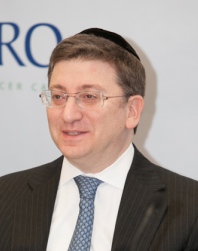
Inoperable Kidney Cancer Responds to Stereotactic Radiosurgery
BOSTON – Stereotactic radiosurgery stabilized disease or induced tumor shrinkage on imaging in most patients with inoperable localized renal cancer in a phase I trial.
There were even hints of curative potential, investigators reported at the annual meeting of the American Society for Radiation Oncology.
"We’ve certainly seen encouraging results at this point: Two of the patients at the higher doses actually had negative biopsies," Dr. Rodney J. Ellis, director of urogenital oncology at the University Hospitals Seidman Cancer Center in Cleveland, said during a press briefing.
The combined radiographic tumor response rate – stable disease or tumor regression – was 94%, but treatment was found to be incomplete or refractory among most patients who had a post-treatment biopsy. This finding suggests that higher radiation doses would be required for better tumor control, Dr. Ellis said.
Dose escalation in the trial varied from 24 Gy divided into four 6-Gy fractions to 48 Gy in four 12-Gy fractions, with dose-limiting toxicities not yet reached.
Acute toxicities were limited to grade-1 acute fatigue in two patients. Late toxicities were limited to an increase in chronic renal failure in two patients who had a baseline mean estimated glomerular filtration rate of 19.5 mL/min, corresponding to stage-4 renal disease. There were no other significant grade-3 or higher toxicities and no gastrointestinal adverse effects, he said.
The investigators looked at 20 patients, mean age 80 years, with a radiologically or biopsy-determined diagnosis of localized primary renal cancer. All were considered to be poor candidates for surgery and had no history of pelvic or abdominal radiation.
The patients were assigned to receive stereotactic radiosurgery with the CyberKnife robotic system at an initial dose of 600 cGy per fraction, followed by dose escalation of 200-cGy increments per fraction to total doses up to 48 Gy.
The dose escalation was started if the patients had not developed dose-limiting toxicity within 180 days of treatment. In all, 20 patients were enrolled: 4 at 24 Gy, 6 at 32 Gy, 4 at 40 Gy, and 6 at 48 Gy.
The institutional review board for the trial has approved enrollment of 12 additional patients at doses ranging from 48 Gy in three fractions to 60 Gy in four fractions, Dr. Ellis said.
Dr. Ellis noted that the diagnosis of primary cancer has become much more common with the advent of CT scans, which detect incidental renal masses, some of which are likely to progress. Some people suggest that incidental renal cancers should be handled with watch and wait, he noted. Also, some of these cancers may be inoperable because of patient factors.
He said that sterotactic radiosurgery "will prolong life for patients, especially if we see the kind of efficacy at the higher doses that we anticipate."
The study is supported by the National Cancer Institute. Dr. Ellis reported no relevant disclosures.
BOSTON – Stereotactic radiosurgery stabilized disease or induced tumor shrinkage on imaging in most patients with inoperable localized renal cancer in a phase I trial.
There were even hints of curative potential, investigators reported at the annual meeting of the American Society for Radiation Oncology.
"We’ve certainly seen encouraging results at this point: Two of the patients at the higher doses actually had negative biopsies," Dr. Rodney J. Ellis, director of urogenital oncology at the University Hospitals Seidman Cancer Center in Cleveland, said during a press briefing.
The combined radiographic tumor response rate – stable disease or tumor regression – was 94%, but treatment was found to be incomplete or refractory among most patients who had a post-treatment biopsy. This finding suggests that higher radiation doses would be required for better tumor control, Dr. Ellis said.
Dose escalation in the trial varied from 24 Gy divided into four 6-Gy fractions to 48 Gy in four 12-Gy fractions, with dose-limiting toxicities not yet reached.
Acute toxicities were limited to grade-1 acute fatigue in two patients. Late toxicities were limited to an increase in chronic renal failure in two patients who had a baseline mean estimated glomerular filtration rate of 19.5 mL/min, corresponding to stage-4 renal disease. There were no other significant grade-3 or higher toxicities and no gastrointestinal adverse effects, he said.
The investigators looked at 20 patients, mean age 80 years, with a radiologically or biopsy-determined diagnosis of localized primary renal cancer. All were considered to be poor candidates for surgery and had no history of pelvic or abdominal radiation.
The patients were assigned to receive stereotactic radiosurgery with the CyberKnife robotic system at an initial dose of 600 cGy per fraction, followed by dose escalation of 200-cGy increments per fraction to total doses up to 48 Gy.
The dose escalation was started if the patients had not developed dose-limiting toxicity within 180 days of treatment. In all, 20 patients were enrolled: 4 at 24 Gy, 6 at 32 Gy, 4 at 40 Gy, and 6 at 48 Gy.
The institutional review board for the trial has approved enrollment of 12 additional patients at doses ranging from 48 Gy in three fractions to 60 Gy in four fractions, Dr. Ellis said.
Dr. Ellis noted that the diagnosis of primary cancer has become much more common with the advent of CT scans, which detect incidental renal masses, some of which are likely to progress. Some people suggest that incidental renal cancers should be handled with watch and wait, he noted. Also, some of these cancers may be inoperable because of patient factors.
He said that sterotactic radiosurgery "will prolong life for patients, especially if we see the kind of efficacy at the higher doses that we anticipate."
The study is supported by the National Cancer Institute. Dr. Ellis reported no relevant disclosures.
BOSTON – Stereotactic radiosurgery stabilized disease or induced tumor shrinkage on imaging in most patients with inoperable localized renal cancer in a phase I trial.
There were even hints of curative potential, investigators reported at the annual meeting of the American Society for Radiation Oncology.
"We’ve certainly seen encouraging results at this point: Two of the patients at the higher doses actually had negative biopsies," Dr. Rodney J. Ellis, director of urogenital oncology at the University Hospitals Seidman Cancer Center in Cleveland, said during a press briefing.
The combined radiographic tumor response rate – stable disease or tumor regression – was 94%, but treatment was found to be incomplete or refractory among most patients who had a post-treatment biopsy. This finding suggests that higher radiation doses would be required for better tumor control, Dr. Ellis said.
Dose escalation in the trial varied from 24 Gy divided into four 6-Gy fractions to 48 Gy in four 12-Gy fractions, with dose-limiting toxicities not yet reached.
Acute toxicities were limited to grade-1 acute fatigue in two patients. Late toxicities were limited to an increase in chronic renal failure in two patients who had a baseline mean estimated glomerular filtration rate of 19.5 mL/min, corresponding to stage-4 renal disease. There were no other significant grade-3 or higher toxicities and no gastrointestinal adverse effects, he said.
The investigators looked at 20 patients, mean age 80 years, with a radiologically or biopsy-determined diagnosis of localized primary renal cancer. All were considered to be poor candidates for surgery and had no history of pelvic or abdominal radiation.
The patients were assigned to receive stereotactic radiosurgery with the CyberKnife robotic system at an initial dose of 600 cGy per fraction, followed by dose escalation of 200-cGy increments per fraction to total doses up to 48 Gy.
The dose escalation was started if the patients had not developed dose-limiting toxicity within 180 days of treatment. In all, 20 patients were enrolled: 4 at 24 Gy, 6 at 32 Gy, 4 at 40 Gy, and 6 at 48 Gy.
The institutional review board for the trial has approved enrollment of 12 additional patients at doses ranging from 48 Gy in three fractions to 60 Gy in four fractions, Dr. Ellis said.
Dr. Ellis noted that the diagnosis of primary cancer has become much more common with the advent of CT scans, which detect incidental renal masses, some of which are likely to progress. Some people suggest that incidental renal cancers should be handled with watch and wait, he noted. Also, some of these cancers may be inoperable because of patient factors.
He said that sterotactic radiosurgery "will prolong life for patients, especially if we see the kind of efficacy at the higher doses that we anticipate."
The study is supported by the National Cancer Institute. Dr. Ellis reported no relevant disclosures.
AT THE ANNUAL MEETING OF THE AMERICAN SOCIETY FOR RADIATION ONCOLOGY
Major Finding: The radiographic response rate of stable disease or decreased tumor volume was 94% in 20 patients, but the pathological response rate showed that most of those with biopsies had "incomplete or refractory treatment."
Data Source: This was a phase I safety and dose-finding trial.
Disclosures: The study is supported by the National Cancer Institute. Dr. Ellis reported no relevant disclosures.
Doxepin Rinse Eases Mucositis Pain in Cancer Patients
BOSTON – An oral rinse solution of the antidepressant doxepin provided modest relief of pain from cancer treatment–induced oral mucositis in a randomized phase III trial.
Patients with head and neck cancer had a mean reduction of about two points on a 0-10 pain scale 30 minutes after using a doxepin rinse, compared with an approximate one-point reduction for patients who rinsed with a placebo (P = .0003), investigators reported at the annual meeting of the American Society for Radiation Oncology (ASTRO).

All patients in the trial had been treated with radiation with or without chemotherapy.
"Doxepin was used solely for pain relief. We did not expect it to reduce or prevent mucositis, but merely [to] treat the patients’ pain symptoms," said Dr. Robert C. Miller, a radiation oncologist at the Mayo Clinic in Rochester, Minn.
He added that "the efficacy of doxepin in treating oral mucositis pain caused by chemotherapy alone, by stem cell transplantation, or benign conditions such as aphthous ulcers warrants further study."
Conclusion Called Premature
Dr. Paul M. Harari, professor and chairman of human oncology at the University of Wisconsin, Madison, the invited discussant, agreed that oral mucositis "is a very real entity, one that impacts both patients and health care providers."
He applauded the trial’s multicenter, randomized design but noted that the overall reduction in mucositis pain with doxepin was modest, only one point better than placebo, and that mucositis pain is only one element of a host of acute and late toxicities of radiation and chemotherapy for patients with head and neck cancer.
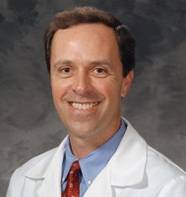
He also said that the authors’ conclusion that "this study provides a new standard of treatment of radiotherapy-induced oral mucositis" is premature and warrants closer scrutiny.
"I would just caution for careful thought and further study before we introduce a new class of agents into the context of agents that head and neck cancer patients receive," he said. "Is this the most effective way to lower the pain score by one point in a transient measure?"
Antidepressant and Antihistamine
Doxepin is a tricyclic antidepressant with antihistaminic properties, approved in the United States for treatment of depression and anxiety as well as moderate pruritus. Preliminary data from a 2007 study suggested that doxepin could reduce mucositis pain in cancer patients (J. Pain Symptom Manage. 2007;33:111-4).
In the current study, patients with radiation to the head and neck, with or without chemotherapy and oral mucositis pain of four or greater on a 10-point pain assessment scale were enrolled. Patients received definitive radiotherapy with doses of at least 50 Gy involving more than 30% of the oral cavity.
The patients were randomized on day 1 in a double-blinded fashion to use either a single dose of either placebo or doxepin 25 mg in a 5-mL rinse and gargle, which they spat out after 1 minute. The trial had a crossover phase on day 2, with optional continuation of the active agent at the end of the study.
Participants filled out pain assessment questionnaires at baseline, four times in the first hour after rinse (in clinic), and then at 2 and 4 hours at home. Those who opted to continue doxepin filled out weekly questionnaires. Patients also were allowed to take analgesics 1 hour before or after doxepin.
A total of 140 patients (69 in the doxepin group, 71 on placebo) were available for the primary end point, total pain reduction as calculated by average mouth and throat pain area-under-the-curve (AUC) reduction over time. The AUC reduction was –9.1 among patients on doxepin, compared with –4.7 for those on placebo (P = .0003), Dr. Miller reported.
However, in 129 patients available for secondary end point analysis, doxepin, which has a known sedative effect, was associated with significantly more mean drowsiness over time (P = .03). Patients on doxepin also reported temporary unpleasant taste in the mouth, burning, and stinging, he said.
Asked whether they would continue doxepin after the randomized phase, 64% said yes and 36% declined (P = .002).
In a crossover analysis comparing the effects of doxepin and placebo in each patient, doxepin was seen to generate a benefit whether it was given before or after placebo (P less than .0001), he noted.
The study was conducted through the Alliance for Clinical Trials in Oncology and supported by a grant from the North Central Cancer Treatment Group and Mayo Clinic. Dr. Miller disclosed serving on the scientific advisory board of Tekcapital Ltd. Dr. Harari disclosed receiving research grants from the National Cancer Institute, Genentech, and Symphogen.
BOSTON – An oral rinse solution of the antidepressant doxepin provided modest relief of pain from cancer treatment–induced oral mucositis in a randomized phase III trial.
Patients with head and neck cancer had a mean reduction of about two points on a 0-10 pain scale 30 minutes after using a doxepin rinse, compared with an approximate one-point reduction for patients who rinsed with a placebo (P = .0003), investigators reported at the annual meeting of the American Society for Radiation Oncology (ASTRO).
All patients in the trial had been treated with radiation with or without chemotherapy.
"Doxepin was used solely for pain relief. We did not expect it to reduce or prevent mucositis, but merely [to] treat the patients’ pain symptoms," said Dr. Robert C. Miller, a radiation oncologist at the Mayo Clinic in Rochester, Minn.
He added that "the efficacy of doxepin in treating oral mucositis pain caused by chemotherapy alone, by stem cell transplantation, or benign conditions such as aphthous ulcers warrants further study."
Conclusion Called Premature
Dr. Paul M. Harari, professor and chairman of human oncology at the University of Wisconsin, Madison, the invited discussant, agreed that oral mucositis "is a very real entity, one that impacts both patients and health care providers."
He applauded the trial’s multicenter, randomized design but noted that the overall reduction in mucositis pain with doxepin was modest, only one point better than placebo, and that mucositis pain is only one element of a host of acute and late toxicities of radiation and chemotherapy for patients with head and neck cancer.
He also said that the authors’ conclusion that "this study provides a new standard of treatment of radiotherapy-induced oral mucositis" is premature and warrants closer scrutiny.
"I would just caution for careful thought and further study before we introduce a new class of agents into the context of agents that head and neck cancer patients receive," he said. "Is this the most effective way to lower the pain score by one point in a transient measure?"
Antidepressant and Antihistamine
Doxepin is a tricyclic antidepressant with antihistaminic properties, approved in the United States for treatment of depression and anxiety as well as moderate pruritus. Preliminary data from a 2007 study suggested that doxepin could reduce mucositis pain in cancer patients (J. Pain Symptom Manage. 2007;33:111-4).
In the current study, patients with radiation to the head and neck, with or without chemotherapy and oral mucositis pain of four or greater on a 10-point pain assessment scale were enrolled. Patients received definitive radiotherapy with doses of at least 50 Gy involving more than 30% of the oral cavity.
The patients were randomized on day 1 in a double-blinded fashion to use either a single dose of either placebo or doxepin 25 mg in a 5-mL rinse and gargle, which they spat out after 1 minute. The trial had a crossover phase on day 2, with optional continuation of the active agent at the end of the study.
Participants filled out pain assessment questionnaires at baseline, four times in the first hour after rinse (in clinic), and then at 2 and 4 hours at home. Those who opted to continue doxepin filled out weekly questionnaires. Patients also were allowed to take analgesics 1 hour before or after doxepin.
A total of 140 patients (69 in the doxepin group, 71 on placebo) were available for the primary end point, total pain reduction as calculated by average mouth and throat pain area-under-the-curve (AUC) reduction over time. The AUC reduction was –9.1 among patients on doxepin, compared with –4.7 for those on placebo (P = .0003), Dr. Miller reported.
However, in 129 patients available for secondary end point analysis, doxepin, which has a known sedative effect, was associated with significantly more mean drowsiness over time (P = .03). Patients on doxepin also reported temporary unpleasant taste in the mouth, burning, and stinging, he said.
Asked whether they would continue doxepin after the randomized phase, 64% said yes and 36% declined (P = .002).
In a crossover analysis comparing the effects of doxepin and placebo in each patient, doxepin was seen to generate a benefit whether it was given before or after placebo (P less than .0001), he noted.
The study was conducted through the Alliance for Clinical Trials in Oncology and supported by a grant from the North Central Cancer Treatment Group and Mayo Clinic. Dr. Miller disclosed serving on the scientific advisory board of Tekcapital Ltd. Dr. Harari disclosed receiving research grants from the National Cancer Institute, Genentech, and Symphogen.
BOSTON – An oral rinse solution of the antidepressant doxepin provided modest relief of pain from cancer treatment–induced oral mucositis in a randomized phase III trial.
Patients with head and neck cancer had a mean reduction of about two points on a 0-10 pain scale 30 minutes after using a doxepin rinse, compared with an approximate one-point reduction for patients who rinsed with a placebo (P = .0003), investigators reported at the annual meeting of the American Society for Radiation Oncology (ASTRO).
All patients in the trial had been treated with radiation with or without chemotherapy.
"Doxepin was used solely for pain relief. We did not expect it to reduce or prevent mucositis, but merely [to] treat the patients’ pain symptoms," said Dr. Robert C. Miller, a radiation oncologist at the Mayo Clinic in Rochester, Minn.
He added that "the efficacy of doxepin in treating oral mucositis pain caused by chemotherapy alone, by stem cell transplantation, or benign conditions such as aphthous ulcers warrants further study."
Conclusion Called Premature
Dr. Paul M. Harari, professor and chairman of human oncology at the University of Wisconsin, Madison, the invited discussant, agreed that oral mucositis "is a very real entity, one that impacts both patients and health care providers."
He applauded the trial’s multicenter, randomized design but noted that the overall reduction in mucositis pain with doxepin was modest, only one point better than placebo, and that mucositis pain is only one element of a host of acute and late toxicities of radiation and chemotherapy for patients with head and neck cancer.
He also said that the authors’ conclusion that "this study provides a new standard of treatment of radiotherapy-induced oral mucositis" is premature and warrants closer scrutiny.
"I would just caution for careful thought and further study before we introduce a new class of agents into the context of agents that head and neck cancer patients receive," he said. "Is this the most effective way to lower the pain score by one point in a transient measure?"
Antidepressant and Antihistamine
Doxepin is a tricyclic antidepressant with antihistaminic properties, approved in the United States for treatment of depression and anxiety as well as moderate pruritus. Preliminary data from a 2007 study suggested that doxepin could reduce mucositis pain in cancer patients (J. Pain Symptom Manage. 2007;33:111-4).
In the current study, patients with radiation to the head and neck, with or without chemotherapy and oral mucositis pain of four or greater on a 10-point pain assessment scale were enrolled. Patients received definitive radiotherapy with doses of at least 50 Gy involving more than 30% of the oral cavity.
The patients were randomized on day 1 in a double-blinded fashion to use either a single dose of either placebo or doxepin 25 mg in a 5-mL rinse and gargle, which they spat out after 1 minute. The trial had a crossover phase on day 2, with optional continuation of the active agent at the end of the study.
Participants filled out pain assessment questionnaires at baseline, four times in the first hour after rinse (in clinic), and then at 2 and 4 hours at home. Those who opted to continue doxepin filled out weekly questionnaires. Patients also were allowed to take analgesics 1 hour before or after doxepin.
A total of 140 patients (69 in the doxepin group, 71 on placebo) were available for the primary end point, total pain reduction as calculated by average mouth and throat pain area-under-the-curve (AUC) reduction over time. The AUC reduction was –9.1 among patients on doxepin, compared with –4.7 for those on placebo (P = .0003), Dr. Miller reported.
However, in 129 patients available for secondary end point analysis, doxepin, which has a known sedative effect, was associated with significantly more mean drowsiness over time (P = .03). Patients on doxepin also reported temporary unpleasant taste in the mouth, burning, and stinging, he said.
Asked whether they would continue doxepin after the randomized phase, 64% said yes and 36% declined (P = .002).
In a crossover analysis comparing the effects of doxepin and placebo in each patient, doxepin was seen to generate a benefit whether it was given before or after placebo (P less than .0001), he noted.
The study was conducted through the Alliance for Clinical Trials in Oncology and supported by a grant from the North Central Cancer Treatment Group and Mayo Clinic. Dr. Miller disclosed serving on the scientific advisory board of Tekcapital Ltd. Dr. Harari disclosed receiving research grants from the National Cancer Institute, Genentech, and Symphogen.
AT THE ANNUAL MEETING OF THE AMERICAN SOCIETY FOR RADIATION ONCOLOGY
Major Finding: Patients with radiation-induced oral mucositis had a mean reduction of about two points on a 0-10 pain scale 30 minutes after using a doxepin rinse, compared with an approximate one-point reduction for patients who rinsed with a placebo (P = .0003).
Data Source: This was a phase III randomized, double-blind, placebo-controlled crossover trial.
Disclosures: The study was conducted through the Alliance for Clinical Trials in Oncology and supported supported by a grant from the North Central Cancer Treatment Group and Mayo Clinic. Dr. Miller disclosed serving on the scientific advisory board of Tekcapital Ltd. Dr. Harari disclosed receiving research grants from the National Cancer Institute, Genentech, and Symphogen.

Understanding Patients' Beliefs About Medication Deemed Critical
NEW YORK – Psychiatrists often project their own ideas about the potential benefits of drugs onto patients without understanding their beliefs about medication, a psychopharmacology specialist said at the American Psychiatric Association’s Institute on Psychiatric Services.
"We call people ‘treatment-resistant’ even if they’re willing to accept all other kinds of treatment: They’re willing to come in and talk to us [and] engage us at therapists," suggested Dr. Ronald J. Diamond, professor of psychiatry at the University of Wisconsin–Madison. "They’re just not willing to take our medication."

However, by working with patients to better understand their beliefs about medication and recovery goals – whether they want to feel or function better, be able to hold down a job, go to school, or have better relationships – psychiatrists can use medications more effectively to help patients achieve their goals, said Dr. Diamond, who also serves as medical director of the Journey Mental Health Center of Dane County in Madison.
It is useful to consider why patients take medication in light of its inability to cure disease, he said. "Nobody believes that our medications cure bipolar [disorder] or cure schizophrenia," he said. "But that’s OK, because most of our medicines don’t cure diabetes, or chronic obstructive pulmonary disease, or hypertension, either."
Instead, people take medicine to get better, whether that means feeling physically better, having fewer symptoms, improving function, or increasing stability to prevent hospitalization.
The perception of risk from medications also is subjective, however, and a side effect deemed tolerable to the physician might prove unacceptable to the patient, Dr. Diamond said.
For example, he described a long-term patient with schizophrenia who has had a dramatic, sustained response to clozapine. "She has gained more than 100 pounds; she has completely changed her body habitus; and she says with tremendous regret and sadness, ‘I have a really terrible choice: I have choice between being a sane fat lady or a skinny crazy lady.’ "
The message that the physician delivers with the prescription also is critical to success. Telling patients that medications might help them better make decisions about changing their lives or help them to reach their goals, empowers patients and helps them to buy in to their recovery, he said.
Clinicians also need to work with patients to identify specific and concrete targets for medication, with the understanding that some targets might be better indicators of the effect of a medication than others. For example, medication might not have much effect on abnormal beliefs, or cause voices to go away, it but might make the beliefs less intrusive and the voices less distressful. Similarly, suicidal ideation might decrease but not vanish, and a patient’s behavior might improve before he senses a subjective improvement in mood.
"When we talk about what medications are going to do, we should make every medication trial a trial that we and the client agree with: What would getting better mean? What would getting worse mean? How would we know?" he said.
Medication might not work because the patient is not taking it or not taking it for long enough; it’s important that the patient understands that it might take weeks or longer before she feels an effect.
The dose might be too high or too low depending on target symptoms, or other factors might come into play such as comorbid substance abuse, medical illness, or an incorrect diagnosis to explain why a medication may not work.
"Medications do not work for everyone but, in my experience, when somebody says ‘this medication is not helping,’ we immediately assume it’s because of a psychotic loss of insight. Sometimes, the person is right, and sometimes we need to just listen," he said.
Additionally, studies have shown that compliance rates with medication for medical illnesses such as arthritis, diabetes, and hypertension often exceed 50%, and it is safe to assume that the same is true for schizophrenia, Dr. Diamond said.
The key to recovery-oriented prescribing, he emphasized, is to turn the traditional approach to medication on its head. Instead of coming into the treatment room with a diagnosis in hand and coming up with a solution to the diagnosis – medication X – psychiatrists need to start with an understanding of the problem from the patient’s point of view and details of that problem. At that point, it makes sense to come up with a joint medication solution in connection with other solutions for say, social, vocational, educational, or family problems in that patient’s life, Dr. Diamond said.
It’s also vital that the patient has hope of getting better.
"If I look at somebody and what I see is a chronic schizophrenic, then I’m part of the problem," Dr. Diamond said. "But if what I see is someone I could imagine getting a job, getting friends, having more of a life, getting closer to what they want – not that it’s going to happen with every single person – but if I could imagine a possibility in a serious way, then what I’m doing is engendering hope and keeping it alive until that person can carry hope for himself."
Dr. Diamond disclosed a consulting relationship with Novartis, and serving on an editorial board for Janssen Pharmaceutica and a grant committee for Pfizer.
NEW YORK – Psychiatrists often project their own ideas about the potential benefits of drugs onto patients without understanding their beliefs about medication, a psychopharmacology specialist said at the American Psychiatric Association’s Institute on Psychiatric Services.
"We call people ‘treatment-resistant’ even if they’re willing to accept all other kinds of treatment: They’re willing to come in and talk to us [and] engage us at therapists," suggested Dr. Ronald J. Diamond, professor of psychiatry at the University of Wisconsin–Madison. "They’re just not willing to take our medication."
However, by working with patients to better understand their beliefs about medication and recovery goals – whether they want to feel or function better, be able to hold down a job, go to school, or have better relationships – psychiatrists can use medications more effectively to help patients achieve their goals, said Dr. Diamond, who also serves as medical director of the Journey Mental Health Center of Dane County in Madison.
It is useful to consider why patients take medication in light of its inability to cure disease, he said. "Nobody believes that our medications cure bipolar [disorder] or cure schizophrenia," he said. "But that’s OK, because most of our medicines don’t cure diabetes, or chronic obstructive pulmonary disease, or hypertension, either."
Instead, people take medicine to get better, whether that means feeling physically better, having fewer symptoms, improving function, or increasing stability to prevent hospitalization.
The perception of risk from medications also is subjective, however, and a side effect deemed tolerable to the physician might prove unacceptable to the patient, Dr. Diamond said.
For example, he described a long-term patient with schizophrenia who has had a dramatic, sustained response to clozapine. "She has gained more than 100 pounds; she has completely changed her body habitus; and she says with tremendous regret and sadness, ‘I have a really terrible choice: I have choice between being a sane fat lady or a skinny crazy lady.’ "
The message that the physician delivers with the prescription also is critical to success. Telling patients that medications might help them better make decisions about changing their lives or help them to reach their goals, empowers patients and helps them to buy in to their recovery, he said.
Clinicians also need to work with patients to identify specific and concrete targets for medication, with the understanding that some targets might be better indicators of the effect of a medication than others. For example, medication might not have much effect on abnormal beliefs, or cause voices to go away, it but might make the beliefs less intrusive and the voices less distressful. Similarly, suicidal ideation might decrease but not vanish, and a patient’s behavior might improve before he senses a subjective improvement in mood.
"When we talk about what medications are going to do, we should make every medication trial a trial that we and the client agree with: What would getting better mean? What would getting worse mean? How would we know?" he said.
Medication might not work because the patient is not taking it or not taking it for long enough; it’s important that the patient understands that it might take weeks or longer before she feels an effect.
The dose might be too high or too low depending on target symptoms, or other factors might come into play such as comorbid substance abuse, medical illness, or an incorrect diagnosis to explain why a medication may not work.
"Medications do not work for everyone but, in my experience, when somebody says ‘this medication is not helping,’ we immediately assume it’s because of a psychotic loss of insight. Sometimes, the person is right, and sometimes we need to just listen," he said.
Additionally, studies have shown that compliance rates with medication for medical illnesses such as arthritis, diabetes, and hypertension often exceed 50%, and it is safe to assume that the same is true for schizophrenia, Dr. Diamond said.
The key to recovery-oriented prescribing, he emphasized, is to turn the traditional approach to medication on its head. Instead of coming into the treatment room with a diagnosis in hand and coming up with a solution to the diagnosis – medication X – psychiatrists need to start with an understanding of the problem from the patient’s point of view and details of that problem. At that point, it makes sense to come up with a joint medication solution in connection with other solutions for say, social, vocational, educational, or family problems in that patient’s life, Dr. Diamond said.
It’s also vital that the patient has hope of getting better.
"If I look at somebody and what I see is a chronic schizophrenic, then I’m part of the problem," Dr. Diamond said. "But if what I see is someone I could imagine getting a job, getting friends, having more of a life, getting closer to what they want – not that it’s going to happen with every single person – but if I could imagine a possibility in a serious way, then what I’m doing is engendering hope and keeping it alive until that person can carry hope for himself."
Dr. Diamond disclosed a consulting relationship with Novartis, and serving on an editorial board for Janssen Pharmaceutica and a grant committee for Pfizer.
NEW YORK – Psychiatrists often project their own ideas about the potential benefits of drugs onto patients without understanding their beliefs about medication, a psychopharmacology specialist said at the American Psychiatric Association’s Institute on Psychiatric Services.
"We call people ‘treatment-resistant’ even if they’re willing to accept all other kinds of treatment: They’re willing to come in and talk to us [and] engage us at therapists," suggested Dr. Ronald J. Diamond, professor of psychiatry at the University of Wisconsin–Madison. "They’re just not willing to take our medication."
However, by working with patients to better understand their beliefs about medication and recovery goals – whether they want to feel or function better, be able to hold down a job, go to school, or have better relationships – psychiatrists can use medications more effectively to help patients achieve their goals, said Dr. Diamond, who also serves as medical director of the Journey Mental Health Center of Dane County in Madison.
It is useful to consider why patients take medication in light of its inability to cure disease, he said. "Nobody believes that our medications cure bipolar [disorder] or cure schizophrenia," he said. "But that’s OK, because most of our medicines don’t cure diabetes, or chronic obstructive pulmonary disease, or hypertension, either."
Instead, people take medicine to get better, whether that means feeling physically better, having fewer symptoms, improving function, or increasing stability to prevent hospitalization.
The perception of risk from medications also is subjective, however, and a side effect deemed tolerable to the physician might prove unacceptable to the patient, Dr. Diamond said.
For example, he described a long-term patient with schizophrenia who has had a dramatic, sustained response to clozapine. "She has gained more than 100 pounds; she has completely changed her body habitus; and she says with tremendous regret and sadness, ‘I have a really terrible choice: I have choice between being a sane fat lady or a skinny crazy lady.’ "
The message that the physician delivers with the prescription also is critical to success. Telling patients that medications might help them better make decisions about changing their lives or help them to reach their goals, empowers patients and helps them to buy in to their recovery, he said.
Clinicians also need to work with patients to identify specific and concrete targets for medication, with the understanding that some targets might be better indicators of the effect of a medication than others. For example, medication might not have much effect on abnormal beliefs, or cause voices to go away, it but might make the beliefs less intrusive and the voices less distressful. Similarly, suicidal ideation might decrease but not vanish, and a patient’s behavior might improve before he senses a subjective improvement in mood.
"When we talk about what medications are going to do, we should make every medication trial a trial that we and the client agree with: What would getting better mean? What would getting worse mean? How would we know?" he said.
Medication might not work because the patient is not taking it or not taking it for long enough; it’s important that the patient understands that it might take weeks or longer before she feels an effect.
The dose might be too high or too low depending on target symptoms, or other factors might come into play such as comorbid substance abuse, medical illness, or an incorrect diagnosis to explain why a medication may not work.
"Medications do not work for everyone but, in my experience, when somebody says ‘this medication is not helping,’ we immediately assume it’s because of a psychotic loss of insight. Sometimes, the person is right, and sometimes we need to just listen," he said.
Additionally, studies have shown that compliance rates with medication for medical illnesses such as arthritis, diabetes, and hypertension often exceed 50%, and it is safe to assume that the same is true for schizophrenia, Dr. Diamond said.
The key to recovery-oriented prescribing, he emphasized, is to turn the traditional approach to medication on its head. Instead of coming into the treatment room with a diagnosis in hand and coming up with a solution to the diagnosis – medication X – psychiatrists need to start with an understanding of the problem from the patient’s point of view and details of that problem. At that point, it makes sense to come up with a joint medication solution in connection with other solutions for say, social, vocational, educational, or family problems in that patient’s life, Dr. Diamond said.
It’s also vital that the patient has hope of getting better.
"If I look at somebody and what I see is a chronic schizophrenic, then I’m part of the problem," Dr. Diamond said. "But if what I see is someone I could imagine getting a job, getting friends, having more of a life, getting closer to what they want – not that it’s going to happen with every single person – but if I could imagine a possibility in a serious way, then what I’m doing is engendering hope and keeping it alive until that person can carry hope for himself."
Dr. Diamond disclosed a consulting relationship with Novartis, and serving on an editorial board for Janssen Pharmaceutica and a grant committee for Pfizer.
EXPERT ANALYSIS FROM THE AMERICAN PSYCHIATRIC ASSOCIATION'S INSTITUTE ON PSYCHIATRIC SERVICES