User login
DDW: Single Daily Pill Knocks out HCV in Prior Nonresponders
WASHINGTON – An investigational once-daily antiviral drug combination produced high rates of sustained viral responses after 12 or 16 weeks of therapy – with or without ribavirin – in patients with chronic hepatitis viral infections for whom prior therapy with peg-interferon and ribavirin had failed, investigators reported.
The rate of sustained viral responses at 12 weeks after the end of treatment (SVR12) was 92% for patients who received the combination of grazoprevir and elbasvir (GZR/EBR, Merck) alone, compared with 94% for patients who received the antivirals plus ribavirin, reported Dr. Paul Kwo of Indiana University Hospital in Indianapolis.
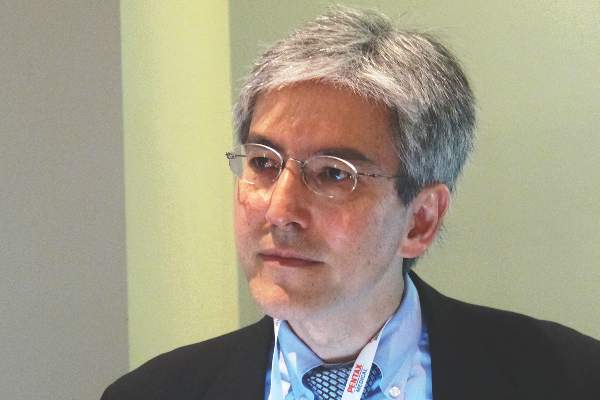
Among patients who received 16 weeks of therapy, the SVR12 rates were 92% without ribavirin, and 97% with ribavirin, Dr. Kwo said at the annual Digestive Disease Week.
“In patients who have failed peg-interferon and ribavirin therapy, 12 weeks of grazoprevir and elbasvir without ribavirin gives outstanding SVR rates in genotype 1b-infected individuals, regardless of treatment response, including those with cirrhosis. If you’re a relapser with genotype 1a or genotype 4 infection, 12 weeks of grazoprevir and elbasvir gives outstanding SVR rates. For genotype 1a, 4 and 6 prior null and partial responders, including those with cirrhosis, 16 weeks of grazoprevir and elbasvir with ribavirin gives outstanding SVR rates with no virologic failures,” he said.
Dr. Kwo presented updated results from the C-EDGE(Study of Efficacy and Safety of Grazoprevir (MK-5172)/Elbasvir (MK-8742) Combination Regimen for Treatment-Naive Participants With Chronic Hepatitis C Virus Genotypes 1, 4, and 6) treatment-experienced trial.
The 12-week C-EDGE results in 316 treatment-naive patients were presented earlier this year in Vienna at the International Liver Congress.
The fixed-dose, once-daily combination is composed of grazoprevir, an inhibitor of the HCV NS3/4a protease, at a dose of 100 mg, and elbasvir, a potent inhibitor of the NS5a protein, at a dose of 50 mg. This combination was shown to have broad activity against most HCV genotypes in vitro, and was efficacious in both treatment-naive and treatment-experienced patients with and without cirrhosis, including those with HIV/HCV coinfections, in the C-WORTHY trial.
The C-EDGE study was a phase III trial of GZR/EBR with or without ribavirin for 12 or 16 weeks for patients for whom prior therapy with peg-interferon and ribavirin had failed because of either null or partial response or viral relapse. The trial included patients with and without cirrhosis, those with HCV genotypes 1, 4, or 6, and those with either HCV mono-infections or HIV coinfections.
A total of 420 patients were enrolled.
As noted before, 97 of 105 patients (92%) on 12 weeks of therapy without ribavirin had an SVR12, although two patients in this group were lost to follow-up or discontinued therapy for reasons other than virologic failure (included as nonresponders). Among patients who received 12 weeks of GZR/EBR plus ribavirin, 98 of 104 (94%) had an SVR12, with no losses to follow-up.
For those patients treated for 16 weeks, 97 of 105 (92%) without ribavirin had an SVR12, compared with 103 of 106 (97%) who received ribavirin in addition to the combination antivirals. In these groups, one and three patients, respectively, were lost to follow-up.
In a subanalysis by HCV genotype or subtype, the combination alone was least effective among patients with genotype 4 treated for 16 weeks, with 3 of 5 patients (60%) having an SVR12, compared with 7 of 9 patients (79%) with genotype 4 treated with no ribavirin for 12 weeks, 14 of 15 (93%) with ribavirin for 12 weeks, and 8 of 8 (100%) treated with ribavirin for 16 weeks. The overall numbers of patients in each subgroup was too small for statistical significance analysis, however.
Among patients with HCV coinfection, the SVR12 rate was 100% in all treatment arms except 16 weeks GZR/EBR without ribavirin (5 of 6; 83%).
A subanalysis by prior response, excluding the 12 total patients who did not complete treatment, showed excellent SVR12 rates in all four treatment arms among patients with a prior relapse, and slightly less robust but still high rates among prior partial or null responders, Dr. Kwo said.
Patients tolerated the regimen well, with the rates of serious adverse events ranging from 2.9% to 3.8%. There were no deaths, and seven discontinuations due to adverse events (one in each in the 12-week arms, and five in the 16-week with ribavirin arm). A total of 31 patients who received ribavirin had hemoglobin reductions below 10 g/dL, and 60 reported fatigue, both common with ribavirin. The majority of adverse events in all arms were fatigue, headache, and nausea.
The combination has received two Breakthrough Therapy designations from the Food and Drug Administration for patients with HCV genotype 4, and for patients with genotype 1 infections who are on hemodialysis for end stage renal disease. The breakthrough designation makes the drug eligible for expedited review.
Dr. Kwo disclosed ties with Merck, which supported the C-EDGE study.
WASHINGTON – An investigational once-daily antiviral drug combination produced high rates of sustained viral responses after 12 or 16 weeks of therapy – with or without ribavirin – in patients with chronic hepatitis viral infections for whom prior therapy with peg-interferon and ribavirin had failed, investigators reported.
The rate of sustained viral responses at 12 weeks after the end of treatment (SVR12) was 92% for patients who received the combination of grazoprevir and elbasvir (GZR/EBR, Merck) alone, compared with 94% for patients who received the antivirals plus ribavirin, reported Dr. Paul Kwo of Indiana University Hospital in Indianapolis.
Among patients who received 16 weeks of therapy, the SVR12 rates were 92% without ribavirin, and 97% with ribavirin, Dr. Kwo said at the annual Digestive Disease Week.
“In patients who have failed peg-interferon and ribavirin therapy, 12 weeks of grazoprevir and elbasvir without ribavirin gives outstanding SVR rates in genotype 1b-infected individuals, regardless of treatment response, including those with cirrhosis. If you’re a relapser with genotype 1a or genotype 4 infection, 12 weeks of grazoprevir and elbasvir gives outstanding SVR rates. For genotype 1a, 4 and 6 prior null and partial responders, including those with cirrhosis, 16 weeks of grazoprevir and elbasvir with ribavirin gives outstanding SVR rates with no virologic failures,” he said.
Dr. Kwo presented updated results from the C-EDGE(Study of Efficacy and Safety of Grazoprevir (MK-5172)/Elbasvir (MK-8742) Combination Regimen for Treatment-Naive Participants With Chronic Hepatitis C Virus Genotypes 1, 4, and 6) treatment-experienced trial.
The 12-week C-EDGE results in 316 treatment-naive patients were presented earlier this year in Vienna at the International Liver Congress.
The fixed-dose, once-daily combination is composed of grazoprevir, an inhibitor of the HCV NS3/4a protease, at a dose of 100 mg, and elbasvir, a potent inhibitor of the NS5a protein, at a dose of 50 mg. This combination was shown to have broad activity against most HCV genotypes in vitro, and was efficacious in both treatment-naive and treatment-experienced patients with and without cirrhosis, including those with HIV/HCV coinfections, in the C-WORTHY trial.
The C-EDGE study was a phase III trial of GZR/EBR with or without ribavirin for 12 or 16 weeks for patients for whom prior therapy with peg-interferon and ribavirin had failed because of either null or partial response or viral relapse. The trial included patients with and without cirrhosis, those with HCV genotypes 1, 4, or 6, and those with either HCV mono-infections or HIV coinfections.
A total of 420 patients were enrolled.
As noted before, 97 of 105 patients (92%) on 12 weeks of therapy without ribavirin had an SVR12, although two patients in this group were lost to follow-up or discontinued therapy for reasons other than virologic failure (included as nonresponders). Among patients who received 12 weeks of GZR/EBR plus ribavirin, 98 of 104 (94%) had an SVR12, with no losses to follow-up.
For those patients treated for 16 weeks, 97 of 105 (92%) without ribavirin had an SVR12, compared with 103 of 106 (97%) who received ribavirin in addition to the combination antivirals. In these groups, one and three patients, respectively, were lost to follow-up.
In a subanalysis by HCV genotype or subtype, the combination alone was least effective among patients with genotype 4 treated for 16 weeks, with 3 of 5 patients (60%) having an SVR12, compared with 7 of 9 patients (79%) with genotype 4 treated with no ribavirin for 12 weeks, 14 of 15 (93%) with ribavirin for 12 weeks, and 8 of 8 (100%) treated with ribavirin for 16 weeks. The overall numbers of patients in each subgroup was too small for statistical significance analysis, however.
Among patients with HCV coinfection, the SVR12 rate was 100% in all treatment arms except 16 weeks GZR/EBR without ribavirin (5 of 6; 83%).
A subanalysis by prior response, excluding the 12 total patients who did not complete treatment, showed excellent SVR12 rates in all four treatment arms among patients with a prior relapse, and slightly less robust but still high rates among prior partial or null responders, Dr. Kwo said.
Patients tolerated the regimen well, with the rates of serious adverse events ranging from 2.9% to 3.8%. There were no deaths, and seven discontinuations due to adverse events (one in each in the 12-week arms, and five in the 16-week with ribavirin arm). A total of 31 patients who received ribavirin had hemoglobin reductions below 10 g/dL, and 60 reported fatigue, both common with ribavirin. The majority of adverse events in all arms were fatigue, headache, and nausea.
The combination has received two Breakthrough Therapy designations from the Food and Drug Administration for patients with HCV genotype 4, and for patients with genotype 1 infections who are on hemodialysis for end stage renal disease. The breakthrough designation makes the drug eligible for expedited review.
Dr. Kwo disclosed ties with Merck, which supported the C-EDGE study.
WASHINGTON – An investigational once-daily antiviral drug combination produced high rates of sustained viral responses after 12 or 16 weeks of therapy – with or without ribavirin – in patients with chronic hepatitis viral infections for whom prior therapy with peg-interferon and ribavirin had failed, investigators reported.
The rate of sustained viral responses at 12 weeks after the end of treatment (SVR12) was 92% for patients who received the combination of grazoprevir and elbasvir (GZR/EBR, Merck) alone, compared with 94% for patients who received the antivirals plus ribavirin, reported Dr. Paul Kwo of Indiana University Hospital in Indianapolis.
Among patients who received 16 weeks of therapy, the SVR12 rates were 92% without ribavirin, and 97% with ribavirin, Dr. Kwo said at the annual Digestive Disease Week.
“In patients who have failed peg-interferon and ribavirin therapy, 12 weeks of grazoprevir and elbasvir without ribavirin gives outstanding SVR rates in genotype 1b-infected individuals, regardless of treatment response, including those with cirrhosis. If you’re a relapser with genotype 1a or genotype 4 infection, 12 weeks of grazoprevir and elbasvir gives outstanding SVR rates. For genotype 1a, 4 and 6 prior null and partial responders, including those with cirrhosis, 16 weeks of grazoprevir and elbasvir with ribavirin gives outstanding SVR rates with no virologic failures,” he said.
Dr. Kwo presented updated results from the C-EDGE(Study of Efficacy and Safety of Grazoprevir (MK-5172)/Elbasvir (MK-8742) Combination Regimen for Treatment-Naive Participants With Chronic Hepatitis C Virus Genotypes 1, 4, and 6) treatment-experienced trial.
The 12-week C-EDGE results in 316 treatment-naive patients were presented earlier this year in Vienna at the International Liver Congress.
The fixed-dose, once-daily combination is composed of grazoprevir, an inhibitor of the HCV NS3/4a protease, at a dose of 100 mg, and elbasvir, a potent inhibitor of the NS5a protein, at a dose of 50 mg. This combination was shown to have broad activity against most HCV genotypes in vitro, and was efficacious in both treatment-naive and treatment-experienced patients with and without cirrhosis, including those with HIV/HCV coinfections, in the C-WORTHY trial.
The C-EDGE study was a phase III trial of GZR/EBR with or without ribavirin for 12 or 16 weeks for patients for whom prior therapy with peg-interferon and ribavirin had failed because of either null or partial response or viral relapse. The trial included patients with and without cirrhosis, those with HCV genotypes 1, 4, or 6, and those with either HCV mono-infections or HIV coinfections.
A total of 420 patients were enrolled.
As noted before, 97 of 105 patients (92%) on 12 weeks of therapy without ribavirin had an SVR12, although two patients in this group were lost to follow-up or discontinued therapy for reasons other than virologic failure (included as nonresponders). Among patients who received 12 weeks of GZR/EBR plus ribavirin, 98 of 104 (94%) had an SVR12, with no losses to follow-up.
For those patients treated for 16 weeks, 97 of 105 (92%) without ribavirin had an SVR12, compared with 103 of 106 (97%) who received ribavirin in addition to the combination antivirals. In these groups, one and three patients, respectively, were lost to follow-up.
In a subanalysis by HCV genotype or subtype, the combination alone was least effective among patients with genotype 4 treated for 16 weeks, with 3 of 5 patients (60%) having an SVR12, compared with 7 of 9 patients (79%) with genotype 4 treated with no ribavirin for 12 weeks, 14 of 15 (93%) with ribavirin for 12 weeks, and 8 of 8 (100%) treated with ribavirin for 16 weeks. The overall numbers of patients in each subgroup was too small for statistical significance analysis, however.
Among patients with HCV coinfection, the SVR12 rate was 100% in all treatment arms except 16 weeks GZR/EBR without ribavirin (5 of 6; 83%).
A subanalysis by prior response, excluding the 12 total patients who did not complete treatment, showed excellent SVR12 rates in all four treatment arms among patients with a prior relapse, and slightly less robust but still high rates among prior partial or null responders, Dr. Kwo said.
Patients tolerated the regimen well, with the rates of serious adverse events ranging from 2.9% to 3.8%. There were no deaths, and seven discontinuations due to adverse events (one in each in the 12-week arms, and five in the 16-week with ribavirin arm). A total of 31 patients who received ribavirin had hemoglobin reductions below 10 g/dL, and 60 reported fatigue, both common with ribavirin. The majority of adverse events in all arms were fatigue, headache, and nausea.
The combination has received two Breakthrough Therapy designations from the Food and Drug Administration for patients with HCV genotype 4, and for patients with genotype 1 infections who are on hemodialysis for end stage renal disease. The breakthrough designation makes the drug eligible for expedited review.
Dr. Kwo disclosed ties with Merck, which supported the C-EDGE study.
AT DDW 2015
DDW: Single daily pill knocks out HCV in prior nonresponders
WASHINGTON – An investigational once-daily antiviral drug combination produced high rates of sustained viral responses after 12 or 16 weeks of therapy – with or without ribavirin – in patients with chronic hepatitis viral infections for whom prior therapy with peg-interferon and ribavirin had failed, investigators reported.
The rate of sustained viral responses at 12 weeks after the end of treatment (SVR12) was 92% for patients who received the combination of grazoprevir and elbasvir (GZR/EBR, Merck) alone, compared with 94% for patients who received the antivirals plus ribavirin, reported Dr. Paul Kwo of Indiana University Hospital in Indianapolis.
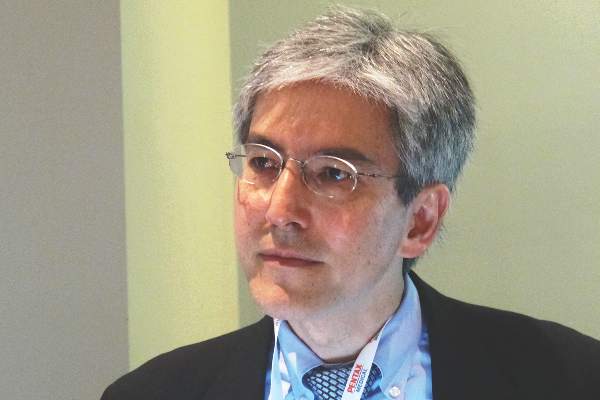
Among patients who received 16 weeks of therapy, the SVR12 rates were 92% without ribavirin, and 97% with ribavirin, Dr. Kwo said at the annual Digestive Disease Week.
“In patients who have failed peg-interferon and ribavirin therapy, 12 weeks of grazoprevir and elbasvir without ribavirin gives outstanding SVR rates in genotype 1b-infected individuals, regardless of treatment response, including those with cirrhosis. If you’re a relapser with genotype 1a or genotype 4 infection, 12 weeks of grazoprevir and elbasvir gives outstanding SVR rates. For genotype 1a, 4 and 6 prior null and partial responders, including those with cirrhosis, 16 weeks of grazoprevir and elbasvir with ribavirin gives outstanding SVR rates with no virologic failures,” he said.
Dr. Kwo presented updated results from the C-EDGE(Study of Efficacy and Safety of Grazoprevir (MK-5172)/Elbasvir (MK-8742) Combination Regimen for Treatment-Naive Participants With Chronic Hepatitis C Virus Genotypes 1, 4, and 6) treatment-experienced trial.
The 12-week C-EDGE results in 316 treatment-naive patients were presented earlier this year in Vienna at the International Liver Congress.
The fixed-dose, once-daily combination is composed of grazoprevir, an inhibitor of the HCV NS3/4a protease, at a dose of 100 mg, and elbasvir, a potent inhibitor of the NS5a protein, at a dose of 50 mg. This combination was shown to have broad activity against most HCV genotypes in vitro, and was efficacious in both treatment-naive and treatment-experienced patients with and without cirrhosis, including those with HIV/HCV coinfections, in the C-WORTHY trial.
The C-EDGE study was a phase III trial of GZR/EBR with or without ribavirin for 12 or 16 weeks for patients for whom prior therapy with peg-interferon and ribavirin had failed because of either null or partial response or viral relapse. The trial included patients with and without cirrhosis, those with HCV genotypes 1, 4, or 6, and those with either HCV mono-infections or HIV coinfections.
A total of 420 patients were enrolled.
As noted before, 97 of 105 patients (92%) on 12 weeks of therapy without ribavirin had an SVR12, although two patients in this group were lost to follow-up or discontinued therapy for reasons other than virologic failure (included as nonresponders). Among patients who received 12 weeks of GZR/EBR plus ribavirin, 98 of 104 (94%) had an SVR12, with no losses to follow-up.
For those patients treated for 16 weeks, 97 of 105 (92%) without ribavirin had an SVR12, compared with 103 of 106 (97%) who received ribavirin in addition to the combination antivirals. In these groups, one and three patients, respectively, were lost to follow-up.
In a subanalysis by HCV genotype or subtype, the combination alone was least effective among patients with genotype 4 treated for 16 weeks, with 3 of 5 patients (60%) having an SVR12, compared with 7 of 9 patients (79%) with genotype 4 treated with no ribavirin for 12 weeks, 14 of 15 (93%) with ribavirin for 12 weeks, and 8 of 8 (100%) treated with ribavirin for 16 weeks. The overall numbers of patients in each subgroup was too small for statistical significance analysis, however.
Among patients with HCV coinfection, the SVR12 rate was 100% in all treatment arms except 16 weeks GZR/EBR without ribavirin (5 of 6; 83%).
A subanalysis by prior response, excluding the 12 total patients who did not complete treatment, showed excellent SVR12 rates in all four treatment arms among patients with a prior relapse, and slightly less robust but still high rates among prior partial or null responders, Dr. Kwo said.
Patients tolerated the regimen well, with the rates of serious adverse events ranging from 2.9% to 3.8%. There were no deaths, and seven discontinuations due to adverse events (one in each in the 12-week arms, and five in the 16-week with ribavirin arm). A total of 31 patients who received ribavirin had hemoglobin reductions below 10 g/dL, and 60 reported fatigue, both common with ribavirin. The majority of adverse events in all arms were fatigue, headache, and nausea.
The combination has received two Breakthrough Therapy designations from the Food and Drug Administration for patients with HCV genotype 4, and for patients with genotype 1 infections who are on hemodialysis for end stage renal disease. The breakthrough designation makes the drug eligible for expedited review.
Dr. Kwo disclosed ties with Merck, which supported the C-EDGE study.
WASHINGTON – An investigational once-daily antiviral drug combination produced high rates of sustained viral responses after 12 or 16 weeks of therapy – with or without ribavirin – in patients with chronic hepatitis viral infections for whom prior therapy with peg-interferon and ribavirin had failed, investigators reported.
The rate of sustained viral responses at 12 weeks after the end of treatment (SVR12) was 92% for patients who received the combination of grazoprevir and elbasvir (GZR/EBR, Merck) alone, compared with 94% for patients who received the antivirals plus ribavirin, reported Dr. Paul Kwo of Indiana University Hospital in Indianapolis.
Among patients who received 16 weeks of therapy, the SVR12 rates were 92% without ribavirin, and 97% with ribavirin, Dr. Kwo said at the annual Digestive Disease Week.
“In patients who have failed peg-interferon and ribavirin therapy, 12 weeks of grazoprevir and elbasvir without ribavirin gives outstanding SVR rates in genotype 1b-infected individuals, regardless of treatment response, including those with cirrhosis. If you’re a relapser with genotype 1a or genotype 4 infection, 12 weeks of grazoprevir and elbasvir gives outstanding SVR rates. For genotype 1a, 4 and 6 prior null and partial responders, including those with cirrhosis, 16 weeks of grazoprevir and elbasvir with ribavirin gives outstanding SVR rates with no virologic failures,” he said.
Dr. Kwo presented updated results from the C-EDGE(Study of Efficacy and Safety of Grazoprevir (MK-5172)/Elbasvir (MK-8742) Combination Regimen for Treatment-Naive Participants With Chronic Hepatitis C Virus Genotypes 1, 4, and 6) treatment-experienced trial.
The 12-week C-EDGE results in 316 treatment-naive patients were presented earlier this year in Vienna at the International Liver Congress.
The fixed-dose, once-daily combination is composed of grazoprevir, an inhibitor of the HCV NS3/4a protease, at a dose of 100 mg, and elbasvir, a potent inhibitor of the NS5a protein, at a dose of 50 mg. This combination was shown to have broad activity against most HCV genotypes in vitro, and was efficacious in both treatment-naive and treatment-experienced patients with and without cirrhosis, including those with HIV/HCV coinfections, in the C-WORTHY trial.
The C-EDGE study was a phase III trial of GZR/EBR with or without ribavirin for 12 or 16 weeks for patients for whom prior therapy with peg-interferon and ribavirin had failed because of either null or partial response or viral relapse. The trial included patients with and without cirrhosis, those with HCV genotypes 1, 4, or 6, and those with either HCV mono-infections or HIV coinfections.
A total of 420 patients were enrolled.
As noted before, 97 of 105 patients (92%) on 12 weeks of therapy without ribavirin had an SVR12, although two patients in this group were lost to follow-up or discontinued therapy for reasons other than virologic failure (included as nonresponders). Among patients who received 12 weeks of GZR/EBR plus ribavirin, 98 of 104 (94%) had an SVR12, with no losses to follow-up.
For those patients treated for 16 weeks, 97 of 105 (92%) without ribavirin had an SVR12, compared with 103 of 106 (97%) who received ribavirin in addition to the combination antivirals. In these groups, one and three patients, respectively, were lost to follow-up.
In a subanalysis by HCV genotype or subtype, the combination alone was least effective among patients with genotype 4 treated for 16 weeks, with 3 of 5 patients (60%) having an SVR12, compared with 7 of 9 patients (79%) with genotype 4 treated with no ribavirin for 12 weeks, 14 of 15 (93%) with ribavirin for 12 weeks, and 8 of 8 (100%) treated with ribavirin for 16 weeks. The overall numbers of patients in each subgroup was too small for statistical significance analysis, however.
Among patients with HCV coinfection, the SVR12 rate was 100% in all treatment arms except 16 weeks GZR/EBR without ribavirin (5 of 6; 83%).
A subanalysis by prior response, excluding the 12 total patients who did not complete treatment, showed excellent SVR12 rates in all four treatment arms among patients with a prior relapse, and slightly less robust but still high rates among prior partial or null responders, Dr. Kwo said.
Patients tolerated the regimen well, with the rates of serious adverse events ranging from 2.9% to 3.8%. There were no deaths, and seven discontinuations due to adverse events (one in each in the 12-week arms, and five in the 16-week with ribavirin arm). A total of 31 patients who received ribavirin had hemoglobin reductions below 10 g/dL, and 60 reported fatigue, both common with ribavirin. The majority of adverse events in all arms were fatigue, headache, and nausea.
The combination has received two Breakthrough Therapy designations from the Food and Drug Administration for patients with HCV genotype 4, and for patients with genotype 1 infections who are on hemodialysis for end stage renal disease. The breakthrough designation makes the drug eligible for expedited review.
Dr. Kwo disclosed ties with Merck, which supported the C-EDGE study.
WASHINGTON – An investigational once-daily antiviral drug combination produced high rates of sustained viral responses after 12 or 16 weeks of therapy – with or without ribavirin – in patients with chronic hepatitis viral infections for whom prior therapy with peg-interferon and ribavirin had failed, investigators reported.
The rate of sustained viral responses at 12 weeks after the end of treatment (SVR12) was 92% for patients who received the combination of grazoprevir and elbasvir (GZR/EBR, Merck) alone, compared with 94% for patients who received the antivirals plus ribavirin, reported Dr. Paul Kwo of Indiana University Hospital in Indianapolis.
Among patients who received 16 weeks of therapy, the SVR12 rates were 92% without ribavirin, and 97% with ribavirin, Dr. Kwo said at the annual Digestive Disease Week.
“In patients who have failed peg-interferon and ribavirin therapy, 12 weeks of grazoprevir and elbasvir without ribavirin gives outstanding SVR rates in genotype 1b-infected individuals, regardless of treatment response, including those with cirrhosis. If you’re a relapser with genotype 1a or genotype 4 infection, 12 weeks of grazoprevir and elbasvir gives outstanding SVR rates. For genotype 1a, 4 and 6 prior null and partial responders, including those with cirrhosis, 16 weeks of grazoprevir and elbasvir with ribavirin gives outstanding SVR rates with no virologic failures,” he said.
Dr. Kwo presented updated results from the C-EDGE(Study of Efficacy and Safety of Grazoprevir (MK-5172)/Elbasvir (MK-8742) Combination Regimen for Treatment-Naive Participants With Chronic Hepatitis C Virus Genotypes 1, 4, and 6) treatment-experienced trial.
The 12-week C-EDGE results in 316 treatment-naive patients were presented earlier this year in Vienna at the International Liver Congress.
The fixed-dose, once-daily combination is composed of grazoprevir, an inhibitor of the HCV NS3/4a protease, at a dose of 100 mg, and elbasvir, a potent inhibitor of the NS5a protein, at a dose of 50 mg. This combination was shown to have broad activity against most HCV genotypes in vitro, and was efficacious in both treatment-naive and treatment-experienced patients with and without cirrhosis, including those with HIV/HCV coinfections, in the C-WORTHY trial.
The C-EDGE study was a phase III trial of GZR/EBR with or without ribavirin for 12 or 16 weeks for patients for whom prior therapy with peg-interferon and ribavirin had failed because of either null or partial response or viral relapse. The trial included patients with and without cirrhosis, those with HCV genotypes 1, 4, or 6, and those with either HCV mono-infections or HIV coinfections.
A total of 420 patients were enrolled.
As noted before, 97 of 105 patients (92%) on 12 weeks of therapy without ribavirin had an SVR12, although two patients in this group were lost to follow-up or discontinued therapy for reasons other than virologic failure (included as nonresponders). Among patients who received 12 weeks of GZR/EBR plus ribavirin, 98 of 104 (94%) had an SVR12, with no losses to follow-up.
For those patients treated for 16 weeks, 97 of 105 (92%) without ribavirin had an SVR12, compared with 103 of 106 (97%) who received ribavirin in addition to the combination antivirals. In these groups, one and three patients, respectively, were lost to follow-up.
In a subanalysis by HCV genotype or subtype, the combination alone was least effective among patients with genotype 4 treated for 16 weeks, with 3 of 5 patients (60%) having an SVR12, compared with 7 of 9 patients (79%) with genotype 4 treated with no ribavirin for 12 weeks, 14 of 15 (93%) with ribavirin for 12 weeks, and 8 of 8 (100%) treated with ribavirin for 16 weeks. The overall numbers of patients in each subgroup was too small for statistical significance analysis, however.
Among patients with HCV coinfection, the SVR12 rate was 100% in all treatment arms except 16 weeks GZR/EBR without ribavirin (5 of 6; 83%).
A subanalysis by prior response, excluding the 12 total patients who did not complete treatment, showed excellent SVR12 rates in all four treatment arms among patients with a prior relapse, and slightly less robust but still high rates among prior partial or null responders, Dr. Kwo said.
Patients tolerated the regimen well, with the rates of serious adverse events ranging from 2.9% to 3.8%. There were no deaths, and seven discontinuations due to adverse events (one in each in the 12-week arms, and five in the 16-week with ribavirin arm). A total of 31 patients who received ribavirin had hemoglobin reductions below 10 g/dL, and 60 reported fatigue, both common with ribavirin. The majority of adverse events in all arms were fatigue, headache, and nausea.
The combination has received two Breakthrough Therapy designations from the Food and Drug Administration for patients with HCV genotype 4, and for patients with genotype 1 infections who are on hemodialysis for end stage renal disease. The breakthrough designation makes the drug eligible for expedited review.
Dr. Kwo disclosed ties with Merck, which supported the C-EDGE study.
AT DDW 2015
Key clinical point: A fixed dose combination of grazoprevir and elbasvir, with or without ribavirin, was effective in patients with previously treated HCV infections.
Major finding: SVR12 was 92% for patients who received the combination of grazoprevir and elbasvir alone, compared with 94% for patients who received the antivirals plus ribavirin for 12 weeks.
Data source: Randomized clinical trial of 420 patients with HCV genotypes 1, 4, and 6 for whom prior therapy with peg-interferon/ribavirin had failed.
Disclosures: Dr. Kwo disclosed ties with Merck, which supported the C-EDGE study.
DDW: Early ERCP reduces LOS, costs of acute pancreatitis without cholangitis
WASHINGTON – When it’s given early in the course of treatment for patients who have acute pancreatitis and biliary obstruction without cholangitis, endoscopic retrograde cholangiopancreatography (ECRP) is associated with shorter lengths of stay, reductions in infectious complications, and substantially lower costs.
In more than 10,000 hospitalizations related to acute pancreatitis with choledocholithiasis/biliary obstruction with cholangitis, ECRP performed on the day of admission or the next day was associated with a significantly lower risk for septicemia than ECRP performed after the first full day of hospitalization, and hospitalization costs were nearly $20,000 lower when the procedure was done early in the course of care, reported Dr. Raxitkimar Jinjuvadia from the Henry Ford Hospital in Detroit.

“Even though the inpatient mortality did not differ among the early and late groups, early ERCP has significant other benefits in reducing health care resources utilization,” he said at the annual Digestive Disease Week.
The study’s use of a large, nationally representative hospital sample supports and adds weight to current guidelines on the use of ERCP from the American Society for Gastrointestinal Endoscopy (ASGE).
“We suggest that early ERCP should be encouraged for patients with acute biliary pancreatitis with biliary obstruction and without cholangitis,” he stated.
The investigators took a retrospective stroll through data from the National Inpatient Sample (NIS) database for the year 2011. From among approximately 8 million hospitalizations in about 1000 hospitals in the United States, they identified patients who presented with acute pancreatitis, choledocholithiasis, biliary obstruction, and cholangitis, as determined by International Classification of Disease, 9th Revision (ICD-9) codes.
The cohort included 10,364 hospitalizations related to acute pancreatitis with choledocholithiasis/biliary obstruction without cholangitis. The mean age of patients was 57.2 years, 66.4% were white and 62.2% were female. In all, 58.9% of patients underwent ERCP at some point during their hospitalizations, with 48.6% receiving it early (day 0 or day 1).
Patients who had ERCP had a significantly lower rate of inpatient deaths compared with those who did not have the procedure (0.5% vs, 1.7%, P < .001), but the timing of the procedure, the primary endpoint, did not make a difference in in-hospital mortality.
However, when the authors looked at secondary outcomes, they found that early ERCP was associated with significantly lower rates of septicemia (4.0% vs 7.2%, P < .001), shorter mean length of stay (5.2 vs. 8.0 days, P < .001) and lower costs ($52,400 vs $71,736, P <. 001).
In multivariable modeling adjusted for age, sex, race and Elixhauser comorbidities, independent risk factors for in-hospital mortality were age (adjusted odds ratio [aOR], 1.04, 95% confidence interval [CI] 1.03-1.06), Elixhauser comorbidities (aOR 1.17, 95% CI, 1.06-1.29), ERCP during hospitalization (aOR 0.30, 95% CI 0.19-0.47), and septicemia (aOR 13.5, 95% CI, 8.75-20.75).
As noted before, early ERCP was not an independent risk factor for inpatient mortality.
Dr. Jinjuvadia said that the study was limited by potential biases related to ICD-9 coding; the lack of lab values, imaging, or treatment data; and the fact that the database does not include data from Veterans Affairs hospitals.
WASHINGTON – When it’s given early in the course of treatment for patients who have acute pancreatitis and biliary obstruction without cholangitis, endoscopic retrograde cholangiopancreatography (ECRP) is associated with shorter lengths of stay, reductions in infectious complications, and substantially lower costs.
In more than 10,000 hospitalizations related to acute pancreatitis with choledocholithiasis/biliary obstruction with cholangitis, ECRP performed on the day of admission or the next day was associated with a significantly lower risk for septicemia than ECRP performed after the first full day of hospitalization, and hospitalization costs were nearly $20,000 lower when the procedure was done early in the course of care, reported Dr. Raxitkimar Jinjuvadia from the Henry Ford Hospital in Detroit.
“Even though the inpatient mortality did not differ among the early and late groups, early ERCP has significant other benefits in reducing health care resources utilization,” he said at the annual Digestive Disease Week.
The study’s use of a large, nationally representative hospital sample supports and adds weight to current guidelines on the use of ERCP from the American Society for Gastrointestinal Endoscopy (ASGE).
“We suggest that early ERCP should be encouraged for patients with acute biliary pancreatitis with biliary obstruction and without cholangitis,” he stated.
The investigators took a retrospective stroll through data from the National Inpatient Sample (NIS) database for the year 2011. From among approximately 8 million hospitalizations in about 1000 hospitals in the United States, they identified patients who presented with acute pancreatitis, choledocholithiasis, biliary obstruction, and cholangitis, as determined by International Classification of Disease, 9th Revision (ICD-9) codes.
The cohort included 10,364 hospitalizations related to acute pancreatitis with choledocholithiasis/biliary obstruction without cholangitis. The mean age of patients was 57.2 years, 66.4% were white and 62.2% were female. In all, 58.9% of patients underwent ERCP at some point during their hospitalizations, with 48.6% receiving it early (day 0 or day 1).
Patients who had ERCP had a significantly lower rate of inpatient deaths compared with those who did not have the procedure (0.5% vs, 1.7%, P < .001), but the timing of the procedure, the primary endpoint, did not make a difference in in-hospital mortality.
However, when the authors looked at secondary outcomes, they found that early ERCP was associated with significantly lower rates of septicemia (4.0% vs 7.2%, P < .001), shorter mean length of stay (5.2 vs. 8.0 days, P < .001) and lower costs ($52,400 vs $71,736, P <. 001).
In multivariable modeling adjusted for age, sex, race and Elixhauser comorbidities, independent risk factors for in-hospital mortality were age (adjusted odds ratio [aOR], 1.04, 95% confidence interval [CI] 1.03-1.06), Elixhauser comorbidities (aOR 1.17, 95% CI, 1.06-1.29), ERCP during hospitalization (aOR 0.30, 95% CI 0.19-0.47), and septicemia (aOR 13.5, 95% CI, 8.75-20.75).
As noted before, early ERCP was not an independent risk factor for inpatient mortality.
Dr. Jinjuvadia said that the study was limited by potential biases related to ICD-9 coding; the lack of lab values, imaging, or treatment data; and the fact that the database does not include data from Veterans Affairs hospitals.
WASHINGTON – When it’s given early in the course of treatment for patients who have acute pancreatitis and biliary obstruction without cholangitis, endoscopic retrograde cholangiopancreatography (ECRP) is associated with shorter lengths of stay, reductions in infectious complications, and substantially lower costs.
In more than 10,000 hospitalizations related to acute pancreatitis with choledocholithiasis/biliary obstruction with cholangitis, ECRP performed on the day of admission or the next day was associated with a significantly lower risk for septicemia than ECRP performed after the first full day of hospitalization, and hospitalization costs were nearly $20,000 lower when the procedure was done early in the course of care, reported Dr. Raxitkimar Jinjuvadia from the Henry Ford Hospital in Detroit.
“Even though the inpatient mortality did not differ among the early and late groups, early ERCP has significant other benefits in reducing health care resources utilization,” he said at the annual Digestive Disease Week.
The study’s use of a large, nationally representative hospital sample supports and adds weight to current guidelines on the use of ERCP from the American Society for Gastrointestinal Endoscopy (ASGE).
“We suggest that early ERCP should be encouraged for patients with acute biliary pancreatitis with biliary obstruction and without cholangitis,” he stated.
The investigators took a retrospective stroll through data from the National Inpatient Sample (NIS) database for the year 2011. From among approximately 8 million hospitalizations in about 1000 hospitals in the United States, they identified patients who presented with acute pancreatitis, choledocholithiasis, biliary obstruction, and cholangitis, as determined by International Classification of Disease, 9th Revision (ICD-9) codes.
The cohort included 10,364 hospitalizations related to acute pancreatitis with choledocholithiasis/biliary obstruction without cholangitis. The mean age of patients was 57.2 years, 66.4% were white and 62.2% were female. In all, 58.9% of patients underwent ERCP at some point during their hospitalizations, with 48.6% receiving it early (day 0 or day 1).
Patients who had ERCP had a significantly lower rate of inpatient deaths compared with those who did not have the procedure (0.5% vs, 1.7%, P < .001), but the timing of the procedure, the primary endpoint, did not make a difference in in-hospital mortality.
However, when the authors looked at secondary outcomes, they found that early ERCP was associated with significantly lower rates of septicemia (4.0% vs 7.2%, P < .001), shorter mean length of stay (5.2 vs. 8.0 days, P < .001) and lower costs ($52,400 vs $71,736, P <. 001).
In multivariable modeling adjusted for age, sex, race and Elixhauser comorbidities, independent risk factors for in-hospital mortality were age (adjusted odds ratio [aOR], 1.04, 95% confidence interval [CI] 1.03-1.06), Elixhauser comorbidities (aOR 1.17, 95% CI, 1.06-1.29), ERCP during hospitalization (aOR 0.30, 95% CI 0.19-0.47), and septicemia (aOR 13.5, 95% CI, 8.75-20.75).
As noted before, early ERCP was not an independent risk factor for inpatient mortality.
Dr. Jinjuvadia said that the study was limited by potential biases related to ICD-9 coding; the lack of lab values, imaging, or treatment data; and the fact that the database does not include data from Veterans Affairs hospitals.
AT DDW® 2015
Key clinical point: ECRP early in the course of hospitalization reduced adverse events, length of stay, and costs.
Major finding: For patients with acute pancreatitis with biliary obstruction without cholangitis, early ERCP was associated with a 4.0% rate of septicemia, compared with 7.2% for ERCP after the first day.
Data source: Retrospective review of inpatient data on 10,364 hospitalizations.
Disclosures: The study funding source was not disclosed. Dr. Jinjuvadia reported having no relevant disclosures.

Cholecystectomy guideline adherence reduces biliary pancreatitis recurrence
WASHINGTON – Performed when recommended, cholecystecomy significantly decreases the risk of near-term rehospitalization for acute biliary pancreatitis, results of a retrospective study indicate.
Among more than 23,000 patients with mild to moderate acute biliary pancreatitis, less than 2% of those who underwent cholecystectomy within 30 days, as recommended under American Gastroenterological Association guidelines, were rehospitalized for pancreatitis within 6 months. In contrast, nearly 17% of patients who had cholecystectomy after 1 month or never had it were back in the hospital within half a year, said Dr. Ayesha Kamal, a postdoctoral research fellow at the Johns Hopkins Hospital in Baltimore.
“Cholecystectomy prevents future hospitalization for biliary pancreatitis,” she said at the annual Digestive Disease Week.
The study, based on claims data, also showed that adherence to AGA guidelines is fairly high, on the order of 75%, she said.
Acute pancreatitis is one of the most common gastrointestinal diseases in the United States, accounting for about 300,000 hospitalizations in 2009, at a total cost of about $2.6 billion. Gallstone disease is the most common cause of acute pancreatitis, responsible for an estimated 40% of all cases, she said.
Guidelines from the AGA and other organizations recommend cholecystectomy either during the same hospitalization for acute biliary pancreatitis, or within 4 weeks. To see whether clinicians were adhering to the AGA guidelines and whether the guideline-recommended timing of cholecystectomy made a difference, Dr. Kamal and colleagues analyzed data from the MarketScan Commercial Claims & Encounters database, which includes individual-level clinical utilization data for both inpatient and outpatient visits paid for by employer-sponsored health plans.
They looked at data both on patients who were treated in accordance with guidelines (first hospitalization for mild to moderate acute biliary pancreatitis, with cholecystectomy performed either on the day of hospitalization or within 30 days), and outside of the guidelines (no cholecystectomy, or cholecystectomy performed later than 30 days after the index hospitalization).
They assessed recurrences within 30 days of follow-up by International Classification of Diseases, 9th Revision (ICD-9) codes for acute pancreatitis and gallstone disease.
Combing through 8.8 million adult inpatient encounters for acute biliary pancreatitis, they excluded those patients with a diagnosis of severe or chronic pancreatitis, alcohol abuse, less than 30 days of follow-up, deaths during hospitalization, discharge to hospice, and those with a length of stay longer than 30 days.
This left them with a final cohort of 23,515 patients with mild to moderate acute biliary pancreatitis.
They found that 61% of patients had cholecystectomy during their initial hospitalizations, and an additional 14% had the surgery during a subsequent hospitalization within 30 days. Of the remaining patients, 7% had cholecystectomies after 30 days, and 18% never had one.
Among patients treated under the guidelines, 1.3% who had their gallbladders removed during the initial hospitalization had a pancreatitis recurrence within 6 months, and 0.2% had a recurrence more than 6 months later.
In contrast, 36.7% of patients who had a cholecystectomy more than a month after their first hospitalization for pancreatitis had a recurrence within 6 months, and 4.5% had a recurrence after 6 months.
Among patients who never underwent cholecystectomy, the respective recurrence rates were 5.4% and 1.1%.
“One in six patients who did not receive a cholecystectomy within 30 days will be hospitalized again within 6 months,” Dr. Kamal said.
She acknowledged that the study was limited by the authors’ inability to confirm acute biliary pancreatitis with chart review, and by the limitations of the database, which is confined to adults younger than 65 with employer-sponsored medical plans.
In the question and answer portion of the presentation, Dr. Nirav Thosani, a gastroenterologist at Memorial Hermann Hospital in Houston, noted that ICD-9 codes do not distinguish between different types of pancreatitis.
“It might be possible that those patients who never had cholecystectomy never had acute biliary pancreatitis, or some other reason for acute pancreatitis, and that’s the reason for the rehospitalization,” he said.
Dr. Kamal replied that they tried to control for other causes of pancreatitis by including ICD-9 codes for gallstone disease and by excluding patients with diagnoses of alcohol abuse.
The study funding source was not disclosed. Dr. Kamal and Dr. Thosani reported having no relevant disclosures.
WASHINGTON – Performed when recommended, cholecystecomy significantly decreases the risk of near-term rehospitalization for acute biliary pancreatitis, results of a retrospective study indicate.
Among more than 23,000 patients with mild to moderate acute biliary pancreatitis, less than 2% of those who underwent cholecystectomy within 30 days, as recommended under American Gastroenterological Association guidelines, were rehospitalized for pancreatitis within 6 months. In contrast, nearly 17% of patients who had cholecystectomy after 1 month or never had it were back in the hospital within half a year, said Dr. Ayesha Kamal, a postdoctoral research fellow at the Johns Hopkins Hospital in Baltimore.
“Cholecystectomy prevents future hospitalization for biliary pancreatitis,” she said at the annual Digestive Disease Week.
The study, based on claims data, also showed that adherence to AGA guidelines is fairly high, on the order of 75%, she said.
Acute pancreatitis is one of the most common gastrointestinal diseases in the United States, accounting for about 300,000 hospitalizations in 2009, at a total cost of about $2.6 billion. Gallstone disease is the most common cause of acute pancreatitis, responsible for an estimated 40% of all cases, she said.
Guidelines from the AGA and other organizations recommend cholecystectomy either during the same hospitalization for acute biliary pancreatitis, or within 4 weeks. To see whether clinicians were adhering to the AGA guidelines and whether the guideline-recommended timing of cholecystectomy made a difference, Dr. Kamal and colleagues analyzed data from the MarketScan Commercial Claims & Encounters database, which includes individual-level clinical utilization data for both inpatient and outpatient visits paid for by employer-sponsored health plans.
They looked at data both on patients who were treated in accordance with guidelines (first hospitalization for mild to moderate acute biliary pancreatitis, with cholecystectomy performed either on the day of hospitalization or within 30 days), and outside of the guidelines (no cholecystectomy, or cholecystectomy performed later than 30 days after the index hospitalization).
They assessed recurrences within 30 days of follow-up by International Classification of Diseases, 9th Revision (ICD-9) codes for acute pancreatitis and gallstone disease.
Combing through 8.8 million adult inpatient encounters for acute biliary pancreatitis, they excluded those patients with a diagnosis of severe or chronic pancreatitis, alcohol abuse, less than 30 days of follow-up, deaths during hospitalization, discharge to hospice, and those with a length of stay longer than 30 days.
This left them with a final cohort of 23,515 patients with mild to moderate acute biliary pancreatitis.
They found that 61% of patients had cholecystectomy during their initial hospitalizations, and an additional 14% had the surgery during a subsequent hospitalization within 30 days. Of the remaining patients, 7% had cholecystectomies after 30 days, and 18% never had one.
Among patients treated under the guidelines, 1.3% who had their gallbladders removed during the initial hospitalization had a pancreatitis recurrence within 6 months, and 0.2% had a recurrence more than 6 months later.
In contrast, 36.7% of patients who had a cholecystectomy more than a month after their first hospitalization for pancreatitis had a recurrence within 6 months, and 4.5% had a recurrence after 6 months.
Among patients who never underwent cholecystectomy, the respective recurrence rates were 5.4% and 1.1%.
“One in six patients who did not receive a cholecystectomy within 30 days will be hospitalized again within 6 months,” Dr. Kamal said.
She acknowledged that the study was limited by the authors’ inability to confirm acute biliary pancreatitis with chart review, and by the limitations of the database, which is confined to adults younger than 65 with employer-sponsored medical plans.
In the question and answer portion of the presentation, Dr. Nirav Thosani, a gastroenterologist at Memorial Hermann Hospital in Houston, noted that ICD-9 codes do not distinguish between different types of pancreatitis.
“It might be possible that those patients who never had cholecystectomy never had acute biliary pancreatitis, or some other reason for acute pancreatitis, and that’s the reason for the rehospitalization,” he said.
Dr. Kamal replied that they tried to control for other causes of pancreatitis by including ICD-9 codes for gallstone disease and by excluding patients with diagnoses of alcohol abuse.
The study funding source was not disclosed. Dr. Kamal and Dr. Thosani reported having no relevant disclosures.
WASHINGTON – Performed when recommended, cholecystecomy significantly decreases the risk of near-term rehospitalization for acute biliary pancreatitis, results of a retrospective study indicate.
Among more than 23,000 patients with mild to moderate acute biliary pancreatitis, less than 2% of those who underwent cholecystectomy within 30 days, as recommended under American Gastroenterological Association guidelines, were rehospitalized for pancreatitis within 6 months. In contrast, nearly 17% of patients who had cholecystectomy after 1 month or never had it were back in the hospital within half a year, said Dr. Ayesha Kamal, a postdoctoral research fellow at the Johns Hopkins Hospital in Baltimore.
“Cholecystectomy prevents future hospitalization for biliary pancreatitis,” she said at the annual Digestive Disease Week.
The study, based on claims data, also showed that adherence to AGA guidelines is fairly high, on the order of 75%, she said.
Acute pancreatitis is one of the most common gastrointestinal diseases in the United States, accounting for about 300,000 hospitalizations in 2009, at a total cost of about $2.6 billion. Gallstone disease is the most common cause of acute pancreatitis, responsible for an estimated 40% of all cases, she said.
Guidelines from the AGA and other organizations recommend cholecystectomy either during the same hospitalization for acute biliary pancreatitis, or within 4 weeks. To see whether clinicians were adhering to the AGA guidelines and whether the guideline-recommended timing of cholecystectomy made a difference, Dr. Kamal and colleagues analyzed data from the MarketScan Commercial Claims & Encounters database, which includes individual-level clinical utilization data for both inpatient and outpatient visits paid for by employer-sponsored health plans.
They looked at data both on patients who were treated in accordance with guidelines (first hospitalization for mild to moderate acute biliary pancreatitis, with cholecystectomy performed either on the day of hospitalization or within 30 days), and outside of the guidelines (no cholecystectomy, or cholecystectomy performed later than 30 days after the index hospitalization).
They assessed recurrences within 30 days of follow-up by International Classification of Diseases, 9th Revision (ICD-9) codes for acute pancreatitis and gallstone disease.
Combing through 8.8 million adult inpatient encounters for acute biliary pancreatitis, they excluded those patients with a diagnosis of severe or chronic pancreatitis, alcohol abuse, less than 30 days of follow-up, deaths during hospitalization, discharge to hospice, and those with a length of stay longer than 30 days.
This left them with a final cohort of 23,515 patients with mild to moderate acute biliary pancreatitis.
They found that 61% of patients had cholecystectomy during their initial hospitalizations, and an additional 14% had the surgery during a subsequent hospitalization within 30 days. Of the remaining patients, 7% had cholecystectomies after 30 days, and 18% never had one.
Among patients treated under the guidelines, 1.3% who had their gallbladders removed during the initial hospitalization had a pancreatitis recurrence within 6 months, and 0.2% had a recurrence more than 6 months later.
In contrast, 36.7% of patients who had a cholecystectomy more than a month after their first hospitalization for pancreatitis had a recurrence within 6 months, and 4.5% had a recurrence after 6 months.
Among patients who never underwent cholecystectomy, the respective recurrence rates were 5.4% and 1.1%.
“One in six patients who did not receive a cholecystectomy within 30 days will be hospitalized again within 6 months,” Dr. Kamal said.
She acknowledged that the study was limited by the authors’ inability to confirm acute biliary pancreatitis with chart review, and by the limitations of the database, which is confined to adults younger than 65 with employer-sponsored medical plans.
In the question and answer portion of the presentation, Dr. Nirav Thosani, a gastroenterologist at Memorial Hermann Hospital in Houston, noted that ICD-9 codes do not distinguish between different types of pancreatitis.
“It might be possible that those patients who never had cholecystectomy never had acute biliary pancreatitis, or some other reason for acute pancreatitis, and that’s the reason for the rehospitalization,” he said.
Dr. Kamal replied that they tried to control for other causes of pancreatitis by including ICD-9 codes for gallstone disease and by excluding patients with diagnoses of alcohol abuse.
The study funding source was not disclosed. Dr. Kamal and Dr. Thosani reported having no relevant disclosures.
Key clinical point: Cholecystectomy within 30 days of acute biliary pancreatitis protects against recurrence.
Major finding: Among patients treated under AGA guidelines, only 1.3% who had their gallbladders removed during the initial hospitalization had a pancreatitis recurrence within 6 months, and 0.2% had a recurrence more than 6 months later.
Data source: Retrospective cohort study of 23,515 patients with acute biliary pancreatitis in claims database.
Disclosures: The study funding source was not disclosed. Dr. Kamal and Dr. Thosani reported having no relevant disclosures.
Carfilzomib/dex doubles PFS of relapsed myeloma
CHICAGO – It was nice knowing you, bortezomib, but it’s time to move aside and let carfilzomib take over: Progression-free survival of relapsed multiple myeloma was doubled with a combination of double-dose carfilzomib and dexamethasone compared with bortezomib and dexamethasone.
At a median follow-up of 11.2 months, the primary endpoint of median progression-free survival (PFS) among 464 patients assigned to receive carfilzomib (Kyprolis) and dexamethasone (Kd) was 18.7 months, compared with 9.4 months for 465 patients assigned to bortezomib (Velcade) and dexamethasone (Vd), reported Dr. Meletios Dimopoulos of the University of Athens.
“Kd was superior to Vd regardless of age or prior bortezomib exposure, and represents a new standard of care,” Dr. Dimopoulos said at the annual meeting of the American Society of Clinical Oncology.
He reported results from the phase III ENDEAVOR (A Randomized, Open-Label, Phase III Study of Carfilzomib Plus Dexamethasone vs. Bortezomib Plus Dexamethasone in Patients With Relapsed Multiple Myeloma), the first clinical study to pit two proteasome inhibitors head to head in treatment of multiple myeloma.
“It is becoming clearer that carfilzomib is superior to bortezomib, especially at twice the dose,” said Dr. Jeffrey L. Wolf of the University of California, San Francisco. Dr. Wolf was the invited discussant.
Carfilzomib is approved in the United States as single-agent therapy at a dose of 27 mg/m2 infused over 2-10 minutes with dexamethasone for treatment of patients with relapsed or refractory myeloma.
However, in a phase Ib/II study, carfilzomib administered in a 30-minute infusion at a dose of 56 mg/m2 with dexamethasone produced higher response rates with acceptable toxicities, prompting the investigators to explore the higher-dose regimen against the standard of Vd.
ENDEAVOR
A total of 929 patients, stratified by prior proteasome inhibitor therapy, prior lines of treatment, International Staging System (ISS) score, and route of bortezomib administration (IV vs. subcutaneous) were randomized to either Kd or Vd (with bortezomib delivered either by IV bolus or subcutaneous injection), with both regimens to be continued until disease progression or unacceptable toxicity.
The patients had been treated with at least one but not more than three prior lines of therapy, and could have previously received a proteasome inhibitor if they had a partial response or better to prior treatment, had not been treated with a proteasome inhibitor within the last 6 months, and had not discontinued prior therapy because of toxicity.
The patients also had to have adequate cardiac function (left ventricular ejection fraction of 40% or greater) and creatinine clearance (at least 15 mL/min).
As noted before, median PFS at a median follow-up of 11.2 months was 18.7 months with Kd, vs. 9.4 months with Vd (hazard ratio [HR] 0.53, P < .0001).
PFS was superior with Kd across all subgroups of age, performance status, prior peripheral neuropathy, ISS stage, or risk category. The only exception was among patients with compromised renal function (creatinine clearance less than 30 mL/min), who had comparable PFS in each arm.
PFS was also better with Kd among patients with prior bortezomib exposure (median PFS 15.6 vs. 8.1 months) or no bortezomib exposure (median PFS not reached vs. 11.2 months).
The data are not sufficiently mature for an overall survival analysis, and the study will continue until a final OS analysis can be performed, Dr. Dimopoulos said.
For the secondary endpoint of response rates, Kd also showed superiority, with 77% of patients having some degrees of response, compared with 63% of patients assigned to Vd (P <. 0001). Patients treated with Kd had significantly more complete responses (13% vs. 6%, P < .0001) and very good partial responses (54% vs. 29%, P < .0001).
The median duration of response was 21.3 months for Kd, vs. 10.4 months for Vd (P not shown).
There were more grade 3 or greater adverse events among patients on Kd vs. Vd (73% of patients vs 67%, respectively), and more serious adverse events (48% vs. 36%), but more patients in the Vd arm required dose reduction because of side effects (23% vs. 48%), and more patients on Vd discontinued treatment because of disease progression (25% vs. 36%) or adverse events (14% vs. 16%). In all, four patients on Kd and 3 on Vd died from a cause related to an adverse event.
Rates of dyspnea, hypertension, and cardiac failure were slightly more than twice as high with Kd vs. Vd. Peripheral neuropathy was more common among patients on bortezomib, despite three-fourths of patients in this arm receiving it in the subcutaneous injection form, which has been associated with lower rates of neuropathy than with the IV form of bortezomib.
Dr. Wolf noted that the excess in peripheral neuropathy was not surprising, given that bortezomib was delivered twice weekly and that about 25% of patients received it intravenously.
He also noted that among treatment options for patients with relapsed myeloma, Kd was associated with a cost per progression-free month of about $1,222, compared with $1,059 for Vd, $859 for a combination of carfilzomib, lenalidomide (Revlimid) and dexamethasone, and $1,158 for the combination of elotuzumab, lenalidomide, and dexamethasone, used in the ELOQUENT-2 trial, also presented at ASCO 2015.
The study was sponsored by Onyx, a subsidiary of Amgen. Dr. Dimopoulos disclosed receiving honoraria from and consulting for the company. Dr. Wolf disclosed consulting with Onyx and Amgen, serving on the speakers bureau for Milennium, and receiving travel expense from Onyx Consulting and Milennium.
CHICAGO – It was nice knowing you, bortezomib, but it’s time to move aside and let carfilzomib take over: Progression-free survival of relapsed multiple myeloma was doubled with a combination of double-dose carfilzomib and dexamethasone compared with bortezomib and dexamethasone.
At a median follow-up of 11.2 months, the primary endpoint of median progression-free survival (PFS) among 464 patients assigned to receive carfilzomib (Kyprolis) and dexamethasone (Kd) was 18.7 months, compared with 9.4 months for 465 patients assigned to bortezomib (Velcade) and dexamethasone (Vd), reported Dr. Meletios Dimopoulos of the University of Athens.
“Kd was superior to Vd regardless of age or prior bortezomib exposure, and represents a new standard of care,” Dr. Dimopoulos said at the annual meeting of the American Society of Clinical Oncology.
He reported results from the phase III ENDEAVOR (A Randomized, Open-Label, Phase III Study of Carfilzomib Plus Dexamethasone vs. Bortezomib Plus Dexamethasone in Patients With Relapsed Multiple Myeloma), the first clinical study to pit two proteasome inhibitors head to head in treatment of multiple myeloma.
“It is becoming clearer that carfilzomib is superior to bortezomib, especially at twice the dose,” said Dr. Jeffrey L. Wolf of the University of California, San Francisco. Dr. Wolf was the invited discussant.
Carfilzomib is approved in the United States as single-agent therapy at a dose of 27 mg/m2 infused over 2-10 minutes with dexamethasone for treatment of patients with relapsed or refractory myeloma.
However, in a phase Ib/II study, carfilzomib administered in a 30-minute infusion at a dose of 56 mg/m2 with dexamethasone produced higher response rates with acceptable toxicities, prompting the investigators to explore the higher-dose regimen against the standard of Vd.
ENDEAVOR
A total of 929 patients, stratified by prior proteasome inhibitor therapy, prior lines of treatment, International Staging System (ISS) score, and route of bortezomib administration (IV vs. subcutaneous) were randomized to either Kd or Vd (with bortezomib delivered either by IV bolus or subcutaneous injection), with both regimens to be continued until disease progression or unacceptable toxicity.
The patients had been treated with at least one but not more than three prior lines of therapy, and could have previously received a proteasome inhibitor if they had a partial response or better to prior treatment, had not been treated with a proteasome inhibitor within the last 6 months, and had not discontinued prior therapy because of toxicity.
The patients also had to have adequate cardiac function (left ventricular ejection fraction of 40% or greater) and creatinine clearance (at least 15 mL/min).
As noted before, median PFS at a median follow-up of 11.2 months was 18.7 months with Kd, vs. 9.4 months with Vd (hazard ratio [HR] 0.53, P < .0001).
PFS was superior with Kd across all subgroups of age, performance status, prior peripheral neuropathy, ISS stage, or risk category. The only exception was among patients with compromised renal function (creatinine clearance less than 30 mL/min), who had comparable PFS in each arm.
PFS was also better with Kd among patients with prior bortezomib exposure (median PFS 15.6 vs. 8.1 months) or no bortezomib exposure (median PFS not reached vs. 11.2 months).
The data are not sufficiently mature for an overall survival analysis, and the study will continue until a final OS analysis can be performed, Dr. Dimopoulos said.
For the secondary endpoint of response rates, Kd also showed superiority, with 77% of patients having some degrees of response, compared with 63% of patients assigned to Vd (P <. 0001). Patients treated with Kd had significantly more complete responses (13% vs. 6%, P < .0001) and very good partial responses (54% vs. 29%, P < .0001).
The median duration of response was 21.3 months for Kd, vs. 10.4 months for Vd (P not shown).
There were more grade 3 or greater adverse events among patients on Kd vs. Vd (73% of patients vs 67%, respectively), and more serious adverse events (48% vs. 36%), but more patients in the Vd arm required dose reduction because of side effects (23% vs. 48%), and more patients on Vd discontinued treatment because of disease progression (25% vs. 36%) or adverse events (14% vs. 16%). In all, four patients on Kd and 3 on Vd died from a cause related to an adverse event.
Rates of dyspnea, hypertension, and cardiac failure were slightly more than twice as high with Kd vs. Vd. Peripheral neuropathy was more common among patients on bortezomib, despite three-fourths of patients in this arm receiving it in the subcutaneous injection form, which has been associated with lower rates of neuropathy than with the IV form of bortezomib.
Dr. Wolf noted that the excess in peripheral neuropathy was not surprising, given that bortezomib was delivered twice weekly and that about 25% of patients received it intravenously.
He also noted that among treatment options for patients with relapsed myeloma, Kd was associated with a cost per progression-free month of about $1,222, compared with $1,059 for Vd, $859 for a combination of carfilzomib, lenalidomide (Revlimid) and dexamethasone, and $1,158 for the combination of elotuzumab, lenalidomide, and dexamethasone, used in the ELOQUENT-2 trial, also presented at ASCO 2015.
The study was sponsored by Onyx, a subsidiary of Amgen. Dr. Dimopoulos disclosed receiving honoraria from and consulting for the company. Dr. Wolf disclosed consulting with Onyx and Amgen, serving on the speakers bureau for Milennium, and receiving travel expense from Onyx Consulting and Milennium.
CHICAGO – It was nice knowing you, bortezomib, but it’s time to move aside and let carfilzomib take over: Progression-free survival of relapsed multiple myeloma was doubled with a combination of double-dose carfilzomib and dexamethasone compared with bortezomib and dexamethasone.
At a median follow-up of 11.2 months, the primary endpoint of median progression-free survival (PFS) among 464 patients assigned to receive carfilzomib (Kyprolis) and dexamethasone (Kd) was 18.7 months, compared with 9.4 months for 465 patients assigned to bortezomib (Velcade) and dexamethasone (Vd), reported Dr. Meletios Dimopoulos of the University of Athens.
“Kd was superior to Vd regardless of age or prior bortezomib exposure, and represents a new standard of care,” Dr. Dimopoulos said at the annual meeting of the American Society of Clinical Oncology.
He reported results from the phase III ENDEAVOR (A Randomized, Open-Label, Phase III Study of Carfilzomib Plus Dexamethasone vs. Bortezomib Plus Dexamethasone in Patients With Relapsed Multiple Myeloma), the first clinical study to pit two proteasome inhibitors head to head in treatment of multiple myeloma.
“It is becoming clearer that carfilzomib is superior to bortezomib, especially at twice the dose,” said Dr. Jeffrey L. Wolf of the University of California, San Francisco. Dr. Wolf was the invited discussant.
Carfilzomib is approved in the United States as single-agent therapy at a dose of 27 mg/m2 infused over 2-10 minutes with dexamethasone for treatment of patients with relapsed or refractory myeloma.
However, in a phase Ib/II study, carfilzomib administered in a 30-minute infusion at a dose of 56 mg/m2 with dexamethasone produced higher response rates with acceptable toxicities, prompting the investigators to explore the higher-dose regimen against the standard of Vd.
ENDEAVOR
A total of 929 patients, stratified by prior proteasome inhibitor therapy, prior lines of treatment, International Staging System (ISS) score, and route of bortezomib administration (IV vs. subcutaneous) were randomized to either Kd or Vd (with bortezomib delivered either by IV bolus or subcutaneous injection), with both regimens to be continued until disease progression or unacceptable toxicity.
The patients had been treated with at least one but not more than three prior lines of therapy, and could have previously received a proteasome inhibitor if they had a partial response or better to prior treatment, had not been treated with a proteasome inhibitor within the last 6 months, and had not discontinued prior therapy because of toxicity.
The patients also had to have adequate cardiac function (left ventricular ejection fraction of 40% or greater) and creatinine clearance (at least 15 mL/min).
As noted before, median PFS at a median follow-up of 11.2 months was 18.7 months with Kd, vs. 9.4 months with Vd (hazard ratio [HR] 0.53, P < .0001).
PFS was superior with Kd across all subgroups of age, performance status, prior peripheral neuropathy, ISS stage, or risk category. The only exception was among patients with compromised renal function (creatinine clearance less than 30 mL/min), who had comparable PFS in each arm.
PFS was also better with Kd among patients with prior bortezomib exposure (median PFS 15.6 vs. 8.1 months) or no bortezomib exposure (median PFS not reached vs. 11.2 months).
The data are not sufficiently mature for an overall survival analysis, and the study will continue until a final OS analysis can be performed, Dr. Dimopoulos said.
For the secondary endpoint of response rates, Kd also showed superiority, with 77% of patients having some degrees of response, compared with 63% of patients assigned to Vd (P <. 0001). Patients treated with Kd had significantly more complete responses (13% vs. 6%, P < .0001) and very good partial responses (54% vs. 29%, P < .0001).
The median duration of response was 21.3 months for Kd, vs. 10.4 months for Vd (P not shown).
There were more grade 3 or greater adverse events among patients on Kd vs. Vd (73% of patients vs 67%, respectively), and more serious adverse events (48% vs. 36%), but more patients in the Vd arm required dose reduction because of side effects (23% vs. 48%), and more patients on Vd discontinued treatment because of disease progression (25% vs. 36%) or adverse events (14% vs. 16%). In all, four patients on Kd and 3 on Vd died from a cause related to an adverse event.
Rates of dyspnea, hypertension, and cardiac failure were slightly more than twice as high with Kd vs. Vd. Peripheral neuropathy was more common among patients on bortezomib, despite three-fourths of patients in this arm receiving it in the subcutaneous injection form, which has been associated with lower rates of neuropathy than with the IV form of bortezomib.
Dr. Wolf noted that the excess in peripheral neuropathy was not surprising, given that bortezomib was delivered twice weekly and that about 25% of patients received it intravenously.
He also noted that among treatment options for patients with relapsed myeloma, Kd was associated with a cost per progression-free month of about $1,222, compared with $1,059 for Vd, $859 for a combination of carfilzomib, lenalidomide (Revlimid) and dexamethasone, and $1,158 for the combination of elotuzumab, lenalidomide, and dexamethasone, used in the ELOQUENT-2 trial, also presented at ASCO 2015.
The study was sponsored by Onyx, a subsidiary of Amgen. Dr. Dimopoulos disclosed receiving honoraria from and consulting for the company. Dr. Wolf disclosed consulting with Onyx and Amgen, serving on the speakers bureau for Milennium, and receiving travel expense from Onyx Consulting and Milennium.
FROM THE 2015 ASCO ANNUAL MEETING
Key clinical point: In a head-to-head trial, carfilzomib/dexamethasone doubled progression-free survival (PFS) compared with bortezomib/dexamethasone.
Major finding: At a median follow-up of 11.2 months, median PFS was 18.7 months for carfilzomib/dexamethasone vs. 9.4 months for bortezomib dexamethasone.
Data source: Randomized controlled trial of 929 patients with relapsed multiple myeloma.
Disclosures: The study was sponsored by Onyx, a subsidiary of Amgen. Dr. Dimopoulos disclosed receiving honoraria from and consulting for the company. Dr. Wolf disclosed consulting with Onyx and Amgen, serving on the speakers bureau for Milennium, and receiving travel expense from Onyx Consulting and Milennium.
ASCO: Transplant boosts stringent complete response rate in newly diagnosed myeloma
CHICAGO – Incorporating autologous stem cell transplantation into an extended treatment regimen for patients with newly diagnosed multiple myeloma was associated with a more than twofold increase in the rate of stringent complete responses compared with historical controls, the results of a small study indicate.
Members of the Multiple Myeloma Research Consortium (MMRC) conducted an open-label phase II trial in which autologous stem cell transplantation (ASCT) was performed after four cycles of induction therapy with carfilzomib (Kyprolis), lenalidomide (Revlimid), and dexamethasone (KRd), followed by KRd consolidation and maintenance, and additional maintenance with lenalidomide.
At the end of eight cycles, the stringent complete response rate (complete response with a normal free light chain ratio in serum and absence of clonal cells in bone marrow on either immunofluorescence or immunohistochemistry) was 71%, compared with 30% for historical controls who underwent KRd induction and consolidation without ASCT.
“The depth of the response improved with the duration of treatment, as we’ve seen in a number of trials,” Dr. Todd M. Zimmerman of the University of Chicago Comprehensive Cancer Center reported at the annual meeting of the American Society of Clinical Oncology.
The stringent complete response rate improved further to 87% after maintenance KRd was completed, and there were high rates of only minimal residual disease at the end of KRd consolidation (85%) and after KRd maintenance (100%), Dr. Zimmerman said.
Although only eight patients had reached the lenalidomide maintenance phase by the time of data cutoff in March of 2015, these early results are encouraging and warrant further exploration of early ASCT in eligible patients in randomized trials, he said.
The combination of four cycles of KRd induction followed by ASCT, four cycles of KRd consolidation, and 10 cycles of KRd maintenance may be the modern equivalent of the chemotherapy- and ASCT-based “Total Therapy” concept introduced by Dr. Bart Barlogie at the University of Arkansas, Little Rock, in 1989, said Dr. Saad Zafar Usmani, director of the division of plasma cell disorders at the Levine Cancer Institute–Carolinas Healthcare System in Charlotte, N.C.
“What we’re seeing with this combination of novel induction, transplant, novel consolidation, and novel maintenance is an unprecedented depth of response, albeit in a small number of patients,” said Dr. Usmani, the invited discussant.
The new data are not sufficient to support changing practice, but support a head-to-head comparison of KRd with lenalidomide, bortezomib (Velcade), and dexamethasone in a modern Total Therapy approach, he added.
In a phase I/II MMRC study, KRd produced an stringent complete response rate of 55% in patients who had newly diagnosed multiple myeloma and were not eligible for immediate transplant or who wished to defer transplant, and was associated with a 3-year progression-free survival rate of 79%. The flip side of that coin, of course, is that 45% of patients did not achieve a stringent complete response, and 21% had disease progression, including relapses, over 3 years, Dr. Zimmerman said.To see whether they could improve on those odds, the researchers conducted the current study, in which 62 transplant-eligible patients with good performance status and adequate bone marrow, cardiac, and renal function initiated therapy.
They received four cycles of KRd induction, followed by stem-cell mobilization with granulocyte-colony stimulating factors with or without plerixafor (Mozobil), transplant, KRd consolidation for an additional four cycles, KRd maintenance for cycles 9-18, and (off protocol) lenalidomide maintenance until progression. Details of the regimen can be found in the study abstract.
At the time of Dr. Zimmerman’s presentation, 47 patients had proceeded to ASCT, 37 had initiated and 24 had completed the consolidation phase, 24 had started the KRd maintenance phase, and 8 had completed KRd maintenance and have gone on to lenalidomide maintenance.
Response rates have improved over the course of treatment, with 85% of 48 patients who completed induction having at least a very good partial response, including 21% with a near complete response, 12% with a complete response, and 8% with a stringent complete response.
Of the 8 patients who had completed KRd therapy, all had at least a near complete response, and 7 had both complete responses and stringent complete responses.At a median follow-up of 11 months, with longest follow-up out to 26 months, all 62 patients were alive, and all but one were free from disease progression.
Adverse events (not including ASCT-related events) included grade 3 or 4 thrombocytopenias in 11.3% of all patients, leukopenias in 9.7%, lymphopenias in 25.8%, and anemias in 6.5%.
The rates and types of adverse events were in the range of historical data with KRd, Dr. Zimmerman said.
The MMRC study was supported in part by Onyx Pharmaceuticals. Dr. Zimmerman disclosed receiving honoraria, consulting, and serving on the speakers bureau for the company.
CHICAGO – Incorporating autologous stem cell transplantation into an extended treatment regimen for patients with newly diagnosed multiple myeloma was associated with a more than twofold increase in the rate of stringent complete responses compared with historical controls, the results of a small study indicate.
Members of the Multiple Myeloma Research Consortium (MMRC) conducted an open-label phase II trial in which autologous stem cell transplantation (ASCT) was performed after four cycles of induction therapy with carfilzomib (Kyprolis), lenalidomide (Revlimid), and dexamethasone (KRd), followed by KRd consolidation and maintenance, and additional maintenance with lenalidomide.
At the end of eight cycles, the stringent complete response rate (complete response with a normal free light chain ratio in serum and absence of clonal cells in bone marrow on either immunofluorescence or immunohistochemistry) was 71%, compared with 30% for historical controls who underwent KRd induction and consolidation without ASCT.
“The depth of the response improved with the duration of treatment, as we’ve seen in a number of trials,” Dr. Todd M. Zimmerman of the University of Chicago Comprehensive Cancer Center reported at the annual meeting of the American Society of Clinical Oncology.
The stringent complete response rate improved further to 87% after maintenance KRd was completed, and there were high rates of only minimal residual disease at the end of KRd consolidation (85%) and after KRd maintenance (100%), Dr. Zimmerman said.
Although only eight patients had reached the lenalidomide maintenance phase by the time of data cutoff in March of 2015, these early results are encouraging and warrant further exploration of early ASCT in eligible patients in randomized trials, he said.
The combination of four cycles of KRd induction followed by ASCT, four cycles of KRd consolidation, and 10 cycles of KRd maintenance may be the modern equivalent of the chemotherapy- and ASCT-based “Total Therapy” concept introduced by Dr. Bart Barlogie at the University of Arkansas, Little Rock, in 1989, said Dr. Saad Zafar Usmani, director of the division of plasma cell disorders at the Levine Cancer Institute–Carolinas Healthcare System in Charlotte, N.C.
“What we’re seeing with this combination of novel induction, transplant, novel consolidation, and novel maintenance is an unprecedented depth of response, albeit in a small number of patients,” said Dr. Usmani, the invited discussant.
The new data are not sufficient to support changing practice, but support a head-to-head comparison of KRd with lenalidomide, bortezomib (Velcade), and dexamethasone in a modern Total Therapy approach, he added.
In a phase I/II MMRC study, KRd produced an stringent complete response rate of 55% in patients who had newly diagnosed multiple myeloma and were not eligible for immediate transplant or who wished to defer transplant, and was associated with a 3-year progression-free survival rate of 79%. The flip side of that coin, of course, is that 45% of patients did not achieve a stringent complete response, and 21% had disease progression, including relapses, over 3 years, Dr. Zimmerman said.To see whether they could improve on those odds, the researchers conducted the current study, in which 62 transplant-eligible patients with good performance status and adequate bone marrow, cardiac, and renal function initiated therapy.
They received four cycles of KRd induction, followed by stem-cell mobilization with granulocyte-colony stimulating factors with or without plerixafor (Mozobil), transplant, KRd consolidation for an additional four cycles, KRd maintenance for cycles 9-18, and (off protocol) lenalidomide maintenance until progression. Details of the regimen can be found in the study abstract.
At the time of Dr. Zimmerman’s presentation, 47 patients had proceeded to ASCT, 37 had initiated and 24 had completed the consolidation phase, 24 had started the KRd maintenance phase, and 8 had completed KRd maintenance and have gone on to lenalidomide maintenance.
Response rates have improved over the course of treatment, with 85% of 48 patients who completed induction having at least a very good partial response, including 21% with a near complete response, 12% with a complete response, and 8% with a stringent complete response.
Of the 8 patients who had completed KRd therapy, all had at least a near complete response, and 7 had both complete responses and stringent complete responses.At a median follow-up of 11 months, with longest follow-up out to 26 months, all 62 patients were alive, and all but one were free from disease progression.
Adverse events (not including ASCT-related events) included grade 3 or 4 thrombocytopenias in 11.3% of all patients, leukopenias in 9.7%, lymphopenias in 25.8%, and anemias in 6.5%.
The rates and types of adverse events were in the range of historical data with KRd, Dr. Zimmerman said.
The MMRC study was supported in part by Onyx Pharmaceuticals. Dr. Zimmerman disclosed receiving honoraria, consulting, and serving on the speakers bureau for the company.
CHICAGO – Incorporating autologous stem cell transplantation into an extended treatment regimen for patients with newly diagnosed multiple myeloma was associated with a more than twofold increase in the rate of stringent complete responses compared with historical controls, the results of a small study indicate.
Members of the Multiple Myeloma Research Consortium (MMRC) conducted an open-label phase II trial in which autologous stem cell transplantation (ASCT) was performed after four cycles of induction therapy with carfilzomib (Kyprolis), lenalidomide (Revlimid), and dexamethasone (KRd), followed by KRd consolidation and maintenance, and additional maintenance with lenalidomide.
At the end of eight cycles, the stringent complete response rate (complete response with a normal free light chain ratio in serum and absence of clonal cells in bone marrow on either immunofluorescence or immunohistochemistry) was 71%, compared with 30% for historical controls who underwent KRd induction and consolidation without ASCT.
“The depth of the response improved with the duration of treatment, as we’ve seen in a number of trials,” Dr. Todd M. Zimmerman of the University of Chicago Comprehensive Cancer Center reported at the annual meeting of the American Society of Clinical Oncology.
The stringent complete response rate improved further to 87% after maintenance KRd was completed, and there were high rates of only minimal residual disease at the end of KRd consolidation (85%) and after KRd maintenance (100%), Dr. Zimmerman said.
Although only eight patients had reached the lenalidomide maintenance phase by the time of data cutoff in March of 2015, these early results are encouraging and warrant further exploration of early ASCT in eligible patients in randomized trials, he said.
The combination of four cycles of KRd induction followed by ASCT, four cycles of KRd consolidation, and 10 cycles of KRd maintenance may be the modern equivalent of the chemotherapy- and ASCT-based “Total Therapy” concept introduced by Dr. Bart Barlogie at the University of Arkansas, Little Rock, in 1989, said Dr. Saad Zafar Usmani, director of the division of plasma cell disorders at the Levine Cancer Institute–Carolinas Healthcare System in Charlotte, N.C.
“What we’re seeing with this combination of novel induction, transplant, novel consolidation, and novel maintenance is an unprecedented depth of response, albeit in a small number of patients,” said Dr. Usmani, the invited discussant.
The new data are not sufficient to support changing practice, but support a head-to-head comparison of KRd with lenalidomide, bortezomib (Velcade), and dexamethasone in a modern Total Therapy approach, he added.
In a phase I/II MMRC study, KRd produced an stringent complete response rate of 55% in patients who had newly diagnosed multiple myeloma and were not eligible for immediate transplant or who wished to defer transplant, and was associated with a 3-year progression-free survival rate of 79%. The flip side of that coin, of course, is that 45% of patients did not achieve a stringent complete response, and 21% had disease progression, including relapses, over 3 years, Dr. Zimmerman said.To see whether they could improve on those odds, the researchers conducted the current study, in which 62 transplant-eligible patients with good performance status and adequate bone marrow, cardiac, and renal function initiated therapy.
They received four cycles of KRd induction, followed by stem-cell mobilization with granulocyte-colony stimulating factors with or without plerixafor (Mozobil), transplant, KRd consolidation for an additional four cycles, KRd maintenance for cycles 9-18, and (off protocol) lenalidomide maintenance until progression. Details of the regimen can be found in the study abstract.
At the time of Dr. Zimmerman’s presentation, 47 patients had proceeded to ASCT, 37 had initiated and 24 had completed the consolidation phase, 24 had started the KRd maintenance phase, and 8 had completed KRd maintenance and have gone on to lenalidomide maintenance.
Response rates have improved over the course of treatment, with 85% of 48 patients who completed induction having at least a very good partial response, including 21% with a near complete response, 12% with a complete response, and 8% with a stringent complete response.
Of the 8 patients who had completed KRd therapy, all had at least a near complete response, and 7 had both complete responses and stringent complete responses.At a median follow-up of 11 months, with longest follow-up out to 26 months, all 62 patients were alive, and all but one were free from disease progression.
Adverse events (not including ASCT-related events) included grade 3 or 4 thrombocytopenias in 11.3% of all patients, leukopenias in 9.7%, lymphopenias in 25.8%, and anemias in 6.5%.
The rates and types of adverse events were in the range of historical data with KRd, Dr. Zimmerman said.
The MMRC study was supported in part by Onyx Pharmaceuticals. Dr. Zimmerman disclosed receiving honoraria, consulting, and serving on the speakers bureau for the company.
AT THE 2015 ASCO ANNUAL MEETING
Key clinical point: Adding stem cell transplantation to KRd therapy improves responses in patients with newly diagnosed multiple myeloma.
Major finding: Stringent complete responses rates with carfilzomib, lenalidomide, and dexamethasone plus ASCT were 87%, compared with 30% for KRd without transplant (historical controls).
Data source: Open-label phase II study of 62 patients with newly diagnosed myeloma.
Disclosures: The MMRC study was supported in part by Onyx Pharmaceuticals. Dr. Zimmerman disclosed receiving honoraria, consulting, and serving on the speakers bureau for the company.
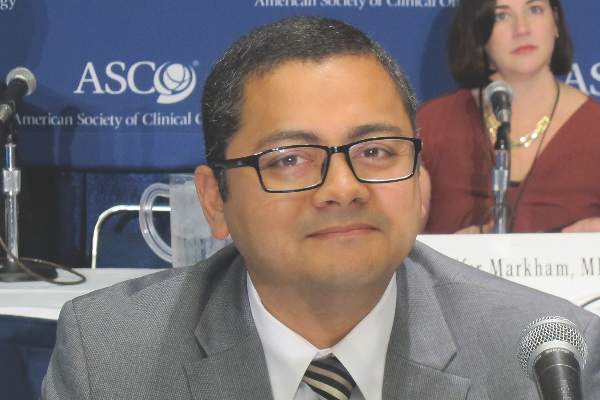
ASCO: Two hits and a miss against advanced urothelial cancer
CHICAGO – Immunotherapies showed their mettle against advanced urothelial cancers in two clinical trials presented at the annual meeting of the American Society of Clinical Oncology, but the targeted agent lapatinib was a total bust as maintenance therapy following chemotherapy in patients with HER1/HER2-positive metastatic bladder cancers.
In a phase Ia trial of an investigational monoclonal antibody (atezolizumab; MPDL3280A)) targeted against the programmed death ligand 1 (PD-L1, also targeted by pembrolizumab [Keytruda]), the overall response rate (ORR) among patients with heavily pretreated urothelial bladder cancer whose tumors had high levels of PD-L1 expression was 50%, and the 1-year overall survival (OS) rate was 57%, reported Dr. Daniel P. Petrylak from the Yale Cancer Center in New Haven, Conn.
In a separate trial, also in a heavily pretreated population, pembrolizumab, which blocks both PD-L1 and PD-L2, was associated with a 28% ORR, a 10% complete response rate (CR), and 1-year overall survival of 50%, said Dr. Elizabeth Plimack from the Fox Chase Cancer Center, Philadelphia.
“I would say we are so far past the end of the old era of cytotoxic, nonselected trials, that we can’t even see it in the rearview mirror anymore,” said Dr. Noah M. Hahn from the Johns Hopkins Medical Institutions, Baltimore, commenting on the immunotherapy abstracts. Dr. Hahn was the invited discussant.
But at the same oral abstract session, results of a phase II/III double-blind, randomized trial comparing maintenance lapatinib (Tykerb) with placebo following chemotherapy for metastatic HER1/HER2-positive bladder cancer showed absolutely no benefit from the drug, no matter how the data were sliced, dissected, or rearranged, reported Dr. Thomas Powles from the Barts Cancer Institute at Queen Mary University of London.
“We desperately need new drugs here,” Dr. Powles said.
Atezolizumab trial
“Metastatic urothelial bladder cancer [UBC] is associated with poor outcomes. There are no FDA-approved therapies for patients who relapse after platinum-based therapy, and the overall survival is approximately 5-7 months. Urothelial bladder cancer has a high mutational load, due to tobacco and environmental carcinogen exposures. In other cancers, high somatic nonsynonomous mutational burden has been associated with durable clinical benefit of PD-L1/PD-1-directed therapy, thus the justification for examining this in urothelial bladder cancer,” Dr. Petrylak said.
He presented data on a cohort of 92 patients with metastatic UBC who were enrolled in a larger trial of atezolizumab against UBC and other cancers. The cohort originally included patients with high levels of PD-L1 expression on immunochemical staining (IC 2/3), but was later expanded to include all comers, the majority of whom had low or no detectable levels of PD-L1 expression (IC 0/1).
The patients received atezolizumab via intravenous administration every 3 weeks at either 15 mg/kg of body weight, or in a 1200-mg flat dose.
Responses to atezolizumab among 87 patients evaluable for efficacy correlated with PD-L1 expression, with the 12 patients in the highest quartile (IC 3) having an ORR of 67%, and 34 patients with IC2 having an ORR of 44%, for a combined ORR of 50%. This included 9 patients with a complete response, and 14 with a partial response.
In contrast, the combined ORR for patients with IC 1 or IC 0 was 17%, with no complete responses, and 7 partial responses.
Among 80 patients with postbaseline tumor assessments, 44 had a reduction in tumor burden. There was also a decrease in circulation C-reactive protein, an inflammatory marker, as well as in the tumor markers carcinoembryonic antigen and cancer antigen 19-9 among patients who had responses to atezolizumab.
Patients generally tolerated the treatment well at a median safety follow-up of 16 weeks, with no treatment-related deaths, and only one discontinuation due to a treatment-related adverse event. Grade 3 or 4 immune-mediated events occurred in 5% of patients, and included an increase in aspartate aminotransferase, increased blood bilirubin, and hypophysitis.
Pembrolizumab trial
Dr. Plimack presented updated results and a biomarker analysis from the KEYNOTE 012 study, a phase I study of pembrolizumab in patients with urothelial tract cancers as well as triple-negative breast cancer, head and neck cancer, and gastric cancer.
In the urothelial cohort, 33 patients with recurrent or metastatic cancer of the renal pelvis, ureter, bladder, or urethra received pembrolizumab 10 mg/kg IV every other week until either complete response, after which therapy could be discontinued if desired; partial response or stable disease, which could be followed by 24 months of additional therapy or until disease progression or intolerable toxicity; or confirmed disease progression, whereupon treatment would stop.
Among 29 patients evaluable for response, 8 (27.6%) had a response, including 3 complete responses, and 5 partial responses. There were 3 cases with stable disease, and 14 with disease progression. Four patients did not have a response assessment due to early discontinuation.
Of the eight responders, all had a more than 30% decrease in the size of target lesions.
The patients tolerated the therapy well, with 85% having either grade 1 or 2 adverse events, or none, and no new safety signals were seen. Grade 3 or 4 adverse events occurred in five patients, with no event occurring more than once, but some occurring concurrently in more than one patient. These events included AST elevation, dehydration, hypercalcemia, myalgia, myositis, neuromyopathy, maculopapular and pruritic rashes, rhabdomyolysis, thrombocytopenia, and toxic encephalopathy.
The atezolizumab study was sponsored by Genentech. The pembrolizumab study was supported by Merck. Dr. Petrylak disclosed research funding and travel honoraria from Genentech. Dr. Plimack is an advisory board member for Merck and receives institutional research funding from the company. Dr. Hahn is a consultant/advisor to Genentech and Merck, and receives institutional research funds from the companies.
CHICAGO – Immunotherapies showed their mettle against advanced urothelial cancers in two clinical trials presented at the annual meeting of the American Society of Clinical Oncology, but the targeted agent lapatinib was a total bust as maintenance therapy following chemotherapy in patients with HER1/HER2-positive metastatic bladder cancers.
In a phase Ia trial of an investigational monoclonal antibody (atezolizumab; MPDL3280A)) targeted against the programmed death ligand 1 (PD-L1, also targeted by pembrolizumab [Keytruda]), the overall response rate (ORR) among patients with heavily pretreated urothelial bladder cancer whose tumors had high levels of PD-L1 expression was 50%, and the 1-year overall survival (OS) rate was 57%, reported Dr. Daniel P. Petrylak from the Yale Cancer Center in New Haven, Conn.
In a separate trial, also in a heavily pretreated population, pembrolizumab, which blocks both PD-L1 and PD-L2, was associated with a 28% ORR, a 10% complete response rate (CR), and 1-year overall survival of 50%, said Dr. Elizabeth Plimack from the Fox Chase Cancer Center, Philadelphia.
“I would say we are so far past the end of the old era of cytotoxic, nonselected trials, that we can’t even see it in the rearview mirror anymore,” said Dr. Noah M. Hahn from the Johns Hopkins Medical Institutions, Baltimore, commenting on the immunotherapy abstracts. Dr. Hahn was the invited discussant.
But at the same oral abstract session, results of a phase II/III double-blind, randomized trial comparing maintenance lapatinib (Tykerb) with placebo following chemotherapy for metastatic HER1/HER2-positive bladder cancer showed absolutely no benefit from the drug, no matter how the data were sliced, dissected, or rearranged, reported Dr. Thomas Powles from the Barts Cancer Institute at Queen Mary University of London.
“We desperately need new drugs here,” Dr. Powles said.
Atezolizumab trial
“Metastatic urothelial bladder cancer [UBC] is associated with poor outcomes. There are no FDA-approved therapies for patients who relapse after platinum-based therapy, and the overall survival is approximately 5-7 months. Urothelial bladder cancer has a high mutational load, due to tobacco and environmental carcinogen exposures. In other cancers, high somatic nonsynonomous mutational burden has been associated with durable clinical benefit of PD-L1/PD-1-directed therapy, thus the justification for examining this in urothelial bladder cancer,” Dr. Petrylak said.
He presented data on a cohort of 92 patients with metastatic UBC who were enrolled in a larger trial of atezolizumab against UBC and other cancers. The cohort originally included patients with high levels of PD-L1 expression on immunochemical staining (IC 2/3), but was later expanded to include all comers, the majority of whom had low or no detectable levels of PD-L1 expression (IC 0/1).
The patients received atezolizumab via intravenous administration every 3 weeks at either 15 mg/kg of body weight, or in a 1200-mg flat dose.
Responses to atezolizumab among 87 patients evaluable for efficacy correlated with PD-L1 expression, with the 12 patients in the highest quartile (IC 3) having an ORR of 67%, and 34 patients with IC2 having an ORR of 44%, for a combined ORR of 50%. This included 9 patients with a complete response, and 14 with a partial response.
In contrast, the combined ORR for patients with IC 1 or IC 0 was 17%, with no complete responses, and 7 partial responses.
Among 80 patients with postbaseline tumor assessments, 44 had a reduction in tumor burden. There was also a decrease in circulation C-reactive protein, an inflammatory marker, as well as in the tumor markers carcinoembryonic antigen and cancer antigen 19-9 among patients who had responses to atezolizumab.
Patients generally tolerated the treatment well at a median safety follow-up of 16 weeks, with no treatment-related deaths, and only one discontinuation due to a treatment-related adverse event. Grade 3 or 4 immune-mediated events occurred in 5% of patients, and included an increase in aspartate aminotransferase, increased blood bilirubin, and hypophysitis.
Pembrolizumab trial
Dr. Plimack presented updated results and a biomarker analysis from the KEYNOTE 012 study, a phase I study of pembrolizumab in patients with urothelial tract cancers as well as triple-negative breast cancer, head and neck cancer, and gastric cancer.
In the urothelial cohort, 33 patients with recurrent or metastatic cancer of the renal pelvis, ureter, bladder, or urethra received pembrolizumab 10 mg/kg IV every other week until either complete response, after which therapy could be discontinued if desired; partial response or stable disease, which could be followed by 24 months of additional therapy or until disease progression or intolerable toxicity; or confirmed disease progression, whereupon treatment would stop.
Among 29 patients evaluable for response, 8 (27.6%) had a response, including 3 complete responses, and 5 partial responses. There were 3 cases with stable disease, and 14 with disease progression. Four patients did not have a response assessment due to early discontinuation.
Of the eight responders, all had a more than 30% decrease in the size of target lesions.
The patients tolerated the therapy well, with 85% having either grade 1 or 2 adverse events, or none, and no new safety signals were seen. Grade 3 or 4 adverse events occurred in five patients, with no event occurring more than once, but some occurring concurrently in more than one patient. These events included AST elevation, dehydration, hypercalcemia, myalgia, myositis, neuromyopathy, maculopapular and pruritic rashes, rhabdomyolysis, thrombocytopenia, and toxic encephalopathy.
The atezolizumab study was sponsored by Genentech. The pembrolizumab study was supported by Merck. Dr. Petrylak disclosed research funding and travel honoraria from Genentech. Dr. Plimack is an advisory board member for Merck and receives institutional research funding from the company. Dr. Hahn is a consultant/advisor to Genentech and Merck, and receives institutional research funds from the companies.
CHICAGO – Immunotherapies showed their mettle against advanced urothelial cancers in two clinical trials presented at the annual meeting of the American Society of Clinical Oncology, but the targeted agent lapatinib was a total bust as maintenance therapy following chemotherapy in patients with HER1/HER2-positive metastatic bladder cancers.
In a phase Ia trial of an investigational monoclonal antibody (atezolizumab; MPDL3280A)) targeted against the programmed death ligand 1 (PD-L1, also targeted by pembrolizumab [Keytruda]), the overall response rate (ORR) among patients with heavily pretreated urothelial bladder cancer whose tumors had high levels of PD-L1 expression was 50%, and the 1-year overall survival (OS) rate was 57%, reported Dr. Daniel P. Petrylak from the Yale Cancer Center in New Haven, Conn.
In a separate trial, also in a heavily pretreated population, pembrolizumab, which blocks both PD-L1 and PD-L2, was associated with a 28% ORR, a 10% complete response rate (CR), and 1-year overall survival of 50%, said Dr. Elizabeth Plimack from the Fox Chase Cancer Center, Philadelphia.
“I would say we are so far past the end of the old era of cytotoxic, nonselected trials, that we can’t even see it in the rearview mirror anymore,” said Dr. Noah M. Hahn from the Johns Hopkins Medical Institutions, Baltimore, commenting on the immunotherapy abstracts. Dr. Hahn was the invited discussant.
But at the same oral abstract session, results of a phase II/III double-blind, randomized trial comparing maintenance lapatinib (Tykerb) with placebo following chemotherapy for metastatic HER1/HER2-positive bladder cancer showed absolutely no benefit from the drug, no matter how the data were sliced, dissected, or rearranged, reported Dr. Thomas Powles from the Barts Cancer Institute at Queen Mary University of London.
“We desperately need new drugs here,” Dr. Powles said.
Atezolizumab trial
“Metastatic urothelial bladder cancer [UBC] is associated with poor outcomes. There are no FDA-approved therapies for patients who relapse after platinum-based therapy, and the overall survival is approximately 5-7 months. Urothelial bladder cancer has a high mutational load, due to tobacco and environmental carcinogen exposures. In other cancers, high somatic nonsynonomous mutational burden has been associated with durable clinical benefit of PD-L1/PD-1-directed therapy, thus the justification for examining this in urothelial bladder cancer,” Dr. Petrylak said.
He presented data on a cohort of 92 patients with metastatic UBC who were enrolled in a larger trial of atezolizumab against UBC and other cancers. The cohort originally included patients with high levels of PD-L1 expression on immunochemical staining (IC 2/3), but was later expanded to include all comers, the majority of whom had low or no detectable levels of PD-L1 expression (IC 0/1).
The patients received atezolizumab via intravenous administration every 3 weeks at either 15 mg/kg of body weight, or in a 1200-mg flat dose.
Responses to atezolizumab among 87 patients evaluable for efficacy correlated with PD-L1 expression, with the 12 patients in the highest quartile (IC 3) having an ORR of 67%, and 34 patients with IC2 having an ORR of 44%, for a combined ORR of 50%. This included 9 patients with a complete response, and 14 with a partial response.
In contrast, the combined ORR for patients with IC 1 or IC 0 was 17%, with no complete responses, and 7 partial responses.
Among 80 patients with postbaseline tumor assessments, 44 had a reduction in tumor burden. There was also a decrease in circulation C-reactive protein, an inflammatory marker, as well as in the tumor markers carcinoembryonic antigen and cancer antigen 19-9 among patients who had responses to atezolizumab.
Patients generally tolerated the treatment well at a median safety follow-up of 16 weeks, with no treatment-related deaths, and only one discontinuation due to a treatment-related adverse event. Grade 3 or 4 immune-mediated events occurred in 5% of patients, and included an increase in aspartate aminotransferase, increased blood bilirubin, and hypophysitis.
Pembrolizumab trial
Dr. Plimack presented updated results and a biomarker analysis from the KEYNOTE 012 study, a phase I study of pembrolizumab in patients with urothelial tract cancers as well as triple-negative breast cancer, head and neck cancer, and gastric cancer.
In the urothelial cohort, 33 patients with recurrent or metastatic cancer of the renal pelvis, ureter, bladder, or urethra received pembrolizumab 10 mg/kg IV every other week until either complete response, after which therapy could be discontinued if desired; partial response or stable disease, which could be followed by 24 months of additional therapy or until disease progression or intolerable toxicity; or confirmed disease progression, whereupon treatment would stop.
Among 29 patients evaluable for response, 8 (27.6%) had a response, including 3 complete responses, and 5 partial responses. There were 3 cases with stable disease, and 14 with disease progression. Four patients did not have a response assessment due to early discontinuation.
Of the eight responders, all had a more than 30% decrease in the size of target lesions.
The patients tolerated the therapy well, with 85% having either grade 1 or 2 adverse events, or none, and no new safety signals were seen. Grade 3 or 4 adverse events occurred in five patients, with no event occurring more than once, but some occurring concurrently in more than one patient. These events included AST elevation, dehydration, hypercalcemia, myalgia, myositis, neuromyopathy, maculopapular and pruritic rashes, rhabdomyolysis, thrombocytopenia, and toxic encephalopathy.
The atezolizumab study was sponsored by Genentech. The pembrolizumab study was supported by Merck. Dr. Petrylak disclosed research funding and travel honoraria from Genentech. Dr. Plimack is an advisory board member for Merck and receives institutional research funding from the company. Dr. Hahn is a consultant/advisor to Genentech and Merck, and receives institutional research funds from the companies.
Key clinical point: Anti PD-L1 immunotherapies were effective in early clinical trials against advanced urothelial cancers.
Major finding: The overall response rate to atezolizumab among patients with higher levels of PD-L1 expression was 50%. The ORR to pembrolizumab was 27.6%. No benefit was found from lapatinib following chemotherapy for metastatic HER1/HER2-positive bladder cancer.
Data source: Open label, multiple cohort, dose-finding studies in 92 patients (atezolizumab) and 33 patients (pembrolizumab) with urothelial cancers. A phase II/III double-blind, randomized trial comparing maintenance lapatinib (Tykerb) with placebo.
Disclosures: The atezolizumab study was sponsored by Genentech. The pembrolizumab study was supported by Merck. Dr. Petrylak discloses research funding and travel honoraria from Genentech. Dr. Plimack is an advisory board member for Merck and receives institutional research funding from the company. Dr. Hahn is a consultant/adviser to Genentech and Merck, and receives institutional research funds from the companies.
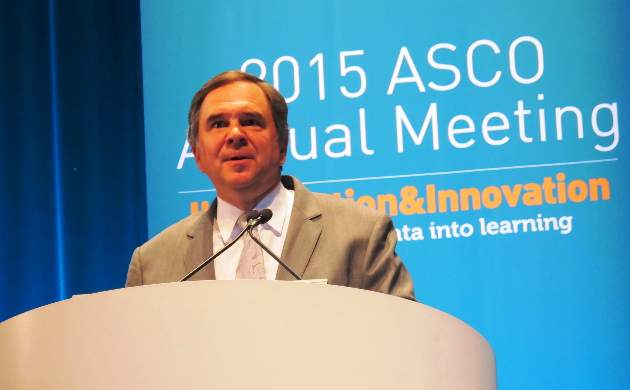
Aspirin, Vitamin D Levels Protect Against Recurrent CRC
CHICAGO – Both aspirin and higher plasma levels of vitamin D appear to be modestly effective in secondary prevention of colorectal cancer, investigators in a large cohort study and a randomized trial report.
Among more than 25,000 Norwegians with colorectal cancer, aspirin use was associated with a 14% improvement in overall survival, and a 25% improvement in colorectal cancer–specific survival, reported Dr. Simer Bains from the Center for Molecular Medicine Norway at the University of Oslo.
A similar protective effect of plasma 25-hydroxy vitamin D (25[OH]D) was seen in a subanalysis of data from the CALGB/SWOG 80405 trial, which showed that patients in the highest quintile had a significantly longer overall survival, compared with patients in the lowest quintile of 25(OH)D. Whether dietary vitamin D supplementation will have the same effect is unknown, however, said Dr. Kimmie Ng of the Dana-Farber Cancer Institute, Boston, at the annual meeting of the American Society of Clinical Oncology.
“If confirmed, these are very important potential interventions as they are low-cost, over-the-counter options that could have substantial implications for treatment of colon cancer patients, commented Dr. Andrew T. Chan of Massachusetts General Hospital, the invited discussant.
Aspirin study
The benefits of aspirin in primary prevention of colorectal and other cancers have been well documented, but the role of the “wonder drug” in secondary prevention is unclear, Dr. Bains said.
To see whether the use of aspirin after a colorectal cancer diagnosis could make a difference, she and colleagues drew on Norway’s birth-to-death national medical and prescription databases to identify a retrospective cohort of 25,644 patients with colorectal cancer diagnosed from 2004 to 2011. Of this group 6,109 had documented aspirin exposure, defined as a prescription for more than 6 months of aspirin after a diagnosis of colorectal cancer, and 19,535 did not have documented aspirin exposure.
The aspirin user group had a higher mean age than nonusers (74 vs. 70 years), had slightly more men than women (56% vs. 48% men among nonusers), had a higher proportion of well- or moderately differentiated tumors, and less advanced disease stage at diagnosis.

After 9 years of follow-up, there was no difference between the groups in overall survival on univariate analysis. Suspecting that the lack of effect might be attributable to the aspirin users being an older and potentially more fragile group with more comorbidities than nonusers, the authors performed a multivariate regression analysis controlling for age, gender, tumor stage, differentiation, and other drug use and found a hazard ratio for death with aspirin use of 0.86 (P < .001).
In both univariate and multivariate analysis, aspirin use was associated with improved colorectal cancer–specific survival, with HRs of 0.84 and 0.75, respectively (P < .001 for both).
Dr. Bains acknowledged that the study was limited by the lack of randomization and inability to control for over-the-counter aspirin use.
Vitamin D
In a different study, Dr. Ng and colleagues looked at the relationship between plasma 25(OH)D levels in patients with metastatic colorectal cancer enrolled in CALGB/SWOG 80405, which compared the FOLFIRI and FOLFOX regimens plus either cetuximab (Erbitux), bevacizumab (Avastin), or both.
Plasma 25(OH)D levels were measured at baseline by radioimmunoassay before the start of therapy.
The investigators found that among patients in the highest quintile of plasma vitamin D levels, median overall survival was 32.6 months, compared with 24.5 months for patients in the lowest quintile (P = .01).

In a multivariate analysis adjusted for age, sex, race, performance status, chemotherapy backbone regimen, previous adjuvant therapy, RAS mutation status, season of blood draw, region of residency, body mass index and physical activity, the highest levels of 25(OH)D were associated with a 35% improvement in overall survival, compared with the lowest levels (HR 0.65, P for trend = .001).
The investigators found that the association between vitamin D levels and survival persisted across all patient subgroups both before and after adjustment for prognostic factors.
A phase II randomized trial of vitamin D supplementation in patients undergoing adjuvant chemotherapy is currently underway, Dr. Ng noted.
Dr. Chan, the discussant, noted that “vitamin D and aspirin use are among the lifestyle factors most consistently associated with improved outcomes among patients with colorectal cancer in epidemiological studies,” and that “the findings are supported by consistent evidence and biological plausibility.”
The aspirin study was supported by the Research Council of Norway. CALGB/SWOG 80405 was supported by the National Cancer Institute, Southwest Oncology Group, Bristol-Myers Squibb, and Aptuit Inc. Dr. Bains reported no relevant disclosures. Dr Ng reported a consulting or advisory role with several companies, institutional research funding from Genentech/Roche and Pharmaville, and travel expenses from Gilead Sciences. Dr. Chan reported a consulting/advisory role with Bayer Schering Pharma and Pfizer.
CHICAGO – Both aspirin and higher plasma levels of vitamin D appear to be modestly effective in secondary prevention of colorectal cancer, investigators in a large cohort study and a randomized trial report.
Among more than 25,000 Norwegians with colorectal cancer, aspirin use was associated with a 14% improvement in overall survival, and a 25% improvement in colorectal cancer–specific survival, reported Dr. Simer Bains from the Center for Molecular Medicine Norway at the University of Oslo.
A similar protective effect of plasma 25-hydroxy vitamin D (25[OH]D) was seen in a subanalysis of data from the CALGB/SWOG 80405 trial, which showed that patients in the highest quintile had a significantly longer overall survival, compared with patients in the lowest quintile of 25(OH)D. Whether dietary vitamin D supplementation will have the same effect is unknown, however, said Dr. Kimmie Ng of the Dana-Farber Cancer Institute, Boston, at the annual meeting of the American Society of Clinical Oncology.
“If confirmed, these are very important potential interventions as they are low-cost, over-the-counter options that could have substantial implications for treatment of colon cancer patients, commented Dr. Andrew T. Chan of Massachusetts General Hospital, the invited discussant.
Aspirin study
The benefits of aspirin in primary prevention of colorectal and other cancers have been well documented, but the role of the “wonder drug” in secondary prevention is unclear, Dr. Bains said.
To see whether the use of aspirin after a colorectal cancer diagnosis could make a difference, she and colleagues drew on Norway’s birth-to-death national medical and prescription databases to identify a retrospective cohort of 25,644 patients with colorectal cancer diagnosed from 2004 to 2011. Of this group 6,109 had documented aspirin exposure, defined as a prescription for more than 6 months of aspirin after a diagnosis of colorectal cancer, and 19,535 did not have documented aspirin exposure.
The aspirin user group had a higher mean age than nonusers (74 vs. 70 years), had slightly more men than women (56% vs. 48% men among nonusers), had a higher proportion of well- or moderately differentiated tumors, and less advanced disease stage at diagnosis.
After 9 years of follow-up, there was no difference between the groups in overall survival on univariate analysis. Suspecting that the lack of effect might be attributable to the aspirin users being an older and potentially more fragile group with more comorbidities than nonusers, the authors performed a multivariate regression analysis controlling for age, gender, tumor stage, differentiation, and other drug use and found a hazard ratio for death with aspirin use of 0.86 (P < .001).
In both univariate and multivariate analysis, aspirin use was associated with improved colorectal cancer–specific survival, with HRs of 0.84 and 0.75, respectively (P < .001 for both).
Dr. Bains acknowledged that the study was limited by the lack of randomization and inability to control for over-the-counter aspirin use.
Vitamin D
In a different study, Dr. Ng and colleagues looked at the relationship between plasma 25(OH)D levels in patients with metastatic colorectal cancer enrolled in CALGB/SWOG 80405, which compared the FOLFIRI and FOLFOX regimens plus either cetuximab (Erbitux), bevacizumab (Avastin), or both.
Plasma 25(OH)D levels were measured at baseline by radioimmunoassay before the start of therapy.
The investigators found that among patients in the highest quintile of plasma vitamin D levels, median overall survival was 32.6 months, compared with 24.5 months for patients in the lowest quintile (P = .01).
In a multivariate analysis adjusted for age, sex, race, performance status, chemotherapy backbone regimen, previous adjuvant therapy, RAS mutation status, season of blood draw, region of residency, body mass index and physical activity, the highest levels of 25(OH)D were associated with a 35% improvement in overall survival, compared with the lowest levels (HR 0.65, P for trend = .001).
The investigators found that the association between vitamin D levels and survival persisted across all patient subgroups both before and after adjustment for prognostic factors.
A phase II randomized trial of vitamin D supplementation in patients undergoing adjuvant chemotherapy is currently underway, Dr. Ng noted.
Dr. Chan, the discussant, noted that “vitamin D and aspirin use are among the lifestyle factors most consistently associated with improved outcomes among patients with colorectal cancer in epidemiological studies,” and that “the findings are supported by consistent evidence and biological plausibility.”
The aspirin study was supported by the Research Council of Norway. CALGB/SWOG 80405 was supported by the National Cancer Institute, Southwest Oncology Group, Bristol-Myers Squibb, and Aptuit Inc. Dr. Bains reported no relevant disclosures. Dr Ng reported a consulting or advisory role with several companies, institutional research funding from Genentech/Roche and Pharmaville, and travel expenses from Gilead Sciences. Dr. Chan reported a consulting/advisory role with Bayer Schering Pharma and Pfizer.
CHICAGO – Both aspirin and higher plasma levels of vitamin D appear to be modestly effective in secondary prevention of colorectal cancer, investigators in a large cohort study and a randomized trial report.
Among more than 25,000 Norwegians with colorectal cancer, aspirin use was associated with a 14% improvement in overall survival, and a 25% improvement in colorectal cancer–specific survival, reported Dr. Simer Bains from the Center for Molecular Medicine Norway at the University of Oslo.
A similar protective effect of plasma 25-hydroxy vitamin D (25[OH]D) was seen in a subanalysis of data from the CALGB/SWOG 80405 trial, which showed that patients in the highest quintile had a significantly longer overall survival, compared with patients in the lowest quintile of 25(OH)D. Whether dietary vitamin D supplementation will have the same effect is unknown, however, said Dr. Kimmie Ng of the Dana-Farber Cancer Institute, Boston, at the annual meeting of the American Society of Clinical Oncology.
“If confirmed, these are very important potential interventions as they are low-cost, over-the-counter options that could have substantial implications for treatment of colon cancer patients, commented Dr. Andrew T. Chan of Massachusetts General Hospital, the invited discussant.
Aspirin study
The benefits of aspirin in primary prevention of colorectal and other cancers have been well documented, but the role of the “wonder drug” in secondary prevention is unclear, Dr. Bains said.
To see whether the use of aspirin after a colorectal cancer diagnosis could make a difference, she and colleagues drew on Norway’s birth-to-death national medical and prescription databases to identify a retrospective cohort of 25,644 patients with colorectal cancer diagnosed from 2004 to 2011. Of this group 6,109 had documented aspirin exposure, defined as a prescription for more than 6 months of aspirin after a diagnosis of colorectal cancer, and 19,535 did not have documented aspirin exposure.
The aspirin user group had a higher mean age than nonusers (74 vs. 70 years), had slightly more men than women (56% vs. 48% men among nonusers), had a higher proportion of well- or moderately differentiated tumors, and less advanced disease stage at diagnosis.
After 9 years of follow-up, there was no difference between the groups in overall survival on univariate analysis. Suspecting that the lack of effect might be attributable to the aspirin users being an older and potentially more fragile group with more comorbidities than nonusers, the authors performed a multivariate regression analysis controlling for age, gender, tumor stage, differentiation, and other drug use and found a hazard ratio for death with aspirin use of 0.86 (P < .001).
In both univariate and multivariate analysis, aspirin use was associated with improved colorectal cancer–specific survival, with HRs of 0.84 and 0.75, respectively (P < .001 for both).
Dr. Bains acknowledged that the study was limited by the lack of randomization and inability to control for over-the-counter aspirin use.
Vitamin D
In a different study, Dr. Ng and colleagues looked at the relationship between plasma 25(OH)D levels in patients with metastatic colorectal cancer enrolled in CALGB/SWOG 80405, which compared the FOLFIRI and FOLFOX regimens plus either cetuximab (Erbitux), bevacizumab (Avastin), or both.
Plasma 25(OH)D levels were measured at baseline by radioimmunoassay before the start of therapy.
The investigators found that among patients in the highest quintile of plasma vitamin D levels, median overall survival was 32.6 months, compared with 24.5 months for patients in the lowest quintile (P = .01).
In a multivariate analysis adjusted for age, sex, race, performance status, chemotherapy backbone regimen, previous adjuvant therapy, RAS mutation status, season of blood draw, region of residency, body mass index and physical activity, the highest levels of 25(OH)D were associated with a 35% improvement in overall survival, compared with the lowest levels (HR 0.65, P for trend = .001).
The investigators found that the association between vitamin D levels and survival persisted across all patient subgroups both before and after adjustment for prognostic factors.
A phase II randomized trial of vitamin D supplementation in patients undergoing adjuvant chemotherapy is currently underway, Dr. Ng noted.
Dr. Chan, the discussant, noted that “vitamin D and aspirin use are among the lifestyle factors most consistently associated with improved outcomes among patients with colorectal cancer in epidemiological studies,” and that “the findings are supported by consistent evidence and biological plausibility.”
The aspirin study was supported by the Research Council of Norway. CALGB/SWOG 80405 was supported by the National Cancer Institute, Southwest Oncology Group, Bristol-Myers Squibb, and Aptuit Inc. Dr. Bains reported no relevant disclosures. Dr Ng reported a consulting or advisory role with several companies, institutional research funding from Genentech/Roche and Pharmaville, and travel expenses from Gilead Sciences. Dr. Chan reported a consulting/advisory role with Bayer Schering Pharma and Pfizer.
AT THE 2015 ASCO ANNUAL MEETING
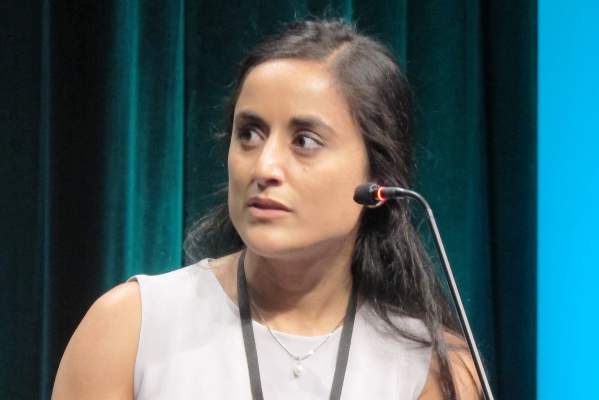
Aspirin, vitamin D levels protect against recurrent CRC
CHICAGO – Both aspirin and higher plasma levels of vitamin D appear to be modestly effective in secondary prevention of colorectal cancer, investigators in a large cohort study and a randomized trial report.
Among more than 25,000 Norwegians with colorectal cancer, aspirin use was associated with a 14% improvement in overall survival, and a 25% improvement in colorectal cancer–specific survival, reported Dr. Simer Bains from the Center for Molecular Medicine Norway at the University of Oslo.
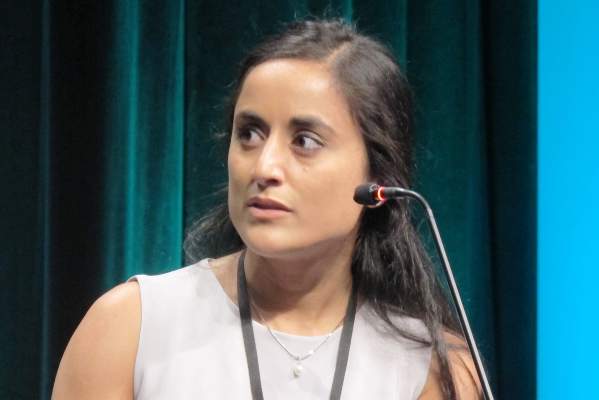
A similar protective effect of plasma 25-hydroxy vitamin D (25[OH]D) was seen in a subanalysis of data from the CALGB/SWOG 80405 trial, which showed that patients in the highest quintile had a significantly longer overall survival, compared with patients in the lowest quintile of 25(OH)D. Whether dietary vitamin D supplementation will have the same effect is unknown, however, said Dr. Kimmie Ng of the Dana-Farber Cancer Institute, Boston, at the annual meeting of the American Society of Clinical Oncology.
“If confirmed, these are very important potential interventions as they are low-cost, over-the-counter options that could have substantial implications for treatment of colon cancer patients, commented Dr. Andrew T. Chan of Massachusetts General Hospital, the invited discussant.
Aspirin study
The benefits of aspirin in primary prevention of colorectal and other cancers have been well documented, but the role of the “wonder drug” in secondary prevention is unclear, Dr. Bains said.
To see whether the use of aspirin after a colorectal cancer diagnosis could make a difference, she and colleagues drew on Norway’s birth-to-death national medical and prescription databases to identify a retrospective cohort of 25,644 patients with colorectal cancer diagnosed from 2004 to 2011. Of this group 6,109 had documented aspirin exposure, defined as a prescription for more than 6 months of aspirin after a diagnosis of colorectal cancer, and 19,535 did not have documented aspirin exposure.
The aspirin user group had a higher mean age than nonusers (74 vs. 70 years), had slightly more men than women (56% vs. 48% men among nonusers), had a higher proportion of well- or moderately differentiated tumors, and less advanced disease stage at diagnosis.

After 9 years of follow-up, there was no difference between the groups in overall survival on univariate analysis. Suspecting that the lack of effect might be attributable to the aspirin users being an older and potentially more fragile group with more comorbidities than nonusers, the authors performed a multivariate regression analysis controlling for age, gender, tumor stage, differentiation, and other drug use and found a hazard ratio for death with aspirin use of 0.86 (P < .001).
In both univariate and multivariate analysis, aspirin use was associated with improved colorectal cancer–specific survival, with HRs of 0.84 and 0.75, respectively (P < .001 for both).
Dr. Bains acknowledged that the study was limited by the lack of randomization and inability to control for over-the-counter aspirin use.
Vitamin D
In a different study, Dr. Ng and colleagues looked at the relationship between plasma 25(OH)D levels in patients with metastatic colorectal cancer enrolled in CALGB/SWOG 80405, which compared the FOLFIRI and FOLFOX regimens plus either cetuximab (Erbitux), bevacizumab (Avastin), or both.
Plasma 25(OH)D levels were measured at baseline by radioimmunoassay before the start of therapy.
The investigators found that among patients in the highest quintile of plasma vitamin D levels, median overall survival was 32.6 months, compared with 24.5 months for patients in the lowest quintile (P = .01).

In a multivariate analysis adjusted for age, sex, race, performance status, chemotherapy backbone regimen, previous adjuvant therapy, RAS mutation status, season of blood draw, region of residency, body mass index and physical activity, the highest levels of 25(OH)D were associated with a 35% improvement in overall survival, compared with the lowest levels (HR 0.65, P for trend = .001).
The investigators found that the association between vitamin D levels and survival persisted across all patient subgroups both before and after adjustment for prognostic factors.
A phase II randomized trial of vitamin D supplementation in patients undergoing adjuvant chemotherapy is currently underway, Dr. Ng noted.
Dr. Chan, the discussant, noted that “vitamin D and aspirin use are among the lifestyle factors most consistently associated with improved outcomes among patients with colorectal cancer in epidemiological studies,” and that “the findings are supported by consistent evidence and biological plausibility.”
The aspirin study was supported by the Research Council of Norway. CALGB/SWOG 80405 was supported by the National Cancer Institute, Southwest Oncology Group, Bristol-Myers Squibb, and Aptuit Inc. Dr. Bains reported no relevant disclosures. Dr Ng reported a consulting or advisory role with several companies, institutional research funding from Genentech/Roche and Pharmaville, and travel expenses from Gilead Sciences. Dr. Chan reported a consulting/advisory role with Bayer Schering Pharma and Pfizer.
CHICAGO – Both aspirin and higher plasma levels of vitamin D appear to be modestly effective in secondary prevention of colorectal cancer, investigators in a large cohort study and a randomized trial report.
Among more than 25,000 Norwegians with colorectal cancer, aspirin use was associated with a 14% improvement in overall survival, and a 25% improvement in colorectal cancer–specific survival, reported Dr. Simer Bains from the Center for Molecular Medicine Norway at the University of Oslo.
A similar protective effect of plasma 25-hydroxy vitamin D (25[OH]D) was seen in a subanalysis of data from the CALGB/SWOG 80405 trial, which showed that patients in the highest quintile had a significantly longer overall survival, compared with patients in the lowest quintile of 25(OH)D. Whether dietary vitamin D supplementation will have the same effect is unknown, however, said Dr. Kimmie Ng of the Dana-Farber Cancer Institute, Boston, at the annual meeting of the American Society of Clinical Oncology.
“If confirmed, these are very important potential interventions as they are low-cost, over-the-counter options that could have substantial implications for treatment of colon cancer patients, commented Dr. Andrew T. Chan of Massachusetts General Hospital, the invited discussant.
Aspirin study
The benefits of aspirin in primary prevention of colorectal and other cancers have been well documented, but the role of the “wonder drug” in secondary prevention is unclear, Dr. Bains said.
To see whether the use of aspirin after a colorectal cancer diagnosis could make a difference, she and colleagues drew on Norway’s birth-to-death national medical and prescription databases to identify a retrospective cohort of 25,644 patients with colorectal cancer diagnosed from 2004 to 2011. Of this group 6,109 had documented aspirin exposure, defined as a prescription for more than 6 months of aspirin after a diagnosis of colorectal cancer, and 19,535 did not have documented aspirin exposure.
The aspirin user group had a higher mean age than nonusers (74 vs. 70 years), had slightly more men than women (56% vs. 48% men among nonusers), had a higher proportion of well- or moderately differentiated tumors, and less advanced disease stage at diagnosis.
After 9 years of follow-up, there was no difference between the groups in overall survival on univariate analysis. Suspecting that the lack of effect might be attributable to the aspirin users being an older and potentially more fragile group with more comorbidities than nonusers, the authors performed a multivariate regression analysis controlling for age, gender, tumor stage, differentiation, and other drug use and found a hazard ratio for death with aspirin use of 0.86 (P < .001).
In both univariate and multivariate analysis, aspirin use was associated with improved colorectal cancer–specific survival, with HRs of 0.84 and 0.75, respectively (P < .001 for both).
Dr. Bains acknowledged that the study was limited by the lack of randomization and inability to control for over-the-counter aspirin use.
Vitamin D
In a different study, Dr. Ng and colleagues looked at the relationship between plasma 25(OH)D levels in patients with metastatic colorectal cancer enrolled in CALGB/SWOG 80405, which compared the FOLFIRI and FOLFOX regimens plus either cetuximab (Erbitux), bevacizumab (Avastin), or both.
Plasma 25(OH)D levels were measured at baseline by radioimmunoassay before the start of therapy.
The investigators found that among patients in the highest quintile of plasma vitamin D levels, median overall survival was 32.6 months, compared with 24.5 months for patients in the lowest quintile (P = .01).
In a multivariate analysis adjusted for age, sex, race, performance status, chemotherapy backbone regimen, previous adjuvant therapy, RAS mutation status, season of blood draw, region of residency, body mass index and physical activity, the highest levels of 25(OH)D were associated with a 35% improvement in overall survival, compared with the lowest levels (HR 0.65, P for trend = .001).
The investigators found that the association between vitamin D levels and survival persisted across all patient subgroups both before and after adjustment for prognostic factors.
A phase II randomized trial of vitamin D supplementation in patients undergoing adjuvant chemotherapy is currently underway, Dr. Ng noted.
Dr. Chan, the discussant, noted that “vitamin D and aspirin use are among the lifestyle factors most consistently associated with improved outcomes among patients with colorectal cancer in epidemiological studies,” and that “the findings are supported by consistent evidence and biological plausibility.”
The aspirin study was supported by the Research Council of Norway. CALGB/SWOG 80405 was supported by the National Cancer Institute, Southwest Oncology Group, Bristol-Myers Squibb, and Aptuit Inc. Dr. Bains reported no relevant disclosures. Dr Ng reported a consulting or advisory role with several companies, institutional research funding from Genentech/Roche and Pharmaville, and travel expenses from Gilead Sciences. Dr. Chan reported a consulting/advisory role with Bayer Schering Pharma and Pfizer.
CHICAGO – Both aspirin and higher plasma levels of vitamin D appear to be modestly effective in secondary prevention of colorectal cancer, investigators in a large cohort study and a randomized trial report.
Among more than 25,000 Norwegians with colorectal cancer, aspirin use was associated with a 14% improvement in overall survival, and a 25% improvement in colorectal cancer–specific survival, reported Dr. Simer Bains from the Center for Molecular Medicine Norway at the University of Oslo.
A similar protective effect of plasma 25-hydroxy vitamin D (25[OH]D) was seen in a subanalysis of data from the CALGB/SWOG 80405 trial, which showed that patients in the highest quintile had a significantly longer overall survival, compared with patients in the lowest quintile of 25(OH)D. Whether dietary vitamin D supplementation will have the same effect is unknown, however, said Dr. Kimmie Ng of the Dana-Farber Cancer Institute, Boston, at the annual meeting of the American Society of Clinical Oncology.
“If confirmed, these are very important potential interventions as they are low-cost, over-the-counter options that could have substantial implications for treatment of colon cancer patients, commented Dr. Andrew T. Chan of Massachusetts General Hospital, the invited discussant.
Aspirin study
The benefits of aspirin in primary prevention of colorectal and other cancers have been well documented, but the role of the “wonder drug” in secondary prevention is unclear, Dr. Bains said.
To see whether the use of aspirin after a colorectal cancer diagnosis could make a difference, she and colleagues drew on Norway’s birth-to-death national medical and prescription databases to identify a retrospective cohort of 25,644 patients with colorectal cancer diagnosed from 2004 to 2011. Of this group 6,109 had documented aspirin exposure, defined as a prescription for more than 6 months of aspirin after a diagnosis of colorectal cancer, and 19,535 did not have documented aspirin exposure.
The aspirin user group had a higher mean age than nonusers (74 vs. 70 years), had slightly more men than women (56% vs. 48% men among nonusers), had a higher proportion of well- or moderately differentiated tumors, and less advanced disease stage at diagnosis.
After 9 years of follow-up, there was no difference between the groups in overall survival on univariate analysis. Suspecting that the lack of effect might be attributable to the aspirin users being an older and potentially more fragile group with more comorbidities than nonusers, the authors performed a multivariate regression analysis controlling for age, gender, tumor stage, differentiation, and other drug use and found a hazard ratio for death with aspirin use of 0.86 (P < .001).
In both univariate and multivariate analysis, aspirin use was associated with improved colorectal cancer–specific survival, with HRs of 0.84 and 0.75, respectively (P < .001 for both).
Dr. Bains acknowledged that the study was limited by the lack of randomization and inability to control for over-the-counter aspirin use.
Vitamin D
In a different study, Dr. Ng and colleagues looked at the relationship between plasma 25(OH)D levels in patients with metastatic colorectal cancer enrolled in CALGB/SWOG 80405, which compared the FOLFIRI and FOLFOX regimens plus either cetuximab (Erbitux), bevacizumab (Avastin), or both.
Plasma 25(OH)D levels were measured at baseline by radioimmunoassay before the start of therapy.
The investigators found that among patients in the highest quintile of plasma vitamin D levels, median overall survival was 32.6 months, compared with 24.5 months for patients in the lowest quintile (P = .01).
In a multivariate analysis adjusted for age, sex, race, performance status, chemotherapy backbone regimen, previous adjuvant therapy, RAS mutation status, season of blood draw, region of residency, body mass index and physical activity, the highest levels of 25(OH)D were associated with a 35% improvement in overall survival, compared with the lowest levels (HR 0.65, P for trend = .001).
The investigators found that the association between vitamin D levels and survival persisted across all patient subgroups both before and after adjustment for prognostic factors.
A phase II randomized trial of vitamin D supplementation in patients undergoing adjuvant chemotherapy is currently underway, Dr. Ng noted.
Dr. Chan, the discussant, noted that “vitamin D and aspirin use are among the lifestyle factors most consistently associated with improved outcomes among patients with colorectal cancer in epidemiological studies,” and that “the findings are supported by consistent evidence and biological plausibility.”
The aspirin study was supported by the Research Council of Norway. CALGB/SWOG 80405 was supported by the National Cancer Institute, Southwest Oncology Group, Bristol-Myers Squibb, and Aptuit Inc. Dr. Bains reported no relevant disclosures. Dr Ng reported a consulting or advisory role with several companies, institutional research funding from Genentech/Roche and Pharmaville, and travel expenses from Gilead Sciences. Dr. Chan reported a consulting/advisory role with Bayer Schering Pharma and Pfizer.
AT THE 2015 ASCO ANNUAL MEETING
Key clinical point: Aspirin and plasma vitamin D appear to offer survival advantages for patients with colorectal cancer.
Major finding: In a multivariable analysis aspirin use after diagnosis was associated with improved overall survival (HR = 0.86) and colorectal cancer–specific survival (HR = .75). Highest vitamin D levels were associated with a 35% reduction in risk of death vs. lowest levels.
Data source: Retrospective cohort study of 25,644 patients (aspirin). Randomized controlled trial with 2,334 patients (vitamin D).
Disclosures: The aspirin study was supported by the Research Council of Norway. CALGB/SWOG 80405 was supported by the National Cancer Institute, Southwest Oncology Group, Bristol-Myers Squibb, and Aptuit Inc. Dr. Bains reported no relevant disclosures. Dr Ng reported a consulting or advisory role with several companies, institutional research funding from Genentech/Roche and Pharmaville, and travel expenses from Gilead Sciences. Dr. Chan reported a consulting/advisory role with Bayer Schering Pharma and Pfizer.
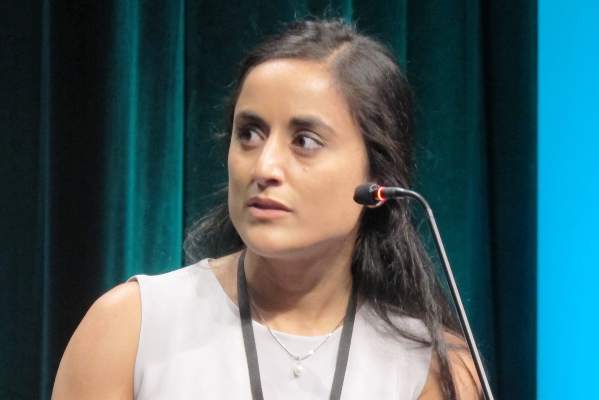
VIDEO: Heavily pretreated multiple myeloma yields to novel antibody
CHICAGO – An investigational targeted therapy for multiple myeloma delayed disease progression in patients for whom as many as five prior lines of therapy had failed.
Daratumumab, an experimental antibody targeted to the CD38 receptor expressed at high levels on the surface of myeloma cells, was associated with a 29.2% overall response rate (ORR) at a median follow-up of 9.4 months, including three patients with a complete remission, Dr. Saad Zafar Usmani, a hematologist at Levine Cancer Institute-Carolinas Healthcare System in Charlotte, N.C., said in a video interview.
Dr. Usmani says that daratumumab monotherapy produced unprecedented overall responses that deepened over time in this heavily pretreated multiple myeloma patient population and that the results highlight the potential of daratumumab as a novel, well-tolerated, single-agent therapy that might be combined with existing therapies for treatment of refractory disease.
The video associated with this article is no longer available on this site. Please view all of our videos on the MDedge YouTube channel
CHICAGO – An investigational targeted therapy for multiple myeloma delayed disease progression in patients for whom as many as five prior lines of therapy had failed.
Daratumumab, an experimental antibody targeted to the CD38 receptor expressed at high levels on the surface of myeloma cells, was associated with a 29.2% overall response rate (ORR) at a median follow-up of 9.4 months, including three patients with a complete remission, Dr. Saad Zafar Usmani, a hematologist at Levine Cancer Institute-Carolinas Healthcare System in Charlotte, N.C., said in a video interview.
Dr. Usmani says that daratumumab monotherapy produced unprecedented overall responses that deepened over time in this heavily pretreated multiple myeloma patient population and that the results highlight the potential of daratumumab as a novel, well-tolerated, single-agent therapy that might be combined with existing therapies for treatment of refractory disease.
The video associated with this article is no longer available on this site. Please view all of our videos on the MDedge YouTube channel
CHICAGO – An investigational targeted therapy for multiple myeloma delayed disease progression in patients for whom as many as five prior lines of therapy had failed.
Daratumumab, an experimental antibody targeted to the CD38 receptor expressed at high levels on the surface of myeloma cells, was associated with a 29.2% overall response rate (ORR) at a median follow-up of 9.4 months, including three patients with a complete remission, Dr. Saad Zafar Usmani, a hematologist at Levine Cancer Institute-Carolinas Healthcare System in Charlotte, N.C., said in a video interview.
Dr. Usmani says that daratumumab monotherapy produced unprecedented overall responses that deepened over time in this heavily pretreated multiple myeloma patient population and that the results highlight the potential of daratumumab as a novel, well-tolerated, single-agent therapy that might be combined with existing therapies for treatment of refractory disease.
The video associated with this article is no longer available on this site. Please view all of our videos on the MDedge YouTube channel
AT THE 2015 ASCO ANNUAL MEETING