User login
Exercise lightens depression in patients and caregivers alike
WASHINGTON – Exercise can have significant and clinically important mental health benefits for both cancer patients and their caregivers, investigators report.
Among patients with cancer and depression, those who took part in a home-based exercise program had the most rapid improvement of depressive symptoms, whereas patients enrolled in a supervised, structured exercise program had the longest-lasting benefits. Both groups had better resolution of depression than did controls, reported Dr. Gregory T. Levin, an accredited exercise physiologist and postdoctoral research fellow at the University of Calgary (Alta.).

Exercise should be considered as a component of precision medicine, where we can tailor an exercise intervention for a person depending on their mental health status, their cancer status, or the outcomes that we’re trying to attain, whether that’s [creating] changes in depression or improving muscle strength and muscle function,” Dr. Levin said at the joint congress of the International Psycho-Oncology Society and the American Psychosocial Oncology Society.
Dr. Levin and his colleagues conducted a study to determine whether certain types of exercise programs might be more effective than others at reducing symptoms of depression in cancer survivors, compared with controls.
They first screened the participants to ensure that only cancer patients with established clinical depression or elevated depressive symptoms would be invited to take part. Patients were eligible if they reported that they were currently being treated for depression, if they scored more than 10 on the Hospital Anxiety and Depression Scale (HADS), or if they met diagnostic criteria according to the Diagnostic and Statistical Manual of Mental Disorders, Fourth Edition, Text Revision (DSM-IV-TR) self-rating scale for depression.
They enrolled 32 participants with a mean age of 58.9 years to either a 12-week, clinic-based supervised exercise program (10 patients), a home-based exercise program (8), or usual care (14).
Patients in the supervised exercise group had two weekly sessions of resistance and aerobic training. Patients in the home-based group were given printed material and asked to keep an exercise diary, and were encouraged to exercise at least 150 minutes each week. These patients also received a weekly follow-up phone call. Controls were not told to exercise but were encouraged to maintain usual activities, did not receive printed material, and were not contacted regarding exercise.

For the primary endpoint of depression, both the home-based intervention and the supervised exercise groups had significant reductions in mean HADS scores after 12 weeks, from a baseline of 6.4 to 2.2 for the home-based group (P = .006), and from 6.9 to 2.4 for the supervised group (P = .021). In contrast, controls had a slight increase in scores, from a mean of 7.22 at baseline to 7.76 at week 12.
The most rapid change occurred among the home-based exercisers, who saw the greatest gain during the first 6 weeks. During the second 6 weeks, however, the supervised exercisers saw a sharper decline in scores, compared with the other two groups, possibly because of a loss of motivation among the home-based group.
There was no interaction effect for anxiety over the 12 weeks, but the pattern of decline in anxiety was similar to that seen with depression, with home-based exercisers having a steep decline over the first 6 weeks of the program and then plateauing, while the supervised exercisers saw a greater drop in anxiety scores over the second 6-week period.
Mental health questionnaire scores also favored the exercise groups, compared with controls.
“The exercise program was able to alleviate the depressive symptoms, but the rate of change differed. The home-based [exercise program] initially was favored, and that might be largely due to psychological reasons of distraction, self-efficacy, and mastery, where those self-managed patients take on an exercise regime, are proud of themselves for sticking to it, and notice rapid changes. But then it might become boring and they might stop any time they don’t see changes of such high magnitude,” Dr. Levin said.
Caregiver study
The effects of exercise on the psychological well-being of caregivers was the focus of a scientific poster by Dr. Sylvie Lambert and her colleagues from McGill University in Montreal and the Princess Margaret Cancer Centre in Toronto.
They conducted a systematic review of 14 studies evaluating the effects of exercise and specific types of physical activity on caregivers’ psychosocial well-being. The studies looked at caregivers of patients with cancer and other chronic diseases or disabilities.
They found that overall, exercise has significant beneficial effects on decreasing depression, burden, stress, anger, and anxiety. Most of the interventions used a combination of physical activities, including walking, yoga, meditation, aerobics, tai chi, strength training, stretching, and daily activities such as gardening, housework, etc.
“Physical activity interventions hold promise to improve caregivers’ outcomes, and the findings of this review would suggest that health care providers could promote their use among caregivers,” Dr. Lambert and her colleagues wrote.
WASHINGTON – Exercise can have significant and clinically important mental health benefits for both cancer patients and their caregivers, investigators report.
Among patients with cancer and depression, those who took part in a home-based exercise program had the most rapid improvement of depressive symptoms, whereas patients enrolled in a supervised, structured exercise program had the longest-lasting benefits. Both groups had better resolution of depression than did controls, reported Dr. Gregory T. Levin, an accredited exercise physiologist and postdoctoral research fellow at the University of Calgary (Alta.).
Exercise should be considered as a component of precision medicine, where we can tailor an exercise intervention for a person depending on their mental health status, their cancer status, or the outcomes that we’re trying to attain, whether that’s [creating] changes in depression or improving muscle strength and muscle function,” Dr. Levin said at the joint congress of the International Psycho-Oncology Society and the American Psychosocial Oncology Society.
Dr. Levin and his colleagues conducted a study to determine whether certain types of exercise programs might be more effective than others at reducing symptoms of depression in cancer survivors, compared with controls.
They first screened the participants to ensure that only cancer patients with established clinical depression or elevated depressive symptoms would be invited to take part. Patients were eligible if they reported that they were currently being treated for depression, if they scored more than 10 on the Hospital Anxiety and Depression Scale (HADS), or if they met diagnostic criteria according to the Diagnostic and Statistical Manual of Mental Disorders, Fourth Edition, Text Revision (DSM-IV-TR) self-rating scale for depression.
They enrolled 32 participants with a mean age of 58.9 years to either a 12-week, clinic-based supervised exercise program (10 patients), a home-based exercise program (8), or usual care (14).
Patients in the supervised exercise group had two weekly sessions of resistance and aerobic training. Patients in the home-based group were given printed material and asked to keep an exercise diary, and were encouraged to exercise at least 150 minutes each week. These patients also received a weekly follow-up phone call. Controls were not told to exercise but were encouraged to maintain usual activities, did not receive printed material, and were not contacted regarding exercise.
For the primary endpoint of depression, both the home-based intervention and the supervised exercise groups had significant reductions in mean HADS scores after 12 weeks, from a baseline of 6.4 to 2.2 for the home-based group (P = .006), and from 6.9 to 2.4 for the supervised group (P = .021). In contrast, controls had a slight increase in scores, from a mean of 7.22 at baseline to 7.76 at week 12.
The most rapid change occurred among the home-based exercisers, who saw the greatest gain during the first 6 weeks. During the second 6 weeks, however, the supervised exercisers saw a sharper decline in scores, compared with the other two groups, possibly because of a loss of motivation among the home-based group.
There was no interaction effect for anxiety over the 12 weeks, but the pattern of decline in anxiety was similar to that seen with depression, with home-based exercisers having a steep decline over the first 6 weeks of the program and then plateauing, while the supervised exercisers saw a greater drop in anxiety scores over the second 6-week period.
Mental health questionnaire scores also favored the exercise groups, compared with controls.
“The exercise program was able to alleviate the depressive symptoms, but the rate of change differed. The home-based [exercise program] initially was favored, and that might be largely due to psychological reasons of distraction, self-efficacy, and mastery, where those self-managed patients take on an exercise regime, are proud of themselves for sticking to it, and notice rapid changes. But then it might become boring and they might stop any time they don’t see changes of such high magnitude,” Dr. Levin said.
Caregiver study
The effects of exercise on the psychological well-being of caregivers was the focus of a scientific poster by Dr. Sylvie Lambert and her colleagues from McGill University in Montreal and the Princess Margaret Cancer Centre in Toronto.
They conducted a systematic review of 14 studies evaluating the effects of exercise and specific types of physical activity on caregivers’ psychosocial well-being. The studies looked at caregivers of patients with cancer and other chronic diseases or disabilities.
They found that overall, exercise has significant beneficial effects on decreasing depression, burden, stress, anger, and anxiety. Most of the interventions used a combination of physical activities, including walking, yoga, meditation, aerobics, tai chi, strength training, stretching, and daily activities such as gardening, housework, etc.
“Physical activity interventions hold promise to improve caregivers’ outcomes, and the findings of this review would suggest that health care providers could promote their use among caregivers,” Dr. Lambert and her colleagues wrote.
WASHINGTON – Exercise can have significant and clinically important mental health benefits for both cancer patients and their caregivers, investigators report.
Among patients with cancer and depression, those who took part in a home-based exercise program had the most rapid improvement of depressive symptoms, whereas patients enrolled in a supervised, structured exercise program had the longest-lasting benefits. Both groups had better resolution of depression than did controls, reported Dr. Gregory T. Levin, an accredited exercise physiologist and postdoctoral research fellow at the University of Calgary (Alta.).
Exercise should be considered as a component of precision medicine, where we can tailor an exercise intervention for a person depending on their mental health status, their cancer status, or the outcomes that we’re trying to attain, whether that’s [creating] changes in depression or improving muscle strength and muscle function,” Dr. Levin said at the joint congress of the International Psycho-Oncology Society and the American Psychosocial Oncology Society.
Dr. Levin and his colleagues conducted a study to determine whether certain types of exercise programs might be more effective than others at reducing symptoms of depression in cancer survivors, compared with controls.
They first screened the participants to ensure that only cancer patients with established clinical depression or elevated depressive symptoms would be invited to take part. Patients were eligible if they reported that they were currently being treated for depression, if they scored more than 10 on the Hospital Anxiety and Depression Scale (HADS), or if they met diagnostic criteria according to the Diagnostic and Statistical Manual of Mental Disorders, Fourth Edition, Text Revision (DSM-IV-TR) self-rating scale for depression.
They enrolled 32 participants with a mean age of 58.9 years to either a 12-week, clinic-based supervised exercise program (10 patients), a home-based exercise program (8), or usual care (14).
Patients in the supervised exercise group had two weekly sessions of resistance and aerobic training. Patients in the home-based group were given printed material and asked to keep an exercise diary, and were encouraged to exercise at least 150 minutes each week. These patients also received a weekly follow-up phone call. Controls were not told to exercise but were encouraged to maintain usual activities, did not receive printed material, and were not contacted regarding exercise.
For the primary endpoint of depression, both the home-based intervention and the supervised exercise groups had significant reductions in mean HADS scores after 12 weeks, from a baseline of 6.4 to 2.2 for the home-based group (P = .006), and from 6.9 to 2.4 for the supervised group (P = .021). In contrast, controls had a slight increase in scores, from a mean of 7.22 at baseline to 7.76 at week 12.
The most rapid change occurred among the home-based exercisers, who saw the greatest gain during the first 6 weeks. During the second 6 weeks, however, the supervised exercisers saw a sharper decline in scores, compared with the other two groups, possibly because of a loss of motivation among the home-based group.
There was no interaction effect for anxiety over the 12 weeks, but the pattern of decline in anxiety was similar to that seen with depression, with home-based exercisers having a steep decline over the first 6 weeks of the program and then plateauing, while the supervised exercisers saw a greater drop in anxiety scores over the second 6-week period.
Mental health questionnaire scores also favored the exercise groups, compared with controls.
“The exercise program was able to alleviate the depressive symptoms, but the rate of change differed. The home-based [exercise program] initially was favored, and that might be largely due to psychological reasons of distraction, self-efficacy, and mastery, where those self-managed patients take on an exercise regime, are proud of themselves for sticking to it, and notice rapid changes. But then it might become boring and they might stop any time they don’t see changes of such high magnitude,” Dr. Levin said.
Caregiver study
The effects of exercise on the psychological well-being of caregivers was the focus of a scientific poster by Dr. Sylvie Lambert and her colleagues from McGill University in Montreal and the Princess Margaret Cancer Centre in Toronto.
They conducted a systematic review of 14 studies evaluating the effects of exercise and specific types of physical activity on caregivers’ psychosocial well-being. The studies looked at caregivers of patients with cancer and other chronic diseases or disabilities.
They found that overall, exercise has significant beneficial effects on decreasing depression, burden, stress, anger, and anxiety. Most of the interventions used a combination of physical activities, including walking, yoga, meditation, aerobics, tai chi, strength training, stretching, and daily activities such as gardening, housework, etc.
“Physical activity interventions hold promise to improve caregivers’ outcomes, and the findings of this review would suggest that health care providers could promote their use among caregivers,” Dr. Lambert and her colleagues wrote.
AT THE WORLD CONGRESS OF PSYCHO-ONCOLOGY
Key clinical point: Exercise decreases depressive symptoms and improves mental health status in both cancer patients and the people who care for them.
Major finding: Both home-based and supervised exercise reduced depression-scale scores over 12 weeks, compared with controls.
Data source: Comparison study of 32 patients with cancer and depression; systematic review of 14 studies looking at the effects of exercise among caregivers.
Disclosures: Dr. Levin’s work is supported by the University of Calgary and by the Cancer Councils of New South Wales and Western Australia. He reported no conflicts of interest. Dr. Lambert and her colleagues did not report a funding source or conflicts of interest.

Treating depression in cancer patients might reduce costs
WASHINGTON – Treating depression in cancer patients has the potential to simultaneously improve the patients’ mental health while reducing health care costs, investigators say.
Patients with cancer and depression have significantly more emergency and nonemergency visits and are more likely to be hospitalized as well as rehospitalized within 30 days than nondepressed cancer patients, suggesting that active treatment of depression in cancer patients can pay off in both better patient care and lower costs, reported Dr. Brent Mausbach, a clinical psychologist at the University of California, San Diego Moores Cancer Center.

“If we’re looking at 1,000 depressed cancer patients and we compare them to 1,000 nondepressed cancer patients, what this essentially equates to is over $4 million in extra cost – and this only includes the cost of the emergency department and hospitalizations; it does not include the cost of other visits that these patients may be making,” he said at the joint congress of the International Psycho-Oncology Society and the American Psychosocial Oncology Society.
Dr. Mausbach and colleagues took a retrospective look at the charts of 5,055 patients with cancer treated at their center in 2011, including 561 with a diagnosis of depression and 4,494 with no depression.
The investigators counted the total number of visits, emergency department (ED) visits, and 30-day readmissions, and calculated the probability that a randomly selected depressed patient would have more visits than a randomly selected nondepressed patient.
They controlled for patient demographics (age, sex, and race/ethnicity), insurance status, months since cancer diagnosis, comorbidities, and metastasis.
They found that patients who were depressed had a mean of 26.9 visits over 12 months vs. 15 for nondepressed patients. Compared with nondepressed patients, depressed patients had a 72.5% probability of having more health care visits.
The median number of visits to the health care system among depressed cancer patients was 21, compared with 8 for nondepressed patients.
In all, 28.3% of depressed patients had one or more emergency department visits for any reason, compared with 11.5% of nondepressed patients (odds ratio, 3.05; adjusted OR, 2.45).
Similarly, depressed patients were significantly more likely to be hospitalized than their nondepressed counterparts (OR, 2.41; aOR, 1.81), and to be rehospitalized within 30 days (OR, 2.31; aOR, 2.03).
Patients with depression also had significantly longer hospital stays, at a mean of 6.1 vs. 4.7 for those without depression.
“For the emergency department, hospitalization, and 30-day rehospitalization data, we think the effects seemed pretty consistent across all those outcomes. Essentially there was about a doubling of the risk for patients who have depression for all of those outcomes relative to patients without depression,” Dr. Mausbach said.
He noted that there is an “overwhelming temptation” for investigators to assume the between-person effects they saw could translate directly into within-person effects. For example, an observer might extrapolate from the data that treating depression in an individual patients could halve that patient’s use of health care resources, but a longitudinal study would be required to correctly address that question, he said.
Additionally, the study was limited by a lack of data on cancer stage and grade, and by the uncertainties surrounding a chart-recorded diagnosis of depression.
“Can we treat depression and then have an impact on lower health care use and overall costs? We need to demonstrate this using clinical trials or pseudo-experimental designs, which would include taking a look at people who actually received psychotherapy or medications, and checking to see whether by using these treatments they actually had a reduction in total number of health care visits,” Dr. Mausbach said.
The study was institutionally supported. The authors reported having no conflicts of interest.
WASHINGTON – Treating depression in cancer patients has the potential to simultaneously improve the patients’ mental health while reducing health care costs, investigators say.
Patients with cancer and depression have significantly more emergency and nonemergency visits and are more likely to be hospitalized as well as rehospitalized within 30 days than nondepressed cancer patients, suggesting that active treatment of depression in cancer patients can pay off in both better patient care and lower costs, reported Dr. Brent Mausbach, a clinical psychologist at the University of California, San Diego Moores Cancer Center.
“If we’re looking at 1,000 depressed cancer patients and we compare them to 1,000 nondepressed cancer patients, what this essentially equates to is over $4 million in extra cost – and this only includes the cost of the emergency department and hospitalizations; it does not include the cost of other visits that these patients may be making,” he said at the joint congress of the International Psycho-Oncology Society and the American Psychosocial Oncology Society.
Dr. Mausbach and colleagues took a retrospective look at the charts of 5,055 patients with cancer treated at their center in 2011, including 561 with a diagnosis of depression and 4,494 with no depression.
The investigators counted the total number of visits, emergency department (ED) visits, and 30-day readmissions, and calculated the probability that a randomly selected depressed patient would have more visits than a randomly selected nondepressed patient.
They controlled for patient demographics (age, sex, and race/ethnicity), insurance status, months since cancer diagnosis, comorbidities, and metastasis.
They found that patients who were depressed had a mean of 26.9 visits over 12 months vs. 15 for nondepressed patients. Compared with nondepressed patients, depressed patients had a 72.5% probability of having more health care visits.
The median number of visits to the health care system among depressed cancer patients was 21, compared with 8 for nondepressed patients.
In all, 28.3% of depressed patients had one or more emergency department visits for any reason, compared with 11.5% of nondepressed patients (odds ratio, 3.05; adjusted OR, 2.45).
Similarly, depressed patients were significantly more likely to be hospitalized than their nondepressed counterparts (OR, 2.41; aOR, 1.81), and to be rehospitalized within 30 days (OR, 2.31; aOR, 2.03).
Patients with depression also had significantly longer hospital stays, at a mean of 6.1 vs. 4.7 for those without depression.
“For the emergency department, hospitalization, and 30-day rehospitalization data, we think the effects seemed pretty consistent across all those outcomes. Essentially there was about a doubling of the risk for patients who have depression for all of those outcomes relative to patients without depression,” Dr. Mausbach said.
He noted that there is an “overwhelming temptation” for investigators to assume the between-person effects they saw could translate directly into within-person effects. For example, an observer might extrapolate from the data that treating depression in an individual patients could halve that patient’s use of health care resources, but a longitudinal study would be required to correctly address that question, he said.
Additionally, the study was limited by a lack of data on cancer stage and grade, and by the uncertainties surrounding a chart-recorded diagnosis of depression.
“Can we treat depression and then have an impact on lower health care use and overall costs? We need to demonstrate this using clinical trials or pseudo-experimental designs, which would include taking a look at people who actually received psychotherapy or medications, and checking to see whether by using these treatments they actually had a reduction in total number of health care visits,” Dr. Mausbach said.
The study was institutionally supported. The authors reported having no conflicts of interest.
WASHINGTON – Treating depression in cancer patients has the potential to simultaneously improve the patients’ mental health while reducing health care costs, investigators say.
Patients with cancer and depression have significantly more emergency and nonemergency visits and are more likely to be hospitalized as well as rehospitalized within 30 days than nondepressed cancer patients, suggesting that active treatment of depression in cancer patients can pay off in both better patient care and lower costs, reported Dr. Brent Mausbach, a clinical psychologist at the University of California, San Diego Moores Cancer Center.
“If we’re looking at 1,000 depressed cancer patients and we compare them to 1,000 nondepressed cancer patients, what this essentially equates to is over $4 million in extra cost – and this only includes the cost of the emergency department and hospitalizations; it does not include the cost of other visits that these patients may be making,” he said at the joint congress of the International Psycho-Oncology Society and the American Psychosocial Oncology Society.
Dr. Mausbach and colleagues took a retrospective look at the charts of 5,055 patients with cancer treated at their center in 2011, including 561 with a diagnosis of depression and 4,494 with no depression.
The investigators counted the total number of visits, emergency department (ED) visits, and 30-day readmissions, and calculated the probability that a randomly selected depressed patient would have more visits than a randomly selected nondepressed patient.
They controlled for patient demographics (age, sex, and race/ethnicity), insurance status, months since cancer diagnosis, comorbidities, and metastasis.
They found that patients who were depressed had a mean of 26.9 visits over 12 months vs. 15 for nondepressed patients. Compared with nondepressed patients, depressed patients had a 72.5% probability of having more health care visits.
The median number of visits to the health care system among depressed cancer patients was 21, compared with 8 for nondepressed patients.
In all, 28.3% of depressed patients had one or more emergency department visits for any reason, compared with 11.5% of nondepressed patients (odds ratio, 3.05; adjusted OR, 2.45).
Similarly, depressed patients were significantly more likely to be hospitalized than their nondepressed counterparts (OR, 2.41; aOR, 1.81), and to be rehospitalized within 30 days (OR, 2.31; aOR, 2.03).
Patients with depression also had significantly longer hospital stays, at a mean of 6.1 vs. 4.7 for those without depression.
“For the emergency department, hospitalization, and 30-day rehospitalization data, we think the effects seemed pretty consistent across all those outcomes. Essentially there was about a doubling of the risk for patients who have depression for all of those outcomes relative to patients without depression,” Dr. Mausbach said.
He noted that there is an “overwhelming temptation” for investigators to assume the between-person effects they saw could translate directly into within-person effects. For example, an observer might extrapolate from the data that treating depression in an individual patients could halve that patient’s use of health care resources, but a longitudinal study would be required to correctly address that question, he said.
Additionally, the study was limited by a lack of data on cancer stage and grade, and by the uncertainties surrounding a chart-recorded diagnosis of depression.
“Can we treat depression and then have an impact on lower health care use and overall costs? We need to demonstrate this using clinical trials or pseudo-experimental designs, which would include taking a look at people who actually received psychotherapy or medications, and checking to see whether by using these treatments they actually had a reduction in total number of health care visits,” Dr. Mausbach said.
The study was institutionally supported. The authors reported having no conflicts of interest.
Key clinical point: Cancer patients with depression use significantly more health care resources than nondepressed cancer patients.
Major finding: Depressed cancer patients had a twofold or greater risk for ED visits, hospitalizations, and 30-day rehospitalization than nondepressed cancer patients.
Data source: Retrospective chart review of records on 5,055 patients with cancer, including 561 with a diagnosis of depression.
Disclosures: The study was institutionally supported. The authors reported having no conflicts of interest.

Less toxic chemo for HIV-positive Burkitt lymphoma
For HIV-positive patients with Burkitt lymphoma, a modified intensive chemotherapy regimen produced overall and progression-free survival rates comparable with those seen in HIV-free patients with Burkitt, with manageable toxicities, reported researchers in a multicenter clinical trial.
The AIDS Malignancy Consortium (AMC) 048 study looked at the use of a modified version of the dose intensive CODOX-M/IVAC regimen, consisting of cyclophosphamide, vincristine, doxorubicin, high-dose methotrexate/ifosfamide, etoposide, and high-dose cytarabine. Compared with the standard regimen, the investigators added rituximab, reduced and/or rescheduled cyclophosphamide and methotrexate, limited the use of vincristine, and used combination intrathecal chemotherapy to prevent central nervous system involvement.
The study included 34 HIV-positive patients (30 men and 4 women) with Burkitt, 26 of whom were also receiving highly active antiretroviral therapy (HAART). The patients ranged in age from 19-55 (median 42) years. Of the 34 patients, 25 had Ann Arbor stage IV disease, 2 had stage III, 1 had stage IIE, 2 had stage II, and 4 had stage I. Median age was 42 years (range, 19-55 years).
The median CD4 count was 195 cells/mL; five patients had fewer than 100 cells/mL
Progression-free survival at 1 year was 69%, and 1- and 2-year overall survival were 72% and 69%, respectively.
The modified CODOX-M/IVAC regimen was associated with a grade 3 to 4 toxicity rate of 79%, with no grade 3 or 4 mucositis reported. In contrast, virtually all patients who receive the unmodified regimen develop at least one grade 3 or greater toxicity.
In total, there were 20 hematologic, 14 infectious, and 6 metabolic toxicities. Five patients did not complete treatment because of adverse events.
There were 11 deaths, including 1 treatment-related death of a patient with encephalopathy, hepatic failure, hepatitis B, and pneumonia cited as contributing causes. Of the remaining 10 patients, 8 died from systemic disease progression, and 2 died during follow-up, 1 during remission from a fungal infection and 1 from nonmalignant complications of HIV.
The investigators say that the addition of rituximab may have contributed to the favorable outcomes, and that rescheduling and limiting the amount of high-dose methotrexate delivered likely contributed to lower incidences of both severe mucositis and neutropenic fever.
Although a separate trial is evaluating a different regimen (EPOCH-R; etoposide, prednisone, vincristine, cyclophosphamide, doxorubicin, and rituximab) in Burkitt lymphoma, “the modified AMC 048 version of CODOX-M/IVAC-R may better serve patients who present with CNS disease or are at high risk for CNS relapse (e.g., patients with bone marrow, testicular, or multiple extranodal sites), because it contains high-dose cytarabine and methotrexate, drugs that cross the blood-brain barrier. Consequently, AMC048 represents a reasonable treatment option in the appropriate setting, possibly irrespective of HIV status.”
The study by Dr. Ariela Noy from the Memorial Sloan Kettering Cancer Center in New York and her colleagues, is published in Blood.
Although the results of AMC 048 are encouraging and demonstrate that intensive regimens for AIDS-related Burkitt lymphoma are both tolerable and efficacious, the question of whether multiagent dose intense regimens are needed remains unanswered. Using a short course of EPOCH (infusional etoposide, oral prednisone, infusional vincristine, bolus cyclophosphamide, and infusional doxorubicin) with a double dose of rituximab (SC-EPOCH-RR) to treat 11 patients with AIDS-related Burkitt lymphoma, researchers at the National Cancer Institute have observed progression-free survival of 100% and overall survival of 90% at a median follow-up of 73 months. This regimen omits systemic ifosfamide and high-dose methotrexate. Although both agents are thought to be important for disease control in Burkitt lymphoma, especially to treat and/or prevent lymphomatous CNS involvement, they also have substantial toxicities. In the NCI study, only 1 patient had CNS involvement at baseline and was successfully treated with intrathecal methotrexate alone. No patient relapsed in the CNS. However, given the small number of patients enrolled in this single institution study, there remains significant concern that omission of these agents will jeopardize disease control, specifically in high-risk patients. It will be interesting to see whether the results of the NCI study will be maintained in the ongoing larger cooperative group trial that currently evaluates dose-adjusted EPOCH-R.
Dr. Stefan K. Barta is with the Fox Chase Cancer Center/Temple University Health System in Philadelphia. He made his remarks in an editorial that accompanied the study.
Although the results of AMC 048 are encouraging and demonstrate that intensive regimens for AIDS-related Burkitt lymphoma are both tolerable and efficacious, the question of whether multiagent dose intense regimens are needed remains unanswered. Using a short course of EPOCH (infusional etoposide, oral prednisone, infusional vincristine, bolus cyclophosphamide, and infusional doxorubicin) with a double dose of rituximab (SC-EPOCH-RR) to treat 11 patients with AIDS-related Burkitt lymphoma, researchers at the National Cancer Institute have observed progression-free survival of 100% and overall survival of 90% at a median follow-up of 73 months. This regimen omits systemic ifosfamide and high-dose methotrexate. Although both agents are thought to be important for disease control in Burkitt lymphoma, especially to treat and/or prevent lymphomatous CNS involvement, they also have substantial toxicities. In the NCI study, only 1 patient had CNS involvement at baseline and was successfully treated with intrathecal methotrexate alone. No patient relapsed in the CNS. However, given the small number of patients enrolled in this single institution study, there remains significant concern that omission of these agents will jeopardize disease control, specifically in high-risk patients. It will be interesting to see whether the results of the NCI study will be maintained in the ongoing larger cooperative group trial that currently evaluates dose-adjusted EPOCH-R.
Dr. Stefan K. Barta is with the Fox Chase Cancer Center/Temple University Health System in Philadelphia. He made his remarks in an editorial that accompanied the study.
Although the results of AMC 048 are encouraging and demonstrate that intensive regimens for AIDS-related Burkitt lymphoma are both tolerable and efficacious, the question of whether multiagent dose intense regimens are needed remains unanswered. Using a short course of EPOCH (infusional etoposide, oral prednisone, infusional vincristine, bolus cyclophosphamide, and infusional doxorubicin) with a double dose of rituximab (SC-EPOCH-RR) to treat 11 patients with AIDS-related Burkitt lymphoma, researchers at the National Cancer Institute have observed progression-free survival of 100% and overall survival of 90% at a median follow-up of 73 months. This regimen omits systemic ifosfamide and high-dose methotrexate. Although both agents are thought to be important for disease control in Burkitt lymphoma, especially to treat and/or prevent lymphomatous CNS involvement, they also have substantial toxicities. In the NCI study, only 1 patient had CNS involvement at baseline and was successfully treated with intrathecal methotrexate alone. No patient relapsed in the CNS. However, given the small number of patients enrolled in this single institution study, there remains significant concern that omission of these agents will jeopardize disease control, specifically in high-risk patients. It will be interesting to see whether the results of the NCI study will be maintained in the ongoing larger cooperative group trial that currently evaluates dose-adjusted EPOCH-R.
Dr. Stefan K. Barta is with the Fox Chase Cancer Center/Temple University Health System in Philadelphia. He made his remarks in an editorial that accompanied the study.
For HIV-positive patients with Burkitt lymphoma, a modified intensive chemotherapy regimen produced overall and progression-free survival rates comparable with those seen in HIV-free patients with Burkitt, with manageable toxicities, reported researchers in a multicenter clinical trial.
The AIDS Malignancy Consortium (AMC) 048 study looked at the use of a modified version of the dose intensive CODOX-M/IVAC regimen, consisting of cyclophosphamide, vincristine, doxorubicin, high-dose methotrexate/ifosfamide, etoposide, and high-dose cytarabine. Compared with the standard regimen, the investigators added rituximab, reduced and/or rescheduled cyclophosphamide and methotrexate, limited the use of vincristine, and used combination intrathecal chemotherapy to prevent central nervous system involvement.
The study included 34 HIV-positive patients (30 men and 4 women) with Burkitt, 26 of whom were also receiving highly active antiretroviral therapy (HAART). The patients ranged in age from 19-55 (median 42) years. Of the 34 patients, 25 had Ann Arbor stage IV disease, 2 had stage III, 1 had stage IIE, 2 had stage II, and 4 had stage I. Median age was 42 years (range, 19-55 years).
The median CD4 count was 195 cells/mL; five patients had fewer than 100 cells/mL
Progression-free survival at 1 year was 69%, and 1- and 2-year overall survival were 72% and 69%, respectively.
The modified CODOX-M/IVAC regimen was associated with a grade 3 to 4 toxicity rate of 79%, with no grade 3 or 4 mucositis reported. In contrast, virtually all patients who receive the unmodified regimen develop at least one grade 3 or greater toxicity.
In total, there were 20 hematologic, 14 infectious, and 6 metabolic toxicities. Five patients did not complete treatment because of adverse events.
There were 11 deaths, including 1 treatment-related death of a patient with encephalopathy, hepatic failure, hepatitis B, and pneumonia cited as contributing causes. Of the remaining 10 patients, 8 died from systemic disease progression, and 2 died during follow-up, 1 during remission from a fungal infection and 1 from nonmalignant complications of HIV.
The investigators say that the addition of rituximab may have contributed to the favorable outcomes, and that rescheduling and limiting the amount of high-dose methotrexate delivered likely contributed to lower incidences of both severe mucositis and neutropenic fever.
Although a separate trial is evaluating a different regimen (EPOCH-R; etoposide, prednisone, vincristine, cyclophosphamide, doxorubicin, and rituximab) in Burkitt lymphoma, “the modified AMC 048 version of CODOX-M/IVAC-R may better serve patients who present with CNS disease or are at high risk for CNS relapse (e.g., patients with bone marrow, testicular, or multiple extranodal sites), because it contains high-dose cytarabine and methotrexate, drugs that cross the blood-brain barrier. Consequently, AMC048 represents a reasonable treatment option in the appropriate setting, possibly irrespective of HIV status.”
The study by Dr. Ariela Noy from the Memorial Sloan Kettering Cancer Center in New York and her colleagues, is published in Blood.
For HIV-positive patients with Burkitt lymphoma, a modified intensive chemotherapy regimen produced overall and progression-free survival rates comparable with those seen in HIV-free patients with Burkitt, with manageable toxicities, reported researchers in a multicenter clinical trial.
The AIDS Malignancy Consortium (AMC) 048 study looked at the use of a modified version of the dose intensive CODOX-M/IVAC regimen, consisting of cyclophosphamide, vincristine, doxorubicin, high-dose methotrexate/ifosfamide, etoposide, and high-dose cytarabine. Compared with the standard regimen, the investigators added rituximab, reduced and/or rescheduled cyclophosphamide and methotrexate, limited the use of vincristine, and used combination intrathecal chemotherapy to prevent central nervous system involvement.
The study included 34 HIV-positive patients (30 men and 4 women) with Burkitt, 26 of whom were also receiving highly active antiretroviral therapy (HAART). The patients ranged in age from 19-55 (median 42) years. Of the 34 patients, 25 had Ann Arbor stage IV disease, 2 had stage III, 1 had stage IIE, 2 had stage II, and 4 had stage I. Median age was 42 years (range, 19-55 years).
The median CD4 count was 195 cells/mL; five patients had fewer than 100 cells/mL
Progression-free survival at 1 year was 69%, and 1- and 2-year overall survival were 72% and 69%, respectively.
The modified CODOX-M/IVAC regimen was associated with a grade 3 to 4 toxicity rate of 79%, with no grade 3 or 4 mucositis reported. In contrast, virtually all patients who receive the unmodified regimen develop at least one grade 3 or greater toxicity.
In total, there were 20 hematologic, 14 infectious, and 6 metabolic toxicities. Five patients did not complete treatment because of adverse events.
There were 11 deaths, including 1 treatment-related death of a patient with encephalopathy, hepatic failure, hepatitis B, and pneumonia cited as contributing causes. Of the remaining 10 patients, 8 died from systemic disease progression, and 2 died during follow-up, 1 during remission from a fungal infection and 1 from nonmalignant complications of HIV.
The investigators say that the addition of rituximab may have contributed to the favorable outcomes, and that rescheduling and limiting the amount of high-dose methotrexate delivered likely contributed to lower incidences of both severe mucositis and neutropenic fever.
Although a separate trial is evaluating a different regimen (EPOCH-R; etoposide, prednisone, vincristine, cyclophosphamide, doxorubicin, and rituximab) in Burkitt lymphoma, “the modified AMC 048 version of CODOX-M/IVAC-R may better serve patients who present with CNS disease or are at high risk for CNS relapse (e.g., patients with bone marrow, testicular, or multiple extranodal sites), because it contains high-dose cytarabine and methotrexate, drugs that cross the blood-brain barrier. Consequently, AMC048 represents a reasonable treatment option in the appropriate setting, possibly irrespective of HIV status.”
The study by Dr. Ariela Noy from the Memorial Sloan Kettering Cancer Center in New York and her colleagues, is published in Blood.
FROM BLOOD
Key clinical point: A modified form of a standard chemotherapy regimen for Burkitt lymphoma is effective in HIV-positive patients, with lower rates of adverse events.
Major finding: 1-year overall survival was 72%, and 2-year OS was 69%.
Data source: Open-label study of a modified chemotherapy regimen in 34 HIV-positive patients with Burkitt lymphoma.
Disclosures: The trial was supported by a grant from the National Cancer Institute, The authors and Dr. Barta declare no conflicts of interest.
Early follicular lymphoma progression signals poor outcomes
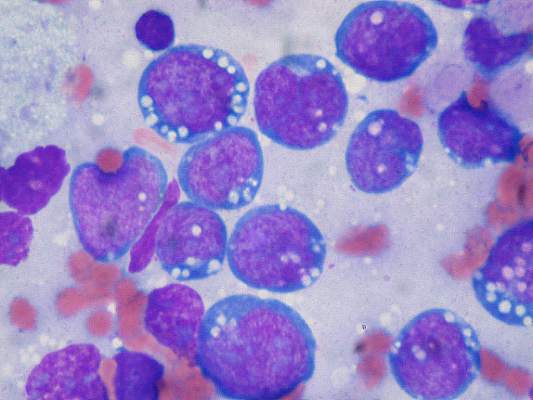
For patients with follicular lymphoma treated with a rituximab-based combination chemotherapy regimen, early disease progression is associated with significantly worse overall survival, suggesting the need for additional interventions, according to results of a multicenter study.
Among 588 patients with stage 2-4 follicular lymphoma treated with first-line R-CHOP (rituximab, cyclophosphamide, doxorubicin, vincristine and prednisone) and followed for a median of 7 years in the National LymphoCare Study, overall survival (OS) at 2 years was 68% for those who had disease progression within 2 years, compared with 97% for patients with no disease progression during that time.
Similarly, 5-year overall survival was 50% for patients with early progression of disease, compared with 90% for patients with no early progression, write Dr. Carla Casulo of the University of Rochester (N.Y.) Medical Center and colleagues. The study is in anearly online publication in the Journal of Clinical Oncology.
“Given our findings, early relapse after diagnosis in patients treated with first-line chemoimmunotherapy is a powerful prognostic indicator of outcome and should be used to stratify the risk of patients in studies of relapsed follicular lymphoma,” the authors wrote.
The findings were validated in an independent cohort of patients with follicular lymphoma treated with R-CHOP from the University of Iowa and Mayo Clinical Molecular Epidemiology Resource, and are consistent with findings from other studies of patients treated with different rituximab-based regimens, the investigators reported.
In unadjusted analysis, early disease progression was associated with a hazard ratio (HR) of 7.17 (95% confidence interval [CI] 4.83-10.65); the effect remained after adjustment for the Follicular Lymphoma International Prognostic Index (FLIPI) score (HR 6.44, 95% CI, 4.33-9.58).
Factors associated with early progression included age, Eastern Cooperative Oncology Group performance score, nodal sites, and disease stage.
Early use of aggressive salvage therapies or autologous stem-cell transplantation could improve outcomes in patients with early disease progression, the authors wrote. However, only 8 patients among the 110 with early progression went on to transplant, not a large enough sample for meaningful analysis, they added.
“This newly defined high-risk group of patients represents a distinct population in whom further study is warranted in both directed prospective clinical trials of follicular lymphoma biology and treatment. Moreover, we propose that 2-year progression-free survival may be a practical and meaningful clinical end point for trials involving a chemoimmunotherapy backbone,” they concluded.
If, in studying the immunologic and inflammatory host response to, and the genetic landscape of, these lymphomas, we are able to define this high-risk subgroup of patients with follicular lymphoma, the question becomes whether we could use this information to effectively treat these patients differently. Although high-dose chemotherapy and autologous stem-cell transplantation (HDC-ASCT) in first remission seems to have no effect on OS in all comers, results might be different for this cohort of high-risk patients. To study this would require an ability to identify these patients at diagnosis. Given that the efficacy of HDC-ASCT is maintained in the case of chemosensitive relapse, reserving HDC-ASCT for patients who relapse within the first 2 years of their initial therapy may be a more prudent strategy.
However, it may be that this is a particularly chemoresistant population and that, instead, attention should be paid to targeting the biologic and genetic factors that contribute to the poor prognosis of this group. Given the negative differential outcomes in patients with decreased tumor-infiltrating lymphocytes and increased monocyte/macrophage activation, immunologic approaches in the salvage setting, including immune checkpoint blockade drugs, chimeric antigen receptor T cells, and allogeneic transplantation may be biologically relevant.
Dr. Caron A. Jacobson and Dr. Arnold S. Freedman, of the Dana-Farber Cancer Institute and Harvard Medical School, Boston, made their remarks in an editorial accompanying the study.
If, in studying the immunologic and inflammatory host response to, and the genetic landscape of, these lymphomas, we are able to define this high-risk subgroup of patients with follicular lymphoma, the question becomes whether we could use this information to effectively treat these patients differently. Although high-dose chemotherapy and autologous stem-cell transplantation (HDC-ASCT) in first remission seems to have no effect on OS in all comers, results might be different for this cohort of high-risk patients. To study this would require an ability to identify these patients at diagnosis. Given that the efficacy of HDC-ASCT is maintained in the case of chemosensitive relapse, reserving HDC-ASCT for patients who relapse within the first 2 years of their initial therapy may be a more prudent strategy.
However, it may be that this is a particularly chemoresistant population and that, instead, attention should be paid to targeting the biologic and genetic factors that contribute to the poor prognosis of this group. Given the negative differential outcomes in patients with decreased tumor-infiltrating lymphocytes and increased monocyte/macrophage activation, immunologic approaches in the salvage setting, including immune checkpoint blockade drugs, chimeric antigen receptor T cells, and allogeneic transplantation may be biologically relevant.
Dr. Caron A. Jacobson and Dr. Arnold S. Freedman, of the Dana-Farber Cancer Institute and Harvard Medical School, Boston, made their remarks in an editorial accompanying the study.
If, in studying the immunologic and inflammatory host response to, and the genetic landscape of, these lymphomas, we are able to define this high-risk subgroup of patients with follicular lymphoma, the question becomes whether we could use this information to effectively treat these patients differently. Although high-dose chemotherapy and autologous stem-cell transplantation (HDC-ASCT) in first remission seems to have no effect on OS in all comers, results might be different for this cohort of high-risk patients. To study this would require an ability to identify these patients at diagnosis. Given that the efficacy of HDC-ASCT is maintained in the case of chemosensitive relapse, reserving HDC-ASCT for patients who relapse within the first 2 years of their initial therapy may be a more prudent strategy.
However, it may be that this is a particularly chemoresistant population and that, instead, attention should be paid to targeting the biologic and genetic factors that contribute to the poor prognosis of this group. Given the negative differential outcomes in patients with decreased tumor-infiltrating lymphocytes and increased monocyte/macrophage activation, immunologic approaches in the salvage setting, including immune checkpoint blockade drugs, chimeric antigen receptor T cells, and allogeneic transplantation may be biologically relevant.
Dr. Caron A. Jacobson and Dr. Arnold S. Freedman, of the Dana-Farber Cancer Institute and Harvard Medical School, Boston, made their remarks in an editorial accompanying the study.
For patients with follicular lymphoma treated with a rituximab-based combination chemotherapy regimen, early disease progression is associated with significantly worse overall survival, suggesting the need for additional interventions, according to results of a multicenter study.
Among 588 patients with stage 2-4 follicular lymphoma treated with first-line R-CHOP (rituximab, cyclophosphamide, doxorubicin, vincristine and prednisone) and followed for a median of 7 years in the National LymphoCare Study, overall survival (OS) at 2 years was 68% for those who had disease progression within 2 years, compared with 97% for patients with no disease progression during that time.
Similarly, 5-year overall survival was 50% for patients with early progression of disease, compared with 90% for patients with no early progression, write Dr. Carla Casulo of the University of Rochester (N.Y.) Medical Center and colleagues. The study is in anearly online publication in the Journal of Clinical Oncology.
“Given our findings, early relapse after diagnosis in patients treated with first-line chemoimmunotherapy is a powerful prognostic indicator of outcome and should be used to stratify the risk of patients in studies of relapsed follicular lymphoma,” the authors wrote.
The findings were validated in an independent cohort of patients with follicular lymphoma treated with R-CHOP from the University of Iowa and Mayo Clinical Molecular Epidemiology Resource, and are consistent with findings from other studies of patients treated with different rituximab-based regimens, the investigators reported.
In unadjusted analysis, early disease progression was associated with a hazard ratio (HR) of 7.17 (95% confidence interval [CI] 4.83-10.65); the effect remained after adjustment for the Follicular Lymphoma International Prognostic Index (FLIPI) score (HR 6.44, 95% CI, 4.33-9.58).
Factors associated with early progression included age, Eastern Cooperative Oncology Group performance score, nodal sites, and disease stage.
Early use of aggressive salvage therapies or autologous stem-cell transplantation could improve outcomes in patients with early disease progression, the authors wrote. However, only 8 patients among the 110 with early progression went on to transplant, not a large enough sample for meaningful analysis, they added.
“This newly defined high-risk group of patients represents a distinct population in whom further study is warranted in both directed prospective clinical trials of follicular lymphoma biology and treatment. Moreover, we propose that 2-year progression-free survival may be a practical and meaningful clinical end point for trials involving a chemoimmunotherapy backbone,” they concluded.
For patients with follicular lymphoma treated with a rituximab-based combination chemotherapy regimen, early disease progression is associated with significantly worse overall survival, suggesting the need for additional interventions, according to results of a multicenter study.
Among 588 patients with stage 2-4 follicular lymphoma treated with first-line R-CHOP (rituximab, cyclophosphamide, doxorubicin, vincristine and prednisone) and followed for a median of 7 years in the National LymphoCare Study, overall survival (OS) at 2 years was 68% for those who had disease progression within 2 years, compared with 97% for patients with no disease progression during that time.
Similarly, 5-year overall survival was 50% for patients with early progression of disease, compared with 90% for patients with no early progression, write Dr. Carla Casulo of the University of Rochester (N.Y.) Medical Center and colleagues. The study is in anearly online publication in the Journal of Clinical Oncology.
“Given our findings, early relapse after diagnosis in patients treated with first-line chemoimmunotherapy is a powerful prognostic indicator of outcome and should be used to stratify the risk of patients in studies of relapsed follicular lymphoma,” the authors wrote.
The findings were validated in an independent cohort of patients with follicular lymphoma treated with R-CHOP from the University of Iowa and Mayo Clinical Molecular Epidemiology Resource, and are consistent with findings from other studies of patients treated with different rituximab-based regimens, the investigators reported.
In unadjusted analysis, early disease progression was associated with a hazard ratio (HR) of 7.17 (95% confidence interval [CI] 4.83-10.65); the effect remained after adjustment for the Follicular Lymphoma International Prognostic Index (FLIPI) score (HR 6.44, 95% CI, 4.33-9.58).
Factors associated with early progression included age, Eastern Cooperative Oncology Group performance score, nodal sites, and disease stage.
Early use of aggressive salvage therapies or autologous stem-cell transplantation could improve outcomes in patients with early disease progression, the authors wrote. However, only 8 patients among the 110 with early progression went on to transplant, not a large enough sample for meaningful analysis, they added.
“This newly defined high-risk group of patients represents a distinct population in whom further study is warranted in both directed prospective clinical trials of follicular lymphoma biology and treatment. Moreover, we propose that 2-year progression-free survival may be a practical and meaningful clinical end point for trials involving a chemoimmunotherapy backbone,” they concluded.
FROM JOURNAL OF CLINICAL ONCOLOGY
Key clinical point: Disease progression within 2 years of chemotherapy for follicular lymphoma is associated with poor outcomes.
Major finding: Five-year overall survival was 50% for patients with follicular lymphoma with disease progression within 2-years of R-CHOP, vs. 90% for patients with no early progression.
Data source: Retrospective review involving 588 patients in the longitudinal National LymphoCare Study.
Disclosures: Genentech and F. Hoffmann-La Roche supported the study. Dr. Casulo and Dr. Jacobson reported no relevant disclosures. Dr. Freedman reported ties with UpToDate, Axio, and Immunogen.
Nodal irradiation improved breast cancer disease-free but not overall survival
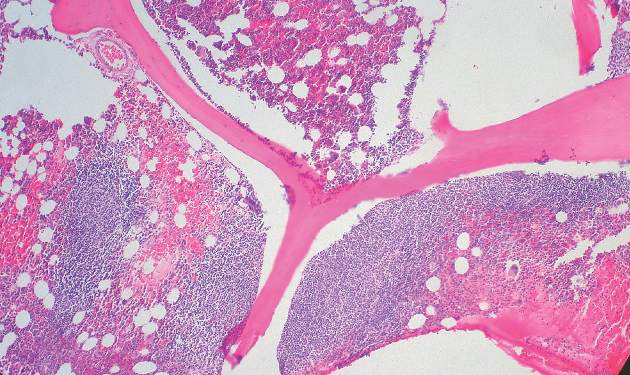
Regional nodal irradiation added to whole-breast or thoracic wall irradiation in an unselected patient population reduces breast cancer recurrence rates and improves disease-free and distant disease-free survival, but has little or no effect on overall survival, results of two large, long-term, randomized clinical trials show.
In the MA.20 trial, there was no significant difference in overall survival at 10-year follow-up between women with early breast cancer treated with breast-conserving surgery, adjuvant systemic therapy, and whole-breast irradiation with or without regional nodal irradiation.
Women who received nodal irradiation had significantly better disease-free survival, but at the cost of higher rates of pneumonitis and lymphedema, report Dr. Timothy J. Whelan from the Juravinski Cancer Centre at Hamilton Health Sciences in Hamilton, Ont., and his colleagues in the July 23 issue of the New England Journal of Medicine (doi:10.1056/NEJMoa1415340).
In the EORTC 22922/10925 study, investigators in the European Organization for Research and Treatment of Cancer randomly assigned women with a centrally or medially located primary tumor irrespective of axillary involvement, or an externally located tumor with axillary involvement, to receive either whole-breast or thoracic wall irradiation alone, or with the addition of regional nodal irradiation.
As in the Canadian study, the investigators found no difference in overall survival at 10 years between women who received nodal irradiation and those who did not. Similarly, the EORTC investigators found that rates of disease-free survival and distant disease-free survival were better among women who received nodal irradiation. The nodal irradiation group also had a significantly lower rate of breast cancer–specific death. The European investigators, however, felt that “the acute side effects of regional nodal irradiation were modest.” The study, by Dr. Philip M. Poortmans of Radboud University in Nijmegen, the Netherlands, also appears in the New England Journal of Medicine (2015 July 23 [doi:10.1056/NEJMoa1415369]).
“The trials by Whelan et al. and Poortmans et al. show the possibilities and the limits of more extensive regional treatment of breast cancer in an unselected population and frame the discussion for the next generation of individualized treatment programs, built largely on genomic characterization of tumor biology,” write Dr. Harold J. Burstein of the Dana-Farber Cancer Institute in Boston and Dr. Monica Morrow of the Memorial Sloan Kettering Cancer in New York, in an accompanying editorial.
MA.20
From March 2000 through February 2007, Dr. Whelan and colleagues in the MA.20 trial enrolled 1,832 women with node-positive or high-risk node-negative cancer treated with breast-conserving surgery and adjuvant systemic therapy. The women were randomly assigned, 916 in each group, to undergo either whole-breast irradiation plus regional nodal irradiation (including internal mammary, supraclavicular, and axillary lymph node), or whole-breast irradiation alone (controls).
At 10-year follow-up, overall survival rates were similar, at 82.8% in the nodal irradiation group and 81.8% in the control group (hazard ratio, 0.91, P =.38). However, as noted before, the rate of disease-free survival was 82% in the nodal irradiation group, compared with 77% in the control group (HR, 0.76, P = .01).
When they looked at adverse effects of the additional radiation, however, the investigators found that rates of grade 2 or greater acute pneumonitis were 1.2% among nodal irradiation patients, compared with just 0.2% of controls (P = .001). Lymphedema rates were also nearly twice as high among nodally irradiated patients (8.4% vs. 4.5%, respectively, P = .001).
The authors concluded that the addition of regional nodal irradiation to whole-breast irradiation after breast-conserving surgery in women with node-positive or high-risk node-negative breast cancer did not improve overall survival but did reduce breast-cancer recurrence. “Our findings indicate the importance of basing treatment decisions on a careful discussion of the potential benefits and risks with each patient,” they wrote.
EORTC 22922/10925
In this trial, a total of 4004 women were randomized from 1996 through 2004. The patients had either centrally or medially located primary tumors, irrespective of axillary involvement, or an externally located tumor with axillary involvement.
Most of the women (76.1%) had breast-conserving surgery. Of those who underwent radical mastectomy 73.4% of the patients in both the nodal irradiation and control groups underwent chest wall irradiation.
All but 1% of patients with node-positive disease received adjuvant systemic therapy, as did 66.3% of patients with node-negative disease.
At 10 years, overall survival was not significantly different between the two groups, at 82.3% in the nodal irradiation group and 80.7% in the control group (HR, 0.87; P = 0.06).
As in the Canadian trial, the rate of disease-free survival was significantly better among patients who received nodal-irradiation, at 72.1% vs. 69.1% (HR for disease progression or death, 0.89; P = .04).
Regional nodal irradiation was also associated with significantly better distant disease-free survival (78.0% vs. 75.0%; HR, 0.86; P = .02), and breast cancer mortality (12.5% vs.14.4%; HR, 0.82; P = .02).
The rate of pulmonary fibrosis at 10 years was higher among patients in the nodal irradiation group (4.4% vs. 1.7%, P < .001). Rates of cardiac fibrosis and cardiac disease were also numerically but not significantly higher among patients who received nodal irradiation. There were no other significant differences between the groups in other late toxic effects or performance status, the authors reported.
“Our data do not apply to patients with lateral node-negative cancers, which is the largest patient subgroup in industrialized countries,” they noted.
The MA.20 study was supported by grants from the Canadian Cancer Society Research Institute, NCIC Clinical Trials Group, Canadian Breast Cancer Research Initiative, U.S. National Cancer Institute, and the Cancer Council of Victoria, New South Wales, Queensland, and South Australia. Dr. Whelan reported receiving fees for serving on an advisory board from Genomic Health and testing reagents for another study from NanoString Technologies. The EORTC study was supported by the EORTC and national health agencies. Dr. Poortmans reported no conflicts of interest. Dr. Burstein reported no conflicts of interest. Dr. Morrow reported personal fees from Genomic Health outside the submitted work.
Although the MA.20 and EORTC trials showed that regional nodal irradiation was generally well tolerated, greater risks of lymphedema, pneumonitis, and cutaneous reactions were observed.
In spite of these concerns, the MA.20 and EORTC trials indicate that some patients benefit from comprehensive nodal irradiation after axillary dissection. Treatment selection for the individual patient is the key issue. At the extremes, there is relatively little controversy. There is no rationale for nodal irradiation in patients with negative axillary nodes because nodal recurrence rates after negative results on sentinel-node biopsy are less than 1%, and isolated internal mammary metastases are very uncommon, even in patients with medial tumors. Conversely, a heavy tumor burden, as shown by metastases to four or more lymph nodes or extracapsular extension beyond the lymph nodes, is a strong predictor of increased risk, suggesting the need for nodal irradiation. The dilemma resides among patients with one to three nodal metastases, particularly when such findings are associated with a small primary tumor (< 5 cm), and parallels the controversy over postmastectomy radiotherapy in this group. Postmastectomy radiotherapy has been shown to improve survival for women with one to three affected axillary lymph nodes but only in the context of a 5-year local-regional recurrence rate of 17%, far in excess of current rates. With the use of clinicopathologic characteristics to selectively offer postmastectomy radiotherapy, 5-year local-regional recurrence rates of 3%-4% without radiotherapy are observed, and the majority of women are able to avoid radiotherapy. By extrapolation, we would consider regional nodal irradiation for patients with one to three lymph node metastases only when other adverse prognostic factors are present. These factors include an age under 50 years and tumor characteristics such as extensive lymphovascular invasion, a high histologic grade, an unfavorable molecular profile, and large size.
Dr. Harold J. Burstein is with Dana-Farber Cancer Institute, Brigham & Women’s Hospital, and Harvard Medical School, Boston, and Dr. Monica Morrow is with Memorial Sloan Kettering Cancer Center and Weill Cornell Medical College, New York. These remarks were excerpted from an accompanying editorial (N. Engl. J. Med. 2015 Jul 23 [doi:10.1056/NEJMe1503608]).
Although the MA.20 and EORTC trials showed that regional nodal irradiation was generally well tolerated, greater risks of lymphedema, pneumonitis, and cutaneous reactions were observed.
In spite of these concerns, the MA.20 and EORTC trials indicate that some patients benefit from comprehensive nodal irradiation after axillary dissection. Treatment selection for the individual patient is the key issue. At the extremes, there is relatively little controversy. There is no rationale for nodal irradiation in patients with negative axillary nodes because nodal recurrence rates after negative results on sentinel-node biopsy are less than 1%, and isolated internal mammary metastases are very uncommon, even in patients with medial tumors. Conversely, a heavy tumor burden, as shown by metastases to four or more lymph nodes or extracapsular extension beyond the lymph nodes, is a strong predictor of increased risk, suggesting the need for nodal irradiation. The dilemma resides among patients with one to three nodal metastases, particularly when such findings are associated with a small primary tumor (< 5 cm), and parallels the controversy over postmastectomy radiotherapy in this group. Postmastectomy radiotherapy has been shown to improve survival for women with one to three affected axillary lymph nodes but only in the context of a 5-year local-regional recurrence rate of 17%, far in excess of current rates. With the use of clinicopathologic characteristics to selectively offer postmastectomy radiotherapy, 5-year local-regional recurrence rates of 3%-4% without radiotherapy are observed, and the majority of women are able to avoid radiotherapy. By extrapolation, we would consider regional nodal irradiation for patients with one to three lymph node metastases only when other adverse prognostic factors are present. These factors include an age under 50 years and tumor characteristics such as extensive lymphovascular invasion, a high histologic grade, an unfavorable molecular profile, and large size.
Dr. Harold J. Burstein is with Dana-Farber Cancer Institute, Brigham & Women’s Hospital, and Harvard Medical School, Boston, and Dr. Monica Morrow is with Memorial Sloan Kettering Cancer Center and Weill Cornell Medical College, New York. These remarks were excerpted from an accompanying editorial (N. Engl. J. Med. 2015 Jul 23 [doi:10.1056/NEJMe1503608]).
Although the MA.20 and EORTC trials showed that regional nodal irradiation was generally well tolerated, greater risks of lymphedema, pneumonitis, and cutaneous reactions were observed.
In spite of these concerns, the MA.20 and EORTC trials indicate that some patients benefit from comprehensive nodal irradiation after axillary dissection. Treatment selection for the individual patient is the key issue. At the extremes, there is relatively little controversy. There is no rationale for nodal irradiation in patients with negative axillary nodes because nodal recurrence rates after negative results on sentinel-node biopsy are less than 1%, and isolated internal mammary metastases are very uncommon, even in patients with medial tumors. Conversely, a heavy tumor burden, as shown by metastases to four or more lymph nodes or extracapsular extension beyond the lymph nodes, is a strong predictor of increased risk, suggesting the need for nodal irradiation. The dilemma resides among patients with one to three nodal metastases, particularly when such findings are associated with a small primary tumor (< 5 cm), and parallels the controversy over postmastectomy radiotherapy in this group. Postmastectomy radiotherapy has been shown to improve survival for women with one to three affected axillary lymph nodes but only in the context of a 5-year local-regional recurrence rate of 17%, far in excess of current rates. With the use of clinicopathologic characteristics to selectively offer postmastectomy radiotherapy, 5-year local-regional recurrence rates of 3%-4% without radiotherapy are observed, and the majority of women are able to avoid radiotherapy. By extrapolation, we would consider regional nodal irradiation for patients with one to three lymph node metastases only when other adverse prognostic factors are present. These factors include an age under 50 years and tumor characteristics such as extensive lymphovascular invasion, a high histologic grade, an unfavorable molecular profile, and large size.
Dr. Harold J. Burstein is with Dana-Farber Cancer Institute, Brigham & Women’s Hospital, and Harvard Medical School, Boston, and Dr. Monica Morrow is with Memorial Sloan Kettering Cancer Center and Weill Cornell Medical College, New York. These remarks were excerpted from an accompanying editorial (N. Engl. J. Med. 2015 Jul 23 [doi:10.1056/NEJMe1503608]).
Regional nodal irradiation added to whole-breast or thoracic wall irradiation in an unselected patient population reduces breast cancer recurrence rates and improves disease-free and distant disease-free survival, but has little or no effect on overall survival, results of two large, long-term, randomized clinical trials show.
In the MA.20 trial, there was no significant difference in overall survival at 10-year follow-up between women with early breast cancer treated with breast-conserving surgery, adjuvant systemic therapy, and whole-breast irradiation with or without regional nodal irradiation.
Women who received nodal irradiation had significantly better disease-free survival, but at the cost of higher rates of pneumonitis and lymphedema, report Dr. Timothy J. Whelan from the Juravinski Cancer Centre at Hamilton Health Sciences in Hamilton, Ont., and his colleagues in the July 23 issue of the New England Journal of Medicine (doi:10.1056/NEJMoa1415340).
In the EORTC 22922/10925 study, investigators in the European Organization for Research and Treatment of Cancer randomly assigned women with a centrally or medially located primary tumor irrespective of axillary involvement, or an externally located tumor with axillary involvement, to receive either whole-breast or thoracic wall irradiation alone, or with the addition of regional nodal irradiation.
As in the Canadian study, the investigators found no difference in overall survival at 10 years between women who received nodal irradiation and those who did not. Similarly, the EORTC investigators found that rates of disease-free survival and distant disease-free survival were better among women who received nodal irradiation. The nodal irradiation group also had a significantly lower rate of breast cancer–specific death. The European investigators, however, felt that “the acute side effects of regional nodal irradiation were modest.” The study, by Dr. Philip M. Poortmans of Radboud University in Nijmegen, the Netherlands, also appears in the New England Journal of Medicine (2015 July 23 [doi:10.1056/NEJMoa1415369]).
“The trials by Whelan et al. and Poortmans et al. show the possibilities and the limits of more extensive regional treatment of breast cancer in an unselected population and frame the discussion for the next generation of individualized treatment programs, built largely on genomic characterization of tumor biology,” write Dr. Harold J. Burstein of the Dana-Farber Cancer Institute in Boston and Dr. Monica Morrow of the Memorial Sloan Kettering Cancer in New York, in an accompanying editorial.
MA.20
From March 2000 through February 2007, Dr. Whelan and colleagues in the MA.20 trial enrolled 1,832 women with node-positive or high-risk node-negative cancer treated with breast-conserving surgery and adjuvant systemic therapy. The women were randomly assigned, 916 in each group, to undergo either whole-breast irradiation plus regional nodal irradiation (including internal mammary, supraclavicular, and axillary lymph node), or whole-breast irradiation alone (controls).
At 10-year follow-up, overall survival rates were similar, at 82.8% in the nodal irradiation group and 81.8% in the control group (hazard ratio, 0.91, P =.38). However, as noted before, the rate of disease-free survival was 82% in the nodal irradiation group, compared with 77% in the control group (HR, 0.76, P = .01).
When they looked at adverse effects of the additional radiation, however, the investigators found that rates of grade 2 or greater acute pneumonitis were 1.2% among nodal irradiation patients, compared with just 0.2% of controls (P = .001). Lymphedema rates were also nearly twice as high among nodally irradiated patients (8.4% vs. 4.5%, respectively, P = .001).
The authors concluded that the addition of regional nodal irradiation to whole-breast irradiation after breast-conserving surgery in women with node-positive or high-risk node-negative breast cancer did not improve overall survival but did reduce breast-cancer recurrence. “Our findings indicate the importance of basing treatment decisions on a careful discussion of the potential benefits and risks with each patient,” they wrote.
EORTC 22922/10925
In this trial, a total of 4004 women were randomized from 1996 through 2004. The patients had either centrally or medially located primary tumors, irrespective of axillary involvement, or an externally located tumor with axillary involvement.
Most of the women (76.1%) had breast-conserving surgery. Of those who underwent radical mastectomy 73.4% of the patients in both the nodal irradiation and control groups underwent chest wall irradiation.
All but 1% of patients with node-positive disease received adjuvant systemic therapy, as did 66.3% of patients with node-negative disease.
At 10 years, overall survival was not significantly different between the two groups, at 82.3% in the nodal irradiation group and 80.7% in the control group (HR, 0.87; P = 0.06).
As in the Canadian trial, the rate of disease-free survival was significantly better among patients who received nodal-irradiation, at 72.1% vs. 69.1% (HR for disease progression or death, 0.89; P = .04).
Regional nodal irradiation was also associated with significantly better distant disease-free survival (78.0% vs. 75.0%; HR, 0.86; P = .02), and breast cancer mortality (12.5% vs.14.4%; HR, 0.82; P = .02).
The rate of pulmonary fibrosis at 10 years was higher among patients in the nodal irradiation group (4.4% vs. 1.7%, P < .001). Rates of cardiac fibrosis and cardiac disease were also numerically but not significantly higher among patients who received nodal irradiation. There were no other significant differences between the groups in other late toxic effects or performance status, the authors reported.
“Our data do not apply to patients with lateral node-negative cancers, which is the largest patient subgroup in industrialized countries,” they noted.
The MA.20 study was supported by grants from the Canadian Cancer Society Research Institute, NCIC Clinical Trials Group, Canadian Breast Cancer Research Initiative, U.S. National Cancer Institute, and the Cancer Council of Victoria, New South Wales, Queensland, and South Australia. Dr. Whelan reported receiving fees for serving on an advisory board from Genomic Health and testing reagents for another study from NanoString Technologies. The EORTC study was supported by the EORTC and national health agencies. Dr. Poortmans reported no conflicts of interest. Dr. Burstein reported no conflicts of interest. Dr. Morrow reported personal fees from Genomic Health outside the submitted work.
Regional nodal irradiation added to whole-breast or thoracic wall irradiation in an unselected patient population reduces breast cancer recurrence rates and improves disease-free and distant disease-free survival, but has little or no effect on overall survival, results of two large, long-term, randomized clinical trials show.
In the MA.20 trial, there was no significant difference in overall survival at 10-year follow-up between women with early breast cancer treated with breast-conserving surgery, adjuvant systemic therapy, and whole-breast irradiation with or without regional nodal irradiation.
Women who received nodal irradiation had significantly better disease-free survival, but at the cost of higher rates of pneumonitis and lymphedema, report Dr. Timothy J. Whelan from the Juravinski Cancer Centre at Hamilton Health Sciences in Hamilton, Ont., and his colleagues in the July 23 issue of the New England Journal of Medicine (doi:10.1056/NEJMoa1415340).
In the EORTC 22922/10925 study, investigators in the European Organization for Research and Treatment of Cancer randomly assigned women with a centrally or medially located primary tumor irrespective of axillary involvement, or an externally located tumor with axillary involvement, to receive either whole-breast or thoracic wall irradiation alone, or with the addition of regional nodal irradiation.
As in the Canadian study, the investigators found no difference in overall survival at 10 years between women who received nodal irradiation and those who did not. Similarly, the EORTC investigators found that rates of disease-free survival and distant disease-free survival were better among women who received nodal irradiation. The nodal irradiation group also had a significantly lower rate of breast cancer–specific death. The European investigators, however, felt that “the acute side effects of regional nodal irradiation were modest.” The study, by Dr. Philip M. Poortmans of Radboud University in Nijmegen, the Netherlands, also appears in the New England Journal of Medicine (2015 July 23 [doi:10.1056/NEJMoa1415369]).
“The trials by Whelan et al. and Poortmans et al. show the possibilities and the limits of more extensive regional treatment of breast cancer in an unselected population and frame the discussion for the next generation of individualized treatment programs, built largely on genomic characterization of tumor biology,” write Dr. Harold J. Burstein of the Dana-Farber Cancer Institute in Boston and Dr. Monica Morrow of the Memorial Sloan Kettering Cancer in New York, in an accompanying editorial.
MA.20
From March 2000 through February 2007, Dr. Whelan and colleagues in the MA.20 trial enrolled 1,832 women with node-positive or high-risk node-negative cancer treated with breast-conserving surgery and adjuvant systemic therapy. The women were randomly assigned, 916 in each group, to undergo either whole-breast irradiation plus regional nodal irradiation (including internal mammary, supraclavicular, and axillary lymph node), or whole-breast irradiation alone (controls).
At 10-year follow-up, overall survival rates were similar, at 82.8% in the nodal irradiation group and 81.8% in the control group (hazard ratio, 0.91, P =.38). However, as noted before, the rate of disease-free survival was 82% in the nodal irradiation group, compared with 77% in the control group (HR, 0.76, P = .01).
When they looked at adverse effects of the additional radiation, however, the investigators found that rates of grade 2 or greater acute pneumonitis were 1.2% among nodal irradiation patients, compared with just 0.2% of controls (P = .001). Lymphedema rates were also nearly twice as high among nodally irradiated patients (8.4% vs. 4.5%, respectively, P = .001).
The authors concluded that the addition of regional nodal irradiation to whole-breast irradiation after breast-conserving surgery in women with node-positive or high-risk node-negative breast cancer did not improve overall survival but did reduce breast-cancer recurrence. “Our findings indicate the importance of basing treatment decisions on a careful discussion of the potential benefits and risks with each patient,” they wrote.
EORTC 22922/10925
In this trial, a total of 4004 women were randomized from 1996 through 2004. The patients had either centrally or medially located primary tumors, irrespective of axillary involvement, or an externally located tumor with axillary involvement.
Most of the women (76.1%) had breast-conserving surgery. Of those who underwent radical mastectomy 73.4% of the patients in both the nodal irradiation and control groups underwent chest wall irradiation.
All but 1% of patients with node-positive disease received adjuvant systemic therapy, as did 66.3% of patients with node-negative disease.
At 10 years, overall survival was not significantly different between the two groups, at 82.3% in the nodal irradiation group and 80.7% in the control group (HR, 0.87; P = 0.06).
As in the Canadian trial, the rate of disease-free survival was significantly better among patients who received nodal-irradiation, at 72.1% vs. 69.1% (HR for disease progression or death, 0.89; P = .04).
Regional nodal irradiation was also associated with significantly better distant disease-free survival (78.0% vs. 75.0%; HR, 0.86; P = .02), and breast cancer mortality (12.5% vs.14.4%; HR, 0.82; P = .02).
The rate of pulmonary fibrosis at 10 years was higher among patients in the nodal irradiation group (4.4% vs. 1.7%, P < .001). Rates of cardiac fibrosis and cardiac disease were also numerically but not significantly higher among patients who received nodal irradiation. There were no other significant differences between the groups in other late toxic effects or performance status, the authors reported.
“Our data do not apply to patients with lateral node-negative cancers, which is the largest patient subgroup in industrialized countries,” they noted.
The MA.20 study was supported by grants from the Canadian Cancer Society Research Institute, NCIC Clinical Trials Group, Canadian Breast Cancer Research Initiative, U.S. National Cancer Institute, and the Cancer Council of Victoria, New South Wales, Queensland, and South Australia. Dr. Whelan reported receiving fees for serving on an advisory board from Genomic Health and testing reagents for another study from NanoString Technologies. The EORTC study was supported by the EORTC and national health agencies. Dr. Poortmans reported no conflicts of interest. Dr. Burstein reported no conflicts of interest. Dr. Morrow reported personal fees from Genomic Health outside the submitted work.
FROM NEW ENGLAND JOURNAL OF MEDICINE
Key clinical point: Regional lymph node irradiation improved disease-free but not overall survival in women with breast cancer treated with other therapies.
Major finding: Overall survival rates were not significantly better with the addition of regional node irradiation in two large long-term clinical trials.
Data source: Canadian and European randomized clinical trials comparing surgery, systemic therapy, and whole-breast irradiation with and without regional node irradiation.
Disclosures: The MA.20 study was supported by grants from the Canadian Cancer Society Research Institute, NCIC Clinical Trials Group, Canadian Breast Cancer Research Initiative, U.S. National Cancer Institute, and the Cancer Council of Victoria, New South Wales, Queensland, and South Australia. Dr. Whelan reported receiving fees for serving on an advisory board from Genomic Health and testing reagents for another study from NanoString Technologies. The EORTC study was supported by the EORTC and national health agencies. Dr. Poortmans reported no conflicts of interest. Dr. Burstein reported no conflicts of interest. Dr. Morrow reported personal fees from Genomic Health outside the submitted work.
Genetic mutation identifies favorable prognosis MDS
Among patients with refractory anemia with ring sideroblasts, the presence of a common mutation in SF3B1 appears to be a marker for an indolent clinical course and favorable outcome compared to patients with wild-type SF3B1, European investigators reported.
The gene SF3B1, which encodes for a splicing factor subunit, is frequently mutated in cases of chronic lymphocytic leukemia and myelodysplastic syndromes.
“SF3B1 mutation is a major determinant of disease phenotype and clinical outcome in MDS [myelodysplastic syndrome] with ring sideroblasts. SF3B1-mutated MDS is characterized by homogeneous hematologic features, favorable prognosis, and restricted patterns of co-mutated genes and clonal evolution. Overall, these results strongly support the recognition of MDS associated with SF3B1 mutation as a distinct MDS subtype. Conversely, SF3B1-negative MDS with ring sideroblasts represents a subset with a high prevalence of TP53 mutations and worse outcome that should be taken into consideration in clinical decision-making,” the study authors conclude.
Dr. Luca Malcovati and his colleagues from the University of Pavia, Italy, and other European centers, conducted a mutational analysis of 293 patients with myeloid neoplasms and 1% or more ring sideroblasts. They found somatic mutations in SF3B1 in 129 of 159 patients with refractory anemia with ring sideroblasts (RARS) or refractory cytopenia with multilineage dysplasia and ring sideroblasts (RCMD-RS). In contrast, there was a significantly lower prevalence of SF3B1 mutations among 50 patients with myelodysplastic/myeloproliferative neoplasm (MDS/MPN), and among 84 additional patients with other myeloid diseases under the World Health Organization classification of disorders of hematopoietic and lymphoid tissues (P < .001).
In multivariable analyses controlling for demographic and disease-related factors, patients with SF3B1 mutations had significantly better overall survival (hazard ratio, 0.37; P = .003), as well as a lower cumulative incidence of disease progression (HR, 0.31; P = .018), compared with patients with wild-type SF3B1 (Blood 2015;126[2]:233-41).
Mutations in SF3B1 were predictive of better outcomes among patients with RARS, RCMD-RS, and in patients with MDS without excess blasts.
When they looked at other mutations, the investigators found that in patients with SF3B1 mutations, the mutations in DNA methylation genes were associated with the presence of multilineage dysplasia, but this association had no significant effect on clinical outcomes.
Among patients with wild-type SB3B1, mutations in TP53 were frequently seen, and these mutations were associated with poor outcomes.
Gene sequencing efforts in myeloid malignancies have largely charted the mutational “landscape.” This map allows us to (1) have some idea of the fundamental biology underlying the disease, (2) define potential drug targets, and (3) refine outcome expectations, especially when there are no “knockout” therapies (as in chronic myeloid leukemia). The consequence is also the further subclassification of myeloid malignancies, thus making relatively rare diseases into extremely rare ones. One obvious challenge is to cleverly design clinical studies given the myriad subcategories of disease. The higher bar is understanding the biology of how the various mutations and pathways merge to cause disease. The work Malcovati et al., along with the other fine studies noted above, gets us one step farther down the road to cures.
Dr. Jerald Radich of Fred Hutchinson Cancer Research Center, Seattle, made his comment in an accompanying editorial.
Gene sequencing efforts in myeloid malignancies have largely charted the mutational “landscape.” This map allows us to (1) have some idea of the fundamental biology underlying the disease, (2) define potential drug targets, and (3) refine outcome expectations, especially when there are no “knockout” therapies (as in chronic myeloid leukemia). The consequence is also the further subclassification of myeloid malignancies, thus making relatively rare diseases into extremely rare ones. One obvious challenge is to cleverly design clinical studies given the myriad subcategories of disease. The higher bar is understanding the biology of how the various mutations and pathways merge to cause disease. The work Malcovati et al., along with the other fine studies noted above, gets us one step farther down the road to cures.
Dr. Jerald Radich of Fred Hutchinson Cancer Research Center, Seattle, made his comment in an accompanying editorial.
Gene sequencing efforts in myeloid malignancies have largely charted the mutational “landscape.” This map allows us to (1) have some idea of the fundamental biology underlying the disease, (2) define potential drug targets, and (3) refine outcome expectations, especially when there are no “knockout” therapies (as in chronic myeloid leukemia). The consequence is also the further subclassification of myeloid malignancies, thus making relatively rare diseases into extremely rare ones. One obvious challenge is to cleverly design clinical studies given the myriad subcategories of disease. The higher bar is understanding the biology of how the various mutations and pathways merge to cause disease. The work Malcovati et al., along with the other fine studies noted above, gets us one step farther down the road to cures.
Dr. Jerald Radich of Fred Hutchinson Cancer Research Center, Seattle, made his comment in an accompanying editorial.
Among patients with refractory anemia with ring sideroblasts, the presence of a common mutation in SF3B1 appears to be a marker for an indolent clinical course and favorable outcome compared to patients with wild-type SF3B1, European investigators reported.
The gene SF3B1, which encodes for a splicing factor subunit, is frequently mutated in cases of chronic lymphocytic leukemia and myelodysplastic syndromes.
“SF3B1 mutation is a major determinant of disease phenotype and clinical outcome in MDS [myelodysplastic syndrome] with ring sideroblasts. SF3B1-mutated MDS is characterized by homogeneous hematologic features, favorable prognosis, and restricted patterns of co-mutated genes and clonal evolution. Overall, these results strongly support the recognition of MDS associated with SF3B1 mutation as a distinct MDS subtype. Conversely, SF3B1-negative MDS with ring sideroblasts represents a subset with a high prevalence of TP53 mutations and worse outcome that should be taken into consideration in clinical decision-making,” the study authors conclude.
Dr. Luca Malcovati and his colleagues from the University of Pavia, Italy, and other European centers, conducted a mutational analysis of 293 patients with myeloid neoplasms and 1% or more ring sideroblasts. They found somatic mutations in SF3B1 in 129 of 159 patients with refractory anemia with ring sideroblasts (RARS) or refractory cytopenia with multilineage dysplasia and ring sideroblasts (RCMD-RS). In contrast, there was a significantly lower prevalence of SF3B1 mutations among 50 patients with myelodysplastic/myeloproliferative neoplasm (MDS/MPN), and among 84 additional patients with other myeloid diseases under the World Health Organization classification of disorders of hematopoietic and lymphoid tissues (P < .001).
In multivariable analyses controlling for demographic and disease-related factors, patients with SF3B1 mutations had significantly better overall survival (hazard ratio, 0.37; P = .003), as well as a lower cumulative incidence of disease progression (HR, 0.31; P = .018), compared with patients with wild-type SF3B1 (Blood 2015;126[2]:233-41).
Mutations in SF3B1 were predictive of better outcomes among patients with RARS, RCMD-RS, and in patients with MDS without excess blasts.
When they looked at other mutations, the investigators found that in patients with SF3B1 mutations, the mutations in DNA methylation genes were associated with the presence of multilineage dysplasia, but this association had no significant effect on clinical outcomes.
Among patients with wild-type SB3B1, mutations in TP53 were frequently seen, and these mutations were associated with poor outcomes.
Among patients with refractory anemia with ring sideroblasts, the presence of a common mutation in SF3B1 appears to be a marker for an indolent clinical course and favorable outcome compared to patients with wild-type SF3B1, European investigators reported.
The gene SF3B1, which encodes for a splicing factor subunit, is frequently mutated in cases of chronic lymphocytic leukemia and myelodysplastic syndromes.
“SF3B1 mutation is a major determinant of disease phenotype and clinical outcome in MDS [myelodysplastic syndrome] with ring sideroblasts. SF3B1-mutated MDS is characterized by homogeneous hematologic features, favorable prognosis, and restricted patterns of co-mutated genes and clonal evolution. Overall, these results strongly support the recognition of MDS associated with SF3B1 mutation as a distinct MDS subtype. Conversely, SF3B1-negative MDS with ring sideroblasts represents a subset with a high prevalence of TP53 mutations and worse outcome that should be taken into consideration in clinical decision-making,” the study authors conclude.
Dr. Luca Malcovati and his colleagues from the University of Pavia, Italy, and other European centers, conducted a mutational analysis of 293 patients with myeloid neoplasms and 1% or more ring sideroblasts. They found somatic mutations in SF3B1 in 129 of 159 patients with refractory anemia with ring sideroblasts (RARS) or refractory cytopenia with multilineage dysplasia and ring sideroblasts (RCMD-RS). In contrast, there was a significantly lower prevalence of SF3B1 mutations among 50 patients with myelodysplastic/myeloproliferative neoplasm (MDS/MPN), and among 84 additional patients with other myeloid diseases under the World Health Organization classification of disorders of hematopoietic and lymphoid tissues (P < .001).
In multivariable analyses controlling for demographic and disease-related factors, patients with SF3B1 mutations had significantly better overall survival (hazard ratio, 0.37; P = .003), as well as a lower cumulative incidence of disease progression (HR, 0.31; P = .018), compared with patients with wild-type SF3B1 (Blood 2015;126[2]:233-41).
Mutations in SF3B1 were predictive of better outcomes among patients with RARS, RCMD-RS, and in patients with MDS without excess blasts.
When they looked at other mutations, the investigators found that in patients with SF3B1 mutations, the mutations in DNA methylation genes were associated with the presence of multilineage dysplasia, but this association had no significant effect on clinical outcomes.
Among patients with wild-type SB3B1, mutations in TP53 were frequently seen, and these mutations were associated with poor outcomes.
FROM BLOOD
Key clinical point: Mutations in SF3B1 identify a subset of patients with MDS with favorable prognosis.
Major finding: Patients with SF3B1 had a hazard ratio for death of 0.37, compared with patients with unmutated (wild-type) SF3B1.
Data source: Mutational analysis of 293 patients with myeloid neoplasms with 1% of more ring sideroblasts followed in centers in Italy, Sweden, and Denmark.
Disclosures: The study was supported by grants from Associazione Italiana per la Ricerca sul Cancro, Fondo per gli Investimenti della Ricerca di Base, and Ministero dell’Istruzione, dell’Università e della Ricerca PRIN 2010-2011, Fondazione Veronesi and Regione Lombardia/Fondazione Cariplo, and Associazione Italiana per la Ricerca sul Cancro IG. The authors and Dr. Radich reported no conflicts of interest.
BMI-based dosing suboptimal for ovarian cancer
Body mass index should not be a major determinant of whether women with ovarian cancer receive reduced-dose chemotherapy, investigators say.
Because body surface area calculations are used to determine the dose of paclitaxel in the standard paclitaxel and carboplatin regimen for ovarian cancer, some centers treat obese women with reduced doses, in the belief that dose reduction can provide clinical benefit while minimizing toxicity. Normal-weight women may also have dose reductions when they experience serious adverse events following early cycles of chemotherapy.
But those dose reductions may be compromising survival, caution Dr. Elisa V. Bandera from the Robert Wood Johnson Medical School in New Brunswick, N.J., and her colleagues. They found that in a cohort of 806 obese and normal-weight women with epithelial ovarian cancer receiving first-line paclitaxel and carboplatin with curative intent, women with class 3 obesity (body mass index >40 kg/mg2) received 38% lower doses of paclitaxel, and 45% lower doses of carboplatin than did normal-weight women, and also received lower relative dose intensity (RDI) than did normal-weight women for each agent separately and for the combination regimen.
The mean average RDI was 73.7% for women in obese class 3, compared with 88.2% for normal-weight women (P < .001). Average RDI lower than 70% was associated with both worse overall survival (OS; hazard ratio, 1.62; 95% confidence interval, 1.10-2.37) and worse ovarian cancer-specific survival (HR, 1.69; 95% CI, 1.12-2.55), the investigators report (JAMA Oncology 2015 July 2 [doi: 10.1001/jamaoncol.2015.1796]).
Although women who were obese at diagnosis appeared to have better survival than normal-weight women did in an analysis adjusted for prognostic factors, that survival advantage disappeared with dose reduction.
In a multivariable analysis looking at the joint effects of BMI and average RDI, the authors found that normal-weight women who received less than 85% of the standard dose had a 1.5-fold higher risk for mortality than did similar women who did not have dose reduction. For each category of BMI, patients who had average RDI less than 85% of normal had worse survival than did similar-sized patients with no dose-reductions.
“In this study we found that obese patients with ovarian cancer received considerably less paclitaxel and carboplatin/kg of body weight and lower RDI for each chemotherapy agent and for the combined regimen. We also found that the strongest predictor of dose reduction, defined as an RDI below 85%, was a high BMI. Dose reduction was associated with reduced survival time, particularly for normal-weight women. This association was apparent even after accounting for diagnostic and prognostic factors such as stage of disease, comorbid conditions, or posttreatment CA125 levels, a marker of residual disease,” they write.
The conclusion that “body size should not be a major factor influencing dose-reduction decisions in women with ovarian cancer” deserves further thought. Does “body size” cover both BSA [body surface area] and BMI [body mass index]? If not a “major” factor, could body size still play a “minor” role in such decisions? Do the authors suggest applying this principle to more chemotherapeutics than merely carboplatin and paclitaxel, the subject of the present study?
The reader is left to struggle with the conundrum of dosing based on BSA, whether to use lean body mass or actual weight in the C-G [Cockcroft-Gault] formula, and whether dose capping still has a place. How to resolve these issues in an evidence-based fashion is challenging. Clearly, treatment outcome is closely related to RDI [relative dose intensity] for a number of drugs, but not all drugs are created equal. Decisions on dosing considering size remain both an art and a science until definitive data are generated.
Dr. S. Percy Ivy is with the Investigational Drug Branch, National Cancer Institute, Bethesda, Md., and Dr. Jan H. Beumer is with the Cancer Therapeutics Program, University of Pittsburgh Cancer Institute. These comments are excerpted from an editorial accompanying the study by Dr. Bandera et al.
The conclusion that “body size should not be a major factor influencing dose-reduction decisions in women with ovarian cancer” deserves further thought. Does “body size” cover both BSA [body surface area] and BMI [body mass index]? If not a “major” factor, could body size still play a “minor” role in such decisions? Do the authors suggest applying this principle to more chemotherapeutics than merely carboplatin and paclitaxel, the subject of the present study?
The reader is left to struggle with the conundrum of dosing based on BSA, whether to use lean body mass or actual weight in the C-G [Cockcroft-Gault] formula, and whether dose capping still has a place. How to resolve these issues in an evidence-based fashion is challenging. Clearly, treatment outcome is closely related to RDI [relative dose intensity] for a number of drugs, but not all drugs are created equal. Decisions on dosing considering size remain both an art and a science until definitive data are generated.
Dr. S. Percy Ivy is with the Investigational Drug Branch, National Cancer Institute, Bethesda, Md., and Dr. Jan H. Beumer is with the Cancer Therapeutics Program, University of Pittsburgh Cancer Institute. These comments are excerpted from an editorial accompanying the study by Dr. Bandera et al.
The conclusion that “body size should not be a major factor influencing dose-reduction decisions in women with ovarian cancer” deserves further thought. Does “body size” cover both BSA [body surface area] and BMI [body mass index]? If not a “major” factor, could body size still play a “minor” role in such decisions? Do the authors suggest applying this principle to more chemotherapeutics than merely carboplatin and paclitaxel, the subject of the present study?
The reader is left to struggle with the conundrum of dosing based on BSA, whether to use lean body mass or actual weight in the C-G [Cockcroft-Gault] formula, and whether dose capping still has a place. How to resolve these issues in an evidence-based fashion is challenging. Clearly, treatment outcome is closely related to RDI [relative dose intensity] for a number of drugs, but not all drugs are created equal. Decisions on dosing considering size remain both an art and a science until definitive data are generated.
Dr. S. Percy Ivy is with the Investigational Drug Branch, National Cancer Institute, Bethesda, Md., and Dr. Jan H. Beumer is with the Cancer Therapeutics Program, University of Pittsburgh Cancer Institute. These comments are excerpted from an editorial accompanying the study by Dr. Bandera et al.
Body mass index should not be a major determinant of whether women with ovarian cancer receive reduced-dose chemotherapy, investigators say.
Because body surface area calculations are used to determine the dose of paclitaxel in the standard paclitaxel and carboplatin regimen for ovarian cancer, some centers treat obese women with reduced doses, in the belief that dose reduction can provide clinical benefit while minimizing toxicity. Normal-weight women may also have dose reductions when they experience serious adverse events following early cycles of chemotherapy.
But those dose reductions may be compromising survival, caution Dr. Elisa V. Bandera from the Robert Wood Johnson Medical School in New Brunswick, N.J., and her colleagues. They found that in a cohort of 806 obese and normal-weight women with epithelial ovarian cancer receiving first-line paclitaxel and carboplatin with curative intent, women with class 3 obesity (body mass index >40 kg/mg2) received 38% lower doses of paclitaxel, and 45% lower doses of carboplatin than did normal-weight women, and also received lower relative dose intensity (RDI) than did normal-weight women for each agent separately and for the combination regimen.
The mean average RDI was 73.7% for women in obese class 3, compared with 88.2% for normal-weight women (P < .001). Average RDI lower than 70% was associated with both worse overall survival (OS; hazard ratio, 1.62; 95% confidence interval, 1.10-2.37) and worse ovarian cancer-specific survival (HR, 1.69; 95% CI, 1.12-2.55), the investigators report (JAMA Oncology 2015 July 2 [doi: 10.1001/jamaoncol.2015.1796]).
Although women who were obese at diagnosis appeared to have better survival than normal-weight women did in an analysis adjusted for prognostic factors, that survival advantage disappeared with dose reduction.
In a multivariable analysis looking at the joint effects of BMI and average RDI, the authors found that normal-weight women who received less than 85% of the standard dose had a 1.5-fold higher risk for mortality than did similar women who did not have dose reduction. For each category of BMI, patients who had average RDI less than 85% of normal had worse survival than did similar-sized patients with no dose-reductions.
“In this study we found that obese patients with ovarian cancer received considerably less paclitaxel and carboplatin/kg of body weight and lower RDI for each chemotherapy agent and for the combined regimen. We also found that the strongest predictor of dose reduction, defined as an RDI below 85%, was a high BMI. Dose reduction was associated with reduced survival time, particularly for normal-weight women. This association was apparent even after accounting for diagnostic and prognostic factors such as stage of disease, comorbid conditions, or posttreatment CA125 levels, a marker of residual disease,” they write.
Body mass index should not be a major determinant of whether women with ovarian cancer receive reduced-dose chemotherapy, investigators say.
Because body surface area calculations are used to determine the dose of paclitaxel in the standard paclitaxel and carboplatin regimen for ovarian cancer, some centers treat obese women with reduced doses, in the belief that dose reduction can provide clinical benefit while minimizing toxicity. Normal-weight women may also have dose reductions when they experience serious adverse events following early cycles of chemotherapy.
But those dose reductions may be compromising survival, caution Dr. Elisa V. Bandera from the Robert Wood Johnson Medical School in New Brunswick, N.J., and her colleagues. They found that in a cohort of 806 obese and normal-weight women with epithelial ovarian cancer receiving first-line paclitaxel and carboplatin with curative intent, women with class 3 obesity (body mass index >40 kg/mg2) received 38% lower doses of paclitaxel, and 45% lower doses of carboplatin than did normal-weight women, and also received lower relative dose intensity (RDI) than did normal-weight women for each agent separately and for the combination regimen.
The mean average RDI was 73.7% for women in obese class 3, compared with 88.2% for normal-weight women (P < .001). Average RDI lower than 70% was associated with both worse overall survival (OS; hazard ratio, 1.62; 95% confidence interval, 1.10-2.37) and worse ovarian cancer-specific survival (HR, 1.69; 95% CI, 1.12-2.55), the investigators report (JAMA Oncology 2015 July 2 [doi: 10.1001/jamaoncol.2015.1796]).
Although women who were obese at diagnosis appeared to have better survival than normal-weight women did in an analysis adjusted for prognostic factors, that survival advantage disappeared with dose reduction.
In a multivariable analysis looking at the joint effects of BMI and average RDI, the authors found that normal-weight women who received less than 85% of the standard dose had a 1.5-fold higher risk for mortality than did similar women who did not have dose reduction. For each category of BMI, patients who had average RDI less than 85% of normal had worse survival than did similar-sized patients with no dose-reductions.
“In this study we found that obese patients with ovarian cancer received considerably less paclitaxel and carboplatin/kg of body weight and lower RDI for each chemotherapy agent and for the combined regimen. We also found that the strongest predictor of dose reduction, defined as an RDI below 85%, was a high BMI. Dose reduction was associated with reduced survival time, particularly for normal-weight women. This association was apparent even after accounting for diagnostic and prognostic factors such as stage of disease, comorbid conditions, or posttreatment CA125 levels, a marker of residual disease,” they write.
FROM JAMA ONCOLOGY
Key clinical point: Reduced chemotherapy doses based on BMI may compromise survival.
Major finding: Average relative dose intensity lower than 70% was associated with both worse overall survival and worse ovarian cancer–specific survival.
Data source: Cohort study of 806 women with epithelial ovarian cancer.
Disclosures: The study was supported by grants from the National Cancer Institute and the Kaiser Permanente Center for Effectiveness and Safety Research. The authors and the editorialists reported no conflicts of interest.
DDW: Novel acid blocker holds its own against PPIs
WASHINGTON – An experimental acid suppressant was effective for prevention of peptic ulcer recurrence during NSAID therapy, with a safety profile similar to that of a currently marketed proton pump inhibitor, investigators reported.
At 2 years of follow-up, rates of recurrent peptic ulcers or hemorrhagic lesions in the stomach or duodenum among patients who took vonoprazan (marketed in Japan as Takecab) at a 10-mg or 20-mg daily oral dose were numerically but not statistically significantly lower than those for patients who took a 15-mg once daily dose of lansoprazole (Prevacid), said Dr. Yuji Mizokami of University of Tsukuba Hospital in Ibaraki, Japan.

“The long-term safety profile of vonoprazan was similar to lansoprazole, and no safety issues were identified,” he said at the annual Digestive Disease Week.
Proton pump inhibitors (PPIs) such as lansoprazole are frequently prescribed as concomitant gastroprotective agents in patients on long-term therapy with a nonsteroidal anti-inflammatory drug (NSAID) such as aspirin or ibuprofen.
PIs have relatively short half-lives, however, which may limit their effectiveness as gastroprotectives. In addition, polymorphisms in the gene encoding for cytochrome P2C19 (CYP2C19) can affect PPI metabolism, Dr. Mizokami said.
Vonoprazan belongs to a new class of acid-suppressing drugs called potassium-competitive acid blockers (PCABs), which, unlike PPIs, do not need to be activated by acid to become effective and are not affected by genetic variations. Vonoprazan migrates from blood into the secretory canaliculus of acid-secreting parietal cells, and because of its longer elimination half-life and stability in acidic environments, provides a strong acid-inhibiting effect from the first dose, and remains effective for 24 hours, Dr. Mizokami explained.
He presented data from a 2-year extension of a phase III, 24-week noninferiority study comparing vonoprazan with lansoprazole for prevention of peptic ulcer recurrence. In that study, 5.5% of patients on lansoprazole had recurrent gastric or duodenal ulcers by week 24, compared with 3.3% of patients on 10 mg vonoprazan, and 3.4% of those on 20 mg vonoprazan.
A total of 357 patients completed the extension study: 108 initially assigned to lansoprazole, 131 to vonoprazan 10 mg, and 118 to vonoprazan 20 mg.
At 1 year, the rates of recurrent ulcers were 7% for patients on lansoprazole, 3.6% for those on vonoprazan 10 mg, and 5.4% for those on vonoprazan 20 mg. The respective rates at 2 years were 7.5%. 3.8%, and 5.9%. In a safety analysis (intention-to-treat), treatment-emergent adverse events were mild, did not appear to be dose dependent with vonoprazan, and did not increase over time.
Serious treatment-emergent events occurred in 8.6% among the patients on lansoprazole, 8.3% among patients on 10 mg vonoprazan, and 14.2% among those on 20 mg. Events leading to drug discontinuation occurred in 7.6%, 4.1%, and 12.2% of patients, respectively.
In all three study arms, but especially in the vonoprazan arms, there was an increase in serum gastrin seen at week 4, which increased moderately until week 52. After that, it began to decline among patients on vonoprazan, while plateauing among patients on lansoprazole.
There were also increases in pepsinogen I and II at week 4 in all three treatment groups; the levels remained stable thereafter, as did the ratio of pepsinogen I to pepsinogen II.
Vonoprazan is currently approved only in Japan. The manufacturer, Takeda, has not said if or when it intends to file for a New Drug Application in the United States. The study was supported by Takeda Pharmaceuticals. Dr. Mizokami disclosed serving as a consultant on the study. Four of the coauthors are company employees.
WASHINGTON – An experimental acid suppressant was effective for prevention of peptic ulcer recurrence during NSAID therapy, with a safety profile similar to that of a currently marketed proton pump inhibitor, investigators reported.
At 2 years of follow-up, rates of recurrent peptic ulcers or hemorrhagic lesions in the stomach or duodenum among patients who took vonoprazan (marketed in Japan as Takecab) at a 10-mg or 20-mg daily oral dose were numerically but not statistically significantly lower than those for patients who took a 15-mg once daily dose of lansoprazole (Prevacid), said Dr. Yuji Mizokami of University of Tsukuba Hospital in Ibaraki, Japan.
“The long-term safety profile of vonoprazan was similar to lansoprazole, and no safety issues were identified,” he said at the annual Digestive Disease Week.
Proton pump inhibitors (PPIs) such as lansoprazole are frequently prescribed as concomitant gastroprotective agents in patients on long-term therapy with a nonsteroidal anti-inflammatory drug (NSAID) such as aspirin or ibuprofen.
PIs have relatively short half-lives, however, which may limit their effectiveness as gastroprotectives. In addition, polymorphisms in the gene encoding for cytochrome P2C19 (CYP2C19) can affect PPI metabolism, Dr. Mizokami said.
Vonoprazan belongs to a new class of acid-suppressing drugs called potassium-competitive acid blockers (PCABs), which, unlike PPIs, do not need to be activated by acid to become effective and are not affected by genetic variations. Vonoprazan migrates from blood into the secretory canaliculus of acid-secreting parietal cells, and because of its longer elimination half-life and stability in acidic environments, provides a strong acid-inhibiting effect from the first dose, and remains effective for 24 hours, Dr. Mizokami explained.
He presented data from a 2-year extension of a phase III, 24-week noninferiority study comparing vonoprazan with lansoprazole for prevention of peptic ulcer recurrence. In that study, 5.5% of patients on lansoprazole had recurrent gastric or duodenal ulcers by week 24, compared with 3.3% of patients on 10 mg vonoprazan, and 3.4% of those on 20 mg vonoprazan.
A total of 357 patients completed the extension study: 108 initially assigned to lansoprazole, 131 to vonoprazan 10 mg, and 118 to vonoprazan 20 mg.
At 1 year, the rates of recurrent ulcers were 7% for patients on lansoprazole, 3.6% for those on vonoprazan 10 mg, and 5.4% for those on vonoprazan 20 mg. The respective rates at 2 years were 7.5%. 3.8%, and 5.9%. In a safety analysis (intention-to-treat), treatment-emergent adverse events were mild, did not appear to be dose dependent with vonoprazan, and did not increase over time.
Serious treatment-emergent events occurred in 8.6% among the patients on lansoprazole, 8.3% among patients on 10 mg vonoprazan, and 14.2% among those on 20 mg. Events leading to drug discontinuation occurred in 7.6%, 4.1%, and 12.2% of patients, respectively.
In all three study arms, but especially in the vonoprazan arms, there was an increase in serum gastrin seen at week 4, which increased moderately until week 52. After that, it began to decline among patients on vonoprazan, while plateauing among patients on lansoprazole.
There were also increases in pepsinogen I and II at week 4 in all three treatment groups; the levels remained stable thereafter, as did the ratio of pepsinogen I to pepsinogen II.
Vonoprazan is currently approved only in Japan. The manufacturer, Takeda, has not said if or when it intends to file for a New Drug Application in the United States. The study was supported by Takeda Pharmaceuticals. Dr. Mizokami disclosed serving as a consultant on the study. Four of the coauthors are company employees.
WASHINGTON – An experimental acid suppressant was effective for prevention of peptic ulcer recurrence during NSAID therapy, with a safety profile similar to that of a currently marketed proton pump inhibitor, investigators reported.
At 2 years of follow-up, rates of recurrent peptic ulcers or hemorrhagic lesions in the stomach or duodenum among patients who took vonoprazan (marketed in Japan as Takecab) at a 10-mg or 20-mg daily oral dose were numerically but not statistically significantly lower than those for patients who took a 15-mg once daily dose of lansoprazole (Prevacid), said Dr. Yuji Mizokami of University of Tsukuba Hospital in Ibaraki, Japan.
“The long-term safety profile of vonoprazan was similar to lansoprazole, and no safety issues were identified,” he said at the annual Digestive Disease Week.
Proton pump inhibitors (PPIs) such as lansoprazole are frequently prescribed as concomitant gastroprotective agents in patients on long-term therapy with a nonsteroidal anti-inflammatory drug (NSAID) such as aspirin or ibuprofen.
PIs have relatively short half-lives, however, which may limit their effectiveness as gastroprotectives. In addition, polymorphisms in the gene encoding for cytochrome P2C19 (CYP2C19) can affect PPI metabolism, Dr. Mizokami said.
Vonoprazan belongs to a new class of acid-suppressing drugs called potassium-competitive acid blockers (PCABs), which, unlike PPIs, do not need to be activated by acid to become effective and are not affected by genetic variations. Vonoprazan migrates from blood into the secretory canaliculus of acid-secreting parietal cells, and because of its longer elimination half-life and stability in acidic environments, provides a strong acid-inhibiting effect from the first dose, and remains effective for 24 hours, Dr. Mizokami explained.
He presented data from a 2-year extension of a phase III, 24-week noninferiority study comparing vonoprazan with lansoprazole for prevention of peptic ulcer recurrence. In that study, 5.5% of patients on lansoprazole had recurrent gastric or duodenal ulcers by week 24, compared with 3.3% of patients on 10 mg vonoprazan, and 3.4% of those on 20 mg vonoprazan.
A total of 357 patients completed the extension study: 108 initially assigned to lansoprazole, 131 to vonoprazan 10 mg, and 118 to vonoprazan 20 mg.
At 1 year, the rates of recurrent ulcers were 7% for patients on lansoprazole, 3.6% for those on vonoprazan 10 mg, and 5.4% for those on vonoprazan 20 mg. The respective rates at 2 years were 7.5%. 3.8%, and 5.9%. In a safety analysis (intention-to-treat), treatment-emergent adverse events were mild, did not appear to be dose dependent with vonoprazan, and did not increase over time.
Serious treatment-emergent events occurred in 8.6% among the patients on lansoprazole, 8.3% among patients on 10 mg vonoprazan, and 14.2% among those on 20 mg. Events leading to drug discontinuation occurred in 7.6%, 4.1%, and 12.2% of patients, respectively.
In all three study arms, but especially in the vonoprazan arms, there was an increase in serum gastrin seen at week 4, which increased moderately until week 52. After that, it began to decline among patients on vonoprazan, while plateauing among patients on lansoprazole.
There were also increases in pepsinogen I and II at week 4 in all three treatment groups; the levels remained stable thereafter, as did the ratio of pepsinogen I to pepsinogen II.
Vonoprazan is currently approved only in Japan. The manufacturer, Takeda, has not said if or when it intends to file for a New Drug Application in the United States. The study was supported by Takeda Pharmaceuticals. Dr. Mizokami disclosed serving as a consultant on the study. Four of the coauthors are company employees.
AT DDW® 2015

Guideline adherence reduces biliary pancreatitis
WASHINGTON – Performed when recommended, cholecystecomy significantly decreases the risk of near-term rehospitalization for acute biliary pancreatitis, results of a retrospective study indicate.
Among more than 23,000 patients with mild to moderate acute biliary pancreatitis, less than 2% of those who underwent cholecystectomy within 30 days, as recommended under American Gastroenterological Association (AGA) guidelines, were rehospitalized for pancreatitis within 6 months.
In contrast, nearly 17% of patients who had cholecystectomy after 1 month or never had it were back in the hospital within half a year, said Dr. Ayesha Kamal, a postdoctoral research fellow at the Johns Hopkins Hospital in Baltimore.
“Cholecystectomy prevents future hospitalization for biliary pancreatitis,” she said at the annual Digestive Disease Week.
The study, based on claims data, also showed that adherence to AGA guidelines is fairly high, on the order of 75%, she said.
Acute pancreatitis is one of the most common gastrointestinal diseases in the United States, accounting for about 300,000 hospitalizations in 2009, at a total cost of about $2.6 billion.
Gallstone disease is the most common cause of acute pancreatitis, responsible for an estimated 40% of all cases, she said.
Guidelines from the AGA and other organizations recommend cholecystectomy either during the same hospitalization for acute biliary pancreatitis, or within 4 weeks.
To see whether clinicians were adhering to the AGA guidelines and whether the guideline-recommended timing of cholecystectomy made a difference, Dr. Kamal and colleagues analyzed data from the MarketScan Commercial Claims & Encounters database, which includes individual-level clinical utilization data for both inpatient and outpatient visits paid for by employer-sponsored health plans.
They looked at data both on patients who were treated in accordance with guidelines (first hospitalization for mild to moderate acute biliary pancreatitis, with cholecystectomy performed either on the day of hospitalization or within 30 days), and outside of the guidelines (no cholecystectomy, or cholecystectomy performed later than 30 days after the index hospitalization).
They assessed recurrences within 30 days of follow-up by International Classification of Diseases, 9th Revision (ICD-9) codes for acute pancreatitis and gallstone disease.
Combing through 8.8 million adult inpatient encounters for acute biliary pancreatitis, they excluded those patients with a diagnosis of severe or chronic pancreatitis, alcohol abuse, less than 30 days of follow-up, deaths during hospitalization, discharge to hospice, and those with a length of stay longer than 30 days.
This left them with a final cohort of 23,515 patients with mild to moderate acute biliary pancreatitis.
They found that 61% of patients had cholecystectomy during their initial hospitalizations, and an additional 14% had the surgery during a subsequent hospitalization within 30 days. Of the remaining patients, 7% had cholecystectomies after 30 days, and 18% never had one.
Among patients treated under the guidelines, 1.3% who had their gallbladders removed during the initial hospitalization had a pancreatitis recurrence within 6 months, and 0.2% had a recurrence more than 6 months later.
In contrast, 36.7% of patients who had a cholecystectomy more than a month after their first hospitalization for pancreatitis had a recurrence within 6 months, and 4.5% had a recurrence after 6 months.
Among patients who never underwent cholecystectomy, the respective recurrence rates were 5.4% and 1.1%.
“One in six patients who did not receive a cholecystectomy within 30 days will be hospitalized again within 6 months,” Dr. Kamal said.
She acknowledged that the study was limited by the authors’ inability to confirm acute biliary pancreatitis with chart review, and by the limitations of the database, which is confined to adults younger than 65 with employer-sponsored medical plans.
In the question and answer portion of the presentation, Dr. Nirav Thosani, a gastroenterologist at Memorial Hermann Hospital in Houston, noted that ICD-9 codes do not distinguish between different types of pancreatitis.
“It might be possible that those patients who never had cholecystectomy never had acute biliary pancreatitis, or some other reason for acute pancreatitis, and that’s the reason for the rehospitalization,” he said.
Dr. Kamal replied that they tried to control for other causes of pancreatitis by including ICD-9 codes for gallstone disease and by excluding patients with diagnoses of alcohol abuse.
WASHINGTON – Performed when recommended, cholecystecomy significantly decreases the risk of near-term rehospitalization for acute biliary pancreatitis, results of a retrospective study indicate.
Among more than 23,000 patients with mild to moderate acute biliary pancreatitis, less than 2% of those who underwent cholecystectomy within 30 days, as recommended under American Gastroenterological Association (AGA) guidelines, were rehospitalized for pancreatitis within 6 months.
In contrast, nearly 17% of patients who had cholecystectomy after 1 month or never had it were back in the hospital within half a year, said Dr. Ayesha Kamal, a postdoctoral research fellow at the Johns Hopkins Hospital in Baltimore.
“Cholecystectomy prevents future hospitalization for biliary pancreatitis,” she said at the annual Digestive Disease Week.
The study, based on claims data, also showed that adherence to AGA guidelines is fairly high, on the order of 75%, she said.
Acute pancreatitis is one of the most common gastrointestinal diseases in the United States, accounting for about 300,000 hospitalizations in 2009, at a total cost of about $2.6 billion.
Gallstone disease is the most common cause of acute pancreatitis, responsible for an estimated 40% of all cases, she said.
Guidelines from the AGA and other organizations recommend cholecystectomy either during the same hospitalization for acute biliary pancreatitis, or within 4 weeks.
To see whether clinicians were adhering to the AGA guidelines and whether the guideline-recommended timing of cholecystectomy made a difference, Dr. Kamal and colleagues analyzed data from the MarketScan Commercial Claims & Encounters database, which includes individual-level clinical utilization data for both inpatient and outpatient visits paid for by employer-sponsored health plans.
They looked at data both on patients who were treated in accordance with guidelines (first hospitalization for mild to moderate acute biliary pancreatitis, with cholecystectomy performed either on the day of hospitalization or within 30 days), and outside of the guidelines (no cholecystectomy, or cholecystectomy performed later than 30 days after the index hospitalization).
They assessed recurrences within 30 days of follow-up by International Classification of Diseases, 9th Revision (ICD-9) codes for acute pancreatitis and gallstone disease.
Combing through 8.8 million adult inpatient encounters for acute biliary pancreatitis, they excluded those patients with a diagnosis of severe or chronic pancreatitis, alcohol abuse, less than 30 days of follow-up, deaths during hospitalization, discharge to hospice, and those with a length of stay longer than 30 days.
This left them with a final cohort of 23,515 patients with mild to moderate acute biliary pancreatitis.
They found that 61% of patients had cholecystectomy during their initial hospitalizations, and an additional 14% had the surgery during a subsequent hospitalization within 30 days. Of the remaining patients, 7% had cholecystectomies after 30 days, and 18% never had one.
Among patients treated under the guidelines, 1.3% who had their gallbladders removed during the initial hospitalization had a pancreatitis recurrence within 6 months, and 0.2% had a recurrence more than 6 months later.
In contrast, 36.7% of patients who had a cholecystectomy more than a month after their first hospitalization for pancreatitis had a recurrence within 6 months, and 4.5% had a recurrence after 6 months.
Among patients who never underwent cholecystectomy, the respective recurrence rates were 5.4% and 1.1%.
“One in six patients who did not receive a cholecystectomy within 30 days will be hospitalized again within 6 months,” Dr. Kamal said.
She acknowledged that the study was limited by the authors’ inability to confirm acute biliary pancreatitis with chart review, and by the limitations of the database, which is confined to adults younger than 65 with employer-sponsored medical plans.
In the question and answer portion of the presentation, Dr. Nirav Thosani, a gastroenterologist at Memorial Hermann Hospital in Houston, noted that ICD-9 codes do not distinguish between different types of pancreatitis.
“It might be possible that those patients who never had cholecystectomy never had acute biliary pancreatitis, or some other reason for acute pancreatitis, and that’s the reason for the rehospitalization,” he said.
Dr. Kamal replied that they tried to control for other causes of pancreatitis by including ICD-9 codes for gallstone disease and by excluding patients with diagnoses of alcohol abuse.
WASHINGTON – Performed when recommended, cholecystecomy significantly decreases the risk of near-term rehospitalization for acute biliary pancreatitis, results of a retrospective study indicate.
Among more than 23,000 patients with mild to moderate acute biliary pancreatitis, less than 2% of those who underwent cholecystectomy within 30 days, as recommended under American Gastroenterological Association (AGA) guidelines, were rehospitalized for pancreatitis within 6 months.
In contrast, nearly 17% of patients who had cholecystectomy after 1 month or never had it were back in the hospital within half a year, said Dr. Ayesha Kamal, a postdoctoral research fellow at the Johns Hopkins Hospital in Baltimore.
“Cholecystectomy prevents future hospitalization for biliary pancreatitis,” she said at the annual Digestive Disease Week.
The study, based on claims data, also showed that adherence to AGA guidelines is fairly high, on the order of 75%, she said.
Acute pancreatitis is one of the most common gastrointestinal diseases in the United States, accounting for about 300,000 hospitalizations in 2009, at a total cost of about $2.6 billion.
Gallstone disease is the most common cause of acute pancreatitis, responsible for an estimated 40% of all cases, she said.
Guidelines from the AGA and other organizations recommend cholecystectomy either during the same hospitalization for acute biliary pancreatitis, or within 4 weeks.
To see whether clinicians were adhering to the AGA guidelines and whether the guideline-recommended timing of cholecystectomy made a difference, Dr. Kamal and colleagues analyzed data from the MarketScan Commercial Claims & Encounters database, which includes individual-level clinical utilization data for both inpatient and outpatient visits paid for by employer-sponsored health plans.
They looked at data both on patients who were treated in accordance with guidelines (first hospitalization for mild to moderate acute biliary pancreatitis, with cholecystectomy performed either on the day of hospitalization or within 30 days), and outside of the guidelines (no cholecystectomy, or cholecystectomy performed later than 30 days after the index hospitalization).
They assessed recurrences within 30 days of follow-up by International Classification of Diseases, 9th Revision (ICD-9) codes for acute pancreatitis and gallstone disease.
Combing through 8.8 million adult inpatient encounters for acute biliary pancreatitis, they excluded those patients with a diagnosis of severe or chronic pancreatitis, alcohol abuse, less than 30 days of follow-up, deaths during hospitalization, discharge to hospice, and those with a length of stay longer than 30 days.
This left them with a final cohort of 23,515 patients with mild to moderate acute biliary pancreatitis.
They found that 61% of patients had cholecystectomy during their initial hospitalizations, and an additional 14% had the surgery during a subsequent hospitalization within 30 days. Of the remaining patients, 7% had cholecystectomies after 30 days, and 18% never had one.
Among patients treated under the guidelines, 1.3% who had their gallbladders removed during the initial hospitalization had a pancreatitis recurrence within 6 months, and 0.2% had a recurrence more than 6 months later.
In contrast, 36.7% of patients who had a cholecystectomy more than a month after their first hospitalization for pancreatitis had a recurrence within 6 months, and 4.5% had a recurrence after 6 months.
Among patients who never underwent cholecystectomy, the respective recurrence rates were 5.4% and 1.1%.
“One in six patients who did not receive a cholecystectomy within 30 days will be hospitalized again within 6 months,” Dr. Kamal said.
She acknowledged that the study was limited by the authors’ inability to confirm acute biliary pancreatitis with chart review, and by the limitations of the database, which is confined to adults younger than 65 with employer-sponsored medical plans.
In the question and answer portion of the presentation, Dr. Nirav Thosani, a gastroenterologist at Memorial Hermann Hospital in Houston, noted that ICD-9 codes do not distinguish between different types of pancreatitis.
“It might be possible that those patients who never had cholecystectomy never had acute biliary pancreatitis, or some other reason for acute pancreatitis, and that’s the reason for the rehospitalization,” he said.
Dr. Kamal replied that they tried to control for other causes of pancreatitis by including ICD-9 codes for gallstone disease and by excluding patients with diagnoses of alcohol abuse.
AT DDW® 2015
Key clinical point: Cholecystectomy within 30 days of acute biliary pancreatitis protects against recurrence.
Major finding: Among patients treated under AGA guidelines, only 1.3% who had their gallbladders removed during the initial hospitalization had a pancreatitis recurrence within 6 months, and 0.2% had a recurrence more than 6 months later.
Data source: Retrospective cohort study of 23,515 patients with acute biliary pancreatitis in claims database.
Disclosures: The study funding source was not disclosed. Dr. Kamal and Dr. Thosani reported having no relevant disclosures.
ASCO plumbs the value of new cancer therapies
ALEXANDRIA, VA. – The American Society of Clinical Oncology has initiated an ambitious campaign designed to wring order out of the current chaos surrounding the efficacy, toxicities, and costs of emerging therapies for cancer.
ASCO is inviting clinicians and other stakeholders to comment on the initial version of its Value Framework, published June 22, 2015 in the Journal of Clinical Oncology.

“We developed the framework because costs are increasing, and our patients are clearly feeling the impact, and we’ve heard about that directly from patients and their doctors,” said ASCO Chief Medical Officer Richard L. Schilsky at a media briefing announcing publication of the first version of the framework.
The costs of cancer care are growing rapidly, and are expected to increase from approximately $125 billion annually in 2010 to $158 billion by 2020. Cancer drugs are the fastest-growing components of that cost. New cancer drugs on average cost about $10,000 per month, compared with half that amount just 10 years ago, Dr. Schilsky said.
“Some new drugs now exceed $30,000 per month, and as we look to the future of using these new drugs in combination the costs will be even greater,” he said
Out-of-pocket costs for patients are also on the rise. The total out-of-pocket burden is greater for patients with cancer than with other chronic diseases, regardless of the type of insurance the patient has.
“Many cancer patients are facing severe financial strain, even bankruptcy in some cases. In fact, people with cancer are about 2½ times more likely to face bankruptcy than those without cancer,” Dr. Schilsky noted.
He pointed to a 2013 study of financial toxicity among cancer patients, which found that among patients surveyed, 20% took less than the prescribed amount of medication, 19% partially filled prescriptions, and 24% avoided filling prescriptions altogether in order to save on the costs of their care.
How it works
The Value Framework is intended to serve as a standardized system of information on the relative benefits, toxicities, and costs of new therapies as compared with existing therapies in randomized clinical trials.
The framework is specifically built around the comparative trial, with different methodologies to evaluate therapies for advanced/metastatic disease and treatments used with curative intent in the adjuvant setting.

“This is not meant to be a ranking or a calculator for individual drugs. It’s a way to provide information in a standardized and objective way to both physicians and patients about the value of new treatment options that emerge from clinical trials comparing a standard of care to a new treatment option,” said Dr. Lowell E. Schnipper, chair of ASCO’s Value in Cancer Care Task Force.
“I want to be clear: this is not a way of ranking drugs; this is simply a way of understanding the outcome of a clinical trial,” he said at the briefing.
The frameworks use a scoring system to award or subtract points to a specific therapy based on clinical benefit and toxicity, with the two scores combined to generate a Net Health Benefit score that will then be compared with the direct cost of the treatment.
Clinical benefit
For the adjuvant framework, a score of 1-5 for overall survival (OS) will be assigned based on the hazard ratio when the treatment is compared to the standard of care. If the trial does not report OS data, the hazard ratio for disease-free survival (DFS) will be used instead. The categorical score is multiplied, or weighted, by a factor of 16 for OS and 15 for DFS. In this and in the advanced disease framework, the maximum weight of the benefit on survival will be 80 points (16 x 5).
In the advanced/metastatic framework, clinical benefit will be scored based on fractional improvement in median OS over the standard of a care for a specific clinical scenario. As with the adjuvant framework, OS is considered first, DFS if OS is not available, and if neither is available (for example, in a single-arm trial), response rate will be used. In this framework, OS is weighted by a factor of 16, PFS by 11 “because it is a less clinically meaningful end point and is not always a surrogate for OS,” the framework creators note. Response rate will be weighted by 8, an acknowledgment that clinical responses do not always translate into improvements in OS.
In both frameworks, toxicities will be determined relative to the comparator regimen or drug, with a categorical value ranging from –20 (for substantially less well tolerated) to +20 (substantially better).
For the advanced/metastatic disease framework, a treatment or regimen can earn “bonus” points if it can be demonstrated to provide a statistically significant improvement in either palliation of symptoms and/or treatment-free intervals, compared with the control treatment in a prospective clinical trial.
Scores and cost
The Net Health Benefit score will be derived from the combination of the clinical benefit and toxicity score, plus points for regimens designed to treat advanced cancer. The maximum achievable scores are 100 for adjuvant therapies and 130 for advanced/metastatic therapies.
Cost estimates included in the valuation process will include both drug acquisition costs and costs to patients.
ASCO is inviting comments via an online survey through August 21, 2015.
ALEXANDRIA, VA. – The American Society of Clinical Oncology has initiated an ambitious campaign designed to wring order out of the current chaos surrounding the efficacy, toxicities, and costs of emerging therapies for cancer.
ASCO is inviting clinicians and other stakeholders to comment on the initial version of its Value Framework, published June 22, 2015 in the Journal of Clinical Oncology.
“We developed the framework because costs are increasing, and our patients are clearly feeling the impact, and we’ve heard about that directly from patients and their doctors,” said ASCO Chief Medical Officer Richard L. Schilsky at a media briefing announcing publication of the first version of the framework.
The costs of cancer care are growing rapidly, and are expected to increase from approximately $125 billion annually in 2010 to $158 billion by 2020. Cancer drugs are the fastest-growing components of that cost. New cancer drugs on average cost about $10,000 per month, compared with half that amount just 10 years ago, Dr. Schilsky said.
“Some new drugs now exceed $30,000 per month, and as we look to the future of using these new drugs in combination the costs will be even greater,” he said
Out-of-pocket costs for patients are also on the rise. The total out-of-pocket burden is greater for patients with cancer than with other chronic diseases, regardless of the type of insurance the patient has.
“Many cancer patients are facing severe financial strain, even bankruptcy in some cases. In fact, people with cancer are about 2½ times more likely to face bankruptcy than those without cancer,” Dr. Schilsky noted.
He pointed to a 2013 study of financial toxicity among cancer patients, which found that among patients surveyed, 20% took less than the prescribed amount of medication, 19% partially filled prescriptions, and 24% avoided filling prescriptions altogether in order to save on the costs of their care.
How it works
The Value Framework is intended to serve as a standardized system of information on the relative benefits, toxicities, and costs of new therapies as compared with existing therapies in randomized clinical trials.
The framework is specifically built around the comparative trial, with different methodologies to evaluate therapies for advanced/metastatic disease and treatments used with curative intent in the adjuvant setting.
“This is not meant to be a ranking or a calculator for individual drugs. It’s a way to provide information in a standardized and objective way to both physicians and patients about the value of new treatment options that emerge from clinical trials comparing a standard of care to a new treatment option,” said Dr. Lowell E. Schnipper, chair of ASCO’s Value in Cancer Care Task Force.
“I want to be clear: this is not a way of ranking drugs; this is simply a way of understanding the outcome of a clinical trial,” he said at the briefing.
The frameworks use a scoring system to award or subtract points to a specific therapy based on clinical benefit and toxicity, with the two scores combined to generate a Net Health Benefit score that will then be compared with the direct cost of the treatment.
Clinical benefit
For the adjuvant framework, a score of 1-5 for overall survival (OS) will be assigned based on the hazard ratio when the treatment is compared to the standard of care. If the trial does not report OS data, the hazard ratio for disease-free survival (DFS) will be used instead. The categorical score is multiplied, or weighted, by a factor of 16 for OS and 15 for DFS. In this and in the advanced disease framework, the maximum weight of the benefit on survival will be 80 points (16 x 5).
In the advanced/metastatic framework, clinical benefit will be scored based on fractional improvement in median OS over the standard of a care for a specific clinical scenario. As with the adjuvant framework, OS is considered first, DFS if OS is not available, and if neither is available (for example, in a single-arm trial), response rate will be used. In this framework, OS is weighted by a factor of 16, PFS by 11 “because it is a less clinically meaningful end point and is not always a surrogate for OS,” the framework creators note. Response rate will be weighted by 8, an acknowledgment that clinical responses do not always translate into improvements in OS.
In both frameworks, toxicities will be determined relative to the comparator regimen or drug, with a categorical value ranging from –20 (for substantially less well tolerated) to +20 (substantially better).
For the advanced/metastatic disease framework, a treatment or regimen can earn “bonus” points if it can be demonstrated to provide a statistically significant improvement in either palliation of symptoms and/or treatment-free intervals, compared with the control treatment in a prospective clinical trial.
Scores and cost
The Net Health Benefit score will be derived from the combination of the clinical benefit and toxicity score, plus points for regimens designed to treat advanced cancer. The maximum achievable scores are 100 for adjuvant therapies and 130 for advanced/metastatic therapies.
Cost estimates included in the valuation process will include both drug acquisition costs and costs to patients.
ASCO is inviting comments via an online survey through August 21, 2015.
ALEXANDRIA, VA. – The American Society of Clinical Oncology has initiated an ambitious campaign designed to wring order out of the current chaos surrounding the efficacy, toxicities, and costs of emerging therapies for cancer.
ASCO is inviting clinicians and other stakeholders to comment on the initial version of its Value Framework, published June 22, 2015 in the Journal of Clinical Oncology.
“We developed the framework because costs are increasing, and our patients are clearly feeling the impact, and we’ve heard about that directly from patients and their doctors,” said ASCO Chief Medical Officer Richard L. Schilsky at a media briefing announcing publication of the first version of the framework.
The costs of cancer care are growing rapidly, and are expected to increase from approximately $125 billion annually in 2010 to $158 billion by 2020. Cancer drugs are the fastest-growing components of that cost. New cancer drugs on average cost about $10,000 per month, compared with half that amount just 10 years ago, Dr. Schilsky said.
“Some new drugs now exceed $30,000 per month, and as we look to the future of using these new drugs in combination the costs will be even greater,” he said
Out-of-pocket costs for patients are also on the rise. The total out-of-pocket burden is greater for patients with cancer than with other chronic diseases, regardless of the type of insurance the patient has.
“Many cancer patients are facing severe financial strain, even bankruptcy in some cases. In fact, people with cancer are about 2½ times more likely to face bankruptcy than those without cancer,” Dr. Schilsky noted.
He pointed to a 2013 study of financial toxicity among cancer patients, which found that among patients surveyed, 20% took less than the prescribed amount of medication, 19% partially filled prescriptions, and 24% avoided filling prescriptions altogether in order to save on the costs of their care.
How it works
The Value Framework is intended to serve as a standardized system of information on the relative benefits, toxicities, and costs of new therapies as compared with existing therapies in randomized clinical trials.
The framework is specifically built around the comparative trial, with different methodologies to evaluate therapies for advanced/metastatic disease and treatments used with curative intent in the adjuvant setting.
“This is not meant to be a ranking or a calculator for individual drugs. It’s a way to provide information in a standardized and objective way to both physicians and patients about the value of new treatment options that emerge from clinical trials comparing a standard of care to a new treatment option,” said Dr. Lowell E. Schnipper, chair of ASCO’s Value in Cancer Care Task Force.
“I want to be clear: this is not a way of ranking drugs; this is simply a way of understanding the outcome of a clinical trial,” he said at the briefing.
The frameworks use a scoring system to award or subtract points to a specific therapy based on clinical benefit and toxicity, with the two scores combined to generate a Net Health Benefit score that will then be compared with the direct cost of the treatment.
Clinical benefit
For the adjuvant framework, a score of 1-5 for overall survival (OS) will be assigned based on the hazard ratio when the treatment is compared to the standard of care. If the trial does not report OS data, the hazard ratio for disease-free survival (DFS) will be used instead. The categorical score is multiplied, or weighted, by a factor of 16 for OS and 15 for DFS. In this and in the advanced disease framework, the maximum weight of the benefit on survival will be 80 points (16 x 5).
In the advanced/metastatic framework, clinical benefit will be scored based on fractional improvement in median OS over the standard of a care for a specific clinical scenario. As with the adjuvant framework, OS is considered first, DFS if OS is not available, and if neither is available (for example, in a single-arm trial), response rate will be used. In this framework, OS is weighted by a factor of 16, PFS by 11 “because it is a less clinically meaningful end point and is not always a surrogate for OS,” the framework creators note. Response rate will be weighted by 8, an acknowledgment that clinical responses do not always translate into improvements in OS.
In both frameworks, toxicities will be determined relative to the comparator regimen or drug, with a categorical value ranging from –20 (for substantially less well tolerated) to +20 (substantially better).
For the advanced/metastatic disease framework, a treatment or regimen can earn “bonus” points if it can be demonstrated to provide a statistically significant improvement in either palliation of symptoms and/or treatment-free intervals, compared with the control treatment in a prospective clinical trial.
Scores and cost
The Net Health Benefit score will be derived from the combination of the clinical benefit and toxicity score, plus points for regimens designed to treat advanced cancer. The maximum achievable scores are 100 for adjuvant therapies and 130 for advanced/metastatic therapies.
Cost estimates included in the valuation process will include both drug acquisition costs and costs to patients.
ASCO is inviting comments via an online survey through August 21, 2015.
FROM ASCO AND THE JOURNAL OF CLINICAL ONCOLOGY