User login
Noncommunicable Disease Looks Different in the "Bottom Billion"
BOSTON – Unhealthy lifestyle habits are largely responsible for heart disease, diabetes, cancer, and lung disease in much of the world, but among the poorest people, much of the noncommunicable disease burden stems from infections and other endemic environmental factors.
Recognition of such fundamental differences in the etiology of noncommunicable diseases (NCDs) – and the endemic causes of those diseases among the world’s poorest billion people – is needed as the United Nations forges ahead with plans to address NCDs on a global scale. That was the conclusion drawn by stakeholders at a meeting aimed at decreasing the burden of noncommunicable diseases in the so-called "bottom billion" – the world’s population living on less than one dollar a day.
"The term ‘endemic’ is significant because it places the emphasis on the diseases that are already there in these populations, in addition to the epidemics of emerging NCDs. We’re expanding the notion of what ‘noncommunicable disease’ is," Dr. Gene Bukhman said at the meeting, which was sponsored by Partners In Health, an international nonprofit organization that provides direct health care services to people living in poverty around the world.

Over the last two decades, people and organizations have been clamoring for the inclusion of NCDs on the global health agenda. That movement has been newly energized by the United Nation’s announcement last May that it will hold a General Assembly High-level Meeting on NCDs in September. It will be only the second such disease-related meeting that the UN has ever held. The first such meeting in 2001 focused on HIV/AIDS, and is credited with galvanizing global attention and fund-raising efforts for that cause.
Participants at the Partners In Health meeting are working to ensure that the upcoming UN meeting doesn’t overlook the needs of the poorest people in the world.
The primary focus of the upcoming UN meeting will be on "noncommunicable disease" as defined by the World Health Organization in its 2008-2013 NCD action plan: cardiovascular diseases, diabetes, cancers, and chronic respiratory diseases related to the four shared risk factors – tobacco use, physical inactivity, unhealthy diets, and the harmful use of alcohol. Together, these conditions account for approximately 60% of all global deaths, of which 80% occur in low- and middle-income countries, according to WHO.
That "four-by-four" model, however, doesn’t encompass the breadth of chronic conditions seen in the poorest countries, where infection, malnutrition, environmental toxins, and lack of access to care contribute much more to the NCD burden than do lifestyle factors. Taken together, "endemic NCDs" account for nearly 25% of disease among the world’s poorest billion, said Dr. Bukhman, a cardiologist who serves as director of the Harvard Medical School Program in Non-Communicable Disease and Social Change, Boston, and also as the cardiology director for Partners In Health, working in Rwanda.
Infectious origins of many NCDs in poor countries highlight the "false dichotomy" view of NCDs as separate from infectious disease and that scarce resources need be divided between the two camps. "If we pit one set of interventions against another, we’re not going to get very far," said Dr. Paul Farmer, director of Partners In Health.
Neglected Tropical Diseases. Neglected tropical diseases (NTDs) are a prime example of the blurred line between NCDs and infectious disease. The NTDs are not communicable from person to person, and they cause chronic illness that is not typically fatal in the short term but which can severely debilitate and reduce productive capacity, according to Dr. Peter Hotez, Distinguished Research Professor and Walter G. Ross Professor and Chair of the Department of Microbiology, Immunology, and Tropical Medicine at George Washington University, Washington.
Affecting approximately 1.4 billion people worldwide, the NTDs include chronic parasitic infections such as ascariasis, trichuriasis, hookworm, and schistosomiasis. Some of the NTDs cause NCDs, including cardiomyopathy due to Chagas disease, cor pulmonale from schistosomiasis, asthma due to toxocariasis, and inflammatory bowel disease from trichuriasis, said Dr. Hotez, who also serves as president of the Sabin Vaccine Institute, a nonprofit research and advocacy organization that is currently conducting trials on vaccines against hookworm, schistosomiasis, Chagas disease, and malaria.
Together, the NTD global burden in terms of disability-associated life-years is 56.6 million, greater than that of malaria (46.5 million) or tuberculosis (34.7 million), and two-thirds that of HIV/AIDS (84.5 million), Dr. Hotez and his associated reported (N. Engl. J. Med. 2007;357:1018-27).
Cardiovascular Diseases. The spectrum of cardiovascular diseases due to endemic causes in Africa represents another "neglected" set of conditions, according to Dr. Ana Mocumbi, a cardiologist and researcher at the Maputo Heart Institute in Mozambique.
Although Africa is seeing a rise in lifestyle-associated atherosclerosis and other conditions common in the developed world, there are also large numbers of people suffering from chronic heart conditions with infectious origins, including rheumatic heart disease arising from streptococcal infection, endomyocardial fibrosis, and tuberculous pericarditis.
Together, these conditions "can be considered neglected diseases because, despite considerable numbers of people, they have not been the subject of systematic research or structured control programs and did not benefit from translation of knowledge obtained in other areas of human knowledge," Dr. Mocumbi said.
Dr. Mocumbi was an investigator for a survey using clinical and echocardiographic screening in 2,370 children aged 6-17 years who were randomly selected from six primary schools in Mozambique. The prevalence of rheumatic heart disease was about 30 per 1,000, a rate far higher than had been previously found in studies that only used echocardiography for cases suspected from clinical screening (New Engl. J. Med. 2007;357:470-6).
Another echocardiographic screening study for which Dr. Mocumbi was the lead investigator assessed a random sample of 1,063 individuals of all ages selected by clustering in a rural area of Mozambique with about 76,000 inhabitants, and found an endomyocardial fibrosis prevalence of 20%. The highest prevalence, 28%, was among children and adolescents aged 10-19 years (New Engl. J. Med. 2008;359:43-9).
That was the only epidemiologic study ever done on endomyocardial fibrosis, a restrictive cardiomyopathy that primarily affects children from sub-Saharan Africa. Its exact etiology and pathogenesis are unknown, although autoimmunity and infectious triggers are believed to play a role. Endomyocardial fibrosis "places a high burden on a community, where children and young adults are disabled," Dr. Mocumbi commented.
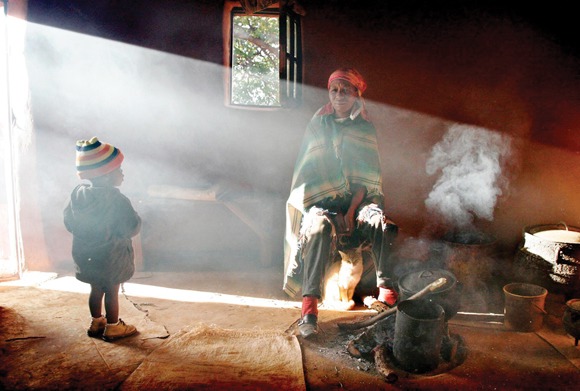
Chronic Respiratory Disease. Chronic respiratory disease is another NCD area for which the picture is different among the bottom billion. While smoking is by far the most common cause of chronic obstructive pulmonary disease (COPD) in developed countries, emerging evidence suggests that other environmental factors may play a greater role in poor countries, where an estimated 25%-45% of COPD patients have never smoked, said Dr. Sundeep Salvi, director of the Chest Research Foundation, Pune, India.
About 3 billion people, half the world’s population, are exposed to smoke from biomass fuel, compared with 1.01 billion people who smoke tobacco, suggesting that exposure to biomass smoke might be the biggest risk factor for COPD globally, Dr. Salvi said (Lancet 2009;374:733-43).
A recently published meta-analysis of 25 studies identified significant associations between exposure to solid biomass fuels such as wood, dung, and charcoal and acute respiratory infection in children (pooled odds ratio 3.53), chronic bronchitis in women (OR 2.52), and chronic pulmonary disease in women (OR 2.40). No associations were seen with asthma (Thorax 2011;66:232-9).
Other NCDs include sickle cell anemia, diabetes (including that associated with malnutrition rather than obesity), mental illness, diseases requiring surgery, cervical cancer, epilepsy, and anemia, which is often a result of infectious diseases such as malaria and bacteremia in the developing world rather than iron deficiency.
A ‘Diagonal’ Approach. Experts at the meeting agreed that integrated approaches are necessary to address endemic NCDs, most of which are relatively uncommon individually, but together account for a large burden of disease among the bottom billion.

Dr. Julio Frenk, dean of Harvard’s School of Public Health, advocated in favor of taking a so-called "diagonal approach" as an alternative to the narrow, disease-specific "vertical approach" to care as has been used to address HIV/AIDS, malaria, and tuberculosis. A diagonal approach is also preferred, he said, to taking a broad, and often ineffectual, "horizontal" approach that generally aims at strengthening health systems.
"Global health in the 21st century should integrate vertical and horizontal programs, because we now know that, through what [Dr.] Jaime Sepulveda has called the ‘diagonal approach,’ we can use explicit intervention priorities to strengthen the overall structure and function of health systems," Dr. Frenk said.
Such an approach is now being used by Partners In Health in Rwanda, an effort that began in 2005 with the Rwandan government’s request for support for rural health services. Also financed in part by the Clinton Foundation, the project provides building and renovations, supplementation of operational budgets, and staff training to three rural districts serving more than 750,000 in 2010.
The approach to chronic care in these regions follows a model similar to the way health systems were progressively decentralized to address HIV/AIDS in the 1990s: from tertiary referral centers to district hospitals, to local health centers, to community health workers. Under the model, primary care – typically delivered by nonphysician health care providers or trained laypeople – takes place at the community level, while increasingly specialized care takes place up the hierarchy of facilities, Dr. Bukhman explained.
District hospital leaders work closely with the staff of health centers, providing training, mentoring, and education, with the idea of reducing the need to transfer patients to referral centers. Each Partners In Health–supported district hospital in Rwanda has an advanced chronic care clinic for noninfectious diseases. Countries such as Rwanda that already have such integrated programs to address HIV/AIDS can more easily and less expensively integrate NCDs into their health systems, Dr. Bukhman noted.
Dr. Farmer, chair of the department of global health and social medicine at Harvard, stressed the need for "health systems strengthening" and for partnerships between governments, academia, nongovernmental organizations, private industry, and other stakeholders in order to tackle the complexity and heterogeneity of the endemic NCDs.
"It can’t be diabetes versus mental health or rheumatic heart disease versus cancer. It has to be a very collaborative effort that draws on partnerships and synergies. ... In building platforms for the delivering of care for chronic disease, we need to do many things at once."
Dr. Hotez disclosed that he has a patent on a hookworm vaccine, but no relationships with pharmaceutical companies. Dr. Mocumbi stated that she has no disclosures. Dr. Salvi disclosed that he has received fees from Merck Pharmaceuticals as an advisory board member and speaker. Partners In Health receives funding from corporate donors, including several pharmaceutical companies.
BOSTON – Unhealthy lifestyle habits are largely responsible for heart disease, diabetes, cancer, and lung disease in much of the world, but among the poorest people, much of the noncommunicable disease burden stems from infections and other endemic environmental factors.
Recognition of such fundamental differences in the etiology of noncommunicable diseases (NCDs) – and the endemic causes of those diseases among the world’s poorest billion people – is needed as the United Nations forges ahead with plans to address NCDs on a global scale. That was the conclusion drawn by stakeholders at a meeting aimed at decreasing the burden of noncommunicable diseases in the so-called "bottom billion" – the world’s population living on less than one dollar a day.
"The term ‘endemic’ is significant because it places the emphasis on the diseases that are already there in these populations, in addition to the epidemics of emerging NCDs. We’re expanding the notion of what ‘noncommunicable disease’ is," Dr. Gene Bukhman said at the meeting, which was sponsored by Partners In Health, an international nonprofit organization that provides direct health care services to people living in poverty around the world.
Over the last two decades, people and organizations have been clamoring for the inclusion of NCDs on the global health agenda. That movement has been newly energized by the United Nation’s announcement last May that it will hold a General Assembly High-level Meeting on NCDs in September. It will be only the second such disease-related meeting that the UN has ever held. The first such meeting in 2001 focused on HIV/AIDS, and is credited with galvanizing global attention and fund-raising efforts for that cause.
Participants at the Partners In Health meeting are working to ensure that the upcoming UN meeting doesn’t overlook the needs of the poorest people in the world.
The primary focus of the upcoming UN meeting will be on "noncommunicable disease" as defined by the World Health Organization in its 2008-2013 NCD action plan: cardiovascular diseases, diabetes, cancers, and chronic respiratory diseases related to the four shared risk factors – tobacco use, physical inactivity, unhealthy diets, and the harmful use of alcohol. Together, these conditions account for approximately 60% of all global deaths, of which 80% occur in low- and middle-income countries, according to WHO.
That "four-by-four" model, however, doesn’t encompass the breadth of chronic conditions seen in the poorest countries, where infection, malnutrition, environmental toxins, and lack of access to care contribute much more to the NCD burden than do lifestyle factors. Taken together, "endemic NCDs" account for nearly 25% of disease among the world’s poorest billion, said Dr. Bukhman, a cardiologist who serves as director of the Harvard Medical School Program in Non-Communicable Disease and Social Change, Boston, and also as the cardiology director for Partners In Health, working in Rwanda.
Infectious origins of many NCDs in poor countries highlight the "false dichotomy" view of NCDs as separate from infectious disease and that scarce resources need be divided between the two camps. "If we pit one set of interventions against another, we’re not going to get very far," said Dr. Paul Farmer, director of Partners In Health.
Neglected Tropical Diseases. Neglected tropical diseases (NTDs) are a prime example of the blurred line between NCDs and infectious disease. The NTDs are not communicable from person to person, and they cause chronic illness that is not typically fatal in the short term but which can severely debilitate and reduce productive capacity, according to Dr. Peter Hotez, Distinguished Research Professor and Walter G. Ross Professor and Chair of the Department of Microbiology, Immunology, and Tropical Medicine at George Washington University, Washington.
Affecting approximately 1.4 billion people worldwide, the NTDs include chronic parasitic infections such as ascariasis, trichuriasis, hookworm, and schistosomiasis. Some of the NTDs cause NCDs, including cardiomyopathy due to Chagas disease, cor pulmonale from schistosomiasis, asthma due to toxocariasis, and inflammatory bowel disease from trichuriasis, said Dr. Hotez, who also serves as president of the Sabin Vaccine Institute, a nonprofit research and advocacy organization that is currently conducting trials on vaccines against hookworm, schistosomiasis, Chagas disease, and malaria.
Together, the NTD global burden in terms of disability-associated life-years is 56.6 million, greater than that of malaria (46.5 million) or tuberculosis (34.7 million), and two-thirds that of HIV/AIDS (84.5 million), Dr. Hotez and his associated reported (N. Engl. J. Med. 2007;357:1018-27).
Cardiovascular Diseases. The spectrum of cardiovascular diseases due to endemic causes in Africa represents another "neglected" set of conditions, according to Dr. Ana Mocumbi, a cardiologist and researcher at the Maputo Heart Institute in Mozambique.
Although Africa is seeing a rise in lifestyle-associated atherosclerosis and other conditions common in the developed world, there are also large numbers of people suffering from chronic heart conditions with infectious origins, including rheumatic heart disease arising from streptococcal infection, endomyocardial fibrosis, and tuberculous pericarditis.
Together, these conditions "can be considered neglected diseases because, despite considerable numbers of people, they have not been the subject of systematic research or structured control programs and did not benefit from translation of knowledge obtained in other areas of human knowledge," Dr. Mocumbi said.
Dr. Mocumbi was an investigator for a survey using clinical and echocardiographic screening in 2,370 children aged 6-17 years who were randomly selected from six primary schools in Mozambique. The prevalence of rheumatic heart disease was about 30 per 1,000, a rate far higher than had been previously found in studies that only used echocardiography for cases suspected from clinical screening (New Engl. J. Med. 2007;357:470-6).
Another echocardiographic screening study for which Dr. Mocumbi was the lead investigator assessed a random sample of 1,063 individuals of all ages selected by clustering in a rural area of Mozambique with about 76,000 inhabitants, and found an endomyocardial fibrosis prevalence of 20%. The highest prevalence, 28%, was among children and adolescents aged 10-19 years (New Engl. J. Med. 2008;359:43-9).
That was the only epidemiologic study ever done on endomyocardial fibrosis, a restrictive cardiomyopathy that primarily affects children from sub-Saharan Africa. Its exact etiology and pathogenesis are unknown, although autoimmunity and infectious triggers are believed to play a role. Endomyocardial fibrosis "places a high burden on a community, where children and young adults are disabled," Dr. Mocumbi commented.
Chronic Respiratory Disease. Chronic respiratory disease is another NCD area for which the picture is different among the bottom billion. While smoking is by far the most common cause of chronic obstructive pulmonary disease (COPD) in developed countries, emerging evidence suggests that other environmental factors may play a greater role in poor countries, where an estimated 25%-45% of COPD patients have never smoked, said Dr. Sundeep Salvi, director of the Chest Research Foundation, Pune, India.
About 3 billion people, half the world’s population, are exposed to smoke from biomass fuel, compared with 1.01 billion people who smoke tobacco, suggesting that exposure to biomass smoke might be the biggest risk factor for COPD globally, Dr. Salvi said (Lancet 2009;374:733-43).
A recently published meta-analysis of 25 studies identified significant associations between exposure to solid biomass fuels such as wood, dung, and charcoal and acute respiratory infection in children (pooled odds ratio 3.53), chronic bronchitis in women (OR 2.52), and chronic pulmonary disease in women (OR 2.40). No associations were seen with asthma (Thorax 2011;66:232-9).
Other NCDs include sickle cell anemia, diabetes (including that associated with malnutrition rather than obesity), mental illness, diseases requiring surgery, cervical cancer, epilepsy, and anemia, which is often a result of infectious diseases such as malaria and bacteremia in the developing world rather than iron deficiency.
A ‘Diagonal’ Approach. Experts at the meeting agreed that integrated approaches are necessary to address endemic NCDs, most of which are relatively uncommon individually, but together account for a large burden of disease among the bottom billion.
Dr. Julio Frenk, dean of Harvard’s School of Public Health, advocated in favor of taking a so-called "diagonal approach" as an alternative to the narrow, disease-specific "vertical approach" to care as has been used to address HIV/AIDS, malaria, and tuberculosis. A diagonal approach is also preferred, he said, to taking a broad, and often ineffectual, "horizontal" approach that generally aims at strengthening health systems.
"Global health in the 21st century should integrate vertical and horizontal programs, because we now know that, through what [Dr.] Jaime Sepulveda has called the ‘diagonal approach,’ we can use explicit intervention priorities to strengthen the overall structure and function of health systems," Dr. Frenk said.
Such an approach is now being used by Partners In Health in Rwanda, an effort that began in 2005 with the Rwandan government’s request for support for rural health services. Also financed in part by the Clinton Foundation, the project provides building and renovations, supplementation of operational budgets, and staff training to three rural districts serving more than 750,000 in 2010.
The approach to chronic care in these regions follows a model similar to the way health systems were progressively decentralized to address HIV/AIDS in the 1990s: from tertiary referral centers to district hospitals, to local health centers, to community health workers. Under the model, primary care – typically delivered by nonphysician health care providers or trained laypeople – takes place at the community level, while increasingly specialized care takes place up the hierarchy of facilities, Dr. Bukhman explained.
District hospital leaders work closely with the staff of health centers, providing training, mentoring, and education, with the idea of reducing the need to transfer patients to referral centers. Each Partners In Health–supported district hospital in Rwanda has an advanced chronic care clinic for noninfectious diseases. Countries such as Rwanda that already have such integrated programs to address HIV/AIDS can more easily and less expensively integrate NCDs into their health systems, Dr. Bukhman noted.
Dr. Farmer, chair of the department of global health and social medicine at Harvard, stressed the need for "health systems strengthening" and for partnerships between governments, academia, nongovernmental organizations, private industry, and other stakeholders in order to tackle the complexity and heterogeneity of the endemic NCDs.
"It can’t be diabetes versus mental health or rheumatic heart disease versus cancer. It has to be a very collaborative effort that draws on partnerships and synergies. ... In building platforms for the delivering of care for chronic disease, we need to do many things at once."
Dr. Hotez disclosed that he has a patent on a hookworm vaccine, but no relationships with pharmaceutical companies. Dr. Mocumbi stated that she has no disclosures. Dr. Salvi disclosed that he has received fees from Merck Pharmaceuticals as an advisory board member and speaker. Partners In Health receives funding from corporate donors, including several pharmaceutical companies.
BOSTON – Unhealthy lifestyle habits are largely responsible for heart disease, diabetes, cancer, and lung disease in much of the world, but among the poorest people, much of the noncommunicable disease burden stems from infections and other endemic environmental factors.
Recognition of such fundamental differences in the etiology of noncommunicable diseases (NCDs) – and the endemic causes of those diseases among the world’s poorest billion people – is needed as the United Nations forges ahead with plans to address NCDs on a global scale. That was the conclusion drawn by stakeholders at a meeting aimed at decreasing the burden of noncommunicable diseases in the so-called "bottom billion" – the world’s population living on less than one dollar a day.
"The term ‘endemic’ is significant because it places the emphasis on the diseases that are already there in these populations, in addition to the epidemics of emerging NCDs. We’re expanding the notion of what ‘noncommunicable disease’ is," Dr. Gene Bukhman said at the meeting, which was sponsored by Partners In Health, an international nonprofit organization that provides direct health care services to people living in poverty around the world.
Over the last two decades, people and organizations have been clamoring for the inclusion of NCDs on the global health agenda. That movement has been newly energized by the United Nation’s announcement last May that it will hold a General Assembly High-level Meeting on NCDs in September. It will be only the second such disease-related meeting that the UN has ever held. The first such meeting in 2001 focused on HIV/AIDS, and is credited with galvanizing global attention and fund-raising efforts for that cause.
Participants at the Partners In Health meeting are working to ensure that the upcoming UN meeting doesn’t overlook the needs of the poorest people in the world.
The primary focus of the upcoming UN meeting will be on "noncommunicable disease" as defined by the World Health Organization in its 2008-2013 NCD action plan: cardiovascular diseases, diabetes, cancers, and chronic respiratory diseases related to the four shared risk factors – tobacco use, physical inactivity, unhealthy diets, and the harmful use of alcohol. Together, these conditions account for approximately 60% of all global deaths, of which 80% occur in low- and middle-income countries, according to WHO.
That "four-by-four" model, however, doesn’t encompass the breadth of chronic conditions seen in the poorest countries, where infection, malnutrition, environmental toxins, and lack of access to care contribute much more to the NCD burden than do lifestyle factors. Taken together, "endemic NCDs" account for nearly 25% of disease among the world’s poorest billion, said Dr. Bukhman, a cardiologist who serves as director of the Harvard Medical School Program in Non-Communicable Disease and Social Change, Boston, and also as the cardiology director for Partners In Health, working in Rwanda.
Infectious origins of many NCDs in poor countries highlight the "false dichotomy" view of NCDs as separate from infectious disease and that scarce resources need be divided between the two camps. "If we pit one set of interventions against another, we’re not going to get very far," said Dr. Paul Farmer, director of Partners In Health.
Neglected Tropical Diseases. Neglected tropical diseases (NTDs) are a prime example of the blurred line between NCDs and infectious disease. The NTDs are not communicable from person to person, and they cause chronic illness that is not typically fatal in the short term but which can severely debilitate and reduce productive capacity, according to Dr. Peter Hotez, Distinguished Research Professor and Walter G. Ross Professor and Chair of the Department of Microbiology, Immunology, and Tropical Medicine at George Washington University, Washington.
Affecting approximately 1.4 billion people worldwide, the NTDs include chronic parasitic infections such as ascariasis, trichuriasis, hookworm, and schistosomiasis. Some of the NTDs cause NCDs, including cardiomyopathy due to Chagas disease, cor pulmonale from schistosomiasis, asthma due to toxocariasis, and inflammatory bowel disease from trichuriasis, said Dr. Hotez, who also serves as president of the Sabin Vaccine Institute, a nonprofit research and advocacy organization that is currently conducting trials on vaccines against hookworm, schistosomiasis, Chagas disease, and malaria.
Together, the NTD global burden in terms of disability-associated life-years is 56.6 million, greater than that of malaria (46.5 million) or tuberculosis (34.7 million), and two-thirds that of HIV/AIDS (84.5 million), Dr. Hotez and his associated reported (N. Engl. J. Med. 2007;357:1018-27).
Cardiovascular Diseases. The spectrum of cardiovascular diseases due to endemic causes in Africa represents another "neglected" set of conditions, according to Dr. Ana Mocumbi, a cardiologist and researcher at the Maputo Heart Institute in Mozambique.
Although Africa is seeing a rise in lifestyle-associated atherosclerosis and other conditions common in the developed world, there are also large numbers of people suffering from chronic heart conditions with infectious origins, including rheumatic heart disease arising from streptococcal infection, endomyocardial fibrosis, and tuberculous pericarditis.
Together, these conditions "can be considered neglected diseases because, despite considerable numbers of people, they have not been the subject of systematic research or structured control programs and did not benefit from translation of knowledge obtained in other areas of human knowledge," Dr. Mocumbi said.
Dr. Mocumbi was an investigator for a survey using clinical and echocardiographic screening in 2,370 children aged 6-17 years who were randomly selected from six primary schools in Mozambique. The prevalence of rheumatic heart disease was about 30 per 1,000, a rate far higher than had been previously found in studies that only used echocardiography for cases suspected from clinical screening (New Engl. J. Med. 2007;357:470-6).
Another echocardiographic screening study for which Dr. Mocumbi was the lead investigator assessed a random sample of 1,063 individuals of all ages selected by clustering in a rural area of Mozambique with about 76,000 inhabitants, and found an endomyocardial fibrosis prevalence of 20%. The highest prevalence, 28%, was among children and adolescents aged 10-19 years (New Engl. J. Med. 2008;359:43-9).
That was the only epidemiologic study ever done on endomyocardial fibrosis, a restrictive cardiomyopathy that primarily affects children from sub-Saharan Africa. Its exact etiology and pathogenesis are unknown, although autoimmunity and infectious triggers are believed to play a role. Endomyocardial fibrosis "places a high burden on a community, where children and young adults are disabled," Dr. Mocumbi commented.
Chronic Respiratory Disease. Chronic respiratory disease is another NCD area for which the picture is different among the bottom billion. While smoking is by far the most common cause of chronic obstructive pulmonary disease (COPD) in developed countries, emerging evidence suggests that other environmental factors may play a greater role in poor countries, where an estimated 25%-45% of COPD patients have never smoked, said Dr. Sundeep Salvi, director of the Chest Research Foundation, Pune, India.
About 3 billion people, half the world’s population, are exposed to smoke from biomass fuel, compared with 1.01 billion people who smoke tobacco, suggesting that exposure to biomass smoke might be the biggest risk factor for COPD globally, Dr. Salvi said (Lancet 2009;374:733-43).
A recently published meta-analysis of 25 studies identified significant associations between exposure to solid biomass fuels such as wood, dung, and charcoal and acute respiratory infection in children (pooled odds ratio 3.53), chronic bronchitis in women (OR 2.52), and chronic pulmonary disease in women (OR 2.40). No associations were seen with asthma (Thorax 2011;66:232-9).
Other NCDs include sickle cell anemia, diabetes (including that associated with malnutrition rather than obesity), mental illness, diseases requiring surgery, cervical cancer, epilepsy, and anemia, which is often a result of infectious diseases such as malaria and bacteremia in the developing world rather than iron deficiency.
A ‘Diagonal’ Approach. Experts at the meeting agreed that integrated approaches are necessary to address endemic NCDs, most of which are relatively uncommon individually, but together account for a large burden of disease among the bottom billion.
Dr. Julio Frenk, dean of Harvard’s School of Public Health, advocated in favor of taking a so-called "diagonal approach" as an alternative to the narrow, disease-specific "vertical approach" to care as has been used to address HIV/AIDS, malaria, and tuberculosis. A diagonal approach is also preferred, he said, to taking a broad, and often ineffectual, "horizontal" approach that generally aims at strengthening health systems.
"Global health in the 21st century should integrate vertical and horizontal programs, because we now know that, through what [Dr.] Jaime Sepulveda has called the ‘diagonal approach,’ we can use explicit intervention priorities to strengthen the overall structure and function of health systems," Dr. Frenk said.
Such an approach is now being used by Partners In Health in Rwanda, an effort that began in 2005 with the Rwandan government’s request for support for rural health services. Also financed in part by the Clinton Foundation, the project provides building and renovations, supplementation of operational budgets, and staff training to three rural districts serving more than 750,000 in 2010.
The approach to chronic care in these regions follows a model similar to the way health systems were progressively decentralized to address HIV/AIDS in the 1990s: from tertiary referral centers to district hospitals, to local health centers, to community health workers. Under the model, primary care – typically delivered by nonphysician health care providers or trained laypeople – takes place at the community level, while increasingly specialized care takes place up the hierarchy of facilities, Dr. Bukhman explained.
District hospital leaders work closely with the staff of health centers, providing training, mentoring, and education, with the idea of reducing the need to transfer patients to referral centers. Each Partners In Health–supported district hospital in Rwanda has an advanced chronic care clinic for noninfectious diseases. Countries such as Rwanda that already have such integrated programs to address HIV/AIDS can more easily and less expensively integrate NCDs into their health systems, Dr. Bukhman noted.
Dr. Farmer, chair of the department of global health and social medicine at Harvard, stressed the need for "health systems strengthening" and for partnerships between governments, academia, nongovernmental organizations, private industry, and other stakeholders in order to tackle the complexity and heterogeneity of the endemic NCDs.
"It can’t be diabetes versus mental health or rheumatic heart disease versus cancer. It has to be a very collaborative effort that draws on partnerships and synergies. ... In building platforms for the delivering of care for chronic disease, we need to do many things at once."
Dr. Hotez disclosed that he has a patent on a hookworm vaccine, but no relationships with pharmaceutical companies. Dr. Mocumbi stated that she has no disclosures. Dr. Salvi disclosed that he has received fees from Merck Pharmaceuticals as an advisory board member and speaker. Partners In Health receives funding from corporate donors, including several pharmaceutical companies.
FROM A CONFERENCE ON NONCOMMUNICABLE DISEASES IN THE BOTTOM BILLION
Noncommunicable Disease Looks Different in the "Bottom Billion"
BOSTON – Unhealthy lifestyle habits are largely responsible for heart disease, diabetes, cancer, and lung disease in much of the world, but among the poorest people, much of the noncommunicable disease burden stems from infections and other endemic environmental factors.
Recognition of such fundamental differences in the etiology of noncommunicable diseases (NCDs) – and the endemic causes of those diseases among the world’s poorest billion people – is needed as the United Nations forges ahead with plans to address NCDs on a global scale. That was the conclusion drawn by stakeholders at a meeting aimed at decreasing the burden of noncommunicable diseases in the so-called "bottom billion" – the world’s population living on less than one dollar a day.
"The term ‘endemic’ is significant because it places the emphasis on the diseases that are already there in these populations, in addition to the epidemics of emerging NCDs. We’re expanding the notion of what ‘noncommunicable disease’ is," Dr. Gene Bukhman said at the meeting, which was sponsored by Partners In Health, an international nonprofit organization that provides direct health care services to people living in poverty around the world.
Over the last two decades, people and organizations have been clamoring for the inclusion of NCDs on the global health agenda. That movement has been newly energized by the United Nation’s announcement last May that it will hold a General Assembly High-level Meeting on NCDs in September. It will be only the second such disease-related meeting that the UN has ever held. The first such meeting in 2001 focused on HIV/AIDS, and is credited with galvanizing global attention and fund-raising efforts for that cause.
Participants at the Partners In Health meeting are working to ensure that the upcoming UN meeting doesn’t overlook the needs of the poorest people in the world.
The primary focus of the upcoming UN meeting will be on "noncommunicable disease" as defined by the World Health Organization in its 2008-2013 NCD action plan: cardiovascular diseases, diabetes, cancers, and chronic respiratory diseases related to the four shared risk factors – tobacco use, physical inactivity, unhealthy diets, and the harmful use of alcohol. Together, these conditions account for approximately 60% of all global deaths, of which 80% occur in low- and middle-income countries, according to WHO.
That "four-by-four" model, however, doesn’t encompass the breadth of chronic conditions seen in the poorest countries, where infection, malnutrition, environmental toxins, and lack of access to care contribute much more to the NCD burden than do lifestyle factors. Taken together, "endemic NCDs" account for nearly 25% of disease among the world’s poorest billion, said Dr. Bukhman, a cardiologist who serves as director of the Harvard Medical School Program in Non-Communicable Disease and Social Change, Boston, and also as the cardiology director for Partners In Health, working in Rwanda.
Infectious origins of many NCDs in poor countries highlight the "false dichotomy" view of NCDs as separate from infectious disease and that scarce resources need be divided between the two camps. "If we pit one set of interventions against another, we’re not going to get very far," said Dr. Paul Farmer, director of Partners In Health.
Neglected Tropical Diseases. Neglected tropical diseases (NTDs) are a prime example of the blurred line between NCDs and infectious disease. The NTDs are not communicable from person to person, and they cause chronic illness that is not typically fatal in the short term but which can severely debilitate and reduce productive capacity, according to Dr. Peter Hotez, Distinguished Research Professor and Walter G. Ross Professor and Chair of the Department of Microbiology, Immunology, and Tropical Medicine at George Washington University, Washington.
Affecting approximately 1.4 billion people worldwide, the NTDs include chronic parasitic infections such as ascariasis, trichuriasis, hookworm, and schistosomiasis. Some of the NTDs cause NCDs, including cardiomyopathy due to Chagas disease, cor pulmonale from schistosomiasis, asthma due to toxocariasis, and inflammatory bowel disease from trichuriasis, said Dr. Hotez, who also serves as president of the Sabin Vaccine Institute, a nonprofit research and advocacy organization that is currently conducting trials on vaccines against hookworm, schistosomiasis, Chagas disease, and malaria.
Together, the NTD global burden in terms of disability-associated life-years is 56.6 million, greater than that of malaria (46.5 million) or tuberculosis (34.7 million), and two-thirds that of HIV/AIDS (84.5 million), Dr. Hotez and his associated reported (N. Engl. J. Med. 2007;357:1018-27).
Cardiovascular Diseases. The spectrum of cardiovascular diseases due to endemic causes in Africa represents another "neglected" set of conditions, according to Dr. Ana Mocumbi, a cardiologist and researcher at the Maputo Heart Institute in Mozambique.
Although Africa is seeing a rise in lifestyle-associated atherosclerosis and other conditions common in the developed world, there are also large numbers of people suffering from chronic heart conditions with infectious origins, including rheumatic heart disease arising from streptococcal infection, endomyocardial fibrosis, and tuberculous pericarditis.
Together, these conditions "can be considered neglected diseases because, despite considerable numbers of people, they have not been the subject of systematic research or structured control programs and did not benefit from translation of knowledge obtained in other areas of human knowledge," Dr. Mocumbi said.
Dr. Mocumbi was an investigator for a survey using clinical and echocardiographic screening in 2,370 children aged 6-17 years who were randomly selected from six primary schools in Mozambique. The prevalence of rheumatic heart disease was about 30 per 1,000, a rate far higher than had been previously found in studies that only used echocardiography for cases suspected from clinical screening (New Engl. J. Med. 2007;357:470-6).
Another echocardiographic screening study for which Dr. Mocumbi was the lead investigator assessed a random sample of 1,063 individuals of all ages selected by clustering in a rural area of Mozambique with about 76,000 inhabitants, and found an endomyocardial fibrosis prevalence of 20%. The highest prevalence, 28%, was among children and adolescents aged 10-19 years (New Engl. J. Med. 2008;359:43-9).
That was the only epidemiologic study ever done on endomyocardial fibrosis, a restrictive cardiomyopathy that primarily affects children from sub-Saharan Africa. Its exact etiology and pathogenesis are unknown, although autoimmunity and infectious triggers are believed to play a role. Endomyocardial fibrosis "places a high burden on a community, where children and young adults are disabled," Dr. Mocumbi commented.
Chronic Respiratory Disease. Chronic respiratory disease is another NCD area for which the picture is different among the bottom billion. While smoking is by far the most common cause of chronic obstructive pulmonary disease (COPD) in developed countries, emerging evidence suggests that other environmental factors may play a greater role in poor countries, where an estimated 25%-45% of COPD patients have never smoked, said Dr. Sundeep Salvi, director of the Chest Research Foundation, Pune, India.
About 3 billion people, half the world’s population, are exposed to smoke from biomass fuel, compared with 1.01 billion people who smoke tobacco, suggesting that exposure to biomass smoke might be the biggest risk factor for COPD globally, Dr. Salvi said (Lancet 2009;374:733-43).
A recently published meta-analysis of 25 studies identified significant associations between exposure to solid biomass fuels such as wood, dung, and charcoal and acute respiratory infection in children (pooled odds ratio 3.53), chronic bronchitis in women (OR 2.52), and chronic pulmonary disease in women (OR 2.40). No associations were seen with asthma (Thorax 2011;66:232-9).
Other NCDs include sickle cell anemia, diabetes (including that associated with malnutrition rather than obesity), mental illness, diseases requiring surgery, cervical cancer, epilepsy, and anemia, which is often a result of infectious diseases such as malaria and bacteremia in the developing world rather than iron deficiency.
A ‘Diagonal’ Approach. Experts at the meeting agreed that integrated approaches are necessary to address endemic NCDs, most of which are relatively uncommon individually, but together account for a large burden of disease among the bottom billion.
Dr. Julio Frenk, dean of Harvard’s School of Public Health, advocated in favor of taking a so-called "diagonal approach" as an alternative to the narrow, disease-specific "vertical approach" to care as has been used to address HIV/AIDS, malaria, and tuberculosis. A diagonal approach is also preferred, he said, to taking a broad, and often ineffectual, "horizontal" approach that generally aims at strengthening health systems.
"Global health in the 21st century should integrate vertical and horizontal programs, because we now know that, through what [Dr.] Jaime Sepulveda has called the ‘diagonal approach,’ we can use explicit intervention priorities to strengthen the overall structure and function of health systems," Dr. Frenk said.
Such an approach is now being used by Partners In Health in Rwanda, an effort that began in 2005 with the Rwandan government’s request for support for rural health services. Also financed in part by the Clinton Foundation, the project provides building and renovations, supplementation of operational budgets, and staff training to three rural districts serving more than 750,000 in 2010.
The approach to chronic care in these regions follows a model similar to the way health systems were progressively decentralized to address HIV/AIDS in the 1990s: from tertiary referral centers to district hospitals, to local health centers, to community health workers. Under the model, primary care – typically delivered by nonphysician health care providers or trained laypeople – takes place at the community level, while increasingly specialized care takes place up the hierarchy of facilities, Dr. Bukhman explained.
District hospital leaders work closely with the staff of health centers, providing training, mentoring, and education, with the idea of reducing the need to transfer patients to referral centers. Each Partners In Health–supported district hospital in Rwanda has an advanced chronic care clinic for noninfectious diseases. Countries such as Rwanda that already have such integrated programs to address HIV/AIDS can more easily and less expensively integrate NCDs into their health systems, Dr. Bukhman noted.
Dr. Farmer, chair of the department of global health and social medicine at Harvard, stressed the need for "health systems strengthening" and for partnerships between governments, academia, nongovernmental organizations, private industry, and other stakeholders in order to tackle the complexity and heterogeneity of the endemic NCDs.
"It can’t be diabetes versus mental health or rheumatic heart disease versus cancer. It has to be a very collaborative effort that draws on partnerships and synergies. ... In building platforms for the delivering of care for chronic disease, we need to do many things at once."
Dr. Hotez disclosed that he has a patent on a hookworm vaccine, but no relationships with pharmaceutical companies. Dr. Mocumbi stated that she has no disclosures. Dr. Salvi disclosed that he has received fees from Merck Pharmaceuticals as an advisory board member and speaker. Partners In Health receives funding from corporate donors, including several pharmaceutical companies.
BOSTON – Unhealthy lifestyle habits are largely responsible for heart disease, diabetes, cancer, and lung disease in much of the world, but among the poorest people, much of the noncommunicable disease burden stems from infections and other endemic environmental factors.
Recognition of such fundamental differences in the etiology of noncommunicable diseases (NCDs) – and the endemic causes of those diseases among the world’s poorest billion people – is needed as the United Nations forges ahead with plans to address NCDs on a global scale. That was the conclusion drawn by stakeholders at a meeting aimed at decreasing the burden of noncommunicable diseases in the so-called "bottom billion" – the world’s population living on less than one dollar a day.
"The term ‘endemic’ is significant because it places the emphasis on the diseases that are already there in these populations, in addition to the epidemics of emerging NCDs. We’re expanding the notion of what ‘noncommunicable disease’ is," Dr. Gene Bukhman said at the meeting, which was sponsored by Partners In Health, an international nonprofit organization that provides direct health care services to people living in poverty around the world.
Over the last two decades, people and organizations have been clamoring for the inclusion of NCDs on the global health agenda. That movement has been newly energized by the United Nation’s announcement last May that it will hold a General Assembly High-level Meeting on NCDs in September. It will be only the second such disease-related meeting that the UN has ever held. The first such meeting in 2001 focused on HIV/AIDS, and is credited with galvanizing global attention and fund-raising efforts for that cause.
Participants at the Partners In Health meeting are working to ensure that the upcoming UN meeting doesn’t overlook the needs of the poorest people in the world.
The primary focus of the upcoming UN meeting will be on "noncommunicable disease" as defined by the World Health Organization in its 2008-2013 NCD action plan: cardiovascular diseases, diabetes, cancers, and chronic respiratory diseases related to the four shared risk factors – tobacco use, physical inactivity, unhealthy diets, and the harmful use of alcohol. Together, these conditions account for approximately 60% of all global deaths, of which 80% occur in low- and middle-income countries, according to WHO.
That "four-by-four" model, however, doesn’t encompass the breadth of chronic conditions seen in the poorest countries, where infection, malnutrition, environmental toxins, and lack of access to care contribute much more to the NCD burden than do lifestyle factors. Taken together, "endemic NCDs" account for nearly 25% of disease among the world’s poorest billion, said Dr. Bukhman, a cardiologist who serves as director of the Harvard Medical School Program in Non-Communicable Disease and Social Change, Boston, and also as the cardiology director for Partners In Health, working in Rwanda.
Infectious origins of many NCDs in poor countries highlight the "false dichotomy" view of NCDs as separate from infectious disease and that scarce resources need be divided between the two camps. "If we pit one set of interventions against another, we’re not going to get very far," said Dr. Paul Farmer, director of Partners In Health.
Neglected Tropical Diseases. Neglected tropical diseases (NTDs) are a prime example of the blurred line between NCDs and infectious disease. The NTDs are not communicable from person to person, and they cause chronic illness that is not typically fatal in the short term but which can severely debilitate and reduce productive capacity, according to Dr. Peter Hotez, Distinguished Research Professor and Walter G. Ross Professor and Chair of the Department of Microbiology, Immunology, and Tropical Medicine at George Washington University, Washington.
Affecting approximately 1.4 billion people worldwide, the NTDs include chronic parasitic infections such as ascariasis, trichuriasis, hookworm, and schistosomiasis. Some of the NTDs cause NCDs, including cardiomyopathy due to Chagas disease, cor pulmonale from schistosomiasis, asthma due to toxocariasis, and inflammatory bowel disease from trichuriasis, said Dr. Hotez, who also serves as president of the Sabin Vaccine Institute, a nonprofit research and advocacy organization that is currently conducting trials on vaccines against hookworm, schistosomiasis, Chagas disease, and malaria.
Together, the NTD global burden in terms of disability-associated life-years is 56.6 million, greater than that of malaria (46.5 million) or tuberculosis (34.7 million), and two-thirds that of HIV/AIDS (84.5 million), Dr. Hotez and his associated reported (N. Engl. J. Med. 2007;357:1018-27).
Cardiovascular Diseases. The spectrum of cardiovascular diseases due to endemic causes in Africa represents another "neglected" set of conditions, according to Dr. Ana Mocumbi, a cardiologist and researcher at the Maputo Heart Institute in Mozambique.
Although Africa is seeing a rise in lifestyle-associated atherosclerosis and other conditions common in the developed world, there are also large numbers of people suffering from chronic heart conditions with infectious origins, including rheumatic heart disease arising from streptococcal infection, endomyocardial fibrosis, and tuberculous pericarditis.
Together, these conditions "can be considered neglected diseases because, despite considerable numbers of people, they have not been the subject of systematic research or structured control programs and did not benefit from translation of knowledge obtained in other areas of human knowledge," Dr. Mocumbi said.
Dr. Mocumbi was an investigator for a survey using clinical and echocardiographic screening in 2,370 children aged 6-17 years who were randomly selected from six primary schools in Mozambique. The prevalence of rheumatic heart disease was about 30 per 1,000, a rate far higher than had been previously found in studies that only used echocardiography for cases suspected from clinical screening (New Engl. J. Med. 2007;357:470-6).
Another echocardiographic screening study for which Dr. Mocumbi was the lead investigator assessed a random sample of 1,063 individuals of all ages selected by clustering in a rural area of Mozambique with about 76,000 inhabitants, and found an endomyocardial fibrosis prevalence of 20%. The highest prevalence, 28%, was among children and adolescents aged 10-19 years (New Engl. J. Med. 2008;359:43-9).
That was the only epidemiologic study ever done on endomyocardial fibrosis, a restrictive cardiomyopathy that primarily affects children from sub-Saharan Africa. Its exact etiology and pathogenesis are unknown, although autoimmunity and infectious triggers are believed to play a role. Endomyocardial fibrosis "places a high burden on a community, where children and young adults are disabled," Dr. Mocumbi commented.
Chronic Respiratory Disease. Chronic respiratory disease is another NCD area for which the picture is different among the bottom billion. While smoking is by far the most common cause of chronic obstructive pulmonary disease (COPD) in developed countries, emerging evidence suggests that other environmental factors may play a greater role in poor countries, where an estimated 25%-45% of COPD patients have never smoked, said Dr. Sundeep Salvi, director of the Chest Research Foundation, Pune, India.
About 3 billion people, half the world’s population, are exposed to smoke from biomass fuel, compared with 1.01 billion people who smoke tobacco, suggesting that exposure to biomass smoke might be the biggest risk factor for COPD globally, Dr. Salvi said (Lancet 2009;374:733-43).
A recently published meta-analysis of 25 studies identified significant associations between exposure to solid biomass fuels such as wood, dung, and charcoal and acute respiratory infection in children (pooled odds ratio 3.53), chronic bronchitis in women (OR 2.52), and chronic pulmonary disease in women (OR 2.40). No associations were seen with asthma (Thorax 2011;66:232-9).
Other NCDs include sickle cell anemia, diabetes (including that associated with malnutrition rather than obesity), mental illness, diseases requiring surgery, cervical cancer, epilepsy, and anemia, which is often a result of infectious diseases such as malaria and bacteremia in the developing world rather than iron deficiency.
A ‘Diagonal’ Approach. Experts at the meeting agreed that integrated approaches are necessary to address endemic NCDs, most of which are relatively uncommon individually, but together account for a large burden of disease among the bottom billion.
Dr. Julio Frenk, dean of Harvard’s School of Public Health, advocated in favor of taking a so-called "diagonal approach" as an alternative to the narrow, disease-specific "vertical approach" to care as has been used to address HIV/AIDS, malaria, and tuberculosis. A diagonal approach is also preferred, he said, to taking a broad, and often ineffectual, "horizontal" approach that generally aims at strengthening health systems.
"Global health in the 21st century should integrate vertical and horizontal programs, because we now know that, through what [Dr.] Jaime Sepulveda has called the ‘diagonal approach,’ we can use explicit intervention priorities to strengthen the overall structure and function of health systems," Dr. Frenk said.
Such an approach is now being used by Partners In Health in Rwanda, an effort that began in 2005 with the Rwandan government’s request for support for rural health services. Also financed in part by the Clinton Foundation, the project provides building and renovations, supplementation of operational budgets, and staff training to three rural districts serving more than 750,000 in 2010.
The approach to chronic care in these regions follows a model similar to the way health systems were progressively decentralized to address HIV/AIDS in the 1990s: from tertiary referral centers to district hospitals, to local health centers, to community health workers. Under the model, primary care – typically delivered by nonphysician health care providers or trained laypeople – takes place at the community level, while increasingly specialized care takes place up the hierarchy of facilities, Dr. Bukhman explained.
District hospital leaders work closely with the staff of health centers, providing training, mentoring, and education, with the idea of reducing the need to transfer patients to referral centers. Each Partners In Health–supported district hospital in Rwanda has an advanced chronic care clinic for noninfectious diseases. Countries such as Rwanda that already have such integrated programs to address HIV/AIDS can more easily and less expensively integrate NCDs into their health systems, Dr. Bukhman noted.
Dr. Farmer, chair of the department of global health and social medicine at Harvard, stressed the need for "health systems strengthening" and for partnerships between governments, academia, nongovernmental organizations, private industry, and other stakeholders in order to tackle the complexity and heterogeneity of the endemic NCDs.
"It can’t be diabetes versus mental health or rheumatic heart disease versus cancer. It has to be a very collaborative effort that draws on partnerships and synergies. ... In building platforms for the delivering of care for chronic disease, we need to do many things at once."
Dr. Hotez disclosed that he has a patent on a hookworm vaccine, but no relationships with pharmaceutical companies. Dr. Mocumbi stated that she has no disclosures. Dr. Salvi disclosed that he has received fees from Merck Pharmaceuticals as an advisory board member and speaker. Partners In Health receives funding from corporate donors, including several pharmaceutical companies.
BOSTON – Unhealthy lifestyle habits are largely responsible for heart disease, diabetes, cancer, and lung disease in much of the world, but among the poorest people, much of the noncommunicable disease burden stems from infections and other endemic environmental factors.
Recognition of such fundamental differences in the etiology of noncommunicable diseases (NCDs) – and the endemic causes of those diseases among the world’s poorest billion people – is needed as the United Nations forges ahead with plans to address NCDs on a global scale. That was the conclusion drawn by stakeholders at a meeting aimed at decreasing the burden of noncommunicable diseases in the so-called "bottom billion" – the world’s population living on less than one dollar a day.
"The term ‘endemic’ is significant because it places the emphasis on the diseases that are already there in these populations, in addition to the epidemics of emerging NCDs. We’re expanding the notion of what ‘noncommunicable disease’ is," Dr. Gene Bukhman said at the meeting, which was sponsored by Partners In Health, an international nonprofit organization that provides direct health care services to people living in poverty around the world.
Over the last two decades, people and organizations have been clamoring for the inclusion of NCDs on the global health agenda. That movement has been newly energized by the United Nation’s announcement last May that it will hold a General Assembly High-level Meeting on NCDs in September. It will be only the second such disease-related meeting that the UN has ever held. The first such meeting in 2001 focused on HIV/AIDS, and is credited with galvanizing global attention and fund-raising efforts for that cause.
Participants at the Partners In Health meeting are working to ensure that the upcoming UN meeting doesn’t overlook the needs of the poorest people in the world.
The primary focus of the upcoming UN meeting will be on "noncommunicable disease" as defined by the World Health Organization in its 2008-2013 NCD action plan: cardiovascular diseases, diabetes, cancers, and chronic respiratory diseases related to the four shared risk factors – tobacco use, physical inactivity, unhealthy diets, and the harmful use of alcohol. Together, these conditions account for approximately 60% of all global deaths, of which 80% occur in low- and middle-income countries, according to WHO.
That "four-by-four" model, however, doesn’t encompass the breadth of chronic conditions seen in the poorest countries, where infection, malnutrition, environmental toxins, and lack of access to care contribute much more to the NCD burden than do lifestyle factors. Taken together, "endemic NCDs" account for nearly 25% of disease among the world’s poorest billion, said Dr. Bukhman, a cardiologist who serves as director of the Harvard Medical School Program in Non-Communicable Disease and Social Change, Boston, and also as the cardiology director for Partners In Health, working in Rwanda.
Infectious origins of many NCDs in poor countries highlight the "false dichotomy" view of NCDs as separate from infectious disease and that scarce resources need be divided between the two camps. "If we pit one set of interventions against another, we’re not going to get very far," said Dr. Paul Farmer, director of Partners In Health.
Neglected Tropical Diseases. Neglected tropical diseases (NTDs) are a prime example of the blurred line between NCDs and infectious disease. The NTDs are not communicable from person to person, and they cause chronic illness that is not typically fatal in the short term but which can severely debilitate and reduce productive capacity, according to Dr. Peter Hotez, Distinguished Research Professor and Walter G. Ross Professor and Chair of the Department of Microbiology, Immunology, and Tropical Medicine at George Washington University, Washington.
Affecting approximately 1.4 billion people worldwide, the NTDs include chronic parasitic infections such as ascariasis, trichuriasis, hookworm, and schistosomiasis. Some of the NTDs cause NCDs, including cardiomyopathy due to Chagas disease, cor pulmonale from schistosomiasis, asthma due to toxocariasis, and inflammatory bowel disease from trichuriasis, said Dr. Hotez, who also serves as president of the Sabin Vaccine Institute, a nonprofit research and advocacy organization that is currently conducting trials on vaccines against hookworm, schistosomiasis, Chagas disease, and malaria.
Together, the NTD global burden in terms of disability-associated life-years is 56.6 million, greater than that of malaria (46.5 million) or tuberculosis (34.7 million), and two-thirds that of HIV/AIDS (84.5 million), Dr. Hotez and his associated reported (N. Engl. J. Med. 2007;357:1018-27).
Cardiovascular Diseases. The spectrum of cardiovascular diseases due to endemic causes in Africa represents another "neglected" set of conditions, according to Dr. Ana Mocumbi, a cardiologist and researcher at the Maputo Heart Institute in Mozambique.
Although Africa is seeing a rise in lifestyle-associated atherosclerosis and other conditions common in the developed world, there are also large numbers of people suffering from chronic heart conditions with infectious origins, including rheumatic heart disease arising from streptococcal infection, endomyocardial fibrosis, and tuberculous pericarditis.
Together, these conditions "can be considered neglected diseases because, despite considerable numbers of people, they have not been the subject of systematic research or structured control programs and did not benefit from translation of knowledge obtained in other areas of human knowledge," Dr. Mocumbi said.
Dr. Mocumbi was an investigator for a survey using clinical and echocardiographic screening in 2,370 children aged 6-17 years who were randomly selected from six primary schools in Mozambique. The prevalence of rheumatic heart disease was about 30 per 1,000, a rate far higher than had been previously found in studies that only used echocardiography for cases suspected from clinical screening (New Engl. J. Med. 2007;357:470-6).
Another echocardiographic screening study for which Dr. Mocumbi was the lead investigator assessed a random sample of 1,063 individuals of all ages selected by clustering in a rural area of Mozambique with about 76,000 inhabitants, and found an endomyocardial fibrosis prevalence of 20%. The highest prevalence, 28%, was among children and adolescents aged 10-19 years (New Engl. J. Med. 2008;359:43-9).
That was the only epidemiologic study ever done on endomyocardial fibrosis, a restrictive cardiomyopathy that primarily affects children from sub-Saharan Africa. Its exact etiology and pathogenesis are unknown, although autoimmunity and infectious triggers are believed to play a role. Endomyocardial fibrosis "places a high burden on a community, where children and young adults are disabled," Dr. Mocumbi commented.
Chronic Respiratory Disease. Chronic respiratory disease is another NCD area for which the picture is different among the bottom billion. While smoking is by far the most common cause of chronic obstructive pulmonary disease (COPD) in developed countries, emerging evidence suggests that other environmental factors may play a greater role in poor countries, where an estimated 25%-45% of COPD patients have never smoked, said Dr. Sundeep Salvi, director of the Chest Research Foundation, Pune, India.
About 3 billion people, half the world’s population, are exposed to smoke from biomass fuel, compared with 1.01 billion people who smoke tobacco, suggesting that exposure to biomass smoke might be the biggest risk factor for COPD globally, Dr. Salvi said (Lancet 2009;374:733-43).
A recently published meta-analysis of 25 studies identified significant associations between exposure to solid biomass fuels such as wood, dung, and charcoal and acute respiratory infection in children (pooled odds ratio 3.53), chronic bronchitis in women (OR 2.52), and chronic pulmonary disease in women (OR 2.40). No associations were seen with asthma (Thorax 2011;66:232-9).
Other NCDs include sickle cell anemia, diabetes (including that associated with malnutrition rather than obesity), mental illness, diseases requiring surgery, cervical cancer, epilepsy, and anemia, which is often a result of infectious diseases such as malaria and bacteremia in the developing world rather than iron deficiency.
A ‘Diagonal’ Approach. Experts at the meeting agreed that integrated approaches are necessary to address endemic NCDs, most of which are relatively uncommon individually, but together account for a large burden of disease among the bottom billion.
Dr. Julio Frenk, dean of Harvard’s School of Public Health, advocated in favor of taking a so-called "diagonal approach" as an alternative to the narrow, disease-specific "vertical approach" to care as has been used to address HIV/AIDS, malaria, and tuberculosis. A diagonal approach is also preferred, he said, to taking a broad, and often ineffectual, "horizontal" approach that generally aims at strengthening health systems.
"Global health in the 21st century should integrate vertical and horizontal programs, because we now know that, through what [Dr.] Jaime Sepulveda has called the ‘diagonal approach,’ we can use explicit intervention priorities to strengthen the overall structure and function of health systems," Dr. Frenk said.
Such an approach is now being used by Partners In Health in Rwanda, an effort that began in 2005 with the Rwandan government’s request for support for rural health services. Also financed in part by the Clinton Foundation, the project provides building and renovations, supplementation of operational budgets, and staff training to three rural districts serving more than 750,000 in 2010.
The approach to chronic care in these regions follows a model similar to the way health systems were progressively decentralized to address HIV/AIDS in the 1990s: from tertiary referral centers to district hospitals, to local health centers, to community health workers. Under the model, primary care – typically delivered by nonphysician health care providers or trained laypeople – takes place at the community level, while increasingly specialized care takes place up the hierarchy of facilities, Dr. Bukhman explained.
District hospital leaders work closely with the staff of health centers, providing training, mentoring, and education, with the idea of reducing the need to transfer patients to referral centers. Each Partners In Health–supported district hospital in Rwanda has an advanced chronic care clinic for noninfectious diseases. Countries such as Rwanda that already have such integrated programs to address HIV/AIDS can more easily and less expensively integrate NCDs into their health systems, Dr. Bukhman noted.
Dr. Farmer, chair of the department of global health and social medicine at Harvard, stressed the need for "health systems strengthening" and for partnerships between governments, academia, nongovernmental organizations, private industry, and other stakeholders in order to tackle the complexity and heterogeneity of the endemic NCDs.
"It can’t be diabetes versus mental health or rheumatic heart disease versus cancer. It has to be a very collaborative effort that draws on partnerships and synergies. ... In building platforms for the delivering of care for chronic disease, we need to do many things at once."
Dr. Hotez disclosed that he has a patent on a hookworm vaccine, but no relationships with pharmaceutical companies. Dr. Mocumbi stated that she has no disclosures. Dr. Salvi disclosed that he has received fees from Merck Pharmaceuticals as an advisory board member and speaker. Partners In Health receives funding from corporate donors, including several pharmaceutical companies.
FROM A CONFERENCE ON NONCOMMUNICABLE DISEASES IN THE BOTTOM BILLION
Noncommunicable Disease Looks Different in the "Bottom Billion"
BOSTON – Unhealthy lifestyle habits are largely responsible for heart disease, diabetes, cancer, and lung disease in much of the world, but among the poorest people, much of the noncommunicable disease burden stems from infections and other endemic environmental factors.
Recognition of such fundamental differences in the etiology of noncommunicable diseases (NCDs) – and the endemic causes of those diseases among the world’s poorest billion people – is needed as the United Nations forges ahead with plans to address NCDs on a global scale. That was the conclusion drawn by stakeholders at a meeting aimed at decreasing the burden of noncommunicable diseases in the so-called "bottom billion" – the world’s population living on less than one dollar a day.
"The term ‘endemic’ is significant because it places the emphasis on the diseases that are already there in these populations, in addition to the epidemics of emerging NCDs. We’re expanding the notion of what ‘noncommunicable disease’ is," Dr. Gene Bukhman said at the meeting, which was sponsored by Partners In Health, an international nonprofit organization that provides direct health care services to people living in poverty around the world.
Over the last two decades, people and organizations have been clamoring for the inclusion of NCDs on the global health agenda. That movement has been newly energized by the United Nation’s announcement last May that it will hold a General Assembly High-level Meeting on NCDs in September. It will be only the second such disease-related meeting that the UN has ever held. The first such meeting in 2001 focused on HIV/AIDS, and is credited with galvanizing global attention and fund-raising efforts for that cause.
Participants at the Partners In Health meeting are working to ensure that the upcoming UN meeting doesn’t overlook the needs of the poorest people in the world.
The primary focus of the upcoming UN meeting will be on "noncommunicable disease" as defined by the World Health Organization in its 2008-2013 NCD action plan: cardiovascular diseases, diabetes, cancers, and chronic respiratory diseases related to the four shared risk factors – tobacco use, physical inactivity, unhealthy diets, and the harmful use of alcohol. Together, these conditions account for approximately 60% of all global deaths, of which 80% occur in low- and middle-income countries, according to WHO.
That "four-by-four" model, however, doesn’t encompass the breadth of chronic conditions seen in the poorest countries, where infection, malnutrition, environmental toxins, and lack of access to care contribute much more to the NCD burden than do lifestyle factors. Taken together, "endemic NCDs" account for nearly 25% of disease among the world’s poorest billion, said Dr. Bukhman, a cardiologist who serves as director of the Harvard Medical School Program in Non-Communicable Disease and Social Change, Boston, and also as the cardiology director for Partners In Health, working in Rwanda.
Infectious origins of many NCDs in poor countries highlight the "false dichotomy" view of NCDs as separate from infectious disease and that scarce resources need be divided between the two camps. "If we pit one set of interventions against another, we’re not going to get very far," said Dr. Paul Farmer, director of Partners In Health.
Neglected Tropical Diseases. Neglected tropical diseases (NTDs) are a prime example of the blurred line between NCDs and infectious disease. The NTDs are not communicable from person to person, and they cause chronic illness that is not typically fatal in the short term but which can severely debilitate and reduce productive capacity, according to Dr. Peter Hotez, Distinguished Research Professor and Walter G. Ross Professor and Chair of the Department of Microbiology, Immunology, and Tropical Medicine at George Washington University, Washington.
Affecting approximately 1.4 billion people worldwide, the NTDs include chronic parasitic infections such as ascariasis, trichuriasis, hookworm, and schistosomiasis. Some of the NTDs cause NCDs, including cardiomyopathy due to Chagas disease, cor pulmonale from schistosomiasis, asthma due to toxocariasis, and inflammatory bowel disease from trichuriasis, said Dr. Hotez, who also serves as president of the Sabin Vaccine Institute, a nonprofit research and advocacy organization that is currently conducting trials on vaccines against hookworm, schistosomiasis, Chagas disease, and malaria.
Together, the NTD global burden in terms of disability-associated life-years is 56.6 million, greater than that of malaria (46.5 million) or tuberculosis (34.7 million), and two-thirds that of HIV/AIDS (84.5 million), Dr. Hotez and his associated reported (N. Engl. J. Med. 2007;357:1018-27).
Cardiovascular Diseases. The spectrum of cardiovascular diseases due to endemic causes in Africa represents another "neglected" set of conditions, according to Dr. Ana Mocumbi, a cardiologist and researcher at the Maputo Heart Institute in Mozambique.
Although Africa is seeing a rise in lifestyle-associated atherosclerosis and other conditions common in the developed world, there are also large numbers of people suffering from chronic heart conditions with infectious origins, including rheumatic heart disease arising from streptococcal infection, endomyocardial fibrosis, and tuberculous pericarditis.
Together, these conditions "can be considered neglected diseases because, despite considerable numbers of people, they have not been the subject of systematic research or structured control programs and did not benefit from translation of knowledge obtained in other areas of human knowledge," Dr. Mocumbi said.
Dr. Mocumbi was an investigator for a survey using clinical and echocardiographic screening in 2,370 children aged 6-17 years who were randomly selected from six primary schools in Mozambique. The prevalence of rheumatic heart disease was about 30 per 1,000, a rate far higher than had been previously found in studies that only used echocardiography for cases suspected from clinical screening (New Engl. J. Med. 2007;357:470-6).
Another echocardiographic screening study for which Dr. Mocumbi was the lead investigator assessed a random sample of 1,063 individuals of all ages selected by clustering in a rural area of Mozambique with about 76,000 inhabitants, and found an endomyocardial fibrosis prevalence of 20%. The highest prevalence, 28%, was among children and adolescents aged 10-19 years (New Engl. J. Med. 2008;359:43-9).
That was the only epidemiologic study ever done on endomyocardial fibrosis, a restrictive cardiomyopathy that primarily affects children from sub-Saharan Africa. Its exact etiology and pathogenesis are unknown, although autoimmunity and infectious triggers are believed to play a role. Endomyocardial fibrosis "places a high burden on a community, where children and young adults are disabled," Dr. Mocumbi commented.
Chronic Respiratory Disease. Chronic respiratory disease is another NCD area for which the picture is different among the bottom billion. While smoking is by far the most common cause of chronic obstructive pulmonary disease (COPD) in developed countries, emerging evidence suggests that other environmental factors may play a greater role in poor countries, where an estimated 25%-45% of COPD patients have never smoked, said Dr. Sundeep Salvi, director of the Chest Research Foundation, Pune, India.
About 3 billion people, half the world’s population, are exposed to smoke from biomass fuel, compared with 1.01 billion people who smoke tobacco, suggesting that exposure to biomass smoke might be the biggest risk factor for COPD globally, Dr. Salvi said (Lancet 2009;374:733-43).
A recently published meta-analysis of 25 studies identified significant associations between exposure to solid biomass fuels such as wood, dung, and charcoal and acute respiratory infection in children (pooled odds ratio 3.53), chronic bronchitis in women (OR 2.52), and chronic pulmonary disease in women (OR 2.40). No associations were seen with asthma (Thorax 2011;66:232-9).
Other NCDs include sickle cell anemia, diabetes (including that associated with malnutrition rather than obesity), mental illness, diseases requiring surgery, cervical cancer, epilepsy, and anemia, which is often a result of infectious diseases such as malaria and bacteremia in the developing world rather than iron deficiency.
A ‘Diagonal’ Approach. Experts at the meeting agreed that integrated approaches are necessary to address endemic NCDs, most of which are relatively uncommon individually, but together account for a large burden of disease among the bottom billion.
Dr. Julio Frenk, dean of Harvard’s School of Public Health, advocated in favor of taking a so-called "diagonal approach" as an alternative to the narrow, disease-specific "vertical approach" to care as has been used to address HIV/AIDS, malaria, and tuberculosis. A diagonal approach is also preferred, he said, to taking a broad, and often ineffectual, "horizontal" approach that generally aims at strengthening health systems.
"Global health in the 21st century should integrate vertical and horizontal programs, because we now know that, through what [Dr.] Jaime Sepulveda has called the ‘diagonal approach,’ we can use explicit intervention priorities to strengthen the overall structure and function of health systems," Dr. Frenk said.
Such an approach is now being used by Partners In Health in Rwanda, an effort that began in 2005 with the Rwandan government’s request for support for rural health services. Also financed in part by the Clinton Foundation, the project provides building and renovations, supplementation of operational budgets, and staff training to three rural districts serving more than 750,000 in 2010.
The approach to chronic care in these regions follows a model similar to the way health systems were progressively decentralized to address HIV/AIDS in the 1990s: from tertiary referral centers to district hospitals, to local health centers, to community health workers. Under the model, primary care – typically delivered by nonphysician health care providers or trained laypeople – takes place at the community level, while increasingly specialized care takes place up the hierarchy of facilities, Dr. Bukhman explained.
District hospital leaders work closely with the staff of health centers, providing training, mentoring, and education, with the idea of reducing the need to transfer patients to referral centers. Each Partners In Health–supported district hospital in Rwanda has an advanced chronic care clinic for noninfectious diseases. Countries such as Rwanda that already have such integrated programs to address HIV/AIDS can more easily and less expensively integrate NCDs into their health systems, Dr. Bukhman noted.
Dr. Farmer, chair of the department of global health and social medicine at Harvard, stressed the need for "health systems strengthening" and for partnerships between governments, academia, nongovernmental organizations, private industry, and other stakeholders in order to tackle the complexity and heterogeneity of the endemic NCDs.
"It can’t be diabetes versus mental health or rheumatic heart disease versus cancer. It has to be a very collaborative effort that draws on partnerships and synergies. ... In building platforms for the delivering of care for chronic disease, we need to do many things at once."
Dr. Hotez disclosed that he has a patent on a hookworm vaccine, but no relationships with pharmaceutical companies. Dr. Mocumbi stated that she has no disclosures. Dr. Salvi disclosed that he has received fees from Merck Pharmaceuticals as an advisory board member and speaker. Partners In Health receives funding from corporate donors, including several pharmaceutical companies.
BOSTON – Unhealthy lifestyle habits are largely responsible for heart disease, diabetes, cancer, and lung disease in much of the world, but among the poorest people, much of the noncommunicable disease burden stems from infections and other endemic environmental factors.
Recognition of such fundamental differences in the etiology of noncommunicable diseases (NCDs) – and the endemic causes of those diseases among the world’s poorest billion people – is needed as the United Nations forges ahead with plans to address NCDs on a global scale. That was the conclusion drawn by stakeholders at a meeting aimed at decreasing the burden of noncommunicable diseases in the so-called "bottom billion" – the world’s population living on less than one dollar a day.
"The term ‘endemic’ is significant because it places the emphasis on the diseases that are already there in these populations, in addition to the epidemics of emerging NCDs. We’re expanding the notion of what ‘noncommunicable disease’ is," Dr. Gene Bukhman said at the meeting, which was sponsored by Partners In Health, an international nonprofit organization that provides direct health care services to people living in poverty around the world.
Over the last two decades, people and organizations have been clamoring for the inclusion of NCDs on the global health agenda. That movement has been newly energized by the United Nation’s announcement last May that it will hold a General Assembly High-level Meeting on NCDs in September. It will be only the second such disease-related meeting that the UN has ever held. The first such meeting in 2001 focused on HIV/AIDS, and is credited with galvanizing global attention and fund-raising efforts for that cause.
Participants at the Partners In Health meeting are working to ensure that the upcoming UN meeting doesn’t overlook the needs of the poorest people in the world.
The primary focus of the upcoming UN meeting will be on "noncommunicable disease" as defined by the World Health Organization in its 2008-2013 NCD action plan: cardiovascular diseases, diabetes, cancers, and chronic respiratory diseases related to the four shared risk factors – tobacco use, physical inactivity, unhealthy diets, and the harmful use of alcohol. Together, these conditions account for approximately 60% of all global deaths, of which 80% occur in low- and middle-income countries, according to WHO.
That "four-by-four" model, however, doesn’t encompass the breadth of chronic conditions seen in the poorest countries, where infection, malnutrition, environmental toxins, and lack of access to care contribute much more to the NCD burden than do lifestyle factors. Taken together, "endemic NCDs" account for nearly 25% of disease among the world’s poorest billion, said Dr. Bukhman, a cardiologist who serves as director of the Harvard Medical School Program in Non-Communicable Disease and Social Change, Boston, and also as the cardiology director for Partners In Health, working in Rwanda.
Infectious origins of many NCDs in poor countries highlight the "false dichotomy" view of NCDs as separate from infectious disease and that scarce resources need be divided between the two camps. "If we pit one set of interventions against another, we’re not going to get very far," said Dr. Paul Farmer, director of Partners In Health.
Neglected Tropical Diseases. Neglected tropical diseases (NTDs) are a prime example of the blurred line between NCDs and infectious disease. The NTDs are not communicable from person to person, and they cause chronic illness that is not typically fatal in the short term but which can severely debilitate and reduce productive capacity, according to Dr. Peter Hotez, Distinguished Research Professor and Walter G. Ross Professor and Chair of the Department of Microbiology, Immunology, and Tropical Medicine at George Washington University, Washington.
Affecting approximately 1.4 billion people worldwide, the NTDs include chronic parasitic infections such as ascariasis, trichuriasis, hookworm, and schistosomiasis. Some of the NTDs cause NCDs, including cardiomyopathy due to Chagas disease, cor pulmonale from schistosomiasis, asthma due to toxocariasis, and inflammatory bowel disease from trichuriasis, said Dr. Hotez, who also serves as president of the Sabin Vaccine Institute, a nonprofit research and advocacy organization that is currently conducting trials on vaccines against hookworm, schistosomiasis, Chagas disease, and malaria.
Together, the NTD global burden in terms of disability-associated life-years is 56.6 million, greater than that of malaria (46.5 million) or tuberculosis (34.7 million), and two-thirds that of HIV/AIDS (84.5 million), Dr. Hotez and his associated reported (N. Engl. J. Med. 2007;357:1018-27).
Cardiovascular Diseases. The spectrum of cardiovascular diseases due to endemic causes in Africa represents another "neglected" set of conditions, according to Dr. Ana Mocumbi, a cardiologist and researcher at the Maputo Heart Institute in Mozambique.
Although Africa is seeing a rise in lifestyle-associated atherosclerosis and other conditions common in the developed world, there are also large numbers of people suffering from chronic heart conditions with infectious origins, including rheumatic heart disease arising from streptococcal infection, endomyocardial fibrosis, and tuberculous pericarditis.
Together, these conditions "can be considered neglected diseases because, despite considerable numbers of people, they have not been the subject of systematic research or structured control programs and did not benefit from translation of knowledge obtained in other areas of human knowledge," Dr. Mocumbi said.
Dr. Mocumbi was an investigator for a survey using clinical and echocardiographic screening in 2,370 children aged 6-17 years who were randomly selected from six primary schools in Mozambique. The prevalence of rheumatic heart disease was about 30 per 1,000, a rate far higher than had been previously found in studies that only used echocardiography for cases suspected from clinical screening (New Engl. J. Med. 2007;357:470-6).
Another echocardiographic screening study for which Dr. Mocumbi was the lead investigator assessed a random sample of 1,063 individuals of all ages selected by clustering in a rural area of Mozambique with about 76,000 inhabitants, and found an endomyocardial fibrosis prevalence of 20%. The highest prevalence, 28%, was among children and adolescents aged 10-19 years (New Engl. J. Med. 2008;359:43-9).
That was the only epidemiologic study ever done on endomyocardial fibrosis, a restrictive cardiomyopathy that primarily affects children from sub-Saharan Africa. Its exact etiology and pathogenesis are unknown, although autoimmunity and infectious triggers are believed to play a role. Endomyocardial fibrosis "places a high burden on a community, where children and young adults are disabled," Dr. Mocumbi commented.
Chronic Respiratory Disease. Chronic respiratory disease is another NCD area for which the picture is different among the bottom billion. While smoking is by far the most common cause of chronic obstructive pulmonary disease (COPD) in developed countries, emerging evidence suggests that other environmental factors may play a greater role in poor countries, where an estimated 25%-45% of COPD patients have never smoked, said Dr. Sundeep Salvi, director of the Chest Research Foundation, Pune, India.
About 3 billion people, half the world’s population, are exposed to smoke from biomass fuel, compared with 1.01 billion people who smoke tobacco, suggesting that exposure to biomass smoke might be the biggest risk factor for COPD globally, Dr. Salvi said (Lancet 2009;374:733-43).
A recently published meta-analysis of 25 studies identified significant associations between exposure to solid biomass fuels such as wood, dung, and charcoal and acute respiratory infection in children (pooled odds ratio 3.53), chronic bronchitis in women (OR 2.52), and chronic pulmonary disease in women (OR 2.40). No associations were seen with asthma (Thorax 2011;66:232-9).
Other NCDs include sickle cell anemia, diabetes (including that associated with malnutrition rather than obesity), mental illness, diseases requiring surgery, cervical cancer, epilepsy, and anemia, which is often a result of infectious diseases such as malaria and bacteremia in the developing world rather than iron deficiency.
A ‘Diagonal’ Approach. Experts at the meeting agreed that integrated approaches are necessary to address endemic NCDs, most of which are relatively uncommon individually, but together account for a large burden of disease among the bottom billion.
Dr. Julio Frenk, dean of Harvard’s School of Public Health, advocated in favor of taking a so-called "diagonal approach" as an alternative to the narrow, disease-specific "vertical approach" to care as has been used to address HIV/AIDS, malaria, and tuberculosis. A diagonal approach is also preferred, he said, to taking a broad, and often ineffectual, "horizontal" approach that generally aims at strengthening health systems.
"Global health in the 21st century should integrate vertical and horizontal programs, because we now know that, through what [Dr.] Jaime Sepulveda has called the ‘diagonal approach,’ we can use explicit intervention priorities to strengthen the overall structure and function of health systems," Dr. Frenk said.
Such an approach is now being used by Partners In Health in Rwanda, an effort that began in 2005 with the Rwandan government’s request for support for rural health services. Also financed in part by the Clinton Foundation, the project provides building and renovations, supplementation of operational budgets, and staff training to three rural districts serving more than 750,000 in 2010.
The approach to chronic care in these regions follows a model similar to the way health systems were progressively decentralized to address HIV/AIDS in the 1990s: from tertiary referral centers to district hospitals, to local health centers, to community health workers. Under the model, primary care – typically delivered by nonphysician health care providers or trained laypeople – takes place at the community level, while increasingly specialized care takes place up the hierarchy of facilities, Dr. Bukhman explained.
District hospital leaders work closely with the staff of health centers, providing training, mentoring, and education, with the idea of reducing the need to transfer patients to referral centers. Each Partners In Health–supported district hospital in Rwanda has an advanced chronic care clinic for noninfectious diseases. Countries such as Rwanda that already have such integrated programs to address HIV/AIDS can more easily and less expensively integrate NCDs into their health systems, Dr. Bukhman noted.
Dr. Farmer, chair of the department of global health and social medicine at Harvard, stressed the need for "health systems strengthening" and for partnerships between governments, academia, nongovernmental organizations, private industry, and other stakeholders in order to tackle the complexity and heterogeneity of the endemic NCDs.
"It can’t be diabetes versus mental health or rheumatic heart disease versus cancer. It has to be a very collaborative effort that draws on partnerships and synergies. ... In building platforms for the delivering of care for chronic disease, we need to do many things at once."
Dr. Hotez disclosed that he has a patent on a hookworm vaccine, but no relationships with pharmaceutical companies. Dr. Mocumbi stated that she has no disclosures. Dr. Salvi disclosed that he has received fees from Merck Pharmaceuticals as an advisory board member and speaker. Partners In Health receives funding from corporate donors, including several pharmaceutical companies.
BOSTON – Unhealthy lifestyle habits are largely responsible for heart disease, diabetes, cancer, and lung disease in much of the world, but among the poorest people, much of the noncommunicable disease burden stems from infections and other endemic environmental factors.
Recognition of such fundamental differences in the etiology of noncommunicable diseases (NCDs) – and the endemic causes of those diseases among the world’s poorest billion people – is needed as the United Nations forges ahead with plans to address NCDs on a global scale. That was the conclusion drawn by stakeholders at a meeting aimed at decreasing the burden of noncommunicable diseases in the so-called "bottom billion" – the world’s population living on less than one dollar a day.
"The term ‘endemic’ is significant because it places the emphasis on the diseases that are already there in these populations, in addition to the epidemics of emerging NCDs. We’re expanding the notion of what ‘noncommunicable disease’ is," Dr. Gene Bukhman said at the meeting, which was sponsored by Partners In Health, an international nonprofit organization that provides direct health care services to people living in poverty around the world.
Over the last two decades, people and organizations have been clamoring for the inclusion of NCDs on the global health agenda. That movement has been newly energized by the United Nation’s announcement last May that it will hold a General Assembly High-level Meeting on NCDs in September. It will be only the second such disease-related meeting that the UN has ever held. The first such meeting in 2001 focused on HIV/AIDS, and is credited with galvanizing global attention and fund-raising efforts for that cause.
Participants at the Partners In Health meeting are working to ensure that the upcoming UN meeting doesn’t overlook the needs of the poorest people in the world.
The primary focus of the upcoming UN meeting will be on "noncommunicable disease" as defined by the World Health Organization in its 2008-2013 NCD action plan: cardiovascular diseases, diabetes, cancers, and chronic respiratory diseases related to the four shared risk factors – tobacco use, physical inactivity, unhealthy diets, and the harmful use of alcohol. Together, these conditions account for approximately 60% of all global deaths, of which 80% occur in low- and middle-income countries, according to WHO.
That "four-by-four" model, however, doesn’t encompass the breadth of chronic conditions seen in the poorest countries, where infection, malnutrition, environmental toxins, and lack of access to care contribute much more to the NCD burden than do lifestyle factors. Taken together, "endemic NCDs" account for nearly 25% of disease among the world’s poorest billion, said Dr. Bukhman, a cardiologist who serves as director of the Harvard Medical School Program in Non-Communicable Disease and Social Change, Boston, and also as the cardiology director for Partners In Health, working in Rwanda.
Infectious origins of many NCDs in poor countries highlight the "false dichotomy" view of NCDs as separate from infectious disease and that scarce resources need be divided between the two camps. "If we pit one set of interventions against another, we’re not going to get very far," said Dr. Paul Farmer, director of Partners In Health.
Neglected Tropical Diseases. Neglected tropical diseases (NTDs) are a prime example of the blurred line between NCDs and infectious disease. The NTDs are not communicable from person to person, and they cause chronic illness that is not typically fatal in the short term but which can severely debilitate and reduce productive capacity, according to Dr. Peter Hotez, Distinguished Research Professor and Walter G. Ross Professor and Chair of the Department of Microbiology, Immunology, and Tropical Medicine at George Washington University, Washington.
Affecting approximately 1.4 billion people worldwide, the NTDs include chronic parasitic infections such as ascariasis, trichuriasis, hookworm, and schistosomiasis. Some of the NTDs cause NCDs, including cardiomyopathy due to Chagas disease, cor pulmonale from schistosomiasis, asthma due to toxocariasis, and inflammatory bowel disease from trichuriasis, said Dr. Hotez, who also serves as president of the Sabin Vaccine Institute, a nonprofit research and advocacy organization that is currently conducting trials on vaccines against hookworm, schistosomiasis, Chagas disease, and malaria.
Together, the NTD global burden in terms of disability-associated life-years is 56.6 million, greater than that of malaria (46.5 million) or tuberculosis (34.7 million), and two-thirds that of HIV/AIDS (84.5 million), Dr. Hotez and his associated reported (N. Engl. J. Med. 2007;357:1018-27).
Cardiovascular Diseases. The spectrum of cardiovascular diseases due to endemic causes in Africa represents another "neglected" set of conditions, according to Dr. Ana Mocumbi, a cardiologist and researcher at the Maputo Heart Institute in Mozambique.
Although Africa is seeing a rise in lifestyle-associated atherosclerosis and other conditions common in the developed world, there are also large numbers of people suffering from chronic heart conditions with infectious origins, including rheumatic heart disease arising from streptococcal infection, endomyocardial fibrosis, and tuberculous pericarditis.
Together, these conditions "can be considered neglected diseases because, despite considerable numbers of people, they have not been the subject of systematic research or structured control programs and did not benefit from translation of knowledge obtained in other areas of human knowledge," Dr. Mocumbi said.
Dr. Mocumbi was an investigator for a survey using clinical and echocardiographic screening in 2,370 children aged 6-17 years who were randomly selected from six primary schools in Mozambique. The prevalence of rheumatic heart disease was about 30 per 1,000, a rate far higher than had been previously found in studies that only used echocardiography for cases suspected from clinical screening (New Engl. J. Med. 2007;357:470-6).
Another echocardiographic screening study for which Dr. Mocumbi was the lead investigator assessed a random sample of 1,063 individuals of all ages selected by clustering in a rural area of Mozambique with about 76,000 inhabitants, and found an endomyocardial fibrosis prevalence of 20%. The highest prevalence, 28%, was among children and adolescents aged 10-19 years (New Engl. J. Med. 2008;359:43-9).
That was the only epidemiologic study ever done on endomyocardial fibrosis, a restrictive cardiomyopathy that primarily affects children from sub-Saharan Africa. Its exact etiology and pathogenesis are unknown, although autoimmunity and infectious triggers are believed to play a role. Endomyocardial fibrosis "places a high burden on a community, where children and young adults are disabled," Dr. Mocumbi commented.
Chronic Respiratory Disease. Chronic respiratory disease is another NCD area for which the picture is different among the bottom billion. While smoking is by far the most common cause of chronic obstructive pulmonary disease (COPD) in developed countries, emerging evidence suggests that other environmental factors may play a greater role in poor countries, where an estimated 25%-45% of COPD patients have never smoked, said Dr. Sundeep Salvi, director of the Chest Research Foundation, Pune, India.
About 3 billion people, half the world’s population, are exposed to smoke from biomass fuel, compared with 1.01 billion people who smoke tobacco, suggesting that exposure to biomass smoke might be the biggest risk factor for COPD globally, Dr. Salvi said (Lancet 2009;374:733-43).
A recently published meta-analysis of 25 studies identified significant associations between exposure to solid biomass fuels such as wood, dung, and charcoal and acute respiratory infection in children (pooled odds ratio 3.53), chronic bronchitis in women (OR 2.52), and chronic pulmonary disease in women (OR 2.40). No associations were seen with asthma (Thorax 2011;66:232-9).
Other NCDs include sickle cell anemia, diabetes (including that associated with malnutrition rather than obesity), mental illness, diseases requiring surgery, cervical cancer, epilepsy, and anemia, which is often a result of infectious diseases such as malaria and bacteremia in the developing world rather than iron deficiency.
A ‘Diagonal’ Approach. Experts at the meeting agreed that integrated approaches are necessary to address endemic NCDs, most of which are relatively uncommon individually, but together account for a large burden of disease among the bottom billion.
Dr. Julio Frenk, dean of Harvard’s School of Public Health, advocated in favor of taking a so-called "diagonal approach" as an alternative to the narrow, disease-specific "vertical approach" to care as has been used to address HIV/AIDS, malaria, and tuberculosis. A diagonal approach is also preferred, he said, to taking a broad, and often ineffectual, "horizontal" approach that generally aims at strengthening health systems.
"Global health in the 21st century should integrate vertical and horizontal programs, because we now know that, through what [Dr.] Jaime Sepulveda has called the ‘diagonal approach,’ we can use explicit intervention priorities to strengthen the overall structure and function of health systems," Dr. Frenk said.
Such an approach is now being used by Partners In Health in Rwanda, an effort that began in 2005 with the Rwandan government’s request for support for rural health services. Also financed in part by the Clinton Foundation, the project provides building and renovations, supplementation of operational budgets, and staff training to three rural districts serving more than 750,000 in 2010.
The approach to chronic care in these regions follows a model similar to the way health systems were progressively decentralized to address HIV/AIDS in the 1990s: from tertiary referral centers to district hospitals, to local health centers, to community health workers. Under the model, primary care – typically delivered by nonphysician health care providers or trained laypeople – takes place at the community level, while increasingly specialized care takes place up the hierarchy of facilities, Dr. Bukhman explained.
District hospital leaders work closely with the staff of health centers, providing training, mentoring, and education, with the idea of reducing the need to transfer patients to referral centers. Each Partners In Health–supported district hospital in Rwanda has an advanced chronic care clinic for noninfectious diseases. Countries such as Rwanda that already have such integrated programs to address HIV/AIDS can more easily and less expensively integrate NCDs into their health systems, Dr. Bukhman noted.
Dr. Farmer, chair of the department of global health and social medicine at Harvard, stressed the need for "health systems strengthening" and for partnerships between governments, academia, nongovernmental organizations, private industry, and other stakeholders in order to tackle the complexity and heterogeneity of the endemic NCDs.
"It can’t be diabetes versus mental health or rheumatic heart disease versus cancer. It has to be a very collaborative effort that draws on partnerships and synergies. ... In building platforms for the delivering of care for chronic disease, we need to do many things at once."
Dr. Hotez disclosed that he has a patent on a hookworm vaccine, but no relationships with pharmaceutical companies. Dr. Mocumbi stated that she has no disclosures. Dr. Salvi disclosed that he has received fees from Merck Pharmaceuticals as an advisory board member and speaker. Partners In Health receives funding from corporate donors, including several pharmaceutical companies.
FROM A CONFERENCE ON NONCOMMUNICABLE DISEASES IN THE BOTTOM BILLION
AHA Addresses Severe Manifestations of Venous Thromboembolism
A recently released scientific statement from the American Heart Association provides guidance for the management of the more severe forms of venous thromboembolism.
The statement focuses on three areas: massive and submassive pulmonary embolism, iliofemoral deep vein thrombosis, and chronic thromboembolic hypertension. "The goal is to provide practical advice to enable the busy clinician to optimize the management of patients with these severe manifestations of [venous thromboembolism]," said the writing committee, cochaired by Dr. Michael R. Jaff and Dr. M. Sean McMurtry (Circulation 2011 Mar. 21 [doi:10.1161/CIR.0b013e318214914f]).
In an interview, Dr. McMurtry noted that because these disease areas have less data to support management strategies than do other areas of cardiovascular medicine, most of the recommendations in the document are class II ("it is reasonable" or "may be considered") with level of evidence B or C (limited populations evaluated). "The authors hope that this document will inspire more research into these conditions," said Dr. McMurtry of the University of Alberta, Edmonton.
Massive and Submassive Pulmonary Embolism
The document begins by defining "massive," "submassive," and "low-risk" pulmonary embolism (PE), and provides data for the various techniques, including clinical scores, echocardiography, computed tomography, elevated troponins/natriuretic peptides, and electrocardiography, that can be used to identify patients at increased risk for adverse short-term outcomes in acute PE.
Beyond initial heparin anticoagulation therapy, the use of fibrinolytic drugs is reasonable for patients with massive acute PE and an acceptable risk of bleeding complications, the statement said. It may also be considered for patients with submassive acute PE judged to have clinical evidence of an adverse prognosis (new hemodynamic instability, worsening respiratory insufficiency, severe right ventricle [RV] dysfunction, or major myocardial necrosis) and a low risk of bleeding complications.
Fibrinolysis is not recommended for patients with low-risk PE, or submassive PE with minor RV dysfunction, minor myocardial necrosis, and no clinical worsening. Fibrinolysis is also not recommended for undifferentiated cardiac arrest, wrote Dr. McMurtry, Dr. Jaff of Harvard Medical School, Boston, and their coauthors.
In addition, recommendations are provided for other areas in which data are sparse and optimal management is unclear, including catheter-based therapies. Transcatheter procedures can be performed as an alternative to thrombolysis when there are contraindications or when emergency surgical thrombectomy is unavailable or contraindicated. Catheter interventions can also be performed when thrombolysis has failed to improve hemodynamics in the acute setting.
Hybrid therapy that includes both catheter-based clot fragmentation and local thrombolysis is an emerging strategy, the committee noted.
Adult patients with any confirmed acute PE who have contraindications to anticoagulation or have active bleeding should receive an inferior vena cava (IVC) filter. Further specific guidance is given for the type of filter and for monitoring.
Iliofemoral Deep Vein Thrombosis
IFDVT refers to complete or partial thrombosis of any part of the iliac vein or the common femoral vein, with or without involvement of other lower-extremity veins or the IVC. Under this heading, the document addresses the use of initial coagulant therapy, long-term anticoagulant therapy, compression therapy, IVC filters, and thromboreductive strategies, including systemic, catheter-directed, percutaneous mechanical, and pharmacomechanical thrombolysis. Surgical venous thrombectomy is also discussed as an alternative method of thrombus removal in IFDVT.
"Reasonable" angiopathy and stenting options for older adolescents and adults include the use of percutaneous transluminal venous angioplasty and stent placement in the iliac vein to treat obstructive lesions after catheter-directed thrombolysis (CDT), pharmacomechanical CDT (PCDT), or surgical venous thrombectomy, and placement of iliac vein stents to reduce postthrombotic symptoms and heal venous ulcers in patients with advanced postthrombotic symptoms and iliac vein obstruction. "For obstructive iliac vein lesions that extend into the common femoral vein, caudal extension of stents into the common femoral vein is reasonable if unavoidable," they wrote. Guidelines regarding subsequent therapeutic anticoagulation are also provided.
The authors noted that "the use of percutaneous transluminal venous angioplasty in children may be reasonable, but this practice has not been well studied and may be associated with a greater risk of vasospasm."
Chronic Thromboembolic Pulmonary Hypertension
The section on CTEPH outlines the incidence, pathophysiology, classification, risk factors, natural history, clinical presentation, diagnostic evaluation, and treatment with pulmonary endarterectomy and medical therapies. The condition is a syndrome of dyspnea, fatigue, and exercise intolerance caused by proximal thromboembolic obstruction and distal remodeling of the pulmonary circulation that leads to elevated pulmonary artery pressure and progressive RV failure, the statement said.
Patients presenting with unexplained dyspnea, exercise intolerance, or clinical evidence of right-sided heart failure, with or without a prior history of symptomatic venous thromboembolism, should be evaluated for CTEPH, and it is reasonable to evaluate patients with an echocardiogram 6 weeks after an acute pulmonary embolism to screen for persistent pulmonary hypertension that may predict the development of CTEPH.
Patients with objectively proven CTEPH should be promptly evaluated for pulmonary endarterectomy, even if symptoms are mild, and receive indefinite therapeutic anticoagulation in the absence of contraindications, they advised.
In the interview, Dr. McMurtry said that other guidelines address various aspects of venous thromboembolism, including the American College of Chest Physicians guidelines on the prevention of venous thromboembolism (Chest 2008;133:381S-453S) and the European Society of Cardiology guidelines for the management of pulmonary embolism (Eur. Heart J. 2008;29:2276-315). "What is different about this statement is that it has a narrow focus on extreme forms of venous thromboembolism to help the clinician decide whether more aggressive therapies beyond anticoagulation are indicated. This focus and level of detail [are] not found in other documents."
Dr. McMurtry stated that he has no relevant financial disclosures. Dr. Jaff disclosed that he has served as a speaker for, or an adviser to, Bacchus Vascular, Abbott Vascular, Boston Scientific, Covidien, and Medtronic Vascular. Several coauthors reported having research grant, speakers bureau, or advisory ties to other pharmaceutical or device companies.
A recently released scientific statement from the American Heart Association provides guidance for the management of the more severe forms of venous thromboembolism.
The statement focuses on three areas: massive and submassive pulmonary embolism, iliofemoral deep vein thrombosis, and chronic thromboembolic hypertension. "The goal is to provide practical advice to enable the busy clinician to optimize the management of patients with these severe manifestations of [venous thromboembolism]," said the writing committee, cochaired by Dr. Michael R. Jaff and Dr. M. Sean McMurtry (Circulation 2011 Mar. 21 [doi:10.1161/CIR.0b013e318214914f]).
In an interview, Dr. McMurtry noted that because these disease areas have less data to support management strategies than do other areas of cardiovascular medicine, most of the recommendations in the document are class II ("it is reasonable" or "may be considered") with level of evidence B or C (limited populations evaluated). "The authors hope that this document will inspire more research into these conditions," said Dr. McMurtry of the University of Alberta, Edmonton.
Massive and Submassive Pulmonary Embolism
The document begins by defining "massive," "submassive," and "low-risk" pulmonary embolism (PE), and provides data for the various techniques, including clinical scores, echocardiography, computed tomography, elevated troponins/natriuretic peptides, and electrocardiography, that can be used to identify patients at increased risk for adverse short-term outcomes in acute PE.
Beyond initial heparin anticoagulation therapy, the use of fibrinolytic drugs is reasonable for patients with massive acute PE and an acceptable risk of bleeding complications, the statement said. It may also be considered for patients with submassive acute PE judged to have clinical evidence of an adverse prognosis (new hemodynamic instability, worsening respiratory insufficiency, severe right ventricle [RV] dysfunction, or major myocardial necrosis) and a low risk of bleeding complications.
Fibrinolysis is not recommended for patients with low-risk PE, or submassive PE with minor RV dysfunction, minor myocardial necrosis, and no clinical worsening. Fibrinolysis is also not recommended for undifferentiated cardiac arrest, wrote Dr. McMurtry, Dr. Jaff of Harvard Medical School, Boston, and their coauthors.
In addition, recommendations are provided for other areas in which data are sparse and optimal management is unclear, including catheter-based therapies. Transcatheter procedures can be performed as an alternative to thrombolysis when there are contraindications or when emergency surgical thrombectomy is unavailable or contraindicated. Catheter interventions can also be performed when thrombolysis has failed to improve hemodynamics in the acute setting.
Hybrid therapy that includes both catheter-based clot fragmentation and local thrombolysis is an emerging strategy, the committee noted.
Adult patients with any confirmed acute PE who have contraindications to anticoagulation or have active bleeding should receive an inferior vena cava (IVC) filter. Further specific guidance is given for the type of filter and for monitoring.
Iliofemoral Deep Vein Thrombosis
IFDVT refers to complete or partial thrombosis of any part of the iliac vein or the common femoral vein, with or without involvement of other lower-extremity veins or the IVC. Under this heading, the document addresses the use of initial coagulant therapy, long-term anticoagulant therapy, compression therapy, IVC filters, and thromboreductive strategies, including systemic, catheter-directed, percutaneous mechanical, and pharmacomechanical thrombolysis. Surgical venous thrombectomy is also discussed as an alternative method of thrombus removal in IFDVT.
"Reasonable" angiopathy and stenting options for older adolescents and adults include the use of percutaneous transluminal venous angioplasty and stent placement in the iliac vein to treat obstructive lesions after catheter-directed thrombolysis (CDT), pharmacomechanical CDT (PCDT), or surgical venous thrombectomy, and placement of iliac vein stents to reduce postthrombotic symptoms and heal venous ulcers in patients with advanced postthrombotic symptoms and iliac vein obstruction. "For obstructive iliac vein lesions that extend into the common femoral vein, caudal extension of stents into the common femoral vein is reasonable if unavoidable," they wrote. Guidelines regarding subsequent therapeutic anticoagulation are also provided.
The authors noted that "the use of percutaneous transluminal venous angioplasty in children may be reasonable, but this practice has not been well studied and may be associated with a greater risk of vasospasm."
Chronic Thromboembolic Pulmonary Hypertension
The section on CTEPH outlines the incidence, pathophysiology, classification, risk factors, natural history, clinical presentation, diagnostic evaluation, and treatment with pulmonary endarterectomy and medical therapies. The condition is a syndrome of dyspnea, fatigue, and exercise intolerance caused by proximal thromboembolic obstruction and distal remodeling of the pulmonary circulation that leads to elevated pulmonary artery pressure and progressive RV failure, the statement said.
Patients presenting with unexplained dyspnea, exercise intolerance, or clinical evidence of right-sided heart failure, with or without a prior history of symptomatic venous thromboembolism, should be evaluated for CTEPH, and it is reasonable to evaluate patients with an echocardiogram 6 weeks after an acute pulmonary embolism to screen for persistent pulmonary hypertension that may predict the development of CTEPH.
Patients with objectively proven CTEPH should be promptly evaluated for pulmonary endarterectomy, even if symptoms are mild, and receive indefinite therapeutic anticoagulation in the absence of contraindications, they advised.
In the interview, Dr. McMurtry said that other guidelines address various aspects of venous thromboembolism, including the American College of Chest Physicians guidelines on the prevention of venous thromboembolism (Chest 2008;133:381S-453S) and the European Society of Cardiology guidelines for the management of pulmonary embolism (Eur. Heart J. 2008;29:2276-315). "What is different about this statement is that it has a narrow focus on extreme forms of venous thromboembolism to help the clinician decide whether more aggressive therapies beyond anticoagulation are indicated. This focus and level of detail [are] not found in other documents."
Dr. McMurtry stated that he has no relevant financial disclosures. Dr. Jaff disclosed that he has served as a speaker for, or an adviser to, Bacchus Vascular, Abbott Vascular, Boston Scientific, Covidien, and Medtronic Vascular. Several coauthors reported having research grant, speakers bureau, or advisory ties to other pharmaceutical or device companies.
A recently released scientific statement from the American Heart Association provides guidance for the management of the more severe forms of venous thromboembolism.
The statement focuses on three areas: massive and submassive pulmonary embolism, iliofemoral deep vein thrombosis, and chronic thromboembolic hypertension. "The goal is to provide practical advice to enable the busy clinician to optimize the management of patients with these severe manifestations of [venous thromboembolism]," said the writing committee, cochaired by Dr. Michael R. Jaff and Dr. M. Sean McMurtry (Circulation 2011 Mar. 21 [doi:10.1161/CIR.0b013e318214914f]).
In an interview, Dr. McMurtry noted that because these disease areas have less data to support management strategies than do other areas of cardiovascular medicine, most of the recommendations in the document are class II ("it is reasonable" or "may be considered") with level of evidence B or C (limited populations evaluated). "The authors hope that this document will inspire more research into these conditions," said Dr. McMurtry of the University of Alberta, Edmonton.
Massive and Submassive Pulmonary Embolism
The document begins by defining "massive," "submassive," and "low-risk" pulmonary embolism (PE), and provides data for the various techniques, including clinical scores, echocardiography, computed tomography, elevated troponins/natriuretic peptides, and electrocardiography, that can be used to identify patients at increased risk for adverse short-term outcomes in acute PE.
Beyond initial heparin anticoagulation therapy, the use of fibrinolytic drugs is reasonable for patients with massive acute PE and an acceptable risk of bleeding complications, the statement said. It may also be considered for patients with submassive acute PE judged to have clinical evidence of an adverse prognosis (new hemodynamic instability, worsening respiratory insufficiency, severe right ventricle [RV] dysfunction, or major myocardial necrosis) and a low risk of bleeding complications.
Fibrinolysis is not recommended for patients with low-risk PE, or submassive PE with minor RV dysfunction, minor myocardial necrosis, and no clinical worsening. Fibrinolysis is also not recommended for undifferentiated cardiac arrest, wrote Dr. McMurtry, Dr. Jaff of Harvard Medical School, Boston, and their coauthors.
In addition, recommendations are provided for other areas in which data are sparse and optimal management is unclear, including catheter-based therapies. Transcatheter procedures can be performed as an alternative to thrombolysis when there are contraindications or when emergency surgical thrombectomy is unavailable or contraindicated. Catheter interventions can also be performed when thrombolysis has failed to improve hemodynamics in the acute setting.
Hybrid therapy that includes both catheter-based clot fragmentation and local thrombolysis is an emerging strategy, the committee noted.
Adult patients with any confirmed acute PE who have contraindications to anticoagulation or have active bleeding should receive an inferior vena cava (IVC) filter. Further specific guidance is given for the type of filter and for monitoring.
Iliofemoral Deep Vein Thrombosis
IFDVT refers to complete or partial thrombosis of any part of the iliac vein or the common femoral vein, with or without involvement of other lower-extremity veins or the IVC. Under this heading, the document addresses the use of initial coagulant therapy, long-term anticoagulant therapy, compression therapy, IVC filters, and thromboreductive strategies, including systemic, catheter-directed, percutaneous mechanical, and pharmacomechanical thrombolysis. Surgical venous thrombectomy is also discussed as an alternative method of thrombus removal in IFDVT.
"Reasonable" angiopathy and stenting options for older adolescents and adults include the use of percutaneous transluminal venous angioplasty and stent placement in the iliac vein to treat obstructive lesions after catheter-directed thrombolysis (CDT), pharmacomechanical CDT (PCDT), or surgical venous thrombectomy, and placement of iliac vein stents to reduce postthrombotic symptoms and heal venous ulcers in patients with advanced postthrombotic symptoms and iliac vein obstruction. "For obstructive iliac vein lesions that extend into the common femoral vein, caudal extension of stents into the common femoral vein is reasonable if unavoidable," they wrote. Guidelines regarding subsequent therapeutic anticoagulation are also provided.
The authors noted that "the use of percutaneous transluminal venous angioplasty in children may be reasonable, but this practice has not been well studied and may be associated with a greater risk of vasospasm."
Chronic Thromboembolic Pulmonary Hypertension
The section on CTEPH outlines the incidence, pathophysiology, classification, risk factors, natural history, clinical presentation, diagnostic evaluation, and treatment with pulmonary endarterectomy and medical therapies. The condition is a syndrome of dyspnea, fatigue, and exercise intolerance caused by proximal thromboembolic obstruction and distal remodeling of the pulmonary circulation that leads to elevated pulmonary artery pressure and progressive RV failure, the statement said.
Patients presenting with unexplained dyspnea, exercise intolerance, or clinical evidence of right-sided heart failure, with or without a prior history of symptomatic venous thromboembolism, should be evaluated for CTEPH, and it is reasonable to evaluate patients with an echocardiogram 6 weeks after an acute pulmonary embolism to screen for persistent pulmonary hypertension that may predict the development of CTEPH.
Patients with objectively proven CTEPH should be promptly evaluated for pulmonary endarterectomy, even if symptoms are mild, and receive indefinite therapeutic anticoagulation in the absence of contraindications, they advised.
In the interview, Dr. McMurtry said that other guidelines address various aspects of venous thromboembolism, including the American College of Chest Physicians guidelines on the prevention of venous thromboembolism (Chest 2008;133:381S-453S) and the European Society of Cardiology guidelines for the management of pulmonary embolism (Eur. Heart J. 2008;29:2276-315). "What is different about this statement is that it has a narrow focus on extreme forms of venous thromboembolism to help the clinician decide whether more aggressive therapies beyond anticoagulation are indicated. This focus and level of detail [are] not found in other documents."
Dr. McMurtry stated that he has no relevant financial disclosures. Dr. Jaff disclosed that he has served as a speaker for, or an adviser to, Bacchus Vascular, Abbott Vascular, Boston Scientific, Covidien, and Medtronic Vascular. Several coauthors reported having research grant, speakers bureau, or advisory ties to other pharmaceutical or device companies.
FROM CIRCULATION
AHA Addresses Severe Manifestations of Venous Thromboembolism
A recently released scientific statement from the American Heart Association provides guidance for the management of the more severe forms of venous thromboembolism.
The statement focuses on three areas: massive and submassive pulmonary embolism, iliofemoral deep vein thrombosis, and chronic thromboembolic hypertension. "The goal is to provide practical advice to enable the busy clinician to optimize the management of patients with these severe manifestations of [venous thromboembolism]," said the writing committee, cochaired by Dr. Michael R. Jaff and Dr. M. Sean McMurtry (Circulation 2011 Mar. 21 [doi:10.1161/CIR.0b013e318214914f]).
In an interview, Dr. McMurtry noted that because these disease areas have less data to support management strategies than do other areas of cardiovascular medicine, most of the recommendations in the document are class II ("it is reasonable" or "may be considered") with level of evidence B or C (limited populations evaluated). "The authors hope that this document will inspire more research into these conditions," said Dr. McMurtry of the University of Alberta, Edmonton.
Massive and Submassive Pulmonary Embolism
The document begins by defining "massive," "submassive," and "low-risk" pulmonary embolism (PE), and provides data for the various techniques, including clinical scores, echocardiography, computed tomography, elevated troponins/natriuretic peptides, and electrocardiography, that can be used to identify patients at increased risk for adverse short-term outcomes in acute PE.
Beyond initial heparin anticoagulation therapy, the use of fibrinolytic drugs is reasonable for patients with massive acute PE and an acceptable risk of bleeding complications, the statement said. It may also be considered for patients with submassive acute PE judged to have clinical evidence of an adverse prognosis (new hemodynamic instability, worsening respiratory insufficiency, severe right ventricle [RV] dysfunction, or major myocardial necrosis) and a low risk of bleeding complications.
Fibrinolysis is not recommended for patients with low-risk PE, or submassive PE with minor RV dysfunction, minor myocardial necrosis, and no clinical worsening. Fibrinolysis is also not recommended for undifferentiated cardiac arrest, wrote Dr. McMurtry, Dr. Jaff of Harvard Medical School, Boston, and their coauthors.
In addition, recommendations are provided for other areas in which data are sparse and optimal management is unclear, including catheter-based therapies. Transcatheter procedures can be performed as an alternative to thrombolysis when there are contraindications or when emergency surgical thrombectomy is unavailable or contraindicated. Catheter interventions can also be performed when thrombolysis has failed to improve hemodynamics in the acute setting.
Hybrid therapy that includes both catheter-based clot fragmentation and local thrombolysis is an emerging strategy, the committee noted.
Adult patients with any confirmed acute PE who have contraindications to anticoagulation or have active bleeding should receive an inferior vena cava (IVC) filter. Further specific guidance is given for the type of filter and for monitoring.
Iliofemoral Deep Vein Thrombosis
IFDVT refers to complete or partial thrombosis of any part of the iliac vein or the common femoral vein, with or without involvement of other lower-extremity veins or the IVC. Under this heading, the document addresses the use of initial coagulant therapy, long-term anticoagulant therapy, compression therapy, IVC filters, and thromboreductive strategies, including systemic, catheter-directed, percutaneous mechanical, and pharmacomechanical thrombolysis. Surgical venous thrombectomy is also discussed as an alternative method of thrombus removal in IFDVT.
"Reasonable" angiopathy and stenting options for older adolescents and adults include the use of percutaneous transluminal venous angioplasty and stent placement in the iliac vein to treat obstructive lesions after catheter-directed thrombolysis (CDT), pharmacomechanical CDT (PCDT), or surgical venous thrombectomy, and placement of iliac vein stents to reduce postthrombotic symptoms and heal venous ulcers in patients with advanced postthrombotic symptoms and iliac vein obstruction. "For obstructive iliac vein lesions that extend into the common femoral vein, caudal extension of stents into the common femoral vein is reasonable if unavoidable," they wrote. Guidelines regarding subsequent therapeutic anticoagulation are also provided.
The authors noted that "the use of percutaneous transluminal venous angioplasty in children may be reasonable, but this practice has not been well studied and may be associated with a greater risk of vasospasm."
Chronic Thromboembolic Pulmonary Hypertension
The section on CTEPH outlines the incidence, pathophysiology, classification, risk factors, natural history, clinical presentation, diagnostic evaluation, and treatment with pulmonary endarterectomy and medical therapies. The condition is a syndrome of dyspnea, fatigue, and exercise intolerance caused by proximal thromboembolic obstruction and distal remodeling of the pulmonary circulation that leads to elevated pulmonary artery pressure and progressive RV failure, the statement said.
Patients presenting with unexplained dyspnea, exercise intolerance, or clinical evidence of right-sided heart failure, with or without a prior history of symptomatic venous thromboembolism, should be evaluated for CTEPH, and it is reasonable to evaluate patients with an echocardiogram 6 weeks after an acute pulmonary embolism to screen for persistent pulmonary hypertension that may predict the development of CTEPH.
Patients with objectively proven CTEPH should be promptly evaluated for pulmonary endarterectomy, even if symptoms are mild, and receive indefinite therapeutic anticoagulation in the absence of contraindications, they advised.
In the interview, Dr. McMurtry said that other guidelines address various aspects of venous thromboembolism, including the American College of Chest Physicians guidelines on the prevention of venous thromboembolism (Chest 2008;133:381S-453S) and the European Society of Cardiology guidelines for the management of pulmonary embolism (Eur. Heart J. 2008;29:2276-315). "What is different about this statement is that it has a narrow focus on extreme forms of venous thromboembolism to help the clinician decide whether more aggressive therapies beyond anticoagulation are indicated. This focus and level of detail [are] not found in other documents."
Dr. McMurtry stated that he has no relevant financial disclosures. Dr. Jaff disclosed that he has served as a speaker for, or an adviser to, Bacchus Vascular, Abbott Vascular, Boston Scientific, Covidien, and Medtronic Vascular. Several coauthors reported having research grant, speakers bureau, or advisory ties to other pharmaceutical or device companies.
A recently released scientific statement from the American Heart Association provides guidance for the management of the more severe forms of venous thromboembolism.
The statement focuses on three areas: massive and submassive pulmonary embolism, iliofemoral deep vein thrombosis, and chronic thromboembolic hypertension. "The goal is to provide practical advice to enable the busy clinician to optimize the management of patients with these severe manifestations of [venous thromboembolism]," said the writing committee, cochaired by Dr. Michael R. Jaff and Dr. M. Sean McMurtry (Circulation 2011 Mar. 21 [doi:10.1161/CIR.0b013e318214914f]).
In an interview, Dr. McMurtry noted that because these disease areas have less data to support management strategies than do other areas of cardiovascular medicine, most of the recommendations in the document are class II ("it is reasonable" or "may be considered") with level of evidence B or C (limited populations evaluated). "The authors hope that this document will inspire more research into these conditions," said Dr. McMurtry of the University of Alberta, Edmonton.
Massive and Submassive Pulmonary Embolism
The document begins by defining "massive," "submassive," and "low-risk" pulmonary embolism (PE), and provides data for the various techniques, including clinical scores, echocardiography, computed tomography, elevated troponins/natriuretic peptides, and electrocardiography, that can be used to identify patients at increased risk for adverse short-term outcomes in acute PE.
Beyond initial heparin anticoagulation therapy, the use of fibrinolytic drugs is reasonable for patients with massive acute PE and an acceptable risk of bleeding complications, the statement said. It may also be considered for patients with submassive acute PE judged to have clinical evidence of an adverse prognosis (new hemodynamic instability, worsening respiratory insufficiency, severe right ventricle [RV] dysfunction, or major myocardial necrosis) and a low risk of bleeding complications.
Fibrinolysis is not recommended for patients with low-risk PE, or submassive PE with minor RV dysfunction, minor myocardial necrosis, and no clinical worsening. Fibrinolysis is also not recommended for undifferentiated cardiac arrest, wrote Dr. McMurtry, Dr. Jaff of Harvard Medical School, Boston, and their coauthors.
In addition, recommendations are provided for other areas in which data are sparse and optimal management is unclear, including catheter-based therapies. Transcatheter procedures can be performed as an alternative to thrombolysis when there are contraindications or when emergency surgical thrombectomy is unavailable or contraindicated. Catheter interventions can also be performed when thrombolysis has failed to improve hemodynamics in the acute setting.
Hybrid therapy that includes both catheter-based clot fragmentation and local thrombolysis is an emerging strategy, the committee noted.
Adult patients with any confirmed acute PE who have contraindications to anticoagulation or have active bleeding should receive an inferior vena cava (IVC) filter. Further specific guidance is given for the type of filter and for monitoring.
Iliofemoral Deep Vein Thrombosis
IFDVT refers to complete or partial thrombosis of any part of the iliac vein or the common femoral vein, with or without involvement of other lower-extremity veins or the IVC. Under this heading, the document addresses the use of initial coagulant therapy, long-term anticoagulant therapy, compression therapy, IVC filters, and thromboreductive strategies, including systemic, catheter-directed, percutaneous mechanical, and pharmacomechanical thrombolysis. Surgical venous thrombectomy is also discussed as an alternative method of thrombus removal in IFDVT.
"Reasonable" angiopathy and stenting options for older adolescents and adults include the use of percutaneous transluminal venous angioplasty and stent placement in the iliac vein to treat obstructive lesions after catheter-directed thrombolysis (CDT), pharmacomechanical CDT (PCDT), or surgical venous thrombectomy, and placement of iliac vein stents to reduce postthrombotic symptoms and heal venous ulcers in patients with advanced postthrombotic symptoms and iliac vein obstruction. "For obstructive iliac vein lesions that extend into the common femoral vein, caudal extension of stents into the common femoral vein is reasonable if unavoidable," they wrote. Guidelines regarding subsequent therapeutic anticoagulation are also provided.
The authors noted that "the use of percutaneous transluminal venous angioplasty in children may be reasonable, but this practice has not been well studied and may be associated with a greater risk of vasospasm."
Chronic Thromboembolic Pulmonary Hypertension
The section on CTEPH outlines the incidence, pathophysiology, classification, risk factors, natural history, clinical presentation, diagnostic evaluation, and treatment with pulmonary endarterectomy and medical therapies. The condition is a syndrome of dyspnea, fatigue, and exercise intolerance caused by proximal thromboembolic obstruction and distal remodeling of the pulmonary circulation that leads to elevated pulmonary artery pressure and progressive RV failure, the statement said.
Patients presenting with unexplained dyspnea, exercise intolerance, or clinical evidence of right-sided heart failure, with or without a prior history of symptomatic venous thromboembolism, should be evaluated for CTEPH, and it is reasonable to evaluate patients with an echocardiogram 6 weeks after an acute pulmonary embolism to screen for persistent pulmonary hypertension that may predict the development of CTEPH.
Patients with objectively proven CTEPH should be promptly evaluated for pulmonary endarterectomy, even if symptoms are mild, and receive indefinite therapeutic anticoagulation in the absence of contraindications, they advised.
In the interview, Dr. McMurtry said that other guidelines address various aspects of venous thromboembolism, including the American College of Chest Physicians guidelines on the prevention of venous thromboembolism (Chest 2008;133:381S-453S) and the European Society of Cardiology guidelines for the management of pulmonary embolism (Eur. Heart J. 2008;29:2276-315). "What is different about this statement is that it has a narrow focus on extreme forms of venous thromboembolism to help the clinician decide whether more aggressive therapies beyond anticoagulation are indicated. This focus and level of detail [are] not found in other documents."
Dr. McMurtry stated that he has no relevant financial disclosures. Dr. Jaff disclosed that he has served as a speaker for, or an adviser to, Bacchus Vascular, Abbott Vascular, Boston Scientific, Covidien, and Medtronic Vascular. Several coauthors reported having research grant, speakers bureau, or advisory ties to other pharmaceutical or device companies.
A recently released scientific statement from the American Heart Association provides guidance for the management of the more severe forms of venous thromboembolism.
The statement focuses on three areas: massive and submassive pulmonary embolism, iliofemoral deep vein thrombosis, and chronic thromboembolic hypertension. "The goal is to provide practical advice to enable the busy clinician to optimize the management of patients with these severe manifestations of [venous thromboembolism]," said the writing committee, cochaired by Dr. Michael R. Jaff and Dr. M. Sean McMurtry (Circulation 2011 Mar. 21 [doi:10.1161/CIR.0b013e318214914f]).
In an interview, Dr. McMurtry noted that because these disease areas have less data to support management strategies than do other areas of cardiovascular medicine, most of the recommendations in the document are class II ("it is reasonable" or "may be considered") with level of evidence B or C (limited populations evaluated). "The authors hope that this document will inspire more research into these conditions," said Dr. McMurtry of the University of Alberta, Edmonton.
Massive and Submassive Pulmonary Embolism
The document begins by defining "massive," "submassive," and "low-risk" pulmonary embolism (PE), and provides data for the various techniques, including clinical scores, echocardiography, computed tomography, elevated troponins/natriuretic peptides, and electrocardiography, that can be used to identify patients at increased risk for adverse short-term outcomes in acute PE.
Beyond initial heparin anticoagulation therapy, the use of fibrinolytic drugs is reasonable for patients with massive acute PE and an acceptable risk of bleeding complications, the statement said. It may also be considered for patients with submassive acute PE judged to have clinical evidence of an adverse prognosis (new hemodynamic instability, worsening respiratory insufficiency, severe right ventricle [RV] dysfunction, or major myocardial necrosis) and a low risk of bleeding complications.
Fibrinolysis is not recommended for patients with low-risk PE, or submassive PE with minor RV dysfunction, minor myocardial necrosis, and no clinical worsening. Fibrinolysis is also not recommended for undifferentiated cardiac arrest, wrote Dr. McMurtry, Dr. Jaff of Harvard Medical School, Boston, and their coauthors.
In addition, recommendations are provided for other areas in which data are sparse and optimal management is unclear, including catheter-based therapies. Transcatheter procedures can be performed as an alternative to thrombolysis when there are contraindications or when emergency surgical thrombectomy is unavailable or contraindicated. Catheter interventions can also be performed when thrombolysis has failed to improve hemodynamics in the acute setting.
Hybrid therapy that includes both catheter-based clot fragmentation and local thrombolysis is an emerging strategy, the committee noted.
Adult patients with any confirmed acute PE who have contraindications to anticoagulation or have active bleeding should receive an inferior vena cava (IVC) filter. Further specific guidance is given for the type of filter and for monitoring.
Iliofemoral Deep Vein Thrombosis
IFDVT refers to complete or partial thrombosis of any part of the iliac vein or the common femoral vein, with or without involvement of other lower-extremity veins or the IVC. Under this heading, the document addresses the use of initial coagulant therapy, long-term anticoagulant therapy, compression therapy, IVC filters, and thromboreductive strategies, including systemic, catheter-directed, percutaneous mechanical, and pharmacomechanical thrombolysis. Surgical venous thrombectomy is also discussed as an alternative method of thrombus removal in IFDVT.
"Reasonable" angiopathy and stenting options for older adolescents and adults include the use of percutaneous transluminal venous angioplasty and stent placement in the iliac vein to treat obstructive lesions after catheter-directed thrombolysis (CDT), pharmacomechanical CDT (PCDT), or surgical venous thrombectomy, and placement of iliac vein stents to reduce postthrombotic symptoms and heal venous ulcers in patients with advanced postthrombotic symptoms and iliac vein obstruction. "For obstructive iliac vein lesions that extend into the common femoral vein, caudal extension of stents into the common femoral vein is reasonable if unavoidable," they wrote. Guidelines regarding subsequent therapeutic anticoagulation are also provided.
The authors noted that "the use of percutaneous transluminal venous angioplasty in children may be reasonable, but this practice has not been well studied and may be associated with a greater risk of vasospasm."
Chronic Thromboembolic Pulmonary Hypertension
The section on CTEPH outlines the incidence, pathophysiology, classification, risk factors, natural history, clinical presentation, diagnostic evaluation, and treatment with pulmonary endarterectomy and medical therapies. The condition is a syndrome of dyspnea, fatigue, and exercise intolerance caused by proximal thromboembolic obstruction and distal remodeling of the pulmonary circulation that leads to elevated pulmonary artery pressure and progressive RV failure, the statement said.
Patients presenting with unexplained dyspnea, exercise intolerance, or clinical evidence of right-sided heart failure, with or without a prior history of symptomatic venous thromboembolism, should be evaluated for CTEPH, and it is reasonable to evaluate patients with an echocardiogram 6 weeks after an acute pulmonary embolism to screen for persistent pulmonary hypertension that may predict the development of CTEPH.
Patients with objectively proven CTEPH should be promptly evaluated for pulmonary endarterectomy, even if symptoms are mild, and receive indefinite therapeutic anticoagulation in the absence of contraindications, they advised.
In the interview, Dr. McMurtry said that other guidelines address various aspects of venous thromboembolism, including the American College of Chest Physicians guidelines on the prevention of venous thromboembolism (Chest 2008;133:381S-453S) and the European Society of Cardiology guidelines for the management of pulmonary embolism (Eur. Heart J. 2008;29:2276-315). "What is different about this statement is that it has a narrow focus on extreme forms of venous thromboembolism to help the clinician decide whether more aggressive therapies beyond anticoagulation are indicated. This focus and level of detail [are] not found in other documents."
Dr. McMurtry stated that he has no relevant financial disclosures. Dr. Jaff disclosed that he has served as a speaker for, or an adviser to, Bacchus Vascular, Abbott Vascular, Boston Scientific, Covidien, and Medtronic Vascular. Several coauthors reported having research grant, speakers bureau, or advisory ties to other pharmaceutical or device companies.
FROM CIRCULATION
AHA Addresses Severe Manifestations of Venous Thromboembolism
A recently released scientific statement from the American Heart Association provides guidance for the management of the more severe forms of venous thromboembolism.
The statement focuses on three areas: massive and submassive pulmonary embolism, iliofemoral deep vein thrombosis, and chronic thromboembolic hypertension. "The goal is to provide practical advice to enable the busy clinician to optimize the management of patients with these severe manifestations of [venous thromboembolism]," said the writing committee, cochaired by Dr. Michael R. Jaff and Dr. M. Sean McMurtry (Circulation 2011 Mar. 21 [doi:10.1161/CIR.0b013e318214914f]).
In an interview, Dr. McMurtry noted that because these disease areas have less data to support management strategies than do other areas of cardiovascular medicine, most of the recommendations in the document are class II ("it is reasonable" or "may be considered") with level of evidence B or C (limited populations evaluated). "The authors hope that this document will inspire more research into these conditions," said Dr. McMurtry of the University of Alberta, Edmonton.
Massive and Submassive Pulmonary Embolism
The document begins by defining "massive," "submassive," and "low-risk" pulmonary embolism (PE), and provides data for the various techniques, including clinical scores, echocardiography, computed tomography, elevated troponins/natriuretic peptides, and electrocardiography, that can be used to identify patients at increased risk for adverse short-term outcomes in acute PE.
Beyond initial heparin anticoagulation therapy, the use of fibrinolytic drugs is reasonable for patients with massive acute PE and an acceptable risk of bleeding complications, the statement said. It may also be considered for patients with submassive acute PE judged to have clinical evidence of an adverse prognosis (new hemodynamic instability, worsening respiratory insufficiency, severe right ventricle [RV] dysfunction, or major myocardial necrosis) and a low risk of bleeding complications.
Fibrinolysis is not recommended for patients with low-risk PE, or submassive PE with minor RV dysfunction, minor myocardial necrosis, and no clinical worsening. Fibrinolysis is also not recommended for undifferentiated cardiac arrest, wrote Dr. McMurtry, Dr. Jaff of Harvard Medical School, Boston, and their coauthors.
In addition, recommendations are provided for other areas in which data are sparse and optimal management is unclear, including catheter-based therapies. Transcatheter procedures can be performed as an alternative to thrombolysis when there are contraindications or when emergency surgical thrombectomy is unavailable or contraindicated. Catheter interventions can also be performed when thrombolysis has failed to improve hemodynamics in the acute setting.
Hybrid therapy that includes both catheter-based clot fragmentation and local thrombolysis is an emerging strategy, the committee noted.
Adult patients with any confirmed acute PE who have contraindications to anticoagulation or have active bleeding should receive an inferior vena cava (IVC) filter. Further specific guidance is given for the type of filter and for monitoring.
Iliofemoral Deep Vein Thrombosis
IFDVT refers to complete or partial thrombosis of any part of the iliac vein or the common femoral vein, with or without involvement of other lower-extremity veins or the IVC. Under this heading, the document addresses the use of initial coagulant therapy, long-term anticoagulant therapy, compression therapy, IVC filters, and thromboreductive strategies, including systemic, catheter-directed, percutaneous mechanical, and pharmacomechanical thrombolysis. Surgical venous thrombectomy is also discussed as an alternative method of thrombus removal in IFDVT.
"Reasonable" angiopathy and stenting options for older adolescents and adults include the use of percutaneous transluminal venous angioplasty and stent placement in the iliac vein to treat obstructive lesions after catheter-directed thrombolysis (CDT), pharmacomechanical CDT (PCDT), or surgical venous thrombectomy, and placement of iliac vein stents to reduce postthrombotic symptoms and heal venous ulcers in patients with advanced postthrombotic symptoms and iliac vein obstruction. "For obstructive iliac vein lesions that extend into the common femoral vein, caudal extension of stents into the common femoral vein is reasonable if unavoidable," they wrote. Guidelines regarding subsequent therapeutic anticoagulation are also provided.
The authors noted that "the use of percutaneous transluminal venous angioplasty in children may be reasonable, but this practice has not been well studied and may be associated with a greater risk of vasospasm."
Chronic Thromboembolic Pulmonary Hypertension
The section on CTEPH outlines the incidence, pathophysiology, classification, risk factors, natural history, clinical presentation, diagnostic evaluation, and treatment with pulmonary endarterectomy and medical therapies. The condition is a syndrome of dyspnea, fatigue, and exercise intolerance caused by proximal thromboembolic obstruction and distal remodeling of the pulmonary circulation that leads to elevated pulmonary artery pressure and progressive RV failure, the statement said.
Patients presenting with unexplained dyspnea, exercise intolerance, or clinical evidence of right-sided heart failure, with or without a prior history of symptomatic venous thromboembolism, should be evaluated for CTEPH, and it is reasonable to evaluate patients with an echocardiogram 6 weeks after an acute pulmonary embolism to screen for persistent pulmonary hypertension that may predict the development of CTEPH.
Patients with objectively proven CTEPH should be promptly evaluated for pulmonary endarterectomy, even if symptoms are mild, and receive indefinite therapeutic anticoagulation in the absence of contraindications, they advised.
In the interview, Dr. McMurtry said that other guidelines address various aspects of venous thromboembolism, including the American College of Chest Physicians guidelines on the prevention of venous thromboembolism (Chest 2008;133:381S-453S) and the European Society of Cardiology guidelines for the management of pulmonary embolism (Eur. Heart J. 2008;29:2276-315). "What is different about this statement is that it has a narrow focus on extreme forms of venous thromboembolism to help the clinician decide whether more aggressive therapies beyond anticoagulation are indicated. This focus and level of detail [are] not found in other documents."
Dr. McMurtry stated that he has no relevant financial disclosures. Dr. Jaff disclosed that he has served as a speaker for, or an adviser to, Bacchus Vascular, Abbott Vascular, Boston Scientific, Covidien, and Medtronic Vascular. Several coauthors reported having research grant, speakers bureau, or advisory ties to other pharmaceutical or device companies.
A recently released scientific statement from the American Heart Association provides guidance for the management of the more severe forms of venous thromboembolism.
The statement focuses on three areas: massive and submassive pulmonary embolism, iliofemoral deep vein thrombosis, and chronic thromboembolic hypertension. "The goal is to provide practical advice to enable the busy clinician to optimize the management of patients with these severe manifestations of [venous thromboembolism]," said the writing committee, cochaired by Dr. Michael R. Jaff and Dr. M. Sean McMurtry (Circulation 2011 Mar. 21 [doi:10.1161/CIR.0b013e318214914f]).
In an interview, Dr. McMurtry noted that because these disease areas have less data to support management strategies than do other areas of cardiovascular medicine, most of the recommendations in the document are class II ("it is reasonable" or "may be considered") with level of evidence B or C (limited populations evaluated). "The authors hope that this document will inspire more research into these conditions," said Dr. McMurtry of the University of Alberta, Edmonton.
Massive and Submassive Pulmonary Embolism
The document begins by defining "massive," "submassive," and "low-risk" pulmonary embolism (PE), and provides data for the various techniques, including clinical scores, echocardiography, computed tomography, elevated troponins/natriuretic peptides, and electrocardiography, that can be used to identify patients at increased risk for adverse short-term outcomes in acute PE.
Beyond initial heparin anticoagulation therapy, the use of fibrinolytic drugs is reasonable for patients with massive acute PE and an acceptable risk of bleeding complications, the statement said. It may also be considered for patients with submassive acute PE judged to have clinical evidence of an adverse prognosis (new hemodynamic instability, worsening respiratory insufficiency, severe right ventricle [RV] dysfunction, or major myocardial necrosis) and a low risk of bleeding complications.
Fibrinolysis is not recommended for patients with low-risk PE, or submassive PE with minor RV dysfunction, minor myocardial necrosis, and no clinical worsening. Fibrinolysis is also not recommended for undifferentiated cardiac arrest, wrote Dr. McMurtry, Dr. Jaff of Harvard Medical School, Boston, and their coauthors.
In addition, recommendations are provided for other areas in which data are sparse and optimal management is unclear, including catheter-based therapies. Transcatheter procedures can be performed as an alternative to thrombolysis when there are contraindications or when emergency surgical thrombectomy is unavailable or contraindicated. Catheter interventions can also be performed when thrombolysis has failed to improve hemodynamics in the acute setting.
Hybrid therapy that includes both catheter-based clot fragmentation and local thrombolysis is an emerging strategy, the committee noted.
Adult patients with any confirmed acute PE who have contraindications to anticoagulation or have active bleeding should receive an inferior vena cava (IVC) filter. Further specific guidance is given for the type of filter and for monitoring.
Iliofemoral Deep Vein Thrombosis
IFDVT refers to complete or partial thrombosis of any part of the iliac vein or the common femoral vein, with or without involvement of other lower-extremity veins or the IVC. Under this heading, the document addresses the use of initial coagulant therapy, long-term anticoagulant therapy, compression therapy, IVC filters, and thromboreductive strategies, including systemic, catheter-directed, percutaneous mechanical, and pharmacomechanical thrombolysis. Surgical venous thrombectomy is also discussed as an alternative method of thrombus removal in IFDVT.
"Reasonable" angiopathy and stenting options for older adolescents and adults include the use of percutaneous transluminal venous angioplasty and stent placement in the iliac vein to treat obstructive lesions after catheter-directed thrombolysis (CDT), pharmacomechanical CDT (PCDT), or surgical venous thrombectomy, and placement of iliac vein stents to reduce postthrombotic symptoms and heal venous ulcers in patients with advanced postthrombotic symptoms and iliac vein obstruction. "For obstructive iliac vein lesions that extend into the common femoral vein, caudal extension of stents into the common femoral vein is reasonable if unavoidable," they wrote. Guidelines regarding subsequent therapeutic anticoagulation are also provided.
The authors noted that "the use of percutaneous transluminal venous angioplasty in children may be reasonable, but this practice has not been well studied and may be associated with a greater risk of vasospasm."
Chronic Thromboembolic Pulmonary Hypertension
The section on CTEPH outlines the incidence, pathophysiology, classification, risk factors, natural history, clinical presentation, diagnostic evaluation, and treatment with pulmonary endarterectomy and medical therapies. The condition is a syndrome of dyspnea, fatigue, and exercise intolerance caused by proximal thromboembolic obstruction and distal remodeling of the pulmonary circulation that leads to elevated pulmonary artery pressure and progressive RV failure, the statement said.
Patients presenting with unexplained dyspnea, exercise intolerance, or clinical evidence of right-sided heart failure, with or without a prior history of symptomatic venous thromboembolism, should be evaluated for CTEPH, and it is reasonable to evaluate patients with an echocardiogram 6 weeks after an acute pulmonary embolism to screen for persistent pulmonary hypertension that may predict the development of CTEPH.
Patients with objectively proven CTEPH should be promptly evaluated for pulmonary endarterectomy, even if symptoms are mild, and receive indefinite therapeutic anticoagulation in the absence of contraindications, they advised.
In the interview, Dr. McMurtry said that other guidelines address various aspects of venous thromboembolism, including the American College of Chest Physicians guidelines on the prevention of venous thromboembolism (Chest 2008;133:381S-453S) and the European Society of Cardiology guidelines for the management of pulmonary embolism (Eur. Heart J. 2008;29:2276-315). "What is different about this statement is that it has a narrow focus on extreme forms of venous thromboembolism to help the clinician decide whether more aggressive therapies beyond anticoagulation are indicated. This focus and level of detail [are] not found in other documents."
Dr. McMurtry stated that he has no relevant financial disclosures. Dr. Jaff disclosed that he has served as a speaker for, or an adviser to, Bacchus Vascular, Abbott Vascular, Boston Scientific, Covidien, and Medtronic Vascular. Several coauthors reported having research grant, speakers bureau, or advisory ties to other pharmaceutical or device companies.
A recently released scientific statement from the American Heart Association provides guidance for the management of the more severe forms of venous thromboembolism.
The statement focuses on three areas: massive and submassive pulmonary embolism, iliofemoral deep vein thrombosis, and chronic thromboembolic hypertension. "The goal is to provide practical advice to enable the busy clinician to optimize the management of patients with these severe manifestations of [venous thromboembolism]," said the writing committee, cochaired by Dr. Michael R. Jaff and Dr. M. Sean McMurtry (Circulation 2011 Mar. 21 [doi:10.1161/CIR.0b013e318214914f]).
In an interview, Dr. McMurtry noted that because these disease areas have less data to support management strategies than do other areas of cardiovascular medicine, most of the recommendations in the document are class II ("it is reasonable" or "may be considered") with level of evidence B or C (limited populations evaluated). "The authors hope that this document will inspire more research into these conditions," said Dr. McMurtry of the University of Alberta, Edmonton.
Massive and Submassive Pulmonary Embolism
The document begins by defining "massive," "submassive," and "low-risk" pulmonary embolism (PE), and provides data for the various techniques, including clinical scores, echocardiography, computed tomography, elevated troponins/natriuretic peptides, and electrocardiography, that can be used to identify patients at increased risk for adverse short-term outcomes in acute PE.
Beyond initial heparin anticoagulation therapy, the use of fibrinolytic drugs is reasonable for patients with massive acute PE and an acceptable risk of bleeding complications, the statement said. It may also be considered for patients with submassive acute PE judged to have clinical evidence of an adverse prognosis (new hemodynamic instability, worsening respiratory insufficiency, severe right ventricle [RV] dysfunction, or major myocardial necrosis) and a low risk of bleeding complications.
Fibrinolysis is not recommended for patients with low-risk PE, or submassive PE with minor RV dysfunction, minor myocardial necrosis, and no clinical worsening. Fibrinolysis is also not recommended for undifferentiated cardiac arrest, wrote Dr. McMurtry, Dr. Jaff of Harvard Medical School, Boston, and their coauthors.
In addition, recommendations are provided for other areas in which data are sparse and optimal management is unclear, including catheter-based therapies. Transcatheter procedures can be performed as an alternative to thrombolysis when there are contraindications or when emergency surgical thrombectomy is unavailable or contraindicated. Catheter interventions can also be performed when thrombolysis has failed to improve hemodynamics in the acute setting.
Hybrid therapy that includes both catheter-based clot fragmentation and local thrombolysis is an emerging strategy, the committee noted.
Adult patients with any confirmed acute PE who have contraindications to anticoagulation or have active bleeding should receive an inferior vena cava (IVC) filter. Further specific guidance is given for the type of filter and for monitoring.
Iliofemoral Deep Vein Thrombosis
IFDVT refers to complete or partial thrombosis of any part of the iliac vein or the common femoral vein, with or without involvement of other lower-extremity veins or the IVC. Under this heading, the document addresses the use of initial coagulant therapy, long-term anticoagulant therapy, compression therapy, IVC filters, and thromboreductive strategies, including systemic, catheter-directed, percutaneous mechanical, and pharmacomechanical thrombolysis. Surgical venous thrombectomy is also discussed as an alternative method of thrombus removal in IFDVT.
"Reasonable" angiopathy and stenting options for older adolescents and adults include the use of percutaneous transluminal venous angioplasty and stent placement in the iliac vein to treat obstructive lesions after catheter-directed thrombolysis (CDT), pharmacomechanical CDT (PCDT), or surgical venous thrombectomy, and placement of iliac vein stents to reduce postthrombotic symptoms and heal venous ulcers in patients with advanced postthrombotic symptoms and iliac vein obstruction. "For obstructive iliac vein lesions that extend into the common femoral vein, caudal extension of stents into the common femoral vein is reasonable if unavoidable," they wrote. Guidelines regarding subsequent therapeutic anticoagulation are also provided.
The authors noted that "the use of percutaneous transluminal venous angioplasty in children may be reasonable, but this practice has not been well studied and may be associated with a greater risk of vasospasm."
Chronic Thromboembolic Pulmonary Hypertension
The section on CTEPH outlines the incidence, pathophysiology, classification, risk factors, natural history, clinical presentation, diagnostic evaluation, and treatment with pulmonary endarterectomy and medical therapies. The condition is a syndrome of dyspnea, fatigue, and exercise intolerance caused by proximal thromboembolic obstruction and distal remodeling of the pulmonary circulation that leads to elevated pulmonary artery pressure and progressive RV failure, the statement said.
Patients presenting with unexplained dyspnea, exercise intolerance, or clinical evidence of right-sided heart failure, with or without a prior history of symptomatic venous thromboembolism, should be evaluated for CTEPH, and it is reasonable to evaluate patients with an echocardiogram 6 weeks after an acute pulmonary embolism to screen for persistent pulmonary hypertension that may predict the development of CTEPH.
Patients with objectively proven CTEPH should be promptly evaluated for pulmonary endarterectomy, even if symptoms are mild, and receive indefinite therapeutic anticoagulation in the absence of contraindications, they advised.
In the interview, Dr. McMurtry said that other guidelines address various aspects of venous thromboembolism, including the American College of Chest Physicians guidelines on the prevention of venous thromboembolism (Chest 2008;133:381S-453S) and the European Society of Cardiology guidelines for the management of pulmonary embolism (Eur. Heart J. 2008;29:2276-315). "What is different about this statement is that it has a narrow focus on extreme forms of venous thromboembolism to help the clinician decide whether more aggressive therapies beyond anticoagulation are indicated. This focus and level of detail [are] not found in other documents."
Dr. McMurtry stated that he has no relevant financial disclosures. Dr. Jaff disclosed that he has served as a speaker for, or an adviser to, Bacchus Vascular, Abbott Vascular, Boston Scientific, Covidien, and Medtronic Vascular. Several coauthors reported having research grant, speakers bureau, or advisory ties to other pharmaceutical or device companies.
FROM CIRCULATION
Low Income, Poor Insurance Tied to Leaving ED Without Being Seen
Low-income and poorly insured patients are at a disproportionately increased risk of leaving emergency departments without being seen, according to an analysis of 262 California hospitals.
The proportion of patients who leave emergency departments (EDs) without being seen has increased significantly over the last 15 years, as strains on the emergency care system have mounted. And, although it’s logical to assume that vulnerable populations and the hospitals that serve them are at greatest risk, there are few multicenter studies to show it, said Dr. Renee Y. Hsia of the University of California, San Francisco, and her associates (Ann. Emerg. Med. 2011 Feb. 21 [doi:10.1016/j.annemergmed.2011.01.009]).
"Patients who leave without being seen from an ED are a glaring measure of impaired health care access. Their observed behavior represents individual attempts to enter the health care system without success. Our study provides descriptive data about [patients who] left without being seen from a large statewide cohort of hospital EDs. ... The increasing phenomenon of left without being seen patients differentially affects those at hospitals that tend to serve the most vulnerable. Real action and resources should be applied to address the disparities on a systems level," the investigators said.
The retrospective cohort study included all ED visits to acute, nonfederal hospitals in California in 2007. Study data for 288 hospitals were obtained from the California Office of Statewide Health Planning and Development, which mandates standardized reporting on all ED visits to nonfederal hospitals in the state. Excluded were 26 hospitals that reported a 0% incidence of left without being seen, which was deemed inaccurate based on a manual review.
The remaining 262 hospitals represented 9.2 million ED visits. The mean number of visits in which an individual left the ED without being seen was 35,034 per year, with a median of 31,079 and a range of 5,721-133,968. The median overall rate was 2.6%, with a range of 0.06%-20%.
Higher patient income and higher hospital operating margins were associated with a lower probability of leaving without being seen, whereas greater proportions of minority and more Medi-Cal/uninsured patients were associated with a higher probability. Teaching hospitals, county-owned hospitals, and trauma centers were associated with higher probabilities of left without being seen, compared with nonteaching, non–county-owned, and nontrauma centers, Dr. Hsia and her associates said.
Specifically, each 10 percentage point increase in a hospital’s proportion of poorly insured patients was associated with an odds ratio of left without being seen of 1.15, whereas each $10,000 increase in patients’ average income was associated with an odds ratio of 0.86.
County-owned facilities, teaching hospitals, and trauma centers experienced much higher rates of left without being seen, compared with not-for-profit facilities, with odds ratios of 1.62, 2.14, and 2.09, respectively. Supplementary analysis showed that facilities serving more of the uninsured or Medi-Cal populations are more likely to be these types of institutions, the authors noted.
For hospitals serving areas at the lowest 10th percentile of income (median, $33,150), the left without being seen rate was 3.4%, compared with 1.7% in hospitals serving populations at the 90th income percentile (median, $65,110). Similarly, the predicted left without being seen rate for visitors to county-owned hospitals was 5.0% vs. 2.5% for not-for-profit hospitals, 5.1% for teaching hospitals vs. 2.5% for nonteaching hospitals, and 3.9% for trauma centers vs. 2.5% for nontrauma centers.
California represents 12% of the U.S. population and 7% of the U.S. hospital market, yet it actually has a lower number of ED visits per 1,000 population compared with national estimates (274 vs. 401 in 2007). Thus, the numbers of left without being seen are likely to be conservative, Dr. Hsia and her associates said.
"These findings provide further evidence that, when access is measured not as a process but as an outcome ... the current health care market does not serve vulnerable populations equitably," they concluded.
Individual study authors were supported by the Emergency Medicine Foundation, the Agency for Healthcare Research and Quality, the UCLA Older Americans Independence Center, a grant from the National Center for Research Resources of the National Institutes of Health, and/or the Robert Wood Johnson Foundation. No other disclosures were made.
Low-income and poorly insured patients are at a disproportionately increased risk of leaving emergency departments without being seen, according to an analysis of 262 California hospitals.
The proportion of patients who leave emergency departments (EDs) without being seen has increased significantly over the last 15 years, as strains on the emergency care system have mounted. And, although it’s logical to assume that vulnerable populations and the hospitals that serve them are at greatest risk, there are few multicenter studies to show it, said Dr. Renee Y. Hsia of the University of California, San Francisco, and her associates (Ann. Emerg. Med. 2011 Feb. 21 [doi:10.1016/j.annemergmed.2011.01.009]).
"Patients who leave without being seen from an ED are a glaring measure of impaired health care access. Their observed behavior represents individual attempts to enter the health care system without success. Our study provides descriptive data about [patients who] left without being seen from a large statewide cohort of hospital EDs. ... The increasing phenomenon of left without being seen patients differentially affects those at hospitals that tend to serve the most vulnerable. Real action and resources should be applied to address the disparities on a systems level," the investigators said.
The retrospective cohort study included all ED visits to acute, nonfederal hospitals in California in 2007. Study data for 288 hospitals were obtained from the California Office of Statewide Health Planning and Development, which mandates standardized reporting on all ED visits to nonfederal hospitals in the state. Excluded were 26 hospitals that reported a 0% incidence of left without being seen, which was deemed inaccurate based on a manual review.
The remaining 262 hospitals represented 9.2 million ED visits. The mean number of visits in which an individual left the ED without being seen was 35,034 per year, with a median of 31,079 and a range of 5,721-133,968. The median overall rate was 2.6%, with a range of 0.06%-20%.
Higher patient income and higher hospital operating margins were associated with a lower probability of leaving without being seen, whereas greater proportions of minority and more Medi-Cal/uninsured patients were associated with a higher probability. Teaching hospitals, county-owned hospitals, and trauma centers were associated with higher probabilities of left without being seen, compared with nonteaching, non–county-owned, and nontrauma centers, Dr. Hsia and her associates said.
Specifically, each 10 percentage point increase in a hospital’s proportion of poorly insured patients was associated with an odds ratio of left without being seen of 1.15, whereas each $10,000 increase in patients’ average income was associated with an odds ratio of 0.86.
County-owned facilities, teaching hospitals, and trauma centers experienced much higher rates of left without being seen, compared with not-for-profit facilities, with odds ratios of 1.62, 2.14, and 2.09, respectively. Supplementary analysis showed that facilities serving more of the uninsured or Medi-Cal populations are more likely to be these types of institutions, the authors noted.
For hospitals serving areas at the lowest 10th percentile of income (median, $33,150), the left without being seen rate was 3.4%, compared with 1.7% in hospitals serving populations at the 90th income percentile (median, $65,110). Similarly, the predicted left without being seen rate for visitors to county-owned hospitals was 5.0% vs. 2.5% for not-for-profit hospitals, 5.1% for teaching hospitals vs. 2.5% for nonteaching hospitals, and 3.9% for trauma centers vs. 2.5% for nontrauma centers.
California represents 12% of the U.S. population and 7% of the U.S. hospital market, yet it actually has a lower number of ED visits per 1,000 population compared with national estimates (274 vs. 401 in 2007). Thus, the numbers of left without being seen are likely to be conservative, Dr. Hsia and her associates said.
"These findings provide further evidence that, when access is measured not as a process but as an outcome ... the current health care market does not serve vulnerable populations equitably," they concluded.
Individual study authors were supported by the Emergency Medicine Foundation, the Agency for Healthcare Research and Quality, the UCLA Older Americans Independence Center, a grant from the National Center for Research Resources of the National Institutes of Health, and/or the Robert Wood Johnson Foundation. No other disclosures were made.
Low-income and poorly insured patients are at a disproportionately increased risk of leaving emergency departments without being seen, according to an analysis of 262 California hospitals.
The proportion of patients who leave emergency departments (EDs) without being seen has increased significantly over the last 15 years, as strains on the emergency care system have mounted. And, although it’s logical to assume that vulnerable populations and the hospitals that serve them are at greatest risk, there are few multicenter studies to show it, said Dr. Renee Y. Hsia of the University of California, San Francisco, and her associates (Ann. Emerg. Med. 2011 Feb. 21 [doi:10.1016/j.annemergmed.2011.01.009]).
"Patients who leave without being seen from an ED are a glaring measure of impaired health care access. Their observed behavior represents individual attempts to enter the health care system without success. Our study provides descriptive data about [patients who] left without being seen from a large statewide cohort of hospital EDs. ... The increasing phenomenon of left without being seen patients differentially affects those at hospitals that tend to serve the most vulnerable. Real action and resources should be applied to address the disparities on a systems level," the investigators said.
The retrospective cohort study included all ED visits to acute, nonfederal hospitals in California in 2007. Study data for 288 hospitals were obtained from the California Office of Statewide Health Planning and Development, which mandates standardized reporting on all ED visits to nonfederal hospitals in the state. Excluded were 26 hospitals that reported a 0% incidence of left without being seen, which was deemed inaccurate based on a manual review.
The remaining 262 hospitals represented 9.2 million ED visits. The mean number of visits in which an individual left the ED without being seen was 35,034 per year, with a median of 31,079 and a range of 5,721-133,968. The median overall rate was 2.6%, with a range of 0.06%-20%.
Higher patient income and higher hospital operating margins were associated with a lower probability of leaving without being seen, whereas greater proportions of minority and more Medi-Cal/uninsured patients were associated with a higher probability. Teaching hospitals, county-owned hospitals, and trauma centers were associated with higher probabilities of left without being seen, compared with nonteaching, non–county-owned, and nontrauma centers, Dr. Hsia and her associates said.
Specifically, each 10 percentage point increase in a hospital’s proportion of poorly insured patients was associated with an odds ratio of left without being seen of 1.15, whereas each $10,000 increase in patients’ average income was associated with an odds ratio of 0.86.
County-owned facilities, teaching hospitals, and trauma centers experienced much higher rates of left without being seen, compared with not-for-profit facilities, with odds ratios of 1.62, 2.14, and 2.09, respectively. Supplementary analysis showed that facilities serving more of the uninsured or Medi-Cal populations are more likely to be these types of institutions, the authors noted.
For hospitals serving areas at the lowest 10th percentile of income (median, $33,150), the left without being seen rate was 3.4%, compared with 1.7% in hospitals serving populations at the 90th income percentile (median, $65,110). Similarly, the predicted left without being seen rate for visitors to county-owned hospitals was 5.0% vs. 2.5% for not-for-profit hospitals, 5.1% for teaching hospitals vs. 2.5% for nonteaching hospitals, and 3.9% for trauma centers vs. 2.5% for nontrauma centers.
California represents 12% of the U.S. population and 7% of the U.S. hospital market, yet it actually has a lower number of ED visits per 1,000 population compared with national estimates (274 vs. 401 in 2007). Thus, the numbers of left without being seen are likely to be conservative, Dr. Hsia and her associates said.
"These findings provide further evidence that, when access is measured not as a process but as an outcome ... the current health care market does not serve vulnerable populations equitably," they concluded.
Individual study authors were supported by the Emergency Medicine Foundation, the Agency for Healthcare Research and Quality, the UCLA Older Americans Independence Center, a grant from the National Center for Research Resources of the National Institutes of Health, and/or the Robert Wood Johnson Foundation. No other disclosures were made.
FROM ANNALS OF EMERGENCY MEDICINE
Low Income, Poor Insurance Tied to Leaving ED Without Being Seen
Low-income and poorly insured patients are at a disproportionately increased risk of leaving emergency departments without being seen, according to an analysis of 262 California hospitals.
The proportion of patients who leave emergency departments (EDs) without being seen has increased significantly over the last 15 years, as strains on the emergency care system have mounted. And, although it’s logical to assume that vulnerable populations and the hospitals that serve them are at greatest risk, there are few multicenter studies to show it, said Dr. Renee Y. Hsia of the University of California, San Francisco, and her associates (Ann. Emerg. Med. 2011 Feb. 21 [doi:10.1016/j.annemergmed.2011.01.009]).
"Patients who leave without being seen from an ED are a glaring measure of impaired health care access. Their observed behavior represents individual attempts to enter the health care system without success. Our study provides descriptive data about [patients who] left without being seen from a large statewide cohort of hospital EDs. ... The increasing phenomenon of left without being seen patients differentially affects those at hospitals that tend to serve the most vulnerable. Real action and resources should be applied to address the disparities on a systems level," the investigators said.
The retrospective cohort study included all ED visits to acute, nonfederal hospitals in California in 2007. Study data for 288 hospitals were obtained from the California Office of Statewide Health Planning and Development, which mandates standardized reporting on all ED visits to nonfederal hospitals in the state. Excluded were 26 hospitals that reported a 0% incidence of left without being seen, which was deemed inaccurate based on a manual review.
The remaining 262 hospitals represented 9.2 million ED visits. The mean number of visits in which an individual left the ED without being seen was 35,034 per year, with a median of 31,079 and a range of 5,721-133,968. The median overall rate was 2.6%, with a range of 0.06%-20%.
Higher patient income and higher hospital operating margins were associated with a lower probability of leaving without being seen, whereas greater proportions of minority and more Medi-Cal/uninsured patients were associated with a higher probability. Teaching hospitals, county-owned hospitals, and trauma centers were associated with higher probabilities of left without being seen, compared with nonteaching, non–county-owned, and nontrauma centers, Dr. Hsia and her associates said.
Specifically, each 10 percentage point increase in a hospital’s proportion of poorly insured patients was associated with an odds ratio of left without being seen of 1.15, whereas each $10,000 increase in patients’ average income was associated with an odds ratio of 0.86.
County-owned facilities, teaching hospitals, and trauma centers experienced much higher rates of left without being seen, compared with not-for-profit facilities, with odds ratios of 1.62, 2.14, and 2.09, respectively. Supplementary analysis showed that facilities serving more of the uninsured or Medi-Cal populations are more likely to be these types of institutions, the authors noted.
For hospitals serving areas at the lowest 10th percentile of income (median, $33,150), the left without being seen rate was 3.4%, compared with 1.7% in hospitals serving populations at the 90th income percentile (median, $65,110). Similarly, the predicted left without being seen rate for visitors to county-owned hospitals was 5.0% vs. 2.5% for not-for-profit hospitals, 5.1% for teaching hospitals vs. 2.5% for nonteaching hospitals, and 3.9% for trauma centers vs. 2.5% for nontrauma centers.
California represents 12% of the U.S. population and 7% of the U.S. hospital market, yet it actually has a lower number of ED visits per 1,000 population compared with national estimates (274 vs. 401 in 2007). Thus, the numbers of left without being seen are likely to be conservative, Dr. Hsia and her associates said.
"These findings provide further evidence that, when access is measured not as a process but as an outcome ... the current health care market does not serve vulnerable populations equitably," they concluded.
Individual study authors were supported by the Emergency Medicine Foundation, the Agency for Healthcare Research and Quality, the UCLA Older Americans Independence Center, a grant from the National Center for Research Resources of the National Institutes of Health, and/or the Robert Wood Johnson Foundation. No other disclosures were made.
Low-income and poorly insured patients are at a disproportionately increased risk of leaving emergency departments without being seen, according to an analysis of 262 California hospitals.
The proportion of patients who leave emergency departments (EDs) without being seen has increased significantly over the last 15 years, as strains on the emergency care system have mounted. And, although it’s logical to assume that vulnerable populations and the hospitals that serve them are at greatest risk, there are few multicenter studies to show it, said Dr. Renee Y. Hsia of the University of California, San Francisco, and her associates (Ann. Emerg. Med. 2011 Feb. 21 [doi:10.1016/j.annemergmed.2011.01.009]).
"Patients who leave without being seen from an ED are a glaring measure of impaired health care access. Their observed behavior represents individual attempts to enter the health care system without success. Our study provides descriptive data about [patients who] left without being seen from a large statewide cohort of hospital EDs. ... The increasing phenomenon of left without being seen patients differentially affects those at hospitals that tend to serve the most vulnerable. Real action and resources should be applied to address the disparities on a systems level," the investigators said.
The retrospective cohort study included all ED visits to acute, nonfederal hospitals in California in 2007. Study data for 288 hospitals were obtained from the California Office of Statewide Health Planning and Development, which mandates standardized reporting on all ED visits to nonfederal hospitals in the state. Excluded were 26 hospitals that reported a 0% incidence of left without being seen, which was deemed inaccurate based on a manual review.
The remaining 262 hospitals represented 9.2 million ED visits. The mean number of visits in which an individual left the ED without being seen was 35,034 per year, with a median of 31,079 and a range of 5,721-133,968. The median overall rate was 2.6%, with a range of 0.06%-20%.
Higher patient income and higher hospital operating margins were associated with a lower probability of leaving without being seen, whereas greater proportions of minority and more Medi-Cal/uninsured patients were associated with a higher probability. Teaching hospitals, county-owned hospitals, and trauma centers were associated with higher probabilities of left without being seen, compared with nonteaching, non–county-owned, and nontrauma centers, Dr. Hsia and her associates said.
Specifically, each 10 percentage point increase in a hospital’s proportion of poorly insured patients was associated with an odds ratio of left without being seen of 1.15, whereas each $10,000 increase in patients’ average income was associated with an odds ratio of 0.86.
County-owned facilities, teaching hospitals, and trauma centers experienced much higher rates of left without being seen, compared with not-for-profit facilities, with odds ratios of 1.62, 2.14, and 2.09, respectively. Supplementary analysis showed that facilities serving more of the uninsured or Medi-Cal populations are more likely to be these types of institutions, the authors noted.
For hospitals serving areas at the lowest 10th percentile of income (median, $33,150), the left without being seen rate was 3.4%, compared with 1.7% in hospitals serving populations at the 90th income percentile (median, $65,110). Similarly, the predicted left without being seen rate for visitors to county-owned hospitals was 5.0% vs. 2.5% for not-for-profit hospitals, 5.1% for teaching hospitals vs. 2.5% for nonteaching hospitals, and 3.9% for trauma centers vs. 2.5% for nontrauma centers.
California represents 12% of the U.S. population and 7% of the U.S. hospital market, yet it actually has a lower number of ED visits per 1,000 population compared with national estimates (274 vs. 401 in 2007). Thus, the numbers of left without being seen are likely to be conservative, Dr. Hsia and her associates said.
"These findings provide further evidence that, when access is measured not as a process but as an outcome ... the current health care market does not serve vulnerable populations equitably," they concluded.
Individual study authors were supported by the Emergency Medicine Foundation, the Agency for Healthcare Research and Quality, the UCLA Older Americans Independence Center, a grant from the National Center for Research Resources of the National Institutes of Health, and/or the Robert Wood Johnson Foundation. No other disclosures were made.
Low-income and poorly insured patients are at a disproportionately increased risk of leaving emergency departments without being seen, according to an analysis of 262 California hospitals.
The proportion of patients who leave emergency departments (EDs) without being seen has increased significantly over the last 15 years, as strains on the emergency care system have mounted. And, although it’s logical to assume that vulnerable populations and the hospitals that serve them are at greatest risk, there are few multicenter studies to show it, said Dr. Renee Y. Hsia of the University of California, San Francisco, and her associates (Ann. Emerg. Med. 2011 Feb. 21 [doi:10.1016/j.annemergmed.2011.01.009]).
"Patients who leave without being seen from an ED are a glaring measure of impaired health care access. Their observed behavior represents individual attempts to enter the health care system without success. Our study provides descriptive data about [patients who] left without being seen from a large statewide cohort of hospital EDs. ... The increasing phenomenon of left without being seen patients differentially affects those at hospitals that tend to serve the most vulnerable. Real action and resources should be applied to address the disparities on a systems level," the investigators said.
The retrospective cohort study included all ED visits to acute, nonfederal hospitals in California in 2007. Study data for 288 hospitals were obtained from the California Office of Statewide Health Planning and Development, which mandates standardized reporting on all ED visits to nonfederal hospitals in the state. Excluded were 26 hospitals that reported a 0% incidence of left without being seen, which was deemed inaccurate based on a manual review.
The remaining 262 hospitals represented 9.2 million ED visits. The mean number of visits in which an individual left the ED without being seen was 35,034 per year, with a median of 31,079 and a range of 5,721-133,968. The median overall rate was 2.6%, with a range of 0.06%-20%.
Higher patient income and higher hospital operating margins were associated with a lower probability of leaving without being seen, whereas greater proportions of minority and more Medi-Cal/uninsured patients were associated with a higher probability. Teaching hospitals, county-owned hospitals, and trauma centers were associated with higher probabilities of left without being seen, compared with nonteaching, non–county-owned, and nontrauma centers, Dr. Hsia and her associates said.
Specifically, each 10 percentage point increase in a hospital’s proportion of poorly insured patients was associated with an odds ratio of left without being seen of 1.15, whereas each $10,000 increase in patients’ average income was associated with an odds ratio of 0.86.
County-owned facilities, teaching hospitals, and trauma centers experienced much higher rates of left without being seen, compared with not-for-profit facilities, with odds ratios of 1.62, 2.14, and 2.09, respectively. Supplementary analysis showed that facilities serving more of the uninsured or Medi-Cal populations are more likely to be these types of institutions, the authors noted.
For hospitals serving areas at the lowest 10th percentile of income (median, $33,150), the left without being seen rate was 3.4%, compared with 1.7% in hospitals serving populations at the 90th income percentile (median, $65,110). Similarly, the predicted left without being seen rate for visitors to county-owned hospitals was 5.0% vs. 2.5% for not-for-profit hospitals, 5.1% for teaching hospitals vs. 2.5% for nonteaching hospitals, and 3.9% for trauma centers vs. 2.5% for nontrauma centers.
California represents 12% of the U.S. population and 7% of the U.S. hospital market, yet it actually has a lower number of ED visits per 1,000 population compared with national estimates (274 vs. 401 in 2007). Thus, the numbers of left without being seen are likely to be conservative, Dr. Hsia and her associates said.
"These findings provide further evidence that, when access is measured not as a process but as an outcome ... the current health care market does not serve vulnerable populations equitably," they concluded.
Individual study authors were supported by the Emergency Medicine Foundation, the Agency for Healthcare Research and Quality, the UCLA Older Americans Independence Center, a grant from the National Center for Research Resources of the National Institutes of Health, and/or the Robert Wood Johnson Foundation. No other disclosures were made.
FROM ANNALS OF EMERGENCY MEDICINE
Major Finding: The mean number of visits in which an individual left the ED without being seen was 35,034 per year, with a median of 31,079 and a range of 5,721-133,968. The median overall rate was 2.6%, with a range of 0.06%-20%.
Data Source: Retrospective cohort study of 9.2 million visits to 262 acute, nonfederal EDs in California in 2007.
Disclosures: Individual study authors were supported by the Emergency Medicine Foundation, the Agency for Healthcare Research and Quality, the UCLA Older Americans Independence Center, a grant from the National Center for Research Resources of the National Institutes of Health, and/or the Robert Wood Johnson Foundation. No other disclosures were made.
Low Income, Poor Insurance Tied to Leaving ED Without Being Seen
Low-income and poorly insured patients are at a disproportionately increased risk of leaving emergency departments without being seen, according to an analysis of 262 California hospitals.
The proportion of patients who leave emergency departments (EDs) without being seen has increased significantly over the last 15 years, as strains on the emergency care system have mounted. And, although it’s logical to assume that vulnerable populations and the hospitals that serve them are at greatest risk, there are few multicenter studies to show it, said Dr. Renee Y. Hsia of the University of California, San Francisco, and her associates (Ann. Emerg. Med. 2011 Feb. 21 [doi:10.1016/j.annemergmed.2011.01.009]).
"Patients who leave without being seen from an ED are a glaring measure of impaired health care access. Their observed behavior represents individual attempts to enter the health care system without success. Our study provides descriptive data about [patients who] left without being seen from a large statewide cohort of hospital EDs. ... The increasing phenomenon of left without being seen patients differentially affects those at hospitals that tend to serve the most vulnerable. Real action and resources should be applied to address the disparities on a systems level," the investigators said.
The retrospective cohort study included all ED visits to acute, nonfederal hospitals in California in 2007. Study data for 288 hospitals were obtained from the California Office of Statewide Health Planning and Development, which mandates standardized reporting on all ED visits to nonfederal hospitals in the state. Excluded were 26 hospitals that reported a 0% incidence of left without being seen, which was deemed inaccurate based on a manual review.
The remaining 262 hospitals represented 9.2 million ED visits. The mean number of visits in which an individual left the ED without being seen was 35,034 per year, with a median of 31,079 and a range of 5,721-133,968. The median overall rate was 2.6%, with a range of 0.06%-20%.
Higher patient income and higher hospital operating margins were associated with a lower probability of leaving without being seen, whereas greater proportions of minority and more Medi-Cal/uninsured patients were associated with a higher probability. Teaching hospitals, county-owned hospitals, and trauma centers were associated with higher probabilities of left without being seen, compared with nonteaching, non–county-owned, and nontrauma centers, Dr. Hsia and her associates said.
Specifically, each 10 percentage point increase in a hospital’s proportion of poorly insured patients was associated with an odds ratio of left without being seen of 1.15, whereas each $10,000 increase in patients’ average income was associated with an odds ratio of 0.86.
County-owned facilities, teaching hospitals, and trauma centers experienced much higher rates of left without being seen, compared with not-for-profit facilities, with odds ratios of 1.62, 2.14, and 2.09, respectively. Supplementary analysis showed that facilities serving more of the uninsured or Medi-Cal populations are more likely to be these types of institutions, the authors noted.
For hospitals serving areas at the lowest 10th percentile of income (median, $33,150), the left without being seen rate was 3.4%, compared with 1.7% in hospitals serving populations at the 90th income percentile (median, $65,110). Similarly, the predicted left without being seen rate for visitors to county-owned hospitals was 5.0% vs. 2.5% for not-for-profit hospitals, 5.1% for teaching hospitals vs. 2.5% for nonteaching hospitals, and 3.9% for trauma centers vs. 2.5% for nontrauma centers.
California represents 12% of the U.S. population and 7% of the U.S. hospital market, yet it actually has a lower number of ED visits per 1,000 population compared with national estimates (274 vs. 401 in 2007). Thus, the numbers of left without being seen are likely to be conservative, Dr. Hsia and her associates said.
"These findings provide further evidence that, when access is measured not as a process but as an outcome ... the current health care market does not serve vulnerable populations equitably," they concluded.
Individual study authors were supported by the Emergency Medicine Foundation, the Agency for Healthcare Research and Quality, the UCLA Older Americans Independence Center, a grant from the National Center for Research Resources of the National Institutes of Health, and/or the Robert Wood Johnson Foundation. No other disclosures were made.
Low-income and poorly insured patients are at a disproportionately increased risk of leaving emergency departments without being seen, according to an analysis of 262 California hospitals.
The proportion of patients who leave emergency departments (EDs) without being seen has increased significantly over the last 15 years, as strains on the emergency care system have mounted. And, although it’s logical to assume that vulnerable populations and the hospitals that serve them are at greatest risk, there are few multicenter studies to show it, said Dr. Renee Y. Hsia of the University of California, San Francisco, and her associates (Ann. Emerg. Med. 2011 Feb. 21 [doi:10.1016/j.annemergmed.2011.01.009]).
"Patients who leave without being seen from an ED are a glaring measure of impaired health care access. Their observed behavior represents individual attempts to enter the health care system without success. Our study provides descriptive data about [patients who] left without being seen from a large statewide cohort of hospital EDs. ... The increasing phenomenon of left without being seen patients differentially affects those at hospitals that tend to serve the most vulnerable. Real action and resources should be applied to address the disparities on a systems level," the investigators said.
The retrospective cohort study included all ED visits to acute, nonfederal hospitals in California in 2007. Study data for 288 hospitals were obtained from the California Office of Statewide Health Planning and Development, which mandates standardized reporting on all ED visits to nonfederal hospitals in the state. Excluded were 26 hospitals that reported a 0% incidence of left without being seen, which was deemed inaccurate based on a manual review.
The remaining 262 hospitals represented 9.2 million ED visits. The mean number of visits in which an individual left the ED without being seen was 35,034 per year, with a median of 31,079 and a range of 5,721-133,968. The median overall rate was 2.6%, with a range of 0.06%-20%.
Higher patient income and higher hospital operating margins were associated with a lower probability of leaving without being seen, whereas greater proportions of minority and more Medi-Cal/uninsured patients were associated with a higher probability. Teaching hospitals, county-owned hospitals, and trauma centers were associated with higher probabilities of left without being seen, compared with nonteaching, non–county-owned, and nontrauma centers, Dr. Hsia and her associates said.
Specifically, each 10 percentage point increase in a hospital’s proportion of poorly insured patients was associated with an odds ratio of left without being seen of 1.15, whereas each $10,000 increase in patients’ average income was associated with an odds ratio of 0.86.
County-owned facilities, teaching hospitals, and trauma centers experienced much higher rates of left without being seen, compared with not-for-profit facilities, with odds ratios of 1.62, 2.14, and 2.09, respectively. Supplementary analysis showed that facilities serving more of the uninsured or Medi-Cal populations are more likely to be these types of institutions, the authors noted.
For hospitals serving areas at the lowest 10th percentile of income (median, $33,150), the left without being seen rate was 3.4%, compared with 1.7% in hospitals serving populations at the 90th income percentile (median, $65,110). Similarly, the predicted left without being seen rate for visitors to county-owned hospitals was 5.0% vs. 2.5% for not-for-profit hospitals, 5.1% for teaching hospitals vs. 2.5% for nonteaching hospitals, and 3.9% for trauma centers vs. 2.5% for nontrauma centers.
California represents 12% of the U.S. population and 7% of the U.S. hospital market, yet it actually has a lower number of ED visits per 1,000 population compared with national estimates (274 vs. 401 in 2007). Thus, the numbers of left without being seen are likely to be conservative, Dr. Hsia and her associates said.
"These findings provide further evidence that, when access is measured not as a process but as an outcome ... the current health care market does not serve vulnerable populations equitably," they concluded.
Individual study authors were supported by the Emergency Medicine Foundation, the Agency for Healthcare Research and Quality, the UCLA Older Americans Independence Center, a grant from the National Center for Research Resources of the National Institutes of Health, and/or the Robert Wood Johnson Foundation. No other disclosures were made.
Low-income and poorly insured patients are at a disproportionately increased risk of leaving emergency departments without being seen, according to an analysis of 262 California hospitals.
The proportion of patients who leave emergency departments (EDs) without being seen has increased significantly over the last 15 years, as strains on the emergency care system have mounted. And, although it’s logical to assume that vulnerable populations and the hospitals that serve them are at greatest risk, there are few multicenter studies to show it, said Dr. Renee Y. Hsia of the University of California, San Francisco, and her associates (Ann. Emerg. Med. 2011 Feb. 21 [doi:10.1016/j.annemergmed.2011.01.009]).
"Patients who leave without being seen from an ED are a glaring measure of impaired health care access. Their observed behavior represents individual attempts to enter the health care system without success. Our study provides descriptive data about [patients who] left without being seen from a large statewide cohort of hospital EDs. ... The increasing phenomenon of left without being seen patients differentially affects those at hospitals that tend to serve the most vulnerable. Real action and resources should be applied to address the disparities on a systems level," the investigators said.
The retrospective cohort study included all ED visits to acute, nonfederal hospitals in California in 2007. Study data for 288 hospitals were obtained from the California Office of Statewide Health Planning and Development, which mandates standardized reporting on all ED visits to nonfederal hospitals in the state. Excluded were 26 hospitals that reported a 0% incidence of left without being seen, which was deemed inaccurate based on a manual review.
The remaining 262 hospitals represented 9.2 million ED visits. The mean number of visits in which an individual left the ED without being seen was 35,034 per year, with a median of 31,079 and a range of 5,721-133,968. The median overall rate was 2.6%, with a range of 0.06%-20%.
Higher patient income and higher hospital operating margins were associated with a lower probability of leaving without being seen, whereas greater proportions of minority and more Medi-Cal/uninsured patients were associated with a higher probability. Teaching hospitals, county-owned hospitals, and trauma centers were associated with higher probabilities of left without being seen, compared with nonteaching, non–county-owned, and nontrauma centers, Dr. Hsia and her associates said.
Specifically, each 10 percentage point increase in a hospital’s proportion of poorly insured patients was associated with an odds ratio of left without being seen of 1.15, whereas each $10,000 increase in patients’ average income was associated with an odds ratio of 0.86.
County-owned facilities, teaching hospitals, and trauma centers experienced much higher rates of left without being seen, compared with not-for-profit facilities, with odds ratios of 1.62, 2.14, and 2.09, respectively. Supplementary analysis showed that facilities serving more of the uninsured or Medi-Cal populations are more likely to be these types of institutions, the authors noted.
For hospitals serving areas at the lowest 10th percentile of income (median, $33,150), the left without being seen rate was 3.4%, compared with 1.7% in hospitals serving populations at the 90th income percentile (median, $65,110). Similarly, the predicted left without being seen rate for visitors to county-owned hospitals was 5.0% vs. 2.5% for not-for-profit hospitals, 5.1% for teaching hospitals vs. 2.5% for nonteaching hospitals, and 3.9% for trauma centers vs. 2.5% for nontrauma centers.
California represents 12% of the U.S. population and 7% of the U.S. hospital market, yet it actually has a lower number of ED visits per 1,000 population compared with national estimates (274 vs. 401 in 2007). Thus, the numbers of left without being seen are likely to be conservative, Dr. Hsia and her associates said.
"These findings provide further evidence that, when access is measured not as a process but as an outcome ... the current health care market does not serve vulnerable populations equitably," they concluded.
Individual study authors were supported by the Emergency Medicine Foundation, the Agency for Healthcare Research and Quality, the UCLA Older Americans Independence Center, a grant from the National Center for Research Resources of the National Institutes of Health, and/or the Robert Wood Johnson Foundation. No other disclosures were made.
FROM ANNALS OF EMERGENCY MEDICINE
Major Finding: The mean number of visits in which an individual left the ED without being seen was 35,034 per year, with a median of 31,079 and a range of 5,721-133,968. The median overall rate was 2.6%, with a range of 0.06%-20%.
Data Source: Retrospective cohort study of 9.2 million visits to 262 acute, nonfederal EDs in California in 2007.
Disclosures: Individual study authors were supported by the Emergency Medicine Foundation, the Agency for Healthcare Research and Quality, the UCLA Older Americans Independence Center, a grant from the National Center for Research Resources of the National Institutes of Health, and/or the Robert Wood Johnson Foundation. No other disclosures were made.
Low Income, Poor Insurance Tied to Leaving ED Without Being Seen
Low-income and poorly insured patients are at a disproportionately increased risk of leaving emergency departments without being seen, according to an analysis of 262 California hospitals.
The proportion of patients who leave emergency departments (EDs) without being seen has increased significantly over the last 15 years, as strains on the emergency care system have mounted. And, although it’s logical to assume that vulnerable populations and the hospitals that serve them are at greatest risk, there are few multicenter studies to show it, said Dr. Renee Y. Hsia of the University of California, San Francisco, and her associates (Ann. Emerg. Med. 2011 Feb. 21 [doi:10.1016/j.annemergmed.2011.01.009]).
"Patients who leave without being seen from an ED are a glaring measure of impaired health care access. Their observed behavior represents individual attempts to enter the health care system without success. Our study provides descriptive data about [patients who] left without being seen from a large statewide cohort of hospital EDs. ... The increasing phenomenon of left without being seen patients differentially affects those at hospitals that tend to serve the most vulnerable. Real action and resources should be applied to address the disparities on a systems level," the investigators said.
The retrospective cohort study included all ED visits to acute, nonfederal hospitals in California in 2007. Study data for 288 hospitals were obtained from the California Office of Statewide Health Planning and Development, which mandates standardized reporting on all ED visits to nonfederal hospitals in the state. Excluded were 26 hospitals that reported a 0% incidence of left without being seen, which was deemed inaccurate based on a manual review.
The remaining 262 hospitals represented 9.2 million ED visits. The mean number of visits in which an individual left the ED without being seen was 35,034 per year, with a median of 31,079 and a range of 5,721-133,968. The median overall rate was 2.6%, with a range of 0.06%-20%.
Higher patient income and higher hospital operating margins were associated with a lower probability of leaving without being seen, whereas greater proportions of minority and more Medi-Cal/uninsured patients were associated with a higher probability. Teaching hospitals, county-owned hospitals, and trauma centers were associated with higher probabilities of left without being seen, compared with nonteaching, non–county-owned, and nontrauma centers, Dr. Hsia and her associates said.
Specifically, each 10 percentage point increase in a hospital’s proportion of poorly insured patients was associated with an odds ratio of left without being seen of 1.15, whereas each $10,000 increase in patients’ average income was associated with an odds ratio of 0.86.
County-owned facilities, teaching hospitals, and trauma centers experienced much higher rates of left without being seen, compared with not-for-profit facilities, with odds ratios of 1.62, 2.14, and 2.09, respectively. Supplementary analysis showed that facilities serving more of the uninsured or Medi-Cal populations are more likely to be these types of institutions, the authors noted.
For hospitals serving areas at the lowest 10th percentile of income (median, $33,150), the left without being seen rate was 3.4%, compared with 1.7% in hospitals serving populations at the 90th income percentile (median, $65,110). Similarly, the predicted left without being seen rate for visitors to county-owned hospitals was 5.0% vs. 2.5% for not-for-profit hospitals, 5.1% for teaching hospitals vs. 2.5% for nonteaching hospitals, and 3.9% for trauma centers vs. 2.5% for nontrauma centers.
California represents 12% of the U.S. population and 7% of the U.S. hospital market, yet it actually has a lower number of ED visits per 1,000 population compared with national estimates (274 vs. 401 in 2007). Thus, the numbers of left without being seen are likely to be conservative, Dr. Hsia and her associates said.
"These findings provide further evidence that, when access is measured not as a process but as an outcome ... the current health care market does not serve vulnerable populations equitably," they concluded.
Individual study authors were supported by the Emergency Medicine Foundation, the Agency for Healthcare Research and Quality, the UCLA Older Americans Independence Center, a grant from the National Center for Research Resources of the National Institutes of Health, and/or the Robert Wood Johnson Foundation. No other disclosures were made.
Low-income and poorly insured patients are at a disproportionately increased risk of leaving emergency departments without being seen, according to an analysis of 262 California hospitals.
The proportion of patients who leave emergency departments (EDs) without being seen has increased significantly over the last 15 years, as strains on the emergency care system have mounted. And, although it’s logical to assume that vulnerable populations and the hospitals that serve them are at greatest risk, there are few multicenter studies to show it, said Dr. Renee Y. Hsia of the University of California, San Francisco, and her associates (Ann. Emerg. Med. 2011 Feb. 21 [doi:10.1016/j.annemergmed.2011.01.009]).
"Patients who leave without being seen from an ED are a glaring measure of impaired health care access. Their observed behavior represents individual attempts to enter the health care system without success. Our study provides descriptive data about [patients who] left without being seen from a large statewide cohort of hospital EDs. ... The increasing phenomenon of left without being seen patients differentially affects those at hospitals that tend to serve the most vulnerable. Real action and resources should be applied to address the disparities on a systems level," the investigators said.
The retrospective cohort study included all ED visits to acute, nonfederal hospitals in California in 2007. Study data for 288 hospitals were obtained from the California Office of Statewide Health Planning and Development, which mandates standardized reporting on all ED visits to nonfederal hospitals in the state. Excluded were 26 hospitals that reported a 0% incidence of left without being seen, which was deemed inaccurate based on a manual review.
The remaining 262 hospitals represented 9.2 million ED visits. The mean number of visits in which an individual left the ED without being seen was 35,034 per year, with a median of 31,079 and a range of 5,721-133,968. The median overall rate was 2.6%, with a range of 0.06%-20%.
Higher patient income and higher hospital operating margins were associated with a lower probability of leaving without being seen, whereas greater proportions of minority and more Medi-Cal/uninsured patients were associated with a higher probability. Teaching hospitals, county-owned hospitals, and trauma centers were associated with higher probabilities of left without being seen, compared with nonteaching, non–county-owned, and nontrauma centers, Dr. Hsia and her associates said.
Specifically, each 10 percentage point increase in a hospital’s proportion of poorly insured patients was associated with an odds ratio of left without being seen of 1.15, whereas each $10,000 increase in patients’ average income was associated with an odds ratio of 0.86.
County-owned facilities, teaching hospitals, and trauma centers experienced much higher rates of left without being seen, compared with not-for-profit facilities, with odds ratios of 1.62, 2.14, and 2.09, respectively. Supplementary analysis showed that facilities serving more of the uninsured or Medi-Cal populations are more likely to be these types of institutions, the authors noted.
For hospitals serving areas at the lowest 10th percentile of income (median, $33,150), the left without being seen rate was 3.4%, compared with 1.7% in hospitals serving populations at the 90th income percentile (median, $65,110). Similarly, the predicted left without being seen rate for visitors to county-owned hospitals was 5.0% vs. 2.5% for not-for-profit hospitals, 5.1% for teaching hospitals vs. 2.5% for nonteaching hospitals, and 3.9% for trauma centers vs. 2.5% for nontrauma centers.
California represents 12% of the U.S. population and 7% of the U.S. hospital market, yet it actually has a lower number of ED visits per 1,000 population compared with national estimates (274 vs. 401 in 2007). Thus, the numbers of left without being seen are likely to be conservative, Dr. Hsia and her associates said.
"These findings provide further evidence that, when access is measured not as a process but as an outcome ... the current health care market does not serve vulnerable populations equitably," they concluded.
Individual study authors were supported by the Emergency Medicine Foundation, the Agency for Healthcare Research and Quality, the UCLA Older Americans Independence Center, a grant from the National Center for Research Resources of the National Institutes of Health, and/or the Robert Wood Johnson Foundation. No other disclosures were made.
Low-income and poorly insured patients are at a disproportionately increased risk of leaving emergency departments without being seen, according to an analysis of 262 California hospitals.
The proportion of patients who leave emergency departments (EDs) without being seen has increased significantly over the last 15 years, as strains on the emergency care system have mounted. And, although it’s logical to assume that vulnerable populations and the hospitals that serve them are at greatest risk, there are few multicenter studies to show it, said Dr. Renee Y. Hsia of the University of California, San Francisco, and her associates (Ann. Emerg. Med. 2011 Feb. 21 [doi:10.1016/j.annemergmed.2011.01.009]).
"Patients who leave without being seen from an ED are a glaring measure of impaired health care access. Their observed behavior represents individual attempts to enter the health care system without success. Our study provides descriptive data about [patients who] left without being seen from a large statewide cohort of hospital EDs. ... The increasing phenomenon of left without being seen patients differentially affects those at hospitals that tend to serve the most vulnerable. Real action and resources should be applied to address the disparities on a systems level," the investigators said.
The retrospective cohort study included all ED visits to acute, nonfederal hospitals in California in 2007. Study data for 288 hospitals were obtained from the California Office of Statewide Health Planning and Development, which mandates standardized reporting on all ED visits to nonfederal hospitals in the state. Excluded were 26 hospitals that reported a 0% incidence of left without being seen, which was deemed inaccurate based on a manual review.
The remaining 262 hospitals represented 9.2 million ED visits. The mean number of visits in which an individual left the ED without being seen was 35,034 per year, with a median of 31,079 and a range of 5,721-133,968. The median overall rate was 2.6%, with a range of 0.06%-20%.
Higher patient income and higher hospital operating margins were associated with a lower probability of leaving without being seen, whereas greater proportions of minority and more Medi-Cal/uninsured patients were associated with a higher probability. Teaching hospitals, county-owned hospitals, and trauma centers were associated with higher probabilities of left without being seen, compared with nonteaching, non–county-owned, and nontrauma centers, Dr. Hsia and her associates said.
Specifically, each 10 percentage point increase in a hospital’s proportion of poorly insured patients was associated with an odds ratio of left without being seen of 1.15, whereas each $10,000 increase in patients’ average income was associated with an odds ratio of 0.86.
County-owned facilities, teaching hospitals, and trauma centers experienced much higher rates of left without being seen, compared with not-for-profit facilities, with odds ratios of 1.62, 2.14, and 2.09, respectively. Supplementary analysis showed that facilities serving more of the uninsured or Medi-Cal populations are more likely to be these types of institutions, the authors noted.
For hospitals serving areas at the lowest 10th percentile of income (median, $33,150), the left without being seen rate was 3.4%, compared with 1.7% in hospitals serving populations at the 90th income percentile (median, $65,110). Similarly, the predicted left without being seen rate for visitors to county-owned hospitals was 5.0% vs. 2.5% for not-for-profit hospitals, 5.1% for teaching hospitals vs. 2.5% for nonteaching hospitals, and 3.9% for trauma centers vs. 2.5% for nontrauma centers.
California represents 12% of the U.S. population and 7% of the U.S. hospital market, yet it actually has a lower number of ED visits per 1,000 population compared with national estimates (274 vs. 401 in 2007). Thus, the numbers of left without being seen are likely to be conservative, Dr. Hsia and her associates said.
"These findings provide further evidence that, when access is measured not as a process but as an outcome ... the current health care market does not serve vulnerable populations equitably," they concluded.
Individual study authors were supported by the Emergency Medicine Foundation, the Agency for Healthcare Research and Quality, the UCLA Older Americans Independence Center, a grant from the National Center for Research Resources of the National Institutes of Health, and/or the Robert Wood Johnson Foundation. No other disclosures were made.
FROM ANNALS OF EMERGENCY MEDICINE
Major Finding: The mean number of visits in which an individual left the ED without being seen was 35,034 per year, with a median of 31,079 and a range of 5,721-133,968. The median overall rate was 2.6%, with a range of 0.06%-20%.
Data Source: Retrospective cohort study of 9.2 million visits to 262 acute, nonfederal EDs in California in 2007.
Disclosures: Individual study authors were supported by the Emergency Medicine Foundation, the Agency for Healthcare Research and Quality, the UCLA Older Americans Independence Center, a grant from the National Center for Research Resources of the National Institutes of Health, and/or the Robert Wood Johnson Foundation. No other disclosures were made.