User login
Drug Combo Effective in Resistant Hepatitis C
A combined regimen of daclatasvir and sofosbuvir achieved sustained virologic response rates greater than 90% in an industry-sponsored trial involving patients with chronic HCV, according to study published online Jan. 16 in the New England Journal of Medicine.
The once-daily oral treatment was effective against HCV type 1 among patients with any viral subtype, as well as among patients who had failed to respond to or had developed resistance to protease inhibitors. The latter group currently has no other treatment options. It also was effective against HCV types 2 and 3, said Dr. Mark S. Sulkowski of Johns Hopkins University, Baltimore, and his associates ((N. Engl. J. Med. 2014 Jan. 16;370:211-21).

In particular, the daclatasvir-sofosbuvir combination was very effective in patients "with characteristics that were previously associated with a poor response to treatment – HCV genotypes 1a and 3, the non-CC IL28B genotype, and black race," the investigators noted.
Dr. Sulkowski and his colleagues assessed the combination therapy in an open-label study involving 211 adults treated during a 17-month period at 18 medical centers across the United States.
Initially, 44 previously untreated patients with HCV 1 infection and 44 patients with HCV 2 or 3 were randomly assigned to receive daclatasvir plus sofosbuvir, with or without concurrent ribavirin, for 24 weeks. Then the study was expanded to include another 123 patients with HCV 1 infection: 82 who were previously untreated were randomly assigned to receive the combination therapy, with or without ribavirin, for 12 weeks; and the remaining 41 who had failed on telaprevir or boceprevir plus peginterferon alfa-ribavirin were assigned to receive the combination therapy, with or without ribavirin, for 24 weeks.
The primary efficacy endpoint was a sustained virologic response (defined as an HCV RNA level of less than 25 IU/mL) at week 12 after the end of treatment.
That rate was 98% (164 of 167 patients) among those who had HCV 1 infection. Of the three patients in that group classified as not having a sustained virologic response at week 12, two missed their assessment visit at 12 weeks but showed a sustained virologic response at 24 weeks, and the third was lost to follow-up.
The rate of sustained virologic response was 91% (40 of 44 patients) among those who had HCV 2 or 3 infection. Individually, the rate was 92% in patients with HCV 2 and 89% among those with HCV 3, the investigators said.
The high rates of sustained virologic response were consistent across all subgroups of patients, including 129 of the 132 (98%) who had genotype 1a; 57 of the 61 (93%) who had genotype IL28B; 25 of the 26 (96%) who were black; 9 of the 10 (90%) who were of "other" race/ethnicity; 85 of the 90 (94%) who received concurrent ribavirin; 119 of the 121 (98%) who did not receive ribavirin; and 40 of the 41 (98%) who had failed on or developed resistance to protease inhibitors.
"This represents proof of concept that a sustained virologic response can be achieved in patients in whom previous treatment with telaprevir or boceprevir had failed, including patients who have persistent HCV variants with resistance to protease inhibitors," Dr. Sulkowski and his associates said.
Two patients discontinued treatment because of adverse events. One patient developed fibromyalgia, and another had a stroke. Both had shown a sustained virologic response to the combination therapy. The most common adverse events were fatigue, headache, and nausea. The most common grade 3 or 4 laboratory abnormalities were low phosphorous levels and elevated glucose levels.
The study was supported by Bristol-Myers Squibb and Pharmasset (now Gilead). Dr. Sulkowski reported financial ties to Bristol-Myers Squibb and Gilead, in addition to other pharmaceutical companies. His associates reported ties to numerous industry sources.
A combined regimen of daclatasvir and sofosbuvir achieved sustained virologic response rates greater than 90% in an industry-sponsored trial involving patients with chronic HCV, according to study published online Jan. 16 in the New England Journal of Medicine.
The once-daily oral treatment was effective against HCV type 1 among patients with any viral subtype, as well as among patients who had failed to respond to or had developed resistance to protease inhibitors. The latter group currently has no other treatment options. It also was effective against HCV types 2 and 3, said Dr. Mark S. Sulkowski of Johns Hopkins University, Baltimore, and his associates ((N. Engl. J. Med. 2014 Jan. 16;370:211-21).
In particular, the daclatasvir-sofosbuvir combination was very effective in patients "with characteristics that were previously associated with a poor response to treatment – HCV genotypes 1a and 3, the non-CC IL28B genotype, and black race," the investigators noted.
Dr. Sulkowski and his colleagues assessed the combination therapy in an open-label study involving 211 adults treated during a 17-month period at 18 medical centers across the United States.
Initially, 44 previously untreated patients with HCV 1 infection and 44 patients with HCV 2 or 3 were randomly assigned to receive daclatasvir plus sofosbuvir, with or without concurrent ribavirin, for 24 weeks. Then the study was expanded to include another 123 patients with HCV 1 infection: 82 who were previously untreated were randomly assigned to receive the combination therapy, with or without ribavirin, for 12 weeks; and the remaining 41 who had failed on telaprevir or boceprevir plus peginterferon alfa-ribavirin were assigned to receive the combination therapy, with or without ribavirin, for 24 weeks.
The primary efficacy endpoint was a sustained virologic response (defined as an HCV RNA level of less than 25 IU/mL) at week 12 after the end of treatment.
That rate was 98% (164 of 167 patients) among those who had HCV 1 infection. Of the three patients in that group classified as not having a sustained virologic response at week 12, two missed their assessment visit at 12 weeks but showed a sustained virologic response at 24 weeks, and the third was lost to follow-up.
The rate of sustained virologic response was 91% (40 of 44 patients) among those who had HCV 2 or 3 infection. Individually, the rate was 92% in patients with HCV 2 and 89% among those with HCV 3, the investigators said.
The high rates of sustained virologic response were consistent across all subgroups of patients, including 129 of the 132 (98%) who had genotype 1a; 57 of the 61 (93%) who had genotype IL28B; 25 of the 26 (96%) who were black; 9 of the 10 (90%) who were of "other" race/ethnicity; 85 of the 90 (94%) who received concurrent ribavirin; 119 of the 121 (98%) who did not receive ribavirin; and 40 of the 41 (98%) who had failed on or developed resistance to protease inhibitors.
"This represents proof of concept that a sustained virologic response can be achieved in patients in whom previous treatment with telaprevir or boceprevir had failed, including patients who have persistent HCV variants with resistance to protease inhibitors," Dr. Sulkowski and his associates said.
Two patients discontinued treatment because of adverse events. One patient developed fibromyalgia, and another had a stroke. Both had shown a sustained virologic response to the combination therapy. The most common adverse events were fatigue, headache, and nausea. The most common grade 3 or 4 laboratory abnormalities were low phosphorous levels and elevated glucose levels.
The study was supported by Bristol-Myers Squibb and Pharmasset (now Gilead). Dr. Sulkowski reported financial ties to Bristol-Myers Squibb and Gilead, in addition to other pharmaceutical companies. His associates reported ties to numerous industry sources.
A combined regimen of daclatasvir and sofosbuvir achieved sustained virologic response rates greater than 90% in an industry-sponsored trial involving patients with chronic HCV, according to study published online Jan. 16 in the New England Journal of Medicine.
The once-daily oral treatment was effective against HCV type 1 among patients with any viral subtype, as well as among patients who had failed to respond to or had developed resistance to protease inhibitors. The latter group currently has no other treatment options. It also was effective against HCV types 2 and 3, said Dr. Mark S. Sulkowski of Johns Hopkins University, Baltimore, and his associates ((N. Engl. J. Med. 2014 Jan. 16;370:211-21).
In particular, the daclatasvir-sofosbuvir combination was very effective in patients "with characteristics that were previously associated with a poor response to treatment – HCV genotypes 1a and 3, the non-CC IL28B genotype, and black race," the investigators noted.
Dr. Sulkowski and his colleagues assessed the combination therapy in an open-label study involving 211 adults treated during a 17-month period at 18 medical centers across the United States.
Initially, 44 previously untreated patients with HCV 1 infection and 44 patients with HCV 2 or 3 were randomly assigned to receive daclatasvir plus sofosbuvir, with or without concurrent ribavirin, for 24 weeks. Then the study was expanded to include another 123 patients with HCV 1 infection: 82 who were previously untreated were randomly assigned to receive the combination therapy, with or without ribavirin, for 12 weeks; and the remaining 41 who had failed on telaprevir or boceprevir plus peginterferon alfa-ribavirin were assigned to receive the combination therapy, with or without ribavirin, for 24 weeks.
The primary efficacy endpoint was a sustained virologic response (defined as an HCV RNA level of less than 25 IU/mL) at week 12 after the end of treatment.
That rate was 98% (164 of 167 patients) among those who had HCV 1 infection. Of the three patients in that group classified as not having a sustained virologic response at week 12, two missed their assessment visit at 12 weeks but showed a sustained virologic response at 24 weeks, and the third was lost to follow-up.
The rate of sustained virologic response was 91% (40 of 44 patients) among those who had HCV 2 or 3 infection. Individually, the rate was 92% in patients with HCV 2 and 89% among those with HCV 3, the investigators said.
The high rates of sustained virologic response were consistent across all subgroups of patients, including 129 of the 132 (98%) who had genotype 1a; 57 of the 61 (93%) who had genotype IL28B; 25 of the 26 (96%) who were black; 9 of the 10 (90%) who were of "other" race/ethnicity; 85 of the 90 (94%) who received concurrent ribavirin; 119 of the 121 (98%) who did not receive ribavirin; and 40 of the 41 (98%) who had failed on or developed resistance to protease inhibitors.
"This represents proof of concept that a sustained virologic response can be achieved in patients in whom previous treatment with telaprevir or boceprevir had failed, including patients who have persistent HCV variants with resistance to protease inhibitors," Dr. Sulkowski and his associates said.
Two patients discontinued treatment because of adverse events. One patient developed fibromyalgia, and another had a stroke. Both had shown a sustained virologic response to the combination therapy. The most common adverse events were fatigue, headache, and nausea. The most common grade 3 or 4 laboratory abnormalities were low phosphorous levels and elevated glucose levels.
The study was supported by Bristol-Myers Squibb and Pharmasset (now Gilead). Dr. Sulkowski reported financial ties to Bristol-Myers Squibb and Gilead, in addition to other pharmaceutical companies. His associates reported ties to numerous industry sources.
FROM THE NEW ENGLAND JOURNAL OF MEDICINE

Daclatasvir-sofosbuvir combo scores in resistant hepatitis C
A combined regimen of daclatasvir and sofosbuvir achieved sustained virologic response rates greater than 90% in an industry-sponsored trial involving patients with chronic HCV, according to study published online Jan. 16 in the New England Journal of Medicine.
The once-daily oral treatment was effective against HCV type 1 among patients with any viral subtype, as well as among patients who had failed to respond to or had developed resistance to protease inhibitors. The latter group currently has no other treatment options. It also was effective against HCV types 2 and 3, said Dr. Mark S. Sulkowski of Johns Hopkins University, Baltimore, and his associates ((N. Engl. J. Med. 2014 Jan. 16;370:211-21).

In particular, the daclatasvir-sofosbuvir combination was very effective in patients "with characteristics that were previously associated with a poor response to treatment – HCV genotypes 1a and 3, the non-CC IL28B genotype, and black race," the investigators noted.
Dr. Sulkowski and his colleagues assessed the combination therapy in an open-label study involving 211 adults treated during a 17-month period at 18 medical centers across the United States.
Initially, 44 previously untreated patients with HCV 1 infection and 44 patients with HCV 2 or 3 were randomly assigned to receive daclatasvir plus sofosbuvir, with or without concurrent ribavirin, for 24 weeks. Then the study was expanded to include another 123 patients with HCV 1 infection: 82 who were previously untreated were randomly assigned to receive the combination therapy, with or without ribavirin, for 12 weeks; and the remaining 41 who had failed on telaprevir or boceprevir plus peginterferon alfa-ribavirin were assigned to receive the combination therapy, with or without ribavirin, for 24 weeks.
The primary efficacy endpoint was a sustained virologic response (defined as an HCV RNA level of less than 25 IU/mL) at week 12 after the end of treatment.
That rate was 98% (164 of 167 patients) among those who had HCV 1 infection. Of the three patients in that group classified as not having a sustained virologic response at week 12, two missed their assessment visit at 12 weeks but showed a sustained virologic response at 24 weeks, and the third was lost to follow-up.
The rate of sustained virologic response was 91% (40 of 44 patients) among those who had HCV 2 or 3 infection. Individually, the rate was 92% in patients with HCV 2 and 89% among those with HCV 3, the investigators said.
The high rates of sustained virologic response were consistent across all subgroups of patients, including 129 of the 132 (98%) who had genotype 1a; 57 of the 61 (93%) who had genotype IL28B; 25 of the 26 (96%) who were black; 9 of the 10 (90%) who were of "other" race/ethnicity; 85 of the 90 (94%) who received concurrent ribavirin; 119 of the 121 (98%) who did not receive ribavirin; and 40 of the 41 (98%) who had failed on or developed resistance to protease inhibitors.
"This represents proof of concept that a sustained virologic response can be achieved in patients in whom previous treatment with telaprevir or boceprevir had failed, including patients who have persistent HCV variants with resistance to protease inhibitors," Dr. Sulkowski and his associates said.
Two patients discontinued treatment because of adverse events. One patient developed fibromyalgia, and another had a stroke. Both had shown a sustained virologic response to the combination therapy. The most common adverse events were fatigue, headache, and nausea. The most common grade 3 or 4 laboratory abnormalities were low phosphorous levels and elevated glucose levels.
The study was supported by Bristol-Myers Squibb and Pharmasset (now Gilead). Dr. Sulkowski reported financial ties to Bristol-Myers Squibb and Gilead, in addition to other pharmaceutical companies. His associates reported ties to numerous industry sources.
A combined regimen of daclatasvir and sofosbuvir achieved sustained virologic response rates greater than 90% in an industry-sponsored trial involving patients with chronic HCV, according to study published online Jan. 16 in the New England Journal of Medicine.
The once-daily oral treatment was effective against HCV type 1 among patients with any viral subtype, as well as among patients who had failed to respond to or had developed resistance to protease inhibitors. The latter group currently has no other treatment options. It also was effective against HCV types 2 and 3, said Dr. Mark S. Sulkowski of Johns Hopkins University, Baltimore, and his associates ((N. Engl. J. Med. 2014 Jan. 16;370:211-21).
In particular, the daclatasvir-sofosbuvir combination was very effective in patients "with characteristics that were previously associated with a poor response to treatment – HCV genotypes 1a and 3, the non-CC IL28B genotype, and black race," the investigators noted.
Dr. Sulkowski and his colleagues assessed the combination therapy in an open-label study involving 211 adults treated during a 17-month period at 18 medical centers across the United States.
Initially, 44 previously untreated patients with HCV 1 infection and 44 patients with HCV 2 or 3 were randomly assigned to receive daclatasvir plus sofosbuvir, with or without concurrent ribavirin, for 24 weeks. Then the study was expanded to include another 123 patients with HCV 1 infection: 82 who were previously untreated were randomly assigned to receive the combination therapy, with or without ribavirin, for 12 weeks; and the remaining 41 who had failed on telaprevir or boceprevir plus peginterferon alfa-ribavirin were assigned to receive the combination therapy, with or without ribavirin, for 24 weeks.
The primary efficacy endpoint was a sustained virologic response (defined as an HCV RNA level of less than 25 IU/mL) at week 12 after the end of treatment.
That rate was 98% (164 of 167 patients) among those who had HCV 1 infection. Of the three patients in that group classified as not having a sustained virologic response at week 12, two missed their assessment visit at 12 weeks but showed a sustained virologic response at 24 weeks, and the third was lost to follow-up.
The rate of sustained virologic response was 91% (40 of 44 patients) among those who had HCV 2 or 3 infection. Individually, the rate was 92% in patients with HCV 2 and 89% among those with HCV 3, the investigators said.
The high rates of sustained virologic response were consistent across all subgroups of patients, including 129 of the 132 (98%) who had genotype 1a; 57 of the 61 (93%) who had genotype IL28B; 25 of the 26 (96%) who were black; 9 of the 10 (90%) who were of "other" race/ethnicity; 85 of the 90 (94%) who received concurrent ribavirin; 119 of the 121 (98%) who did not receive ribavirin; and 40 of the 41 (98%) who had failed on or developed resistance to protease inhibitors.
"This represents proof of concept that a sustained virologic response can be achieved in patients in whom previous treatment with telaprevir or boceprevir had failed, including patients who have persistent HCV variants with resistance to protease inhibitors," Dr. Sulkowski and his associates said.
Two patients discontinued treatment because of adverse events. One patient developed fibromyalgia, and another had a stroke. Both had shown a sustained virologic response to the combination therapy. The most common adverse events were fatigue, headache, and nausea. The most common grade 3 or 4 laboratory abnormalities were low phosphorous levels and elevated glucose levels.
The study was supported by Bristol-Myers Squibb and Pharmasset (now Gilead). Dr. Sulkowski reported financial ties to Bristol-Myers Squibb and Gilead, in addition to other pharmaceutical companies. His associates reported ties to numerous industry sources.
A combined regimen of daclatasvir and sofosbuvir achieved sustained virologic response rates greater than 90% in an industry-sponsored trial involving patients with chronic HCV, according to study published online Jan. 16 in the New England Journal of Medicine.
The once-daily oral treatment was effective against HCV type 1 among patients with any viral subtype, as well as among patients who had failed to respond to or had developed resistance to protease inhibitors. The latter group currently has no other treatment options. It also was effective against HCV types 2 and 3, said Dr. Mark S. Sulkowski of Johns Hopkins University, Baltimore, and his associates ((N. Engl. J. Med. 2014 Jan. 16;370:211-21).
In particular, the daclatasvir-sofosbuvir combination was very effective in patients "with characteristics that were previously associated with a poor response to treatment – HCV genotypes 1a and 3, the non-CC IL28B genotype, and black race," the investigators noted.
Dr. Sulkowski and his colleagues assessed the combination therapy in an open-label study involving 211 adults treated during a 17-month period at 18 medical centers across the United States.
Initially, 44 previously untreated patients with HCV 1 infection and 44 patients with HCV 2 or 3 were randomly assigned to receive daclatasvir plus sofosbuvir, with or without concurrent ribavirin, for 24 weeks. Then the study was expanded to include another 123 patients with HCV 1 infection: 82 who were previously untreated were randomly assigned to receive the combination therapy, with or without ribavirin, for 12 weeks; and the remaining 41 who had failed on telaprevir or boceprevir plus peginterferon alfa-ribavirin were assigned to receive the combination therapy, with or without ribavirin, for 24 weeks.
The primary efficacy endpoint was a sustained virologic response (defined as an HCV RNA level of less than 25 IU/mL) at week 12 after the end of treatment.
That rate was 98% (164 of 167 patients) among those who had HCV 1 infection. Of the three patients in that group classified as not having a sustained virologic response at week 12, two missed their assessment visit at 12 weeks but showed a sustained virologic response at 24 weeks, and the third was lost to follow-up.
The rate of sustained virologic response was 91% (40 of 44 patients) among those who had HCV 2 or 3 infection. Individually, the rate was 92% in patients with HCV 2 and 89% among those with HCV 3, the investigators said.
The high rates of sustained virologic response were consistent across all subgroups of patients, including 129 of the 132 (98%) who had genotype 1a; 57 of the 61 (93%) who had genotype IL28B; 25 of the 26 (96%) who were black; 9 of the 10 (90%) who were of "other" race/ethnicity; 85 of the 90 (94%) who received concurrent ribavirin; 119 of the 121 (98%) who did not receive ribavirin; and 40 of the 41 (98%) who had failed on or developed resistance to protease inhibitors.
"This represents proof of concept that a sustained virologic response can be achieved in patients in whom previous treatment with telaprevir or boceprevir had failed, including patients who have persistent HCV variants with resistance to protease inhibitors," Dr. Sulkowski and his associates said.
Two patients discontinued treatment because of adverse events. One patient developed fibromyalgia, and another had a stroke. Both had shown a sustained virologic response to the combination therapy. The most common adverse events were fatigue, headache, and nausea. The most common grade 3 or 4 laboratory abnormalities were low phosphorous levels and elevated glucose levels.
The study was supported by Bristol-Myers Squibb and Pharmasset (now Gilead). Dr. Sulkowski reported financial ties to Bristol-Myers Squibb and Gilead, in addition to other pharmaceutical companies. His associates reported ties to numerous industry sources.
FROM THE NEW ENGLAND JOURNAL OF MEDICINE
Major finding: A total of 98% of patients with chronic HCV 1 and 91% of those with chronic HCV 2 or 3 achieved a sustained virologic response on combined daclatasvir plus sofosbuvir once-daily oral therapy.
Data Source: An open-label randomized trial involving 211 adults with chronic HCV who were treated with combined daclatasvir plus sofosbuvir for either 12 or 24 weeks.
Disclosures: The study was supported by Bristol-Myers Squibb and Pharmasset (now Gilead). Dr. Sulkowski reported financial ties to Bristol-Myers Squibb and Gilead, in addition to other pharmaceutical companies. His associates reported ties to numerous industry sources.

New agent shortened HSV-2 shedding
Pritelivir, "the first in a new class of antiviral agents developed for the treatment of herpes simplex infections," suppressed viral shedding and lesion formation in a small proof-of-concept study funded by the drug’s manufacturer and reported online Jan. 15 in the New England Journal of Medicine.
The drug is the first in its class that inhibits HSV replication by targeting the HSV helicase–primase enzyme complex. Findings from this study showed that the investigational agent markedly reduced both the frequency of HSV shedding on the genital mucosa in otherwise healthy men and women and, when breakthrough shedding did occur, decreased the quantity of virus shed by more than 98%, said Dr. Anna Wald, professor in the division of allergy and infectious diseases at the University of Washington in Seattle, and her associates.
Pritelivir also significantly reduced the number of days when genital lesions were present. Because the study was not powered to assess the effect on symptomatic recurrences, this must be considered a preliminary finding to be explored in future studies, they added.
The investigators noted that the Food and Drug Administration placed a hold on the clinical development of pritelivir in May 2013 "because of unexplained dermal and hematologic findings in a toxicology study of monkeys treated with daily doses ranging from 75 mg per kg to 1,000 mg per kg." These doses were 70 to more than 900 times as high as a dose of 75 mg in humans. No such adverse events were observed in this trial.
Dr. Wald and her colleagues assessed the drug’s safety and efficacy in their double-blind, dose-finding study that involved 155 otherwise healthy men and women who had had HSV 2 infection for a median of 11 years and who had up to nine recurrences each year. The median age of the study subjects was 41 years. Most (67%) were women, and 75% were white.
These participants were treated and followed at seven medical centers in the United States. They provided daily swabs of genital skin and mucosa for HSV detection and kept diaries of genital signs and symptoms throughout the trial.
The patients were randomly assigned to five study groups: pritelivir at daily doses of 5 mg (33 subjects), 25 mg (32 subjects), or 75 mg (29 subjects); a weekly dose of 400 mg (31 subjects); or daily placebo (30 subjects). They were treated for 28 days.
The 75-mg dose was found to have the greatest effectiveness against HSV 2.
HSV shedding in the reference (placebo) group occurred on 16.6% of days. In comparison, HSV shedding occurred on 18.2% of days with 5-mg pritelivir; 9.3% of days with 25 mg; 2.1% of days with 75 mg; and 5.3% of days with 400 mg weekly, Dr. Wald and her associates reported (N. Engl. J. Med. 2014 Jan. 15 [doi:10.1056/NEJMoa1301150]).
The drug was similarly effective in men and women. For example, HSV shedding occurred on 3.2% of days in men taking 75-mg pritelivir, compared with 12.5% of days in men taking placebo. Similarly, HSV shedding occurred on 1.6% of days in women taking 75-mg pritelivir, compared with 18.3% of days in women taking placebo, they said.
When HSV shedding was detected, the median log-10 number of DNA copies was 5.1 with placebo, 4.5 with 5-mg pritelivir, 3.6 with 25-mg pritelivir, 2.4 with 75-mg pritelivir, and 3.6 with 400-mg pritelivir. Thus, at the 75-mg dose, pritelivir reduced the quantity of HSV DNA in breakthrough shedding by more than 98%.
The researchers also assessed the percentage of days on which study participants had genital lesions. The rate was 1.2% of days in the 75-mg group, compared with 9% with placebo, 12.5% with 5-mg pritelivir, 3.5% with 25-mg pritelivir, and 1.2% with 400-mg pritelivir.
"No pattern of adverse events or laboratory abnormalities emerged during the study," although the 1-month duration of treatment was short, Dr. Wald and her associates wrote. Three participants discontinued treatment because of adverse events: one patient reported moderate headache, nausea, chest pain, and dyspnea; the second was suspected to have systemic lupus erythematosus, which disqualified her from participating further; and the third withdrew because of mild anxiety.
Six other patients withdrew for other reasons or were lost to follow-up, one withdrew because she became pregnant, and another was noncompliant with the study protocol. One final patient developed pancreatitis 2 weeks after completing treatment, but this was considered to be unrelated to the drug because the patient had had prior episodes of alcohol-related pancreatitis and was believed to have resumed drinking when the study ended.
Although pritelivir markedly reduced the rate of viral shedding, some breakthrough shedding still occurred. "The question of whether further increases in the daily dose of pritelivir would completely abrogate viral shedding will have to be addressed in additional studies," they said.
Since pritelivir targets a different pathway than nucleoside analogues such as acyclovir, future studies also should investigate the effectiveness of combination therapy, the investigators added.
This study was funded by AiCuris. Dr. Wald reported ties to Agenus, Amgen, Genentech, Genocea, Gilead, and Vical. Her associates reported numerous relevant financial disclosures.
Pritelivir, and presumably other agents in this new class of anti–human simplex virus drugs, is active against viruses that develop resistance to drugs in the acyclovir class, making it an attractive alternative to the nucleoside agents for many patients, according to Dr. Richard J. Whitley and Mark Prichard, Ph.D.
"Resistance to the nucleoside analogues is encountered regularly in the immunocompromised host, particularly in recipients of stem-cell transplants and patients in whom antiviral therapy for AIDS has failed," they said.
And, as Dr. Wald and her associates reported, combination therapy with pritelivir and acyclovir may now be possible, especially for patients with life-threatening HSV infection. "Studies to assess this opportunity are under way," they added.
Dr. Whitley and Dr. Prichard are with the departments of pediatrics, microbiology, medicine, and neurosurgery at the University of Alabama at Birmingham. Dr. Whitley reported ties to N and N Scientific and Gilead; Dr. Prichard reported no relevant conflicts of interest. These remarks were taken from their editorial accompanying Dr. Wald’s report (N. Engl. J. Med. 2014 Jan. 15 [doi:10.1056/NEJMe1313982]).
Pritelivir, and presumably other agents in this new class of anti–human simplex virus drugs, is active against viruses that develop resistance to drugs in the acyclovir class, making it an attractive alternative to the nucleoside agents for many patients, according to Dr. Richard J. Whitley and Mark Prichard, Ph.D.
"Resistance to the nucleoside analogues is encountered regularly in the immunocompromised host, particularly in recipients of stem-cell transplants and patients in whom antiviral therapy for AIDS has failed," they said.
And, as Dr. Wald and her associates reported, combination therapy with pritelivir and acyclovir may now be possible, especially for patients with life-threatening HSV infection. "Studies to assess this opportunity are under way," they added.
Dr. Whitley and Dr. Prichard are with the departments of pediatrics, microbiology, medicine, and neurosurgery at the University of Alabama at Birmingham. Dr. Whitley reported ties to N and N Scientific and Gilead; Dr. Prichard reported no relevant conflicts of interest. These remarks were taken from their editorial accompanying Dr. Wald’s report (N. Engl. J. Med. 2014 Jan. 15 [doi:10.1056/NEJMe1313982]).
Pritelivir, and presumably other agents in this new class of anti–human simplex virus drugs, is active against viruses that develop resistance to drugs in the acyclovir class, making it an attractive alternative to the nucleoside agents for many patients, according to Dr. Richard J. Whitley and Mark Prichard, Ph.D.
"Resistance to the nucleoside analogues is encountered regularly in the immunocompromised host, particularly in recipients of stem-cell transplants and patients in whom antiviral therapy for AIDS has failed," they said.
And, as Dr. Wald and her associates reported, combination therapy with pritelivir and acyclovir may now be possible, especially for patients with life-threatening HSV infection. "Studies to assess this opportunity are under way," they added.
Dr. Whitley and Dr. Prichard are with the departments of pediatrics, microbiology, medicine, and neurosurgery at the University of Alabama at Birmingham. Dr. Whitley reported ties to N and N Scientific and Gilead; Dr. Prichard reported no relevant conflicts of interest. These remarks were taken from their editorial accompanying Dr. Wald’s report (N. Engl. J. Med. 2014 Jan. 15 [doi:10.1056/NEJMe1313982]).
Pritelivir, "the first in a new class of antiviral agents developed for the treatment of herpes simplex infections," suppressed viral shedding and lesion formation in a small proof-of-concept study funded by the drug’s manufacturer and reported online Jan. 15 in the New England Journal of Medicine.
The drug is the first in its class that inhibits HSV replication by targeting the HSV helicase–primase enzyme complex. Findings from this study showed that the investigational agent markedly reduced both the frequency of HSV shedding on the genital mucosa in otherwise healthy men and women and, when breakthrough shedding did occur, decreased the quantity of virus shed by more than 98%, said Dr. Anna Wald, professor in the division of allergy and infectious diseases at the University of Washington in Seattle, and her associates.
Pritelivir also significantly reduced the number of days when genital lesions were present. Because the study was not powered to assess the effect on symptomatic recurrences, this must be considered a preliminary finding to be explored in future studies, they added.
The investigators noted that the Food and Drug Administration placed a hold on the clinical development of pritelivir in May 2013 "because of unexplained dermal and hematologic findings in a toxicology study of monkeys treated with daily doses ranging from 75 mg per kg to 1,000 mg per kg." These doses were 70 to more than 900 times as high as a dose of 75 mg in humans. No such adverse events were observed in this trial.
Dr. Wald and her colleagues assessed the drug’s safety and efficacy in their double-blind, dose-finding study that involved 155 otherwise healthy men and women who had had HSV 2 infection for a median of 11 years and who had up to nine recurrences each year. The median age of the study subjects was 41 years. Most (67%) were women, and 75% were white.
These participants were treated and followed at seven medical centers in the United States. They provided daily swabs of genital skin and mucosa for HSV detection and kept diaries of genital signs and symptoms throughout the trial.
The patients were randomly assigned to five study groups: pritelivir at daily doses of 5 mg (33 subjects), 25 mg (32 subjects), or 75 mg (29 subjects); a weekly dose of 400 mg (31 subjects); or daily placebo (30 subjects). They were treated for 28 days.
The 75-mg dose was found to have the greatest effectiveness against HSV 2.
HSV shedding in the reference (placebo) group occurred on 16.6% of days. In comparison, HSV shedding occurred on 18.2% of days with 5-mg pritelivir; 9.3% of days with 25 mg; 2.1% of days with 75 mg; and 5.3% of days with 400 mg weekly, Dr. Wald and her associates reported (N. Engl. J. Med. 2014 Jan. 15 [doi:10.1056/NEJMoa1301150]).
The drug was similarly effective in men and women. For example, HSV shedding occurred on 3.2% of days in men taking 75-mg pritelivir, compared with 12.5% of days in men taking placebo. Similarly, HSV shedding occurred on 1.6% of days in women taking 75-mg pritelivir, compared with 18.3% of days in women taking placebo, they said.
When HSV shedding was detected, the median log-10 number of DNA copies was 5.1 with placebo, 4.5 with 5-mg pritelivir, 3.6 with 25-mg pritelivir, 2.4 with 75-mg pritelivir, and 3.6 with 400-mg pritelivir. Thus, at the 75-mg dose, pritelivir reduced the quantity of HSV DNA in breakthrough shedding by more than 98%.
The researchers also assessed the percentage of days on which study participants had genital lesions. The rate was 1.2% of days in the 75-mg group, compared with 9% with placebo, 12.5% with 5-mg pritelivir, 3.5% with 25-mg pritelivir, and 1.2% with 400-mg pritelivir.
"No pattern of adverse events or laboratory abnormalities emerged during the study," although the 1-month duration of treatment was short, Dr. Wald and her associates wrote. Three participants discontinued treatment because of adverse events: one patient reported moderate headache, nausea, chest pain, and dyspnea; the second was suspected to have systemic lupus erythematosus, which disqualified her from participating further; and the third withdrew because of mild anxiety.
Six other patients withdrew for other reasons or were lost to follow-up, one withdrew because she became pregnant, and another was noncompliant with the study protocol. One final patient developed pancreatitis 2 weeks after completing treatment, but this was considered to be unrelated to the drug because the patient had had prior episodes of alcohol-related pancreatitis and was believed to have resumed drinking when the study ended.
Although pritelivir markedly reduced the rate of viral shedding, some breakthrough shedding still occurred. "The question of whether further increases in the daily dose of pritelivir would completely abrogate viral shedding will have to be addressed in additional studies," they said.
Since pritelivir targets a different pathway than nucleoside analogues such as acyclovir, future studies also should investigate the effectiveness of combination therapy, the investigators added.
This study was funded by AiCuris. Dr. Wald reported ties to Agenus, Amgen, Genentech, Genocea, Gilead, and Vical. Her associates reported numerous relevant financial disclosures.
Pritelivir, "the first in a new class of antiviral agents developed for the treatment of herpes simplex infections," suppressed viral shedding and lesion formation in a small proof-of-concept study funded by the drug’s manufacturer and reported online Jan. 15 in the New England Journal of Medicine.
The drug is the first in its class that inhibits HSV replication by targeting the HSV helicase–primase enzyme complex. Findings from this study showed that the investigational agent markedly reduced both the frequency of HSV shedding on the genital mucosa in otherwise healthy men and women and, when breakthrough shedding did occur, decreased the quantity of virus shed by more than 98%, said Dr. Anna Wald, professor in the division of allergy and infectious diseases at the University of Washington in Seattle, and her associates.
Pritelivir also significantly reduced the number of days when genital lesions were present. Because the study was not powered to assess the effect on symptomatic recurrences, this must be considered a preliminary finding to be explored in future studies, they added.
The investigators noted that the Food and Drug Administration placed a hold on the clinical development of pritelivir in May 2013 "because of unexplained dermal and hematologic findings in a toxicology study of monkeys treated with daily doses ranging from 75 mg per kg to 1,000 mg per kg." These doses were 70 to more than 900 times as high as a dose of 75 mg in humans. No such adverse events were observed in this trial.
Dr. Wald and her colleagues assessed the drug’s safety and efficacy in their double-blind, dose-finding study that involved 155 otherwise healthy men and women who had had HSV 2 infection for a median of 11 years and who had up to nine recurrences each year. The median age of the study subjects was 41 years. Most (67%) were women, and 75% were white.
These participants were treated and followed at seven medical centers in the United States. They provided daily swabs of genital skin and mucosa for HSV detection and kept diaries of genital signs and symptoms throughout the trial.
The patients were randomly assigned to five study groups: pritelivir at daily doses of 5 mg (33 subjects), 25 mg (32 subjects), or 75 mg (29 subjects); a weekly dose of 400 mg (31 subjects); or daily placebo (30 subjects). They were treated for 28 days.
The 75-mg dose was found to have the greatest effectiveness against HSV 2.
HSV shedding in the reference (placebo) group occurred on 16.6% of days. In comparison, HSV shedding occurred on 18.2% of days with 5-mg pritelivir; 9.3% of days with 25 mg; 2.1% of days with 75 mg; and 5.3% of days with 400 mg weekly, Dr. Wald and her associates reported (N. Engl. J. Med. 2014 Jan. 15 [doi:10.1056/NEJMoa1301150]).
The drug was similarly effective in men and women. For example, HSV shedding occurred on 3.2% of days in men taking 75-mg pritelivir, compared with 12.5% of days in men taking placebo. Similarly, HSV shedding occurred on 1.6% of days in women taking 75-mg pritelivir, compared with 18.3% of days in women taking placebo, they said.
When HSV shedding was detected, the median log-10 number of DNA copies was 5.1 with placebo, 4.5 with 5-mg pritelivir, 3.6 with 25-mg pritelivir, 2.4 with 75-mg pritelivir, and 3.6 with 400-mg pritelivir. Thus, at the 75-mg dose, pritelivir reduced the quantity of HSV DNA in breakthrough shedding by more than 98%.
The researchers also assessed the percentage of days on which study participants had genital lesions. The rate was 1.2% of days in the 75-mg group, compared with 9% with placebo, 12.5% with 5-mg pritelivir, 3.5% with 25-mg pritelivir, and 1.2% with 400-mg pritelivir.
"No pattern of adverse events or laboratory abnormalities emerged during the study," although the 1-month duration of treatment was short, Dr. Wald and her associates wrote. Three participants discontinued treatment because of adverse events: one patient reported moderate headache, nausea, chest pain, and dyspnea; the second was suspected to have systemic lupus erythematosus, which disqualified her from participating further; and the third withdrew because of mild anxiety.
Six other patients withdrew for other reasons or were lost to follow-up, one withdrew because she became pregnant, and another was noncompliant with the study protocol. One final patient developed pancreatitis 2 weeks after completing treatment, but this was considered to be unrelated to the drug because the patient had had prior episodes of alcohol-related pancreatitis and was believed to have resumed drinking when the study ended.
Although pritelivir markedly reduced the rate of viral shedding, some breakthrough shedding still occurred. "The question of whether further increases in the daily dose of pritelivir would completely abrogate viral shedding will have to be addressed in additional studies," they said.
Since pritelivir targets a different pathway than nucleoside analogues such as acyclovir, future studies also should investigate the effectiveness of combination therapy, the investigators added.
This study was funded by AiCuris. Dr. Wald reported ties to Agenus, Amgen, Genentech, Genocea, Gilead, and Vical. Her associates reported numerous relevant financial disclosures.
FROM THE NEW ENGLAND JOURNAL OF MEDICINE
Major Finding: HSV shedding occurred on only 2.1% of days in the 75-mg pritelivir group, compared with 16.6% of days in the reference (placebo) group.
Data Source: A small proof-of-concept, dose-finding study comparing four doses of pritelivir against placebo in 155 adults with HSV-2 infection who took the medication for 28 days.
Disclosures: This study was funded by AiCuris. Dr. Wald reported ties to Agenus, Amgen, Genentech, Genocea, Gilead, and Vical. Her associates reported numerous relevant financial disclosures.
‘Obesity paradox’ refuted
Mortality is not lower among adults with diabetes who were overweight or obese at diagnosis than among those who were of normal weight, as has been suggested by proponents of the "obesity paradox," according to a report published online Jan. 15 in the New England Journal of Medicine.
An analysis of data from two large, long-term, prospective cohort studies showed a clear J-shaped association between body mass index (BMI) at diagnosis of type 2 diabetes and all-cause mortality. Excess adiposity did not confer any mortality benefit, said Deirdre K. Tobias, Sc.D., of the department of nutrition, Harvard School of Public Health, Boston, and her associates.
Previous studies that reported such a benefit had much smaller sample sizes and did not adequately control for smoking status. "Smoking is a concern in analyses of body weight and mortality because it is associated with decreased body weight but an increased risk of death," they noted.

Their findings, added to the known association between obesity and other critical public health concerns such as cardiovascular disease and cancer, clearly show that "maintenance of a healthy body weight should remain the cornerstone of diabetes management, irrespective of smoking status," Dr. Tobias and her colleagues said.
For their study, the investigators analyzed data on 11,427 participants in the Nurses’ Health Study and the Health Professionals Follow-Up Study who developed diabetes between baseline (1976 and 1986, respectively) and January 2010. The mean age at diagnosis was 62 years (range, 35-86 years) among the women in the NHS and 64 years (range, 41-91 years) among the men in the HPFS.
The primary outcome measure of the study was death from any cause through January 2012. There were 3,083 such deaths during a mean follow-up of 15.8 years.
For the study population as a whole, there was a J-shaped association between BMI and all-cause mortality. Compared with participants who had a normal BMI of 22.5-24.9 kg/m2 at the time of diabetes diagnosis, those with lower BMIs and those with higher BMIs both had significantly elevated mortality. The hazard ratio was 1.29 for subjects in the lowest BMI category (18.5-22.4 kg/m2) and 1.33 for those in the highest BMI category (35.0 kg/m2 or higher).
Smoking status exerted a significant effect on the association between obesity and mortality. Among nonsmokers, this association showed strong linearity, with a direct correlation between increasing BMI and increasing mortality. This association was not linear among smokers, confirming that adequate control for smoking status is essential in such analyses, Dr. Tobias and her associates said (N. Engl. J. Med. 2014 Jan. 15 [doi:10.1056/NEJMoa1304501]).
The results of sensitivity analyses supported those of the main study, including one analysis that used different, more traditional cutoff points for the BMI categories of normal weight, overweight, and obesity.
When the data were analyzed by cause of death, the association between BMI and cardiovascular mortality was strongly linear among nonsmokers and less strong but still linear among smokers, as was the association between BMI and cancer death. The association between BMI and death from respiratory disease, suicide, and accidents was J-shaped.
This study was limited in that the NHS and HPFS cohorts were relatively homogenous, comprising well-educated white participants almost entirely, so the findings may not apply to other racial/ethnic and economic groups.
This study was supported by the National Institutes of Health and the American Diabetes Association. Dr. Tobias reported no potential conflicts of interest; one of her associates reported ties to Merck and Novo Nordisk.
Mortality is not lower among adults with diabetes who were overweight or obese at diagnosis than among those who were of normal weight, as has been suggested by proponents of the "obesity paradox," according to a report published online Jan. 15 in the New England Journal of Medicine.
An analysis of data from two large, long-term, prospective cohort studies showed a clear J-shaped association between body mass index (BMI) at diagnosis of type 2 diabetes and all-cause mortality. Excess adiposity did not confer any mortality benefit, said Deirdre K. Tobias, Sc.D., of the department of nutrition, Harvard School of Public Health, Boston, and her associates.
Previous studies that reported such a benefit had much smaller sample sizes and did not adequately control for smoking status. "Smoking is a concern in analyses of body weight and mortality because it is associated with decreased body weight but an increased risk of death," they noted.
Their findings, added to the known association between obesity and other critical public health concerns such as cardiovascular disease and cancer, clearly show that "maintenance of a healthy body weight should remain the cornerstone of diabetes management, irrespective of smoking status," Dr. Tobias and her colleagues said.
For their study, the investigators analyzed data on 11,427 participants in the Nurses’ Health Study and the Health Professionals Follow-Up Study who developed diabetes between baseline (1976 and 1986, respectively) and January 2010. The mean age at diagnosis was 62 years (range, 35-86 years) among the women in the NHS and 64 years (range, 41-91 years) among the men in the HPFS.
The primary outcome measure of the study was death from any cause through January 2012. There were 3,083 such deaths during a mean follow-up of 15.8 years.
For the study population as a whole, there was a J-shaped association between BMI and all-cause mortality. Compared with participants who had a normal BMI of 22.5-24.9 kg/m2 at the time of diabetes diagnosis, those with lower BMIs and those with higher BMIs both had significantly elevated mortality. The hazard ratio was 1.29 for subjects in the lowest BMI category (18.5-22.4 kg/m2) and 1.33 for those in the highest BMI category (35.0 kg/m2 or higher).
Smoking status exerted a significant effect on the association between obesity and mortality. Among nonsmokers, this association showed strong linearity, with a direct correlation between increasing BMI and increasing mortality. This association was not linear among smokers, confirming that adequate control for smoking status is essential in such analyses, Dr. Tobias and her associates said (N. Engl. J. Med. 2014 Jan. 15 [doi:10.1056/NEJMoa1304501]).
The results of sensitivity analyses supported those of the main study, including one analysis that used different, more traditional cutoff points for the BMI categories of normal weight, overweight, and obesity.
When the data were analyzed by cause of death, the association between BMI and cardiovascular mortality was strongly linear among nonsmokers and less strong but still linear among smokers, as was the association between BMI and cancer death. The association between BMI and death from respiratory disease, suicide, and accidents was J-shaped.
This study was limited in that the NHS and HPFS cohorts were relatively homogenous, comprising well-educated white participants almost entirely, so the findings may not apply to other racial/ethnic and economic groups.
This study was supported by the National Institutes of Health and the American Diabetes Association. Dr. Tobias reported no potential conflicts of interest; one of her associates reported ties to Merck and Novo Nordisk.
Mortality is not lower among adults with diabetes who were overweight or obese at diagnosis than among those who were of normal weight, as has been suggested by proponents of the "obesity paradox," according to a report published online Jan. 15 in the New England Journal of Medicine.
An analysis of data from two large, long-term, prospective cohort studies showed a clear J-shaped association between body mass index (BMI) at diagnosis of type 2 diabetes and all-cause mortality. Excess adiposity did not confer any mortality benefit, said Deirdre K. Tobias, Sc.D., of the department of nutrition, Harvard School of Public Health, Boston, and her associates.
Previous studies that reported such a benefit had much smaller sample sizes and did not adequately control for smoking status. "Smoking is a concern in analyses of body weight and mortality because it is associated with decreased body weight but an increased risk of death," they noted.
Their findings, added to the known association between obesity and other critical public health concerns such as cardiovascular disease and cancer, clearly show that "maintenance of a healthy body weight should remain the cornerstone of diabetes management, irrespective of smoking status," Dr. Tobias and her colleagues said.
For their study, the investigators analyzed data on 11,427 participants in the Nurses’ Health Study and the Health Professionals Follow-Up Study who developed diabetes between baseline (1976 and 1986, respectively) and January 2010. The mean age at diagnosis was 62 years (range, 35-86 years) among the women in the NHS and 64 years (range, 41-91 years) among the men in the HPFS.
The primary outcome measure of the study was death from any cause through January 2012. There were 3,083 such deaths during a mean follow-up of 15.8 years.
For the study population as a whole, there was a J-shaped association between BMI and all-cause mortality. Compared with participants who had a normal BMI of 22.5-24.9 kg/m2 at the time of diabetes diagnosis, those with lower BMIs and those with higher BMIs both had significantly elevated mortality. The hazard ratio was 1.29 for subjects in the lowest BMI category (18.5-22.4 kg/m2) and 1.33 for those in the highest BMI category (35.0 kg/m2 or higher).
Smoking status exerted a significant effect on the association between obesity and mortality. Among nonsmokers, this association showed strong linearity, with a direct correlation between increasing BMI and increasing mortality. This association was not linear among smokers, confirming that adequate control for smoking status is essential in such analyses, Dr. Tobias and her associates said (N. Engl. J. Med. 2014 Jan. 15 [doi:10.1056/NEJMoa1304501]).
The results of sensitivity analyses supported those of the main study, including one analysis that used different, more traditional cutoff points for the BMI categories of normal weight, overweight, and obesity.
When the data were analyzed by cause of death, the association between BMI and cardiovascular mortality was strongly linear among nonsmokers and less strong but still linear among smokers, as was the association between BMI and cancer death. The association between BMI and death from respiratory disease, suicide, and accidents was J-shaped.
This study was limited in that the NHS and HPFS cohorts were relatively homogenous, comprising well-educated white participants almost entirely, so the findings may not apply to other racial/ethnic and economic groups.
This study was supported by the National Institutes of Health and the American Diabetes Association. Dr. Tobias reported no potential conflicts of interest; one of her associates reported ties to Merck and Novo Nordisk.
FROM THE NEW ENGLAND JOURNAL OF MEDICINE
Major finding: Compared with participants who had a normal BMI of 22.5-24.9 at the time of diabetes diagnosis, those with lower BMIs and those with higher BMIs both had significantly elevated mortality, with a hazard ratio of 1.29 for subjects in the lowest BMI category and 1.33 for those in the highest BMI category.
Data source: A secondary analysis of data concerning 11,427 participants in the NHS and HPFS who developed diabetes during a mean of 16 years of follow-up.
Disclosures: This study was supported by the National Institutes of Health and the American Diabetes Association. Dr. Tobias reported no potential conflicts of interest; one of her associates reported ties to Merck and Novo Nordisk.

CT, CEA alone or combined better than nothing to detect colon cancer recurrence
Either intensive CT imaging or frequent testing of blood levels of carcinoembryonic antigen is more likely to detect a colon cancer recurrence than is minimal follow-up, according to a report published online Jan. 14 in JAMA.
However, combining the two monitoring strategies doesn’t add to the effectiveness of either one at detecting recurrences, said Dr. John N. Primrose of the University of Southampton (England) and his associates in the FACS (Follow-Up After Colorectal Surgery) randomized clinical trial.
Several previous trials have compared different follow-up strategies for patients who have undergone potentially curative surgery – monitoring that is done in the hope that survival will be increased if metastatic disease is identified and treated before it becomes symptomatic. But these studies were of "modest" quality and failed to show any significant treatment effect on disease-specific survival, prompting calls for higher-quality trials.

The FACS, commissioned by the U.K. National Institute for Health Research, was undertaken to assess the two follow-up strategies that are available and affordable and have the greatest potential to detect isolated metastatic recurrence at an early, surgically treatable stage: serial CEA measurement and serial CT imaging of the chest, abdomen, and pelvis.
The FACS involved 1,202 patients already treated for primary colon cancer who had no residual disease and microscopically clear margins. They were scheduled to be followed for 5 years at 39 medical centers in the United Kingdom.
These participants were randomly assigned to any one of four study groups:
• CEA follow-up, with measurement of blood CEA every 3 months for 2 years, then every 6 months for the remaining 3 years, and with a single CT scan at 18 months of the chest, abdomen, and pelvis (302 patients).
• CT follow-up, with CT scans of the same regions every 6 months for 2 years, then annually for the remaining 3 years (302 patients).
• Combined CEA and CT follow-up (303 patients).
• Minimal follow-up (the control group), with only a single CT scan at 12-18 months if the hospital clinician requested one at study entry (304 patients).
Follow-up colonoscopy was provided to all the patients because it is standard treatment in such cases.
Colon cancer recurred in 199 patients.
The primary outcome measure was surgery for colon cancer recurrence after a minimum of 3 years, to help distinguish true recurrence from residual disease that was missed at the initial surgery. (Neither overall nor cancer-specific mortality could be used as a primary outcome measure because the sample size was too small and the follow-up period too short for sufficient power to estimate survival accurately.)
This rate was higher with all of the interventions, compared with minimal follow-up. Surgery for recurrence was performed in 6.7% of the CEA-only group, 8% of the CT-only group, and 6.6% of the combined CEA plus CT group, compared with only 2.3% of the control group, according to the investigators (JAMA 2014;311:263-70 [doi:10.1001/jama.2013.285718]).
These rates for the three intensive interventions were not significantly different from each other, indicating that CEA and CT follow-up yielded comparable early detection of recurrences. No additive effect was seen for combining the two strategies.
The results of a per-protocol analysis, which excluded the 308 patients who did not adhere strictly to the study protocol, were consistent with those of the main analysis.
The study findings indicate that only 12-20 patients need to be followed up using either CEA or CT to identify one potentially curable recurrence, Dr. Primrose and his associates said.
They added that they are continuing follow-up so they can more accurately assess disease-specific mortality. "If there is a survival advantage to any [follow-up] strategy, it is likely to be small," they noted.
The FACS trial was funded by the U.K. National Institute for Health Research Health Technology Assessment program. No financial conflicts of interest were reported.
Either intensive CT imaging or frequent testing of blood levels of carcinoembryonic antigen is more likely to detect a colon cancer recurrence than is minimal follow-up, according to a report published online Jan. 14 in JAMA.
However, combining the two monitoring strategies doesn’t add to the effectiveness of either one at detecting recurrences, said Dr. John N. Primrose of the University of Southampton (England) and his associates in the FACS (Follow-Up After Colorectal Surgery) randomized clinical trial.
Several previous trials have compared different follow-up strategies for patients who have undergone potentially curative surgery – monitoring that is done in the hope that survival will be increased if metastatic disease is identified and treated before it becomes symptomatic. But these studies were of "modest" quality and failed to show any significant treatment effect on disease-specific survival, prompting calls for higher-quality trials.
The FACS, commissioned by the U.K. National Institute for Health Research, was undertaken to assess the two follow-up strategies that are available and affordable and have the greatest potential to detect isolated metastatic recurrence at an early, surgically treatable stage: serial CEA measurement and serial CT imaging of the chest, abdomen, and pelvis.
The FACS involved 1,202 patients already treated for primary colon cancer who had no residual disease and microscopically clear margins. They were scheduled to be followed for 5 years at 39 medical centers in the United Kingdom.
These participants were randomly assigned to any one of four study groups:
• CEA follow-up, with measurement of blood CEA every 3 months for 2 years, then every 6 months for the remaining 3 years, and with a single CT scan at 18 months of the chest, abdomen, and pelvis (302 patients).
• CT follow-up, with CT scans of the same regions every 6 months for 2 years, then annually for the remaining 3 years (302 patients).
• Combined CEA and CT follow-up (303 patients).
• Minimal follow-up (the control group), with only a single CT scan at 12-18 months if the hospital clinician requested one at study entry (304 patients).
Follow-up colonoscopy was provided to all the patients because it is standard treatment in such cases.
Colon cancer recurred in 199 patients.
The primary outcome measure was surgery for colon cancer recurrence after a minimum of 3 years, to help distinguish true recurrence from residual disease that was missed at the initial surgery. (Neither overall nor cancer-specific mortality could be used as a primary outcome measure because the sample size was too small and the follow-up period too short for sufficient power to estimate survival accurately.)
This rate was higher with all of the interventions, compared with minimal follow-up. Surgery for recurrence was performed in 6.7% of the CEA-only group, 8% of the CT-only group, and 6.6% of the combined CEA plus CT group, compared with only 2.3% of the control group, according to the investigators (JAMA 2014;311:263-70 [doi:10.1001/jama.2013.285718]).
These rates for the three intensive interventions were not significantly different from each other, indicating that CEA and CT follow-up yielded comparable early detection of recurrences. No additive effect was seen for combining the two strategies.
The results of a per-protocol analysis, which excluded the 308 patients who did not adhere strictly to the study protocol, were consistent with those of the main analysis.
The study findings indicate that only 12-20 patients need to be followed up using either CEA or CT to identify one potentially curable recurrence, Dr. Primrose and his associates said.
They added that they are continuing follow-up so they can more accurately assess disease-specific mortality. "If there is a survival advantage to any [follow-up] strategy, it is likely to be small," they noted.
The FACS trial was funded by the U.K. National Institute for Health Research Health Technology Assessment program. No financial conflicts of interest were reported.
Either intensive CT imaging or frequent testing of blood levels of carcinoembryonic antigen is more likely to detect a colon cancer recurrence than is minimal follow-up, according to a report published online Jan. 14 in JAMA.
However, combining the two monitoring strategies doesn’t add to the effectiveness of either one at detecting recurrences, said Dr. John N. Primrose of the University of Southampton (England) and his associates in the FACS (Follow-Up After Colorectal Surgery) randomized clinical trial.
Several previous trials have compared different follow-up strategies for patients who have undergone potentially curative surgery – monitoring that is done in the hope that survival will be increased if metastatic disease is identified and treated before it becomes symptomatic. But these studies were of "modest" quality and failed to show any significant treatment effect on disease-specific survival, prompting calls for higher-quality trials.
The FACS, commissioned by the U.K. National Institute for Health Research, was undertaken to assess the two follow-up strategies that are available and affordable and have the greatest potential to detect isolated metastatic recurrence at an early, surgically treatable stage: serial CEA measurement and serial CT imaging of the chest, abdomen, and pelvis.
The FACS involved 1,202 patients already treated for primary colon cancer who had no residual disease and microscopically clear margins. They were scheduled to be followed for 5 years at 39 medical centers in the United Kingdom.
These participants were randomly assigned to any one of four study groups:
• CEA follow-up, with measurement of blood CEA every 3 months for 2 years, then every 6 months for the remaining 3 years, and with a single CT scan at 18 months of the chest, abdomen, and pelvis (302 patients).
• CT follow-up, with CT scans of the same regions every 6 months for 2 years, then annually for the remaining 3 years (302 patients).
• Combined CEA and CT follow-up (303 patients).
• Minimal follow-up (the control group), with only a single CT scan at 12-18 months if the hospital clinician requested one at study entry (304 patients).
Follow-up colonoscopy was provided to all the patients because it is standard treatment in such cases.
Colon cancer recurred in 199 patients.
The primary outcome measure was surgery for colon cancer recurrence after a minimum of 3 years, to help distinguish true recurrence from residual disease that was missed at the initial surgery. (Neither overall nor cancer-specific mortality could be used as a primary outcome measure because the sample size was too small and the follow-up period too short for sufficient power to estimate survival accurately.)
This rate was higher with all of the interventions, compared with minimal follow-up. Surgery for recurrence was performed in 6.7% of the CEA-only group, 8% of the CT-only group, and 6.6% of the combined CEA plus CT group, compared with only 2.3% of the control group, according to the investigators (JAMA 2014;311:263-70 [doi:10.1001/jama.2013.285718]).
These rates for the three intensive interventions were not significantly different from each other, indicating that CEA and CT follow-up yielded comparable early detection of recurrences. No additive effect was seen for combining the two strategies.
The results of a per-protocol analysis, which excluded the 308 patients who did not adhere strictly to the study protocol, were consistent with those of the main analysis.
The study findings indicate that only 12-20 patients need to be followed up using either CEA or CT to identify one potentially curable recurrence, Dr. Primrose and his associates said.
They added that they are continuing follow-up so they can more accurately assess disease-specific mortality. "If there is a survival advantage to any [follow-up] strategy, it is likely to be small," they noted.
The FACS trial was funded by the U.K. National Institute for Health Research Health Technology Assessment program. No financial conflicts of interest were reported.
FROM JAMA
Major finding: Colon cancer recurrences were detected (and operated upon) in 6.7% of the CEA-only group, 8% of the CT-only group, and 6.6% of the combined CEA plus CT group, compared with only 2.3% of the control group.
Data source: A multicenter prospective randomized clinical trial comparing the rates of surgery for colon cancer recurrences among 1,202 patients followed for 5 years using serial CEA testing, serial CT exams, both of these strategies together, or minimal follow-up.
Disclosures: The FACS trial was funded by the U.K. National Institute for Health Research Health Technology Assessment program. No financial conflicts of interest were reported.

Tight glycemic control in pediatric ICUs questioned
Tight glycemic control did not significantly affect the number of days alive and free from mechanical ventilation among children cared for in intensive care units following cardiac surgery, according to a report published online Jan. 8 in the New England Journal of Medicine.
However, moderate hypoglycemia (defined as blood glucose levels of 36-45 mg/dL) developed in significantly more patients on tight glycemic control (12.5%) than in those on conventional glycemic control (3.1%), as did severe hypoglycemia (7.3% vs. 1.5%, respectively) in the cardiac surgery patients. All eight patients who developed seizures after severe hypoglycemic events were in the tight glycemic control group, reported Dr. Duncan Macrae of Royal Brompton and Harefield National Health Service Foundation Trust, London, and his associates.

Reducing blood glucose to normal levels using insulin infusions during critical illness is known to reduce morbidity and mortality among adults in intensive care, but has not been well studied in children, the researchers noted.
In particular, data are lacking in regard to tight glycemic control (maintaining glucose levels in the range of 72-126 mg/dL) as compared to conventional glycemic control (initiating insulin if blood glucose exceeds 216 mg/dL and discontinuing it when the level drops below 180 mg/dL).
The CHiP (Control of Hyperglycemia in Paediatric Intensive Care) study was a multicenter, randomized trial that involved 1,369 patients ranging in age from 36 weeks of corrected gestational age to 16 years who were treated at 13 pediatric intensive care units in England. All the patients were critically ill following major surgery, injury, or other illness; all had an arterial catheter in place and were receiving mechanical ventilation and vasoactive drugs. None had diabetes or other inborn errors of metabolism.
A total of 60% of the patients were in the ICU following cardiac surgery.
The children were randomly assigned to receive either tight glycemic control (694 patients) or conventional glycemic control (675 patients) during their ICU stay.
The primary outcome measure was the number of days alive and free from mechanical ventilation at 1 month after randomization, which was not significantly different between the tight-control and the conventional-control groups (23.6 days vs. 23.3 days, respectively).
The findings are consistent with the results of the NICE-SUGAR study, "and should be considered as further evidence to support the use of conventional management of blood glucose levels in patients who have undergone cardiac surgery," the researchers noted.
Tight glycemic control was associated with a complex array of benefits and harms among critically ill children cared for in ICUs for reasons other than cardiac surgery. So the strategy must be carefully considered, with potential harms and benefits judiciously weighed, in this patient population, Dr. Macrae and his colleagues added.
Mortality was 11.1% among patients who had one or more hypoglycemic events, compared with only 4.4% among those who had no hypoglycemic events. And in the large subgroup of patients who had undergone cardiac surgery, 10.6% of those who had one or more hypoglycemic events died, compared with only 2.1% of those who had no hypoglycemic episodes, the researchers reported (N. Engl. J. Med. 2014;370:107-18 [doi: 10.1056/NEJMoa1302564]).
"In contrast, there was no excess mortality attributable to hypoglycemia in the subgroup that had not undergone cardiac surgery," the investigators said.
This subgroup that had not undergone cardiac surgery also was less likely to require renal replacement therapy, and had a shorter length of stay by 13.5 days if its members received tight rather than conventional glycemic control.
And the 1-year costs of care were lower by more than $13,000 per patient among children in the ICU for reasons other than cardiac surgery who received tight glycemic control, compared with those who received conventional glycemic control.
"However, this overall benefit must be balanced against the [increased] risk of hypoglycemia," the researchers noted.
This study was funded by the U.K. National Health Service. No commercial support was received. Dr. Macrae and his colleagues had no financial conflicts to disclose.
"The preponderance of published data seems to indicate that tight glycemic control should not be used as standard therapy for children who have undergone cardiac surgery."
"Although the improved 1-year health care outcomes in the non–cardiac-surgery patients are compelling, it remains impossible to determine best practice for the child who requires critical care for reasons other than cardiac surgery or burns until either a meta-analysis of several trials is performed on an individual-data level or until data from an ongoing large, multicenter trial are accrued," he said.
Dr. Michael S.D. Agus of Boston Children’s Hospital and Harvard Medical School, Boston, made these comments in an editorial accompanying Dr. Macrae’s report. Dr. Agus reported financial relationships with Medtronic Minimed, Roche Diagnostics, Dexcom, Edwards Scientific, and Nova Biomedical (N. Engl. J. Med. 2014;370:168-69 [doi: 10.1056/NEJMe1313770]).
"The preponderance of published data seems to indicate that tight glycemic control should not be used as standard therapy for children who have undergone cardiac surgery."
"Although the improved 1-year health care outcomes in the non–cardiac-surgery patients are compelling, it remains impossible to determine best practice for the child who requires critical care for reasons other than cardiac surgery or burns until either a meta-analysis of several trials is performed on an individual-data level or until data from an ongoing large, multicenter trial are accrued," he said.
Dr. Michael S.D. Agus of Boston Children’s Hospital and Harvard Medical School, Boston, made these comments in an editorial accompanying Dr. Macrae’s report. Dr. Agus reported financial relationships with Medtronic Minimed, Roche Diagnostics, Dexcom, Edwards Scientific, and Nova Biomedical (N. Engl. J. Med. 2014;370:168-69 [doi: 10.1056/NEJMe1313770]).
"The preponderance of published data seems to indicate that tight glycemic control should not be used as standard therapy for children who have undergone cardiac surgery."
"Although the improved 1-year health care outcomes in the non–cardiac-surgery patients are compelling, it remains impossible to determine best practice for the child who requires critical care for reasons other than cardiac surgery or burns until either a meta-analysis of several trials is performed on an individual-data level or until data from an ongoing large, multicenter trial are accrued," he said.
Dr. Michael S.D. Agus of Boston Children’s Hospital and Harvard Medical School, Boston, made these comments in an editorial accompanying Dr. Macrae’s report. Dr. Agus reported financial relationships with Medtronic Minimed, Roche Diagnostics, Dexcom, Edwards Scientific, and Nova Biomedical (N. Engl. J. Med. 2014;370:168-69 [doi: 10.1056/NEJMe1313770]).
Tight glycemic control did not significantly affect the number of days alive and free from mechanical ventilation among children cared for in intensive care units following cardiac surgery, according to a report published online Jan. 8 in the New England Journal of Medicine.
However, moderate hypoglycemia (defined as blood glucose levels of 36-45 mg/dL) developed in significantly more patients on tight glycemic control (12.5%) than in those on conventional glycemic control (3.1%), as did severe hypoglycemia (7.3% vs. 1.5%, respectively) in the cardiac surgery patients. All eight patients who developed seizures after severe hypoglycemic events were in the tight glycemic control group, reported Dr. Duncan Macrae of Royal Brompton and Harefield National Health Service Foundation Trust, London, and his associates.
Reducing blood glucose to normal levels using insulin infusions during critical illness is known to reduce morbidity and mortality among adults in intensive care, but has not been well studied in children, the researchers noted.
In particular, data are lacking in regard to tight glycemic control (maintaining glucose levels in the range of 72-126 mg/dL) as compared to conventional glycemic control (initiating insulin if blood glucose exceeds 216 mg/dL and discontinuing it when the level drops below 180 mg/dL).
The CHiP (Control of Hyperglycemia in Paediatric Intensive Care) study was a multicenter, randomized trial that involved 1,369 patients ranging in age from 36 weeks of corrected gestational age to 16 years who were treated at 13 pediatric intensive care units in England. All the patients were critically ill following major surgery, injury, or other illness; all had an arterial catheter in place and were receiving mechanical ventilation and vasoactive drugs. None had diabetes or other inborn errors of metabolism.
A total of 60% of the patients were in the ICU following cardiac surgery.
The children were randomly assigned to receive either tight glycemic control (694 patients) or conventional glycemic control (675 patients) during their ICU stay.
The primary outcome measure was the number of days alive and free from mechanical ventilation at 1 month after randomization, which was not significantly different between the tight-control and the conventional-control groups (23.6 days vs. 23.3 days, respectively).
The findings are consistent with the results of the NICE-SUGAR study, "and should be considered as further evidence to support the use of conventional management of blood glucose levels in patients who have undergone cardiac surgery," the researchers noted.
Tight glycemic control was associated with a complex array of benefits and harms among critically ill children cared for in ICUs for reasons other than cardiac surgery. So the strategy must be carefully considered, with potential harms and benefits judiciously weighed, in this patient population, Dr. Macrae and his colleagues added.
Mortality was 11.1% among patients who had one or more hypoglycemic events, compared with only 4.4% among those who had no hypoglycemic events. And in the large subgroup of patients who had undergone cardiac surgery, 10.6% of those who had one or more hypoglycemic events died, compared with only 2.1% of those who had no hypoglycemic episodes, the researchers reported (N. Engl. J. Med. 2014;370:107-18 [doi: 10.1056/NEJMoa1302564]).
"In contrast, there was no excess mortality attributable to hypoglycemia in the subgroup that had not undergone cardiac surgery," the investigators said.
This subgroup that had not undergone cardiac surgery also was less likely to require renal replacement therapy, and had a shorter length of stay by 13.5 days if its members received tight rather than conventional glycemic control.
And the 1-year costs of care were lower by more than $13,000 per patient among children in the ICU for reasons other than cardiac surgery who received tight glycemic control, compared with those who received conventional glycemic control.
"However, this overall benefit must be balanced against the [increased] risk of hypoglycemia," the researchers noted.
This study was funded by the U.K. National Health Service. No commercial support was received. Dr. Macrae and his colleagues had no financial conflicts to disclose.
Tight glycemic control did not significantly affect the number of days alive and free from mechanical ventilation among children cared for in intensive care units following cardiac surgery, according to a report published online Jan. 8 in the New England Journal of Medicine.
However, moderate hypoglycemia (defined as blood glucose levels of 36-45 mg/dL) developed in significantly more patients on tight glycemic control (12.5%) than in those on conventional glycemic control (3.1%), as did severe hypoglycemia (7.3% vs. 1.5%, respectively) in the cardiac surgery patients. All eight patients who developed seizures after severe hypoglycemic events were in the tight glycemic control group, reported Dr. Duncan Macrae of Royal Brompton and Harefield National Health Service Foundation Trust, London, and his associates.
Reducing blood glucose to normal levels using insulin infusions during critical illness is known to reduce morbidity and mortality among adults in intensive care, but has not been well studied in children, the researchers noted.
In particular, data are lacking in regard to tight glycemic control (maintaining glucose levels in the range of 72-126 mg/dL) as compared to conventional glycemic control (initiating insulin if blood glucose exceeds 216 mg/dL and discontinuing it when the level drops below 180 mg/dL).
The CHiP (Control of Hyperglycemia in Paediatric Intensive Care) study was a multicenter, randomized trial that involved 1,369 patients ranging in age from 36 weeks of corrected gestational age to 16 years who were treated at 13 pediatric intensive care units in England. All the patients were critically ill following major surgery, injury, or other illness; all had an arterial catheter in place and were receiving mechanical ventilation and vasoactive drugs. None had diabetes or other inborn errors of metabolism.
A total of 60% of the patients were in the ICU following cardiac surgery.
The children were randomly assigned to receive either tight glycemic control (694 patients) or conventional glycemic control (675 patients) during their ICU stay.
The primary outcome measure was the number of days alive and free from mechanical ventilation at 1 month after randomization, which was not significantly different between the tight-control and the conventional-control groups (23.6 days vs. 23.3 days, respectively).
The findings are consistent with the results of the NICE-SUGAR study, "and should be considered as further evidence to support the use of conventional management of blood glucose levels in patients who have undergone cardiac surgery," the researchers noted.
Tight glycemic control was associated with a complex array of benefits and harms among critically ill children cared for in ICUs for reasons other than cardiac surgery. So the strategy must be carefully considered, with potential harms and benefits judiciously weighed, in this patient population, Dr. Macrae and his colleagues added.
Mortality was 11.1% among patients who had one or more hypoglycemic events, compared with only 4.4% among those who had no hypoglycemic events. And in the large subgroup of patients who had undergone cardiac surgery, 10.6% of those who had one or more hypoglycemic events died, compared with only 2.1% of those who had no hypoglycemic episodes, the researchers reported (N. Engl. J. Med. 2014;370:107-18 [doi: 10.1056/NEJMoa1302564]).
"In contrast, there was no excess mortality attributable to hypoglycemia in the subgroup that had not undergone cardiac surgery," the investigators said.
This subgroup that had not undergone cardiac surgery also was less likely to require renal replacement therapy, and had a shorter length of stay by 13.5 days if its members received tight rather than conventional glycemic control.
And the 1-year costs of care were lower by more than $13,000 per patient among children in the ICU for reasons other than cardiac surgery who received tight glycemic control, compared with those who received conventional glycemic control.
"However, this overall benefit must be balanced against the [increased] risk of hypoglycemia," the researchers noted.
This study was funded by the U.K. National Health Service. No commercial support was received. Dr. Macrae and his colleagues had no financial conflicts to disclose.
FROM THE NEW ENGLAND JOURNAL OF MEDICINE
Major finding: The primary outcome measure – number of days alive and free of mechanical ventilation at 1 month after randomization – was no different between children who received tight glycemic control and those who received conventional glycemic control (23.6 days vs. 23.3 days, respectively), but rates of hypoglycemic events and mortality were significantly higher for children in the tight control group who had undergone cardiac surgery.
Data source: A multicenter, prospective, randomized clinical trial comparing major clinical outcomes between children in ICUs who received tight glycemic control against those who received conventional glycemic control.
Disclosures: This study was funded by the U.K. National Health Service. No commercial support was received. Dr. Macrae and his colleagues had no financial conflicts to disclose.

CPAP alternative? Implantable neurostimulator reduced apnea severity
An implantable device that stimulates the upper airway nerves and muscles produced long-term, clinically meaningful reductions in the severity of obstructive sleep apnea in an industry-sponsored study reported online Jan. 8 in the New England Journal of Medicine.
One year after implantation, patients showed a 68% reduction in scores on the Apnea-Hypopnea Index (AHI) and a 70% reduction in scores on the Oxygen Desaturation Index (ODI), as well as subjective improvements in daytime sleepiness and quality of life. The magnitude of these benefits was similar to that reported for continuous positive airway pressure (CPAP) therapy and superior to that reported for uvulopalatopharyngoplasty, said Dr. Patrick J. Strollo Jr. of the department of otolaryngology, University of Pittsburgh Medical Center and his associates in the STAR (Stimulation Therapy for Apnea Reduction) trial group.

Upper-airway stimulation using implanted electrodes to stimulate the hypoglossal nerve on one side of the neck "has been developed as a possible treatment option" for moderate to severe obstructive sleep apnea "and has shown promise in feasibility trials," the investigators noted.
For their study, designed in collaboration with the sponsor (Inspire Medical Systems) and the Food and Drug Administration, 126 patients who couldn’t tolerate CPAP therapy underwent surgical implantation of the device and were followed for 1 year. Otolaryngologists at 22 academic and private medical centers performed the surgery, which took a median of 140 minutes (range, 65-360 minutes).
Most (83%) of the participants were men. The mean age was 55 years (range, 31-80 years), and the mean body mass index was 28.4 kg/m2 (range, 18.4-32.5). Twenty-two of these patients (17%) had undergone uvulopalatopharyngoplasty, which had not corrected their obstructive sleep apnea.
The device includes a neurostimulator implanted in the intercostal muscles in the right mid-infraclavicular region, with one lead threaded upward inside the patient’s neck that is attached to three stimulation electrodes. The electrodes can be placed in a variety of configurations on the ipsilateral hypoglossal nerve, which, when stimulated, pushes the tongue forward and prevents the upper-airway muscles from collapsing and causing inspiratory flow obstruction.
The device also has a second, sensing lead tunneled between the internal and external intercostal muscles on the ipsilateral side to detect ventilatory effort during sleep, so that the stimulation of the hypoglossal nerve can be synchronized with the patient’s breathing.
The primary outcome of the study was the change in severity of obstructive sleep apnea, as measured by scores on the AHI and the ODI, at 12 months. The median AHI score decreased 68%, from 29.3 events per hour to 9.0 events per hour. The median ODI score dropped 70%, from 25.4 events per hour to 7.4 events per hour, the investigators said (N. Engl. J. Med. 2014 [doi:10.1056/NEJMoa1308659]).
Two-thirds of the participants showed a reduction of at least 50% in AHI score, and three-quarters showed a reduction of at least 25% in ODI score. And the median percentage of sleep time spent with poor oxygen saturation (less than 90%) declined from 5.4% to 0.9%.
In addition, patients’ scores on the Functional Outcomes of Sleep Questionnaire, which measures disease-specific quality of life, showed clinically meaningful improvement. And scores on the Epworth Sleepiness Scale normalized.
In the final, "challenge," phase of this study, the first 46 consecutive patients who had responded to this treatment at 1 year were randomly assigned to either continue it (turn the devices on at night) or to discontinue it (turn the devices off at night) for 1 more week. This challenge demonstrated that the improvements in obstructive sleep apnea were in fact from the use of the hypoglossal-stimulation device, as sleep apnea relapsed in the patients who discontinued treatment.

There were no serious procedural complications, no rehospitalizations, and no infections. Two patients developed serious device-related adverse events, for an overall rate of less than 2%. In both cases, the device caused discomfort that was resolved by a second surgery to reposition it. Another 33 serious adverse events were considered to be unrelated to the implantation procedure or the device.
Nonserious adverse events – including sore throat from intubation during the procedure, pain at the incision sites, and muscle soreness – occurred in 88% of the study subjects. Nonserious events related to the device included discomfort during electrostimulation, reported by 40% of patients, and tongue soreness, reported by 21%. These resolved as the patients became acclimated to the device or after the device was reprogrammed to adjust the stimulation.
Twenty-three patients experienced temporary tongue weakness after the surgery, which resolved in all of them. Nine patients began using a tooth guard to resolve tongue soreness or abrasion.
"This approach may not be appropriate for persons with excessive airway collapsibility," Dr. Strollo and his associates cautioned. They screened potential study participants using endoscopy during drug-induced sleep, to identify functional upper-airway collapse originating in the retrolingual region, which would be the most amenable to neurostimulation at the base of the tongue.
The FDA’s Anesthesiology and Respiratory Therapy Devices Panel of the Medical Devices Advisory Committee will discuss, make recommendations, and vote on information related to the premarket approval application on Feb. 20.
The findings by Strollo et al. give clinicians the rationale to consider hypoglossal nerve stimulation for selected patients who have trouble with CPAP therapy, said Dr. Atul Malhotra.
Given the pathophysiology of obstructive sleep apnea, a substantial proportion of patients would probably benefit from this treatment, even though symptoms were only reduced rather than completely eradicated. "Although the elimination of apnea would clearly be desirable, the observed reductions are probably similar to the benefits observed with CPAP, particularly when one considers the variability of adherence to CPAP therapy," he said.
Dr. Atul Malhotra is in the division of pulmonary and critical care medicine at the University of California, San Diego. He reported previous ties to Philips Respironics, Apnex, and Apnicure. These remarks were taken from his editorial accompanying Dr. Strollo’s report (N. Engl. J. Med. 2014 [doi:10.1056/NEJMe1314084]).
The findings by Strollo et al. give clinicians the rationale to consider hypoglossal nerve stimulation for selected patients who have trouble with CPAP therapy, said Dr. Atul Malhotra.
Given the pathophysiology of obstructive sleep apnea, a substantial proportion of patients would probably benefit from this treatment, even though symptoms were only reduced rather than completely eradicated. "Although the elimination of apnea would clearly be desirable, the observed reductions are probably similar to the benefits observed with CPAP, particularly when one considers the variability of adherence to CPAP therapy," he said.
Dr. Atul Malhotra is in the division of pulmonary and critical care medicine at the University of California, San Diego. He reported previous ties to Philips Respironics, Apnex, and Apnicure. These remarks were taken from his editorial accompanying Dr. Strollo’s report (N. Engl. J. Med. 2014 [doi:10.1056/NEJMe1314084]).
The findings by Strollo et al. give clinicians the rationale to consider hypoglossal nerve stimulation for selected patients who have trouble with CPAP therapy, said Dr. Atul Malhotra.
Given the pathophysiology of obstructive sleep apnea, a substantial proportion of patients would probably benefit from this treatment, even though symptoms were only reduced rather than completely eradicated. "Although the elimination of apnea would clearly be desirable, the observed reductions are probably similar to the benefits observed with CPAP, particularly when one considers the variability of adherence to CPAP therapy," he said.
Dr. Atul Malhotra is in the division of pulmonary and critical care medicine at the University of California, San Diego. He reported previous ties to Philips Respironics, Apnex, and Apnicure. These remarks were taken from his editorial accompanying Dr. Strollo’s report (N. Engl. J. Med. 2014 [doi:10.1056/NEJMe1314084]).
An implantable device that stimulates the upper airway nerves and muscles produced long-term, clinically meaningful reductions in the severity of obstructive sleep apnea in an industry-sponsored study reported online Jan. 8 in the New England Journal of Medicine.
One year after implantation, patients showed a 68% reduction in scores on the Apnea-Hypopnea Index (AHI) and a 70% reduction in scores on the Oxygen Desaturation Index (ODI), as well as subjective improvements in daytime sleepiness and quality of life. The magnitude of these benefits was similar to that reported for continuous positive airway pressure (CPAP) therapy and superior to that reported for uvulopalatopharyngoplasty, said Dr. Patrick J. Strollo Jr. of the department of otolaryngology, University of Pittsburgh Medical Center and his associates in the STAR (Stimulation Therapy for Apnea Reduction) trial group.
Upper-airway stimulation using implanted electrodes to stimulate the hypoglossal nerve on one side of the neck "has been developed as a possible treatment option" for moderate to severe obstructive sleep apnea "and has shown promise in feasibility trials," the investigators noted.
For their study, designed in collaboration with the sponsor (Inspire Medical Systems) and the Food and Drug Administration, 126 patients who couldn’t tolerate CPAP therapy underwent surgical implantation of the device and were followed for 1 year. Otolaryngologists at 22 academic and private medical centers performed the surgery, which took a median of 140 minutes (range, 65-360 minutes).
Most (83%) of the participants were men. The mean age was 55 years (range, 31-80 years), and the mean body mass index was 28.4 kg/m2 (range, 18.4-32.5). Twenty-two of these patients (17%) had undergone uvulopalatopharyngoplasty, which had not corrected their obstructive sleep apnea.
The device includes a neurostimulator implanted in the intercostal muscles in the right mid-infraclavicular region, with one lead threaded upward inside the patient’s neck that is attached to three stimulation electrodes. The electrodes can be placed in a variety of configurations on the ipsilateral hypoglossal nerve, which, when stimulated, pushes the tongue forward and prevents the upper-airway muscles from collapsing and causing inspiratory flow obstruction.
The device also has a second, sensing lead tunneled between the internal and external intercostal muscles on the ipsilateral side to detect ventilatory effort during sleep, so that the stimulation of the hypoglossal nerve can be synchronized with the patient’s breathing.
The primary outcome of the study was the change in severity of obstructive sleep apnea, as measured by scores on the AHI and the ODI, at 12 months. The median AHI score decreased 68%, from 29.3 events per hour to 9.0 events per hour. The median ODI score dropped 70%, from 25.4 events per hour to 7.4 events per hour, the investigators said (N. Engl. J. Med. 2014 [doi:10.1056/NEJMoa1308659]).
Two-thirds of the participants showed a reduction of at least 50% in AHI score, and three-quarters showed a reduction of at least 25% in ODI score. And the median percentage of sleep time spent with poor oxygen saturation (less than 90%) declined from 5.4% to 0.9%.
In addition, patients’ scores on the Functional Outcomes of Sleep Questionnaire, which measures disease-specific quality of life, showed clinically meaningful improvement. And scores on the Epworth Sleepiness Scale normalized.
In the final, "challenge," phase of this study, the first 46 consecutive patients who had responded to this treatment at 1 year were randomly assigned to either continue it (turn the devices on at night) or to discontinue it (turn the devices off at night) for 1 more week. This challenge demonstrated that the improvements in obstructive sleep apnea were in fact from the use of the hypoglossal-stimulation device, as sleep apnea relapsed in the patients who discontinued treatment.
There were no serious procedural complications, no rehospitalizations, and no infections. Two patients developed serious device-related adverse events, for an overall rate of less than 2%. In both cases, the device caused discomfort that was resolved by a second surgery to reposition it. Another 33 serious adverse events were considered to be unrelated to the implantation procedure or the device.
Nonserious adverse events – including sore throat from intubation during the procedure, pain at the incision sites, and muscle soreness – occurred in 88% of the study subjects. Nonserious events related to the device included discomfort during electrostimulation, reported by 40% of patients, and tongue soreness, reported by 21%. These resolved as the patients became acclimated to the device or after the device was reprogrammed to adjust the stimulation.
Twenty-three patients experienced temporary tongue weakness after the surgery, which resolved in all of them. Nine patients began using a tooth guard to resolve tongue soreness or abrasion.
"This approach may not be appropriate for persons with excessive airway collapsibility," Dr. Strollo and his associates cautioned. They screened potential study participants using endoscopy during drug-induced sleep, to identify functional upper-airway collapse originating in the retrolingual region, which would be the most amenable to neurostimulation at the base of the tongue.
The FDA’s Anesthesiology and Respiratory Therapy Devices Panel of the Medical Devices Advisory Committee will discuss, make recommendations, and vote on information related to the premarket approval application on Feb. 20.
An implantable device that stimulates the upper airway nerves and muscles produced long-term, clinically meaningful reductions in the severity of obstructive sleep apnea in an industry-sponsored study reported online Jan. 8 in the New England Journal of Medicine.
One year after implantation, patients showed a 68% reduction in scores on the Apnea-Hypopnea Index (AHI) and a 70% reduction in scores on the Oxygen Desaturation Index (ODI), as well as subjective improvements in daytime sleepiness and quality of life. The magnitude of these benefits was similar to that reported for continuous positive airway pressure (CPAP) therapy and superior to that reported for uvulopalatopharyngoplasty, said Dr. Patrick J. Strollo Jr. of the department of otolaryngology, University of Pittsburgh Medical Center and his associates in the STAR (Stimulation Therapy for Apnea Reduction) trial group.
Upper-airway stimulation using implanted electrodes to stimulate the hypoglossal nerve on one side of the neck "has been developed as a possible treatment option" for moderate to severe obstructive sleep apnea "and has shown promise in feasibility trials," the investigators noted.
For their study, designed in collaboration with the sponsor (Inspire Medical Systems) and the Food and Drug Administration, 126 patients who couldn’t tolerate CPAP therapy underwent surgical implantation of the device and were followed for 1 year. Otolaryngologists at 22 academic and private medical centers performed the surgery, which took a median of 140 minutes (range, 65-360 minutes).
Most (83%) of the participants were men. The mean age was 55 years (range, 31-80 years), and the mean body mass index was 28.4 kg/m2 (range, 18.4-32.5). Twenty-two of these patients (17%) had undergone uvulopalatopharyngoplasty, which had not corrected their obstructive sleep apnea.
The device includes a neurostimulator implanted in the intercostal muscles in the right mid-infraclavicular region, with one lead threaded upward inside the patient’s neck that is attached to three stimulation electrodes. The electrodes can be placed in a variety of configurations on the ipsilateral hypoglossal nerve, which, when stimulated, pushes the tongue forward and prevents the upper-airway muscles from collapsing and causing inspiratory flow obstruction.
The device also has a second, sensing lead tunneled between the internal and external intercostal muscles on the ipsilateral side to detect ventilatory effort during sleep, so that the stimulation of the hypoglossal nerve can be synchronized with the patient’s breathing.
The primary outcome of the study was the change in severity of obstructive sleep apnea, as measured by scores on the AHI and the ODI, at 12 months. The median AHI score decreased 68%, from 29.3 events per hour to 9.0 events per hour. The median ODI score dropped 70%, from 25.4 events per hour to 7.4 events per hour, the investigators said (N. Engl. J. Med. 2014 [doi:10.1056/NEJMoa1308659]).
Two-thirds of the participants showed a reduction of at least 50% in AHI score, and three-quarters showed a reduction of at least 25% in ODI score. And the median percentage of sleep time spent with poor oxygen saturation (less than 90%) declined from 5.4% to 0.9%.
In addition, patients’ scores on the Functional Outcomes of Sleep Questionnaire, which measures disease-specific quality of life, showed clinically meaningful improvement. And scores on the Epworth Sleepiness Scale normalized.
In the final, "challenge," phase of this study, the first 46 consecutive patients who had responded to this treatment at 1 year were randomly assigned to either continue it (turn the devices on at night) or to discontinue it (turn the devices off at night) for 1 more week. This challenge demonstrated that the improvements in obstructive sleep apnea were in fact from the use of the hypoglossal-stimulation device, as sleep apnea relapsed in the patients who discontinued treatment.
There were no serious procedural complications, no rehospitalizations, and no infections. Two patients developed serious device-related adverse events, for an overall rate of less than 2%. In both cases, the device caused discomfort that was resolved by a second surgery to reposition it. Another 33 serious adverse events were considered to be unrelated to the implantation procedure or the device.
Nonserious adverse events – including sore throat from intubation during the procedure, pain at the incision sites, and muscle soreness – occurred in 88% of the study subjects. Nonserious events related to the device included discomfort during electrostimulation, reported by 40% of patients, and tongue soreness, reported by 21%. These resolved as the patients became acclimated to the device or after the device was reprogrammed to adjust the stimulation.
Twenty-three patients experienced temporary tongue weakness after the surgery, which resolved in all of them. Nine patients began using a tooth guard to resolve tongue soreness or abrasion.
"This approach may not be appropriate for persons with excessive airway collapsibility," Dr. Strollo and his associates cautioned. They screened potential study participants using endoscopy during drug-induced sleep, to identify functional upper-airway collapse originating in the retrolingual region, which would be the most amenable to neurostimulation at the base of the tongue.
The FDA’s Anesthesiology and Respiratory Therapy Devices Panel of the Medical Devices Advisory Committee will discuss, make recommendations, and vote on information related to the premarket approval application on Feb. 20.
FROM THE NEW ENGLAND JOURNAL OF MEDICINE
Major finding: The median AHI score decreased 68%, from 29.3 events per hour to 9.0 events per hour, and the median ODI score declined 70%, from 25.4 events per hour to 7.4 events per hour.
Data source: A prospective multicenter cohort study involving 126 patients with moderate to severe obstructive sleep apnea who underwent implantation of an upper-airway neurostimulation device and were followed for 1 year.
Disclosures: This study was supported by Inspire Medical Systems. Dr. Strollo reported receiving funding from Inspire Medical Systems, and his associates reported ties to Inspire and numerous other industry sources.
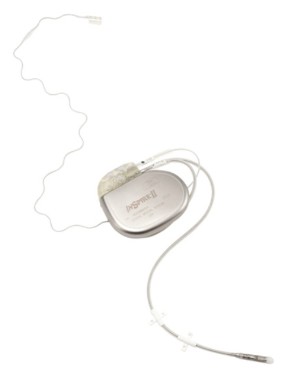
Bupropion-varenicline combo gave harder kick to smoking habits
Twelve weeks of combined treatment with bupropion and varenicline was more effective than varenicline alone at helping people quit smoking, according to a report published online Jan. 7 in JAMA.
However, 38% of study participants dropped out by 12 weeks, and combined therapy showed no significant advantage over varenicline alone when smoking abstinence was measured 1 year later, said Dr. Jon O. Ebbert of the Nicotine Dependence Center, Mayo Clinic, Rochester, Minn., and his associates (JAMA 2014;311:155-63).
The findings highlight the stubborn public health challenge smoking still presents 50 years after the U.S. Surgeon General’s groundbreaking report on smoking and health debuted in January 1964.
Dr. Ebbert and his colleagues compared the efficacy of the two treatment approaches in a phase III, double-blind clinical trial involving 506 adults treated for 12 weeks at three medical centers during 2009-2013. All the study participants smoked at least 10 cigarettes per day at baseline.
The patients were randomly assigned to receive for 12 weeks either up to 300 mg bupropion SR per day plus up to 2 mg per day of varenicline (249 patients) or varenicline alone (257 patients).
They all attended 11 clinic visits at which they received brief behavioral counseling, were assessed for smoking abstinence using exhaled-air carbon monoxide measurement, and completed assessments of tobacco craving and nicotine withdrawal. The patients also received a follow-up phone call on their target quit date and two more calls during 1 year of follow-up.
The dropout rate was high, at 38%, but did not differ significantly between the two treatment groups. A total of 158 patients (63%) in the combination-therapy group and 157 patients (61%) in the varenicline-only group completed the study.
The study’s primary endpoint was the rate of smoking abstinence at week 12, confirmed by CO testing. The rate was 53% with combination therapy, significantly higher than the 43% rate with varenicline alone. Similarly, the rate of smoking abstinence at week 26 was significantly higher with combination therapy (36.6%) than with varenicline alone (27.6%).
The smoking abstinence rates were no longer significantly different between the two groups at 1 year: 30.9% with combination therapy, compared with 24.5% with varenicline alone.
Weight gain after smoking cessation was slightly lower with combination therapy (1.1 kg) than with varenicline alone (2.5 kg) at 12 weeks, but that difference disappeared by 26 weeks (3.4 kg vs 3.8 kg). At 1 year, weight gain again was lower after combination therapy (4.9 kg) than after monotherapy (6.1 kg). That finding suggests that combination therapy may be the preferred option for patients who are concerned about weight gain, especially those "for whom weight gain may undermine smoking cessation" attempts, Dr. Ebbert and his associates said.
There were no significant differences between the two study groups at any time point in symptoms of nicotine withdrawal or craving.
The only adverse events deemed to be possibly related to treatment were significant increases in the rate of anxiety (7.2%) and depressive symptoms (3.6%) among patients receiving combination therapy, compared with those receiving monotherapy (3.1% and 0.8%, respectively). However, tobacco withdrawal itself has been linked to symptoms of both anxiety and depression, the investigators noted.
"All patients being treated with pharmacotherapy for tobacco dependence should be monitored for changes in anxiety and mood," which is standard clinical practice, the researchers cautioned.
Exploratory analyses showed that treatment effects did not differ according to patient age or sex. However, combination therapy appeared to be slightly more effective than monotherapy among patients who smoked heavily (20 or more cigarettes per day) and those with higher levels of nicotine dependence, as measured by the Fagerstrom Test for Nicotine Dependence.
The study is the first to show that a combination approach with varenicline could top monotherapy. "Prior to the current study, no combination therapies with varenicline have been shown to be effective for increasing smoking abstinence rates, compared with varenicline monotherapy," Dr. Ebbert noted in an interview. Other research has indicated that bupropion combined with the nicotine patch may be more beneficial than using the nicotine patch alone, he added.
Alone or in combination, drug therapy must be part of a wider approach to smoking cessation, Dr. Ebbert emphasized. "Behavioral treatment is a critical piece, and it should be a component of all treatment for tobacco use."
The study was supported in part by the National Institutes of Health. Pfizer provided the varenicline used in the study. Dr. Ebbert reported ties to GlaxoSmithKline, JHP Pharmaceuticals, Orexigen, and Pfizer. His associates reported ties to Nabi Biopharmaceuticals and Pfizer.
Twelve weeks of combined treatment with bupropion and varenicline was more effective than varenicline alone at helping people quit smoking, according to a report published online Jan. 7 in JAMA.
However, 38% of study participants dropped out by 12 weeks, and combined therapy showed no significant advantage over varenicline alone when smoking abstinence was measured 1 year later, said Dr. Jon O. Ebbert of the Nicotine Dependence Center, Mayo Clinic, Rochester, Minn., and his associates (JAMA 2014;311:155-63).
The findings highlight the stubborn public health challenge smoking still presents 50 years after the U.S. Surgeon General’s groundbreaking report on smoking and health debuted in January 1964.
Dr. Ebbert and his colleagues compared the efficacy of the two treatment approaches in a phase III, double-blind clinical trial involving 506 adults treated for 12 weeks at three medical centers during 2009-2013. All the study participants smoked at least 10 cigarettes per day at baseline.
The patients were randomly assigned to receive for 12 weeks either up to 300 mg bupropion SR per day plus up to 2 mg per day of varenicline (249 patients) or varenicline alone (257 patients).
They all attended 11 clinic visits at which they received brief behavioral counseling, were assessed for smoking abstinence using exhaled-air carbon monoxide measurement, and completed assessments of tobacco craving and nicotine withdrawal. The patients also received a follow-up phone call on their target quit date and two more calls during 1 year of follow-up.
The dropout rate was high, at 38%, but did not differ significantly between the two treatment groups. A total of 158 patients (63%) in the combination-therapy group and 157 patients (61%) in the varenicline-only group completed the study.
The study’s primary endpoint was the rate of smoking abstinence at week 12, confirmed by CO testing. The rate was 53% with combination therapy, significantly higher than the 43% rate with varenicline alone. Similarly, the rate of smoking abstinence at week 26 was significantly higher with combination therapy (36.6%) than with varenicline alone (27.6%).
The smoking abstinence rates were no longer significantly different between the two groups at 1 year: 30.9% with combination therapy, compared with 24.5% with varenicline alone.
Weight gain after smoking cessation was slightly lower with combination therapy (1.1 kg) than with varenicline alone (2.5 kg) at 12 weeks, but that difference disappeared by 26 weeks (3.4 kg vs 3.8 kg). At 1 year, weight gain again was lower after combination therapy (4.9 kg) than after monotherapy (6.1 kg). That finding suggests that combination therapy may be the preferred option for patients who are concerned about weight gain, especially those "for whom weight gain may undermine smoking cessation" attempts, Dr. Ebbert and his associates said.
There were no significant differences between the two study groups at any time point in symptoms of nicotine withdrawal or craving.
The only adverse events deemed to be possibly related to treatment were significant increases in the rate of anxiety (7.2%) and depressive symptoms (3.6%) among patients receiving combination therapy, compared with those receiving monotherapy (3.1% and 0.8%, respectively). However, tobacco withdrawal itself has been linked to symptoms of both anxiety and depression, the investigators noted.
"All patients being treated with pharmacotherapy for tobacco dependence should be monitored for changes in anxiety and mood," which is standard clinical practice, the researchers cautioned.
Exploratory analyses showed that treatment effects did not differ according to patient age or sex. However, combination therapy appeared to be slightly more effective than monotherapy among patients who smoked heavily (20 or more cigarettes per day) and those with higher levels of nicotine dependence, as measured by the Fagerstrom Test for Nicotine Dependence.
The study is the first to show that a combination approach with varenicline could top monotherapy. "Prior to the current study, no combination therapies with varenicline have been shown to be effective for increasing smoking abstinence rates, compared with varenicline monotherapy," Dr. Ebbert noted in an interview. Other research has indicated that bupropion combined with the nicotine patch may be more beneficial than using the nicotine patch alone, he added.
Alone or in combination, drug therapy must be part of a wider approach to smoking cessation, Dr. Ebbert emphasized. "Behavioral treatment is a critical piece, and it should be a component of all treatment for tobacco use."
The study was supported in part by the National Institutes of Health. Pfizer provided the varenicline used in the study. Dr. Ebbert reported ties to GlaxoSmithKline, JHP Pharmaceuticals, Orexigen, and Pfizer. His associates reported ties to Nabi Biopharmaceuticals and Pfizer.
Twelve weeks of combined treatment with bupropion and varenicline was more effective than varenicline alone at helping people quit smoking, according to a report published online Jan. 7 in JAMA.
However, 38% of study participants dropped out by 12 weeks, and combined therapy showed no significant advantage over varenicline alone when smoking abstinence was measured 1 year later, said Dr. Jon O. Ebbert of the Nicotine Dependence Center, Mayo Clinic, Rochester, Minn., and his associates (JAMA 2014;311:155-63).
The findings highlight the stubborn public health challenge smoking still presents 50 years after the U.S. Surgeon General’s groundbreaking report on smoking and health debuted in January 1964.
Dr. Ebbert and his colleagues compared the efficacy of the two treatment approaches in a phase III, double-blind clinical trial involving 506 adults treated for 12 weeks at three medical centers during 2009-2013. All the study participants smoked at least 10 cigarettes per day at baseline.
The patients were randomly assigned to receive for 12 weeks either up to 300 mg bupropion SR per day plus up to 2 mg per day of varenicline (249 patients) or varenicline alone (257 patients).
They all attended 11 clinic visits at which they received brief behavioral counseling, were assessed for smoking abstinence using exhaled-air carbon monoxide measurement, and completed assessments of tobacco craving and nicotine withdrawal. The patients also received a follow-up phone call on their target quit date and two more calls during 1 year of follow-up.
The dropout rate was high, at 38%, but did not differ significantly between the two treatment groups. A total of 158 patients (63%) in the combination-therapy group and 157 patients (61%) in the varenicline-only group completed the study.
The study’s primary endpoint was the rate of smoking abstinence at week 12, confirmed by CO testing. The rate was 53% with combination therapy, significantly higher than the 43% rate with varenicline alone. Similarly, the rate of smoking abstinence at week 26 was significantly higher with combination therapy (36.6%) than with varenicline alone (27.6%).
The smoking abstinence rates were no longer significantly different between the two groups at 1 year: 30.9% with combination therapy, compared with 24.5% with varenicline alone.
Weight gain after smoking cessation was slightly lower with combination therapy (1.1 kg) than with varenicline alone (2.5 kg) at 12 weeks, but that difference disappeared by 26 weeks (3.4 kg vs 3.8 kg). At 1 year, weight gain again was lower after combination therapy (4.9 kg) than after monotherapy (6.1 kg). That finding suggests that combination therapy may be the preferred option for patients who are concerned about weight gain, especially those "for whom weight gain may undermine smoking cessation" attempts, Dr. Ebbert and his associates said.
There were no significant differences between the two study groups at any time point in symptoms of nicotine withdrawal or craving.
The only adverse events deemed to be possibly related to treatment were significant increases in the rate of anxiety (7.2%) and depressive symptoms (3.6%) among patients receiving combination therapy, compared with those receiving monotherapy (3.1% and 0.8%, respectively). However, tobacco withdrawal itself has been linked to symptoms of both anxiety and depression, the investigators noted.
"All patients being treated with pharmacotherapy for tobacco dependence should be monitored for changes in anxiety and mood," which is standard clinical practice, the researchers cautioned.
Exploratory analyses showed that treatment effects did not differ according to patient age or sex. However, combination therapy appeared to be slightly more effective than monotherapy among patients who smoked heavily (20 or more cigarettes per day) and those with higher levels of nicotine dependence, as measured by the Fagerstrom Test for Nicotine Dependence.
The study is the first to show that a combination approach with varenicline could top monotherapy. "Prior to the current study, no combination therapies with varenicline have been shown to be effective for increasing smoking abstinence rates, compared with varenicline monotherapy," Dr. Ebbert noted in an interview. Other research has indicated that bupropion combined with the nicotine patch may be more beneficial than using the nicotine patch alone, he added.
Alone or in combination, drug therapy must be part of a wider approach to smoking cessation, Dr. Ebbert emphasized. "Behavioral treatment is a critical piece, and it should be a component of all treatment for tobacco use."
The study was supported in part by the National Institutes of Health. Pfizer provided the varenicline used in the study. Dr. Ebbert reported ties to GlaxoSmithKline, JHP Pharmaceuticals, Orexigen, and Pfizer. His associates reported ties to Nabi Biopharmaceuticals and Pfizer.
FROM JAMA
Major Finding: Combination therapy was more effective than monotherapy at 12 weeks and at 26 weeks, but that difference disappeared at 1-year follow-up.
Data Source: A randomized double-blind phase-III clinical trial comparing the effectiveness of 12 weeks of treatment with combination bupropion plus varenicline against varenicline alone for smoking cessation in 315 adults.
Disclosures: This study was supported in part by the National Institutes of Health. Pfizer provided the varenicline used in the study. Dr. Ebbert reported ties to Pfizer, GlaxoSmithKline, Orexigen, and JHP Pharmaceuticals; his associates reported ties to Pfizer and Nabi Biopharmaceuticals.
Smoking cessation maintained with varenicline plus CBT
Patients with serious mental illness who quit smoking with a standard 12-week course of varenicline and cognitive-behavioral therapy are three times more likely to maintain that abstinence if they take a maintenance dose of the drug than if they discontinue it, according to a report published online Jan. 7 in JAMA.
In what the researchers described as the first randomized controlled clinical trial of maintenance pharmacotherapy aimed at preventing smoking relapse in people with serious mental illness, the prevalence of smoking abstinence after 1 year was 60% (24 of 40 study participants) in patients assigned to maintenance varenicline, compared with 19% (9 of 47 participants) in those assigned to placebo.
"Such maintenance treatment may reduce the high prevalence of tobacco dependence and reduce the heavy burden of smoking-related morbidity and mortality in those with serious mental illness," said Dr. A. Eden Evins of Massachusetts General Hospital and Harvard Medical School, Boston, and her associates.
The open-label study, released in advance of the 50th anniversary of the Surgeon General’s Report on Smoking and Health, involved 203 adults with schizophrenia spectrum disorder (185 patients) or bipolar disorder (18 patients) who reported smoking 10 or more cigarettes per day and whose expired carbon monoxide levels were higher than 9 ppm at baseline. All were outpatients at 10 community health centers in Massachusetts, Michigan, New Hampshire, Indiana, Alabama, or Minnesota, and all were taking stable doses of antipsychotic or mood stabilizing medication.
A total of 87 of these participants successfully completed a 12-week smoking cessation program combining up to 1.0 mg of varenicline twice daily plus weekly 1-hour group cognitive-behavioral therapy (CBT) sessions. They were randomly assigned to continue for another 40 weeks with either CBT plus 1.0 mg of varenicline twice daily (40 patients) or CBT plus matching placebo (47 patients).
The CBT, which focused on relapse-prevention skills, was tapered from weekly to monthly sessions, for a total of 15 sessions during the 40 weeks.
At 52 weeks from baseline, smoking cessation treatment was stopped, and the 59 patients remaining in the study were followed through week 64 for biochemically verified smoking abstinence and safety outcomes.
At week 52, 24 of 40 participants taking maintenance varenicline (60%) were still abstaining from smoking, compared with only 9 of the 47 patients (19%) taking placebo, for an odds ratio of 6.2. At week 64, 18 participants (45%) in the varenicline group were still abstaining from smoking, compared with only 6 (13%) in the placebo group, for an odds ratio of 5.1, Dr. Evins and her associates reported (JAMA 2014 Jan. 7 [doi: 10.1001/jama.2013.285113]).
Patients in the varenicline group also had a longer interval until smoking relapse, with a median time of 358 days, compared with those in the placebo group (35 days).
During treatment and follow-up, the two study groups showed no differences in the severity of their psychiatric symptoms, nicotine withdrawal symptoms, or self-reported overall health. No serious adverse events were attributed to the study medication.
However, because of the small sample size and the high dropout rate of the study, "it is not possible to accurately estimate the risk of serious adverse effects or to make claims regarding safety," the investigators noted.
This study was funded by the National Institute on Drug Abuse and by Pfizer. Pfizer also supplied the study medication and provided other support. Dr. Evins reported ties to EnVivo Pharmaceuticals, GlaxoSmithKline, and Pfizer, and her associates reported ties to Publicis Healthcare Communications Group, Janssen, Otsuka, AssurEx, Eli Lilly, and Pfizer.
Patients with serious mental illness who quit smoking with a standard 12-week course of varenicline and cognitive-behavioral therapy are three times more likely to maintain that abstinence if they take a maintenance dose of the drug than if they discontinue it, according to a report published online Jan. 7 in JAMA.
In what the researchers described as the first randomized controlled clinical trial of maintenance pharmacotherapy aimed at preventing smoking relapse in people with serious mental illness, the prevalence of smoking abstinence after 1 year was 60% (24 of 40 study participants) in patients assigned to maintenance varenicline, compared with 19% (9 of 47 participants) in those assigned to placebo.
"Such maintenance treatment may reduce the high prevalence of tobacco dependence and reduce the heavy burden of smoking-related morbidity and mortality in those with serious mental illness," said Dr. A. Eden Evins of Massachusetts General Hospital and Harvard Medical School, Boston, and her associates.
The open-label study, released in advance of the 50th anniversary of the Surgeon General’s Report on Smoking and Health, involved 203 adults with schizophrenia spectrum disorder (185 patients) or bipolar disorder (18 patients) who reported smoking 10 or more cigarettes per day and whose expired carbon monoxide levels were higher than 9 ppm at baseline. All were outpatients at 10 community health centers in Massachusetts, Michigan, New Hampshire, Indiana, Alabama, or Minnesota, and all were taking stable doses of antipsychotic or mood stabilizing medication.
A total of 87 of these participants successfully completed a 12-week smoking cessation program combining up to 1.0 mg of varenicline twice daily plus weekly 1-hour group cognitive-behavioral therapy (CBT) sessions. They were randomly assigned to continue for another 40 weeks with either CBT plus 1.0 mg of varenicline twice daily (40 patients) or CBT plus matching placebo (47 patients).
The CBT, which focused on relapse-prevention skills, was tapered from weekly to monthly sessions, for a total of 15 sessions during the 40 weeks.
At 52 weeks from baseline, smoking cessation treatment was stopped, and the 59 patients remaining in the study were followed through week 64 for biochemically verified smoking abstinence and safety outcomes.
At week 52, 24 of 40 participants taking maintenance varenicline (60%) were still abstaining from smoking, compared with only 9 of the 47 patients (19%) taking placebo, for an odds ratio of 6.2. At week 64, 18 participants (45%) in the varenicline group were still abstaining from smoking, compared with only 6 (13%) in the placebo group, for an odds ratio of 5.1, Dr. Evins and her associates reported (JAMA 2014 Jan. 7 [doi: 10.1001/jama.2013.285113]).
Patients in the varenicline group also had a longer interval until smoking relapse, with a median time of 358 days, compared with those in the placebo group (35 days).
During treatment and follow-up, the two study groups showed no differences in the severity of their psychiatric symptoms, nicotine withdrawal symptoms, or self-reported overall health. No serious adverse events were attributed to the study medication.
However, because of the small sample size and the high dropout rate of the study, "it is not possible to accurately estimate the risk of serious adverse effects or to make claims regarding safety," the investigators noted.
This study was funded by the National Institute on Drug Abuse and by Pfizer. Pfizer also supplied the study medication and provided other support. Dr. Evins reported ties to EnVivo Pharmaceuticals, GlaxoSmithKline, and Pfizer, and her associates reported ties to Publicis Healthcare Communications Group, Janssen, Otsuka, AssurEx, Eli Lilly, and Pfizer.
Patients with serious mental illness who quit smoking with a standard 12-week course of varenicline and cognitive-behavioral therapy are three times more likely to maintain that abstinence if they take a maintenance dose of the drug than if they discontinue it, according to a report published online Jan. 7 in JAMA.
In what the researchers described as the first randomized controlled clinical trial of maintenance pharmacotherapy aimed at preventing smoking relapse in people with serious mental illness, the prevalence of smoking abstinence after 1 year was 60% (24 of 40 study participants) in patients assigned to maintenance varenicline, compared with 19% (9 of 47 participants) in those assigned to placebo.
"Such maintenance treatment may reduce the high prevalence of tobacco dependence and reduce the heavy burden of smoking-related morbidity and mortality in those with serious mental illness," said Dr. A. Eden Evins of Massachusetts General Hospital and Harvard Medical School, Boston, and her associates.
The open-label study, released in advance of the 50th anniversary of the Surgeon General’s Report on Smoking and Health, involved 203 adults with schizophrenia spectrum disorder (185 patients) or bipolar disorder (18 patients) who reported smoking 10 or more cigarettes per day and whose expired carbon monoxide levels were higher than 9 ppm at baseline. All were outpatients at 10 community health centers in Massachusetts, Michigan, New Hampshire, Indiana, Alabama, or Minnesota, and all were taking stable doses of antipsychotic or mood stabilizing medication.
A total of 87 of these participants successfully completed a 12-week smoking cessation program combining up to 1.0 mg of varenicline twice daily plus weekly 1-hour group cognitive-behavioral therapy (CBT) sessions. They were randomly assigned to continue for another 40 weeks with either CBT plus 1.0 mg of varenicline twice daily (40 patients) or CBT plus matching placebo (47 patients).
The CBT, which focused on relapse-prevention skills, was tapered from weekly to monthly sessions, for a total of 15 sessions during the 40 weeks.
At 52 weeks from baseline, smoking cessation treatment was stopped, and the 59 patients remaining in the study were followed through week 64 for biochemically verified smoking abstinence and safety outcomes.
At week 52, 24 of 40 participants taking maintenance varenicline (60%) were still abstaining from smoking, compared with only 9 of the 47 patients (19%) taking placebo, for an odds ratio of 6.2. At week 64, 18 participants (45%) in the varenicline group were still abstaining from smoking, compared with only 6 (13%) in the placebo group, for an odds ratio of 5.1, Dr. Evins and her associates reported (JAMA 2014 Jan. 7 [doi: 10.1001/jama.2013.285113]).
Patients in the varenicline group also had a longer interval until smoking relapse, with a median time of 358 days, compared with those in the placebo group (35 days).
During treatment and follow-up, the two study groups showed no differences in the severity of their psychiatric symptoms, nicotine withdrawal symptoms, or self-reported overall health. No serious adverse events were attributed to the study medication.
However, because of the small sample size and the high dropout rate of the study, "it is not possible to accurately estimate the risk of serious adverse effects or to make claims regarding safety," the investigators noted.
This study was funded by the National Institute on Drug Abuse and by Pfizer. Pfizer also supplied the study medication and provided other support. Dr. Evins reported ties to EnVivo Pharmaceuticals, GlaxoSmithKline, and Pfizer, and her associates reported ties to Publicis Healthcare Communications Group, Janssen, Otsuka, AssurEx, Eli Lilly, and Pfizer.
FROM JAMA
Major finding: At week 52, 24 of 40 participants taking maintenance varenicline (60%) were still abstaining from smoking, compared with only 9 of the 47 patients (19%) taking placebo; and at week 64, 18 participants (45%) in the varenicline group were still abstaining from smoking, compared with only 6 (13%) in the placebo group.
Data source: A randomized controlled trial involving 87 patients who had schizophrenia spectrum or bipolar disorder and quit smoking after a 12-week program of CBT plus varenicline pharmacotherapy, who received either maintenance varenicline or placebo for an additional 40 weeks.
Disclosures: This study was funded by the National Institute on Drug Abuse and by Pfizer. Pfizer also supplied the study medication and provided other support. Dr. Evins reported ties to EnVivo Pharmaceuticals, GlaxoSmithKline, and Pfizer, and her associates reported ties to Publicis Healthcare Communications Group, Janssen, Otsuka, AssurEx, Eli Lilly, and Pfizer.
Smoking rate among people with mental illness shows negligible decline
The recent nationwide decline in the rate of cigarette smoking in the general population of adults did not extend to those with mental illness, according to a report published online Jan. 7 in JAMA.
In a study of serial, nationally representative samples of noninstitutionalized American adults, the smoking rate significantly declined from 19.2% in 2004 to 16.5% in 2011 among adults without mental illness. But it declined only negligibly during that period among those with mental illness, from 25.3% to 24.9%, said Benjamin Lê Cook, Ph.D., of the department of psychiatry, Cambridge (Mass.) Health Alliance, and his associates.
"This suggests that tobacco control policies and cessation interventions targeting the general population have not worked as effectively for those with mental illness," they said.
Noting that until now "there have been no studies that examine smoking trends among persons with mental illness," Dr. Cookand his colleagues examined smoking rates over time using data from the Medical Expenditure Panel Survey. This survey assesses health care use in about 15,000 U.S. households each year, and it includes such data as smoking status and medical treatment.
For their study, Dr. Cook and his associates tracked smoking rates among 165,269 participants from 2004 through 2011. The overall smoking rate was higher among adults with mental illness (28.2%) than among those without mental illness (17.5%), which was expected, because many previous studies have noted an approximately twofold higher rate of smoking among people with mental illness.
In an initial, unadjusted analysis of the data, the smoking rate dropped from 19.5% to 15.6% in adults without mental illness, compared with a much smaller decline from 28.8% to 27.0% in those with mental illness. After the data were adjusted to account for numerous potentially confounding factors such as age, sex, race/ethnicity, marital status, income, and urban versus other areas of residence, those rates changed slightly, but the pattern persisted: Smoking rates were consistently higher and showed only a nominal decline among people with mental illness.
These findings remained robust in further analyses that varied the definition of mental illness to include milder neurotic, anxiety, and mood disorders, the researchers said (JAMA 2014 [doi:10.1001/jama.2013.284985]).
The investigators also performed a separate analysis of data regarding 14,057 adult smokers with mental illness who participated in the National Survey on Drug Use and Health in 2009-2011. They found that the rate of quitting smoking was significantly higher (37.2%) in those who received mental health treatment during that interval than among those who did not (33.1%).
In addition, receiving any mental health treatment significantly raised the likelihood of quitting smoking, even after the data were adjusted to account for substance use therapy, the severity of the mental illness, and other factors likely to affect smoking status.
"For many individuals receiving mental health treatment, interactions with mental health professionals are their only access to preventive health counseling," added Dr. Cook and his associates. "Effective tobacco treatments, interventions that integrate mental health and substance abuse treatment, and nicotine replacement therapies are now readily available and can dovetail easily with psychosocial treatments and prescription of psychotropic medications."
One barrier to these approaches is that some professionals in both primary care and behavioral health "continue to believe that smoking cessation can adversely affect psychiatric treatment." Even if they don’t believe that, smoking culture is normalized in many psychiatric treatment settings.
Some health professionals also consider individuals with mental illness to lack the willingness or ability to quit smoking, or think these individuals do not appreciate its adverse health effects. "Few mental health care professionals assess clients’ tobacco use, advise and assist them in quitting, or arrange follow-up, and most individuals with mental illness are not afforded the same cessation opportunities as the general population," Dr. Cook and his associates said.
Dr. Cook and his colleagues cited several limitations of the study. Among them is that the prevalence of smoking within the U.S. population might have been underestimated, because the survey excluded people with mental illness who were institutionalized.
Still, these results suggest that "smokers can quit and remain abstinent from cigarettes during mental health treatment and that this is a promising setting to promote smoking cessation," they wrote.
This work was supported by the National Institute of Mental Health and the William F. Milton Fund. No financial conflicts of interest were reported.
The recent nationwide decline in the rate of cigarette smoking in the general population of adults did not extend to those with mental illness, according to a report published online Jan. 7 in JAMA.
In a study of serial, nationally representative samples of noninstitutionalized American adults, the smoking rate significantly declined from 19.2% in 2004 to 16.5% in 2011 among adults without mental illness. But it declined only negligibly during that period among those with mental illness, from 25.3% to 24.9%, said Benjamin Lê Cook, Ph.D., of the department of psychiatry, Cambridge (Mass.) Health Alliance, and his associates.
"This suggests that tobacco control policies and cessation interventions targeting the general population have not worked as effectively for those with mental illness," they said.
Noting that until now "there have been no studies that examine smoking trends among persons with mental illness," Dr. Cookand his colleagues examined smoking rates over time using data from the Medical Expenditure Panel Survey. This survey assesses health care use in about 15,000 U.S. households each year, and it includes such data as smoking status and medical treatment.
For their study, Dr. Cook and his associates tracked smoking rates among 165,269 participants from 2004 through 2011. The overall smoking rate was higher among adults with mental illness (28.2%) than among those without mental illness (17.5%), which was expected, because many previous studies have noted an approximately twofold higher rate of smoking among people with mental illness.
In an initial, unadjusted analysis of the data, the smoking rate dropped from 19.5% to 15.6% in adults without mental illness, compared with a much smaller decline from 28.8% to 27.0% in those with mental illness. After the data were adjusted to account for numerous potentially confounding factors such as age, sex, race/ethnicity, marital status, income, and urban versus other areas of residence, those rates changed slightly, but the pattern persisted: Smoking rates were consistently higher and showed only a nominal decline among people with mental illness.
These findings remained robust in further analyses that varied the definition of mental illness to include milder neurotic, anxiety, and mood disorders, the researchers said (JAMA 2014 [doi:10.1001/jama.2013.284985]).
The investigators also performed a separate analysis of data regarding 14,057 adult smokers with mental illness who participated in the National Survey on Drug Use and Health in 2009-2011. They found that the rate of quitting smoking was significantly higher (37.2%) in those who received mental health treatment during that interval than among those who did not (33.1%).
In addition, receiving any mental health treatment significantly raised the likelihood of quitting smoking, even after the data were adjusted to account for substance use therapy, the severity of the mental illness, and other factors likely to affect smoking status.
"For many individuals receiving mental health treatment, interactions with mental health professionals are their only access to preventive health counseling," added Dr. Cook and his associates. "Effective tobacco treatments, interventions that integrate mental health and substance abuse treatment, and nicotine replacement therapies are now readily available and can dovetail easily with psychosocial treatments and prescription of psychotropic medications."
One barrier to these approaches is that some professionals in both primary care and behavioral health "continue to believe that smoking cessation can adversely affect psychiatric treatment." Even if they don’t believe that, smoking culture is normalized in many psychiatric treatment settings.
Some health professionals also consider individuals with mental illness to lack the willingness or ability to quit smoking, or think these individuals do not appreciate its adverse health effects. "Few mental health care professionals assess clients’ tobacco use, advise and assist them in quitting, or arrange follow-up, and most individuals with mental illness are not afforded the same cessation opportunities as the general population," Dr. Cook and his associates said.
Dr. Cook and his colleagues cited several limitations of the study. Among them is that the prevalence of smoking within the U.S. population might have been underestimated, because the survey excluded people with mental illness who were institutionalized.
Still, these results suggest that "smokers can quit and remain abstinent from cigarettes during mental health treatment and that this is a promising setting to promote smoking cessation," they wrote.
This work was supported by the National Institute of Mental Health and the William F. Milton Fund. No financial conflicts of interest were reported.
The recent nationwide decline in the rate of cigarette smoking in the general population of adults did not extend to those with mental illness, according to a report published online Jan. 7 in JAMA.
In a study of serial, nationally representative samples of noninstitutionalized American adults, the smoking rate significantly declined from 19.2% in 2004 to 16.5% in 2011 among adults without mental illness. But it declined only negligibly during that period among those with mental illness, from 25.3% to 24.9%, said Benjamin Lê Cook, Ph.D., of the department of psychiatry, Cambridge (Mass.) Health Alliance, and his associates.
"This suggests that tobacco control policies and cessation interventions targeting the general population have not worked as effectively for those with mental illness," they said.
Noting that until now "there have been no studies that examine smoking trends among persons with mental illness," Dr. Cookand his colleagues examined smoking rates over time using data from the Medical Expenditure Panel Survey. This survey assesses health care use in about 15,000 U.S. households each year, and it includes such data as smoking status and medical treatment.
For their study, Dr. Cook and his associates tracked smoking rates among 165,269 participants from 2004 through 2011. The overall smoking rate was higher among adults with mental illness (28.2%) than among those without mental illness (17.5%), which was expected, because many previous studies have noted an approximately twofold higher rate of smoking among people with mental illness.
In an initial, unadjusted analysis of the data, the smoking rate dropped from 19.5% to 15.6% in adults without mental illness, compared with a much smaller decline from 28.8% to 27.0% in those with mental illness. After the data were adjusted to account for numerous potentially confounding factors such as age, sex, race/ethnicity, marital status, income, and urban versus other areas of residence, those rates changed slightly, but the pattern persisted: Smoking rates were consistently higher and showed only a nominal decline among people with mental illness.
These findings remained robust in further analyses that varied the definition of mental illness to include milder neurotic, anxiety, and mood disorders, the researchers said (JAMA 2014 [doi:10.1001/jama.2013.284985]).
The investigators also performed a separate analysis of data regarding 14,057 adult smokers with mental illness who participated in the National Survey on Drug Use and Health in 2009-2011. They found that the rate of quitting smoking was significantly higher (37.2%) in those who received mental health treatment during that interval than among those who did not (33.1%).
In addition, receiving any mental health treatment significantly raised the likelihood of quitting smoking, even after the data were adjusted to account for substance use therapy, the severity of the mental illness, and other factors likely to affect smoking status.
"For many individuals receiving mental health treatment, interactions with mental health professionals are their only access to preventive health counseling," added Dr. Cook and his associates. "Effective tobacco treatments, interventions that integrate mental health and substance abuse treatment, and nicotine replacement therapies are now readily available and can dovetail easily with psychosocial treatments and prescription of psychotropic medications."
One barrier to these approaches is that some professionals in both primary care and behavioral health "continue to believe that smoking cessation can adversely affect psychiatric treatment." Even if they don’t believe that, smoking culture is normalized in many psychiatric treatment settings.
Some health professionals also consider individuals with mental illness to lack the willingness or ability to quit smoking, or think these individuals do not appreciate its adverse health effects. "Few mental health care professionals assess clients’ tobacco use, advise and assist them in quitting, or arrange follow-up, and most individuals with mental illness are not afforded the same cessation opportunities as the general population," Dr. Cook and his associates said.
Dr. Cook and his colleagues cited several limitations of the study. Among them is that the prevalence of smoking within the U.S. population might have been underestimated, because the survey excluded people with mental illness who were institutionalized.
Still, these results suggest that "smokers can quit and remain abstinent from cigarettes during mental health treatment and that this is a promising setting to promote smoking cessation," they wrote.
This work was supported by the National Institute of Mental Health and the William F. Milton Fund. No financial conflicts of interest were reported.
FROM JAMA
Major finding: The smoking rate significantly declined from 19.2% in 2004 to 16.5% in 2011 among adults without mental illness, but declined only negligibly during that interval among those with mental illness, from 25.3% to 24.9%.
Data source: An analysis of smoking trends over time in a nationally representative sample of 165,269 adults, and a separate analysis of quitting trends over time in a nationally representative sample of 14,057 mentally ill adults who smoked at baseline.
Disclosures: This work was supported by the National Institute of Mental Health and the William F. Milton Fund. No financial conflicts of interest were reported.