User login
Preterm birth linked to hyperinsulinemia in childhood
Preterm birth is strongly associated with high plasma insulin levels at birth and during early childhood, with the level of hyperinsulinemia rising as prematurity increases, according to a study of a subset of children enrolled in the prospective Boston Birth Cohort.
The study is the first "to investigate the association between preterm birth and random plasma insulin levels at birth and in early childhood in a large, prospective, U.S. birth cohort ... [and it] fills a gap in the knowledge base regarding insulin levels during early developmental periods in children born preterm," according to Dr. Guoying Wang of the department of population, family, and reproductive health at Johns Hopkins University, Baltimore, and her associates.

In the subset of 1,358 infants, gestational age was inversely associated with insulin levels in a dose-response fashion, regardless of birth weight. Cord-blood insulin levels at birth were 1.13-fold higher in 343 early-term neonates, compared with 597 neonates born full-term, and also were 1.45-fold higher in 256 late-preterm neonates and 2.05-fold higher in 162 early-preterm neonates. Similarly, plasma insulin levels in early childhood followed the same pattern in comparison with full-term neonates: They were 1.12-fold higher in children who had been born at early term, 1.19-fold higher in those who had been born late-preterm, and 1.31-fold higher in those who had been born early-preterm, the investigators reported Feb. 11 in JAMA.
These findings confirm and extend those of previous studies reporting a relationship between preterm birth and altered insulin homeostasis manifested by increased insulin resistance throughout childhood and into middle age. They suggest that insulin resistance exhibited by adolescents and adults who had been born preterm may have originated in utero, and that preterm birth may be a risk factor for the future development of type 2 diabetes, the investigators said (JAMA 2014;311:587-96).
In an editorial accompanying this report, Mark Hanson, D.Phil., of the National Institute for Health Research’s Nutrition Biomedical Research Centre at the University of Southampton (England), agreed that these findings strengthen the argument for a trajectory of diabetes risk that commences very early in life. The results "reveal just how early the first steps toward prevention of diabetes may be possible and raise the prospect that ... early-life interventions" could help reduce diabetes risk in adulthood, he said (JAMA 2014;311:575-6).
The Boston Birth Cohort is supported by grants from the March of Dimes, the Food Allergy Initiative, and the National Institutes of Health. Dr. Wang reported no financial conflicts of interest; one associate reported ties to Novo Nordisk. Dr. Hanson reported ties to Nestec, Danone, and other companies.
Preterm birth is strongly associated with high plasma insulin levels at birth and during early childhood, with the level of hyperinsulinemia rising as prematurity increases, according to a study of a subset of children enrolled in the prospective Boston Birth Cohort.
The study is the first "to investigate the association between preterm birth and random plasma insulin levels at birth and in early childhood in a large, prospective, U.S. birth cohort ... [and it] fills a gap in the knowledge base regarding insulin levels during early developmental periods in children born preterm," according to Dr. Guoying Wang of the department of population, family, and reproductive health at Johns Hopkins University, Baltimore, and her associates.
In the subset of 1,358 infants, gestational age was inversely associated with insulin levels in a dose-response fashion, regardless of birth weight. Cord-blood insulin levels at birth were 1.13-fold higher in 343 early-term neonates, compared with 597 neonates born full-term, and also were 1.45-fold higher in 256 late-preterm neonates and 2.05-fold higher in 162 early-preterm neonates. Similarly, plasma insulin levels in early childhood followed the same pattern in comparison with full-term neonates: They were 1.12-fold higher in children who had been born at early term, 1.19-fold higher in those who had been born late-preterm, and 1.31-fold higher in those who had been born early-preterm, the investigators reported Feb. 11 in JAMA.
These findings confirm and extend those of previous studies reporting a relationship between preterm birth and altered insulin homeostasis manifested by increased insulin resistance throughout childhood and into middle age. They suggest that insulin resistance exhibited by adolescents and adults who had been born preterm may have originated in utero, and that preterm birth may be a risk factor for the future development of type 2 diabetes, the investigators said (JAMA 2014;311:587-96).
In an editorial accompanying this report, Mark Hanson, D.Phil., of the National Institute for Health Research’s Nutrition Biomedical Research Centre at the University of Southampton (England), agreed that these findings strengthen the argument for a trajectory of diabetes risk that commences very early in life. The results "reveal just how early the first steps toward prevention of diabetes may be possible and raise the prospect that ... early-life interventions" could help reduce diabetes risk in adulthood, he said (JAMA 2014;311:575-6).
The Boston Birth Cohort is supported by grants from the March of Dimes, the Food Allergy Initiative, and the National Institutes of Health. Dr. Wang reported no financial conflicts of interest; one associate reported ties to Novo Nordisk. Dr. Hanson reported ties to Nestec, Danone, and other companies.
Preterm birth is strongly associated with high plasma insulin levels at birth and during early childhood, with the level of hyperinsulinemia rising as prematurity increases, according to a study of a subset of children enrolled in the prospective Boston Birth Cohort.
The study is the first "to investigate the association between preterm birth and random plasma insulin levels at birth and in early childhood in a large, prospective, U.S. birth cohort ... [and it] fills a gap in the knowledge base regarding insulin levels during early developmental periods in children born preterm," according to Dr. Guoying Wang of the department of population, family, and reproductive health at Johns Hopkins University, Baltimore, and her associates.
In the subset of 1,358 infants, gestational age was inversely associated with insulin levels in a dose-response fashion, regardless of birth weight. Cord-blood insulin levels at birth were 1.13-fold higher in 343 early-term neonates, compared with 597 neonates born full-term, and also were 1.45-fold higher in 256 late-preterm neonates and 2.05-fold higher in 162 early-preterm neonates. Similarly, plasma insulin levels in early childhood followed the same pattern in comparison with full-term neonates: They were 1.12-fold higher in children who had been born at early term, 1.19-fold higher in those who had been born late-preterm, and 1.31-fold higher in those who had been born early-preterm, the investigators reported Feb. 11 in JAMA.
These findings confirm and extend those of previous studies reporting a relationship between preterm birth and altered insulin homeostasis manifested by increased insulin resistance throughout childhood and into middle age. They suggest that insulin resistance exhibited by adolescents and adults who had been born preterm may have originated in utero, and that preterm birth may be a risk factor for the future development of type 2 diabetes, the investigators said (JAMA 2014;311:587-96).
In an editorial accompanying this report, Mark Hanson, D.Phil., of the National Institute for Health Research’s Nutrition Biomedical Research Centre at the University of Southampton (England), agreed that these findings strengthen the argument for a trajectory of diabetes risk that commences very early in life. The results "reveal just how early the first steps toward prevention of diabetes may be possible and raise the prospect that ... early-life interventions" could help reduce diabetes risk in adulthood, he said (JAMA 2014;311:575-6).
The Boston Birth Cohort is supported by grants from the March of Dimes, the Food Allergy Initiative, and the National Institutes of Health. Dr. Wang reported no financial conflicts of interest; one associate reported ties to Novo Nordisk. Dr. Hanson reported ties to Nestec, Danone, and other companies.
FROM JAMA
Major finding: Cord blood insulin levels at birth were 1.13-fold higher in 343 early-term neonates than in 597 neonates born full-term, and also were 1.45-fold higher in 256 late-preterm neonates and 2.05-fold higher in 162 early-preterm neonates.
Data source: A secondary analysis of data concerning cord-blood and plasma insulin levels in a prospective birth cohort of 1,358 children: 162 early-preterm, 256 late-preterm, 343 early-term, and 597 full-term births.
Disclosures: The Boston Birth Cohort is supported by grants from the March of Dimes, the Food Allergy Initiative, and the National Institutes of Health. Dr. Wang reported no financial conflicts of interest; one associate reported ties to Novo Nordisk. Dr. Hanson reported ties to Nestec, Danone, and other companies.

Fetal malformation after exposure to antiepileptics updated
Lamotrigine and carbamazepine yield lower rates of major fetal malformation than does valproate when pregnant women take one of them as monotherapy for epilepsy during the first trimester, according to an updated analysis of data from the U.K. Epilepsy and Pregnancy Register.
This supports previous findings. In recent years, lamotrigine and carbamazepine have come to be regarded as generally safer than valproate for pregnant women, and there has been a significant shift away from prescribing valproate. But some experts have raised concerns that taking high doses of the "safer" agents may be just as teratogenic as taking lower doses of valproate, according to the authors of the new analysis.
In the current study, first author Dr. Ellen Campbell of the department of neurology at Royal Victoria Hospital, Belfast, Ireland, and her colleagues analyzed data from the 5,206 pregnancies in the register exposed to valproate, carbamazepine, or lamotrigine as monotherapy during the first trimester among women residing in Ireland and the United Kingdom between 1996 and 2012. The outcome of interest was major congenital malformation, defined as any abnormality of an essential embryonic structure requiring significant treatment and present at birth or discovered during the first 6 weeks of life (J. Neurol. Neurosurg. Psychiatry 2014 Feb. 3 [doi:10.1136/jnnp-2013-306318]).
A total of 1,290 fetuses were exposed to valproate, 1,718 to carbamazepine, and 2,198 to lamotrigine. There were 248 pregnancy losses, including 17 in which the fetus had a major congenital malformation.
The odds ratios for having a child with a major congenital malformation after exposure to valproate or carbamazepine monotherapy were 3.0 and 2.7, respectively. There was no significant difference in risk between lamotrigine and carbamazepine, the investigators said.
In addition, the mean daily dose of valproate was significantly higher for mothers of infants with malformations (1,031.2 mg), compared with mothers of infants without malformations (897.9 mg). In contrast, there was no significant dose-related difference in risk of malformations among infants of mothers who took lamotrigine or carbamazepine.
"In contrast to previous data, the major congenital malformation rate with high-dose lamotrigine was reassuring and even appeared to be lower than that for low-dose valproate," the researchers noted.
The rates of all subtypes of malformation were higher after exposure to valproate than after exposure to the other agents. For example, the likelihood of neural tube defects and facial clefts was much greater after exposure to valproate than after exposure to carbamazepine (OR, 4.45), as well as after exposure to lamotrigine (OR, 11.29). There also were greater odds of hypospadias and genitourinary defects after exposure to valproate than after carbamazepine (OR, 4.11) or lamotrigine (OR, 2.60).
Similarly, skeletal defects were more common after exposure to valproate than after carbamazepine (OR, 3.41) or lamotrigine (OR, 5.77). Cardiac defects followed the same pattern.
"This large observational study confirms low overall rates of major congenital malformations among women taking an antiepileptic drug during pregnancy, with over 96% of pregnancies resulting in a child without a major congenital malformation. In keeping with previously published data, the overall major congenital malformation rates seen with exposure to lamotrigine and carbamazepine were not that different from background, particularly when taken in doses of less than 400 mg/day and 1,000 mg/day, respectively. This is likely to be of reassurance to women with epilepsy and those treating them," Dr. Campbell and her associates wrote.
They added that it remains important to control seizures as well as to minimize teratogenicity, so for some pregnant women, valproate may be the appropriate antiepileptic drug to use if other agents aren’t an option.
The U.K. Epilepsy and Pregnancy Register is supported by the Epilepsy Research Foundation and several pharmaceutical companies. Dr. Campbell reported no relevant financial conflicts of interest. Some of her coauthors reported ties to numerous industry sources.
Lamotrigine and carbamazepine yield lower rates of major fetal malformation than does valproate when pregnant women take one of them as monotherapy for epilepsy during the first trimester, according to an updated analysis of data from the U.K. Epilepsy and Pregnancy Register.
This supports previous findings. In recent years, lamotrigine and carbamazepine have come to be regarded as generally safer than valproate for pregnant women, and there has been a significant shift away from prescribing valproate. But some experts have raised concerns that taking high doses of the "safer" agents may be just as teratogenic as taking lower doses of valproate, according to the authors of the new analysis.
In the current study, first author Dr. Ellen Campbell of the department of neurology at Royal Victoria Hospital, Belfast, Ireland, and her colleagues analyzed data from the 5,206 pregnancies in the register exposed to valproate, carbamazepine, or lamotrigine as monotherapy during the first trimester among women residing in Ireland and the United Kingdom between 1996 and 2012. The outcome of interest was major congenital malformation, defined as any abnormality of an essential embryonic structure requiring significant treatment and present at birth or discovered during the first 6 weeks of life (J. Neurol. Neurosurg. Psychiatry 2014 Feb. 3 [doi:10.1136/jnnp-2013-306318]).
A total of 1,290 fetuses were exposed to valproate, 1,718 to carbamazepine, and 2,198 to lamotrigine. There were 248 pregnancy losses, including 17 in which the fetus had a major congenital malformation.
The odds ratios for having a child with a major congenital malformation after exposure to valproate or carbamazepine monotherapy were 3.0 and 2.7, respectively. There was no significant difference in risk between lamotrigine and carbamazepine, the investigators said.
In addition, the mean daily dose of valproate was significantly higher for mothers of infants with malformations (1,031.2 mg), compared with mothers of infants without malformations (897.9 mg). In contrast, there was no significant dose-related difference in risk of malformations among infants of mothers who took lamotrigine or carbamazepine.
"In contrast to previous data, the major congenital malformation rate with high-dose lamotrigine was reassuring and even appeared to be lower than that for low-dose valproate," the researchers noted.
The rates of all subtypes of malformation were higher after exposure to valproate than after exposure to the other agents. For example, the likelihood of neural tube defects and facial clefts was much greater after exposure to valproate than after exposure to carbamazepine (OR, 4.45), as well as after exposure to lamotrigine (OR, 11.29). There also were greater odds of hypospadias and genitourinary defects after exposure to valproate than after carbamazepine (OR, 4.11) or lamotrigine (OR, 2.60).
Similarly, skeletal defects were more common after exposure to valproate than after carbamazepine (OR, 3.41) or lamotrigine (OR, 5.77). Cardiac defects followed the same pattern.
"This large observational study confirms low overall rates of major congenital malformations among women taking an antiepileptic drug during pregnancy, with over 96% of pregnancies resulting in a child without a major congenital malformation. In keeping with previously published data, the overall major congenital malformation rates seen with exposure to lamotrigine and carbamazepine were not that different from background, particularly when taken in doses of less than 400 mg/day and 1,000 mg/day, respectively. This is likely to be of reassurance to women with epilepsy and those treating them," Dr. Campbell and her associates wrote.
They added that it remains important to control seizures as well as to minimize teratogenicity, so for some pregnant women, valproate may be the appropriate antiepileptic drug to use if other agents aren’t an option.
The U.K. Epilepsy and Pregnancy Register is supported by the Epilepsy Research Foundation and several pharmaceutical companies. Dr. Campbell reported no relevant financial conflicts of interest. Some of her coauthors reported ties to numerous industry sources.
Lamotrigine and carbamazepine yield lower rates of major fetal malformation than does valproate when pregnant women take one of them as monotherapy for epilepsy during the first trimester, according to an updated analysis of data from the U.K. Epilepsy and Pregnancy Register.
This supports previous findings. In recent years, lamotrigine and carbamazepine have come to be regarded as generally safer than valproate for pregnant women, and there has been a significant shift away from prescribing valproate. But some experts have raised concerns that taking high doses of the "safer" agents may be just as teratogenic as taking lower doses of valproate, according to the authors of the new analysis.
In the current study, first author Dr. Ellen Campbell of the department of neurology at Royal Victoria Hospital, Belfast, Ireland, and her colleagues analyzed data from the 5,206 pregnancies in the register exposed to valproate, carbamazepine, or lamotrigine as monotherapy during the first trimester among women residing in Ireland and the United Kingdom between 1996 and 2012. The outcome of interest was major congenital malformation, defined as any abnormality of an essential embryonic structure requiring significant treatment and present at birth or discovered during the first 6 weeks of life (J. Neurol. Neurosurg. Psychiatry 2014 Feb. 3 [doi:10.1136/jnnp-2013-306318]).
A total of 1,290 fetuses were exposed to valproate, 1,718 to carbamazepine, and 2,198 to lamotrigine. There were 248 pregnancy losses, including 17 in which the fetus had a major congenital malformation.
The odds ratios for having a child with a major congenital malformation after exposure to valproate or carbamazepine monotherapy were 3.0 and 2.7, respectively. There was no significant difference in risk between lamotrigine and carbamazepine, the investigators said.
In addition, the mean daily dose of valproate was significantly higher for mothers of infants with malformations (1,031.2 mg), compared with mothers of infants without malformations (897.9 mg). In contrast, there was no significant dose-related difference in risk of malformations among infants of mothers who took lamotrigine or carbamazepine.
"In contrast to previous data, the major congenital malformation rate with high-dose lamotrigine was reassuring and even appeared to be lower than that for low-dose valproate," the researchers noted.
The rates of all subtypes of malformation were higher after exposure to valproate than after exposure to the other agents. For example, the likelihood of neural tube defects and facial clefts was much greater after exposure to valproate than after exposure to carbamazepine (OR, 4.45), as well as after exposure to lamotrigine (OR, 11.29). There also were greater odds of hypospadias and genitourinary defects after exposure to valproate than after carbamazepine (OR, 4.11) or lamotrigine (OR, 2.60).
Similarly, skeletal defects were more common after exposure to valproate than after carbamazepine (OR, 3.41) or lamotrigine (OR, 5.77). Cardiac defects followed the same pattern.
"This large observational study confirms low overall rates of major congenital malformations among women taking an antiepileptic drug during pregnancy, with over 96% of pregnancies resulting in a child without a major congenital malformation. In keeping with previously published data, the overall major congenital malformation rates seen with exposure to lamotrigine and carbamazepine were not that different from background, particularly when taken in doses of less than 400 mg/day and 1,000 mg/day, respectively. This is likely to be of reassurance to women with epilepsy and those treating them," Dr. Campbell and her associates wrote.
They added that it remains important to control seizures as well as to minimize teratogenicity, so for some pregnant women, valproate may be the appropriate antiepileptic drug to use if other agents aren’t an option.
The U.K. Epilepsy and Pregnancy Register is supported by the Epilepsy Research Foundation and several pharmaceutical companies. Dr. Campbell reported no relevant financial conflicts of interest. Some of her coauthors reported ties to numerous industry sources.
FROM JOURNAL OF NEUROLOGY, NEUROSURGERY & PSYCHIATRY
Major Finding: The odds ratios for having a child with a major congenital malformation after exposure to valproate or carbamazepine monotherapy were 3.0 and 2.7, respectively.
Data Source: A 15-year, observational study of major congenital malformations occurring after exposure to antiepileptic drugs in 5,206 pregnancies in Ireland and the United Kingdom.
Disclosures: The U.K. Epilepsy and Pregnancy Register is supported by the Epilepsy Research Foundation and several pharmaceutical companies. Dr. Campbell reported no relevant financial conflicts of interest. Some of her coauthors reported ties to numerous industry sources.
At least a third of low-risk cancers get upgraded at prostatectomy
Among prostate cancers that are judged to be low risk after physical exam and biopsy, and which thus are candidates for active surveillance, 33%-45% are upgraded or upstaged when the patient decides instead to undergo radical prostatectomy, according to a report in the February issue of Journal of Urology.
Researchers analyzed data regarding tumor and patient features for 4,500 cases in a national Swedish database of prostate cancers diagnosed during a 4-year period. All of these cases were judged to be low risk on the basis of Gleason scores, PSA findings, and biopsy results, but all of the men elected to undergo radical prostatectomy, said Dr. Annelies Vellekoop of New York University and Manhattan Veterans Affairs Medical Center, New York, and her associates.
Even though these cases met stringent criteria for active surveillance according to several different protocols, 33%-45% of them (depending on the protocol) were found at surgery to have adverse pathology signaling that the cancers were of higher risk than anticipated (J. Urol. 2014;191:350-7).
Three predictors of upstaging/upgrading – age over 60 years, high PSA level, and stage T2 cancer on biopsy – are already known to raise risk and are included in most risk-assessment criteria. But two other factors – PSA density greater than 0.15 ng/mL and the linear extent of cancer in mm within biopsy specimens – were found to be highly predictive in this study and should be considered as additional criteria to include in risk assessments, the investigators said.
This study was supported by the Swedish Research Council, the Swedish Cancer Foundation, Vasterbotten County Council, and Lion’s Cancer Research Foundation at Umea University. Dr. Vellekoop reported no financial conflicts of interest; one of her associates reported ties to Sanofi.
Among prostate cancers that are judged to be low risk after physical exam and biopsy, and which thus are candidates for active surveillance, 33%-45% are upgraded or upstaged when the patient decides instead to undergo radical prostatectomy, according to a report in the February issue of Journal of Urology.
Researchers analyzed data regarding tumor and patient features for 4,500 cases in a national Swedish database of prostate cancers diagnosed during a 4-year period. All of these cases were judged to be low risk on the basis of Gleason scores, PSA findings, and biopsy results, but all of the men elected to undergo radical prostatectomy, said Dr. Annelies Vellekoop of New York University and Manhattan Veterans Affairs Medical Center, New York, and her associates.
Even though these cases met stringent criteria for active surveillance according to several different protocols, 33%-45% of them (depending on the protocol) were found at surgery to have adverse pathology signaling that the cancers were of higher risk than anticipated (J. Urol. 2014;191:350-7).
Three predictors of upstaging/upgrading – age over 60 years, high PSA level, and stage T2 cancer on biopsy – are already known to raise risk and are included in most risk-assessment criteria. But two other factors – PSA density greater than 0.15 ng/mL and the linear extent of cancer in mm within biopsy specimens – were found to be highly predictive in this study and should be considered as additional criteria to include in risk assessments, the investigators said.
This study was supported by the Swedish Research Council, the Swedish Cancer Foundation, Vasterbotten County Council, and Lion’s Cancer Research Foundation at Umea University. Dr. Vellekoop reported no financial conflicts of interest; one of her associates reported ties to Sanofi.
Among prostate cancers that are judged to be low risk after physical exam and biopsy, and which thus are candidates for active surveillance, 33%-45% are upgraded or upstaged when the patient decides instead to undergo radical prostatectomy, according to a report in the February issue of Journal of Urology.
Researchers analyzed data regarding tumor and patient features for 4,500 cases in a national Swedish database of prostate cancers diagnosed during a 4-year period. All of these cases were judged to be low risk on the basis of Gleason scores, PSA findings, and biopsy results, but all of the men elected to undergo radical prostatectomy, said Dr. Annelies Vellekoop of New York University and Manhattan Veterans Affairs Medical Center, New York, and her associates.
Even though these cases met stringent criteria for active surveillance according to several different protocols, 33%-45% of them (depending on the protocol) were found at surgery to have adverse pathology signaling that the cancers were of higher risk than anticipated (J. Urol. 2014;191:350-7).
Three predictors of upstaging/upgrading – age over 60 years, high PSA level, and stage T2 cancer on biopsy – are already known to raise risk and are included in most risk-assessment criteria. But two other factors – PSA density greater than 0.15 ng/mL and the linear extent of cancer in mm within biopsy specimens – were found to be highly predictive in this study and should be considered as additional criteria to include in risk assessments, the investigators said.
This study was supported by the Swedish Research Council, the Swedish Cancer Foundation, Vasterbotten County Council, and Lion’s Cancer Research Foundation at Umea University. Dr. Vellekoop reported no financial conflicts of interest; one of her associates reported ties to Sanofi.
FROM JOURNAL OF UROLOGY
Major finding: Even though these "low-risk" cases met stringent criteria for active surveillance according to several different protocols, 33%-45% of them (depending on the protocol) were found at surgery to have adverse pathology signaling that the cancers were actually of higher risk.
Data source: An analysis of data regarding 4,500 men across Sweden diagnosed as having low-risk prostate cancer during a 4-year period but who underwent radical prostatectomy.
Disclosures: This study was supported by the Swedish Research Council, the Swedish Cancer Foundation, Vasterbotten County Council, and Lion’s Cancer Research Foundation at Umea University. Dr. Vellekoop reported no financial conflicts of interest; one of her associates reported ties to Sanofi.
Sleeve gastrectomy often worsens GERD
Laparoscopic sleeve gastrectomy not only fails to improve gastroesophageal reflux disease in most patients who undergo the weight-loss procedure, it actually worsens GERD symptoms in many of them and induces GERD in 9%, according to a report published online Feb. 5 in JAMA Surgery.
In addition, patients with preexisting GERD who undergo laparoscopic sleeve gastrectomy (LSG) have high rates of surgical complications; revision surgery; failure to achieve weight loss; and failure to resolve weight-related comorbidities such as diabetes, obstructive sleep apnea, and hypertension. In contrast, patients who undergo gastric bypass show significant improvement in all of these outcomes, said Dr. Cecily E. DuPree and her associates in the department of surgery, Madigan Army Medical Center, Fort Lewis, Wash.
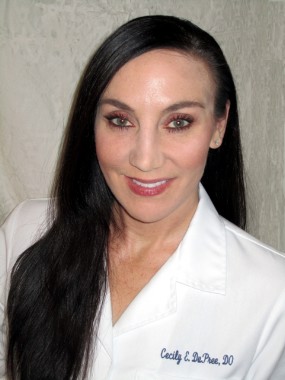
Based on the findings from their study of a national database including 4,832 patients who had laparoscopic sleeve gastrectomy (LSG) and 33,867 who had gastric bypass (GB), "we believe that all patients should be evaluated for the presence and severity of GERD and counseled regarding the relative efficacy of LSG vs. GB or other bariatric operations before surgery. Although there is no definitive evidence to support the listing of GERD as an absolute contraindication to LSG, the available data suggest that the presence of preexisting severe GERD or esophageal dysmotility may be considered a relative contraindication," they said.
Dr. DuPree and her colleagues noted that until now, the sleeve procedure’s effect on GERD was unknown. Small, single-center series "have raised significant concerns," but no large study has examined the issue. So she and her associates used data from a large, nationwide database (the Bariatric Outcomes Longitudinal Database) to track the resolution, persistence, or development of GERD in 4,832 patients who underwent laparoscopic sleeve gastrectomy in 2007-2010, comparing their outcomes with those of 33,867 patients who underwent gastric bypass during the same period and served as controls.
The overall prevalence of GERD was 49.7% in the entire study population, and that of severe GERD was 25.7%, confirming that this disorder is very common in candidates for bariatric surgery.
The prevalence of GERD was 44.5% among patients undergoing the sleeve procedure. "This highlights the concern that there is a large population at risk of adverse outcomes after LSG if the procedure is associated with anatomical or physiologic changes that increase the risk of postoperative GERD," the investigators noted.
Most LSG patients (84.1%) had persistent GERD symptoms after the procedure; only 15.9% reported resolution of symptoms. An additional 9.0% of LSG patients reported postoperative worsening of GERD symptoms. And 8.6% of patients who didn’t have GERD before undergoing sleeve gastrectomy developed the disorder afterward.
In contrast, most patients who underwent gastric bypass showed complete resolution (62.8%) or stabilization (17.6%) of GERD symptoms. Only 2.2% reported worsening GERD symptoms, and none developed de novo symptoms.
Among the LSG patients, the complication rate was significantly higher in those with preexisting GERD (15.1%) or preexisting severe GERD (16.3%) than in those without GERD (10.6%). "There was also a small but statistically significant increase in the need for revisional surgery between LSG patients with and without preoperative GERD symptoms (0.6% vs. 0.3%)," the investigators wrote (JAMA Surg. 2014 [doi:10.1001/jamasurg.2013.4323]).
In contrast, the presence of GERD had no effect on complications in the control group.
Similarly, the rate of failure to lose weight was higher in LSG patients with preoperative GERD and in LSG patients with severe preoperative GERD than in those without GERD. Again, the presence of GERD had no such effect on weight loss in the gastric bypass patients.
In addition, the percentage of patients who showed resolution of comorbidities was significantly decreased among patients with preoperative GERD who underwent LSG, compared with all other groups.
"These data raise significant concerns about the effect of LSG on the obesity-related comorbidity of GERD and suggest that most patients with preexisting GERD will have either no improvement or possibly worsening of their symptoms after LSG," Dr. DuPree and her associates said.
The exact reason why the sleeve procedure could contribute to the worsening of reflux or the de novo development of GERD is not known, but there are several anatomical or physiologic factors that may play a role. Laparoscopic sleeve gastrectomy may decrease lower esophageal sphincter resting tone, and it may disrupt the antropyloric pump mechanism or narrow the pylorus.
It is also possible that an excessively large or dilated gastric sleeve may retain the capacity for increased acid production, causing reflux, or that it may decrease esophageal acid clearance. And a hiatal hernia that is unrecognized at the time of surgery or that develops afterward could also produce reflux symptoms.
Modifying surgical technique so that sleeve size and volume are attended to, narrowing of the gastric body or pylorus is avoided, and hiatal hernias are assiduously identified and repaired may reduce the risk of post-LSG GERD, the investigators said.
Laparoscopic sleeve gastrectomy not only fails to improve gastroesophageal reflux disease in most patients who undergo the weight-loss procedure, it actually worsens GERD symptoms in many of them and induces GERD in 9%, according to a report published online Feb. 5 in JAMA Surgery.
In addition, patients with preexisting GERD who undergo laparoscopic sleeve gastrectomy (LSG) have high rates of surgical complications; revision surgery; failure to achieve weight loss; and failure to resolve weight-related comorbidities such as diabetes, obstructive sleep apnea, and hypertension. In contrast, patients who undergo gastric bypass show significant improvement in all of these outcomes, said Dr. Cecily E. DuPree and her associates in the department of surgery, Madigan Army Medical Center, Fort Lewis, Wash.
Based on the findings from their study of a national database including 4,832 patients who had laparoscopic sleeve gastrectomy (LSG) and 33,867 who had gastric bypass (GB), "we believe that all patients should be evaluated for the presence and severity of GERD and counseled regarding the relative efficacy of LSG vs. GB or other bariatric operations before surgery. Although there is no definitive evidence to support the listing of GERD as an absolute contraindication to LSG, the available data suggest that the presence of preexisting severe GERD or esophageal dysmotility may be considered a relative contraindication," they said.
Dr. DuPree and her colleagues noted that until now, the sleeve procedure’s effect on GERD was unknown. Small, single-center series "have raised significant concerns," but no large study has examined the issue. So she and her associates used data from a large, nationwide database (the Bariatric Outcomes Longitudinal Database) to track the resolution, persistence, or development of GERD in 4,832 patients who underwent laparoscopic sleeve gastrectomy in 2007-2010, comparing their outcomes with those of 33,867 patients who underwent gastric bypass during the same period and served as controls.
The overall prevalence of GERD was 49.7% in the entire study population, and that of severe GERD was 25.7%, confirming that this disorder is very common in candidates for bariatric surgery.
The prevalence of GERD was 44.5% among patients undergoing the sleeve procedure. "This highlights the concern that there is a large population at risk of adverse outcomes after LSG if the procedure is associated with anatomical or physiologic changes that increase the risk of postoperative GERD," the investigators noted.
Most LSG patients (84.1%) had persistent GERD symptoms after the procedure; only 15.9% reported resolution of symptoms. An additional 9.0% of LSG patients reported postoperative worsening of GERD symptoms. And 8.6% of patients who didn’t have GERD before undergoing sleeve gastrectomy developed the disorder afterward.
In contrast, most patients who underwent gastric bypass showed complete resolution (62.8%) or stabilization (17.6%) of GERD symptoms. Only 2.2% reported worsening GERD symptoms, and none developed de novo symptoms.
Among the LSG patients, the complication rate was significantly higher in those with preexisting GERD (15.1%) or preexisting severe GERD (16.3%) than in those without GERD (10.6%). "There was also a small but statistically significant increase in the need for revisional surgery between LSG patients with and without preoperative GERD symptoms (0.6% vs. 0.3%)," the investigators wrote (JAMA Surg. 2014 [doi:10.1001/jamasurg.2013.4323]).
In contrast, the presence of GERD had no effect on complications in the control group.
Similarly, the rate of failure to lose weight was higher in LSG patients with preoperative GERD and in LSG patients with severe preoperative GERD than in those without GERD. Again, the presence of GERD had no such effect on weight loss in the gastric bypass patients.
In addition, the percentage of patients who showed resolution of comorbidities was significantly decreased among patients with preoperative GERD who underwent LSG, compared with all other groups.
"These data raise significant concerns about the effect of LSG on the obesity-related comorbidity of GERD and suggest that most patients with preexisting GERD will have either no improvement or possibly worsening of their symptoms after LSG," Dr. DuPree and her associates said.
The exact reason why the sleeve procedure could contribute to the worsening of reflux or the de novo development of GERD is not known, but there are several anatomical or physiologic factors that may play a role. Laparoscopic sleeve gastrectomy may decrease lower esophageal sphincter resting tone, and it may disrupt the antropyloric pump mechanism or narrow the pylorus.
It is also possible that an excessively large or dilated gastric sleeve may retain the capacity for increased acid production, causing reflux, or that it may decrease esophageal acid clearance. And a hiatal hernia that is unrecognized at the time of surgery or that develops afterward could also produce reflux symptoms.
Modifying surgical technique so that sleeve size and volume are attended to, narrowing of the gastric body or pylorus is avoided, and hiatal hernias are assiduously identified and repaired may reduce the risk of post-LSG GERD, the investigators said.
Laparoscopic sleeve gastrectomy not only fails to improve gastroesophageal reflux disease in most patients who undergo the weight-loss procedure, it actually worsens GERD symptoms in many of them and induces GERD in 9%, according to a report published online Feb. 5 in JAMA Surgery.
In addition, patients with preexisting GERD who undergo laparoscopic sleeve gastrectomy (LSG) have high rates of surgical complications; revision surgery; failure to achieve weight loss; and failure to resolve weight-related comorbidities such as diabetes, obstructive sleep apnea, and hypertension. In contrast, patients who undergo gastric bypass show significant improvement in all of these outcomes, said Dr. Cecily E. DuPree and her associates in the department of surgery, Madigan Army Medical Center, Fort Lewis, Wash.
Based on the findings from their study of a national database including 4,832 patients who had laparoscopic sleeve gastrectomy (LSG) and 33,867 who had gastric bypass (GB), "we believe that all patients should be evaluated for the presence and severity of GERD and counseled regarding the relative efficacy of LSG vs. GB or other bariatric operations before surgery. Although there is no definitive evidence to support the listing of GERD as an absolute contraindication to LSG, the available data suggest that the presence of preexisting severe GERD or esophageal dysmotility may be considered a relative contraindication," they said.
Dr. DuPree and her colleagues noted that until now, the sleeve procedure’s effect on GERD was unknown. Small, single-center series "have raised significant concerns," but no large study has examined the issue. So she and her associates used data from a large, nationwide database (the Bariatric Outcomes Longitudinal Database) to track the resolution, persistence, or development of GERD in 4,832 patients who underwent laparoscopic sleeve gastrectomy in 2007-2010, comparing their outcomes with those of 33,867 patients who underwent gastric bypass during the same period and served as controls.
The overall prevalence of GERD was 49.7% in the entire study population, and that of severe GERD was 25.7%, confirming that this disorder is very common in candidates for bariatric surgery.
The prevalence of GERD was 44.5% among patients undergoing the sleeve procedure. "This highlights the concern that there is a large population at risk of adverse outcomes after LSG if the procedure is associated with anatomical or physiologic changes that increase the risk of postoperative GERD," the investigators noted.
Most LSG patients (84.1%) had persistent GERD symptoms after the procedure; only 15.9% reported resolution of symptoms. An additional 9.0% of LSG patients reported postoperative worsening of GERD symptoms. And 8.6% of patients who didn’t have GERD before undergoing sleeve gastrectomy developed the disorder afterward.
In contrast, most patients who underwent gastric bypass showed complete resolution (62.8%) or stabilization (17.6%) of GERD symptoms. Only 2.2% reported worsening GERD symptoms, and none developed de novo symptoms.
Among the LSG patients, the complication rate was significantly higher in those with preexisting GERD (15.1%) or preexisting severe GERD (16.3%) than in those without GERD (10.6%). "There was also a small but statistically significant increase in the need for revisional surgery between LSG patients with and without preoperative GERD symptoms (0.6% vs. 0.3%)," the investigators wrote (JAMA Surg. 2014 [doi:10.1001/jamasurg.2013.4323]).
In contrast, the presence of GERD had no effect on complications in the control group.
Similarly, the rate of failure to lose weight was higher in LSG patients with preoperative GERD and in LSG patients with severe preoperative GERD than in those without GERD. Again, the presence of GERD had no such effect on weight loss in the gastric bypass patients.
In addition, the percentage of patients who showed resolution of comorbidities was significantly decreased among patients with preoperative GERD who underwent LSG, compared with all other groups.
"These data raise significant concerns about the effect of LSG on the obesity-related comorbidity of GERD and suggest that most patients with preexisting GERD will have either no improvement or possibly worsening of their symptoms after LSG," Dr. DuPree and her associates said.
The exact reason why the sleeve procedure could contribute to the worsening of reflux or the de novo development of GERD is not known, but there are several anatomical or physiologic factors that may play a role. Laparoscopic sleeve gastrectomy may decrease lower esophageal sphincter resting tone, and it may disrupt the antropyloric pump mechanism or narrow the pylorus.
It is also possible that an excessively large or dilated gastric sleeve may retain the capacity for increased acid production, causing reflux, or that it may decrease esophageal acid clearance. And a hiatal hernia that is unrecognized at the time of surgery or that develops afterward could also produce reflux symptoms.
Modifying surgical technique so that sleeve size and volume are attended to, narrowing of the gastric body or pylorus is avoided, and hiatal hernias are assiduously identified and repaired may reduce the risk of post-LSG GERD, the investigators said.
FROM JAMA SURGERY
Major finding: 84.1% of the sleeve gastrectomy patients had persistent GERD symptoms after the procedure, and 9% had worsening of GERD; another 8.6% who didn’t have GERD before undergoing the procedure developed it afterward.
Data source: An analysis of data on 4,832 adults across the United States who underwent laparoscopic sleeve gastrectomy and 33,867 who underwent gastric bypass in 2007-2010, of whom approximately half had preexisting GERD.
Disclosures: No financial conflicts of interest were reported.
Daclatasvir-sofosbuvir combo scores in resistant hepatitis C
A combined regimen of daclatasvir and sofosbuvir achieved sustained virologic response rates greater than 90% in an industry-sponsored trial involving patients with chronic HCV, according to study published online Jan. 16 in the New England Journal of Medicine.
The once-daily oral treatment was effective against HCV type 1 among patients with any viral subtype, as well as among patients who had failed to respond to or had developed resistance to protease inhibitors. The latter group currently has no other treatment options. It also was effective against HCV types 2 and 3, said Dr. Mark S. Sulkowski of Johns Hopkins University, Baltimore, and his associates (N. Engl. J. Med. 2014;370:211-21).
In particular, the daclatasvir-sofosbuvir combination was very effective in patients "with characteristics that were previously associated with a poor response to treatment – HCV genotypes 1a and 3, the non-CC IL28B genotype, and black race," the investigators noted.

Dr. Sulkowski and his colleagues assessed the combination therapy in an open-label study involving 211 adults treated during a 17-month period at 18 medical centers across the United States.
Initially, 44 previously untreated patients with HCV 1 infection and 44 patients with HCV 2 or 3 were randomly assigned to receive daclatasvir plus sofosbuvir, with or without concurrent ribavirin, for 24 weeks. Then the study was expanded to include another 123 patients with HCV 1 infection: 82 who were previously untreated were randomly assigned to receive the combination therapy, with or without ribavirin, for 12 weeks; and the remaining 41 who had failed on telaprevir or boceprevir plus peginterferon alfa-ribavirin were assigned to receive the combination therapy, with or without ribavirin, for 24 weeks.
The primary efficacy endpoint was a sustained virologic response (defined as an HCV RNA level of less than 25 IU/mL) at week 12 after the end of treatment.
That rate was 98% (164 of 167 patients) among those who had HCV 1 infection. Of the three patients in that group classified as not having a sustained virologic response at week 12, two missed their assessment visit at 12 weeks but showed a sustained virologic response at 24 weeks, and the third was lost to follow-up.

The rate of sustained virologic response was 91% (40 of 44 patients) among those who had HCV 2 or 3 infection. Individually, the rate was 92% in patients with HCV 2 and 89% among those with HCV 3, the investigators said.
The high rates of sustained virologic response were consistent across all subgroups of patients, including 129 of the 132 (98%) who had genotype 1a; 57 of the 61 (93%) who had genotype IL28B; 25 of the 26 (96%) who were black; 9 of the 10 (90%) who were of "other" race/ethnicity; 85 of the 90 (94%) who received concurrent ribavirin; 119 of the 121 (98%) who did not receive ribavirin; and 40 of the 41 (98%) who had failed on or developed resistance to protease inhibitors.
"This represents proof of concept that a sustained virologic response can be achieved in patients in whom previous treatment with telaprevir or boceprevir had failed, including patients who have persistent HCV variants with resistance to protease inhibitors," Dr. Sulkowski and his associates said.
Two patients discontinued treatment because of adverse events. One patient developed fibromyalgia, and another had a stroke. Both had shown a sustained virologic response to the combination therapy. The most common adverse events were fatigue, headache, and nausea. The most common grade 3 or 4 laboratory abnormalities were low phosphorous levels and elevated glucose levels.
The study was supported by Bristol-Myers Squibb and Pharmasset (now Gilead). Dr. Sulkowski reported financial ties to Bristol-Myers Squibb and Gilead, in addition to other pharmaceutical companies. His associates reported ties to numerous industry sources.
A combined regimen of daclatasvir and sofosbuvir achieved sustained virologic response rates greater than 90% in an industry-sponsored trial involving patients with chronic HCV, according to study published online Jan. 16 in the New England Journal of Medicine.
The once-daily oral treatment was effective against HCV type 1 among patients with any viral subtype, as well as among patients who had failed to respond to or had developed resistance to protease inhibitors. The latter group currently has no other treatment options. It also was effective against HCV types 2 and 3, said Dr. Mark S. Sulkowski of Johns Hopkins University, Baltimore, and his associates (N. Engl. J. Med. 2014;370:211-21).
In particular, the daclatasvir-sofosbuvir combination was very effective in patients "with characteristics that were previously associated with a poor response to treatment – HCV genotypes 1a and 3, the non-CC IL28B genotype, and black race," the investigators noted.
Dr. Sulkowski and his colleagues assessed the combination therapy in an open-label study involving 211 adults treated during a 17-month period at 18 medical centers across the United States.
Initially, 44 previously untreated patients with HCV 1 infection and 44 patients with HCV 2 or 3 were randomly assigned to receive daclatasvir plus sofosbuvir, with or without concurrent ribavirin, for 24 weeks. Then the study was expanded to include another 123 patients with HCV 1 infection: 82 who were previously untreated were randomly assigned to receive the combination therapy, with or without ribavirin, for 12 weeks; and the remaining 41 who had failed on telaprevir or boceprevir plus peginterferon alfa-ribavirin were assigned to receive the combination therapy, with or without ribavirin, for 24 weeks.
The primary efficacy endpoint was a sustained virologic response (defined as an HCV RNA level of less than 25 IU/mL) at week 12 after the end of treatment.
That rate was 98% (164 of 167 patients) among those who had HCV 1 infection. Of the three patients in that group classified as not having a sustained virologic response at week 12, two missed their assessment visit at 12 weeks but showed a sustained virologic response at 24 weeks, and the third was lost to follow-up.
The rate of sustained virologic response was 91% (40 of 44 patients) among those who had HCV 2 or 3 infection. Individually, the rate was 92% in patients with HCV 2 and 89% among those with HCV 3, the investigators said.
The high rates of sustained virologic response were consistent across all subgroups of patients, including 129 of the 132 (98%) who had genotype 1a; 57 of the 61 (93%) who had genotype IL28B; 25 of the 26 (96%) who were black; 9 of the 10 (90%) who were of "other" race/ethnicity; 85 of the 90 (94%) who received concurrent ribavirin; 119 of the 121 (98%) who did not receive ribavirin; and 40 of the 41 (98%) who had failed on or developed resistance to protease inhibitors.
"This represents proof of concept that a sustained virologic response can be achieved in patients in whom previous treatment with telaprevir or boceprevir had failed, including patients who have persistent HCV variants with resistance to protease inhibitors," Dr. Sulkowski and his associates said.
Two patients discontinued treatment because of adverse events. One patient developed fibromyalgia, and another had a stroke. Both had shown a sustained virologic response to the combination therapy. The most common adverse events were fatigue, headache, and nausea. The most common grade 3 or 4 laboratory abnormalities were low phosphorous levels and elevated glucose levels.
The study was supported by Bristol-Myers Squibb and Pharmasset (now Gilead). Dr. Sulkowski reported financial ties to Bristol-Myers Squibb and Gilead, in addition to other pharmaceutical companies. His associates reported ties to numerous industry sources.
A combined regimen of daclatasvir and sofosbuvir achieved sustained virologic response rates greater than 90% in an industry-sponsored trial involving patients with chronic HCV, according to study published online Jan. 16 in the New England Journal of Medicine.
The once-daily oral treatment was effective against HCV type 1 among patients with any viral subtype, as well as among patients who had failed to respond to or had developed resistance to protease inhibitors. The latter group currently has no other treatment options. It also was effective against HCV types 2 and 3, said Dr. Mark S. Sulkowski of Johns Hopkins University, Baltimore, and his associates (N. Engl. J. Med. 2014;370:211-21).
In particular, the daclatasvir-sofosbuvir combination was very effective in patients "with characteristics that were previously associated with a poor response to treatment – HCV genotypes 1a and 3, the non-CC IL28B genotype, and black race," the investigators noted.
Dr. Sulkowski and his colleagues assessed the combination therapy in an open-label study involving 211 adults treated during a 17-month period at 18 medical centers across the United States.
Initially, 44 previously untreated patients with HCV 1 infection and 44 patients with HCV 2 or 3 were randomly assigned to receive daclatasvir plus sofosbuvir, with or without concurrent ribavirin, for 24 weeks. Then the study was expanded to include another 123 patients with HCV 1 infection: 82 who were previously untreated were randomly assigned to receive the combination therapy, with or without ribavirin, for 12 weeks; and the remaining 41 who had failed on telaprevir or boceprevir plus peginterferon alfa-ribavirin were assigned to receive the combination therapy, with or without ribavirin, for 24 weeks.
The primary efficacy endpoint was a sustained virologic response (defined as an HCV RNA level of less than 25 IU/mL) at week 12 after the end of treatment.
That rate was 98% (164 of 167 patients) among those who had HCV 1 infection. Of the three patients in that group classified as not having a sustained virologic response at week 12, two missed their assessment visit at 12 weeks but showed a sustained virologic response at 24 weeks, and the third was lost to follow-up.
The rate of sustained virologic response was 91% (40 of 44 patients) among those who had HCV 2 or 3 infection. Individually, the rate was 92% in patients with HCV 2 and 89% among those with HCV 3, the investigators said.
The high rates of sustained virologic response were consistent across all subgroups of patients, including 129 of the 132 (98%) who had genotype 1a; 57 of the 61 (93%) who had genotype IL28B; 25 of the 26 (96%) who were black; 9 of the 10 (90%) who were of "other" race/ethnicity; 85 of the 90 (94%) who received concurrent ribavirin; 119 of the 121 (98%) who did not receive ribavirin; and 40 of the 41 (98%) who had failed on or developed resistance to protease inhibitors.
"This represents proof of concept that a sustained virologic response can be achieved in patients in whom previous treatment with telaprevir or boceprevir had failed, including patients who have persistent HCV variants with resistance to protease inhibitors," Dr. Sulkowski and his associates said.
Two patients discontinued treatment because of adverse events. One patient developed fibromyalgia, and another had a stroke. Both had shown a sustained virologic response to the combination therapy. The most common adverse events were fatigue, headache, and nausea. The most common grade 3 or 4 laboratory abnormalities were low phosphorous levels and elevated glucose levels.
The study was supported by Bristol-Myers Squibb and Pharmasset (now Gilead). Dr. Sulkowski reported financial ties to Bristol-Myers Squibb and Gilead, in addition to other pharmaceutical companies. His associates reported ties to numerous industry sources.
FROM THE NEW ENGLAND JOURNAL OF MEDICINE
Major finding: A total of 98% of patients with chronic HCV 1 and 91% of those with chronic HCV 2 or 3 achieved a sustained virologic response on combined daclatasvir plus sofosbuvir once-daily oral therapy.
Data Source: An open-label randomized trial involving 211 adults with chronic HCV who were treated with combined daclatasvir plus sofosbuvir for either 12 or 24 weeks.
Disclosures: The study was supported by Bristol-Myers Squibb and Pharmasset (now Gilead). Dr. Sulkowski reported financial ties to Bristol-Myers Squibb and Gilead, in addition to other pharmaceutical companies. His associates reported ties to numerous industry sources.

DECAAF published: Assess extent of fibrosis before AF ablation
For patients scheduled to undergo AF catheter ablation, estimating the extent of atrial fibrosis using delayed enhancement MRI can help distinguish those likely to respond from patients likely to have recurrent arrhythmia, according to a report published online Feb. 4 in JAMA.
In the prospective, observational DECAAF (Delayed-Enhancement MRI Determinant of Successful Radiofrequency Ablation of Atrial Fibrillation) study, 260 such patients (mean age, 59 years) underwent quantification of left atrial fibrosis via delayed enhancement MRI with gadolinium at 15 medical centers in six countries, before undergoing AF ablation. These centers had varying levels of experience with cardiac imaging and used different ablation procedures, said Dr. Nassir F. Marrouche, director of the comprehensive arrhythmia and research management center, University of Utah, Salt Lake City, and his associates.

Four categories of fibrosis were used: involvement of less than 10% of the atrial wall (stage 1, 49 patients), 10%-19% of the atrial wall (stage 2, 107 patients), 20%-29% of the atrial wall (stage 3, 80 patients), and 30% or more of the atrial wall (stage 4, 24 patients). The estimated percentage of atrial fibrosis strongly correlated with arrhythmia recurrence at 1 year, even after the data were adjusted to account for variables such as patient age and sex; the presence of hypertension, heart failure, mitral valve disease, or diabetes; and the type of AF (paroxysmal vs persistent).
The hazard ratio for recurrent arrhythmia was 1.06 for every 1% increase in the extent of atrial fibrosis (JAMA 2014 Feb. 4 [doi:10.1001/jama.2014.3]).
This is the first multicenter study to demonstrate the feasibility and potential clinical value of quantifying the degree of AF fibrosis using delayed enhancement MRI before performing ablation, offering a noninvasive, effective method for determining which patients are likely to benefit and which should avoid the procedure, Dr. Marrouche and his associates said.
The JAMA report expands on results presented at the annual meeting of the Heart Rhythm Society last year.
The study was funded by the Comprehensive Arrhythmia and Research Management Center at the University of Utah and the George S. and Dolores Dore Eccles Foundation. Dr. Marrouche reported owning stock and being named in two patents licensed to Marrek; his associates reported numerous ties to industry sources.
For patients scheduled to undergo AF catheter ablation, estimating the extent of atrial fibrosis using delayed enhancement MRI can help distinguish those likely to respond from patients likely to have recurrent arrhythmia, according to a report published online Feb. 4 in JAMA.
In the prospective, observational DECAAF (Delayed-Enhancement MRI Determinant of Successful Radiofrequency Ablation of Atrial Fibrillation) study, 260 such patients (mean age, 59 years) underwent quantification of left atrial fibrosis via delayed enhancement MRI with gadolinium at 15 medical centers in six countries, before undergoing AF ablation. These centers had varying levels of experience with cardiac imaging and used different ablation procedures, said Dr. Nassir F. Marrouche, director of the comprehensive arrhythmia and research management center, University of Utah, Salt Lake City, and his associates.
Four categories of fibrosis were used: involvement of less than 10% of the atrial wall (stage 1, 49 patients), 10%-19% of the atrial wall (stage 2, 107 patients), 20%-29% of the atrial wall (stage 3, 80 patients), and 30% or more of the atrial wall (stage 4, 24 patients). The estimated percentage of atrial fibrosis strongly correlated with arrhythmia recurrence at 1 year, even after the data were adjusted to account for variables such as patient age and sex; the presence of hypertension, heart failure, mitral valve disease, or diabetes; and the type of AF (paroxysmal vs persistent).
The hazard ratio for recurrent arrhythmia was 1.06 for every 1% increase in the extent of atrial fibrosis (JAMA 2014 Feb. 4 [doi:10.1001/jama.2014.3]).
This is the first multicenter study to demonstrate the feasibility and potential clinical value of quantifying the degree of AF fibrosis using delayed enhancement MRI before performing ablation, offering a noninvasive, effective method for determining which patients are likely to benefit and which should avoid the procedure, Dr. Marrouche and his associates said.
The JAMA report expands on results presented at the annual meeting of the Heart Rhythm Society last year.
The study was funded by the Comprehensive Arrhythmia and Research Management Center at the University of Utah and the George S. and Dolores Dore Eccles Foundation. Dr. Marrouche reported owning stock and being named in two patents licensed to Marrek; his associates reported numerous ties to industry sources.
For patients scheduled to undergo AF catheter ablation, estimating the extent of atrial fibrosis using delayed enhancement MRI can help distinguish those likely to respond from patients likely to have recurrent arrhythmia, according to a report published online Feb. 4 in JAMA.
In the prospective, observational DECAAF (Delayed-Enhancement MRI Determinant of Successful Radiofrequency Ablation of Atrial Fibrillation) study, 260 such patients (mean age, 59 years) underwent quantification of left atrial fibrosis via delayed enhancement MRI with gadolinium at 15 medical centers in six countries, before undergoing AF ablation. These centers had varying levels of experience with cardiac imaging and used different ablation procedures, said Dr. Nassir F. Marrouche, director of the comprehensive arrhythmia and research management center, University of Utah, Salt Lake City, and his associates.
Four categories of fibrosis were used: involvement of less than 10% of the atrial wall (stage 1, 49 patients), 10%-19% of the atrial wall (stage 2, 107 patients), 20%-29% of the atrial wall (stage 3, 80 patients), and 30% or more of the atrial wall (stage 4, 24 patients). The estimated percentage of atrial fibrosis strongly correlated with arrhythmia recurrence at 1 year, even after the data were adjusted to account for variables such as patient age and sex; the presence of hypertension, heart failure, mitral valve disease, or diabetes; and the type of AF (paroxysmal vs persistent).
The hazard ratio for recurrent arrhythmia was 1.06 for every 1% increase in the extent of atrial fibrosis (JAMA 2014 Feb. 4 [doi:10.1001/jama.2014.3]).
This is the first multicenter study to demonstrate the feasibility and potential clinical value of quantifying the degree of AF fibrosis using delayed enhancement MRI before performing ablation, offering a noninvasive, effective method for determining which patients are likely to benefit and which should avoid the procedure, Dr. Marrouche and his associates said.
The JAMA report expands on results presented at the annual meeting of the Heart Rhythm Society last year.
The study was funded by the Comprehensive Arrhythmia and Research Management Center at the University of Utah and the George S. and Dolores Dore Eccles Foundation. Dr. Marrouche reported owning stock and being named in two patents licensed to Marrek; his associates reported numerous ties to industry sources.
FROM JAMA
Major Finding: The estimated percentage of atrial fibrosis strongly correlated with arrhythmia recurrence at 1 year, with a hazard ratio of 1.06 for every 1% increase in the extent of atrial fibrosis.
Data Source: DECAAF, a prospective international observational study involving 260 patients who underwent delayed enhancement MRI to quantify the extent of AF fibrosis before undergoing AF catheter ablation, who were followed for 1 year to track recurrence of arrhythmia.
Disclosures: The study was funded by the Comprehensive Arrhythmia and Research Management Center at the University of Utah and the George S. and Dolores Dore Eccles Foundation. Dr. Marrouche reported owning stock and being named in two patents licensed to Marrek; his associates reported numerous ties to industry sources.

CARDIA: Trajectory of blood pressure in young adults predicts later CAC
Serial blood pressure measurements during young adulthood appear to predict the risk of subclinical coronary artery calcification, a surrogate for CVD risk, in middle age, according to a report published online Feb. 4 in JAMA.
In particular, even slightly elevated blood pressure at ages 18-30 years, if it persists or rises over time, is strongly associated with coronary artery calcification (CAC) 25 years later, said Norrina B. Allen, Ph.D., of the department of preventive medicine, Northwestern University, Chicago, and her associates.

The investigators tracked blood pressure patterns using data for 4,681 individuals in the CARDIA (Coronary Artery Risk Development in Young Adults) study, a longitudinal cohort study that involves racially diverse men and women, who, at baseline in 1985-1986, resided in four urban areas across the country as young adults and who were followed for 25 years. Subclinical coronary atherosclerosis was quantified using CAC at the 25-year assessment in 3,442 of these study subjects.
Although both systolic and diastolic blood pressure were assessed at intervals over the years, Dr. Allen and her colleagues focused on mid-BP, defined as the mean of systolic and diastolic measurements. Mid-BP is the best predictor of overall cardiovascular disease, compared with systolic BP alone, diastolic BP alone, pulse pressure, or mean arterial pressure, and its use permits researchers to study the effects of systolic and diastolic BP simultaneously.
These individuals showed five distinct trajectories in blood pressure:
• Group 1: low BP throughout the entire study period (22% of the entire study population).
• Group 2: moderate BP throughout the entire study period (42%).
• Group 3: moderate BP at baseline with a rapid increase in BP beginning at an average age of 35 (12%).
• Group 4: somewhat elevated BP throughout the study period (19%).
• Group 5: high blood pressure that continued to rise over time (5%).

Two of these groups showed the largest and most rapid increases in BP over time. Subjects in group 3 showed a mean increase of 30.2 mm Hg in systolic and a mean increase of 20.9 mm Hg in diastolic BP by middle age, and subjects in group 5 showed a mean increase of 21.2 mm Hg in systolic and 11.5 mm Hg diastolic BP.
The prevalence of CAC rose steadily in accordance with the BP trajectory, from a low of 4% in group 1 patients with a low-and-stable BP trajectory to a high of 25% in group 5 patients with a high-and-increasing BP trajectory. "Importantly, the majority of these participants had BP levels within the range of prehypertension," the investigators said.
After the data were adjusted to account for numerous potentially confounding factors, the odds ratios for developing CAC rose by 3%, 5%, 6%, and 13% for groups 2 through 5, respectively, compared with group 1, Dr. Allen and her associates said (JAMA 2014 Feb. 4 [doi:10.1001/jama.2013.285122]).
This pattern persisted when systolic and diastolic BP values were analyzed separately, and did not change in a sensitivity analysis restricted to the 3,507 participants who did not take any antihypertensive medication during follow-up.
"Our findings ... suggest that these trajectory groups provide important additional information regarding the presence of significant levels of subclinical atherosclerosis, which has been shown to be a strong indicator of future cardiovascular risk. This understanding of the effect of change or timing of change in BP on subclinical atherosclerosis may be important for risk stratification in the future," the investigators said.
Future research should address the usefulness of these trajectories in predicting clinical CVD events, as well as the effects of treatments and lifestyle modification on lifetime trajectories of BP, they added.
The CARDIA study was supported by the National Heart, Lung, and Blood Institute; University of Alabama at Birmingham; Northwestern University; University of Minnesota; Kaiser Foundation Research Institute; Johns Hopkins University; and the National Institute on Aging. Dr. Allen reported no financial conflicts of interest; an associate reported ties to Merck and Takeda.
This study, which includes important methodologic strengths and a thorough statistical analysis, demonstrates that there are five widely different BP trajectories between young adulthood and middle age, said Dr. Pantelis A. Sarafidis and Dr. George L. Bakris.
More research is warranted to examine further the associations between each trajectory and the development of chronic kidney disease and heart failure. Such studies would address the most important limitation of this study: The main outcome, CAC score, is a surrogate for cardiovascular risk rather than a hard morbidity or mortality endpoint.
Dr. Sarafidis is at Aristotle University of Thessaloniki (Greece). Dr. Bakris is at the ASH Comprehensive Hypertension Center and the University of Chicago. Dr. Sarafidis reported ties to AstraZeneca, Daiichi Sankyo, and Novartis. Dr. Bakris reported ties to AbbVie, Bayer, Daiichi Sankyo, Janssen, Medtronic, Novartis, Relypsa, and Takeda. These remarks were taken from their editorial (JAMA 2014;311:471-2).
This study, which includes important methodologic strengths and a thorough statistical analysis, demonstrates that there are five widely different BP trajectories between young adulthood and middle age, said Dr. Pantelis A. Sarafidis and Dr. George L. Bakris.
More research is warranted to examine further the associations between each trajectory and the development of chronic kidney disease and heart failure. Such studies would address the most important limitation of this study: The main outcome, CAC score, is a surrogate for cardiovascular risk rather than a hard morbidity or mortality endpoint.
Dr. Sarafidis is at Aristotle University of Thessaloniki (Greece). Dr. Bakris is at the ASH Comprehensive Hypertension Center and the University of Chicago. Dr. Sarafidis reported ties to AstraZeneca, Daiichi Sankyo, and Novartis. Dr. Bakris reported ties to AbbVie, Bayer, Daiichi Sankyo, Janssen, Medtronic, Novartis, Relypsa, and Takeda. These remarks were taken from their editorial (JAMA 2014;311:471-2).
This study, which includes important methodologic strengths and a thorough statistical analysis, demonstrates that there are five widely different BP trajectories between young adulthood and middle age, said Dr. Pantelis A. Sarafidis and Dr. George L. Bakris.
More research is warranted to examine further the associations between each trajectory and the development of chronic kidney disease and heart failure. Such studies would address the most important limitation of this study: The main outcome, CAC score, is a surrogate for cardiovascular risk rather than a hard morbidity or mortality endpoint.
Dr. Sarafidis is at Aristotle University of Thessaloniki (Greece). Dr. Bakris is at the ASH Comprehensive Hypertension Center and the University of Chicago. Dr. Sarafidis reported ties to AstraZeneca, Daiichi Sankyo, and Novartis. Dr. Bakris reported ties to AbbVie, Bayer, Daiichi Sankyo, Janssen, Medtronic, Novartis, Relypsa, and Takeda. These remarks were taken from their editorial (JAMA 2014;311:471-2).
Serial blood pressure measurements during young adulthood appear to predict the risk of subclinical coronary artery calcification, a surrogate for CVD risk, in middle age, according to a report published online Feb. 4 in JAMA.
In particular, even slightly elevated blood pressure at ages 18-30 years, if it persists or rises over time, is strongly associated with coronary artery calcification (CAC) 25 years later, said Norrina B. Allen, Ph.D., of the department of preventive medicine, Northwestern University, Chicago, and her associates.
The investigators tracked blood pressure patterns using data for 4,681 individuals in the CARDIA (Coronary Artery Risk Development in Young Adults) study, a longitudinal cohort study that involves racially diverse men and women, who, at baseline in 1985-1986, resided in four urban areas across the country as young adults and who were followed for 25 years. Subclinical coronary atherosclerosis was quantified using CAC at the 25-year assessment in 3,442 of these study subjects.
Although both systolic and diastolic blood pressure were assessed at intervals over the years, Dr. Allen and her colleagues focused on mid-BP, defined as the mean of systolic and diastolic measurements. Mid-BP is the best predictor of overall cardiovascular disease, compared with systolic BP alone, diastolic BP alone, pulse pressure, or mean arterial pressure, and its use permits researchers to study the effects of systolic and diastolic BP simultaneously.
These individuals showed five distinct trajectories in blood pressure:
• Group 1: low BP throughout the entire study period (22% of the entire study population).
• Group 2: moderate BP throughout the entire study period (42%).
• Group 3: moderate BP at baseline with a rapid increase in BP beginning at an average age of 35 (12%).
• Group 4: somewhat elevated BP throughout the study period (19%).
• Group 5: high blood pressure that continued to rise over time (5%).
Two of these groups showed the largest and most rapid increases in BP over time. Subjects in group 3 showed a mean increase of 30.2 mm Hg in systolic and a mean increase of 20.9 mm Hg in diastolic BP by middle age, and subjects in group 5 showed a mean increase of 21.2 mm Hg in systolic and 11.5 mm Hg diastolic BP.
The prevalence of CAC rose steadily in accordance with the BP trajectory, from a low of 4% in group 1 patients with a low-and-stable BP trajectory to a high of 25% in group 5 patients with a high-and-increasing BP trajectory. "Importantly, the majority of these participants had BP levels within the range of prehypertension," the investigators said.
After the data were adjusted to account for numerous potentially confounding factors, the odds ratios for developing CAC rose by 3%, 5%, 6%, and 13% for groups 2 through 5, respectively, compared with group 1, Dr. Allen and her associates said (JAMA 2014 Feb. 4 [doi:10.1001/jama.2013.285122]).
This pattern persisted when systolic and diastolic BP values were analyzed separately, and did not change in a sensitivity analysis restricted to the 3,507 participants who did not take any antihypertensive medication during follow-up.
"Our findings ... suggest that these trajectory groups provide important additional information regarding the presence of significant levels of subclinical atherosclerosis, which has been shown to be a strong indicator of future cardiovascular risk. This understanding of the effect of change or timing of change in BP on subclinical atherosclerosis may be important for risk stratification in the future," the investigators said.
Future research should address the usefulness of these trajectories in predicting clinical CVD events, as well as the effects of treatments and lifestyle modification on lifetime trajectories of BP, they added.
The CARDIA study was supported by the National Heart, Lung, and Blood Institute; University of Alabama at Birmingham; Northwestern University; University of Minnesota; Kaiser Foundation Research Institute; Johns Hopkins University; and the National Institute on Aging. Dr. Allen reported no financial conflicts of interest; an associate reported ties to Merck and Takeda.
Serial blood pressure measurements during young adulthood appear to predict the risk of subclinical coronary artery calcification, a surrogate for CVD risk, in middle age, according to a report published online Feb. 4 in JAMA.
In particular, even slightly elevated blood pressure at ages 18-30 years, if it persists or rises over time, is strongly associated with coronary artery calcification (CAC) 25 years later, said Norrina B. Allen, Ph.D., of the department of preventive medicine, Northwestern University, Chicago, and her associates.
The investigators tracked blood pressure patterns using data for 4,681 individuals in the CARDIA (Coronary Artery Risk Development in Young Adults) study, a longitudinal cohort study that involves racially diverse men and women, who, at baseline in 1985-1986, resided in four urban areas across the country as young adults and who were followed for 25 years. Subclinical coronary atherosclerosis was quantified using CAC at the 25-year assessment in 3,442 of these study subjects.
Although both systolic and diastolic blood pressure were assessed at intervals over the years, Dr. Allen and her colleagues focused on mid-BP, defined as the mean of systolic and diastolic measurements. Mid-BP is the best predictor of overall cardiovascular disease, compared with systolic BP alone, diastolic BP alone, pulse pressure, or mean arterial pressure, and its use permits researchers to study the effects of systolic and diastolic BP simultaneously.
These individuals showed five distinct trajectories in blood pressure:
• Group 1: low BP throughout the entire study period (22% of the entire study population).
• Group 2: moderate BP throughout the entire study period (42%).
• Group 3: moderate BP at baseline with a rapid increase in BP beginning at an average age of 35 (12%).
• Group 4: somewhat elevated BP throughout the study period (19%).
• Group 5: high blood pressure that continued to rise over time (5%).
Two of these groups showed the largest and most rapid increases in BP over time. Subjects in group 3 showed a mean increase of 30.2 mm Hg in systolic and a mean increase of 20.9 mm Hg in diastolic BP by middle age, and subjects in group 5 showed a mean increase of 21.2 mm Hg in systolic and 11.5 mm Hg diastolic BP.
The prevalence of CAC rose steadily in accordance with the BP trajectory, from a low of 4% in group 1 patients with a low-and-stable BP trajectory to a high of 25% in group 5 patients with a high-and-increasing BP trajectory. "Importantly, the majority of these participants had BP levels within the range of prehypertension," the investigators said.
After the data were adjusted to account for numerous potentially confounding factors, the odds ratios for developing CAC rose by 3%, 5%, 6%, and 13% for groups 2 through 5, respectively, compared with group 1, Dr. Allen and her associates said (JAMA 2014 Feb. 4 [doi:10.1001/jama.2013.285122]).
This pattern persisted when systolic and diastolic BP values were analyzed separately, and did not change in a sensitivity analysis restricted to the 3,507 participants who did not take any antihypertensive medication during follow-up.
"Our findings ... suggest that these trajectory groups provide important additional information regarding the presence of significant levels of subclinical atherosclerosis, which has been shown to be a strong indicator of future cardiovascular risk. This understanding of the effect of change or timing of change in BP on subclinical atherosclerosis may be important for risk stratification in the future," the investigators said.
Future research should address the usefulness of these trajectories in predicting clinical CVD events, as well as the effects of treatments and lifestyle modification on lifetime trajectories of BP, they added.
The CARDIA study was supported by the National Heart, Lung, and Blood Institute; University of Alabama at Birmingham; Northwestern University; University of Minnesota; Kaiser Foundation Research Institute; Johns Hopkins University; and the National Institute on Aging. Dr. Allen reported no financial conflicts of interest; an associate reported ties to Merck and Takeda.
FROM JAMA
Major Finding: The prevalence of coronary artery calcification, which indicates increased cardiovascular risk, rose steadily in accordance with the BP trajectory, from a low of 4% in group 1 patients who had a low-and-stable BP trajectory to a high of 25% in group 5 patients who a high-and-increasing BP trajectory – even though most of these patients had BP levels within the range of "prehypertension."
Data Source: A secondary analysis of data from the CARDIA longitudinal cohort study involving 4,681 men and women aged 18-30 years at baseline in 1985-86, whose blood pressure was tracked through 25 years of follow-up.
Disclosures: The CARDIA study was supported by the National Heart, Lung, and Blood Institute; University of Alabama at Birmingham; Northwestern University; University of Minnesota; Kaiser Foundation Research Institute; Johns Hopkins University; and the National Institute on Aging. Dr. Allen reported no financial conflicts of interest; an associate reported ties to Merck and Takeda.
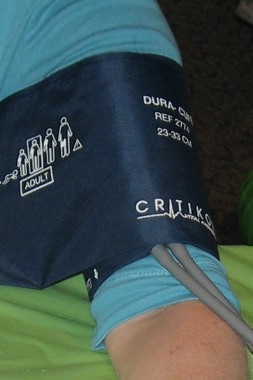
VEGF level may predict response to ipilimumab
Among patients with advanced melanoma who are being considered for ipilimumab therapy, serum vascular endothelial growth factor level may predict who will respond to the treatment and who will not, according to a report published online Feb. 4 in Cancer Immunology Research.
Only a subset of patients with advanced melanoma benefit from the CTLA-4 blocker ipilimumab, but those who do show marked and durable improvement, so there is "a critical need" to identify biomarkers that predict treatment response, said Dr. Jianda Yuan of the Ludwig Center for Cancer Immunotherapy, Sloan-Kettering Cancer Center, New York, and his associates.
The investigators assessed circulating vascular endothelial growth factor (VEGF) levels before and after ipilimumab therapy in 176 patients aged 16-91 years (mean age, 62) who were treated for advanced melanoma at Sloan-Kettering and at Dana-Farber/Harvard Cancer Center, Boston. A total of 78 patients received 10 mg/kg and 98 received 3 mg/kg every 3 weeks for 12 weeks. Those who showed clinical benefit and no dose-limiting toxicity at 24 weeks could continue receiving the drug until the disease progressed, they died, toxicity occurred, or they withdrew from the study.
One-third of the study participants (53 of the 159 patients evaluable at week 24) showed clinical benefit, including 3 complete responders, 13 partial responders, and 37 with stabilization of their disease, the investigators said (Cancer Immunol. Res 2014 Feb. 4 [doi:10.1158/2326-6066.CIR-13-0163]).
Patients with serum VEGF levels higher than 43 pg/mL were significantly less likely to respond to ipilimumab and had significantly shorter overall survival than those with lower levels, regardless of which dose of the drug they were given. Thirty-seven of the 90 patients with low VEGF (41%) showed clinical benefit with ipilimumab, compared with only 16 of the 69 patients with high VEGF (23%).
The findings of this preliminary research show that prospective studies are warranted to assess whether baseline serum VEGF can serve as a predictive biomarker, Dr. Yuan and his associates said.
This study was supported by the National Institutes of Health. Four of Dr. Yuan’s associates reported receiving support from and serving as consultants for Bristol-Myers Squibb, which developed the monoclonal antibody ipilimumab.
Among patients with advanced melanoma who are being considered for ipilimumab therapy, serum vascular endothelial growth factor level may predict who will respond to the treatment and who will not, according to a report published online Feb. 4 in Cancer Immunology Research.
Only a subset of patients with advanced melanoma benefit from the CTLA-4 blocker ipilimumab, but those who do show marked and durable improvement, so there is "a critical need" to identify biomarkers that predict treatment response, said Dr. Jianda Yuan of the Ludwig Center for Cancer Immunotherapy, Sloan-Kettering Cancer Center, New York, and his associates.
The investigators assessed circulating vascular endothelial growth factor (VEGF) levels before and after ipilimumab therapy in 176 patients aged 16-91 years (mean age, 62) who were treated for advanced melanoma at Sloan-Kettering and at Dana-Farber/Harvard Cancer Center, Boston. A total of 78 patients received 10 mg/kg and 98 received 3 mg/kg every 3 weeks for 12 weeks. Those who showed clinical benefit and no dose-limiting toxicity at 24 weeks could continue receiving the drug until the disease progressed, they died, toxicity occurred, or they withdrew from the study.
One-third of the study participants (53 of the 159 patients evaluable at week 24) showed clinical benefit, including 3 complete responders, 13 partial responders, and 37 with stabilization of their disease, the investigators said (Cancer Immunol. Res 2014 Feb. 4 [doi:10.1158/2326-6066.CIR-13-0163]).
Patients with serum VEGF levels higher than 43 pg/mL were significantly less likely to respond to ipilimumab and had significantly shorter overall survival than those with lower levels, regardless of which dose of the drug they were given. Thirty-seven of the 90 patients with low VEGF (41%) showed clinical benefit with ipilimumab, compared with only 16 of the 69 patients with high VEGF (23%).
The findings of this preliminary research show that prospective studies are warranted to assess whether baseline serum VEGF can serve as a predictive biomarker, Dr. Yuan and his associates said.
This study was supported by the National Institutes of Health. Four of Dr. Yuan’s associates reported receiving support from and serving as consultants for Bristol-Myers Squibb, which developed the monoclonal antibody ipilimumab.
Among patients with advanced melanoma who are being considered for ipilimumab therapy, serum vascular endothelial growth factor level may predict who will respond to the treatment and who will not, according to a report published online Feb. 4 in Cancer Immunology Research.
Only a subset of patients with advanced melanoma benefit from the CTLA-4 blocker ipilimumab, but those who do show marked and durable improvement, so there is "a critical need" to identify biomarkers that predict treatment response, said Dr. Jianda Yuan of the Ludwig Center for Cancer Immunotherapy, Sloan-Kettering Cancer Center, New York, and his associates.
The investigators assessed circulating vascular endothelial growth factor (VEGF) levels before and after ipilimumab therapy in 176 patients aged 16-91 years (mean age, 62) who were treated for advanced melanoma at Sloan-Kettering and at Dana-Farber/Harvard Cancer Center, Boston. A total of 78 patients received 10 mg/kg and 98 received 3 mg/kg every 3 weeks for 12 weeks. Those who showed clinical benefit and no dose-limiting toxicity at 24 weeks could continue receiving the drug until the disease progressed, they died, toxicity occurred, or they withdrew from the study.
One-third of the study participants (53 of the 159 patients evaluable at week 24) showed clinical benefit, including 3 complete responders, 13 partial responders, and 37 with stabilization of their disease, the investigators said (Cancer Immunol. Res 2014 Feb. 4 [doi:10.1158/2326-6066.CIR-13-0163]).
Patients with serum VEGF levels higher than 43 pg/mL were significantly less likely to respond to ipilimumab and had significantly shorter overall survival than those with lower levels, regardless of which dose of the drug they were given. Thirty-seven of the 90 patients with low VEGF (41%) showed clinical benefit with ipilimumab, compared with only 16 of the 69 patients with high VEGF (23%).
The findings of this preliminary research show that prospective studies are warranted to assess whether baseline serum VEGF can serve as a predictive biomarker, Dr. Yuan and his associates said.
This study was supported by the National Institutes of Health. Four of Dr. Yuan’s associates reported receiving support from and serving as consultants for Bristol-Myers Squibb, which developed the monoclonal antibody ipilimumab.
FROM CANCER IMMUNOLOGY RESEARCH
Major Finding: 41% of 90 patients with low serum VEGF showed clinical benefit with ipilimumab, compared with 23% of the 69 patients with a high VEGF level.
Data Source: A preliminary study involving 159 patients with advanced melanoma who received 12 weeks of ipilimumab therapy, of whom 33% showed clinical benefit ranging from disease stabilization to complete eradication of the tumor.
Disclosures: This study was supported by the National Institutes of Health. Four of Dr. Yuan’s associates reported receiving support from and serving as consultants for Bristol-Myers Squibb, which developed the monoclonal antibody ipilimumab.
Too much dietary sugar raises CVD mortality
Excess intake of sugar in the diet significantly raises the risk of cardiovascular mortality, independently of other risk factors, according to an analysis of National Health and Nutrition Examination Surveys data published online Feb. 3 in JAMA Internal Medicine.
In an analysis of sugar intake using serial representative samples from the U.S. adult population, people who consumed 17%-21% of their daily calories from sugar – the second-highest category of sugar consumption – showed a nearly 40% higher risk of CVD death than did those who consumed less than 10% of their daily calories from sugar, as is recommended by the World Health Organization. People in the highest category of sugar consumption, who consumed 21% or more of daily calories from sugar, doubled their risk of CVD death, said Quanhe Yang, Ph.D., of the division for heart disease and stroke prevention, Centers for Disease Control and Prevention, Atlanta, and associates.

To put these figures into context, most adults in the United States (72%) consumed 10% or more of their daily calories in the form of sugar during the study period. And at least one-tenth of the population consumed 25% or more of their daily calories in that form, nearly tripling their risk of CVD death, the investigators noted.
Dr. Yang and colleagues examined time trends in sugar consumption using data from the National Health and Nutrition Examination Surveys (NHANES) in 1988-1994 (11,733 participants), 1999-2004 (8,786 participants), and 2005-2010 (10,628 participants). They defined "added sugar" as all sugars used in processed or prepared foods such as sugar-sweetened drinks, grain-based desserts, dairy desserts, candy, processed cereals, and yeast breads, but not naturally occurring sugars such as those present in fruits and fruit juices.
Over time, the mean percentage of calories from added sugar in the adult diet rose from 15.7% to 16.8% and then decreased to 14.9%.
The major sources of added sugar in the diet were sugar-sweetened drinks, which accounted for nearly three times as many calories as the next-highest source, grain-based desserts.
Compared with the lowest quintile of sugar consumption, the risk for cardiovascular death increased exponentially with increasing percentage of calories from added sugar, even after the data were adjusted to account for numerous potentially confounding factors such as blood pressure, body mass index, and cholesterol level, the investigators said (JAMA Intern. Med. 2014 Feb. 3 [doi:10.1001/jamainternmed.2013.13563]).
This increase in risk of CVD death was consistent across all but one subgroup of the population by age, sex, race/ethnicity, educational status, physical activity level, and BMI. The exception was among non-Hispanic black adults.
In addition to the WHO, several other organizations have issued recommendations regarding sugar intake, and there is a great deal of variance in their advice. The Institute of Medicine recommends that no more than 25% of daily calories be derived from added sugar, while the American Heart Association suggests that total calories from sugar should be less than 100/day for women and less than 150/day for most men.
The results of this study suggest that participants who consumed 10%-25% of their calories as sugar – a level below that of the IOM recommendations but above that of the WHO and AHA recommendations – still had a 30% higher risk of CVD mortality than did those who consumed fewer calories as sugar. Those who consumed at least 25% of their calories nearly tripled their risk (adjusted hazard ratio, 2.75)
It is not yet known how sugar raises CVD mortality. However, there are several biologically plausible pathways, as sugar is known to raise blood pressure, increase hepatic fat, raise triglyceride levels, adversely affect cholesterol profiles, and increase circulating inflammatory markers, Dr. Yang and associates said.
No financial conflicts of interest were reported.
This study shows that sugar intake is an independent risk factor for CVD mortality "above and beyond its role as empty calories leading to weight gain and obesity," said Laura A. Schmidt, Ph.D.
The findings underscore the need for national guidelines to help consumers and health care providers set safe limits on individual sugar intake, as well as to regulate the food industry primarily through taxation of sugar-sweetened products. Fifteen other countries already have such programs in place; and the United States has addressed similar issues of regulation in the past with sodium content, trans fats, and other harmful dietary additives.
A key first step would be to remove sugar "from the U.S. Food and Drug Administration’s ‘generally regarded as safe’ list, which allows manufacturers to add unlimited amounts to any food," Dr. Schmidt said.
Laura A. Schmidt, Ph.D., is at the Philip R. Lee Institute for Health Policy Studies at the University of California, San Francisco. She reported no financial conflicts of interest. These remarks were taken from her editorial accompanying Dr. Yang’s report (JAMA Intern. Med. 2014 Feb. 3 [doi:10.1001/jamainternmed.2013.12991]).
This study shows that sugar intake is an independent risk factor for CVD mortality "above and beyond its role as empty calories leading to weight gain and obesity," said Laura A. Schmidt, Ph.D.
The findings underscore the need for national guidelines to help consumers and health care providers set safe limits on individual sugar intake, as well as to regulate the food industry primarily through taxation of sugar-sweetened products. Fifteen other countries already have such programs in place; and the United States has addressed similar issues of regulation in the past with sodium content, trans fats, and other harmful dietary additives.
A key first step would be to remove sugar "from the U.S. Food and Drug Administration’s ‘generally regarded as safe’ list, which allows manufacturers to add unlimited amounts to any food," Dr. Schmidt said.
Laura A. Schmidt, Ph.D., is at the Philip R. Lee Institute for Health Policy Studies at the University of California, San Francisco. She reported no financial conflicts of interest. These remarks were taken from her editorial accompanying Dr. Yang’s report (JAMA Intern. Med. 2014 Feb. 3 [doi:10.1001/jamainternmed.2013.12991]).
This study shows that sugar intake is an independent risk factor for CVD mortality "above and beyond its role as empty calories leading to weight gain and obesity," said Laura A. Schmidt, Ph.D.
The findings underscore the need for national guidelines to help consumers and health care providers set safe limits on individual sugar intake, as well as to regulate the food industry primarily through taxation of sugar-sweetened products. Fifteen other countries already have such programs in place; and the United States has addressed similar issues of regulation in the past with sodium content, trans fats, and other harmful dietary additives.
A key first step would be to remove sugar "from the U.S. Food and Drug Administration’s ‘generally regarded as safe’ list, which allows manufacturers to add unlimited amounts to any food," Dr. Schmidt said.
Laura A. Schmidt, Ph.D., is at the Philip R. Lee Institute for Health Policy Studies at the University of California, San Francisco. She reported no financial conflicts of interest. These remarks were taken from her editorial accompanying Dr. Yang’s report (JAMA Intern. Med. 2014 Feb. 3 [doi:10.1001/jamainternmed.2013.12991]).
Excess intake of sugar in the diet significantly raises the risk of cardiovascular mortality, independently of other risk factors, according to an analysis of National Health and Nutrition Examination Surveys data published online Feb. 3 in JAMA Internal Medicine.
In an analysis of sugar intake using serial representative samples from the U.S. adult population, people who consumed 17%-21% of their daily calories from sugar – the second-highest category of sugar consumption – showed a nearly 40% higher risk of CVD death than did those who consumed less than 10% of their daily calories from sugar, as is recommended by the World Health Organization. People in the highest category of sugar consumption, who consumed 21% or more of daily calories from sugar, doubled their risk of CVD death, said Quanhe Yang, Ph.D., of the division for heart disease and stroke prevention, Centers for Disease Control and Prevention, Atlanta, and associates.
To put these figures into context, most adults in the United States (72%) consumed 10% or more of their daily calories in the form of sugar during the study period. And at least one-tenth of the population consumed 25% or more of their daily calories in that form, nearly tripling their risk of CVD death, the investigators noted.
Dr. Yang and colleagues examined time trends in sugar consumption using data from the National Health and Nutrition Examination Surveys (NHANES) in 1988-1994 (11,733 participants), 1999-2004 (8,786 participants), and 2005-2010 (10,628 participants). They defined "added sugar" as all sugars used in processed or prepared foods such as sugar-sweetened drinks, grain-based desserts, dairy desserts, candy, processed cereals, and yeast breads, but not naturally occurring sugars such as those present in fruits and fruit juices.
Over time, the mean percentage of calories from added sugar in the adult diet rose from 15.7% to 16.8% and then decreased to 14.9%.
The major sources of added sugar in the diet were sugar-sweetened drinks, which accounted for nearly three times as many calories as the next-highest source, grain-based desserts.
Compared with the lowest quintile of sugar consumption, the risk for cardiovascular death increased exponentially with increasing percentage of calories from added sugar, even after the data were adjusted to account for numerous potentially confounding factors such as blood pressure, body mass index, and cholesterol level, the investigators said (JAMA Intern. Med. 2014 Feb. 3 [doi:10.1001/jamainternmed.2013.13563]).
This increase in risk of CVD death was consistent across all but one subgroup of the population by age, sex, race/ethnicity, educational status, physical activity level, and BMI. The exception was among non-Hispanic black adults.
In addition to the WHO, several other organizations have issued recommendations regarding sugar intake, and there is a great deal of variance in their advice. The Institute of Medicine recommends that no more than 25% of daily calories be derived from added sugar, while the American Heart Association suggests that total calories from sugar should be less than 100/day for women and less than 150/day for most men.
The results of this study suggest that participants who consumed 10%-25% of their calories as sugar – a level below that of the IOM recommendations but above that of the WHO and AHA recommendations – still had a 30% higher risk of CVD mortality than did those who consumed fewer calories as sugar. Those who consumed at least 25% of their calories nearly tripled their risk (adjusted hazard ratio, 2.75)
It is not yet known how sugar raises CVD mortality. However, there are several biologically plausible pathways, as sugar is known to raise blood pressure, increase hepatic fat, raise triglyceride levels, adversely affect cholesterol profiles, and increase circulating inflammatory markers, Dr. Yang and associates said.
No financial conflicts of interest were reported.
Excess intake of sugar in the diet significantly raises the risk of cardiovascular mortality, independently of other risk factors, according to an analysis of National Health and Nutrition Examination Surveys data published online Feb. 3 in JAMA Internal Medicine.
In an analysis of sugar intake using serial representative samples from the U.S. adult population, people who consumed 17%-21% of their daily calories from sugar – the second-highest category of sugar consumption – showed a nearly 40% higher risk of CVD death than did those who consumed less than 10% of their daily calories from sugar, as is recommended by the World Health Organization. People in the highest category of sugar consumption, who consumed 21% or more of daily calories from sugar, doubled their risk of CVD death, said Quanhe Yang, Ph.D., of the division for heart disease and stroke prevention, Centers for Disease Control and Prevention, Atlanta, and associates.
To put these figures into context, most adults in the United States (72%) consumed 10% or more of their daily calories in the form of sugar during the study period. And at least one-tenth of the population consumed 25% or more of their daily calories in that form, nearly tripling their risk of CVD death, the investigators noted.
Dr. Yang and colleagues examined time trends in sugar consumption using data from the National Health and Nutrition Examination Surveys (NHANES) in 1988-1994 (11,733 participants), 1999-2004 (8,786 participants), and 2005-2010 (10,628 participants). They defined "added sugar" as all sugars used in processed or prepared foods such as sugar-sweetened drinks, grain-based desserts, dairy desserts, candy, processed cereals, and yeast breads, but not naturally occurring sugars such as those present in fruits and fruit juices.
Over time, the mean percentage of calories from added sugar in the adult diet rose from 15.7% to 16.8% and then decreased to 14.9%.
The major sources of added sugar in the diet were sugar-sweetened drinks, which accounted for nearly three times as many calories as the next-highest source, grain-based desserts.
Compared with the lowest quintile of sugar consumption, the risk for cardiovascular death increased exponentially with increasing percentage of calories from added sugar, even after the data were adjusted to account for numerous potentially confounding factors such as blood pressure, body mass index, and cholesterol level, the investigators said (JAMA Intern. Med. 2014 Feb. 3 [doi:10.1001/jamainternmed.2013.13563]).
This increase in risk of CVD death was consistent across all but one subgroup of the population by age, sex, race/ethnicity, educational status, physical activity level, and BMI. The exception was among non-Hispanic black adults.
In addition to the WHO, several other organizations have issued recommendations regarding sugar intake, and there is a great deal of variance in their advice. The Institute of Medicine recommends that no more than 25% of daily calories be derived from added sugar, while the American Heart Association suggests that total calories from sugar should be less than 100/day for women and less than 150/day for most men.
The results of this study suggest that participants who consumed 10%-25% of their calories as sugar – a level below that of the IOM recommendations but above that of the WHO and AHA recommendations – still had a 30% higher risk of CVD mortality than did those who consumed fewer calories as sugar. Those who consumed at least 25% of their calories nearly tripled their risk (adjusted hazard ratio, 2.75)
It is not yet known how sugar raises CVD mortality. However, there are several biologically plausible pathways, as sugar is known to raise blood pressure, increase hepatic fat, raise triglyceride levels, adversely affect cholesterol profiles, and increase circulating inflammatory markers, Dr. Yang and associates said.
No financial conflicts of interest were reported.
FROM JAMA INTERNAL MEDICINE
Major finding: Compared with adults who consumed less than 10% of their daily calories from sugar, those whose sugar consumption was 17%-21% showed a nearly 40% higher risk of CVD death, and people whose sugar made up at least 21% of calories from sugar doubled that risk.
Data source: A cohort study assessing sugar intake and mortality in a 31,147 U.S. NHANES participants from 1988 through 2010.
Disclosures: No financial conflicts of interest were reported.

Recognizing ‘new’ type of renal carcinoma
A newly identified type of renal carcinoma that is associated with succinate dehydrogenase deficiency should become more recognizable now that its distinctive clinical and morphologic features are beginning to be characterized, according to a report published online in the Journal of Clinical Oncology.
A case report of a 27-year-old man who presented with left shoulder pain and on imaging was found to have a destructive lesion in the humerus, widespread skeletal metastases, and bilateral renal tumors was reported by Dr. Julie Y. Paik of Royal North Shore Hospital, Sydney, Australia, and her associates.
Although a biopsy of the humerus clearly revealed carcinoma, the neoplastic cells were not typical for conventional clear-cell renal carcinoma. Some contained distinctive, prominent cytoplasmic inclusions filled with clear or pale eosinophilic or vacuolated material, but it was not until 2 years later that this feature was recognized as representing the newly described entity of succinate dehydrogenase–deficient renal carcinoma.
As part of the screening process for a clinical trial 2 years after presentation, succinate dehydrogenase–deficient renal carcinoma was confirmed by simple succinate dehydrogenase B (SDHB) immunohistochemistry. Genetic testing was recommended. A detailed family history revealed that a male cousin had died at age 37 years from metastatic renal cancer, and germline mutation testing confirmed that the patient and his mother both carried a mutation in the succinate dehydrogenase B gene. Despite the correct diagnosis and an initial response to treatment with pazopanib, the patient soon died from metastatic disease at the age of 29.
"With awareness, this disease entity can be recognized prospectively, primarily on the basis of morphology alone, and confirmed with immunohistochemistry," the authors wrote. Succinate dehydrogenase is necessary for respiration, and the most important morphologic clue to the diagnosis is the prominent cytoplasmic inclusions that are either clear or contain pale eosinophilic material, indicative of giant mitochondria.
Additional microscopic features of SDH-deficient renal carcinoma include well-circumscribed or lobulated borders with entrapment of nonneoplastic parenchyma at the periphery; cuboidal tumor cells with indistinct borders arranged in trabeculae or "nests" supported by a fine fibrovascular network, resulting in an architecture reminiscent of paraganglioma/pheochromocytoma; and abundant cytoplasm with a granular or bubbly quality, reported Dr. Paik and her associates (J. Clin. Oncol. 2014 Jan. 6 [doi:10.1200/JCO.2012.47.2647]).
"We recommend that immunohistochemistry for SDHB be performed on renal tumors with this distinctive histology or with clinical features that suggest syndromic disease," such as a family history of renal carcinoma, young age at onset, and bilateral or multifocal disease, the authors said.
Dr. Paik reported no financial conflicts of interest; her associates reported ties to Pfizer, Cook Medical, Novartis, and Roche.
A newly identified type of renal carcinoma that is associated with succinate dehydrogenase deficiency should become more recognizable now that its distinctive clinical and morphologic features are beginning to be characterized, according to a report published online in the Journal of Clinical Oncology.
A case report of a 27-year-old man who presented with left shoulder pain and on imaging was found to have a destructive lesion in the humerus, widespread skeletal metastases, and bilateral renal tumors was reported by Dr. Julie Y. Paik of Royal North Shore Hospital, Sydney, Australia, and her associates.
Although a biopsy of the humerus clearly revealed carcinoma, the neoplastic cells were not typical for conventional clear-cell renal carcinoma. Some contained distinctive, prominent cytoplasmic inclusions filled with clear or pale eosinophilic or vacuolated material, but it was not until 2 years later that this feature was recognized as representing the newly described entity of succinate dehydrogenase–deficient renal carcinoma.
As part of the screening process for a clinical trial 2 years after presentation, succinate dehydrogenase–deficient renal carcinoma was confirmed by simple succinate dehydrogenase B (SDHB) immunohistochemistry. Genetic testing was recommended. A detailed family history revealed that a male cousin had died at age 37 years from metastatic renal cancer, and germline mutation testing confirmed that the patient and his mother both carried a mutation in the succinate dehydrogenase B gene. Despite the correct diagnosis and an initial response to treatment with pazopanib, the patient soon died from metastatic disease at the age of 29.
"With awareness, this disease entity can be recognized prospectively, primarily on the basis of morphology alone, and confirmed with immunohistochemistry," the authors wrote. Succinate dehydrogenase is necessary for respiration, and the most important morphologic clue to the diagnosis is the prominent cytoplasmic inclusions that are either clear or contain pale eosinophilic material, indicative of giant mitochondria.
Additional microscopic features of SDH-deficient renal carcinoma include well-circumscribed or lobulated borders with entrapment of nonneoplastic parenchyma at the periphery; cuboidal tumor cells with indistinct borders arranged in trabeculae or "nests" supported by a fine fibrovascular network, resulting in an architecture reminiscent of paraganglioma/pheochromocytoma; and abundant cytoplasm with a granular or bubbly quality, reported Dr. Paik and her associates (J. Clin. Oncol. 2014 Jan. 6 [doi:10.1200/JCO.2012.47.2647]).
"We recommend that immunohistochemistry for SDHB be performed on renal tumors with this distinctive histology or with clinical features that suggest syndromic disease," such as a family history of renal carcinoma, young age at onset, and bilateral or multifocal disease, the authors said.
Dr. Paik reported no financial conflicts of interest; her associates reported ties to Pfizer, Cook Medical, Novartis, and Roche.
A newly identified type of renal carcinoma that is associated with succinate dehydrogenase deficiency should become more recognizable now that its distinctive clinical and morphologic features are beginning to be characterized, according to a report published online in the Journal of Clinical Oncology.
A case report of a 27-year-old man who presented with left shoulder pain and on imaging was found to have a destructive lesion in the humerus, widespread skeletal metastases, and bilateral renal tumors was reported by Dr. Julie Y. Paik of Royal North Shore Hospital, Sydney, Australia, and her associates.
Although a biopsy of the humerus clearly revealed carcinoma, the neoplastic cells were not typical for conventional clear-cell renal carcinoma. Some contained distinctive, prominent cytoplasmic inclusions filled with clear or pale eosinophilic or vacuolated material, but it was not until 2 years later that this feature was recognized as representing the newly described entity of succinate dehydrogenase–deficient renal carcinoma.
As part of the screening process for a clinical trial 2 years after presentation, succinate dehydrogenase–deficient renal carcinoma was confirmed by simple succinate dehydrogenase B (SDHB) immunohistochemistry. Genetic testing was recommended. A detailed family history revealed that a male cousin had died at age 37 years from metastatic renal cancer, and germline mutation testing confirmed that the patient and his mother both carried a mutation in the succinate dehydrogenase B gene. Despite the correct diagnosis and an initial response to treatment with pazopanib, the patient soon died from metastatic disease at the age of 29.
"With awareness, this disease entity can be recognized prospectively, primarily on the basis of morphology alone, and confirmed with immunohistochemistry," the authors wrote. Succinate dehydrogenase is necessary for respiration, and the most important morphologic clue to the diagnosis is the prominent cytoplasmic inclusions that are either clear or contain pale eosinophilic material, indicative of giant mitochondria.
Additional microscopic features of SDH-deficient renal carcinoma include well-circumscribed or lobulated borders with entrapment of nonneoplastic parenchyma at the periphery; cuboidal tumor cells with indistinct borders arranged in trabeculae or "nests" supported by a fine fibrovascular network, resulting in an architecture reminiscent of paraganglioma/pheochromocytoma; and abundant cytoplasm with a granular or bubbly quality, reported Dr. Paik and her associates (J. Clin. Oncol. 2014 Jan. 6 [doi:10.1200/JCO.2012.47.2647]).
"We recommend that immunohistochemistry for SDHB be performed on renal tumors with this distinctive histology or with clinical features that suggest syndromic disease," such as a family history of renal carcinoma, young age at onset, and bilateral or multifocal disease, the authors said.
Dr. Paik reported no financial conflicts of interest; her associates reported ties to Pfizer, Cook Medical, Novartis, and Roche.
FROM JOURNAL OF CLINICAL ONCOLOGY
Major Finding: The most important morphologic clue to a diagnosis of succinate dehydrogenase–deficient renal carcinoma is the presence of prominent cytoplasmic inclusions containing clear or very pale eosinophilic material.
Data Source: Case study involving a 27-year-old man who presented with atypical metastatic kidney cancer and 2 years later, shortly before his death from metastatic disease, was correctly diagnosed as having SDH-deficient renal carcinoma.
Disclosures: Dr. Paik reported no financial conflicts of interest; her associates reported ties to Pfizer, Cook Medical, Novartis, and Roche.