User login
Alterations in Taste, Smell Common After Gastric Bypass
Alterations in taste and smell, including aversions to many foods, are common following gastric bypass surgery, according to a report published online in Obesity Surgery.
Most of the literature regarding gastric bypass outcomes has focused on the safety and efficacy of the procedures, while patient-reported measures such as changes in taste and smell have received comparatively little attention. The few studies that have examined this issue report high rates of alterations in taste, smell, and food preferences, affecting anywhere from 45% to 82% of patients; these changes were transient in most patients but persisted long term in approximately one-third of those affected, said Dr. Lisa Graham of the department of surgery at Leicester (England) Royal Infirmary and her associates.

They assessed such changes in a cohort study involving 103 patients who underwent Roux-en-Y gastric bypass surgery at their hospital during a 12-year period and completed a detailed questionnaire a median of 19 months afterward (range, 1-120 months). The median age of these participants was 45 years (range, 23-63 years).
A total of 75 patients (73%) reported a change in their sense of taste and 43 (42%) reported a change in their sense of smell after surgery. There was no clear pattern of change: Some patients reported that foods smelled or tasted stronger while some said they were blander, and the types of foods affected included meats, fish, starches, vegetables, fruit, dairy, and sweets, the investigators said (Obes. Surg. 2014 March 8 [doi:10.1007/s11695-014-1221-2]).
Many said that they now have strong aversions to certain foods, with 33% reporting that they could no longer tolerate the smell or taste of meats including beef, chicken, lamb, and pork. A total of 12% said that they were averse to the smell or taste of pasta, rice, and breads, and 11% said they couldn’t tolerate the smell or taste of milk, yogurt, cheese, or eggs.
The mechanism underlying these alterations is not yet known. "It is likely that a combination of gut hormone and central nervous system effects accounts for the observed changes in sensory function after weight loss surgery," Dr. Graham and her associates said.
The investigators had no relevant conflicts of interest.
Alterations in taste and smell, including aversions to many foods, are common following gastric bypass surgery, according to a report published online in Obesity Surgery.
Most of the literature regarding gastric bypass outcomes has focused on the safety and efficacy of the procedures, while patient-reported measures such as changes in taste and smell have received comparatively little attention. The few studies that have examined this issue report high rates of alterations in taste, smell, and food preferences, affecting anywhere from 45% to 82% of patients; these changes were transient in most patients but persisted long term in approximately one-third of those affected, said Dr. Lisa Graham of the department of surgery at Leicester (England) Royal Infirmary and her associates.
They assessed such changes in a cohort study involving 103 patients who underwent Roux-en-Y gastric bypass surgery at their hospital during a 12-year period and completed a detailed questionnaire a median of 19 months afterward (range, 1-120 months). The median age of these participants was 45 years (range, 23-63 years).
A total of 75 patients (73%) reported a change in their sense of taste and 43 (42%) reported a change in their sense of smell after surgery. There was no clear pattern of change: Some patients reported that foods smelled or tasted stronger while some said they were blander, and the types of foods affected included meats, fish, starches, vegetables, fruit, dairy, and sweets, the investigators said (Obes. Surg. 2014 March 8 [doi:10.1007/s11695-014-1221-2]).
Many said that they now have strong aversions to certain foods, with 33% reporting that they could no longer tolerate the smell or taste of meats including beef, chicken, lamb, and pork. A total of 12% said that they were averse to the smell or taste of pasta, rice, and breads, and 11% said they couldn’t tolerate the smell or taste of milk, yogurt, cheese, or eggs.
The mechanism underlying these alterations is not yet known. "It is likely that a combination of gut hormone and central nervous system effects accounts for the observed changes in sensory function after weight loss surgery," Dr. Graham and her associates said.
The investigators had no relevant conflicts of interest.
Alterations in taste and smell, including aversions to many foods, are common following gastric bypass surgery, according to a report published online in Obesity Surgery.
Most of the literature regarding gastric bypass outcomes has focused on the safety and efficacy of the procedures, while patient-reported measures such as changes in taste and smell have received comparatively little attention. The few studies that have examined this issue report high rates of alterations in taste, smell, and food preferences, affecting anywhere from 45% to 82% of patients; these changes were transient in most patients but persisted long term in approximately one-third of those affected, said Dr. Lisa Graham of the department of surgery at Leicester (England) Royal Infirmary and her associates.
They assessed such changes in a cohort study involving 103 patients who underwent Roux-en-Y gastric bypass surgery at their hospital during a 12-year period and completed a detailed questionnaire a median of 19 months afterward (range, 1-120 months). The median age of these participants was 45 years (range, 23-63 years).
A total of 75 patients (73%) reported a change in their sense of taste and 43 (42%) reported a change in their sense of smell after surgery. There was no clear pattern of change: Some patients reported that foods smelled or tasted stronger while some said they were blander, and the types of foods affected included meats, fish, starches, vegetables, fruit, dairy, and sweets, the investigators said (Obes. Surg. 2014 March 8 [doi:10.1007/s11695-014-1221-2]).
Many said that they now have strong aversions to certain foods, with 33% reporting that they could no longer tolerate the smell or taste of meats including beef, chicken, lamb, and pork. A total of 12% said that they were averse to the smell or taste of pasta, rice, and breads, and 11% said they couldn’t tolerate the smell or taste of milk, yogurt, cheese, or eggs.
The mechanism underlying these alterations is not yet known. "It is likely that a combination of gut hormone and central nervous system effects accounts for the observed changes in sensory function after weight loss surgery," Dr. Graham and her associates said.
The investigators had no relevant conflicts of interest.
FROM OBESITY SURGERY
Alterations in taste, smell common after gastric bypass
Alterations in taste and smell, including aversions to many foods, are common following gastric bypass surgery, according to a report published online in Obesity Surgery.
Most of the literature regarding gastric bypass outcomes has focused on the safety and efficacy of the procedures, while patient-reported measures such as changes in taste and smell have received comparatively little attention. The few studies that have examined this issue report high rates of alterations in taste, smell, and food preferences, affecting anywhere from 45% to 82% of patients; these changes were transient in most patients but persisted long term in approximately one-third of those affected, said Dr. Lisa Graham of the department of surgery at Leicester (England) Royal Infirmary and her associates.
They assessed such changes in a cohort study involving 103 patients who underwent Roux-en-Y gastric bypass surgery at their hospital during a 12-year period and completed a detailed questionnaire a median of 19 months afterward (range, 1-120 months). The median age of these participants was 45 years (range, 23-63 years).
A total of 75 patients (73%) reported a change in their sense of taste and 43 (42%) reported a change in their sense of smell after surgery. There was no clear pattern of change: Some patients reported that foods smelled or tasted stronger while some said they were blander, and the types of foods affected included meats, fish, starches, vegetables, fruit, dairy, and sweets, the investigators said (Obes. Surg. 2014 March 8 [doi:10.1007/s11695-014-1221-2]).
Many said that they now have strong aversions to certain foods, with 33% reporting that they could no longer tolerate the smell or taste of meats including beef, chicken, lamb, and pork. A total of 12% said that they were averse to the smell or taste of pasta, rice, and breads, and 11% said they couldn’t tolerate the smell or taste of milk, yogurt, cheese, or eggs.
The mechanism underlying these alterations is not yet known. "It is likely that a combination of gut hormone and central nervous system effects accounts for the observed changes in sensory function after weight loss surgery," Dr. Graham and her associates said.
The investigators had no relevant conflicts of interest.
Alterations in taste and smell, including aversions to many foods, are common following gastric bypass surgery, according to a report published online in Obesity Surgery.
Most of the literature regarding gastric bypass outcomes has focused on the safety and efficacy of the procedures, while patient-reported measures such as changes in taste and smell have received comparatively little attention. The few studies that have examined this issue report high rates of alterations in taste, smell, and food preferences, affecting anywhere from 45% to 82% of patients; these changes were transient in most patients but persisted long term in approximately one-third of those affected, said Dr. Lisa Graham of the department of surgery at Leicester (England) Royal Infirmary and her associates.
They assessed such changes in a cohort study involving 103 patients who underwent Roux-en-Y gastric bypass surgery at their hospital during a 12-year period and completed a detailed questionnaire a median of 19 months afterward (range, 1-120 months). The median age of these participants was 45 years (range, 23-63 years).
A total of 75 patients (73%) reported a change in their sense of taste and 43 (42%) reported a change in their sense of smell after surgery. There was no clear pattern of change: Some patients reported that foods smelled or tasted stronger while some said they were blander, and the types of foods affected included meats, fish, starches, vegetables, fruit, dairy, and sweets, the investigators said (Obes. Surg. 2014 March 8 [doi:10.1007/s11695-014-1221-2]).
Many said that they now have strong aversions to certain foods, with 33% reporting that they could no longer tolerate the smell or taste of meats including beef, chicken, lamb, and pork. A total of 12% said that they were averse to the smell or taste of pasta, rice, and breads, and 11% said they couldn’t tolerate the smell or taste of milk, yogurt, cheese, or eggs.
The mechanism underlying these alterations is not yet known. "It is likely that a combination of gut hormone and central nervous system effects accounts for the observed changes in sensory function after weight loss surgery," Dr. Graham and her associates said.
The investigators had no relevant conflicts of interest.
Alterations in taste and smell, including aversions to many foods, are common following gastric bypass surgery, according to a report published online in Obesity Surgery.
Most of the literature regarding gastric bypass outcomes has focused on the safety and efficacy of the procedures, while patient-reported measures such as changes in taste and smell have received comparatively little attention. The few studies that have examined this issue report high rates of alterations in taste, smell, and food preferences, affecting anywhere from 45% to 82% of patients; these changes were transient in most patients but persisted long term in approximately one-third of those affected, said Dr. Lisa Graham of the department of surgery at Leicester (England) Royal Infirmary and her associates.
They assessed such changes in a cohort study involving 103 patients who underwent Roux-en-Y gastric bypass surgery at their hospital during a 12-year period and completed a detailed questionnaire a median of 19 months afterward (range, 1-120 months). The median age of these participants was 45 years (range, 23-63 years).
A total of 75 patients (73%) reported a change in their sense of taste and 43 (42%) reported a change in their sense of smell after surgery. There was no clear pattern of change: Some patients reported that foods smelled or tasted stronger while some said they were blander, and the types of foods affected included meats, fish, starches, vegetables, fruit, dairy, and sweets, the investigators said (Obes. Surg. 2014 March 8 [doi:10.1007/s11695-014-1221-2]).
Many said that they now have strong aversions to certain foods, with 33% reporting that they could no longer tolerate the smell or taste of meats including beef, chicken, lamb, and pork. A total of 12% said that they were averse to the smell or taste of pasta, rice, and breads, and 11% said they couldn’t tolerate the smell or taste of milk, yogurt, cheese, or eggs.
The mechanism underlying these alterations is not yet known. "It is likely that a combination of gut hormone and central nervous system effects accounts for the observed changes in sensory function after weight loss surgery," Dr. Graham and her associates said.
The investigators had no relevant conflicts of interest.
FROM OBESITY SURGERY
Major finding: 73% of patients reported a change in taste and 42% a change in smell after gastric bypass surgery, including many who said that they became averse to meats, fish, vegetables, fruits, starches, dairy products, or sweets.
Data source: A retrospective cohort study in 103 patients who underwent Roux-en-Y gastric bypass at a single English hospital during a 12-year period.
Disclosures: The investigators had no relevant conflicts of interest.

Celiac disease prevalence four times higher in pediatric IBS
The prevalence of celiac disease is four times higher among children who have irritable bowel syndrome than in the general population of children, according to a report published online April 21 in JAMA Pediatrics.
Celiac disease was recently shown to occur approximately four times more often in adults with IBS than in the general population, but the prevalence in the pediatric population has not been assessed.
Researchers in Italy performed a prospective observational cohort study involving all 992 children aged 4-16 years who were referred to a single university hospital for recurrent abdominal pain during a 6-year period. About 43% of the children were boys. The median age was 6.8 years.
A total of 270 children were found to have irritable bowel syndrome. Fifteen of them also tested positive for serum IgA antitissue transglutaminase and endomysial antibodies, and all 15 also proved to have mucosal atrophy on duodenal biopsy specimens, which is indicative of celiac disease, said Dr. Fernanda Cristofori of the University of Bari (Italy) and Giovanni XXIII Hospital.
Thus, the prevalence of celiac disease was 4.4% in the children who had IBS. In comparison, the highest prevalence of celiac disease in any Italian population of children assessed to date was 1.1% in a study of 3,188 school children, the investigators said (JAMA Ped. 2014 April 21 [doi:10.1001/jamapediatrics.2013.4984]).
Clinicians should consider screening their IBS patients for celiac disease, given that 1 in 23 children with IBS in this series proved to have concomitant celiac disease. Failing to diagnose celiac disease in childhood increases the risk of complications such as osteopenia, short stature, delayed puberty, infertility, and intestinal lymphoma in late adulthood, Dr. Cristofori and her associates noted.
They reported no financial conflicts of interest.
The findings of Cristofori et al. indicate that selective screening for celiac disease is warranted among children who have IBS but not other functional gastrointestinal disorders, said Dr. James E. Squires, Dr. Lin Fei, and Dr. Mitchell B. Cohen.
To diagnose celiac disease, current guidelines advise first measuring serum IgA antibody to tissue transglutaminase as the initial test, then performing esophagoduodenoscopy when these results are "suspicious." But given the less-than-optimal sensitivity and specificity of current serum tests, there is a high probability – approximately 68% – of false positive results. "In other words, universal screening would result in 3% of all children receiving endoscopic procedures, only a third of whom will demonstrate evidence of gluten-sensitive enteropathy," Dr. Squires, Dr. Fei, and Dr. Cohen noted.
James E. Squires, M.D., Lin Fei, Ph.D., and Mitchell B. Cohen, M.D., are in the division of gastroenterology, hepatology, and nutrition at Cincinnati Children’s Hospital Medical Center. They reported no financial conflicts of interest. These remarks were taken from their editorial accompanying Dr. Cristofori’s report (JAMA Ped. 2014 April 21 [doi:10.1001/jamapediatrics.2013.5418]).
The findings of Cristofori et al. indicate that selective screening for celiac disease is warranted among children who have IBS but not other functional gastrointestinal disorders, said Dr. James E. Squires, Dr. Lin Fei, and Dr. Mitchell B. Cohen.
To diagnose celiac disease, current guidelines advise first measuring serum IgA antibody to tissue transglutaminase as the initial test, then performing esophagoduodenoscopy when these results are "suspicious." But given the less-than-optimal sensitivity and specificity of current serum tests, there is a high probability – approximately 68% – of false positive results. "In other words, universal screening would result in 3% of all children receiving endoscopic procedures, only a third of whom will demonstrate evidence of gluten-sensitive enteropathy," Dr. Squires, Dr. Fei, and Dr. Cohen noted.
James E. Squires, M.D., Lin Fei, Ph.D., and Mitchell B. Cohen, M.D., are in the division of gastroenterology, hepatology, and nutrition at Cincinnati Children’s Hospital Medical Center. They reported no financial conflicts of interest. These remarks were taken from their editorial accompanying Dr. Cristofori’s report (JAMA Ped. 2014 April 21 [doi:10.1001/jamapediatrics.2013.5418]).
The findings of Cristofori et al. indicate that selective screening for celiac disease is warranted among children who have IBS but not other functional gastrointestinal disorders, said Dr. James E. Squires, Dr. Lin Fei, and Dr. Mitchell B. Cohen.
To diagnose celiac disease, current guidelines advise first measuring serum IgA antibody to tissue transglutaminase as the initial test, then performing esophagoduodenoscopy when these results are "suspicious." But given the less-than-optimal sensitivity and specificity of current serum tests, there is a high probability – approximately 68% – of false positive results. "In other words, universal screening would result in 3% of all children receiving endoscopic procedures, only a third of whom will demonstrate evidence of gluten-sensitive enteropathy," Dr. Squires, Dr. Fei, and Dr. Cohen noted.
James E. Squires, M.D., Lin Fei, Ph.D., and Mitchell B. Cohen, M.D., are in the division of gastroenterology, hepatology, and nutrition at Cincinnati Children’s Hospital Medical Center. They reported no financial conflicts of interest. These remarks were taken from their editorial accompanying Dr. Cristofori’s report (JAMA Ped. 2014 April 21 [doi:10.1001/jamapediatrics.2013.5418]).
The prevalence of celiac disease is four times higher among children who have irritable bowel syndrome than in the general population of children, according to a report published online April 21 in JAMA Pediatrics.
Celiac disease was recently shown to occur approximately four times more often in adults with IBS than in the general population, but the prevalence in the pediatric population has not been assessed.
Researchers in Italy performed a prospective observational cohort study involving all 992 children aged 4-16 years who were referred to a single university hospital for recurrent abdominal pain during a 6-year period. About 43% of the children were boys. The median age was 6.8 years.
A total of 270 children were found to have irritable bowel syndrome. Fifteen of them also tested positive for serum IgA antitissue transglutaminase and endomysial antibodies, and all 15 also proved to have mucosal atrophy on duodenal biopsy specimens, which is indicative of celiac disease, said Dr. Fernanda Cristofori of the University of Bari (Italy) and Giovanni XXIII Hospital.
Thus, the prevalence of celiac disease was 4.4% in the children who had IBS. In comparison, the highest prevalence of celiac disease in any Italian population of children assessed to date was 1.1% in a study of 3,188 school children, the investigators said (JAMA Ped. 2014 April 21 [doi:10.1001/jamapediatrics.2013.4984]).
Clinicians should consider screening their IBS patients for celiac disease, given that 1 in 23 children with IBS in this series proved to have concomitant celiac disease. Failing to diagnose celiac disease in childhood increases the risk of complications such as osteopenia, short stature, delayed puberty, infertility, and intestinal lymphoma in late adulthood, Dr. Cristofori and her associates noted.
They reported no financial conflicts of interest.
The prevalence of celiac disease is four times higher among children who have irritable bowel syndrome than in the general population of children, according to a report published online April 21 in JAMA Pediatrics.
Celiac disease was recently shown to occur approximately four times more often in adults with IBS than in the general population, but the prevalence in the pediatric population has not been assessed.
Researchers in Italy performed a prospective observational cohort study involving all 992 children aged 4-16 years who were referred to a single university hospital for recurrent abdominal pain during a 6-year period. About 43% of the children were boys. The median age was 6.8 years.
A total of 270 children were found to have irritable bowel syndrome. Fifteen of them also tested positive for serum IgA antitissue transglutaminase and endomysial antibodies, and all 15 also proved to have mucosal atrophy on duodenal biopsy specimens, which is indicative of celiac disease, said Dr. Fernanda Cristofori of the University of Bari (Italy) and Giovanni XXIII Hospital.
Thus, the prevalence of celiac disease was 4.4% in the children who had IBS. In comparison, the highest prevalence of celiac disease in any Italian population of children assessed to date was 1.1% in a study of 3,188 school children, the investigators said (JAMA Ped. 2014 April 21 [doi:10.1001/jamapediatrics.2013.4984]).
Clinicians should consider screening their IBS patients for celiac disease, given that 1 in 23 children with IBS in this series proved to have concomitant celiac disease. Failing to diagnose celiac disease in childhood increases the risk of complications such as osteopenia, short stature, delayed puberty, infertility, and intestinal lymphoma in late adulthood, Dr. Cristofori and her associates noted.
They reported no financial conflicts of interest.
FROM JAMA PEDIATRICS
Major finding: The prevalence of celiac disease was 4.4% in 270 children who had irritable bowel syndrome, which is four times higher than the highest rate ever reported in the general population of children in Italy.
Data source: A prospective observational cohort study involving 992 consecutive children referred to a university hospital in Italy for evaluation of recurrent abdominal pain during a 6-year period.
Disclosures: Dr. Cristofori and her associates reported no financial conflicts of interest.
Trivalent Flu Vaccine Effective Before Age 2 Years
The trivalent influenza vaccine was found effective in children younger than 2 years of age in an observational study in Australia, according to a report published online April 21 in Pediatrics.
Data regarding the vaccine’s effectiveness in this age group are limited, so there is ongoing controversy over whether it should be recommended as routine. To assess the effectiveness of the trivalent influenza vaccine, researchers examined rates of immunization and of influenza-like illness treated at the major pediatric teaching hospital in Perth, Western Australia, during a 4-year period. The vaccine was available for free to all children aged 6-59 months in that state during this interval, said Dr. Christopher C. Blyth of the University of Western Australia and the Princess Margaret Hospital for Children, both in Perth, and his associates, on behalf of the WAIVE (Western Australian Influenza Vaccine Effectiveness) Study Team.

A total of 1,903 children were enrolled in the study. The median age was 1.9 years. Culturing of nasopharyngeal swabs showed that 389 (20.4%) had influenza during the study period and another 1,134 (59.6%) had a different respiratory virus; in the remaining children, the cause of the influenza-like illness was nonviral. The most frequently detected noninfluenza viruses were human picornaviruses (673), respiratory syncytial virus A/B (312), human parainfluenza virus types 1 to 4 (193), adenoviruses B through D (157), bocaviruses (126), and coronaviruses OC43/229E (61); 467 children had two or more viruses detected, including 115 children with influenza.
The overall vaccination uptake was low at 24% for the entire study period, and it decreased significantly during the study interval, from 55.1% during 2008-2009 to 9.7% in 2010-2012. This drop-off was due to the temporary suspension of a preschool vaccination program when the FluVax Junior brand it used was linked to a 44-fold rise in febrile convulsions (BMJ Open. 2011 May 30 [10.1136/bmjopen-2010-000016]).
Despite this decrease in use, vaccine efficacy was evident: It was 64.7% overall and 85.8% among children younger than 2 years, the investigators said (Pediatrics 2014;133:e1218-25).
Even among children who did not receive the full schedule of vaccine doses, vaccine efficacy exceeded 81%. "This study provides the strongest evidence to date supporting the effectiveness of the trivalent influenza vaccine in children younger than 2 years of age," Dr. Blyth and his associates said.
This study was funded by the Western Australian Department of Health. The vaccine was provided by Sanofi Pasteur and CSL Biotherapies. Dr. Peter C. Richmond reported past ties to Baxter and GlaxoSmithKline. Dr. Blyth and the remaining associates reported no relevant financial conflicts of interest.
The trivalent influenza vaccine was found effective in children younger than 2 years of age in an observational study in Australia, according to a report published online April 21 in Pediatrics.
Data regarding the vaccine’s effectiveness in this age group are limited, so there is ongoing controversy over whether it should be recommended as routine. To assess the effectiveness of the trivalent influenza vaccine, researchers examined rates of immunization and of influenza-like illness treated at the major pediatric teaching hospital in Perth, Western Australia, during a 4-year period. The vaccine was available for free to all children aged 6-59 months in that state during this interval, said Dr. Christopher C. Blyth of the University of Western Australia and the Princess Margaret Hospital for Children, both in Perth, and his associates, on behalf of the WAIVE (Western Australian Influenza Vaccine Effectiveness) Study Team.
A total of 1,903 children were enrolled in the study. The median age was 1.9 years. Culturing of nasopharyngeal swabs showed that 389 (20.4%) had influenza during the study period and another 1,134 (59.6%) had a different respiratory virus; in the remaining children, the cause of the influenza-like illness was nonviral. The most frequently detected noninfluenza viruses were human picornaviruses (673), respiratory syncytial virus A/B (312), human parainfluenza virus types 1 to 4 (193), adenoviruses B through D (157), bocaviruses (126), and coronaviruses OC43/229E (61); 467 children had two or more viruses detected, including 115 children with influenza.
The overall vaccination uptake was low at 24% for the entire study period, and it decreased significantly during the study interval, from 55.1% during 2008-2009 to 9.7% in 2010-2012. This drop-off was due to the temporary suspension of a preschool vaccination program when the FluVax Junior brand it used was linked to a 44-fold rise in febrile convulsions (BMJ Open. 2011 May 30 [10.1136/bmjopen-2010-000016]).
Despite this decrease in use, vaccine efficacy was evident: It was 64.7% overall and 85.8% among children younger than 2 years, the investigators said (Pediatrics 2014;133:e1218-25).
Even among children who did not receive the full schedule of vaccine doses, vaccine efficacy exceeded 81%. "This study provides the strongest evidence to date supporting the effectiveness of the trivalent influenza vaccine in children younger than 2 years of age," Dr. Blyth and his associates said.
This study was funded by the Western Australian Department of Health. The vaccine was provided by Sanofi Pasteur and CSL Biotherapies. Dr. Peter C. Richmond reported past ties to Baxter and GlaxoSmithKline. Dr. Blyth and the remaining associates reported no relevant financial conflicts of interest.
The trivalent influenza vaccine was found effective in children younger than 2 years of age in an observational study in Australia, according to a report published online April 21 in Pediatrics.
Data regarding the vaccine’s effectiveness in this age group are limited, so there is ongoing controversy over whether it should be recommended as routine. To assess the effectiveness of the trivalent influenza vaccine, researchers examined rates of immunization and of influenza-like illness treated at the major pediatric teaching hospital in Perth, Western Australia, during a 4-year period. The vaccine was available for free to all children aged 6-59 months in that state during this interval, said Dr. Christopher C. Blyth of the University of Western Australia and the Princess Margaret Hospital for Children, both in Perth, and his associates, on behalf of the WAIVE (Western Australian Influenza Vaccine Effectiveness) Study Team.
A total of 1,903 children were enrolled in the study. The median age was 1.9 years. Culturing of nasopharyngeal swabs showed that 389 (20.4%) had influenza during the study period and another 1,134 (59.6%) had a different respiratory virus; in the remaining children, the cause of the influenza-like illness was nonviral. The most frequently detected noninfluenza viruses were human picornaviruses (673), respiratory syncytial virus A/B (312), human parainfluenza virus types 1 to 4 (193), adenoviruses B through D (157), bocaviruses (126), and coronaviruses OC43/229E (61); 467 children had two or more viruses detected, including 115 children with influenza.
The overall vaccination uptake was low at 24% for the entire study period, and it decreased significantly during the study interval, from 55.1% during 2008-2009 to 9.7% in 2010-2012. This drop-off was due to the temporary suspension of a preschool vaccination program when the FluVax Junior brand it used was linked to a 44-fold rise in febrile convulsions (BMJ Open. 2011 May 30 [10.1136/bmjopen-2010-000016]).
Despite this decrease in use, vaccine efficacy was evident: It was 64.7% overall and 85.8% among children younger than 2 years, the investigators said (Pediatrics 2014;133:e1218-25).
Even among children who did not receive the full schedule of vaccine doses, vaccine efficacy exceeded 81%. "This study provides the strongest evidence to date supporting the effectiveness of the trivalent influenza vaccine in children younger than 2 years of age," Dr. Blyth and his associates said.
This study was funded by the Western Australian Department of Health. The vaccine was provided by Sanofi Pasteur and CSL Biotherapies. Dr. Peter C. Richmond reported past ties to Baxter and GlaxoSmithKline. Dr. Blyth and the remaining associates reported no relevant financial conflicts of interest.
FROM PEDIATRICS

Trivalent flu vaccine effective before age 2 years
The trivalent influenza vaccine was found effective in children younger than 2 years of age in an observational study in Australia, according to a report published online April 21 in Pediatrics.
Data regarding the vaccine’s effectiveness in this age group are limited, so there is ongoing controversy over whether it should be recommended as routine. To assess the effectiveness of the trivalent influenza vaccine, researchers examined rates of immunization and of influenza-like illness treated at the major pediatric teaching hospital in Perth, Western Australia, during a 4-year period. The vaccine was available for free to all children aged 6-59 months in that state during this interval, said Dr. Christopher C. Blyth of the University of Western Australia and the Princess Margaret Hospital for Children, both in Perth, and his associates, on behalf of the WAIVE (Western Australian Influenza Vaccine Effectiveness) Study Team.

A total of 1,903 children were enrolled in the study. The median age was 1.9 years. Culturing of nasopharyngeal swabs showed that 389 (20.4%) had influenza during the study period and another 1,134 (59.6%) had a different respiratory virus; in the remaining children, the cause of the influenza-like illness was nonviral. The most frequently detected noninfluenza viruses were human picornaviruses (673), respiratory syncytial virus A/B (312), human parainfluenza virus types 1 to 4 (193), adenoviruses B through D (157), bocaviruses (126), and coronaviruses OC43/229E (61); 467 children had two or more viruses detected, including 115 children with influenza.
The overall vaccination uptake was low at 24% for the entire study period, and it decreased significantly during the study interval, from 55.1% during 2008-2009 to 9.7% in 2010-2012. This drop-off was due to the temporary suspension of a preschool vaccination program when the FluVax Junior brand it used was linked to a 44-fold rise in febrile convulsions (BMJ Open. 2011 May 30 [10.1136/bmjopen-2010-000016]).
Despite this decrease in use, vaccine efficacy was evident: It was 64.7% overall and 85.8% among children younger than 2 years, the investigators said (Pediatrics 2014;133:e1218-25).
Even among children who did not receive the full schedule of vaccine doses, vaccine efficacy exceeded 81%. "This study provides the strongest evidence to date supporting the effectiveness of the trivalent influenza vaccine in children younger than 2 years of age," Dr. Blyth and his associates said.
This study was funded by the Western Australian Department of Health. The vaccine was provided by Sanofi Pasteur and CSL Biotherapies. Dr. Peter C. Richmond reported past ties to Baxter and GlaxoSmithKline. Dr. Blyth and the remaining associates reported no relevant financial conflicts of interest.
The trivalent influenza vaccine was found effective in children younger than 2 years of age in an observational study in Australia, according to a report published online April 21 in Pediatrics.
Data regarding the vaccine’s effectiveness in this age group are limited, so there is ongoing controversy over whether it should be recommended as routine. To assess the effectiveness of the trivalent influenza vaccine, researchers examined rates of immunization and of influenza-like illness treated at the major pediatric teaching hospital in Perth, Western Australia, during a 4-year period. The vaccine was available for free to all children aged 6-59 months in that state during this interval, said Dr. Christopher C. Blyth of the University of Western Australia and the Princess Margaret Hospital for Children, both in Perth, and his associates, on behalf of the WAIVE (Western Australian Influenza Vaccine Effectiveness) Study Team.
A total of 1,903 children were enrolled in the study. The median age was 1.9 years. Culturing of nasopharyngeal swabs showed that 389 (20.4%) had influenza during the study period and another 1,134 (59.6%) had a different respiratory virus; in the remaining children, the cause of the influenza-like illness was nonviral. The most frequently detected noninfluenza viruses were human picornaviruses (673), respiratory syncytial virus A/B (312), human parainfluenza virus types 1 to 4 (193), adenoviruses B through D (157), bocaviruses (126), and coronaviruses OC43/229E (61); 467 children had two or more viruses detected, including 115 children with influenza.
The overall vaccination uptake was low at 24% for the entire study period, and it decreased significantly during the study interval, from 55.1% during 2008-2009 to 9.7% in 2010-2012. This drop-off was due to the temporary suspension of a preschool vaccination program when the FluVax Junior brand it used was linked to a 44-fold rise in febrile convulsions (BMJ Open. 2011 May 30 [10.1136/bmjopen-2010-000016]).
Despite this decrease in use, vaccine efficacy was evident: It was 64.7% overall and 85.8% among children younger than 2 years, the investigators said (Pediatrics 2014;133:e1218-25).
Even among children who did not receive the full schedule of vaccine doses, vaccine efficacy exceeded 81%. "This study provides the strongest evidence to date supporting the effectiveness of the trivalent influenza vaccine in children younger than 2 years of age," Dr. Blyth and his associates said.
This study was funded by the Western Australian Department of Health. The vaccine was provided by Sanofi Pasteur and CSL Biotherapies. Dr. Peter C. Richmond reported past ties to Baxter and GlaxoSmithKline. Dr. Blyth and the remaining associates reported no relevant financial conflicts of interest.
The trivalent influenza vaccine was found effective in children younger than 2 years of age in an observational study in Australia, according to a report published online April 21 in Pediatrics.
Data regarding the vaccine’s effectiveness in this age group are limited, so there is ongoing controversy over whether it should be recommended as routine. To assess the effectiveness of the trivalent influenza vaccine, researchers examined rates of immunization and of influenza-like illness treated at the major pediatric teaching hospital in Perth, Western Australia, during a 4-year period. The vaccine was available for free to all children aged 6-59 months in that state during this interval, said Dr. Christopher C. Blyth of the University of Western Australia and the Princess Margaret Hospital for Children, both in Perth, and his associates, on behalf of the WAIVE (Western Australian Influenza Vaccine Effectiveness) Study Team.
A total of 1,903 children were enrolled in the study. The median age was 1.9 years. Culturing of nasopharyngeal swabs showed that 389 (20.4%) had influenza during the study period and another 1,134 (59.6%) had a different respiratory virus; in the remaining children, the cause of the influenza-like illness was nonviral. The most frequently detected noninfluenza viruses were human picornaviruses (673), respiratory syncytial virus A/B (312), human parainfluenza virus types 1 to 4 (193), adenoviruses B through D (157), bocaviruses (126), and coronaviruses OC43/229E (61); 467 children had two or more viruses detected, including 115 children with influenza.
The overall vaccination uptake was low at 24% for the entire study period, and it decreased significantly during the study interval, from 55.1% during 2008-2009 to 9.7% in 2010-2012. This drop-off was due to the temporary suspension of a preschool vaccination program when the FluVax Junior brand it used was linked to a 44-fold rise in febrile convulsions (BMJ Open. 2011 May 30 [10.1136/bmjopen-2010-000016]).
Despite this decrease in use, vaccine efficacy was evident: It was 64.7% overall and 85.8% among children younger than 2 years, the investigators said (Pediatrics 2014;133:e1218-25).
Even among children who did not receive the full schedule of vaccine doses, vaccine efficacy exceeded 81%. "This study provides the strongest evidence to date supporting the effectiveness of the trivalent influenza vaccine in children younger than 2 years of age," Dr. Blyth and his associates said.
This study was funded by the Western Australian Department of Health. The vaccine was provided by Sanofi Pasteur and CSL Biotherapies. Dr. Peter C. Richmond reported past ties to Baxter and GlaxoSmithKline. Dr. Blyth and the remaining associates reported no relevant financial conflicts of interest.
FROM PEDIATRICS
Major finding: Vaccine efficacy was 64.7% overall in children under age 5 years, 85.8% among children younger than 2 years, and more than 81% among children who did not receive the full schedule of doses.
Data source: An observational study of 1,903 children aged 6-59 months treated at a single Australian medical center for influenza-like illness during a 4-year period, of whom 24% had received the trivalent influenza vaccine.
Disclosures: This study was funded by the Western Australian Department of Health. The vaccine was provided by Sanofi-Pasteur and CSL Biotherapies. Dr. Peter C. Richmond reported past ties to Baxter and GlaxoSmithKline. Dr. Blyth and the remaining associates reported no relevant financial conflicts of interest.

EEG anomaly is pronounced in alcohol misuse, bipolar disorder
Mismatch negativity on EEG examination is altered among young adults who engage in risky drinking behavior, compared with nondrinkers, and is even more pronounced among people who report risky alcohol use and also have bipolar disorder, a recently published report shows.
Mismatch negativity refers to the automatic electrical activity that occurs in the brain in response to auditory stimulation that incorporates a deviation in a sequence of sounds, and reductions in mismatch negativity are a marker for impairment of NMDA (N-methyl-D-aspartate)-receptor activation. NMDA receptors are thought to be compromised already by alcohol use and in patients with bipolar disorder.
To examine the effects of alcohol use and bipolar disorder on mismatch negativity, EEG with auditory stimuli was performed on 42 bipolar disorder patients and 34 control subjects aged 16-30 years, reported Kate M. Chitty, a PhD candidate at the University of Sydney, Australia, and her associates.
Sixteen of the bipolar disorder patients and 14 of the control subjects engaged in high-risk drinking, while 26 of the patients with bipolar disorder and 20 of the control subjects did not. Alcohol misuse was found to be a strong predictor of attenuations in mismatch negativity, and alcohol’s effect was even more pronounced in bipolar disorder patients than in control subjects. "The attenuated mismatch negativity may reflect an additive effect of alcohol’s antagonistic actions on an already perturbed NMDA/glutamatergic system," the investigators said (Biol. Psychol. 2014;99:60-8).
"Just as glutamatergic agents are becoming increasingly popular in the treatment of bipolar disease, our results suggest that limiting alcohol use could help to control glutamatergic regulation and may be a crucial first step prior to initiating such treatment," they added.
Youths with bipolar disorder have reported lifetime rates of alcohol misuse of up to 70%, and one recent study found that the demographic group most likely to participate in weekly substance use was 20- to 30-year-old males with bipolar disorder, reported Ms. Chitty, who is affiliated with the university’s clinical research unit at the Brain and Mind Research Institute.
Ms. Chitty and her associates cited several limitations of their study. For example, because participants under age 18 years are unable to buy alcohol legally in Australia, it is possible those minors might have been inclined to underreport their alcohol use. Also, the assessment of alcohol use was based on self-report answers to the AUDIT (alcohol use disorder identification test), which is designed to access alcohol use over the last year. "Therefore, information regarding the duration and intensity of the drinking habits beyond this timeframe is limited," they wrote.
Nevertheless, the study suggests that limiting alcohol use might help control glutamatergic regulation and "may be a crucial first step prior to initiating" the treatment of bipolar disorder, Ms. Chitty and her associates wrote.
This study was funded by Australia’s National Health and Medical Research Council; and the New South Wales Health, Mental Health and Drug & Alcohol Office. Ms. Chitty and her associates reported no financial conflicts of interest.
Mismatch negativity on EEG examination is altered among young adults who engage in risky drinking behavior, compared with nondrinkers, and is even more pronounced among people who report risky alcohol use and also have bipolar disorder, a recently published report shows.
Mismatch negativity refers to the automatic electrical activity that occurs in the brain in response to auditory stimulation that incorporates a deviation in a sequence of sounds, and reductions in mismatch negativity are a marker for impairment of NMDA (N-methyl-D-aspartate)-receptor activation. NMDA receptors are thought to be compromised already by alcohol use and in patients with bipolar disorder.
To examine the effects of alcohol use and bipolar disorder on mismatch negativity, EEG with auditory stimuli was performed on 42 bipolar disorder patients and 34 control subjects aged 16-30 years, reported Kate M. Chitty, a PhD candidate at the University of Sydney, Australia, and her associates.
Sixteen of the bipolar disorder patients and 14 of the control subjects engaged in high-risk drinking, while 26 of the patients with bipolar disorder and 20 of the control subjects did not. Alcohol misuse was found to be a strong predictor of attenuations in mismatch negativity, and alcohol’s effect was even more pronounced in bipolar disorder patients than in control subjects. "The attenuated mismatch negativity may reflect an additive effect of alcohol’s antagonistic actions on an already perturbed NMDA/glutamatergic system," the investigators said (Biol. Psychol. 2014;99:60-8).
"Just as glutamatergic agents are becoming increasingly popular in the treatment of bipolar disease, our results suggest that limiting alcohol use could help to control glutamatergic regulation and may be a crucial first step prior to initiating such treatment," they added.
Youths with bipolar disorder have reported lifetime rates of alcohol misuse of up to 70%, and one recent study found that the demographic group most likely to participate in weekly substance use was 20- to 30-year-old males with bipolar disorder, reported Ms. Chitty, who is affiliated with the university’s clinical research unit at the Brain and Mind Research Institute.
Ms. Chitty and her associates cited several limitations of their study. For example, because participants under age 18 years are unable to buy alcohol legally in Australia, it is possible those minors might have been inclined to underreport their alcohol use. Also, the assessment of alcohol use was based on self-report answers to the AUDIT (alcohol use disorder identification test), which is designed to access alcohol use over the last year. "Therefore, information regarding the duration and intensity of the drinking habits beyond this timeframe is limited," they wrote.
Nevertheless, the study suggests that limiting alcohol use might help control glutamatergic regulation and "may be a crucial first step prior to initiating" the treatment of bipolar disorder, Ms. Chitty and her associates wrote.
This study was funded by Australia’s National Health and Medical Research Council; and the New South Wales Health, Mental Health and Drug & Alcohol Office. Ms. Chitty and her associates reported no financial conflicts of interest.
Mismatch negativity on EEG examination is altered among young adults who engage in risky drinking behavior, compared with nondrinkers, and is even more pronounced among people who report risky alcohol use and also have bipolar disorder, a recently published report shows.
Mismatch negativity refers to the automatic electrical activity that occurs in the brain in response to auditory stimulation that incorporates a deviation in a sequence of sounds, and reductions in mismatch negativity are a marker for impairment of NMDA (N-methyl-D-aspartate)-receptor activation. NMDA receptors are thought to be compromised already by alcohol use and in patients with bipolar disorder.
To examine the effects of alcohol use and bipolar disorder on mismatch negativity, EEG with auditory stimuli was performed on 42 bipolar disorder patients and 34 control subjects aged 16-30 years, reported Kate M. Chitty, a PhD candidate at the University of Sydney, Australia, and her associates.
Sixteen of the bipolar disorder patients and 14 of the control subjects engaged in high-risk drinking, while 26 of the patients with bipolar disorder and 20 of the control subjects did not. Alcohol misuse was found to be a strong predictor of attenuations in mismatch negativity, and alcohol’s effect was even more pronounced in bipolar disorder patients than in control subjects. "The attenuated mismatch negativity may reflect an additive effect of alcohol’s antagonistic actions on an already perturbed NMDA/glutamatergic system," the investigators said (Biol. Psychol. 2014;99:60-8).
"Just as glutamatergic agents are becoming increasingly popular in the treatment of bipolar disease, our results suggest that limiting alcohol use could help to control glutamatergic regulation and may be a crucial first step prior to initiating such treatment," they added.
Youths with bipolar disorder have reported lifetime rates of alcohol misuse of up to 70%, and one recent study found that the demographic group most likely to participate in weekly substance use was 20- to 30-year-old males with bipolar disorder, reported Ms. Chitty, who is affiliated with the university’s clinical research unit at the Brain and Mind Research Institute.
Ms. Chitty and her associates cited several limitations of their study. For example, because participants under age 18 years are unable to buy alcohol legally in Australia, it is possible those minors might have been inclined to underreport their alcohol use. Also, the assessment of alcohol use was based on self-report answers to the AUDIT (alcohol use disorder identification test), which is designed to access alcohol use over the last year. "Therefore, information regarding the duration and intensity of the drinking habits beyond this timeframe is limited," they wrote.
Nevertheless, the study suggests that limiting alcohol use might help control glutamatergic regulation and "may be a crucial first step prior to initiating" the treatment of bipolar disorder, Ms. Chitty and her associates wrote.
This study was funded by Australia’s National Health and Medical Research Council; and the New South Wales Health, Mental Health and Drug & Alcohol Office. Ms. Chitty and her associates reported no financial conflicts of interest.
FROM BIOLOGICAL PSYCHOLOGY
Major finding: Alcohol misuse was found to be a strong predictor of attenuations in mismatch negativity, and alcohol’s effect was even more pronounced in bipolar disorder patients than in control subjects.
Data source: The findings are based on analysis of EEG responses to auditory stimulation among 42 patients with bipolar disorder and 34 control subjects, all aged 16-30 years.
Disclosures: This study was funded by Australia’s National Health and Medical Research Council; and the New South Wales Health, Mental Health and Drug & Alcohol Office. Ms. Chitty and her associates reported no financial conflicts of interest.
Women, elderly with schizophrenia more likely to commit suicide in rural China
Young age and male gender are considered major demographic risk factors for suicide among people with schizophrenia worldwide. However, in rural China, women and older adults with the disorder are much more likely to commit suicide, a recent report shows.
To examine the demographic and clinical risk factors for suicide in rural Chinese populations, researchers analyzed data from a large epidemiologic study involving 16 rural counties in both agricultural and industrial areas of the country with a wide range of economic prosperity. They identified 392 completed suicides and conducted psychological autopsies on all of them, using extensive in-person interviews with one family member and one friend of each suicide, said Dr. Juncheng Lyu of the Center for Suicide Prevention Research, Shandong University School of Public Health, China, and Jie Zhang, Ph.D., also with the center and with the department of sociology, State University of New York at Buffalo (Schizophr. Res. 2014 March 20 [doi:10.1016/j.schres.2014.02.018]).
The investigators obtained each case’s family history and social situation and assessed their health and mental health status using several measures, including the Beck Hopelessness Scale, the Hamilton Depression Rating Scale, the Beck Suicide Intent Scale, and the Structured Clinical Interview for DSM-IV. A total of 38 cases had schizophrenia, 150 had other psychiatric disorders, and 204 had no psychiatric disorders.
Overall, 9.7% of all suicide completers had schizophrenia, a rate that is nearly twice the 5% rate often reported in Western countries. The average age of people in the schizophrenia group was significantly older (at 29.03 years plus or minus 5.59 years), than the average ages in the other psychiatric disorders group, and the group with no psychiatric disorders (28.53 years, plus or minus 5.96 years; and 25.18 years, plus or minus 6.36 years, respectively). Most of the schizophrenia patients who committed suicide were women (60.5%), as were most of the group with no psychiatric disorders (52.9%); in contrast, nearly 70% of the patients with other psychiatric diagnoses were men, the investigators said.
In the literature, violence is a stigma often ascribed to schizophrenia, and in this study, violent suicide attempts were more common among patients with schizophrenia (15.8%) or other psychiatric disorders (18.0%) than among people with no psychiatric diagnoses (9.3%). However, the majority of suicides in all three groups were nonviolent, usually involving intentional poisoning with pesticides or intentional drug overdoses.
In light of the differences found in suicide rates among different demographic groups, the researchers said suicide preventive measures "should be taken according to the special characteristics of each group." However, they said, a limitation of their study is that it obtained data from rural China. "Future studies on this research topic may be conducted in larger and more diverse samples, such as in urban China [and] in the Western countries," they wrote.
This study was supported by the U.S. National Institute of Mental Health; the Natural Science Foundation of Shandong Province, China; and the Weifang Science and Technology Bureau. No financial conflicts of interest were reported.
Young age and male gender are considered major demographic risk factors for suicide among people with schizophrenia worldwide. However, in rural China, women and older adults with the disorder are much more likely to commit suicide, a recent report shows.
To examine the demographic and clinical risk factors for suicide in rural Chinese populations, researchers analyzed data from a large epidemiologic study involving 16 rural counties in both agricultural and industrial areas of the country with a wide range of economic prosperity. They identified 392 completed suicides and conducted psychological autopsies on all of them, using extensive in-person interviews with one family member and one friend of each suicide, said Dr. Juncheng Lyu of the Center for Suicide Prevention Research, Shandong University School of Public Health, China, and Jie Zhang, Ph.D., also with the center and with the department of sociology, State University of New York at Buffalo (Schizophr. Res. 2014 March 20 [doi:10.1016/j.schres.2014.02.018]).
The investigators obtained each case’s family history and social situation and assessed their health and mental health status using several measures, including the Beck Hopelessness Scale, the Hamilton Depression Rating Scale, the Beck Suicide Intent Scale, and the Structured Clinical Interview for DSM-IV. A total of 38 cases had schizophrenia, 150 had other psychiatric disorders, and 204 had no psychiatric disorders.
Overall, 9.7% of all suicide completers had schizophrenia, a rate that is nearly twice the 5% rate often reported in Western countries. The average age of people in the schizophrenia group was significantly older (at 29.03 years plus or minus 5.59 years), than the average ages in the other psychiatric disorders group, and the group with no psychiatric disorders (28.53 years, plus or minus 5.96 years; and 25.18 years, plus or minus 6.36 years, respectively). Most of the schizophrenia patients who committed suicide were women (60.5%), as were most of the group with no psychiatric disorders (52.9%); in contrast, nearly 70% of the patients with other psychiatric diagnoses were men, the investigators said.
In the literature, violence is a stigma often ascribed to schizophrenia, and in this study, violent suicide attempts were more common among patients with schizophrenia (15.8%) or other psychiatric disorders (18.0%) than among people with no psychiatric diagnoses (9.3%). However, the majority of suicides in all three groups were nonviolent, usually involving intentional poisoning with pesticides or intentional drug overdoses.
In light of the differences found in suicide rates among different demographic groups, the researchers said suicide preventive measures "should be taken according to the special characteristics of each group." However, they said, a limitation of their study is that it obtained data from rural China. "Future studies on this research topic may be conducted in larger and more diverse samples, such as in urban China [and] in the Western countries," they wrote.
This study was supported by the U.S. National Institute of Mental Health; the Natural Science Foundation of Shandong Province, China; and the Weifang Science and Technology Bureau. No financial conflicts of interest were reported.
Young age and male gender are considered major demographic risk factors for suicide among people with schizophrenia worldwide. However, in rural China, women and older adults with the disorder are much more likely to commit suicide, a recent report shows.
To examine the demographic and clinical risk factors for suicide in rural Chinese populations, researchers analyzed data from a large epidemiologic study involving 16 rural counties in both agricultural and industrial areas of the country with a wide range of economic prosperity. They identified 392 completed suicides and conducted psychological autopsies on all of them, using extensive in-person interviews with one family member and one friend of each suicide, said Dr. Juncheng Lyu of the Center for Suicide Prevention Research, Shandong University School of Public Health, China, and Jie Zhang, Ph.D., also with the center and with the department of sociology, State University of New York at Buffalo (Schizophr. Res. 2014 March 20 [doi:10.1016/j.schres.2014.02.018]).
The investigators obtained each case’s family history and social situation and assessed their health and mental health status using several measures, including the Beck Hopelessness Scale, the Hamilton Depression Rating Scale, the Beck Suicide Intent Scale, and the Structured Clinical Interview for DSM-IV. A total of 38 cases had schizophrenia, 150 had other psychiatric disorders, and 204 had no psychiatric disorders.
Overall, 9.7% of all suicide completers had schizophrenia, a rate that is nearly twice the 5% rate often reported in Western countries. The average age of people in the schizophrenia group was significantly older (at 29.03 years plus or minus 5.59 years), than the average ages in the other psychiatric disorders group, and the group with no psychiatric disorders (28.53 years, plus or minus 5.96 years; and 25.18 years, plus or minus 6.36 years, respectively). Most of the schizophrenia patients who committed suicide were women (60.5%), as were most of the group with no psychiatric disorders (52.9%); in contrast, nearly 70% of the patients with other psychiatric diagnoses were men, the investigators said.
In the literature, violence is a stigma often ascribed to schizophrenia, and in this study, violent suicide attempts were more common among patients with schizophrenia (15.8%) or other psychiatric disorders (18.0%) than among people with no psychiatric diagnoses (9.3%). However, the majority of suicides in all three groups were nonviolent, usually involving intentional poisoning with pesticides or intentional drug overdoses.
In light of the differences found in suicide rates among different demographic groups, the researchers said suicide preventive measures "should be taken according to the special characteristics of each group." However, they said, a limitation of their study is that it obtained data from rural China. "Future studies on this research topic may be conducted in larger and more diverse samples, such as in urban China [and] in the Western countries," they wrote.
This study was supported by the U.S. National Institute of Mental Health; the Natural Science Foundation of Shandong Province, China; and the Weifang Science and Technology Bureau. No financial conflicts of interest were reported.
FROM SCHIZOPHRENIA RESEARCH
Major finding: Most of the schizophrenia patients who committed suicide were women (60.5%), as were most of the "no psychiatric disorders" group (52.9%). But nearly 70% of the patients with other psychiatric diagnoses were men. The average age of suicide in the schizophrenia group was significantly older, at 29.03 years, than the average ages in the other groups (28.53 years and 25.18 years, respectively).
Data source: The findings are based on a secondary analysis of data from a large epidemiologic study involving 16 rural counties in both agricultural and industrial areas of China, in which psychological autopsies were conducted for 392 completed suicides.
Disclosures: This study was supported by the U.S. National Institute of Mental Health; the Natural Science Foundation of Shandong Province, China; and the Weifang Science and Technology Bureau. No financial conflicts of interest were reported.
Increasing Maternal BMI Raises Fetal, Infant Death Risk
Increasing maternal body mass index shows a moderate to strong dose-response relationship with increasing risks of fetal death, stillbirth, neonatal death, perinatal death, and infant death, according to a report published online April 15 in JAMA.
In what they described as the first meta-analysis to comprehensively summarize the findings regarding maternal overweight and obesity on the one hand and infant mortality risks on the other, researchers compiled data from 38 cohort studies that tallied at least three categories of maternal BMI as well as several separate infant mortality outcomes. Most of the studies were performed in Europe (19) and North America (6), but there also were 6 from Australia, 4 from Asia, 2 from Latin America, and 1 from Africa.
Together, these studies included 10,147 fetal deaths, 16,274 stillbirths, 4,311 perinatal deaths, 11,294 neonatal deaths, and 4,983 infant deaths, and most accounted for potentially confounding factors such as maternal age, parity, and smoking status, lending this meta-analysis the statistical power to specifically quantify mortality risks, said Dagfinn Aune of the department of epidemiology and biostatistics, Imperial College London School of Public Health, and his associates.
Even modest increases in maternal BMI were linked with increases in the risk of every category of infant mortality. In a linear dose-response analysis, the relative risk ranged between 1.15 and 1.24 for every 5-unit increase in maternal BMI. "The greatest risk was observed in the category of severely obese women; women with a BMI of 40 had an approximately two- to threefold increase in the [relative risk] of these outcomes vs. a BMI of 20, with absolute risks in the range of 0.69% to 2.7% for BMI of 40 vs. 0.20% to 0.76% for BMI of 20," the investigators said (JAMA 2014 April 15 [doi:10/1001/jama.2014.2269]).
The dose-response nature of this relationship suggests an underlying biological connection between maternal adiposity and infant death. Maternal obesity is known to raise the risk of preeclampsia, gestational diabetes, type 2 diabetes, gestational hypertension, and congenital anomalies, which may in turn raise the risk of infant death. It is also associated with increased inflammatory responses, vascular and endothelial dysfunction, and altered lipid metabolism, which can in turn raise the risk of placental thrombosis, decrease placental perfusion, and lead to placental infarction or abruption in late pregnancy. Finally, maternal obesity is associated with macrosomia, which in turn is related to asphyxia, infection, and infant death, Mr. Aune and his associates said.
This study was supported by the Norwegian SIDS and Stillbirth Society. Mr. Aune and his associates reported no financial conflicts of interest.
Increasing maternal body mass index shows a moderate to strong dose-response relationship with increasing risks of fetal death, stillbirth, neonatal death, perinatal death, and infant death, according to a report published online April 15 in JAMA.
In what they described as the first meta-analysis to comprehensively summarize the findings regarding maternal overweight and obesity on the one hand and infant mortality risks on the other, researchers compiled data from 38 cohort studies that tallied at least three categories of maternal BMI as well as several separate infant mortality outcomes. Most of the studies were performed in Europe (19) and North America (6), but there also were 6 from Australia, 4 from Asia, 2 from Latin America, and 1 from Africa.
Together, these studies included 10,147 fetal deaths, 16,274 stillbirths, 4,311 perinatal deaths, 11,294 neonatal deaths, and 4,983 infant deaths, and most accounted for potentially confounding factors such as maternal age, parity, and smoking status, lending this meta-analysis the statistical power to specifically quantify mortality risks, said Dagfinn Aune of the department of epidemiology and biostatistics, Imperial College London School of Public Health, and his associates.
Even modest increases in maternal BMI were linked with increases in the risk of every category of infant mortality. In a linear dose-response analysis, the relative risk ranged between 1.15 and 1.24 for every 5-unit increase in maternal BMI. "The greatest risk was observed in the category of severely obese women; women with a BMI of 40 had an approximately two- to threefold increase in the [relative risk] of these outcomes vs. a BMI of 20, with absolute risks in the range of 0.69% to 2.7% for BMI of 40 vs. 0.20% to 0.76% for BMI of 20," the investigators said (JAMA 2014 April 15 [doi:10/1001/jama.2014.2269]).
The dose-response nature of this relationship suggests an underlying biological connection between maternal adiposity and infant death. Maternal obesity is known to raise the risk of preeclampsia, gestational diabetes, type 2 diabetes, gestational hypertension, and congenital anomalies, which may in turn raise the risk of infant death. It is also associated with increased inflammatory responses, vascular and endothelial dysfunction, and altered lipid metabolism, which can in turn raise the risk of placental thrombosis, decrease placental perfusion, and lead to placental infarction or abruption in late pregnancy. Finally, maternal obesity is associated with macrosomia, which in turn is related to asphyxia, infection, and infant death, Mr. Aune and his associates said.
This study was supported by the Norwegian SIDS and Stillbirth Society. Mr. Aune and his associates reported no financial conflicts of interest.
Increasing maternal body mass index shows a moderate to strong dose-response relationship with increasing risks of fetal death, stillbirth, neonatal death, perinatal death, and infant death, according to a report published online April 15 in JAMA.
In what they described as the first meta-analysis to comprehensively summarize the findings regarding maternal overweight and obesity on the one hand and infant mortality risks on the other, researchers compiled data from 38 cohort studies that tallied at least three categories of maternal BMI as well as several separate infant mortality outcomes. Most of the studies were performed in Europe (19) and North America (6), but there also were 6 from Australia, 4 from Asia, 2 from Latin America, and 1 from Africa.
Together, these studies included 10,147 fetal deaths, 16,274 stillbirths, 4,311 perinatal deaths, 11,294 neonatal deaths, and 4,983 infant deaths, and most accounted for potentially confounding factors such as maternal age, parity, and smoking status, lending this meta-analysis the statistical power to specifically quantify mortality risks, said Dagfinn Aune of the department of epidemiology and biostatistics, Imperial College London School of Public Health, and his associates.
Even modest increases in maternal BMI were linked with increases in the risk of every category of infant mortality. In a linear dose-response analysis, the relative risk ranged between 1.15 and 1.24 for every 5-unit increase in maternal BMI. "The greatest risk was observed in the category of severely obese women; women with a BMI of 40 had an approximately two- to threefold increase in the [relative risk] of these outcomes vs. a BMI of 20, with absolute risks in the range of 0.69% to 2.7% for BMI of 40 vs. 0.20% to 0.76% for BMI of 20," the investigators said (JAMA 2014 April 15 [doi:10/1001/jama.2014.2269]).
The dose-response nature of this relationship suggests an underlying biological connection between maternal adiposity and infant death. Maternal obesity is known to raise the risk of preeclampsia, gestational diabetes, type 2 diabetes, gestational hypertension, and congenital anomalies, which may in turn raise the risk of infant death. It is also associated with increased inflammatory responses, vascular and endothelial dysfunction, and altered lipid metabolism, which can in turn raise the risk of placental thrombosis, decrease placental perfusion, and lead to placental infarction or abruption in late pregnancy. Finally, maternal obesity is associated with macrosomia, which in turn is related to asphyxia, infection, and infant death, Mr. Aune and his associates said.
This study was supported by the Norwegian SIDS and Stillbirth Society. Mr. Aune and his associates reported no financial conflicts of interest.
FROM JAMA
Increasing maternal BMI raises fetal, infant death risk
Increasing maternal body mass index shows a moderate to strong dose-response relationship with increasing risks of fetal death, stillbirth, neonatal death, perinatal death, and infant death, according to a report published online April 15 in JAMA.
In what they described as the first meta-analysis to comprehensively summarize the findings regarding maternal overweight and obesity on the one hand and infant mortality risks on the other, researchers compiled data from 38 cohort studies that tallied at least three categories of maternal BMI as well as several separate infant mortality outcomes. Most of the studies were performed in Europe (19) and North America (6), but there also were 6 from Australia, 4 from Asia, 2 from Latin America, and 1 from Africa.
Together, these studies included 10,147 fetal deaths, 16,274 stillbirths, 4,311 perinatal deaths, 11,294 neonatal deaths, and 4,983 infant deaths, and most accounted for potentially confounding factors such as maternal age, parity, and smoking status, lending this meta-analysis the statistical power to specifically quantify mortality risks, said Dagfinn Aune of the department of epidemiology and biostatistics, Imperial College London School of Public Health, and his associates.
Even modest increases in maternal BMI were linked with increases in the risk of every category of infant mortality. In a linear dose-response analysis, the relative risk ranged between 1.15 and 1.24 for every 5-unit increase in maternal BMI. "The greatest risk was observed in the category of severely obese women; women with a BMI of 40 had an approximately two- to threefold increase in the [relative risk] of these outcomes vs. a BMI of 20, with absolute risks in the range of 0.69% to 2.7% for BMI of 40 vs. 0.20% to 0.76% for BMI of 20," the investigators said (JAMA 2014 April 15 [doi:10/1001/jama.2014.2269]).
The dose-response nature of this relationship suggests an underlying biological connection between maternal adiposity and infant death. Maternal obesity is known to raise the risk of preeclampsia, gestational diabetes, type 2 diabetes, gestational hypertension, and congenital anomalies, which may in turn raise the risk of infant death. It is also associated with increased inflammatory responses, vascular and endothelial dysfunction, and altered lipid metabolism, which can in turn raise the risk of placental thrombosis, decrease placental perfusion, and lead to placental infarction or abruption in late pregnancy. Finally, maternal obesity is associated with macrosomia, which in turn is related to asphyxia, infection, and infant death, Mr. Aune and his associates said.
This study was supported by the Norwegian SIDS and Stillbirth Society. Mr. Aune and his associates reported no financial conflicts of interest.
Increasing maternal body mass index shows a moderate to strong dose-response relationship with increasing risks of fetal death, stillbirth, neonatal death, perinatal death, and infant death, according to a report published online April 15 in JAMA.
In what they described as the first meta-analysis to comprehensively summarize the findings regarding maternal overweight and obesity on the one hand and infant mortality risks on the other, researchers compiled data from 38 cohort studies that tallied at least three categories of maternal BMI as well as several separate infant mortality outcomes. Most of the studies were performed in Europe (19) and North America (6), but there also were 6 from Australia, 4 from Asia, 2 from Latin America, and 1 from Africa.
Together, these studies included 10,147 fetal deaths, 16,274 stillbirths, 4,311 perinatal deaths, 11,294 neonatal deaths, and 4,983 infant deaths, and most accounted for potentially confounding factors such as maternal age, parity, and smoking status, lending this meta-analysis the statistical power to specifically quantify mortality risks, said Dagfinn Aune of the department of epidemiology and biostatistics, Imperial College London School of Public Health, and his associates.
Even modest increases in maternal BMI were linked with increases in the risk of every category of infant mortality. In a linear dose-response analysis, the relative risk ranged between 1.15 and 1.24 for every 5-unit increase in maternal BMI. "The greatest risk was observed in the category of severely obese women; women with a BMI of 40 had an approximately two- to threefold increase in the [relative risk] of these outcomes vs. a BMI of 20, with absolute risks in the range of 0.69% to 2.7% for BMI of 40 vs. 0.20% to 0.76% for BMI of 20," the investigators said (JAMA 2014 April 15 [doi:10/1001/jama.2014.2269]).
The dose-response nature of this relationship suggests an underlying biological connection between maternal adiposity and infant death. Maternal obesity is known to raise the risk of preeclampsia, gestational diabetes, type 2 diabetes, gestational hypertension, and congenital anomalies, which may in turn raise the risk of infant death. It is also associated with increased inflammatory responses, vascular and endothelial dysfunction, and altered lipid metabolism, which can in turn raise the risk of placental thrombosis, decrease placental perfusion, and lead to placental infarction or abruption in late pregnancy. Finally, maternal obesity is associated with macrosomia, which in turn is related to asphyxia, infection, and infant death, Mr. Aune and his associates said.
This study was supported by the Norwegian SIDS and Stillbirth Society. Mr. Aune and his associates reported no financial conflicts of interest.
Increasing maternal body mass index shows a moderate to strong dose-response relationship with increasing risks of fetal death, stillbirth, neonatal death, perinatal death, and infant death, according to a report published online April 15 in JAMA.
In what they described as the first meta-analysis to comprehensively summarize the findings regarding maternal overweight and obesity on the one hand and infant mortality risks on the other, researchers compiled data from 38 cohort studies that tallied at least three categories of maternal BMI as well as several separate infant mortality outcomes. Most of the studies were performed in Europe (19) and North America (6), but there also were 6 from Australia, 4 from Asia, 2 from Latin America, and 1 from Africa.
Together, these studies included 10,147 fetal deaths, 16,274 stillbirths, 4,311 perinatal deaths, 11,294 neonatal deaths, and 4,983 infant deaths, and most accounted for potentially confounding factors such as maternal age, parity, and smoking status, lending this meta-analysis the statistical power to specifically quantify mortality risks, said Dagfinn Aune of the department of epidemiology and biostatistics, Imperial College London School of Public Health, and his associates.
Even modest increases in maternal BMI were linked with increases in the risk of every category of infant mortality. In a linear dose-response analysis, the relative risk ranged between 1.15 and 1.24 for every 5-unit increase in maternal BMI. "The greatest risk was observed in the category of severely obese women; women with a BMI of 40 had an approximately two- to threefold increase in the [relative risk] of these outcomes vs. a BMI of 20, with absolute risks in the range of 0.69% to 2.7% for BMI of 40 vs. 0.20% to 0.76% for BMI of 20," the investigators said (JAMA 2014 April 15 [doi:10/1001/jama.2014.2269]).
The dose-response nature of this relationship suggests an underlying biological connection between maternal adiposity and infant death. Maternal obesity is known to raise the risk of preeclampsia, gestational diabetes, type 2 diabetes, gestational hypertension, and congenital anomalies, which may in turn raise the risk of infant death. It is also associated with increased inflammatory responses, vascular and endothelial dysfunction, and altered lipid metabolism, which can in turn raise the risk of placental thrombosis, decrease placental perfusion, and lead to placental infarction or abruption in late pregnancy. Finally, maternal obesity is associated with macrosomia, which in turn is related to asphyxia, infection, and infant death, Mr. Aune and his associates said.
This study was supported by the Norwegian SIDS and Stillbirth Society. Mr. Aune and his associates reported no financial conflicts of interest.
FROM JAMA
Major finding: Even modest increases in maternal BMI were associated with increases in the risk of every category of infant mortality; the relative risk of fetal, neonatal, perinatal, or infant death ranged between 1.15 and 1.24 for every 5-unit increase in maternal BMI.
Data source: A meta-analysis of 38 cohort studies reporting on at least three categories of maternal BMI as well as on rates of fetal death, stillbirth, neonatal death, perinatal death, and infant death.
Disclosures: This study was supported by the Norwegian SIDS and Stillbirth Society. Mr. Aune and his associates reported no financial conflicts of interest.
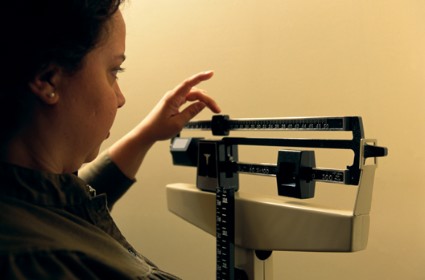
Sleeve gastrectomy often worsens GERD
Laparoscopic sleeve gastrectomy not only fails to improve gastroesophageal reflux disease in most patients who undergo the weight-loss procedure, it actually worsens GERD symptoms in many of them and induces GERD in 9%, a study showed.
In addition, patients with preexisting GERD who undergo laparoscopic sleeve gastrectomy (LSG) have high rates of surgical complications; revision surgery; failure to achieve weight loss; and failure to resolve weight-related comorbidities such as diabetes, obstructive sleep apnea, and hypertension. In contrast, patients who undergo gastric bypass show significant improvement in all of these outcomes, said Dr. Cecily E. DuPree and her associates in the department of surgery, Madigan Army Medical Center, Fort Lewis, Wash.

Based on the findings from their study of a national database including 4,832 patients who had laparoscopic sleeve gastrectomy (LSG) and 33,867 who had gastric bypass (GB), "we believe that all patients should be evaluated for the presence and severity of GERD and counseled regarding the relative efficacy of LSG vs. GB or other bariatric operations before surgery. Although there is no definitive evidence to support the listing of GERD as an absolute contraindication to LSG, the available data suggest that the presence of preexisting severe GERD or esophageal dysmotility may be considered a relative contraindication," they said.
They noted that until now, the sleeve procedure's effect on GERD was unknown. Small, single-center series "have raised significant concerns," but no large study has examined the issue. So she and her associates used data from a large, nationwide database (the Bariatric Outcomes Longitudinal Database) to track the resolution, persistence, or development of GERD in 4,832 patients who underwent laparoscopic sleeve gastrectomy in 2007-2010, comparing their outcomes with those of 33,867 patients who underwent gastric bypass during the same period and served as controls.
The prevalence of GERD was 49.7% in the study population, and that of severe GERD was 25.7%, confirming that GERD is very common in candidates for bariatric surgery.
The prevalence of GERD was 44.5% among patients undergoing the sleeve procedure. "This highlights the concern that there is a large population at risk of adverse outcomes after LSG if the procedure is associated with anatomical or physiologic changes that increase the risk of postoperative GERD," the investigators noted.
Most LSG patients (84.1%) had persistent GERD symptoms after the procedure; only 15.9% reported resolution of symptoms. An additional 9.0% of LSG patients reported postoperative worsening of symptoms. And 8.6% of patients who didn't have GERD before undergoing sleeve gastrectomy developed GERD afterward.
In contrast, most patients who underwent gastric bypass showed complete resolution (62.8%) or stabilization (17.6%) of GERD symptoms. Only 2.2% reported worsening GERD symptoms, and none developed de novo symptoms.
Among the LSG patients, the complication rate was significantly higher in those with preexisting GERD (15.1%) or preexisting severe GERD (16.3%) than in those without GERD (10.6%). "There was also a small but statistically significant increase in the need for revisional surgery between LSG patients with and without preoperative GERD symptoms (0.6% vs. 0.3%)" (JAMA Surg. 2014 [doi:10.1001/jamasurg.2013.4323]).
In contrast, the presence of GERD had no effect on complications in the control group. Similarly, the rate of failure to lose weight was higher in LSG patients with preoperative GERD and in LSG patients with severe preoperative GERD than in those without GERD. Again, the presence of GERD had no such effect on weight loss in the gastric bypass patients.
In addition, the percentage of patients who showed resolution of comorbidities was significantly decreased among patients with preoperative GERD who underwent LSG, compared with all other groups.
"These data raise significant concerns about the effect of LSG on the obesity-related comorbidity of GERD and suggest that most patients with preexisting GERD will have either no improvement or possibly worsening of their symptoms after LSG," Dr. DuPree and her associates said.
Modifying surgical technique so that sleeve size and volume are attended to, narrowing of the gastric body or pylorus is avoided, and hiatal hernias are assiduously identified and repaired may reduce the risk of post-LSG GERD, the investigators said.
Laparoscopic sleeve gastrectomy not only fails to improve gastroesophageal reflux disease in most patients who undergo the weight-loss procedure, it actually worsens GERD symptoms in many of them and induces GERD in 9%, a study showed.
In addition, patients with preexisting GERD who undergo laparoscopic sleeve gastrectomy (LSG) have high rates of surgical complications; revision surgery; failure to achieve weight loss; and failure to resolve weight-related comorbidities such as diabetes, obstructive sleep apnea, and hypertension. In contrast, patients who undergo gastric bypass show significant improvement in all of these outcomes, said Dr. Cecily E. DuPree and her associates in the department of surgery, Madigan Army Medical Center, Fort Lewis, Wash.
Based on the findings from their study of a national database including 4,832 patients who had laparoscopic sleeve gastrectomy (LSG) and 33,867 who had gastric bypass (GB), "we believe that all patients should be evaluated for the presence and severity of GERD and counseled regarding the relative efficacy of LSG vs. GB or other bariatric operations before surgery. Although there is no definitive evidence to support the listing of GERD as an absolute contraindication to LSG, the available data suggest that the presence of preexisting severe GERD or esophageal dysmotility may be considered a relative contraindication," they said.
They noted that until now, the sleeve procedure's effect on GERD was unknown. Small, single-center series "have raised significant concerns," but no large study has examined the issue. So she and her associates used data from a large, nationwide database (the Bariatric Outcomes Longitudinal Database) to track the resolution, persistence, or development of GERD in 4,832 patients who underwent laparoscopic sleeve gastrectomy in 2007-2010, comparing their outcomes with those of 33,867 patients who underwent gastric bypass during the same period and served as controls.
The prevalence of GERD was 49.7% in the study population, and that of severe GERD was 25.7%, confirming that GERD is very common in candidates for bariatric surgery.
The prevalence of GERD was 44.5% among patients undergoing the sleeve procedure. "This highlights the concern that there is a large population at risk of adverse outcomes after LSG if the procedure is associated with anatomical or physiologic changes that increase the risk of postoperative GERD," the investigators noted.
Most LSG patients (84.1%) had persistent GERD symptoms after the procedure; only 15.9% reported resolution of symptoms. An additional 9.0% of LSG patients reported postoperative worsening of symptoms. And 8.6% of patients who didn't have GERD before undergoing sleeve gastrectomy developed GERD afterward.
In contrast, most patients who underwent gastric bypass showed complete resolution (62.8%) or stabilization (17.6%) of GERD symptoms. Only 2.2% reported worsening GERD symptoms, and none developed de novo symptoms.
Among the LSG patients, the complication rate was significantly higher in those with preexisting GERD (15.1%) or preexisting severe GERD (16.3%) than in those without GERD (10.6%). "There was also a small but statistically significant increase in the need for revisional surgery between LSG patients with and without preoperative GERD symptoms (0.6% vs. 0.3%)" (JAMA Surg. 2014 [doi:10.1001/jamasurg.2013.4323]).
In contrast, the presence of GERD had no effect on complications in the control group. Similarly, the rate of failure to lose weight was higher in LSG patients with preoperative GERD and in LSG patients with severe preoperative GERD than in those without GERD. Again, the presence of GERD had no such effect on weight loss in the gastric bypass patients.
In addition, the percentage of patients who showed resolution of comorbidities was significantly decreased among patients with preoperative GERD who underwent LSG, compared with all other groups.
"These data raise significant concerns about the effect of LSG on the obesity-related comorbidity of GERD and suggest that most patients with preexisting GERD will have either no improvement or possibly worsening of their symptoms after LSG," Dr. DuPree and her associates said.
Modifying surgical technique so that sleeve size and volume are attended to, narrowing of the gastric body or pylorus is avoided, and hiatal hernias are assiduously identified and repaired may reduce the risk of post-LSG GERD, the investigators said.
Laparoscopic sleeve gastrectomy not only fails to improve gastroesophageal reflux disease in most patients who undergo the weight-loss procedure, it actually worsens GERD symptoms in many of them and induces GERD in 9%, a study showed.
In addition, patients with preexisting GERD who undergo laparoscopic sleeve gastrectomy (LSG) have high rates of surgical complications; revision surgery; failure to achieve weight loss; and failure to resolve weight-related comorbidities such as diabetes, obstructive sleep apnea, and hypertension. In contrast, patients who undergo gastric bypass show significant improvement in all of these outcomes, said Dr. Cecily E. DuPree and her associates in the department of surgery, Madigan Army Medical Center, Fort Lewis, Wash.
Based on the findings from their study of a national database including 4,832 patients who had laparoscopic sleeve gastrectomy (LSG) and 33,867 who had gastric bypass (GB), "we believe that all patients should be evaluated for the presence and severity of GERD and counseled regarding the relative efficacy of LSG vs. GB or other bariatric operations before surgery. Although there is no definitive evidence to support the listing of GERD as an absolute contraindication to LSG, the available data suggest that the presence of preexisting severe GERD or esophageal dysmotility may be considered a relative contraindication," they said.
They noted that until now, the sleeve procedure's effect on GERD was unknown. Small, single-center series "have raised significant concerns," but no large study has examined the issue. So she and her associates used data from a large, nationwide database (the Bariatric Outcomes Longitudinal Database) to track the resolution, persistence, or development of GERD in 4,832 patients who underwent laparoscopic sleeve gastrectomy in 2007-2010, comparing their outcomes with those of 33,867 patients who underwent gastric bypass during the same period and served as controls.
The prevalence of GERD was 49.7% in the study population, and that of severe GERD was 25.7%, confirming that GERD is very common in candidates for bariatric surgery.
The prevalence of GERD was 44.5% among patients undergoing the sleeve procedure. "This highlights the concern that there is a large population at risk of adverse outcomes after LSG if the procedure is associated with anatomical or physiologic changes that increase the risk of postoperative GERD," the investigators noted.
Most LSG patients (84.1%) had persistent GERD symptoms after the procedure; only 15.9% reported resolution of symptoms. An additional 9.0% of LSG patients reported postoperative worsening of symptoms. And 8.6% of patients who didn't have GERD before undergoing sleeve gastrectomy developed GERD afterward.
In contrast, most patients who underwent gastric bypass showed complete resolution (62.8%) or stabilization (17.6%) of GERD symptoms. Only 2.2% reported worsening GERD symptoms, and none developed de novo symptoms.
Among the LSG patients, the complication rate was significantly higher in those with preexisting GERD (15.1%) or preexisting severe GERD (16.3%) than in those without GERD (10.6%). "There was also a small but statistically significant increase in the need for revisional surgery between LSG patients with and without preoperative GERD symptoms (0.6% vs. 0.3%)" (JAMA Surg. 2014 [doi:10.1001/jamasurg.2013.4323]).
In contrast, the presence of GERD had no effect on complications in the control group. Similarly, the rate of failure to lose weight was higher in LSG patients with preoperative GERD and in LSG patients with severe preoperative GERD than in those without GERD. Again, the presence of GERD had no such effect on weight loss in the gastric bypass patients.
In addition, the percentage of patients who showed resolution of comorbidities was significantly decreased among patients with preoperative GERD who underwent LSG, compared with all other groups.
"These data raise significant concerns about the effect of LSG on the obesity-related comorbidity of GERD and suggest that most patients with preexisting GERD will have either no improvement or possibly worsening of their symptoms after LSG," Dr. DuPree and her associates said.
Modifying surgical technique so that sleeve size and volume are attended to, narrowing of the gastric body or pylorus is avoided, and hiatal hernias are assiduously identified and repaired may reduce the risk of post-LSG GERD, the investigators said.