User login
Hidradenitis suppurativa diagnosis typically delayed in children
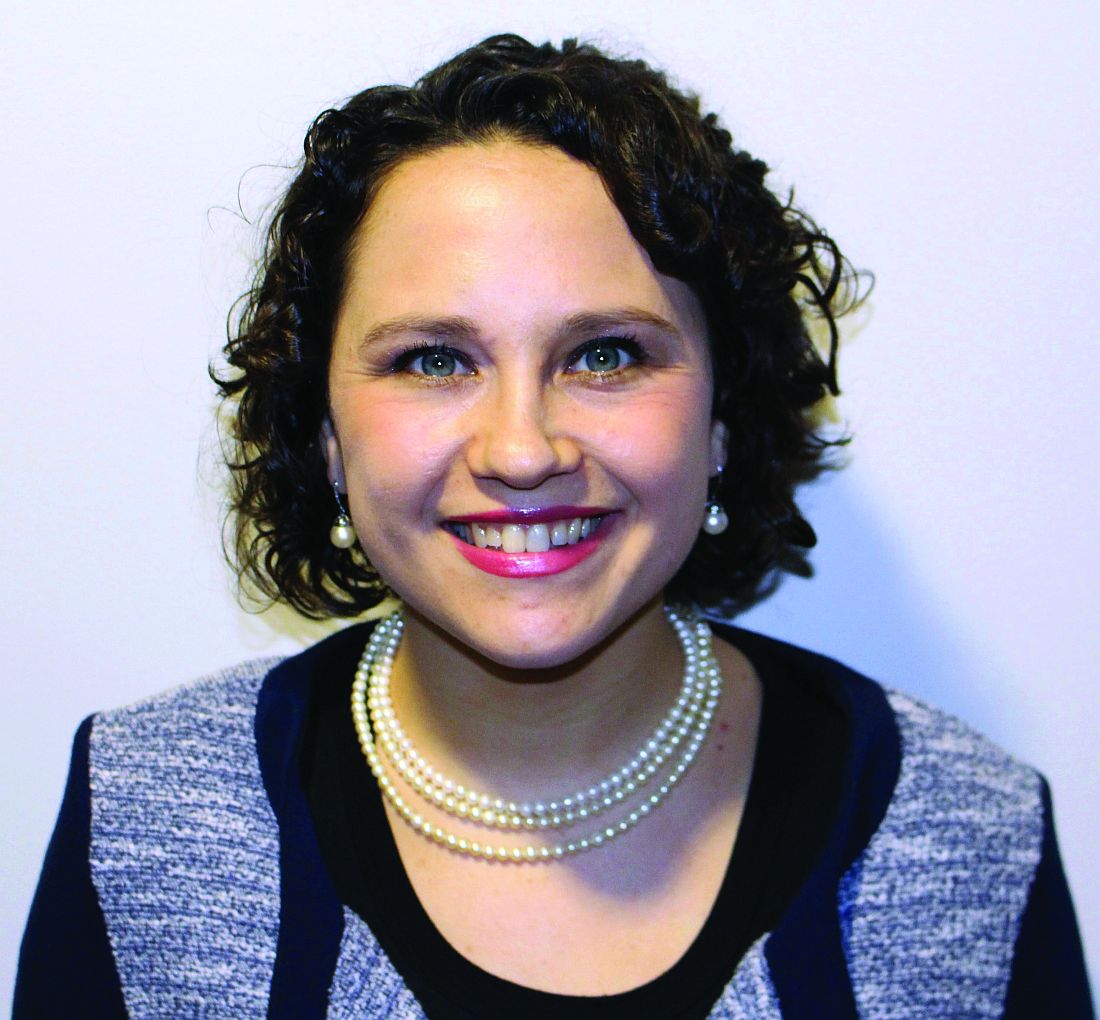
WASHINGTON – Children with hidradenitis suppurativa (HS) may suffer with symptoms for an average of 7 years before they are diagnosed, according to pediatric dermatologist Anna Yasmine Kirkorian, MD.
Data from a 2015 study showed that 73% of pediatric patients with HS were diagnosed more than 2 years after the onset of symptoms, said Dr. Kirkorian of the department of dermatology at Children’s National Health System and George Washington University, Washington. (Br J Dermatol. 2015 Dec;173[6]:1546-9).
Genetics can play a role in HS, likely via mutations in the gamma-secretase protein that leads to epidermal differentiation and immune regulation, Dr. Kirkorian said. Most of her patients with HS are black, and a recent study described a gamma-secretase mutation in a black family of a proband and four family members, she noted (JAMA Dermatol. 2015 Jun;151[6]:668-70). Gamma-secretase mutations also have been identified in Han Chinese populations, she said.

HS also is associated with precocious puberty. However, defining the age of onset of puberty can be difficulty because pubertal onset may vary between different ethnicities, noted Dr. Kirkorian. “Prepubertal children presenting with HS warrant an endocrinologic evaluation,” she said.
Dr. Kirkorian added that more research is needed to pinpoint the possible genetic component of HS and to identify genetic susceptibility that could lead to targeted treatment strategies.
The optimal treatment plan for pediatric HS is multimodal and addresses the comorbidities common with the condition, she said, and she predicted that specialized clinic or treatment centers that bring together areas, including psychiatry, wound care, pain management, surgery, endocrinology, and genetics, will evolve to serve these patients. To support these collaborative efforts, Dr. Kirkorian is a member of the Pediatric Dermatology Research Alliance (PeDRA), an organization formed to accelerate research on skin diseases in children.
The symposium was sponsored by AbbVie. Dr. Kirkorian had no financial conflicts to disclose. She is on the editorial board of Dermatology News.
WASHINGTON – Children with hidradenitis suppurativa (HS) may suffer with symptoms for an average of 7 years before they are diagnosed, according to pediatric dermatologist Anna Yasmine Kirkorian, MD.
Data from a 2015 study showed that 73% of pediatric patients with HS were diagnosed more than 2 years after the onset of symptoms, said Dr. Kirkorian of the department of dermatology at Children’s National Health System and George Washington University, Washington. (Br J Dermatol. 2015 Dec;173[6]:1546-9).
Genetics can play a role in HS, likely via mutations in the gamma-secretase protein that leads to epidermal differentiation and immune regulation, Dr. Kirkorian said. Most of her patients with HS are black, and a recent study described a gamma-secretase mutation in a black family of a proband and four family members, she noted (JAMA Dermatol. 2015 Jun;151[6]:668-70). Gamma-secretase mutations also have been identified in Han Chinese populations, she said.
HS also is associated with precocious puberty. However, defining the age of onset of puberty can be difficulty because pubertal onset may vary between different ethnicities, noted Dr. Kirkorian. “Prepubertal children presenting with HS warrant an endocrinologic evaluation,” she said.
Dr. Kirkorian added that more research is needed to pinpoint the possible genetic component of HS and to identify genetic susceptibility that could lead to targeted treatment strategies.
The optimal treatment plan for pediatric HS is multimodal and addresses the comorbidities common with the condition, she said, and she predicted that specialized clinic or treatment centers that bring together areas, including psychiatry, wound care, pain management, surgery, endocrinology, and genetics, will evolve to serve these patients. To support these collaborative efforts, Dr. Kirkorian is a member of the Pediatric Dermatology Research Alliance (PeDRA), an organization formed to accelerate research on skin diseases in children.
The symposium was sponsored by AbbVie. Dr. Kirkorian had no financial conflicts to disclose. She is on the editorial board of Dermatology News.
WASHINGTON – Children with hidradenitis suppurativa (HS) may suffer with symptoms for an average of 7 years before they are diagnosed, according to pediatric dermatologist Anna Yasmine Kirkorian, MD.
Data from a 2015 study showed that 73% of pediatric patients with HS were diagnosed more than 2 years after the onset of symptoms, said Dr. Kirkorian of the department of dermatology at Children’s National Health System and George Washington University, Washington. (Br J Dermatol. 2015 Dec;173[6]:1546-9).
Genetics can play a role in HS, likely via mutations in the gamma-secretase protein that leads to epidermal differentiation and immune regulation, Dr. Kirkorian said. Most of her patients with HS are black, and a recent study described a gamma-secretase mutation in a black family of a proband and four family members, she noted (JAMA Dermatol. 2015 Jun;151[6]:668-70). Gamma-secretase mutations also have been identified in Han Chinese populations, she said.
HS also is associated with precocious puberty. However, defining the age of onset of puberty can be difficulty because pubertal onset may vary between different ethnicities, noted Dr. Kirkorian. “Prepubertal children presenting with HS warrant an endocrinologic evaluation,” she said.
Dr. Kirkorian added that more research is needed to pinpoint the possible genetic component of HS and to identify genetic susceptibility that could lead to targeted treatment strategies.
The optimal treatment plan for pediatric HS is multimodal and addresses the comorbidities common with the condition, she said, and she predicted that specialized clinic or treatment centers that bring together areas, including psychiatry, wound care, pain management, surgery, endocrinology, and genetics, will evolve to serve these patients. To support these collaborative efforts, Dr. Kirkorian is a member of the Pediatric Dermatology Research Alliance (PeDRA), an organization formed to accelerate research on skin diseases in children.
The symposium was sponsored by AbbVie. Dr. Kirkorian had no financial conflicts to disclose. She is on the editorial board of Dermatology News.
VIDEO: Hidradenitis suppurativa in pediatrics similar to that in adults
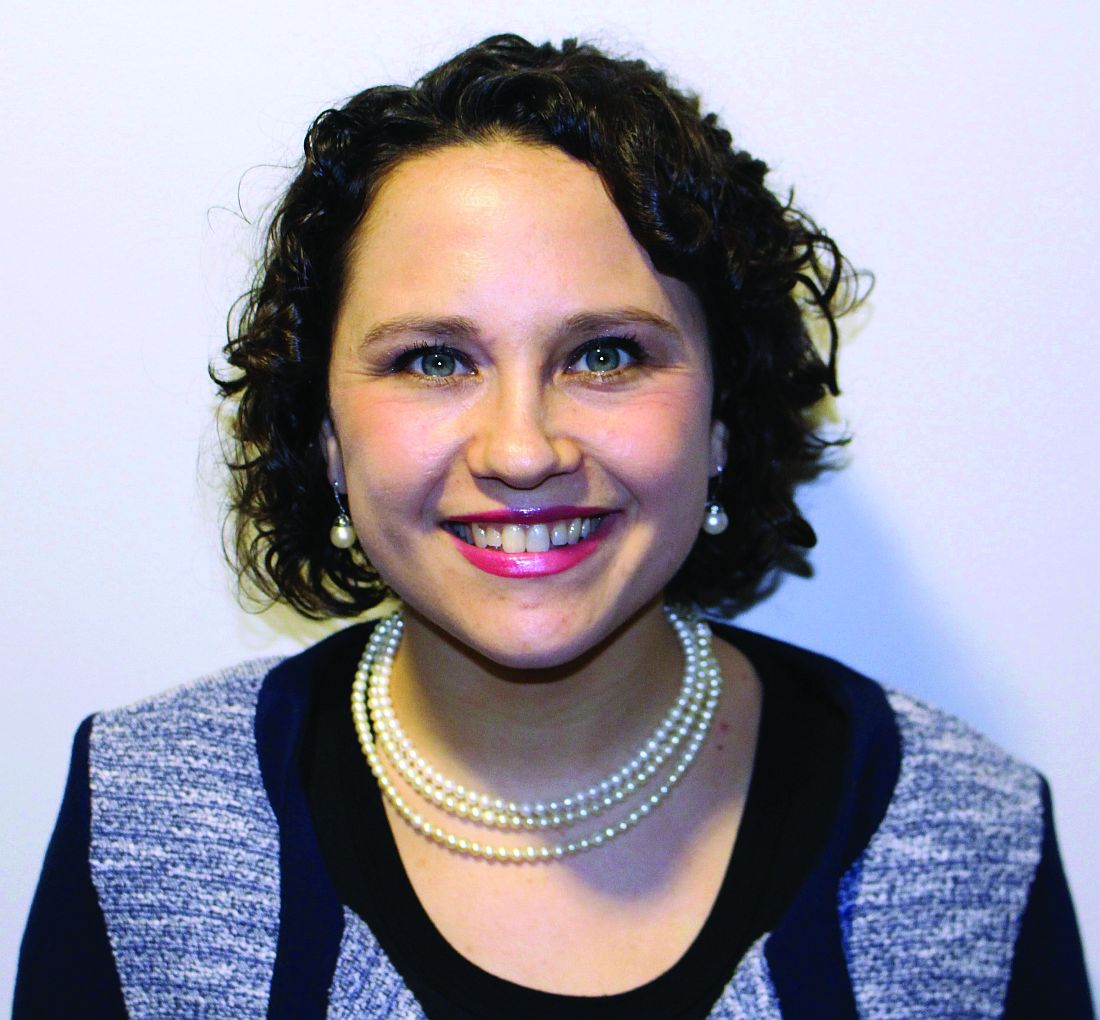
WASHINGTON– Hidradenitis suppurativa (HS) can present early in adolescence, and the approach to treatment in pediatric patients is similar to treatment in adults, “with a few caveats,” A. Yasmine Kirkorian, MD, said in a video interview at an educational session held by George Washington University.
While the literature often states that HS starts in a person’s 20s, it primarily starts in adolescence, sometimes earlier, with a presentation that is similar to that seen in adults and appearing at the same sites, such as the armpits and groin, said Dr. Kirkorian a pediatric dermatologist at Children’s National Health System and George Washington University, Washington.
“As dermatologists, we know this. Kids are getting this disease, but we need to characterize that better in the literature so that we can start to apply the adult style therapeutics in clinical trials ... to children,” she added.
In the interview, Dr. Kirkorian discussed treatment strategies, as well as familial cases of HS and the links between HS and Down syndrome and inflammatory bowel disease in children.
The meeting was sponsored by AbbVie. Dr. Kirkorian had no financial conflicts to disclose.
The video associated with this article is no longer available on this site. Please view all of our videos on the MDedge YouTube channel
WASHINGTON– Hidradenitis suppurativa (HS) can present early in adolescence, and the approach to treatment in pediatric patients is similar to treatment in adults, “with a few caveats,” A. Yasmine Kirkorian, MD, said in a video interview at an educational session held by George Washington University.
While the literature often states that HS starts in a person’s 20s, it primarily starts in adolescence, sometimes earlier, with a presentation that is similar to that seen in adults and appearing at the same sites, such as the armpits and groin, said Dr. Kirkorian a pediatric dermatologist at Children’s National Health System and George Washington University, Washington.
“As dermatologists, we know this. Kids are getting this disease, but we need to characterize that better in the literature so that we can start to apply the adult style therapeutics in clinical trials ... to children,” she added.
In the interview, Dr. Kirkorian discussed treatment strategies, as well as familial cases of HS and the links between HS and Down syndrome and inflammatory bowel disease in children.
The meeting was sponsored by AbbVie. Dr. Kirkorian had no financial conflicts to disclose.
The video associated with this article is no longer available on this site. Please view all of our videos on the MDedge YouTube channel
WASHINGTON– Hidradenitis suppurativa (HS) can present early in adolescence, and the approach to treatment in pediatric patients is similar to treatment in adults, “with a few caveats,” A. Yasmine Kirkorian, MD, said in a video interview at an educational session held by George Washington University.
While the literature often states that HS starts in a person’s 20s, it primarily starts in adolescence, sometimes earlier, with a presentation that is similar to that seen in adults and appearing at the same sites, such as the armpits and groin, said Dr. Kirkorian a pediatric dermatologist at Children’s National Health System and George Washington University, Washington.
“As dermatologists, we know this. Kids are getting this disease, but we need to characterize that better in the literature so that we can start to apply the adult style therapeutics in clinical trials ... to children,” she added.
In the interview, Dr. Kirkorian discussed treatment strategies, as well as familial cases of HS and the links between HS and Down syndrome and inflammatory bowel disease in children.
The meeting was sponsored by AbbVie. Dr. Kirkorian had no financial conflicts to disclose.
The video associated with this article is no longer available on this site. Please view all of our videos on the MDedge YouTube channel

VIDEO: Surgery succeeds with select hidradenitis suppurativa patients
WASHINGTON – Medication has its limits for some patients with more severe hidradenitis suppurativa, and these patients can often benefit from surgical treatment, Chris Sayed, MD, said at an educational session held by George Washington University.
The video associated with this article is no longer available on this site. Please view all of our videos on the MDedge YouTube channel
“Especially if patients have relatively limited areas of sinus, being able to do some local procedures [is] what will get the patient a lot better,” Dr. Sayed of the department of dermatology at the University of North Carolina, Chapel Hill, said in a video interview. “Whereas the medicines would never have made that sinus go away.”
The meeting was supported by AbbVie. Dr. Sayed disclosed financial relationships with the company.
WASHINGTON – Medication has its limits for some patients with more severe hidradenitis suppurativa, and these patients can often benefit from surgical treatment, Chris Sayed, MD, said at an educational session held by George Washington University.
The video associated with this article is no longer available on this site. Please view all of our videos on the MDedge YouTube channel
“Especially if patients have relatively limited areas of sinus, being able to do some local procedures [is] what will get the patient a lot better,” Dr. Sayed of the department of dermatology at the University of North Carolina, Chapel Hill, said in a video interview. “Whereas the medicines would never have made that sinus go away.”
The meeting was supported by AbbVie. Dr. Sayed disclosed financial relationships with the company.
WASHINGTON – Medication has its limits for some patients with more severe hidradenitis suppurativa, and these patients can often benefit from surgical treatment, Chris Sayed, MD, said at an educational session held by George Washington University.
The video associated with this article is no longer available on this site. Please view all of our videos on the MDedge YouTube channel
“Especially if patients have relatively limited areas of sinus, being able to do some local procedures [is] what will get the patient a lot better,” Dr. Sayed of the department of dermatology at the University of North Carolina, Chapel Hill, said in a video interview. “Whereas the medicines would never have made that sinus go away.”
The meeting was supported by AbbVie. Dr. Sayed disclosed financial relationships with the company.

Risankizumab tops ustekinumab in phase II psoriasis trial
At 12 weeks, 77% of psoriasis patients treated with risankizumab showed a 90% or greater reduction in Psoriasis Area and Severity Index (PASI) score, compared with 40% of ustekinumab patients, in a phase II randomized trial.
The results were published April 19 in the New England Journal of Medicine.
Ustekinumab (Stelara), approved by the Food and Drug Administration in 2009, blocks interleukin-12 and interleukin-23 and has demonstrated effectiveness in psoriasis patients. However, the humanized IgG1 monoclonal antibody risankizumab goes farther and “selectively inhibits interleukin-23 by specifically targeting p19,” wrote Kim A. Papp, MD, PhD, of K. Papp Clinical Research and Probity Medical Research, Waterloo, Ont., and associates (N. Engl. J. Med. 2017;376:1551-60. doi: 10.1056/NEJMoa1607017).
To compare clinical response and safety, the researchers enrolled 166 adults aged 18-75 years with moderate to severe plaque psoriasis, in the phase II study. Patients were randomized to subcutaneous injections of risankizumab at one of three doses, or ustekinumab at one of two doses. Risankizumab patients received a single 18-mg dose at week 0, or 90-mg or 180-mg doses at weeks 0, 4, and 16. Ustekinumab patients weighing 100 kg or less received 45 mg at weeks 0, 4, and 16; those weighing more than 100 kg received 90 mg at weeks 0, 4, and 16. Demographics were similar among the treatment groups.
The primary end point was a 90% or greater reduction in the PASI score at week 12, compared with baseline.
In pooled results of the risankizumab 90-mg and 180-mg groups, 77% of patients achieved a PASI 90 at 12 weeks (73% of the 90-mg group and 81% of the 180-mg group), vs. 40% of ustekinumab patients (P less than .001). Complete clearance of lesions (PASI 100) occurred among risankizumab patients in 14% of the 18-mg group, 41% of the 90-mg group, and 48% of the 180-mg group, compared with 18% of the ustekinumab group.
Among risankizumab patients, the rates of adverse events through 48 weeks were 81% in the 180-mg group, 80% in the 90-mg group, and 69% in the 180-mg group, compared with 72% in those on ustekinumab, with nasopharyngitis the most commonly reported adverse event in all the treatment groups. The rates of serious adverse events were 12% and 15% among those in the 18-mg and 90-mg risankizumab groups, respectively; 0% among those on the 180-mg dose, and 8% among those on ustekinumab.
The study was not large or long enough to provide conclusive safety data on risankizumab, and additional studies are needed to review psoriasis lesions over a longer time period and include both placebo and active comparators, researchers noted. However, the results suggest that “the selective blockade of interleukin-23 through the inhibition of the p19 subunit rather than p40 provides a more complete inhibition of interleukin-23 activity, potentially resulting in a greater efficacy in the treatment of plaque psoriasis at the doses used,” they said.
The study was supported by Boehringer Ingelheim. Several study coauthors, including lead author Dr. Papp, disclosed relationships with Boehringer Ingelheim and other companies. Several authors are Boehringer Ingelheim employees.
At 12 weeks, 77% of psoriasis patients treated with risankizumab showed a 90% or greater reduction in Psoriasis Area and Severity Index (PASI) score, compared with 40% of ustekinumab patients, in a phase II randomized trial.
The results were published April 19 in the New England Journal of Medicine.
Ustekinumab (Stelara), approved by the Food and Drug Administration in 2009, blocks interleukin-12 and interleukin-23 and has demonstrated effectiveness in psoriasis patients. However, the humanized IgG1 monoclonal antibody risankizumab goes farther and “selectively inhibits interleukin-23 by specifically targeting p19,” wrote Kim A. Papp, MD, PhD, of K. Papp Clinical Research and Probity Medical Research, Waterloo, Ont., and associates (N. Engl. J. Med. 2017;376:1551-60. doi: 10.1056/NEJMoa1607017).
To compare clinical response and safety, the researchers enrolled 166 adults aged 18-75 years with moderate to severe plaque psoriasis, in the phase II study. Patients were randomized to subcutaneous injections of risankizumab at one of three doses, or ustekinumab at one of two doses. Risankizumab patients received a single 18-mg dose at week 0, or 90-mg or 180-mg doses at weeks 0, 4, and 16. Ustekinumab patients weighing 100 kg or less received 45 mg at weeks 0, 4, and 16; those weighing more than 100 kg received 90 mg at weeks 0, 4, and 16. Demographics were similar among the treatment groups.
The primary end point was a 90% or greater reduction in the PASI score at week 12, compared with baseline.
In pooled results of the risankizumab 90-mg and 180-mg groups, 77% of patients achieved a PASI 90 at 12 weeks (73% of the 90-mg group and 81% of the 180-mg group), vs. 40% of ustekinumab patients (P less than .001). Complete clearance of lesions (PASI 100) occurred among risankizumab patients in 14% of the 18-mg group, 41% of the 90-mg group, and 48% of the 180-mg group, compared with 18% of the ustekinumab group.
Among risankizumab patients, the rates of adverse events through 48 weeks were 81% in the 180-mg group, 80% in the 90-mg group, and 69% in the 180-mg group, compared with 72% in those on ustekinumab, with nasopharyngitis the most commonly reported adverse event in all the treatment groups. The rates of serious adverse events were 12% and 15% among those in the 18-mg and 90-mg risankizumab groups, respectively; 0% among those on the 180-mg dose, and 8% among those on ustekinumab.
The study was not large or long enough to provide conclusive safety data on risankizumab, and additional studies are needed to review psoriasis lesions over a longer time period and include both placebo and active comparators, researchers noted. However, the results suggest that “the selective blockade of interleukin-23 through the inhibition of the p19 subunit rather than p40 provides a more complete inhibition of interleukin-23 activity, potentially resulting in a greater efficacy in the treatment of plaque psoriasis at the doses used,” they said.
The study was supported by Boehringer Ingelheim. Several study coauthors, including lead author Dr. Papp, disclosed relationships with Boehringer Ingelheim and other companies. Several authors are Boehringer Ingelheim employees.
At 12 weeks, 77% of psoriasis patients treated with risankizumab showed a 90% or greater reduction in Psoriasis Area and Severity Index (PASI) score, compared with 40% of ustekinumab patients, in a phase II randomized trial.
The results were published April 19 in the New England Journal of Medicine.
Ustekinumab (Stelara), approved by the Food and Drug Administration in 2009, blocks interleukin-12 and interleukin-23 and has demonstrated effectiveness in psoriasis patients. However, the humanized IgG1 monoclonal antibody risankizumab goes farther and “selectively inhibits interleukin-23 by specifically targeting p19,” wrote Kim A. Papp, MD, PhD, of K. Papp Clinical Research and Probity Medical Research, Waterloo, Ont., and associates (N. Engl. J. Med. 2017;376:1551-60. doi: 10.1056/NEJMoa1607017).
To compare clinical response and safety, the researchers enrolled 166 adults aged 18-75 years with moderate to severe plaque psoriasis, in the phase II study. Patients were randomized to subcutaneous injections of risankizumab at one of three doses, or ustekinumab at one of two doses. Risankizumab patients received a single 18-mg dose at week 0, or 90-mg or 180-mg doses at weeks 0, 4, and 16. Ustekinumab patients weighing 100 kg or less received 45 mg at weeks 0, 4, and 16; those weighing more than 100 kg received 90 mg at weeks 0, 4, and 16. Demographics were similar among the treatment groups.
The primary end point was a 90% or greater reduction in the PASI score at week 12, compared with baseline.
In pooled results of the risankizumab 90-mg and 180-mg groups, 77% of patients achieved a PASI 90 at 12 weeks (73% of the 90-mg group and 81% of the 180-mg group), vs. 40% of ustekinumab patients (P less than .001). Complete clearance of lesions (PASI 100) occurred among risankizumab patients in 14% of the 18-mg group, 41% of the 90-mg group, and 48% of the 180-mg group, compared with 18% of the ustekinumab group.
Among risankizumab patients, the rates of adverse events through 48 weeks were 81% in the 180-mg group, 80% in the 90-mg group, and 69% in the 180-mg group, compared with 72% in those on ustekinumab, with nasopharyngitis the most commonly reported adverse event in all the treatment groups. The rates of serious adverse events were 12% and 15% among those in the 18-mg and 90-mg risankizumab groups, respectively; 0% among those on the 180-mg dose, and 8% among those on ustekinumab.
The study was not large or long enough to provide conclusive safety data on risankizumab, and additional studies are needed to review psoriasis lesions over a longer time period and include both placebo and active comparators, researchers noted. However, the results suggest that “the selective blockade of interleukin-23 through the inhibition of the p19 subunit rather than p40 provides a more complete inhibition of interleukin-23 activity, potentially resulting in a greater efficacy in the treatment of plaque psoriasis at the doses used,” they said.
The study was supported by Boehringer Ingelheim. Several study coauthors, including lead author Dr. Papp, disclosed relationships with Boehringer Ingelheim and other companies. Several authors are Boehringer Ingelheim employees.
Key clinical point: Clinical responses in psoriasis patients treated with risankizumab were superior to responses in patients treated with ustekinumab.
Major finding: At 12 weeks, 77% of risankizumab patients showed a 90% or greater reduction in PASI score, compared with 40% of ustekinumab patients.
Data source: A phase II randomized trial of 166 adults with moderate to severe plaque psoriasis.
Disclosures: The study was supported by Boehringer Ingelheim. Several study coauthors, including lead author Dr. Papp, disclosed relationships with Boehringer Ingelheim and other companies; several were employees of Boehringer.
Septic shock patients suffer most from delayed antibiotics
Hospital mortality for sepsis patients was 9% more likely with each hour of delayed administration of antibiotics, and the mortality rates increased with the severity of sepsis, based on data from 35,000 randomly selected sepsis patients.
Early administration of antibiotics in sepsis cases has become accepted as a way to improve outcomes, but the benefits have not been well studied, wrote Vincent X Liu, MD, MS, of Kaiser Permanente Division of Research, Oakland, Calif., and his colleagues.
To quantify the impact of antibiotic timing on mortality rates in different types of sepsis patients, the researchers reviewed data from 35,000 adults treated for sepsis at 21 emergency departments in northern California between 2010 and 2013. The time from registration at the emergency department to administration of the first antibiotics was less than 6 hours (Am J Respir Crit Care Med. 2017 March 27. doi: 10.1164/rccm.201609-1848OC).
The overall mortality rates were 3.9%, 8.8%, and 26.0% for sepsis, severe sepsis, and septic shock, respectively. Absolute mortality increased by 0.3% for sepsis, 0.4% for severe sepsis, and 1.8% for septic shock patients after an hour’s delay in the administration of antibiotics, and the adjusted odds ratio for hospital mortality was 1.09 for each hour between patient registration and antibiotic administration. The median time to the first administration of antibiotics was 2.1 hours, ranging from 1.7 hours for septic shock patients to 2.3 hours for sepsis patients, with ceftriaxone having been the most commonly used antibiotic across all groups.
Approximately 42% of patients received one antibiotic and 43% received two antibiotics. The odds of receiving two or more antibiotics were significantly higher for septic shock patients compared with sepsis patients (72% vs. 52%, respectively).
The findings were limited by several factors, including the inability to adjust for concomitant sepsis treatments and preexisting antibiotic treatments, the researchers said.
The study results do not resolve all questions about the timing of antibiotic administration for sepsis patients, such as whether there is additional benefit to giving the medications at 2 hours rather than 3 hours or 4 hours after ED admission, the researchers noted. However, “our findings support currently held beliefs that administering early antibiotics to infected patients with systemic inflammation is beneficial for reducing mortality,” they said.
The study was supported in part by the Permanente Medical Group and Kaiser Foundation Hospitals, the National Institute of General Medical Sciences, and the Veterans Affairs Health Services Research and Development Service.
In medicine, we strive to increase our understanding of disease states and improve outcomes for patients. This study supports the belief that timing of the admin

In medicine, we strive to increase our understanding of disease states and improve outcomes for patients. This study supports the belief that timing of the admin
In medicine, we strive to increase our understanding of disease states and improve outcomes for patients. This study supports the belief that timing of the admin
Hospital mortality for sepsis patients was 9% more likely with each hour of delayed administration of antibiotics, and the mortality rates increased with the severity of sepsis, based on data from 35,000 randomly selected sepsis patients.
Early administration of antibiotics in sepsis cases has become accepted as a way to improve outcomes, but the benefits have not been well studied, wrote Vincent X Liu, MD, MS, of Kaiser Permanente Division of Research, Oakland, Calif., and his colleagues.
To quantify the impact of antibiotic timing on mortality rates in different types of sepsis patients, the researchers reviewed data from 35,000 adults treated for sepsis at 21 emergency departments in northern California between 2010 and 2013. The time from registration at the emergency department to administration of the first antibiotics was less than 6 hours (Am J Respir Crit Care Med. 2017 March 27. doi: 10.1164/rccm.201609-1848OC).
The overall mortality rates were 3.9%, 8.8%, and 26.0% for sepsis, severe sepsis, and septic shock, respectively. Absolute mortality increased by 0.3% for sepsis, 0.4% for severe sepsis, and 1.8% for septic shock patients after an hour’s delay in the administration of antibiotics, and the adjusted odds ratio for hospital mortality was 1.09 for each hour between patient registration and antibiotic administration. The median time to the first administration of antibiotics was 2.1 hours, ranging from 1.7 hours for septic shock patients to 2.3 hours for sepsis patients, with ceftriaxone having been the most commonly used antibiotic across all groups.
Approximately 42% of patients received one antibiotic and 43% received two antibiotics. The odds of receiving two or more antibiotics were significantly higher for septic shock patients compared with sepsis patients (72% vs. 52%, respectively).
The findings were limited by several factors, including the inability to adjust for concomitant sepsis treatments and preexisting antibiotic treatments, the researchers said.
The study results do not resolve all questions about the timing of antibiotic administration for sepsis patients, such as whether there is additional benefit to giving the medications at 2 hours rather than 3 hours or 4 hours after ED admission, the researchers noted. However, “our findings support currently held beliefs that administering early antibiotics to infected patients with systemic inflammation is beneficial for reducing mortality,” they said.
The study was supported in part by the Permanente Medical Group and Kaiser Foundation Hospitals, the National Institute of General Medical Sciences, and the Veterans Affairs Health Services Research and Development Service.
Hospital mortality for sepsis patients was 9% more likely with each hour of delayed administration of antibiotics, and the mortality rates increased with the severity of sepsis, based on data from 35,000 randomly selected sepsis patients.
Early administration of antibiotics in sepsis cases has become accepted as a way to improve outcomes, but the benefits have not been well studied, wrote Vincent X Liu, MD, MS, of Kaiser Permanente Division of Research, Oakland, Calif., and his colleagues.
To quantify the impact of antibiotic timing on mortality rates in different types of sepsis patients, the researchers reviewed data from 35,000 adults treated for sepsis at 21 emergency departments in northern California between 2010 and 2013. The time from registration at the emergency department to administration of the first antibiotics was less than 6 hours (Am J Respir Crit Care Med. 2017 March 27. doi: 10.1164/rccm.201609-1848OC).
The overall mortality rates were 3.9%, 8.8%, and 26.0% for sepsis, severe sepsis, and septic shock, respectively. Absolute mortality increased by 0.3% for sepsis, 0.4% for severe sepsis, and 1.8% for septic shock patients after an hour’s delay in the administration of antibiotics, and the adjusted odds ratio for hospital mortality was 1.09 for each hour between patient registration and antibiotic administration. The median time to the first administration of antibiotics was 2.1 hours, ranging from 1.7 hours for septic shock patients to 2.3 hours for sepsis patients, with ceftriaxone having been the most commonly used antibiotic across all groups.
Approximately 42% of patients received one antibiotic and 43% received two antibiotics. The odds of receiving two or more antibiotics were significantly higher for septic shock patients compared with sepsis patients (72% vs. 52%, respectively).
The findings were limited by several factors, including the inability to adjust for concomitant sepsis treatments and preexisting antibiotic treatments, the researchers said.
The study results do not resolve all questions about the timing of antibiotic administration for sepsis patients, such as whether there is additional benefit to giving the medications at 2 hours rather than 3 hours or 4 hours after ED admission, the researchers noted. However, “our findings support currently held beliefs that administering early antibiotics to infected patients with systemic inflammation is beneficial for reducing mortality,” they said.
The study was supported in part by the Permanente Medical Group and Kaiser Foundation Hospitals, the National Institute of General Medical Sciences, and the Veterans Affairs Health Services Research and Development Service.
FROM THE AMERICAN JOURNAL OF RESPIRATORY AND CRITICAL CARE MEDICINE
Key clinical point: Each hour of delay in antibiotic administration increased the odds of hospital mortality in sepsis patients.
Major finding: An hour delay in antibiotic administration increased the absolute mortality by 0.3% for cases of sepsis, 0.4% for severe sepsis, and 1.8% for septic shock.
Data source: A retrospective study of 35,000 adult patients treated with a sepsis quality improvement program at 21 emergency departments in California.
Disclosures: The study was supported in part by the Permanente Medical Group and Kaiser Foundation Hospitals, the National Institute of General Medical Sciences, and the Veterans Affairs Health Services Research and Development Service.
Updated embryo transfer recommendations promote singletons
Transferring fewer embryos in appropriate clinical conditions reduces the rate of multiple gestations without impacting live birth rates, according to new recommendations from the American Society for Reproductive Medicine and the Society for Assisted Reproductive Technology.
The recommendations are the first update since 2013.
Dr. Penzias and fellow committee members reviewed national data from 2013 that showed similar pregnancy rates for women aged 42 years and younger who received a single euploid blastocyst or two untested blastocysts. But the risk of twins was significantly reduced with single embryo transfers (Fertil Steril. 2017 Apr;107[4]:901-3).
The recommendations state that euploid embryo transfer should be limited to one for women of any age with a favorable prognosis, and for women younger than 35 years regardless of the embryo stage.
Patients aged 35-37 years should first consider single-embryo transfer, and patients aged 38-40 years should receive single-blastocyst embryo transfers if euploid embryos are available, but no more than three cleavage-stage embryos or two blastocysts.
Patients aged 41-42 years should receive single blastocyst transfer if euploid embryos are available, or no more than four cleavage-stage embryos or three blastocysts.
For patients in each age group without a favorable prognosis, the recommendations support transfer of an additional embryo based on individual circumstances and with the condition of patient counseling about the risk of multiples. Additional embryo transfers also may be considered for women who fail to conceive after multiple cycles.
However, “patients with a coexisting medical condition for which a multiple pregnancy may increase the risk of significant morbidity should not have more than one embryo transferred,” the committee members wrote.
The recommendations also call for single-embryo transfer in donor cases where the oocyte donor is younger than 35 years. For patients using frozen embryos, transfers should not exceed the recommended numbers for each age group, and decisions should be based in part on the patient’s age when the embryos were frozen.
The new recommendations will impact clinical practice by providing clinicians with the data they need when counseling patients, said Dr. Penzias, a reproductive endocrinologist in Waltham, Mass., and a clinical professor at Harvard Medical School.
Patients should receive the take-home message that “placing more embryos at once isn’t the best way to achieve their goals,” he said. The recommendations “will help to continue the trend toward single-embryo transfer in an ever-widening group of patients,” he noted.
Looking ahead to research that might inform future recommendations, Dr. Penzias noted, “noninvasive assessment of embryo potential is actively being pursued. [Plus], better understanding of the endometrium and issues around implantation,” he said.
The committee members who developed the recommendations reported having no relevant financial conflicts.
Transferring fewer embryos in appropriate clinical conditions reduces the rate of multiple gestations without impacting live birth rates, according to new recommendations from the American Society for Reproductive Medicine and the Society for Assisted Reproductive Technology.
The recommendations are the first update since 2013.
Dr. Penzias and fellow committee members reviewed national data from 2013 that showed similar pregnancy rates for women aged 42 years and younger who received a single euploid blastocyst or two untested blastocysts. But the risk of twins was significantly reduced with single embryo transfers (Fertil Steril. 2017 Apr;107[4]:901-3).
The recommendations state that euploid embryo transfer should be limited to one for women of any age with a favorable prognosis, and for women younger than 35 years regardless of the embryo stage.
Patients aged 35-37 years should first consider single-embryo transfer, and patients aged 38-40 years should receive single-blastocyst embryo transfers if euploid embryos are available, but no more than three cleavage-stage embryos or two blastocysts.
Patients aged 41-42 years should receive single blastocyst transfer if euploid embryos are available, or no more than four cleavage-stage embryos or three blastocysts.
For patients in each age group without a favorable prognosis, the recommendations support transfer of an additional embryo based on individual circumstances and with the condition of patient counseling about the risk of multiples. Additional embryo transfers also may be considered for women who fail to conceive after multiple cycles.
However, “patients with a coexisting medical condition for which a multiple pregnancy may increase the risk of significant morbidity should not have more than one embryo transferred,” the committee members wrote.
The recommendations also call for single-embryo transfer in donor cases where the oocyte donor is younger than 35 years. For patients using frozen embryos, transfers should not exceed the recommended numbers for each age group, and decisions should be based in part on the patient’s age when the embryos were frozen.
The new recommendations will impact clinical practice by providing clinicians with the data they need when counseling patients, said Dr. Penzias, a reproductive endocrinologist in Waltham, Mass., and a clinical professor at Harvard Medical School.
Patients should receive the take-home message that “placing more embryos at once isn’t the best way to achieve their goals,” he said. The recommendations “will help to continue the trend toward single-embryo transfer in an ever-widening group of patients,” he noted.
Looking ahead to research that might inform future recommendations, Dr. Penzias noted, “noninvasive assessment of embryo potential is actively being pursued. [Plus], better understanding of the endometrium and issues around implantation,” he said.
The committee members who developed the recommendations reported having no relevant financial conflicts.
Transferring fewer embryos in appropriate clinical conditions reduces the rate of multiple gestations without impacting live birth rates, according to new recommendations from the American Society for Reproductive Medicine and the Society for Assisted Reproductive Technology.
The recommendations are the first update since 2013.
Dr. Penzias and fellow committee members reviewed national data from 2013 that showed similar pregnancy rates for women aged 42 years and younger who received a single euploid blastocyst or two untested blastocysts. But the risk of twins was significantly reduced with single embryo transfers (Fertil Steril. 2017 Apr;107[4]:901-3).
The recommendations state that euploid embryo transfer should be limited to one for women of any age with a favorable prognosis, and for women younger than 35 years regardless of the embryo stage.
Patients aged 35-37 years should first consider single-embryo transfer, and patients aged 38-40 years should receive single-blastocyst embryo transfers if euploid embryos are available, but no more than three cleavage-stage embryos or two blastocysts.
Patients aged 41-42 years should receive single blastocyst transfer if euploid embryos are available, or no more than four cleavage-stage embryos or three blastocysts.
For patients in each age group without a favorable prognosis, the recommendations support transfer of an additional embryo based on individual circumstances and with the condition of patient counseling about the risk of multiples. Additional embryo transfers also may be considered for women who fail to conceive after multiple cycles.
However, “patients with a coexisting medical condition for which a multiple pregnancy may increase the risk of significant morbidity should not have more than one embryo transferred,” the committee members wrote.
The recommendations also call for single-embryo transfer in donor cases where the oocyte donor is younger than 35 years. For patients using frozen embryos, transfers should not exceed the recommended numbers for each age group, and decisions should be based in part on the patient’s age when the embryos were frozen.
The new recommendations will impact clinical practice by providing clinicians with the data they need when counseling patients, said Dr. Penzias, a reproductive endocrinologist in Waltham, Mass., and a clinical professor at Harvard Medical School.
Patients should receive the take-home message that “placing more embryos at once isn’t the best way to achieve their goals,” he said. The recommendations “will help to continue the trend toward single-embryo transfer in an ever-widening group of patients,” he noted.
Looking ahead to research that might inform future recommendations, Dr. Penzias noted, “noninvasive assessment of embryo potential is actively being pursued. [Plus], better understanding of the endometrium and issues around implantation,” he said.
The committee members who developed the recommendations reported having no relevant financial conflicts.
FROM FERTILITY AND STERILITY
Perfluorodecalin-spiked patch improves tattoo removal results
Laser tattoo removal with use of a perfluorodecalin (PFD)-infused patch allowed significantly more passes during a 5-minute treatment session, in a randomized trial of 30 adults.
In the study, published online in Lasers in Surgery and Medicine, an average of 3.7 laser treatment passes (range 2-4) were used when the laser was combined with a PFD-infused patch during a 5-minute session, compared with an average of 1.4 passes (range 1-3) with the laser alone (P less than .0001).
“Laser-assisted tattoo removal is generally regarded as safe and effective, but the procedure is subject to several important limitations,” wrote Brian S. Biesman, MD, and Cara Costner, RN, FNP, who practice in Nashville, Tenn. These limitations include the need to wait for epidermal whitening to dissipate between laser passes, but “one strategy for improving the efficiency of laser-assisted tattoo removal involves the topical use of an optical clearing agent to reduce the epidermal whitening effect,” they explained.

“Topical use of PFD reduces optical scattering at the skin surface, which helps to improve energy delivery to the tattoo ink in deeper layers of the skin and may reduce the potential of epidermal injury and treatment-related AEs,” they added (Lasers Surg Med. 2017 March 20. doi: 10.1002/lsm.22659).
They enrolled 16 women and 14 men seeking tattoo removal in the randomized, split-area study. The mean age of the subjects was 37 years; most were Fitzpatrick skin type II or III. One side of each tattoo was treated with the 755-nm Q-Switched Alexandrite nanosecond laser alone, and the other half was treated with the same laser through the PFD patch.
Patients’ reports of pain based on the Visual Analog Scale were approximately one point lower on the areas treated with the laser and the patch compared with the laser alone. Compared with the laser-only areas, a lower proportion of the areas treated with the patch were affected by edema (36.7% vs. 63.3%) or erythema (33.3% vs. 70%). None of the patients had hypopigmentation or hyperpigmentation. “All AEs [adverse events] were transient and had resolved by the 1-month follow-up visit,” at which time all 30 patients said they preferred to continue their tattoo removal using the PFD patch, the investigators wrote.
The findings were limited by several factors, including the use of a single laser and the predominance of black or dark blue tattoos, as well as the lack of patients with darker skin types. However, “incorporation of the PFD patch into laser tattoo removal procedures may afford multiple benefits to the patient and provider, including increased efficiency, improved patient safety, fewer AEs associated with epidermal injury, and protection of the patient and provider from tissue splatter and laser plume,” the authors concluded.
Dr. Biesman disclosed grant support, honoraria, or consulting fees from Allergan, Cutera, Cytrellis, Evolus Galderma, Intraderm, Merz, ON Light Sciences, Revance, Sienna, Suneva, Syneron-Candela, Valeant, and Zeltiq. The study was sponsored by ON Light Sciences.
Laser tattoo removal with use of a perfluorodecalin (PFD)-infused patch allowed significantly more passes during a 5-minute treatment session, in a randomized trial of 30 adults.
In the study, published online in Lasers in Surgery and Medicine, an average of 3.7 laser treatment passes (range 2-4) were used when the laser was combined with a PFD-infused patch during a 5-minute session, compared with an average of 1.4 passes (range 1-3) with the laser alone (P less than .0001).
“Laser-assisted tattoo removal is generally regarded as safe and effective, but the procedure is subject to several important limitations,” wrote Brian S. Biesman, MD, and Cara Costner, RN, FNP, who practice in Nashville, Tenn. These limitations include the need to wait for epidermal whitening to dissipate between laser passes, but “one strategy for improving the efficiency of laser-assisted tattoo removal involves the topical use of an optical clearing agent to reduce the epidermal whitening effect,” they explained.
“Topical use of PFD reduces optical scattering at the skin surface, which helps to improve energy delivery to the tattoo ink in deeper layers of the skin and may reduce the potential of epidermal injury and treatment-related AEs,” they added (Lasers Surg Med. 2017 March 20. doi: 10.1002/lsm.22659).
They enrolled 16 women and 14 men seeking tattoo removal in the randomized, split-area study. The mean age of the subjects was 37 years; most were Fitzpatrick skin type II or III. One side of each tattoo was treated with the 755-nm Q-Switched Alexandrite nanosecond laser alone, and the other half was treated with the same laser through the PFD patch.
Patients’ reports of pain based on the Visual Analog Scale were approximately one point lower on the areas treated with the laser and the patch compared with the laser alone. Compared with the laser-only areas, a lower proportion of the areas treated with the patch were affected by edema (36.7% vs. 63.3%) or erythema (33.3% vs. 70%). None of the patients had hypopigmentation or hyperpigmentation. “All AEs [adverse events] were transient and had resolved by the 1-month follow-up visit,” at which time all 30 patients said they preferred to continue their tattoo removal using the PFD patch, the investigators wrote.
The findings were limited by several factors, including the use of a single laser and the predominance of black or dark blue tattoos, as well as the lack of patients with darker skin types. However, “incorporation of the PFD patch into laser tattoo removal procedures may afford multiple benefits to the patient and provider, including increased efficiency, improved patient safety, fewer AEs associated with epidermal injury, and protection of the patient and provider from tissue splatter and laser plume,” the authors concluded.
Dr. Biesman disclosed grant support, honoraria, or consulting fees from Allergan, Cutera, Cytrellis, Evolus Galderma, Intraderm, Merz, ON Light Sciences, Revance, Sienna, Suneva, Syneron-Candela, Valeant, and Zeltiq. The study was sponsored by ON Light Sciences.
Laser tattoo removal with use of a perfluorodecalin (PFD)-infused patch allowed significantly more passes during a 5-minute treatment session, in a randomized trial of 30 adults.
In the study, published online in Lasers in Surgery and Medicine, an average of 3.7 laser treatment passes (range 2-4) were used when the laser was combined with a PFD-infused patch during a 5-minute session, compared with an average of 1.4 passes (range 1-3) with the laser alone (P less than .0001).
“Laser-assisted tattoo removal is generally regarded as safe and effective, but the procedure is subject to several important limitations,” wrote Brian S. Biesman, MD, and Cara Costner, RN, FNP, who practice in Nashville, Tenn. These limitations include the need to wait for epidermal whitening to dissipate between laser passes, but “one strategy for improving the efficiency of laser-assisted tattoo removal involves the topical use of an optical clearing agent to reduce the epidermal whitening effect,” they explained.
“Topical use of PFD reduces optical scattering at the skin surface, which helps to improve energy delivery to the tattoo ink in deeper layers of the skin and may reduce the potential of epidermal injury and treatment-related AEs,” they added (Lasers Surg Med. 2017 March 20. doi: 10.1002/lsm.22659).
They enrolled 16 women and 14 men seeking tattoo removal in the randomized, split-area study. The mean age of the subjects was 37 years; most were Fitzpatrick skin type II or III. One side of each tattoo was treated with the 755-nm Q-Switched Alexandrite nanosecond laser alone, and the other half was treated with the same laser through the PFD patch.
Patients’ reports of pain based on the Visual Analog Scale were approximately one point lower on the areas treated with the laser and the patch compared with the laser alone. Compared with the laser-only areas, a lower proportion of the areas treated with the patch were affected by edema (36.7% vs. 63.3%) or erythema (33.3% vs. 70%). None of the patients had hypopigmentation or hyperpigmentation. “All AEs [adverse events] were transient and had resolved by the 1-month follow-up visit,” at which time all 30 patients said they preferred to continue their tattoo removal using the PFD patch, the investigators wrote.
The findings were limited by several factors, including the use of a single laser and the predominance of black or dark blue tattoos, as well as the lack of patients with darker skin types. However, “incorporation of the PFD patch into laser tattoo removal procedures may afford multiple benefits to the patient and provider, including increased efficiency, improved patient safety, fewer AEs associated with epidermal injury, and protection of the patient and provider from tissue splatter and laser plume,” the authors concluded.
Dr. Biesman disclosed grant support, honoraria, or consulting fees from Allergan, Cutera, Cytrellis, Evolus Galderma, Intraderm, Merz, ON Light Sciences, Revance, Sienna, Suneva, Syneron-Candela, Valeant, and Zeltiq. The study was sponsored by ON Light Sciences.
Key clinical point: Addition of a perfluorodecalin-infused patch to a laser treatment protocol allowed significantly more laser passes with no difference in adverse events.
Major finding: More laser treatment passes for tattoo removal were possible when the laser was combined with a perfluorodecalin patch vs. laser alone (an average of 3.7 vs. 1.4 passes in a 5-minute session, a significant difference).
Data source: A prospective, randomized study of 30 adults seeking removal of tattoos.
Disclosures: Dr. Biesman disclosed grant support, honoraria, or consulting fees from Allergan, Cutera, Cytrellis, Evolus Galderma, Intraderm, Merz, ON Light Sciences, Revance, Sienna, Suneva, Syneron-Candela, Valeant, and Zeltiq. The study was sponsored by ON Light Sciences.
Spousal suicide linked to higher risk of mental, physical disorders
The spouses of people who died by suicide are at increased risk of mental health disorders, physical problems, and social health problems within 5 years of their partner’s death, based on data from a cohort study of about 7 million adults in Denmark. The findings were published online March 22.
“To our knowledge, this is the largest and most comprehensive study of spouses bereaved by a partner’s suicide,” wrote Annette Erlangsen, PhD, of Mental Health Centre Copenhagen, Hellerup, Denmark, and her colleagues. Although bereavement by any means is associated with increased risk of mental disorders in a surviving spouse, “whether any aspects of loss by suicide are worse than bereavement in general remains unexamined,” they wrote.
The researchers identified suicides since 1970 using a cause of death registry. The study population included 4,814 men (mean age 54 years) and 10,793 women (mean age 50 years) whose spouses committed suicide (JAMA Psychiatry. 2017 Mar 22. doi: 10.1001/jamapsychiatry.2017.0226).
Overall, both male and female spouses of people who took their own lives were more likely than was the general population to develop mental disorders within 5 years, with an incidence rate ratio (IRR) of 1.8 and 1.7, respectively, reported Dr. Erlangsen and her colleagues.
In addition, both male and female spouses of bereaved by a spouse’s suicide had increased risk for mental disorders, compared with spouses bereaved by other causes of death, with IRRs of 1.7 and 2.0, respectively. Specifically, the investigators found an excess risk after bereavement tied to a spouse’s suicide of mood disorders (men: IRR, 1.7; 95% confidence interval, 1.4-2.1; women: IRR, 1.3; 95% CI, 1.2-1.5), posttraumatic stress disorder (men: IRR, 5.6; 95% CI, 2.7-11.4; women: IRR, 3.6, 95% CI, 2.3-5.5), anxiety (men: IRR, 1.4; 95% CI, 1.0-1.9; women: IRR, 1.1; 95% CI, 0.9-1.3), drug use disorders (men: IRR, 1.4; 95% CI, 1.0-2.1; women: IRR, 1.0; 95% CI, 0.8-1.3), and deliberate self-harm (men: IRR, 1.3; 95% CI, 1.0-1.8; women: IRR, 1.5, 95% CI, 1.2-1.8).
The spouses of people who died by suicide also were more likely to use municipal family support, sick leave, unemployment, disability, and mental health care services, compared with the general population.
From a physical standpoint, spouses of people who died by suicide were at increased risk for cirrhosis and sleep disorders, and the risk of dying from any cause was higher in both men and women (IRR, 1.2 and 1.4, respectively). The risk of the spouse committing suicide was higher than in the general population for men (IRR, 3.5) and women (IRR, 4.2).
Women whose spouses committed suicide also were at significantly increased risk of becoming homicide victims (IRR, 33.8).
The data were limited by several factors, including the inclusion only of adults in formal unions, and the possibility that the hospital diagnoses might underestimate the actual incidence of health problems, the researchers noted.
“Bereavement following suicide constitutes a psychological stressor and remains a public health burden,” Dr. Erlangsen and her colleagues wrote. “More proactive outreach and linkage to support mechanisms is needed for people bereaved by spousal suicide to help them navigate their grief.”
The researchers had no financial conflicts to disclose. The American Foundation for Suicide Prevention and the Danish Health Insurance Foundation supported the study.
The findings by Annette Erlangsen, PhD, and her associates do not establish causation between spousal suicide and the health risks for their surviving spouses, Eric D. Caine, MD, wrote in an editorial (JAMA Psychiatry. 2017 March 22. doi: 10.1001/jamapsychiatry.2017.0218). Issues tied to assortative mating, for example, cannot be ruled out. Still, the data inspire confidence in light of their “consistency across multiple outcome domains, and they build on many real-world observations as well as past research.”
“Right now we know that those who remain behind following a spouse’s suicide carry as a group increased risk for greater disease burdens and for premature mortality when compared with peers,” Dr. Caine wrote. “Thus, they deserve sustained attention beyond support during their time of acute grieving to promote health and to stave off potentially predictable, longer-term adverse consequences.”
Dr. Caine is affiliated with the Injury Control Research Center for Suicide Prevention at the University of Rochester (N.Y.). He reported no financial conflicts.
The findings by Annette Erlangsen, PhD, and her associates do not establish causation between spousal suicide and the health risks for their surviving spouses, Eric D. Caine, MD, wrote in an editorial (JAMA Psychiatry. 2017 March 22. doi: 10.1001/jamapsychiatry.2017.0218). Issues tied to assortative mating, for example, cannot be ruled out. Still, the data inspire confidence in light of their “consistency across multiple outcome domains, and they build on many real-world observations as well as past research.”
“Right now we know that those who remain behind following a spouse’s suicide carry as a group increased risk for greater disease burdens and for premature mortality when compared with peers,” Dr. Caine wrote. “Thus, they deserve sustained attention beyond support during their time of acute grieving to promote health and to stave off potentially predictable, longer-term adverse consequences.”
Dr. Caine is affiliated with the Injury Control Research Center for Suicide Prevention at the University of Rochester (N.Y.). He reported no financial conflicts.
The findings by Annette Erlangsen, PhD, and her associates do not establish causation between spousal suicide and the health risks for their surviving spouses, Eric D. Caine, MD, wrote in an editorial (JAMA Psychiatry. 2017 March 22. doi: 10.1001/jamapsychiatry.2017.0218). Issues tied to assortative mating, for example, cannot be ruled out. Still, the data inspire confidence in light of their “consistency across multiple outcome domains, and they build on many real-world observations as well as past research.”
“Right now we know that those who remain behind following a spouse’s suicide carry as a group increased risk for greater disease burdens and for premature mortality when compared with peers,” Dr. Caine wrote. “Thus, they deserve sustained attention beyond support during their time of acute grieving to promote health and to stave off potentially predictable, longer-term adverse consequences.”
Dr. Caine is affiliated with the Injury Control Research Center for Suicide Prevention at the University of Rochester (N.Y.). He reported no financial conflicts.
The spouses of people who died by suicide are at increased risk of mental health disorders, physical problems, and social health problems within 5 years of their partner’s death, based on data from a cohort study of about 7 million adults in Denmark. The findings were published online March 22.
“To our knowledge, this is the largest and most comprehensive study of spouses bereaved by a partner’s suicide,” wrote Annette Erlangsen, PhD, of Mental Health Centre Copenhagen, Hellerup, Denmark, and her colleagues. Although bereavement by any means is associated with increased risk of mental disorders in a surviving spouse, “whether any aspects of loss by suicide are worse than bereavement in general remains unexamined,” they wrote.
The researchers identified suicides since 1970 using a cause of death registry. The study population included 4,814 men (mean age 54 years) and 10,793 women (mean age 50 years) whose spouses committed suicide (JAMA Psychiatry. 2017 Mar 22. doi: 10.1001/jamapsychiatry.2017.0226).
Overall, both male and female spouses of people who took their own lives were more likely than was the general population to develop mental disorders within 5 years, with an incidence rate ratio (IRR) of 1.8 and 1.7, respectively, reported Dr. Erlangsen and her colleagues.
In addition, both male and female spouses of bereaved by a spouse’s suicide had increased risk for mental disorders, compared with spouses bereaved by other causes of death, with IRRs of 1.7 and 2.0, respectively. Specifically, the investigators found an excess risk after bereavement tied to a spouse’s suicide of mood disorders (men: IRR, 1.7; 95% confidence interval, 1.4-2.1; women: IRR, 1.3; 95% CI, 1.2-1.5), posttraumatic stress disorder (men: IRR, 5.6; 95% CI, 2.7-11.4; women: IRR, 3.6, 95% CI, 2.3-5.5), anxiety (men: IRR, 1.4; 95% CI, 1.0-1.9; women: IRR, 1.1; 95% CI, 0.9-1.3), drug use disorders (men: IRR, 1.4; 95% CI, 1.0-2.1; women: IRR, 1.0; 95% CI, 0.8-1.3), and deliberate self-harm (men: IRR, 1.3; 95% CI, 1.0-1.8; women: IRR, 1.5, 95% CI, 1.2-1.8).
The spouses of people who died by suicide also were more likely to use municipal family support, sick leave, unemployment, disability, and mental health care services, compared with the general population.
From a physical standpoint, spouses of people who died by suicide were at increased risk for cirrhosis and sleep disorders, and the risk of dying from any cause was higher in both men and women (IRR, 1.2 and 1.4, respectively). The risk of the spouse committing suicide was higher than in the general population for men (IRR, 3.5) and women (IRR, 4.2).
Women whose spouses committed suicide also were at significantly increased risk of becoming homicide victims (IRR, 33.8).
The data were limited by several factors, including the inclusion only of adults in formal unions, and the possibility that the hospital diagnoses might underestimate the actual incidence of health problems, the researchers noted.
“Bereavement following suicide constitutes a psychological stressor and remains a public health burden,” Dr. Erlangsen and her colleagues wrote. “More proactive outreach and linkage to support mechanisms is needed for people bereaved by spousal suicide to help them navigate their grief.”
The researchers had no financial conflicts to disclose. The American Foundation for Suicide Prevention and the Danish Health Insurance Foundation supported the study.
The spouses of people who died by suicide are at increased risk of mental health disorders, physical problems, and social health problems within 5 years of their partner’s death, based on data from a cohort study of about 7 million adults in Denmark. The findings were published online March 22.
“To our knowledge, this is the largest and most comprehensive study of spouses bereaved by a partner’s suicide,” wrote Annette Erlangsen, PhD, of Mental Health Centre Copenhagen, Hellerup, Denmark, and her colleagues. Although bereavement by any means is associated with increased risk of mental disorders in a surviving spouse, “whether any aspects of loss by suicide are worse than bereavement in general remains unexamined,” they wrote.
The researchers identified suicides since 1970 using a cause of death registry. The study population included 4,814 men (mean age 54 years) and 10,793 women (mean age 50 years) whose spouses committed suicide (JAMA Psychiatry. 2017 Mar 22. doi: 10.1001/jamapsychiatry.2017.0226).
Overall, both male and female spouses of people who took their own lives were more likely than was the general population to develop mental disorders within 5 years, with an incidence rate ratio (IRR) of 1.8 and 1.7, respectively, reported Dr. Erlangsen and her colleagues.
In addition, both male and female spouses of bereaved by a spouse’s suicide had increased risk for mental disorders, compared with spouses bereaved by other causes of death, with IRRs of 1.7 and 2.0, respectively. Specifically, the investigators found an excess risk after bereavement tied to a spouse’s suicide of mood disorders (men: IRR, 1.7; 95% confidence interval, 1.4-2.1; women: IRR, 1.3; 95% CI, 1.2-1.5), posttraumatic stress disorder (men: IRR, 5.6; 95% CI, 2.7-11.4; women: IRR, 3.6, 95% CI, 2.3-5.5), anxiety (men: IRR, 1.4; 95% CI, 1.0-1.9; women: IRR, 1.1; 95% CI, 0.9-1.3), drug use disorders (men: IRR, 1.4; 95% CI, 1.0-2.1; women: IRR, 1.0; 95% CI, 0.8-1.3), and deliberate self-harm (men: IRR, 1.3; 95% CI, 1.0-1.8; women: IRR, 1.5, 95% CI, 1.2-1.8).
The spouses of people who died by suicide also were more likely to use municipal family support, sick leave, unemployment, disability, and mental health care services, compared with the general population.
From a physical standpoint, spouses of people who died by suicide were at increased risk for cirrhosis and sleep disorders, and the risk of dying from any cause was higher in both men and women (IRR, 1.2 and 1.4, respectively). The risk of the spouse committing suicide was higher than in the general population for men (IRR, 3.5) and women (IRR, 4.2).
Women whose spouses committed suicide also were at significantly increased risk of becoming homicide victims (IRR, 33.8).
The data were limited by several factors, including the inclusion only of adults in formal unions, and the possibility that the hospital diagnoses might underestimate the actual incidence of health problems, the researchers noted.
“Bereavement following suicide constitutes a psychological stressor and remains a public health burden,” Dr. Erlangsen and her colleagues wrote. “More proactive outreach and linkage to support mechanisms is needed for people bereaved by spousal suicide to help them navigate their grief.”
The researchers had no financial conflicts to disclose. The American Foundation for Suicide Prevention and the Danish Health Insurance Foundation supported the study.
FROM JAMA PSYCHIATRY
Key clinical point: The spouses of people who died by suicide are at increased risk for mental, physical, and social problems.
Major finding: Mental disorders, especially mood disorders, were more likely among adults whose spouse had committed suicide within the past 5 years (incidence rate ratio, 1.8).
Data source: A nationwide cohort study of 6.7 million people aged 18 and older in Denmark.
Disclosures: The researchers had no financial conflicts to disclose. The American Foundation for Suicide Prevention and the Danish Health Insurance Foundation supported the study.
Psychological factors drive Crohn’s symptom reports
Psychological factors, rather than disease activity, were significantly associated with symptoms in children and teens with Crohn’s disease, based on data from 127 children aged 8-18 years.
Patients completed questionnaires on symptom severity and disability, as well as psychological measures assessing anxiety, depression, pain beliefs, and coping. Disease activity was measured by the Pediatric Crohn’s Disease Activity Index.
The researchers used a model to assess how psychology factors and disease activity impacted symptoms and disability.
The disability model showed significant associations with both psychological factors (P less than .001) and disease activity (P less than .05). However, the symptoms model showed a significant association only with psychological factors (P less than .001).
“One possible explanation for our findings is that many patients with Crohn’s disease report elevated levels of psychological distress,” wrote Miranda A. L. van Tilburg, PhD, of the University of North Carolina at Chapel Hill and colleagues.
Although the study was limited by the use of self-reports, “this finding is an important one because symptom presentation often plays an important role in treatment decisions, which could lead to unnecessary exposure to tests and treatments, with potential negative side effects,” the researchers wrote. “When confronted with a pediatric patient with Crohn’s disease who has high levels of psychological distress, independent of his or her inflammatory status, the clinician should consider incorporating behavioral techniques such as education, reassurance, and cognitive behavior therapy into the management plan,” they said.
The researchers had no financial conflicts to disclose.
Read the full study here: doi: 10.1016/j.jpeds.2017.01.058.
Psychological factors, rather than disease activity, were significantly associated with symptoms in children and teens with Crohn’s disease, based on data from 127 children aged 8-18 years.
Patients completed questionnaires on symptom severity and disability, as well as psychological measures assessing anxiety, depression, pain beliefs, and coping. Disease activity was measured by the Pediatric Crohn’s Disease Activity Index.
The researchers used a model to assess how psychology factors and disease activity impacted symptoms and disability.
The disability model showed significant associations with both psychological factors (P less than .001) and disease activity (P less than .05). However, the symptoms model showed a significant association only with psychological factors (P less than .001).
“One possible explanation for our findings is that many patients with Crohn’s disease report elevated levels of psychological distress,” wrote Miranda A. L. van Tilburg, PhD, of the University of North Carolina at Chapel Hill and colleagues.
Although the study was limited by the use of self-reports, “this finding is an important one because symptom presentation often plays an important role in treatment decisions, which could lead to unnecessary exposure to tests and treatments, with potential negative side effects,” the researchers wrote. “When confronted with a pediatric patient with Crohn’s disease who has high levels of psychological distress, independent of his or her inflammatory status, the clinician should consider incorporating behavioral techniques such as education, reassurance, and cognitive behavior therapy into the management plan,” they said.
The researchers had no financial conflicts to disclose.
Read the full study here: doi: 10.1016/j.jpeds.2017.01.058.
Psychological factors, rather than disease activity, were significantly associated with symptoms in children and teens with Crohn’s disease, based on data from 127 children aged 8-18 years.
Patients completed questionnaires on symptom severity and disability, as well as psychological measures assessing anxiety, depression, pain beliefs, and coping. Disease activity was measured by the Pediatric Crohn’s Disease Activity Index.
The researchers used a model to assess how psychology factors and disease activity impacted symptoms and disability.
The disability model showed significant associations with both psychological factors (P less than .001) and disease activity (P less than .05). However, the symptoms model showed a significant association only with psychological factors (P less than .001).
“One possible explanation for our findings is that many patients with Crohn’s disease report elevated levels of psychological distress,” wrote Miranda A. L. van Tilburg, PhD, of the University of North Carolina at Chapel Hill and colleagues.
Although the study was limited by the use of self-reports, “this finding is an important one because symptom presentation often plays an important role in treatment decisions, which could lead to unnecessary exposure to tests and treatments, with potential negative side effects,” the researchers wrote. “When confronted with a pediatric patient with Crohn’s disease who has high levels of psychological distress, independent of his or her inflammatory status, the clinician should consider incorporating behavioral techniques such as education, reassurance, and cognitive behavior therapy into the management plan,” they said.
The researchers had no financial conflicts to disclose.
Read the full study here: doi: 10.1016/j.jpeds.2017.01.058.
FROM JOURNAL OF PEDIATRICS
Influenza vaccine is underused in children with heart disease
The influenza vaccine is underused in children with heart disease; approximately one-third were vaccinated in a prospective study of 186 children in September and October 2012.
“Annual influenza vaccination is the most effective and safe means of preventing the disease,” and children with chronic diseases including heart conditions are at increased risk for complications that would require hospitalization, wrote Gilat Livni, MD, of Tel Aviv University and colleagues.
Overall, 59% of parents reported that their primary pediatrician recommended flu vaccination, and 53% of these parents complied. By contrast, only 13% of children whose pediatricians had not recommended vaccination received it.
“The failure of parents to receive information or advice from a physician regarding vaccination was strongly inversely related to vaccination of the child,” the researchers wrote. Parents’ misconceptions included the belief that the vaccine would cause flu (66%, of whom 30% had their child vaccinated); the belief that the vaccine would cause severe side effects (55%, of whom 26% had their child vaccinated), and the belief that the vaccine was unsafe (47%, 21% of whom had their child vaccinated).
“Our results emphasize the need to raise awareness among physicians and other medical health care personnel dealing with children with heart disease of the importance of properly counseling parents regarding influenza vaccination,” the researchers said. “Recommending the vaccine should be made part of routine patient visits in fall and winter.”
The researchers had no financial conflicts to disclose. The findings were published online ahead of print in the Pediatric Infectious Disease Journal (Ped Infect Dis J. 2017. doi: 10.1097/INF.0000000000001579).
The influenza vaccine is underused in children with heart disease; approximately one-third were vaccinated in a prospective study of 186 children in September and October 2012.
“Annual influenza vaccination is the most effective and safe means of preventing the disease,” and children with chronic diseases including heart conditions are at increased risk for complications that would require hospitalization, wrote Gilat Livni, MD, of Tel Aviv University and colleagues.
Overall, 59% of parents reported that their primary pediatrician recommended flu vaccination, and 53% of these parents complied. By contrast, only 13% of children whose pediatricians had not recommended vaccination received it.
“The failure of parents to receive information or advice from a physician regarding vaccination was strongly inversely related to vaccination of the child,” the researchers wrote. Parents’ misconceptions included the belief that the vaccine would cause flu (66%, of whom 30% had their child vaccinated); the belief that the vaccine would cause severe side effects (55%, of whom 26% had their child vaccinated), and the belief that the vaccine was unsafe (47%, 21% of whom had their child vaccinated).
“Our results emphasize the need to raise awareness among physicians and other medical health care personnel dealing with children with heart disease of the importance of properly counseling parents regarding influenza vaccination,” the researchers said. “Recommending the vaccine should be made part of routine patient visits in fall and winter.”
The researchers had no financial conflicts to disclose. The findings were published online ahead of print in the Pediatric Infectious Disease Journal (Ped Infect Dis J. 2017. doi: 10.1097/INF.0000000000001579).
The influenza vaccine is underused in children with heart disease; approximately one-third were vaccinated in a prospective study of 186 children in September and October 2012.
“Annual influenza vaccination is the most effective and safe means of preventing the disease,” and children with chronic diseases including heart conditions are at increased risk for complications that would require hospitalization, wrote Gilat Livni, MD, of Tel Aviv University and colleagues.
Overall, 59% of parents reported that their primary pediatrician recommended flu vaccination, and 53% of these parents complied. By contrast, only 13% of children whose pediatricians had not recommended vaccination received it.
“The failure of parents to receive information or advice from a physician regarding vaccination was strongly inversely related to vaccination of the child,” the researchers wrote. Parents’ misconceptions included the belief that the vaccine would cause flu (66%, of whom 30% had their child vaccinated); the belief that the vaccine would cause severe side effects (55%, of whom 26% had their child vaccinated), and the belief that the vaccine was unsafe (47%, 21% of whom had their child vaccinated).
“Our results emphasize the need to raise awareness among physicians and other medical health care personnel dealing with children with heart disease of the importance of properly counseling parents regarding influenza vaccination,” the researchers said. “Recommending the vaccine should be made part of routine patient visits in fall and winter.”
The researchers had no financial conflicts to disclose. The findings were published online ahead of print in the Pediatric Infectious Disease Journal (Ped Infect Dis J. 2017. doi: 10.1097/INF.0000000000001579).
FROM THE JOURNAL OF PEDIATRICS