User login
TDP Risk With Drug for Chemotherapy-Induced Nausea and Vomiting
The intravenous formulation of a drug used to prevent chemotherapy-related nausea and vomiting increases the risk of torsade de pointes and should no longer be used for this indication in children or adults, the Food and Drug Administration announced on Dec. 17.
The drug is dolasetron mesylate, a serotonin 5-HT3 receptor antagonist marketed as Anzemet by Sanofi-Aventis US. Confirming previous suspicions about the IV drug’s effects on the QT interval, a study of 80 healthy adults found that IV dolasetron caused a significant QT prolongation, which can lead to the potentially fatal arrhythmia torsade de pointes, according to the FDA statement. People with underlying heart conditions or those with heart rate or rhythm problems are at particularly high risk for developing QT prolongation.
Dolasetron tablets can still be used for chemotherapy-induced nausea and vomiting, and because the effect on QT prolongation is dose dependent, the injection formulation can still be used to prevent and treat postoperative nausea and vomiting, because lower doses are used for this indication and "are less likely to affect the electrical activity of the heart and result in abnormal heart rhythms," the statement said.
The drug’s label is being updated to include the contraindications against the use of IV dolasetron for preventing nausea and vomiting associated with initial and repeat courses of emetogenic cancer chemotherapy. And existing warnings that the tablet and IV formulations may affect electrical activity of the heart and cause arrhythmias are being strengthened.
Clinicians should report adverse events associated with dolasetron and other drugs to the FDA’s MedWatch program at 800-332-1088.
The intravenous formulation of a drug used to prevent chemotherapy-related nausea and vomiting increases the risk of torsade de pointes and should no longer be used for this indication in children or adults, the Food and Drug Administration announced on Dec. 17.
The drug is dolasetron mesylate, a serotonin 5-HT3 receptor antagonist marketed as Anzemet by Sanofi-Aventis US. Confirming previous suspicions about the IV drug’s effects on the QT interval, a study of 80 healthy adults found that IV dolasetron caused a significant QT prolongation, which can lead to the potentially fatal arrhythmia torsade de pointes, according to the FDA statement. People with underlying heart conditions or those with heart rate or rhythm problems are at particularly high risk for developing QT prolongation.
Dolasetron tablets can still be used for chemotherapy-induced nausea and vomiting, and because the effect on QT prolongation is dose dependent, the injection formulation can still be used to prevent and treat postoperative nausea and vomiting, because lower doses are used for this indication and "are less likely to affect the electrical activity of the heart and result in abnormal heart rhythms," the statement said.
The drug’s label is being updated to include the contraindications against the use of IV dolasetron for preventing nausea and vomiting associated with initial and repeat courses of emetogenic cancer chemotherapy. And existing warnings that the tablet and IV formulations may affect electrical activity of the heart and cause arrhythmias are being strengthened.
Clinicians should report adverse events associated with dolasetron and other drugs to the FDA’s MedWatch program at 800-332-1088.
The intravenous formulation of a drug used to prevent chemotherapy-related nausea and vomiting increases the risk of torsade de pointes and should no longer be used for this indication in children or adults, the Food and Drug Administration announced on Dec. 17.
The drug is dolasetron mesylate, a serotonin 5-HT3 receptor antagonist marketed as Anzemet by Sanofi-Aventis US. Confirming previous suspicions about the IV drug’s effects on the QT interval, a study of 80 healthy adults found that IV dolasetron caused a significant QT prolongation, which can lead to the potentially fatal arrhythmia torsade de pointes, according to the FDA statement. People with underlying heart conditions or those with heart rate or rhythm problems are at particularly high risk for developing QT prolongation.
Dolasetron tablets can still be used for chemotherapy-induced nausea and vomiting, and because the effect on QT prolongation is dose dependent, the injection formulation can still be used to prevent and treat postoperative nausea and vomiting, because lower doses are used for this indication and "are less likely to affect the electrical activity of the heart and result in abnormal heart rhythms," the statement said.
The drug’s label is being updated to include the contraindications against the use of IV dolasetron for preventing nausea and vomiting associated with initial and repeat courses of emetogenic cancer chemotherapy. And existing warnings that the tablet and IV formulations may affect electrical activity of the heart and cause arrhythmias are being strengthened.
Clinicians should report adverse events associated with dolasetron and other drugs to the FDA’s MedWatch program at 800-332-1088.
FROM THE FDA
TDP Risk With Drug for Chemotherapy-Induced Nausea and Vomiting
The intravenous formulation of a drug used to prevent chemotherapy-related nausea and vomiting increases the risk of torsade de pointes and should no longer be used for this indication in children or adults, the Food and Drug Administration announced on Dec. 17.
The drug is dolasetron mesylate, a serotonin 5-HT3 receptor antagonist marketed as Anzemet by Sanofi-Aventis US. Confirming previous suspicions about the IV drug’s effects on the QT interval, a study of 80 healthy adults found that IV dolasetron caused a significant QT prolongation, which can lead to the potentially fatal arrhythmia torsade de pointes, according to the FDA statement. People with underlying heart conditions or those with heart rate or rhythm problems are at particularly high risk for developing QT prolongation.
[FDA Takes On Drug-Tainted Dietary Supplements]
Dolasetron tablets can still be used for chemotherapy-induced nausea and vomiting, and because the effect on QT prolongation is dose dependent, the injection formulation can still be used to prevent and treat postoperative nausea and vomiting, because lower doses are used for this indication and "are less likely to affect the electrical activity of the heart and result in abnormal heart rhythms," the statement said.
The drug’s label is being updated to include the contraindications against the use of IV dolasetron for preventing nausea and vomiting associated with initial and repeat courses of emetogenic cancer chemotherapy. And existing warnings that the tablet and IV formulations may affect electrical activity of the heart and cause arrhythmias are being strengthened.
Clinicians should report adverse events associated with dolasetron and other drugs to the FDA’s MedWatch program at 800-332-1088.
The intravenous formulation of a drug used to prevent chemotherapy-related nausea and vomiting increases the risk of torsade de pointes and should no longer be used for this indication in children or adults, the Food and Drug Administration announced on Dec. 17.
The drug is dolasetron mesylate, a serotonin 5-HT3 receptor antagonist marketed as Anzemet by Sanofi-Aventis US. Confirming previous suspicions about the IV drug’s effects on the QT interval, a study of 80 healthy adults found that IV dolasetron caused a significant QT prolongation, which can lead to the potentially fatal arrhythmia torsade de pointes, according to the FDA statement. People with underlying heart conditions or those with heart rate or rhythm problems are at particularly high risk for developing QT prolongation.
[FDA Takes On Drug-Tainted Dietary Supplements]
Dolasetron tablets can still be used for chemotherapy-induced nausea and vomiting, and because the effect on QT prolongation is dose dependent, the injection formulation can still be used to prevent and treat postoperative nausea and vomiting, because lower doses are used for this indication and "are less likely to affect the electrical activity of the heart and result in abnormal heart rhythms," the statement said.
The drug’s label is being updated to include the contraindications against the use of IV dolasetron for preventing nausea and vomiting associated with initial and repeat courses of emetogenic cancer chemotherapy. And existing warnings that the tablet and IV formulations may affect electrical activity of the heart and cause arrhythmias are being strengthened.
Clinicians should report adverse events associated with dolasetron and other drugs to the FDA’s MedWatch program at 800-332-1088.
The intravenous formulation of a drug used to prevent chemotherapy-related nausea and vomiting increases the risk of torsade de pointes and should no longer be used for this indication in children or adults, the Food and Drug Administration announced on Dec. 17.
The drug is dolasetron mesylate, a serotonin 5-HT3 receptor antagonist marketed as Anzemet by Sanofi-Aventis US. Confirming previous suspicions about the IV drug’s effects on the QT interval, a study of 80 healthy adults found that IV dolasetron caused a significant QT prolongation, which can lead to the potentially fatal arrhythmia torsade de pointes, according to the FDA statement. People with underlying heart conditions or those with heart rate or rhythm problems are at particularly high risk for developing QT prolongation.
[FDA Takes On Drug-Tainted Dietary Supplements]
Dolasetron tablets can still be used for chemotherapy-induced nausea and vomiting, and because the effect on QT prolongation is dose dependent, the injection formulation can still be used to prevent and treat postoperative nausea and vomiting, because lower doses are used for this indication and "are less likely to affect the electrical activity of the heart and result in abnormal heart rhythms," the statement said.
The drug’s label is being updated to include the contraindications against the use of IV dolasetron for preventing nausea and vomiting associated with initial and repeat courses of emetogenic cancer chemotherapy. And existing warnings that the tablet and IV formulations may affect electrical activity of the heart and cause arrhythmias are being strengthened.
Clinicians should report adverse events associated with dolasetron and other drugs to the FDA’s MedWatch program at 800-332-1088.
FROM THE FDA
FDA Takes On Drug-Tainted Dietary Supplements
The Food and Drug Administration issued a letter on Dec. 15 to manufacturers of dietary supplements expressing concern about supplements that contain undeclared drugs or drug analogs as their active ingredients.
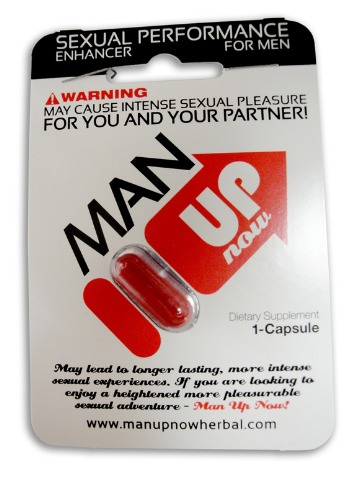
Tests conducted by the agency "have revealed an alarming variety of undeclared active ingredients in products marketed as dietary supplements," including phosphodiesterase type 5 inhibitors, such as sildenafil (Viagra); anticoagulants, such as warfarin; beta-blockers, such as propranolol; and anticonvulsants, such as phenytoin, according to the letter. Among the illegally marketed products are those containing drugs that have been withdrawn from the market for safety reasons, including the weight-loss drugs sibutramine (Meridia) and fenfluramine. The tainted products most commonly fall into the categories of weight loss, body building, and sexual enhancement products.
[GAO Calls for More Regulation of Supplements]
In addition, the FDA announced a new RSS feed to alert consumers when a tainted product is identified and established new ways for industry to report products suspected of being tainted, either by sending an e-mail to TaintedProducts@fda.hhs.gov or filing an anonymous report.
Since 2007, the agency has issued consumer alerts about almost 300 tainted products containing an active drug ingredient. The FDA has received "numerous reports" of adverse events and injuries associated with these products, including stroke, kidney failure, pulmonary embolism, acute liver injury, and death, Dr. Joshua Sharfstein, the FDA’s principal deputy commissioner, said during a press briefing announcing the new measures. No information was available on the specific number of deaths or injuries reported.
Dr. Sharfstein said that health care providers should continue to report adverse effects thought to be due to an adulterated dietary supplement in their patients to the FDA’s MedWatch program at 800-FDA-1088.
The Food and Drug Administration issued a letter on Dec. 15 to manufacturers of dietary supplements expressing concern about supplements that contain undeclared drugs or drug analogs as their active ingredients.
Tests conducted by the agency "have revealed an alarming variety of undeclared active ingredients in products marketed as dietary supplements," including phosphodiesterase type 5 inhibitors, such as sildenafil (Viagra); anticoagulants, such as warfarin; beta-blockers, such as propranolol; and anticonvulsants, such as phenytoin, according to the letter. Among the illegally marketed products are those containing drugs that have been withdrawn from the market for safety reasons, including the weight-loss drugs sibutramine (Meridia) and fenfluramine. The tainted products most commonly fall into the categories of weight loss, body building, and sexual enhancement products.
[GAO Calls for More Regulation of Supplements]
In addition, the FDA announced a new RSS feed to alert consumers when a tainted product is identified and established new ways for industry to report products suspected of being tainted, either by sending an e-mail to TaintedProducts@fda.hhs.gov or filing an anonymous report.
Since 2007, the agency has issued consumer alerts about almost 300 tainted products containing an active drug ingredient. The FDA has received "numerous reports" of adverse events and injuries associated with these products, including stroke, kidney failure, pulmonary embolism, acute liver injury, and death, Dr. Joshua Sharfstein, the FDA’s principal deputy commissioner, said during a press briefing announcing the new measures. No information was available on the specific number of deaths or injuries reported.
Dr. Sharfstein said that health care providers should continue to report adverse effects thought to be due to an adulterated dietary supplement in their patients to the FDA’s MedWatch program at 800-FDA-1088.
The Food and Drug Administration issued a letter on Dec. 15 to manufacturers of dietary supplements expressing concern about supplements that contain undeclared drugs or drug analogs as their active ingredients.
Tests conducted by the agency "have revealed an alarming variety of undeclared active ingredients in products marketed as dietary supplements," including phosphodiesterase type 5 inhibitors, such as sildenafil (Viagra); anticoagulants, such as warfarin; beta-blockers, such as propranolol; and anticonvulsants, such as phenytoin, according to the letter. Among the illegally marketed products are those containing drugs that have been withdrawn from the market for safety reasons, including the weight-loss drugs sibutramine (Meridia) and fenfluramine. The tainted products most commonly fall into the categories of weight loss, body building, and sexual enhancement products.
[GAO Calls for More Regulation of Supplements]
In addition, the FDA announced a new RSS feed to alert consumers when a tainted product is identified and established new ways for industry to report products suspected of being tainted, either by sending an e-mail to TaintedProducts@fda.hhs.gov or filing an anonymous report.
Since 2007, the agency has issued consumer alerts about almost 300 tainted products containing an active drug ingredient. The FDA has received "numerous reports" of adverse events and injuries associated with these products, including stroke, kidney failure, pulmonary embolism, acute liver injury, and death, Dr. Joshua Sharfstein, the FDA’s principal deputy commissioner, said during a press briefing announcing the new measures. No information was available on the specific number of deaths or injuries reported.
Dr. Sharfstein said that health care providers should continue to report adverse effects thought to be due to an adulterated dietary supplement in their patients to the FDA’s MedWatch program at 800-FDA-1088.
FDA Panel Supports Combination for Weight Loss
SILVER SPRING, Md. – More than half of a Food and Drug Administration advisory panel on Dec. 7 supported approval of a weight-loss agent that combines naltrexone and bupropion, despite concerns about associated effects on blood pressure and heart rate.
The FDA’s Endocrinologic and Metabolic Drugs Advisory Committee voted 13 to 7 that the potential benefits of the naltrexone-bupropion combination outweighed the potential risks when used on a long-term basis to treat overweight and obese people – with strong recommendations that a controlled clinical study evaluating the impact of increased blood pressure and pulse on the risk of major adverse cardiac events be conducted after approval.
The agency turned to the committee to discuss whether the cardiovascular risk assessment should be conducted before approval, or if it could be handled postmarket. The panel agreed by 11 to 8, with one abstention, that the trial could be conducted as a post-approval requirement.
Before the vote, Office of Drug Evaluation II Director Dr. Curtis Rosebraugh assured members that the FDA has determined that the study is needed, so they can assume that the study will indeed be conducted.
That assurance helped tip the vote for approval. Jacqueline S. Gardner, Ph.D., professor of pharmacy at the University of Washington, Seattle, said that she was influenced by “the promise of definite studies and monitoring going forward.”
The post-approval setting offers a better one for assessing cardiovascular risk, some of the panelists noted.
The proposed indication for the fixed dose, sustained-release oral formulation of bupropion and naltrexone is the treatment of obesity and weight management, including weight loss and the maintenance of weight loss, combined with lifestyle modification, in people with an initial body mass index (BMI) of at least 30 kg/m2, or those with a BMI of at least 27 kg/m2 with at least one risk factor, such as diabetes or hypertension. The recommended dose is a total of 32 mg of naltrexone plus 360 mg bupropion a day, taken in two divided doses.
The rationale for developing the combination as a weight-loss agent is that bupropion (a norepinephrine and dopamine reuptake inhibitor that has been associated with "modest" weight loss) and naltrexone (a mu-opioid receptor antagonist shown to enhance the effects of bupropion in the hypothalamus in preclinicial studies) when taken together, increase satiety and reduce food intake, according to the product’s manufacturer, Orexigen Therapeutics Inc.
In four phase III studies of more than 4,000 predominantly female, white patients, whose mean age was 45 years and who had a BMI of 30-45 kg/m2 or a BMI of 27-45 kg/m2, with one or more comorbidities, three different doses of naltrexone plus 360 mg of bupropion (2,545 patients) were compared with placebo (1,515). (Patients’ mean weight was about 100 kg.)
After 56 weeks, those on the proposed dose (32 mg of naltrexone plus 360 mg bupropion per day, taken in two divided doses) lost 5%-8% of their baseline body weight, compared with about 1%-2% of those on placebo. The proportion of those who lost at least 5% of their baseline body weight ranged from 45% to 56% of those on the proposed dose, compared with 16%-43% of those on placebo.
In the studies, 25% of those on naltrexone-bupropion had increases in systolic blood pressure of at least 10% over baseline, compared with 19% of those on placebo; and increases in diastolic blood pressure of at least 5 mm Hg over baseline in 37% of those on the combination, compared with 29% of those on placebo. In addition, 26% of those on naltrexone-bupropion had increases in heart rate of at least 10 beats per minute over baseline, compared with 19% of those on placebo.
The main safety issue discussed was the small but significant mean increases in blood pressure and heart rate among those on treatment compared to placebo, and uncertainty over the impact of treatment on long term cardiovascular outcomes. In the studies, 25% of those on naltrexone-bupropion had increases in systolic blood pressure of at least 10% over baseline, compared with 19% of those on placebo; and increases in diastolic blood pressure of at least 5 mm Hg over baseline in 37% of those on the combination, compared with 29% of those on placebo. In addition, 26% of those on naltrexone-bupropion had increases in heart rate of at least 10 beats per minute over baseline, compared with 19% of those on placebo.
Those who agreed that the potential benefits outweighed the potential risks said that the drug combination had met one of the two criteria set by the FDA for being an effective weight loss agent, and cited the extensive clinical experience with the two drugs and the company’s commitment to conduct a postmarketing long-term safety and efficacy study, which would also evaluate the risk for major cardiac events.
Dr. Allison Goldfine, section head of clinical research at the Joslin Diabetes Center, Boston, said that because of the epidemic of obesity, “I have a greater threshold for accepting the potential risk,” despite the uncertainty over the magnitude of that potential risk. She added that she was concerned about the use of the product in people with underlying coronary disease, and that there should be clear warnings about the use of the drug in certain patients, such as those with depression, the elderly and with a seizure history.
Also voting positively, Dr. Gardner said she was influenced by “the preponderance of existing experience” and by “the promise of definite studies and monitoring going forward.”
Dr. Jules Hirsch, physician-in-chief emeritus, in the Laboratory of Human Behavior and Metabolism, Rockefeller University, New York, voted no, citing “the very marginal efficacy of the drug barely meeting the [FDA] requirements and the lack of any information as to what the efficacy might be after the one year.” Based on past experience with other weight loss agents, he predicted that “efficacy will wane rather quickly” and that this would likely become another failed weight-loss drug.
Bupropion was approved for depression in 1985, for smoking cessation in 1997, and for seasonal affective disorder in 2006; a sustained-release formulation was approved in 1996. Naltrexone was approved for treating opioid addiction in 1984.
This is the first of three new weight-loss products recently reviewed by the panel to be recommended for approval. In October, sibutramine (Meridia) was taken off the U.S. market because of long-standing safety concerns over increases in pulse and blood pressure associated with treatment.
If approved, Orexigen plans to market the combination as Contrave. The FDA usually follows the recommendations of its advisory panels, outside experts who have been cleared of potential conflicts related to the product under review. In rare cases, a waiver is granted to a panel member, but not at this meeting. The FDA is expected to make a decision by Jan. 31, 2011.
The product has not been submitted for approval outside of the United States, according to Orexigen.
SILVER SPRING, Md. – More than half of a Food and Drug Administration advisory panel on Dec. 7 supported approval of a weight-loss agent that combines naltrexone and bupropion, despite concerns about associated effects on blood pressure and heart rate.
The FDA’s Endocrinologic and Metabolic Drugs Advisory Committee voted 13 to 7 that the potential benefits of the naltrexone-bupropion combination outweighed the potential risks when used on a long-term basis to treat overweight and obese people – with strong recommendations that a controlled clinical study evaluating the impact of increased blood pressure and pulse on the risk of major adverse cardiac events be conducted after approval.
The agency turned to the committee to discuss whether the cardiovascular risk assessment should be conducted before approval, or if it could be handled postmarket. The panel agreed by 11 to 8, with one abstention, that the trial could be conducted as a post-approval requirement.
Before the vote, Office of Drug Evaluation II Director Dr. Curtis Rosebraugh assured members that the FDA has determined that the study is needed, so they can assume that the study will indeed be conducted.
That assurance helped tip the vote for approval. Jacqueline S. Gardner, Ph.D., professor of pharmacy at the University of Washington, Seattle, said that she was influenced by “the promise of definite studies and monitoring going forward.”
The post-approval setting offers a better one for assessing cardiovascular risk, some of the panelists noted.
The proposed indication for the fixed dose, sustained-release oral formulation of bupropion and naltrexone is the treatment of obesity and weight management, including weight loss and the maintenance of weight loss, combined with lifestyle modification, in people with an initial body mass index (BMI) of at least 30 kg/m2, or those with a BMI of at least 27 kg/m2 with at least one risk factor, such as diabetes or hypertension. The recommended dose is a total of 32 mg of naltrexone plus 360 mg bupropion a day, taken in two divided doses.
The rationale for developing the combination as a weight-loss agent is that bupropion (a norepinephrine and dopamine reuptake inhibitor that has been associated with "modest" weight loss) and naltrexone (a mu-opioid receptor antagonist shown to enhance the effects of bupropion in the hypothalamus in preclinicial studies) when taken together, increase satiety and reduce food intake, according to the product’s manufacturer, Orexigen Therapeutics Inc.
In four phase III studies of more than 4,000 predominantly female, white patients, whose mean age was 45 years and who had a BMI of 30-45 kg/m2 or a BMI of 27-45 kg/m2, with one or more comorbidities, three different doses of naltrexone plus 360 mg of bupropion (2,545 patients) were compared with placebo (1,515). (Patients’ mean weight was about 100 kg.)
After 56 weeks, those on the proposed dose (32 mg of naltrexone plus 360 mg bupropion per day, taken in two divided doses) lost 5%-8% of their baseline body weight, compared with about 1%-2% of those on placebo. The proportion of those who lost at least 5% of their baseline body weight ranged from 45% to 56% of those on the proposed dose, compared with 16%-43% of those on placebo.
In the studies, 25% of those on naltrexone-bupropion had increases in systolic blood pressure of at least 10% over baseline, compared with 19% of those on placebo; and increases in diastolic blood pressure of at least 5 mm Hg over baseline in 37% of those on the combination, compared with 29% of those on placebo. In addition, 26% of those on naltrexone-bupropion had increases in heart rate of at least 10 beats per minute over baseline, compared with 19% of those on placebo.
The main safety issue discussed was the small but significant mean increases in blood pressure and heart rate among those on treatment compared to placebo, and uncertainty over the impact of treatment on long term cardiovascular outcomes. In the studies, 25% of those on naltrexone-bupropion had increases in systolic blood pressure of at least 10% over baseline, compared with 19% of those on placebo; and increases in diastolic blood pressure of at least 5 mm Hg over baseline in 37% of those on the combination, compared with 29% of those on placebo. In addition, 26% of those on naltrexone-bupropion had increases in heart rate of at least 10 beats per minute over baseline, compared with 19% of those on placebo.
Those who agreed that the potential benefits outweighed the potential risks said that the drug combination had met one of the two criteria set by the FDA for being an effective weight loss agent, and cited the extensive clinical experience with the two drugs and the company’s commitment to conduct a postmarketing long-term safety and efficacy study, which would also evaluate the risk for major cardiac events.
Dr. Allison Goldfine, section head of clinical research at the Joslin Diabetes Center, Boston, said that because of the epidemic of obesity, “I have a greater threshold for accepting the potential risk,” despite the uncertainty over the magnitude of that potential risk. She added that she was concerned about the use of the product in people with underlying coronary disease, and that there should be clear warnings about the use of the drug in certain patients, such as those with depression, the elderly and with a seizure history.
Also voting positively, Dr. Gardner said she was influenced by “the preponderance of existing experience” and by “the promise of definite studies and monitoring going forward.”
Dr. Jules Hirsch, physician-in-chief emeritus, in the Laboratory of Human Behavior and Metabolism, Rockefeller University, New York, voted no, citing “the very marginal efficacy of the drug barely meeting the [FDA] requirements and the lack of any information as to what the efficacy might be after the one year.” Based on past experience with other weight loss agents, he predicted that “efficacy will wane rather quickly” and that this would likely become another failed weight-loss drug.
Bupropion was approved for depression in 1985, for smoking cessation in 1997, and for seasonal affective disorder in 2006; a sustained-release formulation was approved in 1996. Naltrexone was approved for treating opioid addiction in 1984.
This is the first of three new weight-loss products recently reviewed by the panel to be recommended for approval. In October, sibutramine (Meridia) was taken off the U.S. market because of long-standing safety concerns over increases in pulse and blood pressure associated with treatment.
If approved, Orexigen plans to market the combination as Contrave. The FDA usually follows the recommendations of its advisory panels, outside experts who have been cleared of potential conflicts related to the product under review. In rare cases, a waiver is granted to a panel member, but not at this meeting. The FDA is expected to make a decision by Jan. 31, 2011.
The product has not been submitted for approval outside of the United States, according to Orexigen.
SILVER SPRING, Md. – More than half of a Food and Drug Administration advisory panel on Dec. 7 supported approval of a weight-loss agent that combines naltrexone and bupropion, despite concerns about associated effects on blood pressure and heart rate.
The FDA’s Endocrinologic and Metabolic Drugs Advisory Committee voted 13 to 7 that the potential benefits of the naltrexone-bupropion combination outweighed the potential risks when used on a long-term basis to treat overweight and obese people – with strong recommendations that a controlled clinical study evaluating the impact of increased blood pressure and pulse on the risk of major adverse cardiac events be conducted after approval.
The agency turned to the committee to discuss whether the cardiovascular risk assessment should be conducted before approval, or if it could be handled postmarket. The panel agreed by 11 to 8, with one abstention, that the trial could be conducted as a post-approval requirement.
Before the vote, Office of Drug Evaluation II Director Dr. Curtis Rosebraugh assured members that the FDA has determined that the study is needed, so they can assume that the study will indeed be conducted.
That assurance helped tip the vote for approval. Jacqueline S. Gardner, Ph.D., professor of pharmacy at the University of Washington, Seattle, said that she was influenced by “the promise of definite studies and monitoring going forward.”
The post-approval setting offers a better one for assessing cardiovascular risk, some of the panelists noted.
The proposed indication for the fixed dose, sustained-release oral formulation of bupropion and naltrexone is the treatment of obesity and weight management, including weight loss and the maintenance of weight loss, combined with lifestyle modification, in people with an initial body mass index (BMI) of at least 30 kg/m2, or those with a BMI of at least 27 kg/m2 with at least one risk factor, such as diabetes or hypertension. The recommended dose is a total of 32 mg of naltrexone plus 360 mg bupropion a day, taken in two divided doses.
The rationale for developing the combination as a weight-loss agent is that bupropion (a norepinephrine and dopamine reuptake inhibitor that has been associated with "modest" weight loss) and naltrexone (a mu-opioid receptor antagonist shown to enhance the effects of bupropion in the hypothalamus in preclinicial studies) when taken together, increase satiety and reduce food intake, according to the product’s manufacturer, Orexigen Therapeutics Inc.
In four phase III studies of more than 4,000 predominantly female, white patients, whose mean age was 45 years and who had a BMI of 30-45 kg/m2 or a BMI of 27-45 kg/m2, with one or more comorbidities, three different doses of naltrexone plus 360 mg of bupropion (2,545 patients) were compared with placebo (1,515). (Patients’ mean weight was about 100 kg.)
After 56 weeks, those on the proposed dose (32 mg of naltrexone plus 360 mg bupropion per day, taken in two divided doses) lost 5%-8% of their baseline body weight, compared with about 1%-2% of those on placebo. The proportion of those who lost at least 5% of their baseline body weight ranged from 45% to 56% of those on the proposed dose, compared with 16%-43% of those on placebo.
In the studies, 25% of those on naltrexone-bupropion had increases in systolic blood pressure of at least 10% over baseline, compared with 19% of those on placebo; and increases in diastolic blood pressure of at least 5 mm Hg over baseline in 37% of those on the combination, compared with 29% of those on placebo. In addition, 26% of those on naltrexone-bupropion had increases in heart rate of at least 10 beats per minute over baseline, compared with 19% of those on placebo.
The main safety issue discussed was the small but significant mean increases in blood pressure and heart rate among those on treatment compared to placebo, and uncertainty over the impact of treatment on long term cardiovascular outcomes. In the studies, 25% of those on naltrexone-bupropion had increases in systolic blood pressure of at least 10% over baseline, compared with 19% of those on placebo; and increases in diastolic blood pressure of at least 5 mm Hg over baseline in 37% of those on the combination, compared with 29% of those on placebo. In addition, 26% of those on naltrexone-bupropion had increases in heart rate of at least 10 beats per minute over baseline, compared with 19% of those on placebo.
Those who agreed that the potential benefits outweighed the potential risks said that the drug combination had met one of the two criteria set by the FDA for being an effective weight loss agent, and cited the extensive clinical experience with the two drugs and the company’s commitment to conduct a postmarketing long-term safety and efficacy study, which would also evaluate the risk for major cardiac events.
Dr. Allison Goldfine, section head of clinical research at the Joslin Diabetes Center, Boston, said that because of the epidemic of obesity, “I have a greater threshold for accepting the potential risk,” despite the uncertainty over the magnitude of that potential risk. She added that she was concerned about the use of the product in people with underlying coronary disease, and that there should be clear warnings about the use of the drug in certain patients, such as those with depression, the elderly and with a seizure history.
Also voting positively, Dr. Gardner said she was influenced by “the preponderance of existing experience” and by “the promise of definite studies and monitoring going forward.”
Dr. Jules Hirsch, physician-in-chief emeritus, in the Laboratory of Human Behavior and Metabolism, Rockefeller University, New York, voted no, citing “the very marginal efficacy of the drug barely meeting the [FDA] requirements and the lack of any information as to what the efficacy might be after the one year.” Based on past experience with other weight loss agents, he predicted that “efficacy will wane rather quickly” and that this would likely become another failed weight-loss drug.
Bupropion was approved for depression in 1985, for smoking cessation in 1997, and for seasonal affective disorder in 2006; a sustained-release formulation was approved in 1996. Naltrexone was approved for treating opioid addiction in 1984.
This is the first of three new weight-loss products recently reviewed by the panel to be recommended for approval. In October, sibutramine (Meridia) was taken off the U.S. market because of long-standing safety concerns over increases in pulse and blood pressure associated with treatment.
If approved, Orexigen plans to market the combination as Contrave. The FDA usually follows the recommendations of its advisory panels, outside experts who have been cleared of potential conflicts related to the product under review. In rare cases, a waiver is granted to a panel member, but not at this meeting. The FDA is expected to make a decision by Jan. 31, 2011.
The product has not been submitted for approval outside of the United States, according to Orexigen.
FROM THE FDA’S ENDOCRINOLOGIC AND METABOLIC DRUGS ADVISORY COMMITTEE
FDA Panel Supports Lowering BMI Criterion for Obesity Surgery
GAITHERSBURG, Md. – The majority of a Food and Drug Administration panel on Dec. 3 voted in favor of expanding the approval of the Lap-Band system for weight loss to include people with lower body mass index measurements and no comorbidities.
The device’s manufacturer, Allergan Inc., proposed that the Lap-Band adjustable gastric banding system be approved for weight reduction in people aged 18 years and over with no comorbidities and a body mass index (BMI) of at least 35 kg/m2, or a BMI of at least 30 kg/m2 and one or more comorbid conditions.
The Lap-Band is a permanent implant that is placed around the upper portion of the stomach to reduce the amount of food that can be ingested; the device is usually placed during a laparoscopic procedure.
Approved in 2001, the Lap-Band is indicated for a population with stricter criteria: adults with or without comorbid conditions and a BMI of at least 40 kg/m2, or adults with one or more comorbid conditions and a BMI of at least 35 kg/m2. (Both the approved and the proposed indications include a statement also describing the intended population as obese adults "who have failed for conservative weight reduction alternatives, such as supervised diet, exercise, and behavior modification programs.")
At the meeting, 8 of the 10 voting members of the FDA’s Gastroenterology and Urology Devices Panel agreed that there was "reasonable assurance" that the device was safe and effective for the proposed population, based on the results of the pivotal study of 149 patients and previous experience with the device. But they strongly recommended that Allergan conduct a postmarketing study of the device in such patients to collect more data on safety and efficacy, which should include more men and more people from nonwhite ethnic groups, who were underrepresented in the study. Several panelists recommended that the company also start a registry of all patients who receive the Lap-Band to obtain long-term, real-world data on safety and efficacy, which is not available now.
In the study, the device was implanted in 149 patients, most of whom were female (91%), white (77%), and aged 18 to 55 years. The patients were either with or without comorbidities, with a BMI ranging from 30 kg/m2 to 40 kg/m2, who had failed more conservative weight-reduction strategies.
After 1 year, 84% of the patients had lost at least 30% of their excess weight, which was the primary effectiveness end point in the study. Patients steadily lost weight over 12 months, at which time most patients had lost a significant amount of weight (80% had lost at least 10% of their baseline weight and 66% were no longer classified as obese). Weight loss was sustained among those who were followed through 24 months.
At 12 months, there were seven re-operations in both women and men, raising some concerns about the safety in men, whom the panel recommended should be studied in postmarketing trials. Of the seven re-operations four were done for explants, in three men and one woman.
Most of the panel members said that weight loss, as a stand-alone measure of the device’s effectiveness, was sufficient and was a good surrogate for improvement in comorbidities.
The FDA usually follows the recommendations of its advisory panels, which in most cases have been cleared of potential conflicts of interest related to the product being reviewed and only in rare cases, are granted a waiver. At this meeting, the panel chair, Dr. Karen Woods, a gastroenterologist at the Methodist Hospital, Houston, who holds stock in Allergan, was granted a waiver because of her past experience as a panel chair and because of her expertise in therapeutic endoscopy, according to the FDA. Chairs of device advisory panel meetings only vote in cases of ties, and Dr. Woods did not make any comments about the data during the meeting.
The Lap-Band device is approved for use in severely obese and obese people in Europe and Australia.
GAITHERSBURG, Md. – The majority of a Food and Drug Administration panel on Dec. 3 voted in favor of expanding the approval of the Lap-Band system for weight loss to include people with lower body mass index measurements and no comorbidities.
The device’s manufacturer, Allergan Inc., proposed that the Lap-Band adjustable gastric banding system be approved for weight reduction in people aged 18 years and over with no comorbidities and a body mass index (BMI) of at least 35 kg/m2, or a BMI of at least 30 kg/m2 and one or more comorbid conditions.
The Lap-Band is a permanent implant that is placed around the upper portion of the stomach to reduce the amount of food that can be ingested; the device is usually placed during a laparoscopic procedure.
Approved in 2001, the Lap-Band is indicated for a population with stricter criteria: adults with or without comorbid conditions and a BMI of at least 40 kg/m2, or adults with one or more comorbid conditions and a BMI of at least 35 kg/m2. (Both the approved and the proposed indications include a statement also describing the intended population as obese adults "who have failed for conservative weight reduction alternatives, such as supervised diet, exercise, and behavior modification programs.")
At the meeting, 8 of the 10 voting members of the FDA’s Gastroenterology and Urology Devices Panel agreed that there was "reasonable assurance" that the device was safe and effective for the proposed population, based on the results of the pivotal study of 149 patients and previous experience with the device. But they strongly recommended that Allergan conduct a postmarketing study of the device in such patients to collect more data on safety and efficacy, which should include more men and more people from nonwhite ethnic groups, who were underrepresented in the study. Several panelists recommended that the company also start a registry of all patients who receive the Lap-Band to obtain long-term, real-world data on safety and efficacy, which is not available now.
In the study, the device was implanted in 149 patients, most of whom were female (91%), white (77%), and aged 18 to 55 years. The patients were either with or without comorbidities, with a BMI ranging from 30 kg/m2 to 40 kg/m2, who had failed more conservative weight-reduction strategies.
After 1 year, 84% of the patients had lost at least 30% of their excess weight, which was the primary effectiveness end point in the study. Patients steadily lost weight over 12 months, at which time most patients had lost a significant amount of weight (80% had lost at least 10% of their baseline weight and 66% were no longer classified as obese). Weight loss was sustained among those who were followed through 24 months.
At 12 months, there were seven re-operations in both women and men, raising some concerns about the safety in men, whom the panel recommended should be studied in postmarketing trials. Of the seven re-operations four were done for explants, in three men and one woman.
Most of the panel members said that weight loss, as a stand-alone measure of the device’s effectiveness, was sufficient and was a good surrogate for improvement in comorbidities.
The FDA usually follows the recommendations of its advisory panels, which in most cases have been cleared of potential conflicts of interest related to the product being reviewed and only in rare cases, are granted a waiver. At this meeting, the panel chair, Dr. Karen Woods, a gastroenterologist at the Methodist Hospital, Houston, who holds stock in Allergan, was granted a waiver because of her past experience as a panel chair and because of her expertise in therapeutic endoscopy, according to the FDA. Chairs of device advisory panel meetings only vote in cases of ties, and Dr. Woods did not make any comments about the data during the meeting.
The Lap-Band device is approved for use in severely obese and obese people in Europe and Australia.
GAITHERSBURG, Md. – The majority of a Food and Drug Administration panel on Dec. 3 voted in favor of expanding the approval of the Lap-Band system for weight loss to include people with lower body mass index measurements and no comorbidities.
The device’s manufacturer, Allergan Inc., proposed that the Lap-Band adjustable gastric banding system be approved for weight reduction in people aged 18 years and over with no comorbidities and a body mass index (BMI) of at least 35 kg/m2, or a BMI of at least 30 kg/m2 and one or more comorbid conditions.
The Lap-Band is a permanent implant that is placed around the upper portion of the stomach to reduce the amount of food that can be ingested; the device is usually placed during a laparoscopic procedure.
Approved in 2001, the Lap-Band is indicated for a population with stricter criteria: adults with or without comorbid conditions and a BMI of at least 40 kg/m2, or adults with one or more comorbid conditions and a BMI of at least 35 kg/m2. (Both the approved and the proposed indications include a statement also describing the intended population as obese adults "who have failed for conservative weight reduction alternatives, such as supervised diet, exercise, and behavior modification programs.")
At the meeting, 8 of the 10 voting members of the FDA’s Gastroenterology and Urology Devices Panel agreed that there was "reasonable assurance" that the device was safe and effective for the proposed population, based on the results of the pivotal study of 149 patients and previous experience with the device. But they strongly recommended that Allergan conduct a postmarketing study of the device in such patients to collect more data on safety and efficacy, which should include more men and more people from nonwhite ethnic groups, who were underrepresented in the study. Several panelists recommended that the company also start a registry of all patients who receive the Lap-Band to obtain long-term, real-world data on safety and efficacy, which is not available now.
In the study, the device was implanted in 149 patients, most of whom were female (91%), white (77%), and aged 18 to 55 years. The patients were either with or without comorbidities, with a BMI ranging from 30 kg/m2 to 40 kg/m2, who had failed more conservative weight-reduction strategies.
After 1 year, 84% of the patients had lost at least 30% of their excess weight, which was the primary effectiveness end point in the study. Patients steadily lost weight over 12 months, at which time most patients had lost a significant amount of weight (80% had lost at least 10% of their baseline weight and 66% were no longer classified as obese). Weight loss was sustained among those who were followed through 24 months.
At 12 months, there were seven re-operations in both women and men, raising some concerns about the safety in men, whom the panel recommended should be studied in postmarketing trials. Of the seven re-operations four were done for explants, in three men and one woman.
Most of the panel members said that weight loss, as a stand-alone measure of the device’s effectiveness, was sufficient and was a good surrogate for improvement in comorbidities.
The FDA usually follows the recommendations of its advisory panels, which in most cases have been cleared of potential conflicts of interest related to the product being reviewed and only in rare cases, are granted a waiver. At this meeting, the panel chair, Dr. Karen Woods, a gastroenterologist at the Methodist Hospital, Houston, who holds stock in Allergan, was granted a waiver because of her past experience as a panel chair and because of her expertise in therapeutic endoscopy, according to the FDA. Chairs of device advisory panel meetings only vote in cases of ties, and Dr. Woods did not make any comments about the data during the meeting.
The Lap-Band device is approved for use in severely obese and obese people in Europe and Australia.
FROM A MEETING OF THE FDA’S GI AND UROLOGY DEVICES PANEL
FDA Panel Supports Lowering BMI Criterion for Obesity Surgery
GAITHERSBURG, Md. – The majority of a Food and Drug Administration panel on Dec. 3 voted in favor of expanding the approval of the Lap-Band system for weight loss to include people with lower body mass index measurements and no comorbidities.
The device’s manufacturer, Allergan Inc., proposed that the Lap-Band adjustable gastric banding system be approved for weight reduction in people aged 18 years and over with no comorbidities and a body mass index (BMI) of at least 35 kg/m2, or a BMI of at least 30 kg/m2 and one or more comorbid conditions.
The Lap-Band is a permanent implant that is placed around the upper portion of the stomach to reduce the amount of food that can be ingested; the device is usually placed during a laparoscopic procedure.
Approved in 2001, the Lap-Band is indicated for a population with stricter criteria: adults with or without comorbid conditions and a BMI of at least 40 kg/m2, or adults with one or more comorbid conditions and a BMI of at least 35 kg/m2. (Both the approved and the proposed indications include a statement also describing the intended population as obese adults "who have failed for conservative weight reduction alternatives, such as supervised diet, exercise, and behavior modification programs.")
At the meeting, 8 of the 10 voting members of the FDA’s Gastroenterology and Urology Devices Panel agreed that there was "reasonable assurance" that the device was safe and effective for the proposed population, based on the results of the pivotal study of 149 patients and previous experience with the device. But they strongly recommended that Allergan conduct a postmarketing study of the device in such patients to collect more data on safety and efficacy, which should include more men and more people from nonwhite ethnic groups, who were underrepresented in the study. Several panelists recommended that the company also start a registry of all patients who receive the Lap-Band to obtain long-term, real-world data on safety and efficacy, which is not available now.
In the study, the device was implanted in 149 patients, most of whom were female (91%), white (77%), and aged 18 to 55 years. The patients were either with or without comorbidities, with a BMI ranging from 30 kg/m2 to 40 kg/m2, who had failed more conservative weight-reduction strategies.
After 1 year, 84% of the patients had lost at least 30% of their excess weight, which was the primary effectiveness end point in the study. Patients steadily lost weight over 12 months, at which time most patients had lost a significant amount of weight (80% had lost at least 10% of their baseline weight and 66% were no longer classified as obese). Weight loss was sustained among those who were followed through 24 months.
At 12 months, there were seven re-operations in both women and men, raising some concerns about the safety in men, whom the panel recommended should be studied in postmarketing trials. Of the seven re-operations four were done for explants, in three men and one woman.
Most of the panel members said that weight loss, as a stand-alone measure of the device’s effectiveness, was sufficient and was a good surrogate for improvement in comorbidities.
The FDA usually follows the recommendations of its advisory panels, which in most cases have been cleared of potential conflicts of interest related to the product being reviewed and only in rare cases, are granted a waiver. At this meeting, the panel chair, Dr. Karen Woods, a gastroenterologist at the Methodist Hospital, Houston, who holds stock in Allergan, was granted a waiver because of her past experience as a panel chair and because of her expertise in therapeutic endoscopy, according to the FDA. Chairs of device advisory panel meetings only vote in cases of ties, and Dr. Woods did not make any comments about the data during the meeting.
The Lap-Band device is approved for use in severely obese and obese people in Europe and Australia.
GAITHERSBURG, Md. – The majority of a Food and Drug Administration panel on Dec. 3 voted in favor of expanding the approval of the Lap-Band system for weight loss to include people with lower body mass index measurements and no comorbidities.
The device’s manufacturer, Allergan Inc., proposed that the Lap-Band adjustable gastric banding system be approved for weight reduction in people aged 18 years and over with no comorbidities and a body mass index (BMI) of at least 35 kg/m2, or a BMI of at least 30 kg/m2 and one or more comorbid conditions.
The Lap-Band is a permanent implant that is placed around the upper portion of the stomach to reduce the amount of food that can be ingested; the device is usually placed during a laparoscopic procedure.
Approved in 2001, the Lap-Band is indicated for a population with stricter criteria: adults with or without comorbid conditions and a BMI of at least 40 kg/m2, or adults with one or more comorbid conditions and a BMI of at least 35 kg/m2. (Both the approved and the proposed indications include a statement also describing the intended population as obese adults "who have failed for conservative weight reduction alternatives, such as supervised diet, exercise, and behavior modification programs.")
At the meeting, 8 of the 10 voting members of the FDA’s Gastroenterology and Urology Devices Panel agreed that there was "reasonable assurance" that the device was safe and effective for the proposed population, based on the results of the pivotal study of 149 patients and previous experience with the device. But they strongly recommended that Allergan conduct a postmarketing study of the device in such patients to collect more data on safety and efficacy, which should include more men and more people from nonwhite ethnic groups, who were underrepresented in the study. Several panelists recommended that the company also start a registry of all patients who receive the Lap-Band to obtain long-term, real-world data on safety and efficacy, which is not available now.
In the study, the device was implanted in 149 patients, most of whom were female (91%), white (77%), and aged 18 to 55 years. The patients were either with or without comorbidities, with a BMI ranging from 30 kg/m2 to 40 kg/m2, who had failed more conservative weight-reduction strategies.
After 1 year, 84% of the patients had lost at least 30% of their excess weight, which was the primary effectiveness end point in the study. Patients steadily lost weight over 12 months, at which time most patients had lost a significant amount of weight (80% had lost at least 10% of their baseline weight and 66% were no longer classified as obese). Weight loss was sustained among those who were followed through 24 months.
At 12 months, there were seven re-operations in both women and men, raising some concerns about the safety in men, whom the panel recommended should be studied in postmarketing trials. Of the seven re-operations four were done for explants, in three men and one woman.
Most of the panel members said that weight loss, as a stand-alone measure of the device’s effectiveness, was sufficient and was a good surrogate for improvement in comorbidities.
The FDA usually follows the recommendations of its advisory panels, which in most cases have been cleared of potential conflicts of interest related to the product being reviewed and only in rare cases, are granted a waiver. At this meeting, the panel chair, Dr. Karen Woods, a gastroenterologist at the Methodist Hospital, Houston, who holds stock in Allergan, was granted a waiver because of her past experience as a panel chair and because of her expertise in therapeutic endoscopy, according to the FDA. Chairs of device advisory panel meetings only vote in cases of ties, and Dr. Woods did not make any comments about the data during the meeting.
The Lap-Band device is approved for use in severely obese and obese people in Europe and Australia.
GAITHERSBURG, Md. – The majority of a Food and Drug Administration panel on Dec. 3 voted in favor of expanding the approval of the Lap-Band system for weight loss to include people with lower body mass index measurements and no comorbidities.
The device’s manufacturer, Allergan Inc., proposed that the Lap-Band adjustable gastric banding system be approved for weight reduction in people aged 18 years and over with no comorbidities and a body mass index (BMI) of at least 35 kg/m2, or a BMI of at least 30 kg/m2 and one or more comorbid conditions.
The Lap-Band is a permanent implant that is placed around the upper portion of the stomach to reduce the amount of food that can be ingested; the device is usually placed during a laparoscopic procedure.
Approved in 2001, the Lap-Band is indicated for a population with stricter criteria: adults with or without comorbid conditions and a BMI of at least 40 kg/m2, or adults with one or more comorbid conditions and a BMI of at least 35 kg/m2. (Both the approved and the proposed indications include a statement also describing the intended population as obese adults "who have failed for conservative weight reduction alternatives, such as supervised diet, exercise, and behavior modification programs.")
At the meeting, 8 of the 10 voting members of the FDA’s Gastroenterology and Urology Devices Panel agreed that there was "reasonable assurance" that the device was safe and effective for the proposed population, based on the results of the pivotal study of 149 patients and previous experience with the device. But they strongly recommended that Allergan conduct a postmarketing study of the device in such patients to collect more data on safety and efficacy, which should include more men and more people from nonwhite ethnic groups, who were underrepresented in the study. Several panelists recommended that the company also start a registry of all patients who receive the Lap-Band to obtain long-term, real-world data on safety and efficacy, which is not available now.
In the study, the device was implanted in 149 patients, most of whom were female (91%), white (77%), and aged 18 to 55 years. The patients were either with or without comorbidities, with a BMI ranging from 30 kg/m2 to 40 kg/m2, who had failed more conservative weight-reduction strategies.
After 1 year, 84% of the patients had lost at least 30% of their excess weight, which was the primary effectiveness end point in the study. Patients steadily lost weight over 12 months, at which time most patients had lost a significant amount of weight (80% had lost at least 10% of their baseline weight and 66% were no longer classified as obese). Weight loss was sustained among those who were followed through 24 months.
At 12 months, there were seven re-operations in both women and men, raising some concerns about the safety in men, whom the panel recommended should be studied in postmarketing trials. Of the seven re-operations four were done for explants, in three men and one woman.
Most of the panel members said that weight loss, as a stand-alone measure of the device’s effectiveness, was sufficient and was a good surrogate for improvement in comorbidities.
The FDA usually follows the recommendations of its advisory panels, which in most cases have been cleared of potential conflicts of interest related to the product being reviewed and only in rare cases, are granted a waiver. At this meeting, the panel chair, Dr. Karen Woods, a gastroenterologist at the Methodist Hospital, Houston, who holds stock in Allergan, was granted a waiver because of her past experience as a panel chair and because of her expertise in therapeutic endoscopy, according to the FDA. Chairs of device advisory panel meetings only vote in cases of ties, and Dr. Woods did not make any comments about the data during the meeting.
The Lap-Band device is approved for use in severely obese and obese people in Europe and Australia.
FROM A MEETING OF THE FDA’S GI AND UROLOGY DEVICES PANEL
FDA Panel Reviews BPH Drugs for Reducing Prostate Cancer Risk
SILVER SPRING, Md. – The majority of the Food and Drug Administration’s Oncologic Drugs Advisory Committee on Dec. 1 voted that the risk-benefit profile of finasteride and dutasteride, when used as chemopreventive agents for reducing the risk of prostate cancer, was not favorable.
In two separate studies comparing the two 5-alpha reductase inhibitors with placebo in thousands of men aged 50 years and older, the risk of being diagnosed with prostate cancer was significantly reduced among those randomized to the drug, compared with those on placebo. However, one of the main concern panelists cited was the increase in high grade prostate cancers diagnosed among the men in the treatment groups in both studies compared to those on placebo. The panel was not asked to vote on whether these drugs should be approved for preventing prostate cancer.
Dutasteride, marketed as Avodart by GlaxoSmithKline, was approved for treating benign prostatic hypertrophy (BPH) in 2001. Finasteride, marketed as Proscar by Merck, was approved for BPH in 1992 and is available in generic formulations. GSK filed for approval of the prevention indication in the United States and in Europe. Merck has proposed that the results of a prevention study be added to the finasteride label only. Currently, no drug is approved for prostate cancer prevention.
In a 7-year study of more than 18,000 men aged 55 years and older, considered at low to moderate risk of developing prostate cancer with a normal digital exam and a PSA of 3.0 ng/mL or less, the risk of being diagnosed with prostate cancer was reduced by 26% among those who received finasteride 5 mg a day, compared with those on placebo. In a 4-year study of 8,231 men aged 50 to 75 years considered at an increased risk of prostate cancer because of an elevated PSA (2.5–10 ng/mL) and one negative biopsy, the risk of being diagnosed with prostate cancer was reduced by 23% over 4 years among those on 0.5 mg of dutasteride, compared with those on placebo.
But in both studies, the reduction in the risk of prostate cancers was largely limited to low-grade cancers, and the rates of high-grade prostate cancers were higher among those on the 5-alpha reductase inhibitor, when compared with those on placebo.
In considering the risk-benefit profile of these drugs for chemoprevention, panelists also said they were concerned about how the drugs might be used by general practitioners and about the potential negative public health impact if used in the general population. Several also pointed out that the bar for approving a drug to prevent prostate cancer in otherwise healthy men should be set far higher than a drug used to treat a disease, and that there was a need for longer follow-up data.
The FDA usually follows the recommendations of its advisory panels, members of which have been cleared of conflicts related to the topic of the meeting. In some cases, panel members with a conflict are granted a waiver, but not at this meeting.
SILVER SPRING, Md. – The majority of the Food and Drug Administration’s Oncologic Drugs Advisory Committee on Dec. 1 voted that the risk-benefit profile of finasteride and dutasteride, when used as chemopreventive agents for reducing the risk of prostate cancer, was not favorable.
In two separate studies comparing the two 5-alpha reductase inhibitors with placebo in thousands of men aged 50 years and older, the risk of being diagnosed with prostate cancer was significantly reduced among those randomized to the drug, compared with those on placebo. However, one of the main concern panelists cited was the increase in high grade prostate cancers diagnosed among the men in the treatment groups in both studies compared to those on placebo. The panel was not asked to vote on whether these drugs should be approved for preventing prostate cancer.
Dutasteride, marketed as Avodart by GlaxoSmithKline, was approved for treating benign prostatic hypertrophy (BPH) in 2001. Finasteride, marketed as Proscar by Merck, was approved for BPH in 1992 and is available in generic formulations. GSK filed for approval of the prevention indication in the United States and in Europe. Merck has proposed that the results of a prevention study be added to the finasteride label only. Currently, no drug is approved for prostate cancer prevention.
In a 7-year study of more than 18,000 men aged 55 years and older, considered at low to moderate risk of developing prostate cancer with a normal digital exam and a PSA of 3.0 ng/mL or less, the risk of being diagnosed with prostate cancer was reduced by 26% among those who received finasteride 5 mg a day, compared with those on placebo. In a 4-year study of 8,231 men aged 50 to 75 years considered at an increased risk of prostate cancer because of an elevated PSA (2.5–10 ng/mL) and one negative biopsy, the risk of being diagnosed with prostate cancer was reduced by 23% over 4 years among those on 0.5 mg of dutasteride, compared with those on placebo.
But in both studies, the reduction in the risk of prostate cancers was largely limited to low-grade cancers, and the rates of high-grade prostate cancers were higher among those on the 5-alpha reductase inhibitor, when compared with those on placebo.
In considering the risk-benefit profile of these drugs for chemoprevention, panelists also said they were concerned about how the drugs might be used by general practitioners and about the potential negative public health impact if used in the general population. Several also pointed out that the bar for approving a drug to prevent prostate cancer in otherwise healthy men should be set far higher than a drug used to treat a disease, and that there was a need for longer follow-up data.
The FDA usually follows the recommendations of its advisory panels, members of which have been cleared of conflicts related to the topic of the meeting. In some cases, panel members with a conflict are granted a waiver, but not at this meeting.
SILVER SPRING, Md. – The majority of the Food and Drug Administration’s Oncologic Drugs Advisory Committee on Dec. 1 voted that the risk-benefit profile of finasteride and dutasteride, when used as chemopreventive agents for reducing the risk of prostate cancer, was not favorable.
In two separate studies comparing the two 5-alpha reductase inhibitors with placebo in thousands of men aged 50 years and older, the risk of being diagnosed with prostate cancer was significantly reduced among those randomized to the drug, compared with those on placebo. However, one of the main concern panelists cited was the increase in high grade prostate cancers diagnosed among the men in the treatment groups in both studies compared to those on placebo. The panel was not asked to vote on whether these drugs should be approved for preventing prostate cancer.
Dutasteride, marketed as Avodart by GlaxoSmithKline, was approved for treating benign prostatic hypertrophy (BPH) in 2001. Finasteride, marketed as Proscar by Merck, was approved for BPH in 1992 and is available in generic formulations. GSK filed for approval of the prevention indication in the United States and in Europe. Merck has proposed that the results of a prevention study be added to the finasteride label only. Currently, no drug is approved for prostate cancer prevention.
In a 7-year study of more than 18,000 men aged 55 years and older, considered at low to moderate risk of developing prostate cancer with a normal digital exam and a PSA of 3.0 ng/mL or less, the risk of being diagnosed with prostate cancer was reduced by 26% among those who received finasteride 5 mg a day, compared with those on placebo. In a 4-year study of 8,231 men aged 50 to 75 years considered at an increased risk of prostate cancer because of an elevated PSA (2.5–10 ng/mL) and one negative biopsy, the risk of being diagnosed with prostate cancer was reduced by 23% over 4 years among those on 0.5 mg of dutasteride, compared with those on placebo.
But in both studies, the reduction in the risk of prostate cancers was largely limited to low-grade cancers, and the rates of high-grade prostate cancers were higher among those on the 5-alpha reductase inhibitor, when compared with those on placebo.
In considering the risk-benefit profile of these drugs for chemoprevention, panelists also said they were concerned about how the drugs might be used by general practitioners and about the potential negative public health impact if used in the general population. Several also pointed out that the bar for approving a drug to prevent prostate cancer in otherwise healthy men should be set far higher than a drug used to treat a disease, and that there was a need for longer follow-up data.
The FDA usually follows the recommendations of its advisory panels, members of which have been cleared of conflicts related to the topic of the meeting. In some cases, panel members with a conflict are granted a waiver, but not at this meeting.
From the Food and Drug Administration
FDA Panel Backs Approval of Biologic for SLE
ADELPHI, MD. — Belimumab should be approved for reducing disease activity in adults with active autoantibody–positive systemic lupus erythematosus who are on standard treatment, a Food and Drug Administration advisory panel recommended in a 13-2 vote.
If approved, belimumab will be the first new treatment for systemic lupus erythematosus (SLE) in more than 50 years.
Currently, the only approved treatments for lupus are corticosteroids and hydroxychloroquine, approved in the 1950s, and aspirin.
At a Nov. 16 meeting of the FDA's Arthritis Drugs Advisory Committee, panelists strongly recommended that the drug's label stipulate the treatment was not evaluated in patients with active lupus nephritis or central nervous system manifestations of the disease.
Several panelists supporting approval pointed out that treatment effects were mild but agreed that the efficacy data supported approval.
Belimumab, a monoclonal antibody manufactured by Human Genome Sciences Inc., inhibits the biological activity of B-lymphocyte stimulator (BLyS), a cytokine that is elevated in patients with SLE and other autoimmune diseases.
The proposed dose is 10 mg/kg administered in an intravenous infusion at 2-week intervals for the first three doses and at 4 week intervals thereafter.
That treatment regimen was compared with a 1-mg/kg dose and placebo in two phase III randomized, placebo-controlled international studies of more than 1,600 patients (mean age 36-40 years) with active autoantibody-positive SLE.
The study participants were on standard immunosuppressive treatments. Most had musculoskeletal and mucocutaneous manifestations of SLE at baseline; those with kidney or CNS disease were excluded.
In both studies, a significantly greater proportion of patients on the 10-mg/kg dose met the primary end point – a combination of measures that indicated a reduction in disease activity – compared with those on placebo.
In one study, conducted primarily in Latin America and Asia, 58% of those on the 10-mg/kg dose met the primary end point, compared with 51% of those on the 1-mg/kg dose and 44% of those on placebo.
In the second study, conducted in North America and Western Europe, 43% of those on the 10-mg/kg dose met the primary end point, compared with 41% in the low-dose group and 34% in the placebo group.
There were more deaths, serious infections, and neurologic and psychiatric adverse events (including two suicides) among belimumab-treated patients in the phase III and earlier studies, although the numbers of these events was low.
Panelists were not overly concerned with these data, and agreed in a 14-1 vote that the safety profile of belimumab supported its approval. They strongly recommended that long-term safety should be followed in studies of a large number of patients.
The panel was concerned that in the trial that enrolled North American patients treatment was not effective in black patients and agreed with the company's plans to prospectively study responses in this population in postmarketing studies.
The FDA usually follows the recommendations of its advisory panels, members of which have been cleared of conflicts related to the meeting topic. If belimumab is approved, HGS plans to market it as Benlysta.
ADELPHI, MD. — Belimumab should be approved for reducing disease activity in adults with active autoantibody–positive systemic lupus erythematosus who are on standard treatment, a Food and Drug Administration advisory panel recommended in a 13-2 vote.
If approved, belimumab will be the first new treatment for systemic lupus erythematosus (SLE) in more than 50 years.
Currently, the only approved treatments for lupus are corticosteroids and hydroxychloroquine, approved in the 1950s, and aspirin.
At a Nov. 16 meeting of the FDA's Arthritis Drugs Advisory Committee, panelists strongly recommended that the drug's label stipulate the treatment was not evaluated in patients with active lupus nephritis or central nervous system manifestations of the disease.
Several panelists supporting approval pointed out that treatment effects were mild but agreed that the efficacy data supported approval.
Belimumab, a monoclonal antibody manufactured by Human Genome Sciences Inc., inhibits the biological activity of B-lymphocyte stimulator (BLyS), a cytokine that is elevated in patients with SLE and other autoimmune diseases.
The proposed dose is 10 mg/kg administered in an intravenous infusion at 2-week intervals for the first three doses and at 4 week intervals thereafter.
That treatment regimen was compared with a 1-mg/kg dose and placebo in two phase III randomized, placebo-controlled international studies of more than 1,600 patients (mean age 36-40 years) with active autoantibody-positive SLE.
The study participants were on standard immunosuppressive treatments. Most had musculoskeletal and mucocutaneous manifestations of SLE at baseline; those with kidney or CNS disease were excluded.
In both studies, a significantly greater proportion of patients on the 10-mg/kg dose met the primary end point – a combination of measures that indicated a reduction in disease activity – compared with those on placebo.
In one study, conducted primarily in Latin America and Asia, 58% of those on the 10-mg/kg dose met the primary end point, compared with 51% of those on the 1-mg/kg dose and 44% of those on placebo.
In the second study, conducted in North America and Western Europe, 43% of those on the 10-mg/kg dose met the primary end point, compared with 41% in the low-dose group and 34% in the placebo group.
There were more deaths, serious infections, and neurologic and psychiatric adverse events (including two suicides) among belimumab-treated patients in the phase III and earlier studies, although the numbers of these events was low.
Panelists were not overly concerned with these data, and agreed in a 14-1 vote that the safety profile of belimumab supported its approval. They strongly recommended that long-term safety should be followed in studies of a large number of patients.
The panel was concerned that in the trial that enrolled North American patients treatment was not effective in black patients and agreed with the company's plans to prospectively study responses in this population in postmarketing studies.
The FDA usually follows the recommendations of its advisory panels, members of which have been cleared of conflicts related to the meeting topic. If belimumab is approved, HGS plans to market it as Benlysta.
ADELPHI, MD. — Belimumab should be approved for reducing disease activity in adults with active autoantibody–positive systemic lupus erythematosus who are on standard treatment, a Food and Drug Administration advisory panel recommended in a 13-2 vote.
If approved, belimumab will be the first new treatment for systemic lupus erythematosus (SLE) in more than 50 years.
Currently, the only approved treatments for lupus are corticosteroids and hydroxychloroquine, approved in the 1950s, and aspirin.
At a Nov. 16 meeting of the FDA's Arthritis Drugs Advisory Committee, panelists strongly recommended that the drug's label stipulate the treatment was not evaluated in patients with active lupus nephritis or central nervous system manifestations of the disease.
Several panelists supporting approval pointed out that treatment effects were mild but agreed that the efficacy data supported approval.
Belimumab, a monoclonal antibody manufactured by Human Genome Sciences Inc., inhibits the biological activity of B-lymphocyte stimulator (BLyS), a cytokine that is elevated in patients with SLE and other autoimmune diseases.
The proposed dose is 10 mg/kg administered in an intravenous infusion at 2-week intervals for the first three doses and at 4 week intervals thereafter.
That treatment regimen was compared with a 1-mg/kg dose and placebo in two phase III randomized, placebo-controlled international studies of more than 1,600 patients (mean age 36-40 years) with active autoantibody-positive SLE.
The study participants were on standard immunosuppressive treatments. Most had musculoskeletal and mucocutaneous manifestations of SLE at baseline; those with kidney or CNS disease were excluded.
In both studies, a significantly greater proportion of patients on the 10-mg/kg dose met the primary end point – a combination of measures that indicated a reduction in disease activity – compared with those on placebo.
In one study, conducted primarily in Latin America and Asia, 58% of those on the 10-mg/kg dose met the primary end point, compared with 51% of those on the 1-mg/kg dose and 44% of those on placebo.
In the second study, conducted in North America and Western Europe, 43% of those on the 10-mg/kg dose met the primary end point, compared with 41% in the low-dose group and 34% in the placebo group.
There were more deaths, serious infections, and neurologic and psychiatric adverse events (including two suicides) among belimumab-treated patients in the phase III and earlier studies, although the numbers of these events was low.
Panelists were not overly concerned with these data, and agreed in a 14-1 vote that the safety profile of belimumab supported its approval. They strongly recommended that long-term safety should be followed in studies of a large number of patients.
The panel was concerned that in the trial that enrolled North American patients treatment was not effective in black patients and agreed with the company's plans to prospectively study responses in this population in postmarketing studies.
The FDA usually follows the recommendations of its advisory panels, members of which have been cleared of conflicts related to the meeting topic. If belimumab is approved, HGS plans to market it as Benlysta.
Sodium Oxybate Nixed for Treatment of Fibromyalgia
The Food and Drug Administration has decided that the sedative-hypnotic drug sodium oxybate cannot be approved for treatment of fibromyalgia, based on the information currently included in the approval application, the manufacturer has announced.
The statement issued by Jazz Pharmaceuticals noted that the FDA's “complete response letter” said the new drug application for sodium oxybate cannot be approved “in its present form” and cited the need for more clinical studies. The FDA's letter also discusses the proposed Risk Evaluation and Mitigation Strategy (REMS), as well as the concentration and trade name for sodium oxybate, according to Jazz. Other topics discussed in the letter include the need for methods to ensure safe use of the drug, the sodium salt of gamma hydroxybutyrate, an endogenous neurotransmitter synthesized from gamma aminobutyric acid, which is also known as the “date rape” drug for its potent sedative effects.
It is the FDA's practice to send complete response letters to sponsors of new drug applications when there are concerns about whether the drug should be approved and to outline information needed to complete the approval process. The agency does not comment on products under review, and therefore does not release information on these letters.
The concerns that the Jazz statement said were outlined in the letter reflect those expressed by members of two FDA advisory panels at a summer meeting held to review the data on sodium oxybate for the fibromyalgia indication. At the meeting, most of the panelists voted against recommending approval, citing the lack of long-term data and other concerns regarding the drug – including its potential for illicit use.
The drug's only approved indication is for the treatment of narcolepsy, a fairly uncommon condition. Were sodium oxybate to be approved for fibromyalgia, which is more common, it is possible that the drug would be more likely to be misused because it would be present in more family medicine cabinets.
Sodium oxybate also is the active ingredient in Xyrem, which is approved for treating excessive daytime sleepiness and cataplexy in adults with narcolepsy.
The Jazz statement says that the company has requested a meeting with the FDA to discuss the complete response letter, and will then evaluate the next steps for the drug.
The Food and Drug Administration has decided that the sedative-hypnotic drug sodium oxybate cannot be approved for treatment of fibromyalgia, based on the information currently included in the approval application, the manufacturer has announced.
The statement issued by Jazz Pharmaceuticals noted that the FDA's “complete response letter” said the new drug application for sodium oxybate cannot be approved “in its present form” and cited the need for more clinical studies. The FDA's letter also discusses the proposed Risk Evaluation and Mitigation Strategy (REMS), as well as the concentration and trade name for sodium oxybate, according to Jazz. Other topics discussed in the letter include the need for methods to ensure safe use of the drug, the sodium salt of gamma hydroxybutyrate, an endogenous neurotransmitter synthesized from gamma aminobutyric acid, which is also known as the “date rape” drug for its potent sedative effects.
It is the FDA's practice to send complete response letters to sponsors of new drug applications when there are concerns about whether the drug should be approved and to outline information needed to complete the approval process. The agency does not comment on products under review, and therefore does not release information on these letters.
The concerns that the Jazz statement said were outlined in the letter reflect those expressed by members of two FDA advisory panels at a summer meeting held to review the data on sodium oxybate for the fibromyalgia indication. At the meeting, most of the panelists voted against recommending approval, citing the lack of long-term data and other concerns regarding the drug – including its potential for illicit use.
The drug's only approved indication is for the treatment of narcolepsy, a fairly uncommon condition. Were sodium oxybate to be approved for fibromyalgia, which is more common, it is possible that the drug would be more likely to be misused because it would be present in more family medicine cabinets.
Sodium oxybate also is the active ingredient in Xyrem, which is approved for treating excessive daytime sleepiness and cataplexy in adults with narcolepsy.
The Jazz statement says that the company has requested a meeting with the FDA to discuss the complete response letter, and will then evaluate the next steps for the drug.
The Food and Drug Administration has decided that the sedative-hypnotic drug sodium oxybate cannot be approved for treatment of fibromyalgia, based on the information currently included in the approval application, the manufacturer has announced.
The statement issued by Jazz Pharmaceuticals noted that the FDA's “complete response letter” said the new drug application for sodium oxybate cannot be approved “in its present form” and cited the need for more clinical studies. The FDA's letter also discusses the proposed Risk Evaluation and Mitigation Strategy (REMS), as well as the concentration and trade name for sodium oxybate, according to Jazz. Other topics discussed in the letter include the need for methods to ensure safe use of the drug, the sodium salt of gamma hydroxybutyrate, an endogenous neurotransmitter synthesized from gamma aminobutyric acid, which is also known as the “date rape” drug for its potent sedative effects.
It is the FDA's practice to send complete response letters to sponsors of new drug applications when there are concerns about whether the drug should be approved and to outline information needed to complete the approval process. The agency does not comment on products under review, and therefore does not release information on these letters.
The concerns that the Jazz statement said were outlined in the letter reflect those expressed by members of two FDA advisory panels at a summer meeting held to review the data on sodium oxybate for the fibromyalgia indication. At the meeting, most of the panelists voted against recommending approval, citing the lack of long-term data and other concerns regarding the drug – including its potential for illicit use.
The drug's only approved indication is for the treatment of narcolepsy, a fairly uncommon condition. Were sodium oxybate to be approved for fibromyalgia, which is more common, it is possible that the drug would be more likely to be misused because it would be present in more family medicine cabinets.
Sodium oxybate also is the active ingredient in Xyrem, which is approved for treating excessive daytime sleepiness and cataplexy in adults with narcolepsy.
The Jazz statement says that the company has requested a meeting with the FDA to discuss the complete response letter, and will then evaluate the next steps for the drug.
FDA Panel Divided on MelaFind Device
Updated: 11/22/2010
COLLEGE PARK, MD. - A Food and Drug Administration advisory panel on Nov. 18 split on whether to support approval of a noninvasive device intended to help dermatologists and other physicians detect early melanomas.
At the meeting, the FDA's General and Plastic Surgery Devices Panel voted 8 to 7 with 1 abstention that the data available supported approval of the MelaFind device to evaluate clinically atypical cutaneous pigmented lesions that have one or more characteristics of melanoma, "when a physician chooses to obtain additional information before making a final decision to biopsy to rule out melanoma." That is the indication proposed for approval by the manufacturer, Mela Sciences Inc.
The first device of this kind, MelaFind is a multispectral computer vision system with a handheld component that captures the image of a lesion with a dermoscope through a thin layer of alcohol applied to the skin. The device has software that uses algorithms to analyze the image, indicating within 2 minutes whether a biopsy should be done, according to Mela Sciences. It is not intended to be used as a screening tool or in the evaluation of nonpigmented lesions; banal pigmented lesions; lesions considered definite melanomas; or mucosal, subungual and other lesions at different anatomic sites.
The device was used by dermatologists in a pivotal study of 1,257 patients (mean age 47 years) on 1,632 pigmented skin lesions that had at least one characteristic of melanoma, which were also biopsied. Of the 114 lesions that were positive for melanoma on biopsy, 112 were tagged as positive by MelaFind, for a sensitivity of 98.3%, which the company compared to the sensitivity of 70%-80% for dermatologists that has been reported in the literature. (Sensitivity for the dermatologists could not be determined because the decision to perform a biopsy had already been made by the clinician before referring to MelaFind.) Specificity was 9.5%.
Panelists voting for and against approval were concerned about the use of this device in the hands of nondermatologists, who, they said, might miss melanomas – a concern also raised by the FDA. But those voting in favor of approval said they believed with appropriate training, clinicians could learn to use the device effectively and that it would be a valuable tool. Concerns among those voting against approval included the need for more data, the risk of false negatives with the device, and issues with the data. It remained unclear how the results would guide decision-making.
Dermatologists on the panel voted on both sides of the approval question. "I would not mind having this in my practice," said Dr. Wilma Bergfeld, senior dermatologist and co-director of dermatopathology at the Cleveland Clinic, Cleveland, who voted in favor of approval. While clinical trial data and protocol were confusing, she said, "I believe that with the appropriate training and use, we might be able to use this instrument very effectively in the clinic to diagnose these equivocal clinical lesions."
Dr. Lynn Drake, lecturer in dermatology, Harvard Medical School, who voted against approval, said that while there is a need for such a device, "this falls short right now." Among her concerns were the need for more data, the high false-positive rate, and possible widespread use by clinicians not adequately trained once it becomes available. "We have to be very careful about approving something that might replace clinical judgement," she said.
FDA reviewers raised several concerns about the study, including possible selection bias, and concluded that the available data were inadequate to determine whether the use of MelaFind would add any true value to evaluating clinically atypical lesions – and that a prospective study was needed before approval.
The FDA usually follows the recommendations of its advisory panels. Panel members have been cleared of potential conflicts of interest prior to the meeting.
Updated: 11/22/2010
COLLEGE PARK, MD. - A Food and Drug Administration advisory panel on Nov. 18 split on whether to support approval of a noninvasive device intended to help dermatologists and other physicians detect early melanomas.
At the meeting, the FDA's General and Plastic Surgery Devices Panel voted 8 to 7 with 1 abstention that the data available supported approval of the MelaFind device to evaluate clinically atypical cutaneous pigmented lesions that have one or more characteristics of melanoma, "when a physician chooses to obtain additional information before making a final decision to biopsy to rule out melanoma." That is the indication proposed for approval by the manufacturer, Mela Sciences Inc.
The first device of this kind, MelaFind is a multispectral computer vision system with a handheld component that captures the image of a lesion with a dermoscope through a thin layer of alcohol applied to the skin. The device has software that uses algorithms to analyze the image, indicating within 2 minutes whether a biopsy should be done, according to Mela Sciences. It is not intended to be used as a screening tool or in the evaluation of nonpigmented lesions; banal pigmented lesions; lesions considered definite melanomas; or mucosal, subungual and other lesions at different anatomic sites.
The device was used by dermatologists in a pivotal study of 1,257 patients (mean age 47 years) on 1,632 pigmented skin lesions that had at least one characteristic of melanoma, which were also biopsied. Of the 114 lesions that were positive for melanoma on biopsy, 112 were tagged as positive by MelaFind, for a sensitivity of 98.3%, which the company compared to the sensitivity of 70%-80% for dermatologists that has been reported in the literature. (Sensitivity for the dermatologists could not be determined because the decision to perform a biopsy had already been made by the clinician before referring to MelaFind.) Specificity was 9.5%.
Panelists voting for and against approval were concerned about the use of this device in the hands of nondermatologists, who, they said, might miss melanomas – a concern also raised by the FDA. But those voting in favor of approval said they believed with appropriate training, clinicians could learn to use the device effectively and that it would be a valuable tool. Concerns among those voting against approval included the need for more data, the risk of false negatives with the device, and issues with the data. It remained unclear how the results would guide decision-making.
Dermatologists on the panel voted on both sides of the approval question. "I would not mind having this in my practice," said Dr. Wilma Bergfeld, senior dermatologist and co-director of dermatopathology at the Cleveland Clinic, Cleveland, who voted in favor of approval. While clinical trial data and protocol were confusing, she said, "I believe that with the appropriate training and use, we might be able to use this instrument very effectively in the clinic to diagnose these equivocal clinical lesions."
Dr. Lynn Drake, lecturer in dermatology, Harvard Medical School, who voted against approval, said that while there is a need for such a device, "this falls short right now." Among her concerns were the need for more data, the high false-positive rate, and possible widespread use by clinicians not adequately trained once it becomes available. "We have to be very careful about approving something that might replace clinical judgement," she said.
FDA reviewers raised several concerns about the study, including possible selection bias, and concluded that the available data were inadequate to determine whether the use of MelaFind would add any true value to evaluating clinically atypical lesions – and that a prospective study was needed before approval.
The FDA usually follows the recommendations of its advisory panels. Panel members have been cleared of potential conflicts of interest prior to the meeting.
Updated: 11/22/2010
COLLEGE PARK, MD. - A Food and Drug Administration advisory panel on Nov. 18 split on whether to support approval of a noninvasive device intended to help dermatologists and other physicians detect early melanomas.
At the meeting, the FDA's General and Plastic Surgery Devices Panel voted 8 to 7 with 1 abstention that the data available supported approval of the MelaFind device to evaluate clinically atypical cutaneous pigmented lesions that have one or more characteristics of melanoma, "when a physician chooses to obtain additional information before making a final decision to biopsy to rule out melanoma." That is the indication proposed for approval by the manufacturer, Mela Sciences Inc.
The first device of this kind, MelaFind is a multispectral computer vision system with a handheld component that captures the image of a lesion with a dermoscope through a thin layer of alcohol applied to the skin. The device has software that uses algorithms to analyze the image, indicating within 2 minutes whether a biopsy should be done, according to Mela Sciences. It is not intended to be used as a screening tool or in the evaluation of nonpigmented lesions; banal pigmented lesions; lesions considered definite melanomas; or mucosal, subungual and other lesions at different anatomic sites.
The device was used by dermatologists in a pivotal study of 1,257 patients (mean age 47 years) on 1,632 pigmented skin lesions that had at least one characteristic of melanoma, which were also biopsied. Of the 114 lesions that were positive for melanoma on biopsy, 112 were tagged as positive by MelaFind, for a sensitivity of 98.3%, which the company compared to the sensitivity of 70%-80% for dermatologists that has been reported in the literature. (Sensitivity for the dermatologists could not be determined because the decision to perform a biopsy had already been made by the clinician before referring to MelaFind.) Specificity was 9.5%.
Panelists voting for and against approval were concerned about the use of this device in the hands of nondermatologists, who, they said, might miss melanomas – a concern also raised by the FDA. But those voting in favor of approval said they believed with appropriate training, clinicians could learn to use the device effectively and that it would be a valuable tool. Concerns among those voting against approval included the need for more data, the risk of false negatives with the device, and issues with the data. It remained unclear how the results would guide decision-making.
Dermatologists on the panel voted on both sides of the approval question. "I would not mind having this in my practice," said Dr. Wilma Bergfeld, senior dermatologist and co-director of dermatopathology at the Cleveland Clinic, Cleveland, who voted in favor of approval. While clinical trial data and protocol were confusing, she said, "I believe that with the appropriate training and use, we might be able to use this instrument very effectively in the clinic to diagnose these equivocal clinical lesions."
Dr. Lynn Drake, lecturer in dermatology, Harvard Medical School, who voted against approval, said that while there is a need for such a device, "this falls short right now." Among her concerns were the need for more data, the high false-positive rate, and possible widespread use by clinicians not adequately trained once it becomes available. "We have to be very careful about approving something that might replace clinical judgement," she said.
FDA reviewers raised several concerns about the study, including possible selection bias, and concluded that the available data were inadequate to determine whether the use of MelaFind would add any true value to evaluating clinically atypical lesions – and that a prospective study was needed before approval.
The FDA usually follows the recommendations of its advisory panels. Panel members have been cleared of potential conflicts of interest prior to the meeting.
FROM A MEETING OF THE FDA'S GENERAL AND PLASTIC SURGERY DEVICES PANEL