User login
Patient Navigation Boosts Follow-Up Colonoscopy Completion
The intervention led to a significant 13-point increase in follow-up colonoscopy completion at 1 year, compared with usual care (55.1% vs 42.1%), according the study, which was published online in Annals of Internal Medicine.

“Patients with an abnormal fecal test results have about a 1 in 20 chance of having colorectal cancer found, and many more will be found to have advanced adenomas that can be removed to prevent cancer,” Gloria Coronado, PhD, of Kaiser Permanente Center for Health Research, Portland, Oregon, and University of Arizona Cancer Center, Tucson, said in an interview.
“It is critical that these patients get a follow-up colonoscopy,” she said. “Patient navigation can accomplish this goal.”
‘Highly Effective’ Intervention
Researchers compared the effectiveness of a patient navigation program with that of usual care outreach in increasing follow-up colonoscopy completion after an abnormal stool test. They also developed a risk-prediction model that calculated a patient’s probability of obtaining a follow-up colonoscopy without navigation to determine if the addition of this intervention had a greater impact on those determined to be less likely to follow through.
The study included 967 patients from a community health center in Washington State who received an abnormal fecal test result within the prior month. The mean age of participants was 61 years, approximately 45% were women and 77% were White, and 18% preferred a Spanish-language intervention. In total, 479 patients received the intervention and 488 received usual care.
The intervention was delivered by a patient navigator who mailed introductory letters, sent text messages, and made live phone calls. In the calls, the navigators addressed the topics of barrier assessment and resolution, bowel preparation instruction and reminders, colonoscopy check-in, and understanding colonoscopy results and retesting intervals.
Patients in the usual-care group were contacted by a referral coordinator to schedule a follow-up colonoscopy appointment. If they couldn’t be reached initially, up to two follow-up attempts were made at 30 and 45 days after the referral date.
Patient navigation resulted in a significant 13% increase in follow-up, and those in this group completed a colonoscopy 27 days sooner than those in the usual care group (mean, 229 days vs 256 days).
Contrary to the authors’ expectation, the effectiveness of the intervention did not vary by patients’ predicted likelihood of obtaining a colonoscopy without navigation.
Notably, 20.3% of patients were unreachable or lost to follow-up, and 29.7% did not receive navigation. Among the 479 patients assigned to navigation, 79 (16.5%) declined participation and 56 (11.7%) were never reached.
The study was primarily conducted during the height of the COVID-19 pandemic, which created additional systemic and individual barriers to completing colonoscopies.
Nevertheless, the authors wrote, “our findings suggest that patient navigation is highly effective for patients eligible for colonoscopy.”
“Most patients who were reached were contacted with six or fewer phone attempts,” Coronado noted. “Further efforts are needed to determine how to reach and motivate patients [who did not participate] to get a follow-up colonoscopy.”
Coronado and colleagues are exploring ways to leverage artificial intelligence and virtual approaches to augment patient navigation programs — for example, by using a virtual navigator or low-cost automated tools to provide education to build patient confidence in getting a colonoscopy.
‘A Promising Tool’
“Colonoscopy completion after positive stool-based testing is critical to mitigating the impact of colon cancer,” commented Rajiv Bhuta, MD, assistant professor of clinical gastroenterology & hepatology, Lewis Katz School of Medicine, Temple University, Philadelphia, who was not involved in the study. “While prior studies assessing navigation have demonstrated improvements, none were as large enrollment-wise or as generalizable as the current study.”

That said, Bhuta said in an interview that the study could have provided more detail about coordination and communication with local gastrointestinal practices.
“Local ordering and prescribing practices vary and can significantly impact compliance rates. Were colonoscopies completed via an open access pathway or were the patients required to see a gastroenterologist first? How long was the average wait time for colonoscopy once scheduled? What were the local policies on requiring an escort after the procedure?”
He also noted that some aspects of the study — such as access to reduced-cost specialty care and free ride-share services — may limit generalizable to settings without such resources.
He added: “Although patient navigators for cancer treatment have mandated reimbursement, there is no current reimbursement for navigators for abnormal screening tests, another barrier to wide-spread implementation.”
Bhuta said that the dropout rate in the study mirrors that of his own real-world practice, which serves a high-risk, low-resource community. “I would specifically like to see research that provides behavioral insights on why patients respond positively to navigation — whether it is due to reminders, emotional support, or logistical assistance. Is it systemic barriers or patient disinterest or both that drives noncompliance?”
Despite these uncertainties and the need to refine implementation logistics, Bhuta concluded, “this strategy is a promising tool to reduce disparities and improve colorectal cancer outcomes. Clinicians should advocate for or implement structured follow-up systems, particularly in high-risk populations.”
The study was funded by the US National Cancer Institute. Coronado received a grant/contract from Guardant Health. Bhuta declared no relevant conflicts of interest.
A version of this article appeared on Medscape.com.
The intervention led to a significant 13-point increase in follow-up colonoscopy completion at 1 year, compared with usual care (55.1% vs 42.1%), according the study, which was published online in Annals of Internal Medicine.
“Patients with an abnormal fecal test results have about a 1 in 20 chance of having colorectal cancer found, and many more will be found to have advanced adenomas that can be removed to prevent cancer,” Gloria Coronado, PhD, of Kaiser Permanente Center for Health Research, Portland, Oregon, and University of Arizona Cancer Center, Tucson, said in an interview.
“It is critical that these patients get a follow-up colonoscopy,” she said. “Patient navigation can accomplish this goal.”
‘Highly Effective’ Intervention
Researchers compared the effectiveness of a patient navigation program with that of usual care outreach in increasing follow-up colonoscopy completion after an abnormal stool test. They also developed a risk-prediction model that calculated a patient’s probability of obtaining a follow-up colonoscopy without navigation to determine if the addition of this intervention had a greater impact on those determined to be less likely to follow through.
The study included 967 patients from a community health center in Washington State who received an abnormal fecal test result within the prior month. The mean age of participants was 61 years, approximately 45% were women and 77% were White, and 18% preferred a Spanish-language intervention. In total, 479 patients received the intervention and 488 received usual care.
The intervention was delivered by a patient navigator who mailed introductory letters, sent text messages, and made live phone calls. In the calls, the navigators addressed the topics of barrier assessment and resolution, bowel preparation instruction and reminders, colonoscopy check-in, and understanding colonoscopy results and retesting intervals.
Patients in the usual-care group were contacted by a referral coordinator to schedule a follow-up colonoscopy appointment. If they couldn’t be reached initially, up to two follow-up attempts were made at 30 and 45 days after the referral date.
Patient navigation resulted in a significant 13% increase in follow-up, and those in this group completed a colonoscopy 27 days sooner than those in the usual care group (mean, 229 days vs 256 days).
Contrary to the authors’ expectation, the effectiveness of the intervention did not vary by patients’ predicted likelihood of obtaining a colonoscopy without navigation.
Notably, 20.3% of patients were unreachable or lost to follow-up, and 29.7% did not receive navigation. Among the 479 patients assigned to navigation, 79 (16.5%) declined participation and 56 (11.7%) were never reached.
The study was primarily conducted during the height of the COVID-19 pandemic, which created additional systemic and individual barriers to completing colonoscopies.
Nevertheless, the authors wrote, “our findings suggest that patient navigation is highly effective for patients eligible for colonoscopy.”
“Most patients who were reached were contacted with six or fewer phone attempts,” Coronado noted. “Further efforts are needed to determine how to reach and motivate patients [who did not participate] to get a follow-up colonoscopy.”
Coronado and colleagues are exploring ways to leverage artificial intelligence and virtual approaches to augment patient navigation programs — for example, by using a virtual navigator or low-cost automated tools to provide education to build patient confidence in getting a colonoscopy.
‘A Promising Tool’
“Colonoscopy completion after positive stool-based testing is critical to mitigating the impact of colon cancer,” commented Rajiv Bhuta, MD, assistant professor of clinical gastroenterology & hepatology, Lewis Katz School of Medicine, Temple University, Philadelphia, who was not involved in the study. “While prior studies assessing navigation have demonstrated improvements, none were as large enrollment-wise or as generalizable as the current study.”
That said, Bhuta said in an interview that the study could have provided more detail about coordination and communication with local gastrointestinal practices.
“Local ordering and prescribing practices vary and can significantly impact compliance rates. Were colonoscopies completed via an open access pathway or were the patients required to see a gastroenterologist first? How long was the average wait time for colonoscopy once scheduled? What were the local policies on requiring an escort after the procedure?”
He also noted that some aspects of the study — such as access to reduced-cost specialty care and free ride-share services — may limit generalizable to settings without such resources.
He added: “Although patient navigators for cancer treatment have mandated reimbursement, there is no current reimbursement for navigators for abnormal screening tests, another barrier to wide-spread implementation.”
Bhuta said that the dropout rate in the study mirrors that of his own real-world practice, which serves a high-risk, low-resource community. “I would specifically like to see research that provides behavioral insights on why patients respond positively to navigation — whether it is due to reminders, emotional support, or logistical assistance. Is it systemic barriers or patient disinterest or both that drives noncompliance?”
Despite these uncertainties and the need to refine implementation logistics, Bhuta concluded, “this strategy is a promising tool to reduce disparities and improve colorectal cancer outcomes. Clinicians should advocate for or implement structured follow-up systems, particularly in high-risk populations.”
The study was funded by the US National Cancer Institute. Coronado received a grant/contract from Guardant Health. Bhuta declared no relevant conflicts of interest.
A version of this article appeared on Medscape.com.
The intervention led to a significant 13-point increase in follow-up colonoscopy completion at 1 year, compared with usual care (55.1% vs 42.1%), according the study, which was published online in Annals of Internal Medicine.
“Patients with an abnormal fecal test results have about a 1 in 20 chance of having colorectal cancer found, and many more will be found to have advanced adenomas that can be removed to prevent cancer,” Gloria Coronado, PhD, of Kaiser Permanente Center for Health Research, Portland, Oregon, and University of Arizona Cancer Center, Tucson, said in an interview.
“It is critical that these patients get a follow-up colonoscopy,” she said. “Patient navigation can accomplish this goal.”
‘Highly Effective’ Intervention
Researchers compared the effectiveness of a patient navigation program with that of usual care outreach in increasing follow-up colonoscopy completion after an abnormal stool test. They also developed a risk-prediction model that calculated a patient’s probability of obtaining a follow-up colonoscopy without navigation to determine if the addition of this intervention had a greater impact on those determined to be less likely to follow through.
The study included 967 patients from a community health center in Washington State who received an abnormal fecal test result within the prior month. The mean age of participants was 61 years, approximately 45% were women and 77% were White, and 18% preferred a Spanish-language intervention. In total, 479 patients received the intervention and 488 received usual care.
The intervention was delivered by a patient navigator who mailed introductory letters, sent text messages, and made live phone calls. In the calls, the navigators addressed the topics of barrier assessment and resolution, bowel preparation instruction and reminders, colonoscopy check-in, and understanding colonoscopy results and retesting intervals.
Patients in the usual-care group were contacted by a referral coordinator to schedule a follow-up colonoscopy appointment. If they couldn’t be reached initially, up to two follow-up attempts were made at 30 and 45 days after the referral date.
Patient navigation resulted in a significant 13% increase in follow-up, and those in this group completed a colonoscopy 27 days sooner than those in the usual care group (mean, 229 days vs 256 days).
Contrary to the authors’ expectation, the effectiveness of the intervention did not vary by patients’ predicted likelihood of obtaining a colonoscopy without navigation.
Notably, 20.3% of patients were unreachable or lost to follow-up, and 29.7% did not receive navigation. Among the 479 patients assigned to navigation, 79 (16.5%) declined participation and 56 (11.7%) were never reached.
The study was primarily conducted during the height of the COVID-19 pandemic, which created additional systemic and individual barriers to completing colonoscopies.
Nevertheless, the authors wrote, “our findings suggest that patient navigation is highly effective for patients eligible for colonoscopy.”
“Most patients who were reached were contacted with six or fewer phone attempts,” Coronado noted. “Further efforts are needed to determine how to reach and motivate patients [who did not participate] to get a follow-up colonoscopy.”
Coronado and colleagues are exploring ways to leverage artificial intelligence and virtual approaches to augment patient navigation programs — for example, by using a virtual navigator or low-cost automated tools to provide education to build patient confidence in getting a colonoscopy.
‘A Promising Tool’
“Colonoscopy completion after positive stool-based testing is critical to mitigating the impact of colon cancer,” commented Rajiv Bhuta, MD, assistant professor of clinical gastroenterology & hepatology, Lewis Katz School of Medicine, Temple University, Philadelphia, who was not involved in the study. “While prior studies assessing navigation have demonstrated improvements, none were as large enrollment-wise or as generalizable as the current study.”
That said, Bhuta said in an interview that the study could have provided more detail about coordination and communication with local gastrointestinal practices.
“Local ordering and prescribing practices vary and can significantly impact compliance rates. Were colonoscopies completed via an open access pathway or were the patients required to see a gastroenterologist first? How long was the average wait time for colonoscopy once scheduled? What were the local policies on requiring an escort after the procedure?”
He also noted that some aspects of the study — such as access to reduced-cost specialty care and free ride-share services — may limit generalizable to settings without such resources.
He added: “Although patient navigators for cancer treatment have mandated reimbursement, there is no current reimbursement for navigators for abnormal screening tests, another barrier to wide-spread implementation.”
Bhuta said that the dropout rate in the study mirrors that of his own real-world practice, which serves a high-risk, low-resource community. “I would specifically like to see research that provides behavioral insights on why patients respond positively to navigation — whether it is due to reminders, emotional support, or logistical assistance. Is it systemic barriers or patient disinterest or both that drives noncompliance?”
Despite these uncertainties and the need to refine implementation logistics, Bhuta concluded, “this strategy is a promising tool to reduce disparities and improve colorectal cancer outcomes. Clinicians should advocate for or implement structured follow-up systems, particularly in high-risk populations.”
The study was funded by the US National Cancer Institute. Coronado received a grant/contract from Guardant Health. Bhuta declared no relevant conflicts of interest.
A version of this article appeared on Medscape.com.
FROM ANNALS OF INTERNAL MEDICINE
Intermittent Fasting Outperforms Daily Calorie Cutting for Weight Loss
a randomized study found.
A 4:3 IMF program produced modestly superior weight loss than DCR of 2.89 kg over 12 months in the context of a guidelines-based, high-intensity, comprehensive behavioral weight loss program, according to Danielle M. Ostendorf, PhD, MS, co–lead author and an assistant professor at the University of Tennessee, Knoxville, and Victoria Catenacci, MD, study principal investigator, co–lead author, and an associate professor located at the University of Colorado Anschutz Medical Campus, Aurora.
The study, published in Annals of Internal Medicine, found that objectively measured percentage caloric restriction was greater in the 4:3 IMF group, whereas there was no between-group difference in change in total moderate to vigorous physical activity, suggesting that differences in weight loss may have been caused by greater adherence to 4:3 IMF. The 4:3 IMF program was well tolerated and attrition was lower in this group: 19% for IMF group vs 30% for DCR group.
The authors noted that alternative patterns for restricting dietary energy intake are gaining attention owing to the difficulty of adhering to a reduced-calorie diet daily, with most adults who lose weight through DCR showing significant weight regain a year later.
According to Ostendorf and Catenacci, fasting strategies “come in two different flavors and oftentimes get confused in the lay press and by patients and researchers. And there is a difference between IMF and time-restricted eating (TRE),” they said in an interview. “TRE involves limiting the daily window of food intake to 8-10 hours or less on most days of the week — for example, 16:8 or 14:10 strategies. TRE is done every day, consistently and involves eating in the predefined window, and fasting outside of that window.”
IMF is a more periodic and significant fast and involves cycling between complete or near-complete (> 75%) energy restriction on fast days and ad libitum energy intake on nonfast days.
An appealing feature of IMF is that dieters do not have to focus on counting calories and restricting intake every day as they do with DCR, the authors wrote. Furthermore, the periodic nature of fasting is simpler and may mitigate the constant hunger associated with DCR.
Some said the diet was dreadful, but many said it was the easiest diet they had ever been on. “But it did take time for people to adjust to this strategy,” Catenacci said. “It was reassuring to see no evidence of increased binge-eating behaviors.”
Although objectively measured adherence to the targeted energy deficit (percentage caloric restriction from baseline) was below the target of 34.3% in both groups, the 4:3 IMF group showed greater percentage caloric restriction over 12 months. This suggests that, on average, the 4:3 IMF group may be more sustainable over a year than the DCR group. However, weight loss varied in both groups. Future studies should evaluate biological and behavioral predictors of response to both 4:3 IMF and DCR groups in order to personalize recommendations for weight loss.
Study Details
The investigators randomized 165 patients at the University of Colorado Anschutz Medical Campus, with a mean age of 42 years (18-60), a mean baseline weight of 97.4 kg, and a mean baseline body mass index (BMI) of 34.1 to IMF (n = 84) or DCR (n = 81). Of these, 74% were women and 86% were White individuals, and 125 (76%) completed the trial.
The 4:3 IMF group restricted energy intake by 80% on 3 nonconsecutive fast days per week, with ad libitum intake on the other 4 days (4:3 IMF). The 80% calorie reduction fasting corresponded to about 400-600 kcals/d for women and 500-700 kcals/d for men.
“Participants were only required to count calories on their fast days, which is part of the appeal,” Ostendorf said. Although permitted to eat what they wanted on nonfast days, participants were encouraged to make healthy food choices and consume healthy portion sizes.
For its part, the DCR group reduced daily energy intake by 34% to match the weekly energy deficit of 4:3 IMF.
Both groups participated in a high-intensity comprehensive weight loss program with group-based behavioral support and a recommended increase in moderate-intensity physical activity to 300 min/wk.
On the primary endpoint, the 4:3 IMF group showed a weight loss of 7.7 kg (95% CI, –9.6 to –5.9 kg) compared with 4.8 kg (95% CI, –6.8 to –2.8 kg, P =.040) in the DCR group at 12 months. The percentage change in body weight from baseline was –7.6% (95% CI, –9.5% to –5.7%) in the 4:3 IMF group and –5% (95% CI, –6.9% to –3.1%) in the DCR group.
At 12 months, 58% (n = 50) of participants in the 4:3 IMF group achieved weight loss of at least 5% vs 47% (n = 27) of those in the DCR group. In addition, 38% (n = 26) of participants in the 4:3 IMF group achieved weight loss of at least 10% at 12 months vs 16% (n = 9) of those in the DCR group. Changes in body composition, BMI, and waist circumference also tended to favor the 4:3 IMF group.
On other 12-month measures, point estimates of change in systolic blood pressure, total and low-density lipoprotein cholesterol levels, triglyceride level, homeostasis model assessment of insulin resistance, fasting glucose level, and hemoglobin A1c level favored 4:3 IMF. Point estimates of change in diastolic blood pressure and high-density lipoprotein cholesterol level favored DCR.
Currently lacking, the authors said, are data on safety in children and older adults, and adults affected by a long list of conditions: Diabetes, cardiovascular disease, kidney disease (stage 4 or 5), cancer, and eating disorders. Also, people of normal weight or only mild overweight, and pregnant or lactating women. “There have been concerns about IMF causing eating disorders, so we did not include people with eating disorders in our study,” Ostendorf and Catenacci said.
Offering an outside perspective on the findings, James O. Hill, PhD, director of the Nutrition Obesity Research Center and a professor at the University of Alabama at Birmingham believes IMF is a viable option for people trying to lose weight and has prescribed this approach for some in his practice. “But there is no one strategy that works for everyone,” he said in an interview. “I recommend IMF as a science-based strategy that can be effective for some people, and I think it should be on the list of science-based tools that people can consider using.” But as it won’t work for everyone, “we need to consider both metabolic success and behavioral success. In other words, would it be more effective if people could do it and how easy or hard is it for people to do?”
Audra Wilson, MS, RD, a bariatric dietitian at Northwestern Medicine Delnor Hospital in Geneva, Illinois, who was not involved in the study, expressed more reservations. “We do not specifically recommend intermittent fasting at Northwestern Medicine. There is no set protocol for this diet, and it can vary in ways that can limit nutrition to the point where we are not meeting needs on a regular basis,” she said in an interview.
Moreover, this study did not specify exact nutritional recommendations for participants but merely reduced overall caloric intake. “Although intermittent fasting may be helpful to some, in my nearly 10 years of experience I have not seen it be effective for many and especially not long term,” Wilson added.
Concerningly, IMF can foster disordered eating patterns of restriction followed by binging. “Although a balanced diet is more difficult to achieve, guidance from professionals like dietitians can give patients the tools to achieve balance, meet all nutrient needs, achieve satiety, and maybe most importantly, have a better relationship with food,” she said.
As for the influence of metabolic factors that may be associated with better weight loss, Ostendorf said, “be on the lookout for future publications in this area. We are analyzing data around changes in energy expenditure and changes in hunger-related hormones, among others.” A colleague is collecting biological samples to study genetics in this context. “However, in general, it appeared that the difference in weight loss was due to a greater caloric deficit in the 4:3 IMF group.”
Ostendorf and Catenacci are currently conducting a pilot study testing 4:3 IMF in breast cancer survivors. “We think this is a promising strategy for weight loss in breast cancer survivors who struggle with overweight/obesity in addition to their cancer diagnosis,” Ostendorf said.
This study was funded by the National Institute of Diabetes and Digestive and Kidney Diseases. Ostendorf, Catenacci, Hill, and Wilson disclosed no relevant financial conflicts of interest.
A version of this article appeared on Medscape.com.
a randomized study found.
A 4:3 IMF program produced modestly superior weight loss than DCR of 2.89 kg over 12 months in the context of a guidelines-based, high-intensity, comprehensive behavioral weight loss program, according to Danielle M. Ostendorf, PhD, MS, co–lead author and an assistant professor at the University of Tennessee, Knoxville, and Victoria Catenacci, MD, study principal investigator, co–lead author, and an associate professor located at the University of Colorado Anschutz Medical Campus, Aurora.
The study, published in Annals of Internal Medicine, found that objectively measured percentage caloric restriction was greater in the 4:3 IMF group, whereas there was no between-group difference in change in total moderate to vigorous physical activity, suggesting that differences in weight loss may have been caused by greater adherence to 4:3 IMF. The 4:3 IMF program was well tolerated and attrition was lower in this group: 19% for IMF group vs 30% for DCR group.
The authors noted that alternative patterns for restricting dietary energy intake are gaining attention owing to the difficulty of adhering to a reduced-calorie diet daily, with most adults who lose weight through DCR showing significant weight regain a year later.
According to Ostendorf and Catenacci, fasting strategies “come in two different flavors and oftentimes get confused in the lay press and by patients and researchers. And there is a difference between IMF and time-restricted eating (TRE),” they said in an interview. “TRE involves limiting the daily window of food intake to 8-10 hours or less on most days of the week — for example, 16:8 or 14:10 strategies. TRE is done every day, consistently and involves eating in the predefined window, and fasting outside of that window.”
IMF is a more periodic and significant fast and involves cycling between complete or near-complete (> 75%) energy restriction on fast days and ad libitum energy intake on nonfast days.
An appealing feature of IMF is that dieters do not have to focus on counting calories and restricting intake every day as they do with DCR, the authors wrote. Furthermore, the periodic nature of fasting is simpler and may mitigate the constant hunger associated with DCR.
Some said the diet was dreadful, but many said it was the easiest diet they had ever been on. “But it did take time for people to adjust to this strategy,” Catenacci said. “It was reassuring to see no evidence of increased binge-eating behaviors.”
Although objectively measured adherence to the targeted energy deficit (percentage caloric restriction from baseline) was below the target of 34.3% in both groups, the 4:3 IMF group showed greater percentage caloric restriction over 12 months. This suggests that, on average, the 4:3 IMF group may be more sustainable over a year than the DCR group. However, weight loss varied in both groups. Future studies should evaluate biological and behavioral predictors of response to both 4:3 IMF and DCR groups in order to personalize recommendations for weight loss.
Study Details
The investigators randomized 165 patients at the University of Colorado Anschutz Medical Campus, with a mean age of 42 years (18-60), a mean baseline weight of 97.4 kg, and a mean baseline body mass index (BMI) of 34.1 to IMF (n = 84) or DCR (n = 81). Of these, 74% were women and 86% were White individuals, and 125 (76%) completed the trial.
The 4:3 IMF group restricted energy intake by 80% on 3 nonconsecutive fast days per week, with ad libitum intake on the other 4 days (4:3 IMF). The 80% calorie reduction fasting corresponded to about 400-600 kcals/d for women and 500-700 kcals/d for men.
“Participants were only required to count calories on their fast days, which is part of the appeal,” Ostendorf said. Although permitted to eat what they wanted on nonfast days, participants were encouraged to make healthy food choices and consume healthy portion sizes.
For its part, the DCR group reduced daily energy intake by 34% to match the weekly energy deficit of 4:3 IMF.
Both groups participated in a high-intensity comprehensive weight loss program with group-based behavioral support and a recommended increase in moderate-intensity physical activity to 300 min/wk.
On the primary endpoint, the 4:3 IMF group showed a weight loss of 7.7 kg (95% CI, –9.6 to –5.9 kg) compared with 4.8 kg (95% CI, –6.8 to –2.8 kg, P =.040) in the DCR group at 12 months. The percentage change in body weight from baseline was –7.6% (95% CI, –9.5% to –5.7%) in the 4:3 IMF group and –5% (95% CI, –6.9% to –3.1%) in the DCR group.
At 12 months, 58% (n = 50) of participants in the 4:3 IMF group achieved weight loss of at least 5% vs 47% (n = 27) of those in the DCR group. In addition, 38% (n = 26) of participants in the 4:3 IMF group achieved weight loss of at least 10% at 12 months vs 16% (n = 9) of those in the DCR group. Changes in body composition, BMI, and waist circumference also tended to favor the 4:3 IMF group.
On other 12-month measures, point estimates of change in systolic blood pressure, total and low-density lipoprotein cholesterol levels, triglyceride level, homeostasis model assessment of insulin resistance, fasting glucose level, and hemoglobin A1c level favored 4:3 IMF. Point estimates of change in diastolic blood pressure and high-density lipoprotein cholesterol level favored DCR.
Currently lacking, the authors said, are data on safety in children and older adults, and adults affected by a long list of conditions: Diabetes, cardiovascular disease, kidney disease (stage 4 or 5), cancer, and eating disorders. Also, people of normal weight or only mild overweight, and pregnant or lactating women. “There have been concerns about IMF causing eating disorders, so we did not include people with eating disorders in our study,” Ostendorf and Catenacci said.
Offering an outside perspective on the findings, James O. Hill, PhD, director of the Nutrition Obesity Research Center and a professor at the University of Alabama at Birmingham believes IMF is a viable option for people trying to lose weight and has prescribed this approach for some in his practice. “But there is no one strategy that works for everyone,” he said in an interview. “I recommend IMF as a science-based strategy that can be effective for some people, and I think it should be on the list of science-based tools that people can consider using.” But as it won’t work for everyone, “we need to consider both metabolic success and behavioral success. In other words, would it be more effective if people could do it and how easy or hard is it for people to do?”
Audra Wilson, MS, RD, a bariatric dietitian at Northwestern Medicine Delnor Hospital in Geneva, Illinois, who was not involved in the study, expressed more reservations. “We do not specifically recommend intermittent fasting at Northwestern Medicine. There is no set protocol for this diet, and it can vary in ways that can limit nutrition to the point where we are not meeting needs on a regular basis,” she said in an interview.
Moreover, this study did not specify exact nutritional recommendations for participants but merely reduced overall caloric intake. “Although intermittent fasting may be helpful to some, in my nearly 10 years of experience I have not seen it be effective for many and especially not long term,” Wilson added.
Concerningly, IMF can foster disordered eating patterns of restriction followed by binging. “Although a balanced diet is more difficult to achieve, guidance from professionals like dietitians can give patients the tools to achieve balance, meet all nutrient needs, achieve satiety, and maybe most importantly, have a better relationship with food,” she said.
As for the influence of metabolic factors that may be associated with better weight loss, Ostendorf said, “be on the lookout for future publications in this area. We are analyzing data around changes in energy expenditure and changes in hunger-related hormones, among others.” A colleague is collecting biological samples to study genetics in this context. “However, in general, it appeared that the difference in weight loss was due to a greater caloric deficit in the 4:3 IMF group.”
Ostendorf and Catenacci are currently conducting a pilot study testing 4:3 IMF in breast cancer survivors. “We think this is a promising strategy for weight loss in breast cancer survivors who struggle with overweight/obesity in addition to their cancer diagnosis,” Ostendorf said.
This study was funded by the National Institute of Diabetes and Digestive and Kidney Diseases. Ostendorf, Catenacci, Hill, and Wilson disclosed no relevant financial conflicts of interest.
A version of this article appeared on Medscape.com.
a randomized study found.
A 4:3 IMF program produced modestly superior weight loss than DCR of 2.89 kg over 12 months in the context of a guidelines-based, high-intensity, comprehensive behavioral weight loss program, according to Danielle M. Ostendorf, PhD, MS, co–lead author and an assistant professor at the University of Tennessee, Knoxville, and Victoria Catenacci, MD, study principal investigator, co–lead author, and an associate professor located at the University of Colorado Anschutz Medical Campus, Aurora.
The study, published in Annals of Internal Medicine, found that objectively measured percentage caloric restriction was greater in the 4:3 IMF group, whereas there was no between-group difference in change in total moderate to vigorous physical activity, suggesting that differences in weight loss may have been caused by greater adherence to 4:3 IMF. The 4:3 IMF program was well tolerated and attrition was lower in this group: 19% for IMF group vs 30% for DCR group.
The authors noted that alternative patterns for restricting dietary energy intake are gaining attention owing to the difficulty of adhering to a reduced-calorie diet daily, with most adults who lose weight through DCR showing significant weight regain a year later.
According to Ostendorf and Catenacci, fasting strategies “come in two different flavors and oftentimes get confused in the lay press and by patients and researchers. And there is a difference between IMF and time-restricted eating (TRE),” they said in an interview. “TRE involves limiting the daily window of food intake to 8-10 hours or less on most days of the week — for example, 16:8 or 14:10 strategies. TRE is done every day, consistently and involves eating in the predefined window, and fasting outside of that window.”
IMF is a more periodic and significant fast and involves cycling between complete or near-complete (> 75%) energy restriction on fast days and ad libitum energy intake on nonfast days.
An appealing feature of IMF is that dieters do not have to focus on counting calories and restricting intake every day as they do with DCR, the authors wrote. Furthermore, the periodic nature of fasting is simpler and may mitigate the constant hunger associated with DCR.
Some said the diet was dreadful, but many said it was the easiest diet they had ever been on. “But it did take time for people to adjust to this strategy,” Catenacci said. “It was reassuring to see no evidence of increased binge-eating behaviors.”
Although objectively measured adherence to the targeted energy deficit (percentage caloric restriction from baseline) was below the target of 34.3% in both groups, the 4:3 IMF group showed greater percentage caloric restriction over 12 months. This suggests that, on average, the 4:3 IMF group may be more sustainable over a year than the DCR group. However, weight loss varied in both groups. Future studies should evaluate biological and behavioral predictors of response to both 4:3 IMF and DCR groups in order to personalize recommendations for weight loss.
Study Details
The investigators randomized 165 patients at the University of Colorado Anschutz Medical Campus, with a mean age of 42 years (18-60), a mean baseline weight of 97.4 kg, and a mean baseline body mass index (BMI) of 34.1 to IMF (n = 84) or DCR (n = 81). Of these, 74% were women and 86% were White individuals, and 125 (76%) completed the trial.
The 4:3 IMF group restricted energy intake by 80% on 3 nonconsecutive fast days per week, with ad libitum intake on the other 4 days (4:3 IMF). The 80% calorie reduction fasting corresponded to about 400-600 kcals/d for women and 500-700 kcals/d for men.
“Participants were only required to count calories on their fast days, which is part of the appeal,” Ostendorf said. Although permitted to eat what they wanted on nonfast days, participants were encouraged to make healthy food choices and consume healthy portion sizes.
For its part, the DCR group reduced daily energy intake by 34% to match the weekly energy deficit of 4:3 IMF.
Both groups participated in a high-intensity comprehensive weight loss program with group-based behavioral support and a recommended increase in moderate-intensity physical activity to 300 min/wk.
On the primary endpoint, the 4:3 IMF group showed a weight loss of 7.7 kg (95% CI, –9.6 to –5.9 kg) compared with 4.8 kg (95% CI, –6.8 to –2.8 kg, P =.040) in the DCR group at 12 months. The percentage change in body weight from baseline was –7.6% (95% CI, –9.5% to –5.7%) in the 4:3 IMF group and –5% (95% CI, –6.9% to –3.1%) in the DCR group.
At 12 months, 58% (n = 50) of participants in the 4:3 IMF group achieved weight loss of at least 5% vs 47% (n = 27) of those in the DCR group. In addition, 38% (n = 26) of participants in the 4:3 IMF group achieved weight loss of at least 10% at 12 months vs 16% (n = 9) of those in the DCR group. Changes in body composition, BMI, and waist circumference also tended to favor the 4:3 IMF group.
On other 12-month measures, point estimates of change in systolic blood pressure, total and low-density lipoprotein cholesterol levels, triglyceride level, homeostasis model assessment of insulin resistance, fasting glucose level, and hemoglobin A1c level favored 4:3 IMF. Point estimates of change in diastolic blood pressure and high-density lipoprotein cholesterol level favored DCR.
Currently lacking, the authors said, are data on safety in children and older adults, and adults affected by a long list of conditions: Diabetes, cardiovascular disease, kidney disease (stage 4 or 5), cancer, and eating disorders. Also, people of normal weight or only mild overweight, and pregnant or lactating women. “There have been concerns about IMF causing eating disorders, so we did not include people with eating disorders in our study,” Ostendorf and Catenacci said.
Offering an outside perspective on the findings, James O. Hill, PhD, director of the Nutrition Obesity Research Center and a professor at the University of Alabama at Birmingham believes IMF is a viable option for people trying to lose weight and has prescribed this approach for some in his practice. “But there is no one strategy that works for everyone,” he said in an interview. “I recommend IMF as a science-based strategy that can be effective for some people, and I think it should be on the list of science-based tools that people can consider using.” But as it won’t work for everyone, “we need to consider both metabolic success and behavioral success. In other words, would it be more effective if people could do it and how easy or hard is it for people to do?”
Audra Wilson, MS, RD, a bariatric dietitian at Northwestern Medicine Delnor Hospital in Geneva, Illinois, who was not involved in the study, expressed more reservations. “We do not specifically recommend intermittent fasting at Northwestern Medicine. There is no set protocol for this diet, and it can vary in ways that can limit nutrition to the point where we are not meeting needs on a regular basis,” she said in an interview.
Moreover, this study did not specify exact nutritional recommendations for participants but merely reduced overall caloric intake. “Although intermittent fasting may be helpful to some, in my nearly 10 years of experience I have not seen it be effective for many and especially not long term,” Wilson added.
Concerningly, IMF can foster disordered eating patterns of restriction followed by binging. “Although a balanced diet is more difficult to achieve, guidance from professionals like dietitians can give patients the tools to achieve balance, meet all nutrient needs, achieve satiety, and maybe most importantly, have a better relationship with food,” she said.
As for the influence of metabolic factors that may be associated with better weight loss, Ostendorf said, “be on the lookout for future publications in this area. We are analyzing data around changes in energy expenditure and changes in hunger-related hormones, among others.” A colleague is collecting biological samples to study genetics in this context. “However, in general, it appeared that the difference in weight loss was due to a greater caloric deficit in the 4:3 IMF group.”
Ostendorf and Catenacci are currently conducting a pilot study testing 4:3 IMF in breast cancer survivors. “We think this is a promising strategy for weight loss in breast cancer survivors who struggle with overweight/obesity in addition to their cancer diagnosis,” Ostendorf said.
This study was funded by the National Institute of Diabetes and Digestive and Kidney Diseases. Ostendorf, Catenacci, Hill, and Wilson disclosed no relevant financial conflicts of interest.
A version of this article appeared on Medscape.com.
FROM ANNALS OF INTERNAL MEDICINE
Simple Ways to Create Your Legacy
Creating a legacy of giving is easier than you think. As the spring season begins, take some time to start creating your legacy while supporting the AGA Research Foundation.
Here are two ideas to help you get started.
1. Name the AGA Research Foundation as a beneficiary. This arrangement is one of the most tax-smart ways to support the AGA Research Foundation after your lifetime. When you leave retirement plan assets to us, we bypass any taxes and receive the full amount.
2. Include the AGA Research Foundation in your will or living trust. This gift can be made by including as little as one sentence in your will or living trust. Plus, your gift can be modified throughout your lifetime as circumstances change.
Want to learn more about including a gift to the AGA Research Foundation in your future plans? Visit our website at https://foundation.gastro.org/gift-planning/.
Creating a legacy of giving is easier than you think. As the spring season begins, take some time to start creating your legacy while supporting the AGA Research Foundation.
Here are two ideas to help you get started.
1. Name the AGA Research Foundation as a beneficiary. This arrangement is one of the most tax-smart ways to support the AGA Research Foundation after your lifetime. When you leave retirement plan assets to us, we bypass any taxes and receive the full amount.
2. Include the AGA Research Foundation in your will or living trust. This gift can be made by including as little as one sentence in your will or living trust. Plus, your gift can be modified throughout your lifetime as circumstances change.
Want to learn more about including a gift to the AGA Research Foundation in your future plans? Visit our website at https://foundation.gastro.org/gift-planning/.
Creating a legacy of giving is easier than you think. As the spring season begins, take some time to start creating your legacy while supporting the AGA Research Foundation.
Here are two ideas to help you get started.
1. Name the AGA Research Foundation as a beneficiary. This arrangement is one of the most tax-smart ways to support the AGA Research Foundation after your lifetime. When you leave retirement plan assets to us, we bypass any taxes and receive the full amount.
2. Include the AGA Research Foundation in your will or living trust. This gift can be made by including as little as one sentence in your will or living trust. Plus, your gift can be modified throughout your lifetime as circumstances change.
Want to learn more about including a gift to the AGA Research Foundation in your future plans? Visit our website at https://foundation.gastro.org/gift-planning/.
Statin-Antibiotic Combo Fails in Decompensated Cirrhosis
, a European randomized trial found.
Published in JAMA, the double-blind, placebo-controlled, phase 3 LIVERHOPE trial was conducted in 14 European hospitals from January 2019 to December 2022, the last date of follow-up.
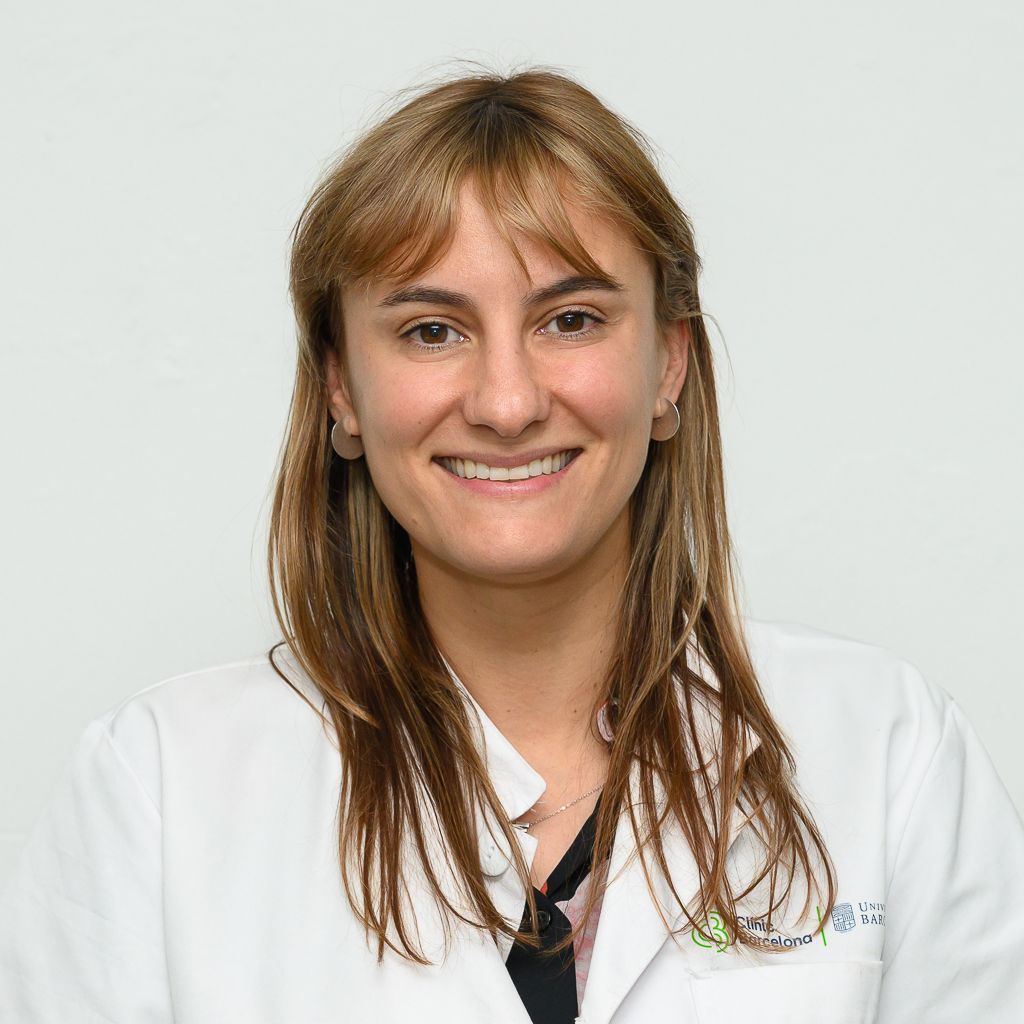
Investigators led by Elisa Pose, MD, PhD, a research fellow in the Liver Unit at the Hospital Clínic de Barcelona in Barcelona, Spain, randomly assigned 237 patients with advanced, mostly alcohol-related liver disease to receive either simvastatin 20 mg/d plus rifaximin 1200 mg/d (n = 117) or an identical-appearing placebo (n = 120) for 12 months. Patients also received standard therapy, stratified according to Child-Pugh class B or C.
A previous simvastatin trial demonstrated a benefit in cirrhosis death. And with rifaximin, a large randomized controlled trial (RCT) “showed positive results for prevention of recurrent hepatic encephalopathy in cirrhosis,” Pose told GI & Hepatology News. “Rifaximin targets bacterial translocation from the gut in patients with cirrhosis. Simvastatin lowers portal pressure, the main pathogenetic cause of decompensation in cirrhosis, and may reduce systemic inflammation.”
“Randomized clinical trials showed that not only did 40 mg of simvastatin daily significantly reduce portal hypertension but it also improved survival in patients with cirrhosis who recovered from variceal bleeding compared with placebo,” added study co-author Ruben Hernaez, MD, MPH, PhD, an associate professor of medicine – gastroenterology at Baylor College of Medicine in Houston. “With rifaximin, one could expect not only improvement in hepatic encephalopathy but also a decreased infection rate, the most common trigger of acute-on-chronic liver failure [ACLF].”
In addition to lowering serum cholesterol, statins have pleiotropic effects via their anti-inflammatory properties, which make them an attractive option for decompensated cirrhosis, the authors explained, and their effect on portal hypertension may diminish complications and increase survival.
“The hypothesis is that simvastatin could improve intrahepatic circulation through an increase in nitric oxide synthesis or due to anti-inflammatory effects,” said Hernaez. “Cirrhosis, similar to any other chronic condition, suffers from an enhanced systemic inflammation, which increases as the disease progresses.”
Cirrhosis is also associated with increased gut permeability and bacterial translocation, which can foster hepatic encephalopathy, bacterial infection, and ACLF. Rifaximin has been shown to reduce the risk for recurrent hepatic encephalopathy and modulate the gut microbiome.
Commenting on the study but not involved in it, Meena B. Bansal, MD, a professor of medicine at the Icahn School of Medicine at Mount Sinai and system chief of the Division of Liver Diseases at Mount Sinai Health System, both in New York City, cautioned that previous studies were limited by confounding by indication because those with poor liver function already have low cholesterol and thus may not have been prescribed statins. In the current study, the authors prospectively used a statin independent of cholesterol levels and combined it with an antibiotic, which may help decrease microbial translocation and ACLF.

“There is a great need to prevent ACLF/decompensating events, and thus, the negative results of this study are disappointing,” Bansal said.
Study Details
The trial’s primary endpoint was the incidence of severe complications of liver cirrhosis associated with organ failure meeting criteria for ACLF. Secondary outcomes included transplant or death and a composite endpoint of cirrhotic complications, including ascites, hepatic encephalopathy, variceal bleeding, acute kidney injury, and infection.
The 237 participants had Child-Pugh class B (n = 194) or class C (n = 43), 72% were men, more than 90% were White, and 79.8% had alcohol-related cirrhosis.
The study found no significant differences between the treatment and placebo arms in the following outcomes:
- ACLF: 17.9% vs 14.2% (hazard ratio [HR], 1.23, 95% CI, 0.65-2.34; P =.52)
- Transplant or death: 18.8% vs 24.2% (HR, 0.75; 95% CI, 0.43-1.32; P =.32)
- Complications of cirrhosis: 42.7% vs 45.8% (HR, 0.93; 95% CI, 0.63-1.36; P =.70)
Also, the benefits were not observed in any patient subgroup, although this type of analysis was not part of the endpoints. The incidence of adverse events was similar in both arms at 426 vs 419 (P =.59), but three patients in the treatment group (2.6%) developed rhabdomyolysis.
The results suggest, however, that this statin/antibiotic combination is at least not harmful in this patient population, Hernaez said.
The lack of benefit observed likely related to the advanced state of liver disease in the cohort. “When you look at the MELD [Model for End-Stage Liver Disease] score, the most-used measure to assess liver function and prognosis, it is higher in this cohort than in patients from the previous trial showing positive results in survival,” Pose said. “The rest of the studies showing positive results were mostly retrospective cohort studies or small RCTs showing effects on portal pressure. We think it is likely that studies at earlier stages — maybe patients with compensated liver disease — may have more positive results.”
Pose added that statins will not be prescribed at her center beyond the lipid-lowering indication. And in her view, the question of add-on therapy is closed for patients with advanced disease “but may be open for earlier stages of cirrhosis.”
Unanswered questions remain, however, Hernaez said. “For example, patients with metabolic dysfunction–associated steatotic liver disease may have a different intensity of the inflammatory milieu compared to the majority of patients in our study [whose disease] was alcohol-related.” Furthermore, is a simvastatin dose of 20 mg enough, and what would be the effect if patients had less advanced disease or compensated cirrhosis? “Hence, while we proved with a well-conducted negative randomized clinical trial the combination is not affecting this outcome and population, the question is still unanswered for other types of patient populations and/or dose.” Hernaez said.
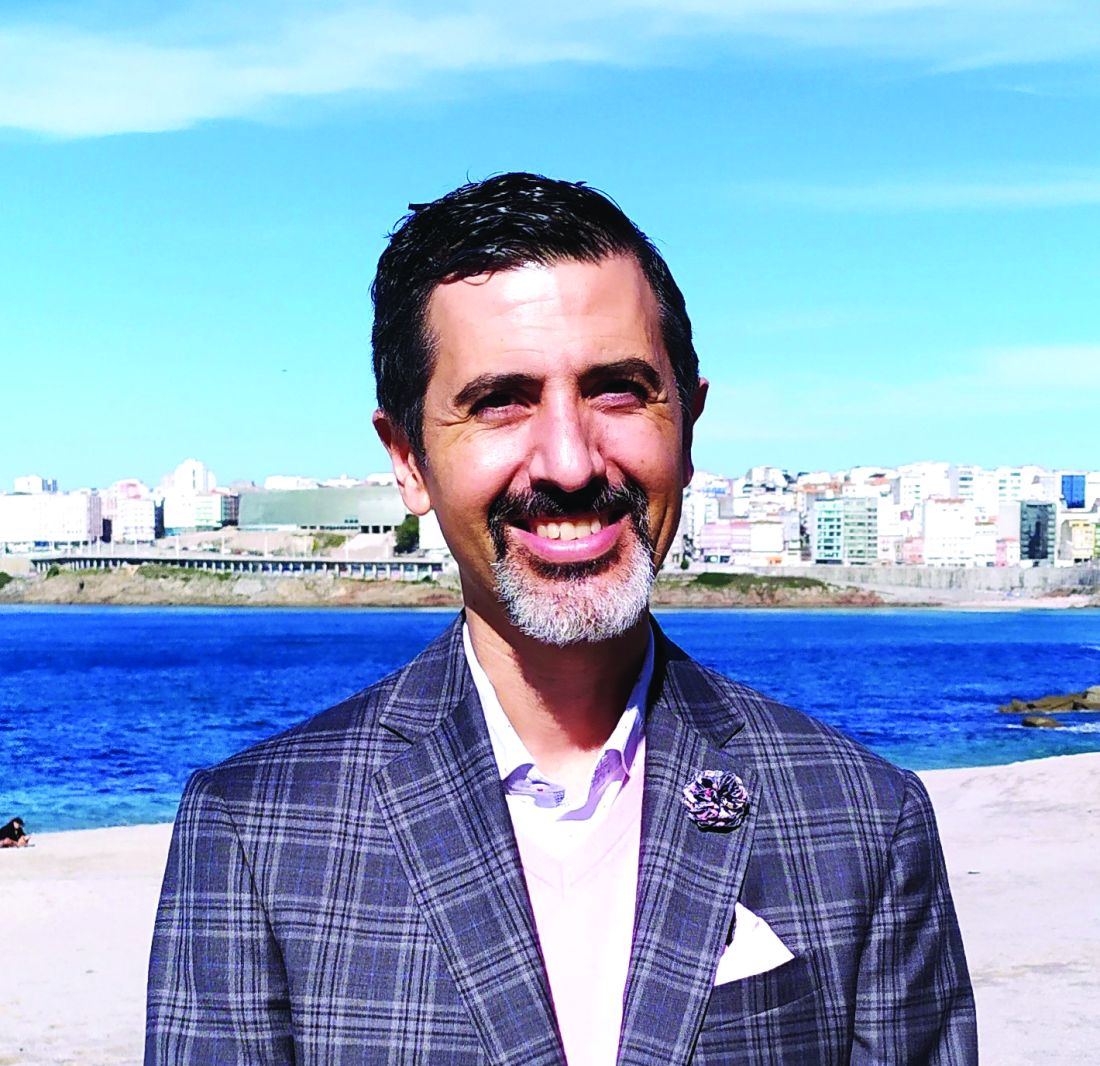
Bansal, too, pointed to the need for further studies in more diverse populations with varying etiologies of liver disease. “About 80% of this European population had alcohol-associated liver disease,” she said, agreeing that the study population likely had too-advanced disease. “The beneficial effects of these drugs may only be seen in those with less advanced cirrhosis, which warrants further study.” Based on these findings, Bansal added, statins should not be prescribed to prevent ACLF but reserved for patients with eligible cardiovascular risk factors, and rifaximin for those who meet criteria for the treatment of hepatic encephalopathy.
This work was supported by a grant from the Horizon 20/20 program.
Pose, Hernaez, and Bansal had no relevant competing interests to disclose. Multiple coauthors, including co–senior author Pere Ginès, reported having financial ties such as receiving research funding from; receiving advisory, consulting, or speaker’s fees from; and holding stocks and patents in multiple private-sector companies.
A version of this article appeared on Medscape.com.
, a European randomized trial found.
Published in JAMA, the double-blind, placebo-controlled, phase 3 LIVERHOPE trial was conducted in 14 European hospitals from January 2019 to December 2022, the last date of follow-up.
Investigators led by Elisa Pose, MD, PhD, a research fellow in the Liver Unit at the Hospital Clínic de Barcelona in Barcelona, Spain, randomly assigned 237 patients with advanced, mostly alcohol-related liver disease to receive either simvastatin 20 mg/d plus rifaximin 1200 mg/d (n = 117) or an identical-appearing placebo (n = 120) for 12 months. Patients also received standard therapy, stratified according to Child-Pugh class B or C.
A previous simvastatin trial demonstrated a benefit in cirrhosis death. And with rifaximin, a large randomized controlled trial (RCT) “showed positive results for prevention of recurrent hepatic encephalopathy in cirrhosis,” Pose told GI & Hepatology News. “Rifaximin targets bacterial translocation from the gut in patients with cirrhosis. Simvastatin lowers portal pressure, the main pathogenetic cause of decompensation in cirrhosis, and may reduce systemic inflammation.”
“Randomized clinical trials showed that not only did 40 mg of simvastatin daily significantly reduce portal hypertension but it also improved survival in patients with cirrhosis who recovered from variceal bleeding compared with placebo,” added study co-author Ruben Hernaez, MD, MPH, PhD, an associate professor of medicine – gastroenterology at Baylor College of Medicine in Houston. “With rifaximin, one could expect not only improvement in hepatic encephalopathy but also a decreased infection rate, the most common trigger of acute-on-chronic liver failure [ACLF].”
In addition to lowering serum cholesterol, statins have pleiotropic effects via their anti-inflammatory properties, which make them an attractive option for decompensated cirrhosis, the authors explained, and their effect on portal hypertension may diminish complications and increase survival.
“The hypothesis is that simvastatin could improve intrahepatic circulation through an increase in nitric oxide synthesis or due to anti-inflammatory effects,” said Hernaez. “Cirrhosis, similar to any other chronic condition, suffers from an enhanced systemic inflammation, which increases as the disease progresses.”
Cirrhosis is also associated with increased gut permeability and bacterial translocation, which can foster hepatic encephalopathy, bacterial infection, and ACLF. Rifaximin has been shown to reduce the risk for recurrent hepatic encephalopathy and modulate the gut microbiome.
Commenting on the study but not involved in it, Meena B. Bansal, MD, a professor of medicine at the Icahn School of Medicine at Mount Sinai and system chief of the Division of Liver Diseases at Mount Sinai Health System, both in New York City, cautioned that previous studies were limited by confounding by indication because those with poor liver function already have low cholesterol and thus may not have been prescribed statins. In the current study, the authors prospectively used a statin independent of cholesterol levels and combined it with an antibiotic, which may help decrease microbial translocation and ACLF.
“There is a great need to prevent ACLF/decompensating events, and thus, the negative results of this study are disappointing,” Bansal said.
Study Details
The trial’s primary endpoint was the incidence of severe complications of liver cirrhosis associated with organ failure meeting criteria for ACLF. Secondary outcomes included transplant or death and a composite endpoint of cirrhotic complications, including ascites, hepatic encephalopathy, variceal bleeding, acute kidney injury, and infection.
The 237 participants had Child-Pugh class B (n = 194) or class C (n = 43), 72% were men, more than 90% were White, and 79.8% had alcohol-related cirrhosis.
The study found no significant differences between the treatment and placebo arms in the following outcomes:
- ACLF: 17.9% vs 14.2% (hazard ratio [HR], 1.23, 95% CI, 0.65-2.34; P =.52)
- Transplant or death: 18.8% vs 24.2% (HR, 0.75; 95% CI, 0.43-1.32; P =.32)
- Complications of cirrhosis: 42.7% vs 45.8% (HR, 0.93; 95% CI, 0.63-1.36; P =.70)
Also, the benefits were not observed in any patient subgroup, although this type of analysis was not part of the endpoints. The incidence of adverse events was similar in both arms at 426 vs 419 (P =.59), but three patients in the treatment group (2.6%) developed rhabdomyolysis.
The results suggest, however, that this statin/antibiotic combination is at least not harmful in this patient population, Hernaez said.
The lack of benefit observed likely related to the advanced state of liver disease in the cohort. “When you look at the MELD [Model for End-Stage Liver Disease] score, the most-used measure to assess liver function and prognosis, it is higher in this cohort than in patients from the previous trial showing positive results in survival,” Pose said. “The rest of the studies showing positive results were mostly retrospective cohort studies or small RCTs showing effects on portal pressure. We think it is likely that studies at earlier stages — maybe patients with compensated liver disease — may have more positive results.”
Pose added that statins will not be prescribed at her center beyond the lipid-lowering indication. And in her view, the question of add-on therapy is closed for patients with advanced disease “but may be open for earlier stages of cirrhosis.”
Unanswered questions remain, however, Hernaez said. “For example, patients with metabolic dysfunction–associated steatotic liver disease may have a different intensity of the inflammatory milieu compared to the majority of patients in our study [whose disease] was alcohol-related.” Furthermore, is a simvastatin dose of 20 mg enough, and what would be the effect if patients had less advanced disease or compensated cirrhosis? “Hence, while we proved with a well-conducted negative randomized clinical trial the combination is not affecting this outcome and population, the question is still unanswered for other types of patient populations and/or dose.” Hernaez said.
Bansal, too, pointed to the need for further studies in more diverse populations with varying etiologies of liver disease. “About 80% of this European population had alcohol-associated liver disease,” she said, agreeing that the study population likely had too-advanced disease. “The beneficial effects of these drugs may only be seen in those with less advanced cirrhosis, which warrants further study.” Based on these findings, Bansal added, statins should not be prescribed to prevent ACLF but reserved for patients with eligible cardiovascular risk factors, and rifaximin for those who meet criteria for the treatment of hepatic encephalopathy.
This work was supported by a grant from the Horizon 20/20 program.
Pose, Hernaez, and Bansal had no relevant competing interests to disclose. Multiple coauthors, including co–senior author Pere Ginès, reported having financial ties such as receiving research funding from; receiving advisory, consulting, or speaker’s fees from; and holding stocks and patents in multiple private-sector companies.
A version of this article appeared on Medscape.com.
, a European randomized trial found.
Published in JAMA, the double-blind, placebo-controlled, phase 3 LIVERHOPE trial was conducted in 14 European hospitals from January 2019 to December 2022, the last date of follow-up.
Investigators led by Elisa Pose, MD, PhD, a research fellow in the Liver Unit at the Hospital Clínic de Barcelona in Barcelona, Spain, randomly assigned 237 patients with advanced, mostly alcohol-related liver disease to receive either simvastatin 20 mg/d plus rifaximin 1200 mg/d (n = 117) or an identical-appearing placebo (n = 120) for 12 months. Patients also received standard therapy, stratified according to Child-Pugh class B or C.
A previous simvastatin trial demonstrated a benefit in cirrhosis death. And with rifaximin, a large randomized controlled trial (RCT) “showed positive results for prevention of recurrent hepatic encephalopathy in cirrhosis,” Pose told GI & Hepatology News. “Rifaximin targets bacterial translocation from the gut in patients with cirrhosis. Simvastatin lowers portal pressure, the main pathogenetic cause of decompensation in cirrhosis, and may reduce systemic inflammation.”
“Randomized clinical trials showed that not only did 40 mg of simvastatin daily significantly reduce portal hypertension but it also improved survival in patients with cirrhosis who recovered from variceal bleeding compared with placebo,” added study co-author Ruben Hernaez, MD, MPH, PhD, an associate professor of medicine – gastroenterology at Baylor College of Medicine in Houston. “With rifaximin, one could expect not only improvement in hepatic encephalopathy but also a decreased infection rate, the most common trigger of acute-on-chronic liver failure [ACLF].”
In addition to lowering serum cholesterol, statins have pleiotropic effects via their anti-inflammatory properties, which make them an attractive option for decompensated cirrhosis, the authors explained, and their effect on portal hypertension may diminish complications and increase survival.
“The hypothesis is that simvastatin could improve intrahepatic circulation through an increase in nitric oxide synthesis or due to anti-inflammatory effects,” said Hernaez. “Cirrhosis, similar to any other chronic condition, suffers from an enhanced systemic inflammation, which increases as the disease progresses.”
Cirrhosis is also associated with increased gut permeability and bacterial translocation, which can foster hepatic encephalopathy, bacterial infection, and ACLF. Rifaximin has been shown to reduce the risk for recurrent hepatic encephalopathy and modulate the gut microbiome.
Commenting on the study but not involved in it, Meena B. Bansal, MD, a professor of medicine at the Icahn School of Medicine at Mount Sinai and system chief of the Division of Liver Diseases at Mount Sinai Health System, both in New York City, cautioned that previous studies were limited by confounding by indication because those with poor liver function already have low cholesterol and thus may not have been prescribed statins. In the current study, the authors prospectively used a statin independent of cholesterol levels and combined it with an antibiotic, which may help decrease microbial translocation and ACLF.
“There is a great need to prevent ACLF/decompensating events, and thus, the negative results of this study are disappointing,” Bansal said.
Study Details
The trial’s primary endpoint was the incidence of severe complications of liver cirrhosis associated with organ failure meeting criteria for ACLF. Secondary outcomes included transplant or death and a composite endpoint of cirrhotic complications, including ascites, hepatic encephalopathy, variceal bleeding, acute kidney injury, and infection.
The 237 participants had Child-Pugh class B (n = 194) or class C (n = 43), 72% were men, more than 90% were White, and 79.8% had alcohol-related cirrhosis.
The study found no significant differences between the treatment and placebo arms in the following outcomes:
- ACLF: 17.9% vs 14.2% (hazard ratio [HR], 1.23, 95% CI, 0.65-2.34; P =.52)
- Transplant or death: 18.8% vs 24.2% (HR, 0.75; 95% CI, 0.43-1.32; P =.32)
- Complications of cirrhosis: 42.7% vs 45.8% (HR, 0.93; 95% CI, 0.63-1.36; P =.70)
Also, the benefits were not observed in any patient subgroup, although this type of analysis was not part of the endpoints. The incidence of adverse events was similar in both arms at 426 vs 419 (P =.59), but three patients in the treatment group (2.6%) developed rhabdomyolysis.
The results suggest, however, that this statin/antibiotic combination is at least not harmful in this patient population, Hernaez said.
The lack of benefit observed likely related to the advanced state of liver disease in the cohort. “When you look at the MELD [Model for End-Stage Liver Disease] score, the most-used measure to assess liver function and prognosis, it is higher in this cohort than in patients from the previous trial showing positive results in survival,” Pose said. “The rest of the studies showing positive results were mostly retrospective cohort studies or small RCTs showing effects on portal pressure. We think it is likely that studies at earlier stages — maybe patients with compensated liver disease — may have more positive results.”
Pose added that statins will not be prescribed at her center beyond the lipid-lowering indication. And in her view, the question of add-on therapy is closed for patients with advanced disease “but may be open for earlier stages of cirrhosis.”
Unanswered questions remain, however, Hernaez said. “For example, patients with metabolic dysfunction–associated steatotic liver disease may have a different intensity of the inflammatory milieu compared to the majority of patients in our study [whose disease] was alcohol-related.” Furthermore, is a simvastatin dose of 20 mg enough, and what would be the effect if patients had less advanced disease or compensated cirrhosis? “Hence, while we proved with a well-conducted negative randomized clinical trial the combination is not affecting this outcome and population, the question is still unanswered for other types of patient populations and/or dose.” Hernaez said.
Bansal, too, pointed to the need for further studies in more diverse populations with varying etiologies of liver disease. “About 80% of this European population had alcohol-associated liver disease,” she said, agreeing that the study population likely had too-advanced disease. “The beneficial effects of these drugs may only be seen in those with less advanced cirrhosis, which warrants further study.” Based on these findings, Bansal added, statins should not be prescribed to prevent ACLF but reserved for patients with eligible cardiovascular risk factors, and rifaximin for those who meet criteria for the treatment of hepatic encephalopathy.
This work was supported by a grant from the Horizon 20/20 program.
Pose, Hernaez, and Bansal had no relevant competing interests to disclose. Multiple coauthors, including co–senior author Pere Ginès, reported having financial ties such as receiving research funding from; receiving advisory, consulting, or speaker’s fees from; and holding stocks and patents in multiple private-sector companies.
A version of this article appeared on Medscape.com.
Assay Shows Promise for Early-Stage Melanoma Risk Assessment Beyond SNLB
A noninvasive clinicopathologic and gene expression profiling (CP-GEP)–based tool, the Merlin assay, shows promise for identifying recurrence risks in patients with early-stage melanoma who do not undergo sentinel lymph node biopsy (SNLB).
This was the conclusion of a retrospective analysis of a large cohort of patients with stage I/II disease, reported by Teresa Amaral, MD, PhD, at the 11th World Congress of Melanoma and 21st European Association of Dermato-Oncology Congress 2025.
Of 930 patients included in the study, the assay identified 879 as having a low risk for recurrence and 51 as having high risk for recurrence. The overall 5-year recurrence-free survival (RFS), distant metastasis-free survival (DMFS) and melanoma-specific survival (MSS) rates were 90.9%, 96.9%, and 97.5%, respectively.
The corresponding rates among those stratified by the assay as having low vs high recurrence risk, respectively, were 94.6% and 26.6% for RFS (hazard ratio [HR], 25.08), 98.6% vs 62.1% for DMFS (HR, 35.39), and 99.4% vs 61.7% for MSS (HR, 71.05), said Amaral, during her presentation at the meeting.
Of 16 melanoma-specific deaths, 12 were stratified as high risk for recurrence by the CP-GEP assay, said Amaral, head of the Skin Cancer Clinical Trials Center at the University of Tübingen, Tübingen, Germany, and first author of the study.
Study participants had stages IA-IIC melanoma, 41% were women, and median age was 64 years. Median melanoma thickness was 0.5 mm, and 94% were not ulcerated.
No systemic treatment options currently exist for patients with this early-stage disease, the author said.
The CP-GEP model, initially developed by the Mayo Clinic and SkylineDx BV to predict the positivity of SNLB, has been validated in multiple studies.
Amaral and her colleagues previously demonstrated the ability of the CP-GEP model to stratify patients with stages I-II disease as having low or high risk for recurrence — including in a small number of patients without SNLB. Those findings are confirmed in this larger population of patients who did not undergo SNLB, she said.
SkylineDx announced the findings in a press release stating the results validate the prognostic power of the Merlin assay for “identifying tumors at high risk for relapse that would otherwise be missed by traditional clinical and pathological evaluation.”
SNLB is the gold standard for nodal assessment for staging cutaneous melanoma. More than 80% of patients who undergo SNLB are negative for nodal metastases, but most patients who relapse or die from their melanoma are initially stratified by SNLB as having low-risk early-stage disease, Amaral explained. This suggests “SNLB is not enough,” she noted.
The findings suggest that CP-GEP has the potential to risk stratify patients with early-stage melanoma that did not undergo SLNB and help select those who can forgo SLNB, she said.
Without another means of assessing risk, patients considered low risk based on SNLB are closely followed, the author explained.
“If we could identify the very low-risk patient and then allocate the resources to the very high-risk patients who really need a more detailed and more tailored approach…we would be doing a favor to our patients,” the author concluded.
Amaral disclosed personal financial relationships with Delcath, Philogen, Bristol Myers Squibb, NeraCare, Novartis, Pierre Fabre, CeCaVa, and MedTrix.
A version of this article first appeared on Medscape.com.
A noninvasive clinicopathologic and gene expression profiling (CP-GEP)–based tool, the Merlin assay, shows promise for identifying recurrence risks in patients with early-stage melanoma who do not undergo sentinel lymph node biopsy (SNLB).
This was the conclusion of a retrospective analysis of a large cohort of patients with stage I/II disease, reported by Teresa Amaral, MD, PhD, at the 11th World Congress of Melanoma and 21st European Association of Dermato-Oncology Congress 2025.
Of 930 patients included in the study, the assay identified 879 as having a low risk for recurrence and 51 as having high risk for recurrence. The overall 5-year recurrence-free survival (RFS), distant metastasis-free survival (DMFS) and melanoma-specific survival (MSS) rates were 90.9%, 96.9%, and 97.5%, respectively.
The corresponding rates among those stratified by the assay as having low vs high recurrence risk, respectively, were 94.6% and 26.6% for RFS (hazard ratio [HR], 25.08), 98.6% vs 62.1% for DMFS (HR, 35.39), and 99.4% vs 61.7% for MSS (HR, 71.05), said Amaral, during her presentation at the meeting.
Of 16 melanoma-specific deaths, 12 were stratified as high risk for recurrence by the CP-GEP assay, said Amaral, head of the Skin Cancer Clinical Trials Center at the University of Tübingen, Tübingen, Germany, and first author of the study.
Study participants had stages IA-IIC melanoma, 41% were women, and median age was 64 years. Median melanoma thickness was 0.5 mm, and 94% were not ulcerated.
No systemic treatment options currently exist for patients with this early-stage disease, the author said.
The CP-GEP model, initially developed by the Mayo Clinic and SkylineDx BV to predict the positivity of SNLB, has been validated in multiple studies.
Amaral and her colleagues previously demonstrated the ability of the CP-GEP model to stratify patients with stages I-II disease as having low or high risk for recurrence — including in a small number of patients without SNLB. Those findings are confirmed in this larger population of patients who did not undergo SNLB, she said.
SkylineDx announced the findings in a press release stating the results validate the prognostic power of the Merlin assay for “identifying tumors at high risk for relapse that would otherwise be missed by traditional clinical and pathological evaluation.”
SNLB is the gold standard for nodal assessment for staging cutaneous melanoma. More than 80% of patients who undergo SNLB are negative for nodal metastases, but most patients who relapse or die from their melanoma are initially stratified by SNLB as having low-risk early-stage disease, Amaral explained. This suggests “SNLB is not enough,” she noted.
The findings suggest that CP-GEP has the potential to risk stratify patients with early-stage melanoma that did not undergo SLNB and help select those who can forgo SLNB, she said.
Without another means of assessing risk, patients considered low risk based on SNLB are closely followed, the author explained.
“If we could identify the very low-risk patient and then allocate the resources to the very high-risk patients who really need a more detailed and more tailored approach…we would be doing a favor to our patients,” the author concluded.
Amaral disclosed personal financial relationships with Delcath, Philogen, Bristol Myers Squibb, NeraCare, Novartis, Pierre Fabre, CeCaVa, and MedTrix.
A version of this article first appeared on Medscape.com.
A noninvasive clinicopathologic and gene expression profiling (CP-GEP)–based tool, the Merlin assay, shows promise for identifying recurrence risks in patients with early-stage melanoma who do not undergo sentinel lymph node biopsy (SNLB).
This was the conclusion of a retrospective analysis of a large cohort of patients with stage I/II disease, reported by Teresa Amaral, MD, PhD, at the 11th World Congress of Melanoma and 21st European Association of Dermato-Oncology Congress 2025.
Of 930 patients included in the study, the assay identified 879 as having a low risk for recurrence and 51 as having high risk for recurrence. The overall 5-year recurrence-free survival (RFS), distant metastasis-free survival (DMFS) and melanoma-specific survival (MSS) rates were 90.9%, 96.9%, and 97.5%, respectively.
The corresponding rates among those stratified by the assay as having low vs high recurrence risk, respectively, were 94.6% and 26.6% for RFS (hazard ratio [HR], 25.08), 98.6% vs 62.1% for DMFS (HR, 35.39), and 99.4% vs 61.7% for MSS (HR, 71.05), said Amaral, during her presentation at the meeting.
Of 16 melanoma-specific deaths, 12 were stratified as high risk for recurrence by the CP-GEP assay, said Amaral, head of the Skin Cancer Clinical Trials Center at the University of Tübingen, Tübingen, Germany, and first author of the study.
Study participants had stages IA-IIC melanoma, 41% were women, and median age was 64 years. Median melanoma thickness was 0.5 mm, and 94% were not ulcerated.
No systemic treatment options currently exist for patients with this early-stage disease, the author said.
The CP-GEP model, initially developed by the Mayo Clinic and SkylineDx BV to predict the positivity of SNLB, has been validated in multiple studies.
Amaral and her colleagues previously demonstrated the ability of the CP-GEP model to stratify patients with stages I-II disease as having low or high risk for recurrence — including in a small number of patients without SNLB. Those findings are confirmed in this larger population of patients who did not undergo SNLB, she said.
SkylineDx announced the findings in a press release stating the results validate the prognostic power of the Merlin assay for “identifying tumors at high risk for relapse that would otherwise be missed by traditional clinical and pathological evaluation.”
SNLB is the gold standard for nodal assessment for staging cutaneous melanoma. More than 80% of patients who undergo SNLB are negative for nodal metastases, but most patients who relapse or die from their melanoma are initially stratified by SNLB as having low-risk early-stage disease, Amaral explained. This suggests “SNLB is not enough,” she noted.
The findings suggest that CP-GEP has the potential to risk stratify patients with early-stage melanoma that did not undergo SLNB and help select those who can forgo SLNB, she said.
Without another means of assessing risk, patients considered low risk based on SNLB are closely followed, the author explained.
“If we could identify the very low-risk patient and then allocate the resources to the very high-risk patients who really need a more detailed and more tailored approach…we would be doing a favor to our patients,” the author concluded.
Amaral disclosed personal financial relationships with Delcath, Philogen, Bristol Myers Squibb, NeraCare, Novartis, Pierre Fabre, CeCaVa, and MedTrix.
A version of this article first appeared on Medscape.com.
FROM WCM-EADO 2025
How Doctors Use Travel to Heal Themselves
Whatever’s ailing you, a vacation might just be the cure. Yes, getting away can improve your health, according to research published in in 2023. It might help combat symptoms of aging, suggested a 2024 study in Journal of Travel Research. But it could also have even more powerful psychological and physical benefits, transforming your life before you pack a bag and long after you return home.
This news organization spoke with two healthcare professionals who believe in the healing power of travel. They shared which personal “diagnoses” they have successfully treated with faraway places and how this therapy might work for you.
Stacey Funt, MD, NBC-HWC, a radiologist at Northwell Health in Long Island, New York, started the boutique wellness adventure travel company, LH Adventure Travel, in 2023. Funt curates and leads small groups to destinations like Peru, Guatemala, Morocco, and Italy. Each tour incorporates tenets of lifestyle medicine, including healthy eating, movement, stress management, and community building.
Kiya Thompson, RN, a surgical trauma nurse for 20 years, was similarly inspired to share her passion for travel. She is now a certified family travel coach who helps parents plan meaningful trips through her company, LuckyBucky, LLC.
Dx: Self-Esteem Deficiency / Rx: Vivaldi in Venice
In June 2015, Thompson found herself at an all-time low. As a nurse, she felt confident that she was “built for the adrenaline rush and could take on anything.” But outside the trauma center, Thompson felt inadequate, her self-esteem eroded by years of abusive relationships. “The daily hardships of my personal life, combined with the mental fortitude it took to endure the demands of caring for the sickest of the sick, were incredibly weighty,” she recalled.
To escape, Thompson booked her first solo trip: 3 weeks in Italy. But days after she arrived, she felt the need to “escape her escape.” On a bus in Naples, she was pick-pocketed. The man she had been dating before her trip stopped responding to her messages. In her hotel room in Venice, she felt “lost, alone, and helpless.”
One evening, Thompson attended a small orchestral performance of Vivaldi’s “The Four Seasons” in a centuries-old church. The music triggered memories of her Italian grandparents at whose home she’d listened to the same piece.
“A switch flipped, and I changed my whole outlook,” she remembers.
During the concert, she reflected on strangers who had shown her kindness and care. A Canadian man who gave her €50 after her wallet was stolen. A friend-of-a-friend who showed her around Rome. The clerk at her Venice hotel who had offered her a hug.
“In the wake of experiencing the worst of people, I’d experienced so much more of the best of people; strangers who were willing to go above and beyond to help me,” Thompson said.
When Thompson returned home, she brought her new mindset along. “ My ability to problem-solve my way through a solo trip that presented unexpected hardships empowered me,” she explained. “I learned I was much more capable than I’d thought.”
Dx: Wilderness Phobia / Rx: A Safari in Tanzania
On an evening in the mid-1990s, Funt was alone in a tent on a budget camping safari in Tanzania. Animals roared threateningly outside the thin walls. Earlier that day, a vulture had ripped a sandwich out of her hands. Funt was frightened to the core. Worrying that she’d be the next meal for the local wildlife, she started to sob. “This was as raw as I had ever gotten at that point in my life,” she said.
Suddenly, Funt said her brain shifted into problem-solving mode. She made one small decision: To switch to a different Jeep for the next day’s excursion. Having made a seemingly insignificant choice, she felt calmer and no longer like a victim. It brought control. Instead of worrying, she began looking forward to the wildlife she would see.
In the morning, in the new Jeep, she befriended a nurse from Canada. Together, they visited the Maasai Mara tribe and nearby pubs, meeting members of the community.
“It was the most exciting experience of my life,” Funt said. “And it had started with me crying.”
Dx: Parenting-itis / Rx: A Mountain Getaway
As Thompson pointed out, sometimes the destination is secondary to the intension behind a trip. And the quality of the time away matters more than how long you can stay. After becoming parents 4 years ago, Thompson and her husband hadn’t traveled alone together. Like many parents of young children, they were short on time to relax and reconnect as a couple.
So Thompson planned a weekend trip to an isolated cabin in the Massanutten Mountain Range within the George Washington National Forest, about a 2-hour drive from their Washington, DC, area home.
“We put our devices away and focused on being completely present with one another,” said Thompson. The couple took a walk in the woods, where “all we could hear were drops of water from the snowmelt, the crunch of the snow beneath our feet, and the occasional bird looking for food,” she recalled. “There were no cars, no other people. It was quiet, calm, and incredibly peaceful.”
Whether sitting by the fire, soaking in the outdoor hot tub, or playing card games, “our conversation didn’t surround what we’d have for dinner or who would do baths and bedtime with whom,” Thompson said. “We didn’t talk about work, upcoming commitments, or items on our to-do lists.” The getaway was so refreshing, the couple intend to repeat the trip each year.
Dx: Persistent Grief / Rx: Hiking and Hinduism in Nepal
Nearly 3 years ago, Funt experienced a 2-month period where both of her kids left for college and both her father and father-in-law passed away. Besieged by grief, she found herself questioning whether her best years were behind her. She was also grappling with her mortality, because she was then approaching 59, the age at which her own mother had died. So Funt decided to go trekking in Nepal. “I am a traveler — it’s what I do,” she said.
Having the trip to prepare for changed Funt’s whole outlook, she remembers. Throwing herself into the planning helped her transcend her grief. But being in Nepal was even more impactful. She and her husband spent hours trekking through majestic mountain ranges, which “touched their souls.” At a crematorium, they learned about Hindu beliefs on death, which helped them with the grieving process.
The trip “lifted me so high up on so many levels and brought me back to my authentic self,” Funt said. On her flight home from Kathmandu, she decided to start her travel business.
“I needed something else [in addition to radiology] to put my passion, heart, and creativity into, and it would be another way of doing service,” she explained.
Dx: Couch Potato Syndrome / Rx: Planning an Adventure
Like all of us, Funt knows exercise is important for health. But that knowledge alone doesn’t motivate her to move, she admitted. What does get her off the couch is scheduling an active trip — and then training for it. “When I have a goal tied to my values of adventure, connection, and community, fear will set in if I don’t start to move,” she said. It was after booking her Nepal trip (which included an 8-mile, 3000-foot trek) that Funt started getting in shape.
Travel has motivated Funt’s clients in similar ways. Last year, 8 months before one of her Morocco trips, Funt spoke over Zoom with a woman who’d just enrolled. This woman told her she’d signed up in order to commit to her health.
By the time Funt saw her again, on day 1 of the trip, the woman had lost 50 pounds. “It was the greatest transformation,” Funt recalled. “On the trip, she was the first one up the mountain and beamed the whole time. It was beautiful to watch her reclaim her power, body, and life.”
Getting Lost — Finding Inspiration
Since Thompson’s trip to Italy, she has traveled extensively, visiting nearly 25 countries. “Traveling inspired me to continue exploring the world and myself,” she said.
Since leading her first trip to Morocco in 2023, Funt said she’s received more letters of appreciation from her clients than her patients. The results from this type of travel therapy can be dramatic.
After a trip with Funt, one burned-out physician decided that she needed to find a job with a better work-life balance. An empty nester realized the “feeling of belonging and community” on the trip was what had been missing in her “regular” life. After returning home, she began rekindling relationships with old friends.
To many, a vacation is a treat. But, as Funt and Thompson have learned firsthand, it can also be a prescription — for ennui, sadness, loneliness, and all the physical issues that come with them. Sometimes, going far away helps you come home to yourself.
A version of this article first appeared on Medscape.com.
Whatever’s ailing you, a vacation might just be the cure. Yes, getting away can improve your health, according to research published in in 2023. It might help combat symptoms of aging, suggested a 2024 study in Journal of Travel Research. But it could also have even more powerful psychological and physical benefits, transforming your life before you pack a bag and long after you return home.
This news organization spoke with two healthcare professionals who believe in the healing power of travel. They shared which personal “diagnoses” they have successfully treated with faraway places and how this therapy might work for you.
Stacey Funt, MD, NBC-HWC, a radiologist at Northwell Health in Long Island, New York, started the boutique wellness adventure travel company, LH Adventure Travel, in 2023. Funt curates and leads small groups to destinations like Peru, Guatemala, Morocco, and Italy. Each tour incorporates tenets of lifestyle medicine, including healthy eating, movement, stress management, and community building.
Kiya Thompson, RN, a surgical trauma nurse for 20 years, was similarly inspired to share her passion for travel. She is now a certified family travel coach who helps parents plan meaningful trips through her company, LuckyBucky, LLC.
Dx: Self-Esteem Deficiency / Rx: Vivaldi in Venice
In June 2015, Thompson found herself at an all-time low. As a nurse, she felt confident that she was “built for the adrenaline rush and could take on anything.” But outside the trauma center, Thompson felt inadequate, her self-esteem eroded by years of abusive relationships. “The daily hardships of my personal life, combined with the mental fortitude it took to endure the demands of caring for the sickest of the sick, were incredibly weighty,” she recalled.
To escape, Thompson booked her first solo trip: 3 weeks in Italy. But days after she arrived, she felt the need to “escape her escape.” On a bus in Naples, she was pick-pocketed. The man she had been dating before her trip stopped responding to her messages. In her hotel room in Venice, she felt “lost, alone, and helpless.”
One evening, Thompson attended a small orchestral performance of Vivaldi’s “The Four Seasons” in a centuries-old church. The music triggered memories of her Italian grandparents at whose home she’d listened to the same piece.
“A switch flipped, and I changed my whole outlook,” she remembers.
During the concert, she reflected on strangers who had shown her kindness and care. A Canadian man who gave her €50 after her wallet was stolen. A friend-of-a-friend who showed her around Rome. The clerk at her Venice hotel who had offered her a hug.
“In the wake of experiencing the worst of people, I’d experienced so much more of the best of people; strangers who were willing to go above and beyond to help me,” Thompson said.
When Thompson returned home, she brought her new mindset along. “ My ability to problem-solve my way through a solo trip that presented unexpected hardships empowered me,” she explained. “I learned I was much more capable than I’d thought.”
Dx: Wilderness Phobia / Rx: A Safari in Tanzania
On an evening in the mid-1990s, Funt was alone in a tent on a budget camping safari in Tanzania. Animals roared threateningly outside the thin walls. Earlier that day, a vulture had ripped a sandwich out of her hands. Funt was frightened to the core. Worrying that she’d be the next meal for the local wildlife, she started to sob. “This was as raw as I had ever gotten at that point in my life,” she said.
Suddenly, Funt said her brain shifted into problem-solving mode. She made one small decision: To switch to a different Jeep for the next day’s excursion. Having made a seemingly insignificant choice, she felt calmer and no longer like a victim. It brought control. Instead of worrying, she began looking forward to the wildlife she would see.
In the morning, in the new Jeep, she befriended a nurse from Canada. Together, they visited the Maasai Mara tribe and nearby pubs, meeting members of the community.
“It was the most exciting experience of my life,” Funt said. “And it had started with me crying.”
Dx: Parenting-itis / Rx: A Mountain Getaway
As Thompson pointed out, sometimes the destination is secondary to the intension behind a trip. And the quality of the time away matters more than how long you can stay. After becoming parents 4 years ago, Thompson and her husband hadn’t traveled alone together. Like many parents of young children, they were short on time to relax and reconnect as a couple.
So Thompson planned a weekend trip to an isolated cabin in the Massanutten Mountain Range within the George Washington National Forest, about a 2-hour drive from their Washington, DC, area home.
“We put our devices away and focused on being completely present with one another,” said Thompson. The couple took a walk in the woods, where “all we could hear were drops of water from the snowmelt, the crunch of the snow beneath our feet, and the occasional bird looking for food,” she recalled. “There were no cars, no other people. It was quiet, calm, and incredibly peaceful.”
Whether sitting by the fire, soaking in the outdoor hot tub, or playing card games, “our conversation didn’t surround what we’d have for dinner or who would do baths and bedtime with whom,” Thompson said. “We didn’t talk about work, upcoming commitments, or items on our to-do lists.” The getaway was so refreshing, the couple intend to repeat the trip each year.
Dx: Persistent Grief / Rx: Hiking and Hinduism in Nepal
Nearly 3 years ago, Funt experienced a 2-month period where both of her kids left for college and both her father and father-in-law passed away. Besieged by grief, she found herself questioning whether her best years were behind her. She was also grappling with her mortality, because she was then approaching 59, the age at which her own mother had died. So Funt decided to go trekking in Nepal. “I am a traveler — it’s what I do,” she said.
Having the trip to prepare for changed Funt’s whole outlook, she remembers. Throwing herself into the planning helped her transcend her grief. But being in Nepal was even more impactful. She and her husband spent hours trekking through majestic mountain ranges, which “touched their souls.” At a crematorium, they learned about Hindu beliefs on death, which helped them with the grieving process.
The trip “lifted me so high up on so many levels and brought me back to my authentic self,” Funt said. On her flight home from Kathmandu, she decided to start her travel business.
“I needed something else [in addition to radiology] to put my passion, heart, and creativity into, and it would be another way of doing service,” she explained.
Dx: Couch Potato Syndrome / Rx: Planning an Adventure
Like all of us, Funt knows exercise is important for health. But that knowledge alone doesn’t motivate her to move, she admitted. What does get her off the couch is scheduling an active trip — and then training for it. “When I have a goal tied to my values of adventure, connection, and community, fear will set in if I don’t start to move,” she said. It was after booking her Nepal trip (which included an 8-mile, 3000-foot trek) that Funt started getting in shape.
Travel has motivated Funt’s clients in similar ways. Last year, 8 months before one of her Morocco trips, Funt spoke over Zoom with a woman who’d just enrolled. This woman told her she’d signed up in order to commit to her health.
By the time Funt saw her again, on day 1 of the trip, the woman had lost 50 pounds. “It was the greatest transformation,” Funt recalled. “On the trip, she was the first one up the mountain and beamed the whole time. It was beautiful to watch her reclaim her power, body, and life.”
Getting Lost — Finding Inspiration
Since Thompson’s trip to Italy, she has traveled extensively, visiting nearly 25 countries. “Traveling inspired me to continue exploring the world and myself,” she said.
Since leading her first trip to Morocco in 2023, Funt said she’s received more letters of appreciation from her clients than her patients. The results from this type of travel therapy can be dramatic.
After a trip with Funt, one burned-out physician decided that she needed to find a job with a better work-life balance. An empty nester realized the “feeling of belonging and community” on the trip was what had been missing in her “regular” life. After returning home, she began rekindling relationships with old friends.
To many, a vacation is a treat. But, as Funt and Thompson have learned firsthand, it can also be a prescription — for ennui, sadness, loneliness, and all the physical issues that come with them. Sometimes, going far away helps you come home to yourself.
A version of this article first appeared on Medscape.com.
Whatever’s ailing you, a vacation might just be the cure. Yes, getting away can improve your health, according to research published in in 2023. It might help combat symptoms of aging, suggested a 2024 study in Journal of Travel Research. But it could also have even more powerful psychological and physical benefits, transforming your life before you pack a bag and long after you return home.
This news organization spoke with two healthcare professionals who believe in the healing power of travel. They shared which personal “diagnoses” they have successfully treated with faraway places and how this therapy might work for you.
Stacey Funt, MD, NBC-HWC, a radiologist at Northwell Health in Long Island, New York, started the boutique wellness adventure travel company, LH Adventure Travel, in 2023. Funt curates and leads small groups to destinations like Peru, Guatemala, Morocco, and Italy. Each tour incorporates tenets of lifestyle medicine, including healthy eating, movement, stress management, and community building.
Kiya Thompson, RN, a surgical trauma nurse for 20 years, was similarly inspired to share her passion for travel. She is now a certified family travel coach who helps parents plan meaningful trips through her company, LuckyBucky, LLC.
Dx: Self-Esteem Deficiency / Rx: Vivaldi in Venice
In June 2015, Thompson found herself at an all-time low. As a nurse, she felt confident that she was “built for the adrenaline rush and could take on anything.” But outside the trauma center, Thompson felt inadequate, her self-esteem eroded by years of abusive relationships. “The daily hardships of my personal life, combined with the mental fortitude it took to endure the demands of caring for the sickest of the sick, were incredibly weighty,” she recalled.
To escape, Thompson booked her first solo trip: 3 weeks in Italy. But days after she arrived, she felt the need to “escape her escape.” On a bus in Naples, she was pick-pocketed. The man she had been dating before her trip stopped responding to her messages. In her hotel room in Venice, she felt “lost, alone, and helpless.”
One evening, Thompson attended a small orchestral performance of Vivaldi’s “The Four Seasons” in a centuries-old church. The music triggered memories of her Italian grandparents at whose home she’d listened to the same piece.
“A switch flipped, and I changed my whole outlook,” she remembers.
During the concert, she reflected on strangers who had shown her kindness and care. A Canadian man who gave her €50 after her wallet was stolen. A friend-of-a-friend who showed her around Rome. The clerk at her Venice hotel who had offered her a hug.
“In the wake of experiencing the worst of people, I’d experienced so much more of the best of people; strangers who were willing to go above and beyond to help me,” Thompson said.
When Thompson returned home, she brought her new mindset along. “ My ability to problem-solve my way through a solo trip that presented unexpected hardships empowered me,” she explained. “I learned I was much more capable than I’d thought.”
Dx: Wilderness Phobia / Rx: A Safari in Tanzania
On an evening in the mid-1990s, Funt was alone in a tent on a budget camping safari in Tanzania. Animals roared threateningly outside the thin walls. Earlier that day, a vulture had ripped a sandwich out of her hands. Funt was frightened to the core. Worrying that she’d be the next meal for the local wildlife, she started to sob. “This was as raw as I had ever gotten at that point in my life,” she said.
Suddenly, Funt said her brain shifted into problem-solving mode. She made one small decision: To switch to a different Jeep for the next day’s excursion. Having made a seemingly insignificant choice, she felt calmer and no longer like a victim. It brought control. Instead of worrying, she began looking forward to the wildlife she would see.
In the morning, in the new Jeep, she befriended a nurse from Canada. Together, they visited the Maasai Mara tribe and nearby pubs, meeting members of the community.
“It was the most exciting experience of my life,” Funt said. “And it had started with me crying.”
Dx: Parenting-itis / Rx: A Mountain Getaway
As Thompson pointed out, sometimes the destination is secondary to the intension behind a trip. And the quality of the time away matters more than how long you can stay. After becoming parents 4 years ago, Thompson and her husband hadn’t traveled alone together. Like many parents of young children, they were short on time to relax and reconnect as a couple.
So Thompson planned a weekend trip to an isolated cabin in the Massanutten Mountain Range within the George Washington National Forest, about a 2-hour drive from their Washington, DC, area home.
“We put our devices away and focused on being completely present with one another,” said Thompson. The couple took a walk in the woods, where “all we could hear were drops of water from the snowmelt, the crunch of the snow beneath our feet, and the occasional bird looking for food,” she recalled. “There were no cars, no other people. It was quiet, calm, and incredibly peaceful.”
Whether sitting by the fire, soaking in the outdoor hot tub, or playing card games, “our conversation didn’t surround what we’d have for dinner or who would do baths and bedtime with whom,” Thompson said. “We didn’t talk about work, upcoming commitments, or items on our to-do lists.” The getaway was so refreshing, the couple intend to repeat the trip each year.
Dx: Persistent Grief / Rx: Hiking and Hinduism in Nepal
Nearly 3 years ago, Funt experienced a 2-month period where both of her kids left for college and both her father and father-in-law passed away. Besieged by grief, she found herself questioning whether her best years were behind her. She was also grappling with her mortality, because she was then approaching 59, the age at which her own mother had died. So Funt decided to go trekking in Nepal. “I am a traveler — it’s what I do,” she said.
Having the trip to prepare for changed Funt’s whole outlook, she remembers. Throwing herself into the planning helped her transcend her grief. But being in Nepal was even more impactful. She and her husband spent hours trekking through majestic mountain ranges, which “touched their souls.” At a crematorium, they learned about Hindu beliefs on death, which helped them with the grieving process.
The trip “lifted me so high up on so many levels and brought me back to my authentic self,” Funt said. On her flight home from Kathmandu, she decided to start her travel business.
“I needed something else [in addition to radiology] to put my passion, heart, and creativity into, and it would be another way of doing service,” she explained.
Dx: Couch Potato Syndrome / Rx: Planning an Adventure
Like all of us, Funt knows exercise is important for health. But that knowledge alone doesn’t motivate her to move, she admitted. What does get her off the couch is scheduling an active trip — and then training for it. “When I have a goal tied to my values of adventure, connection, and community, fear will set in if I don’t start to move,” she said. It was after booking her Nepal trip (which included an 8-mile, 3000-foot trek) that Funt started getting in shape.
Travel has motivated Funt’s clients in similar ways. Last year, 8 months before one of her Morocco trips, Funt spoke over Zoom with a woman who’d just enrolled. This woman told her she’d signed up in order to commit to her health.
By the time Funt saw her again, on day 1 of the trip, the woman had lost 50 pounds. “It was the greatest transformation,” Funt recalled. “On the trip, she was the first one up the mountain and beamed the whole time. It was beautiful to watch her reclaim her power, body, and life.”
Getting Lost — Finding Inspiration
Since Thompson’s trip to Italy, she has traveled extensively, visiting nearly 25 countries. “Traveling inspired me to continue exploring the world and myself,” she said.
Since leading her first trip to Morocco in 2023, Funt said she’s received more letters of appreciation from her clients than her patients. The results from this type of travel therapy can be dramatic.
After a trip with Funt, one burned-out physician decided that she needed to find a job with a better work-life balance. An empty nester realized the “feeling of belonging and community” on the trip was what had been missing in her “regular” life. After returning home, she began rekindling relationships with old friends.
To many, a vacation is a treat. But, as Funt and Thompson have learned firsthand, it can also be a prescription — for ennui, sadness, loneliness, and all the physical issues that come with them. Sometimes, going far away helps you come home to yourself.
A version of this article first appeared on Medscape.com.
Wearable Devices May Predict IBD Flares Weeks in Advance
according to investigators.
These findings suggest that widely used consumer wearables could support long-term monitoring of IBD and other chronic inflammatory conditions, lead author Robert P. Hirten, MD, of Icahn School of Medicine at Mount Sinai, New York, and colleagues reported.
“Wearable devices are an increasingly accepted tool for monitoring health and disease,” the investigators wrote in Gastroenterology. “They are frequently used in non–inflammatory-based diseases for remote patient monitoring, allowing individuals to be monitored outside of the clinical setting, which has resulted in improved outcomes in multiple disease states.”
Progress has been slower for inflammatory conditions, the investigators noted, despite interest from both providers and patients. Prior studies have explored activity and sleep tracking, or sweat-based biomarkers, as potential tools for monitoring IBD.
Hirten and colleagues took a novel approach, focusing on physiologic changes driven by autonomic nervous system dysfunction — a hallmark of chronic inflammation. Conditions like IBD are associated with reduced parasympathetic activity and increased sympathetic tone, which in turn affect heart rate and heart rate variability. Heart rate tends to rise during flares, while heart rate variability decreases.
Their prospective cohort study included 309 adults with Crohn’s disease (n = 196) or ulcerative colitis (n = 113). Participants used their own or a study-provided Apple Watch, Fitbit, or Oura Ring to passively collect physiological data, including heart rate, resting heart rate, heart rate variability, and step count. A subset of Apple Watch users also contributed oxygen saturation data.
Participants also completed daily symptom surveys using a custom smartphone app and reported laboratory values such as C-reactive protein, erythrocyte sedimentation rate, and fecal calprotectin, as part of routine care. These data were used to identify symptomatic and inflammatory flare periods.
Over a mean follow-up of about 7 months, the physiological data consistently distinguished both types of flares from periods of remission. Heart rate variability dropped significantly during flares, while heart rate and resting heart rate increased. Step counts decreased during inflammatory flares but not during symptom-only flares. Oxygen saturation stayed mostly the same, except for a slight drop seen in participants with Crohn’s disease.
These physiological changes could be detected as early as 7 weeks before a flare. Predictive models that combined multiple metrics — heart rate variability, heart rate, resting heart rate, and step count — were highly accurate, with F1 scores as high as 0.90 for predicting inflammatory flares and 0.83 for predicting symptomatic flares.
In addition, wearable data helped differentiate between flares caused by active inflammation and those driven by symptoms alone. Even when symptoms were similar, heart rate variability, heart rate, and resting heart rate were significantly higher when inflammation was present—suggesting wearable devices may help address the common mismatch between symptoms and actual disease activity in IBD.
“These findings support the further evaluation of wearable devices in the monitoring of IBD,” the investigators concluded.
The study was supported by the National Institute of Diabetes and Digestive and Kidney Diseases and Ms. Jenny Steingart. The investigators disclosed additional relationships with Agomab, Lilly, Merck, and others.
Dana J. Lukin, MD, PhD, AGAF, of New York-Presbyterian Hospital/Weill Cornell Medicine, New York City, described the study by Hirten et al as “provocative.”
“While the data require a machine learning approach to transform the recorded values into predictive algorithms, it is intriguing that routinely recorded information from smart devices can be used in a manner to inform disease activity,” Lukin said in an interview. “Furthermore, the use of continuously recorded physiological data in this study likely reflects longitudinal health status more accurately than cross-sectional use of patient-reported outcomes or episodic biomarker testing.”

In addition to offering potentially higher accuracy than conventional monitoring, the remote strategy is also more convenient, he noted.
“The use of these devices is likely easier to adhere to than the use of other contemporary monitoring strategies involving the collection of stool or blood samples,” Lukin said. “It may become possible to passively monitor a larger number of patients at risk for flares remotely,” especially given that “almost half of Americans utilize wearables, such as the Apple Watch, Oura Ring, and Fitbit.”
Still, Lukin predicted challenges with widespread adoption.
“More than half of Americans do not routinely [use these devices],” Lukin said. “Cost, access to internet and smartphones, and adoption of new technology may all be barriers to more widespread use.”
He suggested that the present study offers proof of concept, but more prospective data are needed to demonstrate how this type of remote monitoring might improve real-world IBD care.
“Potential studies will assess change in healthcare utilization, corticosteroids, surgery, and clinical flare activity with the use of these data,” Lukin said. “As we learn more about how to handle the large amount of data generated by these devices, our algorithms can be refined to make a feasible platform for practices to employ in routine care.”
Lukin disclosed relationships with Boehringer Ingelheim, Takeda, Vedanta, and others.
Dana J. Lukin, MD, PhD, AGAF, of New York-Presbyterian Hospital/Weill Cornell Medicine, New York City, described the study by Hirten et al as “provocative.”
“While the data require a machine learning approach to transform the recorded values into predictive algorithms, it is intriguing that routinely recorded information from smart devices can be used in a manner to inform disease activity,” Lukin said in an interview. “Furthermore, the use of continuously recorded physiological data in this study likely reflects longitudinal health status more accurately than cross-sectional use of patient-reported outcomes or episodic biomarker testing.”
In addition to offering potentially higher accuracy than conventional monitoring, the remote strategy is also more convenient, he noted.
“The use of these devices is likely easier to adhere to than the use of other contemporary monitoring strategies involving the collection of stool or blood samples,” Lukin said. “It may become possible to passively monitor a larger number of patients at risk for flares remotely,” especially given that “almost half of Americans utilize wearables, such as the Apple Watch, Oura Ring, and Fitbit.”
Still, Lukin predicted challenges with widespread adoption.
“More than half of Americans do not routinely [use these devices],” Lukin said. “Cost, access to internet and smartphones, and adoption of new technology may all be barriers to more widespread use.”
He suggested that the present study offers proof of concept, but more prospective data are needed to demonstrate how this type of remote monitoring might improve real-world IBD care.
“Potential studies will assess change in healthcare utilization, corticosteroids, surgery, and clinical flare activity with the use of these data,” Lukin said. “As we learn more about how to handle the large amount of data generated by these devices, our algorithms can be refined to make a feasible platform for practices to employ in routine care.”
Lukin disclosed relationships with Boehringer Ingelheim, Takeda, Vedanta, and others.
Dana J. Lukin, MD, PhD, AGAF, of New York-Presbyterian Hospital/Weill Cornell Medicine, New York City, described the study by Hirten et al as “provocative.”
“While the data require a machine learning approach to transform the recorded values into predictive algorithms, it is intriguing that routinely recorded information from smart devices can be used in a manner to inform disease activity,” Lukin said in an interview. “Furthermore, the use of continuously recorded physiological data in this study likely reflects longitudinal health status more accurately than cross-sectional use of patient-reported outcomes or episodic biomarker testing.”
In addition to offering potentially higher accuracy than conventional monitoring, the remote strategy is also more convenient, he noted.
“The use of these devices is likely easier to adhere to than the use of other contemporary monitoring strategies involving the collection of stool or blood samples,” Lukin said. “It may become possible to passively monitor a larger number of patients at risk for flares remotely,” especially given that “almost half of Americans utilize wearables, such as the Apple Watch, Oura Ring, and Fitbit.”
Still, Lukin predicted challenges with widespread adoption.
“More than half of Americans do not routinely [use these devices],” Lukin said. “Cost, access to internet and smartphones, and adoption of new technology may all be barriers to more widespread use.”
He suggested that the present study offers proof of concept, but more prospective data are needed to demonstrate how this type of remote monitoring might improve real-world IBD care.
“Potential studies will assess change in healthcare utilization, corticosteroids, surgery, and clinical flare activity with the use of these data,” Lukin said. “As we learn more about how to handle the large amount of data generated by these devices, our algorithms can be refined to make a feasible platform for practices to employ in routine care.”
Lukin disclosed relationships with Boehringer Ingelheim, Takeda, Vedanta, and others.
according to investigators.
These findings suggest that widely used consumer wearables could support long-term monitoring of IBD and other chronic inflammatory conditions, lead author Robert P. Hirten, MD, of Icahn School of Medicine at Mount Sinai, New York, and colleagues reported.
“Wearable devices are an increasingly accepted tool for monitoring health and disease,” the investigators wrote in Gastroenterology. “They are frequently used in non–inflammatory-based diseases for remote patient monitoring, allowing individuals to be monitored outside of the clinical setting, which has resulted in improved outcomes in multiple disease states.”
Progress has been slower for inflammatory conditions, the investigators noted, despite interest from both providers and patients. Prior studies have explored activity and sleep tracking, or sweat-based biomarkers, as potential tools for monitoring IBD.
Hirten and colleagues took a novel approach, focusing on physiologic changes driven by autonomic nervous system dysfunction — a hallmark of chronic inflammation. Conditions like IBD are associated with reduced parasympathetic activity and increased sympathetic tone, which in turn affect heart rate and heart rate variability. Heart rate tends to rise during flares, while heart rate variability decreases.
Their prospective cohort study included 309 adults with Crohn’s disease (n = 196) or ulcerative colitis (n = 113). Participants used their own or a study-provided Apple Watch, Fitbit, or Oura Ring to passively collect physiological data, including heart rate, resting heart rate, heart rate variability, and step count. A subset of Apple Watch users also contributed oxygen saturation data.
Participants also completed daily symptom surveys using a custom smartphone app and reported laboratory values such as C-reactive protein, erythrocyte sedimentation rate, and fecal calprotectin, as part of routine care. These data were used to identify symptomatic and inflammatory flare periods.
Over a mean follow-up of about 7 months, the physiological data consistently distinguished both types of flares from periods of remission. Heart rate variability dropped significantly during flares, while heart rate and resting heart rate increased. Step counts decreased during inflammatory flares but not during symptom-only flares. Oxygen saturation stayed mostly the same, except for a slight drop seen in participants with Crohn’s disease.
These physiological changes could be detected as early as 7 weeks before a flare. Predictive models that combined multiple metrics — heart rate variability, heart rate, resting heart rate, and step count — were highly accurate, with F1 scores as high as 0.90 for predicting inflammatory flares and 0.83 for predicting symptomatic flares.
In addition, wearable data helped differentiate between flares caused by active inflammation and those driven by symptoms alone. Even when symptoms were similar, heart rate variability, heart rate, and resting heart rate were significantly higher when inflammation was present—suggesting wearable devices may help address the common mismatch between symptoms and actual disease activity in IBD.
“These findings support the further evaluation of wearable devices in the monitoring of IBD,” the investigators concluded.
The study was supported by the National Institute of Diabetes and Digestive and Kidney Diseases and Ms. Jenny Steingart. The investigators disclosed additional relationships with Agomab, Lilly, Merck, and others.
according to investigators.
These findings suggest that widely used consumer wearables could support long-term monitoring of IBD and other chronic inflammatory conditions, lead author Robert P. Hirten, MD, of Icahn School of Medicine at Mount Sinai, New York, and colleagues reported.
“Wearable devices are an increasingly accepted tool for monitoring health and disease,” the investigators wrote in Gastroenterology. “They are frequently used in non–inflammatory-based diseases for remote patient monitoring, allowing individuals to be monitored outside of the clinical setting, which has resulted in improved outcomes in multiple disease states.”
Progress has been slower for inflammatory conditions, the investigators noted, despite interest from both providers and patients. Prior studies have explored activity and sleep tracking, or sweat-based biomarkers, as potential tools for monitoring IBD.
Hirten and colleagues took a novel approach, focusing on physiologic changes driven by autonomic nervous system dysfunction — a hallmark of chronic inflammation. Conditions like IBD are associated with reduced parasympathetic activity and increased sympathetic tone, which in turn affect heart rate and heart rate variability. Heart rate tends to rise during flares, while heart rate variability decreases.
Their prospective cohort study included 309 adults with Crohn’s disease (n = 196) or ulcerative colitis (n = 113). Participants used their own or a study-provided Apple Watch, Fitbit, or Oura Ring to passively collect physiological data, including heart rate, resting heart rate, heart rate variability, and step count. A subset of Apple Watch users also contributed oxygen saturation data.
Participants also completed daily symptom surveys using a custom smartphone app and reported laboratory values such as C-reactive protein, erythrocyte sedimentation rate, and fecal calprotectin, as part of routine care. These data were used to identify symptomatic and inflammatory flare periods.
Over a mean follow-up of about 7 months, the physiological data consistently distinguished both types of flares from periods of remission. Heart rate variability dropped significantly during flares, while heart rate and resting heart rate increased. Step counts decreased during inflammatory flares but not during symptom-only flares. Oxygen saturation stayed mostly the same, except for a slight drop seen in participants with Crohn’s disease.
These physiological changes could be detected as early as 7 weeks before a flare. Predictive models that combined multiple metrics — heart rate variability, heart rate, resting heart rate, and step count — were highly accurate, with F1 scores as high as 0.90 for predicting inflammatory flares and 0.83 for predicting symptomatic flares.
In addition, wearable data helped differentiate between flares caused by active inflammation and those driven by symptoms alone. Even when symptoms were similar, heart rate variability, heart rate, and resting heart rate were significantly higher when inflammation was present—suggesting wearable devices may help address the common mismatch between symptoms and actual disease activity in IBD.
“These findings support the further evaluation of wearable devices in the monitoring of IBD,” the investigators concluded.
The study was supported by the National Institute of Diabetes and Digestive and Kidney Diseases and Ms. Jenny Steingart. The investigators disclosed additional relationships with Agomab, Lilly, Merck, and others.
FROM GASTROENTEROLOGY
Low-Quality Food Environments Increase MASLD-related Mortality
according to investigators.
These findings highlight the importance of addressing disparities in food environments and social determinants of health to help reduce MASLD-related mortality, lead author Annette Paik, MD, of Inova Health System, Falls Church, Virginia, and colleagues reported.
“Recent studies indicate that food swamps and deserts, as surrogates for food insecurity, are linked to poor glycemic control and higher adult obesity rates,” the investigators wrote in Clinical Gastroenterology and Hepatology. “Understanding the intersection of these factors with sociodemographic and clinical variables offers insights into MASLD-related outcomes, including mortality.”
To this end, the present study examined the association between food environments and MASLD-related mortality across more than 2,195 US counties. County-level mortality data were obtained from the CDC WONDER database (2016-2020) and linked to food environment data from the US Department of Agriculture Food Environment Atlas using Federal Information Processing Standards (FIPS) codes. Food deserts were defined as low-income areas with limited access to grocery stores, while food swamps were characterized by a predominance of unhealthy food outlets relative to healthy ones.
Additional data on obesity, type 2 diabetes (T2D), and nine social determinants of health were obtained from CDC PLACES and other publicly available datasets. Counties were stratified into quartiles based on MASLD-related mortality rates. Population-weighted mixed-effects linear regression models were used to evaluate associations between food environment exposures and MASLD mortality, adjusting for region, rural-urban status, age, sex, race, insurance coverage, chronic dis-ease prevalence, SNAP participation, and access to exercise facilities.
Counties with the worst food environments had significantly higher MASLD-related mortality, even after adjusting for clinical and sociodemographic factors. Compared with counties in the lowest quartile of MASLD mortality, those in the highest quartile had a greater proportion of food deserts (22.3% vs 14.9%; P < .001) and food swamps (73.1% vs 65.7%; P < .001). They also had a significantly higher prevalence of obesity (40.5% vs 32.5%), type 2 diabetes (15.8% vs 11.4%), and physical inactivity (33.7% vs 24.9%).
Demographically, counties with higher MASLD mortality had significantly larger proportions of Black and Hispanic residents, and were more likely to be rural and located in the South. These counties also had significantly lower median household incomes, higher poverty rates, fewer adults with a college education, lower access to exercise opportunities, greater SNAP participation, less broadband access, and more uninsured adults.
In multivariable regression models, both food deserts and food swamps remained independently associated with MASLD mortality. Counties in the highest quartile of food desert exposure had a 14.5% higher MASLD mortality rate, compared with the lowest quartile (P = .001), and those in the highest quartile for food swamp exposure had a 13.9% higher mortality rate (P = .005).
Type 2 diabetes, physical inactivity, and lack of health insurance were also independently associated with increased MASLD-related mortality.
“Implementing public health interventions that address the specific environmental factors of each county can help US policymakers promote access to healthy, culturally appropriate food choices at affordable prices and reduce the consumption of poor-quality food,” the investigators wrote. “Moreover, improving access to parks and exercise facilities can further enhance the impact of healthy nutrition. These strategies could help curb the growing epidemic of metabolic diseases, including MASLD and related mortality.”
This study was supported by King Faisal Specialist Hospital & Research Center, the Global NASH Council, Center for Outcomes Research in Liver Diseases, and the Beatty Liver and Obesity Research Fund, Inova Health System. The investigators disclosed no conflicts of interest.
A healthy lifestyle continues to be foundational to the management of metabolic dysfunction–associated steatotic liver disease (MASLD). Poor diet quality is a risk factor for developing MASLD in the US general population. Food deserts and food swamps are symptoms of socioeconomic hardship, as they both are characterized by limited access to healthy food (as described by the US Department of Agriculture Dietary Guidelines for Americans) owing to the absence of grocery stores/supermarkets. However, food swamps suffer from abundant access to unhealthy, energy-dense, yet nutritionally sparse (EDYNS) foods.

The article by Paik et al shows that food deserts and food swamps are not only associated with the burden of MASLD in the United States but also with MASLD-related mortality. The counties with the highest MASLD-related mortality carried higher food swamps and food deserts, poverty, unemployment, household crowding, absence of broadband internet access, lack of high school education, and elderly, Hispanic residents and likely to be located in the South.
MASLD appears to have origins in the dark underbelly of socioeconomic hardship that might preclude many of our patients from complying with lifestyle changes. Policy changes are urgently needed at a national level, from increasing incentives to establish grocery stores in the food deserts to limiting the proportion of EDYNS foods in grocery stores and conspicuous labeling by the Food and Drug Administration of EDYNS foods. At an individual practice level, supporting MASLD patients in the clinic with a dietitian, educational material, and, where possible, utilizing applications to assist healthy dietary habits to empower them in choosing healthy food options.
Niharika Samala, MD, is assistant professor of medicine, associate program director of the GI Fellowship, and director of the IUH MASLD/NAFLD Clinic at the Indiana University School of Medicine, Indianapolis. She reported no relevant conflicts of interest.
A healthy lifestyle continues to be foundational to the management of metabolic dysfunction–associated steatotic liver disease (MASLD). Poor diet quality is a risk factor for developing MASLD in the US general population. Food deserts and food swamps are symptoms of socioeconomic hardship, as they both are characterized by limited access to healthy food (as described by the US Department of Agriculture Dietary Guidelines for Americans) owing to the absence of grocery stores/supermarkets. However, food swamps suffer from abundant access to unhealthy, energy-dense, yet nutritionally sparse (EDYNS) foods.
The article by Paik et al shows that food deserts and food swamps are not only associated with the burden of MASLD in the United States but also with MASLD-related mortality. The counties with the highest MASLD-related mortality carried higher food swamps and food deserts, poverty, unemployment, household crowding, absence of broadband internet access, lack of high school education, and elderly, Hispanic residents and likely to be located in the South.
MASLD appears to have origins in the dark underbelly of socioeconomic hardship that might preclude many of our patients from complying with lifestyle changes. Policy changes are urgently needed at a national level, from increasing incentives to establish grocery stores in the food deserts to limiting the proportion of EDYNS foods in grocery stores and conspicuous labeling by the Food and Drug Administration of EDYNS foods. At an individual practice level, supporting MASLD patients in the clinic with a dietitian, educational material, and, where possible, utilizing applications to assist healthy dietary habits to empower them in choosing healthy food options.
Niharika Samala, MD, is assistant professor of medicine, associate program director of the GI Fellowship, and director of the IUH MASLD/NAFLD Clinic at the Indiana University School of Medicine, Indianapolis. She reported no relevant conflicts of interest.
A healthy lifestyle continues to be foundational to the management of metabolic dysfunction–associated steatotic liver disease (MASLD). Poor diet quality is a risk factor for developing MASLD in the US general population. Food deserts and food swamps are symptoms of socioeconomic hardship, as they both are characterized by limited access to healthy food (as described by the US Department of Agriculture Dietary Guidelines for Americans) owing to the absence of grocery stores/supermarkets. However, food swamps suffer from abundant access to unhealthy, energy-dense, yet nutritionally sparse (EDYNS) foods.
The article by Paik et al shows that food deserts and food swamps are not only associated with the burden of MASLD in the United States but also with MASLD-related mortality. The counties with the highest MASLD-related mortality carried higher food swamps and food deserts, poverty, unemployment, household crowding, absence of broadband internet access, lack of high school education, and elderly, Hispanic residents and likely to be located in the South.
MASLD appears to have origins in the dark underbelly of socioeconomic hardship that might preclude many of our patients from complying with lifestyle changes. Policy changes are urgently needed at a national level, from increasing incentives to establish grocery stores in the food deserts to limiting the proportion of EDYNS foods in grocery stores and conspicuous labeling by the Food and Drug Administration of EDYNS foods. At an individual practice level, supporting MASLD patients in the clinic with a dietitian, educational material, and, where possible, utilizing applications to assist healthy dietary habits to empower them in choosing healthy food options.
Niharika Samala, MD, is assistant professor of medicine, associate program director of the GI Fellowship, and director of the IUH MASLD/NAFLD Clinic at the Indiana University School of Medicine, Indianapolis. She reported no relevant conflicts of interest.
according to investigators.
These findings highlight the importance of addressing disparities in food environments and social determinants of health to help reduce MASLD-related mortality, lead author Annette Paik, MD, of Inova Health System, Falls Church, Virginia, and colleagues reported.
“Recent studies indicate that food swamps and deserts, as surrogates for food insecurity, are linked to poor glycemic control and higher adult obesity rates,” the investigators wrote in Clinical Gastroenterology and Hepatology. “Understanding the intersection of these factors with sociodemographic and clinical variables offers insights into MASLD-related outcomes, including mortality.”
To this end, the present study examined the association between food environments and MASLD-related mortality across more than 2,195 US counties. County-level mortality data were obtained from the CDC WONDER database (2016-2020) and linked to food environment data from the US Department of Agriculture Food Environment Atlas using Federal Information Processing Standards (FIPS) codes. Food deserts were defined as low-income areas with limited access to grocery stores, while food swamps were characterized by a predominance of unhealthy food outlets relative to healthy ones.
Additional data on obesity, type 2 diabetes (T2D), and nine social determinants of health were obtained from CDC PLACES and other publicly available datasets. Counties were stratified into quartiles based on MASLD-related mortality rates. Population-weighted mixed-effects linear regression models were used to evaluate associations between food environment exposures and MASLD mortality, adjusting for region, rural-urban status, age, sex, race, insurance coverage, chronic dis-ease prevalence, SNAP participation, and access to exercise facilities.
Counties with the worst food environments had significantly higher MASLD-related mortality, even after adjusting for clinical and sociodemographic factors. Compared with counties in the lowest quartile of MASLD mortality, those in the highest quartile had a greater proportion of food deserts (22.3% vs 14.9%; P < .001) and food swamps (73.1% vs 65.7%; P < .001). They also had a significantly higher prevalence of obesity (40.5% vs 32.5%), type 2 diabetes (15.8% vs 11.4%), and physical inactivity (33.7% vs 24.9%).
Demographically, counties with higher MASLD mortality had significantly larger proportions of Black and Hispanic residents, and were more likely to be rural and located in the South. These counties also had significantly lower median household incomes, higher poverty rates, fewer adults with a college education, lower access to exercise opportunities, greater SNAP participation, less broadband access, and more uninsured adults.
In multivariable regression models, both food deserts and food swamps remained independently associated with MASLD mortality. Counties in the highest quartile of food desert exposure had a 14.5% higher MASLD mortality rate, compared with the lowest quartile (P = .001), and those in the highest quartile for food swamp exposure had a 13.9% higher mortality rate (P = .005).
Type 2 diabetes, physical inactivity, and lack of health insurance were also independently associated with increased MASLD-related mortality.
“Implementing public health interventions that address the specific environmental factors of each county can help US policymakers promote access to healthy, culturally appropriate food choices at affordable prices and reduce the consumption of poor-quality food,” the investigators wrote. “Moreover, improving access to parks and exercise facilities can further enhance the impact of healthy nutrition. These strategies could help curb the growing epidemic of metabolic diseases, including MASLD and related mortality.”
This study was supported by King Faisal Specialist Hospital & Research Center, the Global NASH Council, Center for Outcomes Research in Liver Diseases, and the Beatty Liver and Obesity Research Fund, Inova Health System. The investigators disclosed no conflicts of interest.
according to investigators.
These findings highlight the importance of addressing disparities in food environments and social determinants of health to help reduce MASLD-related mortality, lead author Annette Paik, MD, of Inova Health System, Falls Church, Virginia, and colleagues reported.
“Recent studies indicate that food swamps and deserts, as surrogates for food insecurity, are linked to poor glycemic control and higher adult obesity rates,” the investigators wrote in Clinical Gastroenterology and Hepatology. “Understanding the intersection of these factors with sociodemographic and clinical variables offers insights into MASLD-related outcomes, including mortality.”
To this end, the present study examined the association between food environments and MASLD-related mortality across more than 2,195 US counties. County-level mortality data were obtained from the CDC WONDER database (2016-2020) and linked to food environment data from the US Department of Agriculture Food Environment Atlas using Federal Information Processing Standards (FIPS) codes. Food deserts were defined as low-income areas with limited access to grocery stores, while food swamps were characterized by a predominance of unhealthy food outlets relative to healthy ones.
Additional data on obesity, type 2 diabetes (T2D), and nine social determinants of health were obtained from CDC PLACES and other publicly available datasets. Counties were stratified into quartiles based on MASLD-related mortality rates. Population-weighted mixed-effects linear regression models were used to evaluate associations between food environment exposures and MASLD mortality, adjusting for region, rural-urban status, age, sex, race, insurance coverage, chronic dis-ease prevalence, SNAP participation, and access to exercise facilities.
Counties with the worst food environments had significantly higher MASLD-related mortality, even after adjusting for clinical and sociodemographic factors. Compared with counties in the lowest quartile of MASLD mortality, those in the highest quartile had a greater proportion of food deserts (22.3% vs 14.9%; P < .001) and food swamps (73.1% vs 65.7%; P < .001). They also had a significantly higher prevalence of obesity (40.5% vs 32.5%), type 2 diabetes (15.8% vs 11.4%), and physical inactivity (33.7% vs 24.9%).
Demographically, counties with higher MASLD mortality had significantly larger proportions of Black and Hispanic residents, and were more likely to be rural and located in the South. These counties also had significantly lower median household incomes, higher poverty rates, fewer adults with a college education, lower access to exercise opportunities, greater SNAP participation, less broadband access, and more uninsured adults.
In multivariable regression models, both food deserts and food swamps remained independently associated with MASLD mortality. Counties in the highest quartile of food desert exposure had a 14.5% higher MASLD mortality rate, compared with the lowest quartile (P = .001), and those in the highest quartile for food swamp exposure had a 13.9% higher mortality rate (P = .005).
Type 2 diabetes, physical inactivity, and lack of health insurance were also independently associated with increased MASLD-related mortality.
“Implementing public health interventions that address the specific environmental factors of each county can help US policymakers promote access to healthy, culturally appropriate food choices at affordable prices and reduce the consumption of poor-quality food,” the investigators wrote. “Moreover, improving access to parks and exercise facilities can further enhance the impact of healthy nutrition. These strategies could help curb the growing epidemic of metabolic diseases, including MASLD and related mortality.”
This study was supported by King Faisal Specialist Hospital & Research Center, the Global NASH Council, Center for Outcomes Research in Liver Diseases, and the Beatty Liver and Obesity Research Fund, Inova Health System. The investigators disclosed no conflicts of interest.
FROM CLINICAL GASTROENTEROLOGY AND HEPATOLOGY
Infrequent HDV Testing Raises Concern for Worse Liver Outcomes
—according to new findings.
The low testing rate suggests limited awareness of HDV-associated risks in patients with CHB, and underscores the need for earlier testing and diagnosis, lead author Robert J. Wong, MD, of Stanford University School of Medicine, Stanford, California, and colleagues, reported.

“Data among US populations are lacking to describe the epidemiology and long-term outcomes of patients with CHB and concurrent HDV infection,” the investigators wrote in Gastro Hep Advances (2025 Oct. doi: 10.1016/j.gastha.2024.10.015).
Prior studies have found that only 6% to 19% of patients with CHB get tested for HDV, and among those tested, the prevalence is relatively low—between 2% and 4.6%. Although relatively uncommon, HDV carries a substantial clinical and economic burden, Dr. Wong and colleagues noted, highlighting the importance of clinical awareness and accurate epidemiologic data.
The present study analyzed data from the Veterans Affairs (VA) Corporate Data Warehouse between 2010 and 2023. Adults with CHB were identified based on laboratory-confirmed markers and ICD-9/10 codes. HDV testing (anti-HDV antibody and HDV RNA) was assessed, and predictors of testing were evaluated using multivariable logistic regression.
To examine liver-related outcomes, patients who tested positive for HDV were propensity score–matched 1:2 with CHB patients who tested negative. Matching accounted for age, sex, race/ethnicity, HBeAg status, antiviral treatment, HCV and HIV coinfection, diabetes, and alcohol use. Patients with cirrhosis or hepatocellular carcinoma (HCC) at base-line were excluded. Incidence of cirrhosis, hepatic decompensation, and HCC was estimated using competing risks Nelson-Aalen methods.
Among 27,548 veterans with CHB, only 16.1% underwent HDV testing. Of those tested, 3.25% were HDV positive. Testing rates were higher among patients who were HBeAg positive, on antiviral therapy, or identified as Asian or Pacific Islander.
Conversely, testing was significantly less common among patients with high-risk alcohol use, past or current drug use, cirrhosis at diagnosis, or HCV coinfection. In contrast, HIV coinfection was associated with increased odds of being tested.
Among those tested, HDV positivity was more likely in patients with HCV coinfection, cirrhosis, or a history of drug use. On multivariable analysis, these factors were independent predictors of HDV positivity.
In the matched cohort of 71 HDV-positive patients and 140 HDV-negative controls, the incidence of cirrhosis was more than 3-fold higher in HDV-positive patients (4.39 vs 1.30 per 100,000 person-years; P less than .01), and hepatic decompensation was over 5 times more common (2.18 vs 0.41 per 100,000 person-years; P = .01). There was also a non-significant trend toward increased HCC risk in the HDV group.
“These findings align with existing studies and confirm that among a predominantly non-Asian US cohort of CHB patients, presence of concurrent HDV is associated with more severe liver disease progression,” the investigators wrote. “These observations, taken together with the low rates of HDV testing overall and particularly among high-risk individuals, emphasizes the need for greater awareness and novel strategies on how to improve HDV testing and diagnosis, particularly given that novel HDV therapies are on the near horizon.”
The study was supported by Gilead. The investigators disclosed additional relationships with Exact Sciences, GSK, Novo Nordisk, and others.
Hepatitis D virus (HDV) is an RNA “sub-virus” that infects patients with co-existing hepatitis B virus (HBV) infections. HDV infection currently affects approximately 15-20 million people worldwide but is an orphan disease in the United States with fewer than 100,000 individuals infected today.

Those with HDV have a 70% lifetime risk of hepatocellular carcinoma (HCC), cirrhosis, liver failure, death, or liver transplant. But there are no current treatments in the US that are Food and Drug Administration (FDA)-approved for the treatment of HDV, and only one therapy in the European Union with full approval by the European Medicines Agency.
Despite HDV severity and limited treatment options, screening for HDV remains severely inadequate, often only testing those individuals at high risk sequentially. HDV screening, would benefit from a revamped approach that automatically reflexes testing when individuals are diagnosed with HBV if positive for hepatitis B surface antigen (HBsAg+), then proceeds to anti-HDV antibody total testing, and then double reflexed to HDV-RNA polymerase chain reaction (PCR) quantitation. This is especially true in the Veterans Administration (VA)’s hospitals and clinics, where Wong and colleagues found very low rates of HDV testing among a national cohort of US Veterans with chronic HBV.
This study highlights the importance of timely HDV testing using reflex tools to improve diagnosis and HDV treatment, reducing long-term risks of liver-related morbidity and mortality.
Robert G. Gish, MD, AGAF, is principal at Robert G Gish Consultants LLC, clinical professor of medicine at Loma Linda University, Loma Linda, Calif., and medical director of the Hepatitis B Foundation. His complete list of disclosures can be found at www.robertgish.com/about.
Hepatitis D virus (HDV) is an RNA “sub-virus” that infects patients with co-existing hepatitis B virus (HBV) infections. HDV infection currently affects approximately 15-20 million people worldwide but is an orphan disease in the United States with fewer than 100,000 individuals infected today.
Those with HDV have a 70% lifetime risk of hepatocellular carcinoma (HCC), cirrhosis, liver failure, death, or liver transplant. But there are no current treatments in the US that are Food and Drug Administration (FDA)-approved for the treatment of HDV, and only one therapy in the European Union with full approval by the European Medicines Agency.
Despite HDV severity and limited treatment options, screening for HDV remains severely inadequate, often only testing those individuals at high risk sequentially. HDV screening, would benefit from a revamped approach that automatically reflexes testing when individuals are diagnosed with HBV if positive for hepatitis B surface antigen (HBsAg+), then proceeds to anti-HDV antibody total testing, and then double reflexed to HDV-RNA polymerase chain reaction (PCR) quantitation. This is especially true in the Veterans Administration (VA)’s hospitals and clinics, where Wong and colleagues found very low rates of HDV testing among a national cohort of US Veterans with chronic HBV.
This study highlights the importance of timely HDV testing using reflex tools to improve diagnosis and HDV treatment, reducing long-term risks of liver-related morbidity and mortality.
Robert G. Gish, MD, AGAF, is principal at Robert G Gish Consultants LLC, clinical professor of medicine at Loma Linda University, Loma Linda, Calif., and medical director of the Hepatitis B Foundation. His complete list of disclosures can be found at www.robertgish.com/about.
Hepatitis D virus (HDV) is an RNA “sub-virus” that infects patients with co-existing hepatitis B virus (HBV) infections. HDV infection currently affects approximately 15-20 million people worldwide but is an orphan disease in the United States with fewer than 100,000 individuals infected today.
Those with HDV have a 70% lifetime risk of hepatocellular carcinoma (HCC), cirrhosis, liver failure, death, or liver transplant. But there are no current treatments in the US that are Food and Drug Administration (FDA)-approved for the treatment of HDV, and only one therapy in the European Union with full approval by the European Medicines Agency.
Despite HDV severity and limited treatment options, screening for HDV remains severely inadequate, often only testing those individuals at high risk sequentially. HDV screening, would benefit from a revamped approach that automatically reflexes testing when individuals are diagnosed with HBV if positive for hepatitis B surface antigen (HBsAg+), then proceeds to anti-HDV antibody total testing, and then double reflexed to HDV-RNA polymerase chain reaction (PCR) quantitation. This is especially true in the Veterans Administration (VA)’s hospitals and clinics, where Wong and colleagues found very low rates of HDV testing among a national cohort of US Veterans with chronic HBV.
This study highlights the importance of timely HDV testing using reflex tools to improve diagnosis and HDV treatment, reducing long-term risks of liver-related morbidity and mortality.
Robert G. Gish, MD, AGAF, is principal at Robert G Gish Consultants LLC, clinical professor of medicine at Loma Linda University, Loma Linda, Calif., and medical director of the Hepatitis B Foundation. His complete list of disclosures can be found at www.robertgish.com/about.
—according to new findings.
The low testing rate suggests limited awareness of HDV-associated risks in patients with CHB, and underscores the need for earlier testing and diagnosis, lead author Robert J. Wong, MD, of Stanford University School of Medicine, Stanford, California, and colleagues, reported.
“Data among US populations are lacking to describe the epidemiology and long-term outcomes of patients with CHB and concurrent HDV infection,” the investigators wrote in Gastro Hep Advances (2025 Oct. doi: 10.1016/j.gastha.2024.10.015).
Prior studies have found that only 6% to 19% of patients with CHB get tested for HDV, and among those tested, the prevalence is relatively low—between 2% and 4.6%. Although relatively uncommon, HDV carries a substantial clinical and economic burden, Dr. Wong and colleagues noted, highlighting the importance of clinical awareness and accurate epidemiologic data.
The present study analyzed data from the Veterans Affairs (VA) Corporate Data Warehouse between 2010 and 2023. Adults with CHB were identified based on laboratory-confirmed markers and ICD-9/10 codes. HDV testing (anti-HDV antibody and HDV RNA) was assessed, and predictors of testing were evaluated using multivariable logistic regression.
To examine liver-related outcomes, patients who tested positive for HDV were propensity score–matched 1:2 with CHB patients who tested negative. Matching accounted for age, sex, race/ethnicity, HBeAg status, antiviral treatment, HCV and HIV coinfection, diabetes, and alcohol use. Patients with cirrhosis or hepatocellular carcinoma (HCC) at base-line were excluded. Incidence of cirrhosis, hepatic decompensation, and HCC was estimated using competing risks Nelson-Aalen methods.
Among 27,548 veterans with CHB, only 16.1% underwent HDV testing. Of those tested, 3.25% were HDV positive. Testing rates were higher among patients who were HBeAg positive, on antiviral therapy, or identified as Asian or Pacific Islander.
Conversely, testing was significantly less common among patients with high-risk alcohol use, past or current drug use, cirrhosis at diagnosis, or HCV coinfection. In contrast, HIV coinfection was associated with increased odds of being tested.
Among those tested, HDV positivity was more likely in patients with HCV coinfection, cirrhosis, or a history of drug use. On multivariable analysis, these factors were independent predictors of HDV positivity.
In the matched cohort of 71 HDV-positive patients and 140 HDV-negative controls, the incidence of cirrhosis was more than 3-fold higher in HDV-positive patients (4.39 vs 1.30 per 100,000 person-years; P less than .01), and hepatic decompensation was over 5 times more common (2.18 vs 0.41 per 100,000 person-years; P = .01). There was also a non-significant trend toward increased HCC risk in the HDV group.
“These findings align with existing studies and confirm that among a predominantly non-Asian US cohort of CHB patients, presence of concurrent HDV is associated with more severe liver disease progression,” the investigators wrote. “These observations, taken together with the low rates of HDV testing overall and particularly among high-risk individuals, emphasizes the need for greater awareness and novel strategies on how to improve HDV testing and diagnosis, particularly given that novel HDV therapies are on the near horizon.”
The study was supported by Gilead. The investigators disclosed additional relationships with Exact Sciences, GSK, Novo Nordisk, and others.
—according to new findings.
The low testing rate suggests limited awareness of HDV-associated risks in patients with CHB, and underscores the need for earlier testing and diagnosis, lead author Robert J. Wong, MD, of Stanford University School of Medicine, Stanford, California, and colleagues, reported.
“Data among US populations are lacking to describe the epidemiology and long-term outcomes of patients with CHB and concurrent HDV infection,” the investigators wrote in Gastro Hep Advances (2025 Oct. doi: 10.1016/j.gastha.2024.10.015).
Prior studies have found that only 6% to 19% of patients with CHB get tested for HDV, and among those tested, the prevalence is relatively low—between 2% and 4.6%. Although relatively uncommon, HDV carries a substantial clinical and economic burden, Dr. Wong and colleagues noted, highlighting the importance of clinical awareness and accurate epidemiologic data.
The present study analyzed data from the Veterans Affairs (VA) Corporate Data Warehouse between 2010 and 2023. Adults with CHB were identified based on laboratory-confirmed markers and ICD-9/10 codes. HDV testing (anti-HDV antibody and HDV RNA) was assessed, and predictors of testing were evaluated using multivariable logistic regression.
To examine liver-related outcomes, patients who tested positive for HDV were propensity score–matched 1:2 with CHB patients who tested negative. Matching accounted for age, sex, race/ethnicity, HBeAg status, antiviral treatment, HCV and HIV coinfection, diabetes, and alcohol use. Patients with cirrhosis or hepatocellular carcinoma (HCC) at base-line were excluded. Incidence of cirrhosis, hepatic decompensation, and HCC was estimated using competing risks Nelson-Aalen methods.
Among 27,548 veterans with CHB, only 16.1% underwent HDV testing. Of those tested, 3.25% were HDV positive. Testing rates were higher among patients who were HBeAg positive, on antiviral therapy, or identified as Asian or Pacific Islander.
Conversely, testing was significantly less common among patients with high-risk alcohol use, past or current drug use, cirrhosis at diagnosis, or HCV coinfection. In contrast, HIV coinfection was associated with increased odds of being tested.
Among those tested, HDV positivity was more likely in patients with HCV coinfection, cirrhosis, or a history of drug use. On multivariable analysis, these factors were independent predictors of HDV positivity.
In the matched cohort of 71 HDV-positive patients and 140 HDV-negative controls, the incidence of cirrhosis was more than 3-fold higher in HDV-positive patients (4.39 vs 1.30 per 100,000 person-years; P less than .01), and hepatic decompensation was over 5 times more common (2.18 vs 0.41 per 100,000 person-years; P = .01). There was also a non-significant trend toward increased HCC risk in the HDV group.
“These findings align with existing studies and confirm that among a predominantly non-Asian US cohort of CHB patients, presence of concurrent HDV is associated with more severe liver disease progression,” the investigators wrote. “These observations, taken together with the low rates of HDV testing overall and particularly among high-risk individuals, emphasizes the need for greater awareness and novel strategies on how to improve HDV testing and diagnosis, particularly given that novel HDV therapies are on the near horizon.”
The study was supported by Gilead. The investigators disclosed additional relationships with Exact Sciences, GSK, Novo Nordisk, and others.
FROM GASTRO HEP ADVANCES
Don’t Overlook Processed Meat as Colorectal Cancer Risk Factor
Even though older adults are more likely to be diagnosed with colorectal cancer (CRC),
Many are familiar with the modifiable risk factors of obesity, smoking, and alcohol consumption, but the impact of processed meat — a common element of the Western diet —often remains underappreciated.
But the data are clear: Processed meat, defined as meat that has been altered through methods such as salting, curing, fermentation, or smoking to enhance flavor or preservation, has been linked to an increased risk for CRC.
The International Agency for Research on Cancer, part of the World Health Organization, analyzed over 800 global studies and classified processed meats as carcinogenic to humans, whereas red meat was deemed “probably” carcinogenic. Their findings were later published in The Lancet Oncology, confirming that the strongest epidemiological evidence linked processed meat consumption to CRC.
“While I routinely counsel my patients about lifestyle and dietary risk factors for CRC, including processed meat, I’m not sure how often this is specifically mentioned by physicians in practice,” Peter S. Liang, MD, MPH, an assistant professor and researcher focused on CRC prevention at NYU Langone Health in New York City, and an AGA spokesperson, told GI & Hepatology News.

David A. Johnson, MD, chief of gastroenterology at Eastern Virginia Medical School and Old Dominion University, both in Norfolk, Virginia, concurred.
Many healthcare providers may not fully recognize the risks posed by processed meat in relation to CRC to counsel their patients, Johnson said. “In my experience, there is not a widespread awareness.”
Understanding the Carcinogenic Risks
The excess risk for CRC per gram of intake is higher for processed meat than for red meat. However, the threshold for harmful consumption varies among studies, and many group red and processed meat together in their analyses.
For example, a 2020 prospective analysis of UK Biobank data reported that a 70 g/d higher intake of red and processed meat was associated with a 32% and 40% greater risk for CRC and colon cancer, respectively.
More recently, a 2025 prospective study examined the associations between CRC and 97 dietary factors in 542,778 women. Investigators found that, aside from alcohol, red and processed meat were the only other dietary factors positively associated with CRC, with a 30 g/d intake increasing the risk for CRC by 8%.
Although the World Cancer Research Fund (WCRF) and the American Institute for Cancer Research (AICR) recommend limiting red meat consumption to no more than three portions a week, their guidance on processed meat is simpler and more restrictive: Consume very little, if any.
The risk for CRC associated with processed meats is likely due to a naturally occurring element in the meat and carcinogenic compounds that are added or created during its preparation, Johnson said.
Large bodies of evidence support the association between certain compounds in processed meat and cancer, added Ulrike Peters, PhD, MPH, professor and associate director of the Public Health Sciences Division at the Fred Hutchinson Cancer Center in Seattle.
These compounds include:
- Heterocyclic amines: Prevalent in charred and well-done meat, these chemicals are created from the reaction at high temperatures between creatine/creatinine, amino acids, and sugars.
- Nitrates/nitrites: Widely used in the curing of meat (eg, sausages, ham, bacon) to give products their pink coloring and savory flavor, these inorganic compounds bind with amines to produce N-nitrosamines, among the most potent genotoxic carcinogens.
- Polycyclic aromatic hydrocarbons: Generated during high-temperature cooking and smoking, these compounds can induce DNA damage in the colon.
- Heme iron: This type of iron, abundant in red and processed meats, promotes formation of carcinogenic N-nitroso compounds and oxidative damage to intestinal tissue.
Peters said that the compounds may work synergistically to increase the risk for CRC through various mechanisms, including DNA damage, inflammation, and altered gut microbiota.
While it would be useful to study whether the different meat-processing methods — for example, smoking vs salting — affect CRC risk differently, “practically, this is difficult because there’s so much overlap,” Liang noted.
Risk Mitigation
Lifestyle factors likely play a crucial role in the risk for CRC. For example, a study of European migrants to Australia found that those from countries with lower CRC incidences tended to develop a higher risk for CRC the longer they resided in Australia due to the dietary change.
Understanding how to mitigate these risk factors is becoming increasingly important with the rates of early-onset CRC projected to double by 2030 in the United States, a trend that is also being observed globally.
“With early-onset CRC, it’s becoming quite clear that there’s no single risk factor that’s driving this increase,” Liang said. “We need to look at the risk factors that we know cause CRC in older adults and see which have become more common over time.”
The consumption of processed meats is one such factor that’s been implicated, particularly for early-onset CRC. The average global consumption of all types of meat per capita has increased significantly over the last 50 years. A 2022 report estimated that global mean processed meat consumption was 17 g/d, with significantly higher rates in high-income regions. This number is expected to rise, with the global processed meat market projected to grow from $318 billion in 2023 to $429 billion by 2029. Given this, the importance of counseling patients to reduce their meat intake is further underscored.
Another strategy for mitigating the risks around processed meat is specifically identifying those patients who may be most vulnerable.
In 2024, Peters and colleagues published findings from their genome-wide gene-environment interaction analysis comparing a large population with CRC and healthy control individuals. The research identified two novel biomarkers that support the role of red and processed meat with an increased risk for CRC and may explain the higher risk in certain population subgroups. They are working on genetic risk prediction models that will incorporate these genetic markers but must first ensure robust validation through larger studies.
“This approach aligns with precision medicine principles, allowing for more personalized prevention strategies, though we’re not quite there yet in terms of clinical application,” Peters said.
Another knowledge gap that future research efforts could address is how dietary factors influence survival outcomes after a diagnosis of CRC.
“The existing guidelines primarily focus on cancer prevention, with strong evidence linking processed meat consumption to increased CRC risk. However, the impact of dietary choices on survival after CRC diagnosis remains poorly understood,” Peters said. “This distinction between prevention and survival is crucial, as biological mechanisms and optimal dietary interventions may differ significantly between these two contexts.”
Well-designed studies investigating the relationship between dietary patterns and CRC survival outcomes would enable the development of evidence-based nutritional recommendations specifically tailored for CRC survivors, Peters said. In addition, she called for well-designed studies that compare levels of processed meat consumption between cohorts of patients with early-onset CRC and healthy counterparts.
“This would help establish whether there’s a true causal relationship rather than just correlation,” Peters said.
Simple Strategies to Dietary Changes
With a 2024 study finding that greater adherence to WCRF/AICR Cancer Prevention Recommendations, including reducing processed meat consumption, was linked to a 14% reduction in CRC risk, physicians should emphasize the benefits of adopting dietary and lifestyle recommendations to patients.
Johnson advised simple strategies to encourage any needed dietary changes.
“Pay attention to what you eat, proportions, and variation of meal menus. Those are good starter points,” he told GI & Hepatology News. “None of these recommendations related to meats should be absolute, but reduction can be the target.”
Liang stressed the importance of repeated, nonjudgmental discussions.
“Research shows that physician recommendation is one of the strongest motivators in preventive health, so even if it doesn’t work the first few times, we have to continue delivering the message that can improve our patients’ health.”
A version of this article appeared on Medscape.com.
Even though older adults are more likely to be diagnosed with colorectal cancer (CRC),
Many are familiar with the modifiable risk factors of obesity, smoking, and alcohol consumption, but the impact of processed meat — a common element of the Western diet —often remains underappreciated.
But the data are clear: Processed meat, defined as meat that has been altered through methods such as salting, curing, fermentation, or smoking to enhance flavor or preservation, has been linked to an increased risk for CRC.
The International Agency for Research on Cancer, part of the World Health Organization, analyzed over 800 global studies and classified processed meats as carcinogenic to humans, whereas red meat was deemed “probably” carcinogenic. Their findings were later published in The Lancet Oncology, confirming that the strongest epidemiological evidence linked processed meat consumption to CRC.
“While I routinely counsel my patients about lifestyle and dietary risk factors for CRC, including processed meat, I’m not sure how often this is specifically mentioned by physicians in practice,” Peter S. Liang, MD, MPH, an assistant professor and researcher focused on CRC prevention at NYU Langone Health in New York City, and an AGA spokesperson, told GI & Hepatology News.
David A. Johnson, MD, chief of gastroenterology at Eastern Virginia Medical School and Old Dominion University, both in Norfolk, Virginia, concurred.
Many healthcare providers may not fully recognize the risks posed by processed meat in relation to CRC to counsel their patients, Johnson said. “In my experience, there is not a widespread awareness.”
Understanding the Carcinogenic Risks
The excess risk for CRC per gram of intake is higher for processed meat than for red meat. However, the threshold for harmful consumption varies among studies, and many group red and processed meat together in their analyses.
For example, a 2020 prospective analysis of UK Biobank data reported that a 70 g/d higher intake of red and processed meat was associated with a 32% and 40% greater risk for CRC and colon cancer, respectively.
More recently, a 2025 prospective study examined the associations between CRC and 97 dietary factors in 542,778 women. Investigators found that, aside from alcohol, red and processed meat were the only other dietary factors positively associated with CRC, with a 30 g/d intake increasing the risk for CRC by 8%.
Although the World Cancer Research Fund (WCRF) and the American Institute for Cancer Research (AICR) recommend limiting red meat consumption to no more than three portions a week, their guidance on processed meat is simpler and more restrictive: Consume very little, if any.
The risk for CRC associated with processed meats is likely due to a naturally occurring element in the meat and carcinogenic compounds that are added or created during its preparation, Johnson said.
Large bodies of evidence support the association between certain compounds in processed meat and cancer, added Ulrike Peters, PhD, MPH, professor and associate director of the Public Health Sciences Division at the Fred Hutchinson Cancer Center in Seattle.
These compounds include:
- Heterocyclic amines: Prevalent in charred and well-done meat, these chemicals are created from the reaction at high temperatures between creatine/creatinine, amino acids, and sugars.
- Nitrates/nitrites: Widely used in the curing of meat (eg, sausages, ham, bacon) to give products their pink coloring and savory flavor, these inorganic compounds bind with amines to produce N-nitrosamines, among the most potent genotoxic carcinogens.
- Polycyclic aromatic hydrocarbons: Generated during high-temperature cooking and smoking, these compounds can induce DNA damage in the colon.
- Heme iron: This type of iron, abundant in red and processed meats, promotes formation of carcinogenic N-nitroso compounds and oxidative damage to intestinal tissue.
Peters said that the compounds may work synergistically to increase the risk for CRC through various mechanisms, including DNA damage, inflammation, and altered gut microbiota.
While it would be useful to study whether the different meat-processing methods — for example, smoking vs salting — affect CRC risk differently, “practically, this is difficult because there’s so much overlap,” Liang noted.
Risk Mitigation
Lifestyle factors likely play a crucial role in the risk for CRC. For example, a study of European migrants to Australia found that those from countries with lower CRC incidences tended to develop a higher risk for CRC the longer they resided in Australia due to the dietary change.
Understanding how to mitigate these risk factors is becoming increasingly important with the rates of early-onset CRC projected to double by 2030 in the United States, a trend that is also being observed globally.
“With early-onset CRC, it’s becoming quite clear that there’s no single risk factor that’s driving this increase,” Liang said. “We need to look at the risk factors that we know cause CRC in older adults and see which have become more common over time.”
The consumption of processed meats is one such factor that’s been implicated, particularly for early-onset CRC. The average global consumption of all types of meat per capita has increased significantly over the last 50 years. A 2022 report estimated that global mean processed meat consumption was 17 g/d, with significantly higher rates in high-income regions. This number is expected to rise, with the global processed meat market projected to grow from $318 billion in 2023 to $429 billion by 2029. Given this, the importance of counseling patients to reduce their meat intake is further underscored.
Another strategy for mitigating the risks around processed meat is specifically identifying those patients who may be most vulnerable.
In 2024, Peters and colleagues published findings from their genome-wide gene-environment interaction analysis comparing a large population with CRC and healthy control individuals. The research identified two novel biomarkers that support the role of red and processed meat with an increased risk for CRC and may explain the higher risk in certain population subgroups. They are working on genetic risk prediction models that will incorporate these genetic markers but must first ensure robust validation through larger studies.
“This approach aligns with precision medicine principles, allowing for more personalized prevention strategies, though we’re not quite there yet in terms of clinical application,” Peters said.
Another knowledge gap that future research efforts could address is how dietary factors influence survival outcomes after a diagnosis of CRC.
“The existing guidelines primarily focus on cancer prevention, with strong evidence linking processed meat consumption to increased CRC risk. However, the impact of dietary choices on survival after CRC diagnosis remains poorly understood,” Peters said. “This distinction between prevention and survival is crucial, as biological mechanisms and optimal dietary interventions may differ significantly between these two contexts.”
Well-designed studies investigating the relationship between dietary patterns and CRC survival outcomes would enable the development of evidence-based nutritional recommendations specifically tailored for CRC survivors, Peters said. In addition, she called for well-designed studies that compare levels of processed meat consumption between cohorts of patients with early-onset CRC and healthy counterparts.
“This would help establish whether there’s a true causal relationship rather than just correlation,” Peters said.
Simple Strategies to Dietary Changes
With a 2024 study finding that greater adherence to WCRF/AICR Cancer Prevention Recommendations, including reducing processed meat consumption, was linked to a 14% reduction in CRC risk, physicians should emphasize the benefits of adopting dietary and lifestyle recommendations to patients.
Johnson advised simple strategies to encourage any needed dietary changes.
“Pay attention to what you eat, proportions, and variation of meal menus. Those are good starter points,” he told GI & Hepatology News. “None of these recommendations related to meats should be absolute, but reduction can be the target.”
Liang stressed the importance of repeated, nonjudgmental discussions.
“Research shows that physician recommendation is one of the strongest motivators in preventive health, so even if it doesn’t work the first few times, we have to continue delivering the message that can improve our patients’ health.”
A version of this article appeared on Medscape.com.
Even though older adults are more likely to be diagnosed with colorectal cancer (CRC),
Many are familiar with the modifiable risk factors of obesity, smoking, and alcohol consumption, but the impact of processed meat — a common element of the Western diet —often remains underappreciated.
But the data are clear: Processed meat, defined as meat that has been altered through methods such as salting, curing, fermentation, or smoking to enhance flavor or preservation, has been linked to an increased risk for CRC.
The International Agency for Research on Cancer, part of the World Health Organization, analyzed over 800 global studies and classified processed meats as carcinogenic to humans, whereas red meat was deemed “probably” carcinogenic. Their findings were later published in The Lancet Oncology, confirming that the strongest epidemiological evidence linked processed meat consumption to CRC.
“While I routinely counsel my patients about lifestyle and dietary risk factors for CRC, including processed meat, I’m not sure how often this is specifically mentioned by physicians in practice,” Peter S. Liang, MD, MPH, an assistant professor and researcher focused on CRC prevention at NYU Langone Health in New York City, and an AGA spokesperson, told GI & Hepatology News.
David A. Johnson, MD, chief of gastroenterology at Eastern Virginia Medical School and Old Dominion University, both in Norfolk, Virginia, concurred.
Many healthcare providers may not fully recognize the risks posed by processed meat in relation to CRC to counsel their patients, Johnson said. “In my experience, there is not a widespread awareness.”
Understanding the Carcinogenic Risks
The excess risk for CRC per gram of intake is higher for processed meat than for red meat. However, the threshold for harmful consumption varies among studies, and many group red and processed meat together in their analyses.
For example, a 2020 prospective analysis of UK Biobank data reported that a 70 g/d higher intake of red and processed meat was associated with a 32% and 40% greater risk for CRC and colon cancer, respectively.
More recently, a 2025 prospective study examined the associations between CRC and 97 dietary factors in 542,778 women. Investigators found that, aside from alcohol, red and processed meat were the only other dietary factors positively associated with CRC, with a 30 g/d intake increasing the risk for CRC by 8%.
Although the World Cancer Research Fund (WCRF) and the American Institute for Cancer Research (AICR) recommend limiting red meat consumption to no more than three portions a week, their guidance on processed meat is simpler and more restrictive: Consume very little, if any.
The risk for CRC associated with processed meats is likely due to a naturally occurring element in the meat and carcinogenic compounds that are added or created during its preparation, Johnson said.
Large bodies of evidence support the association between certain compounds in processed meat and cancer, added Ulrike Peters, PhD, MPH, professor and associate director of the Public Health Sciences Division at the Fred Hutchinson Cancer Center in Seattle.
These compounds include:
- Heterocyclic amines: Prevalent in charred and well-done meat, these chemicals are created from the reaction at high temperatures between creatine/creatinine, amino acids, and sugars.
- Nitrates/nitrites: Widely used in the curing of meat (eg, sausages, ham, bacon) to give products their pink coloring and savory flavor, these inorganic compounds bind with amines to produce N-nitrosamines, among the most potent genotoxic carcinogens.
- Polycyclic aromatic hydrocarbons: Generated during high-temperature cooking and smoking, these compounds can induce DNA damage in the colon.
- Heme iron: This type of iron, abundant in red and processed meats, promotes formation of carcinogenic N-nitroso compounds and oxidative damage to intestinal tissue.
Peters said that the compounds may work synergistically to increase the risk for CRC through various mechanisms, including DNA damage, inflammation, and altered gut microbiota.
While it would be useful to study whether the different meat-processing methods — for example, smoking vs salting — affect CRC risk differently, “practically, this is difficult because there’s so much overlap,” Liang noted.
Risk Mitigation
Lifestyle factors likely play a crucial role in the risk for CRC. For example, a study of European migrants to Australia found that those from countries with lower CRC incidences tended to develop a higher risk for CRC the longer they resided in Australia due to the dietary change.
Understanding how to mitigate these risk factors is becoming increasingly important with the rates of early-onset CRC projected to double by 2030 in the United States, a trend that is also being observed globally.
“With early-onset CRC, it’s becoming quite clear that there’s no single risk factor that’s driving this increase,” Liang said. “We need to look at the risk factors that we know cause CRC in older adults and see which have become more common over time.”
The consumption of processed meats is one such factor that’s been implicated, particularly for early-onset CRC. The average global consumption of all types of meat per capita has increased significantly over the last 50 years. A 2022 report estimated that global mean processed meat consumption was 17 g/d, with significantly higher rates in high-income regions. This number is expected to rise, with the global processed meat market projected to grow from $318 billion in 2023 to $429 billion by 2029. Given this, the importance of counseling patients to reduce their meat intake is further underscored.
Another strategy for mitigating the risks around processed meat is specifically identifying those patients who may be most vulnerable.
In 2024, Peters and colleagues published findings from their genome-wide gene-environment interaction analysis comparing a large population with CRC and healthy control individuals. The research identified two novel biomarkers that support the role of red and processed meat with an increased risk for CRC and may explain the higher risk in certain population subgroups. They are working on genetic risk prediction models that will incorporate these genetic markers but must first ensure robust validation through larger studies.
“This approach aligns with precision medicine principles, allowing for more personalized prevention strategies, though we’re not quite there yet in terms of clinical application,” Peters said.
Another knowledge gap that future research efforts could address is how dietary factors influence survival outcomes after a diagnosis of CRC.
“The existing guidelines primarily focus on cancer prevention, with strong evidence linking processed meat consumption to increased CRC risk. However, the impact of dietary choices on survival after CRC diagnosis remains poorly understood,” Peters said. “This distinction between prevention and survival is crucial, as biological mechanisms and optimal dietary interventions may differ significantly between these two contexts.”
Well-designed studies investigating the relationship between dietary patterns and CRC survival outcomes would enable the development of evidence-based nutritional recommendations specifically tailored for CRC survivors, Peters said. In addition, she called for well-designed studies that compare levels of processed meat consumption between cohorts of patients with early-onset CRC and healthy counterparts.
“This would help establish whether there’s a true causal relationship rather than just correlation,” Peters said.
Simple Strategies to Dietary Changes
With a 2024 study finding that greater adherence to WCRF/AICR Cancer Prevention Recommendations, including reducing processed meat consumption, was linked to a 14% reduction in CRC risk, physicians should emphasize the benefits of adopting dietary and lifestyle recommendations to patients.
Johnson advised simple strategies to encourage any needed dietary changes.
“Pay attention to what you eat, proportions, and variation of meal menus. Those are good starter points,” he told GI & Hepatology News. “None of these recommendations related to meats should be absolute, but reduction can be the target.”
Liang stressed the importance of repeated, nonjudgmental discussions.
“Research shows that physician recommendation is one of the strongest motivators in preventive health, so even if it doesn’t work the first few times, we have to continue delivering the message that can improve our patients’ health.”
A version of this article appeared on Medscape.com.