User login
Despite significant technologic, diagnostic, and therapeutic advancements, obstructive sleep apnea syndrome (OSAS) remains difficult to treat. The surgical “gold standard” for the treatment of severe OSAS remains tracheotomy. While completely bypassing all sites of upper airway obstruction, this treatment entails a significant alteration in lifestyle, may not be palatable to patients, and has cultural implications. The noninvasive “gold standard” has been positive airway pressure (PAP). When properly titrated and fitted, PAP is curative of OSAS provided the patient is compliant with therapy. Unfortunately, studies demonstrate noncompliance rates in the 40% to 54% range, which significantly drop to 84% at 1 year of use (Terri et al. Proc Am Thoracic Soc. 2008;5[2]: 173).
Alternate treatments have been proposed. These include mandibular advancement devices (MAD) and upper airway surgery. Surgery has been proposed as both adjunctive treatment to PAP and as a potential curative alternative, which does not require “maintenance” on the part of the patient but requires long-term follow-up and observation, especially in the event of symptom recurrence or major fluctuations in body mass index (BMI).
Surgery has fallen in and out of favor in the last 3 decades due to mixed observational and experimental data, particularly the difficulty in constructing good clinical surgical series, as well as the morbidity often associated with these procedures. The challenge of surgical treatment is patient selection, as well as proper surgical procedure selection for each patient. OSAS is a complex disease process composed of both fixed and fluctuating variables. In brief, it is a complex interplay of static factors such as craniofacial anatomy, cephalometrics and nasal anatomy with soft tissue fluctuations dependent on weight, age (tonsil and adenoid size, palatal length), syndromes (macroglossia, palatal function), and varying distribution of fat in the three tongue fat pads and visceral vs peripheral body fat distribution. Couple this with conditions that affect muscle tone, cardio-pulmonary function, “tracheal tug,” and even normal nightly variations in tone with the onset of REM and physiologic transitions that occur from one sleep stage to another, one begins to understand that the patient with OSAS requires an individualized multidisciplinary approach.
Proper understanding of the patient’s physiology and anatomy are crucial to success with treatment.
Physical Examination
The physical examination starts with inspection of the face: does the patient appear syndromic, have significant hemifacial microsomia, major maxillary or mandibular hypoplasia (or both)? These factors can lead to significant difficulty in fitting a PAP mask or MAD. Options for correction include maxillary-mandibular advancement (MMA) or isolated mandibular advancement / reconstruction. MMA is an oromaxillofacial procedure that shifts the entire maxilla and mandible forward; the soft palate, base of the tongue, and, to an extent, the larynx move forward, resulting in multilevel correction. It has the added benefit of potentially improving a patient’s occlusion and cosmetic appearance, as the chin and cheek bones advance to a more favorable position. While this is a major procedure for the patient, success rates have been reported upwards of 90% (Lei et al. Sleep Breath. 2000;4:137).
The nasal exam is crucial. While we start off as obligate nose breathers in infancy, this preference never goes away. Studies demonstrate that PAP requirements between nasal and oronasal masks are equivalent, but patient preference weighs heavily toward nasal masks where leak is significantly reduced (Bakker et al. Sleep Breath. 2012;16[3]:709.
The exam should start with the external nose looking for dorsal deviations (congenital or traumatic), a significant ptotic tip, or lateral nasal wall collapse. Repair of the nasal valve or even functional rhinoplasty are the procedures of choice for these problems.
The internal nasal exam consists of evaluation for turbinate hypertrophy, significant nasal septal deviation, widening of the middle turbinates from concha bullosa, the presence of mucosal edema from allergy or infection, extensive crusting from nasal dryness or septal perforation, significant nasal polyposis or even a nasal tumor. Initiation of PAP therapy is very often a “1 shot deal” and patients who were otherwise motivated to use PAP failed because their nasal obstruction was not diagnosed. Ideally, the exam should include nasal endoscopy.
Intranasal surgical techniques include septoplasty, turbinate reduction, polypectomy, and functional endoscopic sinus surgery. While AHI is usually not significantly affected by nasal surgery, there are major improvements in quality of life scores and PAP compliance (Poirier J, et al. Laryngoscope. 2014;124[1]:317). Rare patients, especially those with complete obstruction, can be cured in mild to moderate cases. In most, it is an important adjunct to the treatment of the patient with OSAS.
The exam should then proceed to the oral cavity and oropharynx. Careful note should be taken of the dentition and occlusion class, arching of the hard palate (especially in children), tongue size (Friedman or Mallampati class), length of soft palate, and uvula and tonsil size. In children and young adults, adenotonsillectomy or tonsillectomy alone can be curative as a first line therapy. Compliance issues with PAP are especially problematic in these populations. High arched palates in children can be managed with rapid maxillary expansion which can significantly broaden both the nasal and oral airway. MMA for retro/micrognathia was discussed previously.
The patient should next have a flexible laryngoscopic exam, usually a continuation of the nasal endoscopy. The nasopharynx is inspected for adenoid hypertrophy, polyps, cysts, and tumors. The palate is inspected from above. The exam proceeds to the level of the pharynx and hypopharynx with attention paid to the pharyngeal and lingual tonsils and the base of tongue position. Finally, the larynx is inspected for position of the epiglottis, laryngeal masses, vocal fold immobility, laryngomalacia, and arytenoid redundancy and prolapse with inspiration. A drug-induced sleep endoscopy (DISE) should be performed at a later date to assess these same structures dynamically in a state mimicking sleep to help guide appropriate surgical technique. DISE was reviewed in a previous issue and will not be discussed in detail.
Finally, the neck should be examined. Masses, tracheal deviation, evidence of prior tracheotomy, hyoid position, circumference, and lymphadenopathy should all be noted. Masses, especially goiters, can compress the internal jugular veins leading to laryngeal and pharyngeal edema. Surgical removal of the mass is the treatment of choice.
Treatment
Nasopharyngeal lesions are treated with surgical excision. The velopharynx is usually addressed with uvulopalatopharyngoplasty which often, but not always, includes the tonsils. Various techniques have been developed to address circumferential vs anteroposterior(AP) collapse of the palate and uvula. Present practices favor soft tissue/muscle rearrangement over soft tissue ablation. One such technique preferred by the author is expansion sphincter pharyngoplasty. Lingual tonsillectomy addresses large lingual tonsils, if present.
Many operations exist to address the tongue base, and consensus as to best practice is yet to be reached. Generally, two broad categories exist: suspensory or ablative. Suspension can be accomplished with sutures along the base of tongue, hyoid fixation to the anterior mandible or thyroid cartilage, and genioglossus advancement. A novel technology recently FDA-approved shows immense promise. Upper-airway stimulation uses electrodes on the hypoglossal nerve to protrude the tongue, timing it with each respiration through an intercostal muscle sensor lead (Strollo Jr et al. STAR Trial Group. N Engl J Med. 2014;370[2]:139).
Ablation can be accomplished by reducing the base of tongue through the delivery of energy, such as use of radiofrequency or excising tissue through techniques like midline glossectomy. This can be accomplished both directly and with robot-assisted techniques using the daVinci system transorally (TORS).
Laryngeal techniques include epiglottopexy or epiglottectomy in cases where the epiglottis retroflexes and obstructs the airway on inspiration. Laryngeal lesions are generally addressed with excision. Vocal fold paralysis in the midline can be addressed with cordotomy or arytenoidectomy. Prolapsing redundant tissue can be tightened using a laser. Laryngomalacia can be addressed surgically, as well.
In summary, OSAS is a complex disease that often requires multiple therapeutic modalities. Proper patient selection and a thorough physical exam are crucial to proper treatment choice. Surgery can be both adjunctive and curative. Patients often have multiple levels of airway obstruction that can be treated simultaneously or staged. Careful follow-up and involvement of a multidisciplinary care team will result in the highest success rates for these patients with complex disease.
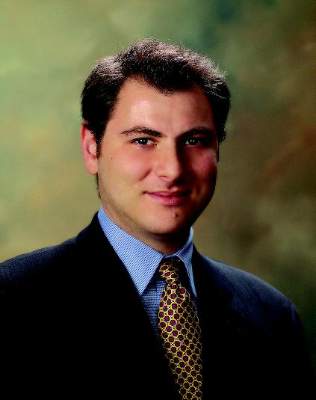
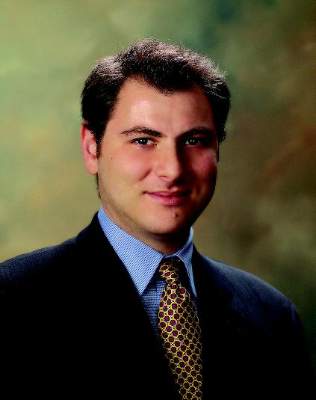
Dr. Chernobilsky is Director of Sleep and Airway Surgery, Mount Sinai Beth Israel, Assistant Professor of Otolaryngology-Head and Neck Surgery, Icahn School of Medicine at Mount Sinai, New York, New York.
Editor’s comments
Although positive airway pressure is the gold standard treatment for obstructive sleep apnea, poor compliance with this modality provides the impetus for alternative treatments that are both effective and acceptable to patients. Upper airway surgery is a viable alternative for select patients, either as a primary treatment modality or as adjunctive therapy. In this installment of sleep strategies, Dr. Boris Chernobilsky discusses and clarifies, from a surgical perspective, the surgical techniques available, as well as the systematic approach, in the evaluation of the patient with sleep apnea.
Dr. Jeremy Weingarten, FCCP
Despite significant technologic, diagnostic, and therapeutic advancements, obstructive sleep apnea syndrome (OSAS) remains difficult to treat. The surgical “gold standard” for the treatment of severe OSAS remains tracheotomy. While completely bypassing all sites of upper airway obstruction, this treatment entails a significant alteration in lifestyle, may not be palatable to patients, and has cultural implications. The noninvasive “gold standard” has been positive airway pressure (PAP). When properly titrated and fitted, PAP is curative of OSAS provided the patient is compliant with therapy. Unfortunately, studies demonstrate noncompliance rates in the 40% to 54% range, which significantly drop to 84% at 1 year of use (Terri et al. Proc Am Thoracic Soc. 2008;5[2]: 173).
Alternate treatments have been proposed. These include mandibular advancement devices (MAD) and upper airway surgery. Surgery has been proposed as both adjunctive treatment to PAP and as a potential curative alternative, which does not require “maintenance” on the part of the patient but requires long-term follow-up and observation, especially in the event of symptom recurrence or major fluctuations in body mass index (BMI).
Surgery has fallen in and out of favor in the last 3 decades due to mixed observational and experimental data, particularly the difficulty in constructing good clinical surgical series, as well as the morbidity often associated with these procedures. The challenge of surgical treatment is patient selection, as well as proper surgical procedure selection for each patient. OSAS is a complex disease process composed of both fixed and fluctuating variables. In brief, it is a complex interplay of static factors such as craniofacial anatomy, cephalometrics and nasal anatomy with soft tissue fluctuations dependent on weight, age (tonsil and adenoid size, palatal length), syndromes (macroglossia, palatal function), and varying distribution of fat in the three tongue fat pads and visceral vs peripheral body fat distribution. Couple this with conditions that affect muscle tone, cardio-pulmonary function, “tracheal tug,” and even normal nightly variations in tone with the onset of REM and physiologic transitions that occur from one sleep stage to another, one begins to understand that the patient with OSAS requires an individualized multidisciplinary approach.
Proper understanding of the patient’s physiology and anatomy are crucial to success with treatment.
Physical Examination
The physical examination starts with inspection of the face: does the patient appear syndromic, have significant hemifacial microsomia, major maxillary or mandibular hypoplasia (or both)? These factors can lead to significant difficulty in fitting a PAP mask or MAD. Options for correction include maxillary-mandibular advancement (MMA) or isolated mandibular advancement / reconstruction. MMA is an oromaxillofacial procedure that shifts the entire maxilla and mandible forward; the soft palate, base of the tongue, and, to an extent, the larynx move forward, resulting in multilevel correction. It has the added benefit of potentially improving a patient’s occlusion and cosmetic appearance, as the chin and cheek bones advance to a more favorable position. While this is a major procedure for the patient, success rates have been reported upwards of 90% (Lei et al. Sleep Breath. 2000;4:137).
The nasal exam is crucial. While we start off as obligate nose breathers in infancy, this preference never goes away. Studies demonstrate that PAP requirements between nasal and oronasal masks are equivalent, but patient preference weighs heavily toward nasal masks where leak is significantly reduced (Bakker et al. Sleep Breath. 2012;16[3]:709.
The exam should start with the external nose looking for dorsal deviations (congenital or traumatic), a significant ptotic tip, or lateral nasal wall collapse. Repair of the nasal valve or even functional rhinoplasty are the procedures of choice for these problems.
The internal nasal exam consists of evaluation for turbinate hypertrophy, significant nasal septal deviation, widening of the middle turbinates from concha bullosa, the presence of mucosal edema from allergy or infection, extensive crusting from nasal dryness or septal perforation, significant nasal polyposis or even a nasal tumor. Initiation of PAP therapy is very often a “1 shot deal” and patients who were otherwise motivated to use PAP failed because their nasal obstruction was not diagnosed. Ideally, the exam should include nasal endoscopy.
Intranasal surgical techniques include septoplasty, turbinate reduction, polypectomy, and functional endoscopic sinus surgery. While AHI is usually not significantly affected by nasal surgery, there are major improvements in quality of life scores and PAP compliance (Poirier J, et al. Laryngoscope. 2014;124[1]:317). Rare patients, especially those with complete obstruction, can be cured in mild to moderate cases. In most, it is an important adjunct to the treatment of the patient with OSAS.
The exam should then proceed to the oral cavity and oropharynx. Careful note should be taken of the dentition and occlusion class, arching of the hard palate (especially in children), tongue size (Friedman or Mallampati class), length of soft palate, and uvula and tonsil size. In children and young adults, adenotonsillectomy or tonsillectomy alone can be curative as a first line therapy. Compliance issues with PAP are especially problematic in these populations. High arched palates in children can be managed with rapid maxillary expansion which can significantly broaden both the nasal and oral airway. MMA for retro/micrognathia was discussed previously.
The patient should next have a flexible laryngoscopic exam, usually a continuation of the nasal endoscopy. The nasopharynx is inspected for adenoid hypertrophy, polyps, cysts, and tumors. The palate is inspected from above. The exam proceeds to the level of the pharynx and hypopharynx with attention paid to the pharyngeal and lingual tonsils and the base of tongue position. Finally, the larynx is inspected for position of the epiglottis, laryngeal masses, vocal fold immobility, laryngomalacia, and arytenoid redundancy and prolapse with inspiration. A drug-induced sleep endoscopy (DISE) should be performed at a later date to assess these same structures dynamically in a state mimicking sleep to help guide appropriate surgical technique. DISE was reviewed in a previous issue and will not be discussed in detail.
Finally, the neck should be examined. Masses, tracheal deviation, evidence of prior tracheotomy, hyoid position, circumference, and lymphadenopathy should all be noted. Masses, especially goiters, can compress the internal jugular veins leading to laryngeal and pharyngeal edema. Surgical removal of the mass is the treatment of choice.
Treatment
Nasopharyngeal lesions are treated with surgical excision. The velopharynx is usually addressed with uvulopalatopharyngoplasty which often, but not always, includes the tonsils. Various techniques have been developed to address circumferential vs anteroposterior(AP) collapse of the palate and uvula. Present practices favor soft tissue/muscle rearrangement over soft tissue ablation. One such technique preferred by the author is expansion sphincter pharyngoplasty. Lingual tonsillectomy addresses large lingual tonsils, if present.
Many operations exist to address the tongue base, and consensus as to best practice is yet to be reached. Generally, two broad categories exist: suspensory or ablative. Suspension can be accomplished with sutures along the base of tongue, hyoid fixation to the anterior mandible or thyroid cartilage, and genioglossus advancement. A novel technology recently FDA-approved shows immense promise. Upper-airway stimulation uses electrodes on the hypoglossal nerve to protrude the tongue, timing it with each respiration through an intercostal muscle sensor lead (Strollo Jr et al. STAR Trial Group. N Engl J Med. 2014;370[2]:139).
Ablation can be accomplished by reducing the base of tongue through the delivery of energy, such as use of radiofrequency or excising tissue through techniques like midline glossectomy. This can be accomplished both directly and with robot-assisted techniques using the daVinci system transorally (TORS).
Laryngeal techniques include epiglottopexy or epiglottectomy in cases where the epiglottis retroflexes and obstructs the airway on inspiration. Laryngeal lesions are generally addressed with excision. Vocal fold paralysis in the midline can be addressed with cordotomy or arytenoidectomy. Prolapsing redundant tissue can be tightened using a laser. Laryngomalacia can be addressed surgically, as well.
In summary, OSAS is a complex disease that often requires multiple therapeutic modalities. Proper patient selection and a thorough physical exam are crucial to proper treatment choice. Surgery can be both adjunctive and curative. Patients often have multiple levels of airway obstruction that can be treated simultaneously or staged. Careful follow-up and involvement of a multidisciplinary care team will result in the highest success rates for these patients with complex disease.
Dr. Chernobilsky is Director of Sleep and Airway Surgery, Mount Sinai Beth Israel, Assistant Professor of Otolaryngology-Head and Neck Surgery, Icahn School of Medicine at Mount Sinai, New York, New York.
Editor’s comments
Although positive airway pressure is the gold standard treatment for obstructive sleep apnea, poor compliance with this modality provides the impetus for alternative treatments that are both effective and acceptable to patients. Upper airway surgery is a viable alternative for select patients, either as a primary treatment modality or as adjunctive therapy. In this installment of sleep strategies, Dr. Boris Chernobilsky discusses and clarifies, from a surgical perspective, the surgical techniques available, as well as the systematic approach, in the evaluation of the patient with sleep apnea.
Dr. Jeremy Weingarten, FCCP
Despite significant technologic, diagnostic, and therapeutic advancements, obstructive sleep apnea syndrome (OSAS) remains difficult to treat. The surgical “gold standard” for the treatment of severe OSAS remains tracheotomy. While completely bypassing all sites of upper airway obstruction, this treatment entails a significant alteration in lifestyle, may not be palatable to patients, and has cultural implications. The noninvasive “gold standard” has been positive airway pressure (PAP). When properly titrated and fitted, PAP is curative of OSAS provided the patient is compliant with therapy. Unfortunately, studies demonstrate noncompliance rates in the 40% to 54% range, which significantly drop to 84% at 1 year of use (Terri et al. Proc Am Thoracic Soc. 2008;5[2]: 173).
Alternate treatments have been proposed. These include mandibular advancement devices (MAD) and upper airway surgery. Surgery has been proposed as both adjunctive treatment to PAP and as a potential curative alternative, which does not require “maintenance” on the part of the patient but requires long-term follow-up and observation, especially in the event of symptom recurrence or major fluctuations in body mass index (BMI).
Surgery has fallen in and out of favor in the last 3 decades due to mixed observational and experimental data, particularly the difficulty in constructing good clinical surgical series, as well as the morbidity often associated with these procedures. The challenge of surgical treatment is patient selection, as well as proper surgical procedure selection for each patient. OSAS is a complex disease process composed of both fixed and fluctuating variables. In brief, it is a complex interplay of static factors such as craniofacial anatomy, cephalometrics and nasal anatomy with soft tissue fluctuations dependent on weight, age (tonsil and adenoid size, palatal length), syndromes (macroglossia, palatal function), and varying distribution of fat in the three tongue fat pads and visceral vs peripheral body fat distribution. Couple this with conditions that affect muscle tone, cardio-pulmonary function, “tracheal tug,” and even normal nightly variations in tone with the onset of REM and physiologic transitions that occur from one sleep stage to another, one begins to understand that the patient with OSAS requires an individualized multidisciplinary approach.
Proper understanding of the patient’s physiology and anatomy are crucial to success with treatment.
Physical Examination
The physical examination starts with inspection of the face: does the patient appear syndromic, have significant hemifacial microsomia, major maxillary or mandibular hypoplasia (or both)? These factors can lead to significant difficulty in fitting a PAP mask or MAD. Options for correction include maxillary-mandibular advancement (MMA) or isolated mandibular advancement / reconstruction. MMA is an oromaxillofacial procedure that shifts the entire maxilla and mandible forward; the soft palate, base of the tongue, and, to an extent, the larynx move forward, resulting in multilevel correction. It has the added benefit of potentially improving a patient’s occlusion and cosmetic appearance, as the chin and cheek bones advance to a more favorable position. While this is a major procedure for the patient, success rates have been reported upwards of 90% (Lei et al. Sleep Breath. 2000;4:137).
The nasal exam is crucial. While we start off as obligate nose breathers in infancy, this preference never goes away. Studies demonstrate that PAP requirements between nasal and oronasal masks are equivalent, but patient preference weighs heavily toward nasal masks where leak is significantly reduced (Bakker et al. Sleep Breath. 2012;16[3]:709.
The exam should start with the external nose looking for dorsal deviations (congenital or traumatic), a significant ptotic tip, or lateral nasal wall collapse. Repair of the nasal valve or even functional rhinoplasty are the procedures of choice for these problems.
The internal nasal exam consists of evaluation for turbinate hypertrophy, significant nasal septal deviation, widening of the middle turbinates from concha bullosa, the presence of mucosal edema from allergy or infection, extensive crusting from nasal dryness or septal perforation, significant nasal polyposis or even a nasal tumor. Initiation of PAP therapy is very often a “1 shot deal” and patients who were otherwise motivated to use PAP failed because their nasal obstruction was not diagnosed. Ideally, the exam should include nasal endoscopy.
Intranasal surgical techniques include septoplasty, turbinate reduction, polypectomy, and functional endoscopic sinus surgery. While AHI is usually not significantly affected by nasal surgery, there are major improvements in quality of life scores and PAP compliance (Poirier J, et al. Laryngoscope. 2014;124[1]:317). Rare patients, especially those with complete obstruction, can be cured in mild to moderate cases. In most, it is an important adjunct to the treatment of the patient with OSAS.
The exam should then proceed to the oral cavity and oropharynx. Careful note should be taken of the dentition and occlusion class, arching of the hard palate (especially in children), tongue size (Friedman or Mallampati class), length of soft palate, and uvula and tonsil size. In children and young adults, adenotonsillectomy or tonsillectomy alone can be curative as a first line therapy. Compliance issues with PAP are especially problematic in these populations. High arched palates in children can be managed with rapid maxillary expansion which can significantly broaden both the nasal and oral airway. MMA for retro/micrognathia was discussed previously.
The patient should next have a flexible laryngoscopic exam, usually a continuation of the nasal endoscopy. The nasopharynx is inspected for adenoid hypertrophy, polyps, cysts, and tumors. The palate is inspected from above. The exam proceeds to the level of the pharynx and hypopharynx with attention paid to the pharyngeal and lingual tonsils and the base of tongue position. Finally, the larynx is inspected for position of the epiglottis, laryngeal masses, vocal fold immobility, laryngomalacia, and arytenoid redundancy and prolapse with inspiration. A drug-induced sleep endoscopy (DISE) should be performed at a later date to assess these same structures dynamically in a state mimicking sleep to help guide appropriate surgical technique. DISE was reviewed in a previous issue and will not be discussed in detail.
Finally, the neck should be examined. Masses, tracheal deviation, evidence of prior tracheotomy, hyoid position, circumference, and lymphadenopathy should all be noted. Masses, especially goiters, can compress the internal jugular veins leading to laryngeal and pharyngeal edema. Surgical removal of the mass is the treatment of choice.
Treatment
Nasopharyngeal lesions are treated with surgical excision. The velopharynx is usually addressed with uvulopalatopharyngoplasty which often, but not always, includes the tonsils. Various techniques have been developed to address circumferential vs anteroposterior(AP) collapse of the palate and uvula. Present practices favor soft tissue/muscle rearrangement over soft tissue ablation. One such technique preferred by the author is expansion sphincter pharyngoplasty. Lingual tonsillectomy addresses large lingual tonsils, if present.
Many operations exist to address the tongue base, and consensus as to best practice is yet to be reached. Generally, two broad categories exist: suspensory or ablative. Suspension can be accomplished with sutures along the base of tongue, hyoid fixation to the anterior mandible or thyroid cartilage, and genioglossus advancement. A novel technology recently FDA-approved shows immense promise. Upper-airway stimulation uses electrodes on the hypoglossal nerve to protrude the tongue, timing it with each respiration through an intercostal muscle sensor lead (Strollo Jr et al. STAR Trial Group. N Engl J Med. 2014;370[2]:139).
Ablation can be accomplished by reducing the base of tongue through the delivery of energy, such as use of radiofrequency or excising tissue through techniques like midline glossectomy. This can be accomplished both directly and with robot-assisted techniques using the daVinci system transorally (TORS).
Laryngeal techniques include epiglottopexy or epiglottectomy in cases where the epiglottis retroflexes and obstructs the airway on inspiration. Laryngeal lesions are generally addressed with excision. Vocal fold paralysis in the midline can be addressed with cordotomy or arytenoidectomy. Prolapsing redundant tissue can be tightened using a laser. Laryngomalacia can be addressed surgically, as well.
In summary, OSAS is a complex disease that often requires multiple therapeutic modalities. Proper patient selection and a thorough physical exam are crucial to proper treatment choice. Surgery can be both adjunctive and curative. Patients often have multiple levels of airway obstruction that can be treated simultaneously or staged. Careful follow-up and involvement of a multidisciplinary care team will result in the highest success rates for these patients with complex disease.
Dr. Chernobilsky is Director of Sleep and Airway Surgery, Mount Sinai Beth Israel, Assistant Professor of Otolaryngology-Head and Neck Surgery, Icahn School of Medicine at Mount Sinai, New York, New York.
Editor’s comments
Although positive airway pressure is the gold standard treatment for obstructive sleep apnea, poor compliance with this modality provides the impetus for alternative treatments that are both effective and acceptable to patients. Upper airway surgery is a viable alternative for select patients, either as a primary treatment modality or as adjunctive therapy. In this installment of sleep strategies, Dr. Boris Chernobilsky discusses and clarifies, from a surgical perspective, the surgical techniques available, as well as the systematic approach, in the evaluation of the patient with sleep apnea.
Dr. Jeremy Weingarten, FCCP