User login
Sharon Worcester is an award-winning medical journalist for MDedge News. She has been with the company since 1996, first as the Southeast Bureau Chief (1996-2009) when the company was known as International Medical News Group, then as a freelance writer (2010-2015) before returning as a reporter in 2015. She previously worked as a daily newspaper reporter covering health and local government. Sharon currently reports primarily on oncology and hematology. She has a BA from Eckerd College and an MA in Mass Communication/Print Journalism from the University of Florida. Connect with her via LinkedIn and follow her on twitter @SW_MedReporter.
Fatal measles complication occurs more often than realized
NEW ORLEANS – A fatal complication of measles known as subacute sclerosing panencephalitis (SSPE) can develop years after measles infection and appears to occur much more often than published reports suggest, according to a review of cases in California from 1998 to 2015.
The findings underscore the vital importance of herd immunity by vaccination, Kristen Wendorf, MD, reported at an annual scientific meeting on infectious diseases.
The incidence of postmeasles SSPE was previously thought be about 1 in 100,000, according to an IDWeek press release.
“There is no cure for SSPE, and the only way to prevent it is to vaccinate everyone against measles,” the release stated.
The cases in the current study were among children with a clinically compatible illness, and either measles IgG antibody detected in cerebrospinal fluid, a characteristic pattern on electroencephalography, typical histologic findings on brain biopsy, or medical record documentation of SSPE-related complications. They were identified based on death certificates, reports from the Centers for Diseases Control and Prevention, or through investigations for undiagnosed neurologic disease. Twelve of the 17 affected children had a clinical history of a febrile rash illness compatible with measles, and all 12 of those experienced illness before age 15 months and before measles vaccination.
Most (67%) were living in the United States when they had measles, Dr. Wendorf said at the combined annual meetings of the Infectious Diseases Society of America, the Society for Healthcare Epidemiology of America, the HIV Medicine Association, and the Pediatric Infectious Diseases Society.
The median age at diagnosis of SSPE was 12 years, although the range was 3-35 years, and the mean latency period was 9.5 years. In many cases, long-standing cognitive or motor problems were experienced prior to diagnosis, she noted.
The findings suggest that SSPE is more common than previously recognized in unvaccinated children with measles during infancy, Dr. Wendorf said.
Protection of infants younger than 12-15 months of age – before the time when measles vaccine is routinely administered – and in those who can’t be vaccinated because of immune system disorders requires avoidance of travel to endemic areas. Parents also may consider early vaccination prior to such travel.
Further, clinicians should be aware of the risk of SSPE in patients with symptoms suggestive of the disease. This is true even among older patients in whom no specific history of measles infection is known, she said.
In the press release, coauthor James D. Cherry, MD, professor of pediatrics at the University of California, Los Angeles, further stressed the importance of protecting unvaccinated infants.
“Parents of infants who have not yet been vaccinated should avoid putting their children at risk. For example, they should postpone trips overseas – including to Europe – where measles is endemic and epidemic until after their baby has been vaccinated with two doses,” he said. “It’s just not worth the risk.”
The authors reported having no disclosures.
NEW ORLEANS – A fatal complication of measles known as subacute sclerosing panencephalitis (SSPE) can develop years after measles infection and appears to occur much more often than published reports suggest, according to a review of cases in California from 1998 to 2015.
The findings underscore the vital importance of herd immunity by vaccination, Kristen Wendorf, MD, reported at an annual scientific meeting on infectious diseases.
The incidence of postmeasles SSPE was previously thought be about 1 in 100,000, according to an IDWeek press release.
“There is no cure for SSPE, and the only way to prevent it is to vaccinate everyone against measles,” the release stated.
The cases in the current study were among children with a clinically compatible illness, and either measles IgG antibody detected in cerebrospinal fluid, a characteristic pattern on electroencephalography, typical histologic findings on brain biopsy, or medical record documentation of SSPE-related complications. They were identified based on death certificates, reports from the Centers for Diseases Control and Prevention, or through investigations for undiagnosed neurologic disease. Twelve of the 17 affected children had a clinical history of a febrile rash illness compatible with measles, and all 12 of those experienced illness before age 15 months and before measles vaccination.
Most (67%) were living in the United States when they had measles, Dr. Wendorf said at the combined annual meetings of the Infectious Diseases Society of America, the Society for Healthcare Epidemiology of America, the HIV Medicine Association, and the Pediatric Infectious Diseases Society.
The median age at diagnosis of SSPE was 12 years, although the range was 3-35 years, and the mean latency period was 9.5 years. In many cases, long-standing cognitive or motor problems were experienced prior to diagnosis, she noted.
The findings suggest that SSPE is more common than previously recognized in unvaccinated children with measles during infancy, Dr. Wendorf said.
Protection of infants younger than 12-15 months of age – before the time when measles vaccine is routinely administered – and in those who can’t be vaccinated because of immune system disorders requires avoidance of travel to endemic areas. Parents also may consider early vaccination prior to such travel.
Further, clinicians should be aware of the risk of SSPE in patients with symptoms suggestive of the disease. This is true even among older patients in whom no specific history of measles infection is known, she said.
In the press release, coauthor James D. Cherry, MD, professor of pediatrics at the University of California, Los Angeles, further stressed the importance of protecting unvaccinated infants.
“Parents of infants who have not yet been vaccinated should avoid putting their children at risk. For example, they should postpone trips overseas – including to Europe – where measles is endemic and epidemic until after their baby has been vaccinated with two doses,” he said. “It’s just not worth the risk.”
The authors reported having no disclosures.
NEW ORLEANS – A fatal complication of measles known as subacute sclerosing panencephalitis (SSPE) can develop years after measles infection and appears to occur much more often than published reports suggest, according to a review of cases in California from 1998 to 2015.
The findings underscore the vital importance of herd immunity by vaccination, Kristen Wendorf, MD, reported at an annual scientific meeting on infectious diseases.
The incidence of postmeasles SSPE was previously thought be about 1 in 100,000, according to an IDWeek press release.
“There is no cure for SSPE, and the only way to prevent it is to vaccinate everyone against measles,” the release stated.
The cases in the current study were among children with a clinically compatible illness, and either measles IgG antibody detected in cerebrospinal fluid, a characteristic pattern on electroencephalography, typical histologic findings on brain biopsy, or medical record documentation of SSPE-related complications. They were identified based on death certificates, reports from the Centers for Diseases Control and Prevention, or through investigations for undiagnosed neurologic disease. Twelve of the 17 affected children had a clinical history of a febrile rash illness compatible with measles, and all 12 of those experienced illness before age 15 months and before measles vaccination.
Most (67%) were living in the United States when they had measles, Dr. Wendorf said at the combined annual meetings of the Infectious Diseases Society of America, the Society for Healthcare Epidemiology of America, the HIV Medicine Association, and the Pediatric Infectious Diseases Society.
The median age at diagnosis of SSPE was 12 years, although the range was 3-35 years, and the mean latency period was 9.5 years. In many cases, long-standing cognitive or motor problems were experienced prior to diagnosis, she noted.
The findings suggest that SSPE is more common than previously recognized in unvaccinated children with measles during infancy, Dr. Wendorf said.
Protection of infants younger than 12-15 months of age – before the time when measles vaccine is routinely administered – and in those who can’t be vaccinated because of immune system disorders requires avoidance of travel to endemic areas. Parents also may consider early vaccination prior to such travel.
Further, clinicians should be aware of the risk of SSPE in patients with symptoms suggestive of the disease. This is true even among older patients in whom no specific history of measles infection is known, she said.
In the press release, coauthor James D. Cherry, MD, professor of pediatrics at the University of California, Los Angeles, further stressed the importance of protecting unvaccinated infants.
“Parents of infants who have not yet been vaccinated should avoid putting their children at risk. For example, they should postpone trips overseas – including to Europe – where measles is endemic and epidemic until after their baby has been vaccinated with two doses,” he said. “It’s just not worth the risk.”
The authors reported having no disclosures.
AT IDWEEK 2016
Key clinical point:
Major finding: The incidence of SSPE among measles cases was 1 in 1,367 children under age 5 years and 1 in 609 children under age 12 months at the time of measles disease.
Data source: A review of records and 17 cases of SSPE.
Disclosures: The authors reported having no disclosures.
Anticipate monoclonals in first-line therapy for multiple myeloma
NEW YORK – Monoclonal antibodies may soon have more of a role in the front-line treatment setting for multiple myeloma and as part of precollection/transplant regimens–or “so-called in vivo purges,” according to Tomer M. Mark, MD, of the department of clinical medicine at the Cornell University, New York.
They could also be used both in the preclinical setting for smoldering multiple myeloma, and for maintenance following transplant, which makes sense given that they are, for the most part, not myelosuppressive and have “very tolerable toxicities,” he said.
Myeloma is “sort of catching up to lymphoma in terms of antibody use and development. ... Approval trials are underway,” Dr. Mark said at Imedex: Lymphoma & Myeloma, an international congress on hematologic malignancies.
The successes of the phase III trials CASTOR and POLLUX in patients with relapsed and refractory multiple myeloma have paved the way for trials to examine daratumumab in first-line combination therapy.
In POLLUX, progression-free survival, time to progression, and overall response rate were superior with daratumumab in combination with lenalidomide/dexamethasone, as compared with lenalidomide/dexamethasone alone, in relapsed or refractory multiple myeloma patients. In CASTOR, daratumumab in combination with bortezomib and dexamethasone was superior to bortezomib and dexamethasone alone in a similar patient population. Of note, the effect was attenuated in those with multiple prior lines of treatment, which is, perhaps, an argument for moving monoclonal antibodies closer to the start of therapy, he said.
Daratumumab (Darzalex), which targets CD38, is currently indicated for the treatment of patients with multiple myeloma who have received at least three prior lines of therapy including a proteasome inhibitor and an immunomodulatory agent or who are double refractory to a proteasome inhibitor and an immunomodulatory agent.
Similarly, elotuzumab (Empliciti), an immunostimulatory monoclonal antibody targeting a cell-surface receptor with both direct activation of natural killer cells and the capacity to trigger antibody-dependent, cell-mediated cytotoxicity of myeloma cells, is indicated in combination with lenalidomide/dexamethasone in patients who have received one to three therapies. Elotuzumab was shown in one trial to be associated with progression-free survival of 68% at 1 and 41% at 2 years when used with lenalidomide/dexamethasone. Patients receiving elotuzumab had a relative reduction of 30% in the risk of disease progression or death as compared with the control group.
In an ongoing trial with initial results reported at the 2015 American Society of Hematology annual meeting, elotuzumab with bortezomib/dexamethasone was associated with a more modest improvement in median progression-free survival, which was 9.9 months with triple therapy and 6.8 months with bortezomib/dexamethasone alone.
Both drugs have shown activity as single agents. In a phase I study, elotuzumab was associated with disease stability in 26% of patients, Dr. Mark said. Daratumumab, used as monotherapy in a study of relapsed or relapsed/refractory multiple myeloma patients, was associated with good overall response and progression-free survival, and “quite amazing” overall survival of 65%.
Other monoclonal antibodies in development include isatuximab (anti-CD38), lorvotuzumab mertansine (anti-CD56), and indatuximab ravtansine (anti-CD128), Dr. Mark said.
Dr. Mark reported receiving research funding from Celgene and Amgen, serving on speakers bureaus for Celgene, Millennium, Amgen, and Bristol-Myers Squibb, and serving on an advisory committee for Celgene and Millennium.
NEW YORK – Monoclonal antibodies may soon have more of a role in the front-line treatment setting for multiple myeloma and as part of precollection/transplant regimens–or “so-called in vivo purges,” according to Tomer M. Mark, MD, of the department of clinical medicine at the Cornell University, New York.
They could also be used both in the preclinical setting for smoldering multiple myeloma, and for maintenance following transplant, which makes sense given that they are, for the most part, not myelosuppressive and have “very tolerable toxicities,” he said.
Myeloma is “sort of catching up to lymphoma in terms of antibody use and development. ... Approval trials are underway,” Dr. Mark said at Imedex: Lymphoma & Myeloma, an international congress on hematologic malignancies.
The successes of the phase III trials CASTOR and POLLUX in patients with relapsed and refractory multiple myeloma have paved the way for trials to examine daratumumab in first-line combination therapy.
In POLLUX, progression-free survival, time to progression, and overall response rate were superior with daratumumab in combination with lenalidomide/dexamethasone, as compared with lenalidomide/dexamethasone alone, in relapsed or refractory multiple myeloma patients. In CASTOR, daratumumab in combination with bortezomib and dexamethasone was superior to bortezomib and dexamethasone alone in a similar patient population. Of note, the effect was attenuated in those with multiple prior lines of treatment, which is, perhaps, an argument for moving monoclonal antibodies closer to the start of therapy, he said.
Daratumumab (Darzalex), which targets CD38, is currently indicated for the treatment of patients with multiple myeloma who have received at least three prior lines of therapy including a proteasome inhibitor and an immunomodulatory agent or who are double refractory to a proteasome inhibitor and an immunomodulatory agent.
Similarly, elotuzumab (Empliciti), an immunostimulatory monoclonal antibody targeting a cell-surface receptor with both direct activation of natural killer cells and the capacity to trigger antibody-dependent, cell-mediated cytotoxicity of myeloma cells, is indicated in combination with lenalidomide/dexamethasone in patients who have received one to three therapies. Elotuzumab was shown in one trial to be associated with progression-free survival of 68% at 1 and 41% at 2 years when used with lenalidomide/dexamethasone. Patients receiving elotuzumab had a relative reduction of 30% in the risk of disease progression or death as compared with the control group.
In an ongoing trial with initial results reported at the 2015 American Society of Hematology annual meeting, elotuzumab with bortezomib/dexamethasone was associated with a more modest improvement in median progression-free survival, which was 9.9 months with triple therapy and 6.8 months with bortezomib/dexamethasone alone.
Both drugs have shown activity as single agents. In a phase I study, elotuzumab was associated with disease stability in 26% of patients, Dr. Mark said. Daratumumab, used as monotherapy in a study of relapsed or relapsed/refractory multiple myeloma patients, was associated with good overall response and progression-free survival, and “quite amazing” overall survival of 65%.
Other monoclonal antibodies in development include isatuximab (anti-CD38), lorvotuzumab mertansine (anti-CD56), and indatuximab ravtansine (anti-CD128), Dr. Mark said.
Dr. Mark reported receiving research funding from Celgene and Amgen, serving on speakers bureaus for Celgene, Millennium, Amgen, and Bristol-Myers Squibb, and serving on an advisory committee for Celgene and Millennium.
NEW YORK – Monoclonal antibodies may soon have more of a role in the front-line treatment setting for multiple myeloma and as part of precollection/transplant regimens–or “so-called in vivo purges,” according to Tomer M. Mark, MD, of the department of clinical medicine at the Cornell University, New York.
They could also be used both in the preclinical setting for smoldering multiple myeloma, and for maintenance following transplant, which makes sense given that they are, for the most part, not myelosuppressive and have “very tolerable toxicities,” he said.
Myeloma is “sort of catching up to lymphoma in terms of antibody use and development. ... Approval trials are underway,” Dr. Mark said at Imedex: Lymphoma & Myeloma, an international congress on hematologic malignancies.
The successes of the phase III trials CASTOR and POLLUX in patients with relapsed and refractory multiple myeloma have paved the way for trials to examine daratumumab in first-line combination therapy.
In POLLUX, progression-free survival, time to progression, and overall response rate were superior with daratumumab in combination with lenalidomide/dexamethasone, as compared with lenalidomide/dexamethasone alone, in relapsed or refractory multiple myeloma patients. In CASTOR, daratumumab in combination with bortezomib and dexamethasone was superior to bortezomib and dexamethasone alone in a similar patient population. Of note, the effect was attenuated in those with multiple prior lines of treatment, which is, perhaps, an argument for moving monoclonal antibodies closer to the start of therapy, he said.
Daratumumab (Darzalex), which targets CD38, is currently indicated for the treatment of patients with multiple myeloma who have received at least three prior lines of therapy including a proteasome inhibitor and an immunomodulatory agent or who are double refractory to a proteasome inhibitor and an immunomodulatory agent.
Similarly, elotuzumab (Empliciti), an immunostimulatory monoclonal antibody targeting a cell-surface receptor with both direct activation of natural killer cells and the capacity to trigger antibody-dependent, cell-mediated cytotoxicity of myeloma cells, is indicated in combination with lenalidomide/dexamethasone in patients who have received one to three therapies. Elotuzumab was shown in one trial to be associated with progression-free survival of 68% at 1 and 41% at 2 years when used with lenalidomide/dexamethasone. Patients receiving elotuzumab had a relative reduction of 30% in the risk of disease progression or death as compared with the control group.
In an ongoing trial with initial results reported at the 2015 American Society of Hematology annual meeting, elotuzumab with bortezomib/dexamethasone was associated with a more modest improvement in median progression-free survival, which was 9.9 months with triple therapy and 6.8 months with bortezomib/dexamethasone alone.
Both drugs have shown activity as single agents. In a phase I study, elotuzumab was associated with disease stability in 26% of patients, Dr. Mark said. Daratumumab, used as monotherapy in a study of relapsed or relapsed/refractory multiple myeloma patients, was associated with good overall response and progression-free survival, and “quite amazing” overall survival of 65%.
Other monoclonal antibodies in development include isatuximab (anti-CD38), lorvotuzumab mertansine (anti-CD56), and indatuximab ravtansine (anti-CD128), Dr. Mark said.
Dr. Mark reported receiving research funding from Celgene and Amgen, serving on speakers bureaus for Celgene, Millennium, Amgen, and Bristol-Myers Squibb, and serving on an advisory committee for Celgene and Millennium.
EXPERT ANALYSIS FROM IMEDEX: LYMPHOMA & MYELOMA
‘Achilles heels’ open doors to myeloma advances
NEW YORK – Three “Achilles heels” of multiple myeloma offer exciting promise for additional advances that will begin to see therapeutic payoffs within the next year, according to Kenneth C. Anderson, MD.
The three targets – excess protein production, immune suppression, and genomic abnormalities – can be addressed by focusing on protein degradation, restoring anti–multiple myeloma immunity, and targeting and overcoming genomic abnormalities, respectively, Dr. Anderson of Dana-Farber Cancer Institute in Boston said at Imedex: Lymphoma & Myeloma, an international congress on hematologic malignancies.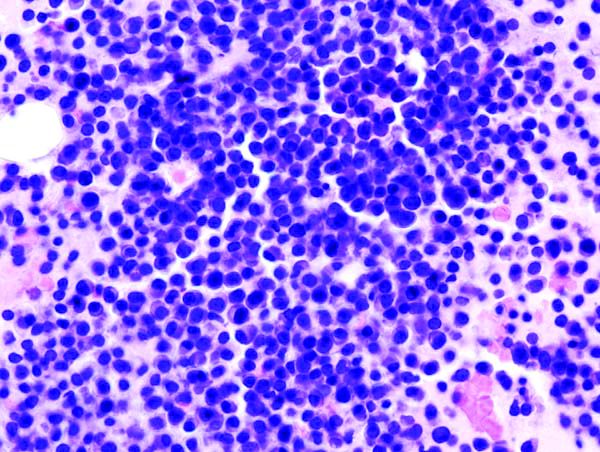
“So if you block those so-called DUBs, you block this same pathway upstream of the proteasome,” he said.
One DUB inhibitor (P5091) was shown in a preclinical trial to overcome bortezomib resistance in multiple myeloma, as was another novel, more user-friendly agent (b-AP15) that blocks USP14/UCHL5 and can be active with immunomodulatory drugs. A clinical trial of b-AP15 is ongoing, Dr. Anderson said.
In contrast to the conventional approach of inhibiting proteins and signaling pathways needed for the survival of the cancer cells, a new technology called “degronimids” turns on the cereblon gene and delivers protein-degrading machinery to targeted proteins. Cereblon, a protein-degrading enzyme that forms part of the ubiquitin E3 ligase complex, tags proteins in the cell for destruction, he noted.
As for immune suppression, he said, the selective plasma cell antigen BCMA (B-cell maturation antigen) is “probably a better target than either CD38 or SLAMF7,” and has already been targeted with an auristatin immunotoxin that induced strong anti–multiple myeloma effects.
“Excitingly, there is this concept of BCMA-BiTEs (B-cell maturation antigen–bispecific T-cell engagers) where we have one linkage of BCMA to the myeloma cell and CD3 attracting a local immune response,” he said.
Other promising new approaches with respect to immune suppression involve checkpoint inhibitors, histone deacetylase (HDAC) inhibitors, and chimeric antigen receptor (CAR) T-cells, he added.
Genomic abnormalities represent another potential vulnerability, and venetoclax (Venclexta) could prove to be the first precision medicine for multiple myeloma, he suggested.
In myeloma, “we are trying to treat the abnormality, but what about treating the genetic consequences of this abnormality,” he said, adding that clinical trials that target the consequences of genomic heterogeneity or instability are on the horizon.
Dr. Anderson reported serving as a consultant for, or receiving other financial support from Acetylon, Bristol-Myers Squibb, C4 Therapeutics, Celgene, Gilead, Millennium, and OncoPep.
NEW YORK – Three “Achilles heels” of multiple myeloma offer exciting promise for additional advances that will begin to see therapeutic payoffs within the next year, according to Kenneth C. Anderson, MD.
The three targets – excess protein production, immune suppression, and genomic abnormalities – can be addressed by focusing on protein degradation, restoring anti–multiple myeloma immunity, and targeting and overcoming genomic abnormalities, respectively, Dr. Anderson of Dana-Farber Cancer Institute in Boston said at Imedex: Lymphoma & Myeloma, an international congress on hematologic malignancies.
“So if you block those so-called DUBs, you block this same pathway upstream of the proteasome,” he said.
One DUB inhibitor (P5091) was shown in a preclinical trial to overcome bortezomib resistance in multiple myeloma, as was another novel, more user-friendly agent (b-AP15) that blocks USP14/UCHL5 and can be active with immunomodulatory drugs. A clinical trial of b-AP15 is ongoing, Dr. Anderson said.
In contrast to the conventional approach of inhibiting proteins and signaling pathways needed for the survival of the cancer cells, a new technology called “degronimids” turns on the cereblon gene and delivers protein-degrading machinery to targeted proteins. Cereblon, a protein-degrading enzyme that forms part of the ubiquitin E3 ligase complex, tags proteins in the cell for destruction, he noted.
As for immune suppression, he said, the selective plasma cell antigen BCMA (B-cell maturation antigen) is “probably a better target than either CD38 or SLAMF7,” and has already been targeted with an auristatin immunotoxin that induced strong anti–multiple myeloma effects.
“Excitingly, there is this concept of BCMA-BiTEs (B-cell maturation antigen–bispecific T-cell engagers) where we have one linkage of BCMA to the myeloma cell and CD3 attracting a local immune response,” he said.
Other promising new approaches with respect to immune suppression involve checkpoint inhibitors, histone deacetylase (HDAC) inhibitors, and chimeric antigen receptor (CAR) T-cells, he added.
Genomic abnormalities represent another potential vulnerability, and venetoclax (Venclexta) could prove to be the first precision medicine for multiple myeloma, he suggested.
In myeloma, “we are trying to treat the abnormality, but what about treating the genetic consequences of this abnormality,” he said, adding that clinical trials that target the consequences of genomic heterogeneity or instability are on the horizon.
Dr. Anderson reported serving as a consultant for, or receiving other financial support from Acetylon, Bristol-Myers Squibb, C4 Therapeutics, Celgene, Gilead, Millennium, and OncoPep.
NEW YORK – Three “Achilles heels” of multiple myeloma offer exciting promise for additional advances that will begin to see therapeutic payoffs within the next year, according to Kenneth C. Anderson, MD.
The three targets – excess protein production, immune suppression, and genomic abnormalities – can be addressed by focusing on protein degradation, restoring anti–multiple myeloma immunity, and targeting and overcoming genomic abnormalities, respectively, Dr. Anderson of Dana-Farber Cancer Institute in Boston said at Imedex: Lymphoma & Myeloma, an international congress on hematologic malignancies.
“So if you block those so-called DUBs, you block this same pathway upstream of the proteasome,” he said.
One DUB inhibitor (P5091) was shown in a preclinical trial to overcome bortezomib resistance in multiple myeloma, as was another novel, more user-friendly agent (b-AP15) that blocks USP14/UCHL5 and can be active with immunomodulatory drugs. A clinical trial of b-AP15 is ongoing, Dr. Anderson said.
In contrast to the conventional approach of inhibiting proteins and signaling pathways needed for the survival of the cancer cells, a new technology called “degronimids” turns on the cereblon gene and delivers protein-degrading machinery to targeted proteins. Cereblon, a protein-degrading enzyme that forms part of the ubiquitin E3 ligase complex, tags proteins in the cell for destruction, he noted.
As for immune suppression, he said, the selective plasma cell antigen BCMA (B-cell maturation antigen) is “probably a better target than either CD38 or SLAMF7,” and has already been targeted with an auristatin immunotoxin that induced strong anti–multiple myeloma effects.
“Excitingly, there is this concept of BCMA-BiTEs (B-cell maturation antigen–bispecific T-cell engagers) where we have one linkage of BCMA to the myeloma cell and CD3 attracting a local immune response,” he said.
Other promising new approaches with respect to immune suppression involve checkpoint inhibitors, histone deacetylase (HDAC) inhibitors, and chimeric antigen receptor (CAR) T-cells, he added.
Genomic abnormalities represent another potential vulnerability, and venetoclax (Venclexta) could prove to be the first precision medicine for multiple myeloma, he suggested.
In myeloma, “we are trying to treat the abnormality, but what about treating the genetic consequences of this abnormality,” he said, adding that clinical trials that target the consequences of genomic heterogeneity or instability are on the horizon.
Dr. Anderson reported serving as a consultant for, or receiving other financial support from Acetylon, Bristol-Myers Squibb, C4 Therapeutics, Celgene, Gilead, Millennium, and OncoPep.
EXPERT ANALYSIS FROM IMEDEX: LYMPHOMA & MYELOMA
STIM1 long-term follow-up confirms imatinib discontinuation safety
Imatinib discontinuation is safe in patients with chronic myeloid leukemia (CML) who have sustained deep molecular response with no late molecular recurrence, according to long-term follow-up of the French Stop Imatinib Study (STIM1).
Over a median follow-up of 77 months after treatment discontinuation in 100 patients with CML who had undetectable minimal residual disease (UMRD) for at least 2 years, 61 lost UMRD after a median of 2.5 months, and 1 died with UMRD at 10 months, Gabriel Etienne, MD, of Institut Bergonie, Bordeaux, France, and colleagues reported online in the Journal of Clinical Oncology.
Of the 61 patients who lost UMRD, 57 restarted treatment and 55 achieved a second UMRD at a median of 4.3 months. The median time to second UMRD in patients with molecular recurrence with or without loss of major molecular response at the time of relapse was 4.2 months and 5 months, respectively. At a median of 73 months, none of the patients with molecular recurrence experienced CML progression. The rate of molecular recurrence-free survival overall was 43% at 6 months, 40% at 18 months, and 38% at 60 months, the investigators reported (2016 Oct. 3. doi: 10.1200/JCO.2016.68.2914).
These final long-term results of the STIM1 trial confirm the safety of imatinib discontinuation in CML patients with deep molecular response, and “make treatment-free remission legitimate as a criterion of treatment evaluation in the future,” the investigators concluded, noting that the possibility of improved results in patients treated with second-generation tyrosine kinase inhibitors as first- or second-line therapy is currently being evaluated in ongoing discontinuation trials.
Imatinib discontinuation is safe in patients with chronic myeloid leukemia (CML) who have sustained deep molecular response with no late molecular recurrence, according to long-term follow-up of the French Stop Imatinib Study (STIM1).
Over a median follow-up of 77 months after treatment discontinuation in 100 patients with CML who had undetectable minimal residual disease (UMRD) for at least 2 years, 61 lost UMRD after a median of 2.5 months, and 1 died with UMRD at 10 months, Gabriel Etienne, MD, of Institut Bergonie, Bordeaux, France, and colleagues reported online in the Journal of Clinical Oncology.
Of the 61 patients who lost UMRD, 57 restarted treatment and 55 achieved a second UMRD at a median of 4.3 months. The median time to second UMRD in patients with molecular recurrence with or without loss of major molecular response at the time of relapse was 4.2 months and 5 months, respectively. At a median of 73 months, none of the patients with molecular recurrence experienced CML progression. The rate of molecular recurrence-free survival overall was 43% at 6 months, 40% at 18 months, and 38% at 60 months, the investigators reported (2016 Oct. 3. doi: 10.1200/JCO.2016.68.2914).
These final long-term results of the STIM1 trial confirm the safety of imatinib discontinuation in CML patients with deep molecular response, and “make treatment-free remission legitimate as a criterion of treatment evaluation in the future,” the investigators concluded, noting that the possibility of improved results in patients treated with second-generation tyrosine kinase inhibitors as first- or second-line therapy is currently being evaluated in ongoing discontinuation trials.
Imatinib discontinuation is safe in patients with chronic myeloid leukemia (CML) who have sustained deep molecular response with no late molecular recurrence, according to long-term follow-up of the French Stop Imatinib Study (STIM1).
Over a median follow-up of 77 months after treatment discontinuation in 100 patients with CML who had undetectable minimal residual disease (UMRD) for at least 2 years, 61 lost UMRD after a median of 2.5 months, and 1 died with UMRD at 10 months, Gabriel Etienne, MD, of Institut Bergonie, Bordeaux, France, and colleagues reported online in the Journal of Clinical Oncology.
Of the 61 patients who lost UMRD, 57 restarted treatment and 55 achieved a second UMRD at a median of 4.3 months. The median time to second UMRD in patients with molecular recurrence with or without loss of major molecular response at the time of relapse was 4.2 months and 5 months, respectively. At a median of 73 months, none of the patients with molecular recurrence experienced CML progression. The rate of molecular recurrence-free survival overall was 43% at 6 months, 40% at 18 months, and 38% at 60 months, the investigators reported (2016 Oct. 3. doi: 10.1200/JCO.2016.68.2914).
These final long-term results of the STIM1 trial confirm the safety of imatinib discontinuation in CML patients with deep molecular response, and “make treatment-free remission legitimate as a criterion of treatment evaluation in the future,” the investigators concluded, noting that the possibility of improved results in patients treated with second-generation tyrosine kinase inhibitors as first- or second-line therapy is currently being evaluated in ongoing discontinuation trials.
FROM THE JOURNAL OF CLINICAL ONCOLOGY
Key clinical point:
Major finding: The rate of molecular recurrence-free survival overall was 43% at 24 months, 40% at 18 months, and 38% at 60 months.
Data source: Long-term follow-up of 100 patients from the STIM1 trial.
Disclosures: STIM1 was supported by grants from the French Ministry of Health Programme Hospitalier de Recherche and by the Institut National du Cancer. Dr. Etienne reported financial relationships with Novartis, Bristol-Myers Squibb, and ARIAD Pharmaceuticals. Coauthors reported relationships with several pharmaceutical companies.
Almost half of terminal cancer patient hospitalizations deemed avoidable
Nearly half of all intensive care unit hospitalizations among terminal oncology patients in a retrospective case review were identified as potentially avoidable.
The findings suggest a need for strategies to prospectively identify patients at risk for ICU admission and to formulate interventions to improve end-of-life care, wrote Bobby Daly, MD, and colleagues at the University of Chicago. The report was published in the Journal of Oncology Practice.

Of 72 terminal oncology patients who received care in a 600-bed academic medical center’s ambulatory oncology practice and died in an ICU between July 1, 2012, and June 30, 2013, within a week of transfer, 72% were men, 71% had solid tumor malignancies, and 51% had poor performance status (score of 2 or greater). The majority had multiple encounters with the health care system, but only 25% had a documented advance directive, the investigators found.
During a median ICU length of stay of 4 days, 82% of patients had a central line, 81% were intubated, 44% received a feeding tube, 39% received cardiopulmonary resuscitation, 22% began hemodialysis, and 8% received chemotherapy, while 6% had an inpatient palliative care consult, the researchers noted.
Notably, 47% of the ICU hospitalizations were determined to be potentially avoidable by at least two of three reviewers – an oncologist, an intensivist, and a hospitalist – and agreement between the reviewers was fair (kappa statistic, 0.24). Factors independently associated with avoidable hospitalizations on multivariable analysis were worse performance status prior to admission (median score, 2 vs. 1), worse Charlson comorbidity score (median, 8.5 vs. 7.0), number of hospitalizations in the previous 12 months (median, 2 vs. 1), and fewer days since the last outpatient oncology clinic visit (median 21 vs. 41 days). Having chemotherapy as the most recent treatment and cancer symptoms as the reason for hospitalization were also associated with potentially avoidable hospitalization (J Oncol Pract. 2016 Sep. doi: 10.1200/jop.2016.012823).
The findings are important because part of the reason for the increasing cost of cancer care in the United States, which is projected to increase by 27% over 2010 costs to $158 billion by 2020, is the increasingly aggressive care provided at the end of life, the investigators noted.
“Critically ill patients with cancer constitute a large percentage of ICU admissions, 25% of Medicare cancer beneficiaries receive ICU care in the last month of life, and 8% of patients with cancer die there,” they wrote.
Further, high-intensity end-of-life care has been shown in prior studies to improve neither survival nor quality of life for cancer patients.
In fact, the National Quality Forum “endorses ICU admissions in the last 30 days of life as a marker of poor-quality cancer care,” and other groups consider the proportion of patients with advanced cancer dying in the ICU as a quality-of-care metric, they said.
The current study was designed to explore the characteristics of oncology patients who expire in the ICU and the potential avoidability of their deaths there, and although the findings are limited by the single-center retrospective design and use of “subjective majority-driven medical record review,” they “serve to highlight terminal ICU hospitalization as an area of focus to improve the quality and value of cancer care,” the researchers wrote.
The findings also underscore the need for improved advance care planning, they added.
“Beyond the issues of cost and resource scarcity, these ICU deaths often create a traumatic experience for patients and families,” they wrote.
“Understanding these hospitalizations will contribute to the design of interventions aimed at avoiding unnecessary aggressive end-of-life care.”
Dr. Daly reported a leadership role with Quadrant Holdings and financial relationships with Quadrant Holdings, CVS Health, Johnson & Johnson, McKesson, and Walgreens Boots Alliance. Detailed disclosures for all authors are available with the full text of the article at jop.ascopubs.org.
Nearly half of all intensive care unit hospitalizations among terminal oncology patients in a retrospective case review were identified as potentially avoidable.
The findings suggest a need for strategies to prospectively identify patients at risk for ICU admission and to formulate interventions to improve end-of-life care, wrote Bobby Daly, MD, and colleagues at the University of Chicago. The report was published in the Journal of Oncology Practice.
Of 72 terminal oncology patients who received care in a 600-bed academic medical center’s ambulatory oncology practice and died in an ICU between July 1, 2012, and June 30, 2013, within a week of transfer, 72% were men, 71% had solid tumor malignancies, and 51% had poor performance status (score of 2 or greater). The majority had multiple encounters with the health care system, but only 25% had a documented advance directive, the investigators found.
During a median ICU length of stay of 4 days, 82% of patients had a central line, 81% were intubated, 44% received a feeding tube, 39% received cardiopulmonary resuscitation, 22% began hemodialysis, and 8% received chemotherapy, while 6% had an inpatient palliative care consult, the researchers noted.
Notably, 47% of the ICU hospitalizations were determined to be potentially avoidable by at least two of three reviewers – an oncologist, an intensivist, and a hospitalist – and agreement between the reviewers was fair (kappa statistic, 0.24). Factors independently associated with avoidable hospitalizations on multivariable analysis were worse performance status prior to admission (median score, 2 vs. 1), worse Charlson comorbidity score (median, 8.5 vs. 7.0), number of hospitalizations in the previous 12 months (median, 2 vs. 1), and fewer days since the last outpatient oncology clinic visit (median 21 vs. 41 days). Having chemotherapy as the most recent treatment and cancer symptoms as the reason for hospitalization were also associated with potentially avoidable hospitalization (J Oncol Pract. 2016 Sep. doi: 10.1200/jop.2016.012823).
The findings are important because part of the reason for the increasing cost of cancer care in the United States, which is projected to increase by 27% over 2010 costs to $158 billion by 2020, is the increasingly aggressive care provided at the end of life, the investigators noted.
“Critically ill patients with cancer constitute a large percentage of ICU admissions, 25% of Medicare cancer beneficiaries receive ICU care in the last month of life, and 8% of patients with cancer die there,” they wrote.
Further, high-intensity end-of-life care has been shown in prior studies to improve neither survival nor quality of life for cancer patients.
In fact, the National Quality Forum “endorses ICU admissions in the last 30 days of life as a marker of poor-quality cancer care,” and other groups consider the proportion of patients with advanced cancer dying in the ICU as a quality-of-care metric, they said.
The current study was designed to explore the characteristics of oncology patients who expire in the ICU and the potential avoidability of their deaths there, and although the findings are limited by the single-center retrospective design and use of “subjective majority-driven medical record review,” they “serve to highlight terminal ICU hospitalization as an area of focus to improve the quality and value of cancer care,” the researchers wrote.
The findings also underscore the need for improved advance care planning, they added.
“Beyond the issues of cost and resource scarcity, these ICU deaths often create a traumatic experience for patients and families,” they wrote.
“Understanding these hospitalizations will contribute to the design of interventions aimed at avoiding unnecessary aggressive end-of-life care.”
Dr. Daly reported a leadership role with Quadrant Holdings and financial relationships with Quadrant Holdings, CVS Health, Johnson & Johnson, McKesson, and Walgreens Boots Alliance. Detailed disclosures for all authors are available with the full text of the article at jop.ascopubs.org.
Nearly half of all intensive care unit hospitalizations among terminal oncology patients in a retrospective case review were identified as potentially avoidable.
The findings suggest a need for strategies to prospectively identify patients at risk for ICU admission and to formulate interventions to improve end-of-life care, wrote Bobby Daly, MD, and colleagues at the University of Chicago. The report was published in the Journal of Oncology Practice.
Of 72 terminal oncology patients who received care in a 600-bed academic medical center’s ambulatory oncology practice and died in an ICU between July 1, 2012, and June 30, 2013, within a week of transfer, 72% were men, 71% had solid tumor malignancies, and 51% had poor performance status (score of 2 or greater). The majority had multiple encounters with the health care system, but only 25% had a documented advance directive, the investigators found.
During a median ICU length of stay of 4 days, 82% of patients had a central line, 81% were intubated, 44% received a feeding tube, 39% received cardiopulmonary resuscitation, 22% began hemodialysis, and 8% received chemotherapy, while 6% had an inpatient palliative care consult, the researchers noted.
Notably, 47% of the ICU hospitalizations were determined to be potentially avoidable by at least two of three reviewers – an oncologist, an intensivist, and a hospitalist – and agreement between the reviewers was fair (kappa statistic, 0.24). Factors independently associated with avoidable hospitalizations on multivariable analysis were worse performance status prior to admission (median score, 2 vs. 1), worse Charlson comorbidity score (median, 8.5 vs. 7.0), number of hospitalizations in the previous 12 months (median, 2 vs. 1), and fewer days since the last outpatient oncology clinic visit (median 21 vs. 41 days). Having chemotherapy as the most recent treatment and cancer symptoms as the reason for hospitalization were also associated with potentially avoidable hospitalization (J Oncol Pract. 2016 Sep. doi: 10.1200/jop.2016.012823).
The findings are important because part of the reason for the increasing cost of cancer care in the United States, which is projected to increase by 27% over 2010 costs to $158 billion by 2020, is the increasingly aggressive care provided at the end of life, the investigators noted.
“Critically ill patients with cancer constitute a large percentage of ICU admissions, 25% of Medicare cancer beneficiaries receive ICU care in the last month of life, and 8% of patients with cancer die there,” they wrote.
Further, high-intensity end-of-life care has been shown in prior studies to improve neither survival nor quality of life for cancer patients.
In fact, the National Quality Forum “endorses ICU admissions in the last 30 days of life as a marker of poor-quality cancer care,” and other groups consider the proportion of patients with advanced cancer dying in the ICU as a quality-of-care metric, they said.
The current study was designed to explore the characteristics of oncology patients who expire in the ICU and the potential avoidability of their deaths there, and although the findings are limited by the single-center retrospective design and use of “subjective majority-driven medical record review,” they “serve to highlight terminal ICU hospitalization as an area of focus to improve the quality and value of cancer care,” the researchers wrote.
The findings also underscore the need for improved advance care planning, they added.
“Beyond the issues of cost and resource scarcity, these ICU deaths often create a traumatic experience for patients and families,” they wrote.
“Understanding these hospitalizations will contribute to the design of interventions aimed at avoiding unnecessary aggressive end-of-life care.”
Dr. Daly reported a leadership role with Quadrant Holdings and financial relationships with Quadrant Holdings, CVS Health, Johnson & Johnson, McKesson, and Walgreens Boots Alliance. Detailed disclosures for all authors are available with the full text of the article at jop.ascopubs.org.
Key clinical point:
Major finding: Almost half (47%) of the ICU hospitalizations were determined by a majority of reviewers to be potentially avoidable.
Data source: A retrospective review of 72 cases.
Disclosures: Dr. Daly reported a leadership role with Quadrant Holdings and financial relationships with Quadrant Holdings, CVS Health, Johnson & Johnson, McKesson, and Walgreens Boots Alliance. Detailed disclosures for all authors are available with the full text of the article at jop.ascopubs.org.
Cost may hinder timely TKI initiation for CML
Nearly a third of Medicare beneficiaries with chronic myeloid leukemia (CML) did not initiate tyrosine kinase inhibitor therapy within 6 months of diagnosis, according to a review of SEER-Medicare data.
The findings suggest that out-of-pocket costs might be a barrier to timely initiation of tyrosine kinase inhibitor (TKI) therapy in CML patients, Aaron N. Winn of the University of North Carolina at Chapel Hill and his colleagues reported online ahead of print in the Journal of Clinical Oncology.
Of 393 individuals diagnosed with CML between 2007 and 2011, only 68% initiated TKI therapy within 180 days (median, 75 days), and 61% of those patients were adherent. Earlier treatment initiation was associated with receipt of cost-sharing subsidies (hazard ratio, 1.35), more-recent diagnosis (HR, 1.14), and living in a big metropolitan area (HR, 1.80) or metropolitan area vs. an urban area (HR, 1.84), while later treatment initiation was associated with higher levels of comorbidity (HR, 0.81) and age older than 80 years vs. age younger than 70 years (HR, 0.53)
Multivariate analysis showed that therapy initiation within 180 days was significantly more likely among those with more-recent diagnosis (relative risk, 1.06) and those living in a large metropolitan area vs. an urban area (RR, 1.57), and was significantly less likely among those older than age 80 years vs. those younger than age 70 years (RR, 0.71). Adherence within 180 days of therapy initiation was higher for those diagnosed in more-recent years (RR, 1.07) and lower for patients aged 80 years or older vs. 66-69 years (RR, 0.74), the investigators found (J Clin Oncol. 2016 Oct 3. doi: 10/1200/JCO.2016.67.4184).
“Our findings highlight important gaps in TKI use among Medicare beneficiaries with CML and suggest that high cost sharing may result in delays in initiation of these life-saving medications,” they concluded.
This study was supported by a University of North Carolina Clinical and Translational Science award, the UNC School of Medicine, the Royster Society of Fellows at UNC Chapel Hill, and by grants from the National Institutes of Health, North Carolina Translational and Clinical Sciences Institute, and the National Cancer Institute. The authors reported having no disclosures.
Nearly a third of Medicare beneficiaries with chronic myeloid leukemia (CML) did not initiate tyrosine kinase inhibitor therapy within 6 months of diagnosis, according to a review of SEER-Medicare data.
The findings suggest that out-of-pocket costs might be a barrier to timely initiation of tyrosine kinase inhibitor (TKI) therapy in CML patients, Aaron N. Winn of the University of North Carolina at Chapel Hill and his colleagues reported online ahead of print in the Journal of Clinical Oncology.
Of 393 individuals diagnosed with CML between 2007 and 2011, only 68% initiated TKI therapy within 180 days (median, 75 days), and 61% of those patients were adherent. Earlier treatment initiation was associated with receipt of cost-sharing subsidies (hazard ratio, 1.35), more-recent diagnosis (HR, 1.14), and living in a big metropolitan area (HR, 1.80) or metropolitan area vs. an urban area (HR, 1.84), while later treatment initiation was associated with higher levels of comorbidity (HR, 0.81) and age older than 80 years vs. age younger than 70 years (HR, 0.53)
Multivariate analysis showed that therapy initiation within 180 days was significantly more likely among those with more-recent diagnosis (relative risk, 1.06) and those living in a large metropolitan area vs. an urban area (RR, 1.57), and was significantly less likely among those older than age 80 years vs. those younger than age 70 years (RR, 0.71). Adherence within 180 days of therapy initiation was higher for those diagnosed in more-recent years (RR, 1.07) and lower for patients aged 80 years or older vs. 66-69 years (RR, 0.74), the investigators found (J Clin Oncol. 2016 Oct 3. doi: 10/1200/JCO.2016.67.4184).
“Our findings highlight important gaps in TKI use among Medicare beneficiaries with CML and suggest that high cost sharing may result in delays in initiation of these life-saving medications,” they concluded.
This study was supported by a University of North Carolina Clinical and Translational Science award, the UNC School of Medicine, the Royster Society of Fellows at UNC Chapel Hill, and by grants from the National Institutes of Health, North Carolina Translational and Clinical Sciences Institute, and the National Cancer Institute. The authors reported having no disclosures.
Nearly a third of Medicare beneficiaries with chronic myeloid leukemia (CML) did not initiate tyrosine kinase inhibitor therapy within 6 months of diagnosis, according to a review of SEER-Medicare data.
The findings suggest that out-of-pocket costs might be a barrier to timely initiation of tyrosine kinase inhibitor (TKI) therapy in CML patients, Aaron N. Winn of the University of North Carolina at Chapel Hill and his colleagues reported online ahead of print in the Journal of Clinical Oncology.
Of 393 individuals diagnosed with CML between 2007 and 2011, only 68% initiated TKI therapy within 180 days (median, 75 days), and 61% of those patients were adherent. Earlier treatment initiation was associated with receipt of cost-sharing subsidies (hazard ratio, 1.35), more-recent diagnosis (HR, 1.14), and living in a big metropolitan area (HR, 1.80) or metropolitan area vs. an urban area (HR, 1.84), while later treatment initiation was associated with higher levels of comorbidity (HR, 0.81) and age older than 80 years vs. age younger than 70 years (HR, 0.53)
Multivariate analysis showed that therapy initiation within 180 days was significantly more likely among those with more-recent diagnosis (relative risk, 1.06) and those living in a large metropolitan area vs. an urban area (RR, 1.57), and was significantly less likely among those older than age 80 years vs. those younger than age 70 years (RR, 0.71). Adherence within 180 days of therapy initiation was higher for those diagnosed in more-recent years (RR, 1.07) and lower for patients aged 80 years or older vs. 66-69 years (RR, 0.74), the investigators found (J Clin Oncol. 2016 Oct 3. doi: 10/1200/JCO.2016.67.4184).
“Our findings highlight important gaps in TKI use among Medicare beneficiaries with CML and suggest that high cost sharing may result in delays in initiation of these life-saving medications,” they concluded.
This study was supported by a University of North Carolina Clinical and Translational Science award, the UNC School of Medicine, the Royster Society of Fellows at UNC Chapel Hill, and by grants from the National Institutes of Health, North Carolina Translational and Clinical Sciences Institute, and the National Cancer Institute. The authors reported having no disclosures.
FROM THE JOURNAL OF CLINICAL ONCOLOGY
Key clinical point:
Major finding: TKI initiation within 180 days was significantly less likely among those older than age 80 years vs. those under age 70 years (relative risk, 0.71).
Data source: A review of SEER-Medicare data for 393 patients.
Disclosures: This study was supported by a University of North Carolina Clinical and Translational Science award, the UNC School of Medicine, the Royster Society of Fellows at UNC Chapel Hill, and by grants from the National Institutes of Health, North Carolina Translational and Clinical Sciences Institute, and the National Cancer Institute. The authors reported having no disclosures.
FDA approves ustekinumab for adult Crohn’s disease
The Food and Drug Administration has approved ustekinumab (Stelara) for the treatment of moderately to severely active Crohn’s disease in certain adults.
Specifically, the new approval for the human monoclonal antibody, which was previously approved for the treatment of psoriasis and psoriatic arthritis, is for Crohn’s disease patients aged 18 years or older who fail or cannot tolerate treatment with immunomodulators or corticosteroids but who never failed treatment with a tumor necrosis factor (TNF) blocker, or who fail or cannot tolerate treatment with one or more TNF blockers, according to a statement from the drug’s maker, Janssen Biotech.
“Crohn’s disease is a complex condition to treat, and not all therapies work for every patient. The FDA approval of Stelara represents an important advancement in treating patients with Crohn’s disease, as this therapy offers an alternate mechanism of action to induce and maintain clinical remission over time,” study investigator William J. Sandborn, MD, of the University of California, San Diego, said in the statement.
AGA Resource
AGA offers an IBD Clinical Service Line that provides tools to help you become more efficient, understand quality standards and improve the process of care for patients. Learn more at http://www.gastro.org/patient-care/conditions-diseases/ibd.
The Food and Drug Administration has approved ustekinumab (Stelara) for the treatment of moderately to severely active Crohn’s disease in certain adults.
Specifically, the new approval for the human monoclonal antibody, which was previously approved for the treatment of psoriasis and psoriatic arthritis, is for Crohn’s disease patients aged 18 years or older who fail or cannot tolerate treatment with immunomodulators or corticosteroids but who never failed treatment with a tumor necrosis factor (TNF) blocker, or who fail or cannot tolerate treatment with one or more TNF blockers, according to a statement from the drug’s maker, Janssen Biotech.
“Crohn’s disease is a complex condition to treat, and not all therapies work for every patient. The FDA approval of Stelara represents an important advancement in treating patients with Crohn’s disease, as this therapy offers an alternate mechanism of action to induce and maintain clinical remission over time,” study investigator William J. Sandborn, MD, of the University of California, San Diego, said in the statement.
AGA Resource
AGA offers an IBD Clinical Service Line that provides tools to help you become more efficient, understand quality standards and improve the process of care for patients. Learn more at http://www.gastro.org/patient-care/conditions-diseases/ibd.
The Food and Drug Administration has approved ustekinumab (Stelara) for the treatment of moderately to severely active Crohn’s disease in certain adults.
Specifically, the new approval for the human monoclonal antibody, which was previously approved for the treatment of psoriasis and psoriatic arthritis, is for Crohn’s disease patients aged 18 years or older who fail or cannot tolerate treatment with immunomodulators or corticosteroids but who never failed treatment with a tumor necrosis factor (TNF) blocker, or who fail or cannot tolerate treatment with one or more TNF blockers, according to a statement from the drug’s maker, Janssen Biotech.
“Crohn’s disease is a complex condition to treat, and not all therapies work for every patient. The FDA approval of Stelara represents an important advancement in treating patients with Crohn’s disease, as this therapy offers an alternate mechanism of action to induce and maintain clinical remission over time,” study investigator William J. Sandborn, MD, of the University of California, San Diego, said in the statement.
AGA Resource
AGA offers an IBD Clinical Service Line that provides tools to help you become more efficient, understand quality standards and improve the process of care for patients. Learn more at http://www.gastro.org/patient-care/conditions-diseases/ibd.
NIH workshop yields youth suicide prevention road map
The National Institutes of Health has released a 10-year road map for optimizing youth suicide prevention efforts.
The abridged version of the final report from a March 2016 NIH Pathways to Prevention Workshop entitled “Advancing Research to Prevent Youth Suicide,” highlights strategies for guiding the next decade of research on youth suicide prevention, Todd D. Little, PhD, from Texas Tech University, Lubbock, and his colleagues reported online Oct. 3.
The article outlines 29 recommendations aimed at improving data systems, enhancing data collection and analysis, and strengthening the research and practice community, and calls on researchers and practitioners to “unite to stop youth suicide in order to circumvent its associated economic cost and devastating pain and suffering” (Ann Intern Med. 2016 Oct 4. doi: 10.7326/M16-1568).
“Adherence to the recommendations summarized herein provides us with a road map to our ultimate goal – eliminating suicide,” the authors concluded.
In an accompanying evidence review, Holly C. Wilcox, PhD, and her colleagues from Johns Hopkins University, Baltimore, identified studies and potentially linkable external data systems with suicide outcomes and concluded that community data systems should be linked to suicide prevention data for the purpose of evaluating and enhancing prevention efforts.
“By integrating data from health care delivery systems, health insurance systems, and other populationwide data sources ... a national health research data infrastructure could be developed,” they wrote, adding that such a “national resource” could facilitate linkage with suicide prevention data (Ann Intern Med. 2016 Oct 4. doi: 10.7326/M16-1281).
During a press telebriefing on the panel’s findings, Dr. Little, who served as panel and workshop chair, stressed that suicide is the second-leading cause of death among youth aged 10 to 24 years, and in young adults aged 25 to 34 years.
“Although these numbers are disheartening, we feel that suicide prevention is possible. New research strategies that embrace the complex factors involved in suicide can be coordinated and are necessary,” he said, adding that “the complexity of suicide prevention must be embraced in order to forge new research strategies,” and that researchers and practitioners must work together and with the larger “policy, practice, and research communities” to promote data sharing and stop youth suicide.
Dr. Little also noted the importance of destigmatizing suicide attempts and suicidal behavior to remove one of the roadblocks to reporting, which in turn will increase the available data for linkage.
The linkage of data from various sources, such as emergency departments, electronic health records, Medicaid, and Medicare, is particularly important for informing future prevention efforts, said panelist Leslie-Ann Byam, project director for the Families First Project at Evidence-Based Associates in Washington.
Continuing to work in the field and to work with young people without having information that encompasses that kind of data leaves practitioners at a disadvantage in terms of planning, she said.
Panelist Kathleen M. Roche, PhD, of George Washington University in Washington, stressed the importance of obtaining data on subpopulations of youth at very elevated risk of suicide, including transgender youth, Latinas, and Native Americans.
The NIH workshop was cosponsored by the NIH Office of Disease Prevention, the National Institute of Mental Health, the National Institute on Drug Abuse, and the National Center for Complementary and Integrative Health. Individual authors were supported by grants from the National Science Foundation; the NIH; the Penn State Quantitative Social Sciences Initiative; the Institute for Measurement, Methodology, Analysis, and Policy at Texas Tech University; and the National Center for Advancing Translational Sciences. Dr. Little reported receiving fees from Yhat Enterprises outside the submitted work. The evidence review was funded by the Agency for Healthcare Research and Quality. The review authors reported having no disclosures.
The National Institutes of Health has released a 10-year road map for optimizing youth suicide prevention efforts.
The abridged version of the final report from a March 2016 NIH Pathways to Prevention Workshop entitled “Advancing Research to Prevent Youth Suicide,” highlights strategies for guiding the next decade of research on youth suicide prevention, Todd D. Little, PhD, from Texas Tech University, Lubbock, and his colleagues reported online Oct. 3.
The article outlines 29 recommendations aimed at improving data systems, enhancing data collection and analysis, and strengthening the research and practice community, and calls on researchers and practitioners to “unite to stop youth suicide in order to circumvent its associated economic cost and devastating pain and suffering” (Ann Intern Med. 2016 Oct 4. doi: 10.7326/M16-1568).
“Adherence to the recommendations summarized herein provides us with a road map to our ultimate goal – eliminating suicide,” the authors concluded.
In an accompanying evidence review, Holly C. Wilcox, PhD, and her colleagues from Johns Hopkins University, Baltimore, identified studies and potentially linkable external data systems with suicide outcomes and concluded that community data systems should be linked to suicide prevention data for the purpose of evaluating and enhancing prevention efforts.
“By integrating data from health care delivery systems, health insurance systems, and other populationwide data sources ... a national health research data infrastructure could be developed,” they wrote, adding that such a “national resource” could facilitate linkage with suicide prevention data (Ann Intern Med. 2016 Oct 4. doi: 10.7326/M16-1281).
During a press telebriefing on the panel’s findings, Dr. Little, who served as panel and workshop chair, stressed that suicide is the second-leading cause of death among youth aged 10 to 24 years, and in young adults aged 25 to 34 years.
“Although these numbers are disheartening, we feel that suicide prevention is possible. New research strategies that embrace the complex factors involved in suicide can be coordinated and are necessary,” he said, adding that “the complexity of suicide prevention must be embraced in order to forge new research strategies,” and that researchers and practitioners must work together and with the larger “policy, practice, and research communities” to promote data sharing and stop youth suicide.
Dr. Little also noted the importance of destigmatizing suicide attempts and suicidal behavior to remove one of the roadblocks to reporting, which in turn will increase the available data for linkage.
The linkage of data from various sources, such as emergency departments, electronic health records, Medicaid, and Medicare, is particularly important for informing future prevention efforts, said panelist Leslie-Ann Byam, project director for the Families First Project at Evidence-Based Associates in Washington.
Continuing to work in the field and to work with young people without having information that encompasses that kind of data leaves practitioners at a disadvantage in terms of planning, she said.
Panelist Kathleen M. Roche, PhD, of George Washington University in Washington, stressed the importance of obtaining data on subpopulations of youth at very elevated risk of suicide, including transgender youth, Latinas, and Native Americans.
The NIH workshop was cosponsored by the NIH Office of Disease Prevention, the National Institute of Mental Health, the National Institute on Drug Abuse, and the National Center for Complementary and Integrative Health. Individual authors were supported by grants from the National Science Foundation; the NIH; the Penn State Quantitative Social Sciences Initiative; the Institute for Measurement, Methodology, Analysis, and Policy at Texas Tech University; and the National Center for Advancing Translational Sciences. Dr. Little reported receiving fees from Yhat Enterprises outside the submitted work. The evidence review was funded by the Agency for Healthcare Research and Quality. The review authors reported having no disclosures.
The National Institutes of Health has released a 10-year road map for optimizing youth suicide prevention efforts.
The abridged version of the final report from a March 2016 NIH Pathways to Prevention Workshop entitled “Advancing Research to Prevent Youth Suicide,” highlights strategies for guiding the next decade of research on youth suicide prevention, Todd D. Little, PhD, from Texas Tech University, Lubbock, and his colleagues reported online Oct. 3.
The article outlines 29 recommendations aimed at improving data systems, enhancing data collection and analysis, and strengthening the research and practice community, and calls on researchers and practitioners to “unite to stop youth suicide in order to circumvent its associated economic cost and devastating pain and suffering” (Ann Intern Med. 2016 Oct 4. doi: 10.7326/M16-1568).
“Adherence to the recommendations summarized herein provides us with a road map to our ultimate goal – eliminating suicide,” the authors concluded.
In an accompanying evidence review, Holly C. Wilcox, PhD, and her colleagues from Johns Hopkins University, Baltimore, identified studies and potentially linkable external data systems with suicide outcomes and concluded that community data systems should be linked to suicide prevention data for the purpose of evaluating and enhancing prevention efforts.
“By integrating data from health care delivery systems, health insurance systems, and other populationwide data sources ... a national health research data infrastructure could be developed,” they wrote, adding that such a “national resource” could facilitate linkage with suicide prevention data (Ann Intern Med. 2016 Oct 4. doi: 10.7326/M16-1281).
During a press telebriefing on the panel’s findings, Dr. Little, who served as panel and workshop chair, stressed that suicide is the second-leading cause of death among youth aged 10 to 24 years, and in young adults aged 25 to 34 years.
“Although these numbers are disheartening, we feel that suicide prevention is possible. New research strategies that embrace the complex factors involved in suicide can be coordinated and are necessary,” he said, adding that “the complexity of suicide prevention must be embraced in order to forge new research strategies,” and that researchers and practitioners must work together and with the larger “policy, practice, and research communities” to promote data sharing and stop youth suicide.
Dr. Little also noted the importance of destigmatizing suicide attempts and suicidal behavior to remove one of the roadblocks to reporting, which in turn will increase the available data for linkage.
The linkage of data from various sources, such as emergency departments, electronic health records, Medicaid, and Medicare, is particularly important for informing future prevention efforts, said panelist Leslie-Ann Byam, project director for the Families First Project at Evidence-Based Associates in Washington.
Continuing to work in the field and to work with young people without having information that encompasses that kind of data leaves practitioners at a disadvantage in terms of planning, she said.
Panelist Kathleen M. Roche, PhD, of George Washington University in Washington, stressed the importance of obtaining data on subpopulations of youth at very elevated risk of suicide, including transgender youth, Latinas, and Native Americans.
The NIH workshop was cosponsored by the NIH Office of Disease Prevention, the National Institute of Mental Health, the National Institute on Drug Abuse, and the National Center for Complementary and Integrative Health. Individual authors were supported by grants from the National Science Foundation; the NIH; the Penn State Quantitative Social Sciences Initiative; the Institute for Measurement, Methodology, Analysis, and Policy at Texas Tech University; and the National Center for Advancing Translational Sciences. Dr. Little reported receiving fees from Yhat Enterprises outside the submitted work. The evidence review was funded by the Agency for Healthcare Research and Quality. The review authors reported having no disclosures.
FDA approves first automated insulin delivery system
The Food and Drug Administration has approved the first automated insulin delivery device for patients aged 14 years and older with type 1 diabetes.
The MiniMed 670G by Medtronic – an “artificial pancreas” – is a hybrid closed-loop system designed to automatically monitor glucose and deliver appropriate basal insulin doses. The system was shown in a study of 123 individuals with type 1 diabetes to be safe for those aged 14 and older; no serious adverse events, diabetic ketoacidosis, or severe hypoglycemia occurred during a 3-month period when the system was used as frequently as possible by study subjects.
“This first-of-its-kind technology can provide people with type 1 diabetes greater freedom to live their lives without having to consistently and manually monitor baseline glucose levels and administer insulin,” Jeffrey Shuren, MD, director of the FDA’s Center for Devices and Radiological Health, said in a press statement.
As part of its approval of the device, the FDA is requiring a postmarket study of its performance in real-world settings, and although the approved version of the device is unsafe for use in children aged 6 years and younger and in those who require fewer than eight units of insulin daily, Medtronic is currently evaluating the safety and efficacy of the device in children aged 7-13 years.
The Food and Drug Administration has approved the first automated insulin delivery device for patients aged 14 years and older with type 1 diabetes.
The MiniMed 670G by Medtronic – an “artificial pancreas” – is a hybrid closed-loop system designed to automatically monitor glucose and deliver appropriate basal insulin doses. The system was shown in a study of 123 individuals with type 1 diabetes to be safe for those aged 14 and older; no serious adverse events, diabetic ketoacidosis, or severe hypoglycemia occurred during a 3-month period when the system was used as frequently as possible by study subjects.
“This first-of-its-kind technology can provide people with type 1 diabetes greater freedom to live their lives without having to consistently and manually monitor baseline glucose levels and administer insulin,” Jeffrey Shuren, MD, director of the FDA’s Center for Devices and Radiological Health, said in a press statement.
As part of its approval of the device, the FDA is requiring a postmarket study of its performance in real-world settings, and although the approved version of the device is unsafe for use in children aged 6 years and younger and in those who require fewer than eight units of insulin daily, Medtronic is currently evaluating the safety and efficacy of the device in children aged 7-13 years.
The Food and Drug Administration has approved the first automated insulin delivery device for patients aged 14 years and older with type 1 diabetes.
The MiniMed 670G by Medtronic – an “artificial pancreas” – is a hybrid closed-loop system designed to automatically monitor glucose and deliver appropriate basal insulin doses. The system was shown in a study of 123 individuals with type 1 diabetes to be safe for those aged 14 and older; no serious adverse events, diabetic ketoacidosis, or severe hypoglycemia occurred during a 3-month period when the system was used as frequently as possible by study subjects.
“This first-of-its-kind technology can provide people with type 1 diabetes greater freedom to live their lives without having to consistently and manually monitor baseline glucose levels and administer insulin,” Jeffrey Shuren, MD, director of the FDA’s Center for Devices and Radiological Health, said in a press statement.
As part of its approval of the device, the FDA is requiring a postmarket study of its performance in real-world settings, and although the approved version of the device is unsafe for use in children aged 6 years and younger and in those who require fewer than eight units of insulin daily, Medtronic is currently evaluating the safety and efficacy of the device in children aged 7-13 years.
IVIg, corticosteroids appear comparable for ITP in pregnancy
Most pregnant women with a history of immune thrombocytopenia purpura need no treatment. Of those who do, neonatal outcomes were comparable for mothers who received treatment with intravenous immunoglobulin and for those who received corticosteroids, results of an observational study indicate.
Though limited by its retrospective design and low event rates that limit inferences about treatment effects, this observational study – the first to compare the effectiveness of treatment with IVIg to treatment with corticosteroids for immune thrombocytopenia purpura (ITP) in pregnancy – shows that outcomes did not significantly differ with the two regimens. The findings also highlight the need for ongoing neonatal platelet count monitoring throughout the first week of life, regardless of the maternal platelet count, the investigators said.

A review of medical records at two tertiary care centers identified 235 pregnancies in 195 women with a history of ITP. No treatment was required in 137 pregnancies. Of the remaining 98 pregnancies in 91 women, 47 (48%) were treated initially with intravenous immunoglobulin (IVIg) and 51 were treated initially with corticosteroids, reported Dongmei Sun, MD, of University of Western Ontario, London, and colleagues (Blood. 2016;128[10]:1329-35).
The two treatment groups had similar mean maternal platelet counts at birth (68.7 x 10⁹/L and 77.3 x 10⁹/L for IVIg and corticosteroids, respectively). The proportion of mothers who achieved a platelet count response did not significantly differ (38% vs. 39%), the researchers reported.
“The sole difference between treatments was a higher maternal composite outcome noted in the IVIg group,” they wrote, referring to a secondary composite outcome of postpartum hemorrhage, predelivery platelet transfusion, peripartum transfusion of any blood product, or postpartum reduction in the hemoglobin concentration of 30 g/L or more. That composite outcome occurred in 46.8% of pregnancies in the IVIg group and 23.5% in the corticosteroid group.
Adverse events were reported in 13% of cases in each group, and included hemolytic anemia, headache, and “other” in those treated with IVIg, and hyperglycemia requiring treatment, hyperglycemia with neonatal hypoglycemia, infection, and “other” in those receiving corticosteroids.
No severe or fatal maternal, fetal, or neonatal hemorrhages occurred, but two newborns did experience intracranial hemorrhage. No maternal or neonatal deaths occurred, the investigators said.
In 203 neonates for whom platelet counts were available, 56 (28%) had a count of less than 150 x 109/L and 18 (9%) had a count of less than 50 x 109/L.
Nadir platelet counts occurred at birth for 30% of neonates. In two cases, the nadir occurred as late as day 6 postnatally. Of note, a drop in platelets to below 150 x 109/L was found in 9 (11%) of 129 neonates who had a normal cord platelet count and had a repeat count.
ITP occurs in 1 to 10 of every 10,000 pregnancies, and about one-third of cases require intervention. IVIg and corticosteroids are acceptable treatments, but most data on their effectiveness are extrapolated from nonpregnant patients and the treatments have not been adequately assessed in pregnancy, the investigators said. The current study was designed to compare the efficacy of the two treatments for maternal ITP.
Study subjects were women with singleton pregnancies with an ITP diagnosis either before or during pregnancy.
At less than 40% in both groups, the response to ITP therapies was lower than has been reported for nonpregnant patients, the investigators noted.
“Our observation of a relative resistance to ITP treatment during pregnancy requires further validation in prospective studies. We speculate that increased potency of antiplatelet antibodies during pregnancy, pregnancy-associated changes in platelet turnover, or altered drug metabolism may contribute to the lower response rates we observed,” they wrote.
With respect to corticosteroids, this “may warrant consideration of starting therapy earlier in the third trimester to maximize the likelihood of reaching target platelet counts in time for delivery and raises the possibility that lower corticosteroid doses are ineffective in this setting,” they added.
“Also of significance is the finding that 9 neonates (11%) with normal cord platelet counts were found to have a reduction in their platelet count on repeat measurement. These findings highlight the need for determination of cord platelet counts in all neonates born to mothers with active or previous ITP and the need for continued monitoring of the neonatal platelet count during the first week of life, despite normal cord platelet counts,” they wrote.
“Prospective studies are needed to better characterize the safety of these regimens, to determine the optimal dose of corticosteroids, to identify risk factors for neonatal thrombocytopenia, and to explore new therapeutic options,” they concluded.
Among the options worth exploring are rituximab, a monoclonal antibody against B-cell surface antigen CD20, for which “pregnancy data are accumulating,” and romiplostim, a thrombopoietin receptor agonist, which has been used in a few cases without reported fetal complications, they noted.
This study was supported by Canadian Blood Services Small Projects Fund and Canadian Institute of Health Research/Canadian Blood Services New Investigator Award. Individual authors reported receiving support from the Canadian Institutes of Health Research and McMaster University. The authors reported having no other disclosures.
Most pregnant women with a history of immune thrombocytopenia purpura need no treatment. Of those who do, neonatal outcomes were comparable for mothers who received treatment with intravenous immunoglobulin and for those who received corticosteroids, results of an observational study indicate.
Though limited by its retrospective design and low event rates that limit inferences about treatment effects, this observational study – the first to compare the effectiveness of treatment with IVIg to treatment with corticosteroids for immune thrombocytopenia purpura (ITP) in pregnancy – shows that outcomes did not significantly differ with the two regimens. The findings also highlight the need for ongoing neonatal platelet count monitoring throughout the first week of life, regardless of the maternal platelet count, the investigators said.
A review of medical records at two tertiary care centers identified 235 pregnancies in 195 women with a history of ITP. No treatment was required in 137 pregnancies. Of the remaining 98 pregnancies in 91 women, 47 (48%) were treated initially with intravenous immunoglobulin (IVIg) and 51 were treated initially with corticosteroids, reported Dongmei Sun, MD, of University of Western Ontario, London, and colleagues (Blood. 2016;128[10]:1329-35).
The two treatment groups had similar mean maternal platelet counts at birth (68.7 x 10⁹/L and 77.3 x 10⁹/L for IVIg and corticosteroids, respectively). The proportion of mothers who achieved a platelet count response did not significantly differ (38% vs. 39%), the researchers reported.
“The sole difference between treatments was a higher maternal composite outcome noted in the IVIg group,” they wrote, referring to a secondary composite outcome of postpartum hemorrhage, predelivery platelet transfusion, peripartum transfusion of any blood product, or postpartum reduction in the hemoglobin concentration of 30 g/L or more. That composite outcome occurred in 46.8% of pregnancies in the IVIg group and 23.5% in the corticosteroid group.
Adverse events were reported in 13% of cases in each group, and included hemolytic anemia, headache, and “other” in those treated with IVIg, and hyperglycemia requiring treatment, hyperglycemia with neonatal hypoglycemia, infection, and “other” in those receiving corticosteroids.
No severe or fatal maternal, fetal, or neonatal hemorrhages occurred, but two newborns did experience intracranial hemorrhage. No maternal or neonatal deaths occurred, the investigators said.
In 203 neonates for whom platelet counts were available, 56 (28%) had a count of less than 150 x 109/L and 18 (9%) had a count of less than 50 x 109/L.
Nadir platelet counts occurred at birth for 30% of neonates. In two cases, the nadir occurred as late as day 6 postnatally. Of note, a drop in platelets to below 150 x 109/L was found in 9 (11%) of 129 neonates who had a normal cord platelet count and had a repeat count.
ITP occurs in 1 to 10 of every 10,000 pregnancies, and about one-third of cases require intervention. IVIg and corticosteroids are acceptable treatments, but most data on their effectiveness are extrapolated from nonpregnant patients and the treatments have not been adequately assessed in pregnancy, the investigators said. The current study was designed to compare the efficacy of the two treatments for maternal ITP.
Study subjects were women with singleton pregnancies with an ITP diagnosis either before or during pregnancy.
At less than 40% in both groups, the response to ITP therapies was lower than has been reported for nonpregnant patients, the investigators noted.
“Our observation of a relative resistance to ITP treatment during pregnancy requires further validation in prospective studies. We speculate that increased potency of antiplatelet antibodies during pregnancy, pregnancy-associated changes in platelet turnover, or altered drug metabolism may contribute to the lower response rates we observed,” they wrote.
With respect to corticosteroids, this “may warrant consideration of starting therapy earlier in the third trimester to maximize the likelihood of reaching target platelet counts in time for delivery and raises the possibility that lower corticosteroid doses are ineffective in this setting,” they added.
“Also of significance is the finding that 9 neonates (11%) with normal cord platelet counts were found to have a reduction in their platelet count on repeat measurement. These findings highlight the need for determination of cord platelet counts in all neonates born to mothers with active or previous ITP and the need for continued monitoring of the neonatal platelet count during the first week of life, despite normal cord platelet counts,” they wrote.
“Prospective studies are needed to better characterize the safety of these regimens, to determine the optimal dose of corticosteroids, to identify risk factors for neonatal thrombocytopenia, and to explore new therapeutic options,” they concluded.
Among the options worth exploring are rituximab, a monoclonal antibody against B-cell surface antigen CD20, for which “pregnancy data are accumulating,” and romiplostim, a thrombopoietin receptor agonist, which has been used in a few cases without reported fetal complications, they noted.
This study was supported by Canadian Blood Services Small Projects Fund and Canadian Institute of Health Research/Canadian Blood Services New Investigator Award. Individual authors reported receiving support from the Canadian Institutes of Health Research and McMaster University. The authors reported having no other disclosures.
Most pregnant women with a history of immune thrombocytopenia purpura need no treatment. Of those who do, neonatal outcomes were comparable for mothers who received treatment with intravenous immunoglobulin and for those who received corticosteroids, results of an observational study indicate.
Though limited by its retrospective design and low event rates that limit inferences about treatment effects, this observational study – the first to compare the effectiveness of treatment with IVIg to treatment with corticosteroids for immune thrombocytopenia purpura (ITP) in pregnancy – shows that outcomes did not significantly differ with the two regimens. The findings also highlight the need for ongoing neonatal platelet count monitoring throughout the first week of life, regardless of the maternal platelet count, the investigators said.
A review of medical records at two tertiary care centers identified 235 pregnancies in 195 women with a history of ITP. No treatment was required in 137 pregnancies. Of the remaining 98 pregnancies in 91 women, 47 (48%) were treated initially with intravenous immunoglobulin (IVIg) and 51 were treated initially with corticosteroids, reported Dongmei Sun, MD, of University of Western Ontario, London, and colleagues (Blood. 2016;128[10]:1329-35).
The two treatment groups had similar mean maternal platelet counts at birth (68.7 x 10⁹/L and 77.3 x 10⁹/L for IVIg and corticosteroids, respectively). The proportion of mothers who achieved a platelet count response did not significantly differ (38% vs. 39%), the researchers reported.
“The sole difference between treatments was a higher maternal composite outcome noted in the IVIg group,” they wrote, referring to a secondary composite outcome of postpartum hemorrhage, predelivery platelet transfusion, peripartum transfusion of any blood product, or postpartum reduction in the hemoglobin concentration of 30 g/L or more. That composite outcome occurred in 46.8% of pregnancies in the IVIg group and 23.5% in the corticosteroid group.
Adverse events were reported in 13% of cases in each group, and included hemolytic anemia, headache, and “other” in those treated with IVIg, and hyperglycemia requiring treatment, hyperglycemia with neonatal hypoglycemia, infection, and “other” in those receiving corticosteroids.
No severe or fatal maternal, fetal, or neonatal hemorrhages occurred, but two newborns did experience intracranial hemorrhage. No maternal or neonatal deaths occurred, the investigators said.
In 203 neonates for whom platelet counts were available, 56 (28%) had a count of less than 150 x 109/L and 18 (9%) had a count of less than 50 x 109/L.
Nadir platelet counts occurred at birth for 30% of neonates. In two cases, the nadir occurred as late as day 6 postnatally. Of note, a drop in platelets to below 150 x 109/L was found in 9 (11%) of 129 neonates who had a normal cord platelet count and had a repeat count.
ITP occurs in 1 to 10 of every 10,000 pregnancies, and about one-third of cases require intervention. IVIg and corticosteroids are acceptable treatments, but most data on their effectiveness are extrapolated from nonpregnant patients and the treatments have not been adequately assessed in pregnancy, the investigators said. The current study was designed to compare the efficacy of the two treatments for maternal ITP.
Study subjects were women with singleton pregnancies with an ITP diagnosis either before or during pregnancy.
At less than 40% in both groups, the response to ITP therapies was lower than has been reported for nonpregnant patients, the investigators noted.
“Our observation of a relative resistance to ITP treatment during pregnancy requires further validation in prospective studies. We speculate that increased potency of antiplatelet antibodies during pregnancy, pregnancy-associated changes in platelet turnover, or altered drug metabolism may contribute to the lower response rates we observed,” they wrote.
With respect to corticosteroids, this “may warrant consideration of starting therapy earlier in the third trimester to maximize the likelihood of reaching target platelet counts in time for delivery and raises the possibility that lower corticosteroid doses are ineffective in this setting,” they added.
“Also of significance is the finding that 9 neonates (11%) with normal cord platelet counts were found to have a reduction in their platelet count on repeat measurement. These findings highlight the need for determination of cord platelet counts in all neonates born to mothers with active or previous ITP and the need for continued monitoring of the neonatal platelet count during the first week of life, despite normal cord platelet counts,” they wrote.
“Prospective studies are needed to better characterize the safety of these regimens, to determine the optimal dose of corticosteroids, to identify risk factors for neonatal thrombocytopenia, and to explore new therapeutic options,” they concluded.
Among the options worth exploring are rituximab, a monoclonal antibody against B-cell surface antigen CD20, for which “pregnancy data are accumulating,” and romiplostim, a thrombopoietin receptor agonist, which has been used in a few cases without reported fetal complications, they noted.
This study was supported by Canadian Blood Services Small Projects Fund and Canadian Institute of Health Research/Canadian Blood Services New Investigator Award. Individual authors reported receiving support from the Canadian Institutes of Health Research and McMaster University. The authors reported having no other disclosures.
FROM BLOOD
Key clinical point: Most pregnant women with a history of immune thrombocytopenia purpura in an observational study needed no treatment, but neonatal outcomes were comparable for mothers who received treatment with intravenous immunoglobulin and those who received corticosteroids.
Major finding: Groups given IVIg or corticosteroids had similar mean maternal platelet counts at birth (68.7 x 10⁹/L and 77.3 x 10⁹/L for IVIg and corticosteroids, respectively), and no difference was seen in the proportion of mothers who achieved a platelet count response (38% and 39%, respectively).
Data source: A retrospective observational study of 235 pregnancies.
Disclosures: This study was supported by Canadian Blood Services Small Projects Fund and Canadian Institute of Health Research/Canadian Blood Services New Investigator Award. Individual authors reported receiving support from the Canadian Institutes of Health Research and McMaster University. The authors reported having no other disclosures.