User login
Sharon Worcester is an award-winning medical journalist for MDedge News. She has been with the company since 1996, first as the Southeast Bureau Chief (1996-2009) when the company was known as International Medical News Group, then as a freelance writer (2010-2015) before returning as a reporter in 2015. She previously worked as a daily newspaper reporter covering health and local government. Sharon currently reports primarily on oncology and hematology. She has a BA from Eckerd College and an MA in Mass Communication/Print Journalism from the University of Florida. Connect with her via LinkedIn and follow her on twitter @SW_MedReporter.
MMR deficiency testing remains low in colorectal cancer patients
Overall utilization of mismatch repair (MMR) deficiency testing is poor among patients with colorectal cancer, and utilization also remains low among young adults despite national guidelines calling for universal testing, according to an analysis of cases from the National Cancer Database.
The findings suggest that interventions that target groups at risk for nonadherence to guidelines may be warranted, wrote Talha Shaikh, MD, and colleagues at Fox Chase Cancer Center, Philadelphia. The report was published in JAMA Oncology (2017 Nov 9. doi: 10.1001/jamaoncol.2017.3580).
Of 152,993 adults with colorectal cancer (CRC) who were included in the study, only 28% underwent MMR deficiency testing, and of 17,218 aged 30-49 years, only 43% were tested. The proportion of patients tested in both groups increased between 2010 and 2012 (from about 22% to 33%, and from about 36% to 48%, respectively).
After the researchers controlled for all other covariates, factors significantly associated with being tested were higher educational level (odds ratio, 1.38), later diagnosis year (OR, 1.81), early-stage disease (OR, 1.24), and number of regional lymph nodes examined (OR, 1.44 for 12 or more lymph nodes). Factors associated with underuse of testing were older age (OR, 0.31), insurance status (Medicare, Medicaid, uninsured; ORs, 0.89, 0.83, and 0.78, respectively), research facility type (nonacademic vs. academic; OR, 0.44), rectosigmoid or rectal tumor location (OR, 0.76), unknown grade (OR, 0.61), and nonreceipt of definitive surgery (OR, 0.33).
MMR deficiency occurs in up to 15% of sporadic CRC and is a feature of Lynch syndrome, which occurs most often in patients under age 50 years. National guidelines have long recommended routine MMR deficiency testing for CRC patients in that age group, and universal testing has been recommended since 2014.
“Although the proportions of patients tested increased during the study period, our results suggest that underutilization of MMR deficiency testing was significant and pervasive, even among young patients with CRC with a well-established risk of Lynch syndrome. Our study ... identifies significant groups at risk for potential nonadherence to newly implemented universal testing guidelines moving forward,” the investigators said, noting that the associations between type and utilization of patient testing and socioeconomic status, insurance status, and cancer program location are of particular concern.
Ongoing analyses to track progress toward “closing this important clinical service gap,” will be needed, they concluded.
This study was funded by a grant from the National Institutes of Health, National Cancer Institute. The authors reported having no conflicts of interest.
The findings by Shaikh et al. are sobering, given the overwhelming published evidence regarding the importance of MMR deficiency testing, and they underscore a need to determine the causes of the low testing rates, according to Stanley R. Hamilton, MD.
Importantly, they also highlight areas that are “potentially actionable.” For example, the higher frequency of testing among those with higher educational levels, and underuse of testing in older patients and those from nonacademic facilities suggest that better education of physicians and patients about the value of testing could improve adherence to guidelines, Dr. Hamilton wrote in an editorial (JAMA Oncol. 2017 Nov 9. doi: 10.1001/jamaoncol.2017.3574).
Further, the lower frequency of testing among certain demographic groups suggests a need to address underserved and underresourced patient populations, he said, concluding that efforts must continue to meet the goal of universal testing and that those efforts must be accompanied by studies to evaluate the clinical utility of testing in reducing CRC mortality.
Dr. Hamilton is with the University of Texas MD Anderson Cancer Center, Houston. He is a member of the Fred Hutchinson Cancer Research Scientific Advisory Committee, a consultant for LOXO Oncology, and a member of the HalioDx Scientific Advisory Committee. He has a financial relationship with The Johns Hopkins University School of Medicine and with Merck.
The findings by Shaikh et al. are sobering, given the overwhelming published evidence regarding the importance of MMR deficiency testing, and they underscore a need to determine the causes of the low testing rates, according to Stanley R. Hamilton, MD.
Importantly, they also highlight areas that are “potentially actionable.” For example, the higher frequency of testing among those with higher educational levels, and underuse of testing in older patients and those from nonacademic facilities suggest that better education of physicians and patients about the value of testing could improve adherence to guidelines, Dr. Hamilton wrote in an editorial (JAMA Oncol. 2017 Nov 9. doi: 10.1001/jamaoncol.2017.3574).
Further, the lower frequency of testing among certain demographic groups suggests a need to address underserved and underresourced patient populations, he said, concluding that efforts must continue to meet the goal of universal testing and that those efforts must be accompanied by studies to evaluate the clinical utility of testing in reducing CRC mortality.
Dr. Hamilton is with the University of Texas MD Anderson Cancer Center, Houston. He is a member of the Fred Hutchinson Cancer Research Scientific Advisory Committee, a consultant for LOXO Oncology, and a member of the HalioDx Scientific Advisory Committee. He has a financial relationship with The Johns Hopkins University School of Medicine and with Merck.
The findings by Shaikh et al. are sobering, given the overwhelming published evidence regarding the importance of MMR deficiency testing, and they underscore a need to determine the causes of the low testing rates, according to Stanley R. Hamilton, MD.
Importantly, they also highlight areas that are “potentially actionable.” For example, the higher frequency of testing among those with higher educational levels, and underuse of testing in older patients and those from nonacademic facilities suggest that better education of physicians and patients about the value of testing could improve adherence to guidelines, Dr. Hamilton wrote in an editorial (JAMA Oncol. 2017 Nov 9. doi: 10.1001/jamaoncol.2017.3574).
Further, the lower frequency of testing among certain demographic groups suggests a need to address underserved and underresourced patient populations, he said, concluding that efforts must continue to meet the goal of universal testing and that those efforts must be accompanied by studies to evaluate the clinical utility of testing in reducing CRC mortality.
Dr. Hamilton is with the University of Texas MD Anderson Cancer Center, Houston. He is a member of the Fred Hutchinson Cancer Research Scientific Advisory Committee, a consultant for LOXO Oncology, and a member of the HalioDx Scientific Advisory Committee. He has a financial relationship with The Johns Hopkins University School of Medicine and with Merck.
Overall utilization of mismatch repair (MMR) deficiency testing is poor among patients with colorectal cancer, and utilization also remains low among young adults despite national guidelines calling for universal testing, according to an analysis of cases from the National Cancer Database.
The findings suggest that interventions that target groups at risk for nonadherence to guidelines may be warranted, wrote Talha Shaikh, MD, and colleagues at Fox Chase Cancer Center, Philadelphia. The report was published in JAMA Oncology (2017 Nov 9. doi: 10.1001/jamaoncol.2017.3580).
Of 152,993 adults with colorectal cancer (CRC) who were included in the study, only 28% underwent MMR deficiency testing, and of 17,218 aged 30-49 years, only 43% were tested. The proportion of patients tested in both groups increased between 2010 and 2012 (from about 22% to 33%, and from about 36% to 48%, respectively).
After the researchers controlled for all other covariates, factors significantly associated with being tested were higher educational level (odds ratio, 1.38), later diagnosis year (OR, 1.81), early-stage disease (OR, 1.24), and number of regional lymph nodes examined (OR, 1.44 for 12 or more lymph nodes). Factors associated with underuse of testing were older age (OR, 0.31), insurance status (Medicare, Medicaid, uninsured; ORs, 0.89, 0.83, and 0.78, respectively), research facility type (nonacademic vs. academic; OR, 0.44), rectosigmoid or rectal tumor location (OR, 0.76), unknown grade (OR, 0.61), and nonreceipt of definitive surgery (OR, 0.33).
MMR deficiency occurs in up to 15% of sporadic CRC and is a feature of Lynch syndrome, which occurs most often in patients under age 50 years. National guidelines have long recommended routine MMR deficiency testing for CRC patients in that age group, and universal testing has been recommended since 2014.
“Although the proportions of patients tested increased during the study period, our results suggest that underutilization of MMR deficiency testing was significant and pervasive, even among young patients with CRC with a well-established risk of Lynch syndrome. Our study ... identifies significant groups at risk for potential nonadherence to newly implemented universal testing guidelines moving forward,” the investigators said, noting that the associations between type and utilization of patient testing and socioeconomic status, insurance status, and cancer program location are of particular concern.
Ongoing analyses to track progress toward “closing this important clinical service gap,” will be needed, they concluded.
This study was funded by a grant from the National Institutes of Health, National Cancer Institute. The authors reported having no conflicts of interest.
Overall utilization of mismatch repair (MMR) deficiency testing is poor among patients with colorectal cancer, and utilization also remains low among young adults despite national guidelines calling for universal testing, according to an analysis of cases from the National Cancer Database.
The findings suggest that interventions that target groups at risk for nonadherence to guidelines may be warranted, wrote Talha Shaikh, MD, and colleagues at Fox Chase Cancer Center, Philadelphia. The report was published in JAMA Oncology (2017 Nov 9. doi: 10.1001/jamaoncol.2017.3580).
Of 152,993 adults with colorectal cancer (CRC) who were included in the study, only 28% underwent MMR deficiency testing, and of 17,218 aged 30-49 years, only 43% were tested. The proportion of patients tested in both groups increased between 2010 and 2012 (from about 22% to 33%, and from about 36% to 48%, respectively).
After the researchers controlled for all other covariates, factors significantly associated with being tested were higher educational level (odds ratio, 1.38), later diagnosis year (OR, 1.81), early-stage disease (OR, 1.24), and number of regional lymph nodes examined (OR, 1.44 for 12 or more lymph nodes). Factors associated with underuse of testing were older age (OR, 0.31), insurance status (Medicare, Medicaid, uninsured; ORs, 0.89, 0.83, and 0.78, respectively), research facility type (nonacademic vs. academic; OR, 0.44), rectosigmoid or rectal tumor location (OR, 0.76), unknown grade (OR, 0.61), and nonreceipt of definitive surgery (OR, 0.33).
MMR deficiency occurs in up to 15% of sporadic CRC and is a feature of Lynch syndrome, which occurs most often in patients under age 50 years. National guidelines have long recommended routine MMR deficiency testing for CRC patients in that age group, and universal testing has been recommended since 2014.
“Although the proportions of patients tested increased during the study period, our results suggest that underutilization of MMR deficiency testing was significant and pervasive, even among young patients with CRC with a well-established risk of Lynch syndrome. Our study ... identifies significant groups at risk for potential nonadherence to newly implemented universal testing guidelines moving forward,” the investigators said, noting that the associations between type and utilization of patient testing and socioeconomic status, insurance status, and cancer program location are of particular concern.
Ongoing analyses to track progress toward “closing this important clinical service gap,” will be needed, they concluded.
This study was funded by a grant from the National Institutes of Health, National Cancer Institute. The authors reported having no conflicts of interest.
FROM JAMA ONCOLOGY
Key clinical point:
Major finding: Only 28% of patients overall, and only 43% of younger patients, underwent MMR deficiency testing.
Data source: 152,993 cases from the National Cancer Database.
Disclosures: This study was funded by a grant from the National Institutes of Health, National Cancer Institute. The authors reported having no conflicts of interest.
AGA Clinical Practice Update: Best practices for POEM in achalasia
Peroral endoscopic myotomy, or POEM, should be considered as primary therapy for type III achalasia and as a treatment option comparable with laparoscopic Heller myotomy for any of the achalasia syndromes – but only when physicians with expertise are available, according to a clinical practice update from the American Gastroenterological Association.
Further, post-POEM patients should be considered at high risk of developing reflux esophagitis and should be advised of the management considerations, including potential indefinite proton pump inhibitor therapy and/or surveillance endoscopy, prior to undergoing the procedure, Peter J. Kahrilas, MD, of Northwestern University, Chicago, and his colleagues wrote in the update, which is published in the November issue of Gastroenterology (2017. doi: 10.1053/j.gastro.2017.10.001).
In an effort to describe the place for POEM among the currently available robust treatments for achalasia, the authors conducted a literature review – their “best practice” recommendations are based on the findings from relevant publications and on expert opinion.

Additionally, they said POEM should be performed by experienced physicians in high-volume centers since the procedure is complex and an estimated 20-30 procedures are needed to achieve competence.
The update and these proposed best practices follow the evolution of POEM over the last decade: it began as an exciting concept and is now a mainstream treatment option for achalasia, the authors said.
“Uncontrolled outcome data have been very promising comparing POEM with the standard surgical treatment for achalasia, laparoscopic Heller myotomy (LHM). However, concerns remain regarding post-POEM reflux, the durability of the procedure, and the learning curve for endoscopists adopting the technique,” they wrote, which, when coupled with recent randomized controlled study data showing excellent and equivalent 5-year outcomes with pneumatic dilation and LHM, make the role of POEM somewhat controversial.
As part of the review, they considered the strengths and weaknesses of both POEM and LHM. The data comparing POEM with LHM or pneumatic dilation remain very limited, but based on those that do exist, the authors concluded that “POEM appears to be a safe, effective, and minimally invasive management option in achalasia in the short term.”
Long-term durability data are not yet available, they noted.
Dr. Kahrilas received funding from the U.S. Public Health Service.
Peroral endoscopic myotomy, or POEM, should be considered as primary therapy for type III achalasia and as a treatment option comparable with laparoscopic Heller myotomy for any of the achalasia syndromes – but only when physicians with expertise are available, according to a clinical practice update from the American Gastroenterological Association.
Further, post-POEM patients should be considered at high risk of developing reflux esophagitis and should be advised of the management considerations, including potential indefinite proton pump inhibitor therapy and/or surveillance endoscopy, prior to undergoing the procedure, Peter J. Kahrilas, MD, of Northwestern University, Chicago, and his colleagues wrote in the update, which is published in the November issue of Gastroenterology (2017. doi: 10.1053/j.gastro.2017.10.001).
In an effort to describe the place for POEM among the currently available robust treatments for achalasia, the authors conducted a literature review – their “best practice” recommendations are based on the findings from relevant publications and on expert opinion.
Additionally, they said POEM should be performed by experienced physicians in high-volume centers since the procedure is complex and an estimated 20-30 procedures are needed to achieve competence.
The update and these proposed best practices follow the evolution of POEM over the last decade: it began as an exciting concept and is now a mainstream treatment option for achalasia, the authors said.
“Uncontrolled outcome data have been very promising comparing POEM with the standard surgical treatment for achalasia, laparoscopic Heller myotomy (LHM). However, concerns remain regarding post-POEM reflux, the durability of the procedure, and the learning curve for endoscopists adopting the technique,” they wrote, which, when coupled with recent randomized controlled study data showing excellent and equivalent 5-year outcomes with pneumatic dilation and LHM, make the role of POEM somewhat controversial.
As part of the review, they considered the strengths and weaknesses of both POEM and LHM. The data comparing POEM with LHM or pneumatic dilation remain very limited, but based on those that do exist, the authors concluded that “POEM appears to be a safe, effective, and minimally invasive management option in achalasia in the short term.”
Long-term durability data are not yet available, they noted.
Dr. Kahrilas received funding from the U.S. Public Health Service.
Peroral endoscopic myotomy, or POEM, should be considered as primary therapy for type III achalasia and as a treatment option comparable with laparoscopic Heller myotomy for any of the achalasia syndromes – but only when physicians with expertise are available, according to a clinical practice update from the American Gastroenterological Association.
Further, post-POEM patients should be considered at high risk of developing reflux esophagitis and should be advised of the management considerations, including potential indefinite proton pump inhibitor therapy and/or surveillance endoscopy, prior to undergoing the procedure, Peter J. Kahrilas, MD, of Northwestern University, Chicago, and his colleagues wrote in the update, which is published in the November issue of Gastroenterology (2017. doi: 10.1053/j.gastro.2017.10.001).
In an effort to describe the place for POEM among the currently available robust treatments for achalasia, the authors conducted a literature review – their “best practice” recommendations are based on the findings from relevant publications and on expert opinion.
Additionally, they said POEM should be performed by experienced physicians in high-volume centers since the procedure is complex and an estimated 20-30 procedures are needed to achieve competence.
The update and these proposed best practices follow the evolution of POEM over the last decade: it began as an exciting concept and is now a mainstream treatment option for achalasia, the authors said.
“Uncontrolled outcome data have been very promising comparing POEM with the standard surgical treatment for achalasia, laparoscopic Heller myotomy (LHM). However, concerns remain regarding post-POEM reflux, the durability of the procedure, and the learning curve for endoscopists adopting the technique,” they wrote, which, when coupled with recent randomized controlled study data showing excellent and equivalent 5-year outcomes with pneumatic dilation and LHM, make the role of POEM somewhat controversial.
As part of the review, they considered the strengths and weaknesses of both POEM and LHM. The data comparing POEM with LHM or pneumatic dilation remain very limited, but based on those that do exist, the authors concluded that “POEM appears to be a safe, effective, and minimally invasive management option in achalasia in the short term.”
Long-term durability data are not yet available, they noted.
Dr. Kahrilas received funding from the U.S. Public Health Service.
FROM GASTROENTEROLOGY

eConsult gastroenterology model could improve access
ORLANDO – A review of gastroenterology electronic consultations, or eConsults, at a tertiary care academic medical center suggests that such referrals could improve timely access to specialist care, while cutting costs.
The findings underscore the need for careful study of this burgeoning care delivery model, which is a form of telemedicine, Jennifer Wang, MD, said at the World Congress of Gastroenterology at ACG 2017.
The review of 130 eConsults conducted between Jan. 1, 2015, and May 8, 2017, looked at questions asked, gastroenterology content, eConsult response time, change in referral plans, and indirect cost savings through avoided referrals and travel, according to Dr. Wang of the University of Virginia, Charlottesville, which is one of five centers that are part of an eConsult model project.
Of the 130 eConsults, 68 (52%) were resolved without face-to-face consultation with a gastroenterologist; the patients followed up with a primary care physician. The remaining 62 cases led to a face-to-face visit in the GI clinic.
The mean response time to eConsult was 54 hours, compared with a greater than 30-day wait time for an initial consultation in the ambulatory GI clinic, she said.
The most frequently queried subjects were etiology of chronic diarrhea (14%), colon cancer screening modality (12%), and chronic abdominal pain management (9%). The most common type of question asked pertained to diagnosis (70%).
The total mileage saved between patients’ homes and the GI clinic was estimated to be 1,583 miles. “You can also imagine the cost saved by not having to miss a day of work,” Dr. Wang said.
The model is not only cost effective, but can potentially be life saving, she added.
In one case, a 40-year-old woman with a 6-month history of abdominal pain was diagnosed with lymphoma during an eConsult and underwent biopsy and chemotherapy immediately, whereas the 30-day wait for a face-to-face visit would have delayed her diagnosis, Dr. Wang explained.
The eConsult model is being tested as a means of providing primary care physicians with direct, efficient, and timely access to specialist expertise in the management of their patients and potentially avoiding the need for face-to-face referrals, Dr. Wang said.
Increased demand for eConsult is anticipated, and therefore its financial and medical-legal implications should be further studied, she said. One question is how specialists can be incentivized to provide eConsults.
“I think the key would be to come up with a sustainable payment model and reimbursement strategy, and to have protected time for specialists to review eConsults,” she said.
Dr. Wang reported having no financial disclosures.
ORLANDO – A review of gastroenterology electronic consultations, or eConsults, at a tertiary care academic medical center suggests that such referrals could improve timely access to specialist care, while cutting costs.
The findings underscore the need for careful study of this burgeoning care delivery model, which is a form of telemedicine, Jennifer Wang, MD, said at the World Congress of Gastroenterology at ACG 2017.
The review of 130 eConsults conducted between Jan. 1, 2015, and May 8, 2017, looked at questions asked, gastroenterology content, eConsult response time, change in referral plans, and indirect cost savings through avoided referrals and travel, according to Dr. Wang of the University of Virginia, Charlottesville, which is one of five centers that are part of an eConsult model project.
Of the 130 eConsults, 68 (52%) were resolved without face-to-face consultation with a gastroenterologist; the patients followed up with a primary care physician. The remaining 62 cases led to a face-to-face visit in the GI clinic.
The mean response time to eConsult was 54 hours, compared with a greater than 30-day wait time for an initial consultation in the ambulatory GI clinic, she said.
The most frequently queried subjects were etiology of chronic diarrhea (14%), colon cancer screening modality (12%), and chronic abdominal pain management (9%). The most common type of question asked pertained to diagnosis (70%).
The total mileage saved between patients’ homes and the GI clinic was estimated to be 1,583 miles. “You can also imagine the cost saved by not having to miss a day of work,” Dr. Wang said.
The model is not only cost effective, but can potentially be life saving, she added.
In one case, a 40-year-old woman with a 6-month history of abdominal pain was diagnosed with lymphoma during an eConsult and underwent biopsy and chemotherapy immediately, whereas the 30-day wait for a face-to-face visit would have delayed her diagnosis, Dr. Wang explained.
The eConsult model is being tested as a means of providing primary care physicians with direct, efficient, and timely access to specialist expertise in the management of their patients and potentially avoiding the need for face-to-face referrals, Dr. Wang said.
Increased demand for eConsult is anticipated, and therefore its financial and medical-legal implications should be further studied, she said. One question is how specialists can be incentivized to provide eConsults.
“I think the key would be to come up with a sustainable payment model and reimbursement strategy, and to have protected time for specialists to review eConsults,” she said.
Dr. Wang reported having no financial disclosures.
ORLANDO – A review of gastroenterology electronic consultations, or eConsults, at a tertiary care academic medical center suggests that such referrals could improve timely access to specialist care, while cutting costs.
The findings underscore the need for careful study of this burgeoning care delivery model, which is a form of telemedicine, Jennifer Wang, MD, said at the World Congress of Gastroenterology at ACG 2017.
The review of 130 eConsults conducted between Jan. 1, 2015, and May 8, 2017, looked at questions asked, gastroenterology content, eConsult response time, change in referral plans, and indirect cost savings through avoided referrals and travel, according to Dr. Wang of the University of Virginia, Charlottesville, which is one of five centers that are part of an eConsult model project.
Of the 130 eConsults, 68 (52%) were resolved without face-to-face consultation with a gastroenterologist; the patients followed up with a primary care physician. The remaining 62 cases led to a face-to-face visit in the GI clinic.
The mean response time to eConsult was 54 hours, compared with a greater than 30-day wait time for an initial consultation in the ambulatory GI clinic, she said.
The most frequently queried subjects were etiology of chronic diarrhea (14%), colon cancer screening modality (12%), and chronic abdominal pain management (9%). The most common type of question asked pertained to diagnosis (70%).
The total mileage saved between patients’ homes and the GI clinic was estimated to be 1,583 miles. “You can also imagine the cost saved by not having to miss a day of work,” Dr. Wang said.
The model is not only cost effective, but can potentially be life saving, she added.
In one case, a 40-year-old woman with a 6-month history of abdominal pain was diagnosed with lymphoma during an eConsult and underwent biopsy and chemotherapy immediately, whereas the 30-day wait for a face-to-face visit would have delayed her diagnosis, Dr. Wang explained.
The eConsult model is being tested as a means of providing primary care physicians with direct, efficient, and timely access to specialist expertise in the management of their patients and potentially avoiding the need for face-to-face referrals, Dr. Wang said.
Increased demand for eConsult is anticipated, and therefore its financial and medical-legal implications should be further studied, she said. One question is how specialists can be incentivized to provide eConsults.
“I think the key would be to come up with a sustainable payment model and reimbursement strategy, and to have protected time for specialists to review eConsults,” she said.
Dr. Wang reported having no financial disclosures.
AT THE WORLD CONGRESS OF GASTROENTEROLOGY
Key clinical point:
Major finding: The mean response time to eConsult was 54 hours, compared with a greater than 30-day wait time for an initial consultation in the ambulatory GI clinic.
Data source: A review of 130 eConsults.
Disclosures: Dr. Wang reported having no financial disclosures.
Endoscopic therapy effective for early cancer in Barrett’s esophagus
ORLANDO – Endoscopic therapy is as effective in Barrett’s esophagus patients with early cancer as in those with high-grade dysplasia, according to findings from an international multicenter consortium.
The findings suggest that invasive surgery may be avoidable in many Barrett’s esophagus patients with early cancer, Rajesh Krishnamoorthi, MD, of Virginia Mason Medical Center, Seattle, reported at the World Congress of Gastroenterology at ACG 2017.

Further, after adjustment for age, sex, and Barrett’s esophagus length, there was no statistical difference in the CE-IM rate (hazard ratio, 1.15) or CE-D rate (HR, 1.21) between the two groups.
The rates of recurrent intestinal metaplasia (Re-IM) in the groups were also statistically similar at 43.9% and 34.7%, respectively, said Dr. Krishnamoorthi, whose work received a 2017 Esophagus Category Award at the meeting.
Endoscopic therapy is the treatment of choice for Barrett’s esophagus patients with high-grade dysplasia, and is also used in some cases as a noninvasive alternative to surgery in Barrett’s esophagus patients with intramucosal cancer. However, data comparing outcomes of endoscopic therapy for these two conditions are lacking.
For the current study, all subjects from the EET database of patients from 10 centers in the United States, Europe, and Australia with either intramucosal cancer or high-grade dysplasia who underwent endoscopic therapy since April 2012 were reviewed. The patients were treated with endoscopic mucosal resection if visible lesions were noted, and/or with mucosal ablation for the flat Barrett’s esophagus. Those who underwent at least four esophagogastroduodenoscopies with endoscopic therapy were included.
The median age of the patients was 66 years, 84% were men, and median Barrett’s esophagus segment length was 6 cm. Baseline characteristics did not differ between the groups, Dr. Krishnamoorthi noted.
Although limited by the relatively small number of patients in each study group, by the exclusion of patients who were lost to follow-up, and by the observational nature of the study, the findings could have implications for treatment selection in some patients with Barrett’s esophagus and early cancer.
“In this large well-defined cohort of Barrett’s patients, effectiveness of endoscopic therapy in intramucosal cancer is comparable to that of high-grade dysplasia. Consideration of endoscopic therapy in Barrett’s patients with early cancer could reduce the need for invasive surgery,” he concluded.
During a discussion period, however, it was pointed out that the centers involved in this study are “centers with a lot of expertise in this,” and that the generalizability of the findings to gastroenterology practices is something that should be looked at, especially considering that the diagnosis of intramucosal cancer “may not be uniformly accurate across the spectrum of gastroenterology practices.”
“I completely agree with that,” Dr. Krishnamoorthi said, adding that the diagnosis must be confirmed by a pathologist, and that the procedure should be performed by an endoscopist with extensive experience.
Dr. Krishnamoorthi reported having no disclosures.
ORLANDO – Endoscopic therapy is as effective in Barrett’s esophagus patients with early cancer as in those with high-grade dysplasia, according to findings from an international multicenter consortium.
The findings suggest that invasive surgery may be avoidable in many Barrett’s esophagus patients with early cancer, Rajesh Krishnamoorthi, MD, of Virginia Mason Medical Center, Seattle, reported at the World Congress of Gastroenterology at ACG 2017.
Further, after adjustment for age, sex, and Barrett’s esophagus length, there was no statistical difference in the CE-IM rate (hazard ratio, 1.15) or CE-D rate (HR, 1.21) between the two groups.
The rates of recurrent intestinal metaplasia (Re-IM) in the groups were also statistically similar at 43.9% and 34.7%, respectively, said Dr. Krishnamoorthi, whose work received a 2017 Esophagus Category Award at the meeting.
Endoscopic therapy is the treatment of choice for Barrett’s esophagus patients with high-grade dysplasia, and is also used in some cases as a noninvasive alternative to surgery in Barrett’s esophagus patients with intramucosal cancer. However, data comparing outcomes of endoscopic therapy for these two conditions are lacking.
For the current study, all subjects from the EET database of patients from 10 centers in the United States, Europe, and Australia with either intramucosal cancer or high-grade dysplasia who underwent endoscopic therapy since April 2012 were reviewed. The patients were treated with endoscopic mucosal resection if visible lesions were noted, and/or with mucosal ablation for the flat Barrett’s esophagus. Those who underwent at least four esophagogastroduodenoscopies with endoscopic therapy were included.
The median age of the patients was 66 years, 84% were men, and median Barrett’s esophagus segment length was 6 cm. Baseline characteristics did not differ between the groups, Dr. Krishnamoorthi noted.
Although limited by the relatively small number of patients in each study group, by the exclusion of patients who were lost to follow-up, and by the observational nature of the study, the findings could have implications for treatment selection in some patients with Barrett’s esophagus and early cancer.
“In this large well-defined cohort of Barrett’s patients, effectiveness of endoscopic therapy in intramucosal cancer is comparable to that of high-grade dysplasia. Consideration of endoscopic therapy in Barrett’s patients with early cancer could reduce the need for invasive surgery,” he concluded.
During a discussion period, however, it was pointed out that the centers involved in this study are “centers with a lot of expertise in this,” and that the generalizability of the findings to gastroenterology practices is something that should be looked at, especially considering that the diagnosis of intramucosal cancer “may not be uniformly accurate across the spectrum of gastroenterology practices.”
“I completely agree with that,” Dr. Krishnamoorthi said, adding that the diagnosis must be confirmed by a pathologist, and that the procedure should be performed by an endoscopist with extensive experience.
Dr. Krishnamoorthi reported having no disclosures.
ORLANDO – Endoscopic therapy is as effective in Barrett’s esophagus patients with early cancer as in those with high-grade dysplasia, according to findings from an international multicenter consortium.
The findings suggest that invasive surgery may be avoidable in many Barrett’s esophagus patients with early cancer, Rajesh Krishnamoorthi, MD, of Virginia Mason Medical Center, Seattle, reported at the World Congress of Gastroenterology at ACG 2017.
Further, after adjustment for age, sex, and Barrett’s esophagus length, there was no statistical difference in the CE-IM rate (hazard ratio, 1.15) or CE-D rate (HR, 1.21) between the two groups.
The rates of recurrent intestinal metaplasia (Re-IM) in the groups were also statistically similar at 43.9% and 34.7%, respectively, said Dr. Krishnamoorthi, whose work received a 2017 Esophagus Category Award at the meeting.
Endoscopic therapy is the treatment of choice for Barrett’s esophagus patients with high-grade dysplasia, and is also used in some cases as a noninvasive alternative to surgery in Barrett’s esophagus patients with intramucosal cancer. However, data comparing outcomes of endoscopic therapy for these two conditions are lacking.
For the current study, all subjects from the EET database of patients from 10 centers in the United States, Europe, and Australia with either intramucosal cancer or high-grade dysplasia who underwent endoscopic therapy since April 2012 were reviewed. The patients were treated with endoscopic mucosal resection if visible lesions were noted, and/or with mucosal ablation for the flat Barrett’s esophagus. Those who underwent at least four esophagogastroduodenoscopies with endoscopic therapy were included.
The median age of the patients was 66 years, 84% were men, and median Barrett’s esophagus segment length was 6 cm. Baseline characteristics did not differ between the groups, Dr. Krishnamoorthi noted.
Although limited by the relatively small number of patients in each study group, by the exclusion of patients who were lost to follow-up, and by the observational nature of the study, the findings could have implications for treatment selection in some patients with Barrett’s esophagus and early cancer.
“In this large well-defined cohort of Barrett’s patients, effectiveness of endoscopic therapy in intramucosal cancer is comparable to that of high-grade dysplasia. Consideration of endoscopic therapy in Barrett’s patients with early cancer could reduce the need for invasive surgery,” he concluded.
During a discussion period, however, it was pointed out that the centers involved in this study are “centers with a lot of expertise in this,” and that the generalizability of the findings to gastroenterology practices is something that should be looked at, especially considering that the diagnosis of intramucosal cancer “may not be uniformly accurate across the spectrum of gastroenterology practices.”
“I completely agree with that,” Dr. Krishnamoorthi said, adding that the diagnosis must be confirmed by a pathologist, and that the procedure should be performed by an endoscopist with extensive experience.
Dr. Krishnamoorthi reported having no disclosures.
AT THE 13th WORLD CONGRESS OF GASTROENTEROLOGY
Key clinical point:
Major finding: Outcomes did not differ significantly between Barrett’s esophagus patients with early cancer and those with high-grade dysplasia (hazard ratios for CE-IM and CE-D, respectively: 1.15, and 1.21).
Data source: Study of 276 patients from a prospective database.
Disclosures: Dr. Krishnamoorthi reported having no disclosures.
ADMIRE CD trial: Stem cells promote long-term fistula remission
ORLANDO – A single treatment with a suspension of allogeneic expanded adipose-derived mesenchymal stem cells, or Cx601, promotes long-term combined remission of complex perianal fistulas in patients with Crohn’s disease, according to 52-week results from the phase 3 ADMIRE CD trial.
Combined remission – a stringent endpoint consisting of closure of all treated external openings that were draining at baseline and of an absence of collections more than 2 cm of treated perianal fistulas as confirmed by blinded central MRI – was achieved in 56.3% of 103 treated patients, compared with 38.6% of 101 patients who received placebo (P = .010), Daniel C. Baumgart, MD, reported at the World Congress of Gastroenterology at ACG 2017.
This parallel-group, double-blind, multicenter study included patients who had draining, treatment-refractory, complex perianal fistulas and inactive or mildly active luminal Crohn’s disease (Crohn’s Disease Activity Index scores of 220 or less) at baseline. Those randomized to the Cx601 group received a single intralesional injection of 120 million expanded adipose-derived stem cells and standard of care. Those in the control arm received a placebo injection plus standard of care, said Dr. Baumgart of Charité Medical School, which is affiliated with both Humboldt University in Berlin and the Free University of Berlin.
Prior to receiving treatment or placebo, the patients underwent fistula curettage and, if indicated, seton placement and subsequent removal, he noted, adding that baseline concomitant medications, including immunosuppressants and anti–tumor necrosis factors, were continued without dose or regimen modification and that antibiotics were allowed for up to 4 weeks.
The 52-week findings were evaluated in the modified intention-to-treat population of patients who were randomized, were treated, and had at least one postbaseline efficacy assessment (61.8% of the study population). These findings showed that Cx601 is associated with even better outcomes at 1 year than those reported at 24 weeks; those prior results, published in The Lancet in July 2016, showed combined remission rates in the modified intention-to-treat population of 51% vs. 36% for placebo.
Furthermore, 75% of treated patients who achieved combined remission at 24 weeks maintained that remission at 52 weeks, compared with 55.9% of those in the placebo group (P = .052), Dr. Baumgart said.
Sensitivity analyses in this long-term assessment supported the long-term effectiveness of Cx601 over that of the control treatment, which provided evidence on the robustness of its advantage, he said, noting that safety results were also encouraging.
“The safety profile was similar to week 24; there were no new safety signals there at all,” he said.
The findings are of note because existing therapies for complex perianal fistulas in Crohn’s disease are often ineffective, he said, adding that fistulas occur in up to 50% of Crohn’s disease patients and that 70%-80% are complex and difficult to treat. Most are refractory to conventional anti–tumor necrosis factor therapies, and 60%-70% of patients relapse, he explained.
“If we’re honest, very few medications have been properly studied,” he said, adding that fistula patients often are excluded from industry trials.
“So [the ADMIRE CD trial] is new, design-wise, and has addressed a true medical need,” he said.
He attributed the good placebo response in this trial to the ongoing standard of care treatment in both groups, as well as to the team approach to care used in the trial. He also noted that a number of questions regarding the use of Cx601 remain to be answered, including the when the ideal retreatment time point should be, whether the treatment can be used for rectovaginal fistulas, and which patients should not receive treatment.
“So there is a lot to learn still, but I think it’s a revolutionary step forward, compared to what we have today, due to the trial design, which I think is robust, and also the encouraging outcomes,” he said.
The ADMIRE CD trial was sponsored by TiGenix SAU. Dr. Baumgart has received consulting fees and nonfinancial support from AbbVie, Biogen, and BMS.
ORLANDO – A single treatment with a suspension of allogeneic expanded adipose-derived mesenchymal stem cells, or Cx601, promotes long-term combined remission of complex perianal fistulas in patients with Crohn’s disease, according to 52-week results from the phase 3 ADMIRE CD trial.
Combined remission – a stringent endpoint consisting of closure of all treated external openings that were draining at baseline and of an absence of collections more than 2 cm of treated perianal fistulas as confirmed by blinded central MRI – was achieved in 56.3% of 103 treated patients, compared with 38.6% of 101 patients who received placebo (P = .010), Daniel C. Baumgart, MD, reported at the World Congress of Gastroenterology at ACG 2017.
This parallel-group, double-blind, multicenter study included patients who had draining, treatment-refractory, complex perianal fistulas and inactive or mildly active luminal Crohn’s disease (Crohn’s Disease Activity Index scores of 220 or less) at baseline. Those randomized to the Cx601 group received a single intralesional injection of 120 million expanded adipose-derived stem cells and standard of care. Those in the control arm received a placebo injection plus standard of care, said Dr. Baumgart of Charité Medical School, which is affiliated with both Humboldt University in Berlin and the Free University of Berlin.
Prior to receiving treatment or placebo, the patients underwent fistula curettage and, if indicated, seton placement and subsequent removal, he noted, adding that baseline concomitant medications, including immunosuppressants and anti–tumor necrosis factors, were continued without dose or regimen modification and that antibiotics were allowed for up to 4 weeks.
The 52-week findings were evaluated in the modified intention-to-treat population of patients who were randomized, were treated, and had at least one postbaseline efficacy assessment (61.8% of the study population). These findings showed that Cx601 is associated with even better outcomes at 1 year than those reported at 24 weeks; those prior results, published in The Lancet in July 2016, showed combined remission rates in the modified intention-to-treat population of 51% vs. 36% for placebo.
Furthermore, 75% of treated patients who achieved combined remission at 24 weeks maintained that remission at 52 weeks, compared with 55.9% of those in the placebo group (P = .052), Dr. Baumgart said.
Sensitivity analyses in this long-term assessment supported the long-term effectiveness of Cx601 over that of the control treatment, which provided evidence on the robustness of its advantage, he said, noting that safety results were also encouraging.
“The safety profile was similar to week 24; there were no new safety signals there at all,” he said.
The findings are of note because existing therapies for complex perianal fistulas in Crohn’s disease are often ineffective, he said, adding that fistulas occur in up to 50% of Crohn’s disease patients and that 70%-80% are complex and difficult to treat. Most are refractory to conventional anti–tumor necrosis factor therapies, and 60%-70% of patients relapse, he explained.
“If we’re honest, very few medications have been properly studied,” he said, adding that fistula patients often are excluded from industry trials.
“So [the ADMIRE CD trial] is new, design-wise, and has addressed a true medical need,” he said.
He attributed the good placebo response in this trial to the ongoing standard of care treatment in both groups, as well as to the team approach to care used in the trial. He also noted that a number of questions regarding the use of Cx601 remain to be answered, including the when the ideal retreatment time point should be, whether the treatment can be used for rectovaginal fistulas, and which patients should not receive treatment.
“So there is a lot to learn still, but I think it’s a revolutionary step forward, compared to what we have today, due to the trial design, which I think is robust, and also the encouraging outcomes,” he said.
The ADMIRE CD trial was sponsored by TiGenix SAU. Dr. Baumgart has received consulting fees and nonfinancial support from AbbVie, Biogen, and BMS.
ORLANDO – A single treatment with a suspension of allogeneic expanded adipose-derived mesenchymal stem cells, or Cx601, promotes long-term combined remission of complex perianal fistulas in patients with Crohn’s disease, according to 52-week results from the phase 3 ADMIRE CD trial.
Combined remission – a stringent endpoint consisting of closure of all treated external openings that were draining at baseline and of an absence of collections more than 2 cm of treated perianal fistulas as confirmed by blinded central MRI – was achieved in 56.3% of 103 treated patients, compared with 38.6% of 101 patients who received placebo (P = .010), Daniel C. Baumgart, MD, reported at the World Congress of Gastroenterology at ACG 2017.
This parallel-group, double-blind, multicenter study included patients who had draining, treatment-refractory, complex perianal fistulas and inactive or mildly active luminal Crohn’s disease (Crohn’s Disease Activity Index scores of 220 or less) at baseline. Those randomized to the Cx601 group received a single intralesional injection of 120 million expanded adipose-derived stem cells and standard of care. Those in the control arm received a placebo injection plus standard of care, said Dr. Baumgart of Charité Medical School, which is affiliated with both Humboldt University in Berlin and the Free University of Berlin.
Prior to receiving treatment or placebo, the patients underwent fistula curettage and, if indicated, seton placement and subsequent removal, he noted, adding that baseline concomitant medications, including immunosuppressants and anti–tumor necrosis factors, were continued without dose or regimen modification and that antibiotics were allowed for up to 4 weeks.
The 52-week findings were evaluated in the modified intention-to-treat population of patients who were randomized, were treated, and had at least one postbaseline efficacy assessment (61.8% of the study population). These findings showed that Cx601 is associated with even better outcomes at 1 year than those reported at 24 weeks; those prior results, published in The Lancet in July 2016, showed combined remission rates in the modified intention-to-treat population of 51% vs. 36% for placebo.
Furthermore, 75% of treated patients who achieved combined remission at 24 weeks maintained that remission at 52 weeks, compared with 55.9% of those in the placebo group (P = .052), Dr. Baumgart said.
Sensitivity analyses in this long-term assessment supported the long-term effectiveness of Cx601 over that of the control treatment, which provided evidence on the robustness of its advantage, he said, noting that safety results were also encouraging.
“The safety profile was similar to week 24; there were no new safety signals there at all,” he said.
The findings are of note because existing therapies for complex perianal fistulas in Crohn’s disease are often ineffective, he said, adding that fistulas occur in up to 50% of Crohn’s disease patients and that 70%-80% are complex and difficult to treat. Most are refractory to conventional anti–tumor necrosis factor therapies, and 60%-70% of patients relapse, he explained.
“If we’re honest, very few medications have been properly studied,” he said, adding that fistula patients often are excluded from industry trials.
“So [the ADMIRE CD trial] is new, design-wise, and has addressed a true medical need,” he said.
He attributed the good placebo response in this trial to the ongoing standard of care treatment in both groups, as well as to the team approach to care used in the trial. He also noted that a number of questions regarding the use of Cx601 remain to be answered, including the when the ideal retreatment time point should be, whether the treatment can be used for rectovaginal fistulas, and which patients should not receive treatment.
“So there is a lot to learn still, but I think it’s a revolutionary step forward, compared to what we have today, due to the trial design, which I think is robust, and also the encouraging outcomes,” he said.
The ADMIRE CD trial was sponsored by TiGenix SAU. Dr. Baumgart has received consulting fees and nonfinancial support from AbbVie, Biogen, and BMS.
AT THE WORLD CONGRESS OF GASTROENTEROLOGY
Key clinical point:
Major finding: Combined remission was achieved in 56.3% of treated patients, compared with 38.6% of controls.
Data source: The phase 3 ADMIRE CD trial of 204 patients.
Disclosures: The ADMIRE CD trial was sponsored by TiGenix SAU. Dr. Baumgart has received consulting fees and nonfinancial support from AbbVie, Biogen, and Bristol-Myers Squibb.
Barrett’s esophagus length predicts disease progression
ORLANDO – Barrett’s esophagus length is a readily accessible endoscopic marker for disease progression, and it could aid in risk stratification and decision making about patient management, according to a review of records at a tertiary care center.
Of 301 patients who were diagnosed with Barrett’s esophagus and who underwent radiofrequency ablation (RFA) between March 2006 and 2016, 106 met a standardized definition of Barrett’s esophagus and were included in the study on the basis of the remaining criteria, including having nondysplastic Barrett’s esophagus and at least 1 year of follow-up from the time of initial diagnosis.
Of those 106 patients, 53 progressed to high-grade dysplasia/esophageal adenocarcinoma (HGD/EAC). The overall annual risk of EAC and combined HGD/EAC for the entire cohort was 1.23%/year and 5.94%/year, respectively. Those who progressed had significantly longer Barrett’s esophagus length, compared with 53 nonprogressors (6.37 cm vs. 4.3 cm).

In fact, of all characteristics assessed, including Barrett’s esophagus length, age, sex, race, mean body mass index, family history of esophageal cancer, proton pump inhibitor use, and total duration of follow-up, only the first was a significant predictor of progression.
“For every 1-cm increase in length of BE [Barrett’s esophagus], the risk of progression to EAC increases by 16%,” Dr. Spataro said.
Although this work, which was awarded a “Presidential Poster” ribbon, is limited by the retrospective design, lack of standardization of surveillance intervals and biopsy protocols, and by the possibility of elevated progression rates due to the nature of the center (a referral center with ablative therapy options), the study included a “decent sample and follow-up,” and has important implications for patient care, he noted, explaining that the incidence of EAC has increased faster than any other malignancy in the Western world.
Despite therapeutic advances, the prognosis for patients with EAC remains poor; the annual risk of progression from Barrett’s esophagus to HGD is 0.38%, he added.
Currently, the most commonly used risk-stratification tool for determining surveillance intervals and management of patients with Barrett’s esophagus is the degree of dysplasia. Prior studies have evaluated Barrett’s esophagus length as a predictor of progression to HGD/EAC, but findings have been conflicting, he said.
The current findings suggest that until molecular biomarkers are identified and validated as adjunctive tools for risk stratification, Barrett’s esophagus length could be used to identify patients with nondysplastic Barrett’s esophagus at risk for disease progression.
This could facilitate more rational tailoring of endoscopic surveillance, explained lead author Christina Tofani, MD.
Currently, Barrett’s esophagus patients at the center who have dysplasia generally undergo ablation, while those without dysplasia generally undergo surveillance. Barrett’s esophagus length could be used to adjust surveillance intervals, or to lower the bar for ablation in some cases, she said.
The authors reported having no disclosures.
ORLANDO – Barrett’s esophagus length is a readily accessible endoscopic marker for disease progression, and it could aid in risk stratification and decision making about patient management, according to a review of records at a tertiary care center.
Of 301 patients who were diagnosed with Barrett’s esophagus and who underwent radiofrequency ablation (RFA) between March 2006 and 2016, 106 met a standardized definition of Barrett’s esophagus and were included in the study on the basis of the remaining criteria, including having nondysplastic Barrett’s esophagus and at least 1 year of follow-up from the time of initial diagnosis.
Of those 106 patients, 53 progressed to high-grade dysplasia/esophageal adenocarcinoma (HGD/EAC). The overall annual risk of EAC and combined HGD/EAC for the entire cohort was 1.23%/year and 5.94%/year, respectively. Those who progressed had significantly longer Barrett’s esophagus length, compared with 53 nonprogressors (6.37 cm vs. 4.3 cm).
In fact, of all characteristics assessed, including Barrett’s esophagus length, age, sex, race, mean body mass index, family history of esophageal cancer, proton pump inhibitor use, and total duration of follow-up, only the first was a significant predictor of progression.
“For every 1-cm increase in length of BE [Barrett’s esophagus], the risk of progression to EAC increases by 16%,” Dr. Spataro said.
Although this work, which was awarded a “Presidential Poster” ribbon, is limited by the retrospective design, lack of standardization of surveillance intervals and biopsy protocols, and by the possibility of elevated progression rates due to the nature of the center (a referral center with ablative therapy options), the study included a “decent sample and follow-up,” and has important implications for patient care, he noted, explaining that the incidence of EAC has increased faster than any other malignancy in the Western world.
Despite therapeutic advances, the prognosis for patients with EAC remains poor; the annual risk of progression from Barrett’s esophagus to HGD is 0.38%, he added.
Currently, the most commonly used risk-stratification tool for determining surveillance intervals and management of patients with Barrett’s esophagus is the degree of dysplasia. Prior studies have evaluated Barrett’s esophagus length as a predictor of progression to HGD/EAC, but findings have been conflicting, he said.
The current findings suggest that until molecular biomarkers are identified and validated as adjunctive tools for risk stratification, Barrett’s esophagus length could be used to identify patients with nondysplastic Barrett’s esophagus at risk for disease progression.
This could facilitate more rational tailoring of endoscopic surveillance, explained lead author Christina Tofani, MD.
Currently, Barrett’s esophagus patients at the center who have dysplasia generally undergo ablation, while those without dysplasia generally undergo surveillance. Barrett’s esophagus length could be used to adjust surveillance intervals, or to lower the bar for ablation in some cases, she said.
The authors reported having no disclosures.
ORLANDO – Barrett’s esophagus length is a readily accessible endoscopic marker for disease progression, and it could aid in risk stratification and decision making about patient management, according to a review of records at a tertiary care center.
Of 301 patients who were diagnosed with Barrett’s esophagus and who underwent radiofrequency ablation (RFA) between March 2006 and 2016, 106 met a standardized definition of Barrett’s esophagus and were included in the study on the basis of the remaining criteria, including having nondysplastic Barrett’s esophagus and at least 1 year of follow-up from the time of initial diagnosis.
Of those 106 patients, 53 progressed to high-grade dysplasia/esophageal adenocarcinoma (HGD/EAC). The overall annual risk of EAC and combined HGD/EAC for the entire cohort was 1.23%/year and 5.94%/year, respectively. Those who progressed had significantly longer Barrett’s esophagus length, compared with 53 nonprogressors (6.37 cm vs. 4.3 cm).
In fact, of all characteristics assessed, including Barrett’s esophagus length, age, sex, race, mean body mass index, family history of esophageal cancer, proton pump inhibitor use, and total duration of follow-up, only the first was a significant predictor of progression.
“For every 1-cm increase in length of BE [Barrett’s esophagus], the risk of progression to EAC increases by 16%,” Dr. Spataro said.
Although this work, which was awarded a “Presidential Poster” ribbon, is limited by the retrospective design, lack of standardization of surveillance intervals and biopsy protocols, and by the possibility of elevated progression rates due to the nature of the center (a referral center with ablative therapy options), the study included a “decent sample and follow-up,” and has important implications for patient care, he noted, explaining that the incidence of EAC has increased faster than any other malignancy in the Western world.
Despite therapeutic advances, the prognosis for patients with EAC remains poor; the annual risk of progression from Barrett’s esophagus to HGD is 0.38%, he added.
Currently, the most commonly used risk-stratification tool for determining surveillance intervals and management of patients with Barrett’s esophagus is the degree of dysplasia. Prior studies have evaluated Barrett’s esophagus length as a predictor of progression to HGD/EAC, but findings have been conflicting, he said.
The current findings suggest that until molecular biomarkers are identified and validated as adjunctive tools for risk stratification, Barrett’s esophagus length could be used to identify patients with nondysplastic Barrett’s esophagus at risk for disease progression.
This could facilitate more rational tailoring of endoscopic surveillance, explained lead author Christina Tofani, MD.
Currently, Barrett’s esophagus patients at the center who have dysplasia generally undergo ablation, while those without dysplasia generally undergo surveillance. Barrett’s esophagus length could be used to adjust surveillance intervals, or to lower the bar for ablation in some cases, she said.
The authors reported having no disclosures.
AT THE 13TH WORLD CONGRESS OF GASTROENTEROLOGY
Key clinical point:
Major finding: Barrett’s esophagus length was found to be a significant independent predictor of progression to adenocarcinoma (odds ratio, 1.16).
Data source: A retrospective review of 106 cases.
Disclosures: The authors reported having no disclosures.
Pilot study: Novel spray powder stops GI bleeding
ORLANDO – TC-325 (Hemospray), a proprietary mineral powder blend developed for endoscopic hemostasis, promoted immediate hemostasis and prevented rebleeding in patients with malignant gastrointestinal bleeding in a randomized pilot trial.
Nine of 10 patients randomized to receive treatment with TC-325 experienced immediate hemostasis, compared with 4 of 10 patients randomized to receive standard of care (usually argon plasma coagulation, sometimes with radiation therapy), Alan Barkun, MD, of McGill University, Montreal reported at the World Congress of Gastroenterology at ACG 2017.
Five of six patients in the standard of care group who did not achieve immediate hemostasis crossed over to TC-325. Hemostasis was then achieved at index endoscopy in 80% of these crossovers, said Dr. Barkun, whose work received the 2017 GI Bleeding Category Award at the congress.
“So a total of 15 patients were treated with Hemospray among both groups, and 100% of them achieved immediate hemostasis,” he said. “We also assessed feasibility of recruitment and randomization, and it was indeed demonstrated in the context of this feasibility trial.”
Secondary measures, including the use of additional hemostatic approaches, blood transfusions, length of stay, and mortality, among others, did not differ between the two groups.
“This pilot trial is the first to assess TC-325 in patients with malignant bleeding, allowing us to plan for adequate powering and demonstrating feasibility for a larger multicenter, randomized, controlled trial,” he said. “Although this trial was not powered to seek statistically significant differences, the observed results suggest that TC-325 may indeed be a promising hemostatic modality in managing patients with malignant bleeding in achieving both immediate hemostasis and in our minds, surprisingly, perhaps delayed rebleeding.”
Hemospray, which is approved in Canada for upper/lower gastrointestinal bleeding of any etiology, as well as in Mexico and in some countries in Europe, Asia, and South America, works by forming a mechanical barrier over the bleeding site. The powder absorbs water, then acts both cohesively and adhesively to form that barrier, according to information from Cook Medical, which developed the product. It is not currently approved for this indication in the United States.
“An adequately powered randomized, controlled trial is now needed to better determine any beneficial downstream effect on subsequent rebleeding and health care resource use when compared to existing standard of care,” he concluded.
Dr. Barkun is an advisory committee/board member and consultant for Cook Medical and has received grant/research support from the company.
ORLANDO – TC-325 (Hemospray), a proprietary mineral powder blend developed for endoscopic hemostasis, promoted immediate hemostasis and prevented rebleeding in patients with malignant gastrointestinal bleeding in a randomized pilot trial.
Nine of 10 patients randomized to receive treatment with TC-325 experienced immediate hemostasis, compared with 4 of 10 patients randomized to receive standard of care (usually argon plasma coagulation, sometimes with radiation therapy), Alan Barkun, MD, of McGill University, Montreal reported at the World Congress of Gastroenterology at ACG 2017.
Five of six patients in the standard of care group who did not achieve immediate hemostasis crossed over to TC-325. Hemostasis was then achieved at index endoscopy in 80% of these crossovers, said Dr. Barkun, whose work received the 2017 GI Bleeding Category Award at the congress.
“So a total of 15 patients were treated with Hemospray among both groups, and 100% of them achieved immediate hemostasis,” he said. “We also assessed feasibility of recruitment and randomization, and it was indeed demonstrated in the context of this feasibility trial.”
Secondary measures, including the use of additional hemostatic approaches, blood transfusions, length of stay, and mortality, among others, did not differ between the two groups.
“This pilot trial is the first to assess TC-325 in patients with malignant bleeding, allowing us to plan for adequate powering and demonstrating feasibility for a larger multicenter, randomized, controlled trial,” he said. “Although this trial was not powered to seek statistically significant differences, the observed results suggest that TC-325 may indeed be a promising hemostatic modality in managing patients with malignant bleeding in achieving both immediate hemostasis and in our minds, surprisingly, perhaps delayed rebleeding.”
Hemospray, which is approved in Canada for upper/lower gastrointestinal bleeding of any etiology, as well as in Mexico and in some countries in Europe, Asia, and South America, works by forming a mechanical barrier over the bleeding site. The powder absorbs water, then acts both cohesively and adhesively to form that barrier, according to information from Cook Medical, which developed the product. It is not currently approved for this indication in the United States.
“An adequately powered randomized, controlled trial is now needed to better determine any beneficial downstream effect on subsequent rebleeding and health care resource use when compared to existing standard of care,” he concluded.
Dr. Barkun is an advisory committee/board member and consultant for Cook Medical and has received grant/research support from the company.
ORLANDO – TC-325 (Hemospray), a proprietary mineral powder blend developed for endoscopic hemostasis, promoted immediate hemostasis and prevented rebleeding in patients with malignant gastrointestinal bleeding in a randomized pilot trial.
Nine of 10 patients randomized to receive treatment with TC-325 experienced immediate hemostasis, compared with 4 of 10 patients randomized to receive standard of care (usually argon plasma coagulation, sometimes with radiation therapy), Alan Barkun, MD, of McGill University, Montreal reported at the World Congress of Gastroenterology at ACG 2017.
Five of six patients in the standard of care group who did not achieve immediate hemostasis crossed over to TC-325. Hemostasis was then achieved at index endoscopy in 80% of these crossovers, said Dr. Barkun, whose work received the 2017 GI Bleeding Category Award at the congress.
“So a total of 15 patients were treated with Hemospray among both groups, and 100% of them achieved immediate hemostasis,” he said. “We also assessed feasibility of recruitment and randomization, and it was indeed demonstrated in the context of this feasibility trial.”
Secondary measures, including the use of additional hemostatic approaches, blood transfusions, length of stay, and mortality, among others, did not differ between the two groups.
“This pilot trial is the first to assess TC-325 in patients with malignant bleeding, allowing us to plan for adequate powering and demonstrating feasibility for a larger multicenter, randomized, controlled trial,” he said. “Although this trial was not powered to seek statistically significant differences, the observed results suggest that TC-325 may indeed be a promising hemostatic modality in managing patients with malignant bleeding in achieving both immediate hemostasis and in our minds, surprisingly, perhaps delayed rebleeding.”
Hemospray, which is approved in Canada for upper/lower gastrointestinal bleeding of any etiology, as well as in Mexico and in some countries in Europe, Asia, and South America, works by forming a mechanical barrier over the bleeding site. The powder absorbs water, then acts both cohesively and adhesively to form that barrier, according to information from Cook Medical, which developed the product. It is not currently approved for this indication in the United States.
“An adequately powered randomized, controlled trial is now needed to better determine any beneficial downstream effect on subsequent rebleeding and health care resource use when compared to existing standard of care,” he concluded.
Dr. Barkun is an advisory committee/board member and consultant for Cook Medical and has received grant/research support from the company.
AT THE WORLD CONGRESS OF GASTROENTEROLOGY
Key clinical point:
Major finding: All 15 patients treated with Hemospray achieved immediate hemostasis.
Data source: A randomized pilot study of 20 patients.
Disclosures: Dr. Barkun is an advisory committee/board member and consultant for Cook Medical and has received grant/research support from the company.
Vedolizumab improves social satisfaction among IBD patients
ORLANDO – Vedolizumab therapy was associated with significant improvements in social satisfaction scores and steroid-free remission rates in biologic-naive patients with inflammatory bowel diseases (IBD) in a large prospective cohort.
The Internet-based cohort – Crohn’s & Colitis Foundation of America (CCFA) Partners – includes more than 15,000 IBD patients. For the current study, researchers evaluated 348 participants with Crohn’s disease or ulcerative colitis who initiated vedolizumab therapy between 2014 and 2017 and who had at least 6 months’ follow-up.
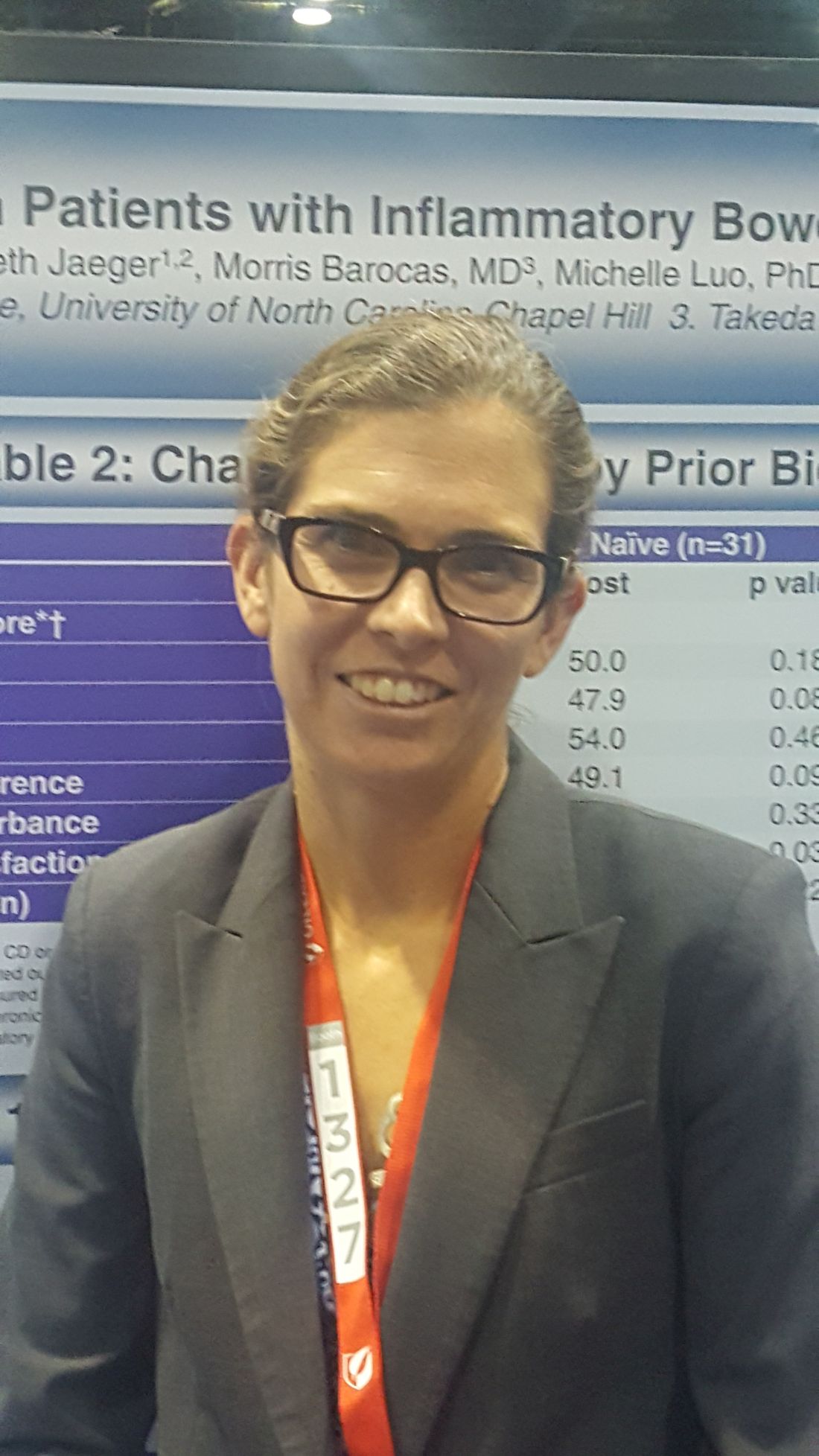
The difference in social satisfaction T scores was also improved among biologic-exposed patients (45.8 vs. 47.2, respectively), but the difference did not reach statistical significance, said Dr. Long of the University of North Carolina, Chapel Hill.
Improvements were also seen for numerous other measures, including anxiety, depression, fatigue, pain interference, and sleep disturbance – for both biologic-naive and -exposed patients – but the differences were not significant.
“But these [patient-reported outcomes] are clearly improving,” she said, explaining that trends toward minimally clinically important differences were seen for multiple measures.
As for steroid-free remission, the rate improved from 20% to 45% from baseline to 6-12 months among biologic-naive patients, and from 24% to 30% among biologic-exposed patients, Dr. Long said.
Vedolizumab in this real-world cohort was predominantly used in patients with refractory disease and prior biologic exposure.
The CCFA cohort provides an important glimpse into the effects of vedolizumab on patient-reported outcomes in real-world settings, Dr. Long said, noting that while vedolizumab has demonstrated important quality of life improvements in IBD clinical trials, little has been known about the effects of vedolizumab on quality of life in real-world settings.
The finding with respect to social satisfaction is particularly important, she said.
“These are sick patients. [These scores show that] they’re able to leave the house, they’re able to do the things they want to do,” she said. “It has made a big impact to be able to address this.”
This study was funded by Takeda Pharmaceuticals USA. CCFA Partners is supported by the Crohn’s & Colitis Foundation and the Patient Centered Outcomes Research Institute.
ORLANDO – Vedolizumab therapy was associated with significant improvements in social satisfaction scores and steroid-free remission rates in biologic-naive patients with inflammatory bowel diseases (IBD) in a large prospective cohort.
The Internet-based cohort – Crohn’s & Colitis Foundation of America (CCFA) Partners – includes more than 15,000 IBD patients. For the current study, researchers evaluated 348 participants with Crohn’s disease or ulcerative colitis who initiated vedolizumab therapy between 2014 and 2017 and who had at least 6 months’ follow-up.
The difference in social satisfaction T scores was also improved among biologic-exposed patients (45.8 vs. 47.2, respectively), but the difference did not reach statistical significance, said Dr. Long of the University of North Carolina, Chapel Hill.
Improvements were also seen for numerous other measures, including anxiety, depression, fatigue, pain interference, and sleep disturbance – for both biologic-naive and -exposed patients – but the differences were not significant.
“But these [patient-reported outcomes] are clearly improving,” she said, explaining that trends toward minimally clinically important differences were seen for multiple measures.
As for steroid-free remission, the rate improved from 20% to 45% from baseline to 6-12 months among biologic-naive patients, and from 24% to 30% among biologic-exposed patients, Dr. Long said.
Vedolizumab in this real-world cohort was predominantly used in patients with refractory disease and prior biologic exposure.
The CCFA cohort provides an important glimpse into the effects of vedolizumab on patient-reported outcomes in real-world settings, Dr. Long said, noting that while vedolizumab has demonstrated important quality of life improvements in IBD clinical trials, little has been known about the effects of vedolizumab on quality of life in real-world settings.
The finding with respect to social satisfaction is particularly important, she said.
“These are sick patients. [These scores show that] they’re able to leave the house, they’re able to do the things they want to do,” she said. “It has made a big impact to be able to address this.”
This study was funded by Takeda Pharmaceuticals USA. CCFA Partners is supported by the Crohn’s & Colitis Foundation and the Patient Centered Outcomes Research Institute.
ORLANDO – Vedolizumab therapy was associated with significant improvements in social satisfaction scores and steroid-free remission rates in biologic-naive patients with inflammatory bowel diseases (IBD) in a large prospective cohort.
The Internet-based cohort – Crohn’s & Colitis Foundation of America (CCFA) Partners – includes more than 15,000 IBD patients. For the current study, researchers evaluated 348 participants with Crohn’s disease or ulcerative colitis who initiated vedolizumab therapy between 2014 and 2017 and who had at least 6 months’ follow-up.
The difference in social satisfaction T scores was also improved among biologic-exposed patients (45.8 vs. 47.2, respectively), but the difference did not reach statistical significance, said Dr. Long of the University of North Carolina, Chapel Hill.
Improvements were also seen for numerous other measures, including anxiety, depression, fatigue, pain interference, and sleep disturbance – for both biologic-naive and -exposed patients – but the differences were not significant.
“But these [patient-reported outcomes] are clearly improving,” she said, explaining that trends toward minimally clinically important differences were seen for multiple measures.
As for steroid-free remission, the rate improved from 20% to 45% from baseline to 6-12 months among biologic-naive patients, and from 24% to 30% among biologic-exposed patients, Dr. Long said.
Vedolizumab in this real-world cohort was predominantly used in patients with refractory disease and prior biologic exposure.
The CCFA cohort provides an important glimpse into the effects of vedolizumab on patient-reported outcomes in real-world settings, Dr. Long said, noting that while vedolizumab has demonstrated important quality of life improvements in IBD clinical trials, little has been known about the effects of vedolizumab on quality of life in real-world settings.
The finding with respect to social satisfaction is particularly important, she said.
“These are sick patients. [These scores show that] they’re able to leave the house, they’re able to do the things they want to do,” she said. “It has made a big impact to be able to address this.”
This study was funded by Takeda Pharmaceuticals USA. CCFA Partners is supported by the Crohn’s & Colitis Foundation and the Patient Centered Outcomes Research Institute.
AT THE WORLD CONGRESS OF GASTROENTEROLOGY
Key clinical point:
Major finding: T scores in biologic-naive patients improved significantly (46.1 before treatment vs. 51.0 after 6 months).
Data source: A prospective cohort study of 348 patients.
Disclosures: This study was funded by Takeda Pharmaceuticals USA. CCFA Partners is supported by the Crohn’s and Colitis Foundation and the Patient Centered Outcomes Research Institute.
VIDEO: IBD epidemiology provides clues into disease underpinnings
ORLANDO – The incidence of Crohn’s disease and ulcerative colitis has stabilized in the Western world, but is rising rapidly in newly industrialized countries, according to a systematic review of population-based studies.
The findings could provide important new insights into the environmental, genetic, and microbiome-related factors and interactions that form the underpinnings of IBD, Gilaad Kaplan, MD, of the University of Calgary (Alta.) said at the World Congress of Gastroenterology at ACG 2017.
In turn, that information could lead to approaches to reduce IBD incidence, he said in a video interview.
It has been known that Crohn’s disease and ulcerative colitis are “modern diseases of modern times,” but few studies have addressed the epidemiology of IBD in newly industrialized countries in Asia, Africa, and South America, he said.
“We see a pattern that as newly industrialized countries transition toward a westernized society, IBD emerges and its incidence rises, and there are many different explanations for that,” he said, noting that in part, the increase is due to improved health care infrastructure and advances in adoption of medical technology that lead to better identification of new cases.
“But probably one of the most important factors is that there are environmental exposures linked to the westernization of society that are creating this pressure that’s driving incidence of IBD up in many of the countries of the world,” he said. “I think if we do a lot more research focused on how environment influences microbiome, we might start to see things we could do that could potentially stem the tide of IBD.”
Dr. Kaplan reported having no relevant disclosures.
The video associated with this article is no longer available on this site. Please view all of our videos on the MDedge YouTube channel
ORLANDO – The incidence of Crohn’s disease and ulcerative colitis has stabilized in the Western world, but is rising rapidly in newly industrialized countries, according to a systematic review of population-based studies.
The findings could provide important new insights into the environmental, genetic, and microbiome-related factors and interactions that form the underpinnings of IBD, Gilaad Kaplan, MD, of the University of Calgary (Alta.) said at the World Congress of Gastroenterology at ACG 2017.
In turn, that information could lead to approaches to reduce IBD incidence, he said in a video interview.
It has been known that Crohn’s disease and ulcerative colitis are “modern diseases of modern times,” but few studies have addressed the epidemiology of IBD in newly industrialized countries in Asia, Africa, and South America, he said.
“We see a pattern that as newly industrialized countries transition toward a westernized society, IBD emerges and its incidence rises, and there are many different explanations for that,” he said, noting that in part, the increase is due to improved health care infrastructure and advances in adoption of medical technology that lead to better identification of new cases.
“But probably one of the most important factors is that there are environmental exposures linked to the westernization of society that are creating this pressure that’s driving incidence of IBD up in many of the countries of the world,” he said. “I think if we do a lot more research focused on how environment influences microbiome, we might start to see things we could do that could potentially stem the tide of IBD.”
Dr. Kaplan reported having no relevant disclosures.
The video associated with this article is no longer available on this site. Please view all of our videos on the MDedge YouTube channel
ORLANDO – The incidence of Crohn’s disease and ulcerative colitis has stabilized in the Western world, but is rising rapidly in newly industrialized countries, according to a systematic review of population-based studies.
The findings could provide important new insights into the environmental, genetic, and microbiome-related factors and interactions that form the underpinnings of IBD, Gilaad Kaplan, MD, of the University of Calgary (Alta.) said at the World Congress of Gastroenterology at ACG 2017.
In turn, that information could lead to approaches to reduce IBD incidence, he said in a video interview.
It has been known that Crohn’s disease and ulcerative colitis are “modern diseases of modern times,” but few studies have addressed the epidemiology of IBD in newly industrialized countries in Asia, Africa, and South America, he said.
“We see a pattern that as newly industrialized countries transition toward a westernized society, IBD emerges and its incidence rises, and there are many different explanations for that,” he said, noting that in part, the increase is due to improved health care infrastructure and advances in adoption of medical technology that lead to better identification of new cases.
“But probably one of the most important factors is that there are environmental exposures linked to the westernization of society that are creating this pressure that’s driving incidence of IBD up in many of the countries of the world,” he said. “I think if we do a lot more research focused on how environment influences microbiome, we might start to see things we could do that could potentially stem the tide of IBD.”
Dr. Kaplan reported having no relevant disclosures.
The video associated with this article is no longer available on this site. Please view all of our videos on the MDedge YouTube channel
AT THE 13TH WORLD CONGRESS OF GASTROENTEROLOGY

VIDEO: Mechanical colonoscope enhancements improve adenoma detection
ORLANDO – Mechanical enhancements to existing colonoscopes may be better than optical enhancements for improving adenoma detection, according to findings from a meta-analysis of data from 240 studies.
“Even though colonoscopy is felt to be our best test compared to others … we also recognize that we do not see every square inch of the colon,” Seth Gross, MD, of New York University Langone Medical Center said in a video interview at the World Congress of Gastroenterology at ACG 2017.
There has been a “tremendous drive” to improve the ability to inspect blind spots in the colon, and also to better recognize subtle precancerous lesions in visible areas of the colon, but it has been unclear whether optical or mechanical enhancements will better achieve that goal, Dr. Gross said.
Based on the findings of his meta-analysis, it appears that mechanical enhancements, including integrated balloons and single-use caps with finger-like projections or discs that clip on to the colonoscope to engage the colon wall and flatten areas to allow access to areas behind folds, are most effective.
The preliminary data should lead to more clinical questions about what can be done to improve exams, he said.
In fact, one four-arm study looking at standard colonoscopy vs. colonoscopy with various mechanical enhancements was just completed, and others looking at “deep learning” and computer assistance are underway.
The latter technology is intriguing, as “not every polyp that we’re missing is behind a fold,” Dr. Gross noted.
Preliminary findings from a study out of China demonstrated the feasibility of such computer assistance, and the researchers are now working on a prospective study of real-time cases to see if that type of integrated learning with computer assistance can improve polyp detection.
“Sometimes it’s just these subtle mucosal changes that we have to train our eye to identify,” he said. “So imagine having another set of eyes … where there’s a computer sort of highlighting an area that we should focus on.”
Dr. Gross reported having no relevant financial disclosures.
The video associated with this article is no longer available on this site. Please view all of our videos on the MDedge YouTube channel
ORLANDO – Mechanical enhancements to existing colonoscopes may be better than optical enhancements for improving adenoma detection, according to findings from a meta-analysis of data from 240 studies.
“Even though colonoscopy is felt to be our best test compared to others … we also recognize that we do not see every square inch of the colon,” Seth Gross, MD, of New York University Langone Medical Center said in a video interview at the World Congress of Gastroenterology at ACG 2017.
There has been a “tremendous drive” to improve the ability to inspect blind spots in the colon, and also to better recognize subtle precancerous lesions in visible areas of the colon, but it has been unclear whether optical or mechanical enhancements will better achieve that goal, Dr. Gross said.
Based on the findings of his meta-analysis, it appears that mechanical enhancements, including integrated balloons and single-use caps with finger-like projections or discs that clip on to the colonoscope to engage the colon wall and flatten areas to allow access to areas behind folds, are most effective.
The preliminary data should lead to more clinical questions about what can be done to improve exams, he said.
In fact, one four-arm study looking at standard colonoscopy vs. colonoscopy with various mechanical enhancements was just completed, and others looking at “deep learning” and computer assistance are underway.
The latter technology is intriguing, as “not every polyp that we’re missing is behind a fold,” Dr. Gross noted.
Preliminary findings from a study out of China demonstrated the feasibility of such computer assistance, and the researchers are now working on a prospective study of real-time cases to see if that type of integrated learning with computer assistance can improve polyp detection.
“Sometimes it’s just these subtle mucosal changes that we have to train our eye to identify,” he said. “So imagine having another set of eyes … where there’s a computer sort of highlighting an area that we should focus on.”
Dr. Gross reported having no relevant financial disclosures.
The video associated with this article is no longer available on this site. Please view all of our videos on the MDedge YouTube channel
ORLANDO – Mechanical enhancements to existing colonoscopes may be better than optical enhancements for improving adenoma detection, according to findings from a meta-analysis of data from 240 studies.
“Even though colonoscopy is felt to be our best test compared to others … we also recognize that we do not see every square inch of the colon,” Seth Gross, MD, of New York University Langone Medical Center said in a video interview at the World Congress of Gastroenterology at ACG 2017.
There has been a “tremendous drive” to improve the ability to inspect blind spots in the colon, and also to better recognize subtle precancerous lesions in visible areas of the colon, but it has been unclear whether optical or mechanical enhancements will better achieve that goal, Dr. Gross said.
Based on the findings of his meta-analysis, it appears that mechanical enhancements, including integrated balloons and single-use caps with finger-like projections or discs that clip on to the colonoscope to engage the colon wall and flatten areas to allow access to areas behind folds, are most effective.
The preliminary data should lead to more clinical questions about what can be done to improve exams, he said.
In fact, one four-arm study looking at standard colonoscopy vs. colonoscopy with various mechanical enhancements was just completed, and others looking at “deep learning” and computer assistance are underway.
The latter technology is intriguing, as “not every polyp that we’re missing is behind a fold,” Dr. Gross noted.
Preliminary findings from a study out of China demonstrated the feasibility of such computer assistance, and the researchers are now working on a prospective study of real-time cases to see if that type of integrated learning with computer assistance can improve polyp detection.
“Sometimes it’s just these subtle mucosal changes that we have to train our eye to identify,” he said. “So imagine having another set of eyes … where there’s a computer sort of highlighting an area that we should focus on.”
Dr. Gross reported having no relevant financial disclosures.
The video associated with this article is no longer available on this site. Please view all of our videos on the MDedge YouTube channel
AT THE WORLD CONGRESS OF GASTROENTEROLOGY