User login
Biologics for Psoriasis
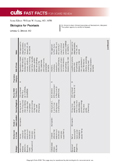
Review the PDF of the fact sheet on biologics for psoriasis with board-relevant, easy-to-review material. This month's fact sheet discusses the current US Food and Drug Administration–approved biologic medications for psoriasis and psoriatic arthritis, including the mechanism of action, dosing, and side effects.
Practice Questions
1. Which biologic is administered as an intravenous infusion?
a. adalimumab
b. etanercept
c. infliximab
d. secukinumab
e. ustekinumab
2. Which biologic is dosed based on body weight?
a. adalimumab
b. etanercept
c. infliximab
d. secukinumab
e. ustekinumab
3. Which biologic has been shown to worsen existing Crohn disease?
a. adalimumab
b. etanercept
c. infliximab
d. secukinumab
e. ustekinumab
4. Which biologic is a fusion protein?
a. adalimumab
b. etanercept
c. infliximab
d. secukinumab
e. ustekinumab
5. Which biologic has been shown to cause reversible posterior leukoencephalopathy syndrome?
a. adalimumab
b. etanercept
c. infliximab
d. secukinumab
e. ustekinumab
Answers to practice questions provided on next page
Practice Question Answers
1. Which biologic is administered as an intravenous infusion?
a. adalimumab
b. etanercept
c. infliximab
d. secukinumab
e. ustekinumab
2. Which biologic is dosed based on body weight?
a. adalimumab
b. etanercept
c. infliximab
d. secukinumab
e. ustekinumab
3. Which biologic has been shown to worsen existing Crohn disease?
a. adalimumab
b. etanercept
c. infliximab
d. secukinumab
e. ustekinumab
4. Which biologic is a fusion protein?
a. adalimumab
b. etanercept
c. infliximab
d. secukinumab
e. ustekinumab
5. Which biologic has been shown to cause reversible posterior leukoencephalopathy syndrome?
a. adalimumab
b. etanercept
c. infliximab
d. secukinumab
e. ustekinumab
Review the PDF of the fact sheet on biologics for psoriasis with board-relevant, easy-to-review material. This month's fact sheet discusses the current US Food and Drug Administration–approved biologic medications for psoriasis and psoriatic arthritis, including the mechanism of action, dosing, and side effects.
Practice Questions
1. Which biologic is administered as an intravenous infusion?
a. adalimumab
b. etanercept
c. infliximab
d. secukinumab
e. ustekinumab
2. Which biologic is dosed based on body weight?
a. adalimumab
b. etanercept
c. infliximab
d. secukinumab
e. ustekinumab
3. Which biologic has been shown to worsen existing Crohn disease?
a. adalimumab
b. etanercept
c. infliximab
d. secukinumab
e. ustekinumab
4. Which biologic is a fusion protein?
a. adalimumab
b. etanercept
c. infliximab
d. secukinumab
e. ustekinumab
5. Which biologic has been shown to cause reversible posterior leukoencephalopathy syndrome?
a. adalimumab
b. etanercept
c. infliximab
d. secukinumab
e. ustekinumab
Answers to practice questions provided on next page
Practice Question Answers
1. Which biologic is administered as an intravenous infusion?
a. adalimumab
b. etanercept
c. infliximab
d. secukinumab
e. ustekinumab
2. Which biologic is dosed based on body weight?
a. adalimumab
b. etanercept
c. infliximab
d. secukinumab
e. ustekinumab
3. Which biologic has been shown to worsen existing Crohn disease?
a. adalimumab
b. etanercept
c. infliximab
d. secukinumab
e. ustekinumab
4. Which biologic is a fusion protein?
a. adalimumab
b. etanercept
c. infliximab
d. secukinumab
e. ustekinumab
5. Which biologic has been shown to cause reversible posterior leukoencephalopathy syndrome?
a. adalimumab
b. etanercept
c. infliximab
d. secukinumab
e. ustekinumab
Review the PDF of the fact sheet on biologics for psoriasis with board-relevant, easy-to-review material. This month's fact sheet discusses the current US Food and Drug Administration–approved biologic medications for psoriasis and psoriatic arthritis, including the mechanism of action, dosing, and side effects.
Practice Questions
1. Which biologic is administered as an intravenous infusion?
a. adalimumab
b. etanercept
c. infliximab
d. secukinumab
e. ustekinumab
2. Which biologic is dosed based on body weight?
a. adalimumab
b. etanercept
c. infliximab
d. secukinumab
e. ustekinumab
3. Which biologic has been shown to worsen existing Crohn disease?
a. adalimumab
b. etanercept
c. infliximab
d. secukinumab
e. ustekinumab
4. Which biologic is a fusion protein?
a. adalimumab
b. etanercept
c. infliximab
d. secukinumab
e. ustekinumab
5. Which biologic has been shown to cause reversible posterior leukoencephalopathy syndrome?
a. adalimumab
b. etanercept
c. infliximab
d. secukinumab
e. ustekinumab
Answers to practice questions provided on next page
Practice Question Answers
1. Which biologic is administered as an intravenous infusion?
a. adalimumab
b. etanercept
c. infliximab
d. secukinumab
e. ustekinumab
2. Which biologic is dosed based on body weight?
a. adalimumab
b. etanercept
c. infliximab
d. secukinumab
e. ustekinumab
3. Which biologic has been shown to worsen existing Crohn disease?
a. adalimumab
b. etanercept
c. infliximab
d. secukinumab
e. ustekinumab
4. Which biologic is a fusion protein?
a. adalimumab
b. etanercept
c. infliximab
d. secukinumab
e. ustekinumab
5. Which biologic has been shown to cause reversible posterior leukoencephalopathy syndrome?
a. adalimumab
b. etanercept
c. infliximab
d. secukinumab
e. ustekinumab

Biologics for Pediatric Psoriasis Patients?
Biologic agents for the treatment of psoriasis are approved for patients 18 years and older. Although some biologics are approved for juvenile idiopathic arthritis, the lack of approved biologic therapies for children with psoriasis has been a major gap in our treatment of the disease. The incidence of moderate to severe psoriasis in the pediatric population is much lower than in adults, but there are still many patients younger than 18 years who would benefit from systemic therapies.
A recent press release indicates that the US Food and Drug Administration has accepted for review a supplemental biologics license application for the expanded use of etanercept to treat pediatric patients with chronic severe plaque psoriasis.
In February 2016 Paller et al (J Am Acad Dermatol. 2016;74:280.e3-287.e3) published data evaluating long-term safety and efficacy of etanercept in children and adolescents with moderate to severe plaque psoriasis. This 5-year, open-label extension study enrolled those patients aged 4 to 17 years who had participated in an initial 48-week parent study. End points included occurrence of adverse events (AEs) and serious AEs including infections as well as rates of 75% and 90% improvement in psoriasis area and severity index (PASI) score and clear or almost clear status on the static physician global assessment.
Of 182 patients enrolled, 181 received etanercept and 69 completed 264 weeks of treatment. Through week 264, 161 (89.0%) patients reported an AE, most commonly upper respiratory tract infection (37.6%), nasopharyngitis (26.0%), and headache (21.5%). Seven patients reported 8 Serious AEs (n=8) were reported in 7 patients, and only 1 case of cellulitis was considered treatment related. No cases of opportunistic infections or malignancy were reported. Rates of 75% improvement (∼60%–70%) and 90% improvement (∼30%–40%) in PASI score were maintained through week 264 as well as static physician global assessment status of clear or almost clear (∼40%–50%).
What’s the issue?
If approved, etanercept would be the first US Food and Drug Administration–approved systemic drug for pediatric psoriasis patients, which would open up options for many patients in need. Would you be willing to treat your pediatric psoriasis patients with a biologic?
Biologic agents for the treatment of psoriasis are approved for patients 18 years and older. Although some biologics are approved for juvenile idiopathic arthritis, the lack of approved biologic therapies for children with psoriasis has been a major gap in our treatment of the disease. The incidence of moderate to severe psoriasis in the pediatric population is much lower than in adults, but there are still many patients younger than 18 years who would benefit from systemic therapies.
A recent press release indicates that the US Food and Drug Administration has accepted for review a supplemental biologics license application for the expanded use of etanercept to treat pediatric patients with chronic severe plaque psoriasis.
In February 2016 Paller et al (J Am Acad Dermatol. 2016;74:280.e3-287.e3) published data evaluating long-term safety and efficacy of etanercept in children and adolescents with moderate to severe plaque psoriasis. This 5-year, open-label extension study enrolled those patients aged 4 to 17 years who had participated in an initial 48-week parent study. End points included occurrence of adverse events (AEs) and serious AEs including infections as well as rates of 75% and 90% improvement in psoriasis area and severity index (PASI) score and clear or almost clear status on the static physician global assessment.
Of 182 patients enrolled, 181 received etanercept and 69 completed 264 weeks of treatment. Through week 264, 161 (89.0%) patients reported an AE, most commonly upper respiratory tract infection (37.6%), nasopharyngitis (26.0%), and headache (21.5%). Seven patients reported 8 Serious AEs (n=8) were reported in 7 patients, and only 1 case of cellulitis was considered treatment related. No cases of opportunistic infections or malignancy were reported. Rates of 75% improvement (∼60%–70%) and 90% improvement (∼30%–40%) in PASI score were maintained through week 264 as well as static physician global assessment status of clear or almost clear (∼40%–50%).
What’s the issue?
If approved, etanercept would be the first US Food and Drug Administration–approved systemic drug for pediatric psoriasis patients, which would open up options for many patients in need. Would you be willing to treat your pediatric psoriasis patients with a biologic?
Biologic agents for the treatment of psoriasis are approved for patients 18 years and older. Although some biologics are approved for juvenile idiopathic arthritis, the lack of approved biologic therapies for children with psoriasis has been a major gap in our treatment of the disease. The incidence of moderate to severe psoriasis in the pediatric population is much lower than in adults, but there are still many patients younger than 18 years who would benefit from systemic therapies.
A recent press release indicates that the US Food and Drug Administration has accepted for review a supplemental biologics license application for the expanded use of etanercept to treat pediatric patients with chronic severe plaque psoriasis.
In February 2016 Paller et al (J Am Acad Dermatol. 2016;74:280.e3-287.e3) published data evaluating long-term safety and efficacy of etanercept in children and adolescents with moderate to severe plaque psoriasis. This 5-year, open-label extension study enrolled those patients aged 4 to 17 years who had participated in an initial 48-week parent study. End points included occurrence of adverse events (AEs) and serious AEs including infections as well as rates of 75% and 90% improvement in psoriasis area and severity index (PASI) score and clear or almost clear status on the static physician global assessment.
Of 182 patients enrolled, 181 received etanercept and 69 completed 264 weeks of treatment. Through week 264, 161 (89.0%) patients reported an AE, most commonly upper respiratory tract infection (37.6%), nasopharyngitis (26.0%), and headache (21.5%). Seven patients reported 8 Serious AEs (n=8) were reported in 7 patients, and only 1 case of cellulitis was considered treatment related. No cases of opportunistic infections or malignancy were reported. Rates of 75% improvement (∼60%–70%) and 90% improvement (∼30%–40%) in PASI score were maintained through week 264 as well as static physician global assessment status of clear or almost clear (∼40%–50%).
What’s the issue?
If approved, etanercept would be the first US Food and Drug Administration–approved systemic drug for pediatric psoriasis patients, which would open up options for many patients in need. Would you be willing to treat your pediatric psoriasis patients with a biologic?

Ustekinumab Linked to More Outpatient Visits and Greater Pharmacy Costs Versus Adalimumab in Psoriasis Patients
Psoriasis patients who switched from etanercept (ETA) to ustekinumab (UST) incurred higher health care resource utilization and health care costs over 12 months compared to patients who switched from ETA to adalimumab (ADA), according to a study presented at the 74th Annual Meeting of the American Academy of Dermatology in Washington, DC (March 4–8, 2016).
In the poster, Wu et al explained that although tumor necrosis factor (TNF) agents are effective therapies for psoriasis, treatment failure with anti-TNF agents may occur and switching to another anti-TNF agent or another biologic with a different mechanism of action may be needed. Both biologic therapies ADA and UST are effective therapies for psoriasis patients who previously received ETA. The investigators sought to compare health care resource utilization and health care costs in adult psoriasis patients who were switched from ETA to UST (n=365) versus from ETA to ADA (n=1335).
Health care resource utilization included the total number of days with medical services, including outpatient visits, inpatient days, emergency department visits, and other medical services measured over the 12-month study period. Health care costs included total pharmacy costs and total medical service costs incurred over the 12-month study period and were measured from a payer’s perspective.
The investigators reported that UST patients had statistically significantly more days with medical services (P=.02) compared to ADA patients, mainly driven by more outpatient visits (P<.01). Ustekinumab patients also had a greater total annual health care cost by $14,356 (P<.01). The cost difference was primarily driven by greater pharmacy costs (cost difference, $13,682; P<.01).
This study was funded by AbbVie Inc.
Data from: Wu JJ, Sundaram M, Guérin A, et al. Comparison of outcomes between psoriasis patients who switched from etanercept to adalimumab versus to ustekinumab. Posted presented at: 74th Annual Meeting of the American Academy of Dermatology; March 4-8, 2016; Washington, DC. P2524.
Psoriasis patients who switched from etanercept (ETA) to ustekinumab (UST) incurred higher health care resource utilization and health care costs over 12 months compared to patients who switched from ETA to adalimumab (ADA), according to a study presented at the 74th Annual Meeting of the American Academy of Dermatology in Washington, DC (March 4–8, 2016).
In the poster, Wu et al explained that although tumor necrosis factor (TNF) agents are effective therapies for psoriasis, treatment failure with anti-TNF agents may occur and switching to another anti-TNF agent or another biologic with a different mechanism of action may be needed. Both biologic therapies ADA and UST are effective therapies for psoriasis patients who previously received ETA. The investigators sought to compare health care resource utilization and health care costs in adult psoriasis patients who were switched from ETA to UST (n=365) versus from ETA to ADA (n=1335).
Health care resource utilization included the total number of days with medical services, including outpatient visits, inpatient days, emergency department visits, and other medical services measured over the 12-month study period. Health care costs included total pharmacy costs and total medical service costs incurred over the 12-month study period and were measured from a payer’s perspective.
The investigators reported that UST patients had statistically significantly more days with medical services (P=.02) compared to ADA patients, mainly driven by more outpatient visits (P<.01). Ustekinumab patients also had a greater total annual health care cost by $14,356 (P<.01). The cost difference was primarily driven by greater pharmacy costs (cost difference, $13,682; P<.01).
This study was funded by AbbVie Inc.
Psoriasis patients who switched from etanercept (ETA) to ustekinumab (UST) incurred higher health care resource utilization and health care costs over 12 months compared to patients who switched from ETA to adalimumab (ADA), according to a study presented at the 74th Annual Meeting of the American Academy of Dermatology in Washington, DC (March 4–8, 2016).
In the poster, Wu et al explained that although tumor necrosis factor (TNF) agents are effective therapies for psoriasis, treatment failure with anti-TNF agents may occur and switching to another anti-TNF agent or another biologic with a different mechanism of action may be needed. Both biologic therapies ADA and UST are effective therapies for psoriasis patients who previously received ETA. The investigators sought to compare health care resource utilization and health care costs in adult psoriasis patients who were switched from ETA to UST (n=365) versus from ETA to ADA (n=1335).
Health care resource utilization included the total number of days with medical services, including outpatient visits, inpatient days, emergency department visits, and other medical services measured over the 12-month study period. Health care costs included total pharmacy costs and total medical service costs incurred over the 12-month study period and were measured from a payer’s perspective.
The investigators reported that UST patients had statistically significantly more days with medical services (P=.02) compared to ADA patients, mainly driven by more outpatient visits (P<.01). Ustekinumab patients also had a greater total annual health care cost by $14,356 (P<.01). The cost difference was primarily driven by greater pharmacy costs (cost difference, $13,682; P<.01).
This study was funded by AbbVie Inc.
Data from: Wu JJ, Sundaram M, Guérin A, et al. Comparison of outcomes between psoriasis patients who switched from etanercept to adalimumab versus to ustekinumab. Posted presented at: 74th Annual Meeting of the American Academy of Dermatology; March 4-8, 2016; Washington, DC. P2524.
Data from: Wu JJ, Sundaram M, Guérin A, et al. Comparison of outcomes between psoriasis patients who switched from etanercept to adalimumab versus to ustekinumab. Posted presented at: 74th Annual Meeting of the American Academy of Dermatology; March 4-8, 2016; Washington, DC. P2524.

Ixekizumab approved for plaque psoriasis
Ixekizumab is approved to treat moderate to severe plaque psoriasis in adults, according to an announcement from the Food and Drug Administration.
“Today’s approval provides patients suffering from plaque psoriasis with another important treatment option to help relieve the skin irritation and discomfort from the condition,” Dr. Julie Beitz, director of the FDA’s Office of Drug Evaluation III, said in a statement .
Ixekizumab is an IgG4 monoclonal antibody that selectively binds with interleukin 17A (IL-17A) cytokines, inhibiting interaction with the IL-17 receptor. It is approved for patients who are candidates for systemic therapy, phototherapy, or a combination of both.

The safety and efficacy of ixekizumab were established in three randomized, placebo-controlled clinical trials with a total of 3,866 participants with plaque psoriasis who were candidates for systemic therapy or phototherapy. Patients treated with ixekizumab achieved greater clinical response than did those who received placebo.
The therapy was approved with a medication guide to inform patients that they may have a greater risk of an infection, or an allergic or autoimmune condition, according to the FDA announcement. The agency advised that physicians should monitor patient for serious allergic reactions and development or worsening of inflammatory bowel disease.
The most common adverse events seen in clinical trials of ixekizumab were upper respiratory infections, injection site reactions, and tinea.
Ixekizumab will be marketed as Taltz by Eli Lilly and Company.
On Twitter @denisefulton
Ixekizumab is approved to treat moderate to severe plaque psoriasis in adults, according to an announcement from the Food and Drug Administration.
“Today’s approval provides patients suffering from plaque psoriasis with another important treatment option to help relieve the skin irritation and discomfort from the condition,” Dr. Julie Beitz, director of the FDA’s Office of Drug Evaluation III, said in a statement .
Ixekizumab is an IgG4 monoclonal antibody that selectively binds with interleukin 17A (IL-17A) cytokines, inhibiting interaction with the IL-17 receptor. It is approved for patients who are candidates for systemic therapy, phototherapy, or a combination of both.
The safety and efficacy of ixekizumab were established in three randomized, placebo-controlled clinical trials with a total of 3,866 participants with plaque psoriasis who were candidates for systemic therapy or phototherapy. Patients treated with ixekizumab achieved greater clinical response than did those who received placebo.
The therapy was approved with a medication guide to inform patients that they may have a greater risk of an infection, or an allergic or autoimmune condition, according to the FDA announcement. The agency advised that physicians should monitor patient for serious allergic reactions and development or worsening of inflammatory bowel disease.
The most common adverse events seen in clinical trials of ixekizumab were upper respiratory infections, injection site reactions, and tinea.
Ixekizumab will be marketed as Taltz by Eli Lilly and Company.
On Twitter @denisefulton
Ixekizumab is approved to treat moderate to severe plaque psoriasis in adults, according to an announcement from the Food and Drug Administration.
“Today’s approval provides patients suffering from plaque psoriasis with another important treatment option to help relieve the skin irritation and discomfort from the condition,” Dr. Julie Beitz, director of the FDA’s Office of Drug Evaluation III, said in a statement .
Ixekizumab is an IgG4 monoclonal antibody that selectively binds with interleukin 17A (IL-17A) cytokines, inhibiting interaction with the IL-17 receptor. It is approved for patients who are candidates for systemic therapy, phototherapy, or a combination of both.
The safety and efficacy of ixekizumab were established in three randomized, placebo-controlled clinical trials with a total of 3,866 participants with plaque psoriasis who were candidates for systemic therapy or phototherapy. Patients treated with ixekizumab achieved greater clinical response than did those who received placebo.
The therapy was approved with a medication guide to inform patients that they may have a greater risk of an infection, or an allergic or autoimmune condition, according to the FDA announcement. The agency advised that physicians should monitor patient for serious allergic reactions and development or worsening of inflammatory bowel disease.
The most common adverse events seen in clinical trials of ixekizumab were upper respiratory infections, injection site reactions, and tinea.
Ixekizumab will be marketed as Taltz by Eli Lilly and Company.
On Twitter @denisefulton

Atopic Dermatitis Treatments Moving Forward: Report From the AAD Meeting
Although psoriasis was once at the forefront of therapeutic advancements in dermatology, atopic dermatitis (AD) is now taking center stage with several new treatments in the pipeline. Dr. Emma Guttman-Yassky provides an overview of the future of AD treatment, which includes new topical and systemic agents that currently are moving forward in advanced clinical trials or are close to registration. She also discusses strategies for improving disease management in AD patients, noting that prevention and education of both patients and their caregivers are key to effective treatment.
Although psoriasis was once at the forefront of therapeutic advancements in dermatology, atopic dermatitis (AD) is now taking center stage with several new treatments in the pipeline. Dr. Emma Guttman-Yassky provides an overview of the future of AD treatment, which includes new topical and systemic agents that currently are moving forward in advanced clinical trials or are close to registration. She also discusses strategies for improving disease management in AD patients, noting that prevention and education of both patients and their caregivers are key to effective treatment.
Although psoriasis was once at the forefront of therapeutic advancements in dermatology, atopic dermatitis (AD) is now taking center stage with several new treatments in the pipeline. Dr. Emma Guttman-Yassky provides an overview of the future of AD treatment, which includes new topical and systemic agents that currently are moving forward in advanced clinical trials or are close to registration. She also discusses strategies for improving disease management in AD patients, noting that prevention and education of both patients and their caregivers are key to effective treatment.

Sparse, poor evidence supports fumarates for psoriasis
Even though fumaric acid esters are increasingly considered to be a suitable, even a first-line, systemic treatment for moderate to severe psoriasis in some parts of Europe, the evidence supporting their use is sparse and of low quality, according to a report published online in the British Journal of Dermatology.
Fumarates were introduced as anti-psoriasis agents decades ago in Germany. The agents are thought to exert immunomodulating, antiproliferative, and antiangiogenic effects, and they are frequently used off label for psoriasis in the Netherlands and the United Kingdom, said Dr. Deepak M.W. Balak of the department of dermatology, Erasmus University Medical Center, Rotterdam, the Netherlands, and his associates.
To summarize the clinical evidence for this treatment, the investigators performed a systematic review of publications, identifying 68 studies that reported the clinical effects of these agents in comparison with either placebo or other therapies. The researchers were unable to perform a meta-analysis of the data “due to considerable clinical heterogeneity among the studies” in design, patient populations, the drug formulations and dosages examined, the comparator treatments, and the outcomes measured.
Only seven randomized clinical trials were available for review. These had relatively small sample sizes and included only 449 patients in total. They assessed different drug formulations and different, short treatment durations ranging from 2.8 to 4 months. The overall quality of the evidence was rated “moderate.”
All randomized controlled trials reported statistically significant efficacy with fumaric acid ester treatment; mean Psoriasis Area Severity Index (PASI) scores decreased in 42%-65% of patients after 12-16 weeks of treatment. Adverse events were common, affecting 69%-92% of patients, and chiefly involved gastrointestinal complaints, flushing, and laboratory abnormalities such as elevated liver enzymes (up to 62%), eosinophilia (up to 46%), and lymphocytopenia (up to 38%). A total of 8%-39% of patients discontinued treatment because of adverse effects.
There also were 37 observational studies involving a total of 3,457 patients. Almost all were open-label, single-center, uncontrolled cohort studies or retrospective case series with small samples. Treatment duration ranged from 1 month to 14 years. The overall quality of the evidence was rated “very low” (Br J Dermatol. 2016. doi: 10.1111/bjd.14500).
These studies reported similar outcomes to the randomized clinical trials: significant reductions in the extent and severity of psoriasis with fumarate treatment, and frequent adverse effects, predominantly GI problems, flushing, and laboratory abnormalities. Mean reductions in PASI were 13%-86% after 3-4 months of treatment. Several immunosuppressive adverse effects were linked to the treatment, including Kaposi’s sarcoma, organizing pneumonia, tuberculous lymphadenitis, squamous cell carcinoma, melanoma, and seven cases of progressive multifocal leukoencephalopathy. In addition, several renal complications were reported, including six cases of Fanconi syndrome and nine cases of acute renal insufficiency, and there was one case of collagenous colitis.
“Fumaric acid esters have a long history as a systemic psoriasis treatment” dating back to the 1950s, “but their development was not based on high-quality evidence,” Dr. Balak and his associates said.
They added that several randomized clinical trials assessing these agents are currently underway, but their findings haven’t yet been published. And new fumarates for the treatment of psoriasis currently are in development.
No sponsor or funding source was identified for this study. Dr. Balak and his associates reported having no relevant financial disclosures.
Even though fumaric acid esters are increasingly considered to be a suitable, even a first-line, systemic treatment for moderate to severe psoriasis in some parts of Europe, the evidence supporting their use is sparse and of low quality, according to a report published online in the British Journal of Dermatology.
Fumarates were introduced as anti-psoriasis agents decades ago in Germany. The agents are thought to exert immunomodulating, antiproliferative, and antiangiogenic effects, and they are frequently used off label for psoriasis in the Netherlands and the United Kingdom, said Dr. Deepak M.W. Balak of the department of dermatology, Erasmus University Medical Center, Rotterdam, the Netherlands, and his associates.
To summarize the clinical evidence for this treatment, the investigators performed a systematic review of publications, identifying 68 studies that reported the clinical effects of these agents in comparison with either placebo or other therapies. The researchers were unable to perform a meta-analysis of the data “due to considerable clinical heterogeneity among the studies” in design, patient populations, the drug formulations and dosages examined, the comparator treatments, and the outcomes measured.
Only seven randomized clinical trials were available for review. These had relatively small sample sizes and included only 449 patients in total. They assessed different drug formulations and different, short treatment durations ranging from 2.8 to 4 months. The overall quality of the evidence was rated “moderate.”
All randomized controlled trials reported statistically significant efficacy with fumaric acid ester treatment; mean Psoriasis Area Severity Index (PASI) scores decreased in 42%-65% of patients after 12-16 weeks of treatment. Adverse events were common, affecting 69%-92% of patients, and chiefly involved gastrointestinal complaints, flushing, and laboratory abnormalities such as elevated liver enzymes (up to 62%), eosinophilia (up to 46%), and lymphocytopenia (up to 38%). A total of 8%-39% of patients discontinued treatment because of adverse effects.
There also were 37 observational studies involving a total of 3,457 patients. Almost all were open-label, single-center, uncontrolled cohort studies or retrospective case series with small samples. Treatment duration ranged from 1 month to 14 years. The overall quality of the evidence was rated “very low” (Br J Dermatol. 2016. doi: 10.1111/bjd.14500).
These studies reported similar outcomes to the randomized clinical trials: significant reductions in the extent and severity of psoriasis with fumarate treatment, and frequent adverse effects, predominantly GI problems, flushing, and laboratory abnormalities. Mean reductions in PASI were 13%-86% after 3-4 months of treatment. Several immunosuppressive adverse effects were linked to the treatment, including Kaposi’s sarcoma, organizing pneumonia, tuberculous lymphadenitis, squamous cell carcinoma, melanoma, and seven cases of progressive multifocal leukoencephalopathy. In addition, several renal complications were reported, including six cases of Fanconi syndrome and nine cases of acute renal insufficiency, and there was one case of collagenous colitis.
“Fumaric acid esters have a long history as a systemic psoriasis treatment” dating back to the 1950s, “but their development was not based on high-quality evidence,” Dr. Balak and his associates said.
They added that several randomized clinical trials assessing these agents are currently underway, but their findings haven’t yet been published. And new fumarates for the treatment of psoriasis currently are in development.
No sponsor or funding source was identified for this study. Dr. Balak and his associates reported having no relevant financial disclosures.
Even though fumaric acid esters are increasingly considered to be a suitable, even a first-line, systemic treatment for moderate to severe psoriasis in some parts of Europe, the evidence supporting their use is sparse and of low quality, according to a report published online in the British Journal of Dermatology.
Fumarates were introduced as anti-psoriasis agents decades ago in Germany. The agents are thought to exert immunomodulating, antiproliferative, and antiangiogenic effects, and they are frequently used off label for psoriasis in the Netherlands and the United Kingdom, said Dr. Deepak M.W. Balak of the department of dermatology, Erasmus University Medical Center, Rotterdam, the Netherlands, and his associates.
To summarize the clinical evidence for this treatment, the investigators performed a systematic review of publications, identifying 68 studies that reported the clinical effects of these agents in comparison with either placebo or other therapies. The researchers were unable to perform a meta-analysis of the data “due to considerable clinical heterogeneity among the studies” in design, patient populations, the drug formulations and dosages examined, the comparator treatments, and the outcomes measured.
Only seven randomized clinical trials were available for review. These had relatively small sample sizes and included only 449 patients in total. They assessed different drug formulations and different, short treatment durations ranging from 2.8 to 4 months. The overall quality of the evidence was rated “moderate.”
All randomized controlled trials reported statistically significant efficacy with fumaric acid ester treatment; mean Psoriasis Area Severity Index (PASI) scores decreased in 42%-65% of patients after 12-16 weeks of treatment. Adverse events were common, affecting 69%-92% of patients, and chiefly involved gastrointestinal complaints, flushing, and laboratory abnormalities such as elevated liver enzymes (up to 62%), eosinophilia (up to 46%), and lymphocytopenia (up to 38%). A total of 8%-39% of patients discontinued treatment because of adverse effects.
There also were 37 observational studies involving a total of 3,457 patients. Almost all were open-label, single-center, uncontrolled cohort studies or retrospective case series with small samples. Treatment duration ranged from 1 month to 14 years. The overall quality of the evidence was rated “very low” (Br J Dermatol. 2016. doi: 10.1111/bjd.14500).
These studies reported similar outcomes to the randomized clinical trials: significant reductions in the extent and severity of psoriasis with fumarate treatment, and frequent adverse effects, predominantly GI problems, flushing, and laboratory abnormalities. Mean reductions in PASI were 13%-86% after 3-4 months of treatment. Several immunosuppressive adverse effects were linked to the treatment, including Kaposi’s sarcoma, organizing pneumonia, tuberculous lymphadenitis, squamous cell carcinoma, melanoma, and seven cases of progressive multifocal leukoencephalopathy. In addition, several renal complications were reported, including six cases of Fanconi syndrome and nine cases of acute renal insufficiency, and there was one case of collagenous colitis.
“Fumaric acid esters have a long history as a systemic psoriasis treatment” dating back to the 1950s, “but their development was not based on high-quality evidence,” Dr. Balak and his associates said.
They added that several randomized clinical trials assessing these agents are currently underway, but their findings haven’t yet been published. And new fumarates for the treatment of psoriasis currently are in development.
No sponsor or funding source was identified for this study. Dr. Balak and his associates reported having no relevant financial disclosures.
FROM BRITISH JOURNAL OF DERMATOLOGY
Key clinical point: Only sparse, low-quality evidence supports using fumaric acid esters as a treatment for psoriasis.
Major finding: Mean PASI scores decreased 42%-65% in patients treated with fumaric acid esters for 12-16 weeks in randomized controlled trials, but adverse events affected 69%-92% of patients.
Data source: A systematic review of 7 randomized clinical trials and 37 observational studies, involving a total of 3,906 patients.
Disclosures: No sponsor or funding source was identified for this study. Dr. Balak and his associates reported having no relevant financial disclosures.
Fresh evidence of methotrexate efficacy in psoriatic arthritis
MAUI, HAWAII – The effectiveness of methotrexate in psoriatic arthritis is a matter of debate, but Dr. Arthur Kavanaugh is a believer based in part upon a recent subanalysis of the TICOPA study.
Moreover, his new 5-year follow-up analysis from the GO-REVEAL study of golimumab (Simponi) with or without concomitant methotrexate suggests that methotrexate plus the tumor necrosis factor inhibitor provided synergistic efficacy, he said at the 2016 Rheumatology Winter Clinical Symposium.
The 5-year analysis doesn’t provide definitive proof of synergistic benefit because it wasn’t designed or powered with that endpoint in mind (Arthritis Care Res. 2016;68[2]:267–74). No randomized trial completed to date has been. But the first-ever trial set up to test the synergistic efficacy hypothesis is underway. It’s a 52-week, double-blind, multicenter, randomized trial of etanercept (Enbrel) and methotrexate versus either alone in combination with placebo. And while the Amgen-sponsored study won’t be completed until 2018, Dr. Kavanaugh is ready to predict the outcome based in part upon the message contained in his GO-REVEAL findings.

“I’m placing my bet down now that there will be synergy for the X-ray outcome of change in SHS [Sharp/van der Heijde Score] for sure, and maybe for clinical efficacy as well, both joints and skin,” declared Dr. Kavanaugh, the conference director and professor of medicine at the University of California, San Diego.
He pointed to a new subanalysis of the Tight Control of Psoriatic Arthritis (TICOPA) study reported by rheumatologists at the University of Leeds (England) as evidence that methotrexate is effective in psoriatic arthritis. Of the 188 patients in the tight control arm who received methotrexate in the first 12 weeks of the trial, 41% had an ACR 20 response, meaning a 20% improvement in disease signs and symptoms at 12 weeks. A total of 19% had an ACR 50 response. And 27% had at least a 75% improvement in Psoriasis Area and Severity Index, or PASI 75. A 63% reduction in the proportion of patients with dactylitis and a 26% decrease in the proportion of patients with enthesitis was observed in the early methotrexate group. There was a suggestion of a dose-response effect, with better outcomes seen in the 108 participants who received a mean dose greater than 15 mg/week (J Rheumatol. 2016 Feb;43[2]:356-61).
This is a more impressive result than earlier reported from the Methotrexate In Psoriatic Arthritis (MIPA) trial, where the ACR 20 response rate was only 34% (Rheumatology [Oxford]. 2012;51[8]:1368-77). That may well be because methotrexate was given at only 15 mg/week in MIPA, in Dr. Kavanaugh’s view.
“I think methotrexate can work for the peripheral arthritis. This TICOPA analysis gives us a sense of the extent of the improvement, and also the extent of improvement in the skin,” the rheumatologist commented.
Turning to the week 256 results of GO-REVEAL, he said there was no difference in clinical response between psoriatic arthritis patients on golimumab alone or golimumab plus methotrexate at baseline. But among patients who were doing well clinically, with an assessment of minimal disease activity (MDA) on three or more consecutive clinic visits, only those on golimumab plus methotrexate at baseline showed radiologic improvement. The 57 patients on combination therapy who achieved MDA on at least three consecutive visits showed a mean 1.29-point improvement in SHS; the 48 rated as having MDA on four or more consecutive occasions similarly had a mean 1.24-point improvement.
In contrast, the 59 participants who achieved MDA on three or more consecutive visits but were on golimumab without methotrexate at baseline had a 0.25-point increase in SHS, and the 47 who had MDA on at least four consecutive visits had a 0.38-point SHS bump.
Dr. Kavanaugh reported having financial relationships with roughly a dozen pharmaceutical companies
MAUI, HAWAII – The effectiveness of methotrexate in psoriatic arthritis is a matter of debate, but Dr. Arthur Kavanaugh is a believer based in part upon a recent subanalysis of the TICOPA study.
Moreover, his new 5-year follow-up analysis from the GO-REVEAL study of golimumab (Simponi) with or without concomitant methotrexate suggests that methotrexate plus the tumor necrosis factor inhibitor provided synergistic efficacy, he said at the 2016 Rheumatology Winter Clinical Symposium.
The 5-year analysis doesn’t provide definitive proof of synergistic benefit because it wasn’t designed or powered with that endpoint in mind (Arthritis Care Res. 2016;68[2]:267–74). No randomized trial completed to date has been. But the first-ever trial set up to test the synergistic efficacy hypothesis is underway. It’s a 52-week, double-blind, multicenter, randomized trial of etanercept (Enbrel) and methotrexate versus either alone in combination with placebo. And while the Amgen-sponsored study won’t be completed until 2018, Dr. Kavanaugh is ready to predict the outcome based in part upon the message contained in his GO-REVEAL findings.
“I’m placing my bet down now that there will be synergy for the X-ray outcome of change in SHS [Sharp/van der Heijde Score] for sure, and maybe for clinical efficacy as well, both joints and skin,” declared Dr. Kavanaugh, the conference director and professor of medicine at the University of California, San Diego.
He pointed to a new subanalysis of the Tight Control of Psoriatic Arthritis (TICOPA) study reported by rheumatologists at the University of Leeds (England) as evidence that methotrexate is effective in psoriatic arthritis. Of the 188 patients in the tight control arm who received methotrexate in the first 12 weeks of the trial, 41% had an ACR 20 response, meaning a 20% improvement in disease signs and symptoms at 12 weeks. A total of 19% had an ACR 50 response. And 27% had at least a 75% improvement in Psoriasis Area and Severity Index, or PASI 75. A 63% reduction in the proportion of patients with dactylitis and a 26% decrease in the proportion of patients with enthesitis was observed in the early methotrexate group. There was a suggestion of a dose-response effect, with better outcomes seen in the 108 participants who received a mean dose greater than 15 mg/week (J Rheumatol. 2016 Feb;43[2]:356-61).
This is a more impressive result than earlier reported from the Methotrexate In Psoriatic Arthritis (MIPA) trial, where the ACR 20 response rate was only 34% (Rheumatology [Oxford]. 2012;51[8]:1368-77). That may well be because methotrexate was given at only 15 mg/week in MIPA, in Dr. Kavanaugh’s view.
“I think methotrexate can work for the peripheral arthritis. This TICOPA analysis gives us a sense of the extent of the improvement, and also the extent of improvement in the skin,” the rheumatologist commented.
Turning to the week 256 results of GO-REVEAL, he said there was no difference in clinical response between psoriatic arthritis patients on golimumab alone or golimumab plus methotrexate at baseline. But among patients who were doing well clinically, with an assessment of minimal disease activity (MDA) on three or more consecutive clinic visits, only those on golimumab plus methotrexate at baseline showed radiologic improvement. The 57 patients on combination therapy who achieved MDA on at least three consecutive visits showed a mean 1.29-point improvement in SHS; the 48 rated as having MDA on four or more consecutive occasions similarly had a mean 1.24-point improvement.
In contrast, the 59 participants who achieved MDA on three or more consecutive visits but were on golimumab without methotrexate at baseline had a 0.25-point increase in SHS, and the 47 who had MDA on at least four consecutive visits had a 0.38-point SHS bump.
Dr. Kavanaugh reported having financial relationships with roughly a dozen pharmaceutical companies
MAUI, HAWAII – The effectiveness of methotrexate in psoriatic arthritis is a matter of debate, but Dr. Arthur Kavanaugh is a believer based in part upon a recent subanalysis of the TICOPA study.
Moreover, his new 5-year follow-up analysis from the GO-REVEAL study of golimumab (Simponi) with or without concomitant methotrexate suggests that methotrexate plus the tumor necrosis factor inhibitor provided synergistic efficacy, he said at the 2016 Rheumatology Winter Clinical Symposium.
The 5-year analysis doesn’t provide definitive proof of synergistic benefit because it wasn’t designed or powered with that endpoint in mind (Arthritis Care Res. 2016;68[2]:267–74). No randomized trial completed to date has been. But the first-ever trial set up to test the synergistic efficacy hypothesis is underway. It’s a 52-week, double-blind, multicenter, randomized trial of etanercept (Enbrel) and methotrexate versus either alone in combination with placebo. And while the Amgen-sponsored study won’t be completed until 2018, Dr. Kavanaugh is ready to predict the outcome based in part upon the message contained in his GO-REVEAL findings.
“I’m placing my bet down now that there will be synergy for the X-ray outcome of change in SHS [Sharp/van der Heijde Score] for sure, and maybe for clinical efficacy as well, both joints and skin,” declared Dr. Kavanaugh, the conference director and professor of medicine at the University of California, San Diego.
He pointed to a new subanalysis of the Tight Control of Psoriatic Arthritis (TICOPA) study reported by rheumatologists at the University of Leeds (England) as evidence that methotrexate is effective in psoriatic arthritis. Of the 188 patients in the tight control arm who received methotrexate in the first 12 weeks of the trial, 41% had an ACR 20 response, meaning a 20% improvement in disease signs and symptoms at 12 weeks. A total of 19% had an ACR 50 response. And 27% had at least a 75% improvement in Psoriasis Area and Severity Index, or PASI 75. A 63% reduction in the proportion of patients with dactylitis and a 26% decrease in the proportion of patients with enthesitis was observed in the early methotrexate group. There was a suggestion of a dose-response effect, with better outcomes seen in the 108 participants who received a mean dose greater than 15 mg/week (J Rheumatol. 2016 Feb;43[2]:356-61).
This is a more impressive result than earlier reported from the Methotrexate In Psoriatic Arthritis (MIPA) trial, where the ACR 20 response rate was only 34% (Rheumatology [Oxford]. 2012;51[8]:1368-77). That may well be because methotrexate was given at only 15 mg/week in MIPA, in Dr. Kavanaugh’s view.
“I think methotrexate can work for the peripheral arthritis. This TICOPA analysis gives us a sense of the extent of the improvement, and also the extent of improvement in the skin,” the rheumatologist commented.
Turning to the week 256 results of GO-REVEAL, he said there was no difference in clinical response between psoriatic arthritis patients on golimumab alone or golimumab plus methotrexate at baseline. But among patients who were doing well clinically, with an assessment of minimal disease activity (MDA) on three or more consecutive clinic visits, only those on golimumab plus methotrexate at baseline showed radiologic improvement. The 57 patients on combination therapy who achieved MDA on at least three consecutive visits showed a mean 1.29-point improvement in SHS; the 48 rated as having MDA on four or more consecutive occasions similarly had a mean 1.24-point improvement.
In contrast, the 59 participants who achieved MDA on three or more consecutive visits but were on golimumab without methotrexate at baseline had a 0.25-point increase in SHS, and the 47 who had MDA on at least four consecutive visits had a 0.38-point SHS bump.
Dr. Kavanaugh reported having financial relationships with roughly a dozen pharmaceutical companies
EXPERT ANALYSIS FROM RWCS 2016

How to Manage Psoriasis Safely in Pregnant Women
Pregnant women should avoid biologics and other systemic medications for psoriasis management, according to Jenny Eileen Murase, MD, Assistant Clinical Professor of Dermatology, University of California, San Francisco, at the 74th Annual Meeting of the American Academy of Dermatology (March 4-8, 2016) in Washington, DC. Patients should opt to use topical treatments such as moisturizers, emollients, and low- to moderate-dose corticosteroids.
Some women may experience improvement of their psoriasis during pregnancy because of an autoimmune system shift, often to the point of not needing treatment to manage the condition. “About half of pregnant women experience a dramatic improvement that may allow them to temporarily discontinue treatment,” Dr. Murase explained.
If additional therapy is needed, phototherapy may be utilized. Narrowband UVB is the best option for pregnant women but broadband UVB may be considered. Psoralen plus UVA should be avoided, as psoralen may enter breast milk and lead to light sensitivity in babies.
If the treatment regimen for the condition is discontinued or altered during pregnancy, Dr. Murase recommends that patients restart their prepregnancy regimen as soon as possible after giving birth, as the condition may flare postpregnancy.
In a recent installment of “Practical Pearls From the Cutis Board,” Jeffrey M. Weinberg, MD, discussed first-line treatments for psoriasis in pregnant women. “Pregnant patients need to know that it is important to carefully monitor them throughout their pregnancy,” he stated. “Although many drugs are not contraindicated, it is still important for the dermatologist to consult with the patient’s obstetrician to discuss risks and benefits of different therapies.”
He also indicated that if a pregnant woman does wish to continue biologic therapy, close monitoring and enrollment in a pregnancy registry (http://www.pregnancystudies.org) would be good options. “This registry is analyzing whether medications that are used to treat autoimmune diseases are safe to take during pregnancy.”
Dermatologists need to see these patients regularly to keep the dialogue ongoing and to monitor their condition.
Pregnant women should avoid biologics and other systemic medications for psoriasis management, according to Jenny Eileen Murase, MD, Assistant Clinical Professor of Dermatology, University of California, San Francisco, at the 74th Annual Meeting of the American Academy of Dermatology (March 4-8, 2016) in Washington, DC. Patients should opt to use topical treatments such as moisturizers, emollients, and low- to moderate-dose corticosteroids.
Some women may experience improvement of their psoriasis during pregnancy because of an autoimmune system shift, often to the point of not needing treatment to manage the condition. “About half of pregnant women experience a dramatic improvement that may allow them to temporarily discontinue treatment,” Dr. Murase explained.
If additional therapy is needed, phototherapy may be utilized. Narrowband UVB is the best option for pregnant women but broadband UVB may be considered. Psoralen plus UVA should be avoided, as psoralen may enter breast milk and lead to light sensitivity in babies.
If the treatment regimen for the condition is discontinued or altered during pregnancy, Dr. Murase recommends that patients restart their prepregnancy regimen as soon as possible after giving birth, as the condition may flare postpregnancy.
In a recent installment of “Practical Pearls From the Cutis Board,” Jeffrey M. Weinberg, MD, discussed first-line treatments for psoriasis in pregnant women. “Pregnant patients need to know that it is important to carefully monitor them throughout their pregnancy,” he stated. “Although many drugs are not contraindicated, it is still important for the dermatologist to consult with the patient’s obstetrician to discuss risks and benefits of different therapies.”
He also indicated that if a pregnant woman does wish to continue biologic therapy, close monitoring and enrollment in a pregnancy registry (http://www.pregnancystudies.org) would be good options. “This registry is analyzing whether medications that are used to treat autoimmune diseases are safe to take during pregnancy.”
Dermatologists need to see these patients regularly to keep the dialogue ongoing and to monitor their condition.
Pregnant women should avoid biologics and other systemic medications for psoriasis management, according to Jenny Eileen Murase, MD, Assistant Clinical Professor of Dermatology, University of California, San Francisco, at the 74th Annual Meeting of the American Academy of Dermatology (March 4-8, 2016) in Washington, DC. Patients should opt to use topical treatments such as moisturizers, emollients, and low- to moderate-dose corticosteroids.
Some women may experience improvement of their psoriasis during pregnancy because of an autoimmune system shift, often to the point of not needing treatment to manage the condition. “About half of pregnant women experience a dramatic improvement that may allow them to temporarily discontinue treatment,” Dr. Murase explained.
If additional therapy is needed, phototherapy may be utilized. Narrowband UVB is the best option for pregnant women but broadband UVB may be considered. Psoralen plus UVA should be avoided, as psoralen may enter breast milk and lead to light sensitivity in babies.
If the treatment regimen for the condition is discontinued or altered during pregnancy, Dr. Murase recommends that patients restart their prepregnancy regimen as soon as possible after giving birth, as the condition may flare postpregnancy.
In a recent installment of “Practical Pearls From the Cutis Board,” Jeffrey M. Weinberg, MD, discussed first-line treatments for psoriasis in pregnant women. “Pregnant patients need to know that it is important to carefully monitor them throughout their pregnancy,” he stated. “Although many drugs are not contraindicated, it is still important for the dermatologist to consult with the patient’s obstetrician to discuss risks and benefits of different therapies.”
He also indicated that if a pregnant woman does wish to continue biologic therapy, close monitoring and enrollment in a pregnancy registry (http://www.pregnancystudies.org) would be good options. “This registry is analyzing whether medications that are used to treat autoimmune diseases are safe to take during pregnancy.”
Dermatologists need to see these patients regularly to keep the dialogue ongoing and to monitor their condition.

Don’t overlook topical tazarotene for psoriasis
WAIKOLOA, HAWAII – Tazarotene remains an important and effective albeit greatly underutilized topical therapy in psoriasis – but it’s on its way to becoming an even better drug, Dr. Linda Stein Gold said at the Hawaii Dermatology Seminar provided by the Global Academy for Medical Education/Skin Disease Education Foundation.
The topical retinoid has been formulated together with the superpotent steroid halobetasol propionate 0.01% in an investigational fixed combination lotion known for now as IDP-118. This medication, under development by Valeant, is in an ongoing, phase III multicenter, double-blind randomized trial with the vehicle lotion serving as control in adults with moderate to severe plaque psoriasis. A year-long, open-label, phase III safety study is also in progress, according to Dr. Stein Gold of Henry Ford Hospital in Detroit.

Tazarotene (Tazorac) is approved by the Food and Drug Administration as a 0.05% and 0.1% cream or gel for psoriasis and in the 0.1% cream or gel for acne. But when Dr. Stein Gold asked her large Hawaii audience for a show of hands as to who is prescribing tazarotene for their psoriasis patients, not a hand went up.
“Tazarotene carries some baggage,” she observed. “It’s pregnancy category X, and it also is quite irritating. If you use tazarotene on psoriatic skin, you’ll get a lot of irritation. But if you do so in combination with a potent or superpotent topical steroid, you’re not only able to increase the efficacy, but you also minimize the tolerability issues.
These dual benefits are the result of the two treatments’ differing mechanisms of action. This has been known for a long time. Indeed, it was demonstrated in a randomized trial nearly 2 decades ago (J Am Acad Dermatol. 1998 Oct;39[4 Pt 2]:S139-43). But only with the recent appreciation that 80% of psoriasis patients treat their disease exclusively with topical therapies has a pharmaceutical company moved to take advantage of these synergistic effects.
Dr. Stein Gold, director of dermatology research at Detroit’s Henry Ford Health System, said that the pharmaceutical industry has finally noted the considerable unmet need for additional topical psoriasis therapies that will be more effective and/or cosmetically elegant or have a novel mechanism of action. A slew of novel topical agents are now in the developmental pipeline in phase II studies for psoriasis. Among these new molecules are a topical formulation of methotrexate in a proprietary vehicle; the Janus kinase (JAK) 1 and 2 inhibitor ruxolitinib (Jakafi) in a cream for treatment of both psoriasis and atopic dermatitis; a tyrosine kinase inhibitor cream and ointment; an integrin inhibitor cream, and a phosphodiesterase-4 inhibitor ointment.
In addition, in October 2015, the FDA approved an aerosol foam fixed combination of calcipotriene 0.005% and betamethasone dipropionate 0.064% (Enstilar) for psoriasis. It’s more effective and cosmetically elegant than the fixed-combination ointment, she noted.
“Topical therapy is still going strong. I think there is always going to be a need for topical psoriasis therapies,” the dermatologist declared.
She reported serving as a consultant to and/or scientific advisory board member for numerous pharmaceutical companies.
SDEF and this news organization are owned by the same parent company.
WAIKOLOA, HAWAII – Tazarotene remains an important and effective albeit greatly underutilized topical therapy in psoriasis – but it’s on its way to becoming an even better drug, Dr. Linda Stein Gold said at the Hawaii Dermatology Seminar provided by the Global Academy for Medical Education/Skin Disease Education Foundation.
The topical retinoid has been formulated together with the superpotent steroid halobetasol propionate 0.01% in an investigational fixed combination lotion known for now as IDP-118. This medication, under development by Valeant, is in an ongoing, phase III multicenter, double-blind randomized trial with the vehicle lotion serving as control in adults with moderate to severe plaque psoriasis. A year-long, open-label, phase III safety study is also in progress, according to Dr. Stein Gold of Henry Ford Hospital in Detroit.
Tazarotene (Tazorac) is approved by the Food and Drug Administration as a 0.05% and 0.1% cream or gel for psoriasis and in the 0.1% cream or gel for acne. But when Dr. Stein Gold asked her large Hawaii audience for a show of hands as to who is prescribing tazarotene for their psoriasis patients, not a hand went up.
“Tazarotene carries some baggage,” she observed. “It’s pregnancy category X, and it also is quite irritating. If you use tazarotene on psoriatic skin, you’ll get a lot of irritation. But if you do so in combination with a potent or superpotent topical steroid, you’re not only able to increase the efficacy, but you also minimize the tolerability issues.
These dual benefits are the result of the two treatments’ differing mechanisms of action. This has been known for a long time. Indeed, it was demonstrated in a randomized trial nearly 2 decades ago (J Am Acad Dermatol. 1998 Oct;39[4 Pt 2]:S139-43). But only with the recent appreciation that 80% of psoriasis patients treat their disease exclusively with topical therapies has a pharmaceutical company moved to take advantage of these synergistic effects.
Dr. Stein Gold, director of dermatology research at Detroit’s Henry Ford Health System, said that the pharmaceutical industry has finally noted the considerable unmet need for additional topical psoriasis therapies that will be more effective and/or cosmetically elegant or have a novel mechanism of action. A slew of novel topical agents are now in the developmental pipeline in phase II studies for psoriasis. Among these new molecules are a topical formulation of methotrexate in a proprietary vehicle; the Janus kinase (JAK) 1 and 2 inhibitor ruxolitinib (Jakafi) in a cream for treatment of both psoriasis and atopic dermatitis; a tyrosine kinase inhibitor cream and ointment; an integrin inhibitor cream, and a phosphodiesterase-4 inhibitor ointment.
In addition, in October 2015, the FDA approved an aerosol foam fixed combination of calcipotriene 0.005% and betamethasone dipropionate 0.064% (Enstilar) for psoriasis. It’s more effective and cosmetically elegant than the fixed-combination ointment, she noted.
“Topical therapy is still going strong. I think there is always going to be a need for topical psoriasis therapies,” the dermatologist declared.
She reported serving as a consultant to and/or scientific advisory board member for numerous pharmaceutical companies.
SDEF and this news organization are owned by the same parent company.
WAIKOLOA, HAWAII – Tazarotene remains an important and effective albeit greatly underutilized topical therapy in psoriasis – but it’s on its way to becoming an even better drug, Dr. Linda Stein Gold said at the Hawaii Dermatology Seminar provided by the Global Academy for Medical Education/Skin Disease Education Foundation.
The topical retinoid has been formulated together with the superpotent steroid halobetasol propionate 0.01% in an investigational fixed combination lotion known for now as IDP-118. This medication, under development by Valeant, is in an ongoing, phase III multicenter, double-blind randomized trial with the vehicle lotion serving as control in adults with moderate to severe plaque psoriasis. A year-long, open-label, phase III safety study is also in progress, according to Dr. Stein Gold of Henry Ford Hospital in Detroit.
Tazarotene (Tazorac) is approved by the Food and Drug Administration as a 0.05% and 0.1% cream or gel for psoriasis and in the 0.1% cream or gel for acne. But when Dr. Stein Gold asked her large Hawaii audience for a show of hands as to who is prescribing tazarotene for their psoriasis patients, not a hand went up.
“Tazarotene carries some baggage,” she observed. “It’s pregnancy category X, and it also is quite irritating. If you use tazarotene on psoriatic skin, you’ll get a lot of irritation. But if you do so in combination with a potent or superpotent topical steroid, you’re not only able to increase the efficacy, but you also minimize the tolerability issues.
These dual benefits are the result of the two treatments’ differing mechanisms of action. This has been known for a long time. Indeed, it was demonstrated in a randomized trial nearly 2 decades ago (J Am Acad Dermatol. 1998 Oct;39[4 Pt 2]:S139-43). But only with the recent appreciation that 80% of psoriasis patients treat their disease exclusively with topical therapies has a pharmaceutical company moved to take advantage of these synergistic effects.
Dr. Stein Gold, director of dermatology research at Detroit’s Henry Ford Health System, said that the pharmaceutical industry has finally noted the considerable unmet need for additional topical psoriasis therapies that will be more effective and/or cosmetically elegant or have a novel mechanism of action. A slew of novel topical agents are now in the developmental pipeline in phase II studies for psoriasis. Among these new molecules are a topical formulation of methotrexate in a proprietary vehicle; the Janus kinase (JAK) 1 and 2 inhibitor ruxolitinib (Jakafi) in a cream for treatment of both psoriasis and atopic dermatitis; a tyrosine kinase inhibitor cream and ointment; an integrin inhibitor cream, and a phosphodiesterase-4 inhibitor ointment.
In addition, in October 2015, the FDA approved an aerosol foam fixed combination of calcipotriene 0.005% and betamethasone dipropionate 0.064% (Enstilar) for psoriasis. It’s more effective and cosmetically elegant than the fixed-combination ointment, she noted.
“Topical therapy is still going strong. I think there is always going to be a need for topical psoriasis therapies,” the dermatologist declared.
She reported serving as a consultant to and/or scientific advisory board member for numerous pharmaceutical companies.
SDEF and this news organization are owned by the same parent company.
EXPERT ANALYSIS FROM SDEF HAWAII DERMATOLOGY SEMINAR

60 weeks of ixekizumab effective, well tolerated in moderate-to-severe plaque psoriasis
WASHINGTON – After 60 weeks of continuous therapy with the investigational drug ixekizumab, 722 patients who initially had moderate to severe plaque psoriasis had Psoriasis Area Severity Index (PASI) 75, 90, and 100 response rates of 87%, 78%, and 57%, respectively, based on study results presented by Dr. Andrew Blauvelt at the annual meeting of the American Academy of Dermatology.
Additionally, the rate of complete clearance or mild severity of plaque psoriasis based on the Physician Global Assessment measure was 79% in the study patients. Dr. Blauvelt said “these were tremendous results over time.”

The findings come from the open-label continuation study of ixekizumab in UNCOVER-3. At week 12 of that study, 722 ixekizumab-treated patients were continued on or converted to a regimen of 80 mg ixekizumab every 4 weeks.
In UNCOVER-3, all study participants initially received induction therapy with ixekizumab and then were randomized to placebo (193 patients), etanercept 50 mg twice weekly (382 patients), 80 mg ixekizumab every 4 weeks (386 patients) after a 160 mg starting dose, or 80 mg ixekizumab every 2 weeks (385 patients) after an initial 160 mg starting dose. After 12 weeks, patients entered open-label treatment with the study drug once every 4 weeks.
The long-term safety and tolerability profile was similar to the one seen during the induction period and cited in previously published data. Dr. Blauvelt, President of the Oregon Medical Research Center, said the finding was “good news, in that there were no unexpected safety signals [not already] seen with initial therapy.”
Ixekizumab is an IgG4 monoclonal antibody that selectively binds with interleukin 17A (IL-17A) cytokines, inhibiting interaction with the IL-17 receptor.
According to a spokesperson from Eli Lilly, sponsor of the UNCOVER trial and maker of ixekizumab, a decision from the U.S. Food and Drug Administration on whether to approve ixekizumab for use in psoriasis is expected during the first quarter of 2016.
Dr. Blauvelt is an advisor or consultant for and has received research grants from a wide variety of drug companies including Eli Lilly.
On Twitter @whitneymcknight
WASHINGTON – After 60 weeks of continuous therapy with the investigational drug ixekizumab, 722 patients who initially had moderate to severe plaque psoriasis had Psoriasis Area Severity Index (PASI) 75, 90, and 100 response rates of 87%, 78%, and 57%, respectively, based on study results presented by Dr. Andrew Blauvelt at the annual meeting of the American Academy of Dermatology.
Additionally, the rate of complete clearance or mild severity of plaque psoriasis based on the Physician Global Assessment measure was 79% in the study patients. Dr. Blauvelt said “these were tremendous results over time.”
The findings come from the open-label continuation study of ixekizumab in UNCOVER-3. At week 12 of that study, 722 ixekizumab-treated patients were continued on or converted to a regimen of 80 mg ixekizumab every 4 weeks.
In UNCOVER-3, all study participants initially received induction therapy with ixekizumab and then were randomized to placebo (193 patients), etanercept 50 mg twice weekly (382 patients), 80 mg ixekizumab every 4 weeks (386 patients) after a 160 mg starting dose, or 80 mg ixekizumab every 2 weeks (385 patients) after an initial 160 mg starting dose. After 12 weeks, patients entered open-label treatment with the study drug once every 4 weeks.
The long-term safety and tolerability profile was similar to the one seen during the induction period and cited in previously published data. Dr. Blauvelt, President of the Oregon Medical Research Center, said the finding was “good news, in that there were no unexpected safety signals [not already] seen with initial therapy.”
Ixekizumab is an IgG4 monoclonal antibody that selectively binds with interleukin 17A (IL-17A) cytokines, inhibiting interaction with the IL-17 receptor.
According to a spokesperson from Eli Lilly, sponsor of the UNCOVER trial and maker of ixekizumab, a decision from the U.S. Food and Drug Administration on whether to approve ixekizumab for use in psoriasis is expected during the first quarter of 2016.
Dr. Blauvelt is an advisor or consultant for and has received research grants from a wide variety of drug companies including Eli Lilly.
On Twitter @whitneymcknight
WASHINGTON – After 60 weeks of continuous therapy with the investigational drug ixekizumab, 722 patients who initially had moderate to severe plaque psoriasis had Psoriasis Area Severity Index (PASI) 75, 90, and 100 response rates of 87%, 78%, and 57%, respectively, based on study results presented by Dr. Andrew Blauvelt at the annual meeting of the American Academy of Dermatology.
Additionally, the rate of complete clearance or mild severity of plaque psoriasis based on the Physician Global Assessment measure was 79% in the study patients. Dr. Blauvelt said “these were tremendous results over time.”
The findings come from the open-label continuation study of ixekizumab in UNCOVER-3. At week 12 of that study, 722 ixekizumab-treated patients were continued on or converted to a regimen of 80 mg ixekizumab every 4 weeks.
In UNCOVER-3, all study participants initially received induction therapy with ixekizumab and then were randomized to placebo (193 patients), etanercept 50 mg twice weekly (382 patients), 80 mg ixekizumab every 4 weeks (386 patients) after a 160 mg starting dose, or 80 mg ixekizumab every 2 weeks (385 patients) after an initial 160 mg starting dose. After 12 weeks, patients entered open-label treatment with the study drug once every 4 weeks.
The long-term safety and tolerability profile was similar to the one seen during the induction period and cited in previously published data. Dr. Blauvelt, President of the Oregon Medical Research Center, said the finding was “good news, in that there were no unexpected safety signals [not already] seen with initial therapy.”
Ixekizumab is an IgG4 monoclonal antibody that selectively binds with interleukin 17A (IL-17A) cytokines, inhibiting interaction with the IL-17 receptor.
According to a spokesperson from Eli Lilly, sponsor of the UNCOVER trial and maker of ixekizumab, a decision from the U.S. Food and Drug Administration on whether to approve ixekizumab for use in psoriasis is expected during the first quarter of 2016.
Dr. Blauvelt is an advisor or consultant for and has received research grants from a wide variety of drug companies including Eli Lilly.
On Twitter @whitneymcknight
AT AAD 2016
Key clinical point: Continuous therapy with the investigational drug ixekizumab appears to be safe and effective for long-term use.
Major finding: At Week 60, the PASI 75, 90, and 100 response rates were 87%, 78%, and 57%, respectively.
Data source: Phase 3 UNCOVER-3 trial of 1,346 patients randomized to placebo, active control, or ixekizumab at every 4 weeks or every 2 weeks after induction.
Disclosures: This trial was sponsored by Eli Lilly, maker of ixekizumab. Dr. Blauvelt is an advisor or consultant for and has received research grants from a wide variety of drug companies including Eli Lilly.