User login
Autonomic symptoms may contribute to MS-related fatigue
BOSTON – Autonomic symptom burden in patients with multiple sclerosis is associated with fatigue severity and quality of life, according to findings from a study of 100 patients.
Autonomic symptoms occur between attacks, can affect multiple organ systems, and have been well described in the literature as affecting up to 80% of patients, but are primarily attributed to chronic, long-term, long-phase duration of multiple sclerosis (MS) and progressive disease. The current findings show that autonomic symptoms are present during early disease stages and at low levels of disability, as well.
“We recognize the visceral symptoms the best, and we perhaps do the best job of identifying and treating these, but cardiovascular dysfunction is also described, and can be subclinical and less obvious to recognize in a symptomatic treatment setting,” Dr. Melissa M. Cortez said at the joint meeting of the European and Americas Committees for Treatment and Research in Multiple Sclerosis.
In fact, in this study the association between autonomic symptom burden and FSS scores were strongest when looking at orthostatic intolerance – one of five domains in the COMPASS-31 scale, a recently published, shortened version of the Autonomic Symptom Profile, said Dr. Cortez of the University of Utah, Salt Lake City.
“The findings raise the question of whether perhaps some of these symptoms are simply reflective of non‑disease-specific factors, or whether they actually are, in fact, reflecting aspects of disease burden that we’re not capturing well with established disease measures,” she said.
The 100 consecutive patients in the study had a mean age of 48 years and mean disease duration of 14.7 years. Their mean score on the COMPASS-31 scale was 27 out of a possible 100, and the mean Fatigue Severity Scale (FSS) score was 5 out of 7. Composite scores for the MS Quality of Life-54 (MSQOL-54) questionnaire were 58 out of 100 for physical health, and 65 out of 100 for mental health.
Significant correlations were found between COMPASS-31 and the MSQOL-54 composites (physical, r = ‑0.60; mental, r = ‑0.54), and the FSS (r = 0.51), Dr. Cortez reported.
COMPASS-31 score was not significantly associated with disease severity as measured by the Expanded Disability Status Scale, or with disease duration, said Dr. Cortez, who completed the study during her time as a fellow at the Mayo Clinic Arizona in Scottsdale, Ariz.
“The relationships persisted after adjustment for marital status, fatigue-causing medications, and depression,” Dr. Cortez noted.
Most (78%) of the patients in the study were women, and 84% had relapsing-remitting MS.
The finding of an association between autonomic symptom burden and increased fatigue severity, particularly in the orthostatic intolerance domain, highlights a clinical opportunity to assess and treat autonomic symptom burden. They also reveal a need to look more closely at whether autonomic function explains a portion of MS-related fatigue, she said.
“I think we need to do better at identifying what physiologic as well as functional measures can define both fatigue and autonomic dysfunction that would be relevant to this population. What I’d like to do next is think about whether or not treatments targeted at addressing this measurable autonomic dysfunction could then, in fact, alter MS-related fatigue, for example.”
Dr. Cortez reported having no disclosures.
BOSTON – Autonomic symptom burden in patients with multiple sclerosis is associated with fatigue severity and quality of life, according to findings from a study of 100 patients.
Autonomic symptoms occur between attacks, can affect multiple organ systems, and have been well described in the literature as affecting up to 80% of patients, but are primarily attributed to chronic, long-term, long-phase duration of multiple sclerosis (MS) and progressive disease. The current findings show that autonomic symptoms are present during early disease stages and at low levels of disability, as well.
“We recognize the visceral symptoms the best, and we perhaps do the best job of identifying and treating these, but cardiovascular dysfunction is also described, and can be subclinical and less obvious to recognize in a symptomatic treatment setting,” Dr. Melissa M. Cortez said at the joint meeting of the European and Americas Committees for Treatment and Research in Multiple Sclerosis.
In fact, in this study the association between autonomic symptom burden and FSS scores were strongest when looking at orthostatic intolerance – one of five domains in the COMPASS-31 scale, a recently published, shortened version of the Autonomic Symptom Profile, said Dr. Cortez of the University of Utah, Salt Lake City.
“The findings raise the question of whether perhaps some of these symptoms are simply reflective of non‑disease-specific factors, or whether they actually are, in fact, reflecting aspects of disease burden that we’re not capturing well with established disease measures,” she said.
The 100 consecutive patients in the study had a mean age of 48 years and mean disease duration of 14.7 years. Their mean score on the COMPASS-31 scale was 27 out of a possible 100, and the mean Fatigue Severity Scale (FSS) score was 5 out of 7. Composite scores for the MS Quality of Life-54 (MSQOL-54) questionnaire were 58 out of 100 for physical health, and 65 out of 100 for mental health.
Significant correlations were found between COMPASS-31 and the MSQOL-54 composites (physical, r = ‑0.60; mental, r = ‑0.54), and the FSS (r = 0.51), Dr. Cortez reported.
COMPASS-31 score was not significantly associated with disease severity as measured by the Expanded Disability Status Scale, or with disease duration, said Dr. Cortez, who completed the study during her time as a fellow at the Mayo Clinic Arizona in Scottsdale, Ariz.
“The relationships persisted after adjustment for marital status, fatigue-causing medications, and depression,” Dr. Cortez noted.
Most (78%) of the patients in the study were women, and 84% had relapsing-remitting MS.
The finding of an association between autonomic symptom burden and increased fatigue severity, particularly in the orthostatic intolerance domain, highlights a clinical opportunity to assess and treat autonomic symptom burden. They also reveal a need to look more closely at whether autonomic function explains a portion of MS-related fatigue, she said.
“I think we need to do better at identifying what physiologic as well as functional measures can define both fatigue and autonomic dysfunction that would be relevant to this population. What I’d like to do next is think about whether or not treatments targeted at addressing this measurable autonomic dysfunction could then, in fact, alter MS-related fatigue, for example.”
Dr. Cortez reported having no disclosures.
BOSTON – Autonomic symptom burden in patients with multiple sclerosis is associated with fatigue severity and quality of life, according to findings from a study of 100 patients.
Autonomic symptoms occur between attacks, can affect multiple organ systems, and have been well described in the literature as affecting up to 80% of patients, but are primarily attributed to chronic, long-term, long-phase duration of multiple sclerosis (MS) and progressive disease. The current findings show that autonomic symptoms are present during early disease stages and at low levels of disability, as well.
“We recognize the visceral symptoms the best, and we perhaps do the best job of identifying and treating these, but cardiovascular dysfunction is also described, and can be subclinical and less obvious to recognize in a symptomatic treatment setting,” Dr. Melissa M. Cortez said at the joint meeting of the European and Americas Committees for Treatment and Research in Multiple Sclerosis.
In fact, in this study the association between autonomic symptom burden and FSS scores were strongest when looking at orthostatic intolerance – one of five domains in the COMPASS-31 scale, a recently published, shortened version of the Autonomic Symptom Profile, said Dr. Cortez of the University of Utah, Salt Lake City.
“The findings raise the question of whether perhaps some of these symptoms are simply reflective of non‑disease-specific factors, or whether they actually are, in fact, reflecting aspects of disease burden that we’re not capturing well with established disease measures,” she said.
The 100 consecutive patients in the study had a mean age of 48 years and mean disease duration of 14.7 years. Their mean score on the COMPASS-31 scale was 27 out of a possible 100, and the mean Fatigue Severity Scale (FSS) score was 5 out of 7. Composite scores for the MS Quality of Life-54 (MSQOL-54) questionnaire were 58 out of 100 for physical health, and 65 out of 100 for mental health.
Significant correlations were found between COMPASS-31 and the MSQOL-54 composites (physical, r = ‑0.60; mental, r = ‑0.54), and the FSS (r = 0.51), Dr. Cortez reported.
COMPASS-31 score was not significantly associated with disease severity as measured by the Expanded Disability Status Scale, or with disease duration, said Dr. Cortez, who completed the study during her time as a fellow at the Mayo Clinic Arizona in Scottsdale, Ariz.
“The relationships persisted after adjustment for marital status, fatigue-causing medications, and depression,” Dr. Cortez noted.
Most (78%) of the patients in the study were women, and 84% had relapsing-remitting MS.
The finding of an association between autonomic symptom burden and increased fatigue severity, particularly in the orthostatic intolerance domain, highlights a clinical opportunity to assess and treat autonomic symptom burden. They also reveal a need to look more closely at whether autonomic function explains a portion of MS-related fatigue, she said.
“I think we need to do better at identifying what physiologic as well as functional measures can define both fatigue and autonomic dysfunction that would be relevant to this population. What I’d like to do next is think about whether or not treatments targeted at addressing this measurable autonomic dysfunction could then, in fact, alter MS-related fatigue, for example.”
Dr. Cortez reported having no disclosures.
AT MSBOSTON 2014
Key clinical point: Patients with relapsing-remitting MS and low disability have autonomic symptoms, particularly orthostatic intolerance, that affect fatigue levels and quality of life.
Major finding: Significant correlations were found between COMPASS-31 and the MSQOL-54 composites (physical, r = ‑0.60; mental, r = ‑0.54), and the FSS (r = 0.51).
Data source: A study of 100 consecutive MS patients.
Disclosures: Dr. Cortez reported having no disclosures.
VIDEO: Genetic, environmental, clinical data converge on cause of multiple sclerosis
BOSTON – A model for explaining the pathogenesis of multiple sclerosis is beginning to come together faster than ever before thanks to a wide range of methods that have allowed researchers to find disease-associated gene variants and examine their interaction with environmental factors, according to Dr. David A. Hafler, professor of neurology and immunobiology at Yale University in New Haven, Conn.
Researchers in the International MS Genetics Consortium have used new techniques to analyze the genomes of large cohorts of patients with MS and revealed many single-nucleotide polymorphism variants that affect immune activation that had not been considered before, allowing researchers to identify which immune cells are involved in the disease, Dr. Hafler said in a video interview at the joint meeting of the European and Americas Committees for Treatment and Research in Multiple Sclerosis.
He and his colleagues also recently have found that areas of the genome that are open to transcription in the T and B cells of patients with MS involve transcription factors that interact with environmental stimuli -- such as smoking, salt intake, lower vitamin D, higher body mass index, and exposure to Epstein-Barr virus -- to lower the threshold of T-cell activation in genetically susceptible individuals, leading to the development of myelin-reactive T cells that secrete pro-inflammatory cytokines such as interleukin-17.
Additional evidence to support the role of immune dysregulation comes from clinical trials in MS that have involved blocking interleukin-17 with the investigational secukinumab and blocking the traffic of T cells to the central nervous system with drugs like fingolimod and natalizumab.
But even with all the knowledge that’s been acquired, Dr. Hafler said there is still much to discover, including how many and which environmental factors play a role; how disease susceptibility variants drive the activation of T cells; and what drives the disease process in secondary progressive MS.
The video associated with this article is no longer available on this site. Please view all of our videos on the MDedge YouTube channel
BOSTON – A model for explaining the pathogenesis of multiple sclerosis is beginning to come together faster than ever before thanks to a wide range of methods that have allowed researchers to find disease-associated gene variants and examine their interaction with environmental factors, according to Dr. David A. Hafler, professor of neurology and immunobiology at Yale University in New Haven, Conn.
Researchers in the International MS Genetics Consortium have used new techniques to analyze the genomes of large cohorts of patients with MS and revealed many single-nucleotide polymorphism variants that affect immune activation that had not been considered before, allowing researchers to identify which immune cells are involved in the disease, Dr. Hafler said in a video interview at the joint meeting of the European and Americas Committees for Treatment and Research in Multiple Sclerosis.
He and his colleagues also recently have found that areas of the genome that are open to transcription in the T and B cells of patients with MS involve transcription factors that interact with environmental stimuli -- such as smoking, salt intake, lower vitamin D, higher body mass index, and exposure to Epstein-Barr virus -- to lower the threshold of T-cell activation in genetically susceptible individuals, leading to the development of myelin-reactive T cells that secrete pro-inflammatory cytokines such as interleukin-17.
Additional evidence to support the role of immune dysregulation comes from clinical trials in MS that have involved blocking interleukin-17 with the investigational secukinumab and blocking the traffic of T cells to the central nervous system with drugs like fingolimod and natalizumab.
But even with all the knowledge that’s been acquired, Dr. Hafler said there is still much to discover, including how many and which environmental factors play a role; how disease susceptibility variants drive the activation of T cells; and what drives the disease process in secondary progressive MS.
The video associated with this article is no longer available on this site. Please view all of our videos on the MDedge YouTube channel
BOSTON – A model for explaining the pathogenesis of multiple sclerosis is beginning to come together faster than ever before thanks to a wide range of methods that have allowed researchers to find disease-associated gene variants and examine their interaction with environmental factors, according to Dr. David A. Hafler, professor of neurology and immunobiology at Yale University in New Haven, Conn.
Researchers in the International MS Genetics Consortium have used new techniques to analyze the genomes of large cohorts of patients with MS and revealed many single-nucleotide polymorphism variants that affect immune activation that had not been considered before, allowing researchers to identify which immune cells are involved in the disease, Dr. Hafler said in a video interview at the joint meeting of the European and Americas Committees for Treatment and Research in Multiple Sclerosis.
He and his colleagues also recently have found that areas of the genome that are open to transcription in the T and B cells of patients with MS involve transcription factors that interact with environmental stimuli -- such as smoking, salt intake, lower vitamin D, higher body mass index, and exposure to Epstein-Barr virus -- to lower the threshold of T-cell activation in genetically susceptible individuals, leading to the development of myelin-reactive T cells that secrete pro-inflammatory cytokines such as interleukin-17.
Additional evidence to support the role of immune dysregulation comes from clinical trials in MS that have involved blocking interleukin-17 with the investigational secukinumab and blocking the traffic of T cells to the central nervous system with drugs like fingolimod and natalizumab.
But even with all the knowledge that’s been acquired, Dr. Hafler said there is still much to discover, including how many and which environmental factors play a role; how disease susceptibility variants drive the activation of T cells; and what drives the disease process in secondary progressive MS.
The video associated with this article is no longer available on this site. Please view all of our videos on the MDedge YouTube channel
AT MSBOSTON 2014

VIDEO: Cognitive impairment may affect pediatric- and adult-onset MS patients similarly
BOSTON – The cognitive outcomes of patients with pediatric-onset or adult-onset relapsing-remitting multiple sclerosis were similar in a small cross-sectional study of patients matched for age, educational level, and physical disability.
The results indicate that despite children’s vulnerability to cognitive deficits during brain maturation, those with pediatric-onset multiple sclerosis (MS) appear to have enough brain plasticity to compensate for the detrimental effects of the disease on cognition, according to Dr. Bahia Hakiki of the University of Florence in Italy.
She and her colleagues found that although 14 patients with pediatric-onset disease had longer mean disease duration than did 30 patients with adult-onset disease (9.8 years vs. 3.7 years) -- as was expected -- they had similar performances on Rao’s Brief Repeatable battery -- commonly used in MS cognitive assessment – and the Stroop test. There also was no difference in the percentage of patients who were classified as cognitively impaired (14% with pediatric onset vs. 30% with adult onset).
Brain MR imaging in a subset of patients found no difference in whole-brain volume, supporting the view that patients with pediatric-onset MS have the ability to compensate for the detrimental effects of MS on cognition, Dr. Hakiki said in a video interview at the joint meeting of the European and Americas Committees for Treatment and Research in Multiple Sclerosis. However, she noted that it will be important to study the impact of age at onset on this ability to recover and if it is a risk factor for worse cognitive impairment in adulthood.
The video associated with this article is no longer available on this site. Please view all of our videos on the MDedge YouTube channel
BOSTON – The cognitive outcomes of patients with pediatric-onset or adult-onset relapsing-remitting multiple sclerosis were similar in a small cross-sectional study of patients matched for age, educational level, and physical disability.
The results indicate that despite children’s vulnerability to cognitive deficits during brain maturation, those with pediatric-onset multiple sclerosis (MS) appear to have enough brain plasticity to compensate for the detrimental effects of the disease on cognition, according to Dr. Bahia Hakiki of the University of Florence in Italy.
She and her colleagues found that although 14 patients with pediatric-onset disease had longer mean disease duration than did 30 patients with adult-onset disease (9.8 years vs. 3.7 years) -- as was expected -- they had similar performances on Rao’s Brief Repeatable battery -- commonly used in MS cognitive assessment – and the Stroop test. There also was no difference in the percentage of patients who were classified as cognitively impaired (14% with pediatric onset vs. 30% with adult onset).
Brain MR imaging in a subset of patients found no difference in whole-brain volume, supporting the view that patients with pediatric-onset MS have the ability to compensate for the detrimental effects of MS on cognition, Dr. Hakiki said in a video interview at the joint meeting of the European and Americas Committees for Treatment and Research in Multiple Sclerosis. However, she noted that it will be important to study the impact of age at onset on this ability to recover and if it is a risk factor for worse cognitive impairment in adulthood.
The video associated with this article is no longer available on this site. Please view all of our videos on the MDedge YouTube channel
BOSTON – The cognitive outcomes of patients with pediatric-onset or adult-onset relapsing-remitting multiple sclerosis were similar in a small cross-sectional study of patients matched for age, educational level, and physical disability.
The results indicate that despite children’s vulnerability to cognitive deficits during brain maturation, those with pediatric-onset multiple sclerosis (MS) appear to have enough brain plasticity to compensate for the detrimental effects of the disease on cognition, according to Dr. Bahia Hakiki of the University of Florence in Italy.
She and her colleagues found that although 14 patients with pediatric-onset disease had longer mean disease duration than did 30 patients with adult-onset disease (9.8 years vs. 3.7 years) -- as was expected -- they had similar performances on Rao’s Brief Repeatable battery -- commonly used in MS cognitive assessment – and the Stroop test. There also was no difference in the percentage of patients who were classified as cognitively impaired (14% with pediatric onset vs. 30% with adult onset).
Brain MR imaging in a subset of patients found no difference in whole-brain volume, supporting the view that patients with pediatric-onset MS have the ability to compensate for the detrimental effects of MS on cognition, Dr. Hakiki said in a video interview at the joint meeting of the European and Americas Committees for Treatment and Research in Multiple Sclerosis. However, she noted that it will be important to study the impact of age at onset on this ability to recover and if it is a risk factor for worse cognitive impairment in adulthood.
The video associated with this article is no longer available on this site. Please view all of our videos on the MDedge YouTube channel
AT MSBOSTON 2014

Optical coherence tomography appears valuable for tracking MS patients over time
BOSTON – Retinal changes over time mirror global central nervous system processes in patients with multiple sclerosis, according to findings from a longitudinal study comparing optical coherence tomography and magnetic resonance imaging findings.
The results validate optical coherence tomography (OCT) measures for both clinical monitoring of patients, and as an outcome measure in clinical trials, and could have implications that reach beyond MS, Dr. Shiv Saidha said at the joint meeting of the European and Americas committees for Treatment and Research in Multiple Sclerosis.
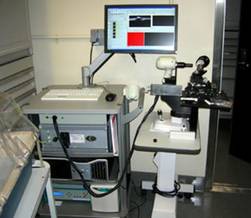
In 107 multiple sclerosis (MS) patients with a mean age of 44 years and median disease duration of 10 years who underwent biannual high-definition spectral-domain OCT with automated intraretinal segmentation for a mean of 46 months, and baseline and annual 3T magnetic resonance imaging including substructure volumetrics for a mean of 39 months, a significant association was seen over time between the rate of ganglion cell layer plus inner plexiform layer (GCIP) atrophy and the rate of whole brain atrophy (r = 0.45). The association was mainly driven by the relationship between GCIP thinning and cortical gray matter atrophy (r = 0.37), said Dr. Saidha of Johns Hopkins University, Baltimore.
"These results remained significant after correction for multiple comparisons, and they were verified by a number of additional statistical techniques," he said.
Adjustment was made for age, gender, MS subtype, disease duration, and history of optic neuritis.
With respect to subtype analyses, there also was a significant relationship between the rate of GCIP thinning and lesion accumulation (r = 0.30), and between the rate of inner nuclear layer (INL) atrophy and lesion accumulation (r = 0.28), in patients with relapsing-remitting MS. Thus, GCIP atrophy also mirrors lesion accumulation as well as brain atrophy (but to a lesser degree), and INL solely mirrors lesion accumulation and could also provide information regarding global inflammation, he said.
Additionally, the association between GCIP thinning and whole brain atrophy rate was stronger in patients with primary progressive MS (r = 0.54) – and particularly so in secondary progressive MS (r = 0.73) – than in those with relapsing-remitting MS (r = 0.33).
Optic neuritis in this study appeared to be relevant, he said, noting that with each of three sequential refinements for optic neuritis history (one model included all eyes with optic neuritis, one excluded all eyes with optic neuritis, and a third excluded all patients with any history of optic neuritis), a stepwise increase in the correlation between the rate of GCIP thinning and whole brain atrophy was seen.
"We did not observe a similar effect in secondary progressive MS. One possibility for this is that immediately following an optic neuritis event, you get this rapid disproportionate localized tissue injury which is sensitively captured with OCT, and the rate of brain change remains unchanged at that point. Then, as time goes on, the two rates (the rate of change in retinal and brain measures) may become realigned again in the future," he said.
The findings of this study are notable, because optic neuropathy is "virtually ubiquitous" as part of the MS disease process, with postmortem studies showing that up to 99% of patients have demyelinating plaques within their optic nerves at the time of death.
"The hypothesis is that demyelination within the optic nerve and/or transection of axons related to acute inflammation result in retrograde degeneration of the constituent fibers of the optic nerve," Dr. Saidha said, explaining that these fibers are derived from the innermost layer of the retina (the retinal fiber layer), that the axons are derived from the ganglion cell neurons from the ganglion cell layer, and that therefore, optical neuropathy results in atrophy of both the retinal nerve fiber and ganglion cell layers.
The majority of available studies looking at the relationship between OCT and brain substructure metrics have been cross-sectional, so a critically unanswered question is whether OCT really has utility in terms of tracking patients longitudinally.
"In other words, does atrophy or change within specific retinal layers parallel global concomitant neurodegeneration, which is really the principal correlate of disability in MS," he said, adding that the ways in which these relationships might vary by MS subtype has been "virtually unexplored."
Also, a history of optic neuritis has been shown on a cross-sectional level to potentially blunt or mask relationships between OCT measures and MRI, perhaps related to excessive localized tissue injury immediately following the optic neuritis; this raised the question of whether a history of optic neuritis is relevant to the interpretation of OCT measures over time for tracking patients.
"The results of this study suggest that GCIP atrophy ... really does mirror what’s happening globally as part of the MS disease process," he said, noting that it is among the first studies to show that over time, OCT probably does have utility in terms of tracking patients and providing information about both subclinical and clinical aspects of the disease process.
"This really cements and poises OCT as a potentially useful outcome measure in trials of putative neuroprotectants," he said, concluding that the results have far-reaching implications for the field of neurodegeneration in general, and that they could have profound implications if they are replicated in pure neurodegenerative disorders such as dementias.
Dr. Saidha reported that he has received consulting fees from Medical Logix for the development of CME programs in neurology, consulting fees from Axon Advisors, Educational Grant Support from Novartis and Teva Neurosciences, and speaking honoraria from the National Association of Managed Care Physicians.
BOSTON – Retinal changes over time mirror global central nervous system processes in patients with multiple sclerosis, according to findings from a longitudinal study comparing optical coherence tomography and magnetic resonance imaging findings.
The results validate optical coherence tomography (OCT) measures for both clinical monitoring of patients, and as an outcome measure in clinical trials, and could have implications that reach beyond MS, Dr. Shiv Saidha said at the joint meeting of the European and Americas committees for Treatment and Research in Multiple Sclerosis.
In 107 multiple sclerosis (MS) patients with a mean age of 44 years and median disease duration of 10 years who underwent biannual high-definition spectral-domain OCT with automated intraretinal segmentation for a mean of 46 months, and baseline and annual 3T magnetic resonance imaging including substructure volumetrics for a mean of 39 months, a significant association was seen over time between the rate of ganglion cell layer plus inner plexiform layer (GCIP) atrophy and the rate of whole brain atrophy (r = 0.45). The association was mainly driven by the relationship between GCIP thinning and cortical gray matter atrophy (r = 0.37), said Dr. Saidha of Johns Hopkins University, Baltimore.
"These results remained significant after correction for multiple comparisons, and they were verified by a number of additional statistical techniques," he said.
Adjustment was made for age, gender, MS subtype, disease duration, and history of optic neuritis.
With respect to subtype analyses, there also was a significant relationship between the rate of GCIP thinning and lesion accumulation (r = 0.30), and between the rate of inner nuclear layer (INL) atrophy and lesion accumulation (r = 0.28), in patients with relapsing-remitting MS. Thus, GCIP atrophy also mirrors lesion accumulation as well as brain atrophy (but to a lesser degree), and INL solely mirrors lesion accumulation and could also provide information regarding global inflammation, he said.
Additionally, the association between GCIP thinning and whole brain atrophy rate was stronger in patients with primary progressive MS (r = 0.54) – and particularly so in secondary progressive MS (r = 0.73) – than in those with relapsing-remitting MS (r = 0.33).
Optic neuritis in this study appeared to be relevant, he said, noting that with each of three sequential refinements for optic neuritis history (one model included all eyes with optic neuritis, one excluded all eyes with optic neuritis, and a third excluded all patients with any history of optic neuritis), a stepwise increase in the correlation between the rate of GCIP thinning and whole brain atrophy was seen.
"We did not observe a similar effect in secondary progressive MS. One possibility for this is that immediately following an optic neuritis event, you get this rapid disproportionate localized tissue injury which is sensitively captured with OCT, and the rate of brain change remains unchanged at that point. Then, as time goes on, the two rates (the rate of change in retinal and brain measures) may become realigned again in the future," he said.
The findings of this study are notable, because optic neuropathy is "virtually ubiquitous" as part of the MS disease process, with postmortem studies showing that up to 99% of patients have demyelinating plaques within their optic nerves at the time of death.
"The hypothesis is that demyelination within the optic nerve and/or transection of axons related to acute inflammation result in retrograde degeneration of the constituent fibers of the optic nerve," Dr. Saidha said, explaining that these fibers are derived from the innermost layer of the retina (the retinal fiber layer), that the axons are derived from the ganglion cell neurons from the ganglion cell layer, and that therefore, optical neuropathy results in atrophy of both the retinal nerve fiber and ganglion cell layers.
The majority of available studies looking at the relationship between OCT and brain substructure metrics have been cross-sectional, so a critically unanswered question is whether OCT really has utility in terms of tracking patients longitudinally.
"In other words, does atrophy or change within specific retinal layers parallel global concomitant neurodegeneration, which is really the principal correlate of disability in MS," he said, adding that the ways in which these relationships might vary by MS subtype has been "virtually unexplored."
Also, a history of optic neuritis has been shown on a cross-sectional level to potentially blunt or mask relationships between OCT measures and MRI, perhaps related to excessive localized tissue injury immediately following the optic neuritis; this raised the question of whether a history of optic neuritis is relevant to the interpretation of OCT measures over time for tracking patients.
"The results of this study suggest that GCIP atrophy ... really does mirror what’s happening globally as part of the MS disease process," he said, noting that it is among the first studies to show that over time, OCT probably does have utility in terms of tracking patients and providing information about both subclinical and clinical aspects of the disease process.
"This really cements and poises OCT as a potentially useful outcome measure in trials of putative neuroprotectants," he said, concluding that the results have far-reaching implications for the field of neurodegeneration in general, and that they could have profound implications if they are replicated in pure neurodegenerative disorders such as dementias.
Dr. Saidha reported that he has received consulting fees from Medical Logix for the development of CME programs in neurology, consulting fees from Axon Advisors, Educational Grant Support from Novartis and Teva Neurosciences, and speaking honoraria from the National Association of Managed Care Physicians.
BOSTON – Retinal changes over time mirror global central nervous system processes in patients with multiple sclerosis, according to findings from a longitudinal study comparing optical coherence tomography and magnetic resonance imaging findings.
The results validate optical coherence tomography (OCT) measures for both clinical monitoring of patients, and as an outcome measure in clinical trials, and could have implications that reach beyond MS, Dr. Shiv Saidha said at the joint meeting of the European and Americas committees for Treatment and Research in Multiple Sclerosis.
In 107 multiple sclerosis (MS) patients with a mean age of 44 years and median disease duration of 10 years who underwent biannual high-definition spectral-domain OCT with automated intraretinal segmentation for a mean of 46 months, and baseline and annual 3T magnetic resonance imaging including substructure volumetrics for a mean of 39 months, a significant association was seen over time between the rate of ganglion cell layer plus inner plexiform layer (GCIP) atrophy and the rate of whole brain atrophy (r = 0.45). The association was mainly driven by the relationship between GCIP thinning and cortical gray matter atrophy (r = 0.37), said Dr. Saidha of Johns Hopkins University, Baltimore.
"These results remained significant after correction for multiple comparisons, and they were verified by a number of additional statistical techniques," he said.
Adjustment was made for age, gender, MS subtype, disease duration, and history of optic neuritis.
With respect to subtype analyses, there also was a significant relationship between the rate of GCIP thinning and lesion accumulation (r = 0.30), and between the rate of inner nuclear layer (INL) atrophy and lesion accumulation (r = 0.28), in patients with relapsing-remitting MS. Thus, GCIP atrophy also mirrors lesion accumulation as well as brain atrophy (but to a lesser degree), and INL solely mirrors lesion accumulation and could also provide information regarding global inflammation, he said.
Additionally, the association between GCIP thinning and whole brain atrophy rate was stronger in patients with primary progressive MS (r = 0.54) – and particularly so in secondary progressive MS (r = 0.73) – than in those with relapsing-remitting MS (r = 0.33).
Optic neuritis in this study appeared to be relevant, he said, noting that with each of three sequential refinements for optic neuritis history (one model included all eyes with optic neuritis, one excluded all eyes with optic neuritis, and a third excluded all patients with any history of optic neuritis), a stepwise increase in the correlation between the rate of GCIP thinning and whole brain atrophy was seen.
"We did not observe a similar effect in secondary progressive MS. One possibility for this is that immediately following an optic neuritis event, you get this rapid disproportionate localized tissue injury which is sensitively captured with OCT, and the rate of brain change remains unchanged at that point. Then, as time goes on, the two rates (the rate of change in retinal and brain measures) may become realigned again in the future," he said.
The findings of this study are notable, because optic neuropathy is "virtually ubiquitous" as part of the MS disease process, with postmortem studies showing that up to 99% of patients have demyelinating plaques within their optic nerves at the time of death.
"The hypothesis is that demyelination within the optic nerve and/or transection of axons related to acute inflammation result in retrograde degeneration of the constituent fibers of the optic nerve," Dr. Saidha said, explaining that these fibers are derived from the innermost layer of the retina (the retinal fiber layer), that the axons are derived from the ganglion cell neurons from the ganglion cell layer, and that therefore, optical neuropathy results in atrophy of both the retinal nerve fiber and ganglion cell layers.
The majority of available studies looking at the relationship between OCT and brain substructure metrics have been cross-sectional, so a critically unanswered question is whether OCT really has utility in terms of tracking patients longitudinally.
"In other words, does atrophy or change within specific retinal layers parallel global concomitant neurodegeneration, which is really the principal correlate of disability in MS," he said, adding that the ways in which these relationships might vary by MS subtype has been "virtually unexplored."
Also, a history of optic neuritis has been shown on a cross-sectional level to potentially blunt or mask relationships between OCT measures and MRI, perhaps related to excessive localized tissue injury immediately following the optic neuritis; this raised the question of whether a history of optic neuritis is relevant to the interpretation of OCT measures over time for tracking patients.
"The results of this study suggest that GCIP atrophy ... really does mirror what’s happening globally as part of the MS disease process," he said, noting that it is among the first studies to show that over time, OCT probably does have utility in terms of tracking patients and providing information about both subclinical and clinical aspects of the disease process.
"This really cements and poises OCT as a potentially useful outcome measure in trials of putative neuroprotectants," he said, concluding that the results have far-reaching implications for the field of neurodegeneration in general, and that they could have profound implications if they are replicated in pure neurodegenerative disorders such as dementias.
Dr. Saidha reported that he has received consulting fees from Medical Logix for the development of CME programs in neurology, consulting fees from Axon Advisors, Educational Grant Support from Novartis and Teva Neurosciences, and speaking honoraria from the National Association of Managed Care Physicians.
AT MSBOSTON 2014
Key clinical point: Ganglion cell layer plus inner plexiform layer (GCIP) atrophy in multiple sclerosis patients can be tracked using optical coherence tomography to track disease progression.
Major finding: A significant association was seen over time between the rate of GCIP atrophy and the rate of whole brain atrophy (r = 0.45).
Data source: A 4-year longitudinal study involving 107 patients.
Disclosures: Dr. Saidha reported that he has received consulting fees from Medical Logix for the development of CME programs in neurology, consulting fees from Axon Advisors LLC, Educational Grant Support from Novartis and Teva Neurosciences, and speaking honoraria from the National Association of Managed Care Physicians.
VIDEO: Study gathers insights on effects of cognitive rehab in MS
BOSTON – Brain-training with a video game appears to improve cognitive abilities in multiple sclerosis patients with cognitive impairment by increasing thalamo-cortical connectivity in the brain, according to Dr. Laura De Giglio.
She and her colleagues at Sapienza University of Rome conducted functional MRI scans of patients before and after 8 weeks of using "Dr. Kawashima's Brain Training" video game and compared them against patients who had been assigned to a wait-list group in a small, pilot, randomized study. They found improvements in processing speed and some aspects of working memory that correlated with increased functional connectivity between the thalamus and parts of the cortex.
In a video interview at the joint meeting of the European and Americas Committees for Treatment and Research in Multiple Sclerosis, Dr. De Giglio explained the rationale behind the study and how it might be applied further.
The video associated with this article is no longer available on this site. Please view all of our videos on the MDedge YouTube channel
BOSTON – Brain-training with a video game appears to improve cognitive abilities in multiple sclerosis patients with cognitive impairment by increasing thalamo-cortical connectivity in the brain, according to Dr. Laura De Giglio.
She and her colleagues at Sapienza University of Rome conducted functional MRI scans of patients before and after 8 weeks of using "Dr. Kawashima's Brain Training" video game and compared them against patients who had been assigned to a wait-list group in a small, pilot, randomized study. They found improvements in processing speed and some aspects of working memory that correlated with increased functional connectivity between the thalamus and parts of the cortex.
In a video interview at the joint meeting of the European and Americas Committees for Treatment and Research in Multiple Sclerosis, Dr. De Giglio explained the rationale behind the study and how it might be applied further.
The video associated with this article is no longer available on this site. Please view all of our videos on the MDedge YouTube channel
BOSTON – Brain-training with a video game appears to improve cognitive abilities in multiple sclerosis patients with cognitive impairment by increasing thalamo-cortical connectivity in the brain, according to Dr. Laura De Giglio.
She and her colleagues at Sapienza University of Rome conducted functional MRI scans of patients before and after 8 weeks of using "Dr. Kawashima's Brain Training" video game and compared them against patients who had been assigned to a wait-list group in a small, pilot, randomized study. They found improvements in processing speed and some aspects of working memory that correlated with increased functional connectivity between the thalamus and parts of the cortex.
In a video interview at the joint meeting of the European and Americas Committees for Treatment and Research in Multiple Sclerosis, Dr. De Giglio explained the rationale behind the study and how it might be applied further.
The video associated with this article is no longer available on this site. Please view all of our videos on the MDedge YouTube channel
AT MSBOSTON 2014

Video game improved cognition, brain connectivity in MS patients
BOSTON – Multiple sclerosis patients with cognitive impairment who played a brain-training video game on a regular basis had significant improvement in cognitive test results that correlated with an increase in functional connectivity between the thalamus and cortex in a small, randomized pilot study.
The results of the study provide some preliminary evidence that improvement in measures of the functional connectivity between thalamic and cortical areas serve as the functional substrate underlying clinical recovery, Dr. Laura De Giglio said at the joint meeting of the European and Americas Committees for Treatment and Research in Multiple Sclerosis.

Dr. De Giglio and her associates at Sapienza University of Rome based the premise of the current study on their research team’s recent functional MRI study in MS patients with cognitive impairment, which indicated that worse performance on cognitive testing is associated with increased functional thalamo-cortical connectivity in the thalamic resting state network (Radiology 2014 June [doi:http://dx.doi.org/10.1148/radiol.14131688]). That association could be interpreted to mean that "there are some neuroplastic changes in the thalamic resting state in MS that are not able to fully compensate for tissue damage to prevent cognitive dysfunction," Dr. De Giglio said.
Given the success of recent studies in cognitive rehabilitation of MS patients with face-to-face, computer-assisted, and home-based treatments, she and her colleagues sought to understand how this might work by randomizing 24 patients with cognitive impairment to 8 weeks of training with the video game, "Dr. Kawashimas Brain Training," or to a wait-list group that later received the same training after the study period. Patients used the Italian version of the video game at home for 30 minutes per day, 5 days per week during an 8-week period; their compliance with its use was recorded on the console. The patients had a similar mean level of education (14 years), disease duration (13 years), and Expanded Disability Status score (2).
The investigators assessed attention, processing speed, and working memory before and after the video game training with the Paced Auditory Serial Addition Test (PASAT) with a 3-second pace (0-60, higher scores better), the Symbol Digit Modalities Test (SDMT; 0-110, higher scores better), and the Stroop Test (higher scores better) while patients underwent 3-Tesla functional MRI.
The investigators defined cognitive impairment as failure on at least one of the three neuropsychological tests, based on a score below the 10th percentile of normative data in the Italian population.
Mean scores improved significantly in the intervention group, compared with the wait-list group, on the PASAT (from 35.5 to 46.2 vs. from 32.64 to 36.60) and the Stroop Test (from 22.83 to 28.83 vs. from 24.43 to 25.36). The intervention led to numerically greater mean improvement on the SDMT, but the results were not statistically significant.
Improvement on the PASAT correlated with patterns of increased thalamic connectivity to the left superior temporal gyrus and bilateral locations in the lingual, fusiform, and pre-central gyri. On the Stroop Test, improvement was correlated with improved connectivity between the right angular and supramarginal gyri and the thalamus. Improvement on the SDMT was associated with increased thalamic connectivity to bilateral locations on the temporal, occipital, and lateral parietal cortex.
The investigators observed no relapses or worsening of Expanded Disability Status Scale scores in the patients.
Dr. De Giglio had nothing to disclose. Two coauthors had consulting or lecture fees from pharmaceutical companies marketing MS therapies.
BOSTON – Multiple sclerosis patients with cognitive impairment who played a brain-training video game on a regular basis had significant improvement in cognitive test results that correlated with an increase in functional connectivity between the thalamus and cortex in a small, randomized pilot study.
The results of the study provide some preliminary evidence that improvement in measures of the functional connectivity between thalamic and cortical areas serve as the functional substrate underlying clinical recovery, Dr. Laura De Giglio said at the joint meeting of the European and Americas Committees for Treatment and Research in Multiple Sclerosis.
Dr. De Giglio and her associates at Sapienza University of Rome based the premise of the current study on their research team’s recent functional MRI study in MS patients with cognitive impairment, which indicated that worse performance on cognitive testing is associated with increased functional thalamo-cortical connectivity in the thalamic resting state network (Radiology 2014 June [doi:http://dx.doi.org/10.1148/radiol.14131688]). That association could be interpreted to mean that "there are some neuroplastic changes in the thalamic resting state in MS that are not able to fully compensate for tissue damage to prevent cognitive dysfunction," Dr. De Giglio said.
Given the success of recent studies in cognitive rehabilitation of MS patients with face-to-face, computer-assisted, and home-based treatments, she and her colleagues sought to understand how this might work by randomizing 24 patients with cognitive impairment to 8 weeks of training with the video game, "Dr. Kawashimas Brain Training," or to a wait-list group that later received the same training after the study period. Patients used the Italian version of the video game at home for 30 minutes per day, 5 days per week during an 8-week period; their compliance with its use was recorded on the console. The patients had a similar mean level of education (14 years), disease duration (13 years), and Expanded Disability Status score (2).
The investigators assessed attention, processing speed, and working memory before and after the video game training with the Paced Auditory Serial Addition Test (PASAT) with a 3-second pace (0-60, higher scores better), the Symbol Digit Modalities Test (SDMT; 0-110, higher scores better), and the Stroop Test (higher scores better) while patients underwent 3-Tesla functional MRI.
The investigators defined cognitive impairment as failure on at least one of the three neuropsychological tests, based on a score below the 10th percentile of normative data in the Italian population.
Mean scores improved significantly in the intervention group, compared with the wait-list group, on the PASAT (from 35.5 to 46.2 vs. from 32.64 to 36.60) and the Stroop Test (from 22.83 to 28.83 vs. from 24.43 to 25.36). The intervention led to numerically greater mean improvement on the SDMT, but the results were not statistically significant.
Improvement on the PASAT correlated with patterns of increased thalamic connectivity to the left superior temporal gyrus and bilateral locations in the lingual, fusiform, and pre-central gyri. On the Stroop Test, improvement was correlated with improved connectivity between the right angular and supramarginal gyri and the thalamus. Improvement on the SDMT was associated with increased thalamic connectivity to bilateral locations on the temporal, occipital, and lateral parietal cortex.
The investigators observed no relapses or worsening of Expanded Disability Status Scale scores in the patients.
Dr. De Giglio had nothing to disclose. Two coauthors had consulting or lecture fees from pharmaceutical companies marketing MS therapies.
BOSTON – Multiple sclerosis patients with cognitive impairment who played a brain-training video game on a regular basis had significant improvement in cognitive test results that correlated with an increase in functional connectivity between the thalamus and cortex in a small, randomized pilot study.
The results of the study provide some preliminary evidence that improvement in measures of the functional connectivity between thalamic and cortical areas serve as the functional substrate underlying clinical recovery, Dr. Laura De Giglio said at the joint meeting of the European and Americas Committees for Treatment and Research in Multiple Sclerosis.
Dr. De Giglio and her associates at Sapienza University of Rome based the premise of the current study on their research team’s recent functional MRI study in MS patients with cognitive impairment, which indicated that worse performance on cognitive testing is associated with increased functional thalamo-cortical connectivity in the thalamic resting state network (Radiology 2014 June [doi:http://dx.doi.org/10.1148/radiol.14131688]). That association could be interpreted to mean that "there are some neuroplastic changes in the thalamic resting state in MS that are not able to fully compensate for tissue damage to prevent cognitive dysfunction," Dr. De Giglio said.
Given the success of recent studies in cognitive rehabilitation of MS patients with face-to-face, computer-assisted, and home-based treatments, she and her colleagues sought to understand how this might work by randomizing 24 patients with cognitive impairment to 8 weeks of training with the video game, "Dr. Kawashimas Brain Training," or to a wait-list group that later received the same training after the study period. Patients used the Italian version of the video game at home for 30 minutes per day, 5 days per week during an 8-week period; their compliance with its use was recorded on the console. The patients had a similar mean level of education (14 years), disease duration (13 years), and Expanded Disability Status score (2).
The investigators assessed attention, processing speed, and working memory before and after the video game training with the Paced Auditory Serial Addition Test (PASAT) with a 3-second pace (0-60, higher scores better), the Symbol Digit Modalities Test (SDMT; 0-110, higher scores better), and the Stroop Test (higher scores better) while patients underwent 3-Tesla functional MRI.
The investigators defined cognitive impairment as failure on at least one of the three neuropsychological tests, based on a score below the 10th percentile of normative data in the Italian population.
Mean scores improved significantly in the intervention group, compared with the wait-list group, on the PASAT (from 35.5 to 46.2 vs. from 32.64 to 36.60) and the Stroop Test (from 22.83 to 28.83 vs. from 24.43 to 25.36). The intervention led to numerically greater mean improvement on the SDMT, but the results were not statistically significant.
Improvement on the PASAT correlated with patterns of increased thalamic connectivity to the left superior temporal gyrus and bilateral locations in the lingual, fusiform, and pre-central gyri. On the Stroop Test, improvement was correlated with improved connectivity between the right angular and supramarginal gyri and the thalamus. Improvement on the SDMT was associated with increased thalamic connectivity to bilateral locations on the temporal, occipital, and lateral parietal cortex.
The investigators observed no relapses or worsening of Expanded Disability Status Scale scores in the patients.
Dr. De Giglio had nothing to disclose. Two coauthors had consulting or lecture fees from pharmaceutical companies marketing MS therapies.
AT MSBOSTON 2014
Key clinical point: Regular use of a brain training video game focusing on attention, processing speed, and working memory led to improvement on cognitive tests that correlated with increased connections between the thalamus and the cortex.
Major finding: Mean scores improved significantly in the intervention group, compared with the wait-list group, on the PASAT (from 35.5 to 46.2 vs. from 32.64 to 36.60) and the Stroop Test (from 22.83 to 28.83 vs. from 24.43 to 25.36).
Data source: A randomized, wait-list controlled, pilot study of 24 MS patients with cognitive impairment.
Disclosures: Dr. De Giglio had nothing to disclose. Two coauthors had consulting or lecture fees from pharmaceutical companies marketing MS therapies.

New insights gained in PML risk stratification, detection, pathogenesis
As powerful new drugs enter the market for the treatment of multiple sclerosis, methods are emerging for stratifying patients’ risk of progressive multifocal leukoencephalopathy.
Researchers are looking to immunosuppressive history and specific biomarkers to detect progressive multifocal leukoencephalopathy (PML) in its early stages. Also, they are gaining a better understanding of PML’s pathogenesis. At the joint meeting of the European and Americas Committees for Treatment and Research in Multiple Sclerosis in Boston, researchers will discuss each of these areas.
PML risk stratification
Two recently developed methods for determining a patient’s risk for PML while taking natalizumab – an anti–JC virus antibody index greater than 0.9 and a finding of less than 21.6% of CD4-positive T cells with l-selectin (CD62L) – may be best used for risk stratification when patients’ previous immunosuppressive drug use is known, according to research that Dr. Heinz Wiendl of the University of Münster in Germany will present Sept. 11. He and his colleagues’ analysis of nearly 2,000 natalizumab-treated MS patients found a statistical correlation between the anti-JCV antibody index and CD62L that existed only in patients who had previously been on immunosuppression. In addition, there was a stronger correlation between CD62L values and treatment duration in patients with previous immunosuppression, "suggesting CD62L as a first biological marker explaining why [previously immunosuppressed] patients are at higher risk to develop PML over time," the investigators wrote in their abstract.
Diagnosing PML regardless of etiology
A hypointense T2* band at the gray-white junction with variable thickness that at least partially encompasses the characteristic PML lesion sign of asymmetric hyperintensities on T2*-weight imaging may be helpful in detecting PML irrespective of the underlying etiology, according to new research from the National Institute of Neurological Disorders and Stroke that will be presented during the same session on Sept. 11. Dr. Varun Sethi and his colleagues at NINDS used a 3-T scanner to evaluate nine PML patients, including four with natalizumab-treated MS, two with lymphoma, one with idiopathic low CD4 T-cell count, and two with HIV infection. The band was never seen in association with preexisting MS lesions and had a tendency to spread over time in the five patients who had an additional scan 1-7 months after the first scan.
Insight into JC virus reactivation
On Sept. 11, Dr. Spyridon Chalkias of Beth Israel Deaconess Medical Center, Boston, will describe a study he led that provides further insight into how JC virus is reactivated in patients taking natalizumab, which has a mechanism of action that prevents trafficking of leukocytes out of the bloodstream. Dr. Chalkias and his colleagues found that JCV-seropositive patients taking natalizumab could be clinically asymptomatic and free of radiographic findings of PML despite evidence of JCV reactivation in the cerebrospinal fluid or in specific leukocyte populations. The researchers enrolled 43 JCV-seropositive MS patients, including 32 on natalizumab monotherapy for greater than 18 months, 6 on interferon beta-1a monotherapy for greater than 36 months, and 5 untreated controls. Of 27 natalizumab-treated patients who were asymptomatic and MRI-negative for PML, 2 had JCV DNA detected in their cerebrospinal fluid. Overall, the investigators found JCV DNA in the blood of 12 (28%) of the 43 patients. The two natalizumab-treated patients with JCV DNA in CSF did not have JCV DNA in blood or urine; however, the investigators detected JCV-specific CD4-positive T cells ex vivo more frequently in natalizumab-treated patients who were viremic, and in vitro stimulation led to more frequent detection of JCV-specific CD4-positive T cells than of CD8-positive T cells, indicating that "viremia might trigger a JCV-specific CD4-positive mediated response."
PML after natalizumab switchover to fingolimod
An analysis of a Novartis safety reporting database for fingolimod points to no new risk for PML that can be attributed to the drug, although 11 new cases have been reported in patients who switched from natalizumab to fingolimod. The study, to be presented by Dr. Norman Putzki of Novartis on Sept. 12, is based on 135,800 patient-years of fingolimod exposure in MS patients through February 2014. About 15%-20% of patients in the database had previously been on natalizumab. The 11 natalizumab-associated PML cases have been reported following 4 years’ mean duration of natalizumab use, and in all cases the onset of PML was either confirmed prior to the switch (in retrospect) or occurred within 6 months after the switch to fingolimod. In one additional case, a patient who had not been exposed to natalizumab was reported to have PML after 7 months of fingolimod treatment based on the results of a low JCV copy number in cerebrospinal fluid, but it was later determined that the patient’s clinical features and MRI evolution were consistent with neuromyelitis optica.
As powerful new drugs enter the market for the treatment of multiple sclerosis, methods are emerging for stratifying patients’ risk of progressive multifocal leukoencephalopathy.
Researchers are looking to immunosuppressive history and specific biomarkers to detect progressive multifocal leukoencephalopathy (PML) in its early stages. Also, they are gaining a better understanding of PML’s pathogenesis. At the joint meeting of the European and Americas Committees for Treatment and Research in Multiple Sclerosis in Boston, researchers will discuss each of these areas.
PML risk stratification
Two recently developed methods for determining a patient’s risk for PML while taking natalizumab – an anti–JC virus antibody index greater than 0.9 and a finding of less than 21.6% of CD4-positive T cells with l-selectin (CD62L) – may be best used for risk stratification when patients’ previous immunosuppressive drug use is known, according to research that Dr. Heinz Wiendl of the University of Münster in Germany will present Sept. 11. He and his colleagues’ analysis of nearly 2,000 natalizumab-treated MS patients found a statistical correlation between the anti-JCV antibody index and CD62L that existed only in patients who had previously been on immunosuppression. In addition, there was a stronger correlation between CD62L values and treatment duration in patients with previous immunosuppression, "suggesting CD62L as a first biological marker explaining why [previously immunosuppressed] patients are at higher risk to develop PML over time," the investigators wrote in their abstract.
Diagnosing PML regardless of etiology
A hypointense T2* band at the gray-white junction with variable thickness that at least partially encompasses the characteristic PML lesion sign of asymmetric hyperintensities on T2*-weight imaging may be helpful in detecting PML irrespective of the underlying etiology, according to new research from the National Institute of Neurological Disorders and Stroke that will be presented during the same session on Sept. 11. Dr. Varun Sethi and his colleagues at NINDS used a 3-T scanner to evaluate nine PML patients, including four with natalizumab-treated MS, two with lymphoma, one with idiopathic low CD4 T-cell count, and two with HIV infection. The band was never seen in association with preexisting MS lesions and had a tendency to spread over time in the five patients who had an additional scan 1-7 months after the first scan.
Insight into JC virus reactivation
On Sept. 11, Dr. Spyridon Chalkias of Beth Israel Deaconess Medical Center, Boston, will describe a study he led that provides further insight into how JC virus is reactivated in patients taking natalizumab, which has a mechanism of action that prevents trafficking of leukocytes out of the bloodstream. Dr. Chalkias and his colleagues found that JCV-seropositive patients taking natalizumab could be clinically asymptomatic and free of radiographic findings of PML despite evidence of JCV reactivation in the cerebrospinal fluid or in specific leukocyte populations. The researchers enrolled 43 JCV-seropositive MS patients, including 32 on natalizumab monotherapy for greater than 18 months, 6 on interferon beta-1a monotherapy for greater than 36 months, and 5 untreated controls. Of 27 natalizumab-treated patients who were asymptomatic and MRI-negative for PML, 2 had JCV DNA detected in their cerebrospinal fluid. Overall, the investigators found JCV DNA in the blood of 12 (28%) of the 43 patients. The two natalizumab-treated patients with JCV DNA in CSF did not have JCV DNA in blood or urine; however, the investigators detected JCV-specific CD4-positive T cells ex vivo more frequently in natalizumab-treated patients who were viremic, and in vitro stimulation led to more frequent detection of JCV-specific CD4-positive T cells than of CD8-positive T cells, indicating that "viremia might trigger a JCV-specific CD4-positive mediated response."
PML after natalizumab switchover to fingolimod
An analysis of a Novartis safety reporting database for fingolimod points to no new risk for PML that can be attributed to the drug, although 11 new cases have been reported in patients who switched from natalizumab to fingolimod. The study, to be presented by Dr. Norman Putzki of Novartis on Sept. 12, is based on 135,800 patient-years of fingolimod exposure in MS patients through February 2014. About 15%-20% of patients in the database had previously been on natalizumab. The 11 natalizumab-associated PML cases have been reported following 4 years’ mean duration of natalizumab use, and in all cases the onset of PML was either confirmed prior to the switch (in retrospect) or occurred within 6 months after the switch to fingolimod. In one additional case, a patient who had not been exposed to natalizumab was reported to have PML after 7 months of fingolimod treatment based on the results of a low JCV copy number in cerebrospinal fluid, but it was later determined that the patient’s clinical features and MRI evolution were consistent with neuromyelitis optica.
As powerful new drugs enter the market for the treatment of multiple sclerosis, methods are emerging for stratifying patients’ risk of progressive multifocal leukoencephalopathy.
Researchers are looking to immunosuppressive history and specific biomarkers to detect progressive multifocal leukoencephalopathy (PML) in its early stages. Also, they are gaining a better understanding of PML’s pathogenesis. At the joint meeting of the European and Americas Committees for Treatment and Research in Multiple Sclerosis in Boston, researchers will discuss each of these areas.
PML risk stratification
Two recently developed methods for determining a patient’s risk for PML while taking natalizumab – an anti–JC virus antibody index greater than 0.9 and a finding of less than 21.6% of CD4-positive T cells with l-selectin (CD62L) – may be best used for risk stratification when patients’ previous immunosuppressive drug use is known, according to research that Dr. Heinz Wiendl of the University of Münster in Germany will present Sept. 11. He and his colleagues’ analysis of nearly 2,000 natalizumab-treated MS patients found a statistical correlation between the anti-JCV antibody index and CD62L that existed only in patients who had previously been on immunosuppression. In addition, there was a stronger correlation between CD62L values and treatment duration in patients with previous immunosuppression, "suggesting CD62L as a first biological marker explaining why [previously immunosuppressed] patients are at higher risk to develop PML over time," the investigators wrote in their abstract.
Diagnosing PML regardless of etiology
A hypointense T2* band at the gray-white junction with variable thickness that at least partially encompasses the characteristic PML lesion sign of asymmetric hyperintensities on T2*-weight imaging may be helpful in detecting PML irrespective of the underlying etiology, according to new research from the National Institute of Neurological Disorders and Stroke that will be presented during the same session on Sept. 11. Dr. Varun Sethi and his colleagues at NINDS used a 3-T scanner to evaluate nine PML patients, including four with natalizumab-treated MS, two with lymphoma, one with idiopathic low CD4 T-cell count, and two with HIV infection. The band was never seen in association with preexisting MS lesions and had a tendency to spread over time in the five patients who had an additional scan 1-7 months after the first scan.
Insight into JC virus reactivation
On Sept. 11, Dr. Spyridon Chalkias of Beth Israel Deaconess Medical Center, Boston, will describe a study he led that provides further insight into how JC virus is reactivated in patients taking natalizumab, which has a mechanism of action that prevents trafficking of leukocytes out of the bloodstream. Dr. Chalkias and his colleagues found that JCV-seropositive patients taking natalizumab could be clinically asymptomatic and free of radiographic findings of PML despite evidence of JCV reactivation in the cerebrospinal fluid or in specific leukocyte populations. The researchers enrolled 43 JCV-seropositive MS patients, including 32 on natalizumab monotherapy for greater than 18 months, 6 on interferon beta-1a monotherapy for greater than 36 months, and 5 untreated controls. Of 27 natalizumab-treated patients who were asymptomatic and MRI-negative for PML, 2 had JCV DNA detected in their cerebrospinal fluid. Overall, the investigators found JCV DNA in the blood of 12 (28%) of the 43 patients. The two natalizumab-treated patients with JCV DNA in CSF did not have JCV DNA in blood or urine; however, the investigators detected JCV-specific CD4-positive T cells ex vivo more frequently in natalizumab-treated patients who were viremic, and in vitro stimulation led to more frequent detection of JCV-specific CD4-positive T cells than of CD8-positive T cells, indicating that "viremia might trigger a JCV-specific CD4-positive mediated response."
PML after natalizumab switchover to fingolimod
An analysis of a Novartis safety reporting database for fingolimod points to no new risk for PML that can be attributed to the drug, although 11 new cases have been reported in patients who switched from natalizumab to fingolimod. The study, to be presented by Dr. Norman Putzki of Novartis on Sept. 12, is based on 135,800 patient-years of fingolimod exposure in MS patients through February 2014. About 15%-20% of patients in the database had previously been on natalizumab. The 11 natalizumab-associated PML cases have been reported following 4 years’ mean duration of natalizumab use, and in all cases the onset of PML was either confirmed prior to the switch (in retrospect) or occurred within 6 months after the switch to fingolimod. In one additional case, a patient who had not been exposed to natalizumab was reported to have PML after 7 months of fingolimod treatment based on the results of a low JCV copy number in cerebrospinal fluid, but it was later determined that the patient’s clinical features and MRI evolution were consistent with neuromyelitis optica.
FROM MSBOSTON 2014
Generic glatiramer acetate has similar safety, efficacy to Copaxone
Generic glatiramer acetate provided reductions in gadolinium-enhancing lesions and annualized relapse rate that were similar to the brand-name version of the drug, Copaxone, in patients with relapsing-remitting multiple sclerosis without any additional safety concerns in a phase III trial.
The combined number of gadolinium-enhancing lesions over months 7, 8, and 9 of the 9-month, double-blind, placebo-controlled, randomized GATE trial, sponsored by Synthon BV, served as the primary endpoint and indicated equivalent efficacy based on the predefined equivalence margin for the ratio of new lesions between generic glatiramer acetate and Copaxone in the study of 794 total patients. Both drugs reduced the number of new lesions, compared with placebo. The annualized relapse rates were comparable across all the groups: 0.31 (generic glatiramer acetate), 0.41 (Copaxone), and 0.39 (placebo).

The active treatment groups had similar incidence, spectrum, and severity of reported adverse events, including injection site reactions. Dr. Jeffrey A. Cohen, director of the experimental therapeutics program at the Cleveland Clinic’s Mellen Center for Multiple Sclerosis Treatment and Research, will report the results on Sept. 12 at the joint meeting of the European and Americas Committees for Treatment and Research in Multiple Sclerosis in Boston.
On Sept. 11, Dr. Cohen also will speak about the need for generic equivalents to drugs that will soon be coming off patent protection. Although there is great potential for "cost savings to patients and third-party payers based on the more limited testing required for approval and resultant reduced development costs," Dr. Cohen wrote in his abstract that there are many difficulties in the process of developing these generics. As is the case for the highly complex peptide mixture that constitutes glatiramer acetate, interferons or monoclonal antibodies are biologics with highly complex chemical structures whose properties are vulnerable to changes on many levels that are difficult to predict without thorough testing. However, it will probably be necessary for developers to use more sensitive biologic markers of drug response, such as MRI, that have been previously well characterized for the original innovator product, as well as trials that use new designs and statistical analyses, he wrote.
Generic glatiramer acetate provided reductions in gadolinium-enhancing lesions and annualized relapse rate that were similar to the brand-name version of the drug, Copaxone, in patients with relapsing-remitting multiple sclerosis without any additional safety concerns in a phase III trial.
The combined number of gadolinium-enhancing lesions over months 7, 8, and 9 of the 9-month, double-blind, placebo-controlled, randomized GATE trial, sponsored by Synthon BV, served as the primary endpoint and indicated equivalent efficacy based on the predefined equivalence margin for the ratio of new lesions between generic glatiramer acetate and Copaxone in the study of 794 total patients. Both drugs reduced the number of new lesions, compared with placebo. The annualized relapse rates were comparable across all the groups: 0.31 (generic glatiramer acetate), 0.41 (Copaxone), and 0.39 (placebo).
The active treatment groups had similar incidence, spectrum, and severity of reported adverse events, including injection site reactions. Dr. Jeffrey A. Cohen, director of the experimental therapeutics program at the Cleveland Clinic’s Mellen Center for Multiple Sclerosis Treatment and Research, will report the results on Sept. 12 at the joint meeting of the European and Americas Committees for Treatment and Research in Multiple Sclerosis in Boston.
On Sept. 11, Dr. Cohen also will speak about the need for generic equivalents to drugs that will soon be coming off patent protection. Although there is great potential for "cost savings to patients and third-party payers based on the more limited testing required for approval and resultant reduced development costs," Dr. Cohen wrote in his abstract that there are many difficulties in the process of developing these generics. As is the case for the highly complex peptide mixture that constitutes glatiramer acetate, interferons or monoclonal antibodies are biologics with highly complex chemical structures whose properties are vulnerable to changes on many levels that are difficult to predict without thorough testing. However, it will probably be necessary for developers to use more sensitive biologic markers of drug response, such as MRI, that have been previously well characterized for the original innovator product, as well as trials that use new designs and statistical analyses, he wrote.
Generic glatiramer acetate provided reductions in gadolinium-enhancing lesions and annualized relapse rate that were similar to the brand-name version of the drug, Copaxone, in patients with relapsing-remitting multiple sclerosis without any additional safety concerns in a phase III trial.
The combined number of gadolinium-enhancing lesions over months 7, 8, and 9 of the 9-month, double-blind, placebo-controlled, randomized GATE trial, sponsored by Synthon BV, served as the primary endpoint and indicated equivalent efficacy based on the predefined equivalence margin for the ratio of new lesions between generic glatiramer acetate and Copaxone in the study of 794 total patients. Both drugs reduced the number of new lesions, compared with placebo. The annualized relapse rates were comparable across all the groups: 0.31 (generic glatiramer acetate), 0.41 (Copaxone), and 0.39 (placebo).
The active treatment groups had similar incidence, spectrum, and severity of reported adverse events, including injection site reactions. Dr. Jeffrey A. Cohen, director of the experimental therapeutics program at the Cleveland Clinic’s Mellen Center for Multiple Sclerosis Treatment and Research, will report the results on Sept. 12 at the joint meeting of the European and Americas Committees for Treatment and Research in Multiple Sclerosis in Boston.
On Sept. 11, Dr. Cohen also will speak about the need for generic equivalents to drugs that will soon be coming off patent protection. Although there is great potential for "cost savings to patients and third-party payers based on the more limited testing required for approval and resultant reduced development costs," Dr. Cohen wrote in his abstract that there are many difficulties in the process of developing these generics. As is the case for the highly complex peptide mixture that constitutes glatiramer acetate, interferons or monoclonal antibodies are biologics with highly complex chemical structures whose properties are vulnerable to changes on many levels that are difficult to predict without thorough testing. However, it will probably be necessary for developers to use more sensitive biologic markers of drug response, such as MRI, that have been previously well characterized for the original innovator product, as well as trials that use new designs and statistical analyses, he wrote.
FROM MSBOSTON 2014

Thalamic abnormalities lie at heart of cognitive impairment in MS
Cognitive impairment continues to be a growing area of research in patients with multiple sclerosis, and the scientific program of the joint meeting of the European and Americas committees for Treatment and Research in Multiple Sclerosis has plenty to offer.
In the first young investigators session on Sept. 10, a multicenter study will provide evidence in support of the view that regional thalamic structural connectivity abnormalities play a significant role in cognitive impairment in relapsing-remitting MS patients. Dr. Alvino Bisecco of Vita-Salute San Raffaele University in Milan, Italy, and his colleagues will show that particular patterns of damage to gray matter (viewed as increased fractional anisotropy on diffusion tensor MR imaging) and to white matter (decreased fractional anisotropy) in thalamic subregions contributes to cognitive impairment in MS, compared with patterns observed in healthy control patients.
Another group, led by Dr. Prejaas Tewarie of VU University Medical Center in Amsterdam also will report on Sept. 11 evidence linking thalamic atrophy with disrupted cortical function in MS patients with cognitive impairment. Dr. Tewarie will present data indicating that in MS patients, reduced thalamic volume on MRI is positively associated with a shift in functional network topology between the thalamus and cortex on magnetoencephalography and increased thalamocortical functional connectivity, compared with healthy controls, that proved to be associated with worse cognition and functional status on the Kurtzke Expanded Disability Status Scale.
However, these abnormalities in thalamic functional connectivity could be treated with a brain-training video game, according to a study also to be presented at the first young investigators session on Sept. 10. An 8-week training period in patients who had failing results on at least one cognitive test led to improved test results and a significantly changed pattern of thalamocortical resting-state functional connectivity on MRI, when compared with a wait-list control group. Lead investigator Dr. Laura De Giglio and her associates at Sapienza University of Rome had previously shown that thalamocortical resting-state functional connectivity is disrupted in MS.
During the Sept. 11 hot topics session on symptomatic and rehabilitation strategies, Dr. Maria Pia Amato of the University of Florence (Italy) will review promising results coming from well-designed studies involving behavioral treatment and computerized training, as well as findings from other interventions on cognition, including modest improvement with interferon treatments in patients with relapsing-remitting disease and negative or inconsistent results seen with symptomatic therapies.
Finally, in the second young investigators session on Sept. 10, a unique study will reveal how patients with pediatric-onset and adult-onset relapsing-remitting MS appear to have similar cognitive outcomes at the same age in young adulthood. At mean ages of about 26-27 years in patients who were matched for level of education and physical disability, there were similar mean scores on neuropsychological tests, similar numbers of failed tests, and no difference in the percentage of patients classified as cognitively impaired (14% among pediatric-onset and 27% for adult-onset disease), according to data that will be presented by Dr. Bahia Hakiki of the University of Florence. Because "disease onset in a period of active brain growth and maturation may render pediatric-onset subjects more vulnerable to cognitive issues, our findings suggest good compensatory/recovery abilities in these subjects, possibly related with enhanced brain plasticity in early life," Dr. Hakiki and colleagues wrote.
Cognitive impairment continues to be a growing area of research in patients with multiple sclerosis, and the scientific program of the joint meeting of the European and Americas committees for Treatment and Research in Multiple Sclerosis has plenty to offer.
In the first young investigators session on Sept. 10, a multicenter study will provide evidence in support of the view that regional thalamic structural connectivity abnormalities play a significant role in cognitive impairment in relapsing-remitting MS patients. Dr. Alvino Bisecco of Vita-Salute San Raffaele University in Milan, Italy, and his colleagues will show that particular patterns of damage to gray matter (viewed as increased fractional anisotropy on diffusion tensor MR imaging) and to white matter (decreased fractional anisotropy) in thalamic subregions contributes to cognitive impairment in MS, compared with patterns observed in healthy control patients.
Another group, led by Dr. Prejaas Tewarie of VU University Medical Center in Amsterdam also will report on Sept. 11 evidence linking thalamic atrophy with disrupted cortical function in MS patients with cognitive impairment. Dr. Tewarie will present data indicating that in MS patients, reduced thalamic volume on MRI is positively associated with a shift in functional network topology between the thalamus and cortex on magnetoencephalography and increased thalamocortical functional connectivity, compared with healthy controls, that proved to be associated with worse cognition and functional status on the Kurtzke Expanded Disability Status Scale.
However, these abnormalities in thalamic functional connectivity could be treated with a brain-training video game, according to a study also to be presented at the first young investigators session on Sept. 10. An 8-week training period in patients who had failing results on at least one cognitive test led to improved test results and a significantly changed pattern of thalamocortical resting-state functional connectivity on MRI, when compared with a wait-list control group. Lead investigator Dr. Laura De Giglio and her associates at Sapienza University of Rome had previously shown that thalamocortical resting-state functional connectivity is disrupted in MS.
During the Sept. 11 hot topics session on symptomatic and rehabilitation strategies, Dr. Maria Pia Amato of the University of Florence (Italy) will review promising results coming from well-designed studies involving behavioral treatment and computerized training, as well as findings from other interventions on cognition, including modest improvement with interferon treatments in patients with relapsing-remitting disease and negative or inconsistent results seen with symptomatic therapies.
Finally, in the second young investigators session on Sept. 10, a unique study will reveal how patients with pediatric-onset and adult-onset relapsing-remitting MS appear to have similar cognitive outcomes at the same age in young adulthood. At mean ages of about 26-27 years in patients who were matched for level of education and physical disability, there were similar mean scores on neuropsychological tests, similar numbers of failed tests, and no difference in the percentage of patients classified as cognitively impaired (14% among pediatric-onset and 27% for adult-onset disease), according to data that will be presented by Dr. Bahia Hakiki of the University of Florence. Because "disease onset in a period of active brain growth and maturation may render pediatric-onset subjects more vulnerable to cognitive issues, our findings suggest good compensatory/recovery abilities in these subjects, possibly related with enhanced brain plasticity in early life," Dr. Hakiki and colleagues wrote.
Cognitive impairment continues to be a growing area of research in patients with multiple sclerosis, and the scientific program of the joint meeting of the European and Americas committees for Treatment and Research in Multiple Sclerosis has plenty to offer.
In the first young investigators session on Sept. 10, a multicenter study will provide evidence in support of the view that regional thalamic structural connectivity abnormalities play a significant role in cognitive impairment in relapsing-remitting MS patients. Dr. Alvino Bisecco of Vita-Salute San Raffaele University in Milan, Italy, and his colleagues will show that particular patterns of damage to gray matter (viewed as increased fractional anisotropy on diffusion tensor MR imaging) and to white matter (decreased fractional anisotropy) in thalamic subregions contributes to cognitive impairment in MS, compared with patterns observed in healthy control patients.
Another group, led by Dr. Prejaas Tewarie of VU University Medical Center in Amsterdam also will report on Sept. 11 evidence linking thalamic atrophy with disrupted cortical function in MS patients with cognitive impairment. Dr. Tewarie will present data indicating that in MS patients, reduced thalamic volume on MRI is positively associated with a shift in functional network topology between the thalamus and cortex on magnetoencephalography and increased thalamocortical functional connectivity, compared with healthy controls, that proved to be associated with worse cognition and functional status on the Kurtzke Expanded Disability Status Scale.
However, these abnormalities in thalamic functional connectivity could be treated with a brain-training video game, according to a study also to be presented at the first young investigators session on Sept. 10. An 8-week training period in patients who had failing results on at least one cognitive test led to improved test results and a significantly changed pattern of thalamocortical resting-state functional connectivity on MRI, when compared with a wait-list control group. Lead investigator Dr. Laura De Giglio and her associates at Sapienza University of Rome had previously shown that thalamocortical resting-state functional connectivity is disrupted in MS.
During the Sept. 11 hot topics session on symptomatic and rehabilitation strategies, Dr. Maria Pia Amato of the University of Florence (Italy) will review promising results coming from well-designed studies involving behavioral treatment and computerized training, as well as findings from other interventions on cognition, including modest improvement with interferon treatments in patients with relapsing-remitting disease and negative or inconsistent results seen with symptomatic therapies.
Finally, in the second young investigators session on Sept. 10, a unique study will reveal how patients with pediatric-onset and adult-onset relapsing-remitting MS appear to have similar cognitive outcomes at the same age in young adulthood. At mean ages of about 26-27 years in patients who were matched for level of education and physical disability, there were similar mean scores on neuropsychological tests, similar numbers of failed tests, and no difference in the percentage of patients classified as cognitively impaired (14% among pediatric-onset and 27% for adult-onset disease), according to data that will be presented by Dr. Bahia Hakiki of the University of Florence. Because "disease onset in a period of active brain growth and maturation may render pediatric-onset subjects more vulnerable to cognitive issues, our findings suggest good compensatory/recovery abilities in these subjects, possibly related with enhanced brain plasticity in early life," Dr. Hakiki and colleagues wrote.
FROM MSBOSTON 2014
Can Lesion Volume and Brain Atrophy Predict Outcomes in Early MS?
Baseline MRI measures of lesion volume and brain atrophy predict distinct long-term clinical changes in patients with early multiple sclerosis (MS), according to a small study published online ahead of print July 23 in Multiple Sclerosis and Related Disorders.
The study identified several interesting potential biomarkers that are strongly associated with clinical worsening in early MS, said Amir-Hadi Maghzi, MD, postdoctoral research fellow at the University of California, San Francisco, and his associates.
The study included 43 patients with early MS, of whom 22 completed the three-year assessment. The patients had participated in a randomized, double-blind, placebo-controlled trial at two centers that assessed the possible neuroprotective effects of riluzole in combination with intramuscular interferon beta-1a. T2 lesion volume, as measured on MRI, significantly predicted longitudinal changes in the Paced Auditory Serial Addition Test, the authors reported.
In addition, three baseline measures of atrophy—brain parenchymal volume and normal-appearing white and gray matter volumes—predicted longitudinal changes in the MS Functional Composite score and the Timed 25-Foot Walk. The different findings for lesion and brain volume could reflect distinct disease processes, said the investigators.
Dr. Maghzi and his colleagues calculated longitudinal changes in brain volume by using the Structural Image Evaluation Using Normalization of Atrophy analysis. The researchers counted T2 and contrast-enhancing lesions by visualizing T2 and T1 images simultaneously before and after enhancement. Most MRI measures did not correlate with clinical outcomes at baseline, the researchers noted.
In longitudinal analyses, every 1% decrease in brain volume was associated with a 1.14-point decrease on the Symbol Digit Modalities Test (SDMT). For patients with MS, a four- to five-point decrease in SDMT score is associated with job loss, according to the authors. For every 1% decrease in brain volume, low-contrast letter acuity also declined by an average of nearly 1.5 letters, the investigators said.
—Amy Karon
Suggested Reading
Giannetti P, Politis M, Su P, et al. Microglia activation in multiple sclerosis black holes predicts outcome in progressive patients: an in vivo [(11)C](R)-PK11195-PET pilot study. Neurobiol Dis. 2014;65:203-210.
Temel S, Keklikoglu HD, Vural G, et al. Diffusion tensor magnetic resonance imaging in patients with multiple sclerosis and its relationship with disability. Neuroradiol J. 2013;26(1):3-17.
Baseline MRI measures of lesion volume and brain atrophy predict distinct long-term clinical changes in patients with early multiple sclerosis (MS), according to a small study published online ahead of print July 23 in Multiple Sclerosis and Related Disorders.
The study identified several interesting potential biomarkers that are strongly associated with clinical worsening in early MS, said Amir-Hadi Maghzi, MD, postdoctoral research fellow at the University of California, San Francisco, and his associates.
The study included 43 patients with early MS, of whom 22 completed the three-year assessment. The patients had participated in a randomized, double-blind, placebo-controlled trial at two centers that assessed the possible neuroprotective effects of riluzole in combination with intramuscular interferon beta-1a. T2 lesion volume, as measured on MRI, significantly predicted longitudinal changes in the Paced Auditory Serial Addition Test, the authors reported.
In addition, three baseline measures of atrophy—brain parenchymal volume and normal-appearing white and gray matter volumes—predicted longitudinal changes in the MS Functional Composite score and the Timed 25-Foot Walk. The different findings for lesion and brain volume could reflect distinct disease processes, said the investigators.
Dr. Maghzi and his colleagues calculated longitudinal changes in brain volume by using the Structural Image Evaluation Using Normalization of Atrophy analysis. The researchers counted T2 and contrast-enhancing lesions by visualizing T2 and T1 images simultaneously before and after enhancement. Most MRI measures did not correlate with clinical outcomes at baseline, the researchers noted.
In longitudinal analyses, every 1% decrease in brain volume was associated with a 1.14-point decrease on the Symbol Digit Modalities Test (SDMT). For patients with MS, a four- to five-point decrease in SDMT score is associated with job loss, according to the authors. For every 1% decrease in brain volume, low-contrast letter acuity also declined by an average of nearly 1.5 letters, the investigators said.
—Amy Karon
Baseline MRI measures of lesion volume and brain atrophy predict distinct long-term clinical changes in patients with early multiple sclerosis (MS), according to a small study published online ahead of print July 23 in Multiple Sclerosis and Related Disorders.
The study identified several interesting potential biomarkers that are strongly associated with clinical worsening in early MS, said Amir-Hadi Maghzi, MD, postdoctoral research fellow at the University of California, San Francisco, and his associates.
The study included 43 patients with early MS, of whom 22 completed the three-year assessment. The patients had participated in a randomized, double-blind, placebo-controlled trial at two centers that assessed the possible neuroprotective effects of riluzole in combination with intramuscular interferon beta-1a. T2 lesion volume, as measured on MRI, significantly predicted longitudinal changes in the Paced Auditory Serial Addition Test, the authors reported.
In addition, three baseline measures of atrophy—brain parenchymal volume and normal-appearing white and gray matter volumes—predicted longitudinal changes in the MS Functional Composite score and the Timed 25-Foot Walk. The different findings for lesion and brain volume could reflect distinct disease processes, said the investigators.
Dr. Maghzi and his colleagues calculated longitudinal changes in brain volume by using the Structural Image Evaluation Using Normalization of Atrophy analysis. The researchers counted T2 and contrast-enhancing lesions by visualizing T2 and T1 images simultaneously before and after enhancement. Most MRI measures did not correlate with clinical outcomes at baseline, the researchers noted.
In longitudinal analyses, every 1% decrease in brain volume was associated with a 1.14-point decrease on the Symbol Digit Modalities Test (SDMT). For patients with MS, a four- to five-point decrease in SDMT score is associated with job loss, according to the authors. For every 1% decrease in brain volume, low-contrast letter acuity also declined by an average of nearly 1.5 letters, the investigators said.
—Amy Karon
Suggested Reading
Giannetti P, Politis M, Su P, et al. Microglia activation in multiple sclerosis black holes predicts outcome in progressive patients: an in vivo [(11)C](R)-PK11195-PET pilot study. Neurobiol Dis. 2014;65:203-210.
Temel S, Keklikoglu HD, Vural G, et al. Diffusion tensor magnetic resonance imaging in patients with multiple sclerosis and its relationship with disability. Neuroradiol J. 2013;26(1):3-17.
Suggested Reading
Giannetti P, Politis M, Su P, et al. Microglia activation in multiple sclerosis black holes predicts outcome in progressive patients: an in vivo [(11)C](R)-PK11195-PET pilot study. Neurobiol Dis. 2014;65:203-210.
Temel S, Keklikoglu HD, Vural G, et al. Diffusion tensor magnetic resonance imaging in patients with multiple sclerosis and its relationship with disability. Neuroradiol J. 2013;26(1):3-17.