User login
MDedge conference coverage features onsite reporting of the latest study results and expert perspectives from leading researchers.
Dietary supplements hyped as LDL cholesterol lowering are a bust: SPORT
in a randomized trial of adults without cardiovascular disease but at increased cardiovascular risk.
In contrast, those who took the low dose of a high-potency statin in the eight-arm comparative study showed a significant 38% drop in LDL cholesterol levels over 28 days, a performance that blew away the six supplements containing fish oil, cinnamon, garlic, turmeric, plant sterols, or red yeast rice.
The supplements showed little or no effect on any measured lipid biomarkers, which also included total cholesterol and triglycerides, or C-reactive protein (CRP), which reflects systemic inflammation.
The findings undercut the widespread heart-health marketing claims for such supplements and could potentially restore faith in statins for the many patients looking for alternatives, researchers say.
“We all see patients that have their medication lists littered with dietary supplements,” observed Luke J. Laffin, MD, of the Cleveland Clinic Foundation. And it’s more than just heart patients who use them.
Almost $50 billion is spent on dietary supplements annually in the United States, and recent data suggest that more than three-fourths of the population use them, 18% of those based on specious heart-health claims, Dr. Laffin said in a Nov. 6 presentation at the American Heart Association scientific sessions.
The findings of the Supplements, Placebo, or Rosuvastatin Study (SPORT) and how they are framed for the public “are important for public health,” he said.
“As cardiologists, primary care doctors, and others, we really should use these results to have evidence-based discussions with patients” regarding the value of even low-dose statins and the supplements’ “lack of benefit,” said Dr. Laffin, lead author on the SPORT publication, which was published the same day in the Journal of the American College of Cardiology.
Patients assigned to low-dose rosuvastatin showed a mean 24.4% drop in total cholesterol levels over 28 days, the study’s primary endpoint. That differed from the placebo group and those for each supplement at P < .001.
They also averaged a 19.2% decrease in serum triglycerides, P < .05 for all group comparisons. None of the six supplements was significantly different from placebo for change in levels of either total cholesterol or triglycerides.
Nor were there significant differences in adverse events across the groups; there were no adverse changes in liver or kidney function tests or glucose levels; and there were no signs of musculoskeletal symptoms, the published report notes.
How to message the results
The SPORT trial is valuable for “addressing the void of data on supplements and cardiovascular health,” Chiadi E. Ndumele, MD, PhD, Johns Hopkins University, Baltimore, said as the invited discussant following Dr. Laffin’s presentation.
But they also send a reassuring message about statins, he noted. In a recent study of statin-nonadherent patients, 80% “were worried about statin side effects as the primary reason for not taking their statin, and 72% preferred using natural supplements instead of taking their prescription therapy,” Dr. Ndumele said. “The reason for this is clearly mistrust, misinformation, and a lack of evidence.”
The next step, he proposed, should be to get the study’s positive message about statins to the public, and especially patients “who are hesitant about statin use.” The current study “underscores the fact that using a low dose of a high-potency statin is associated with a very, very low risk of side effects.”
At a media briefing on SPORT, Amit Khera, MD, agreed the randomized trial provides some needed evidence that can be discussed with patients. “If someone’s coming to see me for cholesterol, we can say definitively now, at least there is data that these [supplements] don’t help your cholesterol and statins do.” Dr. Khera directs the preventive cardiology program at University of Texas Southwestern Medical Center, Dallas.
“I think for those who are there very specifically to lower their cholesterol, hopefully this will resonate,” he said.
“I personally didn’t see a lot of harms in using these supplements. But I also didn’t see any benefits,” Dr. Khera told this news organization.
“Now, if you’re taking them for other reasons, so be it. But if you need to lower your cholesterol for cardiovascular health reasons,” he said, “you need to know that they are minimally to not effective at all.”
But such supplements still “are not without harm,” Dr. Laffin proposed at the press conference. For example, they have potential for drug-drug interactions, “not only with cardiovascular medicines, but those taken for other reasons,” he said. “There are 90,000 supplements on the market in the United States today, and there are all kinds of potential safety issues associated with them.”
In patient discussions, Dr. Laffin said, “I do not think it’s good enough to say, you can waste your money [on supplements] as long as you’re taking your statin. These can actually be harmful in certain situations.”
SPORT, described as a single-center study, randomly assigned 199 participants from “throughout the Cleveland Clinic Health System in northeast Ohio” to one of the eight treatment groups. The investigators were blinded to treatment assignments, Dr. Laffin reported.
High adherence
Entry criteria included age 40 to 75 years with no history of cardiovascular disease, LDL-cholesterol from 70 to 189 mg/dL, and a 5%-20% 10-year risk of atherosclerotic cardiovascular disease by the pooled cohort equations. The predominantly White cohort averaged 64.4 years in age and 59% were women.
They were assigned to receive rosuvastatin 5 mg daily, placebo, or daily doses of supplements, with 25 patients per group, except the fish-oil group, which comprised 24 patients.
The daily supplement dosages were 2,400 mg for fish oil (Nature Made); 2,400 mg for cinnamon (NutriFlair), 5,000 mcg allicin for the garlic (Garlique), 4,500 mg for turmeric curcumin (BioSchwartz), 1,600 mg plant sterols (CholestOff Plus, Nature Made), and 2,400 mg red yeast rice (Arazo Nutrition).
Adherence to the assigned regimens was high, Dr. Laffin said, given that only four participants took less than 70% of their assigned doses.
Levels of LDL cholesterol in the statin group fell by 37.9% in 28 days, and by 35.2% relative to the placebo group (P < .001 for both differences), whereas any changes in LDL cholesterol among patients taking the most supplements were not significantly different from the placebo group. Of note, LDL cholesterol levels rose 7.8% (P = .01) compared with placebo among the group assigned to the garlic supplement.
Rosuvastatin had no apparent effect on HDL cholesterol levels, nor did most of the supplements; but such levels in patients taking the plant sterol supplement decreased by 7.1% (P = .02) compared to placebo and by 4% (P = .01) compared to the statin group.
None of the noncontrol groups, including those assigned to rosuvastatin, showed significant changes in high-sensitivity CRP levels compared with the placebo group. The lack of rosuvastatin effect on the inflammatory biomarker, the researchers speculated, is probably explained by the statins’ low dose as well as the limited size of the trial population.
There were two serious adverse events, including one deep venous thrombosis in the placebo group and a liver adenocarcinoma in a patient assigned to fish oil who “had not yet taken any of the study drug at the time of the serious adverse event,” the published report notes.
It remains open whether any of the assigned regimens could show different results over the long term, Dr. Laffin said. The SPORT trial’s 28-day duration, he said, “may not have fully captured the impact of supplements on lipid and inflammatory biomarkers.”
Nor is it known whether the supplements can potentially affect clinical outcomes. But “you could make an argument that it would be unethical” to randomize similar patients to a placebo-controlled, cardiovascular outcomes trial comparing the same six supplements and a statin.
Dr. Laffin has disclosed consulting or serving on a steering committee for Medtronic, Lilly, Mineralys Therapeutics, AstraZeneca, and Crispr Therapeutics; receiving research funding from AstraZeneca; and having ownership interest in LucidAct Health and Gordy Health. Dr. Ndumele and Dr. Khera have reported no relevant financial relationships.
A version of this article first appeared on Medscape.com.
in a randomized trial of adults without cardiovascular disease but at increased cardiovascular risk.
In contrast, those who took the low dose of a high-potency statin in the eight-arm comparative study showed a significant 38% drop in LDL cholesterol levels over 28 days, a performance that blew away the six supplements containing fish oil, cinnamon, garlic, turmeric, plant sterols, or red yeast rice.
The supplements showed little or no effect on any measured lipid biomarkers, which also included total cholesterol and triglycerides, or C-reactive protein (CRP), which reflects systemic inflammation.
The findings undercut the widespread heart-health marketing claims for such supplements and could potentially restore faith in statins for the many patients looking for alternatives, researchers say.
“We all see patients that have their medication lists littered with dietary supplements,” observed Luke J. Laffin, MD, of the Cleveland Clinic Foundation. And it’s more than just heart patients who use them.
Almost $50 billion is spent on dietary supplements annually in the United States, and recent data suggest that more than three-fourths of the population use them, 18% of those based on specious heart-health claims, Dr. Laffin said in a Nov. 6 presentation at the American Heart Association scientific sessions.
The findings of the Supplements, Placebo, or Rosuvastatin Study (SPORT) and how they are framed for the public “are important for public health,” he said.
“As cardiologists, primary care doctors, and others, we really should use these results to have evidence-based discussions with patients” regarding the value of even low-dose statins and the supplements’ “lack of benefit,” said Dr. Laffin, lead author on the SPORT publication, which was published the same day in the Journal of the American College of Cardiology.
Patients assigned to low-dose rosuvastatin showed a mean 24.4% drop in total cholesterol levels over 28 days, the study’s primary endpoint. That differed from the placebo group and those for each supplement at P < .001.
They also averaged a 19.2% decrease in serum triglycerides, P < .05 for all group comparisons. None of the six supplements was significantly different from placebo for change in levels of either total cholesterol or triglycerides.
Nor were there significant differences in adverse events across the groups; there were no adverse changes in liver or kidney function tests or glucose levels; and there were no signs of musculoskeletal symptoms, the published report notes.
How to message the results
The SPORT trial is valuable for “addressing the void of data on supplements and cardiovascular health,” Chiadi E. Ndumele, MD, PhD, Johns Hopkins University, Baltimore, said as the invited discussant following Dr. Laffin’s presentation.
But they also send a reassuring message about statins, he noted. In a recent study of statin-nonadherent patients, 80% “were worried about statin side effects as the primary reason for not taking their statin, and 72% preferred using natural supplements instead of taking their prescription therapy,” Dr. Ndumele said. “The reason for this is clearly mistrust, misinformation, and a lack of evidence.”
The next step, he proposed, should be to get the study’s positive message about statins to the public, and especially patients “who are hesitant about statin use.” The current study “underscores the fact that using a low dose of a high-potency statin is associated with a very, very low risk of side effects.”
At a media briefing on SPORT, Amit Khera, MD, agreed the randomized trial provides some needed evidence that can be discussed with patients. “If someone’s coming to see me for cholesterol, we can say definitively now, at least there is data that these [supplements] don’t help your cholesterol and statins do.” Dr. Khera directs the preventive cardiology program at University of Texas Southwestern Medical Center, Dallas.
“I think for those who are there very specifically to lower their cholesterol, hopefully this will resonate,” he said.
“I personally didn’t see a lot of harms in using these supplements. But I also didn’t see any benefits,” Dr. Khera told this news organization.
“Now, if you’re taking them for other reasons, so be it. But if you need to lower your cholesterol for cardiovascular health reasons,” he said, “you need to know that they are minimally to not effective at all.”
But such supplements still “are not without harm,” Dr. Laffin proposed at the press conference. For example, they have potential for drug-drug interactions, “not only with cardiovascular medicines, but those taken for other reasons,” he said. “There are 90,000 supplements on the market in the United States today, and there are all kinds of potential safety issues associated with them.”
In patient discussions, Dr. Laffin said, “I do not think it’s good enough to say, you can waste your money [on supplements] as long as you’re taking your statin. These can actually be harmful in certain situations.”
SPORT, described as a single-center study, randomly assigned 199 participants from “throughout the Cleveland Clinic Health System in northeast Ohio” to one of the eight treatment groups. The investigators were blinded to treatment assignments, Dr. Laffin reported.
High adherence
Entry criteria included age 40 to 75 years with no history of cardiovascular disease, LDL-cholesterol from 70 to 189 mg/dL, and a 5%-20% 10-year risk of atherosclerotic cardiovascular disease by the pooled cohort equations. The predominantly White cohort averaged 64.4 years in age and 59% were women.
They were assigned to receive rosuvastatin 5 mg daily, placebo, or daily doses of supplements, with 25 patients per group, except the fish-oil group, which comprised 24 patients.
The daily supplement dosages were 2,400 mg for fish oil (Nature Made); 2,400 mg for cinnamon (NutriFlair), 5,000 mcg allicin for the garlic (Garlique), 4,500 mg for turmeric curcumin (BioSchwartz), 1,600 mg plant sterols (CholestOff Plus, Nature Made), and 2,400 mg red yeast rice (Arazo Nutrition).
Adherence to the assigned regimens was high, Dr. Laffin said, given that only four participants took less than 70% of their assigned doses.
Levels of LDL cholesterol in the statin group fell by 37.9% in 28 days, and by 35.2% relative to the placebo group (P < .001 for both differences), whereas any changes in LDL cholesterol among patients taking the most supplements were not significantly different from the placebo group. Of note, LDL cholesterol levels rose 7.8% (P = .01) compared with placebo among the group assigned to the garlic supplement.
Rosuvastatin had no apparent effect on HDL cholesterol levels, nor did most of the supplements; but such levels in patients taking the plant sterol supplement decreased by 7.1% (P = .02) compared to placebo and by 4% (P = .01) compared to the statin group.
None of the noncontrol groups, including those assigned to rosuvastatin, showed significant changes in high-sensitivity CRP levels compared with the placebo group. The lack of rosuvastatin effect on the inflammatory biomarker, the researchers speculated, is probably explained by the statins’ low dose as well as the limited size of the trial population.
There were two serious adverse events, including one deep venous thrombosis in the placebo group and a liver adenocarcinoma in a patient assigned to fish oil who “had not yet taken any of the study drug at the time of the serious adverse event,” the published report notes.
It remains open whether any of the assigned regimens could show different results over the long term, Dr. Laffin said. The SPORT trial’s 28-day duration, he said, “may not have fully captured the impact of supplements on lipid and inflammatory biomarkers.”
Nor is it known whether the supplements can potentially affect clinical outcomes. But “you could make an argument that it would be unethical” to randomize similar patients to a placebo-controlled, cardiovascular outcomes trial comparing the same six supplements and a statin.
Dr. Laffin has disclosed consulting or serving on a steering committee for Medtronic, Lilly, Mineralys Therapeutics, AstraZeneca, and Crispr Therapeutics; receiving research funding from AstraZeneca; and having ownership interest in LucidAct Health and Gordy Health. Dr. Ndumele and Dr. Khera have reported no relevant financial relationships.
A version of this article first appeared on Medscape.com.
in a randomized trial of adults without cardiovascular disease but at increased cardiovascular risk.
In contrast, those who took the low dose of a high-potency statin in the eight-arm comparative study showed a significant 38% drop in LDL cholesterol levels over 28 days, a performance that blew away the six supplements containing fish oil, cinnamon, garlic, turmeric, plant sterols, or red yeast rice.
The supplements showed little or no effect on any measured lipid biomarkers, which also included total cholesterol and triglycerides, or C-reactive protein (CRP), which reflects systemic inflammation.
The findings undercut the widespread heart-health marketing claims for such supplements and could potentially restore faith in statins for the many patients looking for alternatives, researchers say.
“We all see patients that have their medication lists littered with dietary supplements,” observed Luke J. Laffin, MD, of the Cleveland Clinic Foundation. And it’s more than just heart patients who use them.
Almost $50 billion is spent on dietary supplements annually in the United States, and recent data suggest that more than three-fourths of the population use them, 18% of those based on specious heart-health claims, Dr. Laffin said in a Nov. 6 presentation at the American Heart Association scientific sessions.
The findings of the Supplements, Placebo, or Rosuvastatin Study (SPORT) and how they are framed for the public “are important for public health,” he said.
“As cardiologists, primary care doctors, and others, we really should use these results to have evidence-based discussions with patients” regarding the value of even low-dose statins and the supplements’ “lack of benefit,” said Dr. Laffin, lead author on the SPORT publication, which was published the same day in the Journal of the American College of Cardiology.
Patients assigned to low-dose rosuvastatin showed a mean 24.4% drop in total cholesterol levels over 28 days, the study’s primary endpoint. That differed from the placebo group and those for each supplement at P < .001.
They also averaged a 19.2% decrease in serum triglycerides, P < .05 for all group comparisons. None of the six supplements was significantly different from placebo for change in levels of either total cholesterol or triglycerides.
Nor were there significant differences in adverse events across the groups; there were no adverse changes in liver or kidney function tests or glucose levels; and there were no signs of musculoskeletal symptoms, the published report notes.
How to message the results
The SPORT trial is valuable for “addressing the void of data on supplements and cardiovascular health,” Chiadi E. Ndumele, MD, PhD, Johns Hopkins University, Baltimore, said as the invited discussant following Dr. Laffin’s presentation.
But they also send a reassuring message about statins, he noted. In a recent study of statin-nonadherent patients, 80% “were worried about statin side effects as the primary reason for not taking their statin, and 72% preferred using natural supplements instead of taking their prescription therapy,” Dr. Ndumele said. “The reason for this is clearly mistrust, misinformation, and a lack of evidence.”
The next step, he proposed, should be to get the study’s positive message about statins to the public, and especially patients “who are hesitant about statin use.” The current study “underscores the fact that using a low dose of a high-potency statin is associated with a very, very low risk of side effects.”
At a media briefing on SPORT, Amit Khera, MD, agreed the randomized trial provides some needed evidence that can be discussed with patients. “If someone’s coming to see me for cholesterol, we can say definitively now, at least there is data that these [supplements] don’t help your cholesterol and statins do.” Dr. Khera directs the preventive cardiology program at University of Texas Southwestern Medical Center, Dallas.
“I think for those who are there very specifically to lower their cholesterol, hopefully this will resonate,” he said.
“I personally didn’t see a lot of harms in using these supplements. But I also didn’t see any benefits,” Dr. Khera told this news organization.
“Now, if you’re taking them for other reasons, so be it. But if you need to lower your cholesterol for cardiovascular health reasons,” he said, “you need to know that they are minimally to not effective at all.”
But such supplements still “are not without harm,” Dr. Laffin proposed at the press conference. For example, they have potential for drug-drug interactions, “not only with cardiovascular medicines, but those taken for other reasons,” he said. “There are 90,000 supplements on the market in the United States today, and there are all kinds of potential safety issues associated with them.”
In patient discussions, Dr. Laffin said, “I do not think it’s good enough to say, you can waste your money [on supplements] as long as you’re taking your statin. These can actually be harmful in certain situations.”
SPORT, described as a single-center study, randomly assigned 199 participants from “throughout the Cleveland Clinic Health System in northeast Ohio” to one of the eight treatment groups. The investigators were blinded to treatment assignments, Dr. Laffin reported.
High adherence
Entry criteria included age 40 to 75 years with no history of cardiovascular disease, LDL-cholesterol from 70 to 189 mg/dL, and a 5%-20% 10-year risk of atherosclerotic cardiovascular disease by the pooled cohort equations. The predominantly White cohort averaged 64.4 years in age and 59% were women.
They were assigned to receive rosuvastatin 5 mg daily, placebo, or daily doses of supplements, with 25 patients per group, except the fish-oil group, which comprised 24 patients.
The daily supplement dosages were 2,400 mg for fish oil (Nature Made); 2,400 mg for cinnamon (NutriFlair), 5,000 mcg allicin for the garlic (Garlique), 4,500 mg for turmeric curcumin (BioSchwartz), 1,600 mg plant sterols (CholestOff Plus, Nature Made), and 2,400 mg red yeast rice (Arazo Nutrition).
Adherence to the assigned regimens was high, Dr. Laffin said, given that only four participants took less than 70% of their assigned doses.
Levels of LDL cholesterol in the statin group fell by 37.9% in 28 days, and by 35.2% relative to the placebo group (P < .001 for both differences), whereas any changes in LDL cholesterol among patients taking the most supplements were not significantly different from the placebo group. Of note, LDL cholesterol levels rose 7.8% (P = .01) compared with placebo among the group assigned to the garlic supplement.
Rosuvastatin had no apparent effect on HDL cholesterol levels, nor did most of the supplements; but such levels in patients taking the plant sterol supplement decreased by 7.1% (P = .02) compared to placebo and by 4% (P = .01) compared to the statin group.
None of the noncontrol groups, including those assigned to rosuvastatin, showed significant changes in high-sensitivity CRP levels compared with the placebo group. The lack of rosuvastatin effect on the inflammatory biomarker, the researchers speculated, is probably explained by the statins’ low dose as well as the limited size of the trial population.
There were two serious adverse events, including one deep venous thrombosis in the placebo group and a liver adenocarcinoma in a patient assigned to fish oil who “had not yet taken any of the study drug at the time of the serious adverse event,” the published report notes.
It remains open whether any of the assigned regimens could show different results over the long term, Dr. Laffin said. The SPORT trial’s 28-day duration, he said, “may not have fully captured the impact of supplements on lipid and inflammatory biomarkers.”
Nor is it known whether the supplements can potentially affect clinical outcomes. But “you could make an argument that it would be unethical” to randomize similar patients to a placebo-controlled, cardiovascular outcomes trial comparing the same six supplements and a statin.
Dr. Laffin has disclosed consulting or serving on a steering committee for Medtronic, Lilly, Mineralys Therapeutics, AstraZeneca, and Crispr Therapeutics; receiving research funding from AstraZeneca; and having ownership interest in LucidAct Health and Gordy Health. Dr. Ndumele and Dr. Khera have reported no relevant financial relationships.
A version of this article first appeared on Medscape.com.
AT AHA 2022
Stem cell therapy strikes out in progressive MS
In two retrospective studies that drew from the international MSBase registry, . One study looked at progressive MS and found no evidence of superiority. Another study in relapsing-remitting MS showed a reduction in relapses compared with treatment with the immune reconstitution therapies alemtuzumab and cladribine, though the results were not definitive.
Scant evidence supporting AHSCT for progressive MS
Some previous, small retrospective studies had suggested that AHSCT could benefit progressive MS. For example, a study published in Neurology looked at outcomes following AHSCT in 210 patients with MS and found a disability worsening–free survival of 85.5% at 5 years in relapsing-remitting MS and 71.0% in progressive MS. However, such studies are prone to bias, according to Bruce Cree, MD, PhD, who was asked to comment on the progressive MS study. Both studies were presented at the annual meeting of the European Committee for Treatment and Research in Multiple Sclerosis (ECTRIMS).
AHSCT has attracted interest as a treatment for both relapsing-remitting and progressive MS, and some retrospective studies have reported signals of efficacy for both. Despite that, the biology of progressive MS is inconsistent with an expectation of success, said Tomas Kalincik, MD, PhD, who presented the two studies. “AHSCT is primarily a very potent anti-inflammatory therapy. Therefore, it is assumed that where localized, episodic inflammation is not part of the clinical picture, such as nonactive progressive MS forms, AHSCT should not be more effective than standard DMTs. In fact, in these scenarios, the potent DMTs also show at best marginal effect on disability outcomes. Therefore, the lack of evidence for superiority of the effectiveness of AHSCT over natalizumab in progressive MS is not surprising. The clinical implications of our study therefore are that the use of AHSCT in inactive progressive MS cannot be justified based on the presently available data,” said Dr. Kalincik, who is head of neuroimmunology at Royal Melbourne Hospital and head of the Clinical Outcomes Research Unit at the University of Melbourne, in an email exchange.
Dr. Cree agreed. “Right now, based on this very, very large data set that MSBase can afford, there really doesn’t seem to be a basis for this presumption that you’re going to get the therapeutic bang for the buck that you want to see with HSCT,” he said.
Despite the scientific attention that AHSCT has received, Dr. Cree has never been convinced that AHSCT is likely to be broadly useful in MS. “The simple concept is that MS is an autoimmune disease, so if you can reset the immune system, that you would eradicate MS in that individual, and then that individual would be fine thereafter. It’s a bit naive, but nonetheless, it’s an OK concept to begin a series of studies for investigation. I think there’s a potential place for this in relapsing disease, but when it comes to a cure for progressive MS, everything that we understand about this disease is pointing away from a peripheral immune system inflammatory etiology as the driver for what is causing progression, and so we have to, in my opinion, think about other possible etiologies for what might be driving and underlying disability worsening in progressive MS,” said Dr. Cree.
Two studies
In the progressive MS study, the researchers conducted a propensity-matched analysis of 39 patients treated with AHSCT and 65 who were treated with natalizumab. There were no significant differences between the two groups in overall annualized relapse rate or annual relapse rate by year. Disability outcomes were also similar, with no differences in worsening or improvement.
In the relapsing-remitting MS study, Dr. Kalincik’s group drew on data from 6 centers as well as the MSBase registry. They compared outcomes following AHSCT with outcomes of patients taking the immune-reconstitution DMTs mitoxantrone, alemtuzumab, and cladribine. The study included matched cohorts of 135 patients treated with AHSCT versus 312 treated with alemtuzumab, 72 treated with AHSCT versus 164 treated with cladribine, and 30 treated with AHSCT versus 100 treated with mitoxantrone. All groups had similar outcomes, with the exception of a greater likelihood of confirmed disability improvement in treatment with AHSCT versus alemtuzumab (hazard ratio, 1.63; P = .02). The cumulative probability of improvement was higher in the AHSCT group both at year 2 (28% versus 19%) and year 4 (30% versus 22%).
“The analysis suggested trends that may favor the effectiveness AHSCT over alemtuzumab, cladribine, and mitoxantrone, but the analysis was not fully powered. More research with larger cohorts is needed,” said Dr. Kalincik.
Dr. Cree has consulted for Biogen. Dr. Kalincik has financial relationships with Merck, BMS, Roche, Janssen, Sanofi Genzyme, Novartis, Biogen, Eisai, Teva, BioCSL, and Celgene.
In two retrospective studies that drew from the international MSBase registry, . One study looked at progressive MS and found no evidence of superiority. Another study in relapsing-remitting MS showed a reduction in relapses compared with treatment with the immune reconstitution therapies alemtuzumab and cladribine, though the results were not definitive.
Scant evidence supporting AHSCT for progressive MS
Some previous, small retrospective studies had suggested that AHSCT could benefit progressive MS. For example, a study published in Neurology looked at outcomes following AHSCT in 210 patients with MS and found a disability worsening–free survival of 85.5% at 5 years in relapsing-remitting MS and 71.0% in progressive MS. However, such studies are prone to bias, according to Bruce Cree, MD, PhD, who was asked to comment on the progressive MS study. Both studies were presented at the annual meeting of the European Committee for Treatment and Research in Multiple Sclerosis (ECTRIMS).
AHSCT has attracted interest as a treatment for both relapsing-remitting and progressive MS, and some retrospective studies have reported signals of efficacy for both. Despite that, the biology of progressive MS is inconsistent with an expectation of success, said Tomas Kalincik, MD, PhD, who presented the two studies. “AHSCT is primarily a very potent anti-inflammatory therapy. Therefore, it is assumed that where localized, episodic inflammation is not part of the clinical picture, such as nonactive progressive MS forms, AHSCT should not be more effective than standard DMTs. In fact, in these scenarios, the potent DMTs also show at best marginal effect on disability outcomes. Therefore, the lack of evidence for superiority of the effectiveness of AHSCT over natalizumab in progressive MS is not surprising. The clinical implications of our study therefore are that the use of AHSCT in inactive progressive MS cannot be justified based on the presently available data,” said Dr. Kalincik, who is head of neuroimmunology at Royal Melbourne Hospital and head of the Clinical Outcomes Research Unit at the University of Melbourne, in an email exchange.
Dr. Cree agreed. “Right now, based on this very, very large data set that MSBase can afford, there really doesn’t seem to be a basis for this presumption that you’re going to get the therapeutic bang for the buck that you want to see with HSCT,” he said.
Despite the scientific attention that AHSCT has received, Dr. Cree has never been convinced that AHSCT is likely to be broadly useful in MS. “The simple concept is that MS is an autoimmune disease, so if you can reset the immune system, that you would eradicate MS in that individual, and then that individual would be fine thereafter. It’s a bit naive, but nonetheless, it’s an OK concept to begin a series of studies for investigation. I think there’s a potential place for this in relapsing disease, but when it comes to a cure for progressive MS, everything that we understand about this disease is pointing away from a peripheral immune system inflammatory etiology as the driver for what is causing progression, and so we have to, in my opinion, think about other possible etiologies for what might be driving and underlying disability worsening in progressive MS,” said Dr. Cree.
Two studies
In the progressive MS study, the researchers conducted a propensity-matched analysis of 39 patients treated with AHSCT and 65 who were treated with natalizumab. There were no significant differences between the two groups in overall annualized relapse rate or annual relapse rate by year. Disability outcomes were also similar, with no differences in worsening or improvement.
In the relapsing-remitting MS study, Dr. Kalincik’s group drew on data from 6 centers as well as the MSBase registry. They compared outcomes following AHSCT with outcomes of patients taking the immune-reconstitution DMTs mitoxantrone, alemtuzumab, and cladribine. The study included matched cohorts of 135 patients treated with AHSCT versus 312 treated with alemtuzumab, 72 treated with AHSCT versus 164 treated with cladribine, and 30 treated with AHSCT versus 100 treated with mitoxantrone. All groups had similar outcomes, with the exception of a greater likelihood of confirmed disability improvement in treatment with AHSCT versus alemtuzumab (hazard ratio, 1.63; P = .02). The cumulative probability of improvement was higher in the AHSCT group both at year 2 (28% versus 19%) and year 4 (30% versus 22%).
“The analysis suggested trends that may favor the effectiveness AHSCT over alemtuzumab, cladribine, and mitoxantrone, but the analysis was not fully powered. More research with larger cohorts is needed,” said Dr. Kalincik.
Dr. Cree has consulted for Biogen. Dr. Kalincik has financial relationships with Merck, BMS, Roche, Janssen, Sanofi Genzyme, Novartis, Biogen, Eisai, Teva, BioCSL, and Celgene.
In two retrospective studies that drew from the international MSBase registry, . One study looked at progressive MS and found no evidence of superiority. Another study in relapsing-remitting MS showed a reduction in relapses compared with treatment with the immune reconstitution therapies alemtuzumab and cladribine, though the results were not definitive.
Scant evidence supporting AHSCT for progressive MS
Some previous, small retrospective studies had suggested that AHSCT could benefit progressive MS. For example, a study published in Neurology looked at outcomes following AHSCT in 210 patients with MS and found a disability worsening–free survival of 85.5% at 5 years in relapsing-remitting MS and 71.0% in progressive MS. However, such studies are prone to bias, according to Bruce Cree, MD, PhD, who was asked to comment on the progressive MS study. Both studies were presented at the annual meeting of the European Committee for Treatment and Research in Multiple Sclerosis (ECTRIMS).
AHSCT has attracted interest as a treatment for both relapsing-remitting and progressive MS, and some retrospective studies have reported signals of efficacy for both. Despite that, the biology of progressive MS is inconsistent with an expectation of success, said Tomas Kalincik, MD, PhD, who presented the two studies. “AHSCT is primarily a very potent anti-inflammatory therapy. Therefore, it is assumed that where localized, episodic inflammation is not part of the clinical picture, such as nonactive progressive MS forms, AHSCT should not be more effective than standard DMTs. In fact, in these scenarios, the potent DMTs also show at best marginal effect on disability outcomes. Therefore, the lack of evidence for superiority of the effectiveness of AHSCT over natalizumab in progressive MS is not surprising. The clinical implications of our study therefore are that the use of AHSCT in inactive progressive MS cannot be justified based on the presently available data,” said Dr. Kalincik, who is head of neuroimmunology at Royal Melbourne Hospital and head of the Clinical Outcomes Research Unit at the University of Melbourne, in an email exchange.
Dr. Cree agreed. “Right now, based on this very, very large data set that MSBase can afford, there really doesn’t seem to be a basis for this presumption that you’re going to get the therapeutic bang for the buck that you want to see with HSCT,” he said.
Despite the scientific attention that AHSCT has received, Dr. Cree has never been convinced that AHSCT is likely to be broadly useful in MS. “The simple concept is that MS is an autoimmune disease, so if you can reset the immune system, that you would eradicate MS in that individual, and then that individual would be fine thereafter. It’s a bit naive, but nonetheless, it’s an OK concept to begin a series of studies for investigation. I think there’s a potential place for this in relapsing disease, but when it comes to a cure for progressive MS, everything that we understand about this disease is pointing away from a peripheral immune system inflammatory etiology as the driver for what is causing progression, and so we have to, in my opinion, think about other possible etiologies for what might be driving and underlying disability worsening in progressive MS,” said Dr. Cree.
Two studies
In the progressive MS study, the researchers conducted a propensity-matched analysis of 39 patients treated with AHSCT and 65 who were treated with natalizumab. There were no significant differences between the two groups in overall annualized relapse rate or annual relapse rate by year. Disability outcomes were also similar, with no differences in worsening or improvement.
In the relapsing-remitting MS study, Dr. Kalincik’s group drew on data from 6 centers as well as the MSBase registry. They compared outcomes following AHSCT with outcomes of patients taking the immune-reconstitution DMTs mitoxantrone, alemtuzumab, and cladribine. The study included matched cohorts of 135 patients treated with AHSCT versus 312 treated with alemtuzumab, 72 treated with AHSCT versus 164 treated with cladribine, and 30 treated with AHSCT versus 100 treated with mitoxantrone. All groups had similar outcomes, with the exception of a greater likelihood of confirmed disability improvement in treatment with AHSCT versus alemtuzumab (hazard ratio, 1.63; P = .02). The cumulative probability of improvement was higher in the AHSCT group both at year 2 (28% versus 19%) and year 4 (30% versus 22%).
“The analysis suggested trends that may favor the effectiveness AHSCT over alemtuzumab, cladribine, and mitoxantrone, but the analysis was not fully powered. More research with larger cohorts is needed,” said Dr. Kalincik.
Dr. Cree has consulted for Biogen. Dr. Kalincik has financial relationships with Merck, BMS, Roche, Janssen, Sanofi Genzyme, Novartis, Biogen, Eisai, Teva, BioCSL, and Celgene.
FROM ECTRIMS 2022
Resmetirom reduces liver, CV risk factors in NASH with cirrhosis
WASHINGTON – In patients with cirrhosis associated with nonalcoholic steatohepatitis, new research has found.
Two cohorts comprising a total of 180 patients with well-compensated NASH cirrhosis enrolled in an open-label arm of the phase 3 MAESTRO-NAFLD-1 trial. Researchers found that 52 weeks of treatment with resmetirom was associated with reductions in MRI proton density fat fraction (MRI-PDFF), FibroScan controlled attenuation parameter, FibroScan vibration-controlled transient elastography (VCTE), magnetic resonance elastography, liver and spleen volumes, liver enzyme levels, and lipids.
“Importantly, there was a statistically significant reduction in liver volume by an average of 20%, and also the potential to monitor spleen volume as a surrogate for portal hypertension, with the caveat that further research needs to be done in this area to understand that better,” said Stephen Harrison, MD, medical director for Pinnacle Clinical Research in San Antonio, Tex.
Dr. Harrison presented the findings at the annual meeting of the American Association for the Study of Liver Diseases.
Building on early findings
The thyroid hormone receptor–beta pathway helps to maintain liver health through control of de novo lipogenesis, fatty acid oxidation, mitophagy and mitochondrial biogenesis, cholesterol metabolism, and anti-inflammatory and antifibrotic effects, Dr. Harrison said.
Resmetirom (Madrigal Pharmaceuticals) is a selective thyroid hormone receptor-beta agonist that is reputed to offer optimal beneficial effects on the liver, while minimizing adverse cardiovascular and bone metabolic events that are mediated through a different pathway by the thyroid hormone receptor–alpha.
In 2019, Dr. Harrison and colleagues reported results of a phase 2, double-blind, placebo-controlled trial of resmetirom in adults with biopsy-confirmed NASH (fibrosis stages 1-3) and hepatic fat content greater than 10% as assessed by MRI-PDFF.
In that study, patients who received resmetirom had significantly greater reductions in relative hepatic fat content compared with patients who received placebo at both 12 weeks and 36 weeks of follow-up. Overall, 60% of patients who took resmetirom had at least a 30% fat reduction compared with 18% of those who took placebo.
In addition, the investigators presented data on a cohort of 105 patients with well-compensated NASH cirrhosis who were treated in an open-label study. Those data were presented at the International Liver Conference in London in June.
At the AASLD meeting, Dr. Harrison presented data on the same cohort combined with data on an additional cohort of 75 patients with well-compensated NASH cirrhosis and no prior history of decompensation.
‘Real-world’ conditions
In an attempt to mimic real-world conditions, patients in the trial did not receive a baseline biopsy but were determined to have NASH or presumed NASH with either results of a previous liver biopsy or noninvasive techniques, including FibroScan and MRI-PDFF.
Patients were started on oral resmetirom 80 mg daily, which could be titrated upward to 100 mg daily based on pharmacokinetic data from a 2-week sample.
The investigators first compared reductions in liver enzymes in both cohorts, with median reductions in ALT, AST, and gamma-glutamyl transferase of –20%, –18%, and –32%, respectively, in the original cohort, and –30%, –23%, and –37% in the more recent cohort.
Reductions in other parameters, including MRI-PDFF, liver volume, and lipids were also similar between the cohorts.
Given the similarities, researchers opted to treat the second cohort as a validation set, and combined data from the two cohorts to look at additional differences between baseline and 1-year follow-up.
Looking at imaging biomarkers in the combined cohorts of patients with responses, they saw that of patients with at least a 25% change over baseline in FibroScan VCTE, 48% of patients with baseline PDFF of 5% or less, and 42% of those with baseline PDFF greater than 5% had significant improvement at 1 year.
Among patients with changes in MR elastography of at least 15%, a fifth (22%) of those with baseline PDFF of 5% or less and about a quarter (26%) with baseline PDFF greater than 5% had improvement.
Independent of baseline cirrhosis severity, 73% of patients had a 15% or greater reduction in liver volume after 52 weeks of resmetirom. The investigators did not find a correlation of liver reduction with MRI-PDFF reduction among patients with PDFF of 5% or less at baseline.
The study found similar reductions in harmful lipids across all patient subgroups in both cohorts. Decreases in both systolic and diastolic blood pressure consistent with those seen in noncirrhotic NASH patients were also seen, independent of cirrhosis severity.
Among patients with at least a 10% change in spleen volume, 31% of those with low baseline PDFF readings and 45% of those with high readings had a decrease in volume.
The investigators found no differences in adverse events between cirrhosis severity groups or compared with noncirrhotic NASH patients.
The most common adverse events were intermittent loose stools or nausea at start of resmetirom therapy, and most were mild.
There were no changes in the central thyroid axis, apart from about a 10% decrease in prohormone FT4, which had been reported in other studies of resmetirom. No changes in active hormone FT3 or thyroid-stimulating hormone were found.
Although the study did not have a placebo control, it supports the rationale for the ongoing MAESTRO-NASH Outcomes trial, an event-driven trial comparing outcomes with resmetirom versus placebo in patients with well-compensated Child-Pugh A NASH cirrhosis, Dr. Harrison concluded.
Encouraging data
The data on resmetirom look promising as an approach to the treatment of NASH and related diseases, Cyrielle Caussy, MD, PhD, from the University Hospital of Lyon (France), said in an interview. Dr. Caussy, who was not involved in the study, was a moderator of the session where Dr. Harrison presented the data.
It does seem to be beneficial in NASH, she said. But we also have seen improvements in lipid metabolism with this drug; as shown in Dr. Harrison’s presentation, there is a difference in cardiovascular risk factors, Dr. Caussy added.
“I do think it could be one of the drugs that really improves outcomes for patients with NASH,” Dr. Caussy said.
The study was supported by Madrigal Pharmaceuticals. Dr. Harrison reported conflict of interest with numerous pharmaceutical companies.
A version of this article first appeared on Medscape.com.
WASHINGTON – In patients with cirrhosis associated with nonalcoholic steatohepatitis, new research has found.
Two cohorts comprising a total of 180 patients with well-compensated NASH cirrhosis enrolled in an open-label arm of the phase 3 MAESTRO-NAFLD-1 trial. Researchers found that 52 weeks of treatment with resmetirom was associated with reductions in MRI proton density fat fraction (MRI-PDFF), FibroScan controlled attenuation parameter, FibroScan vibration-controlled transient elastography (VCTE), magnetic resonance elastography, liver and spleen volumes, liver enzyme levels, and lipids.
“Importantly, there was a statistically significant reduction in liver volume by an average of 20%, and also the potential to monitor spleen volume as a surrogate for portal hypertension, with the caveat that further research needs to be done in this area to understand that better,” said Stephen Harrison, MD, medical director for Pinnacle Clinical Research in San Antonio, Tex.
Dr. Harrison presented the findings at the annual meeting of the American Association for the Study of Liver Diseases.
Building on early findings
The thyroid hormone receptor–beta pathway helps to maintain liver health through control of de novo lipogenesis, fatty acid oxidation, mitophagy and mitochondrial biogenesis, cholesterol metabolism, and anti-inflammatory and antifibrotic effects, Dr. Harrison said.
Resmetirom (Madrigal Pharmaceuticals) is a selective thyroid hormone receptor-beta agonist that is reputed to offer optimal beneficial effects on the liver, while minimizing adverse cardiovascular and bone metabolic events that are mediated through a different pathway by the thyroid hormone receptor–alpha.
In 2019, Dr. Harrison and colleagues reported results of a phase 2, double-blind, placebo-controlled trial of resmetirom in adults with biopsy-confirmed NASH (fibrosis stages 1-3) and hepatic fat content greater than 10% as assessed by MRI-PDFF.
In that study, patients who received resmetirom had significantly greater reductions in relative hepatic fat content compared with patients who received placebo at both 12 weeks and 36 weeks of follow-up. Overall, 60% of patients who took resmetirom had at least a 30% fat reduction compared with 18% of those who took placebo.
In addition, the investigators presented data on a cohort of 105 patients with well-compensated NASH cirrhosis who were treated in an open-label study. Those data were presented at the International Liver Conference in London in June.
At the AASLD meeting, Dr. Harrison presented data on the same cohort combined with data on an additional cohort of 75 patients with well-compensated NASH cirrhosis and no prior history of decompensation.
‘Real-world’ conditions
In an attempt to mimic real-world conditions, patients in the trial did not receive a baseline biopsy but were determined to have NASH or presumed NASH with either results of a previous liver biopsy or noninvasive techniques, including FibroScan and MRI-PDFF.
Patients were started on oral resmetirom 80 mg daily, which could be titrated upward to 100 mg daily based on pharmacokinetic data from a 2-week sample.
The investigators first compared reductions in liver enzymes in both cohorts, with median reductions in ALT, AST, and gamma-glutamyl transferase of –20%, –18%, and –32%, respectively, in the original cohort, and –30%, –23%, and –37% in the more recent cohort.
Reductions in other parameters, including MRI-PDFF, liver volume, and lipids were also similar between the cohorts.
Given the similarities, researchers opted to treat the second cohort as a validation set, and combined data from the two cohorts to look at additional differences between baseline and 1-year follow-up.
Looking at imaging biomarkers in the combined cohorts of patients with responses, they saw that of patients with at least a 25% change over baseline in FibroScan VCTE, 48% of patients with baseline PDFF of 5% or less, and 42% of those with baseline PDFF greater than 5% had significant improvement at 1 year.
Among patients with changes in MR elastography of at least 15%, a fifth (22%) of those with baseline PDFF of 5% or less and about a quarter (26%) with baseline PDFF greater than 5% had improvement.
Independent of baseline cirrhosis severity, 73% of patients had a 15% or greater reduction in liver volume after 52 weeks of resmetirom. The investigators did not find a correlation of liver reduction with MRI-PDFF reduction among patients with PDFF of 5% or less at baseline.
The study found similar reductions in harmful lipids across all patient subgroups in both cohorts. Decreases in both systolic and diastolic blood pressure consistent with those seen in noncirrhotic NASH patients were also seen, independent of cirrhosis severity.
Among patients with at least a 10% change in spleen volume, 31% of those with low baseline PDFF readings and 45% of those with high readings had a decrease in volume.
The investigators found no differences in adverse events between cirrhosis severity groups or compared with noncirrhotic NASH patients.
The most common adverse events were intermittent loose stools or nausea at start of resmetirom therapy, and most were mild.
There were no changes in the central thyroid axis, apart from about a 10% decrease in prohormone FT4, which had been reported in other studies of resmetirom. No changes in active hormone FT3 or thyroid-stimulating hormone were found.
Although the study did not have a placebo control, it supports the rationale for the ongoing MAESTRO-NASH Outcomes trial, an event-driven trial comparing outcomes with resmetirom versus placebo in patients with well-compensated Child-Pugh A NASH cirrhosis, Dr. Harrison concluded.
Encouraging data
The data on resmetirom look promising as an approach to the treatment of NASH and related diseases, Cyrielle Caussy, MD, PhD, from the University Hospital of Lyon (France), said in an interview. Dr. Caussy, who was not involved in the study, was a moderator of the session where Dr. Harrison presented the data.
It does seem to be beneficial in NASH, she said. But we also have seen improvements in lipid metabolism with this drug; as shown in Dr. Harrison’s presentation, there is a difference in cardiovascular risk factors, Dr. Caussy added.
“I do think it could be one of the drugs that really improves outcomes for patients with NASH,” Dr. Caussy said.
The study was supported by Madrigal Pharmaceuticals. Dr. Harrison reported conflict of interest with numerous pharmaceutical companies.
A version of this article first appeared on Medscape.com.
WASHINGTON – In patients with cirrhosis associated with nonalcoholic steatohepatitis, new research has found.
Two cohorts comprising a total of 180 patients with well-compensated NASH cirrhosis enrolled in an open-label arm of the phase 3 MAESTRO-NAFLD-1 trial. Researchers found that 52 weeks of treatment with resmetirom was associated with reductions in MRI proton density fat fraction (MRI-PDFF), FibroScan controlled attenuation parameter, FibroScan vibration-controlled transient elastography (VCTE), magnetic resonance elastography, liver and spleen volumes, liver enzyme levels, and lipids.
“Importantly, there was a statistically significant reduction in liver volume by an average of 20%, and also the potential to monitor spleen volume as a surrogate for portal hypertension, with the caveat that further research needs to be done in this area to understand that better,” said Stephen Harrison, MD, medical director for Pinnacle Clinical Research in San Antonio, Tex.
Dr. Harrison presented the findings at the annual meeting of the American Association for the Study of Liver Diseases.
Building on early findings
The thyroid hormone receptor–beta pathway helps to maintain liver health through control of de novo lipogenesis, fatty acid oxidation, mitophagy and mitochondrial biogenesis, cholesterol metabolism, and anti-inflammatory and antifibrotic effects, Dr. Harrison said.
Resmetirom (Madrigal Pharmaceuticals) is a selective thyroid hormone receptor-beta agonist that is reputed to offer optimal beneficial effects on the liver, while minimizing adverse cardiovascular and bone metabolic events that are mediated through a different pathway by the thyroid hormone receptor–alpha.
In 2019, Dr. Harrison and colleagues reported results of a phase 2, double-blind, placebo-controlled trial of resmetirom in adults with biopsy-confirmed NASH (fibrosis stages 1-3) and hepatic fat content greater than 10% as assessed by MRI-PDFF.
In that study, patients who received resmetirom had significantly greater reductions in relative hepatic fat content compared with patients who received placebo at both 12 weeks and 36 weeks of follow-up. Overall, 60% of patients who took resmetirom had at least a 30% fat reduction compared with 18% of those who took placebo.
In addition, the investigators presented data on a cohort of 105 patients with well-compensated NASH cirrhosis who were treated in an open-label study. Those data were presented at the International Liver Conference in London in June.
At the AASLD meeting, Dr. Harrison presented data on the same cohort combined with data on an additional cohort of 75 patients with well-compensated NASH cirrhosis and no prior history of decompensation.
‘Real-world’ conditions
In an attempt to mimic real-world conditions, patients in the trial did not receive a baseline biopsy but were determined to have NASH or presumed NASH with either results of a previous liver biopsy or noninvasive techniques, including FibroScan and MRI-PDFF.
Patients were started on oral resmetirom 80 mg daily, which could be titrated upward to 100 mg daily based on pharmacokinetic data from a 2-week sample.
The investigators first compared reductions in liver enzymes in both cohorts, with median reductions in ALT, AST, and gamma-glutamyl transferase of –20%, –18%, and –32%, respectively, in the original cohort, and –30%, –23%, and –37% in the more recent cohort.
Reductions in other parameters, including MRI-PDFF, liver volume, and lipids were also similar between the cohorts.
Given the similarities, researchers opted to treat the second cohort as a validation set, and combined data from the two cohorts to look at additional differences between baseline and 1-year follow-up.
Looking at imaging biomarkers in the combined cohorts of patients with responses, they saw that of patients with at least a 25% change over baseline in FibroScan VCTE, 48% of patients with baseline PDFF of 5% or less, and 42% of those with baseline PDFF greater than 5% had significant improvement at 1 year.
Among patients with changes in MR elastography of at least 15%, a fifth (22%) of those with baseline PDFF of 5% or less and about a quarter (26%) with baseline PDFF greater than 5% had improvement.
Independent of baseline cirrhosis severity, 73% of patients had a 15% or greater reduction in liver volume after 52 weeks of resmetirom. The investigators did not find a correlation of liver reduction with MRI-PDFF reduction among patients with PDFF of 5% or less at baseline.
The study found similar reductions in harmful lipids across all patient subgroups in both cohorts. Decreases in both systolic and diastolic blood pressure consistent with those seen in noncirrhotic NASH patients were also seen, independent of cirrhosis severity.
Among patients with at least a 10% change in spleen volume, 31% of those with low baseline PDFF readings and 45% of those with high readings had a decrease in volume.
The investigators found no differences in adverse events between cirrhosis severity groups or compared with noncirrhotic NASH patients.
The most common adverse events were intermittent loose stools or nausea at start of resmetirom therapy, and most were mild.
There were no changes in the central thyroid axis, apart from about a 10% decrease in prohormone FT4, which had been reported in other studies of resmetirom. No changes in active hormone FT3 or thyroid-stimulating hormone were found.
Although the study did not have a placebo control, it supports the rationale for the ongoing MAESTRO-NASH Outcomes trial, an event-driven trial comparing outcomes with resmetirom versus placebo in patients with well-compensated Child-Pugh A NASH cirrhosis, Dr. Harrison concluded.
Encouraging data
The data on resmetirom look promising as an approach to the treatment of NASH and related diseases, Cyrielle Caussy, MD, PhD, from the University Hospital of Lyon (France), said in an interview. Dr. Caussy, who was not involved in the study, was a moderator of the session where Dr. Harrison presented the data.
It does seem to be beneficial in NASH, she said. But we also have seen improvements in lipid metabolism with this drug; as shown in Dr. Harrison’s presentation, there is a difference in cardiovascular risk factors, Dr. Caussy added.
“I do think it could be one of the drugs that really improves outcomes for patients with NASH,” Dr. Caussy said.
The study was supported by Madrigal Pharmaceuticals. Dr. Harrison reported conflict of interest with numerous pharmaceutical companies.
A version of this article first appeared on Medscape.com.
AT THE LIVER MEETING
More evidence for EBV’s role in MS
In 2022, two studies received quite a bit of attention. One showed that EBV seroconversion occurs in the years prior to MS diagnosis in virtually every patient, and that serum levels of the neuronal damage biomarker neurofilament light (NfL) rose following EBV infection. Another paper showed anti-EBNA (Epstein-Barr nuclear antigen) antibodies in the cerebrospinal fluid cross-react with the central nervous system antigen GlialCAM in some MS patients.
Based on those studies, “it’s tempting to speculate that primary EBV infection could be a trigger to the autoimmune process suspected for MS,” said Tilman Schneider-Hohendorf, PhD, during a presentation at the annual meeting of the European Committee for Treatment and Research in Multiple Sclerosis (ECTRIMS).
Dr. Schneider-Hohendorf, who is a postdoctoral fellow at the University of Münster, Germany, presented a new study that added more evidence that EBV may be a key player in MS pathogenesis. He and colleagues conducted a genetic analysis of patient T cells and found evidence that EBV viral activity may be occurring during MS.
A viral pathway to MS
Asked for comment, Bruce Cree, MD, PhD, said: “I think it is a very interesting one, because what we know about EBV is that it’s a risk factor for MS. So many studies performed over the last 20 years have shown a very strong association between EBV infection and the occurrence of MS. Studies have shown quite conclusively that EBV infection precedes MS in almost every patient, and that EBV infection is followed by a rise in serum NfL, which is a biomarker of neuronal damage. You have EBV infection, and then typically several years later a rise in serum concentrations of this marker of neuronal injury, and this is all in a presymptomatic state. Then that is followed by the onset of clinical symptoms in MS. That temporal sequence, I think, is very convincing,” said Dr. Cree, who is a professor of clinical neurology at the University of California, San Francisco.
He pointed out that EBV is not the sole causal pathway of MS, since genetic and environmental factors are known to be involved. “Nonetheless, it’s very strong evidence to indicate that this virus is involved in disease pathogenesis,” said Dr. Cree.
The new research takes the work a step further by revealing a population of T cells in MS patients that appear to be responding directly to EBV during active viral disease. That could be telling because most people who experience an EBV infection and experience mononucleosis recover, and some never even realize they have been infected. As a herpes virus, EBV remains in a latent state in B cells and other immune cells. “We know that you need an EBV infection (to trigger MS), but is EBV in some way continuing to be active in MS?” said Dr. Cree.
Other groups have looked for such evidence, but results have been mixed. Dr. Cree’s own group looked for evidence of EBV in spinal fluid of MS patients when they first present with symptoms, and could find no evidence. On the other hand, an autopsy study of MS patients has found evidence of chronic EBV infection in and around the brain, including the meninges, which could implicate the B cells found in that region. Another study found EBV-targeting antibodies that cross react with neuronal antigens in the cerebral spinal fluid of MS patients. “So depending on the assay used and the types of investigation, there is variable evidence to indicate that EBV has a role in ongoing MS pathogenesis – that it isn’t just a risk factor for MS that triggers the disease but potentially has a role in determining the course of MS,” said Dr. Cree.
IS EBV part of MS pathogenesis?
The new study presented at ECTRIMS by Dr. Schneider-Hohendorf offered evidence that MS patients have excess CD8-positive T cells that recognize EBV antigens typically shed during active viral infection. The results suggest “that the immune system is responding to that chronic infection,” said Dr. Cree.
The findings have some implications for a clinical study now in progress, called EMBOLD, which is looking at whether a heterologous infusion of T cells that have been primed to attack EBV could improve symptoms of progressive MS. “The hypothesis there is that chronically infected cells within the body are causing progressive MS and that if we could eradicate those cells, both within the central nervous system and within the periphery, perhaps we could see improvement in MS functional outcomes,” said Dr. Cree, who is a co-investigator for the EMBOLD study. The trial is using T cells from donors that are matched for the human leukocyte antigen complex, which is hoped will target and kill EBV-infected cells.
The study presented by Dr. Schneider-Hohendorf supports the approach. “There is an implication from this study that the trial that that’s currently being conducted might actually possibly have a benefit in the sense that there’s now another piece of evidence to indicate that EBV is not only a risk factor for MS, but may actually participate during the course of the disease as part of the pathogenesis,” said Dr. Cree.
In the new study, the researchers sequenced the T-cell receptor variable beta-chain (TRBV) peripheral repertoire among three cohorts of MS patients: A discovery cohort with 1,336 patients with MS and 229 controls; a validation cohort with 59 patients with MS and 51 controls; and 35 monozygotic twins who were discordant for MS. They identified sequences known to bind to EBV, SARS-CoV-2, cytomegalovirus, and influenza A, and used the latter three viruses as a proof of concept to demonstrate the validity of the approach. EBV-specific MHC-1 restricted CD8 TRBV in the serum of MS patients, with large effect sizes in the discovery (+2.2), validation (+2.1), and MS twin (+1.6) populations. The findings in the twin population rule out a genetic or environmental explanation for the findings in the discovery and validation cohorts, according to Dr. Schneider-Hohendorf.
The researchers also sequenced CSF among six healthy donors and five patients with MS and found significant differences. The T-cell populations had more lytic properties that suggested ongoing immune surveillance. “We can conclude that we found a broader response that could indicate an aberrant immune response. This could be a remnant of disease triggering an event or it could indicate an ongoing immune response to EBV. Is this EBV activity? We really don’t know. To find out, we would expand our pathogen-specific sequences, we would assess CNS tissue and lesions, and we would define the primary response in pediatric cohorts to better understand what might go wrong,” Dr. Schneider-Hohendorf concluded.
Dr. Cree has a financial relationship with Biogen and is a co-investigator for the EMBOLD trial. Dr. Schneider-Hohendorf has financial relationships with Biogen, Novartis, and Roche.
In 2022, two studies received quite a bit of attention. One showed that EBV seroconversion occurs in the years prior to MS diagnosis in virtually every patient, and that serum levels of the neuronal damage biomarker neurofilament light (NfL) rose following EBV infection. Another paper showed anti-EBNA (Epstein-Barr nuclear antigen) antibodies in the cerebrospinal fluid cross-react with the central nervous system antigen GlialCAM in some MS patients.
Based on those studies, “it’s tempting to speculate that primary EBV infection could be a trigger to the autoimmune process suspected for MS,” said Tilman Schneider-Hohendorf, PhD, during a presentation at the annual meeting of the European Committee for Treatment and Research in Multiple Sclerosis (ECTRIMS).
Dr. Schneider-Hohendorf, who is a postdoctoral fellow at the University of Münster, Germany, presented a new study that added more evidence that EBV may be a key player in MS pathogenesis. He and colleagues conducted a genetic analysis of patient T cells and found evidence that EBV viral activity may be occurring during MS.
A viral pathway to MS
Asked for comment, Bruce Cree, MD, PhD, said: “I think it is a very interesting one, because what we know about EBV is that it’s a risk factor for MS. So many studies performed over the last 20 years have shown a very strong association between EBV infection and the occurrence of MS. Studies have shown quite conclusively that EBV infection precedes MS in almost every patient, and that EBV infection is followed by a rise in serum NfL, which is a biomarker of neuronal damage. You have EBV infection, and then typically several years later a rise in serum concentrations of this marker of neuronal injury, and this is all in a presymptomatic state. Then that is followed by the onset of clinical symptoms in MS. That temporal sequence, I think, is very convincing,” said Dr. Cree, who is a professor of clinical neurology at the University of California, San Francisco.
He pointed out that EBV is not the sole causal pathway of MS, since genetic and environmental factors are known to be involved. “Nonetheless, it’s very strong evidence to indicate that this virus is involved in disease pathogenesis,” said Dr. Cree.
The new research takes the work a step further by revealing a population of T cells in MS patients that appear to be responding directly to EBV during active viral disease. That could be telling because most people who experience an EBV infection and experience mononucleosis recover, and some never even realize they have been infected. As a herpes virus, EBV remains in a latent state in B cells and other immune cells. “We know that you need an EBV infection (to trigger MS), but is EBV in some way continuing to be active in MS?” said Dr. Cree.
Other groups have looked for such evidence, but results have been mixed. Dr. Cree’s own group looked for evidence of EBV in spinal fluid of MS patients when they first present with symptoms, and could find no evidence. On the other hand, an autopsy study of MS patients has found evidence of chronic EBV infection in and around the brain, including the meninges, which could implicate the B cells found in that region. Another study found EBV-targeting antibodies that cross react with neuronal antigens in the cerebral spinal fluid of MS patients. “So depending on the assay used and the types of investigation, there is variable evidence to indicate that EBV has a role in ongoing MS pathogenesis – that it isn’t just a risk factor for MS that triggers the disease but potentially has a role in determining the course of MS,” said Dr. Cree.
IS EBV part of MS pathogenesis?
The new study presented at ECTRIMS by Dr. Schneider-Hohendorf offered evidence that MS patients have excess CD8-positive T cells that recognize EBV antigens typically shed during active viral infection. The results suggest “that the immune system is responding to that chronic infection,” said Dr. Cree.
The findings have some implications for a clinical study now in progress, called EMBOLD, which is looking at whether a heterologous infusion of T cells that have been primed to attack EBV could improve symptoms of progressive MS. “The hypothesis there is that chronically infected cells within the body are causing progressive MS and that if we could eradicate those cells, both within the central nervous system and within the periphery, perhaps we could see improvement in MS functional outcomes,” said Dr. Cree, who is a co-investigator for the EMBOLD study. The trial is using T cells from donors that are matched for the human leukocyte antigen complex, which is hoped will target and kill EBV-infected cells.
The study presented by Dr. Schneider-Hohendorf supports the approach. “There is an implication from this study that the trial that that’s currently being conducted might actually possibly have a benefit in the sense that there’s now another piece of evidence to indicate that EBV is not only a risk factor for MS, but may actually participate during the course of the disease as part of the pathogenesis,” said Dr. Cree.
In the new study, the researchers sequenced the T-cell receptor variable beta-chain (TRBV) peripheral repertoire among three cohorts of MS patients: A discovery cohort with 1,336 patients with MS and 229 controls; a validation cohort with 59 patients with MS and 51 controls; and 35 monozygotic twins who were discordant for MS. They identified sequences known to bind to EBV, SARS-CoV-2, cytomegalovirus, and influenza A, and used the latter three viruses as a proof of concept to demonstrate the validity of the approach. EBV-specific MHC-1 restricted CD8 TRBV in the serum of MS patients, with large effect sizes in the discovery (+2.2), validation (+2.1), and MS twin (+1.6) populations. The findings in the twin population rule out a genetic or environmental explanation for the findings in the discovery and validation cohorts, according to Dr. Schneider-Hohendorf.
The researchers also sequenced CSF among six healthy donors and five patients with MS and found significant differences. The T-cell populations had more lytic properties that suggested ongoing immune surveillance. “We can conclude that we found a broader response that could indicate an aberrant immune response. This could be a remnant of disease triggering an event or it could indicate an ongoing immune response to EBV. Is this EBV activity? We really don’t know. To find out, we would expand our pathogen-specific sequences, we would assess CNS tissue and lesions, and we would define the primary response in pediatric cohorts to better understand what might go wrong,” Dr. Schneider-Hohendorf concluded.
Dr. Cree has a financial relationship with Biogen and is a co-investigator for the EMBOLD trial. Dr. Schneider-Hohendorf has financial relationships with Biogen, Novartis, and Roche.
In 2022, two studies received quite a bit of attention. One showed that EBV seroconversion occurs in the years prior to MS diagnosis in virtually every patient, and that serum levels of the neuronal damage biomarker neurofilament light (NfL) rose following EBV infection. Another paper showed anti-EBNA (Epstein-Barr nuclear antigen) antibodies in the cerebrospinal fluid cross-react with the central nervous system antigen GlialCAM in some MS patients.
Based on those studies, “it’s tempting to speculate that primary EBV infection could be a trigger to the autoimmune process suspected for MS,” said Tilman Schneider-Hohendorf, PhD, during a presentation at the annual meeting of the European Committee for Treatment and Research in Multiple Sclerosis (ECTRIMS).
Dr. Schneider-Hohendorf, who is a postdoctoral fellow at the University of Münster, Germany, presented a new study that added more evidence that EBV may be a key player in MS pathogenesis. He and colleagues conducted a genetic analysis of patient T cells and found evidence that EBV viral activity may be occurring during MS.
A viral pathway to MS
Asked for comment, Bruce Cree, MD, PhD, said: “I think it is a very interesting one, because what we know about EBV is that it’s a risk factor for MS. So many studies performed over the last 20 years have shown a very strong association between EBV infection and the occurrence of MS. Studies have shown quite conclusively that EBV infection precedes MS in almost every patient, and that EBV infection is followed by a rise in serum NfL, which is a biomarker of neuronal damage. You have EBV infection, and then typically several years later a rise in serum concentrations of this marker of neuronal injury, and this is all in a presymptomatic state. Then that is followed by the onset of clinical symptoms in MS. That temporal sequence, I think, is very convincing,” said Dr. Cree, who is a professor of clinical neurology at the University of California, San Francisco.
He pointed out that EBV is not the sole causal pathway of MS, since genetic and environmental factors are known to be involved. “Nonetheless, it’s very strong evidence to indicate that this virus is involved in disease pathogenesis,” said Dr. Cree.
The new research takes the work a step further by revealing a population of T cells in MS patients that appear to be responding directly to EBV during active viral disease. That could be telling because most people who experience an EBV infection and experience mononucleosis recover, and some never even realize they have been infected. As a herpes virus, EBV remains in a latent state in B cells and other immune cells. “We know that you need an EBV infection (to trigger MS), but is EBV in some way continuing to be active in MS?” said Dr. Cree.
Other groups have looked for such evidence, but results have been mixed. Dr. Cree’s own group looked for evidence of EBV in spinal fluid of MS patients when they first present with symptoms, and could find no evidence. On the other hand, an autopsy study of MS patients has found evidence of chronic EBV infection in and around the brain, including the meninges, which could implicate the B cells found in that region. Another study found EBV-targeting antibodies that cross react with neuronal antigens in the cerebral spinal fluid of MS patients. “So depending on the assay used and the types of investigation, there is variable evidence to indicate that EBV has a role in ongoing MS pathogenesis – that it isn’t just a risk factor for MS that triggers the disease but potentially has a role in determining the course of MS,” said Dr. Cree.
IS EBV part of MS pathogenesis?
The new study presented at ECTRIMS by Dr. Schneider-Hohendorf offered evidence that MS patients have excess CD8-positive T cells that recognize EBV antigens typically shed during active viral infection. The results suggest “that the immune system is responding to that chronic infection,” said Dr. Cree.
The findings have some implications for a clinical study now in progress, called EMBOLD, which is looking at whether a heterologous infusion of T cells that have been primed to attack EBV could improve symptoms of progressive MS. “The hypothesis there is that chronically infected cells within the body are causing progressive MS and that if we could eradicate those cells, both within the central nervous system and within the periphery, perhaps we could see improvement in MS functional outcomes,” said Dr. Cree, who is a co-investigator for the EMBOLD study. The trial is using T cells from donors that are matched for the human leukocyte antigen complex, which is hoped will target and kill EBV-infected cells.
The study presented by Dr. Schneider-Hohendorf supports the approach. “There is an implication from this study that the trial that that’s currently being conducted might actually possibly have a benefit in the sense that there’s now another piece of evidence to indicate that EBV is not only a risk factor for MS, but may actually participate during the course of the disease as part of the pathogenesis,” said Dr. Cree.
In the new study, the researchers sequenced the T-cell receptor variable beta-chain (TRBV) peripheral repertoire among three cohorts of MS patients: A discovery cohort with 1,336 patients with MS and 229 controls; a validation cohort with 59 patients with MS and 51 controls; and 35 monozygotic twins who were discordant for MS. They identified sequences known to bind to EBV, SARS-CoV-2, cytomegalovirus, and influenza A, and used the latter three viruses as a proof of concept to demonstrate the validity of the approach. EBV-specific MHC-1 restricted CD8 TRBV in the serum of MS patients, with large effect sizes in the discovery (+2.2), validation (+2.1), and MS twin (+1.6) populations. The findings in the twin population rule out a genetic or environmental explanation for the findings in the discovery and validation cohorts, according to Dr. Schneider-Hohendorf.
The researchers also sequenced CSF among six healthy donors and five patients with MS and found significant differences. The T-cell populations had more lytic properties that suggested ongoing immune surveillance. “We can conclude that we found a broader response that could indicate an aberrant immune response. This could be a remnant of disease triggering an event or it could indicate an ongoing immune response to EBV. Is this EBV activity? We really don’t know. To find out, we would expand our pathogen-specific sequences, we would assess CNS tissue and lesions, and we would define the primary response in pediatric cohorts to better understand what might go wrong,” Dr. Schneider-Hohendorf concluded.
Dr. Cree has a financial relationship with Biogen and is a co-investigator for the EMBOLD trial. Dr. Schneider-Hohendorf has financial relationships with Biogen, Novartis, and Roche.
FROM ECTRIMS 2022
New trial suggests CV benefit with EPA: RESPECT-EPA
The open-label randomized RESPECT-EPA study showed a reduction of borderline statistical significance in its primary endpoint of a composite of cardiovascular death, nonfatal myocardial infarction, nonfatal ischemic stroke, unstable angina, and coronary revascularization in patients allocated to the EPA product at a dosage of 1,800 mg/day.
The results were presented at the American Heart Association scientific sessions by Hiroyuki Daida, MD, Juntendo University Graduate School of Medicine, Japan.
However, the trial has several limitations, including a high number of patient withdrawals or protocol deviations, and as such, its conclusions are uncertain.
Regardless, it has inevitably added to the debate on the cardiovascular benefits of EPA, which were shown in the REDUCE-IT trial. However, that trial has been dogged with controversy because of concerns that the mineral oil placebo used may have had an adverse effect.
Commenting on the new RESPECT-EPA trial for this article, lead investigator of the REDUCE-IT trial, Deepak Bhatt, MD, said the results were consistent with REDUCE-IT and another previous Japanese trial, the Japan EPA Lipid Intervention Study (JELIS), and added to the evidence supporting cardiovascular benefits of EPA.
“In isolation, this study may not be viewed as showing conclusive benefits, but looking at the totality of the data from this trial and from the field more widely, this together shows a convincing cardiovascular benefit with EPA,” Dr. Bhatt said. “We now have 3 randomized controlled trials all showing benefits of highly purified EPA in reducing cardiovascular events.”
However, long-time critic of the REDUCE-IT trial, Steve Nissen, MD, Cleveland Clinic, was not at all impressed with the RESPECT-EPA trial and does not believe it should be used to support the EPA data from REDUCE-IT.
“The many limitations of the RESPECT-EPA trial make it uninterpretable. It just doesn’t meet contemporary standards for clinical trials,” Dr. Nissen said in an interview. “I don’t think it sheds any light at all on the debate over the efficacy of EPA in cardiovascular disease.”
Dr. Nissen was the lead investigator of another largescale trial, STRENGTH, which showed no benefit of a different high dose omega-3 fatty acid product including a combination of EPA and docosahexaenoic acid (DHA).
In his AHA presentation on the RESPECT-EPA study, Dr. Daida explained as background that in 2005, JELIS first demonstrated a beneficial effect of highly purified EPA on cardiovascular outcomes in patients with and without coronary artery disease.
Recently, optimal medical therapy, particularly with high-intensity statins, has become the gold standard of care for patients with coronary artery disease, but they are still at substantially high residual risk, he noted.
Despite of the evidence provided by JELIS, the conflicting results in recent omega-3 fatty acid trials (REDUCE-IT and STRENGTH) have led to an intense controversy regarding the relevance of EPA intervention on top of the latest optimal medical therapy, Dr. Daida said.
The current study – Randomized trial for Evaluating the Secondary Prevention Efficacy of Combination Therapy Statin and EPA (RESPECT-EPA) – was conducted to determine the effect of highly purified EPA on cardiovascular events in Japanese patients with chronic coronary artery disease and a low EPA/arachidonic acid (AA) ratio (< 0.4), who were already receiving statins.
They were randomly assigned to highly purified EPA (icosapent ethyl, 1,800 mg/day) plus statin therapy or to statin therapy alone.
The enrollment period started in 2013 and continued for 4 years. Patients were followed for a further 4 years from the end of the enrollment period.
The trial included 2,506 patients, 1,249 assigned to the EPA group and 1,257 to the control group. In both groups there were a high number of early withdrawals or protocol deviations (647 in the EPA group and 350 in the control group).
The analysis was conducted on 1,225 patients in the EPA group and 1,235 patients in the control group, although at 6 years’ follow-up there were fewer than 400 patients in each arm.
Baseline characteristics showed median low-density lipoprotein (LDL) cholesterol levels of 80 mg/dL, EPA levels of 45 mcg/mL, and triglyceride levels of 120 mg/dL.
The primary endpoint, a composite of cardiovascular death, nonfatal MI, nonfatal ischemic stroke, unstable angina, and coronary revascularization showed a borderline significant reduction in the EPA group at 6 years since the start of randomization (10.9% vs. 14.9%; hazard ratio, 0.785; P = .0547).
The secondary endpoint, a composite of sudden cardiac death, MI, unstable angina, and coronary revascularization, showed a significant reduction in the EPA group (8.0% vs. 11.3%; HR, 0.734; P = .0306).
In terms of adverse events, there was an increase in gastrointestinal disorders (3.4% vs. 1.2%) and new-onset atrial fibrillation (3.1% vs. 1.6%) in the EPA group.
In a post hoc analysis, which excluded patients with an increase of more than 30 mcg/mL in the control group (182 patients) and those with an increase of less than 30 mcg/mL in the EPA group (259 patients), the primary endpoint showed a significant reduction the EPA group (HR, 0.725; P = .0202).
Dr. Daida noted that limitations of the study included a lower than expected event rate (suggesting that the study may be underpowered), an open-label design, and the fact that baseline levels of EPA in this Japanese population would be higher than those in Western countries.
‘Massive loss’ of patients
Critiquing the study, Dr. Nissen highlighted the large dropout and protocol violation rate.
“There was a massive loss of patients over the 6- to 8-year follow-up, and the Kaplan-Meier curves didn’t start to diverge until after 4 years, by which time many patients had dropped out. It would have been a very selective population that lasted 6 years in the study. Patients that drop out are different to those that stay in, so they are cherry-picking the patients that persist in the trial. There is enormous bias here,” he commented.
“Another weakness is the open-label design. Everyone knew who is getting what. Blinding is important in a study. And there was no control treatment in this trial,” he noted.
The researchers also selected patients with low EPA levels at baseline, Dr. Nissen added. “That is completely different hypothesis to what was tested in the REDUCE-IT and STRENGTH trials. And even with all these problems, the results are still statistically insignificant.”
On the post hoc subgroup analysis showing a significant benefit, Dr. Nissen said, “they compared a subgroup in the active treatment arm who had large increases in EPA to a subgroup of control patients who had the smallest increase in EPA. That would be like comparing patients who had the largest reductions in LDL in a statin trial to those in the control arm who had no reductions or increases in LDL. That’s scientifically totally inappropriate.”
Supportive data
But Dr. Bhatt argues that the RESPECT-EPA trial supports the two previous trials showing benefits of EPA.
“Some may quibble with the P value, but to me this study has shown clear results, with obvious separation of the Kaplan-Meier curves,” he said.
“It is an investigator-initiated study, which is good in principle but has some of the usual caveats of such a study in that – probably as a consequence of budget constraints – it has an open-label design and is underpowered. But as they did not use a placebo and still showed a benefit of EPA, that helps resolve the issue of the placebo used in REDUCE-IT for those who were concerned about it,” Dr. Bhatt noted.
He pointed out that the 1,800-mg dose of EPA is the same dose used in the JELIS trial and is the dose used in Japan. The REDUCE-IT trial used a higher dose (4 g), but in general, Japanese people have higher levels of EPA than Western populations, he explained.
“While this trial included patients with lower levels of EPA, what is considered low in Japan is much higher than average American levels,” he added.
Magnitude of benefit uncertain?
Discussant of the study at the Late Breaking Clinical Trials session, Pam R. Taub, MD, professor of medicine at the University of California, San Diego School of Medicine, said, “Despite being underpowered with a sample size of 2,460, RESPECT-EPA shows benefit in decreasing composite coronary events.”
“There is benefit with EPA, but the magnitude of benefit is uncertain,” she stated.
Dr. Taub pointed out that there is a signal across studies for new-onset atrial fibrillation, but the absolute increase is “rather small.”
She noted that more mechanistic and clinical data are needed to hone in on which patients will derive the most benefit, such as those with elevated high-sensitivity C-reactive protein or highest change in EPA levels. But she concluded that in clinical practice, physicians could consider addition of EPA for reduction of residual risk in secondary prevention patients.
The RESPECT-EPA study was supported by the Japan Heart Foundation. Dr. Daida reports peakers’ bureau/honorarium fees from Novartis Pharma, Bayer Yakuhin, Sanofi, Kowa Company, Taisho Pharmaceutical, Abbott Medical Japan, Otsuka Pharmaceutical, Amgen, MSD, Daiichi Sankyo, Pfizer Japan, FUKUDA DENSHI, Tsumura, and TOA EIYO and research funding from Philips Japan, FUJIFILM Holdings, Asahi Kasei, Inter Reha, TOHO HOLDINGS, GLORY, BMS, Abbott Japan, and Boehringer Ingelheim Japan.
A version of this article first appeared on Medscape.com.
The open-label randomized RESPECT-EPA study showed a reduction of borderline statistical significance in its primary endpoint of a composite of cardiovascular death, nonfatal myocardial infarction, nonfatal ischemic stroke, unstable angina, and coronary revascularization in patients allocated to the EPA product at a dosage of 1,800 mg/day.
The results were presented at the American Heart Association scientific sessions by Hiroyuki Daida, MD, Juntendo University Graduate School of Medicine, Japan.
However, the trial has several limitations, including a high number of patient withdrawals or protocol deviations, and as such, its conclusions are uncertain.
Regardless, it has inevitably added to the debate on the cardiovascular benefits of EPA, which were shown in the REDUCE-IT trial. However, that trial has been dogged with controversy because of concerns that the mineral oil placebo used may have had an adverse effect.
Commenting on the new RESPECT-EPA trial for this article, lead investigator of the REDUCE-IT trial, Deepak Bhatt, MD, said the results were consistent with REDUCE-IT and another previous Japanese trial, the Japan EPA Lipid Intervention Study (JELIS), and added to the evidence supporting cardiovascular benefits of EPA.
“In isolation, this study may not be viewed as showing conclusive benefits, but looking at the totality of the data from this trial and from the field more widely, this together shows a convincing cardiovascular benefit with EPA,” Dr. Bhatt said. “We now have 3 randomized controlled trials all showing benefits of highly purified EPA in reducing cardiovascular events.”
However, long-time critic of the REDUCE-IT trial, Steve Nissen, MD, Cleveland Clinic, was not at all impressed with the RESPECT-EPA trial and does not believe it should be used to support the EPA data from REDUCE-IT.
“The many limitations of the RESPECT-EPA trial make it uninterpretable. It just doesn’t meet contemporary standards for clinical trials,” Dr. Nissen said in an interview. “I don’t think it sheds any light at all on the debate over the efficacy of EPA in cardiovascular disease.”
Dr. Nissen was the lead investigator of another largescale trial, STRENGTH, which showed no benefit of a different high dose omega-3 fatty acid product including a combination of EPA and docosahexaenoic acid (DHA).
In his AHA presentation on the RESPECT-EPA study, Dr. Daida explained as background that in 2005, JELIS first demonstrated a beneficial effect of highly purified EPA on cardiovascular outcomes in patients with and without coronary artery disease.
Recently, optimal medical therapy, particularly with high-intensity statins, has become the gold standard of care for patients with coronary artery disease, but they are still at substantially high residual risk, he noted.
Despite of the evidence provided by JELIS, the conflicting results in recent omega-3 fatty acid trials (REDUCE-IT and STRENGTH) have led to an intense controversy regarding the relevance of EPA intervention on top of the latest optimal medical therapy, Dr. Daida said.
The current study – Randomized trial for Evaluating the Secondary Prevention Efficacy of Combination Therapy Statin and EPA (RESPECT-EPA) – was conducted to determine the effect of highly purified EPA on cardiovascular events in Japanese patients with chronic coronary artery disease and a low EPA/arachidonic acid (AA) ratio (< 0.4), who were already receiving statins.
They were randomly assigned to highly purified EPA (icosapent ethyl, 1,800 mg/day) plus statin therapy or to statin therapy alone.
The enrollment period started in 2013 and continued for 4 years. Patients were followed for a further 4 years from the end of the enrollment period.
The trial included 2,506 patients, 1,249 assigned to the EPA group and 1,257 to the control group. In both groups there were a high number of early withdrawals or protocol deviations (647 in the EPA group and 350 in the control group).
The analysis was conducted on 1,225 patients in the EPA group and 1,235 patients in the control group, although at 6 years’ follow-up there were fewer than 400 patients in each arm.
Baseline characteristics showed median low-density lipoprotein (LDL) cholesterol levels of 80 mg/dL, EPA levels of 45 mcg/mL, and triglyceride levels of 120 mg/dL.
The primary endpoint, a composite of cardiovascular death, nonfatal MI, nonfatal ischemic stroke, unstable angina, and coronary revascularization showed a borderline significant reduction in the EPA group at 6 years since the start of randomization (10.9% vs. 14.9%; hazard ratio, 0.785; P = .0547).
The secondary endpoint, a composite of sudden cardiac death, MI, unstable angina, and coronary revascularization, showed a significant reduction in the EPA group (8.0% vs. 11.3%; HR, 0.734; P = .0306).
In terms of adverse events, there was an increase in gastrointestinal disorders (3.4% vs. 1.2%) and new-onset atrial fibrillation (3.1% vs. 1.6%) in the EPA group.
In a post hoc analysis, which excluded patients with an increase of more than 30 mcg/mL in the control group (182 patients) and those with an increase of less than 30 mcg/mL in the EPA group (259 patients), the primary endpoint showed a significant reduction the EPA group (HR, 0.725; P = .0202).
Dr. Daida noted that limitations of the study included a lower than expected event rate (suggesting that the study may be underpowered), an open-label design, and the fact that baseline levels of EPA in this Japanese population would be higher than those in Western countries.
‘Massive loss’ of patients
Critiquing the study, Dr. Nissen highlighted the large dropout and protocol violation rate.
“There was a massive loss of patients over the 6- to 8-year follow-up, and the Kaplan-Meier curves didn’t start to diverge until after 4 years, by which time many patients had dropped out. It would have been a very selective population that lasted 6 years in the study. Patients that drop out are different to those that stay in, so they are cherry-picking the patients that persist in the trial. There is enormous bias here,” he commented.
“Another weakness is the open-label design. Everyone knew who is getting what. Blinding is important in a study. And there was no control treatment in this trial,” he noted.
The researchers also selected patients with low EPA levels at baseline, Dr. Nissen added. “That is completely different hypothesis to what was tested in the REDUCE-IT and STRENGTH trials. And even with all these problems, the results are still statistically insignificant.”
On the post hoc subgroup analysis showing a significant benefit, Dr. Nissen said, “they compared a subgroup in the active treatment arm who had large increases in EPA to a subgroup of control patients who had the smallest increase in EPA. That would be like comparing patients who had the largest reductions in LDL in a statin trial to those in the control arm who had no reductions or increases in LDL. That’s scientifically totally inappropriate.”
Supportive data
But Dr. Bhatt argues that the RESPECT-EPA trial supports the two previous trials showing benefits of EPA.
“Some may quibble with the P value, but to me this study has shown clear results, with obvious separation of the Kaplan-Meier curves,” he said.
“It is an investigator-initiated study, which is good in principle but has some of the usual caveats of such a study in that – probably as a consequence of budget constraints – it has an open-label design and is underpowered. But as they did not use a placebo and still showed a benefit of EPA, that helps resolve the issue of the placebo used in REDUCE-IT for those who were concerned about it,” Dr. Bhatt noted.
He pointed out that the 1,800-mg dose of EPA is the same dose used in the JELIS trial and is the dose used in Japan. The REDUCE-IT trial used a higher dose (4 g), but in general, Japanese people have higher levels of EPA than Western populations, he explained.
“While this trial included patients with lower levels of EPA, what is considered low in Japan is much higher than average American levels,” he added.
Magnitude of benefit uncertain?
Discussant of the study at the Late Breaking Clinical Trials session, Pam R. Taub, MD, professor of medicine at the University of California, San Diego School of Medicine, said, “Despite being underpowered with a sample size of 2,460, RESPECT-EPA shows benefit in decreasing composite coronary events.”
“There is benefit with EPA, but the magnitude of benefit is uncertain,” she stated.
Dr. Taub pointed out that there is a signal across studies for new-onset atrial fibrillation, but the absolute increase is “rather small.”
She noted that more mechanistic and clinical data are needed to hone in on which patients will derive the most benefit, such as those with elevated high-sensitivity C-reactive protein or highest change in EPA levels. But she concluded that in clinical practice, physicians could consider addition of EPA for reduction of residual risk in secondary prevention patients.
The RESPECT-EPA study was supported by the Japan Heart Foundation. Dr. Daida reports peakers’ bureau/honorarium fees from Novartis Pharma, Bayer Yakuhin, Sanofi, Kowa Company, Taisho Pharmaceutical, Abbott Medical Japan, Otsuka Pharmaceutical, Amgen, MSD, Daiichi Sankyo, Pfizer Japan, FUKUDA DENSHI, Tsumura, and TOA EIYO and research funding from Philips Japan, FUJIFILM Holdings, Asahi Kasei, Inter Reha, TOHO HOLDINGS, GLORY, BMS, Abbott Japan, and Boehringer Ingelheim Japan.
A version of this article first appeared on Medscape.com.
The open-label randomized RESPECT-EPA study showed a reduction of borderline statistical significance in its primary endpoint of a composite of cardiovascular death, nonfatal myocardial infarction, nonfatal ischemic stroke, unstable angina, and coronary revascularization in patients allocated to the EPA product at a dosage of 1,800 mg/day.
The results were presented at the American Heart Association scientific sessions by Hiroyuki Daida, MD, Juntendo University Graduate School of Medicine, Japan.
However, the trial has several limitations, including a high number of patient withdrawals or protocol deviations, and as such, its conclusions are uncertain.
Regardless, it has inevitably added to the debate on the cardiovascular benefits of EPA, which were shown in the REDUCE-IT trial. However, that trial has been dogged with controversy because of concerns that the mineral oil placebo used may have had an adverse effect.
Commenting on the new RESPECT-EPA trial for this article, lead investigator of the REDUCE-IT trial, Deepak Bhatt, MD, said the results were consistent with REDUCE-IT and another previous Japanese trial, the Japan EPA Lipid Intervention Study (JELIS), and added to the evidence supporting cardiovascular benefits of EPA.
“In isolation, this study may not be viewed as showing conclusive benefits, but looking at the totality of the data from this trial and from the field more widely, this together shows a convincing cardiovascular benefit with EPA,” Dr. Bhatt said. “We now have 3 randomized controlled trials all showing benefits of highly purified EPA in reducing cardiovascular events.”
However, long-time critic of the REDUCE-IT trial, Steve Nissen, MD, Cleveland Clinic, was not at all impressed with the RESPECT-EPA trial and does not believe it should be used to support the EPA data from REDUCE-IT.
“The many limitations of the RESPECT-EPA trial make it uninterpretable. It just doesn’t meet contemporary standards for clinical trials,” Dr. Nissen said in an interview. “I don’t think it sheds any light at all on the debate over the efficacy of EPA in cardiovascular disease.”
Dr. Nissen was the lead investigator of another largescale trial, STRENGTH, which showed no benefit of a different high dose omega-3 fatty acid product including a combination of EPA and docosahexaenoic acid (DHA).
In his AHA presentation on the RESPECT-EPA study, Dr. Daida explained as background that in 2005, JELIS first demonstrated a beneficial effect of highly purified EPA on cardiovascular outcomes in patients with and without coronary artery disease.
Recently, optimal medical therapy, particularly with high-intensity statins, has become the gold standard of care for patients with coronary artery disease, but they are still at substantially high residual risk, he noted.
Despite of the evidence provided by JELIS, the conflicting results in recent omega-3 fatty acid trials (REDUCE-IT and STRENGTH) have led to an intense controversy regarding the relevance of EPA intervention on top of the latest optimal medical therapy, Dr. Daida said.
The current study – Randomized trial for Evaluating the Secondary Prevention Efficacy of Combination Therapy Statin and EPA (RESPECT-EPA) – was conducted to determine the effect of highly purified EPA on cardiovascular events in Japanese patients with chronic coronary artery disease and a low EPA/arachidonic acid (AA) ratio (< 0.4), who were already receiving statins.
They were randomly assigned to highly purified EPA (icosapent ethyl, 1,800 mg/day) plus statin therapy or to statin therapy alone.
The enrollment period started in 2013 and continued for 4 years. Patients were followed for a further 4 years from the end of the enrollment period.
The trial included 2,506 patients, 1,249 assigned to the EPA group and 1,257 to the control group. In both groups there were a high number of early withdrawals or protocol deviations (647 in the EPA group and 350 in the control group).
The analysis was conducted on 1,225 patients in the EPA group and 1,235 patients in the control group, although at 6 years’ follow-up there were fewer than 400 patients in each arm.
Baseline characteristics showed median low-density lipoprotein (LDL) cholesterol levels of 80 mg/dL, EPA levels of 45 mcg/mL, and triglyceride levels of 120 mg/dL.
The primary endpoint, a composite of cardiovascular death, nonfatal MI, nonfatal ischemic stroke, unstable angina, and coronary revascularization showed a borderline significant reduction in the EPA group at 6 years since the start of randomization (10.9% vs. 14.9%; hazard ratio, 0.785; P = .0547).
The secondary endpoint, a composite of sudden cardiac death, MI, unstable angina, and coronary revascularization, showed a significant reduction in the EPA group (8.0% vs. 11.3%; HR, 0.734; P = .0306).
In terms of adverse events, there was an increase in gastrointestinal disorders (3.4% vs. 1.2%) and new-onset atrial fibrillation (3.1% vs. 1.6%) in the EPA group.
In a post hoc analysis, which excluded patients with an increase of more than 30 mcg/mL in the control group (182 patients) and those with an increase of less than 30 mcg/mL in the EPA group (259 patients), the primary endpoint showed a significant reduction the EPA group (HR, 0.725; P = .0202).
Dr. Daida noted that limitations of the study included a lower than expected event rate (suggesting that the study may be underpowered), an open-label design, and the fact that baseline levels of EPA in this Japanese population would be higher than those in Western countries.
‘Massive loss’ of patients
Critiquing the study, Dr. Nissen highlighted the large dropout and protocol violation rate.
“There was a massive loss of patients over the 6- to 8-year follow-up, and the Kaplan-Meier curves didn’t start to diverge until after 4 years, by which time many patients had dropped out. It would have been a very selective population that lasted 6 years in the study. Patients that drop out are different to those that stay in, so they are cherry-picking the patients that persist in the trial. There is enormous bias here,” he commented.
“Another weakness is the open-label design. Everyone knew who is getting what. Blinding is important in a study. And there was no control treatment in this trial,” he noted.
The researchers also selected patients with low EPA levels at baseline, Dr. Nissen added. “That is completely different hypothesis to what was tested in the REDUCE-IT and STRENGTH trials. And even with all these problems, the results are still statistically insignificant.”
On the post hoc subgroup analysis showing a significant benefit, Dr. Nissen said, “they compared a subgroup in the active treatment arm who had large increases in EPA to a subgroup of control patients who had the smallest increase in EPA. That would be like comparing patients who had the largest reductions in LDL in a statin trial to those in the control arm who had no reductions or increases in LDL. That’s scientifically totally inappropriate.”
Supportive data
But Dr. Bhatt argues that the RESPECT-EPA trial supports the two previous trials showing benefits of EPA.
“Some may quibble with the P value, but to me this study has shown clear results, with obvious separation of the Kaplan-Meier curves,” he said.
“It is an investigator-initiated study, which is good in principle but has some of the usual caveats of such a study in that – probably as a consequence of budget constraints – it has an open-label design and is underpowered. But as they did not use a placebo and still showed a benefit of EPA, that helps resolve the issue of the placebo used in REDUCE-IT for those who were concerned about it,” Dr. Bhatt noted.
He pointed out that the 1,800-mg dose of EPA is the same dose used in the JELIS trial and is the dose used in Japan. The REDUCE-IT trial used a higher dose (4 g), but in general, Japanese people have higher levels of EPA than Western populations, he explained.
“While this trial included patients with lower levels of EPA, what is considered low in Japan is much higher than average American levels,” he added.
Magnitude of benefit uncertain?
Discussant of the study at the Late Breaking Clinical Trials session, Pam R. Taub, MD, professor of medicine at the University of California, San Diego School of Medicine, said, “Despite being underpowered with a sample size of 2,460, RESPECT-EPA shows benefit in decreasing composite coronary events.”
“There is benefit with EPA, but the magnitude of benefit is uncertain,” she stated.
Dr. Taub pointed out that there is a signal across studies for new-onset atrial fibrillation, but the absolute increase is “rather small.”
She noted that more mechanistic and clinical data are needed to hone in on which patients will derive the most benefit, such as those with elevated high-sensitivity C-reactive protein or highest change in EPA levels. But she concluded that in clinical practice, physicians could consider addition of EPA for reduction of residual risk in secondary prevention patients.
The RESPECT-EPA study was supported by the Japan Heart Foundation. Dr. Daida reports peakers’ bureau/honorarium fees from Novartis Pharma, Bayer Yakuhin, Sanofi, Kowa Company, Taisho Pharmaceutical, Abbott Medical Japan, Otsuka Pharmaceutical, Amgen, MSD, Daiichi Sankyo, Pfizer Japan, FUKUDA DENSHI, Tsumura, and TOA EIYO and research funding from Philips Japan, FUJIFILM Holdings, Asahi Kasei, Inter Reha, TOHO HOLDINGS, GLORY, BMS, Abbott Japan, and Boehringer Ingelheim Japan.
A version of this article first appeared on Medscape.com.
FROM AHA 2022
Chinese herbal medicine may offer benefits in STEMI: CTS-AMI
CHICAGO – , the CTS-AMI study suggests.
Compared with those assigned to placebo, Chinese patients assigned to tongxinluo had lower rates of 30-day and 1-year major adverse cardiovascular and cerebrovascular events (MACCE), driven by fewer cardiac deaths. Severe STEMI complications were also lower.
Tongxinluo, which contains 10 or more potential active herbs and insects, did not result in severe adverse effects, including major bleeding.
The results were presented at the American Heart Association scientific sessions by Yuejin Yang, MD, PhD, a professor of cardiology at Fuwai Hospital, National Center for CV Disease, Beijing.
He noted that despite reperfusion and optimal medical therapy, patients with STEMI still face high in-hospital mortality, myocardial no-flow, and reperfusion injury, which have no targeted drugs so far worldwide. In addition, “inadequate implementation of timely revascularization for STEMI in China (50-70%) and other developing countries leaves a substantial infarct size in many patients.”
Tongxinluo has been approved for angina and stroke since 1996 in China. Previous preclinical studies and the investigators’ proof-of-concept ENLEAT trial in STEMI suggested tongxinluo could reduce myocardial no-flow and infarction size and protect the cardiomyocytes, Dr. Yang said.
The CTS-AMI trial was conducted at 124 hospitals in mainland China and evenly randomly assigned 3,797 patients with STEMI or new left bundle-branch block within 24 hours of symptom onset to eight capsules of tongxinluo, 2.08 g, or to placebo plus dual antiplatelet therapy before percutaneous coronary intervention (PCI), thrombolysis, or medical management alone, followed by four capsules thrice daily plus guideline-directed therapy for 12 months.
In the modified intention-to-treat cohort of 1,889 tongxinluo- and 1,888 placebo-treated patients, primary PCI was performed in 94.2% and 92.3%, respectively.
The relative risk of 30-day MACCE was reduced 36% in the tongxinluo group, compared with the placebo group (3.39% vs. 5.24%; RR, 0.64; 95% confidence interval, 0.47-0.88).
Among the primary endpoint components, the relative risk of cardiac death was reduced 30% (2.97% vs. 4.24%; RR, 0.70; 95% CI, 0.50-0.99) and MI reinfarction 65% (0 vs. 9 events; RR, 0.35; 95% CI, 0.13-0.99).
Strokes were similar in the tongxinluo and control groups (4 vs. 9; RR, 0.44; 95% CI, 0.14-1.43) and no patient had emergent coronary revascularization at 30 days.
The benefit of the traditional Chinese compound on the primary endpoint was consistent across subgroups, Dr. Yang reported.
At 30 days, severe STEMI complications (11.79% vs. 14.80%; P = .008) and malignant arrhythmias (7.84% vs. 10.20%; P = .011) were lower in the tongxinluo group, whereas mechanical complications (10 vs. 13; P = .526) and cardiogenic shock (2.37% vs. 3.31%; P =.082) were similar.
At 1 year, hazard ratios favored tongxinluo for MACCE (0.64; 95% CI, 0.49-0.82), cardiac death (0.73; 95% CI, 0.55-0.97), MI reinfarction (0.26; 95% CI, 0.10-0.67), and stroke (0.44; 95% CI, 0.21-0.92).
In terms of safety issues, 41 patients receiving tongxinluo and 52 patients receiving placebo had a serious adverse event (2.17% vs. 2.75%; P = .25).
Except for fewer renal injuries with tongxinluo (3.81% vs. 5.30%; P = .029), there were no significant between-group differences in adverse effects including allergic rash, hepatic injury, prolonged activated partial thromboplastin time or prothrombin time, digestive tract hemorrhage, nausea, diarrhea, and headache or dizziness.
“These findings support the use of tongxinluo as an adjunctive therapy in treating STEMI, at least in China and other developing countries,” Dr. Yang concluded.
Invited discussant Kenneth Mahaffey, MD, associate dean, Stanford (Calif.) University, and director of the Stanford Center for Clinical Research, said the results “likely will support use of tongxinluo in China” but that “more studies are needed in other populations and treatment paradigms.”
Asked for further comment by this news organization, Dr. Mahaffey said, “The surprising thing is where are all the MIs? Where are all the revascularization procedures?”
Usually one would expect MIs in about 1% of patients, or about 40 MIs among the 4,000 patients but, he noted, there were zero MIs in the treatment group and 9 among controls.
“We haven’t seen a 30% reduction in cardiovascular death or overall mortality with a therapy in ages with good background therapy,” Dr. Mahaffey said. “We need to see how they ascertained all those events.”
He noted that the results were based on the modified intention-to-treat cohort, which did not include data on 20 patients allocated to treatment, and showed no difference in ST-segment resolution at 2 hours and only a slight difference at 24 hours.
“So even in this trial, for at least some of the data we’ve gotten already that supports the proposed mechanism, it doesn’t show the benefit on that mechanistic substudy. And that’s why we need to see these echoes, the biomarkers, and probably the angios to see: Did it have any effect on the proposed mechanism?” Dr. Mahaffey said.
Finally, information on background therapy is critical for putting the treatment effect into context for other health systems and populations, he said. “Unfortunately, we need to see some additional information to really understand how this will fit in, even in Chinese therapy for STEMI patients, but definitely not outside of China, particularly in the United States, because I don’t know what their background therapy was.”
The study was funded by the National Key Research and Development Program of China. Tongxinluo and placebo were provided by Yiling Pharmacological. The study was designed, conducted, and analyzed independent of the sponsors. Dr. Yang reports no relevant financial conflicts of interest. Dr. Mahaffey reports research funding from the AHA, Apple, Bayer, CIRM, Eidos, Ferring, Gilead, Idorsia, Johnson & Johnson, Luitpold, PAC-12, Precordior, Sanifit, and Verily; consultancy fees from Amgen, Applied Therapeutics, AstraZeneca, CLS Behring, Elsevier, Fibrogen, Inova, Johnson & Johnson, Lexicon, Myokardia, Novartis, Novo Nordisk, Otsuka, Phasebio, Portola, Quidel, Sanofi, and Theravance; and equity in Precordior.
A version of this article first appeared on Medscape.com.
CHICAGO – , the CTS-AMI study suggests.
Compared with those assigned to placebo, Chinese patients assigned to tongxinluo had lower rates of 30-day and 1-year major adverse cardiovascular and cerebrovascular events (MACCE), driven by fewer cardiac deaths. Severe STEMI complications were also lower.
Tongxinluo, which contains 10 or more potential active herbs and insects, did not result in severe adverse effects, including major bleeding.
The results were presented at the American Heart Association scientific sessions by Yuejin Yang, MD, PhD, a professor of cardiology at Fuwai Hospital, National Center for CV Disease, Beijing.
He noted that despite reperfusion and optimal medical therapy, patients with STEMI still face high in-hospital mortality, myocardial no-flow, and reperfusion injury, which have no targeted drugs so far worldwide. In addition, “inadequate implementation of timely revascularization for STEMI in China (50-70%) and other developing countries leaves a substantial infarct size in many patients.”
Tongxinluo has been approved for angina and stroke since 1996 in China. Previous preclinical studies and the investigators’ proof-of-concept ENLEAT trial in STEMI suggested tongxinluo could reduce myocardial no-flow and infarction size and protect the cardiomyocytes, Dr. Yang said.
The CTS-AMI trial was conducted at 124 hospitals in mainland China and evenly randomly assigned 3,797 patients with STEMI or new left bundle-branch block within 24 hours of symptom onset to eight capsules of tongxinluo, 2.08 g, or to placebo plus dual antiplatelet therapy before percutaneous coronary intervention (PCI), thrombolysis, or medical management alone, followed by four capsules thrice daily plus guideline-directed therapy for 12 months.
In the modified intention-to-treat cohort of 1,889 tongxinluo- and 1,888 placebo-treated patients, primary PCI was performed in 94.2% and 92.3%, respectively.
The relative risk of 30-day MACCE was reduced 36% in the tongxinluo group, compared with the placebo group (3.39% vs. 5.24%; RR, 0.64; 95% confidence interval, 0.47-0.88).
Among the primary endpoint components, the relative risk of cardiac death was reduced 30% (2.97% vs. 4.24%; RR, 0.70; 95% CI, 0.50-0.99) and MI reinfarction 65% (0 vs. 9 events; RR, 0.35; 95% CI, 0.13-0.99).
Strokes were similar in the tongxinluo and control groups (4 vs. 9; RR, 0.44; 95% CI, 0.14-1.43) and no patient had emergent coronary revascularization at 30 days.
The benefit of the traditional Chinese compound on the primary endpoint was consistent across subgroups, Dr. Yang reported.
At 30 days, severe STEMI complications (11.79% vs. 14.80%; P = .008) and malignant arrhythmias (7.84% vs. 10.20%; P = .011) were lower in the tongxinluo group, whereas mechanical complications (10 vs. 13; P = .526) and cardiogenic shock (2.37% vs. 3.31%; P =.082) were similar.
At 1 year, hazard ratios favored tongxinluo for MACCE (0.64; 95% CI, 0.49-0.82), cardiac death (0.73; 95% CI, 0.55-0.97), MI reinfarction (0.26; 95% CI, 0.10-0.67), and stroke (0.44; 95% CI, 0.21-0.92).
In terms of safety issues, 41 patients receiving tongxinluo and 52 patients receiving placebo had a serious adverse event (2.17% vs. 2.75%; P = .25).
Except for fewer renal injuries with tongxinluo (3.81% vs. 5.30%; P = .029), there were no significant between-group differences in adverse effects including allergic rash, hepatic injury, prolonged activated partial thromboplastin time or prothrombin time, digestive tract hemorrhage, nausea, diarrhea, and headache or dizziness.
“These findings support the use of tongxinluo as an adjunctive therapy in treating STEMI, at least in China and other developing countries,” Dr. Yang concluded.
Invited discussant Kenneth Mahaffey, MD, associate dean, Stanford (Calif.) University, and director of the Stanford Center for Clinical Research, said the results “likely will support use of tongxinluo in China” but that “more studies are needed in other populations and treatment paradigms.”
Asked for further comment by this news organization, Dr. Mahaffey said, “The surprising thing is where are all the MIs? Where are all the revascularization procedures?”
Usually one would expect MIs in about 1% of patients, or about 40 MIs among the 4,000 patients but, he noted, there were zero MIs in the treatment group and 9 among controls.
“We haven’t seen a 30% reduction in cardiovascular death or overall mortality with a therapy in ages with good background therapy,” Dr. Mahaffey said. “We need to see how they ascertained all those events.”
He noted that the results were based on the modified intention-to-treat cohort, which did not include data on 20 patients allocated to treatment, and showed no difference in ST-segment resolution at 2 hours and only a slight difference at 24 hours.
“So even in this trial, for at least some of the data we’ve gotten already that supports the proposed mechanism, it doesn’t show the benefit on that mechanistic substudy. And that’s why we need to see these echoes, the biomarkers, and probably the angios to see: Did it have any effect on the proposed mechanism?” Dr. Mahaffey said.
Finally, information on background therapy is critical for putting the treatment effect into context for other health systems and populations, he said. “Unfortunately, we need to see some additional information to really understand how this will fit in, even in Chinese therapy for STEMI patients, but definitely not outside of China, particularly in the United States, because I don’t know what their background therapy was.”
The study was funded by the National Key Research and Development Program of China. Tongxinluo and placebo were provided by Yiling Pharmacological. The study was designed, conducted, and analyzed independent of the sponsors. Dr. Yang reports no relevant financial conflicts of interest. Dr. Mahaffey reports research funding from the AHA, Apple, Bayer, CIRM, Eidos, Ferring, Gilead, Idorsia, Johnson & Johnson, Luitpold, PAC-12, Precordior, Sanifit, and Verily; consultancy fees from Amgen, Applied Therapeutics, AstraZeneca, CLS Behring, Elsevier, Fibrogen, Inova, Johnson & Johnson, Lexicon, Myokardia, Novartis, Novo Nordisk, Otsuka, Phasebio, Portola, Quidel, Sanofi, and Theravance; and equity in Precordior.
A version of this article first appeared on Medscape.com.
CHICAGO – , the CTS-AMI study suggests.
Compared with those assigned to placebo, Chinese patients assigned to tongxinluo had lower rates of 30-day and 1-year major adverse cardiovascular and cerebrovascular events (MACCE), driven by fewer cardiac deaths. Severe STEMI complications were also lower.
Tongxinluo, which contains 10 or more potential active herbs and insects, did not result in severe adverse effects, including major bleeding.
The results were presented at the American Heart Association scientific sessions by Yuejin Yang, MD, PhD, a professor of cardiology at Fuwai Hospital, National Center for CV Disease, Beijing.
He noted that despite reperfusion and optimal medical therapy, patients with STEMI still face high in-hospital mortality, myocardial no-flow, and reperfusion injury, which have no targeted drugs so far worldwide. In addition, “inadequate implementation of timely revascularization for STEMI in China (50-70%) and other developing countries leaves a substantial infarct size in many patients.”
Tongxinluo has been approved for angina and stroke since 1996 in China. Previous preclinical studies and the investigators’ proof-of-concept ENLEAT trial in STEMI suggested tongxinluo could reduce myocardial no-flow and infarction size and protect the cardiomyocytes, Dr. Yang said.
The CTS-AMI trial was conducted at 124 hospitals in mainland China and evenly randomly assigned 3,797 patients with STEMI or new left bundle-branch block within 24 hours of symptom onset to eight capsules of tongxinluo, 2.08 g, or to placebo plus dual antiplatelet therapy before percutaneous coronary intervention (PCI), thrombolysis, or medical management alone, followed by four capsules thrice daily plus guideline-directed therapy for 12 months.
In the modified intention-to-treat cohort of 1,889 tongxinluo- and 1,888 placebo-treated patients, primary PCI was performed in 94.2% and 92.3%, respectively.
The relative risk of 30-day MACCE was reduced 36% in the tongxinluo group, compared with the placebo group (3.39% vs. 5.24%; RR, 0.64; 95% confidence interval, 0.47-0.88).
Among the primary endpoint components, the relative risk of cardiac death was reduced 30% (2.97% vs. 4.24%; RR, 0.70; 95% CI, 0.50-0.99) and MI reinfarction 65% (0 vs. 9 events; RR, 0.35; 95% CI, 0.13-0.99).
Strokes were similar in the tongxinluo and control groups (4 vs. 9; RR, 0.44; 95% CI, 0.14-1.43) and no patient had emergent coronary revascularization at 30 days.
The benefit of the traditional Chinese compound on the primary endpoint was consistent across subgroups, Dr. Yang reported.
At 30 days, severe STEMI complications (11.79% vs. 14.80%; P = .008) and malignant arrhythmias (7.84% vs. 10.20%; P = .011) were lower in the tongxinluo group, whereas mechanical complications (10 vs. 13; P = .526) and cardiogenic shock (2.37% vs. 3.31%; P =.082) were similar.
At 1 year, hazard ratios favored tongxinluo for MACCE (0.64; 95% CI, 0.49-0.82), cardiac death (0.73; 95% CI, 0.55-0.97), MI reinfarction (0.26; 95% CI, 0.10-0.67), and stroke (0.44; 95% CI, 0.21-0.92).
In terms of safety issues, 41 patients receiving tongxinluo and 52 patients receiving placebo had a serious adverse event (2.17% vs. 2.75%; P = .25).
Except for fewer renal injuries with tongxinluo (3.81% vs. 5.30%; P = .029), there were no significant between-group differences in adverse effects including allergic rash, hepatic injury, prolonged activated partial thromboplastin time or prothrombin time, digestive tract hemorrhage, nausea, diarrhea, and headache or dizziness.
“These findings support the use of tongxinluo as an adjunctive therapy in treating STEMI, at least in China and other developing countries,” Dr. Yang concluded.
Invited discussant Kenneth Mahaffey, MD, associate dean, Stanford (Calif.) University, and director of the Stanford Center for Clinical Research, said the results “likely will support use of tongxinluo in China” but that “more studies are needed in other populations and treatment paradigms.”
Asked for further comment by this news organization, Dr. Mahaffey said, “The surprising thing is where are all the MIs? Where are all the revascularization procedures?”
Usually one would expect MIs in about 1% of patients, or about 40 MIs among the 4,000 patients but, he noted, there were zero MIs in the treatment group and 9 among controls.
“We haven’t seen a 30% reduction in cardiovascular death or overall mortality with a therapy in ages with good background therapy,” Dr. Mahaffey said. “We need to see how they ascertained all those events.”
He noted that the results were based on the modified intention-to-treat cohort, which did not include data on 20 patients allocated to treatment, and showed no difference in ST-segment resolution at 2 hours and only a slight difference at 24 hours.
“So even in this trial, for at least some of the data we’ve gotten already that supports the proposed mechanism, it doesn’t show the benefit on that mechanistic substudy. And that’s why we need to see these echoes, the biomarkers, and probably the angios to see: Did it have any effect on the proposed mechanism?” Dr. Mahaffey said.
Finally, information on background therapy is critical for putting the treatment effect into context for other health systems and populations, he said. “Unfortunately, we need to see some additional information to really understand how this will fit in, even in Chinese therapy for STEMI patients, but definitely not outside of China, particularly in the United States, because I don’t know what their background therapy was.”
The study was funded by the National Key Research and Development Program of China. Tongxinluo and placebo were provided by Yiling Pharmacological. The study was designed, conducted, and analyzed independent of the sponsors. Dr. Yang reports no relevant financial conflicts of interest. Dr. Mahaffey reports research funding from the AHA, Apple, Bayer, CIRM, Eidos, Ferring, Gilead, Idorsia, Johnson & Johnson, Luitpold, PAC-12, Precordior, Sanifit, and Verily; consultancy fees from Amgen, Applied Therapeutics, AstraZeneca, CLS Behring, Elsevier, Fibrogen, Inova, Johnson & Johnson, Lexicon, Myokardia, Novartis, Novo Nordisk, Otsuka, Phasebio, Portola, Quidel, Sanofi, and Theravance; and equity in Precordior.
A version of this article first appeared on Medscape.com.
AT AHA 2022
Noninvasive tests may provide prognostic value in NAFLD
Fibrosis stages and liver stiffness measured by vibration-controlled transient elastography (LSM-VCTE) through FibroScan were significant predictors of event-free survival, said Ferenc Mozes, DPhil, a postdoctoral research assistant at the University of Oxford, England, who has worked on biomarker evaluation of nonalcoholic steatohepatitis (NASH) as a member of the Liver Investigation: Testing Marker Utility in Steatohepatitis (LITMUS) consortium.
“Liver histology is highly prognostic of liver-related outcomes in patients with NAFLD and NASH,” he said. “Not just that, but liver histology is also accepted, and furthermore mandated by the FDA, as a surrogate endpoint in pharmaceutical trials for NASH.”

However, liver histology is disadvantaged by sampling- and observer-dependent errors, he noted, as well as nonzero risk for patients. In recent years, researchers have hypothesized that noninvasive surrogate endpoints could be used as a way to speed up the development of new pharmaceutical treatments.
Dr. Mozes and colleagues evaluated the prognostic performance of histologically assessed liver fibrosis and three noninvasive tests (NITs): LSM-VCTE, Fibrosis-4 index (FIB-4), and NAFLD fibrosis score (NFS). They conducted an individual participant data meta-analysis, which first established the diagnostic performance of NITs in identifying patients with NAFLD who had advanced fibrosis (stages F3 and F4). The research team then expanded the search by reaching out to authors to ask for outcomes data and including studies with baseline LSM-VCTE and liver histology performed within 6 months, as well as at least 1 year of follow-up data.
The composite endpoint included all-cause mortality or liver-related outcomes such as decompensation of cirrhosis, hepatocellular cancer, liver transplantation, a model of end-stage liver disease (MELD) score higher than 14, or histological progression to cirrhosis. Participants were censored at the last follow-up time or at the occurrence of the first liver-related event.
Based on Kaplan-Meier survival analysis, participants were stratified into groups based on thresholds derived from the literature: fibrosis stage 0-2 (F0-2), F3, F4; LSM less than 10 kPa, LSM equal to or more than 10 kPa and less than 20 kPa, and LSM equal to or more than 20 kPa; FIB4 less than 1.3, FIB equal to or more than 1.3 and less than 2.67, and FIB4 equal to or more than 2.67; and NFS less than –1.455, NFS equal to or more than –1.455 and less than 0.676, and NFS equal to or more than 0.676.
The research team included 13 studies from Europe and Asia with data on 1,796 patients. The median follow-up time was 64 months, both from biopsy and LSM-VCTE. The fibrosis stages were typical of what would be seen in tertiary care.
Overall, 125 patients (7%) reached the composite endpoint. They tended to be older and more likely to have type 2 diabetes, higher fibrosis stages, and cirrhosis. Among those, 80 participants died, including 25 from liver-related mortality. In addition, 23 had ascites, 28 had hepatocellular cancer, and 31 progressed to cirrhosis or a MELD score greater than 14.
On the Kaplan-Meier curves, both the histology and noninvasive tests showed significant differences among the three strata for event-free survival probability.
Based on univariable Cox proportional hazard modeling, fibrosis stages F3 and F4 and continuous LSM-VCTE were significantly predictive of event-free survival probability. In multivariable models, fibrosis stage 4 and the two higher strata of LSM-VCTE were significantly predictive.
The study had several limitations, Dr. Mozes noted, by using cohort studies that weren’t initially designed to evaluate prognostic performance. They also couldn’t account for treatment effects and had no central histology reading. In addition, there may have been geographical variation in practice, as well as changes in practice over time as FibroScan technology improved in recent years.
“It turns out that stratifying patients by NIT score ranges can predict event-free survival probability,” he said. “This could pave the way into considering noninvasive tests as surrogate endpoints in clinical trials.”
In the ongoing study, Dr. Mozes and colleagues plan to look at additional aspects, such as MELD differentiation, histologic progression, and whether the NIT cutoffs differ from the current factors used to define advanced fibrosis. Future research should include longitudinal data and prospective studies, he added.
The study was sponsored by the LITMUS consortium, which has received funding from the Innovative Medicines Initiative 2 Joint Undertaking and the European Union’s Horizon 2020 research and innovation program. Dr. Mozes disclosed no relevant financial relationships.
Fibrosis stages and liver stiffness measured by vibration-controlled transient elastography (LSM-VCTE) through FibroScan were significant predictors of event-free survival, said Ferenc Mozes, DPhil, a postdoctoral research assistant at the University of Oxford, England, who has worked on biomarker evaluation of nonalcoholic steatohepatitis (NASH) as a member of the Liver Investigation: Testing Marker Utility in Steatohepatitis (LITMUS) consortium.
“Liver histology is highly prognostic of liver-related outcomes in patients with NAFLD and NASH,” he said. “Not just that, but liver histology is also accepted, and furthermore mandated by the FDA, as a surrogate endpoint in pharmaceutical trials for NASH.”
However, liver histology is disadvantaged by sampling- and observer-dependent errors, he noted, as well as nonzero risk for patients. In recent years, researchers have hypothesized that noninvasive surrogate endpoints could be used as a way to speed up the development of new pharmaceutical treatments.
Dr. Mozes and colleagues evaluated the prognostic performance of histologically assessed liver fibrosis and three noninvasive tests (NITs): LSM-VCTE, Fibrosis-4 index (FIB-4), and NAFLD fibrosis score (NFS). They conducted an individual participant data meta-analysis, which first established the diagnostic performance of NITs in identifying patients with NAFLD who had advanced fibrosis (stages F3 and F4). The research team then expanded the search by reaching out to authors to ask for outcomes data and including studies with baseline LSM-VCTE and liver histology performed within 6 months, as well as at least 1 year of follow-up data.
The composite endpoint included all-cause mortality or liver-related outcomes such as decompensation of cirrhosis, hepatocellular cancer, liver transplantation, a model of end-stage liver disease (MELD) score higher than 14, or histological progression to cirrhosis. Participants were censored at the last follow-up time or at the occurrence of the first liver-related event.
Based on Kaplan-Meier survival analysis, participants were stratified into groups based on thresholds derived from the literature: fibrosis stage 0-2 (F0-2), F3, F4; LSM less than 10 kPa, LSM equal to or more than 10 kPa and less than 20 kPa, and LSM equal to or more than 20 kPa; FIB4 less than 1.3, FIB equal to or more than 1.3 and less than 2.67, and FIB4 equal to or more than 2.67; and NFS less than –1.455, NFS equal to or more than –1.455 and less than 0.676, and NFS equal to or more than 0.676.
The research team included 13 studies from Europe and Asia with data on 1,796 patients. The median follow-up time was 64 months, both from biopsy and LSM-VCTE. The fibrosis stages were typical of what would be seen in tertiary care.
Overall, 125 patients (7%) reached the composite endpoint. They tended to be older and more likely to have type 2 diabetes, higher fibrosis stages, and cirrhosis. Among those, 80 participants died, including 25 from liver-related mortality. In addition, 23 had ascites, 28 had hepatocellular cancer, and 31 progressed to cirrhosis or a MELD score greater than 14.
On the Kaplan-Meier curves, both the histology and noninvasive tests showed significant differences among the three strata for event-free survival probability.
Based on univariable Cox proportional hazard modeling, fibrosis stages F3 and F4 and continuous LSM-VCTE were significantly predictive of event-free survival probability. In multivariable models, fibrosis stage 4 and the two higher strata of LSM-VCTE were significantly predictive.
The study had several limitations, Dr. Mozes noted, by using cohort studies that weren’t initially designed to evaluate prognostic performance. They also couldn’t account for treatment effects and had no central histology reading. In addition, there may have been geographical variation in practice, as well as changes in practice over time as FibroScan technology improved in recent years.
“It turns out that stratifying patients by NIT score ranges can predict event-free survival probability,” he said. “This could pave the way into considering noninvasive tests as surrogate endpoints in clinical trials.”
In the ongoing study, Dr. Mozes and colleagues plan to look at additional aspects, such as MELD differentiation, histologic progression, and whether the NIT cutoffs differ from the current factors used to define advanced fibrosis. Future research should include longitudinal data and prospective studies, he added.
The study was sponsored by the LITMUS consortium, which has received funding from the Innovative Medicines Initiative 2 Joint Undertaking and the European Union’s Horizon 2020 research and innovation program. Dr. Mozes disclosed no relevant financial relationships.
Fibrosis stages and liver stiffness measured by vibration-controlled transient elastography (LSM-VCTE) through FibroScan were significant predictors of event-free survival, said Ferenc Mozes, DPhil, a postdoctoral research assistant at the University of Oxford, England, who has worked on biomarker evaluation of nonalcoholic steatohepatitis (NASH) as a member of the Liver Investigation: Testing Marker Utility in Steatohepatitis (LITMUS) consortium.
“Liver histology is highly prognostic of liver-related outcomes in patients with NAFLD and NASH,” he said. “Not just that, but liver histology is also accepted, and furthermore mandated by the FDA, as a surrogate endpoint in pharmaceutical trials for NASH.”
However, liver histology is disadvantaged by sampling- and observer-dependent errors, he noted, as well as nonzero risk for patients. In recent years, researchers have hypothesized that noninvasive surrogate endpoints could be used as a way to speed up the development of new pharmaceutical treatments.
Dr. Mozes and colleagues evaluated the prognostic performance of histologically assessed liver fibrosis and three noninvasive tests (NITs): LSM-VCTE, Fibrosis-4 index (FIB-4), and NAFLD fibrosis score (NFS). They conducted an individual participant data meta-analysis, which first established the diagnostic performance of NITs in identifying patients with NAFLD who had advanced fibrosis (stages F3 and F4). The research team then expanded the search by reaching out to authors to ask for outcomes data and including studies with baseline LSM-VCTE and liver histology performed within 6 months, as well as at least 1 year of follow-up data.
The composite endpoint included all-cause mortality or liver-related outcomes such as decompensation of cirrhosis, hepatocellular cancer, liver transplantation, a model of end-stage liver disease (MELD) score higher than 14, or histological progression to cirrhosis. Participants were censored at the last follow-up time or at the occurrence of the first liver-related event.
Based on Kaplan-Meier survival analysis, participants were stratified into groups based on thresholds derived from the literature: fibrosis stage 0-2 (F0-2), F3, F4; LSM less than 10 kPa, LSM equal to or more than 10 kPa and less than 20 kPa, and LSM equal to or more than 20 kPa; FIB4 less than 1.3, FIB equal to or more than 1.3 and less than 2.67, and FIB4 equal to or more than 2.67; and NFS less than –1.455, NFS equal to or more than –1.455 and less than 0.676, and NFS equal to or more than 0.676.
The research team included 13 studies from Europe and Asia with data on 1,796 patients. The median follow-up time was 64 months, both from biopsy and LSM-VCTE. The fibrosis stages were typical of what would be seen in tertiary care.
Overall, 125 patients (7%) reached the composite endpoint. They tended to be older and more likely to have type 2 diabetes, higher fibrosis stages, and cirrhosis. Among those, 80 participants died, including 25 from liver-related mortality. In addition, 23 had ascites, 28 had hepatocellular cancer, and 31 progressed to cirrhosis or a MELD score greater than 14.
On the Kaplan-Meier curves, both the histology and noninvasive tests showed significant differences among the three strata for event-free survival probability.
Based on univariable Cox proportional hazard modeling, fibrosis stages F3 and F4 and continuous LSM-VCTE were significantly predictive of event-free survival probability. In multivariable models, fibrosis stage 4 and the two higher strata of LSM-VCTE were significantly predictive.
The study had several limitations, Dr. Mozes noted, by using cohort studies that weren’t initially designed to evaluate prognostic performance. They also couldn’t account for treatment effects and had no central histology reading. In addition, there may have been geographical variation in practice, as well as changes in practice over time as FibroScan technology improved in recent years.
“It turns out that stratifying patients by NIT score ranges can predict event-free survival probability,” he said. “This could pave the way into considering noninvasive tests as surrogate endpoints in clinical trials.”
In the ongoing study, Dr. Mozes and colleagues plan to look at additional aspects, such as MELD differentiation, histologic progression, and whether the NIT cutoffs differ from the current factors used to define advanced fibrosis. Future research should include longitudinal data and prospective studies, he added.
The study was sponsored by the LITMUS consortium, which has received funding from the Innovative Medicines Initiative 2 Joint Undertaking and the European Union’s Horizon 2020 research and innovation program. Dr. Mozes disclosed no relevant financial relationships.
FROM THE LIVER MEETING
Precision CAD testing shows 70% cut in composite risk at 1 year
Benefits accrue on multiple endpoints
CHICAGO – A stepwise care pathway was associated with a substantial reduction in the number of invasive tests performed and a major improvement in outcomes, relative to usual management, in patients suspected of coronary artery disease (CAD), according to 1-year results of the multinational, randomized PRECISE trial.
The care pathway is appropriate for patients with nonacute chest pain or equivalent complaints that have raised suspicion of CAD, and it is extremely simple, according to the description from the principal investigator, Pamela S. Douglas, MD, given in her presentation at the annual scientific sessions of the American Heart Association.

Unlike the highly complex diagnostic algorithms shunting suspected CAD patients to the vast array of potential evaluations, the newly tested protocol, characterized as a “precision strategy,” divides patients into those who are immediate candidates for invasive testing and those who are not. The discriminator is the PROMISE minimal risk assessment score, a tool already validated.
Those deemed candidates for testing on the basis of an elevated score undergo computed coronary CT angiography (cCTA). In those who are not, testing is deferred.
Strategy is simple but effective
Although simple, this pathway is highly effective, judging by the results of the PRECISE trial, which tested the strategy in 2,103 patients at 65 sites in North America and Europe. The primary outcome was a composite of major adverse cardiovascular events (MACE) that included death, nonfatal MI, and catheterization without observed CAD.
After a median follow-up of 11.8 months, the primary MACE endpoint was reached in about 11.3% of those in the usual-care group, which was more than twofold higher than the 4.2% in the precision strategy group. The unadjusted risk reduction was 65% but rose to more than 70% (hazard ratio, 0.29; P < .001) after adjustment for gender and baseline characteristics.
In the arm randomized to the precision strategy, 16% were characterized as low risk and received no further testing. Almost all the others underwent cCTA alone (48%) or cCTA with fractional flow reserve (FFR) (31%). Stress echocardiography, treadmill electrocardiography, and other functional studies were performed in the small proportion of remaining patients.
cCTA performed in just 15% of usual care
In the usual-care arm, cCTA with or without FFR was only performed in 15%. More than 80% of patients underwent evaluations with one or more of an array of functional tests. For example, one-third were evaluated with single photon emission CT/PET and nearly as many underwent stress echocardiography testing. Only 7% in usual care underwent no testing after referral.
Within the MACE composite endpoint, almost all the relative benefit in the precision strategy arm was derived from the endpoint of angiography performed without evidence of obstructive CAD (2.6% vs. 10.2%). Rates of all-cause mortality and MI were not significantly different.
Important for the safety and utility of the precision strategy, there “were no deaths or MI events among those assigned deferred testing ” in that experimental arm, according to Dr. Douglas, professor of research in cardiovascular diseases at Duke University, Durham, N.C.
Instead, those in the precision strategy arm were far less likely to undergo catheterization without finding CAD (20% vs. 60%) and far less likely to undergo catheterization without revascularization (28% vs. 70%).
In addition, the group randomized to the precision strategy were more likely to be placed on risk reducing therapies following testing. Although the higher proportion of patients placed on antihypertensive therapy did not reach statistical significance (P = .1), the increased proportions placed on lipid therapy (P < .001) and antiplatelet therapy (P < .001) did.
Citing a study in JAMA Cardiology that found that more than 25% of patients presenting with stable chest pain have normal coronary arteries, Dr. Douglas said that the precision strategy as shown in the PRECISE trial addresses several agreed-upon goals in guidelines from the AHA, the European Society of Cardiology and the U.K.’s National Institute for Health and Care Excellence. These goals include reducing unnecessary testing by risk stratification, improving diagnostic yield of the testing that is performed, and avoiding the costs and complications of unneeded invasive testing.
New protocol called preferred approach
On the basis of these results, Dr. Douglas called the precision strategy “a preferred approach in evaluating patients with stable symptoms and suspected coronary disease.”
Julie Indik, MD, PhD, a professor of medicine at the University of Arizona, Tuscon, said that application of this approach in routine care could have “a major impact on care” by avoiding unnecessary tests with no apparent adverse effect on outcomes.
Although not demonstrated in this study, Dr. Indik suggested that the large number of patients tested for CAD each year – she estimated 4 million visits – means that less testing is likely to have a major impact on the costs of care, and she praised “the practical, efficient” approach of the precision strategy.
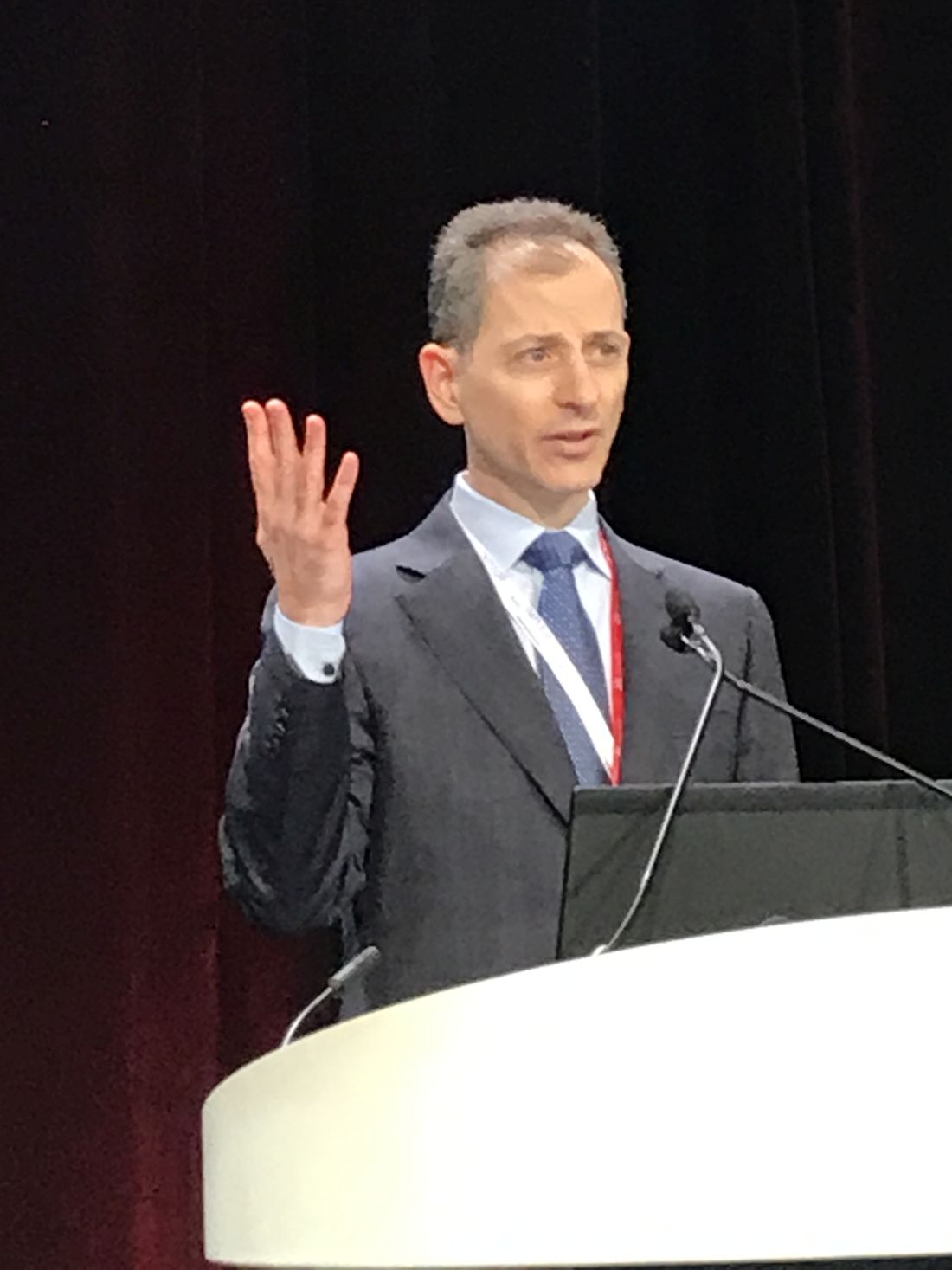
Ron Blankstein, MD, director of cardiac computed tomography, Brigham and Women’s Hospital, Boston, also said these data “have both economic and safety implications.” As an AHA-invited discussant of this study, he emphasized that this is a strategy that should only be applied to lower risk patients with no prior history of CAD, but, in this group, he believes these data “will inform future guidelines.”
Dr. Douglas declined to speculate on whether the precision strategy will be incorporated into future guidelines, but she did say that the PRECISE data demonstrate that this approach improves quality of care.
In an interview, Dr. Douglas suggested that this care pathway could provide a basis on which to demonstrate improved outcomes with more efficient use of resources, a common definition of quality care delivery.
Dr. Douglas reported financial relationships with Caption Health, Kowa, and Heartflow, which provided funding for the PRECISE trial. Dr. Indik reported no potential conflicts of interest. Dr. Blankstein reported financial relationships with Amgen, Caristo Diagnostics, and Novartis.
Benefits accrue on multiple endpoints
Benefits accrue on multiple endpoints
CHICAGO – A stepwise care pathway was associated with a substantial reduction in the number of invasive tests performed and a major improvement in outcomes, relative to usual management, in patients suspected of coronary artery disease (CAD), according to 1-year results of the multinational, randomized PRECISE trial.
The care pathway is appropriate for patients with nonacute chest pain or equivalent complaints that have raised suspicion of CAD, and it is extremely simple, according to the description from the principal investigator, Pamela S. Douglas, MD, given in her presentation at the annual scientific sessions of the American Heart Association.
Unlike the highly complex diagnostic algorithms shunting suspected CAD patients to the vast array of potential evaluations, the newly tested protocol, characterized as a “precision strategy,” divides patients into those who are immediate candidates for invasive testing and those who are not. The discriminator is the PROMISE minimal risk assessment score, a tool already validated.
Those deemed candidates for testing on the basis of an elevated score undergo computed coronary CT angiography (cCTA). In those who are not, testing is deferred.
Strategy is simple but effective
Although simple, this pathway is highly effective, judging by the results of the PRECISE trial, which tested the strategy in 2,103 patients at 65 sites in North America and Europe. The primary outcome was a composite of major adverse cardiovascular events (MACE) that included death, nonfatal MI, and catheterization without observed CAD.
After a median follow-up of 11.8 months, the primary MACE endpoint was reached in about 11.3% of those in the usual-care group, which was more than twofold higher than the 4.2% in the precision strategy group. The unadjusted risk reduction was 65% but rose to more than 70% (hazard ratio, 0.29; P < .001) after adjustment for gender and baseline characteristics.
In the arm randomized to the precision strategy, 16% were characterized as low risk and received no further testing. Almost all the others underwent cCTA alone (48%) or cCTA with fractional flow reserve (FFR) (31%). Stress echocardiography, treadmill electrocardiography, and other functional studies were performed in the small proportion of remaining patients.
cCTA performed in just 15% of usual care
In the usual-care arm, cCTA with or without FFR was only performed in 15%. More than 80% of patients underwent evaluations with one or more of an array of functional tests. For example, one-third were evaluated with single photon emission CT/PET and nearly as many underwent stress echocardiography testing. Only 7% in usual care underwent no testing after referral.
Within the MACE composite endpoint, almost all the relative benefit in the precision strategy arm was derived from the endpoint of angiography performed without evidence of obstructive CAD (2.6% vs. 10.2%). Rates of all-cause mortality and MI were not significantly different.
Important for the safety and utility of the precision strategy, there “were no deaths or MI events among those assigned deferred testing ” in that experimental arm, according to Dr. Douglas, professor of research in cardiovascular diseases at Duke University, Durham, N.C.
Instead, those in the precision strategy arm were far less likely to undergo catheterization without finding CAD (20% vs. 60%) and far less likely to undergo catheterization without revascularization (28% vs. 70%).
In addition, the group randomized to the precision strategy were more likely to be placed on risk reducing therapies following testing. Although the higher proportion of patients placed on antihypertensive therapy did not reach statistical significance (P = .1), the increased proportions placed on lipid therapy (P < .001) and antiplatelet therapy (P < .001) did.
Citing a study in JAMA Cardiology that found that more than 25% of patients presenting with stable chest pain have normal coronary arteries, Dr. Douglas said that the precision strategy as shown in the PRECISE trial addresses several agreed-upon goals in guidelines from the AHA, the European Society of Cardiology and the U.K.’s National Institute for Health and Care Excellence. These goals include reducing unnecessary testing by risk stratification, improving diagnostic yield of the testing that is performed, and avoiding the costs and complications of unneeded invasive testing.
New protocol called preferred approach
On the basis of these results, Dr. Douglas called the precision strategy “a preferred approach in evaluating patients with stable symptoms and suspected coronary disease.”
Julie Indik, MD, PhD, a professor of medicine at the University of Arizona, Tuscon, said that application of this approach in routine care could have “a major impact on care” by avoiding unnecessary tests with no apparent adverse effect on outcomes.
Although not demonstrated in this study, Dr. Indik suggested that the large number of patients tested for CAD each year – she estimated 4 million visits – means that less testing is likely to have a major impact on the costs of care, and she praised “the practical, efficient” approach of the precision strategy.
Ron Blankstein, MD, director of cardiac computed tomography, Brigham and Women’s Hospital, Boston, also said these data “have both economic and safety implications.” As an AHA-invited discussant of this study, he emphasized that this is a strategy that should only be applied to lower risk patients with no prior history of CAD, but, in this group, he believes these data “will inform future guidelines.”
Dr. Douglas declined to speculate on whether the precision strategy will be incorporated into future guidelines, but she did say that the PRECISE data demonstrate that this approach improves quality of care.
In an interview, Dr. Douglas suggested that this care pathway could provide a basis on which to demonstrate improved outcomes with more efficient use of resources, a common definition of quality care delivery.
Dr. Douglas reported financial relationships with Caption Health, Kowa, and Heartflow, which provided funding for the PRECISE trial. Dr. Indik reported no potential conflicts of interest. Dr. Blankstein reported financial relationships with Amgen, Caristo Diagnostics, and Novartis.
CHICAGO – A stepwise care pathway was associated with a substantial reduction in the number of invasive tests performed and a major improvement in outcomes, relative to usual management, in patients suspected of coronary artery disease (CAD), according to 1-year results of the multinational, randomized PRECISE trial.
The care pathway is appropriate for patients with nonacute chest pain or equivalent complaints that have raised suspicion of CAD, and it is extremely simple, according to the description from the principal investigator, Pamela S. Douglas, MD, given in her presentation at the annual scientific sessions of the American Heart Association.
Unlike the highly complex diagnostic algorithms shunting suspected CAD patients to the vast array of potential evaluations, the newly tested protocol, characterized as a “precision strategy,” divides patients into those who are immediate candidates for invasive testing and those who are not. The discriminator is the PROMISE minimal risk assessment score, a tool already validated.
Those deemed candidates for testing on the basis of an elevated score undergo computed coronary CT angiography (cCTA). In those who are not, testing is deferred.
Strategy is simple but effective
Although simple, this pathway is highly effective, judging by the results of the PRECISE trial, which tested the strategy in 2,103 patients at 65 sites in North America and Europe. The primary outcome was a composite of major adverse cardiovascular events (MACE) that included death, nonfatal MI, and catheterization without observed CAD.
After a median follow-up of 11.8 months, the primary MACE endpoint was reached in about 11.3% of those in the usual-care group, which was more than twofold higher than the 4.2% in the precision strategy group. The unadjusted risk reduction was 65% but rose to more than 70% (hazard ratio, 0.29; P < .001) after adjustment for gender and baseline characteristics.
In the arm randomized to the precision strategy, 16% were characterized as low risk and received no further testing. Almost all the others underwent cCTA alone (48%) or cCTA with fractional flow reserve (FFR) (31%). Stress echocardiography, treadmill electrocardiography, and other functional studies were performed in the small proportion of remaining patients.
cCTA performed in just 15% of usual care
In the usual-care arm, cCTA with or without FFR was only performed in 15%. More than 80% of patients underwent evaluations with one or more of an array of functional tests. For example, one-third were evaluated with single photon emission CT/PET and nearly as many underwent stress echocardiography testing. Only 7% in usual care underwent no testing after referral.
Within the MACE composite endpoint, almost all the relative benefit in the precision strategy arm was derived from the endpoint of angiography performed without evidence of obstructive CAD (2.6% vs. 10.2%). Rates of all-cause mortality and MI were not significantly different.
Important for the safety and utility of the precision strategy, there “were no deaths or MI events among those assigned deferred testing ” in that experimental arm, according to Dr. Douglas, professor of research in cardiovascular diseases at Duke University, Durham, N.C.
Instead, those in the precision strategy arm were far less likely to undergo catheterization without finding CAD (20% vs. 60%) and far less likely to undergo catheterization without revascularization (28% vs. 70%).
In addition, the group randomized to the precision strategy were more likely to be placed on risk reducing therapies following testing. Although the higher proportion of patients placed on antihypertensive therapy did not reach statistical significance (P = .1), the increased proportions placed on lipid therapy (P < .001) and antiplatelet therapy (P < .001) did.
Citing a study in JAMA Cardiology that found that more than 25% of patients presenting with stable chest pain have normal coronary arteries, Dr. Douglas said that the precision strategy as shown in the PRECISE trial addresses several agreed-upon goals in guidelines from the AHA, the European Society of Cardiology and the U.K.’s National Institute for Health and Care Excellence. These goals include reducing unnecessary testing by risk stratification, improving diagnostic yield of the testing that is performed, and avoiding the costs and complications of unneeded invasive testing.
New protocol called preferred approach
On the basis of these results, Dr. Douglas called the precision strategy “a preferred approach in evaluating patients with stable symptoms and suspected coronary disease.”
Julie Indik, MD, PhD, a professor of medicine at the University of Arizona, Tuscon, said that application of this approach in routine care could have “a major impact on care” by avoiding unnecessary tests with no apparent adverse effect on outcomes.
Although not demonstrated in this study, Dr. Indik suggested that the large number of patients tested for CAD each year – she estimated 4 million visits – means that less testing is likely to have a major impact on the costs of care, and she praised “the practical, efficient” approach of the precision strategy.
Ron Blankstein, MD, director of cardiac computed tomography, Brigham and Women’s Hospital, Boston, also said these data “have both economic and safety implications.” As an AHA-invited discussant of this study, he emphasized that this is a strategy that should only be applied to lower risk patients with no prior history of CAD, but, in this group, he believes these data “will inform future guidelines.”
Dr. Douglas declined to speculate on whether the precision strategy will be incorporated into future guidelines, but she did say that the PRECISE data demonstrate that this approach improves quality of care.
In an interview, Dr. Douglas suggested that this care pathway could provide a basis on which to demonstrate improved outcomes with more efficient use of resources, a common definition of quality care delivery.
Dr. Douglas reported financial relationships with Caption Health, Kowa, and Heartflow, which provided funding for the PRECISE trial. Dr. Indik reported no potential conflicts of interest. Dr. Blankstein reported financial relationships with Amgen, Caristo Diagnostics, and Novartis.
AT AHA 2022
Avoid routine early ECMO in severe cardiogenic shock: ECMO-CS
CHICAGO – Routine early, expeditious use of extracorporeal membrane oxygenation (ECMO) is a common strategy in patients with severe cardiogenic shock, but a less aggressive initial approach may be just as effective, a randomized trial suggests.
In the study that assigned patients with “rapidly deteriorating or severe” cardiogenic shock to one or the other approach, clinical outcomes were no better for those who received immediate ECMO than for those initially managed with inotropes and vasopressors, researchers said.
The conservative strategy, importantly, allowed for downstream ECMO in the event of hemodynamic deterioration, which occurred in a substantial 39% of cases, observed Petr Ostadal, MD, PhD, when presenting the results at the American Heart Association scientific sessions.
Dr. Ostadal of Na Homolce Hospital, Prague, is also first author on the published report of the study, called Extracorporeal Membrane Oxygenation in the Therapy of Cardiogenic Shock (ECMO-CS), which was published the same day in Circulation.
The trial makes a firm case for preferring the conservative initial approach over routine early ECMO in the kind of patients it entered, Larry A. Allen, MD, MHS, University of Coloradoat Denver, Aurora, told this news organization.
More than 60% of the trial’s 117 patients had shock secondary to an acute coronary syndrome; another 23% were in heart failure decompensation.
A preference for the conservative initial approach would be welcome, he said. The early aggressive ECMO approach is resource intensive and carries some important risks, such as stroke or coagulopathy, said Dr. Allen, who is not connected with ECMO-CS. Yet it is increasingly the go-to approach in such patients, based primarily on observational data.
Although early ECMO apparently didn’t benefit patients in this study in their specific stage of cardiogenic shock, Dr. Allen observed, it would presumably help some, but identifying them in practice presents challenges. “Defining where people are in the spectrum of early versus middle versus late cardiogenic shock is actually very tricky.”
It will therefore be important, he said, to identify ways to predict which conservatively managed patients do well with the strategy, and which are most at risk for hemodynamic deterioration and for whom ECMO should be readily available.
“I think part of what ECMO-CS tells us is that, if a patient is stable on intravenous inotropic and vasopressor support, you can defer ECMO while you’re thinking about the patient – about their larger context and the right medical decision-making for them.”
The trial randomly assigned 122 patients with rapidly deteriorating or severe cardiogenic shock to the immediate-ECMO or the conservative strategy at four centers in the Czech Republic. The 117 patients for whom informed consent could be obtained were included in the analysis, 58 and 59 patients, respectively. Their mean age was about 65 years and three-fourths were male.
The primary endpoint, the only endpoint for which the study was powered, consisted of death from any cause, resuscitated circulatory arrest, or use of a different form of mechanical circulatory support (MCS) by 30 days.
It occurred in 63.8% of patients assigned to immediate ECMO and 71.2% of those in the conservative strategy group, for a hazard ratio of 0.72 (95% confidence interval, 0.46-1.12; P = .21).
As individual endpoints, rates of death from any cause and resuscitated arrest did not significantly differ between the groups, but conservatively managed patients more often used another form of MCS. The HRs were 1.11 (95% CI, 0.66-1.87) for death from any cause, 0.79 (95% CI, 0.27-2.28) for resuscitated cardiac arrest, and 0.38 (95% CI, 0.18-0.79) for use of another MCS device.
The rates for serious adverse events – including bleeding, ischemia, stroke, pneumonia, or sepsis – were similar at 60.3% in the early-ECMO group and 61% in group with conservative initial management, Dr. Ostadal reported.
Other than the 23 patients in the conservative initial strategy group who went on to receive ECMO (1.9 days after randomization, on average), 1 went on to undergo implantation with a HeartMate (Abbott) ventricular assist device and 3 received an Impella pump (Abiomed).
Six patients in the early-ECMO group were already receiving intra-aortic balloon pump (IABP) support at randomization, two underwent temporary implantation with a Centrimag device (Abbott), and three went on to receive a HeartMate device, the published report notes.
ECMO is the optimal first choice for MCS in such patients with cardiogenic shock who need a circulatory support device, especially because it also oxygenates the blood, Dr. Ostadal told this news organization.
But ECMO doesn’t help with ventricular unloading. Indeed, it can sometimes reduce ventricular preload, especially if right-heart pressures are low. So MCS devices that unload the ventricle, typically an IABP, can complement ECMO.
Dr. Ostadal speculates, however, that there may be a better pairing option. “Impella plus ECMO, I think, is the combination which has a future,” he said, for patients in cardiogenic shock who need a short-term percutaneous hemodynamic support device. Impella “supports the whole circulation” and unloads the left ventricle.
“A balloon pump in combination with ECMO is still not a bad choice. It’s very cheap in comparison with Impella.” But in his opinion, Dr. Ostadal said, “The combination of Impella plus ECMO is more efficient from a hemodynamic point of view.”
As the published report notes, ongoing randomized trials looking at ECMO plus other MCS devices in cardiogenic shock include ECLS-SHOCK, with a projected enrollment of 420 patients, and EURO-SHOCK, aiming for a similar number of patients; both compare routine ECMO to conservative management.
In addition, ANCHOR, in which ECMO is combined with IABP, and DanShock, which looks at early use of Impella rather than ECMO, are enrolling patients with shock secondary to acute coronary syndromes.
Dr. Ostadal disclosed consulting for Getinge, Edwards, Medtronic, Biomedica, and Xenios/Fresenius, and receiving research support from Xenios/Fresenius. Dr. Allen disclosed modest or significant relationships with ACI Clinical, Novartis, UpToDate, Boston Scientific, and Cytokinetics.
A version of this article first appeared on Medscape.com.
CHICAGO – Routine early, expeditious use of extracorporeal membrane oxygenation (ECMO) is a common strategy in patients with severe cardiogenic shock, but a less aggressive initial approach may be just as effective, a randomized trial suggests.
In the study that assigned patients with “rapidly deteriorating or severe” cardiogenic shock to one or the other approach, clinical outcomes were no better for those who received immediate ECMO than for those initially managed with inotropes and vasopressors, researchers said.
The conservative strategy, importantly, allowed for downstream ECMO in the event of hemodynamic deterioration, which occurred in a substantial 39% of cases, observed Petr Ostadal, MD, PhD, when presenting the results at the American Heart Association scientific sessions.
Dr. Ostadal of Na Homolce Hospital, Prague, is also first author on the published report of the study, called Extracorporeal Membrane Oxygenation in the Therapy of Cardiogenic Shock (ECMO-CS), which was published the same day in Circulation.
The trial makes a firm case for preferring the conservative initial approach over routine early ECMO in the kind of patients it entered, Larry A. Allen, MD, MHS, University of Coloradoat Denver, Aurora, told this news organization.
More than 60% of the trial’s 117 patients had shock secondary to an acute coronary syndrome; another 23% were in heart failure decompensation.
A preference for the conservative initial approach would be welcome, he said. The early aggressive ECMO approach is resource intensive and carries some important risks, such as stroke or coagulopathy, said Dr. Allen, who is not connected with ECMO-CS. Yet it is increasingly the go-to approach in such patients, based primarily on observational data.
Although early ECMO apparently didn’t benefit patients in this study in their specific stage of cardiogenic shock, Dr. Allen observed, it would presumably help some, but identifying them in practice presents challenges. “Defining where people are in the spectrum of early versus middle versus late cardiogenic shock is actually very tricky.”
It will therefore be important, he said, to identify ways to predict which conservatively managed patients do well with the strategy, and which are most at risk for hemodynamic deterioration and for whom ECMO should be readily available.
“I think part of what ECMO-CS tells us is that, if a patient is stable on intravenous inotropic and vasopressor support, you can defer ECMO while you’re thinking about the patient – about their larger context and the right medical decision-making for them.”
The trial randomly assigned 122 patients with rapidly deteriorating or severe cardiogenic shock to the immediate-ECMO or the conservative strategy at four centers in the Czech Republic. The 117 patients for whom informed consent could be obtained were included in the analysis, 58 and 59 patients, respectively. Their mean age was about 65 years and three-fourths were male.
The primary endpoint, the only endpoint for which the study was powered, consisted of death from any cause, resuscitated circulatory arrest, or use of a different form of mechanical circulatory support (MCS) by 30 days.
It occurred in 63.8% of patients assigned to immediate ECMO and 71.2% of those in the conservative strategy group, for a hazard ratio of 0.72 (95% confidence interval, 0.46-1.12; P = .21).
As individual endpoints, rates of death from any cause and resuscitated arrest did not significantly differ between the groups, but conservatively managed patients more often used another form of MCS. The HRs were 1.11 (95% CI, 0.66-1.87) for death from any cause, 0.79 (95% CI, 0.27-2.28) for resuscitated cardiac arrest, and 0.38 (95% CI, 0.18-0.79) for use of another MCS device.
The rates for serious adverse events – including bleeding, ischemia, stroke, pneumonia, or sepsis – were similar at 60.3% in the early-ECMO group and 61% in group with conservative initial management, Dr. Ostadal reported.
Other than the 23 patients in the conservative initial strategy group who went on to receive ECMO (1.9 days after randomization, on average), 1 went on to undergo implantation with a HeartMate (Abbott) ventricular assist device and 3 received an Impella pump (Abiomed).
Six patients in the early-ECMO group were already receiving intra-aortic balloon pump (IABP) support at randomization, two underwent temporary implantation with a Centrimag device (Abbott), and three went on to receive a HeartMate device, the published report notes.
ECMO is the optimal first choice for MCS in such patients with cardiogenic shock who need a circulatory support device, especially because it also oxygenates the blood, Dr. Ostadal told this news organization.
But ECMO doesn’t help with ventricular unloading. Indeed, it can sometimes reduce ventricular preload, especially if right-heart pressures are low. So MCS devices that unload the ventricle, typically an IABP, can complement ECMO.
Dr. Ostadal speculates, however, that there may be a better pairing option. “Impella plus ECMO, I think, is the combination which has a future,” he said, for patients in cardiogenic shock who need a short-term percutaneous hemodynamic support device. Impella “supports the whole circulation” and unloads the left ventricle.
“A balloon pump in combination with ECMO is still not a bad choice. It’s very cheap in comparison with Impella.” But in his opinion, Dr. Ostadal said, “The combination of Impella plus ECMO is more efficient from a hemodynamic point of view.”
As the published report notes, ongoing randomized trials looking at ECMO plus other MCS devices in cardiogenic shock include ECLS-SHOCK, with a projected enrollment of 420 patients, and EURO-SHOCK, aiming for a similar number of patients; both compare routine ECMO to conservative management.
In addition, ANCHOR, in which ECMO is combined with IABP, and DanShock, which looks at early use of Impella rather than ECMO, are enrolling patients with shock secondary to acute coronary syndromes.
Dr. Ostadal disclosed consulting for Getinge, Edwards, Medtronic, Biomedica, and Xenios/Fresenius, and receiving research support from Xenios/Fresenius. Dr. Allen disclosed modest or significant relationships with ACI Clinical, Novartis, UpToDate, Boston Scientific, and Cytokinetics.
A version of this article first appeared on Medscape.com.
CHICAGO – Routine early, expeditious use of extracorporeal membrane oxygenation (ECMO) is a common strategy in patients with severe cardiogenic shock, but a less aggressive initial approach may be just as effective, a randomized trial suggests.
In the study that assigned patients with “rapidly deteriorating or severe” cardiogenic shock to one or the other approach, clinical outcomes were no better for those who received immediate ECMO than for those initially managed with inotropes and vasopressors, researchers said.
The conservative strategy, importantly, allowed for downstream ECMO in the event of hemodynamic deterioration, which occurred in a substantial 39% of cases, observed Petr Ostadal, MD, PhD, when presenting the results at the American Heart Association scientific sessions.
Dr. Ostadal of Na Homolce Hospital, Prague, is also first author on the published report of the study, called Extracorporeal Membrane Oxygenation in the Therapy of Cardiogenic Shock (ECMO-CS), which was published the same day in Circulation.
The trial makes a firm case for preferring the conservative initial approach over routine early ECMO in the kind of patients it entered, Larry A. Allen, MD, MHS, University of Coloradoat Denver, Aurora, told this news organization.
More than 60% of the trial’s 117 patients had shock secondary to an acute coronary syndrome; another 23% were in heart failure decompensation.
A preference for the conservative initial approach would be welcome, he said. The early aggressive ECMO approach is resource intensive and carries some important risks, such as stroke or coagulopathy, said Dr. Allen, who is not connected with ECMO-CS. Yet it is increasingly the go-to approach in such patients, based primarily on observational data.
Although early ECMO apparently didn’t benefit patients in this study in their specific stage of cardiogenic shock, Dr. Allen observed, it would presumably help some, but identifying them in practice presents challenges. “Defining where people are in the spectrum of early versus middle versus late cardiogenic shock is actually very tricky.”
It will therefore be important, he said, to identify ways to predict which conservatively managed patients do well with the strategy, and which are most at risk for hemodynamic deterioration and for whom ECMO should be readily available.
“I think part of what ECMO-CS tells us is that, if a patient is stable on intravenous inotropic and vasopressor support, you can defer ECMO while you’re thinking about the patient – about their larger context and the right medical decision-making for them.”
The trial randomly assigned 122 patients with rapidly deteriorating or severe cardiogenic shock to the immediate-ECMO or the conservative strategy at four centers in the Czech Republic. The 117 patients for whom informed consent could be obtained were included in the analysis, 58 and 59 patients, respectively. Their mean age was about 65 years and three-fourths were male.
The primary endpoint, the only endpoint for which the study was powered, consisted of death from any cause, resuscitated circulatory arrest, or use of a different form of mechanical circulatory support (MCS) by 30 days.
It occurred in 63.8% of patients assigned to immediate ECMO and 71.2% of those in the conservative strategy group, for a hazard ratio of 0.72 (95% confidence interval, 0.46-1.12; P = .21).
As individual endpoints, rates of death from any cause and resuscitated arrest did not significantly differ between the groups, but conservatively managed patients more often used another form of MCS. The HRs were 1.11 (95% CI, 0.66-1.87) for death from any cause, 0.79 (95% CI, 0.27-2.28) for resuscitated cardiac arrest, and 0.38 (95% CI, 0.18-0.79) for use of another MCS device.
The rates for serious adverse events – including bleeding, ischemia, stroke, pneumonia, or sepsis – were similar at 60.3% in the early-ECMO group and 61% in group with conservative initial management, Dr. Ostadal reported.
Other than the 23 patients in the conservative initial strategy group who went on to receive ECMO (1.9 days after randomization, on average), 1 went on to undergo implantation with a HeartMate (Abbott) ventricular assist device and 3 received an Impella pump (Abiomed).
Six patients in the early-ECMO group were already receiving intra-aortic balloon pump (IABP) support at randomization, two underwent temporary implantation with a Centrimag device (Abbott), and three went on to receive a HeartMate device, the published report notes.
ECMO is the optimal first choice for MCS in such patients with cardiogenic shock who need a circulatory support device, especially because it also oxygenates the blood, Dr. Ostadal told this news organization.
But ECMO doesn’t help with ventricular unloading. Indeed, it can sometimes reduce ventricular preload, especially if right-heart pressures are low. So MCS devices that unload the ventricle, typically an IABP, can complement ECMO.
Dr. Ostadal speculates, however, that there may be a better pairing option. “Impella plus ECMO, I think, is the combination which has a future,” he said, for patients in cardiogenic shock who need a short-term percutaneous hemodynamic support device. Impella “supports the whole circulation” and unloads the left ventricle.
“A balloon pump in combination with ECMO is still not a bad choice. It’s very cheap in comparison with Impella.” But in his opinion, Dr. Ostadal said, “The combination of Impella plus ECMO is more efficient from a hemodynamic point of view.”
As the published report notes, ongoing randomized trials looking at ECMO plus other MCS devices in cardiogenic shock include ECLS-SHOCK, with a projected enrollment of 420 patients, and EURO-SHOCK, aiming for a similar number of patients; both compare routine ECMO to conservative management.
In addition, ANCHOR, in which ECMO is combined with IABP, and DanShock, which looks at early use of Impella rather than ECMO, are enrolling patients with shock secondary to acute coronary syndromes.
Dr. Ostadal disclosed consulting for Getinge, Edwards, Medtronic, Biomedica, and Xenios/Fresenius, and receiving research support from Xenios/Fresenius. Dr. Allen disclosed modest or significant relationships with ACI Clinical, Novartis, UpToDate, Boston Scientific, and Cytokinetics.
A version of this article first appeared on Medscape.com.
AT AHA 2022
ISCHEMIA-EXTEND: Conservative stable CAD management holds up
CHICAGO – The case for survival equipoise between an invasive or conservative strategy for managing patients with stable coronary disease and moderate or severe cardiac ischemia grew stronger with an additional 2.5 years of median follow-up of the landmark ISCHEMIA trial.
During a median follow-up of 5.7 years in ISCHEMIA-EXTEND – and as long as 7 years – patients randomized to an upfront invasive strategy regardless of their symptoms had an all-cause mortality rate of 12.7%, compared with a 13.4% rate in the patients randomized to the conservative, medication-based management strategy that employed revascularization only when the medical approach failed to resolve their angina. This survival difference fell far short of significance (adjusted hazard ratio, 1.00; 95% confidence interval, 0.85-1.18), solidifying a finding first seen in the main ISCHEMIA results when they came out 3 years before, in late 2019, Judith S. Hochman, MD, said at the American Heart Association scientific sessions.

The new results “provide evidence for patients with chronic coronary disease and their physicians as they decide whether to add invasive management to guideline-directed medical therapy,” concluded Dr. Hochman, professor and senior associate dean for clinical sciences at New York University Langone Health. Simultaneous with her report, the extended follow-up results also appeared in an article published online in Circulation.
Nil probability of a survival benefit
“The probability over 5.7 years that a patient’s risk of dying is lower with the invasive strategy is nil, which means: Go with the patient’s preference. Not undergoing revascularization is a reasonable strategy because there is no excess mortality,” Dr. Hochman said in an interview. The trial’s extended follow-up provides “much more robust evidence” for the neutral effect on survival. The investigators plan to further follow-up out to a maximum of 10 years to continue to monitor for a signal of a mortality difference.
“These findings might help physicians in shared decision-making as to whether to add invasive management to guideline-directed medical management in selected patients with chronic coronary artery disease and moderate or severe ischemia,” commented M. Cecilia Bahit, MD, designated discussant for the report and chief of cardiology for INECO Neurosciences in Rosario, Argentina.
The original ISCHEMIA results had also shown that invasive intervention can improve the quality of life in patients who have angina as a result of their coronary disease, but also showed “minimal benefits” from an invasive approach in asymptomatic patients, who comprised 35% of the study cohort of 5,179 patients.
While ISCHEMIA enrolled patients with moderate to severe coronary ischemia identified with noninvasive testing, it excluded certain patients for whom an invasive strategy is recommended, including those with unprotected left main coronary stenoses of at least 50%, a recent acute coronary syndrome event, a left ventricular ejection fraction of less than 35%, more advanced functional limitations from heart failure, or advanced chronic kidney disease.
Follow-up without adjudication
The extended follow-up included 4,825 patients from the initial cohort, with data collected from 4,540 patients. One limitation of the follow-up was that the cause of death was not adjudicated as it had been during the initial follow-up phase. It instead relied on unconfirmed information collected either from patients’ families or national databases. The demographics and clinical profiles of the study participants available for extended follow-up closely matched the entire original study cohort.
The additional follow-up also revealed a significant survival benefit from the invasive approach for cardiovascular deaths, with an incidence of 8.6% in the conservative arm and 6.4% in the invasive group, an adjusted 22% relative reduction in this outcome favoring the invasive strategy (95% CI, 0.63-0.96). This difference had appeared as a nonsignificant signal in the initial 3.2-year median follow-up.
However, this significant benefit from the invasive strategy was counterbalanced by a surprising and inexplicable increase in deaths from noncardiovascular causes in those managed with the invasive strategy. Noncardiovascular deaths occurred in 5.5% of those in the invasive arm and in 4.4% of those in the conservative arm, a significant adjusted 44% relative increase in this outcome associated with invasive management. Again, this difference was not as clearly apparent after the initial follow-up phase.
“The increase in noncardiovascular deaths with the invasive strategy surprisingly persisted over time and offset” the cardiovascular survival benefit from upfront invasive treatment, explained Dr. Hochman. A prior report from the investigators looked in depth at the noncardiovascular deaths during the initial follow-up phase and found that most of the excess was caused by malignancies, although why this happened in the invasively treated patients remains a mystery.
Staying alive is what patients care about
“I think that interventional cardiologists who favor an invasive strategy will be excited to see this significant reduction in cardiovascular deaths, but patients don’t care what they die from. What patients care about is whether they are dead or alive,” Dr. Hochman noted.

But B. Hadley Wilson, MD, an interventional cardiologist and vice president of the American College of Cardiology, had a somewhat different take on these findings.
“We need to consider the significant decrease in cardiovascular mortality, as we sort out the conundrum” of the increase in noncardiovascular deaths,” he said in an interview. “Hopefully, the 10-year outcomes will help answer this.”
But until more information is available, the ISCHEMIA and ISCHEMIA-EXTEND results have already helped advance the conversation that patients with stable coronary disease and their families have with clinicians about management decisions.
“I love that ISCHEMIA highlighted the importance of shared decision making and a heart team approach,” said Dr. Wilson, executive vice chair of the Sanger Heart & Vascular Institute of Atrium Health in Charlotte, N.C.
Anecdotally, ISCHEMIA reduced invasive management
After the initial ISCHEMIA results were published nearly 3 years ago, “I think use of invasive treatment for these patients has decreased, although I have seen no numbers” that document this, said Dr. Wilson. “I think most interventional cardiologists would say that ISCHEMIA has had an impact,” with fewer patients who match the trial’s enrollment criteria undergoing invasive management.
“Anecdotally, cardiologists are reviewing the ISCHEMIA data with their patients,” agreed Dr. Hochman, who added that no actual data have yet appeared to document this, nor do data yet document a change in the use of invasive management. “It takes time to measure the impact.”
To expedite the shared decision-making process for these patients, the ISCHEMIA researchers are planning to make available an app that will allow patients and physicians to enter clinical and demographic data and see a calculated estimate of their future cardiovascular disease risk and how amenable it may be to modification by invasive management, Dr. Hochman said. The app would be available on the ISCHEMIA study website in 2023.
ISCHEMIA and ISCHEMIA EXTEND received no commercial funding. Dr. Hochman and Dr. Wilson had no disclosures. Dr. Bahit has received honoraria from Behring, Boehringer Ingelheim, Bristol-Myers Squibb, Janssen, MSD, and Pfizer.
CHICAGO – The case for survival equipoise between an invasive or conservative strategy for managing patients with stable coronary disease and moderate or severe cardiac ischemia grew stronger with an additional 2.5 years of median follow-up of the landmark ISCHEMIA trial.
During a median follow-up of 5.7 years in ISCHEMIA-EXTEND – and as long as 7 years – patients randomized to an upfront invasive strategy regardless of their symptoms had an all-cause mortality rate of 12.7%, compared with a 13.4% rate in the patients randomized to the conservative, medication-based management strategy that employed revascularization only when the medical approach failed to resolve their angina. This survival difference fell far short of significance (adjusted hazard ratio, 1.00; 95% confidence interval, 0.85-1.18), solidifying a finding first seen in the main ISCHEMIA results when they came out 3 years before, in late 2019, Judith S. Hochman, MD, said at the American Heart Association scientific sessions.
The new results “provide evidence for patients with chronic coronary disease and their physicians as they decide whether to add invasive management to guideline-directed medical therapy,” concluded Dr. Hochman, professor and senior associate dean for clinical sciences at New York University Langone Health. Simultaneous with her report, the extended follow-up results also appeared in an article published online in Circulation.
Nil probability of a survival benefit
“The probability over 5.7 years that a patient’s risk of dying is lower with the invasive strategy is nil, which means: Go with the patient’s preference. Not undergoing revascularization is a reasonable strategy because there is no excess mortality,” Dr. Hochman said in an interview. The trial’s extended follow-up provides “much more robust evidence” for the neutral effect on survival. The investigators plan to further follow-up out to a maximum of 10 years to continue to monitor for a signal of a mortality difference.
“These findings might help physicians in shared decision-making as to whether to add invasive management to guideline-directed medical management in selected patients with chronic coronary artery disease and moderate or severe ischemia,” commented M. Cecilia Bahit, MD, designated discussant for the report and chief of cardiology for INECO Neurosciences in Rosario, Argentina.
The original ISCHEMIA results had also shown that invasive intervention can improve the quality of life in patients who have angina as a result of their coronary disease, but also showed “minimal benefits” from an invasive approach in asymptomatic patients, who comprised 35% of the study cohort of 5,179 patients.
While ISCHEMIA enrolled patients with moderate to severe coronary ischemia identified with noninvasive testing, it excluded certain patients for whom an invasive strategy is recommended, including those with unprotected left main coronary stenoses of at least 50%, a recent acute coronary syndrome event, a left ventricular ejection fraction of less than 35%, more advanced functional limitations from heart failure, or advanced chronic kidney disease.
Follow-up without adjudication
The extended follow-up included 4,825 patients from the initial cohort, with data collected from 4,540 patients. One limitation of the follow-up was that the cause of death was not adjudicated as it had been during the initial follow-up phase. It instead relied on unconfirmed information collected either from patients’ families or national databases. The demographics and clinical profiles of the study participants available for extended follow-up closely matched the entire original study cohort.
The additional follow-up also revealed a significant survival benefit from the invasive approach for cardiovascular deaths, with an incidence of 8.6% in the conservative arm and 6.4% in the invasive group, an adjusted 22% relative reduction in this outcome favoring the invasive strategy (95% CI, 0.63-0.96). This difference had appeared as a nonsignificant signal in the initial 3.2-year median follow-up.
However, this significant benefit from the invasive strategy was counterbalanced by a surprising and inexplicable increase in deaths from noncardiovascular causes in those managed with the invasive strategy. Noncardiovascular deaths occurred in 5.5% of those in the invasive arm and in 4.4% of those in the conservative arm, a significant adjusted 44% relative increase in this outcome associated with invasive management. Again, this difference was not as clearly apparent after the initial follow-up phase.
“The increase in noncardiovascular deaths with the invasive strategy surprisingly persisted over time and offset” the cardiovascular survival benefit from upfront invasive treatment, explained Dr. Hochman. A prior report from the investigators looked in depth at the noncardiovascular deaths during the initial follow-up phase and found that most of the excess was caused by malignancies, although why this happened in the invasively treated patients remains a mystery.
Staying alive is what patients care about
“I think that interventional cardiologists who favor an invasive strategy will be excited to see this significant reduction in cardiovascular deaths, but patients don’t care what they die from. What patients care about is whether they are dead or alive,” Dr. Hochman noted.
But B. Hadley Wilson, MD, an interventional cardiologist and vice president of the American College of Cardiology, had a somewhat different take on these findings.
“We need to consider the significant decrease in cardiovascular mortality, as we sort out the conundrum” of the increase in noncardiovascular deaths,” he said in an interview. “Hopefully, the 10-year outcomes will help answer this.”
But until more information is available, the ISCHEMIA and ISCHEMIA-EXTEND results have already helped advance the conversation that patients with stable coronary disease and their families have with clinicians about management decisions.
“I love that ISCHEMIA highlighted the importance of shared decision making and a heart team approach,” said Dr. Wilson, executive vice chair of the Sanger Heart & Vascular Institute of Atrium Health in Charlotte, N.C.
Anecdotally, ISCHEMIA reduced invasive management
After the initial ISCHEMIA results were published nearly 3 years ago, “I think use of invasive treatment for these patients has decreased, although I have seen no numbers” that document this, said Dr. Wilson. “I think most interventional cardiologists would say that ISCHEMIA has had an impact,” with fewer patients who match the trial’s enrollment criteria undergoing invasive management.
“Anecdotally, cardiologists are reviewing the ISCHEMIA data with their patients,” agreed Dr. Hochman, who added that no actual data have yet appeared to document this, nor do data yet document a change in the use of invasive management. “It takes time to measure the impact.”
To expedite the shared decision-making process for these patients, the ISCHEMIA researchers are planning to make available an app that will allow patients and physicians to enter clinical and demographic data and see a calculated estimate of their future cardiovascular disease risk and how amenable it may be to modification by invasive management, Dr. Hochman said. The app would be available on the ISCHEMIA study website in 2023.
ISCHEMIA and ISCHEMIA EXTEND received no commercial funding. Dr. Hochman and Dr. Wilson had no disclosures. Dr. Bahit has received honoraria from Behring, Boehringer Ingelheim, Bristol-Myers Squibb, Janssen, MSD, and Pfizer.
CHICAGO – The case for survival equipoise between an invasive or conservative strategy for managing patients with stable coronary disease and moderate or severe cardiac ischemia grew stronger with an additional 2.5 years of median follow-up of the landmark ISCHEMIA trial.
During a median follow-up of 5.7 years in ISCHEMIA-EXTEND – and as long as 7 years – patients randomized to an upfront invasive strategy regardless of their symptoms had an all-cause mortality rate of 12.7%, compared with a 13.4% rate in the patients randomized to the conservative, medication-based management strategy that employed revascularization only when the medical approach failed to resolve their angina. This survival difference fell far short of significance (adjusted hazard ratio, 1.00; 95% confidence interval, 0.85-1.18), solidifying a finding first seen in the main ISCHEMIA results when they came out 3 years before, in late 2019, Judith S. Hochman, MD, said at the American Heart Association scientific sessions.
The new results “provide evidence for patients with chronic coronary disease and their physicians as they decide whether to add invasive management to guideline-directed medical therapy,” concluded Dr. Hochman, professor and senior associate dean for clinical sciences at New York University Langone Health. Simultaneous with her report, the extended follow-up results also appeared in an article published online in Circulation.
Nil probability of a survival benefit
“The probability over 5.7 years that a patient’s risk of dying is lower with the invasive strategy is nil, which means: Go with the patient’s preference. Not undergoing revascularization is a reasonable strategy because there is no excess mortality,” Dr. Hochman said in an interview. The trial’s extended follow-up provides “much more robust evidence” for the neutral effect on survival. The investigators plan to further follow-up out to a maximum of 10 years to continue to monitor for a signal of a mortality difference.
“These findings might help physicians in shared decision-making as to whether to add invasive management to guideline-directed medical management in selected patients with chronic coronary artery disease and moderate or severe ischemia,” commented M. Cecilia Bahit, MD, designated discussant for the report and chief of cardiology for INECO Neurosciences in Rosario, Argentina.
The original ISCHEMIA results had also shown that invasive intervention can improve the quality of life in patients who have angina as a result of their coronary disease, but also showed “minimal benefits” from an invasive approach in asymptomatic patients, who comprised 35% of the study cohort of 5,179 patients.
While ISCHEMIA enrolled patients with moderate to severe coronary ischemia identified with noninvasive testing, it excluded certain patients for whom an invasive strategy is recommended, including those with unprotected left main coronary stenoses of at least 50%, a recent acute coronary syndrome event, a left ventricular ejection fraction of less than 35%, more advanced functional limitations from heart failure, or advanced chronic kidney disease.
Follow-up without adjudication
The extended follow-up included 4,825 patients from the initial cohort, with data collected from 4,540 patients. One limitation of the follow-up was that the cause of death was not adjudicated as it had been during the initial follow-up phase. It instead relied on unconfirmed information collected either from patients’ families or national databases. The demographics and clinical profiles of the study participants available for extended follow-up closely matched the entire original study cohort.
The additional follow-up also revealed a significant survival benefit from the invasive approach for cardiovascular deaths, with an incidence of 8.6% in the conservative arm and 6.4% in the invasive group, an adjusted 22% relative reduction in this outcome favoring the invasive strategy (95% CI, 0.63-0.96). This difference had appeared as a nonsignificant signal in the initial 3.2-year median follow-up.
However, this significant benefit from the invasive strategy was counterbalanced by a surprising and inexplicable increase in deaths from noncardiovascular causes in those managed with the invasive strategy. Noncardiovascular deaths occurred in 5.5% of those in the invasive arm and in 4.4% of those in the conservative arm, a significant adjusted 44% relative increase in this outcome associated with invasive management. Again, this difference was not as clearly apparent after the initial follow-up phase.
“The increase in noncardiovascular deaths with the invasive strategy surprisingly persisted over time and offset” the cardiovascular survival benefit from upfront invasive treatment, explained Dr. Hochman. A prior report from the investigators looked in depth at the noncardiovascular deaths during the initial follow-up phase and found that most of the excess was caused by malignancies, although why this happened in the invasively treated patients remains a mystery.
Staying alive is what patients care about
“I think that interventional cardiologists who favor an invasive strategy will be excited to see this significant reduction in cardiovascular deaths, but patients don’t care what they die from. What patients care about is whether they are dead or alive,” Dr. Hochman noted.
But B. Hadley Wilson, MD, an interventional cardiologist and vice president of the American College of Cardiology, had a somewhat different take on these findings.
“We need to consider the significant decrease in cardiovascular mortality, as we sort out the conundrum” of the increase in noncardiovascular deaths,” he said in an interview. “Hopefully, the 10-year outcomes will help answer this.”
But until more information is available, the ISCHEMIA and ISCHEMIA-EXTEND results have already helped advance the conversation that patients with stable coronary disease and their families have with clinicians about management decisions.
“I love that ISCHEMIA highlighted the importance of shared decision making and a heart team approach,” said Dr. Wilson, executive vice chair of the Sanger Heart & Vascular Institute of Atrium Health in Charlotte, N.C.
Anecdotally, ISCHEMIA reduced invasive management
After the initial ISCHEMIA results were published nearly 3 years ago, “I think use of invasive treatment for these patients has decreased, although I have seen no numbers” that document this, said Dr. Wilson. “I think most interventional cardiologists would say that ISCHEMIA has had an impact,” with fewer patients who match the trial’s enrollment criteria undergoing invasive management.
“Anecdotally, cardiologists are reviewing the ISCHEMIA data with their patients,” agreed Dr. Hochman, who added that no actual data have yet appeared to document this, nor do data yet document a change in the use of invasive management. “It takes time to measure the impact.”
To expedite the shared decision-making process for these patients, the ISCHEMIA researchers are planning to make available an app that will allow patients and physicians to enter clinical and demographic data and see a calculated estimate of their future cardiovascular disease risk and how amenable it may be to modification by invasive management, Dr. Hochman said. The app would be available on the ISCHEMIA study website in 2023.
ISCHEMIA and ISCHEMIA EXTEND received no commercial funding. Dr. Hochman and Dr. Wilson had no disclosures. Dr. Bahit has received honoraria from Behring, Boehringer Ingelheim, Bristol-Myers Squibb, Janssen, MSD, and Pfizer.
AT AHA 2022