User login
Association Calls For Increased Oversight in Response to Reports of Possibly Counterfeit Botulinum Toxin
, including medical spas.
In a press release issued on April 12, the ASDSA referenced investigations in Illinois and Tennessee in which suspected counterfeit neurotoxins were associated with individuals’ symptoms resembling botulism, including several that required hospitalization. These cases “emphasize the patient safety risks associated with receiving medical procedures in unlicensed, unapproved settings without proper oversight of medical care,” the release adds.
The cases also “highlight the need for increased public protection measures, like the recommendations in the ASDSA’s “Medical Spa Safety Act” to ensure patients’ safety,” according to the press release, which notes the increasing demand for facial fillers and neuromodulators in the United States.
Enforcement is needed to ensure that all patients receive US Food and Drug Administration (FDA)-approved products “and not counterfeit products or unsafe treatments,” ASDSA president Seth L. Matarasso, MD, who practices dermatology in San Francisco, said in the press release. “Lack of regulation and enforcement has enabled many to offer medical procedures for cosmetic purposes outside of their training and expertise,” he said.
Key Takeaways
All clinicians need to understand that aesthetic procedures are medical procedures and require a level of due diligence in patient evaluation and care before, during, and after the procedure, Pooja Sodha, MD, director of the Center for Laser and Cosmetic Dermatology at George Washington University, Washington, said in an interview.

“FDA-approved medications should only be offered, and these should be obtained through well-defined sources to ensure their safety and purity,” she said.
However, some challenges to the enforcement of safety in medical spa settings persist, Dr. Sodha told this news organization. “To my knowledge, state and federal policies providing clear and up-to-date safety and legal guidelines for aesthetic procedures performed at medical spas by registered nurses, nurse practitioners, physician assistants, and physicians are limited, and in our current medical care structure, national oversight is challenging,” she said.
A pretreatment checklist assessment, she suggested, could be helpful “to ensure patient safety and help to standardize clinical practice in nonmedical settings.”
Other challenges include a lack of clear guidelines for aesthetic providers regarding initial assessment examinations, postprocedure follow-up, and evaluation for any future medical treatment, as well as “continued ambiguity on the exact meaning of physician oversight for those sites that delegate aesthetic services and appropriate and clear guidelines on what procedures require a licensed provider to perform versus oversee the treatment,” she said.
Additional Guidance, Actions Needed
As for additional guidance or actions, “we may be migrating towards a system that designates and assigns clearer licenses and authorizations to perform these services and care for patients,” said Dr. Sodha. A licensing process would entail academic understanding of anatomy, pharmacology, and tissue interactions, as well as practical hands-on training that emphasizes the importance of the preprocedure consultation and postprocedure follow-up and care, she said. “Experience in caring for the unintended outcomes is vital to delivering the best care we can,” she added.
D. Sodha had no financial conflicts to disclose.
A version of this article appeared on Medscape.com.
, including medical spas.
In a press release issued on April 12, the ASDSA referenced investigations in Illinois and Tennessee in which suspected counterfeit neurotoxins were associated with individuals’ symptoms resembling botulism, including several that required hospitalization. These cases “emphasize the patient safety risks associated with receiving medical procedures in unlicensed, unapproved settings without proper oversight of medical care,” the release adds.
The cases also “highlight the need for increased public protection measures, like the recommendations in the ASDSA’s “Medical Spa Safety Act” to ensure patients’ safety,” according to the press release, which notes the increasing demand for facial fillers and neuromodulators in the United States.
Enforcement is needed to ensure that all patients receive US Food and Drug Administration (FDA)-approved products “and not counterfeit products or unsafe treatments,” ASDSA president Seth L. Matarasso, MD, who practices dermatology in San Francisco, said in the press release. “Lack of regulation and enforcement has enabled many to offer medical procedures for cosmetic purposes outside of their training and expertise,” he said.
Key Takeaways
All clinicians need to understand that aesthetic procedures are medical procedures and require a level of due diligence in patient evaluation and care before, during, and after the procedure, Pooja Sodha, MD, director of the Center for Laser and Cosmetic Dermatology at George Washington University, Washington, said in an interview.
“FDA-approved medications should only be offered, and these should be obtained through well-defined sources to ensure their safety and purity,” she said.
However, some challenges to the enforcement of safety in medical spa settings persist, Dr. Sodha told this news organization. “To my knowledge, state and federal policies providing clear and up-to-date safety and legal guidelines for aesthetic procedures performed at medical spas by registered nurses, nurse practitioners, physician assistants, and physicians are limited, and in our current medical care structure, national oversight is challenging,” she said.
A pretreatment checklist assessment, she suggested, could be helpful “to ensure patient safety and help to standardize clinical practice in nonmedical settings.”
Other challenges include a lack of clear guidelines for aesthetic providers regarding initial assessment examinations, postprocedure follow-up, and evaluation for any future medical treatment, as well as “continued ambiguity on the exact meaning of physician oversight for those sites that delegate aesthetic services and appropriate and clear guidelines on what procedures require a licensed provider to perform versus oversee the treatment,” she said.
Additional Guidance, Actions Needed
As for additional guidance or actions, “we may be migrating towards a system that designates and assigns clearer licenses and authorizations to perform these services and care for patients,” said Dr. Sodha. A licensing process would entail academic understanding of anatomy, pharmacology, and tissue interactions, as well as practical hands-on training that emphasizes the importance of the preprocedure consultation and postprocedure follow-up and care, she said. “Experience in caring for the unintended outcomes is vital to delivering the best care we can,” she added.
D. Sodha had no financial conflicts to disclose.
A version of this article appeared on Medscape.com.
, including medical spas.
In a press release issued on April 12, the ASDSA referenced investigations in Illinois and Tennessee in which suspected counterfeit neurotoxins were associated with individuals’ symptoms resembling botulism, including several that required hospitalization. These cases “emphasize the patient safety risks associated with receiving medical procedures in unlicensed, unapproved settings without proper oversight of medical care,” the release adds.
The cases also “highlight the need for increased public protection measures, like the recommendations in the ASDSA’s “Medical Spa Safety Act” to ensure patients’ safety,” according to the press release, which notes the increasing demand for facial fillers and neuromodulators in the United States.
Enforcement is needed to ensure that all patients receive US Food and Drug Administration (FDA)-approved products “and not counterfeit products or unsafe treatments,” ASDSA president Seth L. Matarasso, MD, who practices dermatology in San Francisco, said in the press release. “Lack of regulation and enforcement has enabled many to offer medical procedures for cosmetic purposes outside of their training and expertise,” he said.
Key Takeaways
All clinicians need to understand that aesthetic procedures are medical procedures and require a level of due diligence in patient evaluation and care before, during, and after the procedure, Pooja Sodha, MD, director of the Center for Laser and Cosmetic Dermatology at George Washington University, Washington, said in an interview.
“FDA-approved medications should only be offered, and these should be obtained through well-defined sources to ensure their safety and purity,” she said.
However, some challenges to the enforcement of safety in medical spa settings persist, Dr. Sodha told this news organization. “To my knowledge, state and federal policies providing clear and up-to-date safety and legal guidelines for aesthetic procedures performed at medical spas by registered nurses, nurse practitioners, physician assistants, and physicians are limited, and in our current medical care structure, national oversight is challenging,” she said.
A pretreatment checklist assessment, she suggested, could be helpful “to ensure patient safety and help to standardize clinical practice in nonmedical settings.”
Other challenges include a lack of clear guidelines for aesthetic providers regarding initial assessment examinations, postprocedure follow-up, and evaluation for any future medical treatment, as well as “continued ambiguity on the exact meaning of physician oversight for those sites that delegate aesthetic services and appropriate and clear guidelines on what procedures require a licensed provider to perform versus oversee the treatment,” she said.
Additional Guidance, Actions Needed
As for additional guidance or actions, “we may be migrating towards a system that designates and assigns clearer licenses and authorizations to perform these services and care for patients,” said Dr. Sodha. A licensing process would entail academic understanding of anatomy, pharmacology, and tissue interactions, as well as practical hands-on training that emphasizes the importance of the preprocedure consultation and postprocedure follow-up and care, she said. “Experience in caring for the unintended outcomes is vital to delivering the best care we can,” she added.
D. Sodha had no financial conflicts to disclose.
A version of this article appeared on Medscape.com.
CDC Investigating Adverse Events Related to Counterfeit, Mishandled Botulinum Toxin
, such as homes and spas, according to an announcement of an investigation into these reports from the Centers for Disease Control and Prevention posted online April 15.
Reactions have included blurry vision, double vision, drooping eyelids, difficult swallowing or breathing, and other symptoms of botulism.
Of the 19 individuals — all of whom identified as female and had a mean age of 39 years — 9 (60%) were hospitalized and 4 (21%) were treated with botulism antitoxin because of concerns that the botulinum toxin could have spread beyond the injection site. Also, five were tested for botulism and their results were negative.
The CDC, several state and local health departments, and the US Food and Drug Administration (FDA) are investigating these reports, according to the announcement.
States reporting these cases include Colorado, Florida, Illinois, Kentucky, Nebraska, New Jersey, New York, Tennessee, and Washington. According to the CDC summary, some of the individuals “received injections with counterfeit products or products with unverified sources. Investigation into the sources of these products is ongoing.” All but one report involved receiving botulinum toxin injections for cosmetic purposes.
Recent cases of botulism-like illnesses possibly related to counterfeit botulinum toxin reported in Illinois and Tennessee, prompted the American Society for Dermatologic Surgery Association (ASDSA) to call on states to increase oversight of medical care in all settings, including medical spas, the ASDSA announced on April 12.
The CDC summary advises clinicians to consider the possibility of adverse effects from botulinum toxin injection, including for cosmetic reasons, when patients present with signs and symptoms consistent with botulism near the injection site. Symptoms of botulism include blurry or double vision, drooping eyelids, difficulty swallowing, difficulty breathing, and muscle weakness.
For people who are considering botulinum toxin for cosmetic or medical reasons, recommendations from the CDC include asking the provider and setting, such as a clinic or spa, if they are licensed and trained to provide these injections, and to ask if the product is approved by the FDA and from a reliable source, and, “if in doubt, don’t get the injection.”
This ‘Should Never Happen’
“The report of people getting botulism from botulinum toxin injections is frightening, and should never happen,” Lawrence J. Green, MD, clinical professor of dermatology, George Washington University, Washington, told this news organization.

These reports show “how important it is to receive botulinum toxin injections only in a medical office, and from or under the direction of a qualified, trained, and licensed individual, like a board certified dermatologist,” added Dr. Green, who practices in Rockville, Maryland. “Other types of practitioners may not adhere to the same standards of professionalism, especially not always putting patient safety first.”
Dr. Green disclosed that he is a speaker, consultant, or investigator for numerous pharmaceutical companies.
For cases of suspected systemic botulism, the CDC recommends calling the local or state health department for consultation and antitoxin release (as well as information on reporting adverse events). Alternatively, the 24/7 phone number for the CDC clinical botulism service is 770-488-7100.
, such as homes and spas, according to an announcement of an investigation into these reports from the Centers for Disease Control and Prevention posted online April 15.
Reactions have included blurry vision, double vision, drooping eyelids, difficult swallowing or breathing, and other symptoms of botulism.
Of the 19 individuals — all of whom identified as female and had a mean age of 39 years — 9 (60%) were hospitalized and 4 (21%) were treated with botulism antitoxin because of concerns that the botulinum toxin could have spread beyond the injection site. Also, five were tested for botulism and their results were negative.
The CDC, several state and local health departments, and the US Food and Drug Administration (FDA) are investigating these reports, according to the announcement.
States reporting these cases include Colorado, Florida, Illinois, Kentucky, Nebraska, New Jersey, New York, Tennessee, and Washington. According to the CDC summary, some of the individuals “received injections with counterfeit products or products with unverified sources. Investigation into the sources of these products is ongoing.” All but one report involved receiving botulinum toxin injections for cosmetic purposes.
Recent cases of botulism-like illnesses possibly related to counterfeit botulinum toxin reported in Illinois and Tennessee, prompted the American Society for Dermatologic Surgery Association (ASDSA) to call on states to increase oversight of medical care in all settings, including medical spas, the ASDSA announced on April 12.
The CDC summary advises clinicians to consider the possibility of adverse effects from botulinum toxin injection, including for cosmetic reasons, when patients present with signs and symptoms consistent with botulism near the injection site. Symptoms of botulism include blurry or double vision, drooping eyelids, difficulty swallowing, difficulty breathing, and muscle weakness.
For people who are considering botulinum toxin for cosmetic or medical reasons, recommendations from the CDC include asking the provider and setting, such as a clinic or spa, if they are licensed and trained to provide these injections, and to ask if the product is approved by the FDA and from a reliable source, and, “if in doubt, don’t get the injection.”
This ‘Should Never Happen’
“The report of people getting botulism from botulinum toxin injections is frightening, and should never happen,” Lawrence J. Green, MD, clinical professor of dermatology, George Washington University, Washington, told this news organization.
These reports show “how important it is to receive botulinum toxin injections only in a medical office, and from or under the direction of a qualified, trained, and licensed individual, like a board certified dermatologist,” added Dr. Green, who practices in Rockville, Maryland. “Other types of practitioners may not adhere to the same standards of professionalism, especially not always putting patient safety first.”
Dr. Green disclosed that he is a speaker, consultant, or investigator for numerous pharmaceutical companies.
For cases of suspected systemic botulism, the CDC recommends calling the local or state health department for consultation and antitoxin release (as well as information on reporting adverse events). Alternatively, the 24/7 phone number for the CDC clinical botulism service is 770-488-7100.
, such as homes and spas, according to an announcement of an investigation into these reports from the Centers for Disease Control and Prevention posted online April 15.
Reactions have included blurry vision, double vision, drooping eyelids, difficult swallowing or breathing, and other symptoms of botulism.
Of the 19 individuals — all of whom identified as female and had a mean age of 39 years — 9 (60%) were hospitalized and 4 (21%) were treated with botulism antitoxin because of concerns that the botulinum toxin could have spread beyond the injection site. Also, five were tested for botulism and their results were negative.
The CDC, several state and local health departments, and the US Food and Drug Administration (FDA) are investigating these reports, according to the announcement.
States reporting these cases include Colorado, Florida, Illinois, Kentucky, Nebraska, New Jersey, New York, Tennessee, and Washington. According to the CDC summary, some of the individuals “received injections with counterfeit products or products with unverified sources. Investigation into the sources of these products is ongoing.” All but one report involved receiving botulinum toxin injections for cosmetic purposes.
Recent cases of botulism-like illnesses possibly related to counterfeit botulinum toxin reported in Illinois and Tennessee, prompted the American Society for Dermatologic Surgery Association (ASDSA) to call on states to increase oversight of medical care in all settings, including medical spas, the ASDSA announced on April 12.
The CDC summary advises clinicians to consider the possibility of adverse effects from botulinum toxin injection, including for cosmetic reasons, when patients present with signs and symptoms consistent with botulism near the injection site. Symptoms of botulism include blurry or double vision, drooping eyelids, difficulty swallowing, difficulty breathing, and muscle weakness.
For people who are considering botulinum toxin for cosmetic or medical reasons, recommendations from the CDC include asking the provider and setting, such as a clinic or spa, if they are licensed and trained to provide these injections, and to ask if the product is approved by the FDA and from a reliable source, and, “if in doubt, don’t get the injection.”
This ‘Should Never Happen’
“The report of people getting botulism from botulinum toxin injections is frightening, and should never happen,” Lawrence J. Green, MD, clinical professor of dermatology, George Washington University, Washington, told this news organization.
These reports show “how important it is to receive botulinum toxin injections only in a medical office, and from or under the direction of a qualified, trained, and licensed individual, like a board certified dermatologist,” added Dr. Green, who practices in Rockville, Maryland. “Other types of practitioners may not adhere to the same standards of professionalism, especially not always putting patient safety first.”
Dr. Green disclosed that he is a speaker, consultant, or investigator for numerous pharmaceutical companies.
For cases of suspected systemic botulism, the CDC recommends calling the local or state health department for consultation and antitoxin release (as well as information on reporting adverse events). Alternatively, the 24/7 phone number for the CDC clinical botulism service is 770-488-7100.
Positive Results for Intranasal Oxytocin in Adults With Autism
BUDAPEST, HUNGARY — Twice daily intranasal oxytocin has been associated with improved social functioning, quality of life, and overall symptoms in adults with autism spectrum disorder (ASD), results of a small randomized control trial showed.
“One of the challenges for adults with autism is experiencing poor social interactions and difficulties in making friends. Insufficient social support from peers, friends, and family members can contribute to loneliness in adolescents with ASD, which in turn leads to anxiety, sadness, and social isolation,” said study investigator Saba Faraji Niri, MD, assistant professor of psychiatry, Tehran University of Medical Sciences in Iran.
Recent US data show it is relatively common. In addition, previous research suggests intranasal oxytocin significantly increases activity in brain regions that play a role in establishing social interactions.
To evaluate the therapeutic effects and safety of intranasal oxytocin the researchers randomly assigned 39 adult patients with ASD to receive intranasal oxytocin or placebo with 24 units administered every 12 hours for 8 weeks.
Dr. Faraji Niri said study participants were required to stop all psychotropic medications for at least 8 weeks prior to study entry.
Participants were assessed at baseline and weeks 4 and 8 using the Autism Quotient, Ritvo Autism Asperger Diagnostic Scale — Revised (RAADS-R), Social Responsiveness Scale (SRS), Clinical Global Impression (CGI) scale, and the World Health Organization Quality of Life-BREF (WHOQL-BREF) questionnaire. Adverse events were also evaluated.
Dr. Faraji Niri said that those receiving intranasal oxytocin showed clinical improvement on RAADS-R scores (P = .010), as well as on the social communication subscale of the SRS (P = .002), the CGI scale (P = .000), and the physical (P = .004), psychological (P = .006), and social relationships (P = .046) domains of the WHOQL-BREF.
However, although the findings were positive, she said at this point it’s not possible to draw any definitive conclusions. She noted the study had several potential confounders. These included differences in baseline levels of endogenous oxytocin among study participants individuals, as well as difference in required treatment doses, which were adjusted by age and sex. The presence of comorbidities and interactions with other treatments could also affect the results.
Commenting on the findings for this news organization, session chair Szabolcs Kéri, PhD, Professor, Sztárai Institute, University of Tokaj, Sárospatak, Hungary, said the use of oxytocin for ASD is controversial. He said that, while the research contributes to the scientific debate, the clinical significance of the findings is unclear.
The investigators and Dr Keri reported no relevant financial disclosures.
A version of this article appeared on Medscape.com .
BUDAPEST, HUNGARY — Twice daily intranasal oxytocin has been associated with improved social functioning, quality of life, and overall symptoms in adults with autism spectrum disorder (ASD), results of a small randomized control trial showed.
“One of the challenges for adults with autism is experiencing poor social interactions and difficulties in making friends. Insufficient social support from peers, friends, and family members can contribute to loneliness in adolescents with ASD, which in turn leads to anxiety, sadness, and social isolation,” said study investigator Saba Faraji Niri, MD, assistant professor of psychiatry, Tehran University of Medical Sciences in Iran.
Recent US data show it is relatively common. In addition, previous research suggests intranasal oxytocin significantly increases activity in brain regions that play a role in establishing social interactions.
To evaluate the therapeutic effects and safety of intranasal oxytocin the researchers randomly assigned 39 adult patients with ASD to receive intranasal oxytocin or placebo with 24 units administered every 12 hours for 8 weeks.
Dr. Faraji Niri said study participants were required to stop all psychotropic medications for at least 8 weeks prior to study entry.
Participants were assessed at baseline and weeks 4 and 8 using the Autism Quotient, Ritvo Autism Asperger Diagnostic Scale — Revised (RAADS-R), Social Responsiveness Scale (SRS), Clinical Global Impression (CGI) scale, and the World Health Organization Quality of Life-BREF (WHOQL-BREF) questionnaire. Adverse events were also evaluated.
Dr. Faraji Niri said that those receiving intranasal oxytocin showed clinical improvement on RAADS-R scores (P = .010), as well as on the social communication subscale of the SRS (P = .002), the CGI scale (P = .000), and the physical (P = .004), psychological (P = .006), and social relationships (P = .046) domains of the WHOQL-BREF.
However, although the findings were positive, she said at this point it’s not possible to draw any definitive conclusions. She noted the study had several potential confounders. These included differences in baseline levels of endogenous oxytocin among study participants individuals, as well as difference in required treatment doses, which were adjusted by age and sex. The presence of comorbidities and interactions with other treatments could also affect the results.
Commenting on the findings for this news organization, session chair Szabolcs Kéri, PhD, Professor, Sztárai Institute, University of Tokaj, Sárospatak, Hungary, said the use of oxytocin for ASD is controversial. He said that, while the research contributes to the scientific debate, the clinical significance of the findings is unclear.
The investigators and Dr Keri reported no relevant financial disclosures.
A version of this article appeared on Medscape.com .
BUDAPEST, HUNGARY — Twice daily intranasal oxytocin has been associated with improved social functioning, quality of life, and overall symptoms in adults with autism spectrum disorder (ASD), results of a small randomized control trial showed.
“One of the challenges for adults with autism is experiencing poor social interactions and difficulties in making friends. Insufficient social support from peers, friends, and family members can contribute to loneliness in adolescents with ASD, which in turn leads to anxiety, sadness, and social isolation,” said study investigator Saba Faraji Niri, MD, assistant professor of psychiatry, Tehran University of Medical Sciences in Iran.
Recent US data show it is relatively common. In addition, previous research suggests intranasal oxytocin significantly increases activity in brain regions that play a role in establishing social interactions.
To evaluate the therapeutic effects and safety of intranasal oxytocin the researchers randomly assigned 39 adult patients with ASD to receive intranasal oxytocin or placebo with 24 units administered every 12 hours for 8 weeks.
Dr. Faraji Niri said study participants were required to stop all psychotropic medications for at least 8 weeks prior to study entry.
Participants were assessed at baseline and weeks 4 and 8 using the Autism Quotient, Ritvo Autism Asperger Diagnostic Scale — Revised (RAADS-R), Social Responsiveness Scale (SRS), Clinical Global Impression (CGI) scale, and the World Health Organization Quality of Life-BREF (WHOQL-BREF) questionnaire. Adverse events were also evaluated.
Dr. Faraji Niri said that those receiving intranasal oxytocin showed clinical improvement on RAADS-R scores (P = .010), as well as on the social communication subscale of the SRS (P = .002), the CGI scale (P = .000), and the physical (P = .004), psychological (P = .006), and social relationships (P = .046) domains of the WHOQL-BREF.
However, although the findings were positive, she said at this point it’s not possible to draw any definitive conclusions. She noted the study had several potential confounders. These included differences in baseline levels of endogenous oxytocin among study participants individuals, as well as difference in required treatment doses, which were adjusted by age and sex. The presence of comorbidities and interactions with other treatments could also affect the results.
Commenting on the findings for this news organization, session chair Szabolcs Kéri, PhD, Professor, Sztárai Institute, University of Tokaj, Sárospatak, Hungary, said the use of oxytocin for ASD is controversial. He said that, while the research contributes to the scientific debate, the clinical significance of the findings is unclear.
The investigators and Dr Keri reported no relevant financial disclosures.
A version of this article appeared on Medscape.com .
Antidiabetic Drugs That Lower Stroke Risk Do So By Unclear Mechanisms
DENVER —
In patients with type 2 diabetes mellitus (T2DM), the evidence is strong that “they are not working through glycemic control per se,” according to Larry B. Goldstein, MD, chair of neurology, University of Kentucky School of Medicine, Louisville. “But it is not yet clear what the mechanism of benefit is.”
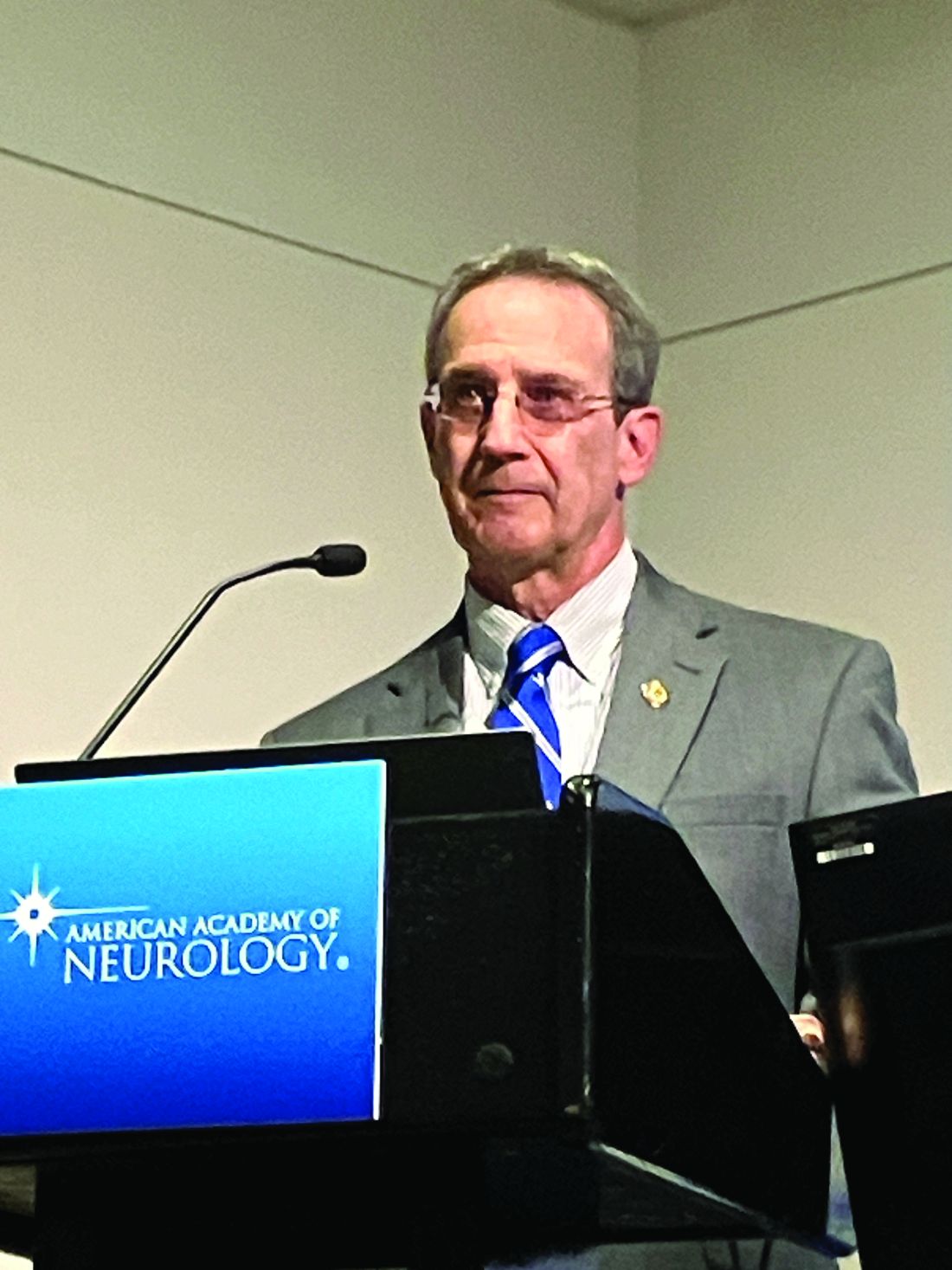
In the past, several large randomized studies, such as the ACCORD trial, provided compelling evidence that tighter glycemic control does not translate into meaningful protection across stroke. Performed before many of the modern therapies were available, this lack of protection was observed with essentially “no heterogeneity across specific drugs,” according to Dr. Goldstein.
In long-term results from ACCORD, published in 2011, the odds ratio for a fatal or nonfatal stroke was a nonsignificant 0.97 in favor of tight glycemic control relative to standard control. The wide confidence intervals ruled out any hint of statistical significance (95% CI, 0.77-1.33; P = .85). Dr. Goldstein provided data from numerous other studies and meta-analyses that drew the same conclusion.
Stroke Prevention With Antidiabetic Drugs
“What has changed is that we have new ways of glycemic control, and some of these do show protection against stroke,” Dr. Goldstein said. Yet, the newer drugs do not do a better job at sustained reductions of HbA1c or other measures of reaching lower blood glucose reductions when adherence is similar.
“The level of glucose control with the newer agents is really about the same,” Dr. Goldstein said at the annual meeting of the American Academy of Neurology, where he led a symposium called Controversies in Stroke Treatment and Prevention.
The newer agents, such as sodium glucose co-transport-2 inhibitors (SGLT-2i) and glucagon-like peptide-1 receptor agonists (GLP-1RA), have been associated with significant and clinically meaningful reductions in cardiovascular events. However, it is not clear that even these two medications perform similarly for stroke prevention specifically.
Of these two drug classes, Dr. Goldstein said the evidence most strongly supports GLP-1 receptor agonists. He cited one meta-analysis of eight randomized studies that calculated a risk reduction of about 15% whether calculated for fatal or nonfatal strokes. For each the protection was highly statistically significant (P = .0002 and P < .001, respectively).
In contrast, the effect of SGLT-2 inhibitors is weaker. In a study that distilled data from large cardiovascular trials with GLP-1RA, SGLT2i, dipeptidyl peptidase-4 inhibitors (DPP4i), and pioglitazone, a thiazolidinedione, only GLP-1RA drugs were associated with a highly significant (P < .001) reduction in risk of stroke. The risk reduction for pioglitazone reached significance (P = .025), but there was no signal of risk reduction for SGLT2i (P = .88) or for DPP4i (P = .5).
Weight Loss Is Potential Mechanism
Looking to explain the protection from stroke associated with some of the newer antidiabetic therapies, Gordon Kelley, MD, who leads the stroke program for AdventHealth Medical Group, Shawnee Mission, Kansas, suggested that weight loss is probably important.
“In our group, we work as a team to manage stroke risk in patients with diabetes, so I am not much involved in the choice of antidiabetic therapies, but it does seem that SGLT2 inhibitors and the GLP-1 receptor agonists share weight loss as an effect beyond glucose control,” he said.
Dr. Goldstein agreed that weight loss is a potential contributor to the cardiovascular benefits of GLP-1RA and SGLT2i, but he indicated that it might not help explain the reduction in stroke, an effect demonstrated repeatedly with GLP-1RA but inconsistently with SGLT2i.
The argument against weight loss as the critical mechanism of stroke prevention from newer antidiabetic drugs is strengthened by studies that suggest weight loss with SGLT2i appears to be even better than on GLP-1RA. In a study published in a pharmacy journal, weight loss was about twice as great among T2DM patients after 6 months of treatment managed with SGLT2i relative to those on a GLP-1RA (-2.8 vs 1.15 kg; P = .014).
Newer Antidiabetic Agents Guideline Recommended
In the 2019 American College of Cardiology/American Heart Association guidelines on the Primary Prevention of Cardiovascular Disease, stroke reduction is not discussed as an isolated risk, but these guidelines do recommend GLP-1RA or SGLT2i after metformin for glycemic control in T2DM patients with atherosclerotic cardiovascular disease (ASCVD) risk factors. This is based on evidence that drugs of both classes reduce risk for ASCVD events. The risk reduction has been particularly strong for heart failure.
For the risk of stroke specifically in patients with T2DM, Dr. Goldstein recommended calculating the ASCVD risk with the simple but well validated ACC risk calculator that is available online and is quickly completed when values for patient risk factors are readily available. For those with greater than 10% risk of an event in the next 10 years, he thinks GLP-1RA are a reasonable choice for prevention of stroke and other ASCVD events.
“GLP-1RA is mentioned in the guidelines, so this is supported,” said Dr. Goldstein, although adding that his choice of this class over SGLT2i is a personal if informed recommendation. He believes that the data favor GLP-1RA even if the exact mechanism of this protection is yet to be identified.
Dr. Goldstein and Dr. Kelley report no potential conflicts of interest.
DENVER —
In patients with type 2 diabetes mellitus (T2DM), the evidence is strong that “they are not working through glycemic control per se,” according to Larry B. Goldstein, MD, chair of neurology, University of Kentucky School of Medicine, Louisville. “But it is not yet clear what the mechanism of benefit is.”
In the past, several large randomized studies, such as the ACCORD trial, provided compelling evidence that tighter glycemic control does not translate into meaningful protection across stroke. Performed before many of the modern therapies were available, this lack of protection was observed with essentially “no heterogeneity across specific drugs,” according to Dr. Goldstein.
In long-term results from ACCORD, published in 2011, the odds ratio for a fatal or nonfatal stroke was a nonsignificant 0.97 in favor of tight glycemic control relative to standard control. The wide confidence intervals ruled out any hint of statistical significance (95% CI, 0.77-1.33; P = .85). Dr. Goldstein provided data from numerous other studies and meta-analyses that drew the same conclusion.
Stroke Prevention With Antidiabetic Drugs
“What has changed is that we have new ways of glycemic control, and some of these do show protection against stroke,” Dr. Goldstein said. Yet, the newer drugs do not do a better job at sustained reductions of HbA1c or other measures of reaching lower blood glucose reductions when adherence is similar.
“The level of glucose control with the newer agents is really about the same,” Dr. Goldstein said at the annual meeting of the American Academy of Neurology, where he led a symposium called Controversies in Stroke Treatment and Prevention.
The newer agents, such as sodium glucose co-transport-2 inhibitors (SGLT-2i) and glucagon-like peptide-1 receptor agonists (GLP-1RA), have been associated with significant and clinically meaningful reductions in cardiovascular events. However, it is not clear that even these two medications perform similarly for stroke prevention specifically.
Of these two drug classes, Dr. Goldstein said the evidence most strongly supports GLP-1 receptor agonists. He cited one meta-analysis of eight randomized studies that calculated a risk reduction of about 15% whether calculated for fatal or nonfatal strokes. For each the protection was highly statistically significant (P = .0002 and P < .001, respectively).
In contrast, the effect of SGLT-2 inhibitors is weaker. In a study that distilled data from large cardiovascular trials with GLP-1RA, SGLT2i, dipeptidyl peptidase-4 inhibitors (DPP4i), and pioglitazone, a thiazolidinedione, only GLP-1RA drugs were associated with a highly significant (P < .001) reduction in risk of stroke. The risk reduction for pioglitazone reached significance (P = .025), but there was no signal of risk reduction for SGLT2i (P = .88) or for DPP4i (P = .5).
Weight Loss Is Potential Mechanism
Looking to explain the protection from stroke associated with some of the newer antidiabetic therapies, Gordon Kelley, MD, who leads the stroke program for AdventHealth Medical Group, Shawnee Mission, Kansas, suggested that weight loss is probably important.
“In our group, we work as a team to manage stroke risk in patients with diabetes, so I am not much involved in the choice of antidiabetic therapies, but it does seem that SGLT2 inhibitors and the GLP-1 receptor agonists share weight loss as an effect beyond glucose control,” he said.
Dr. Goldstein agreed that weight loss is a potential contributor to the cardiovascular benefits of GLP-1RA and SGLT2i, but he indicated that it might not help explain the reduction in stroke, an effect demonstrated repeatedly with GLP-1RA but inconsistently with SGLT2i.
The argument against weight loss as the critical mechanism of stroke prevention from newer antidiabetic drugs is strengthened by studies that suggest weight loss with SGLT2i appears to be even better than on GLP-1RA. In a study published in a pharmacy journal, weight loss was about twice as great among T2DM patients after 6 months of treatment managed with SGLT2i relative to those on a GLP-1RA (-2.8 vs 1.15 kg; P = .014).
Newer Antidiabetic Agents Guideline Recommended
In the 2019 American College of Cardiology/American Heart Association guidelines on the Primary Prevention of Cardiovascular Disease, stroke reduction is not discussed as an isolated risk, but these guidelines do recommend GLP-1RA or SGLT2i after metformin for glycemic control in T2DM patients with atherosclerotic cardiovascular disease (ASCVD) risk factors. This is based on evidence that drugs of both classes reduce risk for ASCVD events. The risk reduction has been particularly strong for heart failure.
For the risk of stroke specifically in patients with T2DM, Dr. Goldstein recommended calculating the ASCVD risk with the simple but well validated ACC risk calculator that is available online and is quickly completed when values for patient risk factors are readily available. For those with greater than 10% risk of an event in the next 10 years, he thinks GLP-1RA are a reasonable choice for prevention of stroke and other ASCVD events.
“GLP-1RA is mentioned in the guidelines, so this is supported,” said Dr. Goldstein, although adding that his choice of this class over SGLT2i is a personal if informed recommendation. He believes that the data favor GLP-1RA even if the exact mechanism of this protection is yet to be identified.
Dr. Goldstein and Dr. Kelley report no potential conflicts of interest.
DENVER —
In patients with type 2 diabetes mellitus (T2DM), the evidence is strong that “they are not working through glycemic control per se,” according to Larry B. Goldstein, MD, chair of neurology, University of Kentucky School of Medicine, Louisville. “But it is not yet clear what the mechanism of benefit is.”
In the past, several large randomized studies, such as the ACCORD trial, provided compelling evidence that tighter glycemic control does not translate into meaningful protection across stroke. Performed before many of the modern therapies were available, this lack of protection was observed with essentially “no heterogeneity across specific drugs,” according to Dr. Goldstein.
In long-term results from ACCORD, published in 2011, the odds ratio for a fatal or nonfatal stroke was a nonsignificant 0.97 in favor of tight glycemic control relative to standard control. The wide confidence intervals ruled out any hint of statistical significance (95% CI, 0.77-1.33; P = .85). Dr. Goldstein provided data from numerous other studies and meta-analyses that drew the same conclusion.
Stroke Prevention With Antidiabetic Drugs
“What has changed is that we have new ways of glycemic control, and some of these do show protection against stroke,” Dr. Goldstein said. Yet, the newer drugs do not do a better job at sustained reductions of HbA1c or other measures of reaching lower blood glucose reductions when adherence is similar.
“The level of glucose control with the newer agents is really about the same,” Dr. Goldstein said at the annual meeting of the American Academy of Neurology, where he led a symposium called Controversies in Stroke Treatment and Prevention.
The newer agents, such as sodium glucose co-transport-2 inhibitors (SGLT-2i) and glucagon-like peptide-1 receptor agonists (GLP-1RA), have been associated with significant and clinically meaningful reductions in cardiovascular events. However, it is not clear that even these two medications perform similarly for stroke prevention specifically.
Of these two drug classes, Dr. Goldstein said the evidence most strongly supports GLP-1 receptor agonists. He cited one meta-analysis of eight randomized studies that calculated a risk reduction of about 15% whether calculated for fatal or nonfatal strokes. For each the protection was highly statistically significant (P = .0002 and P < .001, respectively).
In contrast, the effect of SGLT-2 inhibitors is weaker. In a study that distilled data from large cardiovascular trials with GLP-1RA, SGLT2i, dipeptidyl peptidase-4 inhibitors (DPP4i), and pioglitazone, a thiazolidinedione, only GLP-1RA drugs were associated with a highly significant (P < .001) reduction in risk of stroke. The risk reduction for pioglitazone reached significance (P = .025), but there was no signal of risk reduction for SGLT2i (P = .88) or for DPP4i (P = .5).
Weight Loss Is Potential Mechanism
Looking to explain the protection from stroke associated with some of the newer antidiabetic therapies, Gordon Kelley, MD, who leads the stroke program for AdventHealth Medical Group, Shawnee Mission, Kansas, suggested that weight loss is probably important.
“In our group, we work as a team to manage stroke risk in patients with diabetes, so I am not much involved in the choice of antidiabetic therapies, but it does seem that SGLT2 inhibitors and the GLP-1 receptor agonists share weight loss as an effect beyond glucose control,” he said.
Dr. Goldstein agreed that weight loss is a potential contributor to the cardiovascular benefits of GLP-1RA and SGLT2i, but he indicated that it might not help explain the reduction in stroke, an effect demonstrated repeatedly with GLP-1RA but inconsistently with SGLT2i.
The argument against weight loss as the critical mechanism of stroke prevention from newer antidiabetic drugs is strengthened by studies that suggest weight loss with SGLT2i appears to be even better than on GLP-1RA. In a study published in a pharmacy journal, weight loss was about twice as great among T2DM patients after 6 months of treatment managed with SGLT2i relative to those on a GLP-1RA (-2.8 vs 1.15 kg; P = .014).
Newer Antidiabetic Agents Guideline Recommended
In the 2019 American College of Cardiology/American Heart Association guidelines on the Primary Prevention of Cardiovascular Disease, stroke reduction is not discussed as an isolated risk, but these guidelines do recommend GLP-1RA or SGLT2i after metformin for glycemic control in T2DM patients with atherosclerotic cardiovascular disease (ASCVD) risk factors. This is based on evidence that drugs of both classes reduce risk for ASCVD events. The risk reduction has been particularly strong for heart failure.
For the risk of stroke specifically in patients with T2DM, Dr. Goldstein recommended calculating the ASCVD risk with the simple but well validated ACC risk calculator that is available online and is quickly completed when values for patient risk factors are readily available. For those with greater than 10% risk of an event in the next 10 years, he thinks GLP-1RA are a reasonable choice for prevention of stroke and other ASCVD events.
“GLP-1RA is mentioned in the guidelines, so this is supported,” said Dr. Goldstein, although adding that his choice of this class over SGLT2i is a personal if informed recommendation. He believes that the data favor GLP-1RA even if the exact mechanism of this protection is yet to be identified.
Dr. Goldstein and Dr. Kelley report no potential conflicts of interest.
FROM AAN 2024
First US Adult ADHD Guidelines Finally on the Way?
The first US clinical guidelines to diagnose and treat attention-deficit/hyperactivity disorder (ADHD) in adults are expected to be released this fall, providing patients, clinicians, insurers, and policymakers with a long overdue and much-needed standardized framework.
The initiative comes under the auspices of the American Professional Society of ADHD and Related Disorders (APSARD). David Goodman, MD, a member of the APSARD guidelines executive committee and assistant professor in the Department of Psychiatry and Behavioral Sciences at Johns Hopkins School of Medicine in Baltimore, Maryland, noted that the US lags behind several other nations, including Canada, the United Kingdom, Australia, and New Zealand who already have guidelines in place.
Dr. Goodman would not go into any detail as to why the country has been so slow off the mark but told this news organization that in part it has been due to a lack of specific funding. In addition, he said, “adult psychiatry abdicated responsibility for ADHD in adults.”
The American Psychiatric Association (APA) would not comment, although a spokesperson said two of its members are working with APSARD on the guidelines.
Estimates show that there are 10-11 million American adults (4.4%) with ADHD, making it the second most common psychiatric disorder in adults.
Surveys show that mental health professionals, including psychiatrists, report a lack of familiarity with ADHD in adults, said Margaret Sibley, PhD, professor of psychiatry and behavioral sciences at the University of Washington School of Medicine in Seattle and chair of the APSARD guidelines diagnostic and screening committee.
Many don’t consider an ADHD diagnosis in adults “because they were always trained to conceptualize it as something that’s relevant only in childhood,” Dr. Sibley told this new organization. However, research shows that people with ADHD do not outgrow the disorder.
“ADHD itself is still present and has unique problems associated with it in adults,” Dr. Sibley said.
Filling the Leadership Gap
Laurie Kulikosky, CEO of the advocacy group CHADD, said that the organization views the development of guidelines “as a huge step forward in the ability for more people to understand ADHD, particularly on the adult side.”
Oren Mason, MD, a primary care physician who specializes in ADHD at his Grand Rapids, Michigan-based practice, said “there hasn’t been a single specialty that has taken lead responsibility in adult ADHD,” which has contributed to the lag in guideline development.
In addition, Dr. Mason said, “trying to come up with adult guidelines even 5 or 10 years ago wouldn’t have yielded nearly as robust a set of guidelines because it’s taken awhile to have the evidence base to be able to make a few pronouncements really confidently.”
Not only has the evidence base grown but so has telehealth, especially during the height of the COVID-19 pandemic. That led to concerns that ADHD was not rigorously evaluated and that stimulants were prescribed too easily, said Dr. Goodman.
Several telehealth providers came under federal scrutiny, with the DEA accusing Cerebral’s pharmacy of dispensing stimulants for nonmedical reasons. The agency said that some 72,000 prescriptions for controlled substances, mostly stimulants, were written between 2020 and 2022.
APSARD felt it was time to act, said Dr. Goodman.
“We could not allow entrepreneurs who felt there was a business opportunity here to, under the auspices of advocating for mental health, increase the distribution of potentially addictive medications in the community,” he said
Ensuring Psychiatrist Buy-In
Development of the APSARD guidelines is led by Thomas Spencer, MD, a retired associate professor of psychiatry at Harvard Medical School, and Frances Rudnick Levin, MD, the Kennedy-Leavy Professor of Psychiatry at Columbia University, both of whom have decades of experience and clinical work in adults with ADHD.
Dr. Goodman is joined on the executive committee by Lenard Adler, MD (NYU Grossman School of Medicine), and Stephen Faraone, PhD (SUNY Upstate Medical University), along with 30 others who have expertise in psychiatry, psychology, primary care, and other health professions.
To participate in the development of the guidelines, experts had to agree to disengage from any potential conflicts and devote themselves — unpaid — to the process, said Dr. Goodman. The goal is to head off any charges of conflicts or biases, he said.
Three subcommittees — diagnosis and assessment, medical treatment, and nonmedical treatment — will review the literature, grade the evidence base, and use the Delphi consensus method to write the draft guidelines.
The draft will go out to the public and to medical specialties for comment, which will be considered for inclusion in the final publication, said Dr. Goodman.
The guidelines panel has been working closely with the APA and following the APA guideline development process in an effort to get buy-in from psychiatrists, he said.
Critical Educational Tool
“Doctors are often surprised to hear that there are no guidelines for adult ADHD in the US,” said Ann Childress, MD, APSARD president, when the group announced its effort in 2023. “Whether diagnosis and treatment are provided in office or online, the standard of care should be the same throughout the country,” she said.
Guidelines will “reduce mythology and error or at least when we run into mythology and error we can say no, there’s a giant consensus with hundreds of experts that disagree with that and so if you want to counter that you better bring some heavy machinery, you can’t just throw out an opinion and leave it unsupported,” said Dr. Mason.
Dr. Sibley said that, although there are no good data, anecdotally it appears many clinicians rely on the Diagnostic and Statistical Manual of Mental Disorders (DSM) when treating adults with ADHD.
The DSM “tells people what they should do but it doesn’t exactly tell them what’s the best way to do it,” she said, adding that often physicians follow what they learned from whoever they were trained by.
“Some people have been trained by people who are well versed in best practices and so they might be doing things that we would say have a research support to them, and other people might be doing things based on people who developed their own opinions about the best way to diagnose ADHD based on lived experience which may or may not be best practices,” Dr. Sibley said.
Her subcommittee aims to offer guidance on screening “that will be helpful in primary care, in terms of what are the most efficient ways to do it” and to help with accuracy, she said. Currently, there are likely some clinicians who are making too liberal a diagnosis and others who are making too conservative a diagnosis, she said.
With so many clinicians — especially in primary care — having a lack of experience, the guidelines could increase “the ability for more different kinds of providers to help,” said Dr. Kulikosky.
Guidelines should also provide a template for ongoing education, especially for clinicians who have never received any training in ADHD.
Dr. Goodman said it is increasingly likely that primary care physicians will be writing more prescriptions for ADHD medications than psychiatrists. “If that is the trajectory, the education of those providers seeing these patients is critical,” he said.
Offering Standards, Dispelling Myths
Guidelines can also help “shorten the learning curve,” said Dr. Mason, who said that he’s had to piece together evidence over the last few decades. Once published, the standards can be used in residency, for board exams, and continuing medical education, he said.
Not only do they offer a “kind of a shortcut to what we all know and agree on,” they also specify where the edges of knowledge are, he said.
Guidelines can also dissuade clinicians from practices that have no evidence to support them, such as “medication holidays,” said Dr. Mason. That has been employed to give children, especially, a break from side effects, but studies have shown that it actually increases side effects, he said.
Dr. Goodman and Dr. Sibley expect the guidelines to help with the challenge of diagnosis. Approximately 38% of adults with ADHD have a mood disorder and 48% have anxiety, said Dr. Goodman. Many others have coexisting posttraumatic stress disorder, substance use disorders, or medical illnesses that compound cognitive problems.
If an individual has several psychiatric conditions, “the question is how do you diagnostically prioritize which you treat first, second, and third, with the goal of treating one without making the others worse,” said Dr. Goodman.
“ADHD takes more detective work than other disorders,” said Dr. Sibley, adding that without an objective diagnostic and with overlaps with other comorbid disorders, “there are very complex issues that all of us wrestle with.”
While the guidelines will not provide algorithms, they will provide information that “will help guide them in the tougher diagnostic context,” she said.
Dr. Mason agreed. “It’s a complicated disorder to diagnose and treat. It’s hard for somebody to jump into it. [The guidelines] are going to give us — here’s what you really have to know, here’s what you have to do,” he said.
And it won’t just be clinicians who look to the guidelines. Calls to National Resource Center on ADHD — which CHADD runs for the federal government — from adults wanting to know more about their own condition “have increased exponentially” in the last few years, said Dr. Kulikosky. “We know adults are seeking out information, they are seeking out diagnosis and treatment,” she said.
Dr. Goodman and Dr. Sibley reported no relevant financial relationships. Dr. Mason reported that he consults for Otsuka and is a speaker for Iron Shore.
A version of this article first appeared on Medscape.com.
The first US clinical guidelines to diagnose and treat attention-deficit/hyperactivity disorder (ADHD) in adults are expected to be released this fall, providing patients, clinicians, insurers, and policymakers with a long overdue and much-needed standardized framework.
The initiative comes under the auspices of the American Professional Society of ADHD and Related Disorders (APSARD). David Goodman, MD, a member of the APSARD guidelines executive committee and assistant professor in the Department of Psychiatry and Behavioral Sciences at Johns Hopkins School of Medicine in Baltimore, Maryland, noted that the US lags behind several other nations, including Canada, the United Kingdom, Australia, and New Zealand who already have guidelines in place.
Dr. Goodman would not go into any detail as to why the country has been so slow off the mark but told this news organization that in part it has been due to a lack of specific funding. In addition, he said, “adult psychiatry abdicated responsibility for ADHD in adults.”
The American Psychiatric Association (APA) would not comment, although a spokesperson said two of its members are working with APSARD on the guidelines.
Estimates show that there are 10-11 million American adults (4.4%) with ADHD, making it the second most common psychiatric disorder in adults.
Surveys show that mental health professionals, including psychiatrists, report a lack of familiarity with ADHD in adults, said Margaret Sibley, PhD, professor of psychiatry and behavioral sciences at the University of Washington School of Medicine in Seattle and chair of the APSARD guidelines diagnostic and screening committee.
Many don’t consider an ADHD diagnosis in adults “because they were always trained to conceptualize it as something that’s relevant only in childhood,” Dr. Sibley told this new organization. However, research shows that people with ADHD do not outgrow the disorder.
“ADHD itself is still present and has unique problems associated with it in adults,” Dr. Sibley said.
Filling the Leadership Gap
Laurie Kulikosky, CEO of the advocacy group CHADD, said that the organization views the development of guidelines “as a huge step forward in the ability for more people to understand ADHD, particularly on the adult side.”
Oren Mason, MD, a primary care physician who specializes in ADHD at his Grand Rapids, Michigan-based practice, said “there hasn’t been a single specialty that has taken lead responsibility in adult ADHD,” which has contributed to the lag in guideline development.
In addition, Dr. Mason said, “trying to come up with adult guidelines even 5 or 10 years ago wouldn’t have yielded nearly as robust a set of guidelines because it’s taken awhile to have the evidence base to be able to make a few pronouncements really confidently.”
Not only has the evidence base grown but so has telehealth, especially during the height of the COVID-19 pandemic. That led to concerns that ADHD was not rigorously evaluated and that stimulants were prescribed too easily, said Dr. Goodman.
Several telehealth providers came under federal scrutiny, with the DEA accusing Cerebral’s pharmacy of dispensing stimulants for nonmedical reasons. The agency said that some 72,000 prescriptions for controlled substances, mostly stimulants, were written between 2020 and 2022.
APSARD felt it was time to act, said Dr. Goodman.
“We could not allow entrepreneurs who felt there was a business opportunity here to, under the auspices of advocating for mental health, increase the distribution of potentially addictive medications in the community,” he said
Ensuring Psychiatrist Buy-In
Development of the APSARD guidelines is led by Thomas Spencer, MD, a retired associate professor of psychiatry at Harvard Medical School, and Frances Rudnick Levin, MD, the Kennedy-Leavy Professor of Psychiatry at Columbia University, both of whom have decades of experience and clinical work in adults with ADHD.
Dr. Goodman is joined on the executive committee by Lenard Adler, MD (NYU Grossman School of Medicine), and Stephen Faraone, PhD (SUNY Upstate Medical University), along with 30 others who have expertise in psychiatry, psychology, primary care, and other health professions.
To participate in the development of the guidelines, experts had to agree to disengage from any potential conflicts and devote themselves — unpaid — to the process, said Dr. Goodman. The goal is to head off any charges of conflicts or biases, he said.
Three subcommittees — diagnosis and assessment, medical treatment, and nonmedical treatment — will review the literature, grade the evidence base, and use the Delphi consensus method to write the draft guidelines.
The draft will go out to the public and to medical specialties for comment, which will be considered for inclusion in the final publication, said Dr. Goodman.
The guidelines panel has been working closely with the APA and following the APA guideline development process in an effort to get buy-in from psychiatrists, he said.
Critical Educational Tool
“Doctors are often surprised to hear that there are no guidelines for adult ADHD in the US,” said Ann Childress, MD, APSARD president, when the group announced its effort in 2023. “Whether diagnosis and treatment are provided in office or online, the standard of care should be the same throughout the country,” she said.
Guidelines will “reduce mythology and error or at least when we run into mythology and error we can say no, there’s a giant consensus with hundreds of experts that disagree with that and so if you want to counter that you better bring some heavy machinery, you can’t just throw out an opinion and leave it unsupported,” said Dr. Mason.
Dr. Sibley said that, although there are no good data, anecdotally it appears many clinicians rely on the Diagnostic and Statistical Manual of Mental Disorders (DSM) when treating adults with ADHD.
The DSM “tells people what they should do but it doesn’t exactly tell them what’s the best way to do it,” she said, adding that often physicians follow what they learned from whoever they were trained by.
“Some people have been trained by people who are well versed in best practices and so they might be doing things that we would say have a research support to them, and other people might be doing things based on people who developed their own opinions about the best way to diagnose ADHD based on lived experience which may or may not be best practices,” Dr. Sibley said.
Her subcommittee aims to offer guidance on screening “that will be helpful in primary care, in terms of what are the most efficient ways to do it” and to help with accuracy, she said. Currently, there are likely some clinicians who are making too liberal a diagnosis and others who are making too conservative a diagnosis, she said.
With so many clinicians — especially in primary care — having a lack of experience, the guidelines could increase “the ability for more different kinds of providers to help,” said Dr. Kulikosky.
Guidelines should also provide a template for ongoing education, especially for clinicians who have never received any training in ADHD.
Dr. Goodman said it is increasingly likely that primary care physicians will be writing more prescriptions for ADHD medications than psychiatrists. “If that is the trajectory, the education of those providers seeing these patients is critical,” he said.
Offering Standards, Dispelling Myths
Guidelines can also help “shorten the learning curve,” said Dr. Mason, who said that he’s had to piece together evidence over the last few decades. Once published, the standards can be used in residency, for board exams, and continuing medical education, he said.
Not only do they offer a “kind of a shortcut to what we all know and agree on,” they also specify where the edges of knowledge are, he said.
Guidelines can also dissuade clinicians from practices that have no evidence to support them, such as “medication holidays,” said Dr. Mason. That has been employed to give children, especially, a break from side effects, but studies have shown that it actually increases side effects, he said.
Dr. Goodman and Dr. Sibley expect the guidelines to help with the challenge of diagnosis. Approximately 38% of adults with ADHD have a mood disorder and 48% have anxiety, said Dr. Goodman. Many others have coexisting posttraumatic stress disorder, substance use disorders, or medical illnesses that compound cognitive problems.
If an individual has several psychiatric conditions, “the question is how do you diagnostically prioritize which you treat first, second, and third, with the goal of treating one without making the others worse,” said Dr. Goodman.
“ADHD takes more detective work than other disorders,” said Dr. Sibley, adding that without an objective diagnostic and with overlaps with other comorbid disorders, “there are very complex issues that all of us wrestle with.”
While the guidelines will not provide algorithms, they will provide information that “will help guide them in the tougher diagnostic context,” she said.
Dr. Mason agreed. “It’s a complicated disorder to diagnose and treat. It’s hard for somebody to jump into it. [The guidelines] are going to give us — here’s what you really have to know, here’s what you have to do,” he said.
And it won’t just be clinicians who look to the guidelines. Calls to National Resource Center on ADHD — which CHADD runs for the federal government — from adults wanting to know more about their own condition “have increased exponentially” in the last few years, said Dr. Kulikosky. “We know adults are seeking out information, they are seeking out diagnosis and treatment,” she said.
Dr. Goodman and Dr. Sibley reported no relevant financial relationships. Dr. Mason reported that he consults for Otsuka and is a speaker for Iron Shore.
A version of this article first appeared on Medscape.com.
The first US clinical guidelines to diagnose and treat attention-deficit/hyperactivity disorder (ADHD) in adults are expected to be released this fall, providing patients, clinicians, insurers, and policymakers with a long overdue and much-needed standardized framework.
The initiative comes under the auspices of the American Professional Society of ADHD and Related Disorders (APSARD). David Goodman, MD, a member of the APSARD guidelines executive committee and assistant professor in the Department of Psychiatry and Behavioral Sciences at Johns Hopkins School of Medicine in Baltimore, Maryland, noted that the US lags behind several other nations, including Canada, the United Kingdom, Australia, and New Zealand who already have guidelines in place.
Dr. Goodman would not go into any detail as to why the country has been so slow off the mark but told this news organization that in part it has been due to a lack of specific funding. In addition, he said, “adult psychiatry abdicated responsibility for ADHD in adults.”
The American Psychiatric Association (APA) would not comment, although a spokesperson said two of its members are working with APSARD on the guidelines.
Estimates show that there are 10-11 million American adults (4.4%) with ADHD, making it the second most common psychiatric disorder in adults.
Surveys show that mental health professionals, including psychiatrists, report a lack of familiarity with ADHD in adults, said Margaret Sibley, PhD, professor of psychiatry and behavioral sciences at the University of Washington School of Medicine in Seattle and chair of the APSARD guidelines diagnostic and screening committee.
Many don’t consider an ADHD diagnosis in adults “because they were always trained to conceptualize it as something that’s relevant only in childhood,” Dr. Sibley told this new organization. However, research shows that people with ADHD do not outgrow the disorder.
“ADHD itself is still present and has unique problems associated with it in adults,” Dr. Sibley said.
Filling the Leadership Gap
Laurie Kulikosky, CEO of the advocacy group CHADD, said that the organization views the development of guidelines “as a huge step forward in the ability for more people to understand ADHD, particularly on the adult side.”
Oren Mason, MD, a primary care physician who specializes in ADHD at his Grand Rapids, Michigan-based practice, said “there hasn’t been a single specialty that has taken lead responsibility in adult ADHD,” which has contributed to the lag in guideline development.
In addition, Dr. Mason said, “trying to come up with adult guidelines even 5 or 10 years ago wouldn’t have yielded nearly as robust a set of guidelines because it’s taken awhile to have the evidence base to be able to make a few pronouncements really confidently.”
Not only has the evidence base grown but so has telehealth, especially during the height of the COVID-19 pandemic. That led to concerns that ADHD was not rigorously evaluated and that stimulants were prescribed too easily, said Dr. Goodman.
Several telehealth providers came under federal scrutiny, with the DEA accusing Cerebral’s pharmacy of dispensing stimulants for nonmedical reasons. The agency said that some 72,000 prescriptions for controlled substances, mostly stimulants, were written between 2020 and 2022.
APSARD felt it was time to act, said Dr. Goodman.
“We could not allow entrepreneurs who felt there was a business opportunity here to, under the auspices of advocating for mental health, increase the distribution of potentially addictive medications in the community,” he said
Ensuring Psychiatrist Buy-In
Development of the APSARD guidelines is led by Thomas Spencer, MD, a retired associate professor of psychiatry at Harvard Medical School, and Frances Rudnick Levin, MD, the Kennedy-Leavy Professor of Psychiatry at Columbia University, both of whom have decades of experience and clinical work in adults with ADHD.
Dr. Goodman is joined on the executive committee by Lenard Adler, MD (NYU Grossman School of Medicine), and Stephen Faraone, PhD (SUNY Upstate Medical University), along with 30 others who have expertise in psychiatry, psychology, primary care, and other health professions.
To participate in the development of the guidelines, experts had to agree to disengage from any potential conflicts and devote themselves — unpaid — to the process, said Dr. Goodman. The goal is to head off any charges of conflicts or biases, he said.
Three subcommittees — diagnosis and assessment, medical treatment, and nonmedical treatment — will review the literature, grade the evidence base, and use the Delphi consensus method to write the draft guidelines.
The draft will go out to the public and to medical specialties for comment, which will be considered for inclusion in the final publication, said Dr. Goodman.
The guidelines panel has been working closely with the APA and following the APA guideline development process in an effort to get buy-in from psychiatrists, he said.
Critical Educational Tool
“Doctors are often surprised to hear that there are no guidelines for adult ADHD in the US,” said Ann Childress, MD, APSARD president, when the group announced its effort in 2023. “Whether diagnosis and treatment are provided in office or online, the standard of care should be the same throughout the country,” she said.
Guidelines will “reduce mythology and error or at least when we run into mythology and error we can say no, there’s a giant consensus with hundreds of experts that disagree with that and so if you want to counter that you better bring some heavy machinery, you can’t just throw out an opinion and leave it unsupported,” said Dr. Mason.
Dr. Sibley said that, although there are no good data, anecdotally it appears many clinicians rely on the Diagnostic and Statistical Manual of Mental Disorders (DSM) when treating adults with ADHD.
The DSM “tells people what they should do but it doesn’t exactly tell them what’s the best way to do it,” she said, adding that often physicians follow what they learned from whoever they were trained by.
“Some people have been trained by people who are well versed in best practices and so they might be doing things that we would say have a research support to them, and other people might be doing things based on people who developed their own opinions about the best way to diagnose ADHD based on lived experience which may or may not be best practices,” Dr. Sibley said.
Her subcommittee aims to offer guidance on screening “that will be helpful in primary care, in terms of what are the most efficient ways to do it” and to help with accuracy, she said. Currently, there are likely some clinicians who are making too liberal a diagnosis and others who are making too conservative a diagnosis, she said.
With so many clinicians — especially in primary care — having a lack of experience, the guidelines could increase “the ability for more different kinds of providers to help,” said Dr. Kulikosky.
Guidelines should also provide a template for ongoing education, especially for clinicians who have never received any training in ADHD.
Dr. Goodman said it is increasingly likely that primary care physicians will be writing more prescriptions for ADHD medications than psychiatrists. “If that is the trajectory, the education of those providers seeing these patients is critical,” he said.
Offering Standards, Dispelling Myths
Guidelines can also help “shorten the learning curve,” said Dr. Mason, who said that he’s had to piece together evidence over the last few decades. Once published, the standards can be used in residency, for board exams, and continuing medical education, he said.
Not only do they offer a “kind of a shortcut to what we all know and agree on,” they also specify where the edges of knowledge are, he said.
Guidelines can also dissuade clinicians from practices that have no evidence to support them, such as “medication holidays,” said Dr. Mason. That has been employed to give children, especially, a break from side effects, but studies have shown that it actually increases side effects, he said.
Dr. Goodman and Dr. Sibley expect the guidelines to help with the challenge of diagnosis. Approximately 38% of adults with ADHD have a mood disorder and 48% have anxiety, said Dr. Goodman. Many others have coexisting posttraumatic stress disorder, substance use disorders, or medical illnesses that compound cognitive problems.
If an individual has several psychiatric conditions, “the question is how do you diagnostically prioritize which you treat first, second, and third, with the goal of treating one without making the others worse,” said Dr. Goodman.
“ADHD takes more detective work than other disorders,” said Dr. Sibley, adding that without an objective diagnostic and with overlaps with other comorbid disorders, “there are very complex issues that all of us wrestle with.”
While the guidelines will not provide algorithms, they will provide information that “will help guide them in the tougher diagnostic context,” she said.
Dr. Mason agreed. “It’s a complicated disorder to diagnose and treat. It’s hard for somebody to jump into it. [The guidelines] are going to give us — here’s what you really have to know, here’s what you have to do,” he said.
And it won’t just be clinicians who look to the guidelines. Calls to National Resource Center on ADHD — which CHADD runs for the federal government — from adults wanting to know more about their own condition “have increased exponentially” in the last few years, said Dr. Kulikosky. “We know adults are seeking out information, they are seeking out diagnosis and treatment,” she said.
Dr. Goodman and Dr. Sibley reported no relevant financial relationships. Dr. Mason reported that he consults for Otsuka and is a speaker for Iron Shore.
A version of this article first appeared on Medscape.com.
Delirium Linked to a Threefold Increased Risk for Dementia
, new research showed.
Incident dementia risk was more than three times higher in those who experienced just one episode of delirium, with each additional episode linked to a further 20% increase in dementia risk. The association was strongest in men.
Patients with delirium also had a 39% higher mortality risk than those with no history of delirium.
“We have known for a long time that delirium is dangerous, and this provides evidence that it’s even more dangerous than perhaps we had appreciated,” said study investigator Emily H. Gordon, PhD, MBBS, a geriatrician and senior lecturer at the University of Queensland, Brisbane, Australia.
“But we also know delirium is preventable. There are no excuses anymore; we really need to work together to improve the hospital system, to implement what are known to be effective interventions,” she added.
The findings were published online in The BMJ.
Close Matching
Prior studies that suggested an association between delirium and dementia were relatively small with short follow-up and varied in their adjustment for confounders. They also didn’t account for the competing risk for death, researchers noted.
Investigators used a linked New South Wales (NSW) statewide dataset that includes records of care episodes from all NSW hospitals as well as personal, administrative, clinical, and death information.
The study included an eligible sample of 626,467 older adults without dementia at baseline with at least one hospital admission between 2009 and 2014. For these patients, researchers calculated a hospital frailty risk score and collected other information including primary diagnosis and mean length of hospital stay and stay in the intensive care unit. From diagnostic codes, they categorized patients into no delirium and delirium groups and determined the number of delirium episodes.
Investigators matched patients in the delirium group to patients with no delirium according to characteristics with potential to confound the association between delirium and risk for dementia, including age, gender, frailty, reason for hospitalization, and length of stay in hospital and intensive care.
The matched study sample included 55,211 (mean age, 83 years) each in the delirium and the no delirium groups. Despite matching, the length of hospital stay for the index episode was longer for the delirium group than the no delirium group (mean, 9 days vs 6 days).
The primary outcomes were death and incident dementia, determined via diagnostic codes. During a follow-up of 5.25 years, 58% of patients died, and 17% had a new dementia diagnosis.
Among patients with at least one episode of delirium, the rate of incident dementia was 3.4 times higher than in those without delirium. After accounting for the competing risk for death, incident dementia risk remained three times higher among the delirium group (hazard ratio [HR], 3.00; 95% CI, 2.91-3.10).
This association was stronger for men than women (HR, 3.17 and 2.88, respectively; P = .004).
Sex Differences
The study is thought to be the first to identify a difference between sexes in dementia risk and delirium, Dr. Gordon said. It’s possible delirium in men is more severe in intensity or lasts longer than in women, or the male brain is, for whatever reason, more vulnerable to the effects of delirium, said Dr. Gordon. But she stressed these are only theories.
Investigators also found a mortality rate 1.4 times higher in the delirium group versus those without delirium, equating to a 39% increased risk for death (HR, 1.39; 95% CI, 1.37-1.41). The risk was similar for men and women (interaction P = .62).
When researchers categorized delirium by number of episodes, they found each additional episode was associated with a 10% increased risk for death (HR, 1.10; 95% CI, 1.09-1.12).
In addition to its large size, long follow-up, and close matching, what sets this new study apart from previous research is it accounted for the competing risk for death, said Dr. Gordon.
“This is really important because you’re not going to get dementia if you die, and in this population, the rate of death is incredibly high,” she said. “If we just assume people who died didn’t get dementia, then that screws the results.”
Causal Link?
For those who experienced at least one episode of delirium within the first 12 months, each additional episode of delirium was associated with a 20% increased risk for dementia (HR, 1.20; 95% CI, 1.18-1.23).
That dose-response association suggests a causal link between the two, Dr. Gordon said.
“The number one way to prove causality is to do a randomized controlled trial,” which isn’t feasible with delirium, she said. “By demonstrating a dose-response relationship suggests that it could be a causal pathway.”
Exact mechanisms linking delirium with dementia are unclear. Delirium might uncover preexisting or preclinical dementia, or it might cause dementia by accelerating underlying neuropathologic processes or de novo mechanisms, the authors noted.
Study limitations included the potential for residual confounding from unmeasured variables in the matching criteria. Delirium and dementia diagnoses depended on clinical coding of medical information recorded in the administrative dataset, and under-coding of dementia during hospitalization is well-recognized.
Although the study controlled for length of stay in hospital and in intensive care, this may not have fully captured differences in severity of medical conditions. Data about the duration and severity of delirium episodes were also unavailable, which limited the dose-response analysis.
Commenting on the findings, Christopher Weber, PhD, Alzheimer’s Association as director of Global Science Initiatives, said the results are consistent with other research on the association between delirium and incidents of dementia.
The increased risk for dementia following delirium in males is “an interesting finding,” said Dr. Weber. “This suggests a need for more research to understand the impact of sex differences in delirium, as well as research to see if preventing incidents of delirium could ultimately reduce rates of dementia.”
The study received support from the National Health and Medical Research Council: Partnership Centre for Health System Sustainability. Dr. Gordon and Dr. Weber reported no relevant conflicts of interest.
A version of this article appeared on Medscape.com.
, new research showed.
Incident dementia risk was more than three times higher in those who experienced just one episode of delirium, with each additional episode linked to a further 20% increase in dementia risk. The association was strongest in men.
Patients with delirium also had a 39% higher mortality risk than those with no history of delirium.
“We have known for a long time that delirium is dangerous, and this provides evidence that it’s even more dangerous than perhaps we had appreciated,” said study investigator Emily H. Gordon, PhD, MBBS, a geriatrician and senior lecturer at the University of Queensland, Brisbane, Australia.
“But we also know delirium is preventable. There are no excuses anymore; we really need to work together to improve the hospital system, to implement what are known to be effective interventions,” she added.
The findings were published online in The BMJ.
Close Matching
Prior studies that suggested an association between delirium and dementia were relatively small with short follow-up and varied in their adjustment for confounders. They also didn’t account for the competing risk for death, researchers noted.
Investigators used a linked New South Wales (NSW) statewide dataset that includes records of care episodes from all NSW hospitals as well as personal, administrative, clinical, and death information.
The study included an eligible sample of 626,467 older adults without dementia at baseline with at least one hospital admission between 2009 and 2014. For these patients, researchers calculated a hospital frailty risk score and collected other information including primary diagnosis and mean length of hospital stay and stay in the intensive care unit. From diagnostic codes, they categorized patients into no delirium and delirium groups and determined the number of delirium episodes.
Investigators matched patients in the delirium group to patients with no delirium according to characteristics with potential to confound the association between delirium and risk for dementia, including age, gender, frailty, reason for hospitalization, and length of stay in hospital and intensive care.
The matched study sample included 55,211 (mean age, 83 years) each in the delirium and the no delirium groups. Despite matching, the length of hospital stay for the index episode was longer for the delirium group than the no delirium group (mean, 9 days vs 6 days).
The primary outcomes were death and incident dementia, determined via diagnostic codes. During a follow-up of 5.25 years, 58% of patients died, and 17% had a new dementia diagnosis.
Among patients with at least one episode of delirium, the rate of incident dementia was 3.4 times higher than in those without delirium. After accounting for the competing risk for death, incident dementia risk remained three times higher among the delirium group (hazard ratio [HR], 3.00; 95% CI, 2.91-3.10).
This association was stronger for men than women (HR, 3.17 and 2.88, respectively; P = .004).
Sex Differences
The study is thought to be the first to identify a difference between sexes in dementia risk and delirium, Dr. Gordon said. It’s possible delirium in men is more severe in intensity or lasts longer than in women, or the male brain is, for whatever reason, more vulnerable to the effects of delirium, said Dr. Gordon. But she stressed these are only theories.
Investigators also found a mortality rate 1.4 times higher in the delirium group versus those without delirium, equating to a 39% increased risk for death (HR, 1.39; 95% CI, 1.37-1.41). The risk was similar for men and women (interaction P = .62).
When researchers categorized delirium by number of episodes, they found each additional episode was associated with a 10% increased risk for death (HR, 1.10; 95% CI, 1.09-1.12).
In addition to its large size, long follow-up, and close matching, what sets this new study apart from previous research is it accounted for the competing risk for death, said Dr. Gordon.
“This is really important because you’re not going to get dementia if you die, and in this population, the rate of death is incredibly high,” she said. “If we just assume people who died didn’t get dementia, then that screws the results.”
Causal Link?
For those who experienced at least one episode of delirium within the first 12 months, each additional episode of delirium was associated with a 20% increased risk for dementia (HR, 1.20; 95% CI, 1.18-1.23).
That dose-response association suggests a causal link between the two, Dr. Gordon said.
“The number one way to prove causality is to do a randomized controlled trial,” which isn’t feasible with delirium, she said. “By demonstrating a dose-response relationship suggests that it could be a causal pathway.”
Exact mechanisms linking delirium with dementia are unclear. Delirium might uncover preexisting or preclinical dementia, or it might cause dementia by accelerating underlying neuropathologic processes or de novo mechanisms, the authors noted.
Study limitations included the potential for residual confounding from unmeasured variables in the matching criteria. Delirium and dementia diagnoses depended on clinical coding of medical information recorded in the administrative dataset, and under-coding of dementia during hospitalization is well-recognized.
Although the study controlled for length of stay in hospital and in intensive care, this may not have fully captured differences in severity of medical conditions. Data about the duration and severity of delirium episodes were also unavailable, which limited the dose-response analysis.
Commenting on the findings, Christopher Weber, PhD, Alzheimer’s Association as director of Global Science Initiatives, said the results are consistent with other research on the association between delirium and incidents of dementia.
The increased risk for dementia following delirium in males is “an interesting finding,” said Dr. Weber. “This suggests a need for more research to understand the impact of sex differences in delirium, as well as research to see if preventing incidents of delirium could ultimately reduce rates of dementia.”
The study received support from the National Health and Medical Research Council: Partnership Centre for Health System Sustainability. Dr. Gordon and Dr. Weber reported no relevant conflicts of interest.
A version of this article appeared on Medscape.com.
, new research showed.
Incident dementia risk was more than three times higher in those who experienced just one episode of delirium, with each additional episode linked to a further 20% increase in dementia risk. The association was strongest in men.
Patients with delirium also had a 39% higher mortality risk than those with no history of delirium.
“We have known for a long time that delirium is dangerous, and this provides evidence that it’s even more dangerous than perhaps we had appreciated,” said study investigator Emily H. Gordon, PhD, MBBS, a geriatrician and senior lecturer at the University of Queensland, Brisbane, Australia.
“But we also know delirium is preventable. There are no excuses anymore; we really need to work together to improve the hospital system, to implement what are known to be effective interventions,” she added.
The findings were published online in The BMJ.
Close Matching
Prior studies that suggested an association between delirium and dementia were relatively small with short follow-up and varied in their adjustment for confounders. They also didn’t account for the competing risk for death, researchers noted.
Investigators used a linked New South Wales (NSW) statewide dataset that includes records of care episodes from all NSW hospitals as well as personal, administrative, clinical, and death information.
The study included an eligible sample of 626,467 older adults without dementia at baseline with at least one hospital admission between 2009 and 2014. For these patients, researchers calculated a hospital frailty risk score and collected other information including primary diagnosis and mean length of hospital stay and stay in the intensive care unit. From diagnostic codes, they categorized patients into no delirium and delirium groups and determined the number of delirium episodes.
Investigators matched patients in the delirium group to patients with no delirium according to characteristics with potential to confound the association between delirium and risk for dementia, including age, gender, frailty, reason for hospitalization, and length of stay in hospital and intensive care.
The matched study sample included 55,211 (mean age, 83 years) each in the delirium and the no delirium groups. Despite matching, the length of hospital stay for the index episode was longer for the delirium group than the no delirium group (mean, 9 days vs 6 days).
The primary outcomes were death and incident dementia, determined via diagnostic codes. During a follow-up of 5.25 years, 58% of patients died, and 17% had a new dementia diagnosis.
Among patients with at least one episode of delirium, the rate of incident dementia was 3.4 times higher than in those without delirium. After accounting for the competing risk for death, incident dementia risk remained three times higher among the delirium group (hazard ratio [HR], 3.00; 95% CI, 2.91-3.10).
This association was stronger for men than women (HR, 3.17 and 2.88, respectively; P = .004).
Sex Differences
The study is thought to be the first to identify a difference between sexes in dementia risk and delirium, Dr. Gordon said. It’s possible delirium in men is more severe in intensity or lasts longer than in women, or the male brain is, for whatever reason, more vulnerable to the effects of delirium, said Dr. Gordon. But she stressed these are only theories.
Investigators also found a mortality rate 1.4 times higher in the delirium group versus those without delirium, equating to a 39% increased risk for death (HR, 1.39; 95% CI, 1.37-1.41). The risk was similar for men and women (interaction P = .62).
When researchers categorized delirium by number of episodes, they found each additional episode was associated with a 10% increased risk for death (HR, 1.10; 95% CI, 1.09-1.12).
In addition to its large size, long follow-up, and close matching, what sets this new study apart from previous research is it accounted for the competing risk for death, said Dr. Gordon.
“This is really important because you’re not going to get dementia if you die, and in this population, the rate of death is incredibly high,” she said. “If we just assume people who died didn’t get dementia, then that screws the results.”
Causal Link?
For those who experienced at least one episode of delirium within the first 12 months, each additional episode of delirium was associated with a 20% increased risk for dementia (HR, 1.20; 95% CI, 1.18-1.23).
That dose-response association suggests a causal link between the two, Dr. Gordon said.
“The number one way to prove causality is to do a randomized controlled trial,” which isn’t feasible with delirium, she said. “By demonstrating a dose-response relationship suggests that it could be a causal pathway.”
Exact mechanisms linking delirium with dementia are unclear. Delirium might uncover preexisting or preclinical dementia, or it might cause dementia by accelerating underlying neuropathologic processes or de novo mechanisms, the authors noted.
Study limitations included the potential for residual confounding from unmeasured variables in the matching criteria. Delirium and dementia diagnoses depended on clinical coding of medical information recorded in the administrative dataset, and under-coding of dementia during hospitalization is well-recognized.
Although the study controlled for length of stay in hospital and in intensive care, this may not have fully captured differences in severity of medical conditions. Data about the duration and severity of delirium episodes were also unavailable, which limited the dose-response analysis.
Commenting on the findings, Christopher Weber, PhD, Alzheimer’s Association as director of Global Science Initiatives, said the results are consistent with other research on the association between delirium and incidents of dementia.
The increased risk for dementia following delirium in males is “an interesting finding,” said Dr. Weber. “This suggests a need for more research to understand the impact of sex differences in delirium, as well as research to see if preventing incidents of delirium could ultimately reduce rates of dementia.”
The study received support from the National Health and Medical Research Council: Partnership Centre for Health System Sustainability. Dr. Gordon and Dr. Weber reported no relevant conflicts of interest.
A version of this article appeared on Medscape.com.
FROM THE BMJ
Chronic Pain Linked to Accelerated Brain Aging
, new research showed.
Using structural MRI data from more than 9000 adults with knee osteoarthritis (KOA) from the UK Biobank, investigators developed a brain age model to compare an individual’s brain age with their chronological age. Those with KOA showed a much faster rate of brain aging than healthy individuals.
The acceleration in brain aging was largely driven by the hippocampus and predicted memory decline and incident dementia during follow-up. Researchers identified a gene highly expressed in glial cells as a possible genetic factor for accelerated brain aging.
“We demonstrate the accelerated brain aging and cognitive decline in chronic musculoskeletal pain, in particular knee osteoarthritis, and provide a neural marker for early detection and intervention,” said co-first author Jiao Liu, PhD candidate, Chinese Academy of Sciences, Beijing.
“We are interested to know how to slow down the aging brain in chronic musculoskeletal pain patients. Proper exercise and lifestyle may reduce the risk,” Dr. Liu said.
The study was published online in Nature Mental Health.
Common Condition
CMP affects more than 40% of the world’s population and has been shown to have a harmful impact on cognitive function, although the exact mechanisms remain unclear. Prior research suggests that inflammatory markers associated with brain aging are higher in patients with CMP, suggesting a link between brain aging and CMP.
To investigate further, researchers explored patterns of brain aging in healthy cohorts and cohorts with four common types of CMP — chronic knee pain, chronic back pain, chronic neck pain, and chronic hip pain.
Using their brain age model, investigators observed significantly increased brain aging, or “predicted age difference,” only in individuals with KOA (P < .001). The observation was validated in an independent dataset (P = .020), suggesting a pattern of brain aging acceleration specific to KOA.
This acceleration was primarily driven by key brain regions involved in cognitive processing, including hippocampus and orbitofrontal cortex, and was correlated with longitudinal memory decline and dementia risk.
These data also suggest that the SLC39A8 gene, which is highly expressed in glial cells, might be a key genetic factor underpinning this acceleration.
“We not only revealed the specificity of accelerated brain aging in knee osteoarthritis patients, but importantly, we also provided longitudinal evidence suggesting the ability of our brain aging marker to predict future memory decline and increased dementia risk,” corresponding author Yiheng Tu, PhD, also with Chinese Academy of Sciences, Beijing, said in a news release.
A Future Treatment Target?
Commenting on this research, Shaheen Lakhan, MD, PhD, a neurologist and researcher based in Miami, noted that in this study, people with KOA showed signs of “faster brain aging on scans. Think of it as your brain wearing a disguise, appearing older than its actual years,” Dr. Lakhan said.
“Inflammation, a key player in osteoarthritis, might be playing a double agent, wreaking havoc not just on your joints but potentially on your memory too. Researchers even identified a specific gene linked to both knee pain and faster brain aging, hinting at a potential target for future treatments,” he added.
“Importantly, the increased risk of cognitive decline and dementia associated with chronic pain is likely one of many factors, and probably not a very high one on its own,” Dr. Lakhan noted.
The “good news,” he said, is that there are many “well-established ways to keep your brain sharp. Regular exercise, a healthy diet, and staying mentally stimulated are all proven strategies to reduce dementia risk. Think of chronic pain management as another tool you can add to your brain health toolbox.”
Support for the study was provided by the STI-2030 Major Project, the National Natural Science Foundation of China, the Scientific Foundation of the Institute of Psychology, Chinese Academy of Sciences, and the Young Elite Scientist Sponsorship Program by the China Association for Science and Technology. Dr. Liu and Dr. Lakhan had no relevant disclosures.
A version of this article appeared on Medscape.com.
, new research showed.
Using structural MRI data from more than 9000 adults with knee osteoarthritis (KOA) from the UK Biobank, investigators developed a brain age model to compare an individual’s brain age with their chronological age. Those with KOA showed a much faster rate of brain aging than healthy individuals.
The acceleration in brain aging was largely driven by the hippocampus and predicted memory decline and incident dementia during follow-up. Researchers identified a gene highly expressed in glial cells as a possible genetic factor for accelerated brain aging.
“We demonstrate the accelerated brain aging and cognitive decline in chronic musculoskeletal pain, in particular knee osteoarthritis, and provide a neural marker for early detection and intervention,” said co-first author Jiao Liu, PhD candidate, Chinese Academy of Sciences, Beijing.
“We are interested to know how to slow down the aging brain in chronic musculoskeletal pain patients. Proper exercise and lifestyle may reduce the risk,” Dr. Liu said.
The study was published online in Nature Mental Health.
Common Condition
CMP affects more than 40% of the world’s population and has been shown to have a harmful impact on cognitive function, although the exact mechanisms remain unclear. Prior research suggests that inflammatory markers associated with brain aging are higher in patients with CMP, suggesting a link between brain aging and CMP.
To investigate further, researchers explored patterns of brain aging in healthy cohorts and cohorts with four common types of CMP — chronic knee pain, chronic back pain, chronic neck pain, and chronic hip pain.
Using their brain age model, investigators observed significantly increased brain aging, or “predicted age difference,” only in individuals with KOA (P < .001). The observation was validated in an independent dataset (P = .020), suggesting a pattern of brain aging acceleration specific to KOA.
This acceleration was primarily driven by key brain regions involved in cognitive processing, including hippocampus and orbitofrontal cortex, and was correlated with longitudinal memory decline and dementia risk.
These data also suggest that the SLC39A8 gene, which is highly expressed in glial cells, might be a key genetic factor underpinning this acceleration.
“We not only revealed the specificity of accelerated brain aging in knee osteoarthritis patients, but importantly, we also provided longitudinal evidence suggesting the ability of our brain aging marker to predict future memory decline and increased dementia risk,” corresponding author Yiheng Tu, PhD, also with Chinese Academy of Sciences, Beijing, said in a news release.
A Future Treatment Target?
Commenting on this research, Shaheen Lakhan, MD, PhD, a neurologist and researcher based in Miami, noted that in this study, people with KOA showed signs of “faster brain aging on scans. Think of it as your brain wearing a disguise, appearing older than its actual years,” Dr. Lakhan said.
“Inflammation, a key player in osteoarthritis, might be playing a double agent, wreaking havoc not just on your joints but potentially on your memory too. Researchers even identified a specific gene linked to both knee pain and faster brain aging, hinting at a potential target for future treatments,” he added.
“Importantly, the increased risk of cognitive decline and dementia associated with chronic pain is likely one of many factors, and probably not a very high one on its own,” Dr. Lakhan noted.
The “good news,” he said, is that there are many “well-established ways to keep your brain sharp. Regular exercise, a healthy diet, and staying mentally stimulated are all proven strategies to reduce dementia risk. Think of chronic pain management as another tool you can add to your brain health toolbox.”
Support for the study was provided by the STI-2030 Major Project, the National Natural Science Foundation of China, the Scientific Foundation of the Institute of Psychology, Chinese Academy of Sciences, and the Young Elite Scientist Sponsorship Program by the China Association for Science and Technology. Dr. Liu and Dr. Lakhan had no relevant disclosures.
A version of this article appeared on Medscape.com.
, new research showed.
Using structural MRI data from more than 9000 adults with knee osteoarthritis (KOA) from the UK Biobank, investigators developed a brain age model to compare an individual’s brain age with their chronological age. Those with KOA showed a much faster rate of brain aging than healthy individuals.
The acceleration in brain aging was largely driven by the hippocampus and predicted memory decline and incident dementia during follow-up. Researchers identified a gene highly expressed in glial cells as a possible genetic factor for accelerated brain aging.
“We demonstrate the accelerated brain aging and cognitive decline in chronic musculoskeletal pain, in particular knee osteoarthritis, and provide a neural marker for early detection and intervention,” said co-first author Jiao Liu, PhD candidate, Chinese Academy of Sciences, Beijing.
“We are interested to know how to slow down the aging brain in chronic musculoskeletal pain patients. Proper exercise and lifestyle may reduce the risk,” Dr. Liu said.
The study was published online in Nature Mental Health.
Common Condition
CMP affects more than 40% of the world’s population and has been shown to have a harmful impact on cognitive function, although the exact mechanisms remain unclear. Prior research suggests that inflammatory markers associated with brain aging are higher in patients with CMP, suggesting a link between brain aging and CMP.
To investigate further, researchers explored patterns of brain aging in healthy cohorts and cohorts with four common types of CMP — chronic knee pain, chronic back pain, chronic neck pain, and chronic hip pain.
Using their brain age model, investigators observed significantly increased brain aging, or “predicted age difference,” only in individuals with KOA (P < .001). The observation was validated in an independent dataset (P = .020), suggesting a pattern of brain aging acceleration specific to KOA.
This acceleration was primarily driven by key brain regions involved in cognitive processing, including hippocampus and orbitofrontal cortex, and was correlated with longitudinal memory decline and dementia risk.
These data also suggest that the SLC39A8 gene, which is highly expressed in glial cells, might be a key genetic factor underpinning this acceleration.
“We not only revealed the specificity of accelerated brain aging in knee osteoarthritis patients, but importantly, we also provided longitudinal evidence suggesting the ability of our brain aging marker to predict future memory decline and increased dementia risk,” corresponding author Yiheng Tu, PhD, also with Chinese Academy of Sciences, Beijing, said in a news release.
A Future Treatment Target?
Commenting on this research, Shaheen Lakhan, MD, PhD, a neurologist and researcher based in Miami, noted that in this study, people with KOA showed signs of “faster brain aging on scans. Think of it as your brain wearing a disguise, appearing older than its actual years,” Dr. Lakhan said.
“Inflammation, a key player in osteoarthritis, might be playing a double agent, wreaking havoc not just on your joints but potentially on your memory too. Researchers even identified a specific gene linked to both knee pain and faster brain aging, hinting at a potential target for future treatments,” he added.
“Importantly, the increased risk of cognitive decline and dementia associated with chronic pain is likely one of many factors, and probably not a very high one on its own,” Dr. Lakhan noted.
The “good news,” he said, is that there are many “well-established ways to keep your brain sharp. Regular exercise, a healthy diet, and staying mentally stimulated are all proven strategies to reduce dementia risk. Think of chronic pain management as another tool you can add to your brain health toolbox.”
Support for the study was provided by the STI-2030 Major Project, the National Natural Science Foundation of China, the Scientific Foundation of the Institute of Psychology, Chinese Academy of Sciences, and the Young Elite Scientist Sponsorship Program by the China Association for Science and Technology. Dr. Liu and Dr. Lakhan had no relevant disclosures.
A version of this article appeared on Medscape.com.
FROM NATURE MENTAL HEALTH
Prevalence of Dementia in Homeless Twice That in Housed
, according to the results of a new study.
The findings suggested that dementia occurs earlier in homeless individuals, and that these patients could benefit from proactive screening and housing interventions.
“Whether dementia caused the homelessness or homelessness caused the dementia, it’s a bidirectional relationship,” said lead author Richard G. Booth, PhD, RN, adjunct scientist at ICES (formerly Institute for Clinical Evaluative Sciences) and associate professor of nursing at Western University in London, Ontario, Canada.
The study was published in the April issue of The Lancet Public Health.
Dementia at Early Ages
The investigators used health administrative data from Ontario to compare the prevalence of dementia among homeless people with that among housed individuals in the general population and those living in low-income neighborhoods.
They included individuals aged 45 years or older on January 1, 2019, who visited hospital-based ambulatory care (such as emergency departments), were hospitalized, or visited a community health center in 2019. The researchers identified people as experiencing homelessness if they had one or more healthcare records with an indication of homelessness or unstable housing. The prevalence of dementia was ascertained as of December 31, 2019.
Included in the population-based, cross-sectional comparative analysis were 12,863 homeless people, 475,544 people in the low-income group, and 2,273,068 people in the general population group.
Dementia prevalence was 68.7 per 1000 individuals among the homeless population, 62.6 per 1000 in the low-income group, and 51.0 per 1000 in the general population group.
After adjustments for age, sex, geographical location of residence (urban vs rural), and health conditions associated with dementia, the prevalence ratio of dementia among homeless people was 1.71, compared with the low-income group, and 1.90, compared with the general population group.
Dementia also was detected in the 45- to 55-year age group among homeless people. This age is much earlier than the age at which doctors start screening their patients for cognitive decline (65 years).
“The study was not designed to define the causality but consider: If you have early-stage dementia and you are not intact enough to do basic functions of life, the likelihood of you becoming homeless is definitely increased, and vice versa. If you are homeless and suffer significant environmental and physical traumas just living on the street, you age much quicker, and you will experience geriatric symptoms such as dementia earlier in your life trajectory,” said Dr. Booth.
“The main takeaway here is that if you don’t have housing, bad things are going to happen in life.”
Public Health Problem
In an accompanying editorial, William J. Panenka, MD, associate professor of psychiatry at the University of British Columbia in Vancouver, British Columbia, Canada, and colleagues cited modifiable risk factors for dementia, including lower education, traumatic brain injury, substance use, smoking, mood disorders, and social isolation, many of which are disproportionately prevalent among homeless individuals.
“Ultimately, dementia could contribute to the cycle of homelessness, whereby housing instability increases the risk for brain impairment, and brain impairment makes breaking the cycle of homelessness progressively more challenging,” they wrote.
Dr. Panenka and colleagues also pointed out that the average age of homeless people is increasing. In the United States, it is now approximately 50 years. This fact underscores “the immediacy and gravity of the public health problem. A multifaceted approach that integrates healthcare, housing, and social services is needed to better understand and alleviate the health consequences of homelessness. A concerted effort at all levels is vital to inform future public health efforts and stem the tide of increasing morbidity, compromised function, and early mortality in homelessness,” they concluded.
Stephen Hwang, MD, director of the MAP Centre for Urban Health Solutions at St. Michael’s Hospital and Unity Health in Toronto, said that the study may underestimate the magnitude of the problem of dementia among homeless people.
“The methods used in this research study are very strong because they draw upon data for everyone living in the entire province of Ontario, and this is a very powerful way of looking at this challenging problem. The study probably underestimates the magnitude of the problem because to be diagnosed with dementia, patients have to have contact with healthcare providers that make that diagnosis. Often, people experiencing homelessness don’t have extensive contact with the healthcare system, and so their condition may go undiagnosed,” said Dr. Hwang.
A specialist in internal medicine, Dr. Hwang has provided healthcare for homeless people, and his research focuses on homelessness, housing, and health. He said that the findings from the Canadian study are applicable to the United States.
Forced clearances of homeless people and placing them in encampments, something that has been discussed in Florida, is unlikely to solve the problem, he said.
“The approach that has been shown to be beneficial is to engage with people and offer them housing and services that will allow them to exit homelessness without criminalizing the fact that they’re homeless. There really is no reason to think that this approach of forced clearances is going to help anyone.”
This study was supported by ICES (formerly the Institute for Clinical Evaluative Sciences), which is funded by the Ontario Ministry of Health and Ontario Ministry of Long-Term Care. Dr. Booth and Dr. Hwang reported no relevant financial relationships. Dr. Panenka reported receiving a research grant from the Canadian Institutes of Health Research.
A version of this article appeared on Medscape.com.
, according to the results of a new study.
The findings suggested that dementia occurs earlier in homeless individuals, and that these patients could benefit from proactive screening and housing interventions.
“Whether dementia caused the homelessness or homelessness caused the dementia, it’s a bidirectional relationship,” said lead author Richard G. Booth, PhD, RN, adjunct scientist at ICES (formerly Institute for Clinical Evaluative Sciences) and associate professor of nursing at Western University in London, Ontario, Canada.
The study was published in the April issue of The Lancet Public Health.
Dementia at Early Ages
The investigators used health administrative data from Ontario to compare the prevalence of dementia among homeless people with that among housed individuals in the general population and those living in low-income neighborhoods.
They included individuals aged 45 years or older on January 1, 2019, who visited hospital-based ambulatory care (such as emergency departments), were hospitalized, or visited a community health center in 2019. The researchers identified people as experiencing homelessness if they had one or more healthcare records with an indication of homelessness or unstable housing. The prevalence of dementia was ascertained as of December 31, 2019.
Included in the population-based, cross-sectional comparative analysis were 12,863 homeless people, 475,544 people in the low-income group, and 2,273,068 people in the general population group.
Dementia prevalence was 68.7 per 1000 individuals among the homeless population, 62.6 per 1000 in the low-income group, and 51.0 per 1000 in the general population group.
After adjustments for age, sex, geographical location of residence (urban vs rural), and health conditions associated with dementia, the prevalence ratio of dementia among homeless people was 1.71, compared with the low-income group, and 1.90, compared with the general population group.
Dementia also was detected in the 45- to 55-year age group among homeless people. This age is much earlier than the age at which doctors start screening their patients for cognitive decline (65 years).
“The study was not designed to define the causality but consider: If you have early-stage dementia and you are not intact enough to do basic functions of life, the likelihood of you becoming homeless is definitely increased, and vice versa. If you are homeless and suffer significant environmental and physical traumas just living on the street, you age much quicker, and you will experience geriatric symptoms such as dementia earlier in your life trajectory,” said Dr. Booth.
“The main takeaway here is that if you don’t have housing, bad things are going to happen in life.”
Public Health Problem
In an accompanying editorial, William J. Panenka, MD, associate professor of psychiatry at the University of British Columbia in Vancouver, British Columbia, Canada, and colleagues cited modifiable risk factors for dementia, including lower education, traumatic brain injury, substance use, smoking, mood disorders, and social isolation, many of which are disproportionately prevalent among homeless individuals.
“Ultimately, dementia could contribute to the cycle of homelessness, whereby housing instability increases the risk for brain impairment, and brain impairment makes breaking the cycle of homelessness progressively more challenging,” they wrote.
Dr. Panenka and colleagues also pointed out that the average age of homeless people is increasing. In the United States, it is now approximately 50 years. This fact underscores “the immediacy and gravity of the public health problem. A multifaceted approach that integrates healthcare, housing, and social services is needed to better understand and alleviate the health consequences of homelessness. A concerted effort at all levels is vital to inform future public health efforts and stem the tide of increasing morbidity, compromised function, and early mortality in homelessness,” they concluded.
Stephen Hwang, MD, director of the MAP Centre for Urban Health Solutions at St. Michael’s Hospital and Unity Health in Toronto, said that the study may underestimate the magnitude of the problem of dementia among homeless people.
“The methods used in this research study are very strong because they draw upon data for everyone living in the entire province of Ontario, and this is a very powerful way of looking at this challenging problem. The study probably underestimates the magnitude of the problem because to be diagnosed with dementia, patients have to have contact with healthcare providers that make that diagnosis. Often, people experiencing homelessness don’t have extensive contact with the healthcare system, and so their condition may go undiagnosed,” said Dr. Hwang.
A specialist in internal medicine, Dr. Hwang has provided healthcare for homeless people, and his research focuses on homelessness, housing, and health. He said that the findings from the Canadian study are applicable to the United States.
Forced clearances of homeless people and placing them in encampments, something that has been discussed in Florida, is unlikely to solve the problem, he said.
“The approach that has been shown to be beneficial is to engage with people and offer them housing and services that will allow them to exit homelessness without criminalizing the fact that they’re homeless. There really is no reason to think that this approach of forced clearances is going to help anyone.”
This study was supported by ICES (formerly the Institute for Clinical Evaluative Sciences), which is funded by the Ontario Ministry of Health and Ontario Ministry of Long-Term Care. Dr. Booth and Dr. Hwang reported no relevant financial relationships. Dr. Panenka reported receiving a research grant from the Canadian Institutes of Health Research.
A version of this article appeared on Medscape.com.
, according to the results of a new study.
The findings suggested that dementia occurs earlier in homeless individuals, and that these patients could benefit from proactive screening and housing interventions.
“Whether dementia caused the homelessness or homelessness caused the dementia, it’s a bidirectional relationship,” said lead author Richard G. Booth, PhD, RN, adjunct scientist at ICES (formerly Institute for Clinical Evaluative Sciences) and associate professor of nursing at Western University in London, Ontario, Canada.
The study was published in the April issue of The Lancet Public Health.
Dementia at Early Ages
The investigators used health administrative data from Ontario to compare the prevalence of dementia among homeless people with that among housed individuals in the general population and those living in low-income neighborhoods.
They included individuals aged 45 years or older on January 1, 2019, who visited hospital-based ambulatory care (such as emergency departments), were hospitalized, or visited a community health center in 2019. The researchers identified people as experiencing homelessness if they had one or more healthcare records with an indication of homelessness or unstable housing. The prevalence of dementia was ascertained as of December 31, 2019.
Included in the population-based, cross-sectional comparative analysis were 12,863 homeless people, 475,544 people in the low-income group, and 2,273,068 people in the general population group.
Dementia prevalence was 68.7 per 1000 individuals among the homeless population, 62.6 per 1000 in the low-income group, and 51.0 per 1000 in the general population group.
After adjustments for age, sex, geographical location of residence (urban vs rural), and health conditions associated with dementia, the prevalence ratio of dementia among homeless people was 1.71, compared with the low-income group, and 1.90, compared with the general population group.
Dementia also was detected in the 45- to 55-year age group among homeless people. This age is much earlier than the age at which doctors start screening their patients for cognitive decline (65 years).
“The study was not designed to define the causality but consider: If you have early-stage dementia and you are not intact enough to do basic functions of life, the likelihood of you becoming homeless is definitely increased, and vice versa. If you are homeless and suffer significant environmental and physical traumas just living on the street, you age much quicker, and you will experience geriatric symptoms such as dementia earlier in your life trajectory,” said Dr. Booth.
“The main takeaway here is that if you don’t have housing, bad things are going to happen in life.”
Public Health Problem
In an accompanying editorial, William J. Panenka, MD, associate professor of psychiatry at the University of British Columbia in Vancouver, British Columbia, Canada, and colleagues cited modifiable risk factors for dementia, including lower education, traumatic brain injury, substance use, smoking, mood disorders, and social isolation, many of which are disproportionately prevalent among homeless individuals.
“Ultimately, dementia could contribute to the cycle of homelessness, whereby housing instability increases the risk for brain impairment, and brain impairment makes breaking the cycle of homelessness progressively more challenging,” they wrote.
Dr. Panenka and colleagues also pointed out that the average age of homeless people is increasing. In the United States, it is now approximately 50 years. This fact underscores “the immediacy and gravity of the public health problem. A multifaceted approach that integrates healthcare, housing, and social services is needed to better understand and alleviate the health consequences of homelessness. A concerted effort at all levels is vital to inform future public health efforts and stem the tide of increasing morbidity, compromised function, and early mortality in homelessness,” they concluded.
Stephen Hwang, MD, director of the MAP Centre for Urban Health Solutions at St. Michael’s Hospital and Unity Health in Toronto, said that the study may underestimate the magnitude of the problem of dementia among homeless people.
“The methods used in this research study are very strong because they draw upon data for everyone living in the entire province of Ontario, and this is a very powerful way of looking at this challenging problem. The study probably underestimates the magnitude of the problem because to be diagnosed with dementia, patients have to have contact with healthcare providers that make that diagnosis. Often, people experiencing homelessness don’t have extensive contact with the healthcare system, and so their condition may go undiagnosed,” said Dr. Hwang.
A specialist in internal medicine, Dr. Hwang has provided healthcare for homeless people, and his research focuses on homelessness, housing, and health. He said that the findings from the Canadian study are applicable to the United States.
Forced clearances of homeless people and placing them in encampments, something that has been discussed in Florida, is unlikely to solve the problem, he said.
“The approach that has been shown to be beneficial is to engage with people and offer them housing and services that will allow them to exit homelessness without criminalizing the fact that they’re homeless. There really is no reason to think that this approach of forced clearances is going to help anyone.”
This study was supported by ICES (formerly the Institute for Clinical Evaluative Sciences), which is funded by the Ontario Ministry of Health and Ontario Ministry of Long-Term Care. Dr. Booth and Dr. Hwang reported no relevant financial relationships. Dr. Panenka reported receiving a research grant from the Canadian Institutes of Health Research.
A version of this article appeared on Medscape.com.
From Lancet Public Health
Lead Has Not Gone Away — What Should Pediatric Clinicians Do?
following a 2023 outbreak of elevated levels of lead in children associated with consumption of contaminated applesauce.
Federal legislation in the 1970s eliminated lead from gasoline, paints, and other consumer products, and resulted in significantly reduced blood lead levels (BLLs) in children throughout the United States.
But recently published studies highlight persistent issues with lead in drinking water and consumer products, suggesting that the fight is not over.
It’s in the Water
In 2014 the city of Flint, Michigan, changed its water supply and high levels of lead were later found in the municipal water supply.
Effects of that crisis still plague the city today. An initial study found that elevated BLLs had doubled among children between 2013 and 2015.
Lead exposure in young children is associated with several negative outcomes, including decreased cognitive ability, brain volume, and social mobility, and increased anxiety/depression and impulsivity, and higher rates of criminal offenses later in life.
Many other water systems still contain lead pipes, despite a 1986 ban by the US Environmental Protection Agency on using them for installing or repairing public water systems. The mayor of Chicago announced a plan to start replacing lead service lines in 2020; however, 400,000 households are still served by these pipes, the most in the nation.
Benjamin Huynh, a native of Chicago, was curious about the impact of all those lead service lines. Now an assistant professor in the Department of Environmental Health and Engineering at Johns Hopkins University in Baltimore, Maryland, he and his colleagues researched how many children under the age of 6 years were exposed to contaminated water.
The results showed that lead contamination of water is widespread.
“We’re estimating that 68% of kids under the age of 6 in Chicago were exposed to lead-contaminated drinking water,” Mr. Huynh said.
He added that residents in predominantly Black and Latino neighborhoods had the highest risk for lead contamination in their water, but children living on these blocks were less likely to get tested, suggesting a need for more outreach to raise awareness.
Meanwhile, a little over one third of Chicago residents reported drinking bottled water as their main source of drinking water.
But even bottled water could contain lead. The US Food and Drug Administration (FDA) has set a limit for lead in bottled water to five parts per billion. The FDA threshold for taking action in public drinking water systems is 15 parts per billion. But the American Academy of Pediatrics states that no amount of lead in drinking water is considered safe for drinking.
Mr. Huynh also pointed out that not all home water filters remove lead. Only devices that meet National Sanitation Foundation 53 standards are certified for lead removal. Consumers should verify that the filter package specifically lists the device as certified for removing contaminant lead.
Lead-tainted Cinnamon
Last fall, the North Carolina Department of Health and Human Services identified several children with elevated levels of lead who had consumed WanaBana Apple Cinnamon Fruit Puree pouches.
An investigation by the FDA identified additional brands containing lead and issued a recall of applesauce pouches sold by retailers like Dollar Tree and Amazon.
According to the US Centers for Disease Control and Prevention, nearly 500 children were affected by the tainted applesauce. The FDA traced the source of the lead to cinnamon from a supplier in Ecuador.
An FDA spokesperson told this news organization the episode appears to have resulted from “economically motivated adulteration,” which occurs when a manufacturer leaves out or substitutes a valuable ingredient or part of a food. In the case of spices, lead may be added as a coloring agent or to increase the product weight.
“When we look at domestically made products from large, reputable companies, in general, they do a pretty good job of following safe product guidelines and regulations,” said Kevin Osterhoudt, MD, professor of pediatrics at the Perelman School of Medicine at the University of Pennsylvania in Philadelphia. “But when we use third-party sellers and we import things from other countries that aren’t regulated as closely, we certainly take a lot more risk in the products that we receive.”
While the Food Safety Modernization Act of 2011 aimed to improve agency’s capacity to manage the ever-rising volume of food produced domestically and imported from overseas, the funding has stayed flat while the volume of inspections has increased. In the early 1990s, the number of shipments screened by the agency numbered in the thousands annually. Last year the FDA screened 15 million shipments from more than 200 countries, according to the agency.
Prompted by the finding of lead in applesauce, the FDA began a wider investigation into ground cinnamon by sampling the product from discount retail stores. It recalled an additional six brands of cinnamon sold in the United States containing lead.
Dr. Osterhoudt’s message to families who think their child might have been exposed to a contaminated product is to dispose of it as directed by FDA and CDC guidelines.
In Philadelphia, where Dr. Osterhoudt practices as an emergency room physician, baseline rates of childhood lead poisoning are already high, so he advises families to “do a larger inventory of all the source potential sources of lead in their life and to reduce all the exposures as low as possible.”
He also advises parents that a nutritious diet high in calcium and iron can protect their children from the deleterious effects of lead.
Current Standards for Lead Screening and Testing
Lead is ubiquitous. The common routes of exposure to humans include use of fossil fuels such as leaded gasoline, some types of industrial facilities, and past use of lead-based paint in homes. In addition to spices, lead has been found in a wide variety of products such as toys, jewelry, antiques, cosmetics, and dietary supplements imported from other countries.
Noah Buncher, DO, is a primary care pediatrician in South Philadelphia at Children’s Hospital of Pennsylvania and the former director of a lead clinic in Boston that provides care for children with lead poisoning. He follows guidelines from the American Academy of Pediatrics that define an elevated BLL as ≥ 3.5 µg/dL. The guidelines recommend screening children for lead exposures during well child visits starting at age 6 months up to 6 years and obtaining a BLL if risks for lead exposure are present.
Dr. Buncher starts with a basic environmental history that covers items like the age, condition, zip code of home, parental occupations, or hobbies that might result in exposing family members to lead, and if another child in the home has a history of elevated BLLs.
But a careful history for potential lead exposures can be time-consuming.
“There’s a lot to cover in a routine well child visit,” Dr. Buncher said. “We have maybe 15-20 minutes to cover a lot.”
Clinics also vary on whether lead screening questions are put into workflows in the electronic medical record. Although parents can complete a written questionnaire about possible lead exposures, they may have difficulty answering questions about the age of their home or not know whether their occupation is high risk.
Transportation to a clinic is often a barrier for families, and sometimes patients must travel to a separate lab to be tested for lead.
Dr. Buncher also pointed to the patchwork of local and state requirements that can lead to confusion among providers. Massachusetts, where he formerly practiced, has a universal requirement to test all children at ages 1, 2, and 3 years. But in Pennsylvania, screening laws vary from county to county.
“Pennsylvania should implement universal screening recommendations for all kids under 6 regardless of what county you live in,” Dr. Buncher said.
Protective Measures
Alan Woolf, MD, a professor of pediatrics at Harvard Medical School, Boston, Massachusetts, and director of the Pediatric Environmental Health Center at Boston Children’s Hospital, has a few ideas about how providers can step up their lead game, including partnering with their local health department.
The CDC funds Childhood Lead Poisoning Prevention Programs based in state and local health departments to work with clinicians to improve rates of blood lead testing, monitor the prevalence of lead in their jurisdictions, and ensure that a system of referral is available for treatment and lead remediation services in the home.
Dr. Woolf also suggested that clinicians refer patients under age 3 years with high BLLs to their local Early Intervention Program.
“They’ll assess their child’s development, their speech, their motor skills, their social skills, and if they qualify, it’s free,” Dr. Woolf said.
He cited research showing children with elevated lead levels who received early intervention services performed better in grade school than equally exposed children who did not access similar services.
Another key strategy for pediatric clinicians is to learn local or state regulations for testing children for lead and how to access lead surveillance data in their practice area. Children who reside in high-risk areas are automatic candidates for screening.
Dr. Woolf pointed out that big cities are not the only localities with lead in the drinking water. If families are drawing water from their own well, they should collect that water annually to have it tested for lead and microbes.
At the clinic-wide level, Dr. Woolf recommends the use of blood lead testing as a quality improvement measure. For example, Akron Children’s Hospital developed a quality improvement initiative using a clinical decision support tool to raise screening rates in their network of 30 clinics. One year after beginning the project, lead screenings during 12-month well visits increased from 71% to 96%.
“What we’re interested in as pediatric health professionals is eliminating all background sources of lead in a child’s environment,” Dr. Woolf said. “Whether that’s applesauce pouches, whether that’s lead-containing paint, lead in water, lead in spices, or lead in imported pottery or cookware — there are just a tremendous number of sources of lead that we can do something about.”
None of the subjects reported financial conflicts of interest.
A former pediatrician, Dr. Thomas is a freelance science writer living in Portland, Oregon.
A version of this article appeared on Medscape.com.
following a 2023 outbreak of elevated levels of lead in children associated with consumption of contaminated applesauce.
Federal legislation in the 1970s eliminated lead from gasoline, paints, and other consumer products, and resulted in significantly reduced blood lead levels (BLLs) in children throughout the United States.
But recently published studies highlight persistent issues with lead in drinking water and consumer products, suggesting that the fight is not over.
It’s in the Water
In 2014 the city of Flint, Michigan, changed its water supply and high levels of lead were later found in the municipal water supply.
Effects of that crisis still plague the city today. An initial study found that elevated BLLs had doubled among children between 2013 and 2015.
Lead exposure in young children is associated with several negative outcomes, including decreased cognitive ability, brain volume, and social mobility, and increased anxiety/depression and impulsivity, and higher rates of criminal offenses later in life.
Many other water systems still contain lead pipes, despite a 1986 ban by the US Environmental Protection Agency on using them for installing or repairing public water systems. The mayor of Chicago announced a plan to start replacing lead service lines in 2020; however, 400,000 households are still served by these pipes, the most in the nation.
Benjamin Huynh, a native of Chicago, was curious about the impact of all those lead service lines. Now an assistant professor in the Department of Environmental Health and Engineering at Johns Hopkins University in Baltimore, Maryland, he and his colleagues researched how many children under the age of 6 years were exposed to contaminated water.
The results showed that lead contamination of water is widespread.
“We’re estimating that 68% of kids under the age of 6 in Chicago were exposed to lead-contaminated drinking water,” Mr. Huynh said.
He added that residents in predominantly Black and Latino neighborhoods had the highest risk for lead contamination in their water, but children living on these blocks were less likely to get tested, suggesting a need for more outreach to raise awareness.
Meanwhile, a little over one third of Chicago residents reported drinking bottled water as their main source of drinking water.
But even bottled water could contain lead. The US Food and Drug Administration (FDA) has set a limit for lead in bottled water to five parts per billion. The FDA threshold for taking action in public drinking water systems is 15 parts per billion. But the American Academy of Pediatrics states that no amount of lead in drinking water is considered safe for drinking.
Mr. Huynh also pointed out that not all home water filters remove lead. Only devices that meet National Sanitation Foundation 53 standards are certified for lead removal. Consumers should verify that the filter package specifically lists the device as certified for removing contaminant lead.
Lead-tainted Cinnamon
Last fall, the North Carolina Department of Health and Human Services identified several children with elevated levels of lead who had consumed WanaBana Apple Cinnamon Fruit Puree pouches.
An investigation by the FDA identified additional brands containing lead and issued a recall of applesauce pouches sold by retailers like Dollar Tree and Amazon.
According to the US Centers for Disease Control and Prevention, nearly 500 children were affected by the tainted applesauce. The FDA traced the source of the lead to cinnamon from a supplier in Ecuador.
An FDA spokesperson told this news organization the episode appears to have resulted from “economically motivated adulteration,” which occurs when a manufacturer leaves out or substitutes a valuable ingredient or part of a food. In the case of spices, lead may be added as a coloring agent or to increase the product weight.
“When we look at domestically made products from large, reputable companies, in general, they do a pretty good job of following safe product guidelines and regulations,” said Kevin Osterhoudt, MD, professor of pediatrics at the Perelman School of Medicine at the University of Pennsylvania in Philadelphia. “But when we use third-party sellers and we import things from other countries that aren’t regulated as closely, we certainly take a lot more risk in the products that we receive.”
While the Food Safety Modernization Act of 2011 aimed to improve agency’s capacity to manage the ever-rising volume of food produced domestically and imported from overseas, the funding has stayed flat while the volume of inspections has increased. In the early 1990s, the number of shipments screened by the agency numbered in the thousands annually. Last year the FDA screened 15 million shipments from more than 200 countries, according to the agency.
Prompted by the finding of lead in applesauce, the FDA began a wider investigation into ground cinnamon by sampling the product from discount retail stores. It recalled an additional six brands of cinnamon sold in the United States containing lead.
Dr. Osterhoudt’s message to families who think their child might have been exposed to a contaminated product is to dispose of it as directed by FDA and CDC guidelines.
In Philadelphia, where Dr. Osterhoudt practices as an emergency room physician, baseline rates of childhood lead poisoning are already high, so he advises families to “do a larger inventory of all the source potential sources of lead in their life and to reduce all the exposures as low as possible.”
He also advises parents that a nutritious diet high in calcium and iron can protect their children from the deleterious effects of lead.
Current Standards for Lead Screening and Testing
Lead is ubiquitous. The common routes of exposure to humans include use of fossil fuels such as leaded gasoline, some types of industrial facilities, and past use of lead-based paint in homes. In addition to spices, lead has been found in a wide variety of products such as toys, jewelry, antiques, cosmetics, and dietary supplements imported from other countries.
Noah Buncher, DO, is a primary care pediatrician in South Philadelphia at Children’s Hospital of Pennsylvania and the former director of a lead clinic in Boston that provides care for children with lead poisoning. He follows guidelines from the American Academy of Pediatrics that define an elevated BLL as ≥ 3.5 µg/dL. The guidelines recommend screening children for lead exposures during well child visits starting at age 6 months up to 6 years and obtaining a BLL if risks for lead exposure are present.
Dr. Buncher starts with a basic environmental history that covers items like the age, condition, zip code of home, parental occupations, or hobbies that might result in exposing family members to lead, and if another child in the home has a history of elevated BLLs.
But a careful history for potential lead exposures can be time-consuming.
“There’s a lot to cover in a routine well child visit,” Dr. Buncher said. “We have maybe 15-20 minutes to cover a lot.”
Clinics also vary on whether lead screening questions are put into workflows in the electronic medical record. Although parents can complete a written questionnaire about possible lead exposures, they may have difficulty answering questions about the age of their home or not know whether their occupation is high risk.
Transportation to a clinic is often a barrier for families, and sometimes patients must travel to a separate lab to be tested for lead.
Dr. Buncher also pointed to the patchwork of local and state requirements that can lead to confusion among providers. Massachusetts, where he formerly practiced, has a universal requirement to test all children at ages 1, 2, and 3 years. But in Pennsylvania, screening laws vary from county to county.
“Pennsylvania should implement universal screening recommendations for all kids under 6 regardless of what county you live in,” Dr. Buncher said.
Protective Measures
Alan Woolf, MD, a professor of pediatrics at Harvard Medical School, Boston, Massachusetts, and director of the Pediatric Environmental Health Center at Boston Children’s Hospital, has a few ideas about how providers can step up their lead game, including partnering with their local health department.
The CDC funds Childhood Lead Poisoning Prevention Programs based in state and local health departments to work with clinicians to improve rates of blood lead testing, monitor the prevalence of lead in their jurisdictions, and ensure that a system of referral is available for treatment and lead remediation services in the home.
Dr. Woolf also suggested that clinicians refer patients under age 3 years with high BLLs to their local Early Intervention Program.
“They’ll assess their child’s development, their speech, their motor skills, their social skills, and if they qualify, it’s free,” Dr. Woolf said.
He cited research showing children with elevated lead levels who received early intervention services performed better in grade school than equally exposed children who did not access similar services.
Another key strategy for pediatric clinicians is to learn local or state regulations for testing children for lead and how to access lead surveillance data in their practice area. Children who reside in high-risk areas are automatic candidates for screening.
Dr. Woolf pointed out that big cities are not the only localities with lead in the drinking water. If families are drawing water from their own well, they should collect that water annually to have it tested for lead and microbes.
At the clinic-wide level, Dr. Woolf recommends the use of blood lead testing as a quality improvement measure. For example, Akron Children’s Hospital developed a quality improvement initiative using a clinical decision support tool to raise screening rates in their network of 30 clinics. One year after beginning the project, lead screenings during 12-month well visits increased from 71% to 96%.
“What we’re interested in as pediatric health professionals is eliminating all background sources of lead in a child’s environment,” Dr. Woolf said. “Whether that’s applesauce pouches, whether that’s lead-containing paint, lead in water, lead in spices, or lead in imported pottery or cookware — there are just a tremendous number of sources of lead that we can do something about.”
None of the subjects reported financial conflicts of interest.
A former pediatrician, Dr. Thomas is a freelance science writer living in Portland, Oregon.
A version of this article appeared on Medscape.com.
following a 2023 outbreak of elevated levels of lead in children associated with consumption of contaminated applesauce.
Federal legislation in the 1970s eliminated lead from gasoline, paints, and other consumer products, and resulted in significantly reduced blood lead levels (BLLs) in children throughout the United States.
But recently published studies highlight persistent issues with lead in drinking water and consumer products, suggesting that the fight is not over.
It’s in the Water
In 2014 the city of Flint, Michigan, changed its water supply and high levels of lead were later found in the municipal water supply.
Effects of that crisis still plague the city today. An initial study found that elevated BLLs had doubled among children between 2013 and 2015.
Lead exposure in young children is associated with several negative outcomes, including decreased cognitive ability, brain volume, and social mobility, and increased anxiety/depression and impulsivity, and higher rates of criminal offenses later in life.
Many other water systems still contain lead pipes, despite a 1986 ban by the US Environmental Protection Agency on using them for installing or repairing public water systems. The mayor of Chicago announced a plan to start replacing lead service lines in 2020; however, 400,000 households are still served by these pipes, the most in the nation.
Benjamin Huynh, a native of Chicago, was curious about the impact of all those lead service lines. Now an assistant professor in the Department of Environmental Health and Engineering at Johns Hopkins University in Baltimore, Maryland, he and his colleagues researched how many children under the age of 6 years were exposed to contaminated water.
The results showed that lead contamination of water is widespread.
“We’re estimating that 68% of kids under the age of 6 in Chicago were exposed to lead-contaminated drinking water,” Mr. Huynh said.
He added that residents in predominantly Black and Latino neighborhoods had the highest risk for lead contamination in their water, but children living on these blocks were less likely to get tested, suggesting a need for more outreach to raise awareness.
Meanwhile, a little over one third of Chicago residents reported drinking bottled water as their main source of drinking water.
But even bottled water could contain lead. The US Food and Drug Administration (FDA) has set a limit for lead in bottled water to five parts per billion. The FDA threshold for taking action in public drinking water systems is 15 parts per billion. But the American Academy of Pediatrics states that no amount of lead in drinking water is considered safe for drinking.
Mr. Huynh also pointed out that not all home water filters remove lead. Only devices that meet National Sanitation Foundation 53 standards are certified for lead removal. Consumers should verify that the filter package specifically lists the device as certified for removing contaminant lead.
Lead-tainted Cinnamon
Last fall, the North Carolina Department of Health and Human Services identified several children with elevated levels of lead who had consumed WanaBana Apple Cinnamon Fruit Puree pouches.
An investigation by the FDA identified additional brands containing lead and issued a recall of applesauce pouches sold by retailers like Dollar Tree and Amazon.
According to the US Centers for Disease Control and Prevention, nearly 500 children were affected by the tainted applesauce. The FDA traced the source of the lead to cinnamon from a supplier in Ecuador.
An FDA spokesperson told this news organization the episode appears to have resulted from “economically motivated adulteration,” which occurs when a manufacturer leaves out or substitutes a valuable ingredient or part of a food. In the case of spices, lead may be added as a coloring agent or to increase the product weight.
“When we look at domestically made products from large, reputable companies, in general, they do a pretty good job of following safe product guidelines and regulations,” said Kevin Osterhoudt, MD, professor of pediatrics at the Perelman School of Medicine at the University of Pennsylvania in Philadelphia. “But when we use third-party sellers and we import things from other countries that aren’t regulated as closely, we certainly take a lot more risk in the products that we receive.”
While the Food Safety Modernization Act of 2011 aimed to improve agency’s capacity to manage the ever-rising volume of food produced domestically and imported from overseas, the funding has stayed flat while the volume of inspections has increased. In the early 1990s, the number of shipments screened by the agency numbered in the thousands annually. Last year the FDA screened 15 million shipments from more than 200 countries, according to the agency.
Prompted by the finding of lead in applesauce, the FDA began a wider investigation into ground cinnamon by sampling the product from discount retail stores. It recalled an additional six brands of cinnamon sold in the United States containing lead.
Dr. Osterhoudt’s message to families who think their child might have been exposed to a contaminated product is to dispose of it as directed by FDA and CDC guidelines.
In Philadelphia, where Dr. Osterhoudt practices as an emergency room physician, baseline rates of childhood lead poisoning are already high, so he advises families to “do a larger inventory of all the source potential sources of lead in their life and to reduce all the exposures as low as possible.”
He also advises parents that a nutritious diet high in calcium and iron can protect their children from the deleterious effects of lead.
Current Standards for Lead Screening and Testing
Lead is ubiquitous. The common routes of exposure to humans include use of fossil fuels such as leaded gasoline, some types of industrial facilities, and past use of lead-based paint in homes. In addition to spices, lead has been found in a wide variety of products such as toys, jewelry, antiques, cosmetics, and dietary supplements imported from other countries.
Noah Buncher, DO, is a primary care pediatrician in South Philadelphia at Children’s Hospital of Pennsylvania and the former director of a lead clinic in Boston that provides care for children with lead poisoning. He follows guidelines from the American Academy of Pediatrics that define an elevated BLL as ≥ 3.5 µg/dL. The guidelines recommend screening children for lead exposures during well child visits starting at age 6 months up to 6 years and obtaining a BLL if risks for lead exposure are present.
Dr. Buncher starts with a basic environmental history that covers items like the age, condition, zip code of home, parental occupations, or hobbies that might result in exposing family members to lead, and if another child in the home has a history of elevated BLLs.
But a careful history for potential lead exposures can be time-consuming.
“There’s a lot to cover in a routine well child visit,” Dr. Buncher said. “We have maybe 15-20 minutes to cover a lot.”
Clinics also vary on whether lead screening questions are put into workflows in the electronic medical record. Although parents can complete a written questionnaire about possible lead exposures, they may have difficulty answering questions about the age of their home or not know whether their occupation is high risk.
Transportation to a clinic is often a barrier for families, and sometimes patients must travel to a separate lab to be tested for lead.
Dr. Buncher also pointed to the patchwork of local and state requirements that can lead to confusion among providers. Massachusetts, where he formerly practiced, has a universal requirement to test all children at ages 1, 2, and 3 years. But in Pennsylvania, screening laws vary from county to county.
“Pennsylvania should implement universal screening recommendations for all kids under 6 regardless of what county you live in,” Dr. Buncher said.
Protective Measures
Alan Woolf, MD, a professor of pediatrics at Harvard Medical School, Boston, Massachusetts, and director of the Pediatric Environmental Health Center at Boston Children’s Hospital, has a few ideas about how providers can step up their lead game, including partnering with their local health department.
The CDC funds Childhood Lead Poisoning Prevention Programs based in state and local health departments to work with clinicians to improve rates of blood lead testing, monitor the prevalence of lead in their jurisdictions, and ensure that a system of referral is available for treatment and lead remediation services in the home.
Dr. Woolf also suggested that clinicians refer patients under age 3 years with high BLLs to their local Early Intervention Program.
“They’ll assess their child’s development, their speech, their motor skills, their social skills, and if they qualify, it’s free,” Dr. Woolf said.
He cited research showing children with elevated lead levels who received early intervention services performed better in grade school than equally exposed children who did not access similar services.
Another key strategy for pediatric clinicians is to learn local or state regulations for testing children for lead and how to access lead surveillance data in their practice area. Children who reside in high-risk areas are automatic candidates for screening.
Dr. Woolf pointed out that big cities are not the only localities with lead in the drinking water. If families are drawing water from their own well, they should collect that water annually to have it tested for lead and microbes.
At the clinic-wide level, Dr. Woolf recommends the use of blood lead testing as a quality improvement measure. For example, Akron Children’s Hospital developed a quality improvement initiative using a clinical decision support tool to raise screening rates in their network of 30 clinics. One year after beginning the project, lead screenings during 12-month well visits increased from 71% to 96%.
“What we’re interested in as pediatric health professionals is eliminating all background sources of lead in a child’s environment,” Dr. Woolf said. “Whether that’s applesauce pouches, whether that’s lead-containing paint, lead in water, lead in spices, or lead in imported pottery or cookware — there are just a tremendous number of sources of lead that we can do something about.”
None of the subjects reported financial conflicts of interest.
A former pediatrician, Dr. Thomas is a freelance science writer living in Portland, Oregon.
A version of this article appeared on Medscape.com.
Telestroke Outcomes Rival Traditional Care
These studies set the stage for larger studies comparing outcomes and efficiency of various telemedicine and transport models and gauging stakeholder satisfaction, authors said.
Surprising Results
In a single-site retrospective comparison of 252 patients with acute stroke assessed under an in-house telestroke protocol and 2437 assessed in person, telestroke provided statistically significant advantages in the following areas:
- Door-to-imaging times (median: 38 minutes vs 44)
- Rates of intravenous (18.2% vs 8.6%) and mechanical (10.4% vs 5.1%) treatment
- Length of stay (median: 6 days vs 8)
- Symptomatic hemorrhagic transformation rate (1.1% vs 5.1%)
- Mortality (6.7% vs 11.1%)

The better metrics observed in the telestroke group were especially surprising, said lead author Rodrigo Meirelles Massaud, MD, because the same team of neurologists conducted both types of evaluations. “This consistency ensures that the quality and expertise of medical care were maintained across both groups,” said Dr. Massaud, a neurologist at the Hospital Israelita Albert Einstein in São Paulo, Brazil. The study appeared online in Frontiers in Neurology.
The findings also counter the preconceived notion that distance medicine could be inferior because of the inability to conduct direct physical examinations and the potential for communication failures, he said. The telestroke group’s younger average age (63.5 years vs 69.5 years) and lower initial National Institutes of Health Stroke Scale (NIHSS) scores — 2 versus 3 — might explain the disparity, Dr. Massaud added, because both factors augur improved outcomes.
Conversely, the authors wrote that the in-person group’s lower median door-to-groin puncture time in ischemic stroke (103.5 minutes vs 151.5 for telemedicine) likely resulted from the need to transport patients from satellite facilities to a hub hospital with neurologists on continuous standby. After adjustment for initial NIHSS score and age, both groups achieved similar percentages of patients with modified Rankin Scale (mRS) scores of 0-2 at discharge: 58.5% for in-person evaluation versus 61.9% for telemedicine (P = .028).
Acute Ischemic Stroke
In another study, a systematic review that included 7396 thrombolysed patients with acute ischemic stroke, odds ratios (ORs) revealed no significant differences between telestroke and in-person care for the percentage of mRS scores 0-2 at discharge (1.06; P = .5), 90-day mortality (OR, 1.16; P = .17), and symptomatic intracranial hemorrhage (OR, 0.99; P = .93). The study appeared in the March International Journal of Stroke.

The lack of significant differences between telestroke and in-person care regarding mortality and mRS scores of 0-2 (which defines a good outcome) surprised researchers, said lead author Ahmed Mohamed, who is completing a master of health sciences degree in medical physiology at the University of Toronto Temerty Faculty of Medicine, Toronto, Ontario, Canada.
“When we were starting this project,” he said, “we thought that telemedicine would probably take longer than conventional treatment.” And waiting longer for treatment — especially for patients with acute ischemic stroke — leads to worse outcomes. “However,” Mr. Mohamed said, “that wasn’t the case.” Additional measures that showed no significant differences included rates of intravenous tissue plasminogen activator (ivtPA) use and endovascular mechanical thrombectomy.
Telestroke Expansion
Authors of a study that analyzed the impact of expanding telestroke coverage beyond community ERs credited many postexpansion improvements to the addition of advanced practice providers (APPs). ProMedica Stroke Network, Toledo, Ohio, added seven APPs in June 2020 to provide two-way audiovisual inpatient stroke and TIA consultations and follow-ups at 19 spoke facilities supported by vascular neurologists at the hub comprehensive stroke center (CSC).
Revamping the TS workflow resulted in a threefold increase in TS cart utilization, a 31% decrease in transfers to the CSC, and a higher home discharge rate from spoke hospitals than from the CSC (57.38% versus 52.8%, respectively). Diagnostic sensitivity also improved, with overall decreases in stroke and TIA diagnosis of 11.5% and 39.8%, respectively, and a 12.9% increase in identification of stroke mimics. The study was published in the March Annals of Neurology.
Future Directions
All three author groups called for larger, more granular follow-up studies. Mr. Mohamed said that the 7396-patient review of 33 studies does not show whether video consultations with neurologists produce better outcomes than phone calls, for example, or whether utilizing different telestroke modalities such as a third-party telemedicine service provides better outcomes than other methods. Additionally, authors wrote, future research should compare telestroke versus non-telestroke patient transport models to optimize treatment plans and outcomes and validate potential advantages and disadvantages of telemedicine for patients with acute ischemic stroke.
“There is also a need to understand the long-term outcomes of patients treated via telestroke versus in-person care,” said Dr. Massaud. Future studies could include randomized, controlled trials comparing telestroke to traditional care in various settings with larger sample sizes, he said. “Additionally, research into the cost-effectiveness of telestroke services, patient satisfaction, and the impact of telestroke on different subtypes of stroke could provide a more comprehensive understanding of its benefits and limitations.”
Dr. Massaud and Mr. Mohamed reported no relevant financial interests. Authors of all three studies reported no funding sources or potential conflicts of interest.
These studies set the stage for larger studies comparing outcomes and efficiency of various telemedicine and transport models and gauging stakeholder satisfaction, authors said.
Surprising Results
In a single-site retrospective comparison of 252 patients with acute stroke assessed under an in-house telestroke protocol and 2437 assessed in person, telestroke provided statistically significant advantages in the following areas:
- Door-to-imaging times (median: 38 minutes vs 44)
- Rates of intravenous (18.2% vs 8.6%) and mechanical (10.4% vs 5.1%) treatment
- Length of stay (median: 6 days vs 8)
- Symptomatic hemorrhagic transformation rate (1.1% vs 5.1%)
- Mortality (6.7% vs 11.1%)
The better metrics observed in the telestroke group were especially surprising, said lead author Rodrigo Meirelles Massaud, MD, because the same team of neurologists conducted both types of evaluations. “This consistency ensures that the quality and expertise of medical care were maintained across both groups,” said Dr. Massaud, a neurologist at the Hospital Israelita Albert Einstein in São Paulo, Brazil. The study appeared online in Frontiers in Neurology.
The findings also counter the preconceived notion that distance medicine could be inferior because of the inability to conduct direct physical examinations and the potential for communication failures, he said. The telestroke group’s younger average age (63.5 years vs 69.5 years) and lower initial National Institutes of Health Stroke Scale (NIHSS) scores — 2 versus 3 — might explain the disparity, Dr. Massaud added, because both factors augur improved outcomes.
Conversely, the authors wrote that the in-person group’s lower median door-to-groin puncture time in ischemic stroke (103.5 minutes vs 151.5 for telemedicine) likely resulted from the need to transport patients from satellite facilities to a hub hospital with neurologists on continuous standby. After adjustment for initial NIHSS score and age, both groups achieved similar percentages of patients with modified Rankin Scale (mRS) scores of 0-2 at discharge: 58.5% for in-person evaluation versus 61.9% for telemedicine (P = .028).
Acute Ischemic Stroke
In another study, a systematic review that included 7396 thrombolysed patients with acute ischemic stroke, odds ratios (ORs) revealed no significant differences between telestroke and in-person care for the percentage of mRS scores 0-2 at discharge (1.06; P = .5), 90-day mortality (OR, 1.16; P = .17), and symptomatic intracranial hemorrhage (OR, 0.99; P = .93). The study appeared in the March International Journal of Stroke.
The lack of significant differences between telestroke and in-person care regarding mortality and mRS scores of 0-2 (which defines a good outcome) surprised researchers, said lead author Ahmed Mohamed, who is completing a master of health sciences degree in medical physiology at the University of Toronto Temerty Faculty of Medicine, Toronto, Ontario, Canada.
“When we were starting this project,” he said, “we thought that telemedicine would probably take longer than conventional treatment.” And waiting longer for treatment — especially for patients with acute ischemic stroke — leads to worse outcomes. “However,” Mr. Mohamed said, “that wasn’t the case.” Additional measures that showed no significant differences included rates of intravenous tissue plasminogen activator (ivtPA) use and endovascular mechanical thrombectomy.
Telestroke Expansion
Authors of a study that analyzed the impact of expanding telestroke coverage beyond community ERs credited many postexpansion improvements to the addition of advanced practice providers (APPs). ProMedica Stroke Network, Toledo, Ohio, added seven APPs in June 2020 to provide two-way audiovisual inpatient stroke and TIA consultations and follow-ups at 19 spoke facilities supported by vascular neurologists at the hub comprehensive stroke center (CSC).
Revamping the TS workflow resulted in a threefold increase in TS cart utilization, a 31% decrease in transfers to the CSC, and a higher home discharge rate from spoke hospitals than from the CSC (57.38% versus 52.8%, respectively). Diagnostic sensitivity also improved, with overall decreases in stroke and TIA diagnosis of 11.5% and 39.8%, respectively, and a 12.9% increase in identification of stroke mimics. The study was published in the March Annals of Neurology.
Future Directions
All three author groups called for larger, more granular follow-up studies. Mr. Mohamed said that the 7396-patient review of 33 studies does not show whether video consultations with neurologists produce better outcomes than phone calls, for example, or whether utilizing different telestroke modalities such as a third-party telemedicine service provides better outcomes than other methods. Additionally, authors wrote, future research should compare telestroke versus non-telestroke patient transport models to optimize treatment plans and outcomes and validate potential advantages and disadvantages of telemedicine for patients with acute ischemic stroke.
“There is also a need to understand the long-term outcomes of patients treated via telestroke versus in-person care,” said Dr. Massaud. Future studies could include randomized, controlled trials comparing telestroke to traditional care in various settings with larger sample sizes, he said. “Additionally, research into the cost-effectiveness of telestroke services, patient satisfaction, and the impact of telestroke on different subtypes of stroke could provide a more comprehensive understanding of its benefits and limitations.”
Dr. Massaud and Mr. Mohamed reported no relevant financial interests. Authors of all three studies reported no funding sources or potential conflicts of interest.
These studies set the stage for larger studies comparing outcomes and efficiency of various telemedicine and transport models and gauging stakeholder satisfaction, authors said.
Surprising Results
In a single-site retrospective comparison of 252 patients with acute stroke assessed under an in-house telestroke protocol and 2437 assessed in person, telestroke provided statistically significant advantages in the following areas:
- Door-to-imaging times (median: 38 minutes vs 44)
- Rates of intravenous (18.2% vs 8.6%) and mechanical (10.4% vs 5.1%) treatment
- Length of stay (median: 6 days vs 8)
- Symptomatic hemorrhagic transformation rate (1.1% vs 5.1%)
- Mortality (6.7% vs 11.1%)
The better metrics observed in the telestroke group were especially surprising, said lead author Rodrigo Meirelles Massaud, MD, because the same team of neurologists conducted both types of evaluations. “This consistency ensures that the quality and expertise of medical care were maintained across both groups,” said Dr. Massaud, a neurologist at the Hospital Israelita Albert Einstein in São Paulo, Brazil. The study appeared online in Frontiers in Neurology.
The findings also counter the preconceived notion that distance medicine could be inferior because of the inability to conduct direct physical examinations and the potential for communication failures, he said. The telestroke group’s younger average age (63.5 years vs 69.5 years) and lower initial National Institutes of Health Stroke Scale (NIHSS) scores — 2 versus 3 — might explain the disparity, Dr. Massaud added, because both factors augur improved outcomes.
Conversely, the authors wrote that the in-person group’s lower median door-to-groin puncture time in ischemic stroke (103.5 minutes vs 151.5 for telemedicine) likely resulted from the need to transport patients from satellite facilities to a hub hospital with neurologists on continuous standby. After adjustment for initial NIHSS score and age, both groups achieved similar percentages of patients with modified Rankin Scale (mRS) scores of 0-2 at discharge: 58.5% for in-person evaluation versus 61.9% for telemedicine (P = .028).
Acute Ischemic Stroke
In another study, a systematic review that included 7396 thrombolysed patients with acute ischemic stroke, odds ratios (ORs) revealed no significant differences between telestroke and in-person care for the percentage of mRS scores 0-2 at discharge (1.06; P = .5), 90-day mortality (OR, 1.16; P = .17), and symptomatic intracranial hemorrhage (OR, 0.99; P = .93). The study appeared in the March International Journal of Stroke.
The lack of significant differences between telestroke and in-person care regarding mortality and mRS scores of 0-2 (which defines a good outcome) surprised researchers, said lead author Ahmed Mohamed, who is completing a master of health sciences degree in medical physiology at the University of Toronto Temerty Faculty of Medicine, Toronto, Ontario, Canada.
“When we were starting this project,” he said, “we thought that telemedicine would probably take longer than conventional treatment.” And waiting longer for treatment — especially for patients with acute ischemic stroke — leads to worse outcomes. “However,” Mr. Mohamed said, “that wasn’t the case.” Additional measures that showed no significant differences included rates of intravenous tissue plasminogen activator (ivtPA) use and endovascular mechanical thrombectomy.
Telestroke Expansion
Authors of a study that analyzed the impact of expanding telestroke coverage beyond community ERs credited many postexpansion improvements to the addition of advanced practice providers (APPs). ProMedica Stroke Network, Toledo, Ohio, added seven APPs in June 2020 to provide two-way audiovisual inpatient stroke and TIA consultations and follow-ups at 19 spoke facilities supported by vascular neurologists at the hub comprehensive stroke center (CSC).
Revamping the TS workflow resulted in a threefold increase in TS cart utilization, a 31% decrease in transfers to the CSC, and a higher home discharge rate from spoke hospitals than from the CSC (57.38% versus 52.8%, respectively). Diagnostic sensitivity also improved, with overall decreases in stroke and TIA diagnosis of 11.5% and 39.8%, respectively, and a 12.9% increase in identification of stroke mimics. The study was published in the March Annals of Neurology.
Future Directions
All three author groups called for larger, more granular follow-up studies. Mr. Mohamed said that the 7396-patient review of 33 studies does not show whether video consultations with neurologists produce better outcomes than phone calls, for example, or whether utilizing different telestroke modalities such as a third-party telemedicine service provides better outcomes than other methods. Additionally, authors wrote, future research should compare telestroke versus non-telestroke patient transport models to optimize treatment plans and outcomes and validate potential advantages and disadvantages of telemedicine for patients with acute ischemic stroke.
“There is also a need to understand the long-term outcomes of patients treated via telestroke versus in-person care,” said Dr. Massaud. Future studies could include randomized, controlled trials comparing telestroke to traditional care in various settings with larger sample sizes, he said. “Additionally, research into the cost-effectiveness of telestroke services, patient satisfaction, and the impact of telestroke on different subtypes of stroke could provide a more comprehensive understanding of its benefits and limitations.”
Dr. Massaud and Mr. Mohamed reported no relevant financial interests. Authors of all three studies reported no funding sources or potential conflicts of interest.
FROM FRONTIERS IN NEUROLOGY, INTERNATIONAL JOURNAL OF STROKE, AND ANNALS OF NEUROLOGY