User login
When to refer patients with new memory loss
Initial questions should zero in on what the patient is forgetting, said Megan Richie, MD, a neurohospitalist at the University of California, San Francisco, who spoke to a virtual audience at the American College of Physicians (ACP) annual Internal Medicine meeting.
Is the patient forgetting to buy things in a store, having trouble recalling events, forgetting important dates? How often do these incidents occur?
These questions “will help get at how pervasive and how likely the memory loss is affecting their lives, versus a subjective complaint that doesn’t have much impact on the day-to-day function,” she said.
It’s also important to ask whether other neurocognitive symptoms accompany the memory loss, Dr. Richie noted.
Does the patient search for words, struggle with attention, or have problems with executive function? Does the patient have psychiatric symptoms, such as hallucinations or delusions, or other neurologic complaints, including weakness, numbness, vision change, or movement disorders?
“When you know how many neurocognitive symptoms they have, think about how [those symptoms] are affecting their safety and functional status. How are they on their activities of daily living?” Dr. Richie suggests.
Also ask whether the patient is taking medications and whether they drive a vehicle. If they do drive, do they get lost?
“These are all going to help you determine the acuity of the workup,” she said.
After a thorough history, cognitive screening is the next consideration.
Cognitive screening can be performed in minutes
One of the tests Dr. Richie recommends is the Mini-Cog. It takes 3 minutes to administer and has been formally recommended by the Alzheimer’s Association because it can be completed in the time frame of a Medicare wellness visit, she said.
It entails a three-word recall and clock-drawing test.
Dr. Richie said it’s important to eliminate some key causes first: “Certainly if the patient has signs and symptoms of depression, pseudodementia is a very real and treatable disease you do not want to miss and should consider in these patients,” she pointed out.
Systemic medical conditions can also lead to memory loss.
If there’s an acute component to the complaint, a new infection or medication withdrawal or a side effect could be driving it, so that’s key in questioning.
Dr. Richie explained that the American Academy of Neurology recommends a very limited workup.
“It’s really just to check their thyroid, their vitamin B12 levels, and then a one-time picture of their brain, which can be either MRI or a CT, to look for structural problems or vascular dementia or hydrocephalus, etc.”
“You do not routinely need spinal fluid testing or an EEG,” she emphasized.
Signs that a neurologist should be involved include a rapid decline, signs of potential seizures, or that the patient doesn’t seem safe in their condition.
Neuropsychological testing is helpful, but it takes nearly 3 hours and may not be a good choice for restless or aggressive patients, Dr. Richie said.
Such testing is often not available, and if it is, insurance coverage is often a barrier because many plans don’t cover it.
Patients often ask about drugs and supplements they see advertised to help with memory loss. Medications are not helpful for mild cognitive impairment, although there is evidence that some are beneficial for patients with dementia, Dr. Richie said.
Celine Goetz, MD, assistant professor of internal medicine at Rush University Medical Center, Chicago, Illinois, told this news organization that it’s easy to relate to the fear that patients and families feel when cognitive impairment begins to emerge.
“[Dr.] Richie’s talk was right on point for internists like myself who see many patients with memory complaints, cognitive impairment, and dementia. I think we’re all terrified of losing our memory and the social and functional impairment that comes with that,” she said.
Although cognitive impairment and dementia aren’t curable or reversible, Dr. Goetz noted, internists can help patients optimize management of conditions such as diabetes and heart disease, which can affect cognitive function.
Dr. Richie pointed out that some interventions lack evidence for the treatment of mild cognitive impairment, but Dr. Goetz emphasized that resources are plentiful and can be effective in combination.
“Engaging social workers, pharmacists, nutritionists, physical and occupational therapists, and, on the inpatient side, delirium protocols, chaplains, and music therapists make a huge difference in patient care,” she said.
Dr. Richie and Dr. Goetz report no relevant financial relationships.
A version of this article first appeared on Medscape.com.
Initial questions should zero in on what the patient is forgetting, said Megan Richie, MD, a neurohospitalist at the University of California, San Francisco, who spoke to a virtual audience at the American College of Physicians (ACP) annual Internal Medicine meeting.
Is the patient forgetting to buy things in a store, having trouble recalling events, forgetting important dates? How often do these incidents occur?
These questions “will help get at how pervasive and how likely the memory loss is affecting their lives, versus a subjective complaint that doesn’t have much impact on the day-to-day function,” she said.
It’s also important to ask whether other neurocognitive symptoms accompany the memory loss, Dr. Richie noted.
Does the patient search for words, struggle with attention, or have problems with executive function? Does the patient have psychiatric symptoms, such as hallucinations or delusions, or other neurologic complaints, including weakness, numbness, vision change, or movement disorders?
“When you know how many neurocognitive symptoms they have, think about how [those symptoms] are affecting their safety and functional status. How are they on their activities of daily living?” Dr. Richie suggests.
Also ask whether the patient is taking medications and whether they drive a vehicle. If they do drive, do they get lost?
“These are all going to help you determine the acuity of the workup,” she said.
After a thorough history, cognitive screening is the next consideration.
Cognitive screening can be performed in minutes
One of the tests Dr. Richie recommends is the Mini-Cog. It takes 3 minutes to administer and has been formally recommended by the Alzheimer’s Association because it can be completed in the time frame of a Medicare wellness visit, she said.
It entails a three-word recall and clock-drawing test.
Dr. Richie said it’s important to eliminate some key causes first: “Certainly if the patient has signs and symptoms of depression, pseudodementia is a very real and treatable disease you do not want to miss and should consider in these patients,” she pointed out.
Systemic medical conditions can also lead to memory loss.
If there’s an acute component to the complaint, a new infection or medication withdrawal or a side effect could be driving it, so that’s key in questioning.
Dr. Richie explained that the American Academy of Neurology recommends a very limited workup.
“It’s really just to check their thyroid, their vitamin B12 levels, and then a one-time picture of their brain, which can be either MRI or a CT, to look for structural problems or vascular dementia or hydrocephalus, etc.”
“You do not routinely need spinal fluid testing or an EEG,” she emphasized.
Signs that a neurologist should be involved include a rapid decline, signs of potential seizures, or that the patient doesn’t seem safe in their condition.
Neuropsychological testing is helpful, but it takes nearly 3 hours and may not be a good choice for restless or aggressive patients, Dr. Richie said.
Such testing is often not available, and if it is, insurance coverage is often a barrier because many plans don’t cover it.
Patients often ask about drugs and supplements they see advertised to help with memory loss. Medications are not helpful for mild cognitive impairment, although there is evidence that some are beneficial for patients with dementia, Dr. Richie said.
Celine Goetz, MD, assistant professor of internal medicine at Rush University Medical Center, Chicago, Illinois, told this news organization that it’s easy to relate to the fear that patients and families feel when cognitive impairment begins to emerge.
“[Dr.] Richie’s talk was right on point for internists like myself who see many patients with memory complaints, cognitive impairment, and dementia. I think we’re all terrified of losing our memory and the social and functional impairment that comes with that,” she said.
Although cognitive impairment and dementia aren’t curable or reversible, Dr. Goetz noted, internists can help patients optimize management of conditions such as diabetes and heart disease, which can affect cognitive function.
Dr. Richie pointed out that some interventions lack evidence for the treatment of mild cognitive impairment, but Dr. Goetz emphasized that resources are plentiful and can be effective in combination.
“Engaging social workers, pharmacists, nutritionists, physical and occupational therapists, and, on the inpatient side, delirium protocols, chaplains, and music therapists make a huge difference in patient care,” she said.
Dr. Richie and Dr. Goetz report no relevant financial relationships.
A version of this article first appeared on Medscape.com.
Initial questions should zero in on what the patient is forgetting, said Megan Richie, MD, a neurohospitalist at the University of California, San Francisco, who spoke to a virtual audience at the American College of Physicians (ACP) annual Internal Medicine meeting.
Is the patient forgetting to buy things in a store, having trouble recalling events, forgetting important dates? How often do these incidents occur?
These questions “will help get at how pervasive and how likely the memory loss is affecting their lives, versus a subjective complaint that doesn’t have much impact on the day-to-day function,” she said.
It’s also important to ask whether other neurocognitive symptoms accompany the memory loss, Dr. Richie noted.
Does the patient search for words, struggle with attention, or have problems with executive function? Does the patient have psychiatric symptoms, such as hallucinations or delusions, or other neurologic complaints, including weakness, numbness, vision change, or movement disorders?
“When you know how many neurocognitive symptoms they have, think about how [those symptoms] are affecting their safety and functional status. How are they on their activities of daily living?” Dr. Richie suggests.
Also ask whether the patient is taking medications and whether they drive a vehicle. If they do drive, do they get lost?
“These are all going to help you determine the acuity of the workup,” she said.
After a thorough history, cognitive screening is the next consideration.
Cognitive screening can be performed in minutes
One of the tests Dr. Richie recommends is the Mini-Cog. It takes 3 minutes to administer and has been formally recommended by the Alzheimer’s Association because it can be completed in the time frame of a Medicare wellness visit, she said.
It entails a three-word recall and clock-drawing test.
Dr. Richie said it’s important to eliminate some key causes first: “Certainly if the patient has signs and symptoms of depression, pseudodementia is a very real and treatable disease you do not want to miss and should consider in these patients,” she pointed out.
Systemic medical conditions can also lead to memory loss.
If there’s an acute component to the complaint, a new infection or medication withdrawal or a side effect could be driving it, so that’s key in questioning.
Dr. Richie explained that the American Academy of Neurology recommends a very limited workup.
“It’s really just to check their thyroid, their vitamin B12 levels, and then a one-time picture of their brain, which can be either MRI or a CT, to look for structural problems or vascular dementia or hydrocephalus, etc.”
“You do not routinely need spinal fluid testing or an EEG,” she emphasized.
Signs that a neurologist should be involved include a rapid decline, signs of potential seizures, or that the patient doesn’t seem safe in their condition.
Neuropsychological testing is helpful, but it takes nearly 3 hours and may not be a good choice for restless or aggressive patients, Dr. Richie said.
Such testing is often not available, and if it is, insurance coverage is often a barrier because many plans don’t cover it.
Patients often ask about drugs and supplements they see advertised to help with memory loss. Medications are not helpful for mild cognitive impairment, although there is evidence that some are beneficial for patients with dementia, Dr. Richie said.
Celine Goetz, MD, assistant professor of internal medicine at Rush University Medical Center, Chicago, Illinois, told this news organization that it’s easy to relate to the fear that patients and families feel when cognitive impairment begins to emerge.
“[Dr.] Richie’s talk was right on point for internists like myself who see many patients with memory complaints, cognitive impairment, and dementia. I think we’re all terrified of losing our memory and the social and functional impairment that comes with that,” she said.
Although cognitive impairment and dementia aren’t curable or reversible, Dr. Goetz noted, internists can help patients optimize management of conditions such as diabetes and heart disease, which can affect cognitive function.
Dr. Richie pointed out that some interventions lack evidence for the treatment of mild cognitive impairment, but Dr. Goetz emphasized that resources are plentiful and can be effective in combination.
“Engaging social workers, pharmacists, nutritionists, physical and occupational therapists, and, on the inpatient side, delirium protocols, chaplains, and music therapists make a huge difference in patient care,” she said.
Dr. Richie and Dr. Goetz report no relevant financial relationships.
A version of this article first appeared on Medscape.com.
FROM INTERNAL MEDICINE 2021
Study calls for sex-specific concussion management in adolescent soccer players
A large study of adolescent soccer players in Michigan revealed key differences in concussion injury metrics among males and females, underscoring a need to develop sex-specific approaches to managing injury in the sport.

Sport-related concussion (SRC) is a specific concern in young female athletes, study authors Abigail C. Bretzin, PhD, and colleagues noted in their paper, which appears in JAMA Network Open. Previous surveillance studies on SRC at the high school and college level have reported higher rates of injury risk and longer recovery outcomes in female soccer athletes. Taking a deeper dive into these trends, the investigators explored whether sex-associated differences existed in SRC, addressing the mechanics, management, and recovery from SRC.
“This is an area that is remarkably underresearched,” William Stewart, MBChB, PhD, the study’s corresponding author, said in an interview. Prior studies of males and females have shown that female axons are thinner, with fewer microtubules or internal scaffolding than male axons. This potentially increases risk of shear injury in females. Limited research has also cited differences in concussion risk across the menstrual cycle in female athletes.
Reporting system targets four injury areas
The investigators conducted a high school injury surveillance project in 43,741 male and 39,637 female soccer athletes participating in the Michigan High School Athletic Association (MHSAA) Head Injury Reporting System. The study included students from 9th to 12th grade, spanning from the beginning of academic year 2016-2017 to the end of academic year 2018-2019. Since 2015, the state has mandated high schools to submit data to MHSAA.
MHSAA captures data on four categories: person-to-person contact, person-to-object contact, person-to-playing surface contact, or uncertain about cause of the event. Study outcomes included details regarding injury mechanism, immediate management, and return-to-play time for each documented SRC.
Investigators reported notable differences among male and female players. Documented SRC risk was 1.88 times higher among adolescent girls than boys across all academic years (RR, 1.88; 95% CI, 1.69-2.09; P < .001). They also cited inconsistencies in distribution of injury mechanisms among the sexes. Females were most likely to suffer injury from equipment contact such as heading a ball (41.9%), whereas male players commonly sustained SRC from contact with another player (48.4%). The authors suggested that “female soccer athletes have lower neck strength and girth, compared with male athletes, with these variables inversely associated with linear and rotational head acceleration after soccer ball heading.”
Boys had greater odds of immediate removal from play and but also returned to the sport 2 days sooner than girls. “The possibility exists, therefore, that this longer recovery time might, in part, be reflective of our observed differences in immediate care, in particular removal from play,” the authors wrote. Immediate removal from play was also more common in cases where an athletic trainer played a part in evaluating players for SRC.
Eliminating the one-size-fits-all approach
Current concussion management is based on a “one-size-fits-all” model, said Dr. Stewart. Male and female athletes are treated following a common concussion management protocol, covering concussion detection through to rehabilitation. “This model of management is based on research that is almost exclusively in male athletes.”
What the study showed is this one-size-fits-all approach may be flawed, letting down female athletes. “We should be pursuing more research in sex differences in concussion and, importantly, putting these into practice in sex-specific concussion management protocols,” he suggested.
Future studies should also look at the effects of athletic trainer employment on SRC metrics. “Although this was a large, statewide epidemiological study of reported SRC in adolescent soccer athletes, inclusive of high schools with and without access to athletic trainers, the Head Injury Reporting System did not include information on the whether there were athletic trainer services available at each school, including specific athletic training services for soccer,” wrote the investigators, in citing the study’s limitations.
Girls report symptoms more often
“The researchers are to be commended for taking a prospective approach to address this common observation in high school sports,” said Keith J. Loud, MD, MSc, FAAP, a sports pediatrician at Children’s Hospital at Dartmouth-Hitchcock in Manchester, N.H. The results are “entirely believable,” said Dr. Loud, who was not affiliated with the study. “We have long postulated differences in neurophysiology, neck strength, style of play, and tendency to report as explanations for the observation that girls in high school soccer are diagnosed with more concussions than boys.”
The findings suggest that boys play more aggressively, but sustain fewer concussions, he added. Girls in the meantime, are more likely to speak up about their injury.
“Concussion diagnosis still relies to a large degree on the athlete to report symptoms, which is one of our hypotheses as to why girls seem to sustain more concussions – they report symptoms more often. That could also be why they have a prolonged recovery,” offered Dr. Loud. A main limitation of this study is it can’t overcome this reporting bias.
Dr. Loud was also concerned that girls were less likely to be removed from game play, even though they apparently sustained more concussions. “Perhaps that is because their injuries are less obvious on the field, and they are diagnosed when reported after the games.”
Dr. Stewart reported receiving grants from The Football Association and National Health Service Research Scotland during the study. He also served as a nonremunerated member of the Fédération Internationale de Football Association Independent Football Concussion Advisory Group and the Football Association Expert Panel on Concussion and Head Injury in Football. None of the other authors had disclosures.
A large study of adolescent soccer players in Michigan revealed key differences in concussion injury metrics among males and females, underscoring a need to develop sex-specific approaches to managing injury in the sport.
Sport-related concussion (SRC) is a specific concern in young female athletes, study authors Abigail C. Bretzin, PhD, and colleagues noted in their paper, which appears in JAMA Network Open. Previous surveillance studies on SRC at the high school and college level have reported higher rates of injury risk and longer recovery outcomes in female soccer athletes. Taking a deeper dive into these trends, the investigators explored whether sex-associated differences existed in SRC, addressing the mechanics, management, and recovery from SRC.
“This is an area that is remarkably underresearched,” William Stewart, MBChB, PhD, the study’s corresponding author, said in an interview. Prior studies of males and females have shown that female axons are thinner, with fewer microtubules or internal scaffolding than male axons. This potentially increases risk of shear injury in females. Limited research has also cited differences in concussion risk across the menstrual cycle in female athletes.
Reporting system targets four injury areas
The investigators conducted a high school injury surveillance project in 43,741 male and 39,637 female soccer athletes participating in the Michigan High School Athletic Association (MHSAA) Head Injury Reporting System. The study included students from 9th to 12th grade, spanning from the beginning of academic year 2016-2017 to the end of academic year 2018-2019. Since 2015, the state has mandated high schools to submit data to MHSAA.
MHSAA captures data on four categories: person-to-person contact, person-to-object contact, person-to-playing surface contact, or uncertain about cause of the event. Study outcomes included details regarding injury mechanism, immediate management, and return-to-play time for each documented SRC.
Investigators reported notable differences among male and female players. Documented SRC risk was 1.88 times higher among adolescent girls than boys across all academic years (RR, 1.88; 95% CI, 1.69-2.09; P < .001). They also cited inconsistencies in distribution of injury mechanisms among the sexes. Females were most likely to suffer injury from equipment contact such as heading a ball (41.9%), whereas male players commonly sustained SRC from contact with another player (48.4%). The authors suggested that “female soccer athletes have lower neck strength and girth, compared with male athletes, with these variables inversely associated with linear and rotational head acceleration after soccer ball heading.”
Boys had greater odds of immediate removal from play and but also returned to the sport 2 days sooner than girls. “The possibility exists, therefore, that this longer recovery time might, in part, be reflective of our observed differences in immediate care, in particular removal from play,” the authors wrote. Immediate removal from play was also more common in cases where an athletic trainer played a part in evaluating players for SRC.
Eliminating the one-size-fits-all approach
Current concussion management is based on a “one-size-fits-all” model, said Dr. Stewart. Male and female athletes are treated following a common concussion management protocol, covering concussion detection through to rehabilitation. “This model of management is based on research that is almost exclusively in male athletes.”
What the study showed is this one-size-fits-all approach may be flawed, letting down female athletes. “We should be pursuing more research in sex differences in concussion and, importantly, putting these into practice in sex-specific concussion management protocols,” he suggested.
Future studies should also look at the effects of athletic trainer employment on SRC metrics. “Although this was a large, statewide epidemiological study of reported SRC in adolescent soccer athletes, inclusive of high schools with and without access to athletic trainers, the Head Injury Reporting System did not include information on the whether there were athletic trainer services available at each school, including specific athletic training services for soccer,” wrote the investigators, in citing the study’s limitations.
Girls report symptoms more often
“The researchers are to be commended for taking a prospective approach to address this common observation in high school sports,” said Keith J. Loud, MD, MSc, FAAP, a sports pediatrician at Children’s Hospital at Dartmouth-Hitchcock in Manchester, N.H. The results are “entirely believable,” said Dr. Loud, who was not affiliated with the study. “We have long postulated differences in neurophysiology, neck strength, style of play, and tendency to report as explanations for the observation that girls in high school soccer are diagnosed with more concussions than boys.”
The findings suggest that boys play more aggressively, but sustain fewer concussions, he added. Girls in the meantime, are more likely to speak up about their injury.
“Concussion diagnosis still relies to a large degree on the athlete to report symptoms, which is one of our hypotheses as to why girls seem to sustain more concussions – they report symptoms more often. That could also be why they have a prolonged recovery,” offered Dr. Loud. A main limitation of this study is it can’t overcome this reporting bias.
Dr. Loud was also concerned that girls were less likely to be removed from game play, even though they apparently sustained more concussions. “Perhaps that is because their injuries are less obvious on the field, and they are diagnosed when reported after the games.”
Dr. Stewart reported receiving grants from The Football Association and National Health Service Research Scotland during the study. He also served as a nonremunerated member of the Fédération Internationale de Football Association Independent Football Concussion Advisory Group and the Football Association Expert Panel on Concussion and Head Injury in Football. None of the other authors had disclosures.
A large study of adolescent soccer players in Michigan revealed key differences in concussion injury metrics among males and females, underscoring a need to develop sex-specific approaches to managing injury in the sport.
Sport-related concussion (SRC) is a specific concern in young female athletes, study authors Abigail C. Bretzin, PhD, and colleagues noted in their paper, which appears in JAMA Network Open. Previous surveillance studies on SRC at the high school and college level have reported higher rates of injury risk and longer recovery outcomes in female soccer athletes. Taking a deeper dive into these trends, the investigators explored whether sex-associated differences existed in SRC, addressing the mechanics, management, and recovery from SRC.
“This is an area that is remarkably underresearched,” William Stewart, MBChB, PhD, the study’s corresponding author, said in an interview. Prior studies of males and females have shown that female axons are thinner, with fewer microtubules or internal scaffolding than male axons. This potentially increases risk of shear injury in females. Limited research has also cited differences in concussion risk across the menstrual cycle in female athletes.
Reporting system targets four injury areas
The investigators conducted a high school injury surveillance project in 43,741 male and 39,637 female soccer athletes participating in the Michigan High School Athletic Association (MHSAA) Head Injury Reporting System. The study included students from 9th to 12th grade, spanning from the beginning of academic year 2016-2017 to the end of academic year 2018-2019. Since 2015, the state has mandated high schools to submit data to MHSAA.
MHSAA captures data on four categories: person-to-person contact, person-to-object contact, person-to-playing surface contact, or uncertain about cause of the event. Study outcomes included details regarding injury mechanism, immediate management, and return-to-play time for each documented SRC.
Investigators reported notable differences among male and female players. Documented SRC risk was 1.88 times higher among adolescent girls than boys across all academic years (RR, 1.88; 95% CI, 1.69-2.09; P < .001). They also cited inconsistencies in distribution of injury mechanisms among the sexes. Females were most likely to suffer injury from equipment contact such as heading a ball (41.9%), whereas male players commonly sustained SRC from contact with another player (48.4%). The authors suggested that “female soccer athletes have lower neck strength and girth, compared with male athletes, with these variables inversely associated with linear and rotational head acceleration after soccer ball heading.”
Boys had greater odds of immediate removal from play and but also returned to the sport 2 days sooner than girls. “The possibility exists, therefore, that this longer recovery time might, in part, be reflective of our observed differences in immediate care, in particular removal from play,” the authors wrote. Immediate removal from play was also more common in cases where an athletic trainer played a part in evaluating players for SRC.
Eliminating the one-size-fits-all approach
Current concussion management is based on a “one-size-fits-all” model, said Dr. Stewart. Male and female athletes are treated following a common concussion management protocol, covering concussion detection through to rehabilitation. “This model of management is based on research that is almost exclusively in male athletes.”
What the study showed is this one-size-fits-all approach may be flawed, letting down female athletes. “We should be pursuing more research in sex differences in concussion and, importantly, putting these into practice in sex-specific concussion management protocols,” he suggested.
Future studies should also look at the effects of athletic trainer employment on SRC metrics. “Although this was a large, statewide epidemiological study of reported SRC in adolescent soccer athletes, inclusive of high schools with and without access to athletic trainers, the Head Injury Reporting System did not include information on the whether there were athletic trainer services available at each school, including specific athletic training services for soccer,” wrote the investigators, in citing the study’s limitations.
Girls report symptoms more often
“The researchers are to be commended for taking a prospective approach to address this common observation in high school sports,” said Keith J. Loud, MD, MSc, FAAP, a sports pediatrician at Children’s Hospital at Dartmouth-Hitchcock in Manchester, N.H. The results are “entirely believable,” said Dr. Loud, who was not affiliated with the study. “We have long postulated differences in neurophysiology, neck strength, style of play, and tendency to report as explanations for the observation that girls in high school soccer are diagnosed with more concussions than boys.”
The findings suggest that boys play more aggressively, but sustain fewer concussions, he added. Girls in the meantime, are more likely to speak up about their injury.
“Concussion diagnosis still relies to a large degree on the athlete to report symptoms, which is one of our hypotheses as to why girls seem to sustain more concussions – they report symptoms more often. That could also be why they have a prolonged recovery,” offered Dr. Loud. A main limitation of this study is it can’t overcome this reporting bias.
Dr. Loud was also concerned that girls were less likely to be removed from game play, even though they apparently sustained more concussions. “Perhaps that is because their injuries are less obvious on the field, and they are diagnosed when reported after the games.”
Dr. Stewart reported receiving grants from The Football Association and National Health Service Research Scotland during the study. He also served as a nonremunerated member of the Fédération Internationale de Football Association Independent Football Concussion Advisory Group and the Football Association Expert Panel on Concussion and Head Injury in Football. None of the other authors had disclosures.
FROM JAMA NETWORK OPEN
Modest clinical gain for AF screening of asymptomatic elderly: STROKESTOP
Some, perhaps many, previously unrecognized cases of atrial fibrillation (AF) will come to light in a screening program aimed at older asymptomatic adults. The key question is whether the challenges of such systematic but age-restricted AF screening in the community, with oral anticoagulation (OAC) offered to those found to have the arrhythmia, is worthwhile in preventing events such as death or stroke.
Now there is evidence supporting such a clinical benefit from a large, prospective, randomized trial. A screening program restricted to people 75 or 76 years of age in two Swedish communities, which called on them to use a handheld single-lead ECG system at home intermittently for 2 weeks, was followed by a slight drop in clinical events over about 7 years.
The 4% decline in risk (P = .045) in the STROKESTOP trial’s “intention-to-treat” (ITT) analysis yielded a number needed to treat of 91; that is, that many people had to be targeted by the screening program to prevent one primary-endpoint clinical event.
Those included ischemic stroke, systemic thromboembolism, hospitalization for severe bleeding, and death from any cause, investigators reported April 23 during the virtual European Heart Rhythm Association (EHRA) 2021 Congress.
If that benefit and its significance seem marginal, some secondary findings might be reassuring. Half the population of the target age in the two communities – 13,979 randomly selected people – were invited to join the trial and follow the screening protocol, comprising the ITT cohort. The other half, numbering 13,996, was not invited and served as control subjects.
However, only 51% of the ITT cohort accepted the invitation and participated in the trial; they represented the “as-treated” cohort, observed Emma Svennberg, MD, PhD, Karolinska Institute, Danderyd Hospital, Stockholm, who presented the analysis at the EHRA sessions.
The screening protocol identified untreated AF, whether previously known or unknown, in about 5% of the 7,165 as-treated screening participants; OAC was initiated in about three-fourths of those cases.
The as-treated group, on their own, benefited with a 24% drop in the prospectively defined secondary endpoint of ischemic stroke, compared with the entire control group.
The clinical benefit in the ITT population was “small but significant,” but over the same period in the as-treated cohort, there was a highly significant drop in risk for ischemic stroke, Dr. Svennberg said in an interview.
The trial’s lead message, she said, is that “screening for atrial fibrillation in an elderly population reduces the risk of death and ischemic stroke without increasing the risk of bleeding.”
Caveats: As-treated vs. ITT
But there are caveats that complicate interpretation of the trial and, Dr. Svennberg proposed, point to the importance of that interpretation of both the ITT and as-treated analyses.
“We detected significantly more atrial fibrillation in the group that was randomized to screening. A major strength of our study was that we referred all of those individuals for a structured follow-up within the study,” she said. “Although the focus of the follow-up was oral anticoagulant therapy, other risk factors were also assessed and managed, such as hypertension and diabetes.”
It’s possible that increased detection of AF followed by such structured management contributed to the observed benefit, Dr. Svennberg proposed.
However, the exclusion of those in the prespecified ITT population who declined to be screened or otherwise didn’t participate left an as-treated cohort that was healthier than the ITT population or the control group.
Indeed, the nonparticipating invitees were sicker, with significantly more diabetes, vascular disease, hypertension, and heart failure, and higher CHA2DS2VASc stroke risk scores than those who agreed to participate.
“We took a more difficult route in setting up this study, in that we identified all individuals aged 75 to 76 residing in our two regions and excluded no one,” Dr. Svennberg said in an interview. “That means even individuals with end-stage disease, severe dementia, bedridden in nursing homes, et cetera, were also randomized but perhaps not likely or eligible to participate.”
Therefore, some invitees were unable to join the study even as others might have declined “out of low interest” or other personal reasons, she said. “We believe that this mimics how a population-based screening program would be performed if done in our country.”
In the ITT analysis, screening successfully identified previously unknown or untreated cases of AF, which led to expanded OAC use and intensified risk-factor management, “which was key to a successful outcome.”
In the as-treated analysis, Dr. Svennberg said, “I think a combination of the intervention and the population being overall more healthy was driving the secondary endpoint.”
Systematic vs. opportunistic screening
Although “opportunistic screening in individuals aged 65 and older” is recommended by current European Society of Cardiology guidelines, systematic screening, such as that used in STROKESTOP, has a much weaker evidence base, observed Renate B. Schnabel, MD, PhD, University Heart & Vascular Center, Hamburg, Germany, as the invited discussant after the STROKESTOP presentation.
STROKESTOP “is one of the first studies, if not the first study,” to show a clinical benefit from screening for AF, Dr. Schnabel said.
Fewer-than-projected primary outcome events were seen during the trial, and event curves for screened and control participants didn’t start to separate until about 4 years into the study, she said. It therefore might take a long time for the screened elderly to realize the clinical benefits of screening.
Studies such as the recent SCREEN-AF and mSTOPS have amply shown that AF screening in the asymptomatic elderly can reveal previously unrecognized AF far more often than would be detected in routine practice, allowing them the opportunity to go on OAC. But the trials weren’t able to show whether the benefits of such management outweigh the risks or costs.
Indeed, on April 20, the U.S. Preventive Services Task Force (USPSTF) released a draft recommendation statement concluding that “the current evidence is insufficient to assess the balance of benefits and harms” associated with AF screening in asymptomatic people at least 50 years of age.
In STROKESTOP, however, benefit for the primary outcome reached significance in the prespecified ITT analysis and “appeared to be driven by the reduction in ischemic stroke incidence,” Dr. Schnabel said.
“The future guidelines have gained strong evidence to judge on systematic atrial fibrillation screening” as it was performed in the trial, she said. “How to implement atrial fibrillation screening, including systematic screening in health care systems across Europe and beyond, remains an open question.”
A randomized population
STROKESTOP considered all 75- and 76-year-olds living in Sweden’s Stockholm County (n = 23,888) and the Halland region (n = 4,880) and randomly assigned them to the ITT group or a control group, with stratification by sex, birth year, and geographic region. In both groups, 54.6% were female and the mean CHA2DS2VASc score was 3.5.
People assigned to the ITT cohort were invited to be screened and followed. Those who agreed to participate underwent a baseline ECG assessment to detect or rule out permanent AF. Guideline-based OAC and follow-up was offered to those found with the arrhythmia. Those in sinus rhythm with no history of AF used a handheld single-lead ECG recorder (Zenicor) for 30 seconds twice daily for 14 days.
Structured management, including OAC, was offered to anyone demonstrating sufficient AF, that is, at least one bout without p waves in one 30-second recording or at least two such episodes lasting 10-29 seconds during the 2-week screening period.
In the ITT analysis, the hazard ratio (HR) for the composite clinical primary endpoint was 0.96 (95% confidence interval, 0.920-0.999; P = .045), but in the as-treated analysis, the HR for ischemic stroke was 0.76 (95% CI, 0.68-0.87; P < .001).
“I believe that this will likely be generalizable to most countries’ elderly residents,” Dr. Svennberg said. “I think if we can find a significant difference in our elderly population in Sweden, most countries will be able to do so, or find even more significant results.”
That’s because “baseline detection of AF in Sweden is high,” she said, “so new detection is likely more difficult.” Also, in Sweden, “care can be sought without monetary concern, and prescriptions are provided at low costs to the patients.” Therefore, patients newly identified with AF, whether in studies or not, “would likely be started on therapy.”
It will be important to know whether the screening strategy is cost-effective, Dr. Schnabel said, because “the overall effect, with a hazard ratio of 0.96, is not too big, and costs incurred by systematic screening are comparatively high.”
STROKESTOP “now provides sound information for cost-effectiveness analyses, which to date have largely relied on assumptions.”
STROKESTOP was partially supported by Carl Bennet AB, Boehringer-Ingelheim, Bayer, Bristol-Meyers Squibb, and Pfizer. Dr. Svennberg disclosed receiving fees for lectures or consulting from Bayer, Bristol-Meyers Squibb, Pfizer, Boehringer-Ingelheim, Merck Sharp & Dohme, and Sanofi; and institutional grants from Roche Diagnostics and Carl Bennett Ltd.
A version of this article first appeared on Medscape.com.
Some, perhaps many, previously unrecognized cases of atrial fibrillation (AF) will come to light in a screening program aimed at older asymptomatic adults. The key question is whether the challenges of such systematic but age-restricted AF screening in the community, with oral anticoagulation (OAC) offered to those found to have the arrhythmia, is worthwhile in preventing events such as death or stroke.
Now there is evidence supporting such a clinical benefit from a large, prospective, randomized trial. A screening program restricted to people 75 or 76 years of age in two Swedish communities, which called on them to use a handheld single-lead ECG system at home intermittently for 2 weeks, was followed by a slight drop in clinical events over about 7 years.
The 4% decline in risk (P = .045) in the STROKESTOP trial’s “intention-to-treat” (ITT) analysis yielded a number needed to treat of 91; that is, that many people had to be targeted by the screening program to prevent one primary-endpoint clinical event.
Those included ischemic stroke, systemic thromboembolism, hospitalization for severe bleeding, and death from any cause, investigators reported April 23 during the virtual European Heart Rhythm Association (EHRA) 2021 Congress.
If that benefit and its significance seem marginal, some secondary findings might be reassuring. Half the population of the target age in the two communities – 13,979 randomly selected people – were invited to join the trial and follow the screening protocol, comprising the ITT cohort. The other half, numbering 13,996, was not invited and served as control subjects.
However, only 51% of the ITT cohort accepted the invitation and participated in the trial; they represented the “as-treated” cohort, observed Emma Svennberg, MD, PhD, Karolinska Institute, Danderyd Hospital, Stockholm, who presented the analysis at the EHRA sessions.
The screening protocol identified untreated AF, whether previously known or unknown, in about 5% of the 7,165 as-treated screening participants; OAC was initiated in about three-fourths of those cases.
The as-treated group, on their own, benefited with a 24% drop in the prospectively defined secondary endpoint of ischemic stroke, compared with the entire control group.
The clinical benefit in the ITT population was “small but significant,” but over the same period in the as-treated cohort, there was a highly significant drop in risk for ischemic stroke, Dr. Svennberg said in an interview.
The trial’s lead message, she said, is that “screening for atrial fibrillation in an elderly population reduces the risk of death and ischemic stroke without increasing the risk of bleeding.”
Caveats: As-treated vs. ITT
But there are caveats that complicate interpretation of the trial and, Dr. Svennberg proposed, point to the importance of that interpretation of both the ITT and as-treated analyses.
“We detected significantly more atrial fibrillation in the group that was randomized to screening. A major strength of our study was that we referred all of those individuals for a structured follow-up within the study,” she said. “Although the focus of the follow-up was oral anticoagulant therapy, other risk factors were also assessed and managed, such as hypertension and diabetes.”
It’s possible that increased detection of AF followed by such structured management contributed to the observed benefit, Dr. Svennberg proposed.
However, the exclusion of those in the prespecified ITT population who declined to be screened or otherwise didn’t participate left an as-treated cohort that was healthier than the ITT population or the control group.
Indeed, the nonparticipating invitees were sicker, with significantly more diabetes, vascular disease, hypertension, and heart failure, and higher CHA2DS2VASc stroke risk scores than those who agreed to participate.
“We took a more difficult route in setting up this study, in that we identified all individuals aged 75 to 76 residing in our two regions and excluded no one,” Dr. Svennberg said in an interview. “That means even individuals with end-stage disease, severe dementia, bedridden in nursing homes, et cetera, were also randomized but perhaps not likely or eligible to participate.”
Therefore, some invitees were unable to join the study even as others might have declined “out of low interest” or other personal reasons, she said. “We believe that this mimics how a population-based screening program would be performed if done in our country.”
In the ITT analysis, screening successfully identified previously unknown or untreated cases of AF, which led to expanded OAC use and intensified risk-factor management, “which was key to a successful outcome.”
In the as-treated analysis, Dr. Svennberg said, “I think a combination of the intervention and the population being overall more healthy was driving the secondary endpoint.”
Systematic vs. opportunistic screening
Although “opportunistic screening in individuals aged 65 and older” is recommended by current European Society of Cardiology guidelines, systematic screening, such as that used in STROKESTOP, has a much weaker evidence base, observed Renate B. Schnabel, MD, PhD, University Heart & Vascular Center, Hamburg, Germany, as the invited discussant after the STROKESTOP presentation.
STROKESTOP “is one of the first studies, if not the first study,” to show a clinical benefit from screening for AF, Dr. Schnabel said.
Fewer-than-projected primary outcome events were seen during the trial, and event curves for screened and control participants didn’t start to separate until about 4 years into the study, she said. It therefore might take a long time for the screened elderly to realize the clinical benefits of screening.
Studies such as the recent SCREEN-AF and mSTOPS have amply shown that AF screening in the asymptomatic elderly can reveal previously unrecognized AF far more often than would be detected in routine practice, allowing them the opportunity to go on OAC. But the trials weren’t able to show whether the benefits of such management outweigh the risks or costs.
Indeed, on April 20, the U.S. Preventive Services Task Force (USPSTF) released a draft recommendation statement concluding that “the current evidence is insufficient to assess the balance of benefits and harms” associated with AF screening in asymptomatic people at least 50 years of age.
In STROKESTOP, however, benefit for the primary outcome reached significance in the prespecified ITT analysis and “appeared to be driven by the reduction in ischemic stroke incidence,” Dr. Schnabel said.
“The future guidelines have gained strong evidence to judge on systematic atrial fibrillation screening” as it was performed in the trial, she said. “How to implement atrial fibrillation screening, including systematic screening in health care systems across Europe and beyond, remains an open question.”
A randomized population
STROKESTOP considered all 75- and 76-year-olds living in Sweden’s Stockholm County (n = 23,888) and the Halland region (n = 4,880) and randomly assigned them to the ITT group or a control group, with stratification by sex, birth year, and geographic region. In both groups, 54.6% were female and the mean CHA2DS2VASc score was 3.5.
People assigned to the ITT cohort were invited to be screened and followed. Those who agreed to participate underwent a baseline ECG assessment to detect or rule out permanent AF. Guideline-based OAC and follow-up was offered to those found with the arrhythmia. Those in sinus rhythm with no history of AF used a handheld single-lead ECG recorder (Zenicor) for 30 seconds twice daily for 14 days.
Structured management, including OAC, was offered to anyone demonstrating sufficient AF, that is, at least one bout without p waves in one 30-second recording or at least two such episodes lasting 10-29 seconds during the 2-week screening period.
In the ITT analysis, the hazard ratio (HR) for the composite clinical primary endpoint was 0.96 (95% confidence interval, 0.920-0.999; P = .045), but in the as-treated analysis, the HR for ischemic stroke was 0.76 (95% CI, 0.68-0.87; P < .001).
“I believe that this will likely be generalizable to most countries’ elderly residents,” Dr. Svennberg said. “I think if we can find a significant difference in our elderly population in Sweden, most countries will be able to do so, or find even more significant results.”
That’s because “baseline detection of AF in Sweden is high,” she said, “so new detection is likely more difficult.” Also, in Sweden, “care can be sought without monetary concern, and prescriptions are provided at low costs to the patients.” Therefore, patients newly identified with AF, whether in studies or not, “would likely be started on therapy.”
It will be important to know whether the screening strategy is cost-effective, Dr. Schnabel said, because “the overall effect, with a hazard ratio of 0.96, is not too big, and costs incurred by systematic screening are comparatively high.”
STROKESTOP “now provides sound information for cost-effectiveness analyses, which to date have largely relied on assumptions.”
STROKESTOP was partially supported by Carl Bennet AB, Boehringer-Ingelheim, Bayer, Bristol-Meyers Squibb, and Pfizer. Dr. Svennberg disclosed receiving fees for lectures or consulting from Bayer, Bristol-Meyers Squibb, Pfizer, Boehringer-Ingelheim, Merck Sharp & Dohme, and Sanofi; and institutional grants from Roche Diagnostics and Carl Bennett Ltd.
A version of this article first appeared on Medscape.com.
Some, perhaps many, previously unrecognized cases of atrial fibrillation (AF) will come to light in a screening program aimed at older asymptomatic adults. The key question is whether the challenges of such systematic but age-restricted AF screening in the community, with oral anticoagulation (OAC) offered to those found to have the arrhythmia, is worthwhile in preventing events such as death or stroke.
Now there is evidence supporting such a clinical benefit from a large, prospective, randomized trial. A screening program restricted to people 75 or 76 years of age in two Swedish communities, which called on them to use a handheld single-lead ECG system at home intermittently for 2 weeks, was followed by a slight drop in clinical events over about 7 years.
The 4% decline in risk (P = .045) in the STROKESTOP trial’s “intention-to-treat” (ITT) analysis yielded a number needed to treat of 91; that is, that many people had to be targeted by the screening program to prevent one primary-endpoint clinical event.
Those included ischemic stroke, systemic thromboembolism, hospitalization for severe bleeding, and death from any cause, investigators reported April 23 during the virtual European Heart Rhythm Association (EHRA) 2021 Congress.
If that benefit and its significance seem marginal, some secondary findings might be reassuring. Half the population of the target age in the two communities – 13,979 randomly selected people – were invited to join the trial and follow the screening protocol, comprising the ITT cohort. The other half, numbering 13,996, was not invited and served as control subjects.
However, only 51% of the ITT cohort accepted the invitation and participated in the trial; they represented the “as-treated” cohort, observed Emma Svennberg, MD, PhD, Karolinska Institute, Danderyd Hospital, Stockholm, who presented the analysis at the EHRA sessions.
The screening protocol identified untreated AF, whether previously known or unknown, in about 5% of the 7,165 as-treated screening participants; OAC was initiated in about three-fourths of those cases.
The as-treated group, on their own, benefited with a 24% drop in the prospectively defined secondary endpoint of ischemic stroke, compared with the entire control group.
The clinical benefit in the ITT population was “small but significant,” but over the same period in the as-treated cohort, there was a highly significant drop in risk for ischemic stroke, Dr. Svennberg said in an interview.
The trial’s lead message, she said, is that “screening for atrial fibrillation in an elderly population reduces the risk of death and ischemic stroke without increasing the risk of bleeding.”
Caveats: As-treated vs. ITT
But there are caveats that complicate interpretation of the trial and, Dr. Svennberg proposed, point to the importance of that interpretation of both the ITT and as-treated analyses.
“We detected significantly more atrial fibrillation in the group that was randomized to screening. A major strength of our study was that we referred all of those individuals for a structured follow-up within the study,” she said. “Although the focus of the follow-up was oral anticoagulant therapy, other risk factors were also assessed and managed, such as hypertension and diabetes.”
It’s possible that increased detection of AF followed by such structured management contributed to the observed benefit, Dr. Svennberg proposed.
However, the exclusion of those in the prespecified ITT population who declined to be screened or otherwise didn’t participate left an as-treated cohort that was healthier than the ITT population or the control group.
Indeed, the nonparticipating invitees were sicker, with significantly more diabetes, vascular disease, hypertension, and heart failure, and higher CHA2DS2VASc stroke risk scores than those who agreed to participate.
“We took a more difficult route in setting up this study, in that we identified all individuals aged 75 to 76 residing in our two regions and excluded no one,” Dr. Svennberg said in an interview. “That means even individuals with end-stage disease, severe dementia, bedridden in nursing homes, et cetera, were also randomized but perhaps not likely or eligible to participate.”
Therefore, some invitees were unable to join the study even as others might have declined “out of low interest” or other personal reasons, she said. “We believe that this mimics how a population-based screening program would be performed if done in our country.”
In the ITT analysis, screening successfully identified previously unknown or untreated cases of AF, which led to expanded OAC use and intensified risk-factor management, “which was key to a successful outcome.”
In the as-treated analysis, Dr. Svennberg said, “I think a combination of the intervention and the population being overall more healthy was driving the secondary endpoint.”
Systematic vs. opportunistic screening
Although “opportunistic screening in individuals aged 65 and older” is recommended by current European Society of Cardiology guidelines, systematic screening, such as that used in STROKESTOP, has a much weaker evidence base, observed Renate B. Schnabel, MD, PhD, University Heart & Vascular Center, Hamburg, Germany, as the invited discussant after the STROKESTOP presentation.
STROKESTOP “is one of the first studies, if not the first study,” to show a clinical benefit from screening for AF, Dr. Schnabel said.
Fewer-than-projected primary outcome events were seen during the trial, and event curves for screened and control participants didn’t start to separate until about 4 years into the study, she said. It therefore might take a long time for the screened elderly to realize the clinical benefits of screening.
Studies such as the recent SCREEN-AF and mSTOPS have amply shown that AF screening in the asymptomatic elderly can reveal previously unrecognized AF far more often than would be detected in routine practice, allowing them the opportunity to go on OAC. But the trials weren’t able to show whether the benefits of such management outweigh the risks or costs.
Indeed, on April 20, the U.S. Preventive Services Task Force (USPSTF) released a draft recommendation statement concluding that “the current evidence is insufficient to assess the balance of benefits and harms” associated with AF screening in asymptomatic people at least 50 years of age.
In STROKESTOP, however, benefit for the primary outcome reached significance in the prespecified ITT analysis and “appeared to be driven by the reduction in ischemic stroke incidence,” Dr. Schnabel said.
“The future guidelines have gained strong evidence to judge on systematic atrial fibrillation screening” as it was performed in the trial, she said. “How to implement atrial fibrillation screening, including systematic screening in health care systems across Europe and beyond, remains an open question.”
A randomized population
STROKESTOP considered all 75- and 76-year-olds living in Sweden’s Stockholm County (n = 23,888) and the Halland region (n = 4,880) and randomly assigned them to the ITT group or a control group, with stratification by sex, birth year, and geographic region. In both groups, 54.6% were female and the mean CHA2DS2VASc score was 3.5.
People assigned to the ITT cohort were invited to be screened and followed. Those who agreed to participate underwent a baseline ECG assessment to detect or rule out permanent AF. Guideline-based OAC and follow-up was offered to those found with the arrhythmia. Those in sinus rhythm with no history of AF used a handheld single-lead ECG recorder (Zenicor) for 30 seconds twice daily for 14 days.
Structured management, including OAC, was offered to anyone demonstrating sufficient AF, that is, at least one bout without p waves in one 30-second recording or at least two such episodes lasting 10-29 seconds during the 2-week screening period.
In the ITT analysis, the hazard ratio (HR) for the composite clinical primary endpoint was 0.96 (95% confidence interval, 0.920-0.999; P = .045), but in the as-treated analysis, the HR for ischemic stroke was 0.76 (95% CI, 0.68-0.87; P < .001).
“I believe that this will likely be generalizable to most countries’ elderly residents,” Dr. Svennberg said. “I think if we can find a significant difference in our elderly population in Sweden, most countries will be able to do so, or find even more significant results.”
That’s because “baseline detection of AF in Sweden is high,” she said, “so new detection is likely more difficult.” Also, in Sweden, “care can be sought without monetary concern, and prescriptions are provided at low costs to the patients.” Therefore, patients newly identified with AF, whether in studies or not, “would likely be started on therapy.”
It will be important to know whether the screening strategy is cost-effective, Dr. Schnabel said, because “the overall effect, with a hazard ratio of 0.96, is not too big, and costs incurred by systematic screening are comparatively high.”
STROKESTOP “now provides sound information for cost-effectiveness analyses, which to date have largely relied on assumptions.”
STROKESTOP was partially supported by Carl Bennet AB, Boehringer-Ingelheim, Bayer, Bristol-Meyers Squibb, and Pfizer. Dr. Svennberg disclosed receiving fees for lectures or consulting from Bayer, Bristol-Meyers Squibb, Pfizer, Boehringer-Ingelheim, Merck Sharp & Dohme, and Sanofi; and institutional grants from Roche Diagnostics and Carl Bennett Ltd.
A version of this article first appeared on Medscape.com.
Rituximab benefits seen in neuropsychiatric lupus
Patients with neuropsychiatric manifestations of systemic lupus erythematosus (NPSLE) seem to benefit from rituximab (Rituxan) therapy, according to data from the British Isles Lupus Assessment Group Biologics Register (BILAG-BR).
Indeed, the percentage of patients with active disease, as scored by the BILAG-2004 index or SLEDAI-2K (SLE Disease Activity Index 2000), fell significantly (P < .0001) when comparing pre- and postrituximab treatment scores. There was also a reduction in the dose of oral steroids used.
Interestingly, the use of concomitant cyclophosphamide might enhance the level of improvement seen in some patients, Trixy David, MBBS, reported during an abstract session at the British Society for Rheumatology annual conference.
“Larger-scale studies are warranted to establish the effectiveness of rituximab alone, or in combination with cyclophosphamide, in the treatment neuropsychiatric lupus,” said Dr. David, a clinical research fellow at the University of Manchester (England) and specialist registrar in rheumatology at the Manchester University National Health Service Foundation Trust.
Neil Basu, MBChB, PhD, who chaired the virtual session, called the findings “enlightening” and “descriptive.”
The study “provides some interesting data, which should be tested in a robust, randomized clinical trial,” he agreed, and not that clinicians should now start using rituximab for their NPSLE cases.
Dr. Basu, who is a clinical senior lecturer in rheumatology and honorary consultant rheumatologist at the Institute of Infection, Immunity and Inflammation at the University of Glasgow, added: “It is really important that we do these studies to help support a rationale for such a trial, which are obviously very expensive and require strong evidence before we go down that track. I think these data have really been quite enlightening in that respect.”
Rationale for rituximab in neuropsychiatric lupus
Managing patients with NPSLE remains an area of substantial unmet need. According to a recent review in Rheumatology, “there is a dearth of controlled clinical trials to guide management” and “therapeutic options include symptomatic, antithrombotic, and immunosuppressive agents that are supported by observational cohort studies.”
Despite being seen in at least half of all patients with SLE, neuropsychiatric disease “is not very well studied in patients with lupus, as a lot of large-scale trials tend to exclude patients with active neurological disease,” Dr. David said.
Although it is unclear why neuropsychiatric disease occurs in SLE, it could be “as a result of vascular injury or disruption of the blood brain barrier, thereby allowing the passive diffusion of autoantibodies and cytokines across through the cerebral spinal fluid, thereby generating a proinflammatory response,” Dr. David suggested.
“We know B cells are involved in the pathogenesis of lupus, and rituximab is a chimeric monoclonal antibody that selectively targets CD20-positive B cells and mediates transient B-cell depletion,” she said. Notably, there have been some small studies suggesting that rituximab may be effective in neuropsychiatric lupus, and it is currently widely used to treat refractory lupus in the United Kingdom.
About the BILAG-BR and results
“Our aim was to describe the baseline characteristics and short-term effectiveness of rituximab in patients treated for neuropsychiatric lupus within the BILAG-BR,” Dr. David explained.
Started in 2009, the BILAG-BR now contains information on more than 1,400 individuals with SLE who have been recruited at 62 centers in the United Kingdom. Its purpose is to evaluate the long-term safety and effectiveness of biologic drugs versus standard immunosuppressive therapy such as azathioprine, mycophenolate mofetil, cyclophosphamide, and cyclosporine. To date, 1,229 patients have been treated with biologics, of whom 1,056 have received rituximab.
A total of 74 rituximab-treated patients were identified as having active neuropsychiatric disease, making this “the largest prospective observational cohort to date, to our knowledge,” Dr. David said.
The median age of patients was 45.5 years, the majority was female (82%) and White (74%). The median disease duration was 11.5 years.
A total of 96% had multiple organ involvement and not just neuropsychiatric disease, and 91% were positive for antineutrophil antibodies.
The top six neuropsychiatric manifestations were cognitive dysfunction and lupus headache (both affecting 27.5% of patients); acute confessional state or mononeuropathy (each seen in 10% of patients); and seizure disorder and polyneuropathy, seen in a respective 8.6% and 8.7% of patients. These findings are in line with a 2011 meta-analysis, Dr. David pointed out.
BILAG-2004 scores before and after rituximab treatment were available for 50 patients. The number of patients with a BILAG A score dropped from 24 (48%) at baseline to 7 (14%) after treatment with rituximab, and the number with a BILAG B score declined from 26 (52%) at baseline to 4 (8%) after rituximab (both P < .0001).
There was also a reduction following rituximab treatment in the percentage of patients categorized as having mainly central nervous system disease (70% vs. 11%), peripheral nervous system disease (19% vs. 6%), or both (11% vs. 8%).
Total SLEDAI-2K scores were also reduced following rituximab treatment, from a median of 12 at baseline to 2 (P < .0001).
Pre- and postrituximab oral prednisolone doses were a median of 15 mg and 10 mg (P = .009).
Limitations
“Our data are from a real-world setting of patients who had active neuropsychiatric disease and were treated with rituximab,” Dr. David said. There are of course many limitations that go hand in hand with observational studies.
“There was the issue of missing data,” Dr. David said. It was difficult or not possible to determine what doses of steroids patients were taking after rituximab therapy, particularly in terms of intravenous steroids, and what doses of any other concomitant disease-modifying therapy might have been around the time that patients initiated or stopped rituximab treatment.
“These could have acted as potential confounders,” she acknowledged.
Dr. Basu noted: “My major haziness from it is the uncertainty of knowing why these patients improved. Yes, they had rituximab, but I’m sure also that they probably received high doses of steroids if they had quite severe CNS lupus which was categorized as a BILAG-A or a B.”
Patients may also be given methylprednisolone when clinicians are really concerned, he continued, and “as was quite clearly pointed out,” there was quite a lot of missing data from a steroid perspective.
Dr. David and coinvestigators reported having no conflicts of interest. The BILAG-BR is supported by funding from Lupus UK, GlaxoSmithKline, and Roche. Dr. Basu did not state having any disclosures.
Patients with neuropsychiatric manifestations of systemic lupus erythematosus (NPSLE) seem to benefit from rituximab (Rituxan) therapy, according to data from the British Isles Lupus Assessment Group Biologics Register (BILAG-BR).
Indeed, the percentage of patients with active disease, as scored by the BILAG-2004 index or SLEDAI-2K (SLE Disease Activity Index 2000), fell significantly (P < .0001) when comparing pre- and postrituximab treatment scores. There was also a reduction in the dose of oral steroids used.
Interestingly, the use of concomitant cyclophosphamide might enhance the level of improvement seen in some patients, Trixy David, MBBS, reported during an abstract session at the British Society for Rheumatology annual conference.
“Larger-scale studies are warranted to establish the effectiveness of rituximab alone, or in combination with cyclophosphamide, in the treatment neuropsychiatric lupus,” said Dr. David, a clinical research fellow at the University of Manchester (England) and specialist registrar in rheumatology at the Manchester University National Health Service Foundation Trust.
Neil Basu, MBChB, PhD, who chaired the virtual session, called the findings “enlightening” and “descriptive.”
The study “provides some interesting data, which should be tested in a robust, randomized clinical trial,” he agreed, and not that clinicians should now start using rituximab for their NPSLE cases.
Dr. Basu, who is a clinical senior lecturer in rheumatology and honorary consultant rheumatologist at the Institute of Infection, Immunity and Inflammation at the University of Glasgow, added: “It is really important that we do these studies to help support a rationale for such a trial, which are obviously very expensive and require strong evidence before we go down that track. I think these data have really been quite enlightening in that respect.”
Rationale for rituximab in neuropsychiatric lupus
Managing patients with NPSLE remains an area of substantial unmet need. According to a recent review in Rheumatology, “there is a dearth of controlled clinical trials to guide management” and “therapeutic options include symptomatic, antithrombotic, and immunosuppressive agents that are supported by observational cohort studies.”
Despite being seen in at least half of all patients with SLE, neuropsychiatric disease “is not very well studied in patients with lupus, as a lot of large-scale trials tend to exclude patients with active neurological disease,” Dr. David said.
Although it is unclear why neuropsychiatric disease occurs in SLE, it could be “as a result of vascular injury or disruption of the blood brain barrier, thereby allowing the passive diffusion of autoantibodies and cytokines across through the cerebral spinal fluid, thereby generating a proinflammatory response,” Dr. David suggested.
“We know B cells are involved in the pathogenesis of lupus, and rituximab is a chimeric monoclonal antibody that selectively targets CD20-positive B cells and mediates transient B-cell depletion,” she said. Notably, there have been some small studies suggesting that rituximab may be effective in neuropsychiatric lupus, and it is currently widely used to treat refractory lupus in the United Kingdom.
About the BILAG-BR and results
“Our aim was to describe the baseline characteristics and short-term effectiveness of rituximab in patients treated for neuropsychiatric lupus within the BILAG-BR,” Dr. David explained.
Started in 2009, the BILAG-BR now contains information on more than 1,400 individuals with SLE who have been recruited at 62 centers in the United Kingdom. Its purpose is to evaluate the long-term safety and effectiveness of biologic drugs versus standard immunosuppressive therapy such as azathioprine, mycophenolate mofetil, cyclophosphamide, and cyclosporine. To date, 1,229 patients have been treated with biologics, of whom 1,056 have received rituximab.
A total of 74 rituximab-treated patients were identified as having active neuropsychiatric disease, making this “the largest prospective observational cohort to date, to our knowledge,” Dr. David said.
The median age of patients was 45.5 years, the majority was female (82%) and White (74%). The median disease duration was 11.5 years.
A total of 96% had multiple organ involvement and not just neuropsychiatric disease, and 91% were positive for antineutrophil antibodies.
The top six neuropsychiatric manifestations were cognitive dysfunction and lupus headache (both affecting 27.5% of patients); acute confessional state or mononeuropathy (each seen in 10% of patients); and seizure disorder and polyneuropathy, seen in a respective 8.6% and 8.7% of patients. These findings are in line with a 2011 meta-analysis, Dr. David pointed out.
BILAG-2004 scores before and after rituximab treatment were available for 50 patients. The number of patients with a BILAG A score dropped from 24 (48%) at baseline to 7 (14%) after treatment with rituximab, and the number with a BILAG B score declined from 26 (52%) at baseline to 4 (8%) after rituximab (both P < .0001).
There was also a reduction following rituximab treatment in the percentage of patients categorized as having mainly central nervous system disease (70% vs. 11%), peripheral nervous system disease (19% vs. 6%), or both (11% vs. 8%).
Total SLEDAI-2K scores were also reduced following rituximab treatment, from a median of 12 at baseline to 2 (P < .0001).
Pre- and postrituximab oral prednisolone doses were a median of 15 mg and 10 mg (P = .009).
Limitations
“Our data are from a real-world setting of patients who had active neuropsychiatric disease and were treated with rituximab,” Dr. David said. There are of course many limitations that go hand in hand with observational studies.
“There was the issue of missing data,” Dr. David said. It was difficult or not possible to determine what doses of steroids patients were taking after rituximab therapy, particularly in terms of intravenous steroids, and what doses of any other concomitant disease-modifying therapy might have been around the time that patients initiated or stopped rituximab treatment.
“These could have acted as potential confounders,” she acknowledged.
Dr. Basu noted: “My major haziness from it is the uncertainty of knowing why these patients improved. Yes, they had rituximab, but I’m sure also that they probably received high doses of steroids if they had quite severe CNS lupus which was categorized as a BILAG-A or a B.”
Patients may also be given methylprednisolone when clinicians are really concerned, he continued, and “as was quite clearly pointed out,” there was quite a lot of missing data from a steroid perspective.
Dr. David and coinvestigators reported having no conflicts of interest. The BILAG-BR is supported by funding from Lupus UK, GlaxoSmithKline, and Roche. Dr. Basu did not state having any disclosures.
Patients with neuropsychiatric manifestations of systemic lupus erythematosus (NPSLE) seem to benefit from rituximab (Rituxan) therapy, according to data from the British Isles Lupus Assessment Group Biologics Register (BILAG-BR).
Indeed, the percentage of patients with active disease, as scored by the BILAG-2004 index or SLEDAI-2K (SLE Disease Activity Index 2000), fell significantly (P < .0001) when comparing pre- and postrituximab treatment scores. There was also a reduction in the dose of oral steroids used.
Interestingly, the use of concomitant cyclophosphamide might enhance the level of improvement seen in some patients, Trixy David, MBBS, reported during an abstract session at the British Society for Rheumatology annual conference.
“Larger-scale studies are warranted to establish the effectiveness of rituximab alone, or in combination with cyclophosphamide, in the treatment neuropsychiatric lupus,” said Dr. David, a clinical research fellow at the University of Manchester (England) and specialist registrar in rheumatology at the Manchester University National Health Service Foundation Trust.
Neil Basu, MBChB, PhD, who chaired the virtual session, called the findings “enlightening” and “descriptive.”
The study “provides some interesting data, which should be tested in a robust, randomized clinical trial,” he agreed, and not that clinicians should now start using rituximab for their NPSLE cases.
Dr. Basu, who is a clinical senior lecturer in rheumatology and honorary consultant rheumatologist at the Institute of Infection, Immunity and Inflammation at the University of Glasgow, added: “It is really important that we do these studies to help support a rationale for such a trial, which are obviously very expensive and require strong evidence before we go down that track. I think these data have really been quite enlightening in that respect.”
Rationale for rituximab in neuropsychiatric lupus
Managing patients with NPSLE remains an area of substantial unmet need. According to a recent review in Rheumatology, “there is a dearth of controlled clinical trials to guide management” and “therapeutic options include symptomatic, antithrombotic, and immunosuppressive agents that are supported by observational cohort studies.”
Despite being seen in at least half of all patients with SLE, neuropsychiatric disease “is not very well studied in patients with lupus, as a lot of large-scale trials tend to exclude patients with active neurological disease,” Dr. David said.
Although it is unclear why neuropsychiatric disease occurs in SLE, it could be “as a result of vascular injury or disruption of the blood brain barrier, thereby allowing the passive diffusion of autoantibodies and cytokines across through the cerebral spinal fluid, thereby generating a proinflammatory response,” Dr. David suggested.
“We know B cells are involved in the pathogenesis of lupus, and rituximab is a chimeric monoclonal antibody that selectively targets CD20-positive B cells and mediates transient B-cell depletion,” she said. Notably, there have been some small studies suggesting that rituximab may be effective in neuropsychiatric lupus, and it is currently widely used to treat refractory lupus in the United Kingdom.
About the BILAG-BR and results
“Our aim was to describe the baseline characteristics and short-term effectiveness of rituximab in patients treated for neuropsychiatric lupus within the BILAG-BR,” Dr. David explained.
Started in 2009, the BILAG-BR now contains information on more than 1,400 individuals with SLE who have been recruited at 62 centers in the United Kingdom. Its purpose is to evaluate the long-term safety and effectiveness of biologic drugs versus standard immunosuppressive therapy such as azathioprine, mycophenolate mofetil, cyclophosphamide, and cyclosporine. To date, 1,229 patients have been treated with biologics, of whom 1,056 have received rituximab.
A total of 74 rituximab-treated patients were identified as having active neuropsychiatric disease, making this “the largest prospective observational cohort to date, to our knowledge,” Dr. David said.
The median age of patients was 45.5 years, the majority was female (82%) and White (74%). The median disease duration was 11.5 years.
A total of 96% had multiple organ involvement and not just neuropsychiatric disease, and 91% were positive for antineutrophil antibodies.
The top six neuropsychiatric manifestations were cognitive dysfunction and lupus headache (both affecting 27.5% of patients); acute confessional state or mononeuropathy (each seen in 10% of patients); and seizure disorder and polyneuropathy, seen in a respective 8.6% and 8.7% of patients. These findings are in line with a 2011 meta-analysis, Dr. David pointed out.
BILAG-2004 scores before and after rituximab treatment were available for 50 patients. The number of patients with a BILAG A score dropped from 24 (48%) at baseline to 7 (14%) after treatment with rituximab, and the number with a BILAG B score declined from 26 (52%) at baseline to 4 (8%) after rituximab (both P < .0001).
There was also a reduction following rituximab treatment in the percentage of patients categorized as having mainly central nervous system disease (70% vs. 11%), peripheral nervous system disease (19% vs. 6%), or both (11% vs. 8%).
Total SLEDAI-2K scores were also reduced following rituximab treatment, from a median of 12 at baseline to 2 (P < .0001).
Pre- and postrituximab oral prednisolone doses were a median of 15 mg and 10 mg (P = .009).
Limitations
“Our data are from a real-world setting of patients who had active neuropsychiatric disease and were treated with rituximab,” Dr. David said. There are of course many limitations that go hand in hand with observational studies.
“There was the issue of missing data,” Dr. David said. It was difficult or not possible to determine what doses of steroids patients were taking after rituximab therapy, particularly in terms of intravenous steroids, and what doses of any other concomitant disease-modifying therapy might have been around the time that patients initiated or stopped rituximab treatment.
“These could have acted as potential confounders,” she acknowledged.
Dr. Basu noted: “My major haziness from it is the uncertainty of knowing why these patients improved. Yes, they had rituximab, but I’m sure also that they probably received high doses of steroids if they had quite severe CNS lupus which was categorized as a BILAG-A or a B.”
Patients may also be given methylprednisolone when clinicians are really concerned, he continued, and “as was quite clearly pointed out,” there was quite a lot of missing data from a steroid perspective.
Dr. David and coinvestigators reported having no conflicts of interest. The BILAG-BR is supported by funding from Lupus UK, GlaxoSmithKline, and Roche. Dr. Basu did not state having any disclosures.
FROM BSR 2021
Some MS treatments may heighten COVID risk
, according to a new analysis of an Italian cohort of patients with MS. The study confirmed that steroid exposure in the month before COVID-19 symptom onset is tied to more severe disease, and anti-CD20 therapy poses similar risks. But the researchers noted that interferon and possibly teriflunomide were associated with a protective effect in the multivariate analysis.
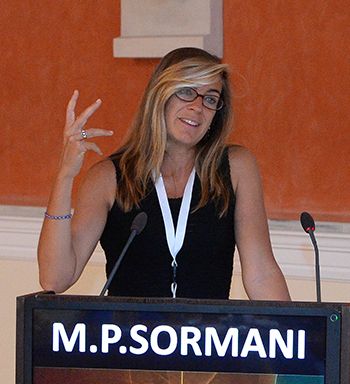
Maria Pia Sormani, PhD, who is a professor of biostatistics at the University of Genoa, presented the study at the 2021 annual meeting of the American Academy of Neurology.
The results confirm some previous analyses, and add to the body of evidence clinicians rely on, according to Jiwon Oh, MD, PhD, who moderated the session. “These data about the risk with the anti-CD20 therapies have been around for a while, but it seems that risk is pretty apparent, with this registry and other registries around the world. It affects counseling to patients on anti-CD20 therapies. We would counsel them to be cautious, obviously, follow public health precautions, but maybe be even more cautious. It affects our recommendations about the urgency of vaccination in these folks, how high priority they should be,” Dr. Oh said in an interview. She is the clinical director of the Barlo MS Center at St. Michael’s Unity Health in Toronto.
The analysis also hinted at complexities within demographics that might help explain some of the differing outcomes of infections. “We have learned that the course of the viral infection per se may not be the cause of severe outcomes, but the exaggerated inflammatory response to the virus is mainly responsible for intubations and deaths. The hypothesis we are investigating is whether anti-CD20 therapies can cause a more severe viral infection (that is something already known for other viral infections) but do not play a crucial role in causing the explosion of the inflammatory process,” said Dr. Sormani in an email.
The group plans to look at the risk of anti-CD20 therapies in different age groups, “to try to understand the underlying mechanism through which anti-CD20 increases the risk of more severe outcome,” she said.
Dr. Sormani presented an analysis of 3,274 patients with MS who contracted COVID-19 in Italy. The mean age was 44, the median Expanded Disability Status Scale (EDSS) score was 2, Among the study cohort, 68.6% were female; 14% had progressive MS and 26 patients died. Patients who died had a mean age of 63, 48% were female, 73% had progressive MS, and 50% were not on any DMT.
The researchers used ordinal logistic regression that “orders” outcome on a severity scale of 0 (mild disease, no pneumonia or hospitalization), 1 (pneumonia or hospitalization, n = 184), or 2 (ICU admission or death, n = 36). They calculated the odds ratio of moving from 0 to 1, or 1 to 2, and carried the assumption that the risk is the same. For example, an odds ratio of 2 for males versus females would mean that males are twice as likely to be hospitalized and twice as likely to go from being hospitalized to going to the ICU or dying.
The researchers found that older age, male sex, and comorbidities increase risk of worse COVID-19 outcomes. Exposure to methylprednisolone 1 month before COVID-19 symptom onset carried an increased risk (OR, 2.33; P = .03). Compared with no therapy, receiving interferon was associated with lower risk (OR, 0.34; P = .009) and teriflunomide trended towards an association with better outcomes (OR, 0.49; P = .054). Anti-CD20 treatment (ocrelizumab or rituximab) was linked to worse outcomes (OR, 1.89; P = .012) overall, which held up when ocrelizumab (OR, 1.71; P = .04) and rituximab (OR, 2.77; P = .03) were considered separately.
To understand why the risk of ocrelizumab might be lower, the researchers examined risk by duration of anti-CD20 treatment, and found that risk increased with increased duration of treatment, with the lowest risk at treatment duration less than 6 months (OR, 1.56; 95% CI, 0.65-3.77; not significant), followed by 6 months to 1 year (OR, 1.68; 95% CI, 0.69-4.03; P < .001), 1-2 years (OR, 1.74; 95% CI, 0.83-3.64; trend), and the highest risk at more than 2 years (OR, 2.75; 95% CI, 1.28-5.88).
Dr. Sormani suggested that the greater risk associated with rituximab may be because of a tendency towards longer treatment length, since patients treated with rituximab were more often treated for greater lengths of time; 11% had been treated for 6 months or less (vs. 24% of ocrelizumab patients); 26%, 6-12 months (vs. 18% ocrelizumab); 19%, 1-2 years (vs. 37% ocrelizumab); and 44%, 2 years or longer (vs. 21% ocrelizumab).
Dr. Sormani has received consulting fees from Biogen, GeNeuro, Genzyme, MedDay, Merck KGaA, Novartis, Roche, and Immunic. The platform for data collection was donated by Merck. Dr. Oh has consulted for Roche, Celgene, Biogen-Idec, EMD-Serono, Sanofi-Genzyme, Novartis, Alexion. She has been on a scientific advisory or data safety monitoring board for Roche, Biogen-Idec, and Sanofi-Genzyme.
, according to a new analysis of an Italian cohort of patients with MS. The study confirmed that steroid exposure in the month before COVID-19 symptom onset is tied to more severe disease, and anti-CD20 therapy poses similar risks. But the researchers noted that interferon and possibly teriflunomide were associated with a protective effect in the multivariate analysis.
Maria Pia Sormani, PhD, who is a professor of biostatistics at the University of Genoa, presented the study at the 2021 annual meeting of the American Academy of Neurology.
The results confirm some previous analyses, and add to the body of evidence clinicians rely on, according to Jiwon Oh, MD, PhD, who moderated the session. “These data about the risk with the anti-CD20 therapies have been around for a while, but it seems that risk is pretty apparent, with this registry and other registries around the world. It affects counseling to patients on anti-CD20 therapies. We would counsel them to be cautious, obviously, follow public health precautions, but maybe be even more cautious. It affects our recommendations about the urgency of vaccination in these folks, how high priority they should be,” Dr. Oh said in an interview. She is the clinical director of the Barlo MS Center at St. Michael’s Unity Health in Toronto.
The analysis also hinted at complexities within demographics that might help explain some of the differing outcomes of infections. “We have learned that the course of the viral infection per se may not be the cause of severe outcomes, but the exaggerated inflammatory response to the virus is mainly responsible for intubations and deaths. The hypothesis we are investigating is whether anti-CD20 therapies can cause a more severe viral infection (that is something already known for other viral infections) but do not play a crucial role in causing the explosion of the inflammatory process,” said Dr. Sormani in an email.
The group plans to look at the risk of anti-CD20 therapies in different age groups, “to try to understand the underlying mechanism through which anti-CD20 increases the risk of more severe outcome,” she said.
Dr. Sormani presented an analysis of 3,274 patients with MS who contracted COVID-19 in Italy. The mean age was 44, the median Expanded Disability Status Scale (EDSS) score was 2, Among the study cohort, 68.6% were female; 14% had progressive MS and 26 patients died. Patients who died had a mean age of 63, 48% were female, 73% had progressive MS, and 50% were not on any DMT.
The researchers used ordinal logistic regression that “orders” outcome on a severity scale of 0 (mild disease, no pneumonia or hospitalization), 1 (pneumonia or hospitalization, n = 184), or 2 (ICU admission or death, n = 36). They calculated the odds ratio of moving from 0 to 1, or 1 to 2, and carried the assumption that the risk is the same. For example, an odds ratio of 2 for males versus females would mean that males are twice as likely to be hospitalized and twice as likely to go from being hospitalized to going to the ICU or dying.
The researchers found that older age, male sex, and comorbidities increase risk of worse COVID-19 outcomes. Exposure to methylprednisolone 1 month before COVID-19 symptom onset carried an increased risk (OR, 2.33; P = .03). Compared with no therapy, receiving interferon was associated with lower risk (OR, 0.34; P = .009) and teriflunomide trended towards an association with better outcomes (OR, 0.49; P = .054). Anti-CD20 treatment (ocrelizumab or rituximab) was linked to worse outcomes (OR, 1.89; P = .012) overall, which held up when ocrelizumab (OR, 1.71; P = .04) and rituximab (OR, 2.77; P = .03) were considered separately.
To understand why the risk of ocrelizumab might be lower, the researchers examined risk by duration of anti-CD20 treatment, and found that risk increased with increased duration of treatment, with the lowest risk at treatment duration less than 6 months (OR, 1.56; 95% CI, 0.65-3.77; not significant), followed by 6 months to 1 year (OR, 1.68; 95% CI, 0.69-4.03; P < .001), 1-2 years (OR, 1.74; 95% CI, 0.83-3.64; trend), and the highest risk at more than 2 years (OR, 2.75; 95% CI, 1.28-5.88).
Dr. Sormani suggested that the greater risk associated with rituximab may be because of a tendency towards longer treatment length, since patients treated with rituximab were more often treated for greater lengths of time; 11% had been treated for 6 months or less (vs. 24% of ocrelizumab patients); 26%, 6-12 months (vs. 18% ocrelizumab); 19%, 1-2 years (vs. 37% ocrelizumab); and 44%, 2 years or longer (vs. 21% ocrelizumab).
Dr. Sormani has received consulting fees from Biogen, GeNeuro, Genzyme, MedDay, Merck KGaA, Novartis, Roche, and Immunic. The platform for data collection was donated by Merck. Dr. Oh has consulted for Roche, Celgene, Biogen-Idec, EMD-Serono, Sanofi-Genzyme, Novartis, Alexion. She has been on a scientific advisory or data safety monitoring board for Roche, Biogen-Idec, and Sanofi-Genzyme.
, according to a new analysis of an Italian cohort of patients with MS. The study confirmed that steroid exposure in the month before COVID-19 symptom onset is tied to more severe disease, and anti-CD20 therapy poses similar risks. But the researchers noted that interferon and possibly teriflunomide were associated with a protective effect in the multivariate analysis.
Maria Pia Sormani, PhD, who is a professor of biostatistics at the University of Genoa, presented the study at the 2021 annual meeting of the American Academy of Neurology.
The results confirm some previous analyses, and add to the body of evidence clinicians rely on, according to Jiwon Oh, MD, PhD, who moderated the session. “These data about the risk with the anti-CD20 therapies have been around for a while, but it seems that risk is pretty apparent, with this registry and other registries around the world. It affects counseling to patients on anti-CD20 therapies. We would counsel them to be cautious, obviously, follow public health precautions, but maybe be even more cautious. It affects our recommendations about the urgency of vaccination in these folks, how high priority they should be,” Dr. Oh said in an interview. She is the clinical director of the Barlo MS Center at St. Michael’s Unity Health in Toronto.
The analysis also hinted at complexities within demographics that might help explain some of the differing outcomes of infections. “We have learned that the course of the viral infection per se may not be the cause of severe outcomes, but the exaggerated inflammatory response to the virus is mainly responsible for intubations and deaths. The hypothesis we are investigating is whether anti-CD20 therapies can cause a more severe viral infection (that is something already known for other viral infections) but do not play a crucial role in causing the explosion of the inflammatory process,” said Dr. Sormani in an email.
The group plans to look at the risk of anti-CD20 therapies in different age groups, “to try to understand the underlying mechanism through which anti-CD20 increases the risk of more severe outcome,” she said.
Dr. Sormani presented an analysis of 3,274 patients with MS who contracted COVID-19 in Italy. The mean age was 44, the median Expanded Disability Status Scale (EDSS) score was 2, Among the study cohort, 68.6% were female; 14% had progressive MS and 26 patients died. Patients who died had a mean age of 63, 48% were female, 73% had progressive MS, and 50% were not on any DMT.
The researchers used ordinal logistic regression that “orders” outcome on a severity scale of 0 (mild disease, no pneumonia or hospitalization), 1 (pneumonia or hospitalization, n = 184), or 2 (ICU admission or death, n = 36). They calculated the odds ratio of moving from 0 to 1, or 1 to 2, and carried the assumption that the risk is the same. For example, an odds ratio of 2 for males versus females would mean that males are twice as likely to be hospitalized and twice as likely to go from being hospitalized to going to the ICU or dying.
The researchers found that older age, male sex, and comorbidities increase risk of worse COVID-19 outcomes. Exposure to methylprednisolone 1 month before COVID-19 symptom onset carried an increased risk (OR, 2.33; P = .03). Compared with no therapy, receiving interferon was associated with lower risk (OR, 0.34; P = .009) and teriflunomide trended towards an association with better outcomes (OR, 0.49; P = .054). Anti-CD20 treatment (ocrelizumab or rituximab) was linked to worse outcomes (OR, 1.89; P = .012) overall, which held up when ocrelizumab (OR, 1.71; P = .04) and rituximab (OR, 2.77; P = .03) were considered separately.
To understand why the risk of ocrelizumab might be lower, the researchers examined risk by duration of anti-CD20 treatment, and found that risk increased with increased duration of treatment, with the lowest risk at treatment duration less than 6 months (OR, 1.56; 95% CI, 0.65-3.77; not significant), followed by 6 months to 1 year (OR, 1.68; 95% CI, 0.69-4.03; P < .001), 1-2 years (OR, 1.74; 95% CI, 0.83-3.64; trend), and the highest risk at more than 2 years (OR, 2.75; 95% CI, 1.28-5.88).
Dr. Sormani suggested that the greater risk associated with rituximab may be because of a tendency towards longer treatment length, since patients treated with rituximab were more often treated for greater lengths of time; 11% had been treated for 6 months or less (vs. 24% of ocrelizumab patients); 26%, 6-12 months (vs. 18% ocrelizumab); 19%, 1-2 years (vs. 37% ocrelizumab); and 44%, 2 years or longer (vs. 21% ocrelizumab).
Dr. Sormani has received consulting fees from Biogen, GeNeuro, Genzyme, MedDay, Merck KGaA, Novartis, Roche, and Immunic. The platform for data collection was donated by Merck. Dr. Oh has consulted for Roche, Celgene, Biogen-Idec, EMD-Serono, Sanofi-Genzyme, Novartis, Alexion. She has been on a scientific advisory or data safety monitoring board for Roche, Biogen-Idec, and Sanofi-Genzyme.
FROM AAN 2021
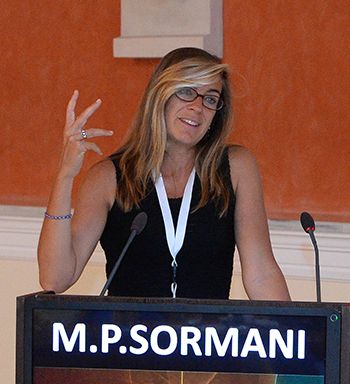
Infective endocarditis from IV drug use tied to hemorrhagic stroke
One consequence of the ongoing opioid epidemic in the United States may be an increase in the number of hemorrhagic strokes caused by infective endocarditis, research suggests.
Intravenous drug use (IVDU) can cause this bacterial infection of the heart. In a single-center study, infective endocarditis was associated with an increase in the risk for hemorrhagic stroke as well as an increase in health care use and costs.
“Patients who are known IV drug users who have endocarditis should be more carefully screened for symptoms of cardiovascular disease,” Shahid M. Nimjee, MD, PhD, associate professor of neurosurgery and surgical director of the Comprehensive Stroke Center at the Ohio State University Wexner Medical Center, Columbus, said in a press release.
The findings were presented at the International Stroke Conference sponsored by the American Heart Association.
In the United States, 47,000 patients are treated in the hospital for endocarditis each year. Endocarditis increases the risk for stroke, which can entail significant morbidity and mortality, the authors noted.
IVDU is a risk factor for endocarditis. In the context of the opioid epidemic, Dr. Nimjee and colleagues sought to compare the risk for stroke among patients with endocarditis from IVDU with the risk among patients with endocarditis from other causes.
They retrospectively studied patients who had undergone treatment for infective endocarditis at Wexner Medical Center between Jan. 1, 2014, and July 1, 2018. They examined patients’ concomitant intravenous drug abuse and evaluated demographics, risk factors, and associated costs.
Dramatic increase
In all, 351 patients met the study’s inclusion criteria, and 170 (48%) had a history of IVDU-associated endocarditis. The incidence of patients with IVDU-associated endocarditis increased 630% from 2014 to 2018.
The prevalence of overall intracranial hemorrhage was increased among patients with IVDU, compared with those without (25.9% vs. 13.9%; P = .005).
This increase in prevalence included increases in intraparenchymal hemorrhage (12.4% vs. 5.1%; P = .012), subarachnoid hemorrhage (17.6% vs. 4.4%; P = .0001), and cerebral microbleeds (14.1% vs. 7.2%; P = .022).
IVDU also was associated with an increase in prevalence of infectious intracranial aneurysm (10.6% vs. 1.8%; P = .0001) and brain abscess (4.7% vs. 1.1%; P = .025).
Compared with patients with endocarditis from other causes, significantly higher numbers of patients with IVDU-associated endocarditis were homeless (5.9% vs. 1.1%; P = .014), uninsured (10.0% vs. 2.8%; P = .005), and unemployed (75.9% vs. 31.7%; P = .0001).
Medical costs were more than twice as high among patients with endocarditis from IVDU than among those with endocarditis from other causes. The difference in health care costs during admission per patient was more than $100,000.
“The wider societal impact of the opioid epidemic is not well understood,” Dr. Nimjee said in the press release. “Our research suggests that the impact of the opioid epidemic is far-reaching and contributes to increased costs in the criminal justice, health care systems, and the workplace. The increased costs can be particularly substantial for stroke care.”
Nationwide data desirable
“Past publications from the U.S. have shown an increase in incidence of IVDU-related endocarditis, and the current publication emphasizes this worrying trend,” Manuel Bolognese, MD, head of the stroke center at the Lucerne (Switzerland) Cantonal Hospital, said in an interview. “The higher degree of hemorrhagic strokes and brain abscesses as further complications is alarming as well and shows that IVDU-related endocarditis is becoming a more and more relevant medical problem in the U.S., with high morbidity and mortality.”
The study period is long enough to show a clear trend of increasing incidence of IVDU-related endocarditis, Dr. Bolognese said. The study’s biggest weaknesses are its retrospective design and restriction to a single center.
“Without knowing the prevalence of drug abuse and the socioeconomical situation in Columbus, it is difficult to generalize these findings to other regions in the U.S.A. or even abroad,” he said.
Also, the abstract does not provide some essential information, said Dr. Bolognese. It would be important to know which valve was affected in each patient, which bacteria were identified, whether patients also used nonopioid drugs, and what each patient’s immune status was.
A lack of sterile material such as syringes could explain the apparent association between IVDU-associated endocarditis and low socioeconomic status, said Dr. Bolognese. Delayed presentation to medical institutions because of a lack of insurance could have led to a more complicated course.
“It would be interesting to see numbers from a broader spectrum in a nationwide registry,” said Dr. Bolognese. “It might be worth studying interventions to improve the hygienic aspects (like supply of sterile material, especially in the most vulnerable groups, like homeless people) or to provide easier access to emergency health care despite lack of insurance, which could decrease the incidence of IVDU.”
Dr. Nimjee and Dr. Bolognese disclosed no relevant financial relationships.
A version of this article first appeared on Medscape.com.
One consequence of the ongoing opioid epidemic in the United States may be an increase in the number of hemorrhagic strokes caused by infective endocarditis, research suggests.
Intravenous drug use (IVDU) can cause this bacterial infection of the heart. In a single-center study, infective endocarditis was associated with an increase in the risk for hemorrhagic stroke as well as an increase in health care use and costs.
“Patients who are known IV drug users who have endocarditis should be more carefully screened for symptoms of cardiovascular disease,” Shahid M. Nimjee, MD, PhD, associate professor of neurosurgery and surgical director of the Comprehensive Stroke Center at the Ohio State University Wexner Medical Center, Columbus, said in a press release.
The findings were presented at the International Stroke Conference sponsored by the American Heart Association.
In the United States, 47,000 patients are treated in the hospital for endocarditis each year. Endocarditis increases the risk for stroke, which can entail significant morbidity and mortality, the authors noted.
IVDU is a risk factor for endocarditis. In the context of the opioid epidemic, Dr. Nimjee and colleagues sought to compare the risk for stroke among patients with endocarditis from IVDU with the risk among patients with endocarditis from other causes.
They retrospectively studied patients who had undergone treatment for infective endocarditis at Wexner Medical Center between Jan. 1, 2014, and July 1, 2018. They examined patients’ concomitant intravenous drug abuse and evaluated demographics, risk factors, and associated costs.
Dramatic increase
In all, 351 patients met the study’s inclusion criteria, and 170 (48%) had a history of IVDU-associated endocarditis. The incidence of patients with IVDU-associated endocarditis increased 630% from 2014 to 2018.
The prevalence of overall intracranial hemorrhage was increased among patients with IVDU, compared with those without (25.9% vs. 13.9%; P = .005).
This increase in prevalence included increases in intraparenchymal hemorrhage (12.4% vs. 5.1%; P = .012), subarachnoid hemorrhage (17.6% vs. 4.4%; P = .0001), and cerebral microbleeds (14.1% vs. 7.2%; P = .022).
IVDU also was associated with an increase in prevalence of infectious intracranial aneurysm (10.6% vs. 1.8%; P = .0001) and brain abscess (4.7% vs. 1.1%; P = .025).
Compared with patients with endocarditis from other causes, significantly higher numbers of patients with IVDU-associated endocarditis were homeless (5.9% vs. 1.1%; P = .014), uninsured (10.0% vs. 2.8%; P = .005), and unemployed (75.9% vs. 31.7%; P = .0001).
Medical costs were more than twice as high among patients with endocarditis from IVDU than among those with endocarditis from other causes. The difference in health care costs during admission per patient was more than $100,000.
“The wider societal impact of the opioid epidemic is not well understood,” Dr. Nimjee said in the press release. “Our research suggests that the impact of the opioid epidemic is far-reaching and contributes to increased costs in the criminal justice, health care systems, and the workplace. The increased costs can be particularly substantial for stroke care.”
Nationwide data desirable
“Past publications from the U.S. have shown an increase in incidence of IVDU-related endocarditis, and the current publication emphasizes this worrying trend,” Manuel Bolognese, MD, head of the stroke center at the Lucerne (Switzerland) Cantonal Hospital, said in an interview. “The higher degree of hemorrhagic strokes and brain abscesses as further complications is alarming as well and shows that IVDU-related endocarditis is becoming a more and more relevant medical problem in the U.S., with high morbidity and mortality.”
The study period is long enough to show a clear trend of increasing incidence of IVDU-related endocarditis, Dr. Bolognese said. The study’s biggest weaknesses are its retrospective design and restriction to a single center.
“Without knowing the prevalence of drug abuse and the socioeconomical situation in Columbus, it is difficult to generalize these findings to other regions in the U.S.A. or even abroad,” he said.
Also, the abstract does not provide some essential information, said Dr. Bolognese. It would be important to know which valve was affected in each patient, which bacteria were identified, whether patients also used nonopioid drugs, and what each patient’s immune status was.
A lack of sterile material such as syringes could explain the apparent association between IVDU-associated endocarditis and low socioeconomic status, said Dr. Bolognese. Delayed presentation to medical institutions because of a lack of insurance could have led to a more complicated course.
“It would be interesting to see numbers from a broader spectrum in a nationwide registry,” said Dr. Bolognese. “It might be worth studying interventions to improve the hygienic aspects (like supply of sterile material, especially in the most vulnerable groups, like homeless people) or to provide easier access to emergency health care despite lack of insurance, which could decrease the incidence of IVDU.”
Dr. Nimjee and Dr. Bolognese disclosed no relevant financial relationships.
A version of this article first appeared on Medscape.com.
One consequence of the ongoing opioid epidemic in the United States may be an increase in the number of hemorrhagic strokes caused by infective endocarditis, research suggests.
Intravenous drug use (IVDU) can cause this bacterial infection of the heart. In a single-center study, infective endocarditis was associated with an increase in the risk for hemorrhagic stroke as well as an increase in health care use and costs.
“Patients who are known IV drug users who have endocarditis should be more carefully screened for symptoms of cardiovascular disease,” Shahid M. Nimjee, MD, PhD, associate professor of neurosurgery and surgical director of the Comprehensive Stroke Center at the Ohio State University Wexner Medical Center, Columbus, said in a press release.
The findings were presented at the International Stroke Conference sponsored by the American Heart Association.
In the United States, 47,000 patients are treated in the hospital for endocarditis each year. Endocarditis increases the risk for stroke, which can entail significant morbidity and mortality, the authors noted.
IVDU is a risk factor for endocarditis. In the context of the opioid epidemic, Dr. Nimjee and colleagues sought to compare the risk for stroke among patients with endocarditis from IVDU with the risk among patients with endocarditis from other causes.
They retrospectively studied patients who had undergone treatment for infective endocarditis at Wexner Medical Center between Jan. 1, 2014, and July 1, 2018. They examined patients’ concomitant intravenous drug abuse and evaluated demographics, risk factors, and associated costs.
Dramatic increase
In all, 351 patients met the study’s inclusion criteria, and 170 (48%) had a history of IVDU-associated endocarditis. The incidence of patients with IVDU-associated endocarditis increased 630% from 2014 to 2018.
The prevalence of overall intracranial hemorrhage was increased among patients with IVDU, compared with those without (25.9% vs. 13.9%; P = .005).
This increase in prevalence included increases in intraparenchymal hemorrhage (12.4% vs. 5.1%; P = .012), subarachnoid hemorrhage (17.6% vs. 4.4%; P = .0001), and cerebral microbleeds (14.1% vs. 7.2%; P = .022).
IVDU also was associated with an increase in prevalence of infectious intracranial aneurysm (10.6% vs. 1.8%; P = .0001) and brain abscess (4.7% vs. 1.1%; P = .025).
Compared with patients with endocarditis from other causes, significantly higher numbers of patients with IVDU-associated endocarditis were homeless (5.9% vs. 1.1%; P = .014), uninsured (10.0% vs. 2.8%; P = .005), and unemployed (75.9% vs. 31.7%; P = .0001).
Medical costs were more than twice as high among patients with endocarditis from IVDU than among those with endocarditis from other causes. The difference in health care costs during admission per patient was more than $100,000.
“The wider societal impact of the opioid epidemic is not well understood,” Dr. Nimjee said in the press release. “Our research suggests that the impact of the opioid epidemic is far-reaching and contributes to increased costs in the criminal justice, health care systems, and the workplace. The increased costs can be particularly substantial for stroke care.”
Nationwide data desirable
“Past publications from the U.S. have shown an increase in incidence of IVDU-related endocarditis, and the current publication emphasizes this worrying trend,” Manuel Bolognese, MD, head of the stroke center at the Lucerne (Switzerland) Cantonal Hospital, said in an interview. “The higher degree of hemorrhagic strokes and brain abscesses as further complications is alarming as well and shows that IVDU-related endocarditis is becoming a more and more relevant medical problem in the U.S., with high morbidity and mortality.”
The study period is long enough to show a clear trend of increasing incidence of IVDU-related endocarditis, Dr. Bolognese said. The study’s biggest weaknesses are its retrospective design and restriction to a single center.
“Without knowing the prevalence of drug abuse and the socioeconomical situation in Columbus, it is difficult to generalize these findings to other regions in the U.S.A. or even abroad,” he said.
Also, the abstract does not provide some essential information, said Dr. Bolognese. It would be important to know which valve was affected in each patient, which bacteria were identified, whether patients also used nonopioid drugs, and what each patient’s immune status was.
A lack of sterile material such as syringes could explain the apparent association between IVDU-associated endocarditis and low socioeconomic status, said Dr. Bolognese. Delayed presentation to medical institutions because of a lack of insurance could have led to a more complicated course.
“It would be interesting to see numbers from a broader spectrum in a nationwide registry,” said Dr. Bolognese. “It might be worth studying interventions to improve the hygienic aspects (like supply of sterile material, especially in the most vulnerable groups, like homeless people) or to provide easier access to emergency health care despite lack of insurance, which could decrease the incidence of IVDU.”
Dr. Nimjee and Dr. Bolognese disclosed no relevant financial relationships.
A version of this article first appeared on Medscape.com.
Are psychiatric disorders a ‘canary in a coal mine’ for Alzheimer’s disease?
, according to findings from a review of 1,500 patients with Alzheimer’s disease from a single-center population.

“Could psychosis symptoms be the proverbial canary in a coal mine?” Emily Eijansantos, a medical student at the University of California, San Francisco, said in reporting results of the chart review at the 2021 annual meeting of the American Academy of Neurology. “Previously in this cohort it was found that neurodevelopmental factors as well as chronic insults such as autoimmunity and seizure were also associated with an early age of onset in Alzheimer’s disease.”
The link between depression and autoimmunity, and anxiety and seizure “beg more questions about underlying pathophysiology,” she said. The study included 750 patients with early-onset Alzheimer’s disease and a similar number of late-onset patients from the UCSF Memory and Aging Center.
An inverse correlation between psychiatric disorders and age of Alzheimer’s onset
In the total study population, 43.5% (n = 652) had a previous diagnosis of depression and 32.3% (n = 485) had been diagnosed with anxiety. That, Ms. Eijansantos said, falls into similar ranges that other studies have reported.
“When we look at individual psychiatric disorders, we find that those with depression, anxiety, or PTSD are younger on average,” she said. “Patients with depression and anxiety are more [likely] female and have less vascular risk factors, and we observed an association between depression and autoimmunity, anxiety, and seizures.”
Specifically, patients with a history of depression were 2.2 years younger, on average, at the age of onset than patients without such history (P = .01); those with anxiety were 3 years younger on average (P = .01); and those with PTSD were 6.8 years younger on average, although only 1% (n = 15) of study subjects had PTSD, making for a small sample to study. These age-of-onset disparities didn’t appear among patients with previously diagnosed bipolar disorder (BPD) or schizophrenia.
Ms. Eijansantos noted that there were no differences in education attained or apolipoprotein-E gene status between the patients with and without a history of psychosis, and, within the subgroups of individual psychiatric disorders, there were no differences between patients with past and current or formal and informal diagnoses.
“When we split the cohort into quintiles based on age of Alzheimer’s disease onset, we find an inverse correlation between the amount of depression, anxiety, and PTSD endorsed and their ages of onset,” Ms. Eijansantos said. For example, the youngest quintile had a greater than 50% rate of depression while the oldest quintile had a depression rate around 36%. A similar spread was found with anxiety: a rate around 46% in the youngest quantile versus around 25% in the oldest, whereas rates of PTSD, BPD, and schizophrenia were similar across the five age-of-onset groups.
Patients with a history of multiple psychiatric disorders had an even younger age of onset. “We see that those with two psychiatric disorder are younger than those with one, and those with three psychiatric disorders are younger still,” Ms. Eijansantos said. “And we find that the Alzheimer’s disease age-at-onset reduction doubles with each additional psychiatric disorder.” Multiple disorders also adversely impacted survival, she said.
Because they found no difference between patients with past versus active symptoms and informal versus formal diagnosis, Ms. Eijansantos explained that they further studied the National Alzheimer’s Coordinating Center cohort of 8,267 patients with Alzheimer’s disease and found a similar relationship between psychiatric history and age of onset among patients with depression or anxiety or both. This cohort also documented symptom severity, she noted. “So when we look at depression and anxiety we find similar reductions in the Alzheimer’s disease age of onset with each increasing degree of symptom severity,” she said.
“Does this mean that psychiatric disease is a risk factor for Alzheimr’s disease?” Ms. Eijansantos said. “We can’t answer that with this study because it was only designed to see if the psychiatric factors modulate the age of onset in those that have Alzheimer’s disease, but taken together we believe that these results fit the framework that there are pathophysiological and profound differences between earlier and later presentations of Alzheimer’s disease.”
She pointed to reports that early-onset Alzheimer’s disease is associated with more aggressive tau pathology and that depression is associated with tau. However, the evidence supporting a link between amyloid and psychiatric disease is less certain, she said.
Preliminary and speculative findings
Senior study author Zachary Miller, MD, an assistant professor in the UCSF Memory and Aging Center, explained the significance of the study findings of potential links between depression and autoimmunity, and anxiety and seizure. “There may be distinct underlying pathophysiological mechanisms in patients with Alzheimer’s disease who have symptoms of depression versus anxiety,” he said, acknowledging the findings “are quite preliminary and our interpretations quite speculative.”
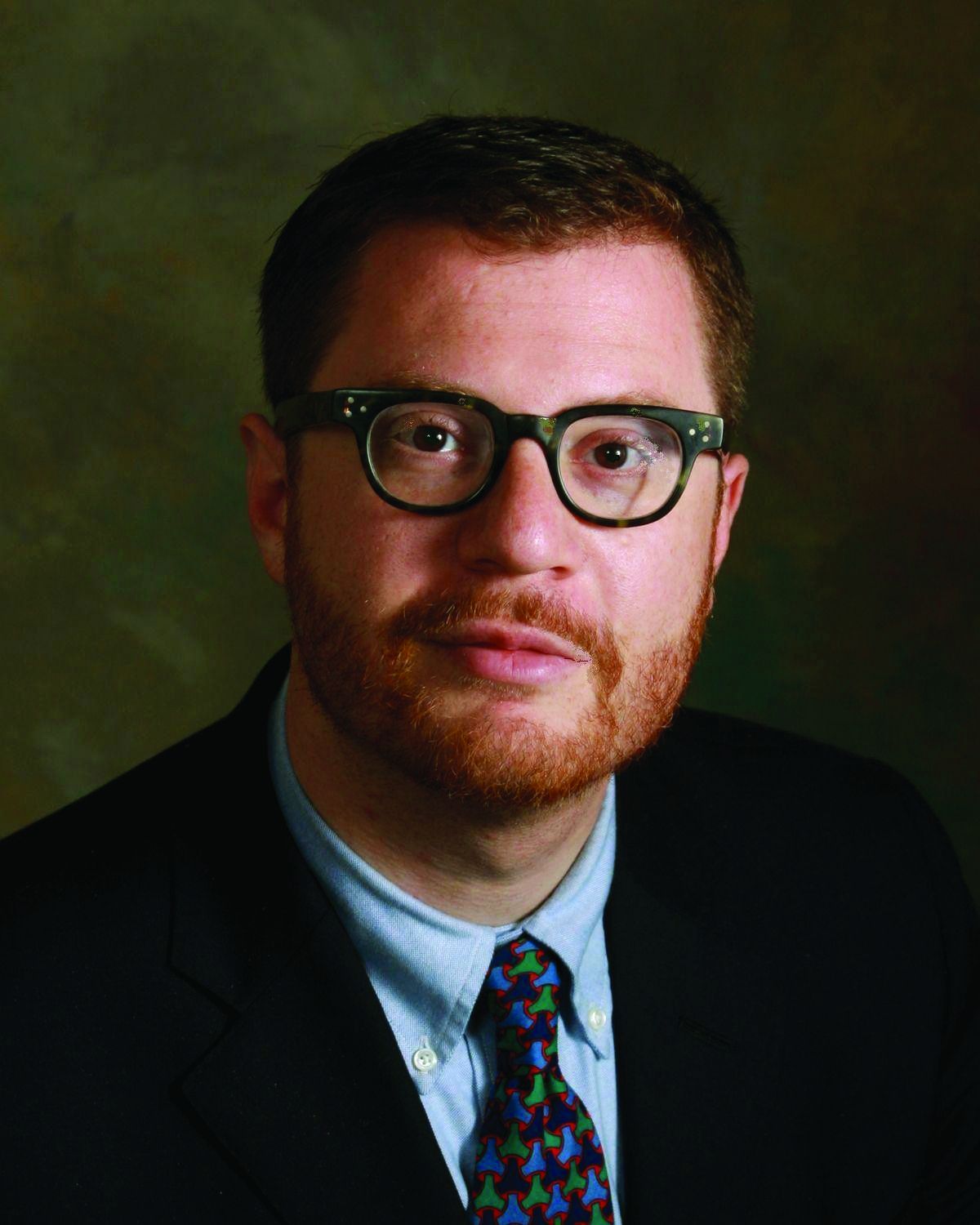
The findings raise the question that the symptomatic presentation of greater amounts of depression in early-onset Alzheimer’s disease may be moderated by an underlying neuroinflammatory insult, he said. “If so, depression symptomatology could then be seen as a possible clinical marker of this inflammatory response and possibly be used in testing clinical endpoints for future intervention trials,” Dr. Miller said. “Similarly, if neuronal hyperexcitability in Alzheimer’s disease manifests itself as either seizure and/or anxiety, this would have significant impact for therapeutic monitoring and treatment.”
He said a multicenter study of Alzheimer’s disease cohorts would validate the findings. “At the same time, we are also interested in looking deeper into these findings, investigating the potential cognitive and neuroanatomical correlates associated with these conditions,” Dr. Miller said.
Clinical phenotyping may provide more insight into the relationship between psychosis and age of Alzheimer’s disease onset, said Vijay K. Ramanan, MD, PhD, an assistant professor of neurology at Mayo Clinic in Rochester, Minn.

“Less typical presentations of Alzheimer’s disease, such as posterior cortical atrophy or dysexecutive Alzheimer’s disease, are associated with younger age of onset and are sometimes misdiagnosed as having pure psychiatric disease,” he said. “It is also possible that, in some cases with psychiatric disease, a younger age of onset of cognitive symptoms is charted, even though there are fundamentally two distinct processes at play – a psychiatric disease and a separate neurodegenerative disease – each having independent but additive impacts on cognition.”
Dr. Ramanan added, “This work is also a good reminder to be on the lookout for neuropsychiatric symptoms, treat where indicated, and be open to the possibility that psychiatric symptoms and Alzheimer’s disease can coexist.”
Ms. Eijansantos, Dr. Miller, and Dr. Ramanan have no relevant financial relationships to disclose.
, according to findings from a review of 1,500 patients with Alzheimer’s disease from a single-center population.
“Could psychosis symptoms be the proverbial canary in a coal mine?” Emily Eijansantos, a medical student at the University of California, San Francisco, said in reporting results of the chart review at the 2021 annual meeting of the American Academy of Neurology. “Previously in this cohort it was found that neurodevelopmental factors as well as chronic insults such as autoimmunity and seizure were also associated with an early age of onset in Alzheimer’s disease.”
The link between depression and autoimmunity, and anxiety and seizure “beg more questions about underlying pathophysiology,” she said. The study included 750 patients with early-onset Alzheimer’s disease and a similar number of late-onset patients from the UCSF Memory and Aging Center.
An inverse correlation between psychiatric disorders and age of Alzheimer’s onset
In the total study population, 43.5% (n = 652) had a previous diagnosis of depression and 32.3% (n = 485) had been diagnosed with anxiety. That, Ms. Eijansantos said, falls into similar ranges that other studies have reported.
“When we look at individual psychiatric disorders, we find that those with depression, anxiety, or PTSD are younger on average,” she said. “Patients with depression and anxiety are more [likely] female and have less vascular risk factors, and we observed an association between depression and autoimmunity, anxiety, and seizures.”
Specifically, patients with a history of depression were 2.2 years younger, on average, at the age of onset than patients without such history (P = .01); those with anxiety were 3 years younger on average (P = .01); and those with PTSD were 6.8 years younger on average, although only 1% (n = 15) of study subjects had PTSD, making for a small sample to study. These age-of-onset disparities didn’t appear among patients with previously diagnosed bipolar disorder (BPD) or schizophrenia.
Ms. Eijansantos noted that there were no differences in education attained or apolipoprotein-E gene status between the patients with and without a history of psychosis, and, within the subgroups of individual psychiatric disorders, there were no differences between patients with past and current or formal and informal diagnoses.
“When we split the cohort into quintiles based on age of Alzheimer’s disease onset, we find an inverse correlation between the amount of depression, anxiety, and PTSD endorsed and their ages of onset,” Ms. Eijansantos said. For example, the youngest quintile had a greater than 50% rate of depression while the oldest quintile had a depression rate around 36%. A similar spread was found with anxiety: a rate around 46% in the youngest quantile versus around 25% in the oldest, whereas rates of PTSD, BPD, and schizophrenia were similar across the five age-of-onset groups.
Patients with a history of multiple psychiatric disorders had an even younger age of onset. “We see that those with two psychiatric disorder are younger than those with one, and those with three psychiatric disorders are younger still,” Ms. Eijansantos said. “And we find that the Alzheimer’s disease age-at-onset reduction doubles with each additional psychiatric disorder.” Multiple disorders also adversely impacted survival, she said.
Because they found no difference between patients with past versus active symptoms and informal versus formal diagnosis, Ms. Eijansantos explained that they further studied the National Alzheimer’s Coordinating Center cohort of 8,267 patients with Alzheimer’s disease and found a similar relationship between psychiatric history and age of onset among patients with depression or anxiety or both. This cohort also documented symptom severity, she noted. “So when we look at depression and anxiety we find similar reductions in the Alzheimer’s disease age of onset with each increasing degree of symptom severity,” she said.
“Does this mean that psychiatric disease is a risk factor for Alzheimr’s disease?” Ms. Eijansantos said. “We can’t answer that with this study because it was only designed to see if the psychiatric factors modulate the age of onset in those that have Alzheimer’s disease, but taken together we believe that these results fit the framework that there are pathophysiological and profound differences between earlier and later presentations of Alzheimer’s disease.”
She pointed to reports that early-onset Alzheimer’s disease is associated with more aggressive tau pathology and that depression is associated with tau. However, the evidence supporting a link between amyloid and psychiatric disease is less certain, she said.
Preliminary and speculative findings
Senior study author Zachary Miller, MD, an assistant professor in the UCSF Memory and Aging Center, explained the significance of the study findings of potential links between depression and autoimmunity, and anxiety and seizure. “There may be distinct underlying pathophysiological mechanisms in patients with Alzheimer’s disease who have symptoms of depression versus anxiety,” he said, acknowledging the findings “are quite preliminary and our interpretations quite speculative.”
The findings raise the question that the symptomatic presentation of greater amounts of depression in early-onset Alzheimer’s disease may be moderated by an underlying neuroinflammatory insult, he said. “If so, depression symptomatology could then be seen as a possible clinical marker of this inflammatory response and possibly be used in testing clinical endpoints for future intervention trials,” Dr. Miller said. “Similarly, if neuronal hyperexcitability in Alzheimer’s disease manifests itself as either seizure and/or anxiety, this would have significant impact for therapeutic monitoring and treatment.”
He said a multicenter study of Alzheimer’s disease cohorts would validate the findings. “At the same time, we are also interested in looking deeper into these findings, investigating the potential cognitive and neuroanatomical correlates associated with these conditions,” Dr. Miller said.
Clinical phenotyping may provide more insight into the relationship between psychosis and age of Alzheimer’s disease onset, said Vijay K. Ramanan, MD, PhD, an assistant professor of neurology at Mayo Clinic in Rochester, Minn.
“Less typical presentations of Alzheimer’s disease, such as posterior cortical atrophy or dysexecutive Alzheimer’s disease, are associated with younger age of onset and are sometimes misdiagnosed as having pure psychiatric disease,” he said. “It is also possible that, in some cases with psychiatric disease, a younger age of onset of cognitive symptoms is charted, even though there are fundamentally two distinct processes at play – a psychiatric disease and a separate neurodegenerative disease – each having independent but additive impacts on cognition.”
Dr. Ramanan added, “This work is also a good reminder to be on the lookout for neuropsychiatric symptoms, treat where indicated, and be open to the possibility that psychiatric symptoms and Alzheimer’s disease can coexist.”
Ms. Eijansantos, Dr. Miller, and Dr. Ramanan have no relevant financial relationships to disclose.
, according to findings from a review of 1,500 patients with Alzheimer’s disease from a single-center population.
“Could psychosis symptoms be the proverbial canary in a coal mine?” Emily Eijansantos, a medical student at the University of California, San Francisco, said in reporting results of the chart review at the 2021 annual meeting of the American Academy of Neurology. “Previously in this cohort it was found that neurodevelopmental factors as well as chronic insults such as autoimmunity and seizure were also associated with an early age of onset in Alzheimer’s disease.”
The link between depression and autoimmunity, and anxiety and seizure “beg more questions about underlying pathophysiology,” she said. The study included 750 patients with early-onset Alzheimer’s disease and a similar number of late-onset patients from the UCSF Memory and Aging Center.
An inverse correlation between psychiatric disorders and age of Alzheimer’s onset
In the total study population, 43.5% (n = 652) had a previous diagnosis of depression and 32.3% (n = 485) had been diagnosed with anxiety. That, Ms. Eijansantos said, falls into similar ranges that other studies have reported.
“When we look at individual psychiatric disorders, we find that those with depression, anxiety, or PTSD are younger on average,” she said. “Patients with depression and anxiety are more [likely] female and have less vascular risk factors, and we observed an association between depression and autoimmunity, anxiety, and seizures.”
Specifically, patients with a history of depression were 2.2 years younger, on average, at the age of onset than patients without such history (P = .01); those with anxiety were 3 years younger on average (P = .01); and those with PTSD were 6.8 years younger on average, although only 1% (n = 15) of study subjects had PTSD, making for a small sample to study. These age-of-onset disparities didn’t appear among patients with previously diagnosed bipolar disorder (BPD) or schizophrenia.
Ms. Eijansantos noted that there were no differences in education attained or apolipoprotein-E gene status between the patients with and without a history of psychosis, and, within the subgroups of individual psychiatric disorders, there were no differences between patients with past and current or formal and informal diagnoses.
“When we split the cohort into quintiles based on age of Alzheimer’s disease onset, we find an inverse correlation between the amount of depression, anxiety, and PTSD endorsed and their ages of onset,” Ms. Eijansantos said. For example, the youngest quintile had a greater than 50% rate of depression while the oldest quintile had a depression rate around 36%. A similar spread was found with anxiety: a rate around 46% in the youngest quantile versus around 25% in the oldest, whereas rates of PTSD, BPD, and schizophrenia were similar across the five age-of-onset groups.
Patients with a history of multiple psychiatric disorders had an even younger age of onset. “We see that those with two psychiatric disorder are younger than those with one, and those with three psychiatric disorders are younger still,” Ms. Eijansantos said. “And we find that the Alzheimer’s disease age-at-onset reduction doubles with each additional psychiatric disorder.” Multiple disorders also adversely impacted survival, she said.
Because they found no difference between patients with past versus active symptoms and informal versus formal diagnosis, Ms. Eijansantos explained that they further studied the National Alzheimer’s Coordinating Center cohort of 8,267 patients with Alzheimer’s disease and found a similar relationship between psychiatric history and age of onset among patients with depression or anxiety or both. This cohort also documented symptom severity, she noted. “So when we look at depression and anxiety we find similar reductions in the Alzheimer’s disease age of onset with each increasing degree of symptom severity,” she said.
“Does this mean that psychiatric disease is a risk factor for Alzheimr’s disease?” Ms. Eijansantos said. “We can’t answer that with this study because it was only designed to see if the psychiatric factors modulate the age of onset in those that have Alzheimer’s disease, but taken together we believe that these results fit the framework that there are pathophysiological and profound differences between earlier and later presentations of Alzheimer’s disease.”
She pointed to reports that early-onset Alzheimer’s disease is associated with more aggressive tau pathology and that depression is associated with tau. However, the evidence supporting a link between amyloid and psychiatric disease is less certain, she said.
Preliminary and speculative findings
Senior study author Zachary Miller, MD, an assistant professor in the UCSF Memory and Aging Center, explained the significance of the study findings of potential links between depression and autoimmunity, and anxiety and seizure. “There may be distinct underlying pathophysiological mechanisms in patients with Alzheimer’s disease who have symptoms of depression versus anxiety,” he said, acknowledging the findings “are quite preliminary and our interpretations quite speculative.”
The findings raise the question that the symptomatic presentation of greater amounts of depression in early-onset Alzheimer’s disease may be moderated by an underlying neuroinflammatory insult, he said. “If so, depression symptomatology could then be seen as a possible clinical marker of this inflammatory response and possibly be used in testing clinical endpoints for future intervention trials,” Dr. Miller said. “Similarly, if neuronal hyperexcitability in Alzheimer’s disease manifests itself as either seizure and/or anxiety, this would have significant impact for therapeutic monitoring and treatment.”
He said a multicenter study of Alzheimer’s disease cohorts would validate the findings. “At the same time, we are also interested in looking deeper into these findings, investigating the potential cognitive and neuroanatomical correlates associated with these conditions,” Dr. Miller said.
Clinical phenotyping may provide more insight into the relationship between psychosis and age of Alzheimer’s disease onset, said Vijay K. Ramanan, MD, PhD, an assistant professor of neurology at Mayo Clinic in Rochester, Minn.
“Less typical presentations of Alzheimer’s disease, such as posterior cortical atrophy or dysexecutive Alzheimer’s disease, are associated with younger age of onset and are sometimes misdiagnosed as having pure psychiatric disease,” he said. “It is also possible that, in some cases with psychiatric disease, a younger age of onset of cognitive symptoms is charted, even though there are fundamentally two distinct processes at play – a psychiatric disease and a separate neurodegenerative disease – each having independent but additive impacts on cognition.”
Dr. Ramanan added, “This work is also a good reminder to be on the lookout for neuropsychiatric symptoms, treat where indicated, and be open to the possibility that psychiatric symptoms and Alzheimer’s disease can coexist.”
Ms. Eijansantos, Dr. Miller, and Dr. Ramanan have no relevant financial relationships to disclose.
FROM AAN 2021

COVID-19 linked to novel epileptic seizures
, new research shows. In a retrospective study of more than 900 patients admitted to the hospital with COVID-19, those without a known history of epilepsy had three times greater odds of experiencing novel seizures than those with a known history of epilepsy.
In addition, among patients with new-onset seizures, hospital stays were about 15 days longer – and mortality rates were significantly higher.
“We’re finding that there are many neurological consequences that can happen with COVID-19 infections, and it’s important for clinicians to keep that in mind as they monitor people long term,” said study investigator Neeraj Singh, MD, neurologist and epileptologist with Northwell Health System, Great Neck, New York.
Dr. Singh noted that although seizures “might not be the most common thing we see in people with COVID-19, they seem to be new seizures and not just a seizure we knew would happen in someone with epilepsy.”
“So there’s definitely a need now for more prospective research and following people over time to fully understand all the different things that might be newly a problem for them in the long term,” he added.
Dr. Singh and Hardik Bhaskar, an undergraduate student at Hunter College, New York, presented the study findings at the American Academy of Neurology’s 2021 annual meeting.
Largest sample to date
“This study explores the relationship between the incidences of COVID-19 infections and [novel] epileptic seizures in the largest sample to date in a single New York–based hospital system,” the investigators noted. Novel seizures included both new-onset and breakthrough seizures.
Dr. Singh told meeting attendees that the “early epicenter” of the COVID pandemic was in New York and occurred from Feb. 29, 2020 to June 1, 2020. Patients with COVID-19 “had multiple neurological sequelae, including seizures, strokes, and encephalopathy,” he said.
However, the effects of COVID-19 on individuals with epilepsy “remain unclear,” Dr. Singh said.
For their study, the researchers assessed 917 patients in 13 New York City metropolitan hospitals. All participants had received a confirmed positive test result on PCR for COVID and had received an antiepileptic medication upon admission. The patients were admitted between Feb. 14 and June 14, 2020.
For the study, the patients were first divided into two groups: those with a history of epilepsy (n = 451), and those without such a history (n = 466).
The first group was further divided on the basis of those who presented with breakthrough seizures and those who presented without them. The second group was further divided on the basis of those who presented with new-onset seizures and those who presented without them.
Significant adverse outcomes
Results showed that 27% of the patients without a history of epilepsy experienced a novel/new-onset seizure and that 11% of the patients with a history of epilepsy experienced a novel/breakthrough seizure (odds ratio, 3.15; P < .0001).
In addition, participants with new-onset seizures had a longer stay in the hospital (mean, 26.9 days) than the subgroup with a history of epilepsy and no breakthrough seizures (10.9 days) and the subgroup with a history of epilepsy who did experience breakthrough seizures (12.8 days; P < .0001 for both comparisons).
In the group of patients with a history of epilepsy, there were no significant differences in lengths of stay between those with and those without breakthrough seizures (P = .68).
Although mortality rates did not differ significantly between the full group with a history of epilepsy versus the full group without epilepsy (23% vs. 25%; OR, 0.9), the mortality rate was significantly higher among patients who experienced novel seizures than among those who did not experience such seizures (29% vs. 23%; OR, 1.4; P = .045).
Mr. Bhaskar noted that there are “many hypotheses for the mechanism by which COVID-19 might cause seizures.” Those mechanisms include proinflammatory cytokine storms, which may increase the rate of apoptosis, neuronal necrosis, and glutamate concentrations and may disrupt the blood-brain barrier. Another hypothesis is that SARS-CoV-2 infection may lead to hypoxia and abnormal coagulation, resulting in stroke and a subsequent increase in the risk for seizures.
Interestingly, “the presence of antiepileptic medications in patients with epilepsy may confer a protective effect against breakthrough seizures,” Dr. Singh said. “However, some subclinical seizures may be misdiagnosed as encephalopathy when patients present with COVID-19 infections.”
He added that further research is needed into the mechanisms linking these infections and new-onset seizures and to “identify subclinical seizures in encephalopathic patients.”
Asked during the question-and-answer session whether the investigators had assessed differences by demographics, such as age or sex, Dr. Singh said, “We have not subdivided them that way yet,” but he said he would like to do so in the future. He also plans to look further into which specific medications were used by the participants.
The investigators have reported no relevant financial relationships.
A version of this article first appeared on Medscape.com.
, new research shows. In a retrospective study of more than 900 patients admitted to the hospital with COVID-19, those without a known history of epilepsy had three times greater odds of experiencing novel seizures than those with a known history of epilepsy.
In addition, among patients with new-onset seizures, hospital stays were about 15 days longer – and mortality rates were significantly higher.
“We’re finding that there are many neurological consequences that can happen with COVID-19 infections, and it’s important for clinicians to keep that in mind as they monitor people long term,” said study investigator Neeraj Singh, MD, neurologist and epileptologist with Northwell Health System, Great Neck, New York.
Dr. Singh noted that although seizures “might not be the most common thing we see in people with COVID-19, they seem to be new seizures and not just a seizure we knew would happen in someone with epilepsy.”
“So there’s definitely a need now for more prospective research and following people over time to fully understand all the different things that might be newly a problem for them in the long term,” he added.
Dr. Singh and Hardik Bhaskar, an undergraduate student at Hunter College, New York, presented the study findings at the American Academy of Neurology’s 2021 annual meeting.
Largest sample to date
“This study explores the relationship between the incidences of COVID-19 infections and [novel] epileptic seizures in the largest sample to date in a single New York–based hospital system,” the investigators noted. Novel seizures included both new-onset and breakthrough seizures.
Dr. Singh told meeting attendees that the “early epicenter” of the COVID pandemic was in New York and occurred from Feb. 29, 2020 to June 1, 2020. Patients with COVID-19 “had multiple neurological sequelae, including seizures, strokes, and encephalopathy,” he said.
However, the effects of COVID-19 on individuals with epilepsy “remain unclear,” Dr. Singh said.
For their study, the researchers assessed 917 patients in 13 New York City metropolitan hospitals. All participants had received a confirmed positive test result on PCR for COVID and had received an antiepileptic medication upon admission. The patients were admitted between Feb. 14 and June 14, 2020.
For the study, the patients were first divided into two groups: those with a history of epilepsy (n = 451), and those without such a history (n = 466).
The first group was further divided on the basis of those who presented with breakthrough seizures and those who presented without them. The second group was further divided on the basis of those who presented with new-onset seizures and those who presented without them.
Significant adverse outcomes
Results showed that 27% of the patients without a history of epilepsy experienced a novel/new-onset seizure and that 11% of the patients with a history of epilepsy experienced a novel/breakthrough seizure (odds ratio, 3.15; P < .0001).
In addition, participants with new-onset seizures had a longer stay in the hospital (mean, 26.9 days) than the subgroup with a history of epilepsy and no breakthrough seizures (10.9 days) and the subgroup with a history of epilepsy who did experience breakthrough seizures (12.8 days; P < .0001 for both comparisons).
In the group of patients with a history of epilepsy, there were no significant differences in lengths of stay between those with and those without breakthrough seizures (P = .68).
Although mortality rates did not differ significantly between the full group with a history of epilepsy versus the full group without epilepsy (23% vs. 25%; OR, 0.9), the mortality rate was significantly higher among patients who experienced novel seizures than among those who did not experience such seizures (29% vs. 23%; OR, 1.4; P = .045).
Mr. Bhaskar noted that there are “many hypotheses for the mechanism by which COVID-19 might cause seizures.” Those mechanisms include proinflammatory cytokine storms, which may increase the rate of apoptosis, neuronal necrosis, and glutamate concentrations and may disrupt the blood-brain barrier. Another hypothesis is that SARS-CoV-2 infection may lead to hypoxia and abnormal coagulation, resulting in stroke and a subsequent increase in the risk for seizures.
Interestingly, “the presence of antiepileptic medications in patients with epilepsy may confer a protective effect against breakthrough seizures,” Dr. Singh said. “However, some subclinical seizures may be misdiagnosed as encephalopathy when patients present with COVID-19 infections.”
He added that further research is needed into the mechanisms linking these infections and new-onset seizures and to “identify subclinical seizures in encephalopathic patients.”
Asked during the question-and-answer session whether the investigators had assessed differences by demographics, such as age or sex, Dr. Singh said, “We have not subdivided them that way yet,” but he said he would like to do so in the future. He also plans to look further into which specific medications were used by the participants.
The investigators have reported no relevant financial relationships.
A version of this article first appeared on Medscape.com.
, new research shows. In a retrospective study of more than 900 patients admitted to the hospital with COVID-19, those without a known history of epilepsy had three times greater odds of experiencing novel seizures than those with a known history of epilepsy.
In addition, among patients with new-onset seizures, hospital stays were about 15 days longer – and mortality rates were significantly higher.
“We’re finding that there are many neurological consequences that can happen with COVID-19 infections, and it’s important for clinicians to keep that in mind as they monitor people long term,” said study investigator Neeraj Singh, MD, neurologist and epileptologist with Northwell Health System, Great Neck, New York.
Dr. Singh noted that although seizures “might not be the most common thing we see in people with COVID-19, they seem to be new seizures and not just a seizure we knew would happen in someone with epilepsy.”
“So there’s definitely a need now for more prospective research and following people over time to fully understand all the different things that might be newly a problem for them in the long term,” he added.
Dr. Singh and Hardik Bhaskar, an undergraduate student at Hunter College, New York, presented the study findings at the American Academy of Neurology’s 2021 annual meeting.
Largest sample to date
“This study explores the relationship between the incidences of COVID-19 infections and [novel] epileptic seizures in the largest sample to date in a single New York–based hospital system,” the investigators noted. Novel seizures included both new-onset and breakthrough seizures.
Dr. Singh told meeting attendees that the “early epicenter” of the COVID pandemic was in New York and occurred from Feb. 29, 2020 to June 1, 2020. Patients with COVID-19 “had multiple neurological sequelae, including seizures, strokes, and encephalopathy,” he said.
However, the effects of COVID-19 on individuals with epilepsy “remain unclear,” Dr. Singh said.
For their study, the researchers assessed 917 patients in 13 New York City metropolitan hospitals. All participants had received a confirmed positive test result on PCR for COVID and had received an antiepileptic medication upon admission. The patients were admitted between Feb. 14 and June 14, 2020.
For the study, the patients were first divided into two groups: those with a history of epilepsy (n = 451), and those without such a history (n = 466).
The first group was further divided on the basis of those who presented with breakthrough seizures and those who presented without them. The second group was further divided on the basis of those who presented with new-onset seizures and those who presented without them.
Significant adverse outcomes
Results showed that 27% of the patients without a history of epilepsy experienced a novel/new-onset seizure and that 11% of the patients with a history of epilepsy experienced a novel/breakthrough seizure (odds ratio, 3.15; P < .0001).
In addition, participants with new-onset seizures had a longer stay in the hospital (mean, 26.9 days) than the subgroup with a history of epilepsy and no breakthrough seizures (10.9 days) and the subgroup with a history of epilepsy who did experience breakthrough seizures (12.8 days; P < .0001 for both comparisons).
In the group of patients with a history of epilepsy, there were no significant differences in lengths of stay between those with and those without breakthrough seizures (P = .68).
Although mortality rates did not differ significantly between the full group with a history of epilepsy versus the full group without epilepsy (23% vs. 25%; OR, 0.9), the mortality rate was significantly higher among patients who experienced novel seizures than among those who did not experience such seizures (29% vs. 23%; OR, 1.4; P = .045).
Mr. Bhaskar noted that there are “many hypotheses for the mechanism by which COVID-19 might cause seizures.” Those mechanisms include proinflammatory cytokine storms, which may increase the rate of apoptosis, neuronal necrosis, and glutamate concentrations and may disrupt the blood-brain barrier. Another hypothesis is that SARS-CoV-2 infection may lead to hypoxia and abnormal coagulation, resulting in stroke and a subsequent increase in the risk for seizures.
Interestingly, “the presence of antiepileptic medications in patients with epilepsy may confer a protective effect against breakthrough seizures,” Dr. Singh said. “However, some subclinical seizures may be misdiagnosed as encephalopathy when patients present with COVID-19 infections.”
He added that further research is needed into the mechanisms linking these infections and new-onset seizures and to “identify subclinical seizures in encephalopathic patients.”
Asked during the question-and-answer session whether the investigators had assessed differences by demographics, such as age or sex, Dr. Singh said, “We have not subdivided them that way yet,” but he said he would like to do so in the future. He also plans to look further into which specific medications were used by the participants.
The investigators have reported no relevant financial relationships.
A version of this article first appeared on Medscape.com.
From AAN 2021
Lower target LDL-C cuts risk of CV events in ischemic stroke patients
Background: The beneficial role of high-intensity statins in secondary prevention of recurrent atherosclerotic stroke is well established. It is uncertain whether the observed benefit was from a reduction in the cholesterol level or to other pleotropic effects of atorvastatin. The ideal target cholesterol level for secondary prevention is unclear. This trial was conducted to help determine an ideal target LDL-C level in the prevention of CV events following ischemic stroke.

Study design: Randomized, parallel-group, event-driven trial.
Setting: Conducted in France and South Korea.
Synopsis: In this study, patients with an ischemic stroke within the last 3 months or TIAs within 15 days were randomly assigned to receive statins with or without ezetimibe (Zetia) to achieve a higher-target LDL-C level (90-110 mg/dL) vs. lower-target LDL-C (less than 70 mg/dL). The composite primary endpoint was a major cardiovascular event, which included ischemic stroke, MI, new symptoms leading to urgent coronary or carotid revascularization, or death from CV causes.
There were 2,860 patients enrolled, 1,430 were assigned to each target group. At the end of 3.5 years, the primary endpoint occurred in 8.5% of patients in the lower target group, compared with 10.9% in the higher target group (hazard ratio, 0.78; 95% confidence interval, 0.61-0.98; P = .04). Unfortunately, the trial was stopped early because of a lack of funding.
Bottom line: Using medications including statins to lower the LDL-C to less than 70 mg/dL leads to better cardiovascular outcomes following ischemic stroke.
Citation: Amarenco P et al. A comparison of two LDL cholesterol targets after ischemic stroke. N Engl J Med. 2020 Jan 2;382:9-19.
Dr. Garg is assistant professor in the division of hospital medicine, Loyola University Medical Center, Maywood, Ill.
Background: The beneficial role of high-intensity statins in secondary prevention of recurrent atherosclerotic stroke is well established. It is uncertain whether the observed benefit was from a reduction in the cholesterol level or to other pleotropic effects of atorvastatin. The ideal target cholesterol level for secondary prevention is unclear. This trial was conducted to help determine an ideal target LDL-C level in the prevention of CV events following ischemic stroke.
Study design: Randomized, parallel-group, event-driven trial.
Setting: Conducted in France and South Korea.
Synopsis: In this study, patients with an ischemic stroke within the last 3 months or TIAs within 15 days were randomly assigned to receive statins with or without ezetimibe (Zetia) to achieve a higher-target LDL-C level (90-110 mg/dL) vs. lower-target LDL-C (less than 70 mg/dL). The composite primary endpoint was a major cardiovascular event, which included ischemic stroke, MI, new symptoms leading to urgent coronary or carotid revascularization, or death from CV causes.
There were 2,860 patients enrolled, 1,430 were assigned to each target group. At the end of 3.5 years, the primary endpoint occurred in 8.5% of patients in the lower target group, compared with 10.9% in the higher target group (hazard ratio, 0.78; 95% confidence interval, 0.61-0.98; P = .04). Unfortunately, the trial was stopped early because of a lack of funding.
Bottom line: Using medications including statins to lower the LDL-C to less than 70 mg/dL leads to better cardiovascular outcomes following ischemic stroke.
Citation: Amarenco P et al. A comparison of two LDL cholesterol targets after ischemic stroke. N Engl J Med. 2020 Jan 2;382:9-19.
Dr. Garg is assistant professor in the division of hospital medicine, Loyola University Medical Center, Maywood, Ill.
Background: The beneficial role of high-intensity statins in secondary prevention of recurrent atherosclerotic stroke is well established. It is uncertain whether the observed benefit was from a reduction in the cholesterol level or to other pleotropic effects of atorvastatin. The ideal target cholesterol level for secondary prevention is unclear. This trial was conducted to help determine an ideal target LDL-C level in the prevention of CV events following ischemic stroke.
Study design: Randomized, parallel-group, event-driven trial.
Setting: Conducted in France and South Korea.
Synopsis: In this study, patients with an ischemic stroke within the last 3 months or TIAs within 15 days were randomly assigned to receive statins with or without ezetimibe (Zetia) to achieve a higher-target LDL-C level (90-110 mg/dL) vs. lower-target LDL-C (less than 70 mg/dL). The composite primary endpoint was a major cardiovascular event, which included ischemic stroke, MI, new symptoms leading to urgent coronary or carotid revascularization, or death from CV causes.
There were 2,860 patients enrolled, 1,430 were assigned to each target group. At the end of 3.5 years, the primary endpoint occurred in 8.5% of patients in the lower target group, compared with 10.9% in the higher target group (hazard ratio, 0.78; 95% confidence interval, 0.61-0.98; P = .04). Unfortunately, the trial was stopped early because of a lack of funding.
Bottom line: Using medications including statins to lower the LDL-C to less than 70 mg/dL leads to better cardiovascular outcomes following ischemic stroke.
Citation: Amarenco P et al. A comparison of two LDL cholesterol targets after ischemic stroke. N Engl J Med. 2020 Jan 2;382:9-19.
Dr. Garg is assistant professor in the division of hospital medicine, Loyola University Medical Center, Maywood, Ill.
Cannabis for migraine strongly linked to rebound headache
, preliminary research suggests, although the direction of the relationship is unclear. Researchers at Stanford (Calif.) University found a significant increase in the likelihood of medication overuse headache (rebound headache) in chronic migraine patients who use cannabis.

“This study shows that there is some kind of association between cannabis use and medication overuse headache in people with chronic migraine,” said lead investigator Niushen Zhang, MD, a clinical assistant professor at Stanford.
“But it is unclear at this time whether patients are using cannabis to treat medication overuse headache or if cannabis is contributing to the development medication overuse headache, or both,” she said.
The findings were presented at the American Academy of Neurology’s 2021 annual meeting.
Sixfold increase
“Medication overuse occurs in about 1% to 3% of the general population. It affects nearly one-third of the patients (mostly patients with chronic migraine) seen at tertiary care centers such as the Stanford Headache Center,” Dr. Zhang said.
From clinical observations, patients with chronic migraine and medication overuse headache appear to be concomitantly using cannabis products, yet there is currently very little research on this topic, she added.
To investigate, the researchers reviewed the records of 368 adults who experienced chronic migraine (15 or more migraine days per month) for at least 1 year. Of the 368 patients, 150 were using cannabis, and 218 were not. In addition, 212 had medication overuse headache, and 156 did not.
Results showed that patients who used cannabis were nearly six times more likely to have medication overuse headache than those who did not use cannabis (odds ratio, 5.99; 95% confidence interval, 3.45-10.43; P < .0001).
There were significant bidirectional relationships between current cannabis use, opioid use, and medication overuse headache.
Jury out on cannabis for migraine
Commenting on the findings, Teshamae Monteith, MD, of the University of Miami, noted, “With increased legalization, greater access, and less stigmatization, there are more individuals using cannabis for migraine, but there is no solid evidence to suggest that cannabis is effective for acute or preventive treatment of migraine.”
The study is “interesting,” Dr. Monteith said, but, owing to methodologic limitations, it is not clear that cannabis contributes to medication overuse headache. “Patients with medication overuse headaches may have more comorbidities, such as anxiety, depression, and sleep disorders, that are driving the cannabis use. The patients on cannabis also had higher rates of opiate use, which itself is a stronger contributor to medication overuse headache and may indicate the presence of other pain disorders,” Dr. Monteith said.
“It is not clear if these patients were appropriately treated with migraine prevention; patients that use cannabis sometimes report that they prefer to avoid pharmaceutical treatments, such as antidepressants, etc., used for migraine,” Dr. Monteith noted.
She said that at this point, she would advise clinicians to ask about cannabis use “and let patients know that we do not know enough about the long-term effects of cannabis on the migraine brain.”
Most importantly, Dr. Monteith said, she would “encourage clinicians to be sensitive to the high prevalence of migraine, chronic migraine, and medication overuse. If we can treat more effectively and prevent migraine progression, which includes addressing comorbidities, there would be a lot less medication overuse headache.”
Also weighing in on the study, Jessica Ailani, MD, director, Medstar Georgetown Headache Center, Washington, D.C., noted that there is no conclusive evidence that cannabis is an effective acute or preventive treatment for migraine. “There is a suggestion that cannabis can help treat a migraine attack, but there is uncertainty about concentration of cannabidiol (CBD) to tetrahydrocannabinol (THC) needed to achieve pain freedom,” Dr. Ailani said.
“There has also been some concern about interactions between CBD and other medications used to treat migraine and that CBD can cause a condition known as reversible cerebral vasoconstrictive syndrome. These are reasons to be cautious with CBD,” Dr. Ailani added.
“At this time there is limited advice we can give our patients except that more studies need to be done. If cannabis is used, it should be reported, and medications that may interact with cannabis should be avoided. A headache calendar should be kept to ensure frequency of migraine and headache attacks do not go up,” said Dr. Ailani.
The study had no specific funding. Dr. Zhang, Dr. Monteith, and Dr. Ailani have disclosed no relevant financial relationships.
A version of this article first appeared on Medscape.com.
, preliminary research suggests, although the direction of the relationship is unclear. Researchers at Stanford (Calif.) University found a significant increase in the likelihood of medication overuse headache (rebound headache) in chronic migraine patients who use cannabis.
“This study shows that there is some kind of association between cannabis use and medication overuse headache in people with chronic migraine,” said lead investigator Niushen Zhang, MD, a clinical assistant professor at Stanford.
“But it is unclear at this time whether patients are using cannabis to treat medication overuse headache or if cannabis is contributing to the development medication overuse headache, or both,” she said.
The findings were presented at the American Academy of Neurology’s 2021 annual meeting.
Sixfold increase
“Medication overuse occurs in about 1% to 3% of the general population. It affects nearly one-third of the patients (mostly patients with chronic migraine) seen at tertiary care centers such as the Stanford Headache Center,” Dr. Zhang said.
From clinical observations, patients with chronic migraine and medication overuse headache appear to be concomitantly using cannabis products, yet there is currently very little research on this topic, she added.
To investigate, the researchers reviewed the records of 368 adults who experienced chronic migraine (15 or more migraine days per month) for at least 1 year. Of the 368 patients, 150 were using cannabis, and 218 were not. In addition, 212 had medication overuse headache, and 156 did not.
Results showed that patients who used cannabis were nearly six times more likely to have medication overuse headache than those who did not use cannabis (odds ratio, 5.99; 95% confidence interval, 3.45-10.43; P < .0001).
There were significant bidirectional relationships between current cannabis use, opioid use, and medication overuse headache.
Jury out on cannabis for migraine
Commenting on the findings, Teshamae Monteith, MD, of the University of Miami, noted, “With increased legalization, greater access, and less stigmatization, there are more individuals using cannabis for migraine, but there is no solid evidence to suggest that cannabis is effective for acute or preventive treatment of migraine.”
The study is “interesting,” Dr. Monteith said, but, owing to methodologic limitations, it is not clear that cannabis contributes to medication overuse headache. “Patients with medication overuse headaches may have more comorbidities, such as anxiety, depression, and sleep disorders, that are driving the cannabis use. The patients on cannabis also had higher rates of opiate use, which itself is a stronger contributor to medication overuse headache and may indicate the presence of other pain disorders,” Dr. Monteith said.
“It is not clear if these patients were appropriately treated with migraine prevention; patients that use cannabis sometimes report that they prefer to avoid pharmaceutical treatments, such as antidepressants, etc., used for migraine,” Dr. Monteith noted.
She said that at this point, she would advise clinicians to ask about cannabis use “and let patients know that we do not know enough about the long-term effects of cannabis on the migraine brain.”
Most importantly, Dr. Monteith said, she would “encourage clinicians to be sensitive to the high prevalence of migraine, chronic migraine, and medication overuse. If we can treat more effectively and prevent migraine progression, which includes addressing comorbidities, there would be a lot less medication overuse headache.”
Also weighing in on the study, Jessica Ailani, MD, director, Medstar Georgetown Headache Center, Washington, D.C., noted that there is no conclusive evidence that cannabis is an effective acute or preventive treatment for migraine. “There is a suggestion that cannabis can help treat a migraine attack, but there is uncertainty about concentration of cannabidiol (CBD) to tetrahydrocannabinol (THC) needed to achieve pain freedom,” Dr. Ailani said.
“There has also been some concern about interactions between CBD and other medications used to treat migraine and that CBD can cause a condition known as reversible cerebral vasoconstrictive syndrome. These are reasons to be cautious with CBD,” Dr. Ailani added.
“At this time there is limited advice we can give our patients except that more studies need to be done. If cannabis is used, it should be reported, and medications that may interact with cannabis should be avoided. A headache calendar should be kept to ensure frequency of migraine and headache attacks do not go up,” said Dr. Ailani.
The study had no specific funding. Dr. Zhang, Dr. Monteith, and Dr. Ailani have disclosed no relevant financial relationships.
A version of this article first appeared on Medscape.com.
, preliminary research suggests, although the direction of the relationship is unclear. Researchers at Stanford (Calif.) University found a significant increase in the likelihood of medication overuse headache (rebound headache) in chronic migraine patients who use cannabis.
“This study shows that there is some kind of association between cannabis use and medication overuse headache in people with chronic migraine,” said lead investigator Niushen Zhang, MD, a clinical assistant professor at Stanford.
“But it is unclear at this time whether patients are using cannabis to treat medication overuse headache or if cannabis is contributing to the development medication overuse headache, or both,” she said.
The findings were presented at the American Academy of Neurology’s 2021 annual meeting.
Sixfold increase
“Medication overuse occurs in about 1% to 3% of the general population. It affects nearly one-third of the patients (mostly patients with chronic migraine) seen at tertiary care centers such as the Stanford Headache Center,” Dr. Zhang said.
From clinical observations, patients with chronic migraine and medication overuse headache appear to be concomitantly using cannabis products, yet there is currently very little research on this topic, she added.
To investigate, the researchers reviewed the records of 368 adults who experienced chronic migraine (15 or more migraine days per month) for at least 1 year. Of the 368 patients, 150 were using cannabis, and 218 were not. In addition, 212 had medication overuse headache, and 156 did not.
Results showed that patients who used cannabis were nearly six times more likely to have medication overuse headache than those who did not use cannabis (odds ratio, 5.99; 95% confidence interval, 3.45-10.43; P < .0001).
There were significant bidirectional relationships between current cannabis use, opioid use, and medication overuse headache.
Jury out on cannabis for migraine
Commenting on the findings, Teshamae Monteith, MD, of the University of Miami, noted, “With increased legalization, greater access, and less stigmatization, there are more individuals using cannabis for migraine, but there is no solid evidence to suggest that cannabis is effective for acute or preventive treatment of migraine.”
The study is “interesting,” Dr. Monteith said, but, owing to methodologic limitations, it is not clear that cannabis contributes to medication overuse headache. “Patients with medication overuse headaches may have more comorbidities, such as anxiety, depression, and sleep disorders, that are driving the cannabis use. The patients on cannabis also had higher rates of opiate use, which itself is a stronger contributor to medication overuse headache and may indicate the presence of other pain disorders,” Dr. Monteith said.
“It is not clear if these patients were appropriately treated with migraine prevention; patients that use cannabis sometimes report that they prefer to avoid pharmaceutical treatments, such as antidepressants, etc., used for migraine,” Dr. Monteith noted.
She said that at this point, she would advise clinicians to ask about cannabis use “and let patients know that we do not know enough about the long-term effects of cannabis on the migraine brain.”
Most importantly, Dr. Monteith said, she would “encourage clinicians to be sensitive to the high prevalence of migraine, chronic migraine, and medication overuse. If we can treat more effectively and prevent migraine progression, which includes addressing comorbidities, there would be a lot less medication overuse headache.”
Also weighing in on the study, Jessica Ailani, MD, director, Medstar Georgetown Headache Center, Washington, D.C., noted that there is no conclusive evidence that cannabis is an effective acute or preventive treatment for migraine. “There is a suggestion that cannabis can help treat a migraine attack, but there is uncertainty about concentration of cannabidiol (CBD) to tetrahydrocannabinol (THC) needed to achieve pain freedom,” Dr. Ailani said.
“There has also been some concern about interactions between CBD and other medications used to treat migraine and that CBD can cause a condition known as reversible cerebral vasoconstrictive syndrome. These are reasons to be cautious with CBD,” Dr. Ailani added.
“At this time there is limited advice we can give our patients except that more studies need to be done. If cannabis is used, it should be reported, and medications that may interact with cannabis should be avoided. A headache calendar should be kept to ensure frequency of migraine and headache attacks do not go up,” said Dr. Ailani.
The study had no specific funding. Dr. Zhang, Dr. Monteith, and Dr. Ailani have disclosed no relevant financial relationships.
A version of this article first appeared on Medscape.com.
From AAN 2021