User login
Healthy gut tied to better cognition
Investigators conducted cognitive testing and analyzed stool samples in close to 600 adults and found that beta-diversity, which is a between-person measure of gut microbial community composition, was significantly associated with cognitive scores.
Three specific bacterial genera showed a positive association with performance on at least one cognitive test, while one showed a negative association.
“Data from our study support an association between the gut microbial community and measure of cognitive function – results that are consistent with findings from other human and animal research,” study investigator Katie Meyer, ScD, assistant professor, department of nutrition, UNC Gillings School of Public Health, Chapel Hill, N.C., told this news organization.
“However, it is also important to recognize that we are still learning about how to characterize the role of this dynamic ecological community and delineate mechanistic pathways,” she said.
The study was published online Feb 8 in JAMA Network Open.
‘Novel’ research
“Communication pathways between gut bacteria and neurologic function (referred to as the ‘gut-brain axis’) have emerged as a novel area of research into potential mechanisms regulating brain health through immunologic, metabolic, and endocrine pathways,” the authors wrote.
A number of studies have “shown associations between gut microbial measures and neurological outcomes, including cognitive function and dementia,” but mechanisms underlying these associations “have not been fully established.”
Animal and small-scale human studies have suggested that reduced microbial diversity is associated with poorer cognition, but studies have not been conducted in community-based large and diverse populations.
The researchers therefore examined cross-sectional associations of gut microbial diversity and taxonomic composition with cognitive status in a large group of community-dwelling, sociodemographically diverse Black and White adults living in four metropolitan areas who were participants in the Coronary Artery Risk Development in Young Adults (CARDIA) study.
They hypothesized that microbial diversity would be positively associated with global as well as domain-specific cognitive status and that higher cognitive status would be associated with specific taxonomic groups involved in short-chain fatty acid production.
The CARDIA’s year 30 follow-up examination took place during 2015-2016, when the original participants ranged in age from 48 to 60 years. During that examination, participants took a battery of cognitive assessments, and 615 also provided a stool sample for a microbiome substudy; of these, 597 (mean [SD] age, 55.2 [3.5] years, 44.7% Black, 45.2% White) had both stool DNA available for sequencing and a complete complement of cognitive tests and were included in the current study.
The cognitive tests included the Digit Symbol Substitution Test (DSST); Rey-Auditory Verbal Learning Test (RAVLT); the timed Stroop test; letter fluency and category fluency; and the Montreal Cognitive Assessment (MoCA).
Covariates that might confound associations between microbial and cognitive measures, including body mass index, diabetes, age, sex, race, field center, education, physical activity, current smoking, diet quality, number of medications, and hypertension, were included in the analyses.
The investigators conducted three standard microbial analyses: within-person alpha-diversity; between-person beta-diversity; and individual taxa.
Potential pathways
The strongest associations in the variance tests for beta-diversity, which were significant for all cognition measures in multivariable-adjusted principal coordinates analysis (all Ps = .001 except for the Stroop, which was .007). However, the association with letter fluency was not deemed significant (P = .07).
After fully adjusting for sociodemographic variables, health behaviors, and clinical covariates, the researchers found that three genera were positively associated, while one was negatively associated with cognitive measures.
“The strongest results from our study were from a multivariate analysis that can be considered a test of the overall community,” said Dr. Meyer.
She pointed to several pathways through which gut microbiota can contribute to brain health.
“We know from mechanistic studies in animal models that the gut microbiota is involved in systemic inflammation, which is a risk factor for brain pathology,” she said.
Moreover, “the gut microbiota is involved in the production of metabolites that may impact the brain, including tryptophan metabolites and short-chain fatty acids, many of which derive from dietary components, which may help explain associations between diet and cognition (e.g., the Mediterranean-style diet can be protective),” she added.
Starting point
Commenting for this news organization, Timothy Dinan, MD, PhD, professor of psychiatry and an investigator, APC Microbiome Institute, University College Cork, Ireland, said, “This is an important study, adding to the growing body of evidence that gut microbes influence brain function.”
Dr. Dinan, who was not involved with the study, continued: “In an impressively large sample, an association between cognition and gut microbiota architecture was demonstrated.”
He cautioned that the study “is limited by the fact that it is cross-sectional, and the relationships are correlational.” Nevertheless, “despite these obvious caveats, the paper undoubtedly advances the field.”
Dr. Meyer agreed, noting that there is “a paucity of biomarkers that can be used to predict cognitive decline and dementia,” but because their study was cross-sectional, “we cannot assess temporality (i.e., whether gut microbiota predicts cognitive decline); but, as a start, we can assess associations.”
She added that “at this point, we know far more about modifiable risk factors that have been shown to be positively associated with cognitive function,” including eating a Mediterranean diet and engaging in physical activity.
“It is possible that protective effects of diet and activity may, in part, operate thorough the gut microbiota,” Dr. Meyer suggested.
The CARDIA study is supported by the National Heart, Lung, and Blood Institute, the Intramural Research Program of the National Institute on Aging, and the University of North Carolina Nutrition Research Institute. Dr. Meyer and coauthors and Dr. Dinan report no relevant financial relationships.
A version of this article first appeared on Medscape.com.
Investigators conducted cognitive testing and analyzed stool samples in close to 600 adults and found that beta-diversity, which is a between-person measure of gut microbial community composition, was significantly associated with cognitive scores.
Three specific bacterial genera showed a positive association with performance on at least one cognitive test, while one showed a negative association.
“Data from our study support an association between the gut microbial community and measure of cognitive function – results that are consistent with findings from other human and animal research,” study investigator Katie Meyer, ScD, assistant professor, department of nutrition, UNC Gillings School of Public Health, Chapel Hill, N.C., told this news organization.
“However, it is also important to recognize that we are still learning about how to characterize the role of this dynamic ecological community and delineate mechanistic pathways,” she said.
The study was published online Feb 8 in JAMA Network Open.
‘Novel’ research
“Communication pathways between gut bacteria and neurologic function (referred to as the ‘gut-brain axis’) have emerged as a novel area of research into potential mechanisms regulating brain health through immunologic, metabolic, and endocrine pathways,” the authors wrote.
A number of studies have “shown associations between gut microbial measures and neurological outcomes, including cognitive function and dementia,” but mechanisms underlying these associations “have not been fully established.”
Animal and small-scale human studies have suggested that reduced microbial diversity is associated with poorer cognition, but studies have not been conducted in community-based large and diverse populations.
The researchers therefore examined cross-sectional associations of gut microbial diversity and taxonomic composition with cognitive status in a large group of community-dwelling, sociodemographically diverse Black and White adults living in four metropolitan areas who were participants in the Coronary Artery Risk Development in Young Adults (CARDIA) study.
They hypothesized that microbial diversity would be positively associated with global as well as domain-specific cognitive status and that higher cognitive status would be associated with specific taxonomic groups involved in short-chain fatty acid production.
The CARDIA’s year 30 follow-up examination took place during 2015-2016, when the original participants ranged in age from 48 to 60 years. During that examination, participants took a battery of cognitive assessments, and 615 also provided a stool sample for a microbiome substudy; of these, 597 (mean [SD] age, 55.2 [3.5] years, 44.7% Black, 45.2% White) had both stool DNA available for sequencing and a complete complement of cognitive tests and were included in the current study.
The cognitive tests included the Digit Symbol Substitution Test (DSST); Rey-Auditory Verbal Learning Test (RAVLT); the timed Stroop test; letter fluency and category fluency; and the Montreal Cognitive Assessment (MoCA).
Covariates that might confound associations between microbial and cognitive measures, including body mass index, diabetes, age, sex, race, field center, education, physical activity, current smoking, diet quality, number of medications, and hypertension, were included in the analyses.
The investigators conducted three standard microbial analyses: within-person alpha-diversity; between-person beta-diversity; and individual taxa.
Potential pathways
The strongest associations in the variance tests for beta-diversity, which were significant for all cognition measures in multivariable-adjusted principal coordinates analysis (all Ps = .001 except for the Stroop, which was .007). However, the association with letter fluency was not deemed significant (P = .07).
After fully adjusting for sociodemographic variables, health behaviors, and clinical covariates, the researchers found that three genera were positively associated, while one was negatively associated with cognitive measures.
“The strongest results from our study were from a multivariate analysis that can be considered a test of the overall community,” said Dr. Meyer.
She pointed to several pathways through which gut microbiota can contribute to brain health.
“We know from mechanistic studies in animal models that the gut microbiota is involved in systemic inflammation, which is a risk factor for brain pathology,” she said.
Moreover, “the gut microbiota is involved in the production of metabolites that may impact the brain, including tryptophan metabolites and short-chain fatty acids, many of which derive from dietary components, which may help explain associations between diet and cognition (e.g., the Mediterranean-style diet can be protective),” she added.
Starting point
Commenting for this news organization, Timothy Dinan, MD, PhD, professor of psychiatry and an investigator, APC Microbiome Institute, University College Cork, Ireland, said, “This is an important study, adding to the growing body of evidence that gut microbes influence brain function.”
Dr. Dinan, who was not involved with the study, continued: “In an impressively large sample, an association between cognition and gut microbiota architecture was demonstrated.”
He cautioned that the study “is limited by the fact that it is cross-sectional, and the relationships are correlational.” Nevertheless, “despite these obvious caveats, the paper undoubtedly advances the field.”
Dr. Meyer agreed, noting that there is “a paucity of biomarkers that can be used to predict cognitive decline and dementia,” but because their study was cross-sectional, “we cannot assess temporality (i.e., whether gut microbiota predicts cognitive decline); but, as a start, we can assess associations.”
She added that “at this point, we know far more about modifiable risk factors that have been shown to be positively associated with cognitive function,” including eating a Mediterranean diet and engaging in physical activity.
“It is possible that protective effects of diet and activity may, in part, operate thorough the gut microbiota,” Dr. Meyer suggested.
The CARDIA study is supported by the National Heart, Lung, and Blood Institute, the Intramural Research Program of the National Institute on Aging, and the University of North Carolina Nutrition Research Institute. Dr. Meyer and coauthors and Dr. Dinan report no relevant financial relationships.
A version of this article first appeared on Medscape.com.
Investigators conducted cognitive testing and analyzed stool samples in close to 600 adults and found that beta-diversity, which is a between-person measure of gut microbial community composition, was significantly associated with cognitive scores.
Three specific bacterial genera showed a positive association with performance on at least one cognitive test, while one showed a negative association.
“Data from our study support an association between the gut microbial community and measure of cognitive function – results that are consistent with findings from other human and animal research,” study investigator Katie Meyer, ScD, assistant professor, department of nutrition, UNC Gillings School of Public Health, Chapel Hill, N.C., told this news organization.
“However, it is also important to recognize that we are still learning about how to characterize the role of this dynamic ecological community and delineate mechanistic pathways,” she said.
The study was published online Feb 8 in JAMA Network Open.
‘Novel’ research
“Communication pathways between gut bacteria and neurologic function (referred to as the ‘gut-brain axis’) have emerged as a novel area of research into potential mechanisms regulating brain health through immunologic, metabolic, and endocrine pathways,” the authors wrote.
A number of studies have “shown associations between gut microbial measures and neurological outcomes, including cognitive function and dementia,” but mechanisms underlying these associations “have not been fully established.”
Animal and small-scale human studies have suggested that reduced microbial diversity is associated with poorer cognition, but studies have not been conducted in community-based large and diverse populations.
The researchers therefore examined cross-sectional associations of gut microbial diversity and taxonomic composition with cognitive status in a large group of community-dwelling, sociodemographically diverse Black and White adults living in four metropolitan areas who were participants in the Coronary Artery Risk Development in Young Adults (CARDIA) study.
They hypothesized that microbial diversity would be positively associated with global as well as domain-specific cognitive status and that higher cognitive status would be associated with specific taxonomic groups involved in short-chain fatty acid production.
The CARDIA’s year 30 follow-up examination took place during 2015-2016, when the original participants ranged in age from 48 to 60 years. During that examination, participants took a battery of cognitive assessments, and 615 also provided a stool sample for a microbiome substudy; of these, 597 (mean [SD] age, 55.2 [3.5] years, 44.7% Black, 45.2% White) had both stool DNA available for sequencing and a complete complement of cognitive tests and were included in the current study.
The cognitive tests included the Digit Symbol Substitution Test (DSST); Rey-Auditory Verbal Learning Test (RAVLT); the timed Stroop test; letter fluency and category fluency; and the Montreal Cognitive Assessment (MoCA).
Covariates that might confound associations between microbial and cognitive measures, including body mass index, diabetes, age, sex, race, field center, education, physical activity, current smoking, diet quality, number of medications, and hypertension, were included in the analyses.
The investigators conducted three standard microbial analyses: within-person alpha-diversity; between-person beta-diversity; and individual taxa.
Potential pathways
The strongest associations in the variance tests for beta-diversity, which were significant for all cognition measures in multivariable-adjusted principal coordinates analysis (all Ps = .001 except for the Stroop, which was .007). However, the association with letter fluency was not deemed significant (P = .07).
After fully adjusting for sociodemographic variables, health behaviors, and clinical covariates, the researchers found that three genera were positively associated, while one was negatively associated with cognitive measures.
“The strongest results from our study were from a multivariate analysis that can be considered a test of the overall community,” said Dr. Meyer.
She pointed to several pathways through which gut microbiota can contribute to brain health.
“We know from mechanistic studies in animal models that the gut microbiota is involved in systemic inflammation, which is a risk factor for brain pathology,” she said.
Moreover, “the gut microbiota is involved in the production of metabolites that may impact the brain, including tryptophan metabolites and short-chain fatty acids, many of which derive from dietary components, which may help explain associations between diet and cognition (e.g., the Mediterranean-style diet can be protective),” she added.
Starting point
Commenting for this news organization, Timothy Dinan, MD, PhD, professor of psychiatry and an investigator, APC Microbiome Institute, University College Cork, Ireland, said, “This is an important study, adding to the growing body of evidence that gut microbes influence brain function.”
Dr. Dinan, who was not involved with the study, continued: “In an impressively large sample, an association between cognition and gut microbiota architecture was demonstrated.”
He cautioned that the study “is limited by the fact that it is cross-sectional, and the relationships are correlational.” Nevertheless, “despite these obvious caveats, the paper undoubtedly advances the field.”
Dr. Meyer agreed, noting that there is “a paucity of biomarkers that can be used to predict cognitive decline and dementia,” but because their study was cross-sectional, “we cannot assess temporality (i.e., whether gut microbiota predicts cognitive decline); but, as a start, we can assess associations.”
She added that “at this point, we know far more about modifiable risk factors that have been shown to be positively associated with cognitive function,” including eating a Mediterranean diet and engaging in physical activity.
“It is possible that protective effects of diet and activity may, in part, operate thorough the gut microbiota,” Dr. Meyer suggested.
The CARDIA study is supported by the National Heart, Lung, and Blood Institute, the Intramural Research Program of the National Institute on Aging, and the University of North Carolina Nutrition Research Institute. Dr. Meyer and coauthors and Dr. Dinan report no relevant financial relationships.
A version of this article first appeared on Medscape.com.
FROM JAMA NETWORK OPEN
Liquid embolism of AVM tied to high cure rate
new observational data suggest. In a prospective, real-world study of more than 100 patients, use of the Onyx system was associated with a cure rate of 86% for cAVMs smaller than 3 cm.
“Endovascular treatment using Onyx is able to achieve, on its own, a very efficient cure rate with a low morbidity and mortality rate,” said investigator Laurent Spelle, MD, PhD, professor of neuroradiology at Paris-Saclay University and chair of NEURI, the Brain Vascular Center, Bicêtre Hospital, also in Paris.
Dr. Spelle presented the findings at the International Stroke Conference sponsored by the American Heart Association.
Prospective, multicenter study
Currently, the main treatment options for cAVM are embolization, neurosurgery, and radiosurgery. The Onyx liquid system, one method of providing embolization, uses a biocompatible ethylene vinyl alcohol copolymer.
It has been used in Europe for 22 years as a curative treatment and as a treatment before radiosurgery or neurosurgery. In the United States, Onyx is indicated for presurgical and preradiotherapy treatment only.
For this analysis, the researchers conducted a prospective, multicenter study to evaluate the long-term safety and efficacy of Onyx for the embolization of cAVM as curative treatment or preoperative preparation.
They enrolled 165 patients in the nonrandomized, observational study, which was conducted at 15 hospitals in France. Eligible participants had an untreated cAVM.
Patients were assigned to one of three groups, according to the hospital’s standard of care. One group underwent embolization with Onyx as curative treatment, one received Onyx as preparation for neurosurgery, and one underwent embolization with Onyx as preparation for radiosurgery.
The study’s safety endpoints were device- and procedure-related serious adverse events at 1 month after each embolization. The efficacy endpoints were recovery at 12 months after the last embolization or neurosurgery, or at a minimum of 36 months after radiosurgery.
The researchers defined morbidity as a worsening of modified Rankin Scale score of 2 or more points for patients presenting with baseline mRS of 0 or 1, or a worsening of 1 or more points for patients with an mRS of 2 or greater at baseline. An independent clinical events committee and core laboratory adjudicated the results.
‘A fantastic result’
In all, 140 patients were prospectively included, and 212 embolization procedures were performed. The population’s mean age was 41.4 years, and 60% of participants were men. About 61% of patients presented with symptoms, the most common of which were progressive neurologic deficit (41.2%) and headache (36.5%).
Approximately 64% of the cAVMs were ruptured. Most (75.7%) were smaller than 3 cm, and the remainder were between 3 and 6 cm. Most patients (59.3%) did not have an aneurysm.
Eight (3.8%) adverse events were associated with the use of Onyx. The rate of procedure-related neurologic serious adverse events was 7.1% within 1 month post embolization. Three deaths occurred (2.1%), one of which was considered device or procedure related.
A total of 87 patients underwent embolization alone, 14 of whom did not complete the study (2 died, 5 were lost to follow-up, and 7 withdrew). Of the 73 who completed the study, 58 (79.5%) had complete occlusion and full recovery at last follow-up. An additional 6.8% had 99% occlusion.
In addition, 3.4% of the population had significant morbidity, and 18.4% presented at baseline with mRS scores of 3-5. Of the latter group, 81.3% had mRS scores of 0-2 at last visit.
Of 21 patients who underwent subsequent neurosurgery, 18 completed follow-up. Of this group, 94.4% had complete occlusion. Of 32 patients receiving subsequent radiosurgery, 54.8% had complete occlusion, which was “a little bit disappointing,” said Dr. Spelle.
Overall, most patients (92.9%) had improved or stable mRS score. The overall mortality rate was 2.9%, and the rate of significant morbidity was 4.3%.
The rate of improved or stable mRS score was 94.3% for patients who underwent embolization alone, 85.7% for patients who also underwent neurosurgery, and 93.75% for patients who also underwent radiosurgery.
The mortality rate was 3.4% for patients who underwent embolization alone, 4.8% for patients who also underwent neurosurgery, and 0% for patients who also underwent radiosurgery.
The rate of significant morbidity was 2.3% for patients who underwent embolization alone, 9.5% for those who also underwent neurosurgery, and 6.25% for those who also underwent radiosurgery.
“We knew that this treatment was very effective, but this effectiveness was only known in a limited number of centers with a very high level of expertise,” said Dr. Spelle. “We were very pleasantly surprised that a larger-scale, multicenter study conducted in 15 different hospitals in France could achieve such a fantastic result.”
The study sites, however, were all departments in university hospitals with great experience in endovascular treatment of cAVM, he added.
Effective in unruptured AVMs?
Commenting on the findings, Mitchell Elkind, MD, professor of neurology and epidemiology, Columbia University, New York, said: “Arteriovenous malformations remain a relatively uncommon but serious cerebrovascular disorder. Any additional tool in the armamentarium to treat these lesions is welcome.”
The study results are encouraging, said Dr. Elkind, who was not involved in the study. They suggest that Onyx embolization can play an important role in the care of these patients. The treatment is associated with “low morbidity and excellent efficacy, particularly in combination with other surgical and radiographic approaches.”
The lack of a direct comparison with alternative embolization materials is a limitation of the study, however. “It is hard to compare Onyx to other agents based on these results,” said Dr. Elkind.
“It is also notable that one-third of the patients in the study had unruptured AVMs, which at least in one randomized trial, ARUBA, were not clearly shown to benefit from an intervention at all,” he continued.
It would have been valuable for the researchers to stratify the study results by ruptured versus unruptured AVMs, Dr. Elkind said.
The study was funded by Medtronic. Dr. Spelle reported receiving honoraria from the company. Dr. Elkind disclosed no relevant financial relationships.
A version of this article first appeared on Medscape.com.
new observational data suggest. In a prospective, real-world study of more than 100 patients, use of the Onyx system was associated with a cure rate of 86% for cAVMs smaller than 3 cm.
“Endovascular treatment using Onyx is able to achieve, on its own, a very efficient cure rate with a low morbidity and mortality rate,” said investigator Laurent Spelle, MD, PhD, professor of neuroradiology at Paris-Saclay University and chair of NEURI, the Brain Vascular Center, Bicêtre Hospital, also in Paris.
Dr. Spelle presented the findings at the International Stroke Conference sponsored by the American Heart Association.
Prospective, multicenter study
Currently, the main treatment options for cAVM are embolization, neurosurgery, and radiosurgery. The Onyx liquid system, one method of providing embolization, uses a biocompatible ethylene vinyl alcohol copolymer.
It has been used in Europe for 22 years as a curative treatment and as a treatment before radiosurgery or neurosurgery. In the United States, Onyx is indicated for presurgical and preradiotherapy treatment only.
For this analysis, the researchers conducted a prospective, multicenter study to evaluate the long-term safety and efficacy of Onyx for the embolization of cAVM as curative treatment or preoperative preparation.
They enrolled 165 patients in the nonrandomized, observational study, which was conducted at 15 hospitals in France. Eligible participants had an untreated cAVM.
Patients were assigned to one of three groups, according to the hospital’s standard of care. One group underwent embolization with Onyx as curative treatment, one received Onyx as preparation for neurosurgery, and one underwent embolization with Onyx as preparation for radiosurgery.
The study’s safety endpoints were device- and procedure-related serious adverse events at 1 month after each embolization. The efficacy endpoints were recovery at 12 months after the last embolization or neurosurgery, or at a minimum of 36 months after radiosurgery.
The researchers defined morbidity as a worsening of modified Rankin Scale score of 2 or more points for patients presenting with baseline mRS of 0 or 1, or a worsening of 1 or more points for patients with an mRS of 2 or greater at baseline. An independent clinical events committee and core laboratory adjudicated the results.
‘A fantastic result’
In all, 140 patients were prospectively included, and 212 embolization procedures were performed. The population’s mean age was 41.4 years, and 60% of participants were men. About 61% of patients presented with symptoms, the most common of which were progressive neurologic deficit (41.2%) and headache (36.5%).
Approximately 64% of the cAVMs were ruptured. Most (75.7%) were smaller than 3 cm, and the remainder were between 3 and 6 cm. Most patients (59.3%) did not have an aneurysm.
Eight (3.8%) adverse events were associated with the use of Onyx. The rate of procedure-related neurologic serious adverse events was 7.1% within 1 month post embolization. Three deaths occurred (2.1%), one of which was considered device or procedure related.
A total of 87 patients underwent embolization alone, 14 of whom did not complete the study (2 died, 5 were lost to follow-up, and 7 withdrew). Of the 73 who completed the study, 58 (79.5%) had complete occlusion and full recovery at last follow-up. An additional 6.8% had 99% occlusion.
In addition, 3.4% of the population had significant morbidity, and 18.4% presented at baseline with mRS scores of 3-5. Of the latter group, 81.3% had mRS scores of 0-2 at last visit.
Of 21 patients who underwent subsequent neurosurgery, 18 completed follow-up. Of this group, 94.4% had complete occlusion. Of 32 patients receiving subsequent radiosurgery, 54.8% had complete occlusion, which was “a little bit disappointing,” said Dr. Spelle.
Overall, most patients (92.9%) had improved or stable mRS score. The overall mortality rate was 2.9%, and the rate of significant morbidity was 4.3%.
The rate of improved or stable mRS score was 94.3% for patients who underwent embolization alone, 85.7% for patients who also underwent neurosurgery, and 93.75% for patients who also underwent radiosurgery.
The mortality rate was 3.4% for patients who underwent embolization alone, 4.8% for patients who also underwent neurosurgery, and 0% for patients who also underwent radiosurgery.
The rate of significant morbidity was 2.3% for patients who underwent embolization alone, 9.5% for those who also underwent neurosurgery, and 6.25% for those who also underwent radiosurgery.
“We knew that this treatment was very effective, but this effectiveness was only known in a limited number of centers with a very high level of expertise,” said Dr. Spelle. “We were very pleasantly surprised that a larger-scale, multicenter study conducted in 15 different hospitals in France could achieve such a fantastic result.”
The study sites, however, were all departments in university hospitals with great experience in endovascular treatment of cAVM, he added.
Effective in unruptured AVMs?
Commenting on the findings, Mitchell Elkind, MD, professor of neurology and epidemiology, Columbia University, New York, said: “Arteriovenous malformations remain a relatively uncommon but serious cerebrovascular disorder. Any additional tool in the armamentarium to treat these lesions is welcome.”
The study results are encouraging, said Dr. Elkind, who was not involved in the study. They suggest that Onyx embolization can play an important role in the care of these patients. The treatment is associated with “low morbidity and excellent efficacy, particularly in combination with other surgical and radiographic approaches.”
The lack of a direct comparison with alternative embolization materials is a limitation of the study, however. “It is hard to compare Onyx to other agents based on these results,” said Dr. Elkind.
“It is also notable that one-third of the patients in the study had unruptured AVMs, which at least in one randomized trial, ARUBA, were not clearly shown to benefit from an intervention at all,” he continued.
It would have been valuable for the researchers to stratify the study results by ruptured versus unruptured AVMs, Dr. Elkind said.
The study was funded by Medtronic. Dr. Spelle reported receiving honoraria from the company. Dr. Elkind disclosed no relevant financial relationships.
A version of this article first appeared on Medscape.com.
new observational data suggest. In a prospective, real-world study of more than 100 patients, use of the Onyx system was associated with a cure rate of 86% for cAVMs smaller than 3 cm.
“Endovascular treatment using Onyx is able to achieve, on its own, a very efficient cure rate with a low morbidity and mortality rate,” said investigator Laurent Spelle, MD, PhD, professor of neuroradiology at Paris-Saclay University and chair of NEURI, the Brain Vascular Center, Bicêtre Hospital, also in Paris.
Dr. Spelle presented the findings at the International Stroke Conference sponsored by the American Heart Association.
Prospective, multicenter study
Currently, the main treatment options for cAVM are embolization, neurosurgery, and radiosurgery. The Onyx liquid system, one method of providing embolization, uses a biocompatible ethylene vinyl alcohol copolymer.
It has been used in Europe for 22 years as a curative treatment and as a treatment before radiosurgery or neurosurgery. In the United States, Onyx is indicated for presurgical and preradiotherapy treatment only.
For this analysis, the researchers conducted a prospective, multicenter study to evaluate the long-term safety and efficacy of Onyx for the embolization of cAVM as curative treatment or preoperative preparation.
They enrolled 165 patients in the nonrandomized, observational study, which was conducted at 15 hospitals in France. Eligible participants had an untreated cAVM.
Patients were assigned to one of three groups, according to the hospital’s standard of care. One group underwent embolization with Onyx as curative treatment, one received Onyx as preparation for neurosurgery, and one underwent embolization with Onyx as preparation for radiosurgery.
The study’s safety endpoints were device- and procedure-related serious adverse events at 1 month after each embolization. The efficacy endpoints were recovery at 12 months after the last embolization or neurosurgery, or at a minimum of 36 months after radiosurgery.
The researchers defined morbidity as a worsening of modified Rankin Scale score of 2 or more points for patients presenting with baseline mRS of 0 or 1, or a worsening of 1 or more points for patients with an mRS of 2 or greater at baseline. An independent clinical events committee and core laboratory adjudicated the results.
‘A fantastic result’
In all, 140 patients were prospectively included, and 212 embolization procedures were performed. The population’s mean age was 41.4 years, and 60% of participants were men. About 61% of patients presented with symptoms, the most common of which were progressive neurologic deficit (41.2%) and headache (36.5%).
Approximately 64% of the cAVMs were ruptured. Most (75.7%) were smaller than 3 cm, and the remainder were between 3 and 6 cm. Most patients (59.3%) did not have an aneurysm.
Eight (3.8%) adverse events were associated with the use of Onyx. The rate of procedure-related neurologic serious adverse events was 7.1% within 1 month post embolization. Three deaths occurred (2.1%), one of which was considered device or procedure related.
A total of 87 patients underwent embolization alone, 14 of whom did not complete the study (2 died, 5 were lost to follow-up, and 7 withdrew). Of the 73 who completed the study, 58 (79.5%) had complete occlusion and full recovery at last follow-up. An additional 6.8% had 99% occlusion.
In addition, 3.4% of the population had significant morbidity, and 18.4% presented at baseline with mRS scores of 3-5. Of the latter group, 81.3% had mRS scores of 0-2 at last visit.
Of 21 patients who underwent subsequent neurosurgery, 18 completed follow-up. Of this group, 94.4% had complete occlusion. Of 32 patients receiving subsequent radiosurgery, 54.8% had complete occlusion, which was “a little bit disappointing,” said Dr. Spelle.
Overall, most patients (92.9%) had improved or stable mRS score. The overall mortality rate was 2.9%, and the rate of significant morbidity was 4.3%.
The rate of improved or stable mRS score was 94.3% for patients who underwent embolization alone, 85.7% for patients who also underwent neurosurgery, and 93.75% for patients who also underwent radiosurgery.
The mortality rate was 3.4% for patients who underwent embolization alone, 4.8% for patients who also underwent neurosurgery, and 0% for patients who also underwent radiosurgery.
The rate of significant morbidity was 2.3% for patients who underwent embolization alone, 9.5% for those who also underwent neurosurgery, and 6.25% for those who also underwent radiosurgery.
“We knew that this treatment was very effective, but this effectiveness was only known in a limited number of centers with a very high level of expertise,” said Dr. Spelle. “We were very pleasantly surprised that a larger-scale, multicenter study conducted in 15 different hospitals in France could achieve such a fantastic result.”
The study sites, however, were all departments in university hospitals with great experience in endovascular treatment of cAVM, he added.
Effective in unruptured AVMs?
Commenting on the findings, Mitchell Elkind, MD, professor of neurology and epidemiology, Columbia University, New York, said: “Arteriovenous malformations remain a relatively uncommon but serious cerebrovascular disorder. Any additional tool in the armamentarium to treat these lesions is welcome.”
The study results are encouraging, said Dr. Elkind, who was not involved in the study. They suggest that Onyx embolization can play an important role in the care of these patients. The treatment is associated with “low morbidity and excellent efficacy, particularly in combination with other surgical and radiographic approaches.”
The lack of a direct comparison with alternative embolization materials is a limitation of the study, however. “It is hard to compare Onyx to other agents based on these results,” said Dr. Elkind.
“It is also notable that one-third of the patients in the study had unruptured AVMs, which at least in one randomized trial, ARUBA, were not clearly shown to benefit from an intervention at all,” he continued.
It would have been valuable for the researchers to stratify the study results by ruptured versus unruptured AVMs, Dr. Elkind said.
The study was funded by Medtronic. Dr. Spelle reported receiving honoraria from the company. Dr. Elkind disclosed no relevant financial relationships.
A version of this article first appeared on Medscape.com.
FROM ISC 2022
Alarming rates of self-harm in adults with autism expose a broken system
When a recent study from Columbia University reported that suicide and self-harm were nearly four times more likely in adults with autism spectrum disorder (ASD) than in the general population, the findings were sobering. But to many in the field, they were not surprising.
Previous analyses showed individuals with ASD were up to six times more likely to attempt suicide and nearly eight times as likely to succeed. However, the recent study published in JAMA Network Open is one of only a few on self-harm and suicide in autism spectrum disorder (ASD) to include a focus on adults.
“Previously there was relatively little information about adults with autism in general and on injury risk among adults with autism specifically,” study investigator Guohua Li, DrPH, MD, professor of epidemiology at Columbia University Mailman School of Public Health, New York, told this news organization.
“How to continue to provide social support and health care services to adults with autism presents a real challenge to society and is a public health issue,” Dr. Li said.
Falling off a ‘services cliff’
The ASD rate among children is at a record-high in the United States, which means the number of adults on the spectrum will also continue to climb. The incidence of adults with newly diagnosed ASD, who are sometimes described as the “lost generation,” is also increasing. Despite these realities, adults with ASD remain largely underserved and understudied.
The data that are available paint a concerning picture. Adolescents with ASD face a “services cliff” as they transition to adulthood and fall into a landscape with a serious lack of services, support, and clinicians trained to treat adults with ASD.
Compared with young adults without ASD, those on the spectrum have significantly lower college graduation rates, have a harder time finding and keeping a job, are more likely to have a co-occurring mental illness, and are far less likely to live independently.
Before 2020, there were no national data on the number of U.S. adults with autism. That year, the Centers for Disease Control and Prevention released its first-ever report on adult autism prevalence, estimated to be 5.4 million.
That figure is almost definitely low, Matthew Maenner, PhD, autism surveillance team lead with the CDC’s National Center on Birth Defects and Developmental Disabilities, told this news organization.
Researchers use school and medical records to calculate child ASD rates, but counting adults with the disorder is far more difficult.
The CDC’s estimate was based on modeling reports from 2017 state-based population and mortality records and parent-reported survey data of U.S. children diagnosed with ASD. It was inexact, said Dr. Maenner, but it was a start.
“There are no good data on the prevalence of autism in adults. Anywhere,” he added.
Masking and camouflaging
Only about 3.5% of published studies on autism focus on adults, one review showed. In the recently published “The Lancet Commission on the future of care and clinical research in autism,” the section on research on adolescents and adults was a mere 189 words long.
“The brevity of this paragraph reflects the little data available in this area, not its importance” the authors write.
The recent report of higher self-harm risk in adults on the spectrum offers further evidence that “there just aren’t enough services and research on adults on [the] autism spectrum,” Edward S. Brodkin, MD, associate professor of psychiatry and director of the Adult Autism Spectrum Program at the University of Pennsylvania Perelman School of Medicine in Philadelphia, told this news organization.
Founded by Dr. Brodkin in 2013, the program provides ASD diagnostic and support services for adults with ASD. Like others in the field, Dr. Brodkin has noted a sharp increase in the number of previously undiagnosed adults seeking evaluation for possible ASD.
Many of his patients have recently diagnosed children and realized they share some of the same ASD symptoms. Others have long recognized traits common in autism but have engaged in what clinicians call “masking” or “camouflaging.” This is particularly true in women, who are diagnosed with autism at far lower rates than men.
The “lost generation” of adults who receive an ASD diagnosis later in life have a lower quality of life, studies suggest, and have the highest risk for suicide among all individuals with autism.
The recent study from Dr. Li and colleagues offers new evidence in both children and adults. But although the systematic review and meta-analysis of 31 studies showed high rates of self-injurious behavior and suicidality in both groups, Dr. Li said it’s the data on adults that was most alarming.
The OR of suicidality in children was 2.53, but the risk in adults was significantly higher, with an odds ratio (OR) of 3.84.
Adults were at greater risk for self-harm than children (OR, 1.45; 95% confidence interval, 1.04-2.03), with higher odds of self-injurious behavior (OR, 3.38; 95% CI, 2.54-4.50) and suicidality (OR, 3.84; 95% CI, 2.78-5.30), compared with children (OR, 2.99; 95% CI, 1.93-4.64 for self-injurious behavior, and OR, 2.53; 95% CI, 1.70-3.76 for suicidality).
Lightbulb moment?
Commenting for this news organization, Brenna Maddox, PhD, assistant professor of psychiatry at UNC Chapel Hill and co-chair of the American Association of Suicidology’s Autism and Suicide Committee, said “the sad reality” is that these findings won’t be surprising to many who work in the field.
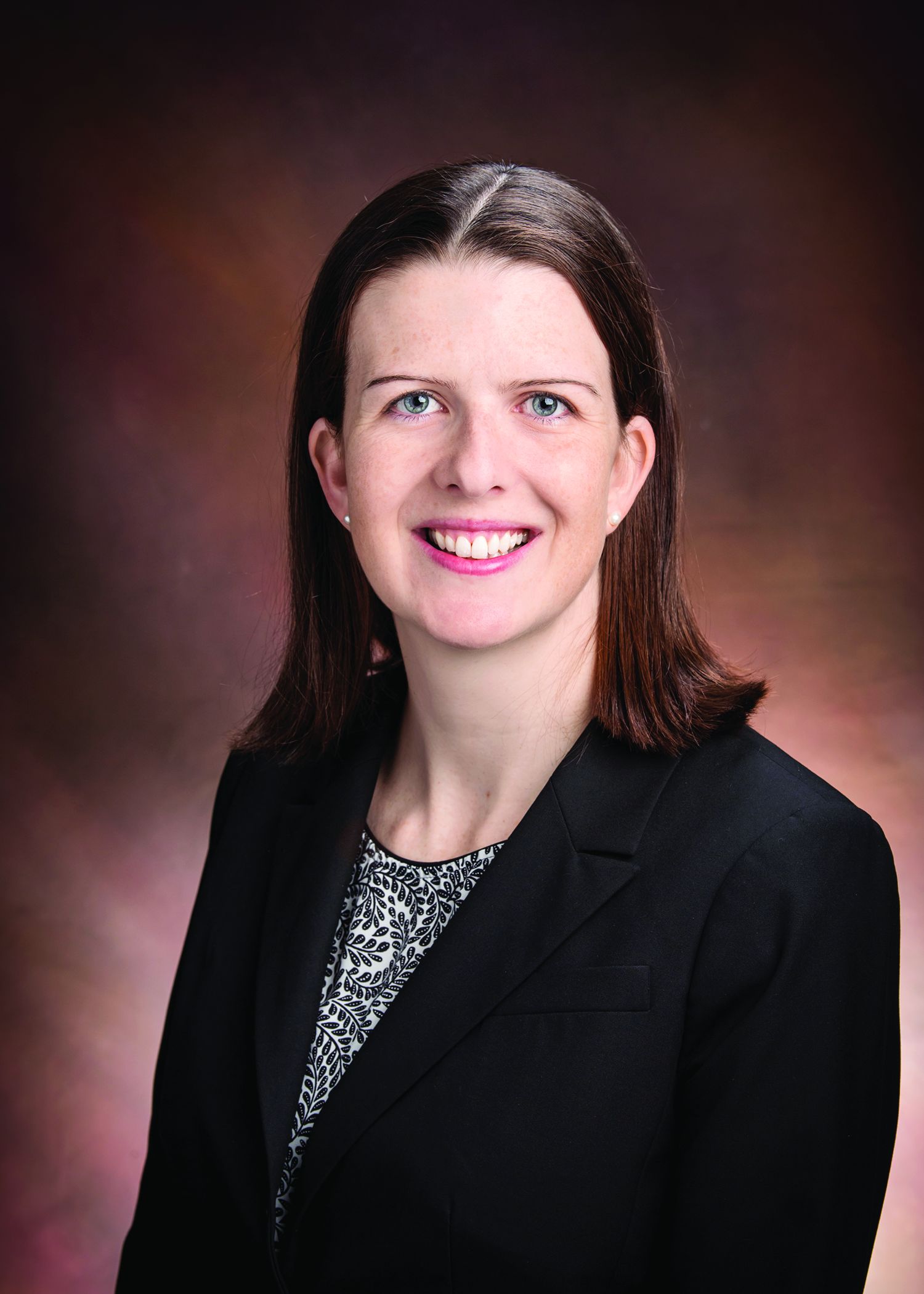
“But for some clinicians and the public, this will be a lightbulb kind of moment, increasing awareness about a problem many of us have been talking about for a while,” said Dr. Maddox, who was not involved with the current research.
In January, she launched a 5-year, $9 million study to compare the efficacy of two suicide intervention programs in adolescents and young adults with autism.
The interventions use a well-known suicide prevention tool that has been newly modified for use in people with autism. One program would rely on the intervention alone, and the other would add a structured clinical follow-up.
“There has to be much more than awareness. We need more training for clinicians, we need more tools, we need to know which tools are going to work,” Dr. Maddox said.
Her new project could address all of those needs. Funded by the nonprofit Patient-Centered Outcomes Research Institute (PCORI), it will train 150 clinicians at centers in four states to identify suicidal risk among young adults with autism, utilize the prevention tool, and collect data on its efficacy alone or with follow-up.
Clinician training will begin this spring, and researchers hope to have the first patient data in the fall.
Scaling the ‘services cliff’
While Dr. Maddox’s study could yield a potential suicide prevention tool, she is quick to point out that the ultimate goal would be to have fewer people reach the point where such a tool is needed. However, that will take a multidisciplinary approach that begins with access to clinical care, including mental health care, she noted.
“Our mental health care system in general is not great for people on the spectrum, but it’s even worse for adults,” Dr. Maddox said.
Compared with neurotypical adults, adults with autism use more mental health services, have higher hospitalization rates, and are more likely to use primary care services, one recent study showed. The problem, Dr. Maddox notes, is that there are too few clinicians in those areas who are trained in autism care.
One way to address that issue is to mandate autism instruction in the medical curriculum, Catherine Lord, PhD, told this news organization when asked for comment. Dr. Lord is cochair of The Lancet commission on the future of care and clinical research in autism and professor of psychiatry at the Semel Institute for Neuroscience and Human Behavior at UCLA.
“Medical schools offer very little training on ASD, even in standard psychiatry training. For people who don’t specialize in child or adolescence psychiatry, there’s almost none,” Dr. Lord said.
Dr. Maddox agrees. One goal of the PCORI study is to turn their findings into a transportable training program, perhaps available via a webinar for clinicians, crisis center staff, and others who may encounter an adult with autism who is contemplating suicide.
“This is a life and death situation,” Dr. Maddox said. “We have to marshal every resource we have, and we have to do it now. We can’t waste time.”
Dr. Li’s study was funded by the Eunice Kennedy Shriver National Institute of Child Health and Human Development of the National Institutes of Health. Study authors and other sources reported no relevant financial relationships.
A version of this article first appeared on Medscape.com.
When a recent study from Columbia University reported that suicide and self-harm were nearly four times more likely in adults with autism spectrum disorder (ASD) than in the general population, the findings were sobering. But to many in the field, they were not surprising.
Previous analyses showed individuals with ASD were up to six times more likely to attempt suicide and nearly eight times as likely to succeed. However, the recent study published in JAMA Network Open is one of only a few on self-harm and suicide in autism spectrum disorder (ASD) to include a focus on adults.
“Previously there was relatively little information about adults with autism in general and on injury risk among adults with autism specifically,” study investigator Guohua Li, DrPH, MD, professor of epidemiology at Columbia University Mailman School of Public Health, New York, told this news organization.
“How to continue to provide social support and health care services to adults with autism presents a real challenge to society and is a public health issue,” Dr. Li said.
Falling off a ‘services cliff’
The ASD rate among children is at a record-high in the United States, which means the number of adults on the spectrum will also continue to climb. The incidence of adults with newly diagnosed ASD, who are sometimes described as the “lost generation,” is also increasing. Despite these realities, adults with ASD remain largely underserved and understudied.
The data that are available paint a concerning picture. Adolescents with ASD face a “services cliff” as they transition to adulthood and fall into a landscape with a serious lack of services, support, and clinicians trained to treat adults with ASD.
Compared with young adults without ASD, those on the spectrum have significantly lower college graduation rates, have a harder time finding and keeping a job, are more likely to have a co-occurring mental illness, and are far less likely to live independently.
Before 2020, there were no national data on the number of U.S. adults with autism. That year, the Centers for Disease Control and Prevention released its first-ever report on adult autism prevalence, estimated to be 5.4 million.
That figure is almost definitely low, Matthew Maenner, PhD, autism surveillance team lead with the CDC’s National Center on Birth Defects and Developmental Disabilities, told this news organization.
Researchers use school and medical records to calculate child ASD rates, but counting adults with the disorder is far more difficult.
The CDC’s estimate was based on modeling reports from 2017 state-based population and mortality records and parent-reported survey data of U.S. children diagnosed with ASD. It was inexact, said Dr. Maenner, but it was a start.
“There are no good data on the prevalence of autism in adults. Anywhere,” he added.
Masking and camouflaging
Only about 3.5% of published studies on autism focus on adults, one review showed. In the recently published “The Lancet Commission on the future of care and clinical research in autism,” the section on research on adolescents and adults was a mere 189 words long.
“The brevity of this paragraph reflects the little data available in this area, not its importance” the authors write.
The recent report of higher self-harm risk in adults on the spectrum offers further evidence that “there just aren’t enough services and research on adults on [the] autism spectrum,” Edward S. Brodkin, MD, associate professor of psychiatry and director of the Adult Autism Spectrum Program at the University of Pennsylvania Perelman School of Medicine in Philadelphia, told this news organization.
Founded by Dr. Brodkin in 2013, the program provides ASD diagnostic and support services for adults with ASD. Like others in the field, Dr. Brodkin has noted a sharp increase in the number of previously undiagnosed adults seeking evaluation for possible ASD.
Many of his patients have recently diagnosed children and realized they share some of the same ASD symptoms. Others have long recognized traits common in autism but have engaged in what clinicians call “masking” or “camouflaging.” This is particularly true in women, who are diagnosed with autism at far lower rates than men.
The “lost generation” of adults who receive an ASD diagnosis later in life have a lower quality of life, studies suggest, and have the highest risk for suicide among all individuals with autism.
The recent study from Dr. Li and colleagues offers new evidence in both children and adults. But although the systematic review and meta-analysis of 31 studies showed high rates of self-injurious behavior and suicidality in both groups, Dr. Li said it’s the data on adults that was most alarming.
The OR of suicidality in children was 2.53, but the risk in adults was significantly higher, with an odds ratio (OR) of 3.84.
Adults were at greater risk for self-harm than children (OR, 1.45; 95% confidence interval, 1.04-2.03), with higher odds of self-injurious behavior (OR, 3.38; 95% CI, 2.54-4.50) and suicidality (OR, 3.84; 95% CI, 2.78-5.30), compared with children (OR, 2.99; 95% CI, 1.93-4.64 for self-injurious behavior, and OR, 2.53; 95% CI, 1.70-3.76 for suicidality).
Lightbulb moment?
Commenting for this news organization, Brenna Maddox, PhD, assistant professor of psychiatry at UNC Chapel Hill and co-chair of the American Association of Suicidology’s Autism and Suicide Committee, said “the sad reality” is that these findings won’t be surprising to many who work in the field.
“But for some clinicians and the public, this will be a lightbulb kind of moment, increasing awareness about a problem many of us have been talking about for a while,” said Dr. Maddox, who was not involved with the current research.
In January, she launched a 5-year, $9 million study to compare the efficacy of two suicide intervention programs in adolescents and young adults with autism.
The interventions use a well-known suicide prevention tool that has been newly modified for use in people with autism. One program would rely on the intervention alone, and the other would add a structured clinical follow-up.
“There has to be much more than awareness. We need more training for clinicians, we need more tools, we need to know which tools are going to work,” Dr. Maddox said.
Her new project could address all of those needs. Funded by the nonprofit Patient-Centered Outcomes Research Institute (PCORI), it will train 150 clinicians at centers in four states to identify suicidal risk among young adults with autism, utilize the prevention tool, and collect data on its efficacy alone or with follow-up.
Clinician training will begin this spring, and researchers hope to have the first patient data in the fall.
Scaling the ‘services cliff’
While Dr. Maddox’s study could yield a potential suicide prevention tool, she is quick to point out that the ultimate goal would be to have fewer people reach the point where such a tool is needed. However, that will take a multidisciplinary approach that begins with access to clinical care, including mental health care, she noted.
“Our mental health care system in general is not great for people on the spectrum, but it’s even worse for adults,” Dr. Maddox said.
Compared with neurotypical adults, adults with autism use more mental health services, have higher hospitalization rates, and are more likely to use primary care services, one recent study showed. The problem, Dr. Maddox notes, is that there are too few clinicians in those areas who are trained in autism care.
One way to address that issue is to mandate autism instruction in the medical curriculum, Catherine Lord, PhD, told this news organization when asked for comment. Dr. Lord is cochair of The Lancet commission on the future of care and clinical research in autism and professor of psychiatry at the Semel Institute for Neuroscience and Human Behavior at UCLA.
“Medical schools offer very little training on ASD, even in standard psychiatry training. For people who don’t specialize in child or adolescence psychiatry, there’s almost none,” Dr. Lord said.
Dr. Maddox agrees. One goal of the PCORI study is to turn their findings into a transportable training program, perhaps available via a webinar for clinicians, crisis center staff, and others who may encounter an adult with autism who is contemplating suicide.
“This is a life and death situation,” Dr. Maddox said. “We have to marshal every resource we have, and we have to do it now. We can’t waste time.”
Dr. Li’s study was funded by the Eunice Kennedy Shriver National Institute of Child Health and Human Development of the National Institutes of Health. Study authors and other sources reported no relevant financial relationships.
A version of this article first appeared on Medscape.com.
When a recent study from Columbia University reported that suicide and self-harm were nearly four times more likely in adults with autism spectrum disorder (ASD) than in the general population, the findings were sobering. But to many in the field, they were not surprising.
Previous analyses showed individuals with ASD were up to six times more likely to attempt suicide and nearly eight times as likely to succeed. However, the recent study published in JAMA Network Open is one of only a few on self-harm and suicide in autism spectrum disorder (ASD) to include a focus on adults.
“Previously there was relatively little information about adults with autism in general and on injury risk among adults with autism specifically,” study investigator Guohua Li, DrPH, MD, professor of epidemiology at Columbia University Mailman School of Public Health, New York, told this news organization.
“How to continue to provide social support and health care services to adults with autism presents a real challenge to society and is a public health issue,” Dr. Li said.
Falling off a ‘services cliff’
The ASD rate among children is at a record-high in the United States, which means the number of adults on the spectrum will also continue to climb. The incidence of adults with newly diagnosed ASD, who are sometimes described as the “lost generation,” is also increasing. Despite these realities, adults with ASD remain largely underserved and understudied.
The data that are available paint a concerning picture. Adolescents with ASD face a “services cliff” as they transition to adulthood and fall into a landscape with a serious lack of services, support, and clinicians trained to treat adults with ASD.
Compared with young adults without ASD, those on the spectrum have significantly lower college graduation rates, have a harder time finding and keeping a job, are more likely to have a co-occurring mental illness, and are far less likely to live independently.
Before 2020, there were no national data on the number of U.S. adults with autism. That year, the Centers for Disease Control and Prevention released its first-ever report on adult autism prevalence, estimated to be 5.4 million.
That figure is almost definitely low, Matthew Maenner, PhD, autism surveillance team lead with the CDC’s National Center on Birth Defects and Developmental Disabilities, told this news organization.
Researchers use school and medical records to calculate child ASD rates, but counting adults with the disorder is far more difficult.
The CDC’s estimate was based on modeling reports from 2017 state-based population and mortality records and parent-reported survey data of U.S. children diagnosed with ASD. It was inexact, said Dr. Maenner, but it was a start.
“There are no good data on the prevalence of autism in adults. Anywhere,” he added.
Masking and camouflaging
Only about 3.5% of published studies on autism focus on adults, one review showed. In the recently published “The Lancet Commission on the future of care and clinical research in autism,” the section on research on adolescents and adults was a mere 189 words long.
“The brevity of this paragraph reflects the little data available in this area, not its importance” the authors write.
The recent report of higher self-harm risk in adults on the spectrum offers further evidence that “there just aren’t enough services and research on adults on [the] autism spectrum,” Edward S. Brodkin, MD, associate professor of psychiatry and director of the Adult Autism Spectrum Program at the University of Pennsylvania Perelman School of Medicine in Philadelphia, told this news organization.
Founded by Dr. Brodkin in 2013, the program provides ASD diagnostic and support services for adults with ASD. Like others in the field, Dr. Brodkin has noted a sharp increase in the number of previously undiagnosed adults seeking evaluation for possible ASD.
Many of his patients have recently diagnosed children and realized they share some of the same ASD symptoms. Others have long recognized traits common in autism but have engaged in what clinicians call “masking” or “camouflaging.” This is particularly true in women, who are diagnosed with autism at far lower rates than men.
The “lost generation” of adults who receive an ASD diagnosis later in life have a lower quality of life, studies suggest, and have the highest risk for suicide among all individuals with autism.
The recent study from Dr. Li and colleagues offers new evidence in both children and adults. But although the systematic review and meta-analysis of 31 studies showed high rates of self-injurious behavior and suicidality in both groups, Dr. Li said it’s the data on adults that was most alarming.
The OR of suicidality in children was 2.53, but the risk in adults was significantly higher, with an odds ratio (OR) of 3.84.
Adults were at greater risk for self-harm than children (OR, 1.45; 95% confidence interval, 1.04-2.03), with higher odds of self-injurious behavior (OR, 3.38; 95% CI, 2.54-4.50) and suicidality (OR, 3.84; 95% CI, 2.78-5.30), compared with children (OR, 2.99; 95% CI, 1.93-4.64 for self-injurious behavior, and OR, 2.53; 95% CI, 1.70-3.76 for suicidality).
Lightbulb moment?
Commenting for this news organization, Brenna Maddox, PhD, assistant professor of psychiatry at UNC Chapel Hill and co-chair of the American Association of Suicidology’s Autism and Suicide Committee, said “the sad reality” is that these findings won’t be surprising to many who work in the field.
“But for some clinicians and the public, this will be a lightbulb kind of moment, increasing awareness about a problem many of us have been talking about for a while,” said Dr. Maddox, who was not involved with the current research.
In January, she launched a 5-year, $9 million study to compare the efficacy of two suicide intervention programs in adolescents and young adults with autism.
The interventions use a well-known suicide prevention tool that has been newly modified for use in people with autism. One program would rely on the intervention alone, and the other would add a structured clinical follow-up.
“There has to be much more than awareness. We need more training for clinicians, we need more tools, we need to know which tools are going to work,” Dr. Maddox said.
Her new project could address all of those needs. Funded by the nonprofit Patient-Centered Outcomes Research Institute (PCORI), it will train 150 clinicians at centers in four states to identify suicidal risk among young adults with autism, utilize the prevention tool, and collect data on its efficacy alone or with follow-up.
Clinician training will begin this spring, and researchers hope to have the first patient data in the fall.
Scaling the ‘services cliff’
While Dr. Maddox’s study could yield a potential suicide prevention tool, she is quick to point out that the ultimate goal would be to have fewer people reach the point where such a tool is needed. However, that will take a multidisciplinary approach that begins with access to clinical care, including mental health care, she noted.
“Our mental health care system in general is not great for people on the spectrum, but it’s even worse for adults,” Dr. Maddox said.
Compared with neurotypical adults, adults with autism use more mental health services, have higher hospitalization rates, and are more likely to use primary care services, one recent study showed. The problem, Dr. Maddox notes, is that there are too few clinicians in those areas who are trained in autism care.
One way to address that issue is to mandate autism instruction in the medical curriculum, Catherine Lord, PhD, told this news organization when asked for comment. Dr. Lord is cochair of The Lancet commission on the future of care and clinical research in autism and professor of psychiatry at the Semel Institute for Neuroscience and Human Behavior at UCLA.
“Medical schools offer very little training on ASD, even in standard psychiatry training. For people who don’t specialize in child or adolescence psychiatry, there’s almost none,” Dr. Lord said.
Dr. Maddox agrees. One goal of the PCORI study is to turn their findings into a transportable training program, perhaps available via a webinar for clinicians, crisis center staff, and others who may encounter an adult with autism who is contemplating suicide.
“This is a life and death situation,” Dr. Maddox said. “We have to marshal every resource we have, and we have to do it now. We can’t waste time.”
Dr. Li’s study was funded by the Eunice Kennedy Shriver National Institute of Child Health and Human Development of the National Institutes of Health. Study authors and other sources reported no relevant financial relationships.
A version of this article first appeared on Medscape.com.
More evidence links MI to cognitive decline over time
new research suggests.
Although cognition in the acute phase after MI was not different than those without an MI in large observational cohorts, cognitive decline became significantly different over a median 6.5 years of follow-up.
The results reinforce the idea that heart health is closely tied to brain health, lead study author Michelle C. Johansen, MD, PhD, assistant professor of neurology cerebrovascular division, Johns Hopkins University, Baltimore, said in an interview. “From a clinical standpoint, heart health affects brain health and there may be effective interventions to prevent heart attack from happening that could reduce the rate of cognitive decline.”
The study was presented during the International Stroke Conference sponsored by the American Heart Association.
Researchers are increasingly recognizing the vascular contribution to cognitive impairment, said Dr. Johansen. This could involve “silent” or subclinical strokes that go unrecognized until seen on imaging.
The study included 31,377 adults free of MI and dementia from six large, well-known cohort studies: the Atherosclerosis Risk in Communities Study, the Coronary Artery Risk Development in Young Adults Study, the Cardiovascular Health Study, the Framingham Offspring Study, the Multi-Ethnic Study of Atherosclerosis, and the Northern Manhattan Study
About 56% of study participants were women, 23% were Black, 8% were Hispanic, and 69% were White.
They were followed from 1971 to 2017 with investigators repeatedly measuring vascular risk factors. The median study follow-up was 6.5 years, but some were followed for up to 20 years. During that time, there were 1,047 incident MIs.
The researchers performed a pooled analysis from these studies “using some fancy statistical techniques,” said Dr. Johansen. “The unique thing about this study was we were able to harmonize the cognitive measures.”
This allowed the researchers to determine if incident MI affected cognitive decline soon after the event and then long-term after the event. The primary outcome was change in global cognition. Additional outcomes were memory and executive function.
The median time between the first MI and the cognitive assessment was about 1.8 years but ranged from about 6 months to 4 years, said Dr. Johansen. Participants were a median age of 60 years at the time of the first cognitive assessment.
The researchers adjusted results for demographic factors, heart disease risk factors, and cognitive test results prior to the MI. Participants who had a stroke during the follow-up period were excluded from the analysis as stroke can affect cognition.
The study showed incident MI was associated with significant decline in global cognition (–0.71; 95% confidence interval, –1.02 to 0.42; P < .0001) and executive function (–0.68; 95% CI, –0.97 to 0.39; P < .004), but not memory, after the MI.
As cognition naturally declines with age, the researchers took that into consideration. “We anticipated cognition over time was going to go down, which it did, but the question we asked was: ‘How did the slope, which we knew was going to decline over time, compare in people who did not have a MI versus those that did?’ ” said Dr. Johansen.
After adjusting the model accordingly, the effect estimates indicating declines in global cognition and executive function were not significant.
However, another model that looked at the effect of incident MI on decline in cognitive function over the years following the event found significant differences.
Compared with participants without MI, those with incident MI had significantly faster declines in global cognition (–0.15 points/year faster, 95% CI, –0.21 to –0.10; P < .002), memory (–0.13 points/year faster, 95% CI, –0.23 to –0.04; P = .004), and executive function (–0.14 points/year faster, 95% CI, –0.20 to –0.08; P < .0001).
Dr. Johansen surmised that MI may result in subclinical infarcts or inflammation, or that MI and cognitive decline have shared vascular risk factors.
She said she can only speculate about why there was not more of a cognitive decline surrounding the MI. “It may be that right after the event, subjects are kind of sick from other things so it’s hard to see exactly what’s going on. Sometimes people can have other problems just from being in the hospital and having a heart attack may make cognition difficult to assess.”
The researchers also looked at those who had a second MI. “We asked whether the decline we saw after the first heart attack among those who had two heart attacks was explained by the fact they had more than one heart attack, and the answer to that question is no,” Dr. Johansen said.
The next research steps for Dr. Johansen and associates are to look at differences in race and sex.
Karen L. Furie, MD, chair, department of neurology, Brown University, and chief of neurology at Rhode Island Hospital, the Miriam Hospital, and the Bradley Hospital, all in Providence, provided a comment on the research.
MI and cognitive decline have a number of common risk factors, including hypertension, diabetes, high cholesterol, smoking, physical inactivity, and poor diet that can lead to obesity, said Dr. Furie.
“It’s critically important to identify these risk factors as early as possible,” she said. “People in early and middle life may not be receiving optimal medical management or engaging in ideal lifestyle choices and these contribute to the development and progression of atherosclerotic disease over the subsequent decades.”
In theory, she said, if these risk factors were eliminated or adequately treated earlier in life, “both the heart and brain could age naturally and in a healthy manner, enabling a higher functioning and better quality of life.”
The study was funded by the National Institute of Neurological Disorders and Stroke and the National Institute of Aging of the National Institutes of Health. Dr. Johansen receives research funding from NINDS.
A version of this article first appeared on Medscape.com.
new research suggests.
Although cognition in the acute phase after MI was not different than those without an MI in large observational cohorts, cognitive decline became significantly different over a median 6.5 years of follow-up.
The results reinforce the idea that heart health is closely tied to brain health, lead study author Michelle C. Johansen, MD, PhD, assistant professor of neurology cerebrovascular division, Johns Hopkins University, Baltimore, said in an interview. “From a clinical standpoint, heart health affects brain health and there may be effective interventions to prevent heart attack from happening that could reduce the rate of cognitive decline.”
The study was presented during the International Stroke Conference sponsored by the American Heart Association.
Researchers are increasingly recognizing the vascular contribution to cognitive impairment, said Dr. Johansen. This could involve “silent” or subclinical strokes that go unrecognized until seen on imaging.
The study included 31,377 adults free of MI and dementia from six large, well-known cohort studies: the Atherosclerosis Risk in Communities Study, the Coronary Artery Risk Development in Young Adults Study, the Cardiovascular Health Study, the Framingham Offspring Study, the Multi-Ethnic Study of Atherosclerosis, and the Northern Manhattan Study
About 56% of study participants were women, 23% were Black, 8% were Hispanic, and 69% were White.
They were followed from 1971 to 2017 with investigators repeatedly measuring vascular risk factors. The median study follow-up was 6.5 years, but some were followed for up to 20 years. During that time, there were 1,047 incident MIs.
The researchers performed a pooled analysis from these studies “using some fancy statistical techniques,” said Dr. Johansen. “The unique thing about this study was we were able to harmonize the cognitive measures.”
This allowed the researchers to determine if incident MI affected cognitive decline soon after the event and then long-term after the event. The primary outcome was change in global cognition. Additional outcomes were memory and executive function.
The median time between the first MI and the cognitive assessment was about 1.8 years but ranged from about 6 months to 4 years, said Dr. Johansen. Participants were a median age of 60 years at the time of the first cognitive assessment.
The researchers adjusted results for demographic factors, heart disease risk factors, and cognitive test results prior to the MI. Participants who had a stroke during the follow-up period were excluded from the analysis as stroke can affect cognition.
The study showed incident MI was associated with significant decline in global cognition (–0.71; 95% confidence interval, –1.02 to 0.42; P < .0001) and executive function (–0.68; 95% CI, –0.97 to 0.39; P < .004), but not memory, after the MI.
As cognition naturally declines with age, the researchers took that into consideration. “We anticipated cognition over time was going to go down, which it did, but the question we asked was: ‘How did the slope, which we knew was going to decline over time, compare in people who did not have a MI versus those that did?’ ” said Dr. Johansen.
After adjusting the model accordingly, the effect estimates indicating declines in global cognition and executive function were not significant.
However, another model that looked at the effect of incident MI on decline in cognitive function over the years following the event found significant differences.
Compared with participants without MI, those with incident MI had significantly faster declines in global cognition (–0.15 points/year faster, 95% CI, –0.21 to –0.10; P < .002), memory (–0.13 points/year faster, 95% CI, –0.23 to –0.04; P = .004), and executive function (–0.14 points/year faster, 95% CI, –0.20 to –0.08; P < .0001).
Dr. Johansen surmised that MI may result in subclinical infarcts or inflammation, or that MI and cognitive decline have shared vascular risk factors.
She said she can only speculate about why there was not more of a cognitive decline surrounding the MI. “It may be that right after the event, subjects are kind of sick from other things so it’s hard to see exactly what’s going on. Sometimes people can have other problems just from being in the hospital and having a heart attack may make cognition difficult to assess.”
The researchers also looked at those who had a second MI. “We asked whether the decline we saw after the first heart attack among those who had two heart attacks was explained by the fact they had more than one heart attack, and the answer to that question is no,” Dr. Johansen said.
The next research steps for Dr. Johansen and associates are to look at differences in race and sex.
Karen L. Furie, MD, chair, department of neurology, Brown University, and chief of neurology at Rhode Island Hospital, the Miriam Hospital, and the Bradley Hospital, all in Providence, provided a comment on the research.
MI and cognitive decline have a number of common risk factors, including hypertension, diabetes, high cholesterol, smoking, physical inactivity, and poor diet that can lead to obesity, said Dr. Furie.
“It’s critically important to identify these risk factors as early as possible,” she said. “People in early and middle life may not be receiving optimal medical management or engaging in ideal lifestyle choices and these contribute to the development and progression of atherosclerotic disease over the subsequent decades.”
In theory, she said, if these risk factors were eliminated or adequately treated earlier in life, “both the heart and brain could age naturally and in a healthy manner, enabling a higher functioning and better quality of life.”
The study was funded by the National Institute of Neurological Disorders and Stroke and the National Institute of Aging of the National Institutes of Health. Dr. Johansen receives research funding from NINDS.
A version of this article first appeared on Medscape.com.
new research suggests.
Although cognition in the acute phase after MI was not different than those without an MI in large observational cohorts, cognitive decline became significantly different over a median 6.5 years of follow-up.
The results reinforce the idea that heart health is closely tied to brain health, lead study author Michelle C. Johansen, MD, PhD, assistant professor of neurology cerebrovascular division, Johns Hopkins University, Baltimore, said in an interview. “From a clinical standpoint, heart health affects brain health and there may be effective interventions to prevent heart attack from happening that could reduce the rate of cognitive decline.”
The study was presented during the International Stroke Conference sponsored by the American Heart Association.
Researchers are increasingly recognizing the vascular contribution to cognitive impairment, said Dr. Johansen. This could involve “silent” or subclinical strokes that go unrecognized until seen on imaging.
The study included 31,377 adults free of MI and dementia from six large, well-known cohort studies: the Atherosclerosis Risk in Communities Study, the Coronary Artery Risk Development in Young Adults Study, the Cardiovascular Health Study, the Framingham Offspring Study, the Multi-Ethnic Study of Atherosclerosis, and the Northern Manhattan Study
About 56% of study participants were women, 23% were Black, 8% were Hispanic, and 69% were White.
They were followed from 1971 to 2017 with investigators repeatedly measuring vascular risk factors. The median study follow-up was 6.5 years, but some were followed for up to 20 years. During that time, there were 1,047 incident MIs.
The researchers performed a pooled analysis from these studies “using some fancy statistical techniques,” said Dr. Johansen. “The unique thing about this study was we were able to harmonize the cognitive measures.”
This allowed the researchers to determine if incident MI affected cognitive decline soon after the event and then long-term after the event. The primary outcome was change in global cognition. Additional outcomes were memory and executive function.
The median time between the first MI and the cognitive assessment was about 1.8 years but ranged from about 6 months to 4 years, said Dr. Johansen. Participants were a median age of 60 years at the time of the first cognitive assessment.
The researchers adjusted results for demographic factors, heart disease risk factors, and cognitive test results prior to the MI. Participants who had a stroke during the follow-up period were excluded from the analysis as stroke can affect cognition.
The study showed incident MI was associated with significant decline in global cognition (–0.71; 95% confidence interval, –1.02 to 0.42; P < .0001) and executive function (–0.68; 95% CI, –0.97 to 0.39; P < .004), but not memory, after the MI.
As cognition naturally declines with age, the researchers took that into consideration. “We anticipated cognition over time was going to go down, which it did, but the question we asked was: ‘How did the slope, which we knew was going to decline over time, compare in people who did not have a MI versus those that did?’ ” said Dr. Johansen.
After adjusting the model accordingly, the effect estimates indicating declines in global cognition and executive function were not significant.
However, another model that looked at the effect of incident MI on decline in cognitive function over the years following the event found significant differences.
Compared with participants without MI, those with incident MI had significantly faster declines in global cognition (–0.15 points/year faster, 95% CI, –0.21 to –0.10; P < .002), memory (–0.13 points/year faster, 95% CI, –0.23 to –0.04; P = .004), and executive function (–0.14 points/year faster, 95% CI, –0.20 to –0.08; P < .0001).
Dr. Johansen surmised that MI may result in subclinical infarcts or inflammation, or that MI and cognitive decline have shared vascular risk factors.
She said she can only speculate about why there was not more of a cognitive decline surrounding the MI. “It may be that right after the event, subjects are kind of sick from other things so it’s hard to see exactly what’s going on. Sometimes people can have other problems just from being in the hospital and having a heart attack may make cognition difficult to assess.”
The researchers also looked at those who had a second MI. “We asked whether the decline we saw after the first heart attack among those who had two heart attacks was explained by the fact they had more than one heart attack, and the answer to that question is no,” Dr. Johansen said.
The next research steps for Dr. Johansen and associates are to look at differences in race and sex.
Karen L. Furie, MD, chair, department of neurology, Brown University, and chief of neurology at Rhode Island Hospital, the Miriam Hospital, and the Bradley Hospital, all in Providence, provided a comment on the research.
MI and cognitive decline have a number of common risk factors, including hypertension, diabetes, high cholesterol, smoking, physical inactivity, and poor diet that can lead to obesity, said Dr. Furie.
“It’s critically important to identify these risk factors as early as possible,” she said. “People in early and middle life may not be receiving optimal medical management or engaging in ideal lifestyle choices and these contribute to the development and progression of atherosclerotic disease over the subsequent decades.”
In theory, she said, if these risk factors were eliminated or adequately treated earlier in life, “both the heart and brain could age naturally and in a healthy manner, enabling a higher functioning and better quality of life.”
The study was funded by the National Institute of Neurological Disorders and Stroke and the National Institute of Aging of the National Institutes of Health. Dr. Johansen receives research funding from NINDS.
A version of this article first appeared on Medscape.com.
FROM ISC 2022
Tenecteplase for stroke thrombolysis up to 24 hours?
, a new trial from China suggests.
The phase 2a CHABLIS trial was presented at the International Stroke Conference by Xin Cheng, MD, associate professor of neurology at the Huashan Hospital of Fudan University and the National Center for Neurological Disorders in Shanghai, China.
“These results are the first to be reported with tenecteplase in the extended time window and suggest that it may be feasible to extend the time window of intravenous thrombolysis to 24 hours after last known well through perfusion imaging selection,” she concluded at the conference presented by the American Stroke Association, a division of the American Heart Association.
Dr. Cheng noted that alteplase (tissue plasminogen activator) is the standard of care for thrombolysis in stroke, with a time window of up to 4.5 hours after stroke onset. However, the recent EXTEND trial suggested benefit of alteplase in patients who were between 4.5 and 9 hours of stroke onset and who had hypoperfused but salvageable regions of brain detected on automated perfusion imaging.
Tenecteplase is a genetically modified variant of alteplase. It has received regulatory approval for treatment of myocardial infarction. Dr. Cheng said there is increasing interest in tenecteplase as an alternative to alteplase, mainly because of its practical advantages (single bolus, rather than 1-hour infusion) and its having a number of hypothetical advantages over alteplase, including greater fibrin specificity and lesser likelihood of fibrinogen depletion.
Until now, studies of tenecteplase in stroke have included patients in the traditional time window, which has been no longer than 6 hours from stroke onset, she added.
For the current CHABLIS trial, the Chinese researchers investigated the use of tenecteplase administered to ischemic stroke patients at 4.5-24 hours from time of their being last seen well who were selected by significant penumbral mismatch on perfusion imaging. The trial included 86 patients who had an anterior large-vessel occlusion or severe stenosis identified on head and neck CT angiography and penumbral mismatch on CT perfusion imaging. They were randomized to one of two doses of tenecteplase, 0.25 mg/kg or 0.32 mg/kg.
The primary outcome was the achievement of reperfusion without symptomatic intracranial hemorrhage at 24-48 hours after thrombolysis. This occurred in 32% of the 0.25-mg/kg group versus 23.3% of the 0.32-mg/kg group.
Recanalization at 4-6 hours occurred in 44% of both groups.
In terms of neurologic outcomes, an excellent functional outcome, defined as a Modified Rankin Scale (mRS) score of 0-1 at 90 days, was achieved in 28% of the 0.25-mg/kg group and 49% of the 0.32-mg/kg group. A good functional outcome (mRS, 0-2) occurred in 46% of the 0.25-mg/kg group versus 60% of the 0.32-mg/kg group.
Limitations of the study included a small sample size and the lack of a control group. In addition, the study included only Chinese patients, who are known to have different stroke etiologies in comparison with White patients, Dr. Cheng noted.
In the subset of patients who received tenecteplase and who underwent endovascular therapy, fewer patients (8.8%) reached the primary outcome measure of reperfusion without symptomatic ICH, compared with those who received only tenecteplase (40.4%).
“In our study, tenecteplase seems to be quite effective and safe in patients who do not need endovascular therapy,” Dr. Cheng said. “More research is needed to understand why tenecteplase was less effective in restoring blood flow and more likely to result in symptomatic brain bleeding among those who had endovascular therapy.”
The researchers have now started a phase 2b trial, CHABLIS-2. This is a randomized, multicenter, controlled, open-label study of the 0.25-mg/kg dose of tenecteplase.
Commenting on the current study at an ISC press conference, Tudor G. Jovin, MD, chair of neurology at Cooper University Hospital, Cherry Hill, New Jersey, said: “This is very important study looking at the question of using thrombolysis out to 24 hours, and it does suggest a benefit, but we don’t know the best dose yet.”
He noted that his hospital system has already switched from alteplase to tenecteplase in the treatment of stroke, and several other centers are also making this switch. “In our center, we use the 0.25-mg/kg dose, but we don’t routinely treat patients beyond the 4.5-hour time window,” Dr. Jovin reported.
“The signals are there for a longer treatment window,” he said. “But this study was not aiming to directly answer whether tenecteplase is better than no treatment or alteplase, or its use with endovascular therapy.”
Noting that there are similar randomized trials ongoing in the United States and other countries exploring the same doses of tenecteplase, he said he thought the “dose and approach is applicable to U.S. practice.”
The CHABLIS study was funded by national key research and development program of China from the Science and Technology Ministry. Tenecteplase was provided by Guangzhou Recomgen Biotech.
A version of this article first appeared on Medscape.com.
, a new trial from China suggests.
The phase 2a CHABLIS trial was presented at the International Stroke Conference by Xin Cheng, MD, associate professor of neurology at the Huashan Hospital of Fudan University and the National Center for Neurological Disorders in Shanghai, China.
“These results are the first to be reported with tenecteplase in the extended time window and suggest that it may be feasible to extend the time window of intravenous thrombolysis to 24 hours after last known well through perfusion imaging selection,” she concluded at the conference presented by the American Stroke Association, a division of the American Heart Association.
Dr. Cheng noted that alteplase (tissue plasminogen activator) is the standard of care for thrombolysis in stroke, with a time window of up to 4.5 hours after stroke onset. However, the recent EXTEND trial suggested benefit of alteplase in patients who were between 4.5 and 9 hours of stroke onset and who had hypoperfused but salvageable regions of brain detected on automated perfusion imaging.
Tenecteplase is a genetically modified variant of alteplase. It has received regulatory approval for treatment of myocardial infarction. Dr. Cheng said there is increasing interest in tenecteplase as an alternative to alteplase, mainly because of its practical advantages (single bolus, rather than 1-hour infusion) and its having a number of hypothetical advantages over alteplase, including greater fibrin specificity and lesser likelihood of fibrinogen depletion.
Until now, studies of tenecteplase in stroke have included patients in the traditional time window, which has been no longer than 6 hours from stroke onset, she added.
For the current CHABLIS trial, the Chinese researchers investigated the use of tenecteplase administered to ischemic stroke patients at 4.5-24 hours from time of their being last seen well who were selected by significant penumbral mismatch on perfusion imaging. The trial included 86 patients who had an anterior large-vessel occlusion or severe stenosis identified on head and neck CT angiography and penumbral mismatch on CT perfusion imaging. They were randomized to one of two doses of tenecteplase, 0.25 mg/kg or 0.32 mg/kg.
The primary outcome was the achievement of reperfusion without symptomatic intracranial hemorrhage at 24-48 hours after thrombolysis. This occurred in 32% of the 0.25-mg/kg group versus 23.3% of the 0.32-mg/kg group.
Recanalization at 4-6 hours occurred in 44% of both groups.
In terms of neurologic outcomes, an excellent functional outcome, defined as a Modified Rankin Scale (mRS) score of 0-1 at 90 days, was achieved in 28% of the 0.25-mg/kg group and 49% of the 0.32-mg/kg group. A good functional outcome (mRS, 0-2) occurred in 46% of the 0.25-mg/kg group versus 60% of the 0.32-mg/kg group.
Limitations of the study included a small sample size and the lack of a control group. In addition, the study included only Chinese patients, who are known to have different stroke etiologies in comparison with White patients, Dr. Cheng noted.
In the subset of patients who received tenecteplase and who underwent endovascular therapy, fewer patients (8.8%) reached the primary outcome measure of reperfusion without symptomatic ICH, compared with those who received only tenecteplase (40.4%).
“In our study, tenecteplase seems to be quite effective and safe in patients who do not need endovascular therapy,” Dr. Cheng said. “More research is needed to understand why tenecteplase was less effective in restoring blood flow and more likely to result in symptomatic brain bleeding among those who had endovascular therapy.”
The researchers have now started a phase 2b trial, CHABLIS-2. This is a randomized, multicenter, controlled, open-label study of the 0.25-mg/kg dose of tenecteplase.
Commenting on the current study at an ISC press conference, Tudor G. Jovin, MD, chair of neurology at Cooper University Hospital, Cherry Hill, New Jersey, said: “This is very important study looking at the question of using thrombolysis out to 24 hours, and it does suggest a benefit, but we don’t know the best dose yet.”
He noted that his hospital system has already switched from alteplase to tenecteplase in the treatment of stroke, and several other centers are also making this switch. “In our center, we use the 0.25-mg/kg dose, but we don’t routinely treat patients beyond the 4.5-hour time window,” Dr. Jovin reported.
“The signals are there for a longer treatment window,” he said. “But this study was not aiming to directly answer whether tenecteplase is better than no treatment or alteplase, or its use with endovascular therapy.”
Noting that there are similar randomized trials ongoing in the United States and other countries exploring the same doses of tenecteplase, he said he thought the “dose and approach is applicable to U.S. practice.”
The CHABLIS study was funded by national key research and development program of China from the Science and Technology Ministry. Tenecteplase was provided by Guangzhou Recomgen Biotech.
A version of this article first appeared on Medscape.com.
, a new trial from China suggests.
The phase 2a CHABLIS trial was presented at the International Stroke Conference by Xin Cheng, MD, associate professor of neurology at the Huashan Hospital of Fudan University and the National Center for Neurological Disorders in Shanghai, China.
“These results are the first to be reported with tenecteplase in the extended time window and suggest that it may be feasible to extend the time window of intravenous thrombolysis to 24 hours after last known well through perfusion imaging selection,” she concluded at the conference presented by the American Stroke Association, a division of the American Heart Association.
Dr. Cheng noted that alteplase (tissue plasminogen activator) is the standard of care for thrombolysis in stroke, with a time window of up to 4.5 hours after stroke onset. However, the recent EXTEND trial suggested benefit of alteplase in patients who were between 4.5 and 9 hours of stroke onset and who had hypoperfused but salvageable regions of brain detected on automated perfusion imaging.
Tenecteplase is a genetically modified variant of alteplase. It has received regulatory approval for treatment of myocardial infarction. Dr. Cheng said there is increasing interest in tenecteplase as an alternative to alteplase, mainly because of its practical advantages (single bolus, rather than 1-hour infusion) and its having a number of hypothetical advantages over alteplase, including greater fibrin specificity and lesser likelihood of fibrinogen depletion.
Until now, studies of tenecteplase in stroke have included patients in the traditional time window, which has been no longer than 6 hours from stroke onset, she added.
For the current CHABLIS trial, the Chinese researchers investigated the use of tenecteplase administered to ischemic stroke patients at 4.5-24 hours from time of their being last seen well who were selected by significant penumbral mismatch on perfusion imaging. The trial included 86 patients who had an anterior large-vessel occlusion or severe stenosis identified on head and neck CT angiography and penumbral mismatch on CT perfusion imaging. They were randomized to one of two doses of tenecteplase, 0.25 mg/kg or 0.32 mg/kg.
The primary outcome was the achievement of reperfusion without symptomatic intracranial hemorrhage at 24-48 hours after thrombolysis. This occurred in 32% of the 0.25-mg/kg group versus 23.3% of the 0.32-mg/kg group.
Recanalization at 4-6 hours occurred in 44% of both groups.
In terms of neurologic outcomes, an excellent functional outcome, defined as a Modified Rankin Scale (mRS) score of 0-1 at 90 days, was achieved in 28% of the 0.25-mg/kg group and 49% of the 0.32-mg/kg group. A good functional outcome (mRS, 0-2) occurred in 46% of the 0.25-mg/kg group versus 60% of the 0.32-mg/kg group.
Limitations of the study included a small sample size and the lack of a control group. In addition, the study included only Chinese patients, who are known to have different stroke etiologies in comparison with White patients, Dr. Cheng noted.
In the subset of patients who received tenecteplase and who underwent endovascular therapy, fewer patients (8.8%) reached the primary outcome measure of reperfusion without symptomatic ICH, compared with those who received only tenecteplase (40.4%).
“In our study, tenecteplase seems to be quite effective and safe in patients who do not need endovascular therapy,” Dr. Cheng said. “More research is needed to understand why tenecteplase was less effective in restoring blood flow and more likely to result in symptomatic brain bleeding among those who had endovascular therapy.”
The researchers have now started a phase 2b trial, CHABLIS-2. This is a randomized, multicenter, controlled, open-label study of the 0.25-mg/kg dose of tenecteplase.
Commenting on the current study at an ISC press conference, Tudor G. Jovin, MD, chair of neurology at Cooper University Hospital, Cherry Hill, New Jersey, said: “This is very important study looking at the question of using thrombolysis out to 24 hours, and it does suggest a benefit, but we don’t know the best dose yet.”
He noted that his hospital system has already switched from alteplase to tenecteplase in the treatment of stroke, and several other centers are also making this switch. “In our center, we use the 0.25-mg/kg dose, but we don’t routinely treat patients beyond the 4.5-hour time window,” Dr. Jovin reported.
“The signals are there for a longer treatment window,” he said. “But this study was not aiming to directly answer whether tenecteplase is better than no treatment or alteplase, or its use with endovascular therapy.”
Noting that there are similar randomized trials ongoing in the United States and other countries exploring the same doses of tenecteplase, he said he thought the “dose and approach is applicable to U.S. practice.”
The CHABLIS study was funded by national key research and development program of China from the Science and Technology Ministry. Tenecteplase was provided by Guangzhou Recomgen Biotech.
A version of this article first appeared on Medscape.com.
FROM ISC 2022
Top strategies for preventing tardive dyskinesia
LAS VEGAS –
“But this does not seem to always be the case, because there is still a risk of TD, and we need to monitor for it,” Dr. Correll, professor of psychiatry and molecular medicine at The Donald and Barbara Zucker School of Medicine at Hofstra/Northwell, New York, said during an annual psychopharmacology update held by the Nevada Psychiatric Association. “It is important to minimize the risk of TD by educating patients and caregivers about the risks of and alternatives to antipsychotic medication and early signs of TD.”

First described in 1957, TD is characterized by involuntary repetitive but irregular movements, mostly in the oral, lingual, and buccal regions – such as tongue protruding, puckering, chewing, and grimacing. Less often, there are movements in the hands, legs, feet, and torso. Symptoms can include mannerisms, stereotypies, tics, myoclonus, dystonias, tremor, and akathisia. “TD can be severe, persistent, and have medical and psychosocial consequences,” Dr. Correll said. “It can occur in untreated patients, but treatment with dopamine blocking agents – antipsychotics and metoclopramide – increases risk for TD.”
Differential diagnoses to consider include morbus Huntington, benign familial Chorea, and Sydenham’s Chorea. Less frequent causes of TD include metabolic conditions such as uremia, hyponatremia, hypernatremia, hypoparathyroidism, and hyperparathyroidism. “Those would need to be ruled out during the physical exam,” he said. There can also be inflammatory causes of TD such as herpes simplex virus, varicella, measles, mumps, and rubella.
A standard measure for TD diagnosis is the Abnormal Involuntary Movement Scale (AIMS), an observer-rated 12-item anchored scale that takes 5-10 minutes to administer. However, the AIMS on its own does not diagnose TD. In 1982, researchers developed three diagnostic criteria for TD: At least 3 months of cumulative antipsychotic drug exposure; presence of at least moderate abnormal involuntary movements in one or more body area(s) or mild movements in two or more body areas, and absence of other conditions that might produce involuntary movements (Arch Gen Psychiatry 1982;39:486-7).
The impact of TD on everyday functioning depends on anatomic location as well as severity, Dr. Correll continued. The condition can cause impairments to speech, verbal communication, dentition, temporomandibular joint pain/myalgia, swallowing difficulties, and fine motor skills including instrumental activities of daily living and written communication. Truncal and lower extremity TD can affect gait, posture and postural stability, strength, power flexibility, physical capacity, and one’s ability to exercise. “There are also psychological impairments,” he said. “Patients can develop different awareness so they become self-conscious; there can be cognitive abnormalities, and they can become more anxious or [have an] increased sense of paranoia, isolation, stigma, social and/or educational/vocational impairment.”
According to research by Dr. Correll and colleagues, unmodifiable patient-related risk factors for TD include older age, female sex, and being of white or African descent (J Neurol Sci 2018 June 15; 389:21-7). Unmodifiable illness-related risk factors include longer duration of illness, intellectual disability and brain damage, negative symptoms in schizophrenia, mood disorders, cognitive symptoms in mood disorders, and gene polymorphisms involving antipsychotic metabolism and dopamine functioning. Modifiable comorbidity-related factors include diabetes, smoking, and alcohol/substance abuse, while modifiable treatment-related factors include dopamine receptor blockers, higher cumulative and current antipsychotic dose or plasma levels, early parkinsonian side effects, treatment-emergent akathisia, and anticholinergic co-treatment. In a meta-analysis of 41 studies that aimed to determine the prevalence of TD, the mean age of the 11,493 patients was 43, 66% were male, and 77% had schizophrenia spectrum disorders (J Clin Psychiatry. 2017 Mar;78[3]:e264-78). The global mean TD prevalence was 25%, but the rates were lower with patients on current treatment with second-generation antipsychotics compared with those on first-generation antipsychotics (21% vs. 30%, respectively).
According to Dr. Correll, strategies for preventing TD include confirming and documenting the indication for dopamine antagonist antipsychotic medications, using conservative maintenance doses, and considering the use of SGAs, especially in those at high risk for EPS (extrapyramidal symptoms). “Don’t go too high [with the dose],” he said. “Stay below the EPS threshold. Inform patients and caregivers of the risk of TD and assess for incipient signs regularly using the AIMS.”
Treatment options include discontinuing antipsychotics, adjusting their dose, or switching patients from a first-generation antipsychotic to a second-generation antipsychotic. Supplementation with antioxidants/radical scavengers such as vitamin E, vitamin B6, ginkgo biloba, and fish oil “can be tried, but have limited evidence, as is the case for melatonin.” Other options include clonazepam, amantadine, donepezil, and tetrabenazine, a reversible and specific inhibitor of vesicular monoamine transporter-2 (VMAT-2), a transporter that packages neurotransmitters (preferentially dopamine) into vesicles for release into the synapse and was approved in 2008 as an orphan drug for the treatment of choreiform movements associated with Huntington’s disease. “Neurologists have using tetrabenazine off-label for TD, but in schizophrenia and other psychiatric care, we rarely use it because it has to be given three times a day and it has a black box warning for depression and suicidality,” he said.
Dr. Correll noted that the Food and Drug Administration approval of two more recent VMAT-2 inhibitors – deutetrabenazine (Austedo) and valbenazine (Ingrezza) – provides an evidence-based care option for the effective management of TD. Deutetrabenazine requires titration over several weeks and twice-daily dosing, while valbenazine can reach the maximum dose by the beginning of week 2 and is dosed once daily. Deutetrabenazine should be taken with food, which is not required valbenazine.
“Both VMAT-2 inhibitors are generally well tolerated and have a positive benefit-risk ratio,” he said. “Both are recommended by the APA guidelines as the preferred and only evidence-based treatment for TD.”
Dr. Correll reported that he has received honoraria from and has been an advisory board member for numerous pharmaceutical companies. He has also received grant support from Janssen, the National Institute of Mental Health, the Patient Centered Outcomes Research Institute, Takeda, and the Thrasher Foundation.
LAS VEGAS –
“But this does not seem to always be the case, because there is still a risk of TD, and we need to monitor for it,” Dr. Correll, professor of psychiatry and molecular medicine at The Donald and Barbara Zucker School of Medicine at Hofstra/Northwell, New York, said during an annual psychopharmacology update held by the Nevada Psychiatric Association. “It is important to minimize the risk of TD by educating patients and caregivers about the risks of and alternatives to antipsychotic medication and early signs of TD.”
First described in 1957, TD is characterized by involuntary repetitive but irregular movements, mostly in the oral, lingual, and buccal regions – such as tongue protruding, puckering, chewing, and grimacing. Less often, there are movements in the hands, legs, feet, and torso. Symptoms can include mannerisms, stereotypies, tics, myoclonus, dystonias, tremor, and akathisia. “TD can be severe, persistent, and have medical and psychosocial consequences,” Dr. Correll said. “It can occur in untreated patients, but treatment with dopamine blocking agents – antipsychotics and metoclopramide – increases risk for TD.”
Differential diagnoses to consider include morbus Huntington, benign familial Chorea, and Sydenham’s Chorea. Less frequent causes of TD include metabolic conditions such as uremia, hyponatremia, hypernatremia, hypoparathyroidism, and hyperparathyroidism. “Those would need to be ruled out during the physical exam,” he said. There can also be inflammatory causes of TD such as herpes simplex virus, varicella, measles, mumps, and rubella.
A standard measure for TD diagnosis is the Abnormal Involuntary Movement Scale (AIMS), an observer-rated 12-item anchored scale that takes 5-10 minutes to administer. However, the AIMS on its own does not diagnose TD. In 1982, researchers developed three diagnostic criteria for TD: At least 3 months of cumulative antipsychotic drug exposure; presence of at least moderate abnormal involuntary movements in one or more body area(s) or mild movements in two or more body areas, and absence of other conditions that might produce involuntary movements (Arch Gen Psychiatry 1982;39:486-7).
The impact of TD on everyday functioning depends on anatomic location as well as severity, Dr. Correll continued. The condition can cause impairments to speech, verbal communication, dentition, temporomandibular joint pain/myalgia, swallowing difficulties, and fine motor skills including instrumental activities of daily living and written communication. Truncal and lower extremity TD can affect gait, posture and postural stability, strength, power flexibility, physical capacity, and one’s ability to exercise. “There are also psychological impairments,” he said. “Patients can develop different awareness so they become self-conscious; there can be cognitive abnormalities, and they can become more anxious or [have an] increased sense of paranoia, isolation, stigma, social and/or educational/vocational impairment.”
According to research by Dr. Correll and colleagues, unmodifiable patient-related risk factors for TD include older age, female sex, and being of white or African descent (J Neurol Sci 2018 June 15; 389:21-7). Unmodifiable illness-related risk factors include longer duration of illness, intellectual disability and brain damage, negative symptoms in schizophrenia, mood disorders, cognitive symptoms in mood disorders, and gene polymorphisms involving antipsychotic metabolism and dopamine functioning. Modifiable comorbidity-related factors include diabetes, smoking, and alcohol/substance abuse, while modifiable treatment-related factors include dopamine receptor blockers, higher cumulative and current antipsychotic dose or plasma levels, early parkinsonian side effects, treatment-emergent akathisia, and anticholinergic co-treatment. In a meta-analysis of 41 studies that aimed to determine the prevalence of TD, the mean age of the 11,493 patients was 43, 66% were male, and 77% had schizophrenia spectrum disorders (J Clin Psychiatry. 2017 Mar;78[3]:e264-78). The global mean TD prevalence was 25%, but the rates were lower with patients on current treatment with second-generation antipsychotics compared with those on first-generation antipsychotics (21% vs. 30%, respectively).
According to Dr. Correll, strategies for preventing TD include confirming and documenting the indication for dopamine antagonist antipsychotic medications, using conservative maintenance doses, and considering the use of SGAs, especially in those at high risk for EPS (extrapyramidal symptoms). “Don’t go too high [with the dose],” he said. “Stay below the EPS threshold. Inform patients and caregivers of the risk of TD and assess for incipient signs regularly using the AIMS.”
Treatment options include discontinuing antipsychotics, adjusting their dose, or switching patients from a first-generation antipsychotic to a second-generation antipsychotic. Supplementation with antioxidants/radical scavengers such as vitamin E, vitamin B6, ginkgo biloba, and fish oil “can be tried, but have limited evidence, as is the case for melatonin.” Other options include clonazepam, amantadine, donepezil, and tetrabenazine, a reversible and specific inhibitor of vesicular monoamine transporter-2 (VMAT-2), a transporter that packages neurotransmitters (preferentially dopamine) into vesicles for release into the synapse and was approved in 2008 as an orphan drug for the treatment of choreiform movements associated with Huntington’s disease. “Neurologists have using tetrabenazine off-label for TD, but in schizophrenia and other psychiatric care, we rarely use it because it has to be given three times a day and it has a black box warning for depression and suicidality,” he said.
Dr. Correll noted that the Food and Drug Administration approval of two more recent VMAT-2 inhibitors – deutetrabenazine (Austedo) and valbenazine (Ingrezza) – provides an evidence-based care option for the effective management of TD. Deutetrabenazine requires titration over several weeks and twice-daily dosing, while valbenazine can reach the maximum dose by the beginning of week 2 and is dosed once daily. Deutetrabenazine should be taken with food, which is not required valbenazine.
“Both VMAT-2 inhibitors are generally well tolerated and have a positive benefit-risk ratio,” he said. “Both are recommended by the APA guidelines as the preferred and only evidence-based treatment for TD.”
Dr. Correll reported that he has received honoraria from and has been an advisory board member for numerous pharmaceutical companies. He has also received grant support from Janssen, the National Institute of Mental Health, the Patient Centered Outcomes Research Institute, Takeda, and the Thrasher Foundation.
LAS VEGAS –
“But this does not seem to always be the case, because there is still a risk of TD, and we need to monitor for it,” Dr. Correll, professor of psychiatry and molecular medicine at The Donald and Barbara Zucker School of Medicine at Hofstra/Northwell, New York, said during an annual psychopharmacology update held by the Nevada Psychiatric Association. “It is important to minimize the risk of TD by educating patients and caregivers about the risks of and alternatives to antipsychotic medication and early signs of TD.”
First described in 1957, TD is characterized by involuntary repetitive but irregular movements, mostly in the oral, lingual, and buccal regions – such as tongue protruding, puckering, chewing, and grimacing. Less often, there are movements in the hands, legs, feet, and torso. Symptoms can include mannerisms, stereotypies, tics, myoclonus, dystonias, tremor, and akathisia. “TD can be severe, persistent, and have medical and psychosocial consequences,” Dr. Correll said. “It can occur in untreated patients, but treatment with dopamine blocking agents – antipsychotics and metoclopramide – increases risk for TD.”
Differential diagnoses to consider include morbus Huntington, benign familial Chorea, and Sydenham’s Chorea. Less frequent causes of TD include metabolic conditions such as uremia, hyponatremia, hypernatremia, hypoparathyroidism, and hyperparathyroidism. “Those would need to be ruled out during the physical exam,” he said. There can also be inflammatory causes of TD such as herpes simplex virus, varicella, measles, mumps, and rubella.
A standard measure for TD diagnosis is the Abnormal Involuntary Movement Scale (AIMS), an observer-rated 12-item anchored scale that takes 5-10 minutes to administer. However, the AIMS on its own does not diagnose TD. In 1982, researchers developed three diagnostic criteria for TD: At least 3 months of cumulative antipsychotic drug exposure; presence of at least moderate abnormal involuntary movements in one or more body area(s) or mild movements in two or more body areas, and absence of other conditions that might produce involuntary movements (Arch Gen Psychiatry 1982;39:486-7).
The impact of TD on everyday functioning depends on anatomic location as well as severity, Dr. Correll continued. The condition can cause impairments to speech, verbal communication, dentition, temporomandibular joint pain/myalgia, swallowing difficulties, and fine motor skills including instrumental activities of daily living and written communication. Truncal and lower extremity TD can affect gait, posture and postural stability, strength, power flexibility, physical capacity, and one’s ability to exercise. “There are also psychological impairments,” he said. “Patients can develop different awareness so they become self-conscious; there can be cognitive abnormalities, and they can become more anxious or [have an] increased sense of paranoia, isolation, stigma, social and/or educational/vocational impairment.”
According to research by Dr. Correll and colleagues, unmodifiable patient-related risk factors for TD include older age, female sex, and being of white or African descent (J Neurol Sci 2018 June 15; 389:21-7). Unmodifiable illness-related risk factors include longer duration of illness, intellectual disability and brain damage, negative symptoms in schizophrenia, mood disorders, cognitive symptoms in mood disorders, and gene polymorphisms involving antipsychotic metabolism and dopamine functioning. Modifiable comorbidity-related factors include diabetes, smoking, and alcohol/substance abuse, while modifiable treatment-related factors include dopamine receptor blockers, higher cumulative and current antipsychotic dose or plasma levels, early parkinsonian side effects, treatment-emergent akathisia, and anticholinergic co-treatment. In a meta-analysis of 41 studies that aimed to determine the prevalence of TD, the mean age of the 11,493 patients was 43, 66% were male, and 77% had schizophrenia spectrum disorders (J Clin Psychiatry. 2017 Mar;78[3]:e264-78). The global mean TD prevalence was 25%, but the rates were lower with patients on current treatment with second-generation antipsychotics compared with those on first-generation antipsychotics (21% vs. 30%, respectively).
According to Dr. Correll, strategies for preventing TD include confirming and documenting the indication for dopamine antagonist antipsychotic medications, using conservative maintenance doses, and considering the use of SGAs, especially in those at high risk for EPS (extrapyramidal symptoms). “Don’t go too high [with the dose],” he said. “Stay below the EPS threshold. Inform patients and caregivers of the risk of TD and assess for incipient signs regularly using the AIMS.”
Treatment options include discontinuing antipsychotics, adjusting their dose, or switching patients from a first-generation antipsychotic to a second-generation antipsychotic. Supplementation with antioxidants/radical scavengers such as vitamin E, vitamin B6, ginkgo biloba, and fish oil “can be tried, but have limited evidence, as is the case for melatonin.” Other options include clonazepam, amantadine, donepezil, and tetrabenazine, a reversible and specific inhibitor of vesicular monoamine transporter-2 (VMAT-2), a transporter that packages neurotransmitters (preferentially dopamine) into vesicles for release into the synapse and was approved in 2008 as an orphan drug for the treatment of choreiform movements associated with Huntington’s disease. “Neurologists have using tetrabenazine off-label for TD, but in schizophrenia and other psychiatric care, we rarely use it because it has to be given three times a day and it has a black box warning for depression and suicidality,” he said.
Dr. Correll noted that the Food and Drug Administration approval of two more recent VMAT-2 inhibitors – deutetrabenazine (Austedo) and valbenazine (Ingrezza) – provides an evidence-based care option for the effective management of TD. Deutetrabenazine requires titration over several weeks and twice-daily dosing, while valbenazine can reach the maximum dose by the beginning of week 2 and is dosed once daily. Deutetrabenazine should be taken with food, which is not required valbenazine.
“Both VMAT-2 inhibitors are generally well tolerated and have a positive benefit-risk ratio,” he said. “Both are recommended by the APA guidelines as the preferred and only evidence-based treatment for TD.”
Dr. Correll reported that he has received honoraria from and has been an advisory board member for numerous pharmaceutical companies. He has also received grant support from Janssen, the National Institute of Mental Health, the Patient Centered Outcomes Research Institute, Takeda, and the Thrasher Foundation.
REPORTING FROM NPA 2022
Mixed results for cardiologists in stroke thrombectomy
Outcomes were mixed among ischemic stroke patients with large vessel occlusion who underwent thrombectomy by an interventional cardiologist as part of a multidisciplinary stroke team, in a single-center, prospective study from Poland.
Results from the 2-year experience show mechanical thrombectomy took longer when carried out by interventional cardiologists than by vascular surgeons and neuroradiologists (120 minutes vs. 105 minutes; P = .020).
The procedures were also less likely to achieve angiographic success, defined as a Thrombolysis in Cerebral Infarction (TICI) scale score of 2b or 3 (55.7% vs. 71.7%; P = .013), reported Krystian Wita, MD, PhD, Medical University of Silesia, Katowice, Poland, and colleagues.
The differences in duration and recanalization require further attention, they noted, and are related to a learning curve, more time dedicated to decision-making and, in some cases, needing a second opinion. Cardiologists performed 80 procedures compared with 116 for vascular surgeons and 52 for neuroradiologists, and treated twice as many patients with a previous stroke (13.9% vs. 6.5%).
Still, the interventional cardiologist- and noncardiologist-treated groups had similar functional independence at 3 months, defined by a modified Rankin Scale (mRS) score of 0 to 2 (44.4% vs. 54.8%; P = .275). Mortality was also similar at 3 months (31.3% vs. 28.0%; P = .595).
“This is the first analysis to prove the noninferiority of the cardiology services in the treatment of stroke with mechanical thrombectomy,” the authors reported in JACC: Cardiovascular Interventions.
But commenting for this news organization, J Mocco, MD, senior vice chair of neurosurgery and director of the Cerebrovascular Center at Mount Sinai Health System, New York, said this study isn’t designed as a noninferiority trial, is “grossly underpowered,” and the comparator cohort is not a gold standard comparator cohort.
“More importantly, they show that the cardiologists got significantly worse technical results and took longer, and we know that technical outcomes and the time to treatment are the two strongest predictors of outcome, which completely correlates with the fact that patients had 11% worse outcomes overall,” he said.
“It’s dumbfounding to me that this has been presented as evidence [that] an interventional cardiologist should be performing thrombectomy,” added Dr. Mocco, president-elect of the Society of NeuroInterventional Surgery.
Dr. Wita and coauthor Andrzej Kulach, MD, PhD, also with the Medical University of Silesia, told this news organization that timing is critical in mechanical thrombectomy (MT) and the sooner it’s performed, the better. But it cannot be performed by just any interventional cardiologist (IC).
“The IC must be trained in the procedure and cooperate with the neurologist to get good results,” they said. “We would like to stress that it is not a procedure for any cath lab and any cardiologist on duty. A network of cardiologists trained in MT must be organized and the stroke teams developed for the local unit to make the strategy reasonable and safe.”
The study was conducted from 2019 to 2020 and to participate, interventional cardiologists had to have performed a minimum of 700 angioplasties and 1,500 coronary angiographies and undergone complex training in thrombectomy, including 14-day training in a reference center and certified courses on a phantom and an animal model. They were also experienced in carotid angioplasty and participated as the second operators in neurointerventions.
“Considering the cardiologists are acting here in a multidisciplinary team led by neurologists, the findings are not surprising,” Dr. Wita and Dr. Kulach said. “What was surprising, is a certain level of skepticism among neurologists when cardiologists are to be involved in the procedure. We hope the quality of cardiology services will help to get over it.”
Major thrombectomy trials such as PRAGUE-16 have supported a role for interventional cardiologists to help meet demand for stroke thrombectomy. Dr. Wita and Dr. Kulach said there’s a lack of trained neuroradiologists and developed infrastructure for thrombectomy, whereas there’s a sufficient network of catheterization laboratories and trained cardiologists who could be involved.
The take-home message from the study, they said, is to “use the existing infrastructure to optimize the treatment of stroke. Building one from the very beginning is more time and resources-consuming.”
Dr. Mocco said a physician’s training is not a factor in the pathway to neurointerventional expertise, as long as they’re willing to put in the appropriate amount of specialization and training.
“There’s no way this represents a turf war or the neurology community somehow protecting its space, which is often used as a distraction, just like the idea that there’s not enough people,” he said. “It’s just not the case. Neurointervention is the most multispecialty space that I’m aware of.”
In the United States, at least, the problem isn’t a lack of resources or people to provide the service, but in getting patients to the correct hospitals, Dr. Mocco said. “We don’t have regionalized stroke care in the United States for the most part, so patients go to any hospital that says they provide stroke care rather than necessarily being triaged to capable centers that can provide the care.”
A 2021 Medicare analysis by Dr. Mocco and colleagues found that higher physician and hospital stroke thrombectomy volumes were associated with lower inpatient mortality and better outcomes.
Efforts are underway to regionalize care and delivery of patients in Los Angeles County and New York City, for example, where ambulances preferentially take patients with suspected large vessel occlusion to thrombectomy-capable stroke centers certified by independent organizations, Dr. Mocco said. In New York, “they’ve shown it has improved outcomes.”
Estêvão Carvalho de Campos Martins, MD, Hospital de Força Aérea do Galeão, Rio de Janeiro, and Fernando Luiz de Melo Bernardi, MD, Hospital Regional do Oeste, Chapecó, Brazil, noted in an accompanying editorial that the observational study is “hypothesis-generating only” and that the disconnect between technical and clinical outcomes is due to a type II error of low power.
They suggest that collaboration between specialties will be “essential for defining the optimal training program, so that ICs can reach solid procedural results.
“The accumulated experience with virtual simulation-based training for stroke could act as an educational accelerator but should be inserted in a prespecified program,” the editorialists said. “How to train and how to insert ICs into [an] MT interdisciplinary team is the current debate; meanwhile ICs are here, and many of them already contributing.”
Dr. Mocco is the principal investigator on research trials funded by Stryker Neurovascular, Microvention, and Penumbra; and is an investor in Cerebrotech, Imperative Care, Endostream, Viseon, BlinkTBI, Myra Medical, Serenity, Vastrax, NTI, RIST, Viz.ai , Synchron, Radical, and Truvic. He serves, or has recently served, as a consultant for: Cerebrotech, Viseon, Endostream, Vastrax, RIST, Synchron, Viz.ai , Perflow, and CVAid. Dr. Carvalho de Campos Martins and Dr. Luiz de Melo Bernardi have disclosed no relevant financial relationships.
A version of this article first appeared on Medscape.com.
Outcomes were mixed among ischemic stroke patients with large vessel occlusion who underwent thrombectomy by an interventional cardiologist as part of a multidisciplinary stroke team, in a single-center, prospective study from Poland.
Results from the 2-year experience show mechanical thrombectomy took longer when carried out by interventional cardiologists than by vascular surgeons and neuroradiologists (120 minutes vs. 105 minutes; P = .020).
The procedures were also less likely to achieve angiographic success, defined as a Thrombolysis in Cerebral Infarction (TICI) scale score of 2b or 3 (55.7% vs. 71.7%; P = .013), reported Krystian Wita, MD, PhD, Medical University of Silesia, Katowice, Poland, and colleagues.
The differences in duration and recanalization require further attention, they noted, and are related to a learning curve, more time dedicated to decision-making and, in some cases, needing a second opinion. Cardiologists performed 80 procedures compared with 116 for vascular surgeons and 52 for neuroradiologists, and treated twice as many patients with a previous stroke (13.9% vs. 6.5%).
Still, the interventional cardiologist- and noncardiologist-treated groups had similar functional independence at 3 months, defined by a modified Rankin Scale (mRS) score of 0 to 2 (44.4% vs. 54.8%; P = .275). Mortality was also similar at 3 months (31.3% vs. 28.0%; P = .595).
“This is the first analysis to prove the noninferiority of the cardiology services in the treatment of stroke with mechanical thrombectomy,” the authors reported in JACC: Cardiovascular Interventions.
But commenting for this news organization, J Mocco, MD, senior vice chair of neurosurgery and director of the Cerebrovascular Center at Mount Sinai Health System, New York, said this study isn’t designed as a noninferiority trial, is “grossly underpowered,” and the comparator cohort is not a gold standard comparator cohort.
“More importantly, they show that the cardiologists got significantly worse technical results and took longer, and we know that technical outcomes and the time to treatment are the two strongest predictors of outcome, which completely correlates with the fact that patients had 11% worse outcomes overall,” he said.
“It’s dumbfounding to me that this has been presented as evidence [that] an interventional cardiologist should be performing thrombectomy,” added Dr. Mocco, president-elect of the Society of NeuroInterventional Surgery.
Dr. Wita and coauthor Andrzej Kulach, MD, PhD, also with the Medical University of Silesia, told this news organization that timing is critical in mechanical thrombectomy (MT) and the sooner it’s performed, the better. But it cannot be performed by just any interventional cardiologist (IC).
“The IC must be trained in the procedure and cooperate with the neurologist to get good results,” they said. “We would like to stress that it is not a procedure for any cath lab and any cardiologist on duty. A network of cardiologists trained in MT must be organized and the stroke teams developed for the local unit to make the strategy reasonable and safe.”
The study was conducted from 2019 to 2020 and to participate, interventional cardiologists had to have performed a minimum of 700 angioplasties and 1,500 coronary angiographies and undergone complex training in thrombectomy, including 14-day training in a reference center and certified courses on a phantom and an animal model. They were also experienced in carotid angioplasty and participated as the second operators in neurointerventions.
“Considering the cardiologists are acting here in a multidisciplinary team led by neurologists, the findings are not surprising,” Dr. Wita and Dr. Kulach said. “What was surprising, is a certain level of skepticism among neurologists when cardiologists are to be involved in the procedure. We hope the quality of cardiology services will help to get over it.”
Major thrombectomy trials such as PRAGUE-16 have supported a role for interventional cardiologists to help meet demand for stroke thrombectomy. Dr. Wita and Dr. Kulach said there’s a lack of trained neuroradiologists and developed infrastructure for thrombectomy, whereas there’s a sufficient network of catheterization laboratories and trained cardiologists who could be involved.
The take-home message from the study, they said, is to “use the existing infrastructure to optimize the treatment of stroke. Building one from the very beginning is more time and resources-consuming.”
Dr. Mocco said a physician’s training is not a factor in the pathway to neurointerventional expertise, as long as they’re willing to put in the appropriate amount of specialization and training.
“There’s no way this represents a turf war or the neurology community somehow protecting its space, which is often used as a distraction, just like the idea that there’s not enough people,” he said. “It’s just not the case. Neurointervention is the most multispecialty space that I’m aware of.”
In the United States, at least, the problem isn’t a lack of resources or people to provide the service, but in getting patients to the correct hospitals, Dr. Mocco said. “We don’t have regionalized stroke care in the United States for the most part, so patients go to any hospital that says they provide stroke care rather than necessarily being triaged to capable centers that can provide the care.”
A 2021 Medicare analysis by Dr. Mocco and colleagues found that higher physician and hospital stroke thrombectomy volumes were associated with lower inpatient mortality and better outcomes.
Efforts are underway to regionalize care and delivery of patients in Los Angeles County and New York City, for example, where ambulances preferentially take patients with suspected large vessel occlusion to thrombectomy-capable stroke centers certified by independent organizations, Dr. Mocco said. In New York, “they’ve shown it has improved outcomes.”
Estêvão Carvalho de Campos Martins, MD, Hospital de Força Aérea do Galeão, Rio de Janeiro, and Fernando Luiz de Melo Bernardi, MD, Hospital Regional do Oeste, Chapecó, Brazil, noted in an accompanying editorial that the observational study is “hypothesis-generating only” and that the disconnect between technical and clinical outcomes is due to a type II error of low power.
They suggest that collaboration between specialties will be “essential for defining the optimal training program, so that ICs can reach solid procedural results.
“The accumulated experience with virtual simulation-based training for stroke could act as an educational accelerator but should be inserted in a prespecified program,” the editorialists said. “How to train and how to insert ICs into [an] MT interdisciplinary team is the current debate; meanwhile ICs are here, and many of them already contributing.”
Dr. Mocco is the principal investigator on research trials funded by Stryker Neurovascular, Microvention, and Penumbra; and is an investor in Cerebrotech, Imperative Care, Endostream, Viseon, BlinkTBI, Myra Medical, Serenity, Vastrax, NTI, RIST, Viz.ai , Synchron, Radical, and Truvic. He serves, or has recently served, as a consultant for: Cerebrotech, Viseon, Endostream, Vastrax, RIST, Synchron, Viz.ai , Perflow, and CVAid. Dr. Carvalho de Campos Martins and Dr. Luiz de Melo Bernardi have disclosed no relevant financial relationships.
A version of this article first appeared on Medscape.com.
Outcomes were mixed among ischemic stroke patients with large vessel occlusion who underwent thrombectomy by an interventional cardiologist as part of a multidisciplinary stroke team, in a single-center, prospective study from Poland.
Results from the 2-year experience show mechanical thrombectomy took longer when carried out by interventional cardiologists than by vascular surgeons and neuroradiologists (120 minutes vs. 105 minutes; P = .020).
The procedures were also less likely to achieve angiographic success, defined as a Thrombolysis in Cerebral Infarction (TICI) scale score of 2b or 3 (55.7% vs. 71.7%; P = .013), reported Krystian Wita, MD, PhD, Medical University of Silesia, Katowice, Poland, and colleagues.
The differences in duration and recanalization require further attention, they noted, and are related to a learning curve, more time dedicated to decision-making and, in some cases, needing a second opinion. Cardiologists performed 80 procedures compared with 116 for vascular surgeons and 52 for neuroradiologists, and treated twice as many patients with a previous stroke (13.9% vs. 6.5%).
Still, the interventional cardiologist- and noncardiologist-treated groups had similar functional independence at 3 months, defined by a modified Rankin Scale (mRS) score of 0 to 2 (44.4% vs. 54.8%; P = .275). Mortality was also similar at 3 months (31.3% vs. 28.0%; P = .595).
“This is the first analysis to prove the noninferiority of the cardiology services in the treatment of stroke with mechanical thrombectomy,” the authors reported in JACC: Cardiovascular Interventions.
But commenting for this news organization, J Mocco, MD, senior vice chair of neurosurgery and director of the Cerebrovascular Center at Mount Sinai Health System, New York, said this study isn’t designed as a noninferiority trial, is “grossly underpowered,” and the comparator cohort is not a gold standard comparator cohort.
“More importantly, they show that the cardiologists got significantly worse technical results and took longer, and we know that technical outcomes and the time to treatment are the two strongest predictors of outcome, which completely correlates with the fact that patients had 11% worse outcomes overall,” he said.
“It’s dumbfounding to me that this has been presented as evidence [that] an interventional cardiologist should be performing thrombectomy,” added Dr. Mocco, president-elect of the Society of NeuroInterventional Surgery.
Dr. Wita and coauthor Andrzej Kulach, MD, PhD, also with the Medical University of Silesia, told this news organization that timing is critical in mechanical thrombectomy (MT) and the sooner it’s performed, the better. But it cannot be performed by just any interventional cardiologist (IC).
“The IC must be trained in the procedure and cooperate with the neurologist to get good results,” they said. “We would like to stress that it is not a procedure for any cath lab and any cardiologist on duty. A network of cardiologists trained in MT must be organized and the stroke teams developed for the local unit to make the strategy reasonable and safe.”
The study was conducted from 2019 to 2020 and to participate, interventional cardiologists had to have performed a minimum of 700 angioplasties and 1,500 coronary angiographies and undergone complex training in thrombectomy, including 14-day training in a reference center and certified courses on a phantom and an animal model. They were also experienced in carotid angioplasty and participated as the second operators in neurointerventions.
“Considering the cardiologists are acting here in a multidisciplinary team led by neurologists, the findings are not surprising,” Dr. Wita and Dr. Kulach said. “What was surprising, is a certain level of skepticism among neurologists when cardiologists are to be involved in the procedure. We hope the quality of cardiology services will help to get over it.”
Major thrombectomy trials such as PRAGUE-16 have supported a role for interventional cardiologists to help meet demand for stroke thrombectomy. Dr. Wita and Dr. Kulach said there’s a lack of trained neuroradiologists and developed infrastructure for thrombectomy, whereas there’s a sufficient network of catheterization laboratories and trained cardiologists who could be involved.
The take-home message from the study, they said, is to “use the existing infrastructure to optimize the treatment of stroke. Building one from the very beginning is more time and resources-consuming.”
Dr. Mocco said a physician’s training is not a factor in the pathway to neurointerventional expertise, as long as they’re willing to put in the appropriate amount of specialization and training.
“There’s no way this represents a turf war or the neurology community somehow protecting its space, which is often used as a distraction, just like the idea that there’s not enough people,” he said. “It’s just not the case. Neurointervention is the most multispecialty space that I’m aware of.”
In the United States, at least, the problem isn’t a lack of resources or people to provide the service, but in getting patients to the correct hospitals, Dr. Mocco said. “We don’t have regionalized stroke care in the United States for the most part, so patients go to any hospital that says they provide stroke care rather than necessarily being triaged to capable centers that can provide the care.”
A 2021 Medicare analysis by Dr. Mocco and colleagues found that higher physician and hospital stroke thrombectomy volumes were associated with lower inpatient mortality and better outcomes.
Efforts are underway to regionalize care and delivery of patients in Los Angeles County and New York City, for example, where ambulances preferentially take patients with suspected large vessel occlusion to thrombectomy-capable stroke centers certified by independent organizations, Dr. Mocco said. In New York, “they’ve shown it has improved outcomes.”
Estêvão Carvalho de Campos Martins, MD, Hospital de Força Aérea do Galeão, Rio de Janeiro, and Fernando Luiz de Melo Bernardi, MD, Hospital Regional do Oeste, Chapecó, Brazil, noted in an accompanying editorial that the observational study is “hypothesis-generating only” and that the disconnect between technical and clinical outcomes is due to a type II error of low power.
They suggest that collaboration between specialties will be “essential for defining the optimal training program, so that ICs can reach solid procedural results.
“The accumulated experience with virtual simulation-based training for stroke could act as an educational accelerator but should be inserted in a prespecified program,” the editorialists said. “How to train and how to insert ICs into [an] MT interdisciplinary team is the current debate; meanwhile ICs are here, and many of them already contributing.”
Dr. Mocco is the principal investigator on research trials funded by Stryker Neurovascular, Microvention, and Penumbra; and is an investor in Cerebrotech, Imperative Care, Endostream, Viseon, BlinkTBI, Myra Medical, Serenity, Vastrax, NTI, RIST, Viz.ai , Synchron, Radical, and Truvic. He serves, or has recently served, as a consultant for: Cerebrotech, Viseon, Endostream, Vastrax, RIST, Synchron, Viz.ai , Perflow, and CVAid. Dr. Carvalho de Campos Martins and Dr. Luiz de Melo Bernardi have disclosed no relevant financial relationships.
A version of this article first appeared on Medscape.com.
High praise, condemnation for CMS Aduhelm coverage plan
Medicare has received a key endorsement of its plan to restrict payment for the controversial Alzheimer’s disease (AD) drug aducanumab (Aduhelm) – but also drew pleas from other groups for more generous reimbursement of the drug, as well as expected similar medications currently in development.
The Centers for Medicare & Medicaid Services received more than 9,900 comments on its plan, according to the current tally posted on its website. However, it is unclear when the final count will be available.
CMS intends to limit federal payment for monoclonal antibodies that target amyloid to clinical trials. Among supporters of this approach is the influential Medicare Payment Advisory Commission, an expert panel that helps Congress and CMS manage the federal health program.
Opponents of the CMS plan include several pharmaceutical companies. Patient and consumer groups, individuals, and lawmakers had mixed views.
CMS officials will weigh the feedback provided in the comments when setting a final coverage policy for aducanumab. It is expected the agency’s final decision will be announced on April 11.
Ongoing debate
The Food and Drug Administration’s unusual approach to clearing the drug for U.S. sales triggered a review of its management of the accelerated approval process by the Office of Inspector General for the Department of Health & Human Services.
The FDA granted an accelerated approval for aducanumab in June based on evidence that the drug clears amyloid in the brain. However, it is unclear whether clearing the protein from the brain results in clinical benefit.
Usually, accelerated approvals precede the completion of phase 3 drug trials, with the FDA allowing early access to a medicine while awaiting confirmatory trials.
In the case of aducanumab, results of the phase 3 confirmatory trials ENGAGE and EMERGE were available at the time of FDA approval. However, interpretation of the findings is controversial.
Biogen contends that the amyloid-clearing effect of the higher dose of aducanumab shown in EMERGE indicates the drug has clinical potential. However, others argue that amyloid clearance does not indicate clinical benefit.
Limiting Medicare coverage of aducanumab for treatment of AD means “the progression of disease, for nearly all beneficiaries, would continue unabated,” Biogen wrote in its comment to CMS.
Conflicting data
Supporters of the CMS plan have a different view of the trial data. They note the failure of aducanumab in the companion ENGAGE trial, while also questioning the magnitude of benefit suggested by even the most positive data cited for the drug in the EMERGE trial.
Both studies used the Clinical Dementia Rating-Sum of Boxes (CDR-SB) score, an 18-point scale measuring cognition and function.
In his comment to CMS, MedPAC chairman Michael E. Chernew, PhD, noted the change in CDR-SB score of 0.39 in EMERGE’s high-dose aducanumab group. CMS has described this as being “less than the 1-2 point change that has been suggested as a minimal clinically important difference,” Dr. Chernew wrote.
MedPAC does not normally comment on Medicare coverage decisions, but did so in this case because of its significance and because of the potential fiscal implications, he noted.
“Though there is only limited, conflicting data on Aduhelm’s clinical effectiveness, Medicare would pay a high price for the product,” Dr. Chernew wrote, pointing out the $28,200 annual U.S. price of the drug.
MedPAC thus endorsed the coverage-with-evidence-development (CED) pathway. Under this approach, Medicare would pay for these drugs when used in clinical trials that meet certain criteria.
Legal challenge?
In its comment to CMS, Biogen questioned the agency’s legal grounds for limiting coverage of aducanumab. A mandate on clinical trials as part of the CED proposal “runs afoul of the Administrative Procedure Act’s prohibition against arbitrary and capricious agency action,” Biogen said.
The drug company argued that its own planned follow-on studies would provide the kind of data Medicare officials want to see. It also argued for greater use of observational data, including real-world evidence, and of information from Medicare claims.
Roche’s Genentech, which is also developing antiamyloid drugs for AD, echoed some of Biogen’s concerns about the aducanumab plan.
CMS’ CED plan would be “unnecessarily restrictive and discouraging for patients living with this destructive disease,” David Burt, executive director for federal government affairs at Genentech, wrote in a comment to CMS.
CMS should clarify that the CED requirement would not apply to cases of FDA-approved antiamyloid therapies that have demonstrated “clinically meaningful improvement,” Mr. Burt added. He noted there are phase 3 trials of drugs in this class that could soon produce data.
CMS should “fully consider the broad ramifications and significant unintended consequences of prematurely placing unduly severe restrictions on the entire class of antiamyloid monoclonal antibodies,” Mr. Burt wrote.
Health care inequity
In its comment to CMS, Biogen also noted the Medicare proposal would “compound the already pervasive inequities in access to treatment and will ultimately prove highly detrimental to health equity.”
There are already concerns about the access of Black and Latinx patients to clinical trials. The planned CED approach would tightly restrict access to aducanumab, as well as expected follow-ons in the amyloid-directed monoclonal antibody (mAb) drug class, the company said.
“Many of the trial sites for Aduhelm, as well as for other amyloid-directed [monoclonal antibodies] are not hospital-based outpatient settings, but include infusion centers, private practices, and medical research centers,” Biogen wrote.
Patient groups such as UsAgainstAlzheimer’s told CMS the CED approach would worsen disparities, despite the aim of Medicare officials to increase participation of Black and Latinx patients in future testing.
“CMS will be hard-pressed to achieve diversity if such hospitals are the only locations where Medicare beneficiaries are able to access mAbs,” USAgainstAlzheimer’s wrote in a Feb. 10 comment.
In contrast, the nonprofit National Center for Health Research praised CMS for what it described as an effort to address a lack of representation of Black and Latinx patients in earlier aducanumab research.
However, the NCHR also suggested CMS revise its plan to mandate that clinical trials include patients who are representative of the national population diagnosed with AD.
“Rather than being concerned about the percentage of patients in specific racial and ethnic groups, we propose that CMS include sufficient numbers of patients in different racial, ethnic, and age groups to ensure that there is enough statistical power for subgroup analyses to determine safety and efficacy for each of the major demographic groups,” the NCHR wrote.
Patient health, Medicare at risk
On Feb. 8, a group of House Republican lawmakers asked CMS to reverse its stance. In a publicly released letter, Rep. Cathy McMorris Rodgers of Washington state, the ranking Republican on the House Energy and Commerce Committee, and colleagues urged broader coverage of aducanumab.
In the letter, the group emphasized the idea of aducanumab as a potential treatment for patients with Down syndrome who are at risk for AD.
“The link between Down Syndrome and AD is still being researched by scientists,” Rep. Rodgers and colleagues wrote.
“However, there appears to be a correlation between the additional 21st chromosome present in people with Down Syndrome and the chromosome’s gene that makes amyloid precursor proteins and can cause a build-up of the beta-amyloid plaques common amongst those with AD,” they add.
On the other hand, CMS garnered earlier support from influential Democrats. On Jan. 13, House Energy and Commerce Chairman Frank Pallone Jr (D-N.J.) and House Oversight and Reform Chairwoman Carolyn B. Maloney (D-N.Y.) released a letter praising CMS for its plan for covering aducanumab.
In addition to the HHS-OIG review of the FDA’s approval of the drug, the two House committees are in the midst of their own investigation of the agency’s decision to clear the drug.
“Any broader coverage determination before there is clarity on Aduhelm’s approval process and findings from the myriad ongoing investigations may put the health of millions of Alzheimer’s patients on the line and the financial stability of the nation’s health insurance program for American seniors at risk,” Rep. Pallone and Rep. Maloney wrote.
A version of this article first appeared on Medscape.com.
Medicare has received a key endorsement of its plan to restrict payment for the controversial Alzheimer’s disease (AD) drug aducanumab (Aduhelm) – but also drew pleas from other groups for more generous reimbursement of the drug, as well as expected similar medications currently in development.
The Centers for Medicare & Medicaid Services received more than 9,900 comments on its plan, according to the current tally posted on its website. However, it is unclear when the final count will be available.
CMS intends to limit federal payment for monoclonal antibodies that target amyloid to clinical trials. Among supporters of this approach is the influential Medicare Payment Advisory Commission, an expert panel that helps Congress and CMS manage the federal health program.
Opponents of the CMS plan include several pharmaceutical companies. Patient and consumer groups, individuals, and lawmakers had mixed views.
CMS officials will weigh the feedback provided in the comments when setting a final coverage policy for aducanumab. It is expected the agency’s final decision will be announced on April 11.
Ongoing debate
The Food and Drug Administration’s unusual approach to clearing the drug for U.S. sales triggered a review of its management of the accelerated approval process by the Office of Inspector General for the Department of Health & Human Services.
The FDA granted an accelerated approval for aducanumab in June based on evidence that the drug clears amyloid in the brain. However, it is unclear whether clearing the protein from the brain results in clinical benefit.
Usually, accelerated approvals precede the completion of phase 3 drug trials, with the FDA allowing early access to a medicine while awaiting confirmatory trials.
In the case of aducanumab, results of the phase 3 confirmatory trials ENGAGE and EMERGE were available at the time of FDA approval. However, interpretation of the findings is controversial.
Biogen contends that the amyloid-clearing effect of the higher dose of aducanumab shown in EMERGE indicates the drug has clinical potential. However, others argue that amyloid clearance does not indicate clinical benefit.
Limiting Medicare coverage of aducanumab for treatment of AD means “the progression of disease, for nearly all beneficiaries, would continue unabated,” Biogen wrote in its comment to CMS.
Conflicting data
Supporters of the CMS plan have a different view of the trial data. They note the failure of aducanumab in the companion ENGAGE trial, while also questioning the magnitude of benefit suggested by even the most positive data cited for the drug in the EMERGE trial.
Both studies used the Clinical Dementia Rating-Sum of Boxes (CDR-SB) score, an 18-point scale measuring cognition and function.
In his comment to CMS, MedPAC chairman Michael E. Chernew, PhD, noted the change in CDR-SB score of 0.39 in EMERGE’s high-dose aducanumab group. CMS has described this as being “less than the 1-2 point change that has been suggested as a minimal clinically important difference,” Dr. Chernew wrote.
MedPAC does not normally comment on Medicare coverage decisions, but did so in this case because of its significance and because of the potential fiscal implications, he noted.
“Though there is only limited, conflicting data on Aduhelm’s clinical effectiveness, Medicare would pay a high price for the product,” Dr. Chernew wrote, pointing out the $28,200 annual U.S. price of the drug.
MedPAC thus endorsed the coverage-with-evidence-development (CED) pathway. Under this approach, Medicare would pay for these drugs when used in clinical trials that meet certain criteria.
Legal challenge?
In its comment to CMS, Biogen questioned the agency’s legal grounds for limiting coverage of aducanumab. A mandate on clinical trials as part of the CED proposal “runs afoul of the Administrative Procedure Act’s prohibition against arbitrary and capricious agency action,” Biogen said.
The drug company argued that its own planned follow-on studies would provide the kind of data Medicare officials want to see. It also argued for greater use of observational data, including real-world evidence, and of information from Medicare claims.
Roche’s Genentech, which is also developing antiamyloid drugs for AD, echoed some of Biogen’s concerns about the aducanumab plan.
CMS’ CED plan would be “unnecessarily restrictive and discouraging for patients living with this destructive disease,” David Burt, executive director for federal government affairs at Genentech, wrote in a comment to CMS.
CMS should clarify that the CED requirement would not apply to cases of FDA-approved antiamyloid therapies that have demonstrated “clinically meaningful improvement,” Mr. Burt added. He noted there are phase 3 trials of drugs in this class that could soon produce data.
CMS should “fully consider the broad ramifications and significant unintended consequences of prematurely placing unduly severe restrictions on the entire class of antiamyloid monoclonal antibodies,” Mr. Burt wrote.
Health care inequity
In its comment to CMS, Biogen also noted the Medicare proposal would “compound the already pervasive inequities in access to treatment and will ultimately prove highly detrimental to health equity.”
There are already concerns about the access of Black and Latinx patients to clinical trials. The planned CED approach would tightly restrict access to aducanumab, as well as expected follow-ons in the amyloid-directed monoclonal antibody (mAb) drug class, the company said.
“Many of the trial sites for Aduhelm, as well as for other amyloid-directed [monoclonal antibodies] are not hospital-based outpatient settings, but include infusion centers, private practices, and medical research centers,” Biogen wrote.
Patient groups such as UsAgainstAlzheimer’s told CMS the CED approach would worsen disparities, despite the aim of Medicare officials to increase participation of Black and Latinx patients in future testing.
“CMS will be hard-pressed to achieve diversity if such hospitals are the only locations where Medicare beneficiaries are able to access mAbs,” USAgainstAlzheimer’s wrote in a Feb. 10 comment.
In contrast, the nonprofit National Center for Health Research praised CMS for what it described as an effort to address a lack of representation of Black and Latinx patients in earlier aducanumab research.
However, the NCHR also suggested CMS revise its plan to mandate that clinical trials include patients who are representative of the national population diagnosed with AD.
“Rather than being concerned about the percentage of patients in specific racial and ethnic groups, we propose that CMS include sufficient numbers of patients in different racial, ethnic, and age groups to ensure that there is enough statistical power for subgroup analyses to determine safety and efficacy for each of the major demographic groups,” the NCHR wrote.
Patient health, Medicare at risk
On Feb. 8, a group of House Republican lawmakers asked CMS to reverse its stance. In a publicly released letter, Rep. Cathy McMorris Rodgers of Washington state, the ranking Republican on the House Energy and Commerce Committee, and colleagues urged broader coverage of aducanumab.
In the letter, the group emphasized the idea of aducanumab as a potential treatment for patients with Down syndrome who are at risk for AD.
“The link between Down Syndrome and AD is still being researched by scientists,” Rep. Rodgers and colleagues wrote.
“However, there appears to be a correlation between the additional 21st chromosome present in people with Down Syndrome and the chromosome’s gene that makes amyloid precursor proteins and can cause a build-up of the beta-amyloid plaques common amongst those with AD,” they add.
On the other hand, CMS garnered earlier support from influential Democrats. On Jan. 13, House Energy and Commerce Chairman Frank Pallone Jr (D-N.J.) and House Oversight and Reform Chairwoman Carolyn B. Maloney (D-N.Y.) released a letter praising CMS for its plan for covering aducanumab.
In addition to the HHS-OIG review of the FDA’s approval of the drug, the two House committees are in the midst of their own investigation of the agency’s decision to clear the drug.
“Any broader coverage determination before there is clarity on Aduhelm’s approval process and findings from the myriad ongoing investigations may put the health of millions of Alzheimer’s patients on the line and the financial stability of the nation’s health insurance program for American seniors at risk,” Rep. Pallone and Rep. Maloney wrote.
A version of this article first appeared on Medscape.com.
Medicare has received a key endorsement of its plan to restrict payment for the controversial Alzheimer’s disease (AD) drug aducanumab (Aduhelm) – but also drew pleas from other groups for more generous reimbursement of the drug, as well as expected similar medications currently in development.
The Centers for Medicare & Medicaid Services received more than 9,900 comments on its plan, according to the current tally posted on its website. However, it is unclear when the final count will be available.
CMS intends to limit federal payment for monoclonal antibodies that target amyloid to clinical trials. Among supporters of this approach is the influential Medicare Payment Advisory Commission, an expert panel that helps Congress and CMS manage the federal health program.
Opponents of the CMS plan include several pharmaceutical companies. Patient and consumer groups, individuals, and lawmakers had mixed views.
CMS officials will weigh the feedback provided in the comments when setting a final coverage policy for aducanumab. It is expected the agency’s final decision will be announced on April 11.
Ongoing debate
The Food and Drug Administration’s unusual approach to clearing the drug for U.S. sales triggered a review of its management of the accelerated approval process by the Office of Inspector General for the Department of Health & Human Services.
The FDA granted an accelerated approval for aducanumab in June based on evidence that the drug clears amyloid in the brain. However, it is unclear whether clearing the protein from the brain results in clinical benefit.
Usually, accelerated approvals precede the completion of phase 3 drug trials, with the FDA allowing early access to a medicine while awaiting confirmatory trials.
In the case of aducanumab, results of the phase 3 confirmatory trials ENGAGE and EMERGE were available at the time of FDA approval. However, interpretation of the findings is controversial.
Biogen contends that the amyloid-clearing effect of the higher dose of aducanumab shown in EMERGE indicates the drug has clinical potential. However, others argue that amyloid clearance does not indicate clinical benefit.
Limiting Medicare coverage of aducanumab for treatment of AD means “the progression of disease, for nearly all beneficiaries, would continue unabated,” Biogen wrote in its comment to CMS.
Conflicting data
Supporters of the CMS plan have a different view of the trial data. They note the failure of aducanumab in the companion ENGAGE trial, while also questioning the magnitude of benefit suggested by even the most positive data cited for the drug in the EMERGE trial.
Both studies used the Clinical Dementia Rating-Sum of Boxes (CDR-SB) score, an 18-point scale measuring cognition and function.
In his comment to CMS, MedPAC chairman Michael E. Chernew, PhD, noted the change in CDR-SB score of 0.39 in EMERGE’s high-dose aducanumab group. CMS has described this as being “less than the 1-2 point change that has been suggested as a minimal clinically important difference,” Dr. Chernew wrote.
MedPAC does not normally comment on Medicare coverage decisions, but did so in this case because of its significance and because of the potential fiscal implications, he noted.
“Though there is only limited, conflicting data on Aduhelm’s clinical effectiveness, Medicare would pay a high price for the product,” Dr. Chernew wrote, pointing out the $28,200 annual U.S. price of the drug.
MedPAC thus endorsed the coverage-with-evidence-development (CED) pathway. Under this approach, Medicare would pay for these drugs when used in clinical trials that meet certain criteria.
Legal challenge?
In its comment to CMS, Biogen questioned the agency’s legal grounds for limiting coverage of aducanumab. A mandate on clinical trials as part of the CED proposal “runs afoul of the Administrative Procedure Act’s prohibition against arbitrary and capricious agency action,” Biogen said.
The drug company argued that its own planned follow-on studies would provide the kind of data Medicare officials want to see. It also argued for greater use of observational data, including real-world evidence, and of information from Medicare claims.
Roche’s Genentech, which is also developing antiamyloid drugs for AD, echoed some of Biogen’s concerns about the aducanumab plan.
CMS’ CED plan would be “unnecessarily restrictive and discouraging for patients living with this destructive disease,” David Burt, executive director for federal government affairs at Genentech, wrote in a comment to CMS.
CMS should clarify that the CED requirement would not apply to cases of FDA-approved antiamyloid therapies that have demonstrated “clinically meaningful improvement,” Mr. Burt added. He noted there are phase 3 trials of drugs in this class that could soon produce data.
CMS should “fully consider the broad ramifications and significant unintended consequences of prematurely placing unduly severe restrictions on the entire class of antiamyloid monoclonal antibodies,” Mr. Burt wrote.
Health care inequity
In its comment to CMS, Biogen also noted the Medicare proposal would “compound the already pervasive inequities in access to treatment and will ultimately prove highly detrimental to health equity.”
There are already concerns about the access of Black and Latinx patients to clinical trials. The planned CED approach would tightly restrict access to aducanumab, as well as expected follow-ons in the amyloid-directed monoclonal antibody (mAb) drug class, the company said.
“Many of the trial sites for Aduhelm, as well as for other amyloid-directed [monoclonal antibodies] are not hospital-based outpatient settings, but include infusion centers, private practices, and medical research centers,” Biogen wrote.
Patient groups such as UsAgainstAlzheimer’s told CMS the CED approach would worsen disparities, despite the aim of Medicare officials to increase participation of Black and Latinx patients in future testing.
“CMS will be hard-pressed to achieve diversity if such hospitals are the only locations where Medicare beneficiaries are able to access mAbs,” USAgainstAlzheimer’s wrote in a Feb. 10 comment.
In contrast, the nonprofit National Center for Health Research praised CMS for what it described as an effort to address a lack of representation of Black and Latinx patients in earlier aducanumab research.
However, the NCHR also suggested CMS revise its plan to mandate that clinical trials include patients who are representative of the national population diagnosed with AD.
“Rather than being concerned about the percentage of patients in specific racial and ethnic groups, we propose that CMS include sufficient numbers of patients in different racial, ethnic, and age groups to ensure that there is enough statistical power for subgroup analyses to determine safety and efficacy for each of the major demographic groups,” the NCHR wrote.
Patient health, Medicare at risk
On Feb. 8, a group of House Republican lawmakers asked CMS to reverse its stance. In a publicly released letter, Rep. Cathy McMorris Rodgers of Washington state, the ranking Republican on the House Energy and Commerce Committee, and colleagues urged broader coverage of aducanumab.
In the letter, the group emphasized the idea of aducanumab as a potential treatment for patients with Down syndrome who are at risk for AD.
“The link between Down Syndrome and AD is still being researched by scientists,” Rep. Rodgers and colleagues wrote.
“However, there appears to be a correlation between the additional 21st chromosome present in people with Down Syndrome and the chromosome’s gene that makes amyloid precursor proteins and can cause a build-up of the beta-amyloid plaques common amongst those with AD,” they add.
On the other hand, CMS garnered earlier support from influential Democrats. On Jan. 13, House Energy and Commerce Chairman Frank Pallone Jr (D-N.J.) and House Oversight and Reform Chairwoman Carolyn B. Maloney (D-N.Y.) released a letter praising CMS for its plan for covering aducanumab.
In addition to the HHS-OIG review of the FDA’s approval of the drug, the two House committees are in the midst of their own investigation of the agency’s decision to clear the drug.
“Any broader coverage determination before there is clarity on Aduhelm’s approval process and findings from the myriad ongoing investigations may put the health of millions of Alzheimer’s patients on the line and the financial stability of the nation’s health insurance program for American seniors at risk,” Rep. Pallone and Rep. Maloney wrote.
A version of this article first appeared on Medscape.com.
Brain tumors exact higher mortality toll in men than women
And, researchers say, it’s not exactly clear why.
Differences in treatment may mediate some of the association, but biologic sex itself appears to be a stronger risk factor for death, according to the study published online Feb. 8 in Cancer.
The excess in male deaths is “concerning, and we need more clinical data and more biological tumor data within each histologic type of brain tumor to understand why these young adult men who would be otherwise healthy are dying of these brain tumors,” study author Lindsay Williams, PhD, MPH, with the division of epidemiology and clinical research, University of Minnesota, Minneapolis, told this news organization.
Central nervous system tumors rank among the top five cancers diagnosed in young adults aged 20-39 years.
Dr. Williams and her colleagues previously showed that men are more likely to develop brain tumors. Their latest study shows that men die more frequently from brain tumors as well.
Using the National Cancer Database, they identified 47,560 young adults aged 20-39 (47% male) diagnosed with a CNS tumor between 2004 and 2016.
After adjusting for relevant factors, males had a 47% increased risk of dying after a brain tumor diagnosis compared with females (hazard ratio, 1.47; 95% confidence interval, 1.41-1.53).
Males had significantly worse overall survival than females for all CNS tumors combined and for nine of 16 histologic types – namely, diffuse astrocytoma (HR, 1.30), anaplastic astrocytoma (HR, 1.25), glioblastoma (HR, 1.14), oligodendroglioma (HR, 1.37), oligoastrocytic tumors (HR, 1.22), ependymal tumors (HR, 1.29), other malignant gliomas (HR, 1.43), neuronal and mixed neuronal-glial tumors (HR, 1.52), and meningioma (HR, 2.01; all P < .05).
The researchers identified no histologies where females had worse survival.
Five-year survival differed between females and males by at least 5% for all histologies combined (83.2% female and 71.2% male) as well as for diffuse astrocytoma (75.1% vs. 68.5%), anaplastic astrocytoma (63.5% vs. 57.5%), oligoastrocytic tumors (80.2% vs. 74.7%), other malignant gliomas (74.1% vs. 64.9%), and germ cell tumors (92.4% vs. 86.5%).
The researchers estimated that had survival in men been equal to that of women over the study period, 20% of total deaths and 34% of male deaths could have been avoided.
They say future population-based studies are needed to confirm these findings and determine whether tumor biology or responses to therapy are driving forces of the observed male excess in death from brain tumors.
“We cannot discount the role of sex differences in diagnosis, treatment, or behavioral risk factors that may underlie the better survival for women after a brain tumor diagnosis,” they write.
“Hopefully, our research will increase awareness of sex differences in brain tumor outcomes in young adults and encourage other researchers with similar datasets to look at this same question and see if they observe a similar trend,” Dr. Williams said in an interview.
The study was supported by the National Cancer Institute. Dr. Williams has no relevant disclosures. One author, Christopher L. Moertel, MD, is chief medical officer for OX2 Therapeutics, has stock in OX2 Therapeutics, and reports patents relevant to his relationship with OX2 Therapeutics.
A version of this article first appeared on Medscape.com.
And, researchers say, it’s not exactly clear why.
Differences in treatment may mediate some of the association, but biologic sex itself appears to be a stronger risk factor for death, according to the study published online Feb. 8 in Cancer.
The excess in male deaths is “concerning, and we need more clinical data and more biological tumor data within each histologic type of brain tumor to understand why these young adult men who would be otherwise healthy are dying of these brain tumors,” study author Lindsay Williams, PhD, MPH, with the division of epidemiology and clinical research, University of Minnesota, Minneapolis, told this news organization.
Central nervous system tumors rank among the top five cancers diagnosed in young adults aged 20-39 years.
Dr. Williams and her colleagues previously showed that men are more likely to develop brain tumors. Their latest study shows that men die more frequently from brain tumors as well.
Using the National Cancer Database, they identified 47,560 young adults aged 20-39 (47% male) diagnosed with a CNS tumor between 2004 and 2016.
After adjusting for relevant factors, males had a 47% increased risk of dying after a brain tumor diagnosis compared with females (hazard ratio, 1.47; 95% confidence interval, 1.41-1.53).
Males had significantly worse overall survival than females for all CNS tumors combined and for nine of 16 histologic types – namely, diffuse astrocytoma (HR, 1.30), anaplastic astrocytoma (HR, 1.25), glioblastoma (HR, 1.14), oligodendroglioma (HR, 1.37), oligoastrocytic tumors (HR, 1.22), ependymal tumors (HR, 1.29), other malignant gliomas (HR, 1.43), neuronal and mixed neuronal-glial tumors (HR, 1.52), and meningioma (HR, 2.01; all P < .05).
The researchers identified no histologies where females had worse survival.
Five-year survival differed between females and males by at least 5% for all histologies combined (83.2% female and 71.2% male) as well as for diffuse astrocytoma (75.1% vs. 68.5%), anaplastic astrocytoma (63.5% vs. 57.5%), oligoastrocytic tumors (80.2% vs. 74.7%), other malignant gliomas (74.1% vs. 64.9%), and germ cell tumors (92.4% vs. 86.5%).
The researchers estimated that had survival in men been equal to that of women over the study period, 20% of total deaths and 34% of male deaths could have been avoided.
They say future population-based studies are needed to confirm these findings and determine whether tumor biology or responses to therapy are driving forces of the observed male excess in death from brain tumors.
“We cannot discount the role of sex differences in diagnosis, treatment, or behavioral risk factors that may underlie the better survival for women after a brain tumor diagnosis,” they write.
“Hopefully, our research will increase awareness of sex differences in brain tumor outcomes in young adults and encourage other researchers with similar datasets to look at this same question and see if they observe a similar trend,” Dr. Williams said in an interview.
The study was supported by the National Cancer Institute. Dr. Williams has no relevant disclosures. One author, Christopher L. Moertel, MD, is chief medical officer for OX2 Therapeutics, has stock in OX2 Therapeutics, and reports patents relevant to his relationship with OX2 Therapeutics.
A version of this article first appeared on Medscape.com.
And, researchers say, it’s not exactly clear why.
Differences in treatment may mediate some of the association, but biologic sex itself appears to be a stronger risk factor for death, according to the study published online Feb. 8 in Cancer.
The excess in male deaths is “concerning, and we need more clinical data and more biological tumor data within each histologic type of brain tumor to understand why these young adult men who would be otherwise healthy are dying of these brain tumors,” study author Lindsay Williams, PhD, MPH, with the division of epidemiology and clinical research, University of Minnesota, Minneapolis, told this news organization.
Central nervous system tumors rank among the top five cancers diagnosed in young adults aged 20-39 years.
Dr. Williams and her colleagues previously showed that men are more likely to develop brain tumors. Their latest study shows that men die more frequently from brain tumors as well.
Using the National Cancer Database, they identified 47,560 young adults aged 20-39 (47% male) diagnosed with a CNS tumor between 2004 and 2016.
After adjusting for relevant factors, males had a 47% increased risk of dying after a brain tumor diagnosis compared with females (hazard ratio, 1.47; 95% confidence interval, 1.41-1.53).
Males had significantly worse overall survival than females for all CNS tumors combined and for nine of 16 histologic types – namely, diffuse astrocytoma (HR, 1.30), anaplastic astrocytoma (HR, 1.25), glioblastoma (HR, 1.14), oligodendroglioma (HR, 1.37), oligoastrocytic tumors (HR, 1.22), ependymal tumors (HR, 1.29), other malignant gliomas (HR, 1.43), neuronal and mixed neuronal-glial tumors (HR, 1.52), and meningioma (HR, 2.01; all P < .05).
The researchers identified no histologies where females had worse survival.
Five-year survival differed between females and males by at least 5% for all histologies combined (83.2% female and 71.2% male) as well as for diffuse astrocytoma (75.1% vs. 68.5%), anaplastic astrocytoma (63.5% vs. 57.5%), oligoastrocytic tumors (80.2% vs. 74.7%), other malignant gliomas (74.1% vs. 64.9%), and germ cell tumors (92.4% vs. 86.5%).
The researchers estimated that had survival in men been equal to that of women over the study period, 20% of total deaths and 34% of male deaths could have been avoided.
They say future population-based studies are needed to confirm these findings and determine whether tumor biology or responses to therapy are driving forces of the observed male excess in death from brain tumors.
“We cannot discount the role of sex differences in diagnosis, treatment, or behavioral risk factors that may underlie the better survival for women after a brain tumor diagnosis,” they write.
“Hopefully, our research will increase awareness of sex differences in brain tumor outcomes in young adults and encourage other researchers with similar datasets to look at this same question and see if they observe a similar trend,” Dr. Williams said in an interview.
The study was supported by the National Cancer Institute. Dr. Williams has no relevant disclosures. One author, Christopher L. Moertel, MD, is chief medical officer for OX2 Therapeutics, has stock in OX2 Therapeutics, and reports patents relevant to his relationship with OX2 Therapeutics.
A version of this article first appeared on Medscape.com.
FROM CANCER
Stroke risk is highest right after COVID infection
, new research shows.
The study among Medicare beneficiaries with COVID-19 also showed that stroke risk is higher for relatively young older adults, those aged 65 to 74 years, and those without a history of stroke.
The study highlights the impact COVID-19 has on the cardiovascular system, said study author Quanhe Yang, PhD, senior scientist, Division for Heart Disease and Stroke Prevention, Centers for Disease Control and Prevention, Atlanta.
“Clinicians and patients should understand that stroke might be one of the very important clinical consequences of COVID-19.”
The study was presented during the hybrid International Stroke Conference held in New Orleans and online. The meeting was presented by the American Stroke Association, a division of the American Heart Association.
Stroke is the fifth leading cause of death in the U.S. As an increasing number of people become infected with COVID-19, “it’s important to determine if there’s a relationship between COVID and the risk of stroke,” said Dr. Yang.
Findings from prior research examining the link between stroke and COVID-19 have been inconsistent, he noted. Some studies found an association while others did not, and in still others, the association was not as strong as expected.
Many factors may contribute to these inconsistent findings, said Dr. Yang, including differences in study design, inclusion criteria, comparison groups, sample sizes, and countries where the research was carried out. Dr. Yang pointed out that many of these studies were done in the early stages of the pandemic or didn’t include older adults, the population most at risk for stroke.
The current study included 19,553 Medicare beneficiaries aged 65 years and older diagnosed with COVID-19 and hospitalized with acute ischemic stroke. The median age at diagnosis of COVID-19 was 80.5 years, 57.5% were women, and more than 75% were non-Hispanic Whites.
To ensure the stroke occurred after a COVID infection, researchers used a self-controlled case series study design, a “within person” comparison between the risk period and the control period.
They divided the study period (Jan. 1, 2019 to Feb. 28, 2021) into the exposure or stroke risk periods after the COVID diagnosis (0-3 days; 4-7 days; 8-15 days; and 15-28 days) and control periods.
Strokes that occurred 7 days before or 28 days after a COVID diagnosis served as a control period. “Any stroke that occurred outside the risk window is in the control period,” explained Dr. Yang.
He added that the control period provides a baseline. “Without COVID-19, this is what I would expect” in terms of the number of strokes.
To estimate the incidence rate ratio (IRR), investigators compared the incidence of acute ischemic stroke in the various risk periods with control periods.
The IRR was 10.97 (95% confidence interval, 10.30-11.68) at 0-3 days. The risk then quickly declined but stayed higher than the control period. The IRRs were: 1.59 (95% CI, 1.35-1.87) at 4-7 days; 1.23 (95% CI, 1.07-1.41) at 8-14 days; and 1.06 (95% CI, 0.95-1.18) at 15-28 days.
The temporary increase in stroke risk early after an infection isn’t novel; the pattern has been observed with influenza, respiratory infections, and shingles, said Dr. Yang. “But COVID-19 appears to be particularly risky.”
Although the mechanism driving the early increased stroke risk isn’t fully understood, it’s likely tied to an “exaggerated inflammatory response,” said Dr. Yang. This can trigger the cascade of events setting the stage for a stroke – a hypercoagulation state leading to the formation of blood clots that then block arteries to the brain, he said.
It’s also possible the infection directly affects endothelial cells, leading to rupture of plaque, again blocking arteries and raising stroke risks, added Dr. Yang.
The association was stronger among younger beneficiaries, aged 65 to 74 years, compared with those 85 years and older, a finding Dr. Yang said was somewhat surprising. But he noted other studies have found stroke patients with COVID are younger than stroke patients without COVID – by some 5 to 6 years.
“If COVID-19 disproportionately affects younger patients, that may explain the stronger association,” said Dr. Yang. “Stroke risk increases tremendously with age, so if you’re a younger age, your baseline stroke risk is lower.”
The association was also stronger among beneficiaries without a history of stroke. Again, this could be related to the stronger association among younger patients who are less likely to have suffered a stroke. The association was largely consistent across sex and race/ethnicities.
Dr. Yang stressed that the findings need to be confirmed with further studies.
The study was carried out before widespread use of vaccinations in the U.S. Once those data are available, Dr. Yang and his colleagues plan to determine if vaccinations modify the association between COVID-19 and stroke risk.
The new results contribute to the mounting evidence that a COVID-19 infection “can actually affect multiple human organs structurally or functionally in addition to the impact on [the] respiratory system,” said Dr. Yang.
Some dates of COVID-19 diagnoses may be incorrect due to limited test availability, particularly early in the pandemic. Another limitation of the study was possible misclassification from the use of Medicare real-time preliminary claims.
In a provided statement, Louise D. McCullough, MD, PhD, chair of the ISC 2022 and professor and chair of neurology, McGovern Medical School, University of Texas Health Science Center at Houston, noted that the study focused on older adults because it was examining Medicare beneficiaries.
“But everyone is likely at risk for stroke after COVID,” she said. “Any infection is linked to stroke risk, probably because any infection will cause inflammation, and inflammation can cause clots or thrombus, which is the cause of stroke.”
There was no outside funding for the study. No relevant conflicts of interest were disclosed.
A version of this article first appeared on Medscape.com.
, new research shows.
The study among Medicare beneficiaries with COVID-19 also showed that stroke risk is higher for relatively young older adults, those aged 65 to 74 years, and those without a history of stroke.
The study highlights the impact COVID-19 has on the cardiovascular system, said study author Quanhe Yang, PhD, senior scientist, Division for Heart Disease and Stroke Prevention, Centers for Disease Control and Prevention, Atlanta.
“Clinicians and patients should understand that stroke might be one of the very important clinical consequences of COVID-19.”
The study was presented during the hybrid International Stroke Conference held in New Orleans and online. The meeting was presented by the American Stroke Association, a division of the American Heart Association.
Stroke is the fifth leading cause of death in the U.S. As an increasing number of people become infected with COVID-19, “it’s important to determine if there’s a relationship between COVID and the risk of stroke,” said Dr. Yang.
Findings from prior research examining the link between stroke and COVID-19 have been inconsistent, he noted. Some studies found an association while others did not, and in still others, the association was not as strong as expected.
Many factors may contribute to these inconsistent findings, said Dr. Yang, including differences in study design, inclusion criteria, comparison groups, sample sizes, and countries where the research was carried out. Dr. Yang pointed out that many of these studies were done in the early stages of the pandemic or didn’t include older adults, the population most at risk for stroke.
The current study included 19,553 Medicare beneficiaries aged 65 years and older diagnosed with COVID-19 and hospitalized with acute ischemic stroke. The median age at diagnosis of COVID-19 was 80.5 years, 57.5% were women, and more than 75% were non-Hispanic Whites.
To ensure the stroke occurred after a COVID infection, researchers used a self-controlled case series study design, a “within person” comparison between the risk period and the control period.
They divided the study period (Jan. 1, 2019 to Feb. 28, 2021) into the exposure or stroke risk periods after the COVID diagnosis (0-3 days; 4-7 days; 8-15 days; and 15-28 days) and control periods.
Strokes that occurred 7 days before or 28 days after a COVID diagnosis served as a control period. “Any stroke that occurred outside the risk window is in the control period,” explained Dr. Yang.
He added that the control period provides a baseline. “Without COVID-19, this is what I would expect” in terms of the number of strokes.
To estimate the incidence rate ratio (IRR), investigators compared the incidence of acute ischemic stroke in the various risk periods with control periods.
The IRR was 10.97 (95% confidence interval, 10.30-11.68) at 0-3 days. The risk then quickly declined but stayed higher than the control period. The IRRs were: 1.59 (95% CI, 1.35-1.87) at 4-7 days; 1.23 (95% CI, 1.07-1.41) at 8-14 days; and 1.06 (95% CI, 0.95-1.18) at 15-28 days.
The temporary increase in stroke risk early after an infection isn’t novel; the pattern has been observed with influenza, respiratory infections, and shingles, said Dr. Yang. “But COVID-19 appears to be particularly risky.”
Although the mechanism driving the early increased stroke risk isn’t fully understood, it’s likely tied to an “exaggerated inflammatory response,” said Dr. Yang. This can trigger the cascade of events setting the stage for a stroke – a hypercoagulation state leading to the formation of blood clots that then block arteries to the brain, he said.
It’s also possible the infection directly affects endothelial cells, leading to rupture of plaque, again blocking arteries and raising stroke risks, added Dr. Yang.
The association was stronger among younger beneficiaries, aged 65 to 74 years, compared with those 85 years and older, a finding Dr. Yang said was somewhat surprising. But he noted other studies have found stroke patients with COVID are younger than stroke patients without COVID – by some 5 to 6 years.
“If COVID-19 disproportionately affects younger patients, that may explain the stronger association,” said Dr. Yang. “Stroke risk increases tremendously with age, so if you’re a younger age, your baseline stroke risk is lower.”
The association was also stronger among beneficiaries without a history of stroke. Again, this could be related to the stronger association among younger patients who are less likely to have suffered a stroke. The association was largely consistent across sex and race/ethnicities.
Dr. Yang stressed that the findings need to be confirmed with further studies.
The study was carried out before widespread use of vaccinations in the U.S. Once those data are available, Dr. Yang and his colleagues plan to determine if vaccinations modify the association between COVID-19 and stroke risk.
The new results contribute to the mounting evidence that a COVID-19 infection “can actually affect multiple human organs structurally or functionally in addition to the impact on [the] respiratory system,” said Dr. Yang.
Some dates of COVID-19 diagnoses may be incorrect due to limited test availability, particularly early in the pandemic. Another limitation of the study was possible misclassification from the use of Medicare real-time preliminary claims.
In a provided statement, Louise D. McCullough, MD, PhD, chair of the ISC 2022 and professor and chair of neurology, McGovern Medical School, University of Texas Health Science Center at Houston, noted that the study focused on older adults because it was examining Medicare beneficiaries.
“But everyone is likely at risk for stroke after COVID,” she said. “Any infection is linked to stroke risk, probably because any infection will cause inflammation, and inflammation can cause clots or thrombus, which is the cause of stroke.”
There was no outside funding for the study. No relevant conflicts of interest were disclosed.
A version of this article first appeared on Medscape.com.
, new research shows.
The study among Medicare beneficiaries with COVID-19 also showed that stroke risk is higher for relatively young older adults, those aged 65 to 74 years, and those without a history of stroke.
The study highlights the impact COVID-19 has on the cardiovascular system, said study author Quanhe Yang, PhD, senior scientist, Division for Heart Disease and Stroke Prevention, Centers for Disease Control and Prevention, Atlanta.
“Clinicians and patients should understand that stroke might be one of the very important clinical consequences of COVID-19.”
The study was presented during the hybrid International Stroke Conference held in New Orleans and online. The meeting was presented by the American Stroke Association, a division of the American Heart Association.
Stroke is the fifth leading cause of death in the U.S. As an increasing number of people become infected with COVID-19, “it’s important to determine if there’s a relationship between COVID and the risk of stroke,” said Dr. Yang.
Findings from prior research examining the link between stroke and COVID-19 have been inconsistent, he noted. Some studies found an association while others did not, and in still others, the association was not as strong as expected.
Many factors may contribute to these inconsistent findings, said Dr. Yang, including differences in study design, inclusion criteria, comparison groups, sample sizes, and countries where the research was carried out. Dr. Yang pointed out that many of these studies were done in the early stages of the pandemic or didn’t include older adults, the population most at risk for stroke.
The current study included 19,553 Medicare beneficiaries aged 65 years and older diagnosed with COVID-19 and hospitalized with acute ischemic stroke. The median age at diagnosis of COVID-19 was 80.5 years, 57.5% were women, and more than 75% were non-Hispanic Whites.
To ensure the stroke occurred after a COVID infection, researchers used a self-controlled case series study design, a “within person” comparison between the risk period and the control period.
They divided the study period (Jan. 1, 2019 to Feb. 28, 2021) into the exposure or stroke risk periods after the COVID diagnosis (0-3 days; 4-7 days; 8-15 days; and 15-28 days) and control periods.
Strokes that occurred 7 days before or 28 days after a COVID diagnosis served as a control period. “Any stroke that occurred outside the risk window is in the control period,” explained Dr. Yang.
He added that the control period provides a baseline. “Without COVID-19, this is what I would expect” in terms of the number of strokes.
To estimate the incidence rate ratio (IRR), investigators compared the incidence of acute ischemic stroke in the various risk periods with control periods.
The IRR was 10.97 (95% confidence interval, 10.30-11.68) at 0-3 days. The risk then quickly declined but stayed higher than the control period. The IRRs were: 1.59 (95% CI, 1.35-1.87) at 4-7 days; 1.23 (95% CI, 1.07-1.41) at 8-14 days; and 1.06 (95% CI, 0.95-1.18) at 15-28 days.
The temporary increase in stroke risk early after an infection isn’t novel; the pattern has been observed with influenza, respiratory infections, and shingles, said Dr. Yang. “But COVID-19 appears to be particularly risky.”
Although the mechanism driving the early increased stroke risk isn’t fully understood, it’s likely tied to an “exaggerated inflammatory response,” said Dr. Yang. This can trigger the cascade of events setting the stage for a stroke – a hypercoagulation state leading to the formation of blood clots that then block arteries to the brain, he said.
It’s also possible the infection directly affects endothelial cells, leading to rupture of plaque, again blocking arteries and raising stroke risks, added Dr. Yang.
The association was stronger among younger beneficiaries, aged 65 to 74 years, compared with those 85 years and older, a finding Dr. Yang said was somewhat surprising. But he noted other studies have found stroke patients with COVID are younger than stroke patients without COVID – by some 5 to 6 years.
“If COVID-19 disproportionately affects younger patients, that may explain the stronger association,” said Dr. Yang. “Stroke risk increases tremendously with age, so if you’re a younger age, your baseline stroke risk is lower.”
The association was also stronger among beneficiaries without a history of stroke. Again, this could be related to the stronger association among younger patients who are less likely to have suffered a stroke. The association was largely consistent across sex and race/ethnicities.
Dr. Yang stressed that the findings need to be confirmed with further studies.
The study was carried out before widespread use of vaccinations in the U.S. Once those data are available, Dr. Yang and his colleagues plan to determine if vaccinations modify the association between COVID-19 and stroke risk.
The new results contribute to the mounting evidence that a COVID-19 infection “can actually affect multiple human organs structurally or functionally in addition to the impact on [the] respiratory system,” said Dr. Yang.
Some dates of COVID-19 diagnoses may be incorrect due to limited test availability, particularly early in the pandemic. Another limitation of the study was possible misclassification from the use of Medicare real-time preliminary claims.
In a provided statement, Louise D. McCullough, MD, PhD, chair of the ISC 2022 and professor and chair of neurology, McGovern Medical School, University of Texas Health Science Center at Houston, noted that the study focused on older adults because it was examining Medicare beneficiaries.
“But everyone is likely at risk for stroke after COVID,” she said. “Any infection is linked to stroke risk, probably because any infection will cause inflammation, and inflammation can cause clots or thrombus, which is the cause of stroke.”
There was no outside funding for the study. No relevant conflicts of interest were disclosed.
A version of this article first appeared on Medscape.com.
FROM ISC 2022