User login
Team quantifies CAM use among seniors with cancer

Photo by Rhoda Baer
A new study suggests that seniors with cancer may be taking complementary or alternative medicines (CAMs) without their oncologists’ knowledge.
In this single-center study, 27% of senior cancer patients took CAMs at some point during their cancer care.
CAM usage was highest among patients ages 80 to 89, women, Caucasians, and patients with solid tumor malignancies.
Polypharmacy and certain comorbidities were linked to CAM use as well.
Researchers reported these findings in the Journal of Geriatric Oncology.
“Currently, few oncologists are aware of the alternative medicines their patients take,” said study author Ginah Nightingale, PharmD, of Thomas Jefferson University in Philadelphia, Pennsylvania.
“Patients often fail to disclose the CAMs they take because they think they are safe, natural, nontoxic, and not relevant to their cancer care; because they think their doctor will disapprove; or because the doctor doesn’t specifically ask.”
To quantify CAM use in older cancer patients treated at their institution, Dr Nightingale and her colleagues surveyed patients who came to the Senior Adult Oncology Center at Thomas Jefferson University.
In a single visit, patients were seen by a medical oncologist, geriatrician, clinical pharmacist, social worker, and dietician. As part of this assessment, the patients brought in the contents of their medicine cabinets, and the medications they actively used were reviewed and recorded.
A total of 234 patients were included in the final analysis. Their mean age was 79.9 (range, 61–98). Most (87%) had solid tumor malignancies, were Caucasian (74%), and were female (64%).
In all, 26.5% of patients (n=62) had taken at least 1 CAM during their cancer care, with 19.2% taking 1 CAM, 6.4% taking 2, 0.4% taking 3, and 0.4% taking 4 or more CAMs. The highest number of CAMs taken was 10.
CAM usage was highest among patients ages 80 to 89, women, Caucasians, and patients with solid tumor malignancies.
Comorbidities significantly associated with CAM use were vision impairment (P=0.048) and urologic comorbidities (P=0.021). Polypharmacy (concurrent use of 5 or more medications) was significantly associated with CAM use as well (P=0.045).
Some of the commonly used CAMs were mega-dose vitamins or minerals, as well as treatments for macular degeneration, stomach probiotics, and joint health.
The researchers did not examine the potential adverse effects of these medications, but Dr Nightingale said some are known to have a biochemical effect on the body and other drugs.
“It is very important to do a comprehensive screen of all of the medications that older cancer patients take, including CAMs,” she added. “Clear and transparent documentation of CAM use should be recorded in the patient’s medical record. This documentation should indicate that patient-specific communication and/or education was provided so that shared and informed decisions by the patient can be made regarding the continued use of these medications.” 
Photo by Rhoda Baer
A new study suggests that seniors with cancer may be taking complementary or alternative medicines (CAMs) without their oncologists’ knowledge.
In this single-center study, 27% of senior cancer patients took CAMs at some point during their cancer care.
CAM usage was highest among patients ages 80 to 89, women, Caucasians, and patients with solid tumor malignancies.
Polypharmacy and certain comorbidities were linked to CAM use as well.
Researchers reported these findings in the Journal of Geriatric Oncology.
“Currently, few oncologists are aware of the alternative medicines their patients take,” said study author Ginah Nightingale, PharmD, of Thomas Jefferson University in Philadelphia, Pennsylvania.
“Patients often fail to disclose the CAMs they take because they think they are safe, natural, nontoxic, and not relevant to their cancer care; because they think their doctor will disapprove; or because the doctor doesn’t specifically ask.”
To quantify CAM use in older cancer patients treated at their institution, Dr Nightingale and her colleagues surveyed patients who came to the Senior Adult Oncology Center at Thomas Jefferson University.
In a single visit, patients were seen by a medical oncologist, geriatrician, clinical pharmacist, social worker, and dietician. As part of this assessment, the patients brought in the contents of their medicine cabinets, and the medications they actively used were reviewed and recorded.
A total of 234 patients were included in the final analysis. Their mean age was 79.9 (range, 61–98). Most (87%) had solid tumor malignancies, were Caucasian (74%), and were female (64%).
In all, 26.5% of patients (n=62) had taken at least 1 CAM during their cancer care, with 19.2% taking 1 CAM, 6.4% taking 2, 0.4% taking 3, and 0.4% taking 4 or more CAMs. The highest number of CAMs taken was 10.
CAM usage was highest among patients ages 80 to 89, women, Caucasians, and patients with solid tumor malignancies.
Comorbidities significantly associated with CAM use were vision impairment (P=0.048) and urologic comorbidities (P=0.021). Polypharmacy (concurrent use of 5 or more medications) was significantly associated with CAM use as well (P=0.045).
Some of the commonly used CAMs were mega-dose vitamins or minerals, as well as treatments for macular degeneration, stomach probiotics, and joint health.
The researchers did not examine the potential adverse effects of these medications, but Dr Nightingale said some are known to have a biochemical effect on the body and other drugs.
“It is very important to do a comprehensive screen of all of the medications that older cancer patients take, including CAMs,” she added. “Clear and transparent documentation of CAM use should be recorded in the patient’s medical record. This documentation should indicate that patient-specific communication and/or education was provided so that shared and informed decisions by the patient can be made regarding the continued use of these medications.”
Photo by Rhoda Baer
A new study suggests that seniors with cancer may be taking complementary or alternative medicines (CAMs) without their oncologists’ knowledge.
In this single-center study, 27% of senior cancer patients took CAMs at some point during their cancer care.
CAM usage was highest among patients ages 80 to 89, women, Caucasians, and patients with solid tumor malignancies.
Polypharmacy and certain comorbidities were linked to CAM use as well.
Researchers reported these findings in the Journal of Geriatric Oncology.
“Currently, few oncologists are aware of the alternative medicines their patients take,” said study author Ginah Nightingale, PharmD, of Thomas Jefferson University in Philadelphia, Pennsylvania.
“Patients often fail to disclose the CAMs they take because they think they are safe, natural, nontoxic, and not relevant to their cancer care; because they think their doctor will disapprove; or because the doctor doesn’t specifically ask.”
To quantify CAM use in older cancer patients treated at their institution, Dr Nightingale and her colleagues surveyed patients who came to the Senior Adult Oncology Center at Thomas Jefferson University.
In a single visit, patients were seen by a medical oncologist, geriatrician, clinical pharmacist, social worker, and dietician. As part of this assessment, the patients brought in the contents of their medicine cabinets, and the medications they actively used were reviewed and recorded.
A total of 234 patients were included in the final analysis. Their mean age was 79.9 (range, 61–98). Most (87%) had solid tumor malignancies, were Caucasian (74%), and were female (64%).
In all, 26.5% of patients (n=62) had taken at least 1 CAM during their cancer care, with 19.2% taking 1 CAM, 6.4% taking 2, 0.4% taking 3, and 0.4% taking 4 or more CAMs. The highest number of CAMs taken was 10.
CAM usage was highest among patients ages 80 to 89, women, Caucasians, and patients with solid tumor malignancies.
Comorbidities significantly associated with CAM use were vision impairment (P=0.048) and urologic comorbidities (P=0.021). Polypharmacy (concurrent use of 5 or more medications) was significantly associated with CAM use as well (P=0.045).
Some of the commonly used CAMs were mega-dose vitamins or minerals, as well as treatments for macular degeneration, stomach probiotics, and joint health.
The researchers did not examine the potential adverse effects of these medications, but Dr Nightingale said some are known to have a biochemical effect on the body and other drugs.
“It is very important to do a comprehensive screen of all of the medications that older cancer patients take, including CAMs,” she added. “Clear and transparent documentation of CAM use should be recorded in the patient’s medical record. This documentation should indicate that patient-specific communication and/or education was provided so that shared and informed decisions by the patient can be made regarding the continued use of these medications.”
New proteasome inhibitor exhibits activity against MM
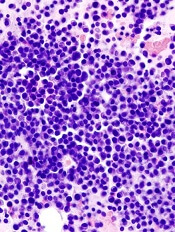
A novel, cancer-selective proteasome inhibitor has shown early promise for treating multiple myeloma (MM) and breast cancer, according to researchers.
The drug, known as VR23, is a quinoline-sulfonyl hybrid proteasome inhibitor.
In preclinical experiments, VR23 preferentially targeted MM cells and breast cancer cells, demonstrated synergy with bortezomib or paclitaxel, and shrank both MM and breast cancer tumors in mice.
Hoyun Lee, PhD, of the Advanced Medical Research Institute of Canada (AMRIC) in Sudbury, Ontario, and his colleagues described these experiments in Cancer Research.
The team noted that VR23 is structurally distinct from other known proteasome inhibitors, and it “potently inhibits” the activities of trypsin-like proteasomes, chymotrypsin-like proteasomes, and caspase-like proteasomes.
In several experiments, VR23 proved active against breast cancer.
In experiments with MM cell lines, VR23 exhibited activity as a single agent and demonstrated synergy with bortezomib. VR23 proved more effective against bortezomib-resistant cells than bortezomib-naïve cells.
When the researchers introduced treatments to bortezomib-naïve RPMI-8226 cells, they found the cell growth rate was 79.3% with VR23, 12.5% with bortezomib, and 1.6% with both drugs. In bortezomib-resistant RPMI-8226 cells, the cell growth rate was 47% with VR23, 109.7% with bortezomib, and -8.6% with both drugs.
In KAS6/1 cells, the cell growth rate was 65% with VR23, 92% with bortezomib, and 26.5% with both drugs. In bortezomib-resistant ANBL6 cells, the cell growth rate was 94% with VR23, 102.9% with bortezomib, and 48.9% with both drugs.
The researchers also tested VR23 in mice engrafted with RPMI-8226 MM cells. At 24 days after treatment, the tumor volume for VR23-treated mice was 19.1% that of placebo-treated mice.
The team noted that VR23 selectively killed cancer cells via apoptosis. Cancer cells exposed to the drug underwent an abnormal centrosome amplification cycle caused by the accumulation of ubiquitinated cyclin E.
Dr Lee and his colleagues are now planning to work with the US National Cancer Institute to test VR23 in additional cancers. The team is hoping to progress to clinical trials with the drug in the next 3 years.
AMRIC has applied for international intellectual property protection for VR23 and licensed commercial rights to Ramsey Lake Pharmaceutical Corporation (www.ramseylakepharma.com), an operation of AMRIC.
A novel, cancer-selective proteasome inhibitor has shown early promise for treating multiple myeloma (MM) and breast cancer, according to researchers.
The drug, known as VR23, is a quinoline-sulfonyl hybrid proteasome inhibitor.
In preclinical experiments, VR23 preferentially targeted MM cells and breast cancer cells, demonstrated synergy with bortezomib or paclitaxel, and shrank both MM and breast cancer tumors in mice.
Hoyun Lee, PhD, of the Advanced Medical Research Institute of Canada (AMRIC) in Sudbury, Ontario, and his colleagues described these experiments in Cancer Research.
The team noted that VR23 is structurally distinct from other known proteasome inhibitors, and it “potently inhibits” the activities of trypsin-like proteasomes, chymotrypsin-like proteasomes, and caspase-like proteasomes.
In several experiments, VR23 proved active against breast cancer.
In experiments with MM cell lines, VR23 exhibited activity as a single agent and demonstrated synergy with bortezomib. VR23 proved more effective against bortezomib-resistant cells than bortezomib-naïve cells.
When the researchers introduced treatments to bortezomib-naïve RPMI-8226 cells, they found the cell growth rate was 79.3% with VR23, 12.5% with bortezomib, and 1.6% with both drugs. In bortezomib-resistant RPMI-8226 cells, the cell growth rate was 47% with VR23, 109.7% with bortezomib, and -8.6% with both drugs.
In KAS6/1 cells, the cell growth rate was 65% with VR23, 92% with bortezomib, and 26.5% with both drugs. In bortezomib-resistant ANBL6 cells, the cell growth rate was 94% with VR23, 102.9% with bortezomib, and 48.9% with both drugs.
The researchers also tested VR23 in mice engrafted with RPMI-8226 MM cells. At 24 days after treatment, the tumor volume for VR23-treated mice was 19.1% that of placebo-treated mice.
The team noted that VR23 selectively killed cancer cells via apoptosis. Cancer cells exposed to the drug underwent an abnormal centrosome amplification cycle caused by the accumulation of ubiquitinated cyclin E.
Dr Lee and his colleagues are now planning to work with the US National Cancer Institute to test VR23 in additional cancers. The team is hoping to progress to clinical trials with the drug in the next 3 years.
AMRIC has applied for international intellectual property protection for VR23 and licensed commercial rights to Ramsey Lake Pharmaceutical Corporation (www.ramseylakepharma.com), an operation of AMRIC.
A novel, cancer-selective proteasome inhibitor has shown early promise for treating multiple myeloma (MM) and breast cancer, according to researchers.
The drug, known as VR23, is a quinoline-sulfonyl hybrid proteasome inhibitor.
In preclinical experiments, VR23 preferentially targeted MM cells and breast cancer cells, demonstrated synergy with bortezomib or paclitaxel, and shrank both MM and breast cancer tumors in mice.
Hoyun Lee, PhD, of the Advanced Medical Research Institute of Canada (AMRIC) in Sudbury, Ontario, and his colleagues described these experiments in Cancer Research.
The team noted that VR23 is structurally distinct from other known proteasome inhibitors, and it “potently inhibits” the activities of trypsin-like proteasomes, chymotrypsin-like proteasomes, and caspase-like proteasomes.
In several experiments, VR23 proved active against breast cancer.
In experiments with MM cell lines, VR23 exhibited activity as a single agent and demonstrated synergy with bortezomib. VR23 proved more effective against bortezomib-resistant cells than bortezomib-naïve cells.
When the researchers introduced treatments to bortezomib-naïve RPMI-8226 cells, they found the cell growth rate was 79.3% with VR23, 12.5% with bortezomib, and 1.6% with both drugs. In bortezomib-resistant RPMI-8226 cells, the cell growth rate was 47% with VR23, 109.7% with bortezomib, and -8.6% with both drugs.
In KAS6/1 cells, the cell growth rate was 65% with VR23, 92% with bortezomib, and 26.5% with both drugs. In bortezomib-resistant ANBL6 cells, the cell growth rate was 94% with VR23, 102.9% with bortezomib, and 48.9% with both drugs.
The researchers also tested VR23 in mice engrafted with RPMI-8226 MM cells. At 24 days after treatment, the tumor volume for VR23-treated mice was 19.1% that of placebo-treated mice.
The team noted that VR23 selectively killed cancer cells via apoptosis. Cancer cells exposed to the drug underwent an abnormal centrosome amplification cycle caused by the accumulation of ubiquitinated cyclin E.
Dr Lee and his colleagues are now planning to work with the US National Cancer Institute to test VR23 in additional cancers. The team is hoping to progress to clinical trials with the drug in the next 3 years.
AMRIC has applied for international intellectual property protection for VR23 and licensed commercial rights to Ramsey Lake Pharmaceutical Corporation (www.ramseylakepharma.com), an operation of AMRIC.
BET inhibitor appears to cause memory loss in mice

Photo by Aaron Logan
New research suggests the BET inhibitor JQ1 causes molecular changes in mouse neurons and can lead to memory loss in mice.
Investigators believe this discovery, published in Nature Neuroscience, will fuel more research into the neurological effects of BET inhibitors, which are currently under development as potential treatments for a range of hematologic and solid tumor malignancies.
The researchers noted that, although JQ1 has the ability to cross the blood-brain barrier, this may not be the case for other BET inhibitors.
Several companies are testing the inhibitors using unique formulations they’ve optimized in proprietary ways—for example, by adding chemical groups to make a compound more targeted or effective—which might make it more difficult for the drug to cross the blood-brain barrier.
Still, the investigators said their findings suggests more research is needed to determine whether other BET inhibitors can enter the brain, since that could potentially cause unwanted side effects.
“We found that if a drug blocks a BET protein throughout the body, and that drug can get into the brain, you could very well produce neurological side effects,” said study author Erica Korb, PhD, of The Rockefeller University in New York, New York.
Experiments with JQ1
To assess the effects of BET inhibitors on the brain, the researchers used a compound that was designed to thwart the activity of a specific BET protein, Brd4. They used the drug JQ1, which they knew could cross the blood-brain barrier.
The investigators added the drug to mouse neurons grown in the lab, then stimulated the cells in a way that mimicked the process of memory formation. Normally, when neurons receive this type of signal, they begin transcribing genes into proteins, resulting in the formation of new memories—a process that is partly regulated by Brd4.
“To turn a recent experience into a long-term memory, you need to have gene transcription in response to these extracellular signals,” Dr Korb said.
Indeed, when the researchers stimulated mouse neurons with signals that mimicked those they would normally receive in the brain, there were “massive changes” in gene transcription. But when the team performed this experiment after adding JQ1, they saw much less activity.
“After administering a Brd4 inhibitor, we no longer saw those changes in transcription after stimuli,” Dr Korb said.
To test how the drug affected the animals’ memories, the investigators placed the mice in a box with two objects they had never seen before, such as pieces of Lego or tiny figurines. Mice typically explore anything unfamiliar, climbing and sniffing around.
After a few minutes, the researchers took the mice out of the box. One day later, the team put the mice back in, this time with one of the objects from the day before and another, unfamiliar one.
Mice that received a placebo were much more interested in the new object, presumably because the one from the day before was familiar. But mice treated with JQ1 were equally interested in both objects, suggesting they didn’t remember the previous day’s experience.
Next, the investigators took their findings a step further. If JQ1 reduces molecular activity in the brain, they wondered if it could help in conditions marked by too much brain activity, such as epilepsy.
Brd4 regulates a receptor protein present at the synapse, a structure where two neurons connect and transmit signals. When the researchers administered the Brd4 inhibitor, they saw decreased levels of that receptor, and neurons fired much less frequently.
Next, the team gave the drug to mice for a week, then added a chemical that induces seizures. Mice that received JQ1 had a much lower rate of seizures than mice given a placebo.
“In the case of the epileptic brain, when there’s too much activity and neurons talking to each other, this drug could be potentially be beneficial,” Dr Korb concluded.
Photo by Aaron Logan
New research suggests the BET inhibitor JQ1 causes molecular changes in mouse neurons and can lead to memory loss in mice.
Investigators believe this discovery, published in Nature Neuroscience, will fuel more research into the neurological effects of BET inhibitors, which are currently under development as potential treatments for a range of hematologic and solid tumor malignancies.
The researchers noted that, although JQ1 has the ability to cross the blood-brain barrier, this may not be the case for other BET inhibitors.
Several companies are testing the inhibitors using unique formulations they’ve optimized in proprietary ways—for example, by adding chemical groups to make a compound more targeted or effective—which might make it more difficult for the drug to cross the blood-brain barrier.
Still, the investigators said their findings suggests more research is needed to determine whether other BET inhibitors can enter the brain, since that could potentially cause unwanted side effects.
“We found that if a drug blocks a BET protein throughout the body, and that drug can get into the brain, you could very well produce neurological side effects,” said study author Erica Korb, PhD, of The Rockefeller University in New York, New York.
Experiments with JQ1
To assess the effects of BET inhibitors on the brain, the researchers used a compound that was designed to thwart the activity of a specific BET protein, Brd4. They used the drug JQ1, which they knew could cross the blood-brain barrier.
The investigators added the drug to mouse neurons grown in the lab, then stimulated the cells in a way that mimicked the process of memory formation. Normally, when neurons receive this type of signal, they begin transcribing genes into proteins, resulting in the formation of new memories—a process that is partly regulated by Brd4.
“To turn a recent experience into a long-term memory, you need to have gene transcription in response to these extracellular signals,” Dr Korb said.
Indeed, when the researchers stimulated mouse neurons with signals that mimicked those they would normally receive in the brain, there were “massive changes” in gene transcription. But when the team performed this experiment after adding JQ1, they saw much less activity.
“After administering a Brd4 inhibitor, we no longer saw those changes in transcription after stimuli,” Dr Korb said.
To test how the drug affected the animals’ memories, the investigators placed the mice in a box with two objects they had never seen before, such as pieces of Lego or tiny figurines. Mice typically explore anything unfamiliar, climbing and sniffing around.
After a few minutes, the researchers took the mice out of the box. One day later, the team put the mice back in, this time with one of the objects from the day before and another, unfamiliar one.
Mice that received a placebo were much more interested in the new object, presumably because the one from the day before was familiar. But mice treated with JQ1 were equally interested in both objects, suggesting they didn’t remember the previous day’s experience.
Next, the investigators took their findings a step further. If JQ1 reduces molecular activity in the brain, they wondered if it could help in conditions marked by too much brain activity, such as epilepsy.
Brd4 regulates a receptor protein present at the synapse, a structure where two neurons connect and transmit signals. When the researchers administered the Brd4 inhibitor, they saw decreased levels of that receptor, and neurons fired much less frequently.
Next, the team gave the drug to mice for a week, then added a chemical that induces seizures. Mice that received JQ1 had a much lower rate of seizures than mice given a placebo.
“In the case of the epileptic brain, when there’s too much activity and neurons talking to each other, this drug could be potentially be beneficial,” Dr Korb concluded.
Photo by Aaron Logan
New research suggests the BET inhibitor JQ1 causes molecular changes in mouse neurons and can lead to memory loss in mice.
Investigators believe this discovery, published in Nature Neuroscience, will fuel more research into the neurological effects of BET inhibitors, which are currently under development as potential treatments for a range of hematologic and solid tumor malignancies.
The researchers noted that, although JQ1 has the ability to cross the blood-brain barrier, this may not be the case for other BET inhibitors.
Several companies are testing the inhibitors using unique formulations they’ve optimized in proprietary ways—for example, by adding chemical groups to make a compound more targeted or effective—which might make it more difficult for the drug to cross the blood-brain barrier.
Still, the investigators said their findings suggests more research is needed to determine whether other BET inhibitors can enter the brain, since that could potentially cause unwanted side effects.
“We found that if a drug blocks a BET protein throughout the body, and that drug can get into the brain, you could very well produce neurological side effects,” said study author Erica Korb, PhD, of The Rockefeller University in New York, New York.
Experiments with JQ1
To assess the effects of BET inhibitors on the brain, the researchers used a compound that was designed to thwart the activity of a specific BET protein, Brd4. They used the drug JQ1, which they knew could cross the blood-brain barrier.
The investigators added the drug to mouse neurons grown in the lab, then stimulated the cells in a way that mimicked the process of memory formation. Normally, when neurons receive this type of signal, they begin transcribing genes into proteins, resulting in the formation of new memories—a process that is partly regulated by Brd4.
“To turn a recent experience into a long-term memory, you need to have gene transcription in response to these extracellular signals,” Dr Korb said.
Indeed, when the researchers stimulated mouse neurons with signals that mimicked those they would normally receive in the brain, there were “massive changes” in gene transcription. But when the team performed this experiment after adding JQ1, they saw much less activity.
“After administering a Brd4 inhibitor, we no longer saw those changes in transcription after stimuli,” Dr Korb said.
To test how the drug affected the animals’ memories, the investigators placed the mice in a box with two objects they had never seen before, such as pieces of Lego or tiny figurines. Mice typically explore anything unfamiliar, climbing and sniffing around.
After a few minutes, the researchers took the mice out of the box. One day later, the team put the mice back in, this time with one of the objects from the day before and another, unfamiliar one.
Mice that received a placebo were much more interested in the new object, presumably because the one from the day before was familiar. But mice treated with JQ1 were equally interested in both objects, suggesting they didn’t remember the previous day’s experience.
Next, the investigators took their findings a step further. If JQ1 reduces molecular activity in the brain, they wondered if it could help in conditions marked by too much brain activity, such as epilepsy.
Brd4 regulates a receptor protein present at the synapse, a structure where two neurons connect and transmit signals. When the researchers administered the Brd4 inhibitor, they saw decreased levels of that receptor, and neurons fired much less frequently.
Next, the team gave the drug to mice for a week, then added a chemical that induces seizures. Mice that received JQ1 had a much lower rate of seizures than mice given a placebo.
“In the case of the epileptic brain, when there’s too much activity and neurons talking to each other, this drug could be potentially be beneficial,” Dr Korb concluded.
Pathway appears key to fighting adenovirus

Using an animal model they developed, researchers have identified a pathway that inhibits replication of the adenovirus.
The team generated a new strain of Syrian hamster, a model in which human adenovirus replicates and causes illness similar to that observed in humans.
Experiments with this model suggested the Type I interferon pathway plays a key role in inhibiting adenovirus replication.
“[L]ike many other viruses, adenovirus can replicate at will when a patient’s immune system is suppressed,” said William Wold, PhD, of Saint Louis University in Missouri.
“Adenovirus can become very dangerous, such as for a child who is undergoing a bone marrow transplant to treat leukemia.”
Previously, Dr Wold led a research team that identified the Syrian hamster as an appropriate animal model to study adenovirus because species C human adenoviruses replicate in these animals.
For the current study, which was published in PLOS Pathogens, Dr Wold and his colleagues conducted experiments with a new Syrian hamster strain. In these animals, the STAT2 gene was functionally knocked out by site-specific gene targeting.
The researchers found that STAT2-knockout hamsters were extremely sensitive to infection with type 5 human adenovirus (Ad5).
The team infected both STAT2-knockout hamsters and wild-type controls with Ad5. Knockout hamsters had 100 to 1000 times the viral load of controls.
The knockout hamsters also had pathology characteristic of advanced adenovirus infection—yellow, mottled livers and enlarged gall bladders—whereas controls did not.
The adaptive immune response to Ad5 remained intact in the STAT2-knockout hamsters, as surviving animals were able to clear the virus.
However, the Type 1 interferon response was hampered in these animals. Knocking out STAT2 disrupted the Type 1 interferon pathway by interrupting the cascade of cell signaling.
The researchers said their findings suggest the disrupted Type I interferon pathway contributed to the increased Ad5 replication in the STAT2-knockout hamsters.
“Besides providing an insight into adenovirus infection in humans, our results are also interesting from the perspective of the animal model,” Dr Wold said. “The STAT2-knockout Syrian hamster may also be an important animal model for studying other viral infections, including Ebola, hanta, and dengue viruses.”
The model was created by Zhongde Wang, PhD, and his colleagues at Utah State University in Logan, Utah. Dr Wang’s lab is the first to develop gene-targeting technologies in the Syrian hamster.
“The success we achieved in conducting gene-targeting in the Syrian hamster has provided the opportunity to create models for many of the human diseases for which there are either no existent animal models or severe limitations in the available animal models,” Dr Wang said.
Using an animal model they developed, researchers have identified a pathway that inhibits replication of the adenovirus.
The team generated a new strain of Syrian hamster, a model in which human adenovirus replicates and causes illness similar to that observed in humans.
Experiments with this model suggested the Type I interferon pathway plays a key role in inhibiting adenovirus replication.
“[L]ike many other viruses, adenovirus can replicate at will when a patient’s immune system is suppressed,” said William Wold, PhD, of Saint Louis University in Missouri.
“Adenovirus can become very dangerous, such as for a child who is undergoing a bone marrow transplant to treat leukemia.”
Previously, Dr Wold led a research team that identified the Syrian hamster as an appropriate animal model to study adenovirus because species C human adenoviruses replicate in these animals.
For the current study, which was published in PLOS Pathogens, Dr Wold and his colleagues conducted experiments with a new Syrian hamster strain. In these animals, the STAT2 gene was functionally knocked out by site-specific gene targeting.
The researchers found that STAT2-knockout hamsters were extremely sensitive to infection with type 5 human adenovirus (Ad5).
The team infected both STAT2-knockout hamsters and wild-type controls with Ad5. Knockout hamsters had 100 to 1000 times the viral load of controls.
The knockout hamsters also had pathology characteristic of advanced adenovirus infection—yellow, mottled livers and enlarged gall bladders—whereas controls did not.
The adaptive immune response to Ad5 remained intact in the STAT2-knockout hamsters, as surviving animals were able to clear the virus.
However, the Type 1 interferon response was hampered in these animals. Knocking out STAT2 disrupted the Type 1 interferon pathway by interrupting the cascade of cell signaling.
The researchers said their findings suggest the disrupted Type I interferon pathway contributed to the increased Ad5 replication in the STAT2-knockout hamsters.
“Besides providing an insight into adenovirus infection in humans, our results are also interesting from the perspective of the animal model,” Dr Wold said. “The STAT2-knockout Syrian hamster may also be an important animal model for studying other viral infections, including Ebola, hanta, and dengue viruses.”
The model was created by Zhongde Wang, PhD, and his colleagues at Utah State University in Logan, Utah. Dr Wang’s lab is the first to develop gene-targeting technologies in the Syrian hamster.
“The success we achieved in conducting gene-targeting in the Syrian hamster has provided the opportunity to create models for many of the human diseases for which there are either no existent animal models or severe limitations in the available animal models,” Dr Wang said.
Using an animal model they developed, researchers have identified a pathway that inhibits replication of the adenovirus.
The team generated a new strain of Syrian hamster, a model in which human adenovirus replicates and causes illness similar to that observed in humans.
Experiments with this model suggested the Type I interferon pathway plays a key role in inhibiting adenovirus replication.
“[L]ike many other viruses, adenovirus can replicate at will when a patient’s immune system is suppressed,” said William Wold, PhD, of Saint Louis University in Missouri.
“Adenovirus can become very dangerous, such as for a child who is undergoing a bone marrow transplant to treat leukemia.”
Previously, Dr Wold led a research team that identified the Syrian hamster as an appropriate animal model to study adenovirus because species C human adenoviruses replicate in these animals.
For the current study, which was published in PLOS Pathogens, Dr Wold and his colleagues conducted experiments with a new Syrian hamster strain. In these animals, the STAT2 gene was functionally knocked out by site-specific gene targeting.
The researchers found that STAT2-knockout hamsters were extremely sensitive to infection with type 5 human adenovirus (Ad5).
The team infected both STAT2-knockout hamsters and wild-type controls with Ad5. Knockout hamsters had 100 to 1000 times the viral load of controls.
The knockout hamsters also had pathology characteristic of advanced adenovirus infection—yellow, mottled livers and enlarged gall bladders—whereas controls did not.
The adaptive immune response to Ad5 remained intact in the STAT2-knockout hamsters, as surviving animals were able to clear the virus.
However, the Type 1 interferon response was hampered in these animals. Knocking out STAT2 disrupted the Type 1 interferon pathway by interrupting the cascade of cell signaling.
The researchers said their findings suggest the disrupted Type I interferon pathway contributed to the increased Ad5 replication in the STAT2-knockout hamsters.
“Besides providing an insight into adenovirus infection in humans, our results are also interesting from the perspective of the animal model,” Dr Wold said. “The STAT2-knockout Syrian hamster may also be an important animal model for studying other viral infections, including Ebola, hanta, and dengue viruses.”
The model was created by Zhongde Wang, PhD, and his colleagues at Utah State University in Logan, Utah. Dr Wang’s lab is the first to develop gene-targeting technologies in the Syrian hamster.
“The success we achieved in conducting gene-targeting in the Syrian hamster has provided the opportunity to create models for many of the human diseases for which there are either no existent animal models or severe limitations in the available animal models,” Dr Wang said.
NICE drafts guideline for treating myeloma patients

Photo courtesy of NIH
The National Institute for Health and Care Excellence (NICE) has developed a draft guideline detailing “best practices” in caring for patients with myeloma.
It is intended to help ensure “consistently excellent care” for myeloma patients over the age of 16 in England.
The guideline includes recommendations for diagnosing the disease, managing complications, communicating with patients, and ensuring access to appropriate care.
The draft guideline will remain open for public consultation until October 1, 2015.
“Advances in treatment over the last 15 years have seen more people with myeloma living longer, but there is still no cure,” said Mark Baker, clinical practice director for NICE.
“Our guideline, which is being developed by an independent group of experts, will set out best-practice care to ensure people live as normal a life as possible for as long as possible.”
The guideline’s provisional recommendations are as follows.
Communication and support: Offer prompt psychological assessment and support to myeloma patients at diagnosis and, as appropriate, at the beginning and end of each treatment, when the disease progresses, and when patients start to require end-of-life care.
Laboratory investigations to diagnose myeloma: For patients with suspected myeloma, healthcare professionals should use the same sample for all diagnostic and prognostic tests on bone marrow, so patients only have to have one biopsy.
Scans for patients with suspected myeloma: Offer imaging to all patients with a plasma cell disorder suspected to be myeloma. Doctors should consider whole-body MRI as the first imaging procedure.
Service delivery: Each hospital treating patients with myeloma who are over the age of 18 should ensure there is regional access to facilities for intensive inpatient chemotherapy or transplantation, renal support, spinal disease management, specialized pain management, therapeutic apheresis, radiotherapy, restorative dentistry and oral surgery, and clinical trials, particularly early phase trials.
Managing complications: Healthcare professionals should consider extending the pneumococcal vaccination to patients with myeloma who are under 65 in order to prevent infection.
This draft guideline also complements existing NICE guidance on the drug treatment of myeloma. It sets out which treatments—including stem cell transplants—should be used to manage the condition as well as those to prevent and treat bone disease and acute renal disease, which can be caused by myeloma.
Photo courtesy of NIH
The National Institute for Health and Care Excellence (NICE) has developed a draft guideline detailing “best practices” in caring for patients with myeloma.
It is intended to help ensure “consistently excellent care” for myeloma patients over the age of 16 in England.
The guideline includes recommendations for diagnosing the disease, managing complications, communicating with patients, and ensuring access to appropriate care.
The draft guideline will remain open for public consultation until October 1, 2015.
“Advances in treatment over the last 15 years have seen more people with myeloma living longer, but there is still no cure,” said Mark Baker, clinical practice director for NICE.
“Our guideline, which is being developed by an independent group of experts, will set out best-practice care to ensure people live as normal a life as possible for as long as possible.”
The guideline’s provisional recommendations are as follows.
Communication and support: Offer prompt psychological assessment and support to myeloma patients at diagnosis and, as appropriate, at the beginning and end of each treatment, when the disease progresses, and when patients start to require end-of-life care.
Laboratory investigations to diagnose myeloma: For patients with suspected myeloma, healthcare professionals should use the same sample for all diagnostic and prognostic tests on bone marrow, so patients only have to have one biopsy.
Scans for patients with suspected myeloma: Offer imaging to all patients with a plasma cell disorder suspected to be myeloma. Doctors should consider whole-body MRI as the first imaging procedure.
Service delivery: Each hospital treating patients with myeloma who are over the age of 18 should ensure there is regional access to facilities for intensive inpatient chemotherapy or transplantation, renal support, spinal disease management, specialized pain management, therapeutic apheresis, radiotherapy, restorative dentistry and oral surgery, and clinical trials, particularly early phase trials.
Managing complications: Healthcare professionals should consider extending the pneumococcal vaccination to patients with myeloma who are under 65 in order to prevent infection.
This draft guideline also complements existing NICE guidance on the drug treatment of myeloma. It sets out which treatments—including stem cell transplants—should be used to manage the condition as well as those to prevent and treat bone disease and acute renal disease, which can be caused by myeloma.
Photo courtesy of NIH
The National Institute for Health and Care Excellence (NICE) has developed a draft guideline detailing “best practices” in caring for patients with myeloma.
It is intended to help ensure “consistently excellent care” for myeloma patients over the age of 16 in England.
The guideline includes recommendations for diagnosing the disease, managing complications, communicating with patients, and ensuring access to appropriate care.
The draft guideline will remain open for public consultation until October 1, 2015.
“Advances in treatment over the last 15 years have seen more people with myeloma living longer, but there is still no cure,” said Mark Baker, clinical practice director for NICE.
“Our guideline, which is being developed by an independent group of experts, will set out best-practice care to ensure people live as normal a life as possible for as long as possible.”
The guideline’s provisional recommendations are as follows.
Communication and support: Offer prompt psychological assessment and support to myeloma patients at diagnosis and, as appropriate, at the beginning and end of each treatment, when the disease progresses, and when patients start to require end-of-life care.
Laboratory investigations to diagnose myeloma: For patients with suspected myeloma, healthcare professionals should use the same sample for all diagnostic and prognostic tests on bone marrow, so patients only have to have one biopsy.
Scans for patients with suspected myeloma: Offer imaging to all patients with a plasma cell disorder suspected to be myeloma. Doctors should consider whole-body MRI as the first imaging procedure.
Service delivery: Each hospital treating patients with myeloma who are over the age of 18 should ensure there is regional access to facilities for intensive inpatient chemotherapy or transplantation, renal support, spinal disease management, specialized pain management, therapeutic apheresis, radiotherapy, restorative dentistry and oral surgery, and clinical trials, particularly early phase trials.
Managing complications: Healthcare professionals should consider extending the pneumococcal vaccination to patients with myeloma who are under 65 in order to prevent infection.
This draft guideline also complements existing NICE guidance on the drug treatment of myeloma. It sets out which treatments—including stem cell transplants—should be used to manage the condition as well as those to prevent and treat bone disease and acute renal disease, which can be caused by myeloma.
Medical Roundtable: Multiple Myeloma & Transplant Eligibility
Discussants: Matt Kalaycio, MD1; Sagar Lonial, MD2
From Cleveland Clinic, Cleveland, OH1; Emory University, Atlanta, GA2
Address for correspondence: Matt Kalaycio, MD, Cleveland Clinic Main Campus, Mail Code R32, 9500 Euclid Avenue, Cleveland, OH 44195
E-mail: kalaycm@ccf.org
Biographical sketch:
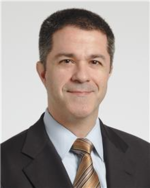
Dr. Kalaycio has been published in numerous scientific publications including Bone Marrow Transplantation, Journal of Clinical Oncology, and Leukemia. He also is the editor of a book on leukemia and co-editor of a book on clinical malignant hematology. His research interests focus on testing new treatments for leukemia.
Dr. Kalaycio received his degree from West Virginia University School of Medicine in Morgantown. He completed his residency in internal medicine at Mercy Hospital of Pittsburgh and fellowships in hematology and medical oncology and bone marrow transplantation at Cleveland Clinic.

Dr. Lonial is involved in numerous professional organizations including the American Society of Clinical Oncology, American Society of Hematology, and the American Society for Blood and Marrow Transplantation. He serves as Vice Chair of the Myeloma Committee in the Eastern Cooperative Oncology Group and as Chair of the Steering Committee for the Multiple Myeloma Research Consortium. Additionally, he is on the board of directors for the International Myeloma Society, and on the scientific Advisory Board for the International Myeloma Foundation.
Transplant Eligibility
Dr. Kalaycio: Sagar, I have this question, and I go over it more than once with my colleagues. I'm interested in your take on it. Many papers and many protocols distinguish between the transplant eligible and the nontransplant eligible patient.
I hear different definitions about that. As a stem cell transplanter myself, I tend to think people are more eligible than others might think. I wonder if in your practice, you make that distinction between transplant eligible and nontransplant eligible. If you do, how so?
Dr. Lonial: That’s a really good question. I think It's a really confusing area because we are being held hostage to the European definition of transplant eligible and non-eligible, which is basically, age 65.1,2 We know that in the United States we'll transplant people much older than they will in Europe, we just use a reduced dose of melphalan. My way of categorizing people here is actually different from the simple eligible/non-eligible dichotomy. I break down patients into three categories.
The first category is the young fit patient, which is usually the patient who is under age 65. The second category is the older fit patient, which is probably between 65 and 75, and may even go a little bit older than that, depending upon fitness. The third category is the frail patient. The frail category actually has no age definition, because I've said no to 55 year olds for transplant, and I’ve said yes to 77 year olds for transplant. The frail category is defined now using the frailty index, published by Palumbo et al.3 In general for me it tends to be people between ages 75 and 78 at the lower end, and then above that.
I think about people who are in the frail category as not being able to tolerate a transplant, and so I'm going to treat them with a different treatment approach in a much more gentle way, with the same goal of trying to achieve a complete response. With the other two categories, the young fit and the older fit patient, I'm going to try to induce with a three-drug regimen, and use that as their stress test to see whether they can go forward to the next step in terms of collection of stem cells and transplant.
Dr. Kalaycio: I'm familiar with Palumbo's article and his frailty index. We've not applied it in the clinic. It sounds like you have.
Dr. Lonial: Yes, I think it's not so straightforward in the sense that it is not just a bunch of laboratory values. It really does require you to do a little bit of work in terms of activities of daily living, and things along those lines. It is a pretty good validated tool for identifying patients who are at higher risk of toxicity from treatment. It's going to be used increasingly now in clinical trials for phase III patients, as well as for the International Myeloma Working Group description about how to approach treatment.3 It really is a nice objective tool for how to evaluate that.
Dr. Kalaycio: I think that's an important point. I do not think the Hematopoietic Cell Transplantation-Comorbidity Index4 is reliable in distinguishing patients who are good candidates for high-dose melphalan versus those who are not.
Dr. Lonial: I completely agree. It's interesting, because I actually completed a consent yesterday afternoon with a patient for transplant. He read our book on transplant on what to expect. As he was going through his concerns, it struck me that most of the toxicity we talk about with an autotransplant is really related to lymphoma transplant in which they’re getting three or four drugs as part of the conditioning. Most people get pretty sick with the lymphoma transplant, whereas most myeloma transplant patients report fewer problems. It’s an unusual patient who has a lot of toxicity associated with an autotransplant from myeloma, as opposed to a lymphoma patient.
Dr. Kalaycio: Agreed. We do not typically use cytogenetic analysis, or even molecular analysis, to determine whether a patient gets transplanted or not. Do you use those biologic stratification techniques?
Dr. Lonial: We do, and we use them on the front end to determine how we're going to maintain patients. Our approach now is not the risk adapted under-treatment of patients with good risk genetics, versus more aggressive treatment for patients with poor risk genetics in the induction setting as is recommended by other centers. We think everybody should get the absolute best induction therapy there is regardless of genetic risk. In our opinion, that’s an immunomodulatory drug (IMiD) proteasome inhibitor (PI) combination. We recommend that most patients proceed with transplant in the absence of a clinical trial.
We use that genetic information and diagnosis to base how we maintain them. For a standard-risk patient we would recommend lenalidomide maintenance. For a high-risk patient we would actually recommend lenalidomide, bortezomib and dexamethasone (RVD)-based maintenance. That is based on some data we published about 18 months ago where high risk patients, 17p deletion, t(14;16) are hypodiploid, actually have a much better progression-free survival, and overall survival by using triplet maintenance post-transplant.5 Then for the t(4;14), which is an intermediate group, we end up using just a PI as maintenance. We get the information and we use it to inform the maintenance approach.
Dr. Kalaycio: All right, now that article that you referenced is prospectively derived, but not a randomized trial, correct?
Dr. Lonial: That's absolutely correct.
Dr. Kalaycio: On a more practical note, talking about patients who you're thinking about transplanting—by whatever stratification algorithm you use—are you collecting stem cells on everybody regardless, or reserving them for future transplants? Or are you just collecting at the time you're actually doing the transplant?
Dr. Lonial: We collect on everybody after cycle 4. We collect enough for a couple of transplants so that we've got backup products available down the road, if we ever need them. The challenge with waiting until you’re ready to transplant is that if you get beyond cycle 4, it often gets more challenging to collect stem cells. Our approach is not dissimilar from the current Blood and Marrow Transplant Clinical Trials Network DETERMINATION trial, which is asking the question of early versus delayed transplant, but that everybody gets collected after four cycles of therapy.
Dr. Kalaycio: Lots of large centers adhere to that approach, but we have not. We have not found any trouble in our own experience, even with lenalidomide, when we collect stem cells at the time we need to do the procedure, assuming the lenalidomide has been stopped for a period of time.
With plerixafor, we found that we've been able to collect just about everybody regardless of prior exposure as long as there has been a time frame stopping lenalidomide before we actually try to collect. That goes for second remissions too. We don't seem to have any problem collecting in a second chemo-sensitive remission, or even a third. I guess we have not reached the point where we think it necessary to collect and cryopreserve. We wonder about that because there are costs involved. Insurance companies, we find, often are reluctant to pay for cryopreservation if you're not planning on using them right away.
Dr. Lonial: We've not run into that challenge as of yet. Truth be told, the cost of cryopreservation is a fixed cost. I know that there are centers that charge annually for cryopreservation—we don't do that. It’s a one-time fixed cost. I think that’s an interesting concept. For the collection of second and third autographs, your experience is not what I think is typically reported by many centers. These would be very interesting data to see, and to get out there in the literature, because that's a different model than I think many of us have approached. It would be good to get that information out.
Dr. Kalaycio: Yes, it turns out that we don't do that many second transplants, so we don't have a large experience yet to report. For the few that we have done, we haven't had any trouble. We manage it like we would lymphoma.
Dr. Lonial: Interesting.
1. Sharma M, Zhang MJ, Zhong X, et al. Older patients with myeloma derive similar benefit from autologous transplantation. Biol Blood Marrow Transplant. 2014;20(11):1796–1803.
2. Lonial S, Miguel JF. J Natl Compr Canc Netw. 2013;11(1):19–28.
3. Palumbo A, Bringhen S, Mateos MV, et al. Geriatric assessment predicts survival and toxicities in elderly myeloma patients: an International Myeloma Working Group report. Blood. 2015;125(13):2068–2074.
4. Saad A, Mahindra A, Zhang MJ, et al. Hematopoietic cell transplant comorbidity index is predictive of survival after autologous hematopoietic cell transplantation in multiple myeloma. Biol Blood Marrow Transplant. 2014;20(3):402–408.
5. Nooka AK, Kaufman JL, Muppidi S, et al. Consolidation and maintenance therapy with lenalidomide, bortezomib and dexamethasone (RVD) in high-risk myeloma patients. Leukemia. 2014;28(3):690–693.
Discussants: Matt Kalaycio, MD1; Sagar Lonial, MD2
From Cleveland Clinic, Cleveland, OH1; Emory University, Atlanta, GA2
Address for correspondence: Matt Kalaycio, MD, Cleveland Clinic Main Campus, Mail Code R32, 9500 Euclid Avenue, Cleveland, OH 44195
E-mail: kalaycm@ccf.org
Biographical sketch:
Dr. Kalaycio has been published in numerous scientific publications including Bone Marrow Transplantation, Journal of Clinical Oncology, and Leukemia. He also is the editor of a book on leukemia and co-editor of a book on clinical malignant hematology. His research interests focus on testing new treatments for leukemia.
Dr. Kalaycio received his degree from West Virginia University School of Medicine in Morgantown. He completed his residency in internal medicine at Mercy Hospital of Pittsburgh and fellowships in hematology and medical oncology and bone marrow transplantation at Cleveland Clinic.
Dr. Lonial is involved in numerous professional organizations including the American Society of Clinical Oncology, American Society of Hematology, and the American Society for Blood and Marrow Transplantation. He serves as Vice Chair of the Myeloma Committee in the Eastern Cooperative Oncology Group and as Chair of the Steering Committee for the Multiple Myeloma Research Consortium. Additionally, he is on the board of directors for the International Myeloma Society, and on the scientific Advisory Board for the International Myeloma Foundation.
Transplant Eligibility
Dr. Kalaycio: Sagar, I have this question, and I go over it more than once with my colleagues. I'm interested in your take on it. Many papers and many protocols distinguish between the transplant eligible and the nontransplant eligible patient.
I hear different definitions about that. As a stem cell transplanter myself, I tend to think people are more eligible than others might think. I wonder if in your practice, you make that distinction between transplant eligible and nontransplant eligible. If you do, how so?
Dr. Lonial: That’s a really good question. I think It's a really confusing area because we are being held hostage to the European definition of transplant eligible and non-eligible, which is basically, age 65.1,2 We know that in the United States we'll transplant people much older than they will in Europe, we just use a reduced dose of melphalan. My way of categorizing people here is actually different from the simple eligible/non-eligible dichotomy. I break down patients into three categories.
The first category is the young fit patient, which is usually the patient who is under age 65. The second category is the older fit patient, which is probably between 65 and 75, and may even go a little bit older than that, depending upon fitness. The third category is the frail patient. The frail category actually has no age definition, because I've said no to 55 year olds for transplant, and I’ve said yes to 77 year olds for transplant. The frail category is defined now using the frailty index, published by Palumbo et al.3 In general for me it tends to be people between ages 75 and 78 at the lower end, and then above that.
I think about people who are in the frail category as not being able to tolerate a transplant, and so I'm going to treat them with a different treatment approach in a much more gentle way, with the same goal of trying to achieve a complete response. With the other two categories, the young fit and the older fit patient, I'm going to try to induce with a three-drug regimen, and use that as their stress test to see whether they can go forward to the next step in terms of collection of stem cells and transplant.
Dr. Kalaycio: I'm familiar with Palumbo's article and his frailty index. We've not applied it in the clinic. It sounds like you have.
Dr. Lonial: Yes, I think it's not so straightforward in the sense that it is not just a bunch of laboratory values. It really does require you to do a little bit of work in terms of activities of daily living, and things along those lines. It is a pretty good validated tool for identifying patients who are at higher risk of toxicity from treatment. It's going to be used increasingly now in clinical trials for phase III patients, as well as for the International Myeloma Working Group description about how to approach treatment.3 It really is a nice objective tool for how to evaluate that.
Dr. Kalaycio: I think that's an important point. I do not think the Hematopoietic Cell Transplantation-Comorbidity Index4 is reliable in distinguishing patients who are good candidates for high-dose melphalan versus those who are not.
Dr. Lonial: I completely agree. It's interesting, because I actually completed a consent yesterday afternoon with a patient for transplant. He read our book on transplant on what to expect. As he was going through his concerns, it struck me that most of the toxicity we talk about with an autotransplant is really related to lymphoma transplant in which they’re getting three or four drugs as part of the conditioning. Most people get pretty sick with the lymphoma transplant, whereas most myeloma transplant patients report fewer problems. It’s an unusual patient who has a lot of toxicity associated with an autotransplant from myeloma, as opposed to a lymphoma patient.
Dr. Kalaycio: Agreed. We do not typically use cytogenetic analysis, or even molecular analysis, to determine whether a patient gets transplanted or not. Do you use those biologic stratification techniques?
Dr. Lonial: We do, and we use them on the front end to determine how we're going to maintain patients. Our approach now is not the risk adapted under-treatment of patients with good risk genetics, versus more aggressive treatment for patients with poor risk genetics in the induction setting as is recommended by other centers. We think everybody should get the absolute best induction therapy there is regardless of genetic risk. In our opinion, that’s an immunomodulatory drug (IMiD) proteasome inhibitor (PI) combination. We recommend that most patients proceed with transplant in the absence of a clinical trial.
We use that genetic information and diagnosis to base how we maintain them. For a standard-risk patient we would recommend lenalidomide maintenance. For a high-risk patient we would actually recommend lenalidomide, bortezomib and dexamethasone (RVD)-based maintenance. That is based on some data we published about 18 months ago where high risk patients, 17p deletion, t(14;16) are hypodiploid, actually have a much better progression-free survival, and overall survival by using triplet maintenance post-transplant.5 Then for the t(4;14), which is an intermediate group, we end up using just a PI as maintenance. We get the information and we use it to inform the maintenance approach.
Dr. Kalaycio: All right, now that article that you referenced is prospectively derived, but not a randomized trial, correct?
Dr. Lonial: That's absolutely correct.
Dr. Kalaycio: On a more practical note, talking about patients who you're thinking about transplanting—by whatever stratification algorithm you use—are you collecting stem cells on everybody regardless, or reserving them for future transplants? Or are you just collecting at the time you're actually doing the transplant?
Dr. Lonial: We collect on everybody after cycle 4. We collect enough for a couple of transplants so that we've got backup products available down the road, if we ever need them. The challenge with waiting until you’re ready to transplant is that if you get beyond cycle 4, it often gets more challenging to collect stem cells. Our approach is not dissimilar from the current Blood and Marrow Transplant Clinical Trials Network DETERMINATION trial, which is asking the question of early versus delayed transplant, but that everybody gets collected after four cycles of therapy.
Dr. Kalaycio: Lots of large centers adhere to that approach, but we have not. We have not found any trouble in our own experience, even with lenalidomide, when we collect stem cells at the time we need to do the procedure, assuming the lenalidomide has been stopped for a period of time.
With plerixafor, we found that we've been able to collect just about everybody regardless of prior exposure as long as there has been a time frame stopping lenalidomide before we actually try to collect. That goes for second remissions too. We don't seem to have any problem collecting in a second chemo-sensitive remission, or even a third. I guess we have not reached the point where we think it necessary to collect and cryopreserve. We wonder about that because there are costs involved. Insurance companies, we find, often are reluctant to pay for cryopreservation if you're not planning on using them right away.
Dr. Lonial: We've not run into that challenge as of yet. Truth be told, the cost of cryopreservation is a fixed cost. I know that there are centers that charge annually for cryopreservation—we don't do that. It’s a one-time fixed cost. I think that’s an interesting concept. For the collection of second and third autographs, your experience is not what I think is typically reported by many centers. These would be very interesting data to see, and to get out there in the literature, because that's a different model than I think many of us have approached. It would be good to get that information out.
Dr. Kalaycio: Yes, it turns out that we don't do that many second transplants, so we don't have a large experience yet to report. For the few that we have done, we haven't had any trouble. We manage it like we would lymphoma.
Dr. Lonial: Interesting.
Discussants: Matt Kalaycio, MD1; Sagar Lonial, MD2
From Cleveland Clinic, Cleveland, OH1; Emory University, Atlanta, GA2
Address for correspondence: Matt Kalaycio, MD, Cleveland Clinic Main Campus, Mail Code R32, 9500 Euclid Avenue, Cleveland, OH 44195
E-mail: kalaycm@ccf.org
Biographical sketch:
Dr. Kalaycio has been published in numerous scientific publications including Bone Marrow Transplantation, Journal of Clinical Oncology, and Leukemia. He also is the editor of a book on leukemia and co-editor of a book on clinical malignant hematology. His research interests focus on testing new treatments for leukemia.
Dr. Kalaycio received his degree from West Virginia University School of Medicine in Morgantown. He completed his residency in internal medicine at Mercy Hospital of Pittsburgh and fellowships in hematology and medical oncology and bone marrow transplantation at Cleveland Clinic.
Dr. Lonial is involved in numerous professional organizations including the American Society of Clinical Oncology, American Society of Hematology, and the American Society for Blood and Marrow Transplantation. He serves as Vice Chair of the Myeloma Committee in the Eastern Cooperative Oncology Group and as Chair of the Steering Committee for the Multiple Myeloma Research Consortium. Additionally, he is on the board of directors for the International Myeloma Society, and on the scientific Advisory Board for the International Myeloma Foundation.
Transplant Eligibility
Dr. Kalaycio: Sagar, I have this question, and I go over it more than once with my colleagues. I'm interested in your take on it. Many papers and many protocols distinguish between the transplant eligible and the nontransplant eligible patient.
I hear different definitions about that. As a stem cell transplanter myself, I tend to think people are more eligible than others might think. I wonder if in your practice, you make that distinction between transplant eligible and nontransplant eligible. If you do, how so?
Dr. Lonial: That’s a really good question. I think It's a really confusing area because we are being held hostage to the European definition of transplant eligible and non-eligible, which is basically, age 65.1,2 We know that in the United States we'll transplant people much older than they will in Europe, we just use a reduced dose of melphalan. My way of categorizing people here is actually different from the simple eligible/non-eligible dichotomy. I break down patients into three categories.
The first category is the young fit patient, which is usually the patient who is under age 65. The second category is the older fit patient, which is probably between 65 and 75, and may even go a little bit older than that, depending upon fitness. The third category is the frail patient. The frail category actually has no age definition, because I've said no to 55 year olds for transplant, and I’ve said yes to 77 year olds for transplant. The frail category is defined now using the frailty index, published by Palumbo et al.3 In general for me it tends to be people between ages 75 and 78 at the lower end, and then above that.
I think about people who are in the frail category as not being able to tolerate a transplant, and so I'm going to treat them with a different treatment approach in a much more gentle way, with the same goal of trying to achieve a complete response. With the other two categories, the young fit and the older fit patient, I'm going to try to induce with a three-drug regimen, and use that as their stress test to see whether they can go forward to the next step in terms of collection of stem cells and transplant.
Dr. Kalaycio: I'm familiar with Palumbo's article and his frailty index. We've not applied it in the clinic. It sounds like you have.
Dr. Lonial: Yes, I think it's not so straightforward in the sense that it is not just a bunch of laboratory values. It really does require you to do a little bit of work in terms of activities of daily living, and things along those lines. It is a pretty good validated tool for identifying patients who are at higher risk of toxicity from treatment. It's going to be used increasingly now in clinical trials for phase III patients, as well as for the International Myeloma Working Group description about how to approach treatment.3 It really is a nice objective tool for how to evaluate that.
Dr. Kalaycio: I think that's an important point. I do not think the Hematopoietic Cell Transplantation-Comorbidity Index4 is reliable in distinguishing patients who are good candidates for high-dose melphalan versus those who are not.
Dr. Lonial: I completely agree. It's interesting, because I actually completed a consent yesterday afternoon with a patient for transplant. He read our book on transplant on what to expect. As he was going through his concerns, it struck me that most of the toxicity we talk about with an autotransplant is really related to lymphoma transplant in which they’re getting three or four drugs as part of the conditioning. Most people get pretty sick with the lymphoma transplant, whereas most myeloma transplant patients report fewer problems. It’s an unusual patient who has a lot of toxicity associated with an autotransplant from myeloma, as opposed to a lymphoma patient.
Dr. Kalaycio: Agreed. We do not typically use cytogenetic analysis, or even molecular analysis, to determine whether a patient gets transplanted or not. Do you use those biologic stratification techniques?
Dr. Lonial: We do, and we use them on the front end to determine how we're going to maintain patients. Our approach now is not the risk adapted under-treatment of patients with good risk genetics, versus more aggressive treatment for patients with poor risk genetics in the induction setting as is recommended by other centers. We think everybody should get the absolute best induction therapy there is regardless of genetic risk. In our opinion, that’s an immunomodulatory drug (IMiD) proteasome inhibitor (PI) combination. We recommend that most patients proceed with transplant in the absence of a clinical trial.
We use that genetic information and diagnosis to base how we maintain them. For a standard-risk patient we would recommend lenalidomide maintenance. For a high-risk patient we would actually recommend lenalidomide, bortezomib and dexamethasone (RVD)-based maintenance. That is based on some data we published about 18 months ago where high risk patients, 17p deletion, t(14;16) are hypodiploid, actually have a much better progression-free survival, and overall survival by using triplet maintenance post-transplant.5 Then for the t(4;14), which is an intermediate group, we end up using just a PI as maintenance. We get the information and we use it to inform the maintenance approach.
Dr. Kalaycio: All right, now that article that you referenced is prospectively derived, but not a randomized trial, correct?
Dr. Lonial: That's absolutely correct.
Dr. Kalaycio: On a more practical note, talking about patients who you're thinking about transplanting—by whatever stratification algorithm you use—are you collecting stem cells on everybody regardless, or reserving them for future transplants? Or are you just collecting at the time you're actually doing the transplant?
Dr. Lonial: We collect on everybody after cycle 4. We collect enough for a couple of transplants so that we've got backup products available down the road, if we ever need them. The challenge with waiting until you’re ready to transplant is that if you get beyond cycle 4, it often gets more challenging to collect stem cells. Our approach is not dissimilar from the current Blood and Marrow Transplant Clinical Trials Network DETERMINATION trial, which is asking the question of early versus delayed transplant, but that everybody gets collected after four cycles of therapy.
Dr. Kalaycio: Lots of large centers adhere to that approach, but we have not. We have not found any trouble in our own experience, even with lenalidomide, when we collect stem cells at the time we need to do the procedure, assuming the lenalidomide has been stopped for a period of time.
With plerixafor, we found that we've been able to collect just about everybody regardless of prior exposure as long as there has been a time frame stopping lenalidomide before we actually try to collect. That goes for second remissions too. We don't seem to have any problem collecting in a second chemo-sensitive remission, or even a third. I guess we have not reached the point where we think it necessary to collect and cryopreserve. We wonder about that because there are costs involved. Insurance companies, we find, often are reluctant to pay for cryopreservation if you're not planning on using them right away.
Dr. Lonial: We've not run into that challenge as of yet. Truth be told, the cost of cryopreservation is a fixed cost. I know that there are centers that charge annually for cryopreservation—we don't do that. It’s a one-time fixed cost. I think that’s an interesting concept. For the collection of second and third autographs, your experience is not what I think is typically reported by many centers. These would be very interesting data to see, and to get out there in the literature, because that's a different model than I think many of us have approached. It would be good to get that information out.
Dr. Kalaycio: Yes, it turns out that we don't do that many second transplants, so we don't have a large experience yet to report. For the few that we have done, we haven't had any trouble. We manage it like we would lymphoma.
Dr. Lonial: Interesting.
1. Sharma M, Zhang MJ, Zhong X, et al. Older patients with myeloma derive similar benefit from autologous transplantation. Biol Blood Marrow Transplant. 2014;20(11):1796–1803.
2. Lonial S, Miguel JF. J Natl Compr Canc Netw. 2013;11(1):19–28.
3. Palumbo A, Bringhen S, Mateos MV, et al. Geriatric assessment predicts survival and toxicities in elderly myeloma patients: an International Myeloma Working Group report. Blood. 2015;125(13):2068–2074.
4. Saad A, Mahindra A, Zhang MJ, et al. Hematopoietic cell transplant comorbidity index is predictive of survival after autologous hematopoietic cell transplantation in multiple myeloma. Biol Blood Marrow Transplant. 2014;20(3):402–408.
5. Nooka AK, Kaufman JL, Muppidi S, et al. Consolidation and maintenance therapy with lenalidomide, bortezomib and dexamethasone (RVD) in high-risk myeloma patients. Leukemia. 2014;28(3):690–693.
1. Sharma M, Zhang MJ, Zhong X, et al. Older patients with myeloma derive similar benefit from autologous transplantation. Biol Blood Marrow Transplant. 2014;20(11):1796–1803.
2. Lonial S, Miguel JF. J Natl Compr Canc Netw. 2013;11(1):19–28.
3. Palumbo A, Bringhen S, Mateos MV, et al. Geriatric assessment predicts survival and toxicities in elderly myeloma patients: an International Myeloma Working Group report. Blood. 2015;125(13):2068–2074.
4. Saad A, Mahindra A, Zhang MJ, et al. Hematopoietic cell transplant comorbidity index is predictive of survival after autologous hematopoietic cell transplantation in multiple myeloma. Biol Blood Marrow Transplant. 2014;20(3):402–408.
5. Nooka AK, Kaufman JL, Muppidi S, et al. Consolidation and maintenance therapy with lenalidomide, bortezomib and dexamethasone (RVD) in high-risk myeloma patients. Leukemia. 2014;28(3):690–693.
Medical Roundtable: Multiple Myeloma Practice Guidelines
Discussants: Matt Kalaycio, MD1; Sagar Lonial, MD2
From Cleveland Clinic, Cleveland, OH1; Emory University, Atlanta, GA2
Address for correspondence: Matt Kalaycio, MD, Cleveland Clinic Main Campus, Mail Code R32, 9500 Euclid Avenue, Cleveland, OH 44195
E-mail: kalaycm@ccf.org
Biographical sketch:
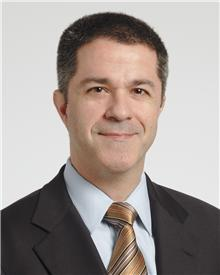
Dr. Kalaycio has been published in numerous scientific publications including Bone Marrow Transplantation, Journal of Clinical Oncology, and Leukemia. He also is the editor of a book on leukemia and co-editor of a book on clinical malignant hematology. His research interests focus on testing new treatments for leukemia.
Dr. Kalaycio received his degree from West Virginia University School of Medicine in Morgantown. He completed his residency in internal medicine at Mercy Hospital of Pittsburgh and fellowships in hematology and medical oncology and bone marrow transplantation at Cleveland Clinic.
Dr. Lonial is involved in numerous professional organizations including the American Society of Clinical Oncology, American Society of Hematology, and the American Society for Blood and Marrow Transplantation. He serves as Vice Chair of the Myeloma Committee in the Eastern Cooperative Oncology Group and as Chair of the Steering Committee for the Multiple Myeloma Research Consortium. Additionally, he is on the board of directors for the International Myeloma Society, and on the scientific Advisory Board for the International Myeloma Foundation.
Practice Guidelines
Dr. Kalaycio: I'm trying to avoid some of the controversy surrounding what treatment we should start with, or continue with. I think that literature is difficult to digest in a small soundbite. I’m more interested for this particular conversation in discussing some of the practicalities of managing patients with a newly diagnosed myeloma—regarding some of the things that a large center might take for granted, whereas a clinician in a smaller practice might not have as much experience, and might not know exactly how to handle. I think that literature is difficult to digest in a small soundbite. I’m more interested for this particular conversation in discussing some of the practicalities of managing patients with a newly diagnosed myeloma—regarding some of the things that a large center might take for granted, whereas a clinician in a smaller practice might not have as much experience, and might not know exactly how to handle. For example, current recommendations for bisphosphonates can be confusing. Although we use them, it's often an interesting discussion about which one we should use. Do you have a preference in your practice, and do you use criteria one way or another to pick one over the other?
Dr. Lonial: Yes, I think you're absolutely correct that the guidelines are a little confusing on how to do this. I'll tell you just from a convenience perspective for patients, we tend to use zoledronic acid as our go-to bisphosphonate, predominately because it's a shorter duration. We usually give it over 30 minutes. Patients prefer that sort of shorter infusion time. For patients that have any level of renal dysfunction—what I'm usually thinking about is creatinine levels over 2 mg/dL—we may use pamidronate as our preferential bisphosphonate. We'll even dose bisphosphonates. One of the things I think often gets lost in the bisphosphonate literature is that pharmacies will not release the drug because the patient's creatinine is 2.5 mg/dL or 3 mg/dL. What they don't realize is that no one gets renal failure from a single dose of bisphosphonate—it's really a cumulative effect over a long period of time.
For patients who have bone disease, I think the use of bisphosphonates is really important in terms of reducing the risk of skeletal events and fractures, which we see much less frequently now. Figuring out how to optimally do that—even in patients with renal dysfunction, I think—is really important. We disagree with the American Society of Clinical Oncology (ASCO) guidelines, in terms of how to approach giving bisphosphonates. Our approach is that any patient with myeloma (if you look hard enough) has some level of bone disease.
We treat all patients with symptomatic myeloma with bisphosphonates. I think the ASCO guidelines discriminate—only those who have skeletal survey positive should be treated with bisphosphonate. If you look at the Medical Research Council Myeloma IX (MRC IX) trial that treated everybody with bisphosphonates, there was a survival benefit across the board for patients.1
All patients seemed to benefit from the use of bisphosphonates, whether or not they had skeletal survey identified bone disease. In fact, we know that in order for a skeletal survey to be abnormal, 70% of the cortex has to be gone, or eroded, by the disease already. Whereas computed tomographic scans and magnetic resonance imaging will pick it up at much lower levels. I think it's a pretty crude test, and there's a big move in the Myeloma Working Group now to replace skeletal surveys with low-dose whole-body computed tomographic scans, because they're much more accurate, and more predictive.
Dr. Kalaycio: Yes, we're heading in the same direction only with magnetic resonance imaging. Our practice is also informed by that MRC IX trial, and we give bisphosphonates to everybody. In contrast to your practice though, our fallback is pamidronate, and that's because we lost the argument to our pharmacy as to the role of bisphosphonates in contributing to potential renal dysfunction with multiple doses. Our fallback is pamidronate, but certainly from a convenience factor there's a lot to be said for zoledronic acid.
Dr. Lonial: Right.
Dr. Kalaycio: With the application of bisphosphonates, there's also inconsistent application of prophylactic antibiotics for these patients who get plenty of corticosteroids, and immunosuppressives. We typically would treat everyone with vaccines, but we don't routinely use sulfamethoxazole-trimethoprim. I've seen sulfamethoxazole-trimethoprim used off and on depending on where the patient is coming from, and their referral to us. Do you routinely employ prophylactic antibiotics in your practice?
Dr. Lonial: We use sulfamethoxazole-trimethoprim for patients who are getting dexamethasone. We usually start that in cycle 2, because with a lot of our patients, you don't know whether the rash is from sulfamethoxazole-trimethoprim or whether it's from an IMiD. So we'll start an IMiD/PI combination up front, and then after cycle 1 add in the sulfamethoxazole-trimethoprim three times a week as prophylaxis—just as we do in many patients who are getting high-dose dexamethasone as well.
We usually continue the sulfamethoxazole-trimethoprim until they've been off high-dose dexamethasone for a month or two. I think the other piece to add is the antiviral prophylaxis. We have all of our patients across the board on lifelong acyclovir prophylaxis, to reduce the risk of varicella zoster virus (VZV). If you look across the board, a significant fraction of myeloma patients will present with VZV in the last 12 months. I think having a plasma cell disorder certainly puts you at risk for developing VZV reactivation.
We don't routinely recommend the Zostavax vaccine for these patients, because it's a live vaccine. I think the third area building on the prophylaxis concept is the use of a deep vein thrombosis prophylaxis for patients that are receiving IMiDs. One of the areas—I think almost everybody realizes that you need to use it—where we find issues is that physicians or their interventional radiologists will tell the patient to stop aspirin, because they're going to put in a line or they're going to do something else.
What I think people don't realize is that if you stop an aspirin in a patient who's been on an IMiD within 30 days, you're now hypercoagulable. You're actually at a much higher risk of clotting than if you just continued the aspirin or prophylaxis. What I think people don't realize is that if you stop an aspirin in a patient who's been on an IMiD within 30 days, you're now hypercoagulable. You're actually at a much higher risk of clotting than if you just continued the aspirin or prophylaxis. When procedures have to be done in patients who are on an IMiD, even if you stop the IMiD for a week, the risk of thrombosis is there for another three to four weeks. If you're going to stop the aspirin prophylaxis, you have to bridge them, just like you would somebody who's on full-dose anticoagulation for an active clot. We find lots of patients get clots when interventional radiology tells them stop the aspirin. They get a line put in, and they get a clot. That, to me, is an area where clinical practice needs to be informed by the oncologist, because everybody else doesn't understand the risks in the situation.
Dr. Kalaycio: That's an interesting observation that we've not made, with regard to the placement of lines. We've certainly seen clots when aspirin is interrupted whether for surgery, or because someone is stopping it for another reason.
We also use acyclovir prophylactically forever. We do not routinely replace gamma globulin for hypogammaglobulinemia. We would if there were recurrent and relatively severe infections. We don’t typically do it routinely just for low gamma globulin levels. Where do you stand on that?
Dr. Lonial: I completely agree with you. If they've had two or three recurrent infections in one season, then we'll give them intravenous immunoglobulin maybe every month, or every other month, for a couple of doses. We don't just replace the number.
Dr. Kalaycio: Right. For the young patient—under the age of 50 even—with multiple myeloma, whether high risk or low, current guidelines do not suggest the routine use of allogeneic transplant (ALLO) outside of the context of the clinical trial.2 We have conformed to that recommendation here, and I'm curious if you feel the same way at Emory.
Dr. Lonial: Yes, I do. I think in the context of a well-designed trial, it is perfectly appropriate. To me it's all about risk/benefit. I was trained as an ALLO transplanter, so I know the argument. We'll say this is your only chance at long-term cure.
That is true, if you're willing to accept a 10% long-term chance of cure. What is often underplayed is the risk of graft-versus-host disease, and the ongoing risk of relapse that continues to occur, not just one year, but two, three, four, even five years out from the ALLO transplant. I think if it's a risk that a patient is willing to take, and they're making an informed decision, I have no issues with that at all—especially if done in the context of a clinical trial. Outside of that, I think it's a pretty risky proposition.
Dr. Kalaycio: I agree.
1. Morgan GJ, Child JA, Gregory WM, et al. for the National Cancer Research Institute Haematological Oncology Clinical Studies Group. Effects of zoledronic acid versus clodronic acid on skeletal morbidity in patients with newly diagnosed multiple myeloma (MRC Myeloma IX): secondary outcomes from a randomized controlled trial. Lancet Oncol. 2011;12(8):743–752.
2. Nooka AK, Kastritis E, Dimopoulos MA, Lonial S. Treatment options for relapsed and refractory multiple myeloma. Blood. 2015;125(20):3085-3099.
Discussants: Matt Kalaycio, MD1; Sagar Lonial, MD2
From Cleveland Clinic, Cleveland, OH1; Emory University, Atlanta, GA2
Address for correspondence: Matt Kalaycio, MD, Cleveland Clinic Main Campus, Mail Code R32, 9500 Euclid Avenue, Cleveland, OH 44195
E-mail: kalaycm@ccf.org
Biographical sketch:
Dr. Kalaycio has been published in numerous scientific publications including Bone Marrow Transplantation, Journal of Clinical Oncology, and Leukemia. He also is the editor of a book on leukemia and co-editor of a book on clinical malignant hematology. His research interests focus on testing new treatments for leukemia.
Dr. Kalaycio received his degree from West Virginia University School of Medicine in Morgantown. He completed his residency in internal medicine at Mercy Hospital of Pittsburgh and fellowships in hematology and medical oncology and bone marrow transplantation at Cleveland Clinic.
Dr. Lonial is involved in numerous professional organizations including the American Society of Clinical Oncology, American Society of Hematology, and the American Society for Blood and Marrow Transplantation. He serves as Vice Chair of the Myeloma Committee in the Eastern Cooperative Oncology Group and as Chair of the Steering Committee for the Multiple Myeloma Research Consortium. Additionally, he is on the board of directors for the International Myeloma Society, and on the scientific Advisory Board for the International Myeloma Foundation.
Practice Guidelines
Dr. Kalaycio: I'm trying to avoid some of the controversy surrounding what treatment we should start with, or continue with. I think that literature is difficult to digest in a small soundbite. I’m more interested for this particular conversation in discussing some of the practicalities of managing patients with a newly diagnosed myeloma—regarding some of the things that a large center might take for granted, whereas a clinician in a smaller practice might not have as much experience, and might not know exactly how to handle. I think that literature is difficult to digest in a small soundbite. I’m more interested for this particular conversation in discussing some of the practicalities of managing patients with a newly diagnosed myeloma—regarding some of the things that a large center might take for granted, whereas a clinician in a smaller practice might not have as much experience, and might not know exactly how to handle. For example, current recommendations for bisphosphonates can be confusing. Although we use them, it's often an interesting discussion about which one we should use. Do you have a preference in your practice, and do you use criteria one way or another to pick one over the other?
Dr. Lonial: Yes, I think you're absolutely correct that the guidelines are a little confusing on how to do this. I'll tell you just from a convenience perspective for patients, we tend to use zoledronic acid as our go-to bisphosphonate, predominately because it's a shorter duration. We usually give it over 30 minutes. Patients prefer that sort of shorter infusion time. For patients that have any level of renal dysfunction—what I'm usually thinking about is creatinine levels over 2 mg/dL—we may use pamidronate as our preferential bisphosphonate. We'll even dose bisphosphonates. One of the things I think often gets lost in the bisphosphonate literature is that pharmacies will not release the drug because the patient's creatinine is 2.5 mg/dL or 3 mg/dL. What they don't realize is that no one gets renal failure from a single dose of bisphosphonate—it's really a cumulative effect over a long period of time.
For patients who have bone disease, I think the use of bisphosphonates is really important in terms of reducing the risk of skeletal events and fractures, which we see much less frequently now. Figuring out how to optimally do that—even in patients with renal dysfunction, I think—is really important. We disagree with the American Society of Clinical Oncology (ASCO) guidelines, in terms of how to approach giving bisphosphonates. Our approach is that any patient with myeloma (if you look hard enough) has some level of bone disease.
We treat all patients with symptomatic myeloma with bisphosphonates. I think the ASCO guidelines discriminate—only those who have skeletal survey positive should be treated with bisphosphonate. If you look at the Medical Research Council Myeloma IX (MRC IX) trial that treated everybody with bisphosphonates, there was a survival benefit across the board for patients.1
All patients seemed to benefit from the use of bisphosphonates, whether or not they had skeletal survey identified bone disease. In fact, we know that in order for a skeletal survey to be abnormal, 70% of the cortex has to be gone, or eroded, by the disease already. Whereas computed tomographic scans and magnetic resonance imaging will pick it up at much lower levels. I think it's a pretty crude test, and there's a big move in the Myeloma Working Group now to replace skeletal surveys with low-dose whole-body computed tomographic scans, because they're much more accurate, and more predictive.
Dr. Kalaycio: Yes, we're heading in the same direction only with magnetic resonance imaging. Our practice is also informed by that MRC IX trial, and we give bisphosphonates to everybody. In contrast to your practice though, our fallback is pamidronate, and that's because we lost the argument to our pharmacy as to the role of bisphosphonates in contributing to potential renal dysfunction with multiple doses. Our fallback is pamidronate, but certainly from a convenience factor there's a lot to be said for zoledronic acid.
Dr. Lonial: Right.
Dr. Kalaycio: With the application of bisphosphonates, there's also inconsistent application of prophylactic antibiotics for these patients who get plenty of corticosteroids, and immunosuppressives. We typically would treat everyone with vaccines, but we don't routinely use sulfamethoxazole-trimethoprim. I've seen sulfamethoxazole-trimethoprim used off and on depending on where the patient is coming from, and their referral to us. Do you routinely employ prophylactic antibiotics in your practice?
Dr. Lonial: We use sulfamethoxazole-trimethoprim for patients who are getting dexamethasone. We usually start that in cycle 2, because with a lot of our patients, you don't know whether the rash is from sulfamethoxazole-trimethoprim or whether it's from an IMiD. So we'll start an IMiD/PI combination up front, and then after cycle 1 add in the sulfamethoxazole-trimethoprim three times a week as prophylaxis—just as we do in many patients who are getting high-dose dexamethasone as well.
We usually continue the sulfamethoxazole-trimethoprim until they've been off high-dose dexamethasone for a month or two. I think the other piece to add is the antiviral prophylaxis. We have all of our patients across the board on lifelong acyclovir prophylaxis, to reduce the risk of varicella zoster virus (VZV). If you look across the board, a significant fraction of myeloma patients will present with VZV in the last 12 months. I think having a plasma cell disorder certainly puts you at risk for developing VZV reactivation.
We don't routinely recommend the Zostavax vaccine for these patients, because it's a live vaccine. I think the third area building on the prophylaxis concept is the use of a deep vein thrombosis prophylaxis for patients that are receiving IMiDs. One of the areas—I think almost everybody realizes that you need to use it—where we find issues is that physicians or their interventional radiologists will tell the patient to stop aspirin, because they're going to put in a line or they're going to do something else.
What I think people don't realize is that if you stop an aspirin in a patient who's been on an IMiD within 30 days, you're now hypercoagulable. You're actually at a much higher risk of clotting than if you just continued the aspirin or prophylaxis. What I think people don't realize is that if you stop an aspirin in a patient who's been on an IMiD within 30 days, you're now hypercoagulable. You're actually at a much higher risk of clotting than if you just continued the aspirin or prophylaxis. When procedures have to be done in patients who are on an IMiD, even if you stop the IMiD for a week, the risk of thrombosis is there for another three to four weeks. If you're going to stop the aspirin prophylaxis, you have to bridge them, just like you would somebody who's on full-dose anticoagulation for an active clot. We find lots of patients get clots when interventional radiology tells them stop the aspirin. They get a line put in, and they get a clot. That, to me, is an area where clinical practice needs to be informed by the oncologist, because everybody else doesn't understand the risks in the situation.
Dr. Kalaycio: That's an interesting observation that we've not made, with regard to the placement of lines. We've certainly seen clots when aspirin is interrupted whether for surgery, or because someone is stopping it for another reason.
We also use acyclovir prophylactically forever. We do not routinely replace gamma globulin for hypogammaglobulinemia. We would if there were recurrent and relatively severe infections. We don’t typically do it routinely just for low gamma globulin levels. Where do you stand on that?
Dr. Lonial: I completely agree with you. If they've had two or three recurrent infections in one season, then we'll give them intravenous immunoglobulin maybe every month, or every other month, for a couple of doses. We don't just replace the number.
Dr. Kalaycio: Right. For the young patient—under the age of 50 even—with multiple myeloma, whether high risk or low, current guidelines do not suggest the routine use of allogeneic transplant (ALLO) outside of the context of the clinical trial.2 We have conformed to that recommendation here, and I'm curious if you feel the same way at Emory.
Dr. Lonial: Yes, I do. I think in the context of a well-designed trial, it is perfectly appropriate. To me it's all about risk/benefit. I was trained as an ALLO transplanter, so I know the argument. We'll say this is your only chance at long-term cure.
That is true, if you're willing to accept a 10% long-term chance of cure. What is often underplayed is the risk of graft-versus-host disease, and the ongoing risk of relapse that continues to occur, not just one year, but two, three, four, even five years out from the ALLO transplant. I think if it's a risk that a patient is willing to take, and they're making an informed decision, I have no issues with that at all—especially if done in the context of a clinical trial. Outside of that, I think it's a pretty risky proposition.
Dr. Kalaycio: I agree.
Discussants: Matt Kalaycio, MD1; Sagar Lonial, MD2
From Cleveland Clinic, Cleveland, OH1; Emory University, Atlanta, GA2
Address for correspondence: Matt Kalaycio, MD, Cleveland Clinic Main Campus, Mail Code R32, 9500 Euclid Avenue, Cleveland, OH 44195
E-mail: kalaycm@ccf.org
Biographical sketch:
Dr. Kalaycio has been published in numerous scientific publications including Bone Marrow Transplantation, Journal of Clinical Oncology, and Leukemia. He also is the editor of a book on leukemia and co-editor of a book on clinical malignant hematology. His research interests focus on testing new treatments for leukemia.
Dr. Kalaycio received his degree from West Virginia University School of Medicine in Morgantown. He completed his residency in internal medicine at Mercy Hospital of Pittsburgh and fellowships in hematology and medical oncology and bone marrow transplantation at Cleveland Clinic.
Dr. Lonial is involved in numerous professional organizations including the American Society of Clinical Oncology, American Society of Hematology, and the American Society for Blood and Marrow Transplantation. He serves as Vice Chair of the Myeloma Committee in the Eastern Cooperative Oncology Group and as Chair of the Steering Committee for the Multiple Myeloma Research Consortium. Additionally, he is on the board of directors for the International Myeloma Society, and on the scientific Advisory Board for the International Myeloma Foundation.
Practice Guidelines
Dr. Kalaycio: I'm trying to avoid some of the controversy surrounding what treatment we should start with, or continue with. I think that literature is difficult to digest in a small soundbite. I’m more interested for this particular conversation in discussing some of the practicalities of managing patients with a newly diagnosed myeloma—regarding some of the things that a large center might take for granted, whereas a clinician in a smaller practice might not have as much experience, and might not know exactly how to handle. I think that literature is difficult to digest in a small soundbite. I’m more interested for this particular conversation in discussing some of the practicalities of managing patients with a newly diagnosed myeloma—regarding some of the things that a large center might take for granted, whereas a clinician in a smaller practice might not have as much experience, and might not know exactly how to handle. For example, current recommendations for bisphosphonates can be confusing. Although we use them, it's often an interesting discussion about which one we should use. Do you have a preference in your practice, and do you use criteria one way or another to pick one over the other?
Dr. Lonial: Yes, I think you're absolutely correct that the guidelines are a little confusing on how to do this. I'll tell you just from a convenience perspective for patients, we tend to use zoledronic acid as our go-to bisphosphonate, predominately because it's a shorter duration. We usually give it over 30 minutes. Patients prefer that sort of shorter infusion time. For patients that have any level of renal dysfunction—what I'm usually thinking about is creatinine levels over 2 mg/dL—we may use pamidronate as our preferential bisphosphonate. We'll even dose bisphosphonates. One of the things I think often gets lost in the bisphosphonate literature is that pharmacies will not release the drug because the patient's creatinine is 2.5 mg/dL or 3 mg/dL. What they don't realize is that no one gets renal failure from a single dose of bisphosphonate—it's really a cumulative effect over a long period of time.
For patients who have bone disease, I think the use of bisphosphonates is really important in terms of reducing the risk of skeletal events and fractures, which we see much less frequently now. Figuring out how to optimally do that—even in patients with renal dysfunction, I think—is really important. We disagree with the American Society of Clinical Oncology (ASCO) guidelines, in terms of how to approach giving bisphosphonates. Our approach is that any patient with myeloma (if you look hard enough) has some level of bone disease.
We treat all patients with symptomatic myeloma with bisphosphonates. I think the ASCO guidelines discriminate—only those who have skeletal survey positive should be treated with bisphosphonate. If you look at the Medical Research Council Myeloma IX (MRC IX) trial that treated everybody with bisphosphonates, there was a survival benefit across the board for patients.1
All patients seemed to benefit from the use of bisphosphonates, whether or not they had skeletal survey identified bone disease. In fact, we know that in order for a skeletal survey to be abnormal, 70% of the cortex has to be gone, or eroded, by the disease already. Whereas computed tomographic scans and magnetic resonance imaging will pick it up at much lower levels. I think it's a pretty crude test, and there's a big move in the Myeloma Working Group now to replace skeletal surveys with low-dose whole-body computed tomographic scans, because they're much more accurate, and more predictive.
Dr. Kalaycio: Yes, we're heading in the same direction only with magnetic resonance imaging. Our practice is also informed by that MRC IX trial, and we give bisphosphonates to everybody. In contrast to your practice though, our fallback is pamidronate, and that's because we lost the argument to our pharmacy as to the role of bisphosphonates in contributing to potential renal dysfunction with multiple doses. Our fallback is pamidronate, but certainly from a convenience factor there's a lot to be said for zoledronic acid.
Dr. Lonial: Right.
Dr. Kalaycio: With the application of bisphosphonates, there's also inconsistent application of prophylactic antibiotics for these patients who get plenty of corticosteroids, and immunosuppressives. We typically would treat everyone with vaccines, but we don't routinely use sulfamethoxazole-trimethoprim. I've seen sulfamethoxazole-trimethoprim used off and on depending on where the patient is coming from, and their referral to us. Do you routinely employ prophylactic antibiotics in your practice?
Dr. Lonial: We use sulfamethoxazole-trimethoprim for patients who are getting dexamethasone. We usually start that in cycle 2, because with a lot of our patients, you don't know whether the rash is from sulfamethoxazole-trimethoprim or whether it's from an IMiD. So we'll start an IMiD/PI combination up front, and then after cycle 1 add in the sulfamethoxazole-trimethoprim three times a week as prophylaxis—just as we do in many patients who are getting high-dose dexamethasone as well.
We usually continue the sulfamethoxazole-trimethoprim until they've been off high-dose dexamethasone for a month or two. I think the other piece to add is the antiviral prophylaxis. We have all of our patients across the board on lifelong acyclovir prophylaxis, to reduce the risk of varicella zoster virus (VZV). If you look across the board, a significant fraction of myeloma patients will present with VZV in the last 12 months. I think having a plasma cell disorder certainly puts you at risk for developing VZV reactivation.
We don't routinely recommend the Zostavax vaccine for these patients, because it's a live vaccine. I think the third area building on the prophylaxis concept is the use of a deep vein thrombosis prophylaxis for patients that are receiving IMiDs. One of the areas—I think almost everybody realizes that you need to use it—where we find issues is that physicians or their interventional radiologists will tell the patient to stop aspirin, because they're going to put in a line or they're going to do something else.
What I think people don't realize is that if you stop an aspirin in a patient who's been on an IMiD within 30 days, you're now hypercoagulable. You're actually at a much higher risk of clotting than if you just continued the aspirin or prophylaxis. What I think people don't realize is that if you stop an aspirin in a patient who's been on an IMiD within 30 days, you're now hypercoagulable. You're actually at a much higher risk of clotting than if you just continued the aspirin or prophylaxis. When procedures have to be done in patients who are on an IMiD, even if you stop the IMiD for a week, the risk of thrombosis is there for another three to four weeks. If you're going to stop the aspirin prophylaxis, you have to bridge them, just like you would somebody who's on full-dose anticoagulation for an active clot. We find lots of patients get clots when interventional radiology tells them stop the aspirin. They get a line put in, and they get a clot. That, to me, is an area where clinical practice needs to be informed by the oncologist, because everybody else doesn't understand the risks in the situation.
Dr. Kalaycio: That's an interesting observation that we've not made, with regard to the placement of lines. We've certainly seen clots when aspirin is interrupted whether for surgery, or because someone is stopping it for another reason.
We also use acyclovir prophylactically forever. We do not routinely replace gamma globulin for hypogammaglobulinemia. We would if there were recurrent and relatively severe infections. We don’t typically do it routinely just for low gamma globulin levels. Where do you stand on that?
Dr. Lonial: I completely agree with you. If they've had two or three recurrent infections in one season, then we'll give them intravenous immunoglobulin maybe every month, or every other month, for a couple of doses. We don't just replace the number.
Dr. Kalaycio: Right. For the young patient—under the age of 50 even—with multiple myeloma, whether high risk or low, current guidelines do not suggest the routine use of allogeneic transplant (ALLO) outside of the context of the clinical trial.2 We have conformed to that recommendation here, and I'm curious if you feel the same way at Emory.
Dr. Lonial: Yes, I do. I think in the context of a well-designed trial, it is perfectly appropriate. To me it's all about risk/benefit. I was trained as an ALLO transplanter, so I know the argument. We'll say this is your only chance at long-term cure.
That is true, if you're willing to accept a 10% long-term chance of cure. What is often underplayed is the risk of graft-versus-host disease, and the ongoing risk of relapse that continues to occur, not just one year, but two, three, four, even five years out from the ALLO transplant. I think if it's a risk that a patient is willing to take, and they're making an informed decision, I have no issues with that at all—especially if done in the context of a clinical trial. Outside of that, I think it's a pretty risky proposition.
Dr. Kalaycio: I agree.
1. Morgan GJ, Child JA, Gregory WM, et al. for the National Cancer Research Institute Haematological Oncology Clinical Studies Group. Effects of zoledronic acid versus clodronic acid on skeletal morbidity in patients with newly diagnosed multiple myeloma (MRC Myeloma IX): secondary outcomes from a randomized controlled trial. Lancet Oncol. 2011;12(8):743–752.
2. Nooka AK, Kastritis E, Dimopoulos MA, Lonial S. Treatment options for relapsed and refractory multiple myeloma. Blood. 2015;125(20):3085-3099.
1. Morgan GJ, Child JA, Gregory WM, et al. for the National Cancer Research Institute Haematological Oncology Clinical Studies Group. Effects of zoledronic acid versus clodronic acid on skeletal morbidity in patients with newly diagnosed multiple myeloma (MRC Myeloma IX): secondary outcomes from a randomized controlled trial. Lancet Oncol. 2011;12(8):743–752.
2. Nooka AK, Kastritis E, Dimopoulos MA, Lonial S. Treatment options for relapsed and refractory multiple myeloma. Blood. 2015;125(20):3085-3099.

Medical Roundtable: New Multiple Myeloma Treatments
Discussants: Matt Kalaycio, MD1; Sagar Lonial, MD2
From Cleveland Clinic, Cleveland, OH1; Emory University, Atlanta, GA2
Address for correspondence: Matt Kalaycio, MD, Cleveland Clinic Main Campus, Mail Code R32, 9500 Euclid Avenue, Cleveland, OH 44195
E-mail: kalaycm@ccf.org
Biographical sketch:
Dr. Kalaycio has been published in numerous scientific publications including Bone Marrow Transplantation, Journal of Clinical Oncology, and Leukemia. He also is the editor of a book on leukemia and co-editor of a book on clinical malignant hematology. His research interests focus on testing new treatments for leukemia.
Dr. Kalaycio received his degree from West Virginia University School of Medicine in Morgantown. He completed his residency in internal medicine at Mercy Hospital of Pittsburgh and fellowships in hematology and medical oncology and bone marrow transplantation at Cleveland Clinic.
Dr. Lonial is involved in numerous professional organizations including the American Society of Clinical Oncology, American Society of Hematology, and the American Society for Blood and Marrow Transplantation. He serves as Vice Chair of the Myeloma Committee in the Eastern Cooperative Oncology Group and as Chair of the Steering Committee for the Multiple Myeloma Research Consortium. Additionally, he is on the board of directors for the International Myeloma Society, and on the scientific Advisory Board for the International Myeloma Foundation.
New Treatments
Dr. Kalaycio: I would like to spend the remainder of our conversation on some of the exciting new treatments that are coming down the pike for myeloma, both approved and soon to be approved. There were some interesting data presented both at American Society of Hematology (ASH) and at ASCO regarding relapsed refractory myeloma. I think with the varied choices that we have to treat relapsed refractory myeloma, it's unclear what's best.
I don't think anybody knows what's best at this point. Maybe that's going to become clearer, or maybe not, depending on how you look at it. The approach to those patients who have started with 3-drug combinations, got their autotransplant, are on maintenance, and have then progressed is becoming—in my mind—more difficult as we get more options. We don't have a standard approach to these patients at this point, outside of the context of a clinical trial. I'm wondering if you guys have come up with one.
Dr. Lonial: Well, there's no standard algorithm. I think that's because some of it depends in large part on the tempo of relapse. What was the patient's response to their initial therapy? What was their toxicity with initial therapy? For instance, if a patient were to get RVD induction, a single transplant, and then progress on lenalidomide maintenance, my first thought at that point would probably be to use a bortezomib based combination.
I would not give up on bortezomib unless they had a lot of toxicity with their initial bortezomib based approach, in which case I might think about using a carfilzomib based approach—class switching, progressing on an IMiD, switch to a PI in that situation. Then the question is going to be, double it or triple it? That, to me, really represents the big question in early relapse. I talked to you about how I think about classifying patients in the newly diagnosed setting, in terms of three categories.
I think that there are a couple of categories for patients in the early relapse setting as well. Early, to me, means one to three prior lines of therapy. Once you get beyond three prior lines of therapy, you're now in the late or refractory relapse category. I think the real question that's evolving in the myeloma world right now for an early relapse is, is three drugs better than two? I think we've asked this question in the newly diagnosed myeloma setting, and I think we've almost universally answered that three drugs is better than two across the board for newly diagnosed patients. You can pick your partners however you want. In general, I think triplets are better than doublets. In the early relapse setting, it has not been so clear. We now have data from, say the Carfilzomib, Lenalidomide, and Dexamethasone versus Lenalidomide and Dexamethasone for the Treatment of Patients with Relapsed Multiple Myeloma (ASPIRE) trial, which looked at carfilzomib with lenalidomide and dexamethasone (len/dex) versus len/dex.1
We now have data from the Phase III Study of Lenalidomide and Dexamethasone with or Without Elotuzumab to Treat Newly Diagnosed, Previously Untreated Multiple Myeloma (ELOQUENT–2), which looked at elotuzumab len/dex versus len/dex.2 We have data from the Panobinostat or Placebo with Bortezomib and Dexamethasone in Patients with Relapsed Multiple Myeloma (PANORAMA) trial, which looked at panobinostat in combination with bortezomib and dexamethasone versus bortezomib and dexamethasone.3 We have two additional trials that are coming in the near future looking at triplets versus doublets. What we need is longer follow-up on those to see what the survival looks like. My sense is going to be that early relapse is going to start to look like newly diagnosed.
It's going to be the new newly diagnosed in the sense that we're going to want to treat patients aggressively in early relapse—try and put them into a major response, and then try and let that duration of remission last as long as it can. Just as we do for newly diagnosed myeloma patients as well. I don't think we have all the data to make that clear-cut recommendation right now. I think that's a direction that the field is going to be moving in, if we have the supportive data from large randomized trials.
Dr. Kalaycio: It's so difficult to find evidence of an overall survival benefit starting with three drugs versus two. It's going to be harder perhaps, in the relapse setting, to make the case from a survival standpoint because the variables are so many and these patients get treated in so many ways. Getting a randomized trial in a relapse setting for patients who have been treated so many different ways upfront makes it very difficult to—in my mind—create a trial that's clean enough to answer that question definitively. Do you think that overall survival is the marker that we should be analyzing, or should we be looking more at duration of remission, quality of life, things like that?
Dr. Lonial: Well, I think if you're trying to compare the two versus three, the addition of the new drug, I think progression-free survival (PFS) is the right end point. That's what the U.S. Food and Drug Administration (FDA) has identified as the primary endpoint for most relapsed myeloma trials. I think that the question—Is a triplet better than a doublet?—will require putting together many different phase III trials and trying to analyze that kind of a question. Just to give you a hint of an example, the ASPIRE trial, which looked at carfilzomib len/dex versus len/dex, at least at the early look, suggests there is an improvement in survival for the three drug combination. The ELOQUENT-2 trial, which looked at elotuzumab len/dex versus len/dex, also looks very early like there's a difference in overall survival. PANORAMA does not look like there's a difference in overall survival right now. There are other trials coming that, if you put them in aggregate, you may be able to see that difference you need that may be able to wash across differences in how patients were treated in their frontline approach.
Dr. Kalaycio: There's a smorgasbord of available options that makes it fascinating in trying to read these studies, and trying to make sense out of them. I feel for the clinician in the community trying to figure this out and pick what's best for their particular patient. There are lots of potential options. The most recent one approved by the FDA is the addition of panobinostat to our armamentarium.3,4 We are not clear where it fits in our treatment algorithms and I'm wondering if you've thought about that, and where you think it might fit best.
Dr. Lonial: Yes. I think you're struggling with what I think a lot of people are struggling with, which is, as the data get more mature, we're starting to identify that there are subsets of patients that really may seem to gain benefit from the use of a histone deacetylase inhibitor. There were a couple of analyses presented at the Congress of European Hematology Association (EHA) and at ASCO this year that I think are beginning to clarify some of that for us.5 If you look at the PANORAMA-1 trial (which was the randomized phase III trial of panobinostat in combination with bortezomib and dexamethasone versus bortezomib and dexamethasone) what I think we're starting to see is that in the patients who were exposed to both lenalidomide and bortezomib, that the incremental benefit in PFS for the addition of panobinostat is actually much higher. It's close to 7.8 months now. That's because those are patients who are not gaining as much benefit from retreatment with a PI, and have already been exposed to—or maybe even resistant to—an IMiD in that situation.
Even though these patients didn't stay on therapy for very long, their magnitude of benefit was much longer than for the other subsets of patients in Panorama-1. For the double refractory, or the double exposed subset of patients, the addition of panobinostat seems to be most beneficial. In our own experience, we have partnered panobinostat, not just with bortezomib, but actually with carfilzomib, and have found it to be much better tolerated in combination with carfilzomib.
In fact, Burdeja et al presented some of this data at ASCO this year, and showed that the gastrointestinal toxicity was almost nonexistent in the dose and schedule with which he used panobinostat in combination with carfilzomib.6 I think finding the right partner is really important as well. We have found that for some really high-risk relapses, relapse within a year, aggressive relapses with 17p deletion patients, panobinostat in combination with a PI seems to be a very active combination as well. We're using it right now for those really aggressive high-risk relapses. We may change the partner, but I think we're going to take a little more time to refine who is the best patient population for a histone deacetylase inhibitor in myeloma. I think you're right, it's not clear right now.
Dr. Kalaycio: I agree. I think this will be similar to our learning curve with bortezomib—when first introduced, we gave it intravenously resulting in neurotoxicity, so we learned how to give it subcutaneously to avoid toxicity. I suspect the same will happen with panobinostat and even some of the monoclonals that are soon to be forthcoming.
Dr. Lonial: Yes, I agree.
Dr. Kalaycio: I was impressed by the results of the ELOQUENT trial with elotuzumab in combination. Prior to that, I was unimpressed with elotuzumab as a single agent. I suspect it will get approved in combination, but I don't think that combination is necessarily what people would choose first in the relapse setting. I think it typically would be used with a PI. I'm curious where you think the results of the ELOQUENT trial at ASCO are going to translate into actual practice when it becomes approved?
Dr. Lonial: I think we learned a couple of things from that presentation. We did some of the early phase I work with elotuzumab in combination with an IMiD. The IMiD partnership with a monoclonal antibody is just so strong. I think we've enrolled over 50 patients with IMiDs and antibodies together in combination. The response rate and durability of response is really quite striking.
We have felt left out in myeloma in terms of the fact that we have not had an antibody. In fact, I'm not sure if you've heard my quote about this, but I call it oncologic irony. A disease that makes too much of an antibody doesn’t have an antibody to treat it.
Now we have elotuzumab. Elotuzumab partners very nicely with an IMiD, and not only improves PFS compared to the IMiD dexamethasone combination, but actually seems to prolong the duration of response—even if the depth of response is the same. Just to clarify that, if you take patients that got a partial response (PR) with len/dex, and then look at patients that got a PR with len/dex elotuzumab, the duration of that PR was longer with the antibodies than it was with len/dex alone. The same goes for very good PR or better. This, to me, is the ultimate definition of synergy.
In many trials, it doesn't matter what response level you get to. If you get to that response, whether you were in the control arm or the experimental arm, the PFS is the same. This is one of the first trials that show that the PFS can be dependent on the addition of the immune based treatment or the antibody.
I think that's really a powerful approach. I think it's going to get employed in combination with len/dex. If you think about patients progressing on lenalidomide as a single agent, often times we'll talk about adding in dexamethasone, and adding another agent to that. I think adding len/dex, and adding elotuzumab to that, might be a reasonable approach in the early relapsed myeloma setting as well.
There are lots of new mechanisms of action and drugs to use in the treatment of myeloma. ... I really like the results that it's showing in preliminary analysis.
Dr. Kalaycio: There are lots of new mechanisms of action and drugs to use in the treatment of myeloma. I think time is going to prevent us getting too much into daratumumab, but I really like the results that it's showing in preliminary analysis.
Dr. Lonial: Yes, daratumumab is a different target than elotuzumab, so it's targeting CD38. We know that CD38 is ubiquitously expressed on plasma cells. We showed at ASCO and EHA this year that in a refractory myeloma patient population—median of five prior lines of therapy—we got single agent activity with daratumumab. About 30% of patients had a response.7
Again, you're right, it's very exciting to have completely new mechanisms of action and drugs. These are patients who really have very few—if any—options left over. They were all double refractory, most of them were triple refractory. The ones that weren't quadruple refractory, were not quadruple refractory because they couldn't get the fourth drug because of toxicity, side effects, or other issues. I think to see responses—even complete responses—in this patient population is really very encouraging. In our experience, bringing it to earlier lines of therapy, partnering it with a PI or with an IMiD, the response rates are really very exciting. I think it's going to be together with elotuzumab. I think these are going to be game changers for us in myeloma.
Dr. Kalaycio: I agree. It's been game changing for oncology in general. Immunotherapies have finally come of age and are certainly coming of age in the treatment of multiple myeloma.
While the prognosis for patients with multiple myeloma has certainly improved, the complexities of treatment are often difficult to manage. Even myeloma experts are challenged with patient selection, practice guidelines, supportive care, and treatment approach. However, with appropriate attention to detail, providers can maximize the benefits obtainable with newer treatments while limiting their adverse effects. For all the advances made in the last decade, the next decade is promising to be even better.
1. Stewart AK, Rajkumar SV, Dimopoulos MA, et al. for the ASPIRE Investigators. Carfilzomib, lenalidomide, and dexamethasone for relapsed multiple myeloma. N Engl J Med. 2015;372(2):142–152.
2. Lonial S, Dimopoulos M, Palumbo A, et al. for the ELOQUENT-2 Investigators. Elotuzumab therapy for relapsed or refractory multiple myeloma [published online ahead of print June 2, 2015]. N Engl J Med. Doi:10.1056/NEJMoa1505654.
3. San-Miguel, Hungria VT, Yoon SS, et al. Panobinostat plus bortezomib and dexamethasone versus placebo plus bortezomib and dexamethasone in patients with relapsed or relapsed and refractory multiple myeloma: a multicentre, randomised, double-blind phase 3 trial. Lancet Oncol. 2014;15(11):1195–1206.
4. Richardson PG, Laubach JP, Lonial S, et al. Panobinostat: a novel pan-deactylase inhibitor for the treatment of relapsed or relapsed and refractory multiple myeloma. Expert Rev Anticancer Ther. 2015;15(7):737–748.
5. Einsele H, Richardson PG, Hungria VTM, et al. Subgroup analysis by prior treatment among patients with relapsed or relapsed and refractory multiple myeloma in the PANORAMA 1 study of panobinostat or placebo plus bortezomib and dexamethasone. Abstract presented at 20th Congress of European Hematology Association (EHA); June 11–14, 2015; Vienna, Austria. Abstract S102.
6. Berdeja JG, Gregory T, Matous J, et al. A phase I/II study of the combination of panobinostat and carfilzomib in patients with relapsed or relapsed/refractory multiple myeloma. Abstract presented at 2015 ASCO Annual Meeting; May 29–June 2, 2015; Chicago, IL. Abstract 8513.
7. Lonial S, Weiss B, Usmani S, et al. Phase 2 study or daratumumab (DARA) in patients with ≥3 lines of prior therapy or double refractory multiple myeloma: 54767414MMY2002 (Sirius)*. Abstract presented at 2015 ASCO Annual Meeting; May 29–June 2, 2015; Chicago, IL. Abstract LBA8512.
Discussants: Matt Kalaycio, MD1; Sagar Lonial, MD2
From Cleveland Clinic, Cleveland, OH1; Emory University, Atlanta, GA2
Address for correspondence: Matt Kalaycio, MD, Cleveland Clinic Main Campus, Mail Code R32, 9500 Euclid Avenue, Cleveland, OH 44195
E-mail: kalaycm@ccf.org
Biographical sketch:
Dr. Kalaycio has been published in numerous scientific publications including Bone Marrow Transplantation, Journal of Clinical Oncology, and Leukemia. He also is the editor of a book on leukemia and co-editor of a book on clinical malignant hematology. His research interests focus on testing new treatments for leukemia.
Dr. Kalaycio received his degree from West Virginia University School of Medicine in Morgantown. He completed his residency in internal medicine at Mercy Hospital of Pittsburgh and fellowships in hematology and medical oncology and bone marrow transplantation at Cleveland Clinic.
Dr. Lonial is involved in numerous professional organizations including the American Society of Clinical Oncology, American Society of Hematology, and the American Society for Blood and Marrow Transplantation. He serves as Vice Chair of the Myeloma Committee in the Eastern Cooperative Oncology Group and as Chair of the Steering Committee for the Multiple Myeloma Research Consortium. Additionally, he is on the board of directors for the International Myeloma Society, and on the scientific Advisory Board for the International Myeloma Foundation.
New Treatments
Dr. Kalaycio: I would like to spend the remainder of our conversation on some of the exciting new treatments that are coming down the pike for myeloma, both approved and soon to be approved. There were some interesting data presented both at American Society of Hematology (ASH) and at ASCO regarding relapsed refractory myeloma. I think with the varied choices that we have to treat relapsed refractory myeloma, it's unclear what's best.
I don't think anybody knows what's best at this point. Maybe that's going to become clearer, or maybe not, depending on how you look at it. The approach to those patients who have started with 3-drug combinations, got their autotransplant, are on maintenance, and have then progressed is becoming—in my mind—more difficult as we get more options. We don't have a standard approach to these patients at this point, outside of the context of a clinical trial. I'm wondering if you guys have come up with one.
Dr. Lonial: Well, there's no standard algorithm. I think that's because some of it depends in large part on the tempo of relapse. What was the patient's response to their initial therapy? What was their toxicity with initial therapy? For instance, if a patient were to get RVD induction, a single transplant, and then progress on lenalidomide maintenance, my first thought at that point would probably be to use a bortezomib based combination.
I would not give up on bortezomib unless they had a lot of toxicity with their initial bortezomib based approach, in which case I might think about using a carfilzomib based approach—class switching, progressing on an IMiD, switch to a PI in that situation. Then the question is going to be, double it or triple it? That, to me, really represents the big question in early relapse. I talked to you about how I think about classifying patients in the newly diagnosed setting, in terms of three categories.
I think that there are a couple of categories for patients in the early relapse setting as well. Early, to me, means one to three prior lines of therapy. Once you get beyond three prior lines of therapy, you're now in the late or refractory relapse category. I think the real question that's evolving in the myeloma world right now for an early relapse is, is three drugs better than two? I think we've asked this question in the newly diagnosed myeloma setting, and I think we've almost universally answered that three drugs is better than two across the board for newly diagnosed patients. You can pick your partners however you want. In general, I think triplets are better than doublets. In the early relapse setting, it has not been so clear. We now have data from, say the Carfilzomib, Lenalidomide, and Dexamethasone versus Lenalidomide and Dexamethasone for the Treatment of Patients with Relapsed Multiple Myeloma (ASPIRE) trial, which looked at carfilzomib with lenalidomide and dexamethasone (len/dex) versus len/dex.1
We now have data from the Phase III Study of Lenalidomide and Dexamethasone with or Without Elotuzumab to Treat Newly Diagnosed, Previously Untreated Multiple Myeloma (ELOQUENT–2), which looked at elotuzumab len/dex versus len/dex.2 We have data from the Panobinostat or Placebo with Bortezomib and Dexamethasone in Patients with Relapsed Multiple Myeloma (PANORAMA) trial, which looked at panobinostat in combination with bortezomib and dexamethasone versus bortezomib and dexamethasone.3 We have two additional trials that are coming in the near future looking at triplets versus doublets. What we need is longer follow-up on those to see what the survival looks like. My sense is going to be that early relapse is going to start to look like newly diagnosed.
It's going to be the new newly diagnosed in the sense that we're going to want to treat patients aggressively in early relapse—try and put them into a major response, and then try and let that duration of remission last as long as it can. Just as we do for newly diagnosed myeloma patients as well. I don't think we have all the data to make that clear-cut recommendation right now. I think that's a direction that the field is going to be moving in, if we have the supportive data from large randomized trials.
Dr. Kalaycio: It's so difficult to find evidence of an overall survival benefit starting with three drugs versus two. It's going to be harder perhaps, in the relapse setting, to make the case from a survival standpoint because the variables are so many and these patients get treated in so many ways. Getting a randomized trial in a relapse setting for patients who have been treated so many different ways upfront makes it very difficult to—in my mind—create a trial that's clean enough to answer that question definitively. Do you think that overall survival is the marker that we should be analyzing, or should we be looking more at duration of remission, quality of life, things like that?
Dr. Lonial: Well, I think if you're trying to compare the two versus three, the addition of the new drug, I think progression-free survival (PFS) is the right end point. That's what the U.S. Food and Drug Administration (FDA) has identified as the primary endpoint for most relapsed myeloma trials. I think that the question—Is a triplet better than a doublet?—will require putting together many different phase III trials and trying to analyze that kind of a question. Just to give you a hint of an example, the ASPIRE trial, which looked at carfilzomib len/dex versus len/dex, at least at the early look, suggests there is an improvement in survival for the three drug combination. The ELOQUENT-2 trial, which looked at elotuzumab len/dex versus len/dex, also looks very early like there's a difference in overall survival. PANORAMA does not look like there's a difference in overall survival right now. There are other trials coming that, if you put them in aggregate, you may be able to see that difference you need that may be able to wash across differences in how patients were treated in their frontline approach.
Dr. Kalaycio: There's a smorgasbord of available options that makes it fascinating in trying to read these studies, and trying to make sense out of them. I feel for the clinician in the community trying to figure this out and pick what's best for their particular patient. There are lots of potential options. The most recent one approved by the FDA is the addition of panobinostat to our armamentarium.3,4 We are not clear where it fits in our treatment algorithms and I'm wondering if you've thought about that, and where you think it might fit best.
Dr. Lonial: Yes. I think you're struggling with what I think a lot of people are struggling with, which is, as the data get more mature, we're starting to identify that there are subsets of patients that really may seem to gain benefit from the use of a histone deacetylase inhibitor. There were a couple of analyses presented at the Congress of European Hematology Association (EHA) and at ASCO this year that I think are beginning to clarify some of that for us.5 If you look at the PANORAMA-1 trial (which was the randomized phase III trial of panobinostat in combination with bortezomib and dexamethasone versus bortezomib and dexamethasone) what I think we're starting to see is that in the patients who were exposed to both lenalidomide and bortezomib, that the incremental benefit in PFS for the addition of panobinostat is actually much higher. It's close to 7.8 months now. That's because those are patients who are not gaining as much benefit from retreatment with a PI, and have already been exposed to—or maybe even resistant to—an IMiD in that situation.
Even though these patients didn't stay on therapy for very long, their magnitude of benefit was much longer than for the other subsets of patients in Panorama-1. For the double refractory, or the double exposed subset of patients, the addition of panobinostat seems to be most beneficial. In our own experience, we have partnered panobinostat, not just with bortezomib, but actually with carfilzomib, and have found it to be much better tolerated in combination with carfilzomib.
In fact, Burdeja et al presented some of this data at ASCO this year, and showed that the gastrointestinal toxicity was almost nonexistent in the dose and schedule with which he used panobinostat in combination with carfilzomib.6 I think finding the right partner is really important as well. We have found that for some really high-risk relapses, relapse within a year, aggressive relapses with 17p deletion patients, panobinostat in combination with a PI seems to be a very active combination as well. We're using it right now for those really aggressive high-risk relapses. We may change the partner, but I think we're going to take a little more time to refine who is the best patient population for a histone deacetylase inhibitor in myeloma. I think you're right, it's not clear right now.
Dr. Kalaycio: I agree. I think this will be similar to our learning curve with bortezomib—when first introduced, we gave it intravenously resulting in neurotoxicity, so we learned how to give it subcutaneously to avoid toxicity. I suspect the same will happen with panobinostat and even some of the monoclonals that are soon to be forthcoming.
Dr. Lonial: Yes, I agree.
Dr. Kalaycio: I was impressed by the results of the ELOQUENT trial with elotuzumab in combination. Prior to that, I was unimpressed with elotuzumab as a single agent. I suspect it will get approved in combination, but I don't think that combination is necessarily what people would choose first in the relapse setting. I think it typically would be used with a PI. I'm curious where you think the results of the ELOQUENT trial at ASCO are going to translate into actual practice when it becomes approved?
Dr. Lonial: I think we learned a couple of things from that presentation. We did some of the early phase I work with elotuzumab in combination with an IMiD. The IMiD partnership with a monoclonal antibody is just so strong. I think we've enrolled over 50 patients with IMiDs and antibodies together in combination. The response rate and durability of response is really quite striking.
We have felt left out in myeloma in terms of the fact that we have not had an antibody. In fact, I'm not sure if you've heard my quote about this, but I call it oncologic irony. A disease that makes too much of an antibody doesn’t have an antibody to treat it.
Now we have elotuzumab. Elotuzumab partners very nicely with an IMiD, and not only improves PFS compared to the IMiD dexamethasone combination, but actually seems to prolong the duration of response—even if the depth of response is the same. Just to clarify that, if you take patients that got a partial response (PR) with len/dex, and then look at patients that got a PR with len/dex elotuzumab, the duration of that PR was longer with the antibodies than it was with len/dex alone. The same goes for very good PR or better. This, to me, is the ultimate definition of synergy.
In many trials, it doesn't matter what response level you get to. If you get to that response, whether you were in the control arm or the experimental arm, the PFS is the same. This is one of the first trials that show that the PFS can be dependent on the addition of the immune based treatment or the antibody.
I think that's really a powerful approach. I think it's going to get employed in combination with len/dex. If you think about patients progressing on lenalidomide as a single agent, often times we'll talk about adding in dexamethasone, and adding another agent to that. I think adding len/dex, and adding elotuzumab to that, might be a reasonable approach in the early relapsed myeloma setting as well.
There are lots of new mechanisms of action and drugs to use in the treatment of myeloma. ... I really like the results that it's showing in preliminary analysis.
Dr. Kalaycio: There are lots of new mechanisms of action and drugs to use in the treatment of myeloma. I think time is going to prevent us getting too much into daratumumab, but I really like the results that it's showing in preliminary analysis.
Dr. Lonial: Yes, daratumumab is a different target than elotuzumab, so it's targeting CD38. We know that CD38 is ubiquitously expressed on plasma cells. We showed at ASCO and EHA this year that in a refractory myeloma patient population—median of five prior lines of therapy—we got single agent activity with daratumumab. About 30% of patients had a response.7
Again, you're right, it's very exciting to have completely new mechanisms of action and drugs. These are patients who really have very few—if any—options left over. They were all double refractory, most of them were triple refractory. The ones that weren't quadruple refractory, were not quadruple refractory because they couldn't get the fourth drug because of toxicity, side effects, or other issues. I think to see responses—even complete responses—in this patient population is really very encouraging. In our experience, bringing it to earlier lines of therapy, partnering it with a PI or with an IMiD, the response rates are really very exciting. I think it's going to be together with elotuzumab. I think these are going to be game changers for us in myeloma.
Dr. Kalaycio: I agree. It's been game changing for oncology in general. Immunotherapies have finally come of age and are certainly coming of age in the treatment of multiple myeloma.
While the prognosis for patients with multiple myeloma has certainly improved, the complexities of treatment are often difficult to manage. Even myeloma experts are challenged with patient selection, practice guidelines, supportive care, and treatment approach. However, with appropriate attention to detail, providers can maximize the benefits obtainable with newer treatments while limiting their adverse effects. For all the advances made in the last decade, the next decade is promising to be even better.
Discussants: Matt Kalaycio, MD1; Sagar Lonial, MD2
From Cleveland Clinic, Cleveland, OH1; Emory University, Atlanta, GA2
Address for correspondence: Matt Kalaycio, MD, Cleveland Clinic Main Campus, Mail Code R32, 9500 Euclid Avenue, Cleveland, OH 44195
E-mail: kalaycm@ccf.org
Biographical sketch:
Dr. Kalaycio has been published in numerous scientific publications including Bone Marrow Transplantation, Journal of Clinical Oncology, and Leukemia. He also is the editor of a book on leukemia and co-editor of a book on clinical malignant hematology. His research interests focus on testing new treatments for leukemia.
Dr. Kalaycio received his degree from West Virginia University School of Medicine in Morgantown. He completed his residency in internal medicine at Mercy Hospital of Pittsburgh and fellowships in hematology and medical oncology and bone marrow transplantation at Cleveland Clinic.
Dr. Lonial is involved in numerous professional organizations including the American Society of Clinical Oncology, American Society of Hematology, and the American Society for Blood and Marrow Transplantation. He serves as Vice Chair of the Myeloma Committee in the Eastern Cooperative Oncology Group and as Chair of the Steering Committee for the Multiple Myeloma Research Consortium. Additionally, he is on the board of directors for the International Myeloma Society, and on the scientific Advisory Board for the International Myeloma Foundation.
New Treatments
Dr. Kalaycio: I would like to spend the remainder of our conversation on some of the exciting new treatments that are coming down the pike for myeloma, both approved and soon to be approved. There were some interesting data presented both at American Society of Hematology (ASH) and at ASCO regarding relapsed refractory myeloma. I think with the varied choices that we have to treat relapsed refractory myeloma, it's unclear what's best.
I don't think anybody knows what's best at this point. Maybe that's going to become clearer, or maybe not, depending on how you look at it. The approach to those patients who have started with 3-drug combinations, got their autotransplant, are on maintenance, and have then progressed is becoming—in my mind—more difficult as we get more options. We don't have a standard approach to these patients at this point, outside of the context of a clinical trial. I'm wondering if you guys have come up with one.
Dr. Lonial: Well, there's no standard algorithm. I think that's because some of it depends in large part on the tempo of relapse. What was the patient's response to their initial therapy? What was their toxicity with initial therapy? For instance, if a patient were to get RVD induction, a single transplant, and then progress on lenalidomide maintenance, my first thought at that point would probably be to use a bortezomib based combination.
I would not give up on bortezomib unless they had a lot of toxicity with their initial bortezomib based approach, in which case I might think about using a carfilzomib based approach—class switching, progressing on an IMiD, switch to a PI in that situation. Then the question is going to be, double it or triple it? That, to me, really represents the big question in early relapse. I talked to you about how I think about classifying patients in the newly diagnosed setting, in terms of three categories.
I think that there are a couple of categories for patients in the early relapse setting as well. Early, to me, means one to three prior lines of therapy. Once you get beyond three prior lines of therapy, you're now in the late or refractory relapse category. I think the real question that's evolving in the myeloma world right now for an early relapse is, is three drugs better than two? I think we've asked this question in the newly diagnosed myeloma setting, and I think we've almost universally answered that three drugs is better than two across the board for newly diagnosed patients. You can pick your partners however you want. In general, I think triplets are better than doublets. In the early relapse setting, it has not been so clear. We now have data from, say the Carfilzomib, Lenalidomide, and Dexamethasone versus Lenalidomide and Dexamethasone for the Treatment of Patients with Relapsed Multiple Myeloma (ASPIRE) trial, which looked at carfilzomib with lenalidomide and dexamethasone (len/dex) versus len/dex.1
We now have data from the Phase III Study of Lenalidomide and Dexamethasone with or Without Elotuzumab to Treat Newly Diagnosed, Previously Untreated Multiple Myeloma (ELOQUENT–2), which looked at elotuzumab len/dex versus len/dex.2 We have data from the Panobinostat or Placebo with Bortezomib and Dexamethasone in Patients with Relapsed Multiple Myeloma (PANORAMA) trial, which looked at panobinostat in combination with bortezomib and dexamethasone versus bortezomib and dexamethasone.3 We have two additional trials that are coming in the near future looking at triplets versus doublets. What we need is longer follow-up on those to see what the survival looks like. My sense is going to be that early relapse is going to start to look like newly diagnosed.
It's going to be the new newly diagnosed in the sense that we're going to want to treat patients aggressively in early relapse—try and put them into a major response, and then try and let that duration of remission last as long as it can. Just as we do for newly diagnosed myeloma patients as well. I don't think we have all the data to make that clear-cut recommendation right now. I think that's a direction that the field is going to be moving in, if we have the supportive data from large randomized trials.
Dr. Kalaycio: It's so difficult to find evidence of an overall survival benefit starting with three drugs versus two. It's going to be harder perhaps, in the relapse setting, to make the case from a survival standpoint because the variables are so many and these patients get treated in so many ways. Getting a randomized trial in a relapse setting for patients who have been treated so many different ways upfront makes it very difficult to—in my mind—create a trial that's clean enough to answer that question definitively. Do you think that overall survival is the marker that we should be analyzing, or should we be looking more at duration of remission, quality of life, things like that?
Dr. Lonial: Well, I think if you're trying to compare the two versus three, the addition of the new drug, I think progression-free survival (PFS) is the right end point. That's what the U.S. Food and Drug Administration (FDA) has identified as the primary endpoint for most relapsed myeloma trials. I think that the question—Is a triplet better than a doublet?—will require putting together many different phase III trials and trying to analyze that kind of a question. Just to give you a hint of an example, the ASPIRE trial, which looked at carfilzomib len/dex versus len/dex, at least at the early look, suggests there is an improvement in survival for the three drug combination. The ELOQUENT-2 trial, which looked at elotuzumab len/dex versus len/dex, also looks very early like there's a difference in overall survival. PANORAMA does not look like there's a difference in overall survival right now. There are other trials coming that, if you put them in aggregate, you may be able to see that difference you need that may be able to wash across differences in how patients were treated in their frontline approach.
Dr. Kalaycio: There's a smorgasbord of available options that makes it fascinating in trying to read these studies, and trying to make sense out of them. I feel for the clinician in the community trying to figure this out and pick what's best for their particular patient. There are lots of potential options. The most recent one approved by the FDA is the addition of panobinostat to our armamentarium.3,4 We are not clear where it fits in our treatment algorithms and I'm wondering if you've thought about that, and where you think it might fit best.
Dr. Lonial: Yes. I think you're struggling with what I think a lot of people are struggling with, which is, as the data get more mature, we're starting to identify that there are subsets of patients that really may seem to gain benefit from the use of a histone deacetylase inhibitor. There were a couple of analyses presented at the Congress of European Hematology Association (EHA) and at ASCO this year that I think are beginning to clarify some of that for us.5 If you look at the PANORAMA-1 trial (which was the randomized phase III trial of panobinostat in combination with bortezomib and dexamethasone versus bortezomib and dexamethasone) what I think we're starting to see is that in the patients who were exposed to both lenalidomide and bortezomib, that the incremental benefit in PFS for the addition of panobinostat is actually much higher. It's close to 7.8 months now. That's because those are patients who are not gaining as much benefit from retreatment with a PI, and have already been exposed to—or maybe even resistant to—an IMiD in that situation.
Even though these patients didn't stay on therapy for very long, their magnitude of benefit was much longer than for the other subsets of patients in Panorama-1. For the double refractory, or the double exposed subset of patients, the addition of panobinostat seems to be most beneficial. In our own experience, we have partnered panobinostat, not just with bortezomib, but actually with carfilzomib, and have found it to be much better tolerated in combination with carfilzomib.
In fact, Burdeja et al presented some of this data at ASCO this year, and showed that the gastrointestinal toxicity was almost nonexistent in the dose and schedule with which he used panobinostat in combination with carfilzomib.6 I think finding the right partner is really important as well. We have found that for some really high-risk relapses, relapse within a year, aggressive relapses with 17p deletion patients, panobinostat in combination with a PI seems to be a very active combination as well. We're using it right now for those really aggressive high-risk relapses. We may change the partner, but I think we're going to take a little more time to refine who is the best patient population for a histone deacetylase inhibitor in myeloma. I think you're right, it's not clear right now.
Dr. Kalaycio: I agree. I think this will be similar to our learning curve with bortezomib—when first introduced, we gave it intravenously resulting in neurotoxicity, so we learned how to give it subcutaneously to avoid toxicity. I suspect the same will happen with panobinostat and even some of the monoclonals that are soon to be forthcoming.
Dr. Lonial: Yes, I agree.
Dr. Kalaycio: I was impressed by the results of the ELOQUENT trial with elotuzumab in combination. Prior to that, I was unimpressed with elotuzumab as a single agent. I suspect it will get approved in combination, but I don't think that combination is necessarily what people would choose first in the relapse setting. I think it typically would be used with a PI. I'm curious where you think the results of the ELOQUENT trial at ASCO are going to translate into actual practice when it becomes approved?
Dr. Lonial: I think we learned a couple of things from that presentation. We did some of the early phase I work with elotuzumab in combination with an IMiD. The IMiD partnership with a monoclonal antibody is just so strong. I think we've enrolled over 50 patients with IMiDs and antibodies together in combination. The response rate and durability of response is really quite striking.
We have felt left out in myeloma in terms of the fact that we have not had an antibody. In fact, I'm not sure if you've heard my quote about this, but I call it oncologic irony. A disease that makes too much of an antibody doesn’t have an antibody to treat it.
Now we have elotuzumab. Elotuzumab partners very nicely with an IMiD, and not only improves PFS compared to the IMiD dexamethasone combination, but actually seems to prolong the duration of response—even if the depth of response is the same. Just to clarify that, if you take patients that got a partial response (PR) with len/dex, and then look at patients that got a PR with len/dex elotuzumab, the duration of that PR was longer with the antibodies than it was with len/dex alone. The same goes for very good PR or better. This, to me, is the ultimate definition of synergy.
In many trials, it doesn't matter what response level you get to. If you get to that response, whether you were in the control arm or the experimental arm, the PFS is the same. This is one of the first trials that show that the PFS can be dependent on the addition of the immune based treatment or the antibody.
I think that's really a powerful approach. I think it's going to get employed in combination with len/dex. If you think about patients progressing on lenalidomide as a single agent, often times we'll talk about adding in dexamethasone, and adding another agent to that. I think adding len/dex, and adding elotuzumab to that, might be a reasonable approach in the early relapsed myeloma setting as well.
There are lots of new mechanisms of action and drugs to use in the treatment of myeloma. ... I really like the results that it's showing in preliminary analysis.
Dr. Kalaycio: There are lots of new mechanisms of action and drugs to use in the treatment of myeloma. I think time is going to prevent us getting too much into daratumumab, but I really like the results that it's showing in preliminary analysis.
Dr. Lonial: Yes, daratumumab is a different target than elotuzumab, so it's targeting CD38. We know that CD38 is ubiquitously expressed on plasma cells. We showed at ASCO and EHA this year that in a refractory myeloma patient population—median of five prior lines of therapy—we got single agent activity with daratumumab. About 30% of patients had a response.7
Again, you're right, it's very exciting to have completely new mechanisms of action and drugs. These are patients who really have very few—if any—options left over. They were all double refractory, most of them were triple refractory. The ones that weren't quadruple refractory, were not quadruple refractory because they couldn't get the fourth drug because of toxicity, side effects, or other issues. I think to see responses—even complete responses—in this patient population is really very encouraging. In our experience, bringing it to earlier lines of therapy, partnering it with a PI or with an IMiD, the response rates are really very exciting. I think it's going to be together with elotuzumab. I think these are going to be game changers for us in myeloma.
Dr. Kalaycio: I agree. It's been game changing for oncology in general. Immunotherapies have finally come of age and are certainly coming of age in the treatment of multiple myeloma.
While the prognosis for patients with multiple myeloma has certainly improved, the complexities of treatment are often difficult to manage. Even myeloma experts are challenged with patient selection, practice guidelines, supportive care, and treatment approach. However, with appropriate attention to detail, providers can maximize the benefits obtainable with newer treatments while limiting their adverse effects. For all the advances made in the last decade, the next decade is promising to be even better.
1. Stewart AK, Rajkumar SV, Dimopoulos MA, et al. for the ASPIRE Investigators. Carfilzomib, lenalidomide, and dexamethasone for relapsed multiple myeloma. N Engl J Med. 2015;372(2):142–152.
2. Lonial S, Dimopoulos M, Palumbo A, et al. for the ELOQUENT-2 Investigators. Elotuzumab therapy for relapsed or refractory multiple myeloma [published online ahead of print June 2, 2015]. N Engl J Med. Doi:10.1056/NEJMoa1505654.
3. San-Miguel, Hungria VT, Yoon SS, et al. Panobinostat plus bortezomib and dexamethasone versus placebo plus bortezomib and dexamethasone in patients with relapsed or relapsed and refractory multiple myeloma: a multicentre, randomised, double-blind phase 3 trial. Lancet Oncol. 2014;15(11):1195–1206.
4. Richardson PG, Laubach JP, Lonial S, et al. Panobinostat: a novel pan-deactylase inhibitor for the treatment of relapsed or relapsed and refractory multiple myeloma. Expert Rev Anticancer Ther. 2015;15(7):737–748.
5. Einsele H, Richardson PG, Hungria VTM, et al. Subgroup analysis by prior treatment among patients with relapsed or relapsed and refractory multiple myeloma in the PANORAMA 1 study of panobinostat or placebo plus bortezomib and dexamethasone. Abstract presented at 20th Congress of European Hematology Association (EHA); June 11–14, 2015; Vienna, Austria. Abstract S102.
6. Berdeja JG, Gregory T, Matous J, et al. A phase I/II study of the combination of panobinostat and carfilzomib in patients with relapsed or relapsed/refractory multiple myeloma. Abstract presented at 2015 ASCO Annual Meeting; May 29–June 2, 2015; Chicago, IL. Abstract 8513.
7. Lonial S, Weiss B, Usmani S, et al. Phase 2 study or daratumumab (DARA) in patients with ≥3 lines of prior therapy or double refractory multiple myeloma: 54767414MMY2002 (Sirius)*. Abstract presented at 2015 ASCO Annual Meeting; May 29–June 2, 2015; Chicago, IL. Abstract LBA8512.
1. Stewart AK, Rajkumar SV, Dimopoulos MA, et al. for the ASPIRE Investigators. Carfilzomib, lenalidomide, and dexamethasone for relapsed multiple myeloma. N Engl J Med. 2015;372(2):142–152.
2. Lonial S, Dimopoulos M, Palumbo A, et al. for the ELOQUENT-2 Investigators. Elotuzumab therapy for relapsed or refractory multiple myeloma [published online ahead of print June 2, 2015]. N Engl J Med. Doi:10.1056/NEJMoa1505654.
3. San-Miguel, Hungria VT, Yoon SS, et al. Panobinostat plus bortezomib and dexamethasone versus placebo plus bortezomib and dexamethasone in patients with relapsed or relapsed and refractory multiple myeloma: a multicentre, randomised, double-blind phase 3 trial. Lancet Oncol. 2014;15(11):1195–1206.
4. Richardson PG, Laubach JP, Lonial S, et al. Panobinostat: a novel pan-deactylase inhibitor for the treatment of relapsed or relapsed and refractory multiple myeloma. Expert Rev Anticancer Ther. 2015;15(7):737–748.
5. Einsele H, Richardson PG, Hungria VTM, et al. Subgroup analysis by prior treatment among patients with relapsed or relapsed and refractory multiple myeloma in the PANORAMA 1 study of panobinostat or placebo plus bortezomib and dexamethasone. Abstract presented at 20th Congress of European Hematology Association (EHA); June 11–14, 2015; Vienna, Austria. Abstract S102.
6. Berdeja JG, Gregory T, Matous J, et al. A phase I/II study of the combination of panobinostat and carfilzomib in patients with relapsed or relapsed/refractory multiple myeloma. Abstract presented at 2015 ASCO Annual Meeting; May 29–June 2, 2015; Chicago, IL. Abstract 8513.
7. Lonial S, Weiss B, Usmani S, et al. Phase 2 study or daratumumab (DARA) in patients with ≥3 lines of prior therapy or double refractory multiple myeloma: 54767414MMY2002 (Sirius)*. Abstract presented at 2015 ASCO Annual Meeting; May 29–June 2, 2015; Chicago, IL. Abstract LBA8512.
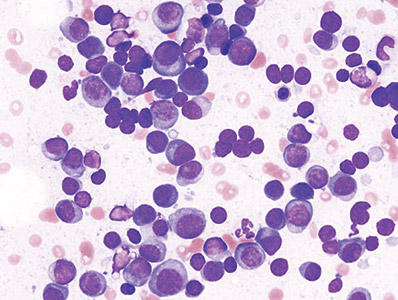
Method can predict prognosis in MM, group says
Photo courtesy of NIH
Assessing certain genetic abnormalities and a patient’s International Staging System (ISS) stage can reveal patients with high-risk multiple myeloma (MM), according to research published in the Journal of Clinical Oncology.
Investigators said this method can identify a majority of newly diagnosed MM patients who will relapse or die prematurely.
The team began this work by performing whole-exome sequencing on the 463 patients enrolled in the Myeloma XI trial.
This revealed 15 genes that were significantly mutated—IRF4, KRAS, NRAS, MAX, HIST1H1E, RB1, EGR1, TP53, TRAF3, FAM46C, DIS3, BRAF, LTB, CYLD, and FGFR3.
The investigators noted that mutations in the RAS (43%) and NF-κB (17%) pathways were common but proved prognostically neutral.
On the other hand, mutations in CCND1 and DNA repair pathway alterations—TP53, ATM, ATR, and ZNFHX4 mutations—were associated with poor survival.
For example, 2-year overall survival (OS) was 38.1% in patients with CCND1 mutations and 80% in those without them (P=0.005). Likewise, 2-year OS was 50% in patients with ATM mutations and 80.3% in those without them (P=0.01).
Conversely, mutations in IRF4 and EGR1 were associated with superior survival. Two-year OS was 100% in patients with IRF4 mutations and 79% in those without them (P=0.05). And 2-year OS was 100% in patients with EGR1 mutations and 78% in those without them (P=0.04).
In a multivariable analysis, an ISS stage of III, TP53 variants, CCND1 mutations, ATM and ATR mutations, amp(1q), and MYC translocations were independently associated with OS.
An ISS stage of III, age older than 70 years, t(4;14), MYC translocations, TP53 variants, ATM and ATR mutations, and ZFHX4 mutations were independently associated with progression-free survival (PFS).
In an attempt to predict PFS and OS accurately in newly diagnosed MM patients, the investigators combined the genetic risk factors they identified—mutations and copy number and structural abnormalities (CNSAs)—with clinical information captured by the ISS.
This led to 3 prognostic groups. Patients in group 1 (low-risk) had ISS I/II and no mutations/CNSAs. Patients in group 2 (moderate-risk) had ISS III with no mutations/CNSAs or ISS I/II/III with 1 mutation/CNSA. And patients in group 3 (high-risk) had 2 mutations/CNSAs regardless of their ISS.
The investigators said classifying patients in this way can identify 83% of patients who will relapse prematurely and 92% of patients who will die prematurely.
“Our study has identified genetic features which can identify those patients whose myeloma is likely to prove aggressive and to progress quickly,” said study author Gareth Morgan, MD, PhD, of The Institute of Cancer Research, London in the UK.
“We hope our study ultimately paves the way for genetic testing to pick out the minority of patients with myeloma with a poor prognosis, who might benefit from the most intensive possible treatment.”
Photo courtesy of NIH
Assessing certain genetic abnormalities and a patient’s International Staging System (ISS) stage can reveal patients with high-risk multiple myeloma (MM), according to research published in the Journal of Clinical Oncology.
Investigators said this method can identify a majority of newly diagnosed MM patients who will relapse or die prematurely.
The team began this work by performing whole-exome sequencing on the 463 patients enrolled in the Myeloma XI trial.
This revealed 15 genes that were significantly mutated—IRF4, KRAS, NRAS, MAX, HIST1H1E, RB1, EGR1, TP53, TRAF3, FAM46C, DIS3, BRAF, LTB, CYLD, and FGFR3.
The investigators noted that mutations in the RAS (43%) and NF-κB (17%) pathways were common but proved prognostically neutral.
On the other hand, mutations in CCND1 and DNA repair pathway alterations—TP53, ATM, ATR, and ZNFHX4 mutations—were associated with poor survival.
For example, 2-year overall survival (OS) was 38.1% in patients with CCND1 mutations and 80% in those without them (P=0.005). Likewise, 2-year OS was 50% in patients with ATM mutations and 80.3% in those without them (P=0.01).
Conversely, mutations in IRF4 and EGR1 were associated with superior survival. Two-year OS was 100% in patients with IRF4 mutations and 79% in those without them (P=0.05). And 2-year OS was 100% in patients with EGR1 mutations and 78% in those without them (P=0.04).
In a multivariable analysis, an ISS stage of III, TP53 variants, CCND1 mutations, ATM and ATR mutations, amp(1q), and MYC translocations were independently associated with OS.
An ISS stage of III, age older than 70 years, t(4;14), MYC translocations, TP53 variants, ATM and ATR mutations, and ZFHX4 mutations were independently associated with progression-free survival (PFS).
In an attempt to predict PFS and OS accurately in newly diagnosed MM patients, the investigators combined the genetic risk factors they identified—mutations and copy number and structural abnormalities (CNSAs)—with clinical information captured by the ISS.
This led to 3 prognostic groups. Patients in group 1 (low-risk) had ISS I/II and no mutations/CNSAs. Patients in group 2 (moderate-risk) had ISS III with no mutations/CNSAs or ISS I/II/III with 1 mutation/CNSA. And patients in group 3 (high-risk) had 2 mutations/CNSAs regardless of their ISS.
The investigators said classifying patients in this way can identify 83% of patients who will relapse prematurely and 92% of patients who will die prematurely.
“Our study has identified genetic features which can identify those patients whose myeloma is likely to prove aggressive and to progress quickly,” said study author Gareth Morgan, MD, PhD, of The Institute of Cancer Research, London in the UK.
“We hope our study ultimately paves the way for genetic testing to pick out the minority of patients with myeloma with a poor prognosis, who might benefit from the most intensive possible treatment.”
Photo courtesy of NIH
Assessing certain genetic abnormalities and a patient’s International Staging System (ISS) stage can reveal patients with high-risk multiple myeloma (MM), according to research published in the Journal of Clinical Oncology.
Investigators said this method can identify a majority of newly diagnosed MM patients who will relapse or die prematurely.
The team began this work by performing whole-exome sequencing on the 463 patients enrolled in the Myeloma XI trial.
This revealed 15 genes that were significantly mutated—IRF4, KRAS, NRAS, MAX, HIST1H1E, RB1, EGR1, TP53, TRAF3, FAM46C, DIS3, BRAF, LTB, CYLD, and FGFR3.
The investigators noted that mutations in the RAS (43%) and NF-κB (17%) pathways were common but proved prognostically neutral.
On the other hand, mutations in CCND1 and DNA repair pathway alterations—TP53, ATM, ATR, and ZNFHX4 mutations—were associated with poor survival.
For example, 2-year overall survival (OS) was 38.1% in patients with CCND1 mutations and 80% in those without them (P=0.005). Likewise, 2-year OS was 50% in patients with ATM mutations and 80.3% in those without them (P=0.01).
Conversely, mutations in IRF4 and EGR1 were associated with superior survival. Two-year OS was 100% in patients with IRF4 mutations and 79% in those without them (P=0.05). And 2-year OS was 100% in patients with EGR1 mutations and 78% in those without them (P=0.04).
In a multivariable analysis, an ISS stage of III, TP53 variants, CCND1 mutations, ATM and ATR mutations, amp(1q), and MYC translocations were independently associated with OS.
An ISS stage of III, age older than 70 years, t(4;14), MYC translocations, TP53 variants, ATM and ATR mutations, and ZFHX4 mutations were independently associated with progression-free survival (PFS).
In an attempt to predict PFS and OS accurately in newly diagnosed MM patients, the investigators combined the genetic risk factors they identified—mutations and copy number and structural abnormalities (CNSAs)—with clinical information captured by the ISS.
This led to 3 prognostic groups. Patients in group 1 (low-risk) had ISS I/II and no mutations/CNSAs. Patients in group 2 (moderate-risk) had ISS III with no mutations/CNSAs or ISS I/II/III with 1 mutation/CNSA. And patients in group 3 (high-risk) had 2 mutations/CNSAs regardless of their ISS.
The investigators said classifying patients in this way can identify 83% of patients who will relapse prematurely and 92% of patients who will die prematurely.
“Our study has identified genetic features which can identify those patients whose myeloma is likely to prove aggressive and to progress quickly,” said study author Gareth Morgan, MD, PhD, of The Institute of Cancer Research, London in the UK.
“We hope our study ultimately paves the way for genetic testing to pick out the minority of patients with myeloma with a poor prognosis, who might benefit from the most intensive possible treatment.”
FDA approves new formulation of pain patch for cancer patients

receiving treatment
Photo by Rhoda Baer
The US Food and Drug Administration (FDA) has approved a new formulation of fentanyl buccal soluble film CII (Onsolis), a patch used to manage breakthrough pain in adult cancer patients who are opioid-tolerant.
This decision allows BioDelivery Sciences International, Inc. (BDSI), the company developing Onsolis, to bring the product back to the US marketplace.
However, the company said this will not happen before 2016.
Onsolis is an opioid agonist indicated for the management of breakthrough pain in cancer patients 18 years of age and older who are already receiving and are tolerant to opioid therapy for their underlying persistent cancer pain.
Onsolis utilizes BioErodible MucoAdhesive drug delivery technology, which consists of a small, bioerodible polymer film that is applied to the inner lining of the cheek. Onsolis is the only differentiated fentanyl-containing product for this indication that provides buccal administration.
Onsolis off the US market
Onsolis was originally approved by the FDA in July 2009, but BDSI stopped manufacturing the product in March 2012, after the FDA uncovered 2 issues with Onsolis.
The FDA found that, during Onsolis’s 24-month shelf-life, microscopic crystals formed on the product, and the color faded slightly. BDSI said these changes did not affect the product’s underlying integrity or safety, but the FDA thought the fading color in particular might cause patients to question the product’s efficacy.
So the FDA required that Onsolis be modified before additional product could be manufactured and distributed. Supplies of Onsolis that were already on the market remained on the market.
An analysis by BDSI showed that the changes in Onsolis were related to an excipient used in the manufacturing process that could be removed to resolve the problem.
The excipient was specific to the manufacture of Onsolis in the US. Therefore, it did not impact the launch of Breakyl, which is the brand name for Onsolis in the European Union.
Return to market
After BDSI reformulated Onsolis to prevent the aforementioned changes in the product’s appearance, the FDA approved the product’s return to market.
“We are pleased to have obtained FDA approval of our [supplemental new drug application] and to now be in a position to move toward returning Onsolis to the US marketplace,” said Mark A. Sirgo, PharmD, President and Chief Executive Officer of BDSI.
“Although we have options for Onsolis, including commercializing it on our own, our current plan is to determine the value we can secure in a partnership with a company that has access to the target physician audience. We have been engaged with a number of potential partners, and, with this approval, we can now proceed forward with those discussions in earnest. We will provide more definitive timing in the near future about the reintroduction, but this would not be prior to 2016.”
Once Onsolis does return to the market, it will only be available via the Transmucosal Immediate Release Fentanyl (TIRF) Risk Evaluation and Mitigation Strategy (REMS) program. This is an FDA-required program designed to mitigate the risk of misuse, abuse, addiction, overdose, and serious complications due to medication errors with the use of TIRF medicines.
Outpatients, healthcare professionals who prescribe to outpatients, pharmacies, and distributors must enroll in the program to receive Onsolis. Further information is available at www.TIRFREMSAccess.com.
receiving treatment
Photo by Rhoda Baer
The US Food and Drug Administration (FDA) has approved a new formulation of fentanyl buccal soluble film CII (Onsolis), a patch used to manage breakthrough pain in adult cancer patients who are opioid-tolerant.
This decision allows BioDelivery Sciences International, Inc. (BDSI), the company developing Onsolis, to bring the product back to the US marketplace.
However, the company said this will not happen before 2016.
Onsolis is an opioid agonist indicated for the management of breakthrough pain in cancer patients 18 years of age and older who are already receiving and are tolerant to opioid therapy for their underlying persistent cancer pain.
Onsolis utilizes BioErodible MucoAdhesive drug delivery technology, which consists of a small, bioerodible polymer film that is applied to the inner lining of the cheek. Onsolis is the only differentiated fentanyl-containing product for this indication that provides buccal administration.
Onsolis off the US market
Onsolis was originally approved by the FDA in July 2009, but BDSI stopped manufacturing the product in March 2012, after the FDA uncovered 2 issues with Onsolis.
The FDA found that, during Onsolis’s 24-month shelf-life, microscopic crystals formed on the product, and the color faded slightly. BDSI said these changes did not affect the product’s underlying integrity or safety, but the FDA thought the fading color in particular might cause patients to question the product’s efficacy.
So the FDA required that Onsolis be modified before additional product could be manufactured and distributed. Supplies of Onsolis that were already on the market remained on the market.
An analysis by BDSI showed that the changes in Onsolis were related to an excipient used in the manufacturing process that could be removed to resolve the problem.
The excipient was specific to the manufacture of Onsolis in the US. Therefore, it did not impact the launch of Breakyl, which is the brand name for Onsolis in the European Union.
Return to market
After BDSI reformulated Onsolis to prevent the aforementioned changes in the product’s appearance, the FDA approved the product’s return to market.
“We are pleased to have obtained FDA approval of our [supplemental new drug application] and to now be in a position to move toward returning Onsolis to the US marketplace,” said Mark A. Sirgo, PharmD, President and Chief Executive Officer of BDSI.
“Although we have options for Onsolis, including commercializing it on our own, our current plan is to determine the value we can secure in a partnership with a company that has access to the target physician audience. We have been engaged with a number of potential partners, and, with this approval, we can now proceed forward with those discussions in earnest. We will provide more definitive timing in the near future about the reintroduction, but this would not be prior to 2016.”
Once Onsolis does return to the market, it will only be available via the Transmucosal Immediate Release Fentanyl (TIRF) Risk Evaluation and Mitigation Strategy (REMS) program. This is an FDA-required program designed to mitigate the risk of misuse, abuse, addiction, overdose, and serious complications due to medication errors with the use of TIRF medicines.
Outpatients, healthcare professionals who prescribe to outpatients, pharmacies, and distributors must enroll in the program to receive Onsolis. Further information is available at www.TIRFREMSAccess.com.
receiving treatment
Photo by Rhoda Baer
The US Food and Drug Administration (FDA) has approved a new formulation of fentanyl buccal soluble film CII (Onsolis), a patch used to manage breakthrough pain in adult cancer patients who are opioid-tolerant.
This decision allows BioDelivery Sciences International, Inc. (BDSI), the company developing Onsolis, to bring the product back to the US marketplace.
However, the company said this will not happen before 2016.
Onsolis is an opioid agonist indicated for the management of breakthrough pain in cancer patients 18 years of age and older who are already receiving and are tolerant to opioid therapy for their underlying persistent cancer pain.
Onsolis utilizes BioErodible MucoAdhesive drug delivery technology, which consists of a small, bioerodible polymer film that is applied to the inner lining of the cheek. Onsolis is the only differentiated fentanyl-containing product for this indication that provides buccal administration.
Onsolis off the US market
Onsolis was originally approved by the FDA in July 2009, but BDSI stopped manufacturing the product in March 2012, after the FDA uncovered 2 issues with Onsolis.
The FDA found that, during Onsolis’s 24-month shelf-life, microscopic crystals formed on the product, and the color faded slightly. BDSI said these changes did not affect the product’s underlying integrity or safety, but the FDA thought the fading color in particular might cause patients to question the product’s efficacy.
So the FDA required that Onsolis be modified before additional product could be manufactured and distributed. Supplies of Onsolis that were already on the market remained on the market.
An analysis by BDSI showed that the changes in Onsolis were related to an excipient used in the manufacturing process that could be removed to resolve the problem.
The excipient was specific to the manufacture of Onsolis in the US. Therefore, it did not impact the launch of Breakyl, which is the brand name for Onsolis in the European Union.
Return to market
After BDSI reformulated Onsolis to prevent the aforementioned changes in the product’s appearance, the FDA approved the product’s return to market.
“We are pleased to have obtained FDA approval of our [supplemental new drug application] and to now be in a position to move toward returning Onsolis to the US marketplace,” said Mark A. Sirgo, PharmD, President and Chief Executive Officer of BDSI.
“Although we have options for Onsolis, including commercializing it on our own, our current plan is to determine the value we can secure in a partnership with a company that has access to the target physician audience. We have been engaged with a number of potential partners, and, with this approval, we can now proceed forward with those discussions in earnest. We will provide more definitive timing in the near future about the reintroduction, but this would not be prior to 2016.”
Once Onsolis does return to the market, it will only be available via the Transmucosal Immediate Release Fentanyl (TIRF) Risk Evaluation and Mitigation Strategy (REMS) program. This is an FDA-required program designed to mitigate the risk of misuse, abuse, addiction, overdose, and serious complications due to medication errors with the use of TIRF medicines.
Outpatients, healthcare professionals who prescribe to outpatients, pharmacies, and distributors must enroll in the program to receive Onsolis. Further information is available at www.TIRFREMSAccess.com.