User login
Drug can prevent chemo-induced nausea, vomiting

Credit: Rhoda Baer
MADRID—A small molecule called rolapitant can prevent nausea and vomiting in patients receiving cisplatin-based chemotherapy, results of a phase 3 trial suggest.
When given prior to chemotherapy, rolapitant induced a complete response in about 70% of patients.
These patients had no emesis after chemotherapy and did not require any rescue medication.
“This agent makes a significant difference in the way people tolerate their chemotherapy,” said Martin Chasen, MD, of Ottawa Hospital Cancer Centre in Canada.
“Patients experienced no loss in quality of life, and, in fact, many saw meaningful improvements. One of the patients in the rolapitant cohort reported that he had just finished 18 holes of golf one week after receiving chemotherapy. This is in sharp contrast to many patients on current standard anti-emetics that are too ill to get out of bed within a week after each cycle of cisplatin.”
Dr Chasen and his colleagues reported these results at the ESMO 2014 Congress (abstract LBA47_PR).
The team had set out to evaluate rolapitant, a novel antagonist of the NK-1 receptor, for the prevention of severe nausea and vomiting often experienced by patients receiving cisplatin-based chemotherapy, which may cause dose reductions and treatment discontinuation.
The trial included 532 patients who were randomized 1:1 to receive rolapitant plus granisetron/dexamethasone or placebo plus granisetron/dexamethasone prior to chemotherapy.
The primary endpoint was complete response (defined as the patient having no emesis and not requiring any rescue medication) in the delayed phase (>24-120 hours) post-chemotherapy. Key secondary endpoints included complete response during the acute phase (0-24 hours) and overall (0-120 hours).
The trial met its primary endpoint, with 72.7% of patients receiving rolapitant achieving a complete response in the delayed phase, compared to 58.4% of those receiving placebo (P<0.001).
Rolapitant also improved the complete response rate compared to placebo in the acute phase—83.7% and 73.7%, respectively (P=0.005).
Overall, the complete response rates were 70.1% and 56.5%, respectively (P=0.001).
Patients receiving rolapitant tended to report that chemotherapy had less of an impact on their daily quality of life, although the difference between the treatment arms was not significant—72.8% vs 67.8% (P=0.231).
“Rolapitant demonstrated a significant effect in both the acute and delayed phases,” Dr Chasen noted. “Our primary endpoint was achieved in the delayed phase—an incredible result.”
“We know that the NK-1 receptor in the brain must be blocked to control nausea and vomiting. Rolapitant is an exceptionally long-term receptor blocker that binds to the receptor and remains in place for up to 120 hours, therefore not allowing the chemotherapy to induce nausea and vomiting.”
Dr Chasen added that rolapitant may prove effective in patients receiving less emetogenic cancer treatments as well. 
Credit: Rhoda Baer
MADRID—A small molecule called rolapitant can prevent nausea and vomiting in patients receiving cisplatin-based chemotherapy, results of a phase 3 trial suggest.
When given prior to chemotherapy, rolapitant induced a complete response in about 70% of patients.
These patients had no emesis after chemotherapy and did not require any rescue medication.
“This agent makes a significant difference in the way people tolerate their chemotherapy,” said Martin Chasen, MD, of Ottawa Hospital Cancer Centre in Canada.
“Patients experienced no loss in quality of life, and, in fact, many saw meaningful improvements. One of the patients in the rolapitant cohort reported that he had just finished 18 holes of golf one week after receiving chemotherapy. This is in sharp contrast to many patients on current standard anti-emetics that are too ill to get out of bed within a week after each cycle of cisplatin.”
Dr Chasen and his colleagues reported these results at the ESMO 2014 Congress (abstract LBA47_PR).
The team had set out to evaluate rolapitant, a novel antagonist of the NK-1 receptor, for the prevention of severe nausea and vomiting often experienced by patients receiving cisplatin-based chemotherapy, which may cause dose reductions and treatment discontinuation.
The trial included 532 patients who were randomized 1:1 to receive rolapitant plus granisetron/dexamethasone or placebo plus granisetron/dexamethasone prior to chemotherapy.
The primary endpoint was complete response (defined as the patient having no emesis and not requiring any rescue medication) in the delayed phase (>24-120 hours) post-chemotherapy. Key secondary endpoints included complete response during the acute phase (0-24 hours) and overall (0-120 hours).
The trial met its primary endpoint, with 72.7% of patients receiving rolapitant achieving a complete response in the delayed phase, compared to 58.4% of those receiving placebo (P<0.001).
Rolapitant also improved the complete response rate compared to placebo in the acute phase—83.7% and 73.7%, respectively (P=0.005).
Overall, the complete response rates were 70.1% and 56.5%, respectively (P=0.001).
Patients receiving rolapitant tended to report that chemotherapy had less of an impact on their daily quality of life, although the difference between the treatment arms was not significant—72.8% vs 67.8% (P=0.231).
“Rolapitant demonstrated a significant effect in both the acute and delayed phases,” Dr Chasen noted. “Our primary endpoint was achieved in the delayed phase—an incredible result.”
“We know that the NK-1 receptor in the brain must be blocked to control nausea and vomiting. Rolapitant is an exceptionally long-term receptor blocker that binds to the receptor and remains in place for up to 120 hours, therefore not allowing the chemotherapy to induce nausea and vomiting.”
Dr Chasen added that rolapitant may prove effective in patients receiving less emetogenic cancer treatments as well.
Credit: Rhoda Baer
MADRID—A small molecule called rolapitant can prevent nausea and vomiting in patients receiving cisplatin-based chemotherapy, results of a phase 3 trial suggest.
When given prior to chemotherapy, rolapitant induced a complete response in about 70% of patients.
These patients had no emesis after chemotherapy and did not require any rescue medication.
“This agent makes a significant difference in the way people tolerate their chemotherapy,” said Martin Chasen, MD, of Ottawa Hospital Cancer Centre in Canada.
“Patients experienced no loss in quality of life, and, in fact, many saw meaningful improvements. One of the patients in the rolapitant cohort reported that he had just finished 18 holes of golf one week after receiving chemotherapy. This is in sharp contrast to many patients on current standard anti-emetics that are too ill to get out of bed within a week after each cycle of cisplatin.”
Dr Chasen and his colleagues reported these results at the ESMO 2014 Congress (abstract LBA47_PR).
The team had set out to evaluate rolapitant, a novel antagonist of the NK-1 receptor, for the prevention of severe nausea and vomiting often experienced by patients receiving cisplatin-based chemotherapy, which may cause dose reductions and treatment discontinuation.
The trial included 532 patients who were randomized 1:1 to receive rolapitant plus granisetron/dexamethasone or placebo plus granisetron/dexamethasone prior to chemotherapy.
The primary endpoint was complete response (defined as the patient having no emesis and not requiring any rescue medication) in the delayed phase (>24-120 hours) post-chemotherapy. Key secondary endpoints included complete response during the acute phase (0-24 hours) and overall (0-120 hours).
The trial met its primary endpoint, with 72.7% of patients receiving rolapitant achieving a complete response in the delayed phase, compared to 58.4% of those receiving placebo (P<0.001).
Rolapitant also improved the complete response rate compared to placebo in the acute phase—83.7% and 73.7%, respectively (P=0.005).
Overall, the complete response rates were 70.1% and 56.5%, respectively (P=0.001).
Patients receiving rolapitant tended to report that chemotherapy had less of an impact on their daily quality of life, although the difference between the treatment arms was not significant—72.8% vs 67.8% (P=0.231).
“Rolapitant demonstrated a significant effect in both the acute and delayed phases,” Dr Chasen noted. “Our primary endpoint was achieved in the delayed phase—an incredible result.”
“We know that the NK-1 receptor in the brain must be blocked to control nausea and vomiting. Rolapitant is an exceptionally long-term receptor blocker that binds to the receptor and remains in place for up to 120 hours, therefore not allowing the chemotherapy to induce nausea and vomiting.”
Dr Chasen added that rolapitant may prove effective in patients receiving less emetogenic cancer treatments as well.
Hypercalcemia may be indicator for hematologic cancers
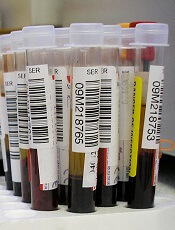
Credit: Graham Colm
Hypercalcemia could be an early indication of cancer, according to a study published in the British Journal of Cancer.
The connection between hypercalcemia and cancer is well known, but this study shows the condition can predate cancer diagnosis in primary care.
The association between hypercalcemia and cancers was particularly strong in men. And myeloma and other hematologic malignancies were among the most common cancers associated with hypercalcemia.
“All previous studies on hypercalcemia and cancer had been carried out with patients who had already been diagnosed with cancer; hypercalcemia was seen as a late effect of the cancer,” said study author Fergus Hamilton, of the University of Bristol in the UK.
“We wanted to look at the issue from a different perspective and find out if high calcium levels in blood could be used as an early indicator of cancer and, therefore, in the diagnosis of cancer.”
So the researchers analyzed the electronic records of 54,267 patients with elevated calcium levels and found that hypercalcemia was strongly associated with cancer, especially in males.
The positive predictive values for cancer in men were 11.5% for calcium levels between 2.60 and 2.79 mmol l-1, 27.9% for 2.8-2.99 mmol l-1, and 50% for >3.0 mmol l-1. In women, the corresponding values were 4.1%, 8.7%, and 16.7%, respectively.
In men, the most common cancers associated with hypercalcemia were lung (34%), prostate (21%), colorectal (8%), myeloma (8%), and other hematologic cancers (8%). There were 12 other cancer types recorded as well (19%).
In women, the most common cancers were myeloma (24%), breast (18%), other hematologic cancers (10%), lung (8%), and metastatic cancer with unknown primary (8%). There were 16 other cancers recorded among women (32%).
The researchers found no difference in calcium levels among the different cancers.
“We were surprised by the gender difference,” Dr Hamilton said. “There are a number of possible explanations for this, but we think it might be because women are much more likely to have hyperparathyroidism, another cause of hypercalcemia. Men rarely get this condition, so their hypercalcemia is more likely to be due to cancer.”
Credit: Graham Colm
Hypercalcemia could be an early indication of cancer, according to a study published in the British Journal of Cancer.
The connection between hypercalcemia and cancer is well known, but this study shows the condition can predate cancer diagnosis in primary care.
The association between hypercalcemia and cancers was particularly strong in men. And myeloma and other hematologic malignancies were among the most common cancers associated with hypercalcemia.
“All previous studies on hypercalcemia and cancer had been carried out with patients who had already been diagnosed with cancer; hypercalcemia was seen as a late effect of the cancer,” said study author Fergus Hamilton, of the University of Bristol in the UK.
“We wanted to look at the issue from a different perspective and find out if high calcium levels in blood could be used as an early indicator of cancer and, therefore, in the diagnosis of cancer.”
So the researchers analyzed the electronic records of 54,267 patients with elevated calcium levels and found that hypercalcemia was strongly associated with cancer, especially in males.
The positive predictive values for cancer in men were 11.5% for calcium levels between 2.60 and 2.79 mmol l-1, 27.9% for 2.8-2.99 mmol l-1, and 50% for >3.0 mmol l-1. In women, the corresponding values were 4.1%, 8.7%, and 16.7%, respectively.
In men, the most common cancers associated with hypercalcemia were lung (34%), prostate (21%), colorectal (8%), myeloma (8%), and other hematologic cancers (8%). There were 12 other cancer types recorded as well (19%).
In women, the most common cancers were myeloma (24%), breast (18%), other hematologic cancers (10%), lung (8%), and metastatic cancer with unknown primary (8%). There were 16 other cancers recorded among women (32%).
The researchers found no difference in calcium levels among the different cancers.
“We were surprised by the gender difference,” Dr Hamilton said. “There are a number of possible explanations for this, but we think it might be because women are much more likely to have hyperparathyroidism, another cause of hypercalcemia. Men rarely get this condition, so their hypercalcemia is more likely to be due to cancer.”
Credit: Graham Colm
Hypercalcemia could be an early indication of cancer, according to a study published in the British Journal of Cancer.
The connection between hypercalcemia and cancer is well known, but this study shows the condition can predate cancer diagnosis in primary care.
The association between hypercalcemia and cancers was particularly strong in men. And myeloma and other hematologic malignancies were among the most common cancers associated with hypercalcemia.
“All previous studies on hypercalcemia and cancer had been carried out with patients who had already been diagnosed with cancer; hypercalcemia was seen as a late effect of the cancer,” said study author Fergus Hamilton, of the University of Bristol in the UK.
“We wanted to look at the issue from a different perspective and find out if high calcium levels in blood could be used as an early indicator of cancer and, therefore, in the diagnosis of cancer.”
So the researchers analyzed the electronic records of 54,267 patients with elevated calcium levels and found that hypercalcemia was strongly associated with cancer, especially in males.
The positive predictive values for cancer in men were 11.5% for calcium levels between 2.60 and 2.79 mmol l-1, 27.9% for 2.8-2.99 mmol l-1, and 50% for >3.0 mmol l-1. In women, the corresponding values were 4.1%, 8.7%, and 16.7%, respectively.
In men, the most common cancers associated with hypercalcemia were lung (34%), prostate (21%), colorectal (8%), myeloma (8%), and other hematologic cancers (8%). There were 12 other cancer types recorded as well (19%).
In women, the most common cancers were myeloma (24%), breast (18%), other hematologic cancers (10%), lung (8%), and metastatic cancer with unknown primary (8%). There were 16 other cancers recorded among women (32%).
The researchers found no difference in calcium levels among the different cancers.
“We were surprised by the gender difference,” Dr Hamilton said. “There are a number of possible explanations for this, but we think it might be because women are much more likely to have hyperparathyroidism, another cause of hypercalcemia. Men rarely get this condition, so their hypercalcemia is more likely to be due to cancer.”
Compound can inhibit metastasis in multiple myeloma

Credit: Daniel E. Sabath
A novel compound can prevent metastasis in mouse models of multiple myeloma (MM), according to research published in Cell Reports.
Investigators discovered that this compound, olaptesed pegol, can inhibit stromal cell-derived factor-1 (SDF-1), which attracts certain cells to new locations within the bone marrow.
By blocking the activity of SDF-1, olaptesed pegol renders the bone marrow uninviting to MM cells and prevents metastasis.
“Metastasis remains one of the most formidable complications we face as cancer researchers and physicians,” said study author Irene Ghobrial, MD, of the Dana-Farber Cancer Institute in Boston.
“Improvements in the treatment of metastatic cancers have, for the most part, not been nearly as dramatic as in primary disease.”
Dr Ghobrial and her colleagues studied MM because it is metastatic by nature. Myeloma cells originate in the bone marrow, depart for the bloodstream, and eventually return to the bones, where they form numerous colonies.
The team found that mice with advanced stages of MM had higher levels of SDF-1 at sites in the bones where metastasis had occurred.
“We reasoned that by neutralizing SDF-1, we could change the bone marrow environment to make it less receptive for multiple myeloma cells, reduce myeloma cells’ affinity for the marrow, and thereby inhibit the progression of the disease,” said Aldo Roccaro, MD, PhD, also of Dana-Farber.
Working with the German biotechnology company NOXXON Pharma, the investigators tested olaptesed pegol (a PEGylated mirror-image L-oligonucleotide), which binds to SDF-1.
The team found that olaptesed pegol modulates bone marrow niches and prevents MM cells from homing and engrafting to bone.
This slowed disease progression and prolonged survival in the animals, both compared to control mice and mice treated with AMD3100.
The investigators said it isn’t completely clear what becomes of the blood-borne MM cells that are prevented from metastasizing.
“We know that myeloma cells can’t survive for long if they’re circulating in the blood and can’t adhere to other tissue,” Dr Ghobrial said. “We saw no evidence that they had metastasized and begun to grow in other tissue either.”
“Our findings clearly document a therapeutic effect of olaptesed pegol in a mouse model of advanced myeloma. It is now being tested in a clinical trial of multiple myeloma patients, with more trials to come.”
Credit: Daniel E. Sabath
A novel compound can prevent metastasis in mouse models of multiple myeloma (MM), according to research published in Cell Reports.
Investigators discovered that this compound, olaptesed pegol, can inhibit stromal cell-derived factor-1 (SDF-1), which attracts certain cells to new locations within the bone marrow.
By blocking the activity of SDF-1, olaptesed pegol renders the bone marrow uninviting to MM cells and prevents metastasis.
“Metastasis remains one of the most formidable complications we face as cancer researchers and physicians,” said study author Irene Ghobrial, MD, of the Dana-Farber Cancer Institute in Boston.
“Improvements in the treatment of metastatic cancers have, for the most part, not been nearly as dramatic as in primary disease.”
Dr Ghobrial and her colleagues studied MM because it is metastatic by nature. Myeloma cells originate in the bone marrow, depart for the bloodstream, and eventually return to the bones, where they form numerous colonies.
The team found that mice with advanced stages of MM had higher levels of SDF-1 at sites in the bones where metastasis had occurred.
“We reasoned that by neutralizing SDF-1, we could change the bone marrow environment to make it less receptive for multiple myeloma cells, reduce myeloma cells’ affinity for the marrow, and thereby inhibit the progression of the disease,” said Aldo Roccaro, MD, PhD, also of Dana-Farber.
Working with the German biotechnology company NOXXON Pharma, the investigators tested olaptesed pegol (a PEGylated mirror-image L-oligonucleotide), which binds to SDF-1.
The team found that olaptesed pegol modulates bone marrow niches and prevents MM cells from homing and engrafting to bone.
This slowed disease progression and prolonged survival in the animals, both compared to control mice and mice treated with AMD3100.
The investigators said it isn’t completely clear what becomes of the blood-borne MM cells that are prevented from metastasizing.
“We know that myeloma cells can’t survive for long if they’re circulating in the blood and can’t adhere to other tissue,” Dr Ghobrial said. “We saw no evidence that they had metastasized and begun to grow in other tissue either.”
“Our findings clearly document a therapeutic effect of olaptesed pegol in a mouse model of advanced myeloma. It is now being tested in a clinical trial of multiple myeloma patients, with more trials to come.”
Credit: Daniel E. Sabath
A novel compound can prevent metastasis in mouse models of multiple myeloma (MM), according to research published in Cell Reports.
Investigators discovered that this compound, olaptesed pegol, can inhibit stromal cell-derived factor-1 (SDF-1), which attracts certain cells to new locations within the bone marrow.
By blocking the activity of SDF-1, olaptesed pegol renders the bone marrow uninviting to MM cells and prevents metastasis.
“Metastasis remains one of the most formidable complications we face as cancer researchers and physicians,” said study author Irene Ghobrial, MD, of the Dana-Farber Cancer Institute in Boston.
“Improvements in the treatment of metastatic cancers have, for the most part, not been nearly as dramatic as in primary disease.”
Dr Ghobrial and her colleagues studied MM because it is metastatic by nature. Myeloma cells originate in the bone marrow, depart for the bloodstream, and eventually return to the bones, where they form numerous colonies.
The team found that mice with advanced stages of MM had higher levels of SDF-1 at sites in the bones where metastasis had occurred.
“We reasoned that by neutralizing SDF-1, we could change the bone marrow environment to make it less receptive for multiple myeloma cells, reduce myeloma cells’ affinity for the marrow, and thereby inhibit the progression of the disease,” said Aldo Roccaro, MD, PhD, also of Dana-Farber.
Working with the German biotechnology company NOXXON Pharma, the investigators tested olaptesed pegol (a PEGylated mirror-image L-oligonucleotide), which binds to SDF-1.
The team found that olaptesed pegol modulates bone marrow niches and prevents MM cells from homing and engrafting to bone.
This slowed disease progression and prolonged survival in the animals, both compared to control mice and mice treated with AMD3100.
The investigators said it isn’t completely clear what becomes of the blood-borne MM cells that are prevented from metastasizing.
“We know that myeloma cells can’t survive for long if they’re circulating in the blood and can’t adhere to other tissue,” Dr Ghobrial said. “We saw no evidence that they had metastasized and begun to grow in other tissue either.”
“Our findings clearly document a therapeutic effect of olaptesed pegol in a mouse model of advanced myeloma. It is now being tested in a clinical trial of multiple myeloma patients, with more trials to come.”
Preventing cancer-related infection

Credit: CDC/Kimberly Smith
and Christine Ford
NEW YORK—Hand washing is still the single most effective method to prevent the transmission of infection, but additional measures can reduce the risk of cancer-related infections, according to a speaker at the NCCN 9th Annual Congress: Hematologic Malignancies.
In her presentation, Laura Zitella, RN, of the Stanford Cancer Institute in California, discussed current recommendations for pharmacologic and non-pharmacologic infection prophylaxis.
She noted that NCCN Guidelines on the Prevention and Treatment of Cancer-Related Infections state that the highest risk of infection is in patients undergoing allogeneic hematopoietic stem cell transplant (HSCT), acute leukemia patients undergoing induction or consolidation therapy, patients receiving alemtuzumab therapy, patients with graft-vs-host disease (GVHD) treated with high-dose steroids, and patients with neutropenia anticipated to last greater than 10 days.
Antibiotic prophylaxis
Prior to 2005, Zitella said, no survival benefit was observed for antibiotic prophylaxis. All of this changed with the results of a meta-analysis. The analysis included 95 randomized, controlled trials and 9283 patients, the majority having acute leukemia or undergoing HSCT.
For the first time, antibiotic prophylaxis was shown to confer a survival benefit. In neutropenic patients, prophylaxis reduced overall mortality by 33% and infection-related mortality by 42%, compared with placebo or no treatment.
Prophylaxis is not recommended for low-risk neutropenic patients, Zitella said, because it is not proven to decrease morality.
And the drugs of choice are levofloxacin (500-750 mg PO daily) or ciprofloxacin (500-750 mg PO twice daily).
Colony-stimulating factors
Consensus guidelines for the use of colony-stimulating factors (CSFs) are a compilation of ASCO, EORTC, ESMO, and NCCN guidelines.
CSFs may be used prophylactically to prevent chemotherapy-induced neutropenia, febrile neutropenia, and infection. They reduce the duration of hospitalization, the duration of parenteral antibiotics, and have shown a survival benefit.
CSFs are recommended if the risk of febrile neutropenia is 20% or greater. CSFs are not routinely recommended for patients undergoing radiation treatment, acute myeloid leukemia induction, or patients with Hodgkin lymphoma.
Antifungal prophylaxis
Zitella noted that fluconazole is the best-studied antifungal prophylaxis and is recommended as the primary prophylaxis for HSCT patients.
In double-blind, placebo-controlled trials, fluconazole reduced mucosal candidiasis and invasive Candida infections in patients undergoing HSCT. And it improved survival at day 110 after transplant.
Posaconazole prophylaxis has proven effective in patients with acute myeloid leukemia or myelodysplastic syndromes undergoing intensive chemotherapy. The drug reduced invasive fungal infections, including aspergillosis, and improved survival.
For patients with GVHD on immunosuppressive therapy, posaconazole and fluconazole prophylaxis were equivalent in preventing invasive fungal infections. However, posaconazole reduced the incidence of invasive aspergillosis and fungal-related mortality.
The NCCN guidelines, Zitella said, spell out which antifungal agents should be used for each disease or therapeutic intervention.
Antiviral prophylaxis
HSV and VZV
Patients requiring antiviral prophylaxis for herpes simplex virus (HSV) and varicella zoster virus (VZV) should be seropositive and have acute leukemia, GVHD treated with steroids, prior HSV reactivation under treatment, or have undergone HSCT.
Zitella pointed out that patients treated with proteasome inhibitors, such as bortezomib, alemtuzumab, or purine analaogs, such as fludarabine, are more at risk and should also receive antiviral prophylaxis.
Recommended drugs include valacyclovir, acyclovir, or famciclovir.
CMV
Cytomegalovirus-positive (CMV+) patients at high risk include those who have received an allogeneic HSCT or treatment with alemtuzumab.
Zitella explained that for these patients, prophylaxis is uncommon, and a pre-emptive strategy should be used, including testing 3 to 6 months after transplant or in the setting of GVHD and 2 months after alemtuzumab therapy.
CMV viremia should be treated with valganciclovir, ganciclovir, foscarnet, or cidofovir.
HBV
Zitella noted that 30% of the world population has been infected with hepatitis B virus (HBV), and reactivation during cancer treatment can lead to fulminant hepatitis and death.
NCCN recommends that patients undergoing immunosuppressive therapy, allogeneic HSCT candidates, patients receiving anti-CD20 monoclonal antibodies, those treated with alemtuzumab, and patients receiving systemic therapy who have an obvious risk factor for HBV infection should be tested.
Entecavir, tenofovir, adefovir, telbivudine, or lamivudine may be used to prevent HBV reactivation.
Pneumocystis pneumonia prophylaxis
Patients undergoing allogeneic HSCT, patients with acute lymphoblastic leukemia, those treated with alemtuzumab, and those with a CD4 count below 200 cells/mcL should receive pneumocystis pneumonia prophylaxis.
Trimethorpim/sulfamethoxazole is the drug of choice. Atovaquone, dapsone, and inhaled or IV pentamidine are alternatives.
Vaccines
Zitella pointed out that recommended vaccines include influenza, pneumococcal, and tetanus, diphtheria, and acellular pertussis.
She cautioned that live attenuated vaccines should not be given to cancer patients. Other vaccines to avoid include smallpox; measles, mumps, and rubella; varicella zoster; rotavirus; yellow fever; oral typhoid; BCG; and oral polio vaccine.
Neutropenic precautions
Low microbial diets are a hot topic among patients undergoing cancer treatment, Zitella said. Fresh fruits and vegetables used to be restricted, but no studies show that dietary restrictions decrease the risk of infection.
Zitella stressed, however, that standard food safety recommendations of the USDA/FDA should be followed.
She also noted that HEPA filtration is protective against molds in high-risk patients, antiseptic bathing has contradictory evidence, the benefit of laminar airflow is unclear, and protective isolation has not been proven to reduce the risk of infection.
Credit: CDC/Kimberly Smith
and Christine Ford
NEW YORK—Hand washing is still the single most effective method to prevent the transmission of infection, but additional measures can reduce the risk of cancer-related infections, according to a speaker at the NCCN 9th Annual Congress: Hematologic Malignancies.
In her presentation, Laura Zitella, RN, of the Stanford Cancer Institute in California, discussed current recommendations for pharmacologic and non-pharmacologic infection prophylaxis.
She noted that NCCN Guidelines on the Prevention and Treatment of Cancer-Related Infections state that the highest risk of infection is in patients undergoing allogeneic hematopoietic stem cell transplant (HSCT), acute leukemia patients undergoing induction or consolidation therapy, patients receiving alemtuzumab therapy, patients with graft-vs-host disease (GVHD) treated with high-dose steroids, and patients with neutropenia anticipated to last greater than 10 days.
Antibiotic prophylaxis
Prior to 2005, Zitella said, no survival benefit was observed for antibiotic prophylaxis. All of this changed with the results of a meta-analysis. The analysis included 95 randomized, controlled trials and 9283 patients, the majority having acute leukemia or undergoing HSCT.
For the first time, antibiotic prophylaxis was shown to confer a survival benefit. In neutropenic patients, prophylaxis reduced overall mortality by 33% and infection-related mortality by 42%, compared with placebo or no treatment.
Prophylaxis is not recommended for low-risk neutropenic patients, Zitella said, because it is not proven to decrease morality.
And the drugs of choice are levofloxacin (500-750 mg PO daily) or ciprofloxacin (500-750 mg PO twice daily).
Colony-stimulating factors
Consensus guidelines for the use of colony-stimulating factors (CSFs) are a compilation of ASCO, EORTC, ESMO, and NCCN guidelines.
CSFs may be used prophylactically to prevent chemotherapy-induced neutropenia, febrile neutropenia, and infection. They reduce the duration of hospitalization, the duration of parenteral antibiotics, and have shown a survival benefit.
CSFs are recommended if the risk of febrile neutropenia is 20% or greater. CSFs are not routinely recommended for patients undergoing radiation treatment, acute myeloid leukemia induction, or patients with Hodgkin lymphoma.
Antifungal prophylaxis
Zitella noted that fluconazole is the best-studied antifungal prophylaxis and is recommended as the primary prophylaxis for HSCT patients.
In double-blind, placebo-controlled trials, fluconazole reduced mucosal candidiasis and invasive Candida infections in patients undergoing HSCT. And it improved survival at day 110 after transplant.
Posaconazole prophylaxis has proven effective in patients with acute myeloid leukemia or myelodysplastic syndromes undergoing intensive chemotherapy. The drug reduced invasive fungal infections, including aspergillosis, and improved survival.
For patients with GVHD on immunosuppressive therapy, posaconazole and fluconazole prophylaxis were equivalent in preventing invasive fungal infections. However, posaconazole reduced the incidence of invasive aspergillosis and fungal-related mortality.
The NCCN guidelines, Zitella said, spell out which antifungal agents should be used for each disease or therapeutic intervention.
Antiviral prophylaxis
HSV and VZV
Patients requiring antiviral prophylaxis for herpes simplex virus (HSV) and varicella zoster virus (VZV) should be seropositive and have acute leukemia, GVHD treated with steroids, prior HSV reactivation under treatment, or have undergone HSCT.
Zitella pointed out that patients treated with proteasome inhibitors, such as bortezomib, alemtuzumab, or purine analaogs, such as fludarabine, are more at risk and should also receive antiviral prophylaxis.
Recommended drugs include valacyclovir, acyclovir, or famciclovir.
CMV
Cytomegalovirus-positive (CMV+) patients at high risk include those who have received an allogeneic HSCT or treatment with alemtuzumab.
Zitella explained that for these patients, prophylaxis is uncommon, and a pre-emptive strategy should be used, including testing 3 to 6 months after transplant or in the setting of GVHD and 2 months after alemtuzumab therapy.
CMV viremia should be treated with valganciclovir, ganciclovir, foscarnet, or cidofovir.
HBV
Zitella noted that 30% of the world population has been infected with hepatitis B virus (HBV), and reactivation during cancer treatment can lead to fulminant hepatitis and death.
NCCN recommends that patients undergoing immunosuppressive therapy, allogeneic HSCT candidates, patients receiving anti-CD20 monoclonal antibodies, those treated with alemtuzumab, and patients receiving systemic therapy who have an obvious risk factor for HBV infection should be tested.
Entecavir, tenofovir, adefovir, telbivudine, or lamivudine may be used to prevent HBV reactivation.
Pneumocystis pneumonia prophylaxis
Patients undergoing allogeneic HSCT, patients with acute lymphoblastic leukemia, those treated with alemtuzumab, and those with a CD4 count below 200 cells/mcL should receive pneumocystis pneumonia prophylaxis.
Trimethorpim/sulfamethoxazole is the drug of choice. Atovaquone, dapsone, and inhaled or IV pentamidine are alternatives.
Vaccines
Zitella pointed out that recommended vaccines include influenza, pneumococcal, and tetanus, diphtheria, and acellular pertussis.
She cautioned that live attenuated vaccines should not be given to cancer patients. Other vaccines to avoid include smallpox; measles, mumps, and rubella; varicella zoster; rotavirus; yellow fever; oral typhoid; BCG; and oral polio vaccine.
Neutropenic precautions
Low microbial diets are a hot topic among patients undergoing cancer treatment, Zitella said. Fresh fruits and vegetables used to be restricted, but no studies show that dietary restrictions decrease the risk of infection.
Zitella stressed, however, that standard food safety recommendations of the USDA/FDA should be followed.
She also noted that HEPA filtration is protective against molds in high-risk patients, antiseptic bathing has contradictory evidence, the benefit of laminar airflow is unclear, and protective isolation has not been proven to reduce the risk of infection.
Credit: CDC/Kimberly Smith
and Christine Ford
NEW YORK—Hand washing is still the single most effective method to prevent the transmission of infection, but additional measures can reduce the risk of cancer-related infections, according to a speaker at the NCCN 9th Annual Congress: Hematologic Malignancies.
In her presentation, Laura Zitella, RN, of the Stanford Cancer Institute in California, discussed current recommendations for pharmacologic and non-pharmacologic infection prophylaxis.
She noted that NCCN Guidelines on the Prevention and Treatment of Cancer-Related Infections state that the highest risk of infection is in patients undergoing allogeneic hematopoietic stem cell transplant (HSCT), acute leukemia patients undergoing induction or consolidation therapy, patients receiving alemtuzumab therapy, patients with graft-vs-host disease (GVHD) treated with high-dose steroids, and patients with neutropenia anticipated to last greater than 10 days.
Antibiotic prophylaxis
Prior to 2005, Zitella said, no survival benefit was observed for antibiotic prophylaxis. All of this changed with the results of a meta-analysis. The analysis included 95 randomized, controlled trials and 9283 patients, the majority having acute leukemia or undergoing HSCT.
For the first time, antibiotic prophylaxis was shown to confer a survival benefit. In neutropenic patients, prophylaxis reduced overall mortality by 33% and infection-related mortality by 42%, compared with placebo or no treatment.
Prophylaxis is not recommended for low-risk neutropenic patients, Zitella said, because it is not proven to decrease morality.
And the drugs of choice are levofloxacin (500-750 mg PO daily) or ciprofloxacin (500-750 mg PO twice daily).
Colony-stimulating factors
Consensus guidelines for the use of colony-stimulating factors (CSFs) are a compilation of ASCO, EORTC, ESMO, and NCCN guidelines.
CSFs may be used prophylactically to prevent chemotherapy-induced neutropenia, febrile neutropenia, and infection. They reduce the duration of hospitalization, the duration of parenteral antibiotics, and have shown a survival benefit.
CSFs are recommended if the risk of febrile neutropenia is 20% or greater. CSFs are not routinely recommended for patients undergoing radiation treatment, acute myeloid leukemia induction, or patients with Hodgkin lymphoma.
Antifungal prophylaxis
Zitella noted that fluconazole is the best-studied antifungal prophylaxis and is recommended as the primary prophylaxis for HSCT patients.
In double-blind, placebo-controlled trials, fluconazole reduced mucosal candidiasis and invasive Candida infections in patients undergoing HSCT. And it improved survival at day 110 after transplant.
Posaconazole prophylaxis has proven effective in patients with acute myeloid leukemia or myelodysplastic syndromes undergoing intensive chemotherapy. The drug reduced invasive fungal infections, including aspergillosis, and improved survival.
For patients with GVHD on immunosuppressive therapy, posaconazole and fluconazole prophylaxis were equivalent in preventing invasive fungal infections. However, posaconazole reduced the incidence of invasive aspergillosis and fungal-related mortality.
The NCCN guidelines, Zitella said, spell out which antifungal agents should be used for each disease or therapeutic intervention.
Antiviral prophylaxis
HSV and VZV
Patients requiring antiviral prophylaxis for herpes simplex virus (HSV) and varicella zoster virus (VZV) should be seropositive and have acute leukemia, GVHD treated with steroids, prior HSV reactivation under treatment, or have undergone HSCT.
Zitella pointed out that patients treated with proteasome inhibitors, such as bortezomib, alemtuzumab, or purine analaogs, such as fludarabine, are more at risk and should also receive antiviral prophylaxis.
Recommended drugs include valacyclovir, acyclovir, or famciclovir.
CMV
Cytomegalovirus-positive (CMV+) patients at high risk include those who have received an allogeneic HSCT or treatment with alemtuzumab.
Zitella explained that for these patients, prophylaxis is uncommon, and a pre-emptive strategy should be used, including testing 3 to 6 months after transplant or in the setting of GVHD and 2 months after alemtuzumab therapy.
CMV viremia should be treated with valganciclovir, ganciclovir, foscarnet, or cidofovir.
HBV
Zitella noted that 30% of the world population has been infected with hepatitis B virus (HBV), and reactivation during cancer treatment can lead to fulminant hepatitis and death.
NCCN recommends that patients undergoing immunosuppressive therapy, allogeneic HSCT candidates, patients receiving anti-CD20 monoclonal antibodies, those treated with alemtuzumab, and patients receiving systemic therapy who have an obvious risk factor for HBV infection should be tested.
Entecavir, tenofovir, adefovir, telbivudine, or lamivudine may be used to prevent HBV reactivation.
Pneumocystis pneumonia prophylaxis
Patients undergoing allogeneic HSCT, patients with acute lymphoblastic leukemia, those treated with alemtuzumab, and those with a CD4 count below 200 cells/mcL should receive pneumocystis pneumonia prophylaxis.
Trimethorpim/sulfamethoxazole is the drug of choice. Atovaquone, dapsone, and inhaled or IV pentamidine are alternatives.
Vaccines
Zitella pointed out that recommended vaccines include influenza, pneumococcal, and tetanus, diphtheria, and acellular pertussis.
She cautioned that live attenuated vaccines should not be given to cancer patients. Other vaccines to avoid include smallpox; measles, mumps, and rubella; varicella zoster; rotavirus; yellow fever; oral typhoid; BCG; and oral polio vaccine.
Neutropenic precautions
Low microbial diets are a hot topic among patients undergoing cancer treatment, Zitella said. Fresh fruits and vegetables used to be restricted, but no studies show that dietary restrictions decrease the risk of infection.
Zitella stressed, however, that standard food safety recommendations of the USDA/FDA should be followed.
She also noted that HEPA filtration is protective against molds in high-risk patients, antiseptic bathing has contradictory evidence, the benefit of laminar airflow is unclear, and protective isolation has not been proven to reduce the risk of infection.
Split decision on role of upfront transplant in MM

Credit: Chad McNeeley
NEW YORK—A debate on the pros and cons of upfront transplant in symptomatic multiple myeloma (MM) yielded a split decision from the audience during the NCCN 9th Annual Congress: Hematologic Malignancies.
Sergio Giralt, MD, of Memorial Sloan Kettering Cancer Center in New York, argued for upfront transplant, pointing out that long-term MM survivors have transplant as upfront therapy.
Kenneth Anderson, MD, of Dana Farber/Brigham and Women’s Cancer Center in Boston, took the stance that, in the past 10 years, there has been a
revolution in novel therapies that has significantly improved survival in MM.
For upfront transplant
Dr Giralt cited the 36-month follow-up of the E4A03 landmark analysis of patients who went off therapy after 4 cycles of lenalidomide/dexamethasone to pursue early stem cell transplant and those who continued treatment until disease progression.
Regardless of whether the patients were younger than 65 years or between 65 and 70, the patients who had an early transplant had superior progression-free survival (PFS) and overall survival (OS) compared to those who did not.
Dr Giralt added that bortezomib should be a component of induction therapy prior to autologous stem cell transplant (ASCT). Even though there is no survival benefit with bortezomib-based regimens, he said, there is significant improvement in PFS, as shown in a meta-analysis of phase 3 European studies.
The E4A03 landmark study also determined that the more intense the treatment, the better the outcome. So patients with double ASCT had a significantly longer PFS than patients who only had a single transplant.
This held true for OS as well, and included patients with 17p deletion and/or t(4;14) who failed to achieve complete remission after bortezomib-based induction regimens.
An analysis of 27,987 MM patients with a median age of 68 years (range, 19 to 90) revealed that of the patients who survived 10 years or more, 16.5% had ASCT as part of their initial therapy.
Dr Giralt concluded that the preponderance of evidence supports high-dose melphalan and ASCT as upfront consolidation therapy for MM. And until results of randomized trials investigating combination therapies are reported, melphalan consolidation should be considered the standard of care for all eligible patients with MM.
Against upfront transplant
Dr Anderson countered with data showing limited or no improvement in survival with ASCT, including evidence from studies by Attal, Fermand, Blade, Child, and Barlogie.
ASCT confers only modest PFS advantage, he said, showing results of the Barlogie study in which patients undergoing ASCT had a 25-month PFS, compared with a 21-month PFS with VBMCP (vincristine, carmustine, melphalan, cyclophosphamide, and prednisone).
“In the last 10 to 15 years, there has been a revolution in myeloma,” Dr Anderson said. “We have a lot of novel agents here today, and we have even more coming. It’s a hugely exciting time.”
Dr Anderson pointed out that since the introduction of novel agents, survival has improved between 2006 and 2010, compared to the period between 2001 and 2005, and particularly in patients older than 65 years (P=0.001).
Transplant has also changed, he said. Novel therapies have been integrated into the transplant paradigm, either before, as induction and consolidation therapy, or after, as maintenance. He indicated that this begs the question as to whether we really need the transplant component.
There has also been unprecedented use of triplets in combination therapy, Dr Anderson said, resulting in overall response rates upwards of 90%. For example, carfilzomib in combination with lenalidomide and dexamethasone prompted an overall response rate of 94%, with a stringent complete response (CR), CR, and near CR of 53%.
“It’s a new day in myeloma,” he said. “It’s taken us a long time, but we’re worrying about minimal residual disease (MRD) now. We’re worried about getting to the endpoint of 1 myeloma cell in 1 million normal cells.”
The point is, he added, that with novel therapies, such as carfilzomib, lenalidomide, and dexamethasone, patients who achieve a complete response can become MRD negative, suggesting an unprecedented extent of response without transplant.
MRD negativity may also be accomplished with oral agents, such as ixazomib. The depth of response with ixazomib increases over the course of treatment, with 27% achieving stringent CR or CR with a median duration of response of 13.8 months, and 82% of patients attaining MRD-negative status.
“In the absence of transplant,” Dr Anderson said, “this is an unprecedented response.”
Dr Anderson also pointed out that in the era of novel agents, there is no difference in outcome between early or delayed transplant. The 4-year OS in transplant-eligible patients who received initial therapy with lenalidomide was 80%, regardless of the timing of ASCT.
And in one trial, patients who received a delayed transplant fared better in OS than those transplanted early.
Dr Anderson said there is a parallel, international phase 3 study underway (IFM/DFCI2009) that will provide an answer to the debate on upfront transplant in the not-too-distant future.
Credit: Chad McNeeley
NEW YORK—A debate on the pros and cons of upfront transplant in symptomatic multiple myeloma (MM) yielded a split decision from the audience during the NCCN 9th Annual Congress: Hematologic Malignancies.
Sergio Giralt, MD, of Memorial Sloan Kettering Cancer Center in New York, argued for upfront transplant, pointing out that long-term MM survivors have transplant as upfront therapy.
Kenneth Anderson, MD, of Dana Farber/Brigham and Women’s Cancer Center in Boston, took the stance that, in the past 10 years, there has been a
revolution in novel therapies that has significantly improved survival in MM.
For upfront transplant
Dr Giralt cited the 36-month follow-up of the E4A03 landmark analysis of patients who went off therapy after 4 cycles of lenalidomide/dexamethasone to pursue early stem cell transplant and those who continued treatment until disease progression.
Regardless of whether the patients were younger than 65 years or between 65 and 70, the patients who had an early transplant had superior progression-free survival (PFS) and overall survival (OS) compared to those who did not.
Dr Giralt added that bortezomib should be a component of induction therapy prior to autologous stem cell transplant (ASCT). Even though there is no survival benefit with bortezomib-based regimens, he said, there is significant improvement in PFS, as shown in a meta-analysis of phase 3 European studies.
The E4A03 landmark study also determined that the more intense the treatment, the better the outcome. So patients with double ASCT had a significantly longer PFS than patients who only had a single transplant.
This held true for OS as well, and included patients with 17p deletion and/or t(4;14) who failed to achieve complete remission after bortezomib-based induction regimens.
An analysis of 27,987 MM patients with a median age of 68 years (range, 19 to 90) revealed that of the patients who survived 10 years or more, 16.5% had ASCT as part of their initial therapy.
Dr Giralt concluded that the preponderance of evidence supports high-dose melphalan and ASCT as upfront consolidation therapy for MM. And until results of randomized trials investigating combination therapies are reported, melphalan consolidation should be considered the standard of care for all eligible patients with MM.
Against upfront transplant
Dr Anderson countered with data showing limited or no improvement in survival with ASCT, including evidence from studies by Attal, Fermand, Blade, Child, and Barlogie.
ASCT confers only modest PFS advantage, he said, showing results of the Barlogie study in which patients undergoing ASCT had a 25-month PFS, compared with a 21-month PFS with VBMCP (vincristine, carmustine, melphalan, cyclophosphamide, and prednisone).
“In the last 10 to 15 years, there has been a revolution in myeloma,” Dr Anderson said. “We have a lot of novel agents here today, and we have even more coming. It’s a hugely exciting time.”
Dr Anderson pointed out that since the introduction of novel agents, survival has improved between 2006 and 2010, compared to the period between 2001 and 2005, and particularly in patients older than 65 years (P=0.001).
Transplant has also changed, he said. Novel therapies have been integrated into the transplant paradigm, either before, as induction and consolidation therapy, or after, as maintenance. He indicated that this begs the question as to whether we really need the transplant component.
There has also been unprecedented use of triplets in combination therapy, Dr Anderson said, resulting in overall response rates upwards of 90%. For example, carfilzomib in combination with lenalidomide and dexamethasone prompted an overall response rate of 94%, with a stringent complete response (CR), CR, and near CR of 53%.
“It’s a new day in myeloma,” he said. “It’s taken us a long time, but we’re worrying about minimal residual disease (MRD) now. We’re worried about getting to the endpoint of 1 myeloma cell in 1 million normal cells.”
The point is, he added, that with novel therapies, such as carfilzomib, lenalidomide, and dexamethasone, patients who achieve a complete response can become MRD negative, suggesting an unprecedented extent of response without transplant.
MRD negativity may also be accomplished with oral agents, such as ixazomib. The depth of response with ixazomib increases over the course of treatment, with 27% achieving stringent CR or CR with a median duration of response of 13.8 months, and 82% of patients attaining MRD-negative status.
“In the absence of transplant,” Dr Anderson said, “this is an unprecedented response.”
Dr Anderson also pointed out that in the era of novel agents, there is no difference in outcome between early or delayed transplant. The 4-year OS in transplant-eligible patients who received initial therapy with lenalidomide was 80%, regardless of the timing of ASCT.
And in one trial, patients who received a delayed transplant fared better in OS than those transplanted early.
Dr Anderson said there is a parallel, international phase 3 study underway (IFM/DFCI2009) that will provide an answer to the debate on upfront transplant in the not-too-distant future.
Credit: Chad McNeeley
NEW YORK—A debate on the pros and cons of upfront transplant in symptomatic multiple myeloma (MM) yielded a split decision from the audience during the NCCN 9th Annual Congress: Hematologic Malignancies.
Sergio Giralt, MD, of Memorial Sloan Kettering Cancer Center in New York, argued for upfront transplant, pointing out that long-term MM survivors have transplant as upfront therapy.
Kenneth Anderson, MD, of Dana Farber/Brigham and Women’s Cancer Center in Boston, took the stance that, in the past 10 years, there has been a
revolution in novel therapies that has significantly improved survival in MM.
For upfront transplant
Dr Giralt cited the 36-month follow-up of the E4A03 landmark analysis of patients who went off therapy after 4 cycles of lenalidomide/dexamethasone to pursue early stem cell transplant and those who continued treatment until disease progression.
Regardless of whether the patients were younger than 65 years or between 65 and 70, the patients who had an early transplant had superior progression-free survival (PFS) and overall survival (OS) compared to those who did not.
Dr Giralt added that bortezomib should be a component of induction therapy prior to autologous stem cell transplant (ASCT). Even though there is no survival benefit with bortezomib-based regimens, he said, there is significant improvement in PFS, as shown in a meta-analysis of phase 3 European studies.
The E4A03 landmark study also determined that the more intense the treatment, the better the outcome. So patients with double ASCT had a significantly longer PFS than patients who only had a single transplant.
This held true for OS as well, and included patients with 17p deletion and/or t(4;14) who failed to achieve complete remission after bortezomib-based induction regimens.
An analysis of 27,987 MM patients with a median age of 68 years (range, 19 to 90) revealed that of the patients who survived 10 years or more, 16.5% had ASCT as part of their initial therapy.
Dr Giralt concluded that the preponderance of evidence supports high-dose melphalan and ASCT as upfront consolidation therapy for MM. And until results of randomized trials investigating combination therapies are reported, melphalan consolidation should be considered the standard of care for all eligible patients with MM.
Against upfront transplant
Dr Anderson countered with data showing limited or no improvement in survival with ASCT, including evidence from studies by Attal, Fermand, Blade, Child, and Barlogie.
ASCT confers only modest PFS advantage, he said, showing results of the Barlogie study in which patients undergoing ASCT had a 25-month PFS, compared with a 21-month PFS with VBMCP (vincristine, carmustine, melphalan, cyclophosphamide, and prednisone).
“In the last 10 to 15 years, there has been a revolution in myeloma,” Dr Anderson said. “We have a lot of novel agents here today, and we have even more coming. It’s a hugely exciting time.”
Dr Anderson pointed out that since the introduction of novel agents, survival has improved between 2006 and 2010, compared to the period between 2001 and 2005, and particularly in patients older than 65 years (P=0.001).
Transplant has also changed, he said. Novel therapies have been integrated into the transplant paradigm, either before, as induction and consolidation therapy, or after, as maintenance. He indicated that this begs the question as to whether we really need the transplant component.
There has also been unprecedented use of triplets in combination therapy, Dr Anderson said, resulting in overall response rates upwards of 90%. For example, carfilzomib in combination with lenalidomide and dexamethasone prompted an overall response rate of 94%, with a stringent complete response (CR), CR, and near CR of 53%.
“It’s a new day in myeloma,” he said. “It’s taken us a long time, but we’re worrying about minimal residual disease (MRD) now. We’re worried about getting to the endpoint of 1 myeloma cell in 1 million normal cells.”
The point is, he added, that with novel therapies, such as carfilzomib, lenalidomide, and dexamethasone, patients who achieve a complete response can become MRD negative, suggesting an unprecedented extent of response without transplant.
MRD negativity may also be accomplished with oral agents, such as ixazomib. The depth of response with ixazomib increases over the course of treatment, with 27% achieving stringent CR or CR with a median duration of response of 13.8 months, and 82% of patients attaining MRD-negative status.
“In the absence of transplant,” Dr Anderson said, “this is an unprecedented response.”
Dr Anderson also pointed out that in the era of novel agents, there is no difference in outcome between early or delayed transplant. The 4-year OS in transplant-eligible patients who received initial therapy with lenalidomide was 80%, regardless of the timing of ASCT.
And in one trial, patients who received a delayed transplant fared better in OS than those transplanted early.
Dr Anderson said there is a parallel, international phase 3 study underway (IFM/DFCI2009) that will provide an answer to the debate on upfront transplant in the not-too-distant future.
Drug could treat a range of blood cancers
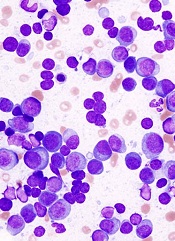
PHILADELPHIA—A drug that targets the ribosome may be active in a broad range of hematologic malignancies, researchers say.
The drug, CX-5461, inhibits the protein RNA polymerase I (Pol I), which is consistently upregulated in hematologic and other cancers.
CX-5461 significantly prolonged survival in mouse models of refractory acute myeloid leukemia (AML) and multiple myeloma (MM). It also synergized with everolimus to extend survival in mice with B-cell lymphoma.
Furthermore, the drug did not elicit severe adverse effects.
“We were excited to find that therapeutic doses of CX-5461 had little effect on normal cells in our experiments,” said Ross D. Hannan, PhD, of the Peter MacCallum Cancer Centre in Melbourne, Australia,
“Prior to these studies, few people would have guessed that such a therapeutic window could be obtained by targeting a so-called house-keeping protein that is essential to all cells for survival.”
Dr Hannan and his colleagues presented these findings in a poster at the AACR conference Hematologic Malignancies: Translating Discoveries to Novel Therapies.
The researchers previously showed that cancer cells are much more dependent on ribosome biogenesis than normal cells. And blocking the accelerated reading of ribosomal genes in mice—using CX5461—can cause lymphoma and leukemia cells to die, while sparing normal cells.
With their latest research, the group expanded upon these findings by testing CX-5461 in MLL-driven AML, V*κ-Myc-driven MM, and Eμ-Myc lymphoma.
They found that CX-5461 improved overall survival in MLL/ENL Nras leukemic mice, compared to placebo and standard therapy. The median survival was 17 days for vehicle-treated mice, 21 days for mice treated with cytarabine and doxorubicin, and 36 days for mice that received CX-5461 (P<0.0001 for vehicle vs CX-5461).
CX-5461 treated MLL-driven AML by inducing apoptosis, delaying cell-cycle progression, and promoting differentiation.
The researchers also found the therapeutic benefit of CX-5461 is not p53-dependent, which contradicts their previous findings. Human AML cell lines and primary patient samples were sensitive to CX-5461 independent of p53 status.
And MLL/ENL Nras p53-/- leukemic mice had significantly prolonged survival when treated with CX-5461, compared to vehicle-treated controls. The median survival was 11 days and 24 days, respectively (P<0.0001).
Likewise, CX-5461 significantly prolonged survival in mice bearing V*κ-Myc MM. The median survival was 103.5 days for controls and 175 days for mice that received CX-5461 (P<0.0001).
Finally, the researchers showed that CX-5461 synergizes with everolimus to treat Eμ-Myc lymphoma. The median survival was 15 days in control mice, 18 days in mice that received everolimus, 32 days in mice treated with CX-5461, and 54 days in mice that received both drugs (P<0.0001 for CX-5461 vs the combination).
“These results provide further rationale for the first-in-human phase 1 clinical trial that we initiated in July 2013 testing CX-5461 for patients with advanced hematological malignancies, including AML and multiple myeloma,” Dr Hannan said.
His group’s preclinical research was funded by the National Health and Medical Research Council, Australia; the Leukaemia Foundation of Australia; and Cancer Council Victoria, Melbourne, Australia. Senhwa Biosciences, the makers of CX-5461, provided the drug.
PHILADELPHIA—A drug that targets the ribosome may be active in a broad range of hematologic malignancies, researchers say.
The drug, CX-5461, inhibits the protein RNA polymerase I (Pol I), which is consistently upregulated in hematologic and other cancers.
CX-5461 significantly prolonged survival in mouse models of refractory acute myeloid leukemia (AML) and multiple myeloma (MM). It also synergized with everolimus to extend survival in mice with B-cell lymphoma.
Furthermore, the drug did not elicit severe adverse effects.
“We were excited to find that therapeutic doses of CX-5461 had little effect on normal cells in our experiments,” said Ross D. Hannan, PhD, of the Peter MacCallum Cancer Centre in Melbourne, Australia,
“Prior to these studies, few people would have guessed that such a therapeutic window could be obtained by targeting a so-called house-keeping protein that is essential to all cells for survival.”
Dr Hannan and his colleagues presented these findings in a poster at the AACR conference Hematologic Malignancies: Translating Discoveries to Novel Therapies.
The researchers previously showed that cancer cells are much more dependent on ribosome biogenesis than normal cells. And blocking the accelerated reading of ribosomal genes in mice—using CX5461—can cause lymphoma and leukemia cells to die, while sparing normal cells.
With their latest research, the group expanded upon these findings by testing CX-5461 in MLL-driven AML, V*κ-Myc-driven MM, and Eμ-Myc lymphoma.
They found that CX-5461 improved overall survival in MLL/ENL Nras leukemic mice, compared to placebo and standard therapy. The median survival was 17 days for vehicle-treated mice, 21 days for mice treated with cytarabine and doxorubicin, and 36 days for mice that received CX-5461 (P<0.0001 for vehicle vs CX-5461).
CX-5461 treated MLL-driven AML by inducing apoptosis, delaying cell-cycle progression, and promoting differentiation.
The researchers also found the therapeutic benefit of CX-5461 is not p53-dependent, which contradicts their previous findings. Human AML cell lines and primary patient samples were sensitive to CX-5461 independent of p53 status.
And MLL/ENL Nras p53-/- leukemic mice had significantly prolonged survival when treated with CX-5461, compared to vehicle-treated controls. The median survival was 11 days and 24 days, respectively (P<0.0001).
Likewise, CX-5461 significantly prolonged survival in mice bearing V*κ-Myc MM. The median survival was 103.5 days for controls and 175 days for mice that received CX-5461 (P<0.0001).
Finally, the researchers showed that CX-5461 synergizes with everolimus to treat Eμ-Myc lymphoma. The median survival was 15 days in control mice, 18 days in mice that received everolimus, 32 days in mice treated with CX-5461, and 54 days in mice that received both drugs (P<0.0001 for CX-5461 vs the combination).
“These results provide further rationale for the first-in-human phase 1 clinical trial that we initiated in July 2013 testing CX-5461 for patients with advanced hematological malignancies, including AML and multiple myeloma,” Dr Hannan said.
His group’s preclinical research was funded by the National Health and Medical Research Council, Australia; the Leukaemia Foundation of Australia; and Cancer Council Victoria, Melbourne, Australia. Senhwa Biosciences, the makers of CX-5461, provided the drug.
PHILADELPHIA—A drug that targets the ribosome may be active in a broad range of hematologic malignancies, researchers say.
The drug, CX-5461, inhibits the protein RNA polymerase I (Pol I), which is consistently upregulated in hematologic and other cancers.
CX-5461 significantly prolonged survival in mouse models of refractory acute myeloid leukemia (AML) and multiple myeloma (MM). It also synergized with everolimus to extend survival in mice with B-cell lymphoma.
Furthermore, the drug did not elicit severe adverse effects.
“We were excited to find that therapeutic doses of CX-5461 had little effect on normal cells in our experiments,” said Ross D. Hannan, PhD, of the Peter MacCallum Cancer Centre in Melbourne, Australia,
“Prior to these studies, few people would have guessed that such a therapeutic window could be obtained by targeting a so-called house-keeping protein that is essential to all cells for survival.”
Dr Hannan and his colleagues presented these findings in a poster at the AACR conference Hematologic Malignancies: Translating Discoveries to Novel Therapies.
The researchers previously showed that cancer cells are much more dependent on ribosome biogenesis than normal cells. And blocking the accelerated reading of ribosomal genes in mice—using CX5461—can cause lymphoma and leukemia cells to die, while sparing normal cells.
With their latest research, the group expanded upon these findings by testing CX-5461 in MLL-driven AML, V*κ-Myc-driven MM, and Eμ-Myc lymphoma.
They found that CX-5461 improved overall survival in MLL/ENL Nras leukemic mice, compared to placebo and standard therapy. The median survival was 17 days for vehicle-treated mice, 21 days for mice treated with cytarabine and doxorubicin, and 36 days for mice that received CX-5461 (P<0.0001 for vehicle vs CX-5461).
CX-5461 treated MLL-driven AML by inducing apoptosis, delaying cell-cycle progression, and promoting differentiation.
The researchers also found the therapeutic benefit of CX-5461 is not p53-dependent, which contradicts their previous findings. Human AML cell lines and primary patient samples were sensitive to CX-5461 independent of p53 status.
And MLL/ENL Nras p53-/- leukemic mice had significantly prolonged survival when treated with CX-5461, compared to vehicle-treated controls. The median survival was 11 days and 24 days, respectively (P<0.0001).
Likewise, CX-5461 significantly prolonged survival in mice bearing V*κ-Myc MM. The median survival was 103.5 days for controls and 175 days for mice that received CX-5461 (P<0.0001).
Finally, the researchers showed that CX-5461 synergizes with everolimus to treat Eμ-Myc lymphoma. The median survival was 15 days in control mice, 18 days in mice that received everolimus, 32 days in mice treated with CX-5461, and 54 days in mice that received both drugs (P<0.0001 for CX-5461 vs the combination).
“These results provide further rationale for the first-in-human phase 1 clinical trial that we initiated in July 2013 testing CX-5461 for patients with advanced hematological malignancies, including AML and multiple myeloma,” Dr Hannan said.
His group’s preclinical research was funded by the National Health and Medical Research Council, Australia; the Leukaemia Foundation of Australia; and Cancer Council Victoria, Melbourne, Australia. Senhwa Biosciences, the makers of CX-5461, provided the drug.
ETBs prove effective against lymphoma and myeloma

Credit: Rhoda Baer
PHILADELPHIA—A pair of engineered toxin bodies (ETBs) can successfully treat Burkitt lymphoma and multiple myeloma, according to preclinical research presented at the AACR conference Hematologic Malignancies: Translating Discoveries to Novel Therapies.
The ETBs, known as MT-4007 and MT-4007-D, work by targeting CD38.
They greatly reduced tumor burden and improved survival in mouse models. And they were well-tolerated, even at the highest doses administered.
“In this study, we found that the growth of human cancer cells in mice was substantially decreased, or the cells were even eliminated, following treatment with our investigational CD38-targeted therapy,” said Erin K. Willert, PhD, of Molecular Templates Inc., in Georgetown, Texas.
Dr Willert and her colleagues explained that ETBs are derived from the ribosome-inactivating alpha subunit of Shiga-like toxin 1 (SLT-1A). They have been engineered to contain a target binding domain fused to a modified SLT-1A protein, which allows for delivery to a cell surface target—in this case, CD38.
Upon binding to a CD38-expressing cell, the ETB enters the cell, routes to the cytosol, halts protein synthesis, and kills the cell.
The researchers first tested MT-4007 and MT-4007-D in a range of human cell lines. The agents exhibited cytotoxicity in CD38+ Burkitt lymphoma and multiple myeloma cell lines (H929, Daudi, ST486, and Raji). But neither agent proved cytotoxic in CD38- cell lines (U266, SKBR3, and HCC1954).
The team then moved on to test MT-4007 in a mouse model of Burkitt lymphoma. Following injection with Daudi-Luc cells, mice received no treatment or MT-4007 at 0.05 mg/kg, 0.5 mg/kg, or 2 mg/kg on days 3, 5, 8, 10, and 12.
Treated mice exhibited significantly reduced tumor burden compared to controls. The mean tumor burden for mice that received MT-4007 at 0.05 mg/kg was 29% of the control tumor burden (P<0.0001). It was 0.4% for mice that received 0.50 mg/kg (P<0.0001) and 0.02% for mice that received 2 mg/kg (P<0.0001).
In a model of multiple myeloma, MT-4007-D provided a dose-dependent delay in tumor growth. After receiving injections of H929 cells, mice received no treatment or MT-4007-D at 0.5 mg/kg, 2 mg/kg, or 3 mg/kg on days 1, 3, 5, 8, 10, and 12.
The researchers assessed efficacy by measuring the time to endpoint, which was a tumor volume of 2000 mm3. The median time to endpoint was 22.3 days in controls, 21.2 days in the 0.5 mg/kg arm (not significant), 24.5 days in the 2 mg/kg arm (P=0.004), and 26.2 days in the 3 mg/kg arm (P=0.04).
The team assessed safety using body weight. They found that all treated groups of mice maintained a stable weight, suggesting MT-4007-D is well-tolerated.
The researchers also noted that, in a previous dose-finding study, the maximum-tolerated dose of MT-4007 was not reached at the highest dose administered to mice (2 mg/kg), which suggests MT-4007 is well tolerated as well.
Finally, Dr Willert and her colleagues found that MT-4007 extends survival in models of Burkitt lymphoma. The team euthanized mice if they had a greater than 20% loss in body weight or symptoms such as hind limb paralysis.
In the control group, all 10 mice died, and the median survival was 34 days. In the 0.5 mg/kg treatment group, 5 mice died, and the median survival was 59.5 days (P=0.0002).
One mouse died in the 0.5 mg/kg group (P<0.0001), and none of the mice died in the 2 mg/kg group (P<0.0001). The median survival was undefined for both groups.
Dr Willert said these results suggest the ETBs should be moved forward to clinical trials in CD38+ B-cell malignancies such as multiple myeloma. And because the ETBs work differently from other treatments, they might prove effective in relapsed or refractory patients.
However, more preclinical research is needed before the ETBs can be tested in patients. MT-4007-D is under investigation in preclinical studies now.
This research was funded by Molecular Templates Inc., makers of MT-4007 and MT-4007-D.
Credit: Rhoda Baer
PHILADELPHIA—A pair of engineered toxin bodies (ETBs) can successfully treat Burkitt lymphoma and multiple myeloma, according to preclinical research presented at the AACR conference Hematologic Malignancies: Translating Discoveries to Novel Therapies.
The ETBs, known as MT-4007 and MT-4007-D, work by targeting CD38.
They greatly reduced tumor burden and improved survival in mouse models. And they were well-tolerated, even at the highest doses administered.
“In this study, we found that the growth of human cancer cells in mice was substantially decreased, or the cells were even eliminated, following treatment with our investigational CD38-targeted therapy,” said Erin K. Willert, PhD, of Molecular Templates Inc., in Georgetown, Texas.
Dr Willert and her colleagues explained that ETBs are derived from the ribosome-inactivating alpha subunit of Shiga-like toxin 1 (SLT-1A). They have been engineered to contain a target binding domain fused to a modified SLT-1A protein, which allows for delivery to a cell surface target—in this case, CD38.
Upon binding to a CD38-expressing cell, the ETB enters the cell, routes to the cytosol, halts protein synthesis, and kills the cell.
The researchers first tested MT-4007 and MT-4007-D in a range of human cell lines. The agents exhibited cytotoxicity in CD38+ Burkitt lymphoma and multiple myeloma cell lines (H929, Daudi, ST486, and Raji). But neither agent proved cytotoxic in CD38- cell lines (U266, SKBR3, and HCC1954).
The team then moved on to test MT-4007 in a mouse model of Burkitt lymphoma. Following injection with Daudi-Luc cells, mice received no treatment or MT-4007 at 0.05 mg/kg, 0.5 mg/kg, or 2 mg/kg on days 3, 5, 8, 10, and 12.
Treated mice exhibited significantly reduced tumor burden compared to controls. The mean tumor burden for mice that received MT-4007 at 0.05 mg/kg was 29% of the control tumor burden (P<0.0001). It was 0.4% for mice that received 0.50 mg/kg (P<0.0001) and 0.02% for mice that received 2 mg/kg (P<0.0001).
In a model of multiple myeloma, MT-4007-D provided a dose-dependent delay in tumor growth. After receiving injections of H929 cells, mice received no treatment or MT-4007-D at 0.5 mg/kg, 2 mg/kg, or 3 mg/kg on days 1, 3, 5, 8, 10, and 12.
The researchers assessed efficacy by measuring the time to endpoint, which was a tumor volume of 2000 mm3. The median time to endpoint was 22.3 days in controls, 21.2 days in the 0.5 mg/kg arm (not significant), 24.5 days in the 2 mg/kg arm (P=0.004), and 26.2 days in the 3 mg/kg arm (P=0.04).
The team assessed safety using body weight. They found that all treated groups of mice maintained a stable weight, suggesting MT-4007-D is well-tolerated.
The researchers also noted that, in a previous dose-finding study, the maximum-tolerated dose of MT-4007 was not reached at the highest dose administered to mice (2 mg/kg), which suggests MT-4007 is well tolerated as well.
Finally, Dr Willert and her colleagues found that MT-4007 extends survival in models of Burkitt lymphoma. The team euthanized mice if they had a greater than 20% loss in body weight or symptoms such as hind limb paralysis.
In the control group, all 10 mice died, and the median survival was 34 days. In the 0.5 mg/kg treatment group, 5 mice died, and the median survival was 59.5 days (P=0.0002).
One mouse died in the 0.5 mg/kg group (P<0.0001), and none of the mice died in the 2 mg/kg group (P<0.0001). The median survival was undefined for both groups.
Dr Willert said these results suggest the ETBs should be moved forward to clinical trials in CD38+ B-cell malignancies such as multiple myeloma. And because the ETBs work differently from other treatments, they might prove effective in relapsed or refractory patients.
However, more preclinical research is needed before the ETBs can be tested in patients. MT-4007-D is under investigation in preclinical studies now.
This research was funded by Molecular Templates Inc., makers of MT-4007 and MT-4007-D.
Credit: Rhoda Baer
PHILADELPHIA—A pair of engineered toxin bodies (ETBs) can successfully treat Burkitt lymphoma and multiple myeloma, according to preclinical research presented at the AACR conference Hematologic Malignancies: Translating Discoveries to Novel Therapies.
The ETBs, known as MT-4007 and MT-4007-D, work by targeting CD38.
They greatly reduced tumor burden and improved survival in mouse models. And they were well-tolerated, even at the highest doses administered.
“In this study, we found that the growth of human cancer cells in mice was substantially decreased, or the cells were even eliminated, following treatment with our investigational CD38-targeted therapy,” said Erin K. Willert, PhD, of Molecular Templates Inc., in Georgetown, Texas.
Dr Willert and her colleagues explained that ETBs are derived from the ribosome-inactivating alpha subunit of Shiga-like toxin 1 (SLT-1A). They have been engineered to contain a target binding domain fused to a modified SLT-1A protein, which allows for delivery to a cell surface target—in this case, CD38.
Upon binding to a CD38-expressing cell, the ETB enters the cell, routes to the cytosol, halts protein synthesis, and kills the cell.
The researchers first tested MT-4007 and MT-4007-D in a range of human cell lines. The agents exhibited cytotoxicity in CD38+ Burkitt lymphoma and multiple myeloma cell lines (H929, Daudi, ST486, and Raji). But neither agent proved cytotoxic in CD38- cell lines (U266, SKBR3, and HCC1954).
The team then moved on to test MT-4007 in a mouse model of Burkitt lymphoma. Following injection with Daudi-Luc cells, mice received no treatment or MT-4007 at 0.05 mg/kg, 0.5 mg/kg, or 2 mg/kg on days 3, 5, 8, 10, and 12.
Treated mice exhibited significantly reduced tumor burden compared to controls. The mean tumor burden for mice that received MT-4007 at 0.05 mg/kg was 29% of the control tumor burden (P<0.0001). It was 0.4% for mice that received 0.50 mg/kg (P<0.0001) and 0.02% for mice that received 2 mg/kg (P<0.0001).
In a model of multiple myeloma, MT-4007-D provided a dose-dependent delay in tumor growth. After receiving injections of H929 cells, mice received no treatment or MT-4007-D at 0.5 mg/kg, 2 mg/kg, or 3 mg/kg on days 1, 3, 5, 8, 10, and 12.
The researchers assessed efficacy by measuring the time to endpoint, which was a tumor volume of 2000 mm3. The median time to endpoint was 22.3 days in controls, 21.2 days in the 0.5 mg/kg arm (not significant), 24.5 days in the 2 mg/kg arm (P=0.004), and 26.2 days in the 3 mg/kg arm (P=0.04).
The team assessed safety using body weight. They found that all treated groups of mice maintained a stable weight, suggesting MT-4007-D is well-tolerated.
The researchers also noted that, in a previous dose-finding study, the maximum-tolerated dose of MT-4007 was not reached at the highest dose administered to mice (2 mg/kg), which suggests MT-4007 is well tolerated as well.
Finally, Dr Willert and her colleagues found that MT-4007 extends survival in models of Burkitt lymphoma. The team euthanized mice if they had a greater than 20% loss in body weight or symptoms such as hind limb paralysis.
In the control group, all 10 mice died, and the median survival was 34 days. In the 0.5 mg/kg treatment group, 5 mice died, and the median survival was 59.5 days (P=0.0002).
One mouse died in the 0.5 mg/kg group (P<0.0001), and none of the mice died in the 2 mg/kg group (P<0.0001). The median survival was undefined for both groups.
Dr Willert said these results suggest the ETBs should be moved forward to clinical trials in CD38+ B-cell malignancies such as multiple myeloma. And because the ETBs work differently from other treatments, they might prove effective in relapsed or refractory patients.
However, more preclinical research is needed before the ETBs can be tested in patients. MT-4007-D is under investigation in preclinical studies now.
This research was funded by Molecular Templates Inc., makers of MT-4007 and MT-4007-D.
Exercise boosts anticancer effects of doxorubicin

Credit: Aaron Logan
Exercising during doxorubicin treatment can amplify the drug’s cancer-fighting ability, according to preclinical research.
Previous studies showed that adopting an exercise regimen before receiving doxorubicin could protect against the cardiac side effects associated with the drug.
Now, researchers have reported that exercising during doxorubicin treatment does not protect the heart, but it does help shrink tumors in mice.
Joseph Libonati, PhD, of the University of Pennsylvania in Philadelphia, and his colleagues reported these findings in the American Journal of Physiology—Regulatory, Integrative and Comparative Physiology.
The researchers conducted experiments with 4 groups of mice, all of which received an injection of melanoma cells.
During the next 2 weeks, 2 of the groups received doxorubicin in 2 doses, while the other 2 groups received placebo injections.
A treated group and a placebo group were put on exercise regimens, walking for 45 minutes 5 days a week on mouse-sized treadmills, while the rest of the mice remained sedentary.
After the 2-week trial, the researchers examined the animals’ hearts using echocardiogram and tissue analysis.
As expected, doxorubicin reduced the heart’s function and size and increased fibrosis. Mice that exercised were not protected from this damage.
“We looked, and the exercise didn’t do anything to the heart; it didn’t worsen it, it didn’t help it,” Dr Libonati said. “But the tumor data—I find them actually amazing.”
The mice that received doxorubicin and exercised had significantly smaller tumors after 2 weeks than mice that only received doxorubicin (P<0.05).
Further studies will investigate exactly how exercise enhances the effect of doxorubicin, but the researchers believe it could be, in part, because exercise increases blood flow to the tumor, bringing with it more of the drug in the bloodstream.
“If exercise helps in this way, you could potentially use a smaller dose of the drug and get fewer side effects,” Dr Libonati said.
Gaining a clearer understanding of the many ways that exercise affects various systems of the body could also pave the way for developing drugs that mimic the effects of exercise.
“People don’t take a drug and then sit down all day,” Dr Libonati said. “Something as simple as moving affects how drugs are metabolized. We’re only just beginning to understand the complexities.”
Credit: Aaron Logan
Exercising during doxorubicin treatment can amplify the drug’s cancer-fighting ability, according to preclinical research.
Previous studies showed that adopting an exercise regimen before receiving doxorubicin could protect against the cardiac side effects associated with the drug.
Now, researchers have reported that exercising during doxorubicin treatment does not protect the heart, but it does help shrink tumors in mice.
Joseph Libonati, PhD, of the University of Pennsylvania in Philadelphia, and his colleagues reported these findings in the American Journal of Physiology—Regulatory, Integrative and Comparative Physiology.
The researchers conducted experiments with 4 groups of mice, all of which received an injection of melanoma cells.
During the next 2 weeks, 2 of the groups received doxorubicin in 2 doses, while the other 2 groups received placebo injections.
A treated group and a placebo group were put on exercise regimens, walking for 45 minutes 5 days a week on mouse-sized treadmills, while the rest of the mice remained sedentary.
After the 2-week trial, the researchers examined the animals’ hearts using echocardiogram and tissue analysis.
As expected, doxorubicin reduced the heart’s function and size and increased fibrosis. Mice that exercised were not protected from this damage.
“We looked, and the exercise didn’t do anything to the heart; it didn’t worsen it, it didn’t help it,” Dr Libonati said. “But the tumor data—I find them actually amazing.”
The mice that received doxorubicin and exercised had significantly smaller tumors after 2 weeks than mice that only received doxorubicin (P<0.05).
Further studies will investigate exactly how exercise enhances the effect of doxorubicin, but the researchers believe it could be, in part, because exercise increases blood flow to the tumor, bringing with it more of the drug in the bloodstream.
“If exercise helps in this way, you could potentially use a smaller dose of the drug and get fewer side effects,” Dr Libonati said.
Gaining a clearer understanding of the many ways that exercise affects various systems of the body could also pave the way for developing drugs that mimic the effects of exercise.
“People don’t take a drug and then sit down all day,” Dr Libonati said. “Something as simple as moving affects how drugs are metabolized. We’re only just beginning to understand the complexities.”
Credit: Aaron Logan
Exercising during doxorubicin treatment can amplify the drug’s cancer-fighting ability, according to preclinical research.
Previous studies showed that adopting an exercise regimen before receiving doxorubicin could protect against the cardiac side effects associated with the drug.
Now, researchers have reported that exercising during doxorubicin treatment does not protect the heart, but it does help shrink tumors in mice.
Joseph Libonati, PhD, of the University of Pennsylvania in Philadelphia, and his colleagues reported these findings in the American Journal of Physiology—Regulatory, Integrative and Comparative Physiology.
The researchers conducted experiments with 4 groups of mice, all of which received an injection of melanoma cells.
During the next 2 weeks, 2 of the groups received doxorubicin in 2 doses, while the other 2 groups received placebo injections.
A treated group and a placebo group were put on exercise regimens, walking for 45 minutes 5 days a week on mouse-sized treadmills, while the rest of the mice remained sedentary.
After the 2-week trial, the researchers examined the animals’ hearts using echocardiogram and tissue analysis.
As expected, doxorubicin reduced the heart’s function and size and increased fibrosis. Mice that exercised were not protected from this damage.
“We looked, and the exercise didn’t do anything to the heart; it didn’t worsen it, it didn’t help it,” Dr Libonati said. “But the tumor data—I find them actually amazing.”
The mice that received doxorubicin and exercised had significantly smaller tumors after 2 weeks than mice that only received doxorubicin (P<0.05).
Further studies will investigate exactly how exercise enhances the effect of doxorubicin, but the researchers believe it could be, in part, because exercise increases blood flow to the tumor, bringing with it more of the drug in the bloodstream.
“If exercise helps in this way, you could potentially use a smaller dose of the drug and get fewer side effects,” Dr Libonati said.
Gaining a clearer understanding of the many ways that exercise affects various systems of the body could also pave the way for developing drugs that mimic the effects of exercise.
“People don’t take a drug and then sit down all day,” Dr Libonati said. “Something as simple as moving affects how drugs are metabolized. We’re only just beginning to understand the complexities.”
Combo improves PFS in multiple myeloma

Credit: NIH
Adding panobinostat to treatment with bortezomib and dexamethasone can improve progression-free survival (PFS) in previously treated patients with multiple myeloma, results of the PANORAMA-1 trial suggest.
The combination conferred a 4-month improvement in median PFS when compared to bortezomib and dexamethasone plus placebo.
There was no significant difference in overall survival between the treatment groups, but researchers said these data are not mature.
“The PANORAMA-1 study is the first phase 3 trial to show the superiority of [panobinostat] plus bortezomib and dexamethasone over one of the standard 2-drug regimens for patients with relapsing and/or refractory multiple myeloma,” said lead study investigator Jesus San-Miguel, MD, of Clínica Universidad de Navarra in Pamplona, Spain.
Dr San-Miguel and his colleagues reported the results of PANORAMA-1 in The Lancet Oncology. The trial was sponsored by Novartis Pharmaceuticals, the company developing panobinostat.
The trial included 768 patients with relapsed or relapsed and refractory multiple myeloma who had failed at least 1 prior treatment.
Three-hundred and eighty-seven patients were randomized to treatment with panobinostat, bortezomib, and dexamethasone. And 381 patients were randomized to receive placebo, bortezomib, and dexamethasone.
The median follow up was 6.47 months in the panobinostat arm 5.59 months in the placebo arm.
The study’s primary endpoint was PFS. And the median PFS was significantly longer in the panobinostat arm than the placebo arm—11.99 months and 8.08 months, respectively (P<0.0001).
The median overall survival, on the other hand, was similar between the treatment arms. It was 33.64 months in the panobinostat arm and 30.39 months in the placebo arm (P=0.26).
Likewise, the overall response rate was similar between the treatment arms—60.7% with panobinostat and 54.6% with placebo (P=0.09). But the rate of complete or near-complete response was higher with panobinostat—27.6% and 15.7%, respectively (P=0.00006).
The rate of serious adverse events was 60% in the panobinostat arm and 42% in the placebo arm.
The most common grade 3/4 adverse events were thrombocytopenia (67% and 31%, respectively), lymphopenia (53% and 40%, respectively), neutropenia (35% and 11%, respectively), diarrhea (26% and 8%, respectively), and neuropathy (18% and 15%, respectively).
Based on these data, panobinostat was granted priority review by the US Food and Drug Administration in May. Priority review is given to therapies that may offer major advances in treatment. 
Credit: NIH
Adding panobinostat to treatment with bortezomib and dexamethasone can improve progression-free survival (PFS) in previously treated patients with multiple myeloma, results of the PANORAMA-1 trial suggest.
The combination conferred a 4-month improvement in median PFS when compared to bortezomib and dexamethasone plus placebo.
There was no significant difference in overall survival between the treatment groups, but researchers said these data are not mature.
“The PANORAMA-1 study is the first phase 3 trial to show the superiority of [panobinostat] plus bortezomib and dexamethasone over one of the standard 2-drug regimens for patients with relapsing and/or refractory multiple myeloma,” said lead study investigator Jesus San-Miguel, MD, of Clínica Universidad de Navarra in Pamplona, Spain.
Dr San-Miguel and his colleagues reported the results of PANORAMA-1 in The Lancet Oncology. The trial was sponsored by Novartis Pharmaceuticals, the company developing panobinostat.
The trial included 768 patients with relapsed or relapsed and refractory multiple myeloma who had failed at least 1 prior treatment.
Three-hundred and eighty-seven patients were randomized to treatment with panobinostat, bortezomib, and dexamethasone. And 381 patients were randomized to receive placebo, bortezomib, and dexamethasone.
The median follow up was 6.47 months in the panobinostat arm 5.59 months in the placebo arm.
The study’s primary endpoint was PFS. And the median PFS was significantly longer in the panobinostat arm than the placebo arm—11.99 months and 8.08 months, respectively (P<0.0001).
The median overall survival, on the other hand, was similar between the treatment arms. It was 33.64 months in the panobinostat arm and 30.39 months in the placebo arm (P=0.26).
Likewise, the overall response rate was similar between the treatment arms—60.7% with panobinostat and 54.6% with placebo (P=0.09). But the rate of complete or near-complete response was higher with panobinostat—27.6% and 15.7%, respectively (P=0.00006).
The rate of serious adverse events was 60% in the panobinostat arm and 42% in the placebo arm.
The most common grade 3/4 adverse events were thrombocytopenia (67% and 31%, respectively), lymphopenia (53% and 40%, respectively), neutropenia (35% and 11%, respectively), diarrhea (26% and 8%, respectively), and neuropathy (18% and 15%, respectively).
Based on these data, panobinostat was granted priority review by the US Food and Drug Administration in May. Priority review is given to therapies that may offer major advances in treatment.
Credit: NIH
Adding panobinostat to treatment with bortezomib and dexamethasone can improve progression-free survival (PFS) in previously treated patients with multiple myeloma, results of the PANORAMA-1 trial suggest.
The combination conferred a 4-month improvement in median PFS when compared to bortezomib and dexamethasone plus placebo.
There was no significant difference in overall survival between the treatment groups, but researchers said these data are not mature.
“The PANORAMA-1 study is the first phase 3 trial to show the superiority of [panobinostat] plus bortezomib and dexamethasone over one of the standard 2-drug regimens for patients with relapsing and/or refractory multiple myeloma,” said lead study investigator Jesus San-Miguel, MD, of Clínica Universidad de Navarra in Pamplona, Spain.
Dr San-Miguel and his colleagues reported the results of PANORAMA-1 in The Lancet Oncology. The trial was sponsored by Novartis Pharmaceuticals, the company developing panobinostat.
The trial included 768 patients with relapsed or relapsed and refractory multiple myeloma who had failed at least 1 prior treatment.
Three-hundred and eighty-seven patients were randomized to treatment with panobinostat, bortezomib, and dexamethasone. And 381 patients were randomized to receive placebo, bortezomib, and dexamethasone.
The median follow up was 6.47 months in the panobinostat arm 5.59 months in the placebo arm.
The study’s primary endpoint was PFS. And the median PFS was significantly longer in the panobinostat arm than the placebo arm—11.99 months and 8.08 months, respectively (P<0.0001).
The median overall survival, on the other hand, was similar between the treatment arms. It was 33.64 months in the panobinostat arm and 30.39 months in the placebo arm (P=0.26).
Likewise, the overall response rate was similar between the treatment arms—60.7% with panobinostat and 54.6% with placebo (P=0.09). But the rate of complete or near-complete response was higher with panobinostat—27.6% and 15.7%, respectively (P=0.00006).
The rate of serious adverse events was 60% in the panobinostat arm and 42% in the placebo arm.
The most common grade 3/4 adverse events were thrombocytopenia (67% and 31%, respectively), lymphopenia (53% and 40%, respectively), neutropenia (35% and 11%, respectively), diarrhea (26% and 8%, respectively), and neuropathy (18% and 15%, respectively).
Based on these data, panobinostat was granted priority review by the US Food and Drug Administration in May. Priority review is given to therapies that may offer major advances in treatment.
Discovery could lead to better proteasome inhibitors
showing multiple myeloma
A newly discovered mechanism has paved the way for the next generation of proteasome inhibitors, according to a paper published in Chemistry & Biology.
Investigators developed a series of molecules that employ this mechanism, inhibiting the proteasome in 2 ways.
They are now planning to synthesize related compounds that may offer improved proteasome inhibition, target cancer cells more selectivity, and eliminate the resistance problems that occur with current drugs.
The group’s research began with epoxyketone, a molecule isolated from a cyanobacterium called carmaphycin, whose reactive group is the same as that of the proteasome inhibitor carfilzomib.
“Epoxyketones are very potent, selective inhibitors of the proteasome because they interact with this enzyme in 2 stages—the first reversible, and the second irreversible,” noted study author Daniela Trivella, PhD, of the Brazilian Biosciences National Laboratory at the Brazilian Center for Research in Energy and Materials in Campinas.
To optimize epoxyketone’s effects and find new reactive groups, the investigators developed and tested a series of synthetic analogs with slight structural modifications.
One of the molecules had an enone as a reactive group and had characteristics of carmaphycin and another natural molecule called syringolin, which was isolated from plant pathogens.
By investigating the reaction mechanisms of the new molecule, called carmaphycin-syringolin enone, the team verified that the enone interacts with the proteasome in 2 stages, with the second stage being irreversible.
The investigators also observed that, in the case of the enone, the second reaction occurs more slowly, increasing the duration of the reversible phase of carmaphycin-syringolin enone inhibition.
“Because the irreversible inactivation of the proteasome has toxic effects, the best window of reversibility observed for the carmaphycin-syringolin enone will potentially reduce the toxicity of this new class of proteasome inhibitors,” Dr Trivella said. “The compound would therefore present a balance between selectivity and potency.”
Toxicity tests are still underway. But the investigators have already conducted studies to determine exactly how the interaction between the enzyme target and the carmaphycin-syringolin enone target occurs.
“We discovered that a chemical reaction called hydroamination occurs, which had never before [been] seen under physiological conditions,” Dr Trivella said.
“This type of reaction is frequently used by synthetic chemists in preparing substances, but, normally, it requires very specific temperature and pH conditions and the use of catalysts to occur. It has never been reported as a mechanism of enzyme inhibition.”
Inspired by this new mechanism for proteasome inhibition, the investigators plan to synthesize and test a new series of carmaphycin-syringolin enone analogs to determine their effects on the therapeutic window and assess whether they are also capable of reacting with proteasomes that are resistant to traditional inhibitors.
showing multiple myeloma
A newly discovered mechanism has paved the way for the next generation of proteasome inhibitors, according to a paper published in Chemistry & Biology.
Investigators developed a series of molecules that employ this mechanism, inhibiting the proteasome in 2 ways.
They are now planning to synthesize related compounds that may offer improved proteasome inhibition, target cancer cells more selectivity, and eliminate the resistance problems that occur with current drugs.
The group’s research began with epoxyketone, a molecule isolated from a cyanobacterium called carmaphycin, whose reactive group is the same as that of the proteasome inhibitor carfilzomib.
“Epoxyketones are very potent, selective inhibitors of the proteasome because they interact with this enzyme in 2 stages—the first reversible, and the second irreversible,” noted study author Daniela Trivella, PhD, of the Brazilian Biosciences National Laboratory at the Brazilian Center for Research in Energy and Materials in Campinas.
To optimize epoxyketone’s effects and find new reactive groups, the investigators developed and tested a series of synthetic analogs with slight structural modifications.
One of the molecules had an enone as a reactive group and had characteristics of carmaphycin and another natural molecule called syringolin, which was isolated from plant pathogens.
By investigating the reaction mechanisms of the new molecule, called carmaphycin-syringolin enone, the team verified that the enone interacts with the proteasome in 2 stages, with the second stage being irreversible.
The investigators also observed that, in the case of the enone, the second reaction occurs more slowly, increasing the duration of the reversible phase of carmaphycin-syringolin enone inhibition.
“Because the irreversible inactivation of the proteasome has toxic effects, the best window of reversibility observed for the carmaphycin-syringolin enone will potentially reduce the toxicity of this new class of proteasome inhibitors,” Dr Trivella said. “The compound would therefore present a balance between selectivity and potency.”
Toxicity tests are still underway. But the investigators have already conducted studies to determine exactly how the interaction between the enzyme target and the carmaphycin-syringolin enone target occurs.
“We discovered that a chemical reaction called hydroamination occurs, which had never before [been] seen under physiological conditions,” Dr Trivella said.
“This type of reaction is frequently used by synthetic chemists in preparing substances, but, normally, it requires very specific temperature and pH conditions and the use of catalysts to occur. It has never been reported as a mechanism of enzyme inhibition.”
Inspired by this new mechanism for proteasome inhibition, the investigators plan to synthesize and test a new series of carmaphycin-syringolin enone analogs to determine their effects on the therapeutic window and assess whether they are also capable of reacting with proteasomes that are resistant to traditional inhibitors.
showing multiple myeloma
A newly discovered mechanism has paved the way for the next generation of proteasome inhibitors, according to a paper published in Chemistry & Biology.
Investigators developed a series of molecules that employ this mechanism, inhibiting the proteasome in 2 ways.
They are now planning to synthesize related compounds that may offer improved proteasome inhibition, target cancer cells more selectivity, and eliminate the resistance problems that occur with current drugs.
The group’s research began with epoxyketone, a molecule isolated from a cyanobacterium called carmaphycin, whose reactive group is the same as that of the proteasome inhibitor carfilzomib.
“Epoxyketones are very potent, selective inhibitors of the proteasome because they interact with this enzyme in 2 stages—the first reversible, and the second irreversible,” noted study author Daniela Trivella, PhD, of the Brazilian Biosciences National Laboratory at the Brazilian Center for Research in Energy and Materials in Campinas.
To optimize epoxyketone’s effects and find new reactive groups, the investigators developed and tested a series of synthetic analogs with slight structural modifications.
One of the molecules had an enone as a reactive group and had characteristics of carmaphycin and another natural molecule called syringolin, which was isolated from plant pathogens.
By investigating the reaction mechanisms of the new molecule, called carmaphycin-syringolin enone, the team verified that the enone interacts with the proteasome in 2 stages, with the second stage being irreversible.
The investigators also observed that, in the case of the enone, the second reaction occurs more slowly, increasing the duration of the reversible phase of carmaphycin-syringolin enone inhibition.
“Because the irreversible inactivation of the proteasome has toxic effects, the best window of reversibility observed for the carmaphycin-syringolin enone will potentially reduce the toxicity of this new class of proteasome inhibitors,” Dr Trivella said. “The compound would therefore present a balance between selectivity and potency.”
Toxicity tests are still underway. But the investigators have already conducted studies to determine exactly how the interaction between the enzyme target and the carmaphycin-syringolin enone target occurs.
“We discovered that a chemical reaction called hydroamination occurs, which had never before [been] seen under physiological conditions,” Dr Trivella said.
“This type of reaction is frequently used by synthetic chemists in preparing substances, but, normally, it requires very specific temperature and pH conditions and the use of catalysts to occur. It has never been reported as a mechanism of enzyme inhibition.”
Inspired by this new mechanism for proteasome inhibition, the investigators plan to synthesize and test a new series of carmaphycin-syringolin enone analogs to determine their effects on the therapeutic window and assess whether they are also capable of reacting with proteasomes that are resistant to traditional inhibitors.