User login
Rituximab Maintenance Approved in Follicular Lymphoma
The Food and Drug Administration has approved a first-line maintenance indication for rituximab in advanced follicular lymphoma, according to an announcement by Genentech and Biogen Idec.
The indication specifies that maintenance rituximab (Rituxan) may be used in patients with advanced follicular lymphoma who responded to induction treatment with rituximab plus chemotherapy. The European Commission approved the same indication in October 2010, according to the January 28 announcement.
The application for a maintenance rituximab treatment was supported by results of the phase III PRIMA study, a randomized international trial conducted by the Groupe d’Etude des Lymphomes de l’Adulte (GELA). The trial in 1,217 patients with advanced follicular lymphoma not previously treated showed that two years of maintenance therapy cut their risk of relapse in half compared with observation
GELA, the European Organisation for Research and Treatment of Cancer (EORTC)’s adult lymphoma study group, had reported the progression-free survival rate among 505 patients randomized to maintenance with rituximab (Rituxan in the United States, MabThera in Europe) was 82% at 2 years vs. 66% for 513 patients randomized to observation only (hazard ratio 0.50, stratified log-rank, P less than .0001). Rituximab maintenance reduced by 39% the need for patients to be started on new antilymphoma therapies (HR 0.61, P less than .0003), according to GELA’s presentation at the American Society for Clinical Oncology’s 2010 annual meeting.
All patients in the trial received rituximab in their induction regimens: 75% had R-CHOP (rituximab, cyclophosphamide, doxorubicin, vincristine, and prednisone); 22% R-CVP (rituximab plus cyclophosphamide, vincristine, and prednisone), and 3% R-FCM (rituximab plus fludarabine, cyclophosphamide, and mitoxantrone). Patients randomized to maintenance rituximab received it for 2 years as a single agent.
Investigators said rituximab maintenance was generally well tolerated, with grade 3 or 4 adverse events occurring in 22% of patients. The most common were infections in 37% of patients on maintenance and 22% of those on observation. Grade 3 or 4 neutropenia and low white blood cell count each occurred in about 4% of patients on maintenance rituximab.
The trial was sponsored by Roche, which markets rituximab outside the United States and is the parent company of Genentech.
The Food and Drug Administration has approved a first-line maintenance indication for rituximab in advanced follicular lymphoma, according to an announcement by Genentech and Biogen Idec.
The indication specifies that maintenance rituximab (Rituxan) may be used in patients with advanced follicular lymphoma who responded to induction treatment with rituximab plus chemotherapy. The European Commission approved the same indication in October 2010, according to the January 28 announcement.
The application for a maintenance rituximab treatment was supported by results of the phase III PRIMA study, a randomized international trial conducted by the Groupe d’Etude des Lymphomes de l’Adulte (GELA). The trial in 1,217 patients with advanced follicular lymphoma not previously treated showed that two years of maintenance therapy cut their risk of relapse in half compared with observation
GELA, the European Organisation for Research and Treatment of Cancer (EORTC)’s adult lymphoma study group, had reported the progression-free survival rate among 505 patients randomized to maintenance with rituximab (Rituxan in the United States, MabThera in Europe) was 82% at 2 years vs. 66% for 513 patients randomized to observation only (hazard ratio 0.50, stratified log-rank, P less than .0001). Rituximab maintenance reduced by 39% the need for patients to be started on new antilymphoma therapies (HR 0.61, P less than .0003), according to GELA’s presentation at the American Society for Clinical Oncology’s 2010 annual meeting.
All patients in the trial received rituximab in their induction regimens: 75% had R-CHOP (rituximab, cyclophosphamide, doxorubicin, vincristine, and prednisone); 22% R-CVP (rituximab plus cyclophosphamide, vincristine, and prednisone), and 3% R-FCM (rituximab plus fludarabine, cyclophosphamide, and mitoxantrone). Patients randomized to maintenance rituximab received it for 2 years as a single agent.
Investigators said rituximab maintenance was generally well tolerated, with grade 3 or 4 adverse events occurring in 22% of patients. The most common were infections in 37% of patients on maintenance and 22% of those on observation. Grade 3 or 4 neutropenia and low white blood cell count each occurred in about 4% of patients on maintenance rituximab.
The trial was sponsored by Roche, which markets rituximab outside the United States and is the parent company of Genentech.
The Food and Drug Administration has approved a first-line maintenance indication for rituximab in advanced follicular lymphoma, according to an announcement by Genentech and Biogen Idec.
The indication specifies that maintenance rituximab (Rituxan) may be used in patients with advanced follicular lymphoma who responded to induction treatment with rituximab plus chemotherapy. The European Commission approved the same indication in October 2010, according to the January 28 announcement.
The application for a maintenance rituximab treatment was supported by results of the phase III PRIMA study, a randomized international trial conducted by the Groupe d’Etude des Lymphomes de l’Adulte (GELA). The trial in 1,217 patients with advanced follicular lymphoma not previously treated showed that two years of maintenance therapy cut their risk of relapse in half compared with observation
GELA, the European Organisation for Research and Treatment of Cancer (EORTC)’s adult lymphoma study group, had reported the progression-free survival rate among 505 patients randomized to maintenance with rituximab (Rituxan in the United States, MabThera in Europe) was 82% at 2 years vs. 66% for 513 patients randomized to observation only (hazard ratio 0.50, stratified log-rank, P less than .0001). Rituximab maintenance reduced by 39% the need for patients to be started on new antilymphoma therapies (HR 0.61, P less than .0003), according to GELA’s presentation at the American Society for Clinical Oncology’s 2010 annual meeting.
All patients in the trial received rituximab in their induction regimens: 75% had R-CHOP (rituximab, cyclophosphamide, doxorubicin, vincristine, and prednisone); 22% R-CVP (rituximab plus cyclophosphamide, vincristine, and prednisone), and 3% R-FCM (rituximab plus fludarabine, cyclophosphamide, and mitoxantrone). Patients randomized to maintenance rituximab received it for 2 years as a single agent.
Investigators said rituximab maintenance was generally well tolerated, with grade 3 or 4 adverse events occurring in 22% of patients. The most common were infections in 37% of patients on maintenance and 22% of those on observation. Grade 3 or 4 neutropenia and low white blood cell count each occurred in about 4% of patients on maintenance rituximab.
The trial was sponsored by Roche, which markets rituximab outside the United States and is the parent company of Genentech.
Rituximab Maintenance Approved in Follicular Lymphoma
The Food and Drug Administration has approved a first-line maintenance indication for rituximab in advanced follicular lymphoma, according to an announcement by Genentech and Biogen Idec.
The indication specifies that maintenance rituximab (Rituxan) may be used in patients with advanced follicular lymphoma who responded to induction treatment with rituximab plus chemotherapy. The European Commission approved the same indication in October 2010, according to the January 28 announcement.
The application for a maintenance rituximab treatment was supported by results of the phase III PRIMA study, a randomized international trial conducted by the Groupe d’Etude des Lymphomes de l’Adulte (GELA). The trial in 1,217 patients with advanced follicular lymphoma not previously treated showed that two years of maintenance therapy cut their risk of relapse in half compared with observation
GELA, the European Organisation for Research and Treatment of Cancer (EORTC)’s adult lymphoma study group, had reported the progression-free survival rate among 505 patients randomized to maintenance with rituximab (Rituxan in the United States, MabThera in Europe) was 82% at 2 years vs. 66% for 513 patients randomized to observation only (hazard ratio 0.50, stratified log-rank, P less than .0001). Rituximab maintenance reduced by 39% the need for patients to be started on new antilymphoma therapies (HR 0.61, P less than .0003), according to GELA’s presentation at the American Society for Clinical Oncology’s 2010 annual meeting.
All patients in the trial received rituximab in their induction regimens: 75% had R-CHOP (rituximab, cyclophosphamide, doxorubicin, vincristine, and prednisone); 22% R-CVP (rituximab plus cyclophosphamide, vincristine, and prednisone), and 3% R-FCM (rituximab plus fludarabine, cyclophosphamide, and mitoxantrone). Patients randomized to maintenance rituximab received it for 2 years as a single agent.
Investigators said rituximab maintenance was generally well tolerated, with grade 3 or 4 adverse events occurring in 22% of patients. The most common were infections in 37% of patients on maintenance and 22% of those on observation. Grade 3 or 4 neutropenia and low white blood cell count each occurred in about 4% of patients on maintenance rituximab.
The trial was sponsored by Roche, which markets rituximab outside the United States and is the parent company of Genentech.
The Food and Drug Administration has approved a first-line maintenance indication for rituximab in advanced follicular lymphoma, according to an announcement by Genentech and Biogen Idec.
The indication specifies that maintenance rituximab (Rituxan) may be used in patients with advanced follicular lymphoma who responded to induction treatment with rituximab plus chemotherapy. The European Commission approved the same indication in October 2010, according to the January 28 announcement.
The application for a maintenance rituximab treatment was supported by results of the phase III PRIMA study, a randomized international trial conducted by the Groupe d’Etude des Lymphomes de l’Adulte (GELA). The trial in 1,217 patients with advanced follicular lymphoma not previously treated showed that two years of maintenance therapy cut their risk of relapse in half compared with observation
GELA, the European Organisation for Research and Treatment of Cancer (EORTC)’s adult lymphoma study group, had reported the progression-free survival rate among 505 patients randomized to maintenance with rituximab (Rituxan in the United States, MabThera in Europe) was 82% at 2 years vs. 66% for 513 patients randomized to observation only (hazard ratio 0.50, stratified log-rank, P less than .0001). Rituximab maintenance reduced by 39% the need for patients to be started on new antilymphoma therapies (HR 0.61, P less than .0003), according to GELA’s presentation at the American Society for Clinical Oncology’s 2010 annual meeting.
All patients in the trial received rituximab in their induction regimens: 75% had R-CHOP (rituximab, cyclophosphamide, doxorubicin, vincristine, and prednisone); 22% R-CVP (rituximab plus cyclophosphamide, vincristine, and prednisone), and 3% R-FCM (rituximab plus fludarabine, cyclophosphamide, and mitoxantrone). Patients randomized to maintenance rituximab received it for 2 years as a single agent.
Investigators said rituximab maintenance was generally well tolerated, with grade 3 or 4 adverse events occurring in 22% of patients. The most common were infections in 37% of patients on maintenance and 22% of those on observation. Grade 3 or 4 neutropenia and low white blood cell count each occurred in about 4% of patients on maintenance rituximab.
The trial was sponsored by Roche, which markets rituximab outside the United States and is the parent company of Genentech.
The Food and Drug Administration has approved a first-line maintenance indication for rituximab in advanced follicular lymphoma, according to an announcement by Genentech and Biogen Idec.
The indication specifies that maintenance rituximab (Rituxan) may be used in patients with advanced follicular lymphoma who responded to induction treatment with rituximab plus chemotherapy. The European Commission approved the same indication in October 2010, according to the January 28 announcement.
The application for a maintenance rituximab treatment was supported by results of the phase III PRIMA study, a randomized international trial conducted by the Groupe d’Etude des Lymphomes de l’Adulte (GELA). The trial in 1,217 patients with advanced follicular lymphoma not previously treated showed that two years of maintenance therapy cut their risk of relapse in half compared with observation
GELA, the European Organisation for Research and Treatment of Cancer (EORTC)’s adult lymphoma study group, had reported the progression-free survival rate among 505 patients randomized to maintenance with rituximab (Rituxan in the United States, MabThera in Europe) was 82% at 2 years vs. 66% for 513 patients randomized to observation only (hazard ratio 0.50, stratified log-rank, P less than .0001). Rituximab maintenance reduced by 39% the need for patients to be started on new antilymphoma therapies (HR 0.61, P less than .0003), according to GELA’s presentation at the American Society for Clinical Oncology’s 2010 annual meeting.
All patients in the trial received rituximab in their induction regimens: 75% had R-CHOP (rituximab, cyclophosphamide, doxorubicin, vincristine, and prednisone); 22% R-CVP (rituximab plus cyclophosphamide, vincristine, and prednisone), and 3% R-FCM (rituximab plus fludarabine, cyclophosphamide, and mitoxantrone). Patients randomized to maintenance rituximab received it for 2 years as a single agent.
Investigators said rituximab maintenance was generally well tolerated, with grade 3 or 4 adverse events occurring in 22% of patients. The most common were infections in 37% of patients on maintenance and 22% of those on observation. Grade 3 or 4 neutropenia and low white blood cell count each occurred in about 4% of patients on maintenance rituximab.
The trial was sponsored by Roche, which markets rituximab outside the United States and is the parent company of Genentech.
Neutropenia and the White Blood Cells
FDA warns of possible link between breast implants and ALCL
The Food and Drug Administration (FDA), after a review of reported cases of anaplastic large-cell lymphoma (ALCL), warns that there may be a link between silicone and saline breast implants and the rare cancer.
People with breast implants “may have a very small but significant risk of ALCL in the scar capsule adjacent to the implant,” according to the agency.
The FDA based its announcement on a review of literature published between January 1997 and May 2010 that identified 34 unique cases of ALCL in women with either type of breast implant.
William Maisel, MD, chief scientist and deputy director for science in the FDA’s Center for Devices and Radiological Health, said, “We need more data and are asking that healthcare professionals tell us about any confirmed cases they identify.”
Of the 34 unique ALCL cases reviewed, 24 had silicone and 7 had saline implants; 3 implants did not have the type specified. The women ranged in age from 28 to 87 years, with a median age of 51 years.
ALCL occurred in 19 women who received implants for aesthetic augmentation, 11 for reconstruction, and 4 had no reason recorded for the implant.
The women developed ALCL in a median of 8 years from time of implant, ranging from 1 year to 23 years. Most of the patients were diagnosed because they had implant-related symptoms, such as seromas, capsular contractures, or peri-implant masses that needed implant revision surgery.
Physicians found lymphoma cells in the seroma surrounding the implant, in the fibrous capsule, or within a peri-implant mass in all of the ALCL cases.
According to the FDA report, CD30 status was positive in all 29 of the cases that included this information, which is consistent with an ALCL diagnosis. ALCL cases in the rest of the body can be either ALK-positive or ALK-negative. The 26 reports of ALCL in women with breast implants that included ALK status were all ALK-negative.
The FDA recommends that physicians consider an ALCL diagnosis if patients present with capsular contracture or masses adjacent to the breast implant. Physicians should report all confirmed cases of ALCL in people with breast implants to Medwatch.
The FDA does not recommend removing breast implants in patients without symptoms, which include pain, lumps, swelllng, or asymmetry that develop after the surgical site is fully healed. The agency plans to update its review of silicone breast implants in spring 2011.
ALCL occurs in about 1 in 500,000 women each year in the United States, according to the Surveillance, Epidemiology, and End Results (SEER) Program of the National Cancer Institute. In the breast, ALCL occurs in approximately 3 in 100,000,000 women annually in the US. 
The Food and Drug Administration (FDA), after a review of reported cases of anaplastic large-cell lymphoma (ALCL), warns that there may be a link between silicone and saline breast implants and the rare cancer.
People with breast implants “may have a very small but significant risk of ALCL in the scar capsule adjacent to the implant,” according to the agency.
The FDA based its announcement on a review of literature published between January 1997 and May 2010 that identified 34 unique cases of ALCL in women with either type of breast implant.
William Maisel, MD, chief scientist and deputy director for science in the FDA’s Center for Devices and Radiological Health, said, “We need more data and are asking that healthcare professionals tell us about any confirmed cases they identify.”
Of the 34 unique ALCL cases reviewed, 24 had silicone and 7 had saline implants; 3 implants did not have the type specified. The women ranged in age from 28 to 87 years, with a median age of 51 years.
ALCL occurred in 19 women who received implants for aesthetic augmentation, 11 for reconstruction, and 4 had no reason recorded for the implant.
The women developed ALCL in a median of 8 years from time of implant, ranging from 1 year to 23 years. Most of the patients were diagnosed because they had implant-related symptoms, such as seromas, capsular contractures, or peri-implant masses that needed implant revision surgery.
Physicians found lymphoma cells in the seroma surrounding the implant, in the fibrous capsule, or within a peri-implant mass in all of the ALCL cases.
According to the FDA report, CD30 status was positive in all 29 of the cases that included this information, which is consistent with an ALCL diagnosis. ALCL cases in the rest of the body can be either ALK-positive or ALK-negative. The 26 reports of ALCL in women with breast implants that included ALK status were all ALK-negative.
The FDA recommends that physicians consider an ALCL diagnosis if patients present with capsular contracture or masses adjacent to the breast implant. Physicians should report all confirmed cases of ALCL in people with breast implants to Medwatch.
The FDA does not recommend removing breast implants in patients without symptoms, which include pain, lumps, swelllng, or asymmetry that develop after the surgical site is fully healed. The agency plans to update its review of silicone breast implants in spring 2011.
ALCL occurs in about 1 in 500,000 women each year in the United States, according to the Surveillance, Epidemiology, and End Results (SEER) Program of the National Cancer Institute. In the breast, ALCL occurs in approximately 3 in 100,000,000 women annually in the US.
The Food and Drug Administration (FDA), after a review of reported cases of anaplastic large-cell lymphoma (ALCL), warns that there may be a link between silicone and saline breast implants and the rare cancer.
People with breast implants “may have a very small but significant risk of ALCL in the scar capsule adjacent to the implant,” according to the agency.
The FDA based its announcement on a review of literature published between January 1997 and May 2010 that identified 34 unique cases of ALCL in women with either type of breast implant.
William Maisel, MD, chief scientist and deputy director for science in the FDA’s Center for Devices and Radiological Health, said, “We need more data and are asking that healthcare professionals tell us about any confirmed cases they identify.”
Of the 34 unique ALCL cases reviewed, 24 had silicone and 7 had saline implants; 3 implants did not have the type specified. The women ranged in age from 28 to 87 years, with a median age of 51 years.
ALCL occurred in 19 women who received implants for aesthetic augmentation, 11 for reconstruction, and 4 had no reason recorded for the implant.
The women developed ALCL in a median of 8 years from time of implant, ranging from 1 year to 23 years. Most of the patients were diagnosed because they had implant-related symptoms, such as seromas, capsular contractures, or peri-implant masses that needed implant revision surgery.
Physicians found lymphoma cells in the seroma surrounding the implant, in the fibrous capsule, or within a peri-implant mass in all of the ALCL cases.
According to the FDA report, CD30 status was positive in all 29 of the cases that included this information, which is consistent with an ALCL diagnosis. ALCL cases in the rest of the body can be either ALK-positive or ALK-negative. The 26 reports of ALCL in women with breast implants that included ALK status were all ALK-negative.
The FDA recommends that physicians consider an ALCL diagnosis if patients present with capsular contracture or masses adjacent to the breast implant. Physicians should report all confirmed cases of ALCL in people with breast implants to Medwatch.
The FDA does not recommend removing breast implants in patients without symptoms, which include pain, lumps, swelllng, or asymmetry that develop after the surgical site is fully healed. The agency plans to update its review of silicone breast implants in spring 2011.
ALCL occurs in about 1 in 500,000 women each year in the United States, according to the Surveillance, Epidemiology, and End Results (SEER) Program of the National Cancer Institute. In the breast, ALCL occurs in approximately 3 in 100,000,000 women annually in the US.
Brentuximab and Refractory Hodgkin's Lymphoma
Brentuximab vedotin, an investigational agent, was associated with complete remission in 34% of patients whose Hodgkin's lymphoma recurred after autologous stem cell transplants, based on data from a phase II trial of 102 patients. For the full story, see http://tinyurl.com/2937bbx
Brentuximab vedotin, an investigational agent, was associated with complete remission in 34% of patients whose Hodgkin's lymphoma recurred after autologous stem cell transplants, based on data from a phase II trial of 102 patients. For the full story, see http://tinyurl.com/2937bbx
Brentuximab vedotin, an investigational agent, was associated with complete remission in 34% of patients whose Hodgkin's lymphoma recurred after autologous stem cell transplants, based on data from a phase II trial of 102 patients. For the full story, see http://tinyurl.com/2937bbx
Denileukin diftitox has significant, durable responses in CTCL
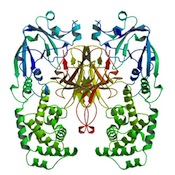
The recombinant fusion protein denileukin diftitox (DD) produced a significant and durable overall response rate at 2 dose levels as compared to placebo in patients with cutaneous T-cell lymphoma (CTCL).
These phase 3 results confirm the efficacy, safety, and clinical benefit of DD in CD25-positive, stage IA to III CTCL. An earlier trial included more heavily pretreated late-stage patients.
Andres Negro-Vilar, MD, PhD, and colleagues reported the current results March 8 ahead of print in the Journal of Clinical Oncology.
The investigators randomized 144 patients—44 to placebo, 45 to 9 mg/kg/day DD, and 55 to 18 m/kg/day DD. Patients received the treatment on days 1 through 5 of each 21-day course for up to 8 courses.
Patients were a median age of 59 years, two thirds had disease stage IIA or earlier, and 94% had received 3 or fewer prior therapies. Prior therapies included phototherapy (48%), interferon alfa (20%), electron beam readiotherapy (48%), system cytotoxic chemotherapy (26%), topical chemotherapy (25%), and other therapies (30%).
Most patients (85%) had mycosis fungoides, 6.3% had Sézary syndrome, and 8.3% had other cutaneous lymphomas.
After a median of 6 treatment courses, patients receiving either dose of DD had a statistically significant overall response rate (ORR) compared to placebo.
Patients in the 18 µg DD group had a 49% ORR, including 9% complete response (CR) or clinical complete response (CCR). This compared to an ORR of 16% for placebo patients (P=0.0015).
Patients in the 9 µg group had a 37.8% ORR, including 11% CR/CCR. This ORR was also significantly better compared to placebo (P=0.0297).
About half of the placebo patients experienced progressive disease compared with 21% of the DD-treated patients.
Progression-free survival (PFS) was significantly longer in the DD-treated patients. The 18 µg-arm had a median PFS of 971 days, the 9 µg-arm had a median PFS of 794 days, and the placebo patients had a median PFS of 124 days.
DD-treated patients in both dose groups experienced significantly superior duration of response, time to response, and time to treatment failure compared to the placebo patients.
DD-treated patients reported more adverse events and serious adverse events than the placebo patients. The investigators observed that the AEs occurred most frequently during the first 2 or 3 treatment courses and then declined to placebo levels.
DD combines the diphtheria toxin with human interleukin-2 (IL-2). DD binds to and is internalized by the IL-2 receptor. Therefore, it is most efficient at killing cells that express the intermediate- or high-affinity IL-2 receptor.
The investigators suggest that the 18 µg/kg/day dose may improve the response rate without increasing toxicity. The higher dose “provides more benefit, such as a higher ORR and statistically significant improvements in several supportive end points . . . DD may represent an important treatment option for many patients with these challenging diseases,” they said.
The recombinant fusion protein denileukin diftitox (DD) produced a significant and durable overall response rate at 2 dose levels as compared to placebo in patients with cutaneous T-cell lymphoma (CTCL).
These phase 3 results confirm the efficacy, safety, and clinical benefit of DD in CD25-positive, stage IA to III CTCL. An earlier trial included more heavily pretreated late-stage patients.
Andres Negro-Vilar, MD, PhD, and colleagues reported the current results March 8 ahead of print in the Journal of Clinical Oncology.
The investigators randomized 144 patients—44 to placebo, 45 to 9 mg/kg/day DD, and 55 to 18 m/kg/day DD. Patients received the treatment on days 1 through 5 of each 21-day course for up to 8 courses.
Patients were a median age of 59 years, two thirds had disease stage IIA or earlier, and 94% had received 3 or fewer prior therapies. Prior therapies included phototherapy (48%), interferon alfa (20%), electron beam readiotherapy (48%), system cytotoxic chemotherapy (26%), topical chemotherapy (25%), and other therapies (30%).
Most patients (85%) had mycosis fungoides, 6.3% had Sézary syndrome, and 8.3% had other cutaneous lymphomas.
After a median of 6 treatment courses, patients receiving either dose of DD had a statistically significant overall response rate (ORR) compared to placebo.
Patients in the 18 µg DD group had a 49% ORR, including 9% complete response (CR) or clinical complete response (CCR). This compared to an ORR of 16% for placebo patients (P=0.0015).
Patients in the 9 µg group had a 37.8% ORR, including 11% CR/CCR. This ORR was also significantly better compared to placebo (P=0.0297).
About half of the placebo patients experienced progressive disease compared with 21% of the DD-treated patients.
Progression-free survival (PFS) was significantly longer in the DD-treated patients. The 18 µg-arm had a median PFS of 971 days, the 9 µg-arm had a median PFS of 794 days, and the placebo patients had a median PFS of 124 days.
DD-treated patients in both dose groups experienced significantly superior duration of response, time to response, and time to treatment failure compared to the placebo patients.
DD-treated patients reported more adverse events and serious adverse events than the placebo patients. The investigators observed that the AEs occurred most frequently during the first 2 or 3 treatment courses and then declined to placebo levels.
DD combines the diphtheria toxin with human interleukin-2 (IL-2). DD binds to and is internalized by the IL-2 receptor. Therefore, it is most efficient at killing cells that express the intermediate- or high-affinity IL-2 receptor.
The investigators suggest that the 18 µg/kg/day dose may improve the response rate without increasing toxicity. The higher dose “provides more benefit, such as a higher ORR and statistically significant improvements in several supportive end points . . . DD may represent an important treatment option for many patients with these challenging diseases,” they said.
The recombinant fusion protein denileukin diftitox (DD) produced a significant and durable overall response rate at 2 dose levels as compared to placebo in patients with cutaneous T-cell lymphoma (CTCL).
These phase 3 results confirm the efficacy, safety, and clinical benefit of DD in CD25-positive, stage IA to III CTCL. An earlier trial included more heavily pretreated late-stage patients.
Andres Negro-Vilar, MD, PhD, and colleagues reported the current results March 8 ahead of print in the Journal of Clinical Oncology.
The investigators randomized 144 patients—44 to placebo, 45 to 9 mg/kg/day DD, and 55 to 18 m/kg/day DD. Patients received the treatment on days 1 through 5 of each 21-day course for up to 8 courses.
Patients were a median age of 59 years, two thirds had disease stage IIA or earlier, and 94% had received 3 or fewer prior therapies. Prior therapies included phototherapy (48%), interferon alfa (20%), electron beam readiotherapy (48%), system cytotoxic chemotherapy (26%), topical chemotherapy (25%), and other therapies (30%).
Most patients (85%) had mycosis fungoides, 6.3% had Sézary syndrome, and 8.3% had other cutaneous lymphomas.
After a median of 6 treatment courses, patients receiving either dose of DD had a statistically significant overall response rate (ORR) compared to placebo.
Patients in the 18 µg DD group had a 49% ORR, including 9% complete response (CR) or clinical complete response (CCR). This compared to an ORR of 16% for placebo patients (P=0.0015).
Patients in the 9 µg group had a 37.8% ORR, including 11% CR/CCR. This ORR was also significantly better compared to placebo (P=0.0297).
About half of the placebo patients experienced progressive disease compared with 21% of the DD-treated patients.
Progression-free survival (PFS) was significantly longer in the DD-treated patients. The 18 µg-arm had a median PFS of 971 days, the 9 µg-arm had a median PFS of 794 days, and the placebo patients had a median PFS of 124 days.
DD-treated patients in both dose groups experienced significantly superior duration of response, time to response, and time to treatment failure compared to the placebo patients.
DD-treated patients reported more adverse events and serious adverse events than the placebo patients. The investigators observed that the AEs occurred most frequently during the first 2 or 3 treatment courses and then declined to placebo levels.
DD combines the diphtheria toxin with human interleukin-2 (IL-2). DD binds to and is internalized by the IL-2 receptor. Therefore, it is most efficient at killing cells that express the intermediate- or high-affinity IL-2 receptor.
The investigators suggest that the 18 µg/kg/day dose may improve the response rate without increasing toxicity. The higher dose “provides more benefit, such as a higher ORR and statistically significant improvements in several supportive end points . . . DD may represent an important treatment option for many patients with these challenging diseases,” they said.
ODAC votes against one leukemia, one NHL drug
The Oncologic Drugs Advisory Committee (ODAC) recommended yesterday against approval of pixantrone for the treatment of recurrent or refractory aggressive non-Hodgkin’s lymphoma (NHL).
ODAC voted unanimously against the approval of pixantrone, saying that the drug did not demonstrate a statistically significant improvement over the control arm. The complete response rate was 20.0% with pixantrone and 5.7% with the comparator therapies.
ODAC also expressed concern that the phase 3 trial was stopped early at 44% of planned enrollment due to poor accrual. And only 8 of the 70 patients enrolled were US patients, raising concern about whether the results held true for the US population.
Pixantrone dimaleate, an aza-anthracenedione, is developed by the Seattle-based Cell Therapeutics, Inc.
ODAC also considered the application of Australian drug maker ChemGenex Pharmaceuticals for omacetaxine mepesuccinate. In a 7-1 decision, ODAC recommended a single genetic test be developed and approved prior to consideration of omacetaxine for the treatment of adults with chronic myeloid leukemia with the Bcr-Abl T3151 mutation.
The drug maker used 2 different tests to identify patients with the mutation. In addition, 23 of 66 patients did not have central laboratory confirmation of the mutation. ODAC was concerned that the comparability of the tests was unknown.
The applicant had submitted data on efficacy and safety prior to completing the planned enrollment of 100 patients, which meant that data from approximately a third of the planned population were missing at the time of consideration.
The US Food and Drug Administration usually follows the recommendations of ODAC. 
The Oncologic Drugs Advisory Committee (ODAC) recommended yesterday against approval of pixantrone for the treatment of recurrent or refractory aggressive non-Hodgkin’s lymphoma (NHL).
ODAC voted unanimously against the approval of pixantrone, saying that the drug did not demonstrate a statistically significant improvement over the control arm. The complete response rate was 20.0% with pixantrone and 5.7% with the comparator therapies.
ODAC also expressed concern that the phase 3 trial was stopped early at 44% of planned enrollment due to poor accrual. And only 8 of the 70 patients enrolled were US patients, raising concern about whether the results held true for the US population.
Pixantrone dimaleate, an aza-anthracenedione, is developed by the Seattle-based Cell Therapeutics, Inc.
ODAC also considered the application of Australian drug maker ChemGenex Pharmaceuticals for omacetaxine mepesuccinate. In a 7-1 decision, ODAC recommended a single genetic test be developed and approved prior to consideration of omacetaxine for the treatment of adults with chronic myeloid leukemia with the Bcr-Abl T3151 mutation.
The drug maker used 2 different tests to identify patients with the mutation. In addition, 23 of 66 patients did not have central laboratory confirmation of the mutation. ODAC was concerned that the comparability of the tests was unknown.
The applicant had submitted data on efficacy and safety prior to completing the planned enrollment of 100 patients, which meant that data from approximately a third of the planned population were missing at the time of consideration.
The US Food and Drug Administration usually follows the recommendations of ODAC.
The Oncologic Drugs Advisory Committee (ODAC) recommended yesterday against approval of pixantrone for the treatment of recurrent or refractory aggressive non-Hodgkin’s lymphoma (NHL).
ODAC voted unanimously against the approval of pixantrone, saying that the drug did not demonstrate a statistically significant improvement over the control arm. The complete response rate was 20.0% with pixantrone and 5.7% with the comparator therapies.
ODAC also expressed concern that the phase 3 trial was stopped early at 44% of planned enrollment due to poor accrual. And only 8 of the 70 patients enrolled were US patients, raising concern about whether the results held true for the US population.
Pixantrone dimaleate, an aza-anthracenedione, is developed by the Seattle-based Cell Therapeutics, Inc.
ODAC also considered the application of Australian drug maker ChemGenex Pharmaceuticals for omacetaxine mepesuccinate. In a 7-1 decision, ODAC recommended a single genetic test be developed and approved prior to consideration of omacetaxine for the treatment of adults with chronic myeloid leukemia with the Bcr-Abl T3151 mutation.
The drug maker used 2 different tests to identify patients with the mutation. In addition, 23 of 66 patients did not have central laboratory confirmation of the mutation. ODAC was concerned that the comparability of the tests was unknown.
The applicant had submitted data on efficacy and safety prior to completing the planned enrollment of 100 patients, which meant that data from approximately a third of the planned population were missing at the time of consideration.
The US Food and Drug Administration usually follows the recommendations of ODAC.
Phase 3 trial of pixantrone leaves FDA uneasy
The phase 3 EXTEND PIX301 trial, which will be reviewed by the US Food and Drug Administration’s (FDA) Oncologic Drugs Advisory Committee (ODAC) in the near future, is raising serious questions among members regarding the efficacy and safety of pixantrone.
The drug is intended to treat non-Hodgkin’s lymphoma (NHL) that has resisted at least 2 other treatments.
Among multiple concerns, the trial only included 40% of the original 320 participants that were to be enrolled.
A possible explanation is that third-line patients wanted to use multi-agent chemotherapy or supportive care. Regardless of the reason, ODAC members are unsure if 140 participants can provide enough evidence for reliable conclusions.
Twenty percent of patients receiving pixantrone achieved complete responses (CR) or unconfirmed complete responses (CRu), compared to less than 6% in the comparator group (P=0.021).
However, it has been noted that if only 2 fewer patients achieved CR or CRu, the data would not be statistically significant (P=0.06).
The comparator arm was the doctors’ choice of other single-agent chemotherapy.
Grade 3-4 serious adverse events, including neutropenia, anemia, leukopenia, and thrombocytopenia, were higher in the pixantrone arm (77% versus 52%).
There were 12 deaths from adverse events in the pixantrone arm of the study from cardiac failure, infection, respiratory failure, and other causes.
There were only 5 deaths from adverse events in the comparator arm, suggesting that pixantrone is cardiotoxic, although the FDA did not claim to be able to draw conclusions relative to other NHL drugs.
The committee moved 2 patients from the pixantrone arm of the study to a different response category and 1 from the comparator arm after reviewing radiology scans. No bias was detected during the review.
ODAC was scheduled to meet Wednesday, February 10, but the meeting was postponed due to heavy snow.
The EXTEND PIX301 trial is sponsored by Cell Therapeutics, the company developing pixantrone.
The phase 3 EXTEND PIX301 trial, which will be reviewed by the US Food and Drug Administration’s (FDA) Oncologic Drugs Advisory Committee (ODAC) in the near future, is raising serious questions among members regarding the efficacy and safety of pixantrone.
The drug is intended to treat non-Hodgkin’s lymphoma (NHL) that has resisted at least 2 other treatments.
Among multiple concerns, the trial only included 40% of the original 320 participants that were to be enrolled.
A possible explanation is that third-line patients wanted to use multi-agent chemotherapy or supportive care. Regardless of the reason, ODAC members are unsure if 140 participants can provide enough evidence for reliable conclusions.
Twenty percent of patients receiving pixantrone achieved complete responses (CR) or unconfirmed complete responses (CRu), compared to less than 6% in the comparator group (P=0.021).
However, it has been noted that if only 2 fewer patients achieved CR or CRu, the data would not be statistically significant (P=0.06).
The comparator arm was the doctors’ choice of other single-agent chemotherapy.
Grade 3-4 serious adverse events, including neutropenia, anemia, leukopenia, and thrombocytopenia, were higher in the pixantrone arm (77% versus 52%).
There were 12 deaths from adverse events in the pixantrone arm of the study from cardiac failure, infection, respiratory failure, and other causes.
There were only 5 deaths from adverse events in the comparator arm, suggesting that pixantrone is cardiotoxic, although the FDA did not claim to be able to draw conclusions relative to other NHL drugs.
The committee moved 2 patients from the pixantrone arm of the study to a different response category and 1 from the comparator arm after reviewing radiology scans. No bias was detected during the review.
ODAC was scheduled to meet Wednesday, February 10, but the meeting was postponed due to heavy snow.
The EXTEND PIX301 trial is sponsored by Cell Therapeutics, the company developing pixantrone.
The phase 3 EXTEND PIX301 trial, which will be reviewed by the US Food and Drug Administration’s (FDA) Oncologic Drugs Advisory Committee (ODAC) in the near future, is raising serious questions among members regarding the efficacy and safety of pixantrone.
The drug is intended to treat non-Hodgkin’s lymphoma (NHL) that has resisted at least 2 other treatments.
Among multiple concerns, the trial only included 40% of the original 320 participants that were to be enrolled.
A possible explanation is that third-line patients wanted to use multi-agent chemotherapy or supportive care. Regardless of the reason, ODAC members are unsure if 140 participants can provide enough evidence for reliable conclusions.
Twenty percent of patients receiving pixantrone achieved complete responses (CR) or unconfirmed complete responses (CRu), compared to less than 6% in the comparator group (P=0.021).
However, it has been noted that if only 2 fewer patients achieved CR or CRu, the data would not be statistically significant (P=0.06).
The comparator arm was the doctors’ choice of other single-agent chemotherapy.
Grade 3-4 serious adverse events, including neutropenia, anemia, leukopenia, and thrombocytopenia, were higher in the pixantrone arm (77% versus 52%).
There were 12 deaths from adverse events in the pixantrone arm of the study from cardiac failure, infection, respiratory failure, and other causes.
There were only 5 deaths from adverse events in the comparator arm, suggesting that pixantrone is cardiotoxic, although the FDA did not claim to be able to draw conclusions relative to other NHL drugs.
The committee moved 2 patients from the pixantrone arm of the study to a different response category and 1 from the comparator arm after reviewing radiology scans. No bias was detected during the review.
ODAC was scheduled to meet Wednesday, February 10, but the meeting was postponed due to heavy snow.
The EXTEND PIX301 trial is sponsored by Cell Therapeutics, the company developing pixantrone.
Multiple Myeloma in the Elderly
In the VISTA trial, the Spanish Myeloma Group created an induction regimen of bortezomib, melphalan, and prednisone that elderly patients could tolerate. This year the group took that regimen a step further.
In the VISTA trial, the Spanish Myeloma Group created an induction regimen of bortezomib, melphalan, and prednisone that elderly patients could tolerate. This year the group took that regimen a step further.
In the VISTA trial, the Spanish Myeloma Group created an induction regimen of bortezomib, melphalan, and prednisone that elderly patients could tolerate. This year the group took that regimen a step further.
First-Line Lymphoma Treatments
Bendamustine plus rituximab has the potential to replace standard CHOP chemotherapy plus rituximab in the first-line treatment of advanced lymphomas. Dr. Mathias J. Rummel discusses data presented at the annual meeting of the American Society of Hematology.
Bendamustine plus rituximab has the potential to replace standard CHOP chemotherapy plus rituximab in the first-line treatment of advanced lymphomas. Dr. Mathias J. Rummel discusses data presented at the annual meeting of the American Society of Hematology.
Bendamustine plus rituximab has the potential to replace standard CHOP chemotherapy plus rituximab in the first-line treatment of advanced lymphomas. Dr. Mathias J. Rummel discusses data presented at the annual meeting of the American Society of Hematology.