User login
FDA: Rare Brain Infection Prompts Boxed Warning for Brentuximab
The Food and Drug Administration on Jan. 13 announced that a boxed warning will be added to the label of brentuximab vedotin because of reports of two cases of progressive multifocal leukoencephalopathy associated with the drug’s use in lymphoma patients.
Brentuximab vedotin (Adcetris) was approved in August 2011 for the treatment of Hodgkin’s lymphoma and systemic anaplastic large cell lymphoma. At the time of its approval, the warnings and precautions label described one case of progressive multifocal leukoencephalopathy (PML), a rare and potentially fatal brain infection. These two additional cases prompted the new boxed warning because of the serious nature of the infection, the FDA release stated.
Additionally, a contraindication warning against the use of brentuximab vedotin in combination with the antitumor antibiotic bleomycin (Blenoxane) has been added to the label because of an association with an increased risk of pulmonary toxicity.
Signs and symptoms of PML include mood or behavior changes; confusion; altered cognitive abilities; memory loss; vision, speech, and motor function changes; and unilateral weakness or decreased strength that can develop over several weeks or months, according to the statement.
The new label advises patients who develop signs or symptoms of the condition to notify their health care provider immediately. If PML is suspected, health care professionals are advised to hold dosing pending the diagnosis of PML, and discontinue the drug if the diagnosis is confirmed.
To listen to a podcast concerning the brentuximab warning, click on the "Listen" button below. Podcast courstesy of the FDA.

The Food and Drug Administration on Jan. 13 announced that a boxed warning will be added to the label of brentuximab vedotin because of reports of two cases of progressive multifocal leukoencephalopathy associated with the drug’s use in lymphoma patients.
Brentuximab vedotin (Adcetris) was approved in August 2011 for the treatment of Hodgkin’s lymphoma and systemic anaplastic large cell lymphoma. At the time of its approval, the warnings and precautions label described one case of progressive multifocal leukoencephalopathy (PML), a rare and potentially fatal brain infection. These two additional cases prompted the new boxed warning because of the serious nature of the infection, the FDA release stated.
Additionally, a contraindication warning against the use of brentuximab vedotin in combination with the antitumor antibiotic bleomycin (Blenoxane) has been added to the label because of an association with an increased risk of pulmonary toxicity.
Signs and symptoms of PML include mood or behavior changes; confusion; altered cognitive abilities; memory loss; vision, speech, and motor function changes; and unilateral weakness or decreased strength that can develop over several weeks or months, according to the statement.
The new label advises patients who develop signs or symptoms of the condition to notify their health care provider immediately. If PML is suspected, health care professionals are advised to hold dosing pending the diagnosis of PML, and discontinue the drug if the diagnosis is confirmed.
To listen to a podcast concerning the brentuximab warning, click on the "Listen" button below. Podcast courstesy of the FDA.
The Food and Drug Administration on Jan. 13 announced that a boxed warning will be added to the label of brentuximab vedotin because of reports of two cases of progressive multifocal leukoencephalopathy associated with the drug’s use in lymphoma patients.
Brentuximab vedotin (Adcetris) was approved in August 2011 for the treatment of Hodgkin’s lymphoma and systemic anaplastic large cell lymphoma. At the time of its approval, the warnings and precautions label described one case of progressive multifocal leukoencephalopathy (PML), a rare and potentially fatal brain infection. These two additional cases prompted the new boxed warning because of the serious nature of the infection, the FDA release stated.
Additionally, a contraindication warning against the use of brentuximab vedotin in combination with the antitumor antibiotic bleomycin (Blenoxane) has been added to the label because of an association with an increased risk of pulmonary toxicity.
Signs and symptoms of PML include mood or behavior changes; confusion; altered cognitive abilities; memory loss; vision, speech, and motor function changes; and unilateral weakness or decreased strength that can develop over several weeks or months, according to the statement.
The new label advises patients who develop signs or symptoms of the condition to notify their health care provider immediately. If PML is suspected, health care professionals are advised to hold dosing pending the diagnosis of PML, and discontinue the drug if the diagnosis is confirmed.
To listen to a podcast concerning the brentuximab warning, click on the "Listen" button below. Podcast courstesy of the FDA.
Pregnant Women With Lymphoma Can Have Good Outcomes
SAN DIEGO – Women diagnosed with lymphoma during pregnancy stand a good chance of carrying a healthy child to term even when they opt for treatment during the second or third trimester, according to a retrospective multicenter analysis.
Among 82 women diagnosed with either Hodgkin’s or non-Hodgkin’s lymphoma during pregnancy, 48 opted to start therapy during pregnancy rather than defer it until after delivery, investigators reported at the annual meeting of the American Society of Hematology.
All but one woman had a normal birth, the exception being a severe malformation: microcephaly in the fetus of a woman who had received four cycles of CHOP (cyclophosphamide, doxorubicin, vincristine, and prednisone) for diffuse large B-cell lymphoma (DLBCL).
The timing of therapy did not appear to affect overall survival, with the 3-year progression-free survival (PFS) rate being 76% among women who underwent treatment during pregnancy, compared with 79% for those who deferred it, said Dr. Andrew M. Evens of the University of Massachusetts in Worcester.
Respective overall survival rates were 92% and 83%, he reported. For the six women who elected to terminate their pregnancies, the 3-year PFS rate and overall survival rate were each 100%.
Among 39 women with Hodgkin’s lymphoma (HL), the 3-year PFS rate was 90%, and overall survival was 95%. Among 33 patients with B-cell non-Hodgkin’s lymphomas (NHL), 73% were progression free at 3 years; the overall survival rate was 82%. For 10 women with NHL of T-cell histology, the respective figures were 50% and 90%.
"We conclude that standard chemotherapy – non-antimetabolite chemotherapy – and radiation in select cases, in particular localized disease likely above the diaphragm during the second and third trimester, were associated with expected maternal complications and fetal detriment," Dr. Evens said.
Women with low-risk disease, such as indolent NHL, or a diagnosis late in gestation may be able to defer therapy until after delivery, he added.
Cancers in Pregnancy Uncommon. Cancer diagnoses during pregnancy are uncommon, occurring in about 3,500 women annually in the United States. The estimated prevalence is 1 in 1,000 gestations. Hematologic malignancies, primarily lymphomas, account for about 20% of all cancers diagnosed in pregnancy, Dr. Evens said.
He and his colleagues at nine academic medical centers conducted a descriptive retrospective analysis looking at histology, disease characteristics, therapy received, and maternal and fetal complications among pregnant women diagnosed with lymphomas from 1998 through 2011.
Of the 82 women identified for whom follow-up data were available, 43 (52%) were diagnosed with NHL (83% B-cell and 17% T-cell histologies) and 39 (48%) with HL. The median time of diagnosis was at 24 weeks gestation (range 5-40 weeks).
Six patients (4 with NHL and 2 with HL) decided to terminate the pregnancies to have immediate chemotherapy. Five of these patients were diagnosed in the first trimester and required systemic therapy.
The remaining patient was diagnosed early in the second trimester with lymphoma involving the central nervous system and requiring high-dose methotrexate, an antimetabolite in FDA pregnancy category X (positive evidence of fetal harm from animal or human studies and/or clinical experience; contraindicated). Other antimetabolites are classified in category D (positive evidence of fetal risk, but the benefits may warrant use in pregnant women).
A total of 28 patients (34%) chose to defer therapy, including 15 with HL, 5 with follicular lymphoma, 4 with DLBCL, 3 with T-cell lymphoma, and 1 with Burkitt’s lymphoma. The median gestation time at diagnosis in these patients was 34 weeks (range 6-38).
Of the 48 patients who chose to start therapy during pregnancy, 27 patients with NHL received therapy with CHOP, CHOP plus rituximab (Rituxan), modified hyperCVAD (cyclophosphamide, vincristine, doxorubicin, and dexamethasone), or similar regimens.
All but 2 patients with HL received the ABVD regimen (doxorubicin, bleomycin, vinblastine, and dacarbazine), and 4 of these patients also received partial-dose radiation therapy with shielding of the fetus. One patient received AVD (no bleomycin), and 1 received ChlVPP (chlorambucil, vinblastine, procarbazine, and prednisone). Treatments ranged from the 13th to the 33rd week of gestation.
Among the 48 treated patients, gestation reached full term in 73% with delivery at a median of 37 weeks (range 31-40); most of the deliveries occurred at or after 35 weeks. Among the 28 patients who deferred therapy, delivery was at a median of 38 weeks (range 26-40), and 86% of these women were able to carry their pregnancies to term.
"The goal in every patient, whether they received therapy or not, was to try and deliver as close to term as possible," Dr. Evens said.
Among all patients, 72% had vaginal delivery, and 28% had cesarean sections.
Labor Induced in Nearly Half of Patients. The most common preterm complication was the need for induction of labor in 45%. Preeclampsia occurred in 8%, 5% had spontaneous rupture of membranes, and 4% had gestational diabetes. There were no reported cases of endometritis or chorioamnionitis. There were no significant differences in preterm events between patients who were treated or deferred therapy.
There was one stillbirth, occurring in a 34-year-old woman with double-hit (two-mutation) NHL at 19 weeks after one cycle of R-CHOP.
One woman died before giving birth. She had very-high-risk DLBCL with significant metastases to the liver. She had been diagnosed at week 29 and died at week 32 from encephalopathy, but delivered a healthy infant before her death.
Outcomes for the fetuses of the 76 women who opted to continue their pregnancies included the aforementioned stillbirth and 1 case of microcephaly in a woman who had received four cycles of CHOP for DLBCL.
The median birth weight of neonates was 2,427 g (range 1,005-5,262 g), and there were no differences between the children of women who underwent antepartum chemotherapy or deferred therapy.
Dr. Evens noted that the investigators looked only at acute fetal outcomes, and have not evaluated long-term developmental measures.
The study was funded by the participating centers. The authors reported no relevant conflicts of interest.
SAN DIEGO – Women diagnosed with lymphoma during pregnancy stand a good chance of carrying a healthy child to term even when they opt for treatment during the second or third trimester, according to a retrospective multicenter analysis.
Among 82 women diagnosed with either Hodgkin’s or non-Hodgkin’s lymphoma during pregnancy, 48 opted to start therapy during pregnancy rather than defer it until after delivery, investigators reported at the annual meeting of the American Society of Hematology.
All but one woman had a normal birth, the exception being a severe malformation: microcephaly in the fetus of a woman who had received four cycles of CHOP (cyclophosphamide, doxorubicin, vincristine, and prednisone) for diffuse large B-cell lymphoma (DLBCL).
The timing of therapy did not appear to affect overall survival, with the 3-year progression-free survival (PFS) rate being 76% among women who underwent treatment during pregnancy, compared with 79% for those who deferred it, said Dr. Andrew M. Evens of the University of Massachusetts in Worcester.
Respective overall survival rates were 92% and 83%, he reported. For the six women who elected to terminate their pregnancies, the 3-year PFS rate and overall survival rate were each 100%.
Among 39 women with Hodgkin’s lymphoma (HL), the 3-year PFS rate was 90%, and overall survival was 95%. Among 33 patients with B-cell non-Hodgkin’s lymphomas (NHL), 73% were progression free at 3 years; the overall survival rate was 82%. For 10 women with NHL of T-cell histology, the respective figures were 50% and 90%.
"We conclude that standard chemotherapy – non-antimetabolite chemotherapy – and radiation in select cases, in particular localized disease likely above the diaphragm during the second and third trimester, were associated with expected maternal complications and fetal detriment," Dr. Evens said.
Women with low-risk disease, such as indolent NHL, or a diagnosis late in gestation may be able to defer therapy until after delivery, he added.
Cancers in Pregnancy Uncommon. Cancer diagnoses during pregnancy are uncommon, occurring in about 3,500 women annually in the United States. The estimated prevalence is 1 in 1,000 gestations. Hematologic malignancies, primarily lymphomas, account for about 20% of all cancers diagnosed in pregnancy, Dr. Evens said.
He and his colleagues at nine academic medical centers conducted a descriptive retrospective analysis looking at histology, disease characteristics, therapy received, and maternal and fetal complications among pregnant women diagnosed with lymphomas from 1998 through 2011.
Of the 82 women identified for whom follow-up data were available, 43 (52%) were diagnosed with NHL (83% B-cell and 17% T-cell histologies) and 39 (48%) with HL. The median time of diagnosis was at 24 weeks gestation (range 5-40 weeks).
Six patients (4 with NHL and 2 with HL) decided to terminate the pregnancies to have immediate chemotherapy. Five of these patients were diagnosed in the first trimester and required systemic therapy.
The remaining patient was diagnosed early in the second trimester with lymphoma involving the central nervous system and requiring high-dose methotrexate, an antimetabolite in FDA pregnancy category X (positive evidence of fetal harm from animal or human studies and/or clinical experience; contraindicated). Other antimetabolites are classified in category D (positive evidence of fetal risk, but the benefits may warrant use in pregnant women).
A total of 28 patients (34%) chose to defer therapy, including 15 with HL, 5 with follicular lymphoma, 4 with DLBCL, 3 with T-cell lymphoma, and 1 with Burkitt’s lymphoma. The median gestation time at diagnosis in these patients was 34 weeks (range 6-38).
Of the 48 patients who chose to start therapy during pregnancy, 27 patients with NHL received therapy with CHOP, CHOP plus rituximab (Rituxan), modified hyperCVAD (cyclophosphamide, vincristine, doxorubicin, and dexamethasone), or similar regimens.
All but 2 patients with HL received the ABVD regimen (doxorubicin, bleomycin, vinblastine, and dacarbazine), and 4 of these patients also received partial-dose radiation therapy with shielding of the fetus. One patient received AVD (no bleomycin), and 1 received ChlVPP (chlorambucil, vinblastine, procarbazine, and prednisone). Treatments ranged from the 13th to the 33rd week of gestation.
Among the 48 treated patients, gestation reached full term in 73% with delivery at a median of 37 weeks (range 31-40); most of the deliveries occurred at or after 35 weeks. Among the 28 patients who deferred therapy, delivery was at a median of 38 weeks (range 26-40), and 86% of these women were able to carry their pregnancies to term.
"The goal in every patient, whether they received therapy or not, was to try and deliver as close to term as possible," Dr. Evens said.
Among all patients, 72% had vaginal delivery, and 28% had cesarean sections.
Labor Induced in Nearly Half of Patients. The most common preterm complication was the need for induction of labor in 45%. Preeclampsia occurred in 8%, 5% had spontaneous rupture of membranes, and 4% had gestational diabetes. There were no reported cases of endometritis or chorioamnionitis. There were no significant differences in preterm events between patients who were treated or deferred therapy.
There was one stillbirth, occurring in a 34-year-old woman with double-hit (two-mutation) NHL at 19 weeks after one cycle of R-CHOP.
One woman died before giving birth. She had very-high-risk DLBCL with significant metastases to the liver. She had been diagnosed at week 29 and died at week 32 from encephalopathy, but delivered a healthy infant before her death.
Outcomes for the fetuses of the 76 women who opted to continue their pregnancies included the aforementioned stillbirth and 1 case of microcephaly in a woman who had received four cycles of CHOP for DLBCL.
The median birth weight of neonates was 2,427 g (range 1,005-5,262 g), and there were no differences between the children of women who underwent antepartum chemotherapy or deferred therapy.
Dr. Evens noted that the investigators looked only at acute fetal outcomes, and have not evaluated long-term developmental measures.
The study was funded by the participating centers. The authors reported no relevant conflicts of interest.
SAN DIEGO – Women diagnosed with lymphoma during pregnancy stand a good chance of carrying a healthy child to term even when they opt for treatment during the second or third trimester, according to a retrospective multicenter analysis.
Among 82 women diagnosed with either Hodgkin’s or non-Hodgkin’s lymphoma during pregnancy, 48 opted to start therapy during pregnancy rather than defer it until after delivery, investigators reported at the annual meeting of the American Society of Hematology.
All but one woman had a normal birth, the exception being a severe malformation: microcephaly in the fetus of a woman who had received four cycles of CHOP (cyclophosphamide, doxorubicin, vincristine, and prednisone) for diffuse large B-cell lymphoma (DLBCL).
The timing of therapy did not appear to affect overall survival, with the 3-year progression-free survival (PFS) rate being 76% among women who underwent treatment during pregnancy, compared with 79% for those who deferred it, said Dr. Andrew M. Evens of the University of Massachusetts in Worcester.
Respective overall survival rates were 92% and 83%, he reported. For the six women who elected to terminate their pregnancies, the 3-year PFS rate and overall survival rate were each 100%.
Among 39 women with Hodgkin’s lymphoma (HL), the 3-year PFS rate was 90%, and overall survival was 95%. Among 33 patients with B-cell non-Hodgkin’s lymphomas (NHL), 73% were progression free at 3 years; the overall survival rate was 82%. For 10 women with NHL of T-cell histology, the respective figures were 50% and 90%.
"We conclude that standard chemotherapy – non-antimetabolite chemotherapy – and radiation in select cases, in particular localized disease likely above the diaphragm during the second and third trimester, were associated with expected maternal complications and fetal detriment," Dr. Evens said.
Women with low-risk disease, such as indolent NHL, or a diagnosis late in gestation may be able to defer therapy until after delivery, he added.
Cancers in Pregnancy Uncommon. Cancer diagnoses during pregnancy are uncommon, occurring in about 3,500 women annually in the United States. The estimated prevalence is 1 in 1,000 gestations. Hematologic malignancies, primarily lymphomas, account for about 20% of all cancers diagnosed in pregnancy, Dr. Evens said.
He and his colleagues at nine academic medical centers conducted a descriptive retrospective analysis looking at histology, disease characteristics, therapy received, and maternal and fetal complications among pregnant women diagnosed with lymphomas from 1998 through 2011.
Of the 82 women identified for whom follow-up data were available, 43 (52%) were diagnosed with NHL (83% B-cell and 17% T-cell histologies) and 39 (48%) with HL. The median time of diagnosis was at 24 weeks gestation (range 5-40 weeks).
Six patients (4 with NHL and 2 with HL) decided to terminate the pregnancies to have immediate chemotherapy. Five of these patients were diagnosed in the first trimester and required systemic therapy.
The remaining patient was diagnosed early in the second trimester with lymphoma involving the central nervous system and requiring high-dose methotrexate, an antimetabolite in FDA pregnancy category X (positive evidence of fetal harm from animal or human studies and/or clinical experience; contraindicated). Other antimetabolites are classified in category D (positive evidence of fetal risk, but the benefits may warrant use in pregnant women).
A total of 28 patients (34%) chose to defer therapy, including 15 with HL, 5 with follicular lymphoma, 4 with DLBCL, 3 with T-cell lymphoma, and 1 with Burkitt’s lymphoma. The median gestation time at diagnosis in these patients was 34 weeks (range 6-38).
Of the 48 patients who chose to start therapy during pregnancy, 27 patients with NHL received therapy with CHOP, CHOP plus rituximab (Rituxan), modified hyperCVAD (cyclophosphamide, vincristine, doxorubicin, and dexamethasone), or similar regimens.
All but 2 patients with HL received the ABVD regimen (doxorubicin, bleomycin, vinblastine, and dacarbazine), and 4 of these patients also received partial-dose radiation therapy with shielding of the fetus. One patient received AVD (no bleomycin), and 1 received ChlVPP (chlorambucil, vinblastine, procarbazine, and prednisone). Treatments ranged from the 13th to the 33rd week of gestation.
Among the 48 treated patients, gestation reached full term in 73% with delivery at a median of 37 weeks (range 31-40); most of the deliveries occurred at or after 35 weeks. Among the 28 patients who deferred therapy, delivery was at a median of 38 weeks (range 26-40), and 86% of these women were able to carry their pregnancies to term.
"The goal in every patient, whether they received therapy or not, was to try and deliver as close to term as possible," Dr. Evens said.
Among all patients, 72% had vaginal delivery, and 28% had cesarean sections.
Labor Induced in Nearly Half of Patients. The most common preterm complication was the need for induction of labor in 45%. Preeclampsia occurred in 8%, 5% had spontaneous rupture of membranes, and 4% had gestational diabetes. There were no reported cases of endometritis or chorioamnionitis. There were no significant differences in preterm events between patients who were treated or deferred therapy.
There was one stillbirth, occurring in a 34-year-old woman with double-hit (two-mutation) NHL at 19 weeks after one cycle of R-CHOP.
One woman died before giving birth. She had very-high-risk DLBCL with significant metastases to the liver. She had been diagnosed at week 29 and died at week 32 from encephalopathy, but delivered a healthy infant before her death.
Outcomes for the fetuses of the 76 women who opted to continue their pregnancies included the aforementioned stillbirth and 1 case of microcephaly in a woman who had received four cycles of CHOP for DLBCL.
The median birth weight of neonates was 2,427 g (range 1,005-5,262 g), and there were no differences between the children of women who underwent antepartum chemotherapy or deferred therapy.
Dr. Evens noted that the investigators looked only at acute fetal outcomes, and have not evaluated long-term developmental measures.
The study was funded by the participating centers. The authors reported no relevant conflicts of interest.
FROM THE ANNUAL MEETING OF THE AMERICAN SOCIETY OF HEMATOLOGY
Major Finding: Among women with lymphomas diagnosed during pregnancy, the 3-year progression-free survival rates were 76% in women who underwent immediate treatment and 79% for those who deferred it until after delivery. Respective overall survival rates were 92% and 83%.
Data Source: Retrospective analysis of 82 cases from nine academic health centers.
Disclosures: The study was funded by the participating centers. The authors reported no relevant conflicts of interest.
Pomalidomide Elicits Responses When Other Myeloma Regimens Fail
SAN DIEGO – The potent, next-generation immunomodulatory inhibitor pomalidomide works in at least one-third of patients with relapsed and/or refractory multiple myeloma when nothing else does, a series of studies shows.
MM-002: With Dexamethasone or Alone. One of the most closely watched presentations at the recent American Society of Hematology annual meeting was the one showing phase II results from the phase I/II MM-002 study of pomalidomide with or without low-dose dexamethasone in relapsed and refractory myeloma. The heavily pretreated 221-patient cohort had received a median of five prior regimens (range 2-13), 60% were refractory to lenalidomide (Revlimid) and bortezomib (Velcade), and 99% had received prior dexamethasone.
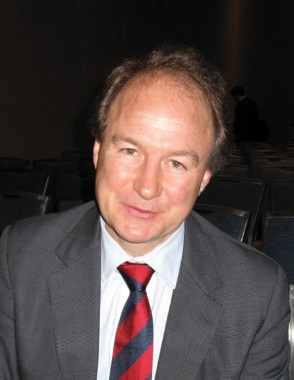
In all, 34% of patients given pomalidomide plus dexamethasone achieved at least a partial response, compared with 13% of those given pomalidomide alone, said Dr. Paul G. Richardson, clinical director of the Jerome Lipper Center for Multiple Myeloma at the Dana-Farber Cancer Institute in Boston. Complete responses were observed in 1% of both groups.
The responses were rapid and the duration of response appeared durable at a median of 8.5 months with single-agent pomalidomide and 7.9 months with the combination. Importantly, stable disease or better was observed in 81% of patients overall, he said.
As observed in the phase I portion of the study, pomalidomide plus dexamethasone was active in the vulnerable population of lenalidomide-refractory patients, with 29% achieving at least a partial response vs. 15% on single-agent pomalidomide. Equally encouraging were similar rates of response in patients refractory to lenalidomide and bortezomib (30% vs. 16%), Dr. Richardson said.
The median time to progression for patients on both drugs was 4.7 months, compared with 2.7 months for those on pomalidomide monotherapy.
Median overall survival reached 16.9 months with both drugs, compared with 14 months with pomalidomide alone. Dr. Richardson pointed out that median overall survival was just 5.4 months for patients with progressive disease as their best response.
Among patients refractory to lenalidomide and bortezomib, the use of pomalidomide and dexamethasone increased the median time to progression from 2.0 months with pomalidomide alone to 3.9 months, and median overall survival from 12.7 months to 13.7 months.
Oral pomalidomide 4 mg/day was administered on a 3-week on, 1-week off schedule with or without dexamethasone 40 mg/week. All patients received daily low-dose aspirin. Notably, 56% of the 108 patients given pomalidomide alone went on to receive dexamethasone due to progression, as per protocol.
During a discussion of the study, Dr. Richardson said the contribution of dexamethasone is critical to the pomalidomide backbone, but that investigators have been struck with how well both regimens are tolerated.
"I’m impressed that it doesn’t have the same muscle cramping and so forth that lenalidomide can sometimes be associated with, and it’s not associated with the diarrhea that can sometimes be a challenge with thalidomide," he said.
Neutropenia was the dominant grade 3-4 adverse event, occurring in 45% of those on single-agent pomalidomide and in 38% on both drugs. Thrombocytopenia was observed in 21% and 19% of patients, respectively. Both adverse events were manageable and required dose reduction in a minimum of patients, Dr. Richardson said.
Importantly, there was no grade 3/4 peripheral neuropathy, an important side effect of treatment with bortezomib, thalidomide, and cisplatin.
On the basis of the findings, pomalidomide is being investigated in phase III trials in the United States and Europe as part of combination treatments including low- and high-dose dexamethasone and bortezomib, he noted.
With Cyclophosphamide and Prednisone. Dr. Antonio Palumbo presented phase II results from a phase I/II study of relapsed or refractory myeloma evaluating continuous pomalidomide 2.5 mg daily in combination with cyclophosphamide 50 mg every other day and prednisone 50 mg every other day. Maintenance therapy with pomalidomide 2.5 mg/day and prednisone 25 mg every other day was given until disease progression.
The 29 evaluable patients had received a median of three prior therapies, and 62% were refractory to lenalidomide.
The most striking findings were the response rates and toxicity, said Dr. Palumbo, chief of the myeloma unit at the University of Torino (Italy).
After a median of four cycles, a partial response or better was observed in 65.5% of patients, at least a very good partial response in 28%, and a complete response in 7%. In the 11 lenalidomide-refractory patients, these response rates reached 81%, 27%, and 9%, respectively, he said.
Responses in the refractory population were described as amazing by an attendee, who asked for a possible explanation. Dr. Palumbo responded that the first explanation is "caution" and that experience shows that a three-drug combination increases efficacy. He went on to say that pomalidomide plus cyclophosphamide and prednisone is a "nice combination with a good risk-benefit ratio."
Key grade 4 hematologic adverse events were neutropenia (17%) and thrombocytopenia (7%). Grade 3 rash occurred in 10% of patients and grade 3/4 neurologic events in 7%. Despite the use of daily low-dose aspirin, 3% of patients experienced grade 3/4 thromboembolism.
Continuous pomalidomide 2.5 mg/day was identified as the maximum tolerated dose in the phase I portion of the study, and is roughly equivalent to the 4-mg dose given on the 3-week on, 1 week-off schedule, Dr. Palumbo said.

Progression-free and overall survival data are immature after a median follow-up of only 4 months, but appear "interesting," he added.
Final Analysis of IFM 2009-02. The French-led Intergroupe Francophone du Myélome (IFM) 2009-02 trial tested the combination of pomalidomide 4 mg/day on days 1-21 or given continuously throughout the 28-day cycle, with dexamethasone 40 mg/week in patients with relapsed multiple myeloma who were resistant or refractory to lenalidomide and bortezomib. The 84 patients had a median of five previous lines of therapy, and three-fourths were refractory to lenalidomide and bortezomib.
Considering the duration of response, treatment duration, and similar safety profile, the 3-week on, 1-week off regimen appears superior to the continuous pomalidomide regimen, said Dr. Xavier Leleu of Hospital Huriez, CHRU, in Lille (France).
The median treatment duration was slightly longer at 7.2 months with the 21-day schedule vs. 5.2 months with continuous pomalidomide. The median number of cycles was 8 and 6, respectively.
A partial response or better was observed in 35% of the 21-day group and in 34% of the 28-day group, including very good partial responses in 1% of both groups and stable disease in 44% and 51%, respectively.
The median duration of response was 10.5 months with the 21-day schedule and 7.2 with the continuous schedule, resulting in more patients on the 21-day schedule being responsive at 1 year or more (47.5% vs. 36%), Dr. Leleu said.
Median progression-free survival (PFS) in the entire study was 5.7 months. This compares favorably with a median of 3.8 months in patients refractory to lenalidomide and bortezomib, and a median of 5.7 months in those refractory to lenalidomide as their last line of therapy, he said.
Notably, median PFS was just 3.8 months in patients with stable disease vs. 11.3 months for responders. "Apparently, it [PFS] is significantly lower in patients with stable disease, but if you have patients who are responders, clearly their outcome is really, really good," Dr. Leleu said.
Subgroup analyses revealed poorer PFS in patients with adverse cytogenetics compared with others (2.8 vs. 9.9 months). PFS was also lower in elderly patients than in those under age 65 (4.0 months vs. 6.8 months), although Dr. Leleu said the numbers were small and it was hard to know whether the elderly received all their medication.
Serious adverse events were reported in 33% of patients in the 3-week on, 1-week off regimen and in 41.5% of those on the continuous regimen.
A study is underway evaluating pomalidomide 2 mg daily, but Dr. Leleu said such a regimen would have to be administered carefully. "There is no room for mistakes, because if you don’t treat them in an optimized way, they can escape treatment very quickly," he said. "So if you can manage 4 mg, it is probably better."
Long-Term Outcomes. Finally, Dr. Joseph R. Mikhael and his colleagues evaluated outcomes 4 years after the first Mayo Clinic cohort of relapsed or refractory myeloma patients was treated with continuous pomalidomide 2 mg/day and weekly dexamethasone 40 mg. The patients also received prophylaxis for deep vein thrombosis (DVT) with aspirin, heparin, or warfarin.
The 60 patients were enrolled from November 2007 to August 2008, and had received one to three prior therapies. Those therapies included stem cell transplantation (65%), bortezomib (33%), thalidomide (47%), lenalidomide (35%), immunomodulatory drugs (60%), and radiation (38%).
In all, 32% were high risk according to mSMART criteria, and 78% had International Staging System 2-3 disease.
A median of 11.5 treatment cycles were administered (range 1-47 cycles). All patients also received DVT prophylaxis with aspirin, heparin, or warfarin.
With a median follow-up of 33.6 months, the overall response was 65% (39/60 patients), including 4 stringent complete responses, 4 complete responses, 15 very good partial responses, and 16 partial responses.
Response was no less in patients with high-risk disease at 74% (14/19 patients), according to Dr. Mikhael, a hematologist at the Mayo Clinic in Scottsdale, Ariz.
The responses were durable, with a median duration of 21.3 months. At the time of the analysis, 12 patients (20%) remained on therapy. "Pomalidomide and dexamethasone provides a long-term benefit with median progression-free survival of 13 months and a 2-year survival rate of 76%," the authors wrote.
Overall survival in the whole cohort has not yet been reached.
In patients with high-risk myeloma, PFS was 9.2 months and overall survival 40.4 months. In the 36 patients with prior immunomodulatory drug use, PFS was 11.6 months; overall survival had not yet been reached, but was 23% at 24 months.
Grades 3-4 nonhematologic toxicities occurred in 50% of patients. The most common grade 3 event was fatigue (18%), followed by pneumonia (8%), hyperglycemia (5%), and constipation (5%). One patient had grade 3 neuropathy, and 2% of patients experienced grade 4 pneumonia.
Celgene provided support for the trials. Dr. Richardson and his coauthors reported financial relationships with several pharmaceutical companies, including Celgene and Millennium Pharmaceuticals. Dr. Palumbo and his coauthors reported relationships with several firms, including Celgene. Dr. Leleu and his coauthors reported financial relationships with Celgene and others. Dr. Mikhael reported no conflicts of interest; his coauthors reported research funding and consultancy with several firms, including Celgene, Millennium, and Onyx Pharmaceuticals.
SAN DIEGO – The potent, next-generation immunomodulatory inhibitor pomalidomide works in at least one-third of patients with relapsed and/or refractory multiple myeloma when nothing else does, a series of studies shows.
MM-002: With Dexamethasone or Alone. One of the most closely watched presentations at the recent American Society of Hematology annual meeting was the one showing phase II results from the phase I/II MM-002 study of pomalidomide with or without low-dose dexamethasone in relapsed and refractory myeloma. The heavily pretreated 221-patient cohort had received a median of five prior regimens (range 2-13), 60% were refractory to lenalidomide (Revlimid) and bortezomib (Velcade), and 99% had received prior dexamethasone.
In all, 34% of patients given pomalidomide plus dexamethasone achieved at least a partial response, compared with 13% of those given pomalidomide alone, said Dr. Paul G. Richardson, clinical director of the Jerome Lipper Center for Multiple Myeloma at the Dana-Farber Cancer Institute in Boston. Complete responses were observed in 1% of both groups.
The responses were rapid and the duration of response appeared durable at a median of 8.5 months with single-agent pomalidomide and 7.9 months with the combination. Importantly, stable disease or better was observed in 81% of patients overall, he said.
As observed in the phase I portion of the study, pomalidomide plus dexamethasone was active in the vulnerable population of lenalidomide-refractory patients, with 29% achieving at least a partial response vs. 15% on single-agent pomalidomide. Equally encouraging were similar rates of response in patients refractory to lenalidomide and bortezomib (30% vs. 16%), Dr. Richardson said.
The median time to progression for patients on both drugs was 4.7 months, compared with 2.7 months for those on pomalidomide monotherapy.
Median overall survival reached 16.9 months with both drugs, compared with 14 months with pomalidomide alone. Dr. Richardson pointed out that median overall survival was just 5.4 months for patients with progressive disease as their best response.
Among patients refractory to lenalidomide and bortezomib, the use of pomalidomide and dexamethasone increased the median time to progression from 2.0 months with pomalidomide alone to 3.9 months, and median overall survival from 12.7 months to 13.7 months.
Oral pomalidomide 4 mg/day was administered on a 3-week on, 1-week off schedule with or without dexamethasone 40 mg/week. All patients received daily low-dose aspirin. Notably, 56% of the 108 patients given pomalidomide alone went on to receive dexamethasone due to progression, as per protocol.
During a discussion of the study, Dr. Richardson said the contribution of dexamethasone is critical to the pomalidomide backbone, but that investigators have been struck with how well both regimens are tolerated.
"I’m impressed that it doesn’t have the same muscle cramping and so forth that lenalidomide can sometimes be associated with, and it’s not associated with the diarrhea that can sometimes be a challenge with thalidomide," he said.
Neutropenia was the dominant grade 3-4 adverse event, occurring in 45% of those on single-agent pomalidomide and in 38% on both drugs. Thrombocytopenia was observed in 21% and 19% of patients, respectively. Both adverse events were manageable and required dose reduction in a minimum of patients, Dr. Richardson said.
Importantly, there was no grade 3/4 peripheral neuropathy, an important side effect of treatment with bortezomib, thalidomide, and cisplatin.
On the basis of the findings, pomalidomide is being investigated in phase III trials in the United States and Europe as part of combination treatments including low- and high-dose dexamethasone and bortezomib, he noted.
With Cyclophosphamide and Prednisone. Dr. Antonio Palumbo presented phase II results from a phase I/II study of relapsed or refractory myeloma evaluating continuous pomalidomide 2.5 mg daily in combination with cyclophosphamide 50 mg every other day and prednisone 50 mg every other day. Maintenance therapy with pomalidomide 2.5 mg/day and prednisone 25 mg every other day was given until disease progression.
The 29 evaluable patients had received a median of three prior therapies, and 62% were refractory to lenalidomide.
The most striking findings were the response rates and toxicity, said Dr. Palumbo, chief of the myeloma unit at the University of Torino (Italy).
After a median of four cycles, a partial response or better was observed in 65.5% of patients, at least a very good partial response in 28%, and a complete response in 7%. In the 11 lenalidomide-refractory patients, these response rates reached 81%, 27%, and 9%, respectively, he said.
Responses in the refractory population were described as amazing by an attendee, who asked for a possible explanation. Dr. Palumbo responded that the first explanation is "caution" and that experience shows that a three-drug combination increases efficacy. He went on to say that pomalidomide plus cyclophosphamide and prednisone is a "nice combination with a good risk-benefit ratio."
Key grade 4 hematologic adverse events were neutropenia (17%) and thrombocytopenia (7%). Grade 3 rash occurred in 10% of patients and grade 3/4 neurologic events in 7%. Despite the use of daily low-dose aspirin, 3% of patients experienced grade 3/4 thromboembolism.
Continuous pomalidomide 2.5 mg/day was identified as the maximum tolerated dose in the phase I portion of the study, and is roughly equivalent to the 4-mg dose given on the 3-week on, 1 week-off schedule, Dr. Palumbo said.
Progression-free and overall survival data are immature after a median follow-up of only 4 months, but appear "interesting," he added.
Final Analysis of IFM 2009-02. The French-led Intergroupe Francophone du Myélome (IFM) 2009-02 trial tested the combination of pomalidomide 4 mg/day on days 1-21 or given continuously throughout the 28-day cycle, with dexamethasone 40 mg/week in patients with relapsed multiple myeloma who were resistant or refractory to lenalidomide and bortezomib. The 84 patients had a median of five previous lines of therapy, and three-fourths were refractory to lenalidomide and bortezomib.
Considering the duration of response, treatment duration, and similar safety profile, the 3-week on, 1-week off regimen appears superior to the continuous pomalidomide regimen, said Dr. Xavier Leleu of Hospital Huriez, CHRU, in Lille (France).
The median treatment duration was slightly longer at 7.2 months with the 21-day schedule vs. 5.2 months with continuous pomalidomide. The median number of cycles was 8 and 6, respectively.
A partial response or better was observed in 35% of the 21-day group and in 34% of the 28-day group, including very good partial responses in 1% of both groups and stable disease in 44% and 51%, respectively.
The median duration of response was 10.5 months with the 21-day schedule and 7.2 with the continuous schedule, resulting in more patients on the 21-day schedule being responsive at 1 year or more (47.5% vs. 36%), Dr. Leleu said.
Median progression-free survival (PFS) in the entire study was 5.7 months. This compares favorably with a median of 3.8 months in patients refractory to lenalidomide and bortezomib, and a median of 5.7 months in those refractory to lenalidomide as their last line of therapy, he said.
Notably, median PFS was just 3.8 months in patients with stable disease vs. 11.3 months for responders. "Apparently, it [PFS] is significantly lower in patients with stable disease, but if you have patients who are responders, clearly their outcome is really, really good," Dr. Leleu said.
Subgroup analyses revealed poorer PFS in patients with adverse cytogenetics compared with others (2.8 vs. 9.9 months). PFS was also lower in elderly patients than in those under age 65 (4.0 months vs. 6.8 months), although Dr. Leleu said the numbers were small and it was hard to know whether the elderly received all their medication.
Serious adverse events were reported in 33% of patients in the 3-week on, 1-week off regimen and in 41.5% of those on the continuous regimen.
A study is underway evaluating pomalidomide 2 mg daily, but Dr. Leleu said such a regimen would have to be administered carefully. "There is no room for mistakes, because if you don’t treat them in an optimized way, they can escape treatment very quickly," he said. "So if you can manage 4 mg, it is probably better."
Long-Term Outcomes. Finally, Dr. Joseph R. Mikhael and his colleagues evaluated outcomes 4 years after the first Mayo Clinic cohort of relapsed or refractory myeloma patients was treated with continuous pomalidomide 2 mg/day and weekly dexamethasone 40 mg. The patients also received prophylaxis for deep vein thrombosis (DVT) with aspirin, heparin, or warfarin.
The 60 patients were enrolled from November 2007 to August 2008, and had received one to three prior therapies. Those therapies included stem cell transplantation (65%), bortezomib (33%), thalidomide (47%), lenalidomide (35%), immunomodulatory drugs (60%), and radiation (38%).
In all, 32% were high risk according to mSMART criteria, and 78% had International Staging System 2-3 disease.
A median of 11.5 treatment cycles were administered (range 1-47 cycles). All patients also received DVT prophylaxis with aspirin, heparin, or warfarin.
With a median follow-up of 33.6 months, the overall response was 65% (39/60 patients), including 4 stringent complete responses, 4 complete responses, 15 very good partial responses, and 16 partial responses.
Response was no less in patients with high-risk disease at 74% (14/19 patients), according to Dr. Mikhael, a hematologist at the Mayo Clinic in Scottsdale, Ariz.
The responses were durable, with a median duration of 21.3 months. At the time of the analysis, 12 patients (20%) remained on therapy. "Pomalidomide and dexamethasone provides a long-term benefit with median progression-free survival of 13 months and a 2-year survival rate of 76%," the authors wrote.
Overall survival in the whole cohort has not yet been reached.
In patients with high-risk myeloma, PFS was 9.2 months and overall survival 40.4 months. In the 36 patients with prior immunomodulatory drug use, PFS was 11.6 months; overall survival had not yet been reached, but was 23% at 24 months.
Grades 3-4 nonhematologic toxicities occurred in 50% of patients. The most common grade 3 event was fatigue (18%), followed by pneumonia (8%), hyperglycemia (5%), and constipation (5%). One patient had grade 3 neuropathy, and 2% of patients experienced grade 4 pneumonia.
Celgene provided support for the trials. Dr. Richardson and his coauthors reported financial relationships with several pharmaceutical companies, including Celgene and Millennium Pharmaceuticals. Dr. Palumbo and his coauthors reported relationships with several firms, including Celgene. Dr. Leleu and his coauthors reported financial relationships with Celgene and others. Dr. Mikhael reported no conflicts of interest; his coauthors reported research funding and consultancy with several firms, including Celgene, Millennium, and Onyx Pharmaceuticals.
SAN DIEGO – The potent, next-generation immunomodulatory inhibitor pomalidomide works in at least one-third of patients with relapsed and/or refractory multiple myeloma when nothing else does, a series of studies shows.
MM-002: With Dexamethasone or Alone. One of the most closely watched presentations at the recent American Society of Hematology annual meeting was the one showing phase II results from the phase I/II MM-002 study of pomalidomide with or without low-dose dexamethasone in relapsed and refractory myeloma. The heavily pretreated 221-patient cohort had received a median of five prior regimens (range 2-13), 60% were refractory to lenalidomide (Revlimid) and bortezomib (Velcade), and 99% had received prior dexamethasone.
In all, 34% of patients given pomalidomide plus dexamethasone achieved at least a partial response, compared with 13% of those given pomalidomide alone, said Dr. Paul G. Richardson, clinical director of the Jerome Lipper Center for Multiple Myeloma at the Dana-Farber Cancer Institute in Boston. Complete responses were observed in 1% of both groups.
The responses were rapid and the duration of response appeared durable at a median of 8.5 months with single-agent pomalidomide and 7.9 months with the combination. Importantly, stable disease or better was observed in 81% of patients overall, he said.
As observed in the phase I portion of the study, pomalidomide plus dexamethasone was active in the vulnerable population of lenalidomide-refractory patients, with 29% achieving at least a partial response vs. 15% on single-agent pomalidomide. Equally encouraging were similar rates of response in patients refractory to lenalidomide and bortezomib (30% vs. 16%), Dr. Richardson said.
The median time to progression for patients on both drugs was 4.7 months, compared with 2.7 months for those on pomalidomide monotherapy.
Median overall survival reached 16.9 months with both drugs, compared with 14 months with pomalidomide alone. Dr. Richardson pointed out that median overall survival was just 5.4 months for patients with progressive disease as their best response.
Among patients refractory to lenalidomide and bortezomib, the use of pomalidomide and dexamethasone increased the median time to progression from 2.0 months with pomalidomide alone to 3.9 months, and median overall survival from 12.7 months to 13.7 months.
Oral pomalidomide 4 mg/day was administered on a 3-week on, 1-week off schedule with or without dexamethasone 40 mg/week. All patients received daily low-dose aspirin. Notably, 56% of the 108 patients given pomalidomide alone went on to receive dexamethasone due to progression, as per protocol.
During a discussion of the study, Dr. Richardson said the contribution of dexamethasone is critical to the pomalidomide backbone, but that investigators have been struck with how well both regimens are tolerated.
"I’m impressed that it doesn’t have the same muscle cramping and so forth that lenalidomide can sometimes be associated with, and it’s not associated with the diarrhea that can sometimes be a challenge with thalidomide," he said.
Neutropenia was the dominant grade 3-4 adverse event, occurring in 45% of those on single-agent pomalidomide and in 38% on both drugs. Thrombocytopenia was observed in 21% and 19% of patients, respectively. Both adverse events were manageable and required dose reduction in a minimum of patients, Dr. Richardson said.
Importantly, there was no grade 3/4 peripheral neuropathy, an important side effect of treatment with bortezomib, thalidomide, and cisplatin.
On the basis of the findings, pomalidomide is being investigated in phase III trials in the United States and Europe as part of combination treatments including low- and high-dose dexamethasone and bortezomib, he noted.
With Cyclophosphamide and Prednisone. Dr. Antonio Palumbo presented phase II results from a phase I/II study of relapsed or refractory myeloma evaluating continuous pomalidomide 2.5 mg daily in combination with cyclophosphamide 50 mg every other day and prednisone 50 mg every other day. Maintenance therapy with pomalidomide 2.5 mg/day and prednisone 25 mg every other day was given until disease progression.
The 29 evaluable patients had received a median of three prior therapies, and 62% were refractory to lenalidomide.
The most striking findings were the response rates and toxicity, said Dr. Palumbo, chief of the myeloma unit at the University of Torino (Italy).
After a median of four cycles, a partial response or better was observed in 65.5% of patients, at least a very good partial response in 28%, and a complete response in 7%. In the 11 lenalidomide-refractory patients, these response rates reached 81%, 27%, and 9%, respectively, he said.
Responses in the refractory population were described as amazing by an attendee, who asked for a possible explanation. Dr. Palumbo responded that the first explanation is "caution" and that experience shows that a three-drug combination increases efficacy. He went on to say that pomalidomide plus cyclophosphamide and prednisone is a "nice combination with a good risk-benefit ratio."
Key grade 4 hematologic adverse events were neutropenia (17%) and thrombocytopenia (7%). Grade 3 rash occurred in 10% of patients and grade 3/4 neurologic events in 7%. Despite the use of daily low-dose aspirin, 3% of patients experienced grade 3/4 thromboembolism.
Continuous pomalidomide 2.5 mg/day was identified as the maximum tolerated dose in the phase I portion of the study, and is roughly equivalent to the 4-mg dose given on the 3-week on, 1 week-off schedule, Dr. Palumbo said.
Progression-free and overall survival data are immature after a median follow-up of only 4 months, but appear "interesting," he added.
Final Analysis of IFM 2009-02. The French-led Intergroupe Francophone du Myélome (IFM) 2009-02 trial tested the combination of pomalidomide 4 mg/day on days 1-21 or given continuously throughout the 28-day cycle, with dexamethasone 40 mg/week in patients with relapsed multiple myeloma who were resistant or refractory to lenalidomide and bortezomib. The 84 patients had a median of five previous lines of therapy, and three-fourths were refractory to lenalidomide and bortezomib.
Considering the duration of response, treatment duration, and similar safety profile, the 3-week on, 1-week off regimen appears superior to the continuous pomalidomide regimen, said Dr. Xavier Leleu of Hospital Huriez, CHRU, in Lille (France).
The median treatment duration was slightly longer at 7.2 months with the 21-day schedule vs. 5.2 months with continuous pomalidomide. The median number of cycles was 8 and 6, respectively.
A partial response or better was observed in 35% of the 21-day group and in 34% of the 28-day group, including very good partial responses in 1% of both groups and stable disease in 44% and 51%, respectively.
The median duration of response was 10.5 months with the 21-day schedule and 7.2 with the continuous schedule, resulting in more patients on the 21-day schedule being responsive at 1 year or more (47.5% vs. 36%), Dr. Leleu said.
Median progression-free survival (PFS) in the entire study was 5.7 months. This compares favorably with a median of 3.8 months in patients refractory to lenalidomide and bortezomib, and a median of 5.7 months in those refractory to lenalidomide as their last line of therapy, he said.
Notably, median PFS was just 3.8 months in patients with stable disease vs. 11.3 months for responders. "Apparently, it [PFS] is significantly lower in patients with stable disease, but if you have patients who are responders, clearly their outcome is really, really good," Dr. Leleu said.
Subgroup analyses revealed poorer PFS in patients with adverse cytogenetics compared with others (2.8 vs. 9.9 months). PFS was also lower in elderly patients than in those under age 65 (4.0 months vs. 6.8 months), although Dr. Leleu said the numbers were small and it was hard to know whether the elderly received all their medication.
Serious adverse events were reported in 33% of patients in the 3-week on, 1-week off regimen and in 41.5% of those on the continuous regimen.
A study is underway evaluating pomalidomide 2 mg daily, but Dr. Leleu said such a regimen would have to be administered carefully. "There is no room for mistakes, because if you don’t treat them in an optimized way, they can escape treatment very quickly," he said. "So if you can manage 4 mg, it is probably better."
Long-Term Outcomes. Finally, Dr. Joseph R. Mikhael and his colleagues evaluated outcomes 4 years after the first Mayo Clinic cohort of relapsed or refractory myeloma patients was treated with continuous pomalidomide 2 mg/day and weekly dexamethasone 40 mg. The patients also received prophylaxis for deep vein thrombosis (DVT) with aspirin, heparin, or warfarin.
The 60 patients were enrolled from November 2007 to August 2008, and had received one to three prior therapies. Those therapies included stem cell transplantation (65%), bortezomib (33%), thalidomide (47%), lenalidomide (35%), immunomodulatory drugs (60%), and radiation (38%).
In all, 32% were high risk according to mSMART criteria, and 78% had International Staging System 2-3 disease.
A median of 11.5 treatment cycles were administered (range 1-47 cycles). All patients also received DVT prophylaxis with aspirin, heparin, or warfarin.
With a median follow-up of 33.6 months, the overall response was 65% (39/60 patients), including 4 stringent complete responses, 4 complete responses, 15 very good partial responses, and 16 partial responses.
Response was no less in patients with high-risk disease at 74% (14/19 patients), according to Dr. Mikhael, a hematologist at the Mayo Clinic in Scottsdale, Ariz.
The responses were durable, with a median duration of 21.3 months. At the time of the analysis, 12 patients (20%) remained on therapy. "Pomalidomide and dexamethasone provides a long-term benefit with median progression-free survival of 13 months and a 2-year survival rate of 76%," the authors wrote.
Overall survival in the whole cohort has not yet been reached.
In patients with high-risk myeloma, PFS was 9.2 months and overall survival 40.4 months. In the 36 patients with prior immunomodulatory drug use, PFS was 11.6 months; overall survival had not yet been reached, but was 23% at 24 months.
Grades 3-4 nonhematologic toxicities occurred in 50% of patients. The most common grade 3 event was fatigue (18%), followed by pneumonia (8%), hyperglycemia (5%), and constipation (5%). One patient had grade 3 neuropathy, and 2% of patients experienced grade 4 pneumonia.
Celgene provided support for the trials. Dr. Richardson and his coauthors reported financial relationships with several pharmaceutical companies, including Celgene and Millennium Pharmaceuticals. Dr. Palumbo and his coauthors reported relationships with several firms, including Celgene. Dr. Leleu and his coauthors reported financial relationships with Celgene and others. Dr. Mikhael reported no conflicts of interest; his coauthors reported research funding and consultancy with several firms, including Celgene, Millennium, and Onyx Pharmaceuticals.
FROM THE ANNUAL MEETING OF THE AMERICAN SOCIETY OF HEMATOLOGY
New Scoring System Devised for Youth With Hodgkin's Lymphoma
SAN DIEGO – A simple scoring system identified a subset of young patients with Hodgkin’s lymphoma who are predicted to have an event-free survival rate of less than 80%.
The system, known as the Childhood Hodgkin International Prognostic Score (CHIPS), found that four factors were predictive of worse event-free survival: stage IV disease, large mediastinal adenopathy, albumin level of less than 3.5 g/dL, and fever, Dr. Cindy L. Schwartz reported during a poster session at the annual meeting of the American Society of Hematology.
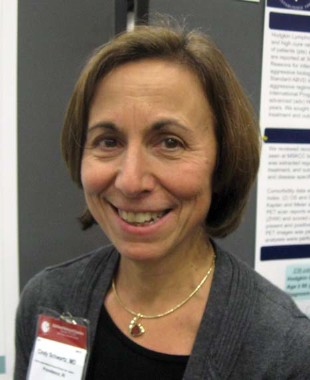
She and her associates with the Children’s Oncology Group evaluated 1,721 patients with intermediate risk Hodgkin’s lymphoma who were younger than age 21 and treated on AHOD0031: a phase III study of dose-intensive therapy.
The current study involved tailoring treatment by early response in 770 patients who were randomized or assigned to receive the same treatment (four cycles of doxorubicin, bleomycin, vincristine, etoposide, prednisone and cyclophosphamide (ABVE-PC) and 21 Gy involved field radiotherapy (IFRT).
According to Dr. Schwartz, director of the division of pediatric hematology/oncology at Hasbro Children’s Hospital, Providence, R.I., rapid early response was defined as a two-dimensional tumor reduction of greater than 60% on CT after two cycles of ABVE-PC. Complete response was defined as a greater than 80% two-dimensional reduction by CT, and resolution of nuclear imaging abnormalities.
Rapid responders who achieved complete response after two additional ABVE-PC treatments were randomized to receive 21 Gy radiation. Slow early responders were randomized to receive dexamethasone, etoposide, cisplatin, and cytarabine (DECA) in addition to the four ABVE-PC treatments and 21 Gy radiation treatment.
Using Cox regression analysis and multivariable predictive modeling, the researchers identified four predictors of event-free survival: stage IV disease (hazard ratio, 1.6), mediastinal adenopathy (HR 1.7), albumin of less than 3.5 g/dL (HR 1.8), and fever (HR 2.5).
Because the hazard ratios were similar, the researchers devised the CHIPS score, which gave one point for each of the four adverse predictors. Using this approach, they determined that the event-free survival rate was 90% for patients with a CHIPS score of 0 or 1, 78% for those with a CHIPS score of 2, and 62% for those with a CHIPS score of 3. (Because the study enrolled only patients with intermediate-risk disease, no one had a CHIPS score of 4.) From this they determined that 22% of an intermediate-risk population can be predicted to have an event-free survival rate of less than 80%.
"Now that we know who’s a good responder to initial chemotherapy, we’re going to try and change their treatment much earlier than we have been able to previously," Dr. Schwartz said in an interview. "The next thing to do is analyze some of the biologic factors that contribute to their response rate."
Studies of CHIPS in additional cohorts of newly diagnosed patients are also planned, she said.
Dr. Schwartz said that she had no relevant financial disclosures to make.
SAN DIEGO – A simple scoring system identified a subset of young patients with Hodgkin’s lymphoma who are predicted to have an event-free survival rate of less than 80%.
The system, known as the Childhood Hodgkin International Prognostic Score (CHIPS), found that four factors were predictive of worse event-free survival: stage IV disease, large mediastinal adenopathy, albumin level of less than 3.5 g/dL, and fever, Dr. Cindy L. Schwartz reported during a poster session at the annual meeting of the American Society of Hematology.
She and her associates with the Children’s Oncology Group evaluated 1,721 patients with intermediate risk Hodgkin’s lymphoma who were younger than age 21 and treated on AHOD0031: a phase III study of dose-intensive therapy.
The current study involved tailoring treatment by early response in 770 patients who were randomized or assigned to receive the same treatment (four cycles of doxorubicin, bleomycin, vincristine, etoposide, prednisone and cyclophosphamide (ABVE-PC) and 21 Gy involved field radiotherapy (IFRT).
According to Dr. Schwartz, director of the division of pediatric hematology/oncology at Hasbro Children’s Hospital, Providence, R.I., rapid early response was defined as a two-dimensional tumor reduction of greater than 60% on CT after two cycles of ABVE-PC. Complete response was defined as a greater than 80% two-dimensional reduction by CT, and resolution of nuclear imaging abnormalities.
Rapid responders who achieved complete response after two additional ABVE-PC treatments were randomized to receive 21 Gy radiation. Slow early responders were randomized to receive dexamethasone, etoposide, cisplatin, and cytarabine (DECA) in addition to the four ABVE-PC treatments and 21 Gy radiation treatment.
Using Cox regression analysis and multivariable predictive modeling, the researchers identified four predictors of event-free survival: stage IV disease (hazard ratio, 1.6), mediastinal adenopathy (HR 1.7), albumin of less than 3.5 g/dL (HR 1.8), and fever (HR 2.5).
Because the hazard ratios were similar, the researchers devised the CHIPS score, which gave one point for each of the four adverse predictors. Using this approach, they determined that the event-free survival rate was 90% for patients with a CHIPS score of 0 or 1, 78% for those with a CHIPS score of 2, and 62% for those with a CHIPS score of 3. (Because the study enrolled only patients with intermediate-risk disease, no one had a CHIPS score of 4.) From this they determined that 22% of an intermediate-risk population can be predicted to have an event-free survival rate of less than 80%.
"Now that we know who’s a good responder to initial chemotherapy, we’re going to try and change their treatment much earlier than we have been able to previously," Dr. Schwartz said in an interview. "The next thing to do is analyze some of the biologic factors that contribute to their response rate."
Studies of CHIPS in additional cohorts of newly diagnosed patients are also planned, she said.
Dr. Schwartz said that she had no relevant financial disclosures to make.
SAN DIEGO – A simple scoring system identified a subset of young patients with Hodgkin’s lymphoma who are predicted to have an event-free survival rate of less than 80%.
The system, known as the Childhood Hodgkin International Prognostic Score (CHIPS), found that four factors were predictive of worse event-free survival: stage IV disease, large mediastinal adenopathy, albumin level of less than 3.5 g/dL, and fever, Dr. Cindy L. Schwartz reported during a poster session at the annual meeting of the American Society of Hematology.
She and her associates with the Children’s Oncology Group evaluated 1,721 patients with intermediate risk Hodgkin’s lymphoma who were younger than age 21 and treated on AHOD0031: a phase III study of dose-intensive therapy.
The current study involved tailoring treatment by early response in 770 patients who were randomized or assigned to receive the same treatment (four cycles of doxorubicin, bleomycin, vincristine, etoposide, prednisone and cyclophosphamide (ABVE-PC) and 21 Gy involved field radiotherapy (IFRT).
According to Dr. Schwartz, director of the division of pediatric hematology/oncology at Hasbro Children’s Hospital, Providence, R.I., rapid early response was defined as a two-dimensional tumor reduction of greater than 60% on CT after two cycles of ABVE-PC. Complete response was defined as a greater than 80% two-dimensional reduction by CT, and resolution of nuclear imaging abnormalities.
Rapid responders who achieved complete response after two additional ABVE-PC treatments were randomized to receive 21 Gy radiation. Slow early responders were randomized to receive dexamethasone, etoposide, cisplatin, and cytarabine (DECA) in addition to the four ABVE-PC treatments and 21 Gy radiation treatment.
Using Cox regression analysis and multivariable predictive modeling, the researchers identified four predictors of event-free survival: stage IV disease (hazard ratio, 1.6), mediastinal adenopathy (HR 1.7), albumin of less than 3.5 g/dL (HR 1.8), and fever (HR 2.5).
Because the hazard ratios were similar, the researchers devised the CHIPS score, which gave one point for each of the four adverse predictors. Using this approach, they determined that the event-free survival rate was 90% for patients with a CHIPS score of 0 or 1, 78% for those with a CHIPS score of 2, and 62% for those with a CHIPS score of 3. (Because the study enrolled only patients with intermediate-risk disease, no one had a CHIPS score of 4.) From this they determined that 22% of an intermediate-risk population can be predicted to have an event-free survival rate of less than 80%.
"Now that we know who’s a good responder to initial chemotherapy, we’re going to try and change their treatment much earlier than we have been able to previously," Dr. Schwartz said in an interview. "The next thing to do is analyze some of the biologic factors that contribute to their response rate."
Studies of CHIPS in additional cohorts of newly diagnosed patients are also planned, she said.
Dr. Schwartz said that she had no relevant financial disclosures to make.
FROM THE ANNUAL MEETING OF THE AMERICAN SOCIETY OF HEMATOLOGY
Major Finding: Based on new scoring system, 22% of an intermediate-risk population can be predicted to have an event-free survival rate of less than 80%.
Data Source: Application of the Childhood Hodgkin International Prognostic Score (CHIPS) in 770 patients who were randomized or assigned to receive the same treatment.
Disclosures: Dr. Schwartz said that she had no relevant financial conflicts to disclose.
The Top 10 Stories on OncologyReport.com in 2011
Catch up with what you missed as we count down the 10 most-read stories on OncologyReport.com last year.
10. Everolimus Posts Big Win in ER-Positive Breast Cancer By Patrice Wendling
This first report of the BOLERO-2 trial -- a potential practice changer -- came out of the European Multidisciplinary Cancer Congress in Stockholm.

9. Multimodal DCIS Therapy, Tamoxifen Cuts Breast Cancer Deaths By Neil Osterweil
A meta-analysis from Australia found that adding radiotherapy and tamoxifen to breast-conserving surgery significantly reduces the local recurrence rate and the breast cancer–specific death rate in women with ductal carcinoma in situ. It was presented at the American Society of Radiation Oncology (ASTRO) meeitng in Miami Beach.
8. Crizotinib Approval Personalizes Lung Cancer Therapy By Miriam E. Tucker
The swift approval of crizotinib capsules by the Food and Drug Administration as the first and only targeted therapy for locally advanced or metastatic ALK-positive non–small cell lung cancer represented another milestone in biomarker-driven, personalized medicine. Crizotinib was approved, along with a companion diagnostic test, Abbott Molecular’s Vysis ALK Break Apart FISH Probe Kit, which identifies the anaplastic lymphoma kinase (ALK) fusion gene that the drug targets.
7. Clinicians Slow to Embrace Sipuleucel-T for Prostate Cancer By Diana Mahoney
Most physicians have strong opinions on sipuleucel-T, including dubbing its approval "a milestone in the history of oncology," but many of them refused to speak about it on the record. Our persistent reporter found the reasons for their reluctance to use the first cancer vaccine went beyond reimbursement issues belabored in the financial press.
6. Drug Shortages Increasingly Take Toll on Care By Elizabeth Mechcatie
With their increasing prevalence, drug shortages in the United States have led to delays in treatment, forced the use of less effective alternatives, and encouraged a burgeoning gray market that sells tough-to-obtain medications at highly inflated prices, according to stakeholders gathered at a recent Food and Drug Administration meeting.
5. Practice Changers Expected at San Antonio Breast Cancer Symposium By Jane Salodof MacNeil
The 2011 San Antonio Breast Cancer Symposium featured a hefty number of studies that could change clinical practice. One of the most exciting SABCS meetings in recent years, it featured the phase III BOLERO-2 and CLEOPATRA trials, a new Oncotype DX assay for ductal carcinoma in situ, reports from four bisphosphonate trials, and a controversial brachytherapy study.
4. FDA Approves Brentuximab for Two Lymphomas By Elizabeth Mechcatie
The Food and Drug Administration on Aug. 19 gave an accelerated approval to brentuximab, a CD30-directed antibody drug-conjugate, for the treatment of Hodgkin’s lymphoma and systemic anaplastic large-cell lymphoma, after other treatments have failed.
3. FDA Approves Vemurafenib for Advanced Melanoma By Jane Salodof MacNeil
The Food and Drug Administration announced on August 17 the approval of vemurafenib, a highly anticipated metastatic melanoma therapy that targets the BRAF V600E mutation found in 40%-60% of patients. It also approved the cobas 4800 BRAF V600 Mutation Test, a companion diagnostic test designed to help determine whether a patient’s melanoma cells carry the BRAF V600E mutation.
2. Novel Therapies Put Multiple Myeloma 'On the Ropes' By Susan London
A sweep of new agents are poised to deliver what could be a knock-out blow to multiple myeloma, according to the director of the myeloma program at the University of California, San Francisco. Some are second- or third-generation agents in a mainstay class that appear to have less toxicity than and/or overcome resistance to their predecessors, Dr. Jeffrey L. Wolf said at the annual Oncology Congress in San Francisco. Others come from classes not previously used in this disease.
1. NICE Rejects Ipilimumab by Jennie Smith
A drug considered a breakthrough treatment for advanced melanoma was turned down by England’s clinical and cost-effectiveness agency. The National Institute for Health and Clinical Excellence, which makes recommendations to the National Health Service in England and Wales, said that it was not likely to recommend ipilimumab (Bristol-Myers Squibb’s Yervoy). The agency cited cost concerns and what it called insufficient follow-up results from a manufacturer-sponsored, phase III, randomized, placebo-controlled trial of ipilimumab.
Did you miss any of last year's top reads in oncology? Click here to receive our weekly e-newsletter.
Catch up with what you missed as we count down the 10 most-read stories on OncologyReport.com last year.
10. Everolimus Posts Big Win in ER-Positive Breast Cancer By Patrice Wendling
This first report of the BOLERO-2 trial -- a potential practice changer -- came out of the European Multidisciplinary Cancer Congress in Stockholm.
9. Multimodal DCIS Therapy, Tamoxifen Cuts Breast Cancer Deaths By Neil Osterweil
A meta-analysis from Australia found that adding radiotherapy and tamoxifen to breast-conserving surgery significantly reduces the local recurrence rate and the breast cancer–specific death rate in women with ductal carcinoma in situ. It was presented at the American Society of Radiation Oncology (ASTRO) meeitng in Miami Beach.
8. Crizotinib Approval Personalizes Lung Cancer Therapy By Miriam E. Tucker
The swift approval of crizotinib capsules by the Food and Drug Administration as the first and only targeted therapy for locally advanced or metastatic ALK-positive non–small cell lung cancer represented another milestone in biomarker-driven, personalized medicine. Crizotinib was approved, along with a companion diagnostic test, Abbott Molecular’s Vysis ALK Break Apart FISH Probe Kit, which identifies the anaplastic lymphoma kinase (ALK) fusion gene that the drug targets.
7. Clinicians Slow to Embrace Sipuleucel-T for Prostate Cancer By Diana Mahoney
Most physicians have strong opinions on sipuleucel-T, including dubbing its approval "a milestone in the history of oncology," but many of them refused to speak about it on the record. Our persistent reporter found the reasons for their reluctance to use the first cancer vaccine went beyond reimbursement issues belabored in the financial press.
6. Drug Shortages Increasingly Take Toll on Care By Elizabeth Mechcatie
With their increasing prevalence, drug shortages in the United States have led to delays in treatment, forced the use of less effective alternatives, and encouraged a burgeoning gray market that sells tough-to-obtain medications at highly inflated prices, according to stakeholders gathered at a recent Food and Drug Administration meeting.
5. Practice Changers Expected at San Antonio Breast Cancer Symposium By Jane Salodof MacNeil
The 2011 San Antonio Breast Cancer Symposium featured a hefty number of studies that could change clinical practice. One of the most exciting SABCS meetings in recent years, it featured the phase III BOLERO-2 and CLEOPATRA trials, a new Oncotype DX assay for ductal carcinoma in situ, reports from four bisphosphonate trials, and a controversial brachytherapy study.
4. FDA Approves Brentuximab for Two Lymphomas By Elizabeth Mechcatie
The Food and Drug Administration on Aug. 19 gave an accelerated approval to brentuximab, a CD30-directed antibody drug-conjugate, for the treatment of Hodgkin’s lymphoma and systemic anaplastic large-cell lymphoma, after other treatments have failed.
3. FDA Approves Vemurafenib for Advanced Melanoma By Jane Salodof MacNeil
The Food and Drug Administration announced on August 17 the approval of vemurafenib, a highly anticipated metastatic melanoma therapy that targets the BRAF V600E mutation found in 40%-60% of patients. It also approved the cobas 4800 BRAF V600 Mutation Test, a companion diagnostic test designed to help determine whether a patient’s melanoma cells carry the BRAF V600E mutation.
2. Novel Therapies Put Multiple Myeloma 'On the Ropes' By Susan London
A sweep of new agents are poised to deliver what could be a knock-out blow to multiple myeloma, according to the director of the myeloma program at the University of California, San Francisco. Some are second- or third-generation agents in a mainstay class that appear to have less toxicity than and/or overcome resistance to their predecessors, Dr. Jeffrey L. Wolf said at the annual Oncology Congress in San Francisco. Others come from classes not previously used in this disease.
1. NICE Rejects Ipilimumab by Jennie Smith
A drug considered a breakthrough treatment for advanced melanoma was turned down by England’s clinical and cost-effectiveness agency. The National Institute for Health and Clinical Excellence, which makes recommendations to the National Health Service in England and Wales, said that it was not likely to recommend ipilimumab (Bristol-Myers Squibb’s Yervoy). The agency cited cost concerns and what it called insufficient follow-up results from a manufacturer-sponsored, phase III, randomized, placebo-controlled trial of ipilimumab.
Did you miss any of last year's top reads in oncology? Click here to receive our weekly e-newsletter.
Catch up with what you missed as we count down the 10 most-read stories on OncologyReport.com last year.
10. Everolimus Posts Big Win in ER-Positive Breast Cancer By Patrice Wendling
This first report of the BOLERO-2 trial -- a potential practice changer -- came out of the European Multidisciplinary Cancer Congress in Stockholm.
9. Multimodal DCIS Therapy, Tamoxifen Cuts Breast Cancer Deaths By Neil Osterweil
A meta-analysis from Australia found that adding radiotherapy and tamoxifen to breast-conserving surgery significantly reduces the local recurrence rate and the breast cancer–specific death rate in women with ductal carcinoma in situ. It was presented at the American Society of Radiation Oncology (ASTRO) meeitng in Miami Beach.
8. Crizotinib Approval Personalizes Lung Cancer Therapy By Miriam E. Tucker
The swift approval of crizotinib capsules by the Food and Drug Administration as the first and only targeted therapy for locally advanced or metastatic ALK-positive non–small cell lung cancer represented another milestone in biomarker-driven, personalized medicine. Crizotinib was approved, along with a companion diagnostic test, Abbott Molecular’s Vysis ALK Break Apart FISH Probe Kit, which identifies the anaplastic lymphoma kinase (ALK) fusion gene that the drug targets.
7. Clinicians Slow to Embrace Sipuleucel-T for Prostate Cancer By Diana Mahoney
Most physicians have strong opinions on sipuleucel-T, including dubbing its approval "a milestone in the history of oncology," but many of them refused to speak about it on the record. Our persistent reporter found the reasons for their reluctance to use the first cancer vaccine went beyond reimbursement issues belabored in the financial press.
6. Drug Shortages Increasingly Take Toll on Care By Elizabeth Mechcatie
With their increasing prevalence, drug shortages in the United States have led to delays in treatment, forced the use of less effective alternatives, and encouraged a burgeoning gray market that sells tough-to-obtain medications at highly inflated prices, according to stakeholders gathered at a recent Food and Drug Administration meeting.
5. Practice Changers Expected at San Antonio Breast Cancer Symposium By Jane Salodof MacNeil
The 2011 San Antonio Breast Cancer Symposium featured a hefty number of studies that could change clinical practice. One of the most exciting SABCS meetings in recent years, it featured the phase III BOLERO-2 and CLEOPATRA trials, a new Oncotype DX assay for ductal carcinoma in situ, reports from four bisphosphonate trials, and a controversial brachytherapy study.
4. FDA Approves Brentuximab for Two Lymphomas By Elizabeth Mechcatie
The Food and Drug Administration on Aug. 19 gave an accelerated approval to brentuximab, a CD30-directed antibody drug-conjugate, for the treatment of Hodgkin’s lymphoma and systemic anaplastic large-cell lymphoma, after other treatments have failed.
3. FDA Approves Vemurafenib for Advanced Melanoma By Jane Salodof MacNeil
The Food and Drug Administration announced on August 17 the approval of vemurafenib, a highly anticipated metastatic melanoma therapy that targets the BRAF V600E mutation found in 40%-60% of patients. It also approved the cobas 4800 BRAF V600 Mutation Test, a companion diagnostic test designed to help determine whether a patient’s melanoma cells carry the BRAF V600E mutation.
2. Novel Therapies Put Multiple Myeloma 'On the Ropes' By Susan London
A sweep of new agents are poised to deliver what could be a knock-out blow to multiple myeloma, according to the director of the myeloma program at the University of California, San Francisco. Some are second- or third-generation agents in a mainstay class that appear to have less toxicity than and/or overcome resistance to their predecessors, Dr. Jeffrey L. Wolf said at the annual Oncology Congress in San Francisco. Others come from classes not previously used in this disease.
1. NICE Rejects Ipilimumab by Jennie Smith
A drug considered a breakthrough treatment for advanced melanoma was turned down by England’s clinical and cost-effectiveness agency. The National Institute for Health and Clinical Excellence, which makes recommendations to the National Health Service in England and Wales, said that it was not likely to recommend ipilimumab (Bristol-Myers Squibb’s Yervoy). The agency cited cost concerns and what it called insufficient follow-up results from a manufacturer-sponsored, phase III, randomized, placebo-controlled trial of ipilimumab.
Did you miss any of last year's top reads in oncology? Click here to receive our weekly e-newsletter.
Multiple Myeloma: New Therapies and Changing Cytogenetics
SAN DIEGO – Dr. Kenneth C. Anderson, associate editor of The Oncology Report, discusses new therapies for multiple myeloma and changing risk factors in presentations at the 2011 annual meeting of the American Society of Hematology (ASH).
SAN DIEGO – Dr. Kenneth C. Anderson, associate editor of The Oncology Report, discusses new therapies for multiple myeloma and changing risk factors in presentations at the 2011 annual meeting of the American Society of Hematology (ASH).
SAN DIEGO – Dr. Kenneth C. Anderson, associate editor of The Oncology Report, discusses new therapies for multiple myeloma and changing risk factors in presentations at the 2011 annual meeting of the American Society of Hematology (ASH).
Evidence Mounts for Early Treatment of Smoldering Myeloma
SAN DIEGO – The standard approach of waiting to treat smoldering multiple myeloma until it progresses to active disease is being called into question by robust results from a phase III trial of early treatment with lenalidomide and dexamethasone.
Among 119 patients with smoldering myeloma who were at high risk of disease progression, 59% of those randomized to no treatment converted to symptomatic myeloma, compared with 15% of those given lenalidomide (Revlimid) and dexamethasone as induction therapy, followed by lenalidomide maintenance.

The estimated hazard ratio was 6.0, corresponding to a median time to progression of 23 months in the abstention arm vs. median not reached in the active treatment arm (P less than .0001). Median follow-up was 32 months (range, 12-49 months).
Early treatment also produced a benefit in overall survival, with an acceptable toxicity profile and no safety warnings at the present time, Dr. María-Victoria Mateos said at the annual meeting of the American Society of Hematology (ASH).
She pointed out that conventional agents have shown no benefit in overall response rate, time to progression, or overall survival, whereas novel agents such as thalidomide increased partial responses by 30% or more, but at a cost of higher toxicity and shorter time to treatment in those patients achieving a partial response.
At last year’s ASH meeting, the Spanish Myeloma Group presented results from the trial showing lower conversion rates in the abstention arm, but the longer follow-up has strengthened the findings and the case for early treatment, said session comoderator Dr. Meral Beksac, professor of hematology at Ankara (Turkey) University.
"This is the first [study] with such big success," she said in an interview. "What is a matter of debate is how to select those patients with high-risk smoldering myeloma, and I think their definition is a good one. It’s not based on gene expression; it’s a widely applicable definition."
Several risk factors predicting high-risk symptomatic disease have been used, including more than 10% of plasma cells (PCs) in bone marrow; serum monoclonal component (MC) greater than 30 g/L; more than 95% aberrant PCs by immunophenotyping; or abnormal MRI studies, explained Dr. Mateos of the University Hospital of Salamanca (Spain).
In this trial, the high-risk population was defined by the presence of more than 10% of PCs in bone marrow and MC greater than 30 g/L, or – if only one criterion was present – patients had to have 95% of aberrant PCs within the total PCs bone marrow compartment by immunophenotyping plus immunoparesis.
Patients in the active treatment arm received nine 4-week cycles of lenalidomide (25 mg daily) on days 1-21 plus dexamethasone (20 mg daily) on days 1-4 and 12-15, followed by maintenance until disease progression with lenalidomide (10 mg) on days 1-21 every 2 months. The trial was amended in May 2010, however, to monthly lenalidomide maintenance, and was further amended in August 2011 to stop treatment at 2 years.
Of the nine patients who progressed on active treatment, five progressed after early discontinuation from the trial, Dr. Mateos said. In all, 14 patients developed biological progression during maintenance, and low-dose dexamethasone was added according to the protocol. Of these patients, 2 had a partial response and 10 experienced stable disease, of which 8 remain stable after a median follow-up of 19 months.
At 5 years, 94% of patients who were treated with lenalidomide plus dexamethasone were alive, compared with 79% who were given no treatment (HR, 5.01; P = .03,), she said.
Dr. Beksac said that cost might be an issue in translating the results to daily practice, particularly with the monthly lenalidomide maintenance schedule. She also suggested that in light of new data presented at the meeting (on affirmation of a second-cancer signal after lenalidomide in new multiple myeloma patients, and on evidence that lenalidomide maintenance holds back myeloma in the elderly), some physicians may want to wait until more is known about the risk of second primary malignancies (SPMs) with lenalidomide therapy.
"Maybe we can wait at least 2 more years to see the SPMs and to be on the safer side, and then it could be a clinical practice," she said.
SPMs were detected in three patients, representing 5% of the 57 patients treated with lenalidomide and dexamethasone. Of the two prostate cancer cases, both men had prostate hyperplasia prior to treatment, according to their medical records, whereas the patient diagnosed with polycythemia vera had a JAK2 gene mutation, the major cause of PV, at study entry, Dr. Mateos pointed out.
Dr. Mateos reported receiving honoraria from Celgene, Millennium Pharmaceuticals, and Janssen. A coauthor reported receiving honoraria from Celgene and Janssen, and four coauthors reported employment with Celgene, the maker of lenalidomide. Dr. Beksac reported receiving honoraria from and serving as a speaker for Celgene and Janssen-Cilag.
SAN DIEGO – The standard approach of waiting to treat smoldering multiple myeloma until it progresses to active disease is being called into question by robust results from a phase III trial of early treatment with lenalidomide and dexamethasone.
Among 119 patients with smoldering myeloma who were at high risk of disease progression, 59% of those randomized to no treatment converted to symptomatic myeloma, compared with 15% of those given lenalidomide (Revlimid) and dexamethasone as induction therapy, followed by lenalidomide maintenance.
The estimated hazard ratio was 6.0, corresponding to a median time to progression of 23 months in the abstention arm vs. median not reached in the active treatment arm (P less than .0001). Median follow-up was 32 months (range, 12-49 months).
Early treatment also produced a benefit in overall survival, with an acceptable toxicity profile and no safety warnings at the present time, Dr. María-Victoria Mateos said at the annual meeting of the American Society of Hematology (ASH).
She pointed out that conventional agents have shown no benefit in overall response rate, time to progression, or overall survival, whereas novel agents such as thalidomide increased partial responses by 30% or more, but at a cost of higher toxicity and shorter time to treatment in those patients achieving a partial response.
At last year’s ASH meeting, the Spanish Myeloma Group presented results from the trial showing lower conversion rates in the abstention arm, but the longer follow-up has strengthened the findings and the case for early treatment, said session comoderator Dr. Meral Beksac, professor of hematology at Ankara (Turkey) University.
"This is the first [study] with such big success," she said in an interview. "What is a matter of debate is how to select those patients with high-risk smoldering myeloma, and I think their definition is a good one. It’s not based on gene expression; it’s a widely applicable definition."
Several risk factors predicting high-risk symptomatic disease have been used, including more than 10% of plasma cells (PCs) in bone marrow; serum monoclonal component (MC) greater than 30 g/L; more than 95% aberrant PCs by immunophenotyping; or abnormal MRI studies, explained Dr. Mateos of the University Hospital of Salamanca (Spain).
In this trial, the high-risk population was defined by the presence of more than 10% of PCs in bone marrow and MC greater than 30 g/L, or – if only one criterion was present – patients had to have 95% of aberrant PCs within the total PCs bone marrow compartment by immunophenotyping plus immunoparesis.
Patients in the active treatment arm received nine 4-week cycles of lenalidomide (25 mg daily) on days 1-21 plus dexamethasone (20 mg daily) on days 1-4 and 12-15, followed by maintenance until disease progression with lenalidomide (10 mg) on days 1-21 every 2 months. The trial was amended in May 2010, however, to monthly lenalidomide maintenance, and was further amended in August 2011 to stop treatment at 2 years.
Of the nine patients who progressed on active treatment, five progressed after early discontinuation from the trial, Dr. Mateos said. In all, 14 patients developed biological progression during maintenance, and low-dose dexamethasone was added according to the protocol. Of these patients, 2 had a partial response and 10 experienced stable disease, of which 8 remain stable after a median follow-up of 19 months.
At 5 years, 94% of patients who were treated with lenalidomide plus dexamethasone were alive, compared with 79% who were given no treatment (HR, 5.01; P = .03,), she said.
Dr. Beksac said that cost might be an issue in translating the results to daily practice, particularly with the monthly lenalidomide maintenance schedule. She also suggested that in light of new data presented at the meeting (on affirmation of a second-cancer signal after lenalidomide in new multiple myeloma patients, and on evidence that lenalidomide maintenance holds back myeloma in the elderly), some physicians may want to wait until more is known about the risk of second primary malignancies (SPMs) with lenalidomide therapy.
"Maybe we can wait at least 2 more years to see the SPMs and to be on the safer side, and then it could be a clinical practice," she said.
SPMs were detected in three patients, representing 5% of the 57 patients treated with lenalidomide and dexamethasone. Of the two prostate cancer cases, both men had prostate hyperplasia prior to treatment, according to their medical records, whereas the patient diagnosed with polycythemia vera had a JAK2 gene mutation, the major cause of PV, at study entry, Dr. Mateos pointed out.
Dr. Mateos reported receiving honoraria from Celgene, Millennium Pharmaceuticals, and Janssen. A coauthor reported receiving honoraria from Celgene and Janssen, and four coauthors reported employment with Celgene, the maker of lenalidomide. Dr. Beksac reported receiving honoraria from and serving as a speaker for Celgene and Janssen-Cilag.
SAN DIEGO – The standard approach of waiting to treat smoldering multiple myeloma until it progresses to active disease is being called into question by robust results from a phase III trial of early treatment with lenalidomide and dexamethasone.
Among 119 patients with smoldering myeloma who were at high risk of disease progression, 59% of those randomized to no treatment converted to symptomatic myeloma, compared with 15% of those given lenalidomide (Revlimid) and dexamethasone as induction therapy, followed by lenalidomide maintenance.
The estimated hazard ratio was 6.0, corresponding to a median time to progression of 23 months in the abstention arm vs. median not reached in the active treatment arm (P less than .0001). Median follow-up was 32 months (range, 12-49 months).
Early treatment also produced a benefit in overall survival, with an acceptable toxicity profile and no safety warnings at the present time, Dr. María-Victoria Mateos said at the annual meeting of the American Society of Hematology (ASH).
She pointed out that conventional agents have shown no benefit in overall response rate, time to progression, or overall survival, whereas novel agents such as thalidomide increased partial responses by 30% or more, but at a cost of higher toxicity and shorter time to treatment in those patients achieving a partial response.
At last year’s ASH meeting, the Spanish Myeloma Group presented results from the trial showing lower conversion rates in the abstention arm, but the longer follow-up has strengthened the findings and the case for early treatment, said session comoderator Dr. Meral Beksac, professor of hematology at Ankara (Turkey) University.
"This is the first [study] with such big success," she said in an interview. "What is a matter of debate is how to select those patients with high-risk smoldering myeloma, and I think their definition is a good one. It’s not based on gene expression; it’s a widely applicable definition."
Several risk factors predicting high-risk symptomatic disease have been used, including more than 10% of plasma cells (PCs) in bone marrow; serum monoclonal component (MC) greater than 30 g/L; more than 95% aberrant PCs by immunophenotyping; or abnormal MRI studies, explained Dr. Mateos of the University Hospital of Salamanca (Spain).
In this trial, the high-risk population was defined by the presence of more than 10% of PCs in bone marrow and MC greater than 30 g/L, or – if only one criterion was present – patients had to have 95% of aberrant PCs within the total PCs bone marrow compartment by immunophenotyping plus immunoparesis.
Patients in the active treatment arm received nine 4-week cycles of lenalidomide (25 mg daily) on days 1-21 plus dexamethasone (20 mg daily) on days 1-4 and 12-15, followed by maintenance until disease progression with lenalidomide (10 mg) on days 1-21 every 2 months. The trial was amended in May 2010, however, to monthly lenalidomide maintenance, and was further amended in August 2011 to stop treatment at 2 years.
Of the nine patients who progressed on active treatment, five progressed after early discontinuation from the trial, Dr. Mateos said. In all, 14 patients developed biological progression during maintenance, and low-dose dexamethasone was added according to the protocol. Of these patients, 2 had a partial response and 10 experienced stable disease, of which 8 remain stable after a median follow-up of 19 months.
At 5 years, 94% of patients who were treated with lenalidomide plus dexamethasone were alive, compared with 79% who were given no treatment (HR, 5.01; P = .03,), she said.
Dr. Beksac said that cost might be an issue in translating the results to daily practice, particularly with the monthly lenalidomide maintenance schedule. She also suggested that in light of new data presented at the meeting (on affirmation of a second-cancer signal after lenalidomide in new multiple myeloma patients, and on evidence that lenalidomide maintenance holds back myeloma in the elderly), some physicians may want to wait until more is known about the risk of second primary malignancies (SPMs) with lenalidomide therapy.
"Maybe we can wait at least 2 more years to see the SPMs and to be on the safer side, and then it could be a clinical practice," she said.
SPMs were detected in three patients, representing 5% of the 57 patients treated with lenalidomide and dexamethasone. Of the two prostate cancer cases, both men had prostate hyperplasia prior to treatment, according to their medical records, whereas the patient diagnosed with polycythemia vera had a JAK2 gene mutation, the major cause of PV, at study entry, Dr. Mateos pointed out.
Dr. Mateos reported receiving honoraria from Celgene, Millennium Pharmaceuticals, and Janssen. A coauthor reported receiving honoraria from Celgene and Janssen, and four coauthors reported employment with Celgene, the maker of lenalidomide. Dr. Beksac reported receiving honoraria from and serving as a speaker for Celgene and Janssen-Cilag.
FROM THE ANNUAL MEETING OF THE AMERICAN SOCIETY OF HEMATOLOGY
Major Finding: In all, 59% of patients who had been given no treatment converted to active disease, compared with 15% treated with lenalidomide and dexamethasone.
Data Source: A phase III trial of 119 patients with smoldering myeloma who were at high risk of progression to active disease.
Disclosures: Dr. Mateos reported receiving honoraria from Celgene, Millennium Pharmaceticals, and Janssen. A coauthor reported receiving honoraria from Celgene and Janssen, and four coauthors reported employment with Celgene, maker of lenalidomide. Dr. Beksac reported receiving honoraria from and serving as a speaker for Celgene and Janssen-Cilag.
'Best Results' Yet for Poor-Prognosis Elderly With DLBCL
SAN DIEGO – Stretching out the delivery of rituximab significantly improved overall and event-free survival among older patients with poor-prognosis diffuse large B-cell lymphoma, German investigators reported.
Patients older than 60 years who had diffuse large B-cell lymphoma (DLBCL) were treated with the CHOP regimen and rituximab (Rituxan) on days 4 and 1 before CHOP and at increasing intervals thereafter, in the SMARTE-R-CHOP-14 trial.
Those with poor-prognosis disease had an overall survival rate of 80% at 37 months, compared with 67% for similar patients treated with CHOP and biweekly rituximab in an earlier trial (P = .034), reported Dr. Michael Pfreundschuh on behalf of his colleagues in the German High-Grade Non-Hodgkin's Lymphoma Study Group.
Event-free survival rates among poor-prognosis patients (defined as those with an International Prognostic Index [IPI] score higher than 2) were also significantly higher with the extended rituximab–dosing schedule, dubbed SMARTE-R-CHOP-14, at 67% vs. 54% for patients who received biweekly rituximab in the previous RICOVER-60 trial (P = .030).
"SMARTE-R-CHOP 14 has achieved by far the best results reported to date for elderly patients with poor prognosis," said Dr. Pfreundschuh of Saarland University in Homburg, Germany, at the annual meeting of the American Society of Hematology (ASH).
Giving rituximab every 3 weeks after 2 pre-CHOP doses maintains serum levels of rituximab over a longer period than when it is given every other week, he said.
Patients with good- or moderate-prognosis disease (defined as an IPI of 1 or 2) also had numerically better event-free and overall survival rates, compared with patients treated with biweekly rituximab, he noted, but the differences were not significant.
Although CHOP (cyclophosphamide, doxorubicin, vincristine, and prednisone) given every 14 days (CHOP-14) had been shown to be superior to CHOP given every 21 days (CHOP-21), the same could not be said when rituximab was added (R-CHOP-14 vs. R-CHOP-21). Presentations at ASH in 2009 and at the American Society of Clinical Oncology annual meeting in 2011 suggested that biweekly rituximab dosing was suboptimal, Dr. Freundschuh said.
In the SMARTE-R-CHOP-14 study, Dr. Pfreundschuh and colleagues treated 190 patients with DLBCL with six cycles of CHOP-14. combined with eight cycles of rituximab 375 mg/m2. The first three rituximab cycles were given in a dose-dense fashion on days 1 and 4 before CHOP, followed by infusions on days 10, 29, 57, 99, 155, and 239. Patients also received prophylaxis against infections with levofloxacin, acyclovir, and cotrimoxazole. One patient did not give informed consent for the trial, and was not included in the final analysis.
In the RICOVER-60 trial that was used for comparison, patients received six cycles of CHOP plus rituximab given on days 1, 15, 29, 43, 57, 71, 85, and 99. The baseline characteristics of patients were similar between the trials, except that significantly more patients in SMARTE-R-CHOP-14 had high-risk disease (P = .015).
Complete response rates overall were not significantly different (85% in SMARTE-R and 78% in RICOVER-60). Among patients with IPI scores less than 2, the respective rates were 90% and 84%, also not significantly different. Among patients with an IPI greater than 2, however, the complete response rate in SMARTE-R-CHOP-14 was 81%, compared with 68% in RICOVER-60 (P = .035).
Overall survival did not differ significantly between the trials, at 84% in SMARTE-R and 78% in RICOVER. When patients stratified by risk were considered, there were no between-trial differences for low-risk patients.
Overall event-free survival was 71% at 37 months’ median follow-up in SMARTE-R, and 66% at 34 months in RICOVER; this difference was not significant, nor was the difference between the trials among patients with low-risk disease.
"The pharmacokinetics of eight biweekly applications of rituximab are adequate for elderly patients with good prognosis, meaning patients with IP1 1 or 2, or low tumor burden diffuse large B-cell lymphoma, but not for higher tumor loads," Dr. Pfreundschuh said.
The investigators are exploring the SMARTE-R treatment strategy in a prospective trial, labeled "OPTIMAL Greater Than 60."
The trial was supported by Deutsche Krebshilfe and Roche. Dr. Pfreundschuh disclosed serving on a Roche board of directors or advisory committee, and receiving research funding from that company and from Amgen.
SAN DIEGO – Stretching out the delivery of rituximab significantly improved overall and event-free survival among older patients with poor-prognosis diffuse large B-cell lymphoma, German investigators reported.
Patients older than 60 years who had diffuse large B-cell lymphoma (DLBCL) were treated with the CHOP regimen and rituximab (Rituxan) on days 4 and 1 before CHOP and at increasing intervals thereafter, in the SMARTE-R-CHOP-14 trial.
Those with poor-prognosis disease had an overall survival rate of 80% at 37 months, compared with 67% for similar patients treated with CHOP and biweekly rituximab in an earlier trial (P = .034), reported Dr. Michael Pfreundschuh on behalf of his colleagues in the German High-Grade Non-Hodgkin's Lymphoma Study Group.
Event-free survival rates among poor-prognosis patients (defined as those with an International Prognostic Index [IPI] score higher than 2) were also significantly higher with the extended rituximab–dosing schedule, dubbed SMARTE-R-CHOP-14, at 67% vs. 54% for patients who received biweekly rituximab in the previous RICOVER-60 trial (P = .030).
"SMARTE-R-CHOP 14 has achieved by far the best results reported to date for elderly patients with poor prognosis," said Dr. Pfreundschuh of Saarland University in Homburg, Germany, at the annual meeting of the American Society of Hematology (ASH).
Giving rituximab every 3 weeks after 2 pre-CHOP doses maintains serum levels of rituximab over a longer period than when it is given every other week, he said.
Patients with good- or moderate-prognosis disease (defined as an IPI of 1 or 2) also had numerically better event-free and overall survival rates, compared with patients treated with biweekly rituximab, he noted, but the differences were not significant.
Although CHOP (cyclophosphamide, doxorubicin, vincristine, and prednisone) given every 14 days (CHOP-14) had been shown to be superior to CHOP given every 21 days (CHOP-21), the same could not be said when rituximab was added (R-CHOP-14 vs. R-CHOP-21). Presentations at ASH in 2009 and at the American Society of Clinical Oncology annual meeting in 2011 suggested that biweekly rituximab dosing was suboptimal, Dr. Freundschuh said.
In the SMARTE-R-CHOP-14 study, Dr. Pfreundschuh and colleagues treated 190 patients with DLBCL with six cycles of CHOP-14. combined with eight cycles of rituximab 375 mg/m2. The first three rituximab cycles were given in a dose-dense fashion on days 1 and 4 before CHOP, followed by infusions on days 10, 29, 57, 99, 155, and 239. Patients also received prophylaxis against infections with levofloxacin, acyclovir, and cotrimoxazole. One patient did not give informed consent for the trial, and was not included in the final analysis.
In the RICOVER-60 trial that was used for comparison, patients received six cycles of CHOP plus rituximab given on days 1, 15, 29, 43, 57, 71, 85, and 99. The baseline characteristics of patients were similar between the trials, except that significantly more patients in SMARTE-R-CHOP-14 had high-risk disease (P = .015).
Complete response rates overall were not significantly different (85% in SMARTE-R and 78% in RICOVER-60). Among patients with IPI scores less than 2, the respective rates were 90% and 84%, also not significantly different. Among patients with an IPI greater than 2, however, the complete response rate in SMARTE-R-CHOP-14 was 81%, compared with 68% in RICOVER-60 (P = .035).
Overall survival did not differ significantly between the trials, at 84% in SMARTE-R and 78% in RICOVER. When patients stratified by risk were considered, there were no between-trial differences for low-risk patients.
Overall event-free survival was 71% at 37 months’ median follow-up in SMARTE-R, and 66% at 34 months in RICOVER; this difference was not significant, nor was the difference between the trials among patients with low-risk disease.
"The pharmacokinetics of eight biweekly applications of rituximab are adequate for elderly patients with good prognosis, meaning patients with IP1 1 or 2, or low tumor burden diffuse large B-cell lymphoma, but not for higher tumor loads," Dr. Pfreundschuh said.
The investigators are exploring the SMARTE-R treatment strategy in a prospective trial, labeled "OPTIMAL Greater Than 60."
The trial was supported by Deutsche Krebshilfe and Roche. Dr. Pfreundschuh disclosed serving on a Roche board of directors or advisory committee, and receiving research funding from that company and from Amgen.
SAN DIEGO – Stretching out the delivery of rituximab significantly improved overall and event-free survival among older patients with poor-prognosis diffuse large B-cell lymphoma, German investigators reported.
Patients older than 60 years who had diffuse large B-cell lymphoma (DLBCL) were treated with the CHOP regimen and rituximab (Rituxan) on days 4 and 1 before CHOP and at increasing intervals thereafter, in the SMARTE-R-CHOP-14 trial.
Those with poor-prognosis disease had an overall survival rate of 80% at 37 months, compared with 67% for similar patients treated with CHOP and biweekly rituximab in an earlier trial (P = .034), reported Dr. Michael Pfreundschuh on behalf of his colleagues in the German High-Grade Non-Hodgkin's Lymphoma Study Group.
Event-free survival rates among poor-prognosis patients (defined as those with an International Prognostic Index [IPI] score higher than 2) were also significantly higher with the extended rituximab–dosing schedule, dubbed SMARTE-R-CHOP-14, at 67% vs. 54% for patients who received biweekly rituximab in the previous RICOVER-60 trial (P = .030).
"SMARTE-R-CHOP 14 has achieved by far the best results reported to date for elderly patients with poor prognosis," said Dr. Pfreundschuh of Saarland University in Homburg, Germany, at the annual meeting of the American Society of Hematology (ASH).
Giving rituximab every 3 weeks after 2 pre-CHOP doses maintains serum levels of rituximab over a longer period than when it is given every other week, he said.
Patients with good- or moderate-prognosis disease (defined as an IPI of 1 or 2) also had numerically better event-free and overall survival rates, compared with patients treated with biweekly rituximab, he noted, but the differences were not significant.
Although CHOP (cyclophosphamide, doxorubicin, vincristine, and prednisone) given every 14 days (CHOP-14) had been shown to be superior to CHOP given every 21 days (CHOP-21), the same could not be said when rituximab was added (R-CHOP-14 vs. R-CHOP-21). Presentations at ASH in 2009 and at the American Society of Clinical Oncology annual meeting in 2011 suggested that biweekly rituximab dosing was suboptimal, Dr. Freundschuh said.
In the SMARTE-R-CHOP-14 study, Dr. Pfreundschuh and colleagues treated 190 patients with DLBCL with six cycles of CHOP-14. combined with eight cycles of rituximab 375 mg/m2. The first three rituximab cycles were given in a dose-dense fashion on days 1 and 4 before CHOP, followed by infusions on days 10, 29, 57, 99, 155, and 239. Patients also received prophylaxis against infections with levofloxacin, acyclovir, and cotrimoxazole. One patient did not give informed consent for the trial, and was not included in the final analysis.
In the RICOVER-60 trial that was used for comparison, patients received six cycles of CHOP plus rituximab given on days 1, 15, 29, 43, 57, 71, 85, and 99. The baseline characteristics of patients were similar between the trials, except that significantly more patients in SMARTE-R-CHOP-14 had high-risk disease (P = .015).
Complete response rates overall were not significantly different (85% in SMARTE-R and 78% in RICOVER-60). Among patients with IPI scores less than 2, the respective rates were 90% and 84%, also not significantly different. Among patients with an IPI greater than 2, however, the complete response rate in SMARTE-R-CHOP-14 was 81%, compared with 68% in RICOVER-60 (P = .035).
Overall survival did not differ significantly between the trials, at 84% in SMARTE-R and 78% in RICOVER. When patients stratified by risk were considered, there were no between-trial differences for low-risk patients.
Overall event-free survival was 71% at 37 months’ median follow-up in SMARTE-R, and 66% at 34 months in RICOVER; this difference was not significant, nor was the difference between the trials among patients with low-risk disease.
"The pharmacokinetics of eight biweekly applications of rituximab are adequate for elderly patients with good prognosis, meaning patients with IP1 1 or 2, or low tumor burden diffuse large B-cell lymphoma, but not for higher tumor loads," Dr. Pfreundschuh said.
The investigators are exploring the SMARTE-R treatment strategy in a prospective trial, labeled "OPTIMAL Greater Than 60."
The trial was supported by Deutsche Krebshilfe and Roche. Dr. Pfreundschuh disclosed serving on a Roche board of directors or advisory committee, and receiving research funding from that company and from Amgen.
FROM THE ANNUAL MEETING OF THE AMERICAN SOCIETY OF HEMATOLOGY
Major Finding: Among elderly poor-prognosis patients, treatment with the CHOP regimen and extended rituximab yielded an overall survival rate of 80% at 37 months, compared with 67% for a historical control group treated with a standard rituximab schedule (P = .034).
Data Source: Comparison of two prospective trials in patients older than 60 years with diffuse large B-cell lymphoma.
Disclosures: The trial was supported by Deutsche Krebshilfe and Roche. Dr. Pfreundschuh disclosed serving on a Roche board of directors or advisory committee, and receiving research funding from that company and from Amgen.
Brentuximab vedotin ushers in a new era in treating lymphomas
Hodgkin lymphoma represents one of the major successes of modern oncology. Several decades ago, it was fatal in most patients. With the development of the combination therapy mechlorethamine, vincristine, prednisone, and procarbazine (MOPP), many patients were cured of this disease. However, the regimen was associated with an unacceptable risk of acute toxicities, infertility, and secondary malignancies.1 Several subsequent studies established adriamycin, bleomycin, vinblastine, and dacarbazine (ABVD) as the standard treatment because of its greater efficacy and less toxicity compared with MOPP.2 As a result, about 90% of patients with limited-stage disease are now cured, as are 60% of those with advanced disease. Newer regimens such as bleomycin, etoposide, adriamycin, cyclophosphamide, prednisone, and procarbazine (BEACOPP) seem to prolong time to treatment failure, but with considerably greater toxicity,3 and with no clear improvement in overall survival. A minority of patients who are either refractory to initial treatment or who subsequently relapse can be cured with such modalities as stem-cell transplantation. However, few effective options are available for the remainder of patients...
*For a PDF of the full article, click in the link to the left of this article.
(See Community Translations, “Bretuximab vedotin in Hodgkin lymphoma and systemic anaplastic large-cell lymphoma”)
Hodgkin lymphoma represents one of the major successes of modern oncology. Several decades ago, it was fatal in most patients. With the development of the combination therapy mechlorethamine, vincristine, prednisone, and procarbazine (MOPP), many patients were cured of this disease. However, the regimen was associated with an unacceptable risk of acute toxicities, infertility, and secondary malignancies.1 Several subsequent studies established adriamycin, bleomycin, vinblastine, and dacarbazine (ABVD) as the standard treatment because of its greater efficacy and less toxicity compared with MOPP.2 As a result, about 90% of patients with limited-stage disease are now cured, as are 60% of those with advanced disease. Newer regimens such as bleomycin, etoposide, adriamycin, cyclophosphamide, prednisone, and procarbazine (BEACOPP) seem to prolong time to treatment failure, but with considerably greater toxicity,3 and with no clear improvement in overall survival. A minority of patients who are either refractory to initial treatment or who subsequently relapse can be cured with such modalities as stem-cell transplantation. However, few effective options are available for the remainder of patients...
*For a PDF of the full article, click in the link to the left of this article.
(See Community Translations, “Bretuximab vedotin in Hodgkin lymphoma and systemic anaplastic large-cell lymphoma”)
Hodgkin lymphoma represents one of the major successes of modern oncology. Several decades ago, it was fatal in most patients. With the development of the combination therapy mechlorethamine, vincristine, prednisone, and procarbazine (MOPP), many patients were cured of this disease. However, the regimen was associated with an unacceptable risk of acute toxicities, infertility, and secondary malignancies.1 Several subsequent studies established adriamycin, bleomycin, vinblastine, and dacarbazine (ABVD) as the standard treatment because of its greater efficacy and less toxicity compared with MOPP.2 As a result, about 90% of patients with limited-stage disease are now cured, as are 60% of those with advanced disease. Newer regimens such as bleomycin, etoposide, adriamycin, cyclophosphamide, prednisone, and procarbazine (BEACOPP) seem to prolong time to treatment failure, but with considerably greater toxicity,3 and with no clear improvement in overall survival. A minority of patients who are either refractory to initial treatment or who subsequently relapse can be cured with such modalities as stem-cell transplantation. However, few effective options are available for the remainder of patients...
*For a PDF of the full article, click in the link to the left of this article.
(See Community Translations, “Bretuximab vedotin in Hodgkin lymphoma and systemic anaplastic large-cell lymphoma”)
Pediatric Hodgkin's Regimens Suit Adolescents and Young Adults
SAN DIEGO – Adolescents and young adults with Hodgkin’s lymphoma can have high response rates and durable remissions under protocols developed for children, with potentially lower long-term toxicities than those commonly seen with adult-oriented regimens, said investigators at the annual meeting of the American Society of Hematology.
The 15- to 20-year-olds with Hodgkin’s lymphoma who were treated under two similar Children’s Oncology Group protocols had a 5-year event-free survival rate of 85.9%, compared with 87.0% for patients younger than 15 years. The 10-year rate was 77.3% in the older patients and 83.8% in the younger group (P = .515), reported Dr. Karen S. Fernandez of the pediatrics department at the University of Illinois, Peoria.
These 5-year event-free survival results are comparable to outcomes of other studies in which adolescents and young adults were treated with adult cooperative-group protocols. Moreover, the cumulative doses of alkylators, anthracyclines, and etoposide used are below thresholds usually associated with significant long-term toxicities, Dr. Fernandez noted.
"Based on this data, we favor the use of pediatric-focused therapy with dose-limited regimens for adolescents and young adults with Hodgkin’s lymphoma in whom decreasing long-term effects is important to improve quality of life, particularly for adolescents with advanced stages," she said.
There is no widely accepted standard of treatment for adolescents and young adults with Hodgkin’s lymphoma, in part because different centers variously treat teens with adult or pediatric protocols, and published data specifically regarding the treatment of adolescents and young adults with Hodgkin’s lymphoma are scarce, Dr. Fernandez said.
She and her colleagues in the Children’s Oncology Group tried to find a balance between maximum possible cure rates and reduced long-term effects by conducting a retrospective analysis comparing children younger than 15 years with adolescents and young adults aged 15-20 years, in the Children’s Oncology Group protocols P9425 and P9426.
The P9425 study looked at the ABVE-PC regimen (doxorubicin [Adriamycin], bleomycin, vincristine, etoposide, prednisone, and cyclophosphamide in dose-dense application) in patients with advanced-stage Hodgkin’s lymphoma. P9426 evaluated the ABVE regimen (the same combination, also dose-dense but without prednisone or cyclophosphamide) in patients with low-stage Hodgkin’s lymphoma.
Patients with an early response in P9425 received 21 Gy of radiation after three cycles of ABVE-PC spaced 21 days apart; patients with a slow response received the same radiation dose after five cycles.
In the P9426 protocol, patients with early responses received 25 Gy after two cycles, while all others received the same radiation dose after four cycles of ABVE. Patients in both protocols received dexrazoxane at the investigators’ discretion.
The cumulative chemotherapy doses delivered in the ABVE and ABVE-PC regimens in these trials were significantly lower than those delivered in other trials of patients with standard or high- to intermediate-risk Hodgkin’s disease, including the BEACOPP regimen (bleomycin, etoposide, doxorubicin, cyclophosphamide, vincristine [Oncovin], prednisone, and procarbazine), COPP-ABVD (the same drugs as BEACOPP plus vinblastine and dacarbazine), and ABVD (doxorubicin, bleomycin, vinblastine, and dacarbazine).
When Dr. Fernandez and her colleagues conducted a Cox regression analysis of patients in the combined studies, they found that neither sex, histologic subtypes, nor tumor staging was predictive of outcomes.
She noted that the study was limited by the retrospective design and the small number of adolescents in each group (104 in P9425 and 99 in P9426). Another limitation was the fact that neither study was designed to distinguish between children and adolescents/young adults, she said.
The investigators plan to collaborate with adult oncology groups to standardize treatment of adolescents and young adults, Dr. Fernandez concluded.
In the question and response session following the presentation, Dr. Jonathan Friedberg, chief of hematology/oncology at the University of Rochester (N.Y.), noted that the toxicities associated with therapy are not all drug related.
"Your pediatric group seems to be very focused on decreasing the doses of chemotherapy in an effort to mediate late toxicity, but I think most people would accept that radiation is probably the big driver of late toxicity, and it appears that in these regimens you’re giving radiation to patients with advanced-stage Hodgkin’s," commented Dr. Friedberg, who moderated the session but was not involved in the study.
Dr. Fernandez acknowledged that all patients in the P9425 and P9426 protocols received radiation, but added that the group is currently conducting trials in which radiation will be given based on patient responses determined by PET scans following the first cycle of chemotherapy.
The study was supported by the Children’s Oncology Group. Dr. Fernandez reported that she had no relevant conflicts of interest. Dr. Friedberg reported being a consultant to or receiving honoraria from Genentech, Astellas, Lilly, Trubion, Seattle Genetics, and Cephalon.
Adolescents
and young adults with Hodgkin’s lymphoma were treated on two Children’s
Oncology Group clinical trials that were designed to mitigate the late effects
of successful therapy by reducing the cumulative doses of alkylating agents,
anthracyclines, and etoposide. They experienced 5- and 10-year event-free
outcomes which were not statistically different than those experienced by
younger patients.
In most other cancers
in the pediatric age group, age at diagnosis has nearly always exerted
prognostic significance. Hodgkin’s has a peak incidence in adolescence and
young adulthood, and favorable histologic subtypes of the disease are known to
predominate in younger children. The importance of this report is that
excellent outcomes can be obtained in the older patients with a combination
chemotherapy regimen that uses lower cumulative doses of classes of drugs known
to be associated with significant potential for deleterious late effects. This
is, indeed, good news that overall drug doses can be safely reduced without
jeopardizing disease control; however, any long-term quality of life
differences between younger children and the adolescent and young adult
population as a result of reducing cumulative doses is not yet established.
Although dose
reduction of chemotherapy is one strategy to reduce the long-term and delayed
side effects of therapy for a highly curable disease, the reduction in exposure
to therapeutic irradiation or its elimination entirely remains an equally
important consideration for the optimal management of younger children as well
as adolescents and young adults with Hodgkin’s disease.
Dr. Gregory H. Reaman, an associate editor of The Oncology Report, is professor of
pediatrics at the George Washington University
School of Medicine and Health Sciences
and Children’s National Medical Center
in Washington.
Adolescents
and young adults with Hodgkin’s lymphoma were treated on two Children’s
Oncology Group clinical trials that were designed to mitigate the late effects
of successful therapy by reducing the cumulative doses of alkylating agents,
anthracyclines, and etoposide. They experienced 5- and 10-year event-free
outcomes which were not statistically different than those experienced by
younger patients.
In most other cancers
in the pediatric age group, age at diagnosis has nearly always exerted
prognostic significance. Hodgkin’s has a peak incidence in adolescence and
young adulthood, and favorable histologic subtypes of the disease are known to
predominate in younger children. The importance of this report is that
excellent outcomes can be obtained in the older patients with a combination
chemotherapy regimen that uses lower cumulative doses of classes of drugs known
to be associated with significant potential for deleterious late effects. This
is, indeed, good news that overall drug doses can be safely reduced without
jeopardizing disease control; however, any long-term quality of life
differences between younger children and the adolescent and young adult
population as a result of reducing cumulative doses is not yet established.
Although dose
reduction of chemotherapy is one strategy to reduce the long-term and delayed
side effects of therapy for a highly curable disease, the reduction in exposure
to therapeutic irradiation or its elimination entirely remains an equally
important consideration for the optimal management of younger children as well
as adolescents and young adults with Hodgkin’s disease.
Dr. Gregory H. Reaman, an associate editor of The Oncology Report, is professor of
pediatrics at the George Washington University
School of Medicine and Health Sciences
and Children’s National Medical Center
in Washington.
Adolescents
and young adults with Hodgkin’s lymphoma were treated on two Children’s
Oncology Group clinical trials that were designed to mitigate the late effects
of successful therapy by reducing the cumulative doses of alkylating agents,
anthracyclines, and etoposide. They experienced 5- and 10-year event-free
outcomes which were not statistically different than those experienced by
younger patients.
In most other cancers
in the pediatric age group, age at diagnosis has nearly always exerted
prognostic significance. Hodgkin’s has a peak incidence in adolescence and
young adulthood, and favorable histologic subtypes of the disease are known to
predominate in younger children. The importance of this report is that
excellent outcomes can be obtained in the older patients with a combination
chemotherapy regimen that uses lower cumulative doses of classes of drugs known
to be associated with significant potential for deleterious late effects. This
is, indeed, good news that overall drug doses can be safely reduced without
jeopardizing disease control; however, any long-term quality of life
differences between younger children and the adolescent and young adult
population as a result of reducing cumulative doses is not yet established.
Although dose
reduction of chemotherapy is one strategy to reduce the long-term and delayed
side effects of therapy for a highly curable disease, the reduction in exposure
to therapeutic irradiation or its elimination entirely remains an equally
important consideration for the optimal management of younger children as well
as adolescents and young adults with Hodgkin’s disease.
Dr. Gregory H. Reaman, an associate editor of The Oncology Report, is professor of
pediatrics at the George Washington University
School of Medicine and Health Sciences
and Children’s National Medical Center
in Washington.
SAN DIEGO – Adolescents and young adults with Hodgkin’s lymphoma can have high response rates and durable remissions under protocols developed for children, with potentially lower long-term toxicities than those commonly seen with adult-oriented regimens, said investigators at the annual meeting of the American Society of Hematology.
The 15- to 20-year-olds with Hodgkin’s lymphoma who were treated under two similar Children’s Oncology Group protocols had a 5-year event-free survival rate of 85.9%, compared with 87.0% for patients younger than 15 years. The 10-year rate was 77.3% in the older patients and 83.8% in the younger group (P = .515), reported Dr. Karen S. Fernandez of the pediatrics department at the University of Illinois, Peoria.
These 5-year event-free survival results are comparable to outcomes of other studies in which adolescents and young adults were treated with adult cooperative-group protocols. Moreover, the cumulative doses of alkylators, anthracyclines, and etoposide used are below thresholds usually associated with significant long-term toxicities, Dr. Fernandez noted.
"Based on this data, we favor the use of pediatric-focused therapy with dose-limited regimens for adolescents and young adults with Hodgkin’s lymphoma in whom decreasing long-term effects is important to improve quality of life, particularly for adolescents with advanced stages," she said.
There is no widely accepted standard of treatment for adolescents and young adults with Hodgkin’s lymphoma, in part because different centers variously treat teens with adult or pediatric protocols, and published data specifically regarding the treatment of adolescents and young adults with Hodgkin’s lymphoma are scarce, Dr. Fernandez said.
She and her colleagues in the Children’s Oncology Group tried to find a balance between maximum possible cure rates and reduced long-term effects by conducting a retrospective analysis comparing children younger than 15 years with adolescents and young adults aged 15-20 years, in the Children’s Oncology Group protocols P9425 and P9426.
The P9425 study looked at the ABVE-PC regimen (doxorubicin [Adriamycin], bleomycin, vincristine, etoposide, prednisone, and cyclophosphamide in dose-dense application) in patients with advanced-stage Hodgkin’s lymphoma. P9426 evaluated the ABVE regimen (the same combination, also dose-dense but without prednisone or cyclophosphamide) in patients with low-stage Hodgkin’s lymphoma.
Patients with an early response in P9425 received 21 Gy of radiation after three cycles of ABVE-PC spaced 21 days apart; patients with a slow response received the same radiation dose after five cycles.
In the P9426 protocol, patients with early responses received 25 Gy after two cycles, while all others received the same radiation dose after four cycles of ABVE. Patients in both protocols received dexrazoxane at the investigators’ discretion.
The cumulative chemotherapy doses delivered in the ABVE and ABVE-PC regimens in these trials were significantly lower than those delivered in other trials of patients with standard or high- to intermediate-risk Hodgkin’s disease, including the BEACOPP regimen (bleomycin, etoposide, doxorubicin, cyclophosphamide, vincristine [Oncovin], prednisone, and procarbazine), COPP-ABVD (the same drugs as BEACOPP plus vinblastine and dacarbazine), and ABVD (doxorubicin, bleomycin, vinblastine, and dacarbazine).
When Dr. Fernandez and her colleagues conducted a Cox regression analysis of patients in the combined studies, they found that neither sex, histologic subtypes, nor tumor staging was predictive of outcomes.
She noted that the study was limited by the retrospective design and the small number of adolescents in each group (104 in P9425 and 99 in P9426). Another limitation was the fact that neither study was designed to distinguish between children and adolescents/young adults, she said.
The investigators plan to collaborate with adult oncology groups to standardize treatment of adolescents and young adults, Dr. Fernandez concluded.
In the question and response session following the presentation, Dr. Jonathan Friedberg, chief of hematology/oncology at the University of Rochester (N.Y.), noted that the toxicities associated with therapy are not all drug related.
"Your pediatric group seems to be very focused on decreasing the doses of chemotherapy in an effort to mediate late toxicity, but I think most people would accept that radiation is probably the big driver of late toxicity, and it appears that in these regimens you’re giving radiation to patients with advanced-stage Hodgkin’s," commented Dr. Friedberg, who moderated the session but was not involved in the study.
Dr. Fernandez acknowledged that all patients in the P9425 and P9426 protocols received radiation, but added that the group is currently conducting trials in which radiation will be given based on patient responses determined by PET scans following the first cycle of chemotherapy.
The study was supported by the Children’s Oncology Group. Dr. Fernandez reported that she had no relevant conflicts of interest. Dr. Friedberg reported being a consultant to or receiving honoraria from Genentech, Astellas, Lilly, Trubion, Seattle Genetics, and Cephalon.
SAN DIEGO – Adolescents and young adults with Hodgkin’s lymphoma can have high response rates and durable remissions under protocols developed for children, with potentially lower long-term toxicities than those commonly seen with adult-oriented regimens, said investigators at the annual meeting of the American Society of Hematology.
The 15- to 20-year-olds with Hodgkin’s lymphoma who were treated under two similar Children’s Oncology Group protocols had a 5-year event-free survival rate of 85.9%, compared with 87.0% for patients younger than 15 years. The 10-year rate was 77.3% in the older patients and 83.8% in the younger group (P = .515), reported Dr. Karen S. Fernandez of the pediatrics department at the University of Illinois, Peoria.
These 5-year event-free survival results are comparable to outcomes of other studies in which adolescents and young adults were treated with adult cooperative-group protocols. Moreover, the cumulative doses of alkylators, anthracyclines, and etoposide used are below thresholds usually associated with significant long-term toxicities, Dr. Fernandez noted.
"Based on this data, we favor the use of pediatric-focused therapy with dose-limited regimens for adolescents and young adults with Hodgkin’s lymphoma in whom decreasing long-term effects is important to improve quality of life, particularly for adolescents with advanced stages," she said.
There is no widely accepted standard of treatment for adolescents and young adults with Hodgkin’s lymphoma, in part because different centers variously treat teens with adult or pediatric protocols, and published data specifically regarding the treatment of adolescents and young adults with Hodgkin’s lymphoma are scarce, Dr. Fernandez said.
She and her colleagues in the Children’s Oncology Group tried to find a balance between maximum possible cure rates and reduced long-term effects by conducting a retrospective analysis comparing children younger than 15 years with adolescents and young adults aged 15-20 years, in the Children’s Oncology Group protocols P9425 and P9426.
The P9425 study looked at the ABVE-PC regimen (doxorubicin [Adriamycin], bleomycin, vincristine, etoposide, prednisone, and cyclophosphamide in dose-dense application) in patients with advanced-stage Hodgkin’s lymphoma. P9426 evaluated the ABVE regimen (the same combination, also dose-dense but without prednisone or cyclophosphamide) in patients with low-stage Hodgkin’s lymphoma.
Patients with an early response in P9425 received 21 Gy of radiation after three cycles of ABVE-PC spaced 21 days apart; patients with a slow response received the same radiation dose after five cycles.
In the P9426 protocol, patients with early responses received 25 Gy after two cycles, while all others received the same radiation dose after four cycles of ABVE. Patients in both protocols received dexrazoxane at the investigators’ discretion.
The cumulative chemotherapy doses delivered in the ABVE and ABVE-PC regimens in these trials were significantly lower than those delivered in other trials of patients with standard or high- to intermediate-risk Hodgkin’s disease, including the BEACOPP regimen (bleomycin, etoposide, doxorubicin, cyclophosphamide, vincristine [Oncovin], prednisone, and procarbazine), COPP-ABVD (the same drugs as BEACOPP plus vinblastine and dacarbazine), and ABVD (doxorubicin, bleomycin, vinblastine, and dacarbazine).
When Dr. Fernandez and her colleagues conducted a Cox regression analysis of patients in the combined studies, they found that neither sex, histologic subtypes, nor tumor staging was predictive of outcomes.
She noted that the study was limited by the retrospective design and the small number of adolescents in each group (104 in P9425 and 99 in P9426). Another limitation was the fact that neither study was designed to distinguish between children and adolescents/young adults, she said.
The investigators plan to collaborate with adult oncology groups to standardize treatment of adolescents and young adults, Dr. Fernandez concluded.
In the question and response session following the presentation, Dr. Jonathan Friedberg, chief of hematology/oncology at the University of Rochester (N.Y.), noted that the toxicities associated with therapy are not all drug related.
"Your pediatric group seems to be very focused on decreasing the doses of chemotherapy in an effort to mediate late toxicity, but I think most people would accept that radiation is probably the big driver of late toxicity, and it appears that in these regimens you’re giving radiation to patients with advanced-stage Hodgkin’s," commented Dr. Friedberg, who moderated the session but was not involved in the study.
Dr. Fernandez acknowledged that all patients in the P9425 and P9426 protocols received radiation, but added that the group is currently conducting trials in which radiation will be given based on patient responses determined by PET scans following the first cycle of chemotherapy.
The study was supported by the Children’s Oncology Group. Dr. Fernandez reported that she had no relevant conflicts of interest. Dr. Friedberg reported being a consultant to or receiving honoraria from Genentech, Astellas, Lilly, Trubion, Seattle Genetics, and Cephalon.
FROM THE ANNUAL MEETING OF THE AMERICAN SOCIETY OF HEMATOLOGY
Major Finding: Adolescents and young adults with Hodgkin’s lymphoma who were treated under two similar Children’s Oncology Group protocols had a 5-year event-free survival (EFS) rate of 85.9%, compared with 87.0% for patients younger than 15 years, and a 10-year EFS rate of 77.3% compared with 83.8% (P = .515).
Data Source: A retrospective analysis of two published trials.
Disclosures: The study was supported by the Children’s Oncology Group. Dr. Fernandez reported that she had no relevant conflicts of interest. Dr. Friedberg reported being a consultant to or receiving honoraria from Genentech, Astellas, Lilly, Trubion, Seattle Genetics, and Cephalon.