User login
TOPPS: Limit prophylactic platelets to select groups
ATLANTA – The broad use of prophylactic platelet transfusions in adults with hematologic malignancies and severe thrombocytopenia will likely be narrowed in the wake of the randomized, international TOPPS trial.
The primary endpoint of grade 2 or higher bleeding, by World Health Organization criteria, was seen in 50% with no prophylaxis (151 of 300) and 43% receiving a prophylactic platelet transfusion (128 of 298). The adjusted difference in proportions was 8.4%, which fell below the 15.2% upper limit for confidence interval set for TOPPS (Trial of Prophylactic Platelet Transfusions).
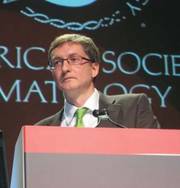
"This multicenter trial has not shown that a no-prophylaxis platelet transfusion policy is noninferior to prophylaxis," lead author Dr. Simon Stanworth said at the annual meeting of the American Society of Hematology.
A predefined subgroup analysis, however, found a significant difference in the primary endpoint between patients undergoing autologous stem cell transplantation (ASCT), who comprised 70% of the study population, and those receiving other treatments such as induction chemotherapy for acute myeloid leukemia (AML) or allogeneic bone marrow transplantation (P value = .04).
The rate of grade 2 or higher bleeding was very similar among patients undergoing autologous transplantation with or without prophylaxis (45% vs. 47%), while a clear benefit signal was seen in the subgroup of AML and allograft patients receiving treatment plus prophylaxis, compared with no prophylaxis (38% vs. 58%).
"Based on the results, the role of prophylactic platelet transfusions in different patient groups is varied and needs to be considered further," said Dr. Stanworth, a consultant hematologist with National Health Service Blood and Transplant, Oxford (England) University Hospital.
The finding that prophylactic platelets confer no advantage among those getting autologous transplants, however, could open up the opportunity to save millions of dollars in health care costs by skipping this unbeneficial treatment. An estimated 2 million platelets were transfused in the United States in 2008, a significant 16.7% increase from 2006, according to the latest National Blood Collection and Utilization Survey Report.
The results of TOPPS will likely change practice, but it will take time, Dr. Walter Dzik, codirector of the blood transfusion service at Massachusetts General Hospital, Boston, said in an interview.
"It takes quite some time, months to years, for knowledge transfer to occur and for well-established practices to change, but the end result will be to decrease the use of prophylactic platelets in autologous stem cell transplant patients," he said.
Prophylactic platelet transfusions are overused in the United States, in part because many clinicians transfuse their oncologic patients before they reach the recommended platelet prophylaxis threshold of 10 x 109 platelets per liter (Transfusion 2007;47:201-5). Thousands of doses of platelets are also used each year outside of the context of hematology/oncology, in patients undergoing surgery or cardiac procedures, without evidenced-based indications.
During his formal introduction of the plenary abstract, Dr. Dzik said a study published 2 years ago begs the question of whether prophylactic platelets are needed at all, reporting that the number of platelets in a prophylactic transfusion had no effect on the incidence of hemorrhage in patients with hypoproliferative thrombocytopenia (N. Engl. J. Med. 2010;362:600-13).
He pointed out that a recent open-label German trial, however, agrees with the TOPPS data, also finding no advantage from prophylactic platelets in autologous transplants, and all of the advantage resting in allogeneic transplants and AML patients. There was an "unmistakable" reduction in WHO grade 2 bleeding overall, but there was no advantage with the prophylaxis in the amount of red blood cells used per patient, number of days in the hospital, or overall survival (Lancet 2012;380:1309-16). It is against this background that clinicians looked to the TOPPS trial for additional insights, Dr. Dzik observed.
TOPPS enrolled 600 patients with a hematologic malignancy who were receiving or expected to receive chemotherapy or stem cell transplant, and expected to be thrombocytopenic for at least 5 days. Patients were randomly assigned to receive prophylactic platelet transfusion if their platelet count fell below 10x109/L, or no prophylaxis. Therapeutic platelets were given only after documented signs or symptoms of bleeding, prior to invasive procedures or at physician discretion.
Patients in the no-prophylaxis group were significantly less likely to receive a transfusion (59% vs. 89%), received fewer transfusions per patient (mean 1.7 vs. 3.0), and had more days with platelets less than 10,000/microL (mean 3.6 days vs. 1.8 days; all P less than .001, Dr. Stanworth reported.
Patients in the no-prophylaxis group averaged 1.7 days with a grade 2-4 bleed during follow-up vs. 1.2 days in the prophylaxis group (P value = .004), and developed an initial grade 2-4 bleed 2 days earlier than those receiving prophylaxis (hazard ratio 1.30; P = .02).
Still, there was no significant difference between the two groups in time to recovery from thrombocytopenia or a range of other outcomes including number of days in hospital or adverse events, Dr. Stanworth said.
Serious grade 3 or 4 bleeds occurred in one patient in the prophylaxis group (0.3%) and six in the no-prophylaxis group (2%). The difference did not reach statistical significance, but represents a sixfold increase in these sometimes life-threatening events (odds ratio 6.05; P = .13).
One intracranial bleed occurred in the no-prophylaxis group. Only two of the seven patients had a platelet count below 10x109/L at the onset of grade 3-4 bleeding, and both were receiving induction chemotherapy for AML, he said.
During a discussion of the results, an audience member described the difference in bleeding between subgroups as remarkable, and suggested that AML patients should be taken far more seriously with regard to platelet prophylaxis because they may be especially predisposed to serious bleeding events because of endothelial damage during therapy. Dr. Stanworth concurred.
In his conclusion, Dr. Stanworth said there is clearly a need for new strategies to minimize the high burden of bleeding, and suggested that antifibrinolytics and the role of tranexamic acid should be explored.
For his part, Dr. Dzik said, "We need to stop approaching all patients as if they were the same and develop a risk score to identify those patients at higher risk of bleeding. The first question on the score will be ‘Are you an autologous stem cell case?’ and then tailor the degree of hemostatic support to match the risk of the patient."
TOPPS was funded by the National Health Service Blood and Transplant. Dr. Stanworth and Dr. Dzik reported no disclosures.
ATLANTA – The broad use of prophylactic platelet transfusions in adults with hematologic malignancies and severe thrombocytopenia will likely be narrowed in the wake of the randomized, international TOPPS trial.
The primary endpoint of grade 2 or higher bleeding, by World Health Organization criteria, was seen in 50% with no prophylaxis (151 of 300) and 43% receiving a prophylactic platelet transfusion (128 of 298). The adjusted difference in proportions was 8.4%, which fell below the 15.2% upper limit for confidence interval set for TOPPS (Trial of Prophylactic Platelet Transfusions).
"This multicenter trial has not shown that a no-prophylaxis platelet transfusion policy is noninferior to prophylaxis," lead author Dr. Simon Stanworth said at the annual meeting of the American Society of Hematology.
A predefined subgroup analysis, however, found a significant difference in the primary endpoint between patients undergoing autologous stem cell transplantation (ASCT), who comprised 70% of the study population, and those receiving other treatments such as induction chemotherapy for acute myeloid leukemia (AML) or allogeneic bone marrow transplantation (P value = .04).
The rate of grade 2 or higher bleeding was very similar among patients undergoing autologous transplantation with or without prophylaxis (45% vs. 47%), while a clear benefit signal was seen in the subgroup of AML and allograft patients receiving treatment plus prophylaxis, compared with no prophylaxis (38% vs. 58%).
"Based on the results, the role of prophylactic platelet transfusions in different patient groups is varied and needs to be considered further," said Dr. Stanworth, a consultant hematologist with National Health Service Blood and Transplant, Oxford (England) University Hospital.
The finding that prophylactic platelets confer no advantage among those getting autologous transplants, however, could open up the opportunity to save millions of dollars in health care costs by skipping this unbeneficial treatment. An estimated 2 million platelets were transfused in the United States in 2008, a significant 16.7% increase from 2006, according to the latest National Blood Collection and Utilization Survey Report.
The results of TOPPS will likely change practice, but it will take time, Dr. Walter Dzik, codirector of the blood transfusion service at Massachusetts General Hospital, Boston, said in an interview.
"It takes quite some time, months to years, for knowledge transfer to occur and for well-established practices to change, but the end result will be to decrease the use of prophylactic platelets in autologous stem cell transplant patients," he said.
Prophylactic platelet transfusions are overused in the United States, in part because many clinicians transfuse their oncologic patients before they reach the recommended platelet prophylaxis threshold of 10 x 109 platelets per liter (Transfusion 2007;47:201-5). Thousands of doses of platelets are also used each year outside of the context of hematology/oncology, in patients undergoing surgery or cardiac procedures, without evidenced-based indications.
During his formal introduction of the plenary abstract, Dr. Dzik said a study published 2 years ago begs the question of whether prophylactic platelets are needed at all, reporting that the number of platelets in a prophylactic transfusion had no effect on the incidence of hemorrhage in patients with hypoproliferative thrombocytopenia (N. Engl. J. Med. 2010;362:600-13).
He pointed out that a recent open-label German trial, however, agrees with the TOPPS data, also finding no advantage from prophylactic platelets in autologous transplants, and all of the advantage resting in allogeneic transplants and AML patients. There was an "unmistakable" reduction in WHO grade 2 bleeding overall, but there was no advantage with the prophylaxis in the amount of red blood cells used per patient, number of days in the hospital, or overall survival (Lancet 2012;380:1309-16). It is against this background that clinicians looked to the TOPPS trial for additional insights, Dr. Dzik observed.
TOPPS enrolled 600 patients with a hematologic malignancy who were receiving or expected to receive chemotherapy or stem cell transplant, and expected to be thrombocytopenic for at least 5 days. Patients were randomly assigned to receive prophylactic platelet transfusion if their platelet count fell below 10x109/L, or no prophylaxis. Therapeutic platelets were given only after documented signs or symptoms of bleeding, prior to invasive procedures or at physician discretion.
Patients in the no-prophylaxis group were significantly less likely to receive a transfusion (59% vs. 89%), received fewer transfusions per patient (mean 1.7 vs. 3.0), and had more days with platelets less than 10,000/microL (mean 3.6 days vs. 1.8 days; all P less than .001, Dr. Stanworth reported.
Patients in the no-prophylaxis group averaged 1.7 days with a grade 2-4 bleed during follow-up vs. 1.2 days in the prophylaxis group (P value = .004), and developed an initial grade 2-4 bleed 2 days earlier than those receiving prophylaxis (hazard ratio 1.30; P = .02).
Still, there was no significant difference between the two groups in time to recovery from thrombocytopenia or a range of other outcomes including number of days in hospital or adverse events, Dr. Stanworth said.
Serious grade 3 or 4 bleeds occurred in one patient in the prophylaxis group (0.3%) and six in the no-prophylaxis group (2%). The difference did not reach statistical significance, but represents a sixfold increase in these sometimes life-threatening events (odds ratio 6.05; P = .13).
One intracranial bleed occurred in the no-prophylaxis group. Only two of the seven patients had a platelet count below 10x109/L at the onset of grade 3-4 bleeding, and both were receiving induction chemotherapy for AML, he said.
During a discussion of the results, an audience member described the difference in bleeding between subgroups as remarkable, and suggested that AML patients should be taken far more seriously with regard to platelet prophylaxis because they may be especially predisposed to serious bleeding events because of endothelial damage during therapy. Dr. Stanworth concurred.
In his conclusion, Dr. Stanworth said there is clearly a need for new strategies to minimize the high burden of bleeding, and suggested that antifibrinolytics and the role of tranexamic acid should be explored.
For his part, Dr. Dzik said, "We need to stop approaching all patients as if they were the same and develop a risk score to identify those patients at higher risk of bleeding. The first question on the score will be ‘Are you an autologous stem cell case?’ and then tailor the degree of hemostatic support to match the risk of the patient."
TOPPS was funded by the National Health Service Blood and Transplant. Dr. Stanworth and Dr. Dzik reported no disclosures.
ATLANTA – The broad use of prophylactic platelet transfusions in adults with hematologic malignancies and severe thrombocytopenia will likely be narrowed in the wake of the randomized, international TOPPS trial.
The primary endpoint of grade 2 or higher bleeding, by World Health Organization criteria, was seen in 50% with no prophylaxis (151 of 300) and 43% receiving a prophylactic platelet transfusion (128 of 298). The adjusted difference in proportions was 8.4%, which fell below the 15.2% upper limit for confidence interval set for TOPPS (Trial of Prophylactic Platelet Transfusions).
"This multicenter trial has not shown that a no-prophylaxis platelet transfusion policy is noninferior to prophylaxis," lead author Dr. Simon Stanworth said at the annual meeting of the American Society of Hematology.
A predefined subgroup analysis, however, found a significant difference in the primary endpoint between patients undergoing autologous stem cell transplantation (ASCT), who comprised 70% of the study population, and those receiving other treatments such as induction chemotherapy for acute myeloid leukemia (AML) or allogeneic bone marrow transplantation (P value = .04).
The rate of grade 2 or higher bleeding was very similar among patients undergoing autologous transplantation with or without prophylaxis (45% vs. 47%), while a clear benefit signal was seen in the subgroup of AML and allograft patients receiving treatment plus prophylaxis, compared with no prophylaxis (38% vs. 58%).
"Based on the results, the role of prophylactic platelet transfusions in different patient groups is varied and needs to be considered further," said Dr. Stanworth, a consultant hematologist with National Health Service Blood and Transplant, Oxford (England) University Hospital.
The finding that prophylactic platelets confer no advantage among those getting autologous transplants, however, could open up the opportunity to save millions of dollars in health care costs by skipping this unbeneficial treatment. An estimated 2 million platelets were transfused in the United States in 2008, a significant 16.7% increase from 2006, according to the latest National Blood Collection and Utilization Survey Report.
The results of TOPPS will likely change practice, but it will take time, Dr. Walter Dzik, codirector of the blood transfusion service at Massachusetts General Hospital, Boston, said in an interview.
"It takes quite some time, months to years, for knowledge transfer to occur and for well-established practices to change, but the end result will be to decrease the use of prophylactic platelets in autologous stem cell transplant patients," he said.
Prophylactic platelet transfusions are overused in the United States, in part because many clinicians transfuse their oncologic patients before they reach the recommended platelet prophylaxis threshold of 10 x 109 platelets per liter (Transfusion 2007;47:201-5). Thousands of doses of platelets are also used each year outside of the context of hematology/oncology, in patients undergoing surgery or cardiac procedures, without evidenced-based indications.
During his formal introduction of the plenary abstract, Dr. Dzik said a study published 2 years ago begs the question of whether prophylactic platelets are needed at all, reporting that the number of platelets in a prophylactic transfusion had no effect on the incidence of hemorrhage in patients with hypoproliferative thrombocytopenia (N. Engl. J. Med. 2010;362:600-13).
He pointed out that a recent open-label German trial, however, agrees with the TOPPS data, also finding no advantage from prophylactic platelets in autologous transplants, and all of the advantage resting in allogeneic transplants and AML patients. There was an "unmistakable" reduction in WHO grade 2 bleeding overall, but there was no advantage with the prophylaxis in the amount of red blood cells used per patient, number of days in the hospital, or overall survival (Lancet 2012;380:1309-16). It is against this background that clinicians looked to the TOPPS trial for additional insights, Dr. Dzik observed.
TOPPS enrolled 600 patients with a hematologic malignancy who were receiving or expected to receive chemotherapy or stem cell transplant, and expected to be thrombocytopenic for at least 5 days. Patients were randomly assigned to receive prophylactic platelet transfusion if their platelet count fell below 10x109/L, or no prophylaxis. Therapeutic platelets were given only after documented signs or symptoms of bleeding, prior to invasive procedures or at physician discretion.
Patients in the no-prophylaxis group were significantly less likely to receive a transfusion (59% vs. 89%), received fewer transfusions per patient (mean 1.7 vs. 3.0), and had more days with platelets less than 10,000/microL (mean 3.6 days vs. 1.8 days; all P less than .001, Dr. Stanworth reported.
Patients in the no-prophylaxis group averaged 1.7 days with a grade 2-4 bleed during follow-up vs. 1.2 days in the prophylaxis group (P value = .004), and developed an initial grade 2-4 bleed 2 days earlier than those receiving prophylaxis (hazard ratio 1.30; P = .02).
Still, there was no significant difference between the two groups in time to recovery from thrombocytopenia or a range of other outcomes including number of days in hospital or adverse events, Dr. Stanworth said.
Serious grade 3 or 4 bleeds occurred in one patient in the prophylaxis group (0.3%) and six in the no-prophylaxis group (2%). The difference did not reach statistical significance, but represents a sixfold increase in these sometimes life-threatening events (odds ratio 6.05; P = .13).
One intracranial bleed occurred in the no-prophylaxis group. Only two of the seven patients had a platelet count below 10x109/L at the onset of grade 3-4 bleeding, and both were receiving induction chemotherapy for AML, he said.
During a discussion of the results, an audience member described the difference in bleeding between subgroups as remarkable, and suggested that AML patients should be taken far more seriously with regard to platelet prophylaxis because they may be especially predisposed to serious bleeding events because of endothelial damage during therapy. Dr. Stanworth concurred.
In his conclusion, Dr. Stanworth said there is clearly a need for new strategies to minimize the high burden of bleeding, and suggested that antifibrinolytics and the role of tranexamic acid should be explored.
For his part, Dr. Dzik said, "We need to stop approaching all patients as if they were the same and develop a risk score to identify those patients at higher risk of bleeding. The first question on the score will be ‘Are you an autologous stem cell case?’ and then tailor the degree of hemostatic support to match the risk of the patient."
TOPPS was funded by the National Health Service Blood and Transplant. Dr. Stanworth and Dr. Dzik reported no disclosures.
AT THE ANNUAL MEETING OF THE AMERICAN SOCIETY OF HEMATOLOGY
Major Finding: The primary endpoint of WHO grade 2 or higher bleeding was seen in 50% with no prophylaxis (151 of 300) and 43% receiving prophylactic platelet transfusion (128 of 298).
Data Source: Randomized controlled trial of prophylactic vs. nonprophylactic platelet transfusions in patients with hematologic malignancies.
Disclosures: TOPPS was funded by the National Health Service Blood and Transplant. Dr. Stanworth and Dr. Dzik reported no disclosures.

Pomalidomide: A new option for relapsed myeloma
ATLANTA – Patients with refractory multiple myeloma, including those with heavily pretreated disease, lived significantly longer with the immunomodulatory drug pomalidomide plus low-dose dexamethasone than with high-dose dexamethasone alone in a phase III, head-to-head study.
Patients given pomalidomide (Pomalyst) and low-dose dexamethasone (Decadron) lived a median of 3.2 months without progression, compared with 1.7 months for patients on high-dose dexamethasone (hazard ratio, 0.45; P less than .001).
Moreover, the combination was equally beneficial in patients refractory to both lenalidomide (Revlimid) and bortezomib (Velcade) (3.2 vs. 1.7 months; HR, 0.48; P less than .001), who comprised three-fourths of the study cohort. Such patients are currently without standard treatment options and frequently receive only palliative care, Dr. Meletios Dimopoulos reported in a late-breaking abstract session at the annual meeting of the American Society of Hematology.
An interim survival analysis also showed a statistically significant improvement in overall survival with the combination compared with high-dose dexamethasone (median not reached vs. 7.8 months; HR, 0.53; P less than .001), prompting the data-monitoring committee to recommend that patients in the control arm be allowed to cross over to pomalidomide plus low-dose dexamethasone.
"We believe that pomalidomide and low-dose dexamethasone should be considered as a new treatment option for these patients," said Dr. Dimopoulos of Alexandra Hospital, Athens.
Dr. Martin Tallman, chief of the leukemia service at Memorial Sloan-Kettering Cancer Center in New York and comoderator of the session, described the MM-003 trial as a large, well-done "definitive" study.
"It’s a very active new agent, pomalidomide, a new IMiD, and I think it will emerge as a new standard of care for relapsed and refractory patients – a population for whom, as Dr. Dimopoulous indicated, we don’t have very good therapies" he said in an interview.
Pomalidomide, a derivative of thalidomide that acts as an immunomodulator, is expected to be approved in early 2013 in the United States, with a decision by European regulatory authorities in the second half of 2013, according to Celgene.
Dr. Dimopoulos said MM-003 did not address whether pomalidomide is more potent as a rescue therapy than carfilzomib (Kyprolis), a second-generation proteasome inhibitor granted accelerated approval in July 2012, for patients with multiple myeloma progressing after at least 2 prior therapies, including bortezomib and an IMiD. The approval was based on response rate only, with clinical benefit such as improved survival not yet verified.
"It is not possible to compare two different drugs from two different trials; however, as the myeloma community, we are encouraged that we now have carfilzomib and pomalidomide with low-dose dexamethasone that could be used to salvage, to rescue and help some patients with an unmet need in multiple myeloma," he said in an interview.
The MM-003 trial randomly assigned 455 patients with relapsed or refractory multiple myeloma to 4 mg oral pomalidomide on days 1-21 of a 28-day cycle plus oral dexamethasone 40 mg weekly, or to 40 mg high-dose dexamethasone on days 1-4, 9-12, and 17-20 of a 28-day cycle until disease progression. Patients older than 75 years in each arm received 20 mg dexamethasone on the same schedules.
All 302 patients in the experimental arm and 153 patients in the control arm had received prior lenalidomide and bortezomib, with 75% refractory to both. The median number of prior therapies was five in each arm, including dexamethasone, thalidomide, and stem cell transplant. One-third of all patients had renal impairment, defined by a creatinine clearance of less than 60 mL/min. The median age of patients in each arm was 64 and 65, respectively.
The overall response rate, defined as at least a partial response, was significantly higher in the experimental arm than the control arm at 21% vs. 3%, reaching 24% vs. 3% among patients randomized for at least 6 months (P less than .001), Dr. Dimopoulos reported.
Progression-free survival, the study’s primary endpoint, was significantly longer in patients on pomalidomide plus low-dose dexamethasone regardless of whether patients’ last prior treatment was bortezomib (median 3.6 vs. 1.8 months; HR, 0.47) or lenalidomide (median 3.7 vs. 1.8 months; HR, 0.38), or whether they had renal impairment (median 3.2 vs. 1.6 months; HR, 0.44; P less than .001 for all comparisons).
The combination therapy was generally well tolerated, although roughly one-third of patients experienced grade 3/4 neutropenia, an expected complication of pomalidomide (42% vs. 15% of controls), Dr. Dimopoulos observed.
Rates of any grade venous thromboembolism were low at 3% vs. 2% in controls, as were exacerbations of peripheral neuropathy at 12% vs. 11%. In all, 7% of patients discontinued pomalidomide plus low-dose dexamethasone, compared with 6% on high-dose dexamethasone, he said.
Session comoderator Dr. Agnes Lee of the University of British Columbia and Vancouver Coastal Health said her colleagues who enrolled patients in the trial are thrilled with having a possible new option for relapsed/refractory myeloma and very surprised with the minimal amount of toxicity they’ve seen. "Right now we’re just waiting for the next step – will this drug be available, especially here in Canada ... and whether it will now be investigated in earlier disease, especially when it’s so well tolerated."
Dr. Dimopoulos reported honoraria from the study sponsor, Celgene. Several of his coauthors reported commercial relationships with Celgene including employment and equity ownership. Dr. Tallman and Dr. Lee reported no relevant financial conflicts.
Dimopoulos, M.A. et al. Pomalidomide in combination with low-dose dexamethasone: Demonstrates a significant progression-free survival and overall survival advantage in relapsed/refractory MM: A phase 3, multicenter, randomized, open-label study. LBA-6.
ATLANTA – Patients with refractory multiple myeloma, including those with heavily pretreated disease, lived significantly longer with the immunomodulatory drug pomalidomide plus low-dose dexamethasone than with high-dose dexamethasone alone in a phase III, head-to-head study.
Patients given pomalidomide (Pomalyst) and low-dose dexamethasone (Decadron) lived a median of 3.2 months without progression, compared with 1.7 months for patients on high-dose dexamethasone (hazard ratio, 0.45; P less than .001).
Moreover, the combination was equally beneficial in patients refractory to both lenalidomide (Revlimid) and bortezomib (Velcade) (3.2 vs. 1.7 months; HR, 0.48; P less than .001), who comprised three-fourths of the study cohort. Such patients are currently without standard treatment options and frequently receive only palliative care, Dr. Meletios Dimopoulos reported in a late-breaking abstract session at the annual meeting of the American Society of Hematology.
An interim survival analysis also showed a statistically significant improvement in overall survival with the combination compared with high-dose dexamethasone (median not reached vs. 7.8 months; HR, 0.53; P less than .001), prompting the data-monitoring committee to recommend that patients in the control arm be allowed to cross over to pomalidomide plus low-dose dexamethasone.
"We believe that pomalidomide and low-dose dexamethasone should be considered as a new treatment option for these patients," said Dr. Dimopoulos of Alexandra Hospital, Athens.
Dr. Martin Tallman, chief of the leukemia service at Memorial Sloan-Kettering Cancer Center in New York and comoderator of the session, described the MM-003 trial as a large, well-done "definitive" study.
"It’s a very active new agent, pomalidomide, a new IMiD, and I think it will emerge as a new standard of care for relapsed and refractory patients – a population for whom, as Dr. Dimopoulous indicated, we don’t have very good therapies" he said in an interview.
Pomalidomide, a derivative of thalidomide that acts as an immunomodulator, is expected to be approved in early 2013 in the United States, with a decision by European regulatory authorities in the second half of 2013, according to Celgene.
Dr. Dimopoulos said MM-003 did not address whether pomalidomide is more potent as a rescue therapy than carfilzomib (Kyprolis), a second-generation proteasome inhibitor granted accelerated approval in July 2012, for patients with multiple myeloma progressing after at least 2 prior therapies, including bortezomib and an IMiD. The approval was based on response rate only, with clinical benefit such as improved survival not yet verified.
"It is not possible to compare two different drugs from two different trials; however, as the myeloma community, we are encouraged that we now have carfilzomib and pomalidomide with low-dose dexamethasone that could be used to salvage, to rescue and help some patients with an unmet need in multiple myeloma," he said in an interview.
The MM-003 trial randomly assigned 455 patients with relapsed or refractory multiple myeloma to 4 mg oral pomalidomide on days 1-21 of a 28-day cycle plus oral dexamethasone 40 mg weekly, or to 40 mg high-dose dexamethasone on days 1-4, 9-12, and 17-20 of a 28-day cycle until disease progression. Patients older than 75 years in each arm received 20 mg dexamethasone on the same schedules.
All 302 patients in the experimental arm and 153 patients in the control arm had received prior lenalidomide and bortezomib, with 75% refractory to both. The median number of prior therapies was five in each arm, including dexamethasone, thalidomide, and stem cell transplant. One-third of all patients had renal impairment, defined by a creatinine clearance of less than 60 mL/min. The median age of patients in each arm was 64 and 65, respectively.
The overall response rate, defined as at least a partial response, was significantly higher in the experimental arm than the control arm at 21% vs. 3%, reaching 24% vs. 3% among patients randomized for at least 6 months (P less than .001), Dr. Dimopoulos reported.
Progression-free survival, the study’s primary endpoint, was significantly longer in patients on pomalidomide plus low-dose dexamethasone regardless of whether patients’ last prior treatment was bortezomib (median 3.6 vs. 1.8 months; HR, 0.47) or lenalidomide (median 3.7 vs. 1.8 months; HR, 0.38), or whether they had renal impairment (median 3.2 vs. 1.6 months; HR, 0.44; P less than .001 for all comparisons).
The combination therapy was generally well tolerated, although roughly one-third of patients experienced grade 3/4 neutropenia, an expected complication of pomalidomide (42% vs. 15% of controls), Dr. Dimopoulos observed.
Rates of any grade venous thromboembolism were low at 3% vs. 2% in controls, as were exacerbations of peripheral neuropathy at 12% vs. 11%. In all, 7% of patients discontinued pomalidomide plus low-dose dexamethasone, compared with 6% on high-dose dexamethasone, he said.
Session comoderator Dr. Agnes Lee of the University of British Columbia and Vancouver Coastal Health said her colleagues who enrolled patients in the trial are thrilled with having a possible new option for relapsed/refractory myeloma and very surprised with the minimal amount of toxicity they’ve seen. "Right now we’re just waiting for the next step – will this drug be available, especially here in Canada ... and whether it will now be investigated in earlier disease, especially when it’s so well tolerated."
Dr. Dimopoulos reported honoraria from the study sponsor, Celgene. Several of his coauthors reported commercial relationships with Celgene including employment and equity ownership. Dr. Tallman and Dr. Lee reported no relevant financial conflicts.
Dimopoulos, M.A. et al. Pomalidomide in combination with low-dose dexamethasone: Demonstrates a significant progression-free survival and overall survival advantage in relapsed/refractory MM: A phase 3, multicenter, randomized, open-label study. LBA-6.
ATLANTA – Patients with refractory multiple myeloma, including those with heavily pretreated disease, lived significantly longer with the immunomodulatory drug pomalidomide plus low-dose dexamethasone than with high-dose dexamethasone alone in a phase III, head-to-head study.
Patients given pomalidomide (Pomalyst) and low-dose dexamethasone (Decadron) lived a median of 3.2 months without progression, compared with 1.7 months for patients on high-dose dexamethasone (hazard ratio, 0.45; P less than .001).
Moreover, the combination was equally beneficial in patients refractory to both lenalidomide (Revlimid) and bortezomib (Velcade) (3.2 vs. 1.7 months; HR, 0.48; P less than .001), who comprised three-fourths of the study cohort. Such patients are currently without standard treatment options and frequently receive only palliative care, Dr. Meletios Dimopoulos reported in a late-breaking abstract session at the annual meeting of the American Society of Hematology.
An interim survival analysis also showed a statistically significant improvement in overall survival with the combination compared with high-dose dexamethasone (median not reached vs. 7.8 months; HR, 0.53; P less than .001), prompting the data-monitoring committee to recommend that patients in the control arm be allowed to cross over to pomalidomide plus low-dose dexamethasone.
"We believe that pomalidomide and low-dose dexamethasone should be considered as a new treatment option for these patients," said Dr. Dimopoulos of Alexandra Hospital, Athens.
Dr. Martin Tallman, chief of the leukemia service at Memorial Sloan-Kettering Cancer Center in New York and comoderator of the session, described the MM-003 trial as a large, well-done "definitive" study.
"It’s a very active new agent, pomalidomide, a new IMiD, and I think it will emerge as a new standard of care for relapsed and refractory patients – a population for whom, as Dr. Dimopoulous indicated, we don’t have very good therapies" he said in an interview.
Pomalidomide, a derivative of thalidomide that acts as an immunomodulator, is expected to be approved in early 2013 in the United States, with a decision by European regulatory authorities in the second half of 2013, according to Celgene.
Dr. Dimopoulos said MM-003 did not address whether pomalidomide is more potent as a rescue therapy than carfilzomib (Kyprolis), a second-generation proteasome inhibitor granted accelerated approval in July 2012, for patients with multiple myeloma progressing after at least 2 prior therapies, including bortezomib and an IMiD. The approval was based on response rate only, with clinical benefit such as improved survival not yet verified.
"It is not possible to compare two different drugs from two different trials; however, as the myeloma community, we are encouraged that we now have carfilzomib and pomalidomide with low-dose dexamethasone that could be used to salvage, to rescue and help some patients with an unmet need in multiple myeloma," he said in an interview.
The MM-003 trial randomly assigned 455 patients with relapsed or refractory multiple myeloma to 4 mg oral pomalidomide on days 1-21 of a 28-day cycle plus oral dexamethasone 40 mg weekly, or to 40 mg high-dose dexamethasone on days 1-4, 9-12, and 17-20 of a 28-day cycle until disease progression. Patients older than 75 years in each arm received 20 mg dexamethasone on the same schedules.
All 302 patients in the experimental arm and 153 patients in the control arm had received prior lenalidomide and bortezomib, with 75% refractory to both. The median number of prior therapies was five in each arm, including dexamethasone, thalidomide, and stem cell transplant. One-third of all patients had renal impairment, defined by a creatinine clearance of less than 60 mL/min. The median age of patients in each arm was 64 and 65, respectively.
The overall response rate, defined as at least a partial response, was significantly higher in the experimental arm than the control arm at 21% vs. 3%, reaching 24% vs. 3% among patients randomized for at least 6 months (P less than .001), Dr. Dimopoulos reported.
Progression-free survival, the study’s primary endpoint, was significantly longer in patients on pomalidomide plus low-dose dexamethasone regardless of whether patients’ last prior treatment was bortezomib (median 3.6 vs. 1.8 months; HR, 0.47) or lenalidomide (median 3.7 vs. 1.8 months; HR, 0.38), or whether they had renal impairment (median 3.2 vs. 1.6 months; HR, 0.44; P less than .001 for all comparisons).
The combination therapy was generally well tolerated, although roughly one-third of patients experienced grade 3/4 neutropenia, an expected complication of pomalidomide (42% vs. 15% of controls), Dr. Dimopoulos observed.
Rates of any grade venous thromboembolism were low at 3% vs. 2% in controls, as were exacerbations of peripheral neuropathy at 12% vs. 11%. In all, 7% of patients discontinued pomalidomide plus low-dose dexamethasone, compared with 6% on high-dose dexamethasone, he said.
Session comoderator Dr. Agnes Lee of the University of British Columbia and Vancouver Coastal Health said her colleagues who enrolled patients in the trial are thrilled with having a possible new option for relapsed/refractory myeloma and very surprised with the minimal amount of toxicity they’ve seen. "Right now we’re just waiting for the next step – will this drug be available, especially here in Canada ... and whether it will now be investigated in earlier disease, especially when it’s so well tolerated."
Dr. Dimopoulos reported honoraria from the study sponsor, Celgene. Several of his coauthors reported commercial relationships with Celgene including employment and equity ownership. Dr. Tallman and Dr. Lee reported no relevant financial conflicts.
Dimopoulos, M.A. et al. Pomalidomide in combination with low-dose dexamethasone: Demonstrates a significant progression-free survival and overall survival advantage in relapsed/refractory MM: A phase 3, multicenter, randomized, open-label study. LBA-6.
AT THE ANNUAL MEETING OF THE AMERICAN SOCIETY OF HEMATOLOGY
Major Finding: Progression-free survival was nearly doubled from 1.7 months with high-dose dexamethasone to 3.2 months with pomalidomide plus low-dose dexamethasone (HR, 0.45; P less than .001).
Data Source: Phase III, open-label study in 455 patients with relapsed or refractory multiple myeloma.
Disclosures: Dr. Dimopoulos reported honoraria from the study sponsor, Celgene. Several of his coauthors reported commercial relationships with Celgene including employment and equity ownership. Dr. Tallman and Dr. Lee reported no relevant financial conflicts.
Plasmablastic lymphoma presenting as proptosis and impending visual loss
A 40-year-old Hispanic man with an unremarkable medical history presented to the emergency department with sudden onset swelling of and loss of vision in the left eye. His symptoms had initially developed 3 months before his presentation and were considered to have been the result of a possible infection of the orbital muscle and associated inflammation. He had symptomatic improvement after steroid treatment. However, he began to notice increasing left nasal congestion, double vision, and facial numbness after discontinuation of steroids.
*For a PDF of the full article, click on the link to the left of this introduction.
A 40-year-old Hispanic man with an unremarkable medical history presented to the emergency department with sudden onset swelling of and loss of vision in the left eye. His symptoms had initially developed 3 months before his presentation and were considered to have been the result of a possible infection of the orbital muscle and associated inflammation. He had symptomatic improvement after steroid treatment. However, he began to notice increasing left nasal congestion, double vision, and facial numbness after discontinuation of steroids.
*For a PDF of the full article, click on the link to the left of this introduction.
A 40-year-old Hispanic man with an unremarkable medical history presented to the emergency department with sudden onset swelling of and loss of vision in the left eye. His symptoms had initially developed 3 months before his presentation and were considered to have been the result of a possible infection of the orbital muscle and associated inflammation. He had symptomatic improvement after steroid treatment. However, he began to notice increasing left nasal congestion, double vision, and facial numbness after discontinuation of steroids.
*For a PDF of the full article, click on the link to the left of this introduction.
Variation by age in neutropenic complications among patients with cancer receiving chemotherapy
Background Age is among the most important risk factors for neutropenia-related hospitalization, but evidence is limited regarding the relative contributions of age and other risk factors.
Objective To explore the associations among patient age, other risk factors, and neutropenic complications in patients with cancer receiving myelosuppressive chemotherapy.
Methods This retrospective cohort study, which used a US commercial insurance claims database, included patients aged 40 years or older with non-Hodgkin lymphoma (NHL), breast cancer, or lung cancer who initiated chemotherapy between January 1, 2006 and March 31, 2010. The primary endpoint was the risk of neutropenia-related hospitalization during the first chemotherapy course. We used cubic spline modeling to estimate the association between neutropenia-related hospitalization and age, adjusting for patient and treatment characteristics. Logistic regression analyses examined the effects of other risk factors.
Results A total of 15,638 patients were included (NHL, n = 2,506; breast cancer, n = 9,110; lung cancer, n = 4,022), mean age 56-66 years. Neutropenia-related hospitalization occurred in 8.7% of NHL patients, 4.2% of breast cancer patients, and 3.9% of lung cancer patients. The association between age and the risk of neutropenia-related hospitalization was stronger in NHL than in lung or breast cancer. Patient comorbidities and chemotherapy characteristics had considerable effects on risk of neutropenia-related hospitalization.
Limitations Disease stage and other clinical factors could not be identified from the claims data.
Conclusion In addition to age, oncologists should evaluate individual patient risk factors including patient comorbidities and type of chemotherapy regimen.
*To read the full article, click on the PDF icon at the top of this introduction.
Background Age is among the most important risk factors for neutropenia-related hospitalization, but evidence is limited regarding the relative contributions of age and other risk factors.
Objective To explore the associations among patient age, other risk factors, and neutropenic complications in patients with cancer receiving myelosuppressive chemotherapy.
Methods This retrospective cohort study, which used a US commercial insurance claims database, included patients aged 40 years or older with non-Hodgkin lymphoma (NHL), breast cancer, or lung cancer who initiated chemotherapy between January 1, 2006 and March 31, 2010. The primary endpoint was the risk of neutropenia-related hospitalization during the first chemotherapy course. We used cubic spline modeling to estimate the association between neutropenia-related hospitalization and age, adjusting for patient and treatment characteristics. Logistic regression analyses examined the effects of other risk factors.
Results A total of 15,638 patients were included (NHL, n = 2,506; breast cancer, n = 9,110; lung cancer, n = 4,022), mean age 56-66 years. Neutropenia-related hospitalization occurred in 8.7% of NHL patients, 4.2% of breast cancer patients, and 3.9% of lung cancer patients. The association between age and the risk of neutropenia-related hospitalization was stronger in NHL than in lung or breast cancer. Patient comorbidities and chemotherapy characteristics had considerable effects on risk of neutropenia-related hospitalization.
Limitations Disease stage and other clinical factors could not be identified from the claims data.
Conclusion In addition to age, oncologists should evaluate individual patient risk factors including patient comorbidities and type of chemotherapy regimen.
*To read the full article, click on the PDF icon at the top of this introduction.
Background Age is among the most important risk factors for neutropenia-related hospitalization, but evidence is limited regarding the relative contributions of age and other risk factors.
Objective To explore the associations among patient age, other risk factors, and neutropenic complications in patients with cancer receiving myelosuppressive chemotherapy.
Methods This retrospective cohort study, which used a US commercial insurance claims database, included patients aged 40 years or older with non-Hodgkin lymphoma (NHL), breast cancer, or lung cancer who initiated chemotherapy between January 1, 2006 and March 31, 2010. The primary endpoint was the risk of neutropenia-related hospitalization during the first chemotherapy course. We used cubic spline modeling to estimate the association between neutropenia-related hospitalization and age, adjusting for patient and treatment characteristics. Logistic regression analyses examined the effects of other risk factors.
Results A total of 15,638 patients were included (NHL, n = 2,506; breast cancer, n = 9,110; lung cancer, n = 4,022), mean age 56-66 years. Neutropenia-related hospitalization occurred in 8.7% of NHL patients, 4.2% of breast cancer patients, and 3.9% of lung cancer patients. The association between age and the risk of neutropenia-related hospitalization was stronger in NHL than in lung or breast cancer. Patient comorbidities and chemotherapy characteristics had considerable effects on risk of neutropenia-related hospitalization.
Limitations Disease stage and other clinical factors could not be identified from the claims data.
Conclusion In addition to age, oncologists should evaluate individual patient risk factors including patient comorbidities and type of chemotherapy regimen.
*To read the full article, click on the PDF icon at the top of this introduction.
Targeting new myeloma pathway pays off with ARRY-520
ATLANTA – The experimental drug ARRY-520, the first kinesin spindle protein inhibitor in multiple myeloma, prompted responses in nearly one-fourth of heavily pretreated and triple-refractory patients in a phase II study.
The overall response rate to single-agent ARRY-520 was 16% in patients with a median of six prior regimens. It reached 22% when combined with dexamethasone in patients with a median of 10 prior regimens – all but one of whom was refractory to lenalidomide (Revlimid), bortezomib (Velcade), and dexamethasone (Decadron), Dr. Jatin Shah reported at the annual meeting of the American Society of Hematology.
Kinesin spindle protein (KSP) is a microtubule motor protein required for mitosis and separation of the mitotic spindle pole into a bipolar spindle pole. Inhibition of KSP prevents formation of the bipolar spindle, leading to cell death. Preclinical work shows that ARRY-520 also down-regulates myeloid cell leukemia-1 levels, a mechanism for dexamethasone resistance.
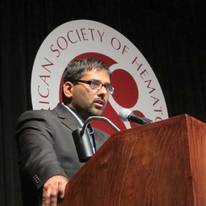
The investigators also identified a potential biomarker called alpha 1-acid glycoprotein (AAG) that may predict how well patients respond to ARRY-520.
Selecting patients by AAG serum results increased the response rate to 33% in the combination group, a population with an unmet clinical need, said Dr. Shah of the University of Texas M.D. Anderson Cancer Center in Houston.
"The assay isn’t a fancy test; it can be done actually at any commercial lab," he said in an interview. "The key is to validate that the labs are doing the assay in the same way."
Duration of response noted
Dr. Antonio Palumbo, chief of the myeloma unit at the University Hospital of Torino, Italy, who comoderated the session, said in an interview that ARRY-520 is "certainly an exciting new agent" in multiple myeloma, given its novel therapeutic target, partial responses of 20%-30% in such advanced disease and a potential biomarker.
"I think the biomarker was important and probably also the durability because this type of drug may have a major role in durability, more than on response," he said.
Median duration of response was 8.6 months with ARRY-520 monotherapy (range 1.4-20 months) and 5.4 months with combination therapy (2.5-9 months).
Dr. Angela Dispenzieri, hematologist and professor of medicine at Mayo Clinic, Rochester, Minn., and a member of the meeting’s scientific committee, was more effusive in her assessment of the results.
"Actually, I think it’s the best thing so far at ASH," she said after the session on the penultimate day of the meeting. "It’s novel.
"This is a new class and it actually has single-agent activity. That’s the beginning and that is very important. I was really impressed, and I’m really cynical."
Both Dr. Dispenzieri and Dr. Palumbo said results should be better if ARRY-520 is combined with other agents such as bortezomib, proteasome inhibitors or immunomodulatory drugs (IMiDs).
Preliminary results reported in a poster at the meeting show that one of six evaluable patients achieved a near complete response and four had stable disease after completing at least one cycle of ARRY-520 plus the proteasome inhibitor carfilzomib (Kyprolis), Dr. Shah reported.
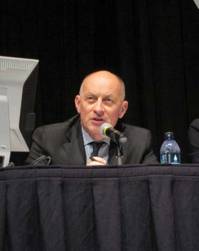
"We’re already starting to see a signal there, and we’re going to go with IMiDs next," he said.
A phase Ib combination trial with bortezomib is also underway.
Fifty patients in two cohorts
The current phase II study included 32 patients who received single-agent ARRY-520 at 1.5 mg/m2 on days 1 and 2 every 2 weeks and 18 patients who also received low-dose dexamethasone 40 mg once weekly. Both groups received granulocyte–colony stimulating factor support.
The first cohort had relapsed and/or refractory multiple myeloma after receiving at least two prior rounds of therapy (range 2-19) that included bortezomib and an IMiD. Roughly half were bortezomib refractory (53%) and 41% were triple refractory.
Cohort two had also received at least two prior regimens (range 5-13), but progressed during or within 60 days of their last regimen, was refractory to lenalidomide, bortezomib, and dexamethasone (except one dexamethasone-refractory patient) and had received adequate prior alkylator therapy. High-risk cytogenetics were present in 17% vs. 9% of cohort one.

In cohort one, there were 5 partial responses, 6 minor plus partial responses, and 14 cases of stable disease, Dr. Shah said. The median time to response was 4.4 months and median progression-free survival was 3.7 months. The cohort had very durable responses at a median of 8.6 months (range 1.4-20 months), and an overall survival of 19 months, he said.
In cohort two, there were 4 partial responses, 6 minimal plus partial responses and 5 patients with stable disease. The median time on treatment about doubled from 2.1 in cohort one to 3.9 months, with a shorter time to response of 3.4 months. The median duration of response was shorter at 5.4 months, "but again this was a very different patient population," Dr. Shah said.
An analysis of baseline AAG levels in 45 patients revealed that patients with low AAG remained on study longer than did those with high AAG in both cohort one (3.4 months vs. 1.7 months) and cohort two (6.2 months vs. 1.6 months). Moreover, 24% of low-AAG patients on monotherapy and 22% on combination therapy achieved at least a partial response, whereas no patient with high AAG levels did so.
In vitro work has shown that increasing levels of AAG result in increased half maximal inhibitory concentration (IC50) of ARRY-520, suggesting that patients with elevated AAG may have subtherapeutic exposure to the drug, Dr. Shah explained. AAG does not bind to other standard multiple myeloma agents on the market, and is not correlated with prognostic markers in myeloma.
Nonhematologic adverse events were very low, including one case each of grade 4 fatigue and hypokalemia, and two cases of grade 4 pneumonia.
As expected from the biology of the drug, grade 3/4 hematologic events were more common, but generally reversible and not observed to be cumulative out to 3 years of therapy, Dr. Shah said. Grade 4 neutropenia, thrombocytopenia, and anemia were present in 28%, 25%, and 6% of patients in cohort one and in 38%, 19% and 5% of cohort two, respectively. Febrile neutropenia was grade 3 only, and reported in just one patient in each group, he noted.
Dr. Shah and coauthors reported relationships with study sponsor Array BioPharma, which is developing ARRY-520. Dr. Palumbo disclosed relationships with other companies.
Dr. Antonio Palumbo,
ATLANTA – The experimental drug ARRY-520, the first kinesin spindle protein inhibitor in multiple myeloma, prompted responses in nearly one-fourth of heavily pretreated and triple-refractory patients in a phase II study.
The overall response rate to single-agent ARRY-520 was 16% in patients with a median of six prior regimens. It reached 22% when combined with dexamethasone in patients with a median of 10 prior regimens – all but one of whom was refractory to lenalidomide (Revlimid), bortezomib (Velcade), and dexamethasone (Decadron), Dr. Jatin Shah reported at the annual meeting of the American Society of Hematology.
Kinesin spindle protein (KSP) is a microtubule motor protein required for mitosis and separation of the mitotic spindle pole into a bipolar spindle pole. Inhibition of KSP prevents formation of the bipolar spindle, leading to cell death. Preclinical work shows that ARRY-520 also down-regulates myeloid cell leukemia-1 levels, a mechanism for dexamethasone resistance.
The investigators also identified a potential biomarker called alpha 1-acid glycoprotein (AAG) that may predict how well patients respond to ARRY-520.
Selecting patients by AAG serum results increased the response rate to 33% in the combination group, a population with an unmet clinical need, said Dr. Shah of the University of Texas M.D. Anderson Cancer Center in Houston.
"The assay isn’t a fancy test; it can be done actually at any commercial lab," he said in an interview. "The key is to validate that the labs are doing the assay in the same way."
Duration of response noted
Dr. Antonio Palumbo, chief of the myeloma unit at the University Hospital of Torino, Italy, who comoderated the session, said in an interview that ARRY-520 is "certainly an exciting new agent" in multiple myeloma, given its novel therapeutic target, partial responses of 20%-30% in such advanced disease and a potential biomarker.
"I think the biomarker was important and probably also the durability because this type of drug may have a major role in durability, more than on response," he said.
Median duration of response was 8.6 months with ARRY-520 monotherapy (range 1.4-20 months) and 5.4 months with combination therapy (2.5-9 months).
Dr. Angela Dispenzieri, hematologist and professor of medicine at Mayo Clinic, Rochester, Minn., and a member of the meeting’s scientific committee, was more effusive in her assessment of the results.
"Actually, I think it’s the best thing so far at ASH," she said after the session on the penultimate day of the meeting. "It’s novel.
"This is a new class and it actually has single-agent activity. That’s the beginning and that is very important. I was really impressed, and I’m really cynical."
Both Dr. Dispenzieri and Dr. Palumbo said results should be better if ARRY-520 is combined with other agents such as bortezomib, proteasome inhibitors or immunomodulatory drugs (IMiDs).
Preliminary results reported in a poster at the meeting show that one of six evaluable patients achieved a near complete response and four had stable disease after completing at least one cycle of ARRY-520 plus the proteasome inhibitor carfilzomib (Kyprolis), Dr. Shah reported.
"We’re already starting to see a signal there, and we’re going to go with IMiDs next," he said.
A phase Ib combination trial with bortezomib is also underway.
Fifty patients in two cohorts
The current phase II study included 32 patients who received single-agent ARRY-520 at 1.5 mg/m2 on days 1 and 2 every 2 weeks and 18 patients who also received low-dose dexamethasone 40 mg once weekly. Both groups received granulocyte–colony stimulating factor support.
The first cohort had relapsed and/or refractory multiple myeloma after receiving at least two prior rounds of therapy (range 2-19) that included bortezomib and an IMiD. Roughly half were bortezomib refractory (53%) and 41% were triple refractory.
Cohort two had also received at least two prior regimens (range 5-13), but progressed during or within 60 days of their last regimen, was refractory to lenalidomide, bortezomib, and dexamethasone (except one dexamethasone-refractory patient) and had received adequate prior alkylator therapy. High-risk cytogenetics were present in 17% vs. 9% of cohort one.
In cohort one, there were 5 partial responses, 6 minor plus partial responses, and 14 cases of stable disease, Dr. Shah said. The median time to response was 4.4 months and median progression-free survival was 3.7 months. The cohort had very durable responses at a median of 8.6 months (range 1.4-20 months), and an overall survival of 19 months, he said.
In cohort two, there were 4 partial responses, 6 minimal plus partial responses and 5 patients with stable disease. The median time on treatment about doubled from 2.1 in cohort one to 3.9 months, with a shorter time to response of 3.4 months. The median duration of response was shorter at 5.4 months, "but again this was a very different patient population," Dr. Shah said.
An analysis of baseline AAG levels in 45 patients revealed that patients with low AAG remained on study longer than did those with high AAG in both cohort one (3.4 months vs. 1.7 months) and cohort two (6.2 months vs. 1.6 months). Moreover, 24% of low-AAG patients on monotherapy and 22% on combination therapy achieved at least a partial response, whereas no patient with high AAG levels did so.
In vitro work has shown that increasing levels of AAG result in increased half maximal inhibitory concentration (IC50) of ARRY-520, suggesting that patients with elevated AAG may have subtherapeutic exposure to the drug, Dr. Shah explained. AAG does not bind to other standard multiple myeloma agents on the market, and is not correlated with prognostic markers in myeloma.
Nonhematologic adverse events were very low, including one case each of grade 4 fatigue and hypokalemia, and two cases of grade 4 pneumonia.
As expected from the biology of the drug, grade 3/4 hematologic events were more common, but generally reversible and not observed to be cumulative out to 3 years of therapy, Dr. Shah said. Grade 4 neutropenia, thrombocytopenia, and anemia were present in 28%, 25%, and 6% of patients in cohort one and in 38%, 19% and 5% of cohort two, respectively. Febrile neutropenia was grade 3 only, and reported in just one patient in each group, he noted.
Dr. Shah and coauthors reported relationships with study sponsor Array BioPharma, which is developing ARRY-520. Dr. Palumbo disclosed relationships with other companies.
ATLANTA – The experimental drug ARRY-520, the first kinesin spindle protein inhibitor in multiple myeloma, prompted responses in nearly one-fourth of heavily pretreated and triple-refractory patients in a phase II study.
The overall response rate to single-agent ARRY-520 was 16% in patients with a median of six prior regimens. It reached 22% when combined with dexamethasone in patients with a median of 10 prior regimens – all but one of whom was refractory to lenalidomide (Revlimid), bortezomib (Velcade), and dexamethasone (Decadron), Dr. Jatin Shah reported at the annual meeting of the American Society of Hematology.
Kinesin spindle protein (KSP) is a microtubule motor protein required for mitosis and separation of the mitotic spindle pole into a bipolar spindle pole. Inhibition of KSP prevents formation of the bipolar spindle, leading to cell death. Preclinical work shows that ARRY-520 also down-regulates myeloid cell leukemia-1 levels, a mechanism for dexamethasone resistance.
The investigators also identified a potential biomarker called alpha 1-acid glycoprotein (AAG) that may predict how well patients respond to ARRY-520.
Selecting patients by AAG serum results increased the response rate to 33% in the combination group, a population with an unmet clinical need, said Dr. Shah of the University of Texas M.D. Anderson Cancer Center in Houston.
"The assay isn’t a fancy test; it can be done actually at any commercial lab," he said in an interview. "The key is to validate that the labs are doing the assay in the same way."
Duration of response noted
Dr. Antonio Palumbo, chief of the myeloma unit at the University Hospital of Torino, Italy, who comoderated the session, said in an interview that ARRY-520 is "certainly an exciting new agent" in multiple myeloma, given its novel therapeutic target, partial responses of 20%-30% in such advanced disease and a potential biomarker.
"I think the biomarker was important and probably also the durability because this type of drug may have a major role in durability, more than on response," he said.
Median duration of response was 8.6 months with ARRY-520 monotherapy (range 1.4-20 months) and 5.4 months with combination therapy (2.5-9 months).
Dr. Angela Dispenzieri, hematologist and professor of medicine at Mayo Clinic, Rochester, Minn., and a member of the meeting’s scientific committee, was more effusive in her assessment of the results.
"Actually, I think it’s the best thing so far at ASH," she said after the session on the penultimate day of the meeting. "It’s novel.
"This is a new class and it actually has single-agent activity. That’s the beginning and that is very important. I was really impressed, and I’m really cynical."
Both Dr. Dispenzieri and Dr. Palumbo said results should be better if ARRY-520 is combined with other agents such as bortezomib, proteasome inhibitors or immunomodulatory drugs (IMiDs).
Preliminary results reported in a poster at the meeting show that one of six evaluable patients achieved a near complete response and four had stable disease after completing at least one cycle of ARRY-520 plus the proteasome inhibitor carfilzomib (Kyprolis), Dr. Shah reported.
"We’re already starting to see a signal there, and we’re going to go with IMiDs next," he said.
A phase Ib combination trial with bortezomib is also underway.
Fifty patients in two cohorts
The current phase II study included 32 patients who received single-agent ARRY-520 at 1.5 mg/m2 on days 1 and 2 every 2 weeks and 18 patients who also received low-dose dexamethasone 40 mg once weekly. Both groups received granulocyte–colony stimulating factor support.
The first cohort had relapsed and/or refractory multiple myeloma after receiving at least two prior rounds of therapy (range 2-19) that included bortezomib and an IMiD. Roughly half were bortezomib refractory (53%) and 41% were triple refractory.
Cohort two had also received at least two prior regimens (range 5-13), but progressed during or within 60 days of their last regimen, was refractory to lenalidomide, bortezomib, and dexamethasone (except one dexamethasone-refractory patient) and had received adequate prior alkylator therapy. High-risk cytogenetics were present in 17% vs. 9% of cohort one.
In cohort one, there were 5 partial responses, 6 minor plus partial responses, and 14 cases of stable disease, Dr. Shah said. The median time to response was 4.4 months and median progression-free survival was 3.7 months. The cohort had very durable responses at a median of 8.6 months (range 1.4-20 months), and an overall survival of 19 months, he said.
In cohort two, there were 4 partial responses, 6 minimal plus partial responses and 5 patients with stable disease. The median time on treatment about doubled from 2.1 in cohort one to 3.9 months, with a shorter time to response of 3.4 months. The median duration of response was shorter at 5.4 months, "but again this was a very different patient population," Dr. Shah said.
An analysis of baseline AAG levels in 45 patients revealed that patients with low AAG remained on study longer than did those with high AAG in both cohort one (3.4 months vs. 1.7 months) and cohort two (6.2 months vs. 1.6 months). Moreover, 24% of low-AAG patients on monotherapy and 22% on combination therapy achieved at least a partial response, whereas no patient with high AAG levels did so.
In vitro work has shown that increasing levels of AAG result in increased half maximal inhibitory concentration (IC50) of ARRY-520, suggesting that patients with elevated AAG may have subtherapeutic exposure to the drug, Dr. Shah explained. AAG does not bind to other standard multiple myeloma agents on the market, and is not correlated with prognostic markers in myeloma.
Nonhematologic adverse events were very low, including one case each of grade 4 fatigue and hypokalemia, and two cases of grade 4 pneumonia.
As expected from the biology of the drug, grade 3/4 hematologic events were more common, but generally reversible and not observed to be cumulative out to 3 years of therapy, Dr. Shah said. Grade 4 neutropenia, thrombocytopenia, and anemia were present in 28%, 25%, and 6% of patients in cohort one and in 38%, 19% and 5% of cohort two, respectively. Febrile neutropenia was grade 3 only, and reported in just one patient in each group, he noted.
Dr. Shah and coauthors reported relationships with study sponsor Array BioPharma, which is developing ARRY-520. Dr. Palumbo disclosed relationships with other companies.
Dr. Antonio Palumbo,
Dr. Antonio Palumbo,
AT THE ANNUAL MEETING OF THE AMERICAN SOCIETY OF HEMATOLOGY
Major Finding: The overall response rate to single-agent ARRY-520 was 16% in patients with a median of 6 prior regimens and 22% when combined with dexamethasone in patients with a median of 10 prior regimens.
Data Source: Phase II study of ARRY-520 mono and combination therapy.
Disclosures: Dr. Shah and coauthors reported relationships with study sponsor Array BioPharma, which is developing ARRY-520. Dr. Palumbo disclosed relationships with other companies.
ASH12: New Myeloma Drug Works Better with Low-Dose Dexamethasone
Pomalidomide, an investigational third-generation immunomodulatory drug, was more effective when combined with low-dose dexamethasone than high-dose in a clinical trial presented at the annual meeting of the American Society of Hematology.
Patrice Wendling interviewed Dr. Meletios A. Dimopoulos on why reducing toxicity is important in multiple myeloma regimens.
Pomalidomide, an investigational third-generation immunomodulatory drug, was more effective when combined with low-dose dexamethasone than high-dose in a clinical trial presented at the annual meeting of the American Society of Hematology.
Patrice Wendling interviewed Dr. Meletios A. Dimopoulos on why reducing toxicity is important in multiple myeloma regimens.
Pomalidomide, an investigational third-generation immunomodulatory drug, was more effective when combined with low-dose dexamethasone than high-dose in a clinical trial presented at the annual meeting of the American Society of Hematology.
Patrice Wendling interviewed Dr. Meletios A. Dimopoulos on why reducing toxicity is important in multiple myeloma regimens.

ASH12: New Proteasome Inhibitor Shines In All-Oral Myeloma Regimen
Experimental MLN9708 is the first oral proteasome inhibitor, and it has shown itself to be highly active in a phase I/II clinical trial that enrolled 65 patients with newly diagnosed multiple myeloma.
Investigators reported that 92% responded to an all-oral regimen combining MLN9708 with lenalidomide (Revlimid) and dexamethsone. This included 55% with at least a very good partial response and 23% in complete response. A phase III trial is planned
Patrice Wendling interviewed Dr. Shaji K. Kumar on findings he presented at the annual meeting of the American Society of Hematology.
Experimental MLN9708 is the first oral proteasome inhibitor, and it has shown itself to be highly active in a phase I/II clinical trial that enrolled 65 patients with newly diagnosed multiple myeloma.
Investigators reported that 92% responded to an all-oral regimen combining MLN9708 with lenalidomide (Revlimid) and dexamethsone. This included 55% with at least a very good partial response and 23% in complete response. A phase III trial is planned
Patrice Wendling interviewed Dr. Shaji K. Kumar on findings he presented at the annual meeting of the American Society of Hematology.
Experimental MLN9708 is the first oral proteasome inhibitor, and it has shown itself to be highly active in a phase I/II clinical trial that enrolled 65 patients with newly diagnosed multiple myeloma.
Investigators reported that 92% responded to an all-oral regimen combining MLN9708 with lenalidomide (Revlimid) and dexamethsone. This included 55% with at least a very good partial response and 23% in complete response. A phase III trial is planned
Patrice Wendling interviewed Dr. Shaji K. Kumar on findings he presented at the annual meeting of the American Society of Hematology.

Experimental Ibrutinib Could Change Treatment of CLL
ATLANTA – The experimental oral therapy ibrutinib produces dramatic responses but dodges the significant toxicity seen in conventional treatments for chronic lymphocytic leukemia and small lymphocytic lymphoma.
In one of two phase II trials, the overall response rate was 68% in previously untreated patients and 71% in patients with relapsed or refractory chronic lymphocytic leukemia (CLL) and small lymphocytic lymphoma (SLL).
The outcome was similar in patients with high-risk relapsed or refractory disease, with the possible exception of those with chromosome 17p deletion. However, with more than half responding, these patients still do better with ibrutinib than with any other therapy explored to date, said Dr. John C. Byrd, director of hematology at Ohio State Comprehensive Cancer Center in Columbus.
"Ibrutinib offers great potential to significantly change the treatment landscape of CLL," he said at a press briefing at the annual meeting of the American Society of Hematology.
In the second trial, combining ibrutinib with the anti-CD20 antibody rituximab (Rituxan) pushed the overall response rate to 83% in high-risk CLL and SLL, said Dr. Jan A. Burger, of the University of Texas M.D. Anderson Cancer Center in Houston.
He noted that several ongoing phase III trials are underway that should accelerate the development of ibrutinib for high-risk patients, who have a high unmet need for alternative treatments.
Ibrutinib is currently not available, even under compassionate use. Despite this, the drug is generating much enthusiasm among clinicians and patients, with some traveling great distances to get into these ongoing trials despite only a 50-50 chance of receiving the drug, said press briefing moderator Dr. Claire Dearden, head of the CLL unit at the Royal Marsden NHS Foundation Trust in London.
"It’s orally active, it’s well tolerated, it’s not chemo, and it produces excellent responses, particularly in patients who are elderly and frail and not necessarily suitable for the more intensive chemotherapy regimens that have become the first-line treatment for the younger, fitter patients," she said.
Ibrutinib, formerly known as PCI-32765, is the first irreversible inhibitor of Bruton’s tyrosine kinase (BTK) to enter clinical development. BTK is essential for B-cell receptor signaling, chemokine-mediated migration and adhesion, and toll-like receptor signaling.
96% Survival Estimates at 22 Months
Dr. Byrd reported new and updated results from 31 patients with treatment naive CLL or SLL, 61 with relapsed or refractory disease, and 24 with high-risk relapsed or refractory disease (defined as progression within 24 months of starting a regimen containing at least a nucleoside analogue or bendamustine in combination with a monoclonal antibody or failure to respond to such a regimen).
Patients were given ibrutinib 420 mg or 840 mg daily 2 hours before food until disease progression or intolerable toxicity. Their median age was 72.
After follow-up ranging from 14.7 months to 22.1 months, complete responses occurred in 10% of treatment-naive patients and 2% of relapsed or refractory patients, Dr. Byrd said. Partial responses occurred in 58% and 68%.
At 22 months, progression-free and overall survival estimates were both 96% among previously untreated patients. To put these results in perspective, he said, that with standard cytotoxic chemotherapy, one would expect this number to be 70% or less if patients are young and 50% or less if elderly. "So these are really dramatic results," he added.
In the relapsed or refractory group, progression-free survival was 76% and overall survival 85%.
Longer follow-up is needed to determine whether the remissions are durable once ibrutinib is stopped – something currently being studied more than a decade after clinicians began using another kinase inhibitor, imatinib (Gleevec), to treat chronic myeloid leukemia, Dr. Byrd said.
He reported 3 grade 3 and no grade 4 infections in treatment-naive patients, and 26 grade 3 infections and 4 grade 4 events in relapsed/refractory patients.
Nearly All Still on Study in Combination Trial
In the second trial, 40 patients received continuous ibrutinib 420 mg daily plus weekly rituximab 365 mg/m2 for 4 weeks, followed by daily ibrutinib plus monthly rituximab until month 6, followed by single-agent ibrutinib. High-risk CLL/SLL was defined as deletion 17p, TP53 mutation, deletion 11q, or less than 3 years remission after first-line chemo-immunotherapy. More than half of patients (58%) had stage IV disease.
After 3-6 months’ follow-up, there were 1 complete response, 32 partial responses, and 3 partial responses with lymphocytosis, Dr. Burger said. In all, 84% of patients experienced more than a 50% reduction in lymph node size.
At the time of the analysis, 95% of all patients and 90% with del 17p continued on therapy without disease progression.
Two patients came off study; one with pneumonia and an intracranial abscess, who died, and another who discontinued due to mucositis/ulcers after four cycles.
Severe toxicities were uncommon in both studies, particularly the considerable immunosuppression and serious infections associated with standard chemo-immunotherapy, the investigators said. The most common event was diarrhea, which was experienced by 54% of patients receiving ibrutinib monotherapy and was largely grade 1 or 2 and resolved after the first couple of cycles, Dr. Byrd said.
Other events included fatigue (29%), upper respiratory infection (29%), rash (28%), nausea (26%) and bone pain (25%). Rates were similar in the combination therapy trial, with bruising also seen in both trials
One of the ongoing phase III trials is the 350-patient RESONATE study evaluating ibrutinib versus ofatumumab (Arzerra) in patients with relapsed or refractory CLL or SLL.
Dr. Byrd disclosed research funding from the study sponsor Pharmacyclics, which is developing ibrutinib. Dr. Burger reported consulting for and research funding from Pharmacyclics. Co-authors of both studies are Pharmacyclics employees. Dr. Dearden disclosed no conflicts of interest.
ATLANTA – The experimental oral therapy ibrutinib produces dramatic responses but dodges the significant toxicity seen in conventional treatments for chronic lymphocytic leukemia and small lymphocytic lymphoma.
In one of two phase II trials, the overall response rate was 68% in previously untreated patients and 71% in patients with relapsed or refractory chronic lymphocytic leukemia (CLL) and small lymphocytic lymphoma (SLL).
The outcome was similar in patients with high-risk relapsed or refractory disease, with the possible exception of those with chromosome 17p deletion. However, with more than half responding, these patients still do better with ibrutinib than with any other therapy explored to date, said Dr. John C. Byrd, director of hematology at Ohio State Comprehensive Cancer Center in Columbus.
"Ibrutinib offers great potential to significantly change the treatment landscape of CLL," he said at a press briefing at the annual meeting of the American Society of Hematology.
In the second trial, combining ibrutinib with the anti-CD20 antibody rituximab (Rituxan) pushed the overall response rate to 83% in high-risk CLL and SLL, said Dr. Jan A. Burger, of the University of Texas M.D. Anderson Cancer Center in Houston.
He noted that several ongoing phase III trials are underway that should accelerate the development of ibrutinib for high-risk patients, who have a high unmet need for alternative treatments.
Ibrutinib is currently not available, even under compassionate use. Despite this, the drug is generating much enthusiasm among clinicians and patients, with some traveling great distances to get into these ongoing trials despite only a 50-50 chance of receiving the drug, said press briefing moderator Dr. Claire Dearden, head of the CLL unit at the Royal Marsden NHS Foundation Trust in London.
"It’s orally active, it’s well tolerated, it’s not chemo, and it produces excellent responses, particularly in patients who are elderly and frail and not necessarily suitable for the more intensive chemotherapy regimens that have become the first-line treatment for the younger, fitter patients," she said.
Ibrutinib, formerly known as PCI-32765, is the first irreversible inhibitor of Bruton’s tyrosine kinase (BTK) to enter clinical development. BTK is essential for B-cell receptor signaling, chemokine-mediated migration and adhesion, and toll-like receptor signaling.
96% Survival Estimates at 22 Months
Dr. Byrd reported new and updated results from 31 patients with treatment naive CLL or SLL, 61 with relapsed or refractory disease, and 24 with high-risk relapsed or refractory disease (defined as progression within 24 months of starting a regimen containing at least a nucleoside analogue or bendamustine in combination with a monoclonal antibody or failure to respond to such a regimen).
Patients were given ibrutinib 420 mg or 840 mg daily 2 hours before food until disease progression or intolerable toxicity. Their median age was 72.
After follow-up ranging from 14.7 months to 22.1 months, complete responses occurred in 10% of treatment-naive patients and 2% of relapsed or refractory patients, Dr. Byrd said. Partial responses occurred in 58% and 68%.
At 22 months, progression-free and overall survival estimates were both 96% among previously untreated patients. To put these results in perspective, he said, that with standard cytotoxic chemotherapy, one would expect this number to be 70% or less if patients are young and 50% or less if elderly. "So these are really dramatic results," he added.
In the relapsed or refractory group, progression-free survival was 76% and overall survival 85%.
Longer follow-up is needed to determine whether the remissions are durable once ibrutinib is stopped – something currently being studied more than a decade after clinicians began using another kinase inhibitor, imatinib (Gleevec), to treat chronic myeloid leukemia, Dr. Byrd said.
He reported 3 grade 3 and no grade 4 infections in treatment-naive patients, and 26 grade 3 infections and 4 grade 4 events in relapsed/refractory patients.
Nearly All Still on Study in Combination Trial
In the second trial, 40 patients received continuous ibrutinib 420 mg daily plus weekly rituximab 365 mg/m2 for 4 weeks, followed by daily ibrutinib plus monthly rituximab until month 6, followed by single-agent ibrutinib. High-risk CLL/SLL was defined as deletion 17p, TP53 mutation, deletion 11q, or less than 3 years remission after first-line chemo-immunotherapy. More than half of patients (58%) had stage IV disease.
After 3-6 months’ follow-up, there were 1 complete response, 32 partial responses, and 3 partial responses with lymphocytosis, Dr. Burger said. In all, 84% of patients experienced more than a 50% reduction in lymph node size.
At the time of the analysis, 95% of all patients and 90% with del 17p continued on therapy without disease progression.
Two patients came off study; one with pneumonia and an intracranial abscess, who died, and another who discontinued due to mucositis/ulcers after four cycles.
Severe toxicities were uncommon in both studies, particularly the considerable immunosuppression and serious infections associated with standard chemo-immunotherapy, the investigators said. The most common event was diarrhea, which was experienced by 54% of patients receiving ibrutinib monotherapy and was largely grade 1 or 2 and resolved after the first couple of cycles, Dr. Byrd said.
Other events included fatigue (29%), upper respiratory infection (29%), rash (28%), nausea (26%) and bone pain (25%). Rates were similar in the combination therapy trial, with bruising also seen in both trials
One of the ongoing phase III trials is the 350-patient RESONATE study evaluating ibrutinib versus ofatumumab (Arzerra) in patients with relapsed or refractory CLL or SLL.
Dr. Byrd disclosed research funding from the study sponsor Pharmacyclics, which is developing ibrutinib. Dr. Burger reported consulting for and research funding from Pharmacyclics. Co-authors of both studies are Pharmacyclics employees. Dr. Dearden disclosed no conflicts of interest.
ATLANTA – The experimental oral therapy ibrutinib produces dramatic responses but dodges the significant toxicity seen in conventional treatments for chronic lymphocytic leukemia and small lymphocytic lymphoma.
In one of two phase II trials, the overall response rate was 68% in previously untreated patients and 71% in patients with relapsed or refractory chronic lymphocytic leukemia (CLL) and small lymphocytic lymphoma (SLL).
The outcome was similar in patients with high-risk relapsed or refractory disease, with the possible exception of those with chromosome 17p deletion. However, with more than half responding, these patients still do better with ibrutinib than with any other therapy explored to date, said Dr. John C. Byrd, director of hematology at Ohio State Comprehensive Cancer Center in Columbus.
"Ibrutinib offers great potential to significantly change the treatment landscape of CLL," he said at a press briefing at the annual meeting of the American Society of Hematology.
In the second trial, combining ibrutinib with the anti-CD20 antibody rituximab (Rituxan) pushed the overall response rate to 83% in high-risk CLL and SLL, said Dr. Jan A. Burger, of the University of Texas M.D. Anderson Cancer Center in Houston.
He noted that several ongoing phase III trials are underway that should accelerate the development of ibrutinib for high-risk patients, who have a high unmet need for alternative treatments.
Ibrutinib is currently not available, even under compassionate use. Despite this, the drug is generating much enthusiasm among clinicians and patients, with some traveling great distances to get into these ongoing trials despite only a 50-50 chance of receiving the drug, said press briefing moderator Dr. Claire Dearden, head of the CLL unit at the Royal Marsden NHS Foundation Trust in London.
"It’s orally active, it’s well tolerated, it’s not chemo, and it produces excellent responses, particularly in patients who are elderly and frail and not necessarily suitable for the more intensive chemotherapy regimens that have become the first-line treatment for the younger, fitter patients," she said.
Ibrutinib, formerly known as PCI-32765, is the first irreversible inhibitor of Bruton’s tyrosine kinase (BTK) to enter clinical development. BTK is essential for B-cell receptor signaling, chemokine-mediated migration and adhesion, and toll-like receptor signaling.
96% Survival Estimates at 22 Months
Dr. Byrd reported new and updated results from 31 patients with treatment naive CLL or SLL, 61 with relapsed or refractory disease, and 24 with high-risk relapsed or refractory disease (defined as progression within 24 months of starting a regimen containing at least a nucleoside analogue or bendamustine in combination with a monoclonal antibody or failure to respond to such a regimen).
Patients were given ibrutinib 420 mg or 840 mg daily 2 hours before food until disease progression or intolerable toxicity. Their median age was 72.
After follow-up ranging from 14.7 months to 22.1 months, complete responses occurred in 10% of treatment-naive patients and 2% of relapsed or refractory patients, Dr. Byrd said. Partial responses occurred in 58% and 68%.
At 22 months, progression-free and overall survival estimates were both 96% among previously untreated patients. To put these results in perspective, he said, that with standard cytotoxic chemotherapy, one would expect this number to be 70% or less if patients are young and 50% or less if elderly. "So these are really dramatic results," he added.
In the relapsed or refractory group, progression-free survival was 76% and overall survival 85%.
Longer follow-up is needed to determine whether the remissions are durable once ibrutinib is stopped – something currently being studied more than a decade after clinicians began using another kinase inhibitor, imatinib (Gleevec), to treat chronic myeloid leukemia, Dr. Byrd said.
He reported 3 grade 3 and no grade 4 infections in treatment-naive patients, and 26 grade 3 infections and 4 grade 4 events in relapsed/refractory patients.
Nearly All Still on Study in Combination Trial
In the second trial, 40 patients received continuous ibrutinib 420 mg daily plus weekly rituximab 365 mg/m2 for 4 weeks, followed by daily ibrutinib plus monthly rituximab until month 6, followed by single-agent ibrutinib. High-risk CLL/SLL was defined as deletion 17p, TP53 mutation, deletion 11q, or less than 3 years remission after first-line chemo-immunotherapy. More than half of patients (58%) had stage IV disease.
After 3-6 months’ follow-up, there were 1 complete response, 32 partial responses, and 3 partial responses with lymphocytosis, Dr. Burger said. In all, 84% of patients experienced more than a 50% reduction in lymph node size.
At the time of the analysis, 95% of all patients and 90% with del 17p continued on therapy without disease progression.
Two patients came off study; one with pneumonia and an intracranial abscess, who died, and another who discontinued due to mucositis/ulcers after four cycles.
Severe toxicities were uncommon in both studies, particularly the considerable immunosuppression and serious infections associated with standard chemo-immunotherapy, the investigators said. The most common event was diarrhea, which was experienced by 54% of patients receiving ibrutinib monotherapy and was largely grade 1 or 2 and resolved after the first couple of cycles, Dr. Byrd said.
Other events included fatigue (29%), upper respiratory infection (29%), rash (28%), nausea (26%) and bone pain (25%). Rates were similar in the combination therapy trial, with bruising also seen in both trials
One of the ongoing phase III trials is the 350-patient RESONATE study evaluating ibrutinib versus ofatumumab (Arzerra) in patients with relapsed or refractory CLL or SLL.
Dr. Byrd disclosed research funding from the study sponsor Pharmacyclics, which is developing ibrutinib. Dr. Burger reported consulting for and research funding from Pharmacyclics. Co-authors of both studies are Pharmacyclics employees. Dr. Dearden disclosed no conflicts of interest.
AT THE ANNUAL MEETING OF THE AMERICAN SOCIETY OF HEMATOLOGY
Major Finding: Ibrutinib monotherapy produced an overall response rate of 68% in previously untreated patients and 71% in patients with relapsed or refractory chronic lymphocytic leukemia (CLL) and small lymphocytic lymphoma (SLL).
Data Source: Phase Ib/II trial of ibrutinib monotherapy and phase II trial of ibrutinib in combination with rituximab.
Disclosures: Dr. Byrd disclosed research funding from the study sponsor Pharmacyclics, which is developing ibrutinib. Dr. Burger reported consulting for and research funding from Pharmacyclics. Coauthors of both studies are Pharmacyclics employees. Dr. Dearden disclosed no conflicts of interest.
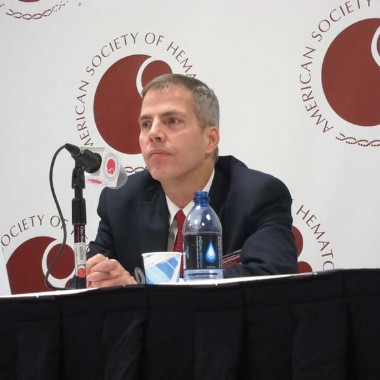
Hodgkin's Lymphoma Radiation Linked to Cardiovascular Disease
LOS ANGELES – Hodgkin’s lymphoma survivors who underwent mediastinal radiation therapy for their cancer have a high prevalence of occult cardiovascular disease, a systematic examination of 182 patients showed.
Among 182 asymptomatic, radiation-treated Hodgkin’s lymphoma patients with no prior history of cardiovascular disease, 47 (26%) showed signs of "significant" coronary artery disease (CAD), valvular disease, or left ventricular systolic dysfunction with screening echocardiography done at least 5 years and an average of 15 years after finishing radiation therapy, Dr. Ming Hui Chen reported at the annual scientific sessions of the American Heart Association.
Patients had this high prevalence despite their relatively young age, which ranged from 21 to 65 years and averaged 43 years. Among the subgroup with identified coronary or valvular disease, the average age was 48, ranging from 36 to 65 years, said Dr. Chen, a cardiologist and associate director of the noninvasive cardiac laboratory at Brigham and Women’s Hospital in Boston.
Her analysis also showed that hypertension was the only modifiable risk factor associated with screening-detected CAD and valve disease in these patients. Based on that, "blood pressure modification would likely result in considerable calculated risk reduction for CAD and valve disease in Hodgkin’s lymphoma survivors cured by mediastinal radiation," she concluded.
"The key question is, does radiation directly cause [CAD or valve disease] or does it do so indirectly through hypertension and other cardiac risk factors? Does the hypertension reflect an interaction with arterial stiffness caused by radiation itself?" she asked.
It’s "quite possible" that the hypertension is caused by radiation of "the most distensible part of the arterial system that is mostly responsible for buffering the pulses of the heart," commented Dr. Michael O’Rourke. The problem with this hypothesis is that, if true, "you would expect more systolic than diastolic hypertension," which wasn’t what the data showed, said Dr. O’Rourke, professor of medicine at the University of New South Wales in Sydney.
Dr. Chen and her associates performed screening echocardiography on long-term survivors of Hodgkin’s lymphoma who received mediastinal radiation therapy because results from prior studies had shown that cardiovascular disease is three to five times more prevalent in this population, but despite that, routine screening of these patients for cardiovascular disease is rarely done, she said.
They examined 182 former patients treated for Hodgkin’s lymphoma with mediastinal radiation at any of four Boston-area hospitals during 1967-2006 who were asymptomatic and had no history of cardiovascular disease. All patients underwent transthoracic and stress echocardiographic examinations, and those with findings suggestive of ischemic coronary disease also underwent confirmatory angiography. During cancer treatment the patients had received an average total radiation dose of 3,960 Gy.
Screening identified 24 patients with CAD or valvular disease, and 26 with left ventricular systolic dysfunction (3 of the 47 affected patients had both categories of cardiovascular disease). Some patients had valve disease so advanced that they needed emergency surgery. The most common type of valve disease was aortic stenosis.
Among the people examined, 81% had at least one modifiable cardiac risk factor, including 24 patients with a history of hypertension, and another 24 with a new diagnosis of hypertension. Analysis of all the identified cardiovascular disease risk factors showed that hypertension, an elevated level of high-sensitivity C-reactive protein, and older age were each significantly more prevalent among patients with CAD or valve disease, compared with those without.
But results from a multivariate-adjusted analysis showed that hypertension was the only modifiable risk factor to significantly link with CAD or valve disease. Patients with hypertension were 4.5-fold more likely to have CAD or valve disease, compared with patients without hypertension.
The analysis also showed that for each 5-mm Hg rise in systolic blood pressure, the rate of coronary and valve disease rose by 29%, and for each 5 mm Hg rise in diastolic pressure, the rate of disease rose by 35%, both statistically significant effects, Dr. Chen reported.
Dr. Chen said that she has no disclosures. Dr. O’Rourke is medical director and cofounder of AtCor Medical.
LOS ANGELES – Hodgkin’s lymphoma survivors who underwent mediastinal radiation therapy for their cancer have a high prevalence of occult cardiovascular disease, a systematic examination of 182 patients showed.
Among 182 asymptomatic, radiation-treated Hodgkin’s lymphoma patients with no prior history of cardiovascular disease, 47 (26%) showed signs of "significant" coronary artery disease (CAD), valvular disease, or left ventricular systolic dysfunction with screening echocardiography done at least 5 years and an average of 15 years after finishing radiation therapy, Dr. Ming Hui Chen reported at the annual scientific sessions of the American Heart Association.
Patients had this high prevalence despite their relatively young age, which ranged from 21 to 65 years and averaged 43 years. Among the subgroup with identified coronary or valvular disease, the average age was 48, ranging from 36 to 65 years, said Dr. Chen, a cardiologist and associate director of the noninvasive cardiac laboratory at Brigham and Women’s Hospital in Boston.
Her analysis also showed that hypertension was the only modifiable risk factor associated with screening-detected CAD and valve disease in these patients. Based on that, "blood pressure modification would likely result in considerable calculated risk reduction for CAD and valve disease in Hodgkin’s lymphoma survivors cured by mediastinal radiation," she concluded.
"The key question is, does radiation directly cause [CAD or valve disease] or does it do so indirectly through hypertension and other cardiac risk factors? Does the hypertension reflect an interaction with arterial stiffness caused by radiation itself?" she asked.
It’s "quite possible" that the hypertension is caused by radiation of "the most distensible part of the arterial system that is mostly responsible for buffering the pulses of the heart," commented Dr. Michael O’Rourke. The problem with this hypothesis is that, if true, "you would expect more systolic than diastolic hypertension," which wasn’t what the data showed, said Dr. O’Rourke, professor of medicine at the University of New South Wales in Sydney.
Dr. Chen and her associates performed screening echocardiography on long-term survivors of Hodgkin’s lymphoma who received mediastinal radiation therapy because results from prior studies had shown that cardiovascular disease is three to five times more prevalent in this population, but despite that, routine screening of these patients for cardiovascular disease is rarely done, she said.
They examined 182 former patients treated for Hodgkin’s lymphoma with mediastinal radiation at any of four Boston-area hospitals during 1967-2006 who were asymptomatic and had no history of cardiovascular disease. All patients underwent transthoracic and stress echocardiographic examinations, and those with findings suggestive of ischemic coronary disease also underwent confirmatory angiography. During cancer treatment the patients had received an average total radiation dose of 3,960 Gy.
Screening identified 24 patients with CAD or valvular disease, and 26 with left ventricular systolic dysfunction (3 of the 47 affected patients had both categories of cardiovascular disease). Some patients had valve disease so advanced that they needed emergency surgery. The most common type of valve disease was aortic stenosis.
Among the people examined, 81% had at least one modifiable cardiac risk factor, including 24 patients with a history of hypertension, and another 24 with a new diagnosis of hypertension. Analysis of all the identified cardiovascular disease risk factors showed that hypertension, an elevated level of high-sensitivity C-reactive protein, and older age were each significantly more prevalent among patients with CAD or valve disease, compared with those without.
But results from a multivariate-adjusted analysis showed that hypertension was the only modifiable risk factor to significantly link with CAD or valve disease. Patients with hypertension were 4.5-fold more likely to have CAD or valve disease, compared with patients without hypertension.
The analysis also showed that for each 5-mm Hg rise in systolic blood pressure, the rate of coronary and valve disease rose by 29%, and for each 5 mm Hg rise in diastolic pressure, the rate of disease rose by 35%, both statistically significant effects, Dr. Chen reported.
Dr. Chen said that she has no disclosures. Dr. O’Rourke is medical director and cofounder of AtCor Medical.
LOS ANGELES – Hodgkin’s lymphoma survivors who underwent mediastinal radiation therapy for their cancer have a high prevalence of occult cardiovascular disease, a systematic examination of 182 patients showed.
Among 182 asymptomatic, radiation-treated Hodgkin’s lymphoma patients with no prior history of cardiovascular disease, 47 (26%) showed signs of "significant" coronary artery disease (CAD), valvular disease, or left ventricular systolic dysfunction with screening echocardiography done at least 5 years and an average of 15 years after finishing radiation therapy, Dr. Ming Hui Chen reported at the annual scientific sessions of the American Heart Association.
Patients had this high prevalence despite their relatively young age, which ranged from 21 to 65 years and averaged 43 years. Among the subgroup with identified coronary or valvular disease, the average age was 48, ranging from 36 to 65 years, said Dr. Chen, a cardiologist and associate director of the noninvasive cardiac laboratory at Brigham and Women’s Hospital in Boston.
Her analysis also showed that hypertension was the only modifiable risk factor associated with screening-detected CAD and valve disease in these patients. Based on that, "blood pressure modification would likely result in considerable calculated risk reduction for CAD and valve disease in Hodgkin’s lymphoma survivors cured by mediastinal radiation," she concluded.
"The key question is, does radiation directly cause [CAD or valve disease] or does it do so indirectly through hypertension and other cardiac risk factors? Does the hypertension reflect an interaction with arterial stiffness caused by radiation itself?" she asked.
It’s "quite possible" that the hypertension is caused by radiation of "the most distensible part of the arterial system that is mostly responsible for buffering the pulses of the heart," commented Dr. Michael O’Rourke. The problem with this hypothesis is that, if true, "you would expect more systolic than diastolic hypertension," which wasn’t what the data showed, said Dr. O’Rourke, professor of medicine at the University of New South Wales in Sydney.
Dr. Chen and her associates performed screening echocardiography on long-term survivors of Hodgkin’s lymphoma who received mediastinal radiation therapy because results from prior studies had shown that cardiovascular disease is three to five times more prevalent in this population, but despite that, routine screening of these patients for cardiovascular disease is rarely done, she said.
They examined 182 former patients treated for Hodgkin’s lymphoma with mediastinal radiation at any of four Boston-area hospitals during 1967-2006 who were asymptomatic and had no history of cardiovascular disease. All patients underwent transthoracic and stress echocardiographic examinations, and those with findings suggestive of ischemic coronary disease also underwent confirmatory angiography. During cancer treatment the patients had received an average total radiation dose of 3,960 Gy.
Screening identified 24 patients with CAD or valvular disease, and 26 with left ventricular systolic dysfunction (3 of the 47 affected patients had both categories of cardiovascular disease). Some patients had valve disease so advanced that they needed emergency surgery. The most common type of valve disease was aortic stenosis.
Among the people examined, 81% had at least one modifiable cardiac risk factor, including 24 patients with a history of hypertension, and another 24 with a new diagnosis of hypertension. Analysis of all the identified cardiovascular disease risk factors showed that hypertension, an elevated level of high-sensitivity C-reactive protein, and older age were each significantly more prevalent among patients with CAD or valve disease, compared with those without.
But results from a multivariate-adjusted analysis showed that hypertension was the only modifiable risk factor to significantly link with CAD or valve disease. Patients with hypertension were 4.5-fold more likely to have CAD or valve disease, compared with patients without hypertension.
The analysis also showed that for each 5-mm Hg rise in systolic blood pressure, the rate of coronary and valve disease rose by 29%, and for each 5 mm Hg rise in diastolic pressure, the rate of disease rose by 35%, both statistically significant effects, Dr. Chen reported.
Dr. Chen said that she has no disclosures. Dr. O’Rourke is medical director and cofounder of AtCor Medical.
AT THE ANNUAL SCIENTIFIC SESSIONS OF THE AMERICAN HEART ASSOCIATION
Major Finding: A minimum of 5 years after undergoing radiation therapy for Hodgkin’s lymphoma, 26% of patients had occult cardiovascular disease.
Data Source: Results were taken from a screening echocardiography study of 182 asymptomatic people who received radiation for Hodgkin’s lymphoma in Boston during 1967-2006.
Disclosures: Dr. Chen said that she has no disclosures. Dr. O’Rourke is medical director and cofounder of AtCor Medical.

Anti-TNFs Have Not Raised Lymphoma Risk
WASHINGTON – Anti–tumor necrosis factor therapy does not increase the risk of lymphoma in patients with rheumatoid arthritis.
That’s the conclusion of a study presented in a plenary session here by Dr. Kimme L. Hyrich on Monday, Nov. 12, at the annual meeting of the American College of Rheumatology.
"The challenge in studying whether therapies for rheumatoid arthritis (RA) patients can increase the risk of lymphoma is the knowledge that the disease itself has been associated with this outcome," said Dr. Hyrich.
"It’s possible that with immunosuppression, we may see an increased risk of lymphoma, but equally, if we can control the disease activity that has been associated with this outcome, it’s possible that we actually can see a decrease in lymphoma risk over time."
Dr. Hyrich, of the arthritis research UK epidemiology unit at the University of Manchester (England), and colleagues looked at patients from the British Society for Rheumatology Rheumatoid Arthritis Register (BSRBR-RA), a prospective registry of RA patients taking biologic drugs, recruited between 2001 and 2009.
The treatment group comprised 11,987 patients who started therapy with an anti–tumor necrosis factor (TNF) including infliximab, etanercept, or adalimumab; they were compared to 3,465 patients who were treated solely with nonbiologic disease modifying antirheumatic drugs (DMARDs).
Incident cancers were detected either by flagging in a national cancer database (95% of cancers were identified by this method, according to Dr. Hyrich) in one of six monthly patient and physician questionnaires, or in annual physician questionnaires thereafter.
Subjects were followed until Sept. 30, 2010, or their first lymphoma, or death, whichever came first.
The cutoff date of the study was 2010 because there can be up to a 2-year lag between incident cancer and reporting of those data in the registry, due to rigorous confirmatory processes, said Dr. Hyrich.
The investigators found 84 incident lymphomas over the study period: 20 in the nonbiologic DMARD patients and 64 in the anti-TNF cohort, for a rate of 152 per 100,000 person years versus 96 per 100,000 person-years, respectively.
The tally included five cases of Hodgkin’s lymphomas in the nonbiologic DMARD group and nine in the anti-TNF patients. Among the non-Hodgkin’s lymphoma cases, diffuse large B cell lymphomas accounted for the greatest proportion of cancers.
After adjustment for baseline age, gender, disease activity score, health assessment questionnaire results, disease duration, smoking, and current or previous cyclophosphamide use, the hazard ratio for all lymphomas for anti-TNF users was calculated to be a nonsignificant 1.13 (95% confidence interval, 0.55-2.31).
Similarly, looking at non-Hodgkin’s lymphoma only, Dr. Hyrich determined an adjusted hazard ratio among the anti-TNF patients of 1.26, also nonsignificant (95% CI, 0.58-2.72).
In her presentation, Dr. Hyrich commented that the study was unable to assess risk associated with a particular anti-TNF agent, given that the majority of patients in this real-world cohort had a history of treatment with multiple drugs in the class; indeed, 15% of the cohort had a history of treatment with three or more anti-TNF agents.
"How do you attribute risk in a situation where patients have been exposed to all of these agents?" she said.
"I think further analysis of these cohorts is needed to know whether any exposure to anti-TNFs, or any particular order of anti-TNFs, or any particular duration of anti-TNFs" increases risk.
The researchers stated that they had no disclosures relative to this presentation.
WASHINGTON – Anti–tumor necrosis factor therapy does not increase the risk of lymphoma in patients with rheumatoid arthritis.
That’s the conclusion of a study presented in a plenary session here by Dr. Kimme L. Hyrich on Monday, Nov. 12, at the annual meeting of the American College of Rheumatology.
"The challenge in studying whether therapies for rheumatoid arthritis (RA) patients can increase the risk of lymphoma is the knowledge that the disease itself has been associated with this outcome," said Dr. Hyrich.
"It’s possible that with immunosuppression, we may see an increased risk of lymphoma, but equally, if we can control the disease activity that has been associated with this outcome, it’s possible that we actually can see a decrease in lymphoma risk over time."
Dr. Hyrich, of the arthritis research UK epidemiology unit at the University of Manchester (England), and colleagues looked at patients from the British Society for Rheumatology Rheumatoid Arthritis Register (BSRBR-RA), a prospective registry of RA patients taking biologic drugs, recruited between 2001 and 2009.
The treatment group comprised 11,987 patients who started therapy with an anti–tumor necrosis factor (TNF) including infliximab, etanercept, or adalimumab; they were compared to 3,465 patients who were treated solely with nonbiologic disease modifying antirheumatic drugs (DMARDs).
Incident cancers were detected either by flagging in a national cancer database (95% of cancers were identified by this method, according to Dr. Hyrich) in one of six monthly patient and physician questionnaires, or in annual physician questionnaires thereafter.
Subjects were followed until Sept. 30, 2010, or their first lymphoma, or death, whichever came first.
The cutoff date of the study was 2010 because there can be up to a 2-year lag between incident cancer and reporting of those data in the registry, due to rigorous confirmatory processes, said Dr. Hyrich.
The investigators found 84 incident lymphomas over the study period: 20 in the nonbiologic DMARD patients and 64 in the anti-TNF cohort, for a rate of 152 per 100,000 person years versus 96 per 100,000 person-years, respectively.
The tally included five cases of Hodgkin’s lymphomas in the nonbiologic DMARD group and nine in the anti-TNF patients. Among the non-Hodgkin’s lymphoma cases, diffuse large B cell lymphomas accounted for the greatest proportion of cancers.
After adjustment for baseline age, gender, disease activity score, health assessment questionnaire results, disease duration, smoking, and current or previous cyclophosphamide use, the hazard ratio for all lymphomas for anti-TNF users was calculated to be a nonsignificant 1.13 (95% confidence interval, 0.55-2.31).
Similarly, looking at non-Hodgkin’s lymphoma only, Dr. Hyrich determined an adjusted hazard ratio among the anti-TNF patients of 1.26, also nonsignificant (95% CI, 0.58-2.72).
In her presentation, Dr. Hyrich commented that the study was unable to assess risk associated with a particular anti-TNF agent, given that the majority of patients in this real-world cohort had a history of treatment with multiple drugs in the class; indeed, 15% of the cohort had a history of treatment with three or more anti-TNF agents.
"How do you attribute risk in a situation where patients have been exposed to all of these agents?" she said.
"I think further analysis of these cohorts is needed to know whether any exposure to anti-TNFs, or any particular order of anti-TNFs, or any particular duration of anti-TNFs" increases risk.
The researchers stated that they had no disclosures relative to this presentation.
WASHINGTON – Anti–tumor necrosis factor therapy does not increase the risk of lymphoma in patients with rheumatoid arthritis.
That’s the conclusion of a study presented in a plenary session here by Dr. Kimme L. Hyrich on Monday, Nov. 12, at the annual meeting of the American College of Rheumatology.
"The challenge in studying whether therapies for rheumatoid arthritis (RA) patients can increase the risk of lymphoma is the knowledge that the disease itself has been associated with this outcome," said Dr. Hyrich.
"It’s possible that with immunosuppression, we may see an increased risk of lymphoma, but equally, if we can control the disease activity that has been associated with this outcome, it’s possible that we actually can see a decrease in lymphoma risk over time."
Dr. Hyrich, of the arthritis research UK epidemiology unit at the University of Manchester (England), and colleagues looked at patients from the British Society for Rheumatology Rheumatoid Arthritis Register (BSRBR-RA), a prospective registry of RA patients taking biologic drugs, recruited between 2001 and 2009.
The treatment group comprised 11,987 patients who started therapy with an anti–tumor necrosis factor (TNF) including infliximab, etanercept, or adalimumab; they were compared to 3,465 patients who were treated solely with nonbiologic disease modifying antirheumatic drugs (DMARDs).
Incident cancers were detected either by flagging in a national cancer database (95% of cancers were identified by this method, according to Dr. Hyrich) in one of six monthly patient and physician questionnaires, or in annual physician questionnaires thereafter.
Subjects were followed until Sept. 30, 2010, or their first lymphoma, or death, whichever came first.
The cutoff date of the study was 2010 because there can be up to a 2-year lag between incident cancer and reporting of those data in the registry, due to rigorous confirmatory processes, said Dr. Hyrich.
The investigators found 84 incident lymphomas over the study period: 20 in the nonbiologic DMARD patients and 64 in the anti-TNF cohort, for a rate of 152 per 100,000 person years versus 96 per 100,000 person-years, respectively.
The tally included five cases of Hodgkin’s lymphomas in the nonbiologic DMARD group and nine in the anti-TNF patients. Among the non-Hodgkin’s lymphoma cases, diffuse large B cell lymphomas accounted for the greatest proportion of cancers.
After adjustment for baseline age, gender, disease activity score, health assessment questionnaire results, disease duration, smoking, and current or previous cyclophosphamide use, the hazard ratio for all lymphomas for anti-TNF users was calculated to be a nonsignificant 1.13 (95% confidence interval, 0.55-2.31).
Similarly, looking at non-Hodgkin’s lymphoma only, Dr. Hyrich determined an adjusted hazard ratio among the anti-TNF patients of 1.26, also nonsignificant (95% CI, 0.58-2.72).
In her presentation, Dr. Hyrich commented that the study was unable to assess risk associated with a particular anti-TNF agent, given that the majority of patients in this real-world cohort had a history of treatment with multiple drugs in the class; indeed, 15% of the cohort had a history of treatment with three or more anti-TNF agents.
"How do you attribute risk in a situation where patients have been exposed to all of these agents?" she said.
"I think further analysis of these cohorts is needed to know whether any exposure to anti-TNFs, or any particular order of anti-TNFs, or any particular duration of anti-TNFs" increases risk.
The researchers stated that they had no disclosures relative to this presentation.
AT THE ANNUAL MEETING OF THE AMERICAN COLLEGE OF RHEUMATOLOGY
Major Finding: The incidence of lymphoma in patients with severe RA who were treated with biologic DMARDs was 152 per 100,000 person years versus 96 per 100,000 person years in those treated with nonbiologic DMARDs; however, that difference disappeared after correction for baseline age, gender, DAS score, HAQ, disease duration, use of steroids, current/previous cyclophosphamide use, smoking, and registration date.
Data Source: This finding comes from an analysis of data from the British Society for Rheumatology Rheumatoid Arthritis Register.
Disclosures: The researchers stated that they had no disclosures relative to this presentation.