User login
Why some patients relapse: The case for consolidation therapy in Hodgkin lymphoma

In this editorial, Andreas Engert, MD, makes the case for consolidation therapy in advanced Hodgkin lymphoma.
Dr Engert is a professor of internal medicine, hematology, and oncology at University Hospital of Cologne in Germany. He has received research funding and consultancy fees from Takeda/Millennium Pharmaceuticals and Affimed as well as research funding from Bristol-Myers Squibb.
Historically, Hodgkin lymphoma has been viewed as a cancer with generally favorable outcomes. However, it’s clear that there is an unmet need for patients with advanced stage disease.
Physicians treat newly diagnosed patients with a curative intent, but up to 30% fail to respond to initial therapy or relapse, depending on the treatment regimen used, stage of disease, and risk factors.1-3 Additionally, toxicity from frontline treatment has the potential to impact patients throughout their lives.
In line with the current standard of care, the majority of patients who fail frontline therapy will receive high-dose chemotherapy followed by an autologous stem cell transplant (ASCT).
This path of treatment, similar to frontline regimens, can be effective in eradicating the disease, but approximately half of those who undergo an ASCT subsequently relapse. Outcomes are generally poor for patients whose disease returns post-ASCT, especially if the relapse occurs within the first year.4
Consolidation therapy, used to kill remaining cancer cells after ASCT, may offer a new treatment option to address this problem. Unlike longer-term maintenance therapy, consolidation typically lasts for a short period of time—normally months instead of years—and involves intense treatment to eradicate any remaining disease.
The evidence for consolidation therapy in Hodgkin lymphoma
To understand the rationale for consolidation therapy, first consider why some patients with Hodgkin lymphoma relapse following ASCT. A small number of cancer cells, undetectable using traditional diagnostics, may remain following ASCT. This is known as minimal residual disease, and it may indicate the potential for the cancer to return.
The goal of consolidation therapy is to eliminate minimal residual disease before it progresses and causes a relapse. Unsurprisingly, timing plays a crucial role in the likelihood of achieving that goal.
In order to allow for the best chance for optimal patient outcomes, consolidation treatment should be initiated shortly after ASCT, before regrowth of cancer cells can occur. Tolerability is paramount, though, and timing must be carefully weighed by the treating physician.
Physicians and researchers learned about the impact and use of consolidation therapy from its success in other blood cancers like chronic myeloid leukemia.5,6
To prove the concept of consolidation treatment in Hodgkin lymphoma, a controlled clinical trial was conducted. The AETHERA study evaluated the use of brentuximab vedotin as consolidation therapy in patients with advanced Hodgkin lymphoma who were at increased risk of relapse or progression following ASCT.7
AETHERA was the first completed phase 3 study to explore consolidation treatment immediately following ASCT as a way of extending the effect of transplant in patients with Hodgkin lymphoma.
The results made a strong argument in favor of consolidation therapy, as patients who received brentuximab vedotin plus best supportive care after ASCT lived significantly longer without their disease worsening versus those on the placebo regimen. The safety profile of brentuximab vedotin in the AETHERA trial was generally consistent with the existing prescribing information.
Based on these data, consolidation therapy with brentuximab vedotin has been approved in several countries as a treatment option for patients with Hodgkin lymphoma who are at increased risk for relapse or progression following ASCT.
An important next step: Treating the right patients at the right time
Translating clinical evidence into real-world practice, physicians must look at which patients are most likely to benefit from consolidation therapy following ASCT—namely, those who are at increased risk of relapse. The effort to identify clear risk factors for relapse is still in progress.
Researchers across the world are currently studying patient characteristics and outcomes to determine a definitive set of risk factors that can better illustrate which patients should receive consolidation treatment.
Examples of factors under consideration include the stage of disease at diagnosis, tumor size, time to relapse, and response to previous treatment.8 Experts generally agree, however, that increased risk is cumulative and that it is not clear that any one risk factor is more important than others.
As researchers work to answer outstanding questions about consolidation therapy, there are a number of actions that the Hodgkin lymphoma community can take to help bring the right treatment options to patients.
Existing guidelines need to be evaluated and, if appropriate, adapted to give physicians across the globe the information that will allow them to provide the best care for patients at increased risk of relapse following ASCT.
Hematologists and oncologists then have the responsibility to stay informed of revisions to guidelines and to practically apply the latest research of consolidation therapy into their clinical practices.
The possibility now exists to potentially cure some Hodgkin lymphoma patients within a group that has traditionally experienced poor outcomes. As a result, a new treatment paradigm in this setting is emerging—one that may help solve the challenge of post-ASCT relapse in Hodgkin lymphoma.
Additional information on the use of consolidation therapy in Hodgkin lymphoma is available in the paper, Consolidation Therapy After ASCT in Hodgkin Lymphoma: Why and Who to Treat? 
1 Diehl, V, Franklin, J, Pfreundschuh, M, et al. Standard and Increased-Dose BEACOPP Chemotherapy Compared with COPP-ABVD for Advanced Hodgkin’s Disease. N Engl J Med 2003;348:2386-95.
2 Duggan, D, Petroni, G, Johnson, J, et al. Randomized Comparison of ABVD and MOPP/ABV Hybrid for the Treatment of Advanced Hodgkin’s Disease: Report of an Intergroup Trial. J Clin Oncol 2003;21:607-614.
3 Federico, M, Luminari, S, Iannitto, E, et al. ABVD Compared With BEACOPP Compared With CEC for the Initial Treatment of Patients With Advanced Hodgkin’s Lymphoma: Results From the HD2000 Gruppo Italiano per lo Studio dei Linfomi Trial. J Clin Oncol 2009;27:805-811.
4 Arai S, Fanale M, deVos S, et al. Defining a Hodgkin lymphoma population for novel therapeutics after relapse from autologous hematopoietic cell transplant. Leuk Lymphoma. 2013;54:2531–2533.
5 Zonder, J and Schiffer, C. Update on practical aspects of the treatment of chronic myeloid leukemia with imatinib mesylate. Curr Hematol Malig Rep 2006;1:141.
6 Giralt SA, Arora M, Goldman JM, et al. Impact of imatinib therapy on the use of allogeneic haematopoietic progenitor cell transplantation for the treatment of chronic myeloid leukaemia. Br J Haematol 2007;137(5):461-467.
7 Moskowitz CH, Nadamanee A, Masszi T, et al; for the AETHERA Study Group. Brentuximab vedotin as consolidation therapy after autologous stem-cell transplantation in patients with Hodgkin’s lymphoma at risk of relapse or progression (AETHERA): a randomised, double-blind, placebo-controlled, phase 3 trial. Lancet. 2015;385:1853-1862.
8 Bröckelmann PJ, Müller H, Casasnovas O, et al. Risk factors and a prognostic score for progression free survival after treatment with autologous stem cell transplantation (ASCT) in patients with relapsed or refractory Hodgkin lymphoma (rrHL). Poster presented at: 57th American Society of Hematology (ASH) Annual Meeting & Exposition; December 5-8, 2015; Orlando, FL.
In this editorial, Andreas Engert, MD, makes the case for consolidation therapy in advanced Hodgkin lymphoma.
Dr Engert is a professor of internal medicine, hematology, and oncology at University Hospital of Cologne in Germany. He has received research funding and consultancy fees from Takeda/Millennium Pharmaceuticals and Affimed as well as research funding from Bristol-Myers Squibb.
Historically, Hodgkin lymphoma has been viewed as a cancer with generally favorable outcomes. However, it’s clear that there is an unmet need for patients with advanced stage disease.
Physicians treat newly diagnosed patients with a curative intent, but up to 30% fail to respond to initial therapy or relapse, depending on the treatment regimen used, stage of disease, and risk factors.1-3 Additionally, toxicity from frontline treatment has the potential to impact patients throughout their lives.
In line with the current standard of care, the majority of patients who fail frontline therapy will receive high-dose chemotherapy followed by an autologous stem cell transplant (ASCT).
This path of treatment, similar to frontline regimens, can be effective in eradicating the disease, but approximately half of those who undergo an ASCT subsequently relapse. Outcomes are generally poor for patients whose disease returns post-ASCT, especially if the relapse occurs within the first year.4
Consolidation therapy, used to kill remaining cancer cells after ASCT, may offer a new treatment option to address this problem. Unlike longer-term maintenance therapy, consolidation typically lasts for a short period of time—normally months instead of years—and involves intense treatment to eradicate any remaining disease.
The evidence for consolidation therapy in Hodgkin lymphoma
To understand the rationale for consolidation therapy, first consider why some patients with Hodgkin lymphoma relapse following ASCT. A small number of cancer cells, undetectable using traditional diagnostics, may remain following ASCT. This is known as minimal residual disease, and it may indicate the potential for the cancer to return.
The goal of consolidation therapy is to eliminate minimal residual disease before it progresses and causes a relapse. Unsurprisingly, timing plays a crucial role in the likelihood of achieving that goal.
In order to allow for the best chance for optimal patient outcomes, consolidation treatment should be initiated shortly after ASCT, before regrowth of cancer cells can occur. Tolerability is paramount, though, and timing must be carefully weighed by the treating physician.
Physicians and researchers learned about the impact and use of consolidation therapy from its success in other blood cancers like chronic myeloid leukemia.5,6
To prove the concept of consolidation treatment in Hodgkin lymphoma, a controlled clinical trial was conducted. The AETHERA study evaluated the use of brentuximab vedotin as consolidation therapy in patients with advanced Hodgkin lymphoma who were at increased risk of relapse or progression following ASCT.7
AETHERA was the first completed phase 3 study to explore consolidation treatment immediately following ASCT as a way of extending the effect of transplant in patients with Hodgkin lymphoma.
The results made a strong argument in favor of consolidation therapy, as patients who received brentuximab vedotin plus best supportive care after ASCT lived significantly longer without their disease worsening versus those on the placebo regimen. The safety profile of brentuximab vedotin in the AETHERA trial was generally consistent with the existing prescribing information.
Based on these data, consolidation therapy with brentuximab vedotin has been approved in several countries as a treatment option for patients with Hodgkin lymphoma who are at increased risk for relapse or progression following ASCT.
An important next step: Treating the right patients at the right time
Translating clinical evidence into real-world practice, physicians must look at which patients are most likely to benefit from consolidation therapy following ASCT—namely, those who are at increased risk of relapse. The effort to identify clear risk factors for relapse is still in progress.
Researchers across the world are currently studying patient characteristics and outcomes to determine a definitive set of risk factors that can better illustrate which patients should receive consolidation treatment.
Examples of factors under consideration include the stage of disease at diagnosis, tumor size, time to relapse, and response to previous treatment.8 Experts generally agree, however, that increased risk is cumulative and that it is not clear that any one risk factor is more important than others.
As researchers work to answer outstanding questions about consolidation therapy, there are a number of actions that the Hodgkin lymphoma community can take to help bring the right treatment options to patients.
Existing guidelines need to be evaluated and, if appropriate, adapted to give physicians across the globe the information that will allow them to provide the best care for patients at increased risk of relapse following ASCT.
Hematologists and oncologists then have the responsibility to stay informed of revisions to guidelines and to practically apply the latest research of consolidation therapy into their clinical practices.
The possibility now exists to potentially cure some Hodgkin lymphoma patients within a group that has traditionally experienced poor outcomes. As a result, a new treatment paradigm in this setting is emerging—one that may help solve the challenge of post-ASCT relapse in Hodgkin lymphoma.
Additional information on the use of consolidation therapy in Hodgkin lymphoma is available in the paper, Consolidation Therapy After ASCT in Hodgkin Lymphoma: Why and Who to Treat?
1 Diehl, V, Franklin, J, Pfreundschuh, M, et al. Standard and Increased-Dose BEACOPP Chemotherapy Compared with COPP-ABVD for Advanced Hodgkin’s Disease. N Engl J Med 2003;348:2386-95.
2 Duggan, D, Petroni, G, Johnson, J, et al. Randomized Comparison of ABVD and MOPP/ABV Hybrid for the Treatment of Advanced Hodgkin’s Disease: Report of an Intergroup Trial. J Clin Oncol 2003;21:607-614.
3 Federico, M, Luminari, S, Iannitto, E, et al. ABVD Compared With BEACOPP Compared With CEC for the Initial Treatment of Patients With Advanced Hodgkin’s Lymphoma: Results From the HD2000 Gruppo Italiano per lo Studio dei Linfomi Trial. J Clin Oncol 2009;27:805-811.
4 Arai S, Fanale M, deVos S, et al. Defining a Hodgkin lymphoma population for novel therapeutics after relapse from autologous hematopoietic cell transplant. Leuk Lymphoma. 2013;54:2531–2533.
5 Zonder, J and Schiffer, C. Update on practical aspects of the treatment of chronic myeloid leukemia with imatinib mesylate. Curr Hematol Malig Rep 2006;1:141.
6 Giralt SA, Arora M, Goldman JM, et al. Impact of imatinib therapy on the use of allogeneic haematopoietic progenitor cell transplantation for the treatment of chronic myeloid leukaemia. Br J Haematol 2007;137(5):461-467.
7 Moskowitz CH, Nadamanee A, Masszi T, et al; for the AETHERA Study Group. Brentuximab vedotin as consolidation therapy after autologous stem-cell transplantation in patients with Hodgkin’s lymphoma at risk of relapse or progression (AETHERA): a randomised, double-blind, placebo-controlled, phase 3 trial. Lancet. 2015;385:1853-1862.
8 Bröckelmann PJ, Müller H, Casasnovas O, et al. Risk factors and a prognostic score for progression free survival after treatment with autologous stem cell transplantation (ASCT) in patients with relapsed or refractory Hodgkin lymphoma (rrHL). Poster presented at: 57th American Society of Hematology (ASH) Annual Meeting & Exposition; December 5-8, 2015; Orlando, FL.
In this editorial, Andreas Engert, MD, makes the case for consolidation therapy in advanced Hodgkin lymphoma.
Dr Engert is a professor of internal medicine, hematology, and oncology at University Hospital of Cologne in Germany. He has received research funding and consultancy fees from Takeda/Millennium Pharmaceuticals and Affimed as well as research funding from Bristol-Myers Squibb.
Historically, Hodgkin lymphoma has been viewed as a cancer with generally favorable outcomes. However, it’s clear that there is an unmet need for patients with advanced stage disease.
Physicians treat newly diagnosed patients with a curative intent, but up to 30% fail to respond to initial therapy or relapse, depending on the treatment regimen used, stage of disease, and risk factors.1-3 Additionally, toxicity from frontline treatment has the potential to impact patients throughout their lives.
In line with the current standard of care, the majority of patients who fail frontline therapy will receive high-dose chemotherapy followed by an autologous stem cell transplant (ASCT).
This path of treatment, similar to frontline regimens, can be effective in eradicating the disease, but approximately half of those who undergo an ASCT subsequently relapse. Outcomes are generally poor for patients whose disease returns post-ASCT, especially if the relapse occurs within the first year.4
Consolidation therapy, used to kill remaining cancer cells after ASCT, may offer a new treatment option to address this problem. Unlike longer-term maintenance therapy, consolidation typically lasts for a short period of time—normally months instead of years—and involves intense treatment to eradicate any remaining disease.
The evidence for consolidation therapy in Hodgkin lymphoma
To understand the rationale for consolidation therapy, first consider why some patients with Hodgkin lymphoma relapse following ASCT. A small number of cancer cells, undetectable using traditional diagnostics, may remain following ASCT. This is known as minimal residual disease, and it may indicate the potential for the cancer to return.
The goal of consolidation therapy is to eliminate minimal residual disease before it progresses and causes a relapse. Unsurprisingly, timing plays a crucial role in the likelihood of achieving that goal.
In order to allow for the best chance for optimal patient outcomes, consolidation treatment should be initiated shortly after ASCT, before regrowth of cancer cells can occur. Tolerability is paramount, though, and timing must be carefully weighed by the treating physician.
Physicians and researchers learned about the impact and use of consolidation therapy from its success in other blood cancers like chronic myeloid leukemia.5,6
To prove the concept of consolidation treatment in Hodgkin lymphoma, a controlled clinical trial was conducted. The AETHERA study evaluated the use of brentuximab vedotin as consolidation therapy in patients with advanced Hodgkin lymphoma who were at increased risk of relapse or progression following ASCT.7
AETHERA was the first completed phase 3 study to explore consolidation treatment immediately following ASCT as a way of extending the effect of transplant in patients with Hodgkin lymphoma.
The results made a strong argument in favor of consolidation therapy, as patients who received brentuximab vedotin plus best supportive care after ASCT lived significantly longer without their disease worsening versus those on the placebo regimen. The safety profile of brentuximab vedotin in the AETHERA trial was generally consistent with the existing prescribing information.
Based on these data, consolidation therapy with brentuximab vedotin has been approved in several countries as a treatment option for patients with Hodgkin lymphoma who are at increased risk for relapse or progression following ASCT.
An important next step: Treating the right patients at the right time
Translating clinical evidence into real-world practice, physicians must look at which patients are most likely to benefit from consolidation therapy following ASCT—namely, those who are at increased risk of relapse. The effort to identify clear risk factors for relapse is still in progress.
Researchers across the world are currently studying patient characteristics and outcomes to determine a definitive set of risk factors that can better illustrate which patients should receive consolidation treatment.
Examples of factors under consideration include the stage of disease at diagnosis, tumor size, time to relapse, and response to previous treatment.8 Experts generally agree, however, that increased risk is cumulative and that it is not clear that any one risk factor is more important than others.
As researchers work to answer outstanding questions about consolidation therapy, there are a number of actions that the Hodgkin lymphoma community can take to help bring the right treatment options to patients.
Existing guidelines need to be evaluated and, if appropriate, adapted to give physicians across the globe the information that will allow them to provide the best care for patients at increased risk of relapse following ASCT.
Hematologists and oncologists then have the responsibility to stay informed of revisions to guidelines and to practically apply the latest research of consolidation therapy into their clinical practices.
The possibility now exists to potentially cure some Hodgkin lymphoma patients within a group that has traditionally experienced poor outcomes. As a result, a new treatment paradigm in this setting is emerging—one that may help solve the challenge of post-ASCT relapse in Hodgkin lymphoma.
Additional information on the use of consolidation therapy in Hodgkin lymphoma is available in the paper, Consolidation Therapy After ASCT in Hodgkin Lymphoma: Why and Who to Treat?
1 Diehl, V, Franklin, J, Pfreundschuh, M, et al. Standard and Increased-Dose BEACOPP Chemotherapy Compared with COPP-ABVD for Advanced Hodgkin’s Disease. N Engl J Med 2003;348:2386-95.
2 Duggan, D, Petroni, G, Johnson, J, et al. Randomized Comparison of ABVD and MOPP/ABV Hybrid for the Treatment of Advanced Hodgkin’s Disease: Report of an Intergroup Trial. J Clin Oncol 2003;21:607-614.
3 Federico, M, Luminari, S, Iannitto, E, et al. ABVD Compared With BEACOPP Compared With CEC for the Initial Treatment of Patients With Advanced Hodgkin’s Lymphoma: Results From the HD2000 Gruppo Italiano per lo Studio dei Linfomi Trial. J Clin Oncol 2009;27:805-811.
4 Arai S, Fanale M, deVos S, et al. Defining a Hodgkin lymphoma population for novel therapeutics after relapse from autologous hematopoietic cell transplant. Leuk Lymphoma. 2013;54:2531–2533.
5 Zonder, J and Schiffer, C. Update on practical aspects of the treatment of chronic myeloid leukemia with imatinib mesylate. Curr Hematol Malig Rep 2006;1:141.
6 Giralt SA, Arora M, Goldman JM, et al. Impact of imatinib therapy on the use of allogeneic haematopoietic progenitor cell transplantation for the treatment of chronic myeloid leukaemia. Br J Haematol 2007;137(5):461-467.
7 Moskowitz CH, Nadamanee A, Masszi T, et al; for the AETHERA Study Group. Brentuximab vedotin as consolidation therapy after autologous stem-cell transplantation in patients with Hodgkin’s lymphoma at risk of relapse or progression (AETHERA): a randomised, double-blind, placebo-controlled, phase 3 trial. Lancet. 2015;385:1853-1862.
8 Bröckelmann PJ, Müller H, Casasnovas O, et al. Risk factors and a prognostic score for progression free survival after treatment with autologous stem cell transplantation (ASCT) in patients with relapsed or refractory Hodgkin lymphoma (rrHL). Poster presented at: 57th American Society of Hematology (ASH) Annual Meeting & Exposition; December 5-8, 2015; Orlando, FL.
Lymphoma patients report high levels of distress

Photo courtesy of ESMO
SINGAPORE—Cancer survivors in Malaysia may have impaired health-related quality of life (HRQOL) and high levels of psychological distress 1 year after diagnosis, according to research presented at the ESMO Asia 2016 Congress.*
Of all the patients studied, those with lymphoma had the lowest global health score (according to the EORTC QLQ C30 questionnaire) and the highest levels of psychological distress (anxiety and depression).
“We urgently need new ways of supporting cancer survivors and addressing wider aspects of wellbeing,” said study investigator Shridevi Subramaniam, of the Clinical Research Centre, Ministry of Health Malaysia, in Kuala Lumpur.
“Instead of just focusing on clinical outcome, doctors must focus equally on quality of life for cancer patients, especially psychologically, financially, and socially.”
Patient population
Subramaniam and her colleagues assessed HRQOL in 1376 cancer patients who had survived 12 months from diagnosis. The patients’ mean age was 52, and 64% were female.
Patients had breast cancer (n=403), lymphomas (n=349), colorectal cancer (n=160), mouth cancer (n=108), and female reproductive cancer (n=91).
Forty-one percent of patients had late-stage cancer, 30% had early stage, and 29% had hematologic cancer. Twenty-eight percent of patients had comorbidities.
Thirty-five percent of patients underwent surgery, 73% received chemotherapy, 43% received radiotherapy, and 13% received hormonal therapy.
Forty-six percent of patients were treated at public hospitals, 48% were treated at academic hospitals, and 6% were treated at private hospitals.
Nearly three-quarters of patients (73%) had no insurance, 20% had private insurance, 5% had insurance via their employers, and 4% had other insurance. Forty-one percent of patients had low income status, 30% middle income, and 20% high income.
Overall HRQOL
The patients reported their HRQOL using the EORTC QLQ C30, Hospital Anxiety and Depression Scale, and EQ-5D questionnaire.
For the entire patient cohort, EORTC QLQ-Q30 scores were as follows:
- Mean global health score—53.0
- Mean physical function score—72.6
- Mean emotional function score—63.0
- Mean fatigue score—32.3
- Mean pain score—26.5
The patients’ mean generic HRQOL index score (according to EQ-5D) was 0.7. And a majority of patients reported anxiety (83.5%, n=949) and depression (79.1%, n=899).
HRQOL by cancer type
Anxiety and depression was most common among patients with lymphoma. These patients also had the lowest global health score. Subramaniam said these findings might be explained by side effects from aggressive treatment.
Mean global health scores were 33.3 for lymphoma patients, 59.4 for female breast cancer patients, 59.6 for colorectal cancer patients, 59.8 for patients with mouth cancer, and 67.8 for patients with female reproductive cancers.
The generic HRQOL index scores were 0.69 (colorectal), 0.73 (lymphoma, breast, and mouth), and 0.80 (reproductive).
The proportion of patients with anxiety was 94% (lymphoma), 87.4% (colorectal), 80.5% (breast), 72.6% (mouth), and 51.7% (reproductive).
The proportion of patients with depression was 86.7% (lymphoma), 80.9% (colorectal), 75.8% (mouth), 74.4% (breast), and 50.5% (reproductive).
Predictors of HRQOL
Subramaniam and her colleagues found several significant predictors of HRQOL.
Older patients had decreased physical function and global health, as well as increased pain and fatigue. Married patients had increased fatigue. And patients without comorbidities had increased physical and emotional function as well as decreased fatigue.
Compared with those treated at private hospitals, patients treated at academic hospitals had decreased physical and emotional functions and increased fatigue. Subramaniam said this could be due to long wait times at academic hospitals, which lead to worsening conditions and more pain and discomfort.
Compared to patients with high income status, those from low income groups had increased global health and physical and emotional functions, as well as decreased pain and fatigue. Subramaniam said this could be due to higher expectations among patients with higher incomes.
Compared to patients with early stage cancers, patients with hematologic and late stage cancers had decreased global health and physical function, as well as increased pain and fatigue. Subramaniam said this could be attributed to side effects of treatment.
She added that treatment side effects might also explain why patients who did not receive chemotherapy had higher global health scores.
Patients who didn’t receive radiotherapy were twice as likely as those who did to report psychological distress. And Subramaniam attributed this to a loss of hope among patients who were not treated.
Patients treated in public and academic hospitals were less likely to be psychologically distressed than those treated in private centers. Subramaniam said this could be related to financial distress.
In closing, Subramaniam said this study indicates that cancer survivors in Malaysia have impaired HRQOL, and many experience psychological distress. Therefore, clinicians should focus on “supporting patients throughout their whole cancer ‘journey,’ especially in their lives after treatment.”
*Abstract 496O_PR—“Health-related quality of life and psychological distress among cancer survivors in a middle-income Asian country.” (Information in the abstract differs from the presentation.)
Photo courtesy of ESMO
SINGAPORE—Cancer survivors in Malaysia may have impaired health-related quality of life (HRQOL) and high levels of psychological distress 1 year after diagnosis, according to research presented at the ESMO Asia 2016 Congress.*
Of all the patients studied, those with lymphoma had the lowest global health score (according to the EORTC QLQ C30 questionnaire) and the highest levels of psychological distress (anxiety and depression).
“We urgently need new ways of supporting cancer survivors and addressing wider aspects of wellbeing,” said study investigator Shridevi Subramaniam, of the Clinical Research Centre, Ministry of Health Malaysia, in Kuala Lumpur.
“Instead of just focusing on clinical outcome, doctors must focus equally on quality of life for cancer patients, especially psychologically, financially, and socially.”
Patient population
Subramaniam and her colleagues assessed HRQOL in 1376 cancer patients who had survived 12 months from diagnosis. The patients’ mean age was 52, and 64% were female.
Patients had breast cancer (n=403), lymphomas (n=349), colorectal cancer (n=160), mouth cancer (n=108), and female reproductive cancer (n=91).
Forty-one percent of patients had late-stage cancer, 30% had early stage, and 29% had hematologic cancer. Twenty-eight percent of patients had comorbidities.
Thirty-five percent of patients underwent surgery, 73% received chemotherapy, 43% received radiotherapy, and 13% received hormonal therapy.
Forty-six percent of patients were treated at public hospitals, 48% were treated at academic hospitals, and 6% were treated at private hospitals.
Nearly three-quarters of patients (73%) had no insurance, 20% had private insurance, 5% had insurance via their employers, and 4% had other insurance. Forty-one percent of patients had low income status, 30% middle income, and 20% high income.
Overall HRQOL
The patients reported their HRQOL using the EORTC QLQ C30, Hospital Anxiety and Depression Scale, and EQ-5D questionnaire.
For the entire patient cohort, EORTC QLQ-Q30 scores were as follows:
- Mean global health score—53.0
- Mean physical function score—72.6
- Mean emotional function score—63.0
- Mean fatigue score—32.3
- Mean pain score—26.5
The patients’ mean generic HRQOL index score (according to EQ-5D) was 0.7. And a majority of patients reported anxiety (83.5%, n=949) and depression (79.1%, n=899).
HRQOL by cancer type
Anxiety and depression was most common among patients with lymphoma. These patients also had the lowest global health score. Subramaniam said these findings might be explained by side effects from aggressive treatment.
Mean global health scores were 33.3 for lymphoma patients, 59.4 for female breast cancer patients, 59.6 for colorectal cancer patients, 59.8 for patients with mouth cancer, and 67.8 for patients with female reproductive cancers.
The generic HRQOL index scores were 0.69 (colorectal), 0.73 (lymphoma, breast, and mouth), and 0.80 (reproductive).
The proportion of patients with anxiety was 94% (lymphoma), 87.4% (colorectal), 80.5% (breast), 72.6% (mouth), and 51.7% (reproductive).
The proportion of patients with depression was 86.7% (lymphoma), 80.9% (colorectal), 75.8% (mouth), 74.4% (breast), and 50.5% (reproductive).
Predictors of HRQOL
Subramaniam and her colleagues found several significant predictors of HRQOL.
Older patients had decreased physical function and global health, as well as increased pain and fatigue. Married patients had increased fatigue. And patients without comorbidities had increased physical and emotional function as well as decreased fatigue.
Compared with those treated at private hospitals, patients treated at academic hospitals had decreased physical and emotional functions and increased fatigue. Subramaniam said this could be due to long wait times at academic hospitals, which lead to worsening conditions and more pain and discomfort.
Compared to patients with high income status, those from low income groups had increased global health and physical and emotional functions, as well as decreased pain and fatigue. Subramaniam said this could be due to higher expectations among patients with higher incomes.
Compared to patients with early stage cancers, patients with hematologic and late stage cancers had decreased global health and physical function, as well as increased pain and fatigue. Subramaniam said this could be attributed to side effects of treatment.
She added that treatment side effects might also explain why patients who did not receive chemotherapy had higher global health scores.
Patients who didn’t receive radiotherapy were twice as likely as those who did to report psychological distress. And Subramaniam attributed this to a loss of hope among patients who were not treated.
Patients treated in public and academic hospitals were less likely to be psychologically distressed than those treated in private centers. Subramaniam said this could be related to financial distress.
In closing, Subramaniam said this study indicates that cancer survivors in Malaysia have impaired HRQOL, and many experience psychological distress. Therefore, clinicians should focus on “supporting patients throughout their whole cancer ‘journey,’ especially in their lives after treatment.”
*Abstract 496O_PR—“Health-related quality of life and psychological distress among cancer survivors in a middle-income Asian country.” (Information in the abstract differs from the presentation.)
Photo courtesy of ESMO
SINGAPORE—Cancer survivors in Malaysia may have impaired health-related quality of life (HRQOL) and high levels of psychological distress 1 year after diagnosis, according to research presented at the ESMO Asia 2016 Congress.*
Of all the patients studied, those with lymphoma had the lowest global health score (according to the EORTC QLQ C30 questionnaire) and the highest levels of psychological distress (anxiety and depression).
“We urgently need new ways of supporting cancer survivors and addressing wider aspects of wellbeing,” said study investigator Shridevi Subramaniam, of the Clinical Research Centre, Ministry of Health Malaysia, in Kuala Lumpur.
“Instead of just focusing on clinical outcome, doctors must focus equally on quality of life for cancer patients, especially psychologically, financially, and socially.”
Patient population
Subramaniam and her colleagues assessed HRQOL in 1376 cancer patients who had survived 12 months from diagnosis. The patients’ mean age was 52, and 64% were female.
Patients had breast cancer (n=403), lymphomas (n=349), colorectal cancer (n=160), mouth cancer (n=108), and female reproductive cancer (n=91).
Forty-one percent of patients had late-stage cancer, 30% had early stage, and 29% had hematologic cancer. Twenty-eight percent of patients had comorbidities.
Thirty-five percent of patients underwent surgery, 73% received chemotherapy, 43% received radiotherapy, and 13% received hormonal therapy.
Forty-six percent of patients were treated at public hospitals, 48% were treated at academic hospitals, and 6% were treated at private hospitals.
Nearly three-quarters of patients (73%) had no insurance, 20% had private insurance, 5% had insurance via their employers, and 4% had other insurance. Forty-one percent of patients had low income status, 30% middle income, and 20% high income.
Overall HRQOL
The patients reported their HRQOL using the EORTC QLQ C30, Hospital Anxiety and Depression Scale, and EQ-5D questionnaire.
For the entire patient cohort, EORTC QLQ-Q30 scores were as follows:
- Mean global health score—53.0
- Mean physical function score—72.6
- Mean emotional function score—63.0
- Mean fatigue score—32.3
- Mean pain score—26.5
The patients’ mean generic HRQOL index score (according to EQ-5D) was 0.7. And a majority of patients reported anxiety (83.5%, n=949) and depression (79.1%, n=899).
HRQOL by cancer type
Anxiety and depression was most common among patients with lymphoma. These patients also had the lowest global health score. Subramaniam said these findings might be explained by side effects from aggressive treatment.
Mean global health scores were 33.3 for lymphoma patients, 59.4 for female breast cancer patients, 59.6 for colorectal cancer patients, 59.8 for patients with mouth cancer, and 67.8 for patients with female reproductive cancers.
The generic HRQOL index scores were 0.69 (colorectal), 0.73 (lymphoma, breast, and mouth), and 0.80 (reproductive).
The proportion of patients with anxiety was 94% (lymphoma), 87.4% (colorectal), 80.5% (breast), 72.6% (mouth), and 51.7% (reproductive).
The proportion of patients with depression was 86.7% (lymphoma), 80.9% (colorectal), 75.8% (mouth), 74.4% (breast), and 50.5% (reproductive).
Predictors of HRQOL
Subramaniam and her colleagues found several significant predictors of HRQOL.
Older patients had decreased physical function and global health, as well as increased pain and fatigue. Married patients had increased fatigue. And patients without comorbidities had increased physical and emotional function as well as decreased fatigue.
Compared with those treated at private hospitals, patients treated at academic hospitals had decreased physical and emotional functions and increased fatigue. Subramaniam said this could be due to long wait times at academic hospitals, which lead to worsening conditions and more pain and discomfort.
Compared to patients with high income status, those from low income groups had increased global health and physical and emotional functions, as well as decreased pain and fatigue. Subramaniam said this could be due to higher expectations among patients with higher incomes.
Compared to patients with early stage cancers, patients with hematologic and late stage cancers had decreased global health and physical function, as well as increased pain and fatigue. Subramaniam said this could be attributed to side effects of treatment.
She added that treatment side effects might also explain why patients who did not receive chemotherapy had higher global health scores.
Patients who didn’t receive radiotherapy were twice as likely as those who did to report psychological distress. And Subramaniam attributed this to a loss of hope among patients who were not treated.
Patients treated in public and academic hospitals were less likely to be psychologically distressed than those treated in private centers. Subramaniam said this could be related to financial distress.
In closing, Subramaniam said this study indicates that cancer survivors in Malaysia have impaired HRQOL, and many experience psychological distress. Therefore, clinicians should focus on “supporting patients throughout their whole cancer ‘journey,’ especially in their lives after treatment.”
*Abstract 496O_PR—“Health-related quality of life and psychological distress among cancer survivors in a middle-income Asian country.” (Information in the abstract differs from the presentation.)
Combo improves ORR, PFS in relapsed/refractory CLL

Image by Mary Ann Thompson
Adding an anti-CD37 molecule to treatment with bendamustine can improve outcomes in patients with relapsed/refractory chronic lymphocytic leukemia (CLL), according to research published in the British Journal of Haematology.
In a phase 2 trial, researchers found that combining the anti-CD37 molecule otlertuzumab with bendamustine significantly improved overall response rates (ORRs) and progression-free survival (PFS) when compared to bendamustine alone.
“We’re very encouraged by the phase 2 data, which demonstrated a significant increase in median progression-free survival, from approximately 10 to 16 months in patients receiving combination otlertuzumab/bendamustine therapy,” said Marvin L. White, president and chief executive officer of Aptevo Therapeutics Inc, the company developing otlertuzumab.
“These data, coupled with additional results from ongoing studies of otlertuzumab used in combination with current CLL therapies, should help position otlertuzumab for a potential partnership to advance into phase 3 clinical development.”
The phase 2 trial was sponsored by Emergent Product Development Seattle LLC. Aptevo Therapeutics is a spin-off of Emergent Biosolutions.
About otlertuzumab
Otlertuzumab (formerly TRU-016) is a humanized, monospecific ADAPTIR™ molecule that targets CD37.
Aptevo Therapeutics says the company is applying its ADAPTIR technology to develop immuno-oncology candidates that focus on redirected T-cell cytotoxicity. ADAPTIR technology can be used to generate immunotherapeutics with unique mechanisms of action, including targeted cytokine delivery, targeting 2 cell surface receptors, or neutralization of multiple soluble proteins.
According to Aptevo, otlertuzumab mediates death of CD37-expressing cells through various mechanisms, including direct cell death, antibody-dependent cell-mediated cytotoxicity, and phagocytosis. Otlertuzumab is being investigated as part of combination therapies for the treatment of CLL.
Study design
This phase 2 study enrolled 65 patients with relapsed/refractory CLL—32 who received a combination of otlertuzumab and bendamustine and 33 who received bendamustine alone.
Patients in the combination arm received otlertuzumab at 20 mg/kg weekly by intravenous infusion for two 28-day cycles, then every 14 days for four 28-day cycles.
Patients in both arms received intravenous bendamustine at 70 mg/m2 on days 1 and 2 of each cycle for up to six 28-day cycles. Dosing was adjusted according to neutrophil and platelet counts.
The study’s primary endpoint was ORR (per IWCLL criteria), and secondary endpoints included PFS and safety.
Patient characteristics
The researchers said the treatment arms were generally well balanced. However, patients in the combination arm were older, had more prior treatment regimens, a longer time from diagnosis, and more bulky disease. More patients in the control arm were Rai stage III or IV.
Two patients in the combination arm and 5 in the control arm had 17p deletion. Four patients in the combination arm and 6 in the control arm had TP53 mutations.
There were 5 patients in the combination arm and 3 in the control arm who were refractory to their prior treatment.
In both arms, patients received a median of 6 cycles of study treatment. Bendamustine exposure was similar between the arms—a median of 143 days. The median treatment duration for otlertuzumab was 156 days.
Seven patients (22%) in the combination arm and 12 (36%) in the control arm discontinued treatment early.
In the combination arm, 3 patients discontinued due to adverse events (AEs), 3 due to disease progression, and 1 patient withdrew to have a stem cell transplant.
In the control arm, 7 patients discontinued due to AEs, 3 due to progression, 1 withdrew for an unspecified reason, and 1 patient died of acute heart failure.
Response and survival
The ORR was 69% in the combination arm and 39% in the control arm (P=0.025).
In the combination arm, 3 patients (9%) had a complete response (CR), 1 patient had a CR with incomplete marrow recovery, and 19 (59%) had a partial response.
In the control arm, 1 patient (3%) had a CR and 12 (36%) had a partial response.
The median PFS was 15.9 months in the combination arm and 10.2 months in the control arm (P=0.0192).
The median overall survival was not reached in either arm. After 2 years of follow-up, there were no deaths in the combination arm and 3 deaths in the control arm.
Safety
Ninety-one percent of patients in the combination arm and 100% of those in the control arm experienced an AE. Serious AEs occurred in 31% and 45%, respectively.
Severe neutropenia was more frequent in the combination arm than the control arm (56% vs 39%), as was severe thrombocytopenia (19% vs 15%).
However, there were fewer grade 3/4 infections in the combination arm than the control arm (13% vs 27%). And 2 patients in the control arm had febrile neutropenia, but there were no cases in the combination arm.
“These latest data show the combination of otlertuzumab and bendamustine is well tolerated and significantly increases the response rate and PFS in patients with relapsed or refractory CLL,” said Scott Stromatt, MD, study director and chief medical officer for Aptevo.
“Consequently, we are now exploring the utility of otlertuzumab in combination with additional CLL therapies to evaluate clinical benefit in distinct CLL patient subgroups.”
Image by Mary Ann Thompson
Adding an anti-CD37 molecule to treatment with bendamustine can improve outcomes in patients with relapsed/refractory chronic lymphocytic leukemia (CLL), according to research published in the British Journal of Haematology.
In a phase 2 trial, researchers found that combining the anti-CD37 molecule otlertuzumab with bendamustine significantly improved overall response rates (ORRs) and progression-free survival (PFS) when compared to bendamustine alone.
“We’re very encouraged by the phase 2 data, which demonstrated a significant increase in median progression-free survival, from approximately 10 to 16 months in patients receiving combination otlertuzumab/bendamustine therapy,” said Marvin L. White, president and chief executive officer of Aptevo Therapeutics Inc, the company developing otlertuzumab.
“These data, coupled with additional results from ongoing studies of otlertuzumab used in combination with current CLL therapies, should help position otlertuzumab for a potential partnership to advance into phase 3 clinical development.”
The phase 2 trial was sponsored by Emergent Product Development Seattle LLC. Aptevo Therapeutics is a spin-off of Emergent Biosolutions.
About otlertuzumab
Otlertuzumab (formerly TRU-016) is a humanized, monospecific ADAPTIR™ molecule that targets CD37.
Aptevo Therapeutics says the company is applying its ADAPTIR technology to develop immuno-oncology candidates that focus on redirected T-cell cytotoxicity. ADAPTIR technology can be used to generate immunotherapeutics with unique mechanisms of action, including targeted cytokine delivery, targeting 2 cell surface receptors, or neutralization of multiple soluble proteins.
According to Aptevo, otlertuzumab mediates death of CD37-expressing cells through various mechanisms, including direct cell death, antibody-dependent cell-mediated cytotoxicity, and phagocytosis. Otlertuzumab is being investigated as part of combination therapies for the treatment of CLL.
Study design
This phase 2 study enrolled 65 patients with relapsed/refractory CLL—32 who received a combination of otlertuzumab and bendamustine and 33 who received bendamustine alone.
Patients in the combination arm received otlertuzumab at 20 mg/kg weekly by intravenous infusion for two 28-day cycles, then every 14 days for four 28-day cycles.
Patients in both arms received intravenous bendamustine at 70 mg/m2 on days 1 and 2 of each cycle for up to six 28-day cycles. Dosing was adjusted according to neutrophil and platelet counts.
The study’s primary endpoint was ORR (per IWCLL criteria), and secondary endpoints included PFS and safety.
Patient characteristics
The researchers said the treatment arms were generally well balanced. However, patients in the combination arm were older, had more prior treatment regimens, a longer time from diagnosis, and more bulky disease. More patients in the control arm were Rai stage III or IV.
Two patients in the combination arm and 5 in the control arm had 17p deletion. Four patients in the combination arm and 6 in the control arm had TP53 mutations.
There were 5 patients in the combination arm and 3 in the control arm who were refractory to their prior treatment.
In both arms, patients received a median of 6 cycles of study treatment. Bendamustine exposure was similar between the arms—a median of 143 days. The median treatment duration for otlertuzumab was 156 days.
Seven patients (22%) in the combination arm and 12 (36%) in the control arm discontinued treatment early.
In the combination arm, 3 patients discontinued due to adverse events (AEs), 3 due to disease progression, and 1 patient withdrew to have a stem cell transplant.
In the control arm, 7 patients discontinued due to AEs, 3 due to progression, 1 withdrew for an unspecified reason, and 1 patient died of acute heart failure.
Response and survival
The ORR was 69% in the combination arm and 39% in the control arm (P=0.025).
In the combination arm, 3 patients (9%) had a complete response (CR), 1 patient had a CR with incomplete marrow recovery, and 19 (59%) had a partial response.
In the control arm, 1 patient (3%) had a CR and 12 (36%) had a partial response.
The median PFS was 15.9 months in the combination arm and 10.2 months in the control arm (P=0.0192).
The median overall survival was not reached in either arm. After 2 years of follow-up, there were no deaths in the combination arm and 3 deaths in the control arm.
Safety
Ninety-one percent of patients in the combination arm and 100% of those in the control arm experienced an AE. Serious AEs occurred in 31% and 45%, respectively.
Severe neutropenia was more frequent in the combination arm than the control arm (56% vs 39%), as was severe thrombocytopenia (19% vs 15%).
However, there were fewer grade 3/4 infections in the combination arm than the control arm (13% vs 27%). And 2 patients in the control arm had febrile neutropenia, but there were no cases in the combination arm.
“These latest data show the combination of otlertuzumab and bendamustine is well tolerated and significantly increases the response rate and PFS in patients with relapsed or refractory CLL,” said Scott Stromatt, MD, study director and chief medical officer for Aptevo.
“Consequently, we are now exploring the utility of otlertuzumab in combination with additional CLL therapies to evaluate clinical benefit in distinct CLL patient subgroups.”
Image by Mary Ann Thompson
Adding an anti-CD37 molecule to treatment with bendamustine can improve outcomes in patients with relapsed/refractory chronic lymphocytic leukemia (CLL), according to research published in the British Journal of Haematology.
In a phase 2 trial, researchers found that combining the anti-CD37 molecule otlertuzumab with bendamustine significantly improved overall response rates (ORRs) and progression-free survival (PFS) when compared to bendamustine alone.
“We’re very encouraged by the phase 2 data, which demonstrated a significant increase in median progression-free survival, from approximately 10 to 16 months in patients receiving combination otlertuzumab/bendamustine therapy,” said Marvin L. White, president and chief executive officer of Aptevo Therapeutics Inc, the company developing otlertuzumab.
“These data, coupled with additional results from ongoing studies of otlertuzumab used in combination with current CLL therapies, should help position otlertuzumab for a potential partnership to advance into phase 3 clinical development.”
The phase 2 trial was sponsored by Emergent Product Development Seattle LLC. Aptevo Therapeutics is a spin-off of Emergent Biosolutions.
About otlertuzumab
Otlertuzumab (formerly TRU-016) is a humanized, monospecific ADAPTIR™ molecule that targets CD37.
Aptevo Therapeutics says the company is applying its ADAPTIR technology to develop immuno-oncology candidates that focus on redirected T-cell cytotoxicity. ADAPTIR technology can be used to generate immunotherapeutics with unique mechanisms of action, including targeted cytokine delivery, targeting 2 cell surface receptors, or neutralization of multiple soluble proteins.
According to Aptevo, otlertuzumab mediates death of CD37-expressing cells through various mechanisms, including direct cell death, antibody-dependent cell-mediated cytotoxicity, and phagocytosis. Otlertuzumab is being investigated as part of combination therapies for the treatment of CLL.
Study design
This phase 2 study enrolled 65 patients with relapsed/refractory CLL—32 who received a combination of otlertuzumab and bendamustine and 33 who received bendamustine alone.
Patients in the combination arm received otlertuzumab at 20 mg/kg weekly by intravenous infusion for two 28-day cycles, then every 14 days for four 28-day cycles.
Patients in both arms received intravenous bendamustine at 70 mg/m2 on days 1 and 2 of each cycle for up to six 28-day cycles. Dosing was adjusted according to neutrophil and platelet counts.
The study’s primary endpoint was ORR (per IWCLL criteria), and secondary endpoints included PFS and safety.
Patient characteristics
The researchers said the treatment arms were generally well balanced. However, patients in the combination arm were older, had more prior treatment regimens, a longer time from diagnosis, and more bulky disease. More patients in the control arm were Rai stage III or IV.
Two patients in the combination arm and 5 in the control arm had 17p deletion. Four patients in the combination arm and 6 in the control arm had TP53 mutations.
There were 5 patients in the combination arm and 3 in the control arm who were refractory to their prior treatment.
In both arms, patients received a median of 6 cycles of study treatment. Bendamustine exposure was similar between the arms—a median of 143 days. The median treatment duration for otlertuzumab was 156 days.
Seven patients (22%) in the combination arm and 12 (36%) in the control arm discontinued treatment early.
In the combination arm, 3 patients discontinued due to adverse events (AEs), 3 due to disease progression, and 1 patient withdrew to have a stem cell transplant.
In the control arm, 7 patients discontinued due to AEs, 3 due to progression, 1 withdrew for an unspecified reason, and 1 patient died of acute heart failure.
Response and survival
The ORR was 69% in the combination arm and 39% in the control arm (P=0.025).
In the combination arm, 3 patients (9%) had a complete response (CR), 1 patient had a CR with incomplete marrow recovery, and 19 (59%) had a partial response.
In the control arm, 1 patient (3%) had a CR and 12 (36%) had a partial response.
The median PFS was 15.9 months in the combination arm and 10.2 months in the control arm (P=0.0192).
The median overall survival was not reached in either arm. After 2 years of follow-up, there were no deaths in the combination arm and 3 deaths in the control arm.
Safety
Ninety-one percent of patients in the combination arm and 100% of those in the control arm experienced an AE. Serious AEs occurred in 31% and 45%, respectively.
Severe neutropenia was more frequent in the combination arm than the control arm (56% vs 39%), as was severe thrombocytopenia (19% vs 15%).
However, there were fewer grade 3/4 infections in the combination arm than the control arm (13% vs 27%). And 2 patients in the control arm had febrile neutropenia, but there were no cases in the combination arm.
“These latest data show the combination of otlertuzumab and bendamustine is well tolerated and significantly increases the response rate and PFS in patients with relapsed or refractory CLL,” said Scott Stromatt, MD, study director and chief medical officer for Aptevo.
“Consequently, we are now exploring the utility of otlertuzumab in combination with additional CLL therapies to evaluate clinical benefit in distinct CLL patient subgroups.”
CHMP recommends authorization of rituximab biosimilar

Photo by Linda Bartlett
The European Medicines Agency’s Committee for Medicinal Products for Human Use (CHMP) has recommended that the rituximab biosimilar Truxima receive marketing authorization for the treatment of several conditions.
The CHMP said studies have shown that Truxima is comparable to the reference product, Mabthera, which was authorized for use in the European Union in 1998.
The active substance in both products is the anti-CD20 monoclonal antibody rituximab.
Truxima is being developed by Celltrion Healthcare Hungary Kft.
The CHMP’s recommendation for Truxima will be reviewed by the European Commission, which normally issues its decision on a product within 67 days of the time the CHMP adopts its opinion.
If the European Commission grants marketing authorization for Truxima, it will be available as a 500 mg concentrate for solution for infusion.
The CHMP has recommended marketing authorization for Truxima in the treatment of non-Hodgkin lymphoma, chronic lymphocytic leukemia, rheumatoid arthritis, and granulomatosis with polyangiitis and microscopic polyangiitis.
The full indications are as follows.
Non-Hodgkin lymphoma
Truxima is indicated for use in combination with chemotherapy to treat previously untreated patients with stage III-IV follicular lymphoma.
Truxima maintenance therapy is indicated for the treatment of follicular lymphoma patients responding to induction therapy.
Truxima monotherapy is indicated for treatment of patients with stage III-IV follicular lymphoma who are chemo-resistant or are in their second or subsequent relapse after chemotherapy.
Truxima is indicated for use in combination with CHOP (cyclophosphamide, doxorubicin, vincristine, prednisolone) for the treatment of patients with CD20-positive diffuse large B-cell lymphoma.
Chronic lymphocytic leukemia
Truxima in combination with chemotherapy is indicated for the treatment of patients with previously untreated and relapsed/refractory chronic lymphocytic leukemia.
The CHMP noted that only limited data are available on efficacy and safety for patients previously treated with monoclonal antibodies, including Truxima, or patients refractory to previous Truxima plus chemotherapy.
Rheumatoid arthritis
Truxima in combination with methotrexate is indicated for the treatment of adults with severe active rheumatoid arthritis who have had an inadequate response or cannot tolerate other disease-modifying anti-rheumatic drugs, including one or more tumor necrosis factor inhibitor therapies.
The CHMP noted that Truxima has been shown to reduce the rate of progression of joint damage as measured by X-ray and to improve physical function, when given in combination with methotrexate.
Granulomatosis with polyangiitis and microscopic polyangiitis
Truxima in combination with glucocorticoids is indicated for the induction of remission in adults with severe, active granulomatosis with polyangiitis and microscopic polyangiitis.
The CHMP proposed that Truxima be administered under the close supervision of an experienced healthcare professional and in an environment where full resuscitation facilities are immediately available.
Photo by Linda Bartlett
The European Medicines Agency’s Committee for Medicinal Products for Human Use (CHMP) has recommended that the rituximab biosimilar Truxima receive marketing authorization for the treatment of several conditions.
The CHMP said studies have shown that Truxima is comparable to the reference product, Mabthera, which was authorized for use in the European Union in 1998.
The active substance in both products is the anti-CD20 monoclonal antibody rituximab.
Truxima is being developed by Celltrion Healthcare Hungary Kft.
The CHMP’s recommendation for Truxima will be reviewed by the European Commission, which normally issues its decision on a product within 67 days of the time the CHMP adopts its opinion.
If the European Commission grants marketing authorization for Truxima, it will be available as a 500 mg concentrate for solution for infusion.
The CHMP has recommended marketing authorization for Truxima in the treatment of non-Hodgkin lymphoma, chronic lymphocytic leukemia, rheumatoid arthritis, and granulomatosis with polyangiitis and microscopic polyangiitis.
The full indications are as follows.
Non-Hodgkin lymphoma
Truxima is indicated for use in combination with chemotherapy to treat previously untreated patients with stage III-IV follicular lymphoma.
Truxima maintenance therapy is indicated for the treatment of follicular lymphoma patients responding to induction therapy.
Truxima monotherapy is indicated for treatment of patients with stage III-IV follicular lymphoma who are chemo-resistant or are in their second or subsequent relapse after chemotherapy.
Truxima is indicated for use in combination with CHOP (cyclophosphamide, doxorubicin, vincristine, prednisolone) for the treatment of patients with CD20-positive diffuse large B-cell lymphoma.
Chronic lymphocytic leukemia
Truxima in combination with chemotherapy is indicated for the treatment of patients with previously untreated and relapsed/refractory chronic lymphocytic leukemia.
The CHMP noted that only limited data are available on efficacy and safety for patients previously treated with monoclonal antibodies, including Truxima, or patients refractory to previous Truxima plus chemotherapy.
Rheumatoid arthritis
Truxima in combination with methotrexate is indicated for the treatment of adults with severe active rheumatoid arthritis who have had an inadequate response or cannot tolerate other disease-modifying anti-rheumatic drugs, including one or more tumor necrosis factor inhibitor therapies.
The CHMP noted that Truxima has been shown to reduce the rate of progression of joint damage as measured by X-ray and to improve physical function, when given in combination with methotrexate.
Granulomatosis with polyangiitis and microscopic polyangiitis
Truxima in combination with glucocorticoids is indicated for the induction of remission in adults with severe, active granulomatosis with polyangiitis and microscopic polyangiitis.
The CHMP proposed that Truxima be administered under the close supervision of an experienced healthcare professional and in an environment where full resuscitation facilities are immediately available.
Photo by Linda Bartlett
The European Medicines Agency’s Committee for Medicinal Products for Human Use (CHMP) has recommended that the rituximab biosimilar Truxima receive marketing authorization for the treatment of several conditions.
The CHMP said studies have shown that Truxima is comparable to the reference product, Mabthera, which was authorized for use in the European Union in 1998.
The active substance in both products is the anti-CD20 monoclonal antibody rituximab.
Truxima is being developed by Celltrion Healthcare Hungary Kft.
The CHMP’s recommendation for Truxima will be reviewed by the European Commission, which normally issues its decision on a product within 67 days of the time the CHMP adopts its opinion.
If the European Commission grants marketing authorization for Truxima, it will be available as a 500 mg concentrate for solution for infusion.
The CHMP has recommended marketing authorization for Truxima in the treatment of non-Hodgkin lymphoma, chronic lymphocytic leukemia, rheumatoid arthritis, and granulomatosis with polyangiitis and microscopic polyangiitis.
The full indications are as follows.
Non-Hodgkin lymphoma
Truxima is indicated for use in combination with chemotherapy to treat previously untreated patients with stage III-IV follicular lymphoma.
Truxima maintenance therapy is indicated for the treatment of follicular lymphoma patients responding to induction therapy.
Truxima monotherapy is indicated for treatment of patients with stage III-IV follicular lymphoma who are chemo-resistant or are in their second or subsequent relapse after chemotherapy.
Truxima is indicated for use in combination with CHOP (cyclophosphamide, doxorubicin, vincristine, prednisolone) for the treatment of patients with CD20-positive diffuse large B-cell lymphoma.
Chronic lymphocytic leukemia
Truxima in combination with chemotherapy is indicated for the treatment of patients with previously untreated and relapsed/refractory chronic lymphocytic leukemia.
The CHMP noted that only limited data are available on efficacy and safety for patients previously treated with monoclonal antibodies, including Truxima, or patients refractory to previous Truxima plus chemotherapy.
Rheumatoid arthritis
Truxima in combination with methotrexate is indicated for the treatment of adults with severe active rheumatoid arthritis who have had an inadequate response or cannot tolerate other disease-modifying anti-rheumatic drugs, including one or more tumor necrosis factor inhibitor therapies.
The CHMP noted that Truxima has been shown to reduce the rate of progression of joint damage as measured by X-ray and to improve physical function, when given in combination with methotrexate.
Granulomatosis with polyangiitis and microscopic polyangiitis
Truxima in combination with glucocorticoids is indicated for the induction of remission in adults with severe, active granulomatosis with polyangiitis and microscopic polyangiitis.
The CHMP proposed that Truxima be administered under the close supervision of an experienced healthcare professional and in an environment where full resuscitation facilities are immediately available.
CHMP recommends approval of topical gel for MF

mycosis fungoides
The European Medicines Agency’s Committee for Medicinal Products for Human Use (CHMP) has recommended that chlormethine gel (Ledaga®) be approved for use in adults with mycosis fungoides (MF).
Ledaga is a hybrid medicine of Caryolysine, which has been approved for use in the European Union since 1946.
Ledaga contains the same active substance as Caryolysine but is a gel intended for cutaneous use.
The active substance of Ledaga is chlormethine, a bifunctional alkylating agent that inhibits rapidly proliferating cells.
Hybrid drug applications rely, in part, on the results of preclinical tests and clinical trials for a reference product and, in part, on new data.
The CHMP said studies have demonstrated the satisfactory quality of Ledaga. Since Ledaga is administered as a topical agent and results in no systemic exposure, a bioequivalence study versus the reference product, Caryolysine, was not required.
The CHMP’s recommendation for Ledaga will be reviewed by the European Commission, which is expected to issue a final decision by the end of February 2017.
If approved, Ledaga will be available as a 160 μg/g gel.
Actelion Pharmaceuticals Ltd, the company developing Ledaga, has agreed to a list of recommendations from the CHMP (post-authorization measures) with regard to the release of Ledaga in Europe.
Subject to the agreed recommendations and achieving market access in different countries, a potential first launch of Ledaga could occur at the end of 2017, at the earliest.
Phase 2 study
The CHMP’s positive opinion of Ledaga is based on results of a multicenter, randomized, observer-blinded, active-controlled study of patients with stage I and IIA MF. Results from this phase 2 study were published in JAMA Dermatology.
The study enrolled 260 patients who were randomized 1:1 to receive topical treatment with Ledaga or compounded control—chlormethine HCl 0.02% compounded in Aquaphor® ointment—once daily for up to 12 months.
A response was defined as at least a 50% improvement in the baseline Composite Assessment of Index Lesion Severity score.
In the intent-to-treat population, 59% (76/130) of patients who received Ledaga achieved a clinical response, compared to 48% (62/130) of patients treated with the compounded control. The rate of complete response was 14% (n=18) and 12% (n=15), respectively.
Patients who were treated for at least 6 months were included in the efficacy-evaluable population. In this population, 77% (69/90) of patients who received Ledaga achieved a clinical response, compared to 59% (56/95) of patients treated with the compounded control. The rate of complete response was 19% (n=17) and 15% (n=14), respectively.
Reductions in mean lesion severity were seen as early as 4 weeks into the study, with further reductions observed with continuing therapy. The time to first confirmed response favored Ledaga.
The most frequent adverse reactions reported with Ledaga were skin-related—dermatitis (55%; eg, skin irritation, erythema, rash, urticaria, skin-burning sensation, pain of the skin), pruritus (20%), skin infections (12%), skin ulceration and blistering (6%), and skin hyperpigmentation (6%).
No systemic absorption of chlormethine was detected with treatment.
mycosis fungoides
The European Medicines Agency’s Committee for Medicinal Products for Human Use (CHMP) has recommended that chlormethine gel (Ledaga®) be approved for use in adults with mycosis fungoides (MF).
Ledaga is a hybrid medicine of Caryolysine, which has been approved for use in the European Union since 1946.
Ledaga contains the same active substance as Caryolysine but is a gel intended for cutaneous use.
The active substance of Ledaga is chlormethine, a bifunctional alkylating agent that inhibits rapidly proliferating cells.
Hybrid drug applications rely, in part, on the results of preclinical tests and clinical trials for a reference product and, in part, on new data.
The CHMP said studies have demonstrated the satisfactory quality of Ledaga. Since Ledaga is administered as a topical agent and results in no systemic exposure, a bioequivalence study versus the reference product, Caryolysine, was not required.
The CHMP’s recommendation for Ledaga will be reviewed by the European Commission, which is expected to issue a final decision by the end of February 2017.
If approved, Ledaga will be available as a 160 μg/g gel.
Actelion Pharmaceuticals Ltd, the company developing Ledaga, has agreed to a list of recommendations from the CHMP (post-authorization measures) with regard to the release of Ledaga in Europe.
Subject to the agreed recommendations and achieving market access in different countries, a potential first launch of Ledaga could occur at the end of 2017, at the earliest.
Phase 2 study
The CHMP’s positive opinion of Ledaga is based on results of a multicenter, randomized, observer-blinded, active-controlled study of patients with stage I and IIA MF. Results from this phase 2 study were published in JAMA Dermatology.
The study enrolled 260 patients who were randomized 1:1 to receive topical treatment with Ledaga or compounded control—chlormethine HCl 0.02% compounded in Aquaphor® ointment—once daily for up to 12 months.
A response was defined as at least a 50% improvement in the baseline Composite Assessment of Index Lesion Severity score.
In the intent-to-treat population, 59% (76/130) of patients who received Ledaga achieved a clinical response, compared to 48% (62/130) of patients treated with the compounded control. The rate of complete response was 14% (n=18) and 12% (n=15), respectively.
Patients who were treated for at least 6 months were included in the efficacy-evaluable population. In this population, 77% (69/90) of patients who received Ledaga achieved a clinical response, compared to 59% (56/95) of patients treated with the compounded control. The rate of complete response was 19% (n=17) and 15% (n=14), respectively.
Reductions in mean lesion severity were seen as early as 4 weeks into the study, with further reductions observed with continuing therapy. The time to first confirmed response favored Ledaga.
The most frequent adverse reactions reported with Ledaga were skin-related—dermatitis (55%; eg, skin irritation, erythema, rash, urticaria, skin-burning sensation, pain of the skin), pruritus (20%), skin infections (12%), skin ulceration and blistering (6%), and skin hyperpigmentation (6%).
No systemic absorption of chlormethine was detected with treatment.
mycosis fungoides
The European Medicines Agency’s Committee for Medicinal Products for Human Use (CHMP) has recommended that chlormethine gel (Ledaga®) be approved for use in adults with mycosis fungoides (MF).
Ledaga is a hybrid medicine of Caryolysine, which has been approved for use in the European Union since 1946.
Ledaga contains the same active substance as Caryolysine but is a gel intended for cutaneous use.
The active substance of Ledaga is chlormethine, a bifunctional alkylating agent that inhibits rapidly proliferating cells.
Hybrid drug applications rely, in part, on the results of preclinical tests and clinical trials for a reference product and, in part, on new data.
The CHMP said studies have demonstrated the satisfactory quality of Ledaga. Since Ledaga is administered as a topical agent and results in no systemic exposure, a bioequivalence study versus the reference product, Caryolysine, was not required.
The CHMP’s recommendation for Ledaga will be reviewed by the European Commission, which is expected to issue a final decision by the end of February 2017.
If approved, Ledaga will be available as a 160 μg/g gel.
Actelion Pharmaceuticals Ltd, the company developing Ledaga, has agreed to a list of recommendations from the CHMP (post-authorization measures) with regard to the release of Ledaga in Europe.
Subject to the agreed recommendations and achieving market access in different countries, a potential first launch of Ledaga could occur at the end of 2017, at the earliest.
Phase 2 study
The CHMP’s positive opinion of Ledaga is based on results of a multicenter, randomized, observer-blinded, active-controlled study of patients with stage I and IIA MF. Results from this phase 2 study were published in JAMA Dermatology.
The study enrolled 260 patients who were randomized 1:1 to receive topical treatment with Ledaga or compounded control—chlormethine HCl 0.02% compounded in Aquaphor® ointment—once daily for up to 12 months.
A response was defined as at least a 50% improvement in the baseline Composite Assessment of Index Lesion Severity score.
In the intent-to-treat population, 59% (76/130) of patients who received Ledaga achieved a clinical response, compared to 48% (62/130) of patients treated with the compounded control. The rate of complete response was 14% (n=18) and 12% (n=15), respectively.
Patients who were treated for at least 6 months were included in the efficacy-evaluable population. In this population, 77% (69/90) of patients who received Ledaga achieved a clinical response, compared to 59% (56/95) of patients treated with the compounded control. The rate of complete response was 19% (n=17) and 15% (n=14), respectively.
Reductions in mean lesion severity were seen as early as 4 weeks into the study, with further reductions observed with continuing therapy. The time to first confirmed response favored Ledaga.
The most frequent adverse reactions reported with Ledaga were skin-related—dermatitis (55%; eg, skin irritation, erythema, rash, urticaria, skin-burning sensation, pain of the skin), pruritus (20%), skin infections (12%), skin ulceration and blistering (6%), and skin hyperpigmentation (6%).
No systemic absorption of chlormethine was detected with treatment.
CAR met primary endpoint at interim analysis in DLBCL
2016 ASH Annual Meeting
SAN DIEGO—The chimeric antigen receptor (CAR) T-cell therapy KTE-C19 has met its primary endpoint at the pre-specified interim analysis of the phase 2 ZUMA-1 trial in diffuse large B-cell lymphoma (DLBCL), according to data presented at the 2016 ASH Annual Meeting.
DLBCL patients had an overall response rate (ORR) of 76% and a complete response (CR) rate of 47% (P<0.0001) after 3 months or more of follow-up. And most responses were evident by day 30, the researchers report.
ZUMA-1 is the first multicenter trial of an anti-CD19 CAR T-cell therapy in refractory, aggressive non-Hodgkin lymphoma (NHL).
A second NHL cohort of primary mediastinal B-cell lymphoma or transformed follicular lymphoma (PMBCL/TFL) patients were also treated. Together, the cohorts achieved an ORR of 79% and a CR rate of 52%.
Sattva Neelapu, MD, of The University of Texas MD Anderson Cancer Center in Houston, Texas, presented the results as a late-breaking abstract (LBA-6*).
Detailed results of the PMBCL/TFL cohort were presented separately (abstract 998) at the meeting.
Earlier data from the phase 2 study have been reported in Hematology Times.
Phase 2 interim analysis
The study enrolled 111 patients, all of whom underwent leukapheresis. Seven of these patients were not treated, 5 due to serious adverse events (SAEs), 1 due to unavailable product, and 2 due to non-measurable disease.
“Importantly, there was no bridging therapy allowed on the study,” Dr Neelapu pointed out.
Patients then received a conditioning regimen of cyclophosphamide (500 mg/m2) and fludarabine (30 mg/m2) for 3 days. Two patients experienced SAEs after the conditioning regimen, making it a total of 10 patients who could not be treated.
Two days after the conditioning regimen was completed, investigators dosed 101 patients with KTE-C19 at a target dose of 2 × 10⁶ anti-CD19 CAR T cells/kg.
“The majority of patients that were enrolled on the study were treated,” Dr Neelapu emphasized. “In fact, 91% of the 111 patients enrolled were treated and received the target dose of KTE-C19.”
Dr Neelapu noted that the success rate for manufacturing the CAR T cells was 99%, and the average turnaround time from apheresis to delivery to the clinical site was 17 days.
The study called for a pre-specified interim efficacy analysis when 50 patients in cohort 1—DLBCL patients—had at least 3 months of follow-up. This occurred on August 24, 2016, and the data was analyzed as of that date.
The primary endpoint was ORR of P<0.0001 using an exact binomial test comparing observed ORR to a historical control assumption of 20%. Key secondary endpoints included duration of response, overall survival, safety, and levels of CAR T cells and cytokines.
At the time of the pre-specified interim analysis, 93 patients had at least 1 month of follow-up. Fifty-one patients with DLBCL and 11 patients with PMBCL/TFL had at least 3 months of follow-up.
Patient characteristics
Dr Neelapu reported data on 73 DLBCL patients (cohort 1) and 20 PMBCL/TFL patients (cohort 2) evaluable with at least 1 month of follow-up at the time of the presentation.
The median age of all 93 patients was 59 (range, 25-76), and about half were 60 years or older.
Two-thirds of patients in cohort 1 and three-quarters in cohort 2 were male. Sixty-six percent of cohort 1 and 40% of cohort 2 had an ECOG performance status of 1.
Cohort 1 had a median of 3 prior therapies (range, 1-7), and 44% had an International Prognostic Index (IPI) risk score of 3-4. Cohort 2 had a median of 4 prior therapies (range, 2-12), and 45% had an IPI risk score of 3-4.
Fifty-six DLBCL patients (77%) were refractory to their second or later line of therapy, and 15 (21%) had relapsed after autologous stem cell transplant.
Sixteen PMBCL/TFL patients (80%) were refractory to their second or later line of therapy, and 4 (20%) relapsed after autologous stem cell transplant.
Results
Dr Neelapu indicated that patients responded rapidly to treatment, and most responses were evident at the first tumor assessment.
At 3 months’ follow-up or longer, the ORR was 76% and the CR rate 47% for the 51 DLBCL patients in cohort 1. This was a 6-fold higher CR rate compared with historical outcomes.
For the 11 PMBCL/TFL patients in cohort 2, the ORR was 91% and the CR rate was 73% at 3 months or longer.
Both cohorts combined yielded an ORR of 79% and a CR rate of 52%.
The treatment effect was consistent across key covariates—refractory patients, disease stage, IPI risk score, CD4/CD8 ratio, and steroid and tocilizumab use.
Dr Neelapu described the case of a 62-year-old male with refractory DLBCL who had 4 prior rituximab-based therapies. He had no response to his last 3 therapies combining rituximab with GDP (gemcitabine, cisplatin, and dexamethasone), ICE (ifosfamide, carboplatin, and etoposide), or lenalidomide.
After KTE-C19 therapy, the patient has an ongoing CR that has lasted more than 9 months.
Adverse events
Sixty-eight DLBCL patients (93%) experienced grade 3 or higher adverse events (AEs). These included 10 patients (14%) with cytokine release syndrome (CRS) and 18 (25%) with neurologic events.
Eighteen PMBCL/TFL patients (90%) experienced grade 3 or higher AEs, 2 (10%) with grade 3 or higher CRS and 9 (45%) with grade 3 or higher neurologic events.
CRS and neurological events were generally reversible, Dr Neelapu said. All CRS events resolved except 1 in the PMBCL/TFL cohort.
In both cohorts combined, 38% of patients received tocilizumab, 17% received corticosteroids, and 17% received both.
Three neurological events were ongoing at the data cut-off—grade 1 memory impairment, grade 1 tremor, and grade 2 tremor.
There were no cases of cerebral edema.
Three patients died from causes other than progressive disease—1 DLBCL patient and 2 in the PMBCL/TFL cohort.
Investigators considered the DLBCL patient death (due to hemophagocytic lymphohistiocytosis) and 1 death in the PMBCL/TFL arm (due to cardiac arrest) to be treatment-related.
Investigators did not consider the other death in the PMBCL/TFL arm (due to pulmonary embolism) to be treatment-related.
The most frequent grade 3 or higher treatment-emergent AEs in both arms combined included neutropenia (63%), anemia (42%), leukopenia (40%), febrile neutropenia (29%), thrombocytopenia (26%), encephalopathy (19%), hypophosphatemia (17%), and decreased lymphocyte count (17%).
Peak CAR T-cell expansion occurred between 7 and 14 days and was associated with ongoing CRs and grade 3 or greater neurological events, but not with CRS.
AEs were managed effectively across the 22 study sites, Dr Neelapu added, and most sites had no prior CAR T-cell therapy experience.
Dr Neelapu noted that the ZUMA-1 results are consistent with earlier KTE-C19 trials in aggressive NHL.
The primary analysis for this phase 2 study is expected to occur when all treated patients have 6 months of follow-up in the first quarter of 2017.
The study is sponsored by Kite Pharma but is also funded, in part, by the Leukemia and Lymphoma Society Therapy Acceleration Program.
*Information in the abstract differs from that presented at the meeting.
2016 ASH Annual Meeting
SAN DIEGO—The chimeric antigen receptor (CAR) T-cell therapy KTE-C19 has met its primary endpoint at the pre-specified interim analysis of the phase 2 ZUMA-1 trial in diffuse large B-cell lymphoma (DLBCL), according to data presented at the 2016 ASH Annual Meeting.
DLBCL patients had an overall response rate (ORR) of 76% and a complete response (CR) rate of 47% (P<0.0001) after 3 months or more of follow-up. And most responses were evident by day 30, the researchers report.
ZUMA-1 is the first multicenter trial of an anti-CD19 CAR T-cell therapy in refractory, aggressive non-Hodgkin lymphoma (NHL).
A second NHL cohort of primary mediastinal B-cell lymphoma or transformed follicular lymphoma (PMBCL/TFL) patients were also treated. Together, the cohorts achieved an ORR of 79% and a CR rate of 52%.
Sattva Neelapu, MD, of The University of Texas MD Anderson Cancer Center in Houston, Texas, presented the results as a late-breaking abstract (LBA-6*).
Detailed results of the PMBCL/TFL cohort were presented separately (abstract 998) at the meeting.
Earlier data from the phase 2 study have been reported in Hematology Times.
Phase 2 interim analysis
The study enrolled 111 patients, all of whom underwent leukapheresis. Seven of these patients were not treated, 5 due to serious adverse events (SAEs), 1 due to unavailable product, and 2 due to non-measurable disease.
“Importantly, there was no bridging therapy allowed on the study,” Dr Neelapu pointed out.
Patients then received a conditioning regimen of cyclophosphamide (500 mg/m2) and fludarabine (30 mg/m2) for 3 days. Two patients experienced SAEs after the conditioning regimen, making it a total of 10 patients who could not be treated.
Two days after the conditioning regimen was completed, investigators dosed 101 patients with KTE-C19 at a target dose of 2 × 10⁶ anti-CD19 CAR T cells/kg.
“The majority of patients that were enrolled on the study were treated,” Dr Neelapu emphasized. “In fact, 91% of the 111 patients enrolled were treated and received the target dose of KTE-C19.”
Dr Neelapu noted that the success rate for manufacturing the CAR T cells was 99%, and the average turnaround time from apheresis to delivery to the clinical site was 17 days.
The study called for a pre-specified interim efficacy analysis when 50 patients in cohort 1—DLBCL patients—had at least 3 months of follow-up. This occurred on August 24, 2016, and the data was analyzed as of that date.
The primary endpoint was ORR of P<0.0001 using an exact binomial test comparing observed ORR to a historical control assumption of 20%. Key secondary endpoints included duration of response, overall survival, safety, and levels of CAR T cells and cytokines.
At the time of the pre-specified interim analysis, 93 patients had at least 1 month of follow-up. Fifty-one patients with DLBCL and 11 patients with PMBCL/TFL had at least 3 months of follow-up.
Patient characteristics
Dr Neelapu reported data on 73 DLBCL patients (cohort 1) and 20 PMBCL/TFL patients (cohort 2) evaluable with at least 1 month of follow-up at the time of the presentation.
The median age of all 93 patients was 59 (range, 25-76), and about half were 60 years or older.
Two-thirds of patients in cohort 1 and three-quarters in cohort 2 were male. Sixty-six percent of cohort 1 and 40% of cohort 2 had an ECOG performance status of 1.
Cohort 1 had a median of 3 prior therapies (range, 1-7), and 44% had an International Prognostic Index (IPI) risk score of 3-4. Cohort 2 had a median of 4 prior therapies (range, 2-12), and 45% had an IPI risk score of 3-4.
Fifty-six DLBCL patients (77%) were refractory to their second or later line of therapy, and 15 (21%) had relapsed after autologous stem cell transplant.
Sixteen PMBCL/TFL patients (80%) were refractory to their second or later line of therapy, and 4 (20%) relapsed after autologous stem cell transplant.
Results
Dr Neelapu indicated that patients responded rapidly to treatment, and most responses were evident at the first tumor assessment.
At 3 months’ follow-up or longer, the ORR was 76% and the CR rate 47% for the 51 DLBCL patients in cohort 1. This was a 6-fold higher CR rate compared with historical outcomes.
For the 11 PMBCL/TFL patients in cohort 2, the ORR was 91% and the CR rate was 73% at 3 months or longer.
Both cohorts combined yielded an ORR of 79% and a CR rate of 52%.
The treatment effect was consistent across key covariates—refractory patients, disease stage, IPI risk score, CD4/CD8 ratio, and steroid and tocilizumab use.
Dr Neelapu described the case of a 62-year-old male with refractory DLBCL who had 4 prior rituximab-based therapies. He had no response to his last 3 therapies combining rituximab with GDP (gemcitabine, cisplatin, and dexamethasone), ICE (ifosfamide, carboplatin, and etoposide), or lenalidomide.
After KTE-C19 therapy, the patient has an ongoing CR that has lasted more than 9 months.
Adverse events
Sixty-eight DLBCL patients (93%) experienced grade 3 or higher adverse events (AEs). These included 10 patients (14%) with cytokine release syndrome (CRS) and 18 (25%) with neurologic events.
Eighteen PMBCL/TFL patients (90%) experienced grade 3 or higher AEs, 2 (10%) with grade 3 or higher CRS and 9 (45%) with grade 3 or higher neurologic events.
CRS and neurological events were generally reversible, Dr Neelapu said. All CRS events resolved except 1 in the PMBCL/TFL cohort.
In both cohorts combined, 38% of patients received tocilizumab, 17% received corticosteroids, and 17% received both.
Three neurological events were ongoing at the data cut-off—grade 1 memory impairment, grade 1 tremor, and grade 2 tremor.
There were no cases of cerebral edema.
Three patients died from causes other than progressive disease—1 DLBCL patient and 2 in the PMBCL/TFL cohort.
Investigators considered the DLBCL patient death (due to hemophagocytic lymphohistiocytosis) and 1 death in the PMBCL/TFL arm (due to cardiac arrest) to be treatment-related.
Investigators did not consider the other death in the PMBCL/TFL arm (due to pulmonary embolism) to be treatment-related.
The most frequent grade 3 or higher treatment-emergent AEs in both arms combined included neutropenia (63%), anemia (42%), leukopenia (40%), febrile neutropenia (29%), thrombocytopenia (26%), encephalopathy (19%), hypophosphatemia (17%), and decreased lymphocyte count (17%).
Peak CAR T-cell expansion occurred between 7 and 14 days and was associated with ongoing CRs and grade 3 or greater neurological events, but not with CRS.
AEs were managed effectively across the 22 study sites, Dr Neelapu added, and most sites had no prior CAR T-cell therapy experience.
Dr Neelapu noted that the ZUMA-1 results are consistent with earlier KTE-C19 trials in aggressive NHL.
The primary analysis for this phase 2 study is expected to occur when all treated patients have 6 months of follow-up in the first quarter of 2017.
The study is sponsored by Kite Pharma but is also funded, in part, by the Leukemia and Lymphoma Society Therapy Acceleration Program.
*Information in the abstract differs from that presented at the meeting.
2016 ASH Annual Meeting
SAN DIEGO—The chimeric antigen receptor (CAR) T-cell therapy KTE-C19 has met its primary endpoint at the pre-specified interim analysis of the phase 2 ZUMA-1 trial in diffuse large B-cell lymphoma (DLBCL), according to data presented at the 2016 ASH Annual Meeting.
DLBCL patients had an overall response rate (ORR) of 76% and a complete response (CR) rate of 47% (P<0.0001) after 3 months or more of follow-up. And most responses were evident by day 30, the researchers report.
ZUMA-1 is the first multicenter trial of an anti-CD19 CAR T-cell therapy in refractory, aggressive non-Hodgkin lymphoma (NHL).
A second NHL cohort of primary mediastinal B-cell lymphoma or transformed follicular lymphoma (PMBCL/TFL) patients were also treated. Together, the cohorts achieved an ORR of 79% and a CR rate of 52%.
Sattva Neelapu, MD, of The University of Texas MD Anderson Cancer Center in Houston, Texas, presented the results as a late-breaking abstract (LBA-6*).
Detailed results of the PMBCL/TFL cohort were presented separately (abstract 998) at the meeting.
Earlier data from the phase 2 study have been reported in Hematology Times.
Phase 2 interim analysis
The study enrolled 111 patients, all of whom underwent leukapheresis. Seven of these patients were not treated, 5 due to serious adverse events (SAEs), 1 due to unavailable product, and 2 due to non-measurable disease.
“Importantly, there was no bridging therapy allowed on the study,” Dr Neelapu pointed out.
Patients then received a conditioning regimen of cyclophosphamide (500 mg/m2) and fludarabine (30 mg/m2) for 3 days. Two patients experienced SAEs after the conditioning regimen, making it a total of 10 patients who could not be treated.
Two days after the conditioning regimen was completed, investigators dosed 101 patients with KTE-C19 at a target dose of 2 × 10⁶ anti-CD19 CAR T cells/kg.
“The majority of patients that were enrolled on the study were treated,” Dr Neelapu emphasized. “In fact, 91% of the 111 patients enrolled were treated and received the target dose of KTE-C19.”
Dr Neelapu noted that the success rate for manufacturing the CAR T cells was 99%, and the average turnaround time from apheresis to delivery to the clinical site was 17 days.
The study called for a pre-specified interim efficacy analysis when 50 patients in cohort 1—DLBCL patients—had at least 3 months of follow-up. This occurred on August 24, 2016, and the data was analyzed as of that date.
The primary endpoint was ORR of P<0.0001 using an exact binomial test comparing observed ORR to a historical control assumption of 20%. Key secondary endpoints included duration of response, overall survival, safety, and levels of CAR T cells and cytokines.
At the time of the pre-specified interim analysis, 93 patients had at least 1 month of follow-up. Fifty-one patients with DLBCL and 11 patients with PMBCL/TFL had at least 3 months of follow-up.
Patient characteristics
Dr Neelapu reported data on 73 DLBCL patients (cohort 1) and 20 PMBCL/TFL patients (cohort 2) evaluable with at least 1 month of follow-up at the time of the presentation.
The median age of all 93 patients was 59 (range, 25-76), and about half were 60 years or older.
Two-thirds of patients in cohort 1 and three-quarters in cohort 2 were male. Sixty-six percent of cohort 1 and 40% of cohort 2 had an ECOG performance status of 1.
Cohort 1 had a median of 3 prior therapies (range, 1-7), and 44% had an International Prognostic Index (IPI) risk score of 3-4. Cohort 2 had a median of 4 prior therapies (range, 2-12), and 45% had an IPI risk score of 3-4.
Fifty-six DLBCL patients (77%) were refractory to their second or later line of therapy, and 15 (21%) had relapsed after autologous stem cell transplant.
Sixteen PMBCL/TFL patients (80%) were refractory to their second or later line of therapy, and 4 (20%) relapsed after autologous stem cell transplant.
Results
Dr Neelapu indicated that patients responded rapidly to treatment, and most responses were evident at the first tumor assessment.
At 3 months’ follow-up or longer, the ORR was 76% and the CR rate 47% for the 51 DLBCL patients in cohort 1. This was a 6-fold higher CR rate compared with historical outcomes.
For the 11 PMBCL/TFL patients in cohort 2, the ORR was 91% and the CR rate was 73% at 3 months or longer.
Both cohorts combined yielded an ORR of 79% and a CR rate of 52%.
The treatment effect was consistent across key covariates—refractory patients, disease stage, IPI risk score, CD4/CD8 ratio, and steroid and tocilizumab use.
Dr Neelapu described the case of a 62-year-old male with refractory DLBCL who had 4 prior rituximab-based therapies. He had no response to his last 3 therapies combining rituximab with GDP (gemcitabine, cisplatin, and dexamethasone), ICE (ifosfamide, carboplatin, and etoposide), or lenalidomide.
After KTE-C19 therapy, the patient has an ongoing CR that has lasted more than 9 months.
Adverse events
Sixty-eight DLBCL patients (93%) experienced grade 3 or higher adverse events (AEs). These included 10 patients (14%) with cytokine release syndrome (CRS) and 18 (25%) with neurologic events.
Eighteen PMBCL/TFL patients (90%) experienced grade 3 or higher AEs, 2 (10%) with grade 3 or higher CRS and 9 (45%) with grade 3 or higher neurologic events.
CRS and neurological events were generally reversible, Dr Neelapu said. All CRS events resolved except 1 in the PMBCL/TFL cohort.
In both cohorts combined, 38% of patients received tocilizumab, 17% received corticosteroids, and 17% received both.
Three neurological events were ongoing at the data cut-off—grade 1 memory impairment, grade 1 tremor, and grade 2 tremor.
There were no cases of cerebral edema.
Three patients died from causes other than progressive disease—1 DLBCL patient and 2 in the PMBCL/TFL cohort.
Investigators considered the DLBCL patient death (due to hemophagocytic lymphohistiocytosis) and 1 death in the PMBCL/TFL arm (due to cardiac arrest) to be treatment-related.
Investigators did not consider the other death in the PMBCL/TFL arm (due to pulmonary embolism) to be treatment-related.
The most frequent grade 3 or higher treatment-emergent AEs in both arms combined included neutropenia (63%), anemia (42%), leukopenia (40%), febrile neutropenia (29%), thrombocytopenia (26%), encephalopathy (19%), hypophosphatemia (17%), and decreased lymphocyte count (17%).
Peak CAR T-cell expansion occurred between 7 and 14 days and was associated with ongoing CRs and grade 3 or greater neurological events, but not with CRS.
AEs were managed effectively across the 22 study sites, Dr Neelapu added, and most sites had no prior CAR T-cell therapy experience.
Dr Neelapu noted that the ZUMA-1 results are consistent with earlier KTE-C19 trials in aggressive NHL.
The primary analysis for this phase 2 study is expected to occur when all treated patients have 6 months of follow-up in the first quarter of 2017.
The study is sponsored by Kite Pharma but is also funded, in part, by the Leukemia and Lymphoma Society Therapy Acceleration Program.
*Information in the abstract differs from that presented at the meeting.
Characterizing FL transformation, progression
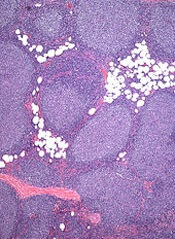
Patients with transformed follicular lymphoma (FL) and FL patients with early progression have “widely divergent patterns of clonal
dynamics,” according to researchers.
The team investigated the molecular events underlying transformation and early progression in FL and found that disparate evolutionary trajectories and mutational profiles drive these 2 distinct clinical endpoints.
Sohrab Shah, PhD, of the University of British Columbia in Vancouver, Canada, and his colleagues reported these findings in PLOS Medicine.
The researchers used whole-genome sequencing to analyze tumor specimens and matched normal specimens from 41 FL patients.
The team then classified the patients according to the following clinical endpoints:
- Patients who presented with transformation (n=15)
- Patients who experienced tumor progression within 2.5 years of starting treatment, without evidence of transformation (n=6)
- Patients who had neither transformation nor progression up to 5 years post-diagnosis (n=20).
The researchers also used targeted capture sequencing of known FL-associated genes in a larger cohort of 277 FL patients (395 samples) to investigate discrete genetic events that drive transformation and early progression.
Results showed that tumors that progress early evolve in different ways from those that transform.
The team found that, for tumors that transform, the cells or clones that constitute the majority of the aggressive tumor were extremely rare at diagnosis, if they were present at all.
In contrast, for early progressive FL, the clonal architecture remained similar from the time of diagnosis to relapse, indicating that the diagnostic tumor may already contain the properties that confer resistance to treatment.
Analysis of the larger cohort revealed genes and biological processes that were associated with transformation and progression.
The researchers identified 12 genes that were more commonly mutated at the time of transformation than the time of diagnosis—TP53, B2M, EZH2, MYC, CCND3, EBF1, PIM1, GNA13, ITPKB, CHD8, S1PR2, and P2RY8.
The team said their findings suggest that defective DNA damage response, increased proliferation, escape from immune surveillance, and loss of confinement within the germinal center are key features that drive histological transformation from indolent to aggressive lymphoma.
The researchers also identified 10 genes that were more commonly mutated in patients with early progression than in patients with late/no progression—B2M, BTG1, FAS, IKZF3, KMT2C, MKI67, MYD88, SOCS1, TP53, and XBP1.
The team noted that most patients with early progression (80%) had mutations in at least 1 of these 10 genes, but none of the genes were mutated at a frequency greater than 27%. This suggests that early progression is related to relatively infrequent genetic alterations.
The researchers said these findings provide a basis for future research on prognostic assay development and potential strategies for monitoring and treatment of patients with FL.
Patients with transformed follicular lymphoma (FL) and FL patients with early progression have “widely divergent patterns of clonal
dynamics,” according to researchers.
The team investigated the molecular events underlying transformation and early progression in FL and found that disparate evolutionary trajectories and mutational profiles drive these 2 distinct clinical endpoints.
Sohrab Shah, PhD, of the University of British Columbia in Vancouver, Canada, and his colleagues reported these findings in PLOS Medicine.
The researchers used whole-genome sequencing to analyze tumor specimens and matched normal specimens from 41 FL patients.
The team then classified the patients according to the following clinical endpoints:
- Patients who presented with transformation (n=15)
- Patients who experienced tumor progression within 2.5 years of starting treatment, without evidence of transformation (n=6)
- Patients who had neither transformation nor progression up to 5 years post-diagnosis (n=20).
The researchers also used targeted capture sequencing of known FL-associated genes in a larger cohort of 277 FL patients (395 samples) to investigate discrete genetic events that drive transformation and early progression.
Results showed that tumors that progress early evolve in different ways from those that transform.
The team found that, for tumors that transform, the cells or clones that constitute the majority of the aggressive tumor were extremely rare at diagnosis, if they were present at all.
In contrast, for early progressive FL, the clonal architecture remained similar from the time of diagnosis to relapse, indicating that the diagnostic tumor may already contain the properties that confer resistance to treatment.
Analysis of the larger cohort revealed genes and biological processes that were associated with transformation and progression.
The researchers identified 12 genes that were more commonly mutated at the time of transformation than the time of diagnosis—TP53, B2M, EZH2, MYC, CCND3, EBF1, PIM1, GNA13, ITPKB, CHD8, S1PR2, and P2RY8.
The team said their findings suggest that defective DNA damage response, increased proliferation, escape from immune surveillance, and loss of confinement within the germinal center are key features that drive histological transformation from indolent to aggressive lymphoma.
The researchers also identified 10 genes that were more commonly mutated in patients with early progression than in patients with late/no progression—B2M, BTG1, FAS, IKZF3, KMT2C, MKI67, MYD88, SOCS1, TP53, and XBP1.
The team noted that most patients with early progression (80%) had mutations in at least 1 of these 10 genes, but none of the genes were mutated at a frequency greater than 27%. This suggests that early progression is related to relatively infrequent genetic alterations.
The researchers said these findings provide a basis for future research on prognostic assay development and potential strategies for monitoring and treatment of patients with FL.
Patients with transformed follicular lymphoma (FL) and FL patients with early progression have “widely divergent patterns of clonal
dynamics,” according to researchers.
The team investigated the molecular events underlying transformation and early progression in FL and found that disparate evolutionary trajectories and mutational profiles drive these 2 distinct clinical endpoints.
Sohrab Shah, PhD, of the University of British Columbia in Vancouver, Canada, and his colleagues reported these findings in PLOS Medicine.
The researchers used whole-genome sequencing to analyze tumor specimens and matched normal specimens from 41 FL patients.
The team then classified the patients according to the following clinical endpoints:
- Patients who presented with transformation (n=15)
- Patients who experienced tumor progression within 2.5 years of starting treatment, without evidence of transformation (n=6)
- Patients who had neither transformation nor progression up to 5 years post-diagnosis (n=20).
The researchers also used targeted capture sequencing of known FL-associated genes in a larger cohort of 277 FL patients (395 samples) to investigate discrete genetic events that drive transformation and early progression.
Results showed that tumors that progress early evolve in different ways from those that transform.
The team found that, for tumors that transform, the cells or clones that constitute the majority of the aggressive tumor were extremely rare at diagnosis, if they were present at all.
In contrast, for early progressive FL, the clonal architecture remained similar from the time of diagnosis to relapse, indicating that the diagnostic tumor may already contain the properties that confer resistance to treatment.
Analysis of the larger cohort revealed genes and biological processes that were associated with transformation and progression.
The researchers identified 12 genes that were more commonly mutated at the time of transformation than the time of diagnosis—TP53, B2M, EZH2, MYC, CCND3, EBF1, PIM1, GNA13, ITPKB, CHD8, S1PR2, and P2RY8.
The team said their findings suggest that defective DNA damage response, increased proliferation, escape from immune surveillance, and loss of confinement within the germinal center are key features that drive histological transformation from indolent to aggressive lymphoma.
The researchers also identified 10 genes that were more commonly mutated in patients with early progression than in patients with late/no progression—B2M, BTG1, FAS, IKZF3, KMT2C, MKI67, MYD88, SOCS1, TP53, and XBP1.
The team noted that most patients with early progression (80%) had mutations in at least 1 of these 10 genes, but none of the genes were mutated at a frequency greater than 27%. This suggests that early progression is related to relatively infrequent genetic alterations.
The researchers said these findings provide a basis for future research on prognostic assay development and potential strategies for monitoring and treatment of patients with FL.
EC authorizes new use for ofatumumab in CLL
Photo courtesy of GSK
The European Commission (EC) has granted marketing authorization for ofatumumab (Arzerra®) to be used in combination with fludarabine and cyclophosphamide (FC) in the treatment of adults with relapsed chronic lymphocytic leukemia (CLL).
Ofatumumab is a monoclonal antibody designed to target CD20. The drug is marketed under a collaboration agreement between Genmab and Novartis.
The EC previously authorized the use of ofatumumab as a single agent to treat CLL patients who are refractory to fludarabine and alemtuzumab.
The agency also authorized the use of ofatumumab in combination with chlorambucil or bendamustine in CLL patients who have not received prior therapy and are not eligible for fludarabine-based therapy.
The EC’s decision to approve the use of ofatumumab in combination with FC was based on results from the phase 3 COMPLEMENT 2 study, which were published in Leukemia & Lymphoma in October.
The trial enrolled 365 patients with relapsed CLL. The patients were randomized 1:1 to receive up to 6 cycles of ofatumumab in combination with FC or up to 6 cycles of FC alone.
The primary endpoint was progression-free survival, as assessed by an independent review committee.
The median progression-free survival was 28.9 months for patients receiving ofatumumab plus FC, compared to 18.8 months for patients receiving FC only (hazard ratio=0.67, P=0.0032).
The incidence of grade 3 or higher adverse events was 74% in the ofatumumab-plus-FC arm and 69% in the FC-only arm. Neutropenia was the most common of these events, occurring in 49% and 36% of patients, respectively.
Photo courtesy of GSK
The European Commission (EC) has granted marketing authorization for ofatumumab (Arzerra®) to be used in combination with fludarabine and cyclophosphamide (FC) in the treatment of adults with relapsed chronic lymphocytic leukemia (CLL).
Ofatumumab is a monoclonal antibody designed to target CD20. The drug is marketed under a collaboration agreement between Genmab and Novartis.
The EC previously authorized the use of ofatumumab as a single agent to treat CLL patients who are refractory to fludarabine and alemtuzumab.
The agency also authorized the use of ofatumumab in combination with chlorambucil or bendamustine in CLL patients who have not received prior therapy and are not eligible for fludarabine-based therapy.
The EC’s decision to approve the use of ofatumumab in combination with FC was based on results from the phase 3 COMPLEMENT 2 study, which were published in Leukemia & Lymphoma in October.
The trial enrolled 365 patients with relapsed CLL. The patients were randomized 1:1 to receive up to 6 cycles of ofatumumab in combination with FC or up to 6 cycles of FC alone.
The primary endpoint was progression-free survival, as assessed by an independent review committee.
The median progression-free survival was 28.9 months for patients receiving ofatumumab plus FC, compared to 18.8 months for patients receiving FC only (hazard ratio=0.67, P=0.0032).
The incidence of grade 3 or higher adverse events was 74% in the ofatumumab-plus-FC arm and 69% in the FC-only arm. Neutropenia was the most common of these events, occurring in 49% and 36% of patients, respectively.
Photo courtesy of GSK
The European Commission (EC) has granted marketing authorization for ofatumumab (Arzerra®) to be used in combination with fludarabine and cyclophosphamide (FC) in the treatment of adults with relapsed chronic lymphocytic leukemia (CLL).
Ofatumumab is a monoclonal antibody designed to target CD20. The drug is marketed under a collaboration agreement between Genmab and Novartis.
The EC previously authorized the use of ofatumumab as a single agent to treat CLL patients who are refractory to fludarabine and alemtuzumab.
The agency also authorized the use of ofatumumab in combination with chlorambucil or bendamustine in CLL patients who have not received prior therapy and are not eligible for fludarabine-based therapy.
The EC’s decision to approve the use of ofatumumab in combination with FC was based on results from the phase 3 COMPLEMENT 2 study, which were published in Leukemia & Lymphoma in October.
The trial enrolled 365 patients with relapsed CLL. The patients were randomized 1:1 to receive up to 6 cycles of ofatumumab in combination with FC or up to 6 cycles of FC alone.
The primary endpoint was progression-free survival, as assessed by an independent review committee.
The median progression-free survival was 28.9 months for patients receiving ofatumumab plus FC, compared to 18.8 months for patients receiving FC only (hazard ratio=0.67, P=0.0032).
The incidence of grade 3 or higher adverse events was 74% in the ofatumumab-plus-FC arm and 69% in the FC-only arm. Neutropenia was the most common of these events, occurring in 49% and 36% of patients, respectively.
Autologous stem cell transplantation beat bortezomib regimen in myeloma
SAN DIEGO – Autologous stem cell transplantation outperformed bortezomib-based intensification in fit patients younger than 66 years of age with newly diagnosed multiple myeloma, based on a prespecified interim analysis of 1,192 patients from a randomized phase III trial.
After a median follow-up of 32 months, median progression-free survival (PFS) had not been reached among patients who received high-dose melphalan plus single or double autologous stem cell transplantation, but was 42.5 months among patients who instead received standard-dose bortezomib-melphalan-prednisone (VMP), Michele Cavo, MD, reported at the annual meeting of the American Society of Hematology. Three-year rates of progression free survival were 65% with ASCT and 57% with VMP (hazard ratio, 0.73; 95% confidence interval, 0.61-0.88; P = .001), he reported.
There was a trend toward better outcomes with double ASCT instead of single ASCT, said Dr. Cavo of Bologna (Italy) University. At 3 years, PFS rates were 74% with double ASCT and 62% with single ASCT (HR, 0.7; P = .05).
The effect was stronger among patients with high-risk cytogenetics, for whom 3-year PFS rates were 65% and 41% (HR, 0.49; P = .046). Those patients had median PFS times of 47 months and 27 months, respectively, Dr. Cavo said. In a multivariable analysis, double ASCT also reduced the chances of death or progression by about 35% compared with single ASCT, even after controlling for high-risk cytogenetics, age, and other risk factors for poor prognosis (HR, 0.65; P = .03).
This is the first trial of its type to prospectively compare single and double ASCT with a novel myeloma regimen, according to Dr. Cavo. The data are not yet mature enough to support firm conclusions, but do highlight the role of ASCT in the bortezomib era and the potential for double ASCT to benefit patients with poor prognostic risk factors, particularly high-risk cytogenetics, he said.
The EMN02/HO95 trial enrolled more than 1,500 patients aged 18-65 years with symptomatic, newly diagnosed multiple myeloma. Patients underwent induction therapy with three to four cycles of bortezomib plus cyclophosphamide and dexamethasone (VCD), and then were randomly assigned to either high-dose melphalan (200 mg/m2) plus single or double ASCT, or to four cycles of bortezomib (1.3 mg/m2), melphalan (9 mg/m2), and prednisone (60 mg/m2; VMP). Patients were then re-randomized to receive lenalidomide maintenance alone or after consolidation with two cycles of bortezomib, lenalidomide, and dexamethasone (VRD).
This prespecified analysis was triggered in early November 2016, when 33% of required events occurred. Future analyses will examine the effects of consolidation as well as safety, toxicity, and quality of life, Dr. Cavo noted.
Celgene and Janssen provided funding for the study. Dr. Cavo disclosed ties to Celgene, Janssen, Takeda, Bristol-Myers Squibb, and Amgen.
SAN DIEGO – Autologous stem cell transplantation outperformed bortezomib-based intensification in fit patients younger than 66 years of age with newly diagnosed multiple myeloma, based on a prespecified interim analysis of 1,192 patients from a randomized phase III trial.
After a median follow-up of 32 months, median progression-free survival (PFS) had not been reached among patients who received high-dose melphalan plus single or double autologous stem cell transplantation, but was 42.5 months among patients who instead received standard-dose bortezomib-melphalan-prednisone (VMP), Michele Cavo, MD, reported at the annual meeting of the American Society of Hematology. Three-year rates of progression free survival were 65% with ASCT and 57% with VMP (hazard ratio, 0.73; 95% confidence interval, 0.61-0.88; P = .001), he reported.
There was a trend toward better outcomes with double ASCT instead of single ASCT, said Dr. Cavo of Bologna (Italy) University. At 3 years, PFS rates were 74% with double ASCT and 62% with single ASCT (HR, 0.7; P = .05).
The effect was stronger among patients with high-risk cytogenetics, for whom 3-year PFS rates were 65% and 41% (HR, 0.49; P = .046). Those patients had median PFS times of 47 months and 27 months, respectively, Dr. Cavo said. In a multivariable analysis, double ASCT also reduced the chances of death or progression by about 35% compared with single ASCT, even after controlling for high-risk cytogenetics, age, and other risk factors for poor prognosis (HR, 0.65; P = .03).
This is the first trial of its type to prospectively compare single and double ASCT with a novel myeloma regimen, according to Dr. Cavo. The data are not yet mature enough to support firm conclusions, but do highlight the role of ASCT in the bortezomib era and the potential for double ASCT to benefit patients with poor prognostic risk factors, particularly high-risk cytogenetics, he said.
The EMN02/HO95 trial enrolled more than 1,500 patients aged 18-65 years with symptomatic, newly diagnosed multiple myeloma. Patients underwent induction therapy with three to four cycles of bortezomib plus cyclophosphamide and dexamethasone (VCD), and then were randomly assigned to either high-dose melphalan (200 mg/m2) plus single or double ASCT, or to four cycles of bortezomib (1.3 mg/m2), melphalan (9 mg/m2), and prednisone (60 mg/m2; VMP). Patients were then re-randomized to receive lenalidomide maintenance alone or after consolidation with two cycles of bortezomib, lenalidomide, and dexamethasone (VRD).
This prespecified analysis was triggered in early November 2016, when 33% of required events occurred. Future analyses will examine the effects of consolidation as well as safety, toxicity, and quality of life, Dr. Cavo noted.
Celgene and Janssen provided funding for the study. Dr. Cavo disclosed ties to Celgene, Janssen, Takeda, Bristol-Myers Squibb, and Amgen.
SAN DIEGO – Autologous stem cell transplantation outperformed bortezomib-based intensification in fit patients younger than 66 years of age with newly diagnosed multiple myeloma, based on a prespecified interim analysis of 1,192 patients from a randomized phase III trial.
After a median follow-up of 32 months, median progression-free survival (PFS) had not been reached among patients who received high-dose melphalan plus single or double autologous stem cell transplantation, but was 42.5 months among patients who instead received standard-dose bortezomib-melphalan-prednisone (VMP), Michele Cavo, MD, reported at the annual meeting of the American Society of Hematology. Three-year rates of progression free survival were 65% with ASCT and 57% with VMP (hazard ratio, 0.73; 95% confidence interval, 0.61-0.88; P = .001), he reported.
There was a trend toward better outcomes with double ASCT instead of single ASCT, said Dr. Cavo of Bologna (Italy) University. At 3 years, PFS rates were 74% with double ASCT and 62% with single ASCT (HR, 0.7; P = .05).
The effect was stronger among patients with high-risk cytogenetics, for whom 3-year PFS rates were 65% and 41% (HR, 0.49; P = .046). Those patients had median PFS times of 47 months and 27 months, respectively, Dr. Cavo said. In a multivariable analysis, double ASCT also reduced the chances of death or progression by about 35% compared with single ASCT, even after controlling for high-risk cytogenetics, age, and other risk factors for poor prognosis (HR, 0.65; P = .03).
This is the first trial of its type to prospectively compare single and double ASCT with a novel myeloma regimen, according to Dr. Cavo. The data are not yet mature enough to support firm conclusions, but do highlight the role of ASCT in the bortezomib era and the potential for double ASCT to benefit patients with poor prognostic risk factors, particularly high-risk cytogenetics, he said.
The EMN02/HO95 trial enrolled more than 1,500 patients aged 18-65 years with symptomatic, newly diagnosed multiple myeloma. Patients underwent induction therapy with three to four cycles of bortezomib plus cyclophosphamide and dexamethasone (VCD), and then were randomly assigned to either high-dose melphalan (200 mg/m2) plus single or double ASCT, or to four cycles of bortezomib (1.3 mg/m2), melphalan (9 mg/m2), and prednisone (60 mg/m2; VMP). Patients were then re-randomized to receive lenalidomide maintenance alone or after consolidation with two cycles of bortezomib, lenalidomide, and dexamethasone (VRD).
This prespecified analysis was triggered in early November 2016, when 33% of required events occurred. Future analyses will examine the effects of consolidation as well as safety, toxicity, and quality of life, Dr. Cavo noted.
Celgene and Janssen provided funding for the study. Dr. Cavo disclosed ties to Celgene, Janssen, Takeda, Bristol-Myers Squibb, and Amgen.
AT ASH 2016
Key clinical point: Autologous stem cell transplantation outperformed bortezomib-based intensification in patients with newly diagnosed multiple myeloma.
Major finding: Progression-free survival at 3 years was 65% with melphalan plus ASCT and 57% with bortezomib, melphalan, and prednisone (HR, 0.73; P = .001).
Data source: An interim analysis of a phase III study of 1,510 patients with newly diagnosed multiple myeloma.
Disclosures: Celgene and Janssen provided funding. Dr. Cavo disclosed ties to Celgene, Janssen, Takeda, Bristol-Myers Squibb, and Amgen.
Predicting therapy-related myeloid neoplasms

Photo courtesy of
MD Anderson Cancer Center
SAN DIEGO―Clonal hematopoiesis could be used as a predictive marker to identify cancer patients at risk of developing therapy-related myeloid neoplasms (t-MNs), according to researchers.
The team conducted a case-control study, which showed that patients who developed t-MNs—acute myeloid leukemia and myelodysplastic syndromes—were significantly more likely than patients without t-MNs to have clonal hematopoiesis at the time of primary cancer diagnosis.
“Based on these findings, we believe pre-leukemic mutations may function as a new biomarker that would predict t-MN development,” said Andy Futreal, PhD, of The University of Texas MD Anderson Cancer Center in Houston.
Dr Futreal and his colleagues reported these findings in The Lancet Oncology.
Co-author Koichi Takashi, MD, also of MD Anderson, presented the findings at the 2016 ASH Annual Meeting (abstract 38).
Initial cohort
The researchers analyzed data on patients treated at MD Anderson from 1997 to 2015.
The 14 cases the team identified had been treated for a primary cancer and later developed t-MNs. The 54 age-matched control subjects had been treated for lymphoma, received combination chemotherapy, and did not develop t-MNs after at least 5 years of follow-up.
For both cases and controls, the researchers performed gene sequencing on pre-treatment peripheral blood samples. For cases, the researchers also performed targeted gene sequencing on bone marrow samples taken at t-MN diagnosis.
“We found that prevalence of pre-leukemic mutations was significantly higher in patients who developed t-MNs versus those who did not,” Dr Futreal said.
Clonal hematopoiesis was present in 71% of cases (n=10) and 31% of controls (n=17).
“We found genetic mutations that are present in t-MNs leukemia samples actually could be found in blood samples obtained at the time of their original cancer diagnosis,” Dr Takashi noted.
Overall, the cumulative incidence of t-MNs at 5 years was significantly higher in patients with clonal hematopoiesis than in those without it—30% and 7%, respectively (P=0.016).
Validation cohort
The researchers also assessed clonal hematopoiesis in an external cohort of 74 patients with lymphoma who were treated in a trial of front-line chemotherapy with cyclophosphamide, doxorubicin, vincristine, and prednisone, with or without melatonin.
In this cohort, 7% (n=5) of patients developed t-MNs. Eighty percent of these patients (n=4) had clonal hematopoiesis.
Of the 69 patients who did not develop t-MNs, 16% (n=11) had clonal hematopoiesis.
The cumulative incidence of t-MNs at 10 years was significantly higher in patients with clonal hematopoiesis than in those without it—29% and 0%, respectively (P=0.0009).
Multivariate analysis suggested clonal hematopoiesis significantly increased the risk of t-MNs, with a hazard ratio of 13.7 (P=0.013).
“[W]e believe the data suggest potential approaches of screening for clonal hematopoiesis in cancer patients that may identify patients at risk of developing t-MNs, although further studies are needed,” Dr Takashi concluded.
Photo courtesy of
MD Anderson Cancer Center
SAN DIEGO―Clonal hematopoiesis could be used as a predictive marker to identify cancer patients at risk of developing therapy-related myeloid neoplasms (t-MNs), according to researchers.
The team conducted a case-control study, which showed that patients who developed t-MNs—acute myeloid leukemia and myelodysplastic syndromes—were significantly more likely than patients without t-MNs to have clonal hematopoiesis at the time of primary cancer diagnosis.
“Based on these findings, we believe pre-leukemic mutations may function as a new biomarker that would predict t-MN development,” said Andy Futreal, PhD, of The University of Texas MD Anderson Cancer Center in Houston.
Dr Futreal and his colleagues reported these findings in The Lancet Oncology.
Co-author Koichi Takashi, MD, also of MD Anderson, presented the findings at the 2016 ASH Annual Meeting (abstract 38).
Initial cohort
The researchers analyzed data on patients treated at MD Anderson from 1997 to 2015.
The 14 cases the team identified had been treated for a primary cancer and later developed t-MNs. The 54 age-matched control subjects had been treated for lymphoma, received combination chemotherapy, and did not develop t-MNs after at least 5 years of follow-up.
For both cases and controls, the researchers performed gene sequencing on pre-treatment peripheral blood samples. For cases, the researchers also performed targeted gene sequencing on bone marrow samples taken at t-MN diagnosis.
“We found that prevalence of pre-leukemic mutations was significantly higher in patients who developed t-MNs versus those who did not,” Dr Futreal said.
Clonal hematopoiesis was present in 71% of cases (n=10) and 31% of controls (n=17).
“We found genetic mutations that are present in t-MNs leukemia samples actually could be found in blood samples obtained at the time of their original cancer diagnosis,” Dr Takashi noted.
Overall, the cumulative incidence of t-MNs at 5 years was significantly higher in patients with clonal hematopoiesis than in those without it—30% and 7%, respectively (P=0.016).
Validation cohort
The researchers also assessed clonal hematopoiesis in an external cohort of 74 patients with lymphoma who were treated in a trial of front-line chemotherapy with cyclophosphamide, doxorubicin, vincristine, and prednisone, with or without melatonin.
In this cohort, 7% (n=5) of patients developed t-MNs. Eighty percent of these patients (n=4) had clonal hematopoiesis.
Of the 69 patients who did not develop t-MNs, 16% (n=11) had clonal hematopoiesis.
The cumulative incidence of t-MNs at 10 years was significantly higher in patients with clonal hematopoiesis than in those without it—29% and 0%, respectively (P=0.0009).
Multivariate analysis suggested clonal hematopoiesis significantly increased the risk of t-MNs, with a hazard ratio of 13.7 (P=0.013).
“[W]e believe the data suggest potential approaches of screening for clonal hematopoiesis in cancer patients that may identify patients at risk of developing t-MNs, although further studies are needed,” Dr Takashi concluded.
Photo courtesy of
MD Anderson Cancer Center
SAN DIEGO―Clonal hematopoiesis could be used as a predictive marker to identify cancer patients at risk of developing therapy-related myeloid neoplasms (t-MNs), according to researchers.
The team conducted a case-control study, which showed that patients who developed t-MNs—acute myeloid leukemia and myelodysplastic syndromes—were significantly more likely than patients without t-MNs to have clonal hematopoiesis at the time of primary cancer diagnosis.
“Based on these findings, we believe pre-leukemic mutations may function as a new biomarker that would predict t-MN development,” said Andy Futreal, PhD, of The University of Texas MD Anderson Cancer Center in Houston.
Dr Futreal and his colleagues reported these findings in The Lancet Oncology.
Co-author Koichi Takashi, MD, also of MD Anderson, presented the findings at the 2016 ASH Annual Meeting (abstract 38).
Initial cohort
The researchers analyzed data on patients treated at MD Anderson from 1997 to 2015.
The 14 cases the team identified had been treated for a primary cancer and later developed t-MNs. The 54 age-matched control subjects had been treated for lymphoma, received combination chemotherapy, and did not develop t-MNs after at least 5 years of follow-up.
For both cases and controls, the researchers performed gene sequencing on pre-treatment peripheral blood samples. For cases, the researchers also performed targeted gene sequencing on bone marrow samples taken at t-MN diagnosis.
“We found that prevalence of pre-leukemic mutations was significantly higher in patients who developed t-MNs versus those who did not,” Dr Futreal said.
Clonal hematopoiesis was present in 71% of cases (n=10) and 31% of controls (n=17).
“We found genetic mutations that are present in t-MNs leukemia samples actually could be found in blood samples obtained at the time of their original cancer diagnosis,” Dr Takashi noted.
Overall, the cumulative incidence of t-MNs at 5 years was significantly higher in patients with clonal hematopoiesis than in those without it—30% and 7%, respectively (P=0.016).
Validation cohort
The researchers also assessed clonal hematopoiesis in an external cohort of 74 patients with lymphoma who were treated in a trial of front-line chemotherapy with cyclophosphamide, doxorubicin, vincristine, and prednisone, with or without melatonin.
In this cohort, 7% (n=5) of patients developed t-MNs. Eighty percent of these patients (n=4) had clonal hematopoiesis.
Of the 69 patients who did not develop t-MNs, 16% (n=11) had clonal hematopoiesis.
The cumulative incidence of t-MNs at 10 years was significantly higher in patients with clonal hematopoiesis than in those without it—29% and 0%, respectively (P=0.0009).
Multivariate analysis suggested clonal hematopoiesis significantly increased the risk of t-MNs, with a hazard ratio of 13.7 (P=0.013).
“[W]e believe the data suggest potential approaches of screening for clonal hematopoiesis in cancer patients that may identify patients at risk of developing t-MNs, although further studies are needed,” Dr Takashi concluded.