User login
CK2 Correlates With Overall and Progression-Free Survival in Oropharyngeal Squamous Cell Carcinoma
Purpose: The purpose of this study is to determine whether CK2 expression may be a biomarker for clinical outcomes in advanced oropharyngeal squamous cell carcinoma.
Background: Elevated protein kinase CK2 protein and activity has correlated with poor clinical outcome in patients with various cancers. CK2 is a serine/threonine kinase that has a broad range of intracellular roles that include regulation of apoptosis and DNA repair. However, the prognostic or predictive value of CK2 has not been studied in HPV-related oropharyngeal squamous cell carcinoma (OPSCC).
Methods: A retrospective cohort study of patients diagnosed with OPSCC from 2005-2015 in the Minneapolis Veterans Affairs Healthcare System was performed. Patient demographic, treatment, and clinical outcome data were collected. Archived tumor tissue blocks were stained for p16 (surrogate for HPV-positivity) and CK2α via immunohistochemistry (IHC). The CK2α IHC stain was scored by two staff pathologists with an ordinal scale of 1 (weak) to 3 (strong).
Data Analysis: X2 test of independence, with the 0.01 level considered significant for observed differences
Results: A total of 116 patients were identified that met inclusion criteria. IHC staining for p16 was positive in 80/116 (69%) patients and negative in 36/116 (31%) patients. Overall survival (OS) and progression-free survival (PFS) at 4 years postdiagnosis for p16-positive tumors (p16+) was 71% and 64%, respectively, while the OS and PFS at 4 years for p16-negative tumors was 36% and 32%, respectively. For CK2 IHC scores 1, 2, and 3, respectively, the OS at 4 years was 31%, 75%, and 65%, respectively, while the PFS for scores 1, 2, and 3 at four years was 32%, 65%, and 53%, respectively. In the CK2 IHC score groups, 1, 2, and 3, respectively, p16 positivity vs. negativity was 26% vs. 74%, 79% vs. 21%, and 89% vs. 11%, respectively.
Implications: High CK2 abundance is associated with higher PFS and OS at 4 years in patients with p16+ OPSCC. Further study is needed better define the relationship between p16 expression and CK2 expression in OPSCC.
Purpose: The purpose of this study is to determine whether CK2 expression may be a biomarker for clinical outcomes in advanced oropharyngeal squamous cell carcinoma.
Background: Elevated protein kinase CK2 protein and activity has correlated with poor clinical outcome in patients with various cancers. CK2 is a serine/threonine kinase that has a broad range of intracellular roles that include regulation of apoptosis and DNA repair. However, the prognostic or predictive value of CK2 has not been studied in HPV-related oropharyngeal squamous cell carcinoma (OPSCC).
Methods: A retrospective cohort study of patients diagnosed with OPSCC from 2005-2015 in the Minneapolis Veterans Affairs Healthcare System was performed. Patient demographic, treatment, and clinical outcome data were collected. Archived tumor tissue blocks were stained for p16 (surrogate for HPV-positivity) and CK2α via immunohistochemistry (IHC). The CK2α IHC stain was scored by two staff pathologists with an ordinal scale of 1 (weak) to 3 (strong).
Data Analysis: X2 test of independence, with the 0.01 level considered significant for observed differences
Results: A total of 116 patients were identified that met inclusion criteria. IHC staining for p16 was positive in 80/116 (69%) patients and negative in 36/116 (31%) patients. Overall survival (OS) and progression-free survival (PFS) at 4 years postdiagnosis for p16-positive tumors (p16+) was 71% and 64%, respectively, while the OS and PFS at 4 years for p16-negative tumors was 36% and 32%, respectively. For CK2 IHC scores 1, 2, and 3, respectively, the OS at 4 years was 31%, 75%, and 65%, respectively, while the PFS for scores 1, 2, and 3 at four years was 32%, 65%, and 53%, respectively. In the CK2 IHC score groups, 1, 2, and 3, respectively, p16 positivity vs. negativity was 26% vs. 74%, 79% vs. 21%, and 89% vs. 11%, respectively.
Implications: High CK2 abundance is associated with higher PFS and OS at 4 years in patients with p16+ OPSCC. Further study is needed better define the relationship between p16 expression and CK2 expression in OPSCC.
Purpose: The purpose of this study is to determine whether CK2 expression may be a biomarker for clinical outcomes in advanced oropharyngeal squamous cell carcinoma.
Background: Elevated protein kinase CK2 protein and activity has correlated with poor clinical outcome in patients with various cancers. CK2 is a serine/threonine kinase that has a broad range of intracellular roles that include regulation of apoptosis and DNA repair. However, the prognostic or predictive value of CK2 has not been studied in HPV-related oropharyngeal squamous cell carcinoma (OPSCC).
Methods: A retrospective cohort study of patients diagnosed with OPSCC from 2005-2015 in the Minneapolis Veterans Affairs Healthcare System was performed. Patient demographic, treatment, and clinical outcome data were collected. Archived tumor tissue blocks were stained for p16 (surrogate for HPV-positivity) and CK2α via immunohistochemistry (IHC). The CK2α IHC stain was scored by two staff pathologists with an ordinal scale of 1 (weak) to 3 (strong).
Data Analysis: X2 test of independence, with the 0.01 level considered significant for observed differences
Results: A total of 116 patients were identified that met inclusion criteria. IHC staining for p16 was positive in 80/116 (69%) patients and negative in 36/116 (31%) patients. Overall survival (OS) and progression-free survival (PFS) at 4 years postdiagnosis for p16-positive tumors (p16+) was 71% and 64%, respectively, while the OS and PFS at 4 years for p16-negative tumors was 36% and 32%, respectively. For CK2 IHC scores 1, 2, and 3, respectively, the OS at 4 years was 31%, 75%, and 65%, respectively, while the PFS for scores 1, 2, and 3 at four years was 32%, 65%, and 53%, respectively. In the CK2 IHC score groups, 1, 2, and 3, respectively, p16 positivity vs. negativity was 26% vs. 74%, 79% vs. 21%, and 89% vs. 11%, respectively.
Implications: High CK2 abundance is associated with higher PFS and OS at 4 years in patients with p16+ OPSCC. Further study is needed better define the relationship between p16 expression and CK2 expression in OPSCC.
Understanding childhood cancer in sub-Saharan Africa

Researchers say they have published the most extensive data ever collected on childhood cancer in sub-Saharan Africa.
On the African continent, only South Africa operates a childhood cancer registry on the national level.
Researchers brought together data from 16 of the smaller, local registries, collecting this information for the first time and presenting it in an accessible format.
The data were published in ecancermedicalscience.
Examining the data in context allowed the researchers to notice trends in cancer incidence. For example, they found that, in Blantyre, Malawi’s second-largest city, the cumulative risk of a child developing Burkitt lymphoma is 2 in every thousand.
The researchers called this incidence “remarkable” and noted that the global research community is largely unaware of this.
“Everything starts with awareness,” said study author Cristina Stefan, global clinical leader of oncology for Roche Diagnostics International Ltd of Switzerland and director of the African Medical Research and Innovation Institute.
“It is highly necessary to publicize these data, which, at the moment, represent the best image of the malignant disease in children in the respective regions.”
The researchers also noted that factors such as the prevalence of malaria and the Epstein-Barr virus contribute to the unique epidemiology of childhood cancer in Africa.
“Our colleagues can learn that the patterns and distribution of cancers in Africa are totally different from Europe, and there is a need for further research into the roles of factors such as genetic predispositions and the influence of infections and other comorbidities in the evolution of cancer,” Dr Stefan said.
“We have learned many universal lessons about data collection as we prepared this work. Our hope is that the publication of this monograph will open the forums for future discussions and that the work will be referenced for the better understanding of cancer in children in Africa and used to improve outcomes for children affected there.” 
Researchers say they have published the most extensive data ever collected on childhood cancer in sub-Saharan Africa.
On the African continent, only South Africa operates a childhood cancer registry on the national level.
Researchers brought together data from 16 of the smaller, local registries, collecting this information for the first time and presenting it in an accessible format.
The data were published in ecancermedicalscience.
Examining the data in context allowed the researchers to notice trends in cancer incidence. For example, they found that, in Blantyre, Malawi’s second-largest city, the cumulative risk of a child developing Burkitt lymphoma is 2 in every thousand.
The researchers called this incidence “remarkable” and noted that the global research community is largely unaware of this.
“Everything starts with awareness,” said study author Cristina Stefan, global clinical leader of oncology for Roche Diagnostics International Ltd of Switzerland and director of the African Medical Research and Innovation Institute.
“It is highly necessary to publicize these data, which, at the moment, represent the best image of the malignant disease in children in the respective regions.”
The researchers also noted that factors such as the prevalence of malaria and the Epstein-Barr virus contribute to the unique epidemiology of childhood cancer in Africa.
“Our colleagues can learn that the patterns and distribution of cancers in Africa are totally different from Europe, and there is a need for further research into the roles of factors such as genetic predispositions and the influence of infections and other comorbidities in the evolution of cancer,” Dr Stefan said.
“We have learned many universal lessons about data collection as we prepared this work. Our hope is that the publication of this monograph will open the forums for future discussions and that the work will be referenced for the better understanding of cancer in children in Africa and used to improve outcomes for children affected there.”
Researchers say they have published the most extensive data ever collected on childhood cancer in sub-Saharan Africa.
On the African continent, only South Africa operates a childhood cancer registry on the national level.
Researchers brought together data from 16 of the smaller, local registries, collecting this information for the first time and presenting it in an accessible format.
The data were published in ecancermedicalscience.
Examining the data in context allowed the researchers to notice trends in cancer incidence. For example, they found that, in Blantyre, Malawi’s second-largest city, the cumulative risk of a child developing Burkitt lymphoma is 2 in every thousand.
The researchers called this incidence “remarkable” and noted that the global research community is largely unaware of this.
“Everything starts with awareness,” said study author Cristina Stefan, global clinical leader of oncology for Roche Diagnostics International Ltd of Switzerland and director of the African Medical Research and Innovation Institute.
“It is highly necessary to publicize these data, which, at the moment, represent the best image of the malignant disease in children in the respective regions.”
The researchers also noted that factors such as the prevalence of malaria and the Epstein-Barr virus contribute to the unique epidemiology of childhood cancer in Africa.
“Our colleagues can learn that the patterns and distribution of cancers in Africa are totally different from Europe, and there is a need for further research into the roles of factors such as genetic predispositions and the influence of infections and other comorbidities in the evolution of cancer,” Dr Stefan said.
“We have learned many universal lessons about data collection as we prepared this work. Our hope is that the publication of this monograph will open the forums for future discussions and that the work will be referenced for the better understanding of cancer in children in Africa and used to improve outcomes for children affected there.”
ASCO updates guidelines on antiemetic use in cancer patients
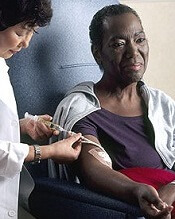
The American Society of Clinical Oncology (ASCO) has updated its clinical practice guidelines on the use of antiemetics in cancer patients.
The update, published in the Journal of Clinical Oncology, provides new evidence-based information on the appropriate use of olanzapine, NK1 receptor antagonists, and dexamethasone.
“The adverse impact of inadequately controlled nausea and vomiting on patients’ quality of life is well documented,” said Paul J. Hesketh, MD, co-chair of the ASCO expert panel that updated the guidelines.
“By following the ASCO antiemetics guideline, clinicians have the opportunity to improve patients’ quality of life by minimizing treatment-induced emesis.”
To update ASCO’s guidelines on antiemetics, the expert panel conducted a systematic review of the medical literature published between November 2009 and June 2016. The panel included members with expertise in medical oncology, radiation oncology, nursing, pharmacy, and health services research, as well as a patient representative.
“Tremendous progress has been realized over the last 25 years in the prevention of chemotherapy-induced nausea and vomiting with the introduction of new classes of antiemetic agents,” said Mark G. Kris, MD, co-chair of the expert panel that updated the guidelines.
“The full benefit of these treatment advances will only be realized, however, if evidence-based guidelines are fully implemented.”
Key recommendations in the updated guidelines include:
For adults receiving chemotherapy with a high risk for nausea and vomiting (eg, cisplatin or the combination of cyclophosphamide and an anthracycline), olanzapine should be added to standard antiemetic regimens (the combination of a 5-HT3 receptor antagonist, an NK1 receptor antagonist, and dexamethasone). Olanzapine also helps individuals who experience symptoms despite receiving medicines to prevent vomiting before chemotherapy is given.
For adults receiving carboplatin-based chemotherapy or high-dose chemotherapy and children receiving chemotherapy with a high risk for nausea and vomiting, an NK1 receptor antagonist should be added to the standard antiemetic regimen (the combination of 5-HT3 receptor antagonist and dexamethasone).
Dexamethasone treatment can be limited to the day of chemotherapy administration in patients receiving an anthracycline and cyclophosphamide.
Dronabinol and nabilone, cannabinoids approved by the US Food and Drug Administration, can be used to treat nausea and vomiting that is resistant to standard antiemetic therapies. Evidence remains insufficient to recommend medical marijuana for either prevention or treatment of nausea and vomiting in patients with cancer receiving chemotherapy or radiation therapy.
The American Society of Clinical Oncology (ASCO) has updated its clinical practice guidelines on the use of antiemetics in cancer patients.
The update, published in the Journal of Clinical Oncology, provides new evidence-based information on the appropriate use of olanzapine, NK1 receptor antagonists, and dexamethasone.
“The adverse impact of inadequately controlled nausea and vomiting on patients’ quality of life is well documented,” said Paul J. Hesketh, MD, co-chair of the ASCO expert panel that updated the guidelines.
“By following the ASCO antiemetics guideline, clinicians have the opportunity to improve patients’ quality of life by minimizing treatment-induced emesis.”
To update ASCO’s guidelines on antiemetics, the expert panel conducted a systematic review of the medical literature published between November 2009 and June 2016. The panel included members with expertise in medical oncology, radiation oncology, nursing, pharmacy, and health services research, as well as a patient representative.
“Tremendous progress has been realized over the last 25 years in the prevention of chemotherapy-induced nausea and vomiting with the introduction of new classes of antiemetic agents,” said Mark G. Kris, MD, co-chair of the expert panel that updated the guidelines.
“The full benefit of these treatment advances will only be realized, however, if evidence-based guidelines are fully implemented.”
Key recommendations in the updated guidelines include:
For adults receiving chemotherapy with a high risk for nausea and vomiting (eg, cisplatin or the combination of cyclophosphamide and an anthracycline), olanzapine should be added to standard antiemetic regimens (the combination of a 5-HT3 receptor antagonist, an NK1 receptor antagonist, and dexamethasone). Olanzapine also helps individuals who experience symptoms despite receiving medicines to prevent vomiting before chemotherapy is given.
For adults receiving carboplatin-based chemotherapy or high-dose chemotherapy and children receiving chemotherapy with a high risk for nausea and vomiting, an NK1 receptor antagonist should be added to the standard antiemetic regimen (the combination of 5-HT3 receptor antagonist and dexamethasone).
Dexamethasone treatment can be limited to the day of chemotherapy administration in patients receiving an anthracycline and cyclophosphamide.
Dronabinol and nabilone, cannabinoids approved by the US Food and Drug Administration, can be used to treat nausea and vomiting that is resistant to standard antiemetic therapies. Evidence remains insufficient to recommend medical marijuana for either prevention or treatment of nausea and vomiting in patients with cancer receiving chemotherapy or radiation therapy.
The American Society of Clinical Oncology (ASCO) has updated its clinical practice guidelines on the use of antiemetics in cancer patients.
The update, published in the Journal of Clinical Oncology, provides new evidence-based information on the appropriate use of olanzapine, NK1 receptor antagonists, and dexamethasone.
“The adverse impact of inadequately controlled nausea and vomiting on patients’ quality of life is well documented,” said Paul J. Hesketh, MD, co-chair of the ASCO expert panel that updated the guidelines.
“By following the ASCO antiemetics guideline, clinicians have the opportunity to improve patients’ quality of life by minimizing treatment-induced emesis.”
To update ASCO’s guidelines on antiemetics, the expert panel conducted a systematic review of the medical literature published between November 2009 and June 2016. The panel included members with expertise in medical oncology, radiation oncology, nursing, pharmacy, and health services research, as well as a patient representative.
“Tremendous progress has been realized over the last 25 years in the prevention of chemotherapy-induced nausea and vomiting with the introduction of new classes of antiemetic agents,” said Mark G. Kris, MD, co-chair of the expert panel that updated the guidelines.
“The full benefit of these treatment advances will only be realized, however, if evidence-based guidelines are fully implemented.”
Key recommendations in the updated guidelines include:
For adults receiving chemotherapy with a high risk for nausea and vomiting (eg, cisplatin or the combination of cyclophosphamide and an anthracycline), olanzapine should be added to standard antiemetic regimens (the combination of a 5-HT3 receptor antagonist, an NK1 receptor antagonist, and dexamethasone). Olanzapine also helps individuals who experience symptoms despite receiving medicines to prevent vomiting before chemotherapy is given.
For adults receiving carboplatin-based chemotherapy or high-dose chemotherapy and children receiving chemotherapy with a high risk for nausea and vomiting, an NK1 receptor antagonist should be added to the standard antiemetic regimen (the combination of 5-HT3 receptor antagonist and dexamethasone).
Dexamethasone treatment can be limited to the day of chemotherapy administration in patients receiving an anthracycline and cyclophosphamide.
Dronabinol and nabilone, cannabinoids approved by the US Food and Drug Administration, can be used to treat nausea and vomiting that is resistant to standard antiemetic therapies. Evidence remains insufficient to recommend medical marijuana for either prevention or treatment of nausea and vomiting in patients with cancer receiving chemotherapy or radiation therapy.
Developing better mouse models
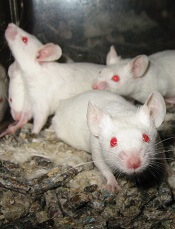
Researchers say they have developed a new approach to model human immune variation that overcomes the limitations of traditional mouse models.
With this approach, the team identified genetic markers that directly correlate with the outcome of inflammatory and malignant diseases in humans, including chronic lymphocytic leukemia and Burkitt lymphoma.
The findings suggest that accounting for immune diversity is critical to the success of predicting disease outcomes based on immune cell measurements.
The team reported these findings in Nature Communications.
Traditionally, researchers have relied on inbred mouse strains to gain insight into human diseases while reducing experimental noise.
“If you take a black, a brown, or a white mouse, each one will give you a different answer in the same assay,” said Klaus Ley, MD, of La Jolla Institute for Allergy and Immunology in California.
“For example, if you vaccinate them, their responses will be different, which creates a lot of experimental noise. However, when you think about patients, or even healthy people, we are all different.”
To mine those differences for information, the researchers embraced the experimental noise. Instead of analyzing a single inbred mouse strain, they turned to the hybrid mouse diversity panel (HDMP).
The HDMP is a panel of about 100 different inbred mouse strains that mirror the breadth of genetic and immunological diversity found in the human population.
The researchers studied the natural variation in the activation pattern of abdominal macrophages. Macrophages isolated from 83 different mouse strains from the HDMP were exposed to lipopolysaccharide (LPS), a major component of the outer wall of gram-negative bacteria.
“Fundamentally, when the immune system is confronted with gram-negative bacteria, it can deal with the situation in 2 ways—either it gets very angry and tries to kill the bacteria or it can wall them off in an attempt to live with it,” explained Dr Ley. “Both strategies carry a certain risk, but a long evolutionary history has ensured that mice and people can survive with either strategy.”
The LPS-induced reactions of the macrophages covered the whole spectrum—from very aggressive (LPS+) to very tolerant (LPS-), depending on the mouse strain.
Next, the researchers asked which genes were active during each type of response to identify gene signatures that correlated with LPS responsiveness.
The team then ran these gene signatures across various human gene expression data sets and discovered they strongly correlated with human disease outcomes.
For example, macrophages isolated from healthy joints were enriched in LPS-tolerant genes, whereas macrophages from rheumatoid arthritis patients were strongly skewed toward LPS-aggressive.
Since it was known that mice and people with the aggressive phenotype are better at fighting cancer, the researchers specifically asked whether the level of LPS responsiveness could predict tumor survival.
After analyzing data from 18,000 biopsies across 39 different tumor types, the team found the LPS+ gene signature strongly correlated with survival, while the LPS- signature correlated with cancer death.
The pattern was significant across many types of cancer, including chronic lymphocytic leukemia, Burkitt lymphoma, osteosarcoma, melanoma, and large-cell lung carcinoma.
Researchers say they have developed a new approach to model human immune variation that overcomes the limitations of traditional mouse models.
With this approach, the team identified genetic markers that directly correlate with the outcome of inflammatory and malignant diseases in humans, including chronic lymphocytic leukemia and Burkitt lymphoma.
The findings suggest that accounting for immune diversity is critical to the success of predicting disease outcomes based on immune cell measurements.
The team reported these findings in Nature Communications.
Traditionally, researchers have relied on inbred mouse strains to gain insight into human diseases while reducing experimental noise.
“If you take a black, a brown, or a white mouse, each one will give you a different answer in the same assay,” said Klaus Ley, MD, of La Jolla Institute for Allergy and Immunology in California.
“For example, if you vaccinate them, their responses will be different, which creates a lot of experimental noise. However, when you think about patients, or even healthy people, we are all different.”
To mine those differences for information, the researchers embraced the experimental noise. Instead of analyzing a single inbred mouse strain, they turned to the hybrid mouse diversity panel (HDMP).
The HDMP is a panel of about 100 different inbred mouse strains that mirror the breadth of genetic and immunological diversity found in the human population.
The researchers studied the natural variation in the activation pattern of abdominal macrophages. Macrophages isolated from 83 different mouse strains from the HDMP were exposed to lipopolysaccharide (LPS), a major component of the outer wall of gram-negative bacteria.
“Fundamentally, when the immune system is confronted with gram-negative bacteria, it can deal with the situation in 2 ways—either it gets very angry and tries to kill the bacteria or it can wall them off in an attempt to live with it,” explained Dr Ley. “Both strategies carry a certain risk, but a long evolutionary history has ensured that mice and people can survive with either strategy.”
The LPS-induced reactions of the macrophages covered the whole spectrum—from very aggressive (LPS+) to very tolerant (LPS-), depending on the mouse strain.
Next, the researchers asked which genes were active during each type of response to identify gene signatures that correlated with LPS responsiveness.
The team then ran these gene signatures across various human gene expression data sets and discovered they strongly correlated with human disease outcomes.
For example, macrophages isolated from healthy joints were enriched in LPS-tolerant genes, whereas macrophages from rheumatoid arthritis patients were strongly skewed toward LPS-aggressive.
Since it was known that mice and people with the aggressive phenotype are better at fighting cancer, the researchers specifically asked whether the level of LPS responsiveness could predict tumor survival.
After analyzing data from 18,000 biopsies across 39 different tumor types, the team found the LPS+ gene signature strongly correlated with survival, while the LPS- signature correlated with cancer death.
The pattern was significant across many types of cancer, including chronic lymphocytic leukemia, Burkitt lymphoma, osteosarcoma, melanoma, and large-cell lung carcinoma.
Researchers say they have developed a new approach to model human immune variation that overcomes the limitations of traditional mouse models.
With this approach, the team identified genetic markers that directly correlate with the outcome of inflammatory and malignant diseases in humans, including chronic lymphocytic leukemia and Burkitt lymphoma.
The findings suggest that accounting for immune diversity is critical to the success of predicting disease outcomes based on immune cell measurements.
The team reported these findings in Nature Communications.
Traditionally, researchers have relied on inbred mouse strains to gain insight into human diseases while reducing experimental noise.
“If you take a black, a brown, or a white mouse, each one will give you a different answer in the same assay,” said Klaus Ley, MD, of La Jolla Institute for Allergy and Immunology in California.
“For example, if you vaccinate them, their responses will be different, which creates a lot of experimental noise. However, when you think about patients, or even healthy people, we are all different.”
To mine those differences for information, the researchers embraced the experimental noise. Instead of analyzing a single inbred mouse strain, they turned to the hybrid mouse diversity panel (HDMP).
The HDMP is a panel of about 100 different inbred mouse strains that mirror the breadth of genetic and immunological diversity found in the human population.
The researchers studied the natural variation in the activation pattern of abdominal macrophages. Macrophages isolated from 83 different mouse strains from the HDMP were exposed to lipopolysaccharide (LPS), a major component of the outer wall of gram-negative bacteria.
“Fundamentally, when the immune system is confronted with gram-negative bacteria, it can deal with the situation in 2 ways—either it gets very angry and tries to kill the bacteria or it can wall them off in an attempt to live with it,” explained Dr Ley. “Both strategies carry a certain risk, but a long evolutionary history has ensured that mice and people can survive with either strategy.”
The LPS-induced reactions of the macrophages covered the whole spectrum—from very aggressive (LPS+) to very tolerant (LPS-), depending on the mouse strain.
Next, the researchers asked which genes were active during each type of response to identify gene signatures that correlated with LPS responsiveness.
The team then ran these gene signatures across various human gene expression data sets and discovered they strongly correlated with human disease outcomes.
For example, macrophages isolated from healthy joints were enriched in LPS-tolerant genes, whereas macrophages from rheumatoid arthritis patients were strongly skewed toward LPS-aggressive.
Since it was known that mice and people with the aggressive phenotype are better at fighting cancer, the researchers specifically asked whether the level of LPS responsiveness could predict tumor survival.
After analyzing data from 18,000 biopsies across 39 different tumor types, the team found the LPS+ gene signature strongly correlated with survival, while the LPS- signature correlated with cancer death.
The pattern was significant across many types of cancer, including chronic lymphocytic leukemia, Burkitt lymphoma, osteosarcoma, melanoma, and large-cell lung carcinoma.
Less lenalidomide may be more in frail elderly multiple myeloma patients
In frail elderly patients with multiple myeloma, starting lenalidomide at low doses was associated with fewer adverse events and less treatment discontinuation, and did not compromise overall response rates, in a single-center, retrospective study conducted in Japan.
Although most of the 56 study patients received 5-10 mg/day of lenalidomide, not the recommended 25-mg/day dose, their overall response rate was 73% (complete response in 17% of patients, very good partial response in 19%, and partial response in 37%), Aya Nakaya, MD, PhD, of Kansai Medical University, Hirakata, and colleagues wrote (Acta Haematol. 2017;138:55-60). In addition, 23% of patients had stable disease and 4% had disease progression. Nine patients developed other types of malignancies during treatment with lenalidomide.
Starting patients on a reduced dose and increasing it gradually while monitoring carefully for adverse events meant that patients did not have to stop treatment, the researchers said. Continuous treatment may improve survival, and “treatment with lenalidomide for long periods of time, even in small doses, may yield favorable outcomes.”
The 30 men and 26 women, mean age 76.5 years, were consecutively diagnosed as transplant-ineligible patients with relapsed/refractory multiple myeloma; 34%, 32%, and 34% had stages I-III disease, respectively. The M-protein consisted of IgG in 52% of patients and IgA in 30%, with Bence-Jones protein detected in 14%.
They were treated with lenalidomide plus dexamethasone at a starting dose determined by the treating physician; 73% were treated with lenalidomide as a second-line regimen and 14% as a third-line regimen. During each 28-day treatment cycle, patients received lenalidomide on days 1-21 and dexamethasone (20 or 40 mg) on days 1, 8, 15, and 22.
The most common starting lenalidomide dose was 10 mg/day (45%), followed by 5 mg/day (21%), 15 mg/day (20%), 20 mg/day (4%), and 25 mg/day (10%). The treatment dose used for the longest period was 10 mg/day (46% of patients), followed by 5 mg/day (25%), 15 mg/day (16%), 20 mg/day (4%), and 25 mg/day (9%).
The most frequent reasons for dose reduction were renal dysfunction (54%), fatigue (20%), hematologic disorder (14%), and rash (9%).
The median treatment period was 9 months (range 1-60 months) and the median follow-up period was 16 months.
The median time to disease progression was 11.8 months (range 8.4-21.9), and the median overall survival was 39.2 months. For those who took 5-10 mg of lenalidomide, the median time to progression was 14.5 months; for those who took lenalidomide at a dose of more than 10 mg, the median time to progression was 8.9 months. The median overall survival of the patients who received a 5- to 10-mg dose of lenalidomide was 38.9 months; the median overall survival of the patients given a dose of more than 10 mg was not available.
The authors declared no competing financial interests in relation to this work.
mdales@frontlinemedcom.com
On Twitter @maryjodales
In frail elderly patients with multiple myeloma, starting lenalidomide at low doses was associated with fewer adverse events and less treatment discontinuation, and did not compromise overall response rates, in a single-center, retrospective study conducted in Japan.
Although most of the 56 study patients received 5-10 mg/day of lenalidomide, not the recommended 25-mg/day dose, their overall response rate was 73% (complete response in 17% of patients, very good partial response in 19%, and partial response in 37%), Aya Nakaya, MD, PhD, of Kansai Medical University, Hirakata, and colleagues wrote (Acta Haematol. 2017;138:55-60). In addition, 23% of patients had stable disease and 4% had disease progression. Nine patients developed other types of malignancies during treatment with lenalidomide.
Starting patients on a reduced dose and increasing it gradually while monitoring carefully for adverse events meant that patients did not have to stop treatment, the researchers said. Continuous treatment may improve survival, and “treatment with lenalidomide for long periods of time, even in small doses, may yield favorable outcomes.”
The 30 men and 26 women, mean age 76.5 years, were consecutively diagnosed as transplant-ineligible patients with relapsed/refractory multiple myeloma; 34%, 32%, and 34% had stages I-III disease, respectively. The M-protein consisted of IgG in 52% of patients and IgA in 30%, with Bence-Jones protein detected in 14%.
They were treated with lenalidomide plus dexamethasone at a starting dose determined by the treating physician; 73% were treated with lenalidomide as a second-line regimen and 14% as a third-line regimen. During each 28-day treatment cycle, patients received lenalidomide on days 1-21 and dexamethasone (20 or 40 mg) on days 1, 8, 15, and 22.
The most common starting lenalidomide dose was 10 mg/day (45%), followed by 5 mg/day (21%), 15 mg/day (20%), 20 mg/day (4%), and 25 mg/day (10%). The treatment dose used for the longest period was 10 mg/day (46% of patients), followed by 5 mg/day (25%), 15 mg/day (16%), 20 mg/day (4%), and 25 mg/day (9%).
The most frequent reasons for dose reduction were renal dysfunction (54%), fatigue (20%), hematologic disorder (14%), and rash (9%).
The median treatment period was 9 months (range 1-60 months) and the median follow-up period was 16 months.
The median time to disease progression was 11.8 months (range 8.4-21.9), and the median overall survival was 39.2 months. For those who took 5-10 mg of lenalidomide, the median time to progression was 14.5 months; for those who took lenalidomide at a dose of more than 10 mg, the median time to progression was 8.9 months. The median overall survival of the patients who received a 5- to 10-mg dose of lenalidomide was 38.9 months; the median overall survival of the patients given a dose of more than 10 mg was not available.
The authors declared no competing financial interests in relation to this work.
mdales@frontlinemedcom.com
On Twitter @maryjodales
In frail elderly patients with multiple myeloma, starting lenalidomide at low doses was associated with fewer adverse events and less treatment discontinuation, and did not compromise overall response rates, in a single-center, retrospective study conducted in Japan.
Although most of the 56 study patients received 5-10 mg/day of lenalidomide, not the recommended 25-mg/day dose, their overall response rate was 73% (complete response in 17% of patients, very good partial response in 19%, and partial response in 37%), Aya Nakaya, MD, PhD, of Kansai Medical University, Hirakata, and colleagues wrote (Acta Haematol. 2017;138:55-60). In addition, 23% of patients had stable disease and 4% had disease progression. Nine patients developed other types of malignancies during treatment with lenalidomide.
Starting patients on a reduced dose and increasing it gradually while monitoring carefully for adverse events meant that patients did not have to stop treatment, the researchers said. Continuous treatment may improve survival, and “treatment with lenalidomide for long periods of time, even in small doses, may yield favorable outcomes.”
The 30 men and 26 women, mean age 76.5 years, were consecutively diagnosed as transplant-ineligible patients with relapsed/refractory multiple myeloma; 34%, 32%, and 34% had stages I-III disease, respectively. The M-protein consisted of IgG in 52% of patients and IgA in 30%, with Bence-Jones protein detected in 14%.
They were treated with lenalidomide plus dexamethasone at a starting dose determined by the treating physician; 73% were treated with lenalidomide as a second-line regimen and 14% as a third-line regimen. During each 28-day treatment cycle, patients received lenalidomide on days 1-21 and dexamethasone (20 or 40 mg) on days 1, 8, 15, and 22.
The most common starting lenalidomide dose was 10 mg/day (45%), followed by 5 mg/day (21%), 15 mg/day (20%), 20 mg/day (4%), and 25 mg/day (10%). The treatment dose used for the longest period was 10 mg/day (46% of patients), followed by 5 mg/day (25%), 15 mg/day (16%), 20 mg/day (4%), and 25 mg/day (9%).
The most frequent reasons for dose reduction were renal dysfunction (54%), fatigue (20%), hematologic disorder (14%), and rash (9%).
The median treatment period was 9 months (range 1-60 months) and the median follow-up period was 16 months.
The median time to disease progression was 11.8 months (range 8.4-21.9), and the median overall survival was 39.2 months. For those who took 5-10 mg of lenalidomide, the median time to progression was 14.5 months; for those who took lenalidomide at a dose of more than 10 mg, the median time to progression was 8.9 months. The median overall survival of the patients who received a 5- to 10-mg dose of lenalidomide was 38.9 months; the median overall survival of the patients given a dose of more than 10 mg was not available.
The authors declared no competing financial interests in relation to this work.
mdales@frontlinemedcom.com
On Twitter @maryjodales
FROM ACTA HAEMATOLOGICA
Key clinical point:
Major finding: Although most of the 56 study patients received 5-10 mg/day of lenalidomide, not the recommended 25-mg/day dose, their overall response rate was 73%.
Data source: A single-center, retrospective study of 56 consecutively diagnosed transplant-ineligible patients in Japan.
Disclosures: The authors declared no competing financial interests in relation to this work.
FLT3-L level may point to relapsed/refractory multiple myeloma
FLT3-ligand (FLT3-L) levels exceeding 92 pg/mL in bone marrow and 121 pg/mL in peripheral blood are associated with relapsed and refractory disease in patients with multiple myeloma, Normann Steiner, MD, and his colleagues report in a study published in PLoS ONE.
In the study of 14 patients with monoclonal gamm opathy of undetermined significance (MGUS), 42 patients with newly diagnosed myeloma, and 27 patients with relapsed/refractory myeloma, there was a 61% probability that patients with FLT3-L levels above 92 pg/mL in bone marrow had relapsed or refractory multiple myeloma and a 79% probability that those with FLT3-L levels of 92 pg/mL or less had not relapsed and were not refractory. Based on FLT3-L levels in peripheral blood, values of 121 pg/mL or more were associated with a 71% probability of relapsed or refractory disease. The likelihood of not having relapses or refractory disease was 87% for patients with values less than 121 pg/mL.
“FLT3-L could be useful as a marker to identify (relapsed or refractory multiple myeloma) patients and should be evaluated as a potential target for future therapy strategies,” Dr. Steiner of Innsbruck (Austria) Medical University, and his fellow researchers wrote in PLoS ONE.
The researchers obtained bone marrow aspirates from all patients. Peripheral blood was examined from 4 MGUS patients, 31 patients with newly diagnosed myeloma, and 16 patients with relapsed or refractory myeloma. Peripheral blood was also obtained from 16 control subjects.
The levels of four potential risk factors were measured – soluble TIE2, FLT3-L, endostatin, and osteoactivin. The most significant association with risk was seen with FLT3-L levels.
Expression of soluble TIE2 in bone marrow differed significantly among the three patient cohorts and may be driven by the same factors that influence FLT3-L levels. However, soluble TIE2 levels were not as effective at differentiating patients at risk for disease progression, the researchers wrote.
Soluble TIE2 expression in bone marrow was highest in MGUS patients (median 4003.97 pg/mL) in comparison to relapsed or refractory disease (median 2223.26 pg/mL; P = .03) and to newly diagnosed patients with myeloma (median 861.98 pg/mL; P less than .001). A statistically significant difference among bone marrow levels of soluble TIE2 was observed for newly diagnosed patients and those with relapsed or refractory disease (P = .03).
However, soluble TIE2 in peripheral blood plasma did not differ significantly in the three cohorts nor did it differ between patients and controls.
In contrast to TIE2 and FLT3-L, levels of endostatin were lowest (median 146.50 ng/mL) in bone marrow plasma samples of patients with relapsed or refractory disease. Levels were higher in MGUS patients (median 190.37 mg/dL) than in newly diagnosed myeloma patients (median 170.15 mg/mL; P = .5).
Similar to soluble TIE2, plasma levels of endostatin in peripheral blood did not differ significantly in the three patient cohorts. Measurements of endostatin in bone marrow and peripheral blood correlated significantly (P less than .001), and peripheral blood levels differed significantly (P less than .001) for patients and control persons.
Osteoactivin expression was highest in the MGUS cohort, with median bone marrow plasma levels of 36 ng/mL as compared with median levels of 24.92 ng/mL in newly diagnosed myeloma patients and 22.30 ng/mL in patients with relapsed or refractory myeloma. Osteoactivin levels in peripheral blood did not differ significantly in the three cohorts, but differed between patients and control subjects. Osteoactivin measures in bone marrow and peripheral blood correlated significantly.
Citation: Steiner N, et al. High levels of FLT3-ligand in bone marrow and peripheral blood of patients with advanced multiple myeloma. PLoS ONE 2017 Jul 20;12:e0181487. doi. org/10.1371/journal.pone.0181487.
mdales@frontlinemedcom.com
On Twitter @maryjodales
FLT3-ligand (FLT3-L) levels exceeding 92 pg/mL in bone marrow and 121 pg/mL in peripheral blood are associated with relapsed and refractory disease in patients with multiple myeloma, Normann Steiner, MD, and his colleagues report in a study published in PLoS ONE.
In the study of 14 patients with monoclonal gamm opathy of undetermined significance (MGUS), 42 patients with newly diagnosed myeloma, and 27 patients with relapsed/refractory myeloma, there was a 61% probability that patients with FLT3-L levels above 92 pg/mL in bone marrow had relapsed or refractory multiple myeloma and a 79% probability that those with FLT3-L levels of 92 pg/mL or less had not relapsed and were not refractory. Based on FLT3-L levels in peripheral blood, values of 121 pg/mL or more were associated with a 71% probability of relapsed or refractory disease. The likelihood of not having relapses or refractory disease was 87% for patients with values less than 121 pg/mL.
“FLT3-L could be useful as a marker to identify (relapsed or refractory multiple myeloma) patients and should be evaluated as a potential target for future therapy strategies,” Dr. Steiner of Innsbruck (Austria) Medical University, and his fellow researchers wrote in PLoS ONE.
The researchers obtained bone marrow aspirates from all patients. Peripheral blood was examined from 4 MGUS patients, 31 patients with newly diagnosed myeloma, and 16 patients with relapsed or refractory myeloma. Peripheral blood was also obtained from 16 control subjects.
The levels of four potential risk factors were measured – soluble TIE2, FLT3-L, endostatin, and osteoactivin. The most significant association with risk was seen with FLT3-L levels.
Expression of soluble TIE2 in bone marrow differed significantly among the three patient cohorts and may be driven by the same factors that influence FLT3-L levels. However, soluble TIE2 levels were not as effective at differentiating patients at risk for disease progression, the researchers wrote.
Soluble TIE2 expression in bone marrow was highest in MGUS patients (median 4003.97 pg/mL) in comparison to relapsed or refractory disease (median 2223.26 pg/mL; P = .03) and to newly diagnosed patients with myeloma (median 861.98 pg/mL; P less than .001). A statistically significant difference among bone marrow levels of soluble TIE2 was observed for newly diagnosed patients and those with relapsed or refractory disease (P = .03).
However, soluble TIE2 in peripheral blood plasma did not differ significantly in the three cohorts nor did it differ between patients and controls.
In contrast to TIE2 and FLT3-L, levels of endostatin were lowest (median 146.50 ng/mL) in bone marrow plasma samples of patients with relapsed or refractory disease. Levels were higher in MGUS patients (median 190.37 mg/dL) than in newly diagnosed myeloma patients (median 170.15 mg/mL; P = .5).
Similar to soluble TIE2, plasma levels of endostatin in peripheral blood did not differ significantly in the three patient cohorts. Measurements of endostatin in bone marrow and peripheral blood correlated significantly (P less than .001), and peripheral blood levels differed significantly (P less than .001) for patients and control persons.
Osteoactivin expression was highest in the MGUS cohort, with median bone marrow plasma levels of 36 ng/mL as compared with median levels of 24.92 ng/mL in newly diagnosed myeloma patients and 22.30 ng/mL in patients with relapsed or refractory myeloma. Osteoactivin levels in peripheral blood did not differ significantly in the three cohorts, but differed between patients and control subjects. Osteoactivin measures in bone marrow and peripheral blood correlated significantly.
Citation: Steiner N, et al. High levels of FLT3-ligand in bone marrow and peripheral blood of patients with advanced multiple myeloma. PLoS ONE 2017 Jul 20;12:e0181487. doi. org/10.1371/journal.pone.0181487.
mdales@frontlinemedcom.com
On Twitter @maryjodales
FLT3-ligand (FLT3-L) levels exceeding 92 pg/mL in bone marrow and 121 pg/mL in peripheral blood are associated with relapsed and refractory disease in patients with multiple myeloma, Normann Steiner, MD, and his colleagues report in a study published in PLoS ONE.
In the study of 14 patients with monoclonal gamm opathy of undetermined significance (MGUS), 42 patients with newly diagnosed myeloma, and 27 patients with relapsed/refractory myeloma, there was a 61% probability that patients with FLT3-L levels above 92 pg/mL in bone marrow had relapsed or refractory multiple myeloma and a 79% probability that those with FLT3-L levels of 92 pg/mL or less had not relapsed and were not refractory. Based on FLT3-L levels in peripheral blood, values of 121 pg/mL or more were associated with a 71% probability of relapsed or refractory disease. The likelihood of not having relapses or refractory disease was 87% for patients with values less than 121 pg/mL.
“FLT3-L could be useful as a marker to identify (relapsed or refractory multiple myeloma) patients and should be evaluated as a potential target for future therapy strategies,” Dr. Steiner of Innsbruck (Austria) Medical University, and his fellow researchers wrote in PLoS ONE.
The researchers obtained bone marrow aspirates from all patients. Peripheral blood was examined from 4 MGUS patients, 31 patients with newly diagnosed myeloma, and 16 patients with relapsed or refractory myeloma. Peripheral blood was also obtained from 16 control subjects.
The levels of four potential risk factors were measured – soluble TIE2, FLT3-L, endostatin, and osteoactivin. The most significant association with risk was seen with FLT3-L levels.
Expression of soluble TIE2 in bone marrow differed significantly among the three patient cohorts and may be driven by the same factors that influence FLT3-L levels. However, soluble TIE2 levels were not as effective at differentiating patients at risk for disease progression, the researchers wrote.
Soluble TIE2 expression in bone marrow was highest in MGUS patients (median 4003.97 pg/mL) in comparison to relapsed or refractory disease (median 2223.26 pg/mL; P = .03) and to newly diagnosed patients with myeloma (median 861.98 pg/mL; P less than .001). A statistically significant difference among bone marrow levels of soluble TIE2 was observed for newly diagnosed patients and those with relapsed or refractory disease (P = .03).
However, soluble TIE2 in peripheral blood plasma did not differ significantly in the three cohorts nor did it differ between patients and controls.
In contrast to TIE2 and FLT3-L, levels of endostatin were lowest (median 146.50 ng/mL) in bone marrow plasma samples of patients with relapsed or refractory disease. Levels were higher in MGUS patients (median 190.37 mg/dL) than in newly diagnosed myeloma patients (median 170.15 mg/mL; P = .5).
Similar to soluble TIE2, plasma levels of endostatin in peripheral blood did not differ significantly in the three patient cohorts. Measurements of endostatin in bone marrow and peripheral blood correlated significantly (P less than .001), and peripheral blood levels differed significantly (P less than .001) for patients and control persons.
Osteoactivin expression was highest in the MGUS cohort, with median bone marrow plasma levels of 36 ng/mL as compared with median levels of 24.92 ng/mL in newly diagnosed myeloma patients and 22.30 ng/mL in patients with relapsed or refractory myeloma. Osteoactivin levels in peripheral blood did not differ significantly in the three cohorts, but differed between patients and control subjects. Osteoactivin measures in bone marrow and peripheral blood correlated significantly.
Citation: Steiner N, et al. High levels of FLT3-ligand in bone marrow and peripheral blood of patients with advanced multiple myeloma. PLoS ONE 2017 Jul 20;12:e0181487. doi. org/10.1371/journal.pone.0181487.
mdales@frontlinemedcom.com
On Twitter @maryjodales
FROM PLOS ONE
Key clinical point: .
Major finding: There was a 61% probability that patients with FLT3-L levels above 92 pg/mL in bone marrow had relapsed or refractory multiple myeloma and a 79% probability that those with FLT3-L levels of 92 pg/mL or less had not relapsed and were not refractory.
Data source: A study of 14 patients with monoclonal gammopathy of undetermined significance, 42 patients with newly diagnosed myeloma, and 27 patients with relapsed/refractory myeloma, plus 16 control subjects.
Disclosures: The study was not sponsored, and the authors had no relevant disclosures.
Citation: Steiner N, et al. High levels of FLT3-ligand in bone marrow and peripheral blood of patients with advanced multiple myeloma. PLoS ONE 2017 Jul 20;12:e0181487. doi. org/10.1371/journal.pone.0181487
Health Canada approves new use for brentuximab vedotin
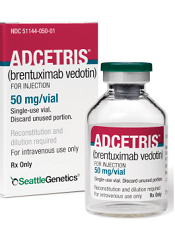
Health Canada has issued a non-conditional marketing authorization for brentuximab vedotin (Adcetris).
This means the drug is now approved for use as consolidation after autologous stem cell transplant (ASCT) in patients with Hodgkin lymphoma (HL) who have an increased risk of relapse or progression.
Brentuximab vedotin previously received approval with conditions in Canada to treat HL patients who relapse after ASCT or HL patients who are not ASCT candidates and relapse after at least 2 multi-agent chemotherapy regimens.
Brentuximab vedotin also has conditional approval in Canada to treat patients with systemic anaplastic large-cell lymphoma who relapse after at least 1 multi-agent chemotherapy regimen.
Brentuximab vedotin is an antibody-drug conjugate consisting of an anti-CD30 monoclonal antibody attached by a protease-cleavable linker to a microtubule disrupting agent, monomethyl auristatin E.
Brentuximab vedotin has marketing authorization in 67 countries for the treatment of relapsed or refractory HL and systemic anaplastic large-cell lymphoma.
Seattle Genetics and Takeda are jointly developing brentuximab vedotin. Seattle Genetics has US and Canadian commercialization rights, and Takeda has rights to commercialize the drug in the rest of the world.
AETHERA trial
Health Canada’s decision to extend the marketing authorization of brentuximab vedotin is based on results from the phase 3 AETHERA trial.
The trial was designed to compare brentuximab vedotin to placebo, both administered for up to 16 cycles (approximately 1 year) every 3 weeks following ASCT. Results from the trial were published in The Lancet in March 2015.
The study enrolled 329 HL patients at risk of relapse or progression—165 on the brentuximab vedotin arm and 164 on the placebo arm.
Patients were eligible for enrollment if they had a history of primary refractory HL, relapsed within a year of receiving frontline chemotherapy, and/or had disease outside of the lymph nodes at the time of pre-ASCT relapse.
Brentuximab vedotin conferred a significant increase in progression-free survival over placebo, with a hazard ratio of 0.57 (P=0.001). The median progression-free survival was 43 months for patients who received brentuximab vedotin and 24 months for those who received placebo.
The most common adverse events (≥20%), of any grade and regardless of causality, in the brentuximab vedotin arm were neutropenia (78%), peripheral sensory neuropathy (56%), thrombocytopenia (41%), anemia (27%), upper respiratory tract infection (26%), fatigue (24%), peripheral motor neuropathy (23%), nausea (22%), cough (21%), and diarrhea (20%).
The most common adverse events (≥20%), of any grade and regardless of causality, in the placebo arm were neutropenia (34%), upper respiratory tract infection (23%), and thrombocytopenia (20%).
In all, 67% of patients on the brentuximab vedotin arm experienced peripheral neuropathy. Of those patients, 85% had resolution (59%) or partial improvement (26%) in symptoms at the time of their last evaluation, with a median time to improvement of 23 weeks (range, 0.1-138).
Health Canada has issued a non-conditional marketing authorization for brentuximab vedotin (Adcetris).
This means the drug is now approved for use as consolidation after autologous stem cell transplant (ASCT) in patients with Hodgkin lymphoma (HL) who have an increased risk of relapse or progression.
Brentuximab vedotin previously received approval with conditions in Canada to treat HL patients who relapse after ASCT or HL patients who are not ASCT candidates and relapse after at least 2 multi-agent chemotherapy regimens.
Brentuximab vedotin also has conditional approval in Canada to treat patients with systemic anaplastic large-cell lymphoma who relapse after at least 1 multi-agent chemotherapy regimen.
Brentuximab vedotin is an antibody-drug conjugate consisting of an anti-CD30 monoclonal antibody attached by a protease-cleavable linker to a microtubule disrupting agent, monomethyl auristatin E.
Brentuximab vedotin has marketing authorization in 67 countries for the treatment of relapsed or refractory HL and systemic anaplastic large-cell lymphoma.
Seattle Genetics and Takeda are jointly developing brentuximab vedotin. Seattle Genetics has US and Canadian commercialization rights, and Takeda has rights to commercialize the drug in the rest of the world.
AETHERA trial
Health Canada’s decision to extend the marketing authorization of brentuximab vedotin is based on results from the phase 3 AETHERA trial.
The trial was designed to compare brentuximab vedotin to placebo, both administered for up to 16 cycles (approximately 1 year) every 3 weeks following ASCT. Results from the trial were published in The Lancet in March 2015.
The study enrolled 329 HL patients at risk of relapse or progression—165 on the brentuximab vedotin arm and 164 on the placebo arm.
Patients were eligible for enrollment if they had a history of primary refractory HL, relapsed within a year of receiving frontline chemotherapy, and/or had disease outside of the lymph nodes at the time of pre-ASCT relapse.
Brentuximab vedotin conferred a significant increase in progression-free survival over placebo, with a hazard ratio of 0.57 (P=0.001). The median progression-free survival was 43 months for patients who received brentuximab vedotin and 24 months for those who received placebo.
The most common adverse events (≥20%), of any grade and regardless of causality, in the brentuximab vedotin arm were neutropenia (78%), peripheral sensory neuropathy (56%), thrombocytopenia (41%), anemia (27%), upper respiratory tract infection (26%), fatigue (24%), peripheral motor neuropathy (23%), nausea (22%), cough (21%), and diarrhea (20%).
The most common adverse events (≥20%), of any grade and regardless of causality, in the placebo arm were neutropenia (34%), upper respiratory tract infection (23%), and thrombocytopenia (20%).
In all, 67% of patients on the brentuximab vedotin arm experienced peripheral neuropathy. Of those patients, 85% had resolution (59%) or partial improvement (26%) in symptoms at the time of their last evaluation, with a median time to improvement of 23 weeks (range, 0.1-138).
Health Canada has issued a non-conditional marketing authorization for brentuximab vedotin (Adcetris).
This means the drug is now approved for use as consolidation after autologous stem cell transplant (ASCT) in patients with Hodgkin lymphoma (HL) who have an increased risk of relapse or progression.
Brentuximab vedotin previously received approval with conditions in Canada to treat HL patients who relapse after ASCT or HL patients who are not ASCT candidates and relapse after at least 2 multi-agent chemotherapy regimens.
Brentuximab vedotin also has conditional approval in Canada to treat patients with systemic anaplastic large-cell lymphoma who relapse after at least 1 multi-agent chemotherapy regimen.
Brentuximab vedotin is an antibody-drug conjugate consisting of an anti-CD30 monoclonal antibody attached by a protease-cleavable linker to a microtubule disrupting agent, monomethyl auristatin E.
Brentuximab vedotin has marketing authorization in 67 countries for the treatment of relapsed or refractory HL and systemic anaplastic large-cell lymphoma.
Seattle Genetics and Takeda are jointly developing brentuximab vedotin. Seattle Genetics has US and Canadian commercialization rights, and Takeda has rights to commercialize the drug in the rest of the world.
AETHERA trial
Health Canada’s decision to extend the marketing authorization of brentuximab vedotin is based on results from the phase 3 AETHERA trial.
The trial was designed to compare brentuximab vedotin to placebo, both administered for up to 16 cycles (approximately 1 year) every 3 weeks following ASCT. Results from the trial were published in The Lancet in March 2015.
The study enrolled 329 HL patients at risk of relapse or progression—165 on the brentuximab vedotin arm and 164 on the placebo arm.
Patients were eligible for enrollment if they had a history of primary refractory HL, relapsed within a year of receiving frontline chemotherapy, and/or had disease outside of the lymph nodes at the time of pre-ASCT relapse.
Brentuximab vedotin conferred a significant increase in progression-free survival over placebo, with a hazard ratio of 0.57 (P=0.001). The median progression-free survival was 43 months for patients who received brentuximab vedotin and 24 months for those who received placebo.
The most common adverse events (≥20%), of any grade and regardless of causality, in the brentuximab vedotin arm were neutropenia (78%), peripheral sensory neuropathy (56%), thrombocytopenia (41%), anemia (27%), upper respiratory tract infection (26%), fatigue (24%), peripheral motor neuropathy (23%), nausea (22%), cough (21%), and diarrhea (20%).
The most common adverse events (≥20%), of any grade and regardless of causality, in the placebo arm were neutropenia (34%), upper respiratory tract infection (23%), and thrombocytopenia (20%).
In all, 67% of patients on the brentuximab vedotin arm experienced peripheral neuropathy. Of those patients, 85% had resolution (59%) or partial improvement (26%) in symptoms at the time of their last evaluation, with a median time to improvement of 23 weeks (range, 0.1-138).
Four drugs better than three for myeloma induction
MADRID – A four-drug induction regimen induced quicker and deeper remissions than sequential triplet regimens in patients with newly diagnosed multiple myeloma.
In addition, fast, deep remissions may lead to improved progression-free survival (PFS) following autologous stem cell transplantation (ASCT), said investigators from a U.K. Medical Research Council study.
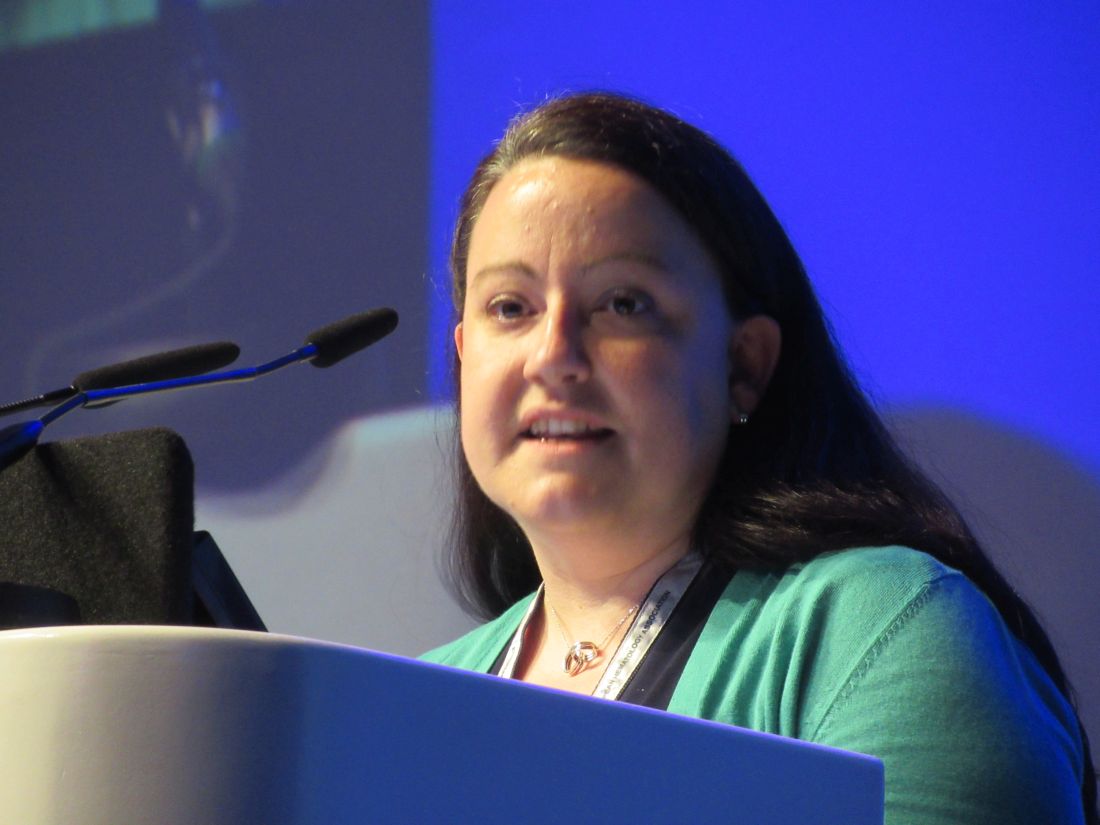
In the phase 3 randomized, parallel group Myeloma XI study, very good partial responses (VGPR) or better were seen following induction in 79.5% of patients assigned to the quadruplet (KCRD) of carfilzomib (Kyprolis), cyclophosphamide, lenalidomide (Revlimid), and dexamethasone, compared with 60.8% for those assigned to cyclophosphamide, lenalidomide, and dexamethasone (CRD) and 52.8% for those assigned to cyclophosphamide, thalidomide, and dexamethasone (CTD), said Charlotte Pawlyn, MD, PhD, at the annual congress of the European Hematology Association.
“In our study, we see a very much deeper response after initial induction with the quadruplet regimen, compared with triplet regimens,” Dr. Pawlyn of the Institute of Cancer Research, London, said in an interview.
Medical Research Council investigators showed in the Myeloma IX study that among patients who had a less than VGPR to an immunomodulator-based triplet regimen such as CRD, a triplet regimen including the proteasome inhibitor bortezomib (Velcade) could improve both pre- and post-transplant response rates, and that the improved responses translated into improved PFS.
For the Myeloma XI study, the investigators employed the same response-adapted approach to compare outcomes following induction with the proteasome inhibitor–containing KCRD regimen and the lenalidomide- or thalidomide-based regimens.
They chose carfilzomib as the proteasome-inhibitor backbone of the quadruplet because of its selective, irreversible target binding, lower incidence of peripheral neuropathy (compared with bortezomib), and efficacy in both the frontline and relapsed/refractory setting, she said.
Asked why the comparator regimens did not contain a proteasome inhibitor, Dr. Pawlyn said that while the current standard for induction therapy in the United Kingdom is bortezomib, thalidomide, and dexamethasone, CTD was the standard of care at the time of study planning and initial enrollment.
The trial was open to all patients in the United Kingdom of all ages with newly diagnosed symptomatic multiple myeloma, with pathways for both transplant-eligible and transplant-ineligible patients. The only main exclusion criteria were for patients with dialysis-dependent renal failure and for those who had a prior or concurrent malignancy.
A total of 1,021 patients were assigned to each of the CTD and CRD cohorts, and 526 patients were assigned to the KCRD cohort. The cohorts were well balanced by sex, age, World Health Organization performance score, and other parameters.
Patients randomized to either CTD or CRD were assessed for response after a minimum of four induction cycles, with treatment continued until best response. Those with a VGPR or better went on to ASCT, while those with a partial response were randomized to either a second induction with cyclophosphamide, bortezomib, and dexamethasone (CVD) or no CVD, and then proceeded to transplant. Patients with stable disease or disease progression in either of these arms went on to CVD prior to ASCT.
In the KCRD arm, all patients went from induction to transplant. Following ASCT, patients were randomized to either observation or lenalidomide maintenance.
A higher proportion of patients assigned to KCRD completed the minimum of four induction cycles, and few patients in any trial arm had to stop induction therapy because of adverse events. Dose modifications were required in 63.9% of patients on KCRD, 56.3% of patients on CRD, and 82.2% of patients on CTD.
There was no significant cardiac signal seen in the study, and no difference in the incidence of venous thromboembolic events among the treatment arms.
As noted before, rates of VGPR or better after initial induction were highest in the KCRD arm, at 79.5%, compared with 60% for CRD, and 52.8% for CTD.
“The KCRD quadruplet achieved the highest speed and depth of response,” Dr. Pawlyn said.
The pattern of responses was similar across all cytogenetic risk groups, she added.
A higher proportion of patients treated with KCRD went on to ASCT, and the pattern of deeper responses among patients who underwent induction with KCRD persisted, with 92.1% of patients having a post-transplant VGPR or better, compared with 81.8% for CRD and 77.0% for CTD (statistical significance not shown).
Again, the pattern of responses post-transplant was similar across cytogenetic risk groups.
The investigators anticipate receiving PFS results from the Myeloma XI study in the third or fourth quarter of 2017.
The study was sponsored by the University of Leeds (England), with support from the U.K. National Cancer Research Institute, Cancer Research UK, and Myeloma UK, and collaboration with Celgene, Merck Sharp & Dohme, and Amgen. Dr. Pawlyn disclosed travel support from Celgene and Janssen, and honoraria from Celgene and Takeda.
MADRID – A four-drug induction regimen induced quicker and deeper remissions than sequential triplet regimens in patients with newly diagnosed multiple myeloma.
In addition, fast, deep remissions may lead to improved progression-free survival (PFS) following autologous stem cell transplantation (ASCT), said investigators from a U.K. Medical Research Council study.
In the phase 3 randomized, parallel group Myeloma XI study, very good partial responses (VGPR) or better were seen following induction in 79.5% of patients assigned to the quadruplet (KCRD) of carfilzomib (Kyprolis), cyclophosphamide, lenalidomide (Revlimid), and dexamethasone, compared with 60.8% for those assigned to cyclophosphamide, lenalidomide, and dexamethasone (CRD) and 52.8% for those assigned to cyclophosphamide, thalidomide, and dexamethasone (CTD), said Charlotte Pawlyn, MD, PhD, at the annual congress of the European Hematology Association.
“In our study, we see a very much deeper response after initial induction with the quadruplet regimen, compared with triplet regimens,” Dr. Pawlyn of the Institute of Cancer Research, London, said in an interview.
Medical Research Council investigators showed in the Myeloma IX study that among patients who had a less than VGPR to an immunomodulator-based triplet regimen such as CRD, a triplet regimen including the proteasome inhibitor bortezomib (Velcade) could improve both pre- and post-transplant response rates, and that the improved responses translated into improved PFS.
For the Myeloma XI study, the investigators employed the same response-adapted approach to compare outcomes following induction with the proteasome inhibitor–containing KCRD regimen and the lenalidomide- or thalidomide-based regimens.
They chose carfilzomib as the proteasome-inhibitor backbone of the quadruplet because of its selective, irreversible target binding, lower incidence of peripheral neuropathy (compared with bortezomib), and efficacy in both the frontline and relapsed/refractory setting, she said.
Asked why the comparator regimens did not contain a proteasome inhibitor, Dr. Pawlyn said that while the current standard for induction therapy in the United Kingdom is bortezomib, thalidomide, and dexamethasone, CTD was the standard of care at the time of study planning and initial enrollment.
The trial was open to all patients in the United Kingdom of all ages with newly diagnosed symptomatic multiple myeloma, with pathways for both transplant-eligible and transplant-ineligible patients. The only main exclusion criteria were for patients with dialysis-dependent renal failure and for those who had a prior or concurrent malignancy.
A total of 1,021 patients were assigned to each of the CTD and CRD cohorts, and 526 patients were assigned to the KCRD cohort. The cohorts were well balanced by sex, age, World Health Organization performance score, and other parameters.
Patients randomized to either CTD or CRD were assessed for response after a minimum of four induction cycles, with treatment continued until best response. Those with a VGPR or better went on to ASCT, while those with a partial response were randomized to either a second induction with cyclophosphamide, bortezomib, and dexamethasone (CVD) or no CVD, and then proceeded to transplant. Patients with stable disease or disease progression in either of these arms went on to CVD prior to ASCT.
In the KCRD arm, all patients went from induction to transplant. Following ASCT, patients were randomized to either observation or lenalidomide maintenance.
A higher proportion of patients assigned to KCRD completed the minimum of four induction cycles, and few patients in any trial arm had to stop induction therapy because of adverse events. Dose modifications were required in 63.9% of patients on KCRD, 56.3% of patients on CRD, and 82.2% of patients on CTD.
There was no significant cardiac signal seen in the study, and no difference in the incidence of venous thromboembolic events among the treatment arms.
As noted before, rates of VGPR or better after initial induction were highest in the KCRD arm, at 79.5%, compared with 60% for CRD, and 52.8% for CTD.
“The KCRD quadruplet achieved the highest speed and depth of response,” Dr. Pawlyn said.
The pattern of responses was similar across all cytogenetic risk groups, she added.
A higher proportion of patients treated with KCRD went on to ASCT, and the pattern of deeper responses among patients who underwent induction with KCRD persisted, with 92.1% of patients having a post-transplant VGPR or better, compared with 81.8% for CRD and 77.0% for CTD (statistical significance not shown).
Again, the pattern of responses post-transplant was similar across cytogenetic risk groups.
The investigators anticipate receiving PFS results from the Myeloma XI study in the third or fourth quarter of 2017.
The study was sponsored by the University of Leeds (England), with support from the U.K. National Cancer Research Institute, Cancer Research UK, and Myeloma UK, and collaboration with Celgene, Merck Sharp & Dohme, and Amgen. Dr. Pawlyn disclosed travel support from Celgene and Janssen, and honoraria from Celgene and Takeda.
MADRID – A four-drug induction regimen induced quicker and deeper remissions than sequential triplet regimens in patients with newly diagnosed multiple myeloma.
In addition, fast, deep remissions may lead to improved progression-free survival (PFS) following autologous stem cell transplantation (ASCT), said investigators from a U.K. Medical Research Council study.
In the phase 3 randomized, parallel group Myeloma XI study, very good partial responses (VGPR) or better were seen following induction in 79.5% of patients assigned to the quadruplet (KCRD) of carfilzomib (Kyprolis), cyclophosphamide, lenalidomide (Revlimid), and dexamethasone, compared with 60.8% for those assigned to cyclophosphamide, lenalidomide, and dexamethasone (CRD) and 52.8% for those assigned to cyclophosphamide, thalidomide, and dexamethasone (CTD), said Charlotte Pawlyn, MD, PhD, at the annual congress of the European Hematology Association.
“In our study, we see a very much deeper response after initial induction with the quadruplet regimen, compared with triplet regimens,” Dr. Pawlyn of the Institute of Cancer Research, London, said in an interview.
Medical Research Council investigators showed in the Myeloma IX study that among patients who had a less than VGPR to an immunomodulator-based triplet regimen such as CRD, a triplet regimen including the proteasome inhibitor bortezomib (Velcade) could improve both pre- and post-transplant response rates, and that the improved responses translated into improved PFS.
For the Myeloma XI study, the investigators employed the same response-adapted approach to compare outcomes following induction with the proteasome inhibitor–containing KCRD regimen and the lenalidomide- or thalidomide-based regimens.
They chose carfilzomib as the proteasome-inhibitor backbone of the quadruplet because of its selective, irreversible target binding, lower incidence of peripheral neuropathy (compared with bortezomib), and efficacy in both the frontline and relapsed/refractory setting, she said.
Asked why the comparator regimens did not contain a proteasome inhibitor, Dr. Pawlyn said that while the current standard for induction therapy in the United Kingdom is bortezomib, thalidomide, and dexamethasone, CTD was the standard of care at the time of study planning and initial enrollment.
The trial was open to all patients in the United Kingdom of all ages with newly diagnosed symptomatic multiple myeloma, with pathways for both transplant-eligible and transplant-ineligible patients. The only main exclusion criteria were for patients with dialysis-dependent renal failure and for those who had a prior or concurrent malignancy.
A total of 1,021 patients were assigned to each of the CTD and CRD cohorts, and 526 patients were assigned to the KCRD cohort. The cohorts were well balanced by sex, age, World Health Organization performance score, and other parameters.
Patients randomized to either CTD or CRD were assessed for response after a minimum of four induction cycles, with treatment continued until best response. Those with a VGPR or better went on to ASCT, while those with a partial response were randomized to either a second induction with cyclophosphamide, bortezomib, and dexamethasone (CVD) or no CVD, and then proceeded to transplant. Patients with stable disease or disease progression in either of these arms went on to CVD prior to ASCT.
In the KCRD arm, all patients went from induction to transplant. Following ASCT, patients were randomized to either observation or lenalidomide maintenance.
A higher proportion of patients assigned to KCRD completed the minimum of four induction cycles, and few patients in any trial arm had to stop induction therapy because of adverse events. Dose modifications were required in 63.9% of patients on KCRD, 56.3% of patients on CRD, and 82.2% of patients on CTD.
There was no significant cardiac signal seen in the study, and no difference in the incidence of venous thromboembolic events among the treatment arms.
As noted before, rates of VGPR or better after initial induction were highest in the KCRD arm, at 79.5%, compared with 60% for CRD, and 52.8% for CTD.
“The KCRD quadruplet achieved the highest speed and depth of response,” Dr. Pawlyn said.
The pattern of responses was similar across all cytogenetic risk groups, she added.
A higher proportion of patients treated with KCRD went on to ASCT, and the pattern of deeper responses among patients who underwent induction with KCRD persisted, with 92.1% of patients having a post-transplant VGPR or better, compared with 81.8% for CRD and 77.0% for CTD (statistical significance not shown).
Again, the pattern of responses post-transplant was similar across cytogenetic risk groups.
The investigators anticipate receiving PFS results from the Myeloma XI study in the third or fourth quarter of 2017.
The study was sponsored by the University of Leeds (England), with support from the U.K. National Cancer Research Institute, Cancer Research UK, and Myeloma UK, and collaboration with Celgene, Merck Sharp & Dohme, and Amgen. Dr. Pawlyn disclosed travel support from Celgene and Janssen, and honoraria from Celgene and Takeda.
AT THE EHA CONGRESS
Key clinical point:
Major finding: An induction quadruplet containing carfilzomib induced a higher rate of very good partial responses or better vs. regimens without a proteasome inhibitor.
Data source: A randomized, open-label, parallel group study of 2,568 patients with newly diagnosed multiple myeloma.
Disclosures: The study was sponsored by the University of Leeds (England), with support from the U.K. National Cancer Research Institute, Cancer Research UK, and Myeloma UK, and collaboration with Celgene, Merck Sharp & Dohme, and Amgen. Dr. Pawlyn disclosed travel support from Celgene and Janssen, and honoraria from Celgene and Takeda.
High ORR with sequential regimen in CLL
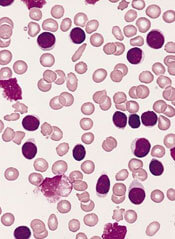
LUGANO, SWITZERLAND—A sequential treatment regimen can produce a high overall response rate (ORR) in patients with treatment-naïve (TN) or relapsed/refractory (RR) chronic lymphocytic leukemia (CLL), results of the CLL2-BAG study suggest.
Patients who received bendamustine followed by obinutuzumab and venetoclax achieved an ORR of 95%, and 87% of them were negative for minimal residual disease (MRD) in the peripheral blood.
In addition, this regimen did not lead to cumulative or unexpected toxicity, according to study investigator Paula Cramer, MD, of University Hospital of Cologne in Germany.
Dr Cramer presented results from CLL2-BAG at the 14th International Conference on Malignant Lymphoma (ICML). The trial was sponsored by the German CLL Study Group.
CLL2-BAG included 63 patients—34 with TN and 29 with RR CLL. The median age was 58 (range, 43-76) and 61 (range, 28-77), respectively.
Thirty-five percent of TN patients had bulky disease (>5 cm), as did 45% of RR patients. Twelve percent and 10%, respectively, had massive splenomegaly (>20 cm)
Twenty-one percent of TN patients and 35% of RR patients were Binet stage A. Thirty-two percent and 21%, respectively, were stage B, and 47% and 45%, respectively, were stage C.
Treatment
Patients first underwent debulking with bendamustine, given at 70 mg/m2 on days 1 and 2 for two 28-day cycles. They then received induction with obinutuzumab and venetoclax for six 28-day cycles.
In cycle 1, patients received obinutuzumab at 100 mg or 900 mg on day 1 or 2 and 1000 mg on days 8 and 15. For cycles 2-6, patients received 1000 mg of obinutuzumab on day 1.
In cycle 2, patients received venetoclax at 20 mg on days 1-7, 50 mg on days 8-14, 100 mg on days 15-21, and 200 mg on days 22-28. For cycles 3-6, they received venetoclax at 400 mg on days 1-28.
Patients also received maintenance with obinutuzumab and venetoclax for 2 to 8 cycles with a duration of 84 days. Obinutuzumab was given at 1000 mg on day 1 of each cycle, and venetoclax was given at 400 mg on days 1-84.
Maintenance was continued until patients completed 24 months of maintenance therapy, until 3 months after patients achieved a complete response (CR) or CR with incomplete count recovery (CRi) and MRD negativity, until progression of CLL or start of new CLL treatment, or until unacceptable toxicity.
ORR, MRD, and survival
At the end of induction, the ORR was 95% in the entire population—100% among TN patients and 90% among RR patients.
The rate of CR was 8%, 9%, and 7%, respectively. The rate of unconfirmed/clinical CR/CRi was 32%, 41%, and 21%, respectively.
Five percent of patients progressed, all of them in the RR group.
Eighty-seven percent of evaluable patients were MRD negative (<10-4) in the peripheral blood, including 91% of TN patients and 83% of RR patients. Two patients (3%) were missing data on MRD status in peripheral blood.
Thirteen percent of all evaluable patients were MRD negative in the bone marrow, including 12% of TN patients and 14% of RR patients. The remaining patients (87%, 88%, and 86%, respectively) were missing data on MRD status in the bone marrow.
The progression-free survival at 15 months was 100% in the TN patients and 83% in the RR patients.
Adverse events
After debulking, 28.1% of TN patients and 46.7% of RR patients had experienced adverse events (AEs).
These included (in TN and RR patients, respectively) neutropenia (9.4% and 13.3%), anemia (6.3% and 20.0%), thrombocytopenia (6.3% and 6.7%), infections (6.3% and 6.7%), coronary artery disorders (1 TN patient, 3.1%), rash (1 TN patient, 3.1%), tumor lysis syndrome (1 TN patient, 3.1%), vomiting (1 TN patient, 3.1%), and pyrexia (1 RR patient, 6.7%).
After induction, 54.3% of TN patients and 80.6% of RR patients had experienced AEs.
These included (in TN and RR patients, respectively) neutropenia (34.3% and 54.8%), infections (8.6% and 29.0%), thrombocytopenia (2.9% and 22.6%), infusion-related reactions (5 RR patients, 16.1%), neoplasms (2.9% and 9.7%), hypertension (2.9% and 6.5%), coronary artery disorders (2.9% and 6.5%), anemia (3 RR patients, 9.7%), and tumor lysis syndrome (2 RR patients, 6.5%).
LUGANO, SWITZERLAND—A sequential treatment regimen can produce a high overall response rate (ORR) in patients with treatment-naïve (TN) or relapsed/refractory (RR) chronic lymphocytic leukemia (CLL), results of the CLL2-BAG study suggest.
Patients who received bendamustine followed by obinutuzumab and venetoclax achieved an ORR of 95%, and 87% of them were negative for minimal residual disease (MRD) in the peripheral blood.
In addition, this regimen did not lead to cumulative or unexpected toxicity, according to study investigator Paula Cramer, MD, of University Hospital of Cologne in Germany.
Dr Cramer presented results from CLL2-BAG at the 14th International Conference on Malignant Lymphoma (ICML). The trial was sponsored by the German CLL Study Group.
CLL2-BAG included 63 patients—34 with TN and 29 with RR CLL. The median age was 58 (range, 43-76) and 61 (range, 28-77), respectively.
Thirty-five percent of TN patients had bulky disease (>5 cm), as did 45% of RR patients. Twelve percent and 10%, respectively, had massive splenomegaly (>20 cm)
Twenty-one percent of TN patients and 35% of RR patients were Binet stage A. Thirty-two percent and 21%, respectively, were stage B, and 47% and 45%, respectively, were stage C.
Treatment
Patients first underwent debulking with bendamustine, given at 70 mg/m2 on days 1 and 2 for two 28-day cycles. They then received induction with obinutuzumab and venetoclax for six 28-day cycles.
In cycle 1, patients received obinutuzumab at 100 mg or 900 mg on day 1 or 2 and 1000 mg on days 8 and 15. For cycles 2-6, patients received 1000 mg of obinutuzumab on day 1.
In cycle 2, patients received venetoclax at 20 mg on days 1-7, 50 mg on days 8-14, 100 mg on days 15-21, and 200 mg on days 22-28. For cycles 3-6, they received venetoclax at 400 mg on days 1-28.
Patients also received maintenance with obinutuzumab and venetoclax for 2 to 8 cycles with a duration of 84 days. Obinutuzumab was given at 1000 mg on day 1 of each cycle, and venetoclax was given at 400 mg on days 1-84.
Maintenance was continued until patients completed 24 months of maintenance therapy, until 3 months after patients achieved a complete response (CR) or CR with incomplete count recovery (CRi) and MRD negativity, until progression of CLL or start of new CLL treatment, or until unacceptable toxicity.
ORR, MRD, and survival
At the end of induction, the ORR was 95% in the entire population—100% among TN patients and 90% among RR patients.
The rate of CR was 8%, 9%, and 7%, respectively. The rate of unconfirmed/clinical CR/CRi was 32%, 41%, and 21%, respectively.
Five percent of patients progressed, all of them in the RR group.
Eighty-seven percent of evaluable patients were MRD negative (<10-4) in the peripheral blood, including 91% of TN patients and 83% of RR patients. Two patients (3%) were missing data on MRD status in peripheral blood.
Thirteen percent of all evaluable patients were MRD negative in the bone marrow, including 12% of TN patients and 14% of RR patients. The remaining patients (87%, 88%, and 86%, respectively) were missing data on MRD status in the bone marrow.
The progression-free survival at 15 months was 100% in the TN patients and 83% in the RR patients.
Adverse events
After debulking, 28.1% of TN patients and 46.7% of RR patients had experienced adverse events (AEs).
These included (in TN and RR patients, respectively) neutropenia (9.4% and 13.3%), anemia (6.3% and 20.0%), thrombocytopenia (6.3% and 6.7%), infections (6.3% and 6.7%), coronary artery disorders (1 TN patient, 3.1%), rash (1 TN patient, 3.1%), tumor lysis syndrome (1 TN patient, 3.1%), vomiting (1 TN patient, 3.1%), and pyrexia (1 RR patient, 6.7%).
After induction, 54.3% of TN patients and 80.6% of RR patients had experienced AEs.
These included (in TN and RR patients, respectively) neutropenia (34.3% and 54.8%), infections (8.6% and 29.0%), thrombocytopenia (2.9% and 22.6%), infusion-related reactions (5 RR patients, 16.1%), neoplasms (2.9% and 9.7%), hypertension (2.9% and 6.5%), coronary artery disorders (2.9% and 6.5%), anemia (3 RR patients, 9.7%), and tumor lysis syndrome (2 RR patients, 6.5%).
LUGANO, SWITZERLAND—A sequential treatment regimen can produce a high overall response rate (ORR) in patients with treatment-naïve (TN) or relapsed/refractory (RR) chronic lymphocytic leukemia (CLL), results of the CLL2-BAG study suggest.
Patients who received bendamustine followed by obinutuzumab and venetoclax achieved an ORR of 95%, and 87% of them were negative for minimal residual disease (MRD) in the peripheral blood.
In addition, this regimen did not lead to cumulative or unexpected toxicity, according to study investigator Paula Cramer, MD, of University Hospital of Cologne in Germany.
Dr Cramer presented results from CLL2-BAG at the 14th International Conference on Malignant Lymphoma (ICML). The trial was sponsored by the German CLL Study Group.
CLL2-BAG included 63 patients—34 with TN and 29 with RR CLL. The median age was 58 (range, 43-76) and 61 (range, 28-77), respectively.
Thirty-five percent of TN patients had bulky disease (>5 cm), as did 45% of RR patients. Twelve percent and 10%, respectively, had massive splenomegaly (>20 cm)
Twenty-one percent of TN patients and 35% of RR patients were Binet stage A. Thirty-two percent and 21%, respectively, were stage B, and 47% and 45%, respectively, were stage C.
Treatment
Patients first underwent debulking with bendamustine, given at 70 mg/m2 on days 1 and 2 for two 28-day cycles. They then received induction with obinutuzumab and venetoclax for six 28-day cycles.
In cycle 1, patients received obinutuzumab at 100 mg or 900 mg on day 1 or 2 and 1000 mg on days 8 and 15. For cycles 2-6, patients received 1000 mg of obinutuzumab on day 1.
In cycle 2, patients received venetoclax at 20 mg on days 1-7, 50 mg on days 8-14, 100 mg on days 15-21, and 200 mg on days 22-28. For cycles 3-6, they received venetoclax at 400 mg on days 1-28.
Patients also received maintenance with obinutuzumab and venetoclax for 2 to 8 cycles with a duration of 84 days. Obinutuzumab was given at 1000 mg on day 1 of each cycle, and venetoclax was given at 400 mg on days 1-84.
Maintenance was continued until patients completed 24 months of maintenance therapy, until 3 months after patients achieved a complete response (CR) or CR with incomplete count recovery (CRi) and MRD negativity, until progression of CLL or start of new CLL treatment, or until unacceptable toxicity.
ORR, MRD, and survival
At the end of induction, the ORR was 95% in the entire population—100% among TN patients and 90% among RR patients.
The rate of CR was 8%, 9%, and 7%, respectively. The rate of unconfirmed/clinical CR/CRi was 32%, 41%, and 21%, respectively.
Five percent of patients progressed, all of them in the RR group.
Eighty-seven percent of evaluable patients were MRD negative (<10-4) in the peripheral blood, including 91% of TN patients and 83% of RR patients. Two patients (3%) were missing data on MRD status in peripheral blood.
Thirteen percent of all evaluable patients were MRD negative in the bone marrow, including 12% of TN patients and 14% of RR patients. The remaining patients (87%, 88%, and 86%, respectively) were missing data on MRD status in the bone marrow.
The progression-free survival at 15 months was 100% in the TN patients and 83% in the RR patients.
Adverse events
After debulking, 28.1% of TN patients and 46.7% of RR patients had experienced adverse events (AEs).
These included (in TN and RR patients, respectively) neutropenia (9.4% and 13.3%), anemia (6.3% and 20.0%), thrombocytopenia (6.3% and 6.7%), infections (6.3% and 6.7%), coronary artery disorders (1 TN patient, 3.1%), rash (1 TN patient, 3.1%), tumor lysis syndrome (1 TN patient, 3.1%), vomiting (1 TN patient, 3.1%), and pyrexia (1 RR patient, 6.7%).
After induction, 54.3% of TN patients and 80.6% of RR patients had experienced AEs.
These included (in TN and RR patients, respectively) neutropenia (34.3% and 54.8%), infections (8.6% and 29.0%), thrombocytopenia (2.9% and 22.6%), infusion-related reactions (5 RR patients, 16.1%), neoplasms (2.9% and 9.7%), hypertension (2.9% and 6.5%), coronary artery disorders (2.9% and 6.5%), anemia (3 RR patients, 9.7%), and tumor lysis syndrome (2 RR patients, 6.5%).
CHMP recommends new indication for obinutuzumab
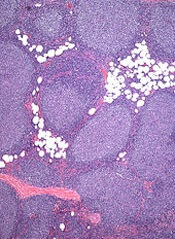
The European Medicines Agency’s Committee for Medicinal Products for Human Use (CHMP) has recommended expanding the marketing authorization for obinutuzumab (Gazyvaro).
The new proposed indication is for obinutuzumab in combination with chemotherapy for patients with previously untreated, advanced follicular lymphoma (FL). This would be followed by obinutuzumab maintenance in patients who achieved a response.
The European Commission typically adheres to the CHMP’s recommendations and delivers its final decision within 2 to 3 months’ of the CHMP’s recommendation.
The decision will be applicable to all member states of the European Union, plus Iceland, Liechtenstein, and Norway.
If approved for this new indication, obinutuzumab will be authorized for use in the European Economic Area as follows:
- In combination with chlorambucil for the treatment of adults with previously untreated chronic lymphocytic leukemia and comorbidities making them unsuitable for full-dose fludarabine-based therapy.
- In combination with bendamustine, followed by obinutuzumab maintenance, for the treatment of patients with FL who did not respond to, or who progressed during or up to 6 months after, treatment with rituximab or a rituximab-containing regimen.
- In combination with chemotherapy, followed by obinutuzumab maintenance in responders, for the treatment of patients with previously untreated, advanced FL.
GALLIUM trial
The CHMP’s recommendation is based on results of the phase 3 GALLIUM trial, which were presented at the 2016 ASH Annual Meeting.
The study enrolled 1401 patients with previously untreated, indolent non-Hodgkin lymphoma, including 1202 with FL.
Half of the FL patients (n=601) were randomized to receive obinutuzumab plus chemotherapy (followed by obinutuzumab maintenance for up to 2 years), and half were randomized to rituximab plus chemotherapy (followed by rituximab maintenance for up to 2 years).
The different chemotherapies used were CHOP (cyclophosphamide, doxorubicin, vincristine, and prednisolone), CVP (cyclophosphamide, vincristine, and prednisolone), and bendamustine.
Patients who received obinutuzumab had significantly better progression-free survival than patients who received rituximab. The 3-year progression-free survival rate was 73.3% in the rituximab arm and 80% in the obinutuzumab arm (hazard ratio [HR]=0.66, P=0.0012).
There was no significant difference between the treatment arms with regard to overall survival. The 3-year overall survival was 92.1% in the rituximab arm and 94% in the obinutuzumab arm (HR=0.75, P=0.21).
The overall incidence of adverse events (AEs) was 98.3% in the rituximab arm and 99.5% in the obinutuzumab arm. The incidence of serious AEs was 39.9% and 46.1%, respectively.
The incidence of grade 3 or higher AEs was higher among patients who received obinutuzumab.
Grade 3 or higher AEs occurring in at least 5% of patients in either arm (rituximab and obinutuzumab, respectively) included neutropenia (67.8% and 74.6%), leukopenia (37.9% and 43.9%), febrile neutropenia (4.9% and 6.9%), infections and infestations (3.7% and 6.7%), and thrombocytopenia (2.7% and 6.1%).
The European Medicines Agency’s Committee for Medicinal Products for Human Use (CHMP) has recommended expanding the marketing authorization for obinutuzumab (Gazyvaro).
The new proposed indication is for obinutuzumab in combination with chemotherapy for patients with previously untreated, advanced follicular lymphoma (FL). This would be followed by obinutuzumab maintenance in patients who achieved a response.
The European Commission typically adheres to the CHMP’s recommendations and delivers its final decision within 2 to 3 months’ of the CHMP’s recommendation.
The decision will be applicable to all member states of the European Union, plus Iceland, Liechtenstein, and Norway.
If approved for this new indication, obinutuzumab will be authorized for use in the European Economic Area as follows:
- In combination with chlorambucil for the treatment of adults with previously untreated chronic lymphocytic leukemia and comorbidities making them unsuitable for full-dose fludarabine-based therapy.
- In combination with bendamustine, followed by obinutuzumab maintenance, for the treatment of patients with FL who did not respond to, or who progressed during or up to 6 months after, treatment with rituximab or a rituximab-containing regimen.
- In combination with chemotherapy, followed by obinutuzumab maintenance in responders, for the treatment of patients with previously untreated, advanced FL.
GALLIUM trial
The CHMP’s recommendation is based on results of the phase 3 GALLIUM trial, which were presented at the 2016 ASH Annual Meeting.
The study enrolled 1401 patients with previously untreated, indolent non-Hodgkin lymphoma, including 1202 with FL.
Half of the FL patients (n=601) were randomized to receive obinutuzumab plus chemotherapy (followed by obinutuzumab maintenance for up to 2 years), and half were randomized to rituximab plus chemotherapy (followed by rituximab maintenance for up to 2 years).
The different chemotherapies used were CHOP (cyclophosphamide, doxorubicin, vincristine, and prednisolone), CVP (cyclophosphamide, vincristine, and prednisolone), and bendamustine.
Patients who received obinutuzumab had significantly better progression-free survival than patients who received rituximab. The 3-year progression-free survival rate was 73.3% in the rituximab arm and 80% in the obinutuzumab arm (hazard ratio [HR]=0.66, P=0.0012).
There was no significant difference between the treatment arms with regard to overall survival. The 3-year overall survival was 92.1% in the rituximab arm and 94% in the obinutuzumab arm (HR=0.75, P=0.21).
The overall incidence of adverse events (AEs) was 98.3% in the rituximab arm and 99.5% in the obinutuzumab arm. The incidence of serious AEs was 39.9% and 46.1%, respectively.
The incidence of grade 3 or higher AEs was higher among patients who received obinutuzumab.
Grade 3 or higher AEs occurring in at least 5% of patients in either arm (rituximab and obinutuzumab, respectively) included neutropenia (67.8% and 74.6%), leukopenia (37.9% and 43.9%), febrile neutropenia (4.9% and 6.9%), infections and infestations (3.7% and 6.7%), and thrombocytopenia (2.7% and 6.1%).
The European Medicines Agency’s Committee for Medicinal Products for Human Use (CHMP) has recommended expanding the marketing authorization for obinutuzumab (Gazyvaro).
The new proposed indication is for obinutuzumab in combination with chemotherapy for patients with previously untreated, advanced follicular lymphoma (FL). This would be followed by obinutuzumab maintenance in patients who achieved a response.
The European Commission typically adheres to the CHMP’s recommendations and delivers its final decision within 2 to 3 months’ of the CHMP’s recommendation.
The decision will be applicable to all member states of the European Union, plus Iceland, Liechtenstein, and Norway.
If approved for this new indication, obinutuzumab will be authorized for use in the European Economic Area as follows:
- In combination with chlorambucil for the treatment of adults with previously untreated chronic lymphocytic leukemia and comorbidities making them unsuitable for full-dose fludarabine-based therapy.
- In combination with bendamustine, followed by obinutuzumab maintenance, for the treatment of patients with FL who did not respond to, or who progressed during or up to 6 months after, treatment with rituximab or a rituximab-containing regimen.
- In combination with chemotherapy, followed by obinutuzumab maintenance in responders, for the treatment of patients with previously untreated, advanced FL.
GALLIUM trial
The CHMP’s recommendation is based on results of the phase 3 GALLIUM trial, which were presented at the 2016 ASH Annual Meeting.
The study enrolled 1401 patients with previously untreated, indolent non-Hodgkin lymphoma, including 1202 with FL.
Half of the FL patients (n=601) were randomized to receive obinutuzumab plus chemotherapy (followed by obinutuzumab maintenance for up to 2 years), and half were randomized to rituximab plus chemotherapy (followed by rituximab maintenance for up to 2 years).
The different chemotherapies used were CHOP (cyclophosphamide, doxorubicin, vincristine, and prednisolone), CVP (cyclophosphamide, vincristine, and prednisolone), and bendamustine.
Patients who received obinutuzumab had significantly better progression-free survival than patients who received rituximab. The 3-year progression-free survival rate was 73.3% in the rituximab arm and 80% in the obinutuzumab arm (hazard ratio [HR]=0.66, P=0.0012).
There was no significant difference between the treatment arms with regard to overall survival. The 3-year overall survival was 92.1% in the rituximab arm and 94% in the obinutuzumab arm (HR=0.75, P=0.21).
The overall incidence of adverse events (AEs) was 98.3% in the rituximab arm and 99.5% in the obinutuzumab arm. The incidence of serious AEs was 39.9% and 46.1%, respectively.
The incidence of grade 3 or higher AEs was higher among patients who received obinutuzumab.
Grade 3 or higher AEs occurring in at least 5% of patients in either arm (rituximab and obinutuzumab, respectively) included neutropenia (67.8% and 74.6%), leukopenia (37.9% and 43.9%), febrile neutropenia (4.9% and 6.9%), infections and infestations (3.7% and 6.7%), and thrombocytopenia (2.7% and 6.1%).