User login
Obinutuzumab-CHOP not superior to rituximab-CHOP in new DLBCL
Obinutuzumab with CHOP therapy did not improve progression-free survival, compared with rituximab plus CHOP, in patients with previously untreated diffuse large B-cell lymphoma (DLBCL), according to results from a phase 3 trial published in the Journal of Clinical Oncology. (2017 Aug 10. doi: 10.1200/JCO.2017.73.3402)
The findings suggest that obinutuzumab, a glycoengineered, type II, anti-CD20 monoclonal antibody, might not offer a benefit over standard treatment with rituximab, an anti-CD20 monoclonal antibody, when used with CHOP (cyclophosphamide, doxorubicin, vincristine, prednisone).
A total of 1,418 patients were enrolled at 207 centers in 29 countries in the GOYA trial and were randomly assigned to one regimen or the other. The mean duration of exposure to the drugs was 25 weeks for both. The progression-free survival was 69.6% for obinutuzumab-CHOP – also known as G-CHOP – and 66.9% for rituximab-CHOP, not a statistically significant difference, wrote Umberto Vitolo, MD, of University-Hospital Città della Salute e della Scienza, Torino, Italy, and his fellow investigators.
The rate of adverse events was similar between the two groups. The lack of superiority of obinutuzumab comes after findings of its superiority in untreated follicular lymphoma (FL) and chronic lymphocytic leukemia (CLL). The investigators suggested that this may be a sign that obinutuzumab’s efficacy is best seen in less aggressive disease types.
“Given the advantages of G-based therapy in patients with FL and CLL, the lack of benefit of G-CHOP in patients with DLBCL in the GOYA study was unexpected, and the reasons for it are unclear,” they wrote. “This lack of benefit might simply have resulted from the differences in biologic and clinical profiles between indolent lymphoproliferative diseases, such as FL and CLL, and aggressive ones, such as DLBCL.”
The study was sponsored by F. Hoffman-La Roche, the manufacturer of the two drugs, and had support from Fondazione Italiana Linfomi.
Obinutuzumab with CHOP therapy did not improve progression-free survival, compared with rituximab plus CHOP, in patients with previously untreated diffuse large B-cell lymphoma (DLBCL), according to results from a phase 3 trial published in the Journal of Clinical Oncology. (2017 Aug 10. doi: 10.1200/JCO.2017.73.3402)
The findings suggest that obinutuzumab, a glycoengineered, type II, anti-CD20 monoclonal antibody, might not offer a benefit over standard treatment with rituximab, an anti-CD20 monoclonal antibody, when used with CHOP (cyclophosphamide, doxorubicin, vincristine, prednisone).
A total of 1,418 patients were enrolled at 207 centers in 29 countries in the GOYA trial and were randomly assigned to one regimen or the other. The mean duration of exposure to the drugs was 25 weeks for both. The progression-free survival was 69.6% for obinutuzumab-CHOP – also known as G-CHOP – and 66.9% for rituximab-CHOP, not a statistically significant difference, wrote Umberto Vitolo, MD, of University-Hospital Città della Salute e della Scienza, Torino, Italy, and his fellow investigators.
The rate of adverse events was similar between the two groups. The lack of superiority of obinutuzumab comes after findings of its superiority in untreated follicular lymphoma (FL) and chronic lymphocytic leukemia (CLL). The investigators suggested that this may be a sign that obinutuzumab’s efficacy is best seen in less aggressive disease types.
“Given the advantages of G-based therapy in patients with FL and CLL, the lack of benefit of G-CHOP in patients with DLBCL in the GOYA study was unexpected, and the reasons for it are unclear,” they wrote. “This lack of benefit might simply have resulted from the differences in biologic and clinical profiles between indolent lymphoproliferative diseases, such as FL and CLL, and aggressive ones, such as DLBCL.”
The study was sponsored by F. Hoffman-La Roche, the manufacturer of the two drugs, and had support from Fondazione Italiana Linfomi.
Obinutuzumab with CHOP therapy did not improve progression-free survival, compared with rituximab plus CHOP, in patients with previously untreated diffuse large B-cell lymphoma (DLBCL), according to results from a phase 3 trial published in the Journal of Clinical Oncology. (2017 Aug 10. doi: 10.1200/JCO.2017.73.3402)
The findings suggest that obinutuzumab, a glycoengineered, type II, anti-CD20 monoclonal antibody, might not offer a benefit over standard treatment with rituximab, an anti-CD20 monoclonal antibody, when used with CHOP (cyclophosphamide, doxorubicin, vincristine, prednisone).
A total of 1,418 patients were enrolled at 207 centers in 29 countries in the GOYA trial and were randomly assigned to one regimen or the other. The mean duration of exposure to the drugs was 25 weeks for both. The progression-free survival was 69.6% for obinutuzumab-CHOP – also known as G-CHOP – and 66.9% for rituximab-CHOP, not a statistically significant difference, wrote Umberto Vitolo, MD, of University-Hospital Città della Salute e della Scienza, Torino, Italy, and his fellow investigators.
The rate of adverse events was similar between the two groups. The lack of superiority of obinutuzumab comes after findings of its superiority in untreated follicular lymphoma (FL) and chronic lymphocytic leukemia (CLL). The investigators suggested that this may be a sign that obinutuzumab’s efficacy is best seen in less aggressive disease types.
“Given the advantages of G-based therapy in patients with FL and CLL, the lack of benefit of G-CHOP in patients with DLBCL in the GOYA study was unexpected, and the reasons for it are unclear,” they wrote. “This lack of benefit might simply have resulted from the differences in biologic and clinical profiles between indolent lymphoproliferative diseases, such as FL and CLL, and aggressive ones, such as DLBCL.”
The study was sponsored by F. Hoffman-La Roche, the manufacturer of the two drugs, and had support from Fondazione Italiana Linfomi.
FROM THE JOURNAL OF CLINICAL ONCOLOGY
Key clinical point: Obinutuzumab with CHOP therapy did not improve progression-free survival for diffuse large B-cell lymphoma, compared with standard treatment with rituximab used with CHOP.
Major finding: The estimated PFS was 69.6% for obinutuzumab-CHOP and 66.9% for rituximab-CHOP, an insignificant difference.
Data source: A randomized phase 3 trial of 1,418 patients at 207 centers in 29 countries.
Disclosures: The study was sponsored by F. Hoffman-La Roche, the manufacturer of the two drugs, and had support from Fondazione Italiana Linfomi..
Drug granted priority review for CTCL
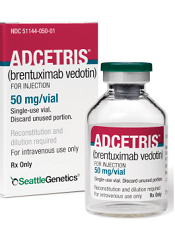
The US Food and Drug Administration (FDA) has granted priority review to a supplemental biologics license application (sBLA) seeking approval for brentuximab vedotin (Adcetris) as a treatment for cutaneous T-cell lymphoma (CTCL).
The FDA grants priority review to applications for products that may provide significant improvements in the treatment, diagnosis, or prevention of serious conditions.
The agency’s goal is to take action on a priority review application within 6 months of receiving it, rather than the standard 10 months.
The FDA plans to make a decision on the sBLA for brentuximab vedotin by December 16, 2017.
The sBLA is supported by data from the phase 3 ALCANZA trial and a pair of phase 2 investigator-sponsored trials.
About brentuximab vedotin
Brentuximab vedotin is an antibody-drug conjugate directed to CD30, which is expressed on skin lesions in approximately 50% of patients with CTCL. The drug is being developed by Seattle Genetics and Takeda Pharmaceutical Company Limited.
Brentuximab vedotin is currently FDA-approved for 3 indications.
The drug is approved to treat patients with classical Hodgkin lymphoma after failure of autologous hematopoietic stem cell transplant (auto-HSCT) or after failure of at least 2 prior multi-agent chemotherapy regimens in patients who are not auto-HSCT candidates. Brentuximab vedotin initially had accelerated approval for this indication, but it was later converted to full approval.
Brentuximab vedotin also has full approval as consolidation for patients with classical Hodgkin lymphoma who have a high risk of relapse or progression after auto-HSCT.
And the drug has accelerated approval for the treatment of patients with systemic anaplastic large-cell lymphoma (sALCL) after failure of at least 1 prior multi-agent chemotherapy regimen. This accelerated approval is based on overall response rate. Continued approval for the sALCL indication may be contingent upon verification and description of clinical benefit in confirmatory trials.
Brentuximab vedotin previously received breakthrough therapy designation from the FDA for the treatment of patients with CD30-expressing mycosis fungoides (MF) and patients with primary cutaneous ALCL who require systemic therapy and have received 1 prior systemic therapy.
Brentuximab vedotin also has orphan drug designation from the FDA for the treatment of MF. 
The US Food and Drug Administration (FDA) has granted priority review to a supplemental biologics license application (sBLA) seeking approval for brentuximab vedotin (Adcetris) as a treatment for cutaneous T-cell lymphoma (CTCL).
The FDA grants priority review to applications for products that may provide significant improvements in the treatment, diagnosis, or prevention of serious conditions.
The agency’s goal is to take action on a priority review application within 6 months of receiving it, rather than the standard 10 months.
The FDA plans to make a decision on the sBLA for brentuximab vedotin by December 16, 2017.
The sBLA is supported by data from the phase 3 ALCANZA trial and a pair of phase 2 investigator-sponsored trials.
About brentuximab vedotin
Brentuximab vedotin is an antibody-drug conjugate directed to CD30, which is expressed on skin lesions in approximately 50% of patients with CTCL. The drug is being developed by Seattle Genetics and Takeda Pharmaceutical Company Limited.
Brentuximab vedotin is currently FDA-approved for 3 indications.
The drug is approved to treat patients with classical Hodgkin lymphoma after failure of autologous hematopoietic stem cell transplant (auto-HSCT) or after failure of at least 2 prior multi-agent chemotherapy regimens in patients who are not auto-HSCT candidates. Brentuximab vedotin initially had accelerated approval for this indication, but it was later converted to full approval.
Brentuximab vedotin also has full approval as consolidation for patients with classical Hodgkin lymphoma who have a high risk of relapse or progression after auto-HSCT.
And the drug has accelerated approval for the treatment of patients with systemic anaplastic large-cell lymphoma (sALCL) after failure of at least 1 prior multi-agent chemotherapy regimen. This accelerated approval is based on overall response rate. Continued approval for the sALCL indication may be contingent upon verification and description of clinical benefit in confirmatory trials.
Brentuximab vedotin previously received breakthrough therapy designation from the FDA for the treatment of patients with CD30-expressing mycosis fungoides (MF) and patients with primary cutaneous ALCL who require systemic therapy and have received 1 prior systemic therapy.
Brentuximab vedotin also has orphan drug designation from the FDA for the treatment of MF.
The US Food and Drug Administration (FDA) has granted priority review to a supplemental biologics license application (sBLA) seeking approval for brentuximab vedotin (Adcetris) as a treatment for cutaneous T-cell lymphoma (CTCL).
The FDA grants priority review to applications for products that may provide significant improvements in the treatment, diagnosis, or prevention of serious conditions.
The agency’s goal is to take action on a priority review application within 6 months of receiving it, rather than the standard 10 months.
The FDA plans to make a decision on the sBLA for brentuximab vedotin by December 16, 2017.
The sBLA is supported by data from the phase 3 ALCANZA trial and a pair of phase 2 investigator-sponsored trials.
About brentuximab vedotin
Brentuximab vedotin is an antibody-drug conjugate directed to CD30, which is expressed on skin lesions in approximately 50% of patients with CTCL. The drug is being developed by Seattle Genetics and Takeda Pharmaceutical Company Limited.
Brentuximab vedotin is currently FDA-approved for 3 indications.
The drug is approved to treat patients with classical Hodgkin lymphoma after failure of autologous hematopoietic stem cell transplant (auto-HSCT) or after failure of at least 2 prior multi-agent chemotherapy regimens in patients who are not auto-HSCT candidates. Brentuximab vedotin initially had accelerated approval for this indication, but it was later converted to full approval.
Brentuximab vedotin also has full approval as consolidation for patients with classical Hodgkin lymphoma who have a high risk of relapse or progression after auto-HSCT.
And the drug has accelerated approval for the treatment of patients with systemic anaplastic large-cell lymphoma (sALCL) after failure of at least 1 prior multi-agent chemotherapy regimen. This accelerated approval is based on overall response rate. Continued approval for the sALCL indication may be contingent upon verification and description of clinical benefit in confirmatory trials.
Brentuximab vedotin previously received breakthrough therapy designation from the FDA for the treatment of patients with CD30-expressing mycosis fungoides (MF) and patients with primary cutaneous ALCL who require systemic therapy and have received 1 prior systemic therapy.
Brentuximab vedotin also has orphan drug designation from the FDA for the treatment of MF.
Post-approval trials for accelerated drugs fall short

New research has revealed shortcomings of post-approval studies for drugs granted accelerated approval in the US.
Researchers found that, for drugs granted accelerated approval from 2009 to 2013, both pre-approval and post-approval trials had limitations in their design and the endpoints used.
“One might expect accelerated approval confirmatory trials to be much more rigorous than the pre-approval trials,” said study author Aaron S. Kesselheim, MD, of Brigham and Women’s Hospital in Boston, Massachusetts.
“But we found that there were few differences in these key design features of the trials conducted before or after approval.”
Dr Kesselheim and his colleagues reported these findings in JAMA.
The researchers examined pre- and post-approval clinical trials of drugs granted accelerated approval by the US Food and Drug Administration (FDA) between 2009 and 2013.
During that time, the FDA granted 22 drugs accelerated approval for 24 indications (15 of them for hematologic disorders).
Fourteen of the indications were approved on the basis of single-intervention-group studies that enrolled a median of 132 patients.
The FDA ordered 38 post-approval studies to confirm the safety and efficacy of the drugs.
Three years after the last drug’s approval, half of those studies (n=19) were not complete. Eight (42%) of the incomplete studies were either terminated or delayed by more than 1 year.
For 14 of the 24 indications (58%), results from the post-approval studies were not available after a median of 5 years of follow-up.
Study comparison
Published reports were available for 18 of the 19 completed post-approval studies. The characteristics of these studies did not differ much from the 30 pre-approval studies.
There were no statistically significant differences with regard to median patient enrollment (P=0.17), the use of randomized (P=0.31) or double-blind trials (P=0.17), the use of placebo as a comparator (P=0.17), or the lack of a comparator (P=0.21).
However, there was a significant difference in the use of an active comparator (P=0.02), with more post-approval studies using an active comparator.
The researchers also found that 17 of the 18 post-approval trials still used surrogate measures of effect as primary endpoints.
There was no significant difference between pre- and post-approval trials when it came to the use of disease response (P=0.17) or most other surrogate measures (P=0.21) as the trials’ primary endpoint.
The same was true for overall survival (P=0.20), although significantly more post-approval studies used progression-free survival (P=0.001) as a primary endpoint.
“It is important to use clinical endpoints in testing investigational drugs whenever possible because there are numerous cases of drugs approved on the basis of a surrogate measure that turn out to later not effect actual clinical outcomes—or even make them worse,” Dr Kesselheim said.
To address these issues and improve the quality of confirmatory studies, Dr Kesselheim suggested the FDA clearly describe the limitations in the pre-approval data that will need to be addressed in post-approval studies.
He also suggested the agency work with manufacturers to ensure that post-approval studies are conducted using design features that will be optimally useful for confirming the efficacy of the drug.
New research has revealed shortcomings of post-approval studies for drugs granted accelerated approval in the US.
Researchers found that, for drugs granted accelerated approval from 2009 to 2013, both pre-approval and post-approval trials had limitations in their design and the endpoints used.
“One might expect accelerated approval confirmatory trials to be much more rigorous than the pre-approval trials,” said study author Aaron S. Kesselheim, MD, of Brigham and Women’s Hospital in Boston, Massachusetts.
“But we found that there were few differences in these key design features of the trials conducted before or after approval.”
Dr Kesselheim and his colleagues reported these findings in JAMA.
The researchers examined pre- and post-approval clinical trials of drugs granted accelerated approval by the US Food and Drug Administration (FDA) between 2009 and 2013.
During that time, the FDA granted 22 drugs accelerated approval for 24 indications (15 of them for hematologic disorders).
Fourteen of the indications were approved on the basis of single-intervention-group studies that enrolled a median of 132 patients.
The FDA ordered 38 post-approval studies to confirm the safety and efficacy of the drugs.
Three years after the last drug’s approval, half of those studies (n=19) were not complete. Eight (42%) of the incomplete studies were either terminated or delayed by more than 1 year.
For 14 of the 24 indications (58%), results from the post-approval studies were not available after a median of 5 years of follow-up.
Study comparison
Published reports were available for 18 of the 19 completed post-approval studies. The characteristics of these studies did not differ much from the 30 pre-approval studies.
There were no statistically significant differences with regard to median patient enrollment (P=0.17), the use of randomized (P=0.31) or double-blind trials (P=0.17), the use of placebo as a comparator (P=0.17), or the lack of a comparator (P=0.21).
However, there was a significant difference in the use of an active comparator (P=0.02), with more post-approval studies using an active comparator.
The researchers also found that 17 of the 18 post-approval trials still used surrogate measures of effect as primary endpoints.
There was no significant difference between pre- and post-approval trials when it came to the use of disease response (P=0.17) or most other surrogate measures (P=0.21) as the trials’ primary endpoint.
The same was true for overall survival (P=0.20), although significantly more post-approval studies used progression-free survival (P=0.001) as a primary endpoint.
“It is important to use clinical endpoints in testing investigational drugs whenever possible because there are numerous cases of drugs approved on the basis of a surrogate measure that turn out to later not effect actual clinical outcomes—or even make them worse,” Dr Kesselheim said.
To address these issues and improve the quality of confirmatory studies, Dr Kesselheim suggested the FDA clearly describe the limitations in the pre-approval data that will need to be addressed in post-approval studies.
He also suggested the agency work with manufacturers to ensure that post-approval studies are conducted using design features that will be optimally useful for confirming the efficacy of the drug.
New research has revealed shortcomings of post-approval studies for drugs granted accelerated approval in the US.
Researchers found that, for drugs granted accelerated approval from 2009 to 2013, both pre-approval and post-approval trials had limitations in their design and the endpoints used.
“One might expect accelerated approval confirmatory trials to be much more rigorous than the pre-approval trials,” said study author Aaron S. Kesselheim, MD, of Brigham and Women’s Hospital in Boston, Massachusetts.
“But we found that there were few differences in these key design features of the trials conducted before or after approval.”
Dr Kesselheim and his colleagues reported these findings in JAMA.
The researchers examined pre- and post-approval clinical trials of drugs granted accelerated approval by the US Food and Drug Administration (FDA) between 2009 and 2013.
During that time, the FDA granted 22 drugs accelerated approval for 24 indications (15 of them for hematologic disorders).
Fourteen of the indications were approved on the basis of single-intervention-group studies that enrolled a median of 132 patients.
The FDA ordered 38 post-approval studies to confirm the safety and efficacy of the drugs.
Three years after the last drug’s approval, half of those studies (n=19) were not complete. Eight (42%) of the incomplete studies were either terminated or delayed by more than 1 year.
For 14 of the 24 indications (58%), results from the post-approval studies were not available after a median of 5 years of follow-up.
Study comparison
Published reports were available for 18 of the 19 completed post-approval studies. The characteristics of these studies did not differ much from the 30 pre-approval studies.
There were no statistically significant differences with regard to median patient enrollment (P=0.17), the use of randomized (P=0.31) or double-blind trials (P=0.17), the use of placebo as a comparator (P=0.17), or the lack of a comparator (P=0.21).
However, there was a significant difference in the use of an active comparator (P=0.02), with more post-approval studies using an active comparator.
The researchers also found that 17 of the 18 post-approval trials still used surrogate measures of effect as primary endpoints.
There was no significant difference between pre- and post-approval trials when it came to the use of disease response (P=0.17) or most other surrogate measures (P=0.21) as the trials’ primary endpoint.
The same was true for overall survival (P=0.20), although significantly more post-approval studies used progression-free survival (P=0.001) as a primary endpoint.
“It is important to use clinical endpoints in testing investigational drugs whenever possible because there are numerous cases of drugs approved on the basis of a surrogate measure that turn out to later not effect actual clinical outcomes—or even make them worse,” Dr Kesselheim said.
To address these issues and improve the quality of confirmatory studies, Dr Kesselheim suggested the FDA clearly describe the limitations in the pre-approval data that will need to be addressed in post-approval studies.
He also suggested the agency work with manufacturers to ensure that post-approval studies are conducted using design features that will be optimally useful for confirming the efficacy of the drug.
Vitamin D level linked to post-alloSCT relapse risk in myeloma
Patients with myeloid malignancies who have vitamin D deficiency prior to an allogeneic stem cell transplant (alloSCT) are significantly more likely to experience a relapse and have worse overall survival after transplant than patients with adequate vitamin D levels at baseline, investigators have found.
Among 492 patients with lymphoid or myeloid malignancies who had an alloSCT at a single center, those with vitamin D deficiency had a risk of post-transplant relapse that was nearly double the risk of patients with sufficient vitamin D levels. Also, this relapse risk contributed to significantly worse overall survival for the vitamin D–deficient patients, reported Thomas Luft, MD, PhD, and his colleagues from the University of Heidelberg, Germany.
In multivariate analysis, the risk for relapse was limited to patients with myeloid rather than lymphatic disease, they reported in the Journal of Clinical Oncology.
“[O]ur study suggests that VitD deficiency might affect disease control after alloSCT, in particular, in patients allografted for myeloid malignancies. However, the question of whether improving VitD status before alloSCT has an impact on outcome can only be answered by clinical trial,” they wrote.
To see whether pre-transplant vitamin D deficiency – serum levels of 25-hydroxyvitamin D3 less than 20 ng/mL – might have prognostic significance, the investigators looked at a training cohort of 492 patients who underwent alloSCT at their center from 2002 through 2013, and a validation cohort consisting of 398 additional patients with myeloid malignancies treated at the University of Essen, Germany.
Overall survival for the 396 patients (80%) in the training cohort with vitamin D deficiency was significantly worse than for patients with adequate levels (hazard ratio, 1.78; P = .007) in a multivariate analysis adjusted for type of malignancy, disease stage, conditioning intensity, patient age, donor type, and recipient/donor sex match.
Analysis also showed that the excess hazard was accounted for by higher risk of relapse than nonrelapse mortality (HR, 1.96; P = .006).
When the investigators looked at relapse risk by disease type, they found a significantly higher risk among vitamin D–deficient patients with myeloid malignancies (HR, 2.55; P = .014) but not with lymphoid malignancies.
The risk for relapse among patients with myeloid malignancies in the validation cohort was similarly high (HR, 2.60; P = .017).
“The growth inhibitory, pro-differentiation, and pro-apoptotic effects of VitD in vitro are well recognized, and low VitD levels have been shown to enhance clonal proliferation of leukemic cells. Therefore, with regard to treatment before alloSCT but also to conditioning, one might speculate that VitD deficiency facilitates resistance to chemotherapy,” the researchers wrote.
Low vitamin D levels have been associated in other studies with shorter relapse-free and overall survival in patients with acute myeloid leukemia apart from alloSCT.
The researchers recommend clinical trials to explore the possibility that vitamin D supplementation pre-transplant could improve post-transplant outcomes.
The study was supported by a grant from the BLUT Foundation and the European Union’s Seventh Framework Program. Dr. Luft disclosed consulting with Alexion and Jazz Pharmaceuticals, and institutional research funding and travel support from Medac, Neovii, and Jazz.
Patients with myeloid malignancies who have vitamin D deficiency prior to an allogeneic stem cell transplant (alloSCT) are significantly more likely to experience a relapse and have worse overall survival after transplant than patients with adequate vitamin D levels at baseline, investigators have found.
Among 492 patients with lymphoid or myeloid malignancies who had an alloSCT at a single center, those with vitamin D deficiency had a risk of post-transplant relapse that was nearly double the risk of patients with sufficient vitamin D levels. Also, this relapse risk contributed to significantly worse overall survival for the vitamin D–deficient patients, reported Thomas Luft, MD, PhD, and his colleagues from the University of Heidelberg, Germany.
In multivariate analysis, the risk for relapse was limited to patients with myeloid rather than lymphatic disease, they reported in the Journal of Clinical Oncology.
“[O]ur study suggests that VitD deficiency might affect disease control after alloSCT, in particular, in patients allografted for myeloid malignancies. However, the question of whether improving VitD status before alloSCT has an impact on outcome can only be answered by clinical trial,” they wrote.
To see whether pre-transplant vitamin D deficiency – serum levels of 25-hydroxyvitamin D3 less than 20 ng/mL – might have prognostic significance, the investigators looked at a training cohort of 492 patients who underwent alloSCT at their center from 2002 through 2013, and a validation cohort consisting of 398 additional patients with myeloid malignancies treated at the University of Essen, Germany.
Overall survival for the 396 patients (80%) in the training cohort with vitamin D deficiency was significantly worse than for patients with adequate levels (hazard ratio, 1.78; P = .007) in a multivariate analysis adjusted for type of malignancy, disease stage, conditioning intensity, patient age, donor type, and recipient/donor sex match.
Analysis also showed that the excess hazard was accounted for by higher risk of relapse than nonrelapse mortality (HR, 1.96; P = .006).
When the investigators looked at relapse risk by disease type, they found a significantly higher risk among vitamin D–deficient patients with myeloid malignancies (HR, 2.55; P = .014) but not with lymphoid malignancies.
The risk for relapse among patients with myeloid malignancies in the validation cohort was similarly high (HR, 2.60; P = .017).
“The growth inhibitory, pro-differentiation, and pro-apoptotic effects of VitD in vitro are well recognized, and low VitD levels have been shown to enhance clonal proliferation of leukemic cells. Therefore, with regard to treatment before alloSCT but also to conditioning, one might speculate that VitD deficiency facilitates resistance to chemotherapy,” the researchers wrote.
Low vitamin D levels have been associated in other studies with shorter relapse-free and overall survival in patients with acute myeloid leukemia apart from alloSCT.
The researchers recommend clinical trials to explore the possibility that vitamin D supplementation pre-transplant could improve post-transplant outcomes.
The study was supported by a grant from the BLUT Foundation and the European Union’s Seventh Framework Program. Dr. Luft disclosed consulting with Alexion and Jazz Pharmaceuticals, and institutional research funding and travel support from Medac, Neovii, and Jazz.
Patients with myeloid malignancies who have vitamin D deficiency prior to an allogeneic stem cell transplant (alloSCT) are significantly more likely to experience a relapse and have worse overall survival after transplant than patients with adequate vitamin D levels at baseline, investigators have found.
Among 492 patients with lymphoid or myeloid malignancies who had an alloSCT at a single center, those with vitamin D deficiency had a risk of post-transplant relapse that was nearly double the risk of patients with sufficient vitamin D levels. Also, this relapse risk contributed to significantly worse overall survival for the vitamin D–deficient patients, reported Thomas Luft, MD, PhD, and his colleagues from the University of Heidelberg, Germany.
In multivariate analysis, the risk for relapse was limited to patients with myeloid rather than lymphatic disease, they reported in the Journal of Clinical Oncology.
“[O]ur study suggests that VitD deficiency might affect disease control after alloSCT, in particular, in patients allografted for myeloid malignancies. However, the question of whether improving VitD status before alloSCT has an impact on outcome can only be answered by clinical trial,” they wrote.
To see whether pre-transplant vitamin D deficiency – serum levels of 25-hydroxyvitamin D3 less than 20 ng/mL – might have prognostic significance, the investigators looked at a training cohort of 492 patients who underwent alloSCT at their center from 2002 through 2013, and a validation cohort consisting of 398 additional patients with myeloid malignancies treated at the University of Essen, Germany.
Overall survival for the 396 patients (80%) in the training cohort with vitamin D deficiency was significantly worse than for patients with adequate levels (hazard ratio, 1.78; P = .007) in a multivariate analysis adjusted for type of malignancy, disease stage, conditioning intensity, patient age, donor type, and recipient/donor sex match.
Analysis also showed that the excess hazard was accounted for by higher risk of relapse than nonrelapse mortality (HR, 1.96; P = .006).
When the investigators looked at relapse risk by disease type, they found a significantly higher risk among vitamin D–deficient patients with myeloid malignancies (HR, 2.55; P = .014) but not with lymphoid malignancies.
The risk for relapse among patients with myeloid malignancies in the validation cohort was similarly high (HR, 2.60; P = .017).
“The growth inhibitory, pro-differentiation, and pro-apoptotic effects of VitD in vitro are well recognized, and low VitD levels have been shown to enhance clonal proliferation of leukemic cells. Therefore, with regard to treatment before alloSCT but also to conditioning, one might speculate that VitD deficiency facilitates resistance to chemotherapy,” the researchers wrote.
Low vitamin D levels have been associated in other studies with shorter relapse-free and overall survival in patients with acute myeloid leukemia apart from alloSCT.
The researchers recommend clinical trials to explore the possibility that vitamin D supplementation pre-transplant could improve post-transplant outcomes.
The study was supported by a grant from the BLUT Foundation and the European Union’s Seventh Framework Program. Dr. Luft disclosed consulting with Alexion and Jazz Pharmaceuticals, and institutional research funding and travel support from Medac, Neovii, and Jazz.
FROM JCO
Key clinical point: Vitamin D deficiency pre–allogenic stem cell transplant was associated with greater risk of relapse and lower survival for patients with myeloid malignancies.
Major finding: The hazard for relapse among patients with myeloid malignancies and low pre-transplant vitamin D was 2.55 (P = .014), compared with patients with adequate vitamin D.
Data source: Retrospective cohort study of 492 patients with myeloid or lymphoid malignancies, and a validation cohort of 398 patients.
Disclosures: The study was supported by a grant from the BLUT Foundation and the European Union’s Seventh Framework Program. Dr. Luft disclosed consulting with Alexion and Jazz Pharmaceuticals, and institutional research funding and travel support from Medac, Neovii, and Jazz.
Crizotinib shows responses in pediatric ALCL and IMT
Treatment with the ALK-inhibitor crizotinib produced high response rates in pediatric patients with ALK-positive anaplastic large cell lymphoma (ALCL) and inflammatory myofibroblastic tumors (IMTs), according to phase 2 trial results.
“The robust and sustained clinical responses to crizotinib in patients with relapsed or refractory ALK-driven ALCL and IMT highlight the importance of this oncogene and the sensitivity to ALK inhibition in these diseases,” said Yaël P. Mossé, MD, of Children’s Hospital of Philadelphia, and her associates.
Twenty-six patients with recurrent ALCL and 14 with unresectable IMTs – not older than 22 years – were enrolled. Six of the ALCL patients were treated at 165 mg/m2 (ALCL165) and 20 at 280 mg/m2 (ALCL280), which was found to be the recommended phase 2 dose. Ten of the ALCL280 patients had been treated at an equivalent to this dose in phase 1 and they were included in the phase 2 analysis. Those in the ALCL280 group tended to be older, at a median age of 12.2 years, than the other patients in the study, the investigators reported (J Clin Oncol. 2017 Aug 8 doi: 10.1200/JCO.2017.73.4830).
Eight of the IMT patients were enrolled in a dose-escalation portion of the study, with one receiving a 100 mg/m2 dose, one receiving 165 mg/m2, and the other six receiving 280 mg/m2. The other six were treated at 280 mg/m2. All of the IMT patient results are presented as one pool because those at the lower doses had toxicity and responses similar to those in patients given the higher dose.
Sixteen of 20 patients in the ALCL280 group – 80% – had a complete response, two had a partial response, and two were found to have stable disease. The median duration of treatment in this group was 0.4 years, and the median time to the first partial or complete response was 27 days. In the ALCL165 group, five of six, or 83%, had a complete response, along with one found to have stable disease. This group had a median treatment duration of 2.79 years, and the median time to the first partial or complete response was 26.5 days.
In the IMT group, 5 of 14, or 36%, had a complete response; 7, or 50%, had a partial response, and 2 had stable disease. They received treatment for a median of 1.63 years, and the median time to the first partial or complete response was 28.5 days.
Investigators reported that at least one grade 3 or 4 adverse event occurred in 83% of patients in the ALCL165 group, in all of the patients in the ALCL280 group, and in 71% in the IMT group. Adverse events considered possibly, probably, or definitely related to the study treatment occurred in 33% of the ALCL165 group, in 85% of the ALCL280 group, and in 57% of the IMT group. The most common adverse event was a decreased neutrophil count.
“Notable objective and sustained responses were observed in patients with ALK fusion-positive ALCL and IMT,” the investigators wrote, “establishing a precedent in pediatric oncology for studying the early-phase activity of a targeted agent in a biomarker-selected and histology-independent cohort of patients.
“In the cohort of patients with ALK-positive unresectable IMTs,” they continued, “ALK inhibition was a highly effective therapy and supports consideration of frontline therapy with crizotinib, a strategy that could also be relevant to adults with this rare disease.”
Treatment with the ALK-inhibitor crizotinib produced high response rates in pediatric patients with ALK-positive anaplastic large cell lymphoma (ALCL) and inflammatory myofibroblastic tumors (IMTs), according to phase 2 trial results.
“The robust and sustained clinical responses to crizotinib in patients with relapsed or refractory ALK-driven ALCL and IMT highlight the importance of this oncogene and the sensitivity to ALK inhibition in these diseases,” said Yaël P. Mossé, MD, of Children’s Hospital of Philadelphia, and her associates.
Twenty-six patients with recurrent ALCL and 14 with unresectable IMTs – not older than 22 years – were enrolled. Six of the ALCL patients were treated at 165 mg/m2 (ALCL165) and 20 at 280 mg/m2 (ALCL280), which was found to be the recommended phase 2 dose. Ten of the ALCL280 patients had been treated at an equivalent to this dose in phase 1 and they were included in the phase 2 analysis. Those in the ALCL280 group tended to be older, at a median age of 12.2 years, than the other patients in the study, the investigators reported (J Clin Oncol. 2017 Aug 8 doi: 10.1200/JCO.2017.73.4830).
Eight of the IMT patients were enrolled in a dose-escalation portion of the study, with one receiving a 100 mg/m2 dose, one receiving 165 mg/m2, and the other six receiving 280 mg/m2. The other six were treated at 280 mg/m2. All of the IMT patient results are presented as one pool because those at the lower doses had toxicity and responses similar to those in patients given the higher dose.
Sixteen of 20 patients in the ALCL280 group – 80% – had a complete response, two had a partial response, and two were found to have stable disease. The median duration of treatment in this group was 0.4 years, and the median time to the first partial or complete response was 27 days. In the ALCL165 group, five of six, or 83%, had a complete response, along with one found to have stable disease. This group had a median treatment duration of 2.79 years, and the median time to the first partial or complete response was 26.5 days.
In the IMT group, 5 of 14, or 36%, had a complete response; 7, or 50%, had a partial response, and 2 had stable disease. They received treatment for a median of 1.63 years, and the median time to the first partial or complete response was 28.5 days.
Investigators reported that at least one grade 3 or 4 adverse event occurred in 83% of patients in the ALCL165 group, in all of the patients in the ALCL280 group, and in 71% in the IMT group. Adverse events considered possibly, probably, or definitely related to the study treatment occurred in 33% of the ALCL165 group, in 85% of the ALCL280 group, and in 57% of the IMT group. The most common adverse event was a decreased neutrophil count.
“Notable objective and sustained responses were observed in patients with ALK fusion-positive ALCL and IMT,” the investigators wrote, “establishing a precedent in pediatric oncology for studying the early-phase activity of a targeted agent in a biomarker-selected and histology-independent cohort of patients.
“In the cohort of patients with ALK-positive unresectable IMTs,” they continued, “ALK inhibition was a highly effective therapy and supports consideration of frontline therapy with crizotinib, a strategy that could also be relevant to adults with this rare disease.”
Treatment with the ALK-inhibitor crizotinib produced high response rates in pediatric patients with ALK-positive anaplastic large cell lymphoma (ALCL) and inflammatory myofibroblastic tumors (IMTs), according to phase 2 trial results.
“The robust and sustained clinical responses to crizotinib in patients with relapsed or refractory ALK-driven ALCL and IMT highlight the importance of this oncogene and the sensitivity to ALK inhibition in these diseases,” said Yaël P. Mossé, MD, of Children’s Hospital of Philadelphia, and her associates.
Twenty-six patients with recurrent ALCL and 14 with unresectable IMTs – not older than 22 years – were enrolled. Six of the ALCL patients were treated at 165 mg/m2 (ALCL165) and 20 at 280 mg/m2 (ALCL280), which was found to be the recommended phase 2 dose. Ten of the ALCL280 patients had been treated at an equivalent to this dose in phase 1 and they were included in the phase 2 analysis. Those in the ALCL280 group tended to be older, at a median age of 12.2 years, than the other patients in the study, the investigators reported (J Clin Oncol. 2017 Aug 8 doi: 10.1200/JCO.2017.73.4830).
Eight of the IMT patients were enrolled in a dose-escalation portion of the study, with one receiving a 100 mg/m2 dose, one receiving 165 mg/m2, and the other six receiving 280 mg/m2. The other six were treated at 280 mg/m2. All of the IMT patient results are presented as one pool because those at the lower doses had toxicity and responses similar to those in patients given the higher dose.
Sixteen of 20 patients in the ALCL280 group – 80% – had a complete response, two had a partial response, and two were found to have stable disease. The median duration of treatment in this group was 0.4 years, and the median time to the first partial or complete response was 27 days. In the ALCL165 group, five of six, or 83%, had a complete response, along with one found to have stable disease. This group had a median treatment duration of 2.79 years, and the median time to the first partial or complete response was 26.5 days.
In the IMT group, 5 of 14, or 36%, had a complete response; 7, or 50%, had a partial response, and 2 had stable disease. They received treatment for a median of 1.63 years, and the median time to the first partial or complete response was 28.5 days.
Investigators reported that at least one grade 3 or 4 adverse event occurred in 83% of patients in the ALCL165 group, in all of the patients in the ALCL280 group, and in 71% in the IMT group. Adverse events considered possibly, probably, or definitely related to the study treatment occurred in 33% of the ALCL165 group, in 85% of the ALCL280 group, and in 57% of the IMT group. The most common adverse event was a decreased neutrophil count.
“Notable objective and sustained responses were observed in patients with ALK fusion-positive ALCL and IMT,” the investigators wrote, “establishing a precedent in pediatric oncology for studying the early-phase activity of a targeted agent in a biomarker-selected and histology-independent cohort of patients.
“In the cohort of patients with ALK-positive unresectable IMTs,” they continued, “ALK inhibition was a highly effective therapy and supports consideration of frontline therapy with crizotinib, a strategy that could also be relevant to adults with this rare disease.”
FROM JOURNAL OF CLINICAL ONCOLOGY
Key clinical point: The ALK-inhibitor crizotinib produced good responses in pediatric, relapsed/refractory ALK-positive anaplastic large cell lymphoma and unresectable inflammatory myofibroblastic tumors.
Major finding: Eighty percent of ALCL patients in the high-dose group had a complete response, along with 83% given the lower dose. In the IMT group, 36%, had a complete response.
Data source: A 26-patient trial with a two-stage design, including phase 2 results as well as some data from phase 1, conducted across four U.S. centers.
Disclosures: Several study authors reported financial conflicts, including stock or other ownership, speaking fees, or institutional research funding from Pfizer, Novartis, Johnson & Johnson and other companies.
Lenalidomide maintenance boosts survival in de novo myeloma after ASCT
Patients with newly diagnosed multiple myeloma who received lenalidomide as maintenance therapy following an autologous stem cell transplant (ASCT) had significantly better progression-free and overall survival, compared with patients who received placebo or observation after transplant, results of a meta-analysis showed.
Among 1,208 patients in an intention-to-treat analysis, the median progression-free survival (PFS) for patients who received lenalidomide maintenance was nearly double that of patients treated with placebo or observation alone after ASCT, and the median overall survival for patients on maintenance had not been reached after a median follow-up of 79.5 months, reported Phillip J McCarthy, MD, of Roswell Park Cancer Institute in Buffalo, N.Y., and his colleagues.
“This study demonstrates a statistically significant and clinically meaningful improvement in OS with lenalidomide maintenance. With new, highly active, triplet induction regimens enhancing depth and duration of response, as well as ongoing studies evaluating the optimal timing of ASCT, the use of lenalidomide maintenance for transplantation-eligible patients can be considered a standard of care,” they wrote in the Journal of Clinical Oncology.
The authors drew on data from three randomized controlled trials in which patients with newly diagnosed multiple myeloma underwent ASCT followed by lenalidomide maintenance, placebo, or observation. The trials were the Cancer and Leukemia Group B (CALGB) 100104, Gruppo Italiano Malattie Ematologiche dell’Adulto (GIMEMA) RV-MM-PI-209, and Intergroupe Francophone du Myelome (IFM) 2005-02.
Because all three studies had PFS as the primary endpoint and were not powered to detect an overall survival (OS) benefit, the investigators conducted a meta-analysis to get a better sense of the effect of maintenance on both PFS and OS.
The meta-analysis included 605 patients randomized to lenalidomide maintenance and 603 to placebo or observation.
The median PFS was 52.8 months with lenalidomide, vs. 23.5 months for placebo or observation (hazard ratio [HR] 0.48; 95% confidence interval, 0.41-0.55).
After a median follow-up of 79.5 months for all survivors, the median OS for patients on lenalidomide was not reached, compared with 86.0 months for placebo/observation (HR, 0.75, P = .001).
An analysis of safety data from the CALGB and IFM studies (GIMEMA data were not available) showed that second primary malignancies occurring before disease progression were more frequent in the lenalidomide maintenance group, at 5.3%, compared with 0.8%. In contrast, the cumulative incidence rates of progression, death, or myeloma-specific death were all higher with placebo or observation versus lenalidomide maintenance, the investigators found.
Although lenalidomide maintenance adds to the cost of care, the “costs of maintenance therapy should be weighed against the costs of shorter survival, earlier progression, and earlier use of subsequent lines of therapies for patients without maintenance,” the researchers wrote.
The study was supported by Celgene. Dr. McCarthy and multiple coauthors reported consulting/advisory roles, honoraria, travel support, and/or research support from the company.
Patients with newly diagnosed multiple myeloma who received lenalidomide as maintenance therapy following an autologous stem cell transplant (ASCT) had significantly better progression-free and overall survival, compared with patients who received placebo or observation after transplant, results of a meta-analysis showed.
Among 1,208 patients in an intention-to-treat analysis, the median progression-free survival (PFS) for patients who received lenalidomide maintenance was nearly double that of patients treated with placebo or observation alone after ASCT, and the median overall survival for patients on maintenance had not been reached after a median follow-up of 79.5 months, reported Phillip J McCarthy, MD, of Roswell Park Cancer Institute in Buffalo, N.Y., and his colleagues.
“This study demonstrates a statistically significant and clinically meaningful improvement in OS with lenalidomide maintenance. With new, highly active, triplet induction regimens enhancing depth and duration of response, as well as ongoing studies evaluating the optimal timing of ASCT, the use of lenalidomide maintenance for transplantation-eligible patients can be considered a standard of care,” they wrote in the Journal of Clinical Oncology.
The authors drew on data from three randomized controlled trials in which patients with newly diagnosed multiple myeloma underwent ASCT followed by lenalidomide maintenance, placebo, or observation. The trials were the Cancer and Leukemia Group B (CALGB) 100104, Gruppo Italiano Malattie Ematologiche dell’Adulto (GIMEMA) RV-MM-PI-209, and Intergroupe Francophone du Myelome (IFM) 2005-02.
Because all three studies had PFS as the primary endpoint and were not powered to detect an overall survival (OS) benefit, the investigators conducted a meta-analysis to get a better sense of the effect of maintenance on both PFS and OS.
The meta-analysis included 605 patients randomized to lenalidomide maintenance and 603 to placebo or observation.
The median PFS was 52.8 months with lenalidomide, vs. 23.5 months for placebo or observation (hazard ratio [HR] 0.48; 95% confidence interval, 0.41-0.55).
After a median follow-up of 79.5 months for all survivors, the median OS for patients on lenalidomide was not reached, compared with 86.0 months for placebo/observation (HR, 0.75, P = .001).
An analysis of safety data from the CALGB and IFM studies (GIMEMA data were not available) showed that second primary malignancies occurring before disease progression were more frequent in the lenalidomide maintenance group, at 5.3%, compared with 0.8%. In contrast, the cumulative incidence rates of progression, death, or myeloma-specific death were all higher with placebo or observation versus lenalidomide maintenance, the investigators found.
Although lenalidomide maintenance adds to the cost of care, the “costs of maintenance therapy should be weighed against the costs of shorter survival, earlier progression, and earlier use of subsequent lines of therapies for patients without maintenance,” the researchers wrote.
The study was supported by Celgene. Dr. McCarthy and multiple coauthors reported consulting/advisory roles, honoraria, travel support, and/or research support from the company.
Patients with newly diagnosed multiple myeloma who received lenalidomide as maintenance therapy following an autologous stem cell transplant (ASCT) had significantly better progression-free and overall survival, compared with patients who received placebo or observation after transplant, results of a meta-analysis showed.
Among 1,208 patients in an intention-to-treat analysis, the median progression-free survival (PFS) for patients who received lenalidomide maintenance was nearly double that of patients treated with placebo or observation alone after ASCT, and the median overall survival for patients on maintenance had not been reached after a median follow-up of 79.5 months, reported Phillip J McCarthy, MD, of Roswell Park Cancer Institute in Buffalo, N.Y., and his colleagues.
“This study demonstrates a statistically significant and clinically meaningful improvement in OS with lenalidomide maintenance. With new, highly active, triplet induction regimens enhancing depth and duration of response, as well as ongoing studies evaluating the optimal timing of ASCT, the use of lenalidomide maintenance for transplantation-eligible patients can be considered a standard of care,” they wrote in the Journal of Clinical Oncology.
The authors drew on data from three randomized controlled trials in which patients with newly diagnosed multiple myeloma underwent ASCT followed by lenalidomide maintenance, placebo, or observation. The trials were the Cancer and Leukemia Group B (CALGB) 100104, Gruppo Italiano Malattie Ematologiche dell’Adulto (GIMEMA) RV-MM-PI-209, and Intergroupe Francophone du Myelome (IFM) 2005-02.
Because all three studies had PFS as the primary endpoint and were not powered to detect an overall survival (OS) benefit, the investigators conducted a meta-analysis to get a better sense of the effect of maintenance on both PFS and OS.
The meta-analysis included 605 patients randomized to lenalidomide maintenance and 603 to placebo or observation.
The median PFS was 52.8 months with lenalidomide, vs. 23.5 months for placebo or observation (hazard ratio [HR] 0.48; 95% confidence interval, 0.41-0.55).
After a median follow-up of 79.5 months for all survivors, the median OS for patients on lenalidomide was not reached, compared with 86.0 months for placebo/observation (HR, 0.75, P = .001).
An analysis of safety data from the CALGB and IFM studies (GIMEMA data were not available) showed that second primary malignancies occurring before disease progression were more frequent in the lenalidomide maintenance group, at 5.3%, compared with 0.8%. In contrast, the cumulative incidence rates of progression, death, or myeloma-specific death were all higher with placebo or observation versus lenalidomide maintenance, the investigators found.
Although lenalidomide maintenance adds to the cost of care, the “costs of maintenance therapy should be weighed against the costs of shorter survival, earlier progression, and earlier use of subsequent lines of therapies for patients without maintenance,” the researchers wrote.
The study was supported by Celgene. Dr. McCarthy and multiple coauthors reported consulting/advisory roles, honoraria, travel support, and/or research support from the company.
FROM JCO
Key clinical point: Lenalidomide maintenance after stem cell transplant in patients with newly diagnosed multiple myeloma is associated with better progression-free and overall survival.
Major finding: Median overall survival was not reached with lenalidomide after a median 79.5 months’ follow-up, vs. 86 months for placebo/observation.
Data source: A meta-analysis of data from three randomized controlled trials, with a total of 1,208 patients with newly diagnosed multiple myeloma.
Disclosures: The study was supported by Celgene. Dr. McCarthy and multiple coauthors reported consulting/advisory roles, honoraria, travel support, and/or research support from the company.
New cancer diagnosis linked to arterial thromboembolism
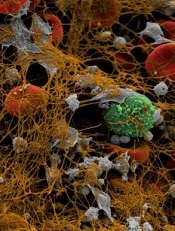
Patients newly diagnosed with cancer may have a short-term increased risk of arterial thromboembolism, according to a new study.
The research showed that, within 6 months of their diagnosis, cancer patients had a rate of arterial thromboembolism that was more than double the rate in matched control patients without cancer.
However, the risk of arterial thromboembolism varied by cancer type.
Babak B. Navi, MD, of Weill Cornell Medicine in New York, New York, and his colleagues reported these findings in the Journal of the American College of Cardiology.
The researchers used the Surveillance Epidemiology and End Results–Medicare linked database to identify patients with a new primary diagnosis of breast, lung, prostate, colorectal, bladder, pancreatic, or gastric cancer or non-Hodgkin lymphoma from 2002 to 2011.
The team matched these patients (by demographics and comorbidities) to Medicare enrollees without cancer, collecting data on 279,719 pairs of subjects. The subjects were followed through 2012.
Arterial thromboembolism
The study’s primary outcome was the cumulative incidence of arterial thromboembolism, defined as any inpatient or outpatient diagnosis of myocardial infarction or ischemic stroke.
The incidence of arterial thromboembolism at 3 months was 3.4% in cancer patients and 1.1% in controls. At 6 months, it was 4.7% and 2.2%, respectively. At 1 year, it was 6.5% and 4.2%, respectively. And at 2 years, it was 9.1% and 8.1%, respectively.
The hazard ratios (HRs) for arterial thromboembolism among cancer patients were 5.2 at 0 to 1 month, 2.1 at 1 to 3 months, 1.4 at 3 to 6 months, 1.1 at 6 to 9 months, and 1.1 at 9 to 12 months.
The risk of arterial thromboembolism varied by cancer type, with the greatest excess risk observed in lung cancer. The 6-month cumulative incidence was 8.3% in lung cancer patients and 2.4% in matched controls (P<0.001).
In patients with non-Hodgkin lymphoma, the 6-month cumulative incidence of arterial thromboembolism was 5.4%, compared to 2.2% in matched controls (P<0.001).
Myocardial infarction
The cumulative incidence of myocardial infarction at 3 months was 1.4% in cancer patients and 0.3% in controls.
At 6 months, it was 2.0% and 0.7%, respectively. At 1 year, it was 2.6% and 1.4%, respectively. And at 2 years, it was 3.7% and 2.8%, respectively.
The HRs for myocardial infarction among cancer patients were 7.3 at 0 to 1 month, 3.0 at 1 to 3 months, 1.8 at 3 to 6 months, 1.3 at 6 to 9 months, and 1.0 at 9 to 12 months.
Ischemic stroke
The cumulative incidence of ischemic stroke at 3 months was 2.1% in cancer patients and 0.8% in controls.
At 6 months, it was 3.0% and 1.6%, respectively. At 1 year, it was 4.3% and 3.1%, respectively. And at 2 years, it was 6.1% and 5.8%, respectively.
The HRs for ischemic stroke among cancer patients were 4.5 at 0 to 1 month, 1.7 at 1 to 3 months, 1.3 at 3 to 6 months, 1.0 at 6 to 9 months, and 1.1 at 9 to 12 months.
The researchers said these findings raise the question of whether patients with newly diagnosed cancer should be considered for antithrombotic and statin medicines for primary prevention of cardiovascular disease.
The team stressed that because patients with cancer are also prone to bleeding due to frequent coagulopathy and invasive procedures, carefully designed clinical trials are needed to answer these questions.
Patients newly diagnosed with cancer may have a short-term increased risk of arterial thromboembolism, according to a new study.
The research showed that, within 6 months of their diagnosis, cancer patients had a rate of arterial thromboembolism that was more than double the rate in matched control patients without cancer.
However, the risk of arterial thromboembolism varied by cancer type.
Babak B. Navi, MD, of Weill Cornell Medicine in New York, New York, and his colleagues reported these findings in the Journal of the American College of Cardiology.
The researchers used the Surveillance Epidemiology and End Results–Medicare linked database to identify patients with a new primary diagnosis of breast, lung, prostate, colorectal, bladder, pancreatic, or gastric cancer or non-Hodgkin lymphoma from 2002 to 2011.
The team matched these patients (by demographics and comorbidities) to Medicare enrollees without cancer, collecting data on 279,719 pairs of subjects. The subjects were followed through 2012.
Arterial thromboembolism
The study’s primary outcome was the cumulative incidence of arterial thromboembolism, defined as any inpatient or outpatient diagnosis of myocardial infarction or ischemic stroke.
The incidence of arterial thromboembolism at 3 months was 3.4% in cancer patients and 1.1% in controls. At 6 months, it was 4.7% and 2.2%, respectively. At 1 year, it was 6.5% and 4.2%, respectively. And at 2 years, it was 9.1% and 8.1%, respectively.
The hazard ratios (HRs) for arterial thromboembolism among cancer patients were 5.2 at 0 to 1 month, 2.1 at 1 to 3 months, 1.4 at 3 to 6 months, 1.1 at 6 to 9 months, and 1.1 at 9 to 12 months.
The risk of arterial thromboembolism varied by cancer type, with the greatest excess risk observed in lung cancer. The 6-month cumulative incidence was 8.3% in lung cancer patients and 2.4% in matched controls (P<0.001).
In patients with non-Hodgkin lymphoma, the 6-month cumulative incidence of arterial thromboembolism was 5.4%, compared to 2.2% in matched controls (P<0.001).
Myocardial infarction
The cumulative incidence of myocardial infarction at 3 months was 1.4% in cancer patients and 0.3% in controls.
At 6 months, it was 2.0% and 0.7%, respectively. At 1 year, it was 2.6% and 1.4%, respectively. And at 2 years, it was 3.7% and 2.8%, respectively.
The HRs for myocardial infarction among cancer patients were 7.3 at 0 to 1 month, 3.0 at 1 to 3 months, 1.8 at 3 to 6 months, 1.3 at 6 to 9 months, and 1.0 at 9 to 12 months.
Ischemic stroke
The cumulative incidence of ischemic stroke at 3 months was 2.1% in cancer patients and 0.8% in controls.
At 6 months, it was 3.0% and 1.6%, respectively. At 1 year, it was 4.3% and 3.1%, respectively. And at 2 years, it was 6.1% and 5.8%, respectively.
The HRs for ischemic stroke among cancer patients were 4.5 at 0 to 1 month, 1.7 at 1 to 3 months, 1.3 at 3 to 6 months, 1.0 at 6 to 9 months, and 1.1 at 9 to 12 months.
The researchers said these findings raise the question of whether patients with newly diagnosed cancer should be considered for antithrombotic and statin medicines for primary prevention of cardiovascular disease.
The team stressed that because patients with cancer are also prone to bleeding due to frequent coagulopathy and invasive procedures, carefully designed clinical trials are needed to answer these questions.
Patients newly diagnosed with cancer may have a short-term increased risk of arterial thromboembolism, according to a new study.
The research showed that, within 6 months of their diagnosis, cancer patients had a rate of arterial thromboembolism that was more than double the rate in matched control patients without cancer.
However, the risk of arterial thromboembolism varied by cancer type.
Babak B. Navi, MD, of Weill Cornell Medicine in New York, New York, and his colleagues reported these findings in the Journal of the American College of Cardiology.
The researchers used the Surveillance Epidemiology and End Results–Medicare linked database to identify patients with a new primary diagnosis of breast, lung, prostate, colorectal, bladder, pancreatic, or gastric cancer or non-Hodgkin lymphoma from 2002 to 2011.
The team matched these patients (by demographics and comorbidities) to Medicare enrollees without cancer, collecting data on 279,719 pairs of subjects. The subjects were followed through 2012.
Arterial thromboembolism
The study’s primary outcome was the cumulative incidence of arterial thromboembolism, defined as any inpatient or outpatient diagnosis of myocardial infarction or ischemic stroke.
The incidence of arterial thromboembolism at 3 months was 3.4% in cancer patients and 1.1% in controls. At 6 months, it was 4.7% and 2.2%, respectively. At 1 year, it was 6.5% and 4.2%, respectively. And at 2 years, it was 9.1% and 8.1%, respectively.
The hazard ratios (HRs) for arterial thromboembolism among cancer patients were 5.2 at 0 to 1 month, 2.1 at 1 to 3 months, 1.4 at 3 to 6 months, 1.1 at 6 to 9 months, and 1.1 at 9 to 12 months.
The risk of arterial thromboembolism varied by cancer type, with the greatest excess risk observed in lung cancer. The 6-month cumulative incidence was 8.3% in lung cancer patients and 2.4% in matched controls (P<0.001).
In patients with non-Hodgkin lymphoma, the 6-month cumulative incidence of arterial thromboembolism was 5.4%, compared to 2.2% in matched controls (P<0.001).
Myocardial infarction
The cumulative incidence of myocardial infarction at 3 months was 1.4% in cancer patients and 0.3% in controls.
At 6 months, it was 2.0% and 0.7%, respectively. At 1 year, it was 2.6% and 1.4%, respectively. And at 2 years, it was 3.7% and 2.8%, respectively.
The HRs for myocardial infarction among cancer patients were 7.3 at 0 to 1 month, 3.0 at 1 to 3 months, 1.8 at 3 to 6 months, 1.3 at 6 to 9 months, and 1.0 at 9 to 12 months.
Ischemic stroke
The cumulative incidence of ischemic stroke at 3 months was 2.1% in cancer patients and 0.8% in controls.
At 6 months, it was 3.0% and 1.6%, respectively. At 1 year, it was 4.3% and 3.1%, respectively. And at 2 years, it was 6.1% and 5.8%, respectively.
The HRs for ischemic stroke among cancer patients were 4.5 at 0 to 1 month, 1.7 at 1 to 3 months, 1.3 at 3 to 6 months, 1.0 at 6 to 9 months, and 1.1 at 9 to 12 months.
The researchers said these findings raise the question of whether patients with newly diagnosed cancer should be considered for antithrombotic and statin medicines for primary prevention of cardiovascular disease.
The team stressed that because patients with cancer are also prone to bleeding due to frequent coagulopathy and invasive procedures, carefully designed clinical trials are needed to answer these questions.
Cancer patients perceive their abilities differently than caregivers do

New research suggests older cancer patients and their caregivers often differ in their assessment of the patients’ abilities.
In this study, patients generally rated their physical and mental function higher than caregivers did.
The study also showed the differences in assessment of patients’ physical abilities were associated with greater caregiver burden.
This research was published in The Oncologist.
“Caregivers are such an important part of our healthcare system, particularly for older adults with cancer,” said study author Arti Hurria, MD, of City of Hope National Medical Center in Duarte, California.
“We wanted to further understand the factors that are associated with caregiver burden.”
One factor Dr Hurria and her colleagues thought might be important is differences in assessments of patient health and physical abilities between patients and their caregivers.
“In daily practice, we sometimes see a disconnect between what the patient perceives their general health and abilities to be in comparison to what the caregiver thinks,” Dr Hurria said. “We wanted to see whether this disconnect impacted caregiver burden.”
To do this, Dr Hurria and her colleagues questioned 100 older cancer patients and their caregivers.
Subjects were asked about the patients’ general health and physical function, meaning their ability to perform everyday activities. The researchers then compared the answers given by the patients and their respective caregivers.
The researchers also assessed the level of caregiver burden (defined as a subjective feeling of stress caused by being overwhelmed by the demands of caring) by administering a standard questionnaire on topics such as sleep disturbance, physical effort, and patient behavior.
The 100 cancer patients, ages 65 to 91, were suffering from a variety of cancers. The most common were lymphoma (n=26), breast cancer (n=19), and gastrointestinal cancers (n=15). Twelve patients had leukemia, and 10 had myeloma.
The ages of the caregivers ranged from 28 to 85, and the majority were female (73%). They were mainly either the spouse of the patient (68%) or an adult child (18%).
Results
There was no significant difference in patient and caregiver accounts of the patients’ comorbidities (P=0.68), falls in the last 6 months (P=0.71), or percent weight change in the last 6 months (P=0.21).
However, caregivers consistently rated patients as having poorer physical function and mental health and requiring more social support than the patients themselves did.
There was a significant difference (P<0.05) in caregiver and patient accounts when it came to the following measures:
- Need for help with instrumental activities of daily living
- Karnofsky Performance Status
- Medical Outcomes Study-Physical Function
- Medical Outcomes Study-Social Support Survey
- Mental Health Inventory.
Only the disparity in the assessment of physical function was significantly associated with greater caregiver burden (P<0.001). What is still unclear is the cause of this disparity.
“I think there are 2 possible explanations,” said study author Tina Hsu, MD, of the University of Ottawa in Ontario, Canada.
“One is that older adults with cancer either don’t appreciate how much help they require or, more likely, they are able preserve their sense of independence and dignity through a perception that they feel they can do more than they really can.”
“Alternatively, it is possible that caregivers who are more stressed out perceive their loved one to require more help than they actually do need. Most likely, the truth of how much help the patient actually needs lies somewhere between what patients and caregivers report.”
Based on their findings, Drs Hsu and Hurria and their colleagues advise that clinicians consider assessing caregiver burden in those caregivers who report the patient as being more dependent than the patient does themselves.
“Caregivers play an essential role in supporting older adults with cancer,” Dr Hsu said. “We plan to further explore factors associated with caregiver burden in this population, particularly in those who are frailer and thus require even more hands-on support. We also hope to explore what resources caregivers of older adults with cancer feel they need to better help them with their role.”
New research suggests older cancer patients and their caregivers often differ in their assessment of the patients’ abilities.
In this study, patients generally rated their physical and mental function higher than caregivers did.
The study also showed the differences in assessment of patients’ physical abilities were associated with greater caregiver burden.
This research was published in The Oncologist.
“Caregivers are such an important part of our healthcare system, particularly for older adults with cancer,” said study author Arti Hurria, MD, of City of Hope National Medical Center in Duarte, California.
“We wanted to further understand the factors that are associated with caregiver burden.”
One factor Dr Hurria and her colleagues thought might be important is differences in assessments of patient health and physical abilities between patients and their caregivers.
“In daily practice, we sometimes see a disconnect between what the patient perceives their general health and abilities to be in comparison to what the caregiver thinks,” Dr Hurria said. “We wanted to see whether this disconnect impacted caregiver burden.”
To do this, Dr Hurria and her colleagues questioned 100 older cancer patients and their caregivers.
Subjects were asked about the patients’ general health and physical function, meaning their ability to perform everyday activities. The researchers then compared the answers given by the patients and their respective caregivers.
The researchers also assessed the level of caregiver burden (defined as a subjective feeling of stress caused by being overwhelmed by the demands of caring) by administering a standard questionnaire on topics such as sleep disturbance, physical effort, and patient behavior.
The 100 cancer patients, ages 65 to 91, were suffering from a variety of cancers. The most common were lymphoma (n=26), breast cancer (n=19), and gastrointestinal cancers (n=15). Twelve patients had leukemia, and 10 had myeloma.
The ages of the caregivers ranged from 28 to 85, and the majority were female (73%). They were mainly either the spouse of the patient (68%) or an adult child (18%).
Results
There was no significant difference in patient and caregiver accounts of the patients’ comorbidities (P=0.68), falls in the last 6 months (P=0.71), or percent weight change in the last 6 months (P=0.21).
However, caregivers consistently rated patients as having poorer physical function and mental health and requiring more social support than the patients themselves did.
There was a significant difference (P<0.05) in caregiver and patient accounts when it came to the following measures:
- Need for help with instrumental activities of daily living
- Karnofsky Performance Status
- Medical Outcomes Study-Physical Function
- Medical Outcomes Study-Social Support Survey
- Mental Health Inventory.
Only the disparity in the assessment of physical function was significantly associated with greater caregiver burden (P<0.001). What is still unclear is the cause of this disparity.
“I think there are 2 possible explanations,” said study author Tina Hsu, MD, of the University of Ottawa in Ontario, Canada.
“One is that older adults with cancer either don’t appreciate how much help they require or, more likely, they are able preserve their sense of independence and dignity through a perception that they feel they can do more than they really can.”
“Alternatively, it is possible that caregivers who are more stressed out perceive their loved one to require more help than they actually do need. Most likely, the truth of how much help the patient actually needs lies somewhere between what patients and caregivers report.”
Based on their findings, Drs Hsu and Hurria and their colleagues advise that clinicians consider assessing caregiver burden in those caregivers who report the patient as being more dependent than the patient does themselves.
“Caregivers play an essential role in supporting older adults with cancer,” Dr Hsu said. “We plan to further explore factors associated with caregiver burden in this population, particularly in those who are frailer and thus require even more hands-on support. We also hope to explore what resources caregivers of older adults with cancer feel they need to better help them with their role.”
New research suggests older cancer patients and their caregivers often differ in their assessment of the patients’ abilities.
In this study, patients generally rated their physical and mental function higher than caregivers did.
The study also showed the differences in assessment of patients’ physical abilities were associated with greater caregiver burden.
This research was published in The Oncologist.
“Caregivers are such an important part of our healthcare system, particularly for older adults with cancer,” said study author Arti Hurria, MD, of City of Hope National Medical Center in Duarte, California.
“We wanted to further understand the factors that are associated with caregiver burden.”
One factor Dr Hurria and her colleagues thought might be important is differences in assessments of patient health and physical abilities between patients and their caregivers.
“In daily practice, we sometimes see a disconnect between what the patient perceives their general health and abilities to be in comparison to what the caregiver thinks,” Dr Hurria said. “We wanted to see whether this disconnect impacted caregiver burden.”
To do this, Dr Hurria and her colleagues questioned 100 older cancer patients and their caregivers.
Subjects were asked about the patients’ general health and physical function, meaning their ability to perform everyday activities. The researchers then compared the answers given by the patients and their respective caregivers.
The researchers also assessed the level of caregiver burden (defined as a subjective feeling of stress caused by being overwhelmed by the demands of caring) by administering a standard questionnaire on topics such as sleep disturbance, physical effort, and patient behavior.
The 100 cancer patients, ages 65 to 91, were suffering from a variety of cancers. The most common were lymphoma (n=26), breast cancer (n=19), and gastrointestinal cancers (n=15). Twelve patients had leukemia, and 10 had myeloma.
The ages of the caregivers ranged from 28 to 85, and the majority were female (73%). They were mainly either the spouse of the patient (68%) or an adult child (18%).
Results
There was no significant difference in patient and caregiver accounts of the patients’ comorbidities (P=0.68), falls in the last 6 months (P=0.71), or percent weight change in the last 6 months (P=0.21).
However, caregivers consistently rated patients as having poorer physical function and mental health and requiring more social support than the patients themselves did.
There was a significant difference (P<0.05) in caregiver and patient accounts when it came to the following measures:
- Need for help with instrumental activities of daily living
- Karnofsky Performance Status
- Medical Outcomes Study-Physical Function
- Medical Outcomes Study-Social Support Survey
- Mental Health Inventory.
Only the disparity in the assessment of physical function was significantly associated with greater caregiver burden (P<0.001). What is still unclear is the cause of this disparity.
“I think there are 2 possible explanations,” said study author Tina Hsu, MD, of the University of Ottawa in Ontario, Canada.
“One is that older adults with cancer either don’t appreciate how much help they require or, more likely, they are able preserve their sense of independence and dignity through a perception that they feel they can do more than they really can.”
“Alternatively, it is possible that caregivers who are more stressed out perceive their loved one to require more help than they actually do need. Most likely, the truth of how much help the patient actually needs lies somewhere between what patients and caregivers report.”
Based on their findings, Drs Hsu and Hurria and their colleagues advise that clinicians consider assessing caregiver burden in those caregivers who report the patient as being more dependent than the patient does themselves.
“Caregivers play an essential role in supporting older adults with cancer,” Dr Hsu said. “We plan to further explore factors associated with caregiver burden in this population, particularly in those who are frailer and thus require even more hands-on support. We also hope to explore what resources caregivers of older adults with cancer feel they need to better help them with their role.”
VSTs can treat 5 different viral infections after HSCT
New research suggests virus-specific T cells (VSTs) can protect patients from severe viral infections that sometimes occur after hematopoietic stem cell transplant (HSCT).
The VSTs proved effective against 5 different viruses—Epstein-Barr virus (EBV), adenovirus (AdV), cytomegalovirus (CMV), BK virus (BKV), and human herpesvirus 6 (HHV-6).
Ifigeneia Tzannou, MD, of Baylor College of Medicine in Houston, Texas, and her colleagues reported these findings in the Journal of Clinical Oncology.
“In this study, we continued our previous work . . . in which we showed that patients who had developed an Epstein-Barr virus infection after a transplant . . . could be helped by receiving immune cells specialized in eliminating that particular virus,” Dr Tzannou said. “Then, we and others successfully targeted other viruses—namely, adenoviruses and cytomegalovirus.”
“The novel contribution of this study is that we have targeted additional viruses, the BK virus and the HHV-6 virus, which had not been targeted this way before,” added study author Bilal Omer, MD, of Baylor College of Medicine.
“This is important because the BK virus does not have an effective treatment, and the complications are significant, including severe pain and bleeding. These patients are in the hospital for weeks, months sometimes, and, now, we have a treatment option.”
The researchers tested their VSTs in a phase 2 trial of 38 HSCT recipients with at least 1 of the aforementioned viruses.
“[To prepare the VSTs,] we take blood from healthy donors who have already been exposed to these viruses and who we have confirmed have immune cells that can fight the infections,” Dr Tzannou said.
“We isolate the cells and let them multiply in culture. The final product is a mixture of cells that, together, can target all 5 viruses. We prepared 59 sets of virus-specific cells from different donors following this procedure.”
“Our strategy is to prepare a number of sets of virus-specific cells ahead of time and store them in a freezer, ready to use when a patient needs them,” Dr Omer noted. “To match patient and donor, we use elaborate matching algorithms.”
Patients
The trial included 38 patients who had undergone HSCT to treat acute myeloid leukemia/myelodysplastic syndromes (n=20), acute lymphoblastic leukemia (n=9), lymphoma/myeloma (n=3), or nonmalignant disorders (n=6).
These 38 patients had a total of 45 infections—CMV (n=17), EBV (n=2), AdV (n=7), BKV (n=16), and HHV-6 (n=3).
Response
The researchers monitored virus levels and other clinical responses in the 37 evaluable patients.
Six weeks after the first VST infusion, the overall response rate was 91.9%.
Seventeen patients received VSTs for persistent CMV. Sixteen of these patients (94.1%) responded, 6 with complete responses (CRs) and 10 with partial responses (PRs).
Two patients received VSTs for EBV, and both achieved a virologic CR.
Seven patients received VSTs for persistent AdV. The response rate was 71.4%. Four patients achieved a CR, 1 had a PR, and 2 patients did not respond.
Three patients received VSTs to treat HHV-6 reactivations. The response rate was 67%. Two patients had a PR, and 1 was not evaluable.
Sixteen patients received VSTs for BKV-associated hemorrhagic cystitis (n= 14) or BKV-associated nephritis (n=2).
All 16 patients responded. One had a clinical and virologic CR. Six had a clinical CR but a virologic PR. Seven had a virologic and clinical PR. And 2 patients had only a virologic PR.
A total of 15 patients received a second VST infusion—1 due to lack of response, 7 who had a PR, and 7 due to recurrence. Ten of these patients responded to the second infusion—1 with a CR and 9 with a PR.
Four patients received a third infusion of VSTs. Two achieved a CR, 1 had a PR, and 1 did not respond.
Toxicity
One patient developed an isolated fever within 24 hours of VST infusion, but the researchers did not observe any other immediate toxicities.
One of the patients with BKV-associated hemorrhagic cystitis experienced transient hydronephrosis and a decrease in renal function associated with a concomitant bacterial urinary tract infection.
Nineteen patients had prior grade 2 to 4 graft-versus-host disease (GVHD)—15 with grade 2 and 4 with grade 3. All GVHD was quiescent at the time of VST infusion.
One patient developed recurrent grade 3 gastrointestinal GVHD after VST infusion and rapid corticosteroid taper. Five patients developed recurrent (n=3) or de novo (n=2) grade 1 to 2 skin GVHD, which resolved with topical treatment (n=4) and reinitiation of corticosteroid treatment (n=1).
Two patients had a flare of upper-gastrointestinal GVHD, which resolved after a brief corticosteroid course.
“We didn’t have any significant toxicities,” Dr Tzannou said. “Taken together, the results of this trial suggest that it is reasonable to consider this treatment as an early option for these patients. We hope that the results of a future multicenter, phase 3 clinical trial will help raise awareness in both physicians and patients that this treatment, which is safe and effective, is available.”
New research suggests virus-specific T cells (VSTs) can protect patients from severe viral infections that sometimes occur after hematopoietic stem cell transplant (HSCT).
The VSTs proved effective against 5 different viruses—Epstein-Barr virus (EBV), adenovirus (AdV), cytomegalovirus (CMV), BK virus (BKV), and human herpesvirus 6 (HHV-6).
Ifigeneia Tzannou, MD, of Baylor College of Medicine in Houston, Texas, and her colleagues reported these findings in the Journal of Clinical Oncology.
“In this study, we continued our previous work . . . in which we showed that patients who had developed an Epstein-Barr virus infection after a transplant . . . could be helped by receiving immune cells specialized in eliminating that particular virus,” Dr Tzannou said. “Then, we and others successfully targeted other viruses—namely, adenoviruses and cytomegalovirus.”
“The novel contribution of this study is that we have targeted additional viruses, the BK virus and the HHV-6 virus, which had not been targeted this way before,” added study author Bilal Omer, MD, of Baylor College of Medicine.
“This is important because the BK virus does not have an effective treatment, and the complications are significant, including severe pain and bleeding. These patients are in the hospital for weeks, months sometimes, and, now, we have a treatment option.”
The researchers tested their VSTs in a phase 2 trial of 38 HSCT recipients with at least 1 of the aforementioned viruses.
“[To prepare the VSTs,] we take blood from healthy donors who have already been exposed to these viruses and who we have confirmed have immune cells that can fight the infections,” Dr Tzannou said.
“We isolate the cells and let them multiply in culture. The final product is a mixture of cells that, together, can target all 5 viruses. We prepared 59 sets of virus-specific cells from different donors following this procedure.”
“Our strategy is to prepare a number of sets of virus-specific cells ahead of time and store them in a freezer, ready to use when a patient needs them,” Dr Omer noted. “To match patient and donor, we use elaborate matching algorithms.”
Patients
The trial included 38 patients who had undergone HSCT to treat acute myeloid leukemia/myelodysplastic syndromes (n=20), acute lymphoblastic leukemia (n=9), lymphoma/myeloma (n=3), or nonmalignant disorders (n=6).
These 38 patients had a total of 45 infections—CMV (n=17), EBV (n=2), AdV (n=7), BKV (n=16), and HHV-6 (n=3).
Response
The researchers monitored virus levels and other clinical responses in the 37 evaluable patients.
Six weeks after the first VST infusion, the overall response rate was 91.9%.
Seventeen patients received VSTs for persistent CMV. Sixteen of these patients (94.1%) responded, 6 with complete responses (CRs) and 10 with partial responses (PRs).
Two patients received VSTs for EBV, and both achieved a virologic CR.
Seven patients received VSTs for persistent AdV. The response rate was 71.4%. Four patients achieved a CR, 1 had a PR, and 2 patients did not respond.
Three patients received VSTs to treat HHV-6 reactivations. The response rate was 67%. Two patients had a PR, and 1 was not evaluable.
Sixteen patients received VSTs for BKV-associated hemorrhagic cystitis (n= 14) or BKV-associated nephritis (n=2).
All 16 patients responded. One had a clinical and virologic CR. Six had a clinical CR but a virologic PR. Seven had a virologic and clinical PR. And 2 patients had only a virologic PR.
A total of 15 patients received a second VST infusion—1 due to lack of response, 7 who had a PR, and 7 due to recurrence. Ten of these patients responded to the second infusion—1 with a CR and 9 with a PR.
Four patients received a third infusion of VSTs. Two achieved a CR, 1 had a PR, and 1 did not respond.
Toxicity
One patient developed an isolated fever within 24 hours of VST infusion, but the researchers did not observe any other immediate toxicities.
One of the patients with BKV-associated hemorrhagic cystitis experienced transient hydronephrosis and a decrease in renal function associated with a concomitant bacterial urinary tract infection.
Nineteen patients had prior grade 2 to 4 graft-versus-host disease (GVHD)—15 with grade 2 and 4 with grade 3. All GVHD was quiescent at the time of VST infusion.
One patient developed recurrent grade 3 gastrointestinal GVHD after VST infusion and rapid corticosteroid taper. Five patients developed recurrent (n=3) or de novo (n=2) grade 1 to 2 skin GVHD, which resolved with topical treatment (n=4) and reinitiation of corticosteroid treatment (n=1).
Two patients had a flare of upper-gastrointestinal GVHD, which resolved after a brief corticosteroid course.
“We didn’t have any significant toxicities,” Dr Tzannou said. “Taken together, the results of this trial suggest that it is reasonable to consider this treatment as an early option for these patients. We hope that the results of a future multicenter, phase 3 clinical trial will help raise awareness in both physicians and patients that this treatment, which is safe and effective, is available.”
New research suggests virus-specific T cells (VSTs) can protect patients from severe viral infections that sometimes occur after hematopoietic stem cell transplant (HSCT).
The VSTs proved effective against 5 different viruses—Epstein-Barr virus (EBV), adenovirus (AdV), cytomegalovirus (CMV), BK virus (BKV), and human herpesvirus 6 (HHV-6).
Ifigeneia Tzannou, MD, of Baylor College of Medicine in Houston, Texas, and her colleagues reported these findings in the Journal of Clinical Oncology.
“In this study, we continued our previous work . . . in which we showed that patients who had developed an Epstein-Barr virus infection after a transplant . . . could be helped by receiving immune cells specialized in eliminating that particular virus,” Dr Tzannou said. “Then, we and others successfully targeted other viruses—namely, adenoviruses and cytomegalovirus.”
“The novel contribution of this study is that we have targeted additional viruses, the BK virus and the HHV-6 virus, which had not been targeted this way before,” added study author Bilal Omer, MD, of Baylor College of Medicine.
“This is important because the BK virus does not have an effective treatment, and the complications are significant, including severe pain and bleeding. These patients are in the hospital for weeks, months sometimes, and, now, we have a treatment option.”
The researchers tested their VSTs in a phase 2 trial of 38 HSCT recipients with at least 1 of the aforementioned viruses.
“[To prepare the VSTs,] we take blood from healthy donors who have already been exposed to these viruses and who we have confirmed have immune cells that can fight the infections,” Dr Tzannou said.
“We isolate the cells and let them multiply in culture. The final product is a mixture of cells that, together, can target all 5 viruses. We prepared 59 sets of virus-specific cells from different donors following this procedure.”
“Our strategy is to prepare a number of sets of virus-specific cells ahead of time and store them in a freezer, ready to use when a patient needs them,” Dr Omer noted. “To match patient and donor, we use elaborate matching algorithms.”
Patients
The trial included 38 patients who had undergone HSCT to treat acute myeloid leukemia/myelodysplastic syndromes (n=20), acute lymphoblastic leukemia (n=9), lymphoma/myeloma (n=3), or nonmalignant disorders (n=6).
These 38 patients had a total of 45 infections—CMV (n=17), EBV (n=2), AdV (n=7), BKV (n=16), and HHV-6 (n=3).
Response
The researchers monitored virus levels and other clinical responses in the 37 evaluable patients.
Six weeks after the first VST infusion, the overall response rate was 91.9%.
Seventeen patients received VSTs for persistent CMV. Sixteen of these patients (94.1%) responded, 6 with complete responses (CRs) and 10 with partial responses (PRs).
Two patients received VSTs for EBV, and both achieved a virologic CR.
Seven patients received VSTs for persistent AdV. The response rate was 71.4%. Four patients achieved a CR, 1 had a PR, and 2 patients did not respond.
Three patients received VSTs to treat HHV-6 reactivations. The response rate was 67%. Two patients had a PR, and 1 was not evaluable.
Sixteen patients received VSTs for BKV-associated hemorrhagic cystitis (n= 14) or BKV-associated nephritis (n=2).
All 16 patients responded. One had a clinical and virologic CR. Six had a clinical CR but a virologic PR. Seven had a virologic and clinical PR. And 2 patients had only a virologic PR.
A total of 15 patients received a second VST infusion—1 due to lack of response, 7 who had a PR, and 7 due to recurrence. Ten of these patients responded to the second infusion—1 with a CR and 9 with a PR.
Four patients received a third infusion of VSTs. Two achieved a CR, 1 had a PR, and 1 did not respond.
Toxicity
One patient developed an isolated fever within 24 hours of VST infusion, but the researchers did not observe any other immediate toxicities.
One of the patients with BKV-associated hemorrhagic cystitis experienced transient hydronephrosis and a decrease in renal function associated with a concomitant bacterial urinary tract infection.
Nineteen patients had prior grade 2 to 4 graft-versus-host disease (GVHD)—15 with grade 2 and 4 with grade 3. All GVHD was quiescent at the time of VST infusion.
One patient developed recurrent grade 3 gastrointestinal GVHD after VST infusion and rapid corticosteroid taper. Five patients developed recurrent (n=3) or de novo (n=2) grade 1 to 2 skin GVHD, which resolved with topical treatment (n=4) and reinitiation of corticosteroid treatment (n=1).
Two patients had a flare of upper-gastrointestinal GVHD, which resolved after a brief corticosteroid course.
“We didn’t have any significant toxicities,” Dr Tzannou said. “Taken together, the results of this trial suggest that it is reasonable to consider this treatment as an early option for these patients. We hope that the results of a future multicenter, phase 3 clinical trial will help raise awareness in both physicians and patients that this treatment, which is safe and effective, is available.”
Researchers find higher opioid use among cancer survivors

A study of residents in Ontario, Canada, showed that opioid prescription use was more common in cancer survivors than in individuals without a history of cancer.
This was true even among survivors who were 10 or more years past their cancer diagnosis.
Rinku Sutradhar, PhD, of the University of Toronto in Ontario, Canada, and her colleagues reported these findings in Cancer.
The researchers said little is known about prescribing opioids to relieve pain in individuals who have survived cancer.
To investigate, the team looked at opioid prescribing among residents of Ontario, Canada, with and without a history of cancer.
The study included 8601 adults who were at least 5 years past a cancer diagnosis. These subjects were were matched with 8601 individuals without a prior cancer diagnosis. The subjects were matched based on sex and calendar year of birth.
The researchers looked for opioid prescriptions filled at a pharmacy during the observation period. Follow-up was stopped at any indication of cancer recurrence, second malignancy, or new cancer diagnosis.
The rate of opioid prescribing was 1.22 times higher among cancer survivors than corresponding matched controls.
Over a 36-month period, the average number of opioid prescriptions filled by cancer survivors was 7.7, compared with 6.3 for controls.
This increased rate of opioid prescribing was also seen among survivors who were 10 or more years past their cancer diagnosis.
Individuals with lower income and those who were younger, from rural neighborhoods, and with more comorbidities had significantly higher prescribing rates. Sex was not associated with prescribing rates.
“Our research findings raise concerns about the diagnosis and management of chronic pain problems among survivors stemming from their cancer diagnosis or treatment,” Dr Sutradhar said. “Physicians providing primary care to cancer survivors should consider close examination of reasons for continued opioid use to differentiate chronic pain from dependency.”
A study of residents in Ontario, Canada, showed that opioid prescription use was more common in cancer survivors than in individuals without a history of cancer.
This was true even among survivors who were 10 or more years past their cancer diagnosis.
Rinku Sutradhar, PhD, of the University of Toronto in Ontario, Canada, and her colleagues reported these findings in Cancer.
The researchers said little is known about prescribing opioids to relieve pain in individuals who have survived cancer.
To investigate, the team looked at opioid prescribing among residents of Ontario, Canada, with and without a history of cancer.
The study included 8601 adults who were at least 5 years past a cancer diagnosis. These subjects were were matched with 8601 individuals without a prior cancer diagnosis. The subjects were matched based on sex and calendar year of birth.
The researchers looked for opioid prescriptions filled at a pharmacy during the observation period. Follow-up was stopped at any indication of cancer recurrence, second malignancy, or new cancer diagnosis.
The rate of opioid prescribing was 1.22 times higher among cancer survivors than corresponding matched controls.
Over a 36-month period, the average number of opioid prescriptions filled by cancer survivors was 7.7, compared with 6.3 for controls.
This increased rate of opioid prescribing was also seen among survivors who were 10 or more years past their cancer diagnosis.
Individuals with lower income and those who were younger, from rural neighborhoods, and with more comorbidities had significantly higher prescribing rates. Sex was not associated with prescribing rates.
“Our research findings raise concerns about the diagnosis and management of chronic pain problems among survivors stemming from their cancer diagnosis or treatment,” Dr Sutradhar said. “Physicians providing primary care to cancer survivors should consider close examination of reasons for continued opioid use to differentiate chronic pain from dependency.”
A study of residents in Ontario, Canada, showed that opioid prescription use was more common in cancer survivors than in individuals without a history of cancer.
This was true even among survivors who were 10 or more years past their cancer diagnosis.
Rinku Sutradhar, PhD, of the University of Toronto in Ontario, Canada, and her colleagues reported these findings in Cancer.
The researchers said little is known about prescribing opioids to relieve pain in individuals who have survived cancer.
To investigate, the team looked at opioid prescribing among residents of Ontario, Canada, with and without a history of cancer.
The study included 8601 adults who were at least 5 years past a cancer diagnosis. These subjects were were matched with 8601 individuals without a prior cancer diagnosis. The subjects were matched based on sex and calendar year of birth.
The researchers looked for opioid prescriptions filled at a pharmacy during the observation period. Follow-up was stopped at any indication of cancer recurrence, second malignancy, or new cancer diagnosis.
The rate of opioid prescribing was 1.22 times higher among cancer survivors than corresponding matched controls.
Over a 36-month period, the average number of opioid prescriptions filled by cancer survivors was 7.7, compared with 6.3 for controls.
This increased rate of opioid prescribing was also seen among survivors who were 10 or more years past their cancer diagnosis.
Individuals with lower income and those who were younger, from rural neighborhoods, and with more comorbidities had significantly higher prescribing rates. Sex was not associated with prescribing rates.
“Our research findings raise concerns about the diagnosis and management of chronic pain problems among survivors stemming from their cancer diagnosis or treatment,” Dr Sutradhar said. “Physicians providing primary care to cancer survivors should consider close examination of reasons for continued opioid use to differentiate chronic pain from dependency.”