User login
Inhibitor shows preclinical promise in leukemia, MM

Credit: VCU
The experimental drug dinaciclib could potentially improve the treatment of multiple myeloma (MM) and myeloid leukemias, according to preclinical research published in Molecular Cancer Therapeutics.
The study showed that dinaciclib disrupts a cell survival mechanism known as the unfolded protein response (UPR).
And without the UPR, MM and myeloid leukemia cells were unable to combat damage caused by anticancer agents that induce stress in the endoplasmic reticulum (ER).
“Although dinaciclib has shown promising preclinical activity against a variety of tumor cells and is currently undergoing phase 1/2 clinical trials in several malignancies, the mechanisms responsible for its antitumor activity are not fully understood,” said study author Steven Grant, MD, of the Virginia Commonwealth University Massey Cancer Center.
“Our research highlights a potentially new mechanism of dinaciclib action and raises the possibility that this agent could be a useful addition to current multiple myeloma and myeloid leukemia therapies.”
Dinaciclib is a cyclin-dependent kinase (CDK) inhibitor. CDKs are overactive in many cancers, which results in unregulated proliferation of cancer cells.
Observations from this study suggest that 2 specific CDKs, CDK1 and CDK5, play key roles in regulating the UPR by helping to control the production and accumulation of X-box binding pretein-1 (XBP-1). The spliced form of XBP-1 (XBP-1s) helps regulate the expression of genes critical to cellular stress responses.
External stressors, including certain anticancer agents, can cause misfolded proteins to accumulate in the ER. These stressors can also cause XBP-1s to accumulate in the cell’s nucleus, which promotes the UPR and helps cells withstand the damaging effects of misfolded proteins.
This research showed that dinaciclib, by interfering with UPR activation, caused MM and myeloid leukemia cells to initiate apoptosis when exposed to thapsigargin and tunicamycin—2 agents that induce ER stress.
And single-agent dinaciclib treatment significantly decreased tumor growth in mouse models of MM, when compared to vehicle control.
“These findings build on a long history of work in our laboratory investigating mechanisms by which cancer cells respond to environmental stresses,” Dr Grant said.
“We intend to continue investigating ways in which dinaciclib and other CDK inhibitors might be used to disrupt the UPR and potentially improve the effectiveness of certain agents for the treatment of multiple myeloma or myeloid leukemia.” 
Credit: VCU
The experimental drug dinaciclib could potentially improve the treatment of multiple myeloma (MM) and myeloid leukemias, according to preclinical research published in Molecular Cancer Therapeutics.
The study showed that dinaciclib disrupts a cell survival mechanism known as the unfolded protein response (UPR).
And without the UPR, MM and myeloid leukemia cells were unable to combat damage caused by anticancer agents that induce stress in the endoplasmic reticulum (ER).
“Although dinaciclib has shown promising preclinical activity against a variety of tumor cells and is currently undergoing phase 1/2 clinical trials in several malignancies, the mechanisms responsible for its antitumor activity are not fully understood,” said study author Steven Grant, MD, of the Virginia Commonwealth University Massey Cancer Center.
“Our research highlights a potentially new mechanism of dinaciclib action and raises the possibility that this agent could be a useful addition to current multiple myeloma and myeloid leukemia therapies.”
Dinaciclib is a cyclin-dependent kinase (CDK) inhibitor. CDKs are overactive in many cancers, which results in unregulated proliferation of cancer cells.
Observations from this study suggest that 2 specific CDKs, CDK1 and CDK5, play key roles in regulating the UPR by helping to control the production and accumulation of X-box binding pretein-1 (XBP-1). The spliced form of XBP-1 (XBP-1s) helps regulate the expression of genes critical to cellular stress responses.
External stressors, including certain anticancer agents, can cause misfolded proteins to accumulate in the ER. These stressors can also cause XBP-1s to accumulate in the cell’s nucleus, which promotes the UPR and helps cells withstand the damaging effects of misfolded proteins.
This research showed that dinaciclib, by interfering with UPR activation, caused MM and myeloid leukemia cells to initiate apoptosis when exposed to thapsigargin and tunicamycin—2 agents that induce ER stress.
And single-agent dinaciclib treatment significantly decreased tumor growth in mouse models of MM, when compared to vehicle control.
“These findings build on a long history of work in our laboratory investigating mechanisms by which cancer cells respond to environmental stresses,” Dr Grant said.
“We intend to continue investigating ways in which dinaciclib and other CDK inhibitors might be used to disrupt the UPR and potentially improve the effectiveness of certain agents for the treatment of multiple myeloma or myeloid leukemia.”
Credit: VCU
The experimental drug dinaciclib could potentially improve the treatment of multiple myeloma (MM) and myeloid leukemias, according to preclinical research published in Molecular Cancer Therapeutics.
The study showed that dinaciclib disrupts a cell survival mechanism known as the unfolded protein response (UPR).
And without the UPR, MM and myeloid leukemia cells were unable to combat damage caused by anticancer agents that induce stress in the endoplasmic reticulum (ER).
“Although dinaciclib has shown promising preclinical activity against a variety of tumor cells and is currently undergoing phase 1/2 clinical trials in several malignancies, the mechanisms responsible for its antitumor activity are not fully understood,” said study author Steven Grant, MD, of the Virginia Commonwealth University Massey Cancer Center.
“Our research highlights a potentially new mechanism of dinaciclib action and raises the possibility that this agent could be a useful addition to current multiple myeloma and myeloid leukemia therapies.”
Dinaciclib is a cyclin-dependent kinase (CDK) inhibitor. CDKs are overactive in many cancers, which results in unregulated proliferation of cancer cells.
Observations from this study suggest that 2 specific CDKs, CDK1 and CDK5, play key roles in regulating the UPR by helping to control the production and accumulation of X-box binding pretein-1 (XBP-1). The spliced form of XBP-1 (XBP-1s) helps regulate the expression of genes critical to cellular stress responses.
External stressors, including certain anticancer agents, can cause misfolded proteins to accumulate in the ER. These stressors can also cause XBP-1s to accumulate in the cell’s nucleus, which promotes the UPR and helps cells withstand the damaging effects of misfolded proteins.
This research showed that dinaciclib, by interfering with UPR activation, caused MM and myeloid leukemia cells to initiate apoptosis when exposed to thapsigargin and tunicamycin—2 agents that induce ER stress.
And single-agent dinaciclib treatment significantly decreased tumor growth in mouse models of MM, when compared to vehicle control.
“These findings build on a long history of work in our laboratory investigating mechanisms by which cancer cells respond to environmental stresses,” Dr Grant said.
“We intend to continue investigating ways in which dinaciclib and other CDK inhibitors might be used to disrupt the UPR and potentially improve the effectiveness of certain agents for the treatment of multiple myeloma or myeloid leukemia.”
CAR T-cell therapy: The good and the bad

Credit: MSKCC
Several studies have shown that infusions of T cells modified with chimeric antigen receptors (CARs) can elicit complete responses in leukemia patients who have run out of treatment options.
However, the therapy also puts patients at risk of developing cytokine release syndrome (CRS).
With updated research, investigators have again shown that CAR T cells can produce complete responses in patients with relapsed or refractory B-cell acute lymphoblastic leukemia (B-ALL), thereby allowing them to receive allogeneic stem cell transplant (allo-SCT).
But the researchers have also used this group of patients to define diagnostic criteria for severe CRS. And the team has discovered that measuring C-reactive protein levels can help predict the severity of CRS.
Michel Sadelain, MD, PhD, of Memorial Sloan-Kettering Cancer Center in New York, and his colleagues described these findings in Science Translational Medicine.
Response, bridge to allo-SCT
Dr Sadelain and his colleagues previously reported results in 5 patients with relapsed/refractory B-ALL who received autologous T cells expressing a CD19-specific, CD28/CD3z CAR called 19-28z.
After receiving salvage chemotherapy and CAR T cells, all 5 patients were negative for minimal residual disease. And 4 of the patients went on to receive allo-SCT.
Now, the investigators have expanded upon these findings, reporting results in a total of 16 patients with relapsed/refractory B-ALL who received the 19-28z CAR T cells.
Forty-four percent of patients (n=7) had a complete response to the salvage chemotherapy, and 88% (n=14) had a complete response after CAR T-cell therapy (alghough some had incomplete count recovery). Sixty-three percent of patients (n=10) achieved a complete remission.
Of the 10 patients who were eligible for allo-SCT, 7 underwent the procedure, and all 7 remain free of relapse.
“These extraordinary results demonstrate that cell therapy is a powerful treatment for patients who have exhausted all conventional therapies,” Dr Sadelain said. “Our initial findings have held up in a larger cohort of patients, and we are already looking at new clinical studies to advance this novel therapeutic approach in fighting cancer.”
CRS diagnosis, stratification
In their analysis of 5 B-ALL patients, Dr Sadelain and his colleagues observed a correlation between cytokine elevation and tumor burden at the time of CAR T-cell administration. The team confirmed this correlation in the larger cohort of 16 patients and identified 7 cytokines whose elevation was correlated with pretreatment tumor burden and severe CRS.
Patients with CRS that required intensive medical intervention had a 75-fold increase over baseline levels in 2 of the 7 cytokines, which included IFN-γ, IL-5, IL-6, IL-10, Flt-3L, Fracktalkine, and GM-CSF. These patients also had at least 1 of the following: hypoxia, hypotension, and neurologic changes (such as delirium and seizure-like activity).
Taking these findings together, the researchers concluded that patients had severe CRS if they had persistent fevers (38°C) for more than 3 days, selected cytokine elevations, and additional clinical evidence of toxicity.
The investigators stressed that these patients should be closely monitored. Patients with severe CRS are more likely to need medical intervention than patients with mild CRS, which is characterized by low-grade fever and mild cytokine increases, or absent CRS, which is defined as no fevers and/or no significant cytokine elevations.
Finally, the researchers found that measuring C-reactive protein in serum samples could predict the severity of CRS. Only those patients who met the criteria for severe CRS had a C-reactive protein level of 20 mg/dL or higher.
Patients who had received high-dose steroids were excluded from this analysis, due to the inverse correlation between high-dose steroid treatment and serum C-reactive protein.
Incidentally, the investigators confirmed prior findings that the monoclonal antibody tocilizumab can ameliorate severe CRS as effectively as steroid treatment, without inhibiting the expansion of CAR T cells.
Credit: MSKCC
Several studies have shown that infusions of T cells modified with chimeric antigen receptors (CARs) can elicit complete responses in leukemia patients who have run out of treatment options.
However, the therapy also puts patients at risk of developing cytokine release syndrome (CRS).
With updated research, investigators have again shown that CAR T cells can produce complete responses in patients with relapsed or refractory B-cell acute lymphoblastic leukemia (B-ALL), thereby allowing them to receive allogeneic stem cell transplant (allo-SCT).
But the researchers have also used this group of patients to define diagnostic criteria for severe CRS. And the team has discovered that measuring C-reactive protein levels can help predict the severity of CRS.
Michel Sadelain, MD, PhD, of Memorial Sloan-Kettering Cancer Center in New York, and his colleagues described these findings in Science Translational Medicine.
Response, bridge to allo-SCT
Dr Sadelain and his colleagues previously reported results in 5 patients with relapsed/refractory B-ALL who received autologous T cells expressing a CD19-specific, CD28/CD3z CAR called 19-28z.
After receiving salvage chemotherapy and CAR T cells, all 5 patients were negative for minimal residual disease. And 4 of the patients went on to receive allo-SCT.
Now, the investigators have expanded upon these findings, reporting results in a total of 16 patients with relapsed/refractory B-ALL who received the 19-28z CAR T cells.
Forty-four percent of patients (n=7) had a complete response to the salvage chemotherapy, and 88% (n=14) had a complete response after CAR T-cell therapy (alghough some had incomplete count recovery). Sixty-three percent of patients (n=10) achieved a complete remission.
Of the 10 patients who were eligible for allo-SCT, 7 underwent the procedure, and all 7 remain free of relapse.
“These extraordinary results demonstrate that cell therapy is a powerful treatment for patients who have exhausted all conventional therapies,” Dr Sadelain said. “Our initial findings have held up in a larger cohort of patients, and we are already looking at new clinical studies to advance this novel therapeutic approach in fighting cancer.”
CRS diagnosis, stratification
In their analysis of 5 B-ALL patients, Dr Sadelain and his colleagues observed a correlation between cytokine elevation and tumor burden at the time of CAR T-cell administration. The team confirmed this correlation in the larger cohort of 16 patients and identified 7 cytokines whose elevation was correlated with pretreatment tumor burden and severe CRS.
Patients with CRS that required intensive medical intervention had a 75-fold increase over baseline levels in 2 of the 7 cytokines, which included IFN-γ, IL-5, IL-6, IL-10, Flt-3L, Fracktalkine, and GM-CSF. These patients also had at least 1 of the following: hypoxia, hypotension, and neurologic changes (such as delirium and seizure-like activity).
Taking these findings together, the researchers concluded that patients had severe CRS if they had persistent fevers (38°C) for more than 3 days, selected cytokine elevations, and additional clinical evidence of toxicity.
The investigators stressed that these patients should be closely monitored. Patients with severe CRS are more likely to need medical intervention than patients with mild CRS, which is characterized by low-grade fever and mild cytokine increases, or absent CRS, which is defined as no fevers and/or no significant cytokine elevations.
Finally, the researchers found that measuring C-reactive protein in serum samples could predict the severity of CRS. Only those patients who met the criteria for severe CRS had a C-reactive protein level of 20 mg/dL or higher.
Patients who had received high-dose steroids were excluded from this analysis, due to the inverse correlation between high-dose steroid treatment and serum C-reactive protein.
Incidentally, the investigators confirmed prior findings that the monoclonal antibody tocilizumab can ameliorate severe CRS as effectively as steroid treatment, without inhibiting the expansion of CAR T cells.
Credit: MSKCC
Several studies have shown that infusions of T cells modified with chimeric antigen receptors (CARs) can elicit complete responses in leukemia patients who have run out of treatment options.
However, the therapy also puts patients at risk of developing cytokine release syndrome (CRS).
With updated research, investigators have again shown that CAR T cells can produce complete responses in patients with relapsed or refractory B-cell acute lymphoblastic leukemia (B-ALL), thereby allowing them to receive allogeneic stem cell transplant (allo-SCT).
But the researchers have also used this group of patients to define diagnostic criteria for severe CRS. And the team has discovered that measuring C-reactive protein levels can help predict the severity of CRS.
Michel Sadelain, MD, PhD, of Memorial Sloan-Kettering Cancer Center in New York, and his colleagues described these findings in Science Translational Medicine.
Response, bridge to allo-SCT
Dr Sadelain and his colleagues previously reported results in 5 patients with relapsed/refractory B-ALL who received autologous T cells expressing a CD19-specific, CD28/CD3z CAR called 19-28z.
After receiving salvage chemotherapy and CAR T cells, all 5 patients were negative for minimal residual disease. And 4 of the patients went on to receive allo-SCT.
Now, the investigators have expanded upon these findings, reporting results in a total of 16 patients with relapsed/refractory B-ALL who received the 19-28z CAR T cells.
Forty-four percent of patients (n=7) had a complete response to the salvage chemotherapy, and 88% (n=14) had a complete response after CAR T-cell therapy (alghough some had incomplete count recovery). Sixty-three percent of patients (n=10) achieved a complete remission.
Of the 10 patients who were eligible for allo-SCT, 7 underwent the procedure, and all 7 remain free of relapse.
“These extraordinary results demonstrate that cell therapy is a powerful treatment for patients who have exhausted all conventional therapies,” Dr Sadelain said. “Our initial findings have held up in a larger cohort of patients, and we are already looking at new clinical studies to advance this novel therapeutic approach in fighting cancer.”
CRS diagnosis, stratification
In their analysis of 5 B-ALL patients, Dr Sadelain and his colleagues observed a correlation between cytokine elevation and tumor burden at the time of CAR T-cell administration. The team confirmed this correlation in the larger cohort of 16 patients and identified 7 cytokines whose elevation was correlated with pretreatment tumor burden and severe CRS.
Patients with CRS that required intensive medical intervention had a 75-fold increase over baseline levels in 2 of the 7 cytokines, which included IFN-γ, IL-5, IL-6, IL-10, Flt-3L, Fracktalkine, and GM-CSF. These patients also had at least 1 of the following: hypoxia, hypotension, and neurologic changes (such as delirium and seizure-like activity).
Taking these findings together, the researchers concluded that patients had severe CRS if they had persistent fevers (38°C) for more than 3 days, selected cytokine elevations, and additional clinical evidence of toxicity.
The investigators stressed that these patients should be closely monitored. Patients with severe CRS are more likely to need medical intervention than patients with mild CRS, which is characterized by low-grade fever and mild cytokine increases, or absent CRS, which is defined as no fevers and/or no significant cytokine elevations.
Finally, the researchers found that measuring C-reactive protein in serum samples could predict the severity of CRS. Only those patients who met the criteria for severe CRS had a C-reactive protein level of 20 mg/dL or higher.
Patients who had received high-dose steroids were excluded from this analysis, due to the inverse correlation between high-dose steroid treatment and serum C-reactive protein.
Incidentally, the investigators confirmed prior findings that the monoclonal antibody tocilizumab can ameliorate severe CRS as effectively as steroid treatment, without inhibiting the expansion of CAR T cells.
Protein may be target for AML treatment

Credit: Rhoda Baer
The protein WTAP could play an important role in the development of acute myeloid leukemia (AML), according to new research.
Investigators discovered that AML cells have higher-than-normal levels of WTAP.
But silencing WTAP expression in leukemic cells can suppress proliferation and induce differentiation.
And, in mouse models of AML, knocking down WTAP can reduce tumor growth.
The researchers recounted these findings in a letter to Leukemia.
The team first uncovered high levels of WTAP in AML cells compared to normal peripheral blood mononuclear cells. And they found evidence to suggest that this contributes to abnormal cell behavior.
WTAP levels were not associated with individual cytogenetic abnormalities, but FLT3-ITD and NPM1 mutations were significantly correlated with WTAP expression. And WTAP levels were positively correlated with levels of proliferation-related proteins, anti-apoptotic proteins, oncoproteins, and proteins important for stem cell function.
To gain more insight into the importance of WTAP, the investigators silenced its expression in K562 cells, HL-60 cells, OCI-AML3 cells, and primary AML cells.
“Knocking down this protein, WTAP, greatly suppressed proliferation and induced differentiation,” said study author Hima Bansal, PhD, of The University of Texas Health Science Center at San Antonio.
WTAP knockdown alone did not induce apoptosis, but it did enhance the apoptosis that occurred after the administration of etoposide.
The researchers also examined the role of WTAP in AML using mouse models. They found that tumors derived from WTAP-knockdown cells were significantly smaller and grew significantly slower than tumors derived from cells that expressed WTAP.
Finally, the investigators set out to determine why WTAP is overexpressed in AML. They noted that the Wilms’ tumor 1 (WT1) gene has an oncogenic role in leukemogenesis, and WTAP partners with WT1 to function as a switch gene, regulating the balance between cell quiescence and proliferation.
So the researchers decided to investigate Hsp90, a molecular chaperone that helps stabilize many oncoproteins, including WT1. And they found a direct interaction between Hsp90 and WTAP.
The Hsp90 inhibitor ganetespib promoted the degradation of WTAP in K562, MV4-11, and Kasumi-1 cell lines, as well as in leukemic blasts. In mice, ganetespib inhibited tumor growth.
And experiments suggested that ganetespib-mediated WTAP degradation is dependent on the ubiquitin-proteasome pathway. But the investigators said further research is needed to clarify WTAP’s mechanism of action.
Nevertheless, they believe the results of this research indicate that WTAP could be a promising therapeutic target for AML.
Credit: Rhoda Baer
The protein WTAP could play an important role in the development of acute myeloid leukemia (AML), according to new research.
Investigators discovered that AML cells have higher-than-normal levels of WTAP.
But silencing WTAP expression in leukemic cells can suppress proliferation and induce differentiation.
And, in mouse models of AML, knocking down WTAP can reduce tumor growth.
The researchers recounted these findings in a letter to Leukemia.
The team first uncovered high levels of WTAP in AML cells compared to normal peripheral blood mononuclear cells. And they found evidence to suggest that this contributes to abnormal cell behavior.
WTAP levels were not associated with individual cytogenetic abnormalities, but FLT3-ITD and NPM1 mutations were significantly correlated with WTAP expression. And WTAP levels were positively correlated with levels of proliferation-related proteins, anti-apoptotic proteins, oncoproteins, and proteins important for stem cell function.
To gain more insight into the importance of WTAP, the investigators silenced its expression in K562 cells, HL-60 cells, OCI-AML3 cells, and primary AML cells.
“Knocking down this protein, WTAP, greatly suppressed proliferation and induced differentiation,” said study author Hima Bansal, PhD, of The University of Texas Health Science Center at San Antonio.
WTAP knockdown alone did not induce apoptosis, but it did enhance the apoptosis that occurred after the administration of etoposide.
The researchers also examined the role of WTAP in AML using mouse models. They found that tumors derived from WTAP-knockdown cells were significantly smaller and grew significantly slower than tumors derived from cells that expressed WTAP.
Finally, the investigators set out to determine why WTAP is overexpressed in AML. They noted that the Wilms’ tumor 1 (WT1) gene has an oncogenic role in leukemogenesis, and WTAP partners with WT1 to function as a switch gene, regulating the balance between cell quiescence and proliferation.
So the researchers decided to investigate Hsp90, a molecular chaperone that helps stabilize many oncoproteins, including WT1. And they found a direct interaction between Hsp90 and WTAP.
The Hsp90 inhibitor ganetespib promoted the degradation of WTAP in K562, MV4-11, and Kasumi-1 cell lines, as well as in leukemic blasts. In mice, ganetespib inhibited tumor growth.
And experiments suggested that ganetespib-mediated WTAP degradation is dependent on the ubiquitin-proteasome pathway. But the investigators said further research is needed to clarify WTAP’s mechanism of action.
Nevertheless, they believe the results of this research indicate that WTAP could be a promising therapeutic target for AML.
Credit: Rhoda Baer
The protein WTAP could play an important role in the development of acute myeloid leukemia (AML), according to new research.
Investigators discovered that AML cells have higher-than-normal levels of WTAP.
But silencing WTAP expression in leukemic cells can suppress proliferation and induce differentiation.
And, in mouse models of AML, knocking down WTAP can reduce tumor growth.
The researchers recounted these findings in a letter to Leukemia.
The team first uncovered high levels of WTAP in AML cells compared to normal peripheral blood mononuclear cells. And they found evidence to suggest that this contributes to abnormal cell behavior.
WTAP levels were not associated with individual cytogenetic abnormalities, but FLT3-ITD and NPM1 mutations were significantly correlated with WTAP expression. And WTAP levels were positively correlated with levels of proliferation-related proteins, anti-apoptotic proteins, oncoproteins, and proteins important for stem cell function.
To gain more insight into the importance of WTAP, the investigators silenced its expression in K562 cells, HL-60 cells, OCI-AML3 cells, and primary AML cells.
“Knocking down this protein, WTAP, greatly suppressed proliferation and induced differentiation,” said study author Hima Bansal, PhD, of The University of Texas Health Science Center at San Antonio.
WTAP knockdown alone did not induce apoptosis, but it did enhance the apoptosis that occurred after the administration of etoposide.
The researchers also examined the role of WTAP in AML using mouse models. They found that tumors derived from WTAP-knockdown cells were significantly smaller and grew significantly slower than tumors derived from cells that expressed WTAP.
Finally, the investigators set out to determine why WTAP is overexpressed in AML. They noted that the Wilms’ tumor 1 (WT1) gene has an oncogenic role in leukemogenesis, and WTAP partners with WT1 to function as a switch gene, regulating the balance between cell quiescence and proliferation.
So the researchers decided to investigate Hsp90, a molecular chaperone that helps stabilize many oncoproteins, including WT1. And they found a direct interaction between Hsp90 and WTAP.
The Hsp90 inhibitor ganetespib promoted the degradation of WTAP in K562, MV4-11, and Kasumi-1 cell lines, as well as in leukemic blasts. In mice, ganetespib inhibited tumor growth.
And experiments suggested that ganetespib-mediated WTAP degradation is dependent on the ubiquitin-proteasome pathway. But the investigators said further research is needed to clarify WTAP’s mechanism of action.
Nevertheless, they believe the results of this research indicate that WTAP could be a promising therapeutic target for AML.
Omacetaxine mepesuccinate gets full FDA approval

Credit: Bill Branson
The US Food and Drug Administration (FDA) has granted full approval of omacetaxine mepesuccinate (Synribo) for the treatment of chronic myeloid leukemia (CML).
The drug received accelerated approval in October 2012 to treat adults with chronic phase (CP) or accelerated phase (AP) CML who were resistant to or could not tolerate 2 or more tyrosine kinase inhibitors (TKIs).
But additional clinical trial data were required before the FDA could grant the drug full approval.
Now, the agency has granted that approval based on the final analysis of two phase 2 trials.
The original approval of omacetaxine mepesuccinate was based on an analysis of combined data subsets from these trials. The pooled analysis included patients who had received 2 or more approved TKIs and, at a minimum, had evidence of resistance or intolerance to dasatinib and/or nilotinib.
Forty-seven percent of patients with CP CML and 63% of patients with AP CML had failed treatment with 3 TKIs—imatinib, dasatinib, and nilotinib. The majority of patients had also received other treatments, including hydroxyurea, interferon, and cytarabine.
Among CP patients, 18% (14/76) achieved a major cytogenetic response (MCyR). The mean time to MCyR onset was 3.5 months, and the median duration of MCyR was 12.5 months.
Among AP Patients, 14% (5/35) achieved a major hematologic response (MaHR). The mean time to MaHR onset was 2.3 months, and the median duration of MaHR was 4.7 months.
The most common adverse events for AP and CP patients (occurring in 20% or more) were thrombocytopenia, anemia, neutropenia, diarrhea, nausea, fatigue, asthenia, injection site reaction, pyrexia, infection, and lymphopenia.
Omacetaxine mepesuccinate is the first protein synthesis inhibitor for CML. Although the drug’s mechanism of action is not fully understood, it is known to prevent the production of Bcr-Abl and Mcl-1, which help drive CML.
For more details on omacetaxine mepesuccinate, see the full prescribing information.
Credit: Bill Branson
The US Food and Drug Administration (FDA) has granted full approval of omacetaxine mepesuccinate (Synribo) for the treatment of chronic myeloid leukemia (CML).
The drug received accelerated approval in October 2012 to treat adults with chronic phase (CP) or accelerated phase (AP) CML who were resistant to or could not tolerate 2 or more tyrosine kinase inhibitors (TKIs).
But additional clinical trial data were required before the FDA could grant the drug full approval.
Now, the agency has granted that approval based on the final analysis of two phase 2 trials.
The original approval of omacetaxine mepesuccinate was based on an analysis of combined data subsets from these trials. The pooled analysis included patients who had received 2 or more approved TKIs and, at a minimum, had evidence of resistance or intolerance to dasatinib and/or nilotinib.
Forty-seven percent of patients with CP CML and 63% of patients with AP CML had failed treatment with 3 TKIs—imatinib, dasatinib, and nilotinib. The majority of patients had also received other treatments, including hydroxyurea, interferon, and cytarabine.
Among CP patients, 18% (14/76) achieved a major cytogenetic response (MCyR). The mean time to MCyR onset was 3.5 months, and the median duration of MCyR was 12.5 months.
Among AP Patients, 14% (5/35) achieved a major hematologic response (MaHR). The mean time to MaHR onset was 2.3 months, and the median duration of MaHR was 4.7 months.
The most common adverse events for AP and CP patients (occurring in 20% or more) were thrombocytopenia, anemia, neutropenia, diarrhea, nausea, fatigue, asthenia, injection site reaction, pyrexia, infection, and lymphopenia.
Omacetaxine mepesuccinate is the first protein synthesis inhibitor for CML. Although the drug’s mechanism of action is not fully understood, it is known to prevent the production of Bcr-Abl and Mcl-1, which help drive CML.
For more details on omacetaxine mepesuccinate, see the full prescribing information.
Credit: Bill Branson
The US Food and Drug Administration (FDA) has granted full approval of omacetaxine mepesuccinate (Synribo) for the treatment of chronic myeloid leukemia (CML).
The drug received accelerated approval in October 2012 to treat adults with chronic phase (CP) or accelerated phase (AP) CML who were resistant to or could not tolerate 2 or more tyrosine kinase inhibitors (TKIs).
But additional clinical trial data were required before the FDA could grant the drug full approval.
Now, the agency has granted that approval based on the final analysis of two phase 2 trials.
The original approval of omacetaxine mepesuccinate was based on an analysis of combined data subsets from these trials. The pooled analysis included patients who had received 2 or more approved TKIs and, at a minimum, had evidence of resistance or intolerance to dasatinib and/or nilotinib.
Forty-seven percent of patients with CP CML and 63% of patients with AP CML had failed treatment with 3 TKIs—imatinib, dasatinib, and nilotinib. The majority of patients had also received other treatments, including hydroxyurea, interferon, and cytarabine.
Among CP patients, 18% (14/76) achieved a major cytogenetic response (MCyR). The mean time to MCyR onset was 3.5 months, and the median duration of MCyR was 12.5 months.
Among AP Patients, 14% (5/35) achieved a major hematologic response (MaHR). The mean time to MaHR onset was 2.3 months, and the median duration of MaHR was 4.7 months.
The most common adverse events for AP and CP patients (occurring in 20% or more) were thrombocytopenia, anemia, neutropenia, diarrhea, nausea, fatigue, asthenia, injection site reaction, pyrexia, infection, and lymphopenia.
Omacetaxine mepesuccinate is the first protein synthesis inhibitor for CML. Although the drug’s mechanism of action is not fully understood, it is known to prevent the production of Bcr-Abl and Mcl-1, which help drive CML.
For more details on omacetaxine mepesuccinate, see the full prescribing information.
Making K-Ras cancers druggable
Credit: PNAS
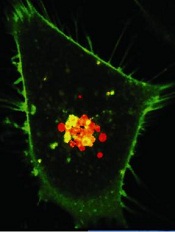
New findings suggest drugs can effectively fight K-Ras-mutant cancers—if they have a little help.
Experiments in human cancer cells showed that K-Ras-mutant tumor growth was highly dependent on the cells’ constant need to check and mend their DNA.
However, inhibiting the activity of H-Ras and N-Ras prevented the DNA damage response. And this made the cells more vulnerable to treatment.
“Our finding suggests that K-Ras cancers can be made more susceptible to existing therapies by interfering with their DNA repair mechanisms,” said Dafna Bar-Sagi, PhD, of the New York University School of Medicine.
“What some researchers have described as therapeutic ‘mission impossible’ may now become a ‘mission doable.’”
Dr Bar-Sagi and her colleagues reported this discovery in Cancer Cell.
The group’s research began with experiments to determine how Ras signaling leads to the uncontrolled growth of cancer cells. The team found that downregulation of wild-type H-Ras and N-Ras in mutant K-Ras cells caused the buildup of damaged DNA and slowed cell growth.
In the absence of H-Ras and N-Ras, K-Ras-mutant cancer cells failed to repair their DNA at the G2 phase of cell division. And this defect was caused by failure to properly activate Chk1.
With this in mind, the researchers decided to test the effects of H-Ras or N-Ras knockdown on treatment with DNA-damaging agents.
Knockdown of H-Ras or N-Ras sensitized K-Ras-mutant cancer cells to SN38 and oxaliplatin in vitro. But the same effect did not occur when H-Ras or N-Ras was knocked down in K-Ras-wild-type cancer cells.
K-Ras-mutant cancer cells were also sensitive to treatment with the Chk1/Chk2 inhibitor AZD7726 when H-Ras or N-Ras was knocked down in vitro.
To further support these findings, the researchers conducted experiments in mice with K-Ras-mutant tumors. Mice with H-Ras knockdown experienced tumor growth similar to controls.
But when the mice with H-Ras-suppressed tumors received the chemotherapy drug irinotecan, they experienced tumor regression that lasted up to 18 days post-treatment. On the other hand, mice without H-Ras suppression experienced modest tumor growth after treatment with irinotecan.
“Discovering more about how these different forms of Ras act on one another—including how they control DNA damage repair at Chk1 in combination with chemotherapy—could help us design drugs that greatly stall disease progression,” said study author Elda Grabocka, PhD, also of the New York University School of Medicine.
The researchers are now planning additional experiments on the biological interdependency of Ras proteins and what other chemotherapies might be involved in slowing cancer growth. Their goal is to map the Ras signaling pathways and identify as many therapeutic targets as possible.
Credit: PNAS
New findings suggest drugs can effectively fight K-Ras-mutant cancers—if they have a little help.
Experiments in human cancer cells showed that K-Ras-mutant tumor growth was highly dependent on the cells’ constant need to check and mend their DNA.
However, inhibiting the activity of H-Ras and N-Ras prevented the DNA damage response. And this made the cells more vulnerable to treatment.
“Our finding suggests that K-Ras cancers can be made more susceptible to existing therapies by interfering with their DNA repair mechanisms,” said Dafna Bar-Sagi, PhD, of the New York University School of Medicine.
“What some researchers have described as therapeutic ‘mission impossible’ may now become a ‘mission doable.’”
Dr Bar-Sagi and her colleagues reported this discovery in Cancer Cell.
The group’s research began with experiments to determine how Ras signaling leads to the uncontrolled growth of cancer cells. The team found that downregulation of wild-type H-Ras and N-Ras in mutant K-Ras cells caused the buildup of damaged DNA and slowed cell growth.
In the absence of H-Ras and N-Ras, K-Ras-mutant cancer cells failed to repair their DNA at the G2 phase of cell division. And this defect was caused by failure to properly activate Chk1.
With this in mind, the researchers decided to test the effects of H-Ras or N-Ras knockdown on treatment with DNA-damaging agents.
Knockdown of H-Ras or N-Ras sensitized K-Ras-mutant cancer cells to SN38 and oxaliplatin in vitro. But the same effect did not occur when H-Ras or N-Ras was knocked down in K-Ras-wild-type cancer cells.
K-Ras-mutant cancer cells were also sensitive to treatment with the Chk1/Chk2 inhibitor AZD7726 when H-Ras or N-Ras was knocked down in vitro.
To further support these findings, the researchers conducted experiments in mice with K-Ras-mutant tumors. Mice with H-Ras knockdown experienced tumor growth similar to controls.
But when the mice with H-Ras-suppressed tumors received the chemotherapy drug irinotecan, they experienced tumor regression that lasted up to 18 days post-treatment. On the other hand, mice without H-Ras suppression experienced modest tumor growth after treatment with irinotecan.
“Discovering more about how these different forms of Ras act on one another—including how they control DNA damage repair at Chk1 in combination with chemotherapy—could help us design drugs that greatly stall disease progression,” said study author Elda Grabocka, PhD, also of the New York University School of Medicine.
The researchers are now planning additional experiments on the biological interdependency of Ras proteins and what other chemotherapies might be involved in slowing cancer growth. Their goal is to map the Ras signaling pathways and identify as many therapeutic targets as possible.
Credit: PNAS
New findings suggest drugs can effectively fight K-Ras-mutant cancers—if they have a little help.
Experiments in human cancer cells showed that K-Ras-mutant tumor growth was highly dependent on the cells’ constant need to check and mend their DNA.
However, inhibiting the activity of H-Ras and N-Ras prevented the DNA damage response. And this made the cells more vulnerable to treatment.
“Our finding suggests that K-Ras cancers can be made more susceptible to existing therapies by interfering with their DNA repair mechanisms,” said Dafna Bar-Sagi, PhD, of the New York University School of Medicine.
“What some researchers have described as therapeutic ‘mission impossible’ may now become a ‘mission doable.’”
Dr Bar-Sagi and her colleagues reported this discovery in Cancer Cell.
The group’s research began with experiments to determine how Ras signaling leads to the uncontrolled growth of cancer cells. The team found that downregulation of wild-type H-Ras and N-Ras in mutant K-Ras cells caused the buildup of damaged DNA and slowed cell growth.
In the absence of H-Ras and N-Ras, K-Ras-mutant cancer cells failed to repair their DNA at the G2 phase of cell division. And this defect was caused by failure to properly activate Chk1.
With this in mind, the researchers decided to test the effects of H-Ras or N-Ras knockdown on treatment with DNA-damaging agents.
Knockdown of H-Ras or N-Ras sensitized K-Ras-mutant cancer cells to SN38 and oxaliplatin in vitro. But the same effect did not occur when H-Ras or N-Ras was knocked down in K-Ras-wild-type cancer cells.
K-Ras-mutant cancer cells were also sensitive to treatment with the Chk1/Chk2 inhibitor AZD7726 when H-Ras or N-Ras was knocked down in vitro.
To further support these findings, the researchers conducted experiments in mice with K-Ras-mutant tumors. Mice with H-Ras knockdown experienced tumor growth similar to controls.
But when the mice with H-Ras-suppressed tumors received the chemotherapy drug irinotecan, they experienced tumor regression that lasted up to 18 days post-treatment. On the other hand, mice without H-Ras suppression experienced modest tumor growth after treatment with irinotecan.
“Discovering more about how these different forms of Ras act on one another—including how they control DNA damage repair at Chk1 in combination with chemotherapy—could help us design drugs that greatly stall disease progression,” said study author Elda Grabocka, PhD, also of the New York University School of Medicine.
The researchers are now planning additional experiments on the biological interdependency of Ras proteins and what other chemotherapies might be involved in slowing cancer growth. Their goal is to map the Ras signaling pathways and identify as many therapeutic targets as possible.
Research clarifies role of Ikaros in B-ALL
Credit: Aaron Logan
Two papers published in Nature Immunology have shed new light on the role of Ikaros in B-cell acute lymphoblastic leukemia (B-ALL).
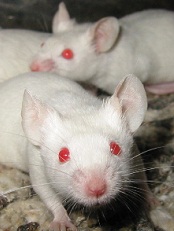
In one paper, researchers describe experiments in mice that show a defect in Ikaros function can disrupt lymphopoiesis and prevent the development of mature B cells.
The cells stay in an aberrant state, which closely resembles that of cells in human B-ALL.
The other paper provides insight into how pre-B cells transition from a proliferative phase to a differentiation phase.
Investigators found that this process, which is vulnerable to leukemic transformation, is dependent upon Ikaros.
Ikaros defect in mice mimics human B-ALL
In the first sudy, researchers showed that loss of Ikaros function in mice creates an environment that mimics human B-ALL.
“We already know several transcription factors that play a central role in B-cell differentiation,” said study author Meinrad Busslinger, PhD, of the Research Institute of Molecular Pathology in Vienna, Austria.
“Pax5, for example, represents a critical factor which activates the B-cell-specific program in precursor cells and simultaneously suppresses alternative cell fates. For Ikaros, we did not know, until now, what this factor is doing during early B-cell development.”
To find out, he and his colleagues analyzed mice that lacked Ikaros from an early stage of B-cell development on. They found that Ikaros deficiency arrested B-cell development due to a defect in pre-BCR signaling.
The cells remained in an aberrant, pro-B-cell stage and were prevented from further differentiation. They also showed increased cell adhesion and reduced migration compared to normal cells.
The researchers noted that loss of Ikaros function has previously been associated with the development of B-ALL. As in mice with a mutated Ikaros gene, B cells from B-ALL patients are arrested at an early checkpoint of B-cell development.
Loss of Ikaros in pre-B cells
With the second study, investigators provided new insight into pre-B-cell differentiation. They described the cells’ transition from a stroma-adherent proliferative phase to a nonadherent differentiation phase.
The stroma-adherent pre-B cells were highly proliferative and had limited self-renewing potential. But when they transitioned to the nonadherent phase, they exited the cell cycle, lost their capacity for self-renewal, and acquired the expression of genes encoding molecules that support B-cell maturation.
And this transition was dependent upon Ikaros.
“Loss of function in the transcription factor Ikaros appears to create a differentiation block that drives the pre-B cells into an adhesive state, promotes self-renewal, and primes them for malignant potential,” said study author Richard Van Etten, MD, PhD, of the University of California, Irvine.
Furthermore, the survival and proliferation of the Ikaros-deficient pre-B cells appeared to be dependent on cooperation between signaling via integrins and signaling via receptors for growth factors.
The researchers said this discovery points to a new avenue for treating B-ALLs resulting from Ikaros mutations.
Credit: Aaron Logan
Two papers published in Nature Immunology have shed new light on the role of Ikaros in B-cell acute lymphoblastic leukemia (B-ALL).
In one paper, researchers describe experiments in mice that show a defect in Ikaros function can disrupt lymphopoiesis and prevent the development of mature B cells.
The cells stay in an aberrant state, which closely resembles that of cells in human B-ALL.
The other paper provides insight into how pre-B cells transition from a proliferative phase to a differentiation phase.
Investigators found that this process, which is vulnerable to leukemic transformation, is dependent upon Ikaros.
Ikaros defect in mice mimics human B-ALL
In the first sudy, researchers showed that loss of Ikaros function in mice creates an environment that mimics human B-ALL.
“We already know several transcription factors that play a central role in B-cell differentiation,” said study author Meinrad Busslinger, PhD, of the Research Institute of Molecular Pathology in Vienna, Austria.
“Pax5, for example, represents a critical factor which activates the B-cell-specific program in precursor cells and simultaneously suppresses alternative cell fates. For Ikaros, we did not know, until now, what this factor is doing during early B-cell development.”
To find out, he and his colleagues analyzed mice that lacked Ikaros from an early stage of B-cell development on. They found that Ikaros deficiency arrested B-cell development due to a defect in pre-BCR signaling.
The cells remained in an aberrant, pro-B-cell stage and were prevented from further differentiation. They also showed increased cell adhesion and reduced migration compared to normal cells.
The researchers noted that loss of Ikaros function has previously been associated with the development of B-ALL. As in mice with a mutated Ikaros gene, B cells from B-ALL patients are arrested at an early checkpoint of B-cell development.
Loss of Ikaros in pre-B cells
With the second study, investigators provided new insight into pre-B-cell differentiation. They described the cells’ transition from a stroma-adherent proliferative phase to a nonadherent differentiation phase.
The stroma-adherent pre-B cells were highly proliferative and had limited self-renewing potential. But when they transitioned to the nonadherent phase, they exited the cell cycle, lost their capacity for self-renewal, and acquired the expression of genes encoding molecules that support B-cell maturation.
And this transition was dependent upon Ikaros.
“Loss of function in the transcription factor Ikaros appears to create a differentiation block that drives the pre-B cells into an adhesive state, promotes self-renewal, and primes them for malignant potential,” said study author Richard Van Etten, MD, PhD, of the University of California, Irvine.
Furthermore, the survival and proliferation of the Ikaros-deficient pre-B cells appeared to be dependent on cooperation between signaling via integrins and signaling via receptors for growth factors.
The researchers said this discovery points to a new avenue for treating B-ALLs resulting from Ikaros mutations.
Credit: Aaron Logan
Two papers published in Nature Immunology have shed new light on the role of Ikaros in B-cell acute lymphoblastic leukemia (B-ALL).
In one paper, researchers describe experiments in mice that show a defect in Ikaros function can disrupt lymphopoiesis and prevent the development of mature B cells.
The cells stay in an aberrant state, which closely resembles that of cells in human B-ALL.
The other paper provides insight into how pre-B cells transition from a proliferative phase to a differentiation phase.
Investigators found that this process, which is vulnerable to leukemic transformation, is dependent upon Ikaros.
Ikaros defect in mice mimics human B-ALL
In the first sudy, researchers showed that loss of Ikaros function in mice creates an environment that mimics human B-ALL.
“We already know several transcription factors that play a central role in B-cell differentiation,” said study author Meinrad Busslinger, PhD, of the Research Institute of Molecular Pathology in Vienna, Austria.
“Pax5, for example, represents a critical factor which activates the B-cell-specific program in precursor cells and simultaneously suppresses alternative cell fates. For Ikaros, we did not know, until now, what this factor is doing during early B-cell development.”
To find out, he and his colleagues analyzed mice that lacked Ikaros from an early stage of B-cell development on. They found that Ikaros deficiency arrested B-cell development due to a defect in pre-BCR signaling.
The cells remained in an aberrant, pro-B-cell stage and were prevented from further differentiation. They also showed increased cell adhesion and reduced migration compared to normal cells.
The researchers noted that loss of Ikaros function has previously been associated with the development of B-ALL. As in mice with a mutated Ikaros gene, B cells from B-ALL patients are arrested at an early checkpoint of B-cell development.
Loss of Ikaros in pre-B cells
With the second study, investigators provided new insight into pre-B-cell differentiation. They described the cells’ transition from a stroma-adherent proliferative phase to a nonadherent differentiation phase.
The stroma-adherent pre-B cells were highly proliferative and had limited self-renewing potential. But when they transitioned to the nonadherent phase, they exited the cell cycle, lost their capacity for self-renewal, and acquired the expression of genes encoding molecules that support B-cell maturation.
And this transition was dependent upon Ikaros.
“Loss of function in the transcription factor Ikaros appears to create a differentiation block that drives the pre-B cells into an adhesive state, promotes self-renewal, and primes them for malignant potential,” said study author Richard Van Etten, MD, PhD, of the University of California, Irvine.
Furthermore, the survival and proliferation of the Ikaros-deficient pre-B cells appeared to be dependent on cooperation between signaling via integrins and signaling via receptors for growth factors.
The researchers said this discovery points to a new avenue for treating B-ALLs resulting from Ikaros mutations.
FDA approves ibrutinib for previously treated CLL

Credit: Rhoda Baer
The US Food and Drug Administration (FDA) has expanded the indication for the Bruton’s tyrosine kinase inhibitor ibrutinib (Imbruvica).
Last November, the drug gained accelerated approval as a “breakthrough therapy” for patients with mantle cell lymphoma who had received at least 1 prior therapy.
Now, ibrutinib has been granted accelerated approval to treat patients with chronic lymphocytic leukemia (CLL) who have received at least 1 prior therapy.
The accelerated approval process allows the FDA to approve a drug based on a surrogate or intermediate endpoint that is reasonably likely to predict clinical benefit. Both approvals of ibrutinib are based on observed benefits in overall response rates.
Ibrutinib also received priority review and orphan-product designation for CLL.
Trial results
The accelerated approval of ibrutinib is based on results of a phase 1b/2 study, which included 48 patients with relapsed or refractory CLL. The patients had been diagnosed an average of 6.7 years prior to study enrollment and had received 4 prior therapies.
All patients received 420 mg of ibrutinib orally until disease progression or the development of unacceptable toxicity.
The overall response rate was 58.3%, and all of these were partial responses. The median duration of response was not reached (range, 5.6 months to more than 24.2 months).
Study investigators have not established whether ibrutinib confers improvements in survival or disease-related symptoms.
The median treatment duration was 15.6 months. Ten percent of patients (n=5) discontinued treatment due to adverse events. Three of these patients developed infections, and 2 had subdural hematomas. Thirteen percent of patients experienced adverse events that led to dose reductions.
The most commonly occurring adverse events (all grades and grade 3/4, respectively) included thrombocytopenia (71%, 10%), diarrhea (63%, 4%), bruising (54%, 2%), neutropenia (54%, 27%), anemia (44%, 0%), upper respiratory tract infection (48%, 26%), fatigue (31%, 4%), musculoskeletal pain (27%, 6%), rash (27%, 0%), pyrexia (25%, 2%), constipation (23%, 2%), peripheral edema (23%, 0%), arthralgia (23%, 0%), nausea (21%, 2%), stomatitis (21%, 0%), sinusitis (21%, 6%), and dizziness (21%, 0%).
Ibrutinib is being developed and commercialized by Pharmacyclics and Janssen Biotech, Inc. For full prescribing information, visit http://www.imbruvica.com/downloads/Prescribing_Information.pdf.
Credit: Rhoda Baer
The US Food and Drug Administration (FDA) has expanded the indication for the Bruton’s tyrosine kinase inhibitor ibrutinib (Imbruvica).
Last November, the drug gained accelerated approval as a “breakthrough therapy” for patients with mantle cell lymphoma who had received at least 1 prior therapy.
Now, ibrutinib has been granted accelerated approval to treat patients with chronic lymphocytic leukemia (CLL) who have received at least 1 prior therapy.
The accelerated approval process allows the FDA to approve a drug based on a surrogate or intermediate endpoint that is reasonably likely to predict clinical benefit. Both approvals of ibrutinib are based on observed benefits in overall response rates.
Ibrutinib also received priority review and orphan-product designation for CLL.
Trial results
The accelerated approval of ibrutinib is based on results of a phase 1b/2 study, which included 48 patients with relapsed or refractory CLL. The patients had been diagnosed an average of 6.7 years prior to study enrollment and had received 4 prior therapies.
All patients received 420 mg of ibrutinib orally until disease progression or the development of unacceptable toxicity.
The overall response rate was 58.3%, and all of these were partial responses. The median duration of response was not reached (range, 5.6 months to more than 24.2 months).
Study investigators have not established whether ibrutinib confers improvements in survival or disease-related symptoms.
The median treatment duration was 15.6 months. Ten percent of patients (n=5) discontinued treatment due to adverse events. Three of these patients developed infections, and 2 had subdural hematomas. Thirteen percent of patients experienced adverse events that led to dose reductions.
The most commonly occurring adverse events (all grades and grade 3/4, respectively) included thrombocytopenia (71%, 10%), diarrhea (63%, 4%), bruising (54%, 2%), neutropenia (54%, 27%), anemia (44%, 0%), upper respiratory tract infection (48%, 26%), fatigue (31%, 4%), musculoskeletal pain (27%, 6%), rash (27%, 0%), pyrexia (25%, 2%), constipation (23%, 2%), peripheral edema (23%, 0%), arthralgia (23%, 0%), nausea (21%, 2%), stomatitis (21%, 0%), sinusitis (21%, 6%), and dizziness (21%, 0%).
Ibrutinib is being developed and commercialized by Pharmacyclics and Janssen Biotech, Inc. For full prescribing information, visit http://www.imbruvica.com/downloads/Prescribing_Information.pdf.
Credit: Rhoda Baer
The US Food and Drug Administration (FDA) has expanded the indication for the Bruton’s tyrosine kinase inhibitor ibrutinib (Imbruvica).
Last November, the drug gained accelerated approval as a “breakthrough therapy” for patients with mantle cell lymphoma who had received at least 1 prior therapy.
Now, ibrutinib has been granted accelerated approval to treat patients with chronic lymphocytic leukemia (CLL) who have received at least 1 prior therapy.
The accelerated approval process allows the FDA to approve a drug based on a surrogate or intermediate endpoint that is reasonably likely to predict clinical benefit. Both approvals of ibrutinib are based on observed benefits in overall response rates.
Ibrutinib also received priority review and orphan-product designation for CLL.
Trial results
The accelerated approval of ibrutinib is based on results of a phase 1b/2 study, which included 48 patients with relapsed or refractory CLL. The patients had been diagnosed an average of 6.7 years prior to study enrollment and had received 4 prior therapies.
All patients received 420 mg of ibrutinib orally until disease progression or the development of unacceptable toxicity.
The overall response rate was 58.3%, and all of these were partial responses. The median duration of response was not reached (range, 5.6 months to more than 24.2 months).
Study investigators have not established whether ibrutinib confers improvements in survival or disease-related symptoms.
The median treatment duration was 15.6 months. Ten percent of patients (n=5) discontinued treatment due to adverse events. Three of these patients developed infections, and 2 had subdural hematomas. Thirteen percent of patients experienced adverse events that led to dose reductions.
The most commonly occurring adverse events (all grades and grade 3/4, respectively) included thrombocytopenia (71%, 10%), diarrhea (63%, 4%), bruising (54%, 2%), neutropenia (54%, 27%), anemia (44%, 0%), upper respiratory tract infection (48%, 26%), fatigue (31%, 4%), musculoskeletal pain (27%, 6%), rash (27%, 0%), pyrexia (25%, 2%), constipation (23%, 2%), peripheral edema (23%, 0%), arthralgia (23%, 0%), nausea (21%, 2%), stomatitis (21%, 0%), sinusitis (21%, 6%), and dizziness (21%, 0%).
Ibrutinib is being developed and commercialized by Pharmacyclics and Janssen Biotech, Inc. For full prescribing information, visit http://www.imbruvica.com/downloads/Prescribing_Information.pdf.
New insight into megakaryocytic leukemias

Researchers have linked a mutation causing Down syndrome-associated leukemias to developmental abnormalities in megakaryocytes.
Experiments showed that the leukemia-associated GATA1 mutant, GATA1s, interferes with the enzyme calpain 2, which acts as an initial trigger for a chain of reactions that determines the size and shape of megakaryocytes.
This interference hinders the normal process of cellular enlargement and platelet production.
“It’s like there’s a long pipeline and there’s a clog,” explained study author Adam N. Goldfarb, MD, of the University of Virginia School of Medicine in Charlottesville.
“We think it’s this pipeline that’s getting clogged in this disease and other diseases.”
Dr Goldfarb and his colleagues explained this discovery in Developmental Cell.
The researchers found that leukemia cells with the GATA1s mutation display a critical deficiency of calpain 2. And the enzyme’s absence leaves them stuck in an early stage of development, contributing to the development of Down syndrome-associated leukemias.
That could be the case in other forms of leukemia as well, Dr Goldfarb noted.
“These leukemias in Down syndrome aren’t that common,” he said, “but this finding has implications for other leukemias in that it lets us understand basic growth and development patterns.”
The team discovered that restoring calpain 2 expression in affected cells fixed the problem and allowed normal megakaryocyte development to resume.
As such, the researchers speculate that calpain deficiency could be a key defect in Down syndrome-associated leukemias, which provides a potential target for therapeutic development.
The findings might also help us find a way to mimic the natural process that allows a subset of Down syndrome-associated leukemias to disappear spontaneously.
Researchers have linked a mutation causing Down syndrome-associated leukemias to developmental abnormalities in megakaryocytes.
Experiments showed that the leukemia-associated GATA1 mutant, GATA1s, interferes with the enzyme calpain 2, which acts as an initial trigger for a chain of reactions that determines the size and shape of megakaryocytes.
This interference hinders the normal process of cellular enlargement and platelet production.
“It’s like there’s a long pipeline and there’s a clog,” explained study author Adam N. Goldfarb, MD, of the University of Virginia School of Medicine in Charlottesville.
“We think it’s this pipeline that’s getting clogged in this disease and other diseases.”
Dr Goldfarb and his colleagues explained this discovery in Developmental Cell.
The researchers found that leukemia cells with the GATA1s mutation display a critical deficiency of calpain 2. And the enzyme’s absence leaves them stuck in an early stage of development, contributing to the development of Down syndrome-associated leukemias.
That could be the case in other forms of leukemia as well, Dr Goldfarb noted.
“These leukemias in Down syndrome aren’t that common,” he said, “but this finding has implications for other leukemias in that it lets us understand basic growth and development patterns.”
The team discovered that restoring calpain 2 expression in affected cells fixed the problem and allowed normal megakaryocyte development to resume.
As such, the researchers speculate that calpain deficiency could be a key defect in Down syndrome-associated leukemias, which provides a potential target for therapeutic development.
The findings might also help us find a way to mimic the natural process that allows a subset of Down syndrome-associated leukemias to disappear spontaneously.
Researchers have linked a mutation causing Down syndrome-associated leukemias to developmental abnormalities in megakaryocytes.
Experiments showed that the leukemia-associated GATA1 mutant, GATA1s, interferes with the enzyme calpain 2, which acts as an initial trigger for a chain of reactions that determines the size and shape of megakaryocytes.
This interference hinders the normal process of cellular enlargement and platelet production.
“It’s like there’s a long pipeline and there’s a clog,” explained study author Adam N. Goldfarb, MD, of the University of Virginia School of Medicine in Charlottesville.
“We think it’s this pipeline that’s getting clogged in this disease and other diseases.”
Dr Goldfarb and his colleagues explained this discovery in Developmental Cell.
The researchers found that leukemia cells with the GATA1s mutation display a critical deficiency of calpain 2. And the enzyme’s absence leaves them stuck in an early stage of development, contributing to the development of Down syndrome-associated leukemias.
That could be the case in other forms of leukemia as well, Dr Goldfarb noted.
“These leukemias in Down syndrome aren’t that common,” he said, “but this finding has implications for other leukemias in that it lets us understand basic growth and development patterns.”
The team discovered that restoring calpain 2 expression in affected cells fixed the problem and allowed normal megakaryocyte development to resume.
As such, the researchers speculate that calpain deficiency could be a key defect in Down syndrome-associated leukemias, which provides a potential target for therapeutic development.
The findings might also help us find a way to mimic the natural process that allows a subset of Down syndrome-associated leukemias to disappear spontaneously.
Mutant HSCs appear to drive AML
A new study has shown that hematopoietic stem cells (HSCs) can acquire mutations in DNMT3A, and this may be the first step in initiating acute myeloid leukemia (AML).
These HSCs also appear to be a means of treatment resistance and may trigger relapse in patients with AML, investigators reported in Nature.
“Our discovery lays the groundwork to detect and target the pre-leukemic stem cell and thereby potentially stop the disease at a very early stage, when it may be more amenable to treatment,” said study author John Dick, PhD, of the University of Toronto in Ontario, Canada.
“Now, we have a potential tool for earlier diagnosis that may allow early intervention before the development of full AML. We can also monitor remission and initiate therapy to target the pre-leukemic stem cell to prevent relapse.”
Dr Dick and his colleagues analyzed 71 samples from AML patients and discovered that 17 of them (24%) carried mutations in DNMT3A. Fifteen of those samples (88%) also had mutated NPM1.
Both mutations were present in patients’ blasts. But 12 patients (70.5%) had T cells that contained DNMT3A mutations but no NPM1 mutations. FLT3-ITD mutations were also present in blasts but not T cells in 2 patients.
These results suggest DNMT3A mutations arise earlier than NPM1 and FLT3-ITD mutations, the researchers said.
To determine the origin of mutated DNMT3A, they analyzed hematopoietic stem and progenitor cell populations from 11 patients with DNMT3A and NPM1 mutations.
While both types of mutations were present in CD33+ blasts, mutant DNMT3A was present without mutant NPM1 across the spectrum of mature and progenitor cell populations.
Experiments in mice revealed that DNMT3A-mutant HSCs had a multilineage repopulation advantage over non-mutant HSCs. This, the investigators said, establishes the mutant cells as pre-leukemic HSCs.
The team also found the pre-leukemic HSCs in samples taken from AML patients in remission, which showed that the cells survived chemotherapy.
The researchers therefore concluded that DNMT3A mutations arise early in AML evolution and lead to a clonally expanded pool of pre-leukemic HSCs from which AML develops.
“By peering into the ‘black box’ of how cancer develops during the months and years prior to when it is first diagnosed, we have demonstrated a unique finding,” Dr Dick said. “People tend to think relapse after remission means chemotherapy didn’t kill all the cancer cells.”
“Our study suggests that, in some cases, the chemotherapy does, in fact, eradicate AML. What it does not touch are the pre-leukemic stem cells that can trigger another round of AML development and, ultimately, disease relapse.”
Dr Dick believes this finding could spawn accelerated drug development to specifically target DNMT3A. The discovery should also provide impetus for researchers to look for pre-cancerous cells in AML patients with other mutations.
A new study has shown that hematopoietic stem cells (HSCs) can acquire mutations in DNMT3A, and this may be the first step in initiating acute myeloid leukemia (AML).
These HSCs also appear to be a means of treatment resistance and may trigger relapse in patients with AML, investigators reported in Nature.
“Our discovery lays the groundwork to detect and target the pre-leukemic stem cell and thereby potentially stop the disease at a very early stage, when it may be more amenable to treatment,” said study author John Dick, PhD, of the University of Toronto in Ontario, Canada.
“Now, we have a potential tool for earlier diagnosis that may allow early intervention before the development of full AML. We can also monitor remission and initiate therapy to target the pre-leukemic stem cell to prevent relapse.”
Dr Dick and his colleagues analyzed 71 samples from AML patients and discovered that 17 of them (24%) carried mutations in DNMT3A. Fifteen of those samples (88%) also had mutated NPM1.
Both mutations were present in patients’ blasts. But 12 patients (70.5%) had T cells that contained DNMT3A mutations but no NPM1 mutations. FLT3-ITD mutations were also present in blasts but not T cells in 2 patients.
These results suggest DNMT3A mutations arise earlier than NPM1 and FLT3-ITD mutations, the researchers said.
To determine the origin of mutated DNMT3A, they analyzed hematopoietic stem and progenitor cell populations from 11 patients with DNMT3A and NPM1 mutations.
While both types of mutations were present in CD33+ blasts, mutant DNMT3A was present without mutant NPM1 across the spectrum of mature and progenitor cell populations.
Experiments in mice revealed that DNMT3A-mutant HSCs had a multilineage repopulation advantage over non-mutant HSCs. This, the investigators said, establishes the mutant cells as pre-leukemic HSCs.
The team also found the pre-leukemic HSCs in samples taken from AML patients in remission, which showed that the cells survived chemotherapy.
The researchers therefore concluded that DNMT3A mutations arise early in AML evolution and lead to a clonally expanded pool of pre-leukemic HSCs from which AML develops.
“By peering into the ‘black box’ of how cancer develops during the months and years prior to when it is first diagnosed, we have demonstrated a unique finding,” Dr Dick said. “People tend to think relapse after remission means chemotherapy didn’t kill all the cancer cells.”
“Our study suggests that, in some cases, the chemotherapy does, in fact, eradicate AML. What it does not touch are the pre-leukemic stem cells that can trigger another round of AML development and, ultimately, disease relapse.”
Dr Dick believes this finding could spawn accelerated drug development to specifically target DNMT3A. The discovery should also provide impetus for researchers to look for pre-cancerous cells in AML patients with other mutations.
A new study has shown that hematopoietic stem cells (HSCs) can acquire mutations in DNMT3A, and this may be the first step in initiating acute myeloid leukemia (AML).
These HSCs also appear to be a means of treatment resistance and may trigger relapse in patients with AML, investigators reported in Nature.
“Our discovery lays the groundwork to detect and target the pre-leukemic stem cell and thereby potentially stop the disease at a very early stage, when it may be more amenable to treatment,” said study author John Dick, PhD, of the University of Toronto in Ontario, Canada.
“Now, we have a potential tool for earlier diagnosis that may allow early intervention before the development of full AML. We can also monitor remission and initiate therapy to target the pre-leukemic stem cell to prevent relapse.”
Dr Dick and his colleagues analyzed 71 samples from AML patients and discovered that 17 of them (24%) carried mutations in DNMT3A. Fifteen of those samples (88%) also had mutated NPM1.
Both mutations were present in patients’ blasts. But 12 patients (70.5%) had T cells that contained DNMT3A mutations but no NPM1 mutations. FLT3-ITD mutations were also present in blasts but not T cells in 2 patients.
These results suggest DNMT3A mutations arise earlier than NPM1 and FLT3-ITD mutations, the researchers said.
To determine the origin of mutated DNMT3A, they analyzed hematopoietic stem and progenitor cell populations from 11 patients with DNMT3A and NPM1 mutations.
While both types of mutations were present in CD33+ blasts, mutant DNMT3A was present without mutant NPM1 across the spectrum of mature and progenitor cell populations.
Experiments in mice revealed that DNMT3A-mutant HSCs had a multilineage repopulation advantage over non-mutant HSCs. This, the investigators said, establishes the mutant cells as pre-leukemic HSCs.
The team also found the pre-leukemic HSCs in samples taken from AML patients in remission, which showed that the cells survived chemotherapy.
The researchers therefore concluded that DNMT3A mutations arise early in AML evolution and lead to a clonally expanded pool of pre-leukemic HSCs from which AML develops.
“By peering into the ‘black box’ of how cancer develops during the months and years prior to when it is first diagnosed, we have demonstrated a unique finding,” Dr Dick said. “People tend to think relapse after remission means chemotherapy didn’t kill all the cancer cells.”
“Our study suggests that, in some cases, the chemotherapy does, in fact, eradicate AML. What it does not touch are the pre-leukemic stem cells that can trigger another round of AML development and, ultimately, disease relapse.”
Dr Dick believes this finding could spawn accelerated drug development to specifically target DNMT3A. The discovery should also provide impetus for researchers to look for pre-cancerous cells in AML patients with other mutations.
FDA expands ibrutinib approval to include chronic lymphocytic leukemia
The Food and Drug Administration approved the use of ibrutinib (Imbruvica) for patients with chronic lymphocytic leukemia who have undergone at least one prior therapy, the agency announced Feb. 12.
The FDA’s expanded approval is based on a study of 48 CLL patients who had received previous therapy, the agency said in a statement. On average, participants were diagnosed 6.7 years before the study, and had received four therapies prior to ibrutinib. Patients received a 420-mg oral dose of the drug daily until either treatment reached unacceptable toxicity, or the disease progressed. The overall response rate was almost 58%, with duration of response ranging from 5.6 months to 24.2 months. An improvement in overall survival has not yet been demonstrated.

The drug was approved for CLL patients under the FDA’s accelerated approval process, which allows the agency to approve a medication "based on a surrogate or intermediate endpoint that is reasonably likely to predict clinical benefit," the FDA said.
In November 2013, the FDA approved ibrutinib under its accelerated process to treat patients with mantle cell lymphoma who had received previous therapy.
Drugs receiving accelerated approval are usually bound by an agreement with the company to conduct further confirmatory trials to demonstrate clinical benefit, the FDA said. Because of ibrutinib’s demonstrated potential to treat CLL, a rare disease, the drug received priority review and orphan-product designation.
The FDA reported a number of common side effects in the study, including thrombocytopenia, diarrhea, bruising, neutropenia, anemia, upper respiratory tract infection, fatigue, musculoskeletal pain, rash, fever, constipation, peripheral edema, joint pain, nausea, mouth sores, sinus infection and dizziness.
Ibrutinib is manufactured by Pharmacyclics in Sunnyvale, Calif.
The Food and Drug Administration approved the use of ibrutinib (Imbruvica) for patients with chronic lymphocytic leukemia who have undergone at least one prior therapy, the agency announced Feb. 12.
The FDA’s expanded approval is based on a study of 48 CLL patients who had received previous therapy, the agency said in a statement. On average, participants were diagnosed 6.7 years before the study, and had received four therapies prior to ibrutinib. Patients received a 420-mg oral dose of the drug daily until either treatment reached unacceptable toxicity, or the disease progressed. The overall response rate was almost 58%, with duration of response ranging from 5.6 months to 24.2 months. An improvement in overall survival has not yet been demonstrated.
The drug was approved for CLL patients under the FDA’s accelerated approval process, which allows the agency to approve a medication "based on a surrogate or intermediate endpoint that is reasonably likely to predict clinical benefit," the FDA said.
In November 2013, the FDA approved ibrutinib under its accelerated process to treat patients with mantle cell lymphoma who had received previous therapy.
Drugs receiving accelerated approval are usually bound by an agreement with the company to conduct further confirmatory trials to demonstrate clinical benefit, the FDA said. Because of ibrutinib’s demonstrated potential to treat CLL, a rare disease, the drug received priority review and orphan-product designation.
The FDA reported a number of common side effects in the study, including thrombocytopenia, diarrhea, bruising, neutropenia, anemia, upper respiratory tract infection, fatigue, musculoskeletal pain, rash, fever, constipation, peripheral edema, joint pain, nausea, mouth sores, sinus infection and dizziness.
Ibrutinib is manufactured by Pharmacyclics in Sunnyvale, Calif.
The Food and Drug Administration approved the use of ibrutinib (Imbruvica) for patients with chronic lymphocytic leukemia who have undergone at least one prior therapy, the agency announced Feb. 12.
The FDA’s expanded approval is based on a study of 48 CLL patients who had received previous therapy, the agency said in a statement. On average, participants were diagnosed 6.7 years before the study, and had received four therapies prior to ibrutinib. Patients received a 420-mg oral dose of the drug daily until either treatment reached unacceptable toxicity, or the disease progressed. The overall response rate was almost 58%, with duration of response ranging from 5.6 months to 24.2 months. An improvement in overall survival has not yet been demonstrated.
The drug was approved for CLL patients under the FDA’s accelerated approval process, which allows the agency to approve a medication "based on a surrogate or intermediate endpoint that is reasonably likely to predict clinical benefit," the FDA said.
In November 2013, the FDA approved ibrutinib under its accelerated process to treat patients with mantle cell lymphoma who had received previous therapy.
Drugs receiving accelerated approval are usually bound by an agreement with the company to conduct further confirmatory trials to demonstrate clinical benefit, the FDA said. Because of ibrutinib’s demonstrated potential to treat CLL, a rare disease, the drug received priority review and orphan-product designation.
The FDA reported a number of common side effects in the study, including thrombocytopenia, diarrhea, bruising, neutropenia, anemia, upper respiratory tract infection, fatigue, musculoskeletal pain, rash, fever, constipation, peripheral edema, joint pain, nausea, mouth sores, sinus infection and dizziness.
Ibrutinib is manufactured by Pharmacyclics in Sunnyvale, Calif.