User login
Model bests IPSS-R for predicting survival, risk for AML in myelodysplastic syndrome
SAN DIEGO – A newly developed personalized model that “harnesses the power of artificial intelligence” to predict overall survival and transformation to acute myeloid leukemia (AML) in patients with myelodysplastic syndromes outperforms both the original and revised International Prognostic Scoring Systems (IPSS, IPSS-R), according to Aziz Nazha, MD.
The machine learning model, which was built using clinical and genomic data derived from myelodysplastic syndrome (MDS) patients diagnosed according to 2008 World Health Organization criteria, incorporates information beyond that included in the IPSS and IPSS-R, and provides patient-specific survival probabilities at different time points, Dr. Nazha of Cleveland Clinic reported during a press briefing at the annual meeting of the American Society of Hematology.
The model was developed in a combined training cohort of 1,471 patients from the Cleveland Clinic and Munich Leukemia Laboratory and was validated in a separate cohort of 831 patients from the Moffitt Cancer Center in Tampa, Fla.
The concordance index – a measure for comparing the accuracy of the various models – was 0.80 for overall survival (OS), and 0.78 for AML transformation vs. 0.66 and 0.73, respectively, for IPSS, and 0.67 and 0.73, respectively, for IPSS-R, Dr. Nazha said. The new “geno-clinical” model also outperformed mutations-only analysis, mutations plus cytogenetics analysis, and mutations plus cytogenetics plus age analyses for both OS and AML transformation.
Adding mutational variant allelic frequency did not significantly improve prediction accuracy, he noted.
Dr. Nazha and his colleagues are developing a web application tool that can be used to run the trained model to calculate patient-specific, time-specific OS and AML transformation probabilities. He discussed the new model and its implications for personalized prognosis and treatment in this video interview.
Improved risk assessment helps patients understand their disease and “establish expectations about their journey with their disease,” and it is also extremely important for treating physicians, he said.
“All of our consensus guidelines and treatment recommendations are based on risk,” he explained, noting that the approach varies greatly for higher- and lower-risk patients.
This model represents a potential new focus on “personalized prediction” in addition to the increasing focus on personalized treatment and takes into account the heterogeneous outcomes seen in patients with MDS, he said.
Dr. Nazha reported consultancy for Karyopharma and Tolero, and data-monitoring committee membership for MEI.
SOURCE: Nazha A et al. ASH 2018, Abstract 793.
SAN DIEGO – A newly developed personalized model that “harnesses the power of artificial intelligence” to predict overall survival and transformation to acute myeloid leukemia (AML) in patients with myelodysplastic syndromes outperforms both the original and revised International Prognostic Scoring Systems (IPSS, IPSS-R), according to Aziz Nazha, MD.
The machine learning model, which was built using clinical and genomic data derived from myelodysplastic syndrome (MDS) patients diagnosed according to 2008 World Health Organization criteria, incorporates information beyond that included in the IPSS and IPSS-R, and provides patient-specific survival probabilities at different time points, Dr. Nazha of Cleveland Clinic reported during a press briefing at the annual meeting of the American Society of Hematology.
The model was developed in a combined training cohort of 1,471 patients from the Cleveland Clinic and Munich Leukemia Laboratory and was validated in a separate cohort of 831 patients from the Moffitt Cancer Center in Tampa, Fla.
The concordance index – a measure for comparing the accuracy of the various models – was 0.80 for overall survival (OS), and 0.78 for AML transformation vs. 0.66 and 0.73, respectively, for IPSS, and 0.67 and 0.73, respectively, for IPSS-R, Dr. Nazha said. The new “geno-clinical” model also outperformed mutations-only analysis, mutations plus cytogenetics analysis, and mutations plus cytogenetics plus age analyses for both OS and AML transformation.
Adding mutational variant allelic frequency did not significantly improve prediction accuracy, he noted.
Dr. Nazha and his colleagues are developing a web application tool that can be used to run the trained model to calculate patient-specific, time-specific OS and AML transformation probabilities. He discussed the new model and its implications for personalized prognosis and treatment in this video interview.
Improved risk assessment helps patients understand their disease and “establish expectations about their journey with their disease,” and it is also extremely important for treating physicians, he said.
“All of our consensus guidelines and treatment recommendations are based on risk,” he explained, noting that the approach varies greatly for higher- and lower-risk patients.
This model represents a potential new focus on “personalized prediction” in addition to the increasing focus on personalized treatment and takes into account the heterogeneous outcomes seen in patients with MDS, he said.
Dr. Nazha reported consultancy for Karyopharma and Tolero, and data-monitoring committee membership for MEI.
SOURCE: Nazha A et al. ASH 2018, Abstract 793.
SAN DIEGO – A newly developed personalized model that “harnesses the power of artificial intelligence” to predict overall survival and transformation to acute myeloid leukemia (AML) in patients with myelodysplastic syndromes outperforms both the original and revised International Prognostic Scoring Systems (IPSS, IPSS-R), according to Aziz Nazha, MD.
The machine learning model, which was built using clinical and genomic data derived from myelodysplastic syndrome (MDS) patients diagnosed according to 2008 World Health Organization criteria, incorporates information beyond that included in the IPSS and IPSS-R, and provides patient-specific survival probabilities at different time points, Dr. Nazha of Cleveland Clinic reported during a press briefing at the annual meeting of the American Society of Hematology.
The model was developed in a combined training cohort of 1,471 patients from the Cleveland Clinic and Munich Leukemia Laboratory and was validated in a separate cohort of 831 patients from the Moffitt Cancer Center in Tampa, Fla.
The concordance index – a measure for comparing the accuracy of the various models – was 0.80 for overall survival (OS), and 0.78 for AML transformation vs. 0.66 and 0.73, respectively, for IPSS, and 0.67 and 0.73, respectively, for IPSS-R, Dr. Nazha said. The new “geno-clinical” model also outperformed mutations-only analysis, mutations plus cytogenetics analysis, and mutations plus cytogenetics plus age analyses for both OS and AML transformation.
Adding mutational variant allelic frequency did not significantly improve prediction accuracy, he noted.
Dr. Nazha and his colleagues are developing a web application tool that can be used to run the trained model to calculate patient-specific, time-specific OS and AML transformation probabilities. He discussed the new model and its implications for personalized prognosis and treatment in this video interview.
Improved risk assessment helps patients understand their disease and “establish expectations about their journey with their disease,” and it is also extremely important for treating physicians, he said.
“All of our consensus guidelines and treatment recommendations are based on risk,” he explained, noting that the approach varies greatly for higher- and lower-risk patients.
This model represents a potential new focus on “personalized prediction” in addition to the increasing focus on personalized treatment and takes into account the heterogeneous outcomes seen in patients with MDS, he said.
Dr. Nazha reported consultancy for Karyopharma and Tolero, and data-monitoring committee membership for MEI.
SOURCE: Nazha A et al. ASH 2018, Abstract 793.
REPORTING FROM ASH 2018
Gut bacteria influence HCT outcomes
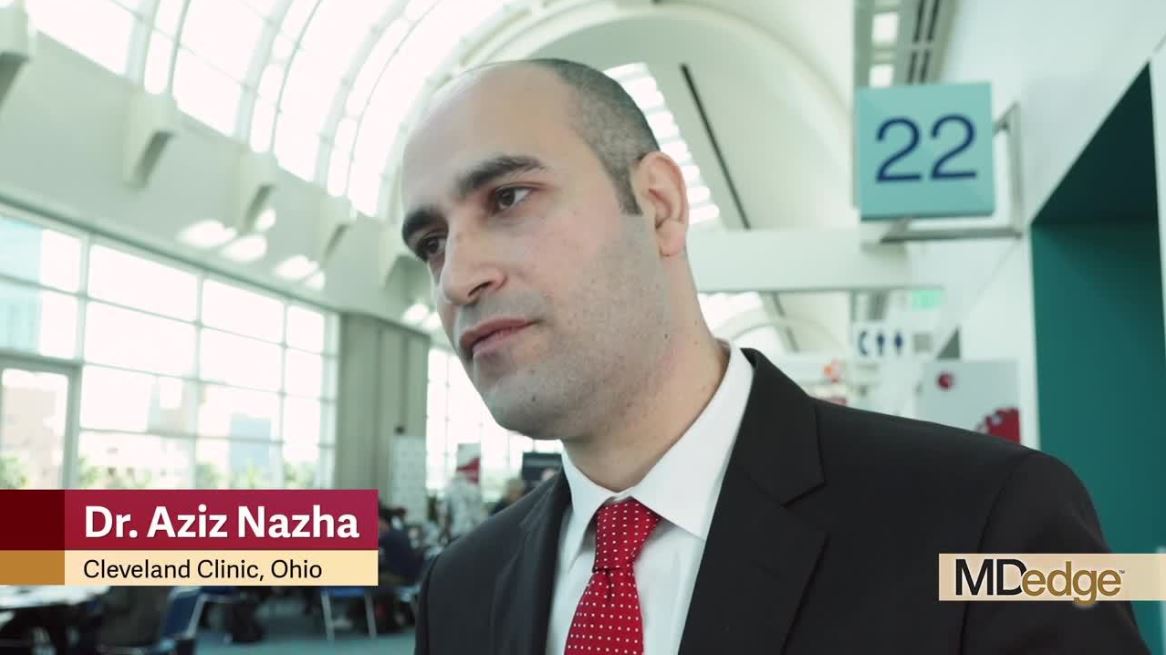
A multinational study of intestinal microbiota in the United States, Europe, and Japan showed that in all four geographic regions patients scheduled for HCT had about a 100% lower median diversity of intestinal bacteria, compared with healthy volunteers, and that enterococcal species predominated in the transplant candidates, reported Jonathan U. Peled, MD, PhD, from the bone marrow transplantation service at Memorial Sloan Kettering Cancer Center in New York.
The investigators also found that intestinal microbial diversity was significantly associated with overall survival following an HCT.
In a video interview at the annual meeting of the American Society of Hematology, Dr. Peled elaborated on the study findings and described potential pre- and posttransplant interventions that could improve results and increase survival following HCT.
Dr. Peled reported current or prior relationships with Seres Therapeutics, the Parker Institute for Cancer Immunotherapy, and Merck/Society for Immunotherapy of Cancer.
A multinational study of intestinal microbiota in the United States, Europe, and Japan showed that in all four geographic regions patients scheduled for HCT had about a 100% lower median diversity of intestinal bacteria, compared with healthy volunteers, and that enterococcal species predominated in the transplant candidates, reported Jonathan U. Peled, MD, PhD, from the bone marrow transplantation service at Memorial Sloan Kettering Cancer Center in New York.
The investigators also found that intestinal microbial diversity was significantly associated with overall survival following an HCT.
In a video interview at the annual meeting of the American Society of Hematology, Dr. Peled elaborated on the study findings and described potential pre- and posttransplant interventions that could improve results and increase survival following HCT.
Dr. Peled reported current or prior relationships with Seres Therapeutics, the Parker Institute for Cancer Immunotherapy, and Merck/Society for Immunotherapy of Cancer.
A multinational study of intestinal microbiota in the United States, Europe, and Japan showed that in all four geographic regions patients scheduled for HCT had about a 100% lower median diversity of intestinal bacteria, compared with healthy volunteers, and that enterococcal species predominated in the transplant candidates, reported Jonathan U. Peled, MD, PhD, from the bone marrow transplantation service at Memorial Sloan Kettering Cancer Center in New York.
The investigators also found that intestinal microbial diversity was significantly associated with overall survival following an HCT.
In a video interview at the annual meeting of the American Society of Hematology, Dr. Peled elaborated on the study findings and described potential pre- and posttransplant interventions that could improve results and increase survival following HCT.
Dr. Peled reported current or prior relationships with Seres Therapeutics, the Parker Institute for Cancer Immunotherapy, and Merck/Society for Immunotherapy of Cancer.
REPORTING FROM ASH 2018
Opioids appear safe for sickle cell pain
SAN DIEGO – Inpatient deaths from opioid overdose in the U.S. population has risen dramatically in recent years, but this is essentially a “never event” among patients with sickle cell disease (SCD).
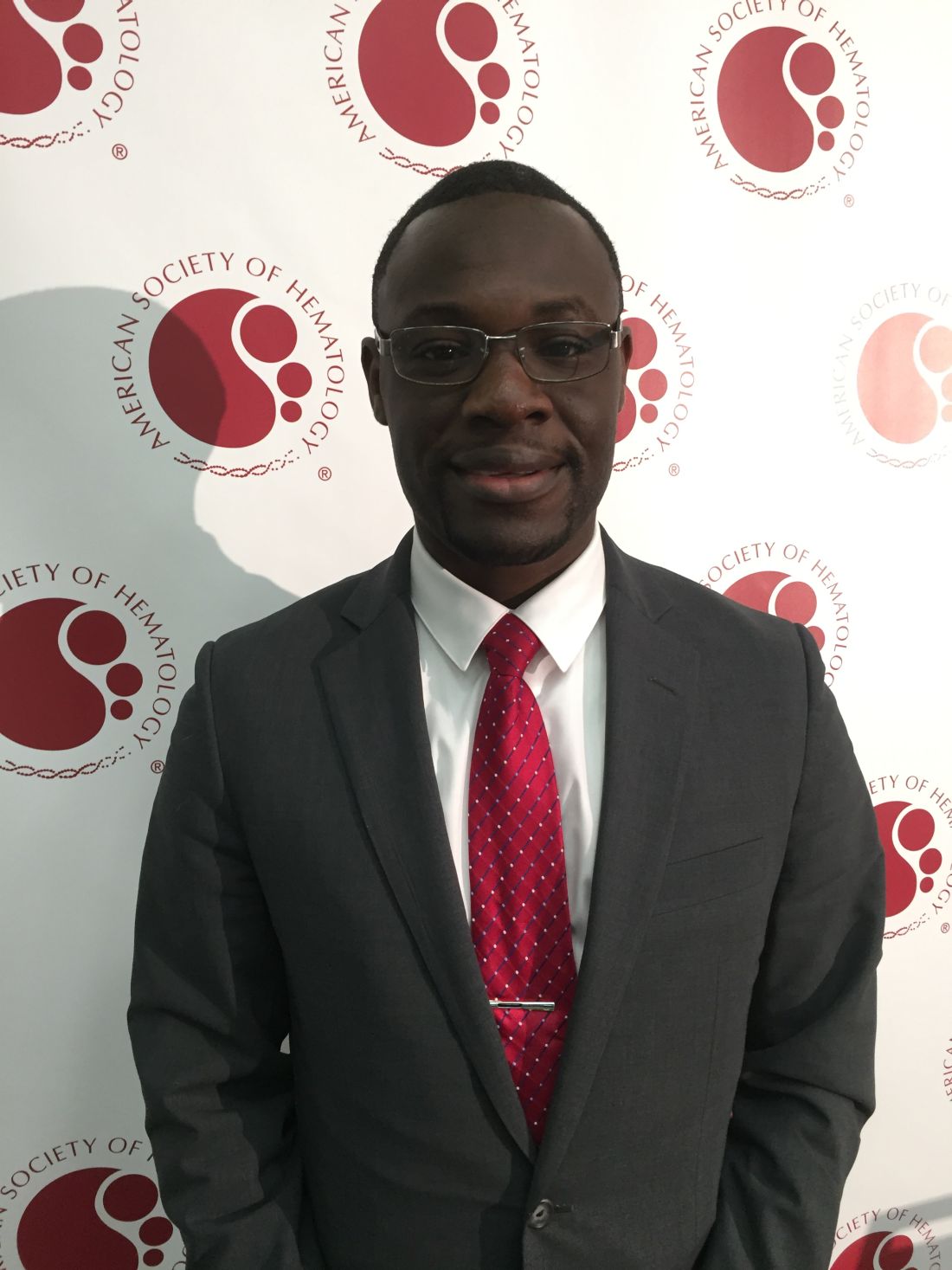
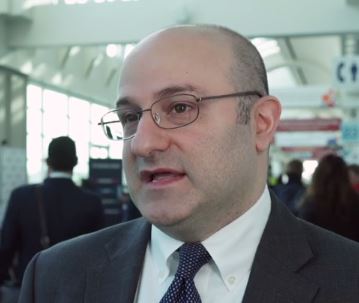
These findings come from an analysis of hospital discharge data in the National Inpatient Sample from 1998 to 2013. Oladimeji Akinola Akinboro, MBBS, who led the study, said the findings suggest that the current patterns of opioid use in SCD patients are safe and that opioids should not be withheld when they are appropriate.
From 1998 to 2013, the rate of inpatient deaths from opioid overdose in the United States rose 350% overall and approximately 8% annually. In contrast, deaths among SCD patients were flat, with a rate at or near zero throughout the same time period.
Over the 16-year period, there were just nine deaths reported among SCD patients because of opioids in the inpatient setting, Dr. Akinboro of Boston University Medical Center reported at the annual meeting of the American Society of Hematology.
While the reasons behind the difference were not explored in the study, Dr. Akinboro suggested that the sickle cell community has greater experience with opioids and that patients and physicians typically have long-standing clinical relationships that make mitigation of opioid misuse easier to manage.
Opioid-related hospitalizations, however, were comparable among the general U.S. population and SCD patients. And for both groups the rates remained relatively steady throughout the study period, with the exception of a drop among SCD patients in 2002, he noted.
The study also revealed age-related trends in hospitalizations overall. Hospitalizations among sickle cell patients were stable from 1998 to 2013. However, when the researchers broke the data down by age they found that adults aged 18-44 years had an increase in hospitalizations, with the steepest rise in patients aged 65 years and older.
In total, there were more than 1.7 million hospitalizations among SCD patients in the United States from 1998 to 2013. The rate declined by 9.9% each year from 1998 to 2002, then remained flat at around 27 per 100,000 persons from 2002 to 2013.
However, for adults aged 18-44 years, hospitalizations increased from 43 per 100,000 persons in 2002 to 71 per 100,000 persons in 2013 – an annual increase of 3.8%. Patients aged 65 years and older saw their rate of hospitalization increase from 2.7 to 5.4 per 100,000 persons from 1998 to 2013 – a 6.5% increase for each year.
The study did not explore the causes behind the age-related trends but Dr. Akinboro suggested it may be because of fragmentation of adult SCD care and age- and pain-related medical comorbidities.
The researchers reported having no relevant financial disclosures.
SOURCE: Akinboro OA et al. ASH 2018, Abstract 315.
SAN DIEGO – Inpatient deaths from opioid overdose in the U.S. population has risen dramatically in recent years, but this is essentially a “never event” among patients with sickle cell disease (SCD).
These findings come from an analysis of hospital discharge data in the National Inpatient Sample from 1998 to 2013. Oladimeji Akinola Akinboro, MBBS, who led the study, said the findings suggest that the current patterns of opioid use in SCD patients are safe and that opioids should not be withheld when they are appropriate.
From 1998 to 2013, the rate of inpatient deaths from opioid overdose in the United States rose 350% overall and approximately 8% annually. In contrast, deaths among SCD patients were flat, with a rate at or near zero throughout the same time period.
Over the 16-year period, there were just nine deaths reported among SCD patients because of opioids in the inpatient setting, Dr. Akinboro of Boston University Medical Center reported at the annual meeting of the American Society of Hematology.
While the reasons behind the difference were not explored in the study, Dr. Akinboro suggested that the sickle cell community has greater experience with opioids and that patients and physicians typically have long-standing clinical relationships that make mitigation of opioid misuse easier to manage.
Opioid-related hospitalizations, however, were comparable among the general U.S. population and SCD patients. And for both groups the rates remained relatively steady throughout the study period, with the exception of a drop among SCD patients in 2002, he noted.
The study also revealed age-related trends in hospitalizations overall. Hospitalizations among sickle cell patients were stable from 1998 to 2013. However, when the researchers broke the data down by age they found that adults aged 18-44 years had an increase in hospitalizations, with the steepest rise in patients aged 65 years and older.
In total, there were more than 1.7 million hospitalizations among SCD patients in the United States from 1998 to 2013. The rate declined by 9.9% each year from 1998 to 2002, then remained flat at around 27 per 100,000 persons from 2002 to 2013.
However, for adults aged 18-44 years, hospitalizations increased from 43 per 100,000 persons in 2002 to 71 per 100,000 persons in 2013 – an annual increase of 3.8%. Patients aged 65 years and older saw their rate of hospitalization increase from 2.7 to 5.4 per 100,000 persons from 1998 to 2013 – a 6.5% increase for each year.
The study did not explore the causes behind the age-related trends but Dr. Akinboro suggested it may be because of fragmentation of adult SCD care and age- and pain-related medical comorbidities.
The researchers reported having no relevant financial disclosures.
SOURCE: Akinboro OA et al. ASH 2018, Abstract 315.
SAN DIEGO – Inpatient deaths from opioid overdose in the U.S. population has risen dramatically in recent years, but this is essentially a “never event” among patients with sickle cell disease (SCD).
These findings come from an analysis of hospital discharge data in the National Inpatient Sample from 1998 to 2013. Oladimeji Akinola Akinboro, MBBS, who led the study, said the findings suggest that the current patterns of opioid use in SCD patients are safe and that opioids should not be withheld when they are appropriate.
From 1998 to 2013, the rate of inpatient deaths from opioid overdose in the United States rose 350% overall and approximately 8% annually. In contrast, deaths among SCD patients were flat, with a rate at or near zero throughout the same time period.
Over the 16-year period, there were just nine deaths reported among SCD patients because of opioids in the inpatient setting, Dr. Akinboro of Boston University Medical Center reported at the annual meeting of the American Society of Hematology.
While the reasons behind the difference were not explored in the study, Dr. Akinboro suggested that the sickle cell community has greater experience with opioids and that patients and physicians typically have long-standing clinical relationships that make mitigation of opioid misuse easier to manage.
Opioid-related hospitalizations, however, were comparable among the general U.S. population and SCD patients. And for both groups the rates remained relatively steady throughout the study period, with the exception of a drop among SCD patients in 2002, he noted.
The study also revealed age-related trends in hospitalizations overall. Hospitalizations among sickle cell patients were stable from 1998 to 2013. However, when the researchers broke the data down by age they found that adults aged 18-44 years had an increase in hospitalizations, with the steepest rise in patients aged 65 years and older.
In total, there were more than 1.7 million hospitalizations among SCD patients in the United States from 1998 to 2013. The rate declined by 9.9% each year from 1998 to 2002, then remained flat at around 27 per 100,000 persons from 2002 to 2013.
However, for adults aged 18-44 years, hospitalizations increased from 43 per 100,000 persons in 2002 to 71 per 100,000 persons in 2013 – an annual increase of 3.8%. Patients aged 65 years and older saw their rate of hospitalization increase from 2.7 to 5.4 per 100,000 persons from 1998 to 2013 – a 6.5% increase for each year.
The study did not explore the causes behind the age-related trends but Dr. Akinboro suggested it may be because of fragmentation of adult SCD care and age- and pain-related medical comorbidities.
The researchers reported having no relevant financial disclosures.
SOURCE: Akinboro OA et al. ASH 2018, Abstract 315.
REPORTING FROM ASH 2018
Key clinical point:
Major finding: While the rate of inpatient death from opioid overdose rose 350% among the general U.S. population from 1998 to 2013, it remained essentially at zero among patients with sickle cell disease.
Study details: A retrospective analysis of discharge diagnoses from the National Inpatient Sample from 1998 to 2013.
Disclosures: The researchers reported having no relevant financial disclosures.
Source: Akinboro OA et al. ASH 2018, Abstract 315.
Novel conditioning and familial haploidentical SCT well tolerated, cured 90% of patients
SAN DIEGO – A novel myeloablative regimen along with familial haploidentical stem cell transplantation was well tolerated and cured 90% of 19 young patients with high-risk sickle cell disease who underwent the procedure, according to Mitchell S. Cairo, MD.
The approach involved parental donors who were partial matches (as opposed to human leukocyte antigen [HLA]–matched sibling donors), CD34 enrichment, and mononuclear cell add-back (2 x 10⁵ CD3/kg). The treatment resulted in a low cumulative incidence of acute and chronic graft-versus-host disease (6.2% and 6.7%, respectively) and stable to improved pulmonary and cardiac function. Patients also experienced significantly improved neurocognition and health-related quality of life at 2-year follow-up, Dr. Cairo of New York Medical College, Valhalla, reported at the annual meeting of the American Society of Hematology.
In a video interview, Dr. Cairo described the study, the potential benefits of familial haploidentical transplantation, and future directions.
“We have a 1-year 90% survival rate, and ... with a median follow-up now of 3 years with this approach, no patient has signs or symptoms of sickle cell disease,” he said. While the standard of care is “still to use an HLA-matched sibling donor that doesn’t have sickle cell disease,” this novel approach could benefit the five of six patients who don’t have such a donor.
The risks appear similar with the two approaches, but “more numbers will be needed to confirm this preliminary finding,” he said.
A second Food and Drug Administration–supported study with patients aged up to age 35 years (vs. 21 years in the current study) and with lower doses of the conditioning regimen to potentially reduce the risk of late adverse effects is underway, he said.
This study was supported by an FDA grant. Dr. Cairo reported receiving research funding from Janssen.
SAN DIEGO – A novel myeloablative regimen along with familial haploidentical stem cell transplantation was well tolerated and cured 90% of 19 young patients with high-risk sickle cell disease who underwent the procedure, according to Mitchell S. Cairo, MD.
The approach involved parental donors who were partial matches (as opposed to human leukocyte antigen [HLA]–matched sibling donors), CD34 enrichment, and mononuclear cell add-back (2 x 10⁵ CD3/kg). The treatment resulted in a low cumulative incidence of acute and chronic graft-versus-host disease (6.2% and 6.7%, respectively) and stable to improved pulmonary and cardiac function. Patients also experienced significantly improved neurocognition and health-related quality of life at 2-year follow-up, Dr. Cairo of New York Medical College, Valhalla, reported at the annual meeting of the American Society of Hematology.
In a video interview, Dr. Cairo described the study, the potential benefits of familial haploidentical transplantation, and future directions.
“We have a 1-year 90% survival rate, and ... with a median follow-up now of 3 years with this approach, no patient has signs or symptoms of sickle cell disease,” he said. While the standard of care is “still to use an HLA-matched sibling donor that doesn’t have sickle cell disease,” this novel approach could benefit the five of six patients who don’t have such a donor.
The risks appear similar with the two approaches, but “more numbers will be needed to confirm this preliminary finding,” he said.
A second Food and Drug Administration–supported study with patients aged up to age 35 years (vs. 21 years in the current study) and with lower doses of the conditioning regimen to potentially reduce the risk of late adverse effects is underway, he said.
This study was supported by an FDA grant. Dr. Cairo reported receiving research funding from Janssen.
SAN DIEGO – A novel myeloablative regimen along with familial haploidentical stem cell transplantation was well tolerated and cured 90% of 19 young patients with high-risk sickle cell disease who underwent the procedure, according to Mitchell S. Cairo, MD.
The approach involved parental donors who were partial matches (as opposed to human leukocyte antigen [HLA]–matched sibling donors), CD34 enrichment, and mononuclear cell add-back (2 x 10⁵ CD3/kg). The treatment resulted in a low cumulative incidence of acute and chronic graft-versus-host disease (6.2% and 6.7%, respectively) and stable to improved pulmonary and cardiac function. Patients also experienced significantly improved neurocognition and health-related quality of life at 2-year follow-up, Dr. Cairo of New York Medical College, Valhalla, reported at the annual meeting of the American Society of Hematology.
In a video interview, Dr. Cairo described the study, the potential benefits of familial haploidentical transplantation, and future directions.
“We have a 1-year 90% survival rate, and ... with a median follow-up now of 3 years with this approach, no patient has signs or symptoms of sickle cell disease,” he said. While the standard of care is “still to use an HLA-matched sibling donor that doesn’t have sickle cell disease,” this novel approach could benefit the five of six patients who don’t have such a donor.
The risks appear similar with the two approaches, but “more numbers will be needed to confirm this preliminary finding,” he said.
A second Food and Drug Administration–supported study with patients aged up to age 35 years (vs. 21 years in the current study) and with lower doses of the conditioning regimen to potentially reduce the risk of late adverse effects is underway, he said.
This study was supported by an FDA grant. Dr. Cairo reported receiving research funding from Janssen.
REPORTING FROM ASH 2018
New treatments promise sickle cell “cure” for all ages
SAN DIEGO –
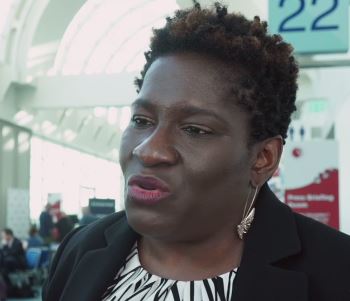
“There is an opportunity to cure your disease no matter what age you are,” Dr. Osunkwo, medical director of the sickle cell program at Levine Cancer Institute at Atrium Health in Charlotte, N.C., said in a video interview at the annual meeting of the American Society of Hematology. “Sickle cell disease is now a disease of all ages and the treatments have to be treatments for everybody of all ages, not just for children.”
Dr. Osunkwo was the moderator of a press conference highlighting top research in sickle cell disease at ASH 2018. She pointed to findings from first-in-human trials of gene therapy using a lentiviral vector targeting BCL11A to reverse the sickle cell phenotype, as well as a study examining familial haploidentical stem cell transplantation with CD34 enrichment and mononuclear add-back in high-risk patients.
These two studies show parallel progress in curative therapies and are complementary, Dr. Osunkwo said. Improvements in transplants, and specifically in how patients are prepared and managed for them, will have a benefit in gene therapy.
But there are many other sickle cell disease studies being presented at ASH this year, she noted.
“There’s a recognition that sickle cell has been an understudied, underresourced, underexposed population,” she said. “And the suffering and the magnitude of medical problems is huge and it finally has bubbled up to the surface.”
Dr. Osunkwo reported being on advisory committees for Novartis and Pfizer and on the speaker’s bureau for Novartis. She has received honoraria from Terumo BCT and funding from the Health Resources and Services Administration and the Patient-Centered Outcomes Research Institute.
SAN DIEGO –
“There is an opportunity to cure your disease no matter what age you are,” Dr. Osunkwo, medical director of the sickle cell program at Levine Cancer Institute at Atrium Health in Charlotte, N.C., said in a video interview at the annual meeting of the American Society of Hematology. “Sickle cell disease is now a disease of all ages and the treatments have to be treatments for everybody of all ages, not just for children.”
Dr. Osunkwo was the moderator of a press conference highlighting top research in sickle cell disease at ASH 2018. She pointed to findings from first-in-human trials of gene therapy using a lentiviral vector targeting BCL11A to reverse the sickle cell phenotype, as well as a study examining familial haploidentical stem cell transplantation with CD34 enrichment and mononuclear add-back in high-risk patients.
These two studies show parallel progress in curative therapies and are complementary, Dr. Osunkwo said. Improvements in transplants, and specifically in how patients are prepared and managed for them, will have a benefit in gene therapy.
But there are many other sickle cell disease studies being presented at ASH this year, she noted.
“There’s a recognition that sickle cell has been an understudied, underresourced, underexposed population,” she said. “And the suffering and the magnitude of medical problems is huge and it finally has bubbled up to the surface.”
Dr. Osunkwo reported being on advisory committees for Novartis and Pfizer and on the speaker’s bureau for Novartis. She has received honoraria from Terumo BCT and funding from the Health Resources and Services Administration and the Patient-Centered Outcomes Research Institute.
SAN DIEGO –
“There is an opportunity to cure your disease no matter what age you are,” Dr. Osunkwo, medical director of the sickle cell program at Levine Cancer Institute at Atrium Health in Charlotte, N.C., said in a video interview at the annual meeting of the American Society of Hematology. “Sickle cell disease is now a disease of all ages and the treatments have to be treatments for everybody of all ages, not just for children.”
Dr. Osunkwo was the moderator of a press conference highlighting top research in sickle cell disease at ASH 2018. She pointed to findings from first-in-human trials of gene therapy using a lentiviral vector targeting BCL11A to reverse the sickle cell phenotype, as well as a study examining familial haploidentical stem cell transplantation with CD34 enrichment and mononuclear add-back in high-risk patients.
These two studies show parallel progress in curative therapies and are complementary, Dr. Osunkwo said. Improvements in transplants, and specifically in how patients are prepared and managed for them, will have a benefit in gene therapy.
But there are many other sickle cell disease studies being presented at ASH this year, she noted.
“There’s a recognition that sickle cell has been an understudied, underresourced, underexposed population,” she said. “And the suffering and the magnitude of medical problems is huge and it finally has bubbled up to the surface.”
Dr. Osunkwo reported being on advisory committees for Novartis and Pfizer and on the speaker’s bureau for Novartis. She has received honoraria from Terumo BCT and funding from the Health Resources and Services Administration and the Patient-Centered Outcomes Research Institute.
REPORTING FROM ASH 2018
Heavy menstrual bleeding in teens often linked to bleeding disorders
Over one-third of adolescents presenting with heavy menstrual bleeding were diagnosed with a bleeding disorder after screening, according to results of a retrospective study.

The high incidence of bleeding disorders detected argues for routine screening of adolescents with heavy menstrual bleeding (HMB), Brooke O’Brien, MD, of the University of Queensland, Brisbane, Australia, and her colleagues wrote in the Journal of Pediatric & Adolescent Gynecology.
“These findings support comprehensive and systematic hemostatic evaluation in adolescents with HMB,” Dr. O’Brien and her colleagues wrote. “A higher level of awareness of bleeding disorders as a cause for HMB in adolescence, especially [von Willebrand disease] and platelet function disorders, is needed and close multidisciplinary collaboration between the pediatric and adolescent gynecologist and hematologist in a specialized tertiary center should be established in the management of these patients.”
In their study, Dr. O’Brien and her colleagues retrospectively evaluated 124 adolescents with HMB at a pediatric and adolescent gynecology tertiary care center between July 2007 and July 2017. Of these, 77 patients (62.1%) underwent screening for blood disorders.
The researchers found 27 adolescents overall were diagnosed with a blood disorder, which consisted of 35.0% of patients screened and 21.7% of all patients studied. Specifically, 14 of 27 patients (51.6%) screened were diagnosed with von Willebrand disease, 9 of 27 patients (33.3%) screened were found to have inherited platelet function disorders, 3 of 27 patients (11.1%) had inherited or acquired thrombocytopenia, and 1 of 27 patients (3.7%) had factor IX deficiency. The researchers also screened for iron deficiency and/or anemia and found 53 of 107 patients (49.5%) who were screened received a diagnosis, and 19 of 27 patients (70.3%) who were diagnosed with a bleeding disorder also had iron deficiency and/or anemia.
“In adolescents who are already known to have a bleeding disorder, consultation with a pediatric gynecologist and/or hematologist prior to menarche may be helpful to outline abnormal patterns of menstrual bleeding and to discuss options of treatment in the event of heavy menstrual bleeding,” Dr. O’Brien and her colleagues wrote.
Potential limitations in the study include the refractory nature of referrals at a tertiary care center potentially overestimating the prevalence of HMB in this population as well as the study’s retrospective design when investigating and measuring heavy menstrual bleeding, but researchers noted patients were reviewed and classified by a specialist pediatric hematologist.
The authors reported no relevant conflicts of interest.
SOURCE: O’Brien B et al. J Pediatr Adolesc Gynecol. 2018 Nov 22. doi: 10.1016/j.jpag.2018.11.005.
Over one-third of adolescents presenting with heavy menstrual bleeding were diagnosed with a bleeding disorder after screening, according to results of a retrospective study.
The high incidence of bleeding disorders detected argues for routine screening of adolescents with heavy menstrual bleeding (HMB), Brooke O’Brien, MD, of the University of Queensland, Brisbane, Australia, and her colleagues wrote in the Journal of Pediatric & Adolescent Gynecology.
“These findings support comprehensive and systematic hemostatic evaluation in adolescents with HMB,” Dr. O’Brien and her colleagues wrote. “A higher level of awareness of bleeding disorders as a cause for HMB in adolescence, especially [von Willebrand disease] and platelet function disorders, is needed and close multidisciplinary collaboration between the pediatric and adolescent gynecologist and hematologist in a specialized tertiary center should be established in the management of these patients.”
In their study, Dr. O’Brien and her colleagues retrospectively evaluated 124 adolescents with HMB at a pediatric and adolescent gynecology tertiary care center between July 2007 and July 2017. Of these, 77 patients (62.1%) underwent screening for blood disorders.
The researchers found 27 adolescents overall were diagnosed with a blood disorder, which consisted of 35.0% of patients screened and 21.7% of all patients studied. Specifically, 14 of 27 patients (51.6%) screened were diagnosed with von Willebrand disease, 9 of 27 patients (33.3%) screened were found to have inherited platelet function disorders, 3 of 27 patients (11.1%) had inherited or acquired thrombocytopenia, and 1 of 27 patients (3.7%) had factor IX deficiency. The researchers also screened for iron deficiency and/or anemia and found 53 of 107 patients (49.5%) who were screened received a diagnosis, and 19 of 27 patients (70.3%) who were diagnosed with a bleeding disorder also had iron deficiency and/or anemia.
“In adolescents who are already known to have a bleeding disorder, consultation with a pediatric gynecologist and/or hematologist prior to menarche may be helpful to outline abnormal patterns of menstrual bleeding and to discuss options of treatment in the event of heavy menstrual bleeding,” Dr. O’Brien and her colleagues wrote.
Potential limitations in the study include the refractory nature of referrals at a tertiary care center potentially overestimating the prevalence of HMB in this population as well as the study’s retrospective design when investigating and measuring heavy menstrual bleeding, but researchers noted patients were reviewed and classified by a specialist pediatric hematologist.
The authors reported no relevant conflicts of interest.
SOURCE: O’Brien B et al. J Pediatr Adolesc Gynecol. 2018 Nov 22. doi: 10.1016/j.jpag.2018.11.005.
Over one-third of adolescents presenting with heavy menstrual bleeding were diagnosed with a bleeding disorder after screening, according to results of a retrospective study.
The high incidence of bleeding disorders detected argues for routine screening of adolescents with heavy menstrual bleeding (HMB), Brooke O’Brien, MD, of the University of Queensland, Brisbane, Australia, and her colleagues wrote in the Journal of Pediatric & Adolescent Gynecology.
“These findings support comprehensive and systematic hemostatic evaluation in adolescents with HMB,” Dr. O’Brien and her colleagues wrote. “A higher level of awareness of bleeding disorders as a cause for HMB in adolescence, especially [von Willebrand disease] and platelet function disorders, is needed and close multidisciplinary collaboration between the pediatric and adolescent gynecologist and hematologist in a specialized tertiary center should be established in the management of these patients.”
In their study, Dr. O’Brien and her colleagues retrospectively evaluated 124 adolescents with HMB at a pediatric and adolescent gynecology tertiary care center between July 2007 and July 2017. Of these, 77 patients (62.1%) underwent screening for blood disorders.
The researchers found 27 adolescents overall were diagnosed with a blood disorder, which consisted of 35.0% of patients screened and 21.7% of all patients studied. Specifically, 14 of 27 patients (51.6%) screened were diagnosed with von Willebrand disease, 9 of 27 patients (33.3%) screened were found to have inherited platelet function disorders, 3 of 27 patients (11.1%) had inherited or acquired thrombocytopenia, and 1 of 27 patients (3.7%) had factor IX deficiency. The researchers also screened for iron deficiency and/or anemia and found 53 of 107 patients (49.5%) who were screened received a diagnosis, and 19 of 27 patients (70.3%) who were diagnosed with a bleeding disorder also had iron deficiency and/or anemia.
“In adolescents who are already known to have a bleeding disorder, consultation with a pediatric gynecologist and/or hematologist prior to menarche may be helpful to outline abnormal patterns of menstrual bleeding and to discuss options of treatment in the event of heavy menstrual bleeding,” Dr. O’Brien and her colleagues wrote.
Potential limitations in the study include the refractory nature of referrals at a tertiary care center potentially overestimating the prevalence of HMB in this population as well as the study’s retrospective design when investigating and measuring heavy menstrual bleeding, but researchers noted patients were reviewed and classified by a specialist pediatric hematologist.
The authors reported no relevant conflicts of interest.
SOURCE: O’Brien B et al. J Pediatr Adolesc Gynecol. 2018 Nov 22. doi: 10.1016/j.jpag.2018.11.005.
FROM THE JOURNAL OF PEDIATRIC & ADOLESCENT GYNECOLOGY
Key clinical point: More than one-third of adolescents with heavy menstrual bleeding were diagnosed with a bleeding disorder.
Major finding: After screening, 35% of women with heavy menstrual bleeding had a bleeding disorder; over half of those screened had von Willebrand disease.
Study details: A retrospective study of 124 adolescents at the Queensland Paediatric and Adolescent Gynaecology Service between July 2007 and July 2017.
Disclosures: The authors reported no relevant conflicts of interest.
Source: O’Brien B et al. J Pediatr Adolesc Gynecol. 2018 Nov 22 . doi: 10.1016/j.jpag.2018.11.005.
Sickle cell disease phenotype reversed by gene therapy
SAN DIEGO – An adult with sickle cell disease has had significant remissions in symptoms and a near elimination of transfusion requirements after receiving an infusion of autologous stem cells genetically modified to simultaneously induce the fetal form of hemoglobin and decrease sickle hemoglobin.
In a first-in-human, proof-of-concept study, transduction of hematopoietic stem cells with a lentiviral vector targeted against the gamma globin repressor BCL11A in erythroid cells led to rapid induction of fetal hemoglobin and a reversal of the sickle cell disease (SCD) phenotype in the early phase of stem cell reconstitution, reported Erica B. Esrick, MD, from the Dana-Farber/Boston Children’s Cancer and Blood Disorders Center in Boston.
“The potential advantage of this approach over the gene-addition strategy of gene therapy is that we can harness the physiologic switch machinery that exists in the cell to simultaneously increase fetal hemoglobin and decrease sickle hemoglobin,” she said at a briefing prior to her presentation at the annual meeting of the American Society of Hematology.
Several research groups are developing autologous gene therapy for beta-hemoglobinopathies, including the use of CRISPR-Cas9 technology to mimic a rare, naturally occurring mutation that causes the fetal type of hemoglobin to persist into adulthood in some patients with SCD and beta-thalassemia.
Dr. Esrick and her colleagues are trying a different approach: Using gene therapy to knock down BCL11A expression to induce gamma globin expression.
For the treatment, autologous hematopoietic stem cells are collected from patients following mobilization with plerixafor. The cells are then transduced with a lentiviral vector consisting of a novel short hairpin RNA embedded in an endogenous micro-RNA. The investigators refer to the construct as a shmiR (“schmeer”). The construct is designed to be erythroid specific, with BCL11A knocked down only in the red cell lineage, to avoid potential off-target effects of the therapy.
Following stem cell collection and transduction, patients undergo conditioning with busulfan prior to infusion of the modified stem cells.
In three patients treated thus far, the process has been shown to be highly efficient, with approximately 96% of treated cells transduced.
In the patient mentioned before, neutrophil engraftment was confirmed on day 22 after transfusion of the modified cells. He experienced adverse events that were consistent with myeloablative conditioning, but no adverse events associated with the modified cells.
During 6 months of follow-up the patient did not experience SCD-related pain, respiratory events, or neurologic events, and did not have anemia, with a total hemoglobin of 11 g/dL at 6 months. He has not required any transfusions since engraftment.
Patients in the trial will be followed for 2 years, and then will be enrolled in a 15-year follow-up study designed to evaluate the safety and the durability of therapy.
Dr. Esrick reported receiving honoraria from Bluebird Bio, maker of the short hairpin RNA construct used in the trial.
SOURCE: Esrick EB et al. ASH 2018, Abstract 1023.
SAN DIEGO – An adult with sickle cell disease has had significant remissions in symptoms and a near elimination of transfusion requirements after receiving an infusion of autologous stem cells genetically modified to simultaneously induce the fetal form of hemoglobin and decrease sickle hemoglobin.
In a first-in-human, proof-of-concept study, transduction of hematopoietic stem cells with a lentiviral vector targeted against the gamma globin repressor BCL11A in erythroid cells led to rapid induction of fetal hemoglobin and a reversal of the sickle cell disease (SCD) phenotype in the early phase of stem cell reconstitution, reported Erica B. Esrick, MD, from the Dana-Farber/Boston Children’s Cancer and Blood Disorders Center in Boston.
“The potential advantage of this approach over the gene-addition strategy of gene therapy is that we can harness the physiologic switch machinery that exists in the cell to simultaneously increase fetal hemoglobin and decrease sickle hemoglobin,” she said at a briefing prior to her presentation at the annual meeting of the American Society of Hematology.
Several research groups are developing autologous gene therapy for beta-hemoglobinopathies, including the use of CRISPR-Cas9 technology to mimic a rare, naturally occurring mutation that causes the fetal type of hemoglobin to persist into adulthood in some patients with SCD and beta-thalassemia.
Dr. Esrick and her colleagues are trying a different approach: Using gene therapy to knock down BCL11A expression to induce gamma globin expression.
For the treatment, autologous hematopoietic stem cells are collected from patients following mobilization with plerixafor. The cells are then transduced with a lentiviral vector consisting of a novel short hairpin RNA embedded in an endogenous micro-RNA. The investigators refer to the construct as a shmiR (“schmeer”). The construct is designed to be erythroid specific, with BCL11A knocked down only in the red cell lineage, to avoid potential off-target effects of the therapy.
Following stem cell collection and transduction, patients undergo conditioning with busulfan prior to infusion of the modified stem cells.
In three patients treated thus far, the process has been shown to be highly efficient, with approximately 96% of treated cells transduced.
In the patient mentioned before, neutrophil engraftment was confirmed on day 22 after transfusion of the modified cells. He experienced adverse events that were consistent with myeloablative conditioning, but no adverse events associated with the modified cells.
During 6 months of follow-up the patient did not experience SCD-related pain, respiratory events, or neurologic events, and did not have anemia, with a total hemoglobin of 11 g/dL at 6 months. He has not required any transfusions since engraftment.
Patients in the trial will be followed for 2 years, and then will be enrolled in a 15-year follow-up study designed to evaluate the safety and the durability of therapy.
Dr. Esrick reported receiving honoraria from Bluebird Bio, maker of the short hairpin RNA construct used in the trial.
SOURCE: Esrick EB et al. ASH 2018, Abstract 1023.
SAN DIEGO – An adult with sickle cell disease has had significant remissions in symptoms and a near elimination of transfusion requirements after receiving an infusion of autologous stem cells genetically modified to simultaneously induce the fetal form of hemoglobin and decrease sickle hemoglobin.
In a first-in-human, proof-of-concept study, transduction of hematopoietic stem cells with a lentiviral vector targeted against the gamma globin repressor BCL11A in erythroid cells led to rapid induction of fetal hemoglobin and a reversal of the sickle cell disease (SCD) phenotype in the early phase of stem cell reconstitution, reported Erica B. Esrick, MD, from the Dana-Farber/Boston Children’s Cancer and Blood Disorders Center in Boston.
“The potential advantage of this approach over the gene-addition strategy of gene therapy is that we can harness the physiologic switch machinery that exists in the cell to simultaneously increase fetal hemoglobin and decrease sickle hemoglobin,” she said at a briefing prior to her presentation at the annual meeting of the American Society of Hematology.
Several research groups are developing autologous gene therapy for beta-hemoglobinopathies, including the use of CRISPR-Cas9 technology to mimic a rare, naturally occurring mutation that causes the fetal type of hemoglobin to persist into adulthood in some patients with SCD and beta-thalassemia.
Dr. Esrick and her colleagues are trying a different approach: Using gene therapy to knock down BCL11A expression to induce gamma globin expression.
For the treatment, autologous hematopoietic stem cells are collected from patients following mobilization with plerixafor. The cells are then transduced with a lentiviral vector consisting of a novel short hairpin RNA embedded in an endogenous micro-RNA. The investigators refer to the construct as a shmiR (“schmeer”). The construct is designed to be erythroid specific, with BCL11A knocked down only in the red cell lineage, to avoid potential off-target effects of the therapy.
Following stem cell collection and transduction, patients undergo conditioning with busulfan prior to infusion of the modified stem cells.
In three patients treated thus far, the process has been shown to be highly efficient, with approximately 96% of treated cells transduced.
In the patient mentioned before, neutrophil engraftment was confirmed on day 22 after transfusion of the modified cells. He experienced adverse events that were consistent with myeloablative conditioning, but no adverse events associated with the modified cells.
During 6 months of follow-up the patient did not experience SCD-related pain, respiratory events, or neurologic events, and did not have anemia, with a total hemoglobin of 11 g/dL at 6 months. He has not required any transfusions since engraftment.
Patients in the trial will be followed for 2 years, and then will be enrolled in a 15-year follow-up study designed to evaluate the safety and the durability of therapy.
Dr. Esrick reported receiving honoraria from Bluebird Bio, maker of the short hairpin RNA construct used in the trial.
SOURCE: Esrick EB et al. ASH 2018, Abstract 1023.
REPORTING FROM ASH 2018
Key clinical point: Gene therapy to induce the fetal form of hemoglobin reversed the symptoms of sickle cell disease in an adult patient.
Major finding: During 6 months of follow-up the patient did not experience sickle cell disease–related pain, respiratory events, or neurologic events, and did not have anemia.
Study details: A first-in-human study in seven adults with sickle cell disease.
Disclosures: Dr. Esrick reported receiving honoraria from Bluebird Bio, maker of the short hairpin RNA construct used in the trial.
Source: Esrick EB et al. ASH 2018, Abstract 1023.
Daily hydroxyurea effective, safe for African children
SAN DIEGO – Daily hydroxyurea treatment for sickle cell disease is feasible, safe, and effective for children in sub-Saharan Africa, according to the results of a large open-label, phase 1-2, international trial.

Hydroxyurea was associated with reduced rates of malaria and other infections, resulting in improved survival, according to Léon Tshilolo, MD, PhD, of Centre Hospitalier Monkole in Kinshasa, the Democratic Republic of the Congo.
“Based on that data, we believe that wider access to hydroxyurea for sickle cell anemia has the potential to save millions of lives in Africa,” Dr. Tshilolo said in a press conference at the annual meeting of the American Society of Hematology.
Use of hydroxyurea has been limited in Africa because of cost, access issues, and challenges associated with laboratory monitoring, according to the researchers.
Moreover, most of the data on the efficacy of hydroxyurea come from studies conducted in the United States, Europe, and other high-income settings, said the study’s senior author Russell E. Ware, MD, PhD, of Cincinnati Children’s Hospital Center.
“Now that there’s data in an African setting, I think this will go a long way to advancing [hydroxyurea therapy] and encouraging governments, organizations, and pharmaceutical companies to bring it in,” Dr. Ware said in an interview.
In the study by Dr. Ware, Dr. Tshilolo, and their colleagues, 606 children in four sub-Saharan African countries completed a 2-month pretreatment screening phase designed to capture baseline clinical and laboratory data. The children, who were aged 1-10 years, were started at 15-20 mg/kg of hydroxyurea for 6 months, followed by escalation to the maximum tolerated dose.
With a median of 2.5 years of treatment, treated children experienced less pain and anemia, fewer cases of malaria and other infections, and lower rates of transfusions and death versus rates observed in the pretreatment screening phase of the trial.
The rate of vasoocclusive pain during hydroxyurea treatment was 44.6 events per 100 patient-years, compared with 98.3 events per 100 patient-years in the pretreatment period (incidence rate ratio, 0.45; 95% confidence interval, 0.37-0.56), according to data simultaneously published in the New England Journal of Medicine.
Malaria infection rates were 22.9 events per 100 patient-years in the hydroxyurea treatment period versus 46.9 events in the pretreatment period (IRR, 0.49; 95% CI, 0.37-0.66). Rates of nonmalaria infections were 90.0 events per 100 patient-years in the hydroxyurea treatment period versus 142.5 events per 100 patient-years in the pretreatment period (IRR, 0.62; 95% CI, 0.53-0.72).
Dr. Tshilolo said investigators were “encouraged” by the reduced infection rates, particularly in light of previous concerns that hydroxyurea could suppress the immune system and put children at risk for malaria.
Death rates were 1.1 per 100 patient-years in the hydroxyurea group and 3.6 per 100 patient-years in the pretreatment period (IR, 0.30; 95% CI, 0.10-0.88). Dose-limiting toxic events occurred in 5.1% of the children, which was below the protocol-specified threshold for safety, Dr. Tshilolo added.
Dr. Tshilolo reported grants from the National Institutes of Health/National Heart, Lung, and Blood Institute and Cincinnati Children’s Research Foundation, along with nonfinancial support from Bristol-Myers Squibb. Dr. Ware reported grants from the NIH/NHLBI and Bristol-Myers Squibb.
SOURCE: Tshilolo L et al. ASH 2018, Abstract 3.
SAN DIEGO – Daily hydroxyurea treatment for sickle cell disease is feasible, safe, and effective for children in sub-Saharan Africa, according to the results of a large open-label, phase 1-2, international trial.
Hydroxyurea was associated with reduced rates of malaria and other infections, resulting in improved survival, according to Léon Tshilolo, MD, PhD, of Centre Hospitalier Monkole in Kinshasa, the Democratic Republic of the Congo.
“Based on that data, we believe that wider access to hydroxyurea for sickle cell anemia has the potential to save millions of lives in Africa,” Dr. Tshilolo said in a press conference at the annual meeting of the American Society of Hematology.
Use of hydroxyurea has been limited in Africa because of cost, access issues, and challenges associated with laboratory monitoring, according to the researchers.
Moreover, most of the data on the efficacy of hydroxyurea come from studies conducted in the United States, Europe, and other high-income settings, said the study’s senior author Russell E. Ware, MD, PhD, of Cincinnati Children’s Hospital Center.
“Now that there’s data in an African setting, I think this will go a long way to advancing [hydroxyurea therapy] and encouraging governments, organizations, and pharmaceutical companies to bring it in,” Dr. Ware said in an interview.
In the study by Dr. Ware, Dr. Tshilolo, and their colleagues, 606 children in four sub-Saharan African countries completed a 2-month pretreatment screening phase designed to capture baseline clinical and laboratory data. The children, who were aged 1-10 years, were started at 15-20 mg/kg of hydroxyurea for 6 months, followed by escalation to the maximum tolerated dose.
With a median of 2.5 years of treatment, treated children experienced less pain and anemia, fewer cases of malaria and other infections, and lower rates of transfusions and death versus rates observed in the pretreatment screening phase of the trial.
The rate of vasoocclusive pain during hydroxyurea treatment was 44.6 events per 100 patient-years, compared with 98.3 events per 100 patient-years in the pretreatment period (incidence rate ratio, 0.45; 95% confidence interval, 0.37-0.56), according to data simultaneously published in the New England Journal of Medicine.
Malaria infection rates were 22.9 events per 100 patient-years in the hydroxyurea treatment period versus 46.9 events in the pretreatment period (IRR, 0.49; 95% CI, 0.37-0.66). Rates of nonmalaria infections were 90.0 events per 100 patient-years in the hydroxyurea treatment period versus 142.5 events per 100 patient-years in the pretreatment period (IRR, 0.62; 95% CI, 0.53-0.72).
Dr. Tshilolo said investigators were “encouraged” by the reduced infection rates, particularly in light of previous concerns that hydroxyurea could suppress the immune system and put children at risk for malaria.
Death rates were 1.1 per 100 patient-years in the hydroxyurea group and 3.6 per 100 patient-years in the pretreatment period (IR, 0.30; 95% CI, 0.10-0.88). Dose-limiting toxic events occurred in 5.1% of the children, which was below the protocol-specified threshold for safety, Dr. Tshilolo added.
Dr. Tshilolo reported grants from the National Institutes of Health/National Heart, Lung, and Blood Institute and Cincinnati Children’s Research Foundation, along with nonfinancial support from Bristol-Myers Squibb. Dr. Ware reported grants from the NIH/NHLBI and Bristol-Myers Squibb.
SOURCE: Tshilolo L et al. ASH 2018, Abstract 3.
SAN DIEGO – Daily hydroxyurea treatment for sickle cell disease is feasible, safe, and effective for children in sub-Saharan Africa, according to the results of a large open-label, phase 1-2, international trial.
Hydroxyurea was associated with reduced rates of malaria and other infections, resulting in improved survival, according to Léon Tshilolo, MD, PhD, of Centre Hospitalier Monkole in Kinshasa, the Democratic Republic of the Congo.
“Based on that data, we believe that wider access to hydroxyurea for sickle cell anemia has the potential to save millions of lives in Africa,” Dr. Tshilolo said in a press conference at the annual meeting of the American Society of Hematology.
Use of hydroxyurea has been limited in Africa because of cost, access issues, and challenges associated with laboratory monitoring, according to the researchers.
Moreover, most of the data on the efficacy of hydroxyurea come from studies conducted in the United States, Europe, and other high-income settings, said the study’s senior author Russell E. Ware, MD, PhD, of Cincinnati Children’s Hospital Center.
“Now that there’s data in an African setting, I think this will go a long way to advancing [hydroxyurea therapy] and encouraging governments, organizations, and pharmaceutical companies to bring it in,” Dr. Ware said in an interview.
In the study by Dr. Ware, Dr. Tshilolo, and their colleagues, 606 children in four sub-Saharan African countries completed a 2-month pretreatment screening phase designed to capture baseline clinical and laboratory data. The children, who were aged 1-10 years, were started at 15-20 mg/kg of hydroxyurea for 6 months, followed by escalation to the maximum tolerated dose.
With a median of 2.5 years of treatment, treated children experienced less pain and anemia, fewer cases of malaria and other infections, and lower rates of transfusions and death versus rates observed in the pretreatment screening phase of the trial.
The rate of vasoocclusive pain during hydroxyurea treatment was 44.6 events per 100 patient-years, compared with 98.3 events per 100 patient-years in the pretreatment period (incidence rate ratio, 0.45; 95% confidence interval, 0.37-0.56), according to data simultaneously published in the New England Journal of Medicine.
Malaria infection rates were 22.9 events per 100 patient-years in the hydroxyurea treatment period versus 46.9 events in the pretreatment period (IRR, 0.49; 95% CI, 0.37-0.66). Rates of nonmalaria infections were 90.0 events per 100 patient-years in the hydroxyurea treatment period versus 142.5 events per 100 patient-years in the pretreatment period (IRR, 0.62; 95% CI, 0.53-0.72).
Dr. Tshilolo said investigators were “encouraged” by the reduced infection rates, particularly in light of previous concerns that hydroxyurea could suppress the immune system and put children at risk for malaria.
Death rates were 1.1 per 100 patient-years in the hydroxyurea group and 3.6 per 100 patient-years in the pretreatment period (IR, 0.30; 95% CI, 0.10-0.88). Dose-limiting toxic events occurred in 5.1% of the children, which was below the protocol-specified threshold for safety, Dr. Tshilolo added.
Dr. Tshilolo reported grants from the National Institutes of Health/National Heart, Lung, and Blood Institute and Cincinnati Children’s Research Foundation, along with nonfinancial support from Bristol-Myers Squibb. Dr. Ware reported grants from the NIH/NHLBI and Bristol-Myers Squibb.
SOURCE: Tshilolo L et al. ASH 2018, Abstract 3.
REPORTING FROM ASH 2018
Key clinical point: Daily hydroxyurea treatment in sub-Saharan African children with sickle cell disease is feasible, safe, and effective, and has the additional benefit of reducing their rates of malaria and nonmalaria infections.
Major finding: Malaria infection rates were 22.9 versus 46.9 events per 100 patient-years in the hydroxyurea treatment period and pretreatment period, respectively (incidence rate ratio, 0.49; 95% CI, 0.37-0.66).
Study details: A phase 1-2, international, open-label trial including 606 children in four sub-Saharan African countries who completed a 2-month pretreatment screening phase and went on to receive hydroxyurea.
Disclosures: Dr. Tshilolo reported grants from the National Institutes of Health/National Heart, Lung, and Blood Institute and Cincinnati Children’s Research Foundation, along with nonfinancial support from Bristol-Myers Squibb. Dr. Ware reported grants from the NIH/NHLBI and Bristol-Myers Squibb.
Source: Tshilolo L et al. ASH 2018, Abstract 3.
Flipping the fetal hemoglobin switch reverses sickle cell symptoms
SAN DIEGO – Researchers were able to “flip the switch” from the adult to fetal form of hemoglobin using autologous stem cells genetically modified to simultaneously induce the fetal form of hemoglobin and decrease sickle hemoglobin.
The advance was announced by investigators at the Dana-Farber Cancer Institute and Boston Children’s Hospital at the annual meeting of the American Society of Hematology. At 6 months of follow-up, one adult patient in the proof-of-concept study has experienced a reversal of the sickle cell phenotype, with no pain episodes or respiratory or neurologic events.
The fetal form of hemoglobin is known to be protective against the signs and symptoms of sickle cell disease, but apart from a few rare exceptions, people with the disorder begin to experience debilitating symptoms as levels of the fetal form begin to decline in early childhood and levels of the adult form of hemoglobin steadily rise.
In this video interview, Erica B. Esrick, MD, from the Dana-Farber/Boston Children’s Cancer and Blood Disorders Center, describes the novel approach of using RNA interference to knock down a repressor that suppresses expression of gamma globin in sickle cell disease.
SAN DIEGO – Researchers were able to “flip the switch” from the adult to fetal form of hemoglobin using autologous stem cells genetically modified to simultaneously induce the fetal form of hemoglobin and decrease sickle hemoglobin.
The advance was announced by investigators at the Dana-Farber Cancer Institute and Boston Children’s Hospital at the annual meeting of the American Society of Hematology. At 6 months of follow-up, one adult patient in the proof-of-concept study has experienced a reversal of the sickle cell phenotype, with no pain episodes or respiratory or neurologic events.
The fetal form of hemoglobin is known to be protective against the signs and symptoms of sickle cell disease, but apart from a few rare exceptions, people with the disorder begin to experience debilitating symptoms as levels of the fetal form begin to decline in early childhood and levels of the adult form of hemoglobin steadily rise.
In this video interview, Erica B. Esrick, MD, from the Dana-Farber/Boston Children’s Cancer and Blood Disorders Center, describes the novel approach of using RNA interference to knock down a repressor that suppresses expression of gamma globin in sickle cell disease.
SAN DIEGO – Researchers were able to “flip the switch” from the adult to fetal form of hemoglobin using autologous stem cells genetically modified to simultaneously induce the fetal form of hemoglobin and decrease sickle hemoglobin.
The advance was announced by investigators at the Dana-Farber Cancer Institute and Boston Children’s Hospital at the annual meeting of the American Society of Hematology. At 6 months of follow-up, one adult patient in the proof-of-concept study has experienced a reversal of the sickle cell phenotype, with no pain episodes or respiratory or neurologic events.
The fetal form of hemoglobin is known to be protective against the signs and symptoms of sickle cell disease, but apart from a few rare exceptions, people with the disorder begin to experience debilitating symptoms as levels of the fetal form begin to decline in early childhood and levels of the adult form of hemoglobin steadily rise.
In this video interview, Erica B. Esrick, MD, from the Dana-Farber/Boston Children’s Cancer and Blood Disorders Center, describes the novel approach of using RNA interference to knock down a repressor that suppresses expression of gamma globin in sickle cell disease.
REPORTING FROM ASH 2018
New data further support curability of myeloma
finds a retrospective cohort study of the International Myeloma Working Group. That figure may be even higher today because more than 90% of patients in the study – the largest yet to look at outcome predictors in this population – were treated in the era before novel therapies became available.
Investigators led by Saad Z. Usmani, MD, director/chief of plasma cell disorders and director of clinical research (hematologic malignancies) at the Levine Cancer Institute/Atrium Health in Charlotte, N.C., studied 7,291 patients with newly diagnosed multiple myeloma who were up to 75 years old and eligible for high-dose melphalan and autologous stem cell transplant. The patients were treated in clinical trials in 10 countries.
Compared with counterparts who did not achieve complete response 1 year after diagnosis, patients who did had better median progression-free survival (3.3 vs. 2.6 years; P less than .0001) and median overall survival (8.5 vs. 6.3 years; P less than .0001), according to study results report in Blood Cancer Journal.
The investigators next performed multivariate analyses to assess clinical variables at diagnosis associated with 10-year survival as compared with 2-year death.
Results here indicated that patients were less likely to be alive at 10 years if they were older than 65 years (odds ratio for death, 1.87; P = .002); had an immunoglobulin A isotype (OR, 1.53; P = .004); had a low albumin level, defined as less than 3.5 g/dL (OR, 1.36; P = .023); had an elevated beta2-microglobulin level, defined as at least 3.5 mg/dL (OR, 1.86; P less than .001); had a higher serum creatinine level, defined as at least 2 mg/dL (OR, 1.77; P = .005); had a lower hemoglobin level, defined as less than 10 g/dL (OR, 1.55; P = .003); or had a lower platelet count, defined as less than 150,000/μL (OR, 2.26; P less than .001).
Cytogenetic abnormalities did not independently predict long-term survival, but these abnormalities were obtained only by conventional band karyotyping and were not available for some patients.
Overall, the cohort had a relative survival of about 0.9 when compared with the matched general population. With follow-up out to about 20 years, the cure fraction (proportion achieving or exceeding expected survival when compared with the matched general population) was 14.3%.
Identification of early complete response as a predictor of long-term survival “underscores the importance of depth of response as we explore novel regimens for newly diagnosed [multiple myeloma] along with [minimal residual disease] endpoints,” Dr. Usmani and his colleagues wrote while acknowledging that the patients studied were a selected group eligible for transplant and treated on trials.
Recent therapeutic advances “have reignited the debate on possible functional curability of a subset MM patients,” they noted. “[T]here are perhaps more effective drugs and drug classes in the clinician’s armamentarium than [were] available for MM patients being treated in the 1990s or even early 2000s. This may mean that the depth of response after induction therapy may continue to improve over time, potentially further improving the PFS/OS of [the] biologic subset who previously achieved [partial response] yet had good long-term survival.”
Dr. Usmani disclosed that he is a consultant for AbbVie, Amgen, BMS, Celgene, Janssen, Takeda, Sanofi, and SkylineDx; receives speaker’s fees for Amgen, Celgene, Janssen, and Takeda; and receives research funding from Amgen, Array Biopharma, BMS, Celgene, Janssen, Pharmacyclics, Sanofi, and Takeda.
SOURCE: Usmani SZ et al. Blood Cancer J. 2018 Nov 23;8(12):123..
finds a retrospective cohort study of the International Myeloma Working Group. That figure may be even higher today because more than 90% of patients in the study – the largest yet to look at outcome predictors in this population – were treated in the era before novel therapies became available.
Investigators led by Saad Z. Usmani, MD, director/chief of plasma cell disorders and director of clinical research (hematologic malignancies) at the Levine Cancer Institute/Atrium Health in Charlotte, N.C., studied 7,291 patients with newly diagnosed multiple myeloma who were up to 75 years old and eligible for high-dose melphalan and autologous stem cell transplant. The patients were treated in clinical trials in 10 countries.
Compared with counterparts who did not achieve complete response 1 year after diagnosis, patients who did had better median progression-free survival (3.3 vs. 2.6 years; P less than .0001) and median overall survival (8.5 vs. 6.3 years; P less than .0001), according to study results report in Blood Cancer Journal.
The investigators next performed multivariate analyses to assess clinical variables at diagnosis associated with 10-year survival as compared with 2-year death.
Results here indicated that patients were less likely to be alive at 10 years if they were older than 65 years (odds ratio for death, 1.87; P = .002); had an immunoglobulin A isotype (OR, 1.53; P = .004); had a low albumin level, defined as less than 3.5 g/dL (OR, 1.36; P = .023); had an elevated beta2-microglobulin level, defined as at least 3.5 mg/dL (OR, 1.86; P less than .001); had a higher serum creatinine level, defined as at least 2 mg/dL (OR, 1.77; P = .005); had a lower hemoglobin level, defined as less than 10 g/dL (OR, 1.55; P = .003); or had a lower platelet count, defined as less than 150,000/μL (OR, 2.26; P less than .001).
Cytogenetic abnormalities did not independently predict long-term survival, but these abnormalities were obtained only by conventional band karyotyping and were not available for some patients.
Overall, the cohort had a relative survival of about 0.9 when compared with the matched general population. With follow-up out to about 20 years, the cure fraction (proportion achieving or exceeding expected survival when compared with the matched general population) was 14.3%.
Identification of early complete response as a predictor of long-term survival “underscores the importance of depth of response as we explore novel regimens for newly diagnosed [multiple myeloma] along with [minimal residual disease] endpoints,” Dr. Usmani and his colleagues wrote while acknowledging that the patients studied were a selected group eligible for transplant and treated on trials.
Recent therapeutic advances “have reignited the debate on possible functional curability of a subset MM patients,” they noted. “[T]here are perhaps more effective drugs and drug classes in the clinician’s armamentarium than [were] available for MM patients being treated in the 1990s or even early 2000s. This may mean that the depth of response after induction therapy may continue to improve over time, potentially further improving the PFS/OS of [the] biologic subset who previously achieved [partial response] yet had good long-term survival.”
Dr. Usmani disclosed that he is a consultant for AbbVie, Amgen, BMS, Celgene, Janssen, Takeda, Sanofi, and SkylineDx; receives speaker’s fees for Amgen, Celgene, Janssen, and Takeda; and receives research funding from Amgen, Array Biopharma, BMS, Celgene, Janssen, Pharmacyclics, Sanofi, and Takeda.
SOURCE: Usmani SZ et al. Blood Cancer J. 2018 Nov 23;8(12):123..
finds a retrospective cohort study of the International Myeloma Working Group. That figure may be even higher today because more than 90% of patients in the study – the largest yet to look at outcome predictors in this population – were treated in the era before novel therapies became available.
Investigators led by Saad Z. Usmani, MD, director/chief of plasma cell disorders and director of clinical research (hematologic malignancies) at the Levine Cancer Institute/Atrium Health in Charlotte, N.C., studied 7,291 patients with newly diagnosed multiple myeloma who were up to 75 years old and eligible for high-dose melphalan and autologous stem cell transplant. The patients were treated in clinical trials in 10 countries.
Compared with counterparts who did not achieve complete response 1 year after diagnosis, patients who did had better median progression-free survival (3.3 vs. 2.6 years; P less than .0001) and median overall survival (8.5 vs. 6.3 years; P less than .0001), according to study results report in Blood Cancer Journal.
The investigators next performed multivariate analyses to assess clinical variables at diagnosis associated with 10-year survival as compared with 2-year death.
Results here indicated that patients were less likely to be alive at 10 years if they were older than 65 years (odds ratio for death, 1.87; P = .002); had an immunoglobulin A isotype (OR, 1.53; P = .004); had a low albumin level, defined as less than 3.5 g/dL (OR, 1.36; P = .023); had an elevated beta2-microglobulin level, defined as at least 3.5 mg/dL (OR, 1.86; P less than .001); had a higher serum creatinine level, defined as at least 2 mg/dL (OR, 1.77; P = .005); had a lower hemoglobin level, defined as less than 10 g/dL (OR, 1.55; P = .003); or had a lower platelet count, defined as less than 150,000/μL (OR, 2.26; P less than .001).
Cytogenetic abnormalities did not independently predict long-term survival, but these abnormalities were obtained only by conventional band karyotyping and were not available for some patients.
Overall, the cohort had a relative survival of about 0.9 when compared with the matched general population. With follow-up out to about 20 years, the cure fraction (proportion achieving or exceeding expected survival when compared with the matched general population) was 14.3%.
Identification of early complete response as a predictor of long-term survival “underscores the importance of depth of response as we explore novel regimens for newly diagnosed [multiple myeloma] along with [minimal residual disease] endpoints,” Dr. Usmani and his colleagues wrote while acknowledging that the patients studied were a selected group eligible for transplant and treated on trials.
Recent therapeutic advances “have reignited the debate on possible functional curability of a subset MM patients,” they noted. “[T]here are perhaps more effective drugs and drug classes in the clinician’s armamentarium than [were] available for MM patients being treated in the 1990s or even early 2000s. This may mean that the depth of response after induction therapy may continue to improve over time, potentially further improving the PFS/OS of [the] biologic subset who previously achieved [partial response] yet had good long-term survival.”
Dr. Usmani disclosed that he is a consultant for AbbVie, Amgen, BMS, Celgene, Janssen, Takeda, Sanofi, and SkylineDx; receives speaker’s fees for Amgen, Celgene, Janssen, and Takeda; and receives research funding from Amgen, Array Biopharma, BMS, Celgene, Janssen, Pharmacyclics, Sanofi, and Takeda.
SOURCE: Usmani SZ et al. Blood Cancer J. 2018 Nov 23;8(12):123..
FROM BLOOD CANCER JOURNAL
Key clinical point: Some patients with newly diagnosed multiple myeloma eligible for transplant are likely now being cured.
Major finding: The cure fraction (proportion of patients achieving or exceeding expected survival compared with the matched general population) was 14.3%.
Study details: An international retrospective cohort study of 7,291 patients with newly diagnosed multiple myeloma eligible for high-dose melphalan and autologous stem cell transplant who were treated in clinical trials.
Disclosures: Dr. Usmani disclosed that he is a consultant for AbbVie, Amgen, BMS, Celgene, Janssen, Takeda, Sanofi, and SkylineDx; receives speaker’s fees for Amgen, Celgene, Janssen, and Takeda; and receives research funding from Amgen, Array Biopharma, BMS, Celgene, Janssen, Pharmacyclics, Sanofi, and Takeda.
Source: Usmani SZ et al. Blood Cancer J. 2018 Nov 23;8(12):123.