User login
ICDs' Role Remains Uncertain in CKD Patients
LOS ANGELES – Patients with advanced chronic kidney disease who receive an implantable cardioverter defibrillator are not like other patients who receive these devices.
But results from a trio of studies reported at the meeting show how hard it is for researchers to get a clear handle on what makes chronic kidney disease patients different, whether they have different outcomes than defibrillator recipients without CKD, and what is the best approach for judiciously using implantable cardioverter defibrillators (ICDs) in patients with renal dysfunction.

It’s a particularly relevant question because CKD is linked with a substantially increased risk for sudden cardiac death (patients on dialysis have about a fivefold higher risk for sudden cardiac death, compared with patients with normal or mildly impaired renal function), but patients with CKD were excluded from the major trials that proved the efficacy of ICDs for preventing sudden cardiac death. The lack of data from randomized, prospective trials leaves questions about the efficacy, and perhaps as importantly, the cost efficiency of ICDs in CKD patients.
"Should patients with CKD get ICDs? I don’t know the answer, but I don’t think that, categorically, patients with CKD should be excluded from ICD treatment," commented Dr. Matthew Reynolds, a cardiac electrophysiologist and director of the Economics and Quality of Life Research Center at Harvard Medical School in Boston. But many patients with CKD, especially advanced disease, are not good ICD candidates.
"For a lot of patients with CKD, someone decides not to place an ICD. Those patients are not represented" in studies that focus on ICD recipients, said Dr. Reynolds, who cochaired the session where the three studies were presented.
"For every CKD patients who gets an ICD, an electrophysiologist has made a decision that this was a CKD patient who could benefit. It’s hard to extrapolate from that" to all CKD patients, agreed Dr. Paul Varosy, director of electrophysiology at the Denver Veterans Administration Medical Center. "Patients with CKD who get ICDs are fundamentally different patients."

The aim of one of the studies reported was to assess ICD efficacy in CKD patients by comparing survival between patients with ICDs divided into stage III CKD (an estimated glomerular filtration rate [GFR] of 30-59 mL/min per 1.73 m2), stage IV or V (a GFR of less than mL/min per 1.73 m2), or no CKD. The study examined 3-year follow-up data from 556 patients who received an ICD or similar device during 2006-2010 at the Minneapolis Veterans Administration Medical Center at the University of Minnesota. The series included 301 patients with no CKD, 230 with stage III CKD, and 25 patients with more severe CKD.
The analysis showed a similar incidence of appropriate and inappropriate shocks from the ICDs in all three groups, and roughly similar efficacy of the ICDs for preventing sudden cardiac death, Dr. Selcuk Adabag said at the Annual Scientific Sessions of the American Heart Association. But mortality rates rose substantially higher as renal function worsened, rising from 17% in patients without CKD to 30% in those with stage III disease, and to 56% in those with stage IV or V disease, reported Dr. Adabag, a cardiac electrophysiologist at the University of Minnesota in Minneapolis.
The mortality differences were hardly surprising, and they likely have little direct relationship to the ICDs. "In patients with CKD, the worse the disease, the worse their prognosis. CKD is a complex disease with a whole range of [mortality] risk factors; preventable sudden cardiac death is just one" of the risks these patients face, Dr. Varosy said in an interview.
Selection bias makes the ICD observations questionable, Dr. Reynolds said. "I’m very concerned about concluding that ICDs have similar effectiveness in patients with stage IV or V CKD, compared with no CKD. The study had only 25 patients with stage IV or V disease. I have to think that there was some belief that these were good candidates and that there were a lot of other patients with severe CKD where a physician decided not to implant an ICD. Those patients are not represented in the data," Dr. Reynolds said.
Another study ran a pair of meta-analyses to explore the interactions of ICDs and CKD. In both analyses, CKD was defined as patients on dialysis, those with a creatinine clearance of less than 60 mL/kg per 1.73 m2, or patients with a serum creatinine of at least 1.5 mg/dL.
The first analysis looked at the impact of ICDs on all-cause death among CKD patients at high risk for sudden cardiac death. The literature search found five reports that addressed this issue, in a total of 17,460 patients, which showed that ICD placement linked with a statistically significant 35% cut in total mortality, compared with similar, propensity-score matched patients who did not get ICDs, Dr. Nader Makki said at the meeting.
The second analysis involved 15 reports with 5,333 patients, and used multivariate adjustment to find that patients who had received an ICD and also had CKD had a statistically significant, 2.9-fold higher mortality rate than did ICD recipients without CKD, highlighting the high risk for nonarrhythmic death that CKD patients face, said Dr. Makki, a researcher at the University of Iowa in Iowa City. "Despite a paucity of randomized trials in the CKD population, these data support use of ICDs for the prevention of sudden cardiac death in patients at risk," he said. "We believe that ICDs are underused in this population," patients with CKD.
But these analyses are compromised by the data they used, said Dr. Reynolds. The data were "heavily weighted with a couple of large studies that used claims data. My concern is the potential for confounding by indication. Patients who get ICDs are somehow not as sick as those who don’t."
The third study looked at the impact of CKD on the aftermath of ICD replacement among the 1,744 patients enrolled in the REPLACE (Implantable Cardiac Pulse Generator Replacement Registry) trial, which tracked the incidence of complications following replacement of ICD generators and leads. Among the enrolled patients, researchers had renal-function data for 1,662 patients. About 80% had either mild or moderate renal dysfunction, while 6% had an estimated GFR less than 30 mL/min per 1.73 m2, and the remained had normal renal function.
The incidence of complications was 15% overall, and the analysis showed roughly this rate across all strata of CKD severity. Even among patients with severe CKD, the complication rate was about 20%, and not significantly different from patients with even normal renal function, Dr. Suneet Mittal reported at the meeting. The split between major and minor complications also varied little by renal function, and the incidence of infections was 1%-2% across all five levels of renal function examined.
But CKD severity played a big role in 6-month mortality. A multivariate analysis showed that CKD stage played a significant role in survival; for each stage of worsened renal function the risk of death rose by 50%. (Other significant predictors were recent heart-failure hospitalization, severe heart failure, treatment with an antiarrhythmic drug, and history of cerebrovascular disease.) In actual numbers, the 6-month mortality rate was 2% among patients with either none or mild renal dysfunction that jumped to a 9% rate in patients with an estimated GFR of 15-29 mL/min per 1.73 m2, and to 16% in those on dialysis, said Dr. Mittal, a cardiac electrophysiologist at Columbia University in New York. The analyses also showed that the increased mortality risk linked to severe CKD became apparent by a month after ICD replacement, and it was not driven by procedure-related complications.
"Why do these patients [with severe CKD] do so much worse? We thought that if we looked at all their complications we’d pick up the reason, but clearly there are things that we have not yet recognized," Dr. Mittal said. "There are a lot of things that we didn’t capture in the study."
Although the analysis shed little light on what was behind the high mortality risk in severe CKD patients, it effectively highlighted how risky ICD replacements are in any patient.
"The incidence of complications, 15%-23%, was striking. It’s substantially greater than what’s been seen in any registry-based data or administrative-based data," said Dr. Varosy. He cited the unique ability of this registry to capture all the minor complications following ICD replacement.
"These are frightening numbers [because] we tell patients that there is a very small risk" from ICD replacement procedures, commented Dr. Kalyanam Shivkumar, professor and director of the University of California Los Angeles Cardiac Arrhythmia Center.
Dr. Reynolds said that he has been a consultant to Medtronic and Biosense Webster and has received research grants from Edwards Lifesciences. Dr. Varosy had no disclosures. Dr. Adabag said that he had received research grants from Medtronic and Boston Scientific. Dr. Makki had no disclosures. The REPLACE registry was sponsored by Biotronik and Dr. Mittal said that has been a consultant to Biotronik. Dr. Shivkumar had no disclosures.
LOS ANGELES – Patients with advanced chronic kidney disease who receive an implantable cardioverter defibrillator are not like other patients who receive these devices.
But results from a trio of studies reported at the meeting show how hard it is for researchers to get a clear handle on what makes chronic kidney disease patients different, whether they have different outcomes than defibrillator recipients without CKD, and what is the best approach for judiciously using implantable cardioverter defibrillators (ICDs) in patients with renal dysfunction.
It’s a particularly relevant question because CKD is linked with a substantially increased risk for sudden cardiac death (patients on dialysis have about a fivefold higher risk for sudden cardiac death, compared with patients with normal or mildly impaired renal function), but patients with CKD were excluded from the major trials that proved the efficacy of ICDs for preventing sudden cardiac death. The lack of data from randomized, prospective trials leaves questions about the efficacy, and perhaps as importantly, the cost efficiency of ICDs in CKD patients.
"Should patients with CKD get ICDs? I don’t know the answer, but I don’t think that, categorically, patients with CKD should be excluded from ICD treatment," commented Dr. Matthew Reynolds, a cardiac electrophysiologist and director of the Economics and Quality of Life Research Center at Harvard Medical School in Boston. But many patients with CKD, especially advanced disease, are not good ICD candidates.
"For a lot of patients with CKD, someone decides not to place an ICD. Those patients are not represented" in studies that focus on ICD recipients, said Dr. Reynolds, who cochaired the session where the three studies were presented.
"For every CKD patients who gets an ICD, an electrophysiologist has made a decision that this was a CKD patient who could benefit. It’s hard to extrapolate from that" to all CKD patients, agreed Dr. Paul Varosy, director of electrophysiology at the Denver Veterans Administration Medical Center. "Patients with CKD who get ICDs are fundamentally different patients."
The aim of one of the studies reported was to assess ICD efficacy in CKD patients by comparing survival between patients with ICDs divided into stage III CKD (an estimated glomerular filtration rate [GFR] of 30-59 mL/min per 1.73 m2), stage IV or V (a GFR of less than mL/min per 1.73 m2), or no CKD. The study examined 3-year follow-up data from 556 patients who received an ICD or similar device during 2006-2010 at the Minneapolis Veterans Administration Medical Center at the University of Minnesota. The series included 301 patients with no CKD, 230 with stage III CKD, and 25 patients with more severe CKD.
The analysis showed a similar incidence of appropriate and inappropriate shocks from the ICDs in all three groups, and roughly similar efficacy of the ICDs for preventing sudden cardiac death, Dr. Selcuk Adabag said at the Annual Scientific Sessions of the American Heart Association. But mortality rates rose substantially higher as renal function worsened, rising from 17% in patients without CKD to 30% in those with stage III disease, and to 56% in those with stage IV or V disease, reported Dr. Adabag, a cardiac electrophysiologist at the University of Minnesota in Minneapolis.
The mortality differences were hardly surprising, and they likely have little direct relationship to the ICDs. "In patients with CKD, the worse the disease, the worse their prognosis. CKD is a complex disease with a whole range of [mortality] risk factors; preventable sudden cardiac death is just one" of the risks these patients face, Dr. Varosy said in an interview.
Selection bias makes the ICD observations questionable, Dr. Reynolds said. "I’m very concerned about concluding that ICDs have similar effectiveness in patients with stage IV or V CKD, compared with no CKD. The study had only 25 patients with stage IV or V disease. I have to think that there was some belief that these were good candidates and that there were a lot of other patients with severe CKD where a physician decided not to implant an ICD. Those patients are not represented in the data," Dr. Reynolds said.
Another study ran a pair of meta-analyses to explore the interactions of ICDs and CKD. In both analyses, CKD was defined as patients on dialysis, those with a creatinine clearance of less than 60 mL/kg per 1.73 m2, or patients with a serum creatinine of at least 1.5 mg/dL.
The first analysis looked at the impact of ICDs on all-cause death among CKD patients at high risk for sudden cardiac death. The literature search found five reports that addressed this issue, in a total of 17,460 patients, which showed that ICD placement linked with a statistically significant 35% cut in total mortality, compared with similar, propensity-score matched patients who did not get ICDs, Dr. Nader Makki said at the meeting.
The second analysis involved 15 reports with 5,333 patients, and used multivariate adjustment to find that patients who had received an ICD and also had CKD had a statistically significant, 2.9-fold higher mortality rate than did ICD recipients without CKD, highlighting the high risk for nonarrhythmic death that CKD patients face, said Dr. Makki, a researcher at the University of Iowa in Iowa City. "Despite a paucity of randomized trials in the CKD population, these data support use of ICDs for the prevention of sudden cardiac death in patients at risk," he said. "We believe that ICDs are underused in this population," patients with CKD.
But these analyses are compromised by the data they used, said Dr. Reynolds. The data were "heavily weighted with a couple of large studies that used claims data. My concern is the potential for confounding by indication. Patients who get ICDs are somehow not as sick as those who don’t."
The third study looked at the impact of CKD on the aftermath of ICD replacement among the 1,744 patients enrolled in the REPLACE (Implantable Cardiac Pulse Generator Replacement Registry) trial, which tracked the incidence of complications following replacement of ICD generators and leads. Among the enrolled patients, researchers had renal-function data for 1,662 patients. About 80% had either mild or moderate renal dysfunction, while 6% had an estimated GFR less than 30 mL/min per 1.73 m2, and the remained had normal renal function.
The incidence of complications was 15% overall, and the analysis showed roughly this rate across all strata of CKD severity. Even among patients with severe CKD, the complication rate was about 20%, and not significantly different from patients with even normal renal function, Dr. Suneet Mittal reported at the meeting. The split between major and minor complications also varied little by renal function, and the incidence of infections was 1%-2% across all five levels of renal function examined.
But CKD severity played a big role in 6-month mortality. A multivariate analysis showed that CKD stage played a significant role in survival; for each stage of worsened renal function the risk of death rose by 50%. (Other significant predictors were recent heart-failure hospitalization, severe heart failure, treatment with an antiarrhythmic drug, and history of cerebrovascular disease.) In actual numbers, the 6-month mortality rate was 2% among patients with either none or mild renal dysfunction that jumped to a 9% rate in patients with an estimated GFR of 15-29 mL/min per 1.73 m2, and to 16% in those on dialysis, said Dr. Mittal, a cardiac electrophysiologist at Columbia University in New York. The analyses also showed that the increased mortality risk linked to severe CKD became apparent by a month after ICD replacement, and it was not driven by procedure-related complications.
"Why do these patients [with severe CKD] do so much worse? We thought that if we looked at all their complications we’d pick up the reason, but clearly there are things that we have not yet recognized," Dr. Mittal said. "There are a lot of things that we didn’t capture in the study."
Although the analysis shed little light on what was behind the high mortality risk in severe CKD patients, it effectively highlighted how risky ICD replacements are in any patient.
"The incidence of complications, 15%-23%, was striking. It’s substantially greater than what’s been seen in any registry-based data or administrative-based data," said Dr. Varosy. He cited the unique ability of this registry to capture all the minor complications following ICD replacement.
"These are frightening numbers [because] we tell patients that there is a very small risk" from ICD replacement procedures, commented Dr. Kalyanam Shivkumar, professor and director of the University of California Los Angeles Cardiac Arrhythmia Center.
Dr. Reynolds said that he has been a consultant to Medtronic and Biosense Webster and has received research grants from Edwards Lifesciences. Dr. Varosy had no disclosures. Dr. Adabag said that he had received research grants from Medtronic and Boston Scientific. Dr. Makki had no disclosures. The REPLACE registry was sponsored by Biotronik and Dr. Mittal said that has been a consultant to Biotronik. Dr. Shivkumar had no disclosures.
LOS ANGELES – Patients with advanced chronic kidney disease who receive an implantable cardioverter defibrillator are not like other patients who receive these devices.
But results from a trio of studies reported at the meeting show how hard it is for researchers to get a clear handle on what makes chronic kidney disease patients different, whether they have different outcomes than defibrillator recipients without CKD, and what is the best approach for judiciously using implantable cardioverter defibrillators (ICDs) in patients with renal dysfunction.
It’s a particularly relevant question because CKD is linked with a substantially increased risk for sudden cardiac death (patients on dialysis have about a fivefold higher risk for sudden cardiac death, compared with patients with normal or mildly impaired renal function), but patients with CKD were excluded from the major trials that proved the efficacy of ICDs for preventing sudden cardiac death. The lack of data from randomized, prospective trials leaves questions about the efficacy, and perhaps as importantly, the cost efficiency of ICDs in CKD patients.
"Should patients with CKD get ICDs? I don’t know the answer, but I don’t think that, categorically, patients with CKD should be excluded from ICD treatment," commented Dr. Matthew Reynolds, a cardiac electrophysiologist and director of the Economics and Quality of Life Research Center at Harvard Medical School in Boston. But many patients with CKD, especially advanced disease, are not good ICD candidates.
"For a lot of patients with CKD, someone decides not to place an ICD. Those patients are not represented" in studies that focus on ICD recipients, said Dr. Reynolds, who cochaired the session where the three studies were presented.
"For every CKD patients who gets an ICD, an electrophysiologist has made a decision that this was a CKD patient who could benefit. It’s hard to extrapolate from that" to all CKD patients, agreed Dr. Paul Varosy, director of electrophysiology at the Denver Veterans Administration Medical Center. "Patients with CKD who get ICDs are fundamentally different patients."
The aim of one of the studies reported was to assess ICD efficacy in CKD patients by comparing survival between patients with ICDs divided into stage III CKD (an estimated glomerular filtration rate [GFR] of 30-59 mL/min per 1.73 m2), stage IV or V (a GFR of less than mL/min per 1.73 m2), or no CKD. The study examined 3-year follow-up data from 556 patients who received an ICD or similar device during 2006-2010 at the Minneapolis Veterans Administration Medical Center at the University of Minnesota. The series included 301 patients with no CKD, 230 with stage III CKD, and 25 patients with more severe CKD.
The analysis showed a similar incidence of appropriate and inappropriate shocks from the ICDs in all three groups, and roughly similar efficacy of the ICDs for preventing sudden cardiac death, Dr. Selcuk Adabag said at the Annual Scientific Sessions of the American Heart Association. But mortality rates rose substantially higher as renal function worsened, rising from 17% in patients without CKD to 30% in those with stage III disease, and to 56% in those with stage IV or V disease, reported Dr. Adabag, a cardiac electrophysiologist at the University of Minnesota in Minneapolis.
The mortality differences were hardly surprising, and they likely have little direct relationship to the ICDs. "In patients with CKD, the worse the disease, the worse their prognosis. CKD is a complex disease with a whole range of [mortality] risk factors; preventable sudden cardiac death is just one" of the risks these patients face, Dr. Varosy said in an interview.
Selection bias makes the ICD observations questionable, Dr. Reynolds said. "I’m very concerned about concluding that ICDs have similar effectiveness in patients with stage IV or V CKD, compared with no CKD. The study had only 25 patients with stage IV or V disease. I have to think that there was some belief that these were good candidates and that there were a lot of other patients with severe CKD where a physician decided not to implant an ICD. Those patients are not represented in the data," Dr. Reynolds said.
Another study ran a pair of meta-analyses to explore the interactions of ICDs and CKD. In both analyses, CKD was defined as patients on dialysis, those with a creatinine clearance of less than 60 mL/kg per 1.73 m2, or patients with a serum creatinine of at least 1.5 mg/dL.
The first analysis looked at the impact of ICDs on all-cause death among CKD patients at high risk for sudden cardiac death. The literature search found five reports that addressed this issue, in a total of 17,460 patients, which showed that ICD placement linked with a statistically significant 35% cut in total mortality, compared with similar, propensity-score matched patients who did not get ICDs, Dr. Nader Makki said at the meeting.
The second analysis involved 15 reports with 5,333 patients, and used multivariate adjustment to find that patients who had received an ICD and also had CKD had a statistically significant, 2.9-fold higher mortality rate than did ICD recipients without CKD, highlighting the high risk for nonarrhythmic death that CKD patients face, said Dr. Makki, a researcher at the University of Iowa in Iowa City. "Despite a paucity of randomized trials in the CKD population, these data support use of ICDs for the prevention of sudden cardiac death in patients at risk," he said. "We believe that ICDs are underused in this population," patients with CKD.
But these analyses are compromised by the data they used, said Dr. Reynolds. The data were "heavily weighted with a couple of large studies that used claims data. My concern is the potential for confounding by indication. Patients who get ICDs are somehow not as sick as those who don’t."
The third study looked at the impact of CKD on the aftermath of ICD replacement among the 1,744 patients enrolled in the REPLACE (Implantable Cardiac Pulse Generator Replacement Registry) trial, which tracked the incidence of complications following replacement of ICD generators and leads. Among the enrolled patients, researchers had renal-function data for 1,662 patients. About 80% had either mild or moderate renal dysfunction, while 6% had an estimated GFR less than 30 mL/min per 1.73 m2, and the remained had normal renal function.
The incidence of complications was 15% overall, and the analysis showed roughly this rate across all strata of CKD severity. Even among patients with severe CKD, the complication rate was about 20%, and not significantly different from patients with even normal renal function, Dr. Suneet Mittal reported at the meeting. The split between major and minor complications also varied little by renal function, and the incidence of infections was 1%-2% across all five levels of renal function examined.
But CKD severity played a big role in 6-month mortality. A multivariate analysis showed that CKD stage played a significant role in survival; for each stage of worsened renal function the risk of death rose by 50%. (Other significant predictors were recent heart-failure hospitalization, severe heart failure, treatment with an antiarrhythmic drug, and history of cerebrovascular disease.) In actual numbers, the 6-month mortality rate was 2% among patients with either none or mild renal dysfunction that jumped to a 9% rate in patients with an estimated GFR of 15-29 mL/min per 1.73 m2, and to 16% in those on dialysis, said Dr. Mittal, a cardiac electrophysiologist at Columbia University in New York. The analyses also showed that the increased mortality risk linked to severe CKD became apparent by a month after ICD replacement, and it was not driven by procedure-related complications.
"Why do these patients [with severe CKD] do so much worse? We thought that if we looked at all their complications we’d pick up the reason, but clearly there are things that we have not yet recognized," Dr. Mittal said. "There are a lot of things that we didn’t capture in the study."
Although the analysis shed little light on what was behind the high mortality risk in severe CKD patients, it effectively highlighted how risky ICD replacements are in any patient.
"The incidence of complications, 15%-23%, was striking. It’s substantially greater than what’s been seen in any registry-based data or administrative-based data," said Dr. Varosy. He cited the unique ability of this registry to capture all the minor complications following ICD replacement.
"These are frightening numbers [because] we tell patients that there is a very small risk" from ICD replacement procedures, commented Dr. Kalyanam Shivkumar, professor and director of the University of California Los Angeles Cardiac Arrhythmia Center.
Dr. Reynolds said that he has been a consultant to Medtronic and Biosense Webster and has received research grants from Edwards Lifesciences. Dr. Varosy had no disclosures. Dr. Adabag said that he had received research grants from Medtronic and Boston Scientific. Dr. Makki had no disclosures. The REPLACE registry was sponsored by Biotronik and Dr. Mittal said that has been a consultant to Biotronik. Dr. Shivkumar had no disclosures.
AT THE ANNUAL SCIENTIFIC SESSIONS OF THE AMERICAN HEART ASSOCIATION

Early results promising for micropump in heart failure
SEATTLE – A tiny pump that provides partial support to patients with heart failure may improve outcomes, at least in the short term, for those in the earlier stages of the disease, clinical experience with the device has shown.
The 20 patients in Belgium and Germany who underwent implantation of the newest version of the investigational device had significantly improved hemodynamics, exercise tolerance, and end organ function at a median of 12 weeks’ follow-up, Dr. Daniel Burkhoff reported at the annual meeting of the Heart Failure Society of America.
The rate of adverse events was about 10 per patient-year in the first month after implantation and roughly 3 per patient-year thereafter.
The findings suggest that "significant and sustained improvements in hemodynamics, exercise capacity, and quality of life can be achieved in this population," commented Dr. Burkhoff of Columbia University in New York and also medical director of CircuLite.
The micropump (known as the Synergy System and manufactured by CircuLite in Saddle Brook, N.J.) received the CE mark for use in Europe in September.
Discussant Dr. Robert L. Kormos of the University of Pittsburgh Medical Center maintained that longer-term data will be needed to assess true sustainability of the results. He also questioned whether the 20 patients described were similar clinically to the entire group of 58 patients who have received some version of the device.
It’s unclear at this point if a U.S. trial designed for Food and Drug Administration approval will focus on a combined heart failure indication versus that of a separate indication as a bridge to transplant or destination therapy, he said.
"The trial suggested that a major reduction in adverse events compared to those seen with contemporary LVADs [left ventricular assist devices] can be achieved through the strategy of early implantation in the spectrum of heart failure and the minimally invasive approach that was used," Dr. Kormos commented. However, the relative contributions of patient selection and the device to this favorable outcome were unclear, he added.
"I do consider this in many respects a landmark [study]. This opens a window to a new therapy that many of us, especially as surgeons, are looking forward to, specifically because it allows us to operate on a group of patients who have fewer comorbidities than we currently see," he concluded.
The patients in the study had heart failure with Interagency Registry for Mechanically Assisted Circulatory Support (INTERMACS) 4 or higher disease, corresponding to New York Heart Association class III or IV, and were symptomatic despite appropriate medical therapy and cardiac resynchronization therapy. They were ambulatory, were not dependent on inotropes, and had recently had a hospitalization and/or increasing medical visits.
The device was used for any of three management strategies, Dr. Burkhoff noted: bridge to transplant, destination therapy, or bridge to decision. "We have not made a distinction between these because especially in Europe, the wait times for heart transplant are so long that these traditional boundaries are really being blurred," he explained.
The patients underwent implantation of the micropump, which is the size of a AA battery, weighs 25 g, and pumps 1.5-4.25 L/min. It is implanted subcutaneously and extrathoracically in a pacemaker pocket with an off-pump minithoracotomy procedure. The device pumps blood from the left atrium to the subclavian artery to increase circulation.
Of the 20 patients who received the most current version of the device, 82% had an implantable cardioverter-defibrillator and 65% had had cardiac resynchronization therapy.
"In terms of the postoperative care, it’s important to consider the differences between this and other VADs [ventricular assist devices]," Dr. Burkhoff maintained, noting the typically short times with the micropump to extubation (within hours), chest tube removal (1 day), and ambulation (1-2 days).
"In terms of the hemodynamic effectiveness, these data show that use of this partial support device can really interrupt and reverse the hemodynamic derangements of heart failure," he said.
Specifically, at a median follow-up of 12 weeks, patients had significant improvements from baseline in cardiac output (by about 1 L/min), pulmonary capillary wedge pressure (10 mm Hg), central venous pressure (5 mm Hg), pulmonary artery pressures (5-15 mm Hg), and pulmonary vascular resistance (1 Wood unit).
Because the device provides only partial cardiac support, the heart still beats regularly; thus, arterial systolic and diastolic pressures did not change significantly, and normal pulsatility in the arterial system was preserved.
Patients also had significant improvements in exercise tolerance as assessed with the 6-minute walk test (by 120 m) and peak VO2 (1.6 mL/kg per minute), and in end organ function, as assessed from creatinine level (0.5 mg/dL), but not in total bilirubin level (0.2 m/dL.
The rate of adverse events, predominantly bleeding, was 9.9 per patient-year in the first month after implantation and 2.5 per patient-year thereafter.
There were three deaths due to perioperative complications; two were related to bleeding, and one was related to a stroke after administration of two doses of vitamin K.
Taken together, the adverse events and deaths "remind us that this is still a surgical procedure, and patients are exposed to certain risks," he said.
Dr. Burkhoff disclosed that he is medical director of and a stockholder in CircuLite. Dr. Kormos disclosed that he receives research support from HeartWare. The study was sponsored by CircuLite.
SEATTLE – A tiny pump that provides partial support to patients with heart failure may improve outcomes, at least in the short term, for those in the earlier stages of the disease, clinical experience with the device has shown.
The 20 patients in Belgium and Germany who underwent implantation of the newest version of the investigational device had significantly improved hemodynamics, exercise tolerance, and end organ function at a median of 12 weeks’ follow-up, Dr. Daniel Burkhoff reported at the annual meeting of the Heart Failure Society of America.
The rate of adverse events was about 10 per patient-year in the first month after implantation and roughly 3 per patient-year thereafter.
The findings suggest that "significant and sustained improvements in hemodynamics, exercise capacity, and quality of life can be achieved in this population," commented Dr. Burkhoff of Columbia University in New York and also medical director of CircuLite.
The micropump (known as the Synergy System and manufactured by CircuLite in Saddle Brook, N.J.) received the CE mark for use in Europe in September.
Discussant Dr. Robert L. Kormos of the University of Pittsburgh Medical Center maintained that longer-term data will be needed to assess true sustainability of the results. He also questioned whether the 20 patients described were similar clinically to the entire group of 58 patients who have received some version of the device.
It’s unclear at this point if a U.S. trial designed for Food and Drug Administration approval will focus on a combined heart failure indication versus that of a separate indication as a bridge to transplant or destination therapy, he said.
"The trial suggested that a major reduction in adverse events compared to those seen with contemporary LVADs [left ventricular assist devices] can be achieved through the strategy of early implantation in the spectrum of heart failure and the minimally invasive approach that was used," Dr. Kormos commented. However, the relative contributions of patient selection and the device to this favorable outcome were unclear, he added.
"I do consider this in many respects a landmark [study]. This opens a window to a new therapy that many of us, especially as surgeons, are looking forward to, specifically because it allows us to operate on a group of patients who have fewer comorbidities than we currently see," he concluded.
The patients in the study had heart failure with Interagency Registry for Mechanically Assisted Circulatory Support (INTERMACS) 4 or higher disease, corresponding to New York Heart Association class III or IV, and were symptomatic despite appropriate medical therapy and cardiac resynchronization therapy. They were ambulatory, were not dependent on inotropes, and had recently had a hospitalization and/or increasing medical visits.
The device was used for any of three management strategies, Dr. Burkhoff noted: bridge to transplant, destination therapy, or bridge to decision. "We have not made a distinction between these because especially in Europe, the wait times for heart transplant are so long that these traditional boundaries are really being blurred," he explained.
The patients underwent implantation of the micropump, which is the size of a AA battery, weighs 25 g, and pumps 1.5-4.25 L/min. It is implanted subcutaneously and extrathoracically in a pacemaker pocket with an off-pump minithoracotomy procedure. The device pumps blood from the left atrium to the subclavian artery to increase circulation.
Of the 20 patients who received the most current version of the device, 82% had an implantable cardioverter-defibrillator and 65% had had cardiac resynchronization therapy.
"In terms of the postoperative care, it’s important to consider the differences between this and other VADs [ventricular assist devices]," Dr. Burkhoff maintained, noting the typically short times with the micropump to extubation (within hours), chest tube removal (1 day), and ambulation (1-2 days).
"In terms of the hemodynamic effectiveness, these data show that use of this partial support device can really interrupt and reverse the hemodynamic derangements of heart failure," he said.
Specifically, at a median follow-up of 12 weeks, patients had significant improvements from baseline in cardiac output (by about 1 L/min), pulmonary capillary wedge pressure (10 mm Hg), central venous pressure (5 mm Hg), pulmonary artery pressures (5-15 mm Hg), and pulmonary vascular resistance (1 Wood unit).
Because the device provides only partial cardiac support, the heart still beats regularly; thus, arterial systolic and diastolic pressures did not change significantly, and normal pulsatility in the arterial system was preserved.
Patients also had significant improvements in exercise tolerance as assessed with the 6-minute walk test (by 120 m) and peak VO2 (1.6 mL/kg per minute), and in end organ function, as assessed from creatinine level (0.5 mg/dL), but not in total bilirubin level (0.2 m/dL.
The rate of adverse events, predominantly bleeding, was 9.9 per patient-year in the first month after implantation and 2.5 per patient-year thereafter.
There were three deaths due to perioperative complications; two were related to bleeding, and one was related to a stroke after administration of two doses of vitamin K.
Taken together, the adverse events and deaths "remind us that this is still a surgical procedure, and patients are exposed to certain risks," he said.
Dr. Burkhoff disclosed that he is medical director of and a stockholder in CircuLite. Dr. Kormos disclosed that he receives research support from HeartWare. The study was sponsored by CircuLite.
SEATTLE – A tiny pump that provides partial support to patients with heart failure may improve outcomes, at least in the short term, for those in the earlier stages of the disease, clinical experience with the device has shown.
The 20 patients in Belgium and Germany who underwent implantation of the newest version of the investigational device had significantly improved hemodynamics, exercise tolerance, and end organ function at a median of 12 weeks’ follow-up, Dr. Daniel Burkhoff reported at the annual meeting of the Heart Failure Society of America.
The rate of adverse events was about 10 per patient-year in the first month after implantation and roughly 3 per patient-year thereafter.
The findings suggest that "significant and sustained improvements in hemodynamics, exercise capacity, and quality of life can be achieved in this population," commented Dr. Burkhoff of Columbia University in New York and also medical director of CircuLite.
The micropump (known as the Synergy System and manufactured by CircuLite in Saddle Brook, N.J.) received the CE mark for use in Europe in September.
Discussant Dr. Robert L. Kormos of the University of Pittsburgh Medical Center maintained that longer-term data will be needed to assess true sustainability of the results. He also questioned whether the 20 patients described were similar clinically to the entire group of 58 patients who have received some version of the device.
It’s unclear at this point if a U.S. trial designed for Food and Drug Administration approval will focus on a combined heart failure indication versus that of a separate indication as a bridge to transplant or destination therapy, he said.
"The trial suggested that a major reduction in adverse events compared to those seen with contemporary LVADs [left ventricular assist devices] can be achieved through the strategy of early implantation in the spectrum of heart failure and the minimally invasive approach that was used," Dr. Kormos commented. However, the relative contributions of patient selection and the device to this favorable outcome were unclear, he added.
"I do consider this in many respects a landmark [study]. This opens a window to a new therapy that many of us, especially as surgeons, are looking forward to, specifically because it allows us to operate on a group of patients who have fewer comorbidities than we currently see," he concluded.
The patients in the study had heart failure with Interagency Registry for Mechanically Assisted Circulatory Support (INTERMACS) 4 or higher disease, corresponding to New York Heart Association class III or IV, and were symptomatic despite appropriate medical therapy and cardiac resynchronization therapy. They were ambulatory, were not dependent on inotropes, and had recently had a hospitalization and/or increasing medical visits.
The device was used for any of three management strategies, Dr. Burkhoff noted: bridge to transplant, destination therapy, or bridge to decision. "We have not made a distinction between these because especially in Europe, the wait times for heart transplant are so long that these traditional boundaries are really being blurred," he explained.
The patients underwent implantation of the micropump, which is the size of a AA battery, weighs 25 g, and pumps 1.5-4.25 L/min. It is implanted subcutaneously and extrathoracically in a pacemaker pocket with an off-pump minithoracotomy procedure. The device pumps blood from the left atrium to the subclavian artery to increase circulation.
Of the 20 patients who received the most current version of the device, 82% had an implantable cardioverter-defibrillator and 65% had had cardiac resynchronization therapy.
"In terms of the postoperative care, it’s important to consider the differences between this and other VADs [ventricular assist devices]," Dr. Burkhoff maintained, noting the typically short times with the micropump to extubation (within hours), chest tube removal (1 day), and ambulation (1-2 days).
"In terms of the hemodynamic effectiveness, these data show that use of this partial support device can really interrupt and reverse the hemodynamic derangements of heart failure," he said.
Specifically, at a median follow-up of 12 weeks, patients had significant improvements from baseline in cardiac output (by about 1 L/min), pulmonary capillary wedge pressure (10 mm Hg), central venous pressure (5 mm Hg), pulmonary artery pressures (5-15 mm Hg), and pulmonary vascular resistance (1 Wood unit).
Because the device provides only partial cardiac support, the heart still beats regularly; thus, arterial systolic and diastolic pressures did not change significantly, and normal pulsatility in the arterial system was preserved.
Patients also had significant improvements in exercise tolerance as assessed with the 6-minute walk test (by 120 m) and peak VO2 (1.6 mL/kg per minute), and in end organ function, as assessed from creatinine level (0.5 mg/dL), but not in total bilirubin level (0.2 m/dL.
The rate of adverse events, predominantly bleeding, was 9.9 per patient-year in the first month after implantation and 2.5 per patient-year thereafter.
There were three deaths due to perioperative complications; two were related to bleeding, and one was related to a stroke after administration of two doses of vitamin K.
Taken together, the adverse events and deaths "remind us that this is still a surgical procedure, and patients are exposed to certain risks," he said.
Dr. Burkhoff disclosed that he is medical director of and a stockholder in CircuLite. Dr. Kormos disclosed that he receives research support from HeartWare. The study was sponsored by CircuLite.
AT THE ANNUAL MEETING OF THE HEART FAILURE SOCIETY OF AMERICA
Major Finding: Patients had significant improvements in hemodynamics, exercise tolerance, and end organ function. The adverse event rates were 9.9 and 2.5 per patient-year in the first month and thereafter, respectively.
Data Source: Data are from a series of 20 patients with heart failure who underwent implantation of the newest version of the micropump system.
Disclosures: Dr. Burkhoff disclosed that he is medical director of and a stockholder in CircuLite. Dr. Kormos disclosed that he receives research support from HeartWare. The study was sponsored by CircuLite.
Dark Chocolate Improves Heart Failure Markers ... Mmmm!
LOS ANGELES – Chronic heart failure patients who ate a special superhigh-flavonol dark chocolate bar daily experienced favorable changes consistent with decreased vascular resistance and diminished left ventricular afterload in a randomized, double-blind, crossover pilot study.
"It should be emphasized that these patients were already on maximal tolerated guideline-indicated therapy. In terms of medical interventions, there weren’t many more things we could do. So I think that in addition to looking at new drugs, we need to look at evidence-based new diets to see if they can reduce morbidity and mortality in heart failure," Dr. Roger Corder said in presenting the chocolate study results at the annual scientific sessions of the American Heart Association.
The likely mechanism of benefit in heart failure patients involves a dark chocolate–induced reduction in endothelial dysfunction.
"Prior studies show consumption of cocoa flavonols in daily doses of 750 mg or more improve endothelial function in patients with coronary artery disease, in healthy subjects, and in diabetics," noted Dr. Corder of Queen Mary University of London.
The study involved 32 patients with stable heart failure on maximal medical therapy, all of whom had a history of ischemic heart disease. They were randomized to daily consumption of a 50-g bar of high-flavonol chocolate or a low-flavonol chocolate bar for 4 weeks, then crossed over to daily consumption of the other bar for another 4 weeks.
The test product contained 1,094 mg of flavonols per bar, while the low-flavonol comparator contained 95 mg. The high-flavonol chocolate bar was a custom-made product whose flavonol content far exceeds anything on the market. Dr. Corder and coinvestigators tested 50 brands of commercially available dark chocolate bars averaging 76% cocoa solids and determined their average flavonol content was 312 mg/50 g.
The study end points were change in diastolic blood pressure and N-terminal prohormone of brain natriuretic peptide (NT-proBNP) levels after 4 weeks of eating each type of chocolate bar.
Twenty-four patients completed the study. Mean NT-proBNP dropped by an average of 39% from a baseline of 200 pmol/L after 4 weeks of eating the high-flavonol chocolate.
"Given that other trials of medications, including angiotensin receptor blockers, have shown a 30% reduction in NT-proBNP is associated with improved clinical outcomes, this looks to us like something of interest to pursue further with additional clinical studies. It’s worth noting that 12 of the 24 patients had a drop in NT-proBNP of 30% or more," Dr. Corder said.
From a baseline blood pressure of 126/71 mm Hg, diastolic pressure fell by 5 mm Hg in conjunction with consumption of the high-flavonol bar. Systolic pressure did not change significantly. Maintenance of systolic blood pressure with a reduction in diastolic pressure implies an increase in cardiac output – "and that would really be the optimum thing to have happened," he continued.
The low-flavonol chocolate bar did not produce changes in blood pressure or NT-proBNP.
A couple of down sides with the experimental high-flavonol chocolate bar emerged during the study. One was taste. Three of the eight study dropouts quit because they found the product’s taste unacceptable, while the others left for reasons unrelated to the study.
"We had an issue with taste. Even the patients who finished the study didn’t like the taste. There may be other countries where dark chocolate is popular, but the East of London would rather have their sweet milk chocolate than dark chocolate," according to Dr. Corder.
Weight gain is another concern. Both chocolate bars contained about 19 g of fat, including 12 g of saturated fat, per 50-g serving, with about 260 calories. From a baseline body weight of 85.7 kg, participants gained roughly 0.3 kg over the course of 4 weeks.
"In terms of long-term therapy, it may not be suitable to take dark chocolate on a daily basis at this level," he said.
However, food scientists involved in the study are tweaking the recipe to improve the taste of the superhigh-flavonol bar. There is also the option of extracting the flavonols and placing them in some other nutraceutical food product.
The study was funded by Swiss chocolate giant Barry Callebaut. Dr. Corder reported receiving a significant research grant from the company.
LOS ANGELES – Chronic heart failure patients who ate a special superhigh-flavonol dark chocolate bar daily experienced favorable changes consistent with decreased vascular resistance and diminished left ventricular afterload in a randomized, double-blind, crossover pilot study.
"It should be emphasized that these patients were already on maximal tolerated guideline-indicated therapy. In terms of medical interventions, there weren’t many more things we could do. So I think that in addition to looking at new drugs, we need to look at evidence-based new diets to see if they can reduce morbidity and mortality in heart failure," Dr. Roger Corder said in presenting the chocolate study results at the annual scientific sessions of the American Heart Association.
The likely mechanism of benefit in heart failure patients involves a dark chocolate–induced reduction in endothelial dysfunction.
"Prior studies show consumption of cocoa flavonols in daily doses of 750 mg or more improve endothelial function in patients with coronary artery disease, in healthy subjects, and in diabetics," noted Dr. Corder of Queen Mary University of London.
The study involved 32 patients with stable heart failure on maximal medical therapy, all of whom had a history of ischemic heart disease. They were randomized to daily consumption of a 50-g bar of high-flavonol chocolate or a low-flavonol chocolate bar for 4 weeks, then crossed over to daily consumption of the other bar for another 4 weeks.
The test product contained 1,094 mg of flavonols per bar, while the low-flavonol comparator contained 95 mg. The high-flavonol chocolate bar was a custom-made product whose flavonol content far exceeds anything on the market. Dr. Corder and coinvestigators tested 50 brands of commercially available dark chocolate bars averaging 76% cocoa solids and determined their average flavonol content was 312 mg/50 g.
The study end points were change in diastolic blood pressure and N-terminal prohormone of brain natriuretic peptide (NT-proBNP) levels after 4 weeks of eating each type of chocolate bar.
Twenty-four patients completed the study. Mean NT-proBNP dropped by an average of 39% from a baseline of 200 pmol/L after 4 weeks of eating the high-flavonol chocolate.
"Given that other trials of medications, including angiotensin receptor blockers, have shown a 30% reduction in NT-proBNP is associated with improved clinical outcomes, this looks to us like something of interest to pursue further with additional clinical studies. It’s worth noting that 12 of the 24 patients had a drop in NT-proBNP of 30% or more," Dr. Corder said.
From a baseline blood pressure of 126/71 mm Hg, diastolic pressure fell by 5 mm Hg in conjunction with consumption of the high-flavonol bar. Systolic pressure did not change significantly. Maintenance of systolic blood pressure with a reduction in diastolic pressure implies an increase in cardiac output – "and that would really be the optimum thing to have happened," he continued.
The low-flavonol chocolate bar did not produce changes in blood pressure or NT-proBNP.
A couple of down sides with the experimental high-flavonol chocolate bar emerged during the study. One was taste. Three of the eight study dropouts quit because they found the product’s taste unacceptable, while the others left for reasons unrelated to the study.
"We had an issue with taste. Even the patients who finished the study didn’t like the taste. There may be other countries where dark chocolate is popular, but the East of London would rather have their sweet milk chocolate than dark chocolate," according to Dr. Corder.
Weight gain is another concern. Both chocolate bars contained about 19 g of fat, including 12 g of saturated fat, per 50-g serving, with about 260 calories. From a baseline body weight of 85.7 kg, participants gained roughly 0.3 kg over the course of 4 weeks.
"In terms of long-term therapy, it may not be suitable to take dark chocolate on a daily basis at this level," he said.
However, food scientists involved in the study are tweaking the recipe to improve the taste of the superhigh-flavonol bar. There is also the option of extracting the flavonols and placing them in some other nutraceutical food product.
The study was funded by Swiss chocolate giant Barry Callebaut. Dr. Corder reported receiving a significant research grant from the company.
LOS ANGELES – Chronic heart failure patients who ate a special superhigh-flavonol dark chocolate bar daily experienced favorable changes consistent with decreased vascular resistance and diminished left ventricular afterload in a randomized, double-blind, crossover pilot study.
"It should be emphasized that these patients were already on maximal tolerated guideline-indicated therapy. In terms of medical interventions, there weren’t many more things we could do. So I think that in addition to looking at new drugs, we need to look at evidence-based new diets to see if they can reduce morbidity and mortality in heart failure," Dr. Roger Corder said in presenting the chocolate study results at the annual scientific sessions of the American Heart Association.
The likely mechanism of benefit in heart failure patients involves a dark chocolate–induced reduction in endothelial dysfunction.
"Prior studies show consumption of cocoa flavonols in daily doses of 750 mg or more improve endothelial function in patients with coronary artery disease, in healthy subjects, and in diabetics," noted Dr. Corder of Queen Mary University of London.
The study involved 32 patients with stable heart failure on maximal medical therapy, all of whom had a history of ischemic heart disease. They were randomized to daily consumption of a 50-g bar of high-flavonol chocolate or a low-flavonol chocolate bar for 4 weeks, then crossed over to daily consumption of the other bar for another 4 weeks.
The test product contained 1,094 mg of flavonols per bar, while the low-flavonol comparator contained 95 mg. The high-flavonol chocolate bar was a custom-made product whose flavonol content far exceeds anything on the market. Dr. Corder and coinvestigators tested 50 brands of commercially available dark chocolate bars averaging 76% cocoa solids and determined their average flavonol content was 312 mg/50 g.
The study end points were change in diastolic blood pressure and N-terminal prohormone of brain natriuretic peptide (NT-proBNP) levels after 4 weeks of eating each type of chocolate bar.
Twenty-four patients completed the study. Mean NT-proBNP dropped by an average of 39% from a baseline of 200 pmol/L after 4 weeks of eating the high-flavonol chocolate.
"Given that other trials of medications, including angiotensin receptor blockers, have shown a 30% reduction in NT-proBNP is associated with improved clinical outcomes, this looks to us like something of interest to pursue further with additional clinical studies. It’s worth noting that 12 of the 24 patients had a drop in NT-proBNP of 30% or more," Dr. Corder said.
From a baseline blood pressure of 126/71 mm Hg, diastolic pressure fell by 5 mm Hg in conjunction with consumption of the high-flavonol bar. Systolic pressure did not change significantly. Maintenance of systolic blood pressure with a reduction in diastolic pressure implies an increase in cardiac output – "and that would really be the optimum thing to have happened," he continued.
The low-flavonol chocolate bar did not produce changes in blood pressure or NT-proBNP.
A couple of down sides with the experimental high-flavonol chocolate bar emerged during the study. One was taste. Three of the eight study dropouts quit because they found the product’s taste unacceptable, while the others left for reasons unrelated to the study.
"We had an issue with taste. Even the patients who finished the study didn’t like the taste. There may be other countries where dark chocolate is popular, but the East of London would rather have their sweet milk chocolate than dark chocolate," according to Dr. Corder.
Weight gain is another concern. Both chocolate bars contained about 19 g of fat, including 12 g of saturated fat, per 50-g serving, with about 260 calories. From a baseline body weight of 85.7 kg, participants gained roughly 0.3 kg over the course of 4 weeks.
"In terms of long-term therapy, it may not be suitable to take dark chocolate on a daily basis at this level," he said.
However, food scientists involved in the study are tweaking the recipe to improve the taste of the superhigh-flavonol bar. There is also the option of extracting the flavonols and placing them in some other nutraceutical food product.
The study was funded by Swiss chocolate giant Barry Callebaut. Dr. Corder reported receiving a significant research grant from the company.
AT THE ANNUAL SCIENTIFIC SESSIONS OF THE AMERICAN HEART ASSOCIATION
Major Finding: Daily consumption of a high-flavonol chocolate bar for 4 weeks by patients with chronic heart failure on optimal medical therapy led to an average 5–mm Hg drop in diastolic blood pressure and a 39% reduction in NT-proBNP.
Data Source: Data are from a prospective, double-blind, randomized crossover study involving 32 patients with stable ischemic cardiomyopathy.
Disclosures: The study was sponsored by Swiss chocolate manufacturer Barry Callebaut.

Real-World HF Findings at Odds With Clinical Trials
Two large observational "real-world" studies of two different treatments for heart failure failed to confirm the results of clinical trials of those treatments, leaving clinicians to wonder which study findings to trust, according to separate reports in the Nov. 28 issue of JAMA.
In one report, aldosterone antagonists failed to improve mortality or reduce CV readmissions in patients who had heart failure with decreased ejection fraction, after clinical trials had indicated the agents would do so. In another report, renin-angiotensin system antagonists did reduce mortality in patients who had HF with preserved ejection fraction, after clinical trials had indicated the drugs would not do so.
Both research groups called for additional study to clarify the discrepant results.
In the first study, investigators noted that "landmark clinical trials" had shown the aldosterone antagonists spironolactone and eplerenone cut mortality by up to 30% and readmissions for HF by nearly 40% among patients who had heart failure accompanied by reduced ejection fraction. Yet even though these drugs are now recommended for such patients, physicians have been slow to comply.
This may be due in part to uncertainty about the safety and effectiveness of aldosterone antagonists under real-world conditions, where many patients – the elderly, those with diabetes or chronic kidney disease, and those already using other medications predisposing them to hyperkalemia – fall outside the strict inclusion criteria used in clinical trial populations, said Dr. Adrian F. Hernandez of Duke Clinical Research Institute, Durham, N.C., and his associates.
Dr. Hernandez and his colleagues used data from the Get With The Guidelines–HF registry and the Medicare claims database to assess the drugs’ effectiveness in 5,887 patients aged 65 and older who had been discharged from 246 U.S. hospitals with a diagnosis of HF with decreased left ventricular ejection fraction in 2005-2009 and who were eligible for treatment with aldosterone antagonists. Only 1,070 of the study subjects received a prescription for the drugs at discharge.
After 3 years, there were no significant differences in all-cause mortality or in readmission for cardiovascular disorders between patients who were given aldosterone antagonists and patients who were not, the researchers said (JAMA 2012;308:2097-107).
On the down side, treated patients did show a higher rate of rehospitalization for hyperkalemia, usually during the first few weeks after initiating therapy with aldosterone antagonists.
This study wasn’t designed to determine why the results contradicted the "impressive benefits of aldosterone antagonist therapy" reported in "pivotal" efficacy trials as well as in a systematic review of randomized clinical trials of the therapy. But the researchers suggested that it’s possible the drugs have limited effectiveness in older patients in clinical practice, possibly because they may not adhere to treatment as well as subjects in intensely monitored clinical trials.
"Our findings highlight the importance of conducting clinical trials that can be easily generalized to real-world practice and in which the most vulnerable patient groups are well represented," Dr. Hernandez and his colleagues said.
Moreover, "developing protocols and systems that encourage optimal use and monitoring of aldosterone antagonist therapy may help to ensure that the effectiveness of this therapy in clinical practice approaches the efficacy achieved in clinical trials."
The investigators added that in their study, aldosterone antagonists did reduce the rate of rehospitalization for HF, which indicates that further study is needed to clarify the benefits and risks of therapy.
The second JAMA report involved the use of renin-angiotensin system (RAS) antagonists, which includes ACE inhibitors and angiotensin-receptor blockers, for patients who have heart failure with preserved ejection fraction. Three randomized clinical trials had concluded that the agents failed to improve outcomes in such patients, but those trials were marred by flaws such as selection bias, underpowering, and high crossover rates, said Dr. Lars H. Lund of the Karolinska Institutet, Stockholm, and his associates.
Dr. Lund and his colleagues used data from the Swedish Heart Failure Registry to examine RAS antagonists’ effectiveness in a large, unselected patient population. Their main analysis included 16,216 patients from 77 hospitals and 84 primary care outpatient clinics, of whom 77% received RAS antagonists and 23% did not.
Patients who took the drugs showed a 1-year crude survival of 86%, compared with only 69% for patients who didn’t take them. Five-year survival was 55% and 32%, respectively, the investigators said (JAMA 2012;308:2108-117).
The researchers also developed propensity scores using 43 clinically relevant variables at baseline so they could construct age-matched and propensity-matched groups of 3,329 patients who received the drugs at hospital discharge and 3,329 who did not. In this analysis, 1-year survival was 77% for the treated patients vs. 72% for the untreated, and 5-year survival was 36% vs 34%, respectively. These differences were statistically significant and confirmed that the result of the main analysis was accurate, Dr. Lund and his associates said.
They performed one further consistency analysis to affirm their findings, and found a dose-response relationship: the greater the use of RAS antagonists, the greater the reduction in mortality.
Taken together, these findings suggest that RAS antagonists may be beneficial for patients who have HF with preserved ejection fraction, "but this should be confirmed in an appropriately powered randomized trial," they added.
Dr. Hernandez’s study was funded by the Agency for Healthcare Research and Quality; he reported ties to Amylin Pharmaceutical, Johnson & Johnson, AstraZeneca, Corthera, and Sanofi-Aventis, and his associates reported ties to numerous industry sources.
Dr. Lund’s study was funded by the Swedish National Board of Health and Welfare, the Swedish Association of Local Authorities and Regions, the Swedish Society of Cardiology, the Swedish Heart-Lung Foundation, and Astra-Zeneca; he reported ties to AstraZeneca, Thoratec, and HeartWare.
If clinicians consider the totality of the evidence from these two observational studies and the randomized clinical trials that they appear to contradict, we can arrive at two sound conclusions: First, it is reasonable to use RAS antagonists to control hypertension in HF with preserved ejection fraction; second, aldosterone antagonists are effective but should be used carefully and selectively in patients who have HF with reduced ejection fraction, said Dr. James C. Fang.
"Although clinical trials should remain the gold standard for testing hypotheses, observational studies bridge the gap from the scientific rigor of clinical trials to real-world experience," he said.
Dr. Fang is at University Hospitals Case Medical Center, Cleveland. He had no financial conflicts of interest. These remarks were taken from his editorial accompanying the reports by Dr. Hernandez and Dr. Lund (JAMA 2012;308:2144-6).
If clinicians consider the totality of the evidence from these two observational studies and the randomized clinical trials that they appear to contradict, we can arrive at two sound conclusions: First, it is reasonable to use RAS antagonists to control hypertension in HF with preserved ejection fraction; second, aldosterone antagonists are effective but should be used carefully and selectively in patients who have HF with reduced ejection fraction, said Dr. James C. Fang.
"Although clinical trials should remain the gold standard for testing hypotheses, observational studies bridge the gap from the scientific rigor of clinical trials to real-world experience," he said.
Dr. Fang is at University Hospitals Case Medical Center, Cleveland. He had no financial conflicts of interest. These remarks were taken from his editorial accompanying the reports by Dr. Hernandez and Dr. Lund (JAMA 2012;308:2144-6).
If clinicians consider the totality of the evidence from these two observational studies and the randomized clinical trials that they appear to contradict, we can arrive at two sound conclusions: First, it is reasonable to use RAS antagonists to control hypertension in HF with preserved ejection fraction; second, aldosterone antagonists are effective but should be used carefully and selectively in patients who have HF with reduced ejection fraction, said Dr. James C. Fang.
"Although clinical trials should remain the gold standard for testing hypotheses, observational studies bridge the gap from the scientific rigor of clinical trials to real-world experience," he said.
Dr. Fang is at University Hospitals Case Medical Center, Cleveland. He had no financial conflicts of interest. These remarks were taken from his editorial accompanying the reports by Dr. Hernandez and Dr. Lund (JAMA 2012;308:2144-6).
Two large observational "real-world" studies of two different treatments for heart failure failed to confirm the results of clinical trials of those treatments, leaving clinicians to wonder which study findings to trust, according to separate reports in the Nov. 28 issue of JAMA.
In one report, aldosterone antagonists failed to improve mortality or reduce CV readmissions in patients who had heart failure with decreased ejection fraction, after clinical trials had indicated the agents would do so. In another report, renin-angiotensin system antagonists did reduce mortality in patients who had HF with preserved ejection fraction, after clinical trials had indicated the drugs would not do so.
Both research groups called for additional study to clarify the discrepant results.
In the first study, investigators noted that "landmark clinical trials" had shown the aldosterone antagonists spironolactone and eplerenone cut mortality by up to 30% and readmissions for HF by nearly 40% among patients who had heart failure accompanied by reduced ejection fraction. Yet even though these drugs are now recommended for such patients, physicians have been slow to comply.
This may be due in part to uncertainty about the safety and effectiveness of aldosterone antagonists under real-world conditions, where many patients – the elderly, those with diabetes or chronic kidney disease, and those already using other medications predisposing them to hyperkalemia – fall outside the strict inclusion criteria used in clinical trial populations, said Dr. Adrian F. Hernandez of Duke Clinical Research Institute, Durham, N.C., and his associates.
Dr. Hernandez and his colleagues used data from the Get With The Guidelines–HF registry and the Medicare claims database to assess the drugs’ effectiveness in 5,887 patients aged 65 and older who had been discharged from 246 U.S. hospitals with a diagnosis of HF with decreased left ventricular ejection fraction in 2005-2009 and who were eligible for treatment with aldosterone antagonists. Only 1,070 of the study subjects received a prescription for the drugs at discharge.
After 3 years, there were no significant differences in all-cause mortality or in readmission for cardiovascular disorders between patients who were given aldosterone antagonists and patients who were not, the researchers said (JAMA 2012;308:2097-107).
On the down side, treated patients did show a higher rate of rehospitalization for hyperkalemia, usually during the first few weeks after initiating therapy with aldosterone antagonists.
This study wasn’t designed to determine why the results contradicted the "impressive benefits of aldosterone antagonist therapy" reported in "pivotal" efficacy trials as well as in a systematic review of randomized clinical trials of the therapy. But the researchers suggested that it’s possible the drugs have limited effectiveness in older patients in clinical practice, possibly because they may not adhere to treatment as well as subjects in intensely monitored clinical trials.
"Our findings highlight the importance of conducting clinical trials that can be easily generalized to real-world practice and in which the most vulnerable patient groups are well represented," Dr. Hernandez and his colleagues said.
Moreover, "developing protocols and systems that encourage optimal use and monitoring of aldosterone antagonist therapy may help to ensure that the effectiveness of this therapy in clinical practice approaches the efficacy achieved in clinical trials."
The investigators added that in their study, aldosterone antagonists did reduce the rate of rehospitalization for HF, which indicates that further study is needed to clarify the benefits and risks of therapy.
The second JAMA report involved the use of renin-angiotensin system (RAS) antagonists, which includes ACE inhibitors and angiotensin-receptor blockers, for patients who have heart failure with preserved ejection fraction. Three randomized clinical trials had concluded that the agents failed to improve outcomes in such patients, but those trials were marred by flaws such as selection bias, underpowering, and high crossover rates, said Dr. Lars H. Lund of the Karolinska Institutet, Stockholm, and his associates.
Dr. Lund and his colleagues used data from the Swedish Heart Failure Registry to examine RAS antagonists’ effectiveness in a large, unselected patient population. Their main analysis included 16,216 patients from 77 hospitals and 84 primary care outpatient clinics, of whom 77% received RAS antagonists and 23% did not.
Patients who took the drugs showed a 1-year crude survival of 86%, compared with only 69% for patients who didn’t take them. Five-year survival was 55% and 32%, respectively, the investigators said (JAMA 2012;308:2108-117).
The researchers also developed propensity scores using 43 clinically relevant variables at baseline so they could construct age-matched and propensity-matched groups of 3,329 patients who received the drugs at hospital discharge and 3,329 who did not. In this analysis, 1-year survival was 77% for the treated patients vs. 72% for the untreated, and 5-year survival was 36% vs 34%, respectively. These differences were statistically significant and confirmed that the result of the main analysis was accurate, Dr. Lund and his associates said.
They performed one further consistency analysis to affirm their findings, and found a dose-response relationship: the greater the use of RAS antagonists, the greater the reduction in mortality.
Taken together, these findings suggest that RAS antagonists may be beneficial for patients who have HF with preserved ejection fraction, "but this should be confirmed in an appropriately powered randomized trial," they added.
Dr. Hernandez’s study was funded by the Agency for Healthcare Research and Quality; he reported ties to Amylin Pharmaceutical, Johnson & Johnson, AstraZeneca, Corthera, and Sanofi-Aventis, and his associates reported ties to numerous industry sources.
Dr. Lund’s study was funded by the Swedish National Board of Health and Welfare, the Swedish Association of Local Authorities and Regions, the Swedish Society of Cardiology, the Swedish Heart-Lung Foundation, and Astra-Zeneca; he reported ties to AstraZeneca, Thoratec, and HeartWare.
Two large observational "real-world" studies of two different treatments for heart failure failed to confirm the results of clinical trials of those treatments, leaving clinicians to wonder which study findings to trust, according to separate reports in the Nov. 28 issue of JAMA.
In one report, aldosterone antagonists failed to improve mortality or reduce CV readmissions in patients who had heart failure with decreased ejection fraction, after clinical trials had indicated the agents would do so. In another report, renin-angiotensin system antagonists did reduce mortality in patients who had HF with preserved ejection fraction, after clinical trials had indicated the drugs would not do so.
Both research groups called for additional study to clarify the discrepant results.
In the first study, investigators noted that "landmark clinical trials" had shown the aldosterone antagonists spironolactone and eplerenone cut mortality by up to 30% and readmissions for HF by nearly 40% among patients who had heart failure accompanied by reduced ejection fraction. Yet even though these drugs are now recommended for such patients, physicians have been slow to comply.
This may be due in part to uncertainty about the safety and effectiveness of aldosterone antagonists under real-world conditions, where many patients – the elderly, those with diabetes or chronic kidney disease, and those already using other medications predisposing them to hyperkalemia – fall outside the strict inclusion criteria used in clinical trial populations, said Dr. Adrian F. Hernandez of Duke Clinical Research Institute, Durham, N.C., and his associates.
Dr. Hernandez and his colleagues used data from the Get With The Guidelines–HF registry and the Medicare claims database to assess the drugs’ effectiveness in 5,887 patients aged 65 and older who had been discharged from 246 U.S. hospitals with a diagnosis of HF with decreased left ventricular ejection fraction in 2005-2009 and who were eligible for treatment with aldosterone antagonists. Only 1,070 of the study subjects received a prescription for the drugs at discharge.
After 3 years, there were no significant differences in all-cause mortality or in readmission for cardiovascular disorders between patients who were given aldosterone antagonists and patients who were not, the researchers said (JAMA 2012;308:2097-107).
On the down side, treated patients did show a higher rate of rehospitalization for hyperkalemia, usually during the first few weeks after initiating therapy with aldosterone antagonists.
This study wasn’t designed to determine why the results contradicted the "impressive benefits of aldosterone antagonist therapy" reported in "pivotal" efficacy trials as well as in a systematic review of randomized clinical trials of the therapy. But the researchers suggested that it’s possible the drugs have limited effectiveness in older patients in clinical practice, possibly because they may not adhere to treatment as well as subjects in intensely monitored clinical trials.
"Our findings highlight the importance of conducting clinical trials that can be easily generalized to real-world practice and in which the most vulnerable patient groups are well represented," Dr. Hernandez and his colleagues said.
Moreover, "developing protocols and systems that encourage optimal use and monitoring of aldosterone antagonist therapy may help to ensure that the effectiveness of this therapy in clinical practice approaches the efficacy achieved in clinical trials."
The investigators added that in their study, aldosterone antagonists did reduce the rate of rehospitalization for HF, which indicates that further study is needed to clarify the benefits and risks of therapy.
The second JAMA report involved the use of renin-angiotensin system (RAS) antagonists, which includes ACE inhibitors and angiotensin-receptor blockers, for patients who have heart failure with preserved ejection fraction. Three randomized clinical trials had concluded that the agents failed to improve outcomes in such patients, but those trials were marred by flaws such as selection bias, underpowering, and high crossover rates, said Dr. Lars H. Lund of the Karolinska Institutet, Stockholm, and his associates.
Dr. Lund and his colleagues used data from the Swedish Heart Failure Registry to examine RAS antagonists’ effectiveness in a large, unselected patient population. Their main analysis included 16,216 patients from 77 hospitals and 84 primary care outpatient clinics, of whom 77% received RAS antagonists and 23% did not.
Patients who took the drugs showed a 1-year crude survival of 86%, compared with only 69% for patients who didn’t take them. Five-year survival was 55% and 32%, respectively, the investigators said (JAMA 2012;308:2108-117).
The researchers also developed propensity scores using 43 clinically relevant variables at baseline so they could construct age-matched and propensity-matched groups of 3,329 patients who received the drugs at hospital discharge and 3,329 who did not. In this analysis, 1-year survival was 77% for the treated patients vs. 72% for the untreated, and 5-year survival was 36% vs 34%, respectively. These differences were statistically significant and confirmed that the result of the main analysis was accurate, Dr. Lund and his associates said.
They performed one further consistency analysis to affirm their findings, and found a dose-response relationship: the greater the use of RAS antagonists, the greater the reduction in mortality.
Taken together, these findings suggest that RAS antagonists may be beneficial for patients who have HF with preserved ejection fraction, "but this should be confirmed in an appropriately powered randomized trial," they added.
Dr. Hernandez’s study was funded by the Agency for Healthcare Research and Quality; he reported ties to Amylin Pharmaceutical, Johnson & Johnson, AstraZeneca, Corthera, and Sanofi-Aventis, and his associates reported ties to numerous industry sources.
Dr. Lund’s study was funded by the Swedish National Board of Health and Welfare, the Swedish Association of Local Authorities and Regions, the Swedish Society of Cardiology, the Swedish Heart-Lung Foundation, and Astra-Zeneca; he reported ties to AstraZeneca, Thoratec, and HeartWare.
FROM JAMA
Major Finding: In patients who had HF with reduced ejection fraction, all-cause mortality and CV readmission rates were no different between those taking aldosterone antagonists and patients not taking the drugs. In patients who had HF with preserved ejection fraction, mortality was improved in those taking RAS antagonists compared with patients not taking the drugs.
Data Source: An observational cohort study involving 5,887 elderly patients who had HF with reduced ejection fraction and were followed for 3 years, and a separate observational cohort study involving 16,216 HF patients who had preserved ejection fraction and were followed for 5 years.
Disclosures: Dr. Hernandez’s study was funded by the Agency for Healthcare Research and Quality; he reported ties to Amylin Pharmaceutical, Johnson & Johnson, AstraZeneca, Corthera, and Sanofi-Aventis, and his associates reported ties to numerous industry sources. Dr. Lund’s study was funded by the Swedish National Board of Health and Welfare, the Swedish Association of Local Authorities and Regions, the Swedish Society of Cardiology, the Swedish Heart-Lung Foundation, and Astra-Zeneca; he reported ties to AstraZeneca, Thoratec, and HeartWare.
In Type 1 Diabetes, Cardiac Measures Improved After Pancreas Transplant
BERLIN -- A pancreas-only transplant improved cardiac function and morphology in a group of patients with type 1 diabetes.
After 5 years, the patients showed significantly improved posterior wall and interventricular septal thickness, as well as a significantly increased left ventricular ejection fraction, Dr. Margherita Occhipinti said at the annual meeting of the European Societies for the Study of Diabetes.

She reported 5-year follow-up data on 35 patients with type 1 diabetes who underwent the procedure. The patients were a mean of 38 years old and had a mean disease duration of 25 years. Their mean insulin requirement was 43 U/day.
Most of the transplants (74%) were performed with a portal-enteric drain technique; the remainder had systemic-enteric drainage, said Dr. Occhipinti of the University of Pisa (Italy). The majority (77%) had induction therapy with basiliximab; the rest had antithymocyte globulin (rabbit) induction. The maintenance immunosuppressant regimen was a combination of mycophenolate mofetil, tacrolimus, and steroids.
At last follow-up, fasting plasma glucose level had normalized, hemoglobin A1c level had fallen from 9% to just under 6%, and C-peptide level had increased from under 1 ng/mL to almost 3 ng/mL.
There were no significant changes in either systolic or diastolic blood pressure. However, the number of patients taking ACE inhibitors or angiotensin receptor blockers decreased from 59% to 43%. Total and LDL cholesterol levels decreased significantly, although there were no significant changes in HDL cholesterol or triglycerides.
Cardiac morphology changed significantly, Dr. Occhipinti said, including a significant decrease in posterior wall thickness during diastole, from 8.1 mm to 7.0 mm, and interventricular septum thickness during diastole, from 9.3 mm to 8.7 mm. The left ventricular mass index decreased significantly, from 82 mg/m2 to 73 mg/m2; and the left ventricular ejection fraction increased significantly, from 55.3% to 57.9%.
Dr. Occhipinti compared these changes to 2-year findings in a group of 11 control patients who were on a transplant waiting list or who had a failed pancreatic transplant.
In this group, there were no significant changes in HbA1c, left ventricular ejection fraction, or any of the measures of cardiac morphology.
Dr. Occhipinti said she had no relevant financial disclosures.
BERLIN -- A pancreas-only transplant improved cardiac function and morphology in a group of patients with type 1 diabetes.
After 5 years, the patients showed significantly improved posterior wall and interventricular septal thickness, as well as a significantly increased left ventricular ejection fraction, Dr. Margherita Occhipinti said at the annual meeting of the European Societies for the Study of Diabetes.
She reported 5-year follow-up data on 35 patients with type 1 diabetes who underwent the procedure. The patients were a mean of 38 years old and had a mean disease duration of 25 years. Their mean insulin requirement was 43 U/day.
Most of the transplants (74%) were performed with a portal-enteric drain technique; the remainder had systemic-enteric drainage, said Dr. Occhipinti of the University of Pisa (Italy). The majority (77%) had induction therapy with basiliximab; the rest had antithymocyte globulin (rabbit) induction. The maintenance immunosuppressant regimen was a combination of mycophenolate mofetil, tacrolimus, and steroids.
At last follow-up, fasting plasma glucose level had normalized, hemoglobin A1c level had fallen from 9% to just under 6%, and C-peptide level had increased from under 1 ng/mL to almost 3 ng/mL.
There were no significant changes in either systolic or diastolic blood pressure. However, the number of patients taking ACE inhibitors or angiotensin receptor blockers decreased from 59% to 43%. Total and LDL cholesterol levels decreased significantly, although there were no significant changes in HDL cholesterol or triglycerides.
Cardiac morphology changed significantly, Dr. Occhipinti said, including a significant decrease in posterior wall thickness during diastole, from 8.1 mm to 7.0 mm, and interventricular septum thickness during diastole, from 9.3 mm to 8.7 mm. The left ventricular mass index decreased significantly, from 82 mg/m2 to 73 mg/m2; and the left ventricular ejection fraction increased significantly, from 55.3% to 57.9%.
Dr. Occhipinti compared these changes to 2-year findings in a group of 11 control patients who were on a transplant waiting list or who had a failed pancreatic transplant.
In this group, there were no significant changes in HbA1c, left ventricular ejection fraction, or any of the measures of cardiac morphology.
Dr. Occhipinti said she had no relevant financial disclosures.
BERLIN -- A pancreas-only transplant improved cardiac function and morphology in a group of patients with type 1 diabetes.
After 5 years, the patients showed significantly improved posterior wall and interventricular septal thickness, as well as a significantly increased left ventricular ejection fraction, Dr. Margherita Occhipinti said at the annual meeting of the European Societies for the Study of Diabetes.
She reported 5-year follow-up data on 35 patients with type 1 diabetes who underwent the procedure. The patients were a mean of 38 years old and had a mean disease duration of 25 years. Their mean insulin requirement was 43 U/day.
Most of the transplants (74%) were performed with a portal-enteric drain technique; the remainder had systemic-enteric drainage, said Dr. Occhipinti of the University of Pisa (Italy). The majority (77%) had induction therapy with basiliximab; the rest had antithymocyte globulin (rabbit) induction. The maintenance immunosuppressant regimen was a combination of mycophenolate mofetil, tacrolimus, and steroids.
At last follow-up, fasting plasma glucose level had normalized, hemoglobin A1c level had fallen from 9% to just under 6%, and C-peptide level had increased from under 1 ng/mL to almost 3 ng/mL.
There were no significant changes in either systolic or diastolic blood pressure. However, the number of patients taking ACE inhibitors or angiotensin receptor blockers decreased from 59% to 43%. Total and LDL cholesterol levels decreased significantly, although there were no significant changes in HDL cholesterol or triglycerides.
Cardiac morphology changed significantly, Dr. Occhipinti said, including a significant decrease in posterior wall thickness during diastole, from 8.1 mm to 7.0 mm, and interventricular septum thickness during diastole, from 9.3 mm to 8.7 mm. The left ventricular mass index decreased significantly, from 82 mg/m2 to 73 mg/m2; and the left ventricular ejection fraction increased significantly, from 55.3% to 57.9%.
Dr. Occhipinti compared these changes to 2-year findings in a group of 11 control patients who were on a transplant waiting list or who had a failed pancreatic transplant.
In this group, there were no significant changes in HbA1c, left ventricular ejection fraction, or any of the measures of cardiac morphology.
Dr. Occhipinti said she had no relevant financial disclosures.
AT THE ANNUAL MEETING OF THE EUROPEAN SOCIETIES FOR THE STUDY OF DIABETES
Major Finding: Cardiac morphology and function improved significantly after pancreas-only transplant: Posterior wall thickness and interventricular septum thickness decreased during diastole, from 8.1 mm to 7.0 mm and from 9.3 mm to 8.7 mm, respectively; left ventricular mass index decreased from 82 mg/m2 to 73 mg/m2; and left ventricular ejection fraction increased, from 55.3% to 57.9%.
Data Source: Data are from 35 patients with longstanding type 1 diabetes.
Disclosures: Dr. Occhipinti said she had no relevant financial disclosures.

New Door Opens for Cardiac Resynchronization Therapy
LOS ANGELES – Cardiac resynchronization therapy may be on the verge of a strong new indication for the prevention of progression of heart failure in patients with atrioventricular block who are not candidates for the device therapy on the basis of current criteria.
Results of the BLOCK-HF trial comparing biventricular pacing using a CRT device to standard right ventricular pacing demonstrated that in patients with AV block and systolic heart failure, biventricular pacing led to a significant 26% reduction in the combined end point of death, heart failure–related urgent care, or deterioration in heart function as defined echocardiographically by more than a 15% increase in the left ventricular end systolic volume index, Dr. Anne B. Curtis reported at the annual scientific sessions of the American Heart Association.

BLOCK-HF (Biventricular Versus Right Ventricular Pacing in Heart Failure Patients With Atrioventricular Block) was a randomized, double-blind, prospective, multicenter study of 691 patients with class I-III heart failure, a left ventricular ejection fraction (LVEF) of 50% or less, and AV block necessitating pacing. None had a class I indication for CRT by current guidelines. All participants received a CRT device programmed for right ventricular pacing only while optimal medical therapy was established, which took 30-60 days. Once that occurred, subjects were randomized double-blind to biventricular or right ventricular pacing. Analysis was by intent-to-treat.
Of those participants, 207 patients received a combined CRT/defibrillator device because they met criteria for a primary prevention implantable cardioverter-defibrillator; the rest got a CRT pacemaker-only device, said Dr. Curtis, BLOCK-HF principal investigator and professor and chair of the department of medicine at the University at Buffalo (N.Y.).
At an average of 36 months’ follow-up, the combined primary end point had occurred in roughly 60% of the biventricular pacing group, representing a 26% relative risk reduction compared with conventional right ventricular pacing. The rate of the two clinical components of the primary end point – mortality and heart failure–related urgent care – was 27% lower in the biventricular pacing group.
Results were the same in patients with a CRT pacing-only device as for those with a CRT/defibrillator, even though those with the CRT/defibrillator had an average LVEF of 33%, compared with an LVEF of 44% in those who got the pacing-only device. Dr. Curtis said that although a formal subgroup analysis based on heart failure functional class is planned, it’s her anecdotal impression that the benefits of biventricular pacing were similar across the board.
A pronounced imbalance in crossovers between the two study arms occurred: 25% of subjects randomized to right ventricular pacing crossed over to biventricular pacing, while 5% assigned to biventricular pacing crossed to right ventricular pacing.
"If anything, this would tend to minimize the differences we found," Dr. Curtis noted.
Roughly 1 million people in the United States have AV block, and there are 6 million individuals with the diagnosis of heart failure.
Discussant Dr. Gerasimos S. Filippatos of the University of Athens declared that the BLOCK-HF results will certainly lead to a reconsideration of current European Society of Cardiology and joint American College of Cardiology/AHA/Heart Rhythm Society guidelines for heart failure patients with heart block.
As a heart failure specialist and nonelectrophysiologist, Dr. Filippatos said he found the procedure-related complication rates notably high: 33% in recipients of CRT pacing-only devices and 17% in those who got a CRT/defibrillator.
Dr. Curtis replied that complication rates are always higher when putting in a left ventricular lead because it’s a more difficult procedure than putting in a right ventricular lead. One of the key points of BLOCK-HF, she added, was to look at whether or not putting patients through the added difficulty of implanting a biventricular pacing device has clear benefits – and the answer is yes.
The BLOCK-HF trial was sponsored by Medtronic. Dr. Curtis reported serving as a consultant to that company and to Biosense Webster, Sanofi-Aventis, and Bristol-Myers Squibb. Dr. Filippatos is a consultant to Novartis.
LOS ANGELES – Cardiac resynchronization therapy may be on the verge of a strong new indication for the prevention of progression of heart failure in patients with atrioventricular block who are not candidates for the device therapy on the basis of current criteria.
Results of the BLOCK-HF trial comparing biventricular pacing using a CRT device to standard right ventricular pacing demonstrated that in patients with AV block and systolic heart failure, biventricular pacing led to a significant 26% reduction in the combined end point of death, heart failure–related urgent care, or deterioration in heart function as defined echocardiographically by more than a 15% increase in the left ventricular end systolic volume index, Dr. Anne B. Curtis reported at the annual scientific sessions of the American Heart Association.
BLOCK-HF (Biventricular Versus Right Ventricular Pacing in Heart Failure Patients With Atrioventricular Block) was a randomized, double-blind, prospective, multicenter study of 691 patients with class I-III heart failure, a left ventricular ejection fraction (LVEF) of 50% or less, and AV block necessitating pacing. None had a class I indication for CRT by current guidelines. All participants received a CRT device programmed for right ventricular pacing only while optimal medical therapy was established, which took 30-60 days. Once that occurred, subjects were randomized double-blind to biventricular or right ventricular pacing. Analysis was by intent-to-treat.
Of those participants, 207 patients received a combined CRT/defibrillator device because they met criteria for a primary prevention implantable cardioverter-defibrillator; the rest got a CRT pacemaker-only device, said Dr. Curtis, BLOCK-HF principal investigator and professor and chair of the department of medicine at the University at Buffalo (N.Y.).
At an average of 36 months’ follow-up, the combined primary end point had occurred in roughly 60% of the biventricular pacing group, representing a 26% relative risk reduction compared with conventional right ventricular pacing. The rate of the two clinical components of the primary end point – mortality and heart failure–related urgent care – was 27% lower in the biventricular pacing group.
Results were the same in patients with a CRT pacing-only device as for those with a CRT/defibrillator, even though those with the CRT/defibrillator had an average LVEF of 33%, compared with an LVEF of 44% in those who got the pacing-only device. Dr. Curtis said that although a formal subgroup analysis based on heart failure functional class is planned, it’s her anecdotal impression that the benefits of biventricular pacing were similar across the board.
A pronounced imbalance in crossovers between the two study arms occurred: 25% of subjects randomized to right ventricular pacing crossed over to biventricular pacing, while 5% assigned to biventricular pacing crossed to right ventricular pacing.
"If anything, this would tend to minimize the differences we found," Dr. Curtis noted.
Roughly 1 million people in the United States have AV block, and there are 6 million individuals with the diagnosis of heart failure.
Discussant Dr. Gerasimos S. Filippatos of the University of Athens declared that the BLOCK-HF results will certainly lead to a reconsideration of current European Society of Cardiology and joint American College of Cardiology/AHA/Heart Rhythm Society guidelines for heart failure patients with heart block.
As a heart failure specialist and nonelectrophysiologist, Dr. Filippatos said he found the procedure-related complication rates notably high: 33% in recipients of CRT pacing-only devices and 17% in those who got a CRT/defibrillator.
Dr. Curtis replied that complication rates are always higher when putting in a left ventricular lead because it’s a more difficult procedure than putting in a right ventricular lead. One of the key points of BLOCK-HF, she added, was to look at whether or not putting patients through the added difficulty of implanting a biventricular pacing device has clear benefits – and the answer is yes.
The BLOCK-HF trial was sponsored by Medtronic. Dr. Curtis reported serving as a consultant to that company and to Biosense Webster, Sanofi-Aventis, and Bristol-Myers Squibb. Dr. Filippatos is a consultant to Novartis.
LOS ANGELES – Cardiac resynchronization therapy may be on the verge of a strong new indication for the prevention of progression of heart failure in patients with atrioventricular block who are not candidates for the device therapy on the basis of current criteria.
Results of the BLOCK-HF trial comparing biventricular pacing using a CRT device to standard right ventricular pacing demonstrated that in patients with AV block and systolic heart failure, biventricular pacing led to a significant 26% reduction in the combined end point of death, heart failure–related urgent care, or deterioration in heart function as defined echocardiographically by more than a 15% increase in the left ventricular end systolic volume index, Dr. Anne B. Curtis reported at the annual scientific sessions of the American Heart Association.
BLOCK-HF (Biventricular Versus Right Ventricular Pacing in Heart Failure Patients With Atrioventricular Block) was a randomized, double-blind, prospective, multicenter study of 691 patients with class I-III heart failure, a left ventricular ejection fraction (LVEF) of 50% or less, and AV block necessitating pacing. None had a class I indication for CRT by current guidelines. All participants received a CRT device programmed for right ventricular pacing only while optimal medical therapy was established, which took 30-60 days. Once that occurred, subjects were randomized double-blind to biventricular or right ventricular pacing. Analysis was by intent-to-treat.
Of those participants, 207 patients received a combined CRT/defibrillator device because they met criteria for a primary prevention implantable cardioverter-defibrillator; the rest got a CRT pacemaker-only device, said Dr. Curtis, BLOCK-HF principal investigator and professor and chair of the department of medicine at the University at Buffalo (N.Y.).
At an average of 36 months’ follow-up, the combined primary end point had occurred in roughly 60% of the biventricular pacing group, representing a 26% relative risk reduction compared with conventional right ventricular pacing. The rate of the two clinical components of the primary end point – mortality and heart failure–related urgent care – was 27% lower in the biventricular pacing group.
Results were the same in patients with a CRT pacing-only device as for those with a CRT/defibrillator, even though those with the CRT/defibrillator had an average LVEF of 33%, compared with an LVEF of 44% in those who got the pacing-only device. Dr. Curtis said that although a formal subgroup analysis based on heart failure functional class is planned, it’s her anecdotal impression that the benefits of biventricular pacing were similar across the board.
A pronounced imbalance in crossovers between the two study arms occurred: 25% of subjects randomized to right ventricular pacing crossed over to biventricular pacing, while 5% assigned to biventricular pacing crossed to right ventricular pacing.
"If anything, this would tend to minimize the differences we found," Dr. Curtis noted.
Roughly 1 million people in the United States have AV block, and there are 6 million individuals with the diagnosis of heart failure.
Discussant Dr. Gerasimos S. Filippatos of the University of Athens declared that the BLOCK-HF results will certainly lead to a reconsideration of current European Society of Cardiology and joint American College of Cardiology/AHA/Heart Rhythm Society guidelines for heart failure patients with heart block.
As a heart failure specialist and nonelectrophysiologist, Dr. Filippatos said he found the procedure-related complication rates notably high: 33% in recipients of CRT pacing-only devices and 17% in those who got a CRT/defibrillator.
Dr. Curtis replied that complication rates are always higher when putting in a left ventricular lead because it’s a more difficult procedure than putting in a right ventricular lead. One of the key points of BLOCK-HF, she added, was to look at whether or not putting patients through the added difficulty of implanting a biventricular pacing device has clear benefits – and the answer is yes.
The BLOCK-HF trial was sponsored by Medtronic. Dr. Curtis reported serving as a consultant to that company and to Biosense Webster, Sanofi-Aventis, and Bristol-Myers Squibb. Dr. Filippatos is a consultant to Novartis.
AT THE ANNUAL SCIENTIFIC SESSIONS OF THE AMERICAN HEART ASSOCIATION
Major Finding: Patients with systolic heart failure and heart block requiring pacing fared significantly better with biventricular pacing than with standard right ventricular pacing, with a 26% reduction in the risk of mortality, heart failure–related urgent care visits, or echocardiographic deterioration in heart function.
Data Source: BLOCK-HF was a randomized, double-blind, prospective, multicenter, North American clinical trial of 691 patients with class I-III systolic heart failure and AV block.
Disclosures: The BLOCK-HF trial was sponsored by Medtronic. Dr. Curtis reported serving as a consultant to that company and to Biosense Webster, Sanofi-Aventis, and Bristol-Myers Squibb. Dr. Filippatos is a consultant to Novartis.

Calcium Channel Blockers Aid Rate Control in AF
LOS ANGELES – In terms of preserving exercise capacity and lowering elevated N-terminal pro-B-type natriuretic peptide levels, calcium channel blockers outperformed beta-blockers for rate control in patients with permanent atrial fibrillation.
The findings were noted in the RATAF (Norwegian Rate Control in Atrial Fibrillation) trial, a randomized, crossover, investigator-blinded study. RATAF also showed that diltiazem and verapamil significantly reduced arrhythmia-related symptoms, while carvedilol and metoprolol did not. Moreover, mean 24-hour ventricular heart rate was significantly lower during calcium channel blocker therapy than when subjects were on beta-blockers, according to Dr. Sarah Reinvik Ulimoen, of Baerum Hospital in Rud, Norway.
"Treatment with calcium channel blockers for rate control in atrial fibrillation should be considered more often in patients not needing a beta-blocker – that is, in patients without systolic heart failure or coronary heart disease," she said at the annual scientific sessions of the American Heart Association.
She reported on 60 RATAF participants with permanent AF, a normal left ventricular ejection fraction, and no coronary heart disease. The subjects received for 3 weeks each and in random sequence, once-daily diltiazem at 360 mg, verapamil at 240 mg, metoprolol at 100 mg, and carvedilol at 25 mg. At baseline and on the final day of each 3-week-long treatment period, the patients performed a bicycle ergometer maximal cardiopulmonary exercise test with measurement of peak oxygen uptake.
Blood samples for measurement of N-terminal pro-B-type natriuretic peptide (NT-proBNP) were taken at rest, peak exercise, and recovery. NT-proBNP is a biomarker widely utilized in the diagnosis and monitoring of heart failure. In addition, NT-proBNP is known to be elevated in patients with AF, even if they have normal systolic function.
The two calcium channel blockers preserved patients’ exercise capacity: Mean VO2max on the bike was 23.1 mL/kg per minute at baseline, 23.7 mL/kg per minute while subjects were on diltiazem, and 23.1 mL/kg per minute when they were on verapamil.
In contrast, mean VO2max was significantly reduced relative to baseline when patients were on beta-blocker therapy: 21.1 mL/kg per minute with metoprolol and 20.0 mL/kg per minute with carvedilol.
Mean NT-proBNP levels at rest were 1,039 pg/mL at baseline and significantly lower during calcium channel blocker therapy: 831 pg/mL while patients were on diltiazem and 897 pg/mL on verapamil. When patients were on a beta-blocker, however, their resting NT-proBNP was significantly greater than at baseline: 1,332 pg/mL for metoprolol and 1,205 pg/mL for carvedilol.
The same relationships seen when NT-proBNP was measured at rest held true when the biomarker was measured at peak exercise or during recovery: Mean levels were significantly reduced compared with baseline if patients were on calcium channel blockers for rate control, and significantly elevated above baseline while they were on beta-blockers. An inverse relationship was evident between exercise capacity and NT-proBNP: As maximum oxygen uptake went down, NT-proBNP levels went up.
Dr. Ulimoen noted that the exact mechanism underlying the increased levels of NT-proBNP in AF is unknown. Possibilities include myocardial stretching, oxidative stress in the atrial wall, and local ischemia. It’s believed that the major source of the NT-proBNP present in AF is the atria, not the ventricles as in heart failure.
As to why beta-blocker therapy was associated with higher levels of the cardiac biomarker, Dr. Ulimoen speculated that perhaps the drugs interfere with relaxation of the heart and thus diastolic filling; it is thought that NT-proBNP levels may reflect left ventricular filling pressure.
The findings she presented at the meeting regarding peak exercise capacity and changes in NT-proBNP were secondary end points in RATAF. The primary outcomes – the four rate control drugs’ effects on arrhythmia-related symptoms and mean 24-hour heart rate – were recently published (Am. J. Cardiol. 2012 [doi: 10.1016/j.amjcard.2012.09.020]).
Dr. Ulimoen reported having no financial conflicts.
LOS ANGELES – In terms of preserving exercise capacity and lowering elevated N-terminal pro-B-type natriuretic peptide levels, calcium channel blockers outperformed beta-blockers for rate control in patients with permanent atrial fibrillation.
The findings were noted in the RATAF (Norwegian Rate Control in Atrial Fibrillation) trial, a randomized, crossover, investigator-blinded study. RATAF also showed that diltiazem and verapamil significantly reduced arrhythmia-related symptoms, while carvedilol and metoprolol did not. Moreover, mean 24-hour ventricular heart rate was significantly lower during calcium channel blocker therapy than when subjects were on beta-blockers, according to Dr. Sarah Reinvik Ulimoen, of Baerum Hospital in Rud, Norway.
"Treatment with calcium channel blockers for rate control in atrial fibrillation should be considered more often in patients not needing a beta-blocker – that is, in patients without systolic heart failure or coronary heart disease," she said at the annual scientific sessions of the American Heart Association.
She reported on 60 RATAF participants with permanent AF, a normal left ventricular ejection fraction, and no coronary heart disease. The subjects received for 3 weeks each and in random sequence, once-daily diltiazem at 360 mg, verapamil at 240 mg, metoprolol at 100 mg, and carvedilol at 25 mg. At baseline and on the final day of each 3-week-long treatment period, the patients performed a bicycle ergometer maximal cardiopulmonary exercise test with measurement of peak oxygen uptake.
Blood samples for measurement of N-terminal pro-B-type natriuretic peptide (NT-proBNP) were taken at rest, peak exercise, and recovery. NT-proBNP is a biomarker widely utilized in the diagnosis and monitoring of heart failure. In addition, NT-proBNP is known to be elevated in patients with AF, even if they have normal systolic function.
The two calcium channel blockers preserved patients’ exercise capacity: Mean VO2max on the bike was 23.1 mL/kg per minute at baseline, 23.7 mL/kg per minute while subjects were on diltiazem, and 23.1 mL/kg per minute when they were on verapamil.
In contrast, mean VO2max was significantly reduced relative to baseline when patients were on beta-blocker therapy: 21.1 mL/kg per minute with metoprolol and 20.0 mL/kg per minute with carvedilol.
Mean NT-proBNP levels at rest were 1,039 pg/mL at baseline and significantly lower during calcium channel blocker therapy: 831 pg/mL while patients were on diltiazem and 897 pg/mL on verapamil. When patients were on a beta-blocker, however, their resting NT-proBNP was significantly greater than at baseline: 1,332 pg/mL for metoprolol and 1,205 pg/mL for carvedilol.
The same relationships seen when NT-proBNP was measured at rest held true when the biomarker was measured at peak exercise or during recovery: Mean levels were significantly reduced compared with baseline if patients were on calcium channel blockers for rate control, and significantly elevated above baseline while they were on beta-blockers. An inverse relationship was evident between exercise capacity and NT-proBNP: As maximum oxygen uptake went down, NT-proBNP levels went up.
Dr. Ulimoen noted that the exact mechanism underlying the increased levels of NT-proBNP in AF is unknown. Possibilities include myocardial stretching, oxidative stress in the atrial wall, and local ischemia. It’s believed that the major source of the NT-proBNP present in AF is the atria, not the ventricles as in heart failure.
As to why beta-blocker therapy was associated with higher levels of the cardiac biomarker, Dr. Ulimoen speculated that perhaps the drugs interfere with relaxation of the heart and thus diastolic filling; it is thought that NT-proBNP levels may reflect left ventricular filling pressure.
The findings she presented at the meeting regarding peak exercise capacity and changes in NT-proBNP were secondary end points in RATAF. The primary outcomes – the four rate control drugs’ effects on arrhythmia-related symptoms and mean 24-hour heart rate – were recently published (Am. J. Cardiol. 2012 [doi: 10.1016/j.amjcard.2012.09.020]).
Dr. Ulimoen reported having no financial conflicts.
LOS ANGELES – In terms of preserving exercise capacity and lowering elevated N-terminal pro-B-type natriuretic peptide levels, calcium channel blockers outperformed beta-blockers for rate control in patients with permanent atrial fibrillation.
The findings were noted in the RATAF (Norwegian Rate Control in Atrial Fibrillation) trial, a randomized, crossover, investigator-blinded study. RATAF also showed that diltiazem and verapamil significantly reduced arrhythmia-related symptoms, while carvedilol and metoprolol did not. Moreover, mean 24-hour ventricular heart rate was significantly lower during calcium channel blocker therapy than when subjects were on beta-blockers, according to Dr. Sarah Reinvik Ulimoen, of Baerum Hospital in Rud, Norway.
"Treatment with calcium channel blockers for rate control in atrial fibrillation should be considered more often in patients not needing a beta-blocker – that is, in patients without systolic heart failure or coronary heart disease," she said at the annual scientific sessions of the American Heart Association.
She reported on 60 RATAF participants with permanent AF, a normal left ventricular ejection fraction, and no coronary heart disease. The subjects received for 3 weeks each and in random sequence, once-daily diltiazem at 360 mg, verapamil at 240 mg, metoprolol at 100 mg, and carvedilol at 25 mg. At baseline and on the final day of each 3-week-long treatment period, the patients performed a bicycle ergometer maximal cardiopulmonary exercise test with measurement of peak oxygen uptake.
Blood samples for measurement of N-terminal pro-B-type natriuretic peptide (NT-proBNP) were taken at rest, peak exercise, and recovery. NT-proBNP is a biomarker widely utilized in the diagnosis and monitoring of heart failure. In addition, NT-proBNP is known to be elevated in patients with AF, even if they have normal systolic function.
The two calcium channel blockers preserved patients’ exercise capacity: Mean VO2max on the bike was 23.1 mL/kg per minute at baseline, 23.7 mL/kg per minute while subjects were on diltiazem, and 23.1 mL/kg per minute when they were on verapamil.
In contrast, mean VO2max was significantly reduced relative to baseline when patients were on beta-blocker therapy: 21.1 mL/kg per minute with metoprolol and 20.0 mL/kg per minute with carvedilol.
Mean NT-proBNP levels at rest were 1,039 pg/mL at baseline and significantly lower during calcium channel blocker therapy: 831 pg/mL while patients were on diltiazem and 897 pg/mL on verapamil. When patients were on a beta-blocker, however, their resting NT-proBNP was significantly greater than at baseline: 1,332 pg/mL for metoprolol and 1,205 pg/mL for carvedilol.
The same relationships seen when NT-proBNP was measured at rest held true when the biomarker was measured at peak exercise or during recovery: Mean levels were significantly reduced compared with baseline if patients were on calcium channel blockers for rate control, and significantly elevated above baseline while they were on beta-blockers. An inverse relationship was evident between exercise capacity and NT-proBNP: As maximum oxygen uptake went down, NT-proBNP levels went up.
Dr. Ulimoen noted that the exact mechanism underlying the increased levels of NT-proBNP in AF is unknown. Possibilities include myocardial stretching, oxidative stress in the atrial wall, and local ischemia. It’s believed that the major source of the NT-proBNP present in AF is the atria, not the ventricles as in heart failure.
As to why beta-blocker therapy was associated with higher levels of the cardiac biomarker, Dr. Ulimoen speculated that perhaps the drugs interfere with relaxation of the heart and thus diastolic filling; it is thought that NT-proBNP levels may reflect left ventricular filling pressure.
The findings she presented at the meeting regarding peak exercise capacity and changes in NT-proBNP were secondary end points in RATAF. The primary outcomes – the four rate control drugs’ effects on arrhythmia-related symptoms and mean 24-hour heart rate – were recently published (Am. J. Cardiol. 2012 [doi: 10.1016/j.amjcard.2012.09.020]).
Dr. Ulimoen reported having no financial conflicts.
AT THE ANNUAL SCIENTIFIC SESSIONS OF THE AMERICAN HEART ASSOCIATION
Major Finding: Mean VO2max on the bike was 23.1 mL/kg per minute at baseline, 23.7 mL/kg per minute on diltiazem, 23.1 mL/kg per minute on verapamil, 21.1 mL/kg per minute with metoprolol, and 20.0 mL/kg per minute with carvedilol.
Data Source: The Norwegian RATAF study, a randomized, crossover, investigator-blinded study in which patients spent 3 weeks each on verapamil, diltiazem, carvedilol, and metoprolol.
Disclosures: Dr. Ulimoen reported having no financial conflicts.
What's New? The Changing Landscape of Infective Endocarditis
CHICAGO -- Mitral valve endocarditis is a medical-surgical problem that demands a team approach, and the landscape of the disease has changed significantly for the worst in the recent past, according to a presentation at Heart Valve Summit 2012.
"If you’re lucky enough to have a valve infection with the Strep viridans microorganism, you’re likely to do well," said Dr. Patrick T. O’Gara, director of clinical cardiology at Brigham and Women’s Hospital, Boston.
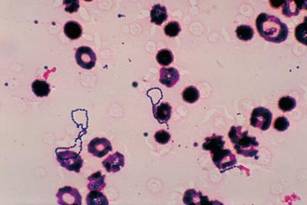
On the other hand, patients who’ve been infected with any other type of organism, particularly Staph aureus or its increasingly frequent relative methicillin-resistant Staph aureus, could be in real trouble.
"There’s no question that these organisms are smarter than we are and can lead to destruction of the valve and death of the patient, despite our best intentions," said Dr. O’Gara. He described the evolving epidemiology, natural history, and indications for surgery for this disease to this educational program of the American Association for Thoracic Surgery (AATS) and the American College of Cardiology Foundation (ACCF).
"Unfortunately, despite our best efforts, and worldwide, among centers with an interest in the care of patients with endocarditis, 6-month mortality rates still approach 25%," he said. This is close to the mortality rate of a type A aortic dissection, so it is by no means trivial. Early surgery is now performed on many who present with the disease in early stages, and perioperative mortality is 12%-20%.
It is a challenge to manage a patient who is asymptomatic with respect to heart failure but who has a large mobile vegetation involving the anterior mitral leaflet, said Dr. O’Gara. Vegetations in this location are the most prone to embolize.
"This is the common question now posed to consulting cardiologists: Does my patient require early surgery for prevention of embolic complications? We don’t really get asked too much any more: ‘Does my patient need early surgery because they’ve developed heart failure?’ I guess we’re much more confident in proceeding under those circumstances."
He discussed considerations for surgery, including the level of local surgical expertise. The intervention is complex and delicate. "This is not something for the faint of heart," said Dr. O’Gara.

In the early time frame following presentation, there is a relationship between the size of the vegetation and the risk of embolization.
The risk of stroke drops rapidly after initiation of antimicrobial therapy. Patients who develop stroke as a complication of endocarditis typically do so the day before, the day of, or the day after presentation, he said. Stroke risk continues to drop quickly in the first 2 weeks after initiation of antibiotics, and by week 5 it’s almost nil.
"If you’re thinking about intervention for prevention of stroke, it makes sense to do so in the first week, after identification of a patient at risk with a large mobile vegetation. It makes much less sense to do so in weeks 2 or 3."
The size of the vegetation alone may dictate mortality. A size of 1.5 cm or greater is associated with increased risk of death at 1 year in the setting of native valve endocarditis.
The good news is that event-free survival rates have been shown to be much better for those who undergo surgery in the first 7 days after presentation with high-risk native, left-sided endocarditis. In-hospital mortality as a function of early surgery appears to have declined over the course of time.
"So, in summary, I think for our management considerations, it’s early diagnosis, risk stratification, a heart team approach, consider early surgery, particularly if you have the operative expertise. The early risk of re-infection in implanted prosthetic material is very low," Dr. O’Gara said.
Dr. O’Gara disclosed ties with the Data Safety Monitoring Board and Lantheus Medical Imaging.
CHICAGO -- Mitral valve endocarditis is a medical-surgical problem that demands a team approach, and the landscape of the disease has changed significantly for the worst in the recent past, according to a presentation at Heart Valve Summit 2012.
"If you’re lucky enough to have a valve infection with the Strep viridans microorganism, you’re likely to do well," said Dr. Patrick T. O’Gara, director of clinical cardiology at Brigham and Women’s Hospital, Boston.
On the other hand, patients who’ve been infected with any other type of organism, particularly Staph aureus or its increasingly frequent relative methicillin-resistant Staph aureus, could be in real trouble.
"There’s no question that these organisms are smarter than we are and can lead to destruction of the valve and death of the patient, despite our best intentions," said Dr. O’Gara. He described the evolving epidemiology, natural history, and indications for surgery for this disease to this educational program of the American Association for Thoracic Surgery (AATS) and the American College of Cardiology Foundation (ACCF).
"Unfortunately, despite our best efforts, and worldwide, among centers with an interest in the care of patients with endocarditis, 6-month mortality rates still approach 25%," he said. This is close to the mortality rate of a type A aortic dissection, so it is by no means trivial. Early surgery is now performed on many who present with the disease in early stages, and perioperative mortality is 12%-20%.
It is a challenge to manage a patient who is asymptomatic with respect to heart failure but who has a large mobile vegetation involving the anterior mitral leaflet, said Dr. O’Gara. Vegetations in this location are the most prone to embolize.
"This is the common question now posed to consulting cardiologists: Does my patient require early surgery for prevention of embolic complications? We don’t really get asked too much any more: ‘Does my patient need early surgery because they’ve developed heart failure?’ I guess we’re much more confident in proceeding under those circumstances."
He discussed considerations for surgery, including the level of local surgical expertise. The intervention is complex and delicate. "This is not something for the faint of heart," said Dr. O’Gara.
In the early time frame following presentation, there is a relationship between the size of the vegetation and the risk of embolization.
The risk of stroke drops rapidly after initiation of antimicrobial therapy. Patients who develop stroke as a complication of endocarditis typically do so the day before, the day of, or the day after presentation, he said. Stroke risk continues to drop quickly in the first 2 weeks after initiation of antibiotics, and by week 5 it’s almost nil.
"If you’re thinking about intervention for prevention of stroke, it makes sense to do so in the first week, after identification of a patient at risk with a large mobile vegetation. It makes much less sense to do so in weeks 2 or 3."
The size of the vegetation alone may dictate mortality. A size of 1.5 cm or greater is associated with increased risk of death at 1 year in the setting of native valve endocarditis.
The good news is that event-free survival rates have been shown to be much better for those who undergo surgery in the first 7 days after presentation with high-risk native, left-sided endocarditis. In-hospital mortality as a function of early surgery appears to have declined over the course of time.
"So, in summary, I think for our management considerations, it’s early diagnosis, risk stratification, a heart team approach, consider early surgery, particularly if you have the operative expertise. The early risk of re-infection in implanted prosthetic material is very low," Dr. O’Gara said.
Dr. O’Gara disclosed ties with the Data Safety Monitoring Board and Lantheus Medical Imaging.
CHICAGO -- Mitral valve endocarditis is a medical-surgical problem that demands a team approach, and the landscape of the disease has changed significantly for the worst in the recent past, according to a presentation at Heart Valve Summit 2012.
"If you’re lucky enough to have a valve infection with the Strep viridans microorganism, you’re likely to do well," said Dr. Patrick T. O’Gara, director of clinical cardiology at Brigham and Women’s Hospital, Boston.
On the other hand, patients who’ve been infected with any other type of organism, particularly Staph aureus or its increasingly frequent relative methicillin-resistant Staph aureus, could be in real trouble.
"There’s no question that these organisms are smarter than we are and can lead to destruction of the valve and death of the patient, despite our best intentions," said Dr. O’Gara. He described the evolving epidemiology, natural history, and indications for surgery for this disease to this educational program of the American Association for Thoracic Surgery (AATS) and the American College of Cardiology Foundation (ACCF).
"Unfortunately, despite our best efforts, and worldwide, among centers with an interest in the care of patients with endocarditis, 6-month mortality rates still approach 25%," he said. This is close to the mortality rate of a type A aortic dissection, so it is by no means trivial. Early surgery is now performed on many who present with the disease in early stages, and perioperative mortality is 12%-20%.
It is a challenge to manage a patient who is asymptomatic with respect to heart failure but who has a large mobile vegetation involving the anterior mitral leaflet, said Dr. O’Gara. Vegetations in this location are the most prone to embolize.
"This is the common question now posed to consulting cardiologists: Does my patient require early surgery for prevention of embolic complications? We don’t really get asked too much any more: ‘Does my patient need early surgery because they’ve developed heart failure?’ I guess we’re much more confident in proceeding under those circumstances."
He discussed considerations for surgery, including the level of local surgical expertise. The intervention is complex and delicate. "This is not something for the faint of heart," said Dr. O’Gara.
In the early time frame following presentation, there is a relationship between the size of the vegetation and the risk of embolization.
The risk of stroke drops rapidly after initiation of antimicrobial therapy. Patients who develop stroke as a complication of endocarditis typically do so the day before, the day of, or the day after presentation, he said. Stroke risk continues to drop quickly in the first 2 weeks after initiation of antibiotics, and by week 5 it’s almost nil.
"If you’re thinking about intervention for prevention of stroke, it makes sense to do so in the first week, after identification of a patient at risk with a large mobile vegetation. It makes much less sense to do so in weeks 2 or 3."
The size of the vegetation alone may dictate mortality. A size of 1.5 cm or greater is associated with increased risk of death at 1 year in the setting of native valve endocarditis.
The good news is that event-free survival rates have been shown to be much better for those who undergo surgery in the first 7 days after presentation with high-risk native, left-sided endocarditis. In-hospital mortality as a function of early surgery appears to have declined over the course of time.
"So, in summary, I think for our management considerations, it’s early diagnosis, risk stratification, a heart team approach, consider early surgery, particularly if you have the operative expertise. The early risk of re-infection in implanted prosthetic material is very low," Dr. O’Gara said.
Dr. O’Gara disclosed ties with the Data Safety Monitoring Board and Lantheus Medical Imaging.
EXPERT ANALYSIS FROM HEART VALVE SUMMIT 2012

RELAX-AHF: Serelaxin Promising for Acute Heart Failure
LOS ANGELES – The recombinant vasoactive peptide hormone serelaxin showed the potential to be a breakthrough therapy for acute heart failure in a phase III randomized trial.
In the Relaxin in Acute Heart Failure (RELAX-AHF) trial, serelaxin brought greater dyspnea relief than standard treatment plus placebo. It also markedly reduced the risk of worsening heart failure during the index hospitalization, significantly shortened ICU and total hospital lengths of stay, improved biomarkers, and displayed a benign safety profile. Most impressive of all, serelaxin was associated with a highly significant 37% reduction in both cardiovascular and all-cause mortality at follow-up 6 months after administration of a 48-hour infusion, study co-principal investigator Dr. John R. Teerlink reported on Nov. 6 at the annual scientific sessions of the American Heart Association.
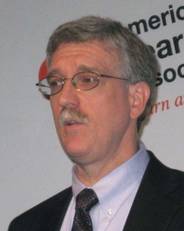
These benefits mirror those seen earlier in the phase II Pre-RELAX-AHF study (Lancet 2009;373:1429-39). That study showed an all-cause mortality reduction in the subgroup randomized to the same dose of serelaxin used in the phase III trial, added Dr. Teerlink, professor of medicine at the University of California, San Francisco.
Serelaxin is recombinant human relaxin-2, which is present in both men and women. The hormone rises to pharmacologic levels during pregnancy. During that time, it promotes increased cardiac output, renal blood flow, and arterial compliance.
"Those are exactly the kinds of changes we’d like to see in patients with acute heart failure," Dr. Teerlink explained in describing the rationale for developing the hormone as a novel cardiovascular medication.
Heart failure experts who commented on RELAX-AHF were unanimous in their conviction that the study persuasively demonstrated that serelaxin reduces breathlessness and other signs and symptoms of acute heart failure. They were more cautious regarding the observed mortality benefit.
"My own feeling about this is that it would be very nice to see this finding replicated. If we did replicate this finding it would be an extraordinary advance in the management of acute heart failure, for which we have no disease-modifying or lifesaving therapies," said Dr. John McMurray, professor of medical cardiology at the University of Glasgow.
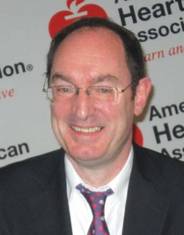
RELAX-AHF was an international double-blind study that enrolled 1,161 patients hospitalized for acute heart failure. All had dyspnea at rest or with minimal exertion, pulmonary congestion, mild to moderate renal insufficiency, elevated brain natriuretic peptide levels, and a systolic blood pressure greater than 125 mm Hg despite having received at least 40 mg of intravenous furosemide or its equivalent shortly before enrollment. Participants were randomized to intravenous serelaxin at 30 mcg/kg per day for 48 hours or placebo on top of standard management.
The results: The serelaxin-treated group experienced a 19% improvement in the primary end point of patient-reported dyspnea to day 5. They also had a 30% reduction in the relative risk of worsening heart failure events up to day 14, despite roughly 25% less use of intravenous diuretics and other vasoactive drugs than in the placebo group. The average length of the initial hospital stay was 9.6 days in the serelaxin group, and nearly a full day longer at 10.5 days in controls. The serelaxin group averaged 3.5 days in the ICU or coronary care unit, 0.4 days less than the placebo group.
They were less likely than controls to experience a significant rise in creatinine or troponin T at day 2, and more likely to have a substantial decrease in NT-proBNP and liver enzymes.
But the head-turning result was the cardiovascular death rate through day 180: 9.5% with placebo compared with 6.0% with serelaxin, for a 37% reduction in risk. The number of patients who needed to be treated with serelaxin for 48 hours in order to prevent one additional cardiovascular death was 29. All-cause mortality was reduced to a similar extent, with an 11.3% rate in controls, compared with 7.3% with serelaxin.
Rates and types of adverse events overall and serious adverse events were similar in the two study arms.
But not all prespecified end points were met. Most important, in Dr. McMurray’s view, was the serelaxin group’s lack of a reduction in rehospitalizations for heart failure or renal failure during 60 days of follow-up. In chronic heart failure, it’s very unusual to see a treatment that improves survival but does not reduce rehospitalization. Also, 6-month mortality was not a prespecified end point in RELAX-AHF. And the mortality conclusions were based on relatively small numbers.
"In acute heart failure in the past, we’ve been famously misled by small numbers," he said, citing the example of vesnarinone, which in its first randomized trial showed a 62% reduction in all-cause mortality that didn’t hold up in a second, much larger trial.
Dr. Milton Packer drew attention to the impressively short time between hospital admission and the start of serelaxin, which averaged less than 8 hours.
"No trial has ever pulled that off before. And here’s the thing that’s really exciting about RELAX-AHF: If the mortality effect is correct, and if that mortality effect is related to early treatment, that would be transformative in terms of how we think about acute heart failure. It would mean that just as in myocardial infarction, where time is of the essence, it could be that in acute heart failure time is of the essence. So if the mortality effect is true, this trial changes the way we do things," said Dr. Packer, professor and chairman of the department of clinical sciences at the University of Texas Southwestern Medical Center, Dallas.
It’s plausible that decompressing the heart quite early in an episode of acute heart failure, when the heart is being actively distended, reduces myocardial injury and thereby lowers cardiovascular risk long term. The drop in cardiac troponin levels seen with serelaxin therapy is consistent with such a scenario, according to Dr. Packer.

Dr. Gregg Fonarow said in an interview that on the strength of the evidence from RELAX-AHF plus the phase III study, including the absence of any safety concerns, he thinks serelaxin would readily earn Food and Drug Administration approval for the relief of signs and symptoms of acute heart failure. But winning an indication for mortality reduction might require a confirmatory trial.
"To have a drug that relieves symptoms and improves survival in patients hospitalized with acute heart failure would be off-the-charts exciting after 20 years of trial and error," added Dr. Fonarow, professor of medicine and director of the Ahmanson-UCLA Cardiomyopathy Center.
A spokesperson for Novartis, which sponsored RELAX-AHF, told this publication that the company hasn’t yet determined its filing strategy but believes "this is a strong set of data," and has begun discussions with the major regulatory agencies.
Simultaneous with Dr. Teerlink’s presentation, the RELAX-AHF findings were published online (Lancet 2012 Nov. 7 [doi: 10.1016/S0140-6736(12)61855-8]).
The trial was sponsored by Novartis. Dr. Teerlink reported that he has received research grants from and serves as a consultant to Novartis as well as other pharmaceutical and medical device companies. The discussants reported having no financial conflicts.
LOS ANGELES – The recombinant vasoactive peptide hormone serelaxin showed the potential to be a breakthrough therapy for acute heart failure in a phase III randomized trial.
In the Relaxin in Acute Heart Failure (RELAX-AHF) trial, serelaxin brought greater dyspnea relief than standard treatment plus placebo. It also markedly reduced the risk of worsening heart failure during the index hospitalization, significantly shortened ICU and total hospital lengths of stay, improved biomarkers, and displayed a benign safety profile. Most impressive of all, serelaxin was associated with a highly significant 37% reduction in both cardiovascular and all-cause mortality at follow-up 6 months after administration of a 48-hour infusion, study co-principal investigator Dr. John R. Teerlink reported on Nov. 6 at the annual scientific sessions of the American Heart Association.
These benefits mirror those seen earlier in the phase II Pre-RELAX-AHF study (Lancet 2009;373:1429-39). That study showed an all-cause mortality reduction in the subgroup randomized to the same dose of serelaxin used in the phase III trial, added Dr. Teerlink, professor of medicine at the University of California, San Francisco.
Serelaxin is recombinant human relaxin-2, which is present in both men and women. The hormone rises to pharmacologic levels during pregnancy. During that time, it promotes increased cardiac output, renal blood flow, and arterial compliance.
"Those are exactly the kinds of changes we’d like to see in patients with acute heart failure," Dr. Teerlink explained in describing the rationale for developing the hormone as a novel cardiovascular medication.
Heart failure experts who commented on RELAX-AHF were unanimous in their conviction that the study persuasively demonstrated that serelaxin reduces breathlessness and other signs and symptoms of acute heart failure. They were more cautious regarding the observed mortality benefit.
"My own feeling about this is that it would be very nice to see this finding replicated. If we did replicate this finding it would be an extraordinary advance in the management of acute heart failure, for which we have no disease-modifying or lifesaving therapies," said Dr. John McMurray, professor of medical cardiology at the University of Glasgow.
RELAX-AHF was an international double-blind study that enrolled 1,161 patients hospitalized for acute heart failure. All had dyspnea at rest or with minimal exertion, pulmonary congestion, mild to moderate renal insufficiency, elevated brain natriuretic peptide levels, and a systolic blood pressure greater than 125 mm Hg despite having received at least 40 mg of intravenous furosemide or its equivalent shortly before enrollment. Participants were randomized to intravenous serelaxin at 30 mcg/kg per day for 48 hours or placebo on top of standard management.
The results: The serelaxin-treated group experienced a 19% improvement in the primary end point of patient-reported dyspnea to day 5. They also had a 30% reduction in the relative risk of worsening heart failure events up to day 14, despite roughly 25% less use of intravenous diuretics and other vasoactive drugs than in the placebo group. The average length of the initial hospital stay was 9.6 days in the serelaxin group, and nearly a full day longer at 10.5 days in controls. The serelaxin group averaged 3.5 days in the ICU or coronary care unit, 0.4 days less than the placebo group.
They were less likely than controls to experience a significant rise in creatinine or troponin T at day 2, and more likely to have a substantial decrease in NT-proBNP and liver enzymes.
But the head-turning result was the cardiovascular death rate through day 180: 9.5% with placebo compared with 6.0% with serelaxin, for a 37% reduction in risk. The number of patients who needed to be treated with serelaxin for 48 hours in order to prevent one additional cardiovascular death was 29. All-cause mortality was reduced to a similar extent, with an 11.3% rate in controls, compared with 7.3% with serelaxin.
Rates and types of adverse events overall and serious adverse events were similar in the two study arms.
But not all prespecified end points were met. Most important, in Dr. McMurray’s view, was the serelaxin group’s lack of a reduction in rehospitalizations for heart failure or renal failure during 60 days of follow-up. In chronic heart failure, it’s very unusual to see a treatment that improves survival but does not reduce rehospitalization. Also, 6-month mortality was not a prespecified end point in RELAX-AHF. And the mortality conclusions were based on relatively small numbers.
"In acute heart failure in the past, we’ve been famously misled by small numbers," he said, citing the example of vesnarinone, which in its first randomized trial showed a 62% reduction in all-cause mortality that didn’t hold up in a second, much larger trial.
Dr. Milton Packer drew attention to the impressively short time between hospital admission and the start of serelaxin, which averaged less than 8 hours.
"No trial has ever pulled that off before. And here’s the thing that’s really exciting about RELAX-AHF: If the mortality effect is correct, and if that mortality effect is related to early treatment, that would be transformative in terms of how we think about acute heart failure. It would mean that just as in myocardial infarction, where time is of the essence, it could be that in acute heart failure time is of the essence. So if the mortality effect is true, this trial changes the way we do things," said Dr. Packer, professor and chairman of the department of clinical sciences at the University of Texas Southwestern Medical Center, Dallas.
It’s plausible that decompressing the heart quite early in an episode of acute heart failure, when the heart is being actively distended, reduces myocardial injury and thereby lowers cardiovascular risk long term. The drop in cardiac troponin levels seen with serelaxin therapy is consistent with such a scenario, according to Dr. Packer.
Dr. Gregg Fonarow said in an interview that on the strength of the evidence from RELAX-AHF plus the phase III study, including the absence of any safety concerns, he thinks serelaxin would readily earn Food and Drug Administration approval for the relief of signs and symptoms of acute heart failure. But winning an indication for mortality reduction might require a confirmatory trial.
"To have a drug that relieves symptoms and improves survival in patients hospitalized with acute heart failure would be off-the-charts exciting after 20 years of trial and error," added Dr. Fonarow, professor of medicine and director of the Ahmanson-UCLA Cardiomyopathy Center.
A spokesperson for Novartis, which sponsored RELAX-AHF, told this publication that the company hasn’t yet determined its filing strategy but believes "this is a strong set of data," and has begun discussions with the major regulatory agencies.
Simultaneous with Dr. Teerlink’s presentation, the RELAX-AHF findings were published online (Lancet 2012 Nov. 7 [doi: 10.1016/S0140-6736(12)61855-8]).
The trial was sponsored by Novartis. Dr. Teerlink reported that he has received research grants from and serves as a consultant to Novartis as well as other pharmaceutical and medical device companies. The discussants reported having no financial conflicts.
LOS ANGELES – The recombinant vasoactive peptide hormone serelaxin showed the potential to be a breakthrough therapy for acute heart failure in a phase III randomized trial.
In the Relaxin in Acute Heart Failure (RELAX-AHF) trial, serelaxin brought greater dyspnea relief than standard treatment plus placebo. It also markedly reduced the risk of worsening heart failure during the index hospitalization, significantly shortened ICU and total hospital lengths of stay, improved biomarkers, and displayed a benign safety profile. Most impressive of all, serelaxin was associated with a highly significant 37% reduction in both cardiovascular and all-cause mortality at follow-up 6 months after administration of a 48-hour infusion, study co-principal investigator Dr. John R. Teerlink reported on Nov. 6 at the annual scientific sessions of the American Heart Association.
These benefits mirror those seen earlier in the phase II Pre-RELAX-AHF study (Lancet 2009;373:1429-39). That study showed an all-cause mortality reduction in the subgroup randomized to the same dose of serelaxin used in the phase III trial, added Dr. Teerlink, professor of medicine at the University of California, San Francisco.
Serelaxin is recombinant human relaxin-2, which is present in both men and women. The hormone rises to pharmacologic levels during pregnancy. During that time, it promotes increased cardiac output, renal blood flow, and arterial compliance.
"Those are exactly the kinds of changes we’d like to see in patients with acute heart failure," Dr. Teerlink explained in describing the rationale for developing the hormone as a novel cardiovascular medication.
Heart failure experts who commented on RELAX-AHF were unanimous in their conviction that the study persuasively demonstrated that serelaxin reduces breathlessness and other signs and symptoms of acute heart failure. They were more cautious regarding the observed mortality benefit.
"My own feeling about this is that it would be very nice to see this finding replicated. If we did replicate this finding it would be an extraordinary advance in the management of acute heart failure, for which we have no disease-modifying or lifesaving therapies," said Dr. John McMurray, professor of medical cardiology at the University of Glasgow.
RELAX-AHF was an international double-blind study that enrolled 1,161 patients hospitalized for acute heart failure. All had dyspnea at rest or with minimal exertion, pulmonary congestion, mild to moderate renal insufficiency, elevated brain natriuretic peptide levels, and a systolic blood pressure greater than 125 mm Hg despite having received at least 40 mg of intravenous furosemide or its equivalent shortly before enrollment. Participants were randomized to intravenous serelaxin at 30 mcg/kg per day for 48 hours or placebo on top of standard management.
The results: The serelaxin-treated group experienced a 19% improvement in the primary end point of patient-reported dyspnea to day 5. They also had a 30% reduction in the relative risk of worsening heart failure events up to day 14, despite roughly 25% less use of intravenous diuretics and other vasoactive drugs than in the placebo group. The average length of the initial hospital stay was 9.6 days in the serelaxin group, and nearly a full day longer at 10.5 days in controls. The serelaxin group averaged 3.5 days in the ICU or coronary care unit, 0.4 days less than the placebo group.
They were less likely than controls to experience a significant rise in creatinine or troponin T at day 2, and more likely to have a substantial decrease in NT-proBNP and liver enzymes.
But the head-turning result was the cardiovascular death rate through day 180: 9.5% with placebo compared with 6.0% with serelaxin, for a 37% reduction in risk. The number of patients who needed to be treated with serelaxin for 48 hours in order to prevent one additional cardiovascular death was 29. All-cause mortality was reduced to a similar extent, with an 11.3% rate in controls, compared with 7.3% with serelaxin.
Rates and types of adverse events overall and serious adverse events were similar in the two study arms.
But not all prespecified end points were met. Most important, in Dr. McMurray’s view, was the serelaxin group’s lack of a reduction in rehospitalizations for heart failure or renal failure during 60 days of follow-up. In chronic heart failure, it’s very unusual to see a treatment that improves survival but does not reduce rehospitalization. Also, 6-month mortality was not a prespecified end point in RELAX-AHF. And the mortality conclusions were based on relatively small numbers.
"In acute heart failure in the past, we’ve been famously misled by small numbers," he said, citing the example of vesnarinone, which in its first randomized trial showed a 62% reduction in all-cause mortality that didn’t hold up in a second, much larger trial.
Dr. Milton Packer drew attention to the impressively short time between hospital admission and the start of serelaxin, which averaged less than 8 hours.
"No trial has ever pulled that off before. And here’s the thing that’s really exciting about RELAX-AHF: If the mortality effect is correct, and if that mortality effect is related to early treatment, that would be transformative in terms of how we think about acute heart failure. It would mean that just as in myocardial infarction, where time is of the essence, it could be that in acute heart failure time is of the essence. So if the mortality effect is true, this trial changes the way we do things," said Dr. Packer, professor and chairman of the department of clinical sciences at the University of Texas Southwestern Medical Center, Dallas.
It’s plausible that decompressing the heart quite early in an episode of acute heart failure, when the heart is being actively distended, reduces myocardial injury and thereby lowers cardiovascular risk long term. The drop in cardiac troponin levels seen with serelaxin therapy is consistent with such a scenario, according to Dr. Packer.
Dr. Gregg Fonarow said in an interview that on the strength of the evidence from RELAX-AHF plus the phase III study, including the absence of any safety concerns, he thinks serelaxin would readily earn Food and Drug Administration approval for the relief of signs and symptoms of acute heart failure. But winning an indication for mortality reduction might require a confirmatory trial.
"To have a drug that relieves symptoms and improves survival in patients hospitalized with acute heart failure would be off-the-charts exciting after 20 years of trial and error," added Dr. Fonarow, professor of medicine and director of the Ahmanson-UCLA Cardiomyopathy Center.
A spokesperson for Novartis, which sponsored RELAX-AHF, told this publication that the company hasn’t yet determined its filing strategy but believes "this is a strong set of data," and has begun discussions with the major regulatory agencies.
Simultaneous with Dr. Teerlink’s presentation, the RELAX-AHF findings were published online (Lancet 2012 Nov. 7 [doi: 10.1016/S0140-6736(12)61855-8]).
The trial was sponsored by Novartis. Dr. Teerlink reported that he has received research grants from and serves as a consultant to Novartis as well as other pharmaceutical and medical device companies. The discussants reported having no financial conflicts.
AT THE ANNUAL SCIENTIFIC SESSIONS OF THE AMERICAN HEART ASSOCIATION
Major Finding: Forty-eight hours of treatment with intravenous serelaxin in patients with acute heart failure was associated with a 37% reduction in cardiovascular mortality compared with placebo at 6 months. The number needed to treat in order to prevent one cardiovascular death was 29.
Data Source: RELAX-HF was a phase III, international, randomized trial involving 1,161 patients.
Disclosures: The trial was sponsored by Novartis. Dr. Teerlink reported that he has received research grants from and serves as a consultant to Novartis as well as other pharmaceutical and medical device companies. The discussants reported having no financial conflicts.

Left-Atrial MAZE Ablation Compromises Atrial Function
LOS ANGELES – Full left-atrial ablation by the modified Cox MAZE procedure to treat atrial fibrillation led to significant reductions in left atrial function, based on a detailed assessment of 31 patients who underwent this treatment using bilateral bipolar radiofrequency.
The damaging effect of complete left-atrial ablation contrasted with the impact of a less extensive procedure, pulmonary vein isolation, which kept left-atrial function intact and even improved it by some parameters. Opinions split on the implications of these findings.
"Our advice is that left-atrial ablation should be restricted to those cases where pulmonary vein isolation will likely be insufficient" to restore and maintain sinus rhythm, Dr. Marieke G. Compier said as she presented the findings at the annual scientific sessions of the American Heart Association on Nov. 6.
But a cardiac surgeon who heard the results disagreed, contending that the top priority is performing the procedure that will result in durable prevention of atrial fibrillation (AF) recurrence.
"Recurrence of atrial fibrillation is a more important determinant of [successful] clinical outcomes than preserved atrial function," said Dr. Pierre Page, chief of cardiac surgery at the University of Montreal. "The data we have today show that left-atrial ablation is very beneficial," Dr. Page said in an interview.
Dr. Compier and her associates used echocardiography to assess left-atrial function in 31 patients who underwent a modified Cox-MAZE procedure for complete left-atrial ablation using bilateral bipolar radiofrequency, and 31 patients who underwent pulmonary-vein isolation (PVI) only. In the full ablation group, 25 patients had persistent AF and 6 had paroxysmal AF; in the PVI group, 25 patients had paroxysmal disease and 6 had persistent AF. All patients also underwent concurrent coronary artery bypass, valve surgery, or both.
The researchers assessed the efficacy of AF treatment using 24-hour ECG monitoring at 3, 6, and 12 months following surgery. They also used two-dimensional echocardiography to assess left atrial size and function at 3 months and 1 year after surgery.
After 1 year, 68% of the patients who had full ablation and 81% of those who underwent PVI were free of AF and completely off anti-arrhythmic drug treatment; the other patients in each group had AF recurrences. The different long-term success in maintaining sinus rhythm in the two groups probably stemmed from the unbalanced distribution of patients with paroxysmal and persistent AF, said Dr. Compier, a cardiologist in the Heart Center at Leiden (the Netherlands) University Medical Center. "I think this is why full ablation seemed less successful," she said.
After 1 year, echocardiographic examinations showed that patients treated with full ablation had statistically significant reductions in left atrial volume and strain, and 42% of patients had A-wave restoration. Compared with measurements made prior to surgery, strain rate fell by an average of about 50%, peak A-wave dropped by an average of about a third, and average left-atrial ejection fraction and filling fraction each dropped by about 20%. All of these changes were statistically significant, compared with baseline.
In contrast, patients who underwent PVI had no significant change in their strain rate or peak A wave, and their average left-atrial ejection fraction and filling fraction each rose by about 10% compared with baseline, statistically significant differences. A-wave restoration occurred in 87% of the PVI patients.
Stepwise regression analysis of baseline differences between the two study groups showed that the follow-up differences seen in left-atrial size and function were best explained by the different ablation treatments the two groups received, Dr. Compier said.
Dr. Compier said that she had no disclosures.
It comes as no surprise that complete left-atrial ablation during cardiac surgery produces impaired left-atrial function, although it is surprising to see how much damage occurs. But this finding is no reason to abandon atrial ablation and replace it with less extensive treatment with pulmonary-vein isolation unless the reduced left-atrial function is shown to have a clear impact on patient outcomes or survival. Based on what we know today, on balance, it’s more important to more thoroughly and reliably address our patients’ atrial arrhythmia than it is to preserve full atrial function. Substituting pulmonary-vein isolation for full ablation would increase the risk of atrial fibrillation recurrence.
The study done by Dr. Compier and her associates in Leiden is the first to document the functional impact of complete left-atrial ablation using the modified Cox-MAZE procedure in such a careful and systematic way using echocardiography. But anyone who is concerned about the impact of full ablation on atrial function must acknowledge that this treatment is also very beneficial to patients. The Leiden group clearly showed that full ablation is very detrimental to the atrium, but they did not associate these impairments with adverse clinical outcomes. As far as we know, atrial fibrillation is a more important determinant of clinical outcome than are changes in left-atrial function.
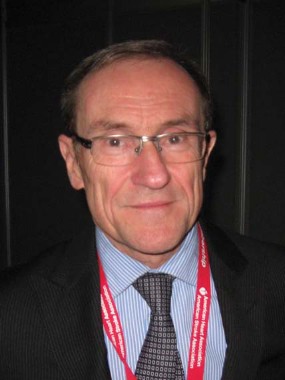
|
|
A major way in which full ablation differs from pulmonary vein isolation is the added isolation of the left-atrial appendage, and we know that contraction of the left atrium mostly depends on the left-atrial appendage. But isolation of the appendage also reduces the risk of stroke. Previously-reported findings from several studies have shown that pulmonary vein isolation is less effective at restoring sinus rhythm and preventing atrial fibrillation recurrence. Based on all the evidence collected so far, I will continue to preferentially use full ablation on most of my patients.
Dr. Pierre Page is chief of cardiac surgery at the University of Montreal. He had no disclosures. He made these comments in an interview.
It comes as no surprise that complete left-atrial ablation during cardiac surgery produces impaired left-atrial function, although it is surprising to see how much damage occurs. But this finding is no reason to abandon atrial ablation and replace it with less extensive treatment with pulmonary-vein isolation unless the reduced left-atrial function is shown to have a clear impact on patient outcomes or survival. Based on what we know today, on balance, it’s more important to more thoroughly and reliably address our patients’ atrial arrhythmia than it is to preserve full atrial function. Substituting pulmonary-vein isolation for full ablation would increase the risk of atrial fibrillation recurrence.
The study done by Dr. Compier and her associates in Leiden is the first to document the functional impact of complete left-atrial ablation using the modified Cox-MAZE procedure in such a careful and systematic way using echocardiography. But anyone who is concerned about the impact of full ablation on atrial function must acknowledge that this treatment is also very beneficial to patients. The Leiden group clearly showed that full ablation is very detrimental to the atrium, but they did not associate these impairments with adverse clinical outcomes. As far as we know, atrial fibrillation is a more important determinant of clinical outcome than are changes in left-atrial function.
|
|
|
A major way in which full ablation differs from pulmonary vein isolation is the added isolation of the left-atrial appendage, and we know that contraction of the left atrium mostly depends on the left-atrial appendage. But isolation of the appendage also reduces the risk of stroke. Previously-reported findings from several studies have shown that pulmonary vein isolation is less effective at restoring sinus rhythm and preventing atrial fibrillation recurrence. Based on all the evidence collected so far, I will continue to preferentially use full ablation on most of my patients.
Dr. Pierre Page is chief of cardiac surgery at the University of Montreal. He had no disclosures. He made these comments in an interview.
It comes as no surprise that complete left-atrial ablation during cardiac surgery produces impaired left-atrial function, although it is surprising to see how much damage occurs. But this finding is no reason to abandon atrial ablation and replace it with less extensive treatment with pulmonary-vein isolation unless the reduced left-atrial function is shown to have a clear impact on patient outcomes or survival. Based on what we know today, on balance, it’s more important to more thoroughly and reliably address our patients’ atrial arrhythmia than it is to preserve full atrial function. Substituting pulmonary-vein isolation for full ablation would increase the risk of atrial fibrillation recurrence.
The study done by Dr. Compier and her associates in Leiden is the first to document the functional impact of complete left-atrial ablation using the modified Cox-MAZE procedure in such a careful and systematic way using echocardiography. But anyone who is concerned about the impact of full ablation on atrial function must acknowledge that this treatment is also very beneficial to patients. The Leiden group clearly showed that full ablation is very detrimental to the atrium, but they did not associate these impairments with adverse clinical outcomes. As far as we know, atrial fibrillation is a more important determinant of clinical outcome than are changes in left-atrial function.
|
|
|
A major way in which full ablation differs from pulmonary vein isolation is the added isolation of the left-atrial appendage, and we know that contraction of the left atrium mostly depends on the left-atrial appendage. But isolation of the appendage also reduces the risk of stroke. Previously-reported findings from several studies have shown that pulmonary vein isolation is less effective at restoring sinus rhythm and preventing atrial fibrillation recurrence. Based on all the evidence collected so far, I will continue to preferentially use full ablation on most of my patients.
Dr. Pierre Page is chief of cardiac surgery at the University of Montreal. He had no disclosures. He made these comments in an interview.
LOS ANGELES – Full left-atrial ablation by the modified Cox MAZE procedure to treat atrial fibrillation led to significant reductions in left atrial function, based on a detailed assessment of 31 patients who underwent this treatment using bilateral bipolar radiofrequency.
The damaging effect of complete left-atrial ablation contrasted with the impact of a less extensive procedure, pulmonary vein isolation, which kept left-atrial function intact and even improved it by some parameters. Opinions split on the implications of these findings.
"Our advice is that left-atrial ablation should be restricted to those cases where pulmonary vein isolation will likely be insufficient" to restore and maintain sinus rhythm, Dr. Marieke G. Compier said as she presented the findings at the annual scientific sessions of the American Heart Association on Nov. 6.
But a cardiac surgeon who heard the results disagreed, contending that the top priority is performing the procedure that will result in durable prevention of atrial fibrillation (AF) recurrence.
"Recurrence of atrial fibrillation is a more important determinant of [successful] clinical outcomes than preserved atrial function," said Dr. Pierre Page, chief of cardiac surgery at the University of Montreal. "The data we have today show that left-atrial ablation is very beneficial," Dr. Page said in an interview.
Dr. Compier and her associates used echocardiography to assess left-atrial function in 31 patients who underwent a modified Cox-MAZE procedure for complete left-atrial ablation using bilateral bipolar radiofrequency, and 31 patients who underwent pulmonary-vein isolation (PVI) only. In the full ablation group, 25 patients had persistent AF and 6 had paroxysmal AF; in the PVI group, 25 patients had paroxysmal disease and 6 had persistent AF. All patients also underwent concurrent coronary artery bypass, valve surgery, or both.
The researchers assessed the efficacy of AF treatment using 24-hour ECG monitoring at 3, 6, and 12 months following surgery. They also used two-dimensional echocardiography to assess left atrial size and function at 3 months and 1 year after surgery.
After 1 year, 68% of the patients who had full ablation and 81% of those who underwent PVI were free of AF and completely off anti-arrhythmic drug treatment; the other patients in each group had AF recurrences. The different long-term success in maintaining sinus rhythm in the two groups probably stemmed from the unbalanced distribution of patients with paroxysmal and persistent AF, said Dr. Compier, a cardiologist in the Heart Center at Leiden (the Netherlands) University Medical Center. "I think this is why full ablation seemed less successful," she said.
After 1 year, echocardiographic examinations showed that patients treated with full ablation had statistically significant reductions in left atrial volume and strain, and 42% of patients had A-wave restoration. Compared with measurements made prior to surgery, strain rate fell by an average of about 50%, peak A-wave dropped by an average of about a third, and average left-atrial ejection fraction and filling fraction each dropped by about 20%. All of these changes were statistically significant, compared with baseline.
In contrast, patients who underwent PVI had no significant change in their strain rate or peak A wave, and their average left-atrial ejection fraction and filling fraction each rose by about 10% compared with baseline, statistically significant differences. A-wave restoration occurred in 87% of the PVI patients.
Stepwise regression analysis of baseline differences between the two study groups showed that the follow-up differences seen in left-atrial size and function were best explained by the different ablation treatments the two groups received, Dr. Compier said.
Dr. Compier said that she had no disclosures.
LOS ANGELES – Full left-atrial ablation by the modified Cox MAZE procedure to treat atrial fibrillation led to significant reductions in left atrial function, based on a detailed assessment of 31 patients who underwent this treatment using bilateral bipolar radiofrequency.
The damaging effect of complete left-atrial ablation contrasted with the impact of a less extensive procedure, pulmonary vein isolation, which kept left-atrial function intact and even improved it by some parameters. Opinions split on the implications of these findings.
"Our advice is that left-atrial ablation should be restricted to those cases where pulmonary vein isolation will likely be insufficient" to restore and maintain sinus rhythm, Dr. Marieke G. Compier said as she presented the findings at the annual scientific sessions of the American Heart Association on Nov. 6.
But a cardiac surgeon who heard the results disagreed, contending that the top priority is performing the procedure that will result in durable prevention of atrial fibrillation (AF) recurrence.
"Recurrence of atrial fibrillation is a more important determinant of [successful] clinical outcomes than preserved atrial function," said Dr. Pierre Page, chief of cardiac surgery at the University of Montreal. "The data we have today show that left-atrial ablation is very beneficial," Dr. Page said in an interview.
Dr. Compier and her associates used echocardiography to assess left-atrial function in 31 patients who underwent a modified Cox-MAZE procedure for complete left-atrial ablation using bilateral bipolar radiofrequency, and 31 patients who underwent pulmonary-vein isolation (PVI) only. In the full ablation group, 25 patients had persistent AF and 6 had paroxysmal AF; in the PVI group, 25 patients had paroxysmal disease and 6 had persistent AF. All patients also underwent concurrent coronary artery bypass, valve surgery, or both.
The researchers assessed the efficacy of AF treatment using 24-hour ECG monitoring at 3, 6, and 12 months following surgery. They also used two-dimensional echocardiography to assess left atrial size and function at 3 months and 1 year after surgery.
After 1 year, 68% of the patients who had full ablation and 81% of those who underwent PVI were free of AF and completely off anti-arrhythmic drug treatment; the other patients in each group had AF recurrences. The different long-term success in maintaining sinus rhythm in the two groups probably stemmed from the unbalanced distribution of patients with paroxysmal and persistent AF, said Dr. Compier, a cardiologist in the Heart Center at Leiden (the Netherlands) University Medical Center. "I think this is why full ablation seemed less successful," she said.
After 1 year, echocardiographic examinations showed that patients treated with full ablation had statistically significant reductions in left atrial volume and strain, and 42% of patients had A-wave restoration. Compared with measurements made prior to surgery, strain rate fell by an average of about 50%, peak A-wave dropped by an average of about a third, and average left-atrial ejection fraction and filling fraction each dropped by about 20%. All of these changes were statistically significant, compared with baseline.
In contrast, patients who underwent PVI had no significant change in their strain rate or peak A wave, and their average left-atrial ejection fraction and filling fraction each rose by about 10% compared with baseline, statistically significant differences. A-wave restoration occurred in 87% of the PVI patients.
Stepwise regression analysis of baseline differences between the two study groups showed that the follow-up differences seen in left-atrial size and function were best explained by the different ablation treatments the two groups received, Dr. Compier said.
Dr. Compier said that she had no disclosures.
AT THE ANNUAL SCIENTIFIC SESSIONS OF THE AMERICAN HEART ASSOCIATION
Major Finding: Full left-atrial ablation produced statistically significant impairments of left-atrial function, including an average 20% drop in ejection fraction.
Data Source: An echocardiographic assessment of left atrial size and function in 31 patients treated with surgical left-atrial ablation, and 31 treated by pulmonary vein isolation at one center.
Disclosures: Dr. Compier and Dr. Page said that they had no disclosures.
