User login
Primary analysis confirms interim findings of CTL019 in DLBCL
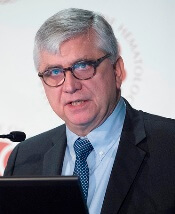
ATLANTA—The first chimeric antigen receptor (CAR) T-cell therapy approved in the US to treat children and young adults with leukemia is also producing high response rates in lymphoma, according to investigators of the JULIET trial.
They reported that tisagenlecleucel (formerly CTL019) produced an overall response rate (ORR) of 53% and a complete response (CR) rate of 40% in patients with diffuse large B-cell lymphoma (DLBCL).
Additionally, researchers say the stability in the response rate at 3 and 6 months—38% and 37%, respectively—indicates the durability of the therapy.
At 3 months, 32% of patients who achieved CR remained in CR. At 6 months, 30% remained in CR.
Researchers believe these results confirm the durable clinical benefit reported previously.
Stephen J. Schuster, MD, of the University of Pennsylvania in Philadelphia, presented the JULIET data at the 2017 ASH Annual Meeting (abstract 577).
“Only about half of relapsed diffuse large B-cell lymphoma patients are eligible for transplant,” Dr Schuster said. “[O]f those patients, only about a half respond to salvage chemotherapy, and a significant number of patients relapse post-transplant. So there is really a large unmet need for these patients, and CAR T-cell therapy is a potential agent [for them].”
The JULIET trial was a global, single-arm, phase 2 trial evaluating tisagenlecleucel in DLBCL patients. Tisagenlecleucel (Kymriah™) consists of CAR T cells with a CD19 antigen-binding domain, a 4-1BB costimulatory domain, and a CD3-zeta signaling domain.
The trial was conducted at 27 sites in 10 countries across North America, Europe, Australia, and Asia. There were 2 centralized manufacturing sites, one in Europe and one in the US.
Patients had to be 18 years or older, have had 2 or more prior lines of therapy for DLBCL, and have progressive disease or be ineligible for autologous stem cell transplant (auto-SCT). They could not have had any prior anti-CD19 therapy, and they could not have any central nervous system involvement.
The primary endpoint was best ORR using Lugano criteria with assessment by an independent review committee. Secondary endpoints included duration of response, overall survival (OS), and safety.
Study design and enrollment
Patients were screened and underwent apheresis with cryopreservation of their leukapheresis products during screening, which “allowed for enrollment of all eligible patients,” Dr Schuster said.
Patients could receive bridging chemotherapy while they awaited the manufacture of the CAR T cells.
“What’s important to note is that, early on in the trial, there was a shortage of manufacturing capacity, and this led to a longer-than-anticipated interval between enrollment and treatment,” Dr Schuster said. “This interval decreased as manufacturing capacity improved throughout the trial.”
When their CAR T cells were ready, patients were restaged, lymphodepleted, and received the tisagenlecleucel infusion. The dose ranged from 0.6 x 10⁸ to 6.0 x 10⁸ CAR-positive T cells.
The infusion could be conducted on an inpatient or outpatient basis at the investigator’s discretion, Dr Schuster said.
As of the data cutoff in March 2017, investigators enrolled 147 patients and infused 99 with tisagenlecleucel.
Forty-three patients discontinued before infusion, 9 because of an inability to manufacture the T-cell product and 34 due to death (n=16), physician decision (n=12), patient decision (n=3), adverse event (n=2), and protocol deviation (n=1). Five patients were pending infusion.
There were 81 patients with at least 3 months of follow-up or earlier disease progression evaluable for response.
Patient characteristics
Patients were a median age of 56 (range, 22–76), and 23% were 65 or older. All had an ECOG performance status of 0 or 1, 80% had DLBCL, and 19% had transformed follicular lymphoma.
Fifteen percent had double or triple hits in CMYC, BCL2, and BCL6 genes, and 52% had germinal center B-cell type disease.
Forty-four percent had 2 prior lines of therapy, 31% had 3 prior lines of therapy, and 19% had 4 to 6 prior lines of therapy. All were either refractory to or relapsed from their last therapy.
Forty-seven percent had undergone prior auto-SCT.
Eighty-nine of the 99 patients infused with tisagenlecleucel received bridging therapy, and 92 received lymphodepleting therapy.
Twenty-six patients were infused as outpatients, and 20 remained as outpatients for 3 or more days after the infusion.
Efficacy
The trial met its primary endpoint with an ORR of 53% tested against the null hypothesis of 20% or less. Forty percent of patients achieved a CR, and 14% had a partial response.
The ORR was consistent across all subgroups, including age, sex, lines of prior antineoplastic therapy, cell of origin, and rearranged MYC/BCL2/BCL6.
“The durability of response, however, which is really the message, is shown by the stability between 3- and 6-month response rates, 38% and 37%, respectively,” Dr Schuster said. “The response rate at 3 months is really indicative of the long-term benefit of this treatment approach.”
The investigators observed no apparent relationship between tumor response at month 3 and dose. And they observed responses at all dose levels.
The very early response may be due, to a certain extent, to the chemotherapy, according to Dr Schuster.
“The effect of the T cells becomes evident as you follow these patients over time,” he said.
The median duration of response and overall response have not been reached. And 74% of patients were relapse-free at 6 months.
“Importantly, almost all the complete responders at month 3 remained in complete response,” Dr Schuster said.
Safety
Adverse events of special interest that occurred within 8 weeks of the infusion included:
- Cytokine release syndrome (CRS)—58% all grades, 15% grade 3, 8% grade 4
- Neurologic events—21% all grades, 8% grade 3, 4% grade 4
- Prolonged cytopenia—36% all grades, 15% grade 3, 12% grade 4
- Infections—34% all grades, 18% grade 3, 2% grade 4
- Febrile neutropenia—13% all grades, 11% grade 3, 2% grade 4
No deaths occurred due to tisagenlecleucel, CRS, or cerebral edema.
Fifty-seven patients developed CRS. The median time to onset of CRS was 3 days (range, 1–9), and the median duration of CRS was 7 days (range, 2–30).
Twenty-eight percent of patients developed hypotension that required intervention, 6% requiring high-dose vasopressors. Eight percent were intubated, and 16% received anticytokine therapy—15% with tocilizumab and 11% with corticosteroids.
Investigators did not observe a relationship between dose and neurological events. However, they did detect a higher probability of CRS with the higher doses of tisagenlecleucel.
They also noted that dose and exposure were independent.
Dr Schuster indicated that these data are the basis for global regulatory submissions.
Manufacture of tisagenlecleucel was centralized, and investigators believe the trial shows the feasibility of global distribution of CAR T-cell therapy using cryopreserved apheresis and centralized manufacturing.
Novartis Pharmaceuticals, the sponsor of the trial, is now able to commercially manufacture the CAR T cells in 22 days.
Dr Schuster disclosed research funding and consulting fees from Novartis and Celgene. 
ATLANTA—The first chimeric antigen receptor (CAR) T-cell therapy approved in the US to treat children and young adults with leukemia is also producing high response rates in lymphoma, according to investigators of the JULIET trial.
They reported that tisagenlecleucel (formerly CTL019) produced an overall response rate (ORR) of 53% and a complete response (CR) rate of 40% in patients with diffuse large B-cell lymphoma (DLBCL).
Additionally, researchers say the stability in the response rate at 3 and 6 months—38% and 37%, respectively—indicates the durability of the therapy.
At 3 months, 32% of patients who achieved CR remained in CR. At 6 months, 30% remained in CR.
Researchers believe these results confirm the durable clinical benefit reported previously.
Stephen J. Schuster, MD, of the University of Pennsylvania in Philadelphia, presented the JULIET data at the 2017 ASH Annual Meeting (abstract 577).
“Only about half of relapsed diffuse large B-cell lymphoma patients are eligible for transplant,” Dr Schuster said. “[O]f those patients, only about a half respond to salvage chemotherapy, and a significant number of patients relapse post-transplant. So there is really a large unmet need for these patients, and CAR T-cell therapy is a potential agent [for them].”
The JULIET trial was a global, single-arm, phase 2 trial evaluating tisagenlecleucel in DLBCL patients. Tisagenlecleucel (Kymriah™) consists of CAR T cells with a CD19 antigen-binding domain, a 4-1BB costimulatory domain, and a CD3-zeta signaling domain.
The trial was conducted at 27 sites in 10 countries across North America, Europe, Australia, and Asia. There were 2 centralized manufacturing sites, one in Europe and one in the US.
Patients had to be 18 years or older, have had 2 or more prior lines of therapy for DLBCL, and have progressive disease or be ineligible for autologous stem cell transplant (auto-SCT). They could not have had any prior anti-CD19 therapy, and they could not have any central nervous system involvement.
The primary endpoint was best ORR using Lugano criteria with assessment by an independent review committee. Secondary endpoints included duration of response, overall survival (OS), and safety.
Study design and enrollment
Patients were screened and underwent apheresis with cryopreservation of their leukapheresis products during screening, which “allowed for enrollment of all eligible patients,” Dr Schuster said.
Patients could receive bridging chemotherapy while they awaited the manufacture of the CAR T cells.
“What’s important to note is that, early on in the trial, there was a shortage of manufacturing capacity, and this led to a longer-than-anticipated interval between enrollment and treatment,” Dr Schuster said. “This interval decreased as manufacturing capacity improved throughout the trial.”
When their CAR T cells were ready, patients were restaged, lymphodepleted, and received the tisagenlecleucel infusion. The dose ranged from 0.6 x 10⁸ to 6.0 x 10⁸ CAR-positive T cells.
The infusion could be conducted on an inpatient or outpatient basis at the investigator’s discretion, Dr Schuster said.
As of the data cutoff in March 2017, investigators enrolled 147 patients and infused 99 with tisagenlecleucel.
Forty-three patients discontinued before infusion, 9 because of an inability to manufacture the T-cell product and 34 due to death (n=16), physician decision (n=12), patient decision (n=3), adverse event (n=2), and protocol deviation (n=1). Five patients were pending infusion.
There were 81 patients with at least 3 months of follow-up or earlier disease progression evaluable for response.
Patient characteristics
Patients were a median age of 56 (range, 22–76), and 23% were 65 or older. All had an ECOG performance status of 0 or 1, 80% had DLBCL, and 19% had transformed follicular lymphoma.
Fifteen percent had double or triple hits in CMYC, BCL2, and BCL6 genes, and 52% had germinal center B-cell type disease.
Forty-four percent had 2 prior lines of therapy, 31% had 3 prior lines of therapy, and 19% had 4 to 6 prior lines of therapy. All were either refractory to or relapsed from their last therapy.
Forty-seven percent had undergone prior auto-SCT.
Eighty-nine of the 99 patients infused with tisagenlecleucel received bridging therapy, and 92 received lymphodepleting therapy.
Twenty-six patients were infused as outpatients, and 20 remained as outpatients for 3 or more days after the infusion.
Efficacy
The trial met its primary endpoint with an ORR of 53% tested against the null hypothesis of 20% or less. Forty percent of patients achieved a CR, and 14% had a partial response.
The ORR was consistent across all subgroups, including age, sex, lines of prior antineoplastic therapy, cell of origin, and rearranged MYC/BCL2/BCL6.
“The durability of response, however, which is really the message, is shown by the stability between 3- and 6-month response rates, 38% and 37%, respectively,” Dr Schuster said. “The response rate at 3 months is really indicative of the long-term benefit of this treatment approach.”
The investigators observed no apparent relationship between tumor response at month 3 and dose. And they observed responses at all dose levels.
The very early response may be due, to a certain extent, to the chemotherapy, according to Dr Schuster.
“The effect of the T cells becomes evident as you follow these patients over time,” he said.
The median duration of response and overall response have not been reached. And 74% of patients were relapse-free at 6 months.
“Importantly, almost all the complete responders at month 3 remained in complete response,” Dr Schuster said.
Safety
Adverse events of special interest that occurred within 8 weeks of the infusion included:
- Cytokine release syndrome (CRS)—58% all grades, 15% grade 3, 8% grade 4
- Neurologic events—21% all grades, 8% grade 3, 4% grade 4
- Prolonged cytopenia—36% all grades, 15% grade 3, 12% grade 4
- Infections—34% all grades, 18% grade 3, 2% grade 4
- Febrile neutropenia—13% all grades, 11% grade 3, 2% grade 4
No deaths occurred due to tisagenlecleucel, CRS, or cerebral edema.
Fifty-seven patients developed CRS. The median time to onset of CRS was 3 days (range, 1–9), and the median duration of CRS was 7 days (range, 2–30).
Twenty-eight percent of patients developed hypotension that required intervention, 6% requiring high-dose vasopressors. Eight percent were intubated, and 16% received anticytokine therapy—15% with tocilizumab and 11% with corticosteroids.
Investigators did not observe a relationship between dose and neurological events. However, they did detect a higher probability of CRS with the higher doses of tisagenlecleucel.
They also noted that dose and exposure were independent.
Dr Schuster indicated that these data are the basis for global regulatory submissions.
Manufacture of tisagenlecleucel was centralized, and investigators believe the trial shows the feasibility of global distribution of CAR T-cell therapy using cryopreserved apheresis and centralized manufacturing.
Novartis Pharmaceuticals, the sponsor of the trial, is now able to commercially manufacture the CAR T cells in 22 days.
Dr Schuster disclosed research funding and consulting fees from Novartis and Celgene.
ATLANTA—The first chimeric antigen receptor (CAR) T-cell therapy approved in the US to treat children and young adults with leukemia is also producing high response rates in lymphoma, according to investigators of the JULIET trial.
They reported that tisagenlecleucel (formerly CTL019) produced an overall response rate (ORR) of 53% and a complete response (CR) rate of 40% in patients with diffuse large B-cell lymphoma (DLBCL).
Additionally, researchers say the stability in the response rate at 3 and 6 months—38% and 37%, respectively—indicates the durability of the therapy.
At 3 months, 32% of patients who achieved CR remained in CR. At 6 months, 30% remained in CR.
Researchers believe these results confirm the durable clinical benefit reported previously.
Stephen J. Schuster, MD, of the University of Pennsylvania in Philadelphia, presented the JULIET data at the 2017 ASH Annual Meeting (abstract 577).
“Only about half of relapsed diffuse large B-cell lymphoma patients are eligible for transplant,” Dr Schuster said. “[O]f those patients, only about a half respond to salvage chemotherapy, and a significant number of patients relapse post-transplant. So there is really a large unmet need for these patients, and CAR T-cell therapy is a potential agent [for them].”
The JULIET trial was a global, single-arm, phase 2 trial evaluating tisagenlecleucel in DLBCL patients. Tisagenlecleucel (Kymriah™) consists of CAR T cells with a CD19 antigen-binding domain, a 4-1BB costimulatory domain, and a CD3-zeta signaling domain.
The trial was conducted at 27 sites in 10 countries across North America, Europe, Australia, and Asia. There were 2 centralized manufacturing sites, one in Europe and one in the US.
Patients had to be 18 years or older, have had 2 or more prior lines of therapy for DLBCL, and have progressive disease or be ineligible for autologous stem cell transplant (auto-SCT). They could not have had any prior anti-CD19 therapy, and they could not have any central nervous system involvement.
The primary endpoint was best ORR using Lugano criteria with assessment by an independent review committee. Secondary endpoints included duration of response, overall survival (OS), and safety.
Study design and enrollment
Patients were screened and underwent apheresis with cryopreservation of their leukapheresis products during screening, which “allowed for enrollment of all eligible patients,” Dr Schuster said.
Patients could receive bridging chemotherapy while they awaited the manufacture of the CAR T cells.
“What’s important to note is that, early on in the trial, there was a shortage of manufacturing capacity, and this led to a longer-than-anticipated interval between enrollment and treatment,” Dr Schuster said. “This interval decreased as manufacturing capacity improved throughout the trial.”
When their CAR T cells were ready, patients were restaged, lymphodepleted, and received the tisagenlecleucel infusion. The dose ranged from 0.6 x 10⁸ to 6.0 x 10⁸ CAR-positive T cells.
The infusion could be conducted on an inpatient or outpatient basis at the investigator’s discretion, Dr Schuster said.
As of the data cutoff in March 2017, investigators enrolled 147 patients and infused 99 with tisagenlecleucel.
Forty-three patients discontinued before infusion, 9 because of an inability to manufacture the T-cell product and 34 due to death (n=16), physician decision (n=12), patient decision (n=3), adverse event (n=2), and protocol deviation (n=1). Five patients were pending infusion.
There were 81 patients with at least 3 months of follow-up or earlier disease progression evaluable for response.
Patient characteristics
Patients were a median age of 56 (range, 22–76), and 23% were 65 or older. All had an ECOG performance status of 0 or 1, 80% had DLBCL, and 19% had transformed follicular lymphoma.
Fifteen percent had double or triple hits in CMYC, BCL2, and BCL6 genes, and 52% had germinal center B-cell type disease.
Forty-four percent had 2 prior lines of therapy, 31% had 3 prior lines of therapy, and 19% had 4 to 6 prior lines of therapy. All were either refractory to or relapsed from their last therapy.
Forty-seven percent had undergone prior auto-SCT.
Eighty-nine of the 99 patients infused with tisagenlecleucel received bridging therapy, and 92 received lymphodepleting therapy.
Twenty-six patients were infused as outpatients, and 20 remained as outpatients for 3 or more days after the infusion.
Efficacy
The trial met its primary endpoint with an ORR of 53% tested against the null hypothesis of 20% or less. Forty percent of patients achieved a CR, and 14% had a partial response.
The ORR was consistent across all subgroups, including age, sex, lines of prior antineoplastic therapy, cell of origin, and rearranged MYC/BCL2/BCL6.
“The durability of response, however, which is really the message, is shown by the stability between 3- and 6-month response rates, 38% and 37%, respectively,” Dr Schuster said. “The response rate at 3 months is really indicative of the long-term benefit of this treatment approach.”
The investigators observed no apparent relationship between tumor response at month 3 and dose. And they observed responses at all dose levels.
The very early response may be due, to a certain extent, to the chemotherapy, according to Dr Schuster.
“The effect of the T cells becomes evident as you follow these patients over time,” he said.
The median duration of response and overall response have not been reached. And 74% of patients were relapse-free at 6 months.
“Importantly, almost all the complete responders at month 3 remained in complete response,” Dr Schuster said.
Safety
Adverse events of special interest that occurred within 8 weeks of the infusion included:
- Cytokine release syndrome (CRS)—58% all grades, 15% grade 3, 8% grade 4
- Neurologic events—21% all grades, 8% grade 3, 4% grade 4
- Prolonged cytopenia—36% all grades, 15% grade 3, 12% grade 4
- Infections—34% all grades, 18% grade 3, 2% grade 4
- Febrile neutropenia—13% all grades, 11% grade 3, 2% grade 4
No deaths occurred due to tisagenlecleucel, CRS, or cerebral edema.
Fifty-seven patients developed CRS. The median time to onset of CRS was 3 days (range, 1–9), and the median duration of CRS was 7 days (range, 2–30).
Twenty-eight percent of patients developed hypotension that required intervention, 6% requiring high-dose vasopressors. Eight percent were intubated, and 16% received anticytokine therapy—15% with tocilizumab and 11% with corticosteroids.
Investigators did not observe a relationship between dose and neurological events. However, they did detect a higher probability of CRS with the higher doses of tisagenlecleucel.
They also noted that dose and exposure were independent.
Dr Schuster indicated that these data are the basis for global regulatory submissions.
Manufacture of tisagenlecleucel was centralized, and investigators believe the trial shows the feasibility of global distribution of CAR T-cell therapy using cryopreserved apheresis and centralized manufacturing.
Novartis Pharmaceuticals, the sponsor of the trial, is now able to commercially manufacture the CAR T cells in 22 days.
Dr Schuster disclosed research funding and consulting fees from Novartis and Celgene.
VIDEO - New lymphoma drug approvals: Clinical use, future directions
ATLANTA – 2017 was a banner year for the approval of new drugs to treat hematologic disorders.
At a special interest session at the annual meeting of American Society of Hematology, representatives from the Food and Drug Administration joined forces with clinicians to discuss the use of the newly approved treatments in the real-world setting.
In this video interview,
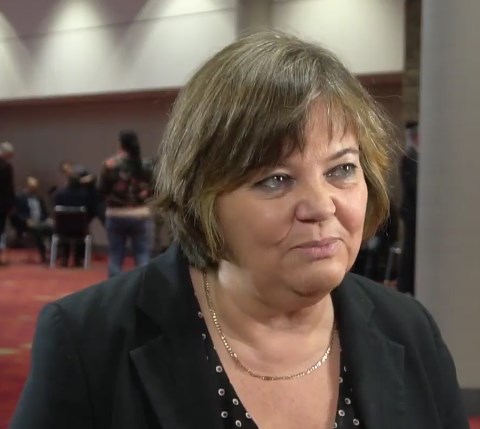
“This is extremely exciting,” she said regarding the pace of new approvals for hematologic malignancies.
The video associated with this article is no longer available on this site. Please view all of our videos on the MDedge YouTube channel
Axicabtagene ciloleucel, a CAR T-cell product approved in October for the treatment of relapsed/refractory large B-cell lymphoma in adults, is particularly interesting, she said.
“The data shows that if you look at a population of diffuse large B-cell lymphoma patients, that historically have a very poor outcome, there is definitely an impressive response rate and improved survival, compared to the natural history cohort,” said Dr. Heslop of Baylor College of Medicine, Houston.
However, while the findings are encouraging, only 30%-40% are having a durable response, she added.
“So I think there’ll be lots of efforts to try and improve the response rate by combination with other agents such as checkpoint inhibitors or other immunomodulators,” she said.
With respect to the second-generation Bruton’s tyrosine kinase inhibitor acalabrutinib, which was approved in October for adults with mantle cell lymphoma who have been treated with at least one prior therapy, she discussed the potential for improved outcomes and the importance of looking further into its use in patients who have failed ibrutinib therapy, as well as its use in combination with other agents, such as bendamustine and rituximab early in the course of disease.
Copanlisib, a PI3 kinase inhibitor approved in September, is an addition to the armamentarium for adult patients with relapsed follicular lymphoma after two lines of previous therapy.
“It still does have some side effects, as do other drugs in this class, so I think it’s place will still need to be defined,” Dr. Heslop said.
She reported having no relevant financial disclosures.
ATLANTA – 2017 was a banner year for the approval of new drugs to treat hematologic disorders.
At a special interest session at the annual meeting of American Society of Hematology, representatives from the Food and Drug Administration joined forces with clinicians to discuss the use of the newly approved treatments in the real-world setting.
In this video interview,
“This is extremely exciting,” she said regarding the pace of new approvals for hematologic malignancies.
The video associated with this article is no longer available on this site. Please view all of our videos on the MDedge YouTube channel
Axicabtagene ciloleucel, a CAR T-cell product approved in October for the treatment of relapsed/refractory large B-cell lymphoma in adults, is particularly interesting, she said.
“The data shows that if you look at a population of diffuse large B-cell lymphoma patients, that historically have a very poor outcome, there is definitely an impressive response rate and improved survival, compared to the natural history cohort,” said Dr. Heslop of Baylor College of Medicine, Houston.
However, while the findings are encouraging, only 30%-40% are having a durable response, she added.
“So I think there’ll be lots of efforts to try and improve the response rate by combination with other agents such as checkpoint inhibitors or other immunomodulators,” she said.
With respect to the second-generation Bruton’s tyrosine kinase inhibitor acalabrutinib, which was approved in October for adults with mantle cell lymphoma who have been treated with at least one prior therapy, she discussed the potential for improved outcomes and the importance of looking further into its use in patients who have failed ibrutinib therapy, as well as its use in combination with other agents, such as bendamustine and rituximab early in the course of disease.
Copanlisib, a PI3 kinase inhibitor approved in September, is an addition to the armamentarium for adult patients with relapsed follicular lymphoma after two lines of previous therapy.
“It still does have some side effects, as do other drugs in this class, so I think it’s place will still need to be defined,” Dr. Heslop said.
She reported having no relevant financial disclosures.
ATLANTA – 2017 was a banner year for the approval of new drugs to treat hematologic disorders.
At a special interest session at the annual meeting of American Society of Hematology, representatives from the Food and Drug Administration joined forces with clinicians to discuss the use of the newly approved treatments in the real-world setting.
In this video interview,
“This is extremely exciting,” she said regarding the pace of new approvals for hematologic malignancies.
The video associated with this article is no longer available on this site. Please view all of our videos on the MDedge YouTube channel
Axicabtagene ciloleucel, a CAR T-cell product approved in October for the treatment of relapsed/refractory large B-cell lymphoma in adults, is particularly interesting, she said.
“The data shows that if you look at a population of diffuse large B-cell lymphoma patients, that historically have a very poor outcome, there is definitely an impressive response rate and improved survival, compared to the natural history cohort,” said Dr. Heslop of Baylor College of Medicine, Houston.
However, while the findings are encouraging, only 30%-40% are having a durable response, she added.
“So I think there’ll be lots of efforts to try and improve the response rate by combination with other agents such as checkpoint inhibitors or other immunomodulators,” she said.
With respect to the second-generation Bruton’s tyrosine kinase inhibitor acalabrutinib, which was approved in October for adults with mantle cell lymphoma who have been treated with at least one prior therapy, she discussed the potential for improved outcomes and the importance of looking further into its use in patients who have failed ibrutinib therapy, as well as its use in combination with other agents, such as bendamustine and rituximab early in the course of disease.
Copanlisib, a PI3 kinase inhibitor approved in September, is an addition to the armamentarium for adult patients with relapsed follicular lymphoma after two lines of previous therapy.
“It still does have some side effects, as do other drugs in this class, so I think it’s place will still need to be defined,” Dr. Heslop said.
She reported having no relevant financial disclosures.
REPORTING FROM ASH 2017
VIDEO: CAR T cell axi-cel drives B-cell lymphomas into remission
ATLANTA – In the ZUMA-1 trial, more than one-third of patients with refractory large B-cell lymphomas treated with the chimeric antigen receptor (CAR) T-cell product axicabtagene ciloleucel (Yescarta; axi-cel) had durable responses, with some patients having complete responses lasting more than 1 year after a single infusion.
Updated combined phase 1 and 2 results in 108 patients with diffuse large B-cell lymphoma, primary mediastinal B-cell lymphoma, or transformed follicular lymphoma showed an objective response rate of 82% of patients – including 58% showing complete responses – after a median follow-up of 15.4 months.
In a video interview at the annual meeting of the American Society of Hematology, Sattva S. Neelapu, MD, from the University of Texas MD Anderson Cancer Center in Houston discusses the use of CAR T cells directed against the CD19 antigen in patients with relapsed/refractory B-cell lymphomas and describes efforts to improve responses while managing adverse events common to CAR T-cell therapies, notably cytokine release syndrome.
ZUMA-1 is supported by Kite Pharma, which developed axicabtagene ciloleucel, and the Leukemia & Lymphoma Society’s Therapy Acceleration Program. Dr. Neelapu reported receiving advisory board fees from the company.
The video associated with this article is no longer available on this site. Please view all of our videos on the MDedge YouTube channel
ATLANTA – In the ZUMA-1 trial, more than one-third of patients with refractory large B-cell lymphomas treated with the chimeric antigen receptor (CAR) T-cell product axicabtagene ciloleucel (Yescarta; axi-cel) had durable responses, with some patients having complete responses lasting more than 1 year after a single infusion.
Updated combined phase 1 and 2 results in 108 patients with diffuse large B-cell lymphoma, primary mediastinal B-cell lymphoma, or transformed follicular lymphoma showed an objective response rate of 82% of patients – including 58% showing complete responses – after a median follow-up of 15.4 months.
In a video interview at the annual meeting of the American Society of Hematology, Sattva S. Neelapu, MD, from the University of Texas MD Anderson Cancer Center in Houston discusses the use of CAR T cells directed against the CD19 antigen in patients with relapsed/refractory B-cell lymphomas and describes efforts to improve responses while managing adverse events common to CAR T-cell therapies, notably cytokine release syndrome.
ZUMA-1 is supported by Kite Pharma, which developed axicabtagene ciloleucel, and the Leukemia & Lymphoma Society’s Therapy Acceleration Program. Dr. Neelapu reported receiving advisory board fees from the company.
The video associated with this article is no longer available on this site. Please view all of our videos on the MDedge YouTube channel
ATLANTA – In the ZUMA-1 trial, more than one-third of patients with refractory large B-cell lymphomas treated with the chimeric antigen receptor (CAR) T-cell product axicabtagene ciloleucel (Yescarta; axi-cel) had durable responses, with some patients having complete responses lasting more than 1 year after a single infusion.
Updated combined phase 1 and 2 results in 108 patients with diffuse large B-cell lymphoma, primary mediastinal B-cell lymphoma, or transformed follicular lymphoma showed an objective response rate of 82% of patients – including 58% showing complete responses – after a median follow-up of 15.4 months.
In a video interview at the annual meeting of the American Society of Hematology, Sattva S. Neelapu, MD, from the University of Texas MD Anderson Cancer Center in Houston discusses the use of CAR T cells directed against the CD19 antigen in patients with relapsed/refractory B-cell lymphomas and describes efforts to improve responses while managing adverse events common to CAR T-cell therapies, notably cytokine release syndrome.
ZUMA-1 is supported by Kite Pharma, which developed axicabtagene ciloleucel, and the Leukemia & Lymphoma Society’s Therapy Acceleration Program. Dr. Neelapu reported receiving advisory board fees from the company.
The video associated with this article is no longer available on this site. Please view all of our videos on the MDedge YouTube channel
REPORTING FROM ASH 2017
Updated ZUMA-1 data show durable CAR-T responses in B-cell lymphomas
ATLANTA – More than one-third of patients with refractory large B-cell lymphomas treated with the chimeric antigen receptor (CAR) T-cell product axicabtagene ciloleucel (Yescarta), often called axi-cel, had durable responses, with some patients having complete responses lasting more than 1 year after a single infusion, according to investigators in the ZUMA-1 trial.
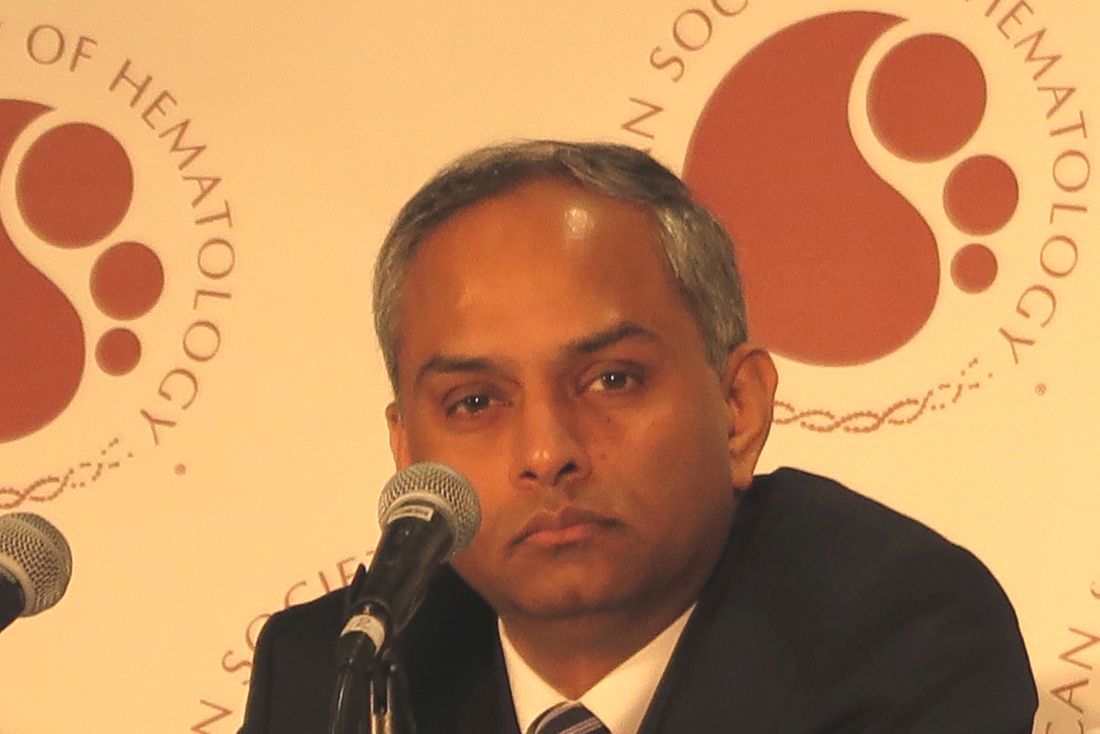
Updated combined phase 1 and phase 2 results in 108 patients with diffuse large B-cell lymphoma (DLBCL), primary mediastinal B-cell lymphoma (PMBCL), or transformed follicular lymphoma (TFL) showed an objective response rate (ORR) of 82%, including 58% complete responses, after a median follow-up of 15.4 months, reported Sattva S. Neelapu, MD, from the University of Texas MD Anderson Cancer Center in Houston.
“Axi-cel is highly effective in patients with large B-cell lymphoma who otherwise have no curative treatment options,” he said in a briefing at the annual meeting of the American Society of Hematology, prior to his presentation of the data in an oral session.
The trial results were also published simultaneously in the New England Journal of Medicine.As previously reported, in the multicenter phase 2 ZUMA-1 trial, 111 patients with treatment refractory DLBCL, PMBCL, or TFL were enrolled and treated with axi-cel at a target dose of 2 x 10⁶ cells/kg, following a conditioning regimen with low-dose cyclophosphamide and fludarabine.
The median patient age was 58 years. Patients had stage III or IV disease, 48% had International Prognostic Index scores of 3-4, 76% had disease that was refractory to third-line therapies or beyond, and 21% had disease that relapsed within 12 months of an autologous bone marrow transplant
Axi-cel was successfully manufactured with sufficient cells for transfusion in all but one of the 111 patients, and 101 patients eventually received infusions in phase 2 (modified intention-to-treat population). The average turnaround time from apheresis to the clinical site was 17 days.
Dr. Neelapu also presented data on seven patients enrolled in phase 1; the data were combined with the phase 2 results for an updated analysis of those patients who had at least 1 year of follow-up.
The phase 2 trial met its primary endpoint at the time of the primary analysis, with an 82% ORR, consisting of 54% complete responses and 28% partial responses at a median follow-up of 8.7 months.
In the updated analysis, the ORR and respective remission rates were 82%, 58%, and 34%, at a median of 15.4 months follow-up.
The median duration of response in the updated analysis was 11.1 months. The median duration of complete responses had not been reached at the time of data cutoff in August 2017. The median duration of partial responses was 1.9 months.
At the 15.4-month mark, 42% of patients remained free of disease progression, and 56% were alive, with the median overall survival not yet reached.
The treatment had generally acceptable toxicities, with only 13% of patients in phase 2 experiencing grade 3 or greater cytokine release syndrome (CRS), although one patient with CRS died from hemophagocytic lymphohistiocytosis, and one with CRS died from cardiac arrest. Grade 3 or greater neurologic events occurred in 28% of patients, and included encephalopathy, confusional state, aphasia, and somnolence.
The events were generally reversible, and the rates of each declined over time. The use of tocilizumab or steroids to control adverse events did not have a negative effect on responses.
Since the primary analysis with at least 6 months of follow-up, there have been no new axi-cel–related cases of CRS, neurologic events, or deaths.
Dr. Neelapu also presented safety data on serious adverse events occurring more than 6 months after therapy in 10 patients who developed symptoms after the data cutoff.
Grade 3 events in these patients included lung infection, recurrent upper respiratory viral infection, and rotavirus infection, pneumonias, atrial fibrillation with rapid ventricular response, lung infection, febrile neutropenia, and influenza B infection. One patient had grade 4 sepsis.
In an editorial accompanying the study in the New England Journal of Medicine, Eric Tran, PhD, and Walter J. Urba, MD, PhD, from the Earle A. Chiles Research Institute and the Providence Portland (Ore.) Medical Center, and Dan L. Longo, MD, deputy editor of the journal, praised ZUMA-1 as “a landmark study because it involved 22 institutions and showed that a personalized gene-engineered T-cell product could be rapidly generated at a centralized cell-manufacturing facility and safely administered to patients at transplantation-capable medical centers.”
They noted, however, that about half of all patients with relapsed or refractory large B-cell lymphomas will not have durable responses to CAR T-cell therapy directed against CD19, and that new strategies will be needed to improve responses (N Engl J Med. 2017 Dec 10; doi: 10.1056/NEJMe1714680).
In the question and answer session at the end of the briefing, Dr. Neelapu said the preliminary observations of mechanisms of relapse or disease progression in some patients may be related to the loss of the CD19 antigen, which occurs in about one-third of patients who experience relapse, and to high expression of the programmed death ligand-1, which can potentially inhibit CAR-T cell function. A clinical trial is currently underway to evaluate potential strategies for improving response rates to CAR-T therapies, he said.
ZUMA-1 is supported by Kite Pharma and the Leukemia and Lymphoma Society Therapy Acceleration Program. Dr. Neelapu reported receiving advisory board fees from the company. Myriad coauthors also reported financial relationship with multiple companies.
SOURCE: Neelapu S et al. ASH 2017 Abstract 578.
ATLANTA – More than one-third of patients with refractory large B-cell lymphomas treated with the chimeric antigen receptor (CAR) T-cell product axicabtagene ciloleucel (Yescarta), often called axi-cel, had durable responses, with some patients having complete responses lasting more than 1 year after a single infusion, according to investigators in the ZUMA-1 trial.
Updated combined phase 1 and phase 2 results in 108 patients with diffuse large B-cell lymphoma (DLBCL), primary mediastinal B-cell lymphoma (PMBCL), or transformed follicular lymphoma (TFL) showed an objective response rate (ORR) of 82%, including 58% complete responses, after a median follow-up of 15.4 months, reported Sattva S. Neelapu, MD, from the University of Texas MD Anderson Cancer Center in Houston.
“Axi-cel is highly effective in patients with large B-cell lymphoma who otherwise have no curative treatment options,” he said in a briefing at the annual meeting of the American Society of Hematology, prior to his presentation of the data in an oral session.
The trial results were also published simultaneously in the New England Journal of Medicine.As previously reported, in the multicenter phase 2 ZUMA-1 trial, 111 patients with treatment refractory DLBCL, PMBCL, or TFL were enrolled and treated with axi-cel at a target dose of 2 x 10⁶ cells/kg, following a conditioning regimen with low-dose cyclophosphamide and fludarabine.
The median patient age was 58 years. Patients had stage III or IV disease, 48% had International Prognostic Index scores of 3-4, 76% had disease that was refractory to third-line therapies or beyond, and 21% had disease that relapsed within 12 months of an autologous bone marrow transplant
Axi-cel was successfully manufactured with sufficient cells for transfusion in all but one of the 111 patients, and 101 patients eventually received infusions in phase 2 (modified intention-to-treat population). The average turnaround time from apheresis to the clinical site was 17 days.
Dr. Neelapu also presented data on seven patients enrolled in phase 1; the data were combined with the phase 2 results for an updated analysis of those patients who had at least 1 year of follow-up.
The phase 2 trial met its primary endpoint at the time of the primary analysis, with an 82% ORR, consisting of 54% complete responses and 28% partial responses at a median follow-up of 8.7 months.
In the updated analysis, the ORR and respective remission rates were 82%, 58%, and 34%, at a median of 15.4 months follow-up.
The median duration of response in the updated analysis was 11.1 months. The median duration of complete responses had not been reached at the time of data cutoff in August 2017. The median duration of partial responses was 1.9 months.
At the 15.4-month mark, 42% of patients remained free of disease progression, and 56% were alive, with the median overall survival not yet reached.
The treatment had generally acceptable toxicities, with only 13% of patients in phase 2 experiencing grade 3 or greater cytokine release syndrome (CRS), although one patient with CRS died from hemophagocytic lymphohistiocytosis, and one with CRS died from cardiac arrest. Grade 3 or greater neurologic events occurred in 28% of patients, and included encephalopathy, confusional state, aphasia, and somnolence.
The events were generally reversible, and the rates of each declined over time. The use of tocilizumab or steroids to control adverse events did not have a negative effect on responses.
Since the primary analysis with at least 6 months of follow-up, there have been no new axi-cel–related cases of CRS, neurologic events, or deaths.
Dr. Neelapu also presented safety data on serious adverse events occurring more than 6 months after therapy in 10 patients who developed symptoms after the data cutoff.
Grade 3 events in these patients included lung infection, recurrent upper respiratory viral infection, and rotavirus infection, pneumonias, atrial fibrillation with rapid ventricular response, lung infection, febrile neutropenia, and influenza B infection. One patient had grade 4 sepsis.
In an editorial accompanying the study in the New England Journal of Medicine, Eric Tran, PhD, and Walter J. Urba, MD, PhD, from the Earle A. Chiles Research Institute and the Providence Portland (Ore.) Medical Center, and Dan L. Longo, MD, deputy editor of the journal, praised ZUMA-1 as “a landmark study because it involved 22 institutions and showed that a personalized gene-engineered T-cell product could be rapidly generated at a centralized cell-manufacturing facility and safely administered to patients at transplantation-capable medical centers.”
They noted, however, that about half of all patients with relapsed or refractory large B-cell lymphomas will not have durable responses to CAR T-cell therapy directed against CD19, and that new strategies will be needed to improve responses (N Engl J Med. 2017 Dec 10; doi: 10.1056/NEJMe1714680).
In the question and answer session at the end of the briefing, Dr. Neelapu said the preliminary observations of mechanisms of relapse or disease progression in some patients may be related to the loss of the CD19 antigen, which occurs in about one-third of patients who experience relapse, and to high expression of the programmed death ligand-1, which can potentially inhibit CAR-T cell function. A clinical trial is currently underway to evaluate potential strategies for improving response rates to CAR-T therapies, he said.
ZUMA-1 is supported by Kite Pharma and the Leukemia and Lymphoma Society Therapy Acceleration Program. Dr. Neelapu reported receiving advisory board fees from the company. Myriad coauthors also reported financial relationship with multiple companies.
SOURCE: Neelapu S et al. ASH 2017 Abstract 578.
ATLANTA – More than one-third of patients with refractory large B-cell lymphomas treated with the chimeric antigen receptor (CAR) T-cell product axicabtagene ciloleucel (Yescarta), often called axi-cel, had durable responses, with some patients having complete responses lasting more than 1 year after a single infusion, according to investigators in the ZUMA-1 trial.
Updated combined phase 1 and phase 2 results in 108 patients with diffuse large B-cell lymphoma (DLBCL), primary mediastinal B-cell lymphoma (PMBCL), or transformed follicular lymphoma (TFL) showed an objective response rate (ORR) of 82%, including 58% complete responses, after a median follow-up of 15.4 months, reported Sattva S. Neelapu, MD, from the University of Texas MD Anderson Cancer Center in Houston.
“Axi-cel is highly effective in patients with large B-cell lymphoma who otherwise have no curative treatment options,” he said in a briefing at the annual meeting of the American Society of Hematology, prior to his presentation of the data in an oral session.
The trial results were also published simultaneously in the New England Journal of Medicine.As previously reported, in the multicenter phase 2 ZUMA-1 trial, 111 patients with treatment refractory DLBCL, PMBCL, or TFL were enrolled and treated with axi-cel at a target dose of 2 x 10⁶ cells/kg, following a conditioning regimen with low-dose cyclophosphamide and fludarabine.
The median patient age was 58 years. Patients had stage III or IV disease, 48% had International Prognostic Index scores of 3-4, 76% had disease that was refractory to third-line therapies or beyond, and 21% had disease that relapsed within 12 months of an autologous bone marrow transplant
Axi-cel was successfully manufactured with sufficient cells for transfusion in all but one of the 111 patients, and 101 patients eventually received infusions in phase 2 (modified intention-to-treat population). The average turnaround time from apheresis to the clinical site was 17 days.
Dr. Neelapu also presented data on seven patients enrolled in phase 1; the data were combined with the phase 2 results for an updated analysis of those patients who had at least 1 year of follow-up.
The phase 2 trial met its primary endpoint at the time of the primary analysis, with an 82% ORR, consisting of 54% complete responses and 28% partial responses at a median follow-up of 8.7 months.
In the updated analysis, the ORR and respective remission rates were 82%, 58%, and 34%, at a median of 15.4 months follow-up.
The median duration of response in the updated analysis was 11.1 months. The median duration of complete responses had not been reached at the time of data cutoff in August 2017. The median duration of partial responses was 1.9 months.
At the 15.4-month mark, 42% of patients remained free of disease progression, and 56% were alive, with the median overall survival not yet reached.
The treatment had generally acceptable toxicities, with only 13% of patients in phase 2 experiencing grade 3 or greater cytokine release syndrome (CRS), although one patient with CRS died from hemophagocytic lymphohistiocytosis, and one with CRS died from cardiac arrest. Grade 3 or greater neurologic events occurred in 28% of patients, and included encephalopathy, confusional state, aphasia, and somnolence.
The events were generally reversible, and the rates of each declined over time. The use of tocilizumab or steroids to control adverse events did not have a negative effect on responses.
Since the primary analysis with at least 6 months of follow-up, there have been no new axi-cel–related cases of CRS, neurologic events, or deaths.
Dr. Neelapu also presented safety data on serious adverse events occurring more than 6 months after therapy in 10 patients who developed symptoms after the data cutoff.
Grade 3 events in these patients included lung infection, recurrent upper respiratory viral infection, and rotavirus infection, pneumonias, atrial fibrillation with rapid ventricular response, lung infection, febrile neutropenia, and influenza B infection. One patient had grade 4 sepsis.
In an editorial accompanying the study in the New England Journal of Medicine, Eric Tran, PhD, and Walter J. Urba, MD, PhD, from the Earle A. Chiles Research Institute and the Providence Portland (Ore.) Medical Center, and Dan L. Longo, MD, deputy editor of the journal, praised ZUMA-1 as “a landmark study because it involved 22 institutions and showed that a personalized gene-engineered T-cell product could be rapidly generated at a centralized cell-manufacturing facility and safely administered to patients at transplantation-capable medical centers.”
They noted, however, that about half of all patients with relapsed or refractory large B-cell lymphomas will not have durable responses to CAR T-cell therapy directed against CD19, and that new strategies will be needed to improve responses (N Engl J Med. 2017 Dec 10; doi: 10.1056/NEJMe1714680).
In the question and answer session at the end of the briefing, Dr. Neelapu said the preliminary observations of mechanisms of relapse or disease progression in some patients may be related to the loss of the CD19 antigen, which occurs in about one-third of patients who experience relapse, and to high expression of the programmed death ligand-1, which can potentially inhibit CAR-T cell function. A clinical trial is currently underway to evaluate potential strategies for improving response rates to CAR-T therapies, he said.
ZUMA-1 is supported by Kite Pharma and the Leukemia and Lymphoma Society Therapy Acceleration Program. Dr. Neelapu reported receiving advisory board fees from the company. Myriad coauthors also reported financial relationship with multiple companies.
SOURCE: Neelapu S et al. ASH 2017 Abstract 578.
REPORTING FROM ASH 2017
Key clinical point:.
Major finding: The objective response rate was 82%, including 58% complete responses at a median of 15.4 months of follow-up.
Data source: Update analysis of phase 1 and 2 data from the ZUMA-1 trial in 108 patients with large B-cell lymphomas.
Disclosures: ZUMA-1 is supported by Kite Pharma and the Leukemia and Lymphoma Society Therapy Acceleration Program. Dr. Neelapu reported receiving advisory board fees from the company. Myriad coauthors also reported financial relationship with multiple companies.
Source: Neelapu S et al. ASH 2017 Abstract 578
ASCT or novel therapies in early relapsing follicular lymphoma?
NEW YORK – For patients with newly diagnosed follicular lymphoma and other indolent non-Hodgkin lymphoma, the combination of bendamustine (Treanda) and rituximab is associated with significantly better progression-free survival (PFS) and longer time-to-next treatment than is rituximab plus CHOP chemotherapy, results of the BRIGHT study indicate.
But That was the question taken on in a debate at an international congress on hematologic malignancies by Carla Casulo, MD of the James P. Wilmot Cancer Institute at the University of Rochester (N.Y.), and Brian K. Link, MD, of the University of Iowa Hospitals & Clinics in Iowa City.
Dr. Casulo: ASCT
“Follicular lymphoma with a short remission duration has been established as a poor prognostic marker for survival, and the optimal therapy for these patients is really not known,” Dr. Casulo said.
“Of course, [novel] therapies can be considered, I think, for the appropriate patient, and hopefully in the context of a clinical study,” she added.
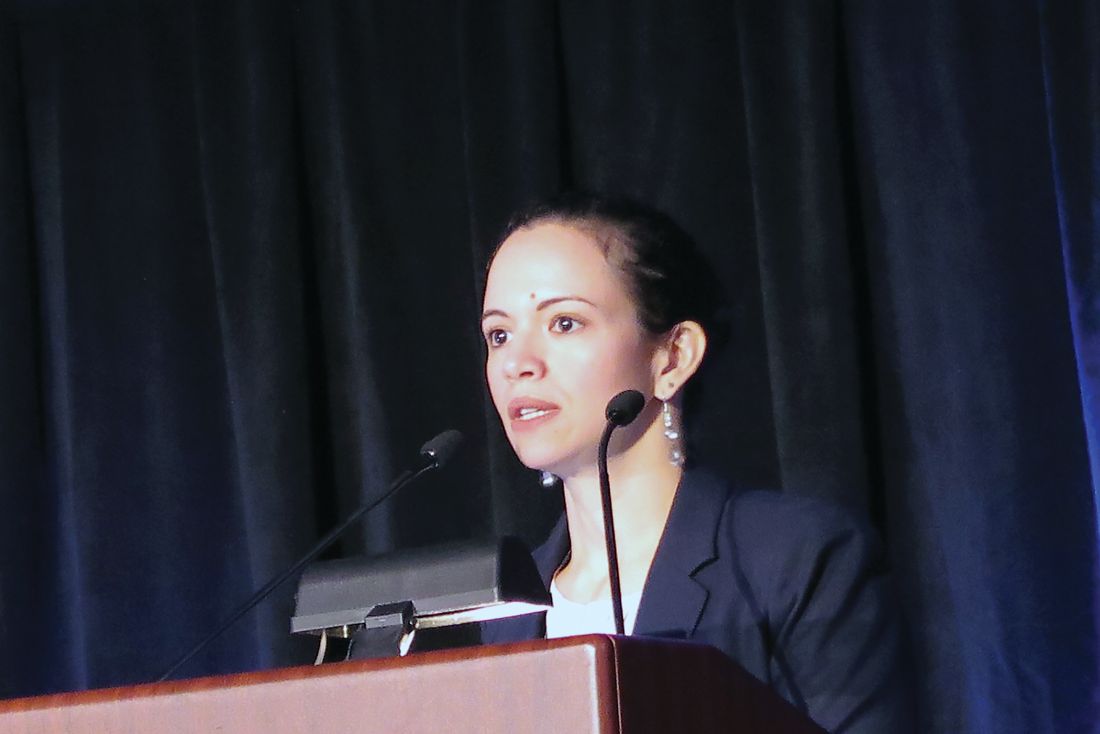
To lay out her argument for ASCT, Dr. Casulo pointed to four studies suggesting that about 20% of patients with follicular lymphoma will experience disease progression within 24 months of chemoimmunotherapy. Similar patterns of progression at 24 months were seen with R-CHOP in the SWOG S0016 trial, with both bendamustine-rituximab and R-CHOP in the StiL Study, with lenalidomide (Revlimid) and rituximab in a phase 3 clinical trial, and with one of three rituximab-based immunochemotherapy regimens in the PRIMA trial.
The results from these trials suggest that “there is an inherent biology to this population that relapses early, regardless of what induction strategy is used. However, what’s not known, until now, is whether early relapse implies poor survival in this disease,” she said.
To examine this question Dr. Casulo and her colleagues performed an analysis of time to progression among patients with newly-diagnosed follicular lymphoma treated with R-CHOP who were enrolled in the National LymphoCare Study (NLCS). “What we found was that there were very poor outcomes associated with early-relapsing follicular lymphoma,” she said.
Overall survival (OS) at 8 years was 50% for patients with disease progression within 24 months of therapy, compared with 90% for patients who did not have early progression, a finding that was validated in a cohort of patients from the University of Iowa and the Mayo Clinic in which 8-year OS for early progressors was 34%, compared with 90% for other patients. The results held up when the researchers controlled for Follicular Lymphoma International Prognostic Index scores and in patients treated with rituximab and the cyclophosphamide, vincristine, and prednisone regimen rather than CHOP, Dr. Casulo noted.
“So, given these findings, how does one navigate the treatment landscape for patients with early relapsing follicular lymphoma? The reality is that there is really no standard of care or best approach,” she said.
“Ultimately, the goal of therapy, at least in my opinion, should be overcoming the chemoresistance that’s inherent to this biology, and establishing durable disease control, and there are a couple of strategies that might be able to achieve that,” she added.
There have been only two clinical trials of ASCT in patients with relapsed follicular lymphoma.
In the CUP trial, initiated prior to the introduction of rituximab, 89 patients with relapsed follicular lymphoma were treated with three cycles of CHOP, and those with a response were then randomized to either purged or unpurged ASCT, or to three additional cycles of CHOP. Four-year OS in this study was 70% for patients who underwent ASCT vs. 50% for those who received six cycles of CHOP.
In the EBMT LYM1 trial, 280 rituximab-naive patients with relapsed follicular lymphoma after a partial or complete remission were randomized to rituximab-purged or unpurged ASCT, followed by randomization to observation or rituximab maintenance. In this trial, the 10-year OS with ASCT ranged from 68% to 73%.
A Spanish registry study presented in a poster session at the 14th International Conference on Malignant Lymphoma in Lugano, Italy, showed long-term efficacy of ASCT in relapsed follicular lymphoma, with plateaus in both PFS and OS about 9 years after transplant for both rituximab-exposed and rituximab-naive patients, “suggesting that perhaps a subset of patients with relapsed follicular lymphoma can be cured with this approach,” Dr. Casulo said.
Similarly, a trial from the German Low Grade Lymphoma Studies group, presented at the 2016 American Society of Hematology annual meeting, showed 5-year OS of 77% with ASCT vs. 46% for patients who did not receive a transplant.
Dr. Casulo and her colleagues collaborated with investigators at the Center for International Blood and Marrow Transplant Research and the NLCS to see whether ASCT can improve OS compared with no transplant in patients with early-relapsed follicular lymphoma. They found that patients who received ASCT within 1 year of therapy failure had a 5-year OS of 73%, compared with 60% for those who did not receive ASCT (P = .02).
She acknowledged that toxicities associated with ASCT are a concern, pointing to a 2007 study looking at long-term follow-up of myeloablative ASCT for follicular lymphoma at the time of second or subsequent remission. The investigators found that rates of myelodysplasia were as high as 20% at 10 years, especially among patients who had undergone total body irradiation, a practice that has since fallen out of favor.
A separate study led by Matt Kalaycio, MD, of the Cleveland Clinic, showed that more lines of prior therapy (4-6 vs. 1-3) and radiation were both risk factors for subsequent myelodysplastic syndrome and acute myeloid leukemia.
“I hope we have demonstrated that autologous transplant can have durable response in these patients, with possibly a cure in a subset; but, ultimately, I think strategies that combine novel agents and autologous transplant in a clinical trial are the way to go to improve outcomes,” she said.
Dr. Link: Novel agents
“I actually happen to agree with very much of what Carla had to share, but I do have a couple of caveats,” Dr. Link said.
“The focus of this discussion is on patients with high-risk follicular lymphoma, as Carla very carefully defined in her analysis of the NLCS. These are the early progressors,” he said.
He cited data from the University of Iowa/Mayo Clinic series, validated in a cohort of patients from Lyon, France, showing that high-risk patients with early progression after immunochemotherapy had “especially poor outcomes.” In contrast, patients who were not early progressors fared quite well.
“It suggested that with agents that were available as of 2015, if you’re not an early progressor, your survival at least matches, or essentially matches with statistical power, that of the expected age- and gender-matched populations. So, novel agents are not required necessarily nor are clinical trials necessarily required for people who have good early outcomes,” Dr. Link said.
The best snapshot of current practice for high-risk patients comes from unpublished data from the NLCS showing that after a median follow-up of 8 years, 889 of 2,652 patients had received a second line of therapy, with the choice of agents or approaches generally similar between early progressors and others.
Early progressors were slightly less likely to receive rituximab monotherapy (30% vs. 36%) or an investigational agent (4.4% vs. 5.5%), whereas they were slightly more likely to receive an anthracycline (18% vs. 13%) or to undergo ASCT (3.5% vs. 1.1%).
In the treatment of patients with high-risk follicular lymphoma, a novel agent can be considered as one that was either not available or had not been used in follicular lymphoma when the previously mentioned survival data were generated, including immunomodulators such as thalidomide analogues, targeted kinase inhibitors, new anti-CD20 antibodies such as obinutuzumab (Gazyva), and immune checkpoint inhibitors.
For example, in Alliance 50803, a phase 2 trial in patients with previously untreated stage II-IV follicular lymphoma, the combination of lenalidomide (Revlimid) and rituximab was associated with a 95% overall response rate (ORR), including 72% complete response, and 5-year PFS rate of 70%, comparable to trials with rituximab plus bendamustine, CHOP, or cyclophosphamide-vincristine-prednisone, Dr. Link said.
In the phase 2 GALEN study, the combination of lenalidomide and obinutuzumab was associated with an ORR of 74% among 86 patients with relapsed/refractory follicular lymphoma, with a 1-year PFS rate of 76%.
An analysis of responses by time to relapse in GALEN showed that the ORR among 24 patients with disease progression within 24 months was 70.8%, including 33.3% complete or unconfirmed complete responses by the 1999 International Working Group criteria, and 66.7% with 54.2% complete or unconfirmed complete responses by the 2007 criteria.
Idelalisib, an inhibitor of the delta isoform of phosphatidylinositol 3-kinase (PI3K), was granted accelerated approval in 2014 for treatment of patients with follicular lymphoma after two or more prior lines of therapy, but toxicities associated with this agent caused the drug maker Gilead to dial back its development of this agent.
“But idelalisib is not the only PI3 kinase inhibitor on the block,” Dr. Link said, noting that more than a dozen similar agents are currently in development.
In clinical trials, PI3 kinase inhibitors have been associated with ORRs of about 60% in patients who experience early disease progression on other therapies, “suggesting an uncoupling between the paradigm that says that early progressors are going to have a less effective outcome than late progressors, perhaps, with targeted therapies.
The best evidence for the Bruton’s tyrosine kinase inhibitor ibrutinib (Imbruvica) comes from the DAWN study, a phase 2 trial in patients with follicular lymphoma refractory to immunochemotherapy. The drug showed some biologic activity, but only a 21% ORR.
Dr. Link noted that the S1608 trial, currently recruiting patients, may give clinicians a better idea of which novel agent is most effective. The phase 2 trial is enrolling patients with early-progressing or refractory follicular lymphoma who will be randomized to receive obinutuzumab with either the investigational PI3 kinase inhibitor TGR-1202, lenalidomide, or CHOP chemotherapy.
“High-risk follicular lymphoma is a bad hombre,” Dr. Link said. “If we want to be any smarter as a society 10 years from now, we should incorporate clinical trials with novel therapies as standard operating practice into this setting of high-risk follicular lymphoma.”
Dr. Casulo reported serving on the speakers bureau for Gilead. Dr. Link reported serving as a consultant to AbbVie, Celgene, Genentech, and Gilead.
NEW YORK – For patients with newly diagnosed follicular lymphoma and other indolent non-Hodgkin lymphoma, the combination of bendamustine (Treanda) and rituximab is associated with significantly better progression-free survival (PFS) and longer time-to-next treatment than is rituximab plus CHOP chemotherapy, results of the BRIGHT study indicate.
But That was the question taken on in a debate at an international congress on hematologic malignancies by Carla Casulo, MD of the James P. Wilmot Cancer Institute at the University of Rochester (N.Y.), and Brian K. Link, MD, of the University of Iowa Hospitals & Clinics in Iowa City.
Dr. Casulo: ASCT
“Follicular lymphoma with a short remission duration has been established as a poor prognostic marker for survival, and the optimal therapy for these patients is really not known,” Dr. Casulo said.
“Of course, [novel] therapies can be considered, I think, for the appropriate patient, and hopefully in the context of a clinical study,” she added.
To lay out her argument for ASCT, Dr. Casulo pointed to four studies suggesting that about 20% of patients with follicular lymphoma will experience disease progression within 24 months of chemoimmunotherapy. Similar patterns of progression at 24 months were seen with R-CHOP in the SWOG S0016 trial, with both bendamustine-rituximab and R-CHOP in the StiL Study, with lenalidomide (Revlimid) and rituximab in a phase 3 clinical trial, and with one of three rituximab-based immunochemotherapy regimens in the PRIMA trial.
The results from these trials suggest that “there is an inherent biology to this population that relapses early, regardless of what induction strategy is used. However, what’s not known, until now, is whether early relapse implies poor survival in this disease,” she said.
To examine this question Dr. Casulo and her colleagues performed an analysis of time to progression among patients with newly-diagnosed follicular lymphoma treated with R-CHOP who were enrolled in the National LymphoCare Study (NLCS). “What we found was that there were very poor outcomes associated with early-relapsing follicular lymphoma,” she said.
Overall survival (OS) at 8 years was 50% for patients with disease progression within 24 months of therapy, compared with 90% for patients who did not have early progression, a finding that was validated in a cohort of patients from the University of Iowa and the Mayo Clinic in which 8-year OS for early progressors was 34%, compared with 90% for other patients. The results held up when the researchers controlled for Follicular Lymphoma International Prognostic Index scores and in patients treated with rituximab and the cyclophosphamide, vincristine, and prednisone regimen rather than CHOP, Dr. Casulo noted.
“So, given these findings, how does one navigate the treatment landscape for patients with early relapsing follicular lymphoma? The reality is that there is really no standard of care or best approach,” she said.
“Ultimately, the goal of therapy, at least in my opinion, should be overcoming the chemoresistance that’s inherent to this biology, and establishing durable disease control, and there are a couple of strategies that might be able to achieve that,” she added.
There have been only two clinical trials of ASCT in patients with relapsed follicular lymphoma.
In the CUP trial, initiated prior to the introduction of rituximab, 89 patients with relapsed follicular lymphoma were treated with three cycles of CHOP, and those with a response were then randomized to either purged or unpurged ASCT, or to three additional cycles of CHOP. Four-year OS in this study was 70% for patients who underwent ASCT vs. 50% for those who received six cycles of CHOP.
In the EBMT LYM1 trial, 280 rituximab-naive patients with relapsed follicular lymphoma after a partial or complete remission were randomized to rituximab-purged or unpurged ASCT, followed by randomization to observation or rituximab maintenance. In this trial, the 10-year OS with ASCT ranged from 68% to 73%.
A Spanish registry study presented in a poster session at the 14th International Conference on Malignant Lymphoma in Lugano, Italy, showed long-term efficacy of ASCT in relapsed follicular lymphoma, with plateaus in both PFS and OS about 9 years after transplant for both rituximab-exposed and rituximab-naive patients, “suggesting that perhaps a subset of patients with relapsed follicular lymphoma can be cured with this approach,” Dr. Casulo said.
Similarly, a trial from the German Low Grade Lymphoma Studies group, presented at the 2016 American Society of Hematology annual meeting, showed 5-year OS of 77% with ASCT vs. 46% for patients who did not receive a transplant.
Dr. Casulo and her colleagues collaborated with investigators at the Center for International Blood and Marrow Transplant Research and the NLCS to see whether ASCT can improve OS compared with no transplant in patients with early-relapsed follicular lymphoma. They found that patients who received ASCT within 1 year of therapy failure had a 5-year OS of 73%, compared with 60% for those who did not receive ASCT (P = .02).
She acknowledged that toxicities associated with ASCT are a concern, pointing to a 2007 study looking at long-term follow-up of myeloablative ASCT for follicular lymphoma at the time of second or subsequent remission. The investigators found that rates of myelodysplasia were as high as 20% at 10 years, especially among patients who had undergone total body irradiation, a practice that has since fallen out of favor.
A separate study led by Matt Kalaycio, MD, of the Cleveland Clinic, showed that more lines of prior therapy (4-6 vs. 1-3) and radiation were both risk factors for subsequent myelodysplastic syndrome and acute myeloid leukemia.
“I hope we have demonstrated that autologous transplant can have durable response in these patients, with possibly a cure in a subset; but, ultimately, I think strategies that combine novel agents and autologous transplant in a clinical trial are the way to go to improve outcomes,” she said.
Dr. Link: Novel agents
“I actually happen to agree with very much of what Carla had to share, but I do have a couple of caveats,” Dr. Link said.
“The focus of this discussion is on patients with high-risk follicular lymphoma, as Carla very carefully defined in her analysis of the NLCS. These are the early progressors,” he said.
He cited data from the University of Iowa/Mayo Clinic series, validated in a cohort of patients from Lyon, France, showing that high-risk patients with early progression after immunochemotherapy had “especially poor outcomes.” In contrast, patients who were not early progressors fared quite well.
“It suggested that with agents that were available as of 2015, if you’re not an early progressor, your survival at least matches, or essentially matches with statistical power, that of the expected age- and gender-matched populations. So, novel agents are not required necessarily nor are clinical trials necessarily required for people who have good early outcomes,” Dr. Link said.
The best snapshot of current practice for high-risk patients comes from unpublished data from the NLCS showing that after a median follow-up of 8 years, 889 of 2,652 patients had received a second line of therapy, with the choice of agents or approaches generally similar between early progressors and others.
Early progressors were slightly less likely to receive rituximab monotherapy (30% vs. 36%) or an investigational agent (4.4% vs. 5.5%), whereas they were slightly more likely to receive an anthracycline (18% vs. 13%) or to undergo ASCT (3.5% vs. 1.1%).
In the treatment of patients with high-risk follicular lymphoma, a novel agent can be considered as one that was either not available or had not been used in follicular lymphoma when the previously mentioned survival data were generated, including immunomodulators such as thalidomide analogues, targeted kinase inhibitors, new anti-CD20 antibodies such as obinutuzumab (Gazyva), and immune checkpoint inhibitors.
For example, in Alliance 50803, a phase 2 trial in patients with previously untreated stage II-IV follicular lymphoma, the combination of lenalidomide (Revlimid) and rituximab was associated with a 95% overall response rate (ORR), including 72% complete response, and 5-year PFS rate of 70%, comparable to trials with rituximab plus bendamustine, CHOP, or cyclophosphamide-vincristine-prednisone, Dr. Link said.
In the phase 2 GALEN study, the combination of lenalidomide and obinutuzumab was associated with an ORR of 74% among 86 patients with relapsed/refractory follicular lymphoma, with a 1-year PFS rate of 76%.
An analysis of responses by time to relapse in GALEN showed that the ORR among 24 patients with disease progression within 24 months was 70.8%, including 33.3% complete or unconfirmed complete responses by the 1999 International Working Group criteria, and 66.7% with 54.2% complete or unconfirmed complete responses by the 2007 criteria.
Idelalisib, an inhibitor of the delta isoform of phosphatidylinositol 3-kinase (PI3K), was granted accelerated approval in 2014 for treatment of patients with follicular lymphoma after two or more prior lines of therapy, but toxicities associated with this agent caused the drug maker Gilead to dial back its development of this agent.
“But idelalisib is not the only PI3 kinase inhibitor on the block,” Dr. Link said, noting that more than a dozen similar agents are currently in development.
In clinical trials, PI3 kinase inhibitors have been associated with ORRs of about 60% in patients who experience early disease progression on other therapies, “suggesting an uncoupling between the paradigm that says that early progressors are going to have a less effective outcome than late progressors, perhaps, with targeted therapies.
The best evidence for the Bruton’s tyrosine kinase inhibitor ibrutinib (Imbruvica) comes from the DAWN study, a phase 2 trial in patients with follicular lymphoma refractory to immunochemotherapy. The drug showed some biologic activity, but only a 21% ORR.
Dr. Link noted that the S1608 trial, currently recruiting patients, may give clinicians a better idea of which novel agent is most effective. The phase 2 trial is enrolling patients with early-progressing or refractory follicular lymphoma who will be randomized to receive obinutuzumab with either the investigational PI3 kinase inhibitor TGR-1202, lenalidomide, or CHOP chemotherapy.
“High-risk follicular lymphoma is a bad hombre,” Dr. Link said. “If we want to be any smarter as a society 10 years from now, we should incorporate clinical trials with novel therapies as standard operating practice into this setting of high-risk follicular lymphoma.”
Dr. Casulo reported serving on the speakers bureau for Gilead. Dr. Link reported serving as a consultant to AbbVie, Celgene, Genentech, and Gilead.
NEW YORK – For patients with newly diagnosed follicular lymphoma and other indolent non-Hodgkin lymphoma, the combination of bendamustine (Treanda) and rituximab is associated with significantly better progression-free survival (PFS) and longer time-to-next treatment than is rituximab plus CHOP chemotherapy, results of the BRIGHT study indicate.
But That was the question taken on in a debate at an international congress on hematologic malignancies by Carla Casulo, MD of the James P. Wilmot Cancer Institute at the University of Rochester (N.Y.), and Brian K. Link, MD, of the University of Iowa Hospitals & Clinics in Iowa City.
Dr. Casulo: ASCT
“Follicular lymphoma with a short remission duration has been established as a poor prognostic marker for survival, and the optimal therapy for these patients is really not known,” Dr. Casulo said.
“Of course, [novel] therapies can be considered, I think, for the appropriate patient, and hopefully in the context of a clinical study,” she added.
To lay out her argument for ASCT, Dr. Casulo pointed to four studies suggesting that about 20% of patients with follicular lymphoma will experience disease progression within 24 months of chemoimmunotherapy. Similar patterns of progression at 24 months were seen with R-CHOP in the SWOG S0016 trial, with both bendamustine-rituximab and R-CHOP in the StiL Study, with lenalidomide (Revlimid) and rituximab in a phase 3 clinical trial, and with one of three rituximab-based immunochemotherapy regimens in the PRIMA trial.
The results from these trials suggest that “there is an inherent biology to this population that relapses early, regardless of what induction strategy is used. However, what’s not known, until now, is whether early relapse implies poor survival in this disease,” she said.
To examine this question Dr. Casulo and her colleagues performed an analysis of time to progression among patients with newly-diagnosed follicular lymphoma treated with R-CHOP who were enrolled in the National LymphoCare Study (NLCS). “What we found was that there were very poor outcomes associated with early-relapsing follicular lymphoma,” she said.
Overall survival (OS) at 8 years was 50% for patients with disease progression within 24 months of therapy, compared with 90% for patients who did not have early progression, a finding that was validated in a cohort of patients from the University of Iowa and the Mayo Clinic in which 8-year OS for early progressors was 34%, compared with 90% for other patients. The results held up when the researchers controlled for Follicular Lymphoma International Prognostic Index scores and in patients treated with rituximab and the cyclophosphamide, vincristine, and prednisone regimen rather than CHOP, Dr. Casulo noted.
“So, given these findings, how does one navigate the treatment landscape for patients with early relapsing follicular lymphoma? The reality is that there is really no standard of care or best approach,” she said.
“Ultimately, the goal of therapy, at least in my opinion, should be overcoming the chemoresistance that’s inherent to this biology, and establishing durable disease control, and there are a couple of strategies that might be able to achieve that,” she added.
There have been only two clinical trials of ASCT in patients with relapsed follicular lymphoma.
In the CUP trial, initiated prior to the introduction of rituximab, 89 patients with relapsed follicular lymphoma were treated with three cycles of CHOP, and those with a response were then randomized to either purged or unpurged ASCT, or to three additional cycles of CHOP. Four-year OS in this study was 70% for patients who underwent ASCT vs. 50% for those who received six cycles of CHOP.
In the EBMT LYM1 trial, 280 rituximab-naive patients with relapsed follicular lymphoma after a partial or complete remission were randomized to rituximab-purged or unpurged ASCT, followed by randomization to observation or rituximab maintenance. In this trial, the 10-year OS with ASCT ranged from 68% to 73%.
A Spanish registry study presented in a poster session at the 14th International Conference on Malignant Lymphoma in Lugano, Italy, showed long-term efficacy of ASCT in relapsed follicular lymphoma, with plateaus in both PFS and OS about 9 years after transplant for both rituximab-exposed and rituximab-naive patients, “suggesting that perhaps a subset of patients with relapsed follicular lymphoma can be cured with this approach,” Dr. Casulo said.
Similarly, a trial from the German Low Grade Lymphoma Studies group, presented at the 2016 American Society of Hematology annual meeting, showed 5-year OS of 77% with ASCT vs. 46% for patients who did not receive a transplant.
Dr. Casulo and her colleagues collaborated with investigators at the Center for International Blood and Marrow Transplant Research and the NLCS to see whether ASCT can improve OS compared with no transplant in patients with early-relapsed follicular lymphoma. They found that patients who received ASCT within 1 year of therapy failure had a 5-year OS of 73%, compared with 60% for those who did not receive ASCT (P = .02).
She acknowledged that toxicities associated with ASCT are a concern, pointing to a 2007 study looking at long-term follow-up of myeloablative ASCT for follicular lymphoma at the time of second or subsequent remission. The investigators found that rates of myelodysplasia were as high as 20% at 10 years, especially among patients who had undergone total body irradiation, a practice that has since fallen out of favor.
A separate study led by Matt Kalaycio, MD, of the Cleveland Clinic, showed that more lines of prior therapy (4-6 vs. 1-3) and radiation were both risk factors for subsequent myelodysplastic syndrome and acute myeloid leukemia.
“I hope we have demonstrated that autologous transplant can have durable response in these patients, with possibly a cure in a subset; but, ultimately, I think strategies that combine novel agents and autologous transplant in a clinical trial are the way to go to improve outcomes,” she said.
Dr. Link: Novel agents
“I actually happen to agree with very much of what Carla had to share, but I do have a couple of caveats,” Dr. Link said.
“The focus of this discussion is on patients with high-risk follicular lymphoma, as Carla very carefully defined in her analysis of the NLCS. These are the early progressors,” he said.
He cited data from the University of Iowa/Mayo Clinic series, validated in a cohort of patients from Lyon, France, showing that high-risk patients with early progression after immunochemotherapy had “especially poor outcomes.” In contrast, patients who were not early progressors fared quite well.
“It suggested that with agents that were available as of 2015, if you’re not an early progressor, your survival at least matches, or essentially matches with statistical power, that of the expected age- and gender-matched populations. So, novel agents are not required necessarily nor are clinical trials necessarily required for people who have good early outcomes,” Dr. Link said.
The best snapshot of current practice for high-risk patients comes from unpublished data from the NLCS showing that after a median follow-up of 8 years, 889 of 2,652 patients had received a second line of therapy, with the choice of agents or approaches generally similar between early progressors and others.
Early progressors were slightly less likely to receive rituximab monotherapy (30% vs. 36%) or an investigational agent (4.4% vs. 5.5%), whereas they were slightly more likely to receive an anthracycline (18% vs. 13%) or to undergo ASCT (3.5% vs. 1.1%).
In the treatment of patients with high-risk follicular lymphoma, a novel agent can be considered as one that was either not available or had not been used in follicular lymphoma when the previously mentioned survival data were generated, including immunomodulators such as thalidomide analogues, targeted kinase inhibitors, new anti-CD20 antibodies such as obinutuzumab (Gazyva), and immune checkpoint inhibitors.
For example, in Alliance 50803, a phase 2 trial in patients with previously untreated stage II-IV follicular lymphoma, the combination of lenalidomide (Revlimid) and rituximab was associated with a 95% overall response rate (ORR), including 72% complete response, and 5-year PFS rate of 70%, comparable to trials with rituximab plus bendamustine, CHOP, or cyclophosphamide-vincristine-prednisone, Dr. Link said.
In the phase 2 GALEN study, the combination of lenalidomide and obinutuzumab was associated with an ORR of 74% among 86 patients with relapsed/refractory follicular lymphoma, with a 1-year PFS rate of 76%.
An analysis of responses by time to relapse in GALEN showed that the ORR among 24 patients with disease progression within 24 months was 70.8%, including 33.3% complete or unconfirmed complete responses by the 1999 International Working Group criteria, and 66.7% with 54.2% complete or unconfirmed complete responses by the 2007 criteria.
Idelalisib, an inhibitor of the delta isoform of phosphatidylinositol 3-kinase (PI3K), was granted accelerated approval in 2014 for treatment of patients with follicular lymphoma after two or more prior lines of therapy, but toxicities associated with this agent caused the drug maker Gilead to dial back its development of this agent.
“But idelalisib is not the only PI3 kinase inhibitor on the block,” Dr. Link said, noting that more than a dozen similar agents are currently in development.
In clinical trials, PI3 kinase inhibitors have been associated with ORRs of about 60% in patients who experience early disease progression on other therapies, “suggesting an uncoupling between the paradigm that says that early progressors are going to have a less effective outcome than late progressors, perhaps, with targeted therapies.
The best evidence for the Bruton’s tyrosine kinase inhibitor ibrutinib (Imbruvica) comes from the DAWN study, a phase 2 trial in patients with follicular lymphoma refractory to immunochemotherapy. The drug showed some biologic activity, but only a 21% ORR.
Dr. Link noted that the S1608 trial, currently recruiting patients, may give clinicians a better idea of which novel agent is most effective. The phase 2 trial is enrolling patients with early-progressing or refractory follicular lymphoma who will be randomized to receive obinutuzumab with either the investigational PI3 kinase inhibitor TGR-1202, lenalidomide, or CHOP chemotherapy.
“High-risk follicular lymphoma is a bad hombre,” Dr. Link said. “If we want to be any smarter as a society 10 years from now, we should incorporate clinical trials with novel therapies as standard operating practice into this setting of high-risk follicular lymphoma.”
Dr. Casulo reported serving on the speakers bureau for Gilead. Dr. Link reported serving as a consultant to AbbVie, Celgene, Genentech, and Gilead.
EXPERT ANALYSIS AT LYMPHOMA & MYELOMA
Marginal zone lymphoma treatment studies to be presented at ASH
Findings from several studies on marginal zone lymphoma (MZL) will be presented during oral and poster sessions at the annual meeting of the American Society of Hematology, with a focus on evaluating combination treatment approaches.
Some of the MZL treatment–related studies include the assessment of chlorambucil plus rituximab in patients with extranodal marginal zone B-cell lymphoma of mucosa associated lymphoid tissue, the combination of bendamustine with rituximab for first-line treatment of splenic MZL, and the safety and progression-free survival associated with lenalidomide and rituximab in previously untreated patients with MZL.
Other studies consider how to approach refractory disease. One study looks at the use of ibrutinib in patients with relapsed/refractory MZL, and researchers will also present findings from a systematic literature review of the efficacy and safety of various treatments among patients with relapsed/refractory MZL.
Abstract 1506: IELSG-38: A Phase II Study of Chlorambucil in Combination with Rituximab Followed by Maintenance Therapy with Subcutaneous Rituximab in Patients with Extranodal Marginal Zone B-Cell Lymphoma of Mucosa Associated Lymphoid Tissue (MALT) .
Abstract 4062: Bendamustine in Combination with Rituximab as First-Line Treatment of Splenic Marginal Zone Lymphoma (BRISMA). Results of the IELSG-36 Phase II Study.
Abstract 3026: Ibrutinib Therapy in Patients with Relapsed/Refractory Marginal Zone Lymphoma: Analysis by Prior Rituximab Treatment and Baseline Mutations.
Abstract 4040: Safety and Activity of Lenalidomide and Rituximab in Previously Untreated Marginal Zone Lymphoma: Subgroup Analysis and Long-Term Follow-Up of an Open-Label Phase II Trial.
Abstract 2783: Systematic Literature Review of the Clinical Efficacy and Safety of Treatments in the Relapsed/Refractory Setting for Patients with Follicular Lymphoma or Marginal Zone Lymphoma.
Findings from several studies on marginal zone lymphoma (MZL) will be presented during oral and poster sessions at the annual meeting of the American Society of Hematology, with a focus on evaluating combination treatment approaches.
Some of the MZL treatment–related studies include the assessment of chlorambucil plus rituximab in patients with extranodal marginal zone B-cell lymphoma of mucosa associated lymphoid tissue, the combination of bendamustine with rituximab for first-line treatment of splenic MZL, and the safety and progression-free survival associated with lenalidomide and rituximab in previously untreated patients with MZL.
Other studies consider how to approach refractory disease. One study looks at the use of ibrutinib in patients with relapsed/refractory MZL, and researchers will also present findings from a systematic literature review of the efficacy and safety of various treatments among patients with relapsed/refractory MZL.
Abstract 1506: IELSG-38: A Phase II Study of Chlorambucil in Combination with Rituximab Followed by Maintenance Therapy with Subcutaneous Rituximab in Patients with Extranodal Marginal Zone B-Cell Lymphoma of Mucosa Associated Lymphoid Tissue (MALT) .
Abstract 4062: Bendamustine in Combination with Rituximab as First-Line Treatment of Splenic Marginal Zone Lymphoma (BRISMA). Results of the IELSG-36 Phase II Study.
Abstract 3026: Ibrutinib Therapy in Patients with Relapsed/Refractory Marginal Zone Lymphoma: Analysis by Prior Rituximab Treatment and Baseline Mutations.
Abstract 4040: Safety and Activity of Lenalidomide and Rituximab in Previously Untreated Marginal Zone Lymphoma: Subgroup Analysis and Long-Term Follow-Up of an Open-Label Phase II Trial.
Abstract 2783: Systematic Literature Review of the Clinical Efficacy and Safety of Treatments in the Relapsed/Refractory Setting for Patients with Follicular Lymphoma or Marginal Zone Lymphoma.
Findings from several studies on marginal zone lymphoma (MZL) will be presented during oral and poster sessions at the annual meeting of the American Society of Hematology, with a focus on evaluating combination treatment approaches.
Some of the MZL treatment–related studies include the assessment of chlorambucil plus rituximab in patients with extranodal marginal zone B-cell lymphoma of mucosa associated lymphoid tissue, the combination of bendamustine with rituximab for first-line treatment of splenic MZL, and the safety and progression-free survival associated with lenalidomide and rituximab in previously untreated patients with MZL.
Other studies consider how to approach refractory disease. One study looks at the use of ibrutinib in patients with relapsed/refractory MZL, and researchers will also present findings from a systematic literature review of the efficacy and safety of various treatments among patients with relapsed/refractory MZL.
Abstract 1506: IELSG-38: A Phase II Study of Chlorambucil in Combination with Rituximab Followed by Maintenance Therapy with Subcutaneous Rituximab in Patients with Extranodal Marginal Zone B-Cell Lymphoma of Mucosa Associated Lymphoid Tissue (MALT) .
Abstract 4062: Bendamustine in Combination with Rituximab as First-Line Treatment of Splenic Marginal Zone Lymphoma (BRISMA). Results of the IELSG-36 Phase II Study.
Abstract 3026: Ibrutinib Therapy in Patients with Relapsed/Refractory Marginal Zone Lymphoma: Analysis by Prior Rituximab Treatment and Baseline Mutations.
Abstract 4040: Safety and Activity of Lenalidomide and Rituximab in Previously Untreated Marginal Zone Lymphoma: Subgroup Analysis and Long-Term Follow-Up of an Open-Label Phase II Trial.
Abstract 2783: Systematic Literature Review of the Clinical Efficacy and Safety of Treatments in the Relapsed/Refractory Setting for Patients with Follicular Lymphoma or Marginal Zone Lymphoma.
FROM ASH 2017
CAR T-cells gain ground against hematologic cancers
Chimeric antigen receptor (CAR) T-cell therapies are driving ever faster forward, with impressive response rates – including a high level of complete responses – in treatment of patients with lymphomas and multiple myeloma as shown by clinical trial results to be presented at the annual meeting of the American Society of Hematology.
Investigators will be presenting data on the first two CAR T constructs to receive Food and Drug Administration approval, each directed against CD19.
ZUMA-1 for non-Hodgkin lymphoma
Long-term follow-up results with the use of axicabtagene ciloleucel (Yescarta; axi-cel) in patients with refractory aggressive non-Hodgkin lymphoma will be presented by Sattva S. Neelapu, MD, of the University of Texas MD Anderson Cancer Center in Houston, on behalf of colleagues in the ZUMA-1 trial (Abstract 578).
At the 2017 European Hematology Association Congress in Madrid, ZUMA-1 investigators reported that axi-cel, an autologous anti-CD19 CAR-T product, was associated with an 82% objective response rate (ORR), including 54% complete responses, in patients with refractory diffuse large B cell lymphoma (DLBCL), primary mediastinal B-cell lymphoma, or transformed follicular lymphoma. The 54% complete response rate was nearly sevenfold higher than that reported for historical controls, according to coinvestigator Yi Lin, MD, PhD, of the Mayo Clinic, Rochester, Minn.
The treatment was generally safe, with 13% of patients experiencing grade 3 or greater cytokine release syndrome (CRS), and 28% having grade 3 or greater neurologic events. The events were generally reversible, and the rates of each declined over time. The use of tocilizumab or steroids to control adverse events did not have a negative effect on responses.
This CAR T-cell construct received FDA approval in October 2017.
At ASH 2017, Dr. Neelapu will present 1-year follow-up data from the trial which will include both data on responses and toxicity, “but also some very interesting information on mechanisms of resistance, whether patients’ tumor cells become CD19 negative, or checkpoint, like PD-L1, positive,” said Kenneth Anderson, MD, of the Dana-Farber Cancer Institute in Boston, who discussed noteworthy abstracts in a media briefing prior to the meeting.
JULIET for DLBCL
Data on the use of another anti-CD19 CAR construct, tisagenlecleucel (Kymriah) in adults with relapsed or refractory DLBCL will be presented by Stephen J. Schuster, MD, of the University of Pennsylvania, Philadelphia, on behalf of investigators in the JULIET trial.
At the 2017 European Hematology Association Congress, coinvestigator Gilles Salles, MD, PhD, of the University of Lyon, France, reported an interim analysis from the trial, showing that the CAR T construct was associated with a 59% ORR, consisting of 43% complete responses and 16% partial responses in patients with relapsed or refractory DLBCL. The analysis “confirms the high response rates and durable responses observed in the previous single-center trial,” Dr. Salles said.
Dr. Schuster will present the primary analysis of the global phase 2 pivotal trial at ASH 2017 (Abstract 577), looking at patients who received the product from the U.S. manufacturing site.
As of the data cutoff in March 2017, the best ORR among 81 patients with at least 3 months of follow-up, or earlier discontinuation, was 53.1% with 39.5% complete responses and 13.6% partial responses. For 46 patients evaluable at 6 months, the complete response rate was 30% and partial response rate was 7%.
The response rates were consistent across subgroups, including patients who had previously undergone autologous stem cell transplant and those with double-hit lymphoma (i.e, with mutation in MYC and BCL2 or BCL6).
The responses also appeared to be durable, with the median duration not reached. The 6-month probability of being relapse free was 73.5%. Similarly, median overall survival was not reached; the 6-month probability of overall survival was 64.5%, according to the published abstract.
Adverse events included CRS in 58% of infused patients, with 15% grade 3 and 8% grade 4 in severity. CRS was managed according to protocol with tocilizumab and/or corticosteroids. There were no deaths associated with either the CRS or neurologic toxicities.
“This is a multicenter trial: 27 centers, 10 countries, 4 continents, so it sort of demonstrates to all of us that this technology can be done in an international scope,” Dr. Anderson said.
Anti-BCMA for multiple myeloma
CAR T-cells are relative newcomers in the treatment of multiple myeloma, but James N. Kochenderfer, MD, of the National Cancer Institute, Bethesda, Md., will be presenting updated results from a multicenter study of bb2121, a CAR T-cell construct directed against B-cell maturation antigen (BCMA).
BCMA was first described in myeloma in 2004 as a mechanism for the growth and survival of malignant plasma cells. As previously reported, a different anti-BCMA T-cell product induced clinical remissions in 33 of 35 patients with relapsed/refractory multiple myeloma who were treated in an early clinical trial.
With the construct being investigated by Dr. Kochenderfer and colleagues, 21 patients (median 58 years old) with a median of 5 years since a diagnosis of multiple myeloma were infused with bb2121. One-month data on clinical response was available for 18 patients at the time of data cutoff in May 2017 (Abstract 740).
In this heavily pretreated population, the ORR was 89% overall, and was 100% for patients treated with doses of 150 x 106 CAR+ T cells or higher. At this dose range or higher no patients had disease progression at up to 54 weeks after infusion. Of the four patients evaluable for minimal residual disease (MRD), all were MRD negative.
As of the data cut-off there were no dose-limiting toxicities and no treatment-related grade 3 or higher neurotoxicities. CRS was primarily grade 1 or 2 and was reported in 15 of 21 patients. Two patients had grade 3 CRS that resolved in 24 hours, and four patients received tocilizumab (one with steroids) for CRS management.
There was one on-study death, from cardiopulmonary arrest more than 4 months after bb2121 infusion in a patient with an extensive cardiac history. The death was judged to be unrelated to CAR T-cell therapy.
Dr. Kochenderfer will present data and analysis on an additional 5 months of follow-up.
“This abstract demonstrates that again, in patients, this time with myeloma with literally no other option, you can achieve very impressive response,” Dr. Anderson said.
The ZUMA-1 study is funded by Kite Pharma. Dr. Neelapu reported research funding from BMS, Poseida, Merck, Kite Pharma, and Cellectis. He reported consultancy and membership on the board of directors or advisory committees for Merck, Kite Pharma, and Celgene.
The JULIET study is funded by Novartis. Dr. Schuster reported consultancy and research funding from Novartis Pharmaceuticals, Celgene, Genentech, Bristol-Myers Squibb, Janssen R&D, and Gilead. He reported consultancy with Seattle Genetics and Nordic Nanovector, and research funding from Merck.
The multicenter study of bb2121 is sponsored by bluebird bio and Celgene. Dr. Kochenderfer reported research funding from bluebird bio and Kite Pharma. He reported having multiple patents in the CAR field.
Abstract 578 Long-Term Follow-up ZUMA-1: A Pivotal Trial of Axicabtagene Ciloleucel (Axi-Cel; KTE-C19) in Patients with Refractory Aggressive Non-Hodgkin Lymphoma (NHL) will be presented in session 626, Monday, Dec. 11, 2017, at 7:15 a.m.
Abstract 577 Primary Analysis of Juliet: A Global, Pivotal, Phase 2 Trial of CTL019 in Adult Patients with Relapsed or Refractory Diffuse Large B-Cell Lymphoma will be presented in session 626, Monday, Dec. 11, 2017 at 7:00 a.m.
Abstract 740 Durable Clinical Responses in Heavily Pretreated Patients with Relapsed/Refractory Multiple Myeloma: Updated Results from a Multicenter Study of bb2121 Anti-BCMA CAR T Cell Therapy will be presented in session 653, Monday, Dec. 11, 2017 at 3:00 p.m.
Chimeric antigen receptor (CAR) T-cell therapies are driving ever faster forward, with impressive response rates – including a high level of complete responses – in treatment of patients with lymphomas and multiple myeloma as shown by clinical trial results to be presented at the annual meeting of the American Society of Hematology.
Investigators will be presenting data on the first two CAR T constructs to receive Food and Drug Administration approval, each directed against CD19.
ZUMA-1 for non-Hodgkin lymphoma
Long-term follow-up results with the use of axicabtagene ciloleucel (Yescarta; axi-cel) in patients with refractory aggressive non-Hodgkin lymphoma will be presented by Sattva S. Neelapu, MD, of the University of Texas MD Anderson Cancer Center in Houston, on behalf of colleagues in the ZUMA-1 trial (Abstract 578).
At the 2017 European Hematology Association Congress in Madrid, ZUMA-1 investigators reported that axi-cel, an autologous anti-CD19 CAR-T product, was associated with an 82% objective response rate (ORR), including 54% complete responses, in patients with refractory diffuse large B cell lymphoma (DLBCL), primary mediastinal B-cell lymphoma, or transformed follicular lymphoma. The 54% complete response rate was nearly sevenfold higher than that reported for historical controls, according to coinvestigator Yi Lin, MD, PhD, of the Mayo Clinic, Rochester, Minn.
The treatment was generally safe, with 13% of patients experiencing grade 3 or greater cytokine release syndrome (CRS), and 28% having grade 3 or greater neurologic events. The events were generally reversible, and the rates of each declined over time. The use of tocilizumab or steroids to control adverse events did not have a negative effect on responses.
This CAR T-cell construct received FDA approval in October 2017.
At ASH 2017, Dr. Neelapu will present 1-year follow-up data from the trial which will include both data on responses and toxicity, “but also some very interesting information on mechanisms of resistance, whether patients’ tumor cells become CD19 negative, or checkpoint, like PD-L1, positive,” said Kenneth Anderson, MD, of the Dana-Farber Cancer Institute in Boston, who discussed noteworthy abstracts in a media briefing prior to the meeting.
JULIET for DLBCL
Data on the use of another anti-CD19 CAR construct, tisagenlecleucel (Kymriah) in adults with relapsed or refractory DLBCL will be presented by Stephen J. Schuster, MD, of the University of Pennsylvania, Philadelphia, on behalf of investigators in the JULIET trial.
At the 2017 European Hematology Association Congress, coinvestigator Gilles Salles, MD, PhD, of the University of Lyon, France, reported an interim analysis from the trial, showing that the CAR T construct was associated with a 59% ORR, consisting of 43% complete responses and 16% partial responses in patients with relapsed or refractory DLBCL. The analysis “confirms the high response rates and durable responses observed in the previous single-center trial,” Dr. Salles said.
Dr. Schuster will present the primary analysis of the global phase 2 pivotal trial at ASH 2017 (Abstract 577), looking at patients who received the product from the U.S. manufacturing site.
As of the data cutoff in March 2017, the best ORR among 81 patients with at least 3 months of follow-up, or earlier discontinuation, was 53.1% with 39.5% complete responses and 13.6% partial responses. For 46 patients evaluable at 6 months, the complete response rate was 30% and partial response rate was 7%.
The response rates were consistent across subgroups, including patients who had previously undergone autologous stem cell transplant and those with double-hit lymphoma (i.e, with mutation in MYC and BCL2 or BCL6).
The responses also appeared to be durable, with the median duration not reached. The 6-month probability of being relapse free was 73.5%. Similarly, median overall survival was not reached; the 6-month probability of overall survival was 64.5%, according to the published abstract.
Adverse events included CRS in 58% of infused patients, with 15% grade 3 and 8% grade 4 in severity. CRS was managed according to protocol with tocilizumab and/or corticosteroids. There were no deaths associated with either the CRS or neurologic toxicities.
“This is a multicenter trial: 27 centers, 10 countries, 4 continents, so it sort of demonstrates to all of us that this technology can be done in an international scope,” Dr. Anderson said.
Anti-BCMA for multiple myeloma
CAR T-cells are relative newcomers in the treatment of multiple myeloma, but James N. Kochenderfer, MD, of the National Cancer Institute, Bethesda, Md., will be presenting updated results from a multicenter study of bb2121, a CAR T-cell construct directed against B-cell maturation antigen (BCMA).
BCMA was first described in myeloma in 2004 as a mechanism for the growth and survival of malignant plasma cells. As previously reported, a different anti-BCMA T-cell product induced clinical remissions in 33 of 35 patients with relapsed/refractory multiple myeloma who were treated in an early clinical trial.
With the construct being investigated by Dr. Kochenderfer and colleagues, 21 patients (median 58 years old) with a median of 5 years since a diagnosis of multiple myeloma were infused with bb2121. One-month data on clinical response was available for 18 patients at the time of data cutoff in May 2017 (Abstract 740).
In this heavily pretreated population, the ORR was 89% overall, and was 100% for patients treated with doses of 150 x 106 CAR+ T cells or higher. At this dose range or higher no patients had disease progression at up to 54 weeks after infusion. Of the four patients evaluable for minimal residual disease (MRD), all were MRD negative.
As of the data cut-off there were no dose-limiting toxicities and no treatment-related grade 3 or higher neurotoxicities. CRS was primarily grade 1 or 2 and was reported in 15 of 21 patients. Two patients had grade 3 CRS that resolved in 24 hours, and four patients received tocilizumab (one with steroids) for CRS management.
There was one on-study death, from cardiopulmonary arrest more than 4 months after bb2121 infusion in a patient with an extensive cardiac history. The death was judged to be unrelated to CAR T-cell therapy.
Dr. Kochenderfer will present data and analysis on an additional 5 months of follow-up.
“This abstract demonstrates that again, in patients, this time with myeloma with literally no other option, you can achieve very impressive response,” Dr. Anderson said.
The ZUMA-1 study is funded by Kite Pharma. Dr. Neelapu reported research funding from BMS, Poseida, Merck, Kite Pharma, and Cellectis. He reported consultancy and membership on the board of directors or advisory committees for Merck, Kite Pharma, and Celgene.
The JULIET study is funded by Novartis. Dr. Schuster reported consultancy and research funding from Novartis Pharmaceuticals, Celgene, Genentech, Bristol-Myers Squibb, Janssen R&D, and Gilead. He reported consultancy with Seattle Genetics and Nordic Nanovector, and research funding from Merck.
The multicenter study of bb2121 is sponsored by bluebird bio and Celgene. Dr. Kochenderfer reported research funding from bluebird bio and Kite Pharma. He reported having multiple patents in the CAR field.
Abstract 578 Long-Term Follow-up ZUMA-1: A Pivotal Trial of Axicabtagene Ciloleucel (Axi-Cel; KTE-C19) in Patients with Refractory Aggressive Non-Hodgkin Lymphoma (NHL) will be presented in session 626, Monday, Dec. 11, 2017, at 7:15 a.m.
Abstract 577 Primary Analysis of Juliet: A Global, Pivotal, Phase 2 Trial of CTL019 in Adult Patients with Relapsed or Refractory Diffuse Large B-Cell Lymphoma will be presented in session 626, Monday, Dec. 11, 2017 at 7:00 a.m.
Abstract 740 Durable Clinical Responses in Heavily Pretreated Patients with Relapsed/Refractory Multiple Myeloma: Updated Results from a Multicenter Study of bb2121 Anti-BCMA CAR T Cell Therapy will be presented in session 653, Monday, Dec. 11, 2017 at 3:00 p.m.
Chimeric antigen receptor (CAR) T-cell therapies are driving ever faster forward, with impressive response rates – including a high level of complete responses – in treatment of patients with lymphomas and multiple myeloma as shown by clinical trial results to be presented at the annual meeting of the American Society of Hematology.
Investigators will be presenting data on the first two CAR T constructs to receive Food and Drug Administration approval, each directed against CD19.
ZUMA-1 for non-Hodgkin lymphoma
Long-term follow-up results with the use of axicabtagene ciloleucel (Yescarta; axi-cel) in patients with refractory aggressive non-Hodgkin lymphoma will be presented by Sattva S. Neelapu, MD, of the University of Texas MD Anderson Cancer Center in Houston, on behalf of colleagues in the ZUMA-1 trial (Abstract 578).
At the 2017 European Hematology Association Congress in Madrid, ZUMA-1 investigators reported that axi-cel, an autologous anti-CD19 CAR-T product, was associated with an 82% objective response rate (ORR), including 54% complete responses, in patients with refractory diffuse large B cell lymphoma (DLBCL), primary mediastinal B-cell lymphoma, or transformed follicular lymphoma. The 54% complete response rate was nearly sevenfold higher than that reported for historical controls, according to coinvestigator Yi Lin, MD, PhD, of the Mayo Clinic, Rochester, Minn.
The treatment was generally safe, with 13% of patients experiencing grade 3 or greater cytokine release syndrome (CRS), and 28% having grade 3 or greater neurologic events. The events were generally reversible, and the rates of each declined over time. The use of tocilizumab or steroids to control adverse events did not have a negative effect on responses.
This CAR T-cell construct received FDA approval in October 2017.
At ASH 2017, Dr. Neelapu will present 1-year follow-up data from the trial which will include both data on responses and toxicity, “but also some very interesting information on mechanisms of resistance, whether patients’ tumor cells become CD19 negative, or checkpoint, like PD-L1, positive,” said Kenneth Anderson, MD, of the Dana-Farber Cancer Institute in Boston, who discussed noteworthy abstracts in a media briefing prior to the meeting.
JULIET for DLBCL
Data on the use of another anti-CD19 CAR construct, tisagenlecleucel (Kymriah) in adults with relapsed or refractory DLBCL will be presented by Stephen J. Schuster, MD, of the University of Pennsylvania, Philadelphia, on behalf of investigators in the JULIET trial.
At the 2017 European Hematology Association Congress, coinvestigator Gilles Salles, MD, PhD, of the University of Lyon, France, reported an interim analysis from the trial, showing that the CAR T construct was associated with a 59% ORR, consisting of 43% complete responses and 16% partial responses in patients with relapsed or refractory DLBCL. The analysis “confirms the high response rates and durable responses observed in the previous single-center trial,” Dr. Salles said.
Dr. Schuster will present the primary analysis of the global phase 2 pivotal trial at ASH 2017 (Abstract 577), looking at patients who received the product from the U.S. manufacturing site.
As of the data cutoff in March 2017, the best ORR among 81 patients with at least 3 months of follow-up, or earlier discontinuation, was 53.1% with 39.5% complete responses and 13.6% partial responses. For 46 patients evaluable at 6 months, the complete response rate was 30% and partial response rate was 7%.
The response rates were consistent across subgroups, including patients who had previously undergone autologous stem cell transplant and those with double-hit lymphoma (i.e, with mutation in MYC and BCL2 or BCL6).
The responses also appeared to be durable, with the median duration not reached. The 6-month probability of being relapse free was 73.5%. Similarly, median overall survival was not reached; the 6-month probability of overall survival was 64.5%, according to the published abstract.
Adverse events included CRS in 58% of infused patients, with 15% grade 3 and 8% grade 4 in severity. CRS was managed according to protocol with tocilizumab and/or corticosteroids. There were no deaths associated with either the CRS or neurologic toxicities.
“This is a multicenter trial: 27 centers, 10 countries, 4 continents, so it sort of demonstrates to all of us that this technology can be done in an international scope,” Dr. Anderson said.
Anti-BCMA for multiple myeloma
CAR T-cells are relative newcomers in the treatment of multiple myeloma, but James N. Kochenderfer, MD, of the National Cancer Institute, Bethesda, Md., will be presenting updated results from a multicenter study of bb2121, a CAR T-cell construct directed against B-cell maturation antigen (BCMA).
BCMA was first described in myeloma in 2004 as a mechanism for the growth and survival of malignant plasma cells. As previously reported, a different anti-BCMA T-cell product induced clinical remissions in 33 of 35 patients with relapsed/refractory multiple myeloma who were treated in an early clinical trial.
With the construct being investigated by Dr. Kochenderfer and colleagues, 21 patients (median 58 years old) with a median of 5 years since a diagnosis of multiple myeloma were infused with bb2121. One-month data on clinical response was available for 18 patients at the time of data cutoff in May 2017 (Abstract 740).
In this heavily pretreated population, the ORR was 89% overall, and was 100% for patients treated with doses of 150 x 106 CAR+ T cells or higher. At this dose range or higher no patients had disease progression at up to 54 weeks after infusion. Of the four patients evaluable for minimal residual disease (MRD), all were MRD negative.
As of the data cut-off there were no dose-limiting toxicities and no treatment-related grade 3 or higher neurotoxicities. CRS was primarily grade 1 or 2 and was reported in 15 of 21 patients. Two patients had grade 3 CRS that resolved in 24 hours, and four patients received tocilizumab (one with steroids) for CRS management.
There was one on-study death, from cardiopulmonary arrest more than 4 months after bb2121 infusion in a patient with an extensive cardiac history. The death was judged to be unrelated to CAR T-cell therapy.
Dr. Kochenderfer will present data and analysis on an additional 5 months of follow-up.
“This abstract demonstrates that again, in patients, this time with myeloma with literally no other option, you can achieve very impressive response,” Dr. Anderson said.
The ZUMA-1 study is funded by Kite Pharma. Dr. Neelapu reported research funding from BMS, Poseida, Merck, Kite Pharma, and Cellectis. He reported consultancy and membership on the board of directors or advisory committees for Merck, Kite Pharma, and Celgene.
The JULIET study is funded by Novartis. Dr. Schuster reported consultancy and research funding from Novartis Pharmaceuticals, Celgene, Genentech, Bristol-Myers Squibb, Janssen R&D, and Gilead. He reported consultancy with Seattle Genetics and Nordic Nanovector, and research funding from Merck.
The multicenter study of bb2121 is sponsored by bluebird bio and Celgene. Dr. Kochenderfer reported research funding from bluebird bio and Kite Pharma. He reported having multiple patents in the CAR field.
Abstract 578 Long-Term Follow-up ZUMA-1: A Pivotal Trial of Axicabtagene Ciloleucel (Axi-Cel; KTE-C19) in Patients with Refractory Aggressive Non-Hodgkin Lymphoma (NHL) will be presented in session 626, Monday, Dec. 11, 2017, at 7:15 a.m.
Abstract 577 Primary Analysis of Juliet: A Global, Pivotal, Phase 2 Trial of CTL019 in Adult Patients with Relapsed or Refractory Diffuse Large B-Cell Lymphoma will be presented in session 626, Monday, Dec. 11, 2017 at 7:00 a.m.
Abstract 740 Durable Clinical Responses in Heavily Pretreated Patients with Relapsed/Refractory Multiple Myeloma: Updated Results from a Multicenter Study of bb2121 Anti-BCMA CAR T Cell Therapy will be presented in session 653, Monday, Dec. 11, 2017 at 3:00 p.m.
FROM ASH 2017
Method identifies effective treatments for leukemias, lymphomas

An ex vivo drug screening method can reveal optimal therapies for patients with hematologic malignancies, according to research published in The Lancet Haematology.
Researchers used a method called pharmacoscopy to measure single-cell responses to possible treatments in samples from patients with leukemias and lymphomas.
The team then used these results to guide treatment decisions and found that pharmacoscopy-guided treatment greatly improved response rates and progression-free survival (PFS).
“Having a robust, fast, and reliable predictive test at our disposal during the patient treatment process, especially at the time of relapse where a new intervention must be selected quickly, will change how medical doctors prioritize drugs to use for late-stage patients,” said study author Philipp Staber, MD, of Medical University of Vienna in Austria.
With pharmacoscopy, hundreds of drug options can be pre-tested ex vivo in small liquid biopsy samples collected from individual patients. The effects of each drug on the individual cells are quantified using high-throughput and high-content automated confocal microscopy.
In combination with specially developed analysis methods, machine learning, and other algorithms, pharmacoscopy allows quantification of never-before visualized phenotypes. The method was first described last April in Nature Chemical Biology.
Now, Dr Staber and his colleagues have reported, in The Lancet Haematology, an interim analysis of the first clinical trial testing pharmacoscopy-guided treatment.
There were 17 evaluable patients, all of whom had aggressive hematologic malignancies. This included diffuse large B-cell lymphoma (n=6), acute myeloid leukemia (n=3), B-cell acute lymphoblastic leukemia (n=2), precursor B-cell lymphoblastic lymphoma (n=1), peripheral T-cell lymphoma (n=1), primary mediastinal B-cell lymphoma (n=1), T-cell lymphoblastic lymphoma (n=1), follicular lymphoma (n=1), and T-cell prolymphocytic leukemia (n=1).
The researchers compared outcomes with pharmacoscopy-guided treatment to outcomes with the most recent regimen on which the patient had progressed.
The overall response rate was 88% with pharmacoscopy-guided treatment and 24% with the patients’ most recent previous treatment regimen (odds ratio=24.38; 95%, CI 3.99–125.4; P=0.0013).
None of the patients had progressive disease as their best overall response when they received pharmacoscopy-guided treatment. However, 7 patients had progressive disease in response to their most recent prior regimen.
At the time of analysis, 8 patients (47%) still had ongoing responses after pharmacoscopy-guided treatment.
In addition, pharmacoscopy-guided treatment significantly improved PFS. The median PFS was 22.6 weeks with pharmacoscopy-guided treatment and 5.7 weeks with the most recent prior regimen (hazard ratio=3.14; 95%, CI 1.37–7.22; P=0.0075).
“Evidence that the pharmacoscopy approach is helpful for clinical evaluation of therapy is wonderful,” said study author Giulio Superti-Furga, PhD, of CeMM Research Center for Molecular Medicine in Vienna, Austria.
“Single-cell functional analysis of primary material gives unprecedented resolution and precision that we are sure to further develop in the future to address yet more diseases.”
An ex vivo drug screening method can reveal optimal therapies for patients with hematologic malignancies, according to research published in The Lancet Haematology.
Researchers used a method called pharmacoscopy to measure single-cell responses to possible treatments in samples from patients with leukemias and lymphomas.
The team then used these results to guide treatment decisions and found that pharmacoscopy-guided treatment greatly improved response rates and progression-free survival (PFS).
“Having a robust, fast, and reliable predictive test at our disposal during the patient treatment process, especially at the time of relapse where a new intervention must be selected quickly, will change how medical doctors prioritize drugs to use for late-stage patients,” said study author Philipp Staber, MD, of Medical University of Vienna in Austria.
With pharmacoscopy, hundreds of drug options can be pre-tested ex vivo in small liquid biopsy samples collected from individual patients. The effects of each drug on the individual cells are quantified using high-throughput and high-content automated confocal microscopy.
In combination with specially developed analysis methods, machine learning, and other algorithms, pharmacoscopy allows quantification of never-before visualized phenotypes. The method was first described last April in Nature Chemical Biology.
Now, Dr Staber and his colleagues have reported, in The Lancet Haematology, an interim analysis of the first clinical trial testing pharmacoscopy-guided treatment.
There were 17 evaluable patients, all of whom had aggressive hematologic malignancies. This included diffuse large B-cell lymphoma (n=6), acute myeloid leukemia (n=3), B-cell acute lymphoblastic leukemia (n=2), precursor B-cell lymphoblastic lymphoma (n=1), peripheral T-cell lymphoma (n=1), primary mediastinal B-cell lymphoma (n=1), T-cell lymphoblastic lymphoma (n=1), follicular lymphoma (n=1), and T-cell prolymphocytic leukemia (n=1).
The researchers compared outcomes with pharmacoscopy-guided treatment to outcomes with the most recent regimen on which the patient had progressed.
The overall response rate was 88% with pharmacoscopy-guided treatment and 24% with the patients’ most recent previous treatment regimen (odds ratio=24.38; 95%, CI 3.99–125.4; P=0.0013).
None of the patients had progressive disease as their best overall response when they received pharmacoscopy-guided treatment. However, 7 patients had progressive disease in response to their most recent prior regimen.
At the time of analysis, 8 patients (47%) still had ongoing responses after pharmacoscopy-guided treatment.
In addition, pharmacoscopy-guided treatment significantly improved PFS. The median PFS was 22.6 weeks with pharmacoscopy-guided treatment and 5.7 weeks with the most recent prior regimen (hazard ratio=3.14; 95%, CI 1.37–7.22; P=0.0075).
“Evidence that the pharmacoscopy approach is helpful for clinical evaluation of therapy is wonderful,” said study author Giulio Superti-Furga, PhD, of CeMM Research Center for Molecular Medicine in Vienna, Austria.
“Single-cell functional analysis of primary material gives unprecedented resolution and precision that we are sure to further develop in the future to address yet more diseases.”
An ex vivo drug screening method can reveal optimal therapies for patients with hematologic malignancies, according to research published in The Lancet Haematology.
Researchers used a method called pharmacoscopy to measure single-cell responses to possible treatments in samples from patients with leukemias and lymphomas.
The team then used these results to guide treatment decisions and found that pharmacoscopy-guided treatment greatly improved response rates and progression-free survival (PFS).
“Having a robust, fast, and reliable predictive test at our disposal during the patient treatment process, especially at the time of relapse where a new intervention must be selected quickly, will change how medical doctors prioritize drugs to use for late-stage patients,” said study author Philipp Staber, MD, of Medical University of Vienna in Austria.
With pharmacoscopy, hundreds of drug options can be pre-tested ex vivo in small liquid biopsy samples collected from individual patients. The effects of each drug on the individual cells are quantified using high-throughput and high-content automated confocal microscopy.
In combination with specially developed analysis methods, machine learning, and other algorithms, pharmacoscopy allows quantification of never-before visualized phenotypes. The method was first described last April in Nature Chemical Biology.
Now, Dr Staber and his colleagues have reported, in The Lancet Haematology, an interim analysis of the first clinical trial testing pharmacoscopy-guided treatment.
There were 17 evaluable patients, all of whom had aggressive hematologic malignancies. This included diffuse large B-cell lymphoma (n=6), acute myeloid leukemia (n=3), B-cell acute lymphoblastic leukemia (n=2), precursor B-cell lymphoblastic lymphoma (n=1), peripheral T-cell lymphoma (n=1), primary mediastinal B-cell lymphoma (n=1), T-cell lymphoblastic lymphoma (n=1), follicular lymphoma (n=1), and T-cell prolymphocytic leukemia (n=1).
The researchers compared outcomes with pharmacoscopy-guided treatment to outcomes with the most recent regimen on which the patient had progressed.
The overall response rate was 88% with pharmacoscopy-guided treatment and 24% with the patients’ most recent previous treatment regimen (odds ratio=24.38; 95%, CI 3.99–125.4; P=0.0013).
None of the patients had progressive disease as their best overall response when they received pharmacoscopy-guided treatment. However, 7 patients had progressive disease in response to their most recent prior regimen.
At the time of analysis, 8 patients (47%) still had ongoing responses after pharmacoscopy-guided treatment.
In addition, pharmacoscopy-guided treatment significantly improved PFS. The median PFS was 22.6 weeks with pharmacoscopy-guided treatment and 5.7 weeks with the most recent prior regimen (hazard ratio=3.14; 95%, CI 1.37–7.22; P=0.0075).
“Evidence that the pharmacoscopy approach is helpful for clinical evaluation of therapy is wonderful,” said study author Giulio Superti-Furga, PhD, of CeMM Research Center for Molecular Medicine in Vienna, Austria.
“Single-cell functional analysis of primary material gives unprecedented resolution and precision that we are sure to further develop in the future to address yet more diseases.”
FDA approves obinutuzumab for follicular lymphoma
The Food and Drug Administration has approved obinutuzumab in combination with chemotherapy, followed by obinutuzumab alone in those who responded, for people with previously untreated advanced follicular lymphoma (stage II bulky, III or IV).

The most common adverse events associated with obinutuzumab were infusion reactions, low white blood cell count, upper respiratory tract infection, cough, constipation, and diarrhea. The most common significant adverse events are low white blood cell count, low white blood cell count with fever, and low platelet count.
Obinutuzumab is marketed as Gazyva by Genentech.
“Today’s Gazyva approval is an important advance for the thousands of people diagnosed each year with follicular lymphoma who hope to delay disease progression for as long as possible,” said Sarah Horning, MD, chief medical officer and head of global product development at Genentech, in the company press release.
The Food and Drug Administration has approved obinutuzumab in combination with chemotherapy, followed by obinutuzumab alone in those who responded, for people with previously untreated advanced follicular lymphoma (stage II bulky, III or IV).
The most common adverse events associated with obinutuzumab were infusion reactions, low white blood cell count, upper respiratory tract infection, cough, constipation, and diarrhea. The most common significant adverse events are low white blood cell count, low white blood cell count with fever, and low platelet count.
Obinutuzumab is marketed as Gazyva by Genentech.
“Today’s Gazyva approval is an important advance for the thousands of people diagnosed each year with follicular lymphoma who hope to delay disease progression for as long as possible,” said Sarah Horning, MD, chief medical officer and head of global product development at Genentech, in the company press release.
The Food and Drug Administration has approved obinutuzumab in combination with chemotherapy, followed by obinutuzumab alone in those who responded, for people with previously untreated advanced follicular lymphoma (stage II bulky, III or IV).
The most common adverse events associated with obinutuzumab were infusion reactions, low white blood cell count, upper respiratory tract infection, cough, constipation, and diarrhea. The most common significant adverse events are low white blood cell count, low white blood cell count with fever, and low platelet count.
Obinutuzumab is marketed as Gazyva by Genentech.
“Today’s Gazyva approval is an important advance for the thousands of people diagnosed each year with follicular lymphoma who hope to delay disease progression for as long as possible,” said Sarah Horning, MD, chief medical officer and head of global product development at Genentech, in the company press release.
Debate: Is MRD ready for prime time in multiple myeloma?
NEW YORK – Evidence of minimal residual disease (MRD) has been shown to be an important prognostic factor in several different hematologic malignancies, including acute and chronic myeloid leukemias, but its clinical utility in day-to-day practice in multiple myeloma is still uncertain.
At the annual Lymphoma & Myeloma International Congress on Hematologic Malignancies, C. Ola Landgren, MD, PhD, chief of the myeloma service at Memorial Sloan Kettering Cancer Center in New York, and Paul G. Richardson, MD, clinical program leader and director of clinical research at the Jerome Lipper Myeloma Center at the Dana-Farber Cancer Institute in Boston, debated the question: “Is MRD ready for prime time?”
Yes: Dr. Landgren
“As we all know, with older drugs for myeloma, only a small proportion of patients reached a complete response, so there was really no reason to talk about MRD. But this belongs to the past: using the modern combination therapies, about 100% of our patients have a response, an overall response, and up to 80% of patients are reaching a complete response. So it’s really necessary, a logical step to go forward, to look at MRD,” Dr. Landgren said.
He cited evidence from two meta-analyses showing that MRD negativity is a strong predictor of clinical outcomes, including long-term survival.

“Our results show that MRD negativity is a strong predictor of clinical outcomes, supportive of MRD becoming a regulatory end point for drug approval in newly diagnosed multiple myeloma,” they wrote.
In a second meta-analysis, Nikhil Munshi, MD, from the Dana-Farber Cancer Institute, and his colleagues, reviewed PFS data from 14 studies with a total of 1,273 patients, and OS data from 12 studies with a total of 1,100 patients.
This second meta-analysis found that MRD negativity was associated with significantly better PFS (HR, 0.41; P less than .001), including among patients in studies looking specifically at complete response (CR) (HR, 0.44; P less than .001).
Munshi et al. also saw a significant benefit for MRD negativity among all patients in trials with OS as the endpoint (HR, 0.57; P less than .001) and in those focusing on patients with a CR (HR, 0.47; P less than .001).
They concluded that MRD-negative status after treatment for new newly diagnosed multiple myeloma is associated with long-term survival, and like Landgren et al. contended that their findings “provide quantitative evidence to support the integration of MRD assessment as an end point in clinical trials of multiple myeloma.”
Dr. Landgren noted that 2016 International Myeloma Working Group consensus criteria for response and minimal residual disease assessment in multiple myeloma, coauthored by both Dr. Landgren and Dr. Richardson, now incorporate MRD.
In addition, in the IFM/DFCI 2009 trial comparing induction therapy for patients with newly diagnosed multiple myeloma with or without autologous stem cell transplant after three cycles of lenalidomide, bortezomib, and dexamethasone, patients in each trial arm who were MRD negative had significantly better PFS than patients who were MRD positive after consolidation, regardless of assigned treatment, Dr. Landgren noted.
In the relapsed/refractory multiple myeloma setting, MRD negativity was associated with better PFS for patients in the POLLUX trial, whether subjects were assigned to receive daratumumab plus lenalidomide and dexamethasone, or len-dex alone.
“This raises an important question: Is MRD more important than treatment modality?” Dr. Landgren said.
“The debate is: Is MRD ready for prime time? And as I have shown you with all the data, the answer is ‘Yes’,” he concluded.
No: Dr. Richardson
“My position on this is that MRD testing is absolutely ready for prime time in the research and regulatory arena. The question for me as a clinician in my clinic is: ‘Do I apply it to everyday practice?’ And I would simply suggest to you at this point we’re not ready for that, and we’re not ready for that for a variety of complex reasons,” Dr. Richardson said in his rebuttal.
He cited a definition of MRD offered by Simone Ferrero, MD, and his colleagues from the University of Turin (Italy) in 2011 in Hematological Oncology: “Any approach aimed at detecting and possibly quantifying residual tumor cells beyond the sensitivity level of routine imaging and laboratory techniques.”
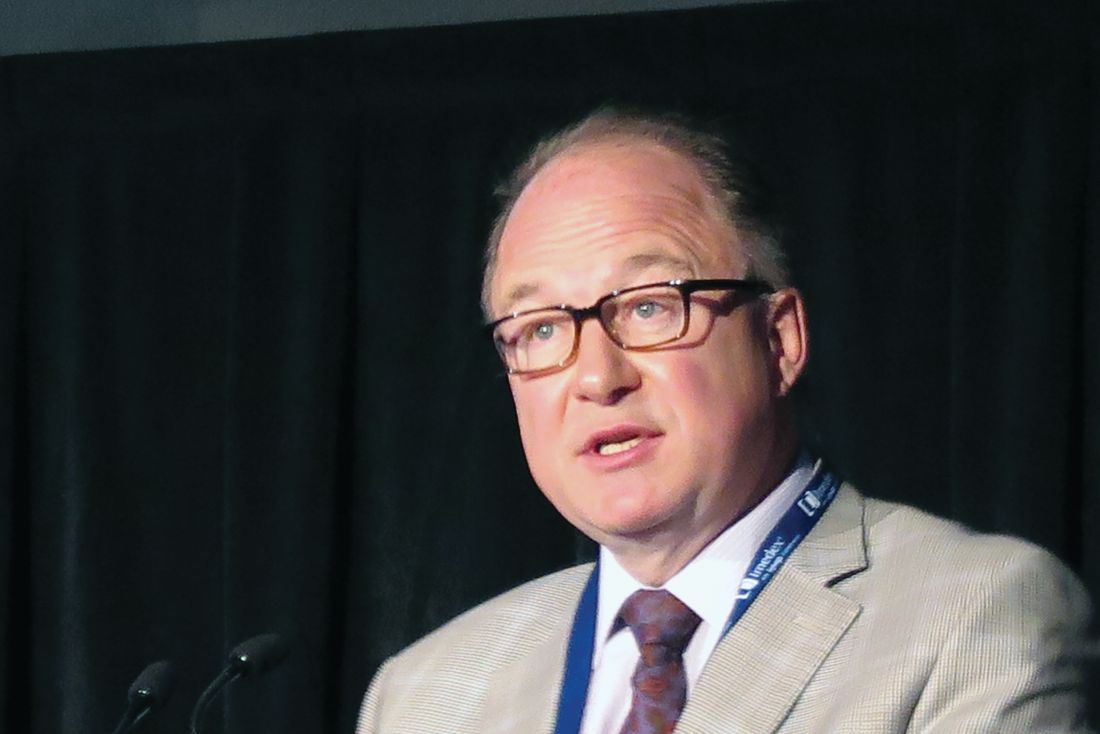
“We recognize in hematologic malignancies in particular, and increasingly in myeloma, that achievement of complete clinical remission and assessing this needs a variety of different scenarios,” he said.
These scenarios may include establishing the full eradication of the neoplastic clone, determining the long-term persistence of quiescent or nonclonogenic or immunologically regulated tumor cells, or persistence of clonogenic cells capable of giving rise to a full clinical relapse within a number of years.
Myeloma specialists recognize that MRD is a real phenomenon, made more challenging by the “extraordinary” heterogeneity of myeloma, he said.
Determination of MRD using sensitive molecular techniques may allow analysis of treatments that induce a greater depth of response than others, and may also identify patients who are experiencing early relapse and will need further treatment, Dr. Richardson acknowledged.
“The question is, should it dictate what you and I do every afternoon in the clinic with a particular patient, for example, outside of a clinical trial?”
He noted that MRD is still a secondary endpoint in trials for acute lymphoblastic leukemia, acute myeloid leukemia, acute promyelocytic leukemia, and chronic lymphocytic leukemia, although it has been accepted by the FDA as a primary endpoint to assess molecular responses to second-generation tyrosine kinase inhibitors.
MRD is also still a secondary endpoint in trials for therapies against follicular and mantle cell lymphomas as well.
“So my hypothesis, or suggestion to you this morning, is that whilst MRD clearly is a vital area of research – and I especially applaud Ola for being on the forefront of this, and I fully support all the points he made – I would just simply suggest to you that it’s less advanced than in leukemia and lymphoma, and we are currently at the point where MRD assessments are clearly secondary endpoints and an important research tool,” he said,
MRD remains a research tool in multiple myeloma because, despite the wealth of new therapies and combinations approved in just the past few years, “we’re not able to eradicate it completely, and cure remains in myeloma, frankly, evasive,” he added.
Immunotherapy, for example, is not the “mutationally agnostic” approach that clinicians had hoped for, with recent evidence suggesting that it cannot overcome every genetic variation that may give rise to multiple myeloma.
For MRD to become a useful clinical tool rather than a research/regulatory tool, standardization of testing methods will be needed. Flow cytometry until recently has been the mainstay for detecting MRD, but molecular strategies are currently being investigated, and rapid next-generation sequencing has the potential to become a gold standard, with its ability to identify and quantify all clonotypes in a sample.
“What’s critical is, therapeutic adjustment for what? What is the difference? For example, [if] one arm of a trial has 20% MRD positivity vs. 40% in another, what does that really mean for overall survival? These are enormous challenges that we still face,” Dr. Richardson said.
“I do think the lack of standardization broadly across the country is a challenge, and so with that in mind, I would simply suggest that it is not yet a standard of care in clinical practice, but may be,” he concluded.
Dr. Landgren disclosed serving as a consultant to AbbVie, Amgen, Bristol-Myers Squibb, Celgene and Janssen. Dr. Richardson disclosed consulting for Celgene and Takeda.
NEW YORK – Evidence of minimal residual disease (MRD) has been shown to be an important prognostic factor in several different hematologic malignancies, including acute and chronic myeloid leukemias, but its clinical utility in day-to-day practice in multiple myeloma is still uncertain.
At the annual Lymphoma & Myeloma International Congress on Hematologic Malignancies, C. Ola Landgren, MD, PhD, chief of the myeloma service at Memorial Sloan Kettering Cancer Center in New York, and Paul G. Richardson, MD, clinical program leader and director of clinical research at the Jerome Lipper Myeloma Center at the Dana-Farber Cancer Institute in Boston, debated the question: “Is MRD ready for prime time?”
Yes: Dr. Landgren
“As we all know, with older drugs for myeloma, only a small proportion of patients reached a complete response, so there was really no reason to talk about MRD. But this belongs to the past: using the modern combination therapies, about 100% of our patients have a response, an overall response, and up to 80% of patients are reaching a complete response. So it’s really necessary, a logical step to go forward, to look at MRD,” Dr. Landgren said.
He cited evidence from two meta-analyses showing that MRD negativity is a strong predictor of clinical outcomes, including long-term survival.
“Our results show that MRD negativity is a strong predictor of clinical outcomes, supportive of MRD becoming a regulatory end point for drug approval in newly diagnosed multiple myeloma,” they wrote.
In a second meta-analysis, Nikhil Munshi, MD, from the Dana-Farber Cancer Institute, and his colleagues, reviewed PFS data from 14 studies with a total of 1,273 patients, and OS data from 12 studies with a total of 1,100 patients.
This second meta-analysis found that MRD negativity was associated with significantly better PFS (HR, 0.41; P less than .001), including among patients in studies looking specifically at complete response (CR) (HR, 0.44; P less than .001).
Munshi et al. also saw a significant benefit for MRD negativity among all patients in trials with OS as the endpoint (HR, 0.57; P less than .001) and in those focusing on patients with a CR (HR, 0.47; P less than .001).
They concluded that MRD-negative status after treatment for new newly diagnosed multiple myeloma is associated with long-term survival, and like Landgren et al. contended that their findings “provide quantitative evidence to support the integration of MRD assessment as an end point in clinical trials of multiple myeloma.”
Dr. Landgren noted that 2016 International Myeloma Working Group consensus criteria for response and minimal residual disease assessment in multiple myeloma, coauthored by both Dr. Landgren and Dr. Richardson, now incorporate MRD.
In addition, in the IFM/DFCI 2009 trial comparing induction therapy for patients with newly diagnosed multiple myeloma with or without autologous stem cell transplant after three cycles of lenalidomide, bortezomib, and dexamethasone, patients in each trial arm who were MRD negative had significantly better PFS than patients who were MRD positive after consolidation, regardless of assigned treatment, Dr. Landgren noted.
In the relapsed/refractory multiple myeloma setting, MRD negativity was associated with better PFS for patients in the POLLUX trial, whether subjects were assigned to receive daratumumab plus lenalidomide and dexamethasone, or len-dex alone.
“This raises an important question: Is MRD more important than treatment modality?” Dr. Landgren said.
“The debate is: Is MRD ready for prime time? And as I have shown you with all the data, the answer is ‘Yes’,” he concluded.
No: Dr. Richardson
“My position on this is that MRD testing is absolutely ready for prime time in the research and regulatory arena. The question for me as a clinician in my clinic is: ‘Do I apply it to everyday practice?’ And I would simply suggest to you at this point we’re not ready for that, and we’re not ready for that for a variety of complex reasons,” Dr. Richardson said in his rebuttal.
He cited a definition of MRD offered by Simone Ferrero, MD, and his colleagues from the University of Turin (Italy) in 2011 in Hematological Oncology: “Any approach aimed at detecting and possibly quantifying residual tumor cells beyond the sensitivity level of routine imaging and laboratory techniques.”
“We recognize in hematologic malignancies in particular, and increasingly in myeloma, that achievement of complete clinical remission and assessing this needs a variety of different scenarios,” he said.
These scenarios may include establishing the full eradication of the neoplastic clone, determining the long-term persistence of quiescent or nonclonogenic or immunologically regulated tumor cells, or persistence of clonogenic cells capable of giving rise to a full clinical relapse within a number of years.
Myeloma specialists recognize that MRD is a real phenomenon, made more challenging by the “extraordinary” heterogeneity of myeloma, he said.
Determination of MRD using sensitive molecular techniques may allow analysis of treatments that induce a greater depth of response than others, and may also identify patients who are experiencing early relapse and will need further treatment, Dr. Richardson acknowledged.
“The question is, should it dictate what you and I do every afternoon in the clinic with a particular patient, for example, outside of a clinical trial?”
He noted that MRD is still a secondary endpoint in trials for acute lymphoblastic leukemia, acute myeloid leukemia, acute promyelocytic leukemia, and chronic lymphocytic leukemia, although it has been accepted by the FDA as a primary endpoint to assess molecular responses to second-generation tyrosine kinase inhibitors.
MRD is also still a secondary endpoint in trials for therapies against follicular and mantle cell lymphomas as well.
“So my hypothesis, or suggestion to you this morning, is that whilst MRD clearly is a vital area of research – and I especially applaud Ola for being on the forefront of this, and I fully support all the points he made – I would just simply suggest to you that it’s less advanced than in leukemia and lymphoma, and we are currently at the point where MRD assessments are clearly secondary endpoints and an important research tool,” he said,
MRD remains a research tool in multiple myeloma because, despite the wealth of new therapies and combinations approved in just the past few years, “we’re not able to eradicate it completely, and cure remains in myeloma, frankly, evasive,” he added.
Immunotherapy, for example, is not the “mutationally agnostic” approach that clinicians had hoped for, with recent evidence suggesting that it cannot overcome every genetic variation that may give rise to multiple myeloma.
For MRD to become a useful clinical tool rather than a research/regulatory tool, standardization of testing methods will be needed. Flow cytometry until recently has been the mainstay for detecting MRD, but molecular strategies are currently being investigated, and rapid next-generation sequencing has the potential to become a gold standard, with its ability to identify and quantify all clonotypes in a sample.
“What’s critical is, therapeutic adjustment for what? What is the difference? For example, [if] one arm of a trial has 20% MRD positivity vs. 40% in another, what does that really mean for overall survival? These are enormous challenges that we still face,” Dr. Richardson said.
“I do think the lack of standardization broadly across the country is a challenge, and so with that in mind, I would simply suggest that it is not yet a standard of care in clinical practice, but may be,” he concluded.
Dr. Landgren disclosed serving as a consultant to AbbVie, Amgen, Bristol-Myers Squibb, Celgene and Janssen. Dr. Richardson disclosed consulting for Celgene and Takeda.
NEW YORK – Evidence of minimal residual disease (MRD) has been shown to be an important prognostic factor in several different hematologic malignancies, including acute and chronic myeloid leukemias, but its clinical utility in day-to-day practice in multiple myeloma is still uncertain.
At the annual Lymphoma & Myeloma International Congress on Hematologic Malignancies, C. Ola Landgren, MD, PhD, chief of the myeloma service at Memorial Sloan Kettering Cancer Center in New York, and Paul G. Richardson, MD, clinical program leader and director of clinical research at the Jerome Lipper Myeloma Center at the Dana-Farber Cancer Institute in Boston, debated the question: “Is MRD ready for prime time?”
Yes: Dr. Landgren
“As we all know, with older drugs for myeloma, only a small proportion of patients reached a complete response, so there was really no reason to talk about MRD. But this belongs to the past: using the modern combination therapies, about 100% of our patients have a response, an overall response, and up to 80% of patients are reaching a complete response. So it’s really necessary, a logical step to go forward, to look at MRD,” Dr. Landgren said.
He cited evidence from two meta-analyses showing that MRD negativity is a strong predictor of clinical outcomes, including long-term survival.
“Our results show that MRD negativity is a strong predictor of clinical outcomes, supportive of MRD becoming a regulatory end point for drug approval in newly diagnosed multiple myeloma,” they wrote.
In a second meta-analysis, Nikhil Munshi, MD, from the Dana-Farber Cancer Institute, and his colleagues, reviewed PFS data from 14 studies with a total of 1,273 patients, and OS data from 12 studies with a total of 1,100 patients.
This second meta-analysis found that MRD negativity was associated with significantly better PFS (HR, 0.41; P less than .001), including among patients in studies looking specifically at complete response (CR) (HR, 0.44; P less than .001).
Munshi et al. also saw a significant benefit for MRD negativity among all patients in trials with OS as the endpoint (HR, 0.57; P less than .001) and in those focusing on patients with a CR (HR, 0.47; P less than .001).
They concluded that MRD-negative status after treatment for new newly diagnosed multiple myeloma is associated with long-term survival, and like Landgren et al. contended that their findings “provide quantitative evidence to support the integration of MRD assessment as an end point in clinical trials of multiple myeloma.”
Dr. Landgren noted that 2016 International Myeloma Working Group consensus criteria for response and minimal residual disease assessment in multiple myeloma, coauthored by both Dr. Landgren and Dr. Richardson, now incorporate MRD.
In addition, in the IFM/DFCI 2009 trial comparing induction therapy for patients with newly diagnosed multiple myeloma with or without autologous stem cell transplant after three cycles of lenalidomide, bortezomib, and dexamethasone, patients in each trial arm who were MRD negative had significantly better PFS than patients who were MRD positive after consolidation, regardless of assigned treatment, Dr. Landgren noted.
In the relapsed/refractory multiple myeloma setting, MRD negativity was associated with better PFS for patients in the POLLUX trial, whether subjects were assigned to receive daratumumab plus lenalidomide and dexamethasone, or len-dex alone.
“This raises an important question: Is MRD more important than treatment modality?” Dr. Landgren said.
“The debate is: Is MRD ready for prime time? And as I have shown you with all the data, the answer is ‘Yes’,” he concluded.
No: Dr. Richardson
“My position on this is that MRD testing is absolutely ready for prime time in the research and regulatory arena. The question for me as a clinician in my clinic is: ‘Do I apply it to everyday practice?’ And I would simply suggest to you at this point we’re not ready for that, and we’re not ready for that for a variety of complex reasons,” Dr. Richardson said in his rebuttal.
He cited a definition of MRD offered by Simone Ferrero, MD, and his colleagues from the University of Turin (Italy) in 2011 in Hematological Oncology: “Any approach aimed at detecting and possibly quantifying residual tumor cells beyond the sensitivity level of routine imaging and laboratory techniques.”
“We recognize in hematologic malignancies in particular, and increasingly in myeloma, that achievement of complete clinical remission and assessing this needs a variety of different scenarios,” he said.
These scenarios may include establishing the full eradication of the neoplastic clone, determining the long-term persistence of quiescent or nonclonogenic or immunologically regulated tumor cells, or persistence of clonogenic cells capable of giving rise to a full clinical relapse within a number of years.
Myeloma specialists recognize that MRD is a real phenomenon, made more challenging by the “extraordinary” heterogeneity of myeloma, he said.
Determination of MRD using sensitive molecular techniques may allow analysis of treatments that induce a greater depth of response than others, and may also identify patients who are experiencing early relapse and will need further treatment, Dr. Richardson acknowledged.
“The question is, should it dictate what you and I do every afternoon in the clinic with a particular patient, for example, outside of a clinical trial?”
He noted that MRD is still a secondary endpoint in trials for acute lymphoblastic leukemia, acute myeloid leukemia, acute promyelocytic leukemia, and chronic lymphocytic leukemia, although it has been accepted by the FDA as a primary endpoint to assess molecular responses to second-generation tyrosine kinase inhibitors.
MRD is also still a secondary endpoint in trials for therapies against follicular and mantle cell lymphomas as well.
“So my hypothesis, or suggestion to you this morning, is that whilst MRD clearly is a vital area of research – and I especially applaud Ola for being on the forefront of this, and I fully support all the points he made – I would just simply suggest to you that it’s less advanced than in leukemia and lymphoma, and we are currently at the point where MRD assessments are clearly secondary endpoints and an important research tool,” he said,
MRD remains a research tool in multiple myeloma because, despite the wealth of new therapies and combinations approved in just the past few years, “we’re not able to eradicate it completely, and cure remains in myeloma, frankly, evasive,” he added.
Immunotherapy, for example, is not the “mutationally agnostic” approach that clinicians had hoped for, with recent evidence suggesting that it cannot overcome every genetic variation that may give rise to multiple myeloma.
For MRD to become a useful clinical tool rather than a research/regulatory tool, standardization of testing methods will be needed. Flow cytometry until recently has been the mainstay for detecting MRD, but molecular strategies are currently being investigated, and rapid next-generation sequencing has the potential to become a gold standard, with its ability to identify and quantify all clonotypes in a sample.
“What’s critical is, therapeutic adjustment for what? What is the difference? For example, [if] one arm of a trial has 20% MRD positivity vs. 40% in another, what does that really mean for overall survival? These are enormous challenges that we still face,” Dr. Richardson said.
“I do think the lack of standardization broadly across the country is a challenge, and so with that in mind, I would simply suggest that it is not yet a standard of care in clinical practice, but may be,” he concluded.
Dr. Landgren disclosed serving as a consultant to AbbVie, Amgen, Bristol-Myers Squibb, Celgene and Janssen. Dr. Richardson disclosed consulting for Celgene and Takeda.
AT LYMPHOMA & MYELOMA 2017