User login
Exercise plus liraglutide better for maintaining weight loss than either strategy alone
For persons with obesity who lost a substantial amount of weight on a low-calorie diet, the combination of exercise and medication significantly improved weight-loss maintenance, and more so than either strategy alone, according to results of a randomized, head-to-head trial.
A year after starting moderate to vigorous exercise coupled with liraglutide treatment, study participants had a weight loss 9.5 kg more than those who received placebo and usual activity, study results show.
Reductions in both weight and fat loss seen with exercise and liraglutide was roughly twice as much as what was achieved at 1 year with the strategies of liraglutide or exercise alone, according to authors of the study, which appears in the New England Journal of Medicine .
Although the findings may not apply to those who can’t or won’t perform moderate to vigorous exercise, the intervention in this study was nevertheless feasible in this group of persons with obesity who had a very low level of fitness, according to the authors.
Hope for healthy weight loss maintenance
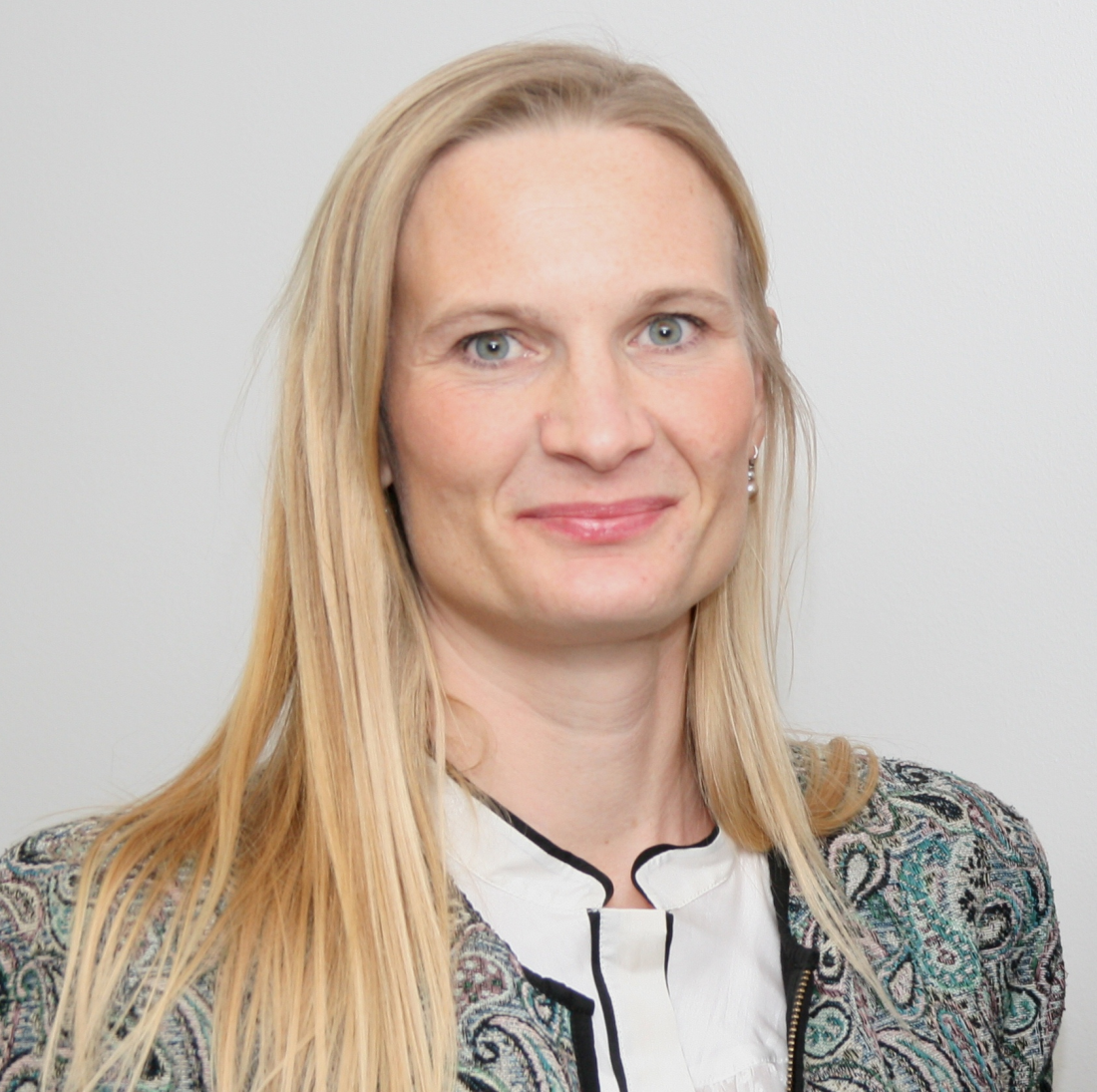
Investigator Signe S. Torekov, PhD, said in an interview that these results provide hope that more-intensive exercise regimens, with or without medication, can be useful and well accepted among individuals struggling with obesity.
“When we started our study, we were told, ‘you are never going to have people with obesity exercising that much, and for that long’ – but people were actually very happy about the exercise,” said Dr. Torekov, a professor in the department of biomedical sciences at the University of Copenhagen.
“If you actually set up a program where people are monitored and you have a feedback system, then exercise is an excellent component in obesity treatment that should be much more actively used – not only for its weight-lowering component, but also for improving health and quality of life,” she said in an interview.
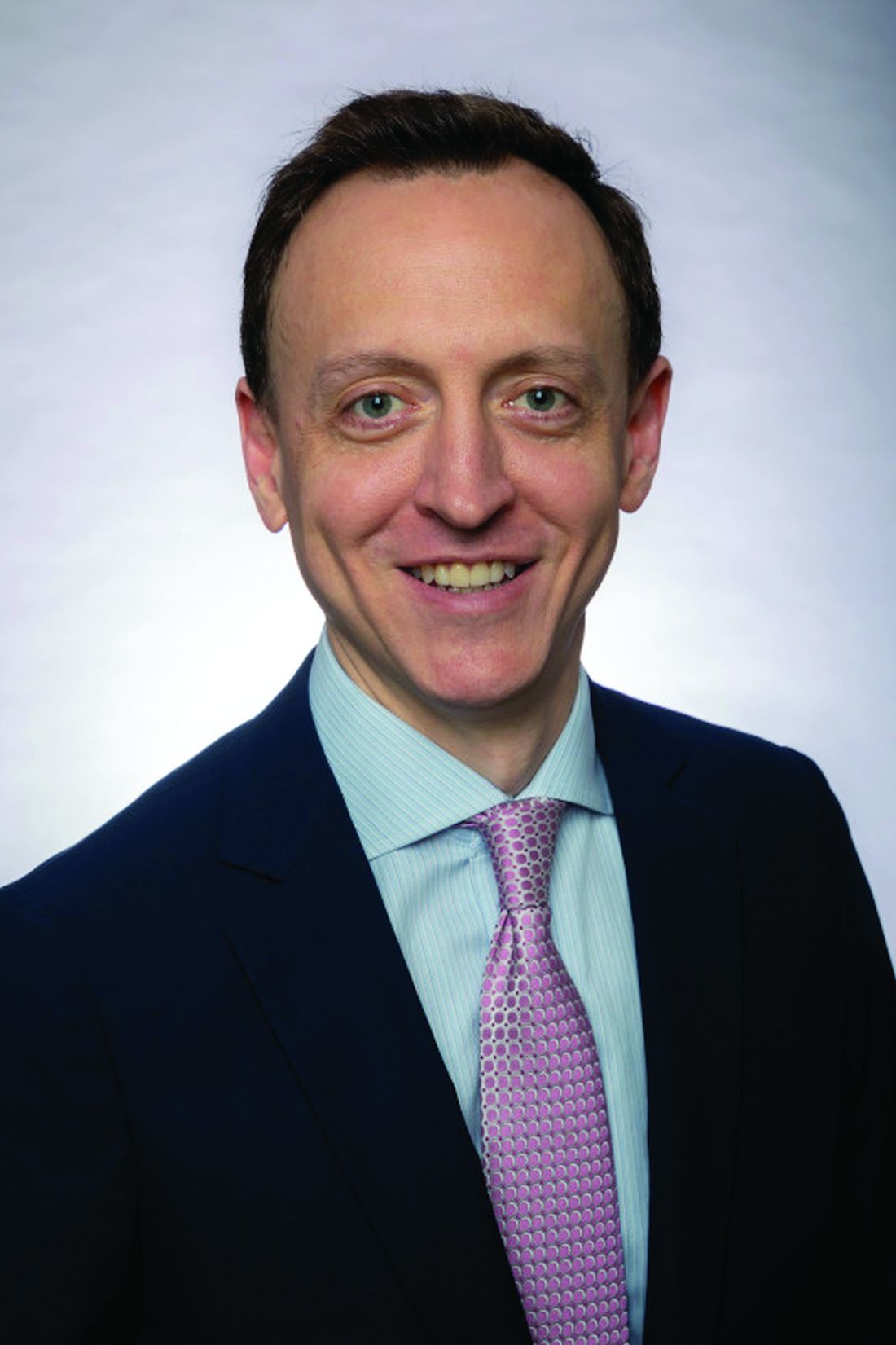
Weight-management specialist John D. Clark, MD, PhD, said results of this study can be used to help inform patients about how successful different strategies incorporating exercise and medication may be following initial weight loss.
“When patients plateau on a consistent, calorie-restricted dietary plan, we can educate them and manage expectations about what options may be available to them after their initial weight loss,” said Dr. Clark, of the University of Texas, Dallas.
“If the patient’s goal specifically is weight loss at all costs, then I may suggest, ‘let’s consider liraglutide or liraglutide in combination with exercise,’ ” he said in an interview. “Exercise improves body composition, even if it may not on its own be as successful in the next phase of their weight-loss journey, as shown in this study.”
Obesity and weight-loss challenges
Although it’s not uncommon for obese patients to lose a large amount of weight, keeping the weight off is frequently a challenge unless the patient follows a structured weight maintenance program, according to Dr. Torekov and coauthors.
The rapid weight regain seen in many obese patients could be a result of reductions in total energy expenditure or increased appetite. Exercise is one strategy to sustain weight loss, though according to the authors, very few studies have looked at exercise in isolation to quantify its contribution to maintenance.
Accordingly, the present study sought to determine whether exercise, medication, or the combination thereof works best to keep weight off.
The study incorporated liraglutide, a GLP-1 receptor agonist indicated for chronic weight management, along with a reduced-calorie diet and increased physical activity, in adults with elevated body mass index and at least one weight-related comorbidity.
The investigator-initiated phase 3 trial included 215 adults with a body mass index of 32-43. Individuals with type 2 diabetes were excluded. All participants followed an 8-week, low-calorie diet comprising 800 calories per day.
Participants who lost 5% or more of their body weight were then randomized to 1 year of exercise plus liraglutide, exercise plus placebo, usual activity plus liraglutide, or usual activity plus placebo.
The exercise program – which was structured but flexible, according to investigators – included group exercise sessions that incorporated 30 minutes of indoor cycling and 15 minutes of circuit training 2 days each week. Participants wore heart rate monitors during exercise to make sure they reached targets for moderate to vigorous intensity.
Instructors trained in exercise physiology planned and monitored individualized exercise programs for each participant in the exercise-medication or exercise-only arms of the study.
Participants in all groups attended 12 one-on-one consultations where body weight was measured and dietetic support was provided.
Weight loss with exercise and medication
Out of 215 individuals enrolled in the study, 195 lost at least 5% of body weight and continued on to the randomized portion, the investigators reported. During the diet phase, they lost a mean of 13.1 kg, translating into a 12% mean reduction in body weight.
The mean frequency of exercise was 2.4 times per week in the exercise-plus-medication group and 2.5 times per week in the exercise-only group. About one-third of the exercise took place in the group sessions, and there was no difference in relative intensity between group and individual exercise regimens, the investigators said.
Individuals in the exercise plus medication group continued to lose more weight, such that, at the end of 1 year, the weight loss decreased even further, by a mean of –3.4 kg. By contrast, weight increased by a mean of 6.1 kg for the placebo group, adding up to a treatment difference of –9.5 kg (95% confidence interval, –13.1 to –5.9; P < .001), according to the report.
That treatment effect was also seen, but more muted, in the exercise- and liraglutide-only groups, at –4.1 kg and –6.8 kg, respectively.
A significant treatment effect was observed for exercise plus liraglutide, compared with exercise alone, at –5.4 kg (P = .004), while the treatment effect for the combination versus liraglutide alone was not significant at –2.7 kg (P = .13), the data show.
Body-fat reduction at 52 weeks was –3.9 percentage points for exercise plus liraglutide as compared with placebo, or roughly twice the reductions seen in the exercise- and liraglutide-alone groups, the investigators said, adding that the combination preserved lean mass.
Reductions in hemoglobin A1c, which are generally thought to reduce diabetes risk, were reduced in both the liraglutide and liraglutide-exercise combination group, according to their report.
The research was supported in part by grants from the Novo Nordisk Foundation.
For persons with obesity who lost a substantial amount of weight on a low-calorie diet, the combination of exercise and medication significantly improved weight-loss maintenance, and more so than either strategy alone, according to results of a randomized, head-to-head trial.
A year after starting moderate to vigorous exercise coupled with liraglutide treatment, study participants had a weight loss 9.5 kg more than those who received placebo and usual activity, study results show.
Reductions in both weight and fat loss seen with exercise and liraglutide was roughly twice as much as what was achieved at 1 year with the strategies of liraglutide or exercise alone, according to authors of the study, which appears in the New England Journal of Medicine .
Although the findings may not apply to those who can’t or won’t perform moderate to vigorous exercise, the intervention in this study was nevertheless feasible in this group of persons with obesity who had a very low level of fitness, according to the authors.
Hope for healthy weight loss maintenance
Investigator Signe S. Torekov, PhD, said in an interview that these results provide hope that more-intensive exercise regimens, with or without medication, can be useful and well accepted among individuals struggling with obesity.
“When we started our study, we were told, ‘you are never going to have people with obesity exercising that much, and for that long’ – but people were actually very happy about the exercise,” said Dr. Torekov, a professor in the department of biomedical sciences at the University of Copenhagen.
“If you actually set up a program where people are monitored and you have a feedback system, then exercise is an excellent component in obesity treatment that should be much more actively used – not only for its weight-lowering component, but also for improving health and quality of life,” she said in an interview.
Weight-management specialist John D. Clark, MD, PhD, said results of this study can be used to help inform patients about how successful different strategies incorporating exercise and medication may be following initial weight loss.
“When patients plateau on a consistent, calorie-restricted dietary plan, we can educate them and manage expectations about what options may be available to them after their initial weight loss,” said Dr. Clark, of the University of Texas, Dallas.
“If the patient’s goal specifically is weight loss at all costs, then I may suggest, ‘let’s consider liraglutide or liraglutide in combination with exercise,’ ” he said in an interview. “Exercise improves body composition, even if it may not on its own be as successful in the next phase of their weight-loss journey, as shown in this study.”
Obesity and weight-loss challenges
Although it’s not uncommon for obese patients to lose a large amount of weight, keeping the weight off is frequently a challenge unless the patient follows a structured weight maintenance program, according to Dr. Torekov and coauthors.
The rapid weight regain seen in many obese patients could be a result of reductions in total energy expenditure or increased appetite. Exercise is one strategy to sustain weight loss, though according to the authors, very few studies have looked at exercise in isolation to quantify its contribution to maintenance.
Accordingly, the present study sought to determine whether exercise, medication, or the combination thereof works best to keep weight off.
The study incorporated liraglutide, a GLP-1 receptor agonist indicated for chronic weight management, along with a reduced-calorie diet and increased physical activity, in adults with elevated body mass index and at least one weight-related comorbidity.
The investigator-initiated phase 3 trial included 215 adults with a body mass index of 32-43. Individuals with type 2 diabetes were excluded. All participants followed an 8-week, low-calorie diet comprising 800 calories per day.
Participants who lost 5% or more of their body weight were then randomized to 1 year of exercise plus liraglutide, exercise plus placebo, usual activity plus liraglutide, or usual activity plus placebo.
The exercise program – which was structured but flexible, according to investigators – included group exercise sessions that incorporated 30 minutes of indoor cycling and 15 minutes of circuit training 2 days each week. Participants wore heart rate monitors during exercise to make sure they reached targets for moderate to vigorous intensity.
Instructors trained in exercise physiology planned and monitored individualized exercise programs for each participant in the exercise-medication or exercise-only arms of the study.
Participants in all groups attended 12 one-on-one consultations where body weight was measured and dietetic support was provided.
Weight loss with exercise and medication
Out of 215 individuals enrolled in the study, 195 lost at least 5% of body weight and continued on to the randomized portion, the investigators reported. During the diet phase, they lost a mean of 13.1 kg, translating into a 12% mean reduction in body weight.
The mean frequency of exercise was 2.4 times per week in the exercise-plus-medication group and 2.5 times per week in the exercise-only group. About one-third of the exercise took place in the group sessions, and there was no difference in relative intensity between group and individual exercise regimens, the investigators said.
Individuals in the exercise plus medication group continued to lose more weight, such that, at the end of 1 year, the weight loss decreased even further, by a mean of –3.4 kg. By contrast, weight increased by a mean of 6.1 kg for the placebo group, adding up to a treatment difference of –9.5 kg (95% confidence interval, –13.1 to –5.9; P < .001), according to the report.
That treatment effect was also seen, but more muted, in the exercise- and liraglutide-only groups, at –4.1 kg and –6.8 kg, respectively.
A significant treatment effect was observed for exercise plus liraglutide, compared with exercise alone, at –5.4 kg (P = .004), while the treatment effect for the combination versus liraglutide alone was not significant at –2.7 kg (P = .13), the data show.
Body-fat reduction at 52 weeks was –3.9 percentage points for exercise plus liraglutide as compared with placebo, or roughly twice the reductions seen in the exercise- and liraglutide-alone groups, the investigators said, adding that the combination preserved lean mass.
Reductions in hemoglobin A1c, which are generally thought to reduce diabetes risk, were reduced in both the liraglutide and liraglutide-exercise combination group, according to their report.
The research was supported in part by grants from the Novo Nordisk Foundation.
For persons with obesity who lost a substantial amount of weight on a low-calorie diet, the combination of exercise and medication significantly improved weight-loss maintenance, and more so than either strategy alone, according to results of a randomized, head-to-head trial.
A year after starting moderate to vigorous exercise coupled with liraglutide treatment, study participants had a weight loss 9.5 kg more than those who received placebo and usual activity, study results show.
Reductions in both weight and fat loss seen with exercise and liraglutide was roughly twice as much as what was achieved at 1 year with the strategies of liraglutide or exercise alone, according to authors of the study, which appears in the New England Journal of Medicine .
Although the findings may not apply to those who can’t or won’t perform moderate to vigorous exercise, the intervention in this study was nevertheless feasible in this group of persons with obesity who had a very low level of fitness, according to the authors.
Hope for healthy weight loss maintenance
Investigator Signe S. Torekov, PhD, said in an interview that these results provide hope that more-intensive exercise regimens, with or without medication, can be useful and well accepted among individuals struggling with obesity.
“When we started our study, we were told, ‘you are never going to have people with obesity exercising that much, and for that long’ – but people were actually very happy about the exercise,” said Dr. Torekov, a professor in the department of biomedical sciences at the University of Copenhagen.
“If you actually set up a program where people are monitored and you have a feedback system, then exercise is an excellent component in obesity treatment that should be much more actively used – not only for its weight-lowering component, but also for improving health and quality of life,” she said in an interview.
Weight-management specialist John D. Clark, MD, PhD, said results of this study can be used to help inform patients about how successful different strategies incorporating exercise and medication may be following initial weight loss.
“When patients plateau on a consistent, calorie-restricted dietary plan, we can educate them and manage expectations about what options may be available to them after their initial weight loss,” said Dr. Clark, of the University of Texas, Dallas.
“If the patient’s goal specifically is weight loss at all costs, then I may suggest, ‘let’s consider liraglutide or liraglutide in combination with exercise,’ ” he said in an interview. “Exercise improves body composition, even if it may not on its own be as successful in the next phase of their weight-loss journey, as shown in this study.”
Obesity and weight-loss challenges
Although it’s not uncommon for obese patients to lose a large amount of weight, keeping the weight off is frequently a challenge unless the patient follows a structured weight maintenance program, according to Dr. Torekov and coauthors.
The rapid weight regain seen in many obese patients could be a result of reductions in total energy expenditure or increased appetite. Exercise is one strategy to sustain weight loss, though according to the authors, very few studies have looked at exercise in isolation to quantify its contribution to maintenance.
Accordingly, the present study sought to determine whether exercise, medication, or the combination thereof works best to keep weight off.
The study incorporated liraglutide, a GLP-1 receptor agonist indicated for chronic weight management, along with a reduced-calorie diet and increased physical activity, in adults with elevated body mass index and at least one weight-related comorbidity.
The investigator-initiated phase 3 trial included 215 adults with a body mass index of 32-43. Individuals with type 2 diabetes were excluded. All participants followed an 8-week, low-calorie diet comprising 800 calories per day.
Participants who lost 5% or more of their body weight were then randomized to 1 year of exercise plus liraglutide, exercise plus placebo, usual activity plus liraglutide, or usual activity plus placebo.
The exercise program – which was structured but flexible, according to investigators – included group exercise sessions that incorporated 30 minutes of indoor cycling and 15 minutes of circuit training 2 days each week. Participants wore heart rate monitors during exercise to make sure they reached targets for moderate to vigorous intensity.
Instructors trained in exercise physiology planned and monitored individualized exercise programs for each participant in the exercise-medication or exercise-only arms of the study.
Participants in all groups attended 12 one-on-one consultations where body weight was measured and dietetic support was provided.
Weight loss with exercise and medication
Out of 215 individuals enrolled in the study, 195 lost at least 5% of body weight and continued on to the randomized portion, the investigators reported. During the diet phase, they lost a mean of 13.1 kg, translating into a 12% mean reduction in body weight.
The mean frequency of exercise was 2.4 times per week in the exercise-plus-medication group and 2.5 times per week in the exercise-only group. About one-third of the exercise took place in the group sessions, and there was no difference in relative intensity between group and individual exercise regimens, the investigators said.
Individuals in the exercise plus medication group continued to lose more weight, such that, at the end of 1 year, the weight loss decreased even further, by a mean of –3.4 kg. By contrast, weight increased by a mean of 6.1 kg for the placebo group, adding up to a treatment difference of –9.5 kg (95% confidence interval, –13.1 to –5.9; P < .001), according to the report.
That treatment effect was also seen, but more muted, in the exercise- and liraglutide-only groups, at –4.1 kg and –6.8 kg, respectively.
A significant treatment effect was observed for exercise plus liraglutide, compared with exercise alone, at –5.4 kg (P = .004), while the treatment effect for the combination versus liraglutide alone was not significant at –2.7 kg (P = .13), the data show.
Body-fat reduction at 52 weeks was –3.9 percentage points for exercise plus liraglutide as compared with placebo, or roughly twice the reductions seen in the exercise- and liraglutide-alone groups, the investigators said, adding that the combination preserved lean mass.
Reductions in hemoglobin A1c, which are generally thought to reduce diabetes risk, were reduced in both the liraglutide and liraglutide-exercise combination group, according to their report.
The research was supported in part by grants from the Novo Nordisk Foundation.
FROM THE NEW ENGLAND JOURNAL OF MEDICINE
Increasing salt intake proves beneficial in POTS
For patients with postural tachycardia syndrome (POTS), dietary sodium intake can be increased more confidently, suggests the first study to yield solid evidence to support this treatment strategy.
The results showed that high dietary sodium intake can lower plasma norepinephrine levels and ameliorate standing and orthostatic tachycardia for patients with POTS.
“These results suggest that increasing dietary salt is a good rationale for treatment of this condition, and this study gives reassurance we are doing the right thing for POTS patients by increasing their sodium intake,” senior author Satish R. Raj, MD, said in an interview.
The study, with lead author Emily M. Garland, PhD, was published online April 26, 2021, in the Journal of the American College of Cardiology.
Dr. Raj, who is professor of cardiac science at the University of Calgary (Alta.), explained that POTS includes a spectrum of disorders that affect the automatic nervous system, which regulates heart rate and blood pressure.
“It is a disorder of orthostatic intolerance – patients feel better when they lie down. It differs from orthostatic hypotension in that, when a POTS patient stands up, the blood pressure does not necessarily drop, but the heart rate increases excessively.”
Although it is normal for the heart rate to increase somewhat on standing, among patients with POTS, the heart rate increases excessively. The condition is defined as an orthostatic heart rate increase of at least 30 beats/min (or 40 beats/min among individuals aged 12-19 years ) in the absence of orthostatic hypotension.
The disorder is characterized by a range of symptoms, including lightheadedness, shortness of breath, palpitations, and exertional intolerance, that are worse when in an upright position. Patients also experience chronic fatigue and perceived cognitive impairment, Dr. Raj noted.
The typical demographic for POTS is young women; the condition often starts during the teenage years.
Patients often have low blood volume, so one approach to treatment is to increase the intake of salt and water so as to increase blood volume.
“This is one of the mainstays of treatment, but it has never really been properly studied,” Dr. Raj commented. Increasing salt intake “is an unusual message from a cardiologist, and there have been concerns that we are making recommendations against traditional advice, so we urgently need evidence to support this recommendation.”
The current crossover study enrolled 14 patients with POTS and 13 healthy control persons who, over a period of 6 days, underwent treatment with a low-sodium diet (10 mEq sodium per day) or a high-sodium diet (300 mEq sodium per day).
Supine and standing heart rate, blood pressure, serum aldosterone level, plasma renin activity, blood volume, and plasma norepinephrine and epinephrine levels were measured.
Results showed that, among the POTS patients, the high-sodium diet reduced upright heart rate and the change in heart rate on standing, compared with the low-sodium diet.
Heart rate increased by 46 beats/min with the high-sodium diet versus 60 beats/min with the low-sodium diet.
Total blood volume and plasma volume increased, and standing norepinephrine levels decreased with the high-sodium diet, compared with the low-sodium diet.
However, upright heart rate, change in heart rate, and upright norepinephrine levels remained higher among POTS patients than among control persons receiving the high-sodium diet.
There was a nonsignificant trend for a lower symptom burden score among the POTS patients who received the high-sodium diet in comparison with those taking the low-sodium diet. Scores for mental confusion, palpitations, lightheadedness, and headache trending downward on the high-sodium diet.
“We found that high levels of dietary salt did what we hoped, with increased blood volume and reduced norepinephrine levels on standing and reduced excessive increase in heart rate. While it didn’t completely normalize heart rate, this was reduced significantly,” Dr. Raj said.
Another observation from the study was that the increased salt intake seemed to be beneficial across the whole spectrum of patients.
“There are some patients who have very high levels of sympathetic activation, and there have been anecdotal reports that increasing salt may not work so well in this group,” he said. “In this study, we didn’t differentiate, but average norepinephrine levels were very high, and many patients would be considered to be hyperadrenergic. Our results suggest this treatment will help these patients too.”
He noted that sodium intake was increased in this study just through diet. “We had a special metabolic kitchen. In clinical practice, we advise patients to add regular table salt to their food, and we only use salt tablets when they cannot tolerate so much salt in their diet.”
Recognizing that there may be concerns about hypertension with long-term use of such a treatment, Dr. Raj said there were no signs of an increase in blood pressure in this study. “But this should be considered a short-term therapy for the time being, and patients need to be reassessed every few years as their physiology changes.”
The authors estimated that POTS affects up to 1% of the population. Because there is no diagnostic code for the condition at present, all incidence data are estimates.
Dr. Raj pointed out that potentially a lot of people are affected, but there is little recognition of the condition among patients and physicians.
“Many family doctors are unaware of POTS,” he noted. “Patients often have to research their symptoms themselves and inform their doctor of the condition. Many patients wait years and often see many different doctors before getting a correct diagnosis.”
He explained that patients with POTS are often diagnosed as having a psychiatric illness. “They are mainly young women with palpitations, heart pounding, shakiness, which is often labeled as anxiety.”
Dr. Raj urged clinicians to consider POTS if patients have symptoms that are worse when standing up. The diagnosis is confirmed if their blood pressure doesn’t fall when standing up but their heart rate increases by at least 30 beats/min.
He noted that not enough specialists treat this condition, so family doctors need to be able to diagnose and initiate treatment. If more aggressive treatment is required, patients can be referred to a specialist.
“One of the problems is that this condition pans across different medical specialties. No one field owns it, so it tends to get ignored. But there are clinicians who are interested in POTS, and the key is finding one of these,” he said.
“We have finally established that this high-sodium diet works as treatment for POTS,” he concluded. “We have been using it for some time, but now we have evidence for its use across the whole spectrum of patients.”
In an accompanying editorial (J Am Coll Cardiol. 2021 May 4;77[17]:2185-2186), Blair P. Grubb, MD, University of Toledo (Ohio) Medical Center, wrote that this “superb study by Garland et al. helps better establish our understanding of the pathophysiologic process taking place in POTS while at the same time providing good evidence for the augmentation of dietary sodium as one of the cornerstones of treatment.”
He added that the field needs more such studies “in our quest to better understand POTS and to elaborate therapeutic modalities to help those suffering from this debilitating illness.”
The study was supported in part by the National Heart, Lung, and Blood Institute; the National Center for Advancing Translational Sciences; and the Vanderbilt Hormone and Analytical Services Core. Dr. Raj has served as a consultant for Lundbeck NA and Theravance; has served as chair of the data safety and monitoring board for Arena Pharmaceuticals and as Cardiac Arrhythmia Network of Canada network investigator; and has served on the medical advisory board of Dysautonomia International and PoTS UK, both without financial compensation.
A version of this article first appeared on Medscape.com.
For patients with postural tachycardia syndrome (POTS), dietary sodium intake can be increased more confidently, suggests the first study to yield solid evidence to support this treatment strategy.
The results showed that high dietary sodium intake can lower plasma norepinephrine levels and ameliorate standing and orthostatic tachycardia for patients with POTS.
“These results suggest that increasing dietary salt is a good rationale for treatment of this condition, and this study gives reassurance we are doing the right thing for POTS patients by increasing their sodium intake,” senior author Satish R. Raj, MD, said in an interview.
The study, with lead author Emily M. Garland, PhD, was published online April 26, 2021, in the Journal of the American College of Cardiology.
Dr. Raj, who is professor of cardiac science at the University of Calgary (Alta.), explained that POTS includes a spectrum of disorders that affect the automatic nervous system, which regulates heart rate and blood pressure.
“It is a disorder of orthostatic intolerance – patients feel better when they lie down. It differs from orthostatic hypotension in that, when a POTS patient stands up, the blood pressure does not necessarily drop, but the heart rate increases excessively.”
Although it is normal for the heart rate to increase somewhat on standing, among patients with POTS, the heart rate increases excessively. The condition is defined as an orthostatic heart rate increase of at least 30 beats/min (or 40 beats/min among individuals aged 12-19 years ) in the absence of orthostatic hypotension.
The disorder is characterized by a range of symptoms, including lightheadedness, shortness of breath, palpitations, and exertional intolerance, that are worse when in an upright position. Patients also experience chronic fatigue and perceived cognitive impairment, Dr. Raj noted.
The typical demographic for POTS is young women; the condition often starts during the teenage years.
Patients often have low blood volume, so one approach to treatment is to increase the intake of salt and water so as to increase blood volume.
“This is one of the mainstays of treatment, but it has never really been properly studied,” Dr. Raj commented. Increasing salt intake “is an unusual message from a cardiologist, and there have been concerns that we are making recommendations against traditional advice, so we urgently need evidence to support this recommendation.”
The current crossover study enrolled 14 patients with POTS and 13 healthy control persons who, over a period of 6 days, underwent treatment with a low-sodium diet (10 mEq sodium per day) or a high-sodium diet (300 mEq sodium per day).
Supine and standing heart rate, blood pressure, serum aldosterone level, plasma renin activity, blood volume, and plasma norepinephrine and epinephrine levels were measured.
Results showed that, among the POTS patients, the high-sodium diet reduced upright heart rate and the change in heart rate on standing, compared with the low-sodium diet.
Heart rate increased by 46 beats/min with the high-sodium diet versus 60 beats/min with the low-sodium diet.
Total blood volume and plasma volume increased, and standing norepinephrine levels decreased with the high-sodium diet, compared with the low-sodium diet.
However, upright heart rate, change in heart rate, and upright norepinephrine levels remained higher among POTS patients than among control persons receiving the high-sodium diet.
There was a nonsignificant trend for a lower symptom burden score among the POTS patients who received the high-sodium diet in comparison with those taking the low-sodium diet. Scores for mental confusion, palpitations, lightheadedness, and headache trending downward on the high-sodium diet.
“We found that high levels of dietary salt did what we hoped, with increased blood volume and reduced norepinephrine levels on standing and reduced excessive increase in heart rate. While it didn’t completely normalize heart rate, this was reduced significantly,” Dr. Raj said.
Another observation from the study was that the increased salt intake seemed to be beneficial across the whole spectrum of patients.
“There are some patients who have very high levels of sympathetic activation, and there have been anecdotal reports that increasing salt may not work so well in this group,” he said. “In this study, we didn’t differentiate, but average norepinephrine levels were very high, and many patients would be considered to be hyperadrenergic. Our results suggest this treatment will help these patients too.”
He noted that sodium intake was increased in this study just through diet. “We had a special metabolic kitchen. In clinical practice, we advise patients to add regular table salt to their food, and we only use salt tablets when they cannot tolerate so much salt in their diet.”
Recognizing that there may be concerns about hypertension with long-term use of such a treatment, Dr. Raj said there were no signs of an increase in blood pressure in this study. “But this should be considered a short-term therapy for the time being, and patients need to be reassessed every few years as their physiology changes.”
The authors estimated that POTS affects up to 1% of the population. Because there is no diagnostic code for the condition at present, all incidence data are estimates.
Dr. Raj pointed out that potentially a lot of people are affected, but there is little recognition of the condition among patients and physicians.
“Many family doctors are unaware of POTS,” he noted. “Patients often have to research their symptoms themselves and inform their doctor of the condition. Many patients wait years and often see many different doctors before getting a correct diagnosis.”
He explained that patients with POTS are often diagnosed as having a psychiatric illness. “They are mainly young women with palpitations, heart pounding, shakiness, which is often labeled as anxiety.”
Dr. Raj urged clinicians to consider POTS if patients have symptoms that are worse when standing up. The diagnosis is confirmed if their blood pressure doesn’t fall when standing up but their heart rate increases by at least 30 beats/min.
He noted that not enough specialists treat this condition, so family doctors need to be able to diagnose and initiate treatment. If more aggressive treatment is required, patients can be referred to a specialist.
“One of the problems is that this condition pans across different medical specialties. No one field owns it, so it tends to get ignored. But there are clinicians who are interested in POTS, and the key is finding one of these,” he said.
“We have finally established that this high-sodium diet works as treatment for POTS,” he concluded. “We have been using it for some time, but now we have evidence for its use across the whole spectrum of patients.”
In an accompanying editorial (J Am Coll Cardiol. 2021 May 4;77[17]:2185-2186), Blair P. Grubb, MD, University of Toledo (Ohio) Medical Center, wrote that this “superb study by Garland et al. helps better establish our understanding of the pathophysiologic process taking place in POTS while at the same time providing good evidence for the augmentation of dietary sodium as one of the cornerstones of treatment.”
He added that the field needs more such studies “in our quest to better understand POTS and to elaborate therapeutic modalities to help those suffering from this debilitating illness.”
The study was supported in part by the National Heart, Lung, and Blood Institute; the National Center for Advancing Translational Sciences; and the Vanderbilt Hormone and Analytical Services Core. Dr. Raj has served as a consultant for Lundbeck NA and Theravance; has served as chair of the data safety and monitoring board for Arena Pharmaceuticals and as Cardiac Arrhythmia Network of Canada network investigator; and has served on the medical advisory board of Dysautonomia International and PoTS UK, both without financial compensation.
A version of this article first appeared on Medscape.com.
For patients with postural tachycardia syndrome (POTS), dietary sodium intake can be increased more confidently, suggests the first study to yield solid evidence to support this treatment strategy.
The results showed that high dietary sodium intake can lower plasma norepinephrine levels and ameliorate standing and orthostatic tachycardia for patients with POTS.
“These results suggest that increasing dietary salt is a good rationale for treatment of this condition, and this study gives reassurance we are doing the right thing for POTS patients by increasing their sodium intake,” senior author Satish R. Raj, MD, said in an interview.
The study, with lead author Emily M. Garland, PhD, was published online April 26, 2021, in the Journal of the American College of Cardiology.
Dr. Raj, who is professor of cardiac science at the University of Calgary (Alta.), explained that POTS includes a spectrum of disorders that affect the automatic nervous system, which regulates heart rate and blood pressure.
“It is a disorder of orthostatic intolerance – patients feel better when they lie down. It differs from orthostatic hypotension in that, when a POTS patient stands up, the blood pressure does not necessarily drop, but the heart rate increases excessively.”
Although it is normal for the heart rate to increase somewhat on standing, among patients with POTS, the heart rate increases excessively. The condition is defined as an orthostatic heart rate increase of at least 30 beats/min (or 40 beats/min among individuals aged 12-19 years ) in the absence of orthostatic hypotension.
The disorder is characterized by a range of symptoms, including lightheadedness, shortness of breath, palpitations, and exertional intolerance, that are worse when in an upright position. Patients also experience chronic fatigue and perceived cognitive impairment, Dr. Raj noted.
The typical demographic for POTS is young women; the condition often starts during the teenage years.
Patients often have low blood volume, so one approach to treatment is to increase the intake of salt and water so as to increase blood volume.
“This is one of the mainstays of treatment, but it has never really been properly studied,” Dr. Raj commented. Increasing salt intake “is an unusual message from a cardiologist, and there have been concerns that we are making recommendations against traditional advice, so we urgently need evidence to support this recommendation.”
The current crossover study enrolled 14 patients with POTS and 13 healthy control persons who, over a period of 6 days, underwent treatment with a low-sodium diet (10 mEq sodium per day) or a high-sodium diet (300 mEq sodium per day).
Supine and standing heart rate, blood pressure, serum aldosterone level, plasma renin activity, blood volume, and plasma norepinephrine and epinephrine levels were measured.
Results showed that, among the POTS patients, the high-sodium diet reduced upright heart rate and the change in heart rate on standing, compared with the low-sodium diet.
Heart rate increased by 46 beats/min with the high-sodium diet versus 60 beats/min with the low-sodium diet.
Total blood volume and plasma volume increased, and standing norepinephrine levels decreased with the high-sodium diet, compared with the low-sodium diet.
However, upright heart rate, change in heart rate, and upright norepinephrine levels remained higher among POTS patients than among control persons receiving the high-sodium diet.
There was a nonsignificant trend for a lower symptom burden score among the POTS patients who received the high-sodium diet in comparison with those taking the low-sodium diet. Scores for mental confusion, palpitations, lightheadedness, and headache trending downward on the high-sodium diet.
“We found that high levels of dietary salt did what we hoped, with increased blood volume and reduced norepinephrine levels on standing and reduced excessive increase in heart rate. While it didn’t completely normalize heart rate, this was reduced significantly,” Dr. Raj said.
Another observation from the study was that the increased salt intake seemed to be beneficial across the whole spectrum of patients.
“There are some patients who have very high levels of sympathetic activation, and there have been anecdotal reports that increasing salt may not work so well in this group,” he said. “In this study, we didn’t differentiate, but average norepinephrine levels were very high, and many patients would be considered to be hyperadrenergic. Our results suggest this treatment will help these patients too.”
He noted that sodium intake was increased in this study just through diet. “We had a special metabolic kitchen. In clinical practice, we advise patients to add regular table salt to their food, and we only use salt tablets when they cannot tolerate so much salt in their diet.”
Recognizing that there may be concerns about hypertension with long-term use of such a treatment, Dr. Raj said there were no signs of an increase in blood pressure in this study. “But this should be considered a short-term therapy for the time being, and patients need to be reassessed every few years as their physiology changes.”
The authors estimated that POTS affects up to 1% of the population. Because there is no diagnostic code for the condition at present, all incidence data are estimates.
Dr. Raj pointed out that potentially a lot of people are affected, but there is little recognition of the condition among patients and physicians.
“Many family doctors are unaware of POTS,” he noted. “Patients often have to research their symptoms themselves and inform their doctor of the condition. Many patients wait years and often see many different doctors before getting a correct diagnosis.”
He explained that patients with POTS are often diagnosed as having a psychiatric illness. “They are mainly young women with palpitations, heart pounding, shakiness, which is often labeled as anxiety.”
Dr. Raj urged clinicians to consider POTS if patients have symptoms that are worse when standing up. The diagnosis is confirmed if their blood pressure doesn’t fall when standing up but their heart rate increases by at least 30 beats/min.
He noted that not enough specialists treat this condition, so family doctors need to be able to diagnose and initiate treatment. If more aggressive treatment is required, patients can be referred to a specialist.
“One of the problems is that this condition pans across different medical specialties. No one field owns it, so it tends to get ignored. But there are clinicians who are interested in POTS, and the key is finding one of these,” he said.
“We have finally established that this high-sodium diet works as treatment for POTS,” he concluded. “We have been using it for some time, but now we have evidence for its use across the whole spectrum of patients.”
In an accompanying editorial (J Am Coll Cardiol. 2021 May 4;77[17]:2185-2186), Blair P. Grubb, MD, University of Toledo (Ohio) Medical Center, wrote that this “superb study by Garland et al. helps better establish our understanding of the pathophysiologic process taking place in POTS while at the same time providing good evidence for the augmentation of dietary sodium as one of the cornerstones of treatment.”
He added that the field needs more such studies “in our quest to better understand POTS and to elaborate therapeutic modalities to help those suffering from this debilitating illness.”
The study was supported in part by the National Heart, Lung, and Blood Institute; the National Center for Advancing Translational Sciences; and the Vanderbilt Hormone and Analytical Services Core. Dr. Raj has served as a consultant for Lundbeck NA and Theravance; has served as chair of the data safety and monitoring board for Arena Pharmaceuticals and as Cardiac Arrhythmia Network of Canada network investigator; and has served on the medical advisory board of Dysautonomia International and PoTS UK, both without financial compensation.
A version of this article first appeared on Medscape.com.
Torsemide over furosemide as first-line loop diuretic for HF
When starting a new loop diuretic for a patient with heart failure, strongly consider torsemide over furosemide, Anthony C. Breu, MD, advised at SHM Converge, the annual conference of the Society of Hospital Medicine.
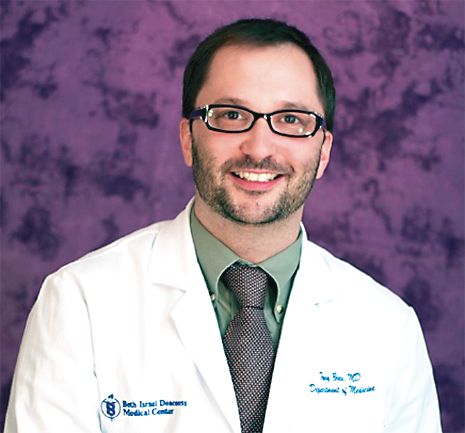
“Whether or not you take a patient who’s already on furosemide and you make the switch to torsemide is a little bit tougher for me to advocate, though that has happened in clinical trials,” said Dr. Breu, assistant professor of medicine at Harvard Medical School, Boston, who spoke May 5 at the Converge session “Things We Do for No Reason.” He co-presented the session with Leonard Feldman, MD, SFHM, director of the Osler Medical Residency Urban Health Track and associate professor at Johns Hopkins Medicine, Baltimore.
“If you consider doing this it would make sense to do so concert with the outpatient primary doctor and the outpatient cardiologist,” Dr. Breu said. “But in my review of the literature, it’s at least worth having these discussions, particularly for a patient who has multiple readmissions for heart failure. That may be a time to pause and ask: ‘Could torsemide be of benefit here?’ ”
In Dr. Breu’s opinion, there are at least three reasons why consider torsemide should be considered a first-line treatment for heart failure. For one thing, the current evidence says so. In a trial published in 2001, researchers randomized 234 patients with heart failure to receive torsemide or furosemide for 1 year. The percentage of patients who had one or more hospital readmissions was lower among those who received torsemide, compared with those who received furosemide in the torsemide group for heart failure (17% vs. 32%, respectively; P < .01) and for other cardiovascular causes (44% vs. 59%; P = .03). In addition, the number of total admissions was numerically lower for patients in the torsemide group, compared with the furosemide group for heart failure (23 vs. 61; P < .01) and for cardiovascular causes (78 vs. 130; P = .02).
In a separate study, researchers conducted an open-label trial of 237 patients with New York Heart Association (NYHA) class II-IV heart failure who were randomized to torsemide or furosemide. They found that a significantly higher percentage of patients in the torsemide group improved by one or more NYHA heart failure class, compared with those in the furosemide group (40%; P = .001 vs. 31%; P = .3). Moreover, patients treated with furosemide had more restrictions of daily life at 9 months, compared with those treated with torsemide (P < .001).
A separate, open-label, nonrandomized, postmarketing surveillance trial also found benefits of torsemide over furosemide or other agents used for patients with NYHA class III and IV heart failure. Patients treated with torsemide had a lower total mortality, compared with those treated with furosemide or other agents (2.2% vs. 4.5%, respectively; P < .05) as well as a lower cardiac mortality (1.4% vs. 3.5%; P < .05). They were also more likely to improve by one or more heart failure class (46% vs. 37%; P < .01) and less likely to have potassium levels less than 3.5 mEq/L or greater than 5.0 mEq/L (13% vs. 18%; P = .01).
According to Dr. Breu, meta-analyses of this topic consistently show that the NYHA class improved more with torsemide than with furosemide. “Some meta-analyses find a mortality benefit, while others find a readmissions benefit,” he said. “None of them show a benefit of furosemide over torsemide.”
A second reason to use torsemide as a first-line treatment for heart failure is that it has superior pharmacokinetics/dynamics, compared with furosemide. “We’ve all heard that furosemide has variable bioavailability,” said Dr. Breu, who also deputy editor of the Journal of Hospital Medicine’s “Things We Do For No Reason” article series. “Torsemide and bumetanide are much more reliably absorbed, partially because they are not affected by food, whereas furosemide is. That could be potentially problematic for patients who take their diuretic with meals. The fact that torsemide has less renal clearance is a benefit, because patients with heart failure have changing renal function.” In addition, the half-life of torsemide is 3-4 hours and the duration of action is 12 hours, “which are both longer than those for furosemide or bumetanide,” he added.
He also pointed out that torsemide has been shown to block the aldosterone receptor in vitro and in rat models – an effect that has not been observed with other loop diuretics. A randomized trial of patients with chronic heart failure found that levels of renin and aldosterone increased more with torsemide, compared with furosemide, supporting the hypothesis of aldosterone receptor blockade.
A third main reason to use torsemide as your go-to for heart failure has to do with its purported antifibrotic effects, “so that it could be more than a diuretic,” Dr. Breu said. “In heart failure, myocardial fibrosis occurs from increased collagen synthesis and turnover. Aldosterone has been shown to play a role in this myocardial fibrosis. Spironolactone has been shown to mitigate this to some extent. If torsemide acts a little like spironolactone, maybe that could explain some of the long-term effects that we see in these studies.”
A study supporting this notion found that torsemide but not furosemide reduced levels of serum carboxyl-terminal peptide of procollagen type I, which is associated with exaggerated myocardial deposition of collagen type I fibers in cardiac diseases.
Going forward, a study known as TRANSFORM-HF, which is currently recruiting about 6,000 patients, should bring more clarity to the topic. The primary objective is to compare the treatment strategy of torsemide versus furosemide on clinical outcomes over 12 months in patients with heart failure who are hospitalized. The estimated completion is mid-2022.
Dr. Breu and Dr. Feldman reported having no relevant financial disclosures.
When starting a new loop diuretic for a patient with heart failure, strongly consider torsemide over furosemide, Anthony C. Breu, MD, advised at SHM Converge, the annual conference of the Society of Hospital Medicine.
“Whether or not you take a patient who’s already on furosemide and you make the switch to torsemide is a little bit tougher for me to advocate, though that has happened in clinical trials,” said Dr. Breu, assistant professor of medicine at Harvard Medical School, Boston, who spoke May 5 at the Converge session “Things We Do for No Reason.” He co-presented the session with Leonard Feldman, MD, SFHM, director of the Osler Medical Residency Urban Health Track and associate professor at Johns Hopkins Medicine, Baltimore.
“If you consider doing this it would make sense to do so concert with the outpatient primary doctor and the outpatient cardiologist,” Dr. Breu said. “But in my review of the literature, it’s at least worth having these discussions, particularly for a patient who has multiple readmissions for heart failure. That may be a time to pause and ask: ‘Could torsemide be of benefit here?’ ”
In Dr. Breu’s opinion, there are at least three reasons why consider torsemide should be considered a first-line treatment for heart failure. For one thing, the current evidence says so. In a trial published in 2001, researchers randomized 234 patients with heart failure to receive torsemide or furosemide for 1 year. The percentage of patients who had one or more hospital readmissions was lower among those who received torsemide, compared with those who received furosemide in the torsemide group for heart failure (17% vs. 32%, respectively; P < .01) and for other cardiovascular causes (44% vs. 59%; P = .03). In addition, the number of total admissions was numerically lower for patients in the torsemide group, compared with the furosemide group for heart failure (23 vs. 61; P < .01) and for cardiovascular causes (78 vs. 130; P = .02).
In a separate study, researchers conducted an open-label trial of 237 patients with New York Heart Association (NYHA) class II-IV heart failure who were randomized to torsemide or furosemide. They found that a significantly higher percentage of patients in the torsemide group improved by one or more NYHA heart failure class, compared with those in the furosemide group (40%; P = .001 vs. 31%; P = .3). Moreover, patients treated with furosemide had more restrictions of daily life at 9 months, compared with those treated with torsemide (P < .001).
A separate, open-label, nonrandomized, postmarketing surveillance trial also found benefits of torsemide over furosemide or other agents used for patients with NYHA class III and IV heart failure. Patients treated with torsemide had a lower total mortality, compared with those treated with furosemide or other agents (2.2% vs. 4.5%, respectively; P < .05) as well as a lower cardiac mortality (1.4% vs. 3.5%; P < .05). They were also more likely to improve by one or more heart failure class (46% vs. 37%; P < .01) and less likely to have potassium levels less than 3.5 mEq/L or greater than 5.0 mEq/L (13% vs. 18%; P = .01).
According to Dr. Breu, meta-analyses of this topic consistently show that the NYHA class improved more with torsemide than with furosemide. “Some meta-analyses find a mortality benefit, while others find a readmissions benefit,” he said. “None of them show a benefit of furosemide over torsemide.”
A second reason to use torsemide as a first-line treatment for heart failure is that it has superior pharmacokinetics/dynamics, compared with furosemide. “We’ve all heard that furosemide has variable bioavailability,” said Dr. Breu, who also deputy editor of the Journal of Hospital Medicine’s “Things We Do For No Reason” article series. “Torsemide and bumetanide are much more reliably absorbed, partially because they are not affected by food, whereas furosemide is. That could be potentially problematic for patients who take their diuretic with meals. The fact that torsemide has less renal clearance is a benefit, because patients with heart failure have changing renal function.” In addition, the half-life of torsemide is 3-4 hours and the duration of action is 12 hours, “which are both longer than those for furosemide or bumetanide,” he added.
He also pointed out that torsemide has been shown to block the aldosterone receptor in vitro and in rat models – an effect that has not been observed with other loop diuretics. A randomized trial of patients with chronic heart failure found that levels of renin and aldosterone increased more with torsemide, compared with furosemide, supporting the hypothesis of aldosterone receptor blockade.
A third main reason to use torsemide as your go-to for heart failure has to do with its purported antifibrotic effects, “so that it could be more than a diuretic,” Dr. Breu said. “In heart failure, myocardial fibrosis occurs from increased collagen synthesis and turnover. Aldosterone has been shown to play a role in this myocardial fibrosis. Spironolactone has been shown to mitigate this to some extent. If torsemide acts a little like spironolactone, maybe that could explain some of the long-term effects that we see in these studies.”
A study supporting this notion found that torsemide but not furosemide reduced levels of serum carboxyl-terminal peptide of procollagen type I, which is associated with exaggerated myocardial deposition of collagen type I fibers in cardiac diseases.
Going forward, a study known as TRANSFORM-HF, which is currently recruiting about 6,000 patients, should bring more clarity to the topic. The primary objective is to compare the treatment strategy of torsemide versus furosemide on clinical outcomes over 12 months in patients with heart failure who are hospitalized. The estimated completion is mid-2022.
Dr. Breu and Dr. Feldman reported having no relevant financial disclosures.
When starting a new loop diuretic for a patient with heart failure, strongly consider torsemide over furosemide, Anthony C. Breu, MD, advised at SHM Converge, the annual conference of the Society of Hospital Medicine.
“Whether or not you take a patient who’s already on furosemide and you make the switch to torsemide is a little bit tougher for me to advocate, though that has happened in clinical trials,” said Dr. Breu, assistant professor of medicine at Harvard Medical School, Boston, who spoke May 5 at the Converge session “Things We Do for No Reason.” He co-presented the session with Leonard Feldman, MD, SFHM, director of the Osler Medical Residency Urban Health Track and associate professor at Johns Hopkins Medicine, Baltimore.
“If you consider doing this it would make sense to do so concert with the outpatient primary doctor and the outpatient cardiologist,” Dr. Breu said. “But in my review of the literature, it’s at least worth having these discussions, particularly for a patient who has multiple readmissions for heart failure. That may be a time to pause and ask: ‘Could torsemide be of benefit here?’ ”
In Dr. Breu’s opinion, there are at least three reasons why consider torsemide should be considered a first-line treatment for heart failure. For one thing, the current evidence says so. In a trial published in 2001, researchers randomized 234 patients with heart failure to receive torsemide or furosemide for 1 year. The percentage of patients who had one or more hospital readmissions was lower among those who received torsemide, compared with those who received furosemide in the torsemide group for heart failure (17% vs. 32%, respectively; P < .01) and for other cardiovascular causes (44% vs. 59%; P = .03). In addition, the number of total admissions was numerically lower for patients in the torsemide group, compared with the furosemide group for heart failure (23 vs. 61; P < .01) and for cardiovascular causes (78 vs. 130; P = .02).
In a separate study, researchers conducted an open-label trial of 237 patients with New York Heart Association (NYHA) class II-IV heart failure who were randomized to torsemide or furosemide. They found that a significantly higher percentage of patients in the torsemide group improved by one or more NYHA heart failure class, compared with those in the furosemide group (40%; P = .001 vs. 31%; P = .3). Moreover, patients treated with furosemide had more restrictions of daily life at 9 months, compared with those treated with torsemide (P < .001).
A separate, open-label, nonrandomized, postmarketing surveillance trial also found benefits of torsemide over furosemide or other agents used for patients with NYHA class III and IV heart failure. Patients treated with torsemide had a lower total mortality, compared with those treated with furosemide or other agents (2.2% vs. 4.5%, respectively; P < .05) as well as a lower cardiac mortality (1.4% vs. 3.5%; P < .05). They were also more likely to improve by one or more heart failure class (46% vs. 37%; P < .01) and less likely to have potassium levels less than 3.5 mEq/L or greater than 5.0 mEq/L (13% vs. 18%; P = .01).
According to Dr. Breu, meta-analyses of this topic consistently show that the NYHA class improved more with torsemide than with furosemide. “Some meta-analyses find a mortality benefit, while others find a readmissions benefit,” he said. “None of them show a benefit of furosemide over torsemide.”
A second reason to use torsemide as a first-line treatment for heart failure is that it has superior pharmacokinetics/dynamics, compared with furosemide. “We’ve all heard that furosemide has variable bioavailability,” said Dr. Breu, who also deputy editor of the Journal of Hospital Medicine’s “Things We Do For No Reason” article series. “Torsemide and bumetanide are much more reliably absorbed, partially because they are not affected by food, whereas furosemide is. That could be potentially problematic for patients who take their diuretic with meals. The fact that torsemide has less renal clearance is a benefit, because patients with heart failure have changing renal function.” In addition, the half-life of torsemide is 3-4 hours and the duration of action is 12 hours, “which are both longer than those for furosemide or bumetanide,” he added.
He also pointed out that torsemide has been shown to block the aldosterone receptor in vitro and in rat models – an effect that has not been observed with other loop diuretics. A randomized trial of patients with chronic heart failure found that levels of renin and aldosterone increased more with torsemide, compared with furosemide, supporting the hypothesis of aldosterone receptor blockade.
A third main reason to use torsemide as your go-to for heart failure has to do with its purported antifibrotic effects, “so that it could be more than a diuretic,” Dr. Breu said. “In heart failure, myocardial fibrosis occurs from increased collagen synthesis and turnover. Aldosterone has been shown to play a role in this myocardial fibrosis. Spironolactone has been shown to mitigate this to some extent. If torsemide acts a little like spironolactone, maybe that could explain some of the long-term effects that we see in these studies.”
A study supporting this notion found that torsemide but not furosemide reduced levels of serum carboxyl-terminal peptide of procollagen type I, which is associated with exaggerated myocardial deposition of collagen type I fibers in cardiac diseases.
Going forward, a study known as TRANSFORM-HF, which is currently recruiting about 6,000 patients, should bring more clarity to the topic. The primary objective is to compare the treatment strategy of torsemide versus furosemide on clinical outcomes over 12 months in patients with heart failure who are hospitalized. The estimated completion is mid-2022.
Dr. Breu and Dr. Feldman reported having no relevant financial disclosures.
FROM SHM CONVERGE 2021
Patchy growth of TAVR programs leaves poorer communities behind
Inequities in the initial growth of transcatheter aortic valve replacement (TAVR) programs in American hospitals has led to less use of the transformative procedure in poorer communities, a new cross-sectional study suggests.
Using Medicare claims data, investigators identified 554 new TAVR programs created between January 2012 and December 2018.
Of these, 98% were established in metropolitan areas (>50,000 residents) and 53% were started in areas with preexisting TAVR programs, “thereby increasing the number of programs but not necessarily increasing the geographic availability of the procedure,” said study author Ashwin Nathan, MD, Hospital of the University of Pennsylvania, Philadelphia.
Only 11 programs were started in nonmetropolitan areas over the study period, he noted during the featured clinical research presentation at the Society for Cardiovascular Angiography and Interventions (SCAI) 2021 annual scientific sessions, held virtually this year.
Hospitals that established TAVR programs, compared with those that did not, cared for patients with higher median household incomes (difference, $1,305; P = .03) and from areas with better economic well-being based on the Distressed Communities Index (difference, –3.15 units; P < .01), and cared for fewer patients with dual eligibility for Medicaid (difference, –3.15%; P < .01).
When the investigators looked at rates of TAVR between the core-based statistical areas, there were fewer TAVR procedures per 100,000 Medicare beneficiaries in areas with more Medicaid dual-eligible patients (difference, –1.19% per 1% increase), lower average median household incomes (difference, –0.62% per $1,000 decrease), and more average community distress (difference, –0.35% per 1 unit increase; P < .01 for all).
“What we can conclude is that the increased number of TAVR programs that we found during the study period did not necessarily translate to increased access to TAVR ... Wealthy, more privileged patients had more access to TAVR by virtue of the hospitals that serve them,” Dr. Nathan said.
Future steps, he said, are to identify the role of race and ethnicity in inequitable access to TAVR, identify system- and patient-level barriers to access, and to develop and test solutions to address inequitable care.
Elaborating on the latter point during a discussion of the results, study coauthor Jay S. Giri, MD, MPH, also from the Hospital of the University of Pennsylvania, observed that although the data showed rural areas are left behind, not every part of an urban area acts like the area more generally.
As a result, they’re delving into the 25 largest urban areas and trying to disaggregate, based on both socioeconomic status and race within the area, whether inequities exist, he said. “Believe it or not, in some urban areas where there clearly is access – there might even be a dozen TAVR programs within a 25 mile radius – do some of those areas still act like rural areas that don’t have access? So more to come on that.”
Session comoderator Steven Yakubov, MD, MidWest Cardiology Research Foundation in Columbus, Ohio, said the results show TAVR programs tend to be developed in well-served areas but asked whether some of the responsibility falls on patients to seek medical attention. “Do we just not give enough education to patients on how to access care?”
Dr. Giri responded by highlighting the complexity of navigating from even being diagnosed with aortic stenosis to making it through a multidisciplinary TAVR evaluation.
“Individuals with increased health literacy and more means are more likely to make it through that gauntlet. But from a public health perspective, obviously, I’d argue that the onus is probably more on the medical community at large to figure out how to roll these programs out more widespread,” he said.
“It looked to us like market forces overwhelmingly seemed to drive the development of new TAVR programs over access to care considerations,” Dr. Giri added. “And just to point out, those market forces aren’t at the level of the device manufacturers, who are often maligned for cost. This is really about the market forces at the level of hospitals and health systems.”
Session comoderator Megan Coylewright, MD, MPH, Erlanger Heart and Lung Institute, Chattanooga, Tenn., said, “I think that’s really well stated,” and noted that physicians may bear some responsibility as well.
“From a physician responsibility, especially for structural heart, we tended to all aggregate together, all of us that have structural heart training or that have trained in certain institutions,” she said. “It’s certainly on us to continue to spread out and go to the communities in need to ensure access. I think, as Dr. Giri said, there are a lot of solutions and that needs to be the focus for the next couple of years.”
Dr. Nathan reported having no relevant disclosures. Dr. Giri reported serving as a principal investigator for a research study for Boston Scientific, Inari Medical, Abbott, and Recor Medical; consulting for Boston Scientific; and serving on an advisory board for Inari Medical.
A version of this article first appeared on Medscape.com.
Inequities in the initial growth of transcatheter aortic valve replacement (TAVR) programs in American hospitals has led to less use of the transformative procedure in poorer communities, a new cross-sectional study suggests.
Using Medicare claims data, investigators identified 554 new TAVR programs created between January 2012 and December 2018.
Of these, 98% were established in metropolitan areas (>50,000 residents) and 53% were started in areas with preexisting TAVR programs, “thereby increasing the number of programs but not necessarily increasing the geographic availability of the procedure,” said study author Ashwin Nathan, MD, Hospital of the University of Pennsylvania, Philadelphia.
Only 11 programs were started in nonmetropolitan areas over the study period, he noted during the featured clinical research presentation at the Society for Cardiovascular Angiography and Interventions (SCAI) 2021 annual scientific sessions, held virtually this year.
Hospitals that established TAVR programs, compared with those that did not, cared for patients with higher median household incomes (difference, $1,305; P = .03) and from areas with better economic well-being based on the Distressed Communities Index (difference, –3.15 units; P < .01), and cared for fewer patients with dual eligibility for Medicaid (difference, –3.15%; P < .01).
When the investigators looked at rates of TAVR between the core-based statistical areas, there were fewer TAVR procedures per 100,000 Medicare beneficiaries in areas with more Medicaid dual-eligible patients (difference, –1.19% per 1% increase), lower average median household incomes (difference, –0.62% per $1,000 decrease), and more average community distress (difference, –0.35% per 1 unit increase; P < .01 for all).
“What we can conclude is that the increased number of TAVR programs that we found during the study period did not necessarily translate to increased access to TAVR ... Wealthy, more privileged patients had more access to TAVR by virtue of the hospitals that serve them,” Dr. Nathan said.
Future steps, he said, are to identify the role of race and ethnicity in inequitable access to TAVR, identify system- and patient-level barriers to access, and to develop and test solutions to address inequitable care.
Elaborating on the latter point during a discussion of the results, study coauthor Jay S. Giri, MD, MPH, also from the Hospital of the University of Pennsylvania, observed that although the data showed rural areas are left behind, not every part of an urban area acts like the area more generally.
As a result, they’re delving into the 25 largest urban areas and trying to disaggregate, based on both socioeconomic status and race within the area, whether inequities exist, he said. “Believe it or not, in some urban areas where there clearly is access – there might even be a dozen TAVR programs within a 25 mile radius – do some of those areas still act like rural areas that don’t have access? So more to come on that.”
Session comoderator Steven Yakubov, MD, MidWest Cardiology Research Foundation in Columbus, Ohio, said the results show TAVR programs tend to be developed in well-served areas but asked whether some of the responsibility falls on patients to seek medical attention. “Do we just not give enough education to patients on how to access care?”
Dr. Giri responded by highlighting the complexity of navigating from even being diagnosed with aortic stenosis to making it through a multidisciplinary TAVR evaluation.
“Individuals with increased health literacy and more means are more likely to make it through that gauntlet. But from a public health perspective, obviously, I’d argue that the onus is probably more on the medical community at large to figure out how to roll these programs out more widespread,” he said.
“It looked to us like market forces overwhelmingly seemed to drive the development of new TAVR programs over access to care considerations,” Dr. Giri added. “And just to point out, those market forces aren’t at the level of the device manufacturers, who are often maligned for cost. This is really about the market forces at the level of hospitals and health systems.”
Session comoderator Megan Coylewright, MD, MPH, Erlanger Heart and Lung Institute, Chattanooga, Tenn., said, “I think that’s really well stated,” and noted that physicians may bear some responsibility as well.
“From a physician responsibility, especially for structural heart, we tended to all aggregate together, all of us that have structural heart training or that have trained in certain institutions,” she said. “It’s certainly on us to continue to spread out and go to the communities in need to ensure access. I think, as Dr. Giri said, there are a lot of solutions and that needs to be the focus for the next couple of years.”
Dr. Nathan reported having no relevant disclosures. Dr. Giri reported serving as a principal investigator for a research study for Boston Scientific, Inari Medical, Abbott, and Recor Medical; consulting for Boston Scientific; and serving on an advisory board for Inari Medical.
A version of this article first appeared on Medscape.com.
Inequities in the initial growth of transcatheter aortic valve replacement (TAVR) programs in American hospitals has led to less use of the transformative procedure in poorer communities, a new cross-sectional study suggests.
Using Medicare claims data, investigators identified 554 new TAVR programs created between January 2012 and December 2018.
Of these, 98% were established in metropolitan areas (>50,000 residents) and 53% were started in areas with preexisting TAVR programs, “thereby increasing the number of programs but not necessarily increasing the geographic availability of the procedure,” said study author Ashwin Nathan, MD, Hospital of the University of Pennsylvania, Philadelphia.
Only 11 programs were started in nonmetropolitan areas over the study period, he noted during the featured clinical research presentation at the Society for Cardiovascular Angiography and Interventions (SCAI) 2021 annual scientific sessions, held virtually this year.
Hospitals that established TAVR programs, compared with those that did not, cared for patients with higher median household incomes (difference, $1,305; P = .03) and from areas with better economic well-being based on the Distressed Communities Index (difference, –3.15 units; P < .01), and cared for fewer patients with dual eligibility for Medicaid (difference, –3.15%; P < .01).
When the investigators looked at rates of TAVR between the core-based statistical areas, there were fewer TAVR procedures per 100,000 Medicare beneficiaries in areas with more Medicaid dual-eligible patients (difference, –1.19% per 1% increase), lower average median household incomes (difference, –0.62% per $1,000 decrease), and more average community distress (difference, –0.35% per 1 unit increase; P < .01 for all).
“What we can conclude is that the increased number of TAVR programs that we found during the study period did not necessarily translate to increased access to TAVR ... Wealthy, more privileged patients had more access to TAVR by virtue of the hospitals that serve them,” Dr. Nathan said.
Future steps, he said, are to identify the role of race and ethnicity in inequitable access to TAVR, identify system- and patient-level barriers to access, and to develop and test solutions to address inequitable care.
Elaborating on the latter point during a discussion of the results, study coauthor Jay S. Giri, MD, MPH, also from the Hospital of the University of Pennsylvania, observed that although the data showed rural areas are left behind, not every part of an urban area acts like the area more generally.
As a result, they’re delving into the 25 largest urban areas and trying to disaggregate, based on both socioeconomic status and race within the area, whether inequities exist, he said. “Believe it or not, in some urban areas where there clearly is access – there might even be a dozen TAVR programs within a 25 mile radius – do some of those areas still act like rural areas that don’t have access? So more to come on that.”
Session comoderator Steven Yakubov, MD, MidWest Cardiology Research Foundation in Columbus, Ohio, said the results show TAVR programs tend to be developed in well-served areas but asked whether some of the responsibility falls on patients to seek medical attention. “Do we just not give enough education to patients on how to access care?”
Dr. Giri responded by highlighting the complexity of navigating from even being diagnosed with aortic stenosis to making it through a multidisciplinary TAVR evaluation.
“Individuals with increased health literacy and more means are more likely to make it through that gauntlet. But from a public health perspective, obviously, I’d argue that the onus is probably more on the medical community at large to figure out how to roll these programs out more widespread,” he said.
“It looked to us like market forces overwhelmingly seemed to drive the development of new TAVR programs over access to care considerations,” Dr. Giri added. “And just to point out, those market forces aren’t at the level of the device manufacturers, who are often maligned for cost. This is really about the market forces at the level of hospitals and health systems.”
Session comoderator Megan Coylewright, MD, MPH, Erlanger Heart and Lung Institute, Chattanooga, Tenn., said, “I think that’s really well stated,” and noted that physicians may bear some responsibility as well.
“From a physician responsibility, especially for structural heart, we tended to all aggregate together, all of us that have structural heart training or that have trained in certain institutions,” she said. “It’s certainly on us to continue to spread out and go to the communities in need to ensure access. I think, as Dr. Giri said, there are a lot of solutions and that needs to be the focus for the next couple of years.”
Dr. Nathan reported having no relevant disclosures. Dr. Giri reported serving as a principal investigator for a research study for Boston Scientific, Inari Medical, Abbott, and Recor Medical; consulting for Boston Scientific; and serving on an advisory board for Inari Medical.
A version of this article first appeared on Medscape.com.
Torsemide vs. furosemide in heart failure patients
Background: Treatment goals of heart failure include improvement in quality of life, prevention of hospitalization, and decreases in mortality. Loop diuretics can improve these goals. Furosemide (Lasix) is the most widely used diuretic in heart failure patients. Torsemide (Demadex) has a better pharmacokinetic and pharmacodynamic profile than does furosemide, with greater bioavailability, a longer half-life, and higher potency. In addition, there is a suggestion that torsemide has a vasodilatory effect and a possible antialdosterone effect that may contribute to its efficacy. However, it is not known if that better profile leads to differences or improvements in primary treatment goals.
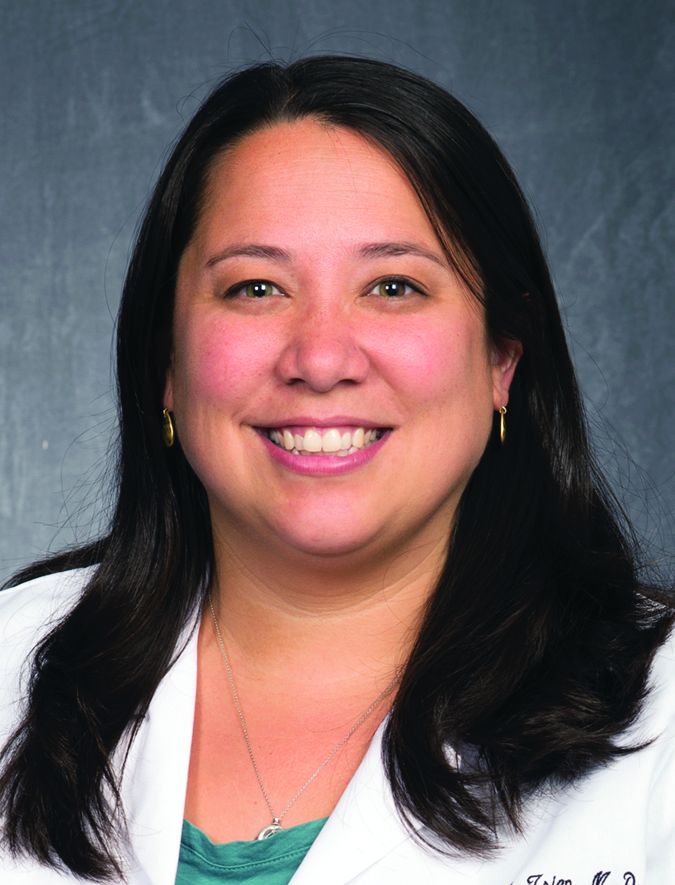
Study design: Systematic review and meta-analysis.
Setting: 19 published randomized, controlled trials (RCTs) or observational studies in the English language.
Synopsis: 19 RCTs and observational studies comparing furosemide and torsemide were analyzed to identify differences in New York Heart Association functional classification, side effects, hospitalizations for heart failure, cardiac mortality, and all-cause mortality. More than 19,000 patients were included with a mean follow-up of 15 months. Torsemide was associated with a significant improvement in functional status with a number needed to treat of five. In addition, there were lower numbers of hospitalizations from heart failure and a lower risk of cardiac death in the torsemide arm though these differences disappeared when RCTs were analyzed alone. There were no differences in all-cause mortality or medication side effects between furosemide and torsemide.
Bottom line: The use of torsemide is associated with significant improvement in functional status. It is also – though less significantly – associated with lower hospitalization rates for heart failure and lower cardiac mortality.
Citation: Abraham B et al. Meta-analysis comparing torsemide versus furosemide in patients with heart failure. Am J Cardiol. 2020 Jan 1;125: 92-9.
Dr. Tsien is assistant professor in the division of hospital medicine, Loyola University Medical Center, Maywood, Ill.
Background: Treatment goals of heart failure include improvement in quality of life, prevention of hospitalization, and decreases in mortality. Loop diuretics can improve these goals. Furosemide (Lasix) is the most widely used diuretic in heart failure patients. Torsemide (Demadex) has a better pharmacokinetic and pharmacodynamic profile than does furosemide, with greater bioavailability, a longer half-life, and higher potency. In addition, there is a suggestion that torsemide has a vasodilatory effect and a possible antialdosterone effect that may contribute to its efficacy. However, it is not known if that better profile leads to differences or improvements in primary treatment goals.
Study design: Systematic review and meta-analysis.
Setting: 19 published randomized, controlled trials (RCTs) or observational studies in the English language.
Synopsis: 19 RCTs and observational studies comparing furosemide and torsemide were analyzed to identify differences in New York Heart Association functional classification, side effects, hospitalizations for heart failure, cardiac mortality, and all-cause mortality. More than 19,000 patients were included with a mean follow-up of 15 months. Torsemide was associated with a significant improvement in functional status with a number needed to treat of five. In addition, there were lower numbers of hospitalizations from heart failure and a lower risk of cardiac death in the torsemide arm though these differences disappeared when RCTs were analyzed alone. There were no differences in all-cause mortality or medication side effects between furosemide and torsemide.
Bottom line: The use of torsemide is associated with significant improvement in functional status. It is also – though less significantly – associated with lower hospitalization rates for heart failure and lower cardiac mortality.
Citation: Abraham B et al. Meta-analysis comparing torsemide versus furosemide in patients with heart failure. Am J Cardiol. 2020 Jan 1;125: 92-9.
Dr. Tsien is assistant professor in the division of hospital medicine, Loyola University Medical Center, Maywood, Ill.
Background: Treatment goals of heart failure include improvement in quality of life, prevention of hospitalization, and decreases in mortality. Loop diuretics can improve these goals. Furosemide (Lasix) is the most widely used diuretic in heart failure patients. Torsemide (Demadex) has a better pharmacokinetic and pharmacodynamic profile than does furosemide, with greater bioavailability, a longer half-life, and higher potency. In addition, there is a suggestion that torsemide has a vasodilatory effect and a possible antialdosterone effect that may contribute to its efficacy. However, it is not known if that better profile leads to differences or improvements in primary treatment goals.
Study design: Systematic review and meta-analysis.
Setting: 19 published randomized, controlled trials (RCTs) or observational studies in the English language.
Synopsis: 19 RCTs and observational studies comparing furosemide and torsemide were analyzed to identify differences in New York Heart Association functional classification, side effects, hospitalizations for heart failure, cardiac mortality, and all-cause mortality. More than 19,000 patients were included with a mean follow-up of 15 months. Torsemide was associated with a significant improvement in functional status with a number needed to treat of five. In addition, there were lower numbers of hospitalizations from heart failure and a lower risk of cardiac death in the torsemide arm though these differences disappeared when RCTs were analyzed alone. There were no differences in all-cause mortality or medication side effects between furosemide and torsemide.
Bottom line: The use of torsemide is associated with significant improvement in functional status. It is also – though less significantly – associated with lower hospitalization rates for heart failure and lower cardiac mortality.
Citation: Abraham B et al. Meta-analysis comparing torsemide versus furosemide in patients with heart failure. Am J Cardiol. 2020 Jan 1;125: 92-9.
Dr. Tsien is assistant professor in the division of hospital medicine, Loyola University Medical Center, Maywood, Ill.
AHA issues new advice on managing stage 1 hypertension
Clinicians should consider the use of medication for adults with untreated stage 1 hypertension (130-139/80-89 mm Hg) whose 10-year risk for atherosclerotic cardiovascular disease is <10% and who fail to meet the blood pressure goal of <130/80 mm Hg after 6 months of guideline-based lifestyle therapy, the American Heart Association (AHA) advises in new scientific statement.
The statement was published online April 29 in Hypertension.
The recommendation complements the 2017 American College of Cardiology/American Heart Association Blood Pressure Management Guidelines, which do not fully address how to manage untreated stage 1 hypertension, the AHA says.
“There are no treatment recommendations in current guidelines for patients who are at relatively low short-term risk of heart disease when blood pressure does not drop below 130 mm Hg after six months of recommended lifestyle changes. This statement fills that gap,” Daniel W. Jones, MD, chair of the statement writing group and a past president of the AHA, said in a news release.
If after 6 months with lifestyle changes, blood pressure does not improve, lifestyle therapy should be continued and “clinicians should consider adding medications to control blood pressure,” said Dr. Jones, professor and dean emeritus, University of Mississippi, Jackson.
Healthy lifestyle changes to lower blood pressure include achieving ideal body weight, exercising (30 min of moderate to vigorous physical activity on most days, if possible), limiting dietary sodium, enhancing potassium intake, and following the Dietary Approaches to Stop Hypertension (DASH) diet, which is plentiful in fruits and vegetables with low-fat dairy products and reduced saturated fat and total fat. In addition, patients should be advised to limit alcohol intake and to not smoke.
The writing group acknowledges that these goals can be hard to achieve and maintain over time.
“It is very hard in America and most industrialized countries to limit sodium sufficiently to lower blood pressure, and it is difficult for all of us to maintain a healthy weight in what I refer to as a toxic food environment,” Dr. Jones said.
“We want clinicians to advise patients to take healthy lifestyle changes seriously and do their best. We certainly prefer to achieve blood pressure goals without adding medication; however, successfully treating high blood pressure does extend both years and quality of life,” said Dr. Jones.
The AHA statement also addresses cases in which adults were found to have hypertension during adolescence or childhood and were prescribed antihypertensive drug therapy.
In this patient population, clinicians should consider the original indications for starting antihypertensive drug treatment and the need to continue the medication and lifestyle therapy as young adults, the AHA advises.
“In young adults with stage 1 hypertension who are not controlled with lifestyle therapy, special consideration should be given to use of antihypertensive medication in individuals with a family history of premature CVD, a history of hypertension during pregnancy, or a personal history of premature birth,” the AHA states.
The scientific statement was prepared by the volunteer writing group on behalf of the AHA Council on Hypertension; the Council on the Kidney in Cardiovascular Disease; the Council on Arteriosclerosis, Thrombosis and Vascular Biology; the Council on Cardiovascular Radiology and Intervention; the Council on Lifelong Congenital Heart Disease and Heart Health in the Young; and the Stroke Council.
The authors have disclosed no relevant financial relationships.
A version of this article first appeared on Medscape.com.
Clinicians should consider the use of medication for adults with untreated stage 1 hypertension (130-139/80-89 mm Hg) whose 10-year risk for atherosclerotic cardiovascular disease is <10% and who fail to meet the blood pressure goal of <130/80 mm Hg after 6 months of guideline-based lifestyle therapy, the American Heart Association (AHA) advises in new scientific statement.
The statement was published online April 29 in Hypertension.
The recommendation complements the 2017 American College of Cardiology/American Heart Association Blood Pressure Management Guidelines, which do not fully address how to manage untreated stage 1 hypertension, the AHA says.
“There are no treatment recommendations in current guidelines for patients who are at relatively low short-term risk of heart disease when blood pressure does not drop below 130 mm Hg after six months of recommended lifestyle changes. This statement fills that gap,” Daniel W. Jones, MD, chair of the statement writing group and a past president of the AHA, said in a news release.
If after 6 months with lifestyle changes, blood pressure does not improve, lifestyle therapy should be continued and “clinicians should consider adding medications to control blood pressure,” said Dr. Jones, professor and dean emeritus, University of Mississippi, Jackson.
Healthy lifestyle changes to lower blood pressure include achieving ideal body weight, exercising (30 min of moderate to vigorous physical activity on most days, if possible), limiting dietary sodium, enhancing potassium intake, and following the Dietary Approaches to Stop Hypertension (DASH) diet, which is plentiful in fruits and vegetables with low-fat dairy products and reduced saturated fat and total fat. In addition, patients should be advised to limit alcohol intake and to not smoke.
The writing group acknowledges that these goals can be hard to achieve and maintain over time.
“It is very hard in America and most industrialized countries to limit sodium sufficiently to lower blood pressure, and it is difficult for all of us to maintain a healthy weight in what I refer to as a toxic food environment,” Dr. Jones said.
“We want clinicians to advise patients to take healthy lifestyle changes seriously and do their best. We certainly prefer to achieve blood pressure goals without adding medication; however, successfully treating high blood pressure does extend both years and quality of life,” said Dr. Jones.
The AHA statement also addresses cases in which adults were found to have hypertension during adolescence or childhood and were prescribed antihypertensive drug therapy.
In this patient population, clinicians should consider the original indications for starting antihypertensive drug treatment and the need to continue the medication and lifestyle therapy as young adults, the AHA advises.
“In young adults with stage 1 hypertension who are not controlled with lifestyle therapy, special consideration should be given to use of antihypertensive medication in individuals with a family history of premature CVD, a history of hypertension during pregnancy, or a personal history of premature birth,” the AHA states.
The scientific statement was prepared by the volunteer writing group on behalf of the AHA Council on Hypertension; the Council on the Kidney in Cardiovascular Disease; the Council on Arteriosclerosis, Thrombosis and Vascular Biology; the Council on Cardiovascular Radiology and Intervention; the Council on Lifelong Congenital Heart Disease and Heart Health in the Young; and the Stroke Council.
The authors have disclosed no relevant financial relationships.
A version of this article first appeared on Medscape.com.
Clinicians should consider the use of medication for adults with untreated stage 1 hypertension (130-139/80-89 mm Hg) whose 10-year risk for atherosclerotic cardiovascular disease is <10% and who fail to meet the blood pressure goal of <130/80 mm Hg after 6 months of guideline-based lifestyle therapy, the American Heart Association (AHA) advises in new scientific statement.
The statement was published online April 29 in Hypertension.
The recommendation complements the 2017 American College of Cardiology/American Heart Association Blood Pressure Management Guidelines, which do not fully address how to manage untreated stage 1 hypertension, the AHA says.
“There are no treatment recommendations in current guidelines for patients who are at relatively low short-term risk of heart disease when blood pressure does not drop below 130 mm Hg after six months of recommended lifestyle changes. This statement fills that gap,” Daniel W. Jones, MD, chair of the statement writing group and a past president of the AHA, said in a news release.
If after 6 months with lifestyle changes, blood pressure does not improve, lifestyle therapy should be continued and “clinicians should consider adding medications to control blood pressure,” said Dr. Jones, professor and dean emeritus, University of Mississippi, Jackson.
Healthy lifestyle changes to lower blood pressure include achieving ideal body weight, exercising (30 min of moderate to vigorous physical activity on most days, if possible), limiting dietary sodium, enhancing potassium intake, and following the Dietary Approaches to Stop Hypertension (DASH) diet, which is plentiful in fruits and vegetables with low-fat dairy products and reduced saturated fat and total fat. In addition, patients should be advised to limit alcohol intake and to not smoke.
The writing group acknowledges that these goals can be hard to achieve and maintain over time.
“It is very hard in America and most industrialized countries to limit sodium sufficiently to lower blood pressure, and it is difficult for all of us to maintain a healthy weight in what I refer to as a toxic food environment,” Dr. Jones said.
“We want clinicians to advise patients to take healthy lifestyle changes seriously and do their best. We certainly prefer to achieve blood pressure goals without adding medication; however, successfully treating high blood pressure does extend both years and quality of life,” said Dr. Jones.
The AHA statement also addresses cases in which adults were found to have hypertension during adolescence or childhood and were prescribed antihypertensive drug therapy.
In this patient population, clinicians should consider the original indications for starting antihypertensive drug treatment and the need to continue the medication and lifestyle therapy as young adults, the AHA advises.
“In young adults with stage 1 hypertension who are not controlled with lifestyle therapy, special consideration should be given to use of antihypertensive medication in individuals with a family history of premature CVD, a history of hypertension during pregnancy, or a personal history of premature birth,” the AHA states.
The scientific statement was prepared by the volunteer writing group on behalf of the AHA Council on Hypertension; the Council on the Kidney in Cardiovascular Disease; the Council on Arteriosclerosis, Thrombosis and Vascular Biology; the Council on Cardiovascular Radiology and Intervention; the Council on Lifelong Congenital Heart Disease and Heart Health in the Young; and the Stroke Council.
The authors have disclosed no relevant financial relationships.
A version of this article first appeared on Medscape.com.
Higher MI shock survival with NCSI protocol: Final results
What started as an attempt to standardize care for acute myocardial infarction with cardiogenic shock at a handful of Detroit-area hospitals has led to markedly better survival rates than the traditional flip of a coin, in a nationwide analysis.

Final results from the National Cardiogenic Shock Initiative (NCSI) show 71% of patients survived to discharge and 68% were alive at 30 days.
Patients presenting in stage C or D shock, who comprised the bulk of patients in previous trials, had survival rates of 79% and 77%, respectively.
Among stage E patients, who are in extremis and have typical survival rates of less than 20%, survival was 54% at discharge and 49% at 30 days, co–principal investigator Babar Basir, DO, Henry Ford Hospital, Detroit, reported at the Society for Cardiovascular Angiography and Interventions (SCAI) annual scientific sessions, held virtually.
“This is the first push to really be able to consistently get survival rates over 50%, particularly in those patients who presented in stage C and D shock,” he said. “Really, it’s important to emphasize here the hard work it’s taken to get to this point and all the research that’s been done.”
The NCSI protocol emphasizes rapid identification and support of cardiogenic shock (door to support time <90 minutes), early placement of the Impella (Abiomed) ventricular assist device prior to percutaneous coronary intervention (PCI), and right heart monitoring to reduce the use of inotropes and vasopressors.
Co–principal investigator William O’Neill, MD, also from Henry Ford, previously reported results from the pilot study showing 84% of 30 patients survived to discharge.
The present analysis was based on outcomes of 406 consecutive acute MI patients (mean age, 63.7 years; 24% female) who presented with cardiogenic shock at 32 academic and 48 community hospitals in 29 states and the District of Columbia.
Dr. Basir emphasized that this is the largest prospective North American acute MI cardiogenic shock study in 20 years and recruited “one of the sickest cohorts ever studied.” The average blood pressure among the patients was 77/50 mm Hg; 77% had a lactate of at least 2 mmol/L (mean, 4.8 mmol/L), and 25% were in stage E shock.
One-quarter of patients were transferred from other institutions, 82% presented with ST-segment elevation MI, two-thirds had multivessel disease, and 13% had a left main culprit lesion.
Right heart catheterization was used in 90% of patients, an Impella CP device in 92%, an Impella 2.5 device in 5%, femoral access PCI in 78%, and aspiration thrombectomy in a full 27%.
Despite this sick cohort, survival at 30 days was better than in any previous study of cardiogenic shock, Dr. Basir said. In comparison, 30-day survival rates were 53%, 60%, and 49% in the SHOCK, IABP SHOCK, and CULPRIT SHOCK trials, respectively.
That said, survival over the course of the first year fell to 53% in the entire cohort, 62% in patients with stage C or D shock, and 31% in those in stage E shock.
“One-year mortality continues to be a problem for these patients and emphasizes the need for goal-directed medical therapy, early advanced heart failure follow-up, and novel therapies such as what we are planning with the evaluation of [supersaturated oxygen] SSO2 to reduce infarct sizes in the ISO-SHOCK trial,” set to begin later this year, Dr. Basir said.
Given the promising results in the NCSI, the randomized controlled RECOVER IV trial is planned to begin in 2022, he noted. It will assess whether Impella pre-PCI is superior to PCI without Impella in patients with inclusion criteria similar to that of the NCSI. The DanGer Shock randomized trial is ongoing in Denmark and Germany and assessing all-cause mortality at 6 months with the Impella CP device compared with standard of care.
“We hypothesize that greater utilization of this protocol, and refinement of the escalation strategies will consistently lead to a survival rate greater than 80%,” Dr. Basir concluded.
Past SCAI president Kirk Garratt, MD, Christiana Care, Newark, Del., who moderated a press conference where the data were highlighted, noted that late complications led to a roughly 20% absolute mortality increase from discharge to 1 year, and questioned what percentage could be attributed to the mechanical support offered.
Dr. Basir said that information was not specifically tracked but that many patients presented with multiorgan failure and, irrespective of that, the majority died from ongoing heart failure.
During the formal presentation, panelist Ron Waksman, MD, MedStar Heart Institute, Washington, questioned whether results were different between academic and community centers, but also pointed to the lack of a comparator in the single-arm study.
“It’s very hard to do any comparison historically; we do need to have a control group,” he said. “If you would have opened it to any treatment at the time of the initiative, which is great, but not just limit it to use of the Impella devices, we would have better understanding if there is really a differentiation between one device versus the other devices.”
Dr. Basir replied, “I think that is a very reasonable comment and, in regard to your question, it is always difficult to differentiate between academic and community centers, but these were large community programs that have all of the technologies available in an academic center.”
NCIS is funded in part by unrestricted grants from Abiomed and Chiesi. Dr. Basir reported consulting for Abbott Vascular, Abiomed, Cardiovascular Systems, Chiesi, Procyrion, and Zoll.
A version of this article first appeared on Medscape.com.
What started as an attempt to standardize care for acute myocardial infarction with cardiogenic shock at a handful of Detroit-area hospitals has led to markedly better survival rates than the traditional flip of a coin, in a nationwide analysis.
Final results from the National Cardiogenic Shock Initiative (NCSI) show 71% of patients survived to discharge and 68% were alive at 30 days.
Patients presenting in stage C or D shock, who comprised the bulk of patients in previous trials, had survival rates of 79% and 77%, respectively.
Among stage E patients, who are in extremis and have typical survival rates of less than 20%, survival was 54% at discharge and 49% at 30 days, co–principal investigator Babar Basir, DO, Henry Ford Hospital, Detroit, reported at the Society for Cardiovascular Angiography and Interventions (SCAI) annual scientific sessions, held virtually.
“This is the first push to really be able to consistently get survival rates over 50%, particularly in those patients who presented in stage C and D shock,” he said. “Really, it’s important to emphasize here the hard work it’s taken to get to this point and all the research that’s been done.”
The NCSI protocol emphasizes rapid identification and support of cardiogenic shock (door to support time <90 minutes), early placement of the Impella (Abiomed) ventricular assist device prior to percutaneous coronary intervention (PCI), and right heart monitoring to reduce the use of inotropes and vasopressors.
Co–principal investigator William O’Neill, MD, also from Henry Ford, previously reported results from the pilot study showing 84% of 30 patients survived to discharge.
The present analysis was based on outcomes of 406 consecutive acute MI patients (mean age, 63.7 years; 24% female) who presented with cardiogenic shock at 32 academic and 48 community hospitals in 29 states and the District of Columbia.
Dr. Basir emphasized that this is the largest prospective North American acute MI cardiogenic shock study in 20 years and recruited “one of the sickest cohorts ever studied.” The average blood pressure among the patients was 77/50 mm Hg; 77% had a lactate of at least 2 mmol/L (mean, 4.8 mmol/L), and 25% were in stage E shock.
One-quarter of patients were transferred from other institutions, 82% presented with ST-segment elevation MI, two-thirds had multivessel disease, and 13% had a left main culprit lesion.
Right heart catheterization was used in 90% of patients, an Impella CP device in 92%, an Impella 2.5 device in 5%, femoral access PCI in 78%, and aspiration thrombectomy in a full 27%.
Despite this sick cohort, survival at 30 days was better than in any previous study of cardiogenic shock, Dr. Basir said. In comparison, 30-day survival rates were 53%, 60%, and 49% in the SHOCK, IABP SHOCK, and CULPRIT SHOCK trials, respectively.
That said, survival over the course of the first year fell to 53% in the entire cohort, 62% in patients with stage C or D shock, and 31% in those in stage E shock.
“One-year mortality continues to be a problem for these patients and emphasizes the need for goal-directed medical therapy, early advanced heart failure follow-up, and novel therapies such as what we are planning with the evaluation of [supersaturated oxygen] SSO2 to reduce infarct sizes in the ISO-SHOCK trial,” set to begin later this year, Dr. Basir said.
Given the promising results in the NCSI, the randomized controlled RECOVER IV trial is planned to begin in 2022, he noted. It will assess whether Impella pre-PCI is superior to PCI without Impella in patients with inclusion criteria similar to that of the NCSI. The DanGer Shock randomized trial is ongoing in Denmark and Germany and assessing all-cause mortality at 6 months with the Impella CP device compared with standard of care.
“We hypothesize that greater utilization of this protocol, and refinement of the escalation strategies will consistently lead to a survival rate greater than 80%,” Dr. Basir concluded.
Past SCAI president Kirk Garratt, MD, Christiana Care, Newark, Del., who moderated a press conference where the data were highlighted, noted that late complications led to a roughly 20% absolute mortality increase from discharge to 1 year, and questioned what percentage could be attributed to the mechanical support offered.
Dr. Basir said that information was not specifically tracked but that many patients presented with multiorgan failure and, irrespective of that, the majority died from ongoing heart failure.
During the formal presentation, panelist Ron Waksman, MD, MedStar Heart Institute, Washington, questioned whether results were different between academic and community centers, but also pointed to the lack of a comparator in the single-arm study.
“It’s very hard to do any comparison historically; we do need to have a control group,” he said. “If you would have opened it to any treatment at the time of the initiative, which is great, but not just limit it to use of the Impella devices, we would have better understanding if there is really a differentiation between one device versus the other devices.”
Dr. Basir replied, “I think that is a very reasonable comment and, in regard to your question, it is always difficult to differentiate between academic and community centers, but these were large community programs that have all of the technologies available in an academic center.”
NCIS is funded in part by unrestricted grants from Abiomed and Chiesi. Dr. Basir reported consulting for Abbott Vascular, Abiomed, Cardiovascular Systems, Chiesi, Procyrion, and Zoll.
A version of this article first appeared on Medscape.com.
What started as an attempt to standardize care for acute myocardial infarction with cardiogenic shock at a handful of Detroit-area hospitals has led to markedly better survival rates than the traditional flip of a coin, in a nationwide analysis.
Final results from the National Cardiogenic Shock Initiative (NCSI) show 71% of patients survived to discharge and 68% were alive at 30 days.
Patients presenting in stage C or D shock, who comprised the bulk of patients in previous trials, had survival rates of 79% and 77%, respectively.
Among stage E patients, who are in extremis and have typical survival rates of less than 20%, survival was 54% at discharge and 49% at 30 days, co–principal investigator Babar Basir, DO, Henry Ford Hospital, Detroit, reported at the Society for Cardiovascular Angiography and Interventions (SCAI) annual scientific sessions, held virtually.
“This is the first push to really be able to consistently get survival rates over 50%, particularly in those patients who presented in stage C and D shock,” he said. “Really, it’s important to emphasize here the hard work it’s taken to get to this point and all the research that’s been done.”
The NCSI protocol emphasizes rapid identification and support of cardiogenic shock (door to support time <90 minutes), early placement of the Impella (Abiomed) ventricular assist device prior to percutaneous coronary intervention (PCI), and right heart monitoring to reduce the use of inotropes and vasopressors.
Co–principal investigator William O’Neill, MD, also from Henry Ford, previously reported results from the pilot study showing 84% of 30 patients survived to discharge.
The present analysis was based on outcomes of 406 consecutive acute MI patients (mean age, 63.7 years; 24% female) who presented with cardiogenic shock at 32 academic and 48 community hospitals in 29 states and the District of Columbia.
Dr. Basir emphasized that this is the largest prospective North American acute MI cardiogenic shock study in 20 years and recruited “one of the sickest cohorts ever studied.” The average blood pressure among the patients was 77/50 mm Hg; 77% had a lactate of at least 2 mmol/L (mean, 4.8 mmol/L), and 25% were in stage E shock.
One-quarter of patients were transferred from other institutions, 82% presented with ST-segment elevation MI, two-thirds had multivessel disease, and 13% had a left main culprit lesion.
Right heart catheterization was used in 90% of patients, an Impella CP device in 92%, an Impella 2.5 device in 5%, femoral access PCI in 78%, and aspiration thrombectomy in a full 27%.
Despite this sick cohort, survival at 30 days was better than in any previous study of cardiogenic shock, Dr. Basir said. In comparison, 30-day survival rates were 53%, 60%, and 49% in the SHOCK, IABP SHOCK, and CULPRIT SHOCK trials, respectively.
That said, survival over the course of the first year fell to 53% in the entire cohort, 62% in patients with stage C or D shock, and 31% in those in stage E shock.
“One-year mortality continues to be a problem for these patients and emphasizes the need for goal-directed medical therapy, early advanced heart failure follow-up, and novel therapies such as what we are planning with the evaluation of [supersaturated oxygen] SSO2 to reduce infarct sizes in the ISO-SHOCK trial,” set to begin later this year, Dr. Basir said.
Given the promising results in the NCSI, the randomized controlled RECOVER IV trial is planned to begin in 2022, he noted. It will assess whether Impella pre-PCI is superior to PCI without Impella in patients with inclusion criteria similar to that of the NCSI. The DanGer Shock randomized trial is ongoing in Denmark and Germany and assessing all-cause mortality at 6 months with the Impella CP device compared with standard of care.
“We hypothesize that greater utilization of this protocol, and refinement of the escalation strategies will consistently lead to a survival rate greater than 80%,” Dr. Basir concluded.
Past SCAI president Kirk Garratt, MD, Christiana Care, Newark, Del., who moderated a press conference where the data were highlighted, noted that late complications led to a roughly 20% absolute mortality increase from discharge to 1 year, and questioned what percentage could be attributed to the mechanical support offered.
Dr. Basir said that information was not specifically tracked but that many patients presented with multiorgan failure and, irrespective of that, the majority died from ongoing heart failure.
During the formal presentation, panelist Ron Waksman, MD, MedStar Heart Institute, Washington, questioned whether results were different between academic and community centers, but also pointed to the lack of a comparator in the single-arm study.
“It’s very hard to do any comparison historically; we do need to have a control group,” he said. “If you would have opened it to any treatment at the time of the initiative, which is great, but not just limit it to use of the Impella devices, we would have better understanding if there is really a differentiation between one device versus the other devices.”
Dr. Basir replied, “I think that is a very reasonable comment and, in regard to your question, it is always difficult to differentiate between academic and community centers, but these were large community programs that have all of the technologies available in an academic center.”
NCIS is funded in part by unrestricted grants from Abiomed and Chiesi. Dr. Basir reported consulting for Abbott Vascular, Abiomed, Cardiovascular Systems, Chiesi, Procyrion, and Zoll.
A version of this article first appeared on Medscape.com.
Modest clinical gain for AF screening of asymptomatic elderly: STROKESTOP
Some, perhaps many, previously unrecognized cases of atrial fibrillation (AF) will come to light in a screening program aimed at older asymptomatic adults. The key question is whether the challenges of such systematic but age-restricted AF screening in the community, with oral anticoagulation (OAC) offered to those found to have the arrhythmia, is worthwhile in preventing events such as death or stroke.
Now there is evidence supporting such a clinical benefit from a large, prospective, randomized trial. A screening program restricted to people 75 or 76 years of age in two Swedish communities, which called on them to use a handheld single-lead ECG system at home intermittently for 2 weeks, was followed by a slight drop in clinical events over about 7 years.
The 4% decline in risk (P = .045) in the STROKESTOP trial’s “intention-to-treat” (ITT) analysis yielded a number needed to treat of 91; that is, that many people had to be targeted by the screening program to prevent one primary-endpoint clinical event.
Those included ischemic stroke, systemic thromboembolism, hospitalization for severe bleeding, and death from any cause, investigators reported April 23 during the virtual European Heart Rhythm Association (EHRA) 2021 Congress.
If that benefit and its significance seem marginal, some secondary findings might be reassuring. Half the population of the target age in the two communities – 13,979 randomly selected people – were invited to join the trial and follow the screening protocol, comprising the ITT cohort. The other half, numbering 13,996, was not invited and served as control subjects.
However, only 51% of the ITT cohort accepted the invitation and participated in the trial; they represented the “as-treated” cohort, observed Emma Svennberg, MD, PhD, Karolinska Institute, Danderyd Hospital, Stockholm, who presented the analysis at the EHRA sessions.
The screening protocol identified untreated AF, whether previously known or unknown, in about 5% of the 7,165 as-treated screening participants; OAC was initiated in about three-fourths of those cases.
The as-treated group, on their own, benefited with a 24% drop in the prospectively defined secondary endpoint of ischemic stroke, compared with the entire control group.
The clinical benefit in the ITT population was “small but significant,” but over the same period in the as-treated cohort, there was a highly significant drop in risk for ischemic stroke, Dr. Svennberg said in an interview.
The trial’s lead message, she said, is that “screening for atrial fibrillation in an elderly population reduces the risk of death and ischemic stroke without increasing the risk of bleeding.”
Caveats: As-treated vs. ITT
But there are caveats that complicate interpretation of the trial and, Dr. Svennberg proposed, point to the importance of that interpretation of both the ITT and as-treated analyses.
“We detected significantly more atrial fibrillation in the group that was randomized to screening. A major strength of our study was that we referred all of those individuals for a structured follow-up within the study,” she said. “Although the focus of the follow-up was oral anticoagulant therapy, other risk factors were also assessed and managed, such as hypertension and diabetes.”
It’s possible that increased detection of AF followed by such structured management contributed to the observed benefit, Dr. Svennberg proposed.
However, the exclusion of those in the prespecified ITT population who declined to be screened or otherwise didn’t participate left an as-treated cohort that was healthier than the ITT population or the control group.
Indeed, the nonparticipating invitees were sicker, with significantly more diabetes, vascular disease, hypertension, and heart failure, and higher CHA2DS2VASc stroke risk scores than those who agreed to participate.
“We took a more difficult route in setting up this study, in that we identified all individuals aged 75 to 76 residing in our two regions and excluded no one,” Dr. Svennberg said in an interview. “That means even individuals with end-stage disease, severe dementia, bedridden in nursing homes, et cetera, were also randomized but perhaps not likely or eligible to participate.”
Therefore, some invitees were unable to join the study even as others might have declined “out of low interest” or other personal reasons, she said. “We believe that this mimics how a population-based screening program would be performed if done in our country.”
In the ITT analysis, screening successfully identified previously unknown or untreated cases of AF, which led to expanded OAC use and intensified risk-factor management, “which was key to a successful outcome.”
In the as-treated analysis, Dr. Svennberg said, “I think a combination of the intervention and the population being overall more healthy was driving the secondary endpoint.”
Systematic vs. opportunistic screening
Although “opportunistic screening in individuals aged 65 and older” is recommended by current European Society of Cardiology guidelines, systematic screening, such as that used in STROKESTOP, has a much weaker evidence base, observed Renate B. Schnabel, MD, PhD, University Heart & Vascular Center, Hamburg, Germany, as the invited discussant after the STROKESTOP presentation.
STROKESTOP “is one of the first studies, if not the first study,” to show a clinical benefit from screening for AF, Dr. Schnabel said.
Fewer-than-projected primary outcome events were seen during the trial, and event curves for screened and control participants didn’t start to separate until about 4 years into the study, she said. It therefore might take a long time for the screened elderly to realize the clinical benefits of screening.
Studies such as the recent SCREEN-AF and mSTOPS have amply shown that AF screening in the asymptomatic elderly can reveal previously unrecognized AF far more often than would be detected in routine practice, allowing them the opportunity to go on OAC. But the trials weren’t able to show whether the benefits of such management outweigh the risks or costs.
Indeed, on April 20, the U.S. Preventive Services Task Force (USPSTF) released a draft recommendation statement concluding that “the current evidence is insufficient to assess the balance of benefits and harms” associated with AF screening in asymptomatic people at least 50 years of age.
In STROKESTOP, however, benefit for the primary outcome reached significance in the prespecified ITT analysis and “appeared to be driven by the reduction in ischemic stroke incidence,” Dr. Schnabel said.
“The future guidelines have gained strong evidence to judge on systematic atrial fibrillation screening” as it was performed in the trial, she said. “How to implement atrial fibrillation screening, including systematic screening in health care systems across Europe and beyond, remains an open question.”
A randomized population
STROKESTOP considered all 75- and 76-year-olds living in Sweden’s Stockholm County (n = 23,888) and the Halland region (n = 4,880) and randomly assigned them to the ITT group or a control group, with stratification by sex, birth year, and geographic region. In both groups, 54.6% were female and the mean CHA2DS2VASc score was 3.5.
People assigned to the ITT cohort were invited to be screened and followed. Those who agreed to participate underwent a baseline ECG assessment to detect or rule out permanent AF. Guideline-based OAC and follow-up was offered to those found with the arrhythmia. Those in sinus rhythm with no history of AF used a handheld single-lead ECG recorder (Zenicor) for 30 seconds twice daily for 14 days.
Structured management, including OAC, was offered to anyone demonstrating sufficient AF, that is, at least one bout without p waves in one 30-second recording or at least two such episodes lasting 10-29 seconds during the 2-week screening period.
In the ITT analysis, the hazard ratio (HR) for the composite clinical primary endpoint was 0.96 (95% confidence interval, 0.920-0.999; P = .045), but in the as-treated analysis, the HR for ischemic stroke was 0.76 (95% CI, 0.68-0.87; P < .001).
“I believe that this will likely be generalizable to most countries’ elderly residents,” Dr. Svennberg said. “I think if we can find a significant difference in our elderly population in Sweden, most countries will be able to do so, or find even more significant results.”
That’s because “baseline detection of AF in Sweden is high,” she said, “so new detection is likely more difficult.” Also, in Sweden, “care can be sought without monetary concern, and prescriptions are provided at low costs to the patients.” Therefore, patients newly identified with AF, whether in studies or not, “would likely be started on therapy.”
It will be important to know whether the screening strategy is cost-effective, Dr. Schnabel said, because “the overall effect, with a hazard ratio of 0.96, is not too big, and costs incurred by systematic screening are comparatively high.”
STROKESTOP “now provides sound information for cost-effectiveness analyses, which to date have largely relied on assumptions.”
STROKESTOP was partially supported by Carl Bennet AB, Boehringer-Ingelheim, Bayer, Bristol-Meyers Squibb, and Pfizer. Dr. Svennberg disclosed receiving fees for lectures or consulting from Bayer, Bristol-Meyers Squibb, Pfizer, Boehringer-Ingelheim, Merck Sharp & Dohme, and Sanofi; and institutional grants from Roche Diagnostics and Carl Bennett Ltd.
A version of this article first appeared on Medscape.com.
Some, perhaps many, previously unrecognized cases of atrial fibrillation (AF) will come to light in a screening program aimed at older asymptomatic adults. The key question is whether the challenges of such systematic but age-restricted AF screening in the community, with oral anticoagulation (OAC) offered to those found to have the arrhythmia, is worthwhile in preventing events such as death or stroke.
Now there is evidence supporting such a clinical benefit from a large, prospective, randomized trial. A screening program restricted to people 75 or 76 years of age in two Swedish communities, which called on them to use a handheld single-lead ECG system at home intermittently for 2 weeks, was followed by a slight drop in clinical events over about 7 years.
The 4% decline in risk (P = .045) in the STROKESTOP trial’s “intention-to-treat” (ITT) analysis yielded a number needed to treat of 91; that is, that many people had to be targeted by the screening program to prevent one primary-endpoint clinical event.
Those included ischemic stroke, systemic thromboembolism, hospitalization for severe bleeding, and death from any cause, investigators reported April 23 during the virtual European Heart Rhythm Association (EHRA) 2021 Congress.
If that benefit and its significance seem marginal, some secondary findings might be reassuring. Half the population of the target age in the two communities – 13,979 randomly selected people – were invited to join the trial and follow the screening protocol, comprising the ITT cohort. The other half, numbering 13,996, was not invited and served as control subjects.
However, only 51% of the ITT cohort accepted the invitation and participated in the trial; they represented the “as-treated” cohort, observed Emma Svennberg, MD, PhD, Karolinska Institute, Danderyd Hospital, Stockholm, who presented the analysis at the EHRA sessions.
The screening protocol identified untreated AF, whether previously known or unknown, in about 5% of the 7,165 as-treated screening participants; OAC was initiated in about three-fourths of those cases.
The as-treated group, on their own, benefited with a 24% drop in the prospectively defined secondary endpoint of ischemic stroke, compared with the entire control group.
The clinical benefit in the ITT population was “small but significant,” but over the same period in the as-treated cohort, there was a highly significant drop in risk for ischemic stroke, Dr. Svennberg said in an interview.
The trial’s lead message, she said, is that “screening for atrial fibrillation in an elderly population reduces the risk of death and ischemic stroke without increasing the risk of bleeding.”
Caveats: As-treated vs. ITT
But there are caveats that complicate interpretation of the trial and, Dr. Svennberg proposed, point to the importance of that interpretation of both the ITT and as-treated analyses.
“We detected significantly more atrial fibrillation in the group that was randomized to screening. A major strength of our study was that we referred all of those individuals for a structured follow-up within the study,” she said. “Although the focus of the follow-up was oral anticoagulant therapy, other risk factors were also assessed and managed, such as hypertension and diabetes.”
It’s possible that increased detection of AF followed by such structured management contributed to the observed benefit, Dr. Svennberg proposed.
However, the exclusion of those in the prespecified ITT population who declined to be screened or otherwise didn’t participate left an as-treated cohort that was healthier than the ITT population or the control group.
Indeed, the nonparticipating invitees were sicker, with significantly more diabetes, vascular disease, hypertension, and heart failure, and higher CHA2DS2VASc stroke risk scores than those who agreed to participate.
“We took a more difficult route in setting up this study, in that we identified all individuals aged 75 to 76 residing in our two regions and excluded no one,” Dr. Svennberg said in an interview. “That means even individuals with end-stage disease, severe dementia, bedridden in nursing homes, et cetera, were also randomized but perhaps not likely or eligible to participate.”
Therefore, some invitees were unable to join the study even as others might have declined “out of low interest” or other personal reasons, she said. “We believe that this mimics how a population-based screening program would be performed if done in our country.”
In the ITT analysis, screening successfully identified previously unknown or untreated cases of AF, which led to expanded OAC use and intensified risk-factor management, “which was key to a successful outcome.”
In the as-treated analysis, Dr. Svennberg said, “I think a combination of the intervention and the population being overall more healthy was driving the secondary endpoint.”
Systematic vs. opportunistic screening
Although “opportunistic screening in individuals aged 65 and older” is recommended by current European Society of Cardiology guidelines, systematic screening, such as that used in STROKESTOP, has a much weaker evidence base, observed Renate B. Schnabel, MD, PhD, University Heart & Vascular Center, Hamburg, Germany, as the invited discussant after the STROKESTOP presentation.
STROKESTOP “is one of the first studies, if not the first study,” to show a clinical benefit from screening for AF, Dr. Schnabel said.
Fewer-than-projected primary outcome events were seen during the trial, and event curves for screened and control participants didn’t start to separate until about 4 years into the study, she said. It therefore might take a long time for the screened elderly to realize the clinical benefits of screening.
Studies such as the recent SCREEN-AF and mSTOPS have amply shown that AF screening in the asymptomatic elderly can reveal previously unrecognized AF far more often than would be detected in routine practice, allowing them the opportunity to go on OAC. But the trials weren’t able to show whether the benefits of such management outweigh the risks or costs.
Indeed, on April 20, the U.S. Preventive Services Task Force (USPSTF) released a draft recommendation statement concluding that “the current evidence is insufficient to assess the balance of benefits and harms” associated with AF screening in asymptomatic people at least 50 years of age.
In STROKESTOP, however, benefit for the primary outcome reached significance in the prespecified ITT analysis and “appeared to be driven by the reduction in ischemic stroke incidence,” Dr. Schnabel said.
“The future guidelines have gained strong evidence to judge on systematic atrial fibrillation screening” as it was performed in the trial, she said. “How to implement atrial fibrillation screening, including systematic screening in health care systems across Europe and beyond, remains an open question.”
A randomized population
STROKESTOP considered all 75- and 76-year-olds living in Sweden’s Stockholm County (n = 23,888) and the Halland region (n = 4,880) and randomly assigned them to the ITT group or a control group, with stratification by sex, birth year, and geographic region. In both groups, 54.6% were female and the mean CHA2DS2VASc score was 3.5.
People assigned to the ITT cohort were invited to be screened and followed. Those who agreed to participate underwent a baseline ECG assessment to detect or rule out permanent AF. Guideline-based OAC and follow-up was offered to those found with the arrhythmia. Those in sinus rhythm with no history of AF used a handheld single-lead ECG recorder (Zenicor) for 30 seconds twice daily for 14 days.
Structured management, including OAC, was offered to anyone demonstrating sufficient AF, that is, at least one bout without p waves in one 30-second recording or at least two such episodes lasting 10-29 seconds during the 2-week screening period.
In the ITT analysis, the hazard ratio (HR) for the composite clinical primary endpoint was 0.96 (95% confidence interval, 0.920-0.999; P = .045), but in the as-treated analysis, the HR for ischemic stroke was 0.76 (95% CI, 0.68-0.87; P < .001).
“I believe that this will likely be generalizable to most countries’ elderly residents,” Dr. Svennberg said. “I think if we can find a significant difference in our elderly population in Sweden, most countries will be able to do so, or find even more significant results.”
That’s because “baseline detection of AF in Sweden is high,” she said, “so new detection is likely more difficult.” Also, in Sweden, “care can be sought without monetary concern, and prescriptions are provided at low costs to the patients.” Therefore, patients newly identified with AF, whether in studies or not, “would likely be started on therapy.”
It will be important to know whether the screening strategy is cost-effective, Dr. Schnabel said, because “the overall effect, with a hazard ratio of 0.96, is not too big, and costs incurred by systematic screening are comparatively high.”
STROKESTOP “now provides sound information for cost-effectiveness analyses, which to date have largely relied on assumptions.”
STROKESTOP was partially supported by Carl Bennet AB, Boehringer-Ingelheim, Bayer, Bristol-Meyers Squibb, and Pfizer. Dr. Svennberg disclosed receiving fees for lectures or consulting from Bayer, Bristol-Meyers Squibb, Pfizer, Boehringer-Ingelheim, Merck Sharp & Dohme, and Sanofi; and institutional grants from Roche Diagnostics and Carl Bennett Ltd.
A version of this article first appeared on Medscape.com.
Some, perhaps many, previously unrecognized cases of atrial fibrillation (AF) will come to light in a screening program aimed at older asymptomatic adults. The key question is whether the challenges of such systematic but age-restricted AF screening in the community, with oral anticoagulation (OAC) offered to those found to have the arrhythmia, is worthwhile in preventing events such as death or stroke.
Now there is evidence supporting such a clinical benefit from a large, prospective, randomized trial. A screening program restricted to people 75 or 76 years of age in two Swedish communities, which called on them to use a handheld single-lead ECG system at home intermittently for 2 weeks, was followed by a slight drop in clinical events over about 7 years.
The 4% decline in risk (P = .045) in the STROKESTOP trial’s “intention-to-treat” (ITT) analysis yielded a number needed to treat of 91; that is, that many people had to be targeted by the screening program to prevent one primary-endpoint clinical event.
Those included ischemic stroke, systemic thromboembolism, hospitalization for severe bleeding, and death from any cause, investigators reported April 23 during the virtual European Heart Rhythm Association (EHRA) 2021 Congress.
If that benefit and its significance seem marginal, some secondary findings might be reassuring. Half the population of the target age in the two communities – 13,979 randomly selected people – were invited to join the trial and follow the screening protocol, comprising the ITT cohort. The other half, numbering 13,996, was not invited and served as control subjects.
However, only 51% of the ITT cohort accepted the invitation and participated in the trial; they represented the “as-treated” cohort, observed Emma Svennberg, MD, PhD, Karolinska Institute, Danderyd Hospital, Stockholm, who presented the analysis at the EHRA sessions.
The screening protocol identified untreated AF, whether previously known or unknown, in about 5% of the 7,165 as-treated screening participants; OAC was initiated in about three-fourths of those cases.
The as-treated group, on their own, benefited with a 24% drop in the prospectively defined secondary endpoint of ischemic stroke, compared with the entire control group.
The clinical benefit in the ITT population was “small but significant,” but over the same period in the as-treated cohort, there was a highly significant drop in risk for ischemic stroke, Dr. Svennberg said in an interview.
The trial’s lead message, she said, is that “screening for atrial fibrillation in an elderly population reduces the risk of death and ischemic stroke without increasing the risk of bleeding.”
Caveats: As-treated vs. ITT
But there are caveats that complicate interpretation of the trial and, Dr. Svennberg proposed, point to the importance of that interpretation of both the ITT and as-treated analyses.
“We detected significantly more atrial fibrillation in the group that was randomized to screening. A major strength of our study was that we referred all of those individuals for a structured follow-up within the study,” she said. “Although the focus of the follow-up was oral anticoagulant therapy, other risk factors were also assessed and managed, such as hypertension and diabetes.”
It’s possible that increased detection of AF followed by such structured management contributed to the observed benefit, Dr. Svennberg proposed.
However, the exclusion of those in the prespecified ITT population who declined to be screened or otherwise didn’t participate left an as-treated cohort that was healthier than the ITT population or the control group.
Indeed, the nonparticipating invitees were sicker, with significantly more diabetes, vascular disease, hypertension, and heart failure, and higher CHA2DS2VASc stroke risk scores than those who agreed to participate.
“We took a more difficult route in setting up this study, in that we identified all individuals aged 75 to 76 residing in our two regions and excluded no one,” Dr. Svennberg said in an interview. “That means even individuals with end-stage disease, severe dementia, bedridden in nursing homes, et cetera, were also randomized but perhaps not likely or eligible to participate.”
Therefore, some invitees were unable to join the study even as others might have declined “out of low interest” or other personal reasons, she said. “We believe that this mimics how a population-based screening program would be performed if done in our country.”
In the ITT analysis, screening successfully identified previously unknown or untreated cases of AF, which led to expanded OAC use and intensified risk-factor management, “which was key to a successful outcome.”
In the as-treated analysis, Dr. Svennberg said, “I think a combination of the intervention and the population being overall more healthy was driving the secondary endpoint.”
Systematic vs. opportunistic screening
Although “opportunistic screening in individuals aged 65 and older” is recommended by current European Society of Cardiology guidelines, systematic screening, such as that used in STROKESTOP, has a much weaker evidence base, observed Renate B. Schnabel, MD, PhD, University Heart & Vascular Center, Hamburg, Germany, as the invited discussant after the STROKESTOP presentation.
STROKESTOP “is one of the first studies, if not the first study,” to show a clinical benefit from screening for AF, Dr. Schnabel said.
Fewer-than-projected primary outcome events were seen during the trial, and event curves for screened and control participants didn’t start to separate until about 4 years into the study, she said. It therefore might take a long time for the screened elderly to realize the clinical benefits of screening.
Studies such as the recent SCREEN-AF and mSTOPS have amply shown that AF screening in the asymptomatic elderly can reveal previously unrecognized AF far more often than would be detected in routine practice, allowing them the opportunity to go on OAC. But the trials weren’t able to show whether the benefits of such management outweigh the risks or costs.
Indeed, on April 20, the U.S. Preventive Services Task Force (USPSTF) released a draft recommendation statement concluding that “the current evidence is insufficient to assess the balance of benefits and harms” associated with AF screening in asymptomatic people at least 50 years of age.
In STROKESTOP, however, benefit for the primary outcome reached significance in the prespecified ITT analysis and “appeared to be driven by the reduction in ischemic stroke incidence,” Dr. Schnabel said.
“The future guidelines have gained strong evidence to judge on systematic atrial fibrillation screening” as it was performed in the trial, she said. “How to implement atrial fibrillation screening, including systematic screening in health care systems across Europe and beyond, remains an open question.”
A randomized population
STROKESTOP considered all 75- and 76-year-olds living in Sweden’s Stockholm County (n = 23,888) and the Halland region (n = 4,880) and randomly assigned them to the ITT group or a control group, with stratification by sex, birth year, and geographic region. In both groups, 54.6% were female and the mean CHA2DS2VASc score was 3.5.
People assigned to the ITT cohort were invited to be screened and followed. Those who agreed to participate underwent a baseline ECG assessment to detect or rule out permanent AF. Guideline-based OAC and follow-up was offered to those found with the arrhythmia. Those in sinus rhythm with no history of AF used a handheld single-lead ECG recorder (Zenicor) for 30 seconds twice daily for 14 days.
Structured management, including OAC, was offered to anyone demonstrating sufficient AF, that is, at least one bout without p waves in one 30-second recording or at least two such episodes lasting 10-29 seconds during the 2-week screening period.
In the ITT analysis, the hazard ratio (HR) for the composite clinical primary endpoint was 0.96 (95% confidence interval, 0.920-0.999; P = .045), but in the as-treated analysis, the HR for ischemic stroke was 0.76 (95% CI, 0.68-0.87; P < .001).
“I believe that this will likely be generalizable to most countries’ elderly residents,” Dr. Svennberg said. “I think if we can find a significant difference in our elderly population in Sweden, most countries will be able to do so, or find even more significant results.”
That’s because “baseline detection of AF in Sweden is high,” she said, “so new detection is likely more difficult.” Also, in Sweden, “care can be sought without monetary concern, and prescriptions are provided at low costs to the patients.” Therefore, patients newly identified with AF, whether in studies or not, “would likely be started on therapy.”
It will be important to know whether the screening strategy is cost-effective, Dr. Schnabel said, because “the overall effect, with a hazard ratio of 0.96, is not too big, and costs incurred by systematic screening are comparatively high.”
STROKESTOP “now provides sound information for cost-effectiveness analyses, which to date have largely relied on assumptions.”
STROKESTOP was partially supported by Carl Bennet AB, Boehringer-Ingelheim, Bayer, Bristol-Meyers Squibb, and Pfizer. Dr. Svennberg disclosed receiving fees for lectures or consulting from Bayer, Bristol-Meyers Squibb, Pfizer, Boehringer-Ingelheim, Merck Sharp & Dohme, and Sanofi; and institutional grants from Roche Diagnostics and Carl Bennett Ltd.
A version of this article first appeared on Medscape.com.
Being overweight ups risk of severe COVID-19 in hospital
In a global meta-analysis of more than 7,000 patients who were hospitalized with COVID-19, individuals with overweight or obesity were more likely to need respiratory support but were not more likely to die in the hospital, compared to individuals of normal weight.
Compared to patients without diabetes, those with diabetes had higher odds of needing invasive respiratory support (with intubation) but not for needing noninvasive respiratory support or of dying in the hospital.
“Surprisingly,” among patients with diabetes, being overweight or having obesity did not further increase the odds of any of these outcomes, the researchers wrote. The finding needs to be confirmed in larger studies, they said, because the sample sizes in these subanalyses were small and the confidence intervals were large.
The study by Danielle K. Longmore, PhD, of Murdoch Children’s Research Institute (MCRI), Melbourne, and colleagues from the International BMI-COVID consortium, was published online April 15 in Diabetes Care.
This new research “adds to the known data on the associations between obesity and severe COVID-19 disease and extends these findings” to patients who are overweight and/or have diabetes, Dr. Longmore, a pediatric endocrinologist with a clinical and research interest in childhood and youth obesity, said in an interview.
Immunologist Siroon Bekkering, PhD, of Radboud University Medical Center, Nijmegen, the Netherlands, explained that never before have so much data of different types regarding obesity been combined in one large study. Dr. Bekkering is a coauthor of the article and was a principal investigator.
“Several national and international observations already showed the important role of overweight and obesity in a more severe COVID-19 course. This study adds to those observations by combining data from several countries with the possibility to look at the risk factors separately,” she said in a statement from her institution.
“Regardless of other risk factors (such as heart disease or diabetes), we now see that too high a BMI [body mass index] can actually lead to a more severe course in [coronavirus] infection,” she said.
Study implications: Data show that overweight, obesity add to risk
These latest findings highlight the urgent need to develop public health policies to address socioeconomic and psychological drivers of obesity, Dr. Longmore said.
“Although taking steps to address obesity in the short term is unlikely to have an immediate impact in the COVID-19 pandemic, it will likely reduce the disease burden in future viral pandemics and reduce risks of complications like heart disease and stroke,” she observed in a statement issued by MCRI.
Coauthor Kirsty R. Short, PhD, a research fellow at the University of Queensland, Brisbane, Australia, noted that “obesity is associated with numerous poor health outcomes, including increased risk of cardiometabolic and respiratory disease and more severe viral disease including influenza, dengue, and SARS-CoV-1.
“Given the large scale of this study,” she said, “we have conclusively shown that being overweight or obese are independent risk factors for worse outcomes in adults hospitalized with COVID-19.”
“At the moment, the World Health Organization has not had enough high-quality data to include being overweight or obese as a risk factor for severe COVID-19 disease,” added another author, David P. Burgner, PhD, a pediatric infectious diseases clinician scientist from MCRI.
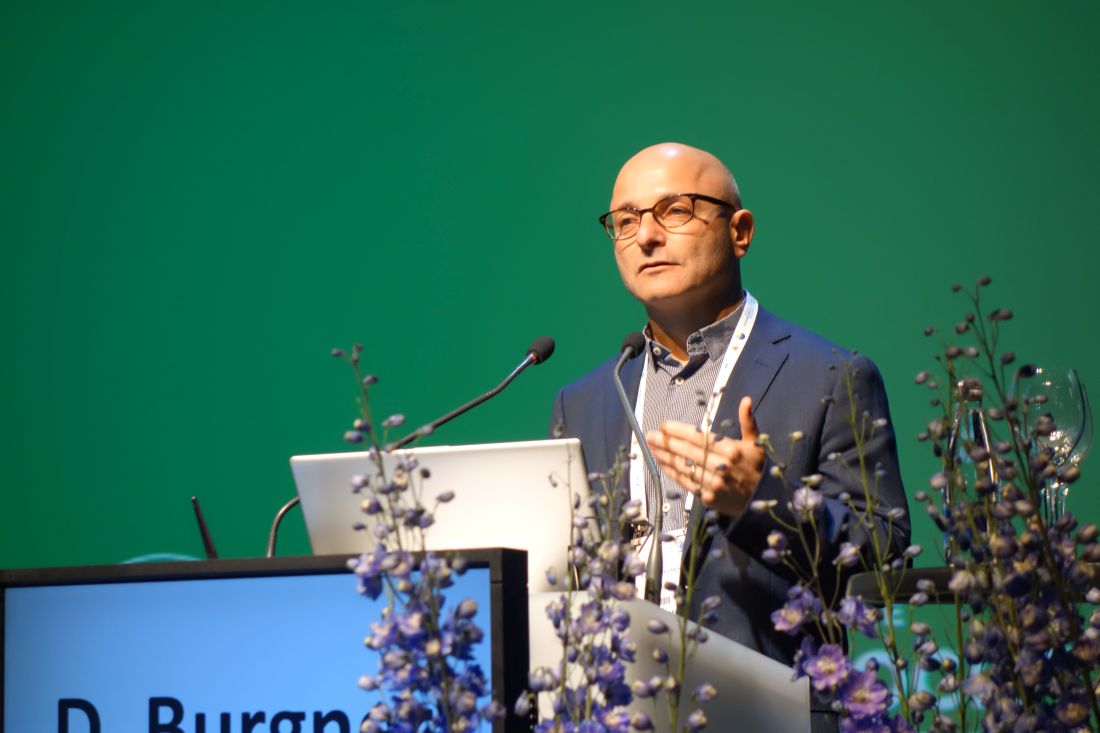
“Our study should help inform decisions about which higher-risk groups should be vaccinated as a priority,” he observed.
Does being overweight up risk of worse COVID-19 outcomes?
About 13% of the world’s population are overweight, and 40% have obesity. There are wide between-country variations in these data, and about 90% of patients with type 2 diabetes are overweight or obese, the researchers noted.
The Organisation for Economic Co-operation and Development reported that the prevalence of obesity in 2016-2017 was 5.7% to 8.9% in Asia, 9.8% to 16.8% in Europe, 26.5% in South Africa, and 40.0% in the United States, they added.
Obesity is common and has emerged as an important risk factor for severe COVID-19. However, most previous studies of COVID-19 and elevated BMI were conducted in single centers and did not focus on patients with overweight.
To investigate, the researchers identified 7,244 patients (two-thirds were overweight or obese) who were hospitalized with COVID-19 in 69 hospitals (18 sites) in 11 countries from Jan. 17, 2020, to June 2, 2020.
Most patients were hospitalized with COVID-19 in the Netherlands (2,260), followed by New York City (1,682), Switzerland (920), St. Louis (805), Norway, Italy, China, South Africa, Indonesia, Denmark, Los Angeles, Austria, and Singapore.
Just over half (60%) of the individuals were male, and 52% were older than 65.
Overall, 34.8% were overweight, and 30.8% had obesity, but the average weight varied considerably between countries and sites.
Increased need for respiratory support, same mortality risk
Compared with patients with normal weight, patients who were overweight had a 44% increased risk of needing supplemental oxygen/noninvasive ventilation, and those with obesity had a 75% increased risk of this, after adjustment for age (< 65, ≥ 65), sex, hypertension, diabetes, or preexisting cardiovascular disease or respiratory conditions.
Patients who were overweight had a 22% increased risk of needing invasive (mechanical) ventilation, and those with obesity had a 73% increased risk of this, after multivariable adjustment.
Being overweight or having obesity was not associated with a significantly increased risk of dying in the hospital, however.
“In other viral respiratory infections, such as influenza, there is a similar pattern of increased requirement for ventilatory support but lower in-hospital mortality among individuals with obesity, when compared to those with normal range BMI,” Dr. Longmore noted. She said that larger studies are needed to further explore this finding regarding COVID-19.
Compared to patients without diabetes, those with diabetes had a 21% increased risk of requiring invasive ventilation, but they did not have an increased risk of needing noninvasive ventilation or of dying in the hospital.
As in previous studies, individuals who had cardiovascular and preexisting respiratory diseases were not at greater risk of needing oxygen or mechanical ventilation but were at increased risk for in-hospital death. Men had a greater risk of needing invasive mechanical ventilation, and individuals who were older than 65 had an increased risk of requiring oxygen or of dying in the hospital.
A living meta-analysis, call for more collaborators
“We consider this a ‘living meta-analysis’ and invite other centers to join us,” Dr. Longmore said. “We hope to update the analyses as more data are contributed.”
No specific project funded the study. The authors have disclosed no relevant financial relationships.
A version of this article first appeared on Medscape.com.
In a global meta-analysis of more than 7,000 patients who were hospitalized with COVID-19, individuals with overweight or obesity were more likely to need respiratory support but were not more likely to die in the hospital, compared to individuals of normal weight.
Compared to patients without diabetes, those with diabetes had higher odds of needing invasive respiratory support (with intubation) but not for needing noninvasive respiratory support or of dying in the hospital.
“Surprisingly,” among patients with diabetes, being overweight or having obesity did not further increase the odds of any of these outcomes, the researchers wrote. The finding needs to be confirmed in larger studies, they said, because the sample sizes in these subanalyses were small and the confidence intervals were large.
The study by Danielle K. Longmore, PhD, of Murdoch Children’s Research Institute (MCRI), Melbourne, and colleagues from the International BMI-COVID consortium, was published online April 15 in Diabetes Care.
This new research “adds to the known data on the associations between obesity and severe COVID-19 disease and extends these findings” to patients who are overweight and/or have diabetes, Dr. Longmore, a pediatric endocrinologist with a clinical and research interest in childhood and youth obesity, said in an interview.
Immunologist Siroon Bekkering, PhD, of Radboud University Medical Center, Nijmegen, the Netherlands, explained that never before have so much data of different types regarding obesity been combined in one large study. Dr. Bekkering is a coauthor of the article and was a principal investigator.
“Several national and international observations already showed the important role of overweight and obesity in a more severe COVID-19 course. This study adds to those observations by combining data from several countries with the possibility to look at the risk factors separately,” she said in a statement from her institution.
“Regardless of other risk factors (such as heart disease or diabetes), we now see that too high a BMI [body mass index] can actually lead to a more severe course in [coronavirus] infection,” she said.
Study implications: Data show that overweight, obesity add to risk
These latest findings highlight the urgent need to develop public health policies to address socioeconomic and psychological drivers of obesity, Dr. Longmore said.
“Although taking steps to address obesity in the short term is unlikely to have an immediate impact in the COVID-19 pandemic, it will likely reduce the disease burden in future viral pandemics and reduce risks of complications like heart disease and stroke,” she observed in a statement issued by MCRI.
Coauthor Kirsty R. Short, PhD, a research fellow at the University of Queensland, Brisbane, Australia, noted that “obesity is associated with numerous poor health outcomes, including increased risk of cardiometabolic and respiratory disease and more severe viral disease including influenza, dengue, and SARS-CoV-1.
“Given the large scale of this study,” she said, “we have conclusively shown that being overweight or obese are independent risk factors for worse outcomes in adults hospitalized with COVID-19.”
“At the moment, the World Health Organization has not had enough high-quality data to include being overweight or obese as a risk factor for severe COVID-19 disease,” added another author, David P. Burgner, PhD, a pediatric infectious diseases clinician scientist from MCRI.
“Our study should help inform decisions about which higher-risk groups should be vaccinated as a priority,” he observed.
Does being overweight up risk of worse COVID-19 outcomes?
About 13% of the world’s population are overweight, and 40% have obesity. There are wide between-country variations in these data, and about 90% of patients with type 2 diabetes are overweight or obese, the researchers noted.
The Organisation for Economic Co-operation and Development reported that the prevalence of obesity in 2016-2017 was 5.7% to 8.9% in Asia, 9.8% to 16.8% in Europe, 26.5% in South Africa, and 40.0% in the United States, they added.
Obesity is common and has emerged as an important risk factor for severe COVID-19. However, most previous studies of COVID-19 and elevated BMI were conducted in single centers and did not focus on patients with overweight.
To investigate, the researchers identified 7,244 patients (two-thirds were overweight or obese) who were hospitalized with COVID-19 in 69 hospitals (18 sites) in 11 countries from Jan. 17, 2020, to June 2, 2020.
Most patients were hospitalized with COVID-19 in the Netherlands (2,260), followed by New York City (1,682), Switzerland (920), St. Louis (805), Norway, Italy, China, South Africa, Indonesia, Denmark, Los Angeles, Austria, and Singapore.
Just over half (60%) of the individuals were male, and 52% were older than 65.
Overall, 34.8% were overweight, and 30.8% had obesity, but the average weight varied considerably between countries and sites.
Increased need for respiratory support, same mortality risk
Compared with patients with normal weight, patients who were overweight had a 44% increased risk of needing supplemental oxygen/noninvasive ventilation, and those with obesity had a 75% increased risk of this, after adjustment for age (< 65, ≥ 65), sex, hypertension, diabetes, or preexisting cardiovascular disease or respiratory conditions.
Patients who were overweight had a 22% increased risk of needing invasive (mechanical) ventilation, and those with obesity had a 73% increased risk of this, after multivariable adjustment.
Being overweight or having obesity was not associated with a significantly increased risk of dying in the hospital, however.
“In other viral respiratory infections, such as influenza, there is a similar pattern of increased requirement for ventilatory support but lower in-hospital mortality among individuals with obesity, when compared to those with normal range BMI,” Dr. Longmore noted. She said that larger studies are needed to further explore this finding regarding COVID-19.
Compared to patients without diabetes, those with diabetes had a 21% increased risk of requiring invasive ventilation, but they did not have an increased risk of needing noninvasive ventilation or of dying in the hospital.
As in previous studies, individuals who had cardiovascular and preexisting respiratory diseases were not at greater risk of needing oxygen or mechanical ventilation but were at increased risk for in-hospital death. Men had a greater risk of needing invasive mechanical ventilation, and individuals who were older than 65 had an increased risk of requiring oxygen or of dying in the hospital.
A living meta-analysis, call for more collaborators
“We consider this a ‘living meta-analysis’ and invite other centers to join us,” Dr. Longmore said. “We hope to update the analyses as more data are contributed.”
No specific project funded the study. The authors have disclosed no relevant financial relationships.
A version of this article first appeared on Medscape.com.
In a global meta-analysis of more than 7,000 patients who were hospitalized with COVID-19, individuals with overweight or obesity were more likely to need respiratory support but were not more likely to die in the hospital, compared to individuals of normal weight.
Compared to patients without diabetes, those with diabetes had higher odds of needing invasive respiratory support (with intubation) but not for needing noninvasive respiratory support or of dying in the hospital.
“Surprisingly,” among patients with diabetes, being overweight or having obesity did not further increase the odds of any of these outcomes, the researchers wrote. The finding needs to be confirmed in larger studies, they said, because the sample sizes in these subanalyses were small and the confidence intervals were large.
The study by Danielle K. Longmore, PhD, of Murdoch Children’s Research Institute (MCRI), Melbourne, and colleagues from the International BMI-COVID consortium, was published online April 15 in Diabetes Care.
This new research “adds to the known data on the associations between obesity and severe COVID-19 disease and extends these findings” to patients who are overweight and/or have diabetes, Dr. Longmore, a pediatric endocrinologist with a clinical and research interest in childhood and youth obesity, said in an interview.
Immunologist Siroon Bekkering, PhD, of Radboud University Medical Center, Nijmegen, the Netherlands, explained that never before have so much data of different types regarding obesity been combined in one large study. Dr. Bekkering is a coauthor of the article and was a principal investigator.
“Several national and international observations already showed the important role of overweight and obesity in a more severe COVID-19 course. This study adds to those observations by combining data from several countries with the possibility to look at the risk factors separately,” she said in a statement from her institution.
“Regardless of other risk factors (such as heart disease or diabetes), we now see that too high a BMI [body mass index] can actually lead to a more severe course in [coronavirus] infection,” she said.
Study implications: Data show that overweight, obesity add to risk
These latest findings highlight the urgent need to develop public health policies to address socioeconomic and psychological drivers of obesity, Dr. Longmore said.
“Although taking steps to address obesity in the short term is unlikely to have an immediate impact in the COVID-19 pandemic, it will likely reduce the disease burden in future viral pandemics and reduce risks of complications like heart disease and stroke,” she observed in a statement issued by MCRI.
Coauthor Kirsty R. Short, PhD, a research fellow at the University of Queensland, Brisbane, Australia, noted that “obesity is associated with numerous poor health outcomes, including increased risk of cardiometabolic and respiratory disease and more severe viral disease including influenza, dengue, and SARS-CoV-1.
“Given the large scale of this study,” she said, “we have conclusively shown that being overweight or obese are independent risk factors for worse outcomes in adults hospitalized with COVID-19.”
“At the moment, the World Health Organization has not had enough high-quality data to include being overweight or obese as a risk factor for severe COVID-19 disease,” added another author, David P. Burgner, PhD, a pediatric infectious diseases clinician scientist from MCRI.
“Our study should help inform decisions about which higher-risk groups should be vaccinated as a priority,” he observed.
Does being overweight up risk of worse COVID-19 outcomes?
About 13% of the world’s population are overweight, and 40% have obesity. There are wide between-country variations in these data, and about 90% of patients with type 2 diabetes are overweight or obese, the researchers noted.
The Organisation for Economic Co-operation and Development reported that the prevalence of obesity in 2016-2017 was 5.7% to 8.9% in Asia, 9.8% to 16.8% in Europe, 26.5% in South Africa, and 40.0% in the United States, they added.
Obesity is common and has emerged as an important risk factor for severe COVID-19. However, most previous studies of COVID-19 and elevated BMI were conducted in single centers and did not focus on patients with overweight.
To investigate, the researchers identified 7,244 patients (two-thirds were overweight or obese) who were hospitalized with COVID-19 in 69 hospitals (18 sites) in 11 countries from Jan. 17, 2020, to June 2, 2020.
Most patients were hospitalized with COVID-19 in the Netherlands (2,260), followed by New York City (1,682), Switzerland (920), St. Louis (805), Norway, Italy, China, South Africa, Indonesia, Denmark, Los Angeles, Austria, and Singapore.
Just over half (60%) of the individuals were male, and 52% were older than 65.
Overall, 34.8% were overweight, and 30.8% had obesity, but the average weight varied considerably between countries and sites.
Increased need for respiratory support, same mortality risk
Compared with patients with normal weight, patients who were overweight had a 44% increased risk of needing supplemental oxygen/noninvasive ventilation, and those with obesity had a 75% increased risk of this, after adjustment for age (< 65, ≥ 65), sex, hypertension, diabetes, or preexisting cardiovascular disease or respiratory conditions.
Patients who were overweight had a 22% increased risk of needing invasive (mechanical) ventilation, and those with obesity had a 73% increased risk of this, after multivariable adjustment.
Being overweight or having obesity was not associated with a significantly increased risk of dying in the hospital, however.
“In other viral respiratory infections, such as influenza, there is a similar pattern of increased requirement for ventilatory support but lower in-hospital mortality among individuals with obesity, when compared to those with normal range BMI,” Dr. Longmore noted. She said that larger studies are needed to further explore this finding regarding COVID-19.
Compared to patients without diabetes, those with diabetes had a 21% increased risk of requiring invasive ventilation, but they did not have an increased risk of needing noninvasive ventilation or of dying in the hospital.
As in previous studies, individuals who had cardiovascular and preexisting respiratory diseases were not at greater risk of needing oxygen or mechanical ventilation but were at increased risk for in-hospital death. Men had a greater risk of needing invasive mechanical ventilation, and individuals who were older than 65 had an increased risk of requiring oxygen or of dying in the hospital.
A living meta-analysis, call for more collaborators
“We consider this a ‘living meta-analysis’ and invite other centers to join us,” Dr. Longmore said. “We hope to update the analyses as more data are contributed.”
No specific project funded the study. The authors have disclosed no relevant financial relationships.
A version of this article first appeared on Medscape.com.
USPSTF reaffirms advice to screen all adults for hypertension
The U.S. Preventive Services Task Force continues to recommend that clinicians screen all adults aged 18 years and older for high blood pressure and that they confirm a diagnosis of hypertension with blood pressure measurements taken outside the office before starting treatment.

This grade A recommendation is consistent with the 2015 recommendation from the task force.
Hypertension affects approximately 45% of adults in the United States and is a major contributing risk factor for heart failure, myocardial infarction, stroke, and chronic kidney disease.
Using a reaffirmation deliberation process, the USPSTF concluded with high certainty that there was “substantial net benefit” from screening adults for hypertension in clinical office settings.
The reaffirmation recommendation clarifies that initial screening should be performed with office-based blood pressure measurement.
The task force found “convincing” evidence that screening for and treatment of hypertension detected in clinical office settings substantially reduces cardiovascular events and have few major harms.
To confirm a diagnosis of hypertension outside the office before starting treatment, ambulatory blood pressure monitoring or home blood pressure monitoring is recommended. Blood pressure measurements should be taken at the brachial artery with a validated and accurate device in a seated position after 5 minutes of rest.
Although evidence regarding optimal screening intervals is limited, the task force says “reasonable” options include screening for hypertension every year for adults aged 40 years or older and for adults who are at increased risk for hypertension, such as Black persons, persons with high-normal blood pressure, or those who are overweight or obese.
Screening less frequently (every 3-5 years) is appropriate for adults aged 18-39 years who are not at increased risk for hypertension and who have received a prior blood pressure reading that was in the normal range, said the task force, led by Alex Krist, MD, MPH, Virginia Commonwealth University, Richmond.
The recommendation and supporting evidence report were published online April 27, 2021, in JAMA.
‘Screening is just the first step’
In a JAMA editorial, Marwah Abdalla, MD, MPH, Columbia University Irving Medical Center, New York, and coauthors said the COVID-19 pandemic has demonstrated that “rapid and significant innovation in science, health care, and society is possible. Implementing the latest USPSTF recommendations will require widespread changes to how the health care system and other entities screen for hypertension.
“Yet screening is just the first step in a long road to controlling hypertension. Medicine and society need to implement a variety of interventions proven to be effective in controlling blood pressure at scale,” the editorialists said.
“Additionally, these efforts need to consider how to achieve success for all people. This will require working to address the roots of structural racism and reduce the racial disparities that increase hypertension-related morbidity and mortality for vulnerable populations,” they added.
“These changes will take innovation in how care delivery is provided at both the individual and population levels – lessons the health care system and society learned are achievable through the response to the COVID-19 pandemic,” Dr. Abdalla and colleagues concluded.
The USPSTF and Dr. Abdalla reported no relevant financial relationships. One editorialist reported receiving personal fees from Livongo and Cerner and grants from Bristol-Myers Squibb.
A version of this article first appeared on Medscape.com.
The U.S. Preventive Services Task Force continues to recommend that clinicians screen all adults aged 18 years and older for high blood pressure and that they confirm a diagnosis of hypertension with blood pressure measurements taken outside the office before starting treatment.
This grade A recommendation is consistent with the 2015 recommendation from the task force.
Hypertension affects approximately 45% of adults in the United States and is a major contributing risk factor for heart failure, myocardial infarction, stroke, and chronic kidney disease.
Using a reaffirmation deliberation process, the USPSTF concluded with high certainty that there was “substantial net benefit” from screening adults for hypertension in clinical office settings.
The reaffirmation recommendation clarifies that initial screening should be performed with office-based blood pressure measurement.
The task force found “convincing” evidence that screening for and treatment of hypertension detected in clinical office settings substantially reduces cardiovascular events and have few major harms.
To confirm a diagnosis of hypertension outside the office before starting treatment, ambulatory blood pressure monitoring or home blood pressure monitoring is recommended. Blood pressure measurements should be taken at the brachial artery with a validated and accurate device in a seated position after 5 minutes of rest.
Although evidence regarding optimal screening intervals is limited, the task force says “reasonable” options include screening for hypertension every year for adults aged 40 years or older and for adults who are at increased risk for hypertension, such as Black persons, persons with high-normal blood pressure, or those who are overweight or obese.
Screening less frequently (every 3-5 years) is appropriate for adults aged 18-39 years who are not at increased risk for hypertension and who have received a prior blood pressure reading that was in the normal range, said the task force, led by Alex Krist, MD, MPH, Virginia Commonwealth University, Richmond.
The recommendation and supporting evidence report were published online April 27, 2021, in JAMA.
‘Screening is just the first step’
In a JAMA editorial, Marwah Abdalla, MD, MPH, Columbia University Irving Medical Center, New York, and coauthors said the COVID-19 pandemic has demonstrated that “rapid and significant innovation in science, health care, and society is possible. Implementing the latest USPSTF recommendations will require widespread changes to how the health care system and other entities screen for hypertension.
“Yet screening is just the first step in a long road to controlling hypertension. Medicine and society need to implement a variety of interventions proven to be effective in controlling blood pressure at scale,” the editorialists said.
“Additionally, these efforts need to consider how to achieve success for all people. This will require working to address the roots of structural racism and reduce the racial disparities that increase hypertension-related morbidity and mortality for vulnerable populations,” they added.
“These changes will take innovation in how care delivery is provided at both the individual and population levels – lessons the health care system and society learned are achievable through the response to the COVID-19 pandemic,” Dr. Abdalla and colleagues concluded.
The USPSTF and Dr. Abdalla reported no relevant financial relationships. One editorialist reported receiving personal fees from Livongo and Cerner and grants from Bristol-Myers Squibb.
A version of this article first appeared on Medscape.com.
The U.S. Preventive Services Task Force continues to recommend that clinicians screen all adults aged 18 years and older for high blood pressure and that they confirm a diagnosis of hypertension with blood pressure measurements taken outside the office before starting treatment.
This grade A recommendation is consistent with the 2015 recommendation from the task force.
Hypertension affects approximately 45% of adults in the United States and is a major contributing risk factor for heart failure, myocardial infarction, stroke, and chronic kidney disease.
Using a reaffirmation deliberation process, the USPSTF concluded with high certainty that there was “substantial net benefit” from screening adults for hypertension in clinical office settings.
The reaffirmation recommendation clarifies that initial screening should be performed with office-based blood pressure measurement.
The task force found “convincing” evidence that screening for and treatment of hypertension detected in clinical office settings substantially reduces cardiovascular events and have few major harms.
To confirm a diagnosis of hypertension outside the office before starting treatment, ambulatory blood pressure monitoring or home blood pressure monitoring is recommended. Blood pressure measurements should be taken at the brachial artery with a validated and accurate device in a seated position after 5 minutes of rest.
Although evidence regarding optimal screening intervals is limited, the task force says “reasonable” options include screening for hypertension every year for adults aged 40 years or older and for adults who are at increased risk for hypertension, such as Black persons, persons with high-normal blood pressure, or those who are overweight or obese.
Screening less frequently (every 3-5 years) is appropriate for adults aged 18-39 years who are not at increased risk for hypertension and who have received a prior blood pressure reading that was in the normal range, said the task force, led by Alex Krist, MD, MPH, Virginia Commonwealth University, Richmond.
The recommendation and supporting evidence report were published online April 27, 2021, in JAMA.
‘Screening is just the first step’
In a JAMA editorial, Marwah Abdalla, MD, MPH, Columbia University Irving Medical Center, New York, and coauthors said the COVID-19 pandemic has demonstrated that “rapid and significant innovation in science, health care, and society is possible. Implementing the latest USPSTF recommendations will require widespread changes to how the health care system and other entities screen for hypertension.
“Yet screening is just the first step in a long road to controlling hypertension. Medicine and society need to implement a variety of interventions proven to be effective in controlling blood pressure at scale,” the editorialists said.
“Additionally, these efforts need to consider how to achieve success for all people. This will require working to address the roots of structural racism and reduce the racial disparities that increase hypertension-related morbidity and mortality for vulnerable populations,” they added.
“These changes will take innovation in how care delivery is provided at both the individual and population levels – lessons the health care system and society learned are achievable through the response to the COVID-19 pandemic,” Dr. Abdalla and colleagues concluded.
The USPSTF and Dr. Abdalla reported no relevant financial relationships. One editorialist reported receiving personal fees from Livongo and Cerner and grants from Bristol-Myers Squibb.
A version of this article first appeared on Medscape.com.