User login
VIDEO: Waiting for long-term data on pCR could be disservice to some breast cancer patients, expert says
SAN FRANCISCO – Only a fraction of patients with breast cancer who are eligible for neoadjuvant therapy are getting it, partly because of confusion around the significance of achieving a pathologic complete response, Dr. William M. Sikov said in an interview at a breast cancer symposium sponsored by the American Society of Clinical Oncology.
Dr. Sikov of Brown University, Providence, R.I., explained why it’s been difficult for researchers to show improved outcomes even after a pathologic complete response (pCR) is obtained, but argued that waiting for long-term outcomes data for neoadjuvant therapy could be a disservice to some patients with breast cancer.
Breast cancer surgeons at his own institution have become converts in favor of neoadjuvant therapy, and Dr. Sikov explained why in this video report.
He reported having no relevant financial disclosures.
The video associated with this article is no longer available on this site. Please view all of our videos on the MDedge YouTube channel
On Twitter @sherryboschert
SAN FRANCISCO – Only a fraction of patients with breast cancer who are eligible for neoadjuvant therapy are getting it, partly because of confusion around the significance of achieving a pathologic complete response, Dr. William M. Sikov said in an interview at a breast cancer symposium sponsored by the American Society of Clinical Oncology.
Dr. Sikov of Brown University, Providence, R.I., explained why it’s been difficult for researchers to show improved outcomes even after a pathologic complete response (pCR) is obtained, but argued that waiting for long-term outcomes data for neoadjuvant therapy could be a disservice to some patients with breast cancer.
Breast cancer surgeons at his own institution have become converts in favor of neoadjuvant therapy, and Dr. Sikov explained why in this video report.
He reported having no relevant financial disclosures.
The video associated with this article is no longer available on this site. Please view all of our videos on the MDedge YouTube channel
On Twitter @sherryboschert
SAN FRANCISCO – Only a fraction of patients with breast cancer who are eligible for neoadjuvant therapy are getting it, partly because of confusion around the significance of achieving a pathologic complete response, Dr. William M. Sikov said in an interview at a breast cancer symposium sponsored by the American Society of Clinical Oncology.
Dr. Sikov of Brown University, Providence, R.I., explained why it’s been difficult for researchers to show improved outcomes even after a pathologic complete response (pCR) is obtained, but argued that waiting for long-term outcomes data for neoadjuvant therapy could be a disservice to some patients with breast cancer.
Breast cancer surgeons at his own institution have become converts in favor of neoadjuvant therapy, and Dr. Sikov explained why in this video report.
He reported having no relevant financial disclosures.
The video associated with this article is no longer available on this site. Please view all of our videos on the MDedge YouTube channel
On Twitter @sherryboschert
AT THE ASCO BREAST CANCER SYMPOSIUM

VIDEO: Unclear if altering lifestyle affects breast cancer
SAN FRANCISCO – Physicians have multiple good reasons to suggest lifestyle changes to many patients with breast cancer, but affecting the cancer itself may not be one of them, Dr. Pamela J. Goodwin said at a breast cancer symposium sponsored by the American Society of Clinical Oncology.
In this video interview, Dr. Goodwin summarizes the ongoing research on how changes in lifestyle such as weight loss, diet, physical activity, and drinking may or may not alter outcomes in patients with breast cancer.
The good news: A drink or two a day probably doesn’t hurt, said Dr. Goodwin, professor of medicine at the University of Toronto’s Mount Sinai Hospital.
She reported having no financial disclosures.
The video associated with this article is no longer available on this site. Please view all of our videos on the MDedge YouTube channel
On Twitter @sherryboschert
SAN FRANCISCO – Physicians have multiple good reasons to suggest lifestyle changes to many patients with breast cancer, but affecting the cancer itself may not be one of them, Dr. Pamela J. Goodwin said at a breast cancer symposium sponsored by the American Society of Clinical Oncology.
In this video interview, Dr. Goodwin summarizes the ongoing research on how changes in lifestyle such as weight loss, diet, physical activity, and drinking may or may not alter outcomes in patients with breast cancer.
The good news: A drink or two a day probably doesn’t hurt, said Dr. Goodwin, professor of medicine at the University of Toronto’s Mount Sinai Hospital.
She reported having no financial disclosures.
The video associated with this article is no longer available on this site. Please view all of our videos on the MDedge YouTube channel
On Twitter @sherryboschert
SAN FRANCISCO – Physicians have multiple good reasons to suggest lifestyle changes to many patients with breast cancer, but affecting the cancer itself may not be one of them, Dr. Pamela J. Goodwin said at a breast cancer symposium sponsored by the American Society of Clinical Oncology.
In this video interview, Dr. Goodwin summarizes the ongoing research on how changes in lifestyle such as weight loss, diet, physical activity, and drinking may or may not alter outcomes in patients with breast cancer.
The good news: A drink or two a day probably doesn’t hurt, said Dr. Goodwin, professor of medicine at the University of Toronto’s Mount Sinai Hospital.
She reported having no financial disclosures.
The video associated with this article is no longer available on this site. Please view all of our videos on the MDedge YouTube channel
On Twitter @sherryboschert
AT THE 2014 ASCO BREAST CANCER SYMPOSIUM

VIDEO: Low recurrence with high HER2 expression and a GP2 peptide vaccine
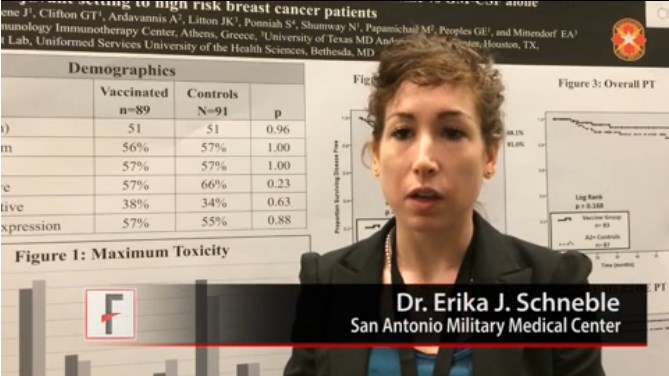
SAN FRANCISCO – A GP2 peptide vaccine to prevent breast cancer recurrence appears most effective in women whose tumors had the highest HER2 overexpression. In a video interview, Dr. Erika J. Schneble of the San Antonio (Tex.) Military Medical Center describes the phase II adjuvant vaccine study she presented at a breast cancer symposium sponsored by the American Society of Clinical Oncology.
Results of an intent-to-treat analysis of all patients showed that 88% of 89 vaccinated women and 81% of 91 patients in the control group remained disease free after a median follow-up of 34 months (P = .43). Among patients who completed treatment, disease-free survival rates were 94% among 83 patients in the vaccine group and 85% among 87 patients in the control group, the investigators reported (P = .17).
In prespecified subgroup analyses based on the level of expression of human epidermal growth factor receptor 2 (HER2), the greatest potential effect was seen in those with the highest HER2 overexpression. In this subgroup, disease-free survival rates were 94% in 51 patients in the vaccine group and 89% in 50 patients in the control group, in an intent-to-treat analysis (P = .86). Excluding two of these patients who developed early recurrences during the primary vaccine series and one patient who developed a non-breast malignancy, however, no recurrences were seen in the vaccine group. Disease-free survival rates were 100% in 48 women in the vaccine group and 89% in 50 women in the control group (P = .08).
Dr. Schneble conducted the 180-patient trial with primary investigator Dr. Elizabeth A. Mittendorf, a surgical oncologist at the University of Texas MD Anderson Cancer Center, Houston, and her associates.
Also in the video, Dr. Hope S. Rugo, director of the Breast Oncology Clinical Trials Program at the University of California, San Francisco, gives her perspective on the study findings. She was not involved with the trial.
Dr. Schneble reporting having no financial disclosures. Dr. Mittendorf’s institution receives per-patient support to enroll patients in vaccine trials sponsored by Galena Biopharma, Antigen Express, and Norwell. One of their coinvestigators has partial inventor rights to GP2. Dr. Rugo disclosed financial associations with Genomic Health, Plexxikon, Merck, and Novartis. She is on the scientific advisory board of Galena Biopharma.
The video associated with this article is no longer available on this site. Please view all of our videos on the MDedge YouTube channel
On Twitter @sherryboschert
SAN FRANCISCO – A GP2 peptide vaccine to prevent breast cancer recurrence appears most effective in women whose tumors had the highest HER2 overexpression. In a video interview, Dr. Erika J. Schneble of the San Antonio (Tex.) Military Medical Center describes the phase II adjuvant vaccine study she presented at a breast cancer symposium sponsored by the American Society of Clinical Oncology.
Results of an intent-to-treat analysis of all patients showed that 88% of 89 vaccinated women and 81% of 91 patients in the control group remained disease free after a median follow-up of 34 months (P = .43). Among patients who completed treatment, disease-free survival rates were 94% among 83 patients in the vaccine group and 85% among 87 patients in the control group, the investigators reported (P = .17).
In prespecified subgroup analyses based on the level of expression of human epidermal growth factor receptor 2 (HER2), the greatest potential effect was seen in those with the highest HER2 overexpression. In this subgroup, disease-free survival rates were 94% in 51 patients in the vaccine group and 89% in 50 patients in the control group, in an intent-to-treat analysis (P = .86). Excluding two of these patients who developed early recurrences during the primary vaccine series and one patient who developed a non-breast malignancy, however, no recurrences were seen in the vaccine group. Disease-free survival rates were 100% in 48 women in the vaccine group and 89% in 50 women in the control group (P = .08).
Dr. Schneble conducted the 180-patient trial with primary investigator Dr. Elizabeth A. Mittendorf, a surgical oncologist at the University of Texas MD Anderson Cancer Center, Houston, and her associates.
Also in the video, Dr. Hope S. Rugo, director of the Breast Oncology Clinical Trials Program at the University of California, San Francisco, gives her perspective on the study findings. She was not involved with the trial.
Dr. Schneble reporting having no financial disclosures. Dr. Mittendorf’s institution receives per-patient support to enroll patients in vaccine trials sponsored by Galena Biopharma, Antigen Express, and Norwell. One of their coinvestigators has partial inventor rights to GP2. Dr. Rugo disclosed financial associations with Genomic Health, Plexxikon, Merck, and Novartis. She is on the scientific advisory board of Galena Biopharma.
The video associated with this article is no longer available on this site. Please view all of our videos on the MDedge YouTube channel
On Twitter @sherryboschert
SAN FRANCISCO – A GP2 peptide vaccine to prevent breast cancer recurrence appears most effective in women whose tumors had the highest HER2 overexpression. In a video interview, Dr. Erika J. Schneble of the San Antonio (Tex.) Military Medical Center describes the phase II adjuvant vaccine study she presented at a breast cancer symposium sponsored by the American Society of Clinical Oncology.
Results of an intent-to-treat analysis of all patients showed that 88% of 89 vaccinated women and 81% of 91 patients in the control group remained disease free after a median follow-up of 34 months (P = .43). Among patients who completed treatment, disease-free survival rates were 94% among 83 patients in the vaccine group and 85% among 87 patients in the control group, the investigators reported (P = .17).
In prespecified subgroup analyses based on the level of expression of human epidermal growth factor receptor 2 (HER2), the greatest potential effect was seen in those with the highest HER2 overexpression. In this subgroup, disease-free survival rates were 94% in 51 patients in the vaccine group and 89% in 50 patients in the control group, in an intent-to-treat analysis (P = .86). Excluding two of these patients who developed early recurrences during the primary vaccine series and one patient who developed a non-breast malignancy, however, no recurrences were seen in the vaccine group. Disease-free survival rates were 100% in 48 women in the vaccine group and 89% in 50 women in the control group (P = .08).
Dr. Schneble conducted the 180-patient trial with primary investigator Dr. Elizabeth A. Mittendorf, a surgical oncologist at the University of Texas MD Anderson Cancer Center, Houston, and her associates.
Also in the video, Dr. Hope S. Rugo, director of the Breast Oncology Clinical Trials Program at the University of California, San Francisco, gives her perspective on the study findings. She was not involved with the trial.
Dr. Schneble reporting having no financial disclosures. Dr. Mittendorf’s institution receives per-patient support to enroll patients in vaccine trials sponsored by Galena Biopharma, Antigen Express, and Norwell. One of their coinvestigators has partial inventor rights to GP2. Dr. Rugo disclosed financial associations with Genomic Health, Plexxikon, Merck, and Novartis. She is on the scientific advisory board of Galena Biopharma.
The video associated with this article is no longer available on this site. Please view all of our videos on the MDedge YouTube channel
On Twitter @sherryboschert
AT THE ASCO BREAST CANCER SYMPOSIUM
VIDEO: ASCO Breast Cancer Symposium final wrap-up with Dr. Hope S. Rugo
SAN FRANCISCO – Can we figure out who doesn’t need excision of atypical ductal hyperplasia and intraepithelial neoplasia? Should we screen all women with low–estrogen receptor positivity (1%-9%) for BRCA mutations? Dr. Hope S. Rugo discusses these questions and others that came up during the final sessions at the breast cancer symposium sponsored by the American Society of Clinical Oncology.
The meeting closed out with discussions of evolving standards in the treatment of breast cancer, how to apply these standards to clinical practice, and talks on reversing hormone resistance, including new agents to improve response to hormone therapy.
Dr. Rugo, director of the Breast Oncology Clinical Trials Program at the University of California, San Francisco, also summarizes data presented in the final presentations, including results from a randomized phase II trial of a GP2 vaccine in the adjuvant setting for high-risk breast cancer patients, suggesting that it may reduce recurrence rates in some women with HER2-positive cancer. “It’s very encouraging because we’ve been sort of barking up the vaccine alley for a long, long time and not gotten anywhere. I think it’s quite encouraging data,” she says.
Dr. Rugo disclosed financial associations with Genomic Health, Plexxikon, Merck, and Novartis. She is on the scientific advisory board of Galena Biopharma, which is developing the breast cancer vaccines.
The video associated with this article is no longer available on this site. Please view all of our videos on the MDedge YouTube channel
On Twitter @sherryboschert
SAN FRANCISCO – Can we figure out who doesn’t need excision of atypical ductal hyperplasia and intraepithelial neoplasia? Should we screen all women with low–estrogen receptor positivity (1%-9%) for BRCA mutations? Dr. Hope S. Rugo discusses these questions and others that came up during the final sessions at the breast cancer symposium sponsored by the American Society of Clinical Oncology.
The meeting closed out with discussions of evolving standards in the treatment of breast cancer, how to apply these standards to clinical practice, and talks on reversing hormone resistance, including new agents to improve response to hormone therapy.
Dr. Rugo, director of the Breast Oncology Clinical Trials Program at the University of California, San Francisco, also summarizes data presented in the final presentations, including results from a randomized phase II trial of a GP2 vaccine in the adjuvant setting for high-risk breast cancer patients, suggesting that it may reduce recurrence rates in some women with HER2-positive cancer. “It’s very encouraging because we’ve been sort of barking up the vaccine alley for a long, long time and not gotten anywhere. I think it’s quite encouraging data,” she says.
Dr. Rugo disclosed financial associations with Genomic Health, Plexxikon, Merck, and Novartis. She is on the scientific advisory board of Galena Biopharma, which is developing the breast cancer vaccines.
The video associated with this article is no longer available on this site. Please view all of our videos on the MDedge YouTube channel
On Twitter @sherryboschert
SAN FRANCISCO – Can we figure out who doesn’t need excision of atypical ductal hyperplasia and intraepithelial neoplasia? Should we screen all women with low–estrogen receptor positivity (1%-9%) for BRCA mutations? Dr. Hope S. Rugo discusses these questions and others that came up during the final sessions at the breast cancer symposium sponsored by the American Society of Clinical Oncology.
The meeting closed out with discussions of evolving standards in the treatment of breast cancer, how to apply these standards to clinical practice, and talks on reversing hormone resistance, including new agents to improve response to hormone therapy.
Dr. Rugo, director of the Breast Oncology Clinical Trials Program at the University of California, San Francisco, also summarizes data presented in the final presentations, including results from a randomized phase II trial of a GP2 vaccine in the adjuvant setting for high-risk breast cancer patients, suggesting that it may reduce recurrence rates in some women with HER2-positive cancer. “It’s very encouraging because we’ve been sort of barking up the vaccine alley for a long, long time and not gotten anywhere. I think it’s quite encouraging data,” she says.
Dr. Rugo disclosed financial associations with Genomic Health, Plexxikon, Merck, and Novartis. She is on the scientific advisory board of Galena Biopharma, which is developing the breast cancer vaccines.
The video associated with this article is no longer available on this site. Please view all of our videos on the MDedge YouTube channel
On Twitter @sherryboschert
AT THE ASCO BREAST CANCER SYMPOSIUM

Researchers deem tumor-infiltrating lymphocytes valid prognostic biomarker in TNBC
Evidence continues to accumulate that a breast cancer patient’s immune system plays a role in the outcome from aggressive disease. According to recently published studies, the presence of tumor-infiltrating lymphocytes present at the time of diagnosis provides a fairly consistent biomarker of prognosis for triple-negative breast cancer, and possibly for HER2-positive breast cancer, and furthermore, may predict treatment benefit for some patients.
In an analysis of tumor samples from 12,439 women diagnosed with breast cancer, enrolled in four studies, the presence of cytotoxic T cells within ER-negative tumors was associated with a 21%-28% reduction in the relative risk of dying of breast cancer, depending on the location of the T cells, Dr. Raza Ali and associates reported online in Annals of Oncology.

Just over one-fifth of the 12,439 patients died of breast cancer within 10 years of diagnosis; median survival was 9.57 years. Among those with ER-negative tumors, the presence of CD8-positive lymphocytes was independently associated with a reduced relative risk of death from breast cancer. The adjusted hazard ratio (HR) for the presence of CD8-positive lymphocytes within the tumor was 0.72 (95% confidence interval, 0.62-0.84; P = .00003) and, for lymphocytes within the stroma, the HR was 0.79 (95% CI, 0.67-0.93; P = .004), Dr. Ali of the Cancer Research U.K. Cambridge Institute, and associates reported (Ann. Oncol. 25:1536-43, 2014).
Overall, the presence of CD8-positive lymphocytes was not associated with breast cancer–specific survival in women with ER-positive breast tumors; however, in a subgroup analysis, the prognostic effect of lymphocytes within ER-positive tumors did differ by HER2 status (P [heterogeneity] = .006). The HR for lymphocytes within the ER-positive, HER2-positive tumors was 0.73 (95% CI, 0.56-0.96; P = .022) after adjustment for known prognostic factors.
Furthermore, there was evidence from the National Epirubicin Adjuvant Trial of greater benefit from anthracyclines in patients with CD8-positive tumors (HR = 0.60; 95% CI, 0.37-0.96) versus patients with CD8-negative tumors (HR = 1.47; 95% CI, 0.72-3.02; P [heterogeneity] = .039), Dr. Ali and associates said.
The investigators used immunochemistry to quantify both cytotoxic CD8-positive T cells, a potential biomarker for the tumor-associated immune response, and a protein, FOXP3, expressed on T-regulatory lymphocytes and a potential biomarker for an immunosuppressive tumor effect. They found no association between FOXP3 expression and breast cancer mortality, irrespective of ER status.
In another recent report, stromal lymphocyte infiltration was significantly correlated with distant recurrence and overall survival in patients with triple-negative breast cancer (TNBC). In the prospective-retrospective validation study, two blinded pathologists evaluated 506 randomly selected tumor samples from two prospective Eastern Cooperative Oncology Group adjuvant phase III clinical trials, Dr. Sylvia Adams and associates reported online in the Journal of Clinical Oncology.
Investigators looked for both intraepithelial tumor-infiltrating lymphocytes (TILs), defined as the percentage of lymphocytes in direct contact with the tumor cells, and stromal TILs, defined as the percentage of tumor stroma containing infiltrating lymphocytes. The majority of 481 evaluable cancers had lymphocyte infiltration, which was significantly more likely to be found in the stroma (80% had at least 10% stromal TILs) than in the intraepithelial area (15% had at least 10% intraepithelial TILs), Dr. Adams of New York University, New York, and associates reported.
After a median follow-up of 10.6 years, 107 events of distant recurrence and 142 deaths were reported. Investigators found higher stromal TIL scores were associated with a better prognosis; each 10-point increase in the stromal TIL score was associated with an 18% decrease in the risk of distant recurrence, and a 19% decrease in the risk of death (distant recurrence-free interval HR, 0.82; 95% CI, 0.68-0.99; P = .04; and overall survival HR, 0.81; 95% CI, 0.69-0.95; P =.01) the investigators reported (J. Clin. Onc. 2014 [doi:10.1200/JCO.2013.55.0491]).
The intraepithelial score correlated with both distant recurrence-free interval (DRFI) and overall survival (OS) but did not reach significance (DRFI: HR, 0.53; 95% CI, 0.25-1.09; P = .08; OS: HR, 0.64; 95% CI, 0.39-1.05; P = .08). Multivariable analysis confirmed stromal TILs to be an independent prognostic marker of DRFI and OS, the authors reported.
These accumulating data are prompting researchers to speculate on the addition of immune checkpoint inhibitors to breast cancer treatment regimens. In an editorial accompanying Dr. Adams’s report, Dr. Sherene Loi of the Peter MacCallum Cancer Centre, East Melbourne, Australia, wrote: "Given the correlation of programmed death ligand 1 (PD-L1 or CD274) with the presence of TILs, the most tantalizing question is whether current T-cell checkpoint inhibitors, such as anti–PD-1 (programmed cell death 1) antibodies, will be helpful in the treatment of TNBC, a subtype of breast cancer that is sorely in need of more effective therapies"(J. Clin. Onc. 2014 [doi:10.1200/JCO.2014.56.7677]).
In a separate report published recently, Dr. Loi and associates also found a consistent prognostic association between tumor-infiltrating lymphocytes and TNBC. In addition, these investigators found a statistically significant interaction between TILs as a continuous variable and trastuzumab treatment, according to the report published online in Annals of Oncology.
For the study, two pathologists independently quantified stromal TILs in 935 available tumor samples from the FinHER adjuvant trial, a phase III trial that enrolled 1,010 early-stage breast cancer patients, including 232 with HER2-positive disease. The primary endpoint of distant disease-free survival and interactions with trastuzumab were studied in Cox regression models.
Dr. Loi and associates found a significant association between TILs and a good prognosis in TNBC but not in luminal or HER2-positive subtypes. In patients with TNBC, each 10% increase in TILs was associated with a 13% reduction in the relative risk of distant recurrence (adjusted for clinicopathologic factors HR, 0.77; 95% CI, 0.61-0.98; P =.02). There was no statistical significance observed for OS, probably because of the small number of events observed, the investigators suggested (Ann. Onc. 2014;25:1544-50).
The investigators also found a statistically significant interaction between TILs as a continuous variable and trastuzumab treatment (P interaction DDFS, P = .025; P interaction OS, P = .08). For the primary endpoint of DDFS, each 10% increment in lymphocytic infiltrate was associated with an 18% reduction in the relative risk of distant recurrence in patients who received trastuzumab in addition to their chemotherapy, Dr. Loi and associates reported.
The investigators concluded that the evidence is now sufficient to consider TILs a valid prognostic biomarker in TNBC. "The use of a second clinical trial data set to confirm this finding, in addition to further data presented recently in abstract form, suggest that the evidence base for the clinical validity of TILs as a prognostic biomarker in TNBC could now be considered level I," they said.
Furthermore, the level of TILs present at diagnosis in women with HER2-positive disease may also prove to be a useful biomarker, and the investigators suggested their data indicate checkpoint inhibitors could be useful for both TNBC and HER2-positive disease. "Our data strongly support the clinical relevance of antitumor immunity in these two breast cancer subtypes. Further studies will be required to determine how trastuzumab alters the immune microenvironment and if the addition of an immune checkpoint inhibitor can further improve clinical outcomes in these two breast cancer subtypes," Dr. Loi and associates wrote.
Dr. Ali’s study was supported by Cancer Research U.K. and the NIHR Cambridge Biomedical Research Centre. One coauthor reported receiving consultancy fees from Bioclassifier amounting to less than $10,000 and not bearing directly on the study. All other authors declared no conflicts of interest. Dr. Ali and associates reported no potential conflicts of interest.
Dr. Adams’s study was supported by grants from the U.S. National Cancer Institute, U.S. Department of Health and Human Services, Sanofi-Aventis, and the Breast Cancer Research Foundation, and by a Komen Scholar Award.
Dr. Loi’s study was funded by the European Union Framework 7 program, the RESPONSIFY project, and the Breast Cancer Research Foundation. Dr. Loi and associates declared no conflicts of interest.
lnikolaides@frontlinemedcom.com
On Twitter @nikolaideslaura
For decades, pathologists have noted that most human tumors are infiltrated by lymphocytes. The clinical significance of tumor-infiltrating lymphocytes (TILs) came into focus over the past decade, with large studies of sufficient size to detect statistically significant correlations with survival. The strongest evidence for tumor infiltration by T cells and favorable clinical outcome has been established in colorectal carcinoma. Similar correlations have now been observed in essentially all tumor types, including melanoma, head and neck cancer, lung cancer, and others. Over the past year, three large studies have firmly established the clinical significance of TILs in breast cancer. The largest study followed clinical outcomes of 12,439 newly diagnosed breast cancer patients in the United Kingdom and Canada over the course of 10 years. The study showed a survival benefit of CD8-positive T cells within breast tumors in both triple-negative and ER-negative/HER2-positive patients. A survival benefit from CD8-positive T cells within triple-negative breast tumors was also shown in two additional studies: ECOG and FinHER studies representing an additional 1,491 patients analyzed.
Together, these studies firmly established the prognostic significance of tumor-infiltrating CD8-positive T cells in triple-negative and HER2-positive breast cancer. Furthermore, these studies also found that tumor-infiltrating CD8-positive T cells are predictive of clinical benefit from trastuzumab and anthracyclines. Thus, the presence of intratumoral CD8-positive T cells can help guide breast cancer patient management and should be included in routine pathologic examinations – a concept the authors called "immunoscore."
However, T cells are often exhausted and dysfunctional within the tumor microenvironment. Recent studies have shown that tumor-infiltrating T cells express several immune checkpoint molecules – including CTLA-4, PD-1, TIM-3, and LAG-3 – which when engaged with their counterligands (B7 and PDL-1, for example) – leads to inhibition of T-cell function. This spawned the development of antibodies to block immune checkpoint molecules, which have demonstrated exciting clinical efficacy. An anti–CTLA-4 antibody (ipilimumab, Yervoy) demonstrated efficacy in phase III clinical trials and was approved by the U.S. Food and Drug Administration for metastatic melanoma in 2011. Antibodies blocking PD-1, or its counterligand PD-L1, are under clinical development by at least seven companies. Phase II data show encouraging clinical responses and potentially less toxicities than anti–CTLA-4. Importantly, these immune checkpoint inhibitors led to survival curves that plateau at 15%-25%, raising the exciting possibility that some patients may be cured – by agents that act on the host immune system only. These results further strengthen the notion that the host immune system can respond to cancer, that the success of the endogenous antitumor immune response determines clinical outcome and response to even conventional therapies, and that this immune response can be further enhanced for clinical benefit.
Other immune cell types also infiltrate human tumors, including B, NK, and myeloid cells. The balance of these different immune cell populations within tumors – and tumor-draining lymph nodes (TDLNs) – likely drives clinical outcome. Future studies need to account for this additional complexity, which will be possible using novel flow cytometry and image analysis approaches. A deeper understanding of the interplay between different immune cell populations within tumors and TDLNs will uncover ways to enhance the total effect of cancer immunotherapies, including checkpoint inhibitors and adoptive T-cell therapy.
Dr. Peter P. Lee is Billy Wilder Endowed Professor and Chair, department of cancer immunotherapeutics and tumor immunology at the City of Hope Comprehensive Cancer Center, Duarte, Calif. Dr. Lee said he had no relevant financial conflicts.
For decades, pathologists have noted that most human tumors are infiltrated by lymphocytes. The clinical significance of tumor-infiltrating lymphocytes (TILs) came into focus over the past decade, with large studies of sufficient size to detect statistically significant correlations with survival. The strongest evidence for tumor infiltration by T cells and favorable clinical outcome has been established in colorectal carcinoma. Similar correlations have now been observed in essentially all tumor types, including melanoma, head and neck cancer, lung cancer, and others. Over the past year, three large studies have firmly established the clinical significance of TILs in breast cancer. The largest study followed clinical outcomes of 12,439 newly diagnosed breast cancer patients in the United Kingdom and Canada over the course of 10 years. The study showed a survival benefit of CD8-positive T cells within breast tumors in both triple-negative and ER-negative/HER2-positive patients. A survival benefit from CD8-positive T cells within triple-negative breast tumors was also shown in two additional studies: ECOG and FinHER studies representing an additional 1,491 patients analyzed.
Together, these studies firmly established the prognostic significance of tumor-infiltrating CD8-positive T cells in triple-negative and HER2-positive breast cancer. Furthermore, these studies also found that tumor-infiltrating CD8-positive T cells are predictive of clinical benefit from trastuzumab and anthracyclines. Thus, the presence of intratumoral CD8-positive T cells can help guide breast cancer patient management and should be included in routine pathologic examinations – a concept the authors called "immunoscore."
However, T cells are often exhausted and dysfunctional within the tumor microenvironment. Recent studies have shown that tumor-infiltrating T cells express several immune checkpoint molecules – including CTLA-4, PD-1, TIM-3, and LAG-3 – which when engaged with their counterligands (B7 and PDL-1, for example) – leads to inhibition of T-cell function. This spawned the development of antibodies to block immune checkpoint molecules, which have demonstrated exciting clinical efficacy. An anti–CTLA-4 antibody (ipilimumab, Yervoy) demonstrated efficacy in phase III clinical trials and was approved by the U.S. Food and Drug Administration for metastatic melanoma in 2011. Antibodies blocking PD-1, or its counterligand PD-L1, are under clinical development by at least seven companies. Phase II data show encouraging clinical responses and potentially less toxicities than anti–CTLA-4. Importantly, these immune checkpoint inhibitors led to survival curves that plateau at 15%-25%, raising the exciting possibility that some patients may be cured – by agents that act on the host immune system only. These results further strengthen the notion that the host immune system can respond to cancer, that the success of the endogenous antitumor immune response determines clinical outcome and response to even conventional therapies, and that this immune response can be further enhanced for clinical benefit.
Other immune cell types also infiltrate human tumors, including B, NK, and myeloid cells. The balance of these different immune cell populations within tumors – and tumor-draining lymph nodes (TDLNs) – likely drives clinical outcome. Future studies need to account for this additional complexity, which will be possible using novel flow cytometry and image analysis approaches. A deeper understanding of the interplay between different immune cell populations within tumors and TDLNs will uncover ways to enhance the total effect of cancer immunotherapies, including checkpoint inhibitors and adoptive T-cell therapy.
Dr. Peter P. Lee is Billy Wilder Endowed Professor and Chair, department of cancer immunotherapeutics and tumor immunology at the City of Hope Comprehensive Cancer Center, Duarte, Calif. Dr. Lee said he had no relevant financial conflicts.
For decades, pathologists have noted that most human tumors are infiltrated by lymphocytes. The clinical significance of tumor-infiltrating lymphocytes (TILs) came into focus over the past decade, with large studies of sufficient size to detect statistically significant correlations with survival. The strongest evidence for tumor infiltration by T cells and favorable clinical outcome has been established in colorectal carcinoma. Similar correlations have now been observed in essentially all tumor types, including melanoma, head and neck cancer, lung cancer, and others. Over the past year, three large studies have firmly established the clinical significance of TILs in breast cancer. The largest study followed clinical outcomes of 12,439 newly diagnosed breast cancer patients in the United Kingdom and Canada over the course of 10 years. The study showed a survival benefit of CD8-positive T cells within breast tumors in both triple-negative and ER-negative/HER2-positive patients. A survival benefit from CD8-positive T cells within triple-negative breast tumors was also shown in two additional studies: ECOG and FinHER studies representing an additional 1,491 patients analyzed.
Together, these studies firmly established the prognostic significance of tumor-infiltrating CD8-positive T cells in triple-negative and HER2-positive breast cancer. Furthermore, these studies also found that tumor-infiltrating CD8-positive T cells are predictive of clinical benefit from trastuzumab and anthracyclines. Thus, the presence of intratumoral CD8-positive T cells can help guide breast cancer patient management and should be included in routine pathologic examinations – a concept the authors called "immunoscore."
However, T cells are often exhausted and dysfunctional within the tumor microenvironment. Recent studies have shown that tumor-infiltrating T cells express several immune checkpoint molecules – including CTLA-4, PD-1, TIM-3, and LAG-3 – which when engaged with their counterligands (B7 and PDL-1, for example) – leads to inhibition of T-cell function. This spawned the development of antibodies to block immune checkpoint molecules, which have demonstrated exciting clinical efficacy. An anti–CTLA-4 antibody (ipilimumab, Yervoy) demonstrated efficacy in phase III clinical trials and was approved by the U.S. Food and Drug Administration for metastatic melanoma in 2011. Antibodies blocking PD-1, or its counterligand PD-L1, are under clinical development by at least seven companies. Phase II data show encouraging clinical responses and potentially less toxicities than anti–CTLA-4. Importantly, these immune checkpoint inhibitors led to survival curves that plateau at 15%-25%, raising the exciting possibility that some patients may be cured – by agents that act on the host immune system only. These results further strengthen the notion that the host immune system can respond to cancer, that the success of the endogenous antitumor immune response determines clinical outcome and response to even conventional therapies, and that this immune response can be further enhanced for clinical benefit.
Other immune cell types also infiltrate human tumors, including B, NK, and myeloid cells. The balance of these different immune cell populations within tumors – and tumor-draining lymph nodes (TDLNs) – likely drives clinical outcome. Future studies need to account for this additional complexity, which will be possible using novel flow cytometry and image analysis approaches. A deeper understanding of the interplay between different immune cell populations within tumors and TDLNs will uncover ways to enhance the total effect of cancer immunotherapies, including checkpoint inhibitors and adoptive T-cell therapy.
Dr. Peter P. Lee is Billy Wilder Endowed Professor and Chair, department of cancer immunotherapeutics and tumor immunology at the City of Hope Comprehensive Cancer Center, Duarte, Calif. Dr. Lee said he had no relevant financial conflicts.
Evidence continues to accumulate that a breast cancer patient’s immune system plays a role in the outcome from aggressive disease. According to recently published studies, the presence of tumor-infiltrating lymphocytes present at the time of diagnosis provides a fairly consistent biomarker of prognosis for triple-negative breast cancer, and possibly for HER2-positive breast cancer, and furthermore, may predict treatment benefit for some patients.
In an analysis of tumor samples from 12,439 women diagnosed with breast cancer, enrolled in four studies, the presence of cytotoxic T cells within ER-negative tumors was associated with a 21%-28% reduction in the relative risk of dying of breast cancer, depending on the location of the T cells, Dr. Raza Ali and associates reported online in Annals of Oncology.
Just over one-fifth of the 12,439 patients died of breast cancer within 10 years of diagnosis; median survival was 9.57 years. Among those with ER-negative tumors, the presence of CD8-positive lymphocytes was independently associated with a reduced relative risk of death from breast cancer. The adjusted hazard ratio (HR) for the presence of CD8-positive lymphocytes within the tumor was 0.72 (95% confidence interval, 0.62-0.84; P = .00003) and, for lymphocytes within the stroma, the HR was 0.79 (95% CI, 0.67-0.93; P = .004), Dr. Ali of the Cancer Research U.K. Cambridge Institute, and associates reported (Ann. Oncol. 25:1536-43, 2014).
Overall, the presence of CD8-positive lymphocytes was not associated with breast cancer–specific survival in women with ER-positive breast tumors; however, in a subgroup analysis, the prognostic effect of lymphocytes within ER-positive tumors did differ by HER2 status (P [heterogeneity] = .006). The HR for lymphocytes within the ER-positive, HER2-positive tumors was 0.73 (95% CI, 0.56-0.96; P = .022) after adjustment for known prognostic factors.
Furthermore, there was evidence from the National Epirubicin Adjuvant Trial of greater benefit from anthracyclines in patients with CD8-positive tumors (HR = 0.60; 95% CI, 0.37-0.96) versus patients with CD8-negative tumors (HR = 1.47; 95% CI, 0.72-3.02; P [heterogeneity] = .039), Dr. Ali and associates said.
The investigators used immunochemistry to quantify both cytotoxic CD8-positive T cells, a potential biomarker for the tumor-associated immune response, and a protein, FOXP3, expressed on T-regulatory lymphocytes and a potential biomarker for an immunosuppressive tumor effect. They found no association between FOXP3 expression and breast cancer mortality, irrespective of ER status.
In another recent report, stromal lymphocyte infiltration was significantly correlated with distant recurrence and overall survival in patients with triple-negative breast cancer (TNBC). In the prospective-retrospective validation study, two blinded pathologists evaluated 506 randomly selected tumor samples from two prospective Eastern Cooperative Oncology Group adjuvant phase III clinical trials, Dr. Sylvia Adams and associates reported online in the Journal of Clinical Oncology.
Investigators looked for both intraepithelial tumor-infiltrating lymphocytes (TILs), defined as the percentage of lymphocytes in direct contact with the tumor cells, and stromal TILs, defined as the percentage of tumor stroma containing infiltrating lymphocytes. The majority of 481 evaluable cancers had lymphocyte infiltration, which was significantly more likely to be found in the stroma (80% had at least 10% stromal TILs) than in the intraepithelial area (15% had at least 10% intraepithelial TILs), Dr. Adams of New York University, New York, and associates reported.
After a median follow-up of 10.6 years, 107 events of distant recurrence and 142 deaths were reported. Investigators found higher stromal TIL scores were associated with a better prognosis; each 10-point increase in the stromal TIL score was associated with an 18% decrease in the risk of distant recurrence, and a 19% decrease in the risk of death (distant recurrence-free interval HR, 0.82; 95% CI, 0.68-0.99; P = .04; and overall survival HR, 0.81; 95% CI, 0.69-0.95; P =.01) the investigators reported (J. Clin. Onc. 2014 [doi:10.1200/JCO.2013.55.0491]).
The intraepithelial score correlated with both distant recurrence-free interval (DRFI) and overall survival (OS) but did not reach significance (DRFI: HR, 0.53; 95% CI, 0.25-1.09; P = .08; OS: HR, 0.64; 95% CI, 0.39-1.05; P = .08). Multivariable analysis confirmed stromal TILs to be an independent prognostic marker of DRFI and OS, the authors reported.
These accumulating data are prompting researchers to speculate on the addition of immune checkpoint inhibitors to breast cancer treatment regimens. In an editorial accompanying Dr. Adams’s report, Dr. Sherene Loi of the Peter MacCallum Cancer Centre, East Melbourne, Australia, wrote: "Given the correlation of programmed death ligand 1 (PD-L1 or CD274) with the presence of TILs, the most tantalizing question is whether current T-cell checkpoint inhibitors, such as anti–PD-1 (programmed cell death 1) antibodies, will be helpful in the treatment of TNBC, a subtype of breast cancer that is sorely in need of more effective therapies"(J. Clin. Onc. 2014 [doi:10.1200/JCO.2014.56.7677]).
In a separate report published recently, Dr. Loi and associates also found a consistent prognostic association between tumor-infiltrating lymphocytes and TNBC. In addition, these investigators found a statistically significant interaction between TILs as a continuous variable and trastuzumab treatment, according to the report published online in Annals of Oncology.
For the study, two pathologists independently quantified stromal TILs in 935 available tumor samples from the FinHER adjuvant trial, a phase III trial that enrolled 1,010 early-stage breast cancer patients, including 232 with HER2-positive disease. The primary endpoint of distant disease-free survival and interactions with trastuzumab were studied in Cox regression models.
Dr. Loi and associates found a significant association between TILs and a good prognosis in TNBC but not in luminal or HER2-positive subtypes. In patients with TNBC, each 10% increase in TILs was associated with a 13% reduction in the relative risk of distant recurrence (adjusted for clinicopathologic factors HR, 0.77; 95% CI, 0.61-0.98; P =.02). There was no statistical significance observed for OS, probably because of the small number of events observed, the investigators suggested (Ann. Onc. 2014;25:1544-50).
The investigators also found a statistically significant interaction between TILs as a continuous variable and trastuzumab treatment (P interaction DDFS, P = .025; P interaction OS, P = .08). For the primary endpoint of DDFS, each 10% increment in lymphocytic infiltrate was associated with an 18% reduction in the relative risk of distant recurrence in patients who received trastuzumab in addition to their chemotherapy, Dr. Loi and associates reported.
The investigators concluded that the evidence is now sufficient to consider TILs a valid prognostic biomarker in TNBC. "The use of a second clinical trial data set to confirm this finding, in addition to further data presented recently in abstract form, suggest that the evidence base for the clinical validity of TILs as a prognostic biomarker in TNBC could now be considered level I," they said.
Furthermore, the level of TILs present at diagnosis in women with HER2-positive disease may also prove to be a useful biomarker, and the investigators suggested their data indicate checkpoint inhibitors could be useful for both TNBC and HER2-positive disease. "Our data strongly support the clinical relevance of antitumor immunity in these two breast cancer subtypes. Further studies will be required to determine how trastuzumab alters the immune microenvironment and if the addition of an immune checkpoint inhibitor can further improve clinical outcomes in these two breast cancer subtypes," Dr. Loi and associates wrote.
Dr. Ali’s study was supported by Cancer Research U.K. and the NIHR Cambridge Biomedical Research Centre. One coauthor reported receiving consultancy fees from Bioclassifier amounting to less than $10,000 and not bearing directly on the study. All other authors declared no conflicts of interest. Dr. Ali and associates reported no potential conflicts of interest.
Dr. Adams’s study was supported by grants from the U.S. National Cancer Institute, U.S. Department of Health and Human Services, Sanofi-Aventis, and the Breast Cancer Research Foundation, and by a Komen Scholar Award.
Dr. Loi’s study was funded by the European Union Framework 7 program, the RESPONSIFY project, and the Breast Cancer Research Foundation. Dr. Loi and associates declared no conflicts of interest.
lnikolaides@frontlinemedcom.com
On Twitter @nikolaideslaura
Evidence continues to accumulate that a breast cancer patient’s immune system plays a role in the outcome from aggressive disease. According to recently published studies, the presence of tumor-infiltrating lymphocytes present at the time of diagnosis provides a fairly consistent biomarker of prognosis for triple-negative breast cancer, and possibly for HER2-positive breast cancer, and furthermore, may predict treatment benefit for some patients.
In an analysis of tumor samples from 12,439 women diagnosed with breast cancer, enrolled in four studies, the presence of cytotoxic T cells within ER-negative tumors was associated with a 21%-28% reduction in the relative risk of dying of breast cancer, depending on the location of the T cells, Dr. Raza Ali and associates reported online in Annals of Oncology.
Just over one-fifth of the 12,439 patients died of breast cancer within 10 years of diagnosis; median survival was 9.57 years. Among those with ER-negative tumors, the presence of CD8-positive lymphocytes was independently associated with a reduced relative risk of death from breast cancer. The adjusted hazard ratio (HR) for the presence of CD8-positive lymphocytes within the tumor was 0.72 (95% confidence interval, 0.62-0.84; P = .00003) and, for lymphocytes within the stroma, the HR was 0.79 (95% CI, 0.67-0.93; P = .004), Dr. Ali of the Cancer Research U.K. Cambridge Institute, and associates reported (Ann. Oncol. 25:1536-43, 2014).
Overall, the presence of CD8-positive lymphocytes was not associated with breast cancer–specific survival in women with ER-positive breast tumors; however, in a subgroup analysis, the prognostic effect of lymphocytes within ER-positive tumors did differ by HER2 status (P [heterogeneity] = .006). The HR for lymphocytes within the ER-positive, HER2-positive tumors was 0.73 (95% CI, 0.56-0.96; P = .022) after adjustment for known prognostic factors.
Furthermore, there was evidence from the National Epirubicin Adjuvant Trial of greater benefit from anthracyclines in patients with CD8-positive tumors (HR = 0.60; 95% CI, 0.37-0.96) versus patients with CD8-negative tumors (HR = 1.47; 95% CI, 0.72-3.02; P [heterogeneity] = .039), Dr. Ali and associates said.
The investigators used immunochemistry to quantify both cytotoxic CD8-positive T cells, a potential biomarker for the tumor-associated immune response, and a protein, FOXP3, expressed on T-regulatory lymphocytes and a potential biomarker for an immunosuppressive tumor effect. They found no association between FOXP3 expression and breast cancer mortality, irrespective of ER status.
In another recent report, stromal lymphocyte infiltration was significantly correlated with distant recurrence and overall survival in patients with triple-negative breast cancer (TNBC). In the prospective-retrospective validation study, two blinded pathologists evaluated 506 randomly selected tumor samples from two prospective Eastern Cooperative Oncology Group adjuvant phase III clinical trials, Dr. Sylvia Adams and associates reported online in the Journal of Clinical Oncology.
Investigators looked for both intraepithelial tumor-infiltrating lymphocytes (TILs), defined as the percentage of lymphocytes in direct contact with the tumor cells, and stromal TILs, defined as the percentage of tumor stroma containing infiltrating lymphocytes. The majority of 481 evaluable cancers had lymphocyte infiltration, which was significantly more likely to be found in the stroma (80% had at least 10% stromal TILs) than in the intraepithelial area (15% had at least 10% intraepithelial TILs), Dr. Adams of New York University, New York, and associates reported.
After a median follow-up of 10.6 years, 107 events of distant recurrence and 142 deaths were reported. Investigators found higher stromal TIL scores were associated with a better prognosis; each 10-point increase in the stromal TIL score was associated with an 18% decrease in the risk of distant recurrence, and a 19% decrease in the risk of death (distant recurrence-free interval HR, 0.82; 95% CI, 0.68-0.99; P = .04; and overall survival HR, 0.81; 95% CI, 0.69-0.95; P =.01) the investigators reported (J. Clin. Onc. 2014 [doi:10.1200/JCO.2013.55.0491]).
The intraepithelial score correlated with both distant recurrence-free interval (DRFI) and overall survival (OS) but did not reach significance (DRFI: HR, 0.53; 95% CI, 0.25-1.09; P = .08; OS: HR, 0.64; 95% CI, 0.39-1.05; P = .08). Multivariable analysis confirmed stromal TILs to be an independent prognostic marker of DRFI and OS, the authors reported.
These accumulating data are prompting researchers to speculate on the addition of immune checkpoint inhibitors to breast cancer treatment regimens. In an editorial accompanying Dr. Adams’s report, Dr. Sherene Loi of the Peter MacCallum Cancer Centre, East Melbourne, Australia, wrote: "Given the correlation of programmed death ligand 1 (PD-L1 or CD274) with the presence of TILs, the most tantalizing question is whether current T-cell checkpoint inhibitors, such as anti–PD-1 (programmed cell death 1) antibodies, will be helpful in the treatment of TNBC, a subtype of breast cancer that is sorely in need of more effective therapies"(J. Clin. Onc. 2014 [doi:10.1200/JCO.2014.56.7677]).
In a separate report published recently, Dr. Loi and associates also found a consistent prognostic association between tumor-infiltrating lymphocytes and TNBC. In addition, these investigators found a statistically significant interaction between TILs as a continuous variable and trastuzumab treatment, according to the report published online in Annals of Oncology.
For the study, two pathologists independently quantified stromal TILs in 935 available tumor samples from the FinHER adjuvant trial, a phase III trial that enrolled 1,010 early-stage breast cancer patients, including 232 with HER2-positive disease. The primary endpoint of distant disease-free survival and interactions with trastuzumab were studied in Cox regression models.
Dr. Loi and associates found a significant association between TILs and a good prognosis in TNBC but not in luminal or HER2-positive subtypes. In patients with TNBC, each 10% increase in TILs was associated with a 13% reduction in the relative risk of distant recurrence (adjusted for clinicopathologic factors HR, 0.77; 95% CI, 0.61-0.98; P =.02). There was no statistical significance observed for OS, probably because of the small number of events observed, the investigators suggested (Ann. Onc. 2014;25:1544-50).
The investigators also found a statistically significant interaction between TILs as a continuous variable and trastuzumab treatment (P interaction DDFS, P = .025; P interaction OS, P = .08). For the primary endpoint of DDFS, each 10% increment in lymphocytic infiltrate was associated with an 18% reduction in the relative risk of distant recurrence in patients who received trastuzumab in addition to their chemotherapy, Dr. Loi and associates reported.
The investigators concluded that the evidence is now sufficient to consider TILs a valid prognostic biomarker in TNBC. "The use of a second clinical trial data set to confirm this finding, in addition to further data presented recently in abstract form, suggest that the evidence base for the clinical validity of TILs as a prognostic biomarker in TNBC could now be considered level I," they said.
Furthermore, the level of TILs present at diagnosis in women with HER2-positive disease may also prove to be a useful biomarker, and the investigators suggested their data indicate checkpoint inhibitors could be useful for both TNBC and HER2-positive disease. "Our data strongly support the clinical relevance of antitumor immunity in these two breast cancer subtypes. Further studies will be required to determine how trastuzumab alters the immune microenvironment and if the addition of an immune checkpoint inhibitor can further improve clinical outcomes in these two breast cancer subtypes," Dr. Loi and associates wrote.
Dr. Ali’s study was supported by Cancer Research U.K. and the NIHR Cambridge Biomedical Research Centre. One coauthor reported receiving consultancy fees from Bioclassifier amounting to less than $10,000 and not bearing directly on the study. All other authors declared no conflicts of interest. Dr. Ali and associates reported no potential conflicts of interest.
Dr. Adams’s study was supported by grants from the U.S. National Cancer Institute, U.S. Department of Health and Human Services, Sanofi-Aventis, and the Breast Cancer Research Foundation, and by a Komen Scholar Award.
Dr. Loi’s study was funded by the European Union Framework 7 program, the RESPONSIFY project, and the Breast Cancer Research Foundation. Dr. Loi and associates declared no conflicts of interest.
lnikolaides@frontlinemedcom.com
On Twitter @nikolaideslaura
FROM ANNALS OF ONCOLOGY AND JOURNAL OF CLINICAL ONCOLOGY

VIDEO: NCI’s Dr. Steven Rosenberg talks TILs in breast cancer and much more
BETHESDA, MD. – We visited the office of Dr. Steven A. Rosenberg, chief of the Surgery Branch at the National Cancer Institute, and a pioneer of adoptive cell transfer using tumor infiltrating lymphocytes (TILs) in melanoma patients. We asked for his thoughts on recently published work on TILs in breast cancer and on the future of immunotherapy for breast cancer.
He explained that the success of immunotherapy for breast cancer, he believes, lies in being able to identify the mutations driving tumor growth and manipulating the immune system to recognize those mutations. Dr. Rosenberg began studies in July to investigate this hypothesis.
Listen to the wide-ranging discussion with Dr. Rosenberg on issues from the immunogenicity of epithelial tumors to checkpoint inhibitors and the future of chemotherapy.
Dr. Rosenberg had no relevant disclosures.
On Twitter @whitneymcknight
BETHESDA, MD. – We visited the office of Dr. Steven A. Rosenberg, chief of the Surgery Branch at the National Cancer Institute, and a pioneer of adoptive cell transfer using tumor infiltrating lymphocytes (TILs) in melanoma patients. We asked for his thoughts on recently published work on TILs in breast cancer and on the future of immunotherapy for breast cancer.
He explained that the success of immunotherapy for breast cancer, he believes, lies in being able to identify the mutations driving tumor growth and manipulating the immune system to recognize those mutations. Dr. Rosenberg began studies in July to investigate this hypothesis.
Listen to the wide-ranging discussion with Dr. Rosenberg on issues from the immunogenicity of epithelial tumors to checkpoint inhibitors and the future of chemotherapy.
Dr. Rosenberg had no relevant disclosures.
On Twitter @whitneymcknight
BETHESDA, MD. – We visited the office of Dr. Steven A. Rosenberg, chief of the Surgery Branch at the National Cancer Institute, and a pioneer of adoptive cell transfer using tumor infiltrating lymphocytes (TILs) in melanoma patients. We asked for his thoughts on recently published work on TILs in breast cancer and on the future of immunotherapy for breast cancer.
He explained that the success of immunotherapy for breast cancer, he believes, lies in being able to identify the mutations driving tumor growth and manipulating the immune system to recognize those mutations. Dr. Rosenberg began studies in July to investigate this hypothesis.
Listen to the wide-ranging discussion with Dr. Rosenberg on issues from the immunogenicity of epithelial tumors to checkpoint inhibitors and the future of chemotherapy.
Dr. Rosenberg had no relevant disclosures.
On Twitter @whitneymcknight
AT THE NATIONAL CANCER INSTITUTE

VIDEO: Breast cancer symposium take-home messages, Day 1
SAN FRANCISCO – Dr. Eleftherios (Terry) Mamounas reviews the first day of the annual breast cancer symposium sponsored by the American Society of Clinical Oncology.
Key sessions covered the increasingly complex topic of genetic risk assessment and stirred up the debate about management of ductal carcinoma in situ (DCIS). Dr. Mamounas, professor of surgery at the University of Central Florida and medical director of the comprehensive breast program at the University of Florida Health Cancer Center, both in Orlando, discusses the significance of atypical hyperplasia, including new data suggesting that the fourfold increased risk of developing breast cancer in women with ductal carcinoma in situ (DCIS) is not further worsened by having a family history of DCIS.
Among the top oral presentations, one study suggested that a nomogram helped predict the risk of locoregional recurrence in patients treated for breast cancer using accelerated partial-breast irradiation. Another study examined the effect of hormone receptor status and local treatment on overall survival for patients with early-stage breast cancer.
Dr. Mamounas also discusses his own study, which he presented at the meeting, showing lower rates of locoregional recurrence in patients who have a pathologic complete response to neoadjuvant therapy. He puts the findings in context with tips on how to incorporate pathologic complete response data into clinical practice.
A separate study reported some of the first data on complication rates after unilateral or bilateral mastectomy and reconstruction. Dr. Mamounas wraps up the day’s review by discussing sessions on the effect of luteinizing hormone-releasing hormone agonists during chemotherapy in preserving ovarian function, and on breast cancer prevention, including the use of aromatase inhibitors.
For more of the meeting’s highlights, see our video interviews with Dr. Hope S. Rugo discussing the events of the second and third days of the Breast Cancer Symposium. Dr. Rugo is director of the Breast Oncology Clinical Trials Program at the University of California, San Francisco, Helen Diller Family Comprehensive Cancer Center.
Dr. Mamounas reported financial associations with Genomic Health, Genentech/Roche, Pfizer, GlaxoSmithKline, Eisai, Celgene, and GE Healthcare.
The video associated with this article is no longer available on this site. Please view all of our videos on the MDedge YouTube channel
On Twitter @sherryboschert
SAN FRANCISCO – Dr. Eleftherios (Terry) Mamounas reviews the first day of the annual breast cancer symposium sponsored by the American Society of Clinical Oncology.
Key sessions covered the increasingly complex topic of genetic risk assessment and stirred up the debate about management of ductal carcinoma in situ (DCIS). Dr. Mamounas, professor of surgery at the University of Central Florida and medical director of the comprehensive breast program at the University of Florida Health Cancer Center, both in Orlando, discusses the significance of atypical hyperplasia, including new data suggesting that the fourfold increased risk of developing breast cancer in women with ductal carcinoma in situ (DCIS) is not further worsened by having a family history of DCIS.
Among the top oral presentations, one study suggested that a nomogram helped predict the risk of locoregional recurrence in patients treated for breast cancer using accelerated partial-breast irradiation. Another study examined the effect of hormone receptor status and local treatment on overall survival for patients with early-stage breast cancer.
Dr. Mamounas also discusses his own study, which he presented at the meeting, showing lower rates of locoregional recurrence in patients who have a pathologic complete response to neoadjuvant therapy. He puts the findings in context with tips on how to incorporate pathologic complete response data into clinical practice.
A separate study reported some of the first data on complication rates after unilateral or bilateral mastectomy and reconstruction. Dr. Mamounas wraps up the day’s review by discussing sessions on the effect of luteinizing hormone-releasing hormone agonists during chemotherapy in preserving ovarian function, and on breast cancer prevention, including the use of aromatase inhibitors.
For more of the meeting’s highlights, see our video interviews with Dr. Hope S. Rugo discussing the events of the second and third days of the Breast Cancer Symposium. Dr. Rugo is director of the Breast Oncology Clinical Trials Program at the University of California, San Francisco, Helen Diller Family Comprehensive Cancer Center.
Dr. Mamounas reported financial associations with Genomic Health, Genentech/Roche, Pfizer, GlaxoSmithKline, Eisai, Celgene, and GE Healthcare.
The video associated with this article is no longer available on this site. Please view all of our videos on the MDedge YouTube channel
On Twitter @sherryboschert
SAN FRANCISCO – Dr. Eleftherios (Terry) Mamounas reviews the first day of the annual breast cancer symposium sponsored by the American Society of Clinical Oncology.
Key sessions covered the increasingly complex topic of genetic risk assessment and stirred up the debate about management of ductal carcinoma in situ (DCIS). Dr. Mamounas, professor of surgery at the University of Central Florida and medical director of the comprehensive breast program at the University of Florida Health Cancer Center, both in Orlando, discusses the significance of atypical hyperplasia, including new data suggesting that the fourfold increased risk of developing breast cancer in women with ductal carcinoma in situ (DCIS) is not further worsened by having a family history of DCIS.
Among the top oral presentations, one study suggested that a nomogram helped predict the risk of locoregional recurrence in patients treated for breast cancer using accelerated partial-breast irradiation. Another study examined the effect of hormone receptor status and local treatment on overall survival for patients with early-stage breast cancer.
Dr. Mamounas also discusses his own study, which he presented at the meeting, showing lower rates of locoregional recurrence in patients who have a pathologic complete response to neoadjuvant therapy. He puts the findings in context with tips on how to incorporate pathologic complete response data into clinical practice.
A separate study reported some of the first data on complication rates after unilateral or bilateral mastectomy and reconstruction. Dr. Mamounas wraps up the day’s review by discussing sessions on the effect of luteinizing hormone-releasing hormone agonists during chemotherapy in preserving ovarian function, and on breast cancer prevention, including the use of aromatase inhibitors.
For more of the meeting’s highlights, see our video interviews with Dr. Hope S. Rugo discussing the events of the second and third days of the Breast Cancer Symposium. Dr. Rugo is director of the Breast Oncology Clinical Trials Program at the University of California, San Francisco, Helen Diller Family Comprehensive Cancer Center.
Dr. Mamounas reported financial associations with Genomic Health, Genentech/Roche, Pfizer, GlaxoSmithKline, Eisai, Celgene, and GE Healthcare.
The video associated with this article is no longer available on this site. Please view all of our videos on the MDedge YouTube channel
On Twitter @sherryboschert
AT THE ASCO BREAST CANCER SYMPOSIUM

VIDEO: Dr. Hope S. Rugo on breast cancer symposium hot topics, Day 2
SAN FRANCISCO – Dr. Hope S. Rugo reviews the highlights of Day 2 at the breast cancer symposium sponsored by the American Society of Clinical Oncology, including presentations on new directions in neoadjuvant therapy. Data on pathologic complete response, immune modulation, and postneoadjuvant therapy are modifying oncology, with potential for significant changes in the near future. "I think that we’re seeing a whole new era of drugs in the postneoadjuvant setting," says Dr. Rugo, director of the Breast Oncology Clinical Trials Program at the University of California, San Francisco.
She describes a lively discussion in one session about when to apply data on neoadjuvant therapy to clinical practice.
A "great series of discussions" about managing survivors of breast cancer included a look at when advice on lifestyle modifications goes overboard, she says. For example, survivors do not need to avoid alcohol entirely. "It’s okay for a breast cancer survivor to have a couple of glasses of wine. It’s not the end of the world by any means," Dr. Rugo says.
Clinicians also can go overboard on surveillance after breast cancer treatment, according to Dr. Rugo, and she gives examples from a session debating intensive vs. nonintensive surveillance.
She finishes her recap of the day’s highlights with thoughts on breast reconstruction.
Dr. Rugo disclosed financial associations with Genomic Health, Plexxikon, Merck, and Novartis.
The video associated with this article is no longer available on this site. Please view all of our videos on the MDedge YouTube channel
On Twitter @sherryboschert
SAN FRANCISCO – Dr. Hope S. Rugo reviews the highlights of Day 2 at the breast cancer symposium sponsored by the American Society of Clinical Oncology, including presentations on new directions in neoadjuvant therapy. Data on pathologic complete response, immune modulation, and postneoadjuvant therapy are modifying oncology, with potential for significant changes in the near future. "I think that we’re seeing a whole new era of drugs in the postneoadjuvant setting," says Dr. Rugo, director of the Breast Oncology Clinical Trials Program at the University of California, San Francisco.
She describes a lively discussion in one session about when to apply data on neoadjuvant therapy to clinical practice.
A "great series of discussions" about managing survivors of breast cancer included a look at when advice on lifestyle modifications goes overboard, she says. For example, survivors do not need to avoid alcohol entirely. "It’s okay for a breast cancer survivor to have a couple of glasses of wine. It’s not the end of the world by any means," Dr. Rugo says.
Clinicians also can go overboard on surveillance after breast cancer treatment, according to Dr. Rugo, and she gives examples from a session debating intensive vs. nonintensive surveillance.
She finishes her recap of the day’s highlights with thoughts on breast reconstruction.
Dr. Rugo disclosed financial associations with Genomic Health, Plexxikon, Merck, and Novartis.
The video associated with this article is no longer available on this site. Please view all of our videos on the MDedge YouTube channel
On Twitter @sherryboschert
SAN FRANCISCO – Dr. Hope S. Rugo reviews the highlights of Day 2 at the breast cancer symposium sponsored by the American Society of Clinical Oncology, including presentations on new directions in neoadjuvant therapy. Data on pathologic complete response, immune modulation, and postneoadjuvant therapy are modifying oncology, with potential for significant changes in the near future. "I think that we’re seeing a whole new era of drugs in the postneoadjuvant setting," says Dr. Rugo, director of the Breast Oncology Clinical Trials Program at the University of California, San Francisco.
She describes a lively discussion in one session about when to apply data on neoadjuvant therapy to clinical practice.
A "great series of discussions" about managing survivors of breast cancer included a look at when advice on lifestyle modifications goes overboard, she says. For example, survivors do not need to avoid alcohol entirely. "It’s okay for a breast cancer survivor to have a couple of glasses of wine. It’s not the end of the world by any means," Dr. Rugo says.
Clinicians also can go overboard on surveillance after breast cancer treatment, according to Dr. Rugo, and she gives examples from a session debating intensive vs. nonintensive surveillance.
She finishes her recap of the day’s highlights with thoughts on breast reconstruction.
Dr. Rugo disclosed financial associations with Genomic Health, Plexxikon, Merck, and Novartis.
The video associated with this article is no longer available on this site. Please view all of our videos on the MDedge YouTube channel
On Twitter @sherryboschert
AT THE ASCO BREAST CANCER SYMPOSIUM
VIDEO: Complications increase with bilateral mastectomy and reconstruction
SAN FRANCISCO – Women undergoing mastectomy and breast reconstruction for the treatment of breast cancer are more likely to develop perioperative complications if they opt for prophylactic mastectomy of the other breast at the same time, a study of 18,229 cases found.
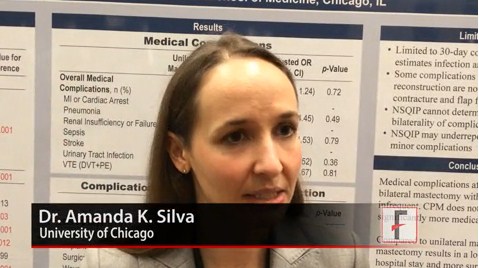
Compared with women who had a unilateral mastectomy and reconstruction, the 36% of patients who chose bilateral mastectomy and reconstruction were 55% more likely to lose a breast implant (if implants were used for reconstruction), twice as likely to need a transfusion regardless of whether the reconstruction used implants or autologous material, and twice as likely to remain hospitalized for at least 2 days regardless of reconstruction method, Dr. Amanda K. Silva and her associates reported in a poster presentation at a breast cancer symposium sponsored by the American Society of Clinical Oncology.
The reconstruction used implants in 89% of women undergoing bilateral mastectomy and 79% of those getting unilateral mastectomy, Dr. Silva and her colleagues reported.
The overall rate of complications was low, however, averaging 5%, said Dr. Silva, a surgeon at the University of Chicago, and her associates.
In this video interview, Dr. Silva discusses factors that physicians and patients should consider when choosing unilateral or bilateral mastectomy and reconstruction.
Previous studies have compared the risks of unilateral versus bilateral mastectomy without reconstruction, she said, and this study provides some of the first data of risks from either type of mastectomy with reconstruction.
Dr. Silva reported having no financial disclosures.
The video associated with this article is no longer available on this site. Please view all of our videos on the MDedge YouTube channel
On Twitter @sherryboschert
SAN FRANCISCO – Women undergoing mastectomy and breast reconstruction for the treatment of breast cancer are more likely to develop perioperative complications if they opt for prophylactic mastectomy of the other breast at the same time, a study of 18,229 cases found.
Compared with women who had a unilateral mastectomy and reconstruction, the 36% of patients who chose bilateral mastectomy and reconstruction were 55% more likely to lose a breast implant (if implants were used for reconstruction), twice as likely to need a transfusion regardless of whether the reconstruction used implants or autologous material, and twice as likely to remain hospitalized for at least 2 days regardless of reconstruction method, Dr. Amanda K. Silva and her associates reported in a poster presentation at a breast cancer symposium sponsored by the American Society of Clinical Oncology.
The reconstruction used implants in 89% of women undergoing bilateral mastectomy and 79% of those getting unilateral mastectomy, Dr. Silva and her colleagues reported.
The overall rate of complications was low, however, averaging 5%, said Dr. Silva, a surgeon at the University of Chicago, and her associates.
In this video interview, Dr. Silva discusses factors that physicians and patients should consider when choosing unilateral or bilateral mastectomy and reconstruction.
Previous studies have compared the risks of unilateral versus bilateral mastectomy without reconstruction, she said, and this study provides some of the first data of risks from either type of mastectomy with reconstruction.
Dr. Silva reported having no financial disclosures.
The video associated with this article is no longer available on this site. Please view all of our videos on the MDedge YouTube channel
On Twitter @sherryboschert
SAN FRANCISCO – Women undergoing mastectomy and breast reconstruction for the treatment of breast cancer are more likely to develop perioperative complications if they opt for prophylactic mastectomy of the other breast at the same time, a study of 18,229 cases found.
Compared with women who had a unilateral mastectomy and reconstruction, the 36% of patients who chose bilateral mastectomy and reconstruction were 55% more likely to lose a breast implant (if implants were used for reconstruction), twice as likely to need a transfusion regardless of whether the reconstruction used implants or autologous material, and twice as likely to remain hospitalized for at least 2 days regardless of reconstruction method, Dr. Amanda K. Silva and her associates reported in a poster presentation at a breast cancer symposium sponsored by the American Society of Clinical Oncology.
The reconstruction used implants in 89% of women undergoing bilateral mastectomy and 79% of those getting unilateral mastectomy, Dr. Silva and her colleagues reported.
The overall rate of complications was low, however, averaging 5%, said Dr. Silva, a surgeon at the University of Chicago, and her associates.
In this video interview, Dr. Silva discusses factors that physicians and patients should consider when choosing unilateral or bilateral mastectomy and reconstruction.
Previous studies have compared the risks of unilateral versus bilateral mastectomy without reconstruction, she said, and this study provides some of the first data of risks from either type of mastectomy with reconstruction.
Dr. Silva reported having no financial disclosures.
The video associated with this article is no longer available on this site. Please view all of our videos on the MDedge YouTube channel
On Twitter @sherryboschert
AT THE ASCO BREAST CANCER SYMPOSIUM
PIK3CA mutations linked to lower pCR rates in women with HER2-positive breast cancer
Breast cancer patients with newly diagnosed human epidermal growth factor receptor 2–positive tumors with a PIK3CA mutation are less likely to achieve a pathologic complete response after neoadjuvant anthracycline-taxane–based chemotherapy with anti-HER2 treatment, results from a German study demonstrated.
"This effect remains, even if a dual anti-HER2 treatment is given and rates of pCR [pathologic complete response] are lowest in the HR-positive/HER2-positive tumors harboring the PIK3CA mutation," German Breast Group researchers led by Dr. Sibylle Loibl wrote in a study published online Sept. 8 in the Journal of Clinical Oncology. "The PIK3CA mutation data could be combined with downstream markers such as p4EBP1 using class prediction algorithms to improve characterization of the tumors and select appropriate tumors. Our data suggest that investigation of alternative therapies (such as a PI3K inhibitor) in PIK3CA-mutant HER2-positive breast cancers is warranted."
Although mutations of the PIK3CA gene are found in about 20% of all breast cancers, the frequency of such mutations is not equally distributed among the different biologic subtypes. Dr. Loibl and her associates set out to investigate the association between PIK3CA genotype and pCR rates in HER2-positive breast cancer treated with either dual or single anti-HER2 treatments in addition to neoadjuvant chemotherapy. They evaluated 504 tumor samples from participants in the GeparQuattro, GeparQuinto, and GeparSixto studies, in which all HER2-positive patients received either trastuzumab or lapatinib or the combination plus anthracycline-taxane chemotherapy (J. Clin. Oncol. 2014 Sept. 8 [Epub doi:10.1200/JCO.2014.55.7876]). PIK3CA mutations were evaluated in tumor material from formalin-fixed, paraffin-embedded tissue core biopsies taken before therapy with a tumor content of at least 20% determined by using classical Sanger sequencing of hot-spot mutations in exon 9 and exon 20.
Of the 504 patients, 291 had hormone receptor (HR)–positive tumors and 213 had HR-negative tumors. During a median follow-up period of 42 months, the researchers observed no statistically significant differences in disease-free survival or in overall survival between patients with or without a PIK3CA mutation (hazard ratios of 1.07 and 0.59, respectively). More than one in five of the patients (21.4%) harbored a PIK3CA mutation, and detection of a PIK3CA mutation was associated with a significantly lower pCR (19.4%, compared with 32.8% among those in the PIK3CA wild-type group [odds ratio, 0.49; P = .008]), Dr. Loibl, professor at the University of Frankfurt, Germany, and her associates reported.
Among the 291 HR-positive tumors, the pCR rate was 11.3% in patients with a PIK3CA mutation, compared with 27.5% in the PIK3CA wild-type group (OR, 0.34; P = .011). Among the 213 HR-negative tumors, the pCR rate was 30.4% in patients with a PIK3CA mutation, compared with 40.1% in those without the mutation (OR, 0.65; P = .223).
Multivariate analysis adjusted for age, tumor stage, nodal status, histologic type, tumor grade, study, and anti-HER2 treatment revealed that, in patients with a PIK3CA mutation, the pCR rates with lapatinib, trastuzumab, and the combination were 16%, 24.3%, and 17.4%, respectively (P = .654), while those rates in the wild-type group were with 18.2%, 33.8%, and 37.1% (P = .017).
"In this study, it seemed that HER2-positive patients with PIK3CA mutations derived long-term benefit from adjuvant trastuzumab, indicating sensitivity rather than resistance to anti-HER2 treatment, although numbers of patients were small," the researchers wrote.
"In the metastatic setting, data sets are small, conflicting, and without clear treatment effects. Indeed, the lower pCR rate in the HR-positive/HER2-positive PIK3CA mutant cohort could reflect lower chemosensitivity or resistance to anti-HER2 therapy. HR-positive/HER2-positive patients historically had a lower pCR rate with chemotherapy alone. In our data set, patients with PIK3CA mutations had similar pCR rates across all anti-HER2 treatment arms. In past studies, this pCR rate was as low as that of HER2-positive patients receiving chemotherapy without trastuzumab. However, because trastuzumab is now the standard of care, we cannot make any comments based on our data regarding the impact of PIK3CA genotype on patients who did not receive anti-HER2 therapy," they said.
The study was supported by a grant from the RESPONSIFY Consortium. Members of the research team disclosed numerous financial relationships with industry.
On Twitter @dougbrunk
Investigators from the German Breast Group have evaluated the association between the presence of PIK3CA mutations and response to anti-HER2 therapy by analyzing specimens collected from patients who participated in three previously conducted prospective neoadjuvant clinical trials. Their data indicate that the presence of PIK3CA mutations is associated with a poorer pathologic complete response (pCR) in patients who received trastuzumab, lapatinib, or a combination of the two. Although intriguing, the exact clinical application of these data requires a thoughtful discussion of their meaning.
Substantial attention has been paid to the development and testing of new therapeutic agents, but less rigor has been applied when identifying and validating tumor biomarkers. Recent efforts to generate the same sense of value for tumor biomarkers that we have for anticancer treatments have gained traction. It is important to understand that a tumor biomarker is an indication of cancer biology and behavior but that there may be one or more tests for that biomarker and they may not provide identical, or even similar, results. In this regard, a tumor biomarker test should not be incorporated into routine clinical care until it has cleared a number of hurdles, best articulated by the Evaluation of Genomic Applications in Practice and Prevention Working Group of the Centers for Disease Control and Prevention.
First, a tumor biomarker must be demonstrated to have analytic validity. In other words, the assay must accurately, reliably, and reproducibly measure what it is intended to measure. Second, the tumor biomarker test must have clinical (or biologic) validity, which implies that it separates one population into two or more groups with distinctly different outcomes. For a tumor biomarker test to be incorporated into standard of care, it also must be shown to have clinical utility. Establishment of clinical utility requires a high level of evidence from either prospective or prospective-retrospective studies demonstrating that application of the marker to direct therapy improves patient outcomes with sufficient magnitude to justify testing all eligible patients.
So, can we apply the intriguing data that were generated by Dr. Loibl and her associates to routine clinical care? Can mutations in PIK3CA be used to withhold anti-HER2 therapy in patients with HER2-positive breast cancer? Our answer is a resounding no, and the authors themselves do not suggest such a use of this assay. Indeed, there was no difference in disease-free survival or overall survival between the cohorts with PIK3CA wild-type versus mutant tumors, although follow-up was relatively short at only 3.5 years. Given the enormous disease-free survival and overall survival benefit of adjuvant trastuzumab, the data need to be much clearer about the lack of benefit of HER2-directed therapies before we would recommend against treatment with these lifesaving and relatively tolerable therapies.
Dr. N. Lynn Henry, Dr. Anne F. Schott, and Dr. Daniel F. Hayes are with the University of Michigan Comprehensive Cancer Center in Ann Arbor. These comments were extracted from an accompanying editorial published online J. Clin. Oncol. 2014 Sept. 8 [doi:10.1200/JCO.2014.57.6132]). Dr. Henry disclosed having received research funding from sanofi-aventis, BioMarin, and Celldex. Dr. Schott disclosed having received research funding from Dompé and Dr. Hayes disclosed having received research funding from Janssen. Dr. Hayes also disclosed a consulting or advisory role with Pfizer as well as stock ownership with Oncimmune and Inbiomotion.
Investigators from the German Breast Group have evaluated the association between the presence of PIK3CA mutations and response to anti-HER2 therapy by analyzing specimens collected from patients who participated in three previously conducted prospective neoadjuvant clinical trials. Their data indicate that the presence of PIK3CA mutations is associated with a poorer pathologic complete response (pCR) in patients who received trastuzumab, lapatinib, or a combination of the two. Although intriguing, the exact clinical application of these data requires a thoughtful discussion of their meaning.
Substantial attention has been paid to the development and testing of new therapeutic agents, but less rigor has been applied when identifying and validating tumor biomarkers. Recent efforts to generate the same sense of value for tumor biomarkers that we have for anticancer treatments have gained traction. It is important to understand that a tumor biomarker is an indication of cancer biology and behavior but that there may be one or more tests for that biomarker and they may not provide identical, or even similar, results. In this regard, a tumor biomarker test should not be incorporated into routine clinical care until it has cleared a number of hurdles, best articulated by the Evaluation of Genomic Applications in Practice and Prevention Working Group of the Centers for Disease Control and Prevention.
First, a tumor biomarker must be demonstrated to have analytic validity. In other words, the assay must accurately, reliably, and reproducibly measure what it is intended to measure. Second, the tumor biomarker test must have clinical (or biologic) validity, which implies that it separates one population into two or more groups with distinctly different outcomes. For a tumor biomarker test to be incorporated into standard of care, it also must be shown to have clinical utility. Establishment of clinical utility requires a high level of evidence from either prospective or prospective-retrospective studies demonstrating that application of the marker to direct therapy improves patient outcomes with sufficient magnitude to justify testing all eligible patients.
So, can we apply the intriguing data that were generated by Dr. Loibl and her associates to routine clinical care? Can mutations in PIK3CA be used to withhold anti-HER2 therapy in patients with HER2-positive breast cancer? Our answer is a resounding no, and the authors themselves do not suggest such a use of this assay. Indeed, there was no difference in disease-free survival or overall survival between the cohorts with PIK3CA wild-type versus mutant tumors, although follow-up was relatively short at only 3.5 years. Given the enormous disease-free survival and overall survival benefit of adjuvant trastuzumab, the data need to be much clearer about the lack of benefit of HER2-directed therapies before we would recommend against treatment with these lifesaving and relatively tolerable therapies.
Dr. N. Lynn Henry, Dr. Anne F. Schott, and Dr. Daniel F. Hayes are with the University of Michigan Comprehensive Cancer Center in Ann Arbor. These comments were extracted from an accompanying editorial published online J. Clin. Oncol. 2014 Sept. 8 [doi:10.1200/JCO.2014.57.6132]). Dr. Henry disclosed having received research funding from sanofi-aventis, BioMarin, and Celldex. Dr. Schott disclosed having received research funding from Dompé and Dr. Hayes disclosed having received research funding from Janssen. Dr. Hayes also disclosed a consulting or advisory role with Pfizer as well as stock ownership with Oncimmune and Inbiomotion.
Investigators from the German Breast Group have evaluated the association between the presence of PIK3CA mutations and response to anti-HER2 therapy by analyzing specimens collected from patients who participated in three previously conducted prospective neoadjuvant clinical trials. Their data indicate that the presence of PIK3CA mutations is associated with a poorer pathologic complete response (pCR) in patients who received trastuzumab, lapatinib, or a combination of the two. Although intriguing, the exact clinical application of these data requires a thoughtful discussion of their meaning.
Substantial attention has been paid to the development and testing of new therapeutic agents, but less rigor has been applied when identifying and validating tumor biomarkers. Recent efforts to generate the same sense of value for tumor biomarkers that we have for anticancer treatments have gained traction. It is important to understand that a tumor biomarker is an indication of cancer biology and behavior but that there may be one or more tests for that biomarker and they may not provide identical, or even similar, results. In this regard, a tumor biomarker test should not be incorporated into routine clinical care until it has cleared a number of hurdles, best articulated by the Evaluation of Genomic Applications in Practice and Prevention Working Group of the Centers for Disease Control and Prevention.
First, a tumor biomarker must be demonstrated to have analytic validity. In other words, the assay must accurately, reliably, and reproducibly measure what it is intended to measure. Second, the tumor biomarker test must have clinical (or biologic) validity, which implies that it separates one population into two or more groups with distinctly different outcomes. For a tumor biomarker test to be incorporated into standard of care, it also must be shown to have clinical utility. Establishment of clinical utility requires a high level of evidence from either prospective or prospective-retrospective studies demonstrating that application of the marker to direct therapy improves patient outcomes with sufficient magnitude to justify testing all eligible patients.
So, can we apply the intriguing data that were generated by Dr. Loibl and her associates to routine clinical care? Can mutations in PIK3CA be used to withhold anti-HER2 therapy in patients with HER2-positive breast cancer? Our answer is a resounding no, and the authors themselves do not suggest such a use of this assay. Indeed, there was no difference in disease-free survival or overall survival between the cohorts with PIK3CA wild-type versus mutant tumors, although follow-up was relatively short at only 3.5 years. Given the enormous disease-free survival and overall survival benefit of adjuvant trastuzumab, the data need to be much clearer about the lack of benefit of HER2-directed therapies before we would recommend against treatment with these lifesaving and relatively tolerable therapies.
Dr. N. Lynn Henry, Dr. Anne F. Schott, and Dr. Daniel F. Hayes are with the University of Michigan Comprehensive Cancer Center in Ann Arbor. These comments were extracted from an accompanying editorial published online J. Clin. Oncol. 2014 Sept. 8 [doi:10.1200/JCO.2014.57.6132]). Dr. Henry disclosed having received research funding from sanofi-aventis, BioMarin, and Celldex. Dr. Schott disclosed having received research funding from Dompé and Dr. Hayes disclosed having received research funding from Janssen. Dr. Hayes also disclosed a consulting or advisory role with Pfizer as well as stock ownership with Oncimmune and Inbiomotion.
Breast cancer patients with newly diagnosed human epidermal growth factor receptor 2–positive tumors with a PIK3CA mutation are less likely to achieve a pathologic complete response after neoadjuvant anthracycline-taxane–based chemotherapy with anti-HER2 treatment, results from a German study demonstrated.
"This effect remains, even if a dual anti-HER2 treatment is given and rates of pCR [pathologic complete response] are lowest in the HR-positive/HER2-positive tumors harboring the PIK3CA mutation," German Breast Group researchers led by Dr. Sibylle Loibl wrote in a study published online Sept. 8 in the Journal of Clinical Oncology. "The PIK3CA mutation data could be combined with downstream markers such as p4EBP1 using class prediction algorithms to improve characterization of the tumors and select appropriate tumors. Our data suggest that investigation of alternative therapies (such as a PI3K inhibitor) in PIK3CA-mutant HER2-positive breast cancers is warranted."
Although mutations of the PIK3CA gene are found in about 20% of all breast cancers, the frequency of such mutations is not equally distributed among the different biologic subtypes. Dr. Loibl and her associates set out to investigate the association between PIK3CA genotype and pCR rates in HER2-positive breast cancer treated with either dual or single anti-HER2 treatments in addition to neoadjuvant chemotherapy. They evaluated 504 tumor samples from participants in the GeparQuattro, GeparQuinto, and GeparSixto studies, in which all HER2-positive patients received either trastuzumab or lapatinib or the combination plus anthracycline-taxane chemotherapy (J. Clin. Oncol. 2014 Sept. 8 [Epub doi:10.1200/JCO.2014.55.7876]). PIK3CA mutations were evaluated in tumor material from formalin-fixed, paraffin-embedded tissue core biopsies taken before therapy with a tumor content of at least 20% determined by using classical Sanger sequencing of hot-spot mutations in exon 9 and exon 20.
Of the 504 patients, 291 had hormone receptor (HR)–positive tumors and 213 had HR-negative tumors. During a median follow-up period of 42 months, the researchers observed no statistically significant differences in disease-free survival or in overall survival between patients with or without a PIK3CA mutation (hazard ratios of 1.07 and 0.59, respectively). More than one in five of the patients (21.4%) harbored a PIK3CA mutation, and detection of a PIK3CA mutation was associated with a significantly lower pCR (19.4%, compared with 32.8% among those in the PIK3CA wild-type group [odds ratio, 0.49; P = .008]), Dr. Loibl, professor at the University of Frankfurt, Germany, and her associates reported.
Among the 291 HR-positive tumors, the pCR rate was 11.3% in patients with a PIK3CA mutation, compared with 27.5% in the PIK3CA wild-type group (OR, 0.34; P = .011). Among the 213 HR-negative tumors, the pCR rate was 30.4% in patients with a PIK3CA mutation, compared with 40.1% in those without the mutation (OR, 0.65; P = .223).
Multivariate analysis adjusted for age, tumor stage, nodal status, histologic type, tumor grade, study, and anti-HER2 treatment revealed that, in patients with a PIK3CA mutation, the pCR rates with lapatinib, trastuzumab, and the combination were 16%, 24.3%, and 17.4%, respectively (P = .654), while those rates in the wild-type group were with 18.2%, 33.8%, and 37.1% (P = .017).
"In this study, it seemed that HER2-positive patients with PIK3CA mutations derived long-term benefit from adjuvant trastuzumab, indicating sensitivity rather than resistance to anti-HER2 treatment, although numbers of patients were small," the researchers wrote.
"In the metastatic setting, data sets are small, conflicting, and without clear treatment effects. Indeed, the lower pCR rate in the HR-positive/HER2-positive PIK3CA mutant cohort could reflect lower chemosensitivity or resistance to anti-HER2 therapy. HR-positive/HER2-positive patients historically had a lower pCR rate with chemotherapy alone. In our data set, patients with PIK3CA mutations had similar pCR rates across all anti-HER2 treatment arms. In past studies, this pCR rate was as low as that of HER2-positive patients receiving chemotherapy without trastuzumab. However, because trastuzumab is now the standard of care, we cannot make any comments based on our data regarding the impact of PIK3CA genotype on patients who did not receive anti-HER2 therapy," they said.
The study was supported by a grant from the RESPONSIFY Consortium. Members of the research team disclosed numerous financial relationships with industry.
On Twitter @dougbrunk
Breast cancer patients with newly diagnosed human epidermal growth factor receptor 2–positive tumors with a PIK3CA mutation are less likely to achieve a pathologic complete response after neoadjuvant anthracycline-taxane–based chemotherapy with anti-HER2 treatment, results from a German study demonstrated.
"This effect remains, even if a dual anti-HER2 treatment is given and rates of pCR [pathologic complete response] are lowest in the HR-positive/HER2-positive tumors harboring the PIK3CA mutation," German Breast Group researchers led by Dr. Sibylle Loibl wrote in a study published online Sept. 8 in the Journal of Clinical Oncology. "The PIK3CA mutation data could be combined with downstream markers such as p4EBP1 using class prediction algorithms to improve characterization of the tumors and select appropriate tumors. Our data suggest that investigation of alternative therapies (such as a PI3K inhibitor) in PIK3CA-mutant HER2-positive breast cancers is warranted."
Although mutations of the PIK3CA gene are found in about 20% of all breast cancers, the frequency of such mutations is not equally distributed among the different biologic subtypes. Dr. Loibl and her associates set out to investigate the association between PIK3CA genotype and pCR rates in HER2-positive breast cancer treated with either dual or single anti-HER2 treatments in addition to neoadjuvant chemotherapy. They evaluated 504 tumor samples from participants in the GeparQuattro, GeparQuinto, and GeparSixto studies, in which all HER2-positive patients received either trastuzumab or lapatinib or the combination plus anthracycline-taxane chemotherapy (J. Clin. Oncol. 2014 Sept. 8 [Epub doi:10.1200/JCO.2014.55.7876]). PIK3CA mutations were evaluated in tumor material from formalin-fixed, paraffin-embedded tissue core biopsies taken before therapy with a tumor content of at least 20% determined by using classical Sanger sequencing of hot-spot mutations in exon 9 and exon 20.
Of the 504 patients, 291 had hormone receptor (HR)–positive tumors and 213 had HR-negative tumors. During a median follow-up period of 42 months, the researchers observed no statistically significant differences in disease-free survival or in overall survival between patients with or without a PIK3CA mutation (hazard ratios of 1.07 and 0.59, respectively). More than one in five of the patients (21.4%) harbored a PIK3CA mutation, and detection of a PIK3CA mutation was associated with a significantly lower pCR (19.4%, compared with 32.8% among those in the PIK3CA wild-type group [odds ratio, 0.49; P = .008]), Dr. Loibl, professor at the University of Frankfurt, Germany, and her associates reported.
Among the 291 HR-positive tumors, the pCR rate was 11.3% in patients with a PIK3CA mutation, compared with 27.5% in the PIK3CA wild-type group (OR, 0.34; P = .011). Among the 213 HR-negative tumors, the pCR rate was 30.4% in patients with a PIK3CA mutation, compared with 40.1% in those without the mutation (OR, 0.65; P = .223).
Multivariate analysis adjusted for age, tumor stage, nodal status, histologic type, tumor grade, study, and anti-HER2 treatment revealed that, in patients with a PIK3CA mutation, the pCR rates with lapatinib, trastuzumab, and the combination were 16%, 24.3%, and 17.4%, respectively (P = .654), while those rates in the wild-type group were with 18.2%, 33.8%, and 37.1% (P = .017).
"In this study, it seemed that HER2-positive patients with PIK3CA mutations derived long-term benefit from adjuvant trastuzumab, indicating sensitivity rather than resistance to anti-HER2 treatment, although numbers of patients were small," the researchers wrote.
"In the metastatic setting, data sets are small, conflicting, and without clear treatment effects. Indeed, the lower pCR rate in the HR-positive/HER2-positive PIK3CA mutant cohort could reflect lower chemosensitivity or resistance to anti-HER2 therapy. HR-positive/HER2-positive patients historically had a lower pCR rate with chemotherapy alone. In our data set, patients with PIK3CA mutations had similar pCR rates across all anti-HER2 treatment arms. In past studies, this pCR rate was as low as that of HER2-positive patients receiving chemotherapy without trastuzumab. However, because trastuzumab is now the standard of care, we cannot make any comments based on our data regarding the impact of PIK3CA genotype on patients who did not receive anti-HER2 therapy," they said.
The study was supported by a grant from the RESPONSIFY Consortium. Members of the research team disclosed numerous financial relationships with industry.
On Twitter @dougbrunk
FROM THE JOURNAL OF ONCOLOGY
Major finding: PIK3CA mutations are associated with lower rates of pathologic complete response to anti–human epidermal growth factor receptor 2 therapy in primary HER2-positive breast cancer.
Data source: An evaluation of 504 tumor samples from participants in the neoadjuvant GeparQuattro, GeparQuinto, and GeparSixto studies.
Disclosures: The study was supported by a grant from the RESPONSIFY Consortium. Members of the research team disclosed numerous financial conflicts with industry.