User login
Adding bortezomib to R-CHOP didn’t improve survival in diffuse large B-cell lymphoma
, findings from the phase-2 PYRAMID trial showed.
When the proteasome inhibitor bortezomib was combined with rituximab, cyclophosphamide, doxorubicin, vincristine, and prednisone (R-CHOP) in patients with previously untreated non–germinal center B-cell–like (non-GCB) DLBCL, a significant improvement in progression-free survival (PFS) was not observed.
There also was no increase in 2-year PFS among patients treated with the combination of bortezomib plus R-CHOP (VR-CHOP), according to findings from the open-label, randomized study published in the Journal of Clinical Oncology (2017 Sep 1. doi: 10.1200/JCO.2017.73.2784).

“A potential reason for the lack of benefit with VR-CHOP was that only two doses of bortezomib were given per 21-day cycle, whereas the standard schedule for bortezomib in multiple myeloma is four doses per cycle on days 1, 4, 8, and 11,” wrote John P. Leonard, MD, of Weill Cornell Medicine and New York Presbyterian Hospital, New York, and his colleagues. “In this study, treatment duration was limited to six 21-day cycles of R-CHOP.”
The authors noted that previous research has demonstrated the feasibility of using VR-CHOP and similar immunochemotherapy regimens in DLBCL. In the current PYRAMID (Personalized Lymphoma Therapy: Randomized Study of Proteasome Inhibition in Non-GCB DLBCL) phase 2 trial, VR-CHOP was compared with R-CHOP in 206 patients with previously untreated non-GCB DLBCL who were selected by real-time subtyping conducted or confirmed at a central laboratory that used the Hans algorithm.
The cohort was randomized to receive six 21-day cycles of standard R-CHOP alone or R-CHOP plus bortezomib 1.3 mg/m2 intravenously on days 1 and 4, and the primary endpoint was PFS.
The hazard ratio (HR) for PFS was 0.73 (90% confidence interval, 0.43-1.24) and favored VR-CHOP (P = .611), while the median PFS was not reached in either group. At 2 years, PFS was 77.6% with R-CHOP, versus 82.0% with VR-CHOP.
Among patients with high-intermediate/high International Prognostic Index (IPI) risk, those rates were 65.1% with R-CHOP, versus 72.4% with VR-CHOP (HR, 0.67; 90% CI, 0.34-1.29; P = .606). For those patients at low/low-intermediate IPI risk, the rates were 90.0% for R-CHOP, versus 88.9% for VR-CHOP (HR, 0.85; 90% CI, 0.35-2.10; P = .958).
The overall response rate was 98% for R-CHOP patients and 96% for VR-CHOP, with complete response rates of 49% and 56%, respectively.
Time to progression rates at 2 years were 79.8% for R-CHOP, versus 83.0% with VR-CHOP (HR, 0.79; 90% CI, 0.45-1.37; P = .767). While median overall survival was not reached in either arm, the HR for the entire cohort was 0.75 (90% CI, 0.38-1.45; P = .763). Two-year overall survival was 88.4% and 93.0%, respectively.
In the high-intermediate/high IPI score group, 2-year overall survival was 79.2% with R-CHOP, versus 92.1% with VR-CHOP (HR, 0.62; 90% CI, 0.25-1.42; P = .638), and for those with low/low-intermediate IPI risk scores, 97.7% versus 93.8% (HR, 1.02; 90% CI, 0.34-3.27; P = .999).
Millennium Pharmaceuticals supported the study. Dr. Leonard and several of the coauthors reported relationships with industry.
, findings from the phase-2 PYRAMID trial showed.
When the proteasome inhibitor bortezomib was combined with rituximab, cyclophosphamide, doxorubicin, vincristine, and prednisone (R-CHOP) in patients with previously untreated non–germinal center B-cell–like (non-GCB) DLBCL, a significant improvement in progression-free survival (PFS) was not observed.
There also was no increase in 2-year PFS among patients treated with the combination of bortezomib plus R-CHOP (VR-CHOP), according to findings from the open-label, randomized study published in the Journal of Clinical Oncology (2017 Sep 1. doi: 10.1200/JCO.2017.73.2784).
“A potential reason for the lack of benefit with VR-CHOP was that only two doses of bortezomib were given per 21-day cycle, whereas the standard schedule for bortezomib in multiple myeloma is four doses per cycle on days 1, 4, 8, and 11,” wrote John P. Leonard, MD, of Weill Cornell Medicine and New York Presbyterian Hospital, New York, and his colleagues. “In this study, treatment duration was limited to six 21-day cycles of R-CHOP.”
The authors noted that previous research has demonstrated the feasibility of using VR-CHOP and similar immunochemotherapy regimens in DLBCL. In the current PYRAMID (Personalized Lymphoma Therapy: Randomized Study of Proteasome Inhibition in Non-GCB DLBCL) phase 2 trial, VR-CHOP was compared with R-CHOP in 206 patients with previously untreated non-GCB DLBCL who were selected by real-time subtyping conducted or confirmed at a central laboratory that used the Hans algorithm.
The cohort was randomized to receive six 21-day cycles of standard R-CHOP alone or R-CHOP plus bortezomib 1.3 mg/m2 intravenously on days 1 and 4, and the primary endpoint was PFS.
The hazard ratio (HR) for PFS was 0.73 (90% confidence interval, 0.43-1.24) and favored VR-CHOP (P = .611), while the median PFS was not reached in either group. At 2 years, PFS was 77.6% with R-CHOP, versus 82.0% with VR-CHOP.
Among patients with high-intermediate/high International Prognostic Index (IPI) risk, those rates were 65.1% with R-CHOP, versus 72.4% with VR-CHOP (HR, 0.67; 90% CI, 0.34-1.29; P = .606). For those patients at low/low-intermediate IPI risk, the rates were 90.0% for R-CHOP, versus 88.9% for VR-CHOP (HR, 0.85; 90% CI, 0.35-2.10; P = .958).
The overall response rate was 98% for R-CHOP patients and 96% for VR-CHOP, with complete response rates of 49% and 56%, respectively.
Time to progression rates at 2 years were 79.8% for R-CHOP, versus 83.0% with VR-CHOP (HR, 0.79; 90% CI, 0.45-1.37; P = .767). While median overall survival was not reached in either arm, the HR for the entire cohort was 0.75 (90% CI, 0.38-1.45; P = .763). Two-year overall survival was 88.4% and 93.0%, respectively.
In the high-intermediate/high IPI score group, 2-year overall survival was 79.2% with R-CHOP, versus 92.1% with VR-CHOP (HR, 0.62; 90% CI, 0.25-1.42; P = .638), and for those with low/low-intermediate IPI risk scores, 97.7% versus 93.8% (HR, 1.02; 90% CI, 0.34-3.27; P = .999).
Millennium Pharmaceuticals supported the study. Dr. Leonard and several of the coauthors reported relationships with industry.
, findings from the phase-2 PYRAMID trial showed.
When the proteasome inhibitor bortezomib was combined with rituximab, cyclophosphamide, doxorubicin, vincristine, and prednisone (R-CHOP) in patients with previously untreated non–germinal center B-cell–like (non-GCB) DLBCL, a significant improvement in progression-free survival (PFS) was not observed.
There also was no increase in 2-year PFS among patients treated with the combination of bortezomib plus R-CHOP (VR-CHOP), according to findings from the open-label, randomized study published in the Journal of Clinical Oncology (2017 Sep 1. doi: 10.1200/JCO.2017.73.2784).
“A potential reason for the lack of benefit with VR-CHOP was that only two doses of bortezomib were given per 21-day cycle, whereas the standard schedule for bortezomib in multiple myeloma is four doses per cycle on days 1, 4, 8, and 11,” wrote John P. Leonard, MD, of Weill Cornell Medicine and New York Presbyterian Hospital, New York, and his colleagues. “In this study, treatment duration was limited to six 21-day cycles of R-CHOP.”
The authors noted that previous research has demonstrated the feasibility of using VR-CHOP and similar immunochemotherapy regimens in DLBCL. In the current PYRAMID (Personalized Lymphoma Therapy: Randomized Study of Proteasome Inhibition in Non-GCB DLBCL) phase 2 trial, VR-CHOP was compared with R-CHOP in 206 patients with previously untreated non-GCB DLBCL who were selected by real-time subtyping conducted or confirmed at a central laboratory that used the Hans algorithm.
The cohort was randomized to receive six 21-day cycles of standard R-CHOP alone or R-CHOP plus bortezomib 1.3 mg/m2 intravenously on days 1 and 4, and the primary endpoint was PFS.
The hazard ratio (HR) for PFS was 0.73 (90% confidence interval, 0.43-1.24) and favored VR-CHOP (P = .611), while the median PFS was not reached in either group. At 2 years, PFS was 77.6% with R-CHOP, versus 82.0% with VR-CHOP.
Among patients with high-intermediate/high International Prognostic Index (IPI) risk, those rates were 65.1% with R-CHOP, versus 72.4% with VR-CHOP (HR, 0.67; 90% CI, 0.34-1.29; P = .606). For those patients at low/low-intermediate IPI risk, the rates were 90.0% for R-CHOP, versus 88.9% for VR-CHOP (HR, 0.85; 90% CI, 0.35-2.10; P = .958).
The overall response rate was 98% for R-CHOP patients and 96% for VR-CHOP, with complete response rates of 49% and 56%, respectively.
Time to progression rates at 2 years were 79.8% for R-CHOP, versus 83.0% with VR-CHOP (HR, 0.79; 90% CI, 0.45-1.37; P = .767). While median overall survival was not reached in either arm, the HR for the entire cohort was 0.75 (90% CI, 0.38-1.45; P = .763). Two-year overall survival was 88.4% and 93.0%, respectively.
In the high-intermediate/high IPI score group, 2-year overall survival was 79.2% with R-CHOP, versus 92.1% with VR-CHOP (HR, 0.62; 90% CI, 0.25-1.42; P = .638), and for those with low/low-intermediate IPI risk scores, 97.7% versus 93.8% (HR, 1.02; 90% CI, 0.34-3.27; P = .999).
Millennium Pharmaceuticals supported the study. Dr. Leonard and several of the coauthors reported relationships with industry.
FROM THE JOURNAL OF CLINICAL ONCOLOGY
Key clinical point: Bortezomib combined with R-CHOP did not improve outcomes significantly in diffuse large B-cell lymphoma.
Major finding: Two-year progression-free survival was 77.6% with R-CHOP, compared with 82.0% with VR-CHOP, a nonsignificant difference.
Data source: An open-label, randomized, phase 2 trial that compared VR-CHOP to R-CHOP in 206 patients with previously untreated non-GCB DLBCL.
Disclosures: Millennium Pharmaceuticals funded the study. Dr. Leonard and several of the coauthors reported relationships with industry.
Funding for Treatment Drug Courts
The Substance Abuse and Mental Health Services Administration (SAMHSA) has announced $80.8 million in grants to treatment drug court programs for people with substance use and mental disorders. “Treatment drug courts improve health and recovery outcomes, reduce the burden on the criminal justice system, and help people recover in their communities,” said Kim Johnson, PhD, director for the Center for Substance Abuse Treatment.
Related: California Opens Treatment Center for Native Youth
The grant programs include $17.8 million per year for up to 3 years to 44 existing Adult Treatment Drug courts and adult Tribal Healing to Wellness courts, which use the treatment drug court model to provide alcohol and drug treatment.
Related: IHS Funds Programs to Protect Native Youth from Substance Abuse
Another $8.2 million per year for up to 5 years will go to 20 programs to expand or enhance substance use disorder treatment services in family treatment drug courts.
The Substance Abuse and Mental Health Services Administration (SAMHSA) has announced $80.8 million in grants to treatment drug court programs for people with substance use and mental disorders. “Treatment drug courts improve health and recovery outcomes, reduce the burden on the criminal justice system, and help people recover in their communities,” said Kim Johnson, PhD, director for the Center for Substance Abuse Treatment.
Related: California Opens Treatment Center for Native Youth
The grant programs include $17.8 million per year for up to 3 years to 44 existing Adult Treatment Drug courts and adult Tribal Healing to Wellness courts, which use the treatment drug court model to provide alcohol and drug treatment.
Related: IHS Funds Programs to Protect Native Youth from Substance Abuse
Another $8.2 million per year for up to 5 years will go to 20 programs to expand or enhance substance use disorder treatment services in family treatment drug courts.
The Substance Abuse and Mental Health Services Administration (SAMHSA) has announced $80.8 million in grants to treatment drug court programs for people with substance use and mental disorders. “Treatment drug courts improve health and recovery outcomes, reduce the burden on the criminal justice system, and help people recover in their communities,” said Kim Johnson, PhD, director for the Center for Substance Abuse Treatment.
Related: California Opens Treatment Center for Native Youth
The grant programs include $17.8 million per year for up to 3 years to 44 existing Adult Treatment Drug courts and adult Tribal Healing to Wellness courts, which use the treatment drug court model to provide alcohol and drug treatment.
Related: IHS Funds Programs to Protect Native Youth from Substance Abuse
Another $8.2 million per year for up to 5 years will go to 20 programs to expand or enhance substance use disorder treatment services in family treatment drug courts.
The 3 Reasons Patients With Diabetes Don’t Get Eye Care
As diabetes becomes more prevalent, so do eye diseases. The good news is that many patients are aware of the risk. However, they may think that they do not need regular eye checkups. Patient awareness of the value of prevention is a key message in a study by researchers from the University of Lausanne in Switzerland.
In their study of 323 patients, 41% of patients with type 1 diabetes (T1DM) and 10% of those with type 2 diabetes (T2DM) had diabetic retinopathy. One-third of patients had myopia, astigmatism, and other common visual defects, 36% had cataract, and 13% had glaucoma. The patients with T1DM were about 5 times more likely to have more than 3 eye diseases than were those with type 2.
But all patients with T1DM and 95% of those with T2DM knew that diabetes could damage the eyes. Further, the “vast majority” of all the patients knew the benefit of maintaining good glycemic control and getting regular eye examinations by an ophthalmologist. About 91% of patients with T1DM and 85% of patients with T2DM knew that controlling blood pressure and lipids also was important. But one-quarter of the participants thought nothing could be done to prevent diabetic eye diseases—that they were the result of bad luck.
About 71% of the participants were examined by an ophthalmologist in the previous year. Exploring the reasons, the researchers found 3 main barriers: Patients said they had no visual symptoms, they felt they didn’t need an exam because their diabetes was well controlled, or they did not get recommendations from their family physician or diabetologist. The researchers say diabetic retinopathy may be underestimated because some patients are not getting eye exams.
Conversely, the 3 main reasons for regular eye exams, according to patient reports, were that health care professionals recommended them, patients were aware of the importance of regular controls, and they knew the risks of diabetes-related retinal problems.
The researchers say physicians can help by emphasizing that preventive care includes regular eye exams. They also suggest that it may be time to “broaden the diabetes education perspective” and include all significant diabetic eye diseases instead of focusing on diabetic retinopathy.
Source:
Konstantinidis L, Carron T, de Ancos E, et al. BMC Endocr Disord. 2017;17(1):56.
doi: 10.1186/s12902-017-0206-2.
As diabetes becomes more prevalent, so do eye diseases. The good news is that many patients are aware of the risk. However, they may think that they do not need regular eye checkups. Patient awareness of the value of prevention is a key message in a study by researchers from the University of Lausanne in Switzerland.
In their study of 323 patients, 41% of patients with type 1 diabetes (T1DM) and 10% of those with type 2 diabetes (T2DM) had diabetic retinopathy. One-third of patients had myopia, astigmatism, and other common visual defects, 36% had cataract, and 13% had glaucoma. The patients with T1DM were about 5 times more likely to have more than 3 eye diseases than were those with type 2.
But all patients with T1DM and 95% of those with T2DM knew that diabetes could damage the eyes. Further, the “vast majority” of all the patients knew the benefit of maintaining good glycemic control and getting regular eye examinations by an ophthalmologist. About 91% of patients with T1DM and 85% of patients with T2DM knew that controlling blood pressure and lipids also was important. But one-quarter of the participants thought nothing could be done to prevent diabetic eye diseases—that they were the result of bad luck.
About 71% of the participants were examined by an ophthalmologist in the previous year. Exploring the reasons, the researchers found 3 main barriers: Patients said they had no visual symptoms, they felt they didn’t need an exam because their diabetes was well controlled, or they did not get recommendations from their family physician or diabetologist. The researchers say diabetic retinopathy may be underestimated because some patients are not getting eye exams.
Conversely, the 3 main reasons for regular eye exams, according to patient reports, were that health care professionals recommended them, patients were aware of the importance of regular controls, and they knew the risks of diabetes-related retinal problems.
The researchers say physicians can help by emphasizing that preventive care includes regular eye exams. They also suggest that it may be time to “broaden the diabetes education perspective” and include all significant diabetic eye diseases instead of focusing on diabetic retinopathy.
Source:
Konstantinidis L, Carron T, de Ancos E, et al. BMC Endocr Disord. 2017;17(1):56.
doi: 10.1186/s12902-017-0206-2.
As diabetes becomes more prevalent, so do eye diseases. The good news is that many patients are aware of the risk. However, they may think that they do not need regular eye checkups. Patient awareness of the value of prevention is a key message in a study by researchers from the University of Lausanne in Switzerland.
In their study of 323 patients, 41% of patients with type 1 diabetes (T1DM) and 10% of those with type 2 diabetes (T2DM) had diabetic retinopathy. One-third of patients had myopia, astigmatism, and other common visual defects, 36% had cataract, and 13% had glaucoma. The patients with T1DM were about 5 times more likely to have more than 3 eye diseases than were those with type 2.
But all patients with T1DM and 95% of those with T2DM knew that diabetes could damage the eyes. Further, the “vast majority” of all the patients knew the benefit of maintaining good glycemic control and getting regular eye examinations by an ophthalmologist. About 91% of patients with T1DM and 85% of patients with T2DM knew that controlling blood pressure and lipids also was important. But one-quarter of the participants thought nothing could be done to prevent diabetic eye diseases—that they were the result of bad luck.
About 71% of the participants were examined by an ophthalmologist in the previous year. Exploring the reasons, the researchers found 3 main barriers: Patients said they had no visual symptoms, they felt they didn’t need an exam because their diabetes was well controlled, or they did not get recommendations from their family physician or diabetologist. The researchers say diabetic retinopathy may be underestimated because some patients are not getting eye exams.
Conversely, the 3 main reasons for regular eye exams, according to patient reports, were that health care professionals recommended them, patients were aware of the importance of regular controls, and they knew the risks of diabetes-related retinal problems.
The researchers say physicians can help by emphasizing that preventive care includes regular eye exams. They also suggest that it may be time to “broaden the diabetes education perspective” and include all significant diabetic eye diseases instead of focusing on diabetic retinopathy.
Source:
Konstantinidis L, Carron T, de Ancos E, et al. BMC Endocr Disord. 2017;17(1):56.
doi: 10.1186/s12902-017-0206-2.
Nearly Half of Patients Have HIV Under Control
More people living with HIV have the virus under control, according to the most recent national data. In 2014, CDC researchers say, of the estimated 1.1 million people with HIV in the U.S., 85% were diagnosed and 49% were controlling the virus through HIV treatment. By comparison, in 2010, 83% were diagnosed but only 28% were controlling the virus. The data were released recently in the CDC’s report, Monitoring Selected National HIV Prevention and Care Objectives by Using HIV Surveillance Data.
The CDC says making testing and treatment more available in addition to updated treatment guidelines released in 2012 that recommended treatment for all people with HIV infection, were “likely major contributors” to driving down annual infections by 18% between 2008-2014.
In 2014, 37,600 new infections were diagnosed. Of HIV infections diagnosed during 2015, 22% were classified as stage 3 (AIDS), although the percentages had declined from 2010. Nine out of 10 HIV infections are transmitted by people who are not diagnosed or are not in care. Young people are at highest risk. According to the CDC researchers’ estimates, only 56% of people aged 13-24 years with HIV were diagnosed and only 27% had the virus under control.
However, patients are getting appropriate care sooner and more often. Of 28,238 people who were diagnosed during 2015, 75% were linked to HIV medical care within 1 month of diagnosis, and 84% within 3 months.
“The Monitoring Report signals that we are making progress on most of our national HIV prevention, care and treatment goals,” said Richard Wolitski, PhD, director, Office of HIV/AIDS and Infectious Disease Policy in his blog on HIV.gov. “It also shows us where we need to do better and reassess our efforts, diagnose the problems and use this information to make the changes to our policies, programs, and services that are needed to turn the results around.”
More people living with HIV have the virus under control, according to the most recent national data. In 2014, CDC researchers say, of the estimated 1.1 million people with HIV in the U.S., 85% were diagnosed and 49% were controlling the virus through HIV treatment. By comparison, in 2010, 83% were diagnosed but only 28% were controlling the virus. The data were released recently in the CDC’s report, Monitoring Selected National HIV Prevention and Care Objectives by Using HIV Surveillance Data.
The CDC says making testing and treatment more available in addition to updated treatment guidelines released in 2012 that recommended treatment for all people with HIV infection, were “likely major contributors” to driving down annual infections by 18% between 2008-2014.
In 2014, 37,600 new infections were diagnosed. Of HIV infections diagnosed during 2015, 22% were classified as stage 3 (AIDS), although the percentages had declined from 2010. Nine out of 10 HIV infections are transmitted by people who are not diagnosed or are not in care. Young people are at highest risk. According to the CDC researchers’ estimates, only 56% of people aged 13-24 years with HIV were diagnosed and only 27% had the virus under control.
However, patients are getting appropriate care sooner and more often. Of 28,238 people who were diagnosed during 2015, 75% were linked to HIV medical care within 1 month of diagnosis, and 84% within 3 months.
“The Monitoring Report signals that we are making progress on most of our national HIV prevention, care and treatment goals,” said Richard Wolitski, PhD, director, Office of HIV/AIDS and Infectious Disease Policy in his blog on HIV.gov. “It also shows us where we need to do better and reassess our efforts, diagnose the problems and use this information to make the changes to our policies, programs, and services that are needed to turn the results around.”
More people living with HIV have the virus under control, according to the most recent national data. In 2014, CDC researchers say, of the estimated 1.1 million people with HIV in the U.S., 85% were diagnosed and 49% were controlling the virus through HIV treatment. By comparison, in 2010, 83% were diagnosed but only 28% were controlling the virus. The data were released recently in the CDC’s report, Monitoring Selected National HIV Prevention and Care Objectives by Using HIV Surveillance Data.
The CDC says making testing and treatment more available in addition to updated treatment guidelines released in 2012 that recommended treatment for all people with HIV infection, were “likely major contributors” to driving down annual infections by 18% between 2008-2014.
In 2014, 37,600 new infections were diagnosed. Of HIV infections diagnosed during 2015, 22% were classified as stage 3 (AIDS), although the percentages had declined from 2010. Nine out of 10 HIV infections are transmitted by people who are not diagnosed or are not in care. Young people are at highest risk. According to the CDC researchers’ estimates, only 56% of people aged 13-24 years with HIV were diagnosed and only 27% had the virus under control.
However, patients are getting appropriate care sooner and more often. Of 28,238 people who were diagnosed during 2015, 75% were linked to HIV medical care within 1 month of diagnosis, and 84% within 3 months.
“The Monitoring Report signals that we are making progress on most of our national HIV prevention, care and treatment goals,” said Richard Wolitski, PhD, director, Office of HIV/AIDS and Infectious Disease Policy in his blog on HIV.gov. “It also shows us where we need to do better and reassess our efforts, diagnose the problems and use this information to make the changes to our policies, programs, and services that are needed to turn the results around.”
New AAP policy recommends flu vaccination regardless of egg allergy
CHICAGO – The American Academy of Pediatrics has released a new policy statement that in part suggests that physicians can administer influenza vaccine to children and teenagers with egg allergies without any special precautions beyond those that apply to other vaccines.
This is some “egg-citing news,” said Mary Ann Jackson, MD. “In 28 studies with 4,315 egg allergic subjects, 656 of whom had severe allergies, there were no serious allergic reactions.” In other words, there was no respiratory distress or hypotension observed after participants received the influenza vaccine in these studies, she added.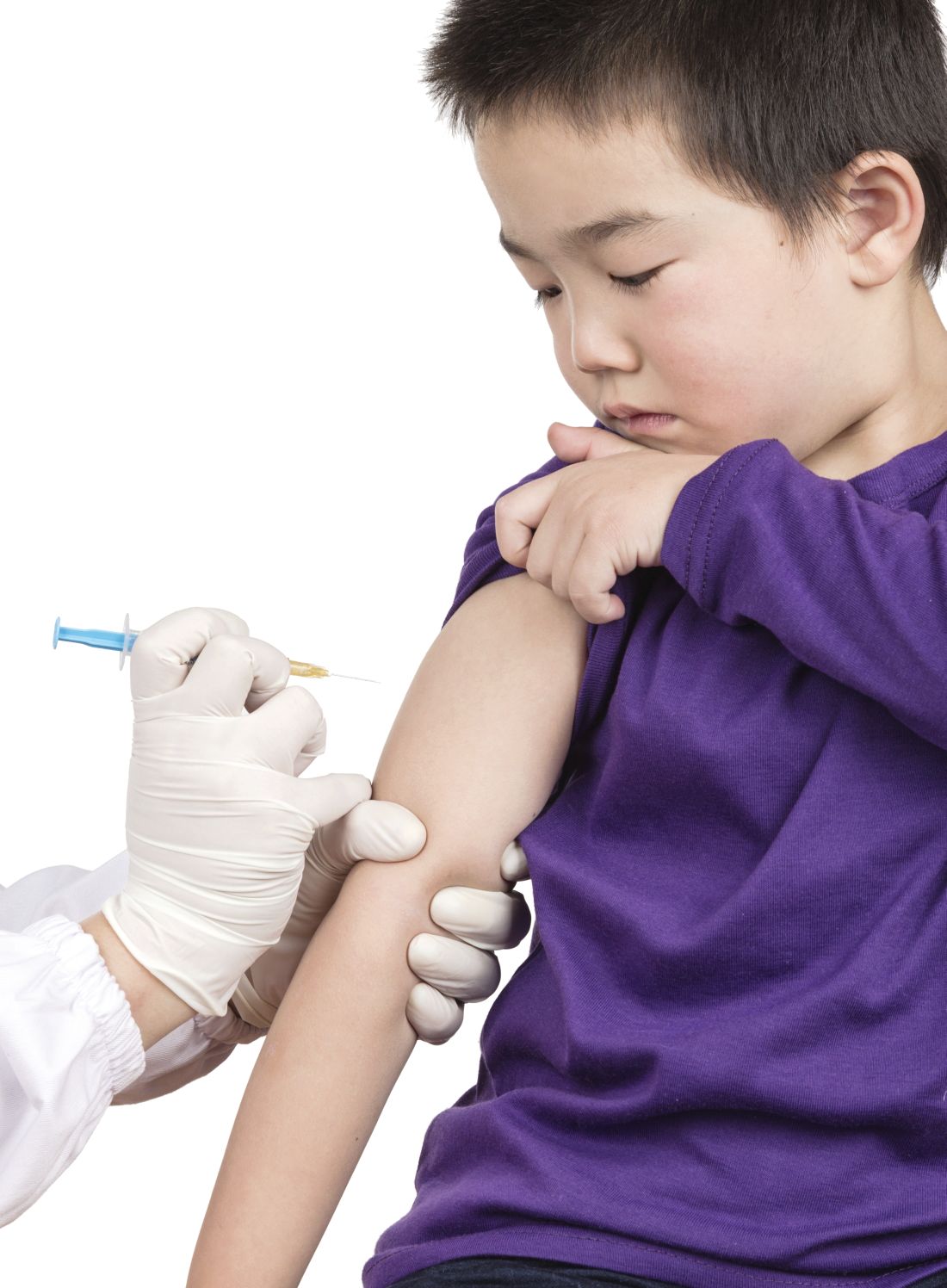
Officially, the policy statement from the academy’s Committee on Infectious Diseases reads: “All children with egg allergy of any severity can receive influenza vaccine without any additional precautions beyond those recommended for any vaccine. Special precautions for egg-allergic recipients of IIV [inactivated influenza vaccine] are not warranted, as the rate of anaphylaxis after IIV administration is no greater in egg-allergic than non–egg-allergic recipients or from other universally recommended vaccines. Standard vaccination practice for all vaccines in children should include the ability to respond to rare acute hypersensitivity reactions.” The full policy statement was published online in the journal Pediatrics (2017 Sep. 6; doi: 10.1542/peds.2017-2550.)
This new policy “makes your life so much easier … and allows you to continue to recommend the vaccine strongly,” said Dr. Jackson, division director of infectious diseases at Children’s Mercy Hospital and professor of pediatrics at the University of Missouri at Kansas City.
Other reasons to recommend flu vaccination
Dr. Jackson also gave an overview of influenza epidemiology and why ongoing education of patients and families remains essential. “It’s almost flu season now. It’s inevitable – like RSV [respiratory syncytial virus] is inevitable – but when the seasons starts is unknown,” she said. “How severe and long the season will be is also unpredictable.” Which viruses are spread and whether there is a good match between circulating virus and the vaccine are additional unknowns each year.

Patient and family education are important for these reasons, and because “it’s the most likely vaccine to be opted out of by the otherwise fully immunized,” she noted.
The lowest covered population are individuals between 18 years and 49 years, Dr. Jackson said. “My young adult son did not think he needed to worry about flu for himself; he said he was healthy and well. But it’s a bummer when your mom is an ID doctor who likes vaccines, because I made it happen for him.”
Dr. Jackson had no relevant financial disclosures.
CHICAGO – The American Academy of Pediatrics has released a new policy statement that in part suggests that physicians can administer influenza vaccine to children and teenagers with egg allergies without any special precautions beyond those that apply to other vaccines.
This is some “egg-citing news,” said Mary Ann Jackson, MD. “In 28 studies with 4,315 egg allergic subjects, 656 of whom had severe allergies, there were no serious allergic reactions.” In other words, there was no respiratory distress or hypotension observed after participants received the influenza vaccine in these studies, she added.
Officially, the policy statement from the academy’s Committee on Infectious Diseases reads: “All children with egg allergy of any severity can receive influenza vaccine without any additional precautions beyond those recommended for any vaccine. Special precautions for egg-allergic recipients of IIV [inactivated influenza vaccine] are not warranted, as the rate of anaphylaxis after IIV administration is no greater in egg-allergic than non–egg-allergic recipients or from other universally recommended vaccines. Standard vaccination practice for all vaccines in children should include the ability to respond to rare acute hypersensitivity reactions.” The full policy statement was published online in the journal Pediatrics (2017 Sep. 6; doi: 10.1542/peds.2017-2550.)
This new policy “makes your life so much easier … and allows you to continue to recommend the vaccine strongly,” said Dr. Jackson, division director of infectious diseases at Children’s Mercy Hospital and professor of pediatrics at the University of Missouri at Kansas City.
Other reasons to recommend flu vaccination
Dr. Jackson also gave an overview of influenza epidemiology and why ongoing education of patients and families remains essential. “It’s almost flu season now. It’s inevitable – like RSV [respiratory syncytial virus] is inevitable – but when the seasons starts is unknown,” she said. “How severe and long the season will be is also unpredictable.” Which viruses are spread and whether there is a good match between circulating virus and the vaccine are additional unknowns each year.
Patient and family education are important for these reasons, and because “it’s the most likely vaccine to be opted out of by the otherwise fully immunized,” she noted.
The lowest covered population are individuals between 18 years and 49 years, Dr. Jackson said. “My young adult son did not think he needed to worry about flu for himself; he said he was healthy and well. But it’s a bummer when your mom is an ID doctor who likes vaccines, because I made it happen for him.”
Dr. Jackson had no relevant financial disclosures.
CHICAGO – The American Academy of Pediatrics has released a new policy statement that in part suggests that physicians can administer influenza vaccine to children and teenagers with egg allergies without any special precautions beyond those that apply to other vaccines.
This is some “egg-citing news,” said Mary Ann Jackson, MD. “In 28 studies with 4,315 egg allergic subjects, 656 of whom had severe allergies, there were no serious allergic reactions.” In other words, there was no respiratory distress or hypotension observed after participants received the influenza vaccine in these studies, she added.
Officially, the policy statement from the academy’s Committee on Infectious Diseases reads: “All children with egg allergy of any severity can receive influenza vaccine without any additional precautions beyond those recommended for any vaccine. Special precautions for egg-allergic recipients of IIV [inactivated influenza vaccine] are not warranted, as the rate of anaphylaxis after IIV administration is no greater in egg-allergic than non–egg-allergic recipients or from other universally recommended vaccines. Standard vaccination practice for all vaccines in children should include the ability to respond to rare acute hypersensitivity reactions.” The full policy statement was published online in the journal Pediatrics (2017 Sep. 6; doi: 10.1542/peds.2017-2550.)
This new policy “makes your life so much easier … and allows you to continue to recommend the vaccine strongly,” said Dr. Jackson, division director of infectious diseases at Children’s Mercy Hospital and professor of pediatrics at the University of Missouri at Kansas City.
Other reasons to recommend flu vaccination
Dr. Jackson also gave an overview of influenza epidemiology and why ongoing education of patients and families remains essential. “It’s almost flu season now. It’s inevitable – like RSV [respiratory syncytial virus] is inevitable – but when the seasons starts is unknown,” she said. “How severe and long the season will be is also unpredictable.” Which viruses are spread and whether there is a good match between circulating virus and the vaccine are additional unknowns each year.
Patient and family education are important for these reasons, and because “it’s the most likely vaccine to be opted out of by the otherwise fully immunized,” she noted.
The lowest covered population are individuals between 18 years and 49 years, Dr. Jackson said. “My young adult son did not think he needed to worry about flu for himself; he said he was healthy and well. But it’s a bummer when your mom is an ID doctor who likes vaccines, because I made it happen for him.”
Dr. Jackson had no relevant financial disclosures.
AT AAP 2017
FDA Approves Treatment for Chronic GVHD
A treatment for cancer is finding a new purpose in treating another life-threatening condition. The FDA expanded approval of Ibrutinib for treatment of adults with chronic graft versus host disease (cGVHD) after ≥ 1 treatments have failed. Ibrutinib was previously approved for certain indications in treating chronic lymphocytic leukemia, Waldenström macroglobulinemia, and marginal zone lymphoma.
An estimated 30% to 70% of patients who receive hematopoietic stem cell transplantation for blood or bone marrow cancer develop cGVHD.
Ibrutinib , a kinase inhibitor, was tested in a single-arm trial of 42 patients with cGVHD. Most had mouth ulcers and skin rashes; > 50% had ≥ 2 organs affected. Their symptoms had persisted despite standard treatment with corticosteroids. In the study, cGVHD symptoms improved in 67%. For nearly half (48%), the improvements lasted for 5 months or longer.
Common adverse effects include fatigue, bruising, diarrhea, and thrombocytopenia. Serious adverse effects include severe bleeding, infections, and cytopenia.
A treatment for cancer is finding a new purpose in treating another life-threatening condition. The FDA expanded approval of Ibrutinib for treatment of adults with chronic graft versus host disease (cGVHD) after ≥ 1 treatments have failed. Ibrutinib was previously approved for certain indications in treating chronic lymphocytic leukemia, Waldenström macroglobulinemia, and marginal zone lymphoma.
An estimated 30% to 70% of patients who receive hematopoietic stem cell transplantation for blood or bone marrow cancer develop cGVHD.
Ibrutinib , a kinase inhibitor, was tested in a single-arm trial of 42 patients with cGVHD. Most had mouth ulcers and skin rashes; > 50% had ≥ 2 organs affected. Their symptoms had persisted despite standard treatment with corticosteroids. In the study, cGVHD symptoms improved in 67%. For nearly half (48%), the improvements lasted for 5 months or longer.
Common adverse effects include fatigue, bruising, diarrhea, and thrombocytopenia. Serious adverse effects include severe bleeding, infections, and cytopenia.
A treatment for cancer is finding a new purpose in treating another life-threatening condition. The FDA expanded approval of Ibrutinib for treatment of adults with chronic graft versus host disease (cGVHD) after ≥ 1 treatments have failed. Ibrutinib was previously approved for certain indications in treating chronic lymphocytic leukemia, Waldenström macroglobulinemia, and marginal zone lymphoma.
An estimated 30% to 70% of patients who receive hematopoietic stem cell transplantation for blood or bone marrow cancer develop cGVHD.
Ibrutinib , a kinase inhibitor, was tested in a single-arm trial of 42 patients with cGVHD. Most had mouth ulcers and skin rashes; > 50% had ≥ 2 organs affected. Their symptoms had persisted despite standard treatment with corticosteroids. In the study, cGVHD symptoms improved in 67%. For nearly half (48%), the improvements lasted for 5 months or longer.
Common adverse effects include fatigue, bruising, diarrhea, and thrombocytopenia. Serious adverse effects include severe bleeding, infections, and cytopenia.
Do Post-Transplant Tests Show Recurring Multiple Myeloma?
After stem cell therapy, profiles may show a pattern of antibodies that can look very much like the “M spike”—the signature of the monoclonal antibody produced by multiple myeloma (MM). But that pattern, called an oligoclonal band, can be misleading.
“Oligoclonal bands should mostly be recognized as a response to treatment and not be mistaken as a recurrence of the original tumor,” says Dr. Gurmukh Singh, vice chair of clinical affairs for the Department of Pathology at the Medical College of Georgia at Augusta University.
He and his research team analyzed data from 251 patients with MM, 159 of whom had received autologous stem cell transplants. The researchers performed tests using serum protein electrophoresis/serum immunofixation electrophoresis and serum free light chain assay. Each patient had at least 3 tests, with at least 2 following the transplant.
The researchers found the incidence of oligoclonal patterns was dramatically higher in patients who had a stem cell transplant, compared with patients who had chemotherapy alone (57.9% vs 8.8%). Moreover, only 5 of the 159 patients who received a transplant had an oligoclonal pattern before treatment, but 92 had 1 afterward. More than half the oligoclonal patterns developed within the first year following transplant. The earliest pattern was detected at 2 months and a few as long as 5 years later.
The key to assessing response, Singh says, is to see where the spike appears: that is, where the monoclonal spike is at diagnosis compared with any new spikes that appear in oligoclonal bands after stem cell treatment. “If the original peak was at location A, [and] now the peak is location B, that allows us to determine that it is not the same abnormal, malignant antibody.”
The finding that 58% of patients had the oligoclonal pattern after transplant is likely an underestimate due to irregular schedule of testing, the researchers say. They add that their findings highlight the need for higher resolution electrophoretic methods to obviate the need for using mass spectrometry for clinical samples. Their results “cast more doubt on the clinical usefulness and medical necessity of the serum free light chain assay.”
Source:
Baker T. Results after stem cell transplant can confuse patients and doctors about cancer’s status. Jagwire News. https://jagwire.augusta.edu/archives/46434. Published August 2017. Accessed September 20, 2017.
Singh G. J Clin Med Res. 2017;9(8):671-679.
doi: 10.14740/jocmr3049w.
After stem cell therapy, profiles may show a pattern of antibodies that can look very much like the “M spike”—the signature of the monoclonal antibody produced by multiple myeloma (MM). But that pattern, called an oligoclonal band, can be misleading.
“Oligoclonal bands should mostly be recognized as a response to treatment and not be mistaken as a recurrence of the original tumor,” says Dr. Gurmukh Singh, vice chair of clinical affairs for the Department of Pathology at the Medical College of Georgia at Augusta University.
He and his research team analyzed data from 251 patients with MM, 159 of whom had received autologous stem cell transplants. The researchers performed tests using serum protein electrophoresis/serum immunofixation electrophoresis and serum free light chain assay. Each patient had at least 3 tests, with at least 2 following the transplant.
The researchers found the incidence of oligoclonal patterns was dramatically higher in patients who had a stem cell transplant, compared with patients who had chemotherapy alone (57.9% vs 8.8%). Moreover, only 5 of the 159 patients who received a transplant had an oligoclonal pattern before treatment, but 92 had 1 afterward. More than half the oligoclonal patterns developed within the first year following transplant. The earliest pattern was detected at 2 months and a few as long as 5 years later.
The key to assessing response, Singh says, is to see where the spike appears: that is, where the monoclonal spike is at diagnosis compared with any new spikes that appear in oligoclonal bands after stem cell treatment. “If the original peak was at location A, [and] now the peak is location B, that allows us to determine that it is not the same abnormal, malignant antibody.”
The finding that 58% of patients had the oligoclonal pattern after transplant is likely an underestimate due to irregular schedule of testing, the researchers say. They add that their findings highlight the need for higher resolution electrophoretic methods to obviate the need for using mass spectrometry for clinical samples. Their results “cast more doubt on the clinical usefulness and medical necessity of the serum free light chain assay.”
Source:
Baker T. Results after stem cell transplant can confuse patients and doctors about cancer’s status. Jagwire News. https://jagwire.augusta.edu/archives/46434. Published August 2017. Accessed September 20, 2017.
Singh G. J Clin Med Res. 2017;9(8):671-679.
doi: 10.14740/jocmr3049w.
After stem cell therapy, profiles may show a pattern of antibodies that can look very much like the “M spike”—the signature of the monoclonal antibody produced by multiple myeloma (MM). But that pattern, called an oligoclonal band, can be misleading.
“Oligoclonal bands should mostly be recognized as a response to treatment and not be mistaken as a recurrence of the original tumor,” says Dr. Gurmukh Singh, vice chair of clinical affairs for the Department of Pathology at the Medical College of Georgia at Augusta University.
He and his research team analyzed data from 251 patients with MM, 159 of whom had received autologous stem cell transplants. The researchers performed tests using serum protein electrophoresis/serum immunofixation electrophoresis and serum free light chain assay. Each patient had at least 3 tests, with at least 2 following the transplant.
The researchers found the incidence of oligoclonal patterns was dramatically higher in patients who had a stem cell transplant, compared with patients who had chemotherapy alone (57.9% vs 8.8%). Moreover, only 5 of the 159 patients who received a transplant had an oligoclonal pattern before treatment, but 92 had 1 afterward. More than half the oligoclonal patterns developed within the first year following transplant. The earliest pattern was detected at 2 months and a few as long as 5 years later.
The key to assessing response, Singh says, is to see where the spike appears: that is, where the monoclonal spike is at diagnosis compared with any new spikes that appear in oligoclonal bands after stem cell treatment. “If the original peak was at location A, [and] now the peak is location B, that allows us to determine that it is not the same abnormal, malignant antibody.”
The finding that 58% of patients had the oligoclonal pattern after transplant is likely an underestimate due to irregular schedule of testing, the researchers say. They add that their findings highlight the need for higher resolution electrophoretic methods to obviate the need for using mass spectrometry for clinical samples. Their results “cast more doubt on the clinical usefulness and medical necessity of the serum free light chain assay.”
Source:
Baker T. Results after stem cell transplant can confuse patients and doctors about cancer’s status. Jagwire News. https://jagwire.augusta.edu/archives/46434. Published August 2017. Accessed September 20, 2017.
Singh G. J Clin Med Res. 2017;9(8):671-679.
doi: 10.14740/jocmr3049w.
Learning About Prediabetes Can be Fun
If statistics and warnings don’t get your patients’ attention about the risk of prediabetes, how about adorable puppies, hedgehogs, and baby goats? DoIHavePrediabetes.org, a CDC campaign, offers a “perfect way to spend a minute”—where viewers can take a quick prediabetes risk test while also watching cute animal videos.
The campaign builds on the success of a previous campaign that was the first of its kind to raise national awareness of prediabetes. Of the 84 million people with prediabetes, most don’t know they have it and are not aware of the long-term risks to their health.
The current campaign urges people to talk with their physicians after taking the test to confirm the diagnosis and learn about lifestyle changes. Through research-based programs such as the one the CDC offers (National Diabetes Prevention Program), people with prediabetes can lower their risk of developing type 2 diabetes by as much as 58%, and by 71% for people aged > 60 years.
The pro bono campaign was developed by Ogilvy New York. Michael Paterson, executive creative director, says, “Through a lighthearted and fun tone, we found more people were willing to take the test—and who doesn’t love to watch baby goats?”
If statistics and warnings don’t get your patients’ attention about the risk of prediabetes, how about adorable puppies, hedgehogs, and baby goats? DoIHavePrediabetes.org, a CDC campaign, offers a “perfect way to spend a minute”—where viewers can take a quick prediabetes risk test while also watching cute animal videos.
The campaign builds on the success of a previous campaign that was the first of its kind to raise national awareness of prediabetes. Of the 84 million people with prediabetes, most don’t know they have it and are not aware of the long-term risks to their health.
The current campaign urges people to talk with their physicians after taking the test to confirm the diagnosis and learn about lifestyle changes. Through research-based programs such as the one the CDC offers (National Diabetes Prevention Program), people with prediabetes can lower their risk of developing type 2 diabetes by as much as 58%, and by 71% for people aged > 60 years.
The pro bono campaign was developed by Ogilvy New York. Michael Paterson, executive creative director, says, “Through a lighthearted and fun tone, we found more people were willing to take the test—and who doesn’t love to watch baby goats?”
If statistics and warnings don’t get your patients’ attention about the risk of prediabetes, how about adorable puppies, hedgehogs, and baby goats? DoIHavePrediabetes.org, a CDC campaign, offers a “perfect way to spend a minute”—where viewers can take a quick prediabetes risk test while also watching cute animal videos.
The campaign builds on the success of a previous campaign that was the first of its kind to raise national awareness of prediabetes. Of the 84 million people with prediabetes, most don’t know they have it and are not aware of the long-term risks to their health.
The current campaign urges people to talk with their physicians after taking the test to confirm the diagnosis and learn about lifestyle changes. Through research-based programs such as the one the CDC offers (National Diabetes Prevention Program), people with prediabetes can lower their risk of developing type 2 diabetes by as much as 58%, and by 71% for people aged > 60 years.
The pro bono campaign was developed by Ogilvy New York. Michael Paterson, executive creative director, says, “Through a lighthearted and fun tone, we found more people were willing to take the test—and who doesn’t love to watch baby goats?”
With inpatient flu shots, providers’ attitude problem may outweigh parents’
reported Suchitra Rao, MD, of the University of Colorado, Aurora, and her colleagues.
Surveys assessing attitudes toward inpatient influenza vaccination were given to parents/caregivers of general pediatric inpatients and to inpatient physicians, residents, nurses, physician assistants, and nurse practitioners at Children’s Hospital Colorado in Aurora between October 2014 and March 2015. Response rates were 95% of the 1,053 parents/caregivers and 58% of the 339 providers.
The parents agreed that the flu is a serious disease (92%), that flu vaccines work (58%), that flu vaccines are safe (76%), and that the vaccines are needed annually (76%), the Dr. Rao and her colleagues found.
The providers thought the most common barriers to vaccination were parental refusal because of child illness (80%) and family misconceptions about the vaccine (74%). Also, 54% of providers forgot to ask about flu vaccination status and 46% forgot to order flu vaccines.
When asked what interventions might increase flu vaccination rates in the inpatient setting, 73% of providers agreed that personal reminders might help increase vaccination rates, but only 48% thought that provider education might help do so.
Read more in the journal Influenza and Other Respiratory Viruses (2017 Sep 5. doi: 10.1111/irv.12482.)
reported Suchitra Rao, MD, of the University of Colorado, Aurora, and her colleagues.
Surveys assessing attitudes toward inpatient influenza vaccination were given to parents/caregivers of general pediatric inpatients and to inpatient physicians, residents, nurses, physician assistants, and nurse practitioners at Children’s Hospital Colorado in Aurora between October 2014 and March 2015. Response rates were 95% of the 1,053 parents/caregivers and 58% of the 339 providers.
The parents agreed that the flu is a serious disease (92%), that flu vaccines work (58%), that flu vaccines are safe (76%), and that the vaccines are needed annually (76%), the Dr. Rao and her colleagues found.
The providers thought the most common barriers to vaccination were parental refusal because of child illness (80%) and family misconceptions about the vaccine (74%). Also, 54% of providers forgot to ask about flu vaccination status and 46% forgot to order flu vaccines.
When asked what interventions might increase flu vaccination rates in the inpatient setting, 73% of providers agreed that personal reminders might help increase vaccination rates, but only 48% thought that provider education might help do so.
Read more in the journal Influenza and Other Respiratory Viruses (2017 Sep 5. doi: 10.1111/irv.12482.)
reported Suchitra Rao, MD, of the University of Colorado, Aurora, and her colleagues.
Surveys assessing attitudes toward inpatient influenza vaccination were given to parents/caregivers of general pediatric inpatients and to inpatient physicians, residents, nurses, physician assistants, and nurse practitioners at Children’s Hospital Colorado in Aurora between October 2014 and March 2015. Response rates were 95% of the 1,053 parents/caregivers and 58% of the 339 providers.
The parents agreed that the flu is a serious disease (92%), that flu vaccines work (58%), that flu vaccines are safe (76%), and that the vaccines are needed annually (76%), the Dr. Rao and her colleagues found.
The providers thought the most common barriers to vaccination were parental refusal because of child illness (80%) and family misconceptions about the vaccine (74%). Also, 54% of providers forgot to ask about flu vaccination status and 46% forgot to order flu vaccines.
When asked what interventions might increase flu vaccination rates in the inpatient setting, 73% of providers agreed that personal reminders might help increase vaccination rates, but only 48% thought that provider education might help do so.
Read more in the journal Influenza and Other Respiratory Viruses (2017 Sep 5. doi: 10.1111/irv.12482.)
FDA grants accelerated approval to copanlisib for relapsed follicular lymphoma
The Food and Drug Administration has granted accelerated approval to copanlisib (Aliqopa) for the treatment of adults with relapsed follicular lymphoma who have received at least two prior treatments.
Approval of the kinase inhibitor was based on an overall response rate of 59% in a single-arm trial of 104 patients with follicular B-cell non-Hodgkin lymphoma who had relapsed disease following at least two prior treatments. These patients had a complete or partial response for a median 12.2 months.
“For patients with relapsed follicular lymphoma, the cancer often comes back even after multiple treatments,” Richard Pazdur, MD, director of the FDA’s Oncology Center of Excellence and acting director of the Office of Hematology and Oncology Products in the FDA’s Center for Drug Evaluation and Research said in the press release. “Options are limited for these patients and today’s approval provides an additional choice for treatment, filling an unmet need for them,” he said.
The Food and Drug Administration has granted accelerated approval to copanlisib (Aliqopa) for the treatment of adults with relapsed follicular lymphoma who have received at least two prior treatments.
Approval of the kinase inhibitor was based on an overall response rate of 59% in a single-arm trial of 104 patients with follicular B-cell non-Hodgkin lymphoma who had relapsed disease following at least two prior treatments. These patients had a complete or partial response for a median 12.2 months.
“For patients with relapsed follicular lymphoma, the cancer often comes back even after multiple treatments,” Richard Pazdur, MD, director of the FDA’s Oncology Center of Excellence and acting director of the Office of Hematology and Oncology Products in the FDA’s Center for Drug Evaluation and Research said in the press release. “Options are limited for these patients and today’s approval provides an additional choice for treatment, filling an unmet need for them,” he said.
The Food and Drug Administration has granted accelerated approval to copanlisib (Aliqopa) for the treatment of adults with relapsed follicular lymphoma who have received at least two prior treatments.
Approval of the kinase inhibitor was based on an overall response rate of 59% in a single-arm trial of 104 patients with follicular B-cell non-Hodgkin lymphoma who had relapsed disease following at least two prior treatments. These patients had a complete or partial response for a median 12.2 months.
“For patients with relapsed follicular lymphoma, the cancer often comes back even after multiple treatments,” Richard Pazdur, MD, director of the FDA’s Oncology Center of Excellence and acting director of the Office of Hematology and Oncology Products in the FDA’s Center for Drug Evaluation and Research said in the press release. “Options are limited for these patients and today’s approval provides an additional choice for treatment, filling an unmet need for them,” he said.