User login
Obesity paradox extends to PE patients
SAN ANTONIO – compared with those who are not obese, according to results of a retrospective analysis covering 13 years and nearly 2 million PE discharges.

The obese patients in the analysis had a lower mortality risk, despite receiving more thrombolytics and mechanical intubation, said investigator Zubair Khan, MD, an internal medicine resident at the University of Toledo (Ohio) Medical Center.
“Surprisingly, the mortality of PE was significantly less in obese patients,” Dr. Khan said in a podium presentation at the annual meeting of the American College of Chest Physicians. “When we initiated the study, we did not expect this result.”
The association between obesity and lower mortality, sometimes called the “obesity paradox,” has been observed in studies of other chronic health conditions including stable heart failure, coronary artery disease, unstable angina, MI, and also in some PE studies, Dr. Khan said.
The study by Dr. Khan and his colleagues, based on the National Inpatient Sample (NIS) database, included adults with a primary discharge diagnosis of PE between 2002 and 2014. They included 1,959,018 PE discharges, of which 312,770 (16%) had an underlying obesity diagnosis.
Obese PE patients had more risk factors and more severe disease but had an overall mortality of 2.2%, compared with 3.7% in PE patients without obesity (P less than .001), Dr. Khan reported.
Hypertension was significantly more prevalent in the obese PE patients (65% vs. 50.5%; P less than .001), as was chronic lung disease and chronic liver disease, he noted in his presentation.
Obese patients more often received thrombolytics (3.6% vs. 1.9%; P less than .001) and mechanical ventilation (5.8% vs. 4%; P less than .001), and more frequently had cardiogenic shock (0.65% vs. 0.45%; P less than .001), he said.
The obese PE patients were more often female, black, and younger than 65 years of age, it was reported.
Notably, the prevalence of obesity in PE patients more than doubled over the course of the study period, from 10.2% in 2002 to 22.6% in 2014, Dr. Khan added.
The paradoxically lower mortality in obese patients might be explained by increased levels of endocannabinoids, which have shown protective effects in rat and mouse studies, Dr. Khan told attendees at the meeting.
“I think it’s a rich area for more and further research, especially in basic science,” Dr. Khan said.
Dr. Khan and his coauthors disclosed that they had no relationships relevant to the study.
SOURCE: Khan Z et al. CHEST. 2018 Oct. doi: 10.1016/j.chest.2018.08.919.
SAN ANTONIO – compared with those who are not obese, according to results of a retrospective analysis covering 13 years and nearly 2 million PE discharges.
The obese patients in the analysis had a lower mortality risk, despite receiving more thrombolytics and mechanical intubation, said investigator Zubair Khan, MD, an internal medicine resident at the University of Toledo (Ohio) Medical Center.
“Surprisingly, the mortality of PE was significantly less in obese patients,” Dr. Khan said in a podium presentation at the annual meeting of the American College of Chest Physicians. “When we initiated the study, we did not expect this result.”
The association between obesity and lower mortality, sometimes called the “obesity paradox,” has been observed in studies of other chronic health conditions including stable heart failure, coronary artery disease, unstable angina, MI, and also in some PE studies, Dr. Khan said.
The study by Dr. Khan and his colleagues, based on the National Inpatient Sample (NIS) database, included adults with a primary discharge diagnosis of PE between 2002 and 2014. They included 1,959,018 PE discharges, of which 312,770 (16%) had an underlying obesity diagnosis.
Obese PE patients had more risk factors and more severe disease but had an overall mortality of 2.2%, compared with 3.7% in PE patients without obesity (P less than .001), Dr. Khan reported.
Hypertension was significantly more prevalent in the obese PE patients (65% vs. 50.5%; P less than .001), as was chronic lung disease and chronic liver disease, he noted in his presentation.
Obese patients more often received thrombolytics (3.6% vs. 1.9%; P less than .001) and mechanical ventilation (5.8% vs. 4%; P less than .001), and more frequently had cardiogenic shock (0.65% vs. 0.45%; P less than .001), he said.
The obese PE patients were more often female, black, and younger than 65 years of age, it was reported.
Notably, the prevalence of obesity in PE patients more than doubled over the course of the study period, from 10.2% in 2002 to 22.6% in 2014, Dr. Khan added.
The paradoxically lower mortality in obese patients might be explained by increased levels of endocannabinoids, which have shown protective effects in rat and mouse studies, Dr. Khan told attendees at the meeting.
“I think it’s a rich area for more and further research, especially in basic science,” Dr. Khan said.
Dr. Khan and his coauthors disclosed that they had no relationships relevant to the study.
SOURCE: Khan Z et al. CHEST. 2018 Oct. doi: 10.1016/j.chest.2018.08.919.
SAN ANTONIO – compared with those who are not obese, according to results of a retrospective analysis covering 13 years and nearly 2 million PE discharges.
The obese patients in the analysis had a lower mortality risk, despite receiving more thrombolytics and mechanical intubation, said investigator Zubair Khan, MD, an internal medicine resident at the University of Toledo (Ohio) Medical Center.
“Surprisingly, the mortality of PE was significantly less in obese patients,” Dr. Khan said in a podium presentation at the annual meeting of the American College of Chest Physicians. “When we initiated the study, we did not expect this result.”
The association between obesity and lower mortality, sometimes called the “obesity paradox,” has been observed in studies of other chronic health conditions including stable heart failure, coronary artery disease, unstable angina, MI, and also in some PE studies, Dr. Khan said.
The study by Dr. Khan and his colleagues, based on the National Inpatient Sample (NIS) database, included adults with a primary discharge diagnosis of PE between 2002 and 2014. They included 1,959,018 PE discharges, of which 312,770 (16%) had an underlying obesity diagnosis.
Obese PE patients had more risk factors and more severe disease but had an overall mortality of 2.2%, compared with 3.7% in PE patients without obesity (P less than .001), Dr. Khan reported.
Hypertension was significantly more prevalent in the obese PE patients (65% vs. 50.5%; P less than .001), as was chronic lung disease and chronic liver disease, he noted in his presentation.
Obese patients more often received thrombolytics (3.6% vs. 1.9%; P less than .001) and mechanical ventilation (5.8% vs. 4%; P less than .001), and more frequently had cardiogenic shock (0.65% vs. 0.45%; P less than .001), he said.
The obese PE patients were more often female, black, and younger than 65 years of age, it was reported.
Notably, the prevalence of obesity in PE patients more than doubled over the course of the study period, from 10.2% in 2002 to 22.6% in 2014, Dr. Khan added.
The paradoxically lower mortality in obese patients might be explained by increased levels of endocannabinoids, which have shown protective effects in rat and mouse studies, Dr. Khan told attendees at the meeting.
“I think it’s a rich area for more and further research, especially in basic science,” Dr. Khan said.
Dr. Khan and his coauthors disclosed that they had no relationships relevant to the study.
SOURCE: Khan Z et al. CHEST. 2018 Oct. doi: 10.1016/j.chest.2018.08.919.
REPORTING FROM CHEST 2018
Key clinical point: The obesity paradox observed in other chronic conditions held true in this study of patients with pulmonary embolism (PE).
Major finding: Obese PE patients had more risk factors and more severe disease, but an overall mortality of 2.2% vs 3.7% in nonobese PE patients.
Study details: Retrospective analysis of the National Inpatient Sample (NIS) database including almost 2 million individuals with a primary discharge diagnosis of PE.
Disclosures: Study authors had no disclosures.
Source: Khan Z et al. CHEST. 2018 Oct. doi: 10.1016/j.chest.2018.08.919.
Planning for ventilator-dependent patients during natural disasters

SAN ANTONIO – For patients with neuromuscular disorders, the stress and danger from natural disasters such Hurricane Harvey are best avoided by leaving the area as soon as possible, according to Venessa A. Holland, MD, FCCP, of Houston Methodist Hospital.
While none of Dr. Holland’s patients died during this catastrophic hurricane, there were considerable challenges, particularly for those trapped by the many trillion gallons of water fell on Texas and Louisiana in August 2017. Houston was flooded, and hospitals and other medical facilities were hit hard. The vulnerability of ventilator-dependent and incapacitated patients was of particular concern.
In one case, a ventilator-dependent patient trapped by flood waters at home became diaphoretic and hypotensive. The patient was treated with electrolyte-replacement sports drink administered via percutaneous endoscopic gastrostomy (PEG) tube, Dr. Holland told attendees at the annual meeting of the American College of Chest Physicians.
Dr. Holland spoke in a video interview about how neuromuscular disorder patients fared during Hurricane Harvey and her recommendations for the next natural disaster.
Dr. Holland disclosed that she previously served as a consultant to Hill-Rom.
SAN ANTONIO – For patients with neuromuscular disorders, the stress and danger from natural disasters such Hurricane Harvey are best avoided by leaving the area as soon as possible, according to Venessa A. Holland, MD, FCCP, of Houston Methodist Hospital.
While none of Dr. Holland’s patients died during this catastrophic hurricane, there were considerable challenges, particularly for those trapped by the many trillion gallons of water fell on Texas and Louisiana in August 2017. Houston was flooded, and hospitals and other medical facilities were hit hard. The vulnerability of ventilator-dependent and incapacitated patients was of particular concern.
In one case, a ventilator-dependent patient trapped by flood waters at home became diaphoretic and hypotensive. The patient was treated with electrolyte-replacement sports drink administered via percutaneous endoscopic gastrostomy (PEG) tube, Dr. Holland told attendees at the annual meeting of the American College of Chest Physicians.
Dr. Holland spoke in a video interview about how neuromuscular disorder patients fared during Hurricane Harvey and her recommendations for the next natural disaster.
Dr. Holland disclosed that she previously served as a consultant to Hill-Rom.
SAN ANTONIO – For patients with neuromuscular disorders, the stress and danger from natural disasters such Hurricane Harvey are best avoided by leaving the area as soon as possible, according to Venessa A. Holland, MD, FCCP, of Houston Methodist Hospital.
While none of Dr. Holland’s patients died during this catastrophic hurricane, there were considerable challenges, particularly for those trapped by the many trillion gallons of water fell on Texas and Louisiana in August 2017. Houston was flooded, and hospitals and other medical facilities were hit hard. The vulnerability of ventilator-dependent and incapacitated patients was of particular concern.
In one case, a ventilator-dependent patient trapped by flood waters at home became diaphoretic and hypotensive. The patient was treated with electrolyte-replacement sports drink administered via percutaneous endoscopic gastrostomy (PEG) tube, Dr. Holland told attendees at the annual meeting of the American College of Chest Physicians.
Dr. Holland spoke in a video interview about how neuromuscular disorder patients fared during Hurricane Harvey and her recommendations for the next natural disaster.
Dr. Holland disclosed that she previously served as a consultant to Hill-Rom.
REPORTING FROM CHEST 2018

Latest clinical trials advance COPD management

SAN ANTONIO – Recent studies have shown that the use of a long-acting beta2-agonist/long-acting muscarinic antagonist (LABA/LAMA) combination is superior to LAMA alone in endpoints including exacerbation, Nicola A. Hanania, MD, FCCP, said in a panel discussion session at the annual meeting of the American College of Chest Physicians.
Other recent evidence has shown that the use of LABA/LAMA has cardiovascular benefits in hyperinflated patients with COPD, according to Dr. Hanania, director of the Airways Clinical Research Center at Baylor College of Medicine, Houston.
Meanwhile, emerging data in patients with advanced COPD have demonstrated the benefits of single-inhaler triple therapy with inhaled corticosteroid (ICS)/LABA/LAMA versus LABA/LAMA or ICS/LABA combinations, Dr. Hanania said in an interview.
The past year also has brought news that ICS de-escalation is possible in patients with moderate COPD with no exacerbation risk, though it may not be possible in patients with high baseline blood eosinophils, he added.
Recent developments have not all been about drug therapy. The Zephyr endobronchial valve improved outcomes in patients with little to no collateral ventilation in target lobes, Dr. Hanania said. However, the therapy comes with a potential risk of pneumothorax, so patients need to be monitored in the hospital.
Dr. Hanania provided disclosures related to Roche (Genentech), AstraZeneca, Boehringer Ingelheim, Novartis, GlaxoSmithKline, and Sanofi/Regeneron, as well as institutional research grant support from the National Heart, Lung, and Blood Institute and the American Lung Association.
SAN ANTONIO – Recent studies have shown that the use of a long-acting beta2-agonist/long-acting muscarinic antagonist (LABA/LAMA) combination is superior to LAMA alone in endpoints including exacerbation, Nicola A. Hanania, MD, FCCP, said in a panel discussion session at the annual meeting of the American College of Chest Physicians.
Other recent evidence has shown that the use of LABA/LAMA has cardiovascular benefits in hyperinflated patients with COPD, according to Dr. Hanania, director of the Airways Clinical Research Center at Baylor College of Medicine, Houston.
Meanwhile, emerging data in patients with advanced COPD have demonstrated the benefits of single-inhaler triple therapy with inhaled corticosteroid (ICS)/LABA/LAMA versus LABA/LAMA or ICS/LABA combinations, Dr. Hanania said in an interview.
The past year also has brought news that ICS de-escalation is possible in patients with moderate COPD with no exacerbation risk, though it may not be possible in patients with high baseline blood eosinophils, he added.
Recent developments have not all been about drug therapy. The Zephyr endobronchial valve improved outcomes in patients with little to no collateral ventilation in target lobes, Dr. Hanania said. However, the therapy comes with a potential risk of pneumothorax, so patients need to be monitored in the hospital.
Dr. Hanania provided disclosures related to Roche (Genentech), AstraZeneca, Boehringer Ingelheim, Novartis, GlaxoSmithKline, and Sanofi/Regeneron, as well as institutional research grant support from the National Heart, Lung, and Blood Institute and the American Lung Association.
SAN ANTONIO – Recent studies have shown that the use of a long-acting beta2-agonist/long-acting muscarinic antagonist (LABA/LAMA) combination is superior to LAMA alone in endpoints including exacerbation, Nicola A. Hanania, MD, FCCP, said in a panel discussion session at the annual meeting of the American College of Chest Physicians.
Other recent evidence has shown that the use of LABA/LAMA has cardiovascular benefits in hyperinflated patients with COPD, according to Dr. Hanania, director of the Airways Clinical Research Center at Baylor College of Medicine, Houston.
Meanwhile, emerging data in patients with advanced COPD have demonstrated the benefits of single-inhaler triple therapy with inhaled corticosteroid (ICS)/LABA/LAMA versus LABA/LAMA or ICS/LABA combinations, Dr. Hanania said in an interview.
The past year also has brought news that ICS de-escalation is possible in patients with moderate COPD with no exacerbation risk, though it may not be possible in patients with high baseline blood eosinophils, he added.
Recent developments have not all been about drug therapy. The Zephyr endobronchial valve improved outcomes in patients with little to no collateral ventilation in target lobes, Dr. Hanania said. However, the therapy comes with a potential risk of pneumothorax, so patients need to be monitored in the hospital.
Dr. Hanania provided disclosures related to Roche (Genentech), AstraZeneca, Boehringer Ingelheim, Novartis, GlaxoSmithKline, and Sanofi/Regeneron, as well as institutional research grant support from the National Heart, Lung, and Blood Institute and the American Lung Association.
REPORTING FROM CHEST 2018

Pulmonary circulation disorders predict noninvasive vent failure
SAN ANTONIO – after noninvasive ventilation (NIV) failed for acute exacerbations, found a new study.

Patients with fluid and electrolyte abnormalities or alcohol abuse also had a greater risk of escalating beyond NIV for exacerbations, according to the findings.
“Patients with these underlying conditions should be monitored closely, especially individuals with existing pulmonary disorders as they are at highest risk,” Di Pan, DO, of Mount Sinai Hospital, New York, reported at annual meeting of the American College of Chest Physicians.
The researchers used the 2012-2014 Nationwide Inpatient Sample database to retrospectively analyze data from 73,480 patients, average age 67.8 years, who had a primary diagnosis of COPD exacerbation and who had received initial treatment with NIV in their first 24 hours after hospitalization. The report is in CHEST® Journal(2018 Oct. doi: 10.1016/j.chest.2018.08.340).
The researchers examined associations between NIV failure and 29 Elixhauser comorbidity measures to identify what clinical characteristics might predict the need for invasive ventilation. They defined NIV failure as requiring intubation at any time within 30 days of admission.
Pulmonary circulation disorders emerged as the strongest predictor of the need for intubation, with a fourfold increase in relative risk (hazard ratio [HR]: 4.19, P less than .001). Alcohol abuse (HR: 1.85, P = .01) and fluid and electrolyte abnormalities (HR: 1.3, P less than .001) followed as additional factors associated with NIV failure. The latter included irregularities in potassium or sodium, acid-base disorders, hypervolemia and hypovolemia.
Among the 3,740 patients with alcohol abuse, additional statistically significant associations with intubation included a slightly higher mean age, female sex, and the mean Charlson comorbidity index. Mean age of those requiring intubation in this group was 62.28 years, compared 61.47 years among those in whom NIV was adequate (P = .03). Among those intubated, 30.2% of the patients were female, compared with 26.3% female patients in the nonintubated group.
Among the 26,150 patients with fluid, electrolyte and acid-base disturbances, younger patients were more likely to require intubation: The average age of those needing intubation was 67.23 years, compared with 69.3 years for those non-intubated (P less than .001). While a higher Charlson index (2.83 vs. 2.53) was again correlated with greater risk of needing intubation (P less than .001), males were now more likely to require intubation: 58.1% of those without intubation were female, compared with 53.9% of those needing intubation (P less than .001).
Within the 890 patients with pulmonary circulation disorders, mean age was 68.03 years for intubation and 70.77 years for nonintubation (P less than .001). In this group, 56.4% of the patients requiring intubation were female, compared to 47.9% of patients not intubated. The average Charlson index was lower (3.11) among those requiring intubation than among those not needing it (3.57, P less than .001).
The findings were limited by the lack of disease severity stratification and use of now-outdated ICD-9 coding. The researchers also lacked detailed clinical data, such as lab values, imaging results, and vital signs, and Dr. Pan acknowledged the broad variation within the diagnoses of the also-broad Elixhauser comorbidity index.
“For the next steps, we can do a stratified analysis” to identify which specific pulmonary circulation diseases primarily account for the association with intubation, Dr. Pan said.
No external funding was noted. The authors reported having no disclosures.
SOURCE: Pan D. et al. CHEST 2018. https://doi.org/10.1016/j.chest.2018.08.340.
SAN ANTONIO – after noninvasive ventilation (NIV) failed for acute exacerbations, found a new study.
Patients with fluid and electrolyte abnormalities or alcohol abuse also had a greater risk of escalating beyond NIV for exacerbations, according to the findings.
“Patients with these underlying conditions should be monitored closely, especially individuals with existing pulmonary disorders as they are at highest risk,” Di Pan, DO, of Mount Sinai Hospital, New York, reported at annual meeting of the American College of Chest Physicians.
The researchers used the 2012-2014 Nationwide Inpatient Sample database to retrospectively analyze data from 73,480 patients, average age 67.8 years, who had a primary diagnosis of COPD exacerbation and who had received initial treatment with NIV in their first 24 hours after hospitalization. The report is in CHEST® Journal(2018 Oct. doi: 10.1016/j.chest.2018.08.340).
The researchers examined associations between NIV failure and 29 Elixhauser comorbidity measures to identify what clinical characteristics might predict the need for invasive ventilation. They defined NIV failure as requiring intubation at any time within 30 days of admission.
Pulmonary circulation disorders emerged as the strongest predictor of the need for intubation, with a fourfold increase in relative risk (hazard ratio [HR]: 4.19, P less than .001). Alcohol abuse (HR: 1.85, P = .01) and fluid and electrolyte abnormalities (HR: 1.3, P less than .001) followed as additional factors associated with NIV failure. The latter included irregularities in potassium or sodium, acid-base disorders, hypervolemia and hypovolemia.
Among the 3,740 patients with alcohol abuse, additional statistically significant associations with intubation included a slightly higher mean age, female sex, and the mean Charlson comorbidity index. Mean age of those requiring intubation in this group was 62.28 years, compared 61.47 years among those in whom NIV was adequate (P = .03). Among those intubated, 30.2% of the patients were female, compared with 26.3% female patients in the nonintubated group.
Among the 26,150 patients with fluid, electrolyte and acid-base disturbances, younger patients were more likely to require intubation: The average age of those needing intubation was 67.23 years, compared with 69.3 years for those non-intubated (P less than .001). While a higher Charlson index (2.83 vs. 2.53) was again correlated with greater risk of needing intubation (P less than .001), males were now more likely to require intubation: 58.1% of those without intubation were female, compared with 53.9% of those needing intubation (P less than .001).
Within the 890 patients with pulmonary circulation disorders, mean age was 68.03 years for intubation and 70.77 years for nonintubation (P less than .001). In this group, 56.4% of the patients requiring intubation were female, compared to 47.9% of patients not intubated. The average Charlson index was lower (3.11) among those requiring intubation than among those not needing it (3.57, P less than .001).
The findings were limited by the lack of disease severity stratification and use of now-outdated ICD-9 coding. The researchers also lacked detailed clinical data, such as lab values, imaging results, and vital signs, and Dr. Pan acknowledged the broad variation within the diagnoses of the also-broad Elixhauser comorbidity index.
“For the next steps, we can do a stratified analysis” to identify which specific pulmonary circulation diseases primarily account for the association with intubation, Dr. Pan said.
No external funding was noted. The authors reported having no disclosures.
SOURCE: Pan D. et al. CHEST 2018. https://doi.org/10.1016/j.chest.2018.08.340.
SAN ANTONIO – after noninvasive ventilation (NIV) failed for acute exacerbations, found a new study.
Patients with fluid and electrolyte abnormalities or alcohol abuse also had a greater risk of escalating beyond NIV for exacerbations, according to the findings.
“Patients with these underlying conditions should be monitored closely, especially individuals with existing pulmonary disorders as they are at highest risk,” Di Pan, DO, of Mount Sinai Hospital, New York, reported at annual meeting of the American College of Chest Physicians.
The researchers used the 2012-2014 Nationwide Inpatient Sample database to retrospectively analyze data from 73,480 patients, average age 67.8 years, who had a primary diagnosis of COPD exacerbation and who had received initial treatment with NIV in their first 24 hours after hospitalization. The report is in CHEST® Journal(2018 Oct. doi: 10.1016/j.chest.2018.08.340).
The researchers examined associations between NIV failure and 29 Elixhauser comorbidity measures to identify what clinical characteristics might predict the need for invasive ventilation. They defined NIV failure as requiring intubation at any time within 30 days of admission.
Pulmonary circulation disorders emerged as the strongest predictor of the need for intubation, with a fourfold increase in relative risk (hazard ratio [HR]: 4.19, P less than .001). Alcohol abuse (HR: 1.85, P = .01) and fluid and electrolyte abnormalities (HR: 1.3, P less than .001) followed as additional factors associated with NIV failure. The latter included irregularities in potassium or sodium, acid-base disorders, hypervolemia and hypovolemia.
Among the 3,740 patients with alcohol abuse, additional statistically significant associations with intubation included a slightly higher mean age, female sex, and the mean Charlson comorbidity index. Mean age of those requiring intubation in this group was 62.28 years, compared 61.47 years among those in whom NIV was adequate (P = .03). Among those intubated, 30.2% of the patients were female, compared with 26.3% female patients in the nonintubated group.
Among the 26,150 patients with fluid, electrolyte and acid-base disturbances, younger patients were more likely to require intubation: The average age of those needing intubation was 67.23 years, compared with 69.3 years for those non-intubated (P less than .001). While a higher Charlson index (2.83 vs. 2.53) was again correlated with greater risk of needing intubation (P less than .001), males were now more likely to require intubation: 58.1% of those without intubation were female, compared with 53.9% of those needing intubation (P less than .001).
Within the 890 patients with pulmonary circulation disorders, mean age was 68.03 years for intubation and 70.77 years for nonintubation (P less than .001). In this group, 56.4% of the patients requiring intubation were female, compared to 47.9% of patients not intubated. The average Charlson index was lower (3.11) among those requiring intubation than among those not needing it (3.57, P less than .001).
The findings were limited by the lack of disease severity stratification and use of now-outdated ICD-9 coding. The researchers also lacked detailed clinical data, such as lab values, imaging results, and vital signs, and Dr. Pan acknowledged the broad variation within the diagnoses of the also-broad Elixhauser comorbidity index.
“For the next steps, we can do a stratified analysis” to identify which specific pulmonary circulation diseases primarily account for the association with intubation, Dr. Pan said.
No external funding was noted. The authors reported having no disclosures.
SOURCE: Pan D. et al. CHEST 2018. https://doi.org/10.1016/j.chest.2018.08.340.
REPORTING FROM CHEST 2018
Key clinical point: Invasive ventilation is more likely in COPD patients with pulmonary circulation disorders, alcohol abuse, and fluid/electrolyte abnormalities.
Major finding: Patients with COPD exacerbations were 4.19 times more likely to need invasive ventilation if they had a pulmonary circulation disorder (HR 4.19, P less than .001).
Study details: The findings are based on a retrospective analysis of comorbidity and outcomes data from 73,480 COPD patients in the 2012-2014 Nationwide Inpatient Sample database.
Disclosures: No external funding was noted. The authors reported having no disclosures.
Source: Pan D et al. CHEST 2018.
Reducing asthma, COPD exacerbations in obese patients
SAN ANTONIO – Interventions that address variations in inflammation type and metabolism unique to might prove useful for improving their management, Cherry Wongtrakool, MD, of Emory University, Atlanta, said in a presentation at the annual meeting of the American College of Chest Physicians.

Obese patients with asthma or COPD typically have metabolic and inflammatory profiles that differ from those of nonobese patients with the disorders. Obesity is associated with the development of asthma as well as its severity and the risk for exacerbations. Obese patients with asthma are less likely to have controlled disease or to respond to medication.
The variations in asthma related to obesity even can be traced to infancy for some. Children with rapid weight gain after birth, for example, have an increased risk for developing asthma. In the recently published Boston Birth Cohort study, more than 500 babies from urban, low income families were followed from birth until age 16. Babies with rapid weight gain at 4 months and at 24 months had an increased risk for developing asthma by age 16. Even after adjusting for multiple risk factors, the increased risk for developing asthma persisted in these obese infants.
Higher BMIs during infancy may affect lung development, which continues up to age 5-8 years, Dr. Wongtrakool said. Obesity may affect immune system development. Asthma may develop when persistent inflammation during infancy gets a second hit from genetic factors or from risk factors such as atopy or maternal smoking.
Dr. Wongtrakool noted that obese patients with asthma, unlike nonobese asthma patients, tend to have non-TH2 inflammation. Their TH1/TH2 ratio in stimulated T cells is higher and is directly associated with insulin resistance. Similar to obese patients without asthma, they have higher levels of circulating TNF-alpha, interferon-gamma inducible protein 10, and monocyte chemoattractant protein-1 (MCP-1). They are more likely to have insulin resistance, low high-density lipid levels, differences in gut microbiota, increased leptin, decreased adiponectin, increased asymmetric dimethylarginine, and decreased exhaled nitrous oxide (NO).
In broncheoalveolar lavage samples, obese asthma patients have more cells that secrete interleukin-17, Dr. Wontrakool said. TH17-associated inflammation also has an influence in asthma with obesity. A recent study of 30 obese and lean asthma patients found a difference in metabolites measured in breath samples of obese people with asthma, compared with lean people with asthma and obese people without asthma.
In terms of metabolites in their breath, obese asthma patients clustered together and differed from lean patients with asthma and obese patients without asthma.
Obese people with asthma also differ in their gut microbiota, having more firmicutes species and decreased bacteroides species. Studies in mice indicate that these species have a role in body weight and that altering gut microbiota via fecal transplant was associated with weight loss when obese mice received fecal transplants from lean mice, and vice versa.
In the Supplemental Nutrition in Asthma Control (SNAC) study, preadolescents with asthma were given a nutrition bar designed by researchers at the Children’s Hospital Oakland (Calif.) Research Institute. The children also received asthma education and exercise classes, but the intervention was not designed to reduce weight. FVC and FEV1 improved in all study participants, but those participants in the low inflammation subgroup had the most pronounced improvements in FVC and FEV1 after 2 months.
Dr. Wongtrakool called the study “intriguing,” as it indicates asthma patients with lower level inflammation appear more likely to benefit from nutritional supplementation.
In another study of 55 obese adult asthma patients, a hypocaloric diet, access to a nutritionist and psychologist, and exercise classes were associated with improved asthma control and an improved inflammatory and metabolic profile.
In a British registry of the outcomes of bariatric surgery for obesity, patients who also had asthma had a decrease in asthma prevalence in the year after surgery that persisted over 5 years.
The association of COPD with obesity has been less studied than asthma and COPD, but metabolic syndrome appears to be on the rise in these patients. In a study performed over a decade ago, 47% of COPD patients met the definition of metabolic syndrome; a more recent study found 77% of COPD patients met the standard.
Admission glucose levels also have been found to influence the severity of COPD exacerbation. With higher blood glucose levels, there was a higher risk of mortality—from 12% in those with glucose levels of less than 6.0 mmol/l to 31% among those with glucose levels exceeding 9.0 mmol/l, one study showed.
Bariatric surgery may reduce the risk of acute exacerbations of COPD in obese patients, another recent study found. In a study of 480 obese patients with COPD who underwent bariatric surgery, their 28% presurgical risk of acute exacerbations of COPD was cut in half by 12 months after surgery, and the reduction persisted at 24 months.
SAN ANTONIO – Interventions that address variations in inflammation type and metabolism unique to might prove useful for improving their management, Cherry Wongtrakool, MD, of Emory University, Atlanta, said in a presentation at the annual meeting of the American College of Chest Physicians.
Obese patients with asthma or COPD typically have metabolic and inflammatory profiles that differ from those of nonobese patients with the disorders. Obesity is associated with the development of asthma as well as its severity and the risk for exacerbations. Obese patients with asthma are less likely to have controlled disease or to respond to medication.
The variations in asthma related to obesity even can be traced to infancy for some. Children with rapid weight gain after birth, for example, have an increased risk for developing asthma. In the recently published Boston Birth Cohort study, more than 500 babies from urban, low income families were followed from birth until age 16. Babies with rapid weight gain at 4 months and at 24 months had an increased risk for developing asthma by age 16. Even after adjusting for multiple risk factors, the increased risk for developing asthma persisted in these obese infants.
Higher BMIs during infancy may affect lung development, which continues up to age 5-8 years, Dr. Wongtrakool said. Obesity may affect immune system development. Asthma may develop when persistent inflammation during infancy gets a second hit from genetic factors or from risk factors such as atopy or maternal smoking.
Dr. Wongtrakool noted that obese patients with asthma, unlike nonobese asthma patients, tend to have non-TH2 inflammation. Their TH1/TH2 ratio in stimulated T cells is higher and is directly associated with insulin resistance. Similar to obese patients without asthma, they have higher levels of circulating TNF-alpha, interferon-gamma inducible protein 10, and monocyte chemoattractant protein-1 (MCP-1). They are more likely to have insulin resistance, low high-density lipid levels, differences in gut microbiota, increased leptin, decreased adiponectin, increased asymmetric dimethylarginine, and decreased exhaled nitrous oxide (NO).
In broncheoalveolar lavage samples, obese asthma patients have more cells that secrete interleukin-17, Dr. Wontrakool said. TH17-associated inflammation also has an influence in asthma with obesity. A recent study of 30 obese and lean asthma patients found a difference in metabolites measured in breath samples of obese people with asthma, compared with lean people with asthma and obese people without asthma.
In terms of metabolites in their breath, obese asthma patients clustered together and differed from lean patients with asthma and obese patients without asthma.
Obese people with asthma also differ in their gut microbiota, having more firmicutes species and decreased bacteroides species. Studies in mice indicate that these species have a role in body weight and that altering gut microbiota via fecal transplant was associated with weight loss when obese mice received fecal transplants from lean mice, and vice versa.
In the Supplemental Nutrition in Asthma Control (SNAC) study, preadolescents with asthma were given a nutrition bar designed by researchers at the Children’s Hospital Oakland (Calif.) Research Institute. The children also received asthma education and exercise classes, but the intervention was not designed to reduce weight. FVC and FEV1 improved in all study participants, but those participants in the low inflammation subgroup had the most pronounced improvements in FVC and FEV1 after 2 months.
Dr. Wongtrakool called the study “intriguing,” as it indicates asthma patients with lower level inflammation appear more likely to benefit from nutritional supplementation.
In another study of 55 obese adult asthma patients, a hypocaloric diet, access to a nutritionist and psychologist, and exercise classes were associated with improved asthma control and an improved inflammatory and metabolic profile.
In a British registry of the outcomes of bariatric surgery for obesity, patients who also had asthma had a decrease in asthma prevalence in the year after surgery that persisted over 5 years.
The association of COPD with obesity has been less studied than asthma and COPD, but metabolic syndrome appears to be on the rise in these patients. In a study performed over a decade ago, 47% of COPD patients met the definition of metabolic syndrome; a more recent study found 77% of COPD patients met the standard.
Admission glucose levels also have been found to influence the severity of COPD exacerbation. With higher blood glucose levels, there was a higher risk of mortality—from 12% in those with glucose levels of less than 6.0 mmol/l to 31% among those with glucose levels exceeding 9.0 mmol/l, one study showed.
Bariatric surgery may reduce the risk of acute exacerbations of COPD in obese patients, another recent study found. In a study of 480 obese patients with COPD who underwent bariatric surgery, their 28% presurgical risk of acute exacerbations of COPD was cut in half by 12 months after surgery, and the reduction persisted at 24 months.
SAN ANTONIO – Interventions that address variations in inflammation type and metabolism unique to might prove useful for improving their management, Cherry Wongtrakool, MD, of Emory University, Atlanta, said in a presentation at the annual meeting of the American College of Chest Physicians.
Obese patients with asthma or COPD typically have metabolic and inflammatory profiles that differ from those of nonobese patients with the disorders. Obesity is associated with the development of asthma as well as its severity and the risk for exacerbations. Obese patients with asthma are less likely to have controlled disease or to respond to medication.
The variations in asthma related to obesity even can be traced to infancy for some. Children with rapid weight gain after birth, for example, have an increased risk for developing asthma. In the recently published Boston Birth Cohort study, more than 500 babies from urban, low income families were followed from birth until age 16. Babies with rapid weight gain at 4 months and at 24 months had an increased risk for developing asthma by age 16. Even after adjusting for multiple risk factors, the increased risk for developing asthma persisted in these obese infants.
Higher BMIs during infancy may affect lung development, which continues up to age 5-8 years, Dr. Wongtrakool said. Obesity may affect immune system development. Asthma may develop when persistent inflammation during infancy gets a second hit from genetic factors or from risk factors such as atopy or maternal smoking.
Dr. Wongtrakool noted that obese patients with asthma, unlike nonobese asthma patients, tend to have non-TH2 inflammation. Their TH1/TH2 ratio in stimulated T cells is higher and is directly associated with insulin resistance. Similar to obese patients without asthma, they have higher levels of circulating TNF-alpha, interferon-gamma inducible protein 10, and monocyte chemoattractant protein-1 (MCP-1). They are more likely to have insulin resistance, low high-density lipid levels, differences in gut microbiota, increased leptin, decreased adiponectin, increased asymmetric dimethylarginine, and decreased exhaled nitrous oxide (NO).
In broncheoalveolar lavage samples, obese asthma patients have more cells that secrete interleukin-17, Dr. Wontrakool said. TH17-associated inflammation also has an influence in asthma with obesity. A recent study of 30 obese and lean asthma patients found a difference in metabolites measured in breath samples of obese people with asthma, compared with lean people with asthma and obese people without asthma.
In terms of metabolites in their breath, obese asthma patients clustered together and differed from lean patients with asthma and obese patients without asthma.
Obese people with asthma also differ in their gut microbiota, having more firmicutes species and decreased bacteroides species. Studies in mice indicate that these species have a role in body weight and that altering gut microbiota via fecal transplant was associated with weight loss when obese mice received fecal transplants from lean mice, and vice versa.
In the Supplemental Nutrition in Asthma Control (SNAC) study, preadolescents with asthma were given a nutrition bar designed by researchers at the Children’s Hospital Oakland (Calif.) Research Institute. The children also received asthma education and exercise classes, but the intervention was not designed to reduce weight. FVC and FEV1 improved in all study participants, but those participants in the low inflammation subgroup had the most pronounced improvements in FVC and FEV1 after 2 months.
Dr. Wongtrakool called the study “intriguing,” as it indicates asthma patients with lower level inflammation appear more likely to benefit from nutritional supplementation.
In another study of 55 obese adult asthma patients, a hypocaloric diet, access to a nutritionist and psychologist, and exercise classes were associated with improved asthma control and an improved inflammatory and metabolic profile.
In a British registry of the outcomes of bariatric surgery for obesity, patients who also had asthma had a decrease in asthma prevalence in the year after surgery that persisted over 5 years.
The association of COPD with obesity has been less studied than asthma and COPD, but metabolic syndrome appears to be on the rise in these patients. In a study performed over a decade ago, 47% of COPD patients met the definition of metabolic syndrome; a more recent study found 77% of COPD patients met the standard.
Admission glucose levels also have been found to influence the severity of COPD exacerbation. With higher blood glucose levels, there was a higher risk of mortality—from 12% in those with glucose levels of less than 6.0 mmol/l to 31% among those with glucose levels exceeding 9.0 mmol/l, one study showed.
Bariatric surgery may reduce the risk of acute exacerbations of COPD in obese patients, another recent study found. In a study of 480 obese patients with COPD who underwent bariatric surgery, their 28% presurgical risk of acute exacerbations of COPD was cut in half by 12 months after surgery, and the reduction persisted at 24 months.
REPORTING FROM CHEST 2018
Small Daily Steps Can Keep Heart Attacks at Bay
Despite being largely preventable, heart attacks, strokes, heart failure, and related conditions caused 2.2 million hospitalizations and 415,000 deaths in 2016, according to a Vital Signs report. Many of the events were in adults aged 35 to 64 years—middle-aged adults who would not normally be considered at risk.
But “many opportunities to find and treat risk factors are missed every day,” the CDC says. “Many of these [cardiovascular] events can be prevented through daily actions to help lower risk and better manage medical conditions,” said Dr. Anne Schuchat, principal deputy director of CDC. For instance, the report reveals that:
- 9 million American adults are not yet taking aspirin as recommended
- 40 million adults with high blood pressure are not yet under safe control
- 39 million adults can benefit from managing their cholesterol
- 54 million adults are smokers
- 71 million adults are not physically active
The CDC recommends that health care professionals can help by focusing on the ABCS (aspirin, blood pressure, cholesterol, smoking cessation), and using technology, customized processes, and the “skills of everyone in the health care system” to find and fill gaps in care.
Despite being largely preventable, heart attacks, strokes, heart failure, and related conditions caused 2.2 million hospitalizations and 415,000 deaths in 2016, according to a Vital Signs report. Many of the events were in adults aged 35 to 64 years—middle-aged adults who would not normally be considered at risk.
But “many opportunities to find and treat risk factors are missed every day,” the CDC says. “Many of these [cardiovascular] events can be prevented through daily actions to help lower risk and better manage medical conditions,” said Dr. Anne Schuchat, principal deputy director of CDC. For instance, the report reveals that:
- 9 million American adults are not yet taking aspirin as recommended
- 40 million adults with high blood pressure are not yet under safe control
- 39 million adults can benefit from managing their cholesterol
- 54 million adults are smokers
- 71 million adults are not physically active
The CDC recommends that health care professionals can help by focusing on the ABCS (aspirin, blood pressure, cholesterol, smoking cessation), and using technology, customized processes, and the “skills of everyone in the health care system” to find and fill gaps in care.
Despite being largely preventable, heart attacks, strokes, heart failure, and related conditions caused 2.2 million hospitalizations and 415,000 deaths in 2016, according to a Vital Signs report. Many of the events were in adults aged 35 to 64 years—middle-aged adults who would not normally be considered at risk.
But “many opportunities to find and treat risk factors are missed every day,” the CDC says. “Many of these [cardiovascular] events can be prevented through daily actions to help lower risk and better manage medical conditions,” said Dr. Anne Schuchat, principal deputy director of CDC. For instance, the report reveals that:
- 9 million American adults are not yet taking aspirin as recommended
- 40 million adults with high blood pressure are not yet under safe control
- 39 million adults can benefit from managing their cholesterol
- 54 million adults are smokers
- 71 million adults are not physically active
The CDC recommends that health care professionals can help by focusing on the ABCS (aspirin, blood pressure, cholesterol, smoking cessation), and using technology, customized processes, and the “skills of everyone in the health care system” to find and fill gaps in care.
Frontline rituximab shows long-term success in indolent lymphoma
Advanced indolent lymphoma patients can be treated with a rituximab-containing regimen as first-line therapy and, in some cases, skip chemotherapy altogether, a study with 10 years of follow-up data suggests.
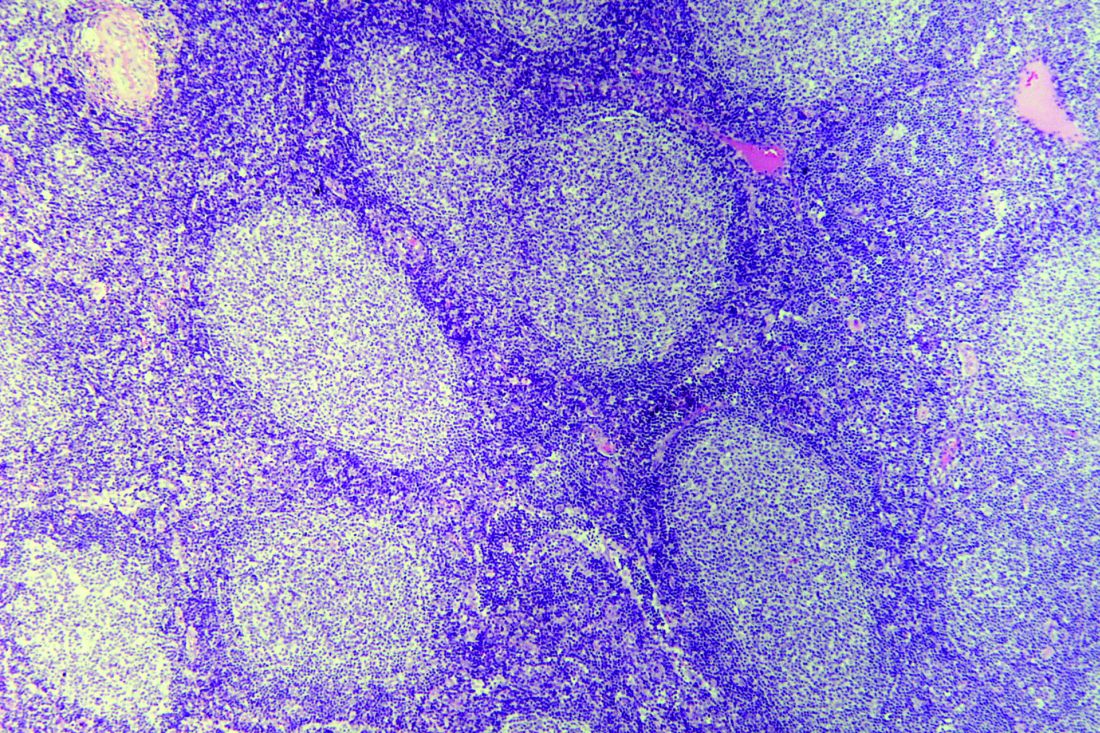
After a median of 10.6 years’ follow-up, almost three-quarters of patients (73%) in the study were alive, and 36% never required chemotherapy.
“This [overall survival] is at least as good as that observed in modern immunochemotherapy trials,” Sandra Lockmer, MD, of Karolinska University Hospital in Stockholm and her colleagues reported in the Journal of Clinical Oncology.
The study included 321 patients who were previously untreated and had been enrolled in two randomized clinical trials performed by the Nordic Lymphoma Group. The trials randomized patients to receive either rituximab monotherapy or rituximab combined with interferon alfa-2a. Neither trial used up-front chemotherapy.
Patients included in the follow-up analysis had follicular lymphoma, marginal zone lymphoma, small lymphocytic lymphoma, or indolent lymphoma not otherwise specified.
The overall survival rate at 10 years after trial assignment was 75% and 66% after 15 years. Similarly, the lymphoma-specific survival rate was 81% at 10 years after trial assignment and 77% at 15 years, the researchers reported.
Overall, 117 patients did not require treatment with chemotherapy, but 24 patients were further treated with antibodies and/or radiation. Of the 93 patients who received no additional therapies after frontline treatment, 9 patients died from causes unrelated to their lymphoma.
Among the 237 patients who failed initial treatment, the median time to treatment failure was 1.5 years.
In terms of transformation to aggressive lymphoma, the rate was 2.4%/person-year overall. The cumulative risk of transformation was 20% at 10 years after trial assignment and 24% at 15 years.
The study was funded in part by the Stockholm County Council and by the Nordic Lymphoma Group. The trials analyzed in the study were supported by Roche. Dr. Lockmer reported having no financial disclosures. Her coauthors reported relationships with Novartis, Gilead, Roche, and Takeda, among others.
mschneider@mdedge.com
SOURCE: Lockmer S et al. J Clin Oncol. 2018 Oct 4:JCO1800262. doi: 10.1200/JCO.18.00262.
Advanced indolent lymphoma patients can be treated with a rituximab-containing regimen as first-line therapy and, in some cases, skip chemotherapy altogether, a study with 10 years of follow-up data suggests.
After a median of 10.6 years’ follow-up, almost three-quarters of patients (73%) in the study were alive, and 36% never required chemotherapy.
“This [overall survival] is at least as good as that observed in modern immunochemotherapy trials,” Sandra Lockmer, MD, of Karolinska University Hospital in Stockholm and her colleagues reported in the Journal of Clinical Oncology.
The study included 321 patients who were previously untreated and had been enrolled in two randomized clinical trials performed by the Nordic Lymphoma Group. The trials randomized patients to receive either rituximab monotherapy or rituximab combined with interferon alfa-2a. Neither trial used up-front chemotherapy.
Patients included in the follow-up analysis had follicular lymphoma, marginal zone lymphoma, small lymphocytic lymphoma, or indolent lymphoma not otherwise specified.
The overall survival rate at 10 years after trial assignment was 75% and 66% after 15 years. Similarly, the lymphoma-specific survival rate was 81% at 10 years after trial assignment and 77% at 15 years, the researchers reported.
Overall, 117 patients did not require treatment with chemotherapy, but 24 patients were further treated with antibodies and/or radiation. Of the 93 patients who received no additional therapies after frontline treatment, 9 patients died from causes unrelated to their lymphoma.
Among the 237 patients who failed initial treatment, the median time to treatment failure was 1.5 years.
In terms of transformation to aggressive lymphoma, the rate was 2.4%/person-year overall. The cumulative risk of transformation was 20% at 10 years after trial assignment and 24% at 15 years.
The study was funded in part by the Stockholm County Council and by the Nordic Lymphoma Group. The trials analyzed in the study were supported by Roche. Dr. Lockmer reported having no financial disclosures. Her coauthors reported relationships with Novartis, Gilead, Roche, and Takeda, among others.
mschneider@mdedge.com
SOURCE: Lockmer S et al. J Clin Oncol. 2018 Oct 4:JCO1800262. doi: 10.1200/JCO.18.00262.
Advanced indolent lymphoma patients can be treated with a rituximab-containing regimen as first-line therapy and, in some cases, skip chemotherapy altogether, a study with 10 years of follow-up data suggests.
After a median of 10.6 years’ follow-up, almost three-quarters of patients (73%) in the study were alive, and 36% never required chemotherapy.
“This [overall survival] is at least as good as that observed in modern immunochemotherapy trials,” Sandra Lockmer, MD, of Karolinska University Hospital in Stockholm and her colleagues reported in the Journal of Clinical Oncology.
The study included 321 patients who were previously untreated and had been enrolled in two randomized clinical trials performed by the Nordic Lymphoma Group. The trials randomized patients to receive either rituximab monotherapy or rituximab combined with interferon alfa-2a. Neither trial used up-front chemotherapy.
Patients included in the follow-up analysis had follicular lymphoma, marginal zone lymphoma, small lymphocytic lymphoma, or indolent lymphoma not otherwise specified.
The overall survival rate at 10 years after trial assignment was 75% and 66% after 15 years. Similarly, the lymphoma-specific survival rate was 81% at 10 years after trial assignment and 77% at 15 years, the researchers reported.
Overall, 117 patients did not require treatment with chemotherapy, but 24 patients were further treated with antibodies and/or radiation. Of the 93 patients who received no additional therapies after frontline treatment, 9 patients died from causes unrelated to their lymphoma.
Among the 237 patients who failed initial treatment, the median time to treatment failure was 1.5 years.
In terms of transformation to aggressive lymphoma, the rate was 2.4%/person-year overall. The cumulative risk of transformation was 20% at 10 years after trial assignment and 24% at 15 years.
The study was funded in part by the Stockholm County Council and by the Nordic Lymphoma Group. The trials analyzed in the study were supported by Roche. Dr. Lockmer reported having no financial disclosures. Her coauthors reported relationships with Novartis, Gilead, Roche, and Takeda, among others.
mschneider@mdedge.com
SOURCE: Lockmer S et al. J Clin Oncol. 2018 Oct 4:JCO1800262. doi: 10.1200/JCO.18.00262.
FROM THE JOURNAL OF CLINICAL ONCOLOGY
Key clinical point:
Major finding: After a median of 10.6 years’ follow up, 73% of patients were alive, and 36% did not require chemotherapy.
Study details: Ten-year follow-up data from two trials on 321 previously untreated patients who had follicular lymphoma, marginal zone lymphoma, small lymphocytic lymphoma, or indolent lymphoma not otherwise specified.
Disclosures: The study was funded in part by the Stockholm County Council and by the Nordic Lymphoma Group. The trials analyzed in the study were supported by Roche. Dr. Lockmer reported having no financial disclosures. Her coauthors reported relationships with Novartis, Gilead, Roche, and Takeda, among others.
Source: Lockmer S et al. J Clin Oncol. 2018 Oct 4:JCO1800262. doi: 10.1200/JCO.18.00262.
Encourage influenza vaccination in pregnant women
They are at greater risk for more severe illness, and influenza can lead to adverse outcomes in infants. The good news is that recent studies have shown that flu vaccines are safe and effective in pregnant women.
The bad news is that many women are hesitant to be vaccinated out of concerns over safety, in a trend that reflects broader societal worries over vaccination, said Dr. Chu, of the University of Washington, Seattle. In a video interview at an annual scientific meeting on infectious diseases, Dr. Chu advised steps to ensure that pregnant women are aware of the safety and efficacy of flu vaccines, and the benefits to the infant who acquires immunity through the mother. It’s also a good idea to have vaccine on hand to be able to offer it immediately during an office visit.
They are at greater risk for more severe illness, and influenza can lead to adverse outcomes in infants. The good news is that recent studies have shown that flu vaccines are safe and effective in pregnant women.
The bad news is that many women are hesitant to be vaccinated out of concerns over safety, in a trend that reflects broader societal worries over vaccination, said Dr. Chu, of the University of Washington, Seattle. In a video interview at an annual scientific meeting on infectious diseases, Dr. Chu advised steps to ensure that pregnant women are aware of the safety and efficacy of flu vaccines, and the benefits to the infant who acquires immunity through the mother. It’s also a good idea to have vaccine on hand to be able to offer it immediately during an office visit.
They are at greater risk for more severe illness, and influenza can lead to adverse outcomes in infants. The good news is that recent studies have shown that flu vaccines are safe and effective in pregnant women.
The bad news is that many women are hesitant to be vaccinated out of concerns over safety, in a trend that reflects broader societal worries over vaccination, said Dr. Chu, of the University of Washington, Seattle. In a video interview at an annual scientific meeting on infectious diseases, Dr. Chu advised steps to ensure that pregnant women are aware of the safety and efficacy of flu vaccines, and the benefits to the infant who acquires immunity through the mother. It’s also a good idea to have vaccine on hand to be able to offer it immediately during an office visit.
REPORTING FROM ID WEEK 2018

AITL responds to 5-azacytidine in small series
Older patients with refractory angioimmunoblastic T cell lymphoma (AITL) appear to respond well to treatment with 5-azacytidine, regardless of mutations.
Francois Lemonnier, MD, of Henri Mondor University Hospitals in Créteil, France, and his colleagues, reported on a retrospective series of 12 AITL patients who received 5-azacytidine for concomitant myeloid neoplasm or as compassionate therapy for relapsed or refractory AITL. The findings were published in Blood.
Patients were given 5-azacytidine subcutaneously at a dose of 75 mg/m2 daily for 7 consecutive days. The treatment was given every 28 days until progression or unacceptable toxicity for a median of 5.5 cycles. Along with 5-azacytidine, half of the patients received rituximab due to the presence of EBV replication or EBV B-blasts in the lymph node biopsy.
The patients were assessed via CT scan and responses were evaluated by investigators following the Cheson criteria.
This was a heavily pretreated patient population. The median age was 70 years and 11 of the patients had relapsed or refractory disease and had received a median of two lines of therapy. There was only one treatment-naive patient in the series.
Treatment with 5-azacytidine produced an overall response rate of 75%, with six patients achieving a complete response and three patients achieving a partial response. The median progression-free survival was 15 months and median overall survival was 21 months at a median follow-up of 27 months.
The researchers noted that some elderly patients with poor performance status achieved a sustained response after treatment with an acceptable tolerance.
Treatment was well tolerated overall. There were no treatment-related deaths and no patients developed neutropenia. Three patients required transfusion and another had grade 3 diarrhea.
The researchers also performed molecular studies using targeted deep sequencing. They detected TET2 mutations in all 12 patients, with seven patients having two mutations. Four patients had DNMT3A mutations, five patients had RHOA mutations, and four patients had p.G17V substitution. One patient had an IDH2R172 mutation.
Since all patients had a TET2 mutation, the researchers were unable to assess its impact on treatment response. However, they saw no association between the number of TET2 mutations and treatment response, or mutations in DNMT3A, IDH2, and RHOA and treatment response.
The study was funded by a grant from the Leukemia & Lymphoma Society. Three of the coauthors received honoraria from Celgene.
SOURCE: Lemonnier F et al. Blood. 2018 Oct 2. doi: 10.1182/blood-2018-04-840538.
Older patients with refractory angioimmunoblastic T cell lymphoma (AITL) appear to respond well to treatment with 5-azacytidine, regardless of mutations.
Francois Lemonnier, MD, of Henri Mondor University Hospitals in Créteil, France, and his colleagues, reported on a retrospective series of 12 AITL patients who received 5-azacytidine for concomitant myeloid neoplasm or as compassionate therapy for relapsed or refractory AITL. The findings were published in Blood.
Patients were given 5-azacytidine subcutaneously at a dose of 75 mg/m2 daily for 7 consecutive days. The treatment was given every 28 days until progression or unacceptable toxicity for a median of 5.5 cycles. Along with 5-azacytidine, half of the patients received rituximab due to the presence of EBV replication or EBV B-blasts in the lymph node biopsy.
The patients were assessed via CT scan and responses were evaluated by investigators following the Cheson criteria.
This was a heavily pretreated patient population. The median age was 70 years and 11 of the patients had relapsed or refractory disease and had received a median of two lines of therapy. There was only one treatment-naive patient in the series.
Treatment with 5-azacytidine produced an overall response rate of 75%, with six patients achieving a complete response and three patients achieving a partial response. The median progression-free survival was 15 months and median overall survival was 21 months at a median follow-up of 27 months.
The researchers noted that some elderly patients with poor performance status achieved a sustained response after treatment with an acceptable tolerance.
Treatment was well tolerated overall. There were no treatment-related deaths and no patients developed neutropenia. Three patients required transfusion and another had grade 3 diarrhea.
The researchers also performed molecular studies using targeted deep sequencing. They detected TET2 mutations in all 12 patients, with seven patients having two mutations. Four patients had DNMT3A mutations, five patients had RHOA mutations, and four patients had p.G17V substitution. One patient had an IDH2R172 mutation.
Since all patients had a TET2 mutation, the researchers were unable to assess its impact on treatment response. However, they saw no association between the number of TET2 mutations and treatment response, or mutations in DNMT3A, IDH2, and RHOA and treatment response.
The study was funded by a grant from the Leukemia & Lymphoma Society. Three of the coauthors received honoraria from Celgene.
SOURCE: Lemonnier F et al. Blood. 2018 Oct 2. doi: 10.1182/blood-2018-04-840538.
Older patients with refractory angioimmunoblastic T cell lymphoma (AITL) appear to respond well to treatment with 5-azacytidine, regardless of mutations.
Francois Lemonnier, MD, of Henri Mondor University Hospitals in Créteil, France, and his colleagues, reported on a retrospective series of 12 AITL patients who received 5-azacytidine for concomitant myeloid neoplasm or as compassionate therapy for relapsed or refractory AITL. The findings were published in Blood.
Patients were given 5-azacytidine subcutaneously at a dose of 75 mg/m2 daily for 7 consecutive days. The treatment was given every 28 days until progression or unacceptable toxicity for a median of 5.5 cycles. Along with 5-azacytidine, half of the patients received rituximab due to the presence of EBV replication or EBV B-blasts in the lymph node biopsy.
The patients were assessed via CT scan and responses were evaluated by investigators following the Cheson criteria.
This was a heavily pretreated patient population. The median age was 70 years and 11 of the patients had relapsed or refractory disease and had received a median of two lines of therapy. There was only one treatment-naive patient in the series.
Treatment with 5-azacytidine produced an overall response rate of 75%, with six patients achieving a complete response and three patients achieving a partial response. The median progression-free survival was 15 months and median overall survival was 21 months at a median follow-up of 27 months.
The researchers noted that some elderly patients with poor performance status achieved a sustained response after treatment with an acceptable tolerance.
Treatment was well tolerated overall. There were no treatment-related deaths and no patients developed neutropenia. Three patients required transfusion and another had grade 3 diarrhea.
The researchers also performed molecular studies using targeted deep sequencing. They detected TET2 mutations in all 12 patients, with seven patients having two mutations. Four patients had DNMT3A mutations, five patients had RHOA mutations, and four patients had p.G17V substitution. One patient had an IDH2R172 mutation.
Since all patients had a TET2 mutation, the researchers were unable to assess its impact on treatment response. However, they saw no association between the number of TET2 mutations and treatment response, or mutations in DNMT3A, IDH2, and RHOA and treatment response.
The study was funded by a grant from the Leukemia & Lymphoma Society. Three of the coauthors received honoraria from Celgene.
SOURCE: Lemonnier F et al. Blood. 2018 Oct 2. doi: 10.1182/blood-2018-04-840538.
FROM BLOOD
Key clinical point:
Major finding: The overall response rate was 75% among the 12 patients, with 6 patients achieving complete response.
Study details: A retrospective case series of 12 patients with angioimmunoblastic T cell lymphoma.
Disclosures: The study was funded by a grant from the Leukemia & Lymphoma Society. Three of the coauthors received honoraria from Celgene.
Source: Lemonnier F et al. Blood. 2018 Oct 2. doi: 10.1182/blood-2018-04-840538.
Flu outbreaks may be more intense in small cities
Influenza outbreaks in the United States tend to be concentrated and intense in small cities and more evenly spread throughout the season in large cities, results of a recent study show.
Swings in humidity further intensified the influenza spikes in small cities, but didn’t seem to have as much of an effect in large cities, the results suggest.
These findings help explain differences in influenza transmission patterns between cities that have similar climates and virus epidemiology, according to researcher Benjamin D. Dalziel, PhD, of the departments of integrative biology and mathematics at Oregon State University in Corvallis.
“City size and structure can play a role in determining how other factors such as climate affect and influence transmission,” Dr. Dalziel said in a press conference.
“Our results show how metropolises play a disproportionately important role in this process, as epidemic foci, and as potential sentinel hubs, where epidemiological observatories could integrate local strain dynamics to predict larger-scale patterns. As the growth and form of cities affect their function as climate-driven incubators of infectious disease, it may be possible to design smarter cities that better control epidemics in the face of accelerating global change,” the researchers wrote in their study.
Dr. Dalziel and his coauthors analyzed the weekly incidence of influenza-like illness across 603 U.S. ZIP codes using data obtained from medical claims from 2002 to 2008. They used epidemic intensity as a summary statistic to compare cities. By this variable, low epidemic intensity indicated a diffuse spread evenly across weeks of the flu season, whereas high epidemic intensity indicated intensively focused outbreaks on particular weeks.
In small cities, epidemics were more intensely focused on shorter periods at the peak of flu season, they found. In large cities, incidence was more diffuse, according to results published in Science.
Patterns of where people live and work in a city may account for the more diffuse and prolonged outbreaks seen in large cities, the authors wrote. Large cities have organized population movement patterns and crowding. In more highly established work locations, for example, the population density is pronounced during the day.
“We found the structure makes a difference for how the flu spreads at different times of year,” Dr. Dalziel said of the study, which used U.S. Census data to evaluate spatial population distributions. “In large cities with more highly organized patterns, conditions play a relatively smaller role in flu transmission.”
Humidity’s lower impact on outbreaks in large cities might also be explained by population effects: “If an infected person is sitting beside you, it matters less what the specific humidity is,” Dr. Dalziel said, adding that the proximity helps the virus find hosts even when climatic conditions are not at their most favorable.
The study findings may have implications for health care resources in small cities, which could be strained by intense outbreaks, said coinvestigator Cecile Viboud, PhD, of the Division of International Epidemiology and Population Studies, Fogarty International Center, National Institutes of Health, Bethesda, Md.
Intense outbreaks could overload the health care system, making it challenging to respond, especially around the peak of the epidemic. Pressure on the health care system may be less intense in cities such as Miami or New York, where flu epidemics are more diffuse and spread out during the year, she said.
Variations in vaccination coverage were not associated with variations in epidemic intensity at the state level. However, the data period that was analyzed ended in 2008, a time when flu vaccination rates were much lower than they are today, according to Dr. Viboud.
“It would be important to revisit the effect of city structure and humidity on flu transmission in a high vaccination regime in more recent years, especially if there is a lot of interest in developing broadly cross-protective flu vaccines, which might become available in the market in the future,” she said.
The researchers declared no competing interests related to their research, which was supported by a grant from the Bill & Melinda Gates Foundation, the RAPIDD program of the Science and Technology Directorate Department of Homeland Security, and the Fogarty International Center, National Institutes of Health.
SOURCE: Dalziel BD et al. Science. 2018 Oct 5;362(6410):75-9.
Public health policy makers may need to switch up their thinking about infection control during influenza outbreaks. Instead of targeting the population at large, it may make sense to focus on specific small towns or metropolitan areas for control.
Summary statistics, such as epidemic intensity, help to identify which places require more surge capacity to deal with peak health care demand. They also help to guide locations for active influenza surveillance where long transmission chains of influenza occur, and where new genetic variants of the influenza virus can be detected.
The findings of this study could foster the development of more accurate short-term, small-scale forecasts of the expected health care demand in a season. Most important, they could guide long-term projections that reveal how the shifting demography, growth of cities, and the changing climate alter infection dynamics and required control efforts.
Prof. Jacco Wallinga is with the Center for Infectious Disease Control, National Institute for Public Health and the Environment, Bilthoven, the Netherlands, and the Department of Biomedical Data Sciences, Leiden (the Netherlands) University Medical Center. These comments appeared in his editorial in Science (2018 Oct 5;362[6410]:29-30).
Public health policy makers may need to switch up their thinking about infection control during influenza outbreaks. Instead of targeting the population at large, it may make sense to focus on specific small towns or metropolitan areas for control.
Summary statistics, such as epidemic intensity, help to identify which places require more surge capacity to deal with peak health care demand. They also help to guide locations for active influenza surveillance where long transmission chains of influenza occur, and where new genetic variants of the influenza virus can be detected.
The findings of this study could foster the development of more accurate short-term, small-scale forecasts of the expected health care demand in a season. Most important, they could guide long-term projections that reveal how the shifting demography, growth of cities, and the changing climate alter infection dynamics and required control efforts.
Prof. Jacco Wallinga is with the Center for Infectious Disease Control, National Institute for Public Health and the Environment, Bilthoven, the Netherlands, and the Department of Biomedical Data Sciences, Leiden (the Netherlands) University Medical Center. These comments appeared in his editorial in Science (2018 Oct 5;362[6410]:29-30).
Public health policy makers may need to switch up their thinking about infection control during influenza outbreaks. Instead of targeting the population at large, it may make sense to focus on specific small towns or metropolitan areas for control.
Summary statistics, such as epidemic intensity, help to identify which places require more surge capacity to deal with peak health care demand. They also help to guide locations for active influenza surveillance where long transmission chains of influenza occur, and where new genetic variants of the influenza virus can be detected.
The findings of this study could foster the development of more accurate short-term, small-scale forecasts of the expected health care demand in a season. Most important, they could guide long-term projections that reveal how the shifting demography, growth of cities, and the changing climate alter infection dynamics and required control efforts.
Prof. Jacco Wallinga is with the Center for Infectious Disease Control, National Institute for Public Health and the Environment, Bilthoven, the Netherlands, and the Department of Biomedical Data Sciences, Leiden (the Netherlands) University Medical Center. These comments appeared in his editorial in Science (2018 Oct 5;362[6410]:29-30).
Influenza outbreaks in the United States tend to be concentrated and intense in small cities and more evenly spread throughout the season in large cities, results of a recent study show.
Swings in humidity further intensified the influenza spikes in small cities, but didn’t seem to have as much of an effect in large cities, the results suggest.
These findings help explain differences in influenza transmission patterns between cities that have similar climates and virus epidemiology, according to researcher Benjamin D. Dalziel, PhD, of the departments of integrative biology and mathematics at Oregon State University in Corvallis.
“City size and structure can play a role in determining how other factors such as climate affect and influence transmission,” Dr. Dalziel said in a press conference.
“Our results show how metropolises play a disproportionately important role in this process, as epidemic foci, and as potential sentinel hubs, where epidemiological observatories could integrate local strain dynamics to predict larger-scale patterns. As the growth and form of cities affect their function as climate-driven incubators of infectious disease, it may be possible to design smarter cities that better control epidemics in the face of accelerating global change,” the researchers wrote in their study.
Dr. Dalziel and his coauthors analyzed the weekly incidence of influenza-like illness across 603 U.S. ZIP codes using data obtained from medical claims from 2002 to 2008. They used epidemic intensity as a summary statistic to compare cities. By this variable, low epidemic intensity indicated a diffuse spread evenly across weeks of the flu season, whereas high epidemic intensity indicated intensively focused outbreaks on particular weeks.
In small cities, epidemics were more intensely focused on shorter periods at the peak of flu season, they found. In large cities, incidence was more diffuse, according to results published in Science.
Patterns of where people live and work in a city may account for the more diffuse and prolonged outbreaks seen in large cities, the authors wrote. Large cities have organized population movement patterns and crowding. In more highly established work locations, for example, the population density is pronounced during the day.
“We found the structure makes a difference for how the flu spreads at different times of year,” Dr. Dalziel said of the study, which used U.S. Census data to evaluate spatial population distributions. “In large cities with more highly organized patterns, conditions play a relatively smaller role in flu transmission.”
Humidity’s lower impact on outbreaks in large cities might also be explained by population effects: “If an infected person is sitting beside you, it matters less what the specific humidity is,” Dr. Dalziel said, adding that the proximity helps the virus find hosts even when climatic conditions are not at their most favorable.
The study findings may have implications for health care resources in small cities, which could be strained by intense outbreaks, said coinvestigator Cecile Viboud, PhD, of the Division of International Epidemiology and Population Studies, Fogarty International Center, National Institutes of Health, Bethesda, Md.
Intense outbreaks could overload the health care system, making it challenging to respond, especially around the peak of the epidemic. Pressure on the health care system may be less intense in cities such as Miami or New York, where flu epidemics are more diffuse and spread out during the year, she said.
Variations in vaccination coverage were not associated with variations in epidemic intensity at the state level. However, the data period that was analyzed ended in 2008, a time when flu vaccination rates were much lower than they are today, according to Dr. Viboud.
“It would be important to revisit the effect of city structure and humidity on flu transmission in a high vaccination regime in more recent years, especially if there is a lot of interest in developing broadly cross-protective flu vaccines, which might become available in the market in the future,” she said.
The researchers declared no competing interests related to their research, which was supported by a grant from the Bill & Melinda Gates Foundation, the RAPIDD program of the Science and Technology Directorate Department of Homeland Security, and the Fogarty International Center, National Institutes of Health.
SOURCE: Dalziel BD et al. Science. 2018 Oct 5;362(6410):75-9.
Influenza outbreaks in the United States tend to be concentrated and intense in small cities and more evenly spread throughout the season in large cities, results of a recent study show.
Swings in humidity further intensified the influenza spikes in small cities, but didn’t seem to have as much of an effect in large cities, the results suggest.
These findings help explain differences in influenza transmission patterns between cities that have similar climates and virus epidemiology, according to researcher Benjamin D. Dalziel, PhD, of the departments of integrative biology and mathematics at Oregon State University in Corvallis.
“City size and structure can play a role in determining how other factors such as climate affect and influence transmission,” Dr. Dalziel said in a press conference.
“Our results show how metropolises play a disproportionately important role in this process, as epidemic foci, and as potential sentinel hubs, where epidemiological observatories could integrate local strain dynamics to predict larger-scale patterns. As the growth and form of cities affect their function as climate-driven incubators of infectious disease, it may be possible to design smarter cities that better control epidemics in the face of accelerating global change,” the researchers wrote in their study.
Dr. Dalziel and his coauthors analyzed the weekly incidence of influenza-like illness across 603 U.S. ZIP codes using data obtained from medical claims from 2002 to 2008. They used epidemic intensity as a summary statistic to compare cities. By this variable, low epidemic intensity indicated a diffuse spread evenly across weeks of the flu season, whereas high epidemic intensity indicated intensively focused outbreaks on particular weeks.
In small cities, epidemics were more intensely focused on shorter periods at the peak of flu season, they found. In large cities, incidence was more diffuse, according to results published in Science.
Patterns of where people live and work in a city may account for the more diffuse and prolonged outbreaks seen in large cities, the authors wrote. Large cities have organized population movement patterns and crowding. In more highly established work locations, for example, the population density is pronounced during the day.
“We found the structure makes a difference for how the flu spreads at different times of year,” Dr. Dalziel said of the study, which used U.S. Census data to evaluate spatial population distributions. “In large cities with more highly organized patterns, conditions play a relatively smaller role in flu transmission.”
Humidity’s lower impact on outbreaks in large cities might also be explained by population effects: “If an infected person is sitting beside you, it matters less what the specific humidity is,” Dr. Dalziel said, adding that the proximity helps the virus find hosts even when climatic conditions are not at their most favorable.
The study findings may have implications for health care resources in small cities, which could be strained by intense outbreaks, said coinvestigator Cecile Viboud, PhD, of the Division of International Epidemiology and Population Studies, Fogarty International Center, National Institutes of Health, Bethesda, Md.
Intense outbreaks could overload the health care system, making it challenging to respond, especially around the peak of the epidemic. Pressure on the health care system may be less intense in cities such as Miami or New York, where flu epidemics are more diffuse and spread out during the year, she said.
Variations in vaccination coverage were not associated with variations in epidemic intensity at the state level. However, the data period that was analyzed ended in 2008, a time when flu vaccination rates were much lower than they are today, according to Dr. Viboud.
“It would be important to revisit the effect of city structure and humidity on flu transmission in a high vaccination regime in more recent years, especially if there is a lot of interest in developing broadly cross-protective flu vaccines, which might become available in the market in the future,” she said.
The researchers declared no competing interests related to their research, which was supported by a grant from the Bill & Melinda Gates Foundation, the RAPIDD program of the Science and Technology Directorate Department of Homeland Security, and the Fogarty International Center, National Institutes of Health.
SOURCE: Dalziel BD et al. Science. 2018 Oct 5;362(6410):75-9.
FROM SCIENCE
Key clinical point: The intensity of influenza epidemics in U.S. cities varies according to population.
Major finding: Smaller cities had more intense outbreaks concentrated around the peak of flu season, while larger cities had cases spread throughout the season.
Study details: Analysis of weekly influenza-like illness incidence for 603 U.S. ZIP codes in medical claims data from 2002 to 2008.
Disclosures: The authors declared no competing interests. Funding came from the Bill & Melinda Gates Foundation, the Science and Technology Directorate Department of Homeland Security, and the Fogarty International Center, National Institutes of Health.
Source: Dalziel BD et al. Science. 2018 Oct 5;362(6410):75-9.