User login
VIDEO: ACTRIMS Forum focuses on progressive MS
NEW ORLEANS – A focus of the 2016 Americas Committee for Treatment and Research in Multiple Sclerosis (ACTRIMS) Forum is the pathogenic mechanisms involved in progressive forms of MS, including the genetic and environmental underpinnings and the immunopathologic processes involved, according to ACTRIMS president, Dr. Suhayl Dhib-Jalbut.
In particular, the role of B cells in the pathogenesis of progressive disease will be addressed as recent studies targeting B lymphocytes are providing important new information about the importance of B cells in the pathogenesis of progressive MS.
In this video interview, Dr. Dhib-Jalbut, professor and chair of the department of neurology at the Rutgers Robert Wood Johnson Medical School, New Brunswick, N.J., notes that it is hypothesized that in progressive MS, there is a depletion of energy in the central nervous system. Studies of medications that can restore mitochondrial function and energy pools and perhaps have an impact on disease progression will be presented during the forum, he said.
The video associated with this article is no longer available on this site. Please view all of our videos on the MDedge YouTube channel
NEW ORLEANS – A focus of the 2016 Americas Committee for Treatment and Research in Multiple Sclerosis (ACTRIMS) Forum is the pathogenic mechanisms involved in progressive forms of MS, including the genetic and environmental underpinnings and the immunopathologic processes involved, according to ACTRIMS president, Dr. Suhayl Dhib-Jalbut.
In particular, the role of B cells in the pathogenesis of progressive disease will be addressed as recent studies targeting B lymphocytes are providing important new information about the importance of B cells in the pathogenesis of progressive MS.
In this video interview, Dr. Dhib-Jalbut, professor and chair of the department of neurology at the Rutgers Robert Wood Johnson Medical School, New Brunswick, N.J., notes that it is hypothesized that in progressive MS, there is a depletion of energy in the central nervous system. Studies of medications that can restore mitochondrial function and energy pools and perhaps have an impact on disease progression will be presented during the forum, he said.
The video associated with this article is no longer available on this site. Please view all of our videos on the MDedge YouTube channel
NEW ORLEANS – A focus of the 2016 Americas Committee for Treatment and Research in Multiple Sclerosis (ACTRIMS) Forum is the pathogenic mechanisms involved in progressive forms of MS, including the genetic and environmental underpinnings and the immunopathologic processes involved, according to ACTRIMS president, Dr. Suhayl Dhib-Jalbut.
In particular, the role of B cells in the pathogenesis of progressive disease will be addressed as recent studies targeting B lymphocytes are providing important new information about the importance of B cells in the pathogenesis of progressive MS.
In this video interview, Dr. Dhib-Jalbut, professor and chair of the department of neurology at the Rutgers Robert Wood Johnson Medical School, New Brunswick, N.J., notes that it is hypothesized that in progressive MS, there is a depletion of energy in the central nervous system. Studies of medications that can restore mitochondrial function and energy pools and perhaps have an impact on disease progression will be presented during the forum, he said.
The video associated with this article is no longer available on this site. Please view all of our videos on the MDedge YouTube channel
EXPERT ANALYSIS FROM THE ACTRIMS 2016 FORUM

Levels of Immune Cells Do Not Differ Between Relapsing-Remitting and Progressive MS
NEW ORLEANS—Intrathecal levels of T and B cells are comparable in progressive multiple sclerosis (MS), compared with relapsing-remitting MS, according to research described at the ACTRIMS 2016 Forum. The major difference between the two forms of the disease, according to the researchers, is that although the immune cells are mobile in relapsing-remitting MS, they are predominantly embedded in CNS tissue in progressive MS. “This compartmentalization of the immune responses is likely the major reason for the failure of current immunomodulatory treatments in both subtypes of progressive MS,” said Mika Komori, MD, PhD, of the Neuroimmunological Unit at the National Institute of Neurological Disorders and Stroke.
Neurologists have interpreted immunomodulatory therapies’ lack of efficacy in progressive MS as evidence that neurodegeneration, rather than immunopathology, stimulates CNS tissue destruction. Dr. Komori and colleagues sought to develop a methodology that reliably quantifies immune-cell infiltration of CNS tissue by combining CSF immunophenotyping with analysis of immune-cell specific soluble markers.
The researchers collected CSF from 198 subjects, including patients with relapsing-remitting MS, secondary progressive MS, primary progressive MS, noninflammatory neurologic disorders, and other inflammatory neurologic disorders, as well as from healthy donors, and processed the samples in a blinded fashion. They optimized electroluminescent assays to quantify 19 soluble biomarkers in the CSF. Cell-specific secretion was assessed in supernatants from sorted primary immune cells. The investigators quantified absolute numbers of CSF immune cells by flow cytometry in 50-fold concentrated CSF and used them to define three ratios between the concentrations of cell-specific soluble CSF biomarkers and absolute numbers of corresponding CSF cells per milliliter of CSF (ie, sCD14:monocyte, sCD21:B-cell, and CD27:T-cell).
The sCD14:monocyte ratio did not differ among diagnostic groups, but the sCD21:B-cell and especially sCD27:T-cell ratios were significantly higher in progressive MS, compared with all other diagnostic groups. The sCD21:B-cell and sCD27:T-cell ratios differentiated patients with progressive MS from those with relapsing-remitting MS with an area under reviewer operator characteristic curve (AUC) comparable to that of current clinically used tests (AUC, 0.76–0.77). An excess of the soluble biomarkers in comparison with the number of CSF cells that produce it implies presence of the second, nonmobile pool of secreting immune cells embedded in CNS tissue. Dr. Komori and colleagues validated the interpretation that higher biomarker ratios parallel infiltration of CNS tissue by corresponding immune cells in patients with available CNS autopsy or biopsy results with 100% concordance.
NEW ORLEANS—Intrathecal levels of T and B cells are comparable in progressive multiple sclerosis (MS), compared with relapsing-remitting MS, according to research described at the ACTRIMS 2016 Forum. The major difference between the two forms of the disease, according to the researchers, is that although the immune cells are mobile in relapsing-remitting MS, they are predominantly embedded in CNS tissue in progressive MS. “This compartmentalization of the immune responses is likely the major reason for the failure of current immunomodulatory treatments in both subtypes of progressive MS,” said Mika Komori, MD, PhD, of the Neuroimmunological Unit at the National Institute of Neurological Disorders and Stroke.
Neurologists have interpreted immunomodulatory therapies’ lack of efficacy in progressive MS as evidence that neurodegeneration, rather than immunopathology, stimulates CNS tissue destruction. Dr. Komori and colleagues sought to develop a methodology that reliably quantifies immune-cell infiltration of CNS tissue by combining CSF immunophenotyping with analysis of immune-cell specific soluble markers.
The researchers collected CSF from 198 subjects, including patients with relapsing-remitting MS, secondary progressive MS, primary progressive MS, noninflammatory neurologic disorders, and other inflammatory neurologic disorders, as well as from healthy donors, and processed the samples in a blinded fashion. They optimized electroluminescent assays to quantify 19 soluble biomarkers in the CSF. Cell-specific secretion was assessed in supernatants from sorted primary immune cells. The investigators quantified absolute numbers of CSF immune cells by flow cytometry in 50-fold concentrated CSF and used them to define three ratios between the concentrations of cell-specific soluble CSF biomarkers and absolute numbers of corresponding CSF cells per milliliter of CSF (ie, sCD14:monocyte, sCD21:B-cell, and CD27:T-cell).
The sCD14:monocyte ratio did not differ among diagnostic groups, but the sCD21:B-cell and especially sCD27:T-cell ratios were significantly higher in progressive MS, compared with all other diagnostic groups. The sCD21:B-cell and sCD27:T-cell ratios differentiated patients with progressive MS from those with relapsing-remitting MS with an area under reviewer operator characteristic curve (AUC) comparable to that of current clinically used tests (AUC, 0.76–0.77). An excess of the soluble biomarkers in comparison with the number of CSF cells that produce it implies presence of the second, nonmobile pool of secreting immune cells embedded in CNS tissue. Dr. Komori and colleagues validated the interpretation that higher biomarker ratios parallel infiltration of CNS tissue by corresponding immune cells in patients with available CNS autopsy or biopsy results with 100% concordance.
NEW ORLEANS—Intrathecal levels of T and B cells are comparable in progressive multiple sclerosis (MS), compared with relapsing-remitting MS, according to research described at the ACTRIMS 2016 Forum. The major difference between the two forms of the disease, according to the researchers, is that although the immune cells are mobile in relapsing-remitting MS, they are predominantly embedded in CNS tissue in progressive MS. “This compartmentalization of the immune responses is likely the major reason for the failure of current immunomodulatory treatments in both subtypes of progressive MS,” said Mika Komori, MD, PhD, of the Neuroimmunological Unit at the National Institute of Neurological Disorders and Stroke.
Neurologists have interpreted immunomodulatory therapies’ lack of efficacy in progressive MS as evidence that neurodegeneration, rather than immunopathology, stimulates CNS tissue destruction. Dr. Komori and colleagues sought to develop a methodology that reliably quantifies immune-cell infiltration of CNS tissue by combining CSF immunophenotyping with analysis of immune-cell specific soluble markers.
The researchers collected CSF from 198 subjects, including patients with relapsing-remitting MS, secondary progressive MS, primary progressive MS, noninflammatory neurologic disorders, and other inflammatory neurologic disorders, as well as from healthy donors, and processed the samples in a blinded fashion. They optimized electroluminescent assays to quantify 19 soluble biomarkers in the CSF. Cell-specific secretion was assessed in supernatants from sorted primary immune cells. The investigators quantified absolute numbers of CSF immune cells by flow cytometry in 50-fold concentrated CSF and used them to define three ratios between the concentrations of cell-specific soluble CSF biomarkers and absolute numbers of corresponding CSF cells per milliliter of CSF (ie, sCD14:monocyte, sCD21:B-cell, and CD27:T-cell).
The sCD14:monocyte ratio did not differ among diagnostic groups, but the sCD21:B-cell and especially sCD27:T-cell ratios were significantly higher in progressive MS, compared with all other diagnostic groups. The sCD21:B-cell and sCD27:T-cell ratios differentiated patients with progressive MS from those with relapsing-remitting MS with an area under reviewer operator characteristic curve (AUC) comparable to that of current clinically used tests (AUC, 0.76–0.77). An excess of the soluble biomarkers in comparison with the number of CSF cells that produce it implies presence of the second, nonmobile pool of secreting immune cells embedded in CNS tissue. Dr. Komori and colleagues validated the interpretation that higher biomarker ratios parallel infiltration of CNS tissue by corresponding immune cells in patients with available CNS autopsy or biopsy results with 100% concordance.
Exercise May Improve Inhibitory Control in MS
NEW ORLEANS—Light-, moderate-, and vigorous-intensity treadmill walking may particularly improve inhibitory control in fully ambulatory people with multiple sclerosis (MS), according to research described at the ACTRIMS 2016 Forum. Furthermore, the increase in core body temperature associated with such exercise may not negate its potentially beneficial effects on inhibitory control.
“This [study] represents the next step in delineating the optimal exercise stimuli for improving cognition in fully ambulatory persons with MS and supports the feasibility of chronic treadmill walking exercise training for improving inhibitory control in thermosensitive persons with MS,” said Brian M. Sandroff, PhD, of the Kessler Foundation in West Orange, New Jersey.

Exercise training is a promising approach for managing cognitive impairment in persons with MS. Although preliminary evidence indicates that treadmill walking might have the greatest beneficial effects on inhibitory control, compared with other forms of exercise, in fully ambulatory persons with MS, the effects of varying intensities of treadmill walking exercise on inhibitory control are unknown. In addition, previous research has not indicated whether increases in core body temperature negate the potentially beneficial effects of treadmill walking exercise on inhibitory control in thermosensitive people with MS.
To better determine the optimal form of exercise for improving cognition in MS, Dr. Sandroff and colleagues first compared the acute effects of light-, moderate-, and vigorous-intensity treadmill walking exercise on inhibitory control in 24 participants with MS using a within-subjects, repeated-measures design. In a second study, the researchers examined the acute effects of core body temperature on inhibitory control during vigorous treadmill walking exercise in 14 thermosensitive persons with MS.
Participants in the first study completed four experimental conditions (ie, 20 minutes of light-, moderate-, and vigorous-intensity treadmill walking exercise and quiet rest) in a randomized, counterbalanced order. The investigators measured inhibitory control before and after each condition using a modified flanker task. In the second study, thermosensitive participants with MS completed two experimental conditions (ie, 20 minutes of vigorous treadmill walking exercise and 20 minutes of quiet rest) in a randomized, counterbalanced order. The researchers measured core body temperature throughout both conditions. Inhibitory control was measured before and after each condition using a modified flanker task.
In the first study, the investigators observed large, statistically significant improvements in inhibitory control for all three intensities of treadmill walking exercise, compared with quiet rest. The improvements were of similar magnitude. The second study indicated that, compared with rest, vigorous exercise was followed by improvements in inhibitory control, despite significant elevations in core body temperature (~0.6 °C) in thermosensitive persons with MS.
NEW ORLEANS—Light-, moderate-, and vigorous-intensity treadmill walking may particularly improve inhibitory control in fully ambulatory people with multiple sclerosis (MS), according to research described at the ACTRIMS 2016 Forum. Furthermore, the increase in core body temperature associated with such exercise may not negate its potentially beneficial effects on inhibitory control.
“This [study] represents the next step in delineating the optimal exercise stimuli for improving cognition in fully ambulatory persons with MS and supports the feasibility of chronic treadmill walking exercise training for improving inhibitory control in thermosensitive persons with MS,” said Brian M. Sandroff, PhD, of the Kessler Foundation in West Orange, New Jersey.
Exercise training is a promising approach for managing cognitive impairment in persons with MS. Although preliminary evidence indicates that treadmill walking might have the greatest beneficial effects on inhibitory control, compared with other forms of exercise, in fully ambulatory persons with MS, the effects of varying intensities of treadmill walking exercise on inhibitory control are unknown. In addition, previous research has not indicated whether increases in core body temperature negate the potentially beneficial effects of treadmill walking exercise on inhibitory control in thermosensitive people with MS.
To better determine the optimal form of exercise for improving cognition in MS, Dr. Sandroff and colleagues first compared the acute effects of light-, moderate-, and vigorous-intensity treadmill walking exercise on inhibitory control in 24 participants with MS using a within-subjects, repeated-measures design. In a second study, the researchers examined the acute effects of core body temperature on inhibitory control during vigorous treadmill walking exercise in 14 thermosensitive persons with MS.
Participants in the first study completed four experimental conditions (ie, 20 minutes of light-, moderate-, and vigorous-intensity treadmill walking exercise and quiet rest) in a randomized, counterbalanced order. The investigators measured inhibitory control before and after each condition using a modified flanker task. In the second study, thermosensitive participants with MS completed two experimental conditions (ie, 20 minutes of vigorous treadmill walking exercise and 20 minutes of quiet rest) in a randomized, counterbalanced order. The researchers measured core body temperature throughout both conditions. Inhibitory control was measured before and after each condition using a modified flanker task.
In the first study, the investigators observed large, statistically significant improvements in inhibitory control for all three intensities of treadmill walking exercise, compared with quiet rest. The improvements were of similar magnitude. The second study indicated that, compared with rest, vigorous exercise was followed by improvements in inhibitory control, despite significant elevations in core body temperature (~0.6 °C) in thermosensitive persons with MS.
NEW ORLEANS—Light-, moderate-, and vigorous-intensity treadmill walking may particularly improve inhibitory control in fully ambulatory people with multiple sclerosis (MS), according to research described at the ACTRIMS 2016 Forum. Furthermore, the increase in core body temperature associated with such exercise may not negate its potentially beneficial effects on inhibitory control.
“This [study] represents the next step in delineating the optimal exercise stimuli for improving cognition in fully ambulatory persons with MS and supports the feasibility of chronic treadmill walking exercise training for improving inhibitory control in thermosensitive persons with MS,” said Brian M. Sandroff, PhD, of the Kessler Foundation in West Orange, New Jersey.
Exercise training is a promising approach for managing cognitive impairment in persons with MS. Although preliminary evidence indicates that treadmill walking might have the greatest beneficial effects on inhibitory control, compared with other forms of exercise, in fully ambulatory persons with MS, the effects of varying intensities of treadmill walking exercise on inhibitory control are unknown. In addition, previous research has not indicated whether increases in core body temperature negate the potentially beneficial effects of treadmill walking exercise on inhibitory control in thermosensitive people with MS.
To better determine the optimal form of exercise for improving cognition in MS, Dr. Sandroff and colleagues first compared the acute effects of light-, moderate-, and vigorous-intensity treadmill walking exercise on inhibitory control in 24 participants with MS using a within-subjects, repeated-measures design. In a second study, the researchers examined the acute effects of core body temperature on inhibitory control during vigorous treadmill walking exercise in 14 thermosensitive persons with MS.
Participants in the first study completed four experimental conditions (ie, 20 minutes of light-, moderate-, and vigorous-intensity treadmill walking exercise and quiet rest) in a randomized, counterbalanced order. The investigators measured inhibitory control before and after each condition using a modified flanker task. In the second study, thermosensitive participants with MS completed two experimental conditions (ie, 20 minutes of vigorous treadmill walking exercise and 20 minutes of quiet rest) in a randomized, counterbalanced order. The researchers measured core body temperature throughout both conditions. Inhibitory control was measured before and after each condition using a modified flanker task.
In the first study, the investigators observed large, statistically significant improvements in inhibitory control for all three intensities of treadmill walking exercise, compared with quiet rest. The improvements were of similar magnitude. The second study indicated that, compared with rest, vigorous exercise was followed by improvements in inhibitory control, despite significant elevations in core body temperature (~0.6 °C) in thermosensitive persons with MS.

Immunomodulatory Therapy Slows Accumulation of Disability in Moderately Advanced MS
NEW ORLEANS—Disease progression during moderately advanced multiple sclerosis (MS) is amnesic to prior disease activity, according to researchers reporting at the ACTRIMS 2016 Forum. Lower relapse rates and greater persistence on higher-efficacy immunomodulatory therapy after reaching Expanded Disability Status Scale (EDSS) steps 3, 4, and 6 are associated with a decreased risk of accumulating further disability. “Highly effective disease-modifying therapy can mitigate the disability accrual after reaching confirmed EDSS steps of 3, 4, and 6,” said Nathaniel Lizak, BMedSc(Hons), MBBS, of Monash University in Clayton, Australia, and the University of Melbourne, and his research colleagues.

Three large cohort studies have previously examined factors influencing disability accumulation in moderately advanced MS, Dr. Lizak and colleagues noted, but these studies yielded contradictory conclusions. “The effect of therapy during this disease stage remains unclear,” the researchers said.
Dr. Lizak and colleagues sought to identify modifiers of disability trajectories in moderately advanced MS, including disease activity and immunomodulatory therapy during the early and moderately advanced stages of MS. They hypothesized that individual disability trajectories are not homogenous and can be predicted based on demographic and clinical characteristics.
The researchers analyzed epochs between EDSS steps 3 to 6, 4 to 6, and 6 to 6.5. Patients with relapse-onset MS, six-month confirmed progression to the initial EDSS step (baseline), and 12 months pre-baseline follow-up were identified in MSBase, a large international observational MS cohort study. Multivariable survival models examined the impact of relapse rate and proportion of time treated (prior to and during each epoch), age and disease duration at baseline, and progression to the outcome EDSS (6 or 6.5). Sensitivity analyses varying outcome definition and inclusion criteria also were conducted.
For the 3 to 6, 4 to 6, and 6 to 6.5 epochs, 1,560, 1,504, and 1,231 patients were identified, respectively. Pre- and post-baseline disability trajectories showed large coefficients of variance (0.85 to 0.92 and 1.95 to 2.26, respectively) and did not correlate. Probability of reaching the outcome EDSS was not associated with pre-baseline variables, but was increased by higher relapse rates during each epoch (hazard ratios, 1.58 to 3.07). Greater proportion of each epoch treated with higher-efficacy therapies was associated with lower risk of the outcome EDSS (hazard ratios, 0.27 to 0.68). These results were confirmed by sensitivity analyses.
“These observations justify treatment even after moderately advanced disability has been attained,” Dr. Lizak and colleagues concluded.
NEW ORLEANS—Disease progression during moderately advanced multiple sclerosis (MS) is amnesic to prior disease activity, according to researchers reporting at the ACTRIMS 2016 Forum. Lower relapse rates and greater persistence on higher-efficacy immunomodulatory therapy after reaching Expanded Disability Status Scale (EDSS) steps 3, 4, and 6 are associated with a decreased risk of accumulating further disability. “Highly effective disease-modifying therapy can mitigate the disability accrual after reaching confirmed EDSS steps of 3, 4, and 6,” said Nathaniel Lizak, BMedSc(Hons), MBBS, of Monash University in Clayton, Australia, and the University of Melbourne, and his research colleagues.
Three large cohort studies have previously examined factors influencing disability accumulation in moderately advanced MS, Dr. Lizak and colleagues noted, but these studies yielded contradictory conclusions. “The effect of therapy during this disease stage remains unclear,” the researchers said.
Dr. Lizak and colleagues sought to identify modifiers of disability trajectories in moderately advanced MS, including disease activity and immunomodulatory therapy during the early and moderately advanced stages of MS. They hypothesized that individual disability trajectories are not homogenous and can be predicted based on demographic and clinical characteristics.
The researchers analyzed epochs between EDSS steps 3 to 6, 4 to 6, and 6 to 6.5. Patients with relapse-onset MS, six-month confirmed progression to the initial EDSS step (baseline), and 12 months pre-baseline follow-up were identified in MSBase, a large international observational MS cohort study. Multivariable survival models examined the impact of relapse rate and proportion of time treated (prior to and during each epoch), age and disease duration at baseline, and progression to the outcome EDSS (6 or 6.5). Sensitivity analyses varying outcome definition and inclusion criteria also were conducted.
For the 3 to 6, 4 to 6, and 6 to 6.5 epochs, 1,560, 1,504, and 1,231 patients were identified, respectively. Pre- and post-baseline disability trajectories showed large coefficients of variance (0.85 to 0.92 and 1.95 to 2.26, respectively) and did not correlate. Probability of reaching the outcome EDSS was not associated with pre-baseline variables, but was increased by higher relapse rates during each epoch (hazard ratios, 1.58 to 3.07). Greater proportion of each epoch treated with higher-efficacy therapies was associated with lower risk of the outcome EDSS (hazard ratios, 0.27 to 0.68). These results were confirmed by sensitivity analyses.
“These observations justify treatment even after moderately advanced disability has been attained,” Dr. Lizak and colleagues concluded.
NEW ORLEANS—Disease progression during moderately advanced multiple sclerosis (MS) is amnesic to prior disease activity, according to researchers reporting at the ACTRIMS 2016 Forum. Lower relapse rates and greater persistence on higher-efficacy immunomodulatory therapy after reaching Expanded Disability Status Scale (EDSS) steps 3, 4, and 6 are associated with a decreased risk of accumulating further disability. “Highly effective disease-modifying therapy can mitigate the disability accrual after reaching confirmed EDSS steps of 3, 4, and 6,” said Nathaniel Lizak, BMedSc(Hons), MBBS, of Monash University in Clayton, Australia, and the University of Melbourne, and his research colleagues.
Three large cohort studies have previously examined factors influencing disability accumulation in moderately advanced MS, Dr. Lizak and colleagues noted, but these studies yielded contradictory conclusions. “The effect of therapy during this disease stage remains unclear,” the researchers said.
Dr. Lizak and colleagues sought to identify modifiers of disability trajectories in moderately advanced MS, including disease activity and immunomodulatory therapy during the early and moderately advanced stages of MS. They hypothesized that individual disability trajectories are not homogenous and can be predicted based on demographic and clinical characteristics.
The researchers analyzed epochs between EDSS steps 3 to 6, 4 to 6, and 6 to 6.5. Patients with relapse-onset MS, six-month confirmed progression to the initial EDSS step (baseline), and 12 months pre-baseline follow-up were identified in MSBase, a large international observational MS cohort study. Multivariable survival models examined the impact of relapse rate and proportion of time treated (prior to and during each epoch), age and disease duration at baseline, and progression to the outcome EDSS (6 or 6.5). Sensitivity analyses varying outcome definition and inclusion criteria also were conducted.
For the 3 to 6, 4 to 6, and 6 to 6.5 epochs, 1,560, 1,504, and 1,231 patients were identified, respectively. Pre- and post-baseline disability trajectories showed large coefficients of variance (0.85 to 0.92 and 1.95 to 2.26, respectively) and did not correlate. Probability of reaching the outcome EDSS was not associated with pre-baseline variables, but was increased by higher relapse rates during each epoch (hazard ratios, 1.58 to 3.07). Greater proportion of each epoch treated with higher-efficacy therapies was associated with lower risk of the outcome EDSS (hazard ratios, 0.27 to 0.68). These results were confirmed by sensitivity analyses.
“These observations justify treatment even after moderately advanced disability has been attained,” Dr. Lizak and colleagues concluded.

Meningeal B-Cell Infiltrates May Cause Cortical Injury in Progressive MS
NEW ORLEANS—Meningeal B-cell infiltrates may be the main source of inflammatory or cytotoxic molecules that are released into the CSF to cause cortical tissue injury in progressive multiple sclerosis (MS), according to a study described at the ACTRIMS 2016 Forum. The proinflammatory CSF profile of patients with high levels of gray matter damage significantly differs from that of patients with low levels of gray matter damage, thus suggesting that measuring levels of meningeal B-cell infiltrates may be a useful approach for patient stratification at disease onset.
Gray matter damage is the best correlate of the accumulation of physical and cognitive deficits and one of the main substrates of disability progression in MS, according to the researchers. New advanced imaging techniques enable a more accurate estimation of the load of gray matter demyelination and brain atrophy, thus suggesting that increased levels of gray matter pathology play a crucial role in more rapid progressive outcome. Investigators have proposed meningeal B-cell infiltrates as the main source of the intrathecal inflammatory or cytotoxic milieu in the CSF that may mediate and exacerbate the gradient of tissue injury in the adjacent gray matter.
Roberta Magliozzi, PhD, of the University of Verona in Italy, and colleagues undertook a study to identify specific biomarkers and imaging tools to predict and monitor gray matter pathology and its association with MS progression. The investigators performed advanced MRI imaging of gray matter damage and an extensive protein analysis of CSF for 70 patients with MS and 12 controls. Dr. Magliozzi’s group also analyzed molecular expression in paired meningeal and CSF samples from 20 postmortem cases of secondary progressive MS and 10 control cases to verify whether inflammatory mediators expressed by the meningeal infiltrates are released into the CSF.
The researchers observed that a pronounced proinflammatory CSF profile, including overexpression of CXCL13, CXCL12, CCL19, CCL21, IL6, IL10, APRIL, BAFF, TNF, TNFR1, LIGHT, IFN-γ, gray matter-CSF, and MMP2, was strictly associated with increased gray matter pathology and disease progression in patients with MS. The proinflammatory CSF profile suggested lymphoid-neogenesis, B-cell and plasmablast or plasma-cell involvement, and a TNF-mediated inflammatory response. A pattern of increased regulatory molecules, including IFNα, IFNβ, IFNλ, CCL22, and CCL25, was associated with a lower level of gray matter pathology. Consistent with this finding, the investigators detected increased expression of CXCL13, CXCL9, TNF, IFNγ, LTα, LTβ, IL10, IL16, and IL12p40 in the meninges and CSF samples of postmortem cases of secondary progressive MS with a higher level of meningeal inflammation and gray matter demyelination.
NEW ORLEANS—Meningeal B-cell infiltrates may be the main source of inflammatory or cytotoxic molecules that are released into the CSF to cause cortical tissue injury in progressive multiple sclerosis (MS), according to a study described at the ACTRIMS 2016 Forum. The proinflammatory CSF profile of patients with high levels of gray matter damage significantly differs from that of patients with low levels of gray matter damage, thus suggesting that measuring levels of meningeal B-cell infiltrates may be a useful approach for patient stratification at disease onset.
Gray matter damage is the best correlate of the accumulation of physical and cognitive deficits and one of the main substrates of disability progression in MS, according to the researchers. New advanced imaging techniques enable a more accurate estimation of the load of gray matter demyelination and brain atrophy, thus suggesting that increased levels of gray matter pathology play a crucial role in more rapid progressive outcome. Investigators have proposed meningeal B-cell infiltrates as the main source of the intrathecal inflammatory or cytotoxic milieu in the CSF that may mediate and exacerbate the gradient of tissue injury in the adjacent gray matter.
Roberta Magliozzi, PhD, of the University of Verona in Italy, and colleagues undertook a study to identify specific biomarkers and imaging tools to predict and monitor gray matter pathology and its association with MS progression. The investigators performed advanced MRI imaging of gray matter damage and an extensive protein analysis of CSF for 70 patients with MS and 12 controls. Dr. Magliozzi’s group also analyzed molecular expression in paired meningeal and CSF samples from 20 postmortem cases of secondary progressive MS and 10 control cases to verify whether inflammatory mediators expressed by the meningeal infiltrates are released into the CSF.
The researchers observed that a pronounced proinflammatory CSF profile, including overexpression of CXCL13, CXCL12, CCL19, CCL21, IL6, IL10, APRIL, BAFF, TNF, TNFR1, LIGHT, IFN-γ, gray matter-CSF, and MMP2, was strictly associated with increased gray matter pathology and disease progression in patients with MS. The proinflammatory CSF profile suggested lymphoid-neogenesis, B-cell and plasmablast or plasma-cell involvement, and a TNF-mediated inflammatory response. A pattern of increased regulatory molecules, including IFNα, IFNβ, IFNλ, CCL22, and CCL25, was associated with a lower level of gray matter pathology. Consistent with this finding, the investigators detected increased expression of CXCL13, CXCL9, TNF, IFNγ, LTα, LTβ, IL10, IL16, and IL12p40 in the meninges and CSF samples of postmortem cases of secondary progressive MS with a higher level of meningeal inflammation and gray matter demyelination.
NEW ORLEANS—Meningeal B-cell infiltrates may be the main source of inflammatory or cytotoxic molecules that are released into the CSF to cause cortical tissue injury in progressive multiple sclerosis (MS), according to a study described at the ACTRIMS 2016 Forum. The proinflammatory CSF profile of patients with high levels of gray matter damage significantly differs from that of patients with low levels of gray matter damage, thus suggesting that measuring levels of meningeal B-cell infiltrates may be a useful approach for patient stratification at disease onset.
Gray matter damage is the best correlate of the accumulation of physical and cognitive deficits and one of the main substrates of disability progression in MS, according to the researchers. New advanced imaging techniques enable a more accurate estimation of the load of gray matter demyelination and brain atrophy, thus suggesting that increased levels of gray matter pathology play a crucial role in more rapid progressive outcome. Investigators have proposed meningeal B-cell infiltrates as the main source of the intrathecal inflammatory or cytotoxic milieu in the CSF that may mediate and exacerbate the gradient of tissue injury in the adjacent gray matter.
Roberta Magliozzi, PhD, of the University of Verona in Italy, and colleagues undertook a study to identify specific biomarkers and imaging tools to predict and monitor gray matter pathology and its association with MS progression. The investigators performed advanced MRI imaging of gray matter damage and an extensive protein analysis of CSF for 70 patients with MS and 12 controls. Dr. Magliozzi’s group also analyzed molecular expression in paired meningeal and CSF samples from 20 postmortem cases of secondary progressive MS and 10 control cases to verify whether inflammatory mediators expressed by the meningeal infiltrates are released into the CSF.
The researchers observed that a pronounced proinflammatory CSF profile, including overexpression of CXCL13, CXCL12, CCL19, CCL21, IL6, IL10, APRIL, BAFF, TNF, TNFR1, LIGHT, IFN-γ, gray matter-CSF, and MMP2, was strictly associated with increased gray matter pathology and disease progression in patients with MS. The proinflammatory CSF profile suggested lymphoid-neogenesis, B-cell and plasmablast or plasma-cell involvement, and a TNF-mediated inflammatory response. A pattern of increased regulatory molecules, including IFNα, IFNβ, IFNλ, CCL22, and CCL25, was associated with a lower level of gray matter pathology. Consistent with this finding, the investigators detected increased expression of CXCL13, CXCL9, TNF, IFNγ, LTα, LTβ, IL10, IL16, and IL12p40 in the meninges and CSF samples of postmortem cases of secondary progressive MS with a higher level of meningeal inflammation and gray matter demyelination.
Gender identity disorders in males associated with MS
An association between gender identity disorders (GIDs) and subsequent multiple sclerosis (MS) in males was found in an analysis of linked English Hospital Episode Statistics and mortality data from January 1999 to March 2012.
The findings “suggest that low testosterone levels and/or feminising gonadal hormones might influence MS risk in some men and highlight a need for further work to explore any potential role for gonadal hormones in management and/or prevention strategies,” wrote Dr. Julia Pakpoor of the Unit of Health-Care Epidemiology, Nuffield Department of Population Health, at University of Oxford (England).
She and her colleagues used the patient data to construct male and female cohorts (1,157 patients and 2,390 patients, respectively) of patients with GIDs. A patient was included in one of the two GID cohorts if he or she had an episode of care or hospital admission in which a GID or sexual transformation procedure was coded in any diagnostic position.
For males with GIDs transitioning to females, the most studied treatment regimen involves using feminizing hormones and anti-androgens, which reduce testosterone secretion or neutralize testosterone activity, the researchers noted.
They also used the database to construct male and female cohorts (4.6 million patients and 3.4 million patients, respectively) to serve as two control groups. For patients to be included in the control groups, they needed to have been first admitted to a hospital for a minor condition and to never have been admitted to a hospital for MS. Patients who had been admitted to a hospital for MS either before or at the same time they were admitted for GIDs were excluded from the GID cohorts. A patient stopped being followed upon diagnosis with MS.
“Our study design cannot give insights into mechanisms that might explain the association [between males with GIDs and MS]. However, there is evidence suggesting an association between gonadal hormones and MS, including animal models suggesting anti-inflammatory and/or neuroprotective actions of testosterone, studies indicating a high prevalence of hypogonadism in male MS patients, and improved cognitive function and slowed brain atrophy in a small pilot trial of testosterone,” the researchers noted.
The adjusted rate ratio of MS following GID in males was 6.63 (P = .0002), compared with 1.44 in females (P = .58). The adjusted rate ratios were based on 4 observed cases and 0.6 expected cases of MS in males and 5 observed cases and 3.5 expected cases of MS in females.
The authors reported no conflicts of interest.
Read the study in Multiple Sclerosis Journal (doi: 10.1177/1352458515627205).
An association between gender identity disorders (GIDs) and subsequent multiple sclerosis (MS) in males was found in an analysis of linked English Hospital Episode Statistics and mortality data from January 1999 to March 2012.
The findings “suggest that low testosterone levels and/or feminising gonadal hormones might influence MS risk in some men and highlight a need for further work to explore any potential role for gonadal hormones in management and/or prevention strategies,” wrote Dr. Julia Pakpoor of the Unit of Health-Care Epidemiology, Nuffield Department of Population Health, at University of Oxford (England).
She and her colleagues used the patient data to construct male and female cohorts (1,157 patients and 2,390 patients, respectively) of patients with GIDs. A patient was included in one of the two GID cohorts if he or she had an episode of care or hospital admission in which a GID or sexual transformation procedure was coded in any diagnostic position.
For males with GIDs transitioning to females, the most studied treatment regimen involves using feminizing hormones and anti-androgens, which reduce testosterone secretion or neutralize testosterone activity, the researchers noted.
They also used the database to construct male and female cohorts (4.6 million patients and 3.4 million patients, respectively) to serve as two control groups. For patients to be included in the control groups, they needed to have been first admitted to a hospital for a minor condition and to never have been admitted to a hospital for MS. Patients who had been admitted to a hospital for MS either before or at the same time they were admitted for GIDs were excluded from the GID cohorts. A patient stopped being followed upon diagnosis with MS.
“Our study design cannot give insights into mechanisms that might explain the association [between males with GIDs and MS]. However, there is evidence suggesting an association between gonadal hormones and MS, including animal models suggesting anti-inflammatory and/or neuroprotective actions of testosterone, studies indicating a high prevalence of hypogonadism in male MS patients, and improved cognitive function and slowed brain atrophy in a small pilot trial of testosterone,” the researchers noted.
The adjusted rate ratio of MS following GID in males was 6.63 (P = .0002), compared with 1.44 in females (P = .58). The adjusted rate ratios were based on 4 observed cases and 0.6 expected cases of MS in males and 5 observed cases and 3.5 expected cases of MS in females.
The authors reported no conflicts of interest.
Read the study in Multiple Sclerosis Journal (doi: 10.1177/1352458515627205).
An association between gender identity disorders (GIDs) and subsequent multiple sclerosis (MS) in males was found in an analysis of linked English Hospital Episode Statistics and mortality data from January 1999 to March 2012.
The findings “suggest that low testosterone levels and/or feminising gonadal hormones might influence MS risk in some men and highlight a need for further work to explore any potential role for gonadal hormones in management and/or prevention strategies,” wrote Dr. Julia Pakpoor of the Unit of Health-Care Epidemiology, Nuffield Department of Population Health, at University of Oxford (England).
She and her colleagues used the patient data to construct male and female cohorts (1,157 patients and 2,390 patients, respectively) of patients with GIDs. A patient was included in one of the two GID cohorts if he or she had an episode of care or hospital admission in which a GID or sexual transformation procedure was coded in any diagnostic position.
For males with GIDs transitioning to females, the most studied treatment regimen involves using feminizing hormones and anti-androgens, which reduce testosterone secretion or neutralize testosterone activity, the researchers noted.
They also used the database to construct male and female cohorts (4.6 million patients and 3.4 million patients, respectively) to serve as two control groups. For patients to be included in the control groups, they needed to have been first admitted to a hospital for a minor condition and to never have been admitted to a hospital for MS. Patients who had been admitted to a hospital for MS either before or at the same time they were admitted for GIDs were excluded from the GID cohorts. A patient stopped being followed upon diagnosis with MS.
“Our study design cannot give insights into mechanisms that might explain the association [between males with GIDs and MS]. However, there is evidence suggesting an association between gonadal hormones and MS, including animal models suggesting anti-inflammatory and/or neuroprotective actions of testosterone, studies indicating a high prevalence of hypogonadism in male MS patients, and improved cognitive function and slowed brain atrophy in a small pilot trial of testosterone,” the researchers noted.
The adjusted rate ratio of MS following GID in males was 6.63 (P = .0002), compared with 1.44 in females (P = .58). The adjusted rate ratios were based on 4 observed cases and 0.6 expected cases of MS in males and 5 observed cases and 3.5 expected cases of MS in females.
The authors reported no conflicts of interest.
Read the study in Multiple Sclerosis Journal (doi: 10.1177/1352458515627205).
FROM MULTIPLE SCLEROSIS JOURNAL
Phenytoin trial in optic neuritis hints at neuroprotection
Patients with acute demyelinating optic neuritis who received the anticonvulsant drug phenytoin lost 30% less of their retinal nerve fiber layer than did placebo-treated patients in a randomized, phase II study.
“The results of this clinical trial support the concept of neuroprotection using phenytoin to inhibit voltage-gated sodium channels in patients with acute optic neuritis,” wrote Dr. Rhian Raftopoulos of the National Hospital for Neurology and Neurosurgery, London, and coauthors (Lancet Neurol. 2016 Jan 25. doi: 10.1016/S1474-4422(16)00004-1).
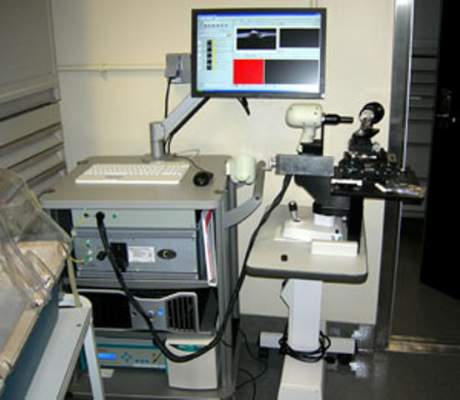
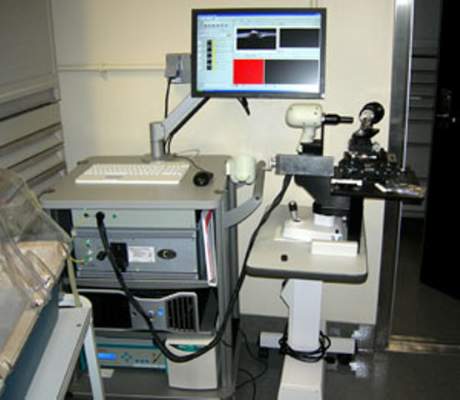
The study in 86 individuals with acute optic neuritis randomized 29 participants to receive 4 mg/kg per day of oral phenytoin, 13 to 6 mg/kg per day of oral phenytoin, and 44 to placebo for 3 months; all were randomized within 14 days of vision loss. One-third of the patients had previously been diagnosed with multiple sclerosis or were diagnosed at presentation, and 74% had at least one brain lesion on MRI.
Treatment with phenytoin resulted in a decline of mean retinal nerve fiber layer thickness in the affected eye from 130.62 mcm at baseline to 81.46 mcm at 6 months, compared with a decline from 125.20 mcm to 74.29 mcm in the placebo group, representing an adjusted mean difference of 7.15 mcm that reached statistical significance.
The researchers also noted a significant 34% reduction in macular volume loss in the treatment arm, compared with placebo, representing an adjusted mean difference of 0.20 mm3. However, the treatment had no significant effect on low-contrast visual acuity and visual evoked potentials.
The most common adverse event in the treatment arm was maculopapular rash, which was judged as severe in one patient treated with phenytoin.
The study was supported by the U.S. National Multiple Sclerosis Society, the Multiple Sclerosis Society of Great Britain and Northern Ireland, Novartis, the U.K. National Institute for Health Research, and the NIHR UCLH/UCL Biomedical Research Centre. Several authors declared personal fees, trial funding, grants, and consultancies for pharmaceutical companies, including Novartis.
The absence of regular, early outcome assessments around 1-2 months after initiation of treatment makes it hard to interpret the results because they would have helped to rule out a primarily anti-inflammatory effect of the treatment by tracking retinal nerve fiber layer (RNFL) swelling and possible optic nerve inflammation, especially given that there was higher baseline RNFL thickness and worse low-contrast visual acuity in the patients who received phenytoin. If the true RNFL thickness at baseline in the affected eye of patients in the phenytoin group was higher than those in the placebo group, it could have accounted for the findings even though the investigators made a prespecified adjustment for it.
Although the results of this study are a major advancement and undeniably encouraging, future studies need to include more frequent OCT sampling, as well as more detailed OCT-segmentation-derived retinal measures such as ganglion cell plus inner plexiform layer thickness, which do not swell during acute optic neuritis, mitigating the need for statistical corrections involving the unaffected eye.
Dr. Shiv Saidha and Dr. Peter A. Calabresi are from the division of neuroimmunology and neurological infections at Johns Hopkins University, Baltimore. These comments were taken from an accompanying editorial (Lancet Neurol. 2016 Jan 25. doi: 10.1016/S1474-4422(16)00024-7). Dr. Saidha declared receiving funding support, consulting fees, grant support, speaking honoraria, and advisory board positions with the pharmaceutical industry, including companies that market MS drugs. Dr. Calabresi declared consultancies, research funding, and advisory board positions with the pharmaceutical industry, including companies that market MS drugs.
The absence of regular, early outcome assessments around 1-2 months after initiation of treatment makes it hard to interpret the results because they would have helped to rule out a primarily anti-inflammatory effect of the treatment by tracking retinal nerve fiber layer (RNFL) swelling and possible optic nerve inflammation, especially given that there was higher baseline RNFL thickness and worse low-contrast visual acuity in the patients who received phenytoin. If the true RNFL thickness at baseline in the affected eye of patients in the phenytoin group was higher than those in the placebo group, it could have accounted for the findings even though the investigators made a prespecified adjustment for it.
Although the results of this study are a major advancement and undeniably encouraging, future studies need to include more frequent OCT sampling, as well as more detailed OCT-segmentation-derived retinal measures such as ganglion cell plus inner plexiform layer thickness, which do not swell during acute optic neuritis, mitigating the need for statistical corrections involving the unaffected eye.
Dr. Shiv Saidha and Dr. Peter A. Calabresi are from the division of neuroimmunology and neurological infections at Johns Hopkins University, Baltimore. These comments were taken from an accompanying editorial (Lancet Neurol. 2016 Jan 25. doi: 10.1016/S1474-4422(16)00024-7). Dr. Saidha declared receiving funding support, consulting fees, grant support, speaking honoraria, and advisory board positions with the pharmaceutical industry, including companies that market MS drugs. Dr. Calabresi declared consultancies, research funding, and advisory board positions with the pharmaceutical industry, including companies that market MS drugs.
The absence of regular, early outcome assessments around 1-2 months after initiation of treatment makes it hard to interpret the results because they would have helped to rule out a primarily anti-inflammatory effect of the treatment by tracking retinal nerve fiber layer (RNFL) swelling and possible optic nerve inflammation, especially given that there was higher baseline RNFL thickness and worse low-contrast visual acuity in the patients who received phenytoin. If the true RNFL thickness at baseline in the affected eye of patients in the phenytoin group was higher than those in the placebo group, it could have accounted for the findings even though the investigators made a prespecified adjustment for it.
Although the results of this study are a major advancement and undeniably encouraging, future studies need to include more frequent OCT sampling, as well as more detailed OCT-segmentation-derived retinal measures such as ganglion cell plus inner plexiform layer thickness, which do not swell during acute optic neuritis, mitigating the need for statistical corrections involving the unaffected eye.
Dr. Shiv Saidha and Dr. Peter A. Calabresi are from the division of neuroimmunology and neurological infections at Johns Hopkins University, Baltimore. These comments were taken from an accompanying editorial (Lancet Neurol. 2016 Jan 25. doi: 10.1016/S1474-4422(16)00024-7). Dr. Saidha declared receiving funding support, consulting fees, grant support, speaking honoraria, and advisory board positions with the pharmaceutical industry, including companies that market MS drugs. Dr. Calabresi declared consultancies, research funding, and advisory board positions with the pharmaceutical industry, including companies that market MS drugs.
Patients with acute demyelinating optic neuritis who received the anticonvulsant drug phenytoin lost 30% less of their retinal nerve fiber layer than did placebo-treated patients in a randomized, phase II study.
“The results of this clinical trial support the concept of neuroprotection using phenytoin to inhibit voltage-gated sodium channels in patients with acute optic neuritis,” wrote Dr. Rhian Raftopoulos of the National Hospital for Neurology and Neurosurgery, London, and coauthors (Lancet Neurol. 2016 Jan 25. doi: 10.1016/S1474-4422(16)00004-1).
The study in 86 individuals with acute optic neuritis randomized 29 participants to receive 4 mg/kg per day of oral phenytoin, 13 to 6 mg/kg per day of oral phenytoin, and 44 to placebo for 3 months; all were randomized within 14 days of vision loss. One-third of the patients had previously been diagnosed with multiple sclerosis or were diagnosed at presentation, and 74% had at least one brain lesion on MRI.
Treatment with phenytoin resulted in a decline of mean retinal nerve fiber layer thickness in the affected eye from 130.62 mcm at baseline to 81.46 mcm at 6 months, compared with a decline from 125.20 mcm to 74.29 mcm in the placebo group, representing an adjusted mean difference of 7.15 mcm that reached statistical significance.
The researchers also noted a significant 34% reduction in macular volume loss in the treatment arm, compared with placebo, representing an adjusted mean difference of 0.20 mm3. However, the treatment had no significant effect on low-contrast visual acuity and visual evoked potentials.
The most common adverse event in the treatment arm was maculopapular rash, which was judged as severe in one patient treated with phenytoin.
The study was supported by the U.S. National Multiple Sclerosis Society, the Multiple Sclerosis Society of Great Britain and Northern Ireland, Novartis, the U.K. National Institute for Health Research, and the NIHR UCLH/UCL Biomedical Research Centre. Several authors declared personal fees, trial funding, grants, and consultancies for pharmaceutical companies, including Novartis.
Patients with acute demyelinating optic neuritis who received the anticonvulsant drug phenytoin lost 30% less of their retinal nerve fiber layer than did placebo-treated patients in a randomized, phase II study.
“The results of this clinical trial support the concept of neuroprotection using phenytoin to inhibit voltage-gated sodium channels in patients with acute optic neuritis,” wrote Dr. Rhian Raftopoulos of the National Hospital for Neurology and Neurosurgery, London, and coauthors (Lancet Neurol. 2016 Jan 25. doi: 10.1016/S1474-4422(16)00004-1).
The study in 86 individuals with acute optic neuritis randomized 29 participants to receive 4 mg/kg per day of oral phenytoin, 13 to 6 mg/kg per day of oral phenytoin, and 44 to placebo for 3 months; all were randomized within 14 days of vision loss. One-third of the patients had previously been diagnosed with multiple sclerosis or were diagnosed at presentation, and 74% had at least one brain lesion on MRI.
Treatment with phenytoin resulted in a decline of mean retinal nerve fiber layer thickness in the affected eye from 130.62 mcm at baseline to 81.46 mcm at 6 months, compared with a decline from 125.20 mcm to 74.29 mcm in the placebo group, representing an adjusted mean difference of 7.15 mcm that reached statistical significance.
The researchers also noted a significant 34% reduction in macular volume loss in the treatment arm, compared with placebo, representing an adjusted mean difference of 0.20 mm3. However, the treatment had no significant effect on low-contrast visual acuity and visual evoked potentials.
The most common adverse event in the treatment arm was maculopapular rash, which was judged as severe in one patient treated with phenytoin.
The study was supported by the U.S. National Multiple Sclerosis Society, the Multiple Sclerosis Society of Great Britain and Northern Ireland, Novartis, the U.K. National Institute for Health Research, and the NIHR UCLH/UCL Biomedical Research Centre. Several authors declared personal fees, trial funding, grants, and consultancies for pharmaceutical companies, including Novartis.
FROM LANCET NEUROLOGY
Key clinical point: Phenytoin treatment is associated with a reduction in retinal nerve fiber layer loss in individuals with demyelinating optic neuritis.
Major finding: Treatment with phenytoin was associated with a 30% reduction in the extent of retinal nerve fiber layer loss, compared with placebo.
Data source: Randomized, placebo-controlled phase II trial in 86 individuals with acute demyelinating optic neuritis.
Disclosures: The study was supported by the U.S. National Multiple Sclerosis Society, the Multiple Sclerosis Society of Great Britain and Northern Ireland, Novartis, the U.K. National Institute for Health Research, and the NIHR UCLH/UCL Biomedical Research Centre. Several authors declared personal fees, trial funding, grants, and consultancies for pharmaceutical companies, including Novartis.
Three lesions needed for MRI diagnosis of MS
A European expert group has proposed several revisions to the 2010 McDonald criteria for the use of MRI in diagnosing multiple sclerosis.
The MAGNIMS collaborative research network argued that new data on the application of MRI, as well as improvements in MRI technology, demanded changes to the multiple sclerosis (MS) diagnostic criteria.
The first proposed recommendation is that three or more focal lesions, rather than a single lesion, should be present to diagnose the involvement of the periventricular region and to show disease dissemination in space (Lancet Neurol. 2016 Jan 25. doi: 10.1016/S1474-4422[15]00393-2).
“A single lesion was deemed not sufficiently specific to determine whether involvement of the periventricular region is due to a demyelinating inflammatory event, and the use of one periventricular lesion for assessing dissemination in space has never been formally validated,” wrote Dr. Massimo Filippi of Vita-Salute San Raffaele University, Milan, and his coauthors.
They also pointed out that incidental periventricular lesions can be found in up to 30% of patients with migraine, and in individuals with other neurologic disorders.
In addition, the group recommended that optic nerve lesions be added to the criteria for dissemination in space.
“Clinical documentation of optic nerve atrophy or pallor, neurophysiological confirmation of optic nerve dysfunction (slowed conduction), or imaging features of clinically silent optic nerve inflammation (MRI lesions or retinal nerve fiber layer thinning) support dissemination in space and, in patients without concurrent visual symptoms, dissemination in time.”
According to the new recommendations, disease dissemination in space can be shown by the involvement of at least two areas from a list of five possibilities: three or more periventricular lesions, one or more infratentorial lesions, one or more spinal cord lesions, one or more optic nerve lesions, or one or more cortical or juxtacortical lesions.
However, the group did not propose any significant changes to the criteria for dissemination in time, other than saying that the presence of nonenhancing black holes should not be considered as a potential alternative criterion to show dissemination in time in adult patients.
The committee also backed the existing recommendations that children aged 11 years or older with nonacute disseminated encephalomyelitis–like presentation should be diagnosed with the same criteria as adults, for dissemination in time and space.
“Several studies have confirmed that the 2010 McDonald criteria perform better than or similar to previously proposed pediatric MS criteria for diagnosis of children with nonacute disseminated encephalomyelitis presentations and pediatric patients older than 11 years, and the consensus group therefore recommend caution when using these criteria in children younger than 11 years,” they wrote.
Other recommendations include that there be no distinction required between symptomatic and asymptomatic MRI lesions for diagnosing dissemination in time or space; that the whole spinal cord be imaged to define dissemination in space, particularly in patients who do not fulfill the brain MRI criteria; and that the same criteria for dissemination in space be used for both primary progressive MS and relapse-onset MS, with cerebrospinal fluid results considered for clinically uncertain cases of primary progressive MS.
The expenses of the workshop where the recommendations were formulated were supported by an unrestricted educational grant from Novartis. The authors of the paper declared grants, consultancies, speaking fees, travel support, and honoraria from numerous pharmaceutical companies, including Novartis.

|
Dr. Robert J. Fox |
Including the initial symptomatic lesion in the lesion count to satisfy criteria for dissemination in space and time might be the most useful contribution of the revised criteria to clinical practice.
In addition, the broad applicability of the MRI criteria were affirmed in primary progressive multiple sclerosis, relapse-onset multiple sclerosis, children aged 11 years or older without an acute disseminated encephalomyelitis presentation, and patients with multiple sclerosis in Asia and Latin America.
Dr. Robert J. Fox is from the Mellen Center for MS Treatment and Research at the Cleveland Clinic. These comments were taken from an accompanying editorial (Lancet Neurol. 2016 Jan 25. doi: 10.1016/S1474-4422[16]00023-5). Dr. Fox declared personal consulting fees from Actelion, Biogen, Genentech, Mallinckrodt, MedDay, Novartis, Teva, and XenoPort; advisory committee roles for Biogen and Novartis; and research grant funding from Novartis.
|
|
Dr. Robert J. Fox |
Including the initial symptomatic lesion in the lesion count to satisfy criteria for dissemination in space and time might be the most useful contribution of the revised criteria to clinical practice.
In addition, the broad applicability of the MRI criteria were affirmed in primary progressive multiple sclerosis, relapse-onset multiple sclerosis, children aged 11 years or older without an acute disseminated encephalomyelitis presentation, and patients with multiple sclerosis in Asia and Latin America.
Dr. Robert J. Fox is from the Mellen Center for MS Treatment and Research at the Cleveland Clinic. These comments were taken from an accompanying editorial (Lancet Neurol. 2016 Jan 25. doi: 10.1016/S1474-4422[16]00023-5). Dr. Fox declared personal consulting fees from Actelion, Biogen, Genentech, Mallinckrodt, MedDay, Novartis, Teva, and XenoPort; advisory committee roles for Biogen and Novartis; and research grant funding from Novartis.
|
|
Dr. Robert J. Fox |
Including the initial symptomatic lesion in the lesion count to satisfy criteria for dissemination in space and time might be the most useful contribution of the revised criteria to clinical practice.
In addition, the broad applicability of the MRI criteria were affirmed in primary progressive multiple sclerosis, relapse-onset multiple sclerosis, children aged 11 years or older without an acute disseminated encephalomyelitis presentation, and patients with multiple sclerosis in Asia and Latin America.
Dr. Robert J. Fox is from the Mellen Center for MS Treatment and Research at the Cleveland Clinic. These comments were taken from an accompanying editorial (Lancet Neurol. 2016 Jan 25. doi: 10.1016/S1474-4422[16]00023-5). Dr. Fox declared personal consulting fees from Actelion, Biogen, Genentech, Mallinckrodt, MedDay, Novartis, Teva, and XenoPort; advisory committee roles for Biogen and Novartis; and research grant funding from Novartis.
A European expert group has proposed several revisions to the 2010 McDonald criteria for the use of MRI in diagnosing multiple sclerosis.
The MAGNIMS collaborative research network argued that new data on the application of MRI, as well as improvements in MRI technology, demanded changes to the multiple sclerosis (MS) diagnostic criteria.
The first proposed recommendation is that three or more focal lesions, rather than a single lesion, should be present to diagnose the involvement of the periventricular region and to show disease dissemination in space (Lancet Neurol. 2016 Jan 25. doi: 10.1016/S1474-4422[15]00393-2).
“A single lesion was deemed not sufficiently specific to determine whether involvement of the periventricular region is due to a demyelinating inflammatory event, and the use of one periventricular lesion for assessing dissemination in space has never been formally validated,” wrote Dr. Massimo Filippi of Vita-Salute San Raffaele University, Milan, and his coauthors.
They also pointed out that incidental periventricular lesions can be found in up to 30% of patients with migraine, and in individuals with other neurologic disorders.
In addition, the group recommended that optic nerve lesions be added to the criteria for dissemination in space.
“Clinical documentation of optic nerve atrophy or pallor, neurophysiological confirmation of optic nerve dysfunction (slowed conduction), or imaging features of clinically silent optic nerve inflammation (MRI lesions or retinal nerve fiber layer thinning) support dissemination in space and, in patients without concurrent visual symptoms, dissemination in time.”
According to the new recommendations, disease dissemination in space can be shown by the involvement of at least two areas from a list of five possibilities: three or more periventricular lesions, one or more infratentorial lesions, one or more spinal cord lesions, one or more optic nerve lesions, or one or more cortical or juxtacortical lesions.
However, the group did not propose any significant changes to the criteria for dissemination in time, other than saying that the presence of nonenhancing black holes should not be considered as a potential alternative criterion to show dissemination in time in adult patients.
The committee also backed the existing recommendations that children aged 11 years or older with nonacute disseminated encephalomyelitis–like presentation should be diagnosed with the same criteria as adults, for dissemination in time and space.
“Several studies have confirmed that the 2010 McDonald criteria perform better than or similar to previously proposed pediatric MS criteria for diagnosis of children with nonacute disseminated encephalomyelitis presentations and pediatric patients older than 11 years, and the consensus group therefore recommend caution when using these criteria in children younger than 11 years,” they wrote.
Other recommendations include that there be no distinction required between symptomatic and asymptomatic MRI lesions for diagnosing dissemination in time or space; that the whole spinal cord be imaged to define dissemination in space, particularly in patients who do not fulfill the brain MRI criteria; and that the same criteria for dissemination in space be used for both primary progressive MS and relapse-onset MS, with cerebrospinal fluid results considered for clinically uncertain cases of primary progressive MS.
The expenses of the workshop where the recommendations were formulated were supported by an unrestricted educational grant from Novartis. The authors of the paper declared grants, consultancies, speaking fees, travel support, and honoraria from numerous pharmaceutical companies, including Novartis.
A European expert group has proposed several revisions to the 2010 McDonald criteria for the use of MRI in diagnosing multiple sclerosis.
The MAGNIMS collaborative research network argued that new data on the application of MRI, as well as improvements in MRI technology, demanded changes to the multiple sclerosis (MS) diagnostic criteria.
The first proposed recommendation is that three or more focal lesions, rather than a single lesion, should be present to diagnose the involvement of the periventricular region and to show disease dissemination in space (Lancet Neurol. 2016 Jan 25. doi: 10.1016/S1474-4422[15]00393-2).
“A single lesion was deemed not sufficiently specific to determine whether involvement of the periventricular region is due to a demyelinating inflammatory event, and the use of one periventricular lesion for assessing dissemination in space has never been formally validated,” wrote Dr. Massimo Filippi of Vita-Salute San Raffaele University, Milan, and his coauthors.
They also pointed out that incidental periventricular lesions can be found in up to 30% of patients with migraine, and in individuals with other neurologic disorders.
In addition, the group recommended that optic nerve lesions be added to the criteria for dissemination in space.
“Clinical documentation of optic nerve atrophy or pallor, neurophysiological confirmation of optic nerve dysfunction (slowed conduction), or imaging features of clinically silent optic nerve inflammation (MRI lesions or retinal nerve fiber layer thinning) support dissemination in space and, in patients without concurrent visual symptoms, dissemination in time.”
According to the new recommendations, disease dissemination in space can be shown by the involvement of at least two areas from a list of five possibilities: three or more periventricular lesions, one or more infratentorial lesions, one or more spinal cord lesions, one or more optic nerve lesions, or one or more cortical or juxtacortical lesions.
However, the group did not propose any significant changes to the criteria for dissemination in time, other than saying that the presence of nonenhancing black holes should not be considered as a potential alternative criterion to show dissemination in time in adult patients.
The committee also backed the existing recommendations that children aged 11 years or older with nonacute disseminated encephalomyelitis–like presentation should be diagnosed with the same criteria as adults, for dissemination in time and space.
“Several studies have confirmed that the 2010 McDonald criteria perform better than or similar to previously proposed pediatric MS criteria for diagnosis of children with nonacute disseminated encephalomyelitis presentations and pediatric patients older than 11 years, and the consensus group therefore recommend caution when using these criteria in children younger than 11 years,” they wrote.
Other recommendations include that there be no distinction required between symptomatic and asymptomatic MRI lesions for diagnosing dissemination in time or space; that the whole spinal cord be imaged to define dissemination in space, particularly in patients who do not fulfill the brain MRI criteria; and that the same criteria for dissemination in space be used for both primary progressive MS and relapse-onset MS, with cerebrospinal fluid results considered for clinically uncertain cases of primary progressive MS.
The expenses of the workshop where the recommendations were formulated were supported by an unrestricted educational grant from Novartis. The authors of the paper declared grants, consultancies, speaking fees, travel support, and honoraria from numerous pharmaceutical companies, including Novartis.
FROM LANCET NEUROLOGY
Molecular Biomarkers May Predict Conversion to MS
BARCELONA—CSF levels of chitinase 3-like-1 protein and of the light subunit of neurofilaments predict conversion to multiple sclerosis (MS) and the development of neurologic disability in patients with clinically isolated syndrome (CIS), according to an overview presented at the 31st Congress of the European Committee for Treatment and Research in Multiple Sclerosis (ECTRIMS). Ongoing research will indicate whether combinations of CSF biomarkers provide more accurate prognoses than individual biomarkers do.
Clinical manifestations, disease course, radiologic findings, histopathologic characteristics of lesions, and response to treatment vary greatly among patients with MS. The heterogeneity of the disease creates a need for reliable biomarkers that may improve diagnosis, stratification, prediction of disease course, identification of new therapies, and development of personalized therapy, said Manuel Comabella, MD, Head of the Laboratory of the Clinical Neuroimmunology Unit at the MS Center of Catalonia in Barcelona.
Neurofilament Proteins
Previous studies indicate that CSF oligoclonal bands and the 14-3-3 protein individually predict conversion from CIS to MS. Newer research indicates that the levels of neurofilament proteins in CSF can help neurologists quantify axonal damage. Neurofilaments comprise heavy, medium, and light subunits, and neurofilaments’ axonal diameter is influenced by the degree to which they are phosphorylated. Pathologic processes that cause axonal damage release the neurofilament proteins into the CSF, where they can be detected.
Teunissen et al observed that CSF levels of the light subunit of the neurofilaments were significantly higher in patients with CIS who converted to clinically definite MS, compared with patients with CIS who did not convert. More recently, Modvig and colleagues found that levels of the light subunit of the neurofilaments predicted long-term disability, as measured by the MS severity scale and the nine-hole peg test, in patients with optic neuritis after more than three years of follow-up.
Levels of the light subunit of the neurofilaments also may predict disease progression in patients with MS. Investigators found that conversion from relapsing-remitting MS to secondary progressive MS was more likely among patients with high levels of the light subunit of the neurofilaments, compared with patients with intermediate or undetectable levels. Also, case reviews indicate that common MS therapies such as natalizumab or fingolimod modify CSF levels of the light subunit of the neurofilaments, “which suggests that they can be used as a biomarker to monitor the response to therapies and … the neuroprotective effects of treatments,” said Dr. Comabella.
Chitinase 3-Like-1 Protein
Investigators also have examined chitinase 3-like-1 protein as a potential biomarker. The protein results from strong proinflammatory cytokines such as TNF-α and IL-1β. Serum and plasma levels of the protein usually are elevated in people with disorders characterized by chronic inflammation.
Dr. Comabella and colleagues conducted a study to identify CSF biomarkers associated with conversion from CIS to MS. The investigators classified patients into two groups. One group included patients with CIS who had a normal MRI and were positive for IgG oligoclonal bands at baseline, and who converted to clinically definite MS during follow-up. The other group included patients with CIS who had a normal MRI at baseline and after five years of follow-up, were negative for IgG oligoclonal bands, and did not convert to MS during follow-up.
The investigators applied a mass-spectrometry-based proteomic approach to identify proteins that were present in different quantities in the CSF of patients who converted to MS, compared with those who did not. They found that CSF levels of chitinase 3-like-1 protein were significantly higher in patients who converted to MS, compared with those who did not. CSF levels of the protein also correlated with MRI abnormalities at baseline and with disability progression during follow-up. In addition, high levels of chitinase 3-like-1 protein were associated with a shorter time to MS.
These results prompted Dr. Comabella’s group to begin a study evaluating chitinase 3-like-1 protein as a prognostic biomarker for conversion to MS. The investigators examined more than 800 CSF samples from patients with CIS. They used multivariable Cox regression models to investigate the association between CSF chitinase 3-like-1 protein levels and the time to MS, based on Poser or 2005 McDonald criteria, and also based on the time to reach an Expanded Disability Status Scale score of 3.
CSF levels of chitinase 3-like-1 protein were a risk factor for conversion to MS, independent of other predictors such as IgG oligoclonal bands and MRI. Chitinase 3-like-1 protein levels were the only significant independent risk factor associated with the development of neurologic disability, with a hazard ratio of approximately 4. “A chitinase level of 170 ng/mL was the best cutoff that allowed us to classify protein levels into high and low, and 44% of the patients had protein levels above this cutoff,” said Dr. Comabella. Levels higher than 170 ng/mL were associated with a shorter time to MS and with faster development of disability.
Dr. Comabella’s results are consistent with those of other recent investigations of the protein. Using a similar proteomic approach, Hinsinger et al identified chitinase 3-like-1 protein as one of the best predictors of conversion to MS. They identified 189 ng/ml as the cutoff that best classified protein levels as high or low. Levels above the cutoff were associated with shorter time to MS, based on the 2005 McDonald criteria. Also, Modvig’s study of patients with optic neuritis found that chitinase 3-like-1 protein, MRI, and age together were the best predictor of clinically definite MS. The protein also predicted long-term cognitive impairment in that study.
Do Biomarker Combinations Improve Predictions?
Combinations of biomarkers may improve prognostic predictions for patients with CIS, compared with individual biomarkers, said Dr. Comabella. He and his colleagues are investigating the predictive value of the combination of chitinase 3-like-1 protein, dipeptidase, and semaphorin 7A. Data suggest that this combination is better at distinguishing between patients with CIS who convert to MS and those who do not, compared with each biomarker considered individually.
Dr. Comabella’s group also is investigating the potential neurotoxic effect of chitinase 3-like-1 protein. They are adding the protein to primary cultures of neurons at the concentrations above and below the cutoff of 170 ng/ml. Preliminary data suggest that the protein is neurotoxic.
—Erik Greb
Suggested Reading
Comabella M, Fernández M, Martin R, et al. Cerebrospinal fluid chitinase 3-like 1 levels are associated with conversion to multiple sclerosis. Brain. 2010;133(Pt 4):1082-1093.
Hinsinger G, Galéotti N, Nabholz N, et al. Chitinase 3-like proteins as diagnostic and prognostic biomarkers of multiple sclerosis. Mult Scler. 2015;21(10):1251-1261.
Modvig S, Degn M, Roed H, et al. Cerebrospinal fluid levels of chitinase 3-like 1 and neurofilament light chain predict multiple sclerosis development and disability after optic neuritis. Mult Scler. 2015;21(14):1761-1770.
BARCELONA—CSF levels of chitinase 3-like-1 protein and of the light subunit of neurofilaments predict conversion to multiple sclerosis (MS) and the development of neurologic disability in patients with clinically isolated syndrome (CIS), according to an overview presented at the 31st Congress of the European Committee for Treatment and Research in Multiple Sclerosis (ECTRIMS). Ongoing research will indicate whether combinations of CSF biomarkers provide more accurate prognoses than individual biomarkers do.
Clinical manifestations, disease course, radiologic findings, histopathologic characteristics of lesions, and response to treatment vary greatly among patients with MS. The heterogeneity of the disease creates a need for reliable biomarkers that may improve diagnosis, stratification, prediction of disease course, identification of new therapies, and development of personalized therapy, said Manuel Comabella, MD, Head of the Laboratory of the Clinical Neuroimmunology Unit at the MS Center of Catalonia in Barcelona.
Neurofilament Proteins
Previous studies indicate that CSF oligoclonal bands and the 14-3-3 protein individually predict conversion from CIS to MS. Newer research indicates that the levels of neurofilament proteins in CSF can help neurologists quantify axonal damage. Neurofilaments comprise heavy, medium, and light subunits, and neurofilaments’ axonal diameter is influenced by the degree to which they are phosphorylated. Pathologic processes that cause axonal damage release the neurofilament proteins into the CSF, where they can be detected.
Teunissen et al observed that CSF levels of the light subunit of the neurofilaments were significantly higher in patients with CIS who converted to clinically definite MS, compared with patients with CIS who did not convert. More recently, Modvig and colleagues found that levels of the light subunit of the neurofilaments predicted long-term disability, as measured by the MS severity scale and the nine-hole peg test, in patients with optic neuritis after more than three years of follow-up.
Levels of the light subunit of the neurofilaments also may predict disease progression in patients with MS. Investigators found that conversion from relapsing-remitting MS to secondary progressive MS was more likely among patients with high levels of the light subunit of the neurofilaments, compared with patients with intermediate or undetectable levels. Also, case reviews indicate that common MS therapies such as natalizumab or fingolimod modify CSF levels of the light subunit of the neurofilaments, “which suggests that they can be used as a biomarker to monitor the response to therapies and … the neuroprotective effects of treatments,” said Dr. Comabella.
Chitinase 3-Like-1 Protein
Investigators also have examined chitinase 3-like-1 protein as a potential biomarker. The protein results from strong proinflammatory cytokines such as TNF-α and IL-1β. Serum and plasma levels of the protein usually are elevated in people with disorders characterized by chronic inflammation.
Dr. Comabella and colleagues conducted a study to identify CSF biomarkers associated with conversion from CIS to MS. The investigators classified patients into two groups. One group included patients with CIS who had a normal MRI and were positive for IgG oligoclonal bands at baseline, and who converted to clinically definite MS during follow-up. The other group included patients with CIS who had a normal MRI at baseline and after five years of follow-up, were negative for IgG oligoclonal bands, and did not convert to MS during follow-up.
The investigators applied a mass-spectrometry-based proteomic approach to identify proteins that were present in different quantities in the CSF of patients who converted to MS, compared with those who did not. They found that CSF levels of chitinase 3-like-1 protein were significantly higher in patients who converted to MS, compared with those who did not. CSF levels of the protein also correlated with MRI abnormalities at baseline and with disability progression during follow-up. In addition, high levels of chitinase 3-like-1 protein were associated with a shorter time to MS.
These results prompted Dr. Comabella’s group to begin a study evaluating chitinase 3-like-1 protein as a prognostic biomarker for conversion to MS. The investigators examined more than 800 CSF samples from patients with CIS. They used multivariable Cox regression models to investigate the association between CSF chitinase 3-like-1 protein levels and the time to MS, based on Poser or 2005 McDonald criteria, and also based on the time to reach an Expanded Disability Status Scale score of 3.
CSF levels of chitinase 3-like-1 protein were a risk factor for conversion to MS, independent of other predictors such as IgG oligoclonal bands and MRI. Chitinase 3-like-1 protein levels were the only significant independent risk factor associated with the development of neurologic disability, with a hazard ratio of approximately 4. “A chitinase level of 170 ng/mL was the best cutoff that allowed us to classify protein levels into high and low, and 44% of the patients had protein levels above this cutoff,” said Dr. Comabella. Levels higher than 170 ng/mL were associated with a shorter time to MS and with faster development of disability.
Dr. Comabella’s results are consistent with those of other recent investigations of the protein. Using a similar proteomic approach, Hinsinger et al identified chitinase 3-like-1 protein as one of the best predictors of conversion to MS. They identified 189 ng/ml as the cutoff that best classified protein levels as high or low. Levels above the cutoff were associated with shorter time to MS, based on the 2005 McDonald criteria. Also, Modvig’s study of patients with optic neuritis found that chitinase 3-like-1 protein, MRI, and age together were the best predictor of clinically definite MS. The protein also predicted long-term cognitive impairment in that study.
Do Biomarker Combinations Improve Predictions?
Combinations of biomarkers may improve prognostic predictions for patients with CIS, compared with individual biomarkers, said Dr. Comabella. He and his colleagues are investigating the predictive value of the combination of chitinase 3-like-1 protein, dipeptidase, and semaphorin 7A. Data suggest that this combination is better at distinguishing between patients with CIS who convert to MS and those who do not, compared with each biomarker considered individually.
Dr. Comabella’s group also is investigating the potential neurotoxic effect of chitinase 3-like-1 protein. They are adding the protein to primary cultures of neurons at the concentrations above and below the cutoff of 170 ng/ml. Preliminary data suggest that the protein is neurotoxic.
—Erik Greb
BARCELONA—CSF levels of chitinase 3-like-1 protein and of the light subunit of neurofilaments predict conversion to multiple sclerosis (MS) and the development of neurologic disability in patients with clinically isolated syndrome (CIS), according to an overview presented at the 31st Congress of the European Committee for Treatment and Research in Multiple Sclerosis (ECTRIMS). Ongoing research will indicate whether combinations of CSF biomarkers provide more accurate prognoses than individual biomarkers do.
Clinical manifestations, disease course, radiologic findings, histopathologic characteristics of lesions, and response to treatment vary greatly among patients with MS. The heterogeneity of the disease creates a need for reliable biomarkers that may improve diagnosis, stratification, prediction of disease course, identification of new therapies, and development of personalized therapy, said Manuel Comabella, MD, Head of the Laboratory of the Clinical Neuroimmunology Unit at the MS Center of Catalonia in Barcelona.
Neurofilament Proteins
Previous studies indicate that CSF oligoclonal bands and the 14-3-3 protein individually predict conversion from CIS to MS. Newer research indicates that the levels of neurofilament proteins in CSF can help neurologists quantify axonal damage. Neurofilaments comprise heavy, medium, and light subunits, and neurofilaments’ axonal diameter is influenced by the degree to which they are phosphorylated. Pathologic processes that cause axonal damage release the neurofilament proteins into the CSF, where they can be detected.
Teunissen et al observed that CSF levels of the light subunit of the neurofilaments were significantly higher in patients with CIS who converted to clinically definite MS, compared with patients with CIS who did not convert. More recently, Modvig and colleagues found that levels of the light subunit of the neurofilaments predicted long-term disability, as measured by the MS severity scale and the nine-hole peg test, in patients with optic neuritis after more than three years of follow-up.
Levels of the light subunit of the neurofilaments also may predict disease progression in patients with MS. Investigators found that conversion from relapsing-remitting MS to secondary progressive MS was more likely among patients with high levels of the light subunit of the neurofilaments, compared with patients with intermediate or undetectable levels. Also, case reviews indicate that common MS therapies such as natalizumab or fingolimod modify CSF levels of the light subunit of the neurofilaments, “which suggests that they can be used as a biomarker to monitor the response to therapies and … the neuroprotective effects of treatments,” said Dr. Comabella.
Chitinase 3-Like-1 Protein
Investigators also have examined chitinase 3-like-1 protein as a potential biomarker. The protein results from strong proinflammatory cytokines such as TNF-α and IL-1β. Serum and plasma levels of the protein usually are elevated in people with disorders characterized by chronic inflammation.
Dr. Comabella and colleagues conducted a study to identify CSF biomarkers associated with conversion from CIS to MS. The investigators classified patients into two groups. One group included patients with CIS who had a normal MRI and were positive for IgG oligoclonal bands at baseline, and who converted to clinically definite MS during follow-up. The other group included patients with CIS who had a normal MRI at baseline and after five years of follow-up, were negative for IgG oligoclonal bands, and did not convert to MS during follow-up.
The investigators applied a mass-spectrometry-based proteomic approach to identify proteins that were present in different quantities in the CSF of patients who converted to MS, compared with those who did not. They found that CSF levels of chitinase 3-like-1 protein were significantly higher in patients who converted to MS, compared with those who did not. CSF levels of the protein also correlated with MRI abnormalities at baseline and with disability progression during follow-up. In addition, high levels of chitinase 3-like-1 protein were associated with a shorter time to MS.
These results prompted Dr. Comabella’s group to begin a study evaluating chitinase 3-like-1 protein as a prognostic biomarker for conversion to MS. The investigators examined more than 800 CSF samples from patients with CIS. They used multivariable Cox regression models to investigate the association between CSF chitinase 3-like-1 protein levels and the time to MS, based on Poser or 2005 McDonald criteria, and also based on the time to reach an Expanded Disability Status Scale score of 3.
CSF levels of chitinase 3-like-1 protein were a risk factor for conversion to MS, independent of other predictors such as IgG oligoclonal bands and MRI. Chitinase 3-like-1 protein levels were the only significant independent risk factor associated with the development of neurologic disability, with a hazard ratio of approximately 4. “A chitinase level of 170 ng/mL was the best cutoff that allowed us to classify protein levels into high and low, and 44% of the patients had protein levels above this cutoff,” said Dr. Comabella. Levels higher than 170 ng/mL were associated with a shorter time to MS and with faster development of disability.
Dr. Comabella’s results are consistent with those of other recent investigations of the protein. Using a similar proteomic approach, Hinsinger et al identified chitinase 3-like-1 protein as one of the best predictors of conversion to MS. They identified 189 ng/ml as the cutoff that best classified protein levels as high or low. Levels above the cutoff were associated with shorter time to MS, based on the 2005 McDonald criteria. Also, Modvig’s study of patients with optic neuritis found that chitinase 3-like-1 protein, MRI, and age together were the best predictor of clinically definite MS. The protein also predicted long-term cognitive impairment in that study.
Do Biomarker Combinations Improve Predictions?
Combinations of biomarkers may improve prognostic predictions for patients with CIS, compared with individual biomarkers, said Dr. Comabella. He and his colleagues are investigating the predictive value of the combination of chitinase 3-like-1 protein, dipeptidase, and semaphorin 7A. Data suggest that this combination is better at distinguishing between patients with CIS who convert to MS and those who do not, compared with each biomarker considered individually.
Dr. Comabella’s group also is investigating the potential neurotoxic effect of chitinase 3-like-1 protein. They are adding the protein to primary cultures of neurons at the concentrations above and below the cutoff of 170 ng/ml. Preliminary data suggest that the protein is neurotoxic.
—Erik Greb
Suggested Reading
Comabella M, Fernández M, Martin R, et al. Cerebrospinal fluid chitinase 3-like 1 levels are associated with conversion to multiple sclerosis. Brain. 2010;133(Pt 4):1082-1093.
Hinsinger G, Galéotti N, Nabholz N, et al. Chitinase 3-like proteins as diagnostic and prognostic biomarkers of multiple sclerosis. Mult Scler. 2015;21(10):1251-1261.
Modvig S, Degn M, Roed H, et al. Cerebrospinal fluid levels of chitinase 3-like 1 and neurofilament light chain predict multiple sclerosis development and disability after optic neuritis. Mult Scler. 2015;21(14):1761-1770.
Suggested Reading
Comabella M, Fernández M, Martin R, et al. Cerebrospinal fluid chitinase 3-like 1 levels are associated with conversion to multiple sclerosis. Brain. 2010;133(Pt 4):1082-1093.
Hinsinger G, Galéotti N, Nabholz N, et al. Chitinase 3-like proteins as diagnostic and prognostic biomarkers of multiple sclerosis. Mult Scler. 2015;21(10):1251-1261.
Modvig S, Degn M, Roed H, et al. Cerebrospinal fluid levels of chitinase 3-like 1 and neurofilament light chain predict multiple sclerosis development and disability after optic neuritis. Mult Scler. 2015;21(14):1761-1770.
Study confirms value of watching JCV serology during natalizumab treatment
New analyses of multiple sclerosis patients taking natalizumab reemphasize the need to monitor John Cunningham virus (JCV) seroconversion and the level of anti-JCV antibody titers via JCV index values, according to a study of a pair of German and French cohorts.
Longitudinal data available for 525 German patients and 711 French patients with relapsing-remitting multiple sclerosis (MS) revealed seroconversion rates of 8.5%-10.3% per year, seroprevalence increases of 5%-6% during 15-24 months of follow-up, and increases in JCV index values of 0.091 units (12.9%) per year, which “clearly support the facilitation [of progressive multifocal leukoencephalopathy (PML)] by treatment with natalizumab [Tysabri]” and are “at least 8 to 10 times as much as would be expected by age,” reported Nicholas Schwab, Ph.D., of the University of Münster (Germany) and his colleagues (Neurol Neuroimmunol Neuroinflamm. 2016;3:e195. doi: 10.1212/NXI.0000000000000195).
Of the longitudinally followed German patients, 186 (35.4%) were initially seropositive and 43 (12.7%) became seropositive during a mean follow-up duration of 14.8 months, or 10.3% per year. The group of 711 longitudinally followed French patients included 468 (65.8%) who were initially JCV positive. A total of 20 (8.2%) patients who were initially JCV negative seroconverted in the first year, and another 21 (8.6%) did so in the second year, for an overall rate of 8.5% per year.
A total of 525 patients had changes in the level of anti-JCV antibodies in serum (and therefore had changes in JCV index value) during the observation period. Patients with a JCV index value less than 0.4 (very low PML risk) declined from 65.1% to 61.3%, and those with values 0.4-0.9 (low risk) declined from 8.0% to 7.8%. The proportion grew from 4.6% to 5.9% for values 0.9-1.5 (medium risk) and from 22.3% to 25.0% for values greater than 1.5 (high risk). In addition to reflecting the patients’ change in serostatus, the change in PML risk levels “suggested that patients who changed serostatus directly presented with high anti-JCV antibody titers afterward, as the groups of low and medium risk did not grow substantially over time,” the researchers wrote.
A group of 201 patients who were followed over time after becoming seropositive had a mean JCV index value that rose significantly from 2.046 to 2.158 and was not attributable to aging. Rises in JCV index values of more than 30% over the course of 14.8 months occurred in 17% of the patients, compared with stable values in 80% and decreases of more than 30% in 3%. Altogether, the index value of all 201 patients rose by a mean of 0.091 units (12.9%) per year.
“Because as yet there are no studies on the influence of other treatments on JCV index values ... we cannot be certain that it was the treatment with natalizumab that led to the rising index values in our study,” the investigators wrote, although they noted that a recent study of more than 7,000 control patients with MS showed that the duration of non–natalizumab MS treatment did not influence JCV seroprevalence after adjustment for age, sex, and country of origin.
Also, even though the mean index value for JCV-positive patients was greater than 2, putting them in the highest PML risk category, the investigators noted that very few of these patients will ultimately develop PML, so “JCV serology should not be the only PML risk biomarker used in the stratification of patients treated with natalizumab.”
The study was funded by various German and French institutional and governmental grants. Many authors reported financial ties to companies marketing MS drugs, including Biogen, the manufacturer of natalizumab.
Dr. Schwab and his colleagues’ study showing high rates of seroconversion, rising seroprevalence, and increasing John Cunningham virus (JCV) index values add to growing evidence for the need to monitor JCV index values and seroconversion to determine patients’ risk for progressive multifocal leukoencephalopathy while taking natalizumab.
Their data extend earlier paired, longitudinal studies of natalizumab-treated patients with similar high rates of seroconversion (8%-27% per year) and rises in titers.
However, the higher replication rate of JCV implicated by rising anti-JCV titers does not mean that PML is imminent; the risk of PML in JCV-positive natalizumab-treated patients without prior immunosuppressant therapy is 1 in 1,000 per year, whereas the risk of an MS attack in untreated patients is 1 in 2 per year.
It will be important to combine JCV index with other predictive markers for PML in the future, including potential blood markers involving L-selectin expression on T cells, human leukocyte antigen subtypes, viral DNA content in circulating B cells, and numbers of cytolytic T cells, interleukin-10–positive T cells, or anti-JCV effector memory T cells.
Dr. Adil Javed and Dr. Anthony T. Reder are with the University of Chicago. This commentary summarized their editorial accompanying the study by Dr. Schwab and his colleagues (Neurol Neuroimmunol Neuroinflamm. 2016;3:e199. doi: 10.1212/NXI.0000000000000199). The authors disclosed financial ties to many companies that market drugs for MS, including Biogen, which manufactures natalizumab.
Dr. Schwab and his colleagues’ study showing high rates of seroconversion, rising seroprevalence, and increasing John Cunningham virus (JCV) index values add to growing evidence for the need to monitor JCV index values and seroconversion to determine patients’ risk for progressive multifocal leukoencephalopathy while taking natalizumab.
Their data extend earlier paired, longitudinal studies of natalizumab-treated patients with similar high rates of seroconversion (8%-27% per year) and rises in titers.
However, the higher replication rate of JCV implicated by rising anti-JCV titers does not mean that PML is imminent; the risk of PML in JCV-positive natalizumab-treated patients without prior immunosuppressant therapy is 1 in 1,000 per year, whereas the risk of an MS attack in untreated patients is 1 in 2 per year.
It will be important to combine JCV index with other predictive markers for PML in the future, including potential blood markers involving L-selectin expression on T cells, human leukocyte antigen subtypes, viral DNA content in circulating B cells, and numbers of cytolytic T cells, interleukin-10–positive T cells, or anti-JCV effector memory T cells.
Dr. Adil Javed and Dr. Anthony T. Reder are with the University of Chicago. This commentary summarized their editorial accompanying the study by Dr. Schwab and his colleagues (Neurol Neuroimmunol Neuroinflamm. 2016;3:e199. doi: 10.1212/NXI.0000000000000199). The authors disclosed financial ties to many companies that market drugs for MS, including Biogen, which manufactures natalizumab.
Dr. Schwab and his colleagues’ study showing high rates of seroconversion, rising seroprevalence, and increasing John Cunningham virus (JCV) index values add to growing evidence for the need to monitor JCV index values and seroconversion to determine patients’ risk for progressive multifocal leukoencephalopathy while taking natalizumab.
Their data extend earlier paired, longitudinal studies of natalizumab-treated patients with similar high rates of seroconversion (8%-27% per year) and rises in titers.
However, the higher replication rate of JCV implicated by rising anti-JCV titers does not mean that PML is imminent; the risk of PML in JCV-positive natalizumab-treated patients without prior immunosuppressant therapy is 1 in 1,000 per year, whereas the risk of an MS attack in untreated patients is 1 in 2 per year.
It will be important to combine JCV index with other predictive markers for PML in the future, including potential blood markers involving L-selectin expression on T cells, human leukocyte antigen subtypes, viral DNA content in circulating B cells, and numbers of cytolytic T cells, interleukin-10–positive T cells, or anti-JCV effector memory T cells.
Dr. Adil Javed and Dr. Anthony T. Reder are with the University of Chicago. This commentary summarized their editorial accompanying the study by Dr. Schwab and his colleagues (Neurol Neuroimmunol Neuroinflamm. 2016;3:e199. doi: 10.1212/NXI.0000000000000199). The authors disclosed financial ties to many companies that market drugs for MS, including Biogen, which manufactures natalizumab.
New analyses of multiple sclerosis patients taking natalizumab reemphasize the need to monitor John Cunningham virus (JCV) seroconversion and the level of anti-JCV antibody titers via JCV index values, according to a study of a pair of German and French cohorts.
Longitudinal data available for 525 German patients and 711 French patients with relapsing-remitting multiple sclerosis (MS) revealed seroconversion rates of 8.5%-10.3% per year, seroprevalence increases of 5%-6% during 15-24 months of follow-up, and increases in JCV index values of 0.091 units (12.9%) per year, which “clearly support the facilitation [of progressive multifocal leukoencephalopathy (PML)] by treatment with natalizumab [Tysabri]” and are “at least 8 to 10 times as much as would be expected by age,” reported Nicholas Schwab, Ph.D., of the University of Münster (Germany) and his colleagues (Neurol Neuroimmunol Neuroinflamm. 2016;3:e195. doi: 10.1212/NXI.0000000000000195).
Of the longitudinally followed German patients, 186 (35.4%) were initially seropositive and 43 (12.7%) became seropositive during a mean follow-up duration of 14.8 months, or 10.3% per year. The group of 711 longitudinally followed French patients included 468 (65.8%) who were initially JCV positive. A total of 20 (8.2%) patients who were initially JCV negative seroconverted in the first year, and another 21 (8.6%) did so in the second year, for an overall rate of 8.5% per year.
A total of 525 patients had changes in the level of anti-JCV antibodies in serum (and therefore had changes in JCV index value) during the observation period. Patients with a JCV index value less than 0.4 (very low PML risk) declined from 65.1% to 61.3%, and those with values 0.4-0.9 (low risk) declined from 8.0% to 7.8%. The proportion grew from 4.6% to 5.9% for values 0.9-1.5 (medium risk) and from 22.3% to 25.0% for values greater than 1.5 (high risk). In addition to reflecting the patients’ change in serostatus, the change in PML risk levels “suggested that patients who changed serostatus directly presented with high anti-JCV antibody titers afterward, as the groups of low and medium risk did not grow substantially over time,” the researchers wrote.
A group of 201 patients who were followed over time after becoming seropositive had a mean JCV index value that rose significantly from 2.046 to 2.158 and was not attributable to aging. Rises in JCV index values of more than 30% over the course of 14.8 months occurred in 17% of the patients, compared with stable values in 80% and decreases of more than 30% in 3%. Altogether, the index value of all 201 patients rose by a mean of 0.091 units (12.9%) per year.
“Because as yet there are no studies on the influence of other treatments on JCV index values ... we cannot be certain that it was the treatment with natalizumab that led to the rising index values in our study,” the investigators wrote, although they noted that a recent study of more than 7,000 control patients with MS showed that the duration of non–natalizumab MS treatment did not influence JCV seroprevalence after adjustment for age, sex, and country of origin.
Also, even though the mean index value for JCV-positive patients was greater than 2, putting them in the highest PML risk category, the investigators noted that very few of these patients will ultimately develop PML, so “JCV serology should not be the only PML risk biomarker used in the stratification of patients treated with natalizumab.”
The study was funded by various German and French institutional and governmental grants. Many authors reported financial ties to companies marketing MS drugs, including Biogen, the manufacturer of natalizumab.
New analyses of multiple sclerosis patients taking natalizumab reemphasize the need to monitor John Cunningham virus (JCV) seroconversion and the level of anti-JCV antibody titers via JCV index values, according to a study of a pair of German and French cohorts.
Longitudinal data available for 525 German patients and 711 French patients with relapsing-remitting multiple sclerosis (MS) revealed seroconversion rates of 8.5%-10.3% per year, seroprevalence increases of 5%-6% during 15-24 months of follow-up, and increases in JCV index values of 0.091 units (12.9%) per year, which “clearly support the facilitation [of progressive multifocal leukoencephalopathy (PML)] by treatment with natalizumab [Tysabri]” and are “at least 8 to 10 times as much as would be expected by age,” reported Nicholas Schwab, Ph.D., of the University of Münster (Germany) and his colleagues (Neurol Neuroimmunol Neuroinflamm. 2016;3:e195. doi: 10.1212/NXI.0000000000000195).
Of the longitudinally followed German patients, 186 (35.4%) were initially seropositive and 43 (12.7%) became seropositive during a mean follow-up duration of 14.8 months, or 10.3% per year. The group of 711 longitudinally followed French patients included 468 (65.8%) who were initially JCV positive. A total of 20 (8.2%) patients who were initially JCV negative seroconverted in the first year, and another 21 (8.6%) did so in the second year, for an overall rate of 8.5% per year.
A total of 525 patients had changes in the level of anti-JCV antibodies in serum (and therefore had changes in JCV index value) during the observation period. Patients with a JCV index value less than 0.4 (very low PML risk) declined from 65.1% to 61.3%, and those with values 0.4-0.9 (low risk) declined from 8.0% to 7.8%. The proportion grew from 4.6% to 5.9% for values 0.9-1.5 (medium risk) and from 22.3% to 25.0% for values greater than 1.5 (high risk). In addition to reflecting the patients’ change in serostatus, the change in PML risk levels “suggested that patients who changed serostatus directly presented with high anti-JCV antibody titers afterward, as the groups of low and medium risk did not grow substantially over time,” the researchers wrote.
A group of 201 patients who were followed over time after becoming seropositive had a mean JCV index value that rose significantly from 2.046 to 2.158 and was not attributable to aging. Rises in JCV index values of more than 30% over the course of 14.8 months occurred in 17% of the patients, compared with stable values in 80% and decreases of more than 30% in 3%. Altogether, the index value of all 201 patients rose by a mean of 0.091 units (12.9%) per year.
“Because as yet there are no studies on the influence of other treatments on JCV index values ... we cannot be certain that it was the treatment with natalizumab that led to the rising index values in our study,” the investigators wrote, although they noted that a recent study of more than 7,000 control patients with MS showed that the duration of non–natalizumab MS treatment did not influence JCV seroprevalence after adjustment for age, sex, and country of origin.
Also, even though the mean index value for JCV-positive patients was greater than 2, putting them in the highest PML risk category, the investigators noted that very few of these patients will ultimately develop PML, so “JCV serology should not be the only PML risk biomarker used in the stratification of patients treated with natalizumab.”
The study was funded by various German and French institutional and governmental grants. Many authors reported financial ties to companies marketing MS drugs, including Biogen, the manufacturer of natalizumab.
FROM NEUROLOGY: NEUROIMMUNOLOGY & NEUROINFLAMMATION
Key clinical point: Keep watch over patients’ anti-JCV seroconversion and JCV index values during treatment with natalizumab to help determine risk for PML.
Major finding: Longitudinal data revealed seroconversion rates of 8.5%-10.3% per year, seroprevalence increases of 5%-6% during 15-24 months of follow-up, and increases in JCV index values of 0.091 units (12.9%) per year.
Data source: Two prospective, longitudinal cohorts of MS patients
Disclosures: The study was funded by various German and French institutional and governmental grants. Many authors reported financial ties to companies marketing MS drugs, including Biogen, the manufacturer of natalizumab.