User login
Does Natalizumab Benefit Patients With Secondary Progressive MS?
VANCOUVER—Among patients with secondary progressive multiple sclerosis (MS), natalizumab does not delay progression of ambulatory disability, according to phase III trial results presented at the 68th Annual Meeting of the American Academy of Neurology. The drug may slow progression of upper-extremity disability, however, researchers said.
Natalizumab, a recombinant humanized monoclonal antibody against alpha-4 beta-1 integrin, reduces inflammation by inhibiting the transmigration of leukocytes into the brain. It is FDA-approved to treat relapsing-remitting MS, and data have suggested that the drug also may benefit patients with progressive forms of MS.
To investigate whether natalizumab slows disability progression unrelated to relapses in patients with secondary progressive MS, Deborah Steiner, MD, Medical Director at Biogen, and colleagues conducted ASCEND, a multicenter, double-blind, placebo-controlled, randomized trial.

The primary end point was the proportion of participants with confirmed disability progression on the EDSS, Nine-Hole Peg Test, or Timed 25-Foot Walk at six months and at the end of the trial. On the EDSS, progression was defined as an increase of at least 1.0 from a baseline EDSS score of 5.5 or less, or an increase of at least 0.5 from a baseline EDSS score of 6 or more. On the Timed 25-Foot Walk, progression was defined as an increase of 20% or more from baseline. On the Nine-Hole Peg Test, progression was defined as an increase of 20% or more on either hand.
ASCEND did not meet its primary end point. The proportion of progressors was higher in the placebo-treated group (48%) than in the natalizumab-treated group (44%), but the difference was not statistically significant.
Natalizumab treatment was, however, associated with a statistically significant reduction of upper-extremity disability progression, as measured by the Nine-Hole Peg Test. Fifteen percent of participants who received natalizumab had confirmed disability progression on the Nine-Hole Peg Test, compared with 23% of participants who received placebo (odds ratio, 0.56). Dr. Steiner noted that ABILHAND, a patient-reported upper-extremity outcome, clearly differentiated Nine-Hole Peg Test progressors from nonprogressors. This finding “confirms the meaningfulness” of the treatment’s effect on upper extremity disability, the researchers said.
On the Nine-Hole Peg Test, estimated probabilities of confirmed progression over two years showed increased separation over time between the natalizumab and placebo arms. “In contrast, no significant separation over time was observed between natalizumab- and placebo-treated patients on the Timed 25-Foot Walk (38.3% vs 39.2%) or EDSS (17.4% vs 16.7%) components of the primary end point,” the researchers said.
“There’s a striking contrast between the lack of effect on ambulatory function … and the effect on upper-extremity function,” Dr. Steiner said.
Natalizumab was generally well tolerated, with adverse events consistent with its known safety profile.
The study was supported by Biogen in Cambridge, Massachusetts.
—Jake Remaly
Suggested Reading
Sellebjerg F, Cadavid D, Steiner D, et al. Exploring potential mechanisms of action of natalizumab in secondary progressive multiple sclerosis. Ther Adv Neurol Disord. 2016;9(1):31-43.
VANCOUVER—Among patients with secondary progressive multiple sclerosis (MS), natalizumab does not delay progression of ambulatory disability, according to phase III trial results presented at the 68th Annual Meeting of the American Academy of Neurology. The drug may slow progression of upper-extremity disability, however, researchers said.
Natalizumab, a recombinant humanized monoclonal antibody against alpha-4 beta-1 integrin, reduces inflammation by inhibiting the transmigration of leukocytes into the brain. It is FDA-approved to treat relapsing-remitting MS, and data have suggested that the drug also may benefit patients with progressive forms of MS.
To investigate whether natalizumab slows disability progression unrelated to relapses in patients with secondary progressive MS, Deborah Steiner, MD, Medical Director at Biogen, and colleagues conducted ASCEND, a multicenter, double-blind, placebo-controlled, randomized trial.
The primary end point was the proportion of participants with confirmed disability progression on the EDSS, Nine-Hole Peg Test, or Timed 25-Foot Walk at six months and at the end of the trial. On the EDSS, progression was defined as an increase of at least 1.0 from a baseline EDSS score of 5.5 or less, or an increase of at least 0.5 from a baseline EDSS score of 6 or more. On the Timed 25-Foot Walk, progression was defined as an increase of 20% or more from baseline. On the Nine-Hole Peg Test, progression was defined as an increase of 20% or more on either hand.
ASCEND did not meet its primary end point. The proportion of progressors was higher in the placebo-treated group (48%) than in the natalizumab-treated group (44%), but the difference was not statistically significant.
Natalizumab treatment was, however, associated with a statistically significant reduction of upper-extremity disability progression, as measured by the Nine-Hole Peg Test. Fifteen percent of participants who received natalizumab had confirmed disability progression on the Nine-Hole Peg Test, compared with 23% of participants who received placebo (odds ratio, 0.56). Dr. Steiner noted that ABILHAND, a patient-reported upper-extremity outcome, clearly differentiated Nine-Hole Peg Test progressors from nonprogressors. This finding “confirms the meaningfulness” of the treatment’s effect on upper extremity disability, the researchers said.
On the Nine-Hole Peg Test, estimated probabilities of confirmed progression over two years showed increased separation over time between the natalizumab and placebo arms. “In contrast, no significant separation over time was observed between natalizumab- and placebo-treated patients on the Timed 25-Foot Walk (38.3% vs 39.2%) or EDSS (17.4% vs 16.7%) components of the primary end point,” the researchers said.
“There’s a striking contrast between the lack of effect on ambulatory function … and the effect on upper-extremity function,” Dr. Steiner said.
Natalizumab was generally well tolerated, with adverse events consistent with its known safety profile.
The study was supported by Biogen in Cambridge, Massachusetts.
—Jake Remaly
VANCOUVER—Among patients with secondary progressive multiple sclerosis (MS), natalizumab does not delay progression of ambulatory disability, according to phase III trial results presented at the 68th Annual Meeting of the American Academy of Neurology. The drug may slow progression of upper-extremity disability, however, researchers said.
Natalizumab, a recombinant humanized monoclonal antibody against alpha-4 beta-1 integrin, reduces inflammation by inhibiting the transmigration of leukocytes into the brain. It is FDA-approved to treat relapsing-remitting MS, and data have suggested that the drug also may benefit patients with progressive forms of MS.
To investigate whether natalizumab slows disability progression unrelated to relapses in patients with secondary progressive MS, Deborah Steiner, MD, Medical Director at Biogen, and colleagues conducted ASCEND, a multicenter, double-blind, placebo-controlled, randomized trial.
The primary end point was the proportion of participants with confirmed disability progression on the EDSS, Nine-Hole Peg Test, or Timed 25-Foot Walk at six months and at the end of the trial. On the EDSS, progression was defined as an increase of at least 1.0 from a baseline EDSS score of 5.5 or less, or an increase of at least 0.5 from a baseline EDSS score of 6 or more. On the Timed 25-Foot Walk, progression was defined as an increase of 20% or more from baseline. On the Nine-Hole Peg Test, progression was defined as an increase of 20% or more on either hand.
ASCEND did not meet its primary end point. The proportion of progressors was higher in the placebo-treated group (48%) than in the natalizumab-treated group (44%), but the difference was not statistically significant.
Natalizumab treatment was, however, associated with a statistically significant reduction of upper-extremity disability progression, as measured by the Nine-Hole Peg Test. Fifteen percent of participants who received natalizumab had confirmed disability progression on the Nine-Hole Peg Test, compared with 23% of participants who received placebo (odds ratio, 0.56). Dr. Steiner noted that ABILHAND, a patient-reported upper-extremity outcome, clearly differentiated Nine-Hole Peg Test progressors from nonprogressors. This finding “confirms the meaningfulness” of the treatment’s effect on upper extremity disability, the researchers said.
On the Nine-Hole Peg Test, estimated probabilities of confirmed progression over two years showed increased separation over time between the natalizumab and placebo arms. “In contrast, no significant separation over time was observed between natalizumab- and placebo-treated patients on the Timed 25-Foot Walk (38.3% vs 39.2%) or EDSS (17.4% vs 16.7%) components of the primary end point,” the researchers said.
“There’s a striking contrast between the lack of effect on ambulatory function … and the effect on upper-extremity function,” Dr. Steiner said.
Natalizumab was generally well tolerated, with adverse events consistent with its known safety profile.
The study was supported by Biogen in Cambridge, Massachusetts.
—Jake Remaly
Suggested Reading
Sellebjerg F, Cadavid D, Steiner D, et al. Exploring potential mechanisms of action of natalizumab in secondary progressive multiple sclerosis. Ther Adv Neurol Disord. 2016;9(1):31-43.
Suggested Reading
Sellebjerg F, Cadavid D, Steiner D, et al. Exploring potential mechanisms of action of natalizumab in secondary progressive multiple sclerosis. Ther Adv Neurol Disord. 2016;9(1):31-43.

Age, lower baseline ALC increase dimethyl fumarate lymphopenia risk
VANCOUVER – The risk of dimethyl fumarate lymphopenia – and perhaps progressive multifocal leukoencephalopathy – is greatest in patients 60 years or older and those with baseline absolute lymphocyte counts below 2 x 10⁹/L, according to a review of 206 patients with relapsing-remitting or progressive multiple sclerosis from the University of Rochester (N.Y.).
A total of 87 patients (42%), all of whom were on dimethyl fumarate (DMF; Tecfidera) for at least 3 months, developed lymphopenia with an absolute lymphocyte count (ALC) below 0.91 x 10⁹/L. That’s not a surprise; lymphopenia is a well-known side effect of the drug, and the rates in Rochester were similar to what was reported in clinical trials. The greatest concern with DMF lymphopenia is subsequent progressive multifocal leukoencephalopathy (PML); a handful of cases have been reported in lymphopenic patients, none in the University of Rochester review.
What was surprising was that in the 34 patients aged 60 years or older, 24 (71%) developed lymphopenia, versus 62 (36%) of the 172 under 60 years old (P = .0005). Meanwhile, of 93 patients with baseline ALCs below 2 x 10⁹/L, 49 (53%) became lymphopenic, versus 34 of 104 patients (33%) who started DMF with higher lymphocyte counts (P = .0006). A total of nine patients in the study did not have a baseline ALC available.
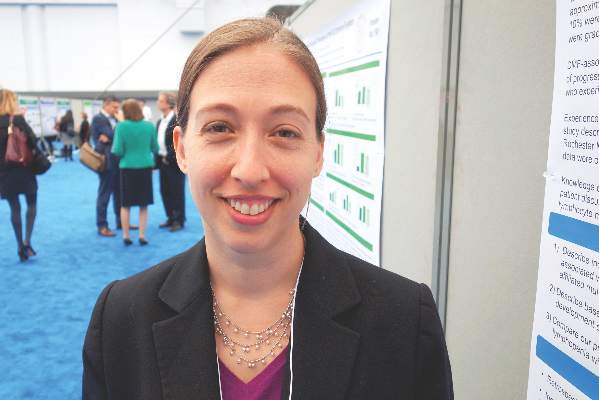
“If I had a patient who was 70 years old with a low baseline lymphocyte count, [these findings] would weigh into my decisions about choosing” this medication. “Age and baseline ALC may guide future selection of patients for DMF therapy,” neurologist and investigator Dr. Jessica Robb said at the annual meeting of the American Academy of Neurology.
Also, because higher grade lymphopenia didn’t resolve in most cases until the drug was stopped, “if I had a patient who developed more severe grade 3 or 4 lymphopenia, I would probably have a lower threshold for” discontinuation. “I would probably think about changing medication more quickly rather than leaving them on [DMF] and hoping that their lymphopenia resolves,” Dr. Robb said.
The Rochester findings are in line with a 2015 report from Washington University, St. Louis, that also indicated a higher risk of moderate to severe lymphopenia in older patients and those with lower baseline ALCs, as well as recent natalizumab (Tysabri) users. Grade 2 or worse lymphopenia “is unlikely to resolve while on the drug,” the St. Louis investigators concluded (Mult Scler J Exp Transl Clin. 2015 Jan-Dec;1:2055217315596994).
Taken together, the two studies are important because there’s otherwise not much else in the medical literature identifying DMF lymphopenia risk factors. Lymphopenia and PML are also concerns with other multiple sclerosis (MS) agents.
“The increased prevalence of lymphopenia in older patients and in patients with a lower baseline ALC suggests a failure of lymphopoiesis triggered by DMF therapy. Indeed, lymphopoiesis declines with age due to thymic involution and decreased production of naive lymphocytes. ... Whether these consequences of normal aging could be amplified by DMF is an avenue for future study,” the St. Louis team said.
“The significance of increased risk for lymphopenia in patients recently exposed to natalizumab is not immediately obvious. ... Natalizumab is known to expand circulating leukocytes, including progenitor cells. If in turn, DMF causes lymphocyte apoptosis or arrest of differentiation, then patients sequentially exposed to natalizumab and DMF might have a larger number of circulating lymphocytes vulnerable to DMF effects than other patients,” they said.
Food and Drug Administration labeling for DMF recommends lymphocyte counts at baseline, 6 months, and every 6-12 months thereafter. However, European regulators recently recommended lymphocyte counts at baseline and every 3 months to catch problems early, as well as baseline MRIs as references for possible PML.
Standard, 240-mg twice-daily dosing was used at the University of Rochester, and the mean age in the study was 49 years. The majority of patients were women, and the mean duration of MS was 11 years. Almost three-quarters of the patients were new to immunosuppression, and none of the patients developed serious infections.
The University of Rochester team noted a higher rate of grade 1 lymphopenia than reported in clinical trials (18% vs. 10%). Twelve patients (6%) discontinued DMF because of lymphopenia.
Dr. Robb and the other investigators had no relevant disclosures.
VANCOUVER – The risk of dimethyl fumarate lymphopenia – and perhaps progressive multifocal leukoencephalopathy – is greatest in patients 60 years or older and those with baseline absolute lymphocyte counts below 2 x 10⁹/L, according to a review of 206 patients with relapsing-remitting or progressive multiple sclerosis from the University of Rochester (N.Y.).
A total of 87 patients (42%), all of whom were on dimethyl fumarate (DMF; Tecfidera) for at least 3 months, developed lymphopenia with an absolute lymphocyte count (ALC) below 0.91 x 10⁹/L. That’s not a surprise; lymphopenia is a well-known side effect of the drug, and the rates in Rochester were similar to what was reported in clinical trials. The greatest concern with DMF lymphopenia is subsequent progressive multifocal leukoencephalopathy (PML); a handful of cases have been reported in lymphopenic patients, none in the University of Rochester review.
What was surprising was that in the 34 patients aged 60 years or older, 24 (71%) developed lymphopenia, versus 62 (36%) of the 172 under 60 years old (P = .0005). Meanwhile, of 93 patients with baseline ALCs below 2 x 10⁹/L, 49 (53%) became lymphopenic, versus 34 of 104 patients (33%) who started DMF with higher lymphocyte counts (P = .0006). A total of nine patients in the study did not have a baseline ALC available.
“If I had a patient who was 70 years old with a low baseline lymphocyte count, [these findings] would weigh into my decisions about choosing” this medication. “Age and baseline ALC may guide future selection of patients for DMF therapy,” neurologist and investigator Dr. Jessica Robb said at the annual meeting of the American Academy of Neurology.
Also, because higher grade lymphopenia didn’t resolve in most cases until the drug was stopped, “if I had a patient who developed more severe grade 3 or 4 lymphopenia, I would probably have a lower threshold for” discontinuation. “I would probably think about changing medication more quickly rather than leaving them on [DMF] and hoping that their lymphopenia resolves,” Dr. Robb said.
The Rochester findings are in line with a 2015 report from Washington University, St. Louis, that also indicated a higher risk of moderate to severe lymphopenia in older patients and those with lower baseline ALCs, as well as recent natalizumab (Tysabri) users. Grade 2 or worse lymphopenia “is unlikely to resolve while on the drug,” the St. Louis investigators concluded (Mult Scler J Exp Transl Clin. 2015 Jan-Dec;1:2055217315596994).
Taken together, the two studies are important because there’s otherwise not much else in the medical literature identifying DMF lymphopenia risk factors. Lymphopenia and PML are also concerns with other multiple sclerosis (MS) agents.
“The increased prevalence of lymphopenia in older patients and in patients with a lower baseline ALC suggests a failure of lymphopoiesis triggered by DMF therapy. Indeed, lymphopoiesis declines with age due to thymic involution and decreased production of naive lymphocytes. ... Whether these consequences of normal aging could be amplified by DMF is an avenue for future study,” the St. Louis team said.
“The significance of increased risk for lymphopenia in patients recently exposed to natalizumab is not immediately obvious. ... Natalizumab is known to expand circulating leukocytes, including progenitor cells. If in turn, DMF causes lymphocyte apoptosis or arrest of differentiation, then patients sequentially exposed to natalizumab and DMF might have a larger number of circulating lymphocytes vulnerable to DMF effects than other patients,” they said.
Food and Drug Administration labeling for DMF recommends lymphocyte counts at baseline, 6 months, and every 6-12 months thereafter. However, European regulators recently recommended lymphocyte counts at baseline and every 3 months to catch problems early, as well as baseline MRIs as references for possible PML.
Standard, 240-mg twice-daily dosing was used at the University of Rochester, and the mean age in the study was 49 years. The majority of patients were women, and the mean duration of MS was 11 years. Almost three-quarters of the patients were new to immunosuppression, and none of the patients developed serious infections.
The University of Rochester team noted a higher rate of grade 1 lymphopenia than reported in clinical trials (18% vs. 10%). Twelve patients (6%) discontinued DMF because of lymphopenia.
Dr. Robb and the other investigators had no relevant disclosures.
VANCOUVER – The risk of dimethyl fumarate lymphopenia – and perhaps progressive multifocal leukoencephalopathy – is greatest in patients 60 years or older and those with baseline absolute lymphocyte counts below 2 x 10⁹/L, according to a review of 206 patients with relapsing-remitting or progressive multiple sclerosis from the University of Rochester (N.Y.).
A total of 87 patients (42%), all of whom were on dimethyl fumarate (DMF; Tecfidera) for at least 3 months, developed lymphopenia with an absolute lymphocyte count (ALC) below 0.91 x 10⁹/L. That’s not a surprise; lymphopenia is a well-known side effect of the drug, and the rates in Rochester were similar to what was reported in clinical trials. The greatest concern with DMF lymphopenia is subsequent progressive multifocal leukoencephalopathy (PML); a handful of cases have been reported in lymphopenic patients, none in the University of Rochester review.
What was surprising was that in the 34 patients aged 60 years or older, 24 (71%) developed lymphopenia, versus 62 (36%) of the 172 under 60 years old (P = .0005). Meanwhile, of 93 patients with baseline ALCs below 2 x 10⁹/L, 49 (53%) became lymphopenic, versus 34 of 104 patients (33%) who started DMF with higher lymphocyte counts (P = .0006). A total of nine patients in the study did not have a baseline ALC available.
“If I had a patient who was 70 years old with a low baseline lymphocyte count, [these findings] would weigh into my decisions about choosing” this medication. “Age and baseline ALC may guide future selection of patients for DMF therapy,” neurologist and investigator Dr. Jessica Robb said at the annual meeting of the American Academy of Neurology.
Also, because higher grade lymphopenia didn’t resolve in most cases until the drug was stopped, “if I had a patient who developed more severe grade 3 or 4 lymphopenia, I would probably have a lower threshold for” discontinuation. “I would probably think about changing medication more quickly rather than leaving them on [DMF] and hoping that their lymphopenia resolves,” Dr. Robb said.
The Rochester findings are in line with a 2015 report from Washington University, St. Louis, that also indicated a higher risk of moderate to severe lymphopenia in older patients and those with lower baseline ALCs, as well as recent natalizumab (Tysabri) users. Grade 2 or worse lymphopenia “is unlikely to resolve while on the drug,” the St. Louis investigators concluded (Mult Scler J Exp Transl Clin. 2015 Jan-Dec;1:2055217315596994).
Taken together, the two studies are important because there’s otherwise not much else in the medical literature identifying DMF lymphopenia risk factors. Lymphopenia and PML are also concerns with other multiple sclerosis (MS) agents.
“The increased prevalence of lymphopenia in older patients and in patients with a lower baseline ALC suggests a failure of lymphopoiesis triggered by DMF therapy. Indeed, lymphopoiesis declines with age due to thymic involution and decreased production of naive lymphocytes. ... Whether these consequences of normal aging could be amplified by DMF is an avenue for future study,” the St. Louis team said.
“The significance of increased risk for lymphopenia in patients recently exposed to natalizumab is not immediately obvious. ... Natalizumab is known to expand circulating leukocytes, including progenitor cells. If in turn, DMF causes lymphocyte apoptosis or arrest of differentiation, then patients sequentially exposed to natalizumab and DMF might have a larger number of circulating lymphocytes vulnerable to DMF effects than other patients,” they said.
Food and Drug Administration labeling for DMF recommends lymphocyte counts at baseline, 6 months, and every 6-12 months thereafter. However, European regulators recently recommended lymphocyte counts at baseline and every 3 months to catch problems early, as well as baseline MRIs as references for possible PML.
Standard, 240-mg twice-daily dosing was used at the University of Rochester, and the mean age in the study was 49 years. The majority of patients were women, and the mean duration of MS was 11 years. Almost three-quarters of the patients were new to immunosuppression, and none of the patients developed serious infections.
The University of Rochester team noted a higher rate of grade 1 lymphopenia than reported in clinical trials (18% vs. 10%). Twelve patients (6%) discontinued DMF because of lymphopenia.
Dr. Robb and the other investigators had no relevant disclosures.
AT THE AAN 2016 ANNUAL MEETING
Key clinical point: Dimethyl fumarate is probably not the best option for older patients with lower baseline lymphocyte counts.
Major finding: Among 34 patients aged 60 years or older, 24 (71%) developed lymphopenia, versus 62 (36%) of the 172 under 60 years old (P = .0005). Meanwhile, of 93 patients with baseline ALCs below 2 x 10⁹/L, 49 (53%) became lymphopenic, versus 34 of 104 patients (33%) who started DMF with higher lymphocyte counts (P = .0006).
Data source: Review of 206 patients with relapsing-remitting or progressive multiple sclerosis
Disclosures: The investigators had no disclosures.
Ocrelizumab bests interferon for relapsing MS at 2 years
VANCOUVER – Ocrelizumab, a B-cell depleting humanized monoclonal antibody being developed by Hoffman–La Roche, consistently outperformed interferon beta-1a (Rebif) for relapsing multiple sclerosis in two phase III trials reported at the annual meeting of the American Academy of Neurology.
The identical trials, dubbed OPERA I and OPERA II, each had about 800 patients. Subjects were randomized one-to-one to intravenous ocrelizumab 600 mg every 24 weeks or to subcutaneous interferon beta-1a 44 micrograms three times weekly over 96 weeks. Patients had early disease; a significant portion were naive to multiple sclerosis (MS) treatments.
At 96 weeks, 47.9% and 47.5% of ocrelizumab patients versus 29.2% and 25.1% of interferon patients had no evidence of disease activity (NEDA) in the two studies. NEDA is a composite score defined as no relapses, no confirmed disability progression, and no new or enlarging T2 or gadolinium-enhancing T1 lesions.
Across both studies, relapses occurred in about 20% of ocrelizumab patients versus about 35% of interferon patients. About 10% of ocrelizumab, but about 15% of interferon patients, had clinical disease progression. Similarly, about 10% of ocrelizumab patients developed new gadolinium-enhancing lesions, compared with about 35% in the interferon groups. New or enlarging T2 lesions were found in about 40% in the ocrelizumab groups but in more than 60% in the interferon arms.
After week 24, 96% percent of ocrelizumab patients, compared with 60%-70% on interferon, were free of new or enlarging T2 lesions.
In short, ocrelizumab “resulted in greater achievement of NEDA versus [interferon] over 96 weeks, with elimination of new/enlarging T2 lesions in nearly all patients after week 24,” the researchers concluded.

“These are very impressive numbers,” especially because ocrelizumab was compared with a standard treatment. “There was a wonderful constancy of results” across the trials; “a very highly effective treatment is emerging for multiple sclerosis,” said investigator and presenter Dr. Anthony Traboulsee, a neurologist at the University of British Columbia, Vancouver, who also noted that in many cases, patients opted to stay on ocrelizumab at the end of the trials.
Dr. Traboulsee did not present safety data. A previous report of 24-week results found that infusion reactions were significantly more common with ocrelizumab than with interferon beta-1a (34% vs. 9.7%). Otherwise, there were similar rates of serious adverse events, including serious infections, and there were no cases of progressive multifocal leukoencephalopathy (PML). The PML and infection findings are especially important; Roche shelved earlier attempts to develop the biologic for lupus and rheumatoid arthritis due to serious and opportunistic infections, some of which were fatal.
Roche plans to submit its approval package to the Food and Drug Administration in the first half of 2016; the tentative brand name is Ocrevus. FDA granted the biologic breakthrough, fast-track status for primary progressive MS based on the strength of an earlier phase III trial. At present, there are no MS agents indicated for primary progressive disease.
Patients in OPERA were 37 years old, on average, and two-thirds were women. The mean baseline score on the Extended Disability Status Scale was 2.77, and the mean time since diagnosis was about 4 years. Patients had about 1.5 relapses in the first and second year before entering the studies.
The positive results – and the increasing buzz about ocrelizumab in the MS community – raise the question of how it will fit into the MS armamentarium if it’s approved, which seems likely. A review in Therapeutic Advances in Neurological Disorders tackled the issue in January, before the OPERA results were made public (2016 Jan; 9[1]:44-52).
It’s unclear if ocrelizumab will become the go-to option when patients progress on first-line agents such as interferon and glatiramer acetate. Phase II data suggest ocrelizumab’s “effect on clinical disease activity [seems] to be of the same magnitude compared with that of fingolimod and natalizumab,” and will likely be an alternative to natalizumab and alemtuzumab. “Ocrelizumab seems to have a more favourable risk–benefit profile compared with natalizumab in JC [John Cunningham] virus antibody–positive patients, whereas natalizumab in JC virus antibody–negative patients appears safer. Hence, ocrelizumab could be an attractive option among second-line therapies in patients who are JC virus antibody positive, whereas natalizumab or alternatively oral fingolimod would be the first choice among second-line therapies in JC virus antibody–negative patients,” said authors Dr. Per Soelberg Sorensen and Dr. Morten Blinkenberg, both MS neurologists at the University of Copenhagen.
“It needs to be emphasized that long-term data on the safety of ocrelizumab in the treatment of MS is warranted, and therefore post-marketing safety programs will be needed.” The risk of PML with long-term use is unknown. “Another unsolved question is whether ocrelizumab therapy should be applied at fixed intervals, e.g. every 6 months [as in OPERA], or if re-treatment should be guided by the recovery of CD19-positive B cells,” they said.
In any case, infusion reactions with ocrelizumab should be less than with rituximab (Rituxan), another B-cell depleter used off-label for MS, because ocrelizumab is a more humanized antibody.
OPERA 1 and 2 were funded by Hoffmann–La Roche. Dr. Traboulsee is a paid speaker, consultant, and researcher for the company. Other investigators also reported various ties to Roche; several are employees. The review authors had no disclosures.
VANCOUVER – Ocrelizumab, a B-cell depleting humanized monoclonal antibody being developed by Hoffman–La Roche, consistently outperformed interferon beta-1a (Rebif) for relapsing multiple sclerosis in two phase III trials reported at the annual meeting of the American Academy of Neurology.
The identical trials, dubbed OPERA I and OPERA II, each had about 800 patients. Subjects were randomized one-to-one to intravenous ocrelizumab 600 mg every 24 weeks or to subcutaneous interferon beta-1a 44 micrograms three times weekly over 96 weeks. Patients had early disease; a significant portion were naive to multiple sclerosis (MS) treatments.
At 96 weeks, 47.9% and 47.5% of ocrelizumab patients versus 29.2% and 25.1% of interferon patients had no evidence of disease activity (NEDA) in the two studies. NEDA is a composite score defined as no relapses, no confirmed disability progression, and no new or enlarging T2 or gadolinium-enhancing T1 lesions.
Across both studies, relapses occurred in about 20% of ocrelizumab patients versus about 35% of interferon patients. About 10% of ocrelizumab, but about 15% of interferon patients, had clinical disease progression. Similarly, about 10% of ocrelizumab patients developed new gadolinium-enhancing lesions, compared with about 35% in the interferon groups. New or enlarging T2 lesions were found in about 40% in the ocrelizumab groups but in more than 60% in the interferon arms.
After week 24, 96% percent of ocrelizumab patients, compared with 60%-70% on interferon, were free of new or enlarging T2 lesions.
In short, ocrelizumab “resulted in greater achievement of NEDA versus [interferon] over 96 weeks, with elimination of new/enlarging T2 lesions in nearly all patients after week 24,” the researchers concluded.
“These are very impressive numbers,” especially because ocrelizumab was compared with a standard treatment. “There was a wonderful constancy of results” across the trials; “a very highly effective treatment is emerging for multiple sclerosis,” said investigator and presenter Dr. Anthony Traboulsee, a neurologist at the University of British Columbia, Vancouver, who also noted that in many cases, patients opted to stay on ocrelizumab at the end of the trials.
Dr. Traboulsee did not present safety data. A previous report of 24-week results found that infusion reactions were significantly more common with ocrelizumab than with interferon beta-1a (34% vs. 9.7%). Otherwise, there were similar rates of serious adverse events, including serious infections, and there were no cases of progressive multifocal leukoencephalopathy (PML). The PML and infection findings are especially important; Roche shelved earlier attempts to develop the biologic for lupus and rheumatoid arthritis due to serious and opportunistic infections, some of which were fatal.
Roche plans to submit its approval package to the Food and Drug Administration in the first half of 2016; the tentative brand name is Ocrevus. FDA granted the biologic breakthrough, fast-track status for primary progressive MS based on the strength of an earlier phase III trial. At present, there are no MS agents indicated for primary progressive disease.
Patients in OPERA were 37 years old, on average, and two-thirds were women. The mean baseline score on the Extended Disability Status Scale was 2.77, and the mean time since diagnosis was about 4 years. Patients had about 1.5 relapses in the first and second year before entering the studies.
The positive results – and the increasing buzz about ocrelizumab in the MS community – raise the question of how it will fit into the MS armamentarium if it’s approved, which seems likely. A review in Therapeutic Advances in Neurological Disorders tackled the issue in January, before the OPERA results were made public (2016 Jan; 9[1]:44-52).
It’s unclear if ocrelizumab will become the go-to option when patients progress on first-line agents such as interferon and glatiramer acetate. Phase II data suggest ocrelizumab’s “effect on clinical disease activity [seems] to be of the same magnitude compared with that of fingolimod and natalizumab,” and will likely be an alternative to natalizumab and alemtuzumab. “Ocrelizumab seems to have a more favourable risk–benefit profile compared with natalizumab in JC [John Cunningham] virus antibody–positive patients, whereas natalizumab in JC virus antibody–negative patients appears safer. Hence, ocrelizumab could be an attractive option among second-line therapies in patients who are JC virus antibody positive, whereas natalizumab or alternatively oral fingolimod would be the first choice among second-line therapies in JC virus antibody–negative patients,” said authors Dr. Per Soelberg Sorensen and Dr. Morten Blinkenberg, both MS neurologists at the University of Copenhagen.
“It needs to be emphasized that long-term data on the safety of ocrelizumab in the treatment of MS is warranted, and therefore post-marketing safety programs will be needed.” The risk of PML with long-term use is unknown. “Another unsolved question is whether ocrelizumab therapy should be applied at fixed intervals, e.g. every 6 months [as in OPERA], or if re-treatment should be guided by the recovery of CD19-positive B cells,” they said.
In any case, infusion reactions with ocrelizumab should be less than with rituximab (Rituxan), another B-cell depleter used off-label for MS, because ocrelizumab is a more humanized antibody.
OPERA 1 and 2 were funded by Hoffmann–La Roche. Dr. Traboulsee is a paid speaker, consultant, and researcher for the company. Other investigators also reported various ties to Roche; several are employees. The review authors had no disclosures.
VANCOUVER – Ocrelizumab, a B-cell depleting humanized monoclonal antibody being developed by Hoffman–La Roche, consistently outperformed interferon beta-1a (Rebif) for relapsing multiple sclerosis in two phase III trials reported at the annual meeting of the American Academy of Neurology.
The identical trials, dubbed OPERA I and OPERA II, each had about 800 patients. Subjects were randomized one-to-one to intravenous ocrelizumab 600 mg every 24 weeks or to subcutaneous interferon beta-1a 44 micrograms three times weekly over 96 weeks. Patients had early disease; a significant portion were naive to multiple sclerosis (MS) treatments.
At 96 weeks, 47.9% and 47.5% of ocrelizumab patients versus 29.2% and 25.1% of interferon patients had no evidence of disease activity (NEDA) in the two studies. NEDA is a composite score defined as no relapses, no confirmed disability progression, and no new or enlarging T2 or gadolinium-enhancing T1 lesions.
Across both studies, relapses occurred in about 20% of ocrelizumab patients versus about 35% of interferon patients. About 10% of ocrelizumab, but about 15% of interferon patients, had clinical disease progression. Similarly, about 10% of ocrelizumab patients developed new gadolinium-enhancing lesions, compared with about 35% in the interferon groups. New or enlarging T2 lesions were found in about 40% in the ocrelizumab groups but in more than 60% in the interferon arms.
After week 24, 96% percent of ocrelizumab patients, compared with 60%-70% on interferon, were free of new or enlarging T2 lesions.
In short, ocrelizumab “resulted in greater achievement of NEDA versus [interferon] over 96 weeks, with elimination of new/enlarging T2 lesions in nearly all patients after week 24,” the researchers concluded.
“These are very impressive numbers,” especially because ocrelizumab was compared with a standard treatment. “There was a wonderful constancy of results” across the trials; “a very highly effective treatment is emerging for multiple sclerosis,” said investigator and presenter Dr. Anthony Traboulsee, a neurologist at the University of British Columbia, Vancouver, who also noted that in many cases, patients opted to stay on ocrelizumab at the end of the trials.
Dr. Traboulsee did not present safety data. A previous report of 24-week results found that infusion reactions were significantly more common with ocrelizumab than with interferon beta-1a (34% vs. 9.7%). Otherwise, there were similar rates of serious adverse events, including serious infections, and there were no cases of progressive multifocal leukoencephalopathy (PML). The PML and infection findings are especially important; Roche shelved earlier attempts to develop the biologic for lupus and rheumatoid arthritis due to serious and opportunistic infections, some of which were fatal.
Roche plans to submit its approval package to the Food and Drug Administration in the first half of 2016; the tentative brand name is Ocrevus. FDA granted the biologic breakthrough, fast-track status for primary progressive MS based on the strength of an earlier phase III trial. At present, there are no MS agents indicated for primary progressive disease.
Patients in OPERA were 37 years old, on average, and two-thirds were women. The mean baseline score on the Extended Disability Status Scale was 2.77, and the mean time since diagnosis was about 4 years. Patients had about 1.5 relapses in the first and second year before entering the studies.
The positive results – and the increasing buzz about ocrelizumab in the MS community – raise the question of how it will fit into the MS armamentarium if it’s approved, which seems likely. A review in Therapeutic Advances in Neurological Disorders tackled the issue in January, before the OPERA results were made public (2016 Jan; 9[1]:44-52).
It’s unclear if ocrelizumab will become the go-to option when patients progress on first-line agents such as interferon and glatiramer acetate. Phase II data suggest ocrelizumab’s “effect on clinical disease activity [seems] to be of the same magnitude compared with that of fingolimod and natalizumab,” and will likely be an alternative to natalizumab and alemtuzumab. “Ocrelizumab seems to have a more favourable risk–benefit profile compared with natalizumab in JC [John Cunningham] virus antibody–positive patients, whereas natalizumab in JC virus antibody–negative patients appears safer. Hence, ocrelizumab could be an attractive option among second-line therapies in patients who are JC virus antibody positive, whereas natalizumab or alternatively oral fingolimod would be the first choice among second-line therapies in JC virus antibody–negative patients,” said authors Dr. Per Soelberg Sorensen and Dr. Morten Blinkenberg, both MS neurologists at the University of Copenhagen.
“It needs to be emphasized that long-term data on the safety of ocrelizumab in the treatment of MS is warranted, and therefore post-marketing safety programs will be needed.” The risk of PML with long-term use is unknown. “Another unsolved question is whether ocrelizumab therapy should be applied at fixed intervals, e.g. every 6 months [as in OPERA], or if re-treatment should be guided by the recovery of CD19-positive B cells,” they said.
In any case, infusion reactions with ocrelizumab should be less than with rituximab (Rituxan), another B-cell depleter used off-label for MS, because ocrelizumab is a more humanized antibody.
OPERA 1 and 2 were funded by Hoffmann–La Roche. Dr. Traboulsee is a paid speaker, consultant, and researcher for the company. Other investigators also reported various ties to Roche; several are employees. The review authors had no disclosures.
AT THE AAN 2016 ANNUAL MEETING
Key clinical point: Ocrelizumab, a B-cell depleting humanized monoclonal antibody being developed by Hoffman–La Roche, consistently outperformed interferon beta-1a (Rebif) for relapsing multiple sclerosis in two phase III trials reported at the American Academy of Neurology annual meeting.
Major finding: At 96 weeks, 47.9% and 47.5% of ocrelizumab patients versus 29.2% and 25.1% of interferon patients had no evidence of disease activity in the two studies.
Data source: Two phase III trials with about 1,600 relapsing MS patients.
Disclosures: OPERA 1 and 2 were funded by Hoffmann–La Roche. The presenter is a paid speaker, consultant, and researcher for the company. Other investigators also reported various ties to Roche; several are employees.

Screen and treat MS patients for emotional distress, depression
ATLANTA – Nearly half of 2,100 multiple sclerosis (MS) patients enrolled at baseline in the Sonya Slifka Longitudinal Multiple Sclerosis Study reported experiencing emotional distress, and 9% of those patients reported difficulties with accessing mental health services.
Younger patients, those with more recently diagnosed illness, and those with more frequent MS relapses were more likely to experience emotional distress, Dr. Laura Safar of Brigham and Women’s Hospital, Boston, said at the annual meeting of the American Psychiatric Association.
The Sonya Slifka study was an 8-year population-based cohort study that, at last report, included more than 4,000 MS patients from across the United States, with varying disease duration. Dr. Safar reported on baseline mental health data from the study.
Patients with MS may experience symptoms involving any part of the central nervous system, including psychiatric symptoms such as depression, anxiety, and cognitive disorders, she said, noting that these are highly prevalent, but often go unrecognized and untreated by primary care doctors and neurologists.
Prior studies have suggested that depression occurs in 25%-80% of patients, depending on the study setting. The rates are higher in those with MS than in the general population or in those with other neurologic and chronic medical conditions, she said.
In the Sonya Slifka study, 77% of patients were women with an average age of 50 years and disease duration ranging from 1 week to 64 years. Most were white. The disease distribution was representative of that seen in the general MS population, with most (57%) having relapsing-remitting disease, 25% having secondary progressive disease, and the remaining patients having primary progressive disease or progressing-relapsing disease (Mult Scler. 2006 Feb;12[1]:24-38).
Reported disability levels varied from none/very mild to severe and requiring a wheelchair or scooter or being bedridden.
Of the 48% of patients reporting emotional distress, most reported having mild to moderate distress, but 40% reported severe distress.
Nearly half (46%) of patients reported accomplishing less than normal because of emotional difficulties, and 31% said they worked less carefully than usual.
Emotional distress was more common in patients who were younger, divorced or never married, unemployed, and in those with lower education and income levels. Emotional distress was associated with shorter duration of illness, with having multiple relapses in the prior year (highest rates were among those with five or more relapses), and with moderate disability level.
Emotional distress was also associated with poorer perceived general health, and those with higher levels of emotional distress tended to experience all or many of the symptoms on the baseline questionnaire.
Further, those with emotional distress tended to lack health insurance and to have problems accessing health care and necessary prescription medications. About one-fourth of the patients had seen a mental health professional in the prior year and nearly 8% wanted to; 2% said they had been referred to a mental health professional, and 93% of these patients had emotional distress, including 6% with severe distress.
Reasons given by these patients for not seeing a mental health professional were cost, difficulty getting an appointment, and too long of a wait.
The findings suggest that in clinical settings it is important to screen MS patients for emotional distress and depression and to treat or refer accordingly, Dr. Safar said.
“As we know from other medical illnesses, this will improve adherence to MS treatment and will improve the prognosis,” she added.
Dr. Safar reported having no disclosures.
ATLANTA – Nearly half of 2,100 multiple sclerosis (MS) patients enrolled at baseline in the Sonya Slifka Longitudinal Multiple Sclerosis Study reported experiencing emotional distress, and 9% of those patients reported difficulties with accessing mental health services.
Younger patients, those with more recently diagnosed illness, and those with more frequent MS relapses were more likely to experience emotional distress, Dr. Laura Safar of Brigham and Women’s Hospital, Boston, said at the annual meeting of the American Psychiatric Association.
The Sonya Slifka study was an 8-year population-based cohort study that, at last report, included more than 4,000 MS patients from across the United States, with varying disease duration. Dr. Safar reported on baseline mental health data from the study.
Patients with MS may experience symptoms involving any part of the central nervous system, including psychiatric symptoms such as depression, anxiety, and cognitive disorders, she said, noting that these are highly prevalent, but often go unrecognized and untreated by primary care doctors and neurologists.
Prior studies have suggested that depression occurs in 25%-80% of patients, depending on the study setting. The rates are higher in those with MS than in the general population or in those with other neurologic and chronic medical conditions, she said.
In the Sonya Slifka study, 77% of patients were women with an average age of 50 years and disease duration ranging from 1 week to 64 years. Most were white. The disease distribution was representative of that seen in the general MS population, with most (57%) having relapsing-remitting disease, 25% having secondary progressive disease, and the remaining patients having primary progressive disease or progressing-relapsing disease (Mult Scler. 2006 Feb;12[1]:24-38).
Reported disability levels varied from none/very mild to severe and requiring a wheelchair or scooter or being bedridden.
Of the 48% of patients reporting emotional distress, most reported having mild to moderate distress, but 40% reported severe distress.
Nearly half (46%) of patients reported accomplishing less than normal because of emotional difficulties, and 31% said they worked less carefully than usual.
Emotional distress was more common in patients who were younger, divorced or never married, unemployed, and in those with lower education and income levels. Emotional distress was associated with shorter duration of illness, with having multiple relapses in the prior year (highest rates were among those with five or more relapses), and with moderate disability level.
Emotional distress was also associated with poorer perceived general health, and those with higher levels of emotional distress tended to experience all or many of the symptoms on the baseline questionnaire.
Further, those with emotional distress tended to lack health insurance and to have problems accessing health care and necessary prescription medications. About one-fourth of the patients had seen a mental health professional in the prior year and nearly 8% wanted to; 2% said they had been referred to a mental health professional, and 93% of these patients had emotional distress, including 6% with severe distress.
Reasons given by these patients for not seeing a mental health professional were cost, difficulty getting an appointment, and too long of a wait.
The findings suggest that in clinical settings it is important to screen MS patients for emotional distress and depression and to treat or refer accordingly, Dr. Safar said.
“As we know from other medical illnesses, this will improve adherence to MS treatment and will improve the prognosis,” she added.
Dr. Safar reported having no disclosures.
ATLANTA – Nearly half of 2,100 multiple sclerosis (MS) patients enrolled at baseline in the Sonya Slifka Longitudinal Multiple Sclerosis Study reported experiencing emotional distress, and 9% of those patients reported difficulties with accessing mental health services.
Younger patients, those with more recently diagnosed illness, and those with more frequent MS relapses were more likely to experience emotional distress, Dr. Laura Safar of Brigham and Women’s Hospital, Boston, said at the annual meeting of the American Psychiatric Association.
The Sonya Slifka study was an 8-year population-based cohort study that, at last report, included more than 4,000 MS patients from across the United States, with varying disease duration. Dr. Safar reported on baseline mental health data from the study.
Patients with MS may experience symptoms involving any part of the central nervous system, including psychiatric symptoms such as depression, anxiety, and cognitive disorders, she said, noting that these are highly prevalent, but often go unrecognized and untreated by primary care doctors and neurologists.
Prior studies have suggested that depression occurs in 25%-80% of patients, depending on the study setting. The rates are higher in those with MS than in the general population or in those with other neurologic and chronic medical conditions, she said.
In the Sonya Slifka study, 77% of patients were women with an average age of 50 years and disease duration ranging from 1 week to 64 years. Most were white. The disease distribution was representative of that seen in the general MS population, with most (57%) having relapsing-remitting disease, 25% having secondary progressive disease, and the remaining patients having primary progressive disease or progressing-relapsing disease (Mult Scler. 2006 Feb;12[1]:24-38).
Reported disability levels varied from none/very mild to severe and requiring a wheelchair or scooter or being bedridden.
Of the 48% of patients reporting emotional distress, most reported having mild to moderate distress, but 40% reported severe distress.
Nearly half (46%) of patients reported accomplishing less than normal because of emotional difficulties, and 31% said they worked less carefully than usual.
Emotional distress was more common in patients who were younger, divorced or never married, unemployed, and in those with lower education and income levels. Emotional distress was associated with shorter duration of illness, with having multiple relapses in the prior year (highest rates were among those with five or more relapses), and with moderate disability level.
Emotional distress was also associated with poorer perceived general health, and those with higher levels of emotional distress tended to experience all or many of the symptoms on the baseline questionnaire.
Further, those with emotional distress tended to lack health insurance and to have problems accessing health care and necessary prescription medications. About one-fourth of the patients had seen a mental health professional in the prior year and nearly 8% wanted to; 2% said they had been referred to a mental health professional, and 93% of these patients had emotional distress, including 6% with severe distress.
Reasons given by these patients for not seeing a mental health professional were cost, difficulty getting an appointment, and too long of a wait.
The findings suggest that in clinical settings it is important to screen MS patients for emotional distress and depression and to treat or refer accordingly, Dr. Safar said.
“As we know from other medical illnesses, this will improve adherence to MS treatment and will improve the prognosis,” she added.
Dr. Safar reported having no disclosures.
AT THE APA ANNUAL MEETING
Key clinical point: Nearly half of 2,100 multiple sclerosis patients enrolled at baseline in the Sonya Slifka Longitudinal Multiple Sclerosis Study reported experiencing emotional distress.
Major finding: 48% of patients reported emotional distress at baseline, and 40% of those reported severe distress.
Data source: The initial 2,100 patients in a longitudinal cohort study.
Disclosures: Dr. Safar reported having no disclosures.
Data support safety of MS drugs before, during early pregnancy
VANCOUVER – Three types of drugs commonly used to treat multiple sclerosis (MS) appear to have a generally good safety profile when administered before and during early pregnancy, suggest a trio of studies reported at the annual meeting of the American Academy of Neurology.
Exposure to interferon-beta during the first trimester did not increase the risks of miscarriage, congenital anomalies, or birth weight. And although use of natalizumab led to higher odds of spontaneous abortion as compared with interferon-beta or no therapy, the absolute rate still fell within that of the general population. Pregnancies occurring weeks to years after treatment with alemtuzumab also had rates of spontaneous abortion, birth defects, and stillbirth on par with population values.
All three drugs fall in a gray area when it comes to use in pregnancy, with a Food and Drug Administration designation of category C, indicating that animal studies have shown adverse effects on the fetus and adequate, quality human data are lacking, but potential benefits may outweigh potential harms in pregnancy. The studies’ findings are therefore likely to be informative to women of reproductive age, a group disproportionately affected by MS.

“It’s very important to collect as much data as possible about potential exposure risks with disease-modifying therapy in pregnancy,” session comoderator Dr. Jennifer Graves, a neurologist at the Multiple Sclerosis Center at University of California–San Francisco Medical Center and UCSF Benioff Children’s Hospital, San Francisco, said in an interview.
“However, all studies have the limitation of sample size,” she added. “The majority of serious adverse effects – teratogenicity, major birth defects – may be less than 1 in 500 [in frequency]. So this is something that puts all of these studies into context because we just don’t have that many pregnancies that have been exposed to some of these agents.” The method whereby miscarriages are ascertained can also influence findings.
Nonetheless, this research is critical for women and their physicians when it comes to making decisions about treatment, Dr. Graves maintained. “Although pregnancy may be protective for many women with MS, many do need treatment during their pregnancy to prevent severe relapses due to various factors. Collecting this type of information is important.”
Interferon-beta safety
In the first study, investigators led by Dr. Sandra Thiel of Ruhr University Bochum and the Heinrich Heine University Düsseldorf, both in Germany, analyzed data from the German Multiple Sclerosis and Pregnancy Registry.

They studied pregnancies among women who had at least 12 months of postpartum follow-up. Exposure to interferon-beta (brand names Rebif, Avonex, Betaseron, and Extavia) was defined as injection of the drug at any time after the last menstrual period.
In all, 251 pregnancies exposed to interferon-beta were compared with 194 pregnancies not exposed to any disease-modifying drugs. The median duration of exposure in the former group was 32 days, indicating that most women stopped the drug soon after discovering they were pregnant, Dr. Thiel noted.
Study results, reported at the meeting and recently published (Mult Scler. 2016 Feb 26. doi: 10.1177/1352458516634872), showed that the rate of miscarriage was 9.96% in the exposed group and 7.73% in the unexposed group, and the rate of congenital anomalies among live births was 3.08% and 5.52%.
In analyses using propensity score adjustment, there were no significant differences between groups in the odds of live birth, spontaneous abortion, congenital anomalies, preterm birth, cesarean section, or small for gestational age, or in mean infant birth weight.
Of note, the women whose pregnancies were not exposed to any disease-modifying therapy had a higher rate of relapse during pregnancy when compared with counterparts whose pregnancies were exposed to interferon-beta (27.3% vs. 14.3%).
“Taken together with the existing literature, our study provides further reassurance that interferon-beta treatment can be safely continued up until the time when women with MS become pregnant,” Dr. Thiel concluded. The safety profile seen “is consistent with the pharmacologically plausible safety of interferon-beta, as interferon-beta is a huge molecule that cannot pass the placental barrier.”
“Since the vast majority of women stopped the interferon-beta treatment during the first trimester of pregnancy, we cannot draw any conclusions about the safety of interferon-beta later in pregnancy,” she cautioned. “Another limitation is the variability in the gestational week of entry into the cohort, as later than first-trimester inclusion can lead to an underestimation of early events, particularly spontaneous abortions.”
Natalizumab safety
In the second study, Dr. Maria Pia Amato, Department of NEUROFARBA, Section of Neurosciences, University of Florence, Italy, and her colleagues with the Italian MS Study Group assessed pregnancy outcomes after exposure to natalizumab (Tysabri). This antibody targets alpha-4 integrins, which play a role in a variety of pregnancy processes and in fetal hematopoiesis and cardiac development, she noted.

They identified women for the study using two sources: the prospective Italian Pregnancy Dataset of consecutive female patients with MS referred to 25 centers and a cohort of women from an Italian interferon-beta study.
In all, they compared 65 pregnancies exposed to natalizumab (any treatment from 8 weeks before the start of the last menstrual period onward), 88 exposed to interferon-beta as a control, and 339 not exposed to either. The mean duration of natalizumab exposure was 1.16 weeks, and the mean duration of interferon-beta exposure was 4.6 weeks.
Results showed that the rate of spontaneous abortion was higher for natalizumab-exposed pregnancies, at 18.5%, than for interferon-beta–exposed pregnancies, at 8%, and for nonexposed pregnancies, at 6.5% (P = .006). But the timing of these abortions was similar, at about 8 weeks of gestation.
In adjusted analyses, natalizumab exposure was still associated with an elevated risk of spontaneous abortion when compared with interferon-beta or no exposure (odds ratio, 3.9). However, the 18.5% rate seen with the antibody fell within the range for the Italian general population of 4.8% to 21.1%.
Infants in the natalizumab group had the lowest birth weight and length, while infants in the interferon-beta group had the youngest gestational age. The groups did not differ significantly with respect to the incidence of birth defects; however, with a single defect seen in each, the study was underpowered to assess differences in this outcome.
Data additionally showed that discontinuation of natalizumab in advance of pregnancy led to an uptick in relapses, with 30% of women having a relapse, according to Dr. Amato. “This increase started during the first trimester of pregnancy and culminated in the second trimester of pregnancy. All the women were retreated soon after delivery with natalizumab, and disease activity returned to the pre-pregnancy period level with resumption of the drug.”
“Patients and clinicians should discuss together and balance the potential risks to the fetus with natalizumab exposure with the potential risks to the mother of disease reactivation during pregnancy,” she recommended, cautioning that the findings were based on first-trimester exposure of short duration. “Decisions should be made case by case on the basis of the disease activity in a specific patient and the availability of alternative treatment, and whether to use a conservative approach, stopping the drug and respecting the washout period, or in a few cases, an active approach, continuing the drug till conception or even discuss continuing the drug during pregnancy.”
Alemtuzumab safety
In the third study, investigators led by Dr. Jiwon Oh of the division of neurology at the University of Toronto analyzed outcomes of pregnancies among women who had been treated with alemtuzumab (Lemtrada), an antibody that targets CD52.

Treatment with alemtuzumab leads to depletion of lymphocytes followed by reconstitution of the immune system with a less inflammatory profile. “This is thought to contribute to the durable efficacy in the absence of continuous treatment with alemtuzumab,” she explained. “This durable efficacy and the fact that you may not need to redose is relevant when you are thinking about pregnancy in patients with MS, just because this is a drug that is given in two different cycles and may not need to be readministered.”
Although the antibody becomes undetectable in serum about 30 days after administration, it is unclear whether the ongoing immune reconstitution has any impact on subsequent pregnancy, Dr. Oh said.
The investigators pooled data from the phase II CAMMS223 trial and the phase III CARE-MS I and CARE-MS II trials of alemtuzumab and their extension phases. Women enrolled in the trials were required to use effective contraception during treatment and for the next 6 months.
Dr. Oh reported interim results based on 200 pregnancies among 137 women. Most pregnancies occurred at least 4 months after the last dose of alemtuzumab; only four occurred within 1 month and another four occurred 1 to 3 months after the last dose.
Among the 181 completed pregnancies with known outcomes, 67.4% resulted in live births. Another 21.5% ended in spontaneous abortion. “Although this is on the higher end of normal, it is still in keeping with what is seen in the general population,” Dr. Oh noted.
The rate of stillbirth was 0.6%, also at the upper end of the range seen for the general population. Finally, 10.5% of the pregnancies ended in elective abortion.
There were no congenital anomalies or birth defects among the live-born infants. One was seen in an electively terminated pregnancy (26 months after the last dose), and another was seen in a stillbirth (4 years after the last dose).
“Two out of 200 is 1%, and this is actually lower than what is normally seen in the general population, approximately 3% to 7%,” Dr. Oh commented.
“To date, there is no indication of an increased risk for congenital anomalies or birth defects in infants,” she summarized. “There has also been no indication of increased rates of spontaneous abortion in women who become pregnant, but obviously, these data are limited because we don’t necessarily have a control group.”
“Based on the pharmacokinetics of alemtuzumab and labeling guidelines, women of childbearing potential should continue to use contraception for 4 months after receiving a course of alemtuzumab,” Dr. Oh concluded. “There is an international Alemtuzumab Pregnancy Exposure Registry that is open and enrolling patients who become pregnant between the first dose of alemtuzumab and 4 months after the last infusion, and hopefully this will give us more information to confirm some of the observations that we see here.”
Dr. Thiel disclosed that she had no relevant conflicts of interest; the German Multiple Sclerosis and Pregnancy registry was partly supported by Bayer Healthcare, Biogen Idec Germany, Merck Serono, Novartis Pharma, Teva Pharma, and Sanofi-Aventis/Genzyme Pharmaceuticals. Dr. Amato disclosed that she has received research grants and honoraria as a speaker from and is a member of advisory boards for Bayer, Biogen Idec, Merck Serono, Novartis, Sanofi Genzyme, Teva, Almirall, and Roche; the study did not receive any financial support. Dr. Oh disclosed that she serves on the scientific advisory boards or is a speaker for Biogen Idec, EMD Serono, Genzyme, Novartis, Roche, and Teva; the study was supported by Genzyme and Bayer Healthcare.
VANCOUVER – Three types of drugs commonly used to treat multiple sclerosis (MS) appear to have a generally good safety profile when administered before and during early pregnancy, suggest a trio of studies reported at the annual meeting of the American Academy of Neurology.
Exposure to interferon-beta during the first trimester did not increase the risks of miscarriage, congenital anomalies, or birth weight. And although use of natalizumab led to higher odds of spontaneous abortion as compared with interferon-beta or no therapy, the absolute rate still fell within that of the general population. Pregnancies occurring weeks to years after treatment with alemtuzumab also had rates of spontaneous abortion, birth defects, and stillbirth on par with population values.
All three drugs fall in a gray area when it comes to use in pregnancy, with a Food and Drug Administration designation of category C, indicating that animal studies have shown adverse effects on the fetus and adequate, quality human data are lacking, but potential benefits may outweigh potential harms in pregnancy. The studies’ findings are therefore likely to be informative to women of reproductive age, a group disproportionately affected by MS.
“It’s very important to collect as much data as possible about potential exposure risks with disease-modifying therapy in pregnancy,” session comoderator Dr. Jennifer Graves, a neurologist at the Multiple Sclerosis Center at University of California–San Francisco Medical Center and UCSF Benioff Children’s Hospital, San Francisco, said in an interview.
“However, all studies have the limitation of sample size,” she added. “The majority of serious adverse effects – teratogenicity, major birth defects – may be less than 1 in 500 [in frequency]. So this is something that puts all of these studies into context because we just don’t have that many pregnancies that have been exposed to some of these agents.” The method whereby miscarriages are ascertained can also influence findings.
Nonetheless, this research is critical for women and their physicians when it comes to making decisions about treatment, Dr. Graves maintained. “Although pregnancy may be protective for many women with MS, many do need treatment during their pregnancy to prevent severe relapses due to various factors. Collecting this type of information is important.”
Interferon-beta safety
In the first study, investigators led by Dr. Sandra Thiel of Ruhr University Bochum and the Heinrich Heine University Düsseldorf, both in Germany, analyzed data from the German Multiple Sclerosis and Pregnancy Registry.
They studied pregnancies among women who had at least 12 months of postpartum follow-up. Exposure to interferon-beta (brand names Rebif, Avonex, Betaseron, and Extavia) was defined as injection of the drug at any time after the last menstrual period.
In all, 251 pregnancies exposed to interferon-beta were compared with 194 pregnancies not exposed to any disease-modifying drugs. The median duration of exposure in the former group was 32 days, indicating that most women stopped the drug soon after discovering they were pregnant, Dr. Thiel noted.
Study results, reported at the meeting and recently published (Mult Scler. 2016 Feb 26. doi: 10.1177/1352458516634872), showed that the rate of miscarriage was 9.96% in the exposed group and 7.73% in the unexposed group, and the rate of congenital anomalies among live births was 3.08% and 5.52%.
In analyses using propensity score adjustment, there were no significant differences between groups in the odds of live birth, spontaneous abortion, congenital anomalies, preterm birth, cesarean section, or small for gestational age, or in mean infant birth weight.
Of note, the women whose pregnancies were not exposed to any disease-modifying therapy had a higher rate of relapse during pregnancy when compared with counterparts whose pregnancies were exposed to interferon-beta (27.3% vs. 14.3%).
“Taken together with the existing literature, our study provides further reassurance that interferon-beta treatment can be safely continued up until the time when women with MS become pregnant,” Dr. Thiel concluded. The safety profile seen “is consistent with the pharmacologically plausible safety of interferon-beta, as interferon-beta is a huge molecule that cannot pass the placental barrier.”
“Since the vast majority of women stopped the interferon-beta treatment during the first trimester of pregnancy, we cannot draw any conclusions about the safety of interferon-beta later in pregnancy,” she cautioned. “Another limitation is the variability in the gestational week of entry into the cohort, as later than first-trimester inclusion can lead to an underestimation of early events, particularly spontaneous abortions.”
Natalizumab safety
In the second study, Dr. Maria Pia Amato, Department of NEUROFARBA, Section of Neurosciences, University of Florence, Italy, and her colleagues with the Italian MS Study Group assessed pregnancy outcomes after exposure to natalizumab (Tysabri). This antibody targets alpha-4 integrins, which play a role in a variety of pregnancy processes and in fetal hematopoiesis and cardiac development, she noted.
They identified women for the study using two sources: the prospective Italian Pregnancy Dataset of consecutive female patients with MS referred to 25 centers and a cohort of women from an Italian interferon-beta study.
In all, they compared 65 pregnancies exposed to natalizumab (any treatment from 8 weeks before the start of the last menstrual period onward), 88 exposed to interferon-beta as a control, and 339 not exposed to either. The mean duration of natalizumab exposure was 1.16 weeks, and the mean duration of interferon-beta exposure was 4.6 weeks.
Results showed that the rate of spontaneous abortion was higher for natalizumab-exposed pregnancies, at 18.5%, than for interferon-beta–exposed pregnancies, at 8%, and for nonexposed pregnancies, at 6.5% (P = .006). But the timing of these abortions was similar, at about 8 weeks of gestation.
In adjusted analyses, natalizumab exposure was still associated with an elevated risk of spontaneous abortion when compared with interferon-beta or no exposure (odds ratio, 3.9). However, the 18.5% rate seen with the antibody fell within the range for the Italian general population of 4.8% to 21.1%.
Infants in the natalizumab group had the lowest birth weight and length, while infants in the interferon-beta group had the youngest gestational age. The groups did not differ significantly with respect to the incidence of birth defects; however, with a single defect seen in each, the study was underpowered to assess differences in this outcome.
Data additionally showed that discontinuation of natalizumab in advance of pregnancy led to an uptick in relapses, with 30% of women having a relapse, according to Dr. Amato. “This increase started during the first trimester of pregnancy and culminated in the second trimester of pregnancy. All the women were retreated soon after delivery with natalizumab, and disease activity returned to the pre-pregnancy period level with resumption of the drug.”
“Patients and clinicians should discuss together and balance the potential risks to the fetus with natalizumab exposure with the potential risks to the mother of disease reactivation during pregnancy,” she recommended, cautioning that the findings were based on first-trimester exposure of short duration. “Decisions should be made case by case on the basis of the disease activity in a specific patient and the availability of alternative treatment, and whether to use a conservative approach, stopping the drug and respecting the washout period, or in a few cases, an active approach, continuing the drug till conception or even discuss continuing the drug during pregnancy.”
Alemtuzumab safety
In the third study, investigators led by Dr. Jiwon Oh of the division of neurology at the University of Toronto analyzed outcomes of pregnancies among women who had been treated with alemtuzumab (Lemtrada), an antibody that targets CD52.
Treatment with alemtuzumab leads to depletion of lymphocytes followed by reconstitution of the immune system with a less inflammatory profile. “This is thought to contribute to the durable efficacy in the absence of continuous treatment with alemtuzumab,” she explained. “This durable efficacy and the fact that you may not need to redose is relevant when you are thinking about pregnancy in patients with MS, just because this is a drug that is given in two different cycles and may not need to be readministered.”
Although the antibody becomes undetectable in serum about 30 days after administration, it is unclear whether the ongoing immune reconstitution has any impact on subsequent pregnancy, Dr. Oh said.
The investigators pooled data from the phase II CAMMS223 trial and the phase III CARE-MS I and CARE-MS II trials of alemtuzumab and their extension phases. Women enrolled in the trials were required to use effective contraception during treatment and for the next 6 months.
Dr. Oh reported interim results based on 200 pregnancies among 137 women. Most pregnancies occurred at least 4 months after the last dose of alemtuzumab; only four occurred within 1 month and another four occurred 1 to 3 months after the last dose.
Among the 181 completed pregnancies with known outcomes, 67.4% resulted in live births. Another 21.5% ended in spontaneous abortion. “Although this is on the higher end of normal, it is still in keeping with what is seen in the general population,” Dr. Oh noted.
The rate of stillbirth was 0.6%, also at the upper end of the range seen for the general population. Finally, 10.5% of the pregnancies ended in elective abortion.
There were no congenital anomalies or birth defects among the live-born infants. One was seen in an electively terminated pregnancy (26 months after the last dose), and another was seen in a stillbirth (4 years after the last dose).
“Two out of 200 is 1%, and this is actually lower than what is normally seen in the general population, approximately 3% to 7%,” Dr. Oh commented.
“To date, there is no indication of an increased risk for congenital anomalies or birth defects in infants,” she summarized. “There has also been no indication of increased rates of spontaneous abortion in women who become pregnant, but obviously, these data are limited because we don’t necessarily have a control group.”
“Based on the pharmacokinetics of alemtuzumab and labeling guidelines, women of childbearing potential should continue to use contraception for 4 months after receiving a course of alemtuzumab,” Dr. Oh concluded. “There is an international Alemtuzumab Pregnancy Exposure Registry that is open and enrolling patients who become pregnant between the first dose of alemtuzumab and 4 months after the last infusion, and hopefully this will give us more information to confirm some of the observations that we see here.”
Dr. Thiel disclosed that she had no relevant conflicts of interest; the German Multiple Sclerosis and Pregnancy registry was partly supported by Bayer Healthcare, Biogen Idec Germany, Merck Serono, Novartis Pharma, Teva Pharma, and Sanofi-Aventis/Genzyme Pharmaceuticals. Dr. Amato disclosed that she has received research grants and honoraria as a speaker from and is a member of advisory boards for Bayer, Biogen Idec, Merck Serono, Novartis, Sanofi Genzyme, Teva, Almirall, and Roche; the study did not receive any financial support. Dr. Oh disclosed that she serves on the scientific advisory boards or is a speaker for Biogen Idec, EMD Serono, Genzyme, Novartis, Roche, and Teva; the study was supported by Genzyme and Bayer Healthcare.
VANCOUVER – Three types of drugs commonly used to treat multiple sclerosis (MS) appear to have a generally good safety profile when administered before and during early pregnancy, suggest a trio of studies reported at the annual meeting of the American Academy of Neurology.
Exposure to interferon-beta during the first trimester did not increase the risks of miscarriage, congenital anomalies, or birth weight. And although use of natalizumab led to higher odds of spontaneous abortion as compared with interferon-beta or no therapy, the absolute rate still fell within that of the general population. Pregnancies occurring weeks to years after treatment with alemtuzumab also had rates of spontaneous abortion, birth defects, and stillbirth on par with population values.
All three drugs fall in a gray area when it comes to use in pregnancy, with a Food and Drug Administration designation of category C, indicating that animal studies have shown adverse effects on the fetus and adequate, quality human data are lacking, but potential benefits may outweigh potential harms in pregnancy. The studies’ findings are therefore likely to be informative to women of reproductive age, a group disproportionately affected by MS.
“It’s very important to collect as much data as possible about potential exposure risks with disease-modifying therapy in pregnancy,” session comoderator Dr. Jennifer Graves, a neurologist at the Multiple Sclerosis Center at University of California–San Francisco Medical Center and UCSF Benioff Children’s Hospital, San Francisco, said in an interview.
“However, all studies have the limitation of sample size,” she added. “The majority of serious adverse effects – teratogenicity, major birth defects – may be less than 1 in 500 [in frequency]. So this is something that puts all of these studies into context because we just don’t have that many pregnancies that have been exposed to some of these agents.” The method whereby miscarriages are ascertained can also influence findings.
Nonetheless, this research is critical for women and their physicians when it comes to making decisions about treatment, Dr. Graves maintained. “Although pregnancy may be protective for many women with MS, many do need treatment during their pregnancy to prevent severe relapses due to various factors. Collecting this type of information is important.”
Interferon-beta safety
In the first study, investigators led by Dr. Sandra Thiel of Ruhr University Bochum and the Heinrich Heine University Düsseldorf, both in Germany, analyzed data from the German Multiple Sclerosis and Pregnancy Registry.
They studied pregnancies among women who had at least 12 months of postpartum follow-up. Exposure to interferon-beta (brand names Rebif, Avonex, Betaseron, and Extavia) was defined as injection of the drug at any time after the last menstrual period.
In all, 251 pregnancies exposed to interferon-beta were compared with 194 pregnancies not exposed to any disease-modifying drugs. The median duration of exposure in the former group was 32 days, indicating that most women stopped the drug soon after discovering they were pregnant, Dr. Thiel noted.
Study results, reported at the meeting and recently published (Mult Scler. 2016 Feb 26. doi: 10.1177/1352458516634872), showed that the rate of miscarriage was 9.96% in the exposed group and 7.73% in the unexposed group, and the rate of congenital anomalies among live births was 3.08% and 5.52%.
In analyses using propensity score adjustment, there were no significant differences between groups in the odds of live birth, spontaneous abortion, congenital anomalies, preterm birth, cesarean section, or small for gestational age, or in mean infant birth weight.
Of note, the women whose pregnancies were not exposed to any disease-modifying therapy had a higher rate of relapse during pregnancy when compared with counterparts whose pregnancies were exposed to interferon-beta (27.3% vs. 14.3%).
“Taken together with the existing literature, our study provides further reassurance that interferon-beta treatment can be safely continued up until the time when women with MS become pregnant,” Dr. Thiel concluded. The safety profile seen “is consistent with the pharmacologically plausible safety of interferon-beta, as interferon-beta is a huge molecule that cannot pass the placental barrier.”
“Since the vast majority of women stopped the interferon-beta treatment during the first trimester of pregnancy, we cannot draw any conclusions about the safety of interferon-beta later in pregnancy,” she cautioned. “Another limitation is the variability in the gestational week of entry into the cohort, as later than first-trimester inclusion can lead to an underestimation of early events, particularly spontaneous abortions.”
Natalizumab safety
In the second study, Dr. Maria Pia Amato, Department of NEUROFARBA, Section of Neurosciences, University of Florence, Italy, and her colleagues with the Italian MS Study Group assessed pregnancy outcomes after exposure to natalizumab (Tysabri). This antibody targets alpha-4 integrins, which play a role in a variety of pregnancy processes and in fetal hematopoiesis and cardiac development, she noted.
They identified women for the study using two sources: the prospective Italian Pregnancy Dataset of consecutive female patients with MS referred to 25 centers and a cohort of women from an Italian interferon-beta study.
In all, they compared 65 pregnancies exposed to natalizumab (any treatment from 8 weeks before the start of the last menstrual period onward), 88 exposed to interferon-beta as a control, and 339 not exposed to either. The mean duration of natalizumab exposure was 1.16 weeks, and the mean duration of interferon-beta exposure was 4.6 weeks.
Results showed that the rate of spontaneous abortion was higher for natalizumab-exposed pregnancies, at 18.5%, than for interferon-beta–exposed pregnancies, at 8%, and for nonexposed pregnancies, at 6.5% (P = .006). But the timing of these abortions was similar, at about 8 weeks of gestation.
In adjusted analyses, natalizumab exposure was still associated with an elevated risk of spontaneous abortion when compared with interferon-beta or no exposure (odds ratio, 3.9). However, the 18.5% rate seen with the antibody fell within the range for the Italian general population of 4.8% to 21.1%.
Infants in the natalizumab group had the lowest birth weight and length, while infants in the interferon-beta group had the youngest gestational age. The groups did not differ significantly with respect to the incidence of birth defects; however, with a single defect seen in each, the study was underpowered to assess differences in this outcome.
Data additionally showed that discontinuation of natalizumab in advance of pregnancy led to an uptick in relapses, with 30% of women having a relapse, according to Dr. Amato. “This increase started during the first trimester of pregnancy and culminated in the second trimester of pregnancy. All the women were retreated soon after delivery with natalizumab, and disease activity returned to the pre-pregnancy period level with resumption of the drug.”
“Patients and clinicians should discuss together and balance the potential risks to the fetus with natalizumab exposure with the potential risks to the mother of disease reactivation during pregnancy,” she recommended, cautioning that the findings were based on first-trimester exposure of short duration. “Decisions should be made case by case on the basis of the disease activity in a specific patient and the availability of alternative treatment, and whether to use a conservative approach, stopping the drug and respecting the washout period, or in a few cases, an active approach, continuing the drug till conception or even discuss continuing the drug during pregnancy.”
Alemtuzumab safety
In the third study, investigators led by Dr. Jiwon Oh of the division of neurology at the University of Toronto analyzed outcomes of pregnancies among women who had been treated with alemtuzumab (Lemtrada), an antibody that targets CD52.
Treatment with alemtuzumab leads to depletion of lymphocytes followed by reconstitution of the immune system with a less inflammatory profile. “This is thought to contribute to the durable efficacy in the absence of continuous treatment with alemtuzumab,” she explained. “This durable efficacy and the fact that you may not need to redose is relevant when you are thinking about pregnancy in patients with MS, just because this is a drug that is given in two different cycles and may not need to be readministered.”
Although the antibody becomes undetectable in serum about 30 days after administration, it is unclear whether the ongoing immune reconstitution has any impact on subsequent pregnancy, Dr. Oh said.
The investigators pooled data from the phase II CAMMS223 trial and the phase III CARE-MS I and CARE-MS II trials of alemtuzumab and their extension phases. Women enrolled in the trials were required to use effective contraception during treatment and for the next 6 months.
Dr. Oh reported interim results based on 200 pregnancies among 137 women. Most pregnancies occurred at least 4 months after the last dose of alemtuzumab; only four occurred within 1 month and another four occurred 1 to 3 months after the last dose.
Among the 181 completed pregnancies with known outcomes, 67.4% resulted in live births. Another 21.5% ended in spontaneous abortion. “Although this is on the higher end of normal, it is still in keeping with what is seen in the general population,” Dr. Oh noted.
The rate of stillbirth was 0.6%, also at the upper end of the range seen for the general population. Finally, 10.5% of the pregnancies ended in elective abortion.
There were no congenital anomalies or birth defects among the live-born infants. One was seen in an electively terminated pregnancy (26 months after the last dose), and another was seen in a stillbirth (4 years after the last dose).
“Two out of 200 is 1%, and this is actually lower than what is normally seen in the general population, approximately 3% to 7%,” Dr. Oh commented.
“To date, there is no indication of an increased risk for congenital anomalies or birth defects in infants,” she summarized. “There has also been no indication of increased rates of spontaneous abortion in women who become pregnant, but obviously, these data are limited because we don’t necessarily have a control group.”
“Based on the pharmacokinetics of alemtuzumab and labeling guidelines, women of childbearing potential should continue to use contraception for 4 months after receiving a course of alemtuzumab,” Dr. Oh concluded. “There is an international Alemtuzumab Pregnancy Exposure Registry that is open and enrolling patients who become pregnant between the first dose of alemtuzumab and 4 months after the last infusion, and hopefully this will give us more information to confirm some of the observations that we see here.”
Dr. Thiel disclosed that she had no relevant conflicts of interest; the German Multiple Sclerosis and Pregnancy registry was partly supported by Bayer Healthcare, Biogen Idec Germany, Merck Serono, Novartis Pharma, Teva Pharma, and Sanofi-Aventis/Genzyme Pharmaceuticals. Dr. Amato disclosed that she has received research grants and honoraria as a speaker from and is a member of advisory boards for Bayer, Biogen Idec, Merck Serono, Novartis, Sanofi Genzyme, Teva, Almirall, and Roche; the study did not receive any financial support. Dr. Oh disclosed that she serves on the scientific advisory boards or is a speaker for Biogen Idec, EMD Serono, Genzyme, Novartis, Roche, and Teva; the study was supported by Genzyme and Bayer Healthcare.
AT THE AAN 2016 ANNUAL MEETING

Evidence Builds for Mesenchymal Stem Cell Therapy in Multiple Sclerosis
NEW ORLEANS—In an uncontrolled, prospective study, repeated intrathecal administration of autologous mesenchymal bone marrow–derived stromal stem cells to treat multiple sclerosis was safe and induced accelerated beneficial effects in some patients.
Of 28 patients with either secondary progressive or relapsing-progressive multiple sclerosis who were experiencing severe clinical deterioration and failure to respond to first- and second-line immunomodulatory treatments, 25 experienced either stable or improved Expanded Disability Status Scale (EDSS) scores following autologous mesenchymal stem cell (MSC) injections. The mean score decreased from 6.76 at study entry to 6.57 at a mean follow-up of 3.6 years, Panayiota Petrou, MD, of Hadassah University Hospital in Jerusalem, and her colleagues reported at the ACTRIMS 2016 Forum.
In addition, 17 patients experienced improvements in at least one functional system of the EDSS, including 14 who experienced improved motor function, five who experienced improved speech or bulbar functions, four who experienced improved urinary function, and six who experienced improved cerebellar function. Eight patients remained stable during the entire follow-up period.
In a prior pilot trial, intrathecal administration of MSCs was shown to be safe and provided “some indications of potentially clinically meaningful beneficial effects on the progression of the disease,” said the investigators.
The current study provides further support for those findings. It included patients who experienced severe clinical deterioration of at least 0.5 points on the EDSS during the year prior to study enrollment, or who had at least one major relapse without sufficient recovery following steroid treatment. Study subjects had a mean age of 56 and mean disease duration of 15.4 years. They received at least two courses and up to 10 injections with 1 million cells/kg; most patients received two injections (eight patients) or three injections (nine patients), and the participants were followed for up to six years. No serious side effects were observed during long-term follow-up. Eight patients experienced headaches or fever in the hours and days after injection; two patients experienced symptoms of encephalopathy that resolved within a few hours. One patient experienced back pain, and one patient had neck rigidity. No long-term side effects were reported.
Immunologic follow-up showed a transient up-regulation of regulatory T cells and down-regulation of the proliferative ability of lymphocytes and of several immune activation surface markers for up to three months.
—Sharon Worcester
NEW ORLEANS—In an uncontrolled, prospective study, repeated intrathecal administration of autologous mesenchymal bone marrow–derived stromal stem cells to treat multiple sclerosis was safe and induced accelerated beneficial effects in some patients.
Of 28 patients with either secondary progressive or relapsing-progressive multiple sclerosis who were experiencing severe clinical deterioration and failure to respond to first- and second-line immunomodulatory treatments, 25 experienced either stable or improved Expanded Disability Status Scale (EDSS) scores following autologous mesenchymal stem cell (MSC) injections. The mean score decreased from 6.76 at study entry to 6.57 at a mean follow-up of 3.6 years, Panayiota Petrou, MD, of Hadassah University Hospital in Jerusalem, and her colleagues reported at the ACTRIMS 2016 Forum.
In addition, 17 patients experienced improvements in at least one functional system of the EDSS, including 14 who experienced improved motor function, five who experienced improved speech or bulbar functions, four who experienced improved urinary function, and six who experienced improved cerebellar function. Eight patients remained stable during the entire follow-up period.
In a prior pilot trial, intrathecal administration of MSCs was shown to be safe and provided “some indications of potentially clinically meaningful beneficial effects on the progression of the disease,” said the investigators.
The current study provides further support for those findings. It included patients who experienced severe clinical deterioration of at least 0.5 points on the EDSS during the year prior to study enrollment, or who had at least one major relapse without sufficient recovery following steroid treatment. Study subjects had a mean age of 56 and mean disease duration of 15.4 years. They received at least two courses and up to 10 injections with 1 million cells/kg; most patients received two injections (eight patients) or three injections (nine patients), and the participants were followed for up to six years. No serious side effects were observed during long-term follow-up. Eight patients experienced headaches or fever in the hours and days after injection; two patients experienced symptoms of encephalopathy that resolved within a few hours. One patient experienced back pain, and one patient had neck rigidity. No long-term side effects were reported.
Immunologic follow-up showed a transient up-regulation of regulatory T cells and down-regulation of the proliferative ability of lymphocytes and of several immune activation surface markers for up to three months.
—Sharon Worcester
NEW ORLEANS—In an uncontrolled, prospective study, repeated intrathecal administration of autologous mesenchymal bone marrow–derived stromal stem cells to treat multiple sclerosis was safe and induced accelerated beneficial effects in some patients.
Of 28 patients with either secondary progressive or relapsing-progressive multiple sclerosis who were experiencing severe clinical deterioration and failure to respond to first- and second-line immunomodulatory treatments, 25 experienced either stable or improved Expanded Disability Status Scale (EDSS) scores following autologous mesenchymal stem cell (MSC) injections. The mean score decreased from 6.76 at study entry to 6.57 at a mean follow-up of 3.6 years, Panayiota Petrou, MD, of Hadassah University Hospital in Jerusalem, and her colleagues reported at the ACTRIMS 2016 Forum.
In addition, 17 patients experienced improvements in at least one functional system of the EDSS, including 14 who experienced improved motor function, five who experienced improved speech or bulbar functions, four who experienced improved urinary function, and six who experienced improved cerebellar function. Eight patients remained stable during the entire follow-up period.
In a prior pilot trial, intrathecal administration of MSCs was shown to be safe and provided “some indications of potentially clinically meaningful beneficial effects on the progression of the disease,” said the investigators.
The current study provides further support for those findings. It included patients who experienced severe clinical deterioration of at least 0.5 points on the EDSS during the year prior to study enrollment, or who had at least one major relapse without sufficient recovery following steroid treatment. Study subjects had a mean age of 56 and mean disease duration of 15.4 years. They received at least two courses and up to 10 injections with 1 million cells/kg; most patients received two injections (eight patients) or three injections (nine patients), and the participants were followed for up to six years. No serious side effects were observed during long-term follow-up. Eight patients experienced headaches or fever in the hours and days after injection; two patients experienced symptoms of encephalopathy that resolved within a few hours. One patient experienced back pain, and one patient had neck rigidity. No long-term side effects were reported.
Immunologic follow-up showed a transient up-regulation of regulatory T cells and down-regulation of the proliferative ability of lymphocytes and of several immune activation surface markers for up to three months.
—Sharon Worcester
Fewer new lesions, side effects differentiate fingolimod from dimethyl fumarate
VANCOUVER – Multiple sclerosis patients discontinued treatment and relapsed earlier with dimethyl fumarate (Tecfidera) than with fingolimod (Gilenya), and had more gadolinium-enhancing lesions at 12 months, in a propensity score matching analysis involving 775 patients at the Cleveland Clinic.
“Based on these data, I now [favor] Gilenya over Tecfidera; Gilenya works a little bit better,” lead investigator and staff neurologist Carrie Hersh said at the annual meeting of the American Academy of Neurology.

The two drugs performed about equally in clinical trials, but Dr. Hersh and her colleagues said fingolimod seems to have the edge in clinical practice; they wanted to see if that hunch held up to scrutiny.
In the single-center cohort study, about 30% of the 458 dimethyl fumarate patients discontinued the drug after an average of 4 months, and about 14% relapsed within a year of starting it. About a quarter of the 317 fingolimod patients discontinued at an average of 6.5 months, and 11% relapsed. About 9% of dimethyl fumarate patients, but 6% of fingolimod patients, had new gadolinium-enhancing (GdE) brain lesions at 12 months.
A propensity score analysis was performed to control for confounders; patients were matched one to one for baseline demographics and clinical and MRI characteristics. Dimethyl fumarate patients were almost three times more likely than fingolimod patients to have new GdE lesions after a year (odds ratio, 2.90; 95% confidence interval, 1.24-6.57). They also had an earlier time to discontinuation (OR, 1.35; 95% CI, 1.05-1.74) and clinical relapse (OR, 1.64; 95% CI, 1.10-2.46). The study included patients with secondary progressive disease. Results were the same when the analysis was limited to relapsing-remitting multiple sclerosis.
The investigators concluded that “dimethyl fumarate and fingolimod have comparable annualized relapse rates, overall brain MRI activity, and discontinuation at 12 months.” However, “dimethyl fumarate may have greater GdE lesions and side effects early after treatment initiation, leading to early discontinuation and relapses.
“This makes sense from what we are seeing in the clinic. We know Tecfidera patients have tolerability issues,” especially with gastrointestinal and flushing events, “so they discontinue earlier or might not be as adherent, and so they relapse earlier. The new enhancing lesions might be a difference in efficacy,” Dr. Hersh said.
Patients treated with fingolimod were more likely to be white (91% vs. 83%), have a longer disease duration (16 vs. 14 years), have a higher proportion of relapsing-remitting disease (82% vs. 74%), and have more severe baseline brain lesion burden (15% vs. 8%). The subjects had tried interferon, glatiramer acetate (Copaxone), natalizumab (Tysabri), or other options before being switched to the study medications because of disease activity or intolerability. Patients were in their 40s, on average, and about 70% were women.
Data are now being collected for a 2-year analysis.
There was no industry funding for the work, and Dr. Hersh had no disclosures. Other investigators reported ties to both Novartis, the maker of Gilenya, and Biogen, the maker of Tecfidera.
VANCOUVER – Multiple sclerosis patients discontinued treatment and relapsed earlier with dimethyl fumarate (Tecfidera) than with fingolimod (Gilenya), and had more gadolinium-enhancing lesions at 12 months, in a propensity score matching analysis involving 775 patients at the Cleveland Clinic.
“Based on these data, I now [favor] Gilenya over Tecfidera; Gilenya works a little bit better,” lead investigator and staff neurologist Carrie Hersh said at the annual meeting of the American Academy of Neurology.
The two drugs performed about equally in clinical trials, but Dr. Hersh and her colleagues said fingolimod seems to have the edge in clinical practice; they wanted to see if that hunch held up to scrutiny.
In the single-center cohort study, about 30% of the 458 dimethyl fumarate patients discontinued the drug after an average of 4 months, and about 14% relapsed within a year of starting it. About a quarter of the 317 fingolimod patients discontinued at an average of 6.5 months, and 11% relapsed. About 9% of dimethyl fumarate patients, but 6% of fingolimod patients, had new gadolinium-enhancing (GdE) brain lesions at 12 months.
A propensity score analysis was performed to control for confounders; patients were matched one to one for baseline demographics and clinical and MRI characteristics. Dimethyl fumarate patients were almost three times more likely than fingolimod patients to have new GdE lesions after a year (odds ratio, 2.90; 95% confidence interval, 1.24-6.57). They also had an earlier time to discontinuation (OR, 1.35; 95% CI, 1.05-1.74) and clinical relapse (OR, 1.64; 95% CI, 1.10-2.46). The study included patients with secondary progressive disease. Results were the same when the analysis was limited to relapsing-remitting multiple sclerosis.
The investigators concluded that “dimethyl fumarate and fingolimod have comparable annualized relapse rates, overall brain MRI activity, and discontinuation at 12 months.” However, “dimethyl fumarate may have greater GdE lesions and side effects early after treatment initiation, leading to early discontinuation and relapses.
“This makes sense from what we are seeing in the clinic. We know Tecfidera patients have tolerability issues,” especially with gastrointestinal and flushing events, “so they discontinue earlier or might not be as adherent, and so they relapse earlier. The new enhancing lesions might be a difference in efficacy,” Dr. Hersh said.
Patients treated with fingolimod were more likely to be white (91% vs. 83%), have a longer disease duration (16 vs. 14 years), have a higher proportion of relapsing-remitting disease (82% vs. 74%), and have more severe baseline brain lesion burden (15% vs. 8%). The subjects had tried interferon, glatiramer acetate (Copaxone), natalizumab (Tysabri), or other options before being switched to the study medications because of disease activity or intolerability. Patients were in their 40s, on average, and about 70% were women.
Data are now being collected for a 2-year analysis.
There was no industry funding for the work, and Dr. Hersh had no disclosures. Other investigators reported ties to both Novartis, the maker of Gilenya, and Biogen, the maker of Tecfidera.
VANCOUVER – Multiple sclerosis patients discontinued treatment and relapsed earlier with dimethyl fumarate (Tecfidera) than with fingolimod (Gilenya), and had more gadolinium-enhancing lesions at 12 months, in a propensity score matching analysis involving 775 patients at the Cleveland Clinic.
“Based on these data, I now [favor] Gilenya over Tecfidera; Gilenya works a little bit better,” lead investigator and staff neurologist Carrie Hersh said at the annual meeting of the American Academy of Neurology.
The two drugs performed about equally in clinical trials, but Dr. Hersh and her colleagues said fingolimod seems to have the edge in clinical practice; they wanted to see if that hunch held up to scrutiny.
In the single-center cohort study, about 30% of the 458 dimethyl fumarate patients discontinued the drug after an average of 4 months, and about 14% relapsed within a year of starting it. About a quarter of the 317 fingolimod patients discontinued at an average of 6.5 months, and 11% relapsed. About 9% of dimethyl fumarate patients, but 6% of fingolimod patients, had new gadolinium-enhancing (GdE) brain lesions at 12 months.
A propensity score analysis was performed to control for confounders; patients were matched one to one for baseline demographics and clinical and MRI characteristics. Dimethyl fumarate patients were almost three times more likely than fingolimod patients to have new GdE lesions after a year (odds ratio, 2.90; 95% confidence interval, 1.24-6.57). They also had an earlier time to discontinuation (OR, 1.35; 95% CI, 1.05-1.74) and clinical relapse (OR, 1.64; 95% CI, 1.10-2.46). The study included patients with secondary progressive disease. Results were the same when the analysis was limited to relapsing-remitting multiple sclerosis.
The investigators concluded that “dimethyl fumarate and fingolimod have comparable annualized relapse rates, overall brain MRI activity, and discontinuation at 12 months.” However, “dimethyl fumarate may have greater GdE lesions and side effects early after treatment initiation, leading to early discontinuation and relapses.
“This makes sense from what we are seeing in the clinic. We know Tecfidera patients have tolerability issues,” especially with gastrointestinal and flushing events, “so they discontinue earlier or might not be as adherent, and so they relapse earlier. The new enhancing lesions might be a difference in efficacy,” Dr. Hersh said.
Patients treated with fingolimod were more likely to be white (91% vs. 83%), have a longer disease duration (16 vs. 14 years), have a higher proportion of relapsing-remitting disease (82% vs. 74%), and have more severe baseline brain lesion burden (15% vs. 8%). The subjects had tried interferon, glatiramer acetate (Copaxone), natalizumab (Tysabri), or other options before being switched to the study medications because of disease activity or intolerability. Patients were in their 40s, on average, and about 70% were women.
Data are now being collected for a 2-year analysis.
There was no industry funding for the work, and Dr. Hersh had no disclosures. Other investigators reported ties to both Novartis, the maker of Gilenya, and Biogen, the maker of Tecfidera.
AT THE AAN 2016 ANNUAL MEETING
Key clinical point: Multiple sclerosis patients discontinued treatment and relapsed earlier when treated with dimethyl fumarate (Tecfidera) than with fingolimod (Gilenya), and had more gadolinium-enhancing lesions at 12 months.
Major finding: Dimethyl fumarate patients were almost three times more likely than fingolimod patients to have new GdE lesions after a year (OR, 2.90; 95% CI, 1.24-6.57). They also had an earlier time to discontinuation (OR, 1.35; 95% CI, 1.05-1.74) and clinical relapse (OR, 1.64; 95% CI, 1.10-2.46).
Data source: A propensity score matching analysis involving 775 multiple sclerosis patients at the Cleveland Clinic.
Disclosures: There was no industry funding for the work, and the lead investigator had no disclosures. Other investigators reported ties to both Novartis, the maker of Gilenya, and Biogen, the maker of Tecfidera.

Clemastine Fumarate May Repair Myelin in People With MS
VANCOUVER—Among people with multiple sclerosis (MS) and chronic demyelinating optic neuropathy, clemastine fumarate reduces visual evoked potential latency delay, a putative biomarker for remyelination, according to a phase II study presented at the 68th Annual Meeting of the American Academy of Neurology.
"This is the first randomized controlled trial documenting efficacy for a candidate remyelinating agent in MS," said Ari Green, MD, Assistant Clinical Director of the Multiple Sclerosis Center at the University of California San Francisco (UCSF), and colleagues.

Ari Green, MD
Investigators at UCSF identified clemastine fumarate, an antihistamine that is available over the counter, as a potential remyelinating agent using an in vitro micropillar screen. In an animal model, the agent led to robust remyelination and appeared to protect axons, said Dr. Green.
To assess the efficacy of clemastine fumarate for remyelination in patients with MS and chronic optic neuropathy, Dr. Green and colleagues conducted a double-blind, randomized, placebo-controlled, crossover study.
They enrolled 50 participants who had a delay in transmission time greater than 118 ms in at least one eye. Patients had an average age of 40, Expanded Disability Status Scale score of 2.1, and disease duration of 5.1 years. The study period was 150 days.
Patients were grouped into two treatment arms. For the first treatment period, 25 patients received oral clemastine fumarate and 25 patients received placebo twice daily. The primary efficacy end point was change in latency delay on visual evoked potential.
Visual evoked potential latency delay was reduced by 1.9 ms per eye for the period on treatment. A strong trend for improvement of the secondary end point of low contrast visual acuity also was observed. Clemastine treatment was associated with mild worsening of fatigue on the Multidimensional Assessment of Fatigue, however.
Among patients who first received clemastine, the treatment effect was sustained "even into the second epoch, suggesting that we were in fact having a remyelinating effect, and not just a transient effect on ion channels," Dr. Green said.
Larger studies are needed before doctors can recommend clemastine fumarate for people with MS, Dr. Green said. New medications are in development, and researchers aim to improve the targeting and reduce the side effects from these drugs.
"While the improvement in vision appears modest, this study is promising because it is the first time a drug has been shown to possibly reverse the damage done by MS," said Dr. Green. "Findings are preliminary, but this study provides a framework for future MS repair studies and will hopefully herald discoveries that will enhance the brain's innate capacity for repair."
—Jake Remaly
VANCOUVER—Among people with multiple sclerosis (MS) and chronic demyelinating optic neuropathy, clemastine fumarate reduces visual evoked potential latency delay, a putative biomarker for remyelination, according to a phase II study presented at the 68th Annual Meeting of the American Academy of Neurology.
"This is the first randomized controlled trial documenting efficacy for a candidate remyelinating agent in MS," said Ari Green, MD, Assistant Clinical Director of the Multiple Sclerosis Center at the University of California San Francisco (UCSF), and colleagues.
Ari Green, MD
Investigators at UCSF identified clemastine fumarate, an antihistamine that is available over the counter, as a potential remyelinating agent using an in vitro micropillar screen. In an animal model, the agent led to robust remyelination and appeared to protect axons, said Dr. Green.
To assess the efficacy of clemastine fumarate for remyelination in patients with MS and chronic optic neuropathy, Dr. Green and colleagues conducted a double-blind, randomized, placebo-controlled, crossover study.
They enrolled 50 participants who had a delay in transmission time greater than 118 ms in at least one eye. Patients had an average age of 40, Expanded Disability Status Scale score of 2.1, and disease duration of 5.1 years. The study period was 150 days.
Patients were grouped into two treatment arms. For the first treatment period, 25 patients received oral clemastine fumarate and 25 patients received placebo twice daily. The primary efficacy end point was change in latency delay on visual evoked potential.
Visual evoked potential latency delay was reduced by 1.9 ms per eye for the period on treatment. A strong trend for improvement of the secondary end point of low contrast visual acuity also was observed. Clemastine treatment was associated with mild worsening of fatigue on the Multidimensional Assessment of Fatigue, however.
Among patients who first received clemastine, the treatment effect was sustained "even into the second epoch, suggesting that we were in fact having a remyelinating effect, and not just a transient effect on ion channels," Dr. Green said.
Larger studies are needed before doctors can recommend clemastine fumarate for people with MS, Dr. Green said. New medications are in development, and researchers aim to improve the targeting and reduce the side effects from these drugs.
"While the improvement in vision appears modest, this study is promising because it is the first time a drug has been shown to possibly reverse the damage done by MS," said Dr. Green. "Findings are preliminary, but this study provides a framework for future MS repair studies and will hopefully herald discoveries that will enhance the brain's innate capacity for repair."
—Jake Remaly
VANCOUVER—Among people with multiple sclerosis (MS) and chronic demyelinating optic neuropathy, clemastine fumarate reduces visual evoked potential latency delay, a putative biomarker for remyelination, according to a phase II study presented at the 68th Annual Meeting of the American Academy of Neurology.
"This is the first randomized controlled trial documenting efficacy for a candidate remyelinating agent in MS," said Ari Green, MD, Assistant Clinical Director of the Multiple Sclerosis Center at the University of California San Francisco (UCSF), and colleagues.
Ari Green, MD
Investigators at UCSF identified clemastine fumarate, an antihistamine that is available over the counter, as a potential remyelinating agent using an in vitro micropillar screen. In an animal model, the agent led to robust remyelination and appeared to protect axons, said Dr. Green.
To assess the efficacy of clemastine fumarate for remyelination in patients with MS and chronic optic neuropathy, Dr. Green and colleagues conducted a double-blind, randomized, placebo-controlled, crossover study.
They enrolled 50 participants who had a delay in transmission time greater than 118 ms in at least one eye. Patients had an average age of 40, Expanded Disability Status Scale score of 2.1, and disease duration of 5.1 years. The study period was 150 days.
Patients were grouped into two treatment arms. For the first treatment period, 25 patients received oral clemastine fumarate and 25 patients received placebo twice daily. The primary efficacy end point was change in latency delay on visual evoked potential.
Visual evoked potential latency delay was reduced by 1.9 ms per eye for the period on treatment. A strong trend for improvement of the secondary end point of low contrast visual acuity also was observed. Clemastine treatment was associated with mild worsening of fatigue on the Multidimensional Assessment of Fatigue, however.
Among patients who first received clemastine, the treatment effect was sustained "even into the second epoch, suggesting that we were in fact having a remyelinating effect, and not just a transient effect on ion channels," Dr. Green said.
Larger studies are needed before doctors can recommend clemastine fumarate for people with MS, Dr. Green said. New medications are in development, and researchers aim to improve the targeting and reduce the side effects from these drugs.
"While the improvement in vision appears modest, this study is promising because it is the first time a drug has been shown to possibly reverse the damage done by MS," said Dr. Green. "Findings are preliminary, but this study provides a framework for future MS repair studies and will hopefully herald discoveries that will enhance the brain's innate capacity for repair."
—Jake Remaly

New data help guide the stopping of disease-modifying drugs in MS
VANCOUVER – Certain patient and disease characteristics may help guide decisions about starting and stopping therapy in progressive multiple sclerosis, according to a pair of longitudinal cohort studies reported at the annual meeting of the American Academy of Neurology.
In a cohort of patients transitioning from relapsing-remitting to progressive multiple sclerosis (MS), the age at onset of progression predicted the likelihood of subsequent relapses. The absolute lifetime risk ranged from 18% for patients younger than 35 years at the time to just 5% for those aged 55 years or older at the time.

And in a cohort of patients with secondary progressive MS, the annual rate of clinical relapse fell in the third year after immunomodulator discontinuation. Overall, 35% had a clinical relapse or radiologic disease activity. Patients had a lower risk of this outcome if they had greater disability at the time of discontinuation or if they had not had any radiologic disease activity in the antecedent years.
“These studies address a very important question, because not many people talk about stopping drugs,” commented session comoderator Helen Tremlett, Ph.D., of the division of neurology at the University of British Columbia, Vancouver, and the Canada Research Chair in Neuroepidemiology and Multiple Sclerosis. “I would like to see some of these findings validated in other cohorts. But I did like the questions they are asking.”
Age, risk of postprogression relapse
The first study focused on ongoing relapses in patients transitioning to progressive MS. “We have recently shown that these relapses indeed matter. People who continue to relapse after progressive MS onset develop a need for a cane 2 years earlier than those who don’t” continue to have relapses, explained senior author Dr. Orhun H. Kantarci of the department of neurology at the Mayo Clinic in Rochester, Minn. Therefore, continuation or initiation of disease-modifying drugs (DMDs) during this period of overlap may be beneficial.

He and his colleagues followed 946 patients with MS from a clinic- and population-based cohort, assessing the age at various disease landmarks.
Results showed the mean age at first relapse was 33 years, the mean age at the onset of progressive MS was 45 years, and the mean age at last relapse (whether it occurred before or after the onset of progressive disease) was 43 years.
The 95% overlap age range for age at first relapse and age at onset of progressive MS was 27-46 years, Dr. Kantarci reported. Therefore, DMDs would be expected to have a some impact during those years.
Further analyses showed that if the age of progressive MS onset was before 35 years, 35-44 years, 45-54 years, and 55 years or older, the absolute lifetime risk of relapse after progressive MS onset was 18%, 17%, 13%, and 5%, respectively. The corresponding last predicted relapse for these groups was before age 50, age 60, age 70, and age 70.
Taken together, the data suggest that in patients transitioning to progressive MS, initiation or continuation of a DMD is most likely to be beneficial if the patient is younger than 35, with some benefit, albeit less, up to the age of 54, according to Dr. Kantarci.
“But above 55, if a person has never been on a DMD, it is unlikely to be recommended, because I don’t expect it to do anything from the data we have,” he said. Furthermore, “DMD stopping can be offered to these patients. If a person is on a DMD and they are asking, ‘Can I stop it? I have been stable,’ and they are above age 55, it can be considered.”
The investigators are performing additional analyses of the data to assess the impact of DMDs on disease course, including the influence of initial and maintenance treatment choices, and factors that prompt physicians to switch treatments.
“What we haven’t done and will not be possible with this data ... the most interesting question is the impact of subclinical MRI disease, which is a different question,” Dr. Kantarci concluded. “And ultimately, we will have to have an actual stopping experiment and [assess] outcomes, which is an ongoing major planned effort.”
Outcomes after stopping immunomodulators
The second study assessed clinical and radiologic outcomes after discontinuation of immunomodulatory therapy in patients with secondary progressive MS.
“We have more and more patients [with secondary progressive disease] treated for several years, yet the natural history of the disease is less and less relapse, and progression of disability,” commented first author Dr. Julien Bonenfant, a neurologist at the Rennes University Hospital in France. Thus, the benefit of continuing treatment is unclear, especially given its cost and side effects.

He and his colleagues studied 106 consecutive patients with secondary progressive MS who had been on immunomodulators for at least 6 months, were taken off the immunomodulators, and were followed for a mean of 5 years.
Results showed that 16% of the patients had a clinical relapse after discontinuation, nearly all within the first 3 years. The annualized rate of clinical relapse actually fell from 0.13 in the 3 years before discontinuation to 0.07 in the 3 years afterward.
Overall, 35% of patients had either a clinical relapse and/or new contrast enhancement on MRI. Again, most of these events occurred within the first 3 years of discontinuation.
Patients had a lower risk of this outcome after treatment discontinuation if they had an Expanded Disability Status Scale (EDSS) score of 6 or greater at the time of discontinuation (hazard ratio, 0.4) and if they had not had any gadolinium enhancement on MRI in the 3 years before treatment discontinuation (HR, 0.4).
“Disease activity remained low after treatment withdrawal. We found no rebound of relapse rate in our population,” Dr. Bonenfant summarized. “There was no consequence on the slope of disability progression,” nor on the finding of enhancement on MRI alone.
Thirty patients were restarted on immunomodulators, about half of them solely because of MRI findings, he noted. This raises “the controversial question, is it relevant or not to resume treatment in these patients?”
“This study suggests that immunomodulatory treatment withdrawal seems reasonable for patients with advanced secondary progressive MS, especially with an EDSS of 6 or greater and no focal inflammatory disease [clinical or radiologic] at least in the past 3 years,” Dr. Bonenfant maintained. “It shows the importance of MRI monitoring to define the patients who are still in a focal immunoreactive state.”
“The results are far from being definitive, and further prospective studies are needed to provide evidence-based recommendations for clinical practice,” he concluded.
Dr. Kantarci disclosed that he has given scientific presentations at meetings supported by Novartis Pharmaceuticals and has presented as an invited speaker for Biogen but has received no personal compensation from either company. Dr. Bonenfant disclosed that he had no relevant conflicts of interest.
VANCOUVER – Certain patient and disease characteristics may help guide decisions about starting and stopping therapy in progressive multiple sclerosis, according to a pair of longitudinal cohort studies reported at the annual meeting of the American Academy of Neurology.
In a cohort of patients transitioning from relapsing-remitting to progressive multiple sclerosis (MS), the age at onset of progression predicted the likelihood of subsequent relapses. The absolute lifetime risk ranged from 18% for patients younger than 35 years at the time to just 5% for those aged 55 years or older at the time.
And in a cohort of patients with secondary progressive MS, the annual rate of clinical relapse fell in the third year after immunomodulator discontinuation. Overall, 35% had a clinical relapse or radiologic disease activity. Patients had a lower risk of this outcome if they had greater disability at the time of discontinuation or if they had not had any radiologic disease activity in the antecedent years.
“These studies address a very important question, because not many people talk about stopping drugs,” commented session comoderator Helen Tremlett, Ph.D., of the division of neurology at the University of British Columbia, Vancouver, and the Canada Research Chair in Neuroepidemiology and Multiple Sclerosis. “I would like to see some of these findings validated in other cohorts. But I did like the questions they are asking.”
Age, risk of postprogression relapse
The first study focused on ongoing relapses in patients transitioning to progressive MS. “We have recently shown that these relapses indeed matter. People who continue to relapse after progressive MS onset develop a need for a cane 2 years earlier than those who don’t” continue to have relapses, explained senior author Dr. Orhun H. Kantarci of the department of neurology at the Mayo Clinic in Rochester, Minn. Therefore, continuation or initiation of disease-modifying drugs (DMDs) during this period of overlap may be beneficial.
He and his colleagues followed 946 patients with MS from a clinic- and population-based cohort, assessing the age at various disease landmarks.
Results showed the mean age at first relapse was 33 years, the mean age at the onset of progressive MS was 45 years, and the mean age at last relapse (whether it occurred before or after the onset of progressive disease) was 43 years.
The 95% overlap age range for age at first relapse and age at onset of progressive MS was 27-46 years, Dr. Kantarci reported. Therefore, DMDs would be expected to have a some impact during those years.
Further analyses showed that if the age of progressive MS onset was before 35 years, 35-44 years, 45-54 years, and 55 years or older, the absolute lifetime risk of relapse after progressive MS onset was 18%, 17%, 13%, and 5%, respectively. The corresponding last predicted relapse for these groups was before age 50, age 60, age 70, and age 70.
Taken together, the data suggest that in patients transitioning to progressive MS, initiation or continuation of a DMD is most likely to be beneficial if the patient is younger than 35, with some benefit, albeit less, up to the age of 54, according to Dr. Kantarci.
“But above 55, if a person has never been on a DMD, it is unlikely to be recommended, because I don’t expect it to do anything from the data we have,” he said. Furthermore, “DMD stopping can be offered to these patients. If a person is on a DMD and they are asking, ‘Can I stop it? I have been stable,’ and they are above age 55, it can be considered.”
The investigators are performing additional analyses of the data to assess the impact of DMDs on disease course, including the influence of initial and maintenance treatment choices, and factors that prompt physicians to switch treatments.
“What we haven’t done and will not be possible with this data ... the most interesting question is the impact of subclinical MRI disease, which is a different question,” Dr. Kantarci concluded. “And ultimately, we will have to have an actual stopping experiment and [assess] outcomes, which is an ongoing major planned effort.”
Outcomes after stopping immunomodulators
The second study assessed clinical and radiologic outcomes after discontinuation of immunomodulatory therapy in patients with secondary progressive MS.
“We have more and more patients [with secondary progressive disease] treated for several years, yet the natural history of the disease is less and less relapse, and progression of disability,” commented first author Dr. Julien Bonenfant, a neurologist at the Rennes University Hospital in France. Thus, the benefit of continuing treatment is unclear, especially given its cost and side effects.
He and his colleagues studied 106 consecutive patients with secondary progressive MS who had been on immunomodulators for at least 6 months, were taken off the immunomodulators, and were followed for a mean of 5 years.
Results showed that 16% of the patients had a clinical relapse after discontinuation, nearly all within the first 3 years. The annualized rate of clinical relapse actually fell from 0.13 in the 3 years before discontinuation to 0.07 in the 3 years afterward.
Overall, 35% of patients had either a clinical relapse and/or new contrast enhancement on MRI. Again, most of these events occurred within the first 3 years of discontinuation.
Patients had a lower risk of this outcome after treatment discontinuation if they had an Expanded Disability Status Scale (EDSS) score of 6 or greater at the time of discontinuation (hazard ratio, 0.4) and if they had not had any gadolinium enhancement on MRI in the 3 years before treatment discontinuation (HR, 0.4).
“Disease activity remained low after treatment withdrawal. We found no rebound of relapse rate in our population,” Dr. Bonenfant summarized. “There was no consequence on the slope of disability progression,” nor on the finding of enhancement on MRI alone.
Thirty patients were restarted on immunomodulators, about half of them solely because of MRI findings, he noted. This raises “the controversial question, is it relevant or not to resume treatment in these patients?”
“This study suggests that immunomodulatory treatment withdrawal seems reasonable for patients with advanced secondary progressive MS, especially with an EDSS of 6 or greater and no focal inflammatory disease [clinical or radiologic] at least in the past 3 years,” Dr. Bonenfant maintained. “It shows the importance of MRI monitoring to define the patients who are still in a focal immunoreactive state.”
“The results are far from being definitive, and further prospective studies are needed to provide evidence-based recommendations for clinical practice,” he concluded.
Dr. Kantarci disclosed that he has given scientific presentations at meetings supported by Novartis Pharmaceuticals and has presented as an invited speaker for Biogen but has received no personal compensation from either company. Dr. Bonenfant disclosed that he had no relevant conflicts of interest.
VANCOUVER – Certain patient and disease characteristics may help guide decisions about starting and stopping therapy in progressive multiple sclerosis, according to a pair of longitudinal cohort studies reported at the annual meeting of the American Academy of Neurology.
In a cohort of patients transitioning from relapsing-remitting to progressive multiple sclerosis (MS), the age at onset of progression predicted the likelihood of subsequent relapses. The absolute lifetime risk ranged from 18% for patients younger than 35 years at the time to just 5% for those aged 55 years or older at the time.
And in a cohort of patients with secondary progressive MS, the annual rate of clinical relapse fell in the third year after immunomodulator discontinuation. Overall, 35% had a clinical relapse or radiologic disease activity. Patients had a lower risk of this outcome if they had greater disability at the time of discontinuation or if they had not had any radiologic disease activity in the antecedent years.
“These studies address a very important question, because not many people talk about stopping drugs,” commented session comoderator Helen Tremlett, Ph.D., of the division of neurology at the University of British Columbia, Vancouver, and the Canada Research Chair in Neuroepidemiology and Multiple Sclerosis. “I would like to see some of these findings validated in other cohorts. But I did like the questions they are asking.”
Age, risk of postprogression relapse
The first study focused on ongoing relapses in patients transitioning to progressive MS. “We have recently shown that these relapses indeed matter. People who continue to relapse after progressive MS onset develop a need for a cane 2 years earlier than those who don’t” continue to have relapses, explained senior author Dr. Orhun H. Kantarci of the department of neurology at the Mayo Clinic in Rochester, Minn. Therefore, continuation or initiation of disease-modifying drugs (DMDs) during this period of overlap may be beneficial.
He and his colleagues followed 946 patients with MS from a clinic- and population-based cohort, assessing the age at various disease landmarks.
Results showed the mean age at first relapse was 33 years, the mean age at the onset of progressive MS was 45 years, and the mean age at last relapse (whether it occurred before or after the onset of progressive disease) was 43 years.
The 95% overlap age range for age at first relapse and age at onset of progressive MS was 27-46 years, Dr. Kantarci reported. Therefore, DMDs would be expected to have a some impact during those years.
Further analyses showed that if the age of progressive MS onset was before 35 years, 35-44 years, 45-54 years, and 55 years or older, the absolute lifetime risk of relapse after progressive MS onset was 18%, 17%, 13%, and 5%, respectively. The corresponding last predicted relapse for these groups was before age 50, age 60, age 70, and age 70.
Taken together, the data suggest that in patients transitioning to progressive MS, initiation or continuation of a DMD is most likely to be beneficial if the patient is younger than 35, with some benefit, albeit less, up to the age of 54, according to Dr. Kantarci.
“But above 55, if a person has never been on a DMD, it is unlikely to be recommended, because I don’t expect it to do anything from the data we have,” he said. Furthermore, “DMD stopping can be offered to these patients. If a person is on a DMD and they are asking, ‘Can I stop it? I have been stable,’ and they are above age 55, it can be considered.”
The investigators are performing additional analyses of the data to assess the impact of DMDs on disease course, including the influence of initial and maintenance treatment choices, and factors that prompt physicians to switch treatments.
“What we haven’t done and will not be possible with this data ... the most interesting question is the impact of subclinical MRI disease, which is a different question,” Dr. Kantarci concluded. “And ultimately, we will have to have an actual stopping experiment and [assess] outcomes, which is an ongoing major planned effort.”
Outcomes after stopping immunomodulators
The second study assessed clinical and radiologic outcomes after discontinuation of immunomodulatory therapy in patients with secondary progressive MS.
“We have more and more patients [with secondary progressive disease] treated for several years, yet the natural history of the disease is less and less relapse, and progression of disability,” commented first author Dr. Julien Bonenfant, a neurologist at the Rennes University Hospital in France. Thus, the benefit of continuing treatment is unclear, especially given its cost and side effects.
He and his colleagues studied 106 consecutive patients with secondary progressive MS who had been on immunomodulators for at least 6 months, were taken off the immunomodulators, and were followed for a mean of 5 years.
Results showed that 16% of the patients had a clinical relapse after discontinuation, nearly all within the first 3 years. The annualized rate of clinical relapse actually fell from 0.13 in the 3 years before discontinuation to 0.07 in the 3 years afterward.
Overall, 35% of patients had either a clinical relapse and/or new contrast enhancement on MRI. Again, most of these events occurred within the first 3 years of discontinuation.
Patients had a lower risk of this outcome after treatment discontinuation if they had an Expanded Disability Status Scale (EDSS) score of 6 or greater at the time of discontinuation (hazard ratio, 0.4) and if they had not had any gadolinium enhancement on MRI in the 3 years before treatment discontinuation (HR, 0.4).
“Disease activity remained low after treatment withdrawal. We found no rebound of relapse rate in our population,” Dr. Bonenfant summarized. “There was no consequence on the slope of disability progression,” nor on the finding of enhancement on MRI alone.
Thirty patients were restarted on immunomodulators, about half of them solely because of MRI findings, he noted. This raises “the controversial question, is it relevant or not to resume treatment in these patients?”
“This study suggests that immunomodulatory treatment withdrawal seems reasonable for patients with advanced secondary progressive MS, especially with an EDSS of 6 or greater and no focal inflammatory disease [clinical or radiologic] at least in the past 3 years,” Dr. Bonenfant maintained. “It shows the importance of MRI monitoring to define the patients who are still in a focal immunoreactive state.”
“The results are far from being definitive, and further prospective studies are needed to provide evidence-based recommendations for clinical practice,” he concluded.
Dr. Kantarci disclosed that he has given scientific presentations at meetings supported by Novartis Pharmaceuticals and has presented as an invited speaker for Biogen but has received no personal compensation from either company. Dr. Bonenfant disclosed that he had no relevant conflicts of interest.
AT THE AAN 2016 ANNUAL MEETING
Key clinical point: Patient and disease characteristics may help guide decisions about starting and stopping therapy in progressive MS.
Major finding: The absolute risk of symptomatic relapse after the onset of progressive disease fell with the age at this onset, from 18% for patients younger than 35 at that time to 5% in patients 55 and older. In patients with secondary progressive disease, the annualized clinical relapse rate was 0.13 in the 3 years before and 0.07 in the 3 years after immunomodulator discontinuation.
Data source: A pair of longitudinal cohort studies in 964 patients transitioning to progressive MS and 106 patients with secondary progressive MS.
Disclosures: Dr. Kantarci disclosed that he has given scientific presentations at meetings supported by Novartis Pharmaceuticals and has presented as an invited speaker for Biogen, but has received no personal compensation from either company. Dr. Bonenfant disclosed that he had no relevant conflicts of interest.

Rituximab bests fingolimod in MS patients switching from natalizumab
For patients with relapsing-remitting multiple sclerosis (RRMS) switching to other therapies due to positive JC virus serology, treatment with rituximab resulted in a lower rate of clinical relapse as compared with fingolimod in a retrospective outcomes study of registry data from three Swedish MS centers, according to a report published online March 31 in Annals of Neurology.
Although natalizumab (Tysabri) is approved for the treatment of highly active RRMS, its long-term use can increase the risk of developing progressive multifocal leukoencephalopathy. Because this is a serious and potentially lethal condition associated with opportunistic brain infection with the JC virus, those patients testing positive for JC virus antibodies may require a switch to an alternative treatment, such as fingolimod (Gilenya), or off-label use of rituximab (Rituxan). The efficacy, safety, and tolerability associated with switching to either of these alternative therapies were compared by Peter Alping of the department of clinical neuroscience, Karolinska Institutet, Stockholm, and his associates (Ann Neurol. 2016 Mar 31. doi: 10.1002/ana.24651).
Of the 256 patients included in the study, 142 (55%) were switched to fingolimod. The efficacy outcomes comparison showed a statistically significant difference in favor of rituximab, with which 2% of patients had a clinical relapse in the first 1.5 years of treatment after natalizumab cessation as opposed to 18% for fingolimod. This corresponded to an annual relapse rate of 0.02 and 0.16, respectively. Additionally, a review of patients’ contrast-enhancing lesions on MRI scans after at least 3 months of treatment indicated that disease progression was detected less frequently in patients switched to rituximab (1%) as opposed to those switched to fingolimod (16%).
The safety and tolerability data also indicated more favorable results for those patients switched to rituximab. For example, a significantly lower rate of adverse events was noted in the rituximab group (5%) when compared with the fingolimod group (21%). Similarly, a lower rate of treatment discontinuation was observed for those switched to rituximab (2%) when compared with those switched to fingolimod (28%).
The statistically significant differences found in the efficacy, safety, and tolerability data persisted even after adjusting for possible confounding factors including patient age, sex, disability status, time on natalizumab, washout time, follow-up time, and study center. Despite the differences noted in the safety findings, the authors said that both treatments seemed to be safe in general.
In most cases, natalizumab had been given 300 mg IV every 4 weeks. Fingolimod was given orally 0.5 mg once daily. Nearly all patients who received rituximab got a single IV infusion of 500 or 1,000 mg every 6 months, but in some cases the first infusion had been repeated after 2 weeks.
In the absence of formal randomized clinical trial data, the authors said that these findings support the use of rituximab over fingolimod in this particular population of MS patients.
This study was supported by the Swedish Medical Research council and the Stockholm County. First author Peter Alping declared no competing interests; several of his associates reported ties to numerous industry sources.
For patients with relapsing-remitting multiple sclerosis (RRMS) switching to other therapies due to positive JC virus serology, treatment with rituximab resulted in a lower rate of clinical relapse as compared with fingolimod in a retrospective outcomes study of registry data from three Swedish MS centers, according to a report published online March 31 in Annals of Neurology.
Although natalizumab (Tysabri) is approved for the treatment of highly active RRMS, its long-term use can increase the risk of developing progressive multifocal leukoencephalopathy. Because this is a serious and potentially lethal condition associated with opportunistic brain infection with the JC virus, those patients testing positive for JC virus antibodies may require a switch to an alternative treatment, such as fingolimod (Gilenya), or off-label use of rituximab (Rituxan). The efficacy, safety, and tolerability associated with switching to either of these alternative therapies were compared by Peter Alping of the department of clinical neuroscience, Karolinska Institutet, Stockholm, and his associates (Ann Neurol. 2016 Mar 31. doi: 10.1002/ana.24651).
Of the 256 patients included in the study, 142 (55%) were switched to fingolimod. The efficacy outcomes comparison showed a statistically significant difference in favor of rituximab, with which 2% of patients had a clinical relapse in the first 1.5 years of treatment after natalizumab cessation as opposed to 18% for fingolimod. This corresponded to an annual relapse rate of 0.02 and 0.16, respectively. Additionally, a review of patients’ contrast-enhancing lesions on MRI scans after at least 3 months of treatment indicated that disease progression was detected less frequently in patients switched to rituximab (1%) as opposed to those switched to fingolimod (16%).
The safety and tolerability data also indicated more favorable results for those patients switched to rituximab. For example, a significantly lower rate of adverse events was noted in the rituximab group (5%) when compared with the fingolimod group (21%). Similarly, a lower rate of treatment discontinuation was observed for those switched to rituximab (2%) when compared with those switched to fingolimod (28%).
The statistically significant differences found in the efficacy, safety, and tolerability data persisted even after adjusting for possible confounding factors including patient age, sex, disability status, time on natalizumab, washout time, follow-up time, and study center. Despite the differences noted in the safety findings, the authors said that both treatments seemed to be safe in general.
In most cases, natalizumab had been given 300 mg IV every 4 weeks. Fingolimod was given orally 0.5 mg once daily. Nearly all patients who received rituximab got a single IV infusion of 500 or 1,000 mg every 6 months, but in some cases the first infusion had been repeated after 2 weeks.
In the absence of formal randomized clinical trial data, the authors said that these findings support the use of rituximab over fingolimod in this particular population of MS patients.
This study was supported by the Swedish Medical Research council and the Stockholm County. First author Peter Alping declared no competing interests; several of his associates reported ties to numerous industry sources.
For patients with relapsing-remitting multiple sclerosis (RRMS) switching to other therapies due to positive JC virus serology, treatment with rituximab resulted in a lower rate of clinical relapse as compared with fingolimod in a retrospective outcomes study of registry data from three Swedish MS centers, according to a report published online March 31 in Annals of Neurology.
Although natalizumab (Tysabri) is approved for the treatment of highly active RRMS, its long-term use can increase the risk of developing progressive multifocal leukoencephalopathy. Because this is a serious and potentially lethal condition associated with opportunistic brain infection with the JC virus, those patients testing positive for JC virus antibodies may require a switch to an alternative treatment, such as fingolimod (Gilenya), or off-label use of rituximab (Rituxan). The efficacy, safety, and tolerability associated with switching to either of these alternative therapies were compared by Peter Alping of the department of clinical neuroscience, Karolinska Institutet, Stockholm, and his associates (Ann Neurol. 2016 Mar 31. doi: 10.1002/ana.24651).
Of the 256 patients included in the study, 142 (55%) were switched to fingolimod. The efficacy outcomes comparison showed a statistically significant difference in favor of rituximab, with which 2% of patients had a clinical relapse in the first 1.5 years of treatment after natalizumab cessation as opposed to 18% for fingolimod. This corresponded to an annual relapse rate of 0.02 and 0.16, respectively. Additionally, a review of patients’ contrast-enhancing lesions on MRI scans after at least 3 months of treatment indicated that disease progression was detected less frequently in patients switched to rituximab (1%) as opposed to those switched to fingolimod (16%).
The safety and tolerability data also indicated more favorable results for those patients switched to rituximab. For example, a significantly lower rate of adverse events was noted in the rituximab group (5%) when compared with the fingolimod group (21%). Similarly, a lower rate of treatment discontinuation was observed for those switched to rituximab (2%) when compared with those switched to fingolimod (28%).
The statistically significant differences found in the efficacy, safety, and tolerability data persisted even after adjusting for possible confounding factors including patient age, sex, disability status, time on natalizumab, washout time, follow-up time, and study center. Despite the differences noted in the safety findings, the authors said that both treatments seemed to be safe in general.
In most cases, natalizumab had been given 300 mg IV every 4 weeks. Fingolimod was given orally 0.5 mg once daily. Nearly all patients who received rituximab got a single IV infusion of 500 or 1,000 mg every 6 months, but in some cases the first infusion had been repeated after 2 weeks.
In the absence of formal randomized clinical trial data, the authors said that these findings support the use of rituximab over fingolimod in this particular population of MS patients.
This study was supported by the Swedish Medical Research council and the Stockholm County. First author Peter Alping declared no competing interests; several of his associates reported ties to numerous industry sources.
FROM ANNALS OF NEUROLOGY
Key clinical point: Patients with RRMS switching from natalizumab to rituximab due to JC virus antibody positivity achieved better efficacy outcomes than did those switched to fingolimod.
Major finding: A significantly higher percentage of study participants experienced clinical relapse when switched to fingolimod (18%) as opposed to rituximab (2%) within 1.5 years of natalizumab cessation.
Data source: A retrospective outcomes study of registry data from three Swedish MS centers involving 256 JC virus antibody–positive RRMS patients who had switched therapies.
Disclosures: This study was supported by the Swedish Medical Research council and the Stockholm County. First author Peter Alping declared no competing interests; several of his associates reported ties to numerous industry sources.