User login
AVAHO
div[contains(@class, 'header__large-screen')]
div[contains(@class, 'read-next-article')]
div[contains(@class, 'nav-primary')]
nav[contains(@class, 'nav-primary')]
section[contains(@class, 'footer-nav-section-wrapper')]
footer[@id='footer']
div[contains(@class, 'main-prefix')]
section[contains(@class, 'nav-hidden')]
div[contains(@class, 'ce-card-content')]
nav[contains(@class, 'nav-ce-stack')]

Two different radiation boost strategies reduce local failures in NSCLC
The European PET-Boost trial finds that both of two strategies for delivering a radiation boost to locally advanced non–small cell lung cancer (NSCLC) tumors improve local control relative to that seen historically. Results were reported at the European Society for Radiology and Oncology 2020 Online Congress.

“From previous studies, we know that local recurrences have an important negative impact on survival,” said presenting author Saskia A. Cooke, an MD, PhD candidate in the department of Radiation Oncology Research, the Netherlands Cancer Institute, Amsterdam.
In addition, research shows that, despite advances in drug therapy, the most common site of progression in this population is intrathoracic.
“These results further underline the need to develop treatment strategies which effectively prevent intrathoracic and local recurrences,” Ms. Cooke said.
PET-Boost is a multicenter, randomized trial that enrolled patients with inoperable stage II or III NSCLC and a primary tumor measuring 4 cm or greater.
“The study was a phase 2 ‘pick the winner’ trial, which, by design, does not compare the two arms to one another but to a historic rate of outcome,” Ms. Cooke explained.
The patients were randomized evenly to receive the standard 66 Gy of radiotherapy given in 24 fractions of 2.75 Gy with one of two dose-escalation strategies: a boost to the whole primary tumor or a boost to only the tumor area having high metabolic activity, with a maximum standard uptake value (SUVmax) of at least 50% on the pretreatment FDG-PET scan.
For each patient, both plans were created before randomization, with the dose escalated as high as possible up to an organ-at-risk constraint, Ms. Cooke noted.
“A key element is that the two plans were made isotoxic by equaling the mean lung dose, and in both arms, the dose was delivered integrated into the 24 fractions, so without prolongation of the overall treatment time,” she said.
The trial’s goal was to improve the 1-year rate of freedom from local failure from the 70% seen historically with conventional chemoradiotherapy to 85%.
The trial was stopped early because of slow accrual, after enrollment of 107 patients, Ms. Cooke reported. The large majority received concurrent or sequential chemotherapy with their radiotherapy.
With a median follow-up of 12.6 months for the endpoint, the 1-year rate of freedom from local failure as determined on centrally reviewed CT scans was 97% with the whole-tumor boost and 91% with the PET-directed boost. The 2-year rates were 89% and 82%, respectively.
With a median follow-up of 61 months for the endpoint, the 1-year rate of overall survival was 77% with the whole-tumor boost and 62% with the PET-directed boost. The 2-year rates were 46% and 43%, respectively.
The two boost strategies increased acute and late toxicity over that seen historically, but not to unacceptable levels, as reported previously (Radiother Oncol. 2019;131:166-73).
“In this PET-Boost trial, using hypofractionated personalized dose escalation led to a very good local control rate, which, in both arms, was more than 90% at 1 year,” Ms. Cooke summarized.
In fact, values compare favorably with those seen in the phase 3 RTOG 0617 trial using conventional chemoradiotherapy and dose escalation, even though patients in that trial had smaller tumors.
“Survival, especially in the group treated with the homogeneous boost, was actually similar to the RTOG 0617 high-dose arm and also quite similar to the 1-year survival in the placebo arm of the PACIFIC trial,” she added. The somewhat poorer survival at 2 years in PET-Boost was likely related, in part, to the large tumor volumes and the mediastinal radiation dose, she speculated.
The investigators are now evaluating specific sites of failure and extrathoracic recurrences, as well as assessing associations of toxicity with organ-at-risk doses and quality of life.
“While further results of the trial are awaited, so far, we do believe that in selected patients with locally advanced NSCLC, hypofractionated dose escalation to the tumor is a very important subject for future research,” Ms. Cooke said.
The investigators plan to carry the whole-tumor boost strategy forward because it yields similar efficacy but is easier to plan.
Not ready for prime time
“Overall, this study conceptually is well designed as it is forward thinking and uses imaging to personalize radiation treatment, going to higher doses to active areas of disease based on FDG-PET imaging,” Arya Amini, MD, assistant clinical professor in the department of radiation oncology, City of Hope Comprehensive Cancer Center, Duarte, Calif., said in an interview.

However, he cautioned, local failure is challenging to assess at 1 year because of radiation-induced changes. In fact, more than a quarter of study patients had scans that were not evaluable for this reason. Furthermore, rates of late cardiac toxicity and esophageal stenosis are unknown.
“Longer-term follow-up is needed as the current data does not support dose escalation in unresectable lung cancer, specifically stage III NSCLC, based on RTOG 0617,” Dr. Amini said. “However, the overall survival detriment from dose escalation in RTOG 0617 could have been due to poor radiation techniques and toxicities including cardiac side effects, which we now better understand. The PET-Boost trial focuses on delivering higher doses of hypofractionated radiation based on PET, which essentially leads to a smaller area getting a radiation boost, which, in turn, should have less side effects.”
“This area of work will continue to be more exciting as more tumor-targeting radiotracers can be utilized with PET,” he predicted. “One of the future avenues in radiation oncology is incorporating novel imaging modalities including tumor-specific radiotracers with PET scans, for example, to dose-paint disease, delivering higher doses to more active parts of the primary and lymph nodes, while reducing doses to less active areas, which potentially could lead to higher rates of local control with minimal side effects.”
The trial was sponsored by The Netherlands Cancer Institute. Ms. Cooke and Dr. Amini disclosed no conflicts of interest.
SOURCE: Lalezari F et al. ESTRO 2020. Abstract OC-0609.
The European PET-Boost trial finds that both of two strategies for delivering a radiation boost to locally advanced non–small cell lung cancer (NSCLC) tumors improve local control relative to that seen historically. Results were reported at the European Society for Radiology and Oncology 2020 Online Congress.
“From previous studies, we know that local recurrences have an important negative impact on survival,” said presenting author Saskia A. Cooke, an MD, PhD candidate in the department of Radiation Oncology Research, the Netherlands Cancer Institute, Amsterdam.
In addition, research shows that, despite advances in drug therapy, the most common site of progression in this population is intrathoracic.
“These results further underline the need to develop treatment strategies which effectively prevent intrathoracic and local recurrences,” Ms. Cooke said.
PET-Boost is a multicenter, randomized trial that enrolled patients with inoperable stage II or III NSCLC and a primary tumor measuring 4 cm or greater.
“The study was a phase 2 ‘pick the winner’ trial, which, by design, does not compare the two arms to one another but to a historic rate of outcome,” Ms. Cooke explained.
The patients were randomized evenly to receive the standard 66 Gy of radiotherapy given in 24 fractions of 2.75 Gy with one of two dose-escalation strategies: a boost to the whole primary tumor or a boost to only the tumor area having high metabolic activity, with a maximum standard uptake value (SUVmax) of at least 50% on the pretreatment FDG-PET scan.
For each patient, both plans were created before randomization, with the dose escalated as high as possible up to an organ-at-risk constraint, Ms. Cooke noted.
“A key element is that the two plans were made isotoxic by equaling the mean lung dose, and in both arms, the dose was delivered integrated into the 24 fractions, so without prolongation of the overall treatment time,” she said.
The trial’s goal was to improve the 1-year rate of freedom from local failure from the 70% seen historically with conventional chemoradiotherapy to 85%.
The trial was stopped early because of slow accrual, after enrollment of 107 patients, Ms. Cooke reported. The large majority received concurrent or sequential chemotherapy with their radiotherapy.
With a median follow-up of 12.6 months for the endpoint, the 1-year rate of freedom from local failure as determined on centrally reviewed CT scans was 97% with the whole-tumor boost and 91% with the PET-directed boost. The 2-year rates were 89% and 82%, respectively.
With a median follow-up of 61 months for the endpoint, the 1-year rate of overall survival was 77% with the whole-tumor boost and 62% with the PET-directed boost. The 2-year rates were 46% and 43%, respectively.
The two boost strategies increased acute and late toxicity over that seen historically, but not to unacceptable levels, as reported previously (Radiother Oncol. 2019;131:166-73).
“In this PET-Boost trial, using hypofractionated personalized dose escalation led to a very good local control rate, which, in both arms, was more than 90% at 1 year,” Ms. Cooke summarized.
In fact, values compare favorably with those seen in the phase 3 RTOG 0617 trial using conventional chemoradiotherapy and dose escalation, even though patients in that trial had smaller tumors.
“Survival, especially in the group treated with the homogeneous boost, was actually similar to the RTOG 0617 high-dose arm and also quite similar to the 1-year survival in the placebo arm of the PACIFIC trial,” she added. The somewhat poorer survival at 2 years in PET-Boost was likely related, in part, to the large tumor volumes and the mediastinal radiation dose, she speculated.
The investigators are now evaluating specific sites of failure and extrathoracic recurrences, as well as assessing associations of toxicity with organ-at-risk doses and quality of life.
“While further results of the trial are awaited, so far, we do believe that in selected patients with locally advanced NSCLC, hypofractionated dose escalation to the tumor is a very important subject for future research,” Ms. Cooke said.
The investigators plan to carry the whole-tumor boost strategy forward because it yields similar efficacy but is easier to plan.
Not ready for prime time
“Overall, this study conceptually is well designed as it is forward thinking and uses imaging to personalize radiation treatment, going to higher doses to active areas of disease based on FDG-PET imaging,” Arya Amini, MD, assistant clinical professor in the department of radiation oncology, City of Hope Comprehensive Cancer Center, Duarte, Calif., said in an interview.
However, he cautioned, local failure is challenging to assess at 1 year because of radiation-induced changes. In fact, more than a quarter of study patients had scans that were not evaluable for this reason. Furthermore, rates of late cardiac toxicity and esophageal stenosis are unknown.
“Longer-term follow-up is needed as the current data does not support dose escalation in unresectable lung cancer, specifically stage III NSCLC, based on RTOG 0617,” Dr. Amini said. “However, the overall survival detriment from dose escalation in RTOG 0617 could have been due to poor radiation techniques and toxicities including cardiac side effects, which we now better understand. The PET-Boost trial focuses on delivering higher doses of hypofractionated radiation based on PET, which essentially leads to a smaller area getting a radiation boost, which, in turn, should have less side effects.”
“This area of work will continue to be more exciting as more tumor-targeting radiotracers can be utilized with PET,” he predicted. “One of the future avenues in radiation oncology is incorporating novel imaging modalities including tumor-specific radiotracers with PET scans, for example, to dose-paint disease, delivering higher doses to more active parts of the primary and lymph nodes, while reducing doses to less active areas, which potentially could lead to higher rates of local control with minimal side effects.”
The trial was sponsored by The Netherlands Cancer Institute. Ms. Cooke and Dr. Amini disclosed no conflicts of interest.
SOURCE: Lalezari F et al. ESTRO 2020. Abstract OC-0609.
The European PET-Boost trial finds that both of two strategies for delivering a radiation boost to locally advanced non–small cell lung cancer (NSCLC) tumors improve local control relative to that seen historically. Results were reported at the European Society for Radiology and Oncology 2020 Online Congress.
“From previous studies, we know that local recurrences have an important negative impact on survival,” said presenting author Saskia A. Cooke, an MD, PhD candidate in the department of Radiation Oncology Research, the Netherlands Cancer Institute, Amsterdam.
In addition, research shows that, despite advances in drug therapy, the most common site of progression in this population is intrathoracic.
“These results further underline the need to develop treatment strategies which effectively prevent intrathoracic and local recurrences,” Ms. Cooke said.
PET-Boost is a multicenter, randomized trial that enrolled patients with inoperable stage II or III NSCLC and a primary tumor measuring 4 cm or greater.
“The study was a phase 2 ‘pick the winner’ trial, which, by design, does not compare the two arms to one another but to a historic rate of outcome,” Ms. Cooke explained.
The patients were randomized evenly to receive the standard 66 Gy of radiotherapy given in 24 fractions of 2.75 Gy with one of two dose-escalation strategies: a boost to the whole primary tumor or a boost to only the tumor area having high metabolic activity, with a maximum standard uptake value (SUVmax) of at least 50% on the pretreatment FDG-PET scan.
For each patient, both plans were created before randomization, with the dose escalated as high as possible up to an organ-at-risk constraint, Ms. Cooke noted.
“A key element is that the two plans were made isotoxic by equaling the mean lung dose, and in both arms, the dose was delivered integrated into the 24 fractions, so without prolongation of the overall treatment time,” she said.
The trial’s goal was to improve the 1-year rate of freedom from local failure from the 70% seen historically with conventional chemoradiotherapy to 85%.
The trial was stopped early because of slow accrual, after enrollment of 107 patients, Ms. Cooke reported. The large majority received concurrent or sequential chemotherapy with their radiotherapy.
With a median follow-up of 12.6 months for the endpoint, the 1-year rate of freedom from local failure as determined on centrally reviewed CT scans was 97% with the whole-tumor boost and 91% with the PET-directed boost. The 2-year rates were 89% and 82%, respectively.
With a median follow-up of 61 months for the endpoint, the 1-year rate of overall survival was 77% with the whole-tumor boost and 62% with the PET-directed boost. The 2-year rates were 46% and 43%, respectively.
The two boost strategies increased acute and late toxicity over that seen historically, but not to unacceptable levels, as reported previously (Radiother Oncol. 2019;131:166-73).
“In this PET-Boost trial, using hypofractionated personalized dose escalation led to a very good local control rate, which, in both arms, was more than 90% at 1 year,” Ms. Cooke summarized.
In fact, values compare favorably with those seen in the phase 3 RTOG 0617 trial using conventional chemoradiotherapy and dose escalation, even though patients in that trial had smaller tumors.
“Survival, especially in the group treated with the homogeneous boost, was actually similar to the RTOG 0617 high-dose arm and also quite similar to the 1-year survival in the placebo arm of the PACIFIC trial,” she added. The somewhat poorer survival at 2 years in PET-Boost was likely related, in part, to the large tumor volumes and the mediastinal radiation dose, she speculated.
The investigators are now evaluating specific sites of failure and extrathoracic recurrences, as well as assessing associations of toxicity with organ-at-risk doses and quality of life.
“While further results of the trial are awaited, so far, we do believe that in selected patients with locally advanced NSCLC, hypofractionated dose escalation to the tumor is a very important subject for future research,” Ms. Cooke said.
The investigators plan to carry the whole-tumor boost strategy forward because it yields similar efficacy but is easier to plan.
Not ready for prime time
“Overall, this study conceptually is well designed as it is forward thinking and uses imaging to personalize radiation treatment, going to higher doses to active areas of disease based on FDG-PET imaging,” Arya Amini, MD, assistant clinical professor in the department of radiation oncology, City of Hope Comprehensive Cancer Center, Duarte, Calif., said in an interview.
However, he cautioned, local failure is challenging to assess at 1 year because of radiation-induced changes. In fact, more than a quarter of study patients had scans that were not evaluable for this reason. Furthermore, rates of late cardiac toxicity and esophageal stenosis are unknown.
“Longer-term follow-up is needed as the current data does not support dose escalation in unresectable lung cancer, specifically stage III NSCLC, based on RTOG 0617,” Dr. Amini said. “However, the overall survival detriment from dose escalation in RTOG 0617 could have been due to poor radiation techniques and toxicities including cardiac side effects, which we now better understand. The PET-Boost trial focuses on delivering higher doses of hypofractionated radiation based on PET, which essentially leads to a smaller area getting a radiation boost, which, in turn, should have less side effects.”
“This area of work will continue to be more exciting as more tumor-targeting radiotracers can be utilized with PET,” he predicted. “One of the future avenues in radiation oncology is incorporating novel imaging modalities including tumor-specific radiotracers with PET scans, for example, to dose-paint disease, delivering higher doses to more active parts of the primary and lymph nodes, while reducing doses to less active areas, which potentially could lead to higher rates of local control with minimal side effects.”
The trial was sponsored by The Netherlands Cancer Institute. Ms. Cooke and Dr. Amini disclosed no conflicts of interest.
SOURCE: Lalezari F et al. ESTRO 2020. Abstract OC-0609.
FROM ESTRO 2020
DART trial hits the target in angiosarcoma
Rare cancers comprise about 20% of all cancers in the United States and Europe, according to recent estimates, but patients with rare cancers are vastly underrepresented in clinical trials.
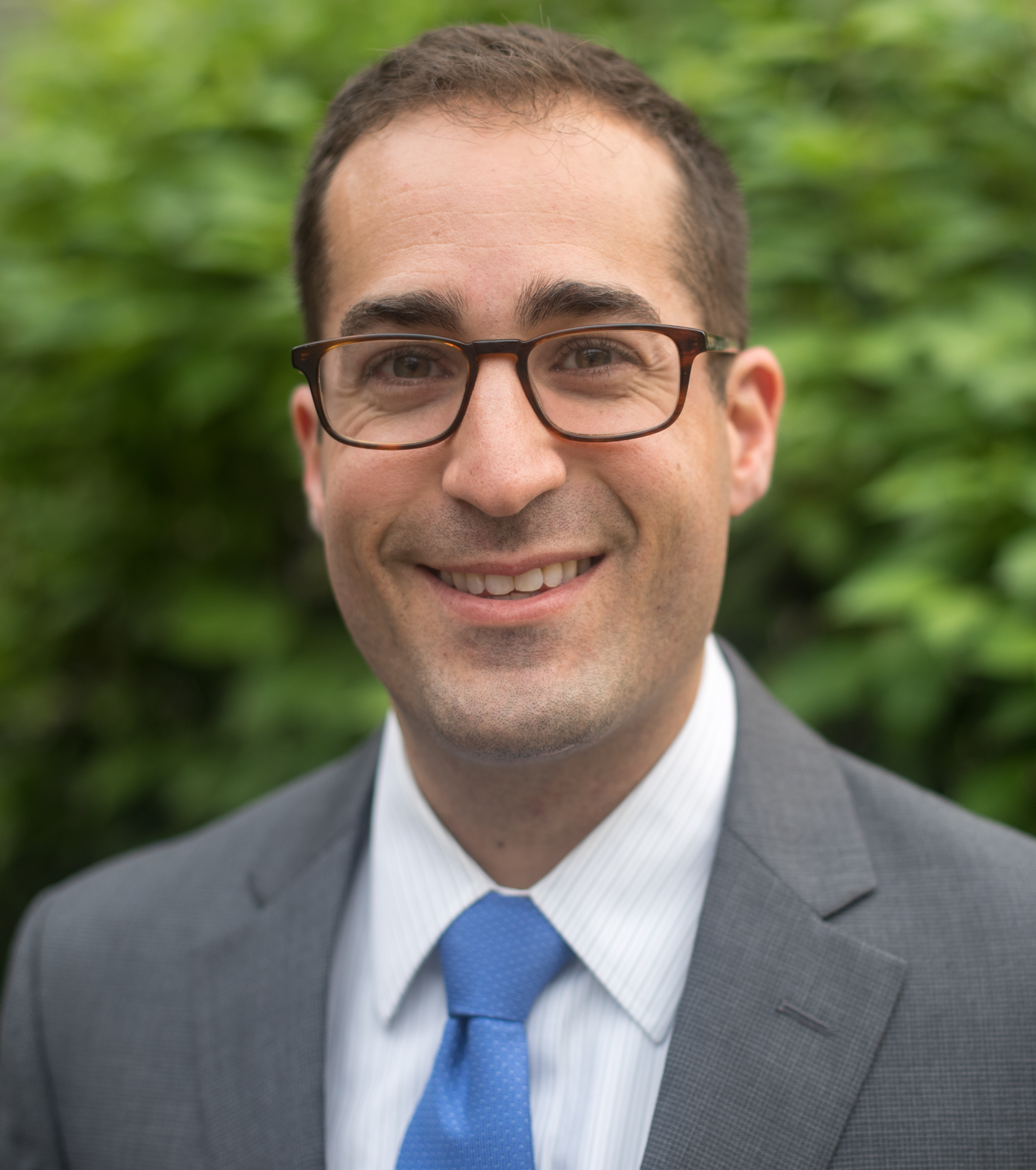
Recently, there has been a focus on immune checkpoint blockade (ICB) in common cancer types. Since several rare tumor types share similar biologic features with the more common tumors, there is a need to test ICB in rare tumors, particularly because remissions with ICB can be durable.
Enter the DART trial, a phase 2, single-arm study of combinatorial ICB with ipilimumab plus nivolumab in patients with unresectable or metastatic rare cancers.
Results from DART were recently presented at the Society for Immunotherapy of Cancer’s 35th Anniversary Annual Meeting. Michael J. Wagner, MD, of the University of Washington, Seattle, reported results in patients with advanced or unresectable angiosarcoma, one of the rare tumor types included in DART.
About angiosarcomas
Angiosarcomas account for less than 3% of all adult soft-tissue sarcomas, according to a review published in The Lancet Oncology. Angiosarcomas may arise in any part of the body, especially the head and neck (27%), breast (19.7%), and extremities (15.3%). These cancers can be primary or secondary (i.e., associated with prior radiation therapy or chronic lymphedema).
Angiosarcomas are aggressive, difficult to treat, and confer high mortality. The tumors are responsive to chemotherapy, but responses are brief. The estimated 5-year survival rate for all patients with angiosarcoma, including those who present with localized disease, is 30%-40%.
According to Dr. Wagner, a subset of angiosarcomas are characterized by high tumor mutational burden (TMB) and COSMIC signature 7, a DNA mutational signature that is consistent with other cancers caused by ultraviolet light exposure.
The high TMB subset of angiosarcomas is comparable with other cancer types that are responsive to ICB. Indeed, patients with angiosarcoma treated with ICB have shown responses, according to research published in the Journal for Immunotherapy of Cancer. However, no prospective studies of ICB in angiosarcoma have been published.
About DART
The DART trial includes more than 50 cohorts of rare cancer subtypes. Patients receive IV ipilimumab at 1 mg/kg every 6 weeks and IV nivolumab at 240 mg every 2 weeks.
The primary endpoint is objective response rate, as assessed by RECIST v1.1. Secondary endpoints include progression-free survival, overall survival, stable disease at 6 months, and toxicity.
The trial has a two-stage design. Six patients are enrolled in the first stage, and, if at least one patient responds to treatment, an additional 10 patients are enrolled in the second stage.
If at least two responses are seen among the 16 patients enrolled, further study of ICB is considered warranted.
Results in angiosarcoma
Dr. Wagner reported on the 16 angiosarcoma patients enrolled in DART. Nine patients had cutaneous primary tumors, seven had noncutaneous primary tumors, and three patients had radiation-associated angiosarcoma of the breast or chest wall.
Patients had received a median of two (range, zero to five) prior lines of therapy.
Adverse events (AEs) were consistent with prior safety results of the ipilimumab-nivolumab combination. Three-quarters of patients experienced an AE of any grade. The most common AEs were transaminase elevation, anemia, diarrhea, fatigue, hypothyroidism, pneumonitis, pruritus, and rash.
A quarter of patients had a grade 3-4 AE, and 12.5% of AEs led to premature treatment discontinuation. There were no fatal AEs.
The ORR was 25%. Responses occurred in 4 of the 16 patients, including 3 of 5 patients with primary cutaneous tumors of the scalp or face and 1 of 3 patients with radiation-associated breast angiosarcoma.
Two of the four responses and one case of stable disease have persisted for almost a year, and these patients remain on treatment. To put these results into perspective, Dr. Wagner noted that responses to cytotoxic chemotherapy rarely last 6 months.
The 6-month progression-free survival rate was 38%. The median overall survival has not yet been reached.
Dr. Wagner concluded that the combinatorial ICB regimen employed in DART was well tolerated and had an ORR of 25% in angiosarcoma regardless of primary site. Per the criteria of the DART trial, further investigation of ICB in angiosarcoma is warranted.
Molecular insights
Although correlative analyses of tumor tissue and peripheral blood are embedded in the DART trial, those analyses have not yet been performed. Eight of the 16 angiosarcoma patients had diagnostic molecular studies performed at their parent institutions, utilizing a variety of commercial platforms.

All eight patients for whom molecular data were available had at least two deleterious genomic alterations detected, but each had a distinct molecular profile.
Seven patients had TMB analyzed, including two partial responders to ICB. One of the seven patients had a high TMB, and this patient was one of the two responders. The other responder had an intermediate TMB.
Three patients had programmed death–ligand 1 staining on their tumors. Two of the three had high expression of PD-L1, including the responder with an intermediate TMB.
The real impact of DART
The DART trial is a “basket trial,” employing a similar treatment regimen for multiple tumor types. It provides a uniform framework for studying tumors that have been neglected in clinical trials heretofore.
Although the cohort of angiosarcoma patients is small, central pathology review was not required, and the treatment regimen was not compared directly with other potential therapies, the reported results of the ipilimumab-nivolumab regimen justify further study.
The biospecimens collected in DART will provide a rich source of data to identify common themes among responders and nonresponders, among patients who experience durable remissions and those who do not.
Angiosarcoma is not the only rare cancer for which combinatorial ICB has been valuable under the auspices of the DART trial. In Clinical Cancer Research, investigators reported an ORR of 44% among patients with high-grade neuroendocrine cancers, independent of primary site of origin. Progression-free survival at 6 months was 31%.
The DART trial is available at more than 800 sites, providing access to potentially promising treatment in a rigorous, scientifically valuable study for geographically underserved populations, including patients who live in rural areas.
The key message for practicing oncologists and clinical investigators is that clinical trials in rare tumors are feasible and can yield hope for patients who might lack it otherwise.
DART is funded by the National Cancer Institute and Bristol-Myers Squibb. Dr. Wagner disclosed relationships with Deciphera, Adaptimmune, GlaxoSmithKline, Athenex, and Incyte.
Dr. Lyss was a community-based medical oncologist and clinical researcher for more than 35 years before his recent retirement. His clinical and research interests were focused on breast and lung cancers, as well as expanding clinical trial access to medically underserved populations. He is based in St. Louis. He has no conflicts of interest.
SOURCE: Wagner M et al. SITC 2020, Abstract 795.
Rare cancers comprise about 20% of all cancers in the United States and Europe, according to recent estimates, but patients with rare cancers are vastly underrepresented in clinical trials.
Recently, there has been a focus on immune checkpoint blockade (ICB) in common cancer types. Since several rare tumor types share similar biologic features with the more common tumors, there is a need to test ICB in rare tumors, particularly because remissions with ICB can be durable.
Enter the DART trial, a phase 2, single-arm study of combinatorial ICB with ipilimumab plus nivolumab in patients with unresectable or metastatic rare cancers.
Results from DART were recently presented at the Society for Immunotherapy of Cancer’s 35th Anniversary Annual Meeting. Michael J. Wagner, MD, of the University of Washington, Seattle, reported results in patients with advanced or unresectable angiosarcoma, one of the rare tumor types included in DART.
About angiosarcomas
Angiosarcomas account for less than 3% of all adult soft-tissue sarcomas, according to a review published in The Lancet Oncology. Angiosarcomas may arise in any part of the body, especially the head and neck (27%), breast (19.7%), and extremities (15.3%). These cancers can be primary or secondary (i.e., associated with prior radiation therapy or chronic lymphedema).
Angiosarcomas are aggressive, difficult to treat, and confer high mortality. The tumors are responsive to chemotherapy, but responses are brief. The estimated 5-year survival rate for all patients with angiosarcoma, including those who present with localized disease, is 30%-40%.
According to Dr. Wagner, a subset of angiosarcomas are characterized by high tumor mutational burden (TMB) and COSMIC signature 7, a DNA mutational signature that is consistent with other cancers caused by ultraviolet light exposure.
The high TMB subset of angiosarcomas is comparable with other cancer types that are responsive to ICB. Indeed, patients with angiosarcoma treated with ICB have shown responses, according to research published in the Journal for Immunotherapy of Cancer. However, no prospective studies of ICB in angiosarcoma have been published.
About DART
The DART trial includes more than 50 cohorts of rare cancer subtypes. Patients receive IV ipilimumab at 1 mg/kg every 6 weeks and IV nivolumab at 240 mg every 2 weeks.
The primary endpoint is objective response rate, as assessed by RECIST v1.1. Secondary endpoints include progression-free survival, overall survival, stable disease at 6 months, and toxicity.
The trial has a two-stage design. Six patients are enrolled in the first stage, and, if at least one patient responds to treatment, an additional 10 patients are enrolled in the second stage.
If at least two responses are seen among the 16 patients enrolled, further study of ICB is considered warranted.
Results in angiosarcoma
Dr. Wagner reported on the 16 angiosarcoma patients enrolled in DART. Nine patients had cutaneous primary tumors, seven had noncutaneous primary tumors, and three patients had radiation-associated angiosarcoma of the breast or chest wall.
Patients had received a median of two (range, zero to five) prior lines of therapy.
Adverse events (AEs) were consistent with prior safety results of the ipilimumab-nivolumab combination. Three-quarters of patients experienced an AE of any grade. The most common AEs were transaminase elevation, anemia, diarrhea, fatigue, hypothyroidism, pneumonitis, pruritus, and rash.
A quarter of patients had a grade 3-4 AE, and 12.5% of AEs led to premature treatment discontinuation. There were no fatal AEs.
The ORR was 25%. Responses occurred in 4 of the 16 patients, including 3 of 5 patients with primary cutaneous tumors of the scalp or face and 1 of 3 patients with radiation-associated breast angiosarcoma.
Two of the four responses and one case of stable disease have persisted for almost a year, and these patients remain on treatment. To put these results into perspective, Dr. Wagner noted that responses to cytotoxic chemotherapy rarely last 6 months.
The 6-month progression-free survival rate was 38%. The median overall survival has not yet been reached.
Dr. Wagner concluded that the combinatorial ICB regimen employed in DART was well tolerated and had an ORR of 25% in angiosarcoma regardless of primary site. Per the criteria of the DART trial, further investigation of ICB in angiosarcoma is warranted.
Molecular insights
Although correlative analyses of tumor tissue and peripheral blood are embedded in the DART trial, those analyses have not yet been performed. Eight of the 16 angiosarcoma patients had diagnostic molecular studies performed at their parent institutions, utilizing a variety of commercial platforms.
All eight patients for whom molecular data were available had at least two deleterious genomic alterations detected, but each had a distinct molecular profile.
Seven patients had TMB analyzed, including two partial responders to ICB. One of the seven patients had a high TMB, and this patient was one of the two responders. The other responder had an intermediate TMB.
Three patients had programmed death–ligand 1 staining on their tumors. Two of the three had high expression of PD-L1, including the responder with an intermediate TMB.
The real impact of DART
The DART trial is a “basket trial,” employing a similar treatment regimen for multiple tumor types. It provides a uniform framework for studying tumors that have been neglected in clinical trials heretofore.
Although the cohort of angiosarcoma patients is small, central pathology review was not required, and the treatment regimen was not compared directly with other potential therapies, the reported results of the ipilimumab-nivolumab regimen justify further study.
The biospecimens collected in DART will provide a rich source of data to identify common themes among responders and nonresponders, among patients who experience durable remissions and those who do not.
Angiosarcoma is not the only rare cancer for which combinatorial ICB has been valuable under the auspices of the DART trial. In Clinical Cancer Research, investigators reported an ORR of 44% among patients with high-grade neuroendocrine cancers, independent of primary site of origin. Progression-free survival at 6 months was 31%.
The DART trial is available at more than 800 sites, providing access to potentially promising treatment in a rigorous, scientifically valuable study for geographically underserved populations, including patients who live in rural areas.
The key message for practicing oncologists and clinical investigators is that clinical trials in rare tumors are feasible and can yield hope for patients who might lack it otherwise.
DART is funded by the National Cancer Institute and Bristol-Myers Squibb. Dr. Wagner disclosed relationships with Deciphera, Adaptimmune, GlaxoSmithKline, Athenex, and Incyte.
Dr. Lyss was a community-based medical oncologist and clinical researcher for more than 35 years before his recent retirement. His clinical and research interests were focused on breast and lung cancers, as well as expanding clinical trial access to medically underserved populations. He is based in St. Louis. He has no conflicts of interest.
SOURCE: Wagner M et al. SITC 2020, Abstract 795.
Rare cancers comprise about 20% of all cancers in the United States and Europe, according to recent estimates, but patients with rare cancers are vastly underrepresented in clinical trials.
Recently, there has been a focus on immune checkpoint blockade (ICB) in common cancer types. Since several rare tumor types share similar biologic features with the more common tumors, there is a need to test ICB in rare tumors, particularly because remissions with ICB can be durable.
Enter the DART trial, a phase 2, single-arm study of combinatorial ICB with ipilimumab plus nivolumab in patients with unresectable or metastatic rare cancers.
Results from DART were recently presented at the Society for Immunotherapy of Cancer’s 35th Anniversary Annual Meeting. Michael J. Wagner, MD, of the University of Washington, Seattle, reported results in patients with advanced or unresectable angiosarcoma, one of the rare tumor types included in DART.
About angiosarcomas
Angiosarcomas account for less than 3% of all adult soft-tissue sarcomas, according to a review published in The Lancet Oncology. Angiosarcomas may arise in any part of the body, especially the head and neck (27%), breast (19.7%), and extremities (15.3%). These cancers can be primary or secondary (i.e., associated with prior radiation therapy or chronic lymphedema).
Angiosarcomas are aggressive, difficult to treat, and confer high mortality. The tumors are responsive to chemotherapy, but responses are brief. The estimated 5-year survival rate for all patients with angiosarcoma, including those who present with localized disease, is 30%-40%.
According to Dr. Wagner, a subset of angiosarcomas are characterized by high tumor mutational burden (TMB) and COSMIC signature 7, a DNA mutational signature that is consistent with other cancers caused by ultraviolet light exposure.
The high TMB subset of angiosarcomas is comparable with other cancer types that are responsive to ICB. Indeed, patients with angiosarcoma treated with ICB have shown responses, according to research published in the Journal for Immunotherapy of Cancer. However, no prospective studies of ICB in angiosarcoma have been published.
About DART
The DART trial includes more than 50 cohorts of rare cancer subtypes. Patients receive IV ipilimumab at 1 mg/kg every 6 weeks and IV nivolumab at 240 mg every 2 weeks.
The primary endpoint is objective response rate, as assessed by RECIST v1.1. Secondary endpoints include progression-free survival, overall survival, stable disease at 6 months, and toxicity.
The trial has a two-stage design. Six patients are enrolled in the first stage, and, if at least one patient responds to treatment, an additional 10 patients are enrolled in the second stage.
If at least two responses are seen among the 16 patients enrolled, further study of ICB is considered warranted.
Results in angiosarcoma
Dr. Wagner reported on the 16 angiosarcoma patients enrolled in DART. Nine patients had cutaneous primary tumors, seven had noncutaneous primary tumors, and three patients had radiation-associated angiosarcoma of the breast or chest wall.
Patients had received a median of two (range, zero to five) prior lines of therapy.
Adverse events (AEs) were consistent with prior safety results of the ipilimumab-nivolumab combination. Three-quarters of patients experienced an AE of any grade. The most common AEs were transaminase elevation, anemia, diarrhea, fatigue, hypothyroidism, pneumonitis, pruritus, and rash.
A quarter of patients had a grade 3-4 AE, and 12.5% of AEs led to premature treatment discontinuation. There were no fatal AEs.
The ORR was 25%. Responses occurred in 4 of the 16 patients, including 3 of 5 patients with primary cutaneous tumors of the scalp or face and 1 of 3 patients with radiation-associated breast angiosarcoma.
Two of the four responses and one case of stable disease have persisted for almost a year, and these patients remain on treatment. To put these results into perspective, Dr. Wagner noted that responses to cytotoxic chemotherapy rarely last 6 months.
The 6-month progression-free survival rate was 38%. The median overall survival has not yet been reached.
Dr. Wagner concluded that the combinatorial ICB regimen employed in DART was well tolerated and had an ORR of 25% in angiosarcoma regardless of primary site. Per the criteria of the DART trial, further investigation of ICB in angiosarcoma is warranted.
Molecular insights
Although correlative analyses of tumor tissue and peripheral blood are embedded in the DART trial, those analyses have not yet been performed. Eight of the 16 angiosarcoma patients had diagnostic molecular studies performed at their parent institutions, utilizing a variety of commercial platforms.
All eight patients for whom molecular data were available had at least two deleterious genomic alterations detected, but each had a distinct molecular profile.
Seven patients had TMB analyzed, including two partial responders to ICB. One of the seven patients had a high TMB, and this patient was one of the two responders. The other responder had an intermediate TMB.
Three patients had programmed death–ligand 1 staining on their tumors. Two of the three had high expression of PD-L1, including the responder with an intermediate TMB.
The real impact of DART
The DART trial is a “basket trial,” employing a similar treatment regimen for multiple tumor types. It provides a uniform framework for studying tumors that have been neglected in clinical trials heretofore.
Although the cohort of angiosarcoma patients is small, central pathology review was not required, and the treatment regimen was not compared directly with other potential therapies, the reported results of the ipilimumab-nivolumab regimen justify further study.
The biospecimens collected in DART will provide a rich source of data to identify common themes among responders and nonresponders, among patients who experience durable remissions and those who do not.
Angiosarcoma is not the only rare cancer for which combinatorial ICB has been valuable under the auspices of the DART trial. In Clinical Cancer Research, investigators reported an ORR of 44% among patients with high-grade neuroendocrine cancers, independent of primary site of origin. Progression-free survival at 6 months was 31%.
The DART trial is available at more than 800 sites, providing access to potentially promising treatment in a rigorous, scientifically valuable study for geographically underserved populations, including patients who live in rural areas.
The key message for practicing oncologists and clinical investigators is that clinical trials in rare tumors are feasible and can yield hope for patients who might lack it otherwise.
DART is funded by the National Cancer Institute and Bristol-Myers Squibb. Dr. Wagner disclosed relationships with Deciphera, Adaptimmune, GlaxoSmithKline, Athenex, and Incyte.
Dr. Lyss was a community-based medical oncologist and clinical researcher for more than 35 years before his recent retirement. His clinical and research interests were focused on breast and lung cancers, as well as expanding clinical trial access to medically underserved populations. He is based in St. Louis. He has no conflicts of interest.
SOURCE: Wagner M et al. SITC 2020, Abstract 795.
FROM SITC 2020
Experts offer roadmap for treating CLL during the pandemic
COVID-19 has thrown a wrench in standard treatment protocols for patients with chronic lymphocytic leukemia (CLL). These patients already face a greater risk of dying from infections, and recent research suggests they tend to have risk factors that increase their likelihood of complications and death from COVID-19.
In August, a group of oncologists from the United States and Europe published a literature-informed expert opinion to help their colleagues navigate this new CLL treatment landscape. It offers a roadmap for balancing patients’ therapeutic needs against their risk for viral infection and outlines the safest course of action for patients who test positive for COVID-19.
Mazyar Shadman, MD, MPH, an associate professor in the Clinical Research Division of the Fred Hutchinson Cancer Research Center and the Division of Medical Oncology at the University of Washington School of Medicine, in Seattle, Washington, was contacted for comment to break down what clinicians need to know about treating CLL during the pandemic. This interview has been edited for length and clarity.
Question: What prompted you and colleagues from the United States and Europe to write these recommendations?
Dr. Shadman: When we began the collaboration earlier this year, our colleagues in Italy and the rest of Europe had more experience with COVID-19, so they led the effort. We wanted to help oncologists manage their patients with CLL during the pandemic based on the evidence we had at the time and the unknowns we faced.
What’s an example of how the available evidence informed your recommendations?
At the time, we didn’t know whether patients with CLL were more likely to get COVID-19, compared to the general population, but we did have evidence already that cancer increases patients’ risk of bad outcomes and death from COVID-19. CLL, for example, can increase risk factors for infection, including hypogammaglobulinemia, innate immune dysfunction, and neutropenia, which may be exacerbated by anticancer treatments. Patients’ existing immune suppression might prevent or delay their ability to react to or cope with the virus. And many patients with CLL have other conditions that increase their risk of a severe response to COVID-19, including older age (70% of CLL patients are older than 65 years), hypertension (21%), and diabetes (26%).
These factors informed our recommendations to limit patients’ exposure to COVID-19 by reducing or postponing the number of in-person visits and routine in-hospital follow-ups, especially if they could be substituted with virtual check-ins.
The expert opinion recommendations are divided into three main categories: patients who are newly diagnosed with CLL but have not begun receiving therapy, those already receiving therapy but are free of COVID-19, and those who test positive for COVID-19. Let’s start with the first category. What do the recommendations say about waiting versus proceeding for newly diagnosed patients?
Our priority was balancing the negative impacts of getting COVID-19 with the negative impacts of postponing cancer treatment. We suggested taking each new CLL case on a patient-by-patient basis to determine who needed treatment tomorrow and who could wait a few weeks or months. Fortunately, CLL rarely requires immediate therapy, so the preference was to postpone treatment a few weeks, depending on the local COVID-19 outbreak situation.
In my practice, for instance, we tried to postpone visits as much as we could. Before the pandemic, patients with CLL in the watch-and-wait phase – those diagnosed but who don’t require treatment immediately – would come in for bloodwork and exams every 3-6 months. But when the pandemic hit, we skipped 3-month visits for patients with stable lab results and switched to telehealth visits instead. For those who needed blood draws, we used local labs closer to the patient’s home to minimize their exposure and transportation requirements.
When treatment cannot be deferred, we’ve recommended starting patients on therapies that require fewer in-person visits and are less immune suppressive. We recommended oncologists consider Bruton tyrosine kinase (BTK) inhibitors, such as ibrutinib and acalabrutinib, as well as venetoclax. Some research suggests these inhibitors may be protective against COVID-19 by blunting a patient’s hyperinflammatory response to the virus. These drugs also require minimal routine treatment and lab visits, which helps limit patients’ potential exposure to COVID-19.
But there are risks to waiting. Even during the peak of the pandemic here in Seattle, if patients needed treatment immediately, we did not delay. Patients with significant drops in their platelet or neutrophil count or those with bulky disease, for instance, do require therapy.
It’s important to mention that we did have bad experiences with patients who needed immediate treatment and their treating physicians decided to wait because of COVID-19 risks. These patients who came in with aggressive CLL and experienced delays in care had much more complicated CLL treatment than if they had started treatment earlier.
When organ function became abnormal, for example, some patients could no longer receive certain therapies. If someone’s kidney function becomes abnormal, I wouldn’t recommend giving a drug like venetoclax. Although rare, some patients on venetoclax develop tumor lysis syndrome, which can lead to kidney failure.
Bottom line: Don’t just assume it’s a low-grade disease and that you can wait.
What about patients already receiving treatment for CLL who are free of COVID-19?
For patients on active treatment, we suggested stopping or holding treatment with monoclonal antibodies, such as rituximab and obinutuzumab, and chemotherapy regimens, such as idelalisib plus rituximab and duvelisib, when possible. We recommended oncologists consider continuing treatment for patients on BTK inhibitors.
What happens if a patient with CLL tests positive for COVID-19?
If a patient tests positive for COVID-19 but is not yet on CLL treatment, we recommend postponing CLL care until they’ve recovered from the infection. If a patient is already receiving treatment, the recommendations are similar to those above for COVID-19–negative patients: Delay care for those on chemotherapy and monoclonal antibodies, but consider continuing treatment for patients on BTK inhibitors.
The expert opinion was submitted in May and ultimately published in August. How has our understanding of treating CLL during the pandemic changed since then? Would you change any recommendations?
When we published this paper, it was still early on in the pandemic, and we didn’t know as much about COVID-19 and CLL as we do now. Since we published the recommendations, we have received confirmation from several studies that patients with cancer have a more complicated course of COVID-19 and have worse outcomes. But I believe the recommendations we devised early in the pandemic still hold now. Decisions about delivering treatment should be influenced by the local COVID-19 numbers and hospital resources as well as the patient’s specific situation – whether they have more stable disease and can delay or postpone care or whether they need more immediate attention.
With a further surge in cases predicted as we move even deeper into flu season, what would you recommend for initiating treatment in newly diagnosed patients?
The pandemic has created a very fluid situation for treating CLL. What’s happening now in Seattle may not be the same story in New York, California, or elsewhere. In early November [when Dr. Shadman was first contacted], in Seattle, we were not postponing care because our COVID-19 numbers were fairly good. But, as of mid December, that is starting to change as the COVID-19 numbers fluctuate.
If we do experience a second peak of COVID-19 cases, we would need to modify our practice as we did during the initial surge earlier this year. That would mean avoiding treatment with monoclonal antibodies and chemotherapy, as well as minimizing blood draws and drugs that require frequent in-person visits.
How important is it for patients to be vaccinated against COVID-19?
There are two key things to consider about a vaccine. Is the vaccine safe from the general safety standpoint that everyone is worried about? And if the vaccine is not harmful, will it work in patients will CLL?
Because we don’t yet know the complete side-effect profile of a COVID-19 vaccine, we would need to assess each patient’s condition to limit adverse reactions and to see whether the vaccine alters a patient’s immune response to the CLL drug they’re taking.
At the University of Washington, Seattle, we have a plan to start studying the effectiveness of the Pfizer and Moderna vaccines in patients with CLL – carefully assessing patients’ response to the vaccine in terms of antibody response. We already know, based on small studies, that the antibody response to the flu vaccine, for instance, is not as strong in patients with CLL, compared to those without. But, overall, as long as the vaccine won’t cause harm, I would recommend my patients get it.
Dr. Shadman has disclosed no relevant financial relationships.
A version of this article first appeared on Medscape.com.
COVID-19 has thrown a wrench in standard treatment protocols for patients with chronic lymphocytic leukemia (CLL). These patients already face a greater risk of dying from infections, and recent research suggests they tend to have risk factors that increase their likelihood of complications and death from COVID-19.
In August, a group of oncologists from the United States and Europe published a literature-informed expert opinion to help their colleagues navigate this new CLL treatment landscape. It offers a roadmap for balancing patients’ therapeutic needs against their risk for viral infection and outlines the safest course of action for patients who test positive for COVID-19.
Mazyar Shadman, MD, MPH, an associate professor in the Clinical Research Division of the Fred Hutchinson Cancer Research Center and the Division of Medical Oncology at the University of Washington School of Medicine, in Seattle, Washington, was contacted for comment to break down what clinicians need to know about treating CLL during the pandemic. This interview has been edited for length and clarity.
Question: What prompted you and colleagues from the United States and Europe to write these recommendations?
Dr. Shadman: When we began the collaboration earlier this year, our colleagues in Italy and the rest of Europe had more experience with COVID-19, so they led the effort. We wanted to help oncologists manage their patients with CLL during the pandemic based on the evidence we had at the time and the unknowns we faced.
What’s an example of how the available evidence informed your recommendations?
At the time, we didn’t know whether patients with CLL were more likely to get COVID-19, compared to the general population, but we did have evidence already that cancer increases patients’ risk of bad outcomes and death from COVID-19. CLL, for example, can increase risk factors for infection, including hypogammaglobulinemia, innate immune dysfunction, and neutropenia, which may be exacerbated by anticancer treatments. Patients’ existing immune suppression might prevent or delay their ability to react to or cope with the virus. And many patients with CLL have other conditions that increase their risk of a severe response to COVID-19, including older age (70% of CLL patients are older than 65 years), hypertension (21%), and diabetes (26%).
These factors informed our recommendations to limit patients’ exposure to COVID-19 by reducing or postponing the number of in-person visits and routine in-hospital follow-ups, especially if they could be substituted with virtual check-ins.
The expert opinion recommendations are divided into three main categories: patients who are newly diagnosed with CLL but have not begun receiving therapy, those already receiving therapy but are free of COVID-19, and those who test positive for COVID-19. Let’s start with the first category. What do the recommendations say about waiting versus proceeding for newly diagnosed patients?
Our priority was balancing the negative impacts of getting COVID-19 with the negative impacts of postponing cancer treatment. We suggested taking each new CLL case on a patient-by-patient basis to determine who needed treatment tomorrow and who could wait a few weeks or months. Fortunately, CLL rarely requires immediate therapy, so the preference was to postpone treatment a few weeks, depending on the local COVID-19 outbreak situation.
In my practice, for instance, we tried to postpone visits as much as we could. Before the pandemic, patients with CLL in the watch-and-wait phase – those diagnosed but who don’t require treatment immediately – would come in for bloodwork and exams every 3-6 months. But when the pandemic hit, we skipped 3-month visits for patients with stable lab results and switched to telehealth visits instead. For those who needed blood draws, we used local labs closer to the patient’s home to minimize their exposure and transportation requirements.
When treatment cannot be deferred, we’ve recommended starting patients on therapies that require fewer in-person visits and are less immune suppressive. We recommended oncologists consider Bruton tyrosine kinase (BTK) inhibitors, such as ibrutinib and acalabrutinib, as well as venetoclax. Some research suggests these inhibitors may be protective against COVID-19 by blunting a patient’s hyperinflammatory response to the virus. These drugs also require minimal routine treatment and lab visits, which helps limit patients’ potential exposure to COVID-19.
But there are risks to waiting. Even during the peak of the pandemic here in Seattle, if patients needed treatment immediately, we did not delay. Patients with significant drops in their platelet or neutrophil count or those with bulky disease, for instance, do require therapy.
It’s important to mention that we did have bad experiences with patients who needed immediate treatment and their treating physicians decided to wait because of COVID-19 risks. These patients who came in with aggressive CLL and experienced delays in care had much more complicated CLL treatment than if they had started treatment earlier.
When organ function became abnormal, for example, some patients could no longer receive certain therapies. If someone’s kidney function becomes abnormal, I wouldn’t recommend giving a drug like venetoclax. Although rare, some patients on venetoclax develop tumor lysis syndrome, which can lead to kidney failure.
Bottom line: Don’t just assume it’s a low-grade disease and that you can wait.
What about patients already receiving treatment for CLL who are free of COVID-19?
For patients on active treatment, we suggested stopping or holding treatment with monoclonal antibodies, such as rituximab and obinutuzumab, and chemotherapy regimens, such as idelalisib plus rituximab and duvelisib, when possible. We recommended oncologists consider continuing treatment for patients on BTK inhibitors.
What happens if a patient with CLL tests positive for COVID-19?
If a patient tests positive for COVID-19 but is not yet on CLL treatment, we recommend postponing CLL care until they’ve recovered from the infection. If a patient is already receiving treatment, the recommendations are similar to those above for COVID-19–negative patients: Delay care for those on chemotherapy and monoclonal antibodies, but consider continuing treatment for patients on BTK inhibitors.
The expert opinion was submitted in May and ultimately published in August. How has our understanding of treating CLL during the pandemic changed since then? Would you change any recommendations?
When we published this paper, it was still early on in the pandemic, and we didn’t know as much about COVID-19 and CLL as we do now. Since we published the recommendations, we have received confirmation from several studies that patients with cancer have a more complicated course of COVID-19 and have worse outcomes. But I believe the recommendations we devised early in the pandemic still hold now. Decisions about delivering treatment should be influenced by the local COVID-19 numbers and hospital resources as well as the patient’s specific situation – whether they have more stable disease and can delay or postpone care or whether they need more immediate attention.
With a further surge in cases predicted as we move even deeper into flu season, what would you recommend for initiating treatment in newly diagnosed patients?
The pandemic has created a very fluid situation for treating CLL. What’s happening now in Seattle may not be the same story in New York, California, or elsewhere. In early November [when Dr. Shadman was first contacted], in Seattle, we were not postponing care because our COVID-19 numbers were fairly good. But, as of mid December, that is starting to change as the COVID-19 numbers fluctuate.
If we do experience a second peak of COVID-19 cases, we would need to modify our practice as we did during the initial surge earlier this year. That would mean avoiding treatment with monoclonal antibodies and chemotherapy, as well as minimizing blood draws and drugs that require frequent in-person visits.
How important is it for patients to be vaccinated against COVID-19?
There are two key things to consider about a vaccine. Is the vaccine safe from the general safety standpoint that everyone is worried about? And if the vaccine is not harmful, will it work in patients will CLL?
Because we don’t yet know the complete side-effect profile of a COVID-19 vaccine, we would need to assess each patient’s condition to limit adverse reactions and to see whether the vaccine alters a patient’s immune response to the CLL drug they’re taking.
At the University of Washington, Seattle, we have a plan to start studying the effectiveness of the Pfizer and Moderna vaccines in patients with CLL – carefully assessing patients’ response to the vaccine in terms of antibody response. We already know, based on small studies, that the antibody response to the flu vaccine, for instance, is not as strong in patients with CLL, compared to those without. But, overall, as long as the vaccine won’t cause harm, I would recommend my patients get it.
Dr. Shadman has disclosed no relevant financial relationships.
A version of this article first appeared on Medscape.com.
COVID-19 has thrown a wrench in standard treatment protocols for patients with chronic lymphocytic leukemia (CLL). These patients already face a greater risk of dying from infections, and recent research suggests they tend to have risk factors that increase their likelihood of complications and death from COVID-19.
In August, a group of oncologists from the United States and Europe published a literature-informed expert opinion to help their colleagues navigate this new CLL treatment landscape. It offers a roadmap for balancing patients’ therapeutic needs against their risk for viral infection and outlines the safest course of action for patients who test positive for COVID-19.
Mazyar Shadman, MD, MPH, an associate professor in the Clinical Research Division of the Fred Hutchinson Cancer Research Center and the Division of Medical Oncology at the University of Washington School of Medicine, in Seattle, Washington, was contacted for comment to break down what clinicians need to know about treating CLL during the pandemic. This interview has been edited for length and clarity.
Question: What prompted you and colleagues from the United States and Europe to write these recommendations?
Dr. Shadman: When we began the collaboration earlier this year, our colleagues in Italy and the rest of Europe had more experience with COVID-19, so they led the effort. We wanted to help oncologists manage their patients with CLL during the pandemic based on the evidence we had at the time and the unknowns we faced.
What’s an example of how the available evidence informed your recommendations?
At the time, we didn’t know whether patients with CLL were more likely to get COVID-19, compared to the general population, but we did have evidence already that cancer increases patients’ risk of bad outcomes and death from COVID-19. CLL, for example, can increase risk factors for infection, including hypogammaglobulinemia, innate immune dysfunction, and neutropenia, which may be exacerbated by anticancer treatments. Patients’ existing immune suppression might prevent or delay their ability to react to or cope with the virus. And many patients with CLL have other conditions that increase their risk of a severe response to COVID-19, including older age (70% of CLL patients are older than 65 years), hypertension (21%), and diabetes (26%).
These factors informed our recommendations to limit patients’ exposure to COVID-19 by reducing or postponing the number of in-person visits and routine in-hospital follow-ups, especially if they could be substituted with virtual check-ins.
The expert opinion recommendations are divided into three main categories: patients who are newly diagnosed with CLL but have not begun receiving therapy, those already receiving therapy but are free of COVID-19, and those who test positive for COVID-19. Let’s start with the first category. What do the recommendations say about waiting versus proceeding for newly diagnosed patients?
Our priority was balancing the negative impacts of getting COVID-19 with the negative impacts of postponing cancer treatment. We suggested taking each new CLL case on a patient-by-patient basis to determine who needed treatment tomorrow and who could wait a few weeks or months. Fortunately, CLL rarely requires immediate therapy, so the preference was to postpone treatment a few weeks, depending on the local COVID-19 outbreak situation.
In my practice, for instance, we tried to postpone visits as much as we could. Before the pandemic, patients with CLL in the watch-and-wait phase – those diagnosed but who don’t require treatment immediately – would come in for bloodwork and exams every 3-6 months. But when the pandemic hit, we skipped 3-month visits for patients with stable lab results and switched to telehealth visits instead. For those who needed blood draws, we used local labs closer to the patient’s home to minimize their exposure and transportation requirements.
When treatment cannot be deferred, we’ve recommended starting patients on therapies that require fewer in-person visits and are less immune suppressive. We recommended oncologists consider Bruton tyrosine kinase (BTK) inhibitors, such as ibrutinib and acalabrutinib, as well as venetoclax. Some research suggests these inhibitors may be protective against COVID-19 by blunting a patient’s hyperinflammatory response to the virus. These drugs also require minimal routine treatment and lab visits, which helps limit patients’ potential exposure to COVID-19.
But there are risks to waiting. Even during the peak of the pandemic here in Seattle, if patients needed treatment immediately, we did not delay. Patients with significant drops in their platelet or neutrophil count or those with bulky disease, for instance, do require therapy.
It’s important to mention that we did have bad experiences with patients who needed immediate treatment and their treating physicians decided to wait because of COVID-19 risks. These patients who came in with aggressive CLL and experienced delays in care had much more complicated CLL treatment than if they had started treatment earlier.
When organ function became abnormal, for example, some patients could no longer receive certain therapies. If someone’s kidney function becomes abnormal, I wouldn’t recommend giving a drug like venetoclax. Although rare, some patients on venetoclax develop tumor lysis syndrome, which can lead to kidney failure.
Bottom line: Don’t just assume it’s a low-grade disease and that you can wait.
What about patients already receiving treatment for CLL who are free of COVID-19?
For patients on active treatment, we suggested stopping or holding treatment with monoclonal antibodies, such as rituximab and obinutuzumab, and chemotherapy regimens, such as idelalisib plus rituximab and duvelisib, when possible. We recommended oncologists consider continuing treatment for patients on BTK inhibitors.
What happens if a patient with CLL tests positive for COVID-19?
If a patient tests positive for COVID-19 but is not yet on CLL treatment, we recommend postponing CLL care until they’ve recovered from the infection. If a patient is already receiving treatment, the recommendations are similar to those above for COVID-19–negative patients: Delay care for those on chemotherapy and monoclonal antibodies, but consider continuing treatment for patients on BTK inhibitors.
The expert opinion was submitted in May and ultimately published in August. How has our understanding of treating CLL during the pandemic changed since then? Would you change any recommendations?
When we published this paper, it was still early on in the pandemic, and we didn’t know as much about COVID-19 and CLL as we do now. Since we published the recommendations, we have received confirmation from several studies that patients with cancer have a more complicated course of COVID-19 and have worse outcomes. But I believe the recommendations we devised early in the pandemic still hold now. Decisions about delivering treatment should be influenced by the local COVID-19 numbers and hospital resources as well as the patient’s specific situation – whether they have more stable disease and can delay or postpone care or whether they need more immediate attention.
With a further surge in cases predicted as we move even deeper into flu season, what would you recommend for initiating treatment in newly diagnosed patients?
The pandemic has created a very fluid situation for treating CLL. What’s happening now in Seattle may not be the same story in New York, California, or elsewhere. In early November [when Dr. Shadman was first contacted], in Seattle, we were not postponing care because our COVID-19 numbers were fairly good. But, as of mid December, that is starting to change as the COVID-19 numbers fluctuate.
If we do experience a second peak of COVID-19 cases, we would need to modify our practice as we did during the initial surge earlier this year. That would mean avoiding treatment with monoclonal antibodies and chemotherapy, as well as minimizing blood draws and drugs that require frequent in-person visits.
How important is it for patients to be vaccinated against COVID-19?
There are two key things to consider about a vaccine. Is the vaccine safe from the general safety standpoint that everyone is worried about? And if the vaccine is not harmful, will it work in patients will CLL?
Because we don’t yet know the complete side-effect profile of a COVID-19 vaccine, we would need to assess each patient’s condition to limit adverse reactions and to see whether the vaccine alters a patient’s immune response to the CLL drug they’re taking.
At the University of Washington, Seattle, we have a plan to start studying the effectiveness of the Pfizer and Moderna vaccines in patients with CLL – carefully assessing patients’ response to the vaccine in terms of antibody response. We already know, based on small studies, that the antibody response to the flu vaccine, for instance, is not as strong in patients with CLL, compared to those without. But, overall, as long as the vaccine won’t cause harm, I would recommend my patients get it.
Dr. Shadman has disclosed no relevant financial relationships.
A version of this article first appeared on Medscape.com.
Dexamethasone may ‘jeopardize’ benefit of immunotherapy in glioblastoma
Dexamethasone can have a detrimental effect on survival in patients with glioblastoma who are receiving immunotherapy, according to a study published in Clinical Cancer Research.
Investigators found that baseline dexamethasone use was associated with poor overall survival (OS) in glioblastoma patients receiving anti–PD-1 or anti–PD-L1 therapy. In fact, in a multivariable analysis, baseline dexamethasone use was the strongest predictor of poor survival.
These results “support accumulating concerns that corticosteroids can be detrimental to immunotherapy for oncology patients,” wrote senior study author David Reardon, MD, of Dana-Farber Cancer Institute in Boston and colleagues.
The concerns are particularly relevant for glioblastoma patients because dexamethasone is a cornerstone of glioblastoma therapy, being used to reduce tumor-associated edema. Patients often receive dexamethasone early on and in significant doses for a protracted period of time to stay ahead of evolving symptoms.
However, the current study suggests dexamethasone and other corticosteroids may be contraindicated in glioblastoma patients on immunotherapy. Therefore, Dr. Reardon and colleagues recommended “careful evaluation of dexamethasone use” in these patients.
“If a glioblastoma patient requires corticosteroids, and they often do for debilitating symptoms, only use these drugs if the patient really needs them,” Dr. Reardon advised. “Start at a low dose and use the shortest treatment interval possible.”
Preclinical and clinical results
Dr. Reardon and colleagues initially evaluated the effects of dexamethasone when administered with PD-1 blockade and/or radiotherapy in an immunocompetent syngeneic mouse model.
Most mice that received anti–PD-1 monotherapy were cured, but the benefit of anti–PD-1 therapy was significantly diminished, in a dose-dependent manner, when dexamethasone was added.
At 100 days, the OS rate was about 76% in the anti–PD-1 monotherapy group, 47% when dexamethasone was given at 1 mg/kg, 31% with dexamethasone at 2.5 mg/kg, and 27% with dexamethasone at 10 mg/kg.
A mechanistic study, including analysis of immune cells in the spleen, showed that dexamethasone decreased intratumoral T cells and systemic levels of T cells, natural killer cells, and myeloid cells, while qualitatively impairing lymphocyte function. The mechanism of T-cell depletion included induction of apoptosis, which was noted as soon as 1 hour after the dexamethasone dose, Dr. Reardon said.
The researchers also evaluated 181 consecutive glioblastoma patients treated with PD-1– or PD-L1–targeted therapy. The study included a multivariable statistical analysis that accounted for age, performance status, extent of resection, size of tumor, bulk tumor burden, and MGMT promoter methylation status.
In an initial unadjusted analysis, baseline dexamethasone decreased the median OS to 8.1 months when it was given at less than 2 mg daily and 6.3 months when given at 2 mg or more daily. The median OS was 13.1 months for patients who did not receive dexamethasone.
After multivariable adjustment, baseline dexamethasone eliminated the survival benefit of immunotherapy, the researchers said. The hazard ratio was 2.16 (P = .003) when dexamethasone was given at less than 2 mg daily and 1.97 (P = .005) with dexamethasone at 2 mg or more daily, compared with no baseline dexamethasone.
In fact, the strongest negative risk factor for OS was the use of dexamethasone at initiation of checkpoint inhibitor therapy.
Implications: Use corticosteroids ‘very judiciously’
The results of this research suggest “corticosteroids can be detrimental when used along with checkpoint inhibitors,” Dr. Reardon said. He added that this effect could extend to other immunotherapies, such as vaccines, cellular therapies, and oncolytic viruses.
“We need to understand what is driving the inflammatory response,” Dr. Reardon said. “Other targets in the downstream pathway may be regulated to avoid the detrimental effect of corticosteroids.”
Ongoing prospective clinical trials need to build in whether concurrent use of corticosteroids leads to poorer outcomes, according to Dr. Reardon.
“We are validating this prospectively in ongoing clinical trials to evaluate differences in outcome in glioblastoma patients and exploring different types of immunotherapies,” he said.
Though questions remain, Dr. Reardon advises judicious use of corticosteroids or even substituting corticosteroids with bevacizumab in glioblastoma patients.
“If a glioblastoma patient develops debilitating symptoms due to swelling in the brain and is a candidate for immunotherapy, then consider using bevacizumab to avoid using corticosteroids,” Dr. Reardon said, adding that this is being tested prospectively in a clinical trial as well.
“We know corticosteroids have a host of side effects. An additional side effect may be limiting immune function in brain cancer patients and jeopardizing the potential benefits of immunotherapy going forward. I implore practicing oncologists to use corticosteroids very judiciously and as little as possible for as little time as possible,” Dr. Reardon said.
This research was funded by grants from the National Institutes of Health and support from various foundations and institutions. The researchers disclosed relationships with many pharmaceutical companies.
SOURCE: Iorgulescu JB et al. Clin Cancer Res. 2020 Nov 25. doi: 10.1158/1078-0432.CCR-20-2291.
Dexamethasone can have a detrimental effect on survival in patients with glioblastoma who are receiving immunotherapy, according to a study published in Clinical Cancer Research.
Investigators found that baseline dexamethasone use was associated with poor overall survival (OS) in glioblastoma patients receiving anti–PD-1 or anti–PD-L1 therapy. In fact, in a multivariable analysis, baseline dexamethasone use was the strongest predictor of poor survival.
These results “support accumulating concerns that corticosteroids can be detrimental to immunotherapy for oncology patients,” wrote senior study author David Reardon, MD, of Dana-Farber Cancer Institute in Boston and colleagues.
The concerns are particularly relevant for glioblastoma patients because dexamethasone is a cornerstone of glioblastoma therapy, being used to reduce tumor-associated edema. Patients often receive dexamethasone early on and in significant doses for a protracted period of time to stay ahead of evolving symptoms.
However, the current study suggests dexamethasone and other corticosteroids may be contraindicated in glioblastoma patients on immunotherapy. Therefore, Dr. Reardon and colleagues recommended “careful evaluation of dexamethasone use” in these patients.
“If a glioblastoma patient requires corticosteroids, and they often do for debilitating symptoms, only use these drugs if the patient really needs them,” Dr. Reardon advised. “Start at a low dose and use the shortest treatment interval possible.”
Preclinical and clinical results
Dr. Reardon and colleagues initially evaluated the effects of dexamethasone when administered with PD-1 blockade and/or radiotherapy in an immunocompetent syngeneic mouse model.
Most mice that received anti–PD-1 monotherapy were cured, but the benefit of anti–PD-1 therapy was significantly diminished, in a dose-dependent manner, when dexamethasone was added.
At 100 days, the OS rate was about 76% in the anti–PD-1 monotherapy group, 47% when dexamethasone was given at 1 mg/kg, 31% with dexamethasone at 2.5 mg/kg, and 27% with dexamethasone at 10 mg/kg.
A mechanistic study, including analysis of immune cells in the spleen, showed that dexamethasone decreased intratumoral T cells and systemic levels of T cells, natural killer cells, and myeloid cells, while qualitatively impairing lymphocyte function. The mechanism of T-cell depletion included induction of apoptosis, which was noted as soon as 1 hour after the dexamethasone dose, Dr. Reardon said.
The researchers also evaluated 181 consecutive glioblastoma patients treated with PD-1– or PD-L1–targeted therapy. The study included a multivariable statistical analysis that accounted for age, performance status, extent of resection, size of tumor, bulk tumor burden, and MGMT promoter methylation status.
In an initial unadjusted analysis, baseline dexamethasone decreased the median OS to 8.1 months when it was given at less than 2 mg daily and 6.3 months when given at 2 mg or more daily. The median OS was 13.1 months for patients who did not receive dexamethasone.
After multivariable adjustment, baseline dexamethasone eliminated the survival benefit of immunotherapy, the researchers said. The hazard ratio was 2.16 (P = .003) when dexamethasone was given at less than 2 mg daily and 1.97 (P = .005) with dexamethasone at 2 mg or more daily, compared with no baseline dexamethasone.
In fact, the strongest negative risk factor for OS was the use of dexamethasone at initiation of checkpoint inhibitor therapy.
Implications: Use corticosteroids ‘very judiciously’
The results of this research suggest “corticosteroids can be detrimental when used along with checkpoint inhibitors,” Dr. Reardon said. He added that this effect could extend to other immunotherapies, such as vaccines, cellular therapies, and oncolytic viruses.
“We need to understand what is driving the inflammatory response,” Dr. Reardon said. “Other targets in the downstream pathway may be regulated to avoid the detrimental effect of corticosteroids.”
Ongoing prospective clinical trials need to build in whether concurrent use of corticosteroids leads to poorer outcomes, according to Dr. Reardon.
“We are validating this prospectively in ongoing clinical trials to evaluate differences in outcome in glioblastoma patients and exploring different types of immunotherapies,” he said.
Though questions remain, Dr. Reardon advises judicious use of corticosteroids or even substituting corticosteroids with bevacizumab in glioblastoma patients.
“If a glioblastoma patient develops debilitating symptoms due to swelling in the brain and is a candidate for immunotherapy, then consider using bevacizumab to avoid using corticosteroids,” Dr. Reardon said, adding that this is being tested prospectively in a clinical trial as well.
“We know corticosteroids have a host of side effects. An additional side effect may be limiting immune function in brain cancer patients and jeopardizing the potential benefits of immunotherapy going forward. I implore practicing oncologists to use corticosteroids very judiciously and as little as possible for as little time as possible,” Dr. Reardon said.
This research was funded by grants from the National Institutes of Health and support from various foundations and institutions. The researchers disclosed relationships with many pharmaceutical companies.
SOURCE: Iorgulescu JB et al. Clin Cancer Res. 2020 Nov 25. doi: 10.1158/1078-0432.CCR-20-2291.
Dexamethasone can have a detrimental effect on survival in patients with glioblastoma who are receiving immunotherapy, according to a study published in Clinical Cancer Research.
Investigators found that baseline dexamethasone use was associated with poor overall survival (OS) in glioblastoma patients receiving anti–PD-1 or anti–PD-L1 therapy. In fact, in a multivariable analysis, baseline dexamethasone use was the strongest predictor of poor survival.
These results “support accumulating concerns that corticosteroids can be detrimental to immunotherapy for oncology patients,” wrote senior study author David Reardon, MD, of Dana-Farber Cancer Institute in Boston and colleagues.
The concerns are particularly relevant for glioblastoma patients because dexamethasone is a cornerstone of glioblastoma therapy, being used to reduce tumor-associated edema. Patients often receive dexamethasone early on and in significant doses for a protracted period of time to stay ahead of evolving symptoms.
However, the current study suggests dexamethasone and other corticosteroids may be contraindicated in glioblastoma patients on immunotherapy. Therefore, Dr. Reardon and colleagues recommended “careful evaluation of dexamethasone use” in these patients.
“If a glioblastoma patient requires corticosteroids, and they often do for debilitating symptoms, only use these drugs if the patient really needs them,” Dr. Reardon advised. “Start at a low dose and use the shortest treatment interval possible.”
Preclinical and clinical results
Dr. Reardon and colleagues initially evaluated the effects of dexamethasone when administered with PD-1 blockade and/or radiotherapy in an immunocompetent syngeneic mouse model.
Most mice that received anti–PD-1 monotherapy were cured, but the benefit of anti–PD-1 therapy was significantly diminished, in a dose-dependent manner, when dexamethasone was added.
At 100 days, the OS rate was about 76% in the anti–PD-1 monotherapy group, 47% when dexamethasone was given at 1 mg/kg, 31% with dexamethasone at 2.5 mg/kg, and 27% with dexamethasone at 10 mg/kg.
A mechanistic study, including analysis of immune cells in the spleen, showed that dexamethasone decreased intratumoral T cells and systemic levels of T cells, natural killer cells, and myeloid cells, while qualitatively impairing lymphocyte function. The mechanism of T-cell depletion included induction of apoptosis, which was noted as soon as 1 hour after the dexamethasone dose, Dr. Reardon said.
The researchers also evaluated 181 consecutive glioblastoma patients treated with PD-1– or PD-L1–targeted therapy. The study included a multivariable statistical analysis that accounted for age, performance status, extent of resection, size of tumor, bulk tumor burden, and MGMT promoter methylation status.
In an initial unadjusted analysis, baseline dexamethasone decreased the median OS to 8.1 months when it was given at less than 2 mg daily and 6.3 months when given at 2 mg or more daily. The median OS was 13.1 months for patients who did not receive dexamethasone.
After multivariable adjustment, baseline dexamethasone eliminated the survival benefit of immunotherapy, the researchers said. The hazard ratio was 2.16 (P = .003) when dexamethasone was given at less than 2 mg daily and 1.97 (P = .005) with dexamethasone at 2 mg or more daily, compared with no baseline dexamethasone.
In fact, the strongest negative risk factor for OS was the use of dexamethasone at initiation of checkpoint inhibitor therapy.
Implications: Use corticosteroids ‘very judiciously’
The results of this research suggest “corticosteroids can be detrimental when used along with checkpoint inhibitors,” Dr. Reardon said. He added that this effect could extend to other immunotherapies, such as vaccines, cellular therapies, and oncolytic viruses.
“We need to understand what is driving the inflammatory response,” Dr. Reardon said. “Other targets in the downstream pathway may be regulated to avoid the detrimental effect of corticosteroids.”
Ongoing prospective clinical trials need to build in whether concurrent use of corticosteroids leads to poorer outcomes, according to Dr. Reardon.
“We are validating this prospectively in ongoing clinical trials to evaluate differences in outcome in glioblastoma patients and exploring different types of immunotherapies,” he said.
Though questions remain, Dr. Reardon advises judicious use of corticosteroids or even substituting corticosteroids with bevacizumab in glioblastoma patients.
“If a glioblastoma patient develops debilitating symptoms due to swelling in the brain and is a candidate for immunotherapy, then consider using bevacizumab to avoid using corticosteroids,” Dr. Reardon said, adding that this is being tested prospectively in a clinical trial as well.
“We know corticosteroids have a host of side effects. An additional side effect may be limiting immune function in brain cancer patients and jeopardizing the potential benefits of immunotherapy going forward. I implore practicing oncologists to use corticosteroids very judiciously and as little as possible for as little time as possible,” Dr. Reardon said.
This research was funded by grants from the National Institutes of Health and support from various foundations and institutions. The researchers disclosed relationships with many pharmaceutical companies.
SOURCE: Iorgulescu JB et al. Clin Cancer Res. 2020 Nov 25. doi: 10.1158/1078-0432.CCR-20-2291.
FROM CLINICAL CANCER RESEARCH
FDA OKs osimertinib as first adjuvant drug for NSCLC
Osimertinib was first approved in the US in 2018 for the first-line treatment of patients with metastatic EGFR-mutated NSCLC.
With this new indication, “patients may be treated with this targeted therapy in an earlier and potentially more curative stage of non-small cell lung cancer,” Richard Pazdur, MD, director of the FDA’s Oncology Center of Excellence and acting director of the Office of Oncologic Diseases in the FDA’s Center for Drug Evaluation and Research, said in a news release.
The expanded indication is based on results of the ADAURA clinical trial, which compared osimertinib with placebo following complete resection of localized or locally advanced NSCLC with negative margins.
In the trial, adjuvant osimertinib reduced the relative risk of disease recurrence or death by 83% in patients with stage II and IIIA disease (hazard ratio [HR], 0.17; 95% CI, 0.12 - 0.23; P < .0001).
Disease-free survival (DFS) in the overall trial population of patients with stage IB-IIIA disease showed osimertinib reduced the risk of disease recurrence or death by 80% (HR, 0.20; 95% CI, 0.15 - 0.27; P < .0001).
At 2 years, 89% of patients treated with the targeted agent remained alive and disease free vs 52% on placebo after surgery. The safety and tolerability of osimertinib in the adjuvant setting was consistent with previous trials in the metastatic setting.
The trial of 682 patients was unblinded early and halted on the recommendation of the independent data-monitoring committee, because of the efficacy of osimertinib.
“If I were on the committee, I would have done the same thing. These are extraordinary results,” study investigator Roy S. Herbst, MD, PhD, chief of medical oncology at the Yale Cancer Center, New Haven, Connecticut, said at a press briefing prior to the study presentation at the American Society of Clinical Oncology’s (ASCO) virtual scientific program last spring.
In a Medscape commentary, Mark Kris, MD, of Memorial Sloan Kettering Cancer Center in New York City, said the data with osimertinib in the adjuvant setting are “important and practice-changing.”
“The potential for this drug to improve outcomes has been there for a long time. This phase 3 randomized trial presented at the plenary session of ASCO showed a more than doubling of disease-free survival at 2 years. It shows that we can use therapies in the earlier stages of disease,” Kris noted.
“This approval dispels the notion that treatment is over after surgery and chemotherapy, as the ADAURA results show that Tagrisso can dramatically change the course of this disease,” Dave Fredrickson, executive vice president, AstraZeneca oncology business unit, said in a news release.
Osimertinib had orphan drug status and breakthrough therapy designation for treatment of EGFR mutation-positive NSCLC.
A version of this article first appeared on Medscape.com.
Osimertinib was first approved in the US in 2018 for the first-line treatment of patients with metastatic EGFR-mutated NSCLC.
With this new indication, “patients may be treated with this targeted therapy in an earlier and potentially more curative stage of non-small cell lung cancer,” Richard Pazdur, MD, director of the FDA’s Oncology Center of Excellence and acting director of the Office of Oncologic Diseases in the FDA’s Center for Drug Evaluation and Research, said in a news release.
The expanded indication is based on results of the ADAURA clinical trial, which compared osimertinib with placebo following complete resection of localized or locally advanced NSCLC with negative margins.
In the trial, adjuvant osimertinib reduced the relative risk of disease recurrence or death by 83% in patients with stage II and IIIA disease (hazard ratio [HR], 0.17; 95% CI, 0.12 - 0.23; P < .0001).
Disease-free survival (DFS) in the overall trial population of patients with stage IB-IIIA disease showed osimertinib reduced the risk of disease recurrence or death by 80% (HR, 0.20; 95% CI, 0.15 - 0.27; P < .0001).
At 2 years, 89% of patients treated with the targeted agent remained alive and disease free vs 52% on placebo after surgery. The safety and tolerability of osimertinib in the adjuvant setting was consistent with previous trials in the metastatic setting.
The trial of 682 patients was unblinded early and halted on the recommendation of the independent data-monitoring committee, because of the efficacy of osimertinib.
“If I were on the committee, I would have done the same thing. These are extraordinary results,” study investigator Roy S. Herbst, MD, PhD, chief of medical oncology at the Yale Cancer Center, New Haven, Connecticut, said at a press briefing prior to the study presentation at the American Society of Clinical Oncology’s (ASCO) virtual scientific program last spring.
In a Medscape commentary, Mark Kris, MD, of Memorial Sloan Kettering Cancer Center in New York City, said the data with osimertinib in the adjuvant setting are “important and practice-changing.”
“The potential for this drug to improve outcomes has been there for a long time. This phase 3 randomized trial presented at the plenary session of ASCO showed a more than doubling of disease-free survival at 2 years. It shows that we can use therapies in the earlier stages of disease,” Kris noted.
“This approval dispels the notion that treatment is over after surgery and chemotherapy, as the ADAURA results show that Tagrisso can dramatically change the course of this disease,” Dave Fredrickson, executive vice president, AstraZeneca oncology business unit, said in a news release.
Osimertinib had orphan drug status and breakthrough therapy designation for treatment of EGFR mutation-positive NSCLC.
A version of this article first appeared on Medscape.com.
Osimertinib was first approved in the US in 2018 for the first-line treatment of patients with metastatic EGFR-mutated NSCLC.
With this new indication, “patients may be treated with this targeted therapy in an earlier and potentially more curative stage of non-small cell lung cancer,” Richard Pazdur, MD, director of the FDA’s Oncology Center of Excellence and acting director of the Office of Oncologic Diseases in the FDA’s Center for Drug Evaluation and Research, said in a news release.
The expanded indication is based on results of the ADAURA clinical trial, which compared osimertinib with placebo following complete resection of localized or locally advanced NSCLC with negative margins.
In the trial, adjuvant osimertinib reduced the relative risk of disease recurrence or death by 83% in patients with stage II and IIIA disease (hazard ratio [HR], 0.17; 95% CI, 0.12 - 0.23; P < .0001).
Disease-free survival (DFS) in the overall trial population of patients with stage IB-IIIA disease showed osimertinib reduced the risk of disease recurrence or death by 80% (HR, 0.20; 95% CI, 0.15 - 0.27; P < .0001).
At 2 years, 89% of patients treated with the targeted agent remained alive and disease free vs 52% on placebo after surgery. The safety and tolerability of osimertinib in the adjuvant setting was consistent with previous trials in the metastatic setting.
The trial of 682 patients was unblinded early and halted on the recommendation of the independent data-monitoring committee, because of the efficacy of osimertinib.
“If I were on the committee, I would have done the same thing. These are extraordinary results,” study investigator Roy S. Herbst, MD, PhD, chief of medical oncology at the Yale Cancer Center, New Haven, Connecticut, said at a press briefing prior to the study presentation at the American Society of Clinical Oncology’s (ASCO) virtual scientific program last spring.
In a Medscape commentary, Mark Kris, MD, of Memorial Sloan Kettering Cancer Center in New York City, said the data with osimertinib in the adjuvant setting are “important and practice-changing.”
“The potential for this drug to improve outcomes has been there for a long time. This phase 3 randomized trial presented at the plenary session of ASCO showed a more than doubling of disease-free survival at 2 years. It shows that we can use therapies in the earlier stages of disease,” Kris noted.
“This approval dispels the notion that treatment is over after surgery and chemotherapy, as the ADAURA results show that Tagrisso can dramatically change the course of this disease,” Dave Fredrickson, executive vice president, AstraZeneca oncology business unit, said in a news release.
Osimertinib had orphan drug status and breakthrough therapy designation for treatment of EGFR mutation-positive NSCLC.
A version of this article first appeared on Medscape.com.
Caregiver burden of outpatient ASCT for multiple myeloma comparable with inpatient transplant
Tending to patients who opt for outpatient autologous stem cell transplants is well tolerated by caregivers, so long as they have the resources and support necessary, according to a recent Italian report.
Investigators surveyed the primary caregivers – most often the spouse – of 25 multiple myeloma patients who, in consultation with their caregiver, opted for an outpatient procedure and 71 others who chose standard inpatient treatment, and compared the results. Outpatients were discharged a day after transplant with twice-weekly clinic visits until sustained hematologic recovery as reported in Clinical Lymphoma, Myeloma and Leukemia.
The teams used portions of the Caregiver Reaction Assessment survey that focused on self-reported sense of family support plus affect on daily activities and general health. Surveys were taken a week before transplant and 3 months afterwards.
Results did not differ significantly between outpatient and inpatient caregivers at either point, and there was no meaningful change in responses over time.
“The outpatient model neither improves nor impairs global caregivers’ burden, compared with” inpatient transplant. Outpatient caregivers “do not show that they suffer from a greater burden of responsibility as compared to those belonging to the inpatient’s arm,” said investigators led by Massimo Martino, MD, director of stem cell transplants at the Great Metropolitan Hospital in Reggio Calabria, Italy, where the patients were treated.
The relatively short-lasting neutropenia and the limited nonhematologic toxicity of high-dose melphalan make multiple myeloma good candidates for outpatient programs. Indeed, the incidence rate of mucositis, fever, chemotherapy-induced nausea and vomiting, and other adverse events did not differ between in and outpatients, which is in keeping with previous reports supporting the feasibility and safety of outpatient programs.
However, the burden on loved ones is considerable. At least during the aplastic phase, outpatient caregivers are on call around the clock and spend most of their time with the patient. Homes have to be kept meticulously clean, vital signs checked, medications administered, and ins and outs monitored, among other duties normally handled by inpatient staff.
The main limit of the study was that outpatients were a self-selected group. They and their caregivers may simply have had the resources and support needed for successful outpatient transplants, while other patients did not. As the investigators put it, “we cannot exclude the problem of residual confounding due to unmeasured variables” such as “factors underlying patients’ preference, which could potentially impact the study results.”
Administering the follow-up survey 3 months after transplant might also have missed the acute impact on outpatient caregivers. It’s been “reported that the quality of life of patients undergoing an” outpatient procedure decreases immediately post treatment but bounces back by 6 months. “The same result can probably be observed in caregivers,” the team said.
The outpatient and inpatient groups were comparable, with a majority of men and a mean age of about 60 years in both. The number of infused stem cells, engraftment kinetics, and hematopoietic cell transplantation–comorbidity index scores did not differ significantly between the two groups.
There was no funding for the work, and the investigators reported that they didn’t have any conflicts of interest.
SOURCE: Martino M et al. Clin Lymphoma Myeloma Leuk. 2020 Nov 19. doi: 10.1016/j.clml.2020.11.011.
Tending to patients who opt for outpatient autologous stem cell transplants is well tolerated by caregivers, so long as they have the resources and support necessary, according to a recent Italian report.
Investigators surveyed the primary caregivers – most often the spouse – of 25 multiple myeloma patients who, in consultation with their caregiver, opted for an outpatient procedure and 71 others who chose standard inpatient treatment, and compared the results. Outpatients were discharged a day after transplant with twice-weekly clinic visits until sustained hematologic recovery as reported in Clinical Lymphoma, Myeloma and Leukemia.
The teams used portions of the Caregiver Reaction Assessment survey that focused on self-reported sense of family support plus affect on daily activities and general health. Surveys were taken a week before transplant and 3 months afterwards.
Results did not differ significantly between outpatient and inpatient caregivers at either point, and there was no meaningful change in responses over time.
“The outpatient model neither improves nor impairs global caregivers’ burden, compared with” inpatient transplant. Outpatient caregivers “do not show that they suffer from a greater burden of responsibility as compared to those belonging to the inpatient’s arm,” said investigators led by Massimo Martino, MD, director of stem cell transplants at the Great Metropolitan Hospital in Reggio Calabria, Italy, where the patients were treated.
The relatively short-lasting neutropenia and the limited nonhematologic toxicity of high-dose melphalan make multiple myeloma good candidates for outpatient programs. Indeed, the incidence rate of mucositis, fever, chemotherapy-induced nausea and vomiting, and other adverse events did not differ between in and outpatients, which is in keeping with previous reports supporting the feasibility and safety of outpatient programs.
However, the burden on loved ones is considerable. At least during the aplastic phase, outpatient caregivers are on call around the clock and spend most of their time with the patient. Homes have to be kept meticulously clean, vital signs checked, medications administered, and ins and outs monitored, among other duties normally handled by inpatient staff.
The main limit of the study was that outpatients were a self-selected group. They and their caregivers may simply have had the resources and support needed for successful outpatient transplants, while other patients did not. As the investigators put it, “we cannot exclude the problem of residual confounding due to unmeasured variables” such as “factors underlying patients’ preference, which could potentially impact the study results.”
Administering the follow-up survey 3 months after transplant might also have missed the acute impact on outpatient caregivers. It’s been “reported that the quality of life of patients undergoing an” outpatient procedure decreases immediately post treatment but bounces back by 6 months. “The same result can probably be observed in caregivers,” the team said.
The outpatient and inpatient groups were comparable, with a majority of men and a mean age of about 60 years in both. The number of infused stem cells, engraftment kinetics, and hematopoietic cell transplantation–comorbidity index scores did not differ significantly between the two groups.
There was no funding for the work, and the investigators reported that they didn’t have any conflicts of interest.
SOURCE: Martino M et al. Clin Lymphoma Myeloma Leuk. 2020 Nov 19. doi: 10.1016/j.clml.2020.11.011.
Tending to patients who opt for outpatient autologous stem cell transplants is well tolerated by caregivers, so long as they have the resources and support necessary, according to a recent Italian report.
Investigators surveyed the primary caregivers – most often the spouse – of 25 multiple myeloma patients who, in consultation with their caregiver, opted for an outpatient procedure and 71 others who chose standard inpatient treatment, and compared the results. Outpatients were discharged a day after transplant with twice-weekly clinic visits until sustained hematologic recovery as reported in Clinical Lymphoma, Myeloma and Leukemia.
The teams used portions of the Caregiver Reaction Assessment survey that focused on self-reported sense of family support plus affect on daily activities and general health. Surveys were taken a week before transplant and 3 months afterwards.
Results did not differ significantly between outpatient and inpatient caregivers at either point, and there was no meaningful change in responses over time.
“The outpatient model neither improves nor impairs global caregivers’ burden, compared with” inpatient transplant. Outpatient caregivers “do not show that they suffer from a greater burden of responsibility as compared to those belonging to the inpatient’s arm,” said investigators led by Massimo Martino, MD, director of stem cell transplants at the Great Metropolitan Hospital in Reggio Calabria, Italy, where the patients were treated.
The relatively short-lasting neutropenia and the limited nonhematologic toxicity of high-dose melphalan make multiple myeloma good candidates for outpatient programs. Indeed, the incidence rate of mucositis, fever, chemotherapy-induced nausea and vomiting, and other adverse events did not differ between in and outpatients, which is in keeping with previous reports supporting the feasibility and safety of outpatient programs.
However, the burden on loved ones is considerable. At least during the aplastic phase, outpatient caregivers are on call around the clock and spend most of their time with the patient. Homes have to be kept meticulously clean, vital signs checked, medications administered, and ins and outs monitored, among other duties normally handled by inpatient staff.
The main limit of the study was that outpatients were a self-selected group. They and their caregivers may simply have had the resources and support needed for successful outpatient transplants, while other patients did not. As the investigators put it, “we cannot exclude the problem of residual confounding due to unmeasured variables” such as “factors underlying patients’ preference, which could potentially impact the study results.”
Administering the follow-up survey 3 months after transplant might also have missed the acute impact on outpatient caregivers. It’s been “reported that the quality of life of patients undergoing an” outpatient procedure decreases immediately post treatment but bounces back by 6 months. “The same result can probably be observed in caregivers,” the team said.
The outpatient and inpatient groups were comparable, with a majority of men and a mean age of about 60 years in both. The number of infused stem cells, engraftment kinetics, and hematopoietic cell transplantation–comorbidity index scores did not differ significantly between the two groups.
There was no funding for the work, and the investigators reported that they didn’t have any conflicts of interest.
SOURCE: Martino M et al. Clin Lymphoma Myeloma Leuk. 2020 Nov 19. doi: 10.1016/j.clml.2020.11.011.
FROM CLINICAL LYMPHOMA, MYELOMA AND LEUKEMIA
Study shows no link between race and mortality in clear cell RCC
The issue of race and survival in patients with clear cell renal cell carcinoma (ccRCC) has been debated in the literature.
Some studies have shown worse survival for Black patients, while others have suggested that Black race is instead a stand-in for social determinants, including access to care.
New research suggests that Black race is not correlated with increased mortality from ccRCC. These results were published in Urology.
“Despite well documented racial biases and race-specific outcomes in the health care landscape, our study found race was not associated with 5-year cause-specific survival from ccRCC,” wrote investigator Dhaval Jivanji, a medical student at Florida International University, Miami, and colleagues.
In their retrospective study, the investigators examined 5-year survival in ccRCC patients, comparing results across races. The team used data from the Surveillance Epidemiology, and End Results (SEER) database, which collects cancer data from 13 states using population-based cancer registries. They extracted data on demographics, prevalence, and mortality, in relation to ccRCC.
A total of 8,421 subjects with ccRCC were included in the analysis, which covered the years 2007-2015. The primary outcome was 5-year survival, defined as cause-specific mortality up to the first 60 months from time of cancer diagnosis.
In addition to race, variables included in the statistical model were age (18-50, 51-60, 61-70,71-80, >80), sex (male/female), SEER Summary tumor staging (localized, regionalized, distant), insurance status (uninsured, insured, insured not specific, Medicaid), and marital status (single, married/partner, separated/divorced/widowed).
Demographic determinism
In the adjusted analysis, the researchers found no association between race and 5-year cause-specific survival in patients with ccRCC.
The hazard ratios for death were 0.96 for Black patients, 1.01 for American Indian/Alaska Native patients, and 0.99 for Asian/Pacific Islander patients, with White patients as the comparator.
In terms of the other covariates studied, the researchers found that older age (>50 years) and the presence of regional or distant tumors were associated with an increased hazard of death, while female sex and having insurance were associated with a decreased hazard of death.
“Our study found that age, tumor stage, and insurance status are significantly associated with 5-year cause-specific survival. Future studies will benefit from complete assessment of other demographic factors, including income, medical comorbidities, and access to care. These are negative predictors, and [their] potential impact on overall survival should be considered by the clinician in treatment and management plans for RCC patients,” the researchers concluded.
In an editorial commentary published within the main article, Paul Russo, MD, of Weill Cornell Medicine, New York, stated: “Investigations such as this utilizing the SEER registries provide a 30,000-foot demographic view of some disease elements but lack important granularity, such as tumor size and grade, family income, critical medical comorbidities, and patient access to hospitals with surgical and medical oncologic expertise.”
Dr. Russo said it is well known that disparate access to diagnosis, surgical intervention, and expert treatment have an impact on survival.
He went on to ask: “Could African Americans have had superior outcomes if the data was controlled for these important variables? As urologic surgeons, we must join the greater medical community in understanding the root causes leading to structural racial and economic disparities, inequities in access to care, and the profound negative impact these disparities have on health outcomes in general and cancer outcomes specifically.”
The authors did not disclose funding or conflicts of interest.
SOURCE: Jivanji D et al. Urology. 2020. doi: 10.1016/j.urology.2020.10.055.
The issue of race and survival in patients with clear cell renal cell carcinoma (ccRCC) has been debated in the literature.
Some studies have shown worse survival for Black patients, while others have suggested that Black race is instead a stand-in for social determinants, including access to care.
New research suggests that Black race is not correlated with increased mortality from ccRCC. These results were published in Urology.
“Despite well documented racial biases and race-specific outcomes in the health care landscape, our study found race was not associated with 5-year cause-specific survival from ccRCC,” wrote investigator Dhaval Jivanji, a medical student at Florida International University, Miami, and colleagues.
In their retrospective study, the investigators examined 5-year survival in ccRCC patients, comparing results across races. The team used data from the Surveillance Epidemiology, and End Results (SEER) database, which collects cancer data from 13 states using population-based cancer registries. They extracted data on demographics, prevalence, and mortality, in relation to ccRCC.
A total of 8,421 subjects with ccRCC were included in the analysis, which covered the years 2007-2015. The primary outcome was 5-year survival, defined as cause-specific mortality up to the first 60 months from time of cancer diagnosis.
In addition to race, variables included in the statistical model were age (18-50, 51-60, 61-70,71-80, >80), sex (male/female), SEER Summary tumor staging (localized, regionalized, distant), insurance status (uninsured, insured, insured not specific, Medicaid), and marital status (single, married/partner, separated/divorced/widowed).
Demographic determinism
In the adjusted analysis, the researchers found no association between race and 5-year cause-specific survival in patients with ccRCC.
The hazard ratios for death were 0.96 for Black patients, 1.01 for American Indian/Alaska Native patients, and 0.99 for Asian/Pacific Islander patients, with White patients as the comparator.
In terms of the other covariates studied, the researchers found that older age (>50 years) and the presence of regional or distant tumors were associated with an increased hazard of death, while female sex and having insurance were associated with a decreased hazard of death.
“Our study found that age, tumor stage, and insurance status are significantly associated with 5-year cause-specific survival. Future studies will benefit from complete assessment of other demographic factors, including income, medical comorbidities, and access to care. These are negative predictors, and [their] potential impact on overall survival should be considered by the clinician in treatment and management plans for RCC patients,” the researchers concluded.
In an editorial commentary published within the main article, Paul Russo, MD, of Weill Cornell Medicine, New York, stated: “Investigations such as this utilizing the SEER registries provide a 30,000-foot demographic view of some disease elements but lack important granularity, such as tumor size and grade, family income, critical medical comorbidities, and patient access to hospitals with surgical and medical oncologic expertise.”
Dr. Russo said it is well known that disparate access to diagnosis, surgical intervention, and expert treatment have an impact on survival.
He went on to ask: “Could African Americans have had superior outcomes if the data was controlled for these important variables? As urologic surgeons, we must join the greater medical community in understanding the root causes leading to structural racial and economic disparities, inequities in access to care, and the profound negative impact these disparities have on health outcomes in general and cancer outcomes specifically.”
The authors did not disclose funding or conflicts of interest.
SOURCE: Jivanji D et al. Urology. 2020. doi: 10.1016/j.urology.2020.10.055.
The issue of race and survival in patients with clear cell renal cell carcinoma (ccRCC) has been debated in the literature.
Some studies have shown worse survival for Black patients, while others have suggested that Black race is instead a stand-in for social determinants, including access to care.
New research suggests that Black race is not correlated with increased mortality from ccRCC. These results were published in Urology.
“Despite well documented racial biases and race-specific outcomes in the health care landscape, our study found race was not associated with 5-year cause-specific survival from ccRCC,” wrote investigator Dhaval Jivanji, a medical student at Florida International University, Miami, and colleagues.
In their retrospective study, the investigators examined 5-year survival in ccRCC patients, comparing results across races. The team used data from the Surveillance Epidemiology, and End Results (SEER) database, which collects cancer data from 13 states using population-based cancer registries. They extracted data on demographics, prevalence, and mortality, in relation to ccRCC.
A total of 8,421 subjects with ccRCC were included in the analysis, which covered the years 2007-2015. The primary outcome was 5-year survival, defined as cause-specific mortality up to the first 60 months from time of cancer diagnosis.
In addition to race, variables included in the statistical model were age (18-50, 51-60, 61-70,71-80, >80), sex (male/female), SEER Summary tumor staging (localized, regionalized, distant), insurance status (uninsured, insured, insured not specific, Medicaid), and marital status (single, married/partner, separated/divorced/widowed).
Demographic determinism
In the adjusted analysis, the researchers found no association between race and 5-year cause-specific survival in patients with ccRCC.
The hazard ratios for death were 0.96 for Black patients, 1.01 for American Indian/Alaska Native patients, and 0.99 for Asian/Pacific Islander patients, with White patients as the comparator.
In terms of the other covariates studied, the researchers found that older age (>50 years) and the presence of regional or distant tumors were associated with an increased hazard of death, while female sex and having insurance were associated with a decreased hazard of death.
“Our study found that age, tumor stage, and insurance status are significantly associated with 5-year cause-specific survival. Future studies will benefit from complete assessment of other demographic factors, including income, medical comorbidities, and access to care. These are negative predictors, and [their] potential impact on overall survival should be considered by the clinician in treatment and management plans for RCC patients,” the researchers concluded.
In an editorial commentary published within the main article, Paul Russo, MD, of Weill Cornell Medicine, New York, stated: “Investigations such as this utilizing the SEER registries provide a 30,000-foot demographic view of some disease elements but lack important granularity, such as tumor size and grade, family income, critical medical comorbidities, and patient access to hospitals with surgical and medical oncologic expertise.”
Dr. Russo said it is well known that disparate access to diagnosis, surgical intervention, and expert treatment have an impact on survival.
He went on to ask: “Could African Americans have had superior outcomes if the data was controlled for these important variables? As urologic surgeons, we must join the greater medical community in understanding the root causes leading to structural racial and economic disparities, inequities in access to care, and the profound negative impact these disparities have on health outcomes in general and cancer outcomes specifically.”
The authors did not disclose funding or conflicts of interest.
SOURCE: Jivanji D et al. Urology. 2020. doi: 10.1016/j.urology.2020.10.055.
FROM UROLOGY
Most common cancer diagnosis globally: Breast surpasses lung
Breast cancer now tops the list of the most commonly diagnosed cancers worldwide, surpassing lung cancer for the first time, according to the latest global cancer burden estimates from the International Agency for Research on Cancer (IARC).
Breast cancer among women accounted for 11.7% of the estimated 19.3 million new cancer cases in 2020 ― and about 25% of all cancer cases among women. Lung cancer accounted for 11.4% of new cases, reports the IARC, part of the World Health Organization.
However, lung cancer remains the leading overall cause of cancer mortality, accounting for 18.0% of 10 million cancer deaths. Breast cancer ranks fifth as a cause of cancer mortality, accounting for 1 of every 6 cancer deaths in women and 685,000 deaths overall (6.9%) in 2020, but it ranks first in incidence in 159 countries and first in mortality in 110 countries, the data show.
The increase in breast cancer cases is likely attributable to the effects of “marked changes in lifestyle, sociocultural contexts, and built environments” in many countries, says the IACR. These include delayed childbearing, having fewer children, increased rates of overweight and obesity, and decreasing levels of physical activity, the IACR explains in a press release.
These new data underscore the importance of focusing on cancer prevention, IARC Director Elisabete Weiderpass, MD, states in the press release.
“Effective interventions for prevention and early detection are available and must be integrated into cancer planning to control the predicted upsurge of this devastating disease,” she said.
Weiderpass also notes that the “overwhelming need for evidence-based and resource-stratified guidelines that support the phased implementation of breast cancer early detection and treatment into real-world practice.”
To that end, the WHO and the IARC will launch a global breast cancer initiative in 2021 to improve population-level outcomes through a focus on more timely diagnosis and comprehensive treatment, she adds.
The most common cancer diagnoses worldwide after breast cancer and lung cancer are colorectal cancer (10.0%), prostate cancer (7.3%), and stomach cancer (5.6%).
The leading causes of cancer deaths after lung cancer are colorectal cancer (9.4%), liver cancer (8.3%), stomach cancer (7.7%), and breast cancer among women.
One in five people will develop cancer
The IACR estimates that 1 in 5 people will develop cancer in their lifetime and that 1 in 8 men and 1 in 11 women will die from it.
Among women, breast cancer is the most common cancer type and the most common cause of cancer death. Colorectal cancer and lung cancer are the second and third most common cancer types and the third and second most common causes of cancer death, respectively.
Among men, lung cancer is the most common cancer type and the most common cause of cancer death. Prostate cancer and colorectal cancer are the second and third most common cancer types, and liver cancer and colorectal cancer are the second and third most common causes of cancer death.
“Worldwide, an estimated 28.4 million new cancer cases are projected to occur in 2040, a 47% increase from the estimated 19.3 million cases in 2020,” the IARC notes.
The agency derives its estimates from the GLOBOCAN 2020 database, which tracks 185 countries and 36 types of cancer and is accessible through the IARC Global Cancer Observatory.
A version of this article first appeared on Medscape.com.
Breast cancer now tops the list of the most commonly diagnosed cancers worldwide, surpassing lung cancer for the first time, according to the latest global cancer burden estimates from the International Agency for Research on Cancer (IARC).
Breast cancer among women accounted for 11.7% of the estimated 19.3 million new cancer cases in 2020 ― and about 25% of all cancer cases among women. Lung cancer accounted for 11.4% of new cases, reports the IARC, part of the World Health Organization.
However, lung cancer remains the leading overall cause of cancer mortality, accounting for 18.0% of 10 million cancer deaths. Breast cancer ranks fifth as a cause of cancer mortality, accounting for 1 of every 6 cancer deaths in women and 685,000 deaths overall (6.9%) in 2020, but it ranks first in incidence in 159 countries and first in mortality in 110 countries, the data show.
The increase in breast cancer cases is likely attributable to the effects of “marked changes in lifestyle, sociocultural contexts, and built environments” in many countries, says the IACR. These include delayed childbearing, having fewer children, increased rates of overweight and obesity, and decreasing levels of physical activity, the IACR explains in a press release.
These new data underscore the importance of focusing on cancer prevention, IARC Director Elisabete Weiderpass, MD, states in the press release.
“Effective interventions for prevention and early detection are available and must be integrated into cancer planning to control the predicted upsurge of this devastating disease,” she said.
Weiderpass also notes that the “overwhelming need for evidence-based and resource-stratified guidelines that support the phased implementation of breast cancer early detection and treatment into real-world practice.”
To that end, the WHO and the IARC will launch a global breast cancer initiative in 2021 to improve population-level outcomes through a focus on more timely diagnosis and comprehensive treatment, she adds.
The most common cancer diagnoses worldwide after breast cancer and lung cancer are colorectal cancer (10.0%), prostate cancer (7.3%), and stomach cancer (5.6%).
The leading causes of cancer deaths after lung cancer are colorectal cancer (9.4%), liver cancer (8.3%), stomach cancer (7.7%), and breast cancer among women.
One in five people will develop cancer
The IACR estimates that 1 in 5 people will develop cancer in their lifetime and that 1 in 8 men and 1 in 11 women will die from it.
Among women, breast cancer is the most common cancer type and the most common cause of cancer death. Colorectal cancer and lung cancer are the second and third most common cancer types and the third and second most common causes of cancer death, respectively.
Among men, lung cancer is the most common cancer type and the most common cause of cancer death. Prostate cancer and colorectal cancer are the second and third most common cancer types, and liver cancer and colorectal cancer are the second and third most common causes of cancer death.
“Worldwide, an estimated 28.4 million new cancer cases are projected to occur in 2040, a 47% increase from the estimated 19.3 million cases in 2020,” the IARC notes.
The agency derives its estimates from the GLOBOCAN 2020 database, which tracks 185 countries and 36 types of cancer and is accessible through the IARC Global Cancer Observatory.
A version of this article first appeared on Medscape.com.
Breast cancer now tops the list of the most commonly diagnosed cancers worldwide, surpassing lung cancer for the first time, according to the latest global cancer burden estimates from the International Agency for Research on Cancer (IARC).
Breast cancer among women accounted for 11.7% of the estimated 19.3 million new cancer cases in 2020 ― and about 25% of all cancer cases among women. Lung cancer accounted for 11.4% of new cases, reports the IARC, part of the World Health Organization.
However, lung cancer remains the leading overall cause of cancer mortality, accounting for 18.0% of 10 million cancer deaths. Breast cancer ranks fifth as a cause of cancer mortality, accounting for 1 of every 6 cancer deaths in women and 685,000 deaths overall (6.9%) in 2020, but it ranks first in incidence in 159 countries and first in mortality in 110 countries, the data show.
The increase in breast cancer cases is likely attributable to the effects of “marked changes in lifestyle, sociocultural contexts, and built environments” in many countries, says the IACR. These include delayed childbearing, having fewer children, increased rates of overweight and obesity, and decreasing levels of physical activity, the IACR explains in a press release.
These new data underscore the importance of focusing on cancer prevention, IARC Director Elisabete Weiderpass, MD, states in the press release.
“Effective interventions for prevention and early detection are available and must be integrated into cancer planning to control the predicted upsurge of this devastating disease,” she said.
Weiderpass also notes that the “overwhelming need for evidence-based and resource-stratified guidelines that support the phased implementation of breast cancer early detection and treatment into real-world practice.”
To that end, the WHO and the IARC will launch a global breast cancer initiative in 2021 to improve population-level outcomes through a focus on more timely diagnosis and comprehensive treatment, she adds.
The most common cancer diagnoses worldwide after breast cancer and lung cancer are colorectal cancer (10.0%), prostate cancer (7.3%), and stomach cancer (5.6%).
The leading causes of cancer deaths after lung cancer are colorectal cancer (9.4%), liver cancer (8.3%), stomach cancer (7.7%), and breast cancer among women.
One in five people will develop cancer
The IACR estimates that 1 in 5 people will develop cancer in their lifetime and that 1 in 8 men and 1 in 11 women will die from it.
Among women, breast cancer is the most common cancer type and the most common cause of cancer death. Colorectal cancer and lung cancer are the second and third most common cancer types and the third and second most common causes of cancer death, respectively.
Among men, lung cancer is the most common cancer type and the most common cause of cancer death. Prostate cancer and colorectal cancer are the second and third most common cancer types, and liver cancer and colorectal cancer are the second and third most common causes of cancer death.
“Worldwide, an estimated 28.4 million new cancer cases are projected to occur in 2040, a 47% increase from the estimated 19.3 million cases in 2020,” the IARC notes.
The agency derives its estimates from the GLOBOCAN 2020 database, which tracks 185 countries and 36 types of cancer and is accessible through the IARC Global Cancer Observatory.
A version of this article first appeared on Medscape.com.
Study found dual-targeted CAR T highly active against relapsed/refractory multiple myeloma
An investigational chimeric antigen receptor T-cell (CAR T-cell) construct targeting two antigens on multiple myeloma cells showed promise in a first-in-humans trial, investigators said.
Among 16 patients with relapsed/refractory, heavily pretreated multiple myeloma who received the dual-targeting construct GC012F, the overall response rate was 93.8%, and all of six patients who received the cells at the highest of three dose levels had stringent complete responses (sCR) and were negative for minimal residual disease (MRD) at 6 months follow-up, reported Weijun Fu, MD, PhD, from Shanghai (China) Changzheng Hospital in an oral abstract presented during the virtual American Society of Hematology annual meeting.
GC012F is a novel CAR-T cell platform targeting both the B-cell maturation antigen (BCMA), which is universally expressed on malignant plasma cells, and CD19, which is expressed on both multiple myeloma cells and progenitors, Dr. Fu said.
“Targeting CD19 can trigger elimination of malignant cells by CAR T. Our preclinical work demonstrated more effective elimination of multiple myeloma clone-forming cells by BCMA and CD19 dual CAR T, so targeting both BCMA and CD19 antigens could improve efficacy and reduce relapse,” he said.
The construct is created using the FasTCAR platform that, according to manufacturer Gracell Biotechnologies (Shanghai), allows for cell culturing and expansion within 24-36 hours, rather than 2-3 weeks required for other CAR T-cell products.
Investigator-initiated trial
In a phase 1 investigator-initiated trial, 16 patients with a median age of 56 (range 27-71) years were enrolled. The patients all had relapsed or refractory multiple myeloma according to 2016 International Myeloma Working Group criteria, with a life expectancy of at least 3 months and adequate organ function.
The median time since diagnosis was 3 years (range 1-10). All but one of the 16 patients had high-risk disease, 3 had double-hit disease (the presence of two deletions, gain of function, or p53 mutation), and 5 patients had one or more extramedullary plasmacytomas. Four of the patients had received therapy with an anti-CD38 monoclonal antibody.
Following lymphodepletion with fludarabine and cyclophosphamide, the patients received the CAR T cells in a single infusion at dose levels of either 1, 2, or 3 times 105 cells/kg.
As of the cutoff date in July 2020, 15 of the 16 patients had a clinical response, including 9 with a CR or sCR, and 6 with a very good partial response (VGPR). As noted before, all of the six patients treated at the highest dose level had a sCR. At the median follow-up of 7.3 months, the median duration of response had not been reached.
Among all patients evaluable for response at month 1 (14 patients), 11 were MRD negative by flow cytometry. At month 3 all 11 evaluable patients were MRD negative, and all of 10 patients evaluable at 6 months were also MRD negative.
As with other CAR T-cell constructs, all patients developed the cytokine-release syndrome (CRS), with grade 1 or 2 severity in 14 patients, and grade 3 in 2 patients. The median time to onset of CRS was 6 days (range 2-10), and the median duration was 4 days (range 1-8 days).
No cases of immune effector cell–associated neurotoxicity syndrome (ICANS) were observed.
One patient treated at the middle dose level presented with fever and died shortly after day 78 of an unknown cause during the COVID-19 pandemic. Two patients died of extramedullary disease; each had achieved MRD negativity.
Investigators continue to follow the patients and are enrolling new patients in the ongoing study.
‘Interesting approach’
Sandy W. Wong, MD, from the Helen Diller Family Comprehensive Cancer Center at the University of California San Francisco, who was not involved in the study, said in an interview that the dual-targeted approach is interesting, in light of a case report presented at ASH 2020 of a patient with multiple myeloma who had a partial response to CAR T-cell therapy with a different construct and who developed a subsequent biallelic loss of BCMA that resulted in resistance to CAR T-cell therapy.
“This raises the idea that, if we perhaps had a dual-targeted CAR T, perhaps we will prolong progression-free survival, in order to avoid antigen escape. So I do think the concept is very interesting and does deserve further study,” she said.
CD19 is thought to be expressed on myeloma stem cells, “so the question is: Are patients not being cured because there is a reservoir of myeloma cells, and targeting CD19 is thought to get at this putative myeloma stem cell? but that remains to be seen,” she added.
Dr. Wong comoderated the session where Dr. Fu presented the data.
The study was supported by participating medical centers and Gracell Biotechnologies. Dr. Fu and Dr. Wong reported no relevant conflicts of interest to disclose.
SOURCE: Jiang H et al. ASH 2020, Abstract 178.
An investigational chimeric antigen receptor T-cell (CAR T-cell) construct targeting two antigens on multiple myeloma cells showed promise in a first-in-humans trial, investigators said.
Among 16 patients with relapsed/refractory, heavily pretreated multiple myeloma who received the dual-targeting construct GC012F, the overall response rate was 93.8%, and all of six patients who received the cells at the highest of three dose levels had stringent complete responses (sCR) and were negative for minimal residual disease (MRD) at 6 months follow-up, reported Weijun Fu, MD, PhD, from Shanghai (China) Changzheng Hospital in an oral abstract presented during the virtual American Society of Hematology annual meeting.
GC012F is a novel CAR-T cell platform targeting both the B-cell maturation antigen (BCMA), which is universally expressed on malignant plasma cells, and CD19, which is expressed on both multiple myeloma cells and progenitors, Dr. Fu said.
“Targeting CD19 can trigger elimination of malignant cells by CAR T. Our preclinical work demonstrated more effective elimination of multiple myeloma clone-forming cells by BCMA and CD19 dual CAR T, so targeting both BCMA and CD19 antigens could improve efficacy and reduce relapse,” he said.
The construct is created using the FasTCAR platform that, according to manufacturer Gracell Biotechnologies (Shanghai), allows for cell culturing and expansion within 24-36 hours, rather than 2-3 weeks required for other CAR T-cell products.
Investigator-initiated trial
In a phase 1 investigator-initiated trial, 16 patients with a median age of 56 (range 27-71) years were enrolled. The patients all had relapsed or refractory multiple myeloma according to 2016 International Myeloma Working Group criteria, with a life expectancy of at least 3 months and adequate organ function.
The median time since diagnosis was 3 years (range 1-10). All but one of the 16 patients had high-risk disease, 3 had double-hit disease (the presence of two deletions, gain of function, or p53 mutation), and 5 patients had one or more extramedullary plasmacytomas. Four of the patients had received therapy with an anti-CD38 monoclonal antibody.
Following lymphodepletion with fludarabine and cyclophosphamide, the patients received the CAR T cells in a single infusion at dose levels of either 1, 2, or 3 times 105 cells/kg.
As of the cutoff date in July 2020, 15 of the 16 patients had a clinical response, including 9 with a CR or sCR, and 6 with a very good partial response (VGPR). As noted before, all of the six patients treated at the highest dose level had a sCR. At the median follow-up of 7.3 months, the median duration of response had not been reached.
Among all patients evaluable for response at month 1 (14 patients), 11 were MRD negative by flow cytometry. At month 3 all 11 evaluable patients were MRD negative, and all of 10 patients evaluable at 6 months were also MRD negative.
As with other CAR T-cell constructs, all patients developed the cytokine-release syndrome (CRS), with grade 1 or 2 severity in 14 patients, and grade 3 in 2 patients. The median time to onset of CRS was 6 days (range 2-10), and the median duration was 4 days (range 1-8 days).
No cases of immune effector cell–associated neurotoxicity syndrome (ICANS) were observed.
One patient treated at the middle dose level presented with fever and died shortly after day 78 of an unknown cause during the COVID-19 pandemic. Two patients died of extramedullary disease; each had achieved MRD negativity.
Investigators continue to follow the patients and are enrolling new patients in the ongoing study.
‘Interesting approach’
Sandy W. Wong, MD, from the Helen Diller Family Comprehensive Cancer Center at the University of California San Francisco, who was not involved in the study, said in an interview that the dual-targeted approach is interesting, in light of a case report presented at ASH 2020 of a patient with multiple myeloma who had a partial response to CAR T-cell therapy with a different construct and who developed a subsequent biallelic loss of BCMA that resulted in resistance to CAR T-cell therapy.
“This raises the idea that, if we perhaps had a dual-targeted CAR T, perhaps we will prolong progression-free survival, in order to avoid antigen escape. So I do think the concept is very interesting and does deserve further study,” she said.
CD19 is thought to be expressed on myeloma stem cells, “so the question is: Are patients not being cured because there is a reservoir of myeloma cells, and targeting CD19 is thought to get at this putative myeloma stem cell? but that remains to be seen,” she added.
Dr. Wong comoderated the session where Dr. Fu presented the data.
The study was supported by participating medical centers and Gracell Biotechnologies. Dr. Fu and Dr. Wong reported no relevant conflicts of interest to disclose.
SOURCE: Jiang H et al. ASH 2020, Abstract 178.
An investigational chimeric antigen receptor T-cell (CAR T-cell) construct targeting two antigens on multiple myeloma cells showed promise in a first-in-humans trial, investigators said.
Among 16 patients with relapsed/refractory, heavily pretreated multiple myeloma who received the dual-targeting construct GC012F, the overall response rate was 93.8%, and all of six patients who received the cells at the highest of three dose levels had stringent complete responses (sCR) and were negative for minimal residual disease (MRD) at 6 months follow-up, reported Weijun Fu, MD, PhD, from Shanghai (China) Changzheng Hospital in an oral abstract presented during the virtual American Society of Hematology annual meeting.
GC012F is a novel CAR-T cell platform targeting both the B-cell maturation antigen (BCMA), which is universally expressed on malignant plasma cells, and CD19, which is expressed on both multiple myeloma cells and progenitors, Dr. Fu said.
“Targeting CD19 can trigger elimination of malignant cells by CAR T. Our preclinical work demonstrated more effective elimination of multiple myeloma clone-forming cells by BCMA and CD19 dual CAR T, so targeting both BCMA and CD19 antigens could improve efficacy and reduce relapse,” he said.
The construct is created using the FasTCAR platform that, according to manufacturer Gracell Biotechnologies (Shanghai), allows for cell culturing and expansion within 24-36 hours, rather than 2-3 weeks required for other CAR T-cell products.
Investigator-initiated trial
In a phase 1 investigator-initiated trial, 16 patients with a median age of 56 (range 27-71) years were enrolled. The patients all had relapsed or refractory multiple myeloma according to 2016 International Myeloma Working Group criteria, with a life expectancy of at least 3 months and adequate organ function.
The median time since diagnosis was 3 years (range 1-10). All but one of the 16 patients had high-risk disease, 3 had double-hit disease (the presence of two deletions, gain of function, or p53 mutation), and 5 patients had one or more extramedullary plasmacytomas. Four of the patients had received therapy with an anti-CD38 monoclonal antibody.
Following lymphodepletion with fludarabine and cyclophosphamide, the patients received the CAR T cells in a single infusion at dose levels of either 1, 2, or 3 times 105 cells/kg.
As of the cutoff date in July 2020, 15 of the 16 patients had a clinical response, including 9 with a CR or sCR, and 6 with a very good partial response (VGPR). As noted before, all of the six patients treated at the highest dose level had a sCR. At the median follow-up of 7.3 months, the median duration of response had not been reached.
Among all patients evaluable for response at month 1 (14 patients), 11 were MRD negative by flow cytometry. At month 3 all 11 evaluable patients were MRD negative, and all of 10 patients evaluable at 6 months were also MRD negative.
As with other CAR T-cell constructs, all patients developed the cytokine-release syndrome (CRS), with grade 1 or 2 severity in 14 patients, and grade 3 in 2 patients. The median time to onset of CRS was 6 days (range 2-10), and the median duration was 4 days (range 1-8 days).
No cases of immune effector cell–associated neurotoxicity syndrome (ICANS) were observed.
One patient treated at the middle dose level presented with fever and died shortly after day 78 of an unknown cause during the COVID-19 pandemic. Two patients died of extramedullary disease; each had achieved MRD negativity.
Investigators continue to follow the patients and are enrolling new patients in the ongoing study.
‘Interesting approach’
Sandy W. Wong, MD, from the Helen Diller Family Comprehensive Cancer Center at the University of California San Francisco, who was not involved in the study, said in an interview that the dual-targeted approach is interesting, in light of a case report presented at ASH 2020 of a patient with multiple myeloma who had a partial response to CAR T-cell therapy with a different construct and who developed a subsequent biallelic loss of BCMA that resulted in resistance to CAR T-cell therapy.
“This raises the idea that, if we perhaps had a dual-targeted CAR T, perhaps we will prolong progression-free survival, in order to avoid antigen escape. So I do think the concept is very interesting and does deserve further study,” she said.
CD19 is thought to be expressed on myeloma stem cells, “so the question is: Are patients not being cured because there is a reservoir of myeloma cells, and targeting CD19 is thought to get at this putative myeloma stem cell? but that remains to be seen,” she added.
Dr. Wong comoderated the session where Dr. Fu presented the data.
The study was supported by participating medical centers and Gracell Biotechnologies. Dr. Fu and Dr. Wong reported no relevant conflicts of interest to disclose.
SOURCE: Jiang H et al. ASH 2020, Abstract 178.
FROM ASH 2020
First-in-class ADC has benefit across mTNBC subgroups
But both an observer and the lead study author cautioned that the results were hypothesis generating.
Nonetheless, the data suggest the drug yields good survival outcomes in comparison with placebo in both BRCA1/2-positive and -negative patients and is effective even for those with low expression of the target protein, trophoblast cell surface antigen 2 (Trop-2).
The research was presented at the San Antonio Breast Cancer Symposium (SABCS) 2020.
Study presenter Sara Hurvitz, MD, Jonsson Comprehensive Cancer Center, University of California, Los Angeles, urged caution in interpreting the data, given the small sample sizes in the Trop-2–low subgroup and germline BRCA1/2-positive subgroup.
Jennifer K. Litton, MD, University of Texas MD Anderson Cancer Center, Houston, Texas, who was not involved in the research, echoed those comments.
She told Medscape Medical News that the numbers, particularly for the BRCA1/2 analysis, were “very small.”
She added: “This was not a prespecified group, so it represents an interesting analysis to be hypothesis generating for future studies but not anything applicable to current clinical practice.”
Nevertheless, Litton said the data from the primary analysis of ASCENT remain “practice changing” for women with mTNBC who have received at least two previous lines of therapy.
As to whether SG will eventually move beyond this advanced setting, she emphasized that “more trials would need to be done and reported evaluating its role in other settings, and hopefully expanding its usefulness for patients.”
SG is a first-in-class drug comprising an antibody directed at Trop-2, which is highly expressed in breast cancer, and linked to SN-38, the active metabolite of irinotecan.
On the basis of positive phase 1/2 trial data, SG was granted accelerated approval by the US Food and Drug Administration for patients with mTNBC who experience disease progression after at least two prior therapies.
As reported by Medscape Medical News, primary results from ASCENT that were presented at ESMO 2020 showed that SG improved progression-free survival (PFS) by nearly 4 months and overall survival by more than 5 months for women with pretreated mTNBC compared to chemotherapy.
Study details
At SABCS, Hurvitz presented an exploratory biomarker evaluation of data from the trial regarding the association between SG efficacy and Trop-2 expression, as well as germline BRCA1/2 mutation status.
She reminded the audience that, in ASCENT, 529 patients with mTNBC who had experienced disease progression after undergoing at least two chemotherapy regimens for advanced disease were randomly assigned in a 1:1 ratio to receive intravenous SG on days 1 and 8 of a 21-day cycle or physician’s choice of treatment.
Treatment was continued until disease progression or unacceptable toxicity occurred.
For the current analysis, which focused on patients who did not have brain metastases, the team studied primary or metastatic archival biopsy or surgical specimens collected at study entry.
These were analyzed using a validated immunohistochemistry assay. Tumors were categorized as Trop-2–low, –medium, or –-high expressers on the basis of H-score, which is a weighted summation of percent staining. In addition, germline BRCA1/2 mutation status was determined at baseline.
Mutation status was known for 149 SG patients and 143 control patients. Of those, the majority (57% and 54%, respectively) were BRCA1/2 negative.
Among 151 SG patients for whom Trop-2 expression status was available, 56% had tumors of high expression; 26%, medium expression; and 18%, low expression. In the control group, Trop-2 expression was known in 139 patients, of whom 52% had tumors of high expression; 25%, medium expression; and 23%, low expression.
Hurvitz reported that, although median PFS among patients given SG decreased with decreasing Trop-2 expression, it remained longer than that seen with control treatment. In patients with tumors of Trop-2–high status, median PFS was 6.9 months with SG, vs. 2.5 for patients who underwent control treatment. This fell to 5.6 months vs. 2.2 months in the Trop-2–medium group and 2.7 months vs 1.6 months in Trop-2–low group.
A similar pattern was seen for overall survival. In the Trop-2–high group, median overall survival was 14.2 months with SG, vs. 6.9 months with control therapy; 14.9 months vs. 6.9 months in the Trop-2–medium group; and 9.3 months vs. 7.6 months in the Trop-2–low group.
Again, the objective response rate fell from 44% to 38% and then to 22% with SG in the Trop-2–high, –medium, and –low groups, compared with 1%, 11%, and 6%, respectively, with control treatment.
There did not seem to be any interaction between Trop-2 expression and treatment-related adverse events of special interest. Rates of neutropenia, diarrhea, and anemia were consistently higher in SG-treated patients than in those given placebo.
Hurvitz said the objective response rate was markedly higher with SG vs. control treatment in both BRCA1/2-positive and -negative patients, at 19% vs. 6% in the positive group and 33% vs. 6% in the negative group.
This was reflected in improved median PFS with SG in both subgroups, at 4.6 months vs. 2.5 months with control therapy in BRCA1/2-positive patients and 4.9 months vs. 1.6 months in BRCA1/2-negative patients.
Overall survival was 15.6 months with SG, vs. 4.4 months with control treatment in BRCA1/2-positive patients. In BRCA1/2-negative patients, the respective figures were 10.9 months and 7.0 months.
The study was sponsored by Immunomedics. Hurvitz has financial ties to Immunomedics and multiple other pharmaceutical companies. Litton has financial ties to multiple companies, including Medscape and companies developing and marketing breast cancer therapies.
This article first appeared on Medscape.com.
But both an observer and the lead study author cautioned that the results were hypothesis generating.
Nonetheless, the data suggest the drug yields good survival outcomes in comparison with placebo in both BRCA1/2-positive and -negative patients and is effective even for those with low expression of the target protein, trophoblast cell surface antigen 2 (Trop-2).
The research was presented at the San Antonio Breast Cancer Symposium (SABCS) 2020.
Study presenter Sara Hurvitz, MD, Jonsson Comprehensive Cancer Center, University of California, Los Angeles, urged caution in interpreting the data, given the small sample sizes in the Trop-2–low subgroup and germline BRCA1/2-positive subgroup.
Jennifer K. Litton, MD, University of Texas MD Anderson Cancer Center, Houston, Texas, who was not involved in the research, echoed those comments.
She told Medscape Medical News that the numbers, particularly for the BRCA1/2 analysis, were “very small.”
She added: “This was not a prespecified group, so it represents an interesting analysis to be hypothesis generating for future studies but not anything applicable to current clinical practice.”
Nevertheless, Litton said the data from the primary analysis of ASCENT remain “practice changing” for women with mTNBC who have received at least two previous lines of therapy.
As to whether SG will eventually move beyond this advanced setting, she emphasized that “more trials would need to be done and reported evaluating its role in other settings, and hopefully expanding its usefulness for patients.”
SG is a first-in-class drug comprising an antibody directed at Trop-2, which is highly expressed in breast cancer, and linked to SN-38, the active metabolite of irinotecan.
On the basis of positive phase 1/2 trial data, SG was granted accelerated approval by the US Food and Drug Administration for patients with mTNBC who experience disease progression after at least two prior therapies.
As reported by Medscape Medical News, primary results from ASCENT that were presented at ESMO 2020 showed that SG improved progression-free survival (PFS) by nearly 4 months and overall survival by more than 5 months for women with pretreated mTNBC compared to chemotherapy.
Study details
At SABCS, Hurvitz presented an exploratory biomarker evaluation of data from the trial regarding the association between SG efficacy and Trop-2 expression, as well as germline BRCA1/2 mutation status.
She reminded the audience that, in ASCENT, 529 patients with mTNBC who had experienced disease progression after undergoing at least two chemotherapy regimens for advanced disease were randomly assigned in a 1:1 ratio to receive intravenous SG on days 1 and 8 of a 21-day cycle or physician’s choice of treatment.
Treatment was continued until disease progression or unacceptable toxicity occurred.
For the current analysis, which focused on patients who did not have brain metastases, the team studied primary or metastatic archival biopsy or surgical specimens collected at study entry.
These were analyzed using a validated immunohistochemistry assay. Tumors were categorized as Trop-2–low, –medium, or –-high expressers on the basis of H-score, which is a weighted summation of percent staining. In addition, germline BRCA1/2 mutation status was determined at baseline.
Mutation status was known for 149 SG patients and 143 control patients. Of those, the majority (57% and 54%, respectively) were BRCA1/2 negative.
Among 151 SG patients for whom Trop-2 expression status was available, 56% had tumors of high expression; 26%, medium expression; and 18%, low expression. In the control group, Trop-2 expression was known in 139 patients, of whom 52% had tumors of high expression; 25%, medium expression; and 23%, low expression.
Hurvitz reported that, although median PFS among patients given SG decreased with decreasing Trop-2 expression, it remained longer than that seen with control treatment. In patients with tumors of Trop-2–high status, median PFS was 6.9 months with SG, vs. 2.5 for patients who underwent control treatment. This fell to 5.6 months vs. 2.2 months in the Trop-2–medium group and 2.7 months vs 1.6 months in Trop-2–low group.
A similar pattern was seen for overall survival. In the Trop-2–high group, median overall survival was 14.2 months with SG, vs. 6.9 months with control therapy; 14.9 months vs. 6.9 months in the Trop-2–medium group; and 9.3 months vs. 7.6 months in the Trop-2–low group.
Again, the objective response rate fell from 44% to 38% and then to 22% with SG in the Trop-2–high, –medium, and –low groups, compared with 1%, 11%, and 6%, respectively, with control treatment.
There did not seem to be any interaction between Trop-2 expression and treatment-related adverse events of special interest. Rates of neutropenia, diarrhea, and anemia were consistently higher in SG-treated patients than in those given placebo.
Hurvitz said the objective response rate was markedly higher with SG vs. control treatment in both BRCA1/2-positive and -negative patients, at 19% vs. 6% in the positive group and 33% vs. 6% in the negative group.
This was reflected in improved median PFS with SG in both subgroups, at 4.6 months vs. 2.5 months with control therapy in BRCA1/2-positive patients and 4.9 months vs. 1.6 months in BRCA1/2-negative patients.
Overall survival was 15.6 months with SG, vs. 4.4 months with control treatment in BRCA1/2-positive patients. In BRCA1/2-negative patients, the respective figures were 10.9 months and 7.0 months.
The study was sponsored by Immunomedics. Hurvitz has financial ties to Immunomedics and multiple other pharmaceutical companies. Litton has financial ties to multiple companies, including Medscape and companies developing and marketing breast cancer therapies.
This article first appeared on Medscape.com.
But both an observer and the lead study author cautioned that the results were hypothesis generating.
Nonetheless, the data suggest the drug yields good survival outcomes in comparison with placebo in both BRCA1/2-positive and -negative patients and is effective even for those with low expression of the target protein, trophoblast cell surface antigen 2 (Trop-2).
The research was presented at the San Antonio Breast Cancer Symposium (SABCS) 2020.
Study presenter Sara Hurvitz, MD, Jonsson Comprehensive Cancer Center, University of California, Los Angeles, urged caution in interpreting the data, given the small sample sizes in the Trop-2–low subgroup and germline BRCA1/2-positive subgroup.
Jennifer K. Litton, MD, University of Texas MD Anderson Cancer Center, Houston, Texas, who was not involved in the research, echoed those comments.
She told Medscape Medical News that the numbers, particularly for the BRCA1/2 analysis, were “very small.”
She added: “This was not a prespecified group, so it represents an interesting analysis to be hypothesis generating for future studies but not anything applicable to current clinical practice.”
Nevertheless, Litton said the data from the primary analysis of ASCENT remain “practice changing” for women with mTNBC who have received at least two previous lines of therapy.
As to whether SG will eventually move beyond this advanced setting, she emphasized that “more trials would need to be done and reported evaluating its role in other settings, and hopefully expanding its usefulness for patients.”
SG is a first-in-class drug comprising an antibody directed at Trop-2, which is highly expressed in breast cancer, and linked to SN-38, the active metabolite of irinotecan.
On the basis of positive phase 1/2 trial data, SG was granted accelerated approval by the US Food and Drug Administration for patients with mTNBC who experience disease progression after at least two prior therapies.
As reported by Medscape Medical News, primary results from ASCENT that were presented at ESMO 2020 showed that SG improved progression-free survival (PFS) by nearly 4 months and overall survival by more than 5 months for women with pretreated mTNBC compared to chemotherapy.
Study details
At SABCS, Hurvitz presented an exploratory biomarker evaluation of data from the trial regarding the association between SG efficacy and Trop-2 expression, as well as germline BRCA1/2 mutation status.
She reminded the audience that, in ASCENT, 529 patients with mTNBC who had experienced disease progression after undergoing at least two chemotherapy regimens for advanced disease were randomly assigned in a 1:1 ratio to receive intravenous SG on days 1 and 8 of a 21-day cycle or physician’s choice of treatment.
Treatment was continued until disease progression or unacceptable toxicity occurred.
For the current analysis, which focused on patients who did not have brain metastases, the team studied primary or metastatic archival biopsy or surgical specimens collected at study entry.
These were analyzed using a validated immunohistochemistry assay. Tumors were categorized as Trop-2–low, –medium, or –-high expressers on the basis of H-score, which is a weighted summation of percent staining. In addition, germline BRCA1/2 mutation status was determined at baseline.
Mutation status was known for 149 SG patients and 143 control patients. Of those, the majority (57% and 54%, respectively) were BRCA1/2 negative.
Among 151 SG patients for whom Trop-2 expression status was available, 56% had tumors of high expression; 26%, medium expression; and 18%, low expression. In the control group, Trop-2 expression was known in 139 patients, of whom 52% had tumors of high expression; 25%, medium expression; and 23%, low expression.
Hurvitz reported that, although median PFS among patients given SG decreased with decreasing Trop-2 expression, it remained longer than that seen with control treatment. In patients with tumors of Trop-2–high status, median PFS was 6.9 months with SG, vs. 2.5 for patients who underwent control treatment. This fell to 5.6 months vs. 2.2 months in the Trop-2–medium group and 2.7 months vs 1.6 months in Trop-2–low group.
A similar pattern was seen for overall survival. In the Trop-2–high group, median overall survival was 14.2 months with SG, vs. 6.9 months with control therapy; 14.9 months vs. 6.9 months in the Trop-2–medium group; and 9.3 months vs. 7.6 months in the Trop-2–low group.
Again, the objective response rate fell from 44% to 38% and then to 22% with SG in the Trop-2–high, –medium, and –low groups, compared with 1%, 11%, and 6%, respectively, with control treatment.
There did not seem to be any interaction between Trop-2 expression and treatment-related adverse events of special interest. Rates of neutropenia, diarrhea, and anemia were consistently higher in SG-treated patients than in those given placebo.
Hurvitz said the objective response rate was markedly higher with SG vs. control treatment in both BRCA1/2-positive and -negative patients, at 19% vs. 6% in the positive group and 33% vs. 6% in the negative group.
This was reflected in improved median PFS with SG in both subgroups, at 4.6 months vs. 2.5 months with control therapy in BRCA1/2-positive patients and 4.9 months vs. 1.6 months in BRCA1/2-negative patients.
Overall survival was 15.6 months with SG, vs. 4.4 months with control treatment in BRCA1/2-positive patients. In BRCA1/2-negative patients, the respective figures were 10.9 months and 7.0 months.
The study was sponsored by Immunomedics. Hurvitz has financial ties to Immunomedics and multiple other pharmaceutical companies. Litton has financial ties to multiple companies, including Medscape and companies developing and marketing breast cancer therapies.
This article first appeared on Medscape.com.
FROM SABCS 2020