User login
AVAHO
div[contains(@class, 'header__large-screen')]
div[contains(@class, 'read-next-article')]
div[contains(@class, 'nav-primary')]
nav[contains(@class, 'nav-primary')]
section[contains(@class, 'footer-nav-section-wrapper')]
footer[@id='footer']
div[contains(@class, 'main-prefix')]
section[contains(@class, 'nav-hidden')]
div[contains(@class, 'ce-card-content')]
nav[contains(@class, 'nav-ce-stack')]

AVAHO 2022: A Boost of Confidence
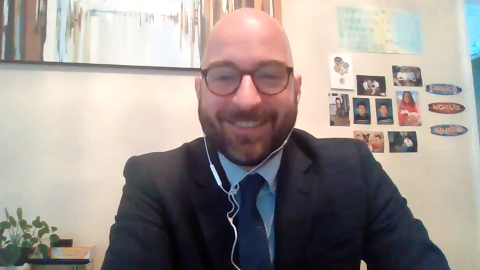
Lauren G. Cliffel, MSW, looks forward to the upcoming 2022 Association of VA Hematology/Oncology (AVAHO) annual meeting and the opportunity to connect in-person with social workers, physicians, nurses, cancer navigators, and other cancer care providers who share a mission to establish and expand oncology programs for veterans.
The theme of this year's annual meeting is "Your Best Version: Self-care in Cancer Care." Sessions include a discussion by a cancer care provider who was also a cancer patient, as well as presentations on the VA Whole Health initiative, survivorship, palliative care, and the Schwartz Rounds initiative. In addition, there will be sessions on self-care that include methods to address burnout and compassion fatigue.
Lauren G. Cliffel, MSW, looks forward to the upcoming 2022 Association of VA Hematology/Oncology (AVAHO) annual meeting and the opportunity to connect in-person with social workers, physicians, nurses, cancer navigators, and other cancer care providers who share a mission to establish and expand oncology programs for veterans.
The theme of this year's annual meeting is "Your Best Version: Self-care in Cancer Care." Sessions include a discussion by a cancer care provider who was also a cancer patient, as well as presentations on the VA Whole Health initiative, survivorship, palliative care, and the Schwartz Rounds initiative. In addition, there will be sessions on self-care that include methods to address burnout and compassion fatigue.
Lauren G. Cliffel, MSW, looks forward to the upcoming 2022 Association of VA Hematology/Oncology (AVAHO) annual meeting and the opportunity to connect in-person with social workers, physicians, nurses, cancer navigators, and other cancer care providers who share a mission to establish and expand oncology programs for veterans.
The theme of this year's annual meeting is "Your Best Version: Self-care in Cancer Care." Sessions include a discussion by a cancer care provider who was also a cancer patient, as well as presentations on the VA Whole Health initiative, survivorship, palliative care, and the Schwartz Rounds initiative. In addition, there will be sessions on self-care that include methods to address burnout and compassion fatigue.





AVAHO 2022: The Importance of Self-care
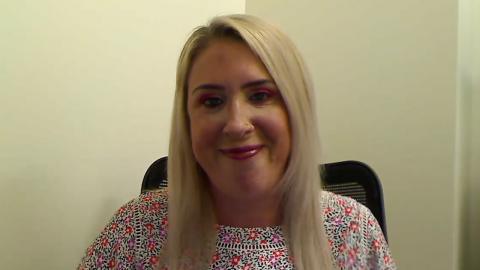
Bernadette Heron, PharmD, provides a glance at activities planned for the approaching AVAHO 2022 annual meeting and announces with enthusiasm this year's theme: "Your Best Version: Self-care in Cancer Care."
Bringing self-care into the theater of clinically relevant issues is central to optimizing the care of patients with cancer, Dr Heron suggests. To this purpose, the structured sessions and interventions to be presented at AVAHO 2022 include a deep dive into burnout among practitioners as well as everyday clinical care issues.
Bernadette Heron, PharmD, provides a glance at activities planned for the approaching AVAHO 2022 annual meeting and announces with enthusiasm this year's theme: "Your Best Version: Self-care in Cancer Care."
Bringing self-care into the theater of clinically relevant issues is central to optimizing the care of patients with cancer, Dr Heron suggests. To this purpose, the structured sessions and interventions to be presented at AVAHO 2022 include a deep dive into burnout among practitioners as well as everyday clinical care issues.
Bernadette Heron, PharmD, provides a glance at activities planned for the approaching AVAHO 2022 annual meeting and announces with enthusiasm this year's theme: "Your Best Version: Self-care in Cancer Care."
Bringing self-care into the theater of clinically relevant issues is central to optimizing the care of patients with cancer, Dr Heron suggests. To this purpose, the structured sessions and interventions to be presented at AVAHO 2022 include a deep dive into burnout among practitioners as well as everyday clinical care issues.

AVAHO 2022: Bringing Provider Well-Being Into Focus
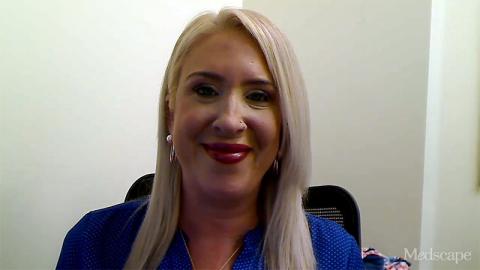
Nick Burwick, MD, summarizes a series of topics to be addressed at the AVAHO 2022 annual meeting, including provider well-being, patient experience, multidisciplinary reflective care, and precision oncology.
In addition to the exciting presentations and sessions, Dr Burwick invokes the more informal aspects of AVAHO 2022, such as meeting colleagues and friends and taking the time to appreciate the host city of San Diego. Above all, Dr Burwick underscores this year’s theme of self-care and resilience in the cancer care setting.
Nick Burwick, MD, summarizes a series of topics to be addressed at the AVAHO 2022 annual meeting, including provider well-being, patient experience, multidisciplinary reflective care, and precision oncology.
In addition to the exciting presentations and sessions, Dr Burwick invokes the more informal aspects of AVAHO 2022, such as meeting colleagues and friends and taking the time to appreciate the host city of San Diego. Above all, Dr Burwick underscores this year’s theme of self-care and resilience in the cancer care setting.
Nick Burwick, MD, summarizes a series of topics to be addressed at the AVAHO 2022 annual meeting, including provider well-being, patient experience, multidisciplinary reflective care, and precision oncology.
In addition to the exciting presentations and sessions, Dr Burwick invokes the more informal aspects of AVAHO 2022, such as meeting colleagues and friends and taking the time to appreciate the host city of San Diego. Above all, Dr Burwick underscores this year’s theme of self-care and resilience in the cancer care setting.

Implementation of a Pilot Study Evaluating the Feasibility of Delivery of Attune, a Digital Cognitive-Behavioral Stress Management (CBSM) Software Application for Treatment of Anxiety and Depressive Symptoms in Veterans with Cancer
Purpose
To assess promoters and obstacles of enrollment in a decentralized clinical research study, where veterans with cancer-related depressive symptoms are electronically prescribed a 10-session digitally administered Cognitive-Behavioral Stress Management (CBSM) program, called Attune.
Background
The US Department of Veterans Affairs (VA) National TeleOncology (NTO) Program has served 5688 veterans since inception, 3100 of which reside in rural areas (55%). Previous studies demonstrate clinically significant levels of psychosocial distress in up to 52% of patients with cancer. It is unknown if veterans with cancer experiencing psychosocial distress will benefit from a CBSM app. Traditional research studies often underrepresent rural cancer patients, so the VA-Attune clinical trial was designed for implementation in a decentralized fashion for NTO VA facilities serving a more predominant rural population.
Methods
We manually screened veteran appointments to identify potentially eligible veterans. NTO providers were notified if their patients were potentially eligible, providers asked patients if they wanted more information. Research staff then contacted veterans by telephone to confirm eligibility. Consent and HIPAA authorization were mailed to interested veterans and the consent process occurred via telephone. Descriptive statistics were used to summarize the patient population screened and consented.
Results
Between January and May 2022, there were 467 veterans screened and 15 veterans enrolled (mean [SD] age, 67.2 [8.28] years; 12 men and 3 women). 15 veterans received the electronic prescription of the Attune App and providers viewed the CBSM App as feasible. Promotors of implementation included convenience of a virtual format and use of the veteran’s mobile device to deliver the digital CBSM. Barriers identified by veterans were not having an appropriate mobile device, inadequate knowledge on using a mobile device, and insufficient time to commit to regularly using the Attune app.
Conclusions/Implications
This VA-Attune study demonstrated that clinical trials can be implemented in the VA in a decentralized fashion, enrolling rural and urban veterans. We identified significant barriers to enrollment and engagement despite our approach of remote consent. The VA-Attune research study continues to enroll veterans nationally, highlighting best practices and opportunities to improve the implementation of decentralized cancer clinical trials in the VA.
Purpose
To assess promoters and obstacles of enrollment in a decentralized clinical research study, where veterans with cancer-related depressive symptoms are electronically prescribed a 10-session digitally administered Cognitive-Behavioral Stress Management (CBSM) program, called Attune.
Background
The US Department of Veterans Affairs (VA) National TeleOncology (NTO) Program has served 5688 veterans since inception, 3100 of which reside in rural areas (55%). Previous studies demonstrate clinically significant levels of psychosocial distress in up to 52% of patients with cancer. It is unknown if veterans with cancer experiencing psychosocial distress will benefit from a CBSM app. Traditional research studies often underrepresent rural cancer patients, so the VA-Attune clinical trial was designed for implementation in a decentralized fashion for NTO VA facilities serving a more predominant rural population.
Methods
We manually screened veteran appointments to identify potentially eligible veterans. NTO providers were notified if their patients were potentially eligible, providers asked patients if they wanted more information. Research staff then contacted veterans by telephone to confirm eligibility. Consent and HIPAA authorization were mailed to interested veterans and the consent process occurred via telephone. Descriptive statistics were used to summarize the patient population screened and consented.
Results
Between January and May 2022, there were 467 veterans screened and 15 veterans enrolled (mean [SD] age, 67.2 [8.28] years; 12 men and 3 women). 15 veterans received the electronic prescription of the Attune App and providers viewed the CBSM App as feasible. Promotors of implementation included convenience of a virtual format and use of the veteran’s mobile device to deliver the digital CBSM. Barriers identified by veterans were not having an appropriate mobile device, inadequate knowledge on using a mobile device, and insufficient time to commit to regularly using the Attune app.
Conclusions/Implications
This VA-Attune study demonstrated that clinical trials can be implemented in the VA in a decentralized fashion, enrolling rural and urban veterans. We identified significant barriers to enrollment and engagement despite our approach of remote consent. The VA-Attune research study continues to enroll veterans nationally, highlighting best practices and opportunities to improve the implementation of decentralized cancer clinical trials in the VA.
Purpose
To assess promoters and obstacles of enrollment in a decentralized clinical research study, where veterans with cancer-related depressive symptoms are electronically prescribed a 10-session digitally administered Cognitive-Behavioral Stress Management (CBSM) program, called Attune.
Background
The US Department of Veterans Affairs (VA) National TeleOncology (NTO) Program has served 5688 veterans since inception, 3100 of which reside in rural areas (55%). Previous studies demonstrate clinically significant levels of psychosocial distress in up to 52% of patients with cancer. It is unknown if veterans with cancer experiencing psychosocial distress will benefit from a CBSM app. Traditional research studies often underrepresent rural cancer patients, so the VA-Attune clinical trial was designed for implementation in a decentralized fashion for NTO VA facilities serving a more predominant rural population.
Methods
We manually screened veteran appointments to identify potentially eligible veterans. NTO providers were notified if their patients were potentially eligible, providers asked patients if they wanted more information. Research staff then contacted veterans by telephone to confirm eligibility. Consent and HIPAA authorization were mailed to interested veterans and the consent process occurred via telephone. Descriptive statistics were used to summarize the patient population screened and consented.
Results
Between January and May 2022, there were 467 veterans screened and 15 veterans enrolled (mean [SD] age, 67.2 [8.28] years; 12 men and 3 women). 15 veterans received the electronic prescription of the Attune App and providers viewed the CBSM App as feasible. Promotors of implementation included convenience of a virtual format and use of the veteran’s mobile device to deliver the digital CBSM. Barriers identified by veterans were not having an appropriate mobile device, inadequate knowledge on using a mobile device, and insufficient time to commit to regularly using the Attune app.
Conclusions/Implications
This VA-Attune study demonstrated that clinical trials can be implemented in the VA in a decentralized fashion, enrolling rural and urban veterans. We identified significant barriers to enrollment and engagement despite our approach of remote consent. The VA-Attune research study continues to enroll veterans nationally, highlighting best practices and opportunities to improve the implementation of decentralized cancer clinical trials in the VA.
Trends in Palliative Care Utilization and Facility Type for Stage IV Esophageal Cancer: A National Cancer Database Analysis
Background
Palliative Care (PC) addresses quality of life and patient satisfaction with care. Recognized as a board-certified subspeciality in 2006, the utilization and implementation of PC has been evolving. Stage IV esophageal cancer has a 5-year survival rate of 15% to 20%, making it a good candidate for PC. This study aims to look at trends in PC interventions and facility type.
Methods
This study looked at 8808 patients with stage IV esophageal cancer who received PC interventions from 2004 to 2018 in the National Cancer Database (NCDB). The NCDB codes 4 different kinds of PC: surgical, radiation, chemotherapy/hormone therapy, and pain management. All PC interventions function to “alleviate symptoms, but no attempt to diagnose, stage, or treat the primary tumor is made.” Data was grouped into 5-year time increments: 2004- 2008 (time 1), 2009-2013 (time 2), 2014-2018 (time 3). Exclusion criteria was concurrent tumors and missing data. Cross tabulation analysis was performed using Pearson chi-square and ANOVA tests.
Results
For all PC interventions, 9.0% were surgical, 42.5% radiation, 41.1% chemotherapy, and 7.4% pain management. Surgical interventions decreased over time, indicated by interventions administered at times 1 (n = 360), 2 (n = 228), and 3 (n = 200). Radiation PC utilization remained nearly constant (n = 1157, n = 1147, n = 1397) over the same time increments. Chemotherapy/hormone therapy and pain management increased over time, indicated by interventions administered at times 1 (n = 713), 2 (n = 1053), and 3 (n = 1795) and times 1 (n = 129) 2 (n = 224), and 3 (n = 291), respectively. For surgical PC, facility type shifted from academic institutions, occurring 45% of all cases in time 1 to 30% by time 3. Radiation PC remained constant with a slight predominance of comprehensive cancer community facilities. Chemotherapy/hormone therapy PC facility type also remained constant, with a slight preference for comprehensive cancer community facilities. Pain management shifted from a predominance of academic/research facilities in time 1 (38.0%) to comprehensive cancer community facilities by time 3 (38.1%).
Conclusions
Radiation, chemotherapy/hormone therapy, and pain management have been growing in utilization, while there has been a downtrend in surgical PC. All PC interventions (besides surgery) have been increasing across all facility locations, with PC predominantly being implemented in community cancer programs.
Background
Palliative Care (PC) addresses quality of life and patient satisfaction with care. Recognized as a board-certified subspeciality in 2006, the utilization and implementation of PC has been evolving. Stage IV esophageal cancer has a 5-year survival rate of 15% to 20%, making it a good candidate for PC. This study aims to look at trends in PC interventions and facility type.
Methods
This study looked at 8808 patients with stage IV esophageal cancer who received PC interventions from 2004 to 2018 in the National Cancer Database (NCDB). The NCDB codes 4 different kinds of PC: surgical, radiation, chemotherapy/hormone therapy, and pain management. All PC interventions function to “alleviate symptoms, but no attempt to diagnose, stage, or treat the primary tumor is made.” Data was grouped into 5-year time increments: 2004- 2008 (time 1), 2009-2013 (time 2), 2014-2018 (time 3). Exclusion criteria was concurrent tumors and missing data. Cross tabulation analysis was performed using Pearson chi-square and ANOVA tests.
Results
For all PC interventions, 9.0% were surgical, 42.5% radiation, 41.1% chemotherapy, and 7.4% pain management. Surgical interventions decreased over time, indicated by interventions administered at times 1 (n = 360), 2 (n = 228), and 3 (n = 200). Radiation PC utilization remained nearly constant (n = 1157, n = 1147, n = 1397) over the same time increments. Chemotherapy/hormone therapy and pain management increased over time, indicated by interventions administered at times 1 (n = 713), 2 (n = 1053), and 3 (n = 1795) and times 1 (n = 129) 2 (n = 224), and 3 (n = 291), respectively. For surgical PC, facility type shifted from academic institutions, occurring 45% of all cases in time 1 to 30% by time 3. Radiation PC remained constant with a slight predominance of comprehensive cancer community facilities. Chemotherapy/hormone therapy PC facility type also remained constant, with a slight preference for comprehensive cancer community facilities. Pain management shifted from a predominance of academic/research facilities in time 1 (38.0%) to comprehensive cancer community facilities by time 3 (38.1%).
Conclusions
Radiation, chemotherapy/hormone therapy, and pain management have been growing in utilization, while there has been a downtrend in surgical PC. All PC interventions (besides surgery) have been increasing across all facility locations, with PC predominantly being implemented in community cancer programs.
Background
Palliative Care (PC) addresses quality of life and patient satisfaction with care. Recognized as a board-certified subspeciality in 2006, the utilization and implementation of PC has been evolving. Stage IV esophageal cancer has a 5-year survival rate of 15% to 20%, making it a good candidate for PC. This study aims to look at trends in PC interventions and facility type.
Methods
This study looked at 8808 patients with stage IV esophageal cancer who received PC interventions from 2004 to 2018 in the National Cancer Database (NCDB). The NCDB codes 4 different kinds of PC: surgical, radiation, chemotherapy/hormone therapy, and pain management. All PC interventions function to “alleviate symptoms, but no attempt to diagnose, stage, or treat the primary tumor is made.” Data was grouped into 5-year time increments: 2004- 2008 (time 1), 2009-2013 (time 2), 2014-2018 (time 3). Exclusion criteria was concurrent tumors and missing data. Cross tabulation analysis was performed using Pearson chi-square and ANOVA tests.
Results
For all PC interventions, 9.0% were surgical, 42.5% radiation, 41.1% chemotherapy, and 7.4% pain management. Surgical interventions decreased over time, indicated by interventions administered at times 1 (n = 360), 2 (n = 228), and 3 (n = 200). Radiation PC utilization remained nearly constant (n = 1157, n = 1147, n = 1397) over the same time increments. Chemotherapy/hormone therapy and pain management increased over time, indicated by interventions administered at times 1 (n = 713), 2 (n = 1053), and 3 (n = 1795) and times 1 (n = 129) 2 (n = 224), and 3 (n = 291), respectively. For surgical PC, facility type shifted from academic institutions, occurring 45% of all cases in time 1 to 30% by time 3. Radiation PC remained constant with a slight predominance of comprehensive cancer community facilities. Chemotherapy/hormone therapy PC facility type also remained constant, with a slight preference for comprehensive cancer community facilities. Pain management shifted from a predominance of academic/research facilities in time 1 (38.0%) to comprehensive cancer community facilities by time 3 (38.1%).
Conclusions
Radiation, chemotherapy/hormone therapy, and pain management have been growing in utilization, while there has been a downtrend in surgical PC. All PC interventions (besides surgery) have been increasing across all facility locations, with PC predominantly being implemented in community cancer programs.
Outcomes of Off-Label Use of Molecular Targeted Agent Therapy in a Large-Scale Precision Oncology Program
Background
Increasing utilization of comprehensive genomic profiling (CGP) and a growing number of targeted agents (TAs) has led to substantial improvements in outcomes among patients with cancer with actionable mutations. We sought to evaluate real-world use and outcomes of off-label TA among patients who underwent CGP.
Methods
The National Precision Oncology Program database and VA Corporate Data Warehouse were queried to identify patients who underwent CGP between Feb 2019 and Dec 2021 and were prescribed 1 of 73 TAs for malignancy. OncoKB (accessed March 2022) annotations were used to select patients who received offlabel TAs based upon CGP results. Chart abstraction was performed in April 2022 to review response to offlabel TAs, toxicities, and treatment duration.
Results
Of 18,686 patients who underwent CGP, 2,107 (11%) were prescribed a TA and 170 (0.9%) were prescribed a total of 185 off-label TA regimens. Median age was 68 years, 88% were male, and 82% had prior systemic therapy, with 28% receiving 3 or more prior lines. Frequency of off-label TA prescriptions was highest for patients with unknown primary (CUP) (9%), thyroid (8%), and breast (6%) cancers. Most frequently targeted alterations involved ERBB2 (22%), BRAF (22%), and BRCA1/BRCA2/ATM (20%). Among the 161 regimens prescribed > 4 weeks, 44 (27%) led to complete or partial response, and 63 (39%) were administered for 6 months or longer or are continuing. Median progression free (PFS) and overall survival (OS) were 5.3 (95% CI, 4.3–6.5) and 9.9 (95% CI, 8.3–12.4) months, respectively. Patients with OncoKb level 2/3A/3B annotations had improved PFS (HR 0.45; 95% CI, 0.24-0.82; P = .01) and OS (HR 0.27; 95% CI, 0.15-0.48; P < .005) compared to level 4 treatments. Across all 185 regimens prescribed, 30 (16.2%) were discontinued due to toxicity, and further systemic treatment was prescribed subsequently in 58 (31.3%).
Conclusions
While the overall use of off-label TAs is low, nearly 10% of CUP and thyroid cancer patients who undergo CGP are prescribed TAs for off-label indications. More than one-quarter of off-label TA regimens lead to treatment response. Treatments associated with level 4 annotations lead to worse outcomes than TAs bearing superior levels of evidence.
Background
Increasing utilization of comprehensive genomic profiling (CGP) and a growing number of targeted agents (TAs) has led to substantial improvements in outcomes among patients with cancer with actionable mutations. We sought to evaluate real-world use and outcomes of off-label TA among patients who underwent CGP.
Methods
The National Precision Oncology Program database and VA Corporate Data Warehouse were queried to identify patients who underwent CGP between Feb 2019 and Dec 2021 and were prescribed 1 of 73 TAs for malignancy. OncoKB (accessed March 2022) annotations were used to select patients who received offlabel TAs based upon CGP results. Chart abstraction was performed in April 2022 to review response to offlabel TAs, toxicities, and treatment duration.
Results
Of 18,686 patients who underwent CGP, 2,107 (11%) were prescribed a TA and 170 (0.9%) were prescribed a total of 185 off-label TA regimens. Median age was 68 years, 88% were male, and 82% had prior systemic therapy, with 28% receiving 3 or more prior lines. Frequency of off-label TA prescriptions was highest for patients with unknown primary (CUP) (9%), thyroid (8%), and breast (6%) cancers. Most frequently targeted alterations involved ERBB2 (22%), BRAF (22%), and BRCA1/BRCA2/ATM (20%). Among the 161 regimens prescribed > 4 weeks, 44 (27%) led to complete or partial response, and 63 (39%) were administered for 6 months or longer or are continuing. Median progression free (PFS) and overall survival (OS) were 5.3 (95% CI, 4.3–6.5) and 9.9 (95% CI, 8.3–12.4) months, respectively. Patients with OncoKb level 2/3A/3B annotations had improved PFS (HR 0.45; 95% CI, 0.24-0.82; P = .01) and OS (HR 0.27; 95% CI, 0.15-0.48; P < .005) compared to level 4 treatments. Across all 185 regimens prescribed, 30 (16.2%) were discontinued due to toxicity, and further systemic treatment was prescribed subsequently in 58 (31.3%).
Conclusions
While the overall use of off-label TAs is low, nearly 10% of CUP and thyroid cancer patients who undergo CGP are prescribed TAs for off-label indications. More than one-quarter of off-label TA regimens lead to treatment response. Treatments associated with level 4 annotations lead to worse outcomes than TAs bearing superior levels of evidence.
Background
Increasing utilization of comprehensive genomic profiling (CGP) and a growing number of targeted agents (TAs) has led to substantial improvements in outcomes among patients with cancer with actionable mutations. We sought to evaluate real-world use and outcomes of off-label TA among patients who underwent CGP.
Methods
The National Precision Oncology Program database and VA Corporate Data Warehouse were queried to identify patients who underwent CGP between Feb 2019 and Dec 2021 and were prescribed 1 of 73 TAs for malignancy. OncoKB (accessed March 2022) annotations were used to select patients who received offlabel TAs based upon CGP results. Chart abstraction was performed in April 2022 to review response to offlabel TAs, toxicities, and treatment duration.
Results
Of 18,686 patients who underwent CGP, 2,107 (11%) were prescribed a TA and 170 (0.9%) were prescribed a total of 185 off-label TA regimens. Median age was 68 years, 88% were male, and 82% had prior systemic therapy, with 28% receiving 3 or more prior lines. Frequency of off-label TA prescriptions was highest for patients with unknown primary (CUP) (9%), thyroid (8%), and breast (6%) cancers. Most frequently targeted alterations involved ERBB2 (22%), BRAF (22%), and BRCA1/BRCA2/ATM (20%). Among the 161 regimens prescribed > 4 weeks, 44 (27%) led to complete or partial response, and 63 (39%) were administered for 6 months or longer or are continuing. Median progression free (PFS) and overall survival (OS) were 5.3 (95% CI, 4.3–6.5) and 9.9 (95% CI, 8.3–12.4) months, respectively. Patients with OncoKb level 2/3A/3B annotations had improved PFS (HR 0.45; 95% CI, 0.24-0.82; P = .01) and OS (HR 0.27; 95% CI, 0.15-0.48; P < .005) compared to level 4 treatments. Across all 185 regimens prescribed, 30 (16.2%) were discontinued due to toxicity, and further systemic treatment was prescribed subsequently in 58 (31.3%).
Conclusions
While the overall use of off-label TAs is low, nearly 10% of CUP and thyroid cancer patients who undergo CGP are prescribed TAs for off-label indications. More than one-quarter of off-label TA regimens lead to treatment response. Treatments associated with level 4 annotations lead to worse outcomes than TAs bearing superior levels of evidence.
Impact of Pharmacist-Driven Telemedicine Services in Hematopoietic Stem Cell Transplant (HSCT) Long-term Care Clinic in a Veteran Population
Background
Patients undergoing allogeneic hematopoietic stem cell transplant (HSCT) are high-risk patients with complex medication regimens, including anti-rejection medications, infection prophylaxis, other post-transplant complication prophylaxis in addition to their chronic medications for co-morbid conditions. At the VA Tennessee Valley Healthcare System (TVHS), there are 3 stages of care once a patient receives an allogeneic transplant: inpatient transplant (through engraftment), outpatient posttransplant (through day +100), and long-term care (LTC) transplant (post-departure from the transplant facility). Currently, TVHS has 2 Clinical Pharmacist Practitioners (CPP) involved in the inpatient and outpatient settings. The purpose of this quality improvement initiative was to evaluate the impact of pharmacist services on continuity of care for longterm HSCT patients, vaccine completion rates, and immunosuppression/chemotherapy monitoring.
Methods
Patients were identified for enrollment based on a referral from a CPP, nurse practitioner (NP), or physician (MD). Patients with a history of allogeneic transplant were automatically referred from the CPP at departure and scheduled for a 2-week and 6-week post-departure visit. During these visits, the pharmacist conducted a medication reconciliation, assessed for medication errors or lapses in therapy, and provided medication counseling deemed necessary by clinical judgement. In addition to these 2 medication reconciliation visits, patients were also automatically scheduled for a vaccine assessment 6-months post-transplant. Pharmacy interventions from these visits were recorded in pre-specified categories. In addition to these predetermined visits, patients with complex medication regimens or undergoing significant changes could also be referred by either the NP or MD.
Results
A total of 18 patients were enrolled in the CPP clinic from October 2021 through May 2022. During this period, 42 visits were completed as each patient was seen multiple times (mean number of visits 1.8). A total of 16 medication errors/lapses were identified and addressed. The most common types of interventions included medication reconciliation (42), adherence counseling (39), general medication interventions (26), and vaccine interventions (20).
Conclusions
This pharmacist-driven telemedicine service incorporated into the long-term care HSCT clinic demonstrated benefit in identifying and addressing medication errors/lapses. Further study including the impact on patient outcomes such as hospital readmissions post-transplant, could strengthen the importance of pharmacy involvement in this setting.
Background
Patients undergoing allogeneic hematopoietic stem cell transplant (HSCT) are high-risk patients with complex medication regimens, including anti-rejection medications, infection prophylaxis, other post-transplant complication prophylaxis in addition to their chronic medications for co-morbid conditions. At the VA Tennessee Valley Healthcare System (TVHS), there are 3 stages of care once a patient receives an allogeneic transplant: inpatient transplant (through engraftment), outpatient posttransplant (through day +100), and long-term care (LTC) transplant (post-departure from the transplant facility). Currently, TVHS has 2 Clinical Pharmacist Practitioners (CPP) involved in the inpatient and outpatient settings. The purpose of this quality improvement initiative was to evaluate the impact of pharmacist services on continuity of care for longterm HSCT patients, vaccine completion rates, and immunosuppression/chemotherapy monitoring.
Methods
Patients were identified for enrollment based on a referral from a CPP, nurse practitioner (NP), or physician (MD). Patients with a history of allogeneic transplant were automatically referred from the CPP at departure and scheduled for a 2-week and 6-week post-departure visit. During these visits, the pharmacist conducted a medication reconciliation, assessed for medication errors or lapses in therapy, and provided medication counseling deemed necessary by clinical judgement. In addition to these 2 medication reconciliation visits, patients were also automatically scheduled for a vaccine assessment 6-months post-transplant. Pharmacy interventions from these visits were recorded in pre-specified categories. In addition to these predetermined visits, patients with complex medication regimens or undergoing significant changes could also be referred by either the NP or MD.
Results
A total of 18 patients were enrolled in the CPP clinic from October 2021 through May 2022. During this period, 42 visits were completed as each patient was seen multiple times (mean number of visits 1.8). A total of 16 medication errors/lapses were identified and addressed. The most common types of interventions included medication reconciliation (42), adherence counseling (39), general medication interventions (26), and vaccine interventions (20).
Conclusions
This pharmacist-driven telemedicine service incorporated into the long-term care HSCT clinic demonstrated benefit in identifying and addressing medication errors/lapses. Further study including the impact on patient outcomes such as hospital readmissions post-transplant, could strengthen the importance of pharmacy involvement in this setting.
Background
Patients undergoing allogeneic hematopoietic stem cell transplant (HSCT) are high-risk patients with complex medication regimens, including anti-rejection medications, infection prophylaxis, other post-transplant complication prophylaxis in addition to their chronic medications for co-morbid conditions. At the VA Tennessee Valley Healthcare System (TVHS), there are 3 stages of care once a patient receives an allogeneic transplant: inpatient transplant (through engraftment), outpatient posttransplant (through day +100), and long-term care (LTC) transplant (post-departure from the transplant facility). Currently, TVHS has 2 Clinical Pharmacist Practitioners (CPP) involved in the inpatient and outpatient settings. The purpose of this quality improvement initiative was to evaluate the impact of pharmacist services on continuity of care for longterm HSCT patients, vaccine completion rates, and immunosuppression/chemotherapy monitoring.
Methods
Patients were identified for enrollment based on a referral from a CPP, nurse practitioner (NP), or physician (MD). Patients with a history of allogeneic transplant were automatically referred from the CPP at departure and scheduled for a 2-week and 6-week post-departure visit. During these visits, the pharmacist conducted a medication reconciliation, assessed for medication errors or lapses in therapy, and provided medication counseling deemed necessary by clinical judgement. In addition to these 2 medication reconciliation visits, patients were also automatically scheduled for a vaccine assessment 6-months post-transplant. Pharmacy interventions from these visits were recorded in pre-specified categories. In addition to these predetermined visits, patients with complex medication regimens or undergoing significant changes could also be referred by either the NP or MD.
Results
A total of 18 patients were enrolled in the CPP clinic from October 2021 through May 2022. During this period, 42 visits were completed as each patient was seen multiple times (mean number of visits 1.8). A total of 16 medication errors/lapses were identified and addressed. The most common types of interventions included medication reconciliation (42), adherence counseling (39), general medication interventions (26), and vaccine interventions (20).
Conclusions
This pharmacist-driven telemedicine service incorporated into the long-term care HSCT clinic demonstrated benefit in identifying and addressing medication errors/lapses. Further study including the impact on patient outcomes such as hospital readmissions post-transplant, could strengthen the importance of pharmacy involvement in this setting.
Evaluating the Incidence of Febrile Neutropenia and the Appropriate Use of Prophylactic Granulocyte Colony Stimulating Factors in Veterans Who Received Treatment for Non- Hodgkin’s Lymphoma
Introduction
Febrile neutropenia (FN) is one of the most concerning complications associated with chemotherapy treatment, often leading to hospitalizations and delays in chemotherapy. The NCCN Guideline recommends primary prophylaxis with G-CSFs for patients receiving chemotherapy regimens that have an intermediate risk for FN if the patients have risk factors. A common intermediate risk for FN regimen is CHOP plus an anti-CD20 monoclonal antibody (mAb) for the treatment of non-Hodgkin’s lymphoma (NHL). At VASDHCS, an evaluation of the appropriate use of prophylactic GCSFs in this risk group would allow better optimization of patient care.
Objective
To evaluate the incidence of FN in correlation with the appropriate use of G-CSFs in patients who received CHOP plus an anti-CD20 mAb for the treatment of NHL
Methods
This is a retrospective study at VA San Diego of adult veterans with a confirmed diagnosis of NHL who received the first cycle of CHOP plus an anti- CD20 mAb between January 1, 2006, to October 1, 2021. Patients were categorized based on whether they received prophylactic G-CSF during the first cycle. The primary outcome measured was the incidence of FN in veterans with risk factor(s) who received CHOP plus an anti-CD20 mAb. The secondary outcome was the percentage of patients with risk factors who received G-CSF regardless of FN incidence. Primary outcome was analyzed using 2-tailed Fisher exact test.
Results
57 patients were included in the final analysis. In patients with at least one risk factor for FN, 26 (60%) received prophylactic G-CSF and 17 (40%) did not. There is 1 case of FN in the group that received G-CSF and 2 cases of FN in the group without G-CSF (RR, 0.33; P = .55; 95% CI, 0.03-3.33).
Conculsions
In patients receiving treatment for NHL with CHOP plus an anti-CD20 mAb, most of the patients with at least 1 risk factor for FN were initiated on G-CSF. Based on the results of the study, our veteran population does not appear to have an increased risk for FN without G-CSF. A larger study is warranted to further evaluate the significance of FN in correlation with prophylactic G-CSF.
Introduction
Febrile neutropenia (FN) is one of the most concerning complications associated with chemotherapy treatment, often leading to hospitalizations and delays in chemotherapy. The NCCN Guideline recommends primary prophylaxis with G-CSFs for patients receiving chemotherapy regimens that have an intermediate risk for FN if the patients have risk factors. A common intermediate risk for FN regimen is CHOP plus an anti-CD20 monoclonal antibody (mAb) for the treatment of non-Hodgkin’s lymphoma (NHL). At VASDHCS, an evaluation of the appropriate use of prophylactic GCSFs in this risk group would allow better optimization of patient care.
Objective
To evaluate the incidence of FN in correlation with the appropriate use of G-CSFs in patients who received CHOP plus an anti-CD20 mAb for the treatment of NHL
Methods
This is a retrospective study at VA San Diego of adult veterans with a confirmed diagnosis of NHL who received the first cycle of CHOP plus an anti- CD20 mAb between January 1, 2006, to October 1, 2021. Patients were categorized based on whether they received prophylactic G-CSF during the first cycle. The primary outcome measured was the incidence of FN in veterans with risk factor(s) who received CHOP plus an anti-CD20 mAb. The secondary outcome was the percentage of patients with risk factors who received G-CSF regardless of FN incidence. Primary outcome was analyzed using 2-tailed Fisher exact test.
Results
57 patients were included in the final analysis. In patients with at least one risk factor for FN, 26 (60%) received prophylactic G-CSF and 17 (40%) did not. There is 1 case of FN in the group that received G-CSF and 2 cases of FN in the group without G-CSF (RR, 0.33; P = .55; 95% CI, 0.03-3.33).
Conculsions
In patients receiving treatment for NHL with CHOP plus an anti-CD20 mAb, most of the patients with at least 1 risk factor for FN were initiated on G-CSF. Based on the results of the study, our veteran population does not appear to have an increased risk for FN without G-CSF. A larger study is warranted to further evaluate the significance of FN in correlation with prophylactic G-CSF.
Introduction
Febrile neutropenia (FN) is one of the most concerning complications associated with chemotherapy treatment, often leading to hospitalizations and delays in chemotherapy. The NCCN Guideline recommends primary prophylaxis with G-CSFs for patients receiving chemotherapy regimens that have an intermediate risk for FN if the patients have risk factors. A common intermediate risk for FN regimen is CHOP plus an anti-CD20 monoclonal antibody (mAb) for the treatment of non-Hodgkin’s lymphoma (NHL). At VASDHCS, an evaluation of the appropriate use of prophylactic GCSFs in this risk group would allow better optimization of patient care.
Objective
To evaluate the incidence of FN in correlation with the appropriate use of G-CSFs in patients who received CHOP plus an anti-CD20 mAb for the treatment of NHL
Methods
This is a retrospective study at VA San Diego of adult veterans with a confirmed diagnosis of NHL who received the first cycle of CHOP plus an anti- CD20 mAb between January 1, 2006, to October 1, 2021. Patients were categorized based on whether they received prophylactic G-CSF during the first cycle. The primary outcome measured was the incidence of FN in veterans with risk factor(s) who received CHOP plus an anti-CD20 mAb. The secondary outcome was the percentage of patients with risk factors who received G-CSF regardless of FN incidence. Primary outcome was analyzed using 2-tailed Fisher exact test.
Results
57 patients were included in the final analysis. In patients with at least one risk factor for FN, 26 (60%) received prophylactic G-CSF and 17 (40%) did not. There is 1 case of FN in the group that received G-CSF and 2 cases of FN in the group without G-CSF (RR, 0.33; P = .55; 95% CI, 0.03-3.33).
Conculsions
In patients receiving treatment for NHL with CHOP plus an anti-CD20 mAb, most of the patients with at least 1 risk factor for FN were initiated on G-CSF. Based on the results of the study, our veteran population does not appear to have an increased risk for FN without G-CSF. A larger study is warranted to further evaluate the significance of FN in correlation with prophylactic G-CSF.
Standardize Documentation of at Least 3 or More Toxicities of Immune Checkpoint Inhibitors to Improve Patient-Reported Outcomes
Purpose
Ensuring that patients/families are engaged as partners in their health care is an effective way to measure the quality of patient care. Self-reported patient data, such as symptom burden, provides an accurate and effective way to measure patient-reported outcomes. Our team reviewed 20 patient charts, randomly, to assess for documentation of at least 3 or more domains of toxicities of immune checkpoint inhibitors. The baseline comprehensive documentation rate was 50%. Our goal is to improve the documentation rate to 80% for our first process improvement cycle.
Aim Statement
Increase documentation of 3 or more toxicities immune checkpoint inhibitors to a goal rate of 80%.
Methods
A free online patient monitoring checklist tool was printed and provided to patients receiving immune checkpoint inhibitors (on their infusion day) during the check-in process. The patients were instructed to complete the tool prior to the provider clinic visit, while in the waiting area. The completed tool was given to the provider on the day of their visit. Prior to the start of this Plan-Do-Study-Act (PDSA) cycle, all providers were “reminded”/ instructed to ensure documentation of 3 or more toxicities immune checkpoint inhibitors. The cycle lasted for 3 weeks. At the end of the 3 weeks, our team reviewed the charts of those patients.
Results
Documentation rate of 3 or more toxicities increased from 50% to 90%.
Conclusions
When completed patient monitoring tools were provided to the providers during the clinic visit, the providers increased their documentation rate of the toxicities. There is literature supporting improving patient satisfaction using self-reported symptoms monitoring tools. Also, given the burden of documentation and shorter visit times, providers found this to be an easy way to address patient symptoms. While electronic patient-reported outcome (e-PRO) tools are ideal for ongoing symptom monitoring, this is a simple way to address the same in low-resourced communities. For our next cycle, we plan on using patient feedback to improve the documentation form incorporating larger fonts for patients with low vision.
Purpose
Ensuring that patients/families are engaged as partners in their health care is an effective way to measure the quality of patient care. Self-reported patient data, such as symptom burden, provides an accurate and effective way to measure patient-reported outcomes. Our team reviewed 20 patient charts, randomly, to assess for documentation of at least 3 or more domains of toxicities of immune checkpoint inhibitors. The baseline comprehensive documentation rate was 50%. Our goal is to improve the documentation rate to 80% for our first process improvement cycle.
Aim Statement
Increase documentation of 3 or more toxicities immune checkpoint inhibitors to a goal rate of 80%.
Methods
A free online patient monitoring checklist tool was printed and provided to patients receiving immune checkpoint inhibitors (on their infusion day) during the check-in process. The patients were instructed to complete the tool prior to the provider clinic visit, while in the waiting area. The completed tool was given to the provider on the day of their visit. Prior to the start of this Plan-Do-Study-Act (PDSA) cycle, all providers were “reminded”/ instructed to ensure documentation of 3 or more toxicities immune checkpoint inhibitors. The cycle lasted for 3 weeks. At the end of the 3 weeks, our team reviewed the charts of those patients.
Results
Documentation rate of 3 or more toxicities increased from 50% to 90%.
Conclusions
When completed patient monitoring tools were provided to the providers during the clinic visit, the providers increased their documentation rate of the toxicities. There is literature supporting improving patient satisfaction using self-reported symptoms monitoring tools. Also, given the burden of documentation and shorter visit times, providers found this to be an easy way to address patient symptoms. While electronic patient-reported outcome (e-PRO) tools are ideal for ongoing symptom monitoring, this is a simple way to address the same in low-resourced communities. For our next cycle, we plan on using patient feedback to improve the documentation form incorporating larger fonts for patients with low vision.
Purpose
Ensuring that patients/families are engaged as partners in their health care is an effective way to measure the quality of patient care. Self-reported patient data, such as symptom burden, provides an accurate and effective way to measure patient-reported outcomes. Our team reviewed 20 patient charts, randomly, to assess for documentation of at least 3 or more domains of toxicities of immune checkpoint inhibitors. The baseline comprehensive documentation rate was 50%. Our goal is to improve the documentation rate to 80% for our first process improvement cycle.
Aim Statement
Increase documentation of 3 or more toxicities immune checkpoint inhibitors to a goal rate of 80%.
Methods
A free online patient monitoring checklist tool was printed and provided to patients receiving immune checkpoint inhibitors (on their infusion day) during the check-in process. The patients were instructed to complete the tool prior to the provider clinic visit, while in the waiting area. The completed tool was given to the provider on the day of their visit. Prior to the start of this Plan-Do-Study-Act (PDSA) cycle, all providers were “reminded”/ instructed to ensure documentation of 3 or more toxicities immune checkpoint inhibitors. The cycle lasted for 3 weeks. At the end of the 3 weeks, our team reviewed the charts of those patients.
Results
Documentation rate of 3 or more toxicities increased from 50% to 90%.
Conclusions
When completed patient monitoring tools were provided to the providers during the clinic visit, the providers increased their documentation rate of the toxicities. There is literature supporting improving patient satisfaction using self-reported symptoms monitoring tools. Also, given the burden of documentation and shorter visit times, providers found this to be an easy way to address patient symptoms. While electronic patient-reported outcome (e-PRO) tools are ideal for ongoing symptom monitoring, this is a simple way to address the same in low-resourced communities. For our next cycle, we plan on using patient feedback to improve the documentation form incorporating larger fonts for patients with low vision.
Discontinuation of Allopurinol for Tumor Lysis Syndrome Report
Background/Purpose
Tumor lysis syndrome (TLS) is caused by the release of intracellular products into the blood following rapid lysis of malignant cells resulting in hyperuricemia, hyperkalemia, hyperphosphatemia, and hypocalcemia. Complications of TLS include acute renal failure, cardiac arrhythmias, seizure, and sudden death. Allopurinol is commonly initiated as prophylaxis for patients at risk for TLS to prevent buildup of uric acid and decrease the incidence of obstructive uropathy caused by uric acid precipitation. Allopurinol takes several days to reduce uric acid levels, therefore it is recommended to initiate allopurinol 1 to 2 days prior to the start of chemotherapy and continue until the risk of TLS has ceased, usually within 7 days of chemotherapy initiation. Unnecessarily continuing allopurinol beyond 10 days increases the risk of adverse events, including allergic skin rashes and myelosuppression. A report of allopurinol orders for TLS from March 1, 2020, to March 31, 2021 was generated. Of these orders, there were 44 unique patients and 56 total allopurinol courses. The median duration of allopurinol for TLS was 39 days, with a duration of allopurinol of 10 days or less in 10 (18.2%) cases.
Methods
On September 16, 2021, inpatient prescribing of new allopurinol orders was restricted to an inpatient order menu with quick orders designating an indication of gout or TLS in the comment section. The TLS quick order was defaulted to a dose of 300 mg for 10 days. Education was also provided to the medical staff. Descriptive statistics were used.
Results
Since implementation of the allopurinol order menu, 17 patients with cancer have initiated allopurinol for TLS. The menu was used in 14 (82.4%) patients. The median duration of allopurinol was 8 days and 11 (64.7%) allopurinol courses were 10 days or less. The main reasons for not using the allopurinol menu were due to dose reduction of allopurinol due to renal dysfunction or the primary hematologist/oncologist ordering outpatient allopurinol prior to admission for chemotherapy.
Implications
The introduction of an inpatient allopurinol order menu has decreased excessive allopurinol therapy when utilized for TLS. This has resulted in decreased pill burden, adverse events, and cost.
Background/Purpose
Tumor lysis syndrome (TLS) is caused by the release of intracellular products into the blood following rapid lysis of malignant cells resulting in hyperuricemia, hyperkalemia, hyperphosphatemia, and hypocalcemia. Complications of TLS include acute renal failure, cardiac arrhythmias, seizure, and sudden death. Allopurinol is commonly initiated as prophylaxis for patients at risk for TLS to prevent buildup of uric acid and decrease the incidence of obstructive uropathy caused by uric acid precipitation. Allopurinol takes several days to reduce uric acid levels, therefore it is recommended to initiate allopurinol 1 to 2 days prior to the start of chemotherapy and continue until the risk of TLS has ceased, usually within 7 days of chemotherapy initiation. Unnecessarily continuing allopurinol beyond 10 days increases the risk of adverse events, including allergic skin rashes and myelosuppression. A report of allopurinol orders for TLS from March 1, 2020, to March 31, 2021 was generated. Of these orders, there were 44 unique patients and 56 total allopurinol courses. The median duration of allopurinol for TLS was 39 days, with a duration of allopurinol of 10 days or less in 10 (18.2%) cases.
Methods
On September 16, 2021, inpatient prescribing of new allopurinol orders was restricted to an inpatient order menu with quick orders designating an indication of gout or TLS in the comment section. The TLS quick order was defaulted to a dose of 300 mg for 10 days. Education was also provided to the medical staff. Descriptive statistics were used.
Results
Since implementation of the allopurinol order menu, 17 patients with cancer have initiated allopurinol for TLS. The menu was used in 14 (82.4%) patients. The median duration of allopurinol was 8 days and 11 (64.7%) allopurinol courses were 10 days or less. The main reasons for not using the allopurinol menu were due to dose reduction of allopurinol due to renal dysfunction or the primary hematologist/oncologist ordering outpatient allopurinol prior to admission for chemotherapy.
Implications
The introduction of an inpatient allopurinol order menu has decreased excessive allopurinol therapy when utilized for TLS. This has resulted in decreased pill burden, adverse events, and cost.
Background/Purpose
Tumor lysis syndrome (TLS) is caused by the release of intracellular products into the blood following rapid lysis of malignant cells resulting in hyperuricemia, hyperkalemia, hyperphosphatemia, and hypocalcemia. Complications of TLS include acute renal failure, cardiac arrhythmias, seizure, and sudden death. Allopurinol is commonly initiated as prophylaxis for patients at risk for TLS to prevent buildup of uric acid and decrease the incidence of obstructive uropathy caused by uric acid precipitation. Allopurinol takes several days to reduce uric acid levels, therefore it is recommended to initiate allopurinol 1 to 2 days prior to the start of chemotherapy and continue until the risk of TLS has ceased, usually within 7 days of chemotherapy initiation. Unnecessarily continuing allopurinol beyond 10 days increases the risk of adverse events, including allergic skin rashes and myelosuppression. A report of allopurinol orders for TLS from March 1, 2020, to March 31, 2021 was generated. Of these orders, there were 44 unique patients and 56 total allopurinol courses. The median duration of allopurinol for TLS was 39 days, with a duration of allopurinol of 10 days or less in 10 (18.2%) cases.
Methods
On September 16, 2021, inpatient prescribing of new allopurinol orders was restricted to an inpatient order menu with quick orders designating an indication of gout or TLS in the comment section. The TLS quick order was defaulted to a dose of 300 mg for 10 days. Education was also provided to the medical staff. Descriptive statistics were used.
Results
Since implementation of the allopurinol order menu, 17 patients with cancer have initiated allopurinol for TLS. The menu was used in 14 (82.4%) patients. The median duration of allopurinol was 8 days and 11 (64.7%) allopurinol courses were 10 days or less. The main reasons for not using the allopurinol menu were due to dose reduction of allopurinol due to renal dysfunction or the primary hematologist/oncologist ordering outpatient allopurinol prior to admission for chemotherapy.
Implications
The introduction of an inpatient allopurinol order menu has decreased excessive allopurinol therapy when utilized for TLS. This has resulted in decreased pill burden, adverse events, and cost.