User login
-
div[contains(@class, 'header__large-screen')]
div[contains(@class, 'read-next-article')]
div[contains(@class, 'main-prefix')]
div[contains(@class, 'nav-primary')]
nav[contains(@class, 'nav-primary')]
section[contains(@class, 'footer-nav-section-wrapper')]
footer[@id='footer']
section[contains(@class, 'nav-hidden')]
div[contains(@class, 'ce-card-content')]
nav[contains(@class, 'nav-ce-stack')]
div[contains(@class, 'view-medstat-quiz-listing-panes')]
div[contains(@class, 'pane-article-sidebar-latest-news')]

Cannabis users struggle to quit cigarettes
a large national survey has found.

“Over the past decade, there has been an increase in the use of cannabis among cigarette smokers and prevalence of cigarettes and cannabis co-use, suggesting that the negative consequences of cigarette–cannabis co-use may also become more prevalent over time,” wrote Andrea H. Weinberger, PhD, of Yeshiva University, New York, and colleagues. They noted that the prevalence of cigarette smoking is nearly three times higher among persons who use cannabis and have cannabis use disorders relative to those who do not.
The 2019 National Survey of Drug Use and Health estimated that 15.9% of Americans aged 12 years or older used cannabis in the past year. This number has been rising throughout the 2000s.
In that same report, cannabis use disorder (or marijuana use disorder) was defined as when an individual experiences clinically significant impairment caused by the recurrent use of marijuana, including health problems, persistent or increasing use, and failure to meet major responsibilities at work, school, or home. The report stated that approximately 1.6% of Americans aged 12 or older in 2018 had marijuana use disorder.
In the study published in Tobacco Control, the researchers used the National Survey on Drug Use and Health data to analyze cigarette smoking quit ratios among U.S. adults with and without cannabis use and cannabis use disorders. “Quit ratio was calculated as the proportion of former smokers among lifetime smokers and is considered a measure of total cessation in a population,” the researchers said.
In 2016, the quit ratios for adults with a history of cannabis use or cannabis use disorders were 23% and 15%, respectively, compared with 51% and 48%, respectively, in those with no cannabis use or cannabis use disorders.
Overall, quit ratios did not change significantly from 2002 to 2016 for individuals with cannabis use disorders after controlling for multiple demographic factors and other substance use disorders. However, during the same time period, quit ratios showed a nonlinear increase in cannabis users, nonusers, and individuals without cannabis use disorders.
The study findings were limited by several factors including the inability to generalize results to youth or individuals living outside the United States, the use of DSM-IV criteria to identify cannabis use disorder, the use of self-reports, and the inability to examine the timing of cannabis use as related to attempts to quit smoking, the researchers noted. However, the results highlight the need to consider offering smoking cessation treatment to individuals being treated for cannabis use disorders, and to include cannabis users in smoking cessation programs, the researchers noted.
“Based on our results, both public health and clinical efforts to improve cigarette quit outcomes may benefit from including those with any cannabis use,” they said. More research is needed to determine whether trends in the quit ratio change over time for cannabis users or those with cannabis use disorder, they added.
The study was funded by the National Institute on Drug Abuse. The researchers had no financial conflicts to disclose.
SOURCE: Weinberger AH et al. Tob Control. 2020;29(1):74-80. doi: 10.1136/tobaccocontrol-2018-054590.
a large national survey has found.
“Over the past decade, there has been an increase in the use of cannabis among cigarette smokers and prevalence of cigarettes and cannabis co-use, suggesting that the negative consequences of cigarette–cannabis co-use may also become more prevalent over time,” wrote Andrea H. Weinberger, PhD, of Yeshiva University, New York, and colleagues. They noted that the prevalence of cigarette smoking is nearly three times higher among persons who use cannabis and have cannabis use disorders relative to those who do not.
The 2019 National Survey of Drug Use and Health estimated that 15.9% of Americans aged 12 years or older used cannabis in the past year. This number has been rising throughout the 2000s.
In that same report, cannabis use disorder (or marijuana use disorder) was defined as when an individual experiences clinically significant impairment caused by the recurrent use of marijuana, including health problems, persistent or increasing use, and failure to meet major responsibilities at work, school, or home. The report stated that approximately 1.6% of Americans aged 12 or older in 2018 had marijuana use disorder.
In the study published in Tobacco Control, the researchers used the National Survey on Drug Use and Health data to analyze cigarette smoking quit ratios among U.S. adults with and without cannabis use and cannabis use disorders. “Quit ratio was calculated as the proportion of former smokers among lifetime smokers and is considered a measure of total cessation in a population,” the researchers said.
In 2016, the quit ratios for adults with a history of cannabis use or cannabis use disorders were 23% and 15%, respectively, compared with 51% and 48%, respectively, in those with no cannabis use or cannabis use disorders.
Overall, quit ratios did not change significantly from 2002 to 2016 for individuals with cannabis use disorders after controlling for multiple demographic factors and other substance use disorders. However, during the same time period, quit ratios showed a nonlinear increase in cannabis users, nonusers, and individuals without cannabis use disorders.
The study findings were limited by several factors including the inability to generalize results to youth or individuals living outside the United States, the use of DSM-IV criteria to identify cannabis use disorder, the use of self-reports, and the inability to examine the timing of cannabis use as related to attempts to quit smoking, the researchers noted. However, the results highlight the need to consider offering smoking cessation treatment to individuals being treated for cannabis use disorders, and to include cannabis users in smoking cessation programs, the researchers noted.
“Based on our results, both public health and clinical efforts to improve cigarette quit outcomes may benefit from including those with any cannabis use,” they said. More research is needed to determine whether trends in the quit ratio change over time for cannabis users or those with cannabis use disorder, they added.
The study was funded by the National Institute on Drug Abuse. The researchers had no financial conflicts to disclose.
SOURCE: Weinberger AH et al. Tob Control. 2020;29(1):74-80. doi: 10.1136/tobaccocontrol-2018-054590.
a large national survey has found.
“Over the past decade, there has been an increase in the use of cannabis among cigarette smokers and prevalence of cigarettes and cannabis co-use, suggesting that the negative consequences of cigarette–cannabis co-use may also become more prevalent over time,” wrote Andrea H. Weinberger, PhD, of Yeshiva University, New York, and colleagues. They noted that the prevalence of cigarette smoking is nearly three times higher among persons who use cannabis and have cannabis use disorders relative to those who do not.
The 2019 National Survey of Drug Use and Health estimated that 15.9% of Americans aged 12 years or older used cannabis in the past year. This number has been rising throughout the 2000s.
In that same report, cannabis use disorder (or marijuana use disorder) was defined as when an individual experiences clinically significant impairment caused by the recurrent use of marijuana, including health problems, persistent or increasing use, and failure to meet major responsibilities at work, school, or home. The report stated that approximately 1.6% of Americans aged 12 or older in 2018 had marijuana use disorder.
In the study published in Tobacco Control, the researchers used the National Survey on Drug Use and Health data to analyze cigarette smoking quit ratios among U.S. adults with and without cannabis use and cannabis use disorders. “Quit ratio was calculated as the proportion of former smokers among lifetime smokers and is considered a measure of total cessation in a population,” the researchers said.
In 2016, the quit ratios for adults with a history of cannabis use or cannabis use disorders were 23% and 15%, respectively, compared with 51% and 48%, respectively, in those with no cannabis use or cannabis use disorders.
Overall, quit ratios did not change significantly from 2002 to 2016 for individuals with cannabis use disorders after controlling for multiple demographic factors and other substance use disorders. However, during the same time period, quit ratios showed a nonlinear increase in cannabis users, nonusers, and individuals without cannabis use disorders.
The study findings were limited by several factors including the inability to generalize results to youth or individuals living outside the United States, the use of DSM-IV criteria to identify cannabis use disorder, the use of self-reports, and the inability to examine the timing of cannabis use as related to attempts to quit smoking, the researchers noted. However, the results highlight the need to consider offering smoking cessation treatment to individuals being treated for cannabis use disorders, and to include cannabis users in smoking cessation programs, the researchers noted.
“Based on our results, both public health and clinical efforts to improve cigarette quit outcomes may benefit from including those with any cannabis use,” they said. More research is needed to determine whether trends in the quit ratio change over time for cannabis users or those with cannabis use disorder, they added.
The study was funded by the National Institute on Drug Abuse. The researchers had no financial conflicts to disclose.
SOURCE: Weinberger AH et al. Tob Control. 2020;29(1):74-80. doi: 10.1136/tobaccocontrol-2018-054590.
FROM TOBACCO CONTROL
Cardiovascular Medicine and Surgery NetWork
Evolution of point of care ultrasound (POCUS) education: cardiovascular, pulmonary, and beyond
A recent CHEST Physician article noted the ubiquity of POCUS employment but lamented inconsistencies and possible inadequacies of POCUS education amongst ACGME specialty fellowships (Satterwhite L. An update on the current standard for ultrasound education in fellowship. CHEST Physician. 2019 Dec. 9). POCUS education/training is no longer limited to physician fellowships but has percolated into the undergraduate medical education curricula of first-year medical students and physician assistant (PA) programs (Hoppmann RA, et al. Crit Ultrasound J. 2011;[3]:1; Rizzolo D, et al. J Physician Assist Educ. 2019;30[2]:103). Some PA residencies have long-incorporated POCUS training to varying degrees, providing emergency/critical care/cardiovascular ultrasound training comparable to that of physician residencies (Daymude ML, et al. J Physician Assist Educ. 2007;18[1]:29). A 12-month POCUS fellowship, which mirrors physician POCUS fellowship curricula, is also available for PAs at Madigan and Brooke Army Medical Centers and allows graduates the opportunity to earn RDMS/RDCS credentials (Monti J. J Physician Assist Educ. 2017;28[1]:27). POCUS employment is not limited to physicians and PAs, however. Respiratory therapists and other allied health professionals are also exploring the value of pulmonary, cardiovascular, and other critical care POCUS applications in their respective practices (Karthika M, et al. Respir Care. 2019;64[2]:217). Meanwhile, POCUS devices continue to evolve toward inexpensive handheld machines that incorporate machine learning/artificial intelligence, further mitigating barriers to integration of POCUS into routine clinical practice (Tsay D, et al. Circulation. 2018;138[22]:2569). With the expansion of POCUS across the full spectrum of health care, leadership from multiprofessional organizations, such as CHEST and the Society of Point-of-Care Ultrasound (SPOCUS), are well-positioned to leverage their diverse leadership to govern the training and safe employment of POCUS.

Robert Baeten II, DmSc, FCCP Steering Committee Member
Chest infections
New laboratory testing guidelines for diagnosing fungal infections
Secondary to a growing number of immunosuppressed individuals, the incidence of invasive fungal infections (IFI) is increasing. IFIs can be difficult to treat and are associated with a high mortality rate. Effective treatment is predicated on early recognition and accurate diagnosis (Limper AH, et al. Am J Respir Crit Care Med. 2011;183[1]:96). Therefore, the American Thoracic Society created a clinical practice guideline on laboratory diagnosis of the most common fungal infections (Hage CA, et al. Am J Respir Crit Care Med. 2019;200[5]:535). The most important diagnostic considerations for clinicians are summarized below:
1. Serum galactomannan and serum aspergillus PCR are recommended in severely immunocompromised patients suspected of having invasive pulmonary aspergillosis (IPA).
2. Galactomannan and aspergillus PCR in bronchoalveolar lavage (BAL) are recommended for patients who are strongly suspected of having IPA, especially if serum is negative. In less severe immunocompromised patients, the BAL sensitivity of galactomannan is better compared with serum, without reducing specificity.
3. Due to low specificity/high false-positive rate, 1,3-B-D-glucan should not be used in isolation to diagnose invasive candidiasis.
4. No single best test exists for the diagnosis of blastomycosis or coccidioidomycosis; rather, more than one diagnostic test including fungal smear, culture, serum antibody, and antigen testing should be used for suspected blastomycosis or coccidioidomycosis.
5. Urine or serum antigen testing is recommended for patients with suspected disseminated or acute histoplasmosis. For immunocompetent patients suspected of pulmonary histoplasmosis, serologic testing is recommended; antigen testing may increase the diagnostic yield.

While these recommendations provide a basis for laboratory testing for the most common IFIs, they must be integrated into the clinical context to ensure accurate diagnosis.
Kelly Pennington, MD, Steering Committee MemberEva M. Carmona, MD, PhD, NetWork Member
Clinical pulmonary medicine
Definitive pleural interventions in malignant pleural effusions
Malignant pleural effusions (MPEs) contribute significantly to symptom burden, and an emphasis on patient-centered outcomes prioritizes palliation of symptoms and definitive management with pleurodesis. Clinical guidelines (Feller-Kopman DJ, et al. Am J Respir Crit Care Med. 2018;198[7]:839) for MPE recommend an indwelling pleural catheter (IPC) or chemical pleurodesis as first-line definitive pleural intervention. In a recent prospective study, Bhatnagar and colleagues (Bhatnagar R, et al. JAMA. 2019 Dec 5. doi: 10.1001/jama.2019.19997) evaluated the effectiveness of thoracoscopy with talc poudrage compared with chest tube placement with talc slurry. The authors randomized 330 patients with MPE and expandable lung, and the primary outcome was pleurodesis failure at 90 days after randomization. There was no significant difference in primary outcome, and pleurodesis failure at 90 days was 22% with talc poudrage and 24% with talc slurry. Similar results for pleurodesis failure at 30 and 180 days were noted.

Secondary outcomes for all-cause mortality, quality of life measures, symptom (chest pain, dyspnea) scores, hospital days, and radiographic opacification also showed no difference. This supports an earlier study by Dresler and associates (Dresler CM, et al. Chest. 2005 Mar;127[3]:909) that reported similar efficacy of talc poudrage and talc slurry. Interestingly, Bhatnagar’s group (Bhatnagar R, et al. N Engl J Med. 2018 Apr 5;378[14]:1313) previously demonstrated administration of talc slurry via IPC was safe and effective in the outpatient setting, but no direct comparison of IPC combined with talc poudrage or talc slurry is available.

These studies provide support for flexibility in MPE management, and selection of definitive pleural intervention can be tailored for each individual patient.
Saadia Faiz, MD, FCCP, Steering Committee Member
Mark Warner, MD, FCCP, NetWork Member
Interprofessional team
Interprofessional team and noninvasive ventilation in COPD exacerbation
Noninvasive ventilation (NIV) is a standard of care for treatment of COPD exacerbations, resulting in reduced need for mechanical ventilation, length of hospital stay, and mortality. Patient selection is as important to success as is choice of an appropriate interface, maintenance of synchrony, and a dedicated interprofessional team. Prior studies have identified that necessary factors for successful implementation of NIV in exacerbations of severe COPD include adequate equipment, sufficient numbers of qualified respiratory therapists, flexibility in staffing, provider buy-in, respiratory therapist autonomy, interdisciplinary teamwork, and staff education (Fisher et al. Ann Am Thorac Soc. 2017;14[11]:1674). These studies also suggest that efforts to increase the use of NIV in COPD need to account for the complex and interdisciplinary nature of NIV delivery and the need for team coordination. The authors further point out that although NIV is a cornerstone of treatment for patients with severe exacerbations of COPD with proven reduced need for intubation, hospital length of stay, and mortality and despite high-quality evidence and strong recommendations in clinical guidelines, use of NIV varies widely across hospitals.

Since interdisciplinary teamwork, respiratory therapy autonomy, and staff education have been identified as important factors in appropriate implementation of NIV, investigators are currently studying the effectiveness, acceptability, and feasibility of interprofessional education for physicians, respiratory therapists, and nurses vs online education for increasing the delivery of NIV in patients hospitalized with COPD exacerbation (R01 HL 146615 – 01 Implementation of interprofessional training to improve uptake of noninvasive ventilation in patients hospitalized with severe COPD exacerbation).

More importantly, this work will further elucidate the interdisciplinary nature of NIV therapy and the benefit of an interprofessional approach to team education.
Mary Jo Farmer, MD, PhD, FCCP, Steering Committee Member Munish Luthra, MD, FCCP, Steering Committee Member
Evolution of point of care ultrasound (POCUS) education: cardiovascular, pulmonary, and beyond
A recent CHEST Physician article noted the ubiquity of POCUS employment but lamented inconsistencies and possible inadequacies of POCUS education amongst ACGME specialty fellowships (Satterwhite L. An update on the current standard for ultrasound education in fellowship. CHEST Physician. 2019 Dec. 9). POCUS education/training is no longer limited to physician fellowships but has percolated into the undergraduate medical education curricula of first-year medical students and physician assistant (PA) programs (Hoppmann RA, et al. Crit Ultrasound J. 2011;[3]:1; Rizzolo D, et al. J Physician Assist Educ. 2019;30[2]:103). Some PA residencies have long-incorporated POCUS training to varying degrees, providing emergency/critical care/cardiovascular ultrasound training comparable to that of physician residencies (Daymude ML, et al. J Physician Assist Educ. 2007;18[1]:29). A 12-month POCUS fellowship, which mirrors physician POCUS fellowship curricula, is also available for PAs at Madigan and Brooke Army Medical Centers and allows graduates the opportunity to earn RDMS/RDCS credentials (Monti J. J Physician Assist Educ. 2017;28[1]:27). POCUS employment is not limited to physicians and PAs, however. Respiratory therapists and other allied health professionals are also exploring the value of pulmonary, cardiovascular, and other critical care POCUS applications in their respective practices (Karthika M, et al. Respir Care. 2019;64[2]:217). Meanwhile, POCUS devices continue to evolve toward inexpensive handheld machines that incorporate machine learning/artificial intelligence, further mitigating barriers to integration of POCUS into routine clinical practice (Tsay D, et al. Circulation. 2018;138[22]:2569). With the expansion of POCUS across the full spectrum of health care, leadership from multiprofessional organizations, such as CHEST and the Society of Point-of-Care Ultrasound (SPOCUS), are well-positioned to leverage their diverse leadership to govern the training and safe employment of POCUS.
Robert Baeten II, DmSc, FCCP Steering Committee Member
Chest infections
New laboratory testing guidelines for diagnosing fungal infections
Secondary to a growing number of immunosuppressed individuals, the incidence of invasive fungal infections (IFI) is increasing. IFIs can be difficult to treat and are associated with a high mortality rate. Effective treatment is predicated on early recognition and accurate diagnosis (Limper AH, et al. Am J Respir Crit Care Med. 2011;183[1]:96). Therefore, the American Thoracic Society created a clinical practice guideline on laboratory diagnosis of the most common fungal infections (Hage CA, et al. Am J Respir Crit Care Med. 2019;200[5]:535). The most important diagnostic considerations for clinicians are summarized below:
1. Serum galactomannan and serum aspergillus PCR are recommended in severely immunocompromised patients suspected of having invasive pulmonary aspergillosis (IPA).
2. Galactomannan and aspergillus PCR in bronchoalveolar lavage (BAL) are recommended for patients who are strongly suspected of having IPA, especially if serum is negative. In less severe immunocompromised patients, the BAL sensitivity of galactomannan is better compared with serum, without reducing specificity.
3. Due to low specificity/high false-positive rate, 1,3-B-D-glucan should not be used in isolation to diagnose invasive candidiasis.
4. No single best test exists for the diagnosis of blastomycosis or coccidioidomycosis; rather, more than one diagnostic test including fungal smear, culture, serum antibody, and antigen testing should be used for suspected blastomycosis or coccidioidomycosis.
5. Urine or serum antigen testing is recommended for patients with suspected disseminated or acute histoplasmosis. For immunocompetent patients suspected of pulmonary histoplasmosis, serologic testing is recommended; antigen testing may increase the diagnostic yield.
While these recommendations provide a basis for laboratory testing for the most common IFIs, they must be integrated into the clinical context to ensure accurate diagnosis.
Kelly Pennington, MD, Steering Committee MemberEva M. Carmona, MD, PhD, NetWork Member
Clinical pulmonary medicine
Definitive pleural interventions in malignant pleural effusions
Malignant pleural effusions (MPEs) contribute significantly to symptom burden, and an emphasis on patient-centered outcomes prioritizes palliation of symptoms and definitive management with pleurodesis. Clinical guidelines (Feller-Kopman DJ, et al. Am J Respir Crit Care Med. 2018;198[7]:839) for MPE recommend an indwelling pleural catheter (IPC) or chemical pleurodesis as first-line definitive pleural intervention. In a recent prospective study, Bhatnagar and colleagues (Bhatnagar R, et al. JAMA. 2019 Dec 5. doi: 10.1001/jama.2019.19997) evaluated the effectiveness of thoracoscopy with talc poudrage compared with chest tube placement with talc slurry. The authors randomized 330 patients with MPE and expandable lung, and the primary outcome was pleurodesis failure at 90 days after randomization. There was no significant difference in primary outcome, and pleurodesis failure at 90 days was 22% with talc poudrage and 24% with talc slurry. Similar results for pleurodesis failure at 30 and 180 days were noted.
Secondary outcomes for all-cause mortality, quality of life measures, symptom (chest pain, dyspnea) scores, hospital days, and radiographic opacification also showed no difference. This supports an earlier study by Dresler and associates (Dresler CM, et al. Chest. 2005 Mar;127[3]:909) that reported similar efficacy of talc poudrage and talc slurry. Interestingly, Bhatnagar’s group (Bhatnagar R, et al. N Engl J Med. 2018 Apr 5;378[14]:1313) previously demonstrated administration of talc slurry via IPC was safe and effective in the outpatient setting, but no direct comparison of IPC combined with talc poudrage or talc slurry is available.
These studies provide support for flexibility in MPE management, and selection of definitive pleural intervention can be tailored for each individual patient.
Saadia Faiz, MD, FCCP, Steering Committee Member
Mark Warner, MD, FCCP, NetWork Member
Interprofessional team
Interprofessional team and noninvasive ventilation in COPD exacerbation
Noninvasive ventilation (NIV) is a standard of care for treatment of COPD exacerbations, resulting in reduced need for mechanical ventilation, length of hospital stay, and mortality. Patient selection is as important to success as is choice of an appropriate interface, maintenance of synchrony, and a dedicated interprofessional team. Prior studies have identified that necessary factors for successful implementation of NIV in exacerbations of severe COPD include adequate equipment, sufficient numbers of qualified respiratory therapists, flexibility in staffing, provider buy-in, respiratory therapist autonomy, interdisciplinary teamwork, and staff education (Fisher et al. Ann Am Thorac Soc. 2017;14[11]:1674). These studies also suggest that efforts to increase the use of NIV in COPD need to account for the complex and interdisciplinary nature of NIV delivery and the need for team coordination. The authors further point out that although NIV is a cornerstone of treatment for patients with severe exacerbations of COPD with proven reduced need for intubation, hospital length of stay, and mortality and despite high-quality evidence and strong recommendations in clinical guidelines, use of NIV varies widely across hospitals.
Since interdisciplinary teamwork, respiratory therapy autonomy, and staff education have been identified as important factors in appropriate implementation of NIV, investigators are currently studying the effectiveness, acceptability, and feasibility of interprofessional education for physicians, respiratory therapists, and nurses vs online education for increasing the delivery of NIV in patients hospitalized with COPD exacerbation (R01 HL 146615 – 01 Implementation of interprofessional training to improve uptake of noninvasive ventilation in patients hospitalized with severe COPD exacerbation).
More importantly, this work will further elucidate the interdisciplinary nature of NIV therapy and the benefit of an interprofessional approach to team education.
Mary Jo Farmer, MD, PhD, FCCP, Steering Committee Member Munish Luthra, MD, FCCP, Steering Committee Member
Evolution of point of care ultrasound (POCUS) education: cardiovascular, pulmonary, and beyond
A recent CHEST Physician article noted the ubiquity of POCUS employment but lamented inconsistencies and possible inadequacies of POCUS education amongst ACGME specialty fellowships (Satterwhite L. An update on the current standard for ultrasound education in fellowship. CHEST Physician. 2019 Dec. 9). POCUS education/training is no longer limited to physician fellowships but has percolated into the undergraduate medical education curricula of first-year medical students and physician assistant (PA) programs (Hoppmann RA, et al. Crit Ultrasound J. 2011;[3]:1; Rizzolo D, et al. J Physician Assist Educ. 2019;30[2]:103). Some PA residencies have long-incorporated POCUS training to varying degrees, providing emergency/critical care/cardiovascular ultrasound training comparable to that of physician residencies (Daymude ML, et al. J Physician Assist Educ. 2007;18[1]:29). A 12-month POCUS fellowship, which mirrors physician POCUS fellowship curricula, is also available for PAs at Madigan and Brooke Army Medical Centers and allows graduates the opportunity to earn RDMS/RDCS credentials (Monti J. J Physician Assist Educ. 2017;28[1]:27). POCUS employment is not limited to physicians and PAs, however. Respiratory therapists and other allied health professionals are also exploring the value of pulmonary, cardiovascular, and other critical care POCUS applications in their respective practices (Karthika M, et al. Respir Care. 2019;64[2]:217). Meanwhile, POCUS devices continue to evolve toward inexpensive handheld machines that incorporate machine learning/artificial intelligence, further mitigating barriers to integration of POCUS into routine clinical practice (Tsay D, et al. Circulation. 2018;138[22]:2569). With the expansion of POCUS across the full spectrum of health care, leadership from multiprofessional organizations, such as CHEST and the Society of Point-of-Care Ultrasound (SPOCUS), are well-positioned to leverage their diverse leadership to govern the training and safe employment of POCUS.
Robert Baeten II, DmSc, FCCP Steering Committee Member
Chest infections
New laboratory testing guidelines for diagnosing fungal infections
Secondary to a growing number of immunosuppressed individuals, the incidence of invasive fungal infections (IFI) is increasing. IFIs can be difficult to treat and are associated with a high mortality rate. Effective treatment is predicated on early recognition and accurate diagnosis (Limper AH, et al. Am J Respir Crit Care Med. 2011;183[1]:96). Therefore, the American Thoracic Society created a clinical practice guideline on laboratory diagnosis of the most common fungal infections (Hage CA, et al. Am J Respir Crit Care Med. 2019;200[5]:535). The most important diagnostic considerations for clinicians are summarized below:
1. Serum galactomannan and serum aspergillus PCR are recommended in severely immunocompromised patients suspected of having invasive pulmonary aspergillosis (IPA).
2. Galactomannan and aspergillus PCR in bronchoalveolar lavage (BAL) are recommended for patients who are strongly suspected of having IPA, especially if serum is negative. In less severe immunocompromised patients, the BAL sensitivity of galactomannan is better compared with serum, without reducing specificity.
3. Due to low specificity/high false-positive rate, 1,3-B-D-glucan should not be used in isolation to diagnose invasive candidiasis.
4. No single best test exists for the diagnosis of blastomycosis or coccidioidomycosis; rather, more than one diagnostic test including fungal smear, culture, serum antibody, and antigen testing should be used for suspected blastomycosis or coccidioidomycosis.
5. Urine or serum antigen testing is recommended for patients with suspected disseminated or acute histoplasmosis. For immunocompetent patients suspected of pulmonary histoplasmosis, serologic testing is recommended; antigen testing may increase the diagnostic yield.
While these recommendations provide a basis for laboratory testing for the most common IFIs, they must be integrated into the clinical context to ensure accurate diagnosis.
Kelly Pennington, MD, Steering Committee MemberEva M. Carmona, MD, PhD, NetWork Member
Clinical pulmonary medicine
Definitive pleural interventions in malignant pleural effusions
Malignant pleural effusions (MPEs) contribute significantly to symptom burden, and an emphasis on patient-centered outcomes prioritizes palliation of symptoms and definitive management with pleurodesis. Clinical guidelines (Feller-Kopman DJ, et al. Am J Respir Crit Care Med. 2018;198[7]:839) for MPE recommend an indwelling pleural catheter (IPC) or chemical pleurodesis as first-line definitive pleural intervention. In a recent prospective study, Bhatnagar and colleagues (Bhatnagar R, et al. JAMA. 2019 Dec 5. doi: 10.1001/jama.2019.19997) evaluated the effectiveness of thoracoscopy with talc poudrage compared with chest tube placement with talc slurry. The authors randomized 330 patients with MPE and expandable lung, and the primary outcome was pleurodesis failure at 90 days after randomization. There was no significant difference in primary outcome, and pleurodesis failure at 90 days was 22% with talc poudrage and 24% with talc slurry. Similar results for pleurodesis failure at 30 and 180 days were noted.
Secondary outcomes for all-cause mortality, quality of life measures, symptom (chest pain, dyspnea) scores, hospital days, and radiographic opacification also showed no difference. This supports an earlier study by Dresler and associates (Dresler CM, et al. Chest. 2005 Mar;127[3]:909) that reported similar efficacy of talc poudrage and talc slurry. Interestingly, Bhatnagar’s group (Bhatnagar R, et al. N Engl J Med. 2018 Apr 5;378[14]:1313) previously demonstrated administration of talc slurry via IPC was safe and effective in the outpatient setting, but no direct comparison of IPC combined with talc poudrage or talc slurry is available.
These studies provide support for flexibility in MPE management, and selection of definitive pleural intervention can be tailored for each individual patient.
Saadia Faiz, MD, FCCP, Steering Committee Member
Mark Warner, MD, FCCP, NetWork Member
Interprofessional team
Interprofessional team and noninvasive ventilation in COPD exacerbation
Noninvasive ventilation (NIV) is a standard of care for treatment of COPD exacerbations, resulting in reduced need for mechanical ventilation, length of hospital stay, and mortality. Patient selection is as important to success as is choice of an appropriate interface, maintenance of synchrony, and a dedicated interprofessional team. Prior studies have identified that necessary factors for successful implementation of NIV in exacerbations of severe COPD include adequate equipment, sufficient numbers of qualified respiratory therapists, flexibility in staffing, provider buy-in, respiratory therapist autonomy, interdisciplinary teamwork, and staff education (Fisher et al. Ann Am Thorac Soc. 2017;14[11]:1674). These studies also suggest that efforts to increase the use of NIV in COPD need to account for the complex and interdisciplinary nature of NIV delivery and the need for team coordination. The authors further point out that although NIV is a cornerstone of treatment for patients with severe exacerbations of COPD with proven reduced need for intubation, hospital length of stay, and mortality and despite high-quality evidence and strong recommendations in clinical guidelines, use of NIV varies widely across hospitals.
Since interdisciplinary teamwork, respiratory therapy autonomy, and staff education have been identified as important factors in appropriate implementation of NIV, investigators are currently studying the effectiveness, acceptability, and feasibility of interprofessional education for physicians, respiratory therapists, and nurses vs online education for increasing the delivery of NIV in patients hospitalized with COPD exacerbation (R01 HL 146615 – 01 Implementation of interprofessional training to improve uptake of noninvasive ventilation in patients hospitalized with severe COPD exacerbation).
More importantly, this work will further elucidate the interdisciplinary nature of NIV therapy and the benefit of an interprofessional approach to team education.
Mary Jo Farmer, MD, PhD, FCCP, Steering Committee Member Munish Luthra, MD, FCCP, Steering Committee Member
Welcome New CHEST Physician Editorial Board Members
A. Christine Argento, MD, FCCP

Dr. Argento is an Assistant Professor of Medicine and Thoracic Surgery, is the Director of Interventional Pulmonary and the Interventional Pulmonary Fellowship Program Director at Northwestern University, Feinberg School of Medicine. She has been very involved in simulation training and education, particularly with respect to bronchoscopy, interventional pulmonary, and pleural procedures. She is the current Secretary-Treasurer of the Association of Interventional Pulmonary Program Directors (AIPPD) and a member of the CHEST Bronchoscopy Domain Task Force.
David L. Bowton, MD, FCCP

Dr. Bowton is Professor Emeritus in the Department of Anesthesiology, Section on Critical Care at Wake Forest University Baptist Medical Center in Winston Salem, North Carolina. He was formerly Head of the Section on Critical Care in the Department of Anesthesiology and the Medical Director of Respiratory Care, the Neurocritical Care ICU, and the Cardiovascular Surgical ICU. His current interests are in critical care education, especially with respect to simulation education in the areas of mechanical ventilation and airway management. He is the current Chair of the CHEST Cardiovascular Medicine and Surgery NetWork.
Mary Cataletto, MD, FCCP
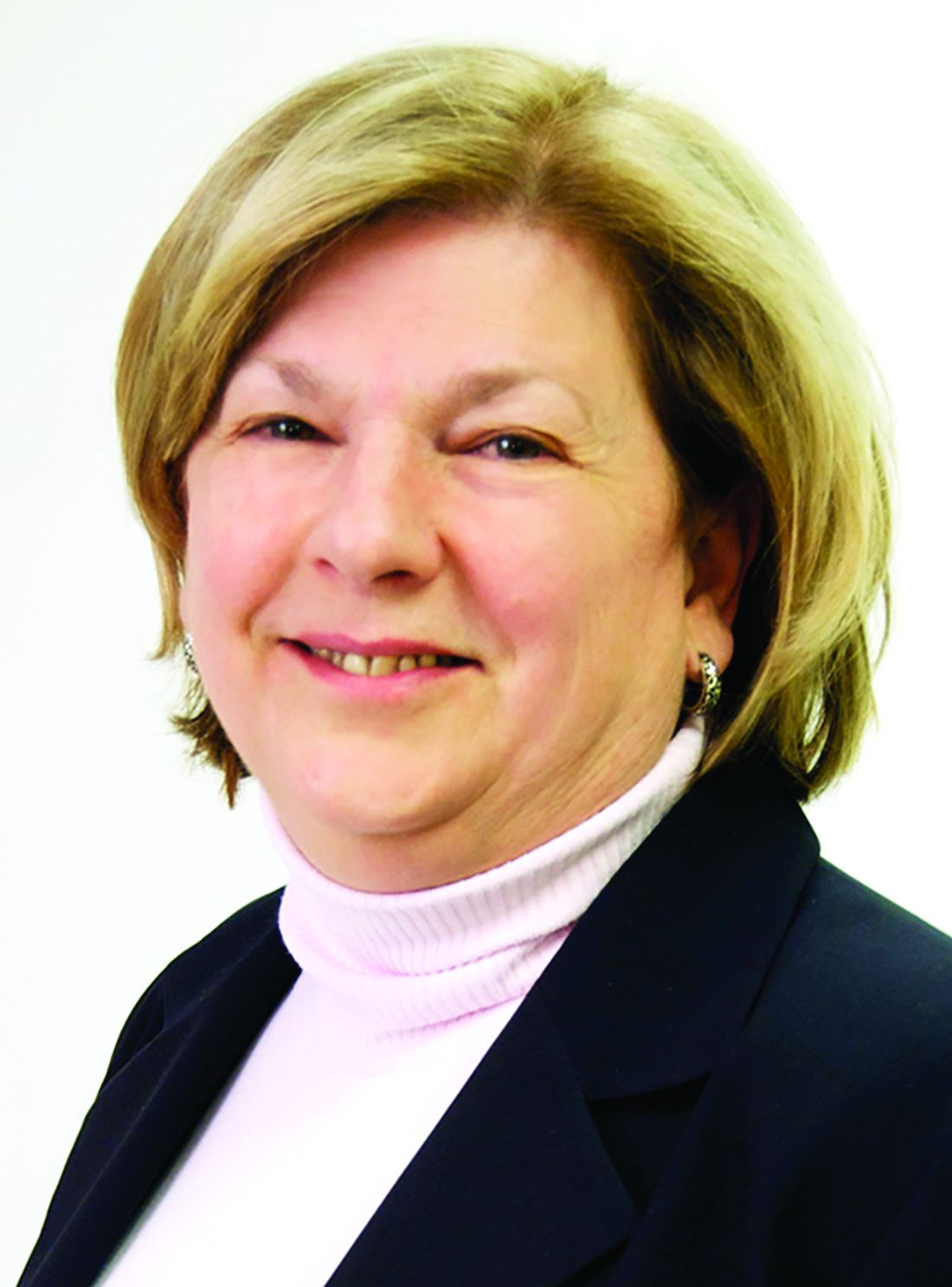
Dr. Cataletto is a pulmonologist in the Department of Pediatrics at NYU Health and the current chair of the Pediatric NetWork at the American College of Chest Physicians. She completed her fellowship training in Pulmonary Physiology and Critical Care Pediatrics at the Albert Einstein College of Medicine at Yeshiva University and her Masters in Medical Management at the H. John Heinz III School of Public Policy and Management at Carnegie Mellon University in Pittsburgh. Dr. Cataletto is Professor of Clinical Pediatrics at both the NYU Grossman School of Medicine and the Renaissance School of Medicine at Stony Brook University. She has a long standing interest in medical education and medical publishing - serving as Editor in chief of Pediatric Allergy, Immunology and Pulmonology, as well as on the editorial boards of multiple subspecialty texts and review books. Her research interests include sleep and breathing in children with craniofacial abnormalities, including those with Trisomy 21 and Prader-Willi syndrome.
Megan Conroy, MD

Dr. Conroy is Chief Pulmonary and Critical Care Fellow at The Ohio State University in Columbus, Ohio. Upon completion of her training, she will join The Ohio State University Division of Pulmonary, Critical Care, and Sleep Medicine as an Assistant Professor of Clinical Medicine. Her clinical expertise is in severe asthma and critical care medicine. She serves as the CHEST Fellow-In-Training member of the Airways Disorders NetWork Steering Committee and as a member of the Trainee Work Group. Her other interests include medical education.
Sachin Gupta, MD, FCCP

Dr. Gupta is a Pulmonary and Critical Care physician in group private practice in the San Francisco, Bay Area. His clinical expertise is in the fields of pulmonary hypertension, interstitial lung diseases, and non-tuberculous mycobacterial infections. He is actively participating in several societies, including the Pulmonary Hypertension Association, California Thoracic Society, and CHEST. In addition to his clinical interests, he has been an international medical volunteer and highly involved in the Bay Area in digital health tech consulting.
Mangala Narasimhan, DO, FCCP

Dr. Narasimhan works for Northwell Health as the Regional Director of Critical Care Services and is an attending in the Division of Pulmonary, Critical Care, and Sleep Medicine. She is the Medical Director of the Northwell Acute Lung Injury Center/VV ECMO program and ICU Director of the Medical ICU at Long Island Jewish Medical Center. She is a Professor of Medicine at the Zucker School of Medicine at Hofstra/Northwell. She has been teaching ultrasound and advanced echo nationally and internationally for 15 years. Her research interests include point of care ultrasound in the critically ill, ECMO for acute lung injury, and outcomes research in the ICU.
Brandon M. Seay, MD, MPH
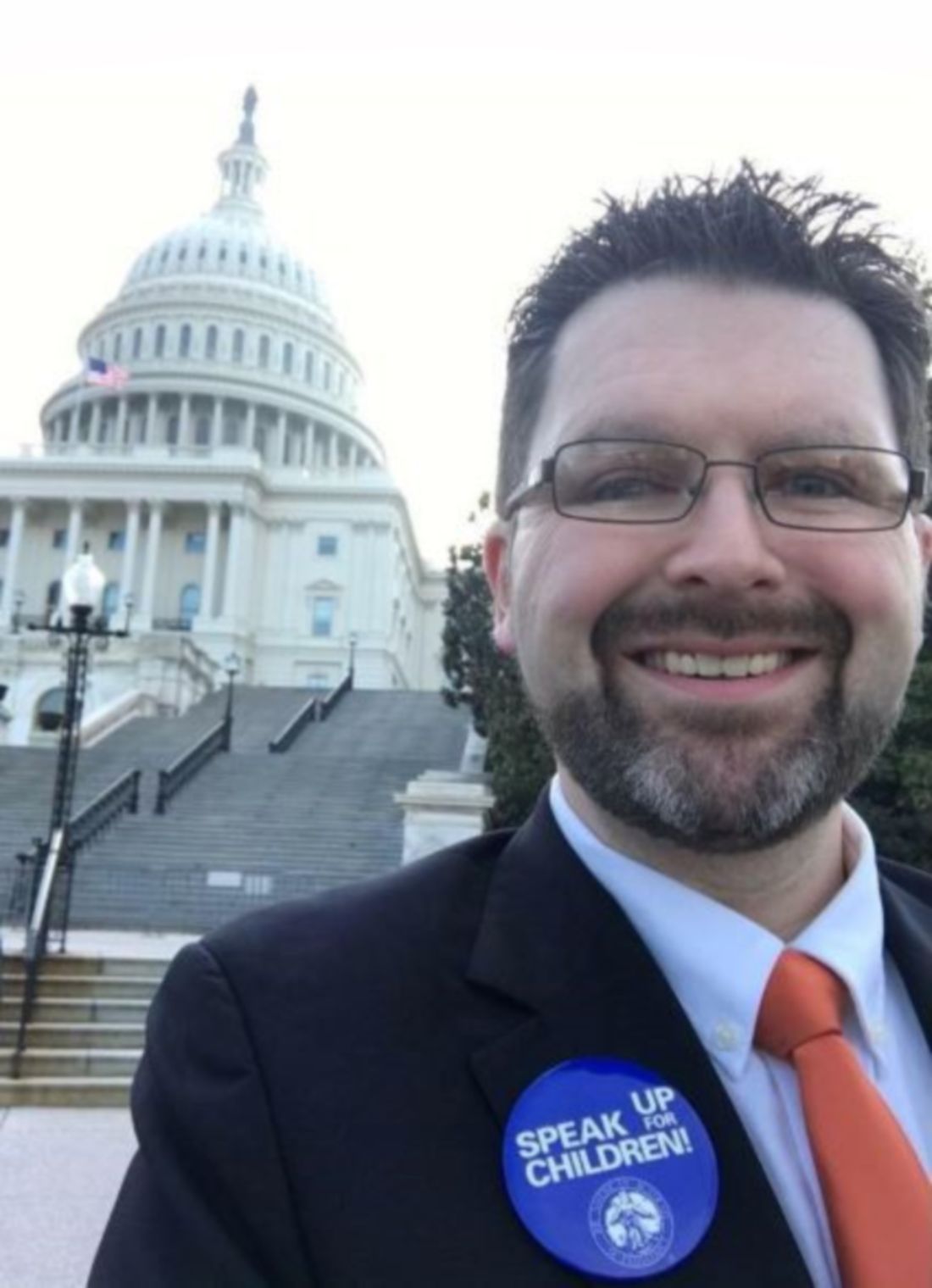
Dr. Seay is a Pediatric Pulmonologist and Sleep Specialist for the Children’s Physician Group Pulmonology in Atlanta, Georgia. HIs clinical interests include asthma, cystic fibrosis, sleep apnea, and behavioral insomnia of childhood. His interests include medical education through social media and health advocacy via legislative and social media efforts. He is currently a member of the CHEST Social Media Work Group as a lead on video efforts.
A. Christine Argento, MD, FCCP
Dr. Argento is an Assistant Professor of Medicine and Thoracic Surgery, is the Director of Interventional Pulmonary and the Interventional Pulmonary Fellowship Program Director at Northwestern University, Feinberg School of Medicine. She has been very involved in simulation training and education, particularly with respect to bronchoscopy, interventional pulmonary, and pleural procedures. She is the current Secretary-Treasurer of the Association of Interventional Pulmonary Program Directors (AIPPD) and a member of the CHEST Bronchoscopy Domain Task Force.
David L. Bowton, MD, FCCP
Dr. Bowton is Professor Emeritus in the Department of Anesthesiology, Section on Critical Care at Wake Forest University Baptist Medical Center in Winston Salem, North Carolina. He was formerly Head of the Section on Critical Care in the Department of Anesthesiology and the Medical Director of Respiratory Care, the Neurocritical Care ICU, and the Cardiovascular Surgical ICU. His current interests are in critical care education, especially with respect to simulation education in the areas of mechanical ventilation and airway management. He is the current Chair of the CHEST Cardiovascular Medicine and Surgery NetWork.
Mary Cataletto, MD, FCCP
Dr. Cataletto is a pulmonologist in the Department of Pediatrics at NYU Health and the current chair of the Pediatric NetWork at the American College of Chest Physicians. She completed her fellowship training in Pulmonary Physiology and Critical Care Pediatrics at the Albert Einstein College of Medicine at Yeshiva University and her Masters in Medical Management at the H. John Heinz III School of Public Policy and Management at Carnegie Mellon University in Pittsburgh. Dr. Cataletto is Professor of Clinical Pediatrics at both the NYU Grossman School of Medicine and the Renaissance School of Medicine at Stony Brook University. She has a long standing interest in medical education and medical publishing - serving as Editor in chief of Pediatric Allergy, Immunology and Pulmonology, as well as on the editorial boards of multiple subspecialty texts and review books. Her research interests include sleep and breathing in children with craniofacial abnormalities, including those with Trisomy 21 and Prader-Willi syndrome.
Megan Conroy, MD
Dr. Conroy is Chief Pulmonary and Critical Care Fellow at The Ohio State University in Columbus, Ohio. Upon completion of her training, she will join The Ohio State University Division of Pulmonary, Critical Care, and Sleep Medicine as an Assistant Professor of Clinical Medicine. Her clinical expertise is in severe asthma and critical care medicine. She serves as the CHEST Fellow-In-Training member of the Airways Disorders NetWork Steering Committee and as a member of the Trainee Work Group. Her other interests include medical education.
Sachin Gupta, MD, FCCP
Dr. Gupta is a Pulmonary and Critical Care physician in group private practice in the San Francisco, Bay Area. His clinical expertise is in the fields of pulmonary hypertension, interstitial lung diseases, and non-tuberculous mycobacterial infections. He is actively participating in several societies, including the Pulmonary Hypertension Association, California Thoracic Society, and CHEST. In addition to his clinical interests, he has been an international medical volunteer and highly involved in the Bay Area in digital health tech consulting.
Mangala Narasimhan, DO, FCCP
Dr. Narasimhan works for Northwell Health as the Regional Director of Critical Care Services and is an attending in the Division of Pulmonary, Critical Care, and Sleep Medicine. She is the Medical Director of the Northwell Acute Lung Injury Center/VV ECMO program and ICU Director of the Medical ICU at Long Island Jewish Medical Center. She is a Professor of Medicine at the Zucker School of Medicine at Hofstra/Northwell. She has been teaching ultrasound and advanced echo nationally and internationally for 15 years. Her research interests include point of care ultrasound in the critically ill, ECMO for acute lung injury, and outcomes research in the ICU.
Brandon M. Seay, MD, MPH
Dr. Seay is a Pediatric Pulmonologist and Sleep Specialist for the Children’s Physician Group Pulmonology in Atlanta, Georgia. HIs clinical interests include asthma, cystic fibrosis, sleep apnea, and behavioral insomnia of childhood. His interests include medical education through social media and health advocacy via legislative and social media efforts. He is currently a member of the CHEST Social Media Work Group as a lead on video efforts.
A. Christine Argento, MD, FCCP
Dr. Argento is an Assistant Professor of Medicine and Thoracic Surgery, is the Director of Interventional Pulmonary and the Interventional Pulmonary Fellowship Program Director at Northwestern University, Feinberg School of Medicine. She has been very involved in simulation training and education, particularly with respect to bronchoscopy, interventional pulmonary, and pleural procedures. She is the current Secretary-Treasurer of the Association of Interventional Pulmonary Program Directors (AIPPD) and a member of the CHEST Bronchoscopy Domain Task Force.
David L. Bowton, MD, FCCP
Dr. Bowton is Professor Emeritus in the Department of Anesthesiology, Section on Critical Care at Wake Forest University Baptist Medical Center in Winston Salem, North Carolina. He was formerly Head of the Section on Critical Care in the Department of Anesthesiology and the Medical Director of Respiratory Care, the Neurocritical Care ICU, and the Cardiovascular Surgical ICU. His current interests are in critical care education, especially with respect to simulation education in the areas of mechanical ventilation and airway management. He is the current Chair of the CHEST Cardiovascular Medicine and Surgery NetWork.
Mary Cataletto, MD, FCCP
Dr. Cataletto is a pulmonologist in the Department of Pediatrics at NYU Health and the current chair of the Pediatric NetWork at the American College of Chest Physicians. She completed her fellowship training in Pulmonary Physiology and Critical Care Pediatrics at the Albert Einstein College of Medicine at Yeshiva University and her Masters in Medical Management at the H. John Heinz III School of Public Policy and Management at Carnegie Mellon University in Pittsburgh. Dr. Cataletto is Professor of Clinical Pediatrics at both the NYU Grossman School of Medicine and the Renaissance School of Medicine at Stony Brook University. She has a long standing interest in medical education and medical publishing - serving as Editor in chief of Pediatric Allergy, Immunology and Pulmonology, as well as on the editorial boards of multiple subspecialty texts and review books. Her research interests include sleep and breathing in children with craniofacial abnormalities, including those with Trisomy 21 and Prader-Willi syndrome.
Megan Conroy, MD
Dr. Conroy is Chief Pulmonary and Critical Care Fellow at The Ohio State University in Columbus, Ohio. Upon completion of her training, she will join The Ohio State University Division of Pulmonary, Critical Care, and Sleep Medicine as an Assistant Professor of Clinical Medicine. Her clinical expertise is in severe asthma and critical care medicine. She serves as the CHEST Fellow-In-Training member of the Airways Disorders NetWork Steering Committee and as a member of the Trainee Work Group. Her other interests include medical education.
Sachin Gupta, MD, FCCP
Dr. Gupta is a Pulmonary and Critical Care physician in group private practice in the San Francisco, Bay Area. His clinical expertise is in the fields of pulmonary hypertension, interstitial lung diseases, and non-tuberculous mycobacterial infections. He is actively participating in several societies, including the Pulmonary Hypertension Association, California Thoracic Society, and CHEST. In addition to his clinical interests, he has been an international medical volunteer and highly involved in the Bay Area in digital health tech consulting.
Mangala Narasimhan, DO, FCCP
Dr. Narasimhan works for Northwell Health as the Regional Director of Critical Care Services and is an attending in the Division of Pulmonary, Critical Care, and Sleep Medicine. She is the Medical Director of the Northwell Acute Lung Injury Center/VV ECMO program and ICU Director of the Medical ICU at Long Island Jewish Medical Center. She is a Professor of Medicine at the Zucker School of Medicine at Hofstra/Northwell. She has been teaching ultrasound and advanced echo nationally and internationally for 15 years. Her research interests include point of care ultrasound in the critically ill, ECMO for acute lung injury, and outcomes research in the ICU.
Brandon M. Seay, MD, MPH
Dr. Seay is a Pediatric Pulmonologist and Sleep Specialist for the Children’s Physician Group Pulmonology in Atlanta, Georgia. HIs clinical interests include asthma, cystic fibrosis, sleep apnea, and behavioral insomnia of childhood. His interests include medical education through social media and health advocacy via legislative and social media efforts. He is currently a member of the CHEST Social Media Work Group as a lead on video efforts.
ABIM’s longitudinal assessment option anticipated to launch in 2022
Physicians have asked for more flexible and convenient ways to maintain their ABIM Board certification and the recently announced longitudinal assessment option is being designed to accomplish these requests. It is anticipated to launch in 2022 in as many specialties as possible, allowing time prior to launch for engagement with the medical community to produce the best possible experience.

How will the new longitudinal assessment option be different? Question delivery will be structured to allow physicians greater ease of use and mobility, enabling access from virtually anywhere. Answer feedback will be immediate, and physicians will see the rationale behind the answer, along with links to educational material. The preferred pace for answering questions during each administration window will be determined by the examinee, and access to all the resources you use in practice, such as journals or websites, will also be allowed.
Engaging the community
As a Council member, I can attest to the fact that the ABIM has spent a lot of time thinking through key features that are “must haves” in the new option, but there are details that are still being defined. ABIM has prioritized engaging the community, and the suggestions, insights, and questions coming out of these efforts are being used to guide the development of the new longitudinal assessment option.
Following the initial announcement in August, nearly 1,400 physicians submitted comments about the new option. ABIM conducted 69 one-on-one interviews with board-certified physicians and ran user-testing on existing longitudinal assessment platforms from other Boards. ABIM staff attended society meetings throughout the fall and also assembled a Physician Advisory Panel of 11 physicians from members of our Community Insights Network. We want to ensure the features we are considering work well for physicians and provide the high quality experience they deserve.
How can you get involved?
Physicians interested in giving ABIM feedback are invited to connect with us through our Community Insights Network. By joining the Network, you’ll have an opportunity to share your ideas through surveys, interviews, and user tests and be a member of our online community “ABIM Engage.”
ABIM staff will also be in attendance at society meetings to provide individualized guidance and answer your questions. We had a booth at CHEST this past October, and you can find upcoming society meetings staff who will be attending on their website.
What Should You Do Now?
All current ABIM MOC program requirements and policies remain in effect, and ABIM will communicate any program changes well in advance of implementation. If you have an assessment due in 2020 or 2021, you can choose from the options currently available in your discipline.
Registration for all 2020 MOC assessments opened December 1, and physicians may have several pathways to choose from, including taking the Knowledge Check-In at home, office, or testing center or the traditional point-in-time assessment taken at a PearsonVUE center.
The next Knowledge Check-In in Pulmonary Disease will be offered in 2021. ABIM’s website lists the full schedule of available assessment options (https://tinyurl.com/t5bfg55). You can find all of your MOC program requirements and deadlines by signing into your Physician Portal at abim.org.
To keep up to date with developments in ABIM’s longitudinal assessment program, visit the new longitudinal FAQ webpage (https://tinyurl.com/u5bbdgw) that is updated as information becomes available.
Physicians have asked for more flexible and convenient ways to maintain their ABIM Board certification and the recently announced longitudinal assessment option is being designed to accomplish these requests. It is anticipated to launch in 2022 in as many specialties as possible, allowing time prior to launch for engagement with the medical community to produce the best possible experience.
How will the new longitudinal assessment option be different? Question delivery will be structured to allow physicians greater ease of use and mobility, enabling access from virtually anywhere. Answer feedback will be immediate, and physicians will see the rationale behind the answer, along with links to educational material. The preferred pace for answering questions during each administration window will be determined by the examinee, and access to all the resources you use in practice, such as journals or websites, will also be allowed.
Engaging the community
As a Council member, I can attest to the fact that the ABIM has spent a lot of time thinking through key features that are “must haves” in the new option, but there are details that are still being defined. ABIM has prioritized engaging the community, and the suggestions, insights, and questions coming out of these efforts are being used to guide the development of the new longitudinal assessment option.
Following the initial announcement in August, nearly 1,400 physicians submitted comments about the new option. ABIM conducted 69 one-on-one interviews with board-certified physicians and ran user-testing on existing longitudinal assessment platforms from other Boards. ABIM staff attended society meetings throughout the fall and also assembled a Physician Advisory Panel of 11 physicians from members of our Community Insights Network. We want to ensure the features we are considering work well for physicians and provide the high quality experience they deserve.
How can you get involved?
Physicians interested in giving ABIM feedback are invited to connect with us through our Community Insights Network. By joining the Network, you’ll have an opportunity to share your ideas through surveys, interviews, and user tests and be a member of our online community “ABIM Engage.”
ABIM staff will also be in attendance at society meetings to provide individualized guidance and answer your questions. We had a booth at CHEST this past October, and you can find upcoming society meetings staff who will be attending on their website.
What Should You Do Now?
All current ABIM MOC program requirements and policies remain in effect, and ABIM will communicate any program changes well in advance of implementation. If you have an assessment due in 2020 or 2021, you can choose from the options currently available in your discipline.
Registration for all 2020 MOC assessments opened December 1, and physicians may have several pathways to choose from, including taking the Knowledge Check-In at home, office, or testing center or the traditional point-in-time assessment taken at a PearsonVUE center.
The next Knowledge Check-In in Pulmonary Disease will be offered in 2021. ABIM’s website lists the full schedule of available assessment options (https://tinyurl.com/t5bfg55). You can find all of your MOC program requirements and deadlines by signing into your Physician Portal at abim.org.
To keep up to date with developments in ABIM’s longitudinal assessment program, visit the new longitudinal FAQ webpage (https://tinyurl.com/u5bbdgw) that is updated as information becomes available.
Physicians have asked for more flexible and convenient ways to maintain their ABIM Board certification and the recently announced longitudinal assessment option is being designed to accomplish these requests. It is anticipated to launch in 2022 in as many specialties as possible, allowing time prior to launch for engagement with the medical community to produce the best possible experience.
How will the new longitudinal assessment option be different? Question delivery will be structured to allow physicians greater ease of use and mobility, enabling access from virtually anywhere. Answer feedback will be immediate, and physicians will see the rationale behind the answer, along with links to educational material. The preferred pace for answering questions during each administration window will be determined by the examinee, and access to all the resources you use in practice, such as journals or websites, will also be allowed.
Engaging the community
As a Council member, I can attest to the fact that the ABIM has spent a lot of time thinking through key features that are “must haves” in the new option, but there are details that are still being defined. ABIM has prioritized engaging the community, and the suggestions, insights, and questions coming out of these efforts are being used to guide the development of the new longitudinal assessment option.
Following the initial announcement in August, nearly 1,400 physicians submitted comments about the new option. ABIM conducted 69 one-on-one interviews with board-certified physicians and ran user-testing on existing longitudinal assessment platforms from other Boards. ABIM staff attended society meetings throughout the fall and also assembled a Physician Advisory Panel of 11 physicians from members of our Community Insights Network. We want to ensure the features we are considering work well for physicians and provide the high quality experience they deserve.
How can you get involved?
Physicians interested in giving ABIM feedback are invited to connect with us through our Community Insights Network. By joining the Network, you’ll have an opportunity to share your ideas through surveys, interviews, and user tests and be a member of our online community “ABIM Engage.”
ABIM staff will also be in attendance at society meetings to provide individualized guidance and answer your questions. We had a booth at CHEST this past October, and you can find upcoming society meetings staff who will be attending on their website.
What Should You Do Now?
All current ABIM MOC program requirements and policies remain in effect, and ABIM will communicate any program changes well in advance of implementation. If you have an assessment due in 2020 or 2021, you can choose from the options currently available in your discipline.
Registration for all 2020 MOC assessments opened December 1, and physicians may have several pathways to choose from, including taking the Knowledge Check-In at home, office, or testing center or the traditional point-in-time assessment taken at a PearsonVUE center.
The next Knowledge Check-In in Pulmonary Disease will be offered in 2021. ABIM’s website lists the full schedule of available assessment options (https://tinyurl.com/t5bfg55). You can find all of your MOC program requirements and deadlines by signing into your Physician Portal at abim.org.
To keep up to date with developments in ABIM’s longitudinal assessment program, visit the new longitudinal FAQ webpage (https://tinyurl.com/u5bbdgw) that is updated as information becomes available.
Winners: CHEST Challenge Championship 2019
1st Place
Ohio State University
Elie Homsy, MD
Rachel Quaney, MD
Ryan Story, MD
Program Director: Jennifer McCallister, MD, FCCP
2nd Place
Walter Reed National Military Medical Center
Jeannette Collins, MD
Ian Grasso, MD
Arthur Holtzcalw, MD
Program Director: Aaron Holley, MD, FCCP
3rd Place
Maimonides Medical Center
Sushil Gupta, MBBS
Ankur Sinha, MD
Vignesh Ponnusamy, MD
Program Directors: Yizhek Kupfer, MD, and Stephan Kamholz, MD, FCCP
1st Place
Ohio State University
Elie Homsy, MD
Rachel Quaney, MD
Ryan Story, MD
Program Director: Jennifer McCallister, MD, FCCP
2nd Place
Walter Reed National Military Medical Center
Jeannette Collins, MD
Ian Grasso, MD
Arthur Holtzcalw, MD
Program Director: Aaron Holley, MD, FCCP
3rd Place
Maimonides Medical Center
Sushil Gupta, MBBS
Ankur Sinha, MD
Vignesh Ponnusamy, MD
Program Directors: Yizhek Kupfer, MD, and Stephan Kamholz, MD, FCCP
1st Place
Ohio State University
Elie Homsy, MD
Rachel Quaney, MD
Ryan Story, MD
Program Director: Jennifer McCallister, MD, FCCP
2nd Place
Walter Reed National Military Medical Center
Jeannette Collins, MD
Ian Grasso, MD
Arthur Holtzcalw, MD
Program Director: Aaron Holley, MD, FCCP
3rd Place
Maimonides Medical Center
Sushil Gupta, MBBS
Ankur Sinha, MD
Vignesh Ponnusamy, MD
Program Directors: Yizhek Kupfer, MD, and Stephan Kamholz, MD, FCCP
CHEST Foundation welcomes new trustees
At CHEST 2019 in New Orleans, the CHEST Foundation was pleased to formally welcome to its Board of Trustees new CHEST President Stephanie Levine, MD, FCCP, and Executive Committee Chair of the Council of Global Governors, Sai Haranath, MBBS, MPH, FCCP – who were appointed to their positions – as well as Roozehra Khan, DO, FCCP; Burton Lesnick, MD, FCCP; and Jill Popovich – who were elected to their positions. Guided by life-changing experiences with public service, memories of loved ones struggling with lung disease, and a pure and overwhelming desire to help the most vulnerable populations around the world acquire the resources they need to survive, the new CHEST Foundation Board members understand enhancing the CHEST Foundation’s impact on global health over the coming years to be their greatest shared priority.

The CHEST Foundation is delighted to see so many ambitious visions of awareness, international community building, and technologic innovation already coming to life, thanks to the efforts of its newly elected trustees and other board members. To support their and other initiatives, donate today at chestfoundation.org/donate.
At CHEST 2019 in New Orleans, the CHEST Foundation was pleased to formally welcome to its Board of Trustees new CHEST President Stephanie Levine, MD, FCCP, and Executive Committee Chair of the Council of Global Governors, Sai Haranath, MBBS, MPH, FCCP – who were appointed to their positions – as well as Roozehra Khan, DO, FCCP; Burton Lesnick, MD, FCCP; and Jill Popovich – who were elected to their positions. Guided by life-changing experiences with public service, memories of loved ones struggling with lung disease, and a pure and overwhelming desire to help the most vulnerable populations around the world acquire the resources they need to survive, the new CHEST Foundation Board members understand enhancing the CHEST Foundation’s impact on global health over the coming years to be their greatest shared priority.
The CHEST Foundation is delighted to see so many ambitious visions of awareness, international community building, and technologic innovation already coming to life, thanks to the efforts of its newly elected trustees and other board members. To support their and other initiatives, donate today at chestfoundation.org/donate.
At CHEST 2019 in New Orleans, the CHEST Foundation was pleased to formally welcome to its Board of Trustees new CHEST President Stephanie Levine, MD, FCCP, and Executive Committee Chair of the Council of Global Governors, Sai Haranath, MBBS, MPH, FCCP – who were appointed to their positions – as well as Roozehra Khan, DO, FCCP; Burton Lesnick, MD, FCCP; and Jill Popovich – who were elected to their positions. Guided by life-changing experiences with public service, memories of loved ones struggling with lung disease, and a pure and overwhelming desire to help the most vulnerable populations around the world acquire the resources they need to survive, the new CHEST Foundation Board members understand enhancing the CHEST Foundation’s impact on global health over the coming years to be their greatest shared priority.
The CHEST Foundation is delighted to see so many ambitious visions of awareness, international community building, and technologic innovation already coming to life, thanks to the efforts of its newly elected trustees and other board members. To support their and other initiatives, donate today at chestfoundation.org/donate.
Meet the FISH Bowl Finalists
CHEST 2019 marked the inaugural FISH Bowl competition for attendees. Inspired by Shark Tank, our kinder, gentler, yet still competitive and cutting-edge FISH Bowl (Furthering Innovation and Science for Health) featured CHEST members disrupting our beliefs about how clinical care and education are performed. As health-care providers, they presented innovative ideas pertaining to education and clinical disease for pulmonary, critical care, and sleep medicine. Six finalists were chosen from dozens of submissions, and three emerged winners! In this limited series, we introduce you to several of them - beginning with finalist Dr. Ernest Chan.
Name: Ernest G. Chan, MD, MPH
Institutional Affiliation: Department of Cardiothoracic Surgery at the University of Pittsburgh Medical Center
Position: PGY-4 Integrated Cardiothoracic Surgery Resident
Brief Summary of Submission:
My innovative idea for the CHEST FISH Bowl Competition 2019 was a device that monitors the use of the incentive spirometry, as well as makes its use interactive with a postoperative surgical patient. Our device would have several modules that monitor the frequency, volume, and quality of each breath. All of the information will be sent to the electronic medical records, so patients can get feedback from the surgical team in real time. There will also be programmable alarms so that we can create unique treatment plans personalized to each patient. All of these functions will ultimately allow us as physicians to study this incentive spirometry better.
1. What inspired your innovation?
What inspired my innovation is the world we live in today. Everything is automated from your toaster oven to self-driving cars. This automation allows for improved adherence and minimization of confounding variables.
2. Who do you think can benefit most from it, and why?
I think the people who would benefit most are the patients. When you are at your most vulnerable state after surgery, it is important to feel like someone is looking after you. Right now with incentive spirometry, you are given the device, someone tells you how to use it one time, and you are supposed to use it correctly. With our device, not only are you constantly reminded of using the device, as well as using correctly, the medical team is being fed these data to ensure what you are doing maximizes the benefits.
3. What do you see as challenges to your innovation gaining widespread acceptance? How can they be overcome?
I think the initial challenge will be the acceptance in spending more money. Physiologically and scientifically, the use of the incentive spirometry should help decrease postoperative pulmonary complications, but the current data are controversial, at best. I think that if we can show improvement in these postoperative complications, taking on extra upfront cost in investing in our device will ultimately pay off in the end.
4. Why was it meaningful for you to emerge as a finalist in FISH Bowl 2019?
I believe CHEST to be one of if not the most premiere medical organizations in the world. To become a finalist in the inaugural FISH Bowl Competition is a complete honor. Throughout every CHEST annual conference, there is innovation in every corner and every presentation. I hope that becoming a finalist at the FISH Bowl competition is just the first in my participation with CHEST.
5. What future do you envision for your innovation beyond FISH Bowl 2019?
I hope that my innovation will inspire young thinkers to look at any medical device/procedure/protocol and say, “How can I apply technology to this to make this better/safer/more efficient?” Because the future generations are exposed at the youngest of ages to technology that is exponentially getting better each day, they will be the ones to come up with the greatest of ideas.
CHEST 2019 marked the inaugural FISH Bowl competition for attendees. Inspired by Shark Tank, our kinder, gentler, yet still competitive and cutting-edge FISH Bowl (Furthering Innovation and Science for Health) featured CHEST members disrupting our beliefs about how clinical care and education are performed. As health-care providers, they presented innovative ideas pertaining to education and clinical disease for pulmonary, critical care, and sleep medicine. Six finalists were chosen from dozens of submissions, and three emerged winners! In this limited series, we introduce you to several of them - beginning with finalist Dr. Ernest Chan.
Name: Ernest G. Chan, MD, MPH
Institutional Affiliation: Department of Cardiothoracic Surgery at the University of Pittsburgh Medical Center
Position: PGY-4 Integrated Cardiothoracic Surgery Resident
Brief Summary of Submission:
My innovative idea for the CHEST FISH Bowl Competition 2019 was a device that monitors the use of the incentive spirometry, as well as makes its use interactive with a postoperative surgical patient. Our device would have several modules that monitor the frequency, volume, and quality of each breath. All of the information will be sent to the electronic medical records, so patients can get feedback from the surgical team in real time. There will also be programmable alarms so that we can create unique treatment plans personalized to each patient. All of these functions will ultimately allow us as physicians to study this incentive spirometry better.
1. What inspired your innovation?
What inspired my innovation is the world we live in today. Everything is automated from your toaster oven to self-driving cars. This automation allows for improved adherence and minimization of confounding variables.
2. Who do you think can benefit most from it, and why?
I think the people who would benefit most are the patients. When you are at your most vulnerable state after surgery, it is important to feel like someone is looking after you. Right now with incentive spirometry, you are given the device, someone tells you how to use it one time, and you are supposed to use it correctly. With our device, not only are you constantly reminded of using the device, as well as using correctly, the medical team is being fed these data to ensure what you are doing maximizes the benefits.
3. What do you see as challenges to your innovation gaining widespread acceptance? How can they be overcome?
I think the initial challenge will be the acceptance in spending more money. Physiologically and scientifically, the use of the incentive spirometry should help decrease postoperative pulmonary complications, but the current data are controversial, at best. I think that if we can show improvement in these postoperative complications, taking on extra upfront cost in investing in our device will ultimately pay off in the end.
4. Why was it meaningful for you to emerge as a finalist in FISH Bowl 2019?
I believe CHEST to be one of if not the most premiere medical organizations in the world. To become a finalist in the inaugural FISH Bowl Competition is a complete honor. Throughout every CHEST annual conference, there is innovation in every corner and every presentation. I hope that becoming a finalist at the FISH Bowl competition is just the first in my participation with CHEST.
5. What future do you envision for your innovation beyond FISH Bowl 2019?
I hope that my innovation will inspire young thinkers to look at any medical device/procedure/protocol and say, “How can I apply technology to this to make this better/safer/more efficient?” Because the future generations are exposed at the youngest of ages to technology that is exponentially getting better each day, they will be the ones to come up with the greatest of ideas.
CHEST 2019 marked the inaugural FISH Bowl competition for attendees. Inspired by Shark Tank, our kinder, gentler, yet still competitive and cutting-edge FISH Bowl (Furthering Innovation and Science for Health) featured CHEST members disrupting our beliefs about how clinical care and education are performed. As health-care providers, they presented innovative ideas pertaining to education and clinical disease for pulmonary, critical care, and sleep medicine. Six finalists were chosen from dozens of submissions, and three emerged winners! In this limited series, we introduce you to several of them - beginning with finalist Dr. Ernest Chan.
Name: Ernest G. Chan, MD, MPH
Institutional Affiliation: Department of Cardiothoracic Surgery at the University of Pittsburgh Medical Center
Position: PGY-4 Integrated Cardiothoracic Surgery Resident
Brief Summary of Submission:
My innovative idea for the CHEST FISH Bowl Competition 2019 was a device that monitors the use of the incentive spirometry, as well as makes its use interactive with a postoperative surgical patient. Our device would have several modules that monitor the frequency, volume, and quality of each breath. All of the information will be sent to the electronic medical records, so patients can get feedback from the surgical team in real time. There will also be programmable alarms so that we can create unique treatment plans personalized to each patient. All of these functions will ultimately allow us as physicians to study this incentive spirometry better.
1. What inspired your innovation?
What inspired my innovation is the world we live in today. Everything is automated from your toaster oven to self-driving cars. This automation allows for improved adherence and minimization of confounding variables.
2. Who do you think can benefit most from it, and why?
I think the people who would benefit most are the patients. When you are at your most vulnerable state after surgery, it is important to feel like someone is looking after you. Right now with incentive spirometry, you are given the device, someone tells you how to use it one time, and you are supposed to use it correctly. With our device, not only are you constantly reminded of using the device, as well as using correctly, the medical team is being fed these data to ensure what you are doing maximizes the benefits.
3. What do you see as challenges to your innovation gaining widespread acceptance? How can they be overcome?
I think the initial challenge will be the acceptance in spending more money. Physiologically and scientifically, the use of the incentive spirometry should help decrease postoperative pulmonary complications, but the current data are controversial, at best. I think that if we can show improvement in these postoperative complications, taking on extra upfront cost in investing in our device will ultimately pay off in the end.
4. Why was it meaningful for you to emerge as a finalist in FISH Bowl 2019?
I believe CHEST to be one of if not the most premiere medical organizations in the world. To become a finalist in the inaugural FISH Bowl Competition is a complete honor. Throughout every CHEST annual conference, there is innovation in every corner and every presentation. I hope that becoming a finalist at the FISH Bowl competition is just the first in my participation with CHEST.
5. What future do you envision for your innovation beyond FISH Bowl 2019?
I hope that my innovation will inspire young thinkers to look at any medical device/procedure/protocol and say, “How can I apply technology to this to make this better/safer/more efficient?” Because the future generations are exposed at the youngest of ages to technology that is exponentially getting better each day, they will be the ones to come up with the greatest of ideas.
From the American Association of Critical-Care Nurses (AACN): Recognize PTSD signs to enhance the well-being of nursing colleagues and yourself
Nine dimensions of wellness help nurses set self-care goals, seek resources, and support others.
Since nursing is a high-stress profession, it’s important to recognize signs of post-traumatic stress disorder (PTSD) in yourself or your fellow nurses.
“Nurses and PTSD: Combine Professional Care With Self-Care,” in American Nurse Today notes that one in four nurses will experience PTSD at some point. Symptoms can include agitation, irritability, self-destructive behavior, social isolation, fear, loneliness, and severe anxiety.
Nurse leaders can support their staff by seeking resources, advocating for assistance, and engaging with them. “When you listen, encourage, and support them, you develop trust, which can go a long way toward getting them the help they need,” the article adds.
Within the article is a link to “Wellness 101,” a self-care series that details nine dimensions of wellness to help nurses set goals for the well-being of themselves and others. “Wellness 101: 9 dimensions of wellness,” an introductory article in the series, summarizes each type of wellness:
Physical: Exercise, eat healthy, reduce stress, address medical issues and maintain healthy practices every day.
Emotional: Cognitive behavioral skills and mindfulness can relieve stress and anxiety.
Financial: Plan well and control spending to change how you feel.
Intellectual: Learn a new skill or concept, understand different viewpoints or exercise your mind with puzzles and games.
Career: Engage in work that provides satisfaction and matches your values.
Social: Build a support network based on mutual respect and trust among friends, family and co-workers.
Creative: Doodle, dance or sing without worrying about whether you’re doing it well.
Environmental: Appreciate your responsibility to preserve and protect the environment and connect to nature.
Spiritual: Be open to quiet self-reflection, reading and dialogue. Explore your beliefs and respect those of others.
Nine dimensions of wellness help nurses set self-care goals, seek resources, and support others.
Since nursing is a high-stress profession, it’s important to recognize signs of post-traumatic stress disorder (PTSD) in yourself or your fellow nurses.
“Nurses and PTSD: Combine Professional Care With Self-Care,” in American Nurse Today notes that one in four nurses will experience PTSD at some point. Symptoms can include agitation, irritability, self-destructive behavior, social isolation, fear, loneliness, and severe anxiety.
Nurse leaders can support their staff by seeking resources, advocating for assistance, and engaging with them. “When you listen, encourage, and support them, you develop trust, which can go a long way toward getting them the help they need,” the article adds.
Within the article is a link to “Wellness 101,” a self-care series that details nine dimensions of wellness to help nurses set goals for the well-being of themselves and others. “Wellness 101: 9 dimensions of wellness,” an introductory article in the series, summarizes each type of wellness:
Physical: Exercise, eat healthy, reduce stress, address medical issues and maintain healthy practices every day.
Emotional: Cognitive behavioral skills and mindfulness can relieve stress and anxiety.
Financial: Plan well and control spending to change how you feel.
Intellectual: Learn a new skill or concept, understand different viewpoints or exercise your mind with puzzles and games.
Career: Engage in work that provides satisfaction and matches your values.
Social: Build a support network based on mutual respect and trust among friends, family and co-workers.
Creative: Doodle, dance or sing without worrying about whether you’re doing it well.
Environmental: Appreciate your responsibility to preserve and protect the environment and connect to nature.
Spiritual: Be open to quiet self-reflection, reading and dialogue. Explore your beliefs and respect those of others.
Nine dimensions of wellness help nurses set self-care goals, seek resources, and support others.
Since nursing is a high-stress profession, it’s important to recognize signs of post-traumatic stress disorder (PTSD) in yourself or your fellow nurses.
“Nurses and PTSD: Combine Professional Care With Self-Care,” in American Nurse Today notes that one in four nurses will experience PTSD at some point. Symptoms can include agitation, irritability, self-destructive behavior, social isolation, fear, loneliness, and severe anxiety.
Nurse leaders can support their staff by seeking resources, advocating for assistance, and engaging with them. “When you listen, encourage, and support them, you develop trust, which can go a long way toward getting them the help they need,” the article adds.
Within the article is a link to “Wellness 101,” a self-care series that details nine dimensions of wellness to help nurses set goals for the well-being of themselves and others. “Wellness 101: 9 dimensions of wellness,” an introductory article in the series, summarizes each type of wellness:
Physical: Exercise, eat healthy, reduce stress, address medical issues and maintain healthy practices every day.
Emotional: Cognitive behavioral skills and mindfulness can relieve stress and anxiety.
Financial: Plan well and control spending to change how you feel.
Intellectual: Learn a new skill or concept, understand different viewpoints or exercise your mind with puzzles and games.
Career: Engage in work that provides satisfaction and matches your values.
Social: Build a support network based on mutual respect and trust among friends, family and co-workers.
Creative: Doodle, dance or sing without worrying about whether you’re doing it well.
Environmental: Appreciate your responsibility to preserve and protect the environment and connect to nature.
Spiritual: Be open to quiet self-reflection, reading and dialogue. Explore your beliefs and respect those of others.
This month in the journal CHEST®
Editor’s picks
Editorials
Right Ventricle to Left Ventricle Ratio at CTPA Predicts Mortality in Interstitial Lung Disease
By Dr. S. Gaine, et al.
Lung Ultrasound for the Diagnosis of Acute Heart Failure in the Emergency Department: A Step Forward
By Dr. P. Le Conte, et al.
Original research
The Burden of Substance Abuse-Related Admissions to the Medical ICU
By Dr. D. Westerhausen, et al.
Accuracy of Several Lung Ultrasound Methods for the Diagnosis of Acute Heart Failure in the Emergency Department: A Multicenter Prospective Study
By Dr. T. Choulhed, et al.
Editor’s picks
Editor’s picks
Editorials
Right Ventricle to Left Ventricle Ratio at CTPA Predicts Mortality in Interstitial Lung Disease
By Dr. S. Gaine, et al.
Lung Ultrasound for the Diagnosis of Acute Heart Failure in the Emergency Department: A Step Forward
By Dr. P. Le Conte, et al.
Original research
The Burden of Substance Abuse-Related Admissions to the Medical ICU
By Dr. D. Westerhausen, et al.
Accuracy of Several Lung Ultrasound Methods for the Diagnosis of Acute Heart Failure in the Emergency Department: A Multicenter Prospective Study
By Dr. T. Choulhed, et al.
Editorials
Right Ventricle to Left Ventricle Ratio at CTPA Predicts Mortality in Interstitial Lung Disease
By Dr. S. Gaine, et al.
Lung Ultrasound for the Diagnosis of Acute Heart Failure in the Emergency Department: A Step Forward
By Dr. P. Le Conte, et al.
Original research
The Burden of Substance Abuse-Related Admissions to the Medical ICU
By Dr. D. Westerhausen, et al.
Accuracy of Several Lung Ultrasound Methods for the Diagnosis of Acute Heart Failure in the Emergency Department: A Multicenter Prospective Study
By Dr. T. Choulhed, et al.
Winners: Abstract Awards
Alfred Soffer Research Award Winners
Johnathan Chung: EVALUATING CLINICAL UTILITY OF A UIP GENOMIC CLASSIFIER IN SUBJECTS WITH AND WITHOUT A HRCT PATTERN OF UIP
Girish Nair, MD: QUANTITATIVE LUNG FUNCTION IMAGING USING NOVEL INTEGRATED JACOBIAN VENTILATION METHOD IN A HEALTHY COHORT WITH NO RESPIRATORY SYMPTOMS
Young Investigator Award Winners
Marvi Bikak, MD: APPLICATION OF MARKOV MODELING TO ASSESS OUTCOMES IN COPD
Arunima Bera, MD: SOLUBLE INTRACELLULAR ADHESION MOLECULE-1 (ICAM-1) PREDICTS MORTALITY IN CHILDREN WITH ARDS AND SEPSIS
Top Abstract Poster
Winner: Rachel Naramore: CAUSES OF MORTALITY POST SINGLE VS DOUBLE LUNG TRANSPLANTATION FOR COPD
Runner-up: Arjun Srinivasan: FEASIBILITY AND SAFETY OF DAY CARE THORACOSCOPY FOR UNDIAGNOSED EXUDATIVE PLEURAL EFFUSIONS
Case Report Slide Winners
Catherine A. Gao, MD: NOCARDIA ABSCESS AND PULMONARY ALVEOLAR PROTEINOSIS MASQUERADING AS LUNG CANCER WITH LYMPHANGITIC SPREAD IN A 57-YO PATIENT WITH 80 PY SMOKING HISTORY, in Fellows session - Interesting Presentations of Infectious Diseases
Sangita Goel, MD: SUCCESSFUL SINGLE LUNG TRANSPLANT OF A HEPATITIS C POSITIVE DONOR TO AN HIV SEROPOSITIVE RECIPIENT WITH PULMONARY FIBROSIS, in Fellows session, – Pulmonary Pathology
Matthew Lyons, MD: FAMILIAL PULMONARY FIBROSIS SECONDARY TO SHORT TELOMERE SYNDROME, in Medical Student/Resident session – Diffuse Lung Disease
Sarika Savajiyani, DO: MANAGEMENT OF SECONDARY HYPERFIBRINOLYSIS IN EXTRACORPOREAL MEMBRANE OXYGENATION AS IDENTIFIED BY THROMBOELASTOGRAPHY, in Fellows session – Clinical Conundrums in ECMO
Chase A. Baxter, DO: POLYBIOPSY FULMINANS: PULMONARY LYMPHOMATOID GRANULOMATOSIS, in Medical Student/Resident session – Pulmonary Pathology
Jason Low, MBBS: THE HURRICANE EFFECT: AN UNUSUAL PHENOMENON IN THE PULMONARY ARTERY, in Fellows session – Bronchoscopic Procedures
Jacob Hupp, MD: ECMO-RELATED HEMOLYTIC ANEMIA: A CASE SERIES ILLUSTRATING THE ROLE OF PLASMAPHERESIS IN MANAGEMENT, in Fellows session – Plasmapheresis to the Rescue
Nichole A. Smith, MD: BILATERAL CHYLOTHORAX SECONDARY TO SPONTANEOUS THORACIC DUCT ANEURYSM, in Fellows session – Disorders of the Pleura
Ritu Modi, MD: A FLORIST’S OCCUPATIONAL EXPOSURE, in Fellows session – Chest Infections: Find the Fungus
Ly Tran, DO: A RARE CASE OF PARANEOPLASTIC EDEMATOUS DERMATOMYOSITIS ASSOCIATED WITH SMALL CELL LUNG CANCER, in Medical Student/Resident session – Lung Cancer: Unusual Presentations
Abdelhamid Ben Selma, MD: PRIMARY SYNOVIAL SARCOMA OF THE LUNG COMPLICATED WITH POST BIOPSY TUMOR SPREAD TO THE TRACHEAL WALL, in Medical Student/Resident session – Pulmonary Pathology II
Dhaval Thakkar, MD: A CURIOUS MANIFESTATION OF SARCOIDOSIS, in Fellows session – Pulmonary Manifestations of Systemic Disease
Isaac N. Biney, MBChB: ACUTE PULMONARY EMBOLISM ASSOCIATED WITH A MOBILE RIGHT ATRIAL THROMBUS MANAGED BY SUCTION THROMBECTOMY, in Fellows session – Pulmonary Vascular Disease
Tie: José Antonio J. Meade Aguilar: CROSSFIT TRAINING-RELATED SPONTANEOUS DIAPHRAGMATIC RUPTURE: A CASE REPORT and Abigayle R. Sullivan, DO: A RARE CASE OF CULTURE-NEGATIVE WHIPPLE’S ENDOCARDITIS, in Medical Student/Resident session - Cardiovascular Cases
Yameena T. Jawed: BLUE INSIDE AND OUT: A NOVEL CASE OF HYPOTHERMIC SHOCK SALVAGED BY METHYLENE BLUE, in Fellows session – Unusual Cases and Treatments in the ICU
Rahul Dasgupta, MD: SUPERIOR VENA CAVA (SVC) –TRACHEAL FISTULA: AN UNUSUAL CASE OF HEMOPTYSIS, in Medical Student/Resident session – Lung Cancer: Expect the Unexpected
Akshay Bhatnagar, MD: A CASE OF CLINICALLY AMYOPATHIC DERMATOMYOSITIS-RELATED INTERSTITIAL LUNG DISEASE DUE TO ANTI-MDA5 ANTIBODY AND HEPATITIS B INFECTION, in Fellows session – Diffuse Lung Diseases
Kathleen Twomey, MD: A CASE OF RECURRENT ENCEPHALOPATHY IN A GASTRIC BYPASS PATIENT, in Medical Student/Resident session – Critical Care Complications
Jennifer Sunny, DO: MASSIVE BEE ENVENOMATION TREATED BY PLASMAPHERESIS, in Medical Student/Resident session – Critical Care Devices
Hafiz B. Mahboob, MD: PAZOPANIB ASSOCIATED SECONDARY SPONTANEOUS PNEUMOTHORAX: NATURAL DISEASE PROGRESSION OR DRUG SAFETY CONCERN? in Fellows session – Lung Cancer
Tie: Andrew DeMaio, MD, A CASE OF PULMONARY TUBERCULOSIS AND PERSISTENT INTESTINAL INFLAMMATION AND HEMORRHAGE: TB OR NOT TB? and Joanna M. Scoon: ATTACK OF THE WILD BOARS, in Fellows session – Chest Infections
Danielle El Haddad, MD: A RIGHT TO LEFT EXTRACARDIAC SHUNT FROM A CHRONIC SUPERIOR VENA CAVA THROMBUS IN A PROTHROMBOTIC PATIENT, in Medical Student/Resident session – Pulmonary Vascular Disease
John Shumar, DO: MAKE NO BONES ABOUT IT: A RARE CASE OF OSSEOUS SARCOIDOSIS PRESENTING TWENTY YEARS AFTER INITIAL DIAGNOSIS, in Medical Student/Resident session – Pulmonary Manifestations of Systemic Disease
Case Report Poster Winners
Jad Sargi, MD: ATYPICAL PRESENTATION OF POSTERIOR REVERSIBLE ENCEPHALOPATHY SYNDROME (PRES SYNDROME)
Ankur Sinha, MBBS: LISTERIA MONOCYTOGENES BRAIN ABSCESS IN AN IMMUNOCOMPETENT ADULT
Carla Emille D. Barbon, MD: GIANT PRIMARY LIPOSARCOMA OF THE PLEURA RESECTED THROUGH HEMI-CLAMSHELL THORACOTOMY
Hope F. Johnson, RRT: BRONCHOSCOPIC TREATMENT OF EARLY AND LATE PRESENTATION OF IRON PILL ASPIRATION
Humna Abid Memon, MD: AUTOLOGOUS STEM CELL TRANSPLANTATION: A POSSIBLE TREATMENT FOR PULMONARY HYPERTENSION IN POEMS SYNDROME
Jordanna Hostler, MD, FCCP: BEYOND STEROIDS: MEPOLIZUMAB FOR CHRONIC EOSINOPHILIC PNEUMONIA
Zahra Zia, MD, MBBS: EXTRACORPOREAL MEMBRANE OXYGENATION (ECMO) FOR EMERGENT SURGICAL TREATMENT OF ANAEROBIC PURULENT PERICARDITIS CAUSING CARDIAC TAMPONADE, BRONCHOMEDIASTINAL FISTULA, AND ARDS
Brooke A. McDonald: FATAL CENTRAL PULMONARY CEMENT EMBOLISM AFTER KYPHOPLASTY
Mary E. Richert, MD: A CASE OF RASBURICASE-INDUCED METHEMOGLOBINEMIA DUE TO GLUCOSE-6-PHOSPHATE DEHYDROGENASE DEFICIENCY TREATED WITH HYPERBARIC OXYGEN THERAPY
Shiva M. Arjun, MD: AORTOBRONCHIAL FISTULA DUE TO GRAFT FAILURE: A RARE CAUSE OF HEMOPTYSIS
Harshwant Grover, MD: BLACK MEDIASTINUM: PRIMARY MEDIASTINAL MELANOMA
Neha Agarwal, MD: POSTTRANSPLANT PULMONARY KAPOSI SARCOMA PRESENTING AS CHYLOTHORAX
Alfred Soffer Research Award Winners
Johnathan Chung: EVALUATING CLINICAL UTILITY OF A UIP GENOMIC CLASSIFIER IN SUBJECTS WITH AND WITHOUT A HRCT PATTERN OF UIP
Girish Nair, MD: QUANTITATIVE LUNG FUNCTION IMAGING USING NOVEL INTEGRATED JACOBIAN VENTILATION METHOD IN A HEALTHY COHORT WITH NO RESPIRATORY SYMPTOMS
Young Investigator Award Winners
Marvi Bikak, MD: APPLICATION OF MARKOV MODELING TO ASSESS OUTCOMES IN COPD
Arunima Bera, MD: SOLUBLE INTRACELLULAR ADHESION MOLECULE-1 (ICAM-1) PREDICTS MORTALITY IN CHILDREN WITH ARDS AND SEPSIS
Top Abstract Poster
Winner: Rachel Naramore: CAUSES OF MORTALITY POST SINGLE VS DOUBLE LUNG TRANSPLANTATION FOR COPD
Runner-up: Arjun Srinivasan: FEASIBILITY AND SAFETY OF DAY CARE THORACOSCOPY FOR UNDIAGNOSED EXUDATIVE PLEURAL EFFUSIONS
Case Report Slide Winners
Catherine A. Gao, MD: NOCARDIA ABSCESS AND PULMONARY ALVEOLAR PROTEINOSIS MASQUERADING AS LUNG CANCER WITH LYMPHANGITIC SPREAD IN A 57-YO PATIENT WITH 80 PY SMOKING HISTORY, in Fellows session - Interesting Presentations of Infectious Diseases
Sangita Goel, MD: SUCCESSFUL SINGLE LUNG TRANSPLANT OF A HEPATITIS C POSITIVE DONOR TO AN HIV SEROPOSITIVE RECIPIENT WITH PULMONARY FIBROSIS, in Fellows session, – Pulmonary Pathology
Matthew Lyons, MD: FAMILIAL PULMONARY FIBROSIS SECONDARY TO SHORT TELOMERE SYNDROME, in Medical Student/Resident session – Diffuse Lung Disease
Sarika Savajiyani, DO: MANAGEMENT OF SECONDARY HYPERFIBRINOLYSIS IN EXTRACORPOREAL MEMBRANE OXYGENATION AS IDENTIFIED BY THROMBOELASTOGRAPHY, in Fellows session – Clinical Conundrums in ECMO
Chase A. Baxter, DO: POLYBIOPSY FULMINANS: PULMONARY LYMPHOMATOID GRANULOMATOSIS, in Medical Student/Resident session – Pulmonary Pathology
Jason Low, MBBS: THE HURRICANE EFFECT: AN UNUSUAL PHENOMENON IN THE PULMONARY ARTERY, in Fellows session – Bronchoscopic Procedures
Jacob Hupp, MD: ECMO-RELATED HEMOLYTIC ANEMIA: A CASE SERIES ILLUSTRATING THE ROLE OF PLASMAPHERESIS IN MANAGEMENT, in Fellows session – Plasmapheresis to the Rescue
Nichole A. Smith, MD: BILATERAL CHYLOTHORAX SECONDARY TO SPONTANEOUS THORACIC DUCT ANEURYSM, in Fellows session – Disorders of the Pleura
Ritu Modi, MD: A FLORIST’S OCCUPATIONAL EXPOSURE, in Fellows session – Chest Infections: Find the Fungus
Ly Tran, DO: A RARE CASE OF PARANEOPLASTIC EDEMATOUS DERMATOMYOSITIS ASSOCIATED WITH SMALL CELL LUNG CANCER, in Medical Student/Resident session – Lung Cancer: Unusual Presentations
Abdelhamid Ben Selma, MD: PRIMARY SYNOVIAL SARCOMA OF THE LUNG COMPLICATED WITH POST BIOPSY TUMOR SPREAD TO THE TRACHEAL WALL, in Medical Student/Resident session – Pulmonary Pathology II
Dhaval Thakkar, MD: A CURIOUS MANIFESTATION OF SARCOIDOSIS, in Fellows session – Pulmonary Manifestations of Systemic Disease
Isaac N. Biney, MBChB: ACUTE PULMONARY EMBOLISM ASSOCIATED WITH A MOBILE RIGHT ATRIAL THROMBUS MANAGED BY SUCTION THROMBECTOMY, in Fellows session – Pulmonary Vascular Disease
Tie: José Antonio J. Meade Aguilar: CROSSFIT TRAINING-RELATED SPONTANEOUS DIAPHRAGMATIC RUPTURE: A CASE REPORT and Abigayle R. Sullivan, DO: A RARE CASE OF CULTURE-NEGATIVE WHIPPLE’S ENDOCARDITIS, in Medical Student/Resident session - Cardiovascular Cases
Yameena T. Jawed: BLUE INSIDE AND OUT: A NOVEL CASE OF HYPOTHERMIC SHOCK SALVAGED BY METHYLENE BLUE, in Fellows session – Unusual Cases and Treatments in the ICU
Rahul Dasgupta, MD: SUPERIOR VENA CAVA (SVC) –TRACHEAL FISTULA: AN UNUSUAL CASE OF HEMOPTYSIS, in Medical Student/Resident session – Lung Cancer: Expect the Unexpected
Akshay Bhatnagar, MD: A CASE OF CLINICALLY AMYOPATHIC DERMATOMYOSITIS-RELATED INTERSTITIAL LUNG DISEASE DUE TO ANTI-MDA5 ANTIBODY AND HEPATITIS B INFECTION, in Fellows session – Diffuse Lung Diseases
Kathleen Twomey, MD: A CASE OF RECURRENT ENCEPHALOPATHY IN A GASTRIC BYPASS PATIENT, in Medical Student/Resident session – Critical Care Complications
Jennifer Sunny, DO: MASSIVE BEE ENVENOMATION TREATED BY PLASMAPHERESIS, in Medical Student/Resident session – Critical Care Devices
Hafiz B. Mahboob, MD: PAZOPANIB ASSOCIATED SECONDARY SPONTANEOUS PNEUMOTHORAX: NATURAL DISEASE PROGRESSION OR DRUG SAFETY CONCERN? in Fellows session – Lung Cancer
Tie: Andrew DeMaio, MD, A CASE OF PULMONARY TUBERCULOSIS AND PERSISTENT INTESTINAL INFLAMMATION AND HEMORRHAGE: TB OR NOT TB? and Joanna M. Scoon: ATTACK OF THE WILD BOARS, in Fellows session – Chest Infections
Danielle El Haddad, MD: A RIGHT TO LEFT EXTRACARDIAC SHUNT FROM A CHRONIC SUPERIOR VENA CAVA THROMBUS IN A PROTHROMBOTIC PATIENT, in Medical Student/Resident session – Pulmonary Vascular Disease
John Shumar, DO: MAKE NO BONES ABOUT IT: A RARE CASE OF OSSEOUS SARCOIDOSIS PRESENTING TWENTY YEARS AFTER INITIAL DIAGNOSIS, in Medical Student/Resident session – Pulmonary Manifestations of Systemic Disease
Case Report Poster Winners
Jad Sargi, MD: ATYPICAL PRESENTATION OF POSTERIOR REVERSIBLE ENCEPHALOPATHY SYNDROME (PRES SYNDROME)
Ankur Sinha, MBBS: LISTERIA MONOCYTOGENES BRAIN ABSCESS IN AN IMMUNOCOMPETENT ADULT
Carla Emille D. Barbon, MD: GIANT PRIMARY LIPOSARCOMA OF THE PLEURA RESECTED THROUGH HEMI-CLAMSHELL THORACOTOMY
Hope F. Johnson, RRT: BRONCHOSCOPIC TREATMENT OF EARLY AND LATE PRESENTATION OF IRON PILL ASPIRATION
Humna Abid Memon, MD: AUTOLOGOUS STEM CELL TRANSPLANTATION: A POSSIBLE TREATMENT FOR PULMONARY HYPERTENSION IN POEMS SYNDROME
Jordanna Hostler, MD, FCCP: BEYOND STEROIDS: MEPOLIZUMAB FOR CHRONIC EOSINOPHILIC PNEUMONIA
Zahra Zia, MD, MBBS: EXTRACORPOREAL MEMBRANE OXYGENATION (ECMO) FOR EMERGENT SURGICAL TREATMENT OF ANAEROBIC PURULENT PERICARDITIS CAUSING CARDIAC TAMPONADE, BRONCHOMEDIASTINAL FISTULA, AND ARDS
Brooke A. McDonald: FATAL CENTRAL PULMONARY CEMENT EMBOLISM AFTER KYPHOPLASTY
Mary E. Richert, MD: A CASE OF RASBURICASE-INDUCED METHEMOGLOBINEMIA DUE TO GLUCOSE-6-PHOSPHATE DEHYDROGENASE DEFICIENCY TREATED WITH HYPERBARIC OXYGEN THERAPY
Shiva M. Arjun, MD: AORTOBRONCHIAL FISTULA DUE TO GRAFT FAILURE: A RARE CAUSE OF HEMOPTYSIS
Harshwant Grover, MD: BLACK MEDIASTINUM: PRIMARY MEDIASTINAL MELANOMA
Neha Agarwal, MD: POSTTRANSPLANT PULMONARY KAPOSI SARCOMA PRESENTING AS CHYLOTHORAX
Alfred Soffer Research Award Winners
Johnathan Chung: EVALUATING CLINICAL UTILITY OF A UIP GENOMIC CLASSIFIER IN SUBJECTS WITH AND WITHOUT A HRCT PATTERN OF UIP
Girish Nair, MD: QUANTITATIVE LUNG FUNCTION IMAGING USING NOVEL INTEGRATED JACOBIAN VENTILATION METHOD IN A HEALTHY COHORT WITH NO RESPIRATORY SYMPTOMS
Young Investigator Award Winners
Marvi Bikak, MD: APPLICATION OF MARKOV MODELING TO ASSESS OUTCOMES IN COPD
Arunima Bera, MD: SOLUBLE INTRACELLULAR ADHESION MOLECULE-1 (ICAM-1) PREDICTS MORTALITY IN CHILDREN WITH ARDS AND SEPSIS
Top Abstract Poster
Winner: Rachel Naramore: CAUSES OF MORTALITY POST SINGLE VS DOUBLE LUNG TRANSPLANTATION FOR COPD
Runner-up: Arjun Srinivasan: FEASIBILITY AND SAFETY OF DAY CARE THORACOSCOPY FOR UNDIAGNOSED EXUDATIVE PLEURAL EFFUSIONS
Case Report Slide Winners
Catherine A. Gao, MD: NOCARDIA ABSCESS AND PULMONARY ALVEOLAR PROTEINOSIS MASQUERADING AS LUNG CANCER WITH LYMPHANGITIC SPREAD IN A 57-YO PATIENT WITH 80 PY SMOKING HISTORY, in Fellows session - Interesting Presentations of Infectious Diseases
Sangita Goel, MD: SUCCESSFUL SINGLE LUNG TRANSPLANT OF A HEPATITIS C POSITIVE DONOR TO AN HIV SEROPOSITIVE RECIPIENT WITH PULMONARY FIBROSIS, in Fellows session, – Pulmonary Pathology
Matthew Lyons, MD: FAMILIAL PULMONARY FIBROSIS SECONDARY TO SHORT TELOMERE SYNDROME, in Medical Student/Resident session – Diffuse Lung Disease
Sarika Savajiyani, DO: MANAGEMENT OF SECONDARY HYPERFIBRINOLYSIS IN EXTRACORPOREAL MEMBRANE OXYGENATION AS IDENTIFIED BY THROMBOELASTOGRAPHY, in Fellows session – Clinical Conundrums in ECMO
Chase A. Baxter, DO: POLYBIOPSY FULMINANS: PULMONARY LYMPHOMATOID GRANULOMATOSIS, in Medical Student/Resident session – Pulmonary Pathology
Jason Low, MBBS: THE HURRICANE EFFECT: AN UNUSUAL PHENOMENON IN THE PULMONARY ARTERY, in Fellows session – Bronchoscopic Procedures
Jacob Hupp, MD: ECMO-RELATED HEMOLYTIC ANEMIA: A CASE SERIES ILLUSTRATING THE ROLE OF PLASMAPHERESIS IN MANAGEMENT, in Fellows session – Plasmapheresis to the Rescue
Nichole A. Smith, MD: BILATERAL CHYLOTHORAX SECONDARY TO SPONTANEOUS THORACIC DUCT ANEURYSM, in Fellows session – Disorders of the Pleura
Ritu Modi, MD: A FLORIST’S OCCUPATIONAL EXPOSURE, in Fellows session – Chest Infections: Find the Fungus
Ly Tran, DO: A RARE CASE OF PARANEOPLASTIC EDEMATOUS DERMATOMYOSITIS ASSOCIATED WITH SMALL CELL LUNG CANCER, in Medical Student/Resident session – Lung Cancer: Unusual Presentations
Abdelhamid Ben Selma, MD: PRIMARY SYNOVIAL SARCOMA OF THE LUNG COMPLICATED WITH POST BIOPSY TUMOR SPREAD TO THE TRACHEAL WALL, in Medical Student/Resident session – Pulmonary Pathology II
Dhaval Thakkar, MD: A CURIOUS MANIFESTATION OF SARCOIDOSIS, in Fellows session – Pulmonary Manifestations of Systemic Disease
Isaac N. Biney, MBChB: ACUTE PULMONARY EMBOLISM ASSOCIATED WITH A MOBILE RIGHT ATRIAL THROMBUS MANAGED BY SUCTION THROMBECTOMY, in Fellows session – Pulmonary Vascular Disease
Tie: José Antonio J. Meade Aguilar: CROSSFIT TRAINING-RELATED SPONTANEOUS DIAPHRAGMATIC RUPTURE: A CASE REPORT and Abigayle R. Sullivan, DO: A RARE CASE OF CULTURE-NEGATIVE WHIPPLE’S ENDOCARDITIS, in Medical Student/Resident session - Cardiovascular Cases
Yameena T. Jawed: BLUE INSIDE AND OUT: A NOVEL CASE OF HYPOTHERMIC SHOCK SALVAGED BY METHYLENE BLUE, in Fellows session – Unusual Cases and Treatments in the ICU
Rahul Dasgupta, MD: SUPERIOR VENA CAVA (SVC) –TRACHEAL FISTULA: AN UNUSUAL CASE OF HEMOPTYSIS, in Medical Student/Resident session – Lung Cancer: Expect the Unexpected
Akshay Bhatnagar, MD: A CASE OF CLINICALLY AMYOPATHIC DERMATOMYOSITIS-RELATED INTERSTITIAL LUNG DISEASE DUE TO ANTI-MDA5 ANTIBODY AND HEPATITIS B INFECTION, in Fellows session – Diffuse Lung Diseases
Kathleen Twomey, MD: A CASE OF RECURRENT ENCEPHALOPATHY IN A GASTRIC BYPASS PATIENT, in Medical Student/Resident session – Critical Care Complications
Jennifer Sunny, DO: MASSIVE BEE ENVENOMATION TREATED BY PLASMAPHERESIS, in Medical Student/Resident session – Critical Care Devices
Hafiz B. Mahboob, MD: PAZOPANIB ASSOCIATED SECONDARY SPONTANEOUS PNEUMOTHORAX: NATURAL DISEASE PROGRESSION OR DRUG SAFETY CONCERN? in Fellows session – Lung Cancer
Tie: Andrew DeMaio, MD, A CASE OF PULMONARY TUBERCULOSIS AND PERSISTENT INTESTINAL INFLAMMATION AND HEMORRHAGE: TB OR NOT TB? and Joanna M. Scoon: ATTACK OF THE WILD BOARS, in Fellows session – Chest Infections
Danielle El Haddad, MD: A RIGHT TO LEFT EXTRACARDIAC SHUNT FROM A CHRONIC SUPERIOR VENA CAVA THROMBUS IN A PROTHROMBOTIC PATIENT, in Medical Student/Resident session – Pulmonary Vascular Disease
John Shumar, DO: MAKE NO BONES ABOUT IT: A RARE CASE OF OSSEOUS SARCOIDOSIS PRESENTING TWENTY YEARS AFTER INITIAL DIAGNOSIS, in Medical Student/Resident session – Pulmonary Manifestations of Systemic Disease
Case Report Poster Winners
Jad Sargi, MD: ATYPICAL PRESENTATION OF POSTERIOR REVERSIBLE ENCEPHALOPATHY SYNDROME (PRES SYNDROME)
Ankur Sinha, MBBS: LISTERIA MONOCYTOGENES BRAIN ABSCESS IN AN IMMUNOCOMPETENT ADULT
Carla Emille D. Barbon, MD: GIANT PRIMARY LIPOSARCOMA OF THE PLEURA RESECTED THROUGH HEMI-CLAMSHELL THORACOTOMY
Hope F. Johnson, RRT: BRONCHOSCOPIC TREATMENT OF EARLY AND LATE PRESENTATION OF IRON PILL ASPIRATION
Humna Abid Memon, MD: AUTOLOGOUS STEM CELL TRANSPLANTATION: A POSSIBLE TREATMENT FOR PULMONARY HYPERTENSION IN POEMS SYNDROME
Jordanna Hostler, MD, FCCP: BEYOND STEROIDS: MEPOLIZUMAB FOR CHRONIC EOSINOPHILIC PNEUMONIA
Zahra Zia, MD, MBBS: EXTRACORPOREAL MEMBRANE OXYGENATION (ECMO) FOR EMERGENT SURGICAL TREATMENT OF ANAEROBIC PURULENT PERICARDITIS CAUSING CARDIAC TAMPONADE, BRONCHOMEDIASTINAL FISTULA, AND ARDS
Brooke A. McDonald: FATAL CENTRAL PULMONARY CEMENT EMBOLISM AFTER KYPHOPLASTY
Mary E. Richert, MD: A CASE OF RASBURICASE-INDUCED METHEMOGLOBINEMIA DUE TO GLUCOSE-6-PHOSPHATE DEHYDROGENASE DEFICIENCY TREATED WITH HYPERBARIC OXYGEN THERAPY
Shiva M. Arjun, MD: AORTOBRONCHIAL FISTULA DUE TO GRAFT FAILURE: A RARE CAUSE OF HEMOPTYSIS
Harshwant Grover, MD: BLACK MEDIASTINUM: PRIMARY MEDIASTINAL MELANOMA
Neha Agarwal, MD: POSTTRANSPLANT PULMONARY KAPOSI SARCOMA PRESENTING AS CHYLOTHORAX