User login
USPSTF advocates screening reproductive age women for intimate partner violence
Intimate partner violence (IPV), defined to include sexual violence, physical violence, and stalking, occurs in approximately 36% of women and 33% of men in the United States, the Task Force members said.
The screening of women of reproductive age is a B recommendation. However, evidence remains insufficient to recommend routine screening for IPV for men, and screening for abuse in elders and vulnerable adult populations received an I statement based on insufficient evidence to assess the balance of risks and benefits, wrote Susan J. Curry, PhD, of the University of Iowa, Iowa City, and her colleagues. Vulnerable adults were defined as those who are not able to protect themselves because of age, disability, or both. The recommendations were published in JAMA.
The Task Force reviewed the available evidence and determined that screening tools can help identify intimate partner violence in women of reproductive age, and that support services can reduce the risk of physical, sexual, and psychological abuse in these women.
In the evidence review accompanying the recommendations, Cynthia Feltner, MD, MPH, of the University of North Carolina, Chapel Hill, and her colleagues analyzed data from 30 studies including 14,959 individuals.
They reviewed studies of IPV for adolescents through women in their 40s and identified several screening tools that accurately detected IPV in adult women within the past year: Humiliation, Afraid, Rape, Kick (HARK); Hurt, Insulted, Threaten, Scream (HITS); Extended–Hurt, Insult, Threaten, Scream (E-HITS); Partner Violence Screen (PVS); and Woman Abuse Screening Tool (WAST). The sensitivity of these tools ranged from 65% to 87%, and specificity ranged from 80% to 95%.
Data from three randomized, controlled trials including 3,759 women found no benefit to screening them for IPV over 3-18 months, but no randomized, controlled trials found any harms associated with screening.
In addition, the data showed no evidence that screening reduced IPV or improved quality of life over a 3-18-month period, the researchers noted.
In addition, the Task Force researchers found no reliable screening tools to identify IPV in men or to identify abuse of elders or vulnerable adults in the absence of recognized signs and symptoms of abuse.
The complete recommendations are available online in JAMA, and on the USPSTF website: http://www.uspreventiveservicestaskforce.org.
The USPSTF is supported by the Agency for Healthcare Research and Quality. The researchers had no financial conflicts to disclose.
SOURCES: Curry SJ et al. JAMA. 2018;320(16):1678-87; Feltner C et al. JAMA. 2018;320(16):1688-701.
The USPSTF recommendations to screen women of reproductive age for intimate partner violence (IPV) should be supported and implemented, but that should be just a starting point, Karin V. Rhodes, MD, Melissa E. Dichter, PhD, and Kristofer L. Smith, MD, said in an accompanying editorial.
“Given the long-term and wide-ranging harms of abuse, and increased health care utilization and costs of care related to abuse, health systems should begin to expand screening and to test interventions for abuse beyond the recommendations to include older women, men, and elderly and vulnerable populations,” they said, and called on federal, state, and commercial insurance companies to pay for IPV screening for these groups as well as for women of reproductive age.
The recommendations show a notable lack of advancement since those issued in 2013, the editorialists noted. The evidence remains inconclusive to support expanded screening to elders and vulnerable adults. However, evidence-based research is challenging in these groups because randomized, controlled trials involving abuse patients are rare given the ethical considerations of offering care to all abuse victims.
They offered some ideas for improving and expanding screening and enabling evidence-based research, including the use of patient portals and patient-administered screening, as well as making use of the medical home model and coordinating with community-based services.
“It is critical, however, that screening for abuse be conducted with careful attention to confidentiality, safety, and respect for individual self-determination in documentation and follow-up intervention,” the editorialists wrote.
“Such care in screening processes may facilitate disclosure; and, even if patients do not disclose, screening may still have an educational and therapeutic benefit,” they concluded.
Dr. Rhodes and Dr. Smith are affiliated with Hofstra/Northwell, Manhasset, N.Y. Dr. Dichter is affiliated with the University of Pennsylvania, Philadelphia. They had no financial conflicts to disclose. Their editorial accompanying the report by Curry SJ et al. appeared in JAMA 2018 Oct 23/30;320(16):1645-7.
The USPSTF recommendations to screen women of reproductive age for intimate partner violence (IPV) should be supported and implemented, but that should be just a starting point, Karin V. Rhodes, MD, Melissa E. Dichter, PhD, and Kristofer L. Smith, MD, said in an accompanying editorial.
“Given the long-term and wide-ranging harms of abuse, and increased health care utilization and costs of care related to abuse, health systems should begin to expand screening and to test interventions for abuse beyond the recommendations to include older women, men, and elderly and vulnerable populations,” they said, and called on federal, state, and commercial insurance companies to pay for IPV screening for these groups as well as for women of reproductive age.
The recommendations show a notable lack of advancement since those issued in 2013, the editorialists noted. The evidence remains inconclusive to support expanded screening to elders and vulnerable adults. However, evidence-based research is challenging in these groups because randomized, controlled trials involving abuse patients are rare given the ethical considerations of offering care to all abuse victims.
They offered some ideas for improving and expanding screening and enabling evidence-based research, including the use of patient portals and patient-administered screening, as well as making use of the medical home model and coordinating with community-based services.
“It is critical, however, that screening for abuse be conducted with careful attention to confidentiality, safety, and respect for individual self-determination in documentation and follow-up intervention,” the editorialists wrote.
“Such care in screening processes may facilitate disclosure; and, even if patients do not disclose, screening may still have an educational and therapeutic benefit,” they concluded.
Dr. Rhodes and Dr. Smith are affiliated with Hofstra/Northwell, Manhasset, N.Y. Dr. Dichter is affiliated with the University of Pennsylvania, Philadelphia. They had no financial conflicts to disclose. Their editorial accompanying the report by Curry SJ et al. appeared in JAMA 2018 Oct 23/30;320(16):1645-7.
The USPSTF recommendations to screen women of reproductive age for intimate partner violence (IPV) should be supported and implemented, but that should be just a starting point, Karin V. Rhodes, MD, Melissa E. Dichter, PhD, and Kristofer L. Smith, MD, said in an accompanying editorial.
“Given the long-term and wide-ranging harms of abuse, and increased health care utilization and costs of care related to abuse, health systems should begin to expand screening and to test interventions for abuse beyond the recommendations to include older women, men, and elderly and vulnerable populations,” they said, and called on federal, state, and commercial insurance companies to pay for IPV screening for these groups as well as for women of reproductive age.
The recommendations show a notable lack of advancement since those issued in 2013, the editorialists noted. The evidence remains inconclusive to support expanded screening to elders and vulnerable adults. However, evidence-based research is challenging in these groups because randomized, controlled trials involving abuse patients are rare given the ethical considerations of offering care to all abuse victims.
They offered some ideas for improving and expanding screening and enabling evidence-based research, including the use of patient portals and patient-administered screening, as well as making use of the medical home model and coordinating with community-based services.
“It is critical, however, that screening for abuse be conducted with careful attention to confidentiality, safety, and respect for individual self-determination in documentation and follow-up intervention,” the editorialists wrote.
“Such care in screening processes may facilitate disclosure; and, even if patients do not disclose, screening may still have an educational and therapeutic benefit,” they concluded.
Dr. Rhodes and Dr. Smith are affiliated with Hofstra/Northwell, Manhasset, N.Y. Dr. Dichter is affiliated with the University of Pennsylvania, Philadelphia. They had no financial conflicts to disclose. Their editorial accompanying the report by Curry SJ et al. appeared in JAMA 2018 Oct 23/30;320(16):1645-7.
Intimate partner violence (IPV), defined to include sexual violence, physical violence, and stalking, occurs in approximately 36% of women and 33% of men in the United States, the Task Force members said.
The screening of women of reproductive age is a B recommendation. However, evidence remains insufficient to recommend routine screening for IPV for men, and screening for abuse in elders and vulnerable adult populations received an I statement based on insufficient evidence to assess the balance of risks and benefits, wrote Susan J. Curry, PhD, of the University of Iowa, Iowa City, and her colleagues. Vulnerable adults were defined as those who are not able to protect themselves because of age, disability, or both. The recommendations were published in JAMA.
The Task Force reviewed the available evidence and determined that screening tools can help identify intimate partner violence in women of reproductive age, and that support services can reduce the risk of physical, sexual, and psychological abuse in these women.
In the evidence review accompanying the recommendations, Cynthia Feltner, MD, MPH, of the University of North Carolina, Chapel Hill, and her colleagues analyzed data from 30 studies including 14,959 individuals.
They reviewed studies of IPV for adolescents through women in their 40s and identified several screening tools that accurately detected IPV in adult women within the past year: Humiliation, Afraid, Rape, Kick (HARK); Hurt, Insulted, Threaten, Scream (HITS); Extended–Hurt, Insult, Threaten, Scream (E-HITS); Partner Violence Screen (PVS); and Woman Abuse Screening Tool (WAST). The sensitivity of these tools ranged from 65% to 87%, and specificity ranged from 80% to 95%.
Data from three randomized, controlled trials including 3,759 women found no benefit to screening them for IPV over 3-18 months, but no randomized, controlled trials found any harms associated with screening.
In addition, the data showed no evidence that screening reduced IPV or improved quality of life over a 3-18-month period, the researchers noted.
In addition, the Task Force researchers found no reliable screening tools to identify IPV in men or to identify abuse of elders or vulnerable adults in the absence of recognized signs and symptoms of abuse.
The complete recommendations are available online in JAMA, and on the USPSTF website: http://www.uspreventiveservicestaskforce.org.
The USPSTF is supported by the Agency for Healthcare Research and Quality. The researchers had no financial conflicts to disclose.
SOURCES: Curry SJ et al. JAMA. 2018;320(16):1678-87; Feltner C et al. JAMA. 2018;320(16):1688-701.
Intimate partner violence (IPV), defined to include sexual violence, physical violence, and stalking, occurs in approximately 36% of women and 33% of men in the United States, the Task Force members said.
The screening of women of reproductive age is a B recommendation. However, evidence remains insufficient to recommend routine screening for IPV for men, and screening for abuse in elders and vulnerable adult populations received an I statement based on insufficient evidence to assess the balance of risks and benefits, wrote Susan J. Curry, PhD, of the University of Iowa, Iowa City, and her colleagues. Vulnerable adults were defined as those who are not able to protect themselves because of age, disability, or both. The recommendations were published in JAMA.
The Task Force reviewed the available evidence and determined that screening tools can help identify intimate partner violence in women of reproductive age, and that support services can reduce the risk of physical, sexual, and psychological abuse in these women.
In the evidence review accompanying the recommendations, Cynthia Feltner, MD, MPH, of the University of North Carolina, Chapel Hill, and her colleagues analyzed data from 30 studies including 14,959 individuals.
They reviewed studies of IPV for adolescents through women in their 40s and identified several screening tools that accurately detected IPV in adult women within the past year: Humiliation, Afraid, Rape, Kick (HARK); Hurt, Insulted, Threaten, Scream (HITS); Extended–Hurt, Insult, Threaten, Scream (E-HITS); Partner Violence Screen (PVS); and Woman Abuse Screening Tool (WAST). The sensitivity of these tools ranged from 65% to 87%, and specificity ranged from 80% to 95%.
Data from three randomized, controlled trials including 3,759 women found no benefit to screening them for IPV over 3-18 months, but no randomized, controlled trials found any harms associated with screening.
In addition, the data showed no evidence that screening reduced IPV or improved quality of life over a 3-18-month period, the researchers noted.
In addition, the Task Force researchers found no reliable screening tools to identify IPV in men or to identify abuse of elders or vulnerable adults in the absence of recognized signs and symptoms of abuse.
The complete recommendations are available online in JAMA, and on the USPSTF website: http://www.uspreventiveservicestaskforce.org.
The USPSTF is supported by the Agency for Healthcare Research and Quality. The researchers had no financial conflicts to disclose.
SOURCES: Curry SJ et al. JAMA. 2018;320(16):1678-87; Feltner C et al. JAMA. 2018;320(16):1688-701.
FROM JAMA
XR-naltrexone beats oral medication for opioid use disorder
Monthly injection is tied to twice rate of treatment retention
Opioid addiction patients given extended-release naltrexone had about twice the rate of treatment retention at 6 months as those given oral naltrexone, a study of 60 adults shows.
“These study findings have immediate clinical relevance for treatment of opioid use disorder, at a time when an opioid epidemic continues unabated in the United States,” wrote Maria A. Sullivan, MD, PhD, of Columbia University, New York, and her colleagues.
Naltrexone remains an alternative to agonist treatment for opioid use disorder, but adherence to a daily pill regimen is often poor. “Extended-release (XR) parenteral formulations of naltrexone, as monthly injection or implants, circumvent the daily pill requirement and have shown promising effectiveness,” the researchers said.
In a study published in the American Journal of Psychiatry, 60 opioid-dependent adults who had completed an inpatient detoxification program were randomized to 50 mg/day of oral naltrexone (or 100 mg on Mondays and Wednesdays and 150 mg on Fridays for those living alone) plus behavior therapy or a 380-mg intramuscular injection of XR-naltrexone monthly plus behavior therapy.
After 6 months, 57% of patients in the XR-naltrexone group were retained in treatment, compared with 28% of the oral group (hazard ratio, 2.18), reported Dr. Sullivan and her colleagues.
A total of 40 adverse events were reported. Insomnia was the most common and occurred in 52% of the patients; it was more common in the oral group, compared with the extended-release group (70% vs. 35%, respectively). A total of nine serious adverse events were reported, and five participants discontinued the study as a result. However, only one event, a case of hives determined to be an allergic reaction, was attributed to the study drug.
The findings were limited by several factors, including the small size, open-label design, and lack of urine data for patients after they discontinued the study, the researchers noted. However, the results “support the use of XR-naltrexone combined with behavioral therapy as an effective treatment for patients seeking opioid withdrawal and nonagonist treatment for preventing relapse to opioid use disorder,” they said. In addition, given the difference in effectiveness and the high risk of a failed treatment with oral naltrexone,” they said.
The study was supported in part by grants from the National Institute on Drug Abuse. Dr. Sullivan had no financial conflicts to disclose.
SOURCE: Sullivan MA et al. Am J Psychiatry. 2018. doi: 10.1176/appi.ajp.2018.17070732.
Monthly injection is tied to twice rate of treatment retention
Monthly injection is tied to twice rate of treatment retention
Opioid addiction patients given extended-release naltrexone had about twice the rate of treatment retention at 6 months as those given oral naltrexone, a study of 60 adults shows.
“These study findings have immediate clinical relevance for treatment of opioid use disorder, at a time when an opioid epidemic continues unabated in the United States,” wrote Maria A. Sullivan, MD, PhD, of Columbia University, New York, and her colleagues.
Naltrexone remains an alternative to agonist treatment for opioid use disorder, but adherence to a daily pill regimen is often poor. “Extended-release (XR) parenteral formulations of naltrexone, as monthly injection or implants, circumvent the daily pill requirement and have shown promising effectiveness,” the researchers said.
In a study published in the American Journal of Psychiatry, 60 opioid-dependent adults who had completed an inpatient detoxification program were randomized to 50 mg/day of oral naltrexone (or 100 mg on Mondays and Wednesdays and 150 mg on Fridays for those living alone) plus behavior therapy or a 380-mg intramuscular injection of XR-naltrexone monthly plus behavior therapy.
After 6 months, 57% of patients in the XR-naltrexone group were retained in treatment, compared with 28% of the oral group (hazard ratio, 2.18), reported Dr. Sullivan and her colleagues.
A total of 40 adverse events were reported. Insomnia was the most common and occurred in 52% of the patients; it was more common in the oral group, compared with the extended-release group (70% vs. 35%, respectively). A total of nine serious adverse events were reported, and five participants discontinued the study as a result. However, only one event, a case of hives determined to be an allergic reaction, was attributed to the study drug.
The findings were limited by several factors, including the small size, open-label design, and lack of urine data for patients after they discontinued the study, the researchers noted. However, the results “support the use of XR-naltrexone combined with behavioral therapy as an effective treatment for patients seeking opioid withdrawal and nonagonist treatment for preventing relapse to opioid use disorder,” they said. In addition, given the difference in effectiveness and the high risk of a failed treatment with oral naltrexone,” they said.
The study was supported in part by grants from the National Institute on Drug Abuse. Dr. Sullivan had no financial conflicts to disclose.
SOURCE: Sullivan MA et al. Am J Psychiatry. 2018. doi: 10.1176/appi.ajp.2018.17070732.
Opioid addiction patients given extended-release naltrexone had about twice the rate of treatment retention at 6 months as those given oral naltrexone, a study of 60 adults shows.
“These study findings have immediate clinical relevance for treatment of opioid use disorder, at a time when an opioid epidemic continues unabated in the United States,” wrote Maria A. Sullivan, MD, PhD, of Columbia University, New York, and her colleagues.
Naltrexone remains an alternative to agonist treatment for opioid use disorder, but adherence to a daily pill regimen is often poor. “Extended-release (XR) parenteral formulations of naltrexone, as monthly injection or implants, circumvent the daily pill requirement and have shown promising effectiveness,” the researchers said.
In a study published in the American Journal of Psychiatry, 60 opioid-dependent adults who had completed an inpatient detoxification program were randomized to 50 mg/day of oral naltrexone (or 100 mg on Mondays and Wednesdays and 150 mg on Fridays for those living alone) plus behavior therapy or a 380-mg intramuscular injection of XR-naltrexone monthly plus behavior therapy.
After 6 months, 57% of patients in the XR-naltrexone group were retained in treatment, compared with 28% of the oral group (hazard ratio, 2.18), reported Dr. Sullivan and her colleagues.
A total of 40 adverse events were reported. Insomnia was the most common and occurred in 52% of the patients; it was more common in the oral group, compared with the extended-release group (70% vs. 35%, respectively). A total of nine serious adverse events were reported, and five participants discontinued the study as a result. However, only one event, a case of hives determined to be an allergic reaction, was attributed to the study drug.
The findings were limited by several factors, including the small size, open-label design, and lack of urine data for patients after they discontinued the study, the researchers noted. However, the results “support the use of XR-naltrexone combined with behavioral therapy as an effective treatment for patients seeking opioid withdrawal and nonagonist treatment for preventing relapse to opioid use disorder,” they said. In addition, given the difference in effectiveness and the high risk of a failed treatment with oral naltrexone,” they said.
The study was supported in part by grants from the National Institute on Drug Abuse. Dr. Sullivan had no financial conflicts to disclose.
SOURCE: Sullivan MA et al. Am J Psychiatry. 2018. doi: 10.1176/appi.ajp.2018.17070732.
FROM THE AMERICAN JOURNAL OF PSYCHIATRY
Key clinical point: Extended-release injected naltrexone retains about twice as many patients in treatment for opioid abuse as oral naltrexone.
Major finding: Significantly more extended-release naltrexone patients remained in treatment, compared with oral naltrexone patients (57% vs. 21%).
Study details: The data come from 60 adults with opioid use disorder who transitioned to outpatient treatment.
Disclosures: The study was supported in part by grants from the National Institute on Drug Abuse. Dr. Sullivan had no financial conflicts to disclose.
Source: Sullivan MA et al. Am J Psychiatry. 2018. doi: 10.1176/appi.ajp.2018.17070732.
Third ACR Plenary presentations set to make an impact in rheumatology
A new study that validates the use of the Lupus Low Disease Activity State as a treatment outcome in systemic lupus erythematosus clinical trials is one of the highly-rated abstracts that will be presented in the third Plenary Session at the annual meeting of the American College of Rheumatology on Tuesday, Oct. 23.
The prospective, multicenter validation study, to be presented by Vera Golder, MBBS, of Monash University in Melbourne, builds on the results of previously reported studies using the Lupus Low Disease Activity State as a treatment target at EULAR this year and at last year’s International Congress on Systemic Lupus Erythematosus.
Among other presentations in the session will be the results of the PEXIVAS trial. Peter A. Merkel, MD, of the University of Pennsylvania, Philadelphia, will present findings from the randomized trial assessing oral glucocorticoid use and plasma exchange in patients with ANCA-associated vasculitis. The results have been highly anticipated as being among several research efforts to support reduction of corticosteroids in these patients.
In addition, attendees will hear results of a phase 3 study of apremilast for the treatment of oral ulcers in patients with Behçet’s syndrome. In the study, presented by Gulen Hatemi, MD, of Cerrahpasa Medical School, Istanbul, benefits of the drug were sustained for 28 weeks. Findings from a phase 2 study were reported in 2015.
A new study that validates the use of the Lupus Low Disease Activity State as a treatment outcome in systemic lupus erythematosus clinical trials is one of the highly-rated abstracts that will be presented in the third Plenary Session at the annual meeting of the American College of Rheumatology on Tuesday, Oct. 23.
The prospective, multicenter validation study, to be presented by Vera Golder, MBBS, of Monash University in Melbourne, builds on the results of previously reported studies using the Lupus Low Disease Activity State as a treatment target at EULAR this year and at last year’s International Congress on Systemic Lupus Erythematosus.
Among other presentations in the session will be the results of the PEXIVAS trial. Peter A. Merkel, MD, of the University of Pennsylvania, Philadelphia, will present findings from the randomized trial assessing oral glucocorticoid use and plasma exchange in patients with ANCA-associated vasculitis. The results have been highly anticipated as being among several research efforts to support reduction of corticosteroids in these patients.
In addition, attendees will hear results of a phase 3 study of apremilast for the treatment of oral ulcers in patients with Behçet’s syndrome. In the study, presented by Gulen Hatemi, MD, of Cerrahpasa Medical School, Istanbul, benefits of the drug were sustained for 28 weeks. Findings from a phase 2 study were reported in 2015.
A new study that validates the use of the Lupus Low Disease Activity State as a treatment outcome in systemic lupus erythematosus clinical trials is one of the highly-rated abstracts that will be presented in the third Plenary Session at the annual meeting of the American College of Rheumatology on Tuesday, Oct. 23.
The prospective, multicenter validation study, to be presented by Vera Golder, MBBS, of Monash University in Melbourne, builds on the results of previously reported studies using the Lupus Low Disease Activity State as a treatment target at EULAR this year and at last year’s International Congress on Systemic Lupus Erythematosus.
Among other presentations in the session will be the results of the PEXIVAS trial. Peter A. Merkel, MD, of the University of Pennsylvania, Philadelphia, will present findings from the randomized trial assessing oral glucocorticoid use and plasma exchange in patients with ANCA-associated vasculitis. The results have been highly anticipated as being among several research efforts to support reduction of corticosteroids in these patients.
In addition, attendees will hear results of a phase 3 study of apremilast for the treatment of oral ulcers in patients with Behçet’s syndrome. In the study, presented by Gulen Hatemi, MD, of Cerrahpasa Medical School, Istanbul, benefits of the drug were sustained for 28 weeks. Findings from a phase 2 study were reported in 2015.
REPORTING FROM THE ACR ANNUAL MEETING
Long-term follow-up results of ongoing trials highlighted at ACR 2018
A 5-year follow-up study comparing methods of meniscal tear management in patients with osteoarthritis kicks off the second Plenary Session on Monday, Oct. 22, at the annual meeting of the American College of Rheumatology.

Jeffrey N. Katz, MD, of Brigham and Women’s Hospital in Boston, and his colleagues conducted a long-term follow-up of patients from the METEOR study, the early results of which were presented at OARSI in 2017. Dr. Katz and his colleagues randomized patients with knee pain, meniscal tears, and OA changes on x-ray or MRI to physical therapy vs. physical therapy plus arthroscopic partial meniscectomy. After 5 years, pain relief was similar across treatment groups, supporting the short-term conclusion that these patients experience relief over time, irrespective of initial treatment. Overall, 25% of the patients had total knee replacement surgery during the follow-up period.
The session also includes a new presentation by Kenneth G. Saag, MD, of the University of Alabama at Birmingham of 2-year outcomes from a phase 3 trial of denosumab versus risedronate for glucocorticoid-induced osteoporosis that was first presented at EULAR this year.
At 2 years, denosumab proved superior for increasing spine and hip bone mineral density in osteoporosis patients, compared with risedronate, and demonstrated a similar safety profile.
In addition, attendees will hear updated long-term results from the SCOT trial of myeloablative autologous hematopoietic stem cell transplantation for scleroderma patients. Keith M. Sullivan, MD, of Duke University, Durham, N.C., and his colleagues found that the benefits of the treatment endured after 6-11 years, supporting results presented at ACR 2016.
A 5-year follow-up study comparing methods of meniscal tear management in patients with osteoarthritis kicks off the second Plenary Session on Monday, Oct. 22, at the annual meeting of the American College of Rheumatology.
Jeffrey N. Katz, MD, of Brigham and Women’s Hospital in Boston, and his colleagues conducted a long-term follow-up of patients from the METEOR study, the early results of which were presented at OARSI in 2017. Dr. Katz and his colleagues randomized patients with knee pain, meniscal tears, and OA changes on x-ray or MRI to physical therapy vs. physical therapy plus arthroscopic partial meniscectomy. After 5 years, pain relief was similar across treatment groups, supporting the short-term conclusion that these patients experience relief over time, irrespective of initial treatment. Overall, 25% of the patients had total knee replacement surgery during the follow-up period.
The session also includes a new presentation by Kenneth G. Saag, MD, of the University of Alabama at Birmingham of 2-year outcomes from a phase 3 trial of denosumab versus risedronate for glucocorticoid-induced osteoporosis that was first presented at EULAR this year.
At 2 years, denosumab proved superior for increasing spine and hip bone mineral density in osteoporosis patients, compared with risedronate, and demonstrated a similar safety profile.
In addition, attendees will hear updated long-term results from the SCOT trial of myeloablative autologous hematopoietic stem cell transplantation for scleroderma patients. Keith M. Sullivan, MD, of Duke University, Durham, N.C., and his colleagues found that the benefits of the treatment endured after 6-11 years, supporting results presented at ACR 2016.
A 5-year follow-up study comparing methods of meniscal tear management in patients with osteoarthritis kicks off the second Plenary Session on Monday, Oct. 22, at the annual meeting of the American College of Rheumatology.
Jeffrey N. Katz, MD, of Brigham and Women’s Hospital in Boston, and his colleagues conducted a long-term follow-up of patients from the METEOR study, the early results of which were presented at OARSI in 2017. Dr. Katz and his colleagues randomized patients with knee pain, meniscal tears, and OA changes on x-ray or MRI to physical therapy vs. physical therapy plus arthroscopic partial meniscectomy. After 5 years, pain relief was similar across treatment groups, supporting the short-term conclusion that these patients experience relief over time, irrespective of initial treatment. Overall, 25% of the patients had total knee replacement surgery during the follow-up period.
The session also includes a new presentation by Kenneth G. Saag, MD, of the University of Alabama at Birmingham of 2-year outcomes from a phase 3 trial of denosumab versus risedronate for glucocorticoid-induced osteoporosis that was first presented at EULAR this year.
At 2 years, denosumab proved superior for increasing spine and hip bone mineral density in osteoporosis patients, compared with risedronate, and demonstrated a similar safety profile.
In addition, attendees will hear updated long-term results from the SCOT trial of myeloablative autologous hematopoietic stem cell transplantation for scleroderma patients. Keith M. Sullivan, MD, of Duke University, Durham, N.C., and his colleagues found that the benefits of the treatment endured after 6-11 years, supporting results presented at ACR 2016.
REPORTING FROM THE ACR ANNUAL MEETING
Group B strep: Short-course IV controls infant infection
Infants with bacteremia caused by group B streptococcus (GBS) who were treated with intravenous antimicrobial therapy for 8 days or less had similarly successful outcomes, compared with those treated longer, based on data from 775 infants.

Current guidelines recommend intravenous antibiotics for a prolonged period of 10 days for infants (defined as 7-90 days old) with uncomplicated, late-onset GBS bacteremia, “however, no studies have compared outcomes among infants who receive prolonged versus shortened durations of IV antibiotic therapy,” wrote Eric R. Coon, MD, of the University of Utah, Salt Lake City, and colleagues. In a retrospective study published in Pediatrics, the researchers compared recurrence rates in infants who received prolonged vs. shortened therapy.
The study population included 612 infants with uncomplicated late-onset GBS bacteremia aged 4 months and younger who received prolonged IV therapy and 163 who received shortened therapy (defined as 8 days or less). Demographics were not significantly different between the groups, although infants who received a shortened treatment were more likely to be older, were more often admitted in later years of the study, and more likely to have a concomitant urinary tract infection.
Overall, 17 infants experienced recurrence; 3 in the shortened therapy group (1.8%) and 14 in the prolonged therapy group (2.3%). The average time to recurrence was 25 days.
Of note, 27 infants in the shortened treatment group received oral antibiotics on the day of their hospital discharge, and none of them experienced GBS recurrence, which suggests that “Early transition to oral antibiotic therapy may be appropriate for carefully selected infants with GBS bacteremia,” the researchers wrote.
In the prolonged treatment group, recurrence rates were 4.0% and 1.5%, respectively, for infants discharged with and without a peripherally inserted central catheter (PICC), but complications from the catheter may have been misclassified as disease recurrence to cause the difference in rate, as the noncatheter patients had similar recurrence rates to the shortened treatment group, the researchers noted.
“We found striking variation in IV antibiotic treatment duration by hospital and whether patients received prolonged or shortened IV courses; rates of GBS disease recurrence and treatment failure were low,” the researchers said. The top three antibiotics prescribed were ampicillin plus a third-generation cephalosporin (37%), third-generation cephalosporin monotherapy (28%), and third-generation cephalosporin monotherapy plus vancomycin (7%).
The findings were limited by the observational design, potential for misclassification of outcomes, and a lack of data to address the total duration of antibiotic therapy, the researchers noted. However, the results suggest that shorter treatment can be an informed decision considered in appropriate patients.
“Beyond decreased health care costs, shortened IV antibiotic courses provide the advantage of a diminished burden for families, allowing for patients to leave the hospital sooner, making it easier to administer the antibiotic at home, and decreasing the likelihood that they would develop a treatment-related complication,” the researchers said. The researchers had no financial conflicts to disclose.
SOURCE: Coon E et al. Pediatrics. 2018 Oct 11. doi: 10.1542/peds.2018-0131.
The 2007 French study investigating oral amoxicillin for early-onset group B streptococcus is one of the few times in the past 3 decades where I changed my practice based on a single article. It was a large, conclusive study with 222 patients, so it doesn’t need a meta-analysis in the way American research often requires. The research showed that most of what I had been taught about oral amoxicillin was false. Amoxicillin is absorbed well even at doses above 50 mg/kg per day. It is absorbed reliably by neonates, even mildly sick ones. It crosses the blood-brain barrier adequately. The French researchers measured serum levels and proved all this using scientific principles as well as clinical trials.
I have used this oral protocol (10 days total after 2-3 days IV therapy) on two occasions to treat GBS sepsis when I had informed consent of the parents and buy-in from the primary care pediatrician. I waited for the Red Book to update its recommendations. That didn’t happen.
Meanwhile, I saw other babies kept for 10 days in the hospital for IV therapy, with resultant wasted costs and income loss for the parents. I’ve treated complications and readmissions due to PICC line issues. One baby at home got a syringe of gentamicin given IV push instead of a normal saline flush. Mistakes happen at home and in the hospital.
Since late-onset GBS can be acquired environmentally, there will always be recurrences. The issue isn’t the rate of recurrence. It is whether the more invasive intervention reduces that rate. Then balance any measured reduction against the adverse effects of the invasive intervention, like PICC line infections. This Bayesian decision making is hard for some risk-adverse humans to assimilate.
Dr. Coon and associates have confirmed, using Big Data, that prolonged IV therapy of late-onset GBS bacteremia does not generate a clinically significant benefit. It is certainly possible to sow doubt by asking for proof in a variety of subpopulations. But this new article is in the context of multiple articles over the past decade that have disproved the myth of the superiority of IV therapy. Given the known risks and costs of PICC lines and prolonged IV therapy, the default should be, absent a credible rationale to the contrary, that oral therapy at home is better.
Dr. Coon and associates show that, by 2015, 5 of 49 children’s hospitals were early adopters and had made the switch to mostly using short treatment courses. Fourteen of 49 hadn’t changed at all. Given this new analysis, what are you laggards waiting for?
Dr. Kevin Powell is a pediatric hospitalist and clinical ethics consultant living in St. Louis. He reported no relevant financial disclosures.
The 2007 French study investigating oral amoxicillin for early-onset group B streptococcus is one of the few times in the past 3 decades where I changed my practice based on a single article. It was a large, conclusive study with 222 patients, so it doesn’t need a meta-analysis in the way American research often requires. The research showed that most of what I had been taught about oral amoxicillin was false. Amoxicillin is absorbed well even at doses above 50 mg/kg per day. It is absorbed reliably by neonates, even mildly sick ones. It crosses the blood-brain barrier adequately. The French researchers measured serum levels and proved all this using scientific principles as well as clinical trials.
I have used this oral protocol (10 days total after 2-3 days IV therapy) on two occasions to treat GBS sepsis when I had informed consent of the parents and buy-in from the primary care pediatrician. I waited for the Red Book to update its recommendations. That didn’t happen.
Meanwhile, I saw other babies kept for 10 days in the hospital for IV therapy, with resultant wasted costs and income loss for the parents. I’ve treated complications and readmissions due to PICC line issues. One baby at home got a syringe of gentamicin given IV push instead of a normal saline flush. Mistakes happen at home and in the hospital.
Since late-onset GBS can be acquired environmentally, there will always be recurrences. The issue isn’t the rate of recurrence. It is whether the more invasive intervention reduces that rate. Then balance any measured reduction against the adverse effects of the invasive intervention, like PICC line infections. This Bayesian decision making is hard for some risk-adverse humans to assimilate.
Dr. Coon and associates have confirmed, using Big Data, that prolonged IV therapy of late-onset GBS bacteremia does not generate a clinically significant benefit. It is certainly possible to sow doubt by asking for proof in a variety of subpopulations. But this new article is in the context of multiple articles over the past decade that have disproved the myth of the superiority of IV therapy. Given the known risks and costs of PICC lines and prolonged IV therapy, the default should be, absent a credible rationale to the contrary, that oral therapy at home is better.
Dr. Coon and associates show that, by 2015, 5 of 49 children’s hospitals were early adopters and had made the switch to mostly using short treatment courses. Fourteen of 49 hadn’t changed at all. Given this new analysis, what are you laggards waiting for?
Dr. Kevin Powell is a pediatric hospitalist and clinical ethics consultant living in St. Louis. He reported no relevant financial disclosures.
The 2007 French study investigating oral amoxicillin for early-onset group B streptococcus is one of the few times in the past 3 decades where I changed my practice based on a single article. It was a large, conclusive study with 222 patients, so it doesn’t need a meta-analysis in the way American research often requires. The research showed that most of what I had been taught about oral amoxicillin was false. Amoxicillin is absorbed well even at doses above 50 mg/kg per day. It is absorbed reliably by neonates, even mildly sick ones. It crosses the blood-brain barrier adequately. The French researchers measured serum levels and proved all this using scientific principles as well as clinical trials.
I have used this oral protocol (10 days total after 2-3 days IV therapy) on two occasions to treat GBS sepsis when I had informed consent of the parents and buy-in from the primary care pediatrician. I waited for the Red Book to update its recommendations. That didn’t happen.
Meanwhile, I saw other babies kept for 10 days in the hospital for IV therapy, with resultant wasted costs and income loss for the parents. I’ve treated complications and readmissions due to PICC line issues. One baby at home got a syringe of gentamicin given IV push instead of a normal saline flush. Mistakes happen at home and in the hospital.
Since late-onset GBS can be acquired environmentally, there will always be recurrences. The issue isn’t the rate of recurrence. It is whether the more invasive intervention reduces that rate. Then balance any measured reduction against the adverse effects of the invasive intervention, like PICC line infections. This Bayesian decision making is hard for some risk-adverse humans to assimilate.
Dr. Coon and associates have confirmed, using Big Data, that prolonged IV therapy of late-onset GBS bacteremia does not generate a clinically significant benefit. It is certainly possible to sow doubt by asking for proof in a variety of subpopulations. But this new article is in the context of multiple articles over the past decade that have disproved the myth of the superiority of IV therapy. Given the known risks and costs of PICC lines and prolonged IV therapy, the default should be, absent a credible rationale to the contrary, that oral therapy at home is better.
Dr. Coon and associates show that, by 2015, 5 of 49 children’s hospitals were early adopters and had made the switch to mostly using short treatment courses. Fourteen of 49 hadn’t changed at all. Given this new analysis, what are you laggards waiting for?
Dr. Kevin Powell is a pediatric hospitalist and clinical ethics consultant living in St. Louis. He reported no relevant financial disclosures.
Infants with bacteremia caused by group B streptococcus (GBS) who were treated with intravenous antimicrobial therapy for 8 days or less had similarly successful outcomes, compared with those treated longer, based on data from 775 infants.
Current guidelines recommend intravenous antibiotics for a prolonged period of 10 days for infants (defined as 7-90 days old) with uncomplicated, late-onset GBS bacteremia, “however, no studies have compared outcomes among infants who receive prolonged versus shortened durations of IV antibiotic therapy,” wrote Eric R. Coon, MD, of the University of Utah, Salt Lake City, and colleagues. In a retrospective study published in Pediatrics, the researchers compared recurrence rates in infants who received prolonged vs. shortened therapy.
The study population included 612 infants with uncomplicated late-onset GBS bacteremia aged 4 months and younger who received prolonged IV therapy and 163 who received shortened therapy (defined as 8 days or less). Demographics were not significantly different between the groups, although infants who received a shortened treatment were more likely to be older, were more often admitted in later years of the study, and more likely to have a concomitant urinary tract infection.
Overall, 17 infants experienced recurrence; 3 in the shortened therapy group (1.8%) and 14 in the prolonged therapy group (2.3%). The average time to recurrence was 25 days.
Of note, 27 infants in the shortened treatment group received oral antibiotics on the day of their hospital discharge, and none of them experienced GBS recurrence, which suggests that “Early transition to oral antibiotic therapy may be appropriate for carefully selected infants with GBS bacteremia,” the researchers wrote.
In the prolonged treatment group, recurrence rates were 4.0% and 1.5%, respectively, for infants discharged with and without a peripherally inserted central catheter (PICC), but complications from the catheter may have been misclassified as disease recurrence to cause the difference in rate, as the noncatheter patients had similar recurrence rates to the shortened treatment group, the researchers noted.
“We found striking variation in IV antibiotic treatment duration by hospital and whether patients received prolonged or shortened IV courses; rates of GBS disease recurrence and treatment failure were low,” the researchers said. The top three antibiotics prescribed were ampicillin plus a third-generation cephalosporin (37%), third-generation cephalosporin monotherapy (28%), and third-generation cephalosporin monotherapy plus vancomycin (7%).
The findings were limited by the observational design, potential for misclassification of outcomes, and a lack of data to address the total duration of antibiotic therapy, the researchers noted. However, the results suggest that shorter treatment can be an informed decision considered in appropriate patients.
“Beyond decreased health care costs, shortened IV antibiotic courses provide the advantage of a diminished burden for families, allowing for patients to leave the hospital sooner, making it easier to administer the antibiotic at home, and decreasing the likelihood that they would develop a treatment-related complication,” the researchers said. The researchers had no financial conflicts to disclose.
SOURCE: Coon E et al. Pediatrics. 2018 Oct 11. doi: 10.1542/peds.2018-0131.
Infants with bacteremia caused by group B streptococcus (GBS) who were treated with intravenous antimicrobial therapy for 8 days or less had similarly successful outcomes, compared with those treated longer, based on data from 775 infants.
Current guidelines recommend intravenous antibiotics for a prolonged period of 10 days for infants (defined as 7-90 days old) with uncomplicated, late-onset GBS bacteremia, “however, no studies have compared outcomes among infants who receive prolonged versus shortened durations of IV antibiotic therapy,” wrote Eric R. Coon, MD, of the University of Utah, Salt Lake City, and colleagues. In a retrospective study published in Pediatrics, the researchers compared recurrence rates in infants who received prolonged vs. shortened therapy.
The study population included 612 infants with uncomplicated late-onset GBS bacteremia aged 4 months and younger who received prolonged IV therapy and 163 who received shortened therapy (defined as 8 days or less). Demographics were not significantly different between the groups, although infants who received a shortened treatment were more likely to be older, were more often admitted in later years of the study, and more likely to have a concomitant urinary tract infection.
Overall, 17 infants experienced recurrence; 3 in the shortened therapy group (1.8%) and 14 in the prolonged therapy group (2.3%). The average time to recurrence was 25 days.
Of note, 27 infants in the shortened treatment group received oral antibiotics on the day of their hospital discharge, and none of them experienced GBS recurrence, which suggests that “Early transition to oral antibiotic therapy may be appropriate for carefully selected infants with GBS bacteremia,” the researchers wrote.
In the prolonged treatment group, recurrence rates were 4.0% and 1.5%, respectively, for infants discharged with and without a peripherally inserted central catheter (PICC), but complications from the catheter may have been misclassified as disease recurrence to cause the difference in rate, as the noncatheter patients had similar recurrence rates to the shortened treatment group, the researchers noted.
“We found striking variation in IV antibiotic treatment duration by hospital and whether patients received prolonged or shortened IV courses; rates of GBS disease recurrence and treatment failure were low,” the researchers said. The top three antibiotics prescribed were ampicillin plus a third-generation cephalosporin (37%), third-generation cephalosporin monotherapy (28%), and third-generation cephalosporin monotherapy plus vancomycin (7%).
The findings were limited by the observational design, potential for misclassification of outcomes, and a lack of data to address the total duration of antibiotic therapy, the researchers noted. However, the results suggest that shorter treatment can be an informed decision considered in appropriate patients.
“Beyond decreased health care costs, shortened IV antibiotic courses provide the advantage of a diminished burden for families, allowing for patients to leave the hospital sooner, making it easier to administer the antibiotic at home, and decreasing the likelihood that they would develop a treatment-related complication,” the researchers said. The researchers had no financial conflicts to disclose.
SOURCE: Coon E et al. Pediatrics. 2018 Oct 11. doi: 10.1542/peds.2018-0131.
FROM PEDIATRICS
Key clinical point: Courses of IV antibiotics shorter than recommended for group B streptococcus bacteremia yield low rates of recurrence and treatment failure.
Major finding: Three children treated with a shorter IV duration had recurrence of group B strep, compared with 14 children in a longer treatment group (1.8% vs. 2.3%).
Study details: The data come from a multicenter retrospective cohort study of 775 infants aged 7 days to 4 months.
Disclosures: The researchers had no financial conflicts to disclose.
Source: Coon E et al. Pediatrics. 2018 Oct 11. doi: 10.1542/peds.2018-0345.
Be proactive with prophylaxis to tame VTE
Venous thromboembolism (VTE) is the No. 1 cause of preventable deaths in hospitals, and 60% of all VTE cases occur during or following hospitalization, according to Jeffrey I. Weitz, MD, of McMaster University in Hamilton, Ont.
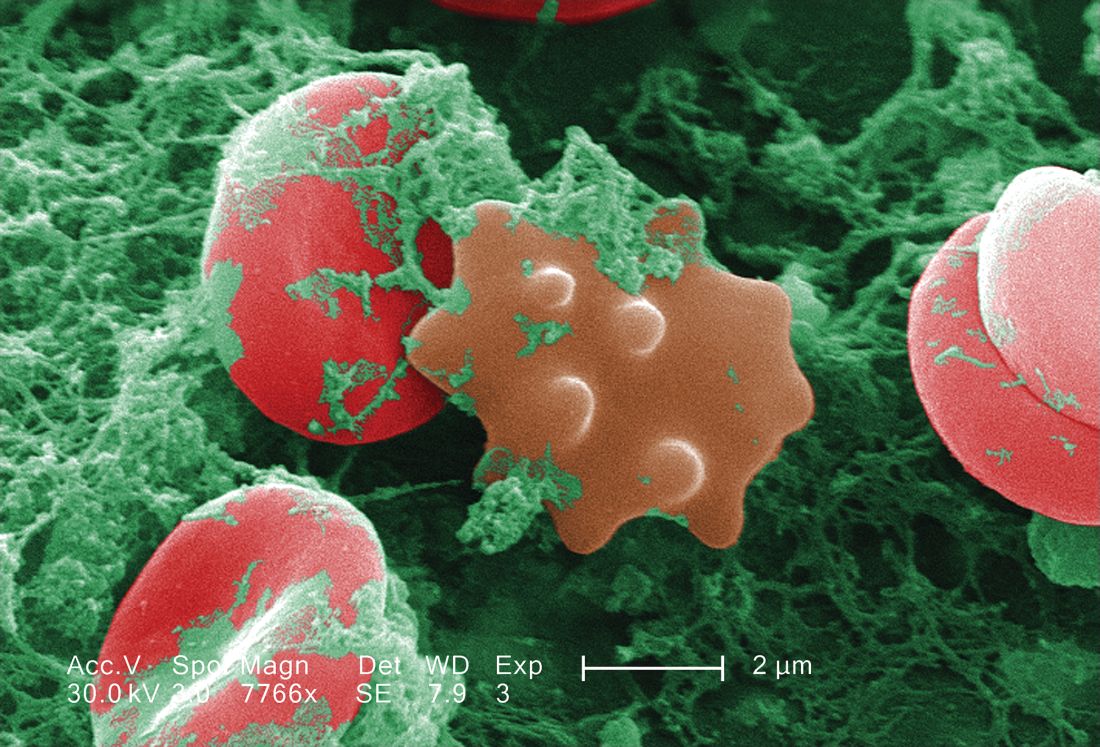
, he said in a webinar to promote World Thrombosis Day.
“To prevent VTE, people need to be aware of the problem,” he said. Hospitalization for any reason increases the risk of VTE, but thromboprophylaxis may be underused in medical patients, compared with surgical patients, because most surgical patients are automatically considered at risk.
Prevention of VTE involves understanding the risk factors, Dr. Weitz said. He pointed to a triad of conditions that promote clotting: slow blood flow, injury to the vessel wall, and increased clotability of the blood.
In a study of VTE risk factors, recent surgery with hospitalization and trauma topped the list, but hospitalization without recent surgery was associated with a nearly 8-fold increase in risk (Arch Intern Med. 2000;160[6]:809-15).
Evidence supports the value of anticoagulant prophylaxis, Dr. Weitz said. In a 2007 meta-analysis, use of anticoagulants reduced the risk of VTE by approximately 60% (Ann Intern Med. 2007 Feb 20;146[4]:278-88), and a 2011 update showed a reduction in risk of approximately 30% (Ann Intern Med. 2011 Nov 1;155[9]:602-15).
While risk assessment remains a challenge, several models can help, said Dr. Weitz.
Current guidelines from the American College of Chest Physicians suggest a shift toward individualized assessment of VTE risk, and the Centers for Medicare & Medicaid Services mandates VTE risk assessment, Dr. Weitz said.
He offered seven steps to improve prophylaxis in the hospital:
1. Obtain commitment from hospital leadership, including formation of a committee.
2. Have a written hospital policy on thromboprophylaxis.
3. Keep the policy simple and standard in terms of who gets prophylaxis and when.
4. Use order sets, computer order entry, and decision support.
5. Make the prophylaxis decision mandatory.
6. Involve of all the members of the care team and patients.
7. Use audits to measure improvement.
Several risk assessment models for VTE in hospitalized medical patients have been studied, including the Padua and IMPROVE models, Dr. Weitz said. For any model, factoring in the D-dimer can provide more information. “If D-dimer is increased more than twice the upper limit of normal, it is a risk factor for VTE,” he said.
Another consideration in thromboprophylaxis involves extending the duration of prophylaxis beyond the hospital stay, which is becoming a larger issue because of the pressure to move patients out of the hospital as quickly as possible, Dr. Weitz said. However, trials of extended thromboprophylaxis have yielded mixed results. Extended doses of medications, including rivaroxaban, enoxaparin, apixaban, and betrixaban can reduce the risk of VTE, but can also increase the risk of major bleeding.
“I think at this point we are not yet there at identifying patients who should have thromboprophylaxis beyond the hospital stay,” Dr. Weitz said.
But VTE risk should be assessed in all hospitalized patients, and “appropriate thromboprophylaxis is essential for reducing the burden of hospital-associated VTE,” he said.
Dr. Weitz encouraged clinicians to explore more resources for managing VTE risk at worldthrombosisday.org.
Dr. Weitz reported relationships with companies including Bayer, Boehringer-Ingelheim, Bristol-Myers Squibb, Daiichi-Sankyo, Pfizer, Portola, Ionis Pharmaceuticals, Janssen, Merck, Novartis, and Servier. He also reported research support from the Canadian Institutes of Health Research, Heart and Stroke Foundation of Canada, and the Canadian Fund for Innovation.
Venous thromboembolism (VTE) is the No. 1 cause of preventable deaths in hospitals, and 60% of all VTE cases occur during or following hospitalization, according to Jeffrey I. Weitz, MD, of McMaster University in Hamilton, Ont.
, he said in a webinar to promote World Thrombosis Day.
“To prevent VTE, people need to be aware of the problem,” he said. Hospitalization for any reason increases the risk of VTE, but thromboprophylaxis may be underused in medical patients, compared with surgical patients, because most surgical patients are automatically considered at risk.
Prevention of VTE involves understanding the risk factors, Dr. Weitz said. He pointed to a triad of conditions that promote clotting: slow blood flow, injury to the vessel wall, and increased clotability of the blood.
In a study of VTE risk factors, recent surgery with hospitalization and trauma topped the list, but hospitalization without recent surgery was associated with a nearly 8-fold increase in risk (Arch Intern Med. 2000;160[6]:809-15).
Evidence supports the value of anticoagulant prophylaxis, Dr. Weitz said. In a 2007 meta-analysis, use of anticoagulants reduced the risk of VTE by approximately 60% (Ann Intern Med. 2007 Feb 20;146[4]:278-88), and a 2011 update showed a reduction in risk of approximately 30% (Ann Intern Med. 2011 Nov 1;155[9]:602-15).
While risk assessment remains a challenge, several models can help, said Dr. Weitz.
Current guidelines from the American College of Chest Physicians suggest a shift toward individualized assessment of VTE risk, and the Centers for Medicare & Medicaid Services mandates VTE risk assessment, Dr. Weitz said.
He offered seven steps to improve prophylaxis in the hospital:
1. Obtain commitment from hospital leadership, including formation of a committee.
2. Have a written hospital policy on thromboprophylaxis.
3. Keep the policy simple and standard in terms of who gets prophylaxis and when.
4. Use order sets, computer order entry, and decision support.
5. Make the prophylaxis decision mandatory.
6. Involve of all the members of the care team and patients.
7. Use audits to measure improvement.
Several risk assessment models for VTE in hospitalized medical patients have been studied, including the Padua and IMPROVE models, Dr. Weitz said. For any model, factoring in the D-dimer can provide more information. “If D-dimer is increased more than twice the upper limit of normal, it is a risk factor for VTE,” he said.
Another consideration in thromboprophylaxis involves extending the duration of prophylaxis beyond the hospital stay, which is becoming a larger issue because of the pressure to move patients out of the hospital as quickly as possible, Dr. Weitz said. However, trials of extended thromboprophylaxis have yielded mixed results. Extended doses of medications, including rivaroxaban, enoxaparin, apixaban, and betrixaban can reduce the risk of VTE, but can also increase the risk of major bleeding.
“I think at this point we are not yet there at identifying patients who should have thromboprophylaxis beyond the hospital stay,” Dr. Weitz said.
But VTE risk should be assessed in all hospitalized patients, and “appropriate thromboprophylaxis is essential for reducing the burden of hospital-associated VTE,” he said.
Dr. Weitz encouraged clinicians to explore more resources for managing VTE risk at worldthrombosisday.org.
Dr. Weitz reported relationships with companies including Bayer, Boehringer-Ingelheim, Bristol-Myers Squibb, Daiichi-Sankyo, Pfizer, Portola, Ionis Pharmaceuticals, Janssen, Merck, Novartis, and Servier. He also reported research support from the Canadian Institutes of Health Research, Heart and Stroke Foundation of Canada, and the Canadian Fund for Innovation.
Venous thromboembolism (VTE) is the No. 1 cause of preventable deaths in hospitals, and 60% of all VTE cases occur during or following hospitalization, according to Jeffrey I. Weitz, MD, of McMaster University in Hamilton, Ont.
, he said in a webinar to promote World Thrombosis Day.
“To prevent VTE, people need to be aware of the problem,” he said. Hospitalization for any reason increases the risk of VTE, but thromboprophylaxis may be underused in medical patients, compared with surgical patients, because most surgical patients are automatically considered at risk.
Prevention of VTE involves understanding the risk factors, Dr. Weitz said. He pointed to a triad of conditions that promote clotting: slow blood flow, injury to the vessel wall, and increased clotability of the blood.
In a study of VTE risk factors, recent surgery with hospitalization and trauma topped the list, but hospitalization without recent surgery was associated with a nearly 8-fold increase in risk (Arch Intern Med. 2000;160[6]:809-15).
Evidence supports the value of anticoagulant prophylaxis, Dr. Weitz said. In a 2007 meta-analysis, use of anticoagulants reduced the risk of VTE by approximately 60% (Ann Intern Med. 2007 Feb 20;146[4]:278-88), and a 2011 update showed a reduction in risk of approximately 30% (Ann Intern Med. 2011 Nov 1;155[9]:602-15).
While risk assessment remains a challenge, several models can help, said Dr. Weitz.
Current guidelines from the American College of Chest Physicians suggest a shift toward individualized assessment of VTE risk, and the Centers for Medicare & Medicaid Services mandates VTE risk assessment, Dr. Weitz said.
He offered seven steps to improve prophylaxis in the hospital:
1. Obtain commitment from hospital leadership, including formation of a committee.
2. Have a written hospital policy on thromboprophylaxis.
3. Keep the policy simple and standard in terms of who gets prophylaxis and when.
4. Use order sets, computer order entry, and decision support.
5. Make the prophylaxis decision mandatory.
6. Involve of all the members of the care team and patients.
7. Use audits to measure improvement.
Several risk assessment models for VTE in hospitalized medical patients have been studied, including the Padua and IMPROVE models, Dr. Weitz said. For any model, factoring in the D-dimer can provide more information. “If D-dimer is increased more than twice the upper limit of normal, it is a risk factor for VTE,” he said.
Another consideration in thromboprophylaxis involves extending the duration of prophylaxis beyond the hospital stay, which is becoming a larger issue because of the pressure to move patients out of the hospital as quickly as possible, Dr. Weitz said. However, trials of extended thromboprophylaxis have yielded mixed results. Extended doses of medications, including rivaroxaban, enoxaparin, apixaban, and betrixaban can reduce the risk of VTE, but can also increase the risk of major bleeding.
“I think at this point we are not yet there at identifying patients who should have thromboprophylaxis beyond the hospital stay,” Dr. Weitz said.
But VTE risk should be assessed in all hospitalized patients, and “appropriate thromboprophylaxis is essential for reducing the burden of hospital-associated VTE,” he said.
Dr. Weitz encouraged clinicians to explore more resources for managing VTE risk at worldthrombosisday.org.
Dr. Weitz reported relationships with companies including Bayer, Boehringer-Ingelheim, Bristol-Myers Squibb, Daiichi-Sankyo, Pfizer, Portola, Ionis Pharmaceuticals, Janssen, Merck, Novartis, and Servier. He also reported research support from the Canadian Institutes of Health Research, Heart and Stroke Foundation of Canada, and the Canadian Fund for Innovation.
FROM WORLD THROMBOSIS DAY 2018 WEBINAR
Task force advises behavioral intervention for obese adults
The U.S. Preventive Services Task Force advises clinicians to refer or offer intensive behavioral weight-loss interventions to obese adults, according to an updated recommendation statement published in JAMA.

Obesity affects more than one-third of U.S. adults, according to federal statistics. It carries increased risk for comorbidities including heart disease, diabetes, and various cancers, as well as increased risk of death among adults younger than 65 years, noted lead author Susan J. Curry, PhD, of the University of Iowa, Iowa City, and members of the Task Force.
The B recommendation applies to obese adults; obesity was defined as a body mass index of 30 kg/m2 or higher. The evidence review focused on interventions for weight loss and weight maintenance that could be provided in primary care or referred from primary care, such as nutrition counseling, exercise strategies, and goal setting.
The Task Force found adequate evidence that behavior-based weight-loss interventions improved weight, reduced incidence of type 2 diabetes, and helped maintain weight loss after interventions ended.
The Task Force found small to no evidence of harm associated with any of the behavioral weight-loss interventions, which included group sessions, personal sessions, print-based interventions, and technology-based interventions (such as text messages). Although interventions that combined drug therapy with behavioral intervention resulted in greater weight loss over 12-18 months, compared with behavioral interventions alone, the attrition rates were high and data on weight-loss maintenance after discontinuation of the drugs were limited, the Task Force noted.
“As a result, the USPSTF encourages clinicians to promote behavioral interventions as the primary focus of effective interventions for weight loss in adults,” they wrote.
The Task Force acknowledged the need for future research in subgroups and to explore whether factors such as genetics and untreated conditions are barriers to behavior-based weight loss interventions.
In the evidence review published in JAMA, Erin S. LeBlanc, MD, of Kaiser Permanente in Portland, Ore., and her colleagues reviewed data from 122 randomized, controlled trials including more than 62,000 persons and 2 observational studies including more than 209,000 persons.
The researchers found behavioral interventions were associated with greater weight loss and less risk of developing diabetes, compared with control interventions.
Intensive behavioral interventions included counseling patients about healthy eating, encouraging physical activity, setting weight and health goals, and assisting with weight monitoring. The interventions ranged from text messaging to in-person sessions for individuals or groups. The average absolute weight loss in the trials included in the review ranged from –0.5 kg to –9.3 kg (–1.1 lb to –20.5 lb) for intervention patients and from +1.4 kg to –5.6 kg (+3.1 lb to –12.3 lb) in controls.
Limitations of the review included a lack of data on population subgroups and a lack of long-term data on weight and health outcomes, the researchers noted. However, the results support the value of behavior-based therapy for obesity treatment.
The final recommendation is consistent with the 2018 draft recommendation and updates the 2012 final recommendation on obesity management.
The researchers and Task Force members had no relevant financial conflicts to disclose.
SOURCE: U.S. Preventive Services Task Force. JAMA. 2018;320(11):1163-71. doi: 10.1001/jama.2018.13022.
In the USPSTF Recommendation Statement on Behavioral Weight Loss Interventions to Prevent Obesity-Related Morbidity and Mortality in Adults the Task Force updates their 2012 statement and recommends that patients with obesity be referred for intensive, multicomponent behavioral weight loss interventions and weight loss maintenance. Reiterating the importance of intensive behavioral and lifestyle support is to be commended and should be the cornerstone of treatment for people with overweight disorders. As thoughtfully discussed in accompanying editorials by Haire-Joshu, Hill-Briggs, and Yanovski, moving from recommendation to reality will require access to high-quality programs for patients of all socioeconomic and ethnic backgrounds, less restrictive reimbursement for services, and broader involvement of the public health and food industry sectors.
However, the task force recommendations were limited in scope: they pertained to people with obesity defined as a BMI greater than 30 kg/m2, to those without diagnosed obesity-associated disorders, and to patients seen in a primary care setting. This lessens the impact of the report for a disease which continues to be epidemic in the United States. Leaving out the overweight pre-obese in whom efforts toward prevention are essential, as well as people with obesity who have coexisting comorbidities restricts the recommendations to one slice of the large obesity pie. As more high-quality data pertaining to a broader range of people impacted by overweight disorders become available, more expansive guidelines for treatment will be important.
Furthermore, while behavioral weight loss interventions are meaningful, they fall short for many in bringing about sustained efficacy. The primary care setting should include referral for appropriate patients to be evaluated for combined multidisciplinary behavioral and surgical, endoscopic, or pharmacologic therapies that can improve clinical outcomes for those refractory to behavioral weight loss interventions alone. Finally, tackling the obesity epidemic requires that health care providers across a broad range of specialties become involved in a coordinated effort to help our patients. As digestive disease specialists treating a myriad of obesity-related diseases from fatty liver to colorectal cancer, we too need to help address the underlying disease by providing obesity therapy within our practices or making referrals for its multidisciplinary treatment.
Sarah Streett, MD, AGAF, clinical associate professor of medicine, division of gastroenterology and hepatology, Stanford University School of Medicine, Stanford, Calif. She has no relevant disclosures.
In the USPSTF Recommendation Statement on Behavioral Weight Loss Interventions to Prevent Obesity-Related Morbidity and Mortality in Adults the Task Force updates their 2012 statement and recommends that patients with obesity be referred for intensive, multicomponent behavioral weight loss interventions and weight loss maintenance. Reiterating the importance of intensive behavioral and lifestyle support is to be commended and should be the cornerstone of treatment for people with overweight disorders. As thoughtfully discussed in accompanying editorials by Haire-Joshu, Hill-Briggs, and Yanovski, moving from recommendation to reality will require access to high-quality programs for patients of all socioeconomic and ethnic backgrounds, less restrictive reimbursement for services, and broader involvement of the public health and food industry sectors.
However, the task force recommendations were limited in scope: they pertained to people with obesity defined as a BMI greater than 30 kg/m2, to those without diagnosed obesity-associated disorders, and to patients seen in a primary care setting. This lessens the impact of the report for a disease which continues to be epidemic in the United States. Leaving out the overweight pre-obese in whom efforts toward prevention are essential, as well as people with obesity who have coexisting comorbidities restricts the recommendations to one slice of the large obesity pie. As more high-quality data pertaining to a broader range of people impacted by overweight disorders become available, more expansive guidelines for treatment will be important.
Furthermore, while behavioral weight loss interventions are meaningful, they fall short for many in bringing about sustained efficacy. The primary care setting should include referral for appropriate patients to be evaluated for combined multidisciplinary behavioral and surgical, endoscopic, or pharmacologic therapies that can improve clinical outcomes for those refractory to behavioral weight loss interventions alone. Finally, tackling the obesity epidemic requires that health care providers across a broad range of specialties become involved in a coordinated effort to help our patients. As digestive disease specialists treating a myriad of obesity-related diseases from fatty liver to colorectal cancer, we too need to help address the underlying disease by providing obesity therapy within our practices or making referrals for its multidisciplinary treatment.
Sarah Streett, MD, AGAF, clinical associate professor of medicine, division of gastroenterology and hepatology, Stanford University School of Medicine, Stanford, Calif. She has no relevant disclosures.
In the USPSTF Recommendation Statement on Behavioral Weight Loss Interventions to Prevent Obesity-Related Morbidity and Mortality in Adults the Task Force updates their 2012 statement and recommends that patients with obesity be referred for intensive, multicomponent behavioral weight loss interventions and weight loss maintenance. Reiterating the importance of intensive behavioral and lifestyle support is to be commended and should be the cornerstone of treatment for people with overweight disorders. As thoughtfully discussed in accompanying editorials by Haire-Joshu, Hill-Briggs, and Yanovski, moving from recommendation to reality will require access to high-quality programs for patients of all socioeconomic and ethnic backgrounds, less restrictive reimbursement for services, and broader involvement of the public health and food industry sectors.
However, the task force recommendations were limited in scope: they pertained to people with obesity defined as a BMI greater than 30 kg/m2, to those without diagnosed obesity-associated disorders, and to patients seen in a primary care setting. This lessens the impact of the report for a disease which continues to be epidemic in the United States. Leaving out the overweight pre-obese in whom efforts toward prevention are essential, as well as people with obesity who have coexisting comorbidities restricts the recommendations to one slice of the large obesity pie. As more high-quality data pertaining to a broader range of people impacted by overweight disorders become available, more expansive guidelines for treatment will be important.
Furthermore, while behavioral weight loss interventions are meaningful, they fall short for many in bringing about sustained efficacy. The primary care setting should include referral for appropriate patients to be evaluated for combined multidisciplinary behavioral and surgical, endoscopic, or pharmacologic therapies that can improve clinical outcomes for those refractory to behavioral weight loss interventions alone. Finally, tackling the obesity epidemic requires that health care providers across a broad range of specialties become involved in a coordinated effort to help our patients. As digestive disease specialists treating a myriad of obesity-related diseases from fatty liver to colorectal cancer, we too need to help address the underlying disease by providing obesity therapy within our practices or making referrals for its multidisciplinary treatment.
Sarah Streett, MD, AGAF, clinical associate professor of medicine, division of gastroenterology and hepatology, Stanford University School of Medicine, Stanford, Calif. She has no relevant disclosures.
The U.S. Preventive Services Task Force advises clinicians to refer or offer intensive behavioral weight-loss interventions to obese adults, according to an updated recommendation statement published in JAMA.
Obesity affects more than one-third of U.S. adults, according to federal statistics. It carries increased risk for comorbidities including heart disease, diabetes, and various cancers, as well as increased risk of death among adults younger than 65 years, noted lead author Susan J. Curry, PhD, of the University of Iowa, Iowa City, and members of the Task Force.
The B recommendation applies to obese adults; obesity was defined as a body mass index of 30 kg/m2 or higher. The evidence review focused on interventions for weight loss and weight maintenance that could be provided in primary care or referred from primary care, such as nutrition counseling, exercise strategies, and goal setting.
The Task Force found adequate evidence that behavior-based weight-loss interventions improved weight, reduced incidence of type 2 diabetes, and helped maintain weight loss after interventions ended.
The Task Force found small to no evidence of harm associated with any of the behavioral weight-loss interventions, which included group sessions, personal sessions, print-based interventions, and technology-based interventions (such as text messages). Although interventions that combined drug therapy with behavioral intervention resulted in greater weight loss over 12-18 months, compared with behavioral interventions alone, the attrition rates were high and data on weight-loss maintenance after discontinuation of the drugs were limited, the Task Force noted.
“As a result, the USPSTF encourages clinicians to promote behavioral interventions as the primary focus of effective interventions for weight loss in adults,” they wrote.
The Task Force acknowledged the need for future research in subgroups and to explore whether factors such as genetics and untreated conditions are barriers to behavior-based weight loss interventions.
In the evidence review published in JAMA, Erin S. LeBlanc, MD, of Kaiser Permanente in Portland, Ore., and her colleagues reviewed data from 122 randomized, controlled trials including more than 62,000 persons and 2 observational studies including more than 209,000 persons.
The researchers found behavioral interventions were associated with greater weight loss and less risk of developing diabetes, compared with control interventions.
Intensive behavioral interventions included counseling patients about healthy eating, encouraging physical activity, setting weight and health goals, and assisting with weight monitoring. The interventions ranged from text messaging to in-person sessions for individuals or groups. The average absolute weight loss in the trials included in the review ranged from –0.5 kg to –9.3 kg (–1.1 lb to –20.5 lb) for intervention patients and from +1.4 kg to –5.6 kg (+3.1 lb to –12.3 lb) in controls.
Limitations of the review included a lack of data on population subgroups and a lack of long-term data on weight and health outcomes, the researchers noted. However, the results support the value of behavior-based therapy for obesity treatment.
The final recommendation is consistent with the 2018 draft recommendation and updates the 2012 final recommendation on obesity management.
The researchers and Task Force members had no relevant financial conflicts to disclose.
SOURCE: U.S. Preventive Services Task Force. JAMA. 2018;320(11):1163-71. doi: 10.1001/jama.2018.13022.
The U.S. Preventive Services Task Force advises clinicians to refer or offer intensive behavioral weight-loss interventions to obese adults, according to an updated recommendation statement published in JAMA.
Obesity affects more than one-third of U.S. adults, according to federal statistics. It carries increased risk for comorbidities including heart disease, diabetes, and various cancers, as well as increased risk of death among adults younger than 65 years, noted lead author Susan J. Curry, PhD, of the University of Iowa, Iowa City, and members of the Task Force.
The B recommendation applies to obese adults; obesity was defined as a body mass index of 30 kg/m2 or higher. The evidence review focused on interventions for weight loss and weight maintenance that could be provided in primary care or referred from primary care, such as nutrition counseling, exercise strategies, and goal setting.
The Task Force found adequate evidence that behavior-based weight-loss interventions improved weight, reduced incidence of type 2 diabetes, and helped maintain weight loss after interventions ended.
The Task Force found small to no evidence of harm associated with any of the behavioral weight-loss interventions, which included group sessions, personal sessions, print-based interventions, and technology-based interventions (such as text messages). Although interventions that combined drug therapy with behavioral intervention resulted in greater weight loss over 12-18 months, compared with behavioral interventions alone, the attrition rates were high and data on weight-loss maintenance after discontinuation of the drugs were limited, the Task Force noted.
“As a result, the USPSTF encourages clinicians to promote behavioral interventions as the primary focus of effective interventions for weight loss in adults,” they wrote.
The Task Force acknowledged the need for future research in subgroups and to explore whether factors such as genetics and untreated conditions are barriers to behavior-based weight loss interventions.
In the evidence review published in JAMA, Erin S. LeBlanc, MD, of Kaiser Permanente in Portland, Ore., and her colleagues reviewed data from 122 randomized, controlled trials including more than 62,000 persons and 2 observational studies including more than 209,000 persons.
The researchers found behavioral interventions were associated with greater weight loss and less risk of developing diabetes, compared with control interventions.
Intensive behavioral interventions included counseling patients about healthy eating, encouraging physical activity, setting weight and health goals, and assisting with weight monitoring. The interventions ranged from text messaging to in-person sessions for individuals or groups. The average absolute weight loss in the trials included in the review ranged from –0.5 kg to –9.3 kg (–1.1 lb to –20.5 lb) for intervention patients and from +1.4 kg to –5.6 kg (+3.1 lb to –12.3 lb) in controls.
Limitations of the review included a lack of data on population subgroups and a lack of long-term data on weight and health outcomes, the researchers noted. However, the results support the value of behavior-based therapy for obesity treatment.
The final recommendation is consistent with the 2018 draft recommendation and updates the 2012 final recommendation on obesity management.
The researchers and Task Force members had no relevant financial conflicts to disclose.
SOURCE: U.S. Preventive Services Task Force. JAMA. 2018;320(11):1163-71. doi: 10.1001/jama.2018.13022.
FROM JAMA
Brain mapping takes next step toward precision psychiatry
Brain mapping patterns varied with clinical mental health diagnoses in a study of 218 patients with schizophrenia spectrum disorders.

“Psychiatry is now the last area of medicine in which diseases are diagnosed solely on the basis of symptoms, and biomarkers to assist treatment remain to be developed,” wrote Thomas Wolfers of Radboud University, Nijmegen, the Netherlands, and his colleagues. They also said schizophrenia and bipolar disorder “are excellent examples of highly heterogeneous mental disorders.”
To explore brain structure homogeneity, the researchers used brain scans and mapping models to compare results in 218 adults aged 18-65 years with schizophrenia disorders (163 with schizophrenia and 190 with bipolar disorder) and 256 healthy controls. Demographics were similar between the groups.
The MRI data showed that the same abnormalities in more than 2% of patients with the same disorder occurred in very few loci. Schizophrenia patients showed significantly reduced gray matter in the frontal, cerebellar, and temporal regions; most bipolar patients showed changes in the cerebellar region.
The researchers identified extreme deviations across patients and controls in gray and white matter.
In gray matter, schizophrenia patients had a significantly higher percentage of extreme negative deviations across voxels (0.9% of voxels), compared with both bipolar patients and healthy controls (0.24% and 0.23%, respectively).
In white matter, a similar pattern emerged; schizophrenia patients had a significantly higher percentage of extreme negative deviations (0.62%), compared with healthy controls and bipolar patients (0.25% and 0.41%, respectively). In addition, extreme positive deviations were significantly higher among the controls (1.14% of voxels), compared with schizophrenia and bipolar patients (0.83% for both).
The findings support data from previous studies suggesting reduced cortical volume in schizophrenia patients, compared with healthy controls and bipolar disorder patients, the researchers noted.
“In this study, patients with schizophrenia and bipolar disorder differed extremely on an individual level; the lack of substantial overlap among patients in terms of extreme deviations from the normative model is evidence of the high degree of biological heterogeneity in both disorders,” wrote Mr. Wolfers and his colleagues.
The main limitations of the study were the inability to control for confounding variables and to make conclusions about causality, the researchers said. However, the absence of overlap in patients with the same disorder supports the use of brain mapping to study individual pathophysiologic signatures in schizophrenia and bipolar disorder patients, they concluded.
Mr. Wolfers had no financial conflicts to disclose. The study was supported by grants from multiple organizations, including the Netherlands Organisation for Scientific Research and the Wellcome Trust U.K. Strategic Award.
SOURCE: Wolfers T et al. JAMA Psychiatry. 2018. doi: 10.1001/jamapsychiatry.2018.2467.
A growing body of evidence suggests that “conventional psychiatric diagnoses of serious mental illness (SMI), when tested, do not show a common biology,” wrote Carol A. Tamminga, MD, and Elena I. Ivleva, MD, PhD, in an accompanying editorial. The editorialists noted the work of the Bipolar-Schizophrenia Network on Intermediate Phenotypes consortium to identify subtype disease clusters.
However, they wrote: “We question whether these biotype structures represent disease groups as opposed to mere brain biomarker clusters. Dr. Tamminga and Dr. Ivleva also expressed concern about whether biologically based subgroups would be clinically useful and questioned what evidence would be needed to accept such subtypes as disease subgroups.
Their ideas for further exploration included identifying a characteristic genetic fingerprint to help determine a common pathophysiology. In addition, “a disorder clustered by biological features might also show a distinctive pharmacological profile,” they wrote.
Next steps include making severe mental illness into a condition diagnosable based on biomarkers that also can serve as a foundation for treatment, which would be “a revolution in our ability to understand and treat complex brain disorders,” they noted (JAMA Psychiatry. 2018 Oct. doi: 10.1001/jamapsychiatry.2018.2451).
Dr. Tamminga and Dr. Ivleva are affiliated with the University of Texas, Dallas. Both of them serve as researchers with the Bipolar-Schizophrenia Network on Intermediate Phenotypes consortium and reported funding from the National Institute for Mental Health.
A growing body of evidence suggests that “conventional psychiatric diagnoses of serious mental illness (SMI), when tested, do not show a common biology,” wrote Carol A. Tamminga, MD, and Elena I. Ivleva, MD, PhD, in an accompanying editorial. The editorialists noted the work of the Bipolar-Schizophrenia Network on Intermediate Phenotypes consortium to identify subtype disease clusters.
However, they wrote: “We question whether these biotype structures represent disease groups as opposed to mere brain biomarker clusters. Dr. Tamminga and Dr. Ivleva also expressed concern about whether biologically based subgroups would be clinically useful and questioned what evidence would be needed to accept such subtypes as disease subgroups.
Their ideas for further exploration included identifying a characteristic genetic fingerprint to help determine a common pathophysiology. In addition, “a disorder clustered by biological features might also show a distinctive pharmacological profile,” they wrote.
Next steps include making severe mental illness into a condition diagnosable based on biomarkers that also can serve as a foundation for treatment, which would be “a revolution in our ability to understand and treat complex brain disorders,” they noted (JAMA Psychiatry. 2018 Oct. doi: 10.1001/jamapsychiatry.2018.2451).
Dr. Tamminga and Dr. Ivleva are affiliated with the University of Texas, Dallas. Both of them serve as researchers with the Bipolar-Schizophrenia Network on Intermediate Phenotypes consortium and reported funding from the National Institute for Mental Health.
A growing body of evidence suggests that “conventional psychiatric diagnoses of serious mental illness (SMI), when tested, do not show a common biology,” wrote Carol A. Tamminga, MD, and Elena I. Ivleva, MD, PhD, in an accompanying editorial. The editorialists noted the work of the Bipolar-Schizophrenia Network on Intermediate Phenotypes consortium to identify subtype disease clusters.
However, they wrote: “We question whether these biotype structures represent disease groups as opposed to mere brain biomarker clusters. Dr. Tamminga and Dr. Ivleva also expressed concern about whether biologically based subgroups would be clinically useful and questioned what evidence would be needed to accept such subtypes as disease subgroups.
Their ideas for further exploration included identifying a characteristic genetic fingerprint to help determine a common pathophysiology. In addition, “a disorder clustered by biological features might also show a distinctive pharmacological profile,” they wrote.
Next steps include making severe mental illness into a condition diagnosable based on biomarkers that also can serve as a foundation for treatment, which would be “a revolution in our ability to understand and treat complex brain disorders,” they noted (JAMA Psychiatry. 2018 Oct. doi: 10.1001/jamapsychiatry.2018.2451).
Dr. Tamminga and Dr. Ivleva are affiliated with the University of Texas, Dallas. Both of them serve as researchers with the Bipolar-Schizophrenia Network on Intermediate Phenotypes consortium and reported funding from the National Institute for Mental Health.
Brain mapping patterns varied with clinical mental health diagnoses in a study of 218 patients with schizophrenia spectrum disorders.
“Psychiatry is now the last area of medicine in which diseases are diagnosed solely on the basis of symptoms, and biomarkers to assist treatment remain to be developed,” wrote Thomas Wolfers of Radboud University, Nijmegen, the Netherlands, and his colleagues. They also said schizophrenia and bipolar disorder “are excellent examples of highly heterogeneous mental disorders.”
To explore brain structure homogeneity, the researchers used brain scans and mapping models to compare results in 218 adults aged 18-65 years with schizophrenia disorders (163 with schizophrenia and 190 with bipolar disorder) and 256 healthy controls. Demographics were similar between the groups.
The MRI data showed that the same abnormalities in more than 2% of patients with the same disorder occurred in very few loci. Schizophrenia patients showed significantly reduced gray matter in the frontal, cerebellar, and temporal regions; most bipolar patients showed changes in the cerebellar region.
The researchers identified extreme deviations across patients and controls in gray and white matter.
In gray matter, schizophrenia patients had a significantly higher percentage of extreme negative deviations across voxels (0.9% of voxels), compared with both bipolar patients and healthy controls (0.24% and 0.23%, respectively).
In white matter, a similar pattern emerged; schizophrenia patients had a significantly higher percentage of extreme negative deviations (0.62%), compared with healthy controls and bipolar patients (0.25% and 0.41%, respectively). In addition, extreme positive deviations were significantly higher among the controls (1.14% of voxels), compared with schizophrenia and bipolar patients (0.83% for both).
The findings support data from previous studies suggesting reduced cortical volume in schizophrenia patients, compared with healthy controls and bipolar disorder patients, the researchers noted.
“In this study, patients with schizophrenia and bipolar disorder differed extremely on an individual level; the lack of substantial overlap among patients in terms of extreme deviations from the normative model is evidence of the high degree of biological heterogeneity in both disorders,” wrote Mr. Wolfers and his colleagues.
The main limitations of the study were the inability to control for confounding variables and to make conclusions about causality, the researchers said. However, the absence of overlap in patients with the same disorder supports the use of brain mapping to study individual pathophysiologic signatures in schizophrenia and bipolar disorder patients, they concluded.
Mr. Wolfers had no financial conflicts to disclose. The study was supported by grants from multiple organizations, including the Netherlands Organisation for Scientific Research and the Wellcome Trust U.K. Strategic Award.
SOURCE: Wolfers T et al. JAMA Psychiatry. 2018. doi: 10.1001/jamapsychiatry.2018.2467.
Brain mapping patterns varied with clinical mental health diagnoses in a study of 218 patients with schizophrenia spectrum disorders.
“Psychiatry is now the last area of medicine in which diseases are diagnosed solely on the basis of symptoms, and biomarkers to assist treatment remain to be developed,” wrote Thomas Wolfers of Radboud University, Nijmegen, the Netherlands, and his colleagues. They also said schizophrenia and bipolar disorder “are excellent examples of highly heterogeneous mental disorders.”
To explore brain structure homogeneity, the researchers used brain scans and mapping models to compare results in 218 adults aged 18-65 years with schizophrenia disorders (163 with schizophrenia and 190 with bipolar disorder) and 256 healthy controls. Demographics were similar between the groups.
The MRI data showed that the same abnormalities in more than 2% of patients with the same disorder occurred in very few loci. Schizophrenia patients showed significantly reduced gray matter in the frontal, cerebellar, and temporal regions; most bipolar patients showed changes in the cerebellar region.
The researchers identified extreme deviations across patients and controls in gray and white matter.
In gray matter, schizophrenia patients had a significantly higher percentage of extreme negative deviations across voxels (0.9% of voxels), compared with both bipolar patients and healthy controls (0.24% and 0.23%, respectively).
In white matter, a similar pattern emerged; schizophrenia patients had a significantly higher percentage of extreme negative deviations (0.62%), compared with healthy controls and bipolar patients (0.25% and 0.41%, respectively). In addition, extreme positive deviations were significantly higher among the controls (1.14% of voxels), compared with schizophrenia and bipolar patients (0.83% for both).
The findings support data from previous studies suggesting reduced cortical volume in schizophrenia patients, compared with healthy controls and bipolar disorder patients, the researchers noted.
“In this study, patients with schizophrenia and bipolar disorder differed extremely on an individual level; the lack of substantial overlap among patients in terms of extreme deviations from the normative model is evidence of the high degree of biological heterogeneity in both disorders,” wrote Mr. Wolfers and his colleagues.
The main limitations of the study were the inability to control for confounding variables and to make conclusions about causality, the researchers said. However, the absence of overlap in patients with the same disorder supports the use of brain mapping to study individual pathophysiologic signatures in schizophrenia and bipolar disorder patients, they concluded.
Mr. Wolfers had no financial conflicts to disclose. The study was supported by grants from multiple organizations, including the Netherlands Organisation for Scientific Research and the Wellcome Trust U.K. Strategic Award.
SOURCE: Wolfers T et al. JAMA Psychiatry. 2018. doi: 10.1001/jamapsychiatry.2018.2467.
FROM JAMA PSYCHIATRY
Key clinical point: Technology that allows for brain mapping offers a framework for greater use of precision medicine in psychiatry.
Major finding: Few brain loci showed extreme deviations in more than 2% of patients with schizophrenia disorders in a brain mapping model.
Study details: The data come from MRI scans of 218 patients with schizophrenia or bipolar disorder and 256 healthy controls.
Disclosures: Mr. Wolfers had no financial conflicts to disclose. The study was supported by grants from multiple organizations, including the Netherlands Organisation for Scientific Research and the Wellcome Trust U.K. Strategic Award.
Source: Wolfers T et al. JAMA Psychiatry. 2018. doi: 10.1001/jamapsychiatry.2018.2467.
Third trimester Tdap vaccination raises antibodies in newborns
Immunization of pregnant women with the Tdap vaccine during weeks 27-30 of pregnancy yielded the higher concentration of protective pertussis toxin antibodies in neonates, compared with neonates not exposed to the vaccine, based on data from more than 600 pregnancies.

The Centers for Disease Control and Prevention recommends Tdap vaccination for pregnant women between 27 and 35 weeks’ gestation, but “data on pertussis antibody concentrations following maternal Tdap immunization are limited because of small cohort size or differing immunization schedules,” wrote C. Mary Healy, MD, of Baylor College of Medicine, Houston and her colleagues.
In an observational study published in JAMA, the researchers reviewed data from 626 pregnancies and births at a single tertiary care center in Texas. The average age of the mothers was 30 years; 41% were white, 27% Hispanic, 26% black, 5% Asian, and 1% another ethnicity. Of these, 312 received the Tdap vaccine at an average gestation of 31 weeks, while 314 women were not immunized.
Overall, the geometric mean concentration (GMC) of neonatal umbilical cord pertussis toxin antibodies among infants exposed to Tdap was 47.3 IU/mL, compared with 12.9 IU/mL for unexposed infants, yielding a GMC ratio of 3.6 (P less than .001).
In addition, pertussis toxin antibody concentrations of 15 IU/mL or higher, 30 IU/mL or higher, and 40 IU/mL or higher were significantly more common in Tdap-exposed vs. Tdap-unexposed neonates (86% vs. 37%, 72% vs. 17%, 59% vs. 12%, respectively).
The GMC of pertussis toxin antibodies was highest when the vaccine was given during weeks 27-30, after which the GMC declined, the researchers noted.
The study was limited by several factors including the observational design, which does not support causes and effect analysis, the use of data from a single center, and the lack of pre- and postimmunization serum samples for comparison, and the absence of data on women immunized during the second trimester, the researchers wrote.
However, the results support data from previous studies, and were strengthened by the large study population. The findings suggest that “following U.S. immunization recommendations and in accordance with current understanding of the kinetics of placental transfer, optimal time to administer Tdap vaccine to maximize pertussis toxin antibodies at birth may be early in the third trimester, with the window of 27 through 30 weeks of gestation yielding the highest cord blood levels,” the researchers said.
The study was supported in part by the Centers for Disease Control and Prevention. Dr. Healy disclosed relationships with Sanofi Pasteur, Novartis Vaccines, Pfizer, and Novavax.
SOURCE: Healy C et al. JAMA. 2018 Oct 9;320(14):1464-70.
Immunization of pregnant women with the Tdap vaccine during weeks 27-30 of pregnancy yielded the higher concentration of protective pertussis toxin antibodies in neonates, compared with neonates not exposed to the vaccine, based on data from more than 600 pregnancies.
The Centers for Disease Control and Prevention recommends Tdap vaccination for pregnant women between 27 and 35 weeks’ gestation, but “data on pertussis antibody concentrations following maternal Tdap immunization are limited because of small cohort size or differing immunization schedules,” wrote C. Mary Healy, MD, of Baylor College of Medicine, Houston and her colleagues.
In an observational study published in JAMA, the researchers reviewed data from 626 pregnancies and births at a single tertiary care center in Texas. The average age of the mothers was 30 years; 41% were white, 27% Hispanic, 26% black, 5% Asian, and 1% another ethnicity. Of these, 312 received the Tdap vaccine at an average gestation of 31 weeks, while 314 women were not immunized.
Overall, the geometric mean concentration (GMC) of neonatal umbilical cord pertussis toxin antibodies among infants exposed to Tdap was 47.3 IU/mL, compared with 12.9 IU/mL for unexposed infants, yielding a GMC ratio of 3.6 (P less than .001).
In addition, pertussis toxin antibody concentrations of 15 IU/mL or higher, 30 IU/mL or higher, and 40 IU/mL or higher were significantly more common in Tdap-exposed vs. Tdap-unexposed neonates (86% vs. 37%, 72% vs. 17%, 59% vs. 12%, respectively).
The GMC of pertussis toxin antibodies was highest when the vaccine was given during weeks 27-30, after which the GMC declined, the researchers noted.
The study was limited by several factors including the observational design, which does not support causes and effect analysis, the use of data from a single center, and the lack of pre- and postimmunization serum samples for comparison, and the absence of data on women immunized during the second trimester, the researchers wrote.
However, the results support data from previous studies, and were strengthened by the large study population. The findings suggest that “following U.S. immunization recommendations and in accordance with current understanding of the kinetics of placental transfer, optimal time to administer Tdap vaccine to maximize pertussis toxin antibodies at birth may be early in the third trimester, with the window of 27 through 30 weeks of gestation yielding the highest cord blood levels,” the researchers said.
The study was supported in part by the Centers for Disease Control and Prevention. Dr. Healy disclosed relationships with Sanofi Pasteur, Novartis Vaccines, Pfizer, and Novavax.
SOURCE: Healy C et al. JAMA. 2018 Oct 9;320(14):1464-70.
Immunization of pregnant women with the Tdap vaccine during weeks 27-30 of pregnancy yielded the higher concentration of protective pertussis toxin antibodies in neonates, compared with neonates not exposed to the vaccine, based on data from more than 600 pregnancies.
The Centers for Disease Control and Prevention recommends Tdap vaccination for pregnant women between 27 and 35 weeks’ gestation, but “data on pertussis antibody concentrations following maternal Tdap immunization are limited because of small cohort size or differing immunization schedules,” wrote C. Mary Healy, MD, of Baylor College of Medicine, Houston and her colleagues.
In an observational study published in JAMA, the researchers reviewed data from 626 pregnancies and births at a single tertiary care center in Texas. The average age of the mothers was 30 years; 41% were white, 27% Hispanic, 26% black, 5% Asian, and 1% another ethnicity. Of these, 312 received the Tdap vaccine at an average gestation of 31 weeks, while 314 women were not immunized.
Overall, the geometric mean concentration (GMC) of neonatal umbilical cord pertussis toxin antibodies among infants exposed to Tdap was 47.3 IU/mL, compared with 12.9 IU/mL for unexposed infants, yielding a GMC ratio of 3.6 (P less than .001).
In addition, pertussis toxin antibody concentrations of 15 IU/mL or higher, 30 IU/mL or higher, and 40 IU/mL or higher were significantly more common in Tdap-exposed vs. Tdap-unexposed neonates (86% vs. 37%, 72% vs. 17%, 59% vs. 12%, respectively).
The GMC of pertussis toxin antibodies was highest when the vaccine was given during weeks 27-30, after which the GMC declined, the researchers noted.
The study was limited by several factors including the observational design, which does not support causes and effect analysis, the use of data from a single center, and the lack of pre- and postimmunization serum samples for comparison, and the absence of data on women immunized during the second trimester, the researchers wrote.
However, the results support data from previous studies, and were strengthened by the large study population. The findings suggest that “following U.S. immunization recommendations and in accordance with current understanding of the kinetics of placental transfer, optimal time to administer Tdap vaccine to maximize pertussis toxin antibodies at birth may be early in the third trimester, with the window of 27 through 30 weeks of gestation yielding the highest cord blood levels,” the researchers said.
The study was supported in part by the Centers for Disease Control and Prevention. Dr. Healy disclosed relationships with Sanofi Pasteur, Novartis Vaccines, Pfizer, and Novavax.
SOURCE: Healy C et al. JAMA. 2018 Oct 9;320(14):1464-70.
FROM JAMA
Key clinical point:
Major finding: The geometric mean concentration of neonatal cord pertussis toxin antibodies was 47.3 IU/mL among newborns exposed to Tdap, compared with 12.9 IU/mL among unexposed (P less than .001).
Study details: The data come from an observational study of 626 pregnancies.
Disclosures: The study was supported in part by the Centers for Disease Control and Prevention. Dr. Healy disclosed relationships with Sanofi Pasteur, Novartis Vaccines, Pfizer, and Novavax.
Source: Healy C et al. JAMA. 2018 Oct 9;320(14):1464-70.
Consider ART for younger endometriosis patients
but non-ART infertility treatment is less likely to succeed in the endometriosis population, according to data from approximately 1,800 women with infertility.

Moderate to severe endometriosis had a negative impact on the outcome of ART, but “the efficacy of non-ART treatment in patients with endometriosis remains elusive” wrote Wataru Isono of the University of Tokyo, and colleagues.
In a study published in the Journal of Obstetrics & Gynaecology Research, the investigators sought to determine the impact of endometriosis severity on the effectiveness of non-ART treatment. They calculated the cumulative live birth rates for women treated with ART and non-ART.
Overall, 49% of the 894 ART patients and 22% of the 1,358 non-ART patients gave birth after treatment. The birth rate remained more than twice as high among ART patients across all age groups, but declined among ART patients starting at 35 years of age and declined sharply as patients reached 40 years of age.
“The most important aspect of this study was that we determined the limitations of non-ART and sought to identify optimal management methods, as non-ART can be a more cost-effective treatment than ART in certain circumstances,” the researchers noted.
They then focused on 288 patients with advanced endometriosis, defined as stage III or IV according to the revised American Society for Reproductive Medicine score. Notably, the presence of moderate to severe endometriosis had a significant effect on the outcomes of non-ART patients in their 30s, but ART was effective in this age group in a multivariate analysis. The cumulative live birth rate in advanced endometriosis patients was significantly lower than in those without the condition who underwent non-ART treatment (10% vs. 25%). However, cumulative live birth rates after ART were not significantly different among advanced endometriosis patients, compared with patients without advanced endometriosis (45% vs. 51%).
The study was limited by several factors including the inability to analyze the varied types of infertility treatment, Dr. Isono and associates noted. However, “our results may provide infertility patients with accurate information regarding their expected probabilities of achieving a live birth and may help them select the optimal treatment based on their classification according to various risk factors,” they said.
The researchers had no financial conflicts to disclose. The study was supported by the Japan Society for the Promotion of Sciences; Grants-in-Aid for Scientific Research from the Ministry of Education, Science, and Culture; the Japan Agency for Medical Research and Development; and the Ministry of Health, Labor and Welfare.
SOURCE: Isono W et al. J Obstet Gynaecol Res. 2018. doi: 10.1111/jog.13826.
but non-ART infertility treatment is less likely to succeed in the endometriosis population, according to data from approximately 1,800 women with infertility.
Moderate to severe endometriosis had a negative impact on the outcome of ART, but “the efficacy of non-ART treatment in patients with endometriosis remains elusive” wrote Wataru Isono of the University of Tokyo, and colleagues.
In a study published in the Journal of Obstetrics & Gynaecology Research, the investigators sought to determine the impact of endometriosis severity on the effectiveness of non-ART treatment. They calculated the cumulative live birth rates for women treated with ART and non-ART.
Overall, 49% of the 894 ART patients and 22% of the 1,358 non-ART patients gave birth after treatment. The birth rate remained more than twice as high among ART patients across all age groups, but declined among ART patients starting at 35 years of age and declined sharply as patients reached 40 years of age.
“The most important aspect of this study was that we determined the limitations of non-ART and sought to identify optimal management methods, as non-ART can be a more cost-effective treatment than ART in certain circumstances,” the researchers noted.
They then focused on 288 patients with advanced endometriosis, defined as stage III or IV according to the revised American Society for Reproductive Medicine score. Notably, the presence of moderate to severe endometriosis had a significant effect on the outcomes of non-ART patients in their 30s, but ART was effective in this age group in a multivariate analysis. The cumulative live birth rate in advanced endometriosis patients was significantly lower than in those without the condition who underwent non-ART treatment (10% vs. 25%). However, cumulative live birth rates after ART were not significantly different among advanced endometriosis patients, compared with patients without advanced endometriosis (45% vs. 51%).
The study was limited by several factors including the inability to analyze the varied types of infertility treatment, Dr. Isono and associates noted. However, “our results may provide infertility patients with accurate information regarding their expected probabilities of achieving a live birth and may help them select the optimal treatment based on their classification according to various risk factors,” they said.
The researchers had no financial conflicts to disclose. The study was supported by the Japan Society for the Promotion of Sciences; Grants-in-Aid for Scientific Research from the Ministry of Education, Science, and Culture; the Japan Agency for Medical Research and Development; and the Ministry of Health, Labor and Welfare.
SOURCE: Isono W et al. J Obstet Gynaecol Res. 2018. doi: 10.1111/jog.13826.
but non-ART infertility treatment is less likely to succeed in the endometriosis population, according to data from approximately 1,800 women with infertility.
Moderate to severe endometriosis had a negative impact on the outcome of ART, but “the efficacy of non-ART treatment in patients with endometriosis remains elusive” wrote Wataru Isono of the University of Tokyo, and colleagues.
In a study published in the Journal of Obstetrics & Gynaecology Research, the investigators sought to determine the impact of endometriosis severity on the effectiveness of non-ART treatment. They calculated the cumulative live birth rates for women treated with ART and non-ART.
Overall, 49% of the 894 ART patients and 22% of the 1,358 non-ART patients gave birth after treatment. The birth rate remained more than twice as high among ART patients across all age groups, but declined among ART patients starting at 35 years of age and declined sharply as patients reached 40 years of age.
“The most important aspect of this study was that we determined the limitations of non-ART and sought to identify optimal management methods, as non-ART can be a more cost-effective treatment than ART in certain circumstances,” the researchers noted.
They then focused on 288 patients with advanced endometriosis, defined as stage III or IV according to the revised American Society for Reproductive Medicine score. Notably, the presence of moderate to severe endometriosis had a significant effect on the outcomes of non-ART patients in their 30s, but ART was effective in this age group in a multivariate analysis. The cumulative live birth rate in advanced endometriosis patients was significantly lower than in those without the condition who underwent non-ART treatment (10% vs. 25%). However, cumulative live birth rates after ART were not significantly different among advanced endometriosis patients, compared with patients without advanced endometriosis (45% vs. 51%).
The study was limited by several factors including the inability to analyze the varied types of infertility treatment, Dr. Isono and associates noted. However, “our results may provide infertility patients with accurate information regarding their expected probabilities of achieving a live birth and may help them select the optimal treatment based on their classification according to various risk factors,” they said.
The researchers had no financial conflicts to disclose. The study was supported by the Japan Society for the Promotion of Sciences; Grants-in-Aid for Scientific Research from the Ministry of Education, Science, and Culture; the Japan Agency for Medical Research and Development; and the Ministry of Health, Labor and Welfare.
SOURCE: Isono W et al. J Obstet Gynaecol Res. 2018. doi: 10.1111/jog.13826.
FROM THE JOURNAL OF OBSTETRICS AND GYNAECOLOGY RESEARCH
Key clinical point: ART was more effective than was non-ART against infertility in women with endometriosis, especially among younger women.
Major finding: The cumulative live birth rate in advanced endometriosis patients was significantly lower than in those without the condition who underwent non-ART treatment (10% vs. 25%).
Study details: A retrospective study of 1,864 infertile women in Japan, including 288 with advanced endometriosis.
Disclosures: The researchers had no financial conflicts to disclose. The study was supported by the Japan Society for the Promotion of Sciences; Grants-in-Aid for Scientific Research from the Ministry of Education, Science, and Culture; the Japan Agency for Medical Research and Development; and the Ministry of Health, Labor and Welfare.
Source: Isono W et al. J Obstet Gynaecol Res. 2018. doi: 10.1111/jog.13826.