User login
Doug Brunk is a San Diego-based award-winning reporter who began covering health care in 1991. Before joining the company, he wrote for the health sciences division of Columbia University and was an associate editor at Contemporary Long Term Care magazine when it won a Jesse H. Neal Award. His work has been syndicated by the Los Angeles Times and he is the author of two books related to the University of Kentucky Wildcats men's basketball program. Doug has a master’s degree in magazine journalism from the S.I. Newhouse School of Public Communications at Syracuse University. Follow him on Twitter @dougbrunk.
Study Eyes Nonretrieval Characteristics of IVC Filters
SAN DIEGO – Caval angulation and filter tilt complicate removal of inferior vena cava filters, results from a large single-center study demonstrated.
"The use of retrievable IVC filters has increased significantly over the past 10 years," Jennifer Stevens said at the annual meeting of the American Venous Forum. "However, these filters have become permanent in many cases, with retrieval rates ranging anywhere from 15% to 59%. In one multicenter study, the retrieval rate was only 21%."
In an effort to examine patient characteristics and anatomic predictors associated with nonretrieval of IVC filters, Ms. Stevens, a fourth-year medical student at the University of Pittsburgh, and her associates reviewed all retrievable IVC filters that were placed in 404 patients at the university’s medical center between 2004 and 2009. Caval angulation at the lowest renal vein was categorized as straight, less than 30 degrees, 30-60 degrees, and greater than 60 degrees. Filter tilt was classified as none, less than 45 degrees, and 45-90 degrees. Filter thrombus was classified as less than one-third or greater than one-third.
Ms. Stevens reported that the majority of filters (65%) were placed in trauma patients, with prophylactic indications for insertion (57%). More than one-third of patients (41%) were between the ages of 26 and 50 years, and 61% were male.
Of the 404 filters placed, 166 (41%) were not retrieved. "These patients were more likely to be middle-aged males with a therapeutic indication for insertion," she said.
The most common reasons for nonretrieval were physician oversight (38%) and patient noncompliance (20%). Other reasons included significant thrombus that precluded removal (5%), a medical decision to leave the filter permanently placed (11%), and mechanical inability to remove the filter (12%).
The majority of the 24 cases of attempted but failed retrieval were in female trauma patients aged 51-75 years with a history of prior deep vein thrombosis requiring prophylactic filter insertion. "All of these retrievals had more than one separate attempt made before retrieval was aborted," Ms. Stevens said.
Dwell time was higher in patients who had failed retrieval (mean of 67 days vs. 30 days in patients whose filters were successfully retrieved), and 29% were still on warfarin. "Of note, 71% of these patients were categorized with a less than 30-degree angulation at the level of the renal vein," she said.
Ms. Stevens also presented findings from a subset of 39 cases of difficult filter retrievals that required adjunctive maneuvers, most commonly an extra snare (55%). More than half of these cases (62%) involved the Tulip filter.
Of all filters placed, 82 (20%) had apposition of the hook into the caval wall. Of those filters, 9 (11%) were difficult to retrieve.
Predictors of failed or difficult retrieval included any filter tilt or angulation at the renal veins (odds ratio 3.99) and longer dwell time (OR 1.02). Caval penetration by a filter strut was not a significant predictor of failed or difficult retrieval.
"From an anatomic standpoint, caval angulation and filter tilt complicate IVC filter retrieval," Ms. Stevens concluded. "Consideration should be given to deploying in a straight segment of the IVC even if not flush with the renal veins in order to optimize retrieval. Dwell time adversely affects retrieval success, and the overall retrieval rate continues to be moderate, suggesting physician prompts and patient follow-up reminders as possible future targets for improvement."
The study’s principal investigator was Dr. Rabih A. Chaer, a vascular surgeon at the university.
Ms. Stevens and Dr. Chaer had no relevant financial disclosures.
SAN DIEGO – Caval angulation and filter tilt complicate removal of inferior vena cava filters, results from a large single-center study demonstrated.
"The use of retrievable IVC filters has increased significantly over the past 10 years," Jennifer Stevens said at the annual meeting of the American Venous Forum. "However, these filters have become permanent in many cases, with retrieval rates ranging anywhere from 15% to 59%. In one multicenter study, the retrieval rate was only 21%."
In an effort to examine patient characteristics and anatomic predictors associated with nonretrieval of IVC filters, Ms. Stevens, a fourth-year medical student at the University of Pittsburgh, and her associates reviewed all retrievable IVC filters that were placed in 404 patients at the university’s medical center between 2004 and 2009. Caval angulation at the lowest renal vein was categorized as straight, less than 30 degrees, 30-60 degrees, and greater than 60 degrees. Filter tilt was classified as none, less than 45 degrees, and 45-90 degrees. Filter thrombus was classified as less than one-third or greater than one-third.
Ms. Stevens reported that the majority of filters (65%) were placed in trauma patients, with prophylactic indications for insertion (57%). More than one-third of patients (41%) were between the ages of 26 and 50 years, and 61% were male.
Of the 404 filters placed, 166 (41%) were not retrieved. "These patients were more likely to be middle-aged males with a therapeutic indication for insertion," she said.
The most common reasons for nonretrieval were physician oversight (38%) and patient noncompliance (20%). Other reasons included significant thrombus that precluded removal (5%), a medical decision to leave the filter permanently placed (11%), and mechanical inability to remove the filter (12%).
The majority of the 24 cases of attempted but failed retrieval were in female trauma patients aged 51-75 years with a history of prior deep vein thrombosis requiring prophylactic filter insertion. "All of these retrievals had more than one separate attempt made before retrieval was aborted," Ms. Stevens said.
Dwell time was higher in patients who had failed retrieval (mean of 67 days vs. 30 days in patients whose filters were successfully retrieved), and 29% were still on warfarin. "Of note, 71% of these patients were categorized with a less than 30-degree angulation at the level of the renal vein," she said.
Ms. Stevens also presented findings from a subset of 39 cases of difficult filter retrievals that required adjunctive maneuvers, most commonly an extra snare (55%). More than half of these cases (62%) involved the Tulip filter.
Of all filters placed, 82 (20%) had apposition of the hook into the caval wall. Of those filters, 9 (11%) were difficult to retrieve.
Predictors of failed or difficult retrieval included any filter tilt or angulation at the renal veins (odds ratio 3.99) and longer dwell time (OR 1.02). Caval penetration by a filter strut was not a significant predictor of failed or difficult retrieval.
"From an anatomic standpoint, caval angulation and filter tilt complicate IVC filter retrieval," Ms. Stevens concluded. "Consideration should be given to deploying in a straight segment of the IVC even if not flush with the renal veins in order to optimize retrieval. Dwell time adversely affects retrieval success, and the overall retrieval rate continues to be moderate, suggesting physician prompts and patient follow-up reminders as possible future targets for improvement."
The study’s principal investigator was Dr. Rabih A. Chaer, a vascular surgeon at the university.
Ms. Stevens and Dr. Chaer had no relevant financial disclosures.
SAN DIEGO – Caval angulation and filter tilt complicate removal of inferior vena cava filters, results from a large single-center study demonstrated.
"The use of retrievable IVC filters has increased significantly over the past 10 years," Jennifer Stevens said at the annual meeting of the American Venous Forum. "However, these filters have become permanent in many cases, with retrieval rates ranging anywhere from 15% to 59%. In one multicenter study, the retrieval rate was only 21%."
In an effort to examine patient characteristics and anatomic predictors associated with nonretrieval of IVC filters, Ms. Stevens, a fourth-year medical student at the University of Pittsburgh, and her associates reviewed all retrievable IVC filters that were placed in 404 patients at the university’s medical center between 2004 and 2009. Caval angulation at the lowest renal vein was categorized as straight, less than 30 degrees, 30-60 degrees, and greater than 60 degrees. Filter tilt was classified as none, less than 45 degrees, and 45-90 degrees. Filter thrombus was classified as less than one-third or greater than one-third.
Ms. Stevens reported that the majority of filters (65%) were placed in trauma patients, with prophylactic indications for insertion (57%). More than one-third of patients (41%) were between the ages of 26 and 50 years, and 61% were male.
Of the 404 filters placed, 166 (41%) were not retrieved. "These patients were more likely to be middle-aged males with a therapeutic indication for insertion," she said.
The most common reasons for nonretrieval were physician oversight (38%) and patient noncompliance (20%). Other reasons included significant thrombus that precluded removal (5%), a medical decision to leave the filter permanently placed (11%), and mechanical inability to remove the filter (12%).
The majority of the 24 cases of attempted but failed retrieval were in female trauma patients aged 51-75 years with a history of prior deep vein thrombosis requiring prophylactic filter insertion. "All of these retrievals had more than one separate attempt made before retrieval was aborted," Ms. Stevens said.
Dwell time was higher in patients who had failed retrieval (mean of 67 days vs. 30 days in patients whose filters were successfully retrieved), and 29% were still on warfarin. "Of note, 71% of these patients were categorized with a less than 30-degree angulation at the level of the renal vein," she said.
Ms. Stevens also presented findings from a subset of 39 cases of difficult filter retrievals that required adjunctive maneuvers, most commonly an extra snare (55%). More than half of these cases (62%) involved the Tulip filter.
Of all filters placed, 82 (20%) had apposition of the hook into the caval wall. Of those filters, 9 (11%) were difficult to retrieve.
Predictors of failed or difficult retrieval included any filter tilt or angulation at the renal veins (odds ratio 3.99) and longer dwell time (OR 1.02). Caval penetration by a filter strut was not a significant predictor of failed or difficult retrieval.
"From an anatomic standpoint, caval angulation and filter tilt complicate IVC filter retrieval," Ms. Stevens concluded. "Consideration should be given to deploying in a straight segment of the IVC even if not flush with the renal veins in order to optimize retrieval. Dwell time adversely affects retrieval success, and the overall retrieval rate continues to be moderate, suggesting physician prompts and patient follow-up reminders as possible future targets for improvement."
The study’s principal investigator was Dr. Rabih A. Chaer, a vascular surgeon at the university.
Ms. Stevens and Dr. Chaer had no relevant financial disclosures.
FROM THE ANNUAL MEETING OF THE AMERICAN VENOUS FORUM
Study Eyes Nonretrieval Characteristics of IVC Filters
SAN DIEGO – Caval angulation and filter tilt complicate removal of inferior vena cava filters, results from a large single-center study demonstrated.
"The use of retrievable IVC filters has increased significantly over the past 10 years," Jennifer Stevens said at the annual meeting of the American Venous Forum. "However, these filters have become permanent in many cases, with retrieval rates ranging anywhere from 15% to 59%. In one multicenter study, the retrieval rate was only 21%."
In an effort to examine patient characteristics and anatomic predictors associated with nonretrieval of IVC filters, Ms. Stevens, a fourth-year medical student at the University of Pittsburgh, and her associates reviewed all retrievable IVC filters that were placed in 404 patients at the university’s medical center between 2004 and 2009. Caval angulation at the lowest renal vein was categorized as straight, less than 30 degrees, 30-60 degrees, and greater than 60 degrees. Filter tilt was classified as none, less than 45 degrees, and 45-90 degrees. Filter thrombus was classified as less than one-third or greater than one-third.
Ms. Stevens reported that the majority of filters (65%) were placed in trauma patients, with prophylactic indications for insertion (57%). More than one-third of patients (41%) were between the ages of 26 and 50 years, and 61% were male.
Of the 404 filters placed, 166 (41%) were not retrieved. "These patients were more likely to be middle-aged males with a therapeutic indication for insertion," she said.
The most common reasons for nonretrieval were physician oversight (38%) and patient noncompliance (20%). Other reasons included significant thrombus that precluded removal (5%), a medical decision to leave the filter permanently placed (11%), and mechanical inability to remove the filter (12%).
The majority of the 24 cases of attempted but failed retrieval were in female trauma patients aged 51-75 years with a history of prior deep vein thrombosis requiring prophylactic filter insertion. "All of these retrievals had more than one separate attempt made before retrieval was aborted," Ms. Stevens said.
Dwell time was higher in patients who had failed retrieval (mean of 67 days vs. 30 days in patients whose filters were successfully retrieved), and 29% were still on warfarin. "Of note, 71% of these patients were categorized with a less than 30-degree angulation at the level of the renal vein," she said.
Ms. Stevens also presented findings from a subset of 39 cases of difficult filter retrievals that required adjunctive maneuvers, most commonly an extra snare (55%). More than half of these cases (62%) involved the Tulip filter.
Of all filters placed, 82 (20%) had apposition of the hook into the caval wall. Of those filters, 9 (11%) were difficult to retrieve.
Predictors of failed or difficult retrieval included any filter tilt or angulation at the renal veins (odds ratio 3.99) and longer dwell time (OR 1.02). Caval penetration by a filter strut was not a significant predictor of failed or difficult retrieval.
"From an anatomic standpoint, caval angulation and filter tilt complicate IVC filter retrieval," Ms. Stevens concluded. "Consideration should be given to deploying in a straight segment of the IVC even if not flush with the renal veins in order to optimize retrieval. Dwell time adversely affects retrieval success, and the overall retrieval rate continues to be moderate, suggesting physician prompts and patient follow-up reminders as possible future targets for improvement."
The study’s principal investigator was Dr. Rabih A. Chaer, a vascular surgeon at the university.
Ms. Stevens and Dr. Chaer had no relevant financial disclosures.
SAN DIEGO – Caval angulation and filter tilt complicate removal of inferior vena cava filters, results from a large single-center study demonstrated.
"The use of retrievable IVC filters has increased significantly over the past 10 years," Jennifer Stevens said at the annual meeting of the American Venous Forum. "However, these filters have become permanent in many cases, with retrieval rates ranging anywhere from 15% to 59%. In one multicenter study, the retrieval rate was only 21%."
In an effort to examine patient characteristics and anatomic predictors associated with nonretrieval of IVC filters, Ms. Stevens, a fourth-year medical student at the University of Pittsburgh, and her associates reviewed all retrievable IVC filters that were placed in 404 patients at the university’s medical center between 2004 and 2009. Caval angulation at the lowest renal vein was categorized as straight, less than 30 degrees, 30-60 degrees, and greater than 60 degrees. Filter tilt was classified as none, less than 45 degrees, and 45-90 degrees. Filter thrombus was classified as less than one-third or greater than one-third.
Ms. Stevens reported that the majority of filters (65%) were placed in trauma patients, with prophylactic indications for insertion (57%). More than one-third of patients (41%) were between the ages of 26 and 50 years, and 61% were male.
Of the 404 filters placed, 166 (41%) were not retrieved. "These patients were more likely to be middle-aged males with a therapeutic indication for insertion," she said.
The most common reasons for nonretrieval were physician oversight (38%) and patient noncompliance (20%). Other reasons included significant thrombus that precluded removal (5%), a medical decision to leave the filter permanently placed (11%), and mechanical inability to remove the filter (12%).
The majority of the 24 cases of attempted but failed retrieval were in female trauma patients aged 51-75 years with a history of prior deep vein thrombosis requiring prophylactic filter insertion. "All of these retrievals had more than one separate attempt made before retrieval was aborted," Ms. Stevens said.
Dwell time was higher in patients who had failed retrieval (mean of 67 days vs. 30 days in patients whose filters were successfully retrieved), and 29% were still on warfarin. "Of note, 71% of these patients were categorized with a less than 30-degree angulation at the level of the renal vein," she said.
Ms. Stevens also presented findings from a subset of 39 cases of difficult filter retrievals that required adjunctive maneuvers, most commonly an extra snare (55%). More than half of these cases (62%) involved the Tulip filter.
Of all filters placed, 82 (20%) had apposition of the hook into the caval wall. Of those filters, 9 (11%) were difficult to retrieve.
Predictors of failed or difficult retrieval included any filter tilt or angulation at the renal veins (odds ratio 3.99) and longer dwell time (OR 1.02). Caval penetration by a filter strut was not a significant predictor of failed or difficult retrieval.
"From an anatomic standpoint, caval angulation and filter tilt complicate IVC filter retrieval," Ms. Stevens concluded. "Consideration should be given to deploying in a straight segment of the IVC even if not flush with the renal veins in order to optimize retrieval. Dwell time adversely affects retrieval success, and the overall retrieval rate continues to be moderate, suggesting physician prompts and patient follow-up reminders as possible future targets for improvement."
The study’s principal investigator was Dr. Rabih A. Chaer, a vascular surgeon at the university.
Ms. Stevens and Dr. Chaer had no relevant financial disclosures.
SAN DIEGO – Caval angulation and filter tilt complicate removal of inferior vena cava filters, results from a large single-center study demonstrated.
"The use of retrievable IVC filters has increased significantly over the past 10 years," Jennifer Stevens said at the annual meeting of the American Venous Forum. "However, these filters have become permanent in many cases, with retrieval rates ranging anywhere from 15% to 59%. In one multicenter study, the retrieval rate was only 21%."
In an effort to examine patient characteristics and anatomic predictors associated with nonretrieval of IVC filters, Ms. Stevens, a fourth-year medical student at the University of Pittsburgh, and her associates reviewed all retrievable IVC filters that were placed in 404 patients at the university’s medical center between 2004 and 2009. Caval angulation at the lowest renal vein was categorized as straight, less than 30 degrees, 30-60 degrees, and greater than 60 degrees. Filter tilt was classified as none, less than 45 degrees, and 45-90 degrees. Filter thrombus was classified as less than one-third or greater than one-third.
Ms. Stevens reported that the majority of filters (65%) were placed in trauma patients, with prophylactic indications for insertion (57%). More than one-third of patients (41%) were between the ages of 26 and 50 years, and 61% were male.
Of the 404 filters placed, 166 (41%) were not retrieved. "These patients were more likely to be middle-aged males with a therapeutic indication for insertion," she said.
The most common reasons for nonretrieval were physician oversight (38%) and patient noncompliance (20%). Other reasons included significant thrombus that precluded removal (5%), a medical decision to leave the filter permanently placed (11%), and mechanical inability to remove the filter (12%).
The majority of the 24 cases of attempted but failed retrieval were in female trauma patients aged 51-75 years with a history of prior deep vein thrombosis requiring prophylactic filter insertion. "All of these retrievals had more than one separate attempt made before retrieval was aborted," Ms. Stevens said.
Dwell time was higher in patients who had failed retrieval (mean of 67 days vs. 30 days in patients whose filters were successfully retrieved), and 29% were still on warfarin. "Of note, 71% of these patients were categorized with a less than 30-degree angulation at the level of the renal vein," she said.
Ms. Stevens also presented findings from a subset of 39 cases of difficult filter retrievals that required adjunctive maneuvers, most commonly an extra snare (55%). More than half of these cases (62%) involved the Tulip filter.
Of all filters placed, 82 (20%) had apposition of the hook into the caval wall. Of those filters, 9 (11%) were difficult to retrieve.
Predictors of failed or difficult retrieval included any filter tilt or angulation at the renal veins (odds ratio 3.99) and longer dwell time (OR 1.02). Caval penetration by a filter strut was not a significant predictor of failed or difficult retrieval.
"From an anatomic standpoint, caval angulation and filter tilt complicate IVC filter retrieval," Ms. Stevens concluded. "Consideration should be given to deploying in a straight segment of the IVC even if not flush with the renal veins in order to optimize retrieval. Dwell time adversely affects retrieval success, and the overall retrieval rate continues to be moderate, suggesting physician prompts and patient follow-up reminders as possible future targets for improvement."
The study’s principal investigator was Dr. Rabih A. Chaer, a vascular surgeon at the university.
Ms. Stevens and Dr. Chaer had no relevant financial disclosures.
FROM THE ANNUAL MEETING OF THE AMERICAN VENOUS FORUM
Major Finding: Predictors of failed or difficult retrieval of inferior vena cava filters included any filter tilt or angulation at the renal veins (OR 3.99) and longer dwell time (OR 1.02).
Data Source: A review of all retrievable IVC filters that were placed in 404 patients at the University of Pittsburgh Medical Center between 2004 and 2009.
Disclosures: The researchers had no relevant financial conflicts to disclose.
Study Eyes Nonretrieval Characteristics of IVC Filters
SAN DIEGO – Caval angulation and filter tilt complicate removal of inferior vena cava filters, results from a large single-center study demonstrated.
"The use of retrievable IVC filters has increased significantly over the past 10 years," Jennifer Stevens said at the annual meeting of the American Venous Forum. "However, these filters have become permanent in many cases, with retrieval rates ranging anywhere from 15% to 59%. In one multicenter study, the retrieval rate was only 21%."
In an effort to examine patient characteristics and anatomic predictors associated with nonretrieval of IVC filters, Ms. Stevens, a fourth-year medical student at the University of Pittsburgh, and her associates reviewed all retrievable IVC filters that were placed in 404 patients at the university’s medical center between 2004 and 2009. Caval angulation at the lowest renal vein was categorized as straight, less than 30 degrees, 30-60 degrees, and greater than 60 degrees. Filter tilt was classified as none, less than 45 degrees, and 45-90 degrees. Filter thrombus was classified as less than one-third or greater than one-third.
Ms. Stevens reported that the majority of filters (65%) were placed in trauma patients, with prophylactic indications for insertion (57%). More than one-third of patients (41%) were between the ages of 26 and 50 years, and 61% were male.
Of the 404 filters placed, 166 (41%) were not retrieved. "These patients were more likely to be middle-aged males with a therapeutic indication for insertion," she said.
The most common reasons for nonretrieval were physician oversight (38%) and patient noncompliance (20%). Other reasons included significant thrombus that precluded removal (5%), a medical decision to leave the filter permanently placed (11%), and mechanical inability to remove the filter (12%).
The majority of the 24 cases of attempted but failed retrieval were in female trauma patients aged 51-75 years with a history of prior deep vein thrombosis requiring prophylactic filter insertion. "All of these retrievals had more than one separate attempt made before retrieval was aborted," Ms. Stevens said.
Dwell time was higher in patients who had failed retrieval (mean of 67 days vs. 30 days in patients whose filters were successfully retrieved), and 29% were still on warfarin. "Of note, 71% of these patients were categorized with a less than 30-degree angulation at the level of the renal vein," she said.
Ms. Stevens also presented findings from a subset of 39 cases of difficult filter retrievals that required adjunctive maneuvers, most commonly an extra snare (55%). More than half of these cases (62%) involved the Tulip filter.
Of all filters placed, 82 (20%) had apposition of the hook into the caval wall. Of those filters, 9 (11%) were difficult to retrieve.
Predictors of failed or difficult retrieval included any filter tilt or angulation at the renal veins (odds ratio 3.99) and longer dwell time (OR 1.02). Caval penetration by a filter strut was not a significant predictor of failed or difficult retrieval.
"From an anatomic standpoint, caval angulation and filter tilt complicate IVC filter retrieval," Ms. Stevens concluded. "Consideration should be given to deploying in a straight segment of the IVC even if not flush with the renal veins in order to optimize retrieval. Dwell time adversely affects retrieval success, and the overall retrieval rate continues to be moderate, suggesting physician prompts and patient follow-up reminders as possible future targets for improvement."
The study’s principal investigator was Dr. Rabih A. Chaer, a vascular surgeon at the university.
Ms. Stevens and Dr. Chaer had no relevant financial disclosures.
SAN DIEGO – Caval angulation and filter tilt complicate removal of inferior vena cava filters, results from a large single-center study demonstrated.
"The use of retrievable IVC filters has increased significantly over the past 10 years," Jennifer Stevens said at the annual meeting of the American Venous Forum. "However, these filters have become permanent in many cases, with retrieval rates ranging anywhere from 15% to 59%. In one multicenter study, the retrieval rate was only 21%."
In an effort to examine patient characteristics and anatomic predictors associated with nonretrieval of IVC filters, Ms. Stevens, a fourth-year medical student at the University of Pittsburgh, and her associates reviewed all retrievable IVC filters that were placed in 404 patients at the university’s medical center between 2004 and 2009. Caval angulation at the lowest renal vein was categorized as straight, less than 30 degrees, 30-60 degrees, and greater than 60 degrees. Filter tilt was classified as none, less than 45 degrees, and 45-90 degrees. Filter thrombus was classified as less than one-third or greater than one-third.
Ms. Stevens reported that the majority of filters (65%) were placed in trauma patients, with prophylactic indications for insertion (57%). More than one-third of patients (41%) were between the ages of 26 and 50 years, and 61% were male.
Of the 404 filters placed, 166 (41%) were not retrieved. "These patients were more likely to be middle-aged males with a therapeutic indication for insertion," she said.
The most common reasons for nonretrieval were physician oversight (38%) and patient noncompliance (20%). Other reasons included significant thrombus that precluded removal (5%), a medical decision to leave the filter permanently placed (11%), and mechanical inability to remove the filter (12%).
The majority of the 24 cases of attempted but failed retrieval were in female trauma patients aged 51-75 years with a history of prior deep vein thrombosis requiring prophylactic filter insertion. "All of these retrievals had more than one separate attempt made before retrieval was aborted," Ms. Stevens said.
Dwell time was higher in patients who had failed retrieval (mean of 67 days vs. 30 days in patients whose filters were successfully retrieved), and 29% were still on warfarin. "Of note, 71% of these patients were categorized with a less than 30-degree angulation at the level of the renal vein," she said.
Ms. Stevens also presented findings from a subset of 39 cases of difficult filter retrievals that required adjunctive maneuvers, most commonly an extra snare (55%). More than half of these cases (62%) involved the Tulip filter.
Of all filters placed, 82 (20%) had apposition of the hook into the caval wall. Of those filters, 9 (11%) were difficult to retrieve.
Predictors of failed or difficult retrieval included any filter tilt or angulation at the renal veins (odds ratio 3.99) and longer dwell time (OR 1.02). Caval penetration by a filter strut was not a significant predictor of failed or difficult retrieval.
"From an anatomic standpoint, caval angulation and filter tilt complicate IVC filter retrieval," Ms. Stevens concluded. "Consideration should be given to deploying in a straight segment of the IVC even if not flush with the renal veins in order to optimize retrieval. Dwell time adversely affects retrieval success, and the overall retrieval rate continues to be moderate, suggesting physician prompts and patient follow-up reminders as possible future targets for improvement."
The study’s principal investigator was Dr. Rabih A. Chaer, a vascular surgeon at the university.
Ms. Stevens and Dr. Chaer had no relevant financial disclosures.
SAN DIEGO – Caval angulation and filter tilt complicate removal of inferior vena cava filters, results from a large single-center study demonstrated.
"The use of retrievable IVC filters has increased significantly over the past 10 years," Jennifer Stevens said at the annual meeting of the American Venous Forum. "However, these filters have become permanent in many cases, with retrieval rates ranging anywhere from 15% to 59%. In one multicenter study, the retrieval rate was only 21%."
In an effort to examine patient characteristics and anatomic predictors associated with nonretrieval of IVC filters, Ms. Stevens, a fourth-year medical student at the University of Pittsburgh, and her associates reviewed all retrievable IVC filters that were placed in 404 patients at the university’s medical center between 2004 and 2009. Caval angulation at the lowest renal vein was categorized as straight, less than 30 degrees, 30-60 degrees, and greater than 60 degrees. Filter tilt was classified as none, less than 45 degrees, and 45-90 degrees. Filter thrombus was classified as less than one-third or greater than one-third.
Ms. Stevens reported that the majority of filters (65%) were placed in trauma patients, with prophylactic indications for insertion (57%). More than one-third of patients (41%) were between the ages of 26 and 50 years, and 61% were male.
Of the 404 filters placed, 166 (41%) were not retrieved. "These patients were more likely to be middle-aged males with a therapeutic indication for insertion," she said.
The most common reasons for nonretrieval were physician oversight (38%) and patient noncompliance (20%). Other reasons included significant thrombus that precluded removal (5%), a medical decision to leave the filter permanently placed (11%), and mechanical inability to remove the filter (12%).
The majority of the 24 cases of attempted but failed retrieval were in female trauma patients aged 51-75 years with a history of prior deep vein thrombosis requiring prophylactic filter insertion. "All of these retrievals had more than one separate attempt made before retrieval was aborted," Ms. Stevens said.
Dwell time was higher in patients who had failed retrieval (mean of 67 days vs. 30 days in patients whose filters were successfully retrieved), and 29% were still on warfarin. "Of note, 71% of these patients were categorized with a less than 30-degree angulation at the level of the renal vein," she said.
Ms. Stevens also presented findings from a subset of 39 cases of difficult filter retrievals that required adjunctive maneuvers, most commonly an extra snare (55%). More than half of these cases (62%) involved the Tulip filter.
Of all filters placed, 82 (20%) had apposition of the hook into the caval wall. Of those filters, 9 (11%) were difficult to retrieve.
Predictors of failed or difficult retrieval included any filter tilt or angulation at the renal veins (odds ratio 3.99) and longer dwell time (OR 1.02). Caval penetration by a filter strut was not a significant predictor of failed or difficult retrieval.
"From an anatomic standpoint, caval angulation and filter tilt complicate IVC filter retrieval," Ms. Stevens concluded. "Consideration should be given to deploying in a straight segment of the IVC even if not flush with the renal veins in order to optimize retrieval. Dwell time adversely affects retrieval success, and the overall retrieval rate continues to be moderate, suggesting physician prompts and patient follow-up reminders as possible future targets for improvement."
The study’s principal investigator was Dr. Rabih A. Chaer, a vascular surgeon at the university.
Ms. Stevens and Dr. Chaer had no relevant financial disclosures.
FROM THE ANNUAL MEETING OF THE AMERICAN VENOUS FORUM
Major Finding: Predictors of failed or difficult retrieval of inferior vena cava filters included any filter tilt or angulation at the renal veins (OR 3.99) and longer dwell time (OR 1.02).
Data Source: A review of all retrievable IVC filters that were placed in 404 patients at the University of Pittsburgh Medical Center between 2004 and 2009.
Disclosures: The researchers had no relevant financial conflicts to disclose.
TECAB Found to Increase Morbidity in Multivessel Disease
SAN DIEGO - The application of totally endoscopic coronary artery bypass surgery for multivessel revascularization may increase morbidity and mortality, results from a 20-month single-center study showed.
"The future of robotic surgery remains controversial," Dr. Richa Dhawan said at the annual meeting of the Society of Thoracic Surgeons. "Previous studies have shown that this technique is reasonable for healthy patients undergoing single-vessel revascularization."
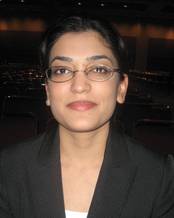
Potential advantages of totally endoscopic coronary artery bypass (TECAB) surgery, she said, include decreased infection rate, decreased need for blood transfusion, less postoperative pain, and quicker recovery. Some of the potential disadvantages include intraoperative anesthetic challenges, limited patient access, and the requirement of unique surgical expertise.
To better determine the benefits and challenges of TECAB, Dr. Dhawan and her associates reviewed the medical charts of 107 patients who underwent the procedure from July 2007 to March 2009 at the University of Chicago Medical Center. One experienced surgeon and surgical assistant performed every case with one of six cardiac anesthesiologists. The patients were scheduled to undergo one- to four-vessel coronary artery bypass grafts.
The mean age of the patients was 55 years, and 26% were women, said Dr. Dhawan of the medical center’s department of anesthesia. Their mean EuroSCORE (European System for Cardiac Operative Risk Evaluation) was 3.26. Most patients (65%) fell into the low EuroSCORE risk category of 1-2, and 72% had three-vessel coronary disease. Previously published studies have focused on the use of robotic surgery in patients with single-vessel disease.
Dr. Dhawan reported that 28 patients (26%) had major morbidity/mortality (they defined major morbidity as acute renal failure, major blood transfusion, acute graft failure, death, emergent conversion, incomplete revascularization, and stroke). This included seven cases of incomplete revascularization, four elective conversions to thoracotomy, seven emergent conversions, nine cases of acute renal failure, three cases of acute postoperative graft failure, and four deaths.
The mean length of stay in the intensive care unit was 2.3 days, and the mean hospital length of stay was 4.8 days. A majority of patients (60%) were extubated within 24 hours after surgery.
The researchers compared their findings to predictions from the Society of Thoracic Surgeons (STS) Risk Calculator, an online tool that allows users to calculate a patient’s risk of mortality and other morbidities. In nearly every category, patients in the study fared worse than the STS Risk Calculator predicted, including risk of mortality (3.7% vs. 1.5%, respectively), rate of morbidity or mortality (15.9% vs. 10.8%, using the STS definition of major morbidity – stroke, renal failure, prolonged ventilation, reoperation, and deep sternal wound infection), rate of renal failure (8.4% vs. 2.6%), rate of permanent stroke (1.9% vs. 0.8%), and prolonged ventilation (9.3% vs. 6%). At the time of the presentation, the researchers had yet to complete their final statistical analysis, so their results reflected the overall trend.
Next, Dr. Dhawan and her associates compared the results with findings from two similar, previously published studies (J. Thorac. Cardiovasc. Surg. 2007;134:710-6 and Innovations 2008;3:52-8). "We found that our mortality rate was higher and that our conversion to emergent sternotomy was higher," she said. The discrepancy is likely due to the fact that the majority of patients in the previous studies "were getting single-bypass procedures, whereas in the current study, 72% were getting bypass procedures on more than one vessel," she said.
Dr. Dhawan said that she had no relevant financial disclosures.
SAN DIEGO - The application of totally endoscopic coronary artery bypass surgery for multivessel revascularization may increase morbidity and mortality, results from a 20-month single-center study showed.
"The future of robotic surgery remains controversial," Dr. Richa Dhawan said at the annual meeting of the Society of Thoracic Surgeons. "Previous studies have shown that this technique is reasonable for healthy patients undergoing single-vessel revascularization."
Potential advantages of totally endoscopic coronary artery bypass (TECAB) surgery, she said, include decreased infection rate, decreased need for blood transfusion, less postoperative pain, and quicker recovery. Some of the potential disadvantages include intraoperative anesthetic challenges, limited patient access, and the requirement of unique surgical expertise.
To better determine the benefits and challenges of TECAB, Dr. Dhawan and her associates reviewed the medical charts of 107 patients who underwent the procedure from July 2007 to March 2009 at the University of Chicago Medical Center. One experienced surgeon and surgical assistant performed every case with one of six cardiac anesthesiologists. The patients were scheduled to undergo one- to four-vessel coronary artery bypass grafts.
The mean age of the patients was 55 years, and 26% were women, said Dr. Dhawan of the medical center’s department of anesthesia. Their mean EuroSCORE (European System for Cardiac Operative Risk Evaluation) was 3.26. Most patients (65%) fell into the low EuroSCORE risk category of 1-2, and 72% had three-vessel coronary disease. Previously published studies have focused on the use of robotic surgery in patients with single-vessel disease.
Dr. Dhawan reported that 28 patients (26%) had major morbidity/mortality (they defined major morbidity as acute renal failure, major blood transfusion, acute graft failure, death, emergent conversion, incomplete revascularization, and stroke). This included seven cases of incomplete revascularization, four elective conversions to thoracotomy, seven emergent conversions, nine cases of acute renal failure, three cases of acute postoperative graft failure, and four deaths.
The mean length of stay in the intensive care unit was 2.3 days, and the mean hospital length of stay was 4.8 days. A majority of patients (60%) were extubated within 24 hours after surgery.
The researchers compared their findings to predictions from the Society of Thoracic Surgeons (STS) Risk Calculator, an online tool that allows users to calculate a patient’s risk of mortality and other morbidities. In nearly every category, patients in the study fared worse than the STS Risk Calculator predicted, including risk of mortality (3.7% vs. 1.5%, respectively), rate of morbidity or mortality (15.9% vs. 10.8%, using the STS definition of major morbidity – stroke, renal failure, prolonged ventilation, reoperation, and deep sternal wound infection), rate of renal failure (8.4% vs. 2.6%), rate of permanent stroke (1.9% vs. 0.8%), and prolonged ventilation (9.3% vs. 6%). At the time of the presentation, the researchers had yet to complete their final statistical analysis, so their results reflected the overall trend.
Next, Dr. Dhawan and her associates compared the results with findings from two similar, previously published studies (J. Thorac. Cardiovasc. Surg. 2007;134:710-6 and Innovations 2008;3:52-8). "We found that our mortality rate was higher and that our conversion to emergent sternotomy was higher," she said. The discrepancy is likely due to the fact that the majority of patients in the previous studies "were getting single-bypass procedures, whereas in the current study, 72% were getting bypass procedures on more than one vessel," she said.
Dr. Dhawan said that she had no relevant financial disclosures.
SAN DIEGO - The application of totally endoscopic coronary artery bypass surgery for multivessel revascularization may increase morbidity and mortality, results from a 20-month single-center study showed.
"The future of robotic surgery remains controversial," Dr. Richa Dhawan said at the annual meeting of the Society of Thoracic Surgeons. "Previous studies have shown that this technique is reasonable for healthy patients undergoing single-vessel revascularization."
Potential advantages of totally endoscopic coronary artery bypass (TECAB) surgery, she said, include decreased infection rate, decreased need for blood transfusion, less postoperative pain, and quicker recovery. Some of the potential disadvantages include intraoperative anesthetic challenges, limited patient access, and the requirement of unique surgical expertise.
To better determine the benefits and challenges of TECAB, Dr. Dhawan and her associates reviewed the medical charts of 107 patients who underwent the procedure from July 2007 to March 2009 at the University of Chicago Medical Center. One experienced surgeon and surgical assistant performed every case with one of six cardiac anesthesiologists. The patients were scheduled to undergo one- to four-vessel coronary artery bypass grafts.
The mean age of the patients was 55 years, and 26% were women, said Dr. Dhawan of the medical center’s department of anesthesia. Their mean EuroSCORE (European System for Cardiac Operative Risk Evaluation) was 3.26. Most patients (65%) fell into the low EuroSCORE risk category of 1-2, and 72% had three-vessel coronary disease. Previously published studies have focused on the use of robotic surgery in patients with single-vessel disease.
Dr. Dhawan reported that 28 patients (26%) had major morbidity/mortality (they defined major morbidity as acute renal failure, major blood transfusion, acute graft failure, death, emergent conversion, incomplete revascularization, and stroke). This included seven cases of incomplete revascularization, four elective conversions to thoracotomy, seven emergent conversions, nine cases of acute renal failure, three cases of acute postoperative graft failure, and four deaths.
The mean length of stay in the intensive care unit was 2.3 days, and the mean hospital length of stay was 4.8 days. A majority of patients (60%) were extubated within 24 hours after surgery.
The researchers compared their findings to predictions from the Society of Thoracic Surgeons (STS) Risk Calculator, an online tool that allows users to calculate a patient’s risk of mortality and other morbidities. In nearly every category, patients in the study fared worse than the STS Risk Calculator predicted, including risk of mortality (3.7% vs. 1.5%, respectively), rate of morbidity or mortality (15.9% vs. 10.8%, using the STS definition of major morbidity – stroke, renal failure, prolonged ventilation, reoperation, and deep sternal wound infection), rate of renal failure (8.4% vs. 2.6%), rate of permanent stroke (1.9% vs. 0.8%), and prolonged ventilation (9.3% vs. 6%). At the time of the presentation, the researchers had yet to complete their final statistical analysis, so their results reflected the overall trend.
Next, Dr. Dhawan and her associates compared the results with findings from two similar, previously published studies (J. Thorac. Cardiovasc. Surg. 2007;134:710-6 and Innovations 2008;3:52-8). "We found that our mortality rate was higher and that our conversion to emergent sternotomy was higher," she said. The discrepancy is likely due to the fact that the majority of patients in the previous studies "were getting single-bypass procedures, whereas in the current study, 72% were getting bypass procedures on more than one vessel," she said.
Dr. Dhawan said that she had no relevant financial disclosures.
FROM THE ANNUAL MEETING OF THE SOCIETY OF THORACIC SURGEONS
Major Finding: Patients who underwent multivessel revascularization with TECAB surgery fared worse, compared with what the Society of Thoracic Surgeons Risk Calculator predicted, including risk of mortality (3.7% vs. 1.5%, respectively) and rate of morbidity or mortality (15.9% vs. 10.8%).
Data Source: A single-center review of 107 patients who underwent TECAB.
Disclosures: Dr. Dhawan said that she had no relevant financial disclosures.
TECAB Found to Increase Morbidity in Multivessel Disease
SAN DIEGO - The application of totally endoscopic coronary artery bypass surgery for multivessel revascularization may increase morbidity and mortality, results from a 20-month single-center study showed.
"The future of robotic surgery remains controversial," Dr. Richa Dhawan said at the annual meeting of the Society of Thoracic Surgeons. "Previous studies have shown that this technique is reasonable for healthy patients undergoing single-vessel revascularization."
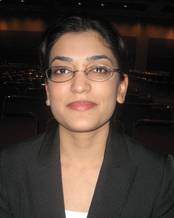
Potential advantages of totally endoscopic coronary artery bypass (TECAB) surgery, she said, include decreased infection rate, decreased need for blood transfusion, less postoperative pain, and quicker recovery. Some of the potential disadvantages include intraoperative anesthetic challenges, limited patient access, and the requirement of unique surgical expertise.
To better determine the benefits and challenges of TECAB, Dr. Dhawan and her associates reviewed the medical charts of 107 patients who underwent the procedure from July 2007 to March 2009 at the University of Chicago Medical Center. One experienced surgeon and surgical assistant performed every case with one of six cardiac anesthesiologists. The patients were scheduled to undergo one- to four-vessel coronary artery bypass grafts.
The mean age of the patients was 55 years, and 26% were women, said Dr. Dhawan of the medical center’s department of anesthesia. Their mean EuroSCORE (European System for Cardiac Operative Risk Evaluation) was 3.26. Most patients (65%) fell into the low EuroSCORE risk category of 1-2, and 72% had three-vessel coronary disease. Previously published studies have focused on the use of robotic surgery in patients with single-vessel disease.
Dr. Dhawan reported that 28 patients (26%) had major morbidity/mortality (they defined major morbidity as acute renal failure, major blood transfusion, acute graft failure, death, emergent conversion, incomplete revascularization, and stroke). This included seven cases of incomplete revascularization, four elective conversions to thoracotomy, seven emergent conversions, nine cases of acute renal failure, three cases of acute postoperative graft failure, and four deaths.
The mean length of stay in the intensive care unit was 2.3 days, and the mean hospital length of stay was 4.8 days. A majority of patients (60%) were extubated within 24 hours after surgery.
The researchers compared their findings to predictions from the Society of Thoracic Surgeons (STS) Risk Calculator, an online tool that allows users to calculate a patient’s risk of mortality and other morbidities. In nearly every category, patients in the study fared worse than the STS Risk Calculator predicted, including risk of mortality (3.7% vs. 1.5%, respectively), rate of morbidity or mortality (15.9% vs. 10.8%, using the STS definition of major morbidity – stroke, renal failure, prolonged ventilation, reoperation, and deep sternal wound infection), rate of renal failure (8.4% vs. 2.6%), rate of permanent stroke (1.9% vs. 0.8%), and prolonged ventilation (9.3% vs. 6%). At the time of the presentation, the researchers had yet to complete their final statistical analysis, so their results reflected the overall trend.
Next, Dr. Dhawan and her associates compared the results with findings from two similar, previously published studies (J. Thorac. Cardiovasc. Surg. 2007;134:710-6 and Innovations 2008;3:52-8). "We found that our mortality rate was higher and that our conversion to emergent sternotomy was higher," she said. The discrepancy is likely due to the fact that the majority of patients in the previous studies "were getting single-bypass procedures, whereas in the current study, 72% were getting bypass procedures on more than one vessel," she said.
Dr. Dhawan said that she had no relevant financial disclosures.
SAN DIEGO - The application of totally endoscopic coronary artery bypass surgery for multivessel revascularization may increase morbidity and mortality, results from a 20-month single-center study showed.
"The future of robotic surgery remains controversial," Dr. Richa Dhawan said at the annual meeting of the Society of Thoracic Surgeons. "Previous studies have shown that this technique is reasonable for healthy patients undergoing single-vessel revascularization."
Potential advantages of totally endoscopic coronary artery bypass (TECAB) surgery, she said, include decreased infection rate, decreased need for blood transfusion, less postoperative pain, and quicker recovery. Some of the potential disadvantages include intraoperative anesthetic challenges, limited patient access, and the requirement of unique surgical expertise.
To better determine the benefits and challenges of TECAB, Dr. Dhawan and her associates reviewed the medical charts of 107 patients who underwent the procedure from July 2007 to March 2009 at the University of Chicago Medical Center. One experienced surgeon and surgical assistant performed every case with one of six cardiac anesthesiologists. The patients were scheduled to undergo one- to four-vessel coronary artery bypass grafts.
The mean age of the patients was 55 years, and 26% were women, said Dr. Dhawan of the medical center’s department of anesthesia. Their mean EuroSCORE (European System for Cardiac Operative Risk Evaluation) was 3.26. Most patients (65%) fell into the low EuroSCORE risk category of 1-2, and 72% had three-vessel coronary disease. Previously published studies have focused on the use of robotic surgery in patients with single-vessel disease.
Dr. Dhawan reported that 28 patients (26%) had major morbidity/mortality (they defined major morbidity as acute renal failure, major blood transfusion, acute graft failure, death, emergent conversion, incomplete revascularization, and stroke). This included seven cases of incomplete revascularization, four elective conversions to thoracotomy, seven emergent conversions, nine cases of acute renal failure, three cases of acute postoperative graft failure, and four deaths.
The mean length of stay in the intensive care unit was 2.3 days, and the mean hospital length of stay was 4.8 days. A majority of patients (60%) were extubated within 24 hours after surgery.
The researchers compared their findings to predictions from the Society of Thoracic Surgeons (STS) Risk Calculator, an online tool that allows users to calculate a patient’s risk of mortality and other morbidities. In nearly every category, patients in the study fared worse than the STS Risk Calculator predicted, including risk of mortality (3.7% vs. 1.5%, respectively), rate of morbidity or mortality (15.9% vs. 10.8%, using the STS definition of major morbidity – stroke, renal failure, prolonged ventilation, reoperation, and deep sternal wound infection), rate of renal failure (8.4% vs. 2.6%), rate of permanent stroke (1.9% vs. 0.8%), and prolonged ventilation (9.3% vs. 6%). At the time of the presentation, the researchers had yet to complete their final statistical analysis, so their results reflected the overall trend.
Next, Dr. Dhawan and her associates compared the results with findings from two similar, previously published studies (J. Thorac. Cardiovasc. Surg. 2007;134:710-6 and Innovations 2008;3:52-8). "We found that our mortality rate was higher and that our conversion to emergent sternotomy was higher," she said. The discrepancy is likely due to the fact that the majority of patients in the previous studies "were getting single-bypass procedures, whereas in the current study, 72% were getting bypass procedures on more than one vessel," she said.
Dr. Dhawan said that she had no relevant financial disclosures.
SAN DIEGO - The application of totally endoscopic coronary artery bypass surgery for multivessel revascularization may increase morbidity and mortality, results from a 20-month single-center study showed.
"The future of robotic surgery remains controversial," Dr. Richa Dhawan said at the annual meeting of the Society of Thoracic Surgeons. "Previous studies have shown that this technique is reasonable for healthy patients undergoing single-vessel revascularization."
Potential advantages of totally endoscopic coronary artery bypass (TECAB) surgery, she said, include decreased infection rate, decreased need for blood transfusion, less postoperative pain, and quicker recovery. Some of the potential disadvantages include intraoperative anesthetic challenges, limited patient access, and the requirement of unique surgical expertise.
To better determine the benefits and challenges of TECAB, Dr. Dhawan and her associates reviewed the medical charts of 107 patients who underwent the procedure from July 2007 to March 2009 at the University of Chicago Medical Center. One experienced surgeon and surgical assistant performed every case with one of six cardiac anesthesiologists. The patients were scheduled to undergo one- to four-vessel coronary artery bypass grafts.
The mean age of the patients was 55 years, and 26% were women, said Dr. Dhawan of the medical center’s department of anesthesia. Their mean EuroSCORE (European System for Cardiac Operative Risk Evaluation) was 3.26. Most patients (65%) fell into the low EuroSCORE risk category of 1-2, and 72% had three-vessel coronary disease. Previously published studies have focused on the use of robotic surgery in patients with single-vessel disease.
Dr. Dhawan reported that 28 patients (26%) had major morbidity/mortality (they defined major morbidity as acute renal failure, major blood transfusion, acute graft failure, death, emergent conversion, incomplete revascularization, and stroke). This included seven cases of incomplete revascularization, four elective conversions to thoracotomy, seven emergent conversions, nine cases of acute renal failure, three cases of acute postoperative graft failure, and four deaths.
The mean length of stay in the intensive care unit was 2.3 days, and the mean hospital length of stay was 4.8 days. A majority of patients (60%) were extubated within 24 hours after surgery.
The researchers compared their findings to predictions from the Society of Thoracic Surgeons (STS) Risk Calculator, an online tool that allows users to calculate a patient’s risk of mortality and other morbidities. In nearly every category, patients in the study fared worse than the STS Risk Calculator predicted, including risk of mortality (3.7% vs. 1.5%, respectively), rate of morbidity or mortality (15.9% vs. 10.8%, using the STS definition of major morbidity – stroke, renal failure, prolonged ventilation, reoperation, and deep sternal wound infection), rate of renal failure (8.4% vs. 2.6%), rate of permanent stroke (1.9% vs. 0.8%), and prolonged ventilation (9.3% vs. 6%). At the time of the presentation, the researchers had yet to complete their final statistical analysis, so their results reflected the overall trend.
Next, Dr. Dhawan and her associates compared the results with findings from two similar, previously published studies (J. Thorac. Cardiovasc. Surg. 2007;134:710-6 and Innovations 2008;3:52-8). "We found that our mortality rate was higher and that our conversion to emergent sternotomy was higher," she said. The discrepancy is likely due to the fact that the majority of patients in the previous studies "were getting single-bypass procedures, whereas in the current study, 72% were getting bypass procedures on more than one vessel," she said.
Dr. Dhawan said that she had no relevant financial disclosures.
FROM THE ANNUAL MEETING OF THE SOCIETY OF THORACIC SURGEONS
TECAB Found to Increase Morbidity in Multivessel Disease
SAN DIEGO - The application of totally endoscopic coronary artery bypass surgery for multivessel revascularization may increase morbidity and mortality, results from a 20-month single-center study showed.
"The future of robotic surgery remains controversial," Dr. Richa Dhawan said at the annual meeting of the Society of Thoracic Surgeons. "Previous studies have shown that this technique is reasonable for healthy patients undergoing single-vessel revascularization."
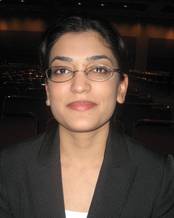
Potential advantages of totally endoscopic coronary artery bypass (TECAB) surgery, she said, include decreased infection rate, decreased need for blood transfusion, less postoperative pain, and quicker recovery. Some of the potential disadvantages include intraoperative anesthetic challenges, limited patient access, and the requirement of unique surgical expertise.
To better determine the benefits and challenges of TECAB, Dr. Dhawan and her associates reviewed the medical charts of 107 patients who underwent the procedure from July 2007 to March 2009 at the University of Chicago Medical Center. One experienced surgeon and surgical assistant performed every case with one of six cardiac anesthesiologists. The patients were scheduled to undergo one- to four-vessel coronary artery bypass grafts.
The mean age of the patients was 55 years, and 26% were women, said Dr. Dhawan of the medical center’s department of anesthesia. Their mean EuroSCORE (European System for Cardiac Operative Risk Evaluation) was 3.26. Most patients (65%) fell into the low EuroSCORE risk category of 1-2, and 72% had three-vessel coronary disease. Previously published studies have focused on the use of robotic surgery in patients with single-vessel disease.
Dr. Dhawan reported that 28 patients (26%) had major morbidity/mortality (they defined major morbidity as acute renal failure, major blood transfusion, acute graft failure, death, emergent conversion, incomplete revascularization, and stroke). This included seven cases of incomplete revascularization, four elective conversions to thoracotomy, seven emergent conversions, nine cases of acute renal failure, three cases of acute postoperative graft failure, and four deaths.
The mean length of stay in the intensive care unit was 2.3 days, and the mean hospital length of stay was 4.8 days. A majority of patients (60%) were extubated within 24 hours after surgery.
The researchers compared their findings to predictions from the Society of Thoracic Surgeons (STS) Risk Calculator, an online tool that allows users to calculate a patient’s risk of mortality and other morbidities. In nearly every category, patients in the study fared worse than the STS Risk Calculator predicted, including risk of mortality (3.7% vs. 1.5%, respectively), rate of morbidity or mortality (15.9% vs. 10.8%, using the STS definition of major morbidity – stroke, renal failure, prolonged ventilation, reoperation, and deep sternal wound infection), rate of renal failure (8.4% vs. 2.6%), rate of permanent stroke (1.9% vs. 0.8%), and prolonged ventilation (9.3% vs. 6%). At the time of the presentation, the researchers had yet to complete their final statistical analysis, so their results reflected the overall trend.
Next, Dr. Dhawan and her associates compared the results with findings from two similar, previously published studies (J. Thorac. Cardiovasc. Surg. 2007;134:710-6 and Innovations 2008;3:52-8). "We found that our mortality rate was higher and that our conversion to emergent sternotomy was higher," she said. The discrepancy is likely due to the fact that the majority of patients in the previous studies "were getting single-bypass procedures, whereas in the current study, 72% were getting bypass procedures on more than one vessel," she said.
Dr. Dhawan said that she had no relevant financial disclosures.
SAN DIEGO - The application of totally endoscopic coronary artery bypass surgery for multivessel revascularization may increase morbidity and mortality, results from a 20-month single-center study showed.
"The future of robotic surgery remains controversial," Dr. Richa Dhawan said at the annual meeting of the Society of Thoracic Surgeons. "Previous studies have shown that this technique is reasonable for healthy patients undergoing single-vessel revascularization."
Potential advantages of totally endoscopic coronary artery bypass (TECAB) surgery, she said, include decreased infection rate, decreased need for blood transfusion, less postoperative pain, and quicker recovery. Some of the potential disadvantages include intraoperative anesthetic challenges, limited patient access, and the requirement of unique surgical expertise.
To better determine the benefits and challenges of TECAB, Dr. Dhawan and her associates reviewed the medical charts of 107 patients who underwent the procedure from July 2007 to March 2009 at the University of Chicago Medical Center. One experienced surgeon and surgical assistant performed every case with one of six cardiac anesthesiologists. The patients were scheduled to undergo one- to four-vessel coronary artery bypass grafts.
The mean age of the patients was 55 years, and 26% were women, said Dr. Dhawan of the medical center’s department of anesthesia. Their mean EuroSCORE (European System for Cardiac Operative Risk Evaluation) was 3.26. Most patients (65%) fell into the low EuroSCORE risk category of 1-2, and 72% had three-vessel coronary disease. Previously published studies have focused on the use of robotic surgery in patients with single-vessel disease.
Dr. Dhawan reported that 28 patients (26%) had major morbidity/mortality (they defined major morbidity as acute renal failure, major blood transfusion, acute graft failure, death, emergent conversion, incomplete revascularization, and stroke). This included seven cases of incomplete revascularization, four elective conversions to thoracotomy, seven emergent conversions, nine cases of acute renal failure, three cases of acute postoperative graft failure, and four deaths.
The mean length of stay in the intensive care unit was 2.3 days, and the mean hospital length of stay was 4.8 days. A majority of patients (60%) were extubated within 24 hours after surgery.
The researchers compared their findings to predictions from the Society of Thoracic Surgeons (STS) Risk Calculator, an online tool that allows users to calculate a patient’s risk of mortality and other morbidities. In nearly every category, patients in the study fared worse than the STS Risk Calculator predicted, including risk of mortality (3.7% vs. 1.5%, respectively), rate of morbidity or mortality (15.9% vs. 10.8%, using the STS definition of major morbidity – stroke, renal failure, prolonged ventilation, reoperation, and deep sternal wound infection), rate of renal failure (8.4% vs. 2.6%), rate of permanent stroke (1.9% vs. 0.8%), and prolonged ventilation (9.3% vs. 6%). At the time of the presentation, the researchers had yet to complete their final statistical analysis, so their results reflected the overall trend.
Next, Dr. Dhawan and her associates compared the results with findings from two similar, previously published studies (J. Thorac. Cardiovasc. Surg. 2007;134:710-6 and Innovations 2008;3:52-8). "We found that our mortality rate was higher and that our conversion to emergent sternotomy was higher," she said. The discrepancy is likely due to the fact that the majority of patients in the previous studies "were getting single-bypass procedures, whereas in the current study, 72% were getting bypass procedures on more than one vessel," she said.
Dr. Dhawan said that she had no relevant financial disclosures.
SAN DIEGO - The application of totally endoscopic coronary artery bypass surgery for multivessel revascularization may increase morbidity and mortality, results from a 20-month single-center study showed.
"The future of robotic surgery remains controversial," Dr. Richa Dhawan said at the annual meeting of the Society of Thoracic Surgeons. "Previous studies have shown that this technique is reasonable for healthy patients undergoing single-vessel revascularization."
Potential advantages of totally endoscopic coronary artery bypass (TECAB) surgery, she said, include decreased infection rate, decreased need for blood transfusion, less postoperative pain, and quicker recovery. Some of the potential disadvantages include intraoperative anesthetic challenges, limited patient access, and the requirement of unique surgical expertise.
To better determine the benefits and challenges of TECAB, Dr. Dhawan and her associates reviewed the medical charts of 107 patients who underwent the procedure from July 2007 to March 2009 at the University of Chicago Medical Center. One experienced surgeon and surgical assistant performed every case with one of six cardiac anesthesiologists. The patients were scheduled to undergo one- to four-vessel coronary artery bypass grafts.
The mean age of the patients was 55 years, and 26% were women, said Dr. Dhawan of the medical center’s department of anesthesia. Their mean EuroSCORE (European System for Cardiac Operative Risk Evaluation) was 3.26. Most patients (65%) fell into the low EuroSCORE risk category of 1-2, and 72% had three-vessel coronary disease. Previously published studies have focused on the use of robotic surgery in patients with single-vessel disease.
Dr. Dhawan reported that 28 patients (26%) had major morbidity/mortality (they defined major morbidity as acute renal failure, major blood transfusion, acute graft failure, death, emergent conversion, incomplete revascularization, and stroke). This included seven cases of incomplete revascularization, four elective conversions to thoracotomy, seven emergent conversions, nine cases of acute renal failure, three cases of acute postoperative graft failure, and four deaths.
The mean length of stay in the intensive care unit was 2.3 days, and the mean hospital length of stay was 4.8 days. A majority of patients (60%) were extubated within 24 hours after surgery.
The researchers compared their findings to predictions from the Society of Thoracic Surgeons (STS) Risk Calculator, an online tool that allows users to calculate a patient’s risk of mortality and other morbidities. In nearly every category, patients in the study fared worse than the STS Risk Calculator predicted, including risk of mortality (3.7% vs. 1.5%, respectively), rate of morbidity or mortality (15.9% vs. 10.8%, using the STS definition of major morbidity – stroke, renal failure, prolonged ventilation, reoperation, and deep sternal wound infection), rate of renal failure (8.4% vs. 2.6%), rate of permanent stroke (1.9% vs. 0.8%), and prolonged ventilation (9.3% vs. 6%). At the time of the presentation, the researchers had yet to complete their final statistical analysis, so their results reflected the overall trend.
Next, Dr. Dhawan and her associates compared the results with findings from two similar, previously published studies (J. Thorac. Cardiovasc. Surg. 2007;134:710-6 and Innovations 2008;3:52-8). "We found that our mortality rate was higher and that our conversion to emergent sternotomy was higher," she said. The discrepancy is likely due to the fact that the majority of patients in the previous studies "were getting single-bypass procedures, whereas in the current study, 72% were getting bypass procedures on more than one vessel," she said.
Dr. Dhawan said that she had no relevant financial disclosures.
FROM THE ANNUAL MEETING OF THE SOCIETY OF THORACIC SURGEONS
Major Finding: Patients who underwent multivessel revascularization with TECAB surgery fared worse, compared with what the Society of Thoracic Surgeons Risk Calculator predicted, including risk of mortality (3.7% vs. 1.5%, respectively) and rate of morbidity or mortality (15.9% vs. 10.8%).
Data Source: A single-center review of 107 patients who underwent TECAB.
Disclosures: Dr. Dhawan said that she had no relevant financial disclosures.
Survey Reveals Vena Cava Filter Practices, Patterns
SAN DIEGO – In the hands of experienced vascular surgeons, the use of retrievable inferior vena cava filters was less common than with other specialists, except in trauma or bariatric cases, and superior vena cava filter placement was very rare.
Those are two key findings from what is believed to be the first survey to questions vascular surgeons about vena cava filter (VCF) placement safety and practice patterns.
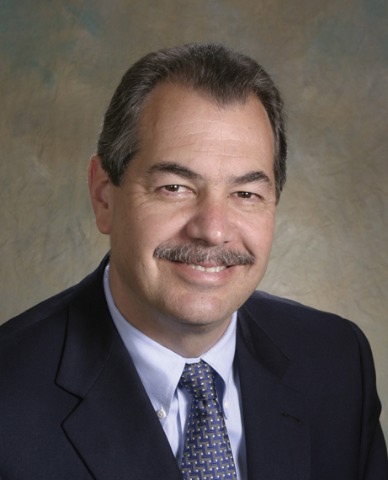
"VCF use has skyrocketed over the past 20 years with percutaneous insertion, low-profile retrievable devices, relative and prophylactic indications, and other interventionalists now placing filters," Dr. Mark Friedell said at the annual meeting of the American Venous Forum.
However, in August 2010 the Food and Drug Administration released a communication indicating that it had received 921 reports of adverse events with inferior vena cava (IVC) filters since 2005. The communication, which went out to implanting physicians and clinicians responsible for the ongoing care of patients with IVC filters, recommended that patients be referred for removal of retrievable filters when feasible and clinically indicated.
Dr. Friedell, director of surgical education for Orlando Health, and his associate, Dr. Peter Nelson, assistant professor of vascular surgery at the University of Florida, Gainesville, sent a 17-question survey about VCF practices to all 276 members of the Southern Association for Vascular Surgery, an organization composed exclusively of board-certified vascular surgeons. Of the 276 members, 126 responded, for a response rate of 46%.
When asked about the IVC, respondents cited the Greenfield filter as their preferred permanent device (31%), followed by a variety of retrievable devices. Half of the respondents said that they rarely placed retrievable filters, 26% said that they placed them selectively, and 24% said that they usually placed them. They cited the Bard as their preferred retrievable filter (45%).
Despite the fact that 52% and 46% of respondents placed vena cava filters in trauma and bariatric patients, respectively, filters were placed for prophylactic indications less than 50% of the time by 63% of respondents.
When asked how often they removed retrievable filters, 64% estimated that they did so less than 25% of the time and 78% estimated that they did so less than 50% of the time.
There were few major complications, including one case of atrial perforation and one case of migration to the heart. There were also 12 cases of IVC thrombosis (4 with TrapEase filters); 3 cases of strut emboli (all Bard filters), and 9 cases of severe tilting (eight Bard filters).
"Experienced vascular surgeons appear more conservative with filter use in the management of venous thromboembolism than other specialists, because there are fewer retrievable and more permanent filters placed, fewer prophylactic filters except in trauma and bariatrics, and probably fewer filters placed altogether," Dr. Friedell said. "The interest in retrievable filters reflects a preference for a low-profile, potentially removable device. However, retrievable filter removal is uncommon, both in the literature and in the [Southern Association for Vascular Surgery] experience."
Until more experience is accrued with retrievable devices – particularly since the removal rate is low – he said that "they should not be used as permanent filters, and they should be removed as soon as possible. Ideally, filters should be placed by those who can provide complete care to the VTE patient, including the management of anticoagulation."
Dr. Friedell said that he had no relevant financial disclosures.
SAN DIEGO – In the hands of experienced vascular surgeons, the use of retrievable inferior vena cava filters was less common than with other specialists, except in trauma or bariatric cases, and superior vena cava filter placement was very rare.
Those are two key findings from what is believed to be the first survey to questions vascular surgeons about vena cava filter (VCF) placement safety and practice patterns.
"VCF use has skyrocketed over the past 20 years with percutaneous insertion, low-profile retrievable devices, relative and prophylactic indications, and other interventionalists now placing filters," Dr. Mark Friedell said at the annual meeting of the American Venous Forum.
However, in August 2010 the Food and Drug Administration released a communication indicating that it had received 921 reports of adverse events with inferior vena cava (IVC) filters since 2005. The communication, which went out to implanting physicians and clinicians responsible for the ongoing care of patients with IVC filters, recommended that patients be referred for removal of retrievable filters when feasible and clinically indicated.
Dr. Friedell, director of surgical education for Orlando Health, and his associate, Dr. Peter Nelson, assistant professor of vascular surgery at the University of Florida, Gainesville, sent a 17-question survey about VCF practices to all 276 members of the Southern Association for Vascular Surgery, an organization composed exclusively of board-certified vascular surgeons. Of the 276 members, 126 responded, for a response rate of 46%.
When asked about the IVC, respondents cited the Greenfield filter as their preferred permanent device (31%), followed by a variety of retrievable devices. Half of the respondents said that they rarely placed retrievable filters, 26% said that they placed them selectively, and 24% said that they usually placed them. They cited the Bard as their preferred retrievable filter (45%).
Despite the fact that 52% and 46% of respondents placed vena cava filters in trauma and bariatric patients, respectively, filters were placed for prophylactic indications less than 50% of the time by 63% of respondents.
When asked how often they removed retrievable filters, 64% estimated that they did so less than 25% of the time and 78% estimated that they did so less than 50% of the time.
There were few major complications, including one case of atrial perforation and one case of migration to the heart. There were also 12 cases of IVC thrombosis (4 with TrapEase filters); 3 cases of strut emboli (all Bard filters), and 9 cases of severe tilting (eight Bard filters).
"Experienced vascular surgeons appear more conservative with filter use in the management of venous thromboembolism than other specialists, because there are fewer retrievable and more permanent filters placed, fewer prophylactic filters except in trauma and bariatrics, and probably fewer filters placed altogether," Dr. Friedell said. "The interest in retrievable filters reflects a preference for a low-profile, potentially removable device. However, retrievable filter removal is uncommon, both in the literature and in the [Southern Association for Vascular Surgery] experience."
Until more experience is accrued with retrievable devices – particularly since the removal rate is low – he said that "they should not be used as permanent filters, and they should be removed as soon as possible. Ideally, filters should be placed by those who can provide complete care to the VTE patient, including the management of anticoagulation."
Dr. Friedell said that he had no relevant financial disclosures.
SAN DIEGO – In the hands of experienced vascular surgeons, the use of retrievable inferior vena cava filters was less common than with other specialists, except in trauma or bariatric cases, and superior vena cava filter placement was very rare.
Those are two key findings from what is believed to be the first survey to questions vascular surgeons about vena cava filter (VCF) placement safety and practice patterns.
"VCF use has skyrocketed over the past 20 years with percutaneous insertion, low-profile retrievable devices, relative and prophylactic indications, and other interventionalists now placing filters," Dr. Mark Friedell said at the annual meeting of the American Venous Forum.
However, in August 2010 the Food and Drug Administration released a communication indicating that it had received 921 reports of adverse events with inferior vena cava (IVC) filters since 2005. The communication, which went out to implanting physicians and clinicians responsible for the ongoing care of patients with IVC filters, recommended that patients be referred for removal of retrievable filters when feasible and clinically indicated.
Dr. Friedell, director of surgical education for Orlando Health, and his associate, Dr. Peter Nelson, assistant professor of vascular surgery at the University of Florida, Gainesville, sent a 17-question survey about VCF practices to all 276 members of the Southern Association for Vascular Surgery, an organization composed exclusively of board-certified vascular surgeons. Of the 276 members, 126 responded, for a response rate of 46%.
When asked about the IVC, respondents cited the Greenfield filter as their preferred permanent device (31%), followed by a variety of retrievable devices. Half of the respondents said that they rarely placed retrievable filters, 26% said that they placed them selectively, and 24% said that they usually placed them. They cited the Bard as their preferred retrievable filter (45%).
Despite the fact that 52% and 46% of respondents placed vena cava filters in trauma and bariatric patients, respectively, filters were placed for prophylactic indications less than 50% of the time by 63% of respondents.
When asked how often they removed retrievable filters, 64% estimated that they did so less than 25% of the time and 78% estimated that they did so less than 50% of the time.
There were few major complications, including one case of atrial perforation and one case of migration to the heart. There were also 12 cases of IVC thrombosis (4 with TrapEase filters); 3 cases of strut emboli (all Bard filters), and 9 cases of severe tilting (eight Bard filters).
"Experienced vascular surgeons appear more conservative with filter use in the management of venous thromboembolism than other specialists, because there are fewer retrievable and more permanent filters placed, fewer prophylactic filters except in trauma and bariatrics, and probably fewer filters placed altogether," Dr. Friedell said. "The interest in retrievable filters reflects a preference for a low-profile, potentially removable device. However, retrievable filter removal is uncommon, both in the literature and in the [Southern Association for Vascular Surgery] experience."
Until more experience is accrued with retrievable devices – particularly since the removal rate is low – he said that "they should not be used as permanent filters, and they should be removed as soon as possible. Ideally, filters should be placed by those who can provide complete care to the VTE patient, including the management of anticoagulation."
Dr. Friedell said that he had no relevant financial disclosures.
FROM THE ANNUAL MEETING OF THE AMERICAN VENOUS FORUM
Major Finding: More than half of vascular surgeons (63%) reported placing vena cava filters for prophylactic indications less than 50% of the time. However, 52% reported placing the filters in trauma patients and 46% reported placing them in bariatric patients.
Data Source: Survey responses from 126 members of the Southern Association for Vascular Surgery.
Disclosures: Dr. Friedell said that he had no relevant financial conflicts to disclose.
Survey Reveals Vena Cava Filter Practices, Patterns
SAN DIEGO – In the hands of experienced vascular surgeons, the use of retrievable inferior vena cava filters was less common than with other specialists, except in trauma or bariatric cases, and superior vena cava filter placement was very rare.
Those are two key findings from what is believed to be the first survey to questions vascular surgeons about vena cava filter (VCF) placement safety and practice patterns.
"VCF use has skyrocketed over the past 20 years with percutaneous insertion, low-profile retrievable devices, relative and prophylactic indications, and other interventionalists now placing filters," Dr. Mark Friedell said at the annual meeting of the American Venous Forum.
However, in August 2010 the Food and Drug Administration released a communication indicating that it had received 921 reports of adverse events with inferior vena cava (IVC) filters since 2005. The communication, which went out to implanting physicians and clinicians responsible for the ongoing care of patients with IVC filters, recommended that patients be referred for removal of retrievable filters when feasible and clinically indicated.
Dr. Friedell, director of surgical education for Orlando Health, and his associate, Dr. Peter Nelson, assistant professor of vascular surgery at the University of Florida, Gainesville, sent a 17-question survey about VCF practices to all 276 members of the Southern Association for Vascular Surgery, an organization composed exclusively of board-certified vascular surgeons. Of the 276 members, 126 responded, for a response rate of 46%.
When asked about the IVC, respondents cited the Greenfield filter as their preferred permanent device (31%), followed by a variety of retrievable devices. Half of the respondents said that they rarely placed retrievable filters, 26% said that they placed them selectively, and 24% said that they usually placed them. They cited the Bard as their preferred retrievable filter (45%).
Despite the fact that 52% and 46% of respondents placed vena cava filters in trauma and bariatric patients, respectively, filters were placed for prophylactic indications less than 50% of the time by 63% of respondents.
When asked how often they removed retrievable filters, 64% estimated that they did so less than 25% of the time and 78% estimated that they did so less than 50% of the time.
There were few major complications, including one case of atrial perforation and one case of migration to the heart. There were also 12 cases of IVC thrombosis (4 with TrapEase filters); 3 cases of strut emboli (all Bard filters), and 9 cases of severe tilting (eight Bard filters).
"Experienced vascular surgeons appear more conservative with filter use in the management of venous thromboembolism than other specialists, because there are fewer retrievable and more permanent filters placed, fewer prophylactic filters except in trauma and bariatrics, and probably fewer filters placed altogether," Dr. Friedell said. "The interest in retrievable filters reflects a preference for a low-profile, potentially removable device. However, retrievable filter removal is uncommon, both in the literature and in the [Southern Association for Vascular Surgery] experience."
Until more experience is accrued with retrievable devices – particularly since the removal rate is low – he said that "they should not be used as permanent filters, and they should be removed as soon as possible. Ideally, filters should be placed by those who can provide complete care to the VTE patient, including the management of anticoagulation."
Dr. Friedell said that he had no relevant financial disclosures.
SAN DIEGO – In the hands of experienced vascular surgeons, the use of retrievable inferior vena cava filters was less common than with other specialists, except in trauma or bariatric cases, and superior vena cava filter placement was very rare.
Those are two key findings from what is believed to be the first survey to questions vascular surgeons about vena cava filter (VCF) placement safety and practice patterns.
"VCF use has skyrocketed over the past 20 years with percutaneous insertion, low-profile retrievable devices, relative and prophylactic indications, and other interventionalists now placing filters," Dr. Mark Friedell said at the annual meeting of the American Venous Forum.
However, in August 2010 the Food and Drug Administration released a communication indicating that it had received 921 reports of adverse events with inferior vena cava (IVC) filters since 2005. The communication, which went out to implanting physicians and clinicians responsible for the ongoing care of patients with IVC filters, recommended that patients be referred for removal of retrievable filters when feasible and clinically indicated.
Dr. Friedell, director of surgical education for Orlando Health, and his associate, Dr. Peter Nelson, assistant professor of vascular surgery at the University of Florida, Gainesville, sent a 17-question survey about VCF practices to all 276 members of the Southern Association for Vascular Surgery, an organization composed exclusively of board-certified vascular surgeons. Of the 276 members, 126 responded, for a response rate of 46%.
When asked about the IVC, respondents cited the Greenfield filter as their preferred permanent device (31%), followed by a variety of retrievable devices. Half of the respondents said that they rarely placed retrievable filters, 26% said that they placed them selectively, and 24% said that they usually placed them. They cited the Bard as their preferred retrievable filter (45%).
Despite the fact that 52% and 46% of respondents placed vena cava filters in trauma and bariatric patients, respectively, filters were placed for prophylactic indications less than 50% of the time by 63% of respondents.
When asked how often they removed retrievable filters, 64% estimated that they did so less than 25% of the time and 78% estimated that they did so less than 50% of the time.
There were few major complications, including one case of atrial perforation and one case of migration to the heart. There were also 12 cases of IVC thrombosis (4 with TrapEase filters); 3 cases of strut emboli (all Bard filters), and 9 cases of severe tilting (eight Bard filters).
"Experienced vascular surgeons appear more conservative with filter use in the management of venous thromboembolism than other specialists, because there are fewer retrievable and more permanent filters placed, fewer prophylactic filters except in trauma and bariatrics, and probably fewer filters placed altogether," Dr. Friedell said. "The interest in retrievable filters reflects a preference for a low-profile, potentially removable device. However, retrievable filter removal is uncommon, both in the literature and in the [Southern Association for Vascular Surgery] experience."
Until more experience is accrued with retrievable devices – particularly since the removal rate is low – he said that "they should not be used as permanent filters, and they should be removed as soon as possible. Ideally, filters should be placed by those who can provide complete care to the VTE patient, including the management of anticoagulation."
Dr. Friedell said that he had no relevant financial disclosures.
SAN DIEGO – In the hands of experienced vascular surgeons, the use of retrievable inferior vena cava filters was less common than with other specialists, except in trauma or bariatric cases, and superior vena cava filter placement was very rare.
Those are two key findings from what is believed to be the first survey to questions vascular surgeons about vena cava filter (VCF) placement safety and practice patterns.
"VCF use has skyrocketed over the past 20 years with percutaneous insertion, low-profile retrievable devices, relative and prophylactic indications, and other interventionalists now placing filters," Dr. Mark Friedell said at the annual meeting of the American Venous Forum.
However, in August 2010 the Food and Drug Administration released a communication indicating that it had received 921 reports of adverse events with inferior vena cava (IVC) filters since 2005. The communication, which went out to implanting physicians and clinicians responsible for the ongoing care of patients with IVC filters, recommended that patients be referred for removal of retrievable filters when feasible and clinically indicated.
Dr. Friedell, director of surgical education for Orlando Health, and his associate, Dr. Peter Nelson, assistant professor of vascular surgery at the University of Florida, Gainesville, sent a 17-question survey about VCF practices to all 276 members of the Southern Association for Vascular Surgery, an organization composed exclusively of board-certified vascular surgeons. Of the 276 members, 126 responded, for a response rate of 46%.
When asked about the IVC, respondents cited the Greenfield filter as their preferred permanent device (31%), followed by a variety of retrievable devices. Half of the respondents said that they rarely placed retrievable filters, 26% said that they placed them selectively, and 24% said that they usually placed them. They cited the Bard as their preferred retrievable filter (45%).
Despite the fact that 52% and 46% of respondents placed vena cava filters in trauma and bariatric patients, respectively, filters were placed for prophylactic indications less than 50% of the time by 63% of respondents.
When asked how often they removed retrievable filters, 64% estimated that they did so less than 25% of the time and 78% estimated that they did so less than 50% of the time.
There were few major complications, including one case of atrial perforation and one case of migration to the heart. There were also 12 cases of IVC thrombosis (4 with TrapEase filters); 3 cases of strut emboli (all Bard filters), and 9 cases of severe tilting (eight Bard filters).
"Experienced vascular surgeons appear more conservative with filter use in the management of venous thromboembolism than other specialists, because there are fewer retrievable and more permanent filters placed, fewer prophylactic filters except in trauma and bariatrics, and probably fewer filters placed altogether," Dr. Friedell said. "The interest in retrievable filters reflects a preference for a low-profile, potentially removable device. However, retrievable filter removal is uncommon, both in the literature and in the [Southern Association for Vascular Surgery] experience."
Until more experience is accrued with retrievable devices – particularly since the removal rate is low – he said that "they should not be used as permanent filters, and they should be removed as soon as possible. Ideally, filters should be placed by those who can provide complete care to the VTE patient, including the management of anticoagulation."
Dr. Friedell said that he had no relevant financial disclosures.
FROM THE ANNUAL MEETING OF THE AMERICAN VENOUS FORUM
Survey Reveals Vena Cava Filter Practices, Patterns
SAN DIEGO – In the hands of experienced vascular surgeons, the use of retrievable inferior vena cava filters was less common than with other specialists, except in trauma or bariatric cases, and superior vena cava filter placement was very rare.
Those are two key findings from what is believed to be the first survey to questions vascular surgeons about vena cava filter (VCF) placement safety and practice patterns.
"VCF use has skyrocketed over the past 20 years with percutaneous insertion, low-profile retrievable devices, relative and prophylactic indications, and other interventionalists now placing filters," Dr. Mark Friedell said at the annual meeting of the American Venous Forum.
However, in August 2010 the Food and Drug Administration released a communication indicating that it had received 921 reports of adverse events with inferior vena cava (IVC) filters since 2005. The communication, which went out to implanting physicians and clinicians responsible for the ongoing care of patients with IVC filters, recommended that patients be referred for removal of retrievable filters when feasible and clinically indicated.
Dr. Friedell, director of surgical education for Orlando Health, and his associate, Dr. Peter Nelson, assistant professor of vascular surgery at the University of Florida, Gainesville, sent a 17-question survey about VCF practices to all 276 members of the Southern Association for Vascular Surgery, an organization composed exclusively of board-certified vascular surgeons. Of the 276 members, 126 responded, for a response rate of 46%.
When asked about the IVC, respondents cited the Greenfield filter as their preferred permanent device (31%), followed by a variety of retrievable devices. Half of the respondents said that they rarely placed retrievable filters, 26% said that they placed them selectively, and 24% said that they usually placed them. They cited the Bard as their preferred retrievable filter (45%).
Despite the fact that 52% and 46% of respondents placed vena cava filters in trauma and bariatric patients, respectively, filters were placed for prophylactic indications less than 50% of the time by 63% of respondents.
When asked how often they removed retrievable filters, 64% estimated that they did so less than 25% of the time and 78% estimated that they did so less than 50% of the time.
There were few major complications, including one case of atrial perforation and one case of migration to the heart. There were also 12 cases of IVC thrombosis (4 with TrapEase filters); 3 cases of strut emboli (all Bard filters), and 9 cases of severe tilting (eight Bard filters).
"Experienced vascular surgeons appear more conservative with filter use in the management of venous thromboembolism than other specialists, because there are fewer retrievable and more permanent filters placed, fewer prophylactic filters except in trauma and bariatrics, and probably fewer filters placed altogether," Dr. Friedell said. "The interest in retrievable filters reflects a preference for a low-profile, potentially removable device. However, retrievable filter removal is uncommon, both in the literature and in the [Southern Association for Vascular Surgery] experience."
Until more experience is accrued with retrievable devices – particularly since the removal rate is low – he said that "they should not be used as permanent filters, and they should be removed as soon as possible. Ideally, filters should be placed by those who can provide complete care to the VTE patient, including the management of anticoagulation."
Dr. Friedell said that he had no relevant financial disclosures.
SAN DIEGO – In the hands of experienced vascular surgeons, the use of retrievable inferior vena cava filters was less common than with other specialists, except in trauma or bariatric cases, and superior vena cava filter placement was very rare.
Those are two key findings from what is believed to be the first survey to questions vascular surgeons about vena cava filter (VCF) placement safety and practice patterns.
"VCF use has skyrocketed over the past 20 years with percutaneous insertion, low-profile retrievable devices, relative and prophylactic indications, and other interventionalists now placing filters," Dr. Mark Friedell said at the annual meeting of the American Venous Forum.
However, in August 2010 the Food and Drug Administration released a communication indicating that it had received 921 reports of adverse events with inferior vena cava (IVC) filters since 2005. The communication, which went out to implanting physicians and clinicians responsible for the ongoing care of patients with IVC filters, recommended that patients be referred for removal of retrievable filters when feasible and clinically indicated.
Dr. Friedell, director of surgical education for Orlando Health, and his associate, Dr. Peter Nelson, assistant professor of vascular surgery at the University of Florida, Gainesville, sent a 17-question survey about VCF practices to all 276 members of the Southern Association for Vascular Surgery, an organization composed exclusively of board-certified vascular surgeons. Of the 276 members, 126 responded, for a response rate of 46%.
When asked about the IVC, respondents cited the Greenfield filter as their preferred permanent device (31%), followed by a variety of retrievable devices. Half of the respondents said that they rarely placed retrievable filters, 26% said that they placed them selectively, and 24% said that they usually placed them. They cited the Bard as their preferred retrievable filter (45%).
Despite the fact that 52% and 46% of respondents placed vena cava filters in trauma and bariatric patients, respectively, filters were placed for prophylactic indications less than 50% of the time by 63% of respondents.
When asked how often they removed retrievable filters, 64% estimated that they did so less than 25% of the time and 78% estimated that they did so less than 50% of the time.
There were few major complications, including one case of atrial perforation and one case of migration to the heart. There were also 12 cases of IVC thrombosis (4 with TrapEase filters); 3 cases of strut emboli (all Bard filters), and 9 cases of severe tilting (eight Bard filters).
"Experienced vascular surgeons appear more conservative with filter use in the management of venous thromboembolism than other specialists, because there are fewer retrievable and more permanent filters placed, fewer prophylactic filters except in trauma and bariatrics, and probably fewer filters placed altogether," Dr. Friedell said. "The interest in retrievable filters reflects a preference for a low-profile, potentially removable device. However, retrievable filter removal is uncommon, both in the literature and in the [Southern Association for Vascular Surgery] experience."
Until more experience is accrued with retrievable devices – particularly since the removal rate is low – he said that "they should not be used as permanent filters, and they should be removed as soon as possible. Ideally, filters should be placed by those who can provide complete care to the VTE patient, including the management of anticoagulation."
Dr. Friedell said that he had no relevant financial disclosures.
SAN DIEGO – In the hands of experienced vascular surgeons, the use of retrievable inferior vena cava filters was less common than with other specialists, except in trauma or bariatric cases, and superior vena cava filter placement was very rare.
Those are two key findings from what is believed to be the first survey to questions vascular surgeons about vena cava filter (VCF) placement safety and practice patterns.
"VCF use has skyrocketed over the past 20 years with percutaneous insertion, low-profile retrievable devices, relative and prophylactic indications, and other interventionalists now placing filters," Dr. Mark Friedell said at the annual meeting of the American Venous Forum.
However, in August 2010 the Food and Drug Administration released a communication indicating that it had received 921 reports of adverse events with inferior vena cava (IVC) filters since 2005. The communication, which went out to implanting physicians and clinicians responsible for the ongoing care of patients with IVC filters, recommended that patients be referred for removal of retrievable filters when feasible and clinically indicated.
Dr. Friedell, director of surgical education for Orlando Health, and his associate, Dr. Peter Nelson, assistant professor of vascular surgery at the University of Florida, Gainesville, sent a 17-question survey about VCF practices to all 276 members of the Southern Association for Vascular Surgery, an organization composed exclusively of board-certified vascular surgeons. Of the 276 members, 126 responded, for a response rate of 46%.
When asked about the IVC, respondents cited the Greenfield filter as their preferred permanent device (31%), followed by a variety of retrievable devices. Half of the respondents said that they rarely placed retrievable filters, 26% said that they placed them selectively, and 24% said that they usually placed them. They cited the Bard as their preferred retrievable filter (45%).
Despite the fact that 52% and 46% of respondents placed vena cava filters in trauma and bariatric patients, respectively, filters were placed for prophylactic indications less than 50% of the time by 63% of respondents.
When asked how often they removed retrievable filters, 64% estimated that they did so less than 25% of the time and 78% estimated that they did so less than 50% of the time.
There were few major complications, including one case of atrial perforation and one case of migration to the heart. There were also 12 cases of IVC thrombosis (4 with TrapEase filters); 3 cases of strut emboli (all Bard filters), and 9 cases of severe tilting (eight Bard filters).
"Experienced vascular surgeons appear more conservative with filter use in the management of venous thromboembolism than other specialists, because there are fewer retrievable and more permanent filters placed, fewer prophylactic filters except in trauma and bariatrics, and probably fewer filters placed altogether," Dr. Friedell said. "The interest in retrievable filters reflects a preference for a low-profile, potentially removable device. However, retrievable filter removal is uncommon, both in the literature and in the [Southern Association for Vascular Surgery] experience."
Until more experience is accrued with retrievable devices – particularly since the removal rate is low – he said that "they should not be used as permanent filters, and they should be removed as soon as possible. Ideally, filters should be placed by those who can provide complete care to the VTE patient, including the management of anticoagulation."
Dr. Friedell said that he had no relevant financial disclosures.
FROM THE ANNUAL MEETING OF THE AMERICAN VENOUS FORUM
Major Finding: More than half of vascular surgeons (63%) reported placing vena cava filters for prophylactic indications less than 50% of the time. However, 52% reported placing the filters in trauma patients and 46% reported placing them in bariatric patients.
Data Source: Survey responses from 126 members of the Southern Association for Vascular Surgery.
Disclosures: Dr. Friedell said that he had no relevant financial conflicts to disclose.
Study Sheds Light on Reoperations After Ross Procedure
SAN DIEGO – Reoperations after the Ross procedure remain rare, at 11%, results from a long-term single-center study showed.
The main reason for reoperation appears to be autograft dilatation, Dr. Francis Juthier reported at the annual meeting of the Society of Thoracic Surgeons.
"A major drawback of the Ross operation is a progressive dilatation of the neo–sinuses of Valsalva in patients who undergo root replacement," said Dr. Juthier, a cardiovascular surgeon at the Centre Hospitalier Régional Universitaire de Lille (France). "Cryopreserved pulmonary homograft is also subject to structural failure."
In an effort to better understand the need for reoperation after the Ross procedure, Dr. Juthier and his associates studied 336 adult and pediatric patients who underwent the procedure at the hospital between March 1992 and February 2010. The mean age of patients was 29 years, and the mean follow-up period was 6.2 years.
Of the 336 patients, 38 (11%) required reoperation. The chief cause of reoperation was autograft dilatation in 23 cases, which occurred an average of 9.6 years after the original Ross procedure. All of these patients initially had a complete aortic root replacement. The subsequent procedures included a mechanical Bentall intervention in 19 cases, valve-sparing surgery in 3 cases, and insertion of a stentless bioprosthesis in 1 case.
The second most common cause for reoperation was autograft regurgitation, which occurred in nine patients at an average of 2.6 years after the Ross procedure. All of these patients underwent mechanical aortic valve replacement.
The third most common cause for reoperation was infective endocarditis, which occurred in three cases at an average of 3.8 years after the Ross procedure. The subsequent procedures included aortic and pulmonary valve replacement.
Dr. Juthier also reported that two patients required reoperation because of a proximal autograft anastomosis dehiscence (pericardial patch repair), and one required removal of a left intra-atrial mass.
No perioperative deaths occurred, and all-cause early mortality was 3.3%. Overall survival was 93% at 10 and 15 years, whereas freedom from reoperation or reintervention was 87% at 10 years and 77% at 15 years.
Freedom from autograft explantation was 89% at 10 years and 83% at 5 years, whereas freedom from homograft explantation was 98% at 10 years and 93% at 15 years.
Univariate predictors for reoperation resulting from autograft dilatation were autograft regurgitation (hazard ratio, 3.23), aortic annulus diameter of greater than 1.35 cm/m2 (HR, 3.83), and autograft diameter (HR, 1.2 per mm).
The current policy at the university’s hospital, Dr. Juthier said, is to perform a modified Ross procedure with the autograft included in a Valsalva Gelweave Dacron tube in adult patients who have an aortic annulus that measures 20 mm or greater in diameter.
Dr. Juthier said that he had no relevant financial conflicts to disclose.
SAN DIEGO – Reoperations after the Ross procedure remain rare, at 11%, results from a long-term single-center study showed.
The main reason for reoperation appears to be autograft dilatation, Dr. Francis Juthier reported at the annual meeting of the Society of Thoracic Surgeons.
"A major drawback of the Ross operation is a progressive dilatation of the neo–sinuses of Valsalva in patients who undergo root replacement," said Dr. Juthier, a cardiovascular surgeon at the Centre Hospitalier Régional Universitaire de Lille (France). "Cryopreserved pulmonary homograft is also subject to structural failure."
In an effort to better understand the need for reoperation after the Ross procedure, Dr. Juthier and his associates studied 336 adult and pediatric patients who underwent the procedure at the hospital between March 1992 and February 2010. The mean age of patients was 29 years, and the mean follow-up period was 6.2 years.
Of the 336 patients, 38 (11%) required reoperation. The chief cause of reoperation was autograft dilatation in 23 cases, which occurred an average of 9.6 years after the original Ross procedure. All of these patients initially had a complete aortic root replacement. The subsequent procedures included a mechanical Bentall intervention in 19 cases, valve-sparing surgery in 3 cases, and insertion of a stentless bioprosthesis in 1 case.
The second most common cause for reoperation was autograft regurgitation, which occurred in nine patients at an average of 2.6 years after the Ross procedure. All of these patients underwent mechanical aortic valve replacement.
The third most common cause for reoperation was infective endocarditis, which occurred in three cases at an average of 3.8 years after the Ross procedure. The subsequent procedures included aortic and pulmonary valve replacement.
Dr. Juthier also reported that two patients required reoperation because of a proximal autograft anastomosis dehiscence (pericardial patch repair), and one required removal of a left intra-atrial mass.
No perioperative deaths occurred, and all-cause early mortality was 3.3%. Overall survival was 93% at 10 and 15 years, whereas freedom from reoperation or reintervention was 87% at 10 years and 77% at 15 years.
Freedom from autograft explantation was 89% at 10 years and 83% at 5 years, whereas freedom from homograft explantation was 98% at 10 years and 93% at 15 years.
Univariate predictors for reoperation resulting from autograft dilatation were autograft regurgitation (hazard ratio, 3.23), aortic annulus diameter of greater than 1.35 cm/m2 (HR, 3.83), and autograft diameter (HR, 1.2 per mm).
The current policy at the university’s hospital, Dr. Juthier said, is to perform a modified Ross procedure with the autograft included in a Valsalva Gelweave Dacron tube in adult patients who have an aortic annulus that measures 20 mm or greater in diameter.
Dr. Juthier said that he had no relevant financial conflicts to disclose.
SAN DIEGO – Reoperations after the Ross procedure remain rare, at 11%, results from a long-term single-center study showed.
The main reason for reoperation appears to be autograft dilatation, Dr. Francis Juthier reported at the annual meeting of the Society of Thoracic Surgeons.
"A major drawback of the Ross operation is a progressive dilatation of the neo–sinuses of Valsalva in patients who undergo root replacement," said Dr. Juthier, a cardiovascular surgeon at the Centre Hospitalier Régional Universitaire de Lille (France). "Cryopreserved pulmonary homograft is also subject to structural failure."
In an effort to better understand the need for reoperation after the Ross procedure, Dr. Juthier and his associates studied 336 adult and pediatric patients who underwent the procedure at the hospital between March 1992 and February 2010. The mean age of patients was 29 years, and the mean follow-up period was 6.2 years.
Of the 336 patients, 38 (11%) required reoperation. The chief cause of reoperation was autograft dilatation in 23 cases, which occurred an average of 9.6 years after the original Ross procedure. All of these patients initially had a complete aortic root replacement. The subsequent procedures included a mechanical Bentall intervention in 19 cases, valve-sparing surgery in 3 cases, and insertion of a stentless bioprosthesis in 1 case.
The second most common cause for reoperation was autograft regurgitation, which occurred in nine patients at an average of 2.6 years after the Ross procedure. All of these patients underwent mechanical aortic valve replacement.
The third most common cause for reoperation was infective endocarditis, which occurred in three cases at an average of 3.8 years after the Ross procedure. The subsequent procedures included aortic and pulmonary valve replacement.
Dr. Juthier also reported that two patients required reoperation because of a proximal autograft anastomosis dehiscence (pericardial patch repair), and one required removal of a left intra-atrial mass.
No perioperative deaths occurred, and all-cause early mortality was 3.3%. Overall survival was 93% at 10 and 15 years, whereas freedom from reoperation or reintervention was 87% at 10 years and 77% at 15 years.
Freedom from autograft explantation was 89% at 10 years and 83% at 5 years, whereas freedom from homograft explantation was 98% at 10 years and 93% at 15 years.
Univariate predictors for reoperation resulting from autograft dilatation were autograft regurgitation (hazard ratio, 3.23), aortic annulus diameter of greater than 1.35 cm/m2 (HR, 3.83), and autograft diameter (HR, 1.2 per mm).
The current policy at the university’s hospital, Dr. Juthier said, is to perform a modified Ross procedure with the autograft included in a Valsalva Gelweave Dacron tube in adult patients who have an aortic annulus that measures 20 mm or greater in diameter.
Dr. Juthier said that he had no relevant financial conflicts to disclose.
FROM THE ANNUAL MEETING OF THE SOCIETY OF THORACIC SURGEONS
Major Finding: Autograft dilatation was the chief cause of reoperation needed in patients undergoing a Ross procedure.
Data Source: A single-center study of 336 patients.
Disclosures: Dr. Juthier said that he had no relevant financial conflicts to disclose.