User login
Doug Brunk is a San Diego-based award-winning reporter who began covering health care in 1991. Before joining the company, he wrote for the health sciences division of Columbia University and was an associate editor at Contemporary Long Term Care magazine when it won a Jesse H. Neal Award. His work has been syndicated by the Los Angeles Times and he is the author of two books related to the University of Kentucky Wildcats men's basketball program. Doug has a master’s degree in magazine journalism from the S.I. Newhouse School of Public Communications at Syracuse University. Follow him on Twitter @dougbrunk.
Center reports long-term experience with EVAR explants
SAN FRANCISCO – The presence of rupture and the emergent nature of the explantation are two key negative predictors of long-term survival in patients who require explantation of endovascular aneurysm repair endografts, results from a single-center study showed.
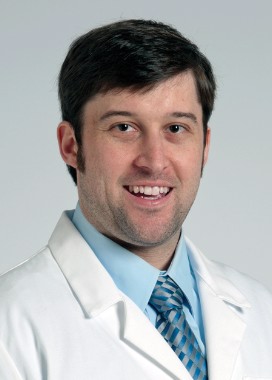
"EVAR is now the most common method for treating abdominal aortic aneurysms, and increasing numbers of patients are being observed in long-term follow-up," Dr. Eric J. Turney said at the Society for Vascular Surgery Annual Meeting. "In addition, treatment of patients with indications outside of instructions for use is common."
Dr. Turney and his associates in the vascular surgery department at the Cleveland Clinic set out to evaluate the medical center’s experience with EVAR explants between 1999 and 2012. They identified modes of failure as well as predictors of outcomes. "Furthermore, we examined modes of failure by time since EVAR was implanted: those failing in the first year, those failing within years 1-5, and those failing beyond 5 years," he said. Outcomes included 30-day mortality, cumulative survival, and complications.
He reported on results from explants in 100 patients, making this study the largest single-center study of its kind to date. The majority (91%) of patients were male, and their mean age was 75 years. Coronary artery disease was the most common comorbidity (65%), followed by chronic kidney disease (24%) and chronic obstructive pulmonary disease (COPD) (23%). Suprarenal fixation was present in 37% of patients.
The most common indication for explant was endoleak (82%), followed by infection (13%), acute thrombosis (3%), recurrent thrombosis (1%), and claudication (1%). Fewer than half of patients (40) had type I endoleak, 30 had type II, 22 had type III, none had type IV, 6 had type V, and 16 had multiple endoleaks at the time of explantation.
The majority of endografts (71%) were explanted in an elective setting, with 10% being urgent, 19% being emergent, and 9% with ruptures.
Endografts were excised after a median of 41 months. They failed in 23% of patients within the first year, in 55% of patients between 1 and 5 years, and in 22% of patients beyond 5 years. Overall 30-day mortality was 17%, and it differed by level of acuity. Specifically, 30-day mortality was 9.9% in the elective group, 37% in the emergent group, 38% in the infection group, 56% in the ruptured group, and 60% in the anastomotic fistula group.
Significant predictors of 30-day mortality included visceral revascularization (P = .036), supraceliac clamp (P = .001), emergent explantation (P = .015), the presence of infection (P = .038), and the presence of rupture (P = .006).
Similarly, the negative predictors of long-term survival that reached statistical significance were the presence of rupture (HR, 5.44), the emergent nature of the explantation (HR, 4.07), visceral revascularization (HR, 4.02), the presence of infection (HR, 3.27), the presence of COPD (HR, 2.19), preoperative elevated creatinine (HR, 2.1), and postoperative elevated creatinine (HR, 2.02).
Limitations of the study included its retrospective design "and the fact that it was performed at a single center," Dr. Turney said. "Multiple surgeons performed the explants, with varying preferences in approach. In addition, 61% [of cases] came from an outside facility without preimplant imaging available."
Dr. Turney said that had no relevant financial conflicts to disclose. Other coauthors disclosed receiving research funding or consulting fees from several device manufacturers.
SAN FRANCISCO – The presence of rupture and the emergent nature of the explantation are two key negative predictors of long-term survival in patients who require explantation of endovascular aneurysm repair endografts, results from a single-center study showed.
"EVAR is now the most common method for treating abdominal aortic aneurysms, and increasing numbers of patients are being observed in long-term follow-up," Dr. Eric J. Turney said at the Society for Vascular Surgery Annual Meeting. "In addition, treatment of patients with indications outside of instructions for use is common."
Dr. Turney and his associates in the vascular surgery department at the Cleveland Clinic set out to evaluate the medical center’s experience with EVAR explants between 1999 and 2012. They identified modes of failure as well as predictors of outcomes. "Furthermore, we examined modes of failure by time since EVAR was implanted: those failing in the first year, those failing within years 1-5, and those failing beyond 5 years," he said. Outcomes included 30-day mortality, cumulative survival, and complications.
He reported on results from explants in 100 patients, making this study the largest single-center study of its kind to date. The majority (91%) of patients were male, and their mean age was 75 years. Coronary artery disease was the most common comorbidity (65%), followed by chronic kidney disease (24%) and chronic obstructive pulmonary disease (COPD) (23%). Suprarenal fixation was present in 37% of patients.
The most common indication for explant was endoleak (82%), followed by infection (13%), acute thrombosis (3%), recurrent thrombosis (1%), and claudication (1%). Fewer than half of patients (40) had type I endoleak, 30 had type II, 22 had type III, none had type IV, 6 had type V, and 16 had multiple endoleaks at the time of explantation.
The majority of endografts (71%) were explanted in an elective setting, with 10% being urgent, 19% being emergent, and 9% with ruptures.
Endografts were excised after a median of 41 months. They failed in 23% of patients within the first year, in 55% of patients between 1 and 5 years, and in 22% of patients beyond 5 years. Overall 30-day mortality was 17%, and it differed by level of acuity. Specifically, 30-day mortality was 9.9% in the elective group, 37% in the emergent group, 38% in the infection group, 56% in the ruptured group, and 60% in the anastomotic fistula group.
Significant predictors of 30-day mortality included visceral revascularization (P = .036), supraceliac clamp (P = .001), emergent explantation (P = .015), the presence of infection (P = .038), and the presence of rupture (P = .006).
Similarly, the negative predictors of long-term survival that reached statistical significance were the presence of rupture (HR, 5.44), the emergent nature of the explantation (HR, 4.07), visceral revascularization (HR, 4.02), the presence of infection (HR, 3.27), the presence of COPD (HR, 2.19), preoperative elevated creatinine (HR, 2.1), and postoperative elevated creatinine (HR, 2.02).
Limitations of the study included its retrospective design "and the fact that it was performed at a single center," Dr. Turney said. "Multiple surgeons performed the explants, with varying preferences in approach. In addition, 61% [of cases] came from an outside facility without preimplant imaging available."
Dr. Turney said that had no relevant financial conflicts to disclose. Other coauthors disclosed receiving research funding or consulting fees from several device manufacturers.
SAN FRANCISCO – The presence of rupture and the emergent nature of the explantation are two key negative predictors of long-term survival in patients who require explantation of endovascular aneurysm repair endografts, results from a single-center study showed.
"EVAR is now the most common method for treating abdominal aortic aneurysms, and increasing numbers of patients are being observed in long-term follow-up," Dr. Eric J. Turney said at the Society for Vascular Surgery Annual Meeting. "In addition, treatment of patients with indications outside of instructions for use is common."
Dr. Turney and his associates in the vascular surgery department at the Cleveland Clinic set out to evaluate the medical center’s experience with EVAR explants between 1999 and 2012. They identified modes of failure as well as predictors of outcomes. "Furthermore, we examined modes of failure by time since EVAR was implanted: those failing in the first year, those failing within years 1-5, and those failing beyond 5 years," he said. Outcomes included 30-day mortality, cumulative survival, and complications.
He reported on results from explants in 100 patients, making this study the largest single-center study of its kind to date. The majority (91%) of patients were male, and their mean age was 75 years. Coronary artery disease was the most common comorbidity (65%), followed by chronic kidney disease (24%) and chronic obstructive pulmonary disease (COPD) (23%). Suprarenal fixation was present in 37% of patients.
The most common indication for explant was endoleak (82%), followed by infection (13%), acute thrombosis (3%), recurrent thrombosis (1%), and claudication (1%). Fewer than half of patients (40) had type I endoleak, 30 had type II, 22 had type III, none had type IV, 6 had type V, and 16 had multiple endoleaks at the time of explantation.
The majority of endografts (71%) were explanted in an elective setting, with 10% being urgent, 19% being emergent, and 9% with ruptures.
Endografts were excised after a median of 41 months. They failed in 23% of patients within the first year, in 55% of patients between 1 and 5 years, and in 22% of patients beyond 5 years. Overall 30-day mortality was 17%, and it differed by level of acuity. Specifically, 30-day mortality was 9.9% in the elective group, 37% in the emergent group, 38% in the infection group, 56% in the ruptured group, and 60% in the anastomotic fistula group.
Significant predictors of 30-day mortality included visceral revascularization (P = .036), supraceliac clamp (P = .001), emergent explantation (P = .015), the presence of infection (P = .038), and the presence of rupture (P = .006).
Similarly, the negative predictors of long-term survival that reached statistical significance were the presence of rupture (HR, 5.44), the emergent nature of the explantation (HR, 4.07), visceral revascularization (HR, 4.02), the presence of infection (HR, 3.27), the presence of COPD (HR, 2.19), preoperative elevated creatinine (HR, 2.1), and postoperative elevated creatinine (HR, 2.02).
Limitations of the study included its retrospective design "and the fact that it was performed at a single center," Dr. Turney said. "Multiple surgeons performed the explants, with varying preferences in approach. In addition, 61% [of cases] came from an outside facility without preimplant imaging available."
Dr. Turney said that had no relevant financial conflicts to disclose. Other coauthors disclosed receiving research funding or consulting fees from several device manufacturers.
AT THE SVS ANNUAL MEETING
Major finding: Among patients who required explantation of endovascular aneurysm repair endografts, the two strongest negative predictors of long-term survival were the presence of rupture (HR, 5.44) and the emergent nature of the explantation (HR, 4.07).
Data source: A single-center study of EVAR explants in 100 patients.
Disclosures: Dr. Turney said that had no relevant financial conflicts to disclose. Other coauthors disclosed receiving research funding or consulting fees from several device manufacturers.
Oxygen debt the lynchpin in multiple organ dysfunction syndrome
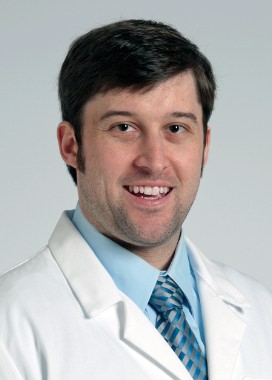
SAN FRANCISCO – In the opinion of Dr. Larry H. Hollier, multiple organ dysfunction syndrome is a condition "underappreciated" by many of today’s clinicians, as optimal ways to treat it remain elusive.
At the Society for Vascular Surgery Annual Meeting, Dr. Hollier, professor of surgery and chancellor of the Louisiana State University Health Sciences Center, New Orleans, defined multiple organ dysfunction syndrome (MODS) as altered organ functions in an acutely ill patient requiring intervention to achieve homeostasis. "That’s a pretty broad definition, but it’s one of the most common causes of death in surgical intensive care units," he said. "Numerous precipitating factors classically described in multiple organ dysfunction syndrome include sepsis, trauma, cardiac arrest, visceral ischemia, burns, pancreatitis, shock, and major surgery with postoperative instability."
The pathophysiology of MODS "is fairly straightforward," he continued. "Some event results in ischemia and tissue hypoxia. Reperfusion occurs with the activation of cytokines, and an exaggerated inflammatory response generates oxygen-free radicals, tissue damage, and then organ dysfunction." Dr. Hollier discussed these issues as the invited speaker for the prestigious John Homans Lectureship of the SVS.
The major underlying issue in MODS stems from uncorrected oxygen debt in tissues. In fact, the level of perioperative tissue debt has a direct relationship on postoperative morbidity and mortality. According to Dr. Hollier, the predicted outcome by acutely accumulated oxygen debt in the first 4 hours post injury works like this: 8 L/m2 leads to a severe flulike syndrome (mild SIRS); 26 L/m2 leads to multiple organ dysfunction syndrome; and 33 L/m2 or more leads to death. "The uncorrected oxygen debt in tissues that is initiated is not the end of it," he said. "There’s an accumulating oxygen debt that amasses to keep biomass viable during low oxygen delivery. After resuscitation, there’s increased oxygen required above the basal rate, because explosive oxygen needs occur in order to fuel the inflammation of reperfusion injury."
Conventional therapies for MODS include volume resuscitation, ionotropic agents to improve cardiac performance and increase oxygen delivery, and ventilator support to improve oxygen input. Multiple experimental therapies have also been used, including steroids, antiendotoxin monoclonal antibodies, IL-1 receptor antagonists, anti-TNF antibodies, antioxidants, inhibition of nitric oxide, and oxygen manipulation in the form of extracorporeal support and perfluorocarbons. "While there is some research experience, in the clinical arena, there has universally not been a treatment that reverses the multiple organ dysfunction syndrome," he said. "Early diagnosis and prompt treatment of organ hypoperfusion and hypoxia are of utmost importance. The major goal is to increase oxygen delivery as soon as possible."
Vascular surgeons are most likely to encounter MODS in cases of extensive blunt trauma, aortic transection/dissection, crush injury, severe ischemia following acute aortic occlusion, mesenteric infarction, and thoracoabdominal aortic surgery, both with extensive direct repair and with hybrid repair. The "hypoxia cascade" can occur without progression to the full multiple organ dysfunction syndrome. "This is where we have some of the opportunities to improve the situation and possibly prevent the full MODS," Dr. Hollier said. "The cascade can occur in refractory hypotension following repair of ruptured aortic aneurysm or other major vascular procedure, during brain ischemia, visceral ischemia, delayed onset paraplegia following repair of thoracoabdominal aortic aneurysms, and during the compartment syndrome."
Recommendations for intraoperative management of thoracoabdominal aortic aneurysms include maintaining visceral perfusion with a pump or a bypass or using visceral perfusion catheters, and perioperative CSF drainage "to allow reduction in the pressure around the spinal cord," he said. It’s less clear what approach to take for the patient who develops severe cytokine activation and is on course to develop MODS.
"Since high-dose hyperbaric oxygen therapy appears to abort cytokine activation in experimental studies, should we consider hyperbaric oxygen therapy for management of severe cytokine activation postoperatively?" Dr. Hollier asked. "Hyperbaric oxygen therapy has been demonstrated by controlled human studies to be useful in resuscitation and tissue salvage in crush injury and traumatic brain injury. I don’t have the answers to this. These are the areas of investigations that I urge the members of this society and our young students, residents, and fellows to consider."
Dr. Hollier said that management of serious injury in the commercial diver in the field has afforded two observations. First, high-dose hyperbaric oxygen, used very early in acute resuscitation of the severely injured, "effectively reduces oxygen debt." Second, the quick reduction of the oxygen debt by high-dose hyperbaric oxygen leverages chances of recovery. "We need research on this to find the answer," he said. "What we do know is that there is only one variable that consistently predicts both mortality and multiple organ dysfunction syndrome following traumatic shock. That is oxygen debt."
Dr. Hollier said that he had no relevant financial disclosures to make.
SAN FRANCISCO – In the opinion of Dr. Larry H. Hollier, multiple organ dysfunction syndrome is a condition "underappreciated" by many of today’s clinicians, as optimal ways to treat it remain elusive.
At the Society for Vascular Surgery Annual Meeting, Dr. Hollier, professor of surgery and chancellor of the Louisiana State University Health Sciences Center, New Orleans, defined multiple organ dysfunction syndrome (MODS) as altered organ functions in an acutely ill patient requiring intervention to achieve homeostasis. "That’s a pretty broad definition, but it’s one of the most common causes of death in surgical intensive care units," he said. "Numerous precipitating factors classically described in multiple organ dysfunction syndrome include sepsis, trauma, cardiac arrest, visceral ischemia, burns, pancreatitis, shock, and major surgery with postoperative instability."
The pathophysiology of MODS "is fairly straightforward," he continued. "Some event results in ischemia and tissue hypoxia. Reperfusion occurs with the activation of cytokines, and an exaggerated inflammatory response generates oxygen-free radicals, tissue damage, and then organ dysfunction." Dr. Hollier discussed these issues as the invited speaker for the prestigious John Homans Lectureship of the SVS.
The major underlying issue in MODS stems from uncorrected oxygen debt in tissues. In fact, the level of perioperative tissue debt has a direct relationship on postoperative morbidity and mortality. According to Dr. Hollier, the predicted outcome by acutely accumulated oxygen debt in the first 4 hours post injury works like this: 8 L/m2 leads to a severe flulike syndrome (mild SIRS); 26 L/m2 leads to multiple organ dysfunction syndrome; and 33 L/m2 or more leads to death. "The uncorrected oxygen debt in tissues that is initiated is not the end of it," he said. "There’s an accumulating oxygen debt that amasses to keep biomass viable during low oxygen delivery. After resuscitation, there’s increased oxygen required above the basal rate, because explosive oxygen needs occur in order to fuel the inflammation of reperfusion injury."
Conventional therapies for MODS include volume resuscitation, ionotropic agents to improve cardiac performance and increase oxygen delivery, and ventilator support to improve oxygen input. Multiple experimental therapies have also been used, including steroids, antiendotoxin monoclonal antibodies, IL-1 receptor antagonists, anti-TNF antibodies, antioxidants, inhibition of nitric oxide, and oxygen manipulation in the form of extracorporeal support and perfluorocarbons. "While there is some research experience, in the clinical arena, there has universally not been a treatment that reverses the multiple organ dysfunction syndrome," he said. "Early diagnosis and prompt treatment of organ hypoperfusion and hypoxia are of utmost importance. The major goal is to increase oxygen delivery as soon as possible."
Vascular surgeons are most likely to encounter MODS in cases of extensive blunt trauma, aortic transection/dissection, crush injury, severe ischemia following acute aortic occlusion, mesenteric infarction, and thoracoabdominal aortic surgery, both with extensive direct repair and with hybrid repair. The "hypoxia cascade" can occur without progression to the full multiple organ dysfunction syndrome. "This is where we have some of the opportunities to improve the situation and possibly prevent the full MODS," Dr. Hollier said. "The cascade can occur in refractory hypotension following repair of ruptured aortic aneurysm or other major vascular procedure, during brain ischemia, visceral ischemia, delayed onset paraplegia following repair of thoracoabdominal aortic aneurysms, and during the compartment syndrome."
Recommendations for intraoperative management of thoracoabdominal aortic aneurysms include maintaining visceral perfusion with a pump or a bypass or using visceral perfusion catheters, and perioperative CSF drainage "to allow reduction in the pressure around the spinal cord," he said. It’s less clear what approach to take for the patient who develops severe cytokine activation and is on course to develop MODS.
"Since high-dose hyperbaric oxygen therapy appears to abort cytokine activation in experimental studies, should we consider hyperbaric oxygen therapy for management of severe cytokine activation postoperatively?" Dr. Hollier asked. "Hyperbaric oxygen therapy has been demonstrated by controlled human studies to be useful in resuscitation and tissue salvage in crush injury and traumatic brain injury. I don’t have the answers to this. These are the areas of investigations that I urge the members of this society and our young students, residents, and fellows to consider."
Dr. Hollier said that management of serious injury in the commercial diver in the field has afforded two observations. First, high-dose hyperbaric oxygen, used very early in acute resuscitation of the severely injured, "effectively reduces oxygen debt." Second, the quick reduction of the oxygen debt by high-dose hyperbaric oxygen leverages chances of recovery. "We need research on this to find the answer," he said. "What we do know is that there is only one variable that consistently predicts both mortality and multiple organ dysfunction syndrome following traumatic shock. That is oxygen debt."
Dr. Hollier said that he had no relevant financial disclosures to make.
SAN FRANCISCO – In the opinion of Dr. Larry H. Hollier, multiple organ dysfunction syndrome is a condition "underappreciated" by many of today’s clinicians, as optimal ways to treat it remain elusive.
At the Society for Vascular Surgery Annual Meeting, Dr. Hollier, professor of surgery and chancellor of the Louisiana State University Health Sciences Center, New Orleans, defined multiple organ dysfunction syndrome (MODS) as altered organ functions in an acutely ill patient requiring intervention to achieve homeostasis. "That’s a pretty broad definition, but it’s one of the most common causes of death in surgical intensive care units," he said. "Numerous precipitating factors classically described in multiple organ dysfunction syndrome include sepsis, trauma, cardiac arrest, visceral ischemia, burns, pancreatitis, shock, and major surgery with postoperative instability."
The pathophysiology of MODS "is fairly straightforward," he continued. "Some event results in ischemia and tissue hypoxia. Reperfusion occurs with the activation of cytokines, and an exaggerated inflammatory response generates oxygen-free radicals, tissue damage, and then organ dysfunction." Dr. Hollier discussed these issues as the invited speaker for the prestigious John Homans Lectureship of the SVS.
The major underlying issue in MODS stems from uncorrected oxygen debt in tissues. In fact, the level of perioperative tissue debt has a direct relationship on postoperative morbidity and mortality. According to Dr. Hollier, the predicted outcome by acutely accumulated oxygen debt in the first 4 hours post injury works like this: 8 L/m2 leads to a severe flulike syndrome (mild SIRS); 26 L/m2 leads to multiple organ dysfunction syndrome; and 33 L/m2 or more leads to death. "The uncorrected oxygen debt in tissues that is initiated is not the end of it," he said. "There’s an accumulating oxygen debt that amasses to keep biomass viable during low oxygen delivery. After resuscitation, there’s increased oxygen required above the basal rate, because explosive oxygen needs occur in order to fuel the inflammation of reperfusion injury."
Conventional therapies for MODS include volume resuscitation, ionotropic agents to improve cardiac performance and increase oxygen delivery, and ventilator support to improve oxygen input. Multiple experimental therapies have also been used, including steroids, antiendotoxin monoclonal antibodies, IL-1 receptor antagonists, anti-TNF antibodies, antioxidants, inhibition of nitric oxide, and oxygen manipulation in the form of extracorporeal support and perfluorocarbons. "While there is some research experience, in the clinical arena, there has universally not been a treatment that reverses the multiple organ dysfunction syndrome," he said. "Early diagnosis and prompt treatment of organ hypoperfusion and hypoxia are of utmost importance. The major goal is to increase oxygen delivery as soon as possible."
Vascular surgeons are most likely to encounter MODS in cases of extensive blunt trauma, aortic transection/dissection, crush injury, severe ischemia following acute aortic occlusion, mesenteric infarction, and thoracoabdominal aortic surgery, both with extensive direct repair and with hybrid repair. The "hypoxia cascade" can occur without progression to the full multiple organ dysfunction syndrome. "This is where we have some of the opportunities to improve the situation and possibly prevent the full MODS," Dr. Hollier said. "The cascade can occur in refractory hypotension following repair of ruptured aortic aneurysm or other major vascular procedure, during brain ischemia, visceral ischemia, delayed onset paraplegia following repair of thoracoabdominal aortic aneurysms, and during the compartment syndrome."
Recommendations for intraoperative management of thoracoabdominal aortic aneurysms include maintaining visceral perfusion with a pump or a bypass or using visceral perfusion catheters, and perioperative CSF drainage "to allow reduction in the pressure around the spinal cord," he said. It’s less clear what approach to take for the patient who develops severe cytokine activation and is on course to develop MODS.
"Since high-dose hyperbaric oxygen therapy appears to abort cytokine activation in experimental studies, should we consider hyperbaric oxygen therapy for management of severe cytokine activation postoperatively?" Dr. Hollier asked. "Hyperbaric oxygen therapy has been demonstrated by controlled human studies to be useful in resuscitation and tissue salvage in crush injury and traumatic brain injury. I don’t have the answers to this. These are the areas of investigations that I urge the members of this society and our young students, residents, and fellows to consider."
Dr. Hollier said that management of serious injury in the commercial diver in the field has afforded two observations. First, high-dose hyperbaric oxygen, used very early in acute resuscitation of the severely injured, "effectively reduces oxygen debt." Second, the quick reduction of the oxygen debt by high-dose hyperbaric oxygen leverages chances of recovery. "We need research on this to find the answer," he said. "What we do know is that there is only one variable that consistently predicts both mortality and multiple organ dysfunction syndrome following traumatic shock. That is oxygen debt."
Dr. Hollier said that he had no relevant financial disclosures to make.
EXPERT ANALYSIS AT THE SVS ANNUAL MEETING
Collateral bed occlusion linked to spinal cord ischemia
SAN FRANCISCO – The occlusion of at least one collateral bed was a significant predictor of immediate-onset spinal cord ischemia and reduced the chances of recovery and survival from the condition, results from a prospective study demonstrated.
"Endovascular aortic repair, particularly thoracoabdominal aortic aneurysm repair, mandates the occlusion of important collateral network vessels, specifically the intercostal and lumbar arteries," Dr. Matthew J. Eagleton said at Society for Vascular Surgery Annual Meeting. "Occlusion of at least one other collateral network vessel, whether that’s the hypogastric artery or the subclavian artery, is associated with early onset SCI, reduced recovery from SCI, and reduced survival."
Dr. Eagleton of the department of vascular surgery at the Cleveland Clinic, described spinal cord ischemia (SCI) as "a devastating complication after aortic surgery. In the past, much effort has been directed toward understanding the pathophysiology of spinal cord ischemia development, developing preventive strategies, and developing treatment strategies."
Endovascular aortic surgery "changes our approach to aortic disease," he continued. "While it offers a potentially less invasive option, there are some caveats to that when it comes to SCI. In many instances, especially in extensive aneurysms, we are unable to preserve important intercostal and lumbar arteries. In comparison to open surgery, we don’t know if spinal cord ischemia develops at the same rate, for the same reasons, with similar presentations and clinical course, or whether our current preventive and treatment algorithms are applicable in this patient population."
In an effort to evaluate factors affecting outcomes from SCI associated with endovascular aortic aneurysm repair, Dr. Eagleton and his associates evaluated 1,251 patients enrolled in three physician-sponsored investigational device exemption (IDE) trials from 1998 to 2010. They identified patients with confirmed SCI, reviewed their medical records and imaging studies, and used these to supplement prospectively collected data. Outcome measures included the timing of onset of SCI, recovery from SCI, and survival.
In all, 1,251 patients were treated with aortic endografts. Of these, 351 (28%) were infrarenal endografts, 201 (16%) were thoracic endografts, 227 (18%) were fenestrated endografts, and 472 (38%) were visceral branch grafts.
Dr. Eagleton and his associates identified 36 patients with SCI, for a rate of 2.9%. Their mean age was 73 years and 72% were male. The mean aneurysm size in SCI patients was 65 mm; 47% had undergone prior aortic surgery, predominately repair of an infrarenal AAA; and 25% required a conduit. The majority of conduits (78%) were placed at the time of endograft placement while the remainder were placed on an elective basis. The mean percentage length of aorta covered was 67%.
A total of 11 patients (31%) with SCI had at least one occluded collateral vessel. The majority of patients presented with either a motor deficit or a motor and sensory deficit (44% and 47%, respectively). Nearly three-quarters of SCI symptoms (72%) were bilateral in nature.
Onset of symptoms ranged from 0 to 240 hours. Immediate onset occurred in 42% of patients, with delayed onset in the remaining 58%. The one clinical factor that was significantly associated with immediate onset of SCI was the occlusion of at least one collateral bed (P = .021).
During a mean follow-up of 22 months, 30-day survival was 92%, 1-year survival was 56%, and 3-year survival was 45%. Survival was significantly reduced in patients who did not recover from their symptoms of SCI.
The relatively small size of the study cohort "limits extensive statistical analysis," Dr. Eagleton said. "The retrospective nature of clinical data limits more detailed information about clinical presentation and it provides little information about why these patients developed SCI as compared to their counterparts. This will certainly require a more focused evaluation of those who are at higher risk for the development of SCI."
In the meantime, he said, "aggressive efforts need to be made to maintain all collateral flow possible and prevent perioperative complications that diminish spinal cord perfusion. We need to evaluate other methods to augment these preventive strategies."
Dr. Eagleton disclosed that he is a consultant for Bolton Medical and Cook Medical.
SAN FRANCISCO – The occlusion of at least one collateral bed was a significant predictor of immediate-onset spinal cord ischemia and reduced the chances of recovery and survival from the condition, results from a prospective study demonstrated.
"Endovascular aortic repair, particularly thoracoabdominal aortic aneurysm repair, mandates the occlusion of important collateral network vessels, specifically the intercostal and lumbar arteries," Dr. Matthew J. Eagleton said at Society for Vascular Surgery Annual Meeting. "Occlusion of at least one other collateral network vessel, whether that’s the hypogastric artery or the subclavian artery, is associated with early onset SCI, reduced recovery from SCI, and reduced survival."
Dr. Eagleton of the department of vascular surgery at the Cleveland Clinic, described spinal cord ischemia (SCI) as "a devastating complication after aortic surgery. In the past, much effort has been directed toward understanding the pathophysiology of spinal cord ischemia development, developing preventive strategies, and developing treatment strategies."
Endovascular aortic surgery "changes our approach to aortic disease," he continued. "While it offers a potentially less invasive option, there are some caveats to that when it comes to SCI. In many instances, especially in extensive aneurysms, we are unable to preserve important intercostal and lumbar arteries. In comparison to open surgery, we don’t know if spinal cord ischemia develops at the same rate, for the same reasons, with similar presentations and clinical course, or whether our current preventive and treatment algorithms are applicable in this patient population."
In an effort to evaluate factors affecting outcomes from SCI associated with endovascular aortic aneurysm repair, Dr. Eagleton and his associates evaluated 1,251 patients enrolled in three physician-sponsored investigational device exemption (IDE) trials from 1998 to 2010. They identified patients with confirmed SCI, reviewed their medical records and imaging studies, and used these to supplement prospectively collected data. Outcome measures included the timing of onset of SCI, recovery from SCI, and survival.
In all, 1,251 patients were treated with aortic endografts. Of these, 351 (28%) were infrarenal endografts, 201 (16%) were thoracic endografts, 227 (18%) were fenestrated endografts, and 472 (38%) were visceral branch grafts.
Dr. Eagleton and his associates identified 36 patients with SCI, for a rate of 2.9%. Their mean age was 73 years and 72% were male. The mean aneurysm size in SCI patients was 65 mm; 47% had undergone prior aortic surgery, predominately repair of an infrarenal AAA; and 25% required a conduit. The majority of conduits (78%) were placed at the time of endograft placement while the remainder were placed on an elective basis. The mean percentage length of aorta covered was 67%.
A total of 11 patients (31%) with SCI had at least one occluded collateral vessel. The majority of patients presented with either a motor deficit or a motor and sensory deficit (44% and 47%, respectively). Nearly three-quarters of SCI symptoms (72%) were bilateral in nature.
Onset of symptoms ranged from 0 to 240 hours. Immediate onset occurred in 42% of patients, with delayed onset in the remaining 58%. The one clinical factor that was significantly associated with immediate onset of SCI was the occlusion of at least one collateral bed (P = .021).
During a mean follow-up of 22 months, 30-day survival was 92%, 1-year survival was 56%, and 3-year survival was 45%. Survival was significantly reduced in patients who did not recover from their symptoms of SCI.
The relatively small size of the study cohort "limits extensive statistical analysis," Dr. Eagleton said. "The retrospective nature of clinical data limits more detailed information about clinical presentation and it provides little information about why these patients developed SCI as compared to their counterparts. This will certainly require a more focused evaluation of those who are at higher risk for the development of SCI."
In the meantime, he said, "aggressive efforts need to be made to maintain all collateral flow possible and prevent perioperative complications that diminish spinal cord perfusion. We need to evaluate other methods to augment these preventive strategies."
Dr. Eagleton disclosed that he is a consultant for Bolton Medical and Cook Medical.
SAN FRANCISCO – The occlusion of at least one collateral bed was a significant predictor of immediate-onset spinal cord ischemia and reduced the chances of recovery and survival from the condition, results from a prospective study demonstrated.
"Endovascular aortic repair, particularly thoracoabdominal aortic aneurysm repair, mandates the occlusion of important collateral network vessels, specifically the intercostal and lumbar arteries," Dr. Matthew J. Eagleton said at Society for Vascular Surgery Annual Meeting. "Occlusion of at least one other collateral network vessel, whether that’s the hypogastric artery or the subclavian artery, is associated with early onset SCI, reduced recovery from SCI, and reduced survival."
Dr. Eagleton of the department of vascular surgery at the Cleveland Clinic, described spinal cord ischemia (SCI) as "a devastating complication after aortic surgery. In the past, much effort has been directed toward understanding the pathophysiology of spinal cord ischemia development, developing preventive strategies, and developing treatment strategies."
Endovascular aortic surgery "changes our approach to aortic disease," he continued. "While it offers a potentially less invasive option, there are some caveats to that when it comes to SCI. In many instances, especially in extensive aneurysms, we are unable to preserve important intercostal and lumbar arteries. In comparison to open surgery, we don’t know if spinal cord ischemia develops at the same rate, for the same reasons, with similar presentations and clinical course, or whether our current preventive and treatment algorithms are applicable in this patient population."
In an effort to evaluate factors affecting outcomes from SCI associated with endovascular aortic aneurysm repair, Dr. Eagleton and his associates evaluated 1,251 patients enrolled in three physician-sponsored investigational device exemption (IDE) trials from 1998 to 2010. They identified patients with confirmed SCI, reviewed their medical records and imaging studies, and used these to supplement prospectively collected data. Outcome measures included the timing of onset of SCI, recovery from SCI, and survival.
In all, 1,251 patients were treated with aortic endografts. Of these, 351 (28%) were infrarenal endografts, 201 (16%) were thoracic endografts, 227 (18%) were fenestrated endografts, and 472 (38%) were visceral branch grafts.
Dr. Eagleton and his associates identified 36 patients with SCI, for a rate of 2.9%. Their mean age was 73 years and 72% were male. The mean aneurysm size in SCI patients was 65 mm; 47% had undergone prior aortic surgery, predominately repair of an infrarenal AAA; and 25% required a conduit. The majority of conduits (78%) were placed at the time of endograft placement while the remainder were placed on an elective basis. The mean percentage length of aorta covered was 67%.
A total of 11 patients (31%) with SCI had at least one occluded collateral vessel. The majority of patients presented with either a motor deficit or a motor and sensory deficit (44% and 47%, respectively). Nearly three-quarters of SCI symptoms (72%) were bilateral in nature.
Onset of symptoms ranged from 0 to 240 hours. Immediate onset occurred in 42% of patients, with delayed onset in the remaining 58%. The one clinical factor that was significantly associated with immediate onset of SCI was the occlusion of at least one collateral bed (P = .021).
During a mean follow-up of 22 months, 30-day survival was 92%, 1-year survival was 56%, and 3-year survival was 45%. Survival was significantly reduced in patients who did not recover from their symptoms of SCI.
The relatively small size of the study cohort "limits extensive statistical analysis," Dr. Eagleton said. "The retrospective nature of clinical data limits more detailed information about clinical presentation and it provides little information about why these patients developed SCI as compared to their counterparts. This will certainly require a more focused evaluation of those who are at higher risk for the development of SCI."
In the meantime, he said, "aggressive efforts need to be made to maintain all collateral flow possible and prevent perioperative complications that diminish spinal cord perfusion. We need to evaluate other methods to augment these preventive strategies."
Dr. Eagleton disclosed that he is a consultant for Bolton Medical and Cook Medical.
AT THE SVS ANNUAL MEETING
Major finding: The sole clinical factor that was significantly associated with the immediate onset of spinal cord ischemia after endovascular aortic aneurysm repair was the occlusion of at least one collateral bed (P = .021).
Data source: An analysis of 1,251 patients enrolled in three physician-sponsored investigational device exemption trials from 1998 to 2010.
Disclosures: Dr. Eagleton disclosed that he is a consultant for Bolton Medical and Cook Medical.
More complications seen in retrievable vs. permanent IVC filters
SAN FRANCISCO – Significantly higher rates of complications were observed in patients with indwelling retrievable inferior vena cava filters, compared with those who had permanent filters placed, results from a large single-center study showed.
"Venous thromboembolism is a significant cause of morbidity and mortality," Dr. Tina R. Desai said at the Society for Vascular Surgery Annual Meeting. "The primary treatment for this remains anticoagulation. However, since the initial introduction of the Greenfield filter in 1973, there has been a steady increase in the use of inferior vena cava filters." The introduction of retrievable filters in 2003 further contributed to this increase in use of filters, said Dr. Desai, a vascular surgeon at NorthShore University HealthSystem in Skokie, Ill.

"The retrievable filters were approved to be left in place indefinitely, and they have a theoretical advantage of being able to be retrieved when the patient no longer has a significant risk of pulmonary embolism," she said. "Interestingly, if you look at current-day studies, these retrievable filters are quite uncommonly retrieved. In fact, most of them end up being permanent."
To better understand the difference in complications between retrievable and permanent filters, Dr. Desai and her associates conducted a retrospective study of 1,234 patients who had IVC filters placed at NorthShore between 2005 and 2010. Of the 1,234 patients, 449 had retrievable filters placed while 785 had permanent filters placed.
Patients in the permanent filter group were older than those in the indwelling retrievable group (mean age, 75 vs. 64 years, respectively). They were also sicker, with significantly higher rates of cancer, hypertension, diabetes, and coronary artery disease. "Most of our filters were placed for a diagnosis of acute venous thromboembolism, with a relative minority placed for prophylactic reasons," Dr. Desai said. "All filters were placed by an interventional radiologist or a vascular surgeon. The majority of the retrievable filters were Cook Celect filters, and the majority of permanent filters were Braun Vena Tech filters. For our primary analysis, we defined complications as symptomatic events – either periprocedurally or directly related to the filter – that patients experienced."
Of the 449 retrievable filters placed, 67 of them were electively retrieved. This left a group of 382 indwelling retrievable filters. Dr. Desai reported that the rate of symptomatic complications was significantly higher in the indwelling retrievable filter group than in the permanent filter group (8.9% vs. 2.9%; P = .0001). Thrombotic complications were the most common type of symptomatic complication in both groups. They occurred more often in the retrievable filter group than in the permanent filter group (4.2% vs. 1.8%), but this difference did not reach significance.
The researchers did find a statistically significant difference in the number of device-related symptomatic complications that occurred in the indwelling retrievable filter group, compared with the permanent filter group (2.6% vs. 0.5%; P = .006). The number of systemic-related symptomatic complications was higher in the indwelling retrievable filter group than in the permanent filter group (1.3% vs. 0.4%), but this difference did not reach significance.
"In addition to the complications that we saw, we found a number of patient findings such as those shown on CT scan, which shows perforation of filter struts through the wall of the vena cava," Dr. Desai noted. "Others have made similar observations. While we don’t completely understand the significance of these symptomatic findings, it’s hard to ignore these effects when we’re trying to make decisions about whether we should be leaving these retrievable filters in place indefinitely or not."
When the researchers factored both incidental and symptomatic findings into their analysis, the rate of device-related complications was 8.9% in the indwelling retrievable filter group, compared with 0.9% in the permanent filter group, a difference that reached significance (P less than .0001).
With these findings in mind, Dr. Desai recommended that retrievable filters "only be used in conditions where retrieval is highly likely; in all other patients, permanent filters should be used when IVC filters are indicated."
She acknowledged certain limitations of the study, including the fact that its retrospective design "likely results in an underestimation of the number of asymptomatic complications," she said. "Also, we cannot draw meaningful conclusions related to the effects of anticoagulation on thrombotic complications. Organized programs to track and follow patients who receive retrievable filters are necessary to optimize retrieval rates. Further study is needed to determine the significance of asymptomatic device fracture and device penetration through the IVC."
Dr. Desai said that she had no relevant financial conflicts to disclose.
SAN FRANCISCO – Significantly higher rates of complications were observed in patients with indwelling retrievable inferior vena cava filters, compared with those who had permanent filters placed, results from a large single-center study showed.
"Venous thromboembolism is a significant cause of morbidity and mortality," Dr. Tina R. Desai said at the Society for Vascular Surgery Annual Meeting. "The primary treatment for this remains anticoagulation. However, since the initial introduction of the Greenfield filter in 1973, there has been a steady increase in the use of inferior vena cava filters." The introduction of retrievable filters in 2003 further contributed to this increase in use of filters, said Dr. Desai, a vascular surgeon at NorthShore University HealthSystem in Skokie, Ill.
"The retrievable filters were approved to be left in place indefinitely, and they have a theoretical advantage of being able to be retrieved when the patient no longer has a significant risk of pulmonary embolism," she said. "Interestingly, if you look at current-day studies, these retrievable filters are quite uncommonly retrieved. In fact, most of them end up being permanent."
To better understand the difference in complications between retrievable and permanent filters, Dr. Desai and her associates conducted a retrospective study of 1,234 patients who had IVC filters placed at NorthShore between 2005 and 2010. Of the 1,234 patients, 449 had retrievable filters placed while 785 had permanent filters placed.
Patients in the permanent filter group were older than those in the indwelling retrievable group (mean age, 75 vs. 64 years, respectively). They were also sicker, with significantly higher rates of cancer, hypertension, diabetes, and coronary artery disease. "Most of our filters were placed for a diagnosis of acute venous thromboembolism, with a relative minority placed for prophylactic reasons," Dr. Desai said. "All filters were placed by an interventional radiologist or a vascular surgeon. The majority of the retrievable filters were Cook Celect filters, and the majority of permanent filters were Braun Vena Tech filters. For our primary analysis, we defined complications as symptomatic events – either periprocedurally or directly related to the filter – that patients experienced."
Of the 449 retrievable filters placed, 67 of them were electively retrieved. This left a group of 382 indwelling retrievable filters. Dr. Desai reported that the rate of symptomatic complications was significantly higher in the indwelling retrievable filter group than in the permanent filter group (8.9% vs. 2.9%; P = .0001). Thrombotic complications were the most common type of symptomatic complication in both groups. They occurred more often in the retrievable filter group than in the permanent filter group (4.2% vs. 1.8%), but this difference did not reach significance.
The researchers did find a statistically significant difference in the number of device-related symptomatic complications that occurred in the indwelling retrievable filter group, compared with the permanent filter group (2.6% vs. 0.5%; P = .006). The number of systemic-related symptomatic complications was higher in the indwelling retrievable filter group than in the permanent filter group (1.3% vs. 0.4%), but this difference did not reach significance.
"In addition to the complications that we saw, we found a number of patient findings such as those shown on CT scan, which shows perforation of filter struts through the wall of the vena cava," Dr. Desai noted. "Others have made similar observations. While we don’t completely understand the significance of these symptomatic findings, it’s hard to ignore these effects when we’re trying to make decisions about whether we should be leaving these retrievable filters in place indefinitely or not."
When the researchers factored both incidental and symptomatic findings into their analysis, the rate of device-related complications was 8.9% in the indwelling retrievable filter group, compared with 0.9% in the permanent filter group, a difference that reached significance (P less than .0001).
With these findings in mind, Dr. Desai recommended that retrievable filters "only be used in conditions where retrieval is highly likely; in all other patients, permanent filters should be used when IVC filters are indicated."
She acknowledged certain limitations of the study, including the fact that its retrospective design "likely results in an underestimation of the number of asymptomatic complications," she said. "Also, we cannot draw meaningful conclusions related to the effects of anticoagulation on thrombotic complications. Organized programs to track and follow patients who receive retrievable filters are necessary to optimize retrieval rates. Further study is needed to determine the significance of asymptomatic device fracture and device penetration through the IVC."
Dr. Desai said that she had no relevant financial conflicts to disclose.
SAN FRANCISCO – Significantly higher rates of complications were observed in patients with indwelling retrievable inferior vena cava filters, compared with those who had permanent filters placed, results from a large single-center study showed.
"Venous thromboembolism is a significant cause of morbidity and mortality," Dr. Tina R. Desai said at the Society for Vascular Surgery Annual Meeting. "The primary treatment for this remains anticoagulation. However, since the initial introduction of the Greenfield filter in 1973, there has been a steady increase in the use of inferior vena cava filters." The introduction of retrievable filters in 2003 further contributed to this increase in use of filters, said Dr. Desai, a vascular surgeon at NorthShore University HealthSystem in Skokie, Ill.
"The retrievable filters were approved to be left in place indefinitely, and they have a theoretical advantage of being able to be retrieved when the patient no longer has a significant risk of pulmonary embolism," she said. "Interestingly, if you look at current-day studies, these retrievable filters are quite uncommonly retrieved. In fact, most of them end up being permanent."
To better understand the difference in complications between retrievable and permanent filters, Dr. Desai and her associates conducted a retrospective study of 1,234 patients who had IVC filters placed at NorthShore between 2005 and 2010. Of the 1,234 patients, 449 had retrievable filters placed while 785 had permanent filters placed.
Patients in the permanent filter group were older than those in the indwelling retrievable group (mean age, 75 vs. 64 years, respectively). They were also sicker, with significantly higher rates of cancer, hypertension, diabetes, and coronary artery disease. "Most of our filters were placed for a diagnosis of acute venous thromboembolism, with a relative minority placed for prophylactic reasons," Dr. Desai said. "All filters were placed by an interventional radiologist or a vascular surgeon. The majority of the retrievable filters were Cook Celect filters, and the majority of permanent filters were Braun Vena Tech filters. For our primary analysis, we defined complications as symptomatic events – either periprocedurally or directly related to the filter – that patients experienced."
Of the 449 retrievable filters placed, 67 of them were electively retrieved. This left a group of 382 indwelling retrievable filters. Dr. Desai reported that the rate of symptomatic complications was significantly higher in the indwelling retrievable filter group than in the permanent filter group (8.9% vs. 2.9%; P = .0001). Thrombotic complications were the most common type of symptomatic complication in both groups. They occurred more often in the retrievable filter group than in the permanent filter group (4.2% vs. 1.8%), but this difference did not reach significance.
The researchers did find a statistically significant difference in the number of device-related symptomatic complications that occurred in the indwelling retrievable filter group, compared with the permanent filter group (2.6% vs. 0.5%; P = .006). The number of systemic-related symptomatic complications was higher in the indwelling retrievable filter group than in the permanent filter group (1.3% vs. 0.4%), but this difference did not reach significance.
"In addition to the complications that we saw, we found a number of patient findings such as those shown on CT scan, which shows perforation of filter struts through the wall of the vena cava," Dr. Desai noted. "Others have made similar observations. While we don’t completely understand the significance of these symptomatic findings, it’s hard to ignore these effects when we’re trying to make decisions about whether we should be leaving these retrievable filters in place indefinitely or not."
When the researchers factored both incidental and symptomatic findings into their analysis, the rate of device-related complications was 8.9% in the indwelling retrievable filter group, compared with 0.9% in the permanent filter group, a difference that reached significance (P less than .0001).
With these findings in mind, Dr. Desai recommended that retrievable filters "only be used in conditions where retrieval is highly likely; in all other patients, permanent filters should be used when IVC filters are indicated."
She acknowledged certain limitations of the study, including the fact that its retrospective design "likely results in an underestimation of the number of asymptomatic complications," she said. "Also, we cannot draw meaningful conclusions related to the effects of anticoagulation on thrombotic complications. Organized programs to track and follow patients who receive retrievable filters are necessary to optimize retrieval rates. Further study is needed to determine the significance of asymptomatic device fracture and device penetration through the IVC."
Dr. Desai said that she had no relevant financial conflicts to disclose.
AT THE SVS ANNUAL MEETING
Major finding: The rate of symptomatic complications was significantly higher in patients who received indwelling retrievable inferior vena cava filters than in those who received permanent IVC filters (8.9% vs. 2.9%, respectively; P = .0001).
Data source: A retrospective study of 1,234 patients who had IVC filters placed at NorthShore University HealthSystem in Skokie, Ill., between 2005 and 2010.
Disclosures: Dr. Desai said that she had no relevant financial conflicts to disclose.

African ancestry linked to fasting glucose in people with no diabetes diagnosis
Results from a large, ongoing epidemiologic study demonstrated a positive association between African ancestry and fasting glucose in individuals without diagnosed diabetes.
"This association is not substantively diminished by accounting for body mass index or available socioeconomic status measures, suggesting that differences between African Americans and whites in diabetes risk might include genetic/biologically mediated differences in glucose homeostasis," Dr. James B. Meigs reported at the annual scientific sessions of the American Diabetes Association.
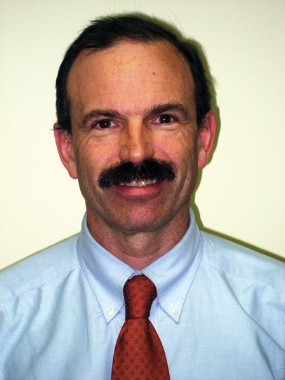
Dr. Meigs, who directs the Massachusetts General Hospital Clinical Research Program’s Disease Management Research Unit, presented findings from 1,545 individuals without diagnosed diabetes who are enrolled in the Boston Area Community Health (BACH) Pre-Diabetes Study, an ongoing, community-based, random-sample cohort study. During morning in-home interviews, the researchers collected data on body mass index and socioeconomic status, and took samples for analysis of fasting glucose and DNA for genotyping 63 markers that discriminate between European, African, and Native American ancestry.
To test the hypothesis that the degree of African ancestry is associated with fasting glucose levels in individuals without diagnosed diabetes independent of socioeconomic factors, the researchers used three different linear regression models predicting fasting glucose. Model 1 included terms for age, gender, percent African, and percent Native American ancestry. Model 2 added BMI as a measure, and model 3 added socioeconomic status as a measure (income, education, and occupation).
Dr. Meigs, who is also an associate professor of medicine at Harvard Medical School in Boston, reported that the mean age- and gender-adjusted fasting glucose levels were 103 mg/dL in those with 100% African ancestry and 97 mg/dL in those with 100% European ancestry. When the researchers applied model 1, each 10% increase in percentage of African ancestry was associated with a fasting glucose increase of 0.53 mg/dL (P = .005). In model 2, adjustment for BMI weakened the association with fasting glucose (0.42 mg/dL; P = .02), while in model 3 additional adjustment for socioeconomic factors did not further diminish the association (0.46 mg/dL; P = .02).
Although the clinical application of genetics in diabetes is a long way off, a lot is being learned about the mechanisms underlying type 2 diabetes, Dr. Meigs said. "We’re looking for the differences between whites, who have been studied principally so far, and other ancestral groups, in terms of the specific mutations that alter levels of diabetes risk."
To accomplish this, the BACH Prediabetes Study is attempting to exhaust all other social and environmental factors, such as employment, insurance status, access to care, nutritional environment, and detailed neighborhood characteristics, he said.
BACH is supported by a grant from the National Institute of Diabetes and Digestive and Kidney Diseases. Dr. Meigs said that he had no relevant financial disclosures to make.
Results from a large, ongoing epidemiologic study demonstrated a positive association between African ancestry and fasting glucose in individuals without diagnosed diabetes.
"This association is not substantively diminished by accounting for body mass index or available socioeconomic status measures, suggesting that differences between African Americans and whites in diabetes risk might include genetic/biologically mediated differences in glucose homeostasis," Dr. James B. Meigs reported at the annual scientific sessions of the American Diabetes Association.
Dr. Meigs, who directs the Massachusetts General Hospital Clinical Research Program’s Disease Management Research Unit, presented findings from 1,545 individuals without diagnosed diabetes who are enrolled in the Boston Area Community Health (BACH) Pre-Diabetes Study, an ongoing, community-based, random-sample cohort study. During morning in-home interviews, the researchers collected data on body mass index and socioeconomic status, and took samples for analysis of fasting glucose and DNA for genotyping 63 markers that discriminate between European, African, and Native American ancestry.
To test the hypothesis that the degree of African ancestry is associated with fasting glucose levels in individuals without diagnosed diabetes independent of socioeconomic factors, the researchers used three different linear regression models predicting fasting glucose. Model 1 included terms for age, gender, percent African, and percent Native American ancestry. Model 2 added BMI as a measure, and model 3 added socioeconomic status as a measure (income, education, and occupation).
Dr. Meigs, who is also an associate professor of medicine at Harvard Medical School in Boston, reported that the mean age- and gender-adjusted fasting glucose levels were 103 mg/dL in those with 100% African ancestry and 97 mg/dL in those with 100% European ancestry. When the researchers applied model 1, each 10% increase in percentage of African ancestry was associated with a fasting glucose increase of 0.53 mg/dL (P = .005). In model 2, adjustment for BMI weakened the association with fasting glucose (0.42 mg/dL; P = .02), while in model 3 additional adjustment for socioeconomic factors did not further diminish the association (0.46 mg/dL; P = .02).
Although the clinical application of genetics in diabetes is a long way off, a lot is being learned about the mechanisms underlying type 2 diabetes, Dr. Meigs said. "We’re looking for the differences between whites, who have been studied principally so far, and other ancestral groups, in terms of the specific mutations that alter levels of diabetes risk."
To accomplish this, the BACH Prediabetes Study is attempting to exhaust all other social and environmental factors, such as employment, insurance status, access to care, nutritional environment, and detailed neighborhood characteristics, he said.
BACH is supported by a grant from the National Institute of Diabetes and Digestive and Kidney Diseases. Dr. Meigs said that he had no relevant financial disclosures to make.
Results from a large, ongoing epidemiologic study demonstrated a positive association between African ancestry and fasting glucose in individuals without diagnosed diabetes.
"This association is not substantively diminished by accounting for body mass index or available socioeconomic status measures, suggesting that differences between African Americans and whites in diabetes risk might include genetic/biologically mediated differences in glucose homeostasis," Dr. James B. Meigs reported at the annual scientific sessions of the American Diabetes Association.
Dr. Meigs, who directs the Massachusetts General Hospital Clinical Research Program’s Disease Management Research Unit, presented findings from 1,545 individuals without diagnosed diabetes who are enrolled in the Boston Area Community Health (BACH) Pre-Diabetes Study, an ongoing, community-based, random-sample cohort study. During morning in-home interviews, the researchers collected data on body mass index and socioeconomic status, and took samples for analysis of fasting glucose and DNA for genotyping 63 markers that discriminate between European, African, and Native American ancestry.
To test the hypothesis that the degree of African ancestry is associated with fasting glucose levels in individuals without diagnosed diabetes independent of socioeconomic factors, the researchers used three different linear regression models predicting fasting glucose. Model 1 included terms for age, gender, percent African, and percent Native American ancestry. Model 2 added BMI as a measure, and model 3 added socioeconomic status as a measure (income, education, and occupation).
Dr. Meigs, who is also an associate professor of medicine at Harvard Medical School in Boston, reported that the mean age- and gender-adjusted fasting glucose levels were 103 mg/dL in those with 100% African ancestry and 97 mg/dL in those with 100% European ancestry. When the researchers applied model 1, each 10% increase in percentage of African ancestry was associated with a fasting glucose increase of 0.53 mg/dL (P = .005). In model 2, adjustment for BMI weakened the association with fasting glucose (0.42 mg/dL; P = .02), while in model 3 additional adjustment for socioeconomic factors did not further diminish the association (0.46 mg/dL; P = .02).
Although the clinical application of genetics in diabetes is a long way off, a lot is being learned about the mechanisms underlying type 2 diabetes, Dr. Meigs said. "We’re looking for the differences between whites, who have been studied principally so far, and other ancestral groups, in terms of the specific mutations that alter levels of diabetes risk."
To accomplish this, the BACH Prediabetes Study is attempting to exhaust all other social and environmental factors, such as employment, insurance status, access to care, nutritional environment, and detailed neighborhood characteristics, he said.
BACH is supported by a grant from the National Institute of Diabetes and Digestive and Kidney Diseases. Dr. Meigs said that he had no relevant financial disclosures to make.
FROM THE ADA ANNUAL SCIENTIFIC SESSIONS
Major finding: Each 10% increase in percentage of African ancestry was associated with a fasting glucose increase of 0.53 mg/dL (P = .005).
Data source: Findings from 1,545 individuals without diagnosed diabetes who are enrolled in the Boston Area Community Health (BACH) Pre-Diabetes Study.
Disclosures: BACH is supported by a grant from NIDDK. Dr. Meigs said that he had no relevant financial disclosures to make.
Three continuous glucose monitoring devices highly reliable
Current generation continuous glucose monitoring devices continue to improve in accuracy and performance, judging from the results from a comparative study
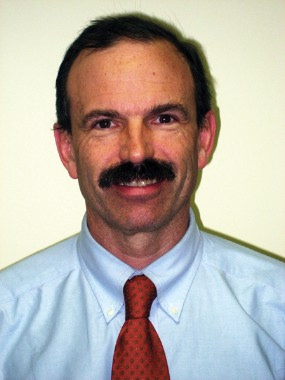
"Continuous glucose monitoring can improve glucose control when used as an adjunct to intermittent self-monitoring of blood glucose and is a critical component of bionic pancreas devices for automated glucose control," Dr. Steven J. Russell reported during the annual scientific sessions of the American Diabetes Association. "The effectiveness of continuous glucose monitoring in both applications is critically dependent on the accuracy and reliability of the data produced."
In a previous comparative trial with 2,360 reference values, Dr. Russell of the department of medicine at the Massachusetts General Hospital Diabetes Center in Boston and his associates compared three continuous glucose monitoring (CGM) devices: the FreeStyle Navigator (Abbott Diabetes Care; approved in March of 2008), the Seven Plus (DexCom; received premarket approval in November of 2010), and the Guardian (Medtronic; approved in July 2006), which were worn simultaneously by six subjects with type 1 diabetes (Diabetes Care 2013;36:251-9). The FreeStyle Navigator had the best overall accuracy, with an aggregate mean absolute relative difference (MARD) in plasma glucose, relative to venous levels, of all paired points of 11.8%. The Seven Plus and Guardian produced aggregate MARDs of all paired points of 16.5% and 20.3%, respectively.
For the current comparative study with 4,657 reference values, the researchers compared three CGM devices: the G4 Platinum (DexCom; approved in October of 2012), Enlite (Medtronic; not yet available in the United States), and the FreeStyle Navigator, which were worn simultaneously over a 2-day period by 23 volunteers participating in a trial of blood glucose control with a closed-loop artificial pancreas. Every 15 minutes, the researchers obtained venous glucose measurements and paired them in time with the CGM measurements.
Dr. Russell reported that the G4 Platinum and the FreeStyle Navigator had similar accuracy, with an aggregate MARD of 10.8% and 12.3%, respectively, while the aggregate MARD for the Enlite was 17.9%. Data reporting percentages, which the researchers described as a "measure of reliability," were 99.7% for the G4 Platinum, 99.7% for the FreeStyle Navigator, and 97.1% for the Enlite.
However, Dr. Russell noted, CGM calibration errors remain a problem, one that if not resolved will prevent closed-loop systems from use outside a controlled research setting. For example, when the Navigator calibrated at a time when blood glucose was rising sharply, it overestimated glucose for the rest of the day. On the other hand, calibration corrected low readings by the Navigator in another instance. Compared with the earlier comparison study, "the G4 Platinum accuracy is markedly improved over the Seven Plus, and slightly better than the Navigator, and markedly better than the Enlite." However, for all the sensors, "calibration remains an important and, I think, preventable source of error."
The study was supported by the National Institutes of Health, and several research foundations. Technical and material support came from DexCom, Tandem Diabetes, SweetSpot Diabetes, International Biomedical, Hospira, Abbott, Insulet, and Medtronic. Dr. Russell has received research support from Abbott, Dexcom, Insulet, International Biomedical, and Medtronic, and MiniMed.
Current generation continuous glucose monitoring devices continue to improve in accuracy and performance, judging from the results from a comparative study
"Continuous glucose monitoring can improve glucose control when used as an adjunct to intermittent self-monitoring of blood glucose and is a critical component of bionic pancreas devices for automated glucose control," Dr. Steven J. Russell reported during the annual scientific sessions of the American Diabetes Association. "The effectiveness of continuous glucose monitoring in both applications is critically dependent on the accuracy and reliability of the data produced."
In a previous comparative trial with 2,360 reference values, Dr. Russell of the department of medicine at the Massachusetts General Hospital Diabetes Center in Boston and his associates compared three continuous glucose monitoring (CGM) devices: the FreeStyle Navigator (Abbott Diabetes Care; approved in March of 2008), the Seven Plus (DexCom; received premarket approval in November of 2010), and the Guardian (Medtronic; approved in July 2006), which were worn simultaneously by six subjects with type 1 diabetes (Diabetes Care 2013;36:251-9). The FreeStyle Navigator had the best overall accuracy, with an aggregate mean absolute relative difference (MARD) in plasma glucose, relative to venous levels, of all paired points of 11.8%. The Seven Plus and Guardian produced aggregate MARDs of all paired points of 16.5% and 20.3%, respectively.
For the current comparative study with 4,657 reference values, the researchers compared three CGM devices: the G4 Platinum (DexCom; approved in October of 2012), Enlite (Medtronic; not yet available in the United States), and the FreeStyle Navigator, which were worn simultaneously over a 2-day period by 23 volunteers participating in a trial of blood glucose control with a closed-loop artificial pancreas. Every 15 minutes, the researchers obtained venous glucose measurements and paired them in time with the CGM measurements.
Dr. Russell reported that the G4 Platinum and the FreeStyle Navigator had similar accuracy, with an aggregate MARD of 10.8% and 12.3%, respectively, while the aggregate MARD for the Enlite was 17.9%. Data reporting percentages, which the researchers described as a "measure of reliability," were 99.7% for the G4 Platinum, 99.7% for the FreeStyle Navigator, and 97.1% for the Enlite.
However, Dr. Russell noted, CGM calibration errors remain a problem, one that if not resolved will prevent closed-loop systems from use outside a controlled research setting. For example, when the Navigator calibrated at a time when blood glucose was rising sharply, it overestimated glucose for the rest of the day. On the other hand, calibration corrected low readings by the Navigator in another instance. Compared with the earlier comparison study, "the G4 Platinum accuracy is markedly improved over the Seven Plus, and slightly better than the Navigator, and markedly better than the Enlite." However, for all the sensors, "calibration remains an important and, I think, preventable source of error."
The study was supported by the National Institutes of Health, and several research foundations. Technical and material support came from DexCom, Tandem Diabetes, SweetSpot Diabetes, International Biomedical, Hospira, Abbott, Insulet, and Medtronic. Dr. Russell has received research support from Abbott, Dexcom, Insulet, International Biomedical, and Medtronic, and MiniMed.
Current generation continuous glucose monitoring devices continue to improve in accuracy and performance, judging from the results from a comparative study
"Continuous glucose monitoring can improve glucose control when used as an adjunct to intermittent self-monitoring of blood glucose and is a critical component of bionic pancreas devices for automated glucose control," Dr. Steven J. Russell reported during the annual scientific sessions of the American Diabetes Association. "The effectiveness of continuous glucose monitoring in both applications is critically dependent on the accuracy and reliability of the data produced."
In a previous comparative trial with 2,360 reference values, Dr. Russell of the department of medicine at the Massachusetts General Hospital Diabetes Center in Boston and his associates compared three continuous glucose monitoring (CGM) devices: the FreeStyle Navigator (Abbott Diabetes Care; approved in March of 2008), the Seven Plus (DexCom; received premarket approval in November of 2010), and the Guardian (Medtronic; approved in July 2006), which were worn simultaneously by six subjects with type 1 diabetes (Diabetes Care 2013;36:251-9). The FreeStyle Navigator had the best overall accuracy, with an aggregate mean absolute relative difference (MARD) in plasma glucose, relative to venous levels, of all paired points of 11.8%. The Seven Plus and Guardian produced aggregate MARDs of all paired points of 16.5% and 20.3%, respectively.
For the current comparative study with 4,657 reference values, the researchers compared three CGM devices: the G4 Platinum (DexCom; approved in October of 2012), Enlite (Medtronic; not yet available in the United States), and the FreeStyle Navigator, which were worn simultaneously over a 2-day period by 23 volunteers participating in a trial of blood glucose control with a closed-loop artificial pancreas. Every 15 minutes, the researchers obtained venous glucose measurements and paired them in time with the CGM measurements.
Dr. Russell reported that the G4 Platinum and the FreeStyle Navigator had similar accuracy, with an aggregate MARD of 10.8% and 12.3%, respectively, while the aggregate MARD for the Enlite was 17.9%. Data reporting percentages, which the researchers described as a "measure of reliability," were 99.7% for the G4 Platinum, 99.7% for the FreeStyle Navigator, and 97.1% for the Enlite.
However, Dr. Russell noted, CGM calibration errors remain a problem, one that if not resolved will prevent closed-loop systems from use outside a controlled research setting. For example, when the Navigator calibrated at a time when blood glucose was rising sharply, it overestimated glucose for the rest of the day. On the other hand, calibration corrected low readings by the Navigator in another instance. Compared with the earlier comparison study, "the G4 Platinum accuracy is markedly improved over the Seven Plus, and slightly better than the Navigator, and markedly better than the Enlite." However, for all the sensors, "calibration remains an important and, I think, preventable source of error."
The study was supported by the National Institutes of Health, and several research foundations. Technical and material support came from DexCom, Tandem Diabetes, SweetSpot Diabetes, International Biomedical, Hospira, Abbott, Insulet, and Medtronic. Dr. Russell has received research support from Abbott, Dexcom, Insulet, International Biomedical, and Medtronic, and MiniMed.
FROM THE ADA ANNUAL SCIENTIFIC SESSIONS
Major finding: In a comparative study of three continuous glucose monitoring devices, the G4 Platinum and the FreeStyle Navigator had similar accuracy, with aggregate mean absolute relative differences (MARD) of all paired points of 10.8% and 12.5%, respectively, while the Enlite had a MARD of 18.2%.
Data source: A head-to-head comparison study conducted in 23 volunteers who wore the devices simultaneously over a 2-day period.
Disclosures: The study was supported by the National Institutes of Health, and several research foundations. Technical and material support came from DexCom, Tandem Diabetes, SweetSpot Diabetes, International Biomedical, Hospira, Abbott, Insulet, and Medtronic. Dr. Russell has received research support from Abbott, Dexcom, Insulet, International Biomedical, and Medtronic, and MiniMed.
Islet transplantation found to restore glucose counterregulation
CHIGAGO – Intrahepatic islet transplantation restored glucose counterregulation and improved hypoglycemia symptoms in patients with longstanding type 1 diabetes, results from a small single-center study showed.
The findings support the consideration of the procedure in patients with severe hypoglycemia unawareness, Dr. Michael R. Rickels reported at the annual scientific sessions of the American Diabetes Association.
Currently, islet transplantation is being evaluated as a potential treatment for patients with type 1 diabetes experiencing severe problems with hypoglycemia," Dr. Rickels of the department of medicine at the Hospital of the University of Pennsylvania, Philadelphia, said in an interview. "Difficulty with hypoglycemia increases with longer duration of type 1 diabetes as physiologic defense mechanisms against the development of low blood glucose fail. This study documents absent glucose production by the body during hypoglycemia in patients with longstanding type 1 diabetes that is restored 6 months after undergoing islet transplantation."
In an effort to determine the effect of intrahepatic islet transplantation on glucose counterregulation and hypoglycemia symptoms in patients with longstanding type 1 diabetes Dr. Rickels and his associates evaluated 20 subjects who underwent hyperinsulinemic, hypoglycemic, and euglycemic clamps with infusion of the tracer 6,6-2H2 glucose for measurement of endogenous glucose production. Of the 20 study participants, 12 had longstanding type 1 diabetes (average of 29 years) and underwent intrahepatic islet cell transplantation, and 8 were normal controls. The mean duration of type 1 diabetes in the patients was 29 years, their mean Clarke score was 6.3, and their mean HYPO score was 2,564, indicating hypoglycemia unawareness and severe problems with hypoglycemia.
The patients received a mean of 9,648 islet equivalents/kg by portal vein infusion. As a result 10 of 12 (83%) achieved insulin independence and their hemoglobin A1c levels dropped from a mean of 7.1 to a mean of 5.6 (P less than .001). They also experienced amelioration of hypoglycemia.
For the 12 patients with type 1 diabetes and 6 normal controls, during the final hour of the 4-hour hypoglycemic clamp, the mean level of plasma glucagon was 33 pg/mL in patients prior to islet transplantation, 60 pg/mL in patients after islet transplantation, and about 90 pg/mL in normal controls (P less than .001 for both vs. prior to islet transplantation).
Similar associations were observed for other measurements. The mean level of epinephrine was 116 pg/mL in patients prior to islet transplantation, 253 pg/mL in patients after islet transplantation, and 380 pg/mL in normal controls (P less than .01 for both vs. prior to islet transplantation and normal controls vs. after islet transplantation). The mean level of free fatty acids was 50 mcM in patients prior to islet transplantation, 161 mcM in patients after islet transplantation, and 95 mcM in normal controls (P less than .05 for both vs. prior to islet transplantation). The mean level of endogenous glucose production was 0.6 mg/kg per min in patients prior to islet transplantation, 1.2 mg/kg per min in patients after islet transplantation, and 1.4 mg/kg per min in normal controls (P less than .01 for both vs. prior to islet transplantation).
"These results indicate that present patient selection criteria developed by the Clinical Islet Transplantation Consortium for the protocols in which the current study’s patients participated indeed identify individuals with absent glucose counterregulation, and with the recovery of glucose counterregulation post transplant supports the consideration of islet transplantation as a potential treatment for patients with type 1 diabetes experiencing the most problems with hypoglycemia," said Dr. Rickels, who is also medical director for the hospital’s pancreatic islet cell transplantation program.
He noted certain limitations of the study, including the fact that it was "a small mechanistic study conducted in 12 patients at the University of Pennsylvania, so the results may not be generalizable to the larger population of type 1 diabetes patients who may undergo islet transplantation."
The study was supported by funding from the National Institutes of Health. Dr. Rickels said that he had no relevant financial conflicts to disclose.
CHIGAGO – Intrahepatic islet transplantation restored glucose counterregulation and improved hypoglycemia symptoms in patients with longstanding type 1 diabetes, results from a small single-center study showed.
The findings support the consideration of the procedure in patients with severe hypoglycemia unawareness, Dr. Michael R. Rickels reported at the annual scientific sessions of the American Diabetes Association.
Currently, islet transplantation is being evaluated as a potential treatment for patients with type 1 diabetes experiencing severe problems with hypoglycemia," Dr. Rickels of the department of medicine at the Hospital of the University of Pennsylvania, Philadelphia, said in an interview. "Difficulty with hypoglycemia increases with longer duration of type 1 diabetes as physiologic defense mechanisms against the development of low blood glucose fail. This study documents absent glucose production by the body during hypoglycemia in patients with longstanding type 1 diabetes that is restored 6 months after undergoing islet transplantation."
In an effort to determine the effect of intrahepatic islet transplantation on glucose counterregulation and hypoglycemia symptoms in patients with longstanding type 1 diabetes Dr. Rickels and his associates evaluated 20 subjects who underwent hyperinsulinemic, hypoglycemic, and euglycemic clamps with infusion of the tracer 6,6-2H2 glucose for measurement of endogenous glucose production. Of the 20 study participants, 12 had longstanding type 1 diabetes (average of 29 years) and underwent intrahepatic islet cell transplantation, and 8 were normal controls. The mean duration of type 1 diabetes in the patients was 29 years, their mean Clarke score was 6.3, and their mean HYPO score was 2,564, indicating hypoglycemia unawareness and severe problems with hypoglycemia.
The patients received a mean of 9,648 islet equivalents/kg by portal vein infusion. As a result 10 of 12 (83%) achieved insulin independence and their hemoglobin A1c levels dropped from a mean of 7.1 to a mean of 5.6 (P less than .001). They also experienced amelioration of hypoglycemia.
For the 12 patients with type 1 diabetes and 6 normal controls, during the final hour of the 4-hour hypoglycemic clamp, the mean level of plasma glucagon was 33 pg/mL in patients prior to islet transplantation, 60 pg/mL in patients after islet transplantation, and about 90 pg/mL in normal controls (P less than .001 for both vs. prior to islet transplantation).
Similar associations were observed for other measurements. The mean level of epinephrine was 116 pg/mL in patients prior to islet transplantation, 253 pg/mL in patients after islet transplantation, and 380 pg/mL in normal controls (P less than .01 for both vs. prior to islet transplantation and normal controls vs. after islet transplantation). The mean level of free fatty acids was 50 mcM in patients prior to islet transplantation, 161 mcM in patients after islet transplantation, and 95 mcM in normal controls (P less than .05 for both vs. prior to islet transplantation). The mean level of endogenous glucose production was 0.6 mg/kg per min in patients prior to islet transplantation, 1.2 mg/kg per min in patients after islet transplantation, and 1.4 mg/kg per min in normal controls (P less than .01 for both vs. prior to islet transplantation).
"These results indicate that present patient selection criteria developed by the Clinical Islet Transplantation Consortium for the protocols in which the current study’s patients participated indeed identify individuals with absent glucose counterregulation, and with the recovery of glucose counterregulation post transplant supports the consideration of islet transplantation as a potential treatment for patients with type 1 diabetes experiencing the most problems with hypoglycemia," said Dr. Rickels, who is also medical director for the hospital’s pancreatic islet cell transplantation program.
He noted certain limitations of the study, including the fact that it was "a small mechanistic study conducted in 12 patients at the University of Pennsylvania, so the results may not be generalizable to the larger population of type 1 diabetes patients who may undergo islet transplantation."
The study was supported by funding from the National Institutes of Health. Dr. Rickels said that he had no relevant financial conflicts to disclose.
CHIGAGO – Intrahepatic islet transplantation restored glucose counterregulation and improved hypoglycemia symptoms in patients with longstanding type 1 diabetes, results from a small single-center study showed.
The findings support the consideration of the procedure in patients with severe hypoglycemia unawareness, Dr. Michael R. Rickels reported at the annual scientific sessions of the American Diabetes Association.
Currently, islet transplantation is being evaluated as a potential treatment for patients with type 1 diabetes experiencing severe problems with hypoglycemia," Dr. Rickels of the department of medicine at the Hospital of the University of Pennsylvania, Philadelphia, said in an interview. "Difficulty with hypoglycemia increases with longer duration of type 1 diabetes as physiologic defense mechanisms against the development of low blood glucose fail. This study documents absent glucose production by the body during hypoglycemia in patients with longstanding type 1 diabetes that is restored 6 months after undergoing islet transplantation."
In an effort to determine the effect of intrahepatic islet transplantation on glucose counterregulation and hypoglycemia symptoms in patients with longstanding type 1 diabetes Dr. Rickels and his associates evaluated 20 subjects who underwent hyperinsulinemic, hypoglycemic, and euglycemic clamps with infusion of the tracer 6,6-2H2 glucose for measurement of endogenous glucose production. Of the 20 study participants, 12 had longstanding type 1 diabetes (average of 29 years) and underwent intrahepatic islet cell transplantation, and 8 were normal controls. The mean duration of type 1 diabetes in the patients was 29 years, their mean Clarke score was 6.3, and their mean HYPO score was 2,564, indicating hypoglycemia unawareness and severe problems with hypoglycemia.
The patients received a mean of 9,648 islet equivalents/kg by portal vein infusion. As a result 10 of 12 (83%) achieved insulin independence and their hemoglobin A1c levels dropped from a mean of 7.1 to a mean of 5.6 (P less than .001). They also experienced amelioration of hypoglycemia.
For the 12 patients with type 1 diabetes and 6 normal controls, during the final hour of the 4-hour hypoglycemic clamp, the mean level of plasma glucagon was 33 pg/mL in patients prior to islet transplantation, 60 pg/mL in patients after islet transplantation, and about 90 pg/mL in normal controls (P less than .001 for both vs. prior to islet transplantation).
Similar associations were observed for other measurements. The mean level of epinephrine was 116 pg/mL in patients prior to islet transplantation, 253 pg/mL in patients after islet transplantation, and 380 pg/mL in normal controls (P less than .01 for both vs. prior to islet transplantation and normal controls vs. after islet transplantation). The mean level of free fatty acids was 50 mcM in patients prior to islet transplantation, 161 mcM in patients after islet transplantation, and 95 mcM in normal controls (P less than .05 for both vs. prior to islet transplantation). The mean level of endogenous glucose production was 0.6 mg/kg per min in patients prior to islet transplantation, 1.2 mg/kg per min in patients after islet transplantation, and 1.4 mg/kg per min in normal controls (P less than .01 for both vs. prior to islet transplantation).
"These results indicate that present patient selection criteria developed by the Clinical Islet Transplantation Consortium for the protocols in which the current study’s patients participated indeed identify individuals with absent glucose counterregulation, and with the recovery of glucose counterregulation post transplant supports the consideration of islet transplantation as a potential treatment for patients with type 1 diabetes experiencing the most problems with hypoglycemia," said Dr. Rickels, who is also medical director for the hospital’s pancreatic islet cell transplantation program.
He noted certain limitations of the study, including the fact that it was "a small mechanistic study conducted in 12 patients at the University of Pennsylvania, so the results may not be generalizable to the larger population of type 1 diabetes patients who may undergo islet transplantation."
The study was supported by funding from the National Institutes of Health. Dr. Rickels said that he had no relevant financial conflicts to disclose.
AT THE ADA ANNUAL SCIENTIFIC SESSIONS
Major finding: After undergoing intrahepatic islet transplantation, 83% of patients with longstanding type 1 diabetes achieved insulin independence and their mean HbA1c levels dropped from 7.1 to 5.6 (P less than .001).
Data source: A single-center study conducted in 12 patients with type 1 diabetes and 8 normal controls to determine the effect of intrahepatic islet transplantation on glucose counterregulation and hypoglycemia symptoms.
Disclosures: The study was supported by funding from the National Institutes of Health. Dr. Rickels said that he had no relevant financial conflicts to disclose.
Insulin delivery system controls glucose overnight
CHICAGO – Use of a first-generation closed-loop insulin delivery system by patients with type 1 diabetes demonstrated the capability of maintaining safe glucose levels overnight, results from a small study demonstrated.
The findings, presented during the annual scientific sessions of the American Diabetes Association, indicate feasibility for continuing refinement of the system, known as the Hypoglycemia-Hyperglycemia Minimizer (HHM), developed by West Chester, Penn.–based Animas Corp., a Johnson & Johnson company. In June of 2011, Animas received Investigational Device Exemption for the use of the system in human clinical feasibility studies. For the current study, the HHM comprised an insulin pump, a continuous glucose monitor, and a control algorithm.

"Avoiding hypoglycemia during the overnight period is a primary concern for people with diabetes," Daniel A. Finan, Ph.D., said in an interview prior to the meeting. "Maintaining safe glucose levels during this time frame is crucial in helping not only to achieve better control, but also to provide peace of mind to patients and caregivers."
Dr. Finan, a staff algorithm scientist at Animas Corp, reported results from a feasibility study conducted in 20 adults with type 1 diabetes and designed to investigate the system’s automatic control algorithm, with emphasis on the overnight period of 9 p.m. to 7 a.m. The study was conducted in clinical research centers and involved automatic dosing of insulin based on the continuous glucose monitor values. Concomitant glucose readings were obtained from the YSI 2300 STAT Plus, which were considered the reference measurements.
The mean overnight glucose values based on the HHM continuous glucose monitor and the STAT Plus were 135 and 129 mg/dL, respectively, the median percentage of overnight time spent at glucose values between 70 and 180 mg/dL was 94% and 91%, and the median percentage of overnight time spent at glucose values less than 70 mg/dL was 0% with both methods.
"We are encouraged by the performance of the HHM system in this feasibility study, and particularly by the steady, within-range control it maintained in the patients overnight," Dr. Finan said. "We observed only small amounts of low and high glucose measurements, as determined both by the continuous glucose monitors and the laboratory gold standard" YSI 2300 STAT Plus, he added.
A major limitation of this study was the fact that it was performed at clinical research centers, Dr. Finan said. "The assurance of patient safety with close medical supervision is standard practice for this type of feasibility study, but the clinical research center atmosphere does indeed come with a set of artificialities," Dr. Finan said. "We are working with regulatory agencies to devise a clinical plan that moves the patients from the clinic to more ambulatory conditions."
The study was sponsored by Animas Corp. Dr. Finan is an employee of the company.
American Diabetes Association, Hypoglycemia-Hyperglycemia Minimizer, 2013ADA
CHICAGO – Use of a first-generation closed-loop insulin delivery system by patients with type 1 diabetes demonstrated the capability of maintaining safe glucose levels overnight, results from a small study demonstrated.
The findings, presented during the annual scientific sessions of the American Diabetes Association, indicate feasibility for continuing refinement of the system, known as the Hypoglycemia-Hyperglycemia Minimizer (HHM), developed by West Chester, Penn.–based Animas Corp., a Johnson & Johnson company. In June of 2011, Animas received Investigational Device Exemption for the use of the system in human clinical feasibility studies. For the current study, the HHM comprised an insulin pump, a continuous glucose monitor, and a control algorithm.
"Avoiding hypoglycemia during the overnight period is a primary concern for people with diabetes," Daniel A. Finan, Ph.D., said in an interview prior to the meeting. "Maintaining safe glucose levels during this time frame is crucial in helping not only to achieve better control, but also to provide peace of mind to patients and caregivers."
Dr. Finan, a staff algorithm scientist at Animas Corp, reported results from a feasibility study conducted in 20 adults with type 1 diabetes and designed to investigate the system’s automatic control algorithm, with emphasis on the overnight period of 9 p.m. to 7 a.m. The study was conducted in clinical research centers and involved automatic dosing of insulin based on the continuous glucose monitor values. Concomitant glucose readings were obtained from the YSI 2300 STAT Plus, which were considered the reference measurements.
The mean overnight glucose values based on the HHM continuous glucose monitor and the STAT Plus were 135 and 129 mg/dL, respectively, the median percentage of overnight time spent at glucose values between 70 and 180 mg/dL was 94% and 91%, and the median percentage of overnight time spent at glucose values less than 70 mg/dL was 0% with both methods.
"We are encouraged by the performance of the HHM system in this feasibility study, and particularly by the steady, within-range control it maintained in the patients overnight," Dr. Finan said. "We observed only small amounts of low and high glucose measurements, as determined both by the continuous glucose monitors and the laboratory gold standard" YSI 2300 STAT Plus, he added.
A major limitation of this study was the fact that it was performed at clinical research centers, Dr. Finan said. "The assurance of patient safety with close medical supervision is standard practice for this type of feasibility study, but the clinical research center atmosphere does indeed come with a set of artificialities," Dr. Finan said. "We are working with regulatory agencies to devise a clinical plan that moves the patients from the clinic to more ambulatory conditions."
The study was sponsored by Animas Corp. Dr. Finan is an employee of the company.
CHICAGO – Use of a first-generation closed-loop insulin delivery system by patients with type 1 diabetes demonstrated the capability of maintaining safe glucose levels overnight, results from a small study demonstrated.
The findings, presented during the annual scientific sessions of the American Diabetes Association, indicate feasibility for continuing refinement of the system, known as the Hypoglycemia-Hyperglycemia Minimizer (HHM), developed by West Chester, Penn.–based Animas Corp., a Johnson & Johnson company. In June of 2011, Animas received Investigational Device Exemption for the use of the system in human clinical feasibility studies. For the current study, the HHM comprised an insulin pump, a continuous glucose monitor, and a control algorithm.
"Avoiding hypoglycemia during the overnight period is a primary concern for people with diabetes," Daniel A. Finan, Ph.D., said in an interview prior to the meeting. "Maintaining safe glucose levels during this time frame is crucial in helping not only to achieve better control, but also to provide peace of mind to patients and caregivers."
Dr. Finan, a staff algorithm scientist at Animas Corp, reported results from a feasibility study conducted in 20 adults with type 1 diabetes and designed to investigate the system’s automatic control algorithm, with emphasis on the overnight period of 9 p.m. to 7 a.m. The study was conducted in clinical research centers and involved automatic dosing of insulin based on the continuous glucose monitor values. Concomitant glucose readings were obtained from the YSI 2300 STAT Plus, which were considered the reference measurements.
The mean overnight glucose values based on the HHM continuous glucose monitor and the STAT Plus were 135 and 129 mg/dL, respectively, the median percentage of overnight time spent at glucose values between 70 and 180 mg/dL was 94% and 91%, and the median percentage of overnight time spent at glucose values less than 70 mg/dL was 0% with both methods.
"We are encouraged by the performance of the HHM system in this feasibility study, and particularly by the steady, within-range control it maintained in the patients overnight," Dr. Finan said. "We observed only small amounts of low and high glucose measurements, as determined both by the continuous glucose monitors and the laboratory gold standard" YSI 2300 STAT Plus, he added.
A major limitation of this study was the fact that it was performed at clinical research centers, Dr. Finan said. "The assurance of patient safety with close medical supervision is standard practice for this type of feasibility study, but the clinical research center atmosphere does indeed come with a set of artificialities," Dr. Finan said. "We are working with regulatory agencies to devise a clinical plan that moves the patients from the clinic to more ambulatory conditions."
The study was sponsored by Animas Corp. Dr. Finan is an employee of the company.
American Diabetes Association, Hypoglycemia-Hyperglycemia Minimizer, 2013ADA
American Diabetes Association, Hypoglycemia-Hyperglycemia Minimizer, 2013ADA
AT THE ADA ANNUAL SCIENTIFIC SESSIONS
Major finding: The mean overnight glucose value based on a continuous glucose monitor that was part of a first-generation closed-loop insulin delivery system was 135 mg/dL. The median percentage of overnight time spent at glucose values in the target range of 70-180 mg/dL was 94%.
Data source: A feasibility study of 20 patients with type 1 diabetes designed to investigate the automatic control algorithm of the Hypoglycemia-Hyperglycemia Minimizer, developed by Animas Corp.
Disclosures: Dr. Finan is an employee of Animas Corp., which sponsored the study.

Two-year results from STABLE trial unveiled
SAN FRANCISCO – Endovascular repair of complicated type B aortic dissection using a composite device design demonstrates favorable aortic modeling, 2-year results from an ongoing trial showed.
However, patients treated in an acute phase may be prone to aortic growth and require close monitoring, Dr. Joseph V. Lombardi reported at Society for Vascular Surgery Annual Meeting.
Those are key findings the STABLE trial, a prospective, multicenter trial evaluating the safety and effectiveness of a composite endovascular system consisting of TX2 thoracic stent grafts and distal bare metal dissection stents (Zenith Dissection Endovascular System; Cook Medical) for the treatment of complicated type B aortic dissection. The system is commercially available in Europe but not in the United States.

The first published results from STABLE, which was comprised of 40 patients, found a 30-day mortality of 5% and a 1-year all-cause mortality of 10% (J. Vasc. Surg. 2012;55:629-40) "Positive aortic modeling was recognized as well," said Dr. Lombardi, chief of vascular surgery at Cooper University Hospital in Camden, N.J., and the principal STABLE investigator. "The goals for complicated type B aortic dissection are to recognize complications promptly, alleviate branch vessel malperfusion, reduce the risk of rupture, and minimize long-term complications."
Dr. Lombardi updated meeting attendees on 2-year data from the STABLE trial, which is being conducted in the United States, Europe, and Australia. He reported on results from 86 patients with a mean age of 59 years. Nearly three-quarters (73%) were male. The primary endpoint is 30-day mortality and follow-up through 5 years is ongoing.
The researchers observed a mean onset to treatment of 17 days. More than half (64%) presented in an acute phase, which they defined as within 0-14 days of symptom onset, while the remainder presented in a non-acute phase defined as greater than 14 days after symptom onset.
"The anatomical extent of the dissections extended through the visceral aorta in 99% of cases and in the common iliac artery or below in 80% of cases," Dr. Lombardi said. "There were a number of device combinations used depending on the patient’s anatomical presentation. Successful device deployment was seen in all patients, with 100% patency."
The all-cause mortality was 12% at 1 year and 15% at 2 years. The 30-day mortality rate for the 86 patients was 4.7%. Of the 55 patients who had acute presentations, the 30-day mortality rate was 5.5%.
"There were nine deaths between 1 month and 24 months, four of which were determined to be not related to the dissection," he said. "Combined, this translated into a dissection-related mortality of 11% at 24 months."
Between baseline and 2 years the true lumen diameter increased significantly in the descending thoracic aorta and in the more distal abdominal aorta, with a concomitant decrease in false lumen diameter, Dr. Lombardi said. Transaortic growth of 5 mm or greater was observed in the descending thoracic aorta in 21 patients (24%) and the abdominal aorta in 21 patients (24%).
Generalized linear model analysis revealed that the only significant factor for transaortic growth was duration from symptom onset to treatment (P = .05). "The acute phase treatment is associated with a risk of aortic dilation," Dr. Lombardi said. "Patients in this subgroup need to be closely monitored. Longer-term follow-up on STABLE is needed."
The STABLE Trial was sponsored by Cook Medical. Dr. Lombardi disclosed that he has received research grants from Cook Medical.
SAN FRANCISCO – Endovascular repair of complicated type B aortic dissection using a composite device design demonstrates favorable aortic modeling, 2-year results from an ongoing trial showed.
However, patients treated in an acute phase may be prone to aortic growth and require close monitoring, Dr. Joseph V. Lombardi reported at Society for Vascular Surgery Annual Meeting.
Those are key findings the STABLE trial, a prospective, multicenter trial evaluating the safety and effectiveness of a composite endovascular system consisting of TX2 thoracic stent grafts and distal bare metal dissection stents (Zenith Dissection Endovascular System; Cook Medical) for the treatment of complicated type B aortic dissection. The system is commercially available in Europe but not in the United States.
The first published results from STABLE, which was comprised of 40 patients, found a 30-day mortality of 5% and a 1-year all-cause mortality of 10% (J. Vasc. Surg. 2012;55:629-40) "Positive aortic modeling was recognized as well," said Dr. Lombardi, chief of vascular surgery at Cooper University Hospital in Camden, N.J., and the principal STABLE investigator. "The goals for complicated type B aortic dissection are to recognize complications promptly, alleviate branch vessel malperfusion, reduce the risk of rupture, and minimize long-term complications."
Dr. Lombardi updated meeting attendees on 2-year data from the STABLE trial, which is being conducted in the United States, Europe, and Australia. He reported on results from 86 patients with a mean age of 59 years. Nearly three-quarters (73%) were male. The primary endpoint is 30-day mortality and follow-up through 5 years is ongoing.
The researchers observed a mean onset to treatment of 17 days. More than half (64%) presented in an acute phase, which they defined as within 0-14 days of symptom onset, while the remainder presented in a non-acute phase defined as greater than 14 days after symptom onset.
"The anatomical extent of the dissections extended through the visceral aorta in 99% of cases and in the common iliac artery or below in 80% of cases," Dr. Lombardi said. "There were a number of device combinations used depending on the patient’s anatomical presentation. Successful device deployment was seen in all patients, with 100% patency."
The all-cause mortality was 12% at 1 year and 15% at 2 years. The 30-day mortality rate for the 86 patients was 4.7%. Of the 55 patients who had acute presentations, the 30-day mortality rate was 5.5%.
"There were nine deaths between 1 month and 24 months, four of which were determined to be not related to the dissection," he said. "Combined, this translated into a dissection-related mortality of 11% at 24 months."
Between baseline and 2 years the true lumen diameter increased significantly in the descending thoracic aorta and in the more distal abdominal aorta, with a concomitant decrease in false lumen diameter, Dr. Lombardi said. Transaortic growth of 5 mm or greater was observed in the descending thoracic aorta in 21 patients (24%) and the abdominal aorta in 21 patients (24%).
Generalized linear model analysis revealed that the only significant factor for transaortic growth was duration from symptom onset to treatment (P = .05). "The acute phase treatment is associated with a risk of aortic dilation," Dr. Lombardi said. "Patients in this subgroup need to be closely monitored. Longer-term follow-up on STABLE is needed."
The STABLE Trial was sponsored by Cook Medical. Dr. Lombardi disclosed that he has received research grants from Cook Medical.
SAN FRANCISCO – Endovascular repair of complicated type B aortic dissection using a composite device design demonstrates favorable aortic modeling, 2-year results from an ongoing trial showed.
However, patients treated in an acute phase may be prone to aortic growth and require close monitoring, Dr. Joseph V. Lombardi reported at Society for Vascular Surgery Annual Meeting.
Those are key findings the STABLE trial, a prospective, multicenter trial evaluating the safety and effectiveness of a composite endovascular system consisting of TX2 thoracic stent grafts and distal bare metal dissection stents (Zenith Dissection Endovascular System; Cook Medical) for the treatment of complicated type B aortic dissection. The system is commercially available in Europe but not in the United States.
The first published results from STABLE, which was comprised of 40 patients, found a 30-day mortality of 5% and a 1-year all-cause mortality of 10% (J. Vasc. Surg. 2012;55:629-40) "Positive aortic modeling was recognized as well," said Dr. Lombardi, chief of vascular surgery at Cooper University Hospital in Camden, N.J., and the principal STABLE investigator. "The goals for complicated type B aortic dissection are to recognize complications promptly, alleviate branch vessel malperfusion, reduce the risk of rupture, and minimize long-term complications."
Dr. Lombardi updated meeting attendees on 2-year data from the STABLE trial, which is being conducted in the United States, Europe, and Australia. He reported on results from 86 patients with a mean age of 59 years. Nearly three-quarters (73%) were male. The primary endpoint is 30-day mortality and follow-up through 5 years is ongoing.
The researchers observed a mean onset to treatment of 17 days. More than half (64%) presented in an acute phase, which they defined as within 0-14 days of symptom onset, while the remainder presented in a non-acute phase defined as greater than 14 days after symptom onset.
"The anatomical extent of the dissections extended through the visceral aorta in 99% of cases and in the common iliac artery or below in 80% of cases," Dr. Lombardi said. "There were a number of device combinations used depending on the patient’s anatomical presentation. Successful device deployment was seen in all patients, with 100% patency."
The all-cause mortality was 12% at 1 year and 15% at 2 years. The 30-day mortality rate for the 86 patients was 4.7%. Of the 55 patients who had acute presentations, the 30-day mortality rate was 5.5%.
"There were nine deaths between 1 month and 24 months, four of which were determined to be not related to the dissection," he said. "Combined, this translated into a dissection-related mortality of 11% at 24 months."
Between baseline and 2 years the true lumen diameter increased significantly in the descending thoracic aorta and in the more distal abdominal aorta, with a concomitant decrease in false lumen diameter, Dr. Lombardi said. Transaortic growth of 5 mm or greater was observed in the descending thoracic aorta in 21 patients (24%) and the abdominal aorta in 21 patients (24%).
Generalized linear model analysis revealed that the only significant factor for transaortic growth was duration from symptom onset to treatment (P = .05). "The acute phase treatment is associated with a risk of aortic dilation," Dr. Lombardi said. "Patients in this subgroup need to be closely monitored. Longer-term follow-up on STABLE is needed."
The STABLE Trial was sponsored by Cook Medical. Dr. Lombardi disclosed that he has received research grants from Cook Medical.
AT THE SVS ANNUAL MEETING
Major finding: Among patients who underwent endovascular repair of complicated type B aortic dissection with a composite device design, the 30-day mortality rate was 4.7%. Of the 55 patients who had acute presentations, the 30-day mortality rate was 5.5%.
Data source: Results from the ongoing STABLE Trial, a prospective, multicenter study evaluating the safety and effectiveness of a composite endovascular system consisting of TX2 thoracic stent grafts and distal bare metal dissection stents for the treatment of complicated type B aortic dissection.
Disclosures: The STABLE trial was sponsored by Cook Medical. Dr. Lombardi disclosed that he has received research grants from Cook Medical.
Study IDs predictors of unplanned hospital readmission after CEA
SAN FRANCISCO – The 30-day unplanned readmission rate following carotid endarterectomy was 6.5% in a single-center study.
In addition, four variables were significantly associated with unplanned readmission: in-hospital postoperative congestive heart failure (CHF) exacerbation; in-hospital postoperative stroke; in-hospital postoperative hematoma; and prior coronary artery bypass graft (CABG).
"Whether these complications are completely avoidable is unknown, but we do identify a group of patients who would probably benefit from more comprehensive discharge planning and careful postdischarge care," Dr. Karen J. Ho said at the Society for Vascular Surgery annual meeting.
According to a study of Medicare claims data from 2003 to 2004, 20% of Medicare beneficiaries discharged from a hospital were rehospitalized within 30 days (N. Eng. J. Med. 2009;360:1418-28). The 30-day rehospitalization rate after vascular surgery was 24%, "the highest of all surgical specialties examined in the study," said Dr. Ho of the surgery department at Brigham and Women’s Hospital, Boston, who was not involved with the published study. "Medicare has started to decrease reimbursements for hospitals with excess readmissions after acute MI, heart failure, and pneumonia. Hip and knee replacements and chronic obstructive pulmonary disease will be added in 2014, and we anticipate that additional surgical procedures will be added thereafter," she said.
In an effort to determine the rate of 30-day unplanned readmission after carotid endarterectomy (CEA), Dr. Ho and her associates conducted a retrospective study of a prospectively collected vascular surgery database at Brigham and Women’s Hospital. The cohort included 896 consecutive CEAs performed between 2002 and 2011. Combined CABG/CEA procedures were excluded.
The primary endpoint was unplanned readmission within 30 days, defined as "any unanticipated, nonelective hospital readmission," she said. The secondary endpoint was 1-year survival.
The mean age of the patients was 70 years, 60% were male, and 95% were white. More than half (65%) had asymptomatic evidence of carotid artery disease.
Dr. Ho reported that the median postoperative length of stay was 1 day and that 9.9% of patients had at least one in-hospital complication. The most frequent in-hospital complication was bleeding/hematoma (4.1%), followed by arrhythmia (2.1%), dysphagia (1.7%), stroke (1.3%), and myocardial infarction (1.2%). Only 3% of patients required a reoperation, while most (94%) were discharged to home. The 30-day stroke rate was 1.7%, while the 30-day death rate was 0.6%.
The overall 30-day readmission rate was 8.6%, while the unplanned 30-day readmission rate was 6.5%. "Most of the overall readmissions (80%) occurred in the first 10 days, and the median time to unplanned readmission was 4 days," Dr. Ho said.
The most common reason for an unplanned readmission was a cardiac complication, followed by headache, bleeding/hematoma, stroke/transient ischemic attack/intracerebral hemorrhage, or other medical emergency. More than one-quarter of patients (27.5%) had more than one reason for an unplanned readmission, while 87.9% of patients had a CEA-related unplanned readmission.
When the researchers performed a univariate analysis followed by analysis with a multivariable Cox model for unplanned readmission, four variables were independently associated with unplanned readmission: in-hospital postoperative CHF exacerbation (hazard ratio, 15.1), in-hospital postoperative stroke (HR, 5.0), in-hospital postoperative hematoma (HR, 3.1), and prior CABG (HR, 2.0).
They also observed a significant difference in survival at 1 year between patients who had an unplanned readmission and those who did not (91% vs. 96%, respectively; P less than .01.) "It’s unclear whether these deaths in the unplanned readmission group were preventable or if they were related to carotid disease or to a procedure-related complication," Dr. Ho said. "Our guess is that the increased overall burden of comorbid disease in these patients, rather than the readmission itself, predicted decreased survival."
Limitations of the study included its retrospective design and the fact that it was conducted at a single center, she said, "but we do know that our unplanned readmission rate is comparable to estimates from recent Medicare data."
Dr. Ho said she had no relevant financial disclosures.
SAN FRANCISCO – The 30-day unplanned readmission rate following carotid endarterectomy was 6.5% in a single-center study.
In addition, four variables were significantly associated with unplanned readmission: in-hospital postoperative congestive heart failure (CHF) exacerbation; in-hospital postoperative stroke; in-hospital postoperative hematoma; and prior coronary artery bypass graft (CABG).
"Whether these complications are completely avoidable is unknown, but we do identify a group of patients who would probably benefit from more comprehensive discharge planning and careful postdischarge care," Dr. Karen J. Ho said at the Society for Vascular Surgery annual meeting.
According to a study of Medicare claims data from 2003 to 2004, 20% of Medicare beneficiaries discharged from a hospital were rehospitalized within 30 days (N. Eng. J. Med. 2009;360:1418-28). The 30-day rehospitalization rate after vascular surgery was 24%, "the highest of all surgical specialties examined in the study," said Dr. Ho of the surgery department at Brigham and Women’s Hospital, Boston, who was not involved with the published study. "Medicare has started to decrease reimbursements for hospitals with excess readmissions after acute MI, heart failure, and pneumonia. Hip and knee replacements and chronic obstructive pulmonary disease will be added in 2014, and we anticipate that additional surgical procedures will be added thereafter," she said.
In an effort to determine the rate of 30-day unplanned readmission after carotid endarterectomy (CEA), Dr. Ho and her associates conducted a retrospective study of a prospectively collected vascular surgery database at Brigham and Women’s Hospital. The cohort included 896 consecutive CEAs performed between 2002 and 2011. Combined CABG/CEA procedures were excluded.
The primary endpoint was unplanned readmission within 30 days, defined as "any unanticipated, nonelective hospital readmission," she said. The secondary endpoint was 1-year survival.
The mean age of the patients was 70 years, 60% were male, and 95% were white. More than half (65%) had asymptomatic evidence of carotid artery disease.
Dr. Ho reported that the median postoperative length of stay was 1 day and that 9.9% of patients had at least one in-hospital complication. The most frequent in-hospital complication was bleeding/hematoma (4.1%), followed by arrhythmia (2.1%), dysphagia (1.7%), stroke (1.3%), and myocardial infarction (1.2%). Only 3% of patients required a reoperation, while most (94%) were discharged to home. The 30-day stroke rate was 1.7%, while the 30-day death rate was 0.6%.
The overall 30-day readmission rate was 8.6%, while the unplanned 30-day readmission rate was 6.5%. "Most of the overall readmissions (80%) occurred in the first 10 days, and the median time to unplanned readmission was 4 days," Dr. Ho said.
The most common reason for an unplanned readmission was a cardiac complication, followed by headache, bleeding/hematoma, stroke/transient ischemic attack/intracerebral hemorrhage, or other medical emergency. More than one-quarter of patients (27.5%) had more than one reason for an unplanned readmission, while 87.9% of patients had a CEA-related unplanned readmission.
When the researchers performed a univariate analysis followed by analysis with a multivariable Cox model for unplanned readmission, four variables were independently associated with unplanned readmission: in-hospital postoperative CHF exacerbation (hazard ratio, 15.1), in-hospital postoperative stroke (HR, 5.0), in-hospital postoperative hematoma (HR, 3.1), and prior CABG (HR, 2.0).
They also observed a significant difference in survival at 1 year between patients who had an unplanned readmission and those who did not (91% vs. 96%, respectively; P less than .01.) "It’s unclear whether these deaths in the unplanned readmission group were preventable or if they were related to carotid disease or to a procedure-related complication," Dr. Ho said. "Our guess is that the increased overall burden of comorbid disease in these patients, rather than the readmission itself, predicted decreased survival."
Limitations of the study included its retrospective design and the fact that it was conducted at a single center, she said, "but we do know that our unplanned readmission rate is comparable to estimates from recent Medicare data."
Dr. Ho said she had no relevant financial disclosures.
SAN FRANCISCO – The 30-day unplanned readmission rate following carotid endarterectomy was 6.5% in a single-center study.
In addition, four variables were significantly associated with unplanned readmission: in-hospital postoperative congestive heart failure (CHF) exacerbation; in-hospital postoperative stroke; in-hospital postoperative hematoma; and prior coronary artery bypass graft (CABG).
"Whether these complications are completely avoidable is unknown, but we do identify a group of patients who would probably benefit from more comprehensive discharge planning and careful postdischarge care," Dr. Karen J. Ho said at the Society for Vascular Surgery annual meeting.
According to a study of Medicare claims data from 2003 to 2004, 20% of Medicare beneficiaries discharged from a hospital were rehospitalized within 30 days (N. Eng. J. Med. 2009;360:1418-28). The 30-day rehospitalization rate after vascular surgery was 24%, "the highest of all surgical specialties examined in the study," said Dr. Ho of the surgery department at Brigham and Women’s Hospital, Boston, who was not involved with the published study. "Medicare has started to decrease reimbursements for hospitals with excess readmissions after acute MI, heart failure, and pneumonia. Hip and knee replacements and chronic obstructive pulmonary disease will be added in 2014, and we anticipate that additional surgical procedures will be added thereafter," she said.
In an effort to determine the rate of 30-day unplanned readmission after carotid endarterectomy (CEA), Dr. Ho and her associates conducted a retrospective study of a prospectively collected vascular surgery database at Brigham and Women’s Hospital. The cohort included 896 consecutive CEAs performed between 2002 and 2011. Combined CABG/CEA procedures were excluded.
The primary endpoint was unplanned readmission within 30 days, defined as "any unanticipated, nonelective hospital readmission," she said. The secondary endpoint was 1-year survival.
The mean age of the patients was 70 years, 60% were male, and 95% were white. More than half (65%) had asymptomatic evidence of carotid artery disease.
Dr. Ho reported that the median postoperative length of stay was 1 day and that 9.9% of patients had at least one in-hospital complication. The most frequent in-hospital complication was bleeding/hematoma (4.1%), followed by arrhythmia (2.1%), dysphagia (1.7%), stroke (1.3%), and myocardial infarction (1.2%). Only 3% of patients required a reoperation, while most (94%) were discharged to home. The 30-day stroke rate was 1.7%, while the 30-day death rate was 0.6%.
The overall 30-day readmission rate was 8.6%, while the unplanned 30-day readmission rate was 6.5%. "Most of the overall readmissions (80%) occurred in the first 10 days, and the median time to unplanned readmission was 4 days," Dr. Ho said.
The most common reason for an unplanned readmission was a cardiac complication, followed by headache, bleeding/hematoma, stroke/transient ischemic attack/intracerebral hemorrhage, or other medical emergency. More than one-quarter of patients (27.5%) had more than one reason for an unplanned readmission, while 87.9% of patients had a CEA-related unplanned readmission.
When the researchers performed a univariate analysis followed by analysis with a multivariable Cox model for unplanned readmission, four variables were independently associated with unplanned readmission: in-hospital postoperative CHF exacerbation (hazard ratio, 15.1), in-hospital postoperative stroke (HR, 5.0), in-hospital postoperative hematoma (HR, 3.1), and prior CABG (HR, 2.0).
They also observed a significant difference in survival at 1 year between patients who had an unplanned readmission and those who did not (91% vs. 96%, respectively; P less than .01.) "It’s unclear whether these deaths in the unplanned readmission group were preventable or if they were related to carotid disease or to a procedure-related complication," Dr. Ho said. "Our guess is that the increased overall burden of comorbid disease in these patients, rather than the readmission itself, predicted decreased survival."
Limitations of the study included its retrospective design and the fact that it was conducted at a single center, she said, "but we do know that our unplanned readmission rate is comparable to estimates from recent Medicare data."
Dr. Ho said she had no relevant financial disclosures.
AT THE SVS ANNUAL MEETING
Major finding: Four variables were independently associated with unplanned readmission: in-hospital postoperative CHF exacerbation (hazard ratio, 15.1), in-hospital postoperative stroke (HR, 5.0), in-hospital postoperative hematoma (HR, 3.1), and prior CABG (HR, 2.0).
Data source: A study of 896 consecutive CEAs performed between 2002 and 2011 at Brigham and Women’s Hospital, Boston.
Disclosures: Dr. Ho said she had no relevant financial disclosures.