User login
Doug Brunk is a San Diego-based award-winning reporter who began covering health care in 1991. Before joining the company, he wrote for the health sciences division of Columbia University and was an associate editor at Contemporary Long Term Care magazine when it won a Jesse H. Neal Award. His work has been syndicated by the Los Angeles Times and he is the author of two books related to the University of Kentucky Wildcats men's basketball program. Doug has a master’s degree in magazine journalism from the S.I. Newhouse School of Public Communications at Syracuse University. Follow him on Twitter @dougbrunk.
Alcohol poisoning kills an average of six people each day
Every day, an average of six people in the United States die from alcohol poisoning—the majority of them middle-aged men, according to a new Vital Signs report from the Centers for Disease Control and Prevention.
“This is likely to be an underestimate,” the CDC’s Deputy Principal Director, Ileana Arias, Ph.D., said during a Jan. 6, 2015 press briefing.
Dr. Arias highlighted findings from a study of alcohol poisoning among people aged 15 and older that coauthor Dr. Robert D. Brewer and associates conducted using multiple cause-of-death data from the National Vital Statistics for 2010-2012. They found that more than 2,200 Americans died each year of alcohol poisoning, for an average of six deaths every day each year. Three in four alcohol poisoning deaths involved adults 35-54 years old, mostly men.

The researchers determined that binge drinking, defined as consuming four or more drinks for women and five or more drinks for men during a period of 2-3 hours, accounted for most of the deaths. “Despite the risks, more than 38 million U.S. adults report binge drinking about four times per month and consume an average of eight drinks per binge,” Dr. Arias said. “Alcohol poisoning is caused by consuming a very large amount of alcohol in a very short period of time.”
A person’s response to alcohol can vary depending on many factors, including the grade of alcohol consumed, the health of the drinker, and whether the drinker has consumed other drugs. “But the key point is this: The more you drink, the greater you are at risk of poisoning and of death,” she said.
Dr. Arias noted that a 12-ounce can of 5% beer contains the same amount of alcohol as a 5-ounce glass of 12% wine or 1.5 ounces of 80-proof distilled spirits. “It’s also best to avoid drinks with unknown alcohol content and be very cautious when mixing alcohol with energy drinks,” she said. “Caffeine can mask alcohol’s effects, causing you to drink more than you intended [to].”
When assessed by race and ethnicity, the majority of alcohol-poisoning deaths occurred among non-Hispanic whites. However, American Indians and Alaska Natives had the most alcohol-poisoning deaths per million people. Alcohol-poisoning deaths also varied widely across states, ranging from 5.3 deaths per million residents in Alabama to 46.5 deaths per million residents in Alaska. “Alcohol dependence was identified as a factor in 30% of these deaths and other drugs contributed to 3% of the deaths,” she said.
Life-threatening signs of alcohol poisoning include the inability to wake up from sleep, vomiting, seizures, slow or irregular breathing or heart rate, and low body temperature, bluish skin color, or pallor. Dr. Arias said that health professionals can play a role in the prevention of deaths related to alcohol poisoning by screening all adult patients for excessive drinking, counseling those who do so to help them drink less, and referring excessive drinkers who are alcohol dependent for specialized treatment.
“The bottom line is that binge drinking can be lethal,” she said. “Alcohol poisoning is killing people across the lifespan, but in particular men in the prime of their lives.”
None of the researchers reported having relevant financial disclosures.
On Twitter @dougbrunk
Every day, an average of six people in the United States die from alcohol poisoning—the majority of them middle-aged men, according to a new Vital Signs report from the Centers for Disease Control and Prevention.
“This is likely to be an underestimate,” the CDC’s Deputy Principal Director, Ileana Arias, Ph.D., said during a Jan. 6, 2015 press briefing.
Dr. Arias highlighted findings from a study of alcohol poisoning among people aged 15 and older that coauthor Dr. Robert D. Brewer and associates conducted using multiple cause-of-death data from the National Vital Statistics for 2010-2012. They found that more than 2,200 Americans died each year of alcohol poisoning, for an average of six deaths every day each year. Three in four alcohol poisoning deaths involved adults 35-54 years old, mostly men.
The researchers determined that binge drinking, defined as consuming four or more drinks for women and five or more drinks for men during a period of 2-3 hours, accounted for most of the deaths. “Despite the risks, more than 38 million U.S. adults report binge drinking about four times per month and consume an average of eight drinks per binge,” Dr. Arias said. “Alcohol poisoning is caused by consuming a very large amount of alcohol in a very short period of time.”
A person’s response to alcohol can vary depending on many factors, including the grade of alcohol consumed, the health of the drinker, and whether the drinker has consumed other drugs. “But the key point is this: The more you drink, the greater you are at risk of poisoning and of death,” she said.
Dr. Arias noted that a 12-ounce can of 5% beer contains the same amount of alcohol as a 5-ounce glass of 12% wine or 1.5 ounces of 80-proof distilled spirits. “It’s also best to avoid drinks with unknown alcohol content and be very cautious when mixing alcohol with energy drinks,” she said. “Caffeine can mask alcohol’s effects, causing you to drink more than you intended [to].”
When assessed by race and ethnicity, the majority of alcohol-poisoning deaths occurred among non-Hispanic whites. However, American Indians and Alaska Natives had the most alcohol-poisoning deaths per million people. Alcohol-poisoning deaths also varied widely across states, ranging from 5.3 deaths per million residents in Alabama to 46.5 deaths per million residents in Alaska. “Alcohol dependence was identified as a factor in 30% of these deaths and other drugs contributed to 3% of the deaths,” she said.
Life-threatening signs of alcohol poisoning include the inability to wake up from sleep, vomiting, seizures, slow or irregular breathing or heart rate, and low body temperature, bluish skin color, or pallor. Dr. Arias said that health professionals can play a role in the prevention of deaths related to alcohol poisoning by screening all adult patients for excessive drinking, counseling those who do so to help them drink less, and referring excessive drinkers who are alcohol dependent for specialized treatment.
“The bottom line is that binge drinking can be lethal,” she said. “Alcohol poisoning is killing people across the lifespan, but in particular men in the prime of their lives.”
None of the researchers reported having relevant financial disclosures.
On Twitter @dougbrunk
Every day, an average of six people in the United States die from alcohol poisoning—the majority of them middle-aged men, according to a new Vital Signs report from the Centers for Disease Control and Prevention.
“This is likely to be an underestimate,” the CDC’s Deputy Principal Director, Ileana Arias, Ph.D., said during a Jan. 6, 2015 press briefing.
Dr. Arias highlighted findings from a study of alcohol poisoning among people aged 15 and older that coauthor Dr. Robert D. Brewer and associates conducted using multiple cause-of-death data from the National Vital Statistics for 2010-2012. They found that more than 2,200 Americans died each year of alcohol poisoning, for an average of six deaths every day each year. Three in four alcohol poisoning deaths involved adults 35-54 years old, mostly men.
The researchers determined that binge drinking, defined as consuming four or more drinks for women and five or more drinks for men during a period of 2-3 hours, accounted for most of the deaths. “Despite the risks, more than 38 million U.S. adults report binge drinking about four times per month and consume an average of eight drinks per binge,” Dr. Arias said. “Alcohol poisoning is caused by consuming a very large amount of alcohol in a very short period of time.”
A person’s response to alcohol can vary depending on many factors, including the grade of alcohol consumed, the health of the drinker, and whether the drinker has consumed other drugs. “But the key point is this: The more you drink, the greater you are at risk of poisoning and of death,” she said.
Dr. Arias noted that a 12-ounce can of 5% beer contains the same amount of alcohol as a 5-ounce glass of 12% wine or 1.5 ounces of 80-proof distilled spirits. “It’s also best to avoid drinks with unknown alcohol content and be very cautious when mixing alcohol with energy drinks,” she said. “Caffeine can mask alcohol’s effects, causing you to drink more than you intended [to].”
When assessed by race and ethnicity, the majority of alcohol-poisoning deaths occurred among non-Hispanic whites. However, American Indians and Alaska Natives had the most alcohol-poisoning deaths per million people. Alcohol-poisoning deaths also varied widely across states, ranging from 5.3 deaths per million residents in Alabama to 46.5 deaths per million residents in Alaska. “Alcohol dependence was identified as a factor in 30% of these deaths and other drugs contributed to 3% of the deaths,” she said.
Life-threatening signs of alcohol poisoning include the inability to wake up from sleep, vomiting, seizures, slow or irregular breathing or heart rate, and low body temperature, bluish skin color, or pallor. Dr. Arias said that health professionals can play a role in the prevention of deaths related to alcohol poisoning by screening all adult patients for excessive drinking, counseling those who do so to help them drink less, and referring excessive drinkers who are alcohol dependent for specialized treatment.
“The bottom line is that binge drinking can be lethal,” she said. “Alcohol poisoning is killing people across the lifespan, but in particular men in the prime of their lives.”
None of the researchers reported having relevant financial disclosures.
On Twitter @dougbrunk
Key clinical point: An estimated six people in the United States die each day from alcohol poisoning.
Major finding: More than 2,200 Americans die each year of alcohol poisoning, or an average of six deaths every day each year.
Data source: An analysis of multiple cause-of-death data from the National Vital Statistics for 2010-2012.
Disclosures: None of the researchers reported having relevant financial disclosures.

Altered mental state is key feature of thyroid storm
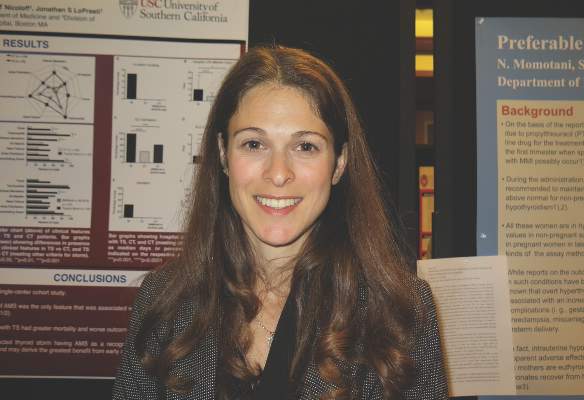
CORONADO, CALIF. – The presence of an altered mental state was the only feature associated with the clinical diagnosis of thyroid storm, compared with patients who had compensated thyrotoxicosis, results from a retrospective study demonstrated.
“Thyroid storm is a rare diagnosis, but it’s something that can cause mortality [of] 10% or more,” lead study author Dr. Melissa G. Lechner said in an interview during the annual meeting of the American Thyroid Association. “Though the existing Burch-Wartofsky (Endocrinol. Metab. Clin. North Am. 1993;22:263-77) and Akamizu (Thyroid 2012;22:661-79) scoring systems can help guide clinicians in the diagnosis of thyroid storm, they have not been applied to inpatient populations,” said Dr. Lechner, who is an internal medicine resident at Brigham and Women’s Faulkner Hospital, Boston. “Our question was, in an inpatient setting, and among patients who are acutely ill, how do you distinguish the patients who are hyperthyroid and going to have bad outcomes from the patient who just has sepsis and hyperthyroidism? Who do we need to be aware of in terms of being aggressive with treatment?”

To find out, she and her associates retrospectively evaluated the records of 150 patients who were admitted at Los Angeles County–University of Southern California Medical Center between Jan. 1, 2008 and Dec. 31, 2013, with a thyroid-stimulating hormone (TSH) level of less than .01 mIU/L. They evaluated patients with thyroid storm and those with compensated thyrotoxicosis for differences in clinical and laboratory characteristics, and in hospital outcomes of inpatient mortality, hospital length of stay, ICU admission, ICU length of stay, intubation, and duration of mechanical ventilation. Patients were retrospectively categorized by Burch-Wartofsky score (BWS less than 25, 25-44, or 45 and greater) and Akamizu categories (AkTS1/2). They excluded non-thyrotoxic causes of TSH suppression and those with inadequate medical records.
The researchers found that the following clinical features helped to differentiate thyroid storm from compensated thyrotoxicosis in the clinical hospital setting: fever of greater than 100.4 degrees F, heart rate of greater than 100 beats per minute, altered mentation, and precipitating event (P less than .05 for all). Altered mentation was the was only clinical feature that distinguished thyroid storm from compensated thyrotoxicosis for patients with a BWS score of greater than 45 and in patients with AkTS1/2 (P less than .001). In addition, patients diagnosed with thyroid storm had greater mortality and worse outcomes over all measures. The findings “have been useful, especially from an internal medicine perspective, because often we’re the first to see these patients,” noted Dr. Lechner, who began the study while a medical student at USC.
She and her associates concluded that patients with suspected thyroid storm who have altered mental state as a recognized feature may be at greater risk for adverse outcomes and may derive the greatest benefit from early and/or aggressive therapeutic intervention.
Dr. Lechner reported having no financial disclosures.
On Twitter @dougbrunk
CORONADO, CALIF. – The presence of an altered mental state was the only feature associated with the clinical diagnosis of thyroid storm, compared with patients who had compensated thyrotoxicosis, results from a retrospective study demonstrated.
“Thyroid storm is a rare diagnosis, but it’s something that can cause mortality [of] 10% or more,” lead study author Dr. Melissa G. Lechner said in an interview during the annual meeting of the American Thyroid Association. “Though the existing Burch-Wartofsky (Endocrinol. Metab. Clin. North Am. 1993;22:263-77) and Akamizu (Thyroid 2012;22:661-79) scoring systems can help guide clinicians in the diagnosis of thyroid storm, they have not been applied to inpatient populations,” said Dr. Lechner, who is an internal medicine resident at Brigham and Women’s Faulkner Hospital, Boston. “Our question was, in an inpatient setting, and among patients who are acutely ill, how do you distinguish the patients who are hyperthyroid and going to have bad outcomes from the patient who just has sepsis and hyperthyroidism? Who do we need to be aware of in terms of being aggressive with treatment?”
To find out, she and her associates retrospectively evaluated the records of 150 patients who were admitted at Los Angeles County–University of Southern California Medical Center between Jan. 1, 2008 and Dec. 31, 2013, with a thyroid-stimulating hormone (TSH) level of less than .01 mIU/L. They evaluated patients with thyroid storm and those with compensated thyrotoxicosis for differences in clinical and laboratory characteristics, and in hospital outcomes of inpatient mortality, hospital length of stay, ICU admission, ICU length of stay, intubation, and duration of mechanical ventilation. Patients were retrospectively categorized by Burch-Wartofsky score (BWS less than 25, 25-44, or 45 and greater) and Akamizu categories (AkTS1/2). They excluded non-thyrotoxic causes of TSH suppression and those with inadequate medical records.
The researchers found that the following clinical features helped to differentiate thyroid storm from compensated thyrotoxicosis in the clinical hospital setting: fever of greater than 100.4 degrees F, heart rate of greater than 100 beats per minute, altered mentation, and precipitating event (P less than .05 for all). Altered mentation was the was only clinical feature that distinguished thyroid storm from compensated thyrotoxicosis for patients with a BWS score of greater than 45 and in patients with AkTS1/2 (P less than .001). In addition, patients diagnosed with thyroid storm had greater mortality and worse outcomes over all measures. The findings “have been useful, especially from an internal medicine perspective, because often we’re the first to see these patients,” noted Dr. Lechner, who began the study while a medical student at USC.
She and her associates concluded that patients with suspected thyroid storm who have altered mental state as a recognized feature may be at greater risk for adverse outcomes and may derive the greatest benefit from early and/or aggressive therapeutic intervention.
Dr. Lechner reported having no financial disclosures.
On Twitter @dougbrunk
CORONADO, CALIF. – The presence of an altered mental state was the only feature associated with the clinical diagnosis of thyroid storm, compared with patients who had compensated thyrotoxicosis, results from a retrospective study demonstrated.
“Thyroid storm is a rare diagnosis, but it’s something that can cause mortality [of] 10% or more,” lead study author Dr. Melissa G. Lechner said in an interview during the annual meeting of the American Thyroid Association. “Though the existing Burch-Wartofsky (Endocrinol. Metab. Clin. North Am. 1993;22:263-77) and Akamizu (Thyroid 2012;22:661-79) scoring systems can help guide clinicians in the diagnosis of thyroid storm, they have not been applied to inpatient populations,” said Dr. Lechner, who is an internal medicine resident at Brigham and Women’s Faulkner Hospital, Boston. “Our question was, in an inpatient setting, and among patients who are acutely ill, how do you distinguish the patients who are hyperthyroid and going to have bad outcomes from the patient who just has sepsis and hyperthyroidism? Who do we need to be aware of in terms of being aggressive with treatment?”
To find out, she and her associates retrospectively evaluated the records of 150 patients who were admitted at Los Angeles County–University of Southern California Medical Center between Jan. 1, 2008 and Dec. 31, 2013, with a thyroid-stimulating hormone (TSH) level of less than .01 mIU/L. They evaluated patients with thyroid storm and those with compensated thyrotoxicosis for differences in clinical and laboratory characteristics, and in hospital outcomes of inpatient mortality, hospital length of stay, ICU admission, ICU length of stay, intubation, and duration of mechanical ventilation. Patients were retrospectively categorized by Burch-Wartofsky score (BWS less than 25, 25-44, or 45 and greater) and Akamizu categories (AkTS1/2). They excluded non-thyrotoxic causes of TSH suppression and those with inadequate medical records.
The researchers found that the following clinical features helped to differentiate thyroid storm from compensated thyrotoxicosis in the clinical hospital setting: fever of greater than 100.4 degrees F, heart rate of greater than 100 beats per minute, altered mentation, and precipitating event (P less than .05 for all). Altered mentation was the was only clinical feature that distinguished thyroid storm from compensated thyrotoxicosis for patients with a BWS score of greater than 45 and in patients with AkTS1/2 (P less than .001). In addition, patients diagnosed with thyroid storm had greater mortality and worse outcomes over all measures. The findings “have been useful, especially from an internal medicine perspective, because often we’re the first to see these patients,” noted Dr. Lechner, who began the study while a medical student at USC.
She and her associates concluded that patients with suspected thyroid storm who have altered mental state as a recognized feature may be at greater risk for adverse outcomes and may derive the greatest benefit from early and/or aggressive therapeutic intervention.
Dr. Lechner reported having no financial disclosures.
On Twitter @dougbrunk
AT THE ATA ANNUAL MEETING
Key clinical point: Patients with suspected thyroid storm who present with an altered mental state should be treated aggressively.
Major finding: Altered mentation was the was only clinical feature that distinguished thyroid storm from compensated thyrotoxicosis for patients with a Burch-Wartofsky score of greater than 45 and in patients with thyroid storm grades 1 and 2 based on Akamizu criteria (P less than .001).
Data source: A retrospective review of 150 patients who were admitted at Los Angeles County-University of Southern California Medical Center between Jan. 1, 2008 and Dec. 31, 2013 with a TSH level of less than .01 mIU/L.
Disclosures: Dr. Lechner reported having no financial disclosures.
Sorting out optimal TB testing can be tricky
LAS VEGAS – In the clinical opinion of Dr. Andi L. Shane, tuberculin skin testing and interferon gamma release assay diagnostics and surveillance for Mycobacterium tuberculosis infection are game-changers in the ongoing effort to reduce the rates of TB infection nationwide.
“From 1982 to 2013, we’ve had a very nice decline in the number of TB cases. However, we still have quite a bit of work to do,” Dr. Shane said at a pediatric update sponsored by the American Academy of Pediatrics California District 9.

Reported case rates are especially high in California, Nevada, Texas, Florida, New York, Washington, New Jersey, and the District of Columbia. By age group, those under 5 years old and those aged 15-24 years are more likely to be affected.
“It’s really important to identify TB as soon as possible, especially in children,” said Dr. Shane of the department of pediatrics, division of infectious diseases, Emory University, Atlanta. “An interferon gamma release assay (IGRA) or a tuberculin skin test (TST) may be used in situation where assessment for MTB [M. tuberculosis] exposure is indicated. IGRA is preferred in persons who received BCG vaccine and who have low rates of test completion, while TST is preferred for testing of children younger than age 5.”
TB disease in people younger than age 15 years is a marker for transmission of TB, usually from an adult. “So when we identify a case of TB in children, that requires a contact investigation,” she said. “We’re more concerned with children under the age of 5 with TB because they are more likely to have disseminated disease.”
Latent TB means that the patient has been exposed to the disease but that his or her body has been able to control the infection; no systemic manifestations of infection are present. “It’s very important to identify the difference between latent tuberculosis infection (LTBI) and actual tuberculosis disease,” she said. “This is one of the most challenging aspects to explain to families when you’re giving your diagnosis. The reason this is important is that children or adults who have LTBI are not infectious to other people, whereas someone who has pulmonary or laryngeal TB is considered to be an infectious risk to other individuals.”
Dr. Shane went on to discuss limitations of the TST in diagnosing TB. For one, the test may be placed incorrectly, resulting in an inflammatory response or no response, “and there is reader variability,” she said. “The other issue is that the reading needs to occur 48-72 hours after placement of the test. So, if you place it on a Thursday, that means you really are not going to read it at the optimal time unless the child comes to you on a weekend or the test is read by somebody else.”
As an alternative, two IGRAs have been developed that measure how the immune system reacts to MTB. One is QuantiFERON, which is widely used in the United States; the other is the T-SPOT.TB test, which is widely used in Europe. A positive result on either test indicates that there has been interaction with MTB bacteria but it does not differentiate between LTBI and active TB disease.
“A negative IGRA tells you there is no reaction to the test and MTB is not likely, while an indeterminate result is when you’re unable to interpret the result due to low positive [mitogen] or increased negative control [nil] compared to TB response,” Dr. Shane said. “This usually indicates that there’s some problem with the assay itself. It can also indicate that the individual may not have an immune system that can respond to and produce the interferon gamma that’s needed.”
Assessment of IGRA accuracy is challenged by a lack of a standard for the diagnosis of LTBI and active TB, especially in children. “The reason is, we just don’t have a lot of good data from resource-endowed settings,” Dr. Shane explained. “We have good data from areas where TB is prevalent.” According to the Centers for Disease Control and Prevention and the AAP, IGRAs are probably reliable in children over the age of 5 years, but a TST is still recommended in children under the age of 5.
“The nice thing about the IGRAs is that their specificity is much higher” than TSTs, Dr. Shane said. “However, in some cases a TST might be more sensitive for detecting more remote MTB infections than an IGRA, but IGRAs may be better at detecting a recent infection. Like the TST, an IGRA also shows that if you’re infected with TB you have 5-10% chance of developing active TB in your lifetime.”
She also pointed out that a significant amount of blood is required to perform an IGRA. “That might not always be optimal, especially in a young child,” Dr. Shane said. “Low CD4 counts and other immunodeficiencies have also been associated with false-negative TST and indeterminate/false-negative IGRA results.”
For contact investigations, IGRAs offer increased specificity, are completed during a single visit, and their response is not boosted if an additional evaluation is needed 8-10 weeks after exposure. For periodic screening of health care workers, IGRA offers “technical and logistical advantages, and two-step testing is not required,” she said.
If the TST or IGRA is positive, additional diagnostic efforts are needed “to differentiate between LTBI and active MTB,” said Dr. Shane, who recommended the Curry International Tuberculosis Center as a resource for clinicians. “Your clinical history, chest radiography, [and results of] sputum/gastric aspirates will help,” she added.
If the TST or IGRA is negative, “it’s not sufficient to exclude MTB infection. If you have a discordant TST and IGRA result, consider history and epidemiologic risk factors. Treat with clinical suspicion or risk of a poor outcome (those younger than age 5 and those infected with HIV).”
Dr. Shane reported having no relevant financial disclosures.
On Twitter @dougbrunk
Dr. Susan Millard, FCCP, comments: Health care providers need to be ever vigilant of those red snappers when seeing pediatric patients so this article is timely in regards to the ins and outs of interferon gamma release assay (IGRA) testing.
Dr. Susan Millard, FCCP, comments: Health care providers need to be ever vigilant of those red snappers when seeing pediatric patients so this article is timely in regards to the ins and outs of interferon gamma release assay (IGRA) testing.
Dr. Susan Millard, FCCP, comments: Health care providers need to be ever vigilant of those red snappers when seeing pediatric patients so this article is timely in regards to the ins and outs of interferon gamma release assay (IGRA) testing.
LAS VEGAS – In the clinical opinion of Dr. Andi L. Shane, tuberculin skin testing and interferon gamma release assay diagnostics and surveillance for Mycobacterium tuberculosis infection are game-changers in the ongoing effort to reduce the rates of TB infection nationwide.
“From 1982 to 2013, we’ve had a very nice decline in the number of TB cases. However, we still have quite a bit of work to do,” Dr. Shane said at a pediatric update sponsored by the American Academy of Pediatrics California District 9.
Reported case rates are especially high in California, Nevada, Texas, Florida, New York, Washington, New Jersey, and the District of Columbia. By age group, those under 5 years old and those aged 15-24 years are more likely to be affected.
“It’s really important to identify TB as soon as possible, especially in children,” said Dr. Shane of the department of pediatrics, division of infectious diseases, Emory University, Atlanta. “An interferon gamma release assay (IGRA) or a tuberculin skin test (TST) may be used in situation where assessment for MTB [M. tuberculosis] exposure is indicated. IGRA is preferred in persons who received BCG vaccine and who have low rates of test completion, while TST is preferred for testing of children younger than age 5.”
TB disease in people younger than age 15 years is a marker for transmission of TB, usually from an adult. “So when we identify a case of TB in children, that requires a contact investigation,” she said. “We’re more concerned with children under the age of 5 with TB because they are more likely to have disseminated disease.”
Latent TB means that the patient has been exposed to the disease but that his or her body has been able to control the infection; no systemic manifestations of infection are present. “It’s very important to identify the difference between latent tuberculosis infection (LTBI) and actual tuberculosis disease,” she said. “This is one of the most challenging aspects to explain to families when you’re giving your diagnosis. The reason this is important is that children or adults who have LTBI are not infectious to other people, whereas someone who has pulmonary or laryngeal TB is considered to be an infectious risk to other individuals.”
Dr. Shane went on to discuss limitations of the TST in diagnosing TB. For one, the test may be placed incorrectly, resulting in an inflammatory response or no response, “and there is reader variability,” she said. “The other issue is that the reading needs to occur 48-72 hours after placement of the test. So, if you place it on a Thursday, that means you really are not going to read it at the optimal time unless the child comes to you on a weekend or the test is read by somebody else.”
As an alternative, two IGRAs have been developed that measure how the immune system reacts to MTB. One is QuantiFERON, which is widely used in the United States; the other is the T-SPOT.TB test, which is widely used in Europe. A positive result on either test indicates that there has been interaction with MTB bacteria but it does not differentiate between LTBI and active TB disease.
“A negative IGRA tells you there is no reaction to the test and MTB is not likely, while an indeterminate result is when you’re unable to interpret the result due to low positive [mitogen] or increased negative control [nil] compared to TB response,” Dr. Shane said. “This usually indicates that there’s some problem with the assay itself. It can also indicate that the individual may not have an immune system that can respond to and produce the interferon gamma that’s needed.”
Assessment of IGRA accuracy is challenged by a lack of a standard for the diagnosis of LTBI and active TB, especially in children. “The reason is, we just don’t have a lot of good data from resource-endowed settings,” Dr. Shane explained. “We have good data from areas where TB is prevalent.” According to the Centers for Disease Control and Prevention and the AAP, IGRAs are probably reliable in children over the age of 5 years, but a TST is still recommended in children under the age of 5.
“The nice thing about the IGRAs is that their specificity is much higher” than TSTs, Dr. Shane said. “However, in some cases a TST might be more sensitive for detecting more remote MTB infections than an IGRA, but IGRAs may be better at detecting a recent infection. Like the TST, an IGRA also shows that if you’re infected with TB you have 5-10% chance of developing active TB in your lifetime.”
She also pointed out that a significant amount of blood is required to perform an IGRA. “That might not always be optimal, especially in a young child,” Dr. Shane said. “Low CD4 counts and other immunodeficiencies have also been associated with false-negative TST and indeterminate/false-negative IGRA results.”
For contact investigations, IGRAs offer increased specificity, are completed during a single visit, and their response is not boosted if an additional evaluation is needed 8-10 weeks after exposure. For periodic screening of health care workers, IGRA offers “technical and logistical advantages, and two-step testing is not required,” she said.
If the TST or IGRA is positive, additional diagnostic efforts are needed “to differentiate between LTBI and active MTB,” said Dr. Shane, who recommended the Curry International Tuberculosis Center as a resource for clinicians. “Your clinical history, chest radiography, [and results of] sputum/gastric aspirates will help,” she added.
If the TST or IGRA is negative, “it’s not sufficient to exclude MTB infection. If you have a discordant TST and IGRA result, consider history and epidemiologic risk factors. Treat with clinical suspicion or risk of a poor outcome (those younger than age 5 and those infected with HIV).”
Dr. Shane reported having no relevant financial disclosures.
On Twitter @dougbrunk
LAS VEGAS – In the clinical opinion of Dr. Andi L. Shane, tuberculin skin testing and interferon gamma release assay diagnostics and surveillance for Mycobacterium tuberculosis infection are game-changers in the ongoing effort to reduce the rates of TB infection nationwide.
“From 1982 to 2013, we’ve had a very nice decline in the number of TB cases. However, we still have quite a bit of work to do,” Dr. Shane said at a pediatric update sponsored by the American Academy of Pediatrics California District 9.
Reported case rates are especially high in California, Nevada, Texas, Florida, New York, Washington, New Jersey, and the District of Columbia. By age group, those under 5 years old and those aged 15-24 years are more likely to be affected.
“It’s really important to identify TB as soon as possible, especially in children,” said Dr. Shane of the department of pediatrics, division of infectious diseases, Emory University, Atlanta. “An interferon gamma release assay (IGRA) or a tuberculin skin test (TST) may be used in situation where assessment for MTB [M. tuberculosis] exposure is indicated. IGRA is preferred in persons who received BCG vaccine and who have low rates of test completion, while TST is preferred for testing of children younger than age 5.”
TB disease in people younger than age 15 years is a marker for transmission of TB, usually from an adult. “So when we identify a case of TB in children, that requires a contact investigation,” she said. “We’re more concerned with children under the age of 5 with TB because they are more likely to have disseminated disease.”
Latent TB means that the patient has been exposed to the disease but that his or her body has been able to control the infection; no systemic manifestations of infection are present. “It’s very important to identify the difference between latent tuberculosis infection (LTBI) and actual tuberculosis disease,” she said. “This is one of the most challenging aspects to explain to families when you’re giving your diagnosis. The reason this is important is that children or adults who have LTBI are not infectious to other people, whereas someone who has pulmonary or laryngeal TB is considered to be an infectious risk to other individuals.”
Dr. Shane went on to discuss limitations of the TST in diagnosing TB. For one, the test may be placed incorrectly, resulting in an inflammatory response or no response, “and there is reader variability,” she said. “The other issue is that the reading needs to occur 48-72 hours after placement of the test. So, if you place it on a Thursday, that means you really are not going to read it at the optimal time unless the child comes to you on a weekend or the test is read by somebody else.”
As an alternative, two IGRAs have been developed that measure how the immune system reacts to MTB. One is QuantiFERON, which is widely used in the United States; the other is the T-SPOT.TB test, which is widely used in Europe. A positive result on either test indicates that there has been interaction with MTB bacteria but it does not differentiate between LTBI and active TB disease.
“A negative IGRA tells you there is no reaction to the test and MTB is not likely, while an indeterminate result is when you’re unable to interpret the result due to low positive [mitogen] or increased negative control [nil] compared to TB response,” Dr. Shane said. “This usually indicates that there’s some problem with the assay itself. It can also indicate that the individual may not have an immune system that can respond to and produce the interferon gamma that’s needed.”
Assessment of IGRA accuracy is challenged by a lack of a standard for the diagnosis of LTBI and active TB, especially in children. “The reason is, we just don’t have a lot of good data from resource-endowed settings,” Dr. Shane explained. “We have good data from areas where TB is prevalent.” According to the Centers for Disease Control and Prevention and the AAP, IGRAs are probably reliable in children over the age of 5 years, but a TST is still recommended in children under the age of 5.
“The nice thing about the IGRAs is that their specificity is much higher” than TSTs, Dr. Shane said. “However, in some cases a TST might be more sensitive for detecting more remote MTB infections than an IGRA, but IGRAs may be better at detecting a recent infection. Like the TST, an IGRA also shows that if you’re infected with TB you have 5-10% chance of developing active TB in your lifetime.”
She also pointed out that a significant amount of blood is required to perform an IGRA. “That might not always be optimal, especially in a young child,” Dr. Shane said. “Low CD4 counts and other immunodeficiencies have also been associated with false-negative TST and indeterminate/false-negative IGRA results.”
For contact investigations, IGRAs offer increased specificity, are completed during a single visit, and their response is not boosted if an additional evaluation is needed 8-10 weeks after exposure. For periodic screening of health care workers, IGRA offers “technical and logistical advantages, and two-step testing is not required,” she said.
If the TST or IGRA is positive, additional diagnostic efforts are needed “to differentiate between LTBI and active MTB,” said Dr. Shane, who recommended the Curry International Tuberculosis Center as a resource for clinicians. “Your clinical history, chest radiography, [and results of] sputum/gastric aspirates will help,” she added.
If the TST or IGRA is negative, “it’s not sufficient to exclude MTB infection. If you have a discordant TST and IGRA result, consider history and epidemiologic risk factors. Treat with clinical suspicion or risk of a poor outcome (those younger than age 5 and those infected with HIV).”
Dr. Shane reported having no relevant financial disclosures.
On Twitter @dougbrunk
EXPERT ANALYSIS FROM A PEDIATRIC UPDATE
Sorting out optimal TB testing can be tricky
LAS VEGAS – In the clinical opinion of Dr. Andi L. Shane, tuberculin skin testing and interferon gamma release assay diagnostics and surveillance for Mycobacterium tuberculosis infection are game-changers in the ongoing effort to reduce the rates of TB infection nationwide.
“From 1982 to 2013, we’ve had a very nice decline in the number of TB cases. However, we still have quite a bit of work to do,” Dr. Shane said at a pediatric update sponsored by the American Academy of Pediatrics California District 9.

Reported case rates are especially high in California, Nevada, Texas, Florida, New York, Washington, New Jersey, and the District of Columbia. By age group, those under 5 years old and those aged 15-24 years are more likely to be affected.
“It’s really important to identify TB as soon as possible, especially in children,” said Dr. Shane of the department of pediatrics, division of infectious diseases, Emory University, Atlanta. “An interferon gamma release assay (IGRA) or a tuberculin skin test (TST) may be used in situation where assessment for MTB [M. tuberculosis] exposure is indicated. IGRA is preferred in persons who received BCG vaccine and who have low rates of test completion, while TST is preferred for testing of children younger than age 5.”
TB disease in people younger than age 15 years is a marker for transmission of TB, usually from an adult. “So when we identify a case of TB in children, that requires a contact investigation,” she said. “We’re more concerned with children under the age of 5 with TB because they are more likely to have disseminated disease.”
Latent TB means that the patient has been exposed to the disease but that his or her body has been able to control the infection; no systemic manifestations of infection are present. “It’s very important to identify the difference between latent tuberculosis infection (LTBI) and actual tuberculosis disease,” she said. “This is one of the most challenging aspects to explain to families when you’re giving your diagnosis. The reason this is important is that children or adults who have LTBI are not infectious to other people, whereas someone who has pulmonary or laryngeal TB is considered to be an infectious risk to other individuals.”
Dr. Shane went on to discuss limitations of the TST in diagnosing TB. For one, the test may be placed incorrectly, resulting in an inflammatory response or no response, “and there is reader variability,” she said. “The other issue is that the reading needs to occur 48-72 hours after placement of the test. So, if you place it on a Thursday, that means you really are not going to read it at the optimal time unless the child comes to you on a weekend or the test is read by somebody else.”
As an alternative, two IGRAs have been developed that measure how the immune system reacts to MTB. One is QuantiFERON, which is widely used in the United States; the other is the T-SPOT.TB test, which is widely used in Europe. A positive result on either test indicates that there has been interaction with MTB bacteria but it does not differentiate between LTBI and active TB disease.
“A negative IGRA tells you there is no reaction to the test and MTB is not likely, while an indeterminate result is when you’re unable to interpret the result due to low positive [mitogen] or increased negative control [nil] compared to TB response,” Dr. Shane said. “This usually indicates that there’s some problem with the assay itself. It can also indicate that the individual may not have an immune system that can respond to and produce the interferon gamma that’s needed.”
Assessment of IGRA accuracy is challenged by a lack of a standard for the diagnosis of LTBI and active TB, especially in children. “The reason is, we just don’t have a lot of good data from resource-endowed settings,” Dr. Shane explained. “We have good data from areas where TB is prevalent.” According to the Centers for Disease Control and Prevention and the AAP, IGRAs are probably reliable in children over the age of 5 years, but a TST is still recommended in children under the age of 5.
“The nice thing about the IGRAs is that their specificity is much higher” than TSTs, Dr. Shane said. “However, in some cases a TST might be more sensitive for detecting more remote MTB infections than an IGRA, but IGRAs may be better at detecting a recent infection. Like the TST, an IGRA also shows that if you’re infected with TB you have 5-10% chance of developing active TB in your lifetime.”
She also pointed out that a significant amount of blood is required to perform an IGRA. “That might not always be optimal, especially in a young child,” Dr. Shane said. “Low CD4 counts and other immunodeficiencies have also been associated with false-negative TST and indeterminate/false-negative IGRA results.”
For contact investigations, IGRAs offer increased specificity, are completed during a single visit, and their response is not boosted if an additional evaluation is needed 8-10 weeks after exposure. For periodic screening of health care workers, IGRA offers “technical and logistical advantages, and two-step testing is not required,” she said.
If the TST or IGRA is positive, additional diagnostic efforts are needed “to differentiate between LTBI and active MTB,” said Dr. Shane, who recommended the Curry International Tuberculosis Center as a resource for clinicians. “Your clinical history, chest radiography, [and results of] sputum/gastric aspirates will help,” she added.
If the TST or IGRA is negative, “it’s not sufficient to exclude MTB infection. If you have a discordant TST and IGRA result, consider history and epidemiologic risk factors. Treat with clinical suspicion or risk of a poor outcome (those younger than age 5 and those infected with HIV).”
Dr. Shane reported having no relevant financial disclosures.
On Twitter @dougbrunk
LAS VEGAS – In the clinical opinion of Dr. Andi L. Shane, tuberculin skin testing and interferon gamma release assay diagnostics and surveillance for Mycobacterium tuberculosis infection are game-changers in the ongoing effort to reduce the rates of TB infection nationwide.
“From 1982 to 2013, we’ve had a very nice decline in the number of TB cases. However, we still have quite a bit of work to do,” Dr. Shane said at a pediatric update sponsored by the American Academy of Pediatrics California District 9.
Reported case rates are especially high in California, Nevada, Texas, Florida, New York, Washington, New Jersey, and the District of Columbia. By age group, those under 5 years old and those aged 15-24 years are more likely to be affected.
“It’s really important to identify TB as soon as possible, especially in children,” said Dr. Shane of the department of pediatrics, division of infectious diseases, Emory University, Atlanta. “An interferon gamma release assay (IGRA) or a tuberculin skin test (TST) may be used in situation where assessment for MTB [M. tuberculosis] exposure is indicated. IGRA is preferred in persons who received BCG vaccine and who have low rates of test completion, while TST is preferred for testing of children younger than age 5.”
TB disease in people younger than age 15 years is a marker for transmission of TB, usually from an adult. “So when we identify a case of TB in children, that requires a contact investigation,” she said. “We’re more concerned with children under the age of 5 with TB because they are more likely to have disseminated disease.”
Latent TB means that the patient has been exposed to the disease but that his or her body has been able to control the infection; no systemic manifestations of infection are present. “It’s very important to identify the difference between latent tuberculosis infection (LTBI) and actual tuberculosis disease,” she said. “This is one of the most challenging aspects to explain to families when you’re giving your diagnosis. The reason this is important is that children or adults who have LTBI are not infectious to other people, whereas someone who has pulmonary or laryngeal TB is considered to be an infectious risk to other individuals.”
Dr. Shane went on to discuss limitations of the TST in diagnosing TB. For one, the test may be placed incorrectly, resulting in an inflammatory response or no response, “and there is reader variability,” she said. “The other issue is that the reading needs to occur 48-72 hours after placement of the test. So, if you place it on a Thursday, that means you really are not going to read it at the optimal time unless the child comes to you on a weekend or the test is read by somebody else.”
As an alternative, two IGRAs have been developed that measure how the immune system reacts to MTB. One is QuantiFERON, which is widely used in the United States; the other is the T-SPOT.TB test, which is widely used in Europe. A positive result on either test indicates that there has been interaction with MTB bacteria but it does not differentiate between LTBI and active TB disease.
“A negative IGRA tells you there is no reaction to the test and MTB is not likely, while an indeterminate result is when you’re unable to interpret the result due to low positive [mitogen] or increased negative control [nil] compared to TB response,” Dr. Shane said. “This usually indicates that there’s some problem with the assay itself. It can also indicate that the individual may not have an immune system that can respond to and produce the interferon gamma that’s needed.”
Assessment of IGRA accuracy is challenged by a lack of a standard for the diagnosis of LTBI and active TB, especially in children. “The reason is, we just don’t have a lot of good data from resource-endowed settings,” Dr. Shane explained. “We have good data from areas where TB is prevalent.” According to the Centers for Disease Control and Prevention and the AAP, IGRAs are probably reliable in children over the age of 5 years, but a TST is still recommended in children under the age of 5.
“The nice thing about the IGRAs is that their specificity is much higher” than TSTs, Dr. Shane said. “However, in some cases a TST might be more sensitive for detecting more remote MTB infections than an IGRA, but IGRAs may be better at detecting a recent infection. Like the TST, an IGRA also shows that if you’re infected with TB you have 5-10% chance of developing active TB in your lifetime.”
She also pointed out that a significant amount of blood is required to perform an IGRA. “That might not always be optimal, especially in a young child,” Dr. Shane said. “Low CD4 counts and other immunodeficiencies have also been associated with false-negative TST and indeterminate/false-negative IGRA results.”
For contact investigations, IGRAs offer increased specificity, are completed during a single visit, and their response is not boosted if an additional evaluation is needed 8-10 weeks after exposure. For periodic screening of health care workers, IGRA offers “technical and logistical advantages, and two-step testing is not required,” she said.
If the TST or IGRA is positive, additional diagnostic efforts are needed “to differentiate between LTBI and active MTB,” said Dr. Shane, who recommended the Curry International Tuberculosis Center as a resource for clinicians. “Your clinical history, chest radiography, [and results of] sputum/gastric aspirates will help,” she added.
If the TST or IGRA is negative, “it’s not sufficient to exclude MTB infection. If you have a discordant TST and IGRA result, consider history and epidemiologic risk factors. Treat with clinical suspicion or risk of a poor outcome (those younger than age 5 and those infected with HIV).”
Dr. Shane reported having no relevant financial disclosures.
On Twitter @dougbrunk
LAS VEGAS – In the clinical opinion of Dr. Andi L. Shane, tuberculin skin testing and interferon gamma release assay diagnostics and surveillance for Mycobacterium tuberculosis infection are game-changers in the ongoing effort to reduce the rates of TB infection nationwide.
“From 1982 to 2013, we’ve had a very nice decline in the number of TB cases. However, we still have quite a bit of work to do,” Dr. Shane said at a pediatric update sponsored by the American Academy of Pediatrics California District 9.
Reported case rates are especially high in California, Nevada, Texas, Florida, New York, Washington, New Jersey, and the District of Columbia. By age group, those under 5 years old and those aged 15-24 years are more likely to be affected.
“It’s really important to identify TB as soon as possible, especially in children,” said Dr. Shane of the department of pediatrics, division of infectious diseases, Emory University, Atlanta. “An interferon gamma release assay (IGRA) or a tuberculin skin test (TST) may be used in situation where assessment for MTB [M. tuberculosis] exposure is indicated. IGRA is preferred in persons who received BCG vaccine and who have low rates of test completion, while TST is preferred for testing of children younger than age 5.”
TB disease in people younger than age 15 years is a marker for transmission of TB, usually from an adult. “So when we identify a case of TB in children, that requires a contact investigation,” she said. “We’re more concerned with children under the age of 5 with TB because they are more likely to have disseminated disease.”
Latent TB means that the patient has been exposed to the disease but that his or her body has been able to control the infection; no systemic manifestations of infection are present. “It’s very important to identify the difference between latent tuberculosis infection (LTBI) and actual tuberculosis disease,” she said. “This is one of the most challenging aspects to explain to families when you’re giving your diagnosis. The reason this is important is that children or adults who have LTBI are not infectious to other people, whereas someone who has pulmonary or laryngeal TB is considered to be an infectious risk to other individuals.”
Dr. Shane went on to discuss limitations of the TST in diagnosing TB. For one, the test may be placed incorrectly, resulting in an inflammatory response or no response, “and there is reader variability,” she said. “The other issue is that the reading needs to occur 48-72 hours after placement of the test. So, if you place it on a Thursday, that means you really are not going to read it at the optimal time unless the child comes to you on a weekend or the test is read by somebody else.”
As an alternative, two IGRAs have been developed that measure how the immune system reacts to MTB. One is QuantiFERON, which is widely used in the United States; the other is the T-SPOT.TB test, which is widely used in Europe. A positive result on either test indicates that there has been interaction with MTB bacteria but it does not differentiate between LTBI and active TB disease.
“A negative IGRA tells you there is no reaction to the test and MTB is not likely, while an indeterminate result is when you’re unable to interpret the result due to low positive [mitogen] or increased negative control [nil] compared to TB response,” Dr. Shane said. “This usually indicates that there’s some problem with the assay itself. It can also indicate that the individual may not have an immune system that can respond to and produce the interferon gamma that’s needed.”
Assessment of IGRA accuracy is challenged by a lack of a standard for the diagnosis of LTBI and active TB, especially in children. “The reason is, we just don’t have a lot of good data from resource-endowed settings,” Dr. Shane explained. “We have good data from areas where TB is prevalent.” According to the Centers for Disease Control and Prevention and the AAP, IGRAs are probably reliable in children over the age of 5 years, but a TST is still recommended in children under the age of 5.
“The nice thing about the IGRAs is that their specificity is much higher” than TSTs, Dr. Shane said. “However, in some cases a TST might be more sensitive for detecting more remote MTB infections than an IGRA, but IGRAs may be better at detecting a recent infection. Like the TST, an IGRA also shows that if you’re infected with TB you have 5-10% chance of developing active TB in your lifetime.”
She also pointed out that a significant amount of blood is required to perform an IGRA. “That might not always be optimal, especially in a young child,” Dr. Shane said. “Low CD4 counts and other immunodeficiencies have also been associated with false-negative TST and indeterminate/false-negative IGRA results.”
For contact investigations, IGRAs offer increased specificity, are completed during a single visit, and their response is not boosted if an additional evaluation is needed 8-10 weeks after exposure. For periodic screening of health care workers, IGRA offers “technical and logistical advantages, and two-step testing is not required,” she said.
If the TST or IGRA is positive, additional diagnostic efforts are needed “to differentiate between LTBI and active MTB,” said Dr. Shane, who recommended the Curry International Tuberculosis Center as a resource for clinicians. “Your clinical history, chest radiography, [and results of] sputum/gastric aspirates will help,” she added.
If the TST or IGRA is negative, “it’s not sufficient to exclude MTB infection. If you have a discordant TST and IGRA result, consider history and epidemiologic risk factors. Treat with clinical suspicion or risk of a poor outcome (those younger than age 5 and those infected with HIV).”
Dr. Shane reported having no relevant financial disclosures.
On Twitter @dougbrunk
EXPERT ANALYSIS FROM A PEDIATRIC UPDATE
Varying cutoffs of vitamin D add confusion to field
Efforts to reach agreement on how vitamin D deficiency is defined are complicated by the fact that the cutoff points used in reports from clinical laboratories vary widely.
“I think reporting is a great problem because primary care physicians are very hurried,” Dr. John F. Aloia said at a public conference on vitamin D sponsored by the National Institutes of Health. “When you look at the laboratory report, what you get is a column that’s normal and another column that’s low or high. The choice of the laboratories to choose their own cutpoints is really a problem. The other part of that reporting is using the low level of normal in a range at the RDA [recommended daily allowance].”
In its recently updated recommendations on vitamin D screening, the U.S. Preventive Services Task Force noted that variability between serum vitamin D assay methods “and between laboratories using the same methods may range from 10% to 20%, and classification of samples as ‘deficient’ or ‘nondeficient’ may vary by 4% to 32%, depending on which assay is used. Another factor that may complicate interpretation is that 25-(OH)D may act as a negative acute-phase reactant and its levels may decrease in response to inflammation. Lastly, whether common laboratory reference ranges are appropriate for all ethnic groups is unclear.”
Trying to exert influence on what ranges of serum vitamin D laboratories are using in reporting data “is an issue,” said Dr. Aloia, director of the Bone Mineral Research Center at Winthrop University Hospital, Mineola, N.Y., and professor of medicine at Stony Brook (N.Y.) University. “A laboratory can report anything it chooses to. For instance, the American College of Pathology and other [professional organizations] don’t have the responsibility for [the cut-offs in] those reports.”
Dr. Aloia favors translating the reporting of vitamin D levels based on something like Z scores, “so when you see lab reports, some of them will have a paragraph of explanation to guide the physician,” he explained. “We’re going to need that. We have to move away from just [a] cutpoint range and the lower level of the range being the RDA.”
Dr. Roger Bouillon, professor emeritus of internal medicine at the University of Leuven (Belgium), supports a threshold of 20 ng/mL serum vitamin D in adults. “I don’t like a range [of vitamin D]; they just need to have a level above 20 ng/mL. For me, a threshold is the best strategy on a population basis.”
During an open comment session, attendee Dr. Neil C. Binkley expressed concern over applying Z-score principles to the vitamin D field. “I love bone density measurement,” said Dr. Binkley, codirector of the Osteoporosis Clinical Center & Research Program at the University of Wisconsin, Madison, and past president of the International Society for Clinical Densitometry. “The T-score was in fact an advance in the field. But I can’t tell you how strongly I would urge you to not consider T-scores or Z-scores or something like that in the vitamin D field. Rather, I would urge that we do a better job at measuring 25-hydroxyvitamin D so our laboratories agree and have concise guidance for primary care. If you choose to go into the probability realm and the Z-scores, it is going to be a disaster.”
The presenters reported having no financial disclosures.
On Twitter @dougbrunk
Efforts to reach agreement on how vitamin D deficiency is defined are complicated by the fact that the cutoff points used in reports from clinical laboratories vary widely.
“I think reporting is a great problem because primary care physicians are very hurried,” Dr. John F. Aloia said at a public conference on vitamin D sponsored by the National Institutes of Health. “When you look at the laboratory report, what you get is a column that’s normal and another column that’s low or high. The choice of the laboratories to choose their own cutpoints is really a problem. The other part of that reporting is using the low level of normal in a range at the RDA [recommended daily allowance].”
In its recently updated recommendations on vitamin D screening, the U.S. Preventive Services Task Force noted that variability between serum vitamin D assay methods “and between laboratories using the same methods may range from 10% to 20%, and classification of samples as ‘deficient’ or ‘nondeficient’ may vary by 4% to 32%, depending on which assay is used. Another factor that may complicate interpretation is that 25-(OH)D may act as a negative acute-phase reactant and its levels may decrease in response to inflammation. Lastly, whether common laboratory reference ranges are appropriate for all ethnic groups is unclear.”
Trying to exert influence on what ranges of serum vitamin D laboratories are using in reporting data “is an issue,” said Dr. Aloia, director of the Bone Mineral Research Center at Winthrop University Hospital, Mineola, N.Y., and professor of medicine at Stony Brook (N.Y.) University. “A laboratory can report anything it chooses to. For instance, the American College of Pathology and other [professional organizations] don’t have the responsibility for [the cut-offs in] those reports.”
Dr. Aloia favors translating the reporting of vitamin D levels based on something like Z scores, “so when you see lab reports, some of them will have a paragraph of explanation to guide the physician,” he explained. “We’re going to need that. We have to move away from just [a] cutpoint range and the lower level of the range being the RDA.”
Dr. Roger Bouillon, professor emeritus of internal medicine at the University of Leuven (Belgium), supports a threshold of 20 ng/mL serum vitamin D in adults. “I don’t like a range [of vitamin D]; they just need to have a level above 20 ng/mL. For me, a threshold is the best strategy on a population basis.”
During an open comment session, attendee Dr. Neil C. Binkley expressed concern over applying Z-score principles to the vitamin D field. “I love bone density measurement,” said Dr. Binkley, codirector of the Osteoporosis Clinical Center & Research Program at the University of Wisconsin, Madison, and past president of the International Society for Clinical Densitometry. “The T-score was in fact an advance in the field. But I can’t tell you how strongly I would urge you to not consider T-scores or Z-scores or something like that in the vitamin D field. Rather, I would urge that we do a better job at measuring 25-hydroxyvitamin D so our laboratories agree and have concise guidance for primary care. If you choose to go into the probability realm and the Z-scores, it is going to be a disaster.”
The presenters reported having no financial disclosures.
On Twitter @dougbrunk
Efforts to reach agreement on how vitamin D deficiency is defined are complicated by the fact that the cutoff points used in reports from clinical laboratories vary widely.
“I think reporting is a great problem because primary care physicians are very hurried,” Dr. John F. Aloia said at a public conference on vitamin D sponsored by the National Institutes of Health. “When you look at the laboratory report, what you get is a column that’s normal and another column that’s low or high. The choice of the laboratories to choose their own cutpoints is really a problem. The other part of that reporting is using the low level of normal in a range at the RDA [recommended daily allowance].”
In its recently updated recommendations on vitamin D screening, the U.S. Preventive Services Task Force noted that variability between serum vitamin D assay methods “and between laboratories using the same methods may range from 10% to 20%, and classification of samples as ‘deficient’ or ‘nondeficient’ may vary by 4% to 32%, depending on which assay is used. Another factor that may complicate interpretation is that 25-(OH)D may act as a negative acute-phase reactant and its levels may decrease in response to inflammation. Lastly, whether common laboratory reference ranges are appropriate for all ethnic groups is unclear.”
Trying to exert influence on what ranges of serum vitamin D laboratories are using in reporting data “is an issue,” said Dr. Aloia, director of the Bone Mineral Research Center at Winthrop University Hospital, Mineola, N.Y., and professor of medicine at Stony Brook (N.Y.) University. “A laboratory can report anything it chooses to. For instance, the American College of Pathology and other [professional organizations] don’t have the responsibility for [the cut-offs in] those reports.”
Dr. Aloia favors translating the reporting of vitamin D levels based on something like Z scores, “so when you see lab reports, some of them will have a paragraph of explanation to guide the physician,” he explained. “We’re going to need that. We have to move away from just [a] cutpoint range and the lower level of the range being the RDA.”
Dr. Roger Bouillon, professor emeritus of internal medicine at the University of Leuven (Belgium), supports a threshold of 20 ng/mL serum vitamin D in adults. “I don’t like a range [of vitamin D]; they just need to have a level above 20 ng/mL. For me, a threshold is the best strategy on a population basis.”
During an open comment session, attendee Dr. Neil C. Binkley expressed concern over applying Z-score principles to the vitamin D field. “I love bone density measurement,” said Dr. Binkley, codirector of the Osteoporosis Clinical Center & Research Program at the University of Wisconsin, Madison, and past president of the International Society for Clinical Densitometry. “The T-score was in fact an advance in the field. But I can’t tell you how strongly I would urge you to not consider T-scores or Z-scores or something like that in the vitamin D field. Rather, I would urge that we do a better job at measuring 25-hydroxyvitamin D so our laboratories agree and have concise guidance for primary care. If you choose to go into the probability realm and the Z-scores, it is going to be a disaster.”
The presenters reported having no financial disclosures.
On Twitter @dougbrunk
FROM AN NIH PUBLIC CONFERENCE ON VITAMIN D
Robotic thyroidectomy outcomes better in high-volume centers
CORONADO, CALIF. – Robotic thyroid surgery performed at the highest-volume center had a lower complication rate and shorter hospital stays than did the other hospitals in the study, results from a study of national data showed.
The Food and Drug Administration suspended its approval of robotic thyroidectomy in October 2011, citing risks and lack of adequate safety and outcomes research. The researchers observed a drop in the number of robotic thyroidectomies performed in the United States after the FDA issued its restriction in 2011. “That move appears to have made a pretty large impact on the projected growth of this procedure,” Dr. Hinson said at the annual meeting of the American Thyroid Association.
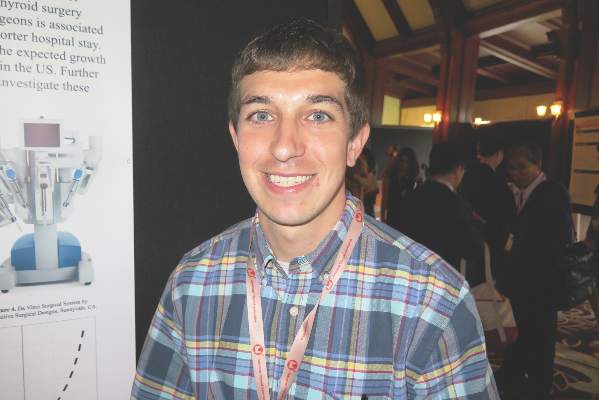
In Korea, where the procedure gained recognition in the early 2000s, “a lot of people cite cultural factors, such as aversion to neck scars, lean body habitus, and low body mass index make the procedure more feasible, so it’s a very popular approach there,” said Dr. Hinson, a research fellow at the University of Arkansas for Medical Sciences, Little Rock. In addition, until recently, there were financial incentives to do thyroid surgery with robotic assistance in the Korean health care system. “That said, in the United States, the cultural forces are distinct, our patients are larger and heavier on average, and most patients don’t have a strong aversion to a neck scar. The procedure is paid the same with or without the robot, but takes on average three times as long with the robot. Surgeons have such great results with open techniques that it’s very hard to make an argument that robotic surgery improves outcomes that much.”
In what is believed to be the largest study of its kind in the United States, Dr. Hinson and his associates evaluated data from the University HealthSystem Consortium (UHC) and an additional academic center which did not participate in the UHC discharge database. The study included 484 patients who underwent robotic thyroidectomy in the United States between 2009 and 2013. Data were compiled from discharge summaries at 110 university medical centers and another 140 of their affiliated hospitals. The researchers collected data on age, gender, race, insurance, comorbidities, complications, discharge status, length of stay, and ICU admission.
Dr. Hinson and his associates found that, compared with outpatients, inpatients had significantly greater numbers of comorbidities and complications. The most common comorbidity was hypertension (12 cases), followed by chronic pulmonary disease (8 cases) and diabetes with complications and comorbidities (6 cases). The median hospital length of stay was 1 day for inpatients, and 57% of outpatients stayed overnight. In addition, 8% of inpatients required an ICU stay, while 99% of outpatients and 97% of inpatients were discharged to home. The highest-volume institution in the data set performed most of the outpatient cases and had a lower rate of complications. “That makes sense,” Dr. Hinson said. “If you’re proficient, you’re more likely to have learned how to avoid complications.
“The approach to the neck has largely been unchanged over the last 100 years,” he said. While several other surgical fields have found highly successful and popular niches for endoscopic and/or robotic technology, the uses for these services has been largely limited in head and neck surgery. The da Vinci system was largely created with abdominal surgery in mind. As surgical techniques and robotic technology develop, systemic applications for this technology, previously unrecognized, may emerge. A lot of academic centers were/are hopeful that robotic thyroid surgery may provide the gateway for advancement of such techniques in the head and neck region.”
He reported having no financial disclosures.
On Twitter @dougbrunk
CORONADO, CALIF. – Robotic thyroid surgery performed at the highest-volume center had a lower complication rate and shorter hospital stays than did the other hospitals in the study, results from a study of national data showed.
The Food and Drug Administration suspended its approval of robotic thyroidectomy in October 2011, citing risks and lack of adequate safety and outcomes research. The researchers observed a drop in the number of robotic thyroidectomies performed in the United States after the FDA issued its restriction in 2011. “That move appears to have made a pretty large impact on the projected growth of this procedure,” Dr. Hinson said at the annual meeting of the American Thyroid Association.
In Korea, where the procedure gained recognition in the early 2000s, “a lot of people cite cultural factors, such as aversion to neck scars, lean body habitus, and low body mass index make the procedure more feasible, so it’s a very popular approach there,” said Dr. Hinson, a research fellow at the University of Arkansas for Medical Sciences, Little Rock. In addition, until recently, there were financial incentives to do thyroid surgery with robotic assistance in the Korean health care system. “That said, in the United States, the cultural forces are distinct, our patients are larger and heavier on average, and most patients don’t have a strong aversion to a neck scar. The procedure is paid the same with or without the robot, but takes on average three times as long with the robot. Surgeons have such great results with open techniques that it’s very hard to make an argument that robotic surgery improves outcomes that much.”
In what is believed to be the largest study of its kind in the United States, Dr. Hinson and his associates evaluated data from the University HealthSystem Consortium (UHC) and an additional academic center which did not participate in the UHC discharge database. The study included 484 patients who underwent robotic thyroidectomy in the United States between 2009 and 2013. Data were compiled from discharge summaries at 110 university medical centers and another 140 of their affiliated hospitals. The researchers collected data on age, gender, race, insurance, comorbidities, complications, discharge status, length of stay, and ICU admission.
Dr. Hinson and his associates found that, compared with outpatients, inpatients had significantly greater numbers of comorbidities and complications. The most common comorbidity was hypertension (12 cases), followed by chronic pulmonary disease (8 cases) and diabetes with complications and comorbidities (6 cases). The median hospital length of stay was 1 day for inpatients, and 57% of outpatients stayed overnight. In addition, 8% of inpatients required an ICU stay, while 99% of outpatients and 97% of inpatients were discharged to home. The highest-volume institution in the data set performed most of the outpatient cases and had a lower rate of complications. “That makes sense,” Dr. Hinson said. “If you’re proficient, you’re more likely to have learned how to avoid complications.
“The approach to the neck has largely been unchanged over the last 100 years,” he said. While several other surgical fields have found highly successful and popular niches for endoscopic and/or robotic technology, the uses for these services has been largely limited in head and neck surgery. The da Vinci system was largely created with abdominal surgery in mind. As surgical techniques and robotic technology develop, systemic applications for this technology, previously unrecognized, may emerge. A lot of academic centers were/are hopeful that robotic thyroid surgery may provide the gateway for advancement of such techniques in the head and neck region.”
He reported having no financial disclosures.
On Twitter @dougbrunk
CORONADO, CALIF. – Robotic thyroid surgery performed at the highest-volume center had a lower complication rate and shorter hospital stays than did the other hospitals in the study, results from a study of national data showed.
The Food and Drug Administration suspended its approval of robotic thyroidectomy in October 2011, citing risks and lack of adequate safety and outcomes research. The researchers observed a drop in the number of robotic thyroidectomies performed in the United States after the FDA issued its restriction in 2011. “That move appears to have made a pretty large impact on the projected growth of this procedure,” Dr. Hinson said at the annual meeting of the American Thyroid Association.
In Korea, where the procedure gained recognition in the early 2000s, “a lot of people cite cultural factors, such as aversion to neck scars, lean body habitus, and low body mass index make the procedure more feasible, so it’s a very popular approach there,” said Dr. Hinson, a research fellow at the University of Arkansas for Medical Sciences, Little Rock. In addition, until recently, there were financial incentives to do thyroid surgery with robotic assistance in the Korean health care system. “That said, in the United States, the cultural forces are distinct, our patients are larger and heavier on average, and most patients don’t have a strong aversion to a neck scar. The procedure is paid the same with or without the robot, but takes on average three times as long with the robot. Surgeons have such great results with open techniques that it’s very hard to make an argument that robotic surgery improves outcomes that much.”
In what is believed to be the largest study of its kind in the United States, Dr. Hinson and his associates evaluated data from the University HealthSystem Consortium (UHC) and an additional academic center which did not participate in the UHC discharge database. The study included 484 patients who underwent robotic thyroidectomy in the United States between 2009 and 2013. Data were compiled from discharge summaries at 110 university medical centers and another 140 of their affiliated hospitals. The researchers collected data on age, gender, race, insurance, comorbidities, complications, discharge status, length of stay, and ICU admission.
Dr. Hinson and his associates found that, compared with outpatients, inpatients had significantly greater numbers of comorbidities and complications. The most common comorbidity was hypertension (12 cases), followed by chronic pulmonary disease (8 cases) and diabetes with complications and comorbidities (6 cases). The median hospital length of stay was 1 day for inpatients, and 57% of outpatients stayed overnight. In addition, 8% of inpatients required an ICU stay, while 99% of outpatients and 97% of inpatients were discharged to home. The highest-volume institution in the data set performed most of the outpatient cases and had a lower rate of complications. “That makes sense,” Dr. Hinson said. “If you’re proficient, you’re more likely to have learned how to avoid complications.
“The approach to the neck has largely been unchanged over the last 100 years,” he said. While several other surgical fields have found highly successful and popular niches for endoscopic and/or robotic technology, the uses for these services has been largely limited in head and neck surgery. The da Vinci system was largely created with abdominal surgery in mind. As surgical techniques and robotic technology develop, systemic applications for this technology, previously unrecognized, may emerge. A lot of academic centers were/are hopeful that robotic thyroid surgery may provide the gateway for advancement of such techniques in the head and neck region.”
He reported having no financial disclosures.
On Twitter @dougbrunk
AT THE ATA ANNUAL MEETING
Key clinical point: Robotic thyroid surgery performed by higher-volume surgeons is associated with lower complications and shorter hospital stays.
Major finding: Compared with outpatients, inpatients had a significantly greater number of comorbidities (P < .001) and complications (P =.005). In addition, the highest-volume institution in the data set performed most of the outpatient cases and had a lower rate of complications.
Data source: A study of 484 patients from the University HealthSystem Consortium who underwent robotic thyroidectomy in the United States between 2009 and 2013.
Disclosures:Dr. Hinson reported having no financial disclosures.
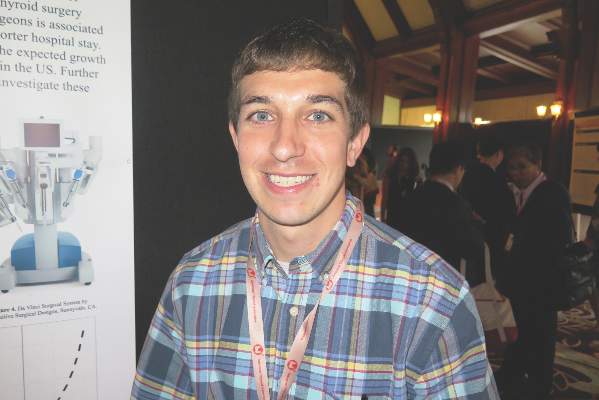
High serum vitamin D levels linked to prostate cancer risk
Mounting evidence suggests that there may be an increased risk of prostate cancer among men with the highest levels of vitamin D.
At a public conference on vitamin D sponsored by the National Institutes of Health, Dr. Demetrius Albanes highlighted several studies in the medical literature, including a meta-analysis which found a 1.17-fold increased risk of prostate cancer among men in the highest categories of 25-hydroxy vitamin D [25(OH)D] status. That analysis was based on a review of 21 prospective cohorts involving 11,941 incident cases of prostate cancer (J. Cancer Res. Clin. Oncol. 2014;140:1465-77). Similar findings were observed in an earlier Swedish study (Cancer Causes Control; 2012;23:1377-85).
Genetic variants in four genes have been shown to predict circulating levels of vitamin D: GC, CYP24A1, CYP2R1, and DHCR7. However, a large analysis of cases and controls from the National Cancer Institute Breast and Prostate Cancer Cohort Consortium failed to demonstrate a protective association between loci known to influence vitamin D levels and prostate cancer risk (Cancer Epidemiol. Biomarkers Prev. 2013;22:688-96). In another study, Dr. Albanes and his associates found that serum vitamin D–binding protein (DBP) modified the association between serum 25-hydroxy vitamin D and prostate cancer, with higher risk for elevated 25-hydroxy vitamin D levels observed mainly among men having DBP concentrations above the median (odds ratio, 1.81 for highest vs. lowest quintile; P = .001) (Int. J. Cancer 2013; 132:2940-7).

“This adds to the serologic evidence that we have seen mounting for an adverse association between higher vitamin D status and prostate cancer risk,” said Dr. Albanes, a senior investigator in the Nutritional Epidemiology Branch of the Division of Cancer Epidemiology and Genetics at the National Cancer Institute. “Many mechanisms could be put forward to be related to this. One is related to the association between a higher 25-hydroxy vitamin D status and total testosterone.” Researchers involved in an Oxford-based biomarkers project are currently analyzing vitamin D data from 12,500 cases and 15,000 controls in 32 cohorts (http://www.ceu.ox.ac.uk/research/27/). Investigators from that effort “will weigh in on this topic,” he said. But for now, “there are no large trial data regarding vitamin D and prostate cancer; those would be very useful. Androgens and cell metabolism proliferation would be key targets as to how this might be coming about. I think it indicates that caution is indicated for this highly incident cancer worldwide.”
As for the impact of 25-hydroxy vitamin D on other cancers, most reports from observational studies are indicating an inverse (protective) association between 25-hydroxyvitamin D and the risk of colorectal cancer, yet data from the controlled trial component of the Women’s Health Initiative found no impact of the 400 IU dose combined with calcium after 8 years of supplementation (N. Engl. J. Med. 2006; 354:684-96). Possible mechanisms of actions include the fact that 1,600 chromatin vitamin D response elements impact target genes in the colon and that vitamin D3 receptor and 1a-hydroxylase is expressed in extrarenal tissues including the colon. The anti-inflammation impact of higher vitamin D status or detoxification of secondary bile acids may also play a role.
With regard to pancreatic cancer, studies have shown an association between high concentrations of circulating levels of serum vitamin D and an elevated risk of this cancer type. A recent analysis by researchers including Dr. Albanes found that men with higher 25-hydroxy vitamin D concentrations and serum DBP below the median showed greatly elevated risk of pancreatic cancer (OR, 5.01 for highest vs. lowest quartile; P less than .0001), while risk was weakly inversely associated with serum 25-hydroxy vitamin D when DBP concentrations were higher (P = .001) (Cancer Research 2012; 72:1190-98).
“The organ site differences are likely,” Dr. Albanes concluded. “Adverse associations do seem possible for prostate and pancreas, particularly strong at this point for prostate. We need additional targeted mechanistic research based on these observations. How is it that higher 25-hydroxy vitamin D status is related to a lowering of risk in colorectal cancer whereas in prostate cancer it’s elevated risk? Is it the androgen pathway? Is it cell proliferation? Consideration of cancer in the ranking of outcomes would have clinical and public health relevance, but that’s a [different] discussion.”
Dr. Albanes reported having no financial disclosures.
On Twitter @dougbrunk
Mounting evidence suggests that there may be an increased risk of prostate cancer among men with the highest levels of vitamin D.
At a public conference on vitamin D sponsored by the National Institutes of Health, Dr. Demetrius Albanes highlighted several studies in the medical literature, including a meta-analysis which found a 1.17-fold increased risk of prostate cancer among men in the highest categories of 25-hydroxy vitamin D [25(OH)D] status. That analysis was based on a review of 21 prospective cohorts involving 11,941 incident cases of prostate cancer (J. Cancer Res. Clin. Oncol. 2014;140:1465-77). Similar findings were observed in an earlier Swedish study (Cancer Causes Control; 2012;23:1377-85).
Genetic variants in four genes have been shown to predict circulating levels of vitamin D: GC, CYP24A1, CYP2R1, and DHCR7. However, a large analysis of cases and controls from the National Cancer Institute Breast and Prostate Cancer Cohort Consortium failed to demonstrate a protective association between loci known to influence vitamin D levels and prostate cancer risk (Cancer Epidemiol. Biomarkers Prev. 2013;22:688-96). In another study, Dr. Albanes and his associates found that serum vitamin D–binding protein (DBP) modified the association between serum 25-hydroxy vitamin D and prostate cancer, with higher risk for elevated 25-hydroxy vitamin D levels observed mainly among men having DBP concentrations above the median (odds ratio, 1.81 for highest vs. lowest quintile; P = .001) (Int. J. Cancer 2013; 132:2940-7).
“This adds to the serologic evidence that we have seen mounting for an adverse association between higher vitamin D status and prostate cancer risk,” said Dr. Albanes, a senior investigator in the Nutritional Epidemiology Branch of the Division of Cancer Epidemiology and Genetics at the National Cancer Institute. “Many mechanisms could be put forward to be related to this. One is related to the association between a higher 25-hydroxy vitamin D status and total testosterone.” Researchers involved in an Oxford-based biomarkers project are currently analyzing vitamin D data from 12,500 cases and 15,000 controls in 32 cohorts (http://www.ceu.ox.ac.uk/research/27/). Investigators from that effort “will weigh in on this topic,” he said. But for now, “there are no large trial data regarding vitamin D and prostate cancer; those would be very useful. Androgens and cell metabolism proliferation would be key targets as to how this might be coming about. I think it indicates that caution is indicated for this highly incident cancer worldwide.”
As for the impact of 25-hydroxy vitamin D on other cancers, most reports from observational studies are indicating an inverse (protective) association between 25-hydroxyvitamin D and the risk of colorectal cancer, yet data from the controlled trial component of the Women’s Health Initiative found no impact of the 400 IU dose combined with calcium after 8 years of supplementation (N. Engl. J. Med. 2006; 354:684-96). Possible mechanisms of actions include the fact that 1,600 chromatin vitamin D response elements impact target genes in the colon and that vitamin D3 receptor and 1a-hydroxylase is expressed in extrarenal tissues including the colon. The anti-inflammation impact of higher vitamin D status or detoxification of secondary bile acids may also play a role.
With regard to pancreatic cancer, studies have shown an association between high concentrations of circulating levels of serum vitamin D and an elevated risk of this cancer type. A recent analysis by researchers including Dr. Albanes found that men with higher 25-hydroxy vitamin D concentrations and serum DBP below the median showed greatly elevated risk of pancreatic cancer (OR, 5.01 for highest vs. lowest quartile; P less than .0001), while risk was weakly inversely associated with serum 25-hydroxy vitamin D when DBP concentrations were higher (P = .001) (Cancer Research 2012; 72:1190-98).
“The organ site differences are likely,” Dr. Albanes concluded. “Adverse associations do seem possible for prostate and pancreas, particularly strong at this point for prostate. We need additional targeted mechanistic research based on these observations. How is it that higher 25-hydroxy vitamin D status is related to a lowering of risk in colorectal cancer whereas in prostate cancer it’s elevated risk? Is it the androgen pathway? Is it cell proliferation? Consideration of cancer in the ranking of outcomes would have clinical and public health relevance, but that’s a [different] discussion.”
Dr. Albanes reported having no financial disclosures.
On Twitter @dougbrunk
Mounting evidence suggests that there may be an increased risk of prostate cancer among men with the highest levels of vitamin D.
At a public conference on vitamin D sponsored by the National Institutes of Health, Dr. Demetrius Albanes highlighted several studies in the medical literature, including a meta-analysis which found a 1.17-fold increased risk of prostate cancer among men in the highest categories of 25-hydroxy vitamin D [25(OH)D] status. That analysis was based on a review of 21 prospective cohorts involving 11,941 incident cases of prostate cancer (J. Cancer Res. Clin. Oncol. 2014;140:1465-77). Similar findings were observed in an earlier Swedish study (Cancer Causes Control; 2012;23:1377-85).
Genetic variants in four genes have been shown to predict circulating levels of vitamin D: GC, CYP24A1, CYP2R1, and DHCR7. However, a large analysis of cases and controls from the National Cancer Institute Breast and Prostate Cancer Cohort Consortium failed to demonstrate a protective association between loci known to influence vitamin D levels and prostate cancer risk (Cancer Epidemiol. Biomarkers Prev. 2013;22:688-96). In another study, Dr. Albanes and his associates found that serum vitamin D–binding protein (DBP) modified the association between serum 25-hydroxy vitamin D and prostate cancer, with higher risk for elevated 25-hydroxy vitamin D levels observed mainly among men having DBP concentrations above the median (odds ratio, 1.81 for highest vs. lowest quintile; P = .001) (Int. J. Cancer 2013; 132:2940-7).
“This adds to the serologic evidence that we have seen mounting for an adverse association between higher vitamin D status and prostate cancer risk,” said Dr. Albanes, a senior investigator in the Nutritional Epidemiology Branch of the Division of Cancer Epidemiology and Genetics at the National Cancer Institute. “Many mechanisms could be put forward to be related to this. One is related to the association between a higher 25-hydroxy vitamin D status and total testosterone.” Researchers involved in an Oxford-based biomarkers project are currently analyzing vitamin D data from 12,500 cases and 15,000 controls in 32 cohorts (http://www.ceu.ox.ac.uk/research/27/). Investigators from that effort “will weigh in on this topic,” he said. But for now, “there are no large trial data regarding vitamin D and prostate cancer; those would be very useful. Androgens and cell metabolism proliferation would be key targets as to how this might be coming about. I think it indicates that caution is indicated for this highly incident cancer worldwide.”
As for the impact of 25-hydroxy vitamin D on other cancers, most reports from observational studies are indicating an inverse (protective) association between 25-hydroxyvitamin D and the risk of colorectal cancer, yet data from the controlled trial component of the Women’s Health Initiative found no impact of the 400 IU dose combined with calcium after 8 years of supplementation (N. Engl. J. Med. 2006; 354:684-96). Possible mechanisms of actions include the fact that 1,600 chromatin vitamin D response elements impact target genes in the colon and that vitamin D3 receptor and 1a-hydroxylase is expressed in extrarenal tissues including the colon. The anti-inflammation impact of higher vitamin D status or detoxification of secondary bile acids may also play a role.
With regard to pancreatic cancer, studies have shown an association between high concentrations of circulating levels of serum vitamin D and an elevated risk of this cancer type. A recent analysis by researchers including Dr. Albanes found that men with higher 25-hydroxy vitamin D concentrations and serum DBP below the median showed greatly elevated risk of pancreatic cancer (OR, 5.01 for highest vs. lowest quartile; P less than .0001), while risk was weakly inversely associated with serum 25-hydroxy vitamin D when DBP concentrations were higher (P = .001) (Cancer Research 2012; 72:1190-98).
“The organ site differences are likely,” Dr. Albanes concluded. “Adverse associations do seem possible for prostate and pancreas, particularly strong at this point for prostate. We need additional targeted mechanistic research based on these observations. How is it that higher 25-hydroxy vitamin D status is related to a lowering of risk in colorectal cancer whereas in prostate cancer it’s elevated risk? Is it the androgen pathway? Is it cell proliferation? Consideration of cancer in the ranking of outcomes would have clinical and public health relevance, but that’s a [different] discussion.”
Dr. Albanes reported having no financial disclosures.
On Twitter @dougbrunk

Don’t be scared of red eye, expert says
LAS VEGAS – Few conditions worry parents or school nurses more than when a child develops red eye, but how do you as the treating clinician know when to worry?
“Our challenge is to make the right diagnosis, not to worsen the problem, to figure when to refer, and to make that mother who had to take off from work to bring her child into the office – somehow we have to make her happy,” Dr. David B. Granet said at a pediatric update sponsored by the American Academy of Pediatrics California District 9.

Concomitant pain or photophobia typically means that something other than bacterial conjunctivitis is at play, said Dr. Granet, professor of ophthalmology and pediatrics at the University of California, San Diego. “Is there contact lens use?” he asked. “Is there proptosis or a history of trauma or injury? How long has it been going on? Most bacterial and viral infections will eventually go away. Is there a corneal opacity? Is there cellulitis, loss of vision, or herpes simplex virus?”
If parents call in suspecting that their child’s eye has been contaminated with a chemical, instruct them to irrigate the eye before they head to the emergency department, he advised. “Whoever’s answering the phone in your office ought to be able to separate out what’s worrisome and what’s not,” he said. “Like everything else we do, the history matters.”
For children who present to your office, consider “anything that can go wrong to make the eye red,” he continued, including nasolacrimal duct obstruction, adnexal disease, foreign body/trauma, uveitis, neoplasm, structural change, or conjunctivitis. “Has the vision changed? If so, that’s your vital sign for referral,” he said. “It’s generally a better sign to have both eyes involved with redness than just one. One eye involved means herpes simplex virus, uveitis, or trauma. Both eyes involved usually means infective or allergic conjunctivitis.”
The three most common conditions that cause a red or pink eye are allergic, bacterial, and viral conjunctivitis. Allergic conjunctivitis “is not just itching; that’s the symptom,” Dr. Granet said. “You get redness, swelling of the conjunctiva, lid edema, mucous discharge, and tearing. All of these occur when the patient rubs their eye. The best treatment for allergic conjunctivitis is avoidance of the allergen.”
He also recommended that affected children wash their hair before they go to sleep. “If their hair has been catching allergen all day long and they lie down on their pillow and start to roll [their head around in] it, that can cause a reaction,” he said.
Ketotifen fumarate (Zaditor) is an available over-the-counter treatment option, but olopatadine HCl (Pataday) is the most popular prescription written by pediatricians. “If you give any antihistamine, in low doses you start to prevent the release of histamine,” Dr. Granet said. “As the dose increases, you have a catastrophic event and you start to destruct the mast cell.”
Viral conjunctivitis usually affects older children and presents as a unilateral condition, then affects the fellow eye. It may be associated with pharyngitis and preauricular or submandibular adenopathy. Bacterial conjunctivitis, on the other hand, typically affects preschool-aged children, is often bilateral but can be unilateral, and yields mucopurulent discharge with matting. It is not associated with adenopathy, but it may be associated with otitis media, and it’s highly contagious. Topical antibiotic ointment therapy is indicated for bacterial conjunctivitis “not because this is a deadly disease, but because we want to reduce the chance for spread,” Dr. Granet said. “We know that communicable diseases are responsible for loss of 164 million school days each year. Additionally, there is a significant cost to a family when a parent misses work. Finally, if the diagnosis is in doubt, treatment with an antibiotic geared to work within a few days will help identify masquerade diseases early.”
Because of concerns about antibiotic resistance, fluoroquinolones are often the first choice for treating bacterial conjunctivitis. Dr. Granet led a multicenter comparison of moxifloxacin versus polymyxin B sulfate–trimethoprim ophthalmic solution in the speed of clinical efficacy for the treatment of bacterial conjunctivitis (J. Pediatr. Ophthalmol. Strabismus 2008;45:340-9). The investigators found that after day 2 of treatment, clinical cure was achieved by 81% of kids in the moxifloxacin group, compared with 44% of those in the polymyxin B sulfate–trimethoprim group. In addition, only 2.3% of kids in the moxifloxacin group were nonresponders, compared with 19.5% of those in the polymyxin B sulfate–trimethoprim group.
Common treatments for viral conjunctivitis include hygiene-related approaches like hand washing and not sharing towels and glasses. But these only prevent spread and don’t make the disease go away faster. The infection usually resolves in about 2 weeks.
Dr. Granet disclosed that he is a member of the speakers bureau for Alcon Labs and is a consultant for Diopsys.
On Twitter @dougbrunk
LAS VEGAS – Few conditions worry parents or school nurses more than when a child develops red eye, but how do you as the treating clinician know when to worry?
“Our challenge is to make the right diagnosis, not to worsen the problem, to figure when to refer, and to make that mother who had to take off from work to bring her child into the office – somehow we have to make her happy,” Dr. David B. Granet said at a pediatric update sponsored by the American Academy of Pediatrics California District 9.
Concomitant pain or photophobia typically means that something other than bacterial conjunctivitis is at play, said Dr. Granet, professor of ophthalmology and pediatrics at the University of California, San Diego. “Is there contact lens use?” he asked. “Is there proptosis or a history of trauma or injury? How long has it been going on? Most bacterial and viral infections will eventually go away. Is there a corneal opacity? Is there cellulitis, loss of vision, or herpes simplex virus?”
If parents call in suspecting that their child’s eye has been contaminated with a chemical, instruct them to irrigate the eye before they head to the emergency department, he advised. “Whoever’s answering the phone in your office ought to be able to separate out what’s worrisome and what’s not,” he said. “Like everything else we do, the history matters.”
For children who present to your office, consider “anything that can go wrong to make the eye red,” he continued, including nasolacrimal duct obstruction, adnexal disease, foreign body/trauma, uveitis, neoplasm, structural change, or conjunctivitis. “Has the vision changed? If so, that’s your vital sign for referral,” he said. “It’s generally a better sign to have both eyes involved with redness than just one. One eye involved means herpes simplex virus, uveitis, or trauma. Both eyes involved usually means infective or allergic conjunctivitis.”
The three most common conditions that cause a red or pink eye are allergic, bacterial, and viral conjunctivitis. Allergic conjunctivitis “is not just itching; that’s the symptom,” Dr. Granet said. “You get redness, swelling of the conjunctiva, lid edema, mucous discharge, and tearing. All of these occur when the patient rubs their eye. The best treatment for allergic conjunctivitis is avoidance of the allergen.”
He also recommended that affected children wash their hair before they go to sleep. “If their hair has been catching allergen all day long and they lie down on their pillow and start to roll [their head around in] it, that can cause a reaction,” he said.
Ketotifen fumarate (Zaditor) is an available over-the-counter treatment option, but olopatadine HCl (Pataday) is the most popular prescription written by pediatricians. “If you give any antihistamine, in low doses you start to prevent the release of histamine,” Dr. Granet said. “As the dose increases, you have a catastrophic event and you start to destruct the mast cell.”
Viral conjunctivitis usually affects older children and presents as a unilateral condition, then affects the fellow eye. It may be associated with pharyngitis and preauricular or submandibular adenopathy. Bacterial conjunctivitis, on the other hand, typically affects preschool-aged children, is often bilateral but can be unilateral, and yields mucopurulent discharge with matting. It is not associated with adenopathy, but it may be associated with otitis media, and it’s highly contagious. Topical antibiotic ointment therapy is indicated for bacterial conjunctivitis “not because this is a deadly disease, but because we want to reduce the chance for spread,” Dr. Granet said. “We know that communicable diseases are responsible for loss of 164 million school days each year. Additionally, there is a significant cost to a family when a parent misses work. Finally, if the diagnosis is in doubt, treatment with an antibiotic geared to work within a few days will help identify masquerade diseases early.”
Because of concerns about antibiotic resistance, fluoroquinolones are often the first choice for treating bacterial conjunctivitis. Dr. Granet led a multicenter comparison of moxifloxacin versus polymyxin B sulfate–trimethoprim ophthalmic solution in the speed of clinical efficacy for the treatment of bacterial conjunctivitis (J. Pediatr. Ophthalmol. Strabismus 2008;45:340-9). The investigators found that after day 2 of treatment, clinical cure was achieved by 81% of kids in the moxifloxacin group, compared with 44% of those in the polymyxin B sulfate–trimethoprim group. In addition, only 2.3% of kids in the moxifloxacin group were nonresponders, compared with 19.5% of those in the polymyxin B sulfate–trimethoprim group.
Common treatments for viral conjunctivitis include hygiene-related approaches like hand washing and not sharing towels and glasses. But these only prevent spread and don’t make the disease go away faster. The infection usually resolves in about 2 weeks.
Dr. Granet disclosed that he is a member of the speakers bureau for Alcon Labs and is a consultant for Diopsys.
On Twitter @dougbrunk
LAS VEGAS – Few conditions worry parents or school nurses more than when a child develops red eye, but how do you as the treating clinician know when to worry?
“Our challenge is to make the right diagnosis, not to worsen the problem, to figure when to refer, and to make that mother who had to take off from work to bring her child into the office – somehow we have to make her happy,” Dr. David B. Granet said at a pediatric update sponsored by the American Academy of Pediatrics California District 9.
Concomitant pain or photophobia typically means that something other than bacterial conjunctivitis is at play, said Dr. Granet, professor of ophthalmology and pediatrics at the University of California, San Diego. “Is there contact lens use?” he asked. “Is there proptosis or a history of trauma or injury? How long has it been going on? Most bacterial and viral infections will eventually go away. Is there a corneal opacity? Is there cellulitis, loss of vision, or herpes simplex virus?”
If parents call in suspecting that their child’s eye has been contaminated with a chemical, instruct them to irrigate the eye before they head to the emergency department, he advised. “Whoever’s answering the phone in your office ought to be able to separate out what’s worrisome and what’s not,” he said. “Like everything else we do, the history matters.”
For children who present to your office, consider “anything that can go wrong to make the eye red,” he continued, including nasolacrimal duct obstruction, adnexal disease, foreign body/trauma, uveitis, neoplasm, structural change, or conjunctivitis. “Has the vision changed? If so, that’s your vital sign for referral,” he said. “It’s generally a better sign to have both eyes involved with redness than just one. One eye involved means herpes simplex virus, uveitis, or trauma. Both eyes involved usually means infective or allergic conjunctivitis.”
The three most common conditions that cause a red or pink eye are allergic, bacterial, and viral conjunctivitis. Allergic conjunctivitis “is not just itching; that’s the symptom,” Dr. Granet said. “You get redness, swelling of the conjunctiva, lid edema, mucous discharge, and tearing. All of these occur when the patient rubs their eye. The best treatment for allergic conjunctivitis is avoidance of the allergen.”
He also recommended that affected children wash their hair before they go to sleep. “If their hair has been catching allergen all day long and they lie down on their pillow and start to roll [their head around in] it, that can cause a reaction,” he said.
Ketotifen fumarate (Zaditor) is an available over-the-counter treatment option, but olopatadine HCl (Pataday) is the most popular prescription written by pediatricians. “If you give any antihistamine, in low doses you start to prevent the release of histamine,” Dr. Granet said. “As the dose increases, you have a catastrophic event and you start to destruct the mast cell.”
Viral conjunctivitis usually affects older children and presents as a unilateral condition, then affects the fellow eye. It may be associated with pharyngitis and preauricular or submandibular adenopathy. Bacterial conjunctivitis, on the other hand, typically affects preschool-aged children, is often bilateral but can be unilateral, and yields mucopurulent discharge with matting. It is not associated with adenopathy, but it may be associated with otitis media, and it’s highly contagious. Topical antibiotic ointment therapy is indicated for bacterial conjunctivitis “not because this is a deadly disease, but because we want to reduce the chance for spread,” Dr. Granet said. “We know that communicable diseases are responsible for loss of 164 million school days each year. Additionally, there is a significant cost to a family when a parent misses work. Finally, if the diagnosis is in doubt, treatment with an antibiotic geared to work within a few days will help identify masquerade diseases early.”
Because of concerns about antibiotic resistance, fluoroquinolones are often the first choice for treating bacterial conjunctivitis. Dr. Granet led a multicenter comparison of moxifloxacin versus polymyxin B sulfate–trimethoprim ophthalmic solution in the speed of clinical efficacy for the treatment of bacterial conjunctivitis (J. Pediatr. Ophthalmol. Strabismus 2008;45:340-9). The investigators found that after day 2 of treatment, clinical cure was achieved by 81% of kids in the moxifloxacin group, compared with 44% of those in the polymyxin B sulfate–trimethoprim group. In addition, only 2.3% of kids in the moxifloxacin group were nonresponders, compared with 19.5% of those in the polymyxin B sulfate–trimethoprim group.
Common treatments for viral conjunctivitis include hygiene-related approaches like hand washing and not sharing towels and glasses. But these only prevent spread and don’t make the disease go away faster. The infection usually resolves in about 2 weeks.
Dr. Granet disclosed that he is a member of the speakers bureau for Alcon Labs and is a consultant for Diopsys.
On Twitter @dougbrunk
EXPERT ANALYSIS AT PEDIATRIC UPDATE

Successful AVF creation a national challenge
CORONADO, CALIF.– Clinicians have a ways to go before they reach the National Kidney Foundation’s Kidney Disease Outcomes Quality Initiative Guidelines for vascular access, a recent analysis of national data suggest.
Part of the challenge is because the incidence of renal disease continues to grow over time, Dr. Mark R. Nehler said at the annual meeting of the Western Vascular Society. “The elderly population is growing, and the need for access is growing,” said Dr. Nehler, chief of the section of vascular surgery and endovascular therapy and podiatry at the University of Colorado Anschutz Medical Campus, Aurora. “There’s also large geographic variation in how patients are being treated, and a large percentage of patients do not see a nephrologist before they’re put on dialysis.”
The 2010 targets set by the Kidney Disease Outcomes Quality Initiative Guidelines recommend that clinicians create an arteriovenous fistula (AVF) in 50% of new-onset and 67% of existing hemodialysis patients, respectively, and to use catheters in fewer than 10% of hemodialysis patients. “Over time, the recommendations have become catheter-last rather than fistula-first,” Dr. Nehler said.
According to 2014 incidence data Dr. Nehler presented from Fistula First, a coalition that focuses on increasing the use of AV fistulas and decreasing the use of tunneled dialysis catheters, clinicians are using AVFs in new-onset hemodialysis patients only 20% of the time, 75% are still using catheters, and 5% are using grafts. “If you look at the incidence data for access, we’re not meeting the guidelines,” Dr. Nehler commented. “A fair amount of them have fistulas maturing, but we’re nowhere close to the 50% of patients starting dialysis using a fistula.”
Prevalence data from Fistula First is more on target, with 64% of patients using an AVF, but 19% of patients are using a catheter for prevalent access, “so there’s still some work to be done, but these numbers continue to get better.” States doing a good job implementing the guidelines include Colorado, New Mexico, New Hampshire, Washington, and Utah. “Some of the worst performers are in the South and in the East,” Dr. Nehler said. “When you look at the types of patients that don’t do well with fistulas, you realize that it probably has as much to do with the types of patients [clinicians are] taking care of as it has to do with any particular skill set of the surgeons involved.”
He characterized the rate of fistula maturation as “fairly sobering, where you can see a failure rate of 40%-45%, based on results from randomized trials,” he said. “Failure rate has been associated with advanced age, vein size, forearm AVFs especially in diabetics and in nonwhite patients.”
Dr. Nehler reported having no financial disclosures.
On Twitter @dougbrunk
CORONADO, CALIF.– Clinicians have a ways to go before they reach the National Kidney Foundation’s Kidney Disease Outcomes Quality Initiative Guidelines for vascular access, a recent analysis of national data suggest.
Part of the challenge is because the incidence of renal disease continues to grow over time, Dr. Mark R. Nehler said at the annual meeting of the Western Vascular Society. “The elderly population is growing, and the need for access is growing,” said Dr. Nehler, chief of the section of vascular surgery and endovascular therapy and podiatry at the University of Colorado Anschutz Medical Campus, Aurora. “There’s also large geographic variation in how patients are being treated, and a large percentage of patients do not see a nephrologist before they’re put on dialysis.”
The 2010 targets set by the Kidney Disease Outcomes Quality Initiative Guidelines recommend that clinicians create an arteriovenous fistula (AVF) in 50% of new-onset and 67% of existing hemodialysis patients, respectively, and to use catheters in fewer than 10% of hemodialysis patients. “Over time, the recommendations have become catheter-last rather than fistula-first,” Dr. Nehler said.
According to 2014 incidence data Dr. Nehler presented from Fistula First, a coalition that focuses on increasing the use of AV fistulas and decreasing the use of tunneled dialysis catheters, clinicians are using AVFs in new-onset hemodialysis patients only 20% of the time, 75% are still using catheters, and 5% are using grafts. “If you look at the incidence data for access, we’re not meeting the guidelines,” Dr. Nehler commented. “A fair amount of them have fistulas maturing, but we’re nowhere close to the 50% of patients starting dialysis using a fistula.”
Prevalence data from Fistula First is more on target, with 64% of patients using an AVF, but 19% of patients are using a catheter for prevalent access, “so there’s still some work to be done, but these numbers continue to get better.” States doing a good job implementing the guidelines include Colorado, New Mexico, New Hampshire, Washington, and Utah. “Some of the worst performers are in the South and in the East,” Dr. Nehler said. “When you look at the types of patients that don’t do well with fistulas, you realize that it probably has as much to do with the types of patients [clinicians are] taking care of as it has to do with any particular skill set of the surgeons involved.”
He characterized the rate of fistula maturation as “fairly sobering, where you can see a failure rate of 40%-45%, based on results from randomized trials,” he said. “Failure rate has been associated with advanced age, vein size, forearm AVFs especially in diabetics and in nonwhite patients.”
Dr. Nehler reported having no financial disclosures.
On Twitter @dougbrunk
CORONADO, CALIF.– Clinicians have a ways to go before they reach the National Kidney Foundation’s Kidney Disease Outcomes Quality Initiative Guidelines for vascular access, a recent analysis of national data suggest.
Part of the challenge is because the incidence of renal disease continues to grow over time, Dr. Mark R. Nehler said at the annual meeting of the Western Vascular Society. “The elderly population is growing, and the need for access is growing,” said Dr. Nehler, chief of the section of vascular surgery and endovascular therapy and podiatry at the University of Colorado Anschutz Medical Campus, Aurora. “There’s also large geographic variation in how patients are being treated, and a large percentage of patients do not see a nephrologist before they’re put on dialysis.”
The 2010 targets set by the Kidney Disease Outcomes Quality Initiative Guidelines recommend that clinicians create an arteriovenous fistula (AVF) in 50% of new-onset and 67% of existing hemodialysis patients, respectively, and to use catheters in fewer than 10% of hemodialysis patients. “Over time, the recommendations have become catheter-last rather than fistula-first,” Dr. Nehler said.
According to 2014 incidence data Dr. Nehler presented from Fistula First, a coalition that focuses on increasing the use of AV fistulas and decreasing the use of tunneled dialysis catheters, clinicians are using AVFs in new-onset hemodialysis patients only 20% of the time, 75% are still using catheters, and 5% are using grafts. “If you look at the incidence data for access, we’re not meeting the guidelines,” Dr. Nehler commented. “A fair amount of them have fistulas maturing, but we’re nowhere close to the 50% of patients starting dialysis using a fistula.”
Prevalence data from Fistula First is more on target, with 64% of patients using an AVF, but 19% of patients are using a catheter for prevalent access, “so there’s still some work to be done, but these numbers continue to get better.” States doing a good job implementing the guidelines include Colorado, New Mexico, New Hampshire, Washington, and Utah. “Some of the worst performers are in the South and in the East,” Dr. Nehler said. “When you look at the types of patients that don’t do well with fistulas, you realize that it probably has as much to do with the types of patients [clinicians are] taking care of as it has to do with any particular skill set of the surgeons involved.”
He characterized the rate of fistula maturation as “fairly sobering, where you can see a failure rate of 40%-45%, based on results from randomized trials,” he said. “Failure rate has been associated with advanced age, vein size, forearm AVFs especially in diabetics and in nonwhite patients.”
Dr. Nehler reported having no financial disclosures.
On Twitter @dougbrunk
EXPERT ANALYSIS AT THE WESTERN VASCULAR SOCIETY ANNUAL MEETING
Don’t think tendinitis in kids, but apophysitis instead
LAS VEGAS – Beware the diagnosis of tendinitis in children and adolescents who present with varying degrees of knee or foot pain.
“If you make the diagnosis of tendinitis, you’re probably wrong,” Dr. Sally S. Harris said at a pediatric update sponsored by the American Academy of Pediatrics California District 9. “Tendinitis rarely occurs in the pediatric and adolescent age group because tendinitis is a degenerative condition. So think of other things, especially apophysitis.”
An apophysis is a secondary center of ossification that contributes to the peripheral prominences around bones, such as around the ankles, elbows, pelvis, and knees: “The bumps, so to speak,” said Dr. Harris, who practices in the departments of sports medicine and pediatrics at Palo Alto (Calif.) Medical Foundation. “It’s a bone-related pain, an inflammation of that softer cartilage turning to bone that isn’t completely formed.”
Osgood-Schlatter disease ranks as the most-common apophysitis injury. This occurs during midpuberty and is marked by a prominent swollen bump on the front of the knee, just below the knee cap, where the patellar tendon attaches to the tibial tubercle, explained Dr. Harris, who founded the AAP section on sports medicine. “It’s a secondary center of ossification that appears at ages 10-12 years and fuses at ages 14-18.” Telltale signs are tenderness with or without swelling at the tibial tubercle that worsens with running, jumping, or impact activities. “If you ask [patients] to extend their knee against the resistance of your hand, you’ll probably reproduce the pain,” she said.
X-rays usually are not required. “You might do it to confirm the presence of an open apophysitis or to rule out other pathology, but other pathology is almost always unheard of at that area.”
Recommended treatment involves decreasing running and jumping activity as needed to keep symptoms manageable, and decreasing inflammation with ice and possibly nonsteroidal anti-inflammatory drugs. Wearing protective knee pads also can help. “Anytime the bump gets hit, kicked, or kneeled on, it will be more irritated,” she said. “Stretching quadriceps and especially hamstrings can help offload this problem.”.
Dr. Harris described the condition as self-limited although it can last 2-3 years. Potential complications considered minor include enlargement of the tibial tubercle, ununited ossicles in the patellar tendon, and avulsion of the tibial tubercle (rare). “Generally, Osgood-Schlatter is a harmless condition that you just want to manage,” she said.
Another common injury is Sinding-Larsen-Johansson syndrome, which is an apophysitis of the inferior pole of the patella that occurs in prepubescent boys and girls. “This is going to be knee pain, but there won’t be anything obvious for you to see or for them to point at,” Dr. Harris said. “You will focus on the inferior pole of the patella and palpate where the patellar tendon attaches to the knee cap. It’s analogous to jumper’s knee in adults.”
Lateral x-rays will reveal a small ossific fragment at the distal portion of the patella. Sinding-Larsen-Johansson disease typically resolves within 1 year. “It rarely interferes with activity; they just need an explanation of what’s going on,” she said.
Severs disease, which occurs in early puberty, is an apophysitis injury that affects the heels of children who participate in soccer and gymnastics. It’s marked by a traction/impact apophysitis at the site of insertion of the Achilles’ tendon at the posterior calcaneus. “At times, it can last for 2-3 years, but it is a self-limited condition,” Dr. Harris said. “Nothing ever bad comes from this other than the ups and downs of the pain. It’s pain at the base of the heel, not the Achilles’ tendon area, but patients will come in and some of them have been told they have Achilles’ tendinitis.”
Telltale signs include pain with heel walking and positive lateral squeeze test of the posterior calcaneus. “That reproduces the symptoms,” she said. “If they’re not symptomatic when you see them in the office, you can ask them to try this test after their next [sports] practice, and this will confirm the diagnosis. X-rays are not needed.”
Treatment involves modifying physical activity to keep symptoms manageable. Insertion of silicone heel cups can help, as can wearing shoes with good padding.
If a child of pubertal age presents with pain localized to the inner side of the arching foot, think tarsal navicular bone apophysitis, which is due to the presence of accessory navicular or open apophysitis. “It doesn’t really matter what the anatomy is; it’s all treated the same way, which is to support pronation with arch support,” Dr. Harris said. “If this doesn’t alleviate symptoms well enough, they need custom orthotics made.”
The final injury Dr. Harris discussed was Iselin’s disease, which is a secondary center of ossification at the site of insertion of the peroneal tendon at the base of the 5th metatarsal. Pain in the region is exacerbated by excessive lateral ankle movement. “On an x-ray, this looks like a small crescent of bone growing that hasn’t completely fused yet,” she said. “It’s often misread as a fracture, but it’s normal development.” Treatment consists of activity modification, icing, and NSAIDs as needed, and an ankle brace to provide lateral ankle support. She described Iselin’s as “harmless and short lived, from 6-10 months at the most.”
Dr. Harris reported having no financial disclosures.
On Twitter @dougbrunk
LAS VEGAS – Beware the diagnosis of tendinitis in children and adolescents who present with varying degrees of knee or foot pain.
“If you make the diagnosis of tendinitis, you’re probably wrong,” Dr. Sally S. Harris said at a pediatric update sponsored by the American Academy of Pediatrics California District 9. “Tendinitis rarely occurs in the pediatric and adolescent age group because tendinitis is a degenerative condition. So think of other things, especially apophysitis.”
An apophysis is a secondary center of ossification that contributes to the peripheral prominences around bones, such as around the ankles, elbows, pelvis, and knees: “The bumps, so to speak,” said Dr. Harris, who practices in the departments of sports medicine and pediatrics at Palo Alto (Calif.) Medical Foundation. “It’s a bone-related pain, an inflammation of that softer cartilage turning to bone that isn’t completely formed.”
Osgood-Schlatter disease ranks as the most-common apophysitis injury. This occurs during midpuberty and is marked by a prominent swollen bump on the front of the knee, just below the knee cap, where the patellar tendon attaches to the tibial tubercle, explained Dr. Harris, who founded the AAP section on sports medicine. “It’s a secondary center of ossification that appears at ages 10-12 years and fuses at ages 14-18.” Telltale signs are tenderness with or without swelling at the tibial tubercle that worsens with running, jumping, or impact activities. “If you ask [patients] to extend their knee against the resistance of your hand, you’ll probably reproduce the pain,” she said.
X-rays usually are not required. “You might do it to confirm the presence of an open apophysitis or to rule out other pathology, but other pathology is almost always unheard of at that area.”
Recommended treatment involves decreasing running and jumping activity as needed to keep symptoms manageable, and decreasing inflammation with ice and possibly nonsteroidal anti-inflammatory drugs. Wearing protective knee pads also can help. “Anytime the bump gets hit, kicked, or kneeled on, it will be more irritated,” she said. “Stretching quadriceps and especially hamstrings can help offload this problem.”.
Dr. Harris described the condition as self-limited although it can last 2-3 years. Potential complications considered minor include enlargement of the tibial tubercle, ununited ossicles in the patellar tendon, and avulsion of the tibial tubercle (rare). “Generally, Osgood-Schlatter is a harmless condition that you just want to manage,” she said.
Another common injury is Sinding-Larsen-Johansson syndrome, which is an apophysitis of the inferior pole of the patella that occurs in prepubescent boys and girls. “This is going to be knee pain, but there won’t be anything obvious for you to see or for them to point at,” Dr. Harris said. “You will focus on the inferior pole of the patella and palpate where the patellar tendon attaches to the knee cap. It’s analogous to jumper’s knee in adults.”
Lateral x-rays will reveal a small ossific fragment at the distal portion of the patella. Sinding-Larsen-Johansson disease typically resolves within 1 year. “It rarely interferes with activity; they just need an explanation of what’s going on,” she said.
Severs disease, which occurs in early puberty, is an apophysitis injury that affects the heels of children who participate in soccer and gymnastics. It’s marked by a traction/impact apophysitis at the site of insertion of the Achilles’ tendon at the posterior calcaneus. “At times, it can last for 2-3 years, but it is a self-limited condition,” Dr. Harris said. “Nothing ever bad comes from this other than the ups and downs of the pain. It’s pain at the base of the heel, not the Achilles’ tendon area, but patients will come in and some of them have been told they have Achilles’ tendinitis.”
Telltale signs include pain with heel walking and positive lateral squeeze test of the posterior calcaneus. “That reproduces the symptoms,” she said. “If they’re not symptomatic when you see them in the office, you can ask them to try this test after their next [sports] practice, and this will confirm the diagnosis. X-rays are not needed.”
Treatment involves modifying physical activity to keep symptoms manageable. Insertion of silicone heel cups can help, as can wearing shoes with good padding.
If a child of pubertal age presents with pain localized to the inner side of the arching foot, think tarsal navicular bone apophysitis, which is due to the presence of accessory navicular or open apophysitis. “It doesn’t really matter what the anatomy is; it’s all treated the same way, which is to support pronation with arch support,” Dr. Harris said. “If this doesn’t alleviate symptoms well enough, they need custom orthotics made.”
The final injury Dr. Harris discussed was Iselin’s disease, which is a secondary center of ossification at the site of insertion of the peroneal tendon at the base of the 5th metatarsal. Pain in the region is exacerbated by excessive lateral ankle movement. “On an x-ray, this looks like a small crescent of bone growing that hasn’t completely fused yet,” she said. “It’s often misread as a fracture, but it’s normal development.” Treatment consists of activity modification, icing, and NSAIDs as needed, and an ankle brace to provide lateral ankle support. She described Iselin’s as “harmless and short lived, from 6-10 months at the most.”
Dr. Harris reported having no financial disclosures.
On Twitter @dougbrunk
LAS VEGAS – Beware the diagnosis of tendinitis in children and adolescents who present with varying degrees of knee or foot pain.
“If you make the diagnosis of tendinitis, you’re probably wrong,” Dr. Sally S. Harris said at a pediatric update sponsored by the American Academy of Pediatrics California District 9. “Tendinitis rarely occurs in the pediatric and adolescent age group because tendinitis is a degenerative condition. So think of other things, especially apophysitis.”
An apophysis is a secondary center of ossification that contributes to the peripheral prominences around bones, such as around the ankles, elbows, pelvis, and knees: “The bumps, so to speak,” said Dr. Harris, who practices in the departments of sports medicine and pediatrics at Palo Alto (Calif.) Medical Foundation. “It’s a bone-related pain, an inflammation of that softer cartilage turning to bone that isn’t completely formed.”
Osgood-Schlatter disease ranks as the most-common apophysitis injury. This occurs during midpuberty and is marked by a prominent swollen bump on the front of the knee, just below the knee cap, where the patellar tendon attaches to the tibial tubercle, explained Dr. Harris, who founded the AAP section on sports medicine. “It’s a secondary center of ossification that appears at ages 10-12 years and fuses at ages 14-18.” Telltale signs are tenderness with or without swelling at the tibial tubercle that worsens with running, jumping, or impact activities. “If you ask [patients] to extend their knee against the resistance of your hand, you’ll probably reproduce the pain,” she said.
X-rays usually are not required. “You might do it to confirm the presence of an open apophysitis or to rule out other pathology, but other pathology is almost always unheard of at that area.”
Recommended treatment involves decreasing running and jumping activity as needed to keep symptoms manageable, and decreasing inflammation with ice and possibly nonsteroidal anti-inflammatory drugs. Wearing protective knee pads also can help. “Anytime the bump gets hit, kicked, or kneeled on, it will be more irritated,” she said. “Stretching quadriceps and especially hamstrings can help offload this problem.”.
Dr. Harris described the condition as self-limited although it can last 2-3 years. Potential complications considered minor include enlargement of the tibial tubercle, ununited ossicles in the patellar tendon, and avulsion of the tibial tubercle (rare). “Generally, Osgood-Schlatter is a harmless condition that you just want to manage,” she said.
Another common injury is Sinding-Larsen-Johansson syndrome, which is an apophysitis of the inferior pole of the patella that occurs in prepubescent boys and girls. “This is going to be knee pain, but there won’t be anything obvious for you to see or for them to point at,” Dr. Harris said. “You will focus on the inferior pole of the patella and palpate where the patellar tendon attaches to the knee cap. It’s analogous to jumper’s knee in adults.”
Lateral x-rays will reveal a small ossific fragment at the distal portion of the patella. Sinding-Larsen-Johansson disease typically resolves within 1 year. “It rarely interferes with activity; they just need an explanation of what’s going on,” she said.
Severs disease, which occurs in early puberty, is an apophysitis injury that affects the heels of children who participate in soccer and gymnastics. It’s marked by a traction/impact apophysitis at the site of insertion of the Achilles’ tendon at the posterior calcaneus. “At times, it can last for 2-3 years, but it is a self-limited condition,” Dr. Harris said. “Nothing ever bad comes from this other than the ups and downs of the pain. It’s pain at the base of the heel, not the Achilles’ tendon area, but patients will come in and some of them have been told they have Achilles’ tendinitis.”
Telltale signs include pain with heel walking and positive lateral squeeze test of the posterior calcaneus. “That reproduces the symptoms,” she said. “If they’re not symptomatic when you see them in the office, you can ask them to try this test after their next [sports] practice, and this will confirm the diagnosis. X-rays are not needed.”
Treatment involves modifying physical activity to keep symptoms manageable. Insertion of silicone heel cups can help, as can wearing shoes with good padding.
If a child of pubertal age presents with pain localized to the inner side of the arching foot, think tarsal navicular bone apophysitis, which is due to the presence of accessory navicular or open apophysitis. “It doesn’t really matter what the anatomy is; it’s all treated the same way, which is to support pronation with arch support,” Dr. Harris said. “If this doesn’t alleviate symptoms well enough, they need custom orthotics made.”
The final injury Dr. Harris discussed was Iselin’s disease, which is a secondary center of ossification at the site of insertion of the peroneal tendon at the base of the 5th metatarsal. Pain in the region is exacerbated by excessive lateral ankle movement. “On an x-ray, this looks like a small crescent of bone growing that hasn’t completely fused yet,” she said. “It’s often misread as a fracture, but it’s normal development.” Treatment consists of activity modification, icing, and NSAIDs as needed, and an ankle brace to provide lateral ankle support. She described Iselin’s as “harmless and short lived, from 6-10 months at the most.”
Dr. Harris reported having no financial disclosures.
On Twitter @dougbrunk
EXPERT ANALYSIS AT PEDIATRIC UPDATE